


Abstract
Alzheimer’s disease (AD) is the most common form of dementia marked by cognitive decline and memory loss. Early detection is essential for timely intervention; however, traditional biomarkers, including cerebrospinal fluid (CSF) assays, neuroimaging, and cognitive assessments, are limited by cost, invasiveness, and accessibility. Digital biomarkers, obtained from wearable sensors, smartphone applications, speech analysis, and other passive monitoring technologies, represent a promising alternative for scalable, non-invasive, and continuous assessment of early cognitive decline. This paper provides a comprehensive review of the current landscape of digital biomarkers for AD diagnosis, emphasizing their potential application in the preclinical and prodromal stages of the disease. In addition, a bibliometric analysis demonstrates the rapid expansion of digital biomarker research, highlighting key trends in publication volume, influential authors, institutions, and interdisciplinary collaborations. Despite the significant promise of digital biomarkers, challenges remain regarding validation, regulatory approval, data privacy, and integration into clinical practice. The results indicate that future research should prioritize standardization, multimodal biomarker integration, and large-scale longitudinal studies to fully realize the potential of digital technologies in AD detection.
1. Introduction
Alzheimer’s disease (AD) is a progressive neurodegenerative disease that is marked by the loss of memory and cognitive impairment [1]. The disease typically begins with atrophy in the medial temporal lobe, progressing to the lateral-temporal and parietal cortices. At the same time, atypical forms may present with hippocampus-sparing patterns in the early stages. Early diagnosis of AD is important, as it enables early intervention and may slow disease progression [2]. In this context, early detection is used as an umbrella term encompassing both preclinical AD (biomarker evidence of pathology without clinical symptoms) and prodromal AD, typically manifesting as mild cognitive impairment (MCI) attributable to AD pathology. Traditionally, clinicians have relied on a combination of cognitive assessments and biomarkers to identify AD in its prodromal stages. Classical biomarkers include cerebrospinal fluid (CSF) assays for amyloid- and tau proteins and neuroimaging measures, such as magnetic resonance imaging (MRI) and positron emission tomography (PET) scans, that detect brain atrophy or protein deposits [3]. The identification of biomarkers like amyloid- () and tau has established a robust diagnostic foundation for AD [4]. However, these traditional biomarkers frequently involve invasive procedures (such as lumbar puncture for CSF), are expensive (like PET scans), or have limited accessibility, restricting their application for large-scale early screening [5].
In recent years, digital biomarkers have emerged as a promising tool for the early detection and monitoring of AD. A biomarker is generally defined as an objectively measured indicator of normal biological processes, pathogenic processes, or responses to therapeutic interventions [1]. Digital biomarkers represent a subclass of biomarkers derived from data captured by digital devices, such as wearable sensors, smartphones, and ambient technologies, and are characterized by continuous, remote, and high-frequency measurement of physiological, behavioral, or cognitive signals [6]. These objective, quantifiable physiological and behavioral measures enable continuous, real-world monitoring of cognitive and functional changes that may precede clinical symptoms [1]. Unlike traditional clinical measurements, which are infrequent and may not detect subtle changes, digital biomarkers provide a scalable, non-invasive way to monitor cognitive abilities of individuals [7]. Notably, wearable and mobile technologies facilitate data collection at an unprecedented scale and frequency, surpassing the capabilities of conventional biomarkers [8].
One of the major strengths of digital biomarkers is their high ecological validity, meaning they can measure real-life behaviors with minimal bias. This makes them less susceptible to educational or cultural biases compared to standard pen-and-paper cognitive tests [8]. Furthermore, digital methods are also low-risk and cost-effective, making them ideal for large-scale screening and early intervention programs. Given the urgent need for early diagnosis of AD, integrating digital biomarkers into clinical and research settings has transformative potential. By enabling real-time data collection and analysis, these tools have the potential to significantly improve early detection and treatment outcomes and, ultimately, patients’ quality of life [1,7].
The field of digital biomarkers encompasses various applications, including web-based cognitive testing tools and remote measurement technologies that monitor behavioral changes indicative of AD. For instance, initiatives such as the RADAR-AD study [9] use passive data collection methods to track cognitive and functional decline, highlighting the potential of digital tools to yield insights that traditional diagnostic methods may overlook [7]. Furthermore, eye tracking using machine learning (ML) algorithms is being explored to enhance diagnostic accuracy. This enables clinicians to identify early signs of AD before significant cognitive impairment occurs [7].
Although the implementation of digital biomarkers in clinical practice shows promise, challenges remain in data quality, technological barriers, and ethical issues related to patient privacy [9]. It is important to validate these biomarkers to determine their clinical relevance and reliability. Current research is developing regulatory models to enable the use of these biomarkers in clinical settings. However, inequality in access to technology raises concerns about the fair implementation of policies and the potential exacerbation of health disparities among populations.
Digital biomarkers are an innovative area of study in combating AD and can provide access to new avenues for early diagnosis and personalized treatment. Digital biomarkers present a pioneering frontier in the fight against AD, offering new pathways for early detection and personalized interventions. As research advances and validation efforts progress, the integration of these technologies could revolutionize the landscape of Alzheimer’s diagnosis and management, ultimately contributing to improved patient outcomes in the broader context of neurodegenerative diseases. Despite the rapid growth of this field, existing reviews largely focus on individual digital modalities or specific sensing technologies, while few studies integrate a cross-modality methodological synthesis with a quantitative bibliometric mapping of research evolution and maturity.
This article reviews the current state of these biomarkers and outlines future directions for their use and integration into clinical practice. It addresses the fragmentation of existing reviews by combining cross-modality methodological synthesis with a quantitative bibliometric analysis of the field’s evolution and maturity. Throughout this review, digital biomarkers are organized according to their primary functional roles across the AD research and care continuum. Specifically, they are examined as population-level screening tools for early risk identification, enrichment or stratification tools to support clinical trials and targeted diagnostic pathways, and longitudinal monitoring instruments for capturing real-world changes in cognitive and functional performance over time. This functional framework underpins the structure and interpretation of evidence across modalities and clarifies how different digital signals contribute to distinct research and clinical objectives. We begin with a brief overview of traditional AD biomarkers to set the context. We then focus on key categories of digital biomarkers, including wearable sensors, smartphone applications, speech and language analysis, and other emerging technologies. We review the literature for evidence of the use of digital biomarkers to detect early cognitive decline. In addition, we present a bibliometric analysis of the research landscape for AD digital biomarkers, covering trends in publications, prevalent keywords, leading contributors, and prominent publication venues. The literature for this review was drawn from reputable databases, including PubMed, Scopus, Web of Science, and IEEE Xplore, to ensure a broad, multidisciplinary perspective.
2. Biomarkers in Alzheimer’s Disease
Biomarkers have an important role in AD research and clinical practice because they are quantifiable measures of underlying neuropathological processes, disease progression, and therapeutic response. Traditional biomarkers, such as imaging, CSF, and blood-based indicators, are used to provide information on key pathological factors. Recently, digital biomarkers have emerged to collect real-time physiological and behavioral data using wearable devices and smartphone applications. The combination of traditional and digital biomarkers has the potential to detect and monitor AD early, enabling personalized interventions. The following subsections present detailed descriptions of traditional, digital, and emerging biomarkers, along with their advantages and limitations.
2.1. Traditional Biomarkers
Conventional biomarkers are essential for identifying neuropathological features for AD. These features include the deposition of amyloid-beta, tau pathology, and neurodegeneration, often many years before the onset of clinical symptoms. These biomarkers, developed from neuroimaging studies and CSF analysis, have been widely used to detect early AD. For instance, neuroimaging techniques such as structural MRI can detect regional brain atrophy, particularly in the medial temporal lobe. On the other hand, positron emission tomography (PET) can be used to visualize amyloid plaques and tau tangles in the brain in vivo using specific ligands. Similarly, analysis of CSF collected by lumbar puncture can directly quantify levels of soluble AD proteins. A is typically reduced due to sequestration into plaques, while total tau (t-tau) and phosphorylated tau (p-tau) are elevated in line with neuronal injury and tangle formation.
The following subsections describe these biomarker modalities in greater detail, including neuroimaging and CSF-based assays, emerging blood-based biomarkers, and genetic risk factors that contribute to disease susceptibility and onset.
2.1.1. Neuroimaging and CSF Markers
Over the past two decades, Alzheimer’s research has been guided by biomarkers that reflect the disease’s core pathological processes. Neuroimaging techniques, such as structural MRI, detect brain atrophy, particularly in the hippocampus and entorhinal cortex, while PET imaging identifies abnormal protein aggregates, including amyloid plaques (via amyloid-PET) and tau tangles (via tau-PET). Notably, these imaging biomarkers can reveal disease-related changes years before the onset of clinical AD [4]. Similarly, CSF analysis obtained through lumbar puncture allows for the quantification of A (which is typically reduced in AD due to amyloid plaque deposition) and tau or phospho-tau (elevated due to neurofibrillary tangle pathology). These CSF biomarkers are well established in early cognitive impairment and incorporated into research-based diagnostic criteria for AD.
Tau PET has become one of the most valuable modalities in imaging biomarkers. Tau PET is a highly sensitive (92–100%) and moderate-to-high specificity (52–92%) direct neurofibrillary tangle marker, the only autopsy-validated biomarker, as its validation relies on the neurofibrillary tangles as its target [1]. It has been found that tau PET patterns are related to the clinical and neuroanatomical variability of AD, suggesting the possibility of predicting cognitive decline even in asymptomatic individuals. Such developments highlight the critical importance of biomarker-based methods of AD progression and improving early diagnosis.
2.1.2. Genetic Risk Factors
Genetic factors play a major role in the vulnerability of an individual to AD, especially in familial or early-onset AD [10]. The most established genetic risk factor of late-onset AD is the apolipoprotein E (APOE) gene, particularly the allele of it called the 4 allele. This variant has been linked to a higher amount of amyloid-beta deposition and an earlier onset of symptoms [11]. Individuals homozygous for APOE-4 carry a substantially increased risk and typically experience more rapid disease progression compared to non-carriers. Beyond APOE, several other loci have been implicated in AD through genome-wide association studies (GWAS), including variants in CLU, PICALM, BIN1, and TREM2 [12,13]. These genes are involved in lipid metabolism, immune response, endocytosis, and microglial activation, pathways increasingly recognized as necessary in the pathogenesis of AD [14].
In familial AD, which typically has an early onset, gene mutations in APP (amyloid precursor protein), PSEN1, and PSEN2 (presenilins 1 and 2) result in autosomal dominant inheritance and near-certain disease penetrance [15]. These mutations directly affect amyloid-beta production and aggregation, offering strong mechanistic links to the amyloid cascade hypothesis. As genetic testing becomes increasingly available, these molecular markers are emerging as valuable tools for risk stratification, early clinical intervention, and the recruitment of individuals into prevention-oriented or personalized therapeutic clinical trials.
2.1.3. Blood-Based Biomarkers
Until recently, assessing AD biomarkers depended on CSF sampling or specialized PET imaging. Recent technological progress, however, has enabled blood-based assays that mirror central AD pathology [16]. For instance, plasma concentrations of phosphorylated tau (p-tau) and the A/A ratio can align with underlying brain alterations. These blood biomarkers are emerging as promising, minimally invasive tools for screening, with analytical sensitivity now approaching that of CSF-based tests [17].
Although blood tests overcome many limitations of PET and CSF, such as high cost and limited availability, they predominantly capture molecular-level pathology. It therefore remains essential to also evaluate functional deficits in cognition and everyday functioning alongside these molecular indicators to determine whether an individual is in the prodromal phase of the disease [8].
2.1.4. Limitations of Traditional Biomarkers
Even though traditional biomarkers are highly valuable, they demonstrate significant weaknesses, particularly in early diagnosis and population screening. Neuroimaging, as well as CSF-based measurements, can be costly, intrusive, and confined to a specific clinical setting. Consequently, they are not well-suited for frequent repetition, particularly when tracking subtle longitudinal changes. Cognitive tests provide a non-invasive alternative; however, their outcomes are heavily shaped by factors such as educational attainment, language skills, and cultural context. These factors can compromise diagnostic validity among varied populations. These limitations have driven growing interest in complementary approaches, most notably digital biomarkers, which aim to address gaps in scalability, frequency, and ecological validity. While traditional biomarkers offer molecular specificity, they are often invasive, costly, or difficult to repeat frequently. Digital biomarkers, in contrast, enable continuous, remote monitoring of functional and behavioral changes that may reflect early-stage disease processes. Used together, these modalities can support a tiered model of risk detection, wherein digital methods help identify individuals who would benefit from confirmatory molecular testing. The following section explores major categories of digital biomarkers along with their current applications, limitations, and potential role in early AD detection.
2.2. Digital Biomarkers
Digital biomarkers represent a class of non-invasive, technology-enabled indicators derived from real-world data sources such as wearable devices, smartphones, and other sensors [18]. In AD, digital biomarkers aim to capture the subtle changes in cognition and daily function that occur in preclinical or prodromal stages, such as MCI, before significant impairment is evident. These biomarkers encompass data from wearable sensors, smartphone applications, speech and language patterns, and other sensor-based or software-based assessments.
Figure 1 provides an overview of the different digital biomarkers and the devices that can be used to collect them. These tools enable continuous, non-invasive monitoring of physiological and behavioral signals, offering unprecedented opportunities for early detection and personalized intervention in AD.
Figure 1.
Illustrative overview of digital biomarker modalities relevant to AD detection. Physiological and behavioral measures, including heart rate, physical activity, gait, sleep, respiration, cognition, EEG, skin temperature, voice, stress levels, and eye blinking, can be captured using wearable and mobile technologies such as smartwatches, rings, hearables, headbands, smart clothing, insoles, skin patches, and smartphone applications.
Below, we discuss each category of digital biomarkers, highlighting their contributions to early AD detection and citing key findings from recent studies. Importantly, unless explicitly stated otherwise, digital biomarkers discussed in this section are interpreted as indicators of functional or behavioral change associated with elevated risk or progression along the AD continuum, rather than as direct measures of amyloid or tau pathology. Furthermore, across all digital biomarker modalities, observed signals may be influenced by non–AD factors. Motor impairments, arthritis, or vestibular disorders can affect gait and mobility. Sensory deficits, such as hearing or vision loss, may confound analyses of speech and eye tracking. Similarly, linguistic background and education can influence language-based features and comorbid conditions, fatigue, or mood disorders may alter daily activity patterns. In addition, differential access to and familiarity with digital technologies can impact data quality and participation. Consequently, most digital biomarkers should be interpreted as markers of functional change or elevated risk rather than disease-specific indicators unless validated against biomarker-anchored outcomes.
2.2.1. Wearable Devices and Sensors
Wearable technologies, such as smartwatches, fitness bands, and other body-worn sensors, enable continuous monitoring of an individual’s physical activity, movement patterns, physiology, and behavioral aspects [19]. Such wearable devices have created an opportunity to collect real-world data on functions that may signal early cognitive decline [6].
One area of focus is gait and mobility. Subtle changes in gait (walking speed, stride length, stride variability, and balance) can serve as early indicators of cognitive impairment. Research shows that everyday behaviors like ambulation and navigation are affected in the very early stages of AD and related dementias [20]. A recent systematic review highlighted that wearable sensors that measure navigation ability and gait can identify individuals at risk of dementia who would not be detected by conventional tests [8]. Gait analysis via wearable motion sensors or smartphones can detect slowed walking, hesitation, or balance issues that correlate with cognitive decline. Spatial navigation, often assessed via virtual reality or smartphone-based tasks, is another behavior of early AD: the brain regions responsible for navigation (entorhinal cortex and hippocampus) are among the first affected by AD pathology [21]. Impairments in spatial navigation have been observed to precede memory loss in people at risk of AD [22]. Wearable devices (and apps) that track how a person moves through space, for instance, how effectively they navigate in a new environment, can serve as digital biomarkers.
Beyond gait and navigation, wearables can monitor general physical activity levels, sleep patterns, and heart rate variability, which might change subtly with emerging cognitive impairment [23]. For instance, decreased daily activity or changes in sleep-wake cycles might indicate apathy or disorientation associated with prodromal AD [24]. Continuous passive monitoring of such parameters enables the capture of behavioral changes that are not readily detected during a clinical examination [25,26]. Importantly, wearable-derived data can be collected at scale and low cost, enabling screening of large populations [27]. For instance, virtual reality (VR) combined with wearable motion sensors has been used to simulate daily living tasks and measure kinematic data [28]. In one study, older adults with MCI performed instrumental activities of daily living while their gait and motion were recorded. Machine learning analysis of these motion patterns successfully distinguished MCI patients from healthy controls [29]. Such approaches illustrate how combining wearables with advanced analytics can uncover “invisible” markers of cognitive decline in otherwise high-functioning individuals.
More recently, foundation and language-model–based architectures have been extended to wearable and sensor data, enabling unified representation learning across heterogeneous time-series modalities [30]. Rather than relying on handcrafted gait, activity, or physiological features, these models learn high-level latent representations directly from raw multimodal sensor streams, capturing cross-signal dependencies and temporal structure. For example, SensorLM demonstrates that transformer-based models can encode accelerometer, gyroscope, and physiological signals in a semantically coherent and interpretable latent space, supporting downstream prediction and monitoring tasks across health domains [31]. In the context of dementia research, such approaches are best viewed as scalable tools for behavioral enrichment and longitudinal risk monitoring, rather than direct indicators of Alzheimer’s pathology, as they remain sensitive to non-AD factors including musculoskeletal impairment, cardiovascular health, and lifestyle variability.
In summary, wearable and ambient sensing technologies provide objective measures of motor and functional behavior that are sensitive to early cognitive and neurological changes. These digital biomarkers show promise in identifying early AD, with studies demonstrating that everyday movement data can differentiate at-risk individuals even before conventional tests. As sensor technology advances (including GPS, accelerometers, gyroscopes, and physiological monitors) and becomes more integrated into daily life, the potential to detect AD through passive monitoring of natural behavior will continue to grow. Evidence from large longitudinal cohorts demonstrates that gait-related measures are robust predictors of future dementia risk, while smaller cross-sectional and mechanistic studies show that fine-grained gait dynamics and activity patterns differ in MCI and early AD. However, most wearable-based approaches should currently be interpreted as tools for risk stratification and longitudinal monitoring rather than standalone diagnostic methods, with substantial heterogeneity in cohort size, ground truth, and validation strength across studies. To enable structured comparison across studies regarding cohort size, ground truth, and validation design, representative evidence for wearable and ambient-sensing approaches is summarized in Table 1.
Table 1.
Wearable and ambient-sensing studies supporting digital motor and behavioral biomarkers in cognitive impairment and dementia.
2.2.2. Smartphone Applications and Cognitive Tests
Smartphone applications offer a flexible platform for administering cognitive tests and functional tasks remotely. Researchers have developed app-based tests that evaluate memory, attention, spatial skills, language, and other cognitive domains relevant to AD through utilizing the widespread ownership of smartphones and tablets [32]. These digital tests used a smartphone/tablet-based digital biomarker platform (the Altoida app) that captures granular data (reaction times, error patterns, etc.) beyond simple right-or-wrong answers. One notable example is using augmented reality (AR) and smartphone sensors to generate immersive cognitive assessments. A study used a smartphone/tablet-based digital biomarker platform (the Altoida app), which implements AR tasks inspired by complex activities of daily living [19]. Participants performed tasks that assessed spatial memory and navigation (such as hiding and retrieving virtual objects using the device’s camera and sensors). Data from these tasks, including motion trajectories, errors, and reaction times, were analyzed using ML models. Such AR-based cognitive testing has demonstrated high sensitivity in identifying individuals at elevated risk of cognitive decline and progression to dementia, distinguishing those at risk of progression in longitudinal validation settings. A structured comparison of representative smartphone-based cognitive digital biomarker studies, including cohort size, task type, ground truth, and validation scope, is provided in Table 2.
Table 2.
Representative smartphone-based cognitive digital biomarker studies in AD and at-risk populations.
As shown in Table 2, a study introduced the “Gallery Game,” a smartphone-based tool within the Mezurio app, designed to assess episodic memory processes that are vulnerable in the early stages of AD [33]. This game evaluates long-term memory by requiring users to recall images and their associated contexts over extended periods. The Gallery Game encourages consistent participation through an engaging, user-friendly interface that enables remote and large-scale cognitive monitoring. Since episodic memory decline is strongly linked to early tau pathology, this approach holds promise for detecting subtle cognitive changes in pre-symptomatic individuals, although current evidence is based on small, exploratory cohorts without biomarker-confirmed disease status.
Other smartphone apps focus on classic neuropsychological tests delivered digitally. For instance, there are apps for memory card matching games, continuous monitoring of reaction time, or n-back tasks for working memory [36]. Some apps use phone sensors to test executive function and multitasking (for example, walking while doing a phone-based task to see if dual-task performance degrades). Smartphone assessments’ high frequency and convenience mean cognitive changes can be tracked over time, potentially catching decline as it begins [37]. Moreover, smartphones can collect passive data in the background: GPS for movement patterns, phone usage logs (how often and how quickly one responds to messages), or even keystroke dynamics. Changes in how someone interacts with their phone, such as increased typing errors or slower navigation through apps, might serve as subtle signals of cognitive change [38].
An interesting development in smartphone-based digital biomarkers is the use of games to crowdsource data from large populations. A famous example is Sea Hero Quest, a mobile game developed to study spatial navigation. Millions of people worldwide played this game, which involved navigating mazes of islands and waterways, and the anonymized data provided a normative distribution of navigation abilities across ages [34]. Researchers found that performance on certain Sea Hero Quest levels could distinguish high-risk individuals (e.g., those with a genetic risk for AD) from others, suggesting that subtle navigation difficulties correlated with early AD risk factors, rather than serving as a diagnostic marker [35]. This approach demonstrates how cleverly designed smartphone games can serve as large-scale experiments to identify digital biomarkers (in this case, spatial navigation deficits) associated with AD.
Smartphone applications enable active digital biomarkers (requiring user input) and passive biomarkers (collected in the background). They bring clinical-grade cognitive tests into users’ daily lives, offering frequent, ecologically valid monitoring. Early studies are encouraging: app-based cognitive tests have successfully detected MCI and subtle changes in cognitively normal people who may be in preclinical AD, primarily supporting early risk detection and longitudinal monitoring rather than definitive diagnosis [17]. As these tools continue to be validated against traditional measures (e.g., comparing app results with CSF or PET findings) in large, biomarker-anchored longitudinal cohorts, they are likely to become an integral part of early detection strategies.
2.2.3. Speech and Language Analysis
Changes in speech and language are among the hallmark features observed in individuals developing AD, even at preclinical stages. Speech-based digital biomarkers involve analyzing a person’s spoken or written language for subtle alterations in vocabulary, syntax, fluency, and acoustics that may indicate cognitive decline [39]. With advances in natural language processing (NLP) and speech recognition, it is now feasible to collect speech samples (for example, by asking a patient to describe a picture or have a conversation) and automatically extract features that quantify their language performance [40]. Representative speech and language-based digital biomarker studies, including cohort size, speech modality, ground truth, and validation scope, are summarized in Table 3.
Table 3.
Representative Studies Using Speech and Language-Based Digital Biomarkers for Detection and Monitoring of Cognitive Impairment and AD.
Research has shown that people in the early stages of AD often exhibit lexical retrieval difficulties (using more pronouns or filler words when specific words fail them), shorter or simpler sentences, and pauses or hesitations in speech [46]. Acoustic changes may include slower speech rate, reduced pitch variation, or vocal tremors [42,47]. ML models can be trained to distinguish between healthy aging and pathological cognitive decline by turning these speech characteristics into quantitative data [48]. More recently, large language models (LLMs) have shifted the field of speech-based digital biomarkers by enabling high-level semantic representation learning without reliance on handcrafted linguistic features [44,49]. Transformer-based LLMs can encode discourse structure, semantic coherence, and contextual language use from spontaneous speech, capturing impairments that may not be reflected in surface-level acoustic or lexical metrics [43,44]. Empirical studies applying pretrained and fine-tuned LLMs to dementia speech corpora demonstrate competitive or improved discrimination of AD and related cognitive impairment compared to conventional machine-learning pipelines, while also enabling continuous estimation of cognitive severity from language alone [44,45]. Importantly, current LLM-based approaches primarily support scalable screening, enrichment, and longitudinal monitoring rather than direct inference of Alzheimer’s pathology, with most evidence derived from retrospective benchmark datasets and limited biomarker anchoring [45,49].
In one study, Hajjar et al. (2023) developed processes for deriving lexical-semantic and acoustic features from audio recordings as digital voice biomarkers of AD [39]. They collected spoken language samples from cognitively unimpaired participants (some with preclinical AD pathology) and those with mild impairment. They compared the speech-derived features to standard neuropsychological tests and biomarker status. The results revealed that lexical-semantic features (related to word usage and sentence structure) could detect MCI with an AUC of 0.80, outperforming a traditional memory test’s accuracy. Moreover, the speech-based measures correlated with cognitive test scores and aligned with biological markers. Similarly, acoustic features (voice properties) are significantly associated with hippocampal volume on MRI and with CSF amyloid levels. These findings suggest that voice recordings, analyzed by AI, can reveal patterns associated with AD-related cognitive impairment and risk states, even before clinical diagnosis in selected research cohorts, supporting speech as a promising digital biomarker.
Several other studies support these findings. For example, researchers using the openSMILE toolkit [50] reported accurate detection of AD from short speech tasks [41]. They used ML on features like pronunciation, pause frequency, and voice intensity to differentiate AD patients from controls and demonstrated potential as a low-cost, non-invasive screening method [51]. Similar investigations have focused on transcript analysis of verbal fluency tests or narrative recall tasks. Consistently, language impairments (such as using fewer unique words or more grammatical errors) have been observed in individuals with MCI or early AD, and algorithms can pick up on these subtle differences. However, it is important to note that there is currently no universal speech- or language-based solution for AD detection, as existing approaches vary substantially in terms of linguistic features, acoustic representations, decision models, and validation cohorts [52].
Speech samples can be gathered easily via smartphone or telephone, making this approach highly scalable. For instance, a smartphone app might periodically prompt users to describe what they did that day or read a sentence aloud, creating a longitudinal record of their speech [53]. Even changes in everyday phone conversations, like increased difficulty finding words, could be monitored with consent. The non-intrusive nature of voice analysis and its strong connection to cognitive function make it one of the most promising digital biomarkers for large-scale monitoring and risk stratification, rather than a standalone clinical diagnosis [42]. Ongoing efforts aim to refine these models and establish normative datasets so that a quick speech test could be part of routine dementia screening in the future, contingent on large, biomarker-anchored longitudinal validation.
2.2.4. Emerging Digital Biomarker Technologies
Beyond wearables, apps, and speech, various other technologies are being investigated for early AD detection. Many of these utilize sensors and methods to capture physiological or behavioral signals that were once challenging to measure continuously. Here, we highlight a few emerging areas:
- 1.
- Eye-Tracking and Pupillometry: Subtle changes in eye movements and pupil responses can reflect early cognitive changes. Patients with AD have been found to show impairments in certain eye movement tasks, for example, less ability to track moving objects smoothly or altered patterns when reading, even in very early disease stages [54]. Digital eye-tracking (using camera-based sensors on computers or smartphones) can measure metrics like gaze fixation, saccade patterns, or the reaction of pupils to light/cognitive load. These metrics serve as potential digital biomarkers. For instance, difficulty focusing on a target or taking longer to initiate eye movements may signal neurological changes. Cameras and light sensors are commonly used to collect such eye movement and pupillary data [55]. These studies indicate that these vision-based biomarkers might differentiate AD from normal aging in controlled research settings, as the visuospatial networks are affected by AD controlling eye movement behavior. Similarly, Pupillometry for measuring pupil dilation in response to stimuli is another promising tool, as specific cognitive tasks elicit distinctive pupil responses that can be blunted in people with prodromal AD [56,57].
- 2.
- Handwriting and Fine Motor Tracking: Changes in fine motor control can be another early indicator. For example, electronic pens or tablets have digitized the well-known clock drawing test (asking a person to draw a clock) used for cognitive assessments [58]. Instead of just scoring the final drawing, the digital version captures the process: how the pen moves, hesitations, corrections, and timing. These dynamic features can provide a richer assessment of cognitive planning and motor function. Research with a digital pen has shown that certain features (like total drawing time or number of pauses) can distinguish MCI/early AD from healthy elders better than the standard scoring of the clock drawing [59]. Similarly, typing dynamics on keyboards or smartphones, such as typing speed, errors, and corrections, might change subtly with cognitive decline and are being studied as a passive biomarker [60].
- 3.
- Smart Home Sensors and Daily Activity Patterns: In instrumented homes or assisted living facilities, sensors can monitor daily routines such as appliance usage, movement from room to room, and sleep duration via bed sensors. Passive digital monitoring of daily activities can capture otherwise “inaccessible” changes to clinicians [27]. For example, a person with emerging dementia might start forgetting to take meals, which can be detected by a lack of kitchen sensor activation at mealtimes or wandering or pacing at odd hours detected by motion sensors [61]. Such tendencies as leaving the stove on or opening doors frequently may be a sign of memory loss or anxiety. Research has demonstrated that these sensor networks are capable of identifying changes in habits, months to years prior to a medical diagnosis, essentially warning of individuals facing a medical follow-up [62]. While smart home sensors especially vision based-sensors have privacy concerns, it offers a powerful way to continuously and passively gauge cognitive health in residential environments such as care homes.
- 4.
- Multimodal Digital Signatures: The combination of multiple digital biomarkers is an exciting frontier. Rather than relying on a single sensor or test, researchers are integrating data from wearables, smartphones, and other sources to build a comprehensive digital phenotype for brain health [63]. For example, a multimodal system could learn the gait (through smartwatch), sleep (through bed sensor), speech (through phone app), and cognitive game performance of a person. ML can then identify patterns across these data streams that may help distinguish early AD risk states from normal aging. By using multimodal data, the system can compensate for noise or variability in any one measure, potentially improving accuracy. Early work in this direction is ongoing, with the aim of developing a composite digital biomarker index for preclinical AD risk detection [64].
The landscape of digital biomarkers is rapidly expanding. Technologies ranging from eye trackers to IoT devices are being repurposed to detect the subtle behavioral and physiological signs of AD onset. Each offers unique advantages: some are highly sensitive to specific impairments (such as navigation or language), while others allow passive, continuous observation of general function. The convergence of these tools with artificial intelligence (AI) for data analysis is accelerating progress. However, evidence across these emerging modalities remains heterogeneous, with most studies limited to small cohorts, cross-sectional designs, or surrogate clinical endpoints. As non-invasive technologies advance and new data is generated, integrating AI and deep learning will further enhance the detection capabilities of digital biomarkers. A key consideration is how digital biomarkers compare with traditional biomarkers in terms of clinical utility, sensitivity, and accessibility. An overview of the strengths and weaknesses of each approach is provided in Table 4. Going forward, digital biomarkers are expected to complement traditional biomarkers. For example, someone identified as high risk by digital monitoring could be referred for confirmatory PET or CSF testing. This tiered approach could make early risk identification more efficient and accessible on a population level.
Table 4.
Strengths and Limitations of Traditional Versus Digital Biomarkers for AD detection and monitoring.
2.2.5. Advantages and Challenges
Digital biomarkers offer several key advantages in the context of AD. They are generally noninvasive and can be used continuously without relying on one-time observations. They are also highly ecologically valid, as they assess performance during real-life tasks (walking, speaking, and working with devices), which may be more representative of the individual’s daily functioning than a clinical test [8]. Online tools may significantly increase the size of surveillance, for example, using the number of smartphones around the globe or the number of people using wearables to track thousands of patients at once, which is impractical when using clinic-based biomarkers. This scalability paves the way for preemptive intervention at a large scale, possibly even before people realize they have memory issues. Moreover, digital technologies can help reduce health inequities by addressing individuals who might not have ready access to specialty clinics. A smartphone application can be installed anywhere, potentially enhancing early diagnosis in underserved communities.
Despite their promise, there are challenges and considerations with digital biomarkers. One major issue is data privacy and ethics: continuous monitoring of personal data (movements, speech, phone use) raises concerns regarding consent, data security, and the use of the information. There is a need to ensure that sensitive data is protected and that individuals are comfortable with being monitored. Another challenge is validation and standardization. Digital biomarkers must be rigorously validated against clinical outcomes or established biomarkers to ensure they truly reflect early AD changes and not unrelated factors. Importantly, higher sensitivity to functional or behavioral change should not be mistaken for specificity to AD pathology. Many digital biomarkers capture nonspecific indicators of neurological or functional alteration that may arise from aging, comorbid medical conditions, mood disorders, or other neurodegenerative processes. As such, their primary value in early-stage research lies in risk stratification and screening rather than conclusive diagnosis.
Furthermore, many current studies are exploratory with relatively small samples; larger longitudinal studies are needed to establish reliability and predictive value. In particular, translational validation would require demonstrating that digital biomarkers can prospectively predict clinically meaningful outcomes (such as progression from cognitively normal status to MCI or AD dementia), show consistent associations with established biological reference standards (e.g., amyloid or tau PET imaging, CSF or plasma biomarkers), or provide measurable utility for participant enrichment and stratification in clinical trials. There is also the risk of false positives and false negatives; for example, not everyone who walks slowly has AD, as other health conditions may contribute to functional changes. As a result, digital algorithms must achieve an appropriate balance between sensitivity and specificity to avoid misclassification. An overview of the key challenges and their potential solutions is provided in Table 4.
User adherence can also be a practical challenge. Not everyone will regularly wear a device or play a game as instructed, especially if they are not yet experiencing symptoms. Therefore, digital interventions must be user-friendly and engaging, and ideally operate through passive monitoring to minimize user burden.
Furthermore, issues of algorithm bias and generalizability need attention. If a digital biomarker algorithm is trained on a certain population (say, highly educated volunteers in a research study), it might not perform as well in a different population (different culture, language, socioeconomic background). Ensuring these tools work across diverse groups is essential for broad clinical adoption. Finally, integration into healthcare systems and regulatory approval will require demonstrating that digital biomarkers can provide clinicians with actionable, reliable information. Despite the hurdles, the momentum of research and technological progress remains strong. In the next section, we examine trends in the scientific literature in this domain through a bibliometric analysis, shedding light on how far the field has come and where it is headed.
3. Bibliometric Analysis of Digital Biomarker Research in AD
To understand the development and current landscape of research on digital biomarkers for AD, we conducted a bibliometric analysis using an integrated method proposed in our previous work [64]. This analysis is based on publications from the past 10 years, drawn from databases including PubMed, Web of Science, Scopus, and IEEE Xplore, focusing on studies involving digital biomarkers and AD (particularly early detection).
3.1. Search Strategy and Data Collection
To ensure a comprehensive and systematic retrieval of relevant publications, we developed a structured search strategy incorporating multiple synonyms and related terms for both digital biomarkers and AD. The search queries were customized for each database to optimize coverage and relevance. Table 5 presents the final search strings used across the selected databases.
Table 5.
Search queries used for bibliometric data collection across multiple databases.
We applied the following inclusion criteria: (1) studies published in the last 10 years, (2) English-language publications, and (3) peer-reviewed articles, conference papers, or reviews. Bibliographic data were exported in CSV, RIS, and BibTeX formats to ensure consistency across platforms.
To ensure data integrity, we performed deduplication and metadata harmonization using the method described in our previous work [64]. The consolidated dataset was analyzed using the bibliometrix R package [65], a widely adopted tool for bibliometric analysis. Key analytical procedures included trend analysis, keyword co-occurrence mapping, source and author impact metrics, and identification of leading publication venues.
In the following sections, we present the principal findings of this bibliometric analysis, illustrating the evolution of digital biomarker research and its implications for early detection and monitoring of AD.
3.2. Publication and Citation Trends
Research on digital biomarkers for AD has grown substantially over the past decade. The annual number of publications in this domain has steadily increased, particularly from 2019 onward, as shown in Figure 2. Prior to 2018, annual output remained below 120 publications, but this number exceeded 200 by 2020 and continued to rise thereafter. These findings align with a bibliometric study of AI in dementia research [66]. This growth is driven by technological advancements, particularly in mobile and wearable sensor-based assessments, and by the increasing integration of ML techniques into dementia research. The cumulative volume of research is substantial and multidisciplinary.
Figure 2.
Annual number of publications in the study domain by year. Only fully indexed publication years are included.
The citation trajectory (Figure 3) further illustrates the evolving scholarly attention to digital biomarker research. Before 2018, citation counts remained relatively low, but a marked increase in total citations was observed thereafter, with peak citation volumes occurring between 2019 and 2021. This trend suggests that foundational studies—such as those on smartphone-based cognitive testing and wearable sensor applications in AD, have gained significant attention, fostering cross-disciplinary integration across neurology, geriatrics, and digital health research.
Figure 3.
Citation trend of digital biomarker studies in AD research. The solid line indicates the total number of citations per year, while the dashed line (scaled) represents the average number of citations per publication.
Annual publication output increased sharply between 2018 and 2021, with year-to-year growth rates consistently exceeding 25% and peaking above 30%, indicating a phase of rapid expansion. After 2021, publication volume remained high, but growth rates became more variable, including a marked deceleration in 2023 followed by renewed growth in 2024. This pattern suggests a transition from early exponential expansion toward a consolidation phase characterized by sustained high output and episodic surges rather than steady linear growth. Longer-term data will be required to determine whether this reflects true field maturation or cyclical fluctuations in research activity.
This bibliometric analysis reveals a sharp increase in interest in digital biomarkers for AD over the past decade. This trend aligns with advancements in mobile and wearable technology, as well as the growing urgency for early-detection tools in AD research. The significant citation impact of key papers indicates that digital biomarkers are now widely acknowledged as a crucial research avenue, likely to maintain sustained research activity in the coming years. We anticipate that outputs will remain high as extensive cohort studies and international projects (e.g., the AD Digital Biomarker initiatives) yield results. The citation trend illustrates that pivotal publications in this domain are attracting considerable attention, suggesting that digital biomarkers are now recognised as essential to the Alzheimer’s research puzzle.
3.3. Keyword Analysis and Research Themes
Examining the common keywords in the literature provides insight into the themes and focus areas of digital biomarker research. Keyword frequency was computed based on author-provided keywords, with frequency indicating the number of publications in which a given keyword appears. Keywords were further grouped into high-level thematic categories to enhance interpretability. Not surprisingly, “Dementia”, “Alzheimer’s disease”, and “mild cognitive impairment” emerge as the most frequent terms, reinforcing the field’s primary objective of early and accurate detection of neurodegenerative disorders, as shown in Figure 4.
Figure 4.
Most frequent keywords in digital biomarker research. Keywords are grouped into thematic categories reflecting clinical conditions, population characteristics, computational methods, assessment techniques, digital health technologies, and data constructs.
As shown in Figure 4, several terms that frequently occur reflect the technological methodologies employed in digital biomarker research. Keywords such as “Wearables”, “Mobile Health (mHealth)”, “Remote Monitoring”, and “Telemedicine” underscore the growing importance of mobile and sensor-based systems for tracking patient health in real-world settings. Similarly, the prominence of assessment-oriented terms such as “Eye Tracking”, “Speech Analysis”, and “Gait Analysis” highlights a strong focus on digital techniques for capturing behavioral and motor signals relevant to AD. Additionally, computational approaches play a central role, as evidenced by the frequent occurrence of “Machine Learning”, “Artificial Intelligence”, and “Deep Learning” within the computational methods category. These techniques are essential for processing and analysing high-dimensional data derived from digital health technologies. The co-occurrence of clinical condition keywords (e.g., “Dementia”, “Alzheimer’s Disease”, “Mild Cognitive Impairment”) with digital health and computational terms underscores the field’s interdisciplinary integration of clinical neuroscience, data science, and mobile health technologies.
Interestingly, emerging terms such as “Telemedicine” and “Remote Monitoring” indicate a shift toward digital-first healthcare solutions, particularly in light of increasing efforts to enable at-home disease monitoring and early intervention. The inclusion of population- and condition-related keywords such as “Aging”, “Older Adult”, and “Cognitive Impairment” further emphasizes the field’s relevance to age-related cognitive decline and the need for accessible, scalable diagnostic tools. These findings confirm that digital biomarker research increasingly intersects with computational methods, remote healthcare technologies, and clinical neuroscience, with a strong emphasis on leveraging digital systems for real-world monitoring of neurodegenerative diseases.
To understand the intellectual structure of the digital biomarker field, a keyword co-occurrence network was constructed using the bibliometrix R package [65]. Author-provided keywords (DE field) were first preprocessed using standard normalization steps, including lowercase conversion, removal of duplicates, and harmonization of synonymous terms (e.g., “Alzheimer’s disease” and “AD”). The keywords were then ranked according to their global frequency across the merged dataset, and the top 50 most frequent normalized keywords were selected for network construction. In the resulting network, nodes represent keywords, while edges indicate co-occurrence relationships, defined as the joint appearance of two keywords within the same publication. Edge weights reflect the frequency of such co-occurrences across the dataset. To account for differences in keyword prevalence, the co-occurrence matrix was normalized using the association strength metric. Clusters were detected using the Walktrap community detection algorithm, which identifies densely connected groups of keywords based on short random walks within the network. The network was visualized using a Fruchterman–Reingold force-directed layout, where node size is proportional to keyword frequency and edge thickness reflects normalized co-occurrence strength. Figure 5 shows the resulting thematic structure.
Figure 5.
Keyword co-occurrence network of the top 50 most frequent normalized author keywords. Nodes represent keywords, with size proportional to their frequency of occurrence. Edges represent normalized co-occurrence relationships (association strength) between keywords that appear together within the same publication, with thicker edges indicating stronger associations. Colors denote thematic clusters identified using the Walktrap community detection algorithm.
The network reveals several distinct thematic clusters. One prominent cluster centers on neurodegenerative disease monitoring and diagnosis, including terms such as dementia, Alzheimer’s disease, mild cognitive impairment, cognitive dysfunction, and executive function, reflecting the strong research focus on clinical assessment and cognitive decline. Another cluster is driven by wearable technology and real-world monitoring, featuring keywords such as wearable devices, daily life activity, gait, and telemedicine, illustrating the importance of ubiquitous health tracking in digital biomarker development.
A third cluster is centered on ML and neuroimaging approaches, with keywords including machine learning, deep learning, magnetic resonance imaging, diagnostic imaging, and artificial intelligence. This reflects the expanding role of computational methods in analyzing multimodal health data. Another notable cluster highlights speech and cognitive performance as digital phenotypes, incorporating terms like speech, speech analysis, attention, task performance, and Montreal Cognitive Assessment.
Additional keywords such as biomarkers, caregiver, and quality of life reflect interdisciplinary interest in combining technological, psychological, and clinical perspectives. The overall structure underscores the convergence of neuroscience, data science, and mobile sensing technologies in advancing digital biomarker research for neurodegenerative conditions such as Alzheimer’s disease.
3.4. Top Contributing Authors and Institutions
The growth of digital biomarker research in AD has been driven by contributions from various disciplines, including neurology, cognitive psychology, computer science, and biomedical engineering. While thousands of researchers have contributed to this domain over the past 10 to 15 years, a smaller core group has emerged as particularly prolific in the digital biomarker subfield.
We performed a bibliometric analysis using full-name disambiguation across records from multiple databases, including Scopus, PubMed, Web of Science, and IEEE Xplore to identify these leading contributors. Standard author fields (e.g., AU) were supplemented by full-name metadata (AF) to resolve ambiguities, and publication output was tracked over a 10-year window. Author productivity was visualized alongside total citations per year, providing insight into both research activity and scholarly impact as shown in Figure 6. This dual-metric approach also enabled the recognition of emerging authors with high-impact papers, even if they had a relatively modest number of publications.
Figure 6.
Top 10 authors in digital biomarker research for AD, based on publication volume and citation impact for last 10 years. Bar shading represents the number of publications per year, and bubble size indicates total citations per year. Author names are based on full-name disambiguation across bibliographic records.
The results highlight authors with sustained and influential contributions to digital biomarker research. These individuals have led or co-authored multiple studies focusing on wearable technologies, sensor-based cognitive assessments, speech and language processing, and home-based digital monitoring for dementia detection. For example, Jeffrey Kaye and Nora Mattek have been instrumental in developing continuous in-home monitoring systems for older adults, contributing to a growing body of work on unobtrusive behavioural sensing [67,68]. Jekel et al. have led efforts to integrate digital tools for early diagnosis in clinical cohorts [69]. Nicklas Linz has published extensively on speech-based biomarkers and ML in dementia [70], while Bijan Najafi is well-known for his work on wearable gait and mobility sensors in older populations [71,72]. Researchers like Stavropoulos and Kompatsiaris have contributed through multidisciplinary AI and IoT applications to support ageing and cognitive health monitoring [73].
Interestingly, this group differs significantly from the most cited figures in traditional AD biomarker research. Influential names such as John C. Morris, Dinggang Shen, Kaj Blennow, and Henrik Zetterberg, while central in the development of fluid, imaging, and neuropathological biomarkers, are not among the top contributors to the digital biomarker space. This suggests that digital biomarker research is not merely an extension of classical biomarker science but represents a parallel, interdisciplinary trajectory, often led by experts in data science, ageing technology, and behavioural monitoring. The author-level analysis illustrates digital biomarker research’s interdisciplinary and collaborative structure. While grounded in clinical need, the field’s momentum comes from integrating technology, behavioural science, and ML to build scalable, ecologically valid assessment tools. The top contributors are productive researchers and active in multi-site collaborations, helping transition digital biomarkers from conceptual tools to real-world, clinically actionable innovations.
In terms of institutions, the research is globally distributed, yet our bibliometric analysis reveals several prominent institutional hubs that drive the field. While contributions come from many regions, the top institutions are predominantly based in North America, with important representation from Europe and Asia. Our analysis indicates that leading centres include Northwestern University and Harvard Medical School, which have emerged as major contributors to digital biomarker research, as shown in Figure 7.
Figure 7.
Top institutions in digital biomarker research. The horizontal bars represent the number of publications by each institution.
The University of Pennsylvania also appears among the top institutions, underscoring its longstanding impact in AI and dementia biomarker studies. Notably, Asian institutions are also well represented; for example, Osaka University ranks highly, reflecting Japan’s strong research output in innovative digital approaches. Additionally, key U.S. centers such as the University of California (with notable contributions from its San Francisco campus) and Oregon Health & Science University further emphasize the dominance of North American research in this area. In Europe, Imperial College London and the University of Toronto (representing a broader international influence) demonstrate that leading institutions outside the U.S. are also contributing significantly.
Our country-level collaboration network analysis reveals a highly interconnected yet somewhat fragmented landscape in digital biomarker research for AD. As illustrated in Figure 8, the United States emerges as the central hub, showing extensive collaboration links with several key countries, including the United Kingdom, Germany, and China. European nations, such as Italy, Spain, the Netherlands, France, Sweden, Switzerland, Greece, Belgium, Portugal, and Norway, also contribute significantly, while countries like Canada and Australia further underscore the strong North American and Oceania presence in the field. In Asia, emerging contributors such as China, Japan, Korea, and India highlight the region’s growing investment in AI and dementia research.
Figure 8.
Country collaboration network in digital biomarker research for AD. Nodes represent countries, and edges indicate co-authorship links.
The results also suggest that while the overall output is high, the collaborative networks among institutions, such as those seen in consortia like the AD Neuroimaging Initiative (ADNI) [74] are still evolving. This suggests considerable potential for further strengthening stable, interdisciplinary, and international partnerships. Enhancing such collaborations is essential not only for the consolidation of research methods but also for validating digital biomarkers across diverse populations and accelerating their translation into clinical practice.
3.5. Leading Journals and Conferences
Digital biomarker research in AD is published across a wide range of scholarly venues, highlighting its inherently interdisciplinary nature. Our bibliometric analysis of the most relevant sources reveals a striking diversity in publication outlets that together bridge engineering, digital health, and clinical research. The results are shown in Figure 9.
Figure 9.
Leading journals in digital biomarker research for AD. The figure ranks sources by publication volume.
The data indicate that the top source of publication volume is Sensors, reflecting the field’s strong emphasis on sensor technology and wearable devices. Closely following, Frontiers in Aging Neuroscience underscores the clinical focus on aging and neurological changes. At the same time, the Journal of Medical Internet Research and the Journal of AD serve as leading forums for reporting innovative digital approaches alongside traditional biomarker studies. JMIR Aging and Lecture Notes in Computer Science continue this interdisciplinary trend by integrating digital health innovations with computational methods. Moreover, JMIR mHealth, uHealth, and PLOS ONE provide platforms for applied and methodological research, while JMIR Formative Research emphasizes emerging pilot studies and digital proof-of-concept initiatives. Finally, BMJ Open rounds out the top 10, illustrating that general medical and open-access venues are increasingly receptive to findings that cut across conventional disciplinary boundaries.
This broad distribution of publication venues mirrors the complex and multifaceted nature of digital biomarkers and points to the necessity for researchers to engage with audiences in both clinical and technological communities. The diverse range of journals, from technical and engineering outlets to high-impact clinical journals, demonstrates that digital biomarker research is being recognized, developed, and disseminated at the intersection of neurosciences, computer science, and geriatrics.
Taken together, these bibliometric findings reveal several important gaps and unmet needs in the digital biomarker literature. Despite the rapid growth in publication volume and the diversity of sensing modalities, the thematic structure remains dominated by exploratory, modality-specific studies, with comparatively limited emphasis on large-scale longitudinal validation, clinical translation, or regulatory readiness. Keyword and co-occurrence analyses highlight strong methodological focus on sensing technologies and ML, but relatively sparse representation of terms related to standardization, clinical decision-making, or biomarker qualification frameworks. In addition, author- and institution-level analyses indicate that digital biomarker research is concentrated within a limited set of geographic regions and research hubs, suggesting potential challenges for generalizability and equitable deployment across diverse populations. These trends suggest that, while technical innovation in digital biomarkers is advancing rapidly, systematic validation, multimodal integration, and clinically grounded outcome definitions remain key unmet priorities.
4. Discussion
Digital biomarkers for AD are emerging as innovative tools that contrast with traditional biomarkers in several ways. Traditional AD biomarkers, such as CSF assays of amyloid- or tau, neuroimaging (PET/MRI), and standardized cognitive tests, are well established and often highly specific to neuropathology such as gait speed, keystroke patterns, speech characteristics, and costly, as they typically provide only snapshot assessments during clinic visits. For example, obtaining CSF biomarkers requires lumbar puncture, and PET imaging requires radioactive tracers and specialized facilities, limiting their frequent use [75]. Traditional biomarkers also tend to focus on a narrow set of molecular or structural indicators; relying on one or a few such measures can lead to false negatives/positives and may not conclusively diagnose AD on their own. In contrast, digital biomarkers are objective data measured via digital devices such as smartphones, wearables, and passive sensors that capture behavioral and physiological changes in real environments [76]. These can include metrics such as gait speed, keystroke patterns, speech characteristics, and daily activity rhythms, which reflect subtle cognitive and functional changes relevant to early AD [77]. A major strength of digital biomarkers is their ability to enable continuous, real-time monitoring in a non-invasive manner. Portable and wearable devices can remotely collect data frequently, providing a longitudinal view of the patient’s cognitive health. Such continuous, multidimensional data can reveal dynamic changes over time that traditional episodic assessments might miss [78]. Moreover, digital measures are often more accessible and convenient. Data can be gathered at home without hospital visits, potentially increasing the reach of early detection programs.
However, digital biomarkers also have limitations relative to traditional methods. Many digital measures are indirect proxies of cognitive decline (e.g., changes in typing speed or social media use) rather than direct neuroimaging, making their clinical interpretation and specificity challenging [79]. They are newer and lack the extensive validation history of fluid or imaging biomarkers. Early studies on digital biomarkers often have small samples and heterogeneous methods, making it difficult to comprehensively assess their feasibility and biological relevance [76]. In contrast, traditional biomarkers benefit from decades of research establishing their pathological significance. For instance, amyloid PET directly visualizes a core AD pathology. Despite these differences, digital and traditional biomarkers are increasingly seen as complementary. Digital biomarkers can supplement and enhance conclusions from traditional biomarker assessments by capturing additional dimensions of disease expression in daily life [80]. For example, while a PET scan might confirm amyloid deposition, a digital gait sensor could detect subtle motor slowing or balance changes that occur years before clinical dementia, adding context to the patient’s condition. The two approaches can provide a more holistic picture: traditional biomarkers anchor the diagnosis in biology, and digital biomarkers add continuous functional monitoring. Indeed, combining multimodal digital measures with classical biomarkers and neuropsychological tests has been suggested to improve early detection accuracy [81]. Digital biomarkers offer strengths in accessibility, frequency, and real-world sensitivity, whereas traditional biomarkers offer specificity and validated clinical significance. When integrated, digital and traditional biomarkers hold the potential to establish a more robust framework for the early detection of AD.
Across the reviewed literature, several digital biomarker modalities emerge as particularly promising, based on the consistency of findings, cohort sizes, and reported validation strategies. Among motor-based measures, gait speed and gait variability, captured via wearable or ambient sensors, are supported by longitudinal population studies and have demonstrated predictive value for incident cognitive impairment and dementia. Speech and language-based biomarkers, including lexical–semantic features, fluency measures, and acoustic markers, demonstrate robust discriminative performance across multiple independent studies and align with known neurodegenerative processes, although methodological heterogeneity remains. Smartphone-based cognitive assessments, particularly those targeting episodic memory and spatial navigation, have demonstrated sensitivity to preclinical and prodromal changes, with growing evidence from longitudinal validation cohorts. Finally, passive monitoring of daily activity patterns in smart-home environments has shown potential for early detection by capturing subtle functional decline over extended periods. While no single digital biomarker can currently be considered definitive, these domains represent the most mature and reproducible directions within the digital biomarker landscape for AD.
It is important to emphasize that the apparent promise of these modalities reflects sensitivity to functional and behavioral change rather than specificity for AD pathology. Alterations in gait, speech, navigation, or daily activity patterns may arise from normal aging, comorbid medical conditions, psychiatric factors, or other neurodegenerative disorders. Consequently, these digital biomarkers should be interpreted as indicators of elevated risk or deviation from individual baseline functioning, and their principal clinical value currently lies in population-level screening, risk stratification, and clinical trial enrichment, rather than standalone diagnostic confirmation of AD.
4.1. Challenges and Limitations
Despite their promise, significant challenges and limitations hinder the clinical adoption of digital biomarkers for early AD detection. One primary concern is validation and reliability. Many digital biomarker findings are in early-stage research, and results can be inconsistent across studies [82]. The reproducibility and replicability of digital biomarker analyses have often been poor [80], with few studies able to replicate each other’s results rigorously. Initial models or algorithms may perform well in a limited sample but falter when tested in broader populations or different settings. Many digital tools are validated only against patients with established diagnoses or against traditional biomarkers, which may overestimate their accuracy in real-world, pre-symptomatic populations. From a translational perspective, stronger validation would require demonstrating longitudinal predictive value (e.g., conversion from cognitively normal status to MCI or from MCI to AD dementia), consistent associations with established biological reference standards such as amyloid or tau PET imaging, CSF or plasma biomarkers, and evidence of utility for cohort enrichment or outcome stratification in clinical trials.
Another challenge lies in clinical applicability and workflow integration. Healthcare providers need confidence that a digital biomarker device or app will provide consistent, actionable information. However, technical reliability issues (sensor errors, data dropouts) and lack of standard protocols can undermine clinician trust. Additionally, the sheer volume of continuous data from wearables or phones can be overwhelming, making sense of this data in a busy clinic is non-trivial, and there may be no clear thresholds for action (unlike a defined CSF amyloid cutoff). This ties into the issue of standardization; currently, there is no consensus on which digital biomarkers (e.g., step counts, voice recordings, sleep patterns) are most indicative of cognitive decline, nor how to measure and analyze them uniformly. Without standard data formats and analytic frameworks, comparing results across studies or deploying them at scale is challenging [83]. The field is still coalescing around definitions, as illustrated by the lack of consensus on the term “digital biomarker” itself. This ambiguity complicates validation and regulatory approval (as discussed in Section 4.4), hindering widespread clinical acceptance.
Accessibility is intertwined with these adherence issues. There is a risk of a “digital divide” in which only certain populations benefit from digital biomarker advances. Individuals from lower socioeconomic backgrounds or rural areas may have limited access to smartphones, reliable internet, or wearables. Similarly, older adults with sensory impairments (poor vision/hearing) or cognitive difficulties might find it hard to use these tools without assistance. These factors can introduce bias in data collection; for instance, those who drop out or never start digital monitoring might systematically differ (in health literacy, education, etc.) from those who participate, potentially skewing study findings and real-world applicability. Ensuring devices and apps are inclusive and easy-to-use for diverse populations (with different languages, cultures, and tech familiarity) remains a critical challenge. In summary, issues of validation, reliability, usability, and equity currently limit the clinical utility of digital biomarkers. Addressing these will be essential before digital biomarkers can reliably complement traditional diagnostics in routine practice.
4.2. Future Directions and Integration into Healthcare
In the future, several important developments are needed for the successful integration of digital biomarkers into healthcare for early AD detection. First, efforts towards standardization are of the utmost importance. As a field of study becomes more mature, clear standards for collection, processing, and interpreting digital biomarker data are required. This includes coming up with a consensus on definitions of different digital biomarkers (cognitive, motor, sensory, etc.), agreed-upon units or metrics for each (e.g., defining a standard protocol for measuring gait speed via smartphone), and normative databases. Standardization would allow for meaningful comparison between studies and on different study platforms that would improve reproducibility. It also feeds into regulatory acceptance, as they are more likely to accept technologies developed against well-defined, validated metrics. Studies specify that possibly new “digital gold standards” need to be developed for this emerging group of biomarkers instead of trying to force fit digital measures into traditional measuring validation frameworks [84]. Collaborative efforts, possibly led by professional societies or other groups such as the Alzheimer’s Association, will likely be developed to define these standards and best practices.
With the introduction of standardization, regulatory pathways will also become clearer (see Section 4.4 below). Agencies are expected to formalize the process for obtaining approval for digital biomarker tools, either as medical devices, diagnostic assays, or qualified trial endpoints. Future work should be aimed at demonstrating clinical validity and use in broad studies that will aid in the submission to regulatory bodies [85]. Notably, experts are calling for new regulatory approaches, which can address the dynamic and adaptive nature of digital biomarker algorithms (which may become more effective over time through ML). We may see the creation of validation sandboxes or phased approval processes where algorithms may be updated with ongoing oversight, ensuring that innovation doesn’t outpace safety and efficacy checks.
Another future direction could be the deeper integration of digital biomarkers into clinical workflows and electronic health records (EHRs). For digital biomarkers to move from research to actual use, they need to become a natural part of a clinician’s workflow [86]. This implies establishing interoperability in digital health platforms and their existing healthcare IT systems. For instance, information gathered from a patient’s wearable device or cognitive test running on a patient’s own phone could automatically be incorporated as an integrated part of the patient’s EHR and summarized in an easy-to-interpret dashboard available to clinicians. Achieving this requires standardised data formats and exchange protocols and software interfaces that display digital biomarker results in clinically meaningful ways [87]. Ongoing efforts between healthcare providers, technology developers, and informatics experts are concentrating on such integration issues. There is also the question of who is monitoring and acting on the data. In future, clinical roles may change as AI system in a clinic could pre-screen the data and alert the neurologist if concerning patterns emerge. Ultimately, integration into the clinical workflow will allow continuous monitoring of people at risk. Instead of periodic cognitive testing in the clinic, a physician may have monthly reports of a patient’s cognitive and functional trends based on passive digital monitoring.
The future is also likely to see the emergence of multimodal biomarker fusion. The traditional and digital could be use in combination for early detection of AD [88]. Rather than the digital and traditional measures being considered in isolation, researchers are exploring models that use a combination of data from different sources (e.g., smartphone cognitive tests, gait sensors, speech analysis) and blood-based biomarkers or genetic risk factors for better predictions [89]. AI and ML are playing an important role in this fusion as they have the ability to analyze complex, high-dimensional data to detect subtle patterns that are indicative of prodromal AD. For instance, an AI-driven model might integrate voice recording features, sleep patterns, and heart rate variability to predict cognitive decline, flagging potential issues that could then prompt confirmation with a blood test or PET scan. Early studies suggest that such integrated approaches can significantly boost diagnostic accuracy and reliability compared to any single modality alone [90,91]. In practice, this may mean that the diagnostic workup of AD risk in the future may include some form of digital assessment (feeding an AI risk algorithm) as well as traditional tests, providing a risk score or profile with more confidence.
To reach this future state, interdisciplinary collaboration will be essential. Clinicians, data scientists, engineers, and regulatory experts will be needed to work together to design tools that work for clinicians, are appropriately validated, and have refined algorithms based on clinical needs. Ongoing large-scale studies and pilot programs will yield useful data on the feasibility of implementing digital monitoring on a population scale (e.g., smart home sensors in senior living communities to detect changes in daily functioning). With the growing body of evidence and the development of new technology, digital biomarkers will move from the research level into mainstream use. In the coming years, the digital biomarker platforms can be offered as part of routine preventive health checks for older people, such as colonoscopies or mammograms, which is a shift from reactive to proactive care. By identifying cognitive changes early, patients could start a course of interventions (lifestyle changes, cognitive training or emerging therapies) sooner which could slow down the progression of the disease. The use of digital biomarkers in healthcare is a promising approach for more personalized, continuous and preventive management of AD, provided the necessary standardization, validation and workflow adoption is achieved to support such tools.
4.3. Ethical Considerations
The emergence of digital biomarkers for AD raises important ethical questions that need to be addressed alongside technical development. Data privacy and security are also one of the primary concerns [18,92]. Digital biomarker platforms, in particular, often collect vast quantities of personal data, such as the traces of the GPS location, logs of daily activity and even voice recordings. Safeguarding this sensitive information is crucial, as any breaches could contain intimate information on a person’s life and health status. Unfortunately there have been high-profile incidents that have made the risks apparent. For instance, in a 2012 data breach involving a health ministry’s data, patient information was compromised. It resulted in a suspension of the sharing of medical data, which highlights the impact that a failure in data security can have on a piece of research and on public trust [93]. Ensuring strong encryption, safe data storage, and adherence to privacy laws (such as HIPAA in the U.S., or GDPR in Europe) is required. Patients need to be confident that their digital health data will be safe from unauthorized access or misuse.
Additionally, there needs to be clear policies on data ownership and sharing. There is an ongoing debate on who “owns” the data from digital devices: the patient, the company providing the app or the researchers [94]. Clarity on this point is important both for the purposes of informed consent and for avoiding the exploitation of data for commercial gain without the patient’s consent. Many ethicists suggest that participants should still own their digital information and consent for it to be used for certain purposes, and hopefully benefit from any insights the data can provide. Transparency with data use (for example, if data is likely to be sold or used to train proprietary AI algorithms) is an ethical imperative in maintaining trust.
Informed consent in the context of digital, continuous monitoring presents novel challenges. Traditional one-time consent forms may not be adequate when data are to be collected 24/7, and algorithms may be updated over time [95]. There is the risk of the “routinization of consent” in which the user clicks through long digital consent agreements without fully understanding the content. Moreover, in Alzheimer’s research we must take into account when participants might be cognitively normal at the beginning of the monitoring but would develop impairment with time. It is difficult to obtain truly informed ongoing consent of persons that may become cognitively impaired. Researchers are testing dynamic consent models, which might include periodic re-consent prompts or involving the involvement of caregivers or proxies if a person’s decision-making capacity diminishes [96]. The consent process must be accessible as well, in understandable language and where relevant media, since many of the digital consent forms currently exist are much more complicated than necessary and not user-friendly [97]. Ethically, participants need to know what, how, and why data is being collected and the risks of participation, as well as their rights to withdraw at any point [63]. Special protection standards is required for vulnerable populations, such as people with MCI to ensure they are not unwittingly forced or confused when enrolling in digital biomarker research.
Another ethical aspect is the issue of algorithmic bias and fairness. If the algorithms analyzing digital biomarker data are trained on unrepresentative datasets, they may not perform well for certain groups; e.g., underdetecting risk in women, minorities or individuals with atypical lifestyle patterns [98]. In order to ensure that the results are generalizable, data needs to be collected from a diverse population. For example, speech-based biomarkers should be validated in different languages and accents [99]. Similarly, gait or mobility metrics should take into account cultural differences in activity levels and physical movement [100]. Without such diligence, there is potential that digital diagnostics work well for some populations and misclassify or overlook others, leading to inequitable access to early detection [18]. Similarly, the issue of access to technology itself is an ethical concern. As mentioned earlier, not everybody can afford or use wearables and smartphones. If digital monitoring becomes part of standard care then there would be provisions to include those who do not have personal devices or internet connection [101]. Ensuring equity means possibly providing devices or data plans to patients who need them, or designing low-cost, low-tech options for monitoring. Otherwise, we could see a scenario where affluent, tech-savvy patients benefit from early AD detection and intervention, while underserved communities fall further behind [102]. Regulators and policymakers must consider programs to bridge this digital divide as part of ethical deployment.
Beyond data privacy, consent and algorithm bias, non–AD confounders raise important ethical and interpretive concerns. Digital biomarkers may reflect physical disability, sensory loss, language background, or socioeconomic constraints rather than neurodegenerative pathology. In population-level screening or clinical triage, such confounding can lead to misclassification, over-referral, or missed detection in specific groups. Ethical deployment, therefore, requires transparency about what digital biomarkers do and do not measure, careful adjustment for modality-specific confounders, and validation across diverse populations to minimize unintended harm or inequity. Finally, the psychosocial effects of using digital biomarkers should be considered. Continuous monitoring could potentially violate one’s privacy or autonomy. Individuals may become anxious or self-conscious when they realize their behaviour is being monitored for indicators of cognitive decline [6]. There is also the question of how and when to communicate results; for instance, if an algorithm recommends a high risk of developing AD, communicating such information carries ethical implications similar to those of genetic risk disclosure. Patients should be counseled on what digital biomarker findings mean to them in order to ensure that they don’t misunderstand or become distressed [103]. Ongoing ethical oversight, perhaps by institutional review boards or ethics committees, is recommended as digital biomarker programs expand. By proactively addressing data privacy, consent, bias, and equity issues, researchers and clinicians can ensure that the transition to digital biomarkers is driven by respect for patient rights and social responsibility.
4.4. Regulatory Frameworks
The regulatory landscape of digital biomarkers in healthcare is also evolving, with varying regions of the world developing policies at different rates [104]. In the United States, the Food and Drug Administration (FDA) is working on the classification and approval process for digital health technologies, including those that are aimed at the detection or diagnosis of Alzheimer’s. Traditional biomarkers (such as CSF or PET tracers) usually follow known regulatory routes as diagnostic tests or drug development tools. Still, digital biomarkers are often in the form of software and wearables, which belong to the category of software as a medical device (SaMD). The FDA has programs dedicated to streamlining digital health oversight, including the Digital Health Program, and it has a Biomedical Classification Program to endorse biomarkers (including digital-derived endpoints) to be used in drug trials. However, there is not yet a specific, separate approval category for “digital biomarkers” as diagnostics; instead, developers have to use existing pathways. One path is ensuring clearance or approval as a medical device (for example, an app claiming to be able to predict the risk of AD would probably qualify as a Class II medical device, for which the FDA should be consulted). Another pathway is qualification as a digital endpoint in clinical trials, which can be formally recognized by the FDA as a qualification for drug approval studies. FDA officials have also suggested that digital biomarkers may be more appropriately considered as clinical outcome assessments (COAs) when utilized in trials [105]. A major challenge is the fact that regulatory standards are behind the innovation in this area. Guidelines are constantly being revised to identify what digital health tools should or should not be regulated, but distinctions are still evolving, and sometimes case-specific [83].
Despite these challenges, progress is being made. Notably, the FDA has demonstrated a willingness to expedite groundbreaking digital diagnostic tools through programs such as the Breakthrough Devices designation. In 2021, an AI-based cognitive assessment platform based on tablet-based AR and digital biomarkers (developed by Altoida) was given the Breakthrough Device status by the FDA as an adjunct tool for the prediction of conversion from MCI to Alzheimer’s within a year [106]. This is an indication of regulatory recognition on the potential value of digital biomarkers and a case study of how such tools could find their way to the market. However, it also points out the hurdle of regulation: At the time of that designation, the product was for investigational use only and still required full FDA review for final marketing authorization. The path to approval includes proving that the device is safe and effective, which in the case of digital tools includes proving the accuracy of the algorithm, the reliability of the data it collects, and the clinical benefit of using the tool. Gathering this evidence tends to require extensive, pivotal trials or studies, not unlike the kind that are done for drug trials, which can take a lot of time and money. Therefore, one regulatory bottleneck is the evidence threshold: digital biomarker tools have to pass a high bar for validation in order to be accepted, and the community is still determining what types of studies and endpoints are acceptable to regulators.
In Europe, the regulatory environment is slightly different in that the approval of drugs is regulated by the European Medicines Agency (EMA), but not medical devices specifically. Digital biomarkers that are intended to aid in drug development (e.g., as an endpoint in a clinical trial for Alzheimer’s therapy) can undergo the EMA’s novel methodology qualification process. The EMA issued a Q&A guidance in 2020 to clarify the qualification of methodologies based on digital technology to be used to support the approval of medicinal products [107]. This is a pathway for an official acceptance of a digital measure as evidence in the context of drug trials. On the other hand, if a digital biomarker tool is to be used as a stand-alone diagnostic or monitoring device in clinical practice, it is under the purview of European medical device regulations. Europe’s new Medical Device Regulation (MDR 2017/745), which came into full effect in 2021, placed software under a more stringent regulatory framework and placed greater clinical evidence and oversight requirements on software. Under the MDR, many digital health products are categorised by risk and those products that provide diagnoses or impact on treatment (which digital AD tools likely would) have to be certified (CE-marked) by notified bodies [108]. One complexity in Europe is that in the past, devices were regulated by the authorities of the individual countries (thus possible variability), but the MDR aims to harmonize this across EU member states. The EMA itself now has a more defined role in advising on particular high-risk devices and co-supervising trials of devices. Additionally, data privacy laws, such as the GDPR, have a direct impact on the implementation of digital biomarkers as they impose strict rules regarding data consent and security. Currently, there are a limited number of approved digital diagnostic tools for neurological conditions in Europe, similar to the US. Nevertheless, regulatory bodies in the EU are working hard on frameworks. For example, the qualification opinions of the EMA and the use of digital measures in projects such as the EU’s Innovative Medicines Initiative project are helping to clear the path for the acceptance of digital endpoints.
Other regions are also developing their own approaches. In Asia, countries like Japan and China are coming up with regulatory policies on digital health, in many cases in line with international standards. Japan’s Pharmaceuticals and Medical Devices Agency (PMDA) has begun to approve digital therapeutics [109]. It may take a position on biomarkers as evidence in trials while China’s NMPA is revising guidelines on AI-based medical devices. Global organizations, such as the World Health Organization (WHO), are indirectly involved, but they are involved in the setting of broad digital health strategies and ethical guidelines. The WHO has urged member states to use digital health tools to improve care, but also to focus on governance, data security, and equity when introducing digital health tools [110]. Although the WHO doesn’t regulate devices, it can influence policy by way of its recommendations and by facilitating the sharing of best practices between countries.
To sum up, the regulatory frameworks of digital biomarkers for AD are still evolving and somewhat fragmented. The FDA and EMA are engaged in these activities in the field: the FDA through the adaptation of device and biomarker qualification pathways, and the EMA through guidance on digital measures in drug development, in line with the new device regulations. Both of these agencies realize the potential but need strong evidence to ensure patient safety and data integrity. One of the current challenges is that rules need to balance between innovation and oversight; too stringent rules could potentially inhibit useful tools, while too lenient rules could cause unreliable technologies to get into the hands of patients. Collaboration between developers and regulators is on the rise to get through these hurdles. Regulatory science efforts are being made to establish the criteria for assessing algorithms, updates to AI models after approval, and to standardize benchmarks for performance. More explicit guidelines are expected to emerge over the next few years, possibly including specific pathways for digital biomarker-based diagnostics. Until then, developers often have to take a dual approach with their digital biomarker, validating it as a clinical tool (for approval of the device) and as a qualified endpoint (for drug trials), depending on the intended use. The role of regulating bodies is extremely important in shaping the field. By determining the rules of the road, agencies such as the FDA, EMA, and others will have an impact on how fast and safe digital biomarkers are introduced as a part of routine Alzheimer’s care. Early dialogue and pilot programs could help bring these technologies to the patient much sooner and help ensure that they’re up to the necessary standards for medical use.
5. Conclusions
Digital biomarkers represent a promising frontier in early AD detection, complementing and extending the capabilities of traditional biomarkers. Through wearable devices, smartphone applications, speech analysis, and other sensor-based technologies, it is now possible to continuously and unobtrusively measure subtle changes in cognition and behavior that were previously difficult to capture. These digital signals, such as changes in walking patterns, speech clarity, or navigation performance, may reflect early signs of neurodegenerative changes. The application of AI to this high-frequency data enables the detection of complex temporal patterns, which may help identify individuals at risk before clear clinical symptoms emerge. A key finding of this review is the consistent identification of certain digital biomarkers that appear promising across a range of study designs and methods. These include measures related to mobility, speech and language, smartphone-based memory and navigation tasks, and passive observation of daily routines. Although no single method is currently accurate enough for a definitive diagnosis, the repeated appearance of these markers in independent studies suggests that they represent the most mature and reliable directions in current AD research. Digital biomarkers are not intended to replace established pathological biomarkers such as CSF assays or PET imaging, but they can be used to augment and contextualize them. Digital screening tools may help identify individuals who warrant further confirmatory testing, thereby enabling a more efficient, tiered diagnostic strategy. In addition, digital biomarkers offer unique value for monitoring disease progression and treatment response in real-world settings, providing continuous outcome measures that are difficult to obtain through periodic clinic-based assessments alone. Beyond summarizing individual modalities, the bibliometric analysis presented in this paper provides a quantitative map of how digital biomarker research in AD has evolved over the past decade. The observed growth patterns, thematic clustering, and convergence around wearable technologies, mobile cognitive testing, speech analysis, and AI-driven methods highlight a field transitioning from exploratory innovation to methodological consolidation and validation. Future research should focus on large-scale, long-term studies that link digital biomarkers to biological markers and long-term clinical outcomes. There is also a need for standardization, including shared protocols, task designs, and data formats, to improve comparisons between studies. Combining digital and traditional biomarkers may offer the best chance to improve early detection and clinical decision-making. At the same time, ethical, regulatory, and equity issues must be addressed to ensure responsible and fair use of these technologies.
Author Contributions
Conceptualization, R.U. and R.N.; methodology, R.U. and S.A.; software, R.U. and V.K.S.; validation, R.U., R.N. and Z.A.; formal analysis, R.U. and Z.A.; investigation, R.U. and S.A.; resources, R.U. and S.A.C.B.; data curation, R.U., S.A. and S.A.C.B.; writing—original draft preparation, R.U.; writing—review and editing, R.N., S.A., Z.A., V.K.S. and S.A.C.B.; visualization, R.U. All authors have read and agreed to the published version of the manuscript.
Funding
This research received no external funding.
Informed Consent Statement
Not applicable.
Data Availability Statement
No new data were created or analyzed in this study.
Acknowledgments
During the preparation of this manuscript, the authors used Grammarly Premium (https://app.grammarly.com/ (accessed on 10 December 2025)) for grammar and style correction. The authors have reviewed and edited the output and take full responsibility for the content of this publication.
Conflicts of Interest
The authors declare no conflicts of interest.
Abbreviations
The following abbreviations are used in this manuscript:
| AD | Alzheimer’s disease |
| MCI | Mild Cognitive Impairment |
| CSF | Cerebrospinal fluid |
| MRI | Magnetic resonance imaging |
| PET | Positron emission tomography |
| EEG | Electroencephalography |
| AI | Artificial intelligence |
| ML | Machine learning |
| NLP | Natural language processing |
| AR | Augmented reality |
| VR | Virtual reality |
| GWAS | Genome-wide association studies |
| APOE | Apolipoprotein E |
| FDA | Food and Drug Administration |
| EMA | European Medicines Agency |
| MDR | Medical Device Regulation |
| EHR | Electronic health record |
| GPS | Global Positioning System |
| IoT | Internet of Things |
References
- Dubois, B.; von Arnim, C.A.; Burnie, N.; Bozeat, S.; Cummings, J. Biomarkers in Alzheimer’s disease: Role in early and differential diagnosis and recognition of atypical variants. Alzheimer’s Res. Ther. 2023, 15, 175. [Google Scholar] [CrossRef] [Scilit]
- Chen, X.; Zeng, D.; Ullah, R.; Nawaz, R.; Xu, J.; Arslan, T. A deep learning approach for non-invasive Alzheimer’s monitoring using microwave radar data. Neural Netw. 2025, 181, 106778. [Google Scholar]
- Akram, A.S.; Grezenko, H.; Singh, P.; Ahmed, M.; Hassan, B.D.; Anand, V.H.; Elashry, A.A.; Nazir, F.; Khan, R. Advancing the Frontier: Neuroimaging Techniques in the Early Detection and Management of Neurodegenerative Diseases. Cureus 2024, 16, e61335. [Google Scholar] [CrossRef] [Scilit] [PubMed]
- Yang, L.; Zeng, J.; Li, L.; Zhang, Y. Biomarkers and Alzheimer’s disease: A bibliometric analysis. Front. Aging Neurosci. 2024, 16, 1456824. [Google Scholar] [CrossRef] [Scilit] [PubMed]
- Ullah, R.; Dong, Y.; Arslan, T.; Chandran, S. A machine learning-based classification method for monitoring Alzheimer’s disease using electromagnetic radar data. IEEE Trans. Microw. Theory Tech. 2023, 71, 4012–4026. [Google Scholar] [CrossRef] [Scilit]
- Kourtis, L.C.; Regele, O.B.; Wright, J.M.; Jones, G.B. Digital biomarkers for Alzheimer’s disease: The mobile/wearable devices opportunity. NPJ Digit. Med. 2019, 2, 9. [Google Scholar] [CrossRef] [Scilit]
- Brem, A.K.; Kuruppu, S.; de Boer, C.; Muurling, M.; Diaz-Ponce, A.; Gove, D.; Curcic, J.; Pilotto, A.; Ng, W.F.; Cummins, N.; et al. Digital endpoints in clinical trials of Alzheimer’s disease and other neurodegenerative diseases: Challenges and opportunities. Front. Neurol. 2023, 14, 1210974. [Google Scholar] [CrossRef] [Scilit]
- Čepukaitytė, G.; Newton, C.; Chan, D. Early detection of diseases causing dementia using digital navigation and gait measures: A systematic review of evidence. Alzheimer’s Dement. 2024, 20, 3054–3073. [Google Scholar] [CrossRef] [Scilit]
- Lentzen, M.; Vairavan, S.; Muurling, M.; Alepopoulos, V.; Atreya, A.; Boada, M.; de Boer, C.; Conde, P.; Curcic, J.; Frisoni, G.; et al. RADAR-AD: Assessment of multiple remote monitoring technologies for early detection of Alzheimer’s disease. Alzheimer’s Res. Ther. 2025, 17, 29. [Google Scholar] [CrossRef] [Scilit] [PubMed]
- Migliore, L.; Coppedè, F. Gene–environment interactions in Alzheimer disease: The emerging role of epigenetics. Nat. Rev. Neurol. 2022, 18, 643–660. [Google Scholar] [CrossRef] [Scilit]
- Li, Y.; Sanjay, A.B.; Manchella, M.; Mishra, A.; Logan, P.E.; Kim, H.J.; Risacher, S.L.; Gao, S.; Apostolova, L.G.; Alzheimer’s Disease Neuroimaging Initiative. Effect of genetic and vascular risk factors on rates of cognitive decline in early-onset and late-onset Alzheimer’s disease. J. Alzheimer’s Dis. 2025, 103, 920–930. [Google Scholar] [CrossRef] [Scilit] [PubMed]
- Lacour, A.; Espinosa, A.; Louwersheimer, E.; Heilmann, S.; Hernández, I.; Wolfsgruber, S.; Fernández, V.; Wagner, H.; Rosende-Roca, M.; Mauleón, A.; et al. Genome-wide significant risk factors for Alzheimer’s disease: Role in progression to dementia due to Alzheimer’s disease among subjects with mild cognitive impairment. Mol. Psychiatry 2017, 22, 153–160. [Google Scholar] [CrossRef] [Scilit]
- Zhang, J.; Wang, Y.; Zhang, Y.; Yao, J. Genome-wide association study in Alzheimer’s disease: A bibliometric and visualization analysis. Front. Aging Neurosci. 2023, 15, 1290657. [Google Scholar] [CrossRef] [Scilit]
- Malik, M.; Parikh, I.; Vasquez, J.B.; Smith, C.; Tai, L.; Bu, G.; LaDu, M.J.; Fardo, D.W.; Rebeck, G.W.; Estus, S. Genetics ignite focus on microglial inflammation in Alzheimer’s disease. Mol. Neurodegener. 2015, 10, 1–12. [Google Scholar] [CrossRef] [Scilit]
- Liu, L.; Schultz, S.A.; Saba, A.; Yang, H.S.; Li, A.; Selkoe, D.J.; Chhatwal, J.P. The pathogenicity of PSEN2 variants is tied to Aβ production and homology to PSEN1. Alzheimer’s Dement. 2024, 20, 8867–8877. [Google Scholar] [CrossRef] [Scilit]
- Park, J.E.; Gunasekaran, T.I.; Cho, Y.H.; Choi, S.M.; Song, M.K.; Cho, S.H.; Kim, J.; Song, H.C.; Choi, K.Y.; Lee, J.J.; et al. Diagnostic blood biomarkers in Alzheimer’s disease. Biomedicines 2022, 10, 169. [Google Scholar] [CrossRef] [Scilit]
- Vrahatis, A.G.; Skolariki, K.; Krokidis, M.G.; Lazaros, K.; Exarchos, T.P.; Vlamos, P. Revolutionizing the early detection of Alzheimer’s disease through non-invasive biomarkers: The role of artificial intelligence and deep learning. Sensors 2023, 23, 4184. [Google Scholar] [CrossRef] [Scilit] [PubMed]
- Andreoletti, M.; Haller, L.; Vayena, E.; Blasimme, A. Mapping the ethical landscape of digital biomarkers: A scoping review. PLoS Digit. Health 2024, 3, e0000519. [Google Scholar] [CrossRef] [Scilit]
- Buegler, M.; Harms, R.L.; Balasa, M.; Meier, I.B.; Exarchos, T.; Rai, L.; Boyle, R.; Tort, A.; Kozori, M.; Lazarou, E.; et al. Digital biomarker-based individualized prognosis for people at risk of dementia. Alzheimer’s Dementia: Diagn. Assess. Dis. Monit. 2020, 12, e12073. [Google Scholar] [CrossRef] [Scilit] [PubMed]
- Kuate-Tegueu, C.; Avila-Funes, J.A.; Simo, N.; Le Goff, M.; Amiéva, H.; Dartigues, J.F.; Tabue-Teguo, M. Association of gait speed, psychomotor speed, and dementia. J. Alzheimer’s Dis. 2017, 60, 585–592. [Google Scholar] [CrossRef] [Scilit]
- Mc Ardle, R.; Del Din, S.; Donaghy, P.; Galna, B.; Thomas, A.J.; Rochester, L. The impact of environment on gait assessment: Considerations from real-world gait analysis in dementia subtypes. Sensors 2021, 21, 813. [Google Scholar] [CrossRef] [Scilit]
- Lithfous, S.; Dufour, A.; Després, O. Spatial navigation in normal aging and the prodromal stage of Alzheimer’s disease: Insights from imaging and behavioral studies. Ageing Res. Rev. 2013, 12, 201–213. [Google Scholar] [CrossRef] [Scilit]
- Joon, S.; Singla, R.K.; Shen, B. Physical Activities and Prevention of Neurodegenerative Diseases. In Translational Informatics: Sports and Exercise Medicine; Springer: Berlin/Heidelberg, Germany, 2022; pp. 145–175. [Google Scholar]
- Villa, C.; Ferini-Strambi, L.; Combi, R. The synergistic relationship between Alzheimer’s disease and sleep disorders: An update. J. Alzheimer’s Dis. 2015, 46, 571–580. [Google Scholar] [CrossRef] [Scilit]
- Asghar, I.; Ullah, R.; Griffiths, M.G.; Evans, G.; Vermaak, J. Skystrm: An Activity Monitoring System to Support Elderly Independence Through Smart Care Homes. In Proceedings of the 2023 6th Conference on Cloud and Internet of Things (CIoT); IEEE: Lisbon, Portugal, 2023; pp. 119–126. [Google Scholar]
- Ullah, R.; Asghar, I.; Akbar, S.; Evans, G.; Vermaak, J.; Alblwi, A.; Bamaqa, A. Vision-Based Activity Recognition for Unobtrusive Monitoring of the Elderly in Care Settings. Technologies 2025, 13, 184. [Google Scholar] [CrossRef] [Scilit]
- Popp, Z.; Low, S.; Igwe, A.; Rahman, M.S.; Kim, M.; Khan, R.; Oh, E.; Kumar, A.; De Anda-Duran, I.; Ding, H.; et al. Shifting from active to passive monitoring of Alzheimer disease: The state of the research. J. Am. Heart Assoc. 2024, 13, e031247. [Google Scholar] [CrossRef] [Scilit]
- Martín-Gonzalo, J.A.; Pulido-Valdeolivas, I.; Wang, Y.; Wang, T.; Chiclana-Actis, G.; Algarra-Lucas, M.d.C.; Palmí-Cortés, I.; Fernandez Travieso, J.; Torrecillas-Narváez, M.D.; Miralles-Martinez, A.A.; et al. Permutation entropy and irreversibility in gait kinematic time series from patients with mild cognitive decline and early Alzheimer’s dementia. Entropy 2019, 21, 868. [Google Scholar] [CrossRef] [Scilit]
- Akl, A.; Taati, B.; Mihailidis, A. Autonomous unobtrusive detection of mild cognitive impairment in older adults. IEEE Trans. Biomed. Eng. 2015, 62, 1383–1394. [Google Scholar] [CrossRef] [Scilit]
- Bala, T.J.; Mondal, H.; Adhikary, A.; Nag, A. Unlocking Neural Pathways: Large Language Models Pioneering Innovative Treatments in Neurodegenerative Diseases. In Generative AI in Neurology; CRC Press: Boca Raton, FL, USA, 2025; pp. 40–72. [Google Scholar]
- Tarnanas, I.; Seixas, A.; Wyss, M.; Vlamos, P.; Çoltekin, A. Merging multimodal digital biomarkers into “Digital Neuro Fingerprints” for precision neurology in dementias: The promise of the right treatment for the right patient at the right time in the age of AI. Front. Digit. Health 2025, 7, 1727707. [Google Scholar] [CrossRef] [Scilit] [PubMed]
- Piendel, L.; Vališ, M.; Hort, J. An update on mobile applications collecting data among subjects with or at risk of Alzheimer’s disease. Front. Aging Neurosci. 2023, 15, 1134096. [Google Scholar] [CrossRef] [Scilit]
- Lancaster, C.; Koychev, I.; Blane, J.; Chinner, A.; Chatham, C.; Taylor, K.; Hinds, C. Gallery Game: Smartphone-based assessment of long-term memory in adults at risk of Alzheimer’s disease. J. Clin. Exp. Neuropsychol. 2020, 42, 329–343. [Google Scholar] [CrossRef] [Scilit] [PubMed]
- Coutrot, A.; Silva, R.; Manley, E.; De Cothi, W.; Sami, S.; Bohbot, V.D.; Wiener, J.M.; Holscher, C.; Dalton, R.C.; Hornberger, M.; et al. Global determinants of navigation ability. Curr. Biol. 2018, 28, 2861–2866. [Google Scholar] [CrossRef] [Scilit] [PubMed]
- Coughlan, G.; Coutrot, A.; Khondoker, M.; Minihane, A.M.; Spiers, H.; Hornberger, M. Toward personalized cognitive diagnostics of at-genetic-risk Alzheimer’s disease. Proc. Natl. Acad. Sci. USA 2019, 116, 9285–9292. [Google Scholar] [CrossRef] [Scilit] [PubMed]
- Canapa, G.; Paternò, F.; Santoro, C. Interactive Serious Games for Cognitive Training of Older Adults: A Systematic Review. IEEE Trans. Comput. Soc. Syst. 2025, 12, 2445–2468. [Google Scholar] [CrossRef] [Scilit]
- Koo, B.M.; Vizer, L.M. Mobile technology for cognitive assessment of older adults: A scoping review. Innov. Aging 2019, 3, igy038. [Google Scholar] [CrossRef] [Scilit] [PubMed]
- Nguyen, T.M.; Leow, A.D.; Ajilore, O. A review on smartphone keystroke dynamics as a digital biomarker for understanding neurocognitive functioning. Brain Sci. 2023, 13, 959. [Google Scholar] [CrossRef] [Scilit]
- Hajjar, I.; Okafor, M.; Choi, J.D.; Moore, E.; Abrol, A.; Calhoun, V.D.; Goldstein, F.C. Development of digital voice biomarkers and associations with cognition, cerebrospinal biomarkers, and neural representation in early Alzheimer’s disease. Alzheimer’s Dementia: Diagn. Assess. Dis. Monit. 2023, 15, e12393. [Google Scholar] [CrossRef] [Scilit]
- Shakeri, A.; Farmanbar, M. Natural language processing in Alzheimer’s disease research: Systematic review of methods, data, and efficacy. Alzheimer’s Dement. Diagn. Assess. Dis. Monit. 2025, 17, e70082. [Google Scholar] [CrossRef] [Scilit]
- Haider, F.; De La Fuente Garcia, S.; Albert, P.; Luz, S. Affective speech for Alzheimer’s dementia recognition. In LREC: Resources and Processing of Linguistic, Para-Linguistic and Extra-Linguistic Data from People with Various Forms of Cognitive/Psychiatric/Developmental Impairments (RaPID); European Language Resources Association (ELRA): Marseille, France, 2020; pp. 67–73. [Google Scholar]
- Martínez-Nicolás, I.; Llorente, T.E.; Martínez-Sánchez, F.; Meilán, J.J.G. Ten years of research on automatic voice and speech analysis of people with Alzheimer’s disease and mild cognitive impairment: A systematic review article. Front. Psychol. 2021, 12, 620251. [Google Scholar] [CrossRef] [Scilit]
- Agbavor, F.; Liang, H. Predicting dementia from spontaneous speech using large language models. PLoS Digit. Health 2022, 1, e0000168. [Google Scholar] [CrossRef] [Scilit]
- Bang, J.U.; Han, S.H.; Kang, B.O. Alzheimer’s disease recognition from spontaneous speech using large language models. ETRI J. 2024, 46, 96–105. [Google Scholar] [CrossRef] [Scilit]
- Zolnour, A.; Azadmaleki, H.; Haghbin, Y.; Taherinezhad, F.; Nezhad, M.J.M.; Rashidi, S.; Khani, M.; Taleban, A.; Sani, S.M.; Dadkhah, M.; et al. LLMCARE: Early detection of cognitive impairment via transformer models enhanced by LLM-generated synthetic data. Front. Artif. Intell. 2025, 8, 1669896. [Google Scholar] [CrossRef] [Scilit]
- Kavé, G.; Goral, M. Word retrieval in connected speech in Alzheimer’s disease: A review with meta-analyses. Aphasiology 2018, 32, 4–26. [Google Scholar] [CrossRef] [Scilit]
- Saeedi, S.; Hetjens, S.; Grimm, M.; Latoszek, B.B.v. Acoustic Speech Analysis in Alzheimer’s Disease: A Systematic Review and Meta-Analysis. J. Prev. Alzheimer’s Dis. 2024, 11, 1789–1797. [Google Scholar] [CrossRef] [Scilit]
- Graham, S.A.; Lee, E.E.; Jeste, D.V.; Van Patten, R.; Twamley, E.W.; Nebeker, C.; Yamada, Y.; Kim, H.C.; Depp, C.A. Artificial intelligence approaches to predicting and detecting cognitive decline in older adults: A conceptual review. Psychiatry Res. 2020, 284, 112732. [Google Scholar] [CrossRef] [Scilit] [PubMed]
- Chlasta, K.; Struzik, P.; Wójcik, G.M. Enhancing dementia and cognitive decline detection with large language models and speech representation learning. Front. Neuroinform. 2025, 19, 1679664. [Google Scholar] [CrossRef] [Scilit]
- audEERING GmbH. openSMILE 3.0. 2024. Available online: https://www.audeering.com/research/opensmile/ (accessed on 26 February 2025).
- Al-Hammadi, M.; Fleyeh, H.; Åberg, A.C.; Halvorsen, K.; Thomas, I. Machine Learning Approaches for Dementia Detection Through Speech and Gait Analysis: A Systematic Literature Review. J. Alzheimer’s Dis. 2024, 100, 1–27. [Google Scholar] [CrossRef] [Scilit]
- Vigo, I.; Coelho, L.; Reis, S. Speech-and language-based classification of Alzheimer’s disease: A systematic review. Bioengineering 2022, 9, 27. [Google Scholar] [CrossRef] [Scilit] [PubMed]
- Yamada, Y.; Shinkawa, K.; Nemoto, M.; Nemoto, K.; Arai, T. A mobile application using automatic speech analysis for classifying Alzheimer’s disease and mild cognitive impairment. Comput. Speech Lang. 2023, 81, 101514. [Google Scholar] [CrossRef] [Scilit]
- Opwonya, J.; Doan, D.N.T.; Kim, S.G.; Kim, J.I.; Ku, B.; Kim, S.; Park, S.; Kim, J.U. Saccadic eye movement in mild cognitive impairment and Alzheimer’s disease: A systematic review and meta-analysis. Neuropsychol. Rev. 2022, 32, 193–227. [Google Scholar] [CrossRef] [Scilit]
- Nam, U.; Lee, K.; Ko, H.; Lee, J.Y.; Lee, E.C. Analyzing facial and eye movements to screen for Alzheimer’s disease. Sensors 2020, 20, 5349. [Google Scholar] [CrossRef] [Scilit] [PubMed]
- Granholm, E.L.; Panizzon, M.S.; Elman, J.A.; Jak, A.J.; Hauger, R.L.; Bondi, M.W.; Lyons, M.J.; Franz, C.E.; Kremen, W.S. Pupillary responses as a biomarker of early risk for Alzheimer’s disease. J. Alzheimer’s Dis. 2017, 56, 1419–1428. [Google Scholar] [CrossRef] [Scilit]
- Sparks, S.; Pinto, J.; Hayes, G.; Spitschan, M.; Bulte, D.P. The impact of Alzheimer’s disease risk factors on the pupillary light response. Front. Neurosci. 2023, 17, 1248640. [Google Scholar] [CrossRef] [Scilit]
- Rentz, D.M.; Papp, K.V.; Mayblyum, D.V.; Sanchez, J.S.; Klein, H.; Souillard-Mandar, W.; Sperling, R.A.; Johnson, K.A. Association of digital clock drawing with PET amyloid and tau pathology in normal older adults. Neurology 2021, 96, e1844–e1854. [Google Scholar] [CrossRef] [Scilit]
- Li, R. Using Artificial Intelligence (AI)-Based Computer Vision Methods to Investigate Associations Between hand Movement and Alzheimer’s Disease (AD) Risk. Ph.D. Thesis, University of Tasmania, Dynnyrne, Australia, 2024. [Google Scholar]
- Ntracha, A.; Iakovakis, D.; Hadjidimitriou, S.; Charisis, V.S.; Tsolaki, M.; Hadjileontiadis, L.J. Detection of mild cognitive impairment through natural language and touchscreen typing processing. Front. Digit. Health 2020, 2, 567158. [Google Scholar] [CrossRef] [Scilit]
- Gimenez Manuel, J. Ambient Assisted Living Deployment Aims to Empower People Living with Dementia (AnAbEL). Master’s Thesis, Middlesex University, London, UK, 2020. [Google Scholar]
- Gillani, N.; Arslan, T. Intelligent sensing technologies for the diagnosis, monitoring and therapy of Alzheimer’s disease: A systematic review. Sensors 2021, 21, 4249. [Google Scholar] [CrossRef] [Scilit]
- Costa, A.; Milne, R. Detecting value (s): Digital biomarkers for Alzheimer’s disease and the valuation of new diagnostic technologies. Sociol. Health Illn. 2024, 46, 261–278. [Google Scholar] [CrossRef] [Scilit] [PubMed]
- Ullah, R.; Asghar, I.; Griffiths, M.G. An integrated methodology for bibliometric analysis: A case study of internet of things in healthcare applications. Sensors 2022, 23, 67. [Google Scholar] [CrossRef] [Scilit] [PubMed]
- Aria, M.; Cuccurullo, C. bibliometrix: An R-tool for comprehensive science mapping analysis. J. Inf. 2017, 11, 959–975. [Google Scholar] [CrossRef] [Scilit]
- Qi, W.; Zhu, X.; He, D.; Wang, B.; Cao, S.; Dong, C.; Li, Y.; Chen, Y.; Wang, B.; Shi, Y.; et al. Mapping knowledge landscapes and emerging trends in AI for dementia biomarkers: Bibliometric and visualization analysis. J. Med Internet Res. 2024, 26, e57830. [Google Scholar] [CrossRef] [Scilit]
- Kaye, J.; Mattek, N.; Dodge, H.H.; Campbell, I.; Hayes, T.; Austin, D.; Hatt, W.; Wild, K.; Jimison, H.; Pavel, M. Unobtrusive measurement of daily computer use to detect mild cognitive impairment. Alzheimer’s Dement. 2014, 10, 10–17. [Google Scholar] [CrossRef] [Scilit]
- Leese, M.I.; Bernstein, J.P.; Dorociak, K.E.; Mattek, N.; Wu, C.Y.; Beattie, Z.; Dodge, H.H.; Kaye, J.; Hughes, A.M. Older adults’ daily activity and mood changes detected during the COVID-19 pandemic using remote unobtrusive monitoring technologies. Innov. Aging 2021, 5, igab032. [Google Scholar] [CrossRef] [Scilit] [PubMed]
- Jekel, K.; Damian, M.; Wattmo, C.; Hausner, L.; Bullock, R.; Connelly, P.J.; Dubois, B.; Eriksdotter, M.; Ewers, M.; Graessel, E.; et al. Mild cognitive impairment and deficits in instrumental activities of daily living: A systematic review. Alzheimer’s Res. Ther. 2015, 7, 1–20. [Google Scholar] [CrossRef] [Scilit]
- Alexopoulou, Z.S.; Kohler, S.; Troger, J.; Mallick, E.; Linz, N.; Priller, J.; Schneider, A.; Fließbach, K.; Falkenburger, B.; Wiltfang, J.; et al. Associations Between Speech-based Biomarkers of Cognition and Traditional Neuropsychological Assessments in a Preclinical AD Cohort. Alzheimer’s Dement. 2024, 20, e084094. [Google Scholar] [CrossRef] [Scilit]
- Ouattas, A.; Finco, M.; Rouzi, M.D.; Azarian, M.; Rojas, A.Z.; Ochoa, M.B.; El-Refaei, N.; Momin, A.; Najafi, B. The role of therapeutic footwear to increase daily physical activity in older adults with chronic foot pain. Clin. Biomech. 2025, 123, 106373. [Google Scholar] [CrossRef] [Scilit]
- Cay, G.; Pfeifer, V.A.; Lee, M.; Rouzi, M.D.; Nunes, A.S.; El-Refaei, N.; Momin, A.S.; Atique, M.M.U.; Mehl, M.R.; Vaziri, A.; et al. Harnessing Speech-Derived Digital Biomarkers to Detect and Quantify Cognitive Decline Severity in Older Adults. Gerontology 2024, 70, 429–438. [Google Scholar] [CrossRef] [Scilit] [PubMed]
- Lazarou, I.; Stavropoulos, T.G.; Meditskos, G.; Andreadis, S.; Kompatsiaris, I.; Tsolaki, M. Long-term impact of intelligent monitoring technology on people with cognitive impairment: An observational study. J. Alzheimer’s Dis. 2019, 70, 757–792. [Google Scholar] [CrossRef] [Scilit]
- Alzheimer’s Disease Neuroimaging Initiative. Alzheimer’s Disease Neuroimaging Initiative (ADNI). Available online: https://adni.loni.usc.edu/ (accessed on 4 April 2025).
- Shaw, L.M.; Arias, J.; Blennow, K.; Galasko, D.; Molinuevo, J.L.; Salloway, S.; Schindler, S.; Carrillo, M.C.; Hendrix, J.A.; Ross, A.; et al. Appropriate use criteria for lumbar puncture and cerebrospinal fluid testing in the diagnosis of Alzheimer’s disease. Alzheimer’s Dement. 2018, 14, 1505–1521. [Google Scholar] [CrossRef] [Scilit]
- Piau, A.; Wild, K.; Mattek, N.; Kaye, J. Current state of digital biomarker technologies for real-life, home-based monitoring of cognitive function for mild cognitive impairment to mild Alzheimer disease and implications for clinical care: Systematic review. J. Med Internet Res. 2019, 21, e12785. [Google Scholar] [CrossRef] [Scilit]
- Nouredanesh, M.; Godfrey, A.; Powell, D.; Tung, J. Egocentric vision-based detection of surfaces: Towards context-aware free-living digital biomarkers for gait and fall risk assessment. J. Neuroeng. Rehabil. 2022, 19, 79. [Google Scholar] [CrossRef] [Scilit]
- Byrom, B.; McCarthy, M.; Schueler, P.; Muehlhausen, W. Brain monitoring devices in neuroscience clinical research: The potential of remote monitoring using sensors, wearables, and mobile devices. Clin. Pharmacol. Ther. 2018, 104, 59–71. [Google Scholar] [CrossRef] [Scilit]
- Caporusso, E.; Melillo, A.; Perrottelli, A.; Giuliani, L.; Marzocchi, F.F.; Pezzella, P.; Giordano, G.M. Current limitations in technology-based cognitive assessment for severe mental illnesses: A focus on feasibility, reliability, and ecological validity. Front. Behav. Neurosci. 2025, 19, 1543005. [Google Scholar] [CrossRef] [Scilit]
- Wu, C.Y.; Beattie, Z.; Mattek, N.; Sharma, N.; Kaye, J.; Dodge, H.H. Reproducibility and replicability of high-frequency, in-home digital biomarkers in reducing sample sizes for clinical trials. Alzheimer’s Dement. Transl. Res. Clin. Interv. 2021, 7, e12220. [Google Scholar] [CrossRef] [Scilit]
- Venugopalan, J.; Tong, L.; Hassanzadeh, H.R.; Wang, M.D. Multimodal deep learning models for early detection of Alzheimer’s disease stage. Sci. Rep. 2021, 11, 3254. [Google Scholar] [CrossRef] [Scilit]
- Ritchie, C.; Blennow, K.; Gispert, J.D.; Johnson, S.; van Maurik, I.; Vermunt, L.; Suárez-Calvet, M.; McHugh, C.P.; Clement, M.H.; Anastasiu, A.; et al. NeuroToolKit Data Hackathon: Advancing data collaboration in Alzheimer’s disease. Front. Neurosci. 2024, 18, 1339742. [Google Scholar] [CrossRef] [Scilit]
- Babrak, L.M.; Menetski, J.; Rebhan, M.; Nisato, G.; Zinggeler, M.; Brasier, N.; Baerenfaller, K.; Brenzikofer, T.; Baltzer, L.; Vogler, C.; et al. Traditional and digital biomarkers: Two worlds apart? Digit. Biomarkers 2019, 3, 92–102. [Google Scholar] [CrossRef] [Scilit]
- Alonso, A.K.M.; Hirt, J.; Woelfle, T.; Janiaud, P.; Hemkens, L.G. Definitions of digital biomarkers: A systematic mapping of the biomedical literature. BMJ Health Care Inform. 2024, 31, e100914. [Google Scholar] [CrossRef] [Scilit] [PubMed]
- Coravos, A.; Khozin, S.; Mandl, K.D. Developing and adopting safe and effective digital biomarkers to improve patient outcomes. NPJ Digit. Med. 2019, 2, 14. [Google Scholar] [CrossRef] [Scilit]
- Vasudevan, S.; Saha, A.; Tarver, M.E.; Patel, B. Digital biomarkers: Convergence of digital health technologies and biomarkers. NPJ Digit. Med. 2022, 5, 36. [Google Scholar] [CrossRef] [Scilit] [PubMed]
- Wasilewski, T.; Kamysz, W.; Gębicki, J. AI-assisted detection of biomarkers by sensors and biosensors for early diagnosis and monitoring. Biosensors 2024, 14, 356. [Google Scholar] [CrossRef] [Scilit]
- Arya, S.S.; Dias, S.B.; Jelinek, H.F.; Hadjileontiadis, L.J.; Pappa, A.M. The convergence of traditional and digital biomarkers through AI-assisted biosensing: A new era in translational diagnostics? Biosens. Bioelectron. 2023, 235, 115387. [Google Scholar] [CrossRef] [Scilit] [PubMed]
- Song, J.; Cho, E.; Lee, H.; Lee, S.; Kim, S.; Kim, J. Development of Neurodegenerative Disease Diagnosis and Monitoring from Traditional to Digital Biomarkers. Biosensors 2025, 15, 102. [Google Scholar] [CrossRef] [Scilit]
- Jeong, H.; Jeong, Y.W.; Park, Y.; Kim, K.; Park, J.; Kang, D.R. Applications of deep learning methods in digital biomarker research using noninvasive sensing data. Digit. Health 2022, 8, 20552076221136642. [Google Scholar] [CrossRef] [Scilit]
- Turrisi, R.; Squillario, M.; Abate, G.; Uberti, D.; Barla, A. An overview of data integration in neuroscience with focus on Alzheimer’s Disease. IEEE J. Biomed. Health Inform. 2023, 28, 1824–1835. [Google Scholar] [CrossRef] [Scilit]
- Khedekar, D. The BioGuard Framework: Setting New Standards for Digital Biomarker Use in Clinical Trials. J. Pharmacol. Exp. Ther. 2024, 389, 406. [Google Scholar] [CrossRef] [Scilit]
- Wikina, S.B. What caused the breach? An examination of use of information technology and health data breaches. Perspect. Health Inf. Manag. 2014, 11, 1h. [Google Scholar] [PubMed]
- Shandhi, M.M.H.; Singh, K.; Janson, N.; Ashar, P.; Singh, G.; Lu, B.; Hillygus, D.S.; Maddocks, J.M.; Dunn, J.P. Assessment of ownership of smart devices and the acceptability of digital health data sharing. NPJ Digit. Med. 2024, 7, 44. [Google Scholar] [CrossRef] [Scilit] [PubMed]
- Vikas, H.; Kini, A.; Sharma, N.; Gowda, N.R.; Gupta, A. How informed is the informed consent? J. Fam. Med. Prim. Care 2021, 10, 2299–2303. [Google Scholar] [CrossRef] [Scilit] [PubMed]
- Karneboge, J.; Haberstroh, J.; Geschke, K.; Perry, J.; Radenbach, K.; Jessen, F.; Rostamzadeh, A. Facing the new diagnostic and treatment options of Alzheimer’s disease: The necessity of informed consent. Alzheimer’s Dement. 2025, 21, e14204. [Google Scholar] [CrossRef] [Scilit]
- De Sutter, E.; Geerts, D.; Yskout, K.; Verreydt, S.; Borry, P.; Barbier, L.; Huys, I. Testing and practical implementation of a user-friendly personalized and long-term electronic informed consent prototype in clinical research: Mixed methods study. J. Med Internet Res. 2023, 25, e46306. [Google Scholar] [CrossRef] [Scilit]
- Agarwal, R.; Bjarnadottir, M.; Rhue, L.; Dugas, M.; Crowley, K.; Clark, J.; Gao, G. Addressing algorithmic bias and the perpetuation of health inequities: An AI bias aware framework. Health Policy Technol. 2023, 12, 100702. [Google Scholar] [CrossRef] [Scilit]
- Lim, W.S.; Chiu, S.I.; Peng, P.L.; Jang, J.S.R.; Lee, S.H.; Lin, C.H.; Kim, H.J. A cross-language speech model for detection of Parkinson’s disease. J. Neural Transm. 2025, 132, 579–590. [Google Scholar] [CrossRef] [Scilit] [PubMed]
- Mazzà, C.; Alcock, L.; Aminian, K.; Becker, C.; Bertuletti, S.; Bonci, T.; Brown, P.; Brozgol, M.; Buckley, E.; Carsin, A.E.; et al. Technical validation of real-world monitoring of gait: A multicentric observational study. BMJ Open 2021, 11, e050785. [Google Scholar] [CrossRef] [Scilit]
- Hossein Motlagh, N.; Zuniga, A.; Thi Nguyen, N.; Flores, H.; Wang, J.; Tarkoma, S.; Prosperi, M.; Helal, S.; Nurmi, P. Population digital health: Continuous health monitoring and profiling at scale. Online J. Public Health Inform. 2024, 16, e60261. [Google Scholar] [CrossRef] [Scilit] [PubMed]
- Fristed, E.; Skirrow, C.; Meszaros, M.; Lenain, R.; Meepegama, U.; Cappa, S.; Aarsland, D.; Weston, J. A remote speech-based AI system to screen for early Alzheimer’s disease via smartphones. Alzheimer’s Dement. Diagn. Assess. Dis. Monit. 2022, 14, e12366. [Google Scholar] [CrossRef] [Scilit] [PubMed]
- Wilkenfeld, D.A.; Orbell, S.L.; Lingler, J.H. Ethical considerations in communicating Alzheimer’s disease neuroimaging biomarker test results to symptomatic individuals. Neurotherapeutics 2021, 18, 673–685. [Google Scholar] [CrossRef] [Scilit]
- Colloud, S.; Metcalfe, T.; Askin, S.; Belachew, S.; Ammann, J.; Bos, E.; Kilchenmann, T.; Strijbos, P.; Eggenspieler, D.; Servais, L.; et al. Evolving regulatory perspectives on digital health technologies for medicinal product development. NPJ Digit. Med. 2023, 6, 56. [Google Scholar] [CrossRef] [Scilit]
- Al-Faruque, F. FDA Officials Aim to Stop Misuse of the Term “Digital Biomarker”. 2022. Available online: https://www.raps.org/news-and-articles/news-articles/2022/3/fda-officials-aim-to-stop-misuse-of-the-term-digit (accessed on 27 February 2025).
- Altoida, Inc. Developing Digital Biomarkers for Neurological Disease Powered by Machine Learning. Available online: https://altoida.com/our-science/ (accessed on 27 February 2025).
- European Medicines Agency. Qualification of Novel Methodologies for Medicine Development. Available online: https://www.ema.europa.eu/en/qualification-novel-methodologies-medicine-development (accessed on 13 June 2025).
- Jurczak, K.M.; van Der Boon, T.A.; Devia-Rodriguez, R.; Schuurmann, R.C.; Sjollema, J.; van Huizen, L.; De Vries, J.P.P.; van Rijn, P. Recent regulatory developments in EU Medical Device Regulation and their impact on biomaterials translation. Bioeng. Transl. Med. 2025, 10, e10721. [Google Scholar] [CrossRef] [Scilit]
- Ali, F.; Ilyas, A.; Ahmadeen, S. Regulations in Japan. In Global Regulations of Medicinal, Pharmaceutical, and Food Products; CRC Press: Boca Raton, FL, USA, 2024; pp. 153–167. [Google Scholar]
- World Health Organization Regional Office for Europe. Countries in the European Region Adopt First-Ever Digital Health Action Plan. 2022. Available online: https://www.who.int/europe/news/item/13-09-2022-countries-in-the-european-region-adopt-first-ever-digital-health-action-plan (accessed on 15 May 2025).
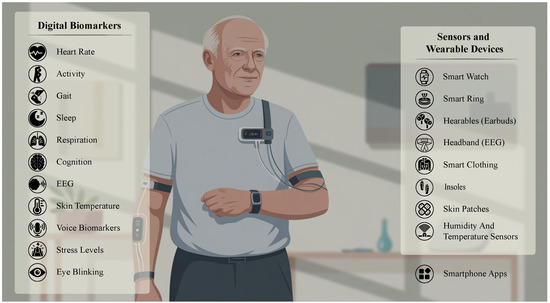
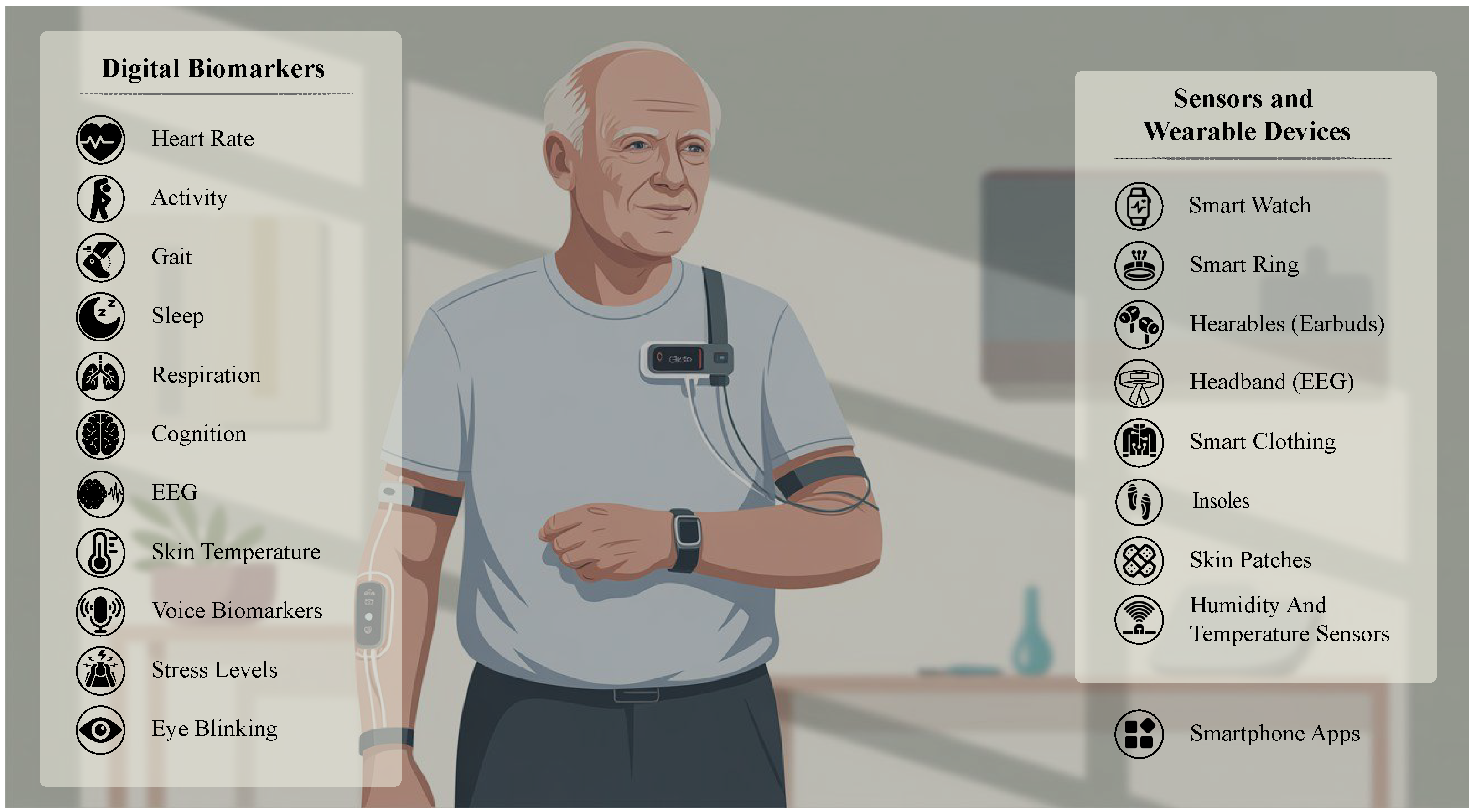
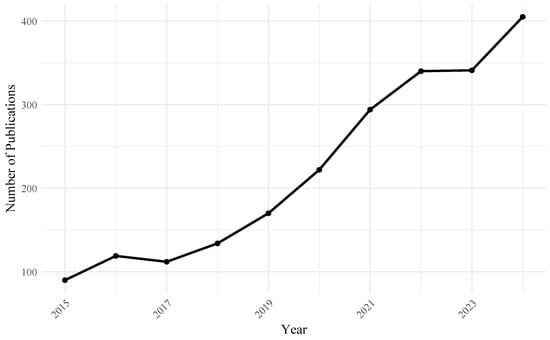
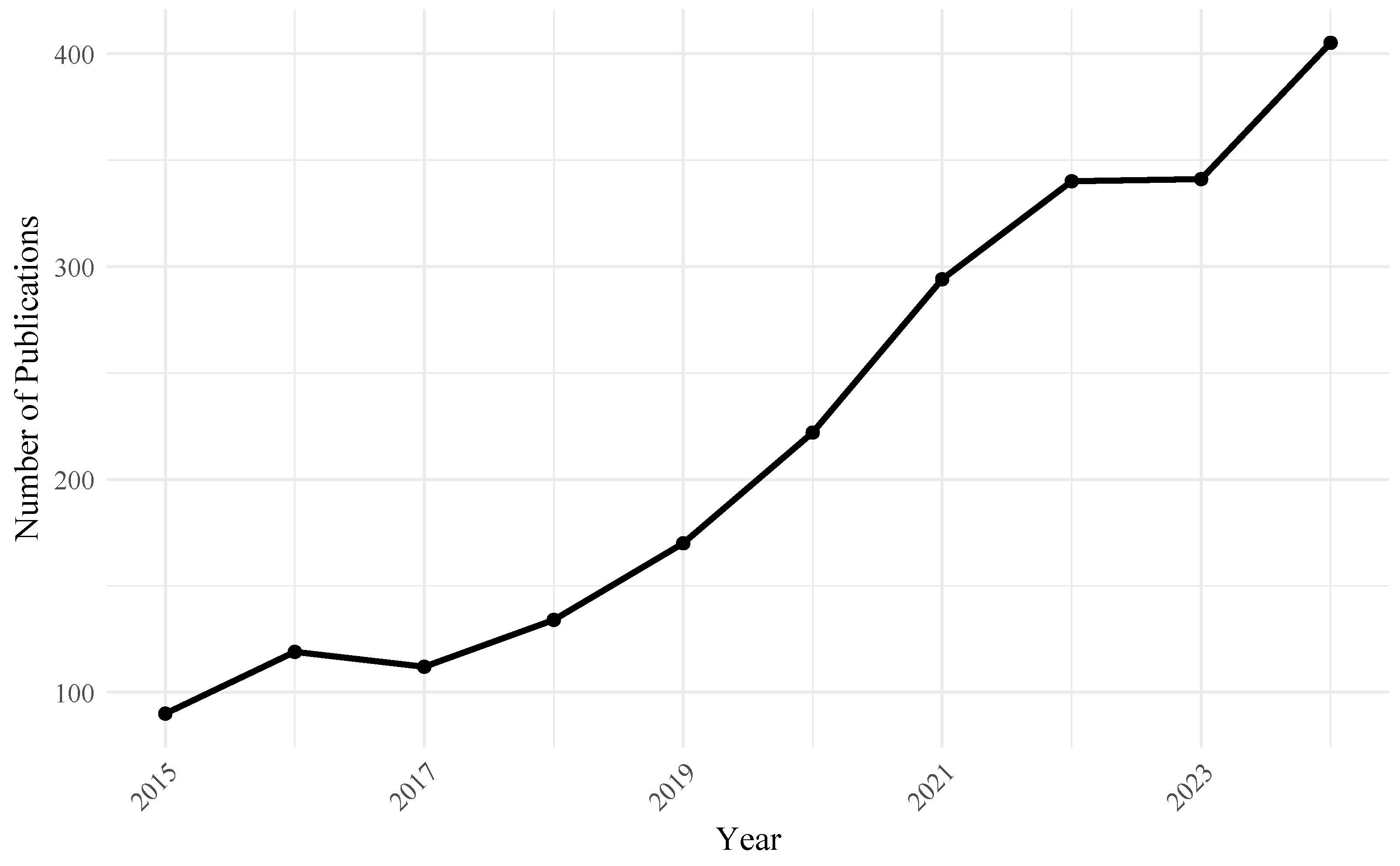
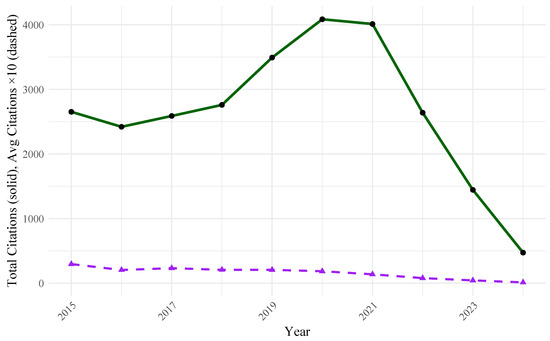
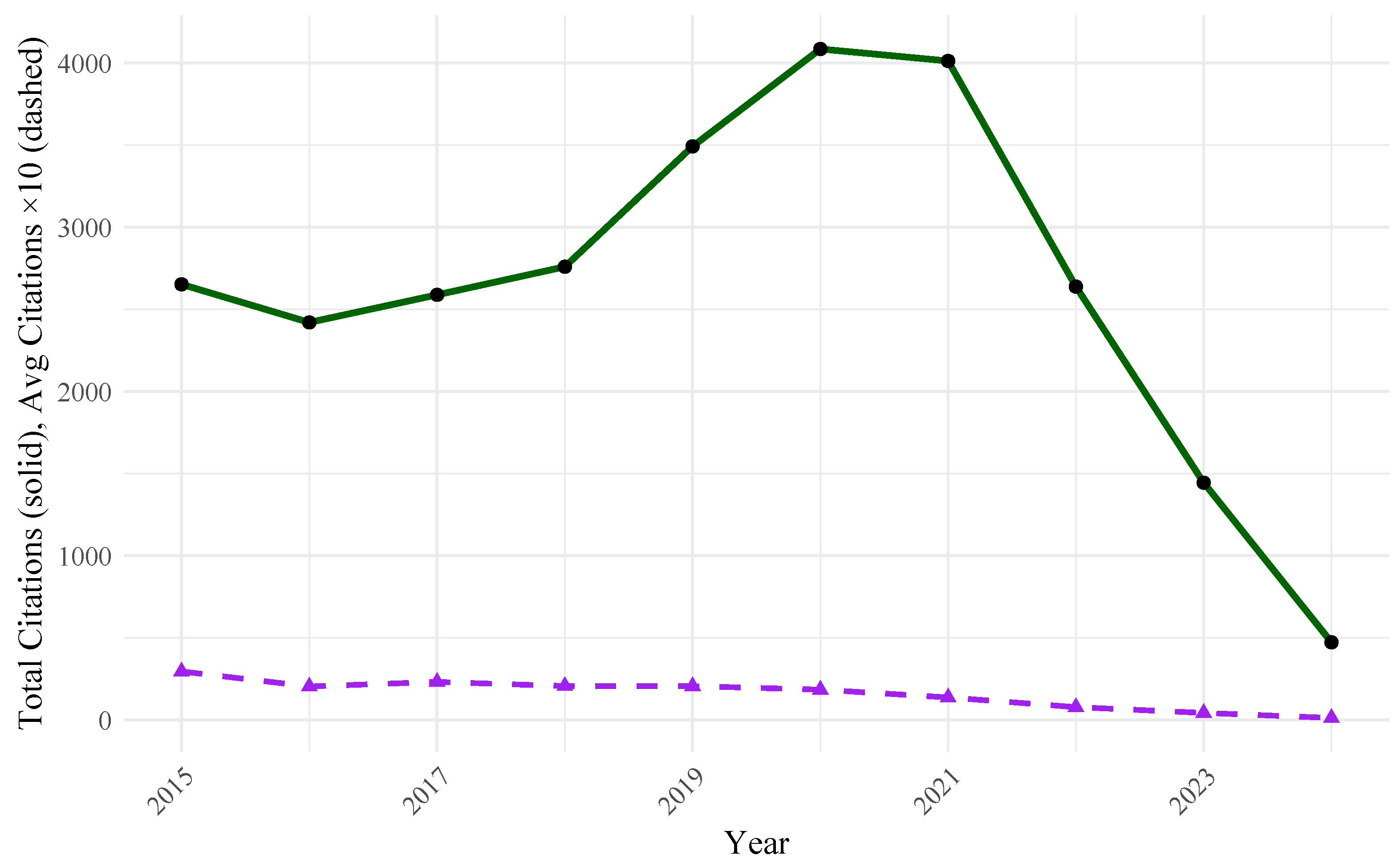
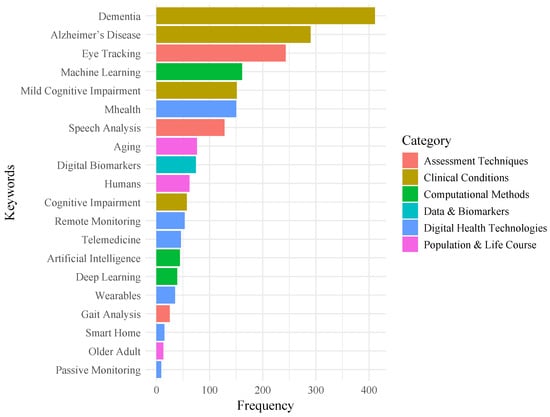
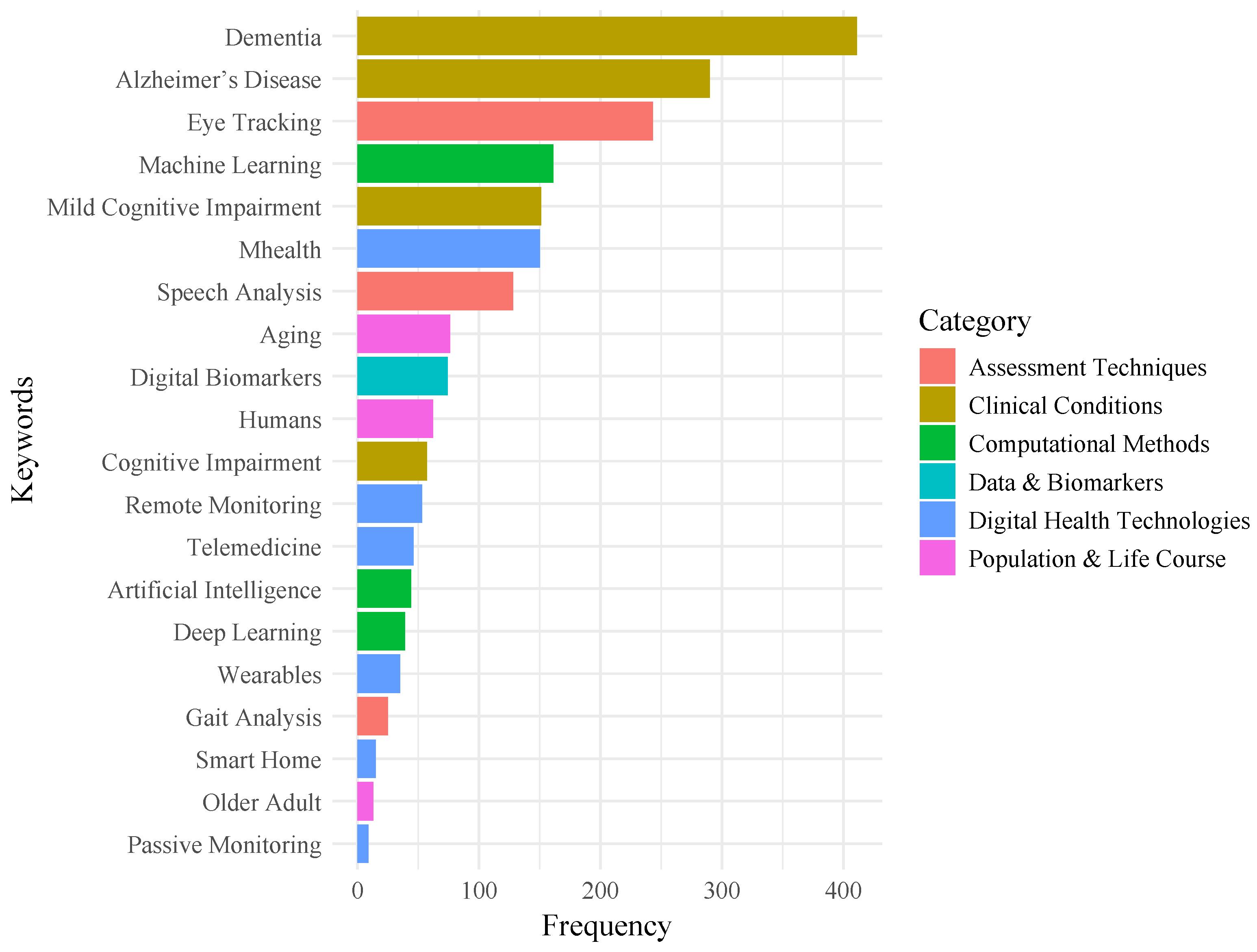
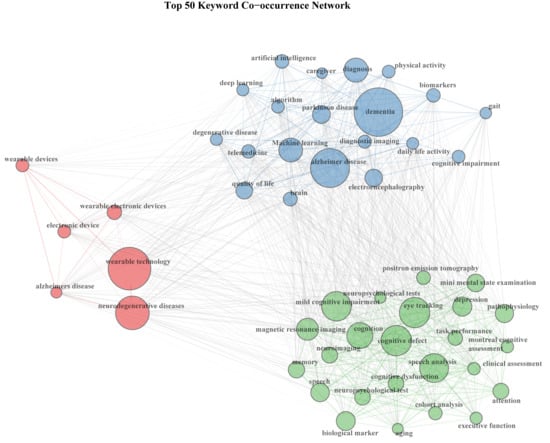
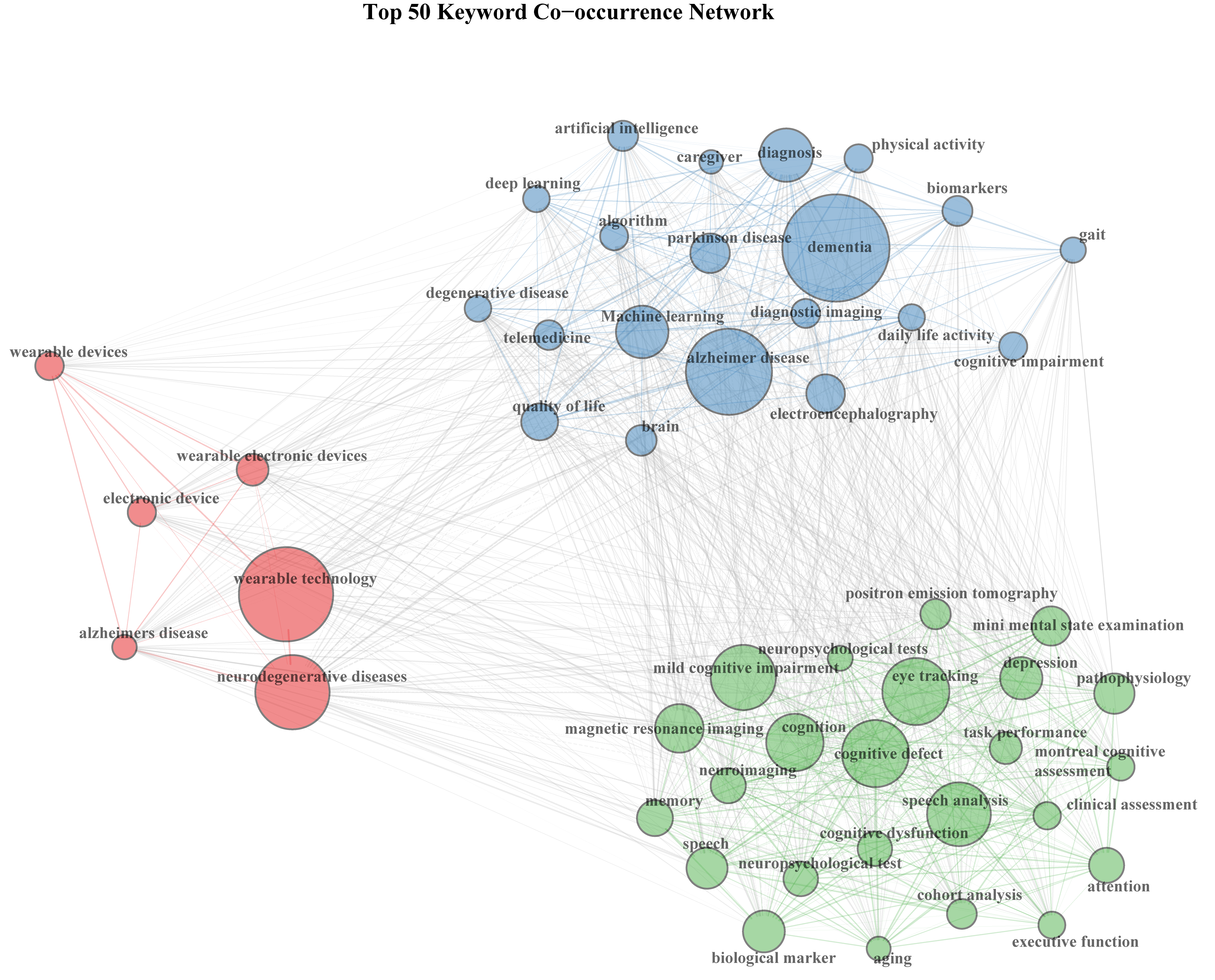
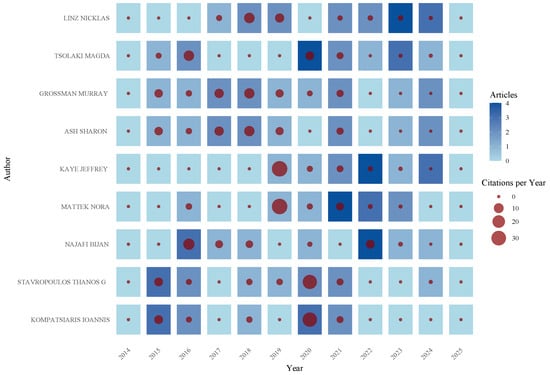
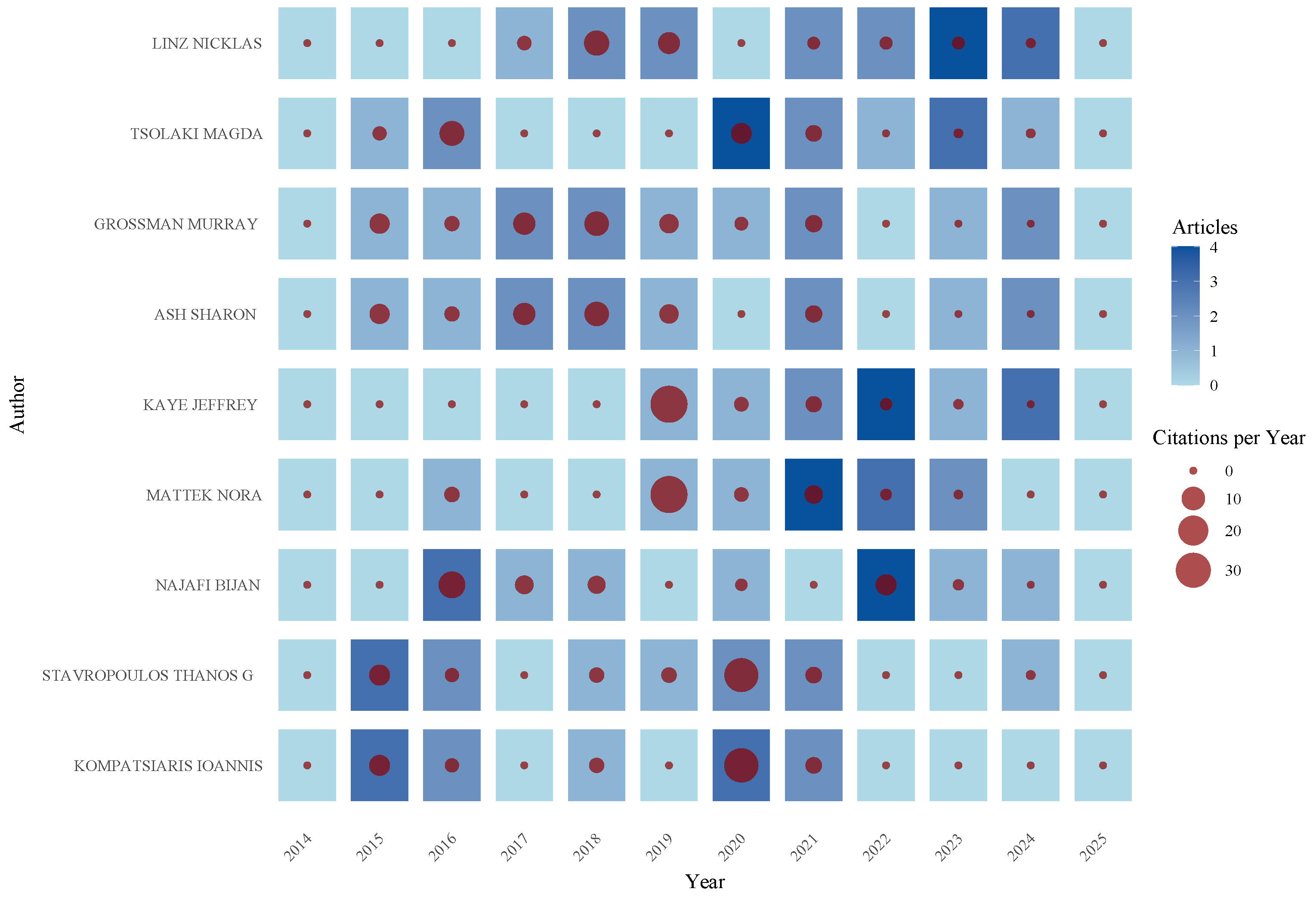
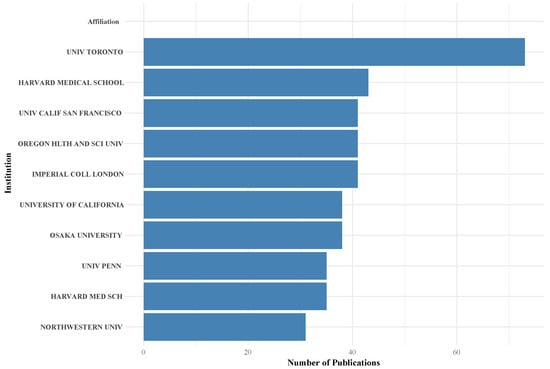
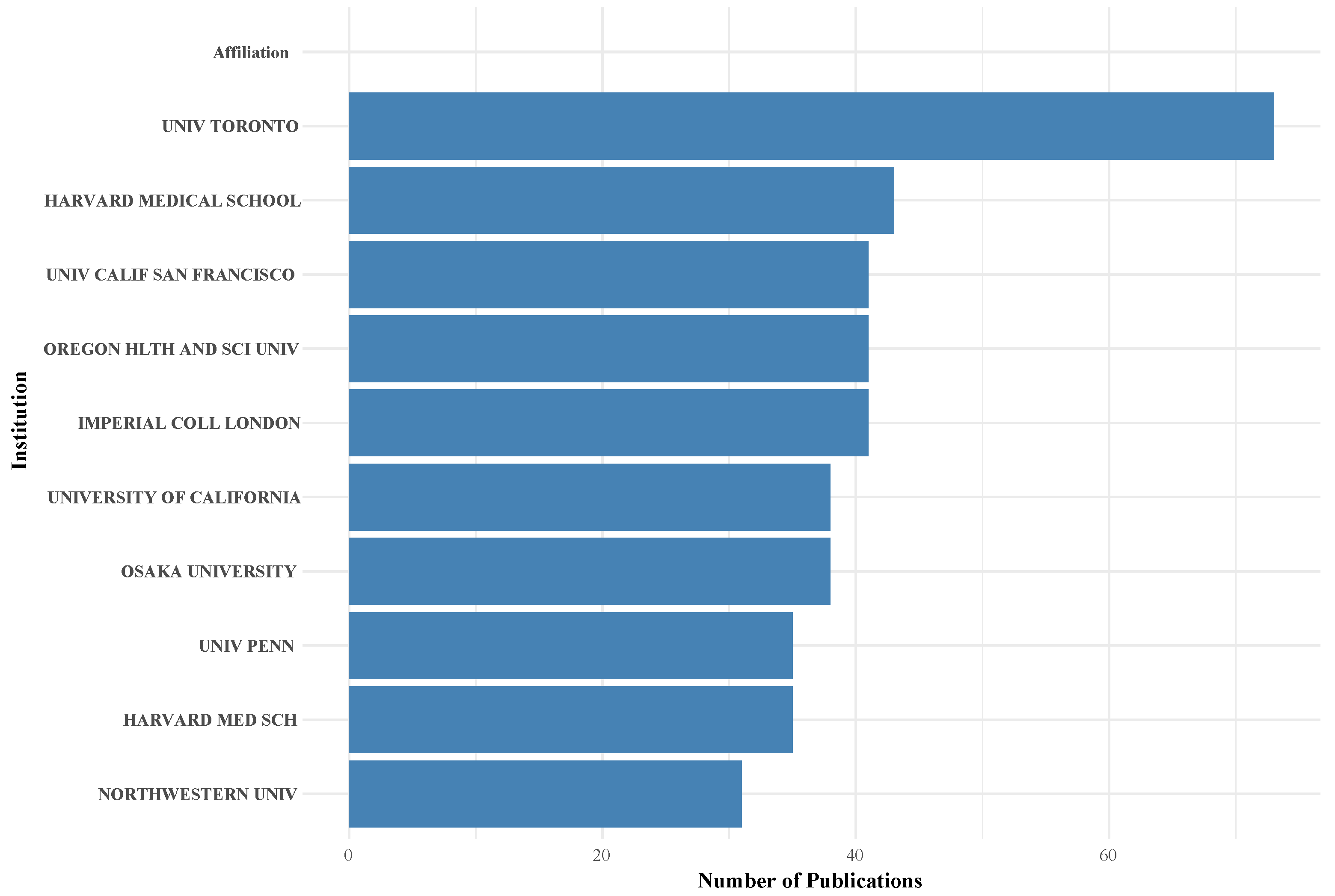
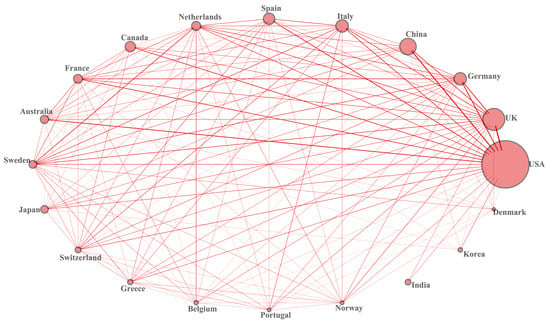
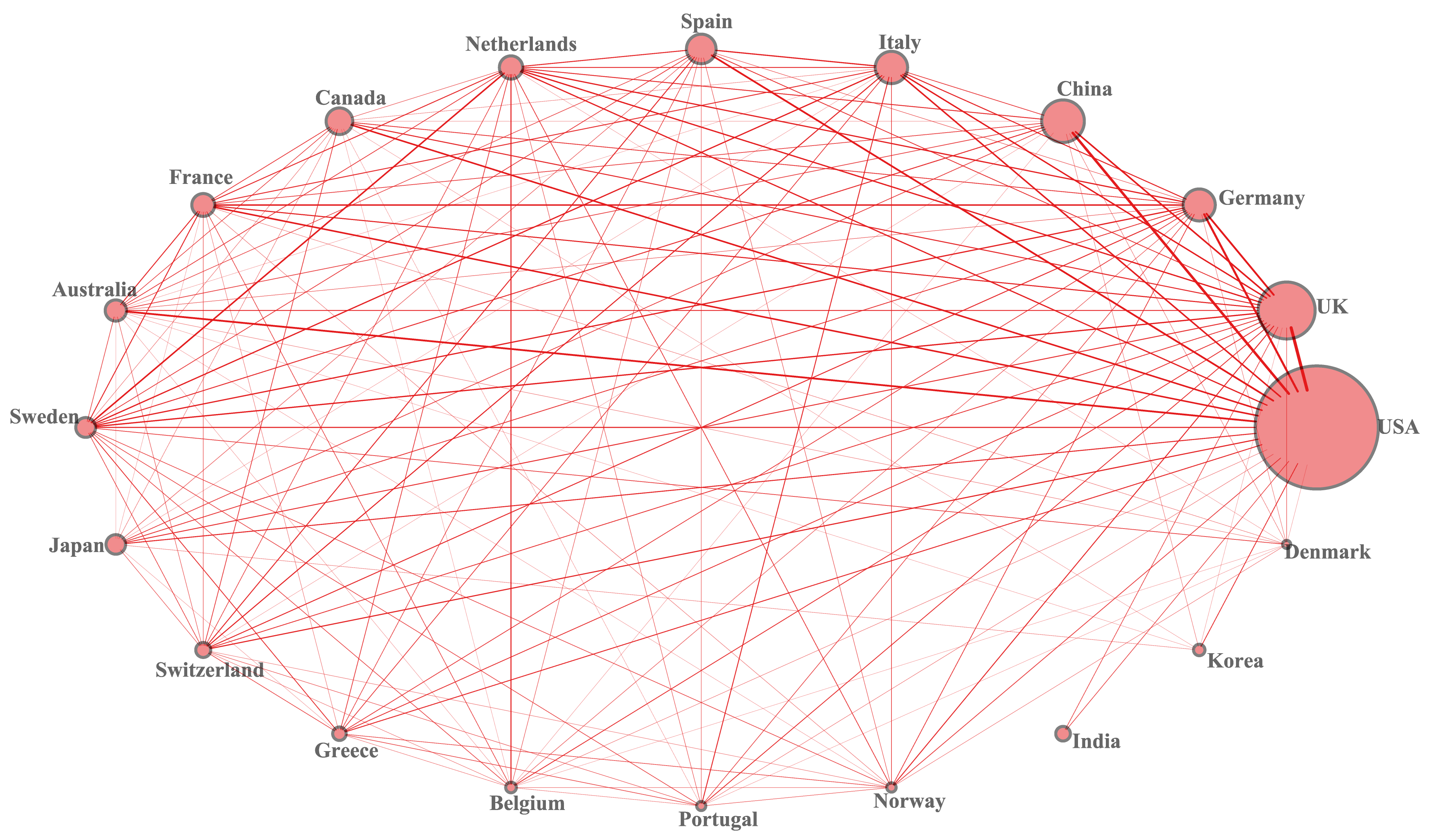
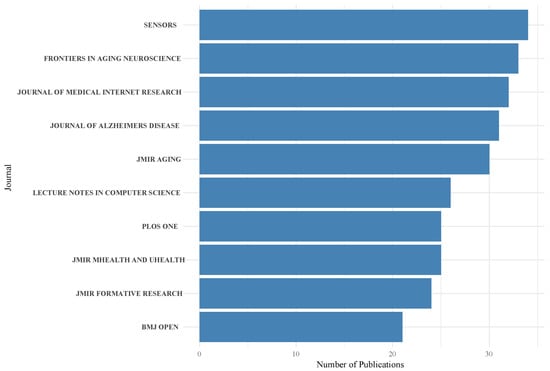
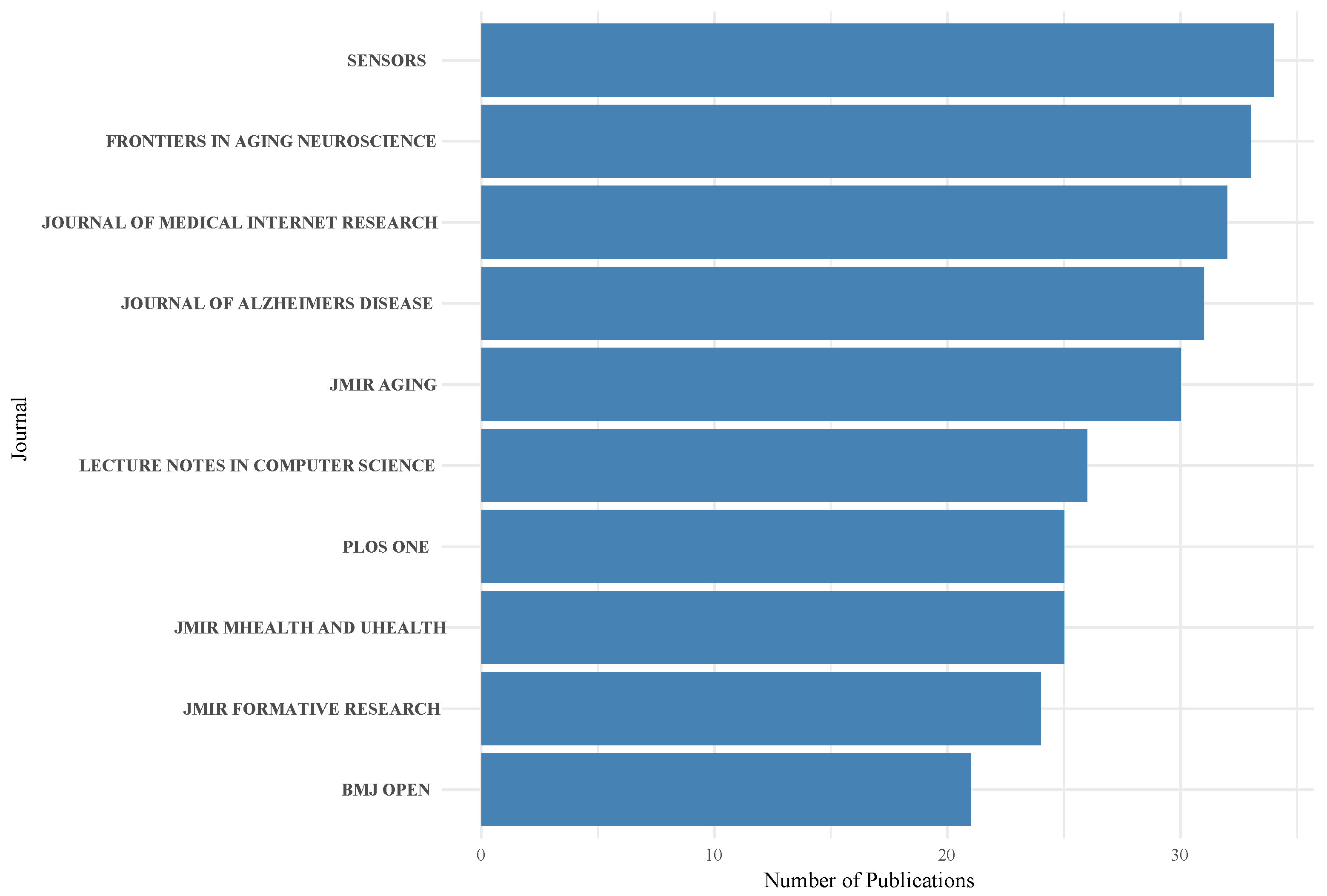

Disclaimer/Publisher’s Note: The statements, opinions and data contained in all publications are solely those of the individual author(s) and contributor(s) and not of MDPI and/or the editor(s). MDPI and/or the editor(s) disclaim responsibility for any injury to people or property resulting from any ideas, methods, instructions or products referred to in the content. |
© 2026 by the authors. Licensee MDPI, Basel, Switzerland. This article is an open access article distributed under the terms and conditions of the Creative Commons Attribution (CC BY) license.