
Journal Description
Actuators
Actuators
is an international, peer-reviewed, open access journal on the science and technology of actuators and control systems, published monthly online by MDPI.
- Open Access— free for readers, with article processing charges (APC) paid by authors or their institutions.
- High Visibility: indexed within SCIE (Web of Science), Scopus, Inspec, and other databases.
- Journal Rank: JCR - Q2 (Engineering, Mechanical) / CiteScore - Q1 (Control and Optimization)
- Rapid Publication: manuscripts are peer-reviewed and a first decision is provided to authors approximately 20.9 days after submission; acceptance to publication is undertaken in 2.7 days (median values for papers published in this journal in the second half of 2025).
- Recognition of Reviewers: reviewers who provide timely, thorough peer-review reports receive vouchers entitling them to a discount on the APC of their next publication in any MDPI journal, in appreciation of the work done.
- Journal Cluster of Instruments and Instrumentation: Actuators, AI Sensors, Instruments, Metrology, Micromachines and Sensors.
Impact Factor:
2.3 (2024);
5-Year Impact Factor:
2.4 (2024)
Latest Articles
Hierarchical Active Perception and Stability Control for Multi-Robot Collaborative Search in Unknown Environments
Actuators 2026, 15(4), 209; https://doi.org/10.3390/act15040209 - 7 Apr 2026
Abstract
Multi-robot systems (MRS) have attracted a lot of attention from researchers due to their widespread application in various environments. However, in multi-robot collaborative search tasks, two problems often arise: sparse rewards for capturing targets and control oscillations. To address these issues, this paper
[...] Read more.
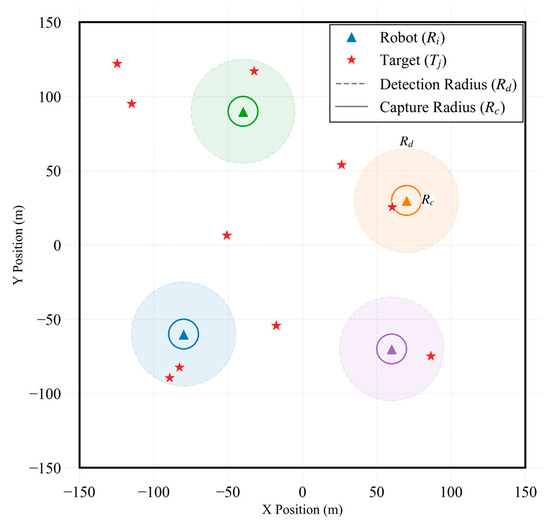
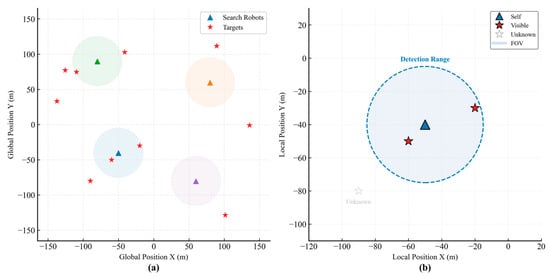
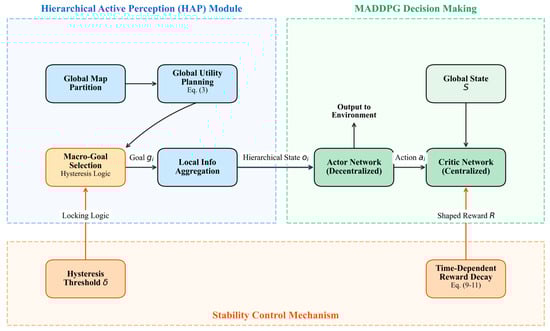
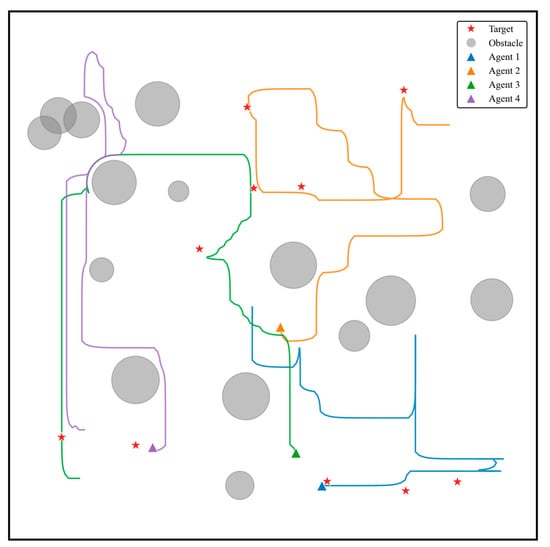
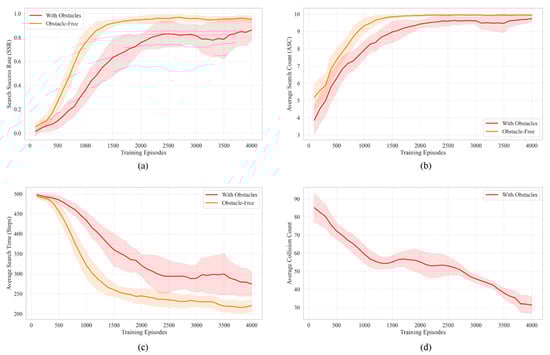
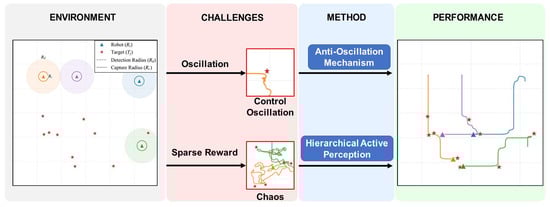
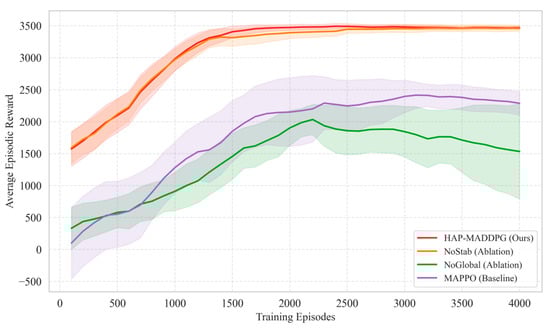
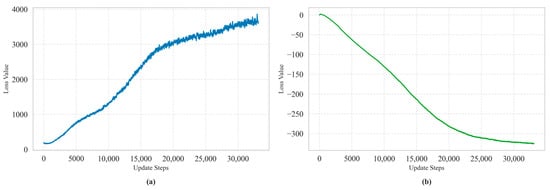
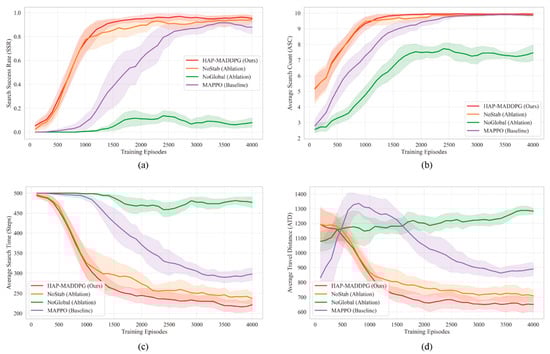
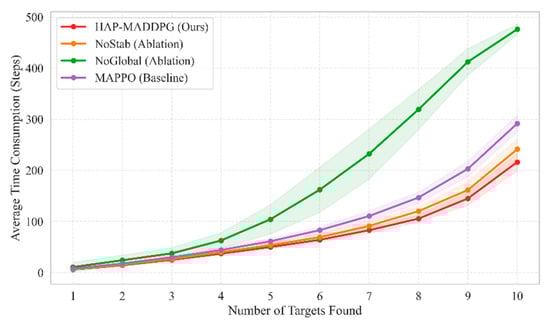
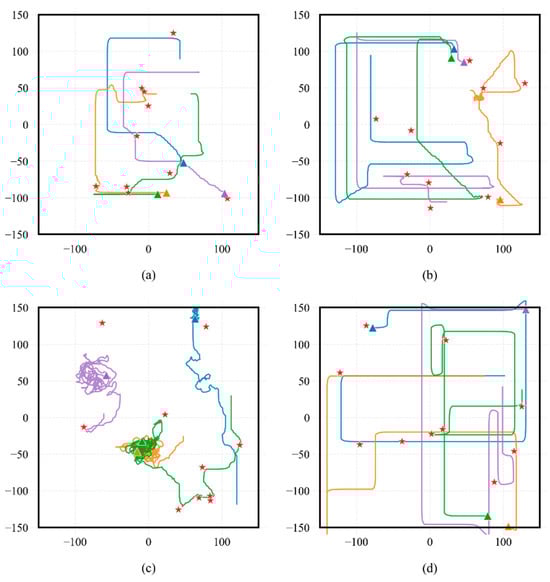
Multi-robot systems (MRS) have attracted a lot of attention from researchers due to their widespread application in various environments. However, in multi-robot collaborative search tasks, two problems often arise: sparse rewards for capturing targets and control oscillations. To address these issues, this paper proposes the hierarchical active perception multi-agent deep deterministic policy gradient (HAP-MADDPG) framework. This framework guides robots to efficiently explore maps and discover targets through global utility planning based on global exploration rate and local information aggregation based on local exploration rate. A stability control mechanism, which includes hysteresis logic and reward decay, is introduced to suppress control oscillations. Experimental results show that the HAP-MADDPG framework achieves a success rate of 96.25% and an average search time of 216.3 steps. The path trajectories are smooth, demonstrating the effectiveness of the proposed approach.
Full article
(This article belongs to the Special Issue Intelligent Planning and Collaborative Control for Unmanned Swarm Systems)
►
Show Figures
Open AccessArticle
Design and Application of an Automated Microinjection System Combining Deep Learning Vision Positioning and Neural Network Sliding Mode Motion Control
by
Zhihao Deng, Yifan Xu and Shengzheng Kang
Actuators 2026, 15(4), 208; https://doi.org/10.3390/act15040208 - 5 Apr 2026
Abstract
Microinjection is one of the most established and effective techniques for introducing foreign substances into cells. However, issues such as cumbersome procedures, low success rates, and poor repeatability in manual cell microinjection have seriously restricted its practical applications in biomedical research and engineering.
[...] Read more.
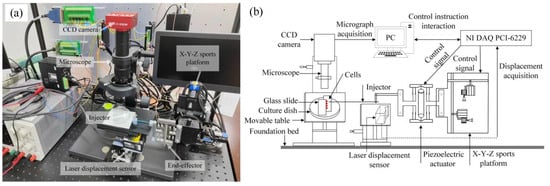
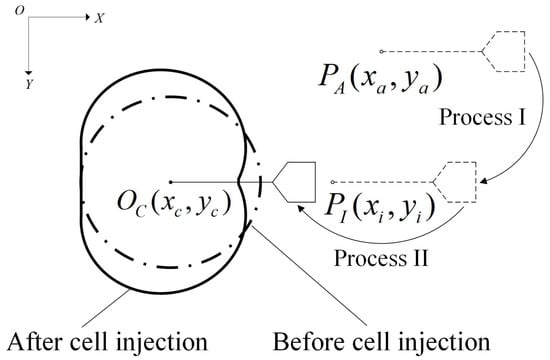
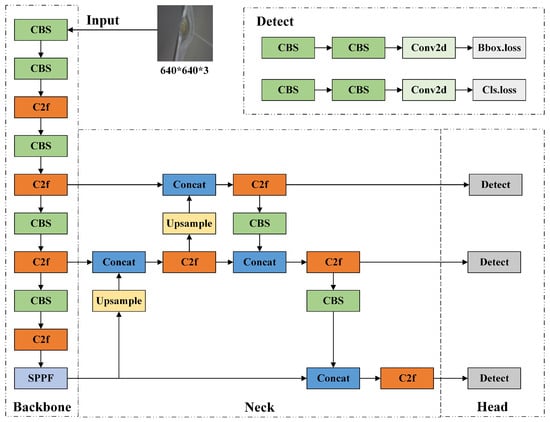
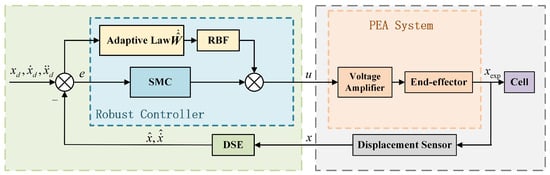
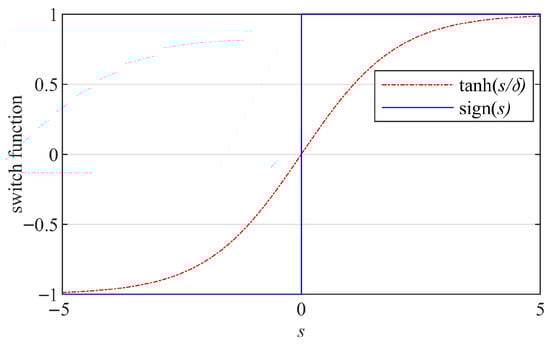
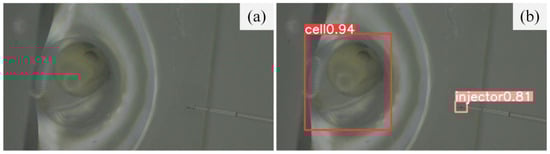
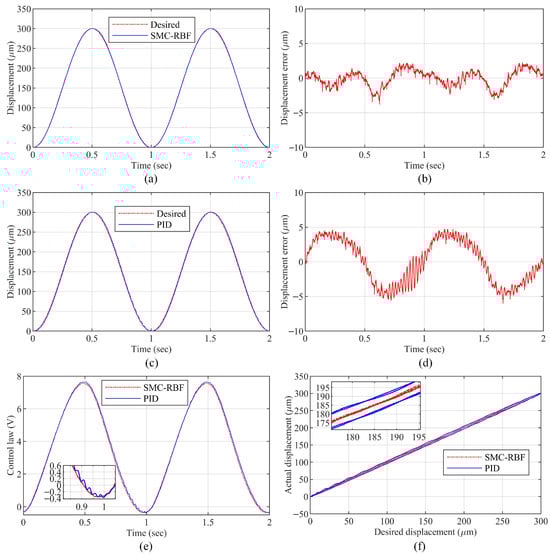
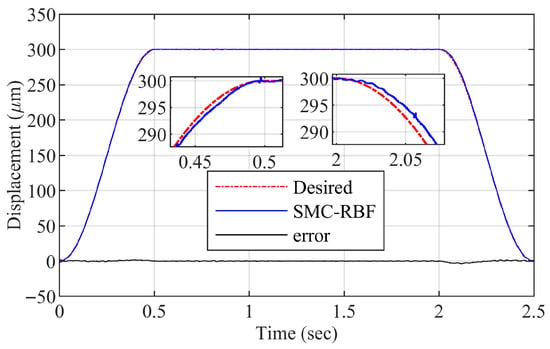
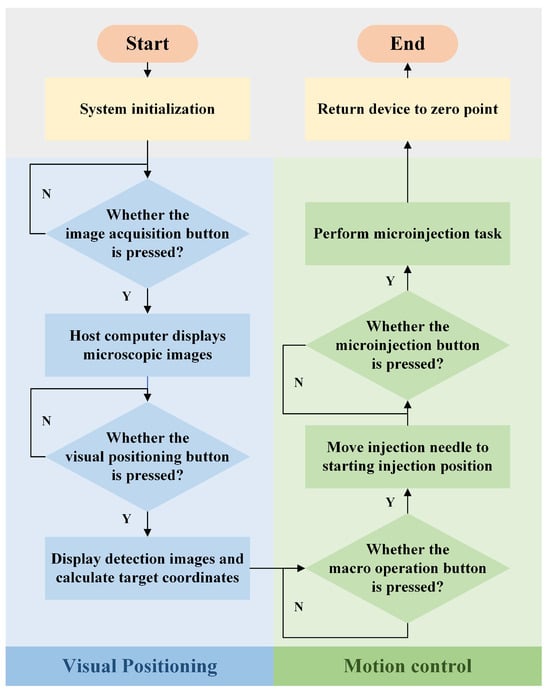
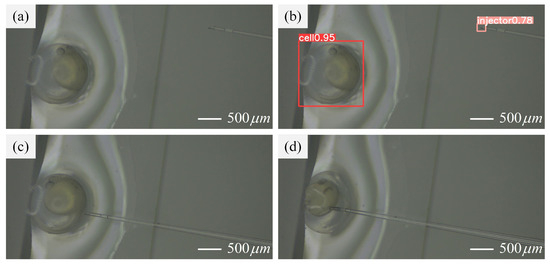
Microinjection is one of the most established and effective techniques for introducing foreign substances into cells. However, issues such as cumbersome procedures, low success rates, and poor repeatability in manual cell microinjection have seriously restricted its practical applications in biomedical research and engineering. Responding to such problems, this paper designs an automated microinjection system that combines deep learning visual positioning and adaptive neural network sliding-mode motion control. The machine vision solution based on the deep learning YOLOv8 target detection algorithm is utilized by the system to provide positional prerequisites for automated microinjection. Then, stable and fast puncture is completed by controlling the end effector (composed of a piezoelectric actuator and a displacement amplification mechanism). Since the piezoelectric actuator has strong nonlinearity, the motion control of the end effector adopts the control strategy combining sliding mode variable structure and adaptive neural networks to meet the requirements of precise displacement output of microinjection. At the same time, a host computer control system is developed to integrate hardware equipment, visual positioning algorithms and motion control algorithms to achieve corresponding automated microinjection tasks. Finally, the effectiveness of the designed automated microinjection system is successfully verified on zebrafish embryos.
Full article
(This article belongs to the Special Issue Intelligent and Precision Control for Mechatronic/Electro-Hydraulic Systems—Second Edition)
►▼
Show Figures

Figure 1
Open AccessArticle
Design and Experiment for a Single-Degree-of-Freedom Four-Bar Planting Manipulator
by
Yugong Dang, Gaohang Jiang, Yupeng Zhang and Zhigang Zhou
Actuators 2026, 15(4), 207; https://doi.org/10.3390/act15040207 - 4 Apr 2026
Abstract
At present, commonly used vegetable pot seedling planters can be divided into two categories: one has a complex structure and high manufacturing cost, and the other has a simple structure but poor planting quality. In order to solve this problem, an open-hinge four-bar-mechanism
[...] Read more.
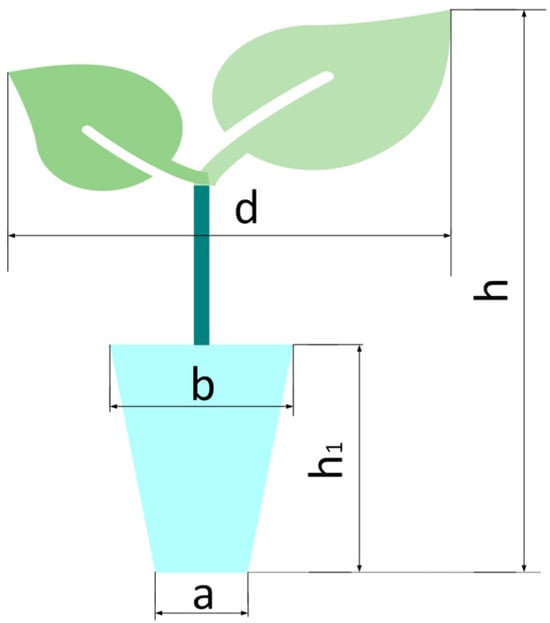
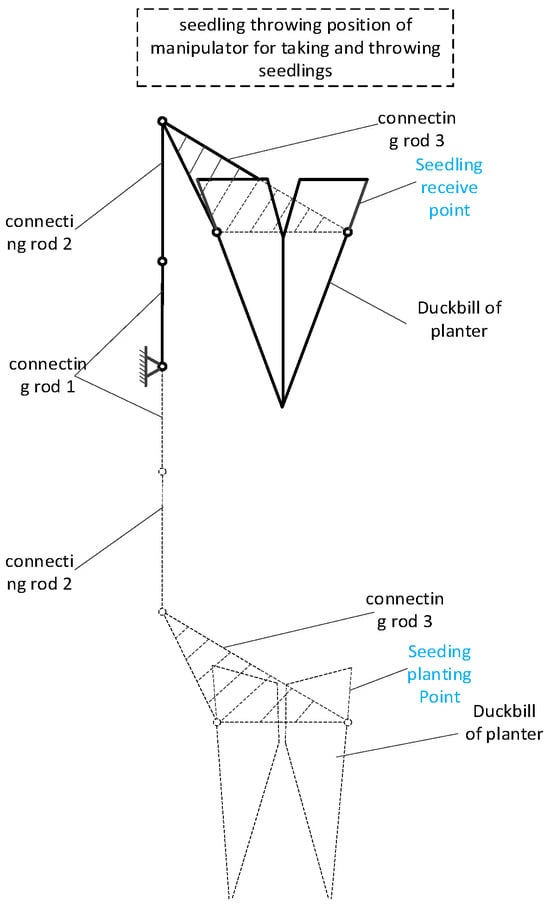
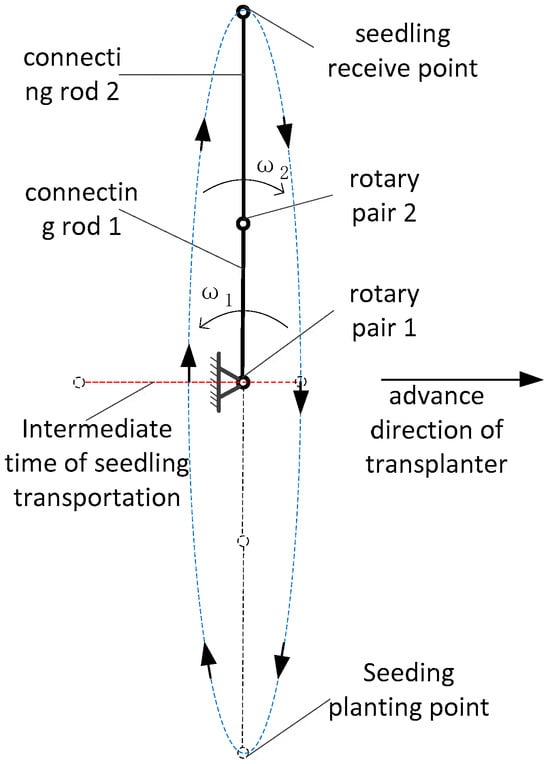
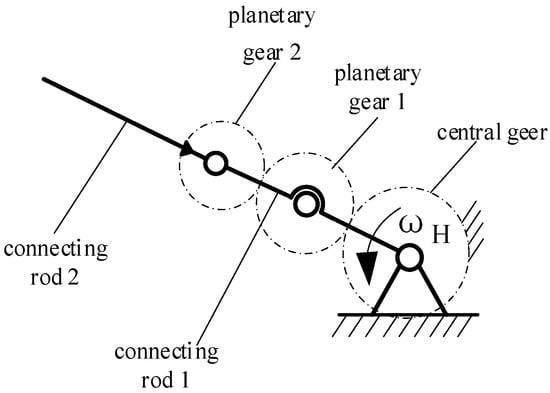
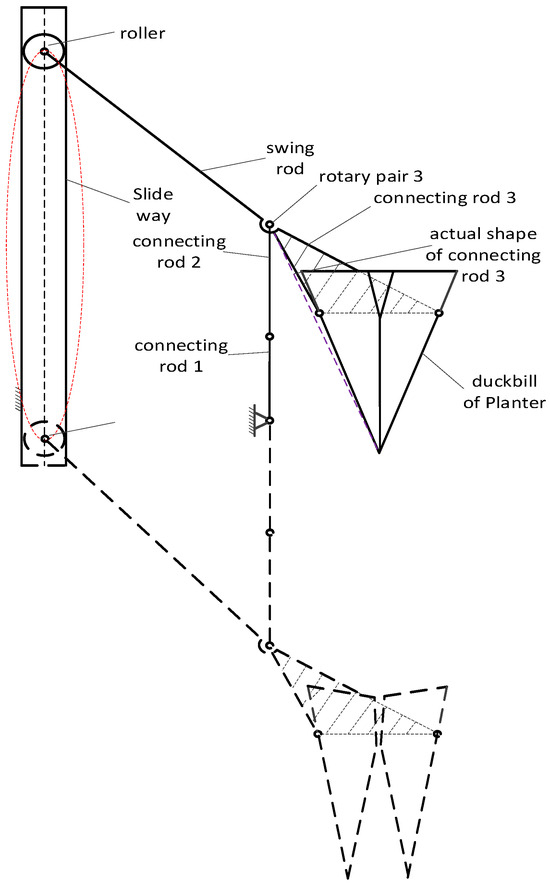
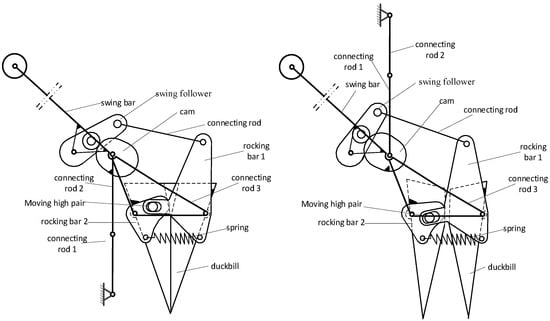
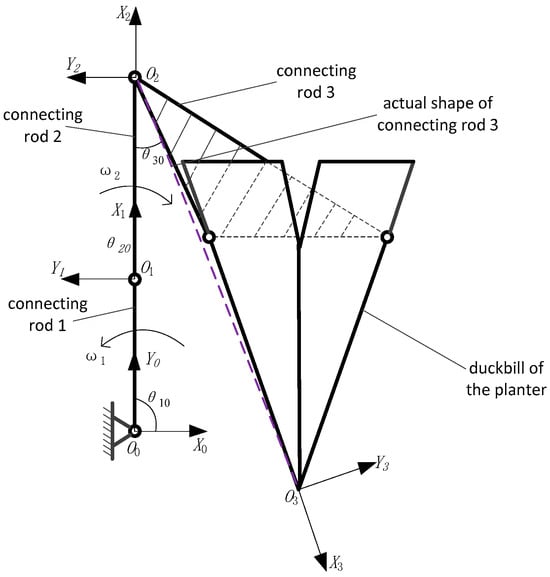
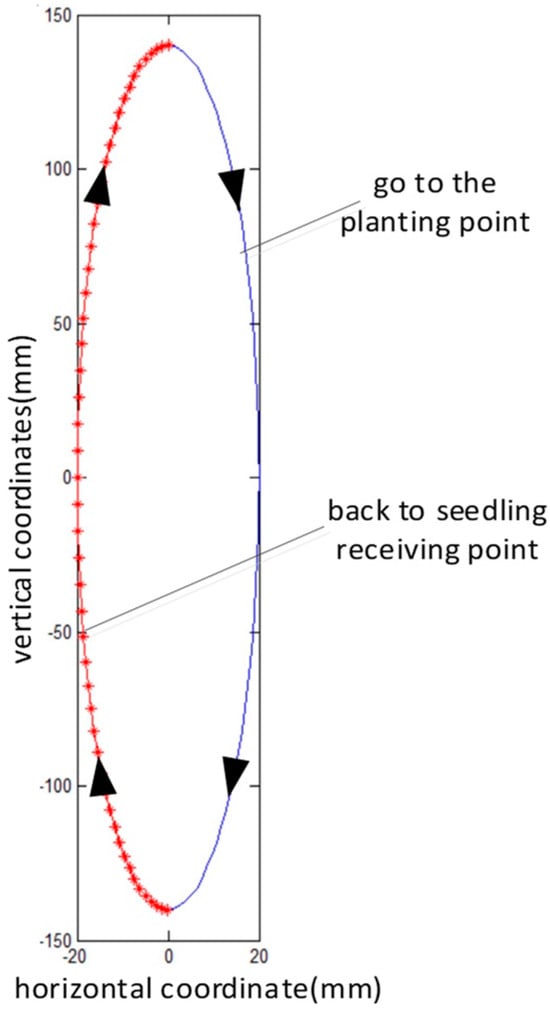
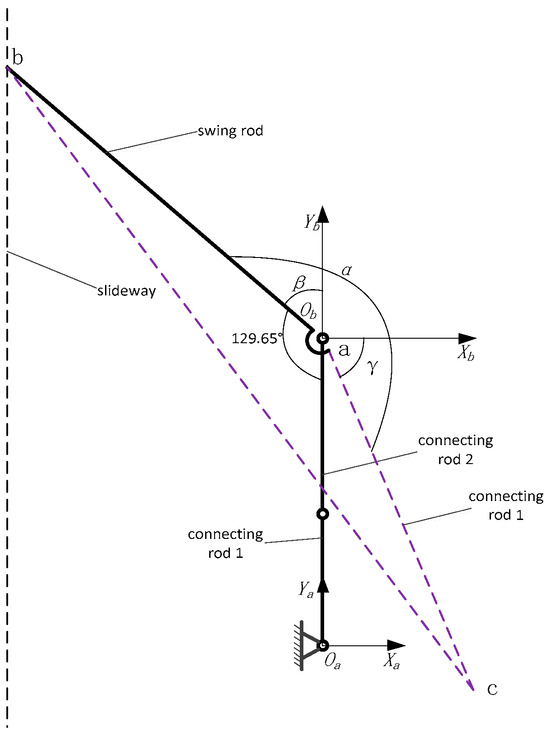
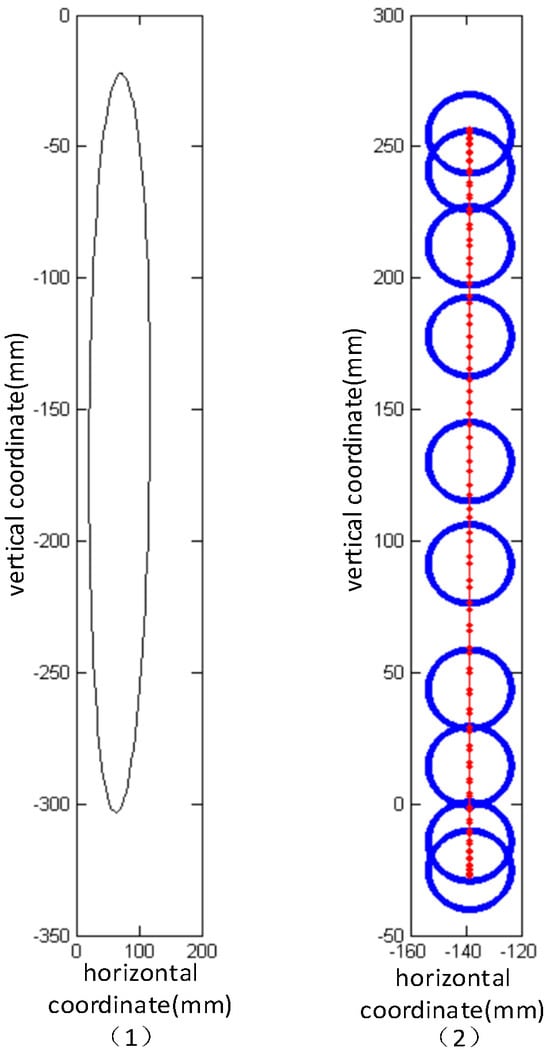
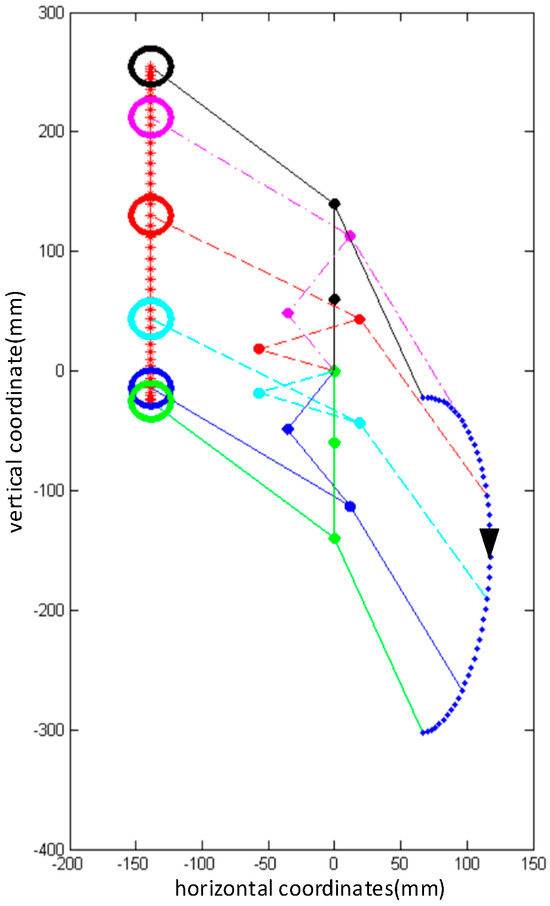
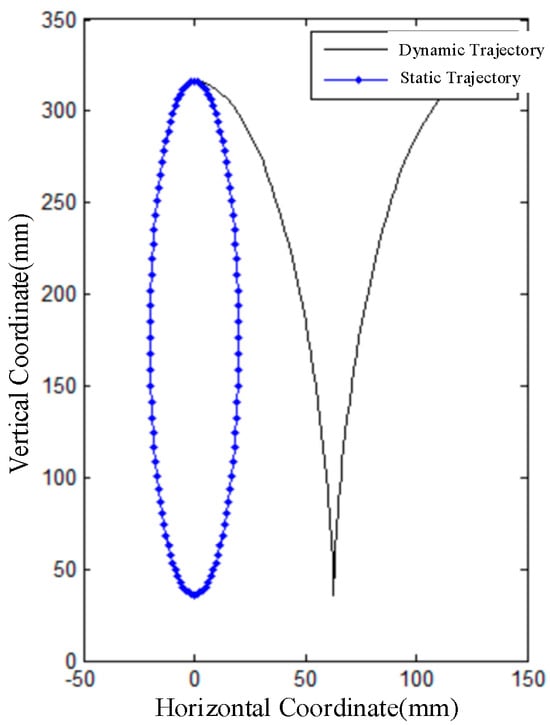
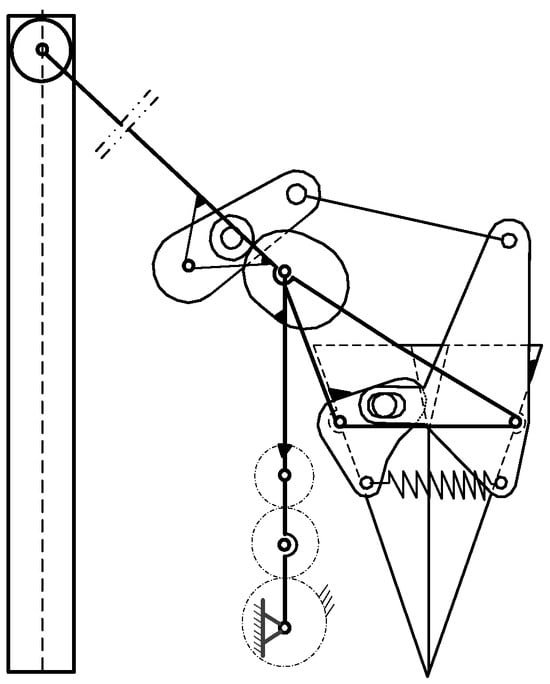
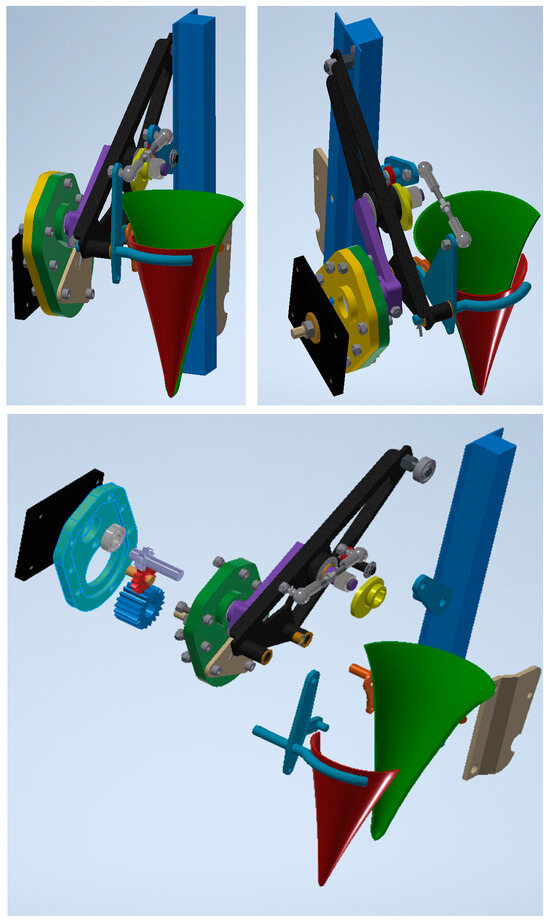
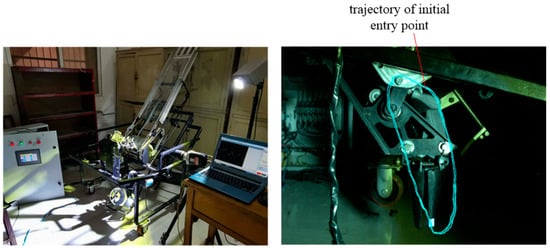
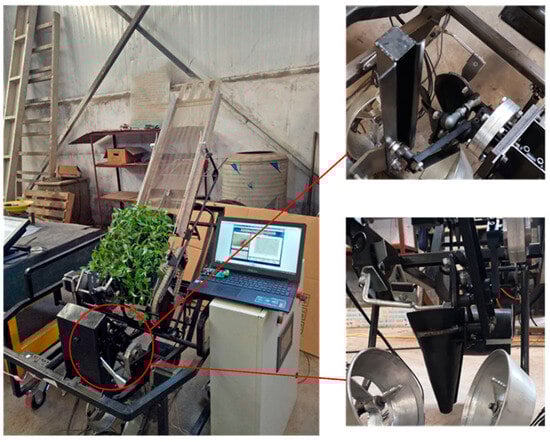
At present, commonly used vegetable pot seedling planters can be divided into two categories: one has a complex structure and high manufacturing cost, and the other has a simple structure but poor planting quality. In order to solve this problem, an open-hinge four-bar-mechanism planting manipulator is designed, which has many advantages, such as a simple structure, strong force transfer performance, and the ability to achieve complex trajectory curves. The physical characteristics of pot seedlings are measured; this provides a basis for the structural and dimensional design of the planter and the shape design of the duckbill. According to the analysis of the planting process, the design requirements of the planting mechanism are formulated. The motion path of the mechanism and the motion of each pair are planned and designed; a planetary gear train is used to restrain the rotating pair consisting of connecting rod 1 and connecting rod 2; a cam high pair mechanism is used to restrain the rotating pair consisting of connecting rod 2 and connecting rod 3; and a cam linkage mechanism is used to control the opening and closing action of the duckbill. Finally, a single-degree-of-freedom fully mechanical planting mechanism is designed. The experimental results show that the trajectory of the initial soil entry point of the planting mechanism is consistent with the design requirements and theoretical simulation results. In the transplanting experiment, the rate of qualified planting erectness was 94.79%, among which the rate of excellent planting erectness was 92.45%, and the mechanism has high reliability. The design of this mechanism offers a fully automatic pot seedling planting method, which can provide a reference for research on the full automation of transplanting equipment.
Full article
(This article belongs to the Special Issue High-Performance Control of Electromechanical Servo System Based on Motor/Hydraulic Actuator)
►▼
Show Figures

Figure 1
Open AccessArticle
Sensorless Collision Detection and Classification in Collaborative Robots Using Stacked GRU Networks
by
Jong Hyeok Lee, Minjae Hong and Kyu Min Park
Actuators 2026, 15(4), 206; https://doi.org/10.3390/act15040206 - 4 Apr 2026
Abstract
The increasing deployment of collaborative robots in industrial manufacturing environments has enabled close human–robot collaboration, making rapid and reliable collision detection essential for worker safety. This paper presents a learning-based framework for real-time detection and classification of hard and soft collisions using stacked
[...] Read more.
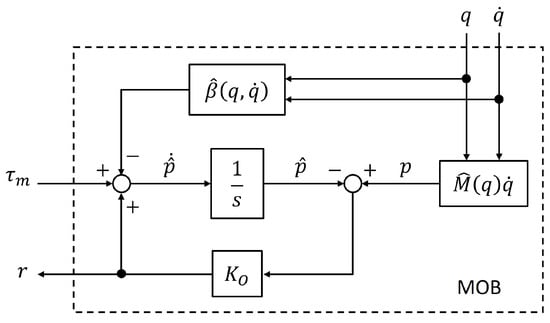
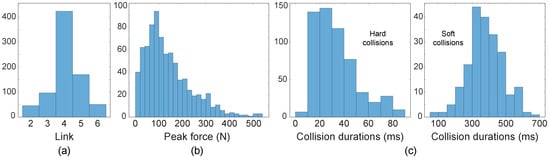
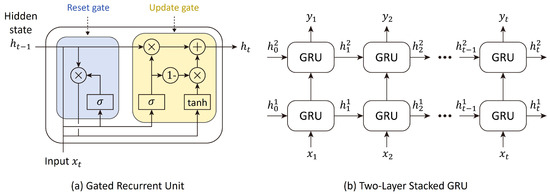
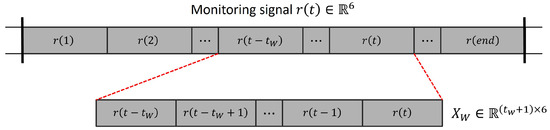
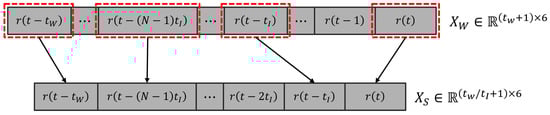
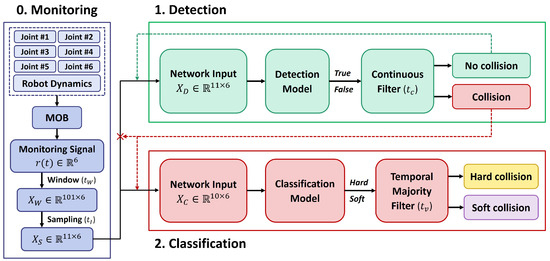
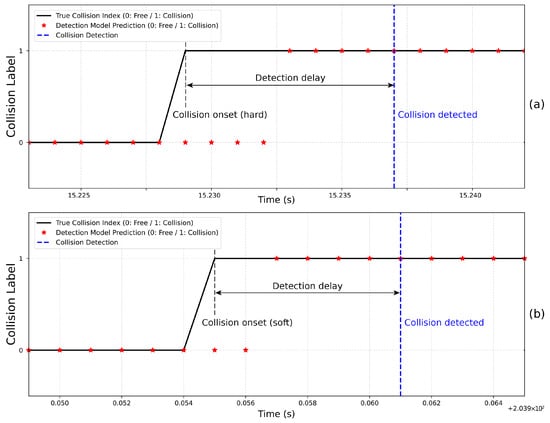
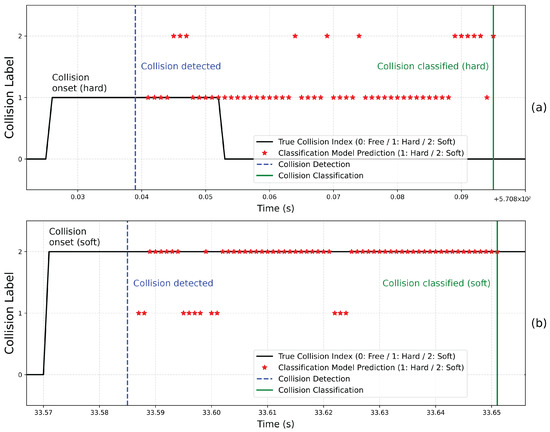
The increasing deployment of collaborative robots in industrial manufacturing environments has enabled close human–robot collaboration, making rapid and reliable collision detection essential for worker safety. This paper presents a learning-based framework for real-time detection and classification of hard and soft collisions using stacked Gated Recurrent Unit (GRU) networks. A two-stage pipeline is introduced, in which collision detection and collision type classification are performed sequentially using separate models, and its performance is validated through extensive experiments on a collision dataset collected from a six-joint collaborative robot executing random point-to-point motions. Without requiring joint torque sensors, unmodeled joint friction is implicitly compensated through learning for both detection and classification. Compared to our previous work, the proposed method achieves improved detection performance, and its robustness is further demonstrated through systematic generalization experiments under simulated dynamic model uncertainties. In addition, the classification model accurately distinguishes between hard and soft collisions, providing a basis for differentiated post-collision reaction strategies. Overall, the proposed sensorless collision detection and classification framework provides a practical and cost-effective solution for real-world industrial human–robot collaboration.
Full article
(This article belongs to the Special Issue Machine Learning for Actuation and Control in Robotic Joint Systems)
►▼
Show Figures

Figure 1
Open AccessArticle
Trajectory Tracking Control for Lane Change Maneuvers: A Differential Steering Approach for In-Wheel Motor-Driven Electric Vehicles
by
Rizwan Ali, Haiting Ma, Jiaxin Mao and Jie Tian
Actuators 2026, 15(4), 205; https://doi.org/10.3390/act15040205 - 4 Apr 2026
Abstract
To ensure reliable lane change behavior in-wheel motor-driven electric vehicles (IWM-EVs) under steer-by-wire (SBW) failure, this paper presents an integrated lateral–longitudinal lane change control strategy based on differential steering. The control framework and relevant models are first established. An upper-layer model predictive control
[...] Read more.
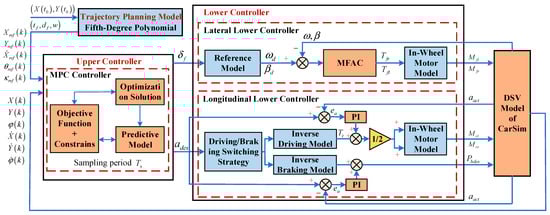
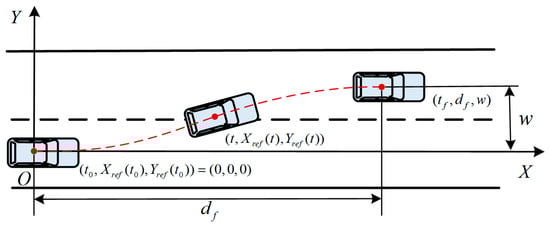
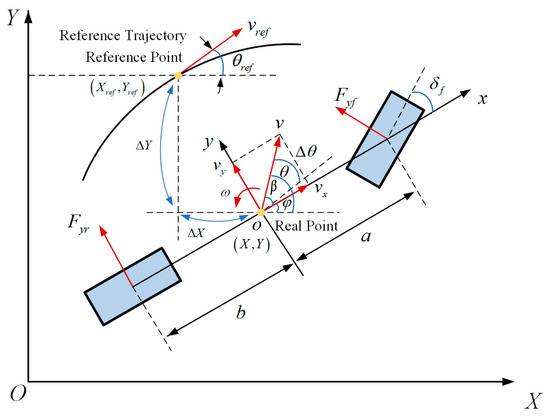
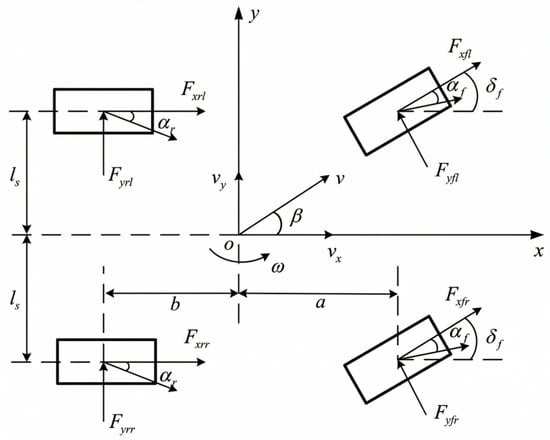
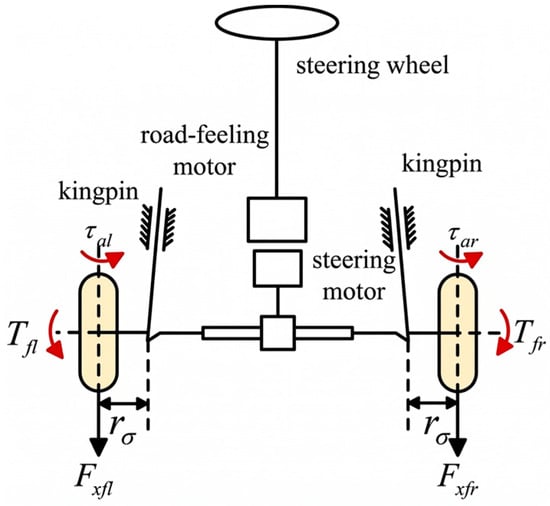
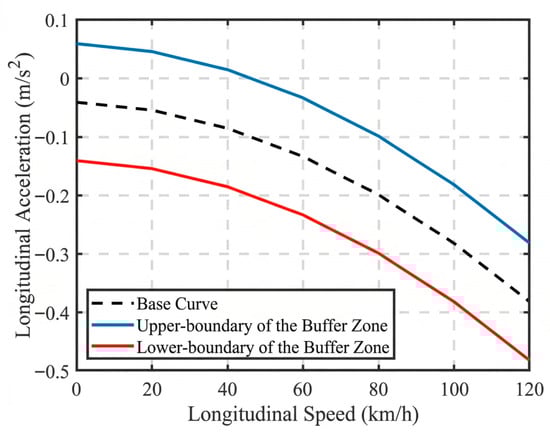
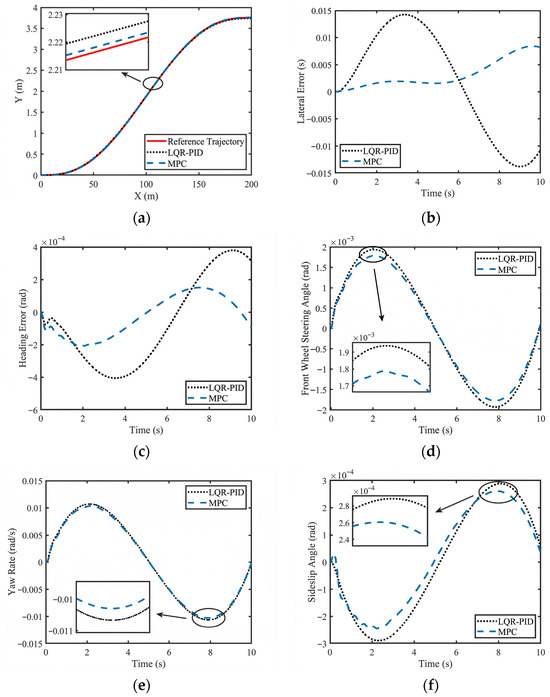
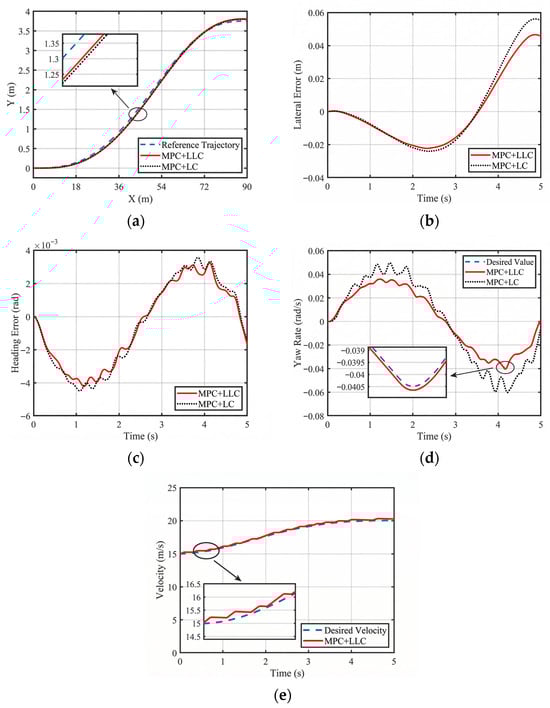
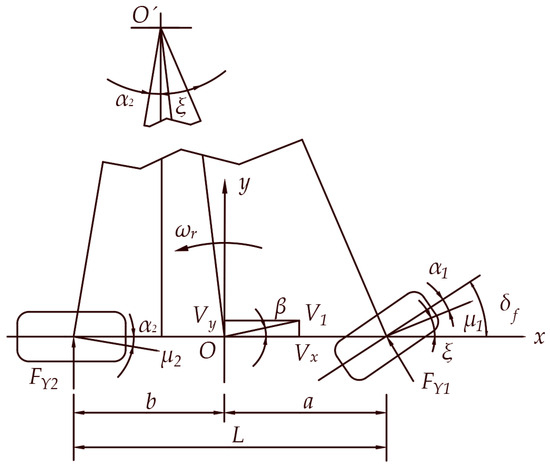
To ensure reliable lane change behavior in-wheel motor-driven electric vehicles (IWM-EVs) under steer-by-wire (SBW) failure, this paper presents an integrated lateral–longitudinal lane change control strategy based on differential steering. The control framework and relevant models are first established. An upper-layer model predictive control (MPC) controller is then designed to simultaneously achieve lateral path tracking and longitudinal speed regulation, outputting the desired front-wheel steering angle and acceleration. Finally, a model-free adaptive control (MFAC)-based lower-layer lateral controller transforms the desired steering angle into differential driving torques for the front wheels, while a feedforward–feedback lower-layer longitudinal controller (incorporating drive/brake switching and PI control) computes the required driving torque or braking pressure. Co-simulation in Matlab/Simulink R2022b and CarSim R2020 reveals that the MPC controller designed in this study outperforms the LQR-PID controller, reducing the maximum absolute values of lateral error, heading error, front-wheel steering angle, yaw rate and sideslip angle by 42.9%, 50.0%, 7.8%, 2.8% and 10.3%. The proposed hierarchical control strategy outperforms the compared hierarchical controller, reducing the maximum absolute values of the lateral displacement error, heading error and yaw rate by 17.9%, 6.7%, and 33.3%. These results verify that the strategy can improve trajectory tracking accuracy and achieve basic differential steering functionality in specific scenarios.
Full article
(This article belongs to the Special Issue Actuator Fault Diagnosis, State Detection and Fault Tolerant Control for Ground and Rail Vehicles)
►▼
Show Figures

Figure 1
Open AccessArticle
Dual-Layer LAMDA-Based Cascade Control for Cooperative Formation of Aerial Manipulators
by
Gabriela M. Andaluz, Luis Morales, Paulo Leica and Guillermo Palacios-Navarro
Actuators 2026, 15(4), 204; https://doi.org/10.3390/act15040204 - 4 Apr 2026
Abstract
This paper proposes a novel dual-layer learning-based cascade architecture, termed LAMDA-LAMDA, for cooperative formation control of aerial manipulators. The strategy integrates two hierarchical LAMDA controllers: an inner loop that performs velocity-level dynamic compensation and disturbance attenuation, and an outer loop that regulates formation
[...] Read more.
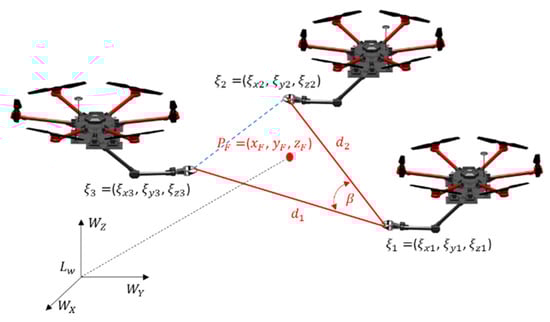
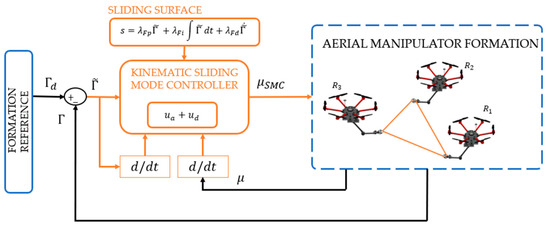
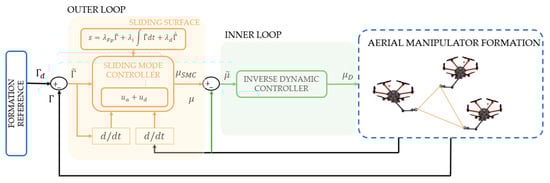
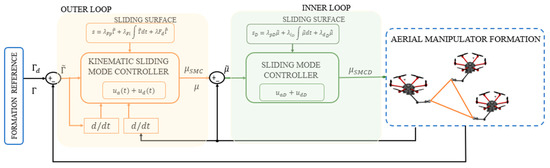
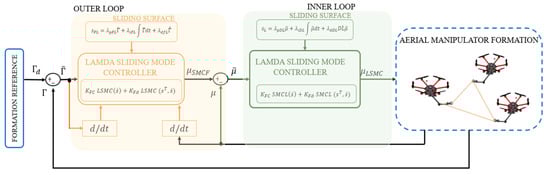
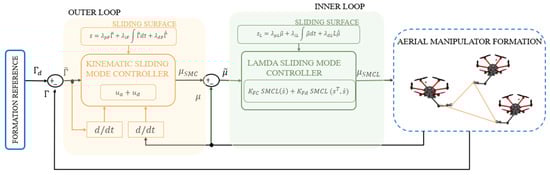
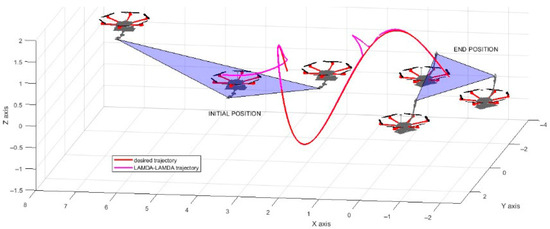
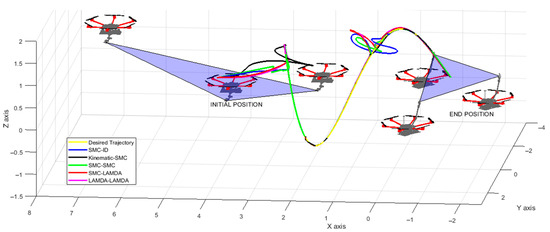
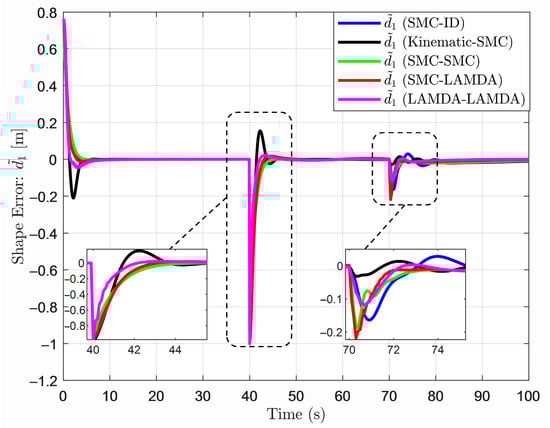
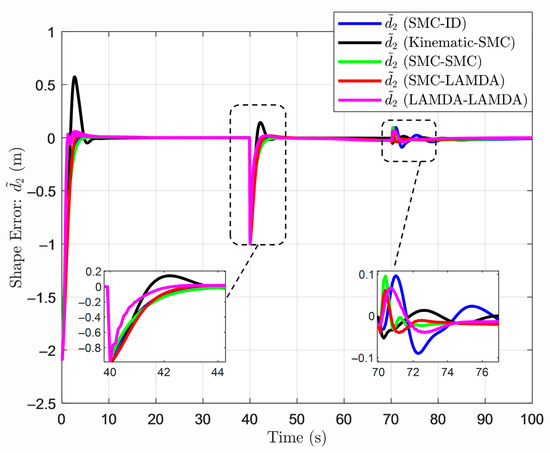
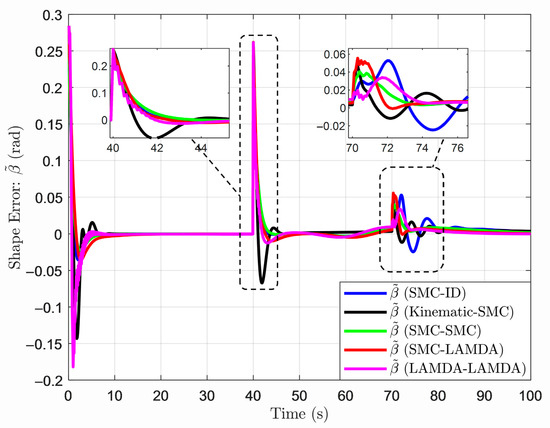
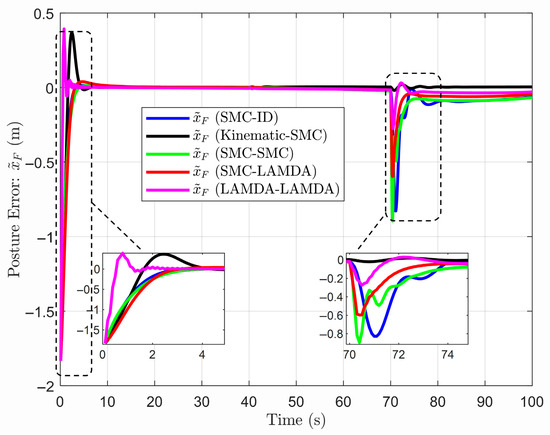
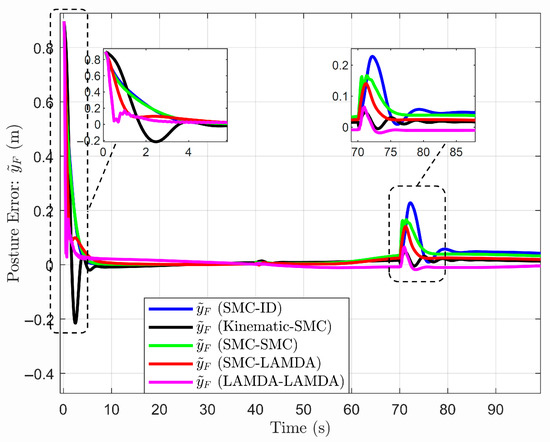
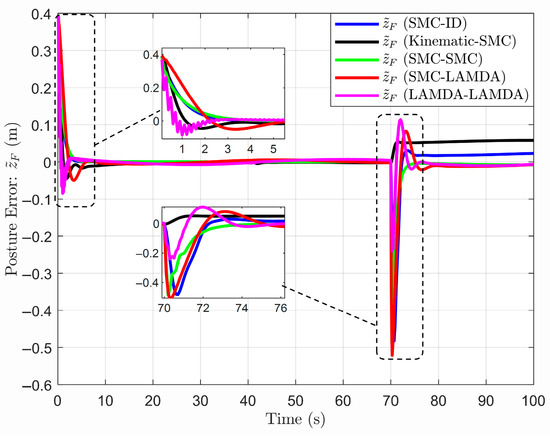
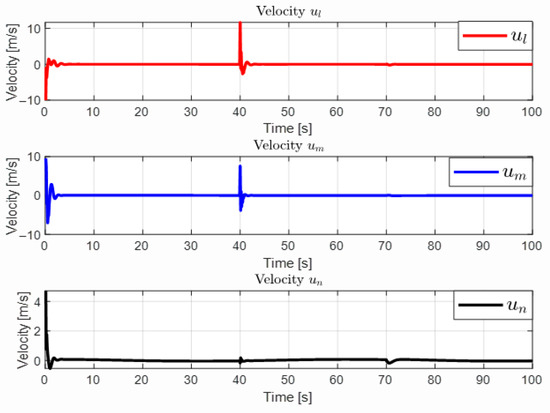
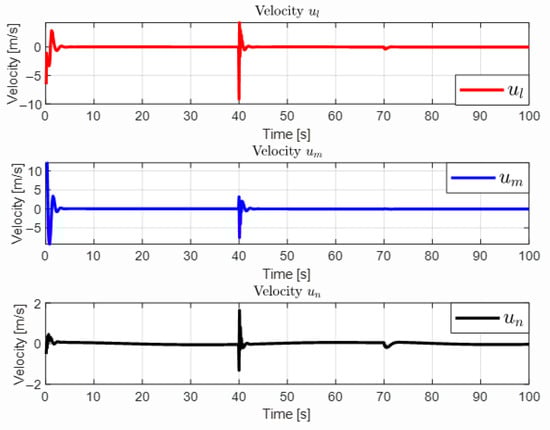
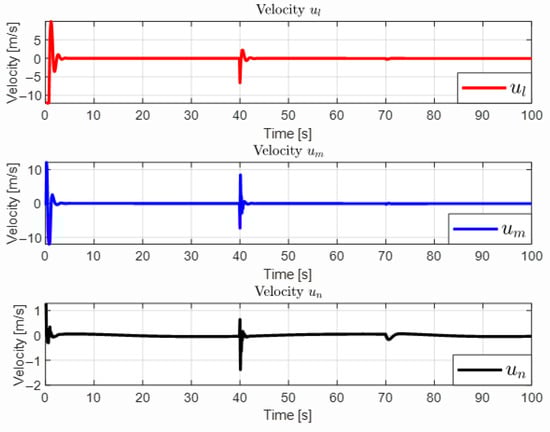
This paper proposes a novel dual-layer learning-based cascade architecture, termed LAMDA-LAMDA, for cooperative formation control of aerial manipulators. The strategy integrates two hierarchical LAMDA controllers: an inner loop that performs velocity-level dynamic compensation and disturbance attenuation, and an outer loop that regulates formation shape and centroid tracking. Unlike conventional model-dependent approaches, the proposed control law does not require explicit knowledge of the aerial manipulator dynamics, which are characterized by strong nonlinear coupling between the hexacopter platform and the onboard manipulator. A Lyapunov-based stability analysis guarantees asymptotic convergence of both velocity and formation errors under bounded uncertainties. The controller is benchmarked against four reference schemes: Kinematic-SMC, SMC with Inverse Dynamics (SMC-ID), SMC-SMC cascade, SMC-LAMDA, and LAMDA-LAMDA cascade, considering abrupt reference changes and severe parametric disturbances affecting inertia, Coriolis, and gravitational terms. Quantitative results show that LAMDA-LAMDA achieves the lowest tracking errors, with average ISE = 0.702 and IAE = 1.652, corresponding to improvements of 35.3% and 32.1% over the best model-based alternative. Additionally, the proposed scheme generates smooth control actions while preserving robustness, highlighting its suitability for cooperative aerial manipulation under dynamic uncertainty.
Full article
(This article belongs to the Section Control Systems)
►▼
Show Figures

Figure 1
Open AccessArticle
Research on Error Compensation of MTPA Control for Synchronous Reluctance Motors
by
Shengjie Fu, Chuanqiang Zhang, Zhaoyuan Yao, Qihuai Chen and Tianliang Lin
Actuators 2026, 15(4), 203; https://doi.org/10.3390/act15040203 - 3 Apr 2026
Abstract
Synchronous Reluctance Motors (SynRM) have attracted much attention due to their advantages of simple structure and low cost. However, due to factors such as magnetic saturation and temperature changes, the parameters of SynRM exhibit nonlinear characteristics. Existing Maximum Torque per Ampere (MTPA) control
[...] Read more.
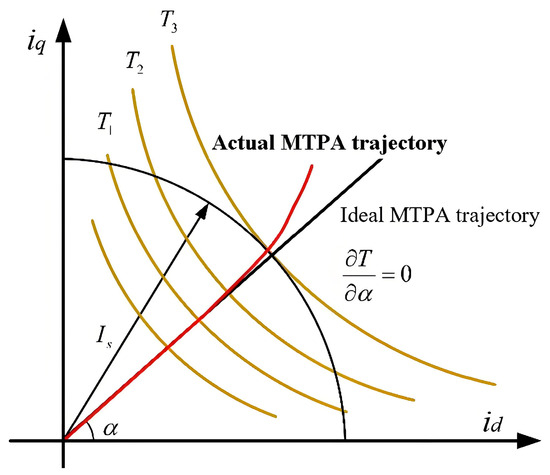
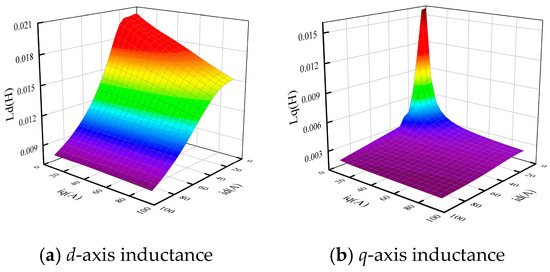
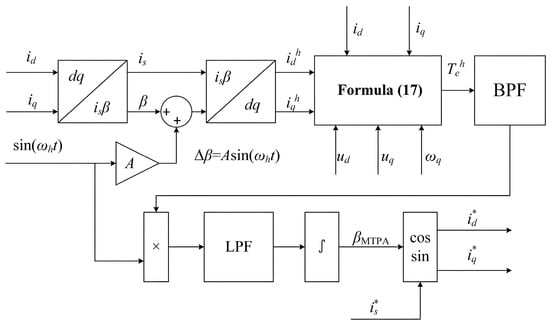
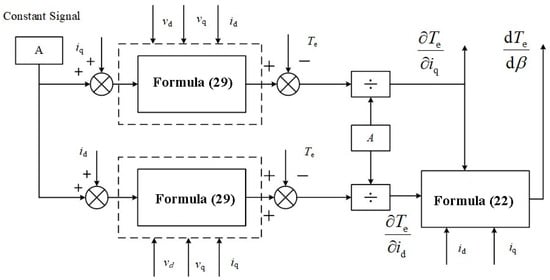
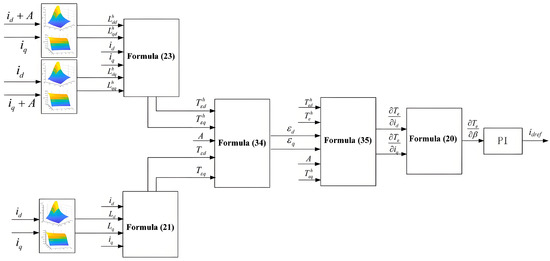
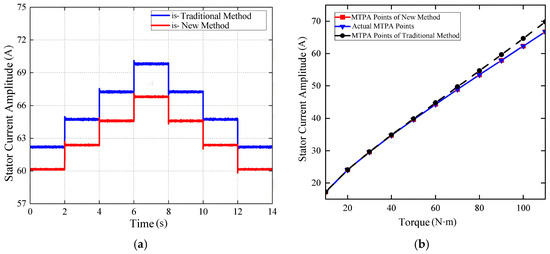
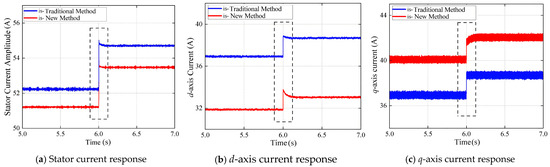
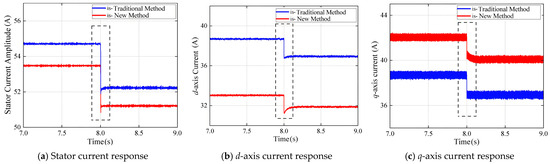
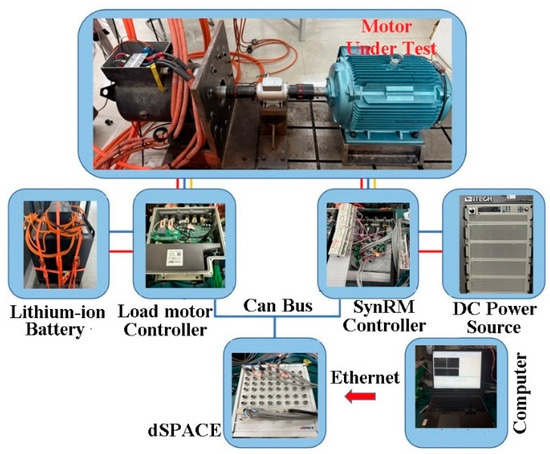
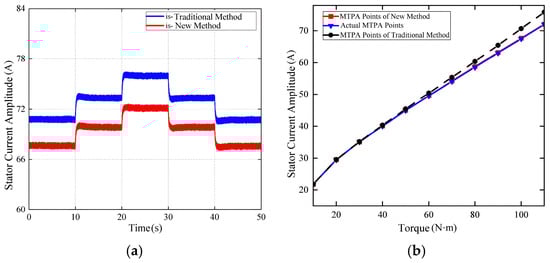
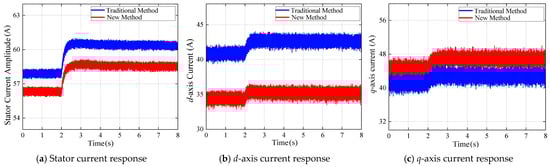
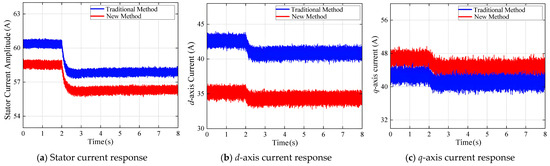
Synchronous Reluctance Motors (SynRM) have attracted much attention due to their advantages of simple structure and low cost. However, due to factors such as magnetic saturation and temperature changes, the parameters of SynRM exhibit nonlinear characteristics. Existing Maximum Torque per Ampere (MTPA) control strategies often do not fully consider the impact of nonlinear changes in motor parameters, making it difficult to achieve accurate MTPA control and resulting in reduced motor efficiency. This article analyzes the control errors caused by the nonlinear changes in inductance of SynRM and proposes an error compensation strategy based on virtual DC signal injection MTPA control. The error expression is reconstructed to achieve error compensation and improve the accuracy of MTPA control. The effectiveness of the proposed control strategy is verified by building a simulation model and a motor experimental platform. The experimental results show that the control strategy proposed in this paper can achieve a maximum current optimization rate of 5.01% while ensuring fast system responsiveness.
Full article
(This article belongs to the Section Control Systems)
►▼
Show Figures

Figure 1
Open AccessArticle
Research on Impedance Matching Performance Evaluation Method for Ultrasonic Machining System Based on Standing Wave Detection
by
Nanchao Jiang, Hongxian Ye, Shixi Yang and Baohua Yu
Actuators 2026, 15(4), 202; https://doi.org/10.3390/act15040202 - 2 Apr 2026
Abstract
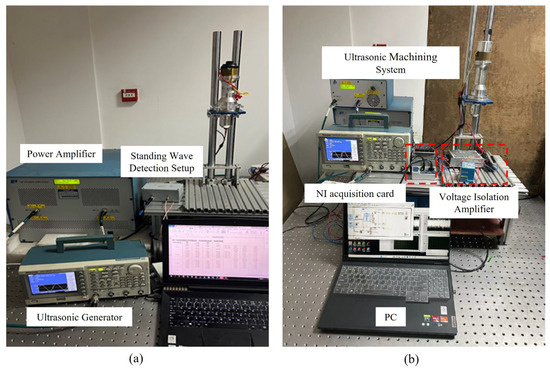
The failure of impedance matching between the ultrasonic power supply and the transducer can degrade machining quality, decrease machining efficiency, and reduce tool life. To enhance the detection efficiency of impedance matching status in ultrasonic machining systems, an impedance matching detection method based
[...] Read more.
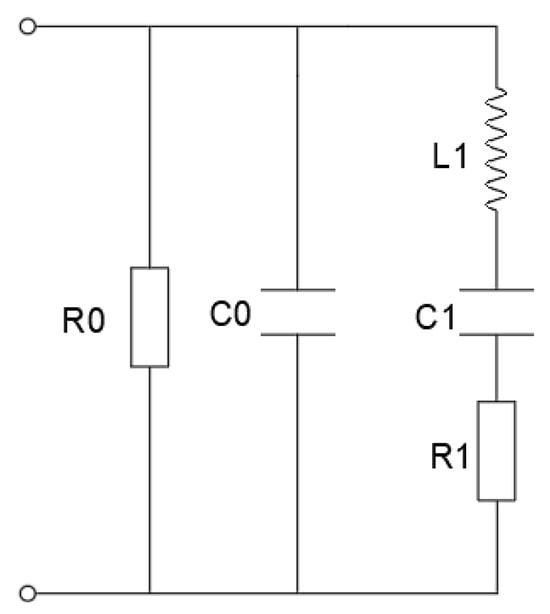
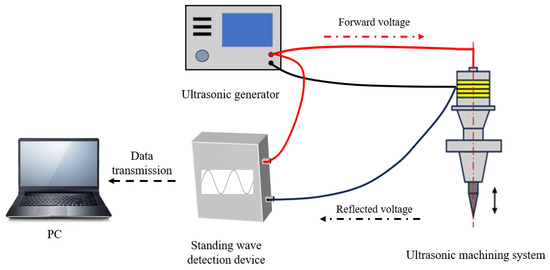
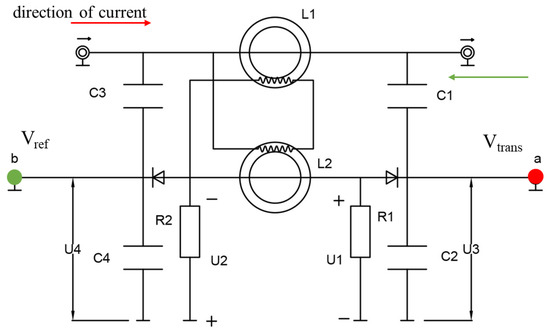
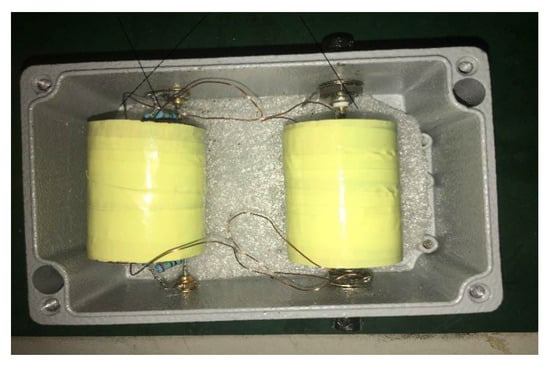
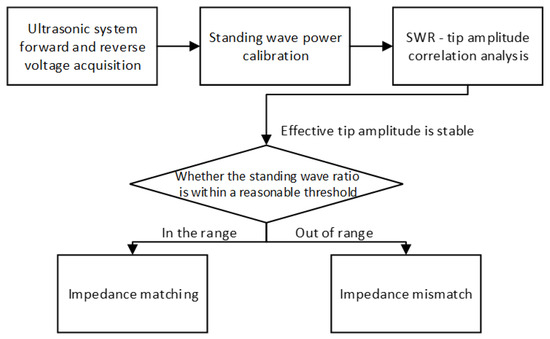
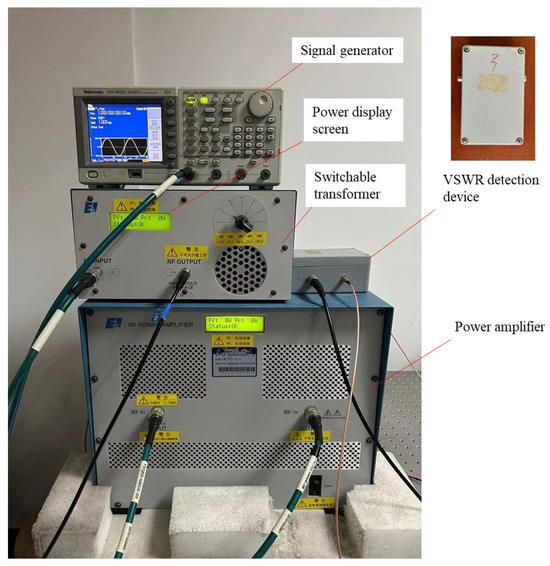
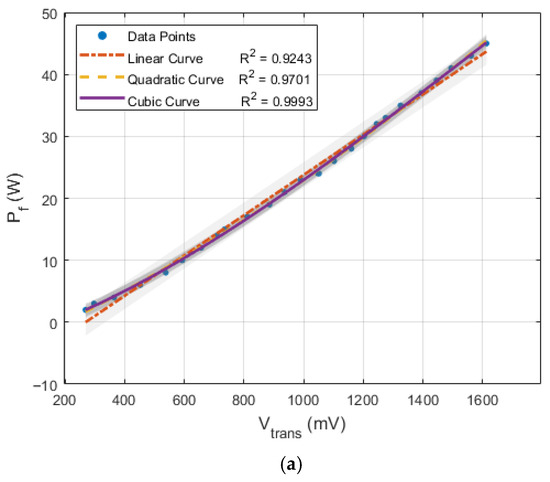
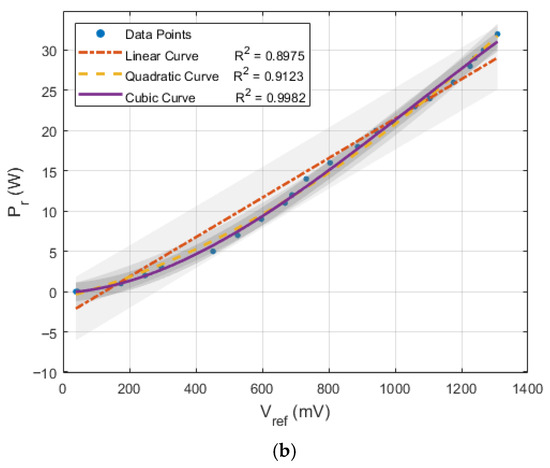
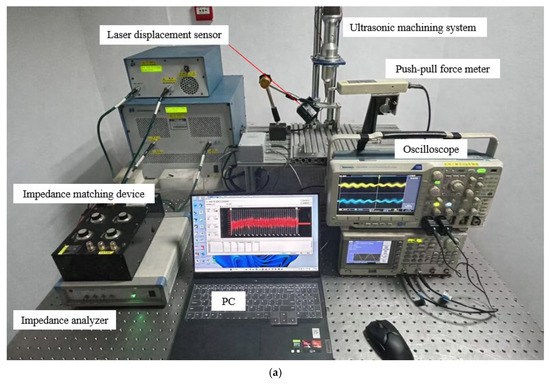
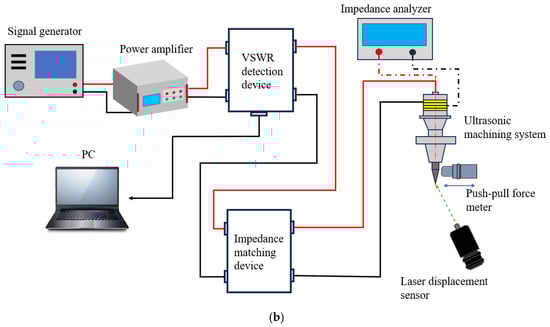
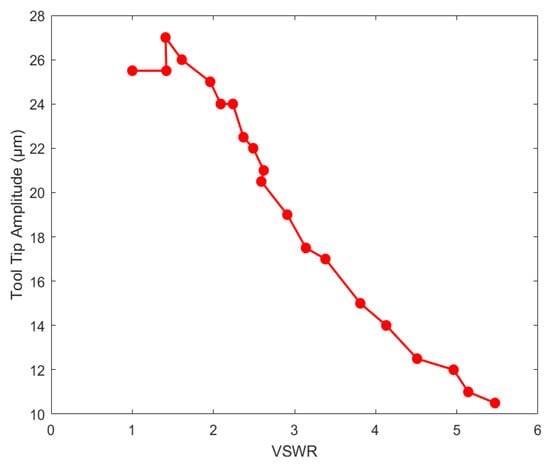
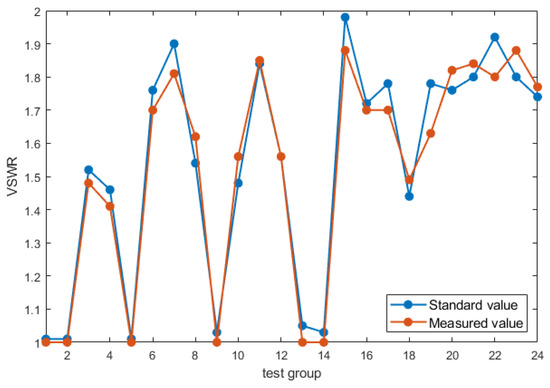
The failure of impedance matching between the ultrasonic power supply and the transducer can degrade machining quality, decrease machining efficiency, and reduce tool life. To enhance the detection efficiency of impedance matching status in ultrasonic machining systems, an impedance matching detection method based on the Voltage Standing Wave Ratio (VSWR) is proposed. First, by constructing a fitting model for the forward and reverse voltage and power of ultrasonic power supply, the relationship between VSWR and voltage is determined. Subsequently, a correlation model between the VSWR and tool tip amplitude, which reflects the working state of the ultrasonic system, is established. And the range of VSWR for optimal performance of system impedance matching is obtained by means of the model. Finally, the detection effectiveness of this method is verified through experiments on tool tip output amplitude under varying working conditions, and a comparison is made between this method and the phase method. The results indicate that using VSWR as a detection parameter to characterize impedance matching yields measurement values within 7% of the theoretical values. These results confirm the evaluation interval for a good working state of the system. Furthermore, experiments under varying force loads and temperatures demonstrate the reliability of the VSWR-based characterization. Compared to the traditional phase method, this approach reduces the cost of impedance matching performance detection and meets the requirements for impedance matching status detection during ultrasonic machining.
Full article
(This article belongs to the Section Actuators for Manufacturing Systems)
►▼
Show Figures

Figure 1
Open AccessArticle
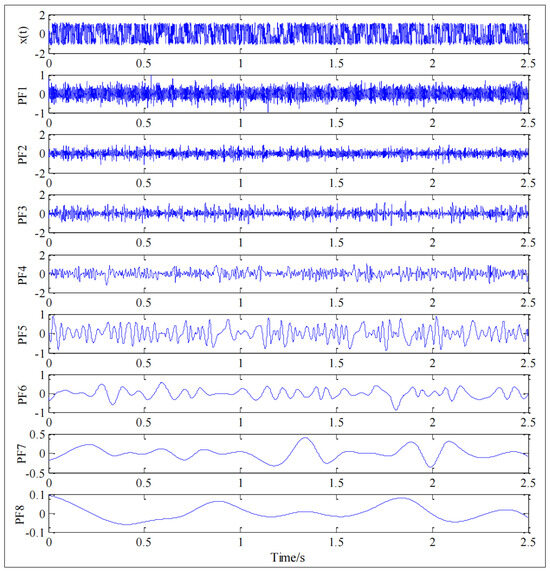
An Enhanced Envelope Spectroscopy Method for Bearing Diagnosis: Coupling PSO-Adaptive Stochastic Resonance with LMD
by
Zhaohong Wu, Jin Xu, Jiaxin Wei, Haiyang Wu, Yusong Pang, Chang Liu and Gang Cheng
Actuators 2026, 15(4), 201; https://doi.org/10.3390/act15040201 - 2 Apr 2026
Abstract
Early fault vibration signals from rolling bearings are typically nonlinear, non-stationary, and heavily obscured by background noise, which severely impedes the accurate extraction of fault features. To overcome the limitations of traditional stochastic resonance (SR)—specifically the small-parameter restriction for high-frequency signals and the
[...] Read more.
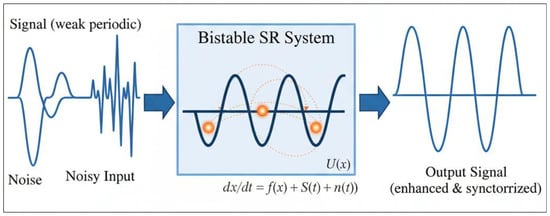
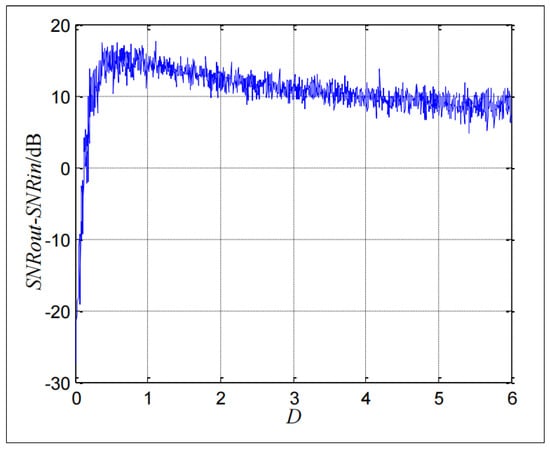
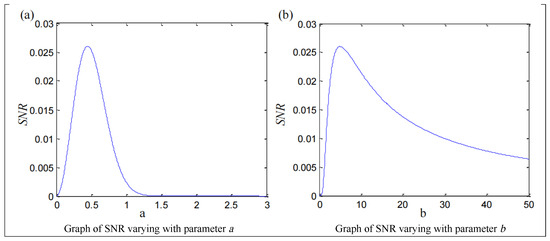
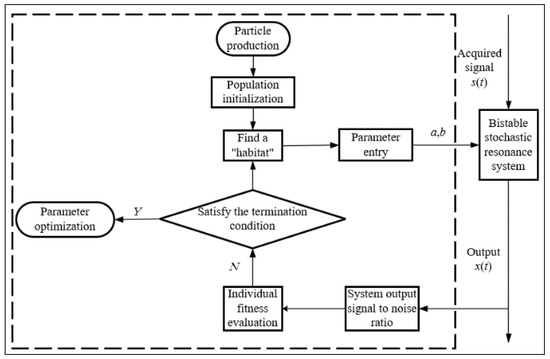
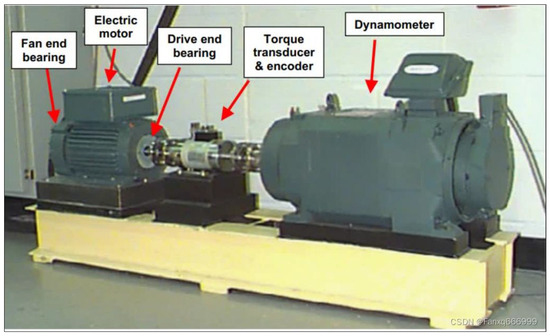
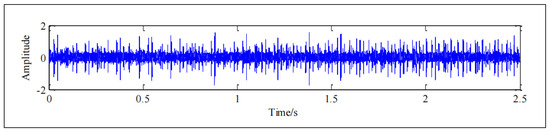
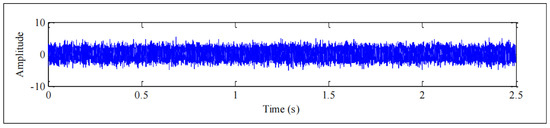
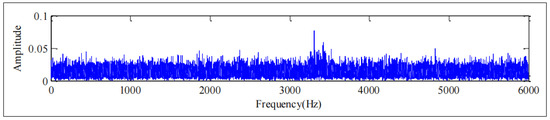
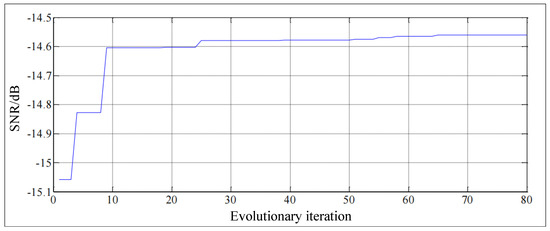
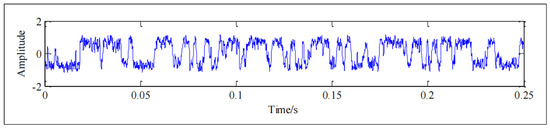
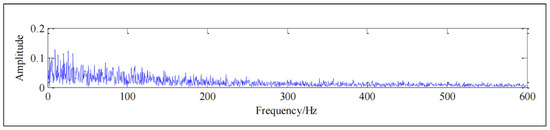
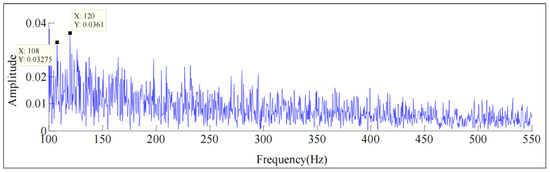
Early fault vibration signals from rolling bearings are typically nonlinear, non-stationary, and heavily obscured by background noise, which severely impedes the accurate extraction of fault features. To overcome the limitations of traditional stochastic resonance (SR)—specifically the small-parameter restriction for high-frequency signals and the subjectivity in parameter selection—this paper proposes an adaptive SR envelope spectroscopy method based on particle swarm optimization (PSO) and local mean decomposition (LMD). First, a variable-scale transformation is introduced to compress the high-frequency fault signals into the effective frequency band required by the adiabatic approximation theory. Second, utilizing the global search capability of PSO, the potential well parameters of the bistable system are adaptively optimized by maximizing the output signal-to-noise ratio (SNR), thereby achieving optimal matching between the nonlinear system and the input signal. Finally, the enhanced signal is decomposed by LMD, and the sensitive components are selected for envelope spectrum analysis to identify fault characteristics. Experimental validation using the Case Western Reserve University bearing dataset demonstrates that the proposed method effectively amplifies weak fault signals under strong noise conditions, exhibiting superior feature extraction accuracy and noise robustness compared to traditional methods.
Full article
(This article belongs to the Section Control Systems)
►▼
Show Figures

Figure 1
Open AccessArticle
A Fast Reaching Law in Sliding Mode Control with Application to an Inverted Pendulum Robot
by
Dongliang Wang, Guofu Ma and Zhun Fan
Actuators 2026, 15(4), 200; https://doi.org/10.3390/act15040200 - 2 Apr 2026
Abstract
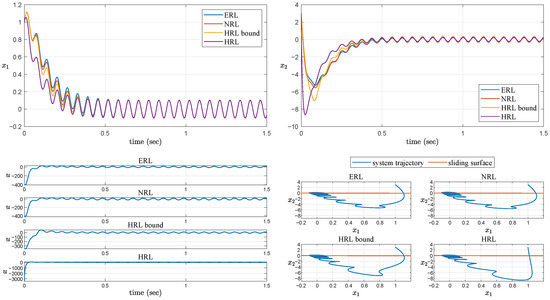
Sliding mode control (SMC) is an effective and robust technique for managing uncertain nonlinear systems. The conventional SMC approach integrates a constant-rate reaching law with the boundary layer method to regulate the system. However, it does not address scenarios in which the initial
[...] Read more.
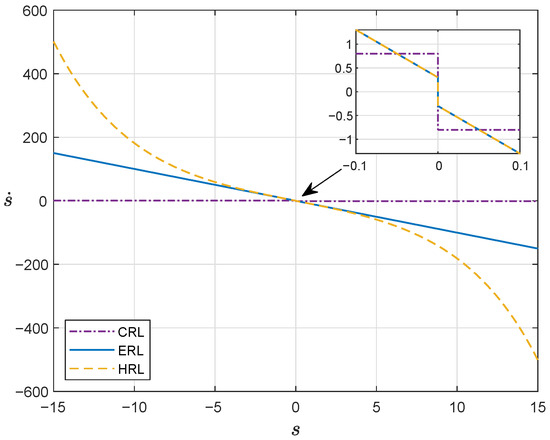
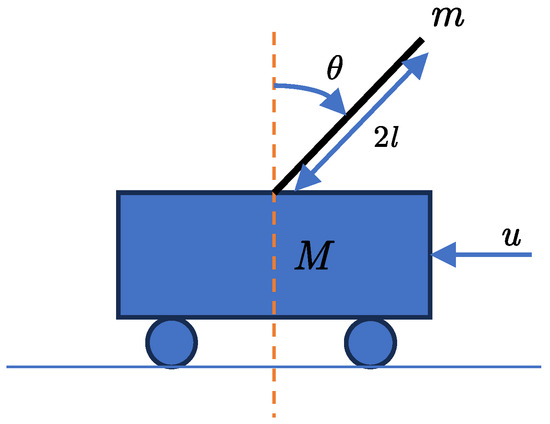
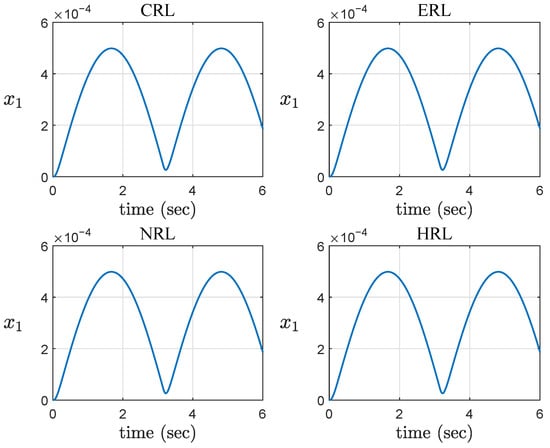
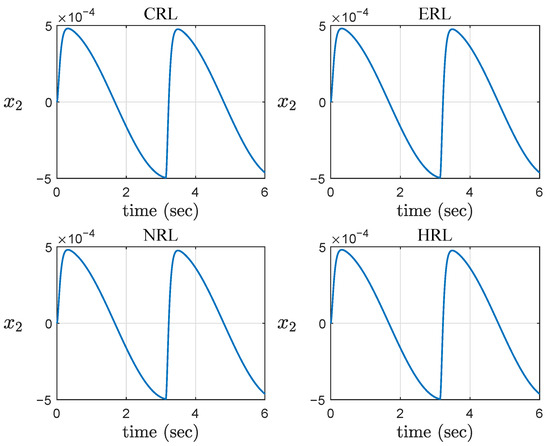
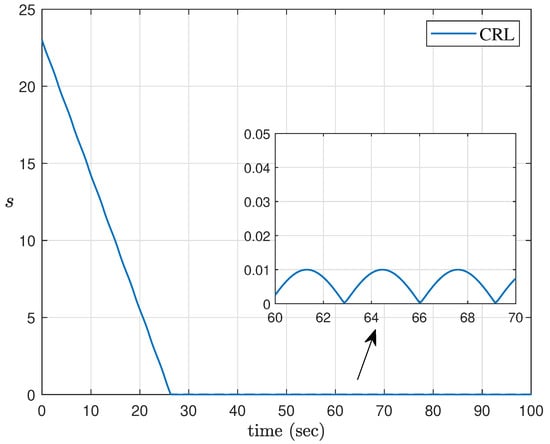
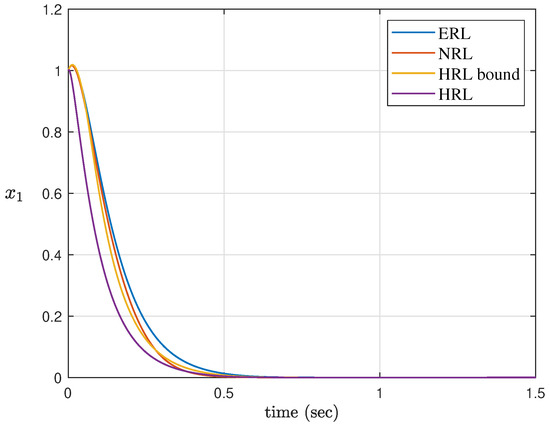
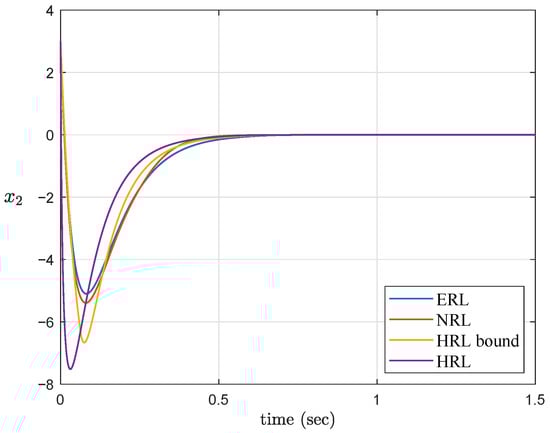
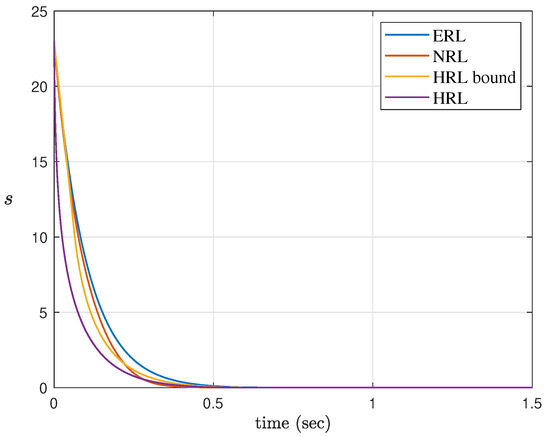
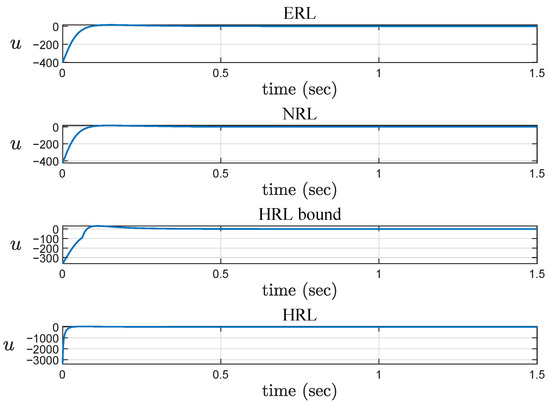
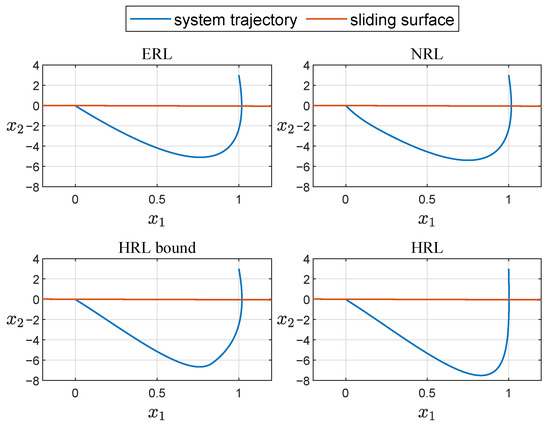
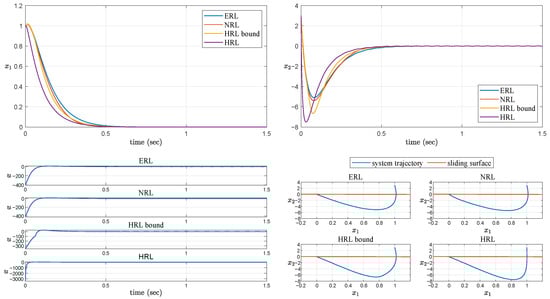
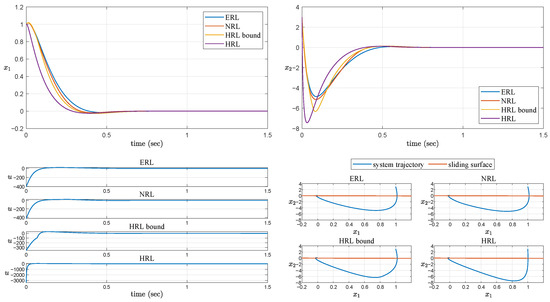
Sliding mode control (SMC) is an effective and robust technique for managing uncertain nonlinear systems. The conventional SMC approach integrates a constant-rate reaching law with the boundary layer method to regulate the system. However, it does not address scenarios in which the initial state variables are significantly distant from the boundary layer. To expedite the process of reaching the sliding surface, this study introduces a fast reaching law in SMC, ensuring a fixed control time for reaching the sliding mode surface. The proposed fast reaching law is applied to an inverted pendulum robot, demonstrating its effectiveness in this typical system. In addition, we propose a qualitative evaluation method to compare various existing reaching law methods. The simulation results indicate that the proposed reaching law outperforms current approaches, substantiating its effectiveness.
Full article
(This article belongs to the Special Issue Analysis and Design of Linear/Nonlinear Control System—2nd Edition)
►▼
Show Figures

Figure 1
Open AccessArticle
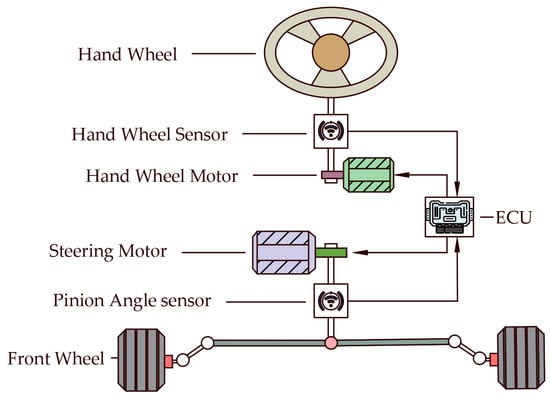
Synergistic Guaranteed Cost and Integral Sliding Mode Fault-Tolerant Control for Steer-by-Wire Systems Subject to Multiple Uncertainties
by
Jinwen Yang, Yiming Hu, Dequan Zeng, Lingang Yang and Giuseppe Carbone
Actuators 2026, 15(4), 199; https://doi.org/10.3390/act15040199 - 2 Apr 2026
Abstract
The actuator reliability of Steer-by-Wire (SBW) systems is critical to the functional safety of autonomous vehicles. However, existing control methods struggle to simultaneously enhance both response speed and fault-tolerant performance when facing multiple uncertainties such as parameter perturbations, external disturbances, and actuator faults.
[...] Read more.
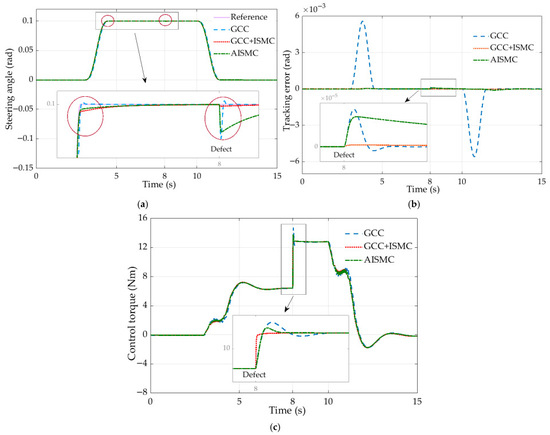
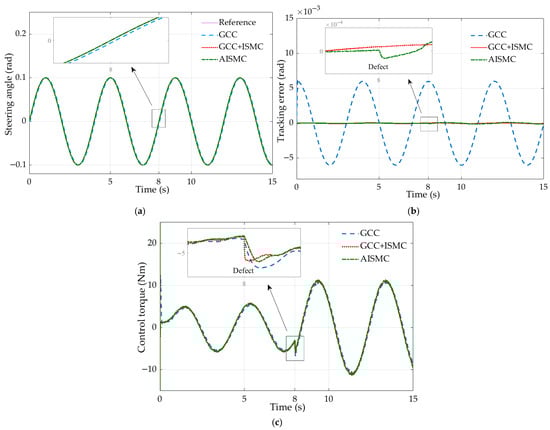
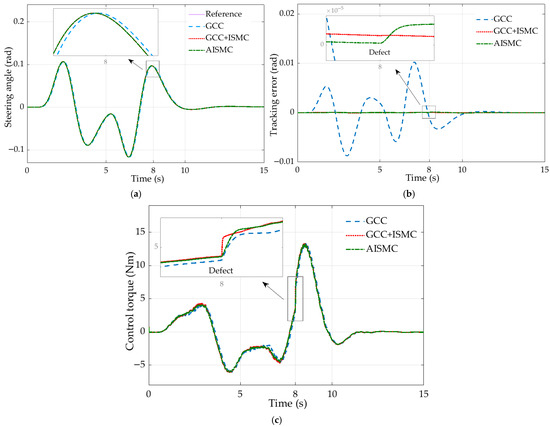
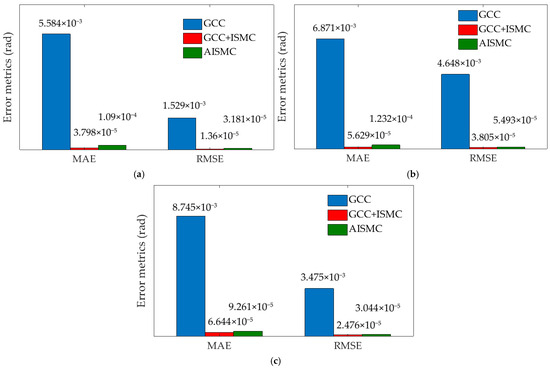
The actuator reliability of Steer-by-Wire (SBW) systems is critical to the functional safety of autonomous vehicles. However, existing control methods struggle to simultaneously enhance both response speed and fault-tolerant performance when facing multiple uncertainties such as parameter perturbations, external disturbances, and actuator faults. To address these issues, this paper proposes a synergistic fault-tolerant control (FTC) strategy combining guaranteed cost control (GCC) and integral sliding mode control (ISMC). First, a dynamic model of the SBW system incorporating the multiple uncertainties is established. Second, a GCC law is derived based on linear matrix inequalities (LMIs) to impose strict constraints on the system’s tracking accuracy and robustness. Building upon this, an ISMC is integrated to significantly accelerate the system’s dynamic response without sacrificing steady-state accuracy, thereby forming a synergistic fault-tolerant architecture characterized by both high precision and rapid response. The results indicate that, under typical fault modes and steering conditions, the response speed of GCC+ISMC is significantly improved compared with GCC alone, and the GCC+ISMC reduces tracking errors by approximately 35% compared to adaptive integral sliding mode control (AISMC). These findings demonstrate that the proposed approach effectively mitigates multiple system uncertainties, offering comprehensive advantages in tracking accuracy, response speed, and robustness.
Full article
(This article belongs to the Section Control Systems)
►▼
Show Figures

Figure 1
Open AccessArticle
An Interval Incentive and Predictive Interpolation-Based PPO Method for AGV Path Planning
by
Pengyang Liao, Ling Meng, Pengyu Guo and Bo Li
Actuators 2026, 15(4), 198; https://doi.org/10.3390/act15040198 - 1 Apr 2026
Abstract
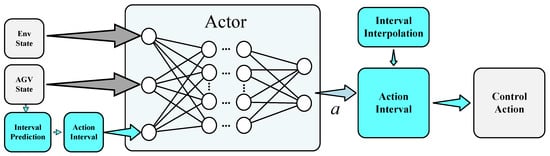
This work proposes an interval incentive and predictive interpolation-based proximal policy optimization (IP-PPO) scheme for automated guided vehicle (AGV) path planning, to achieve fast convergence, strong generalization and sufficient smoothness in the control actions. Firstly, a predictive interpolation method is integrated into the
[...] Read more.
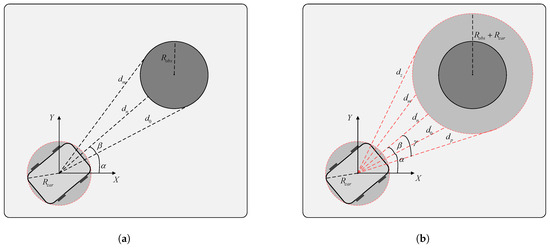
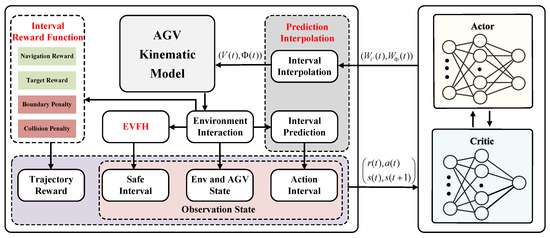
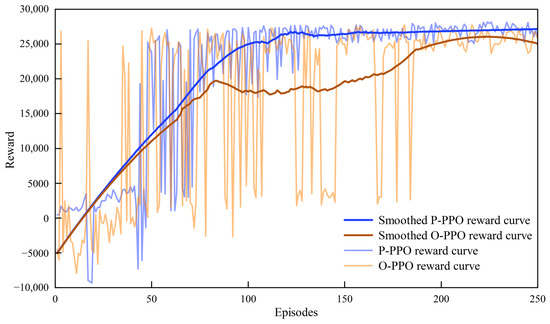
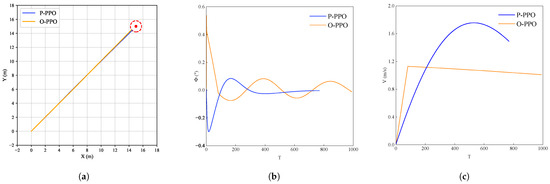
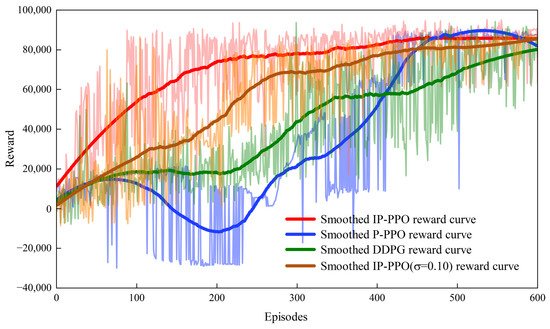
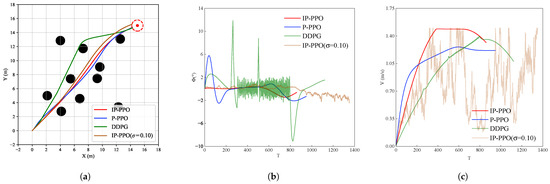
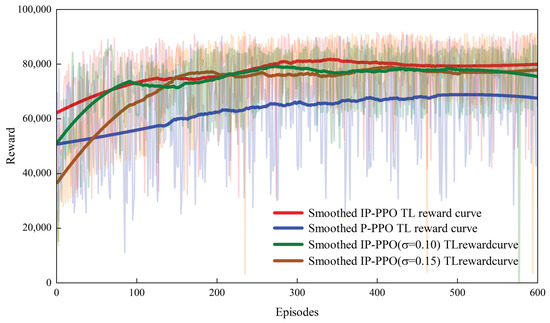
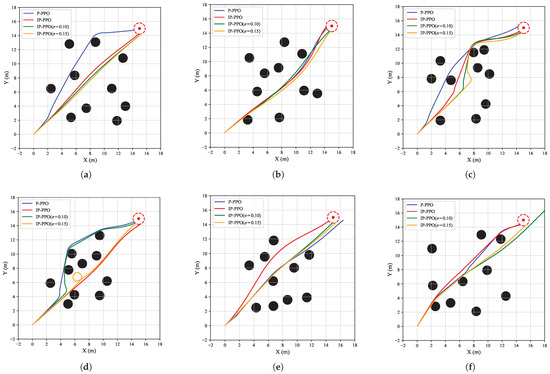
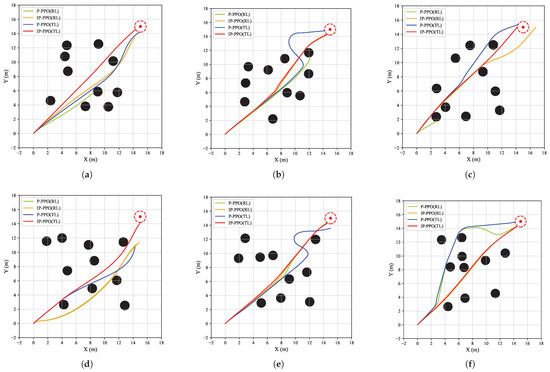
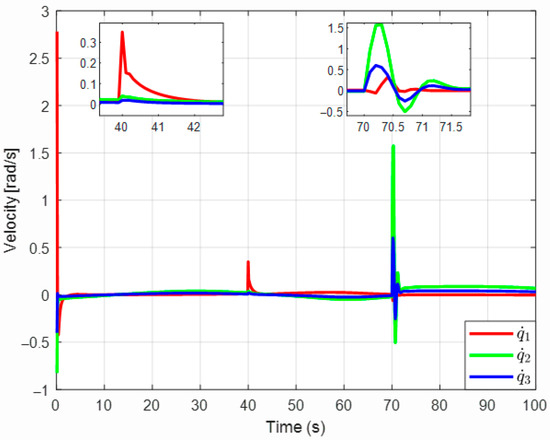
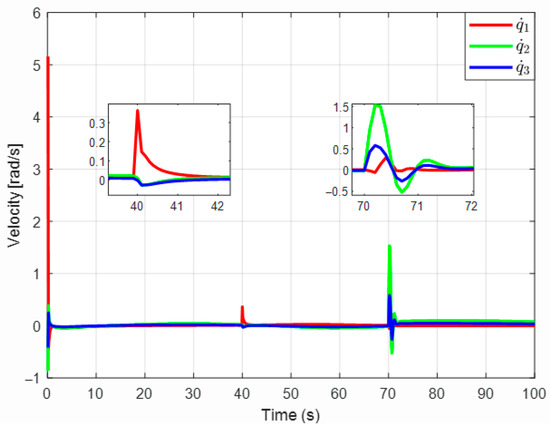
This work proposes an interval incentive and predictive interpolation-based proximal policy optimization (IP-PPO) scheme for automated guided vehicle (AGV) path planning, to achieve fast convergence, strong generalization and sufficient smoothness in the control actions. Firstly, a predictive interpolation method is integrated into the traditional proximal policy optimization (PPO) framework. Then, an enhanced vector field histogram is constructed to generate the safe interval state, which is incorporated into the observation space. Furthermore, a safe interval-based reward function is formulated to enhance the obstacle avoidance performance. The interval incentive mechanism, which includes the safe interval state and interval reward function, is integrated into the predictive interpolation-based PPO to construct the IP-PPO framework. Finally, comparative simulations demonstrate that the proposed IP-PPO scheme exhibits superior learning efficiency, generalization performance, and strong robustness against model uncertainties while maintaining high smoothness of AGV path planning.
Full article
(This article belongs to the Section Actuators for Surface Vehicles)
►▼
Show Figures

Figure 1
Open AccessArticle
Disturbance Refined Separation-Based Composite Control for Airborne Electro-Optical Gimbals Subject to Pointing Constraints
by
Jiaao Wu, Yixuan Zhang, Yaokun Lu, Hao Teng, Pengwei Hu and Jianzhong Qiao
Actuators 2026, 15(4), 197; https://doi.org/10.3390/act15040197 - 1 Apr 2026
Abstract
Maintaining high-precision line-of-sight pointing in airborne electro-optical gimbals remains a significant challenge due to the simultaneous presence of heterogeneous disturbances and strict mechanical structural constraints within complex dynamic conditions. Traditional anti-disturbance methods often struggle to provide fine-grained compensation for multi-source uncertainties where low-frequency
[...] Read more.
Maintaining high-precision line-of-sight pointing in airborne electro-optical gimbals remains a significant challenge due to the simultaneous presence of heterogeneous disturbances and strict mechanical structural constraints within complex dynamic conditions. Traditional anti-disturbance methods often struggle to provide fine-grained compensation for multi-source uncertainties where low-frequency lumped disturbances (e.g., friction and unbalanced torques) and high-frequency harmonic vibrations (e.g., engine-induced vibrations and aerodynamic gusts) are intricately coupled. To address these challenges, this paper proposes a refined disturbance separation-based composite control scheme. First, a deep-coupled aircraft–gimbal dynamics model is constructed to reveal the spectral separation characteristics of multi-source disturbances under the “moving base” effect. Second, a Refined Disturbance Observer architecture is developed by coupling an Extended State Observer with a Harmonic Disturbance Observer, enabling the decoupled separation and precise estimation of heterogeneous disturbances based on their spectral characteristics. Furthermore, a finite-time composite controller incorporating a Barrier Lyapunov Function is designed to guarantee that the system output strictly adheres to inherent mechanical structural boundaries. Numerical simulations confirm high-precision tracking and strict constraint satisfaction of the scheme.
Full article
(This article belongs to the Section Control Systems)
►▼
Show Figures

Figure 1
Open AccessArticle
State-Constrained Control for Hydraulic Manipulator Position Servo Systems with Valve Dead-Band Compensation
by
Ning Yang, Cuicui Ji, Junhua Chen and Hongyu Zheng
Actuators 2026, 15(4), 196; https://doi.org/10.3390/act15040196 - 1 Apr 2026
Abstract
►▼
Show Figures
Hydraulic manipulators face critical challenges due to valve dead-band nonlinearity and state constraints, which can lead to safety hazards and hardware damage. This study proposes a state-constrained controller with valve dead-band compensation to ensure prescribed positioning accuracy and operational safety. Barrier Lyapunov functions
[...] Read more.
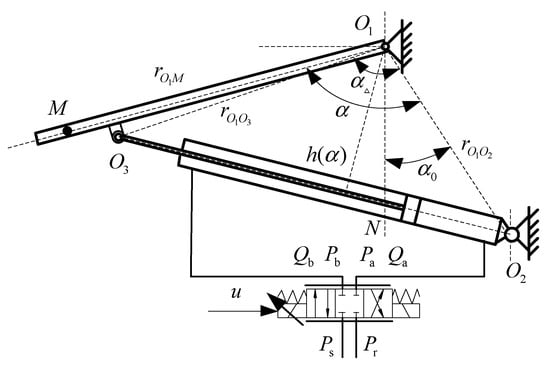
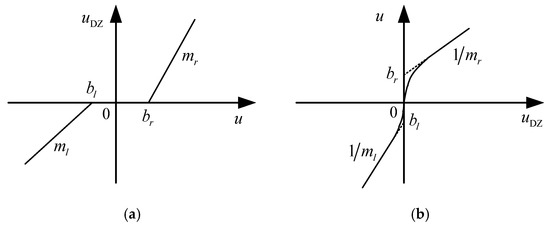
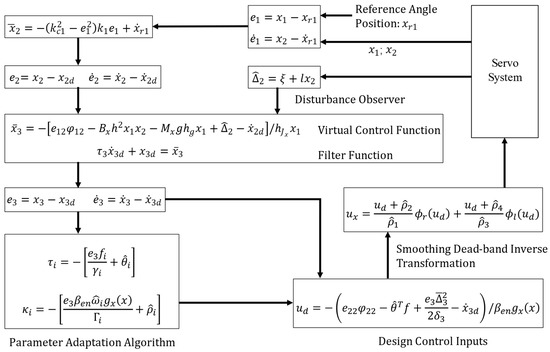
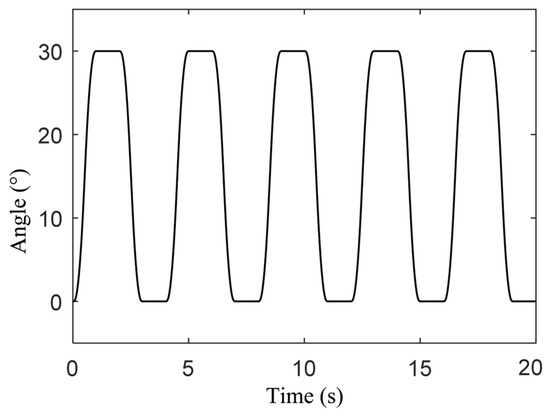
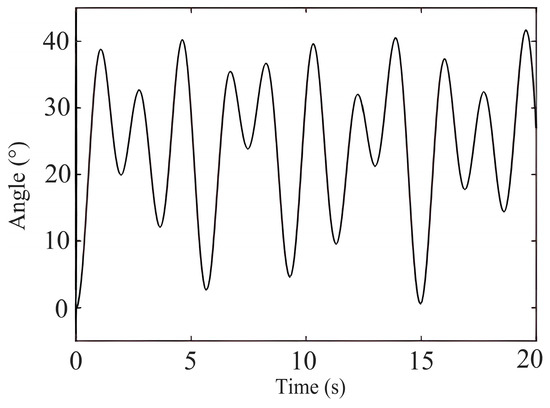
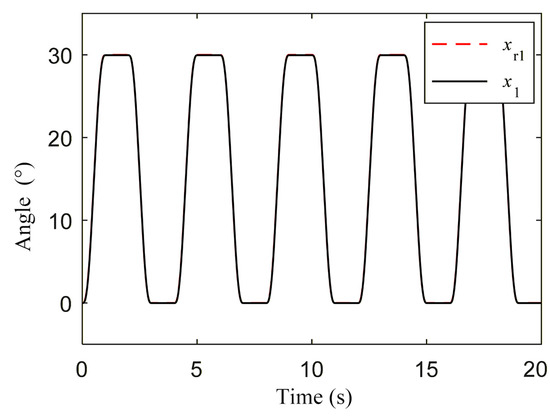
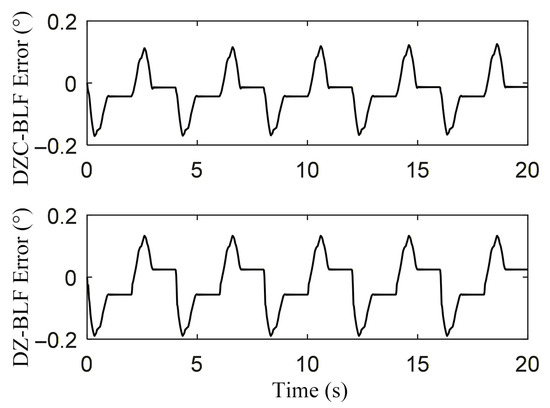
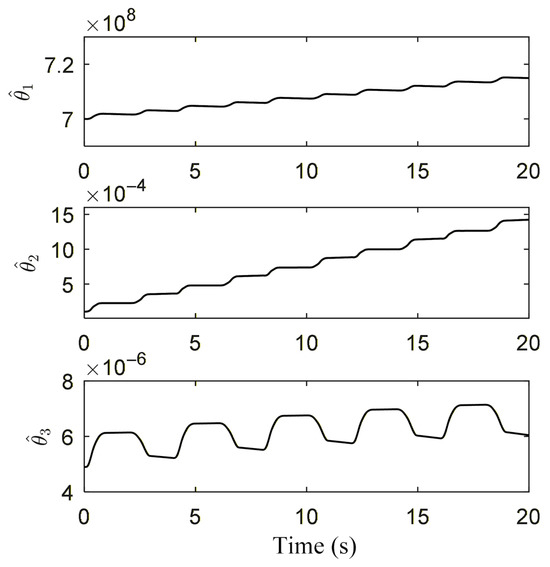
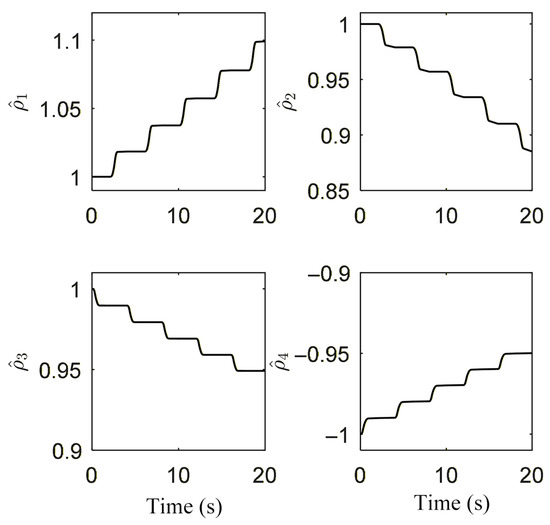
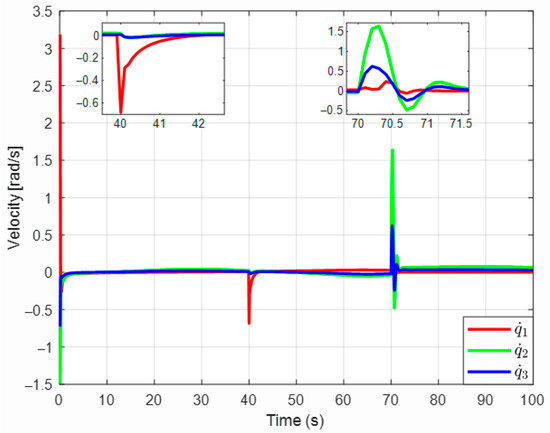
Hydraulic manipulators face critical challenges due to valve dead-band nonlinearity and state constraints, which can lead to safety hazards and hardware damage. This study proposes a state-constrained controller with valve dead-band compensation to ensure prescribed positioning accuracy and operational safety. Barrier Lyapunov functions ensure that state constraints are maintained and that boundary violations are avoided. Concurrently, a smooth dead-band inverse model is developed to offset asymmetric valve dead-band effects without inducing chatter. Adaptive laws estimate uncertain parameters and dead-band impact in real time, and a disturbance observer attenuates unmatched uncertainties. Dynamic surface control is employed to diminish the explosion of complexity in backstepping design. Comparative simulations under fixed-angle and arbitrary-angle tracking demonstrate that the proposed controller achieves superior tracking accuracy with steady-state errors below 0.04° compared to 0.06° for non-compensated controllers, while significantly reducing pressure fluctuations and control chattering as adaptive parameters converge. The results indicate that the strategy effectively compensates for valve dead zones while strictly maintaining state constraints, thereby achieving the required control precision for hydraulic servo systems.
Full article

Figure 1
Open AccessArticle
Motion Planning of MHSB for Redundant Hydraulic Manipulators
by
Kengo Oda, Takumi Suzumura and Sangho Hyon
Actuators 2026, 15(4), 195; https://doi.org/10.3390/act15040195 - 1 Apr 2026
Abstract
A novel hydraulic circuit, the Modular Hydraulic Servo Booster (MHSB) is applied to redundant hydraulic manipulators. The MHSB uses multiple pumps and valves to drive multiple actuators to significantly improve energy efficiency compared with conventional servo-valve systems. Our previous work has proposed a
[...] Read more.
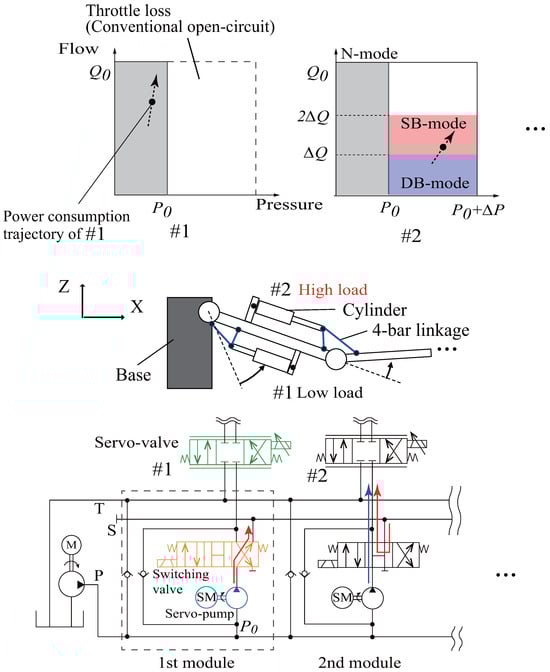
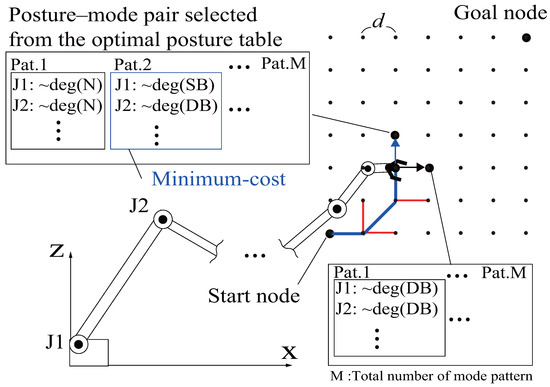
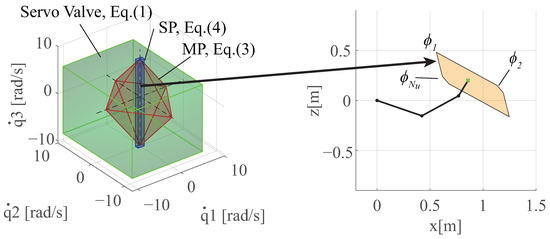
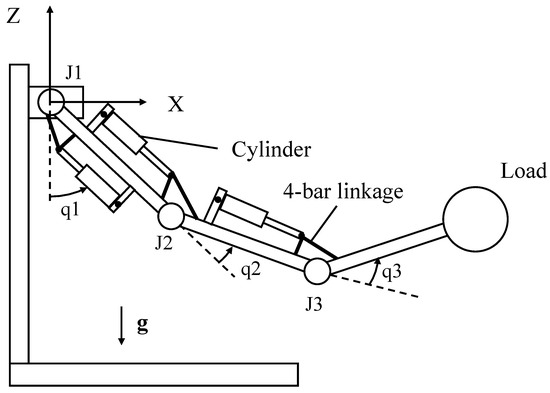
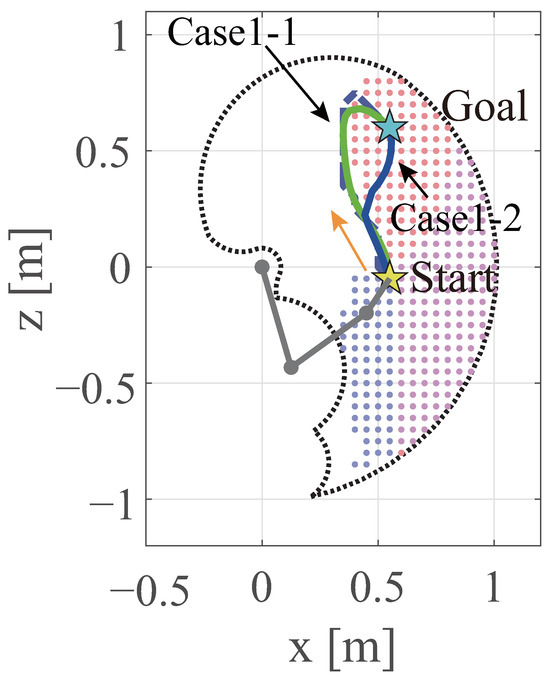
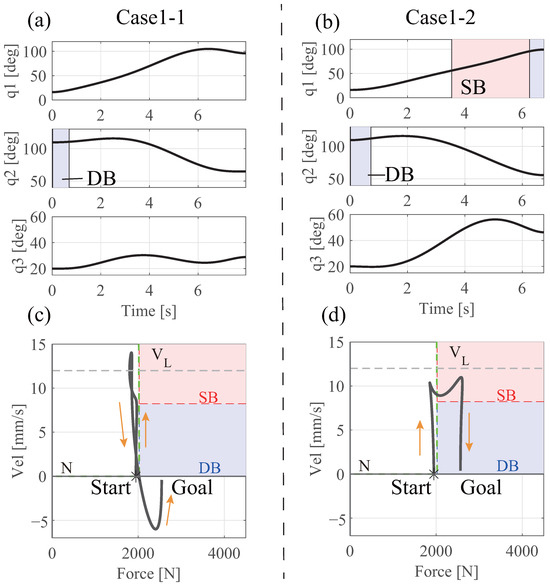
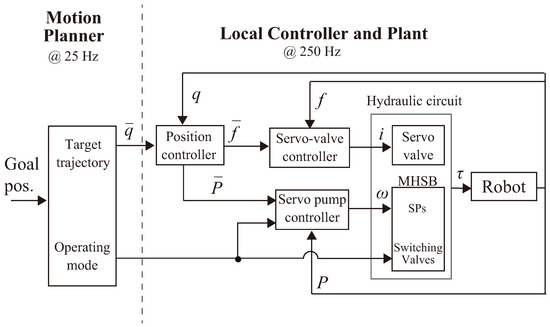
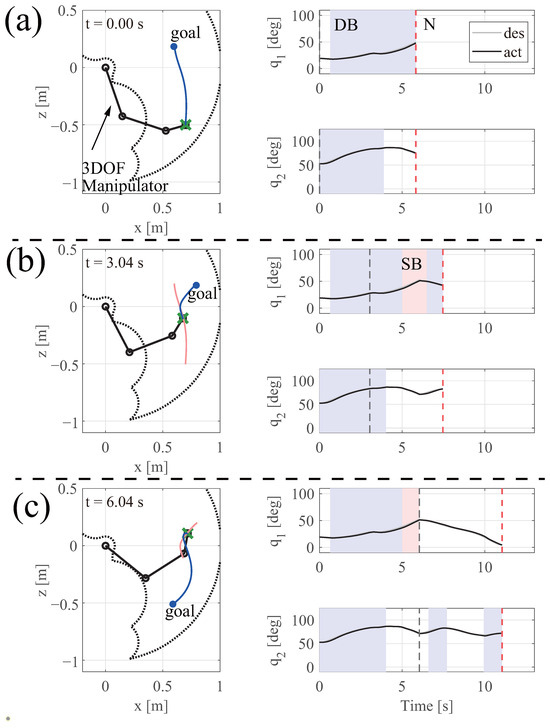
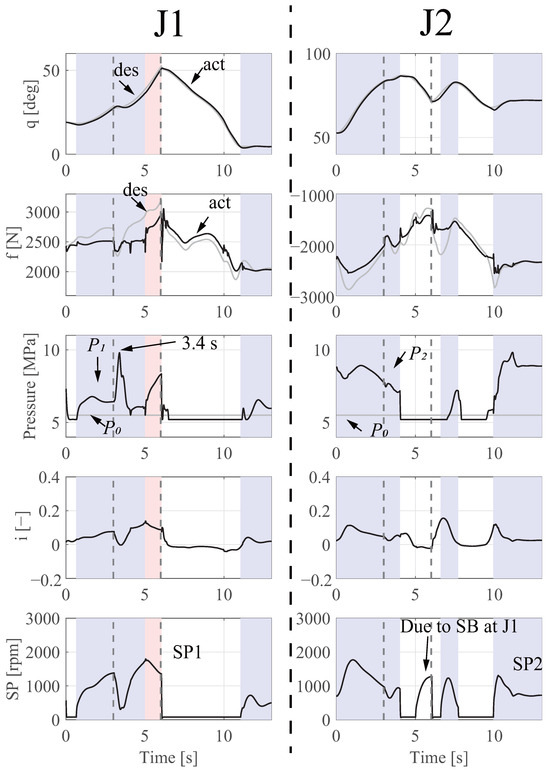
A novel hydraulic circuit, the Modular Hydraulic Servo Booster (MHSB) is applied to redundant hydraulic manipulators. The MHSB uses multiple pumps and valves to drive multiple actuators to significantly improve energy efficiency compared with conventional servo-valve systems. Our previous work has proposed a control strategy that incorporates energy-optimal trajectory planning and operation mode switching using a graph search algorithm to perform point-to-point (PTP) tasks for manipulators. This paper extends our previous study by constructing an optimal-posture table that incorporates manipulability. By using this table to evaluate the cost in graph search, we achieve real-time optimal trajectory planning and operation mode switching for redundant manipulators. Numerical simulation from different PTP tasks on a three-link manipulator (1-m length, 10-kg weight) validate the proposed method.
Full article
(This article belongs to the Special Issue Actuation and Control in Digital Fluid Power)
►▼
Show Figures

Figure 1
Open AccessReview
Acoustics-Driven Performance Enhancement in Underwater Vehicles: From Component Innovation to Intelligent Actuation
by
Xuehao Wang, Zihao Wang, Linzhi Chen, Yaqiang Zhu, Dongyang Xue, Shuai Li, Shiquan Lan, Danlu Wang and Cheng Chen
Actuators 2026, 15(4), 194; https://doi.org/10.3390/act15040194 - 1 Apr 2026
Abstract
Underwater vehicles (UVs) are pivotal for ocean exploration, yet their effectiveness is fundamentally constrained by acoustic performance in noisy and dynamic seas. Self-noise, non-stationary interference, and extreme conditions not only degrade sensing, navigation, and stealth but also cascade into losses in propulsion efficiency,
[...] Read more.
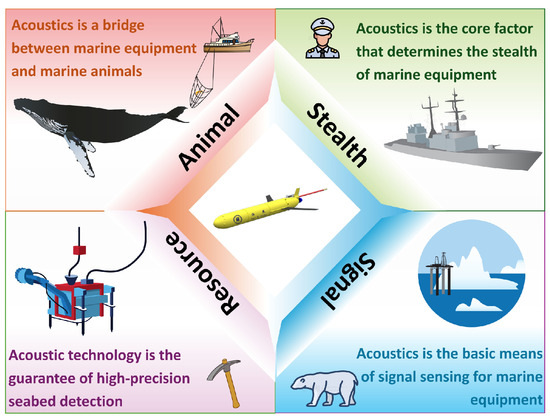
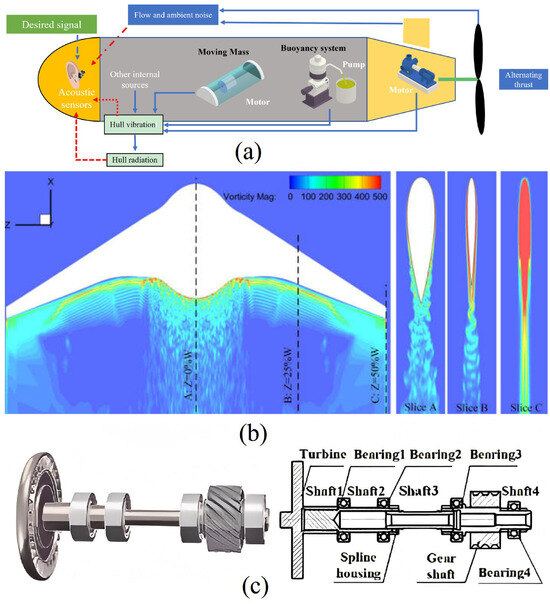
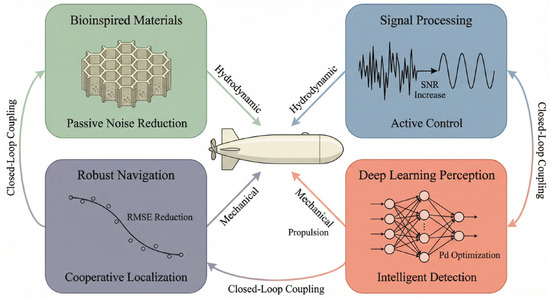
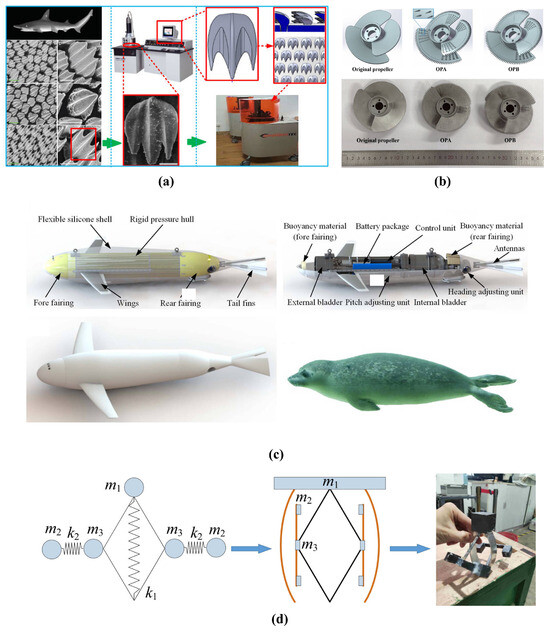
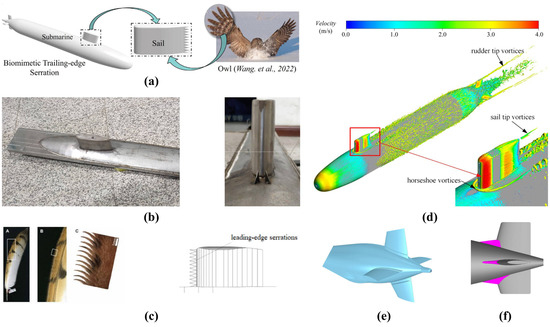
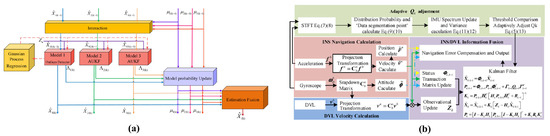
Underwater vehicles (UVs) are pivotal for ocean exploration, yet their effectiveness is fundamentally constrained by acoustic performance in noisy and dynamic seas. Self-noise, non-stationary interference, and extreme conditions not only degrade sensing, navigation, and stealth but also cascade into losses in propulsion efficiency, actuation reliability, and control precision. This review provides a system-performance-oriented synthesis of advances across four key areas: bioinspired and intelligent noise reduction materials/structures, active noise control and adaptive signal processing, noise-robust navigation and collaborative localization, and deep learning-enhanced acoustic perception. Key findings indicate that bioinspired surfaces reduce flow noise by ≈5 dB, adaptive filtering improves by up to 20 dB, and distributed robust filtering ensures multi-AUV consistency under uncertainty. These developments collectively establish acoustic performance not as a parallel metric, but as a fundamental enabler and critical bottleneck for the integrated propulsion-actuation-control stack of next-generation UVs. Consequently, this review outlines viable pathways toward high-performance acoustic–mechanical integration.
Full article
(This article belongs to the Section Actuators for Robotics)
►▼
Show Figures

Figure 1
Open AccessArticle
Active Disturbance Rejection Predictive Control for Drill-Arm Positioning of Hydraulic Drill-Anchor Robots Based on Friction Compensation and PSO Tuning
by
Feng Jiao, Hongbing Qiao, Xiaolong Tong, Kai Li, Ruihe Cao and Rongxin Zhu
Actuators 2026, 15(4), 193; https://doi.org/10.3390/act15040193 - 1 Apr 2026
Abstract
The anchoring effect of drill-anchor equipment directly determines the support quality of roadways. Currently, hydraulic drill-anchor robots suffer from insufficient positioning control precision during operation, and drilling position deviations induce roadway collapse risks and serious safety hazards. Therefore, effectively improving the position control
[...] Read more.
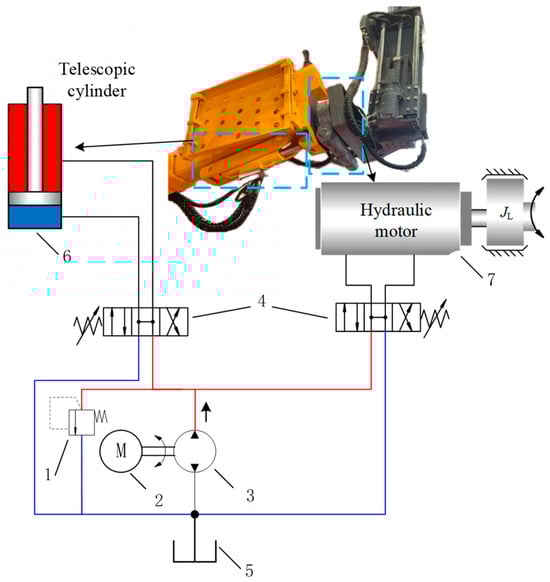
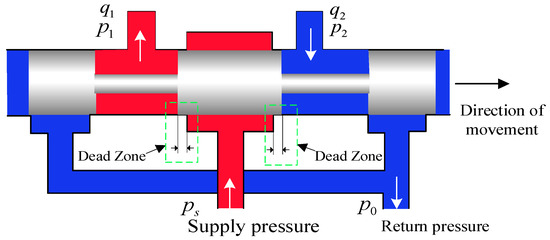
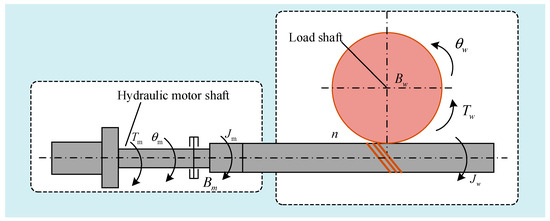
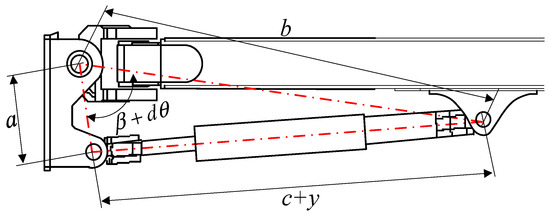
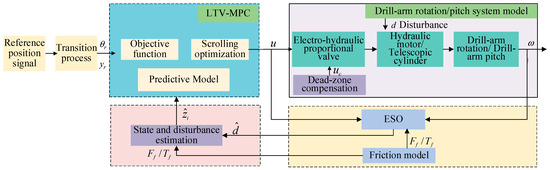
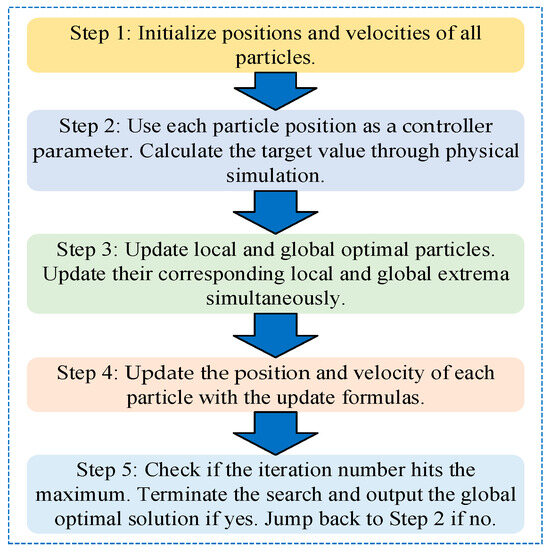
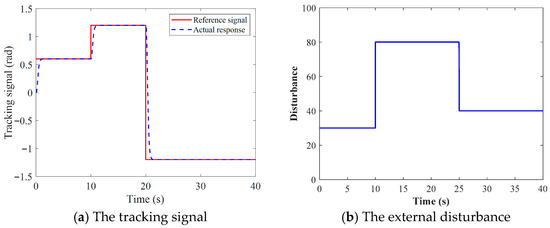
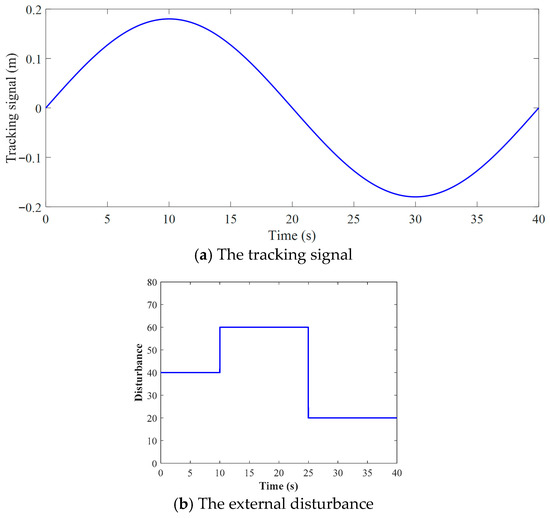
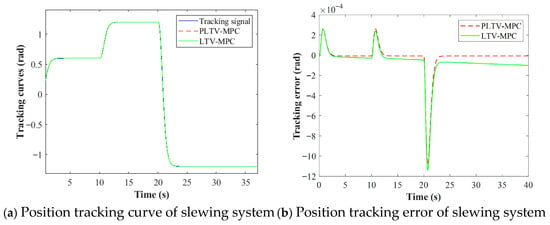
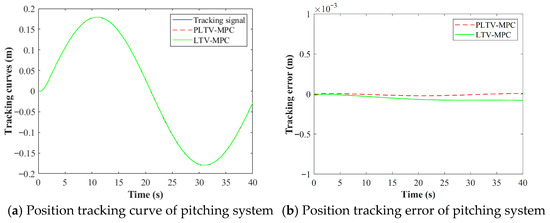
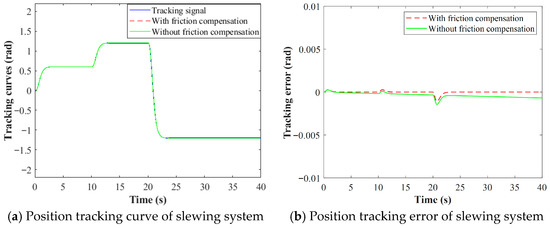
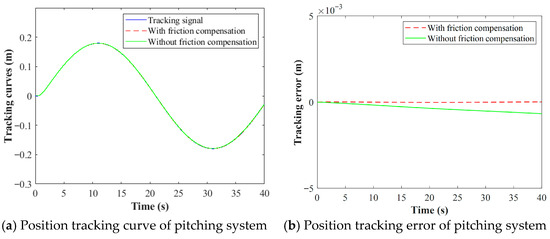
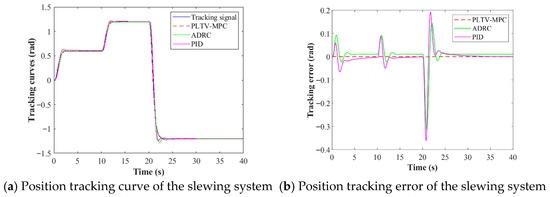
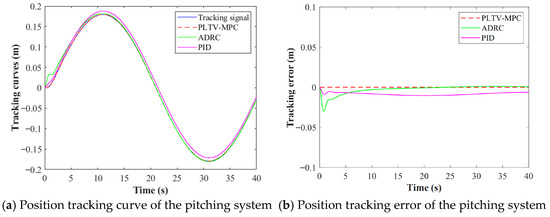
The anchoring effect of drill-anchor equipment directly determines the support quality of roadways. Currently, hydraulic drill-anchor robots suffer from insufficient positioning control precision during operation, and drilling position deviations induce roadway collapse risks and serious safety hazards. Therefore, effectively improving the position control accuracy of the drill arm of drill-anchor robots is a critical prerequisite for ensuring roadway support safety. Aiming at the drill-arm position control system of drill-anchor robots, this study establishes a friction model for friction compensation based on the analysis of the motion mechanism of drill-anchor robots and then constructs mathematical models for the slewing and pitching systems respectively. To realize the precise position control of the drill arm, an active disturbance rejection predictive control scheme is proposed. An extended state observer (ESO) is adopted to observe the system states and unmodeled disturbances, and the particle swarm optimization (PSO) algorithm with an improved objective function is applied to optimize the parameters of the drill-arm position controller. Finally, simulation results demonstrate that the designed active disturbance rejection predictive control method for drill-arm positioning, based on friction compensation and PSO tuning, exhibits excellent control performance and achieves accurate trajectory tracking of the drill-arm position of drill-anchor robots. This research has important theoretical and practical significance for promoting the automatic control of drill-anchor robots in underground engineering.
Full article
(This article belongs to the Special Issue Active Disturbance Rejection Control: Theory, Design, and Applications in Advanced Actuation Systems)
►▼
Show Figures

Figure 1
Open AccessArticle
A Novel Type of Pneumatic Rotary Positioner Using Three-Phase Pressure Commutation
by
Valentin Ciupe, Robert Kristof and Ghadeer Ismael
Actuators 2026, 15(4), 192; https://doi.org/10.3390/act15040192 - 31 Mar 2026
Abstract
This paper presents the design, simulation, and experimental validation of a novel type of pneumatic rotary positioner that is based on a three-cylinder radial mechanism driven by independently controlled pressures. The system uses standard off-the-shelf industrial components, including pneumatic cylinders, proportional pressure regulators,
[...] Read more.
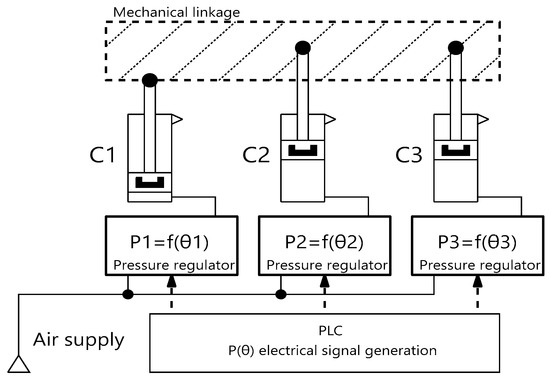
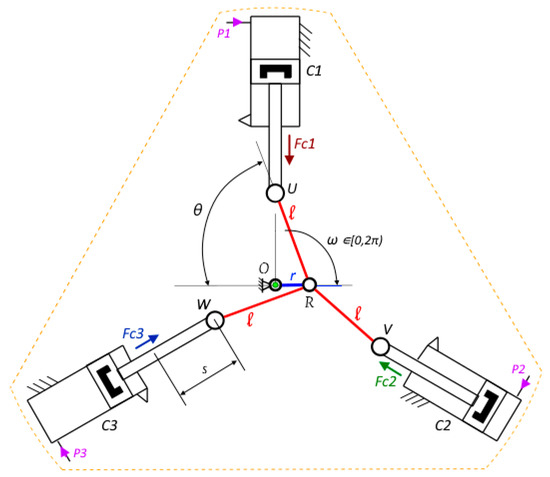
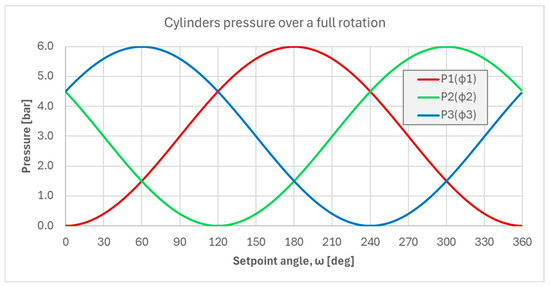
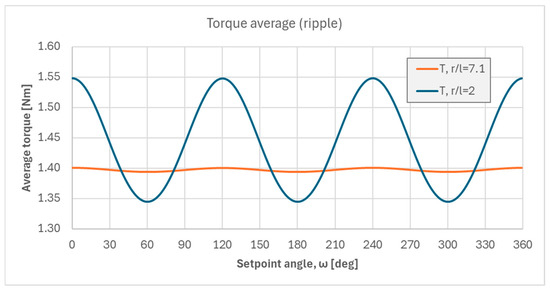
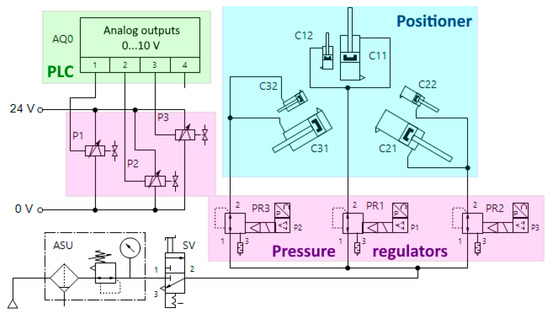
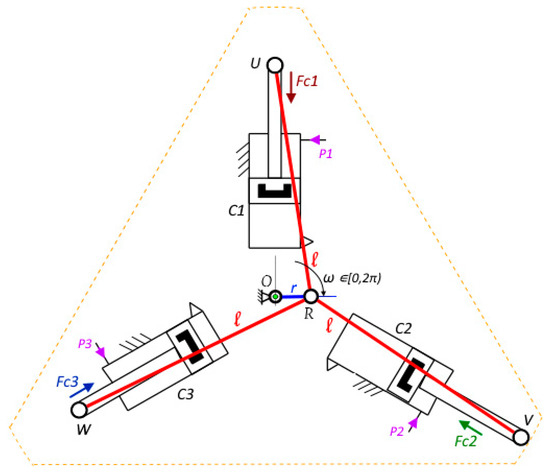
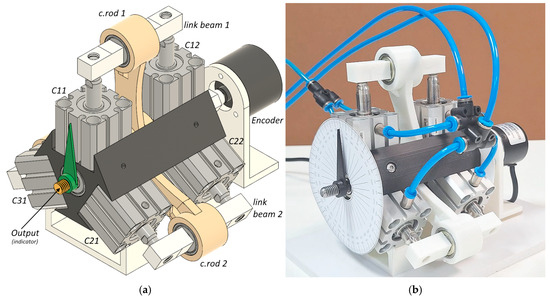
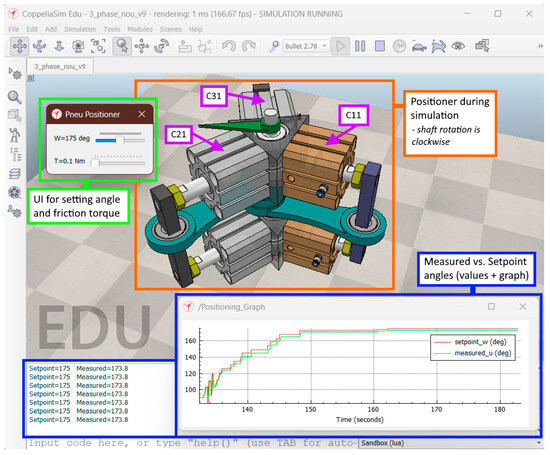
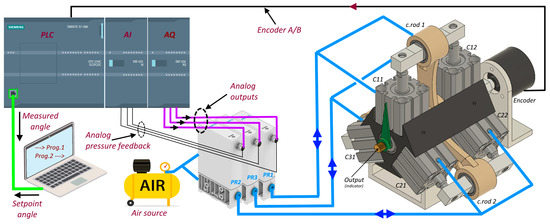
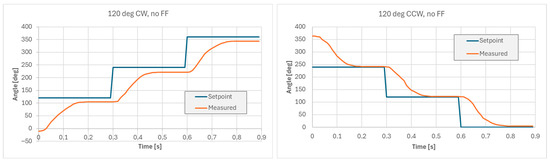
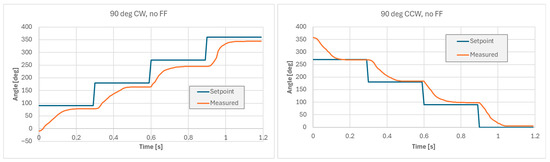
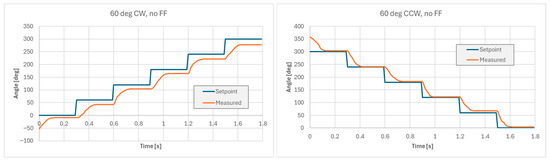
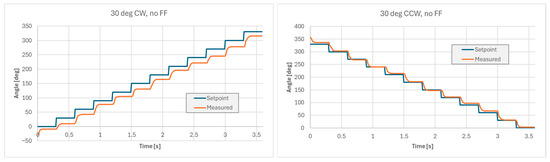
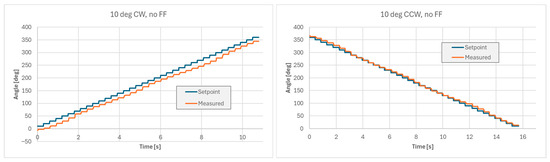
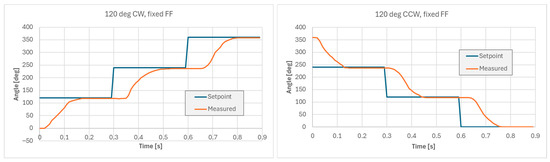
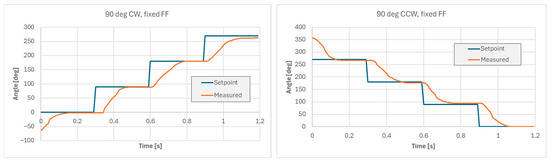
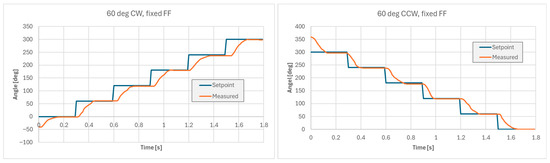
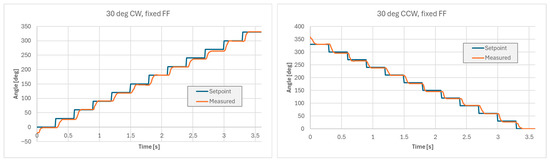
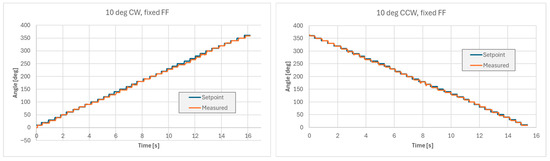
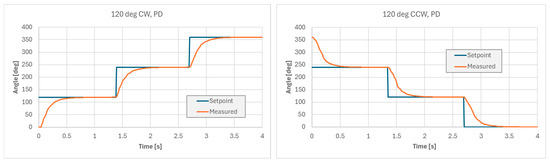
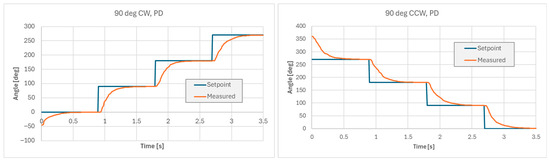
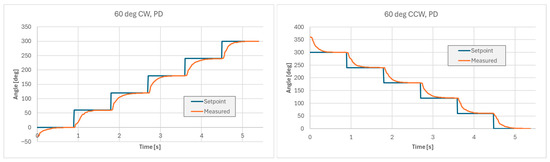
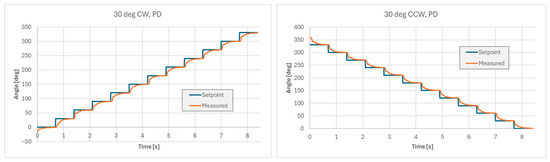
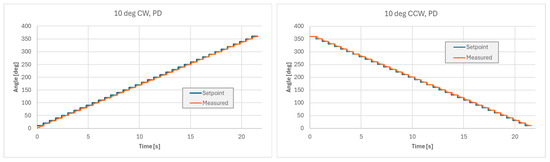
This paper presents the design, simulation, and experimental validation of a novel type of pneumatic rotary positioner that is based on a three-cylinder radial mechanism driven by independently controlled pressures. The system uses standard off-the-shelf industrial components, including pneumatic cylinders, proportional pressure regulators, and a programmable logic controller. In order to obtain angular positioning, a three-phase sinusoidal pressure commutation scheme is adopted, similar to the three-phase electrical motors. Analytical expressions for piston kinematics and torque generation are derived and used to design direct open-loop, open-loop with friction compensation, and closed-loop position control strategies. The technical implementation, with the prototype tested unloaded, can achieve accurate positioning (±3° in open-loop mode with feedforward to ±0.3° in closed-loop mode with PD controller), with very good repeatability on average (<0.5°) and smooth theoretical torque (average 1.4 Nm, with 0.51% ripple) at low speeds (<60 rpm). The experimental prototype was designed as a compact device, having approx. 94 mm diameter and 110 mm depth. When used in open-loop mode, the actuator is connected to the control system using just three pneumatic tubes and thus is completely free of any electromagnetic fields, making it suitable for some environment-critical applications. These advantages promote the proposed positioner as a practical rotary actuator in specialized automation and robotics applications where established electrical servomotors cannot be used.
Full article
(This article belongs to the Special Issue Actuation and Sensing of Intelligent Soft Robots—2nd Edition)
►▼
Show Figures

Figure 1
Open AccessArticle
Intelligent Multi-Objective Optimization of Structural Parameters for High-Frequency Ultrasonic Transducers
by
Deguang Wu, Wei Chen, Zhizhong Wu, Hui Li and Lijun Tang
Actuators 2026, 15(4), 191; https://doi.org/10.3390/act15040191 - 31 Mar 2026
Abstract
The detection of micro-defects within cemented carbides necessitates a high-frequency, high-sensitivity ultrasonic non-destructive testing transducer (UNDTT), whose performance is highly sensitive to geometric structural parameters. Conventional design approaches rely heavily on empirical trial-and-error, resulting in low efficiency and difficulty in achieving globally optimal
[...] Read more.
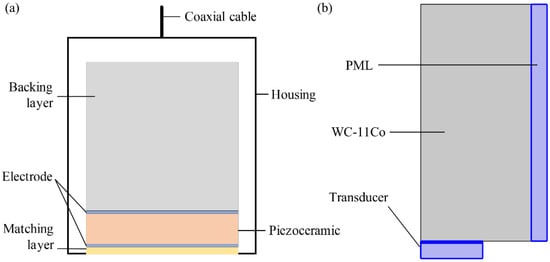
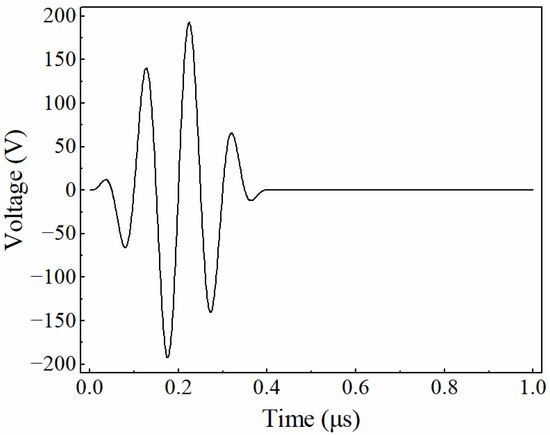
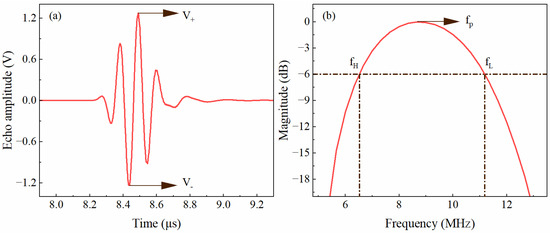
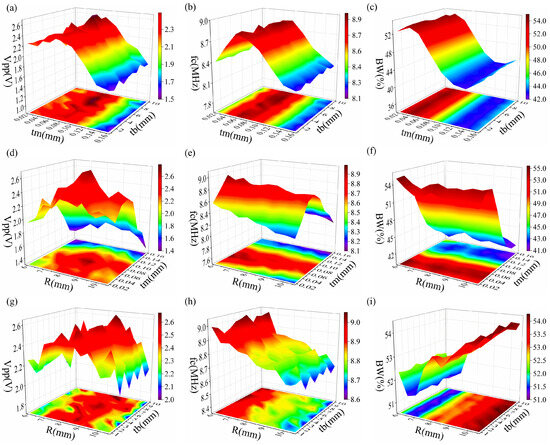
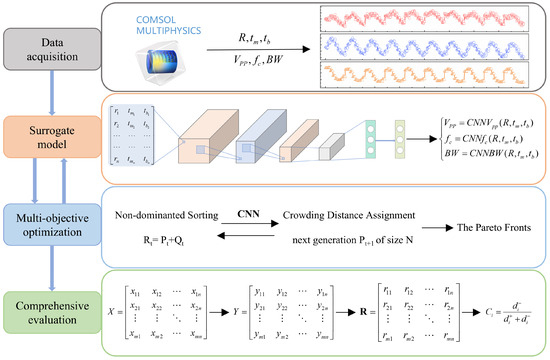
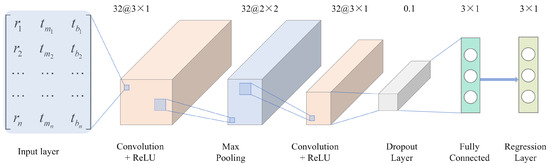
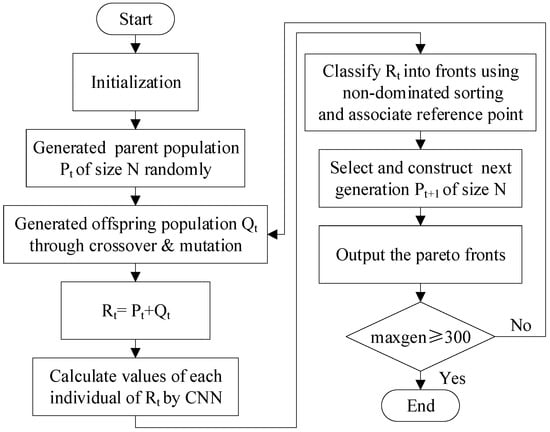
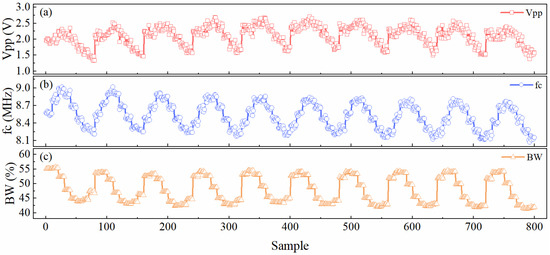
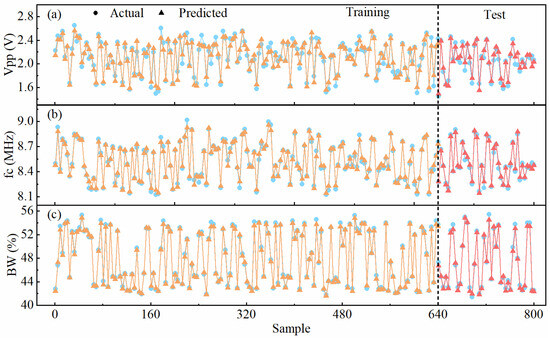
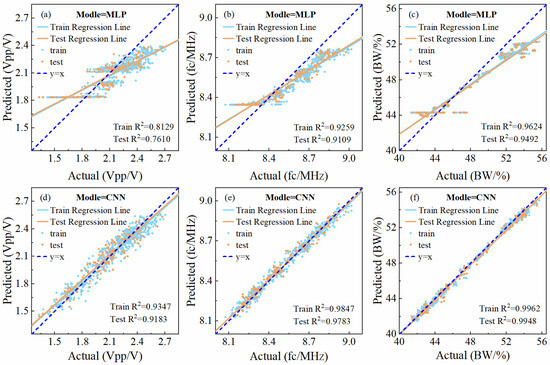
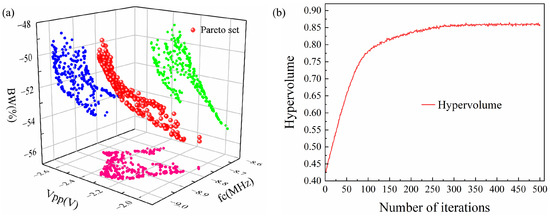
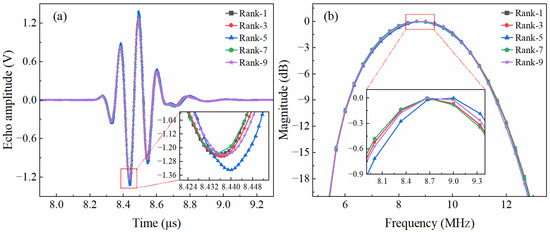
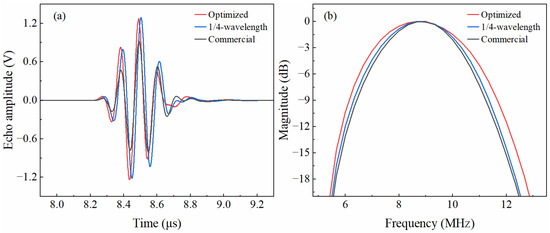
The detection of micro-defects within cemented carbides necessitates a high-frequency, high-sensitivity ultrasonic non-destructive testing transducer (UNDTT), whose performance is highly sensitive to geometric structural parameters. Conventional design approaches rely heavily on empirical trial-and-error, resulting in low efficiency and difficulty in achieving globally optimal solutions. To address this limitation, an intelligent multi-objective optimization method is proposed for transducer structural parameters—namely, radius, matching layer thickness, and backing layer thickness—to simultaneously maximize sensitivity ( ), center frequency ( ), and bandwidth (BW). By investigating the relationship between structural parameters and performance metrics, a dataset was constructed and used to develop a convolutional neural network (CNN) surrogate model that captures their nonlinear mapping. The CNN was integrated with the NSGA-III multi-objective optimization algorithm to iteratively generate a Pareto-optimal solution set, from which the best design was selected using the entropy-weighted Technique for Order Preference by Similarity to an Ideal Solution (TOPSIS). Finite element analysis (FEA) validation confirmed prediction errors below 7.0%. Compared to conventional designs, the proposed approach delivers a 46.1% higher sensitivity and a 7.7% broader bandwidth while maintaining a thinner matching layer. These results confirm the effectiveness and practical advantage of the proposed framework. This data-driven approach offers an efficient alternative for designing a high-performance UNDTT.
Full article
(This article belongs to the Special Issue AI, Designing, Sensing, Instrumentation, Diagnosis, Controlling, and Integration of Actuators in Digital Manufacturing—2nd Edition)
►▼
Show Figures

Figure 1
Open AccessArticle
Numerical Investigation of Plasma-Based Active Flow Control on Heaving-Pitching NACA0015 Airfoil via Large Eddy Simulation
by
Chin-Cheng Wang, Dereje Arijamo Dolla and Yue-Cheng Chung
Actuators 2026, 15(4), 190; https://doi.org/10.3390/act15040190 - 30 Mar 2026
Abstract
This study implements Active Flow Control (AFC) in the form of a dielectric barrier discharge (DBD) plasma actuator to enhance aerodynamic performance during heave–pitch motions on a three-dimensional NACA 0015 airfoil at a Reynolds number of
[...] Read more.
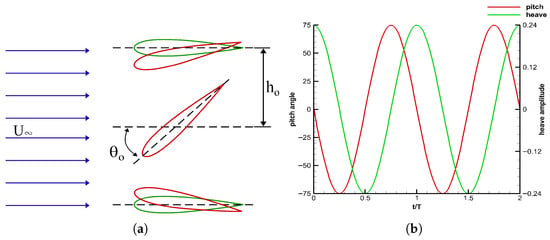
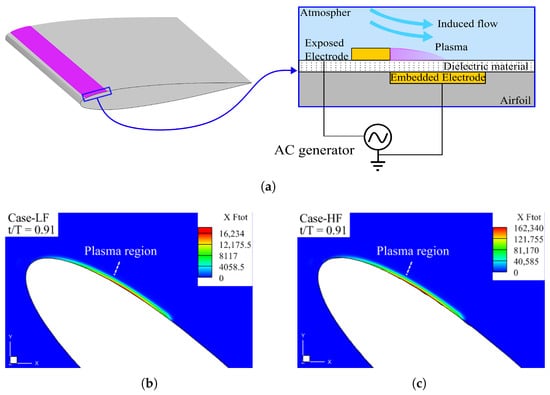
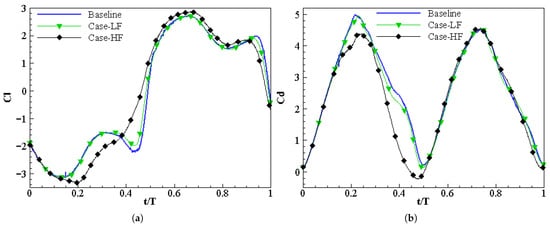
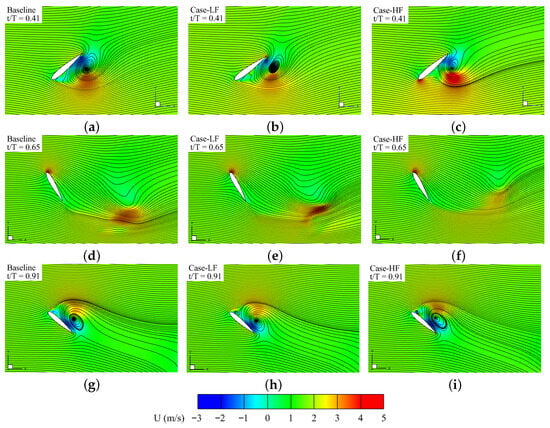
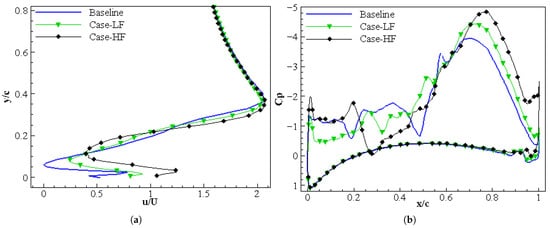
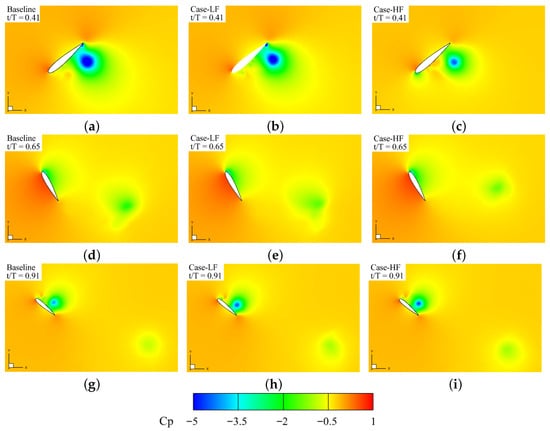
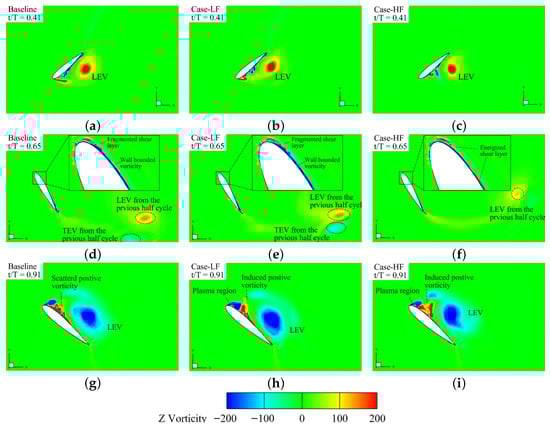
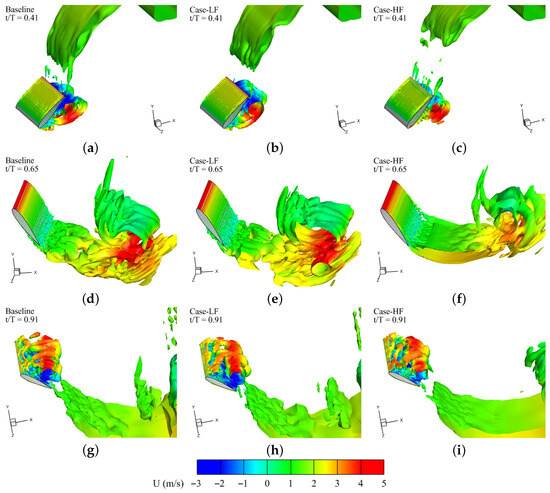
This study implements Active Flow Control (AFC) in the form of a dielectric barrier discharge (DBD) plasma actuator to enhance aerodynamic performance during heave–pitch motions on a three-dimensional NACA 0015 airfoil at a Reynolds number of using the Large Eddy Simulation (LES) turbulence method. The simulation at a reduced frequency of 0.14 incorporates two-degrees-of-freedom wing motion, allowing for simultaneous pitching and heaving motions with amplitudes of and a chord length ( ), respectively. We evaluate the impact of localized momentum injection via a phenomenological plasma actuator model across two force intensities. A low-force configuration (Case-LF) provides marginal control, whereas a high-force configuration (Case-HF) provides greater control than the baseline without plasma. After applying DBD plasma to the airfoil, flow-field analysis revealed that the plasma treatment significantly improved the lift coefficient. It showed that the lower plasma cases achieved a 1.46% improvement only on the , a 14.57% reduction in the averaged , and a 19.11% enhancement on the -to- ratio. Furthermore, the cases with higher plasma forces resulted in significant improvements when compared to the Baseline and Case-LF; it showed a 11.65% improvement in , 19.87% in , and 39.8% in -to- ratio when compared to the baseline. These results validate the effectiveness of plasma actuators in enhancing wing aerodynamic performance during such complex motions.
Full article
(This article belongs to the Special Issue Smart Actuation and Flow Control Technologies for Next-Generation Aircraft Propulsion Systems)
►▼
Show Figures

Figure 1
Journal Menu
► ▼ Journal Menu-
- Actuators Home
- Aims & Scope
- Editorial Board
- Reviewer Board
- Topical Advisory Panel
- Instructions for Authors
- Special Issues
- Topics
- Sections
- Article Processing Charge
- Indexing & Archiving
- Editor’s Choice Articles
- Most Cited & Viewed
- Journal Statistics
- Journal History
- Journal Awards
- Conferences
- Editorial Office
Journal Browser
► ▼ Journal BrowserHighly Accessed Articles
Latest Books
E-Mail Alert
News
Topics
Topic in
Actuators, Algorithms, BDCC, Future Internet, JMMP, Machines, Robotics, Systems
Smart Product Design and Manufacturing on Industrial Internet
Topic Editors: Pingyu Jiang, Jihong Liu, Ying Liu, Jihong YanDeadline: 30 June 2026
Topic in
Actuators, Gels, JFB, Polymers, MCA, Materials
Recent Advances in Smart Soft Materials: From Theory to Practice
Topic Editors: Lorenzo Bonetti, Giulia Scalet, Silvia Farè, Nicola FerroDeadline: 31 December 2026
Topic in
Actuators, Automation, Electronics, Machines, Robotics, Eng, Technologies
New Trends in Robotics: Automation and Autonomous Systems
Topic Editors: Maki Habib, Fusaomi NagataDeadline: 31 January 2027
Topic in
Machines, Actuators, Applied Sciences
Intelligent Mechatronics System Modeling, Control and Evaluation
Topic Editors: Hongyu Zheng, Yong LiDeadline: 31 May 2027
Conferences
Special Issues
Special Issue in
Actuators
Design and Control of Agricultural Robotics
Guest Editor: Mehrdad KermaniDeadline: 15 April 2026
Special Issue in
Actuators
Design, Modeling, and Control of UAV Systems
Guest Editors: Lihui Wang, Bailing Tian, Hongyang BaiDeadline: 20 April 2026
Special Issue in
Actuators
Advanced Model Predictive Control and Intelligent Actuation for Multi-Agent and Complex Systems
Guest Editors: Constantin-Florin Caruntu, Anca MaximDeadline: 20 April 2026
Special Issue in
Actuators
Nonlinear Control of Mechanical and Robotic Systems
Guest Editors: Arturo Zavala-Río, Victor Santibañez, Fernando Reyes-CortésDeadline: 30 April 2026