

Journal Description
Antioxidants
Antioxidants
is an international, peer-reviewed, open access journal related to the science and technology of antioxidants, published monthly online by MDPI. The International Coenzyme Q10 Association (ICQ10A), Israel Society for Oxygen and Free Radical Research (ISOFRR) and European Academy for Molecular Hydrogen Research (EAMHR) are affiliated with Antioxidants and their members receive discounts on the article processing charge.
- Open Access— free for readers, with article processing charges (APC) paid by authors or their institutions.
- High Visibility: indexed within Scopus, SCIE (Web of Science), PubMed, PMC, FSTA, PubAg, CAPlus / SciFinder, and other databases.
- Journal Rank: JCR - Q1 (Chemistry, Medicinal) / CiteScore - Q1 (Clinical Biochemistry)
- Rapid Publication: manuscripts are peer-reviewed and a first decision is provided to authors approximately 18.7 days after submission; acceptance to publication is undertaken in 2.9 days (median values for papers published in this journal in the first half of 2026).
- Recognition of Reviewers: reviewers who provide timely, thorough peer-review reports receive vouchers entitling them to a discount on the APC of their next publication in any MDPI journal, in appreciation of the work done.
- Testimonials: See what our editors and authors say about Antioxidants.
- Companion journal: Oxygen.
Impact Factor:
8.2 (2025);
5-Year Impact Factor:
8.5 (2025)
Latest Articles
L-Histidine Improves Boar Sperm Quality by Alleviating Oxidative Stress During Preservation at 17 °C
Antioxidants 2026, 15(9), 1086; https://doi.org/10.3390/antiox15091086 (registering DOI) - 28 Aug 2026
Abstract
Oxidative damage is closely associated with the gradual decline in boar sperm quality during liquid storage at 17 °C. To determine whether L-histidine (L-His) could limit this deterioration, semen was diluted with an extender containing 0, 1, 10, 100, or 1000 μM L-His.
[...] Read more.
Oxidative damage is closely associated with the gradual decline in boar sperm quality during liquid storage at 17 °C. To determine whether L-histidine (L-His) could limit this deterioration, semen was diluted with an extender containing 0, 1, 10, 100, or 1000 μM L-His. Motility and acrosomal integrity were measured throughout storage. On day 7, mitochondrial membrane potential (MMP) and ATP content were determined together with intracellular probe oxidation, membrane lipid oxidation, and Annexin V-FITC/PI staining patterns. The stored sperm were subsequently exposed to capacitating conditions and tested for their ability to bind to oviductal explants. The most favorable responses were observed with 100 μM L-His. Compared with untreated semen, this group retained higher motility and acrosomal integrity and showed higher MMP and ATP content (p < 0.05). It also exhibited less intracellular probe oxidation and membrane lipid oxidation, together with lower proportions of Annexin V-positive and membrane-compromised sperm. Following capacitation induction, sperm stored with 100 μM L-His showed increased tyrosine phosphorylation and higher proportions of capacitated sperm. Their binding index to oviductal explants was also higher than that of the control group. These findings indicate that supplementation with 100 μM L-His can improve the preservation quality of boar sperm during extended liquid storage at 17 °C and maintain functional characteristics of stored sperm, providing new insights into the potential use of L-His as a semen extender supplement for prolonged storage.
Full article
(This article belongs to the Section Health Outcomes of Antioxidants and Oxidative Stress)
Open AccessArticle
Bioactive Phenolics from Medemia argun: Biological Activities, Molecular Docking, Encapsulation in Alginate–Whey Protein Hydrogel Beads, and Functional Yoghurt Fortification
by
Mohammad S. Mohammad, Sally S. Sakr, Marwa A. Kamel, Amira A. Gamal, Eman S. Abou-Amra, Asmahan A. Ali and Marwa M. El-Said
Antioxidants 2026, 15(9), 1084; https://doi.org/10.3390/antiox15091084 (registering DOI) - 28 Aug 2026
Abstract
Medemia argun is a rare desert palm rich in phenolic compounds with promising biological activities; however, the instability and poor compatibility of phenols in dairy systems limit their functional application. This study characterized the phenolic composition and biological activities of M. argun phenolic
[...] Read more.
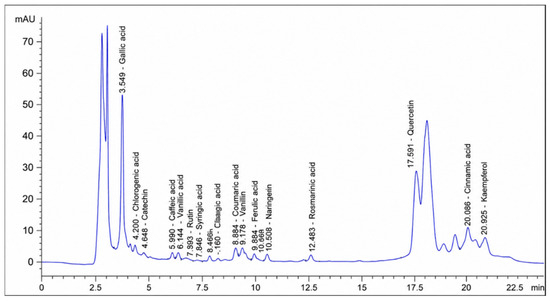
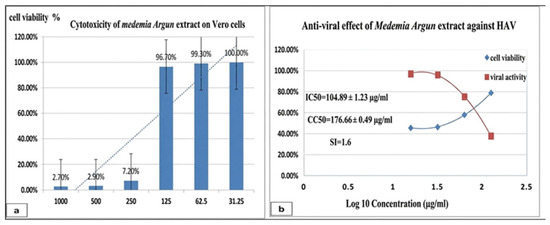
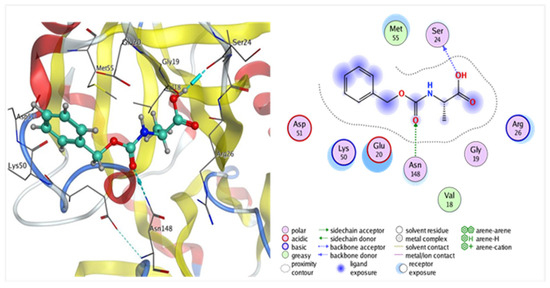
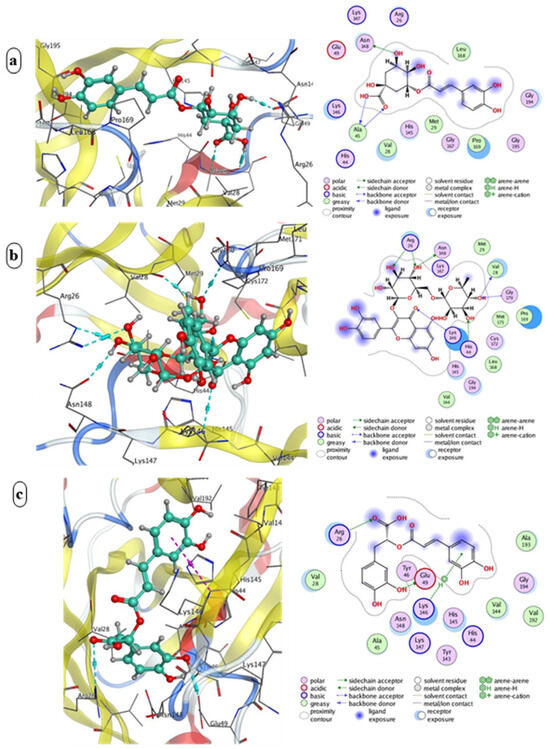
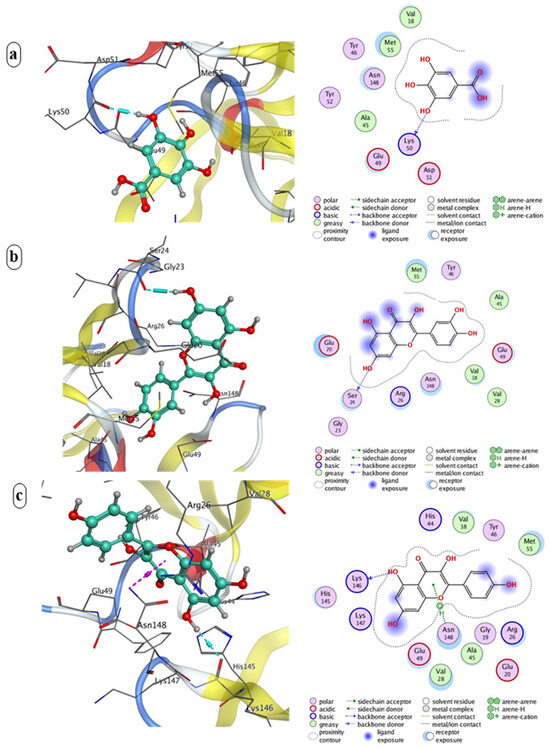
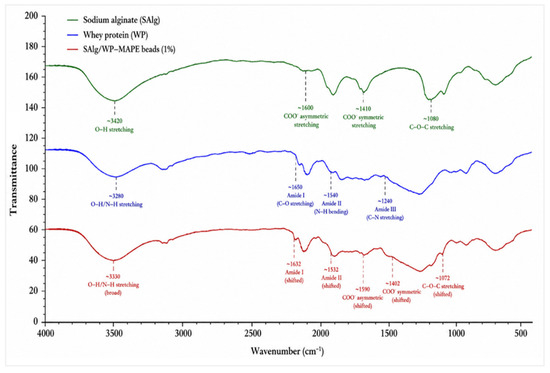
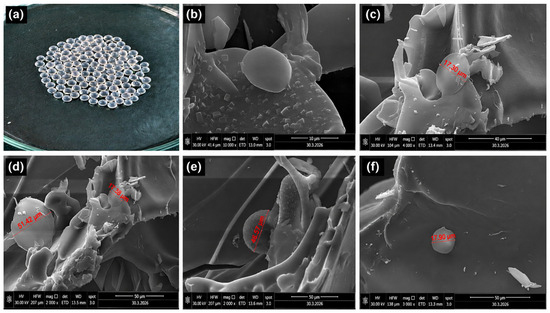
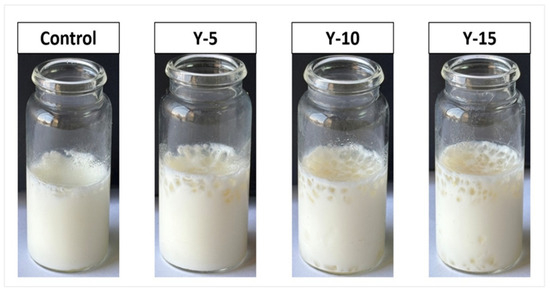
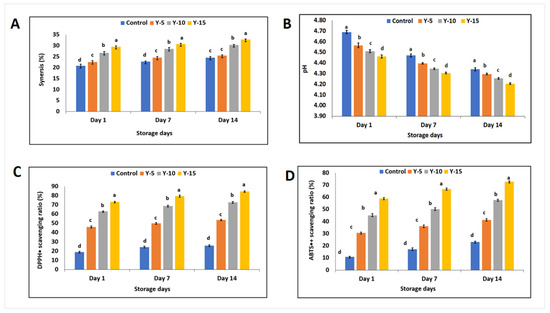
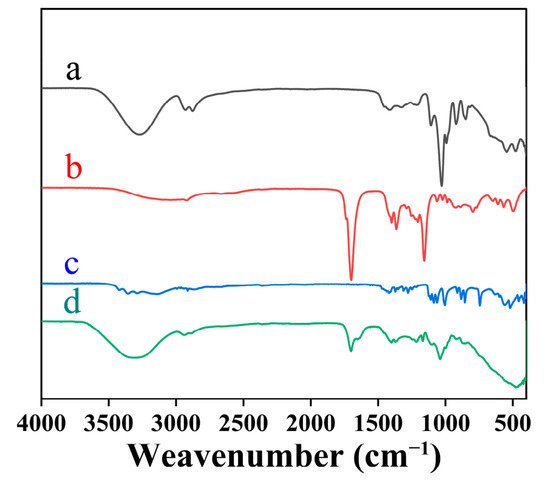
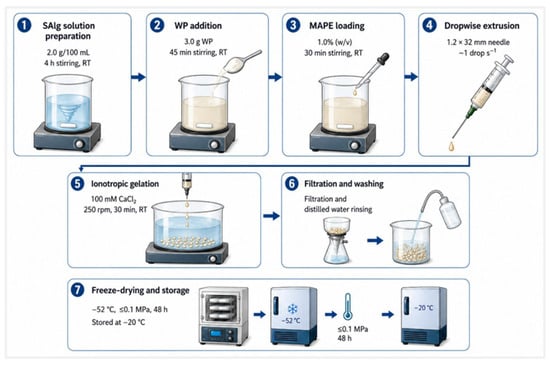
Medemia argun is a rare desert palm rich in phenolic compounds with promising biological activities; however, the instability and poor compatibility of phenols in dairy systems limit their functional application. This study characterized the phenolic composition and biological activities of M. argun phenolic extract (MAPE), developed sodium alginate–whey protein concentrate (SAlg/WP) hydrogel beads for phenolic encapsulation, and evaluated their application in fortified yoghurt. HPLC identified quercetin and gallic acid as the predominant phenolic compounds. Antioxidant, antimicrobial, antiviral, and molecular docking analyses were performed, while SAlg/WP–MAPE beads were characterized by encapsulation efficiency analysis, FTIR, and scanning electron microscopy. Fortified yoghurt containing different concentrations of encapsulated MAPE was evaluated for color, syneresis, pH, and antioxidant activity during 14 days of refrigerated storage. MAPE exhibited strong antioxidant and broad-spectrum antimicrobial activities against bacterial and fungal strains, as well as promising antiviral activity against hepatitis A virus (HAV), with an IC50 of 104.89 μg/mL and a selectivity index of 1.6. Molecular docking revealed favorable interactions of rutin, chlorogenic acid, and rosmarinic acid with the HAV 3C protease. SAlg/WP beads achieved 78.92% encapsulation efficiency, while FTIR and SEM confirmed successful phenolic entrapment. Encapsulation effectively preserved MAPE functionality and significantly enhanced yoghurt antioxidant activity during storage, demonstrating its potential for functional dairy applications.
Full article
(This article belongs to the Special Issue Food Antioxidants: From Chemistry to Health—Analysis, Bioactivity, and Processing)
►▼
Show Figures

Figure 1
Open AccessArticle
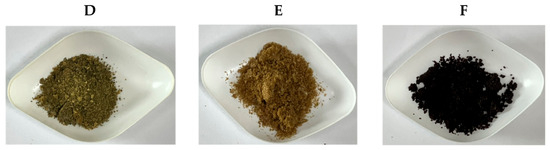
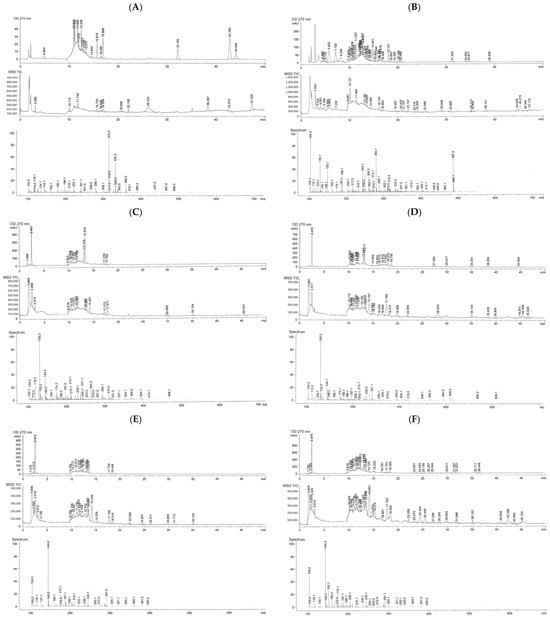
Comparative Phytochemical Profiling, Antioxidant Activity, and Chondrocyte Cytocompatibility of Water and Ethanolic Extracts from Different Organs of Golden Gardenia (Gardinia sootepensis)
by
Thitinun Tarathipayakul, Pattaranee Srichairatanakool, Pornpawee Sreechomphu, Vanichaya Sinpiang, Onsaya Kerdto, Peraphan Pothacharoen, Somdet Srichairatanakool and Wachiraporn Tipsuwan
Antioxidants 2026, 15(9), 1083; https://doi.org/10.3390/antiox15091083 (registering DOI) - 28 Aug 2026
Abstract
Gardenia sootepensis Hutch. (Golden Gardinia) has received limited scientific attention despite the chemical diversity of its specialized metabolites. In this study, aqueous and 70% ethanolic preparations derived from the leaves, peel plus pulp, and seeds were systematically evaluated for extraction efficiency, total phenolic
[...] Read more.
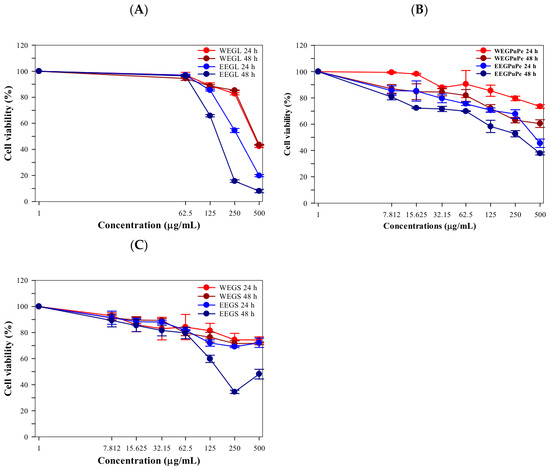
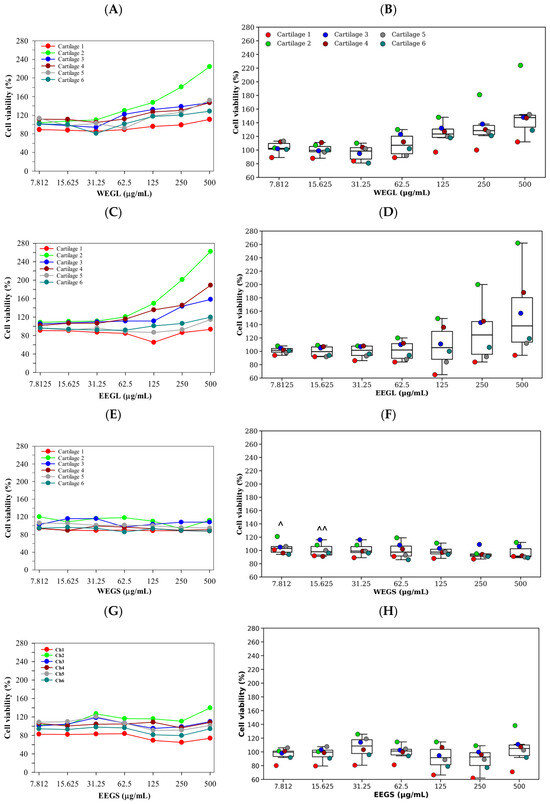
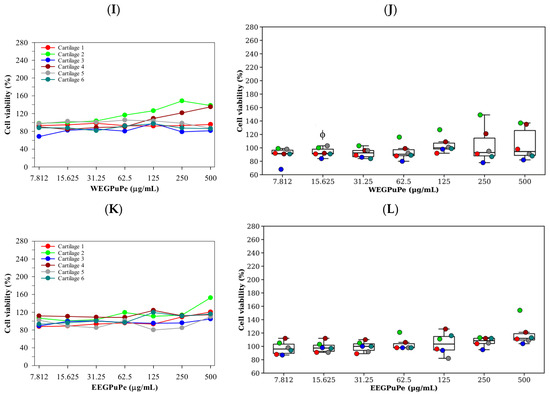
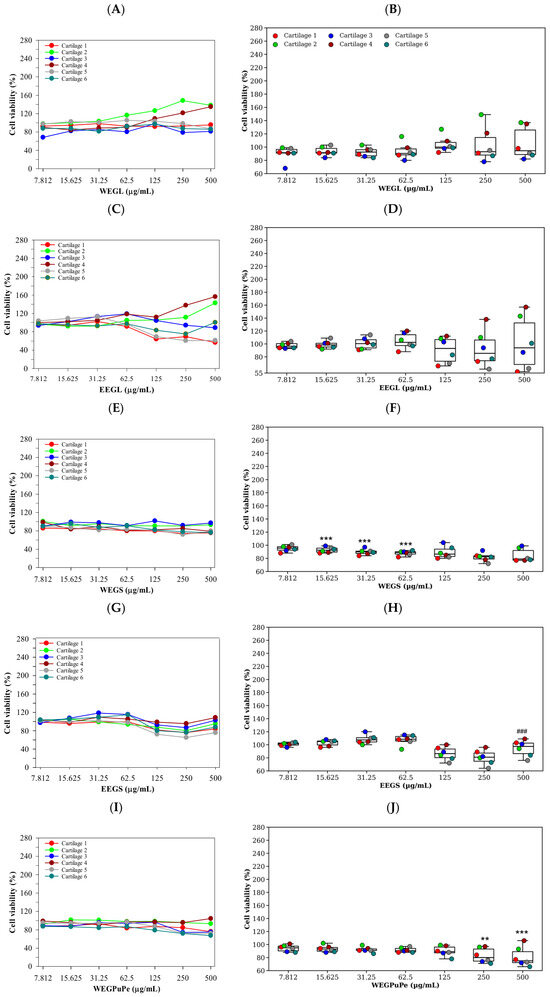
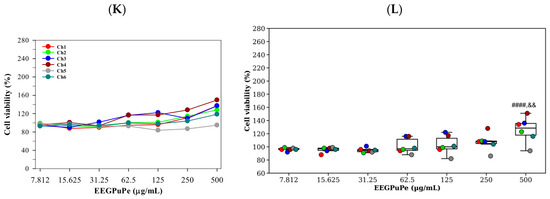
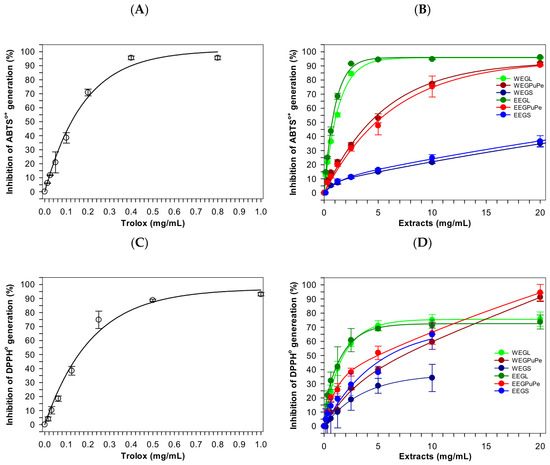
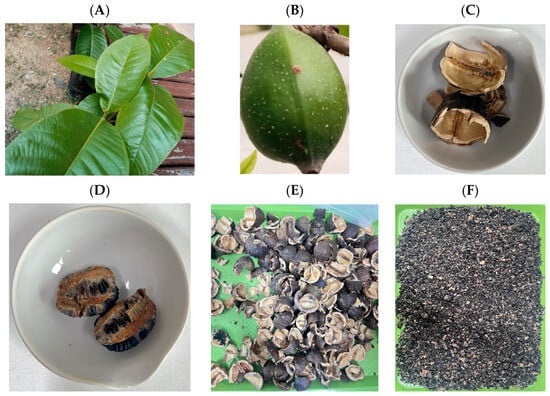
Gardenia sootepensis Hutch. (Golden Gardinia) has received limited scientific attention despite the chemical diversity of its specialized metabolites. In this study, aqueous and 70% ethanolic preparations derived from the leaves, peel plus pulp, and seeds were systematically evaluated for extraction efficiency, total phenolic content (TPC), flavonoid content (TFC), ABTS and DPPH radical-scavenging capacity, HPLC–ESI–MS phytochemical profiles, and cytocompatibility with C28/I2 cells and primary human articular chondrocytes. The largest extract recovery was obtained from seed material, whereas the ethanolic leaf preparation contained the greatest TPC (81.08 ± 4.60 mg GAE/g), and TFC (28.36 ± 3.63 mg QE/g), and showed the strongest ABTS antioxidant activity (272.92 ± 10.95 mg TE/g). HPLC–ESI–MS analysis based on nominal-mass measurements enable the provisional annotation of 34 phytochemical features encompassing iridoids and iridoid glycosides, phenolic acids, flavonoids and their glycosides, xanthones, and benzophenone-related constituents. Overall, extraction with aqueous ethanol yielded a wider spectrum of detectable metabolites than extraction with water, while seed-derived preparations displayed the greatest chemical diversity. Under the experimental conditions and concentration range tested, viability of both immortalized C28/I2 cells and primary human articular chondrocytes remained above 80%. Collectively, these findings demonstrate that the botanical tissue selected and the extraction solvent substantially influence the phytochemical composition and antioxidant properties of G. sootepensis. The observed cytocompatibility provides a basis for subsequent mechanistic investigations but does not establish chondroprotective activity. Further confirmation and quantitative characterization of the provisionally annotated metabolites using high-resolution MS/MS and authentic reference standards are warranted.
Full article
(This article belongs to the Special Issue Natural Bioactive Compounds with Antioxidant and Anti-Inflammatory Potential: From Mechanisms to Applications)
►▼
Show Figures

Figure 1
Open AccessArticle
Ergothioneine-Derived Carbon Dot Nanozymes Alleviate the Oxidative Stress Microenvironment to Delay Intervertebral Disc Degeneration
by
Ziyang Zhang, Kehan Wang, Hao Chen, Yu Shi and Huihui Wang
Antioxidants 2026, 15(9), 1082; https://doi.org/10.3390/antiox15091082 (registering DOI) - 28 Aug 2026
Abstract
Nucleus pulposus cells (NPCs) age mainly because reactive oxygen species (ROS) build up too much. Excess ROS is associated with intervertebral disc degeneration (IVDD). In this study, we prepared ergothioneine-derived carbon dots (EGT-Fe-CDs) as an antioxidant nanozyme. EGT-Fe-CDs showed good biocompatibility, superoxide dismutase-like
[...] Read more.
Nucleus pulposus cells (NPCs) age mainly because reactive oxygen species (ROS) build up too much. Excess ROS is associated with intervertebral disc degeneration (IVDD). In this study, we prepared ergothioneine-derived carbon dots (EGT-Fe-CDs) as an antioxidant nanozyme. EGT-Fe-CDs showed good biocompatibility, superoxide dismutase-like and catalase-like activities, and high total antioxidant capacity. In H2O2-treated NPCs, EGT-Fe-CDs reduced cell damage. Local EGT-Fe-CDs treatment also reduced degeneration in the animal model, based on imaging, disc height index (DHI), and Pfirrmann grade. EGT-Fe-CDs also reduced mitochondrial damage associated with excess ROS. They slow down NPC ageing and help control IVDD. Based on these characteristics, the nanozyme could be a useful option for clinical therapy in the future.
Full article
(This article belongs to the Section Natural and Synthetic Antioxidants)
Open AccessArticle
Self-Assembled Carrier-Free Nanostructures of Anemoside B4 and Oleanolic Acid Alleviate Intestinal Injury Induced by Intraperitoneal Escherichia coli Challenge in Mice
by
Jianchi Lun, Yuxin Yan, Junji Huang, Rong Chen, Yimu Ma, Mengjie Liu, Qian Qu, Weijie Lv and Shining Guo
Antioxidants 2026, 15(9), 1081; https://doi.org/10.3390/antiox15091081 (registering DOI) - 28 Aug 2026
Abstract
Escherichia coli-induced enteritis imposes a substantial economic burden on the global livestock industry. In the current context of reducing and restricting antibiotic use, there is an urgent need for novel therapeutic strategies. Based on traditional Chinese medicine compatibility, anemoside B4 (AB4) and
[...] Read more.
Escherichia coli-induced enteritis imposes a substantial economic burden on the global livestock industry. In the current context of reducing and restricting antibiotic use, there is an urgent need for novel therapeutic strategies. Based on traditional Chinese medicine compatibility, anemoside B4 (AB4) and oleanolic acid (OA) form nanoscale assemblies (AB4-OA NPs) through hydrogen bonds and van der Waals forces. Physicochemical characterization quantified the NPs as spherical particles with an average hydrodynamic diameter of 164.16 nm, a PDI of 0.280, zeta potential of −22.16 mV, and stable particle size for 28 days; the hemolysis ratio remained below 3.38% at concentrations up to 2 mg/mL, confirming favorable biosafety. In vitro assays confirmed that AB4-OA NPs outperformed AB4/OA physical mixtures in anti-inflammatory and antioxidant activity by restraining pro-inflammatory factors and activating antioxidant enzymes, verifying nanotechnology’s potency in boosting their bioactivity. In mice challenged intraperitoneally with E. coli, AB4-OA NPs elevated SOD, CAT, GSH-Px and lowered MDA; they inhibited the NF-κB pathway, activated the Nrf2 pathway, balanced inflammatory cytokines, alleviated intestinal leakage, upregulated tight junction proteins and reshaped gut microbiota by reducing Proteobacteria and enriching Firmicutes. Spearman’s correlation study indicated a strong positive relationship between Lactobacillus and Faecalibacterium with intestinal barrier function (Occludin and ZO-1) as well as antioxidant capacity, while Enterococcus was significantly and positively correlated with pro-inflammatory cytokines. These findings demonstrate that AB4-OA NPs exert pronounced protective therapeutic effects on E. coli-induced enteritis via inhibition of inflammation, attenuation of oxidative stress, protection of the intestinal barrier, and regulation of gut microbiota, and that these effects were greater than those of the corresponding physical mixture. This study proposes a novel therapeutic strategy for managing E. coli-induced enteritis and highlights the therapeutic potential of phytochemical-based self-assembled nanomedicines.
Full article
(This article belongs to the Special Issue Recent Trends in Nanoantioxidants—2nd Edition)
Open AccessArticle
Dimethyl Fumarate and Cobalt Protoporphyrin IX Inhibit Fibromyalgia-Like Pain by Modulating Region-Specific Redox Pathways
by
Sylmara Esther Negrini-Ferrari, Weitao Wang and Olga Pol
Antioxidants 2026, 15(9), 1080; https://doi.org/10.3390/antiox15091080 (registering DOI) - 28 Aug 2026
Abstract
Fibromyalgia is a chronic nociplastic pain disorder characterized by widespread pain and affective disturbances, in which oxidative stress and neuroinflammation are now recognized as central pathogenic mechanisms. However, current therapies provide only limited symptomatic relief. This study compared the therapeutic and molecular effects
[...] Read more.
Fibromyalgia is a chronic nociplastic pain disorder characterized by widespread pain and affective disturbances, in which oxidative stress and neuroinflammation are now recognized as central pathogenic mechanisms. However, current therapies provide only limited symptomatic relief. This study compared the therapeutic and molecular effects of dimethyl fumarate (DMF), an activator of nuclear factor erythroid 2-related factor 2 (NRF2), and cobalt protoporphyrin IX (CoPP), an inducer of heme oxygenase-1 (HO-1), in a reserpine-induced mouse model of fibromyalgia-like pain. Male and female C57BL/6J mice received repeated reserpine administration to induce mechanical allodynia, thermal hyperalgesia, cold allodynia, and depressive-like behaviors. Therapeutic efficacy was evaluated by behavioral testing and molecular analyses of the periaqueductal gray (PAG), anterior cingulate cortex (ACC), and spinal cord (SC). DMF produced a faster antinociceptive response than CoPP, although both compounds ultimately reversed nociceptive hypersensitivity and depressive-like behaviors in male and female mice. These behavioral alterations were associated with increased NLRP3 expression and activated AKT signaling, together with region-specific redox dysregulation involving differential regulation of NADPH oxidases and endogenous antioxidant defenses. Both treatments differentially modulated region-specific redox alterations, enhanced selected antioxidant defenses, and attenuated inflammatory and nociception-related signaling. These findings identify region-specific redox dysregulation as a prominent feature of fibromyalgia-like pathology, providing new mechanistic insight into the molecular basis of nociplastic pain. Collectively, these results demonstrate that DMF and CoPP treatments remodel region-specific redox networks while inhibiting both sensory and affective manifestations of fibromyalgia-like pain, supporting endogenous antioxidant pathways as promising mechanism-based therapeutic targets for fibromyalgia.
Full article
(This article belongs to the Section Health Outcomes of Antioxidants and Oxidative Stress)
Open AccessArticle
Paeonol and Its Metabolites Alleviate LPS/D-GalN-Induced Acute Liver Injury in Mice: Potential Involvement of NDUFS7 and Macrophage Mitochondrial Function
by
Xin-Ru Lyu, Si-Tao Xu, Na Su, Min Lin, Zi-Ya Zhao, Zi-Han Xu, Xiang Li, Zhi-Hui Lu, Tong-Tong Wei, Shi-Yu Zhang, Qiang Fu, Guang-Ji Wang, Ying Peng and Jian-Guo Sun
Antioxidants 2026, 15(9), 1079; https://doi.org/10.3390/antiox15091079 (registering DOI) - 28 Aug 2026
Abstract
Acute liver injury (ALI) is a severe clinical syndrome characterized by systemic inflammation and mitochondrial oxidative stress. This study investigated the hepatoprotective effects of paeonol (PA) in LPS/D-GalN-induced ALI and explored the potential involvement of macrophage mitochondrial function and NDUFS7. Proteomic analysis showed
[...] Read more.
Acute liver injury (ALI) is a severe clinical syndrome characterized by systemic inflammation and mitochondrial oxidative stress. This study investigated the hepatoprotective effects of paeonol (PA) in LPS/D-GalN-induced ALI and explored the potential involvement of macrophage mitochondrial function and NDUFS7. Proteomic analysis showed that the expression of mitochondrial respiratory chain-related proteins was suppressed in the liver of ALI mice, while PA treatment was associated with increased expression of several of these proteins. Integrated metabolomic analysis further indicated that PA modulated metabolites associated with energy metabolism and redox processes. In vitro experiments suggested that inflammatory RAW264.7 macrophages contributed to hepatocyte injury, whereas PA attenuated inflammatory responses and reduced macrophage-mediated injury to AML12 cells. In RAW264.7 cells, PA attenuated ROS accumulation and modulated multiple mitochondrial functional parameters, including mitochondrial membrane potential, ATP levels, the NAD+/NADH ratio, and complex I activity. Metabolic studies in human liver microsomes and primary human hepatocytes identified three major PA glucuronide metabolite products with five possible structural assignments. Molecular docking and microscale thermophoresis further indicated that several proposed PA metabolite structures exhibited more favorable predicted interactions and stronger binding to recombinant NDUFS7 than the parent PA. Collectively, these findings support the hepatoprotective effects of PA and its modulation of macrophage mitochondrial function, as well as the potential involvement of PA metabolites and NDUFS7, while further functional validation is required to establish their causal roles.
Full article
(This article belongs to the Special Issue Redox Regulation of Immune and Inflammatory Responses)
Open AccessArticle
Cord Blood Adductomic Profiling Provides Preliminary Insights on Perinatal Smoking Exposure: A Pilot Analysis
by
Janu Newar, Elizabeth Brees, Erika T. Lin, Abhik Chakraborty, Aliyah Abanes, Kathleen M. Fisch, William Funk and Karen K. Mestan
Antioxidants 2026, 15(9), 1078; https://doi.org/10.3390/antiox15091078 - 28 Aug 2026
Abstract
Maternal smoking during pregnancy (MSDP) remains a significant public health concern. The molecular mechanisms underlying smoking-induced maternal-fetal impact remain incompletely understood. Newer omics platforms, such as cord blood adductomics, can provide preliminary insight into the “perinatal exposome” leading up to birth. The objective
[...] Read more.
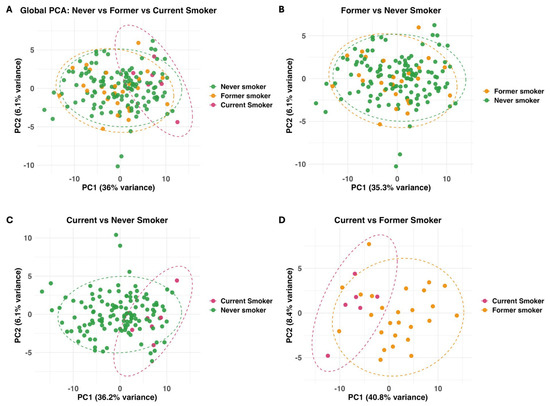
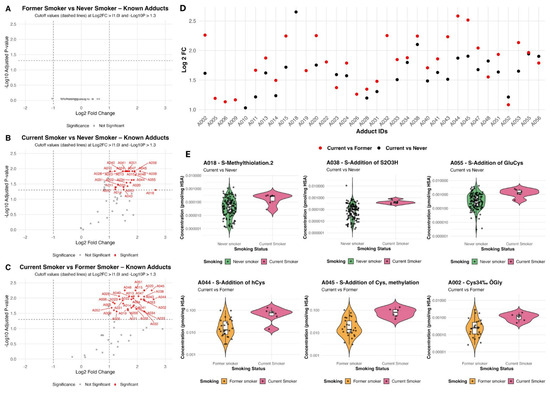
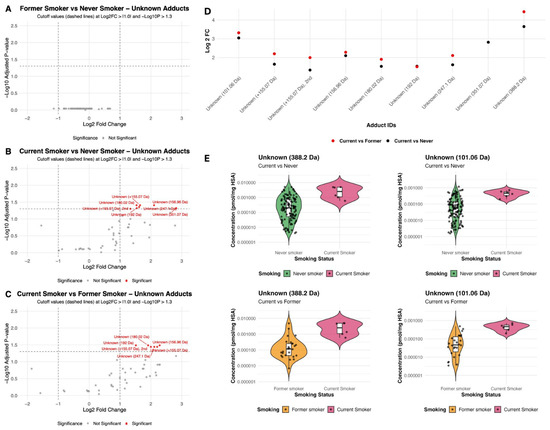
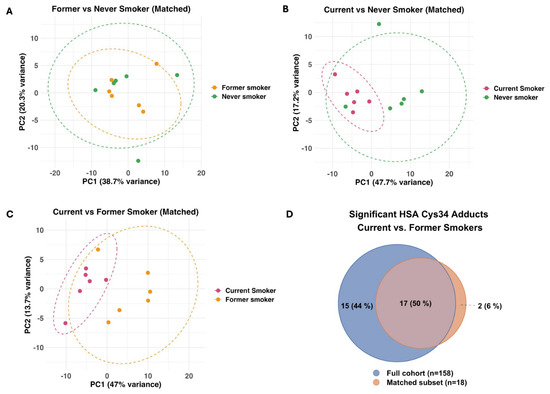
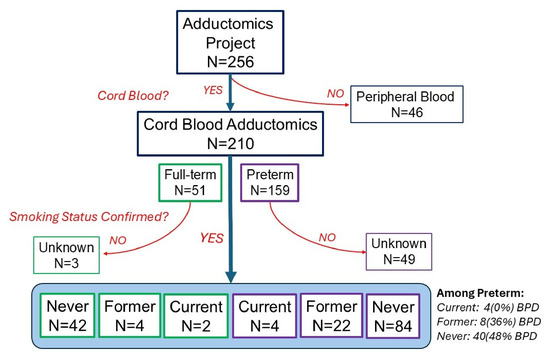
Maternal smoking during pregnancy (MSDP) remains a significant public health concern. The molecular mechanisms underlying smoking-induced maternal-fetal impact remain incompletely understood. Newer omics platforms, such as cord blood adductomics, can provide preliminary insight into the “perinatal exposome” leading up to birth. The objective of this study is to explore the adductomic signatures of oxidant stress in cord blood associated with MSDP. In a cohort of mother-infant dyads enrolled at a single birth center in Chicago, IL (2008–2021), we conducted a secondary analysis of self-reported maternal smoking exposure data that was linked to an existent adductomics database of 105 addition products (adducts) measured in cord blood plasma. Principal component analysis (PCA), volcano plots and PERMANOVA were used to visualize the variability in adductomic profiles and to compare significantly increased and decreased adduct concentrations according to self-reported current-smokers, former-smokers, and never-smokers. N = 158 participants (N = 6 current-smokers, 26 former-smokers, and 126 never-smokers) had documented self-reported smoking status and were included in the analysis. PCA demonstrated separation between current-smokers and the other groups (R2 = 0.026 for current vs. never-smokers, R2 = 0.115 for current vs. former-smokers; Padj = 0.0075 for both) and no difference between former vs. never-smokers. Among 56 annotated adducts, 27 were increased in current vs. never-smokers, and 32 in current vs. former-smokers. Mode of delivery (p = 0.02) and maternal hypertension (p = 0.001) were significantly different among the three groups. Matched analysis by chronic hypertension (yes/no) supported the main finding that current-smoker adductomic profiles were distinct from both former (p = 0.015) and never-smoker (p = 0.0225) profiles. Self-reported MSDP appears to be associated with cord blood adductomic signatures of oxidant stress. Further studies are needed to determine how the duration, extent and timing of exposure correlate with exposomic changes at birth.
Full article
(This article belongs to the Special Issue The Role of Antioxidants in Pregnant Women’s and Children’s Health—3rd Edition)
►▼
Show Figures

Figure 1
Open AccessArticle
Association of Nutrient-, Food-, and Lifestyle-Based Oxidative Balance Scores with Liver Enzymes in Older Adults Across Cardiovascular-Risk Groups
by
Hawa Sidibé, Mojgan Morvaridzadeh, Tamàs Fülöp, Hicham Berrougui, Slimane Belbraouet, Michel Nguyen and Abdelouahed Khalil
Antioxidants 2026, 15(9), 1077; https://doi.org/10.3390/antiox15091077 - 28 Aug 2026
Abstract
►▼
Show Figures
Diet and lifestyle are modifiable determinants of oxidative balance through their influence on exposure to antioxidant and pro-oxidant factors. The oxidative balance score (OBS) is a composite index that reflects the balance between these exposures, with higher scores indicating a predominance of antioxidant
[...] Read more.
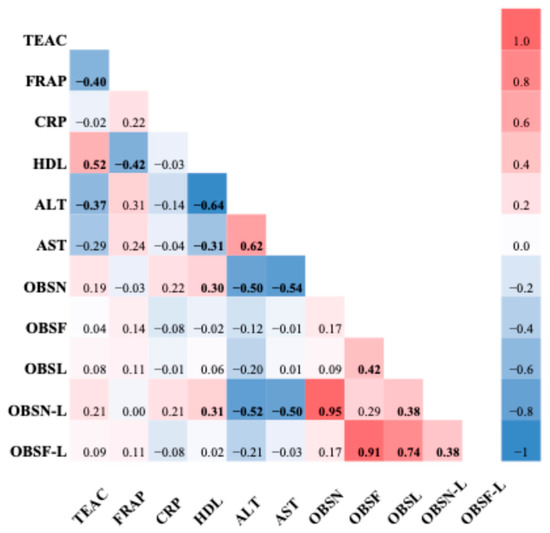
Diet and lifestyle are modifiable determinants of oxidative balance through their influence on exposure to antioxidant and pro-oxidant factors. The oxidative balance score (OBS) is a composite index that reflects the balance between these exposures, with higher scores indicating a predominance of antioxidant factors. In this exploratory pilot study, we examined three OBSs (nutrient-, food-, and lifestyle-based), as well as their combined versions (nutrient–lifestyle and food–lifestyle), across clinical subgroups and evaluated their associations with biomarkers of oxidative stress, inflammation, lipid metabolism, and liver-related biomarkers. A total of 44 older adults were enrolled and stratified into three subgroups (16 healthy, 14 hypercholesterolemia, and 14 post–myocardial infarction). Each participant completed a questionnaire, a 3-day food record, and underwent blood sampling. OBSs were calculated based on 15 nutrients, nine food groups, and two lifestyle components. Correlations and multiple linear regression analyses were performed to examine associations between OBSs and the following biomarkers: plasma total antioxidant capacity (TEAC and FRAP), C-reactive protein (CRP), HDL cholesterol, alanine aminotransferase (ALT), and aspartate aminotransferase (AST). The nutrient–lifestyle OBS (OBSN-L) was significantly associated with lower ALT and AST (adjusted ALT β = −1.06; p = 0.048; AST β = −0.54; p = 0.034). A similar association was observed for the nutrient OBS (OBSN) (adjusted AST β = −0.64; p = 0.022). No significant associations were observed for TEAC, FRAP, or CRP. Neither the OBSF nor the OBSF-L was associated with any circulating biomarkers. Higher nutrient-based OBSs, with or without lifestyle integration, were independently associated with lower liver transaminase levels in older adults with varying levels of cardiovascular risk. OBSs may help to capture dietary and lifestyle patterns associated with liver-related biomarkers. These exploratory findings warrant confirmation in larger, prospective studies.
Full article

Figure 1
Open AccessArticle
Co-Ingestion Timing, Rather than Food Matrix or Dose, Determines α-Tocopherol Bioavailability from Intrinsically Labeled Spinach in Healthy Adults: A Crossover Pharmacokinetic Study
by
Shahabeddin Rezaei, Sisi Cao, Min Zeng, Maria L. Antonius, Jillian T. Pierson, Ariana H. Bond, Allyson Q. McHenry, Joshua J. Blakeslee and Richard S. Bruno
Antioxidants 2026, 15(9), 1076; https://doi.org/10.3390/antiox15091076 - 28 Aug 2026
Abstract
Dark green leafy vegetables, such as spinach, are rich sources of α-tocopherol (α-T), a lipid-soluble antioxidant, but may contribute little to α-T status due to low intake and limited bioavailability. This study investigated whether egg co-consumption enhances α-T bioavailability from spinach and whether
[...] Read more.
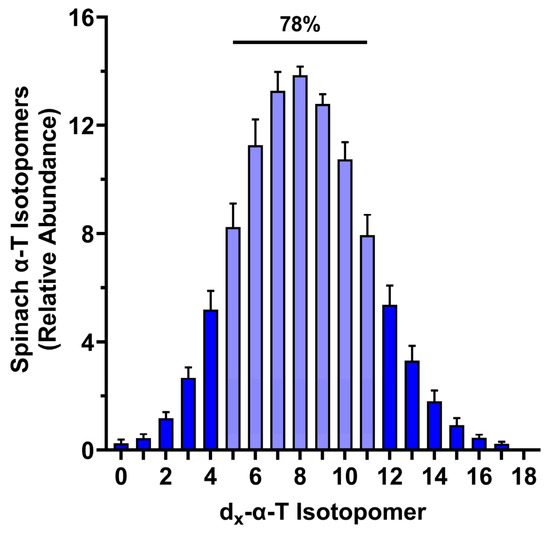
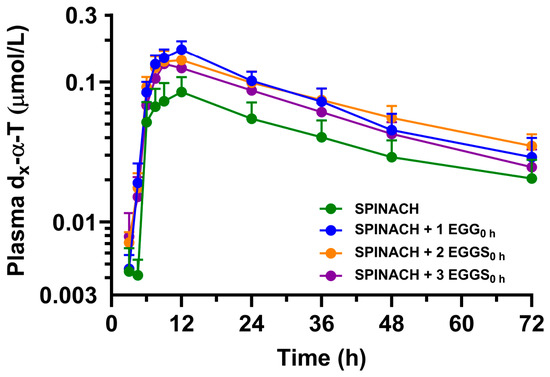
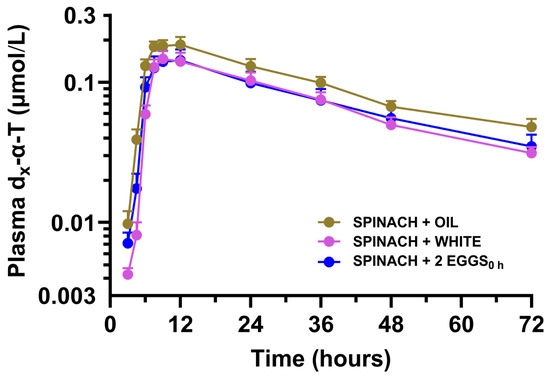
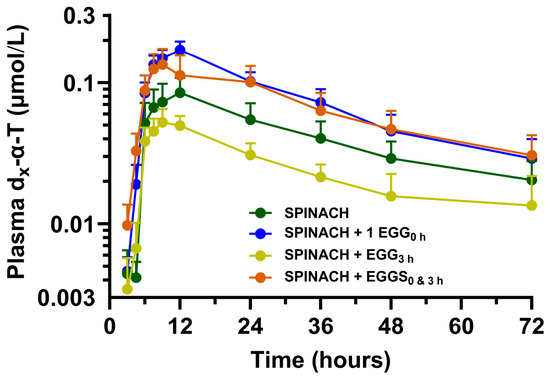
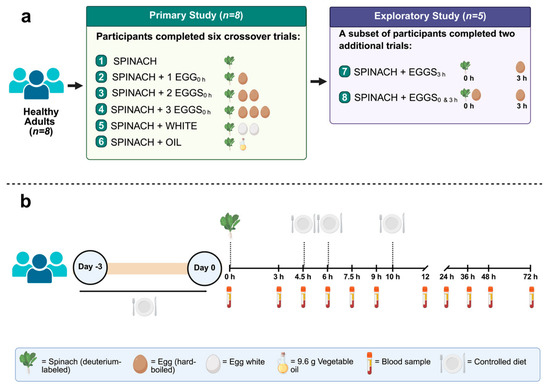
Dark green leafy vegetables, such as spinach, are rich sources of α-tocopherol (α-T), a lipid-soluble antioxidant, but may contribute little to α-T status due to low intake and limited bioavailability. This study investigated whether egg co-consumption enhances α-T bioavailability from spinach and whether effects differ by egg dose, food matrix, or timing of intake. In a crossover study, healthy adults consumed deuterium-labeled (dx)-spinach (containing 5 mg dx-α-T) alone; or with 1, 2, or 3 hard-boiled eggs; 2 egg whites; or vegetable oil (9.6 g). Two exploratory trials evaluated delayed egg consumption 3 h after spinach intake. Compared with spinach alone, dx-α-T AUC0–72h (µmol/L × h) was 1.5–1.8-times higher when spinach was co-consumed with 1, 2, and 3 eggs (p ≤ 0.05), respectively, with no egg dose-dependent differences (p > 0.05). Co-ingestion of spinach with egg whites or vegetable oil increased dx-α-T AUC0–72h similar to whole eggs (p > 0.05). Delayed egg intake did not affect dx-α-T AUC0–72h relative to spinach alone (p > 0.05). Plant-derived α-T bioavailability can be improved through co-ingestion with other foods but is independent of egg dose and food matrix. Effective absorption requires concurrent intake, indicating that timing and associated digestive processes are key determinants and support food-pairing strategies to improve vitamin E bioavailability and its antioxidant contribution to plant-based diets. Registered at ClinicalTrials.gov (NCT04287816).
Full article
(This article belongs to the Special Issue Natural Antioxidants in Functional Foods)
►▼
Show Figures

Figure 1
Open AccessSystematic Review
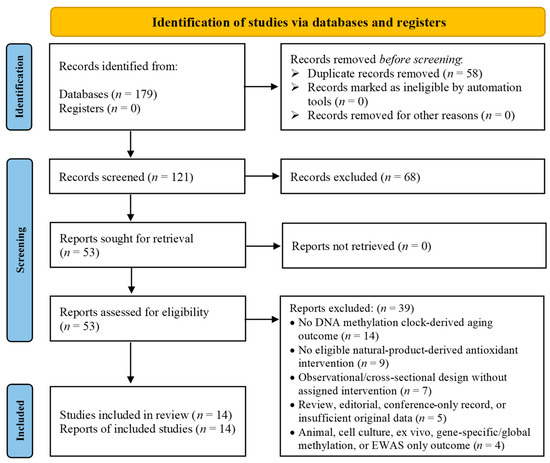
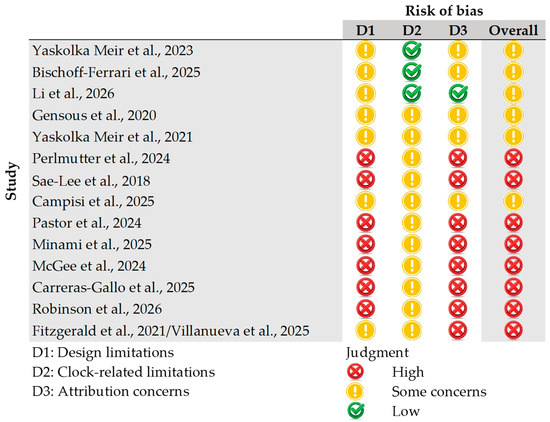
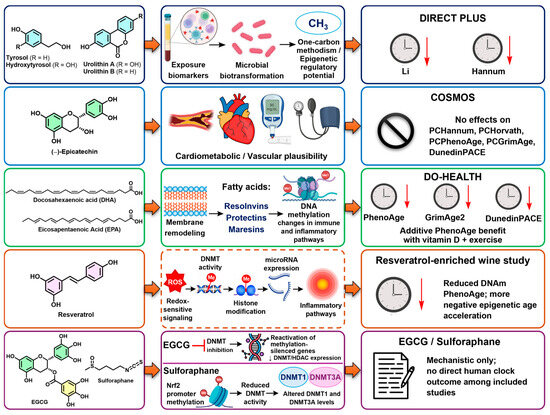
Natural-Product-Derived Antioxidants and DNA Methylation-Based Epigenetic Aging: A Systematic Review of Human Intervention Studies
by
Fatemeh Taktaz and Salar Hafez-Ghoran
Antioxidants 2026, 15(9), 1075; https://doi.org/10.3390/antiox15091075 - 28 Aug 2026
Abstract
DNA methylation clocks provide a tractable molecular readout for testing whether nutritional and natural-product interventions can modify biological aging. Natural-product-derived antioxidants are biologically plausible candidates because they influence redox signaling, inflammation, mitochondrial function, microbial metabolism and epigenetic regulation, yet their effects on DNA
[...] Read more.
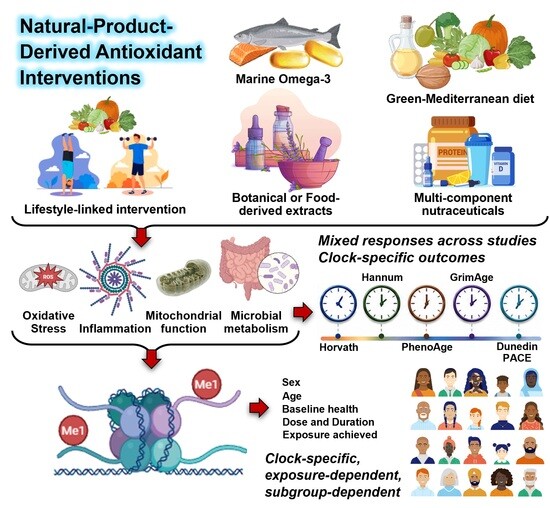
DNA methylation clocks provide a tractable molecular readout for testing whether nutritional and natural-product interventions can modify biological aging. Natural-product-derived antioxidants are biologically plausible candidates because they influence redox signaling, inflammation, mitochondrial function, microbial metabolism and epigenetic regulation, yet their effects on DNA methylation-based aging remain difficult to interpret. Here, we systematically synthesize human intervention studies evaluating antioxidant-rich dietary patterns, botanical and food-derived extracts, marine omega-3 fatty acids, multi-component nutraceuticals and related lifestyle-based interventions with DNA methylation-clock outcomes. The available evidence does not support a uniform epigenetic anti-aging effect. Instead, methylation-age responses were clock-specific, exposure-dependent and often most apparent in metabolically or biologically responsive subgroups. Longer randomized or trial-embedded studies provided the most credible signals, whereas small uncontrolled studies mainly generated hypotheses. Future trials should move beyond claims of epigenetic age reversal and test whether objectively verified natural-product-derived antioxidant exposures produce reproducible, mechanistically linked, and clinically meaningful changes in aging biology.
Full article
(This article belongs to the Section Health Outcomes of Antioxidants and Oxidative Stress)
►▼
Show Figures

Graphical abstract
Open AccessArticle
SOD1 Overexpression Alleviates H2O2-Induced Oxidative Stress and Reshapes Transcriptomic Responses in Chicken DF-1 Cells
by
Yidan Wang, Penghao Wei, Tinghao Gao, Zhiwei Li, Caiqin Deng, Hanjing Chen, Jianliang Zhang, Fengcai Zou and Haiyang Song
Antioxidants 2026, 15(9), 1074; https://doi.org/10.3390/antiox15091074 - 27 Aug 2026
Abstract
Oxidative stress is a major consequence of environmental, metabolic, and disease-related challenges in poultry and can compromise cellular integrity and function. Although antioxidant defense mechanisms are broadly conserved across vertebrates, oxidative-stress responses in avian cells remain less well characterized than those in mammalian
[...] Read more.
Oxidative stress is a major consequence of environmental, metabolic, and disease-related challenges in poultry and can compromise cellular integrity and function. Although antioxidant defense mechanisms are broadly conserved across vertebrates, oxidative-stress responses in avian cells remain less well characterized than those in mammalian systems. Superoxide dismutase 1 (SOD1) is a key antioxidant enzyme, but how elevated SOD1 expression influences both oxidative injury and stress-responsive transcription in chicken cells remains incompletely understood. In this study, we established a stable SOD1-overexpressing chicken DF-1 fibroblast cell line and induced acute oxidative stress using hydrogen peroxide (H2O2). Cellular responses were evaluated using CCK-8 viability assays and Hoechst 33342/propidium iodide staining, followed by RNA sequencing and transcriptomic analyses. SOD1 overexpression markedly improved cell viability under H2O2 challenge and substantially reduced necrotic cell death, whereas its effect on apoptosis-associated changes was comparatively limited. Transcriptomic profiling showed that H2O2 induced extensive transcriptional reprogramming, while SOD1 overexpression reshaped this response by attenuating a subset of stress-inducible gene programs. Trend clustering further identified an H2O2-responsive module associated mainly with basic amino acid transport and stress-related regulatory processes that was less strongly induced in SOD1-overexpressing cells. Collectively, these findings demonstrate that elevated SOD1 expression enhances resistance to acute oxidative injury and modifies stress-responsive transcription in chicken fibroblasts. This study extends our current understanding of SOD1-mediated antioxidant cytoprotection in an avian cellular model and provides a molecular basis for further investigation of oxidative-stress regulation in poultry.
Full article
(This article belongs to the Special Issue Redox Homeostasis in Poultry/Animal Production―2nd Edition)
Open AccessArticle
Dual Targeting of Galanin Receptor 3 Signaling and Redox Homeostasis Enhances Photoreceptor Survival in Retinas of rd10 Mice
by
Maria Azam, Mingda Liu and Beata Jastrzebska
Antioxidants 2026, 15(9), 1073; https://doi.org/10.3390/antiox15091073 - 27 Aug 2026
Abstract
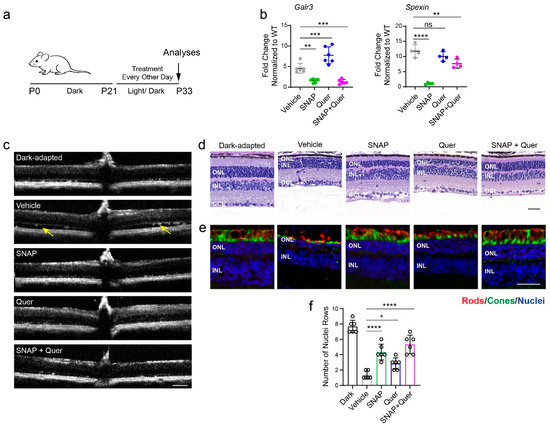
Retinitis pigmentosa (RP) is a genetically heterogeneous group of inherited retinal degenerative disorders characterized by progressive photoreceptor loss and vision impairment, for which broadly applicable mutation-independent therapies remain limited. To examine the therapeutic potential of combined galanin receptor 3 (GALR3) inhibition and antioxidant
[...] Read more.
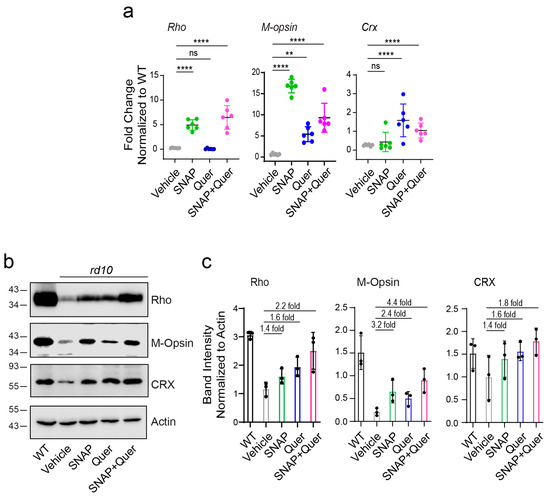
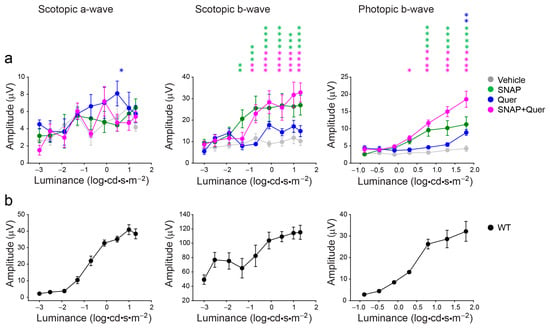
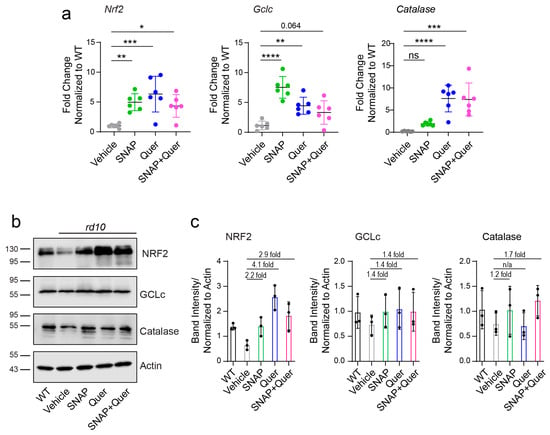
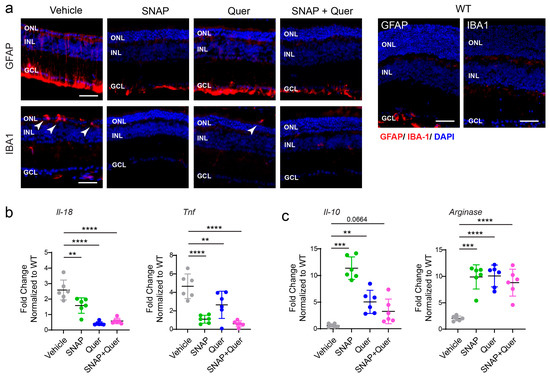
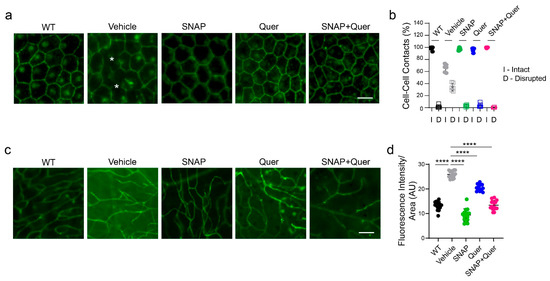
Retinitis pigmentosa (RP) is a genetically heterogeneous group of inherited retinal degenerative disorders characterized by progressive photoreceptor loss and vision impairment, for which broadly applicable mutation-independent therapies remain limited. To examine the therapeutic potential of combined galanin receptor 3 (GALR3) inhibition and antioxidant therapy in a mutation-independent context, we utilized the rd10 mouse model of RP. We first evaluated the effects of individual treatments with the GALR3 antagonist SNAP-37889 and the antioxidant quercetin, followed by a combined treatment regimen to determine whether simultaneous targeting of neuroinflammatory and oxidative stress pathways provides enhanced retinal protection. Treatment efficacy was assessed using functional and morphological analyses, including electroretinography (ERG) to measure retinal function, optical coherence tomography (OCT) to evaluate retinal structure in vivo, and histological and immunohistochemical analyses to quantify photoreceptor survival and markers of retinal oxidative stress and inflammation. Although the expression levels of individual inflammatory and oxidative stress markers did not consistently exhibit additive responses, the combined treatment produced greater photoreceptor survival and preservation of photopic retinal function than either monotherapy alone. These findings support the hypothesis that simultaneous modulation of oxidative stress and neuroinflammation provides greater neuroprotective benefits, establish a foundation for the development of mutation-independent therapeutic strategies for RP, and identify GALR3 as a promising therapeutic target.
Full article
(This article belongs to the Special Issue The Role of Oxidative Stress in Age-Related and Degenerative Eye Diseases)
►▼
Show Figures

Figure 1
Open AccessArticle
Protective Effects of Antioxidant Mix Pre-Treatment Against Visible Light-Induced Damage in Dark Skin Phototype
by
Anna Guiotto, Malak Alghamdi, Robyn Hickerson, Michael Conneely, Hina Choudhary, Patricia Brieva, Yunsook Lim, Alessandra Pecorelli and Giuseppe Valacchi
Antioxidants 2026, 15(9), 1072; https://doi.org/10.3390/antiox15091072 - 26 Aug 2026
Abstract
Visible light (VL) accounts for approximately 50% of the solar radiation reaching Earth’s surface and has emerged as a major contributor to skin photoaging and pigmentation disorders, particularly in individuals with darker Fitzpatrick skin phototypes. Increasing evidence suggests that VL exposure induces oxidative
[...] Read more.
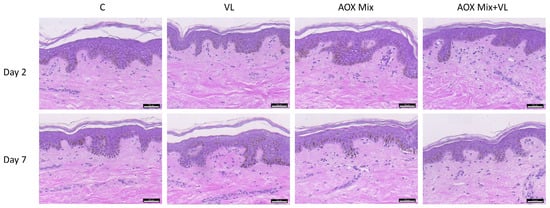
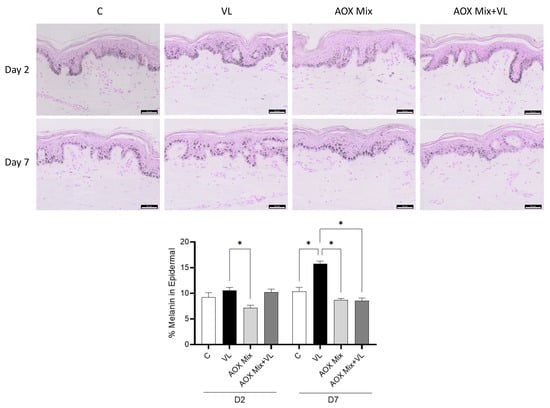
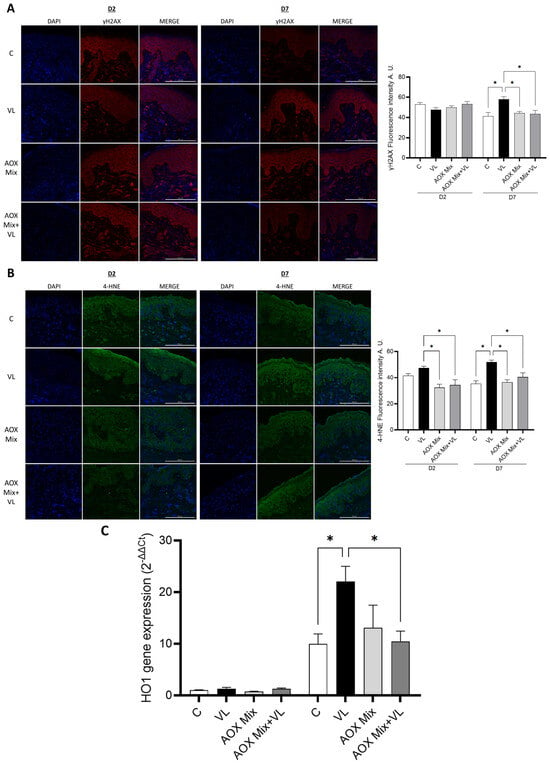
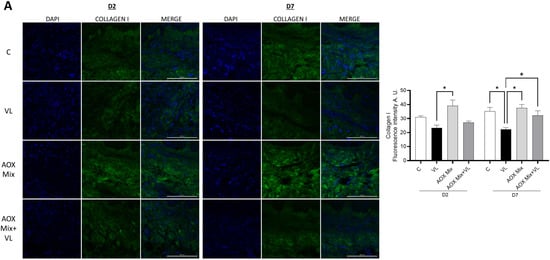
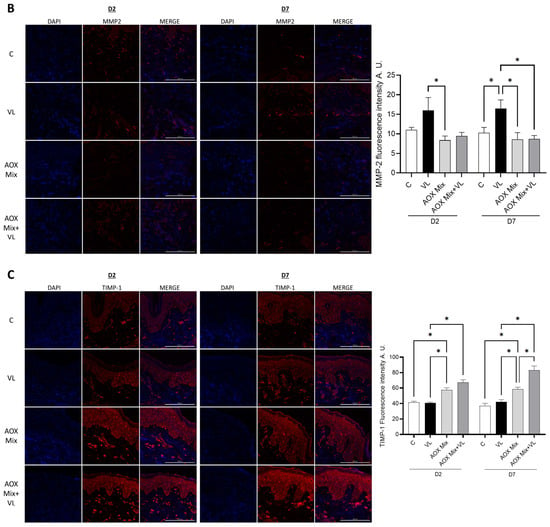
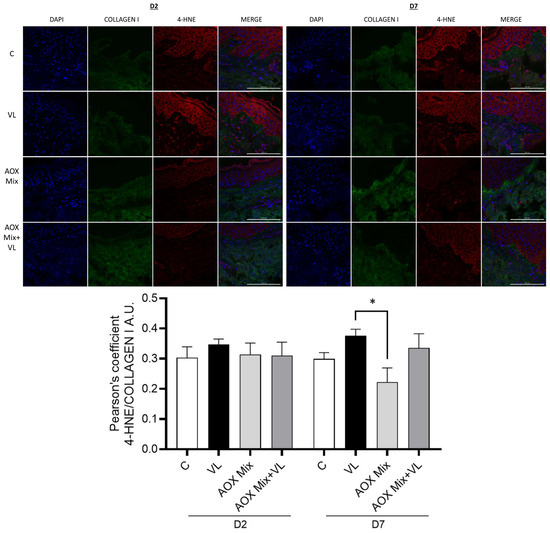
Visible light (VL) accounts for approximately 50% of the solar radiation reaching Earth’s surface and has emerged as a major contributor to skin photoaging and pigmentation disorders, particularly in individuals with darker Fitzpatrick skin phototypes. Increasing evidence suggests that VL exposure induces oxidative stress, inflammation, and melanogenesis by generating reactive oxygen species. In this study, we investigated the protective effects of a topical antioxidant formulation (AOX Mix) containing 15% ascorbic acid, 0.5% ferulic acid, and 1% tocopherol against VL exposure in ex vivo skin biopsies from donors with Fitzpatrick skin phototypes IV–V. To preserve physiological tissue tension and closely replicate in vivo skin responses, human skin explants were maintained using the TenSkin™ culture system. Samples were pretreated with AOX Mix for 30 min, then exposed to VL for 8 h, and collected on Days 2 and 7 for histological and molecular analyses. Our results demonstrated that prolonged exposure to VL disrupted redox homeostasis and induced structural alterations in skin explants, accompanied by increased markers of oxidative stress and pigmentation. In contrast, pre-treatment with AOX Mix significantly attenuated these effects, preserving tissue architecture and reducing molecular indicators of photodamage. In addition, we observed the co-localization of 4-hydroxynonenal and collagen type I, suggesting that oxidative post-translational modification of collagen may contribute to its loss. These findings suggest that antioxidant-based interventions, such as AOX Mix, may be a promising strategy for protecting dark skin against VL exposure.
Full article
(This article belongs to the Section Health Outcomes of Antioxidants and Oxidative Stress)
►▼
Show Figures

Figure 1
Open AccessArticle
Green and Energy-Efficient Post-Harvest Enhancement: Low-Dose 60Co-γ Irradiation Enhances the Bioactive Profile of Lily Bulbs (Lilium lancifolium Thunb.) as Functional Food Ingredients
by
Yao Hu, Lihui Li, Xingyu Lei, Yiji Zhou, Wei Gong, Mengshan Sun and Rong Song
Antioxidants 2026, 15(9), 1071; https://doi.org/10.3390/antiox15091071 - 26 Aug 2026
Abstract
Edible lily bulbs (Lilium lancifolium Thunb.) are highly valued for their rich nutritional profile and significant medicinal properties. To further enhance these beneficial attributes, this study investigates a novel, green post-harvest enhancement strategy using low-dose 60Co-γ irradiation (2–5 Gy) followed
[...] Read more.
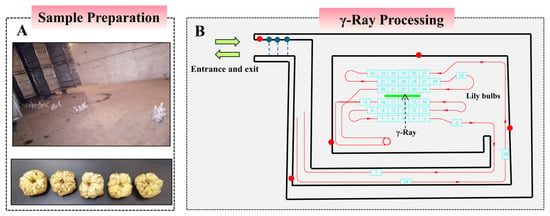
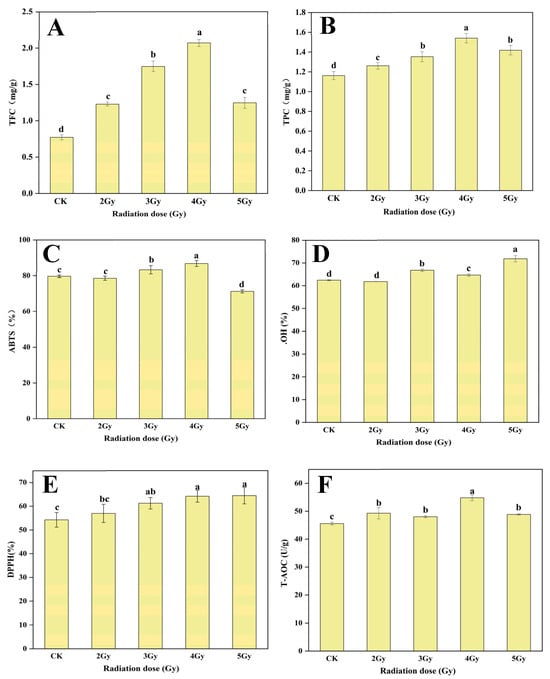
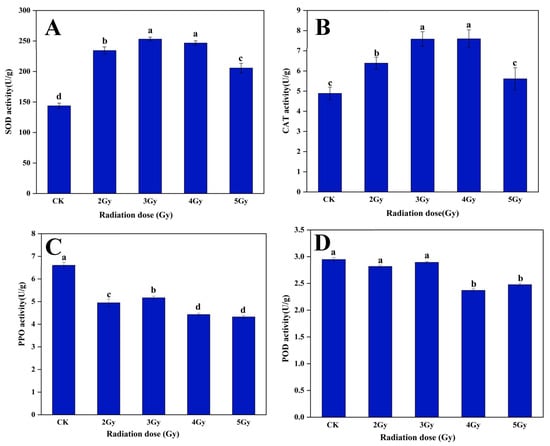
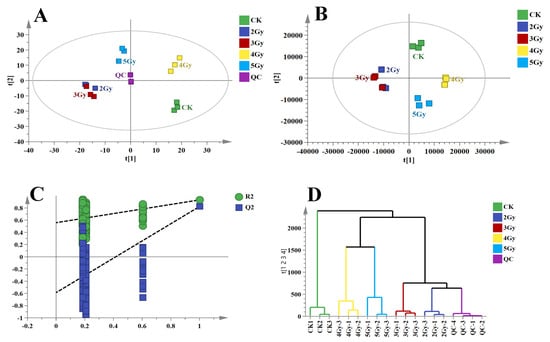
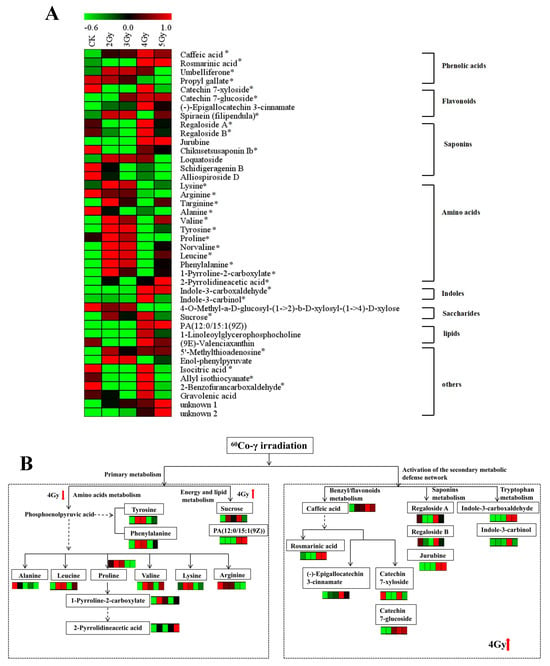
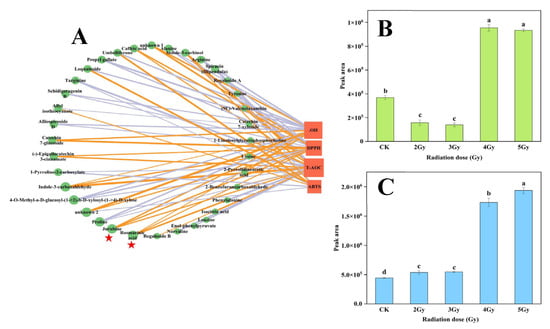
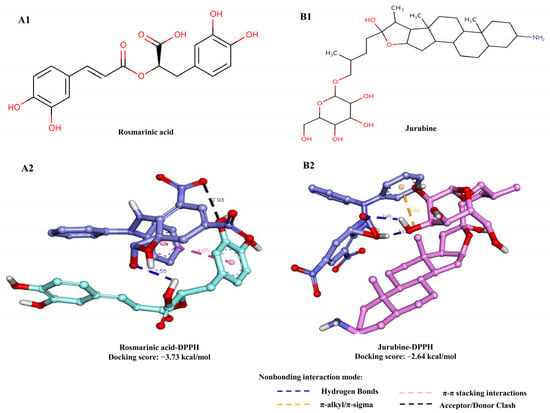
Edible lily bulbs (Lilium lancifolium Thunb.) are highly valued for their rich nutritional profile and significant medicinal properties. To further enhance these beneficial attributes, this study investigates a novel, green post-harvest enhancement strategy using low-dose 60Co-γ irradiation (2–5 Gy) followed by immediate freeze-drying. Experimentally, fresh bulbs were exposed to varying irradiation doses, after which physiological parameters (enzyme activities, phytochemical contents) and metabolic profiles (via LC-MS/MS) were systematically evaluated. The results demonstrated that 4 Gy represented the optimal dose; compared to the non-irradiated control group (0 Gy), the 4 Gy treatment significantly enhanced the antioxidant defense system by eliciting oxidative stress responses, increasing superoxide dismutase (SOD) and catalase (CAT) activities by 1.55- to 1.86-fold, and elevating total phenolics and flavonoids by 1.31- and 2.69-fold, respectively. Untargeted metabolomic analysis identified 42 differential metabolites, revealing that 4 Gy irradiation primarily upregulated the phenylpropanoid and flavonoid biosynthetic pathways. Key antioxidants, specifically rosmarinic acid and the newly detected alkaloid jurubine, exhibited significant accumulation. Integrated correlation analysis and molecular docking simulations elucidated the underlying mechanisms, providing theoretical insights into their transient interactions with DPPH radicals. In conclusion, low-dose 60Co-γ irradiation serves as a sustainable, green post-harvest processing strategy to improve the nutritional quality of edible lily bulbs by activating intrinsic metabolic defense mechanisms.
Full article
(This article belongs to the Section Extraction and Industrial Applications of Antioxidants)
►▼
Show Figures

Figure 1
Open AccessArticle
Integrative Multi-Omics Analysis of Gill Responses to Long-Term Salinity Stress in Grass Carp (Ctenopharyngodon idella)
by
Linjun Zhou, Xiajie Chen, Yiran Hou, Chengfeng Zhang, Jian Zhu, Bing Li and Rui Jia
Antioxidants 2026, 15(9), 1070; https://doi.org/10.3390/antiox15091070 - 26 Aug 2026
Abstract
Salinity is an important environmental factor affecting the physiological homeostasis of freshwater fish, yet the underlying mechanisms in grass carp (Ctenopharyngodon idella) gills remain unclear. Therefore, grass carp were exposed to different salinity levels for 60 days, and gill responses were
[...] Read more.
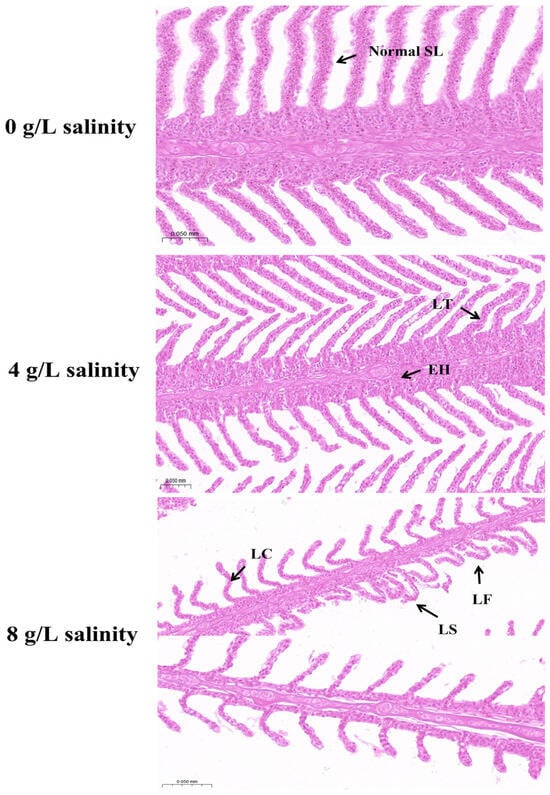
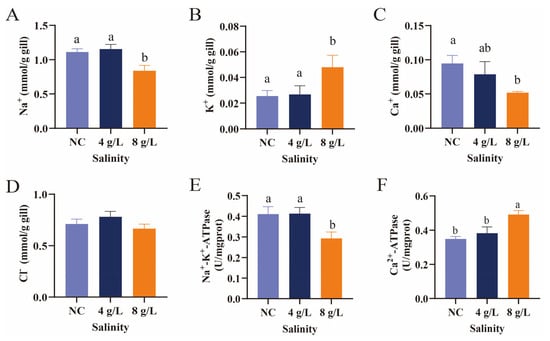
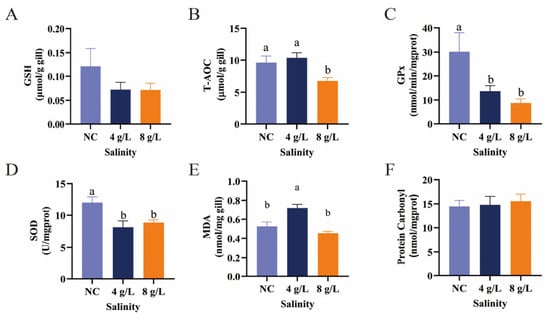
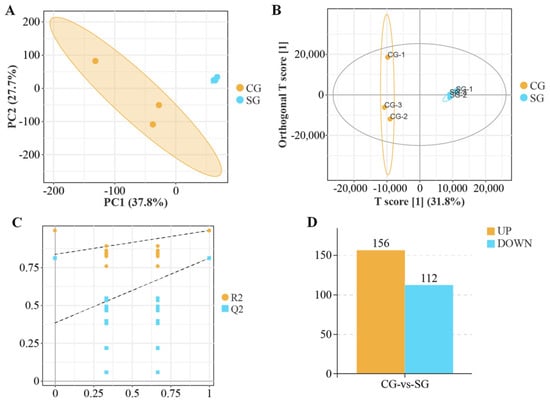
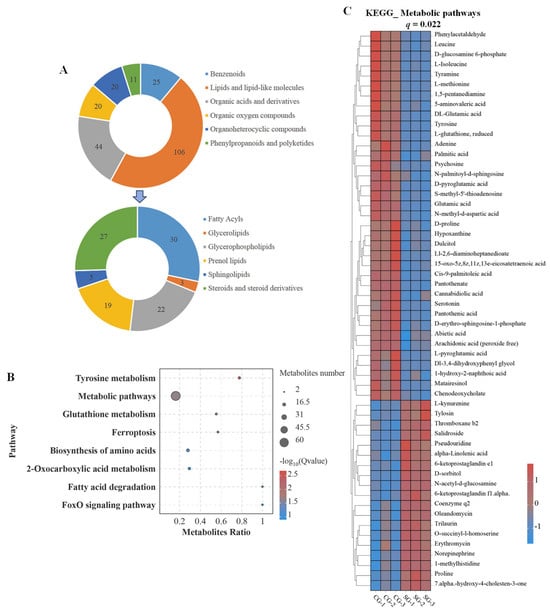
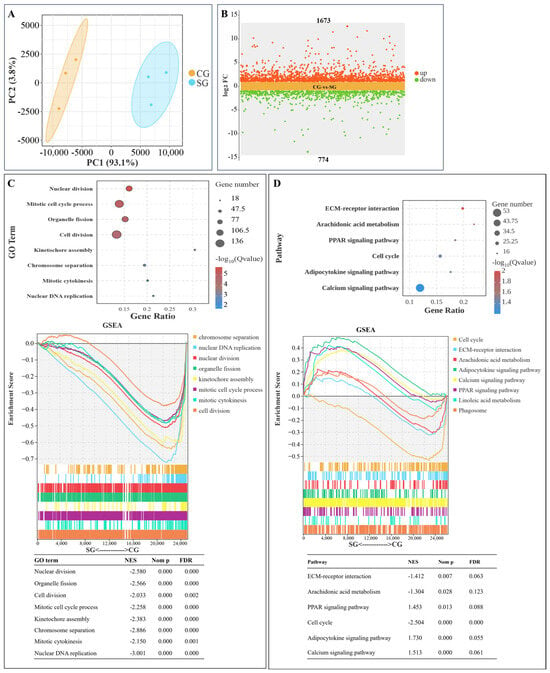
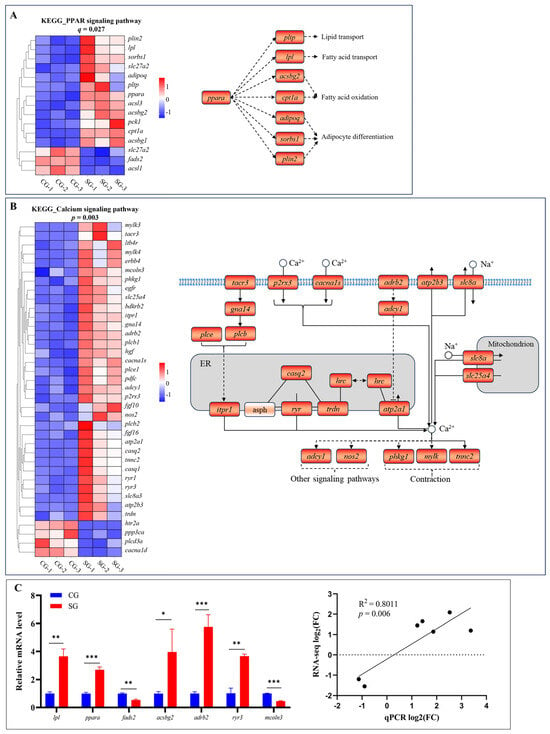
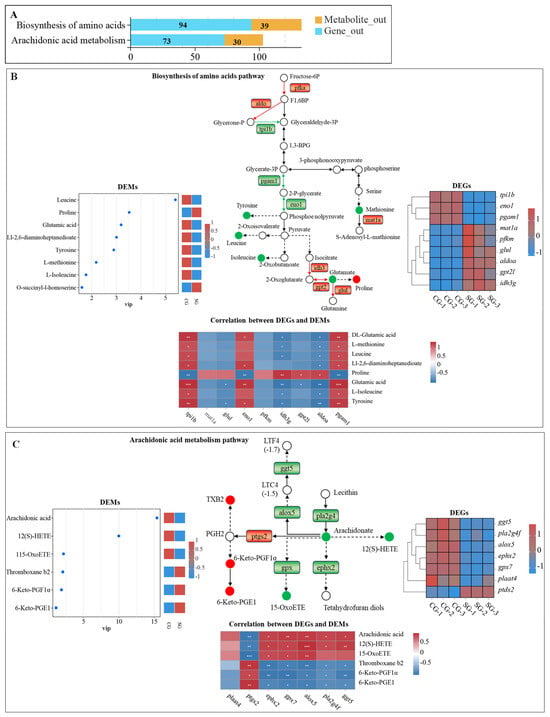
Salinity is an important environmental factor affecting the physiological homeostasis of freshwater fish, yet the underlying mechanisms in grass carp (Ctenopharyngodon idella) gills remain unclear. Therefore, grass carp were exposed to different salinity levels for 60 days, and gill responses were evaluated using histopathological, ion regulatory, antioxidant, transcriptomic, and metabolomic analyses. Histological observations showed that high salinity (8 g/L) caused marked structural damage to the gill lamellae. Specifically, Na+ and Ca2+ concentrations and Na+/K+-ATPase activity significantly decreased, while K+ concentration and Ca2+-ATPase activity increased, revealing disrupted ion homeostasis. Salinity exposure also led to decreased antioxidant enzyme activities. Integrated omics analysis further demonstrated that a total of 2447 differentially expressed genes and 268 differentially expressed metabolites were identified, with significant enrichment in pathways related to biosynthesis of amino acids, arachidonic acid metabolism, glutathione metabolism, PPAR signaling, and calcium signaling. Notably, the PPAR and calcium signaling pathways showed positive enrichment under salinity stress, suggesting their potential involvement in the regulation of lipid metabolism, energy allocation, and cellular stress responses. Our findings indicated amino acid biosynthesis and arachidonic acid metabolism as key pathways involved in the adaptation of grass carp gills to salinity stress. Overall, chronic salinity exposure caused structural alterations, disrupted ion regulation, altered antioxidant status, and marked transcriptomic and metabolomic changes in grass carp gills, offering new insight into salinity adaptation in freshwater fish.
Full article
(This article belongs to the Special Issue From Field to Cell: Redox Mechanisms of Chemical Stressor Toxicity in Biological Systems)
►▼
Show Figures

Figure 1
Open AccessArticle
Ultrasound-Assisted Ternary Deep Eutectic Solvent Extraction of Total Flavonoids from Artemisia argyi: GA-ANN Optimization, Greenness Assessment, and In Vitro Bioactivity Evaluation
by
Xuxiang Zhang, Jiafei Long, Zhijia Wang, Yuping Zhang, Tonghao Yang, Yongmei Jiang, Faming Wu, Xin Zhang, Xuqiang Nie, Gang Wang and Sha Liu
Antioxidants 2026, 15(9), 1069; https://doi.org/10.3390/antiox15091069 - 26 Aug 2026
Abstract
Total flavonoids (TF) from Artemisia argyi, a traditional edible-medicinal Asteraceae herb, were extracted via a food-grade ternary deep eutectic solvent (TDES, Glycerol/Levulinic Acid/Xylitol = 1:1:1 molar ratio, 30% w/w water) under ultrasound assistance. A hybrid response surface methodology–genetic algorithm–artificial neural
[...] Read more.
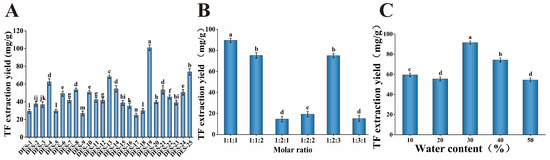
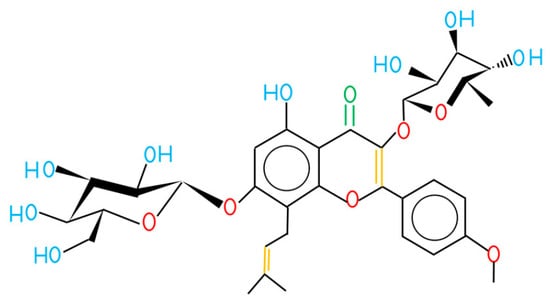
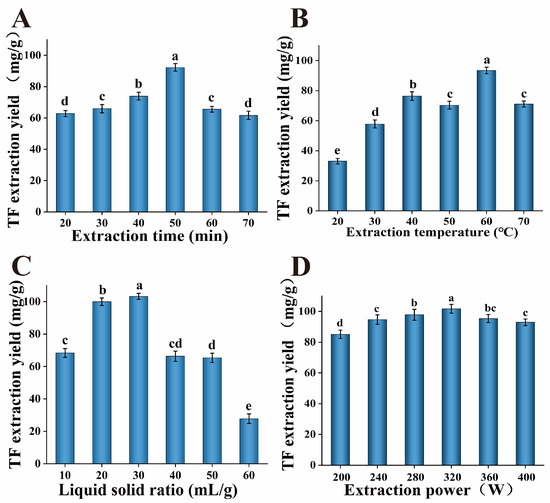
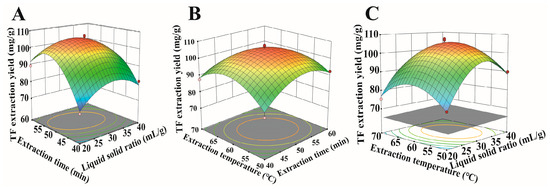
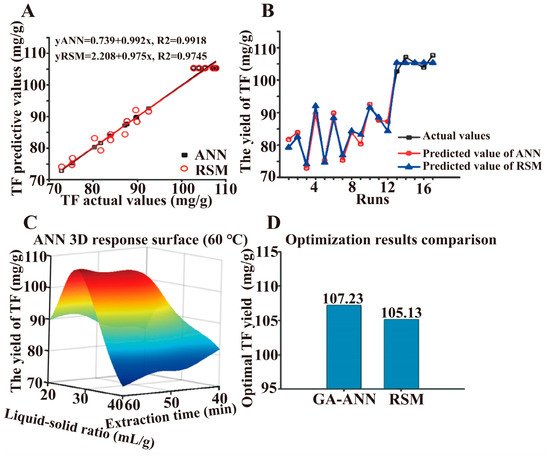
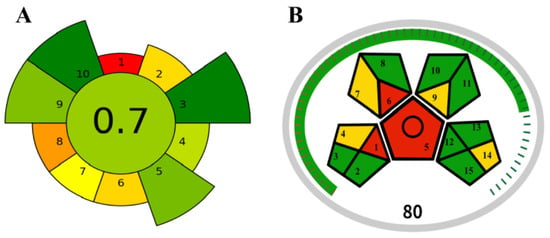
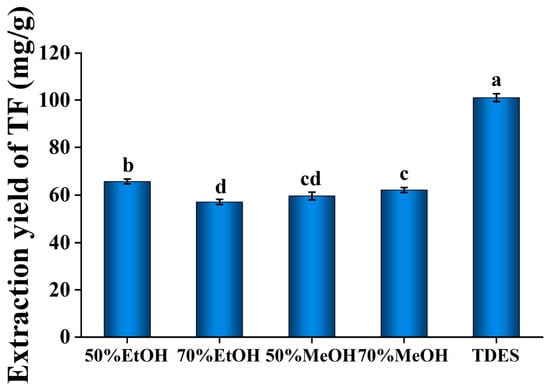
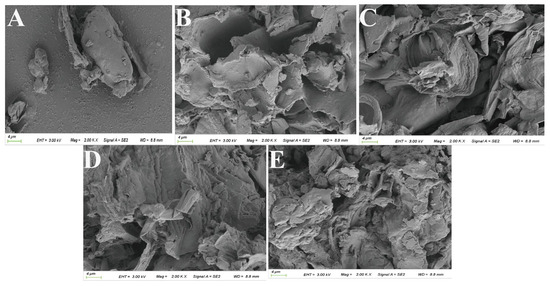
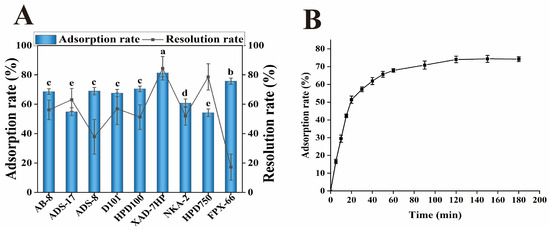
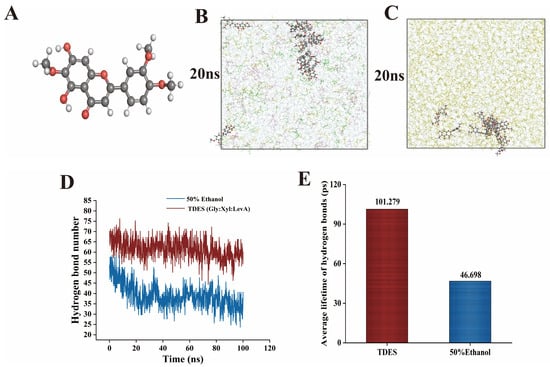
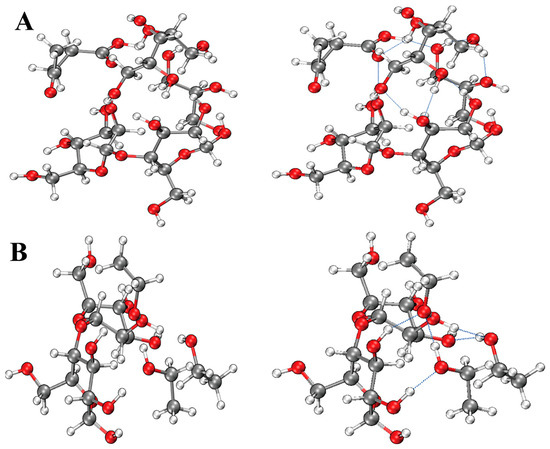
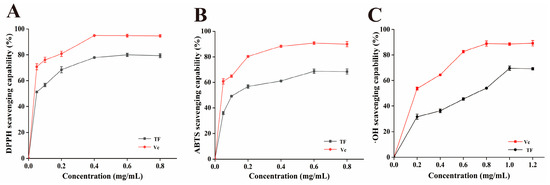
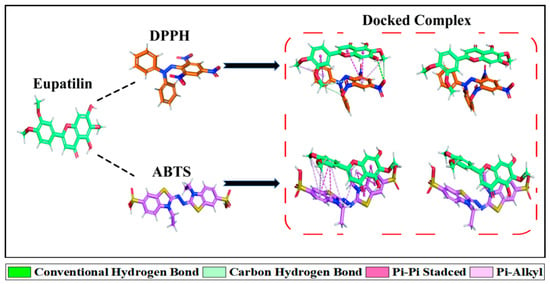
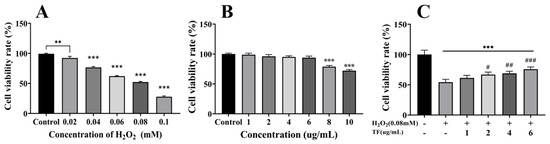
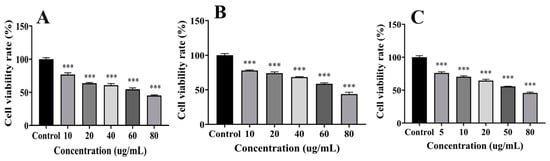
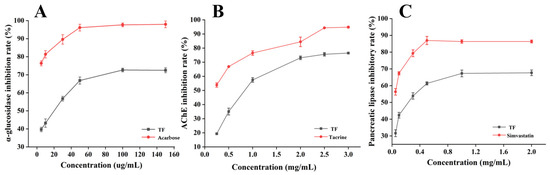
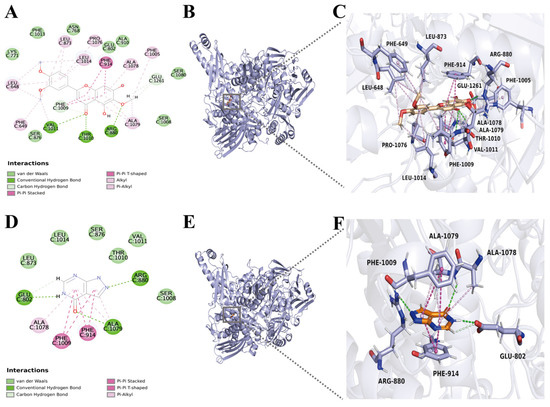
Total flavonoids (TF) from Artemisia argyi, a traditional edible-medicinal Asteraceae herb, were extracted via a food-grade ternary deep eutectic solvent (TDES, Glycerol/Levulinic Acid/Xylitol = 1:1:1 molar ratio, 30% w/w water) under ultrasound assistance. A hybrid response surface methodology–genetic algorithm–artificial neural network (RSM-GA-ANN) model optimized parameters to deliver a maximum TF yield of 107.7 mg/g—1.5–1.8-fold higher than conventional hydroalcoholic extraction. Greenness was quantified by AGREEprep (score = 0.70) and MoGAPI (score = 80/100), confirming the method’s sustainability, with TDES retaining >84% extraction efficiency over three reuse cycles. Molecular dynamics simulations revealed TDES forms a more stable hydrogen bond network with plant cell walls (average H-bond lifetime: 101.279 ps vs. 46.698 ps for 50% ethanol), a finding validated by density functional theory calculations showing TDES establishes 7–9 hydrogen bonds with cellobiose (the cellulose repeating unit), far exceeding ethanol’s 1–2 hydrogen bonds. Purified TF exhibited potent radical-scavenging activity (DPPH IC50: 0.176 mg/mL; ABTS IC50: 0.159 mg/mL) and multipotent enzyme inhibition (α-glucosidase IC50: 55.31 μg/mL; acetylcholinesterase IC50: 0.618 mg/mL; pancreatic lipase IC50: 0.125 mg/mL). TF also suppressed HCT116, A549, and HepG2 proliferation (IC50 ≈ 50 μg/mL) and protected HepG2 cells against H2O2-induced oxidative damage. As an in silico probe, the predominant quantified flavonoid eupatilin (3.64 mg/g) docked to xanthine oxidase (−7.78 kcal/mol vs. allopurinol −6.86), offering a structural hypothesis for XO interaction without attributing mixture bioactivity to a single compound. This TDES-based platform offers a scalable, green route to valorize A. argyi for functional food and nutraceutical applications.
Full article
(This article belongs to the Special Issue Innovative Processing Technologies and Their Effects on Antioxidant Activity in Plant-Derived Natural Products)
►▼
Show Figures

Figure 1
Open AccessReview
Potential Therapeutic Roles of Icariin in Inflammatory Diseases: From Molecular Mechanisms to Clinical Translation Prospects
by
Sirui Du, Weifeng Li and Meixiu Jiang
Antioxidants 2026, 15(9), 1068; https://doi.org/10.3390/antiox15091068 - 26 Aug 2026
Abstract
Inflammatory diseases are caused by overactivation of the immune system and lead to tissue damage; their high incidence and complications seriously threaten human health. Currently, non-steroidal anti-inflammatory drugs (NSAIDs) and immunosuppressants are the mainstay of clinical practice, but their long-term use can cause
[...] Read more.
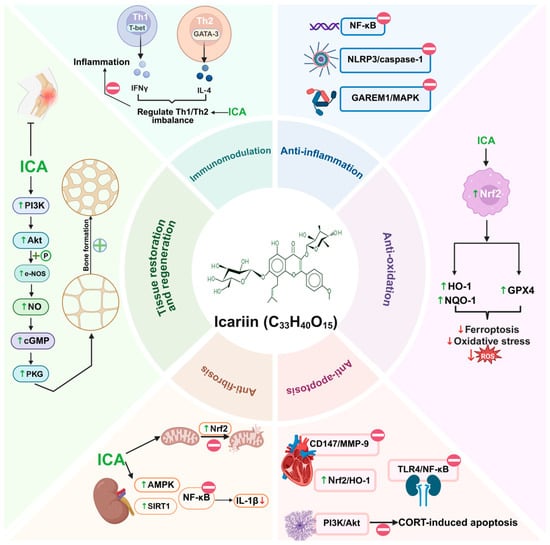
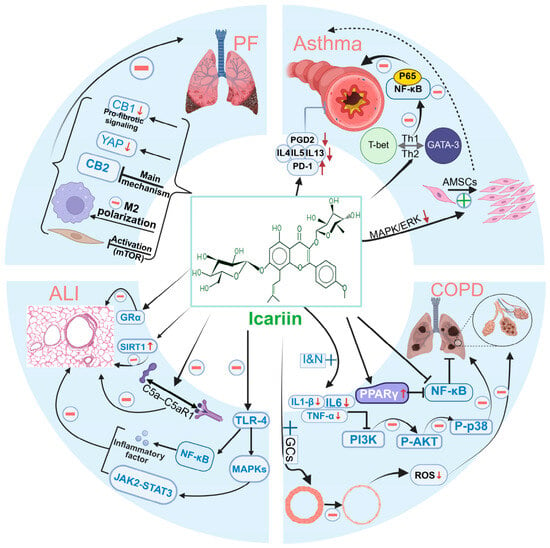
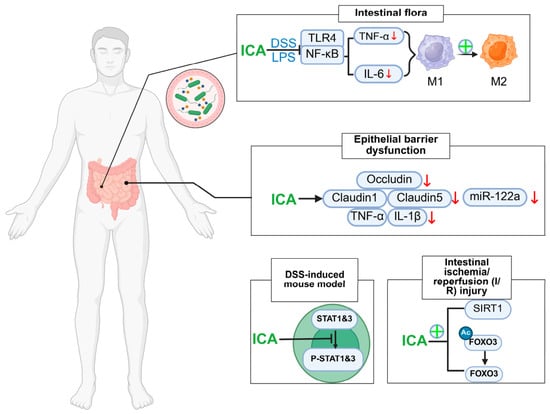
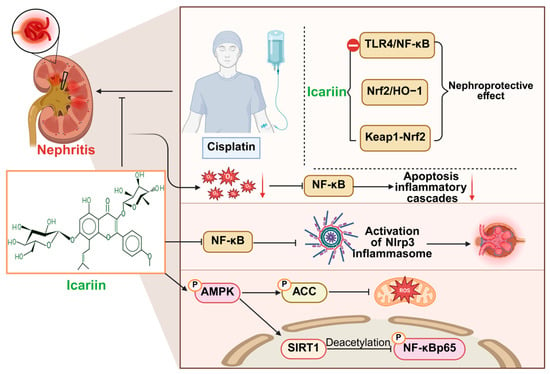
Inflammatory diseases are caused by overactivation of the immune system and lead to tissue damage; their high incidence and complications seriously threaten human health. Currently, non-steroidal anti-inflammatory drugs (NSAIDs) and immunosuppressants are the mainstay of clinical practice, but their long-term use can cause gastrointestinal damage, drug resistance, and other problems. In recent years, traditional Chinese medicine has become a research hotspot for the treatment of inflammatory diseases, among which Icariin (ICA), the main active ingredient of Epimedium, has demonstrated significant anti-inflammatory potential. In this review, a comprehensive literature search of PubMed and Web of Science was conducted, and original studies on the anti-inflammatory effects and mechanisms of ICA were included. The roles and mechanisms of ICA in inflammatory diseases in different systems are summarized. Specifically, ICA suppresses NF-κB and MAPK signaling, inhibits NLRP3 inflammasome activation, and activates the Nrf2/HO-1 antioxidant axis, thereby reducing the production of pro-inflammatory cytokines such as TNF-α, IL-6, and IL-1β. Overall, the current evidence indicates broad anti-inflammatory effects of ICA across multiple organ systems, particularly in atherosclerosis and myocardial infarction; however, clinical translation is limited by poor bioavailability and the lack of standardized dosage data. Future efforts should focus on pharmacokinetic optimization and well-designed clinical trials to facilitate its application in inflammatory diseases.
Full article
(This article belongs to the Section Health Outcomes of Antioxidants and Oxidative Stress)
►▼
Show Figures

Figure 1
Open AccessArticle
Evaluating the Efficacy and Safety of Limnospira platensis Phycobiliproteins as a Functional Feed Additive for Oxidative Status Modulation in the Pacific Oyster
by
Olga Gostyukhina, Elina Chelebieva, Tatyana Kukhareva, Maria Podolskaya, Vitaliy Parfenov, Andrey Borovkov and Aleksandra Andreyeva
Antioxidants 2026, 15(9), 1067; https://doi.org/10.3390/antiox15091067 - 26 Aug 2026
Abstract
Despite the recognized antioxidant properties of phycobiliproteins (PBPs) from Limnospira platensis, their potential application in bivalve aquaculture—particularly regarding their modulation of endogenous antioxidant defenses—remains largely unexplored. This study evaluated the effects of an aqueous PBP extract at concentrations of 2, 20, and
[...] Read more.
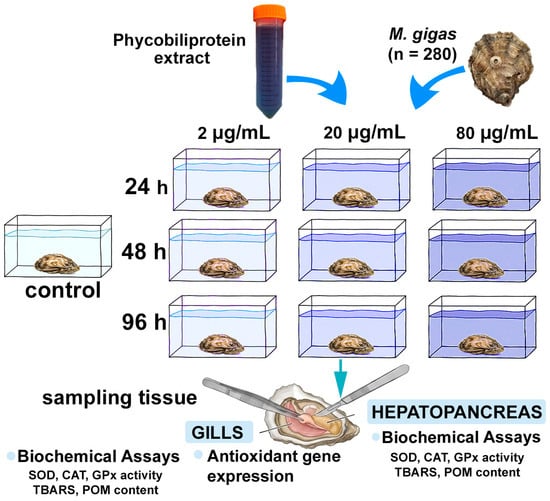
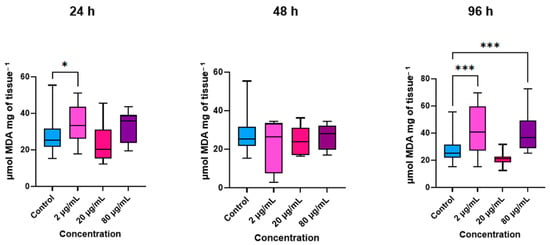
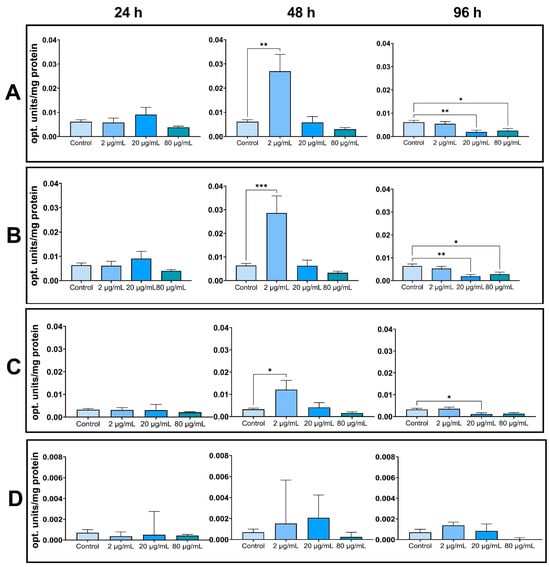
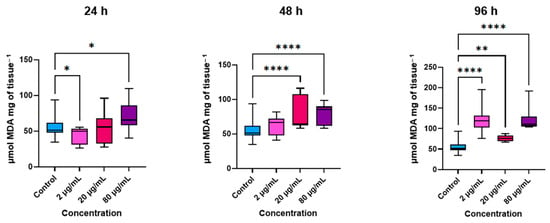
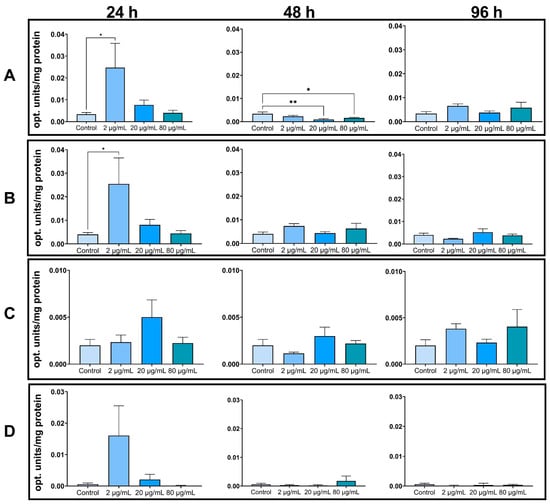
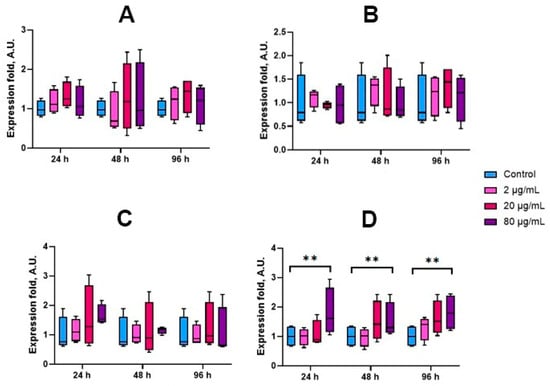
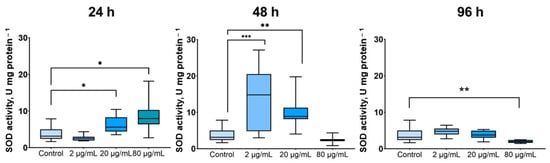
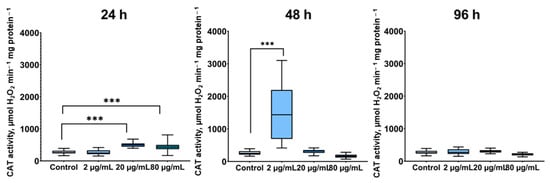
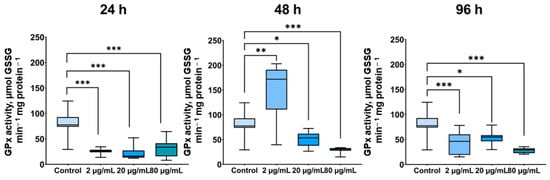
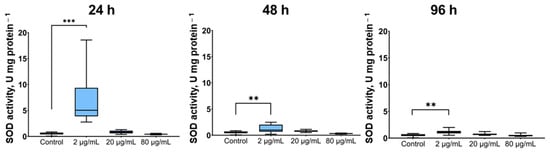
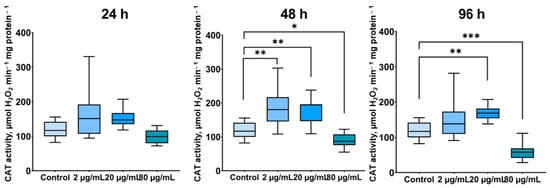
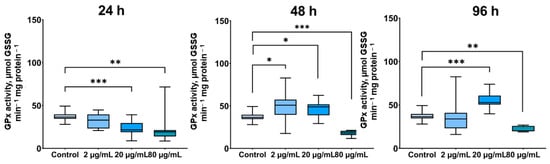
Despite the recognized antioxidant properties of phycobiliproteins (PBPs) from Limnospira platensis, their potential application in bivalve aquaculture—particularly regarding their modulation of endogenous antioxidant defenses—remains largely unexplored. This study evaluated the effects of an aqueous PBP extract at concentrations of 2, 20, and 80 µg/mL on antioxidant parameters in the Pacific oyster Magallana gigas following 24, 48 and 96 h exposure periods. Activities of superoxide dismutase (SOD), catalase (CAT), and glutathione peroxidase (GPx), levels of lipid peroxidation (TBARS) and protein oxidation, and expression of corresponding genes in gills and hepatopancreas have been evaluated. PBPs elicited significant effects on prooxidant–antioxidant balance in oyster tissues. Low concentrations (2–20 µg/mL) enhanced SOD and CAT activities and reduced protein oxidation, indicating protective effects. The highest concentration (80 µg/mL) suppressed enzyme activities—particularly GPx—while elevating TBARS, suggesting prooxidant effects at excessive doses. Tissue-specific responses were observed, with hepatopancreas more vulnerable to oxidative stress than gills. Notably, GPx transcription was upregulated at 80 µg/mL of PBP extract despite suppressed activity, implying its post-transcriptional regulatory properties. These findings demonstrate that L. platensis PBPs modulate oyster antioxidant status in a biphasic manner, with moderate doses conferring stimulation and high doses inducing oxidative stress. This study provides the first integrative evidence of PBP effects on enzymatic, and transcriptional antioxidant defenses in a commercially important bivalve, underscoring their promise as functional bioactive additives while emphasizing the need for careful dose optimization.
Full article
(This article belongs to the Section Antioxidant Enzyme Systems)
►▼
Show Figures

Figure 1
Open AccessCorrection
Correction: Santo et al. The Implications of Connexin 43 Deficiency During the Early Stages of Chemically Induced Mouse Colon Carcinogenesis. Antioxidants 2022, 11, 2368
by
Sara Gomes Espírito Santo, Tereza Cristina da Silva, Mathieu Vinken, Bruno Cogliati, Luís Fernando Barbisan and Guilherme Ribeiro Romualdo
Antioxidants 2026, 15(9), 1066; https://doi.org/10.3390/antiox15091066 - 26 Aug 2026
Abstract
In the original publication [...]
Full article
(This article belongs to the Section Health Outcomes of Antioxidants and Oxidative Stress)
Journal Menu
► ▼ Journal Menu-
- Antioxidants Home
- Aims & Scope
- Editorial Board
- Reviewer Board
- Topical Advisory Panel
- Early Career Editorial Board
- Instructions for Authors
- Special Issues
- Topics
- Sections & Collections
- Article Processing Charge
- Indexing & Archiving
- Editor’s Choice Articles
- Most Cited & Viewed
- Journal Statistics
- Journal History
- Journal Awards
- Society Collaborations
- Conferences
- Editorial Office
Journal Browser
► ▼ Journal BrowserHighly Accessed Articles
Latest Books
E-Mail Alert
News
Topics
Topic in
Animals, Antioxidants, Metabolites, Pets, Veterinary Sciences
Research on Companion Animal Nutrition
Topic Editors: Baichuan Deng, Lian Li, Yun JiDeadline: 26 October 2026
Topic in
Antioxidants, Biomedicines, Biomolecules, Cells, IJMS, Metabolites, Nutrients, Sci
Muscle Aging and Sarcopenia: Mechanisms, Metabolic Regulation, and Intervention Strategies
Topic Editors: Hélio José Coelho Júnior, Mariam El Assar, Javier AnguloDeadline: 15 December 2026
Topic in
Antioxidants, Biomolecules, Nutraceuticals, Nutrients, Foods, Sci. Pharm., Pharmaceuticals
Functional Foods and Nutraceuticals in Health and Disease
Topic Editors: Srinivas Nammi, Dennis ChangDeadline: 20 December 2026
Topic in
Antioxidants, Biomedicines, Disabilities, JCDD, Hearts, JCRM
Cardiovascular Disease in Special Populations: From Basic Science to Clinical Practice
Topic Editors: Song-Young Park, Gwenael LayecDeadline: 31 January 2027
Conferences
Special Issues
Special Issue in
Antioxidants
Antioxidant Systems in Plants
Guest Editors: Francisco Espinosa Borreguero, Ilda Jesús Casimiro Felicio, Inmaculada Garrido CarballoDeadline: 30 August 2026
Special Issue in
Antioxidants
Novel Strategies for Oxidative Stress Management: Dietary Interventions for Liver and Gut Health
Guest Editors: Antonio Cilla, Mussa MakranDeadline: 30 August 2026
Special Issue in
Antioxidants
Phenolic Compounds from Novel Natural Sources and Fermented Foods
Guest Editors: Harris Papapostolou, Maria AlexandriDeadline: 30 August 2026
Special Issue in
Antioxidants
Carotenoids in Health and Disease
Guest Editor: Kazutoshi ShindoDeadline: 30 August 2026
Topical Collections
Topical Collection in
Antioxidants
Advances in Antioxidant Ingredients from Natural Products
Collection Editors: Carla Susana Correia Pereira, Lillian Barros