




-
Patient-Specific Lattice Implants for Segmental Femoral and Tibial Reconstruction (Part 1): Defect Patterns, Fixation Strategies and Reconstruction Options—A Review -
Advancements and Challenges in Tissue-Engineered Heart Valves: Integrating Biomechanics, Biomaterials, and Biomimetic Design for Functional Maturity -
Granular Jamming in Soft Robotics: Simulation Frameworks and Emerging Possibilities—Review -
Effect of Different Characters of the Pitcher Trap Syndrome in Nepenthes on Insect Trapping Efficiency: A Biomimetic Approach
Journal Description
Biomimetics
Biomimetics
is an international, peer-reviewed, open access journal on biomimicry and bionics, published monthly online by MDPI.
- Open Access— free for readers, with article processing charges (APC) paid by authors or their institutions.
- High Visibility: indexed within Scopus, SCIE (Web of Science), PubMed, PMC, Ei Compendex, CAPlus / SciFinder, and other databases.
- Journal Rank: JCR - Q1 (Engineering, Multidisciplinary) / CiteScore - Q2 (Biomedical Engineering)
- Rapid Publication: manuscripts are peer-reviewed and a first decision is provided to authors approximately 17 days after submission; acceptance to publication is undertaken in 3.8 days (median values for papers published in this journal in the second half of 2025).
- Recognition of Reviewers: reviewers who provide timely, thorough peer-review reports receive vouchers entitling them to a discount on the APC of their next publication in any MDPI journal, in appreciation of the work done.
Impact Factor:
3.9 (2024);
5-Year Impact Factor:
4.0 (2024)
Latest Articles
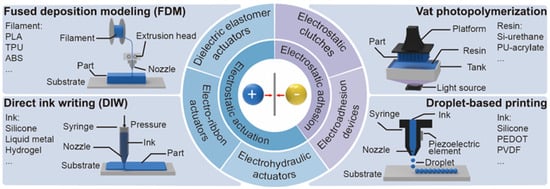
Artificial Muscles: Electrostatic Actuation and Design Tradeoffs
Biomimetics 2026, 11(6), 399; https://doi.org/10.3390/biomimetics11060399 (registering DOI) - 5 Jun 2026
Abstract
Artificial muscles are an emerging class of actuators designed to mimic the compliant, efficient, and versatile behavior of biological muscles for fields including the following: soft robotics, prosthetics, wearable enhancements, haptic interfaces, and biomedical devices. These systems encompass various actuation mechanisms, including pneumatic,
[...] Read more.
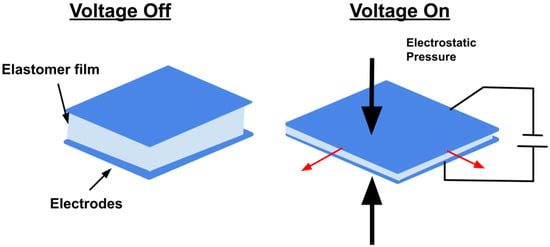
Artificial muscles are an emerging class of actuators designed to mimic the compliant, efficient, and versatile behavior of biological muscles for fields including the following: soft robotics, prosthetics, wearable enhancements, haptic interfaces, and biomedical devices. These systems encompass various actuation mechanisms, including pneumatic, hydraulic, thermal, ionic, electrochemical, and electrostatic. Each with distinct tradeoffs in voltage, strain, output force, bandwidth, efficiency, and manufacturability. Among them, electrostatic actuators have attracted increased attention due to their fast response times, high energy densities, strong compatibility with soft materials, and scalability from microscale devices to large-area and stacked actuators. However, challenges such as dielectric breakdown, material fatigue, and fabrication complexity continue to limit widespread deployment. This review presents a structured classification of various artificial muscle technologies and an in-depth examination of electrostatic actuators including dielectric elastomers, electrostrictive and ferroelectric polymers, liquid crystal elastomers, electrostatic film motors, stacked architectures, and microscale/milliscale devices. In this review the operating principles, materials, architectures, performance characteristics, and failure modes of electrostatic actuators will be discussed. Additionally, a comparison will highlight tradeoffs across actuator families based on metrics such as voltage, force, strain, bandwidth, and manufacturability. Lastly, we outline future research directions in materials, physics-informed modeling, system integration, and scalable fabrication necessary to advance electrostatic artificial muscles toward practical, real-world deployment.
Full article
(This article belongs to the Special Issue Sustainable Soft Robotics: Innovations and Advances in Soft Manipulators and Grippers 2026)
►
Show Figures
Open AccessArticle
Unsteady Aerodynamics in Bio-Inspired Flapping Wings for Low-Density Environments
by
Emilia Georgiana Prisăcariu, Oana Dumitrescu, Mihail Sima, Vlad Aparece-Scutariu, Sergiu Strătilă, Raluca Andreea Roșu, Cleopatra Cuciumita, Iulian Vlăducă and Silvia Bica
Biomimetics 2026, 11(6), 398; https://doi.org/10.3390/biomimetics11060398 - 5 Jun 2026
Abstract
Flapping-wing flight offers a promising solution for aerial mobility in low-density environments such as the Martian atmosphere, where conventional rotorcraft faces significant performance constraints. However, the coupled aerodynamic and structural mechanisms governing lift generation at low Reynolds numbers remain insufficiently understood. This study
[...] Read more.
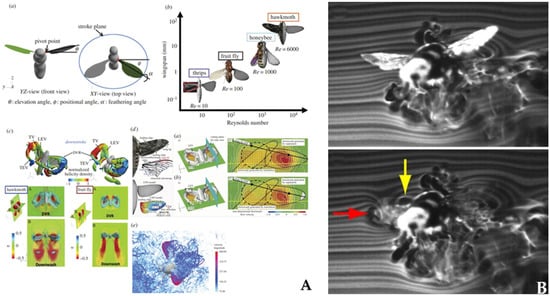
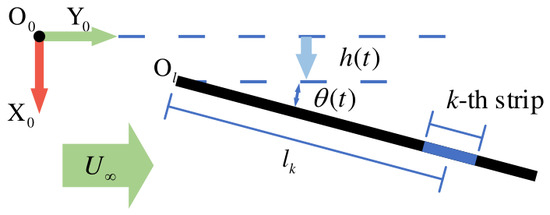
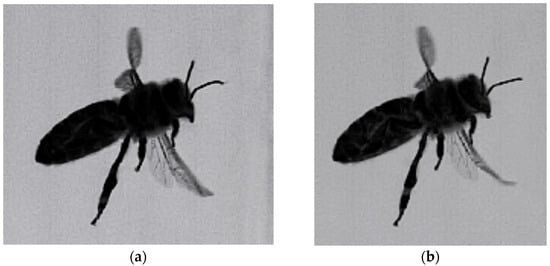
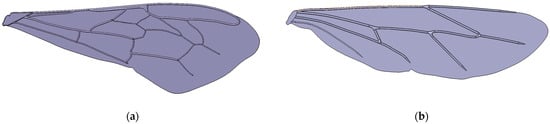
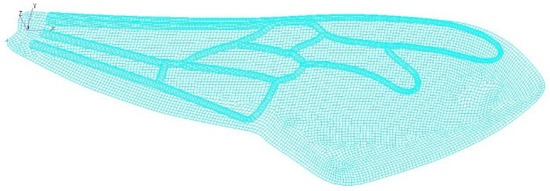
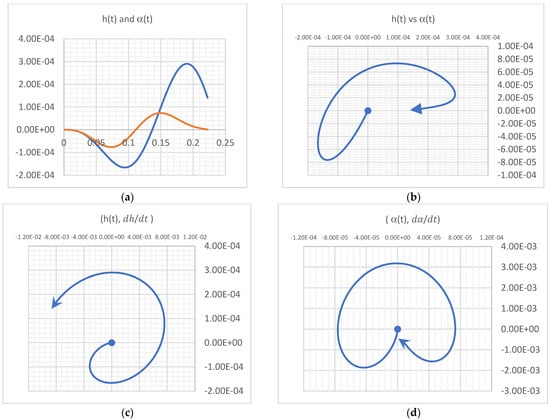
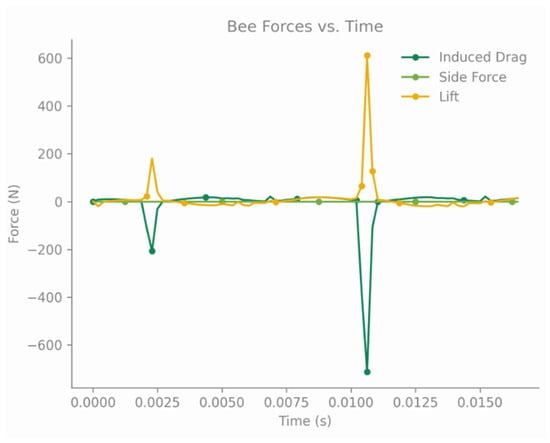
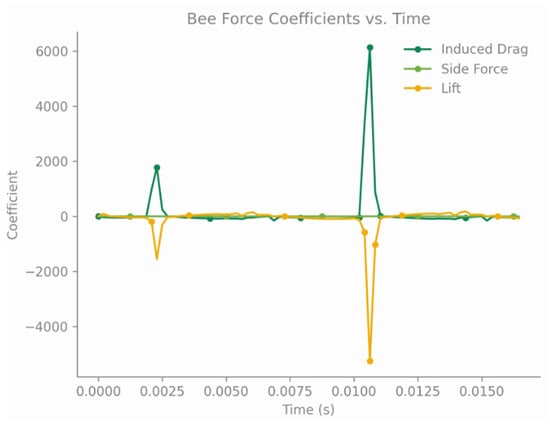
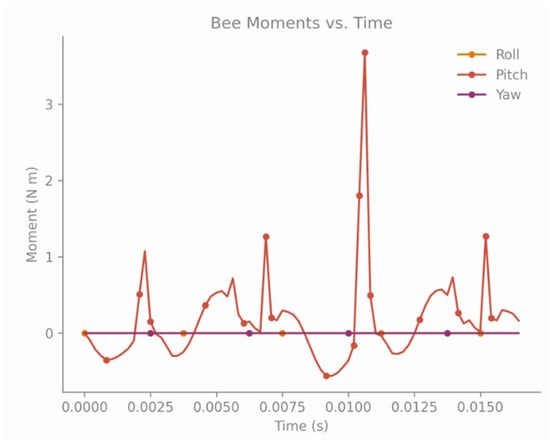
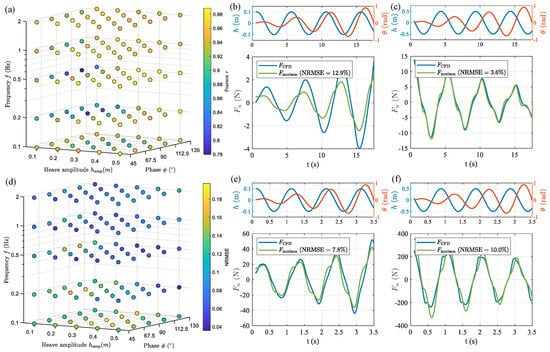
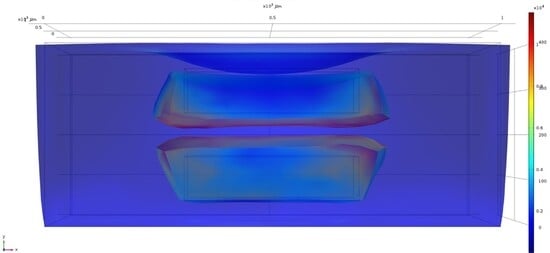
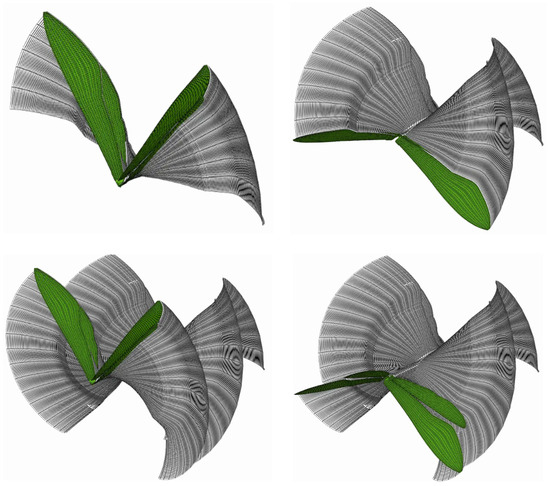
Flapping-wing flight offers a promising solution for aerial mobility in low-density environments such as the Martian atmosphere, where conventional rotorcraft faces significant performance constraints. However, the coupled aerodynamic and structural mechanisms governing lift generation at low Reynolds numbers remain insufficiently understood. This study investigates the aeroelastic and unsteady aerodynamic behaviour of a bio-inspired flapping wing using an integrated experimental–numerical framework. High-speed imaging is employed to extract representative wing kinematics, including flapping frequency, stroke amplitude, and rotational motion. A geometrically scaled wing model is developed based on Reynolds number similitude and analysed using finite element methods to characterise its dynamic response. Aeroelastic behaviour is evaluated through modal transient simulations, while aerodynamic performance is assessed using both vortex-lattice modelling and computational fluid dynamics. The results show strong coupling between bending and torsional modes, with the structural response highly dependent on excitation frequency relative to the natural modes. Near-resonant conditions lead to amplified deformation and distinct phase relationships, while aerodynamic simulations reveal vortex-dominated lift generation. These findings provide a physics-based framework for the design and analysis of flapping-wing systems operating in low-Reynolds-number and low-density flight regimes.
Full article
(This article belongs to the Special Issue Bio-Inspired Modes of Flight)
►▼
Show Figures

Figure 1
Open AccessArticle
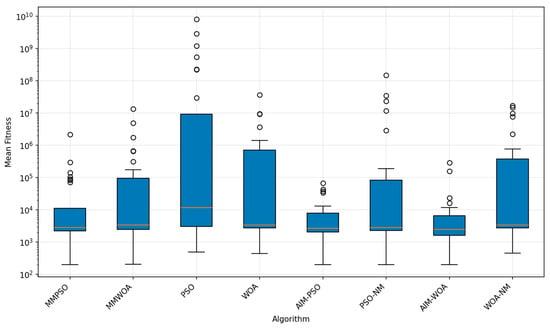
A Hybrid Nonlinear Greater Cane Rat Algorithm with Teaching–Learning-Based Optimization for Global Optimization and Constrained Engineering Applications
by
Jinzhong Zhang, Hongkai Li, Tan Zhang and Zhen He
Biomimetics 2026, 11(6), 397; https://doi.org/10.3390/biomimetics11060397 - 4 Jun 2026
Abstract
The greater cane rat algorithm (GCRA) represents an emerging swarm intelligence paradigm derived from the instinctual survival patterns exhibited by greater cane rats (GCRs), which simulates the typical male-dominated survival patterns of the GCR species, including rainy-season mating and reproduction behaviors, dry-season behavioral
[...] Read more.
The greater cane rat algorithm (GCRA) represents an emerging swarm intelligence paradigm derived from the instinctual survival patterns exhibited by greater cane rats (GCRs), which simulates the typical male-dominated survival patterns of the GCR species, including rainy-season mating and reproduction behaviors, dry-season behavioral differentiation of solitary males and clustered females, and their nonlinear adaptive foraging characteristics. Nevertheless, the original GCRA suffers from inherent defects in complex and high-dimensional optimization scenarios, encompassing premature convergence phenomena, inadequate local exploitation proficiency, constrained convergence precision, and a proneness to stagnation at local optima, which severely restrict its practical engineering application. To address the aforementioned limitations, this work introduces an enhanced hybrid variant of the greater cane rat algorithm, amalgamated with Teaching-and-Learning-Based Optimization (TLBO) and designated as the TLGCRA, incorporating three pivotal targeted innovations. Specifically, the TLGCRA innovatively introduces the two-stage teacher–student interactive learning mechanism of TLBO on the basis of retaining the core evolutionary and behavioral characteristics of the original GCRA, which effectively compensates for the insufficient local disturbance capability of the original algorithm and enriches population diversity to avoid local optimum stagnation. Furthermore, an adaptive parameter tuning strategy is innovatively designed and embedded in the iterative optimization process, which dynamically balances the global exploration and local exploitation capabilities of the algorithm, fundamentally improving the low learning efficiency and weak mining performance of the GCRA. A suite of computational simulations is conducted across 23 canonical benchmark functions and six representative constrained engineering design optimization scenarios. The introduced TLGCRA is benchmarked against the canonical GCRA, LPSO, and ten cutting-edge metaheuristic approaches. Empirical outcomes substantiate that the TLGCRA attains marked performance advantages in terms of convergence velocity, solution precision, and algorithmic resilience. In particular, the optimized design effectively improves the optimal solution precision of the algorithm in complex multimodal function optimization, and the standard deviation of multiple independent runs in six engineering application cases is close to zero, verifying its excellent stability. Statistical verification employing the Friedman test and Wilcoxon signed-rank test additionally corroborates that the TLGCRA exhibits statistically robust and dependable optimization efficacy. In summary, the proposed innovative fusion strategies endow the TLGCRA with stronger environmental adaptability and comprehensive optimization performance, enabling it to realize faster convergence speed and higher computational accuracy, as well as outstanding stability and robustness, thus furnishing a viable resolution framework for intricate constrained engineering optimization challenges.
Full article
(This article belongs to the Section Biological Optimisation and Management)
Open AccessArticle
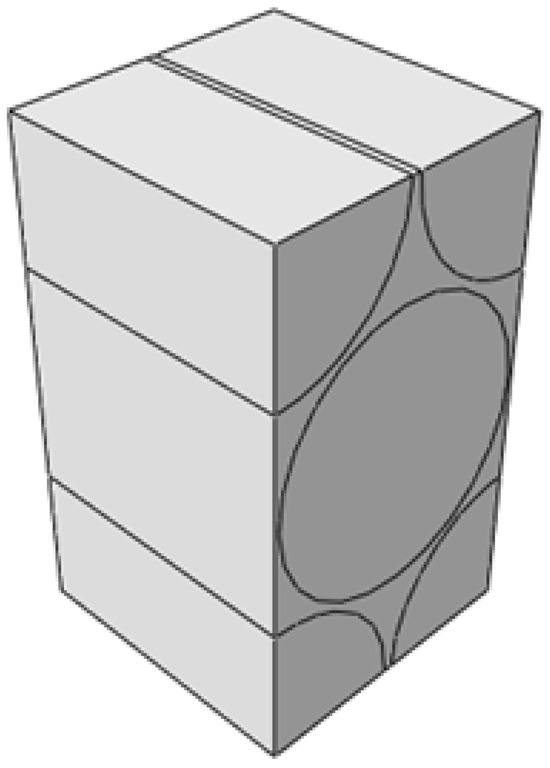
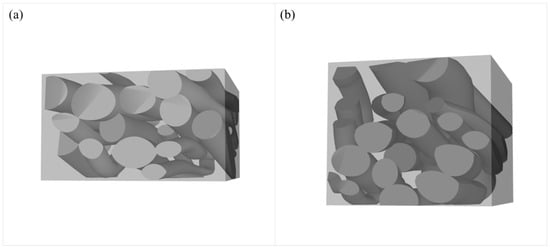
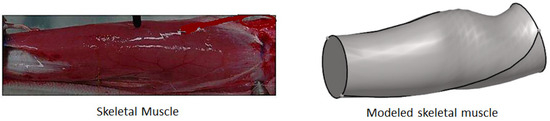
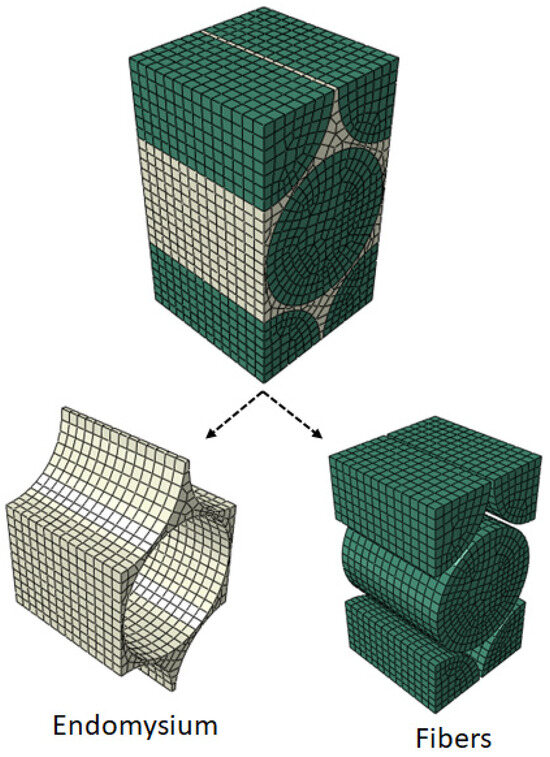
Multiscale Modeling and Analysis of Muscle Tissue: A Finite Element Approach for 3D Braided Composite Structures
by
Vivek Kumar Dhimole, Niraj Kumar, Seul-Yi Lee and Soo-Jin Park
Biomimetics 2026, 11(6), 396; https://doi.org/10.3390/biomimetics11060396 - 4 Jun 2026
Abstract
Skeletal muscle mechanics arise from hierarchical fiber–matrix interactions spanning multiple length scales. This study presents a computationally efficient, composite-inspired multiscale finite element framework that links muscle microstructure to whole-muscle behavior through explicit periodic numerical homogenization. Muscle fibers and endomysium are resolved at the
[...] Read more.
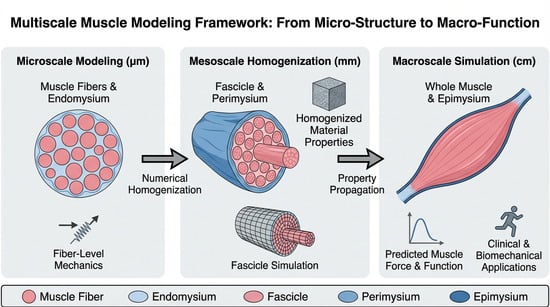
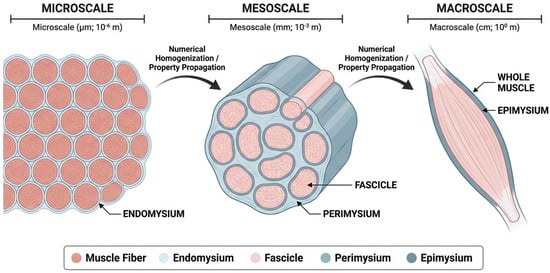
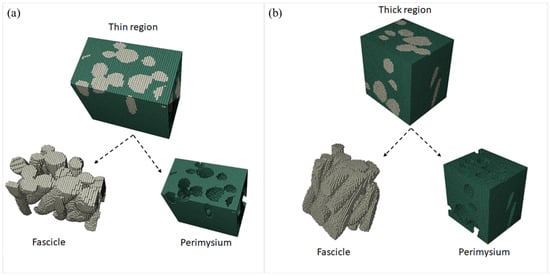
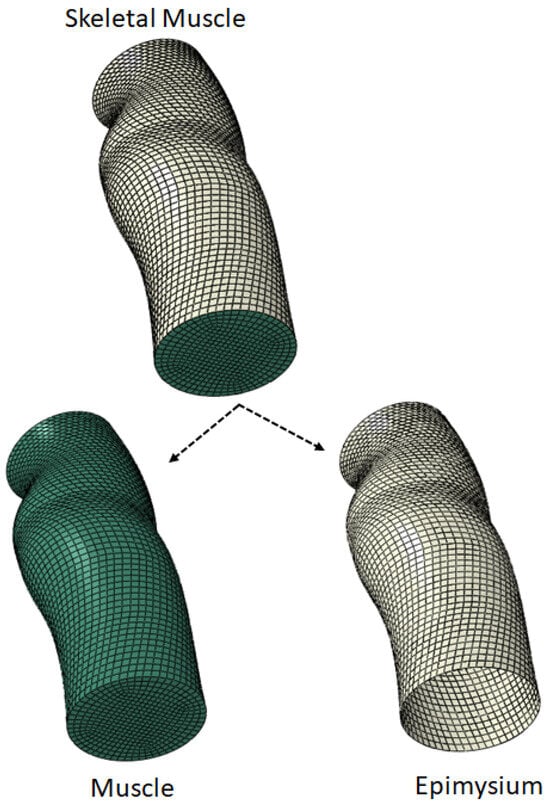
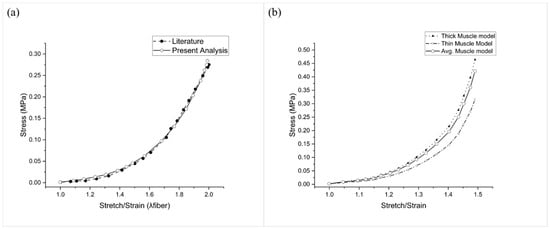
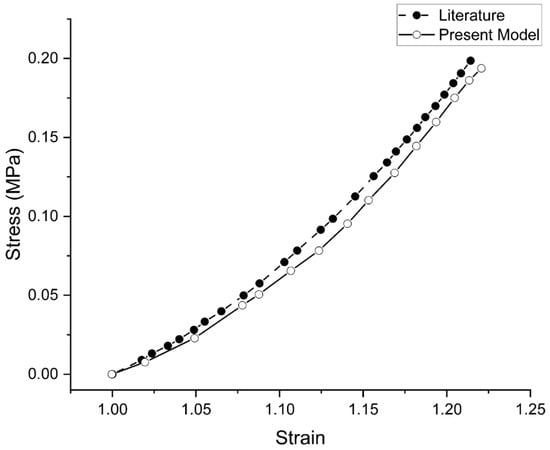
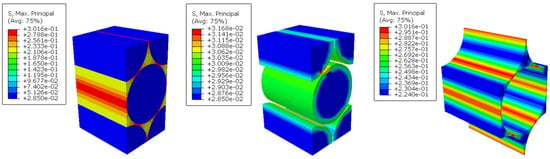
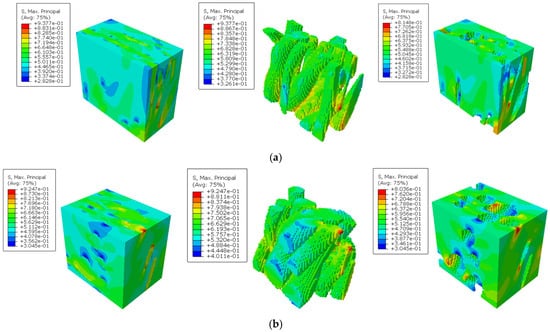
Skeletal muscle mechanics arise from hierarchical fiber–matrix interactions spanning multiple length scales. This study presents a computationally efficient, composite-inspired multiscale finite element framework that links muscle microstructure to whole-muscle behavior through explicit periodic numerical homogenization. Muscle fibers and endomysium are resolved at the microscale, their homogenized response is propagated to fascicles embedded in the perimysium at the mesoscale, and the resulting properties are incorporated into a three-dimensional macroscale muscle model including the epimysium. Unlike phenomenological continuum models or computationally intensive chemo-electro-mechanical approaches, the proposed framework enables scalable three-dimensional simulations while preserving microstructural load-transfer mechanisms. The predicted stress–strain relationships in uniaxial tensile loading were in agreement with experimental values, with differences of about 1–3%. Passive elasticity of muscle is simulated in the present research in order to provide the computation model as a benchmark in further development into the active contraction and the viscoelastic behavior. Additionally, it provides a modeling basis for patient-specific studies under varied pathological conditions.
Full article
(This article belongs to the Special Issue Advances in Bio-Inspired Design and Characterization of 3D-Printed Multimaterial Composites and Heterogeneous Structures)
►▼
Show Figures

Graphical abstract
Open AccessArticle
Hybrid Decision-Making Management for Material Selection in the Design of Wearable Pressure-Sensing Orthoses in Neurorehabilitation
by
Liliana-Laura Bădiță-Voicu, Roxana-Mariana Nechita, Adrian-Cătălin Voicu, Marius-Ionel Anton, Dana-Corina Deselnicu, Corina-Ionela Dumitrescu and Cristian Radu Badea
Biomimetics 2026, 11(6), 395; https://doi.org/10.3390/biomimetics11060395 - 4 Jun 2026
Abstract
Wearable pressure-sensing orthoses are increasingly used in neurorehabilitation to support gait recovery, monitor plantar pressure distribution, and improve patient mobility during repetitive therapy sessions. The performance of these devices depends strongly on the materials used in the skin-contact layer, since material properties influence
[...] Read more.
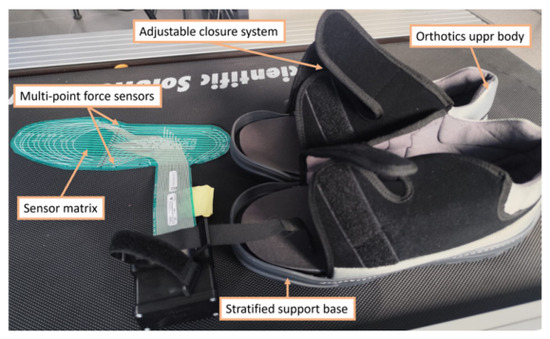
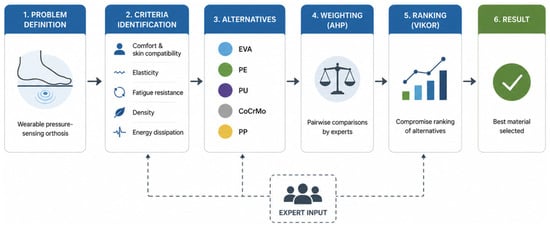
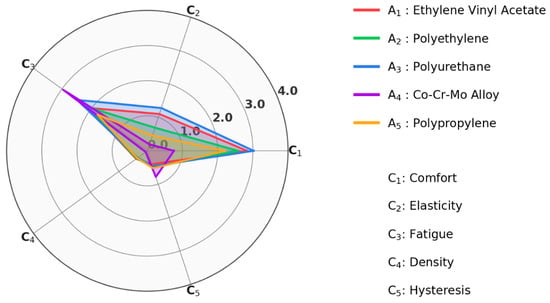
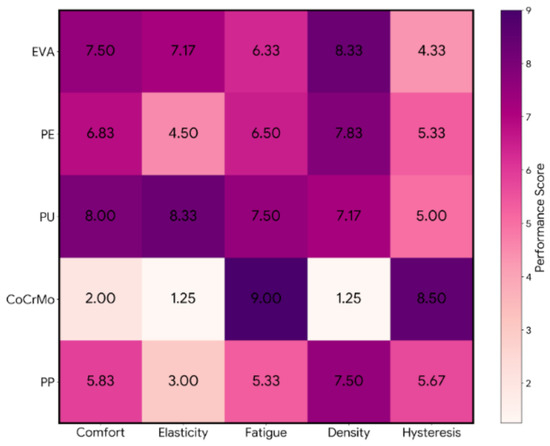
Wearable pressure-sensing orthoses are increasingly used in neurorehabilitation to support gait recovery, monitor plantar pressure distribution, and improve patient mobility during repetitive therapy sessions. The performance of these devices depends strongly on the materials used in the skin-contact layer, since material properties influence comfort, flexibility, durability, and force transmission during daily use. This study proposes a hybrid multi-criteria decision-making framework based on the Analytic Hierarchy Process (AHP) and the VIKOR method for material selection in sensor-integrated plantar orthoses. Five candidate materials, ethylene vinyl acetate (EVA), polyethylene (PE), polyurethane (PU), cobalt–chromium–molybdenum alloy (CoCrMo), and polypropylene (PP), were evaluated using five criteria: comfort and skin compatibility, elasticity, fatigue resistance, density, and energy dissipation. AHP was applied to determine the relative importance of the evaluation criteria using expert judgment, while VIKOR was used to rank the material alternatives and identify the compromise solution. The results showed that polyurethane achieved the best overall performance due to its balanced behavior in comfort, elasticity, and fatigue resistance, which are essential properties for long-term wearable neurorehabilitation devices. A sensitivity analysis confirmed that moderate variations in expert weighting did not modify the final ranking. Compared with conventional selection approaches based mainly on isolated material properties, the proposed framework offers a clear and reproducible method for integrating mechanical and user-related requirements into the material selection process for wearable orthoses.
Full article
(This article belongs to the Section Biomimetic Design, Constructions and Devices)
►▼
Show Figures

Figure 1
Open AccessArticle
The Development of a Syringe-Based Insulin Applicator Using a Biodesign-Based Methodology
by
Alejandro A. Salinas-Aguilar, Sebastian Arriaga-Marin, Carlos A. Perez-Ramirez, Ignacio Cervantes-Gutierrez, Irving A. Cruz-Albarran, Andres Emilio Hurtado-Perez and Manuel Toledano-Ayala
Biomimetics 2026, 11(6), 394; https://doi.org/10.3390/biomimetics11060394 - 3 Jun 2026
Abstract
Effective diabetes management heavily relies on appropriate insulin administration, which strongly depends on the correct administration strategy. In this sense, insulin administration plays a fundamental role, as its use depends on the patient’s clinical condition and diabetes type. Traditional syringe-based methods require proper
[...] Read more.
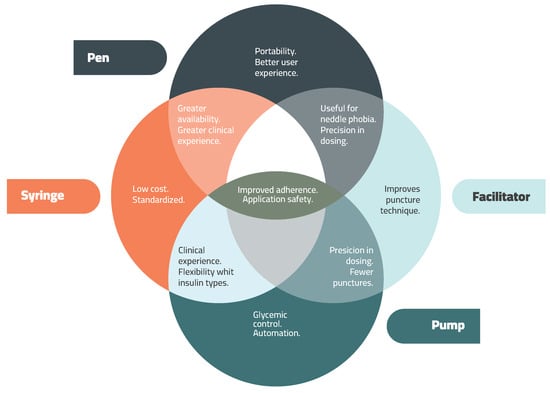
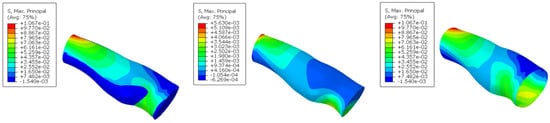
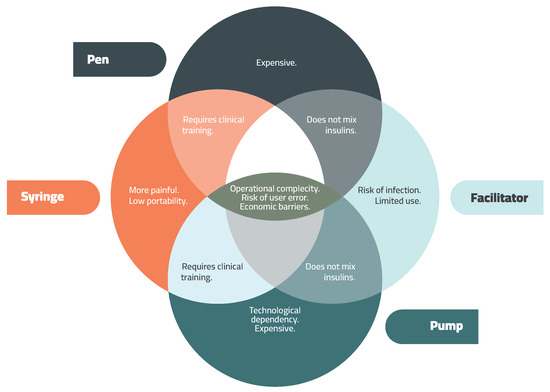
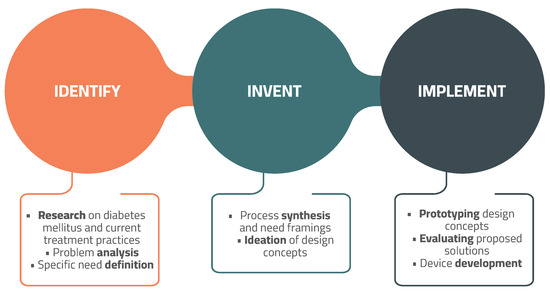
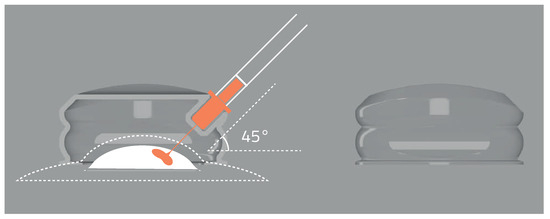
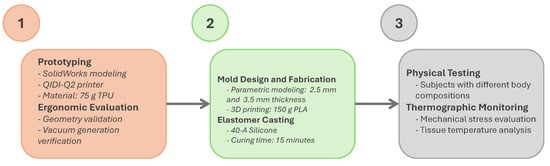
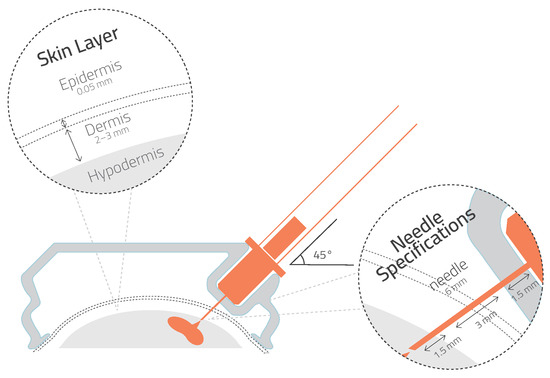
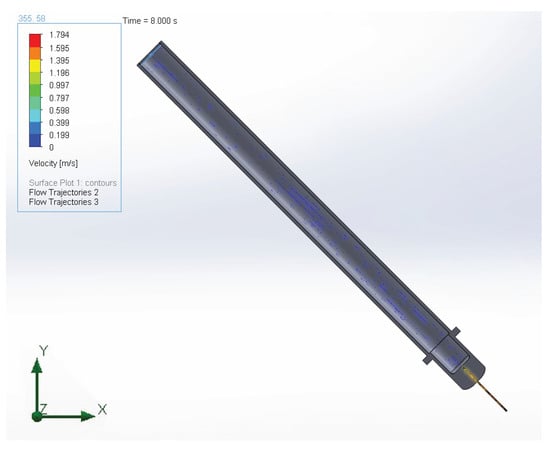
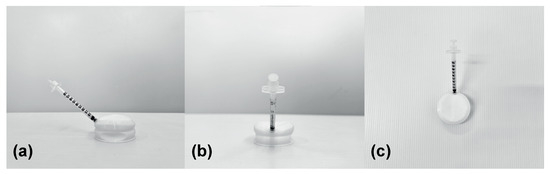
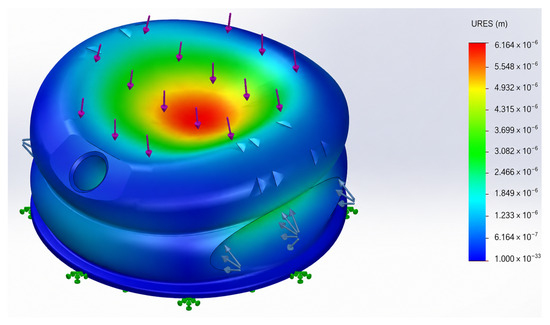
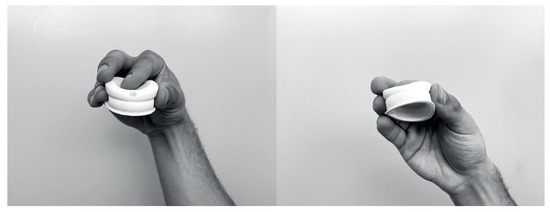
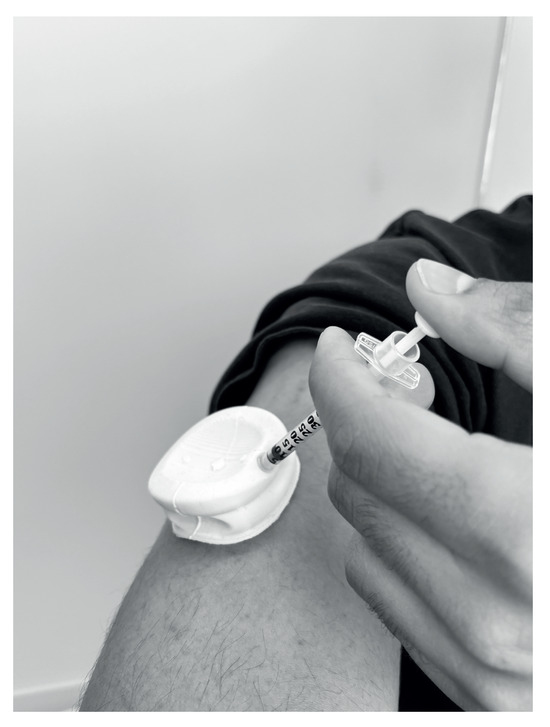
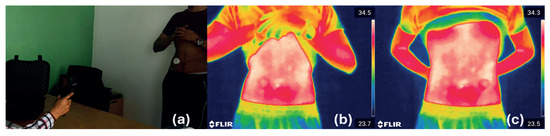
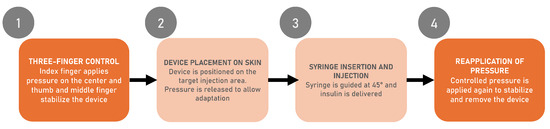
Effective diabetes management heavily relies on appropriate insulin administration, which strongly depends on the correct administration strategy. In this sense, insulin administration plays a fundamental role, as its use depends on the patient’s clinical condition and diabetes type. Traditional syringe-based methods require proper training to ensure that insulin is successfully delivered into the subcutaneous tissue, where it can be absorbed and metabolized; however, it is desirable to develop an insulin applicator that does not require training for its appropriate use. Aiming to provide support solutions that help patients to develop a correct administration technique, a biodesign-based methodology, coupled with biomimetic concepts, is employed to design a device that assists the user in creating a stable skin fold and guiding needle orientation during injection without requiring exhaustive training for device usage. A three-step approach is employed for the design, where computational fluid dynamics (CFD) and finite element analysis (FEA) methods are employed to ensure that the device produces a laminar insulin flow and the device strength is tested. It should be pointed out both methods are required since complications produced by sudden flows must be avoided, with CFD allowing assessment of the device mechanical properties in terms of the device strength. Initial functional evaluation indicates that the proposed approach does not require extensive training or complex operational procedures, facilitating its integration into everyday use. The device design is validated from the results obtained for the CFD analysis, as no turbulent flow is produced, whereas the FEA indicates that the geometrical form can handle the stresses produced by the folding generation without generating excessive deformations. Moreover, an infrared thermography analysis is also carried out to find out if the folding force generation is located in the zone of interest, the results of which indicate that the device operates in the desired physical zone.
Full article
(This article belongs to the Special Issue Functional Biomimetic Materials and Devices for Biomedical Applications: 5th Edition)
►▼
Show Figures

Figure 1
Open AccessArticle
Non-Parametric Kinematic Optimization of Flapping Foil Propulsion Using a Discrete Adjoint Method
by
Zhaoran Yin, Chao Zhou, Xiaofei Wang, Xiaocun Liao and Jian Wang
Biomimetics 2026, 11(6), 393; https://doi.org/10.3390/biomimetics11060393 - 3 Jun 2026
Abstract
Optimizing flapping-foil kinematics for underwater propulsion is challenging due to strong temporal coupling and nonlinear fluid–structure interactions. Most existing approaches rely on parameterized motion profiles, which restrict the accessible design space. A non-parametric kinematic optimization framework based on the discrete adjoint method is
[...] Read more.
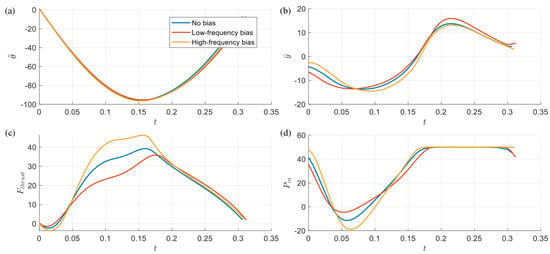
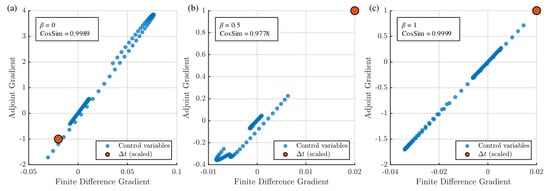
Optimizing flapping-foil kinematics for underwater propulsion is challenging due to strong temporal coupling and nonlinear fluid–structure interactions. Most existing approaches rely on parameterized motion profiles, which restrict the accessible design space. A non-parametric kinematic optimization framework based on the discrete adjoint method is developed, enabling direct optimization of time-resolved motions without predefined functional forms. A Morison-based low-order hydrodynamic model, calibrated against Computational Fluid Dynamics (CFD), is employed for efficient evaluation within a validated regime. Results show that optimized motions substantially enhance propulsion performance over conventional sinusoidal motions, yielding non-sinusoidal, high-efficiency kinematics. In thrust-maximization cases, the optimized kinematics achieve a 50.29% increase in mean thrust by redistributing heave and pitch amplitudes and timing. Under balanced thrust–power conditions, the optimized motions consistently outperform sinusoidal counterparts. In power-minimization cases, a “generator-like” regime emerges, indicating a reversal of net energy transfer enabled by the non-parametric formulation. These results demonstrate that non-parametric optimization provides enhanced design flexibility and improved propulsion performance, offering a practical framework for biomimetic underwater propulsion design.
Full article
(This article belongs to the Special Issue Bionic Robotic Fish: 3rd Edition)
►▼
Show Figures

Figure 1
Open AccessArticle
Fog Task Scheduling Using Quality-Source-Driven Multi-Anchor Synchronized Search Algorithm
by
Haitao Xie, Zhuo Luo, Zhiwei Ye, Wen Zhou, Xianjing Zhou, Donglei Xu and Mingming Zhao
Biomimetics 2026, 11(6), 392; https://doi.org/10.3390/biomimetics11060392 - 3 Jun 2026
Abstract
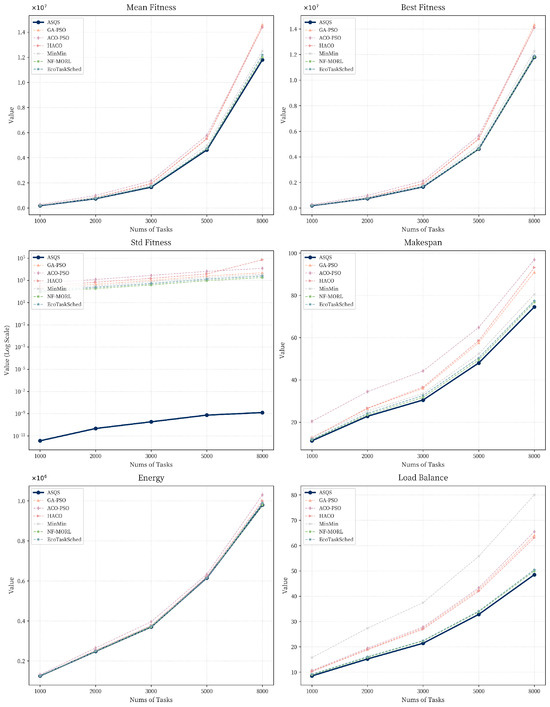
Efficient task scheduling in heterogeneous IoT–Fog environments is challenging due to limited fog resources, diverse task demands, and conflicting QoS objectives. This paper proposes ASQS, a Quality-Source-driven Multi-Anchor Synchronized Search algorithm for IoT–Fog task scheduling. ASQS is biomimetically motivated by collective search behaviors
[...] Read more.
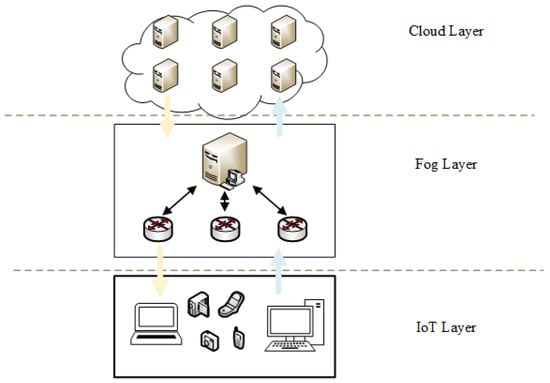
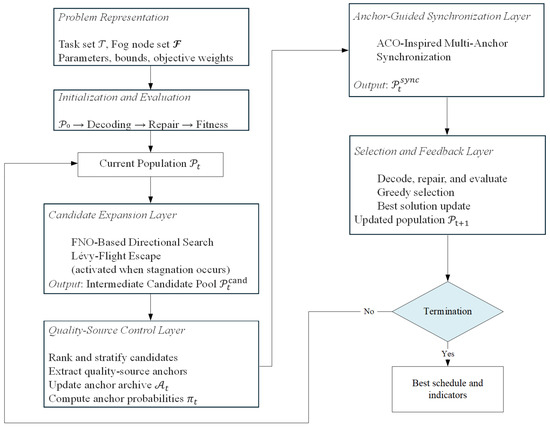
Efficient task scheduling in heterogeneous IoT–Fog environments is challenging due to limited fog resources, diverse task demands, and conflicting QoS objectives. This paper proposes ASQS, a Quality-Source-driven Multi-Anchor Synchronized Search algorithm for IoT–Fog task scheduling. ASQS is biomimetically motivated by collective search behaviors in natural systems, where distributed exploration, collective memory, and probabilistic cooperation support an exploration–exploitation balance. Specifically, ASQS constructs quality layers from candidate schedules, extracts representative quality-source anchors, and reuses them through an ACO-inspired probabilistic synchronization mechanism, thereby improving the utilization of high-quality historical search information. FNO-based search and Lévy-flight perturbation are further incorporated to enhance directional guidance and long-range exploration. Experiments on 33 benchmark functions, ablation studies, sensitivity analysis, standard fog scheduling scenarios, and large-scale task-intensive scenarios were conducted to evaluate ASQS. The results show that ASQS achieves competitive optimization accuracy, stable convergence, and superior comprehensive scheduling performance in terms of fitness, makespan, latency, load balance, and constraint handling. In particular, the large-scale experiment with 100 fog nodes and up to 8000 IoT tasks verifies the scalability of ASQS under heavy workload pressure. Statistical tests further confirm the reliability of the observed improvements. These results demonstrate that ASQS is an effective, scalable, and biomimetically motivated optimizer for IoT–Fog task scheduling.
Full article
(This article belongs to the Section Biological Optimisation and Management)
►▼
Show Figures

Figure 1
Open AccessArticle
A Multi-Segmented Vectoring Nozzle Configuration Inspired by the Mating Wheel of Damselfly
by
Bolin Liu, Linyang Chai, Chao Tian, Hengbo Chen, Huan Shen, Qian Qi, Jilei Fan, Chufei Tang and Aihong Ji
Biomimetics 2026, 11(6), 391; https://doi.org/10.3390/biomimetics11060391 - 2 Jun 2026
Abstract
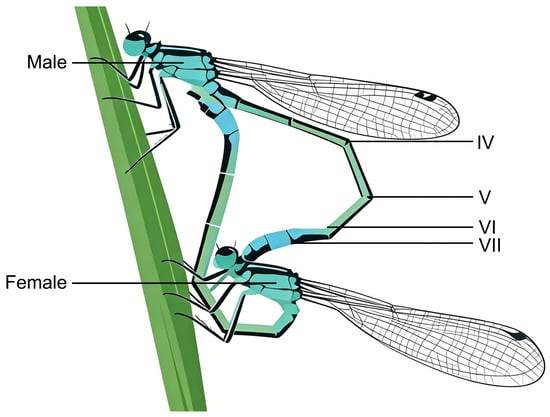
Conventional thrust vector control nozzles are severely constrained by a single-pivot deflection paradigm, which induces asymmetric shock reflections and adverse boundary layer separation at large angles. Multi-segmented serial configurations offer a promising alternative to overcome these limitations by distributing the total deflection across
[...] Read more.
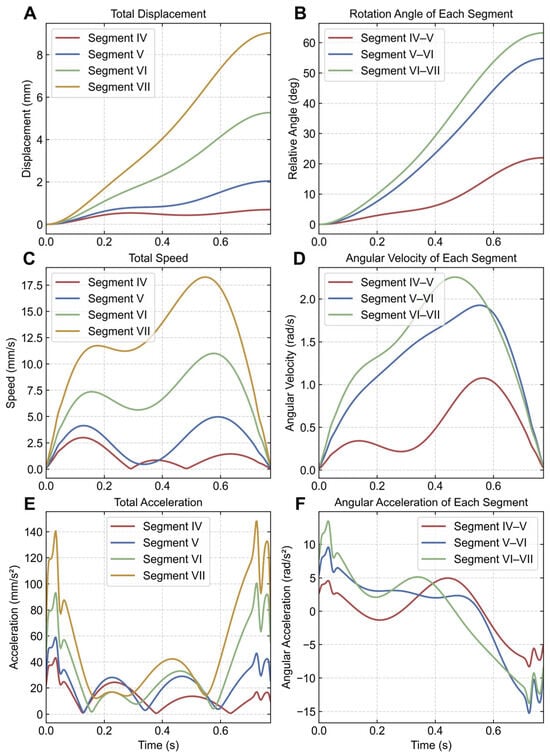
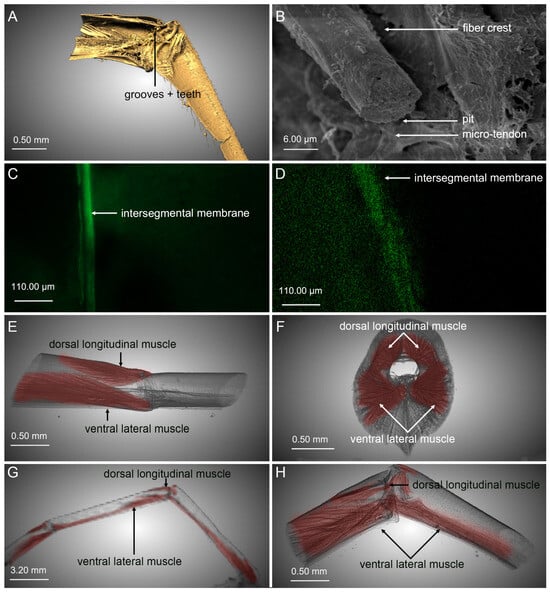
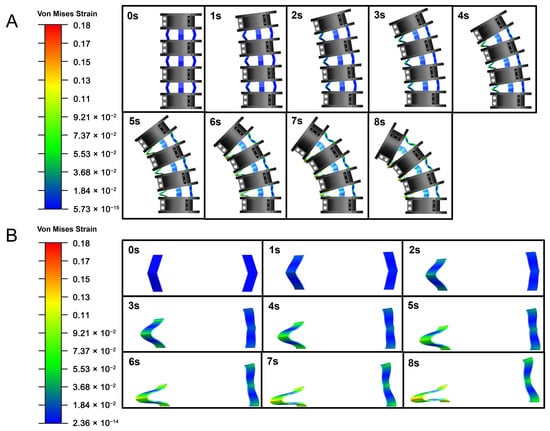
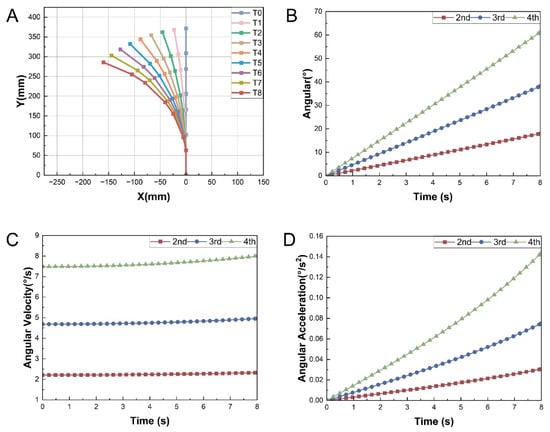
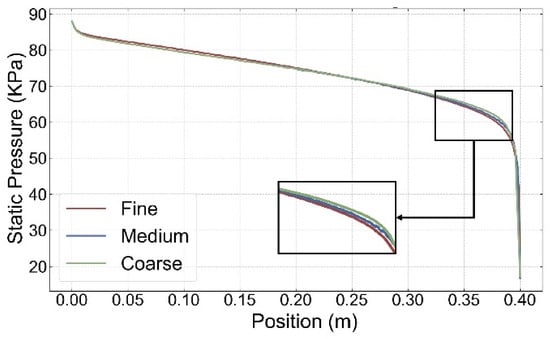
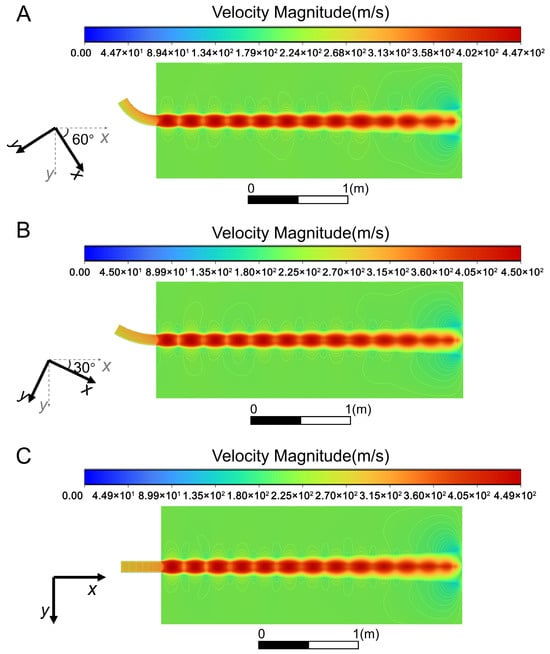
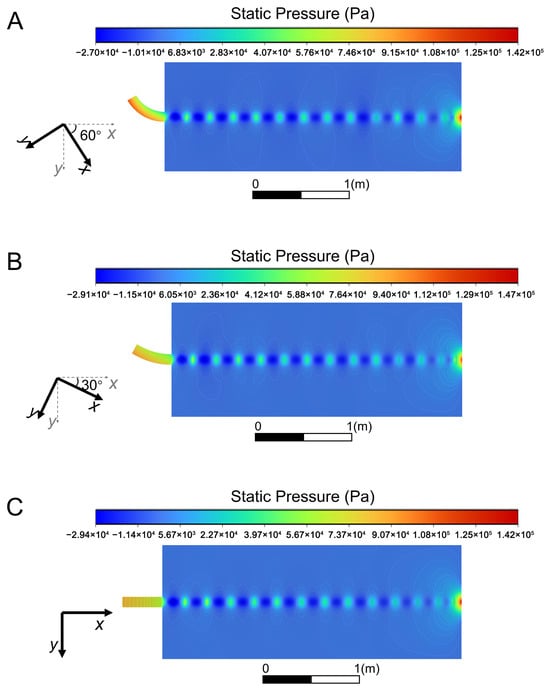
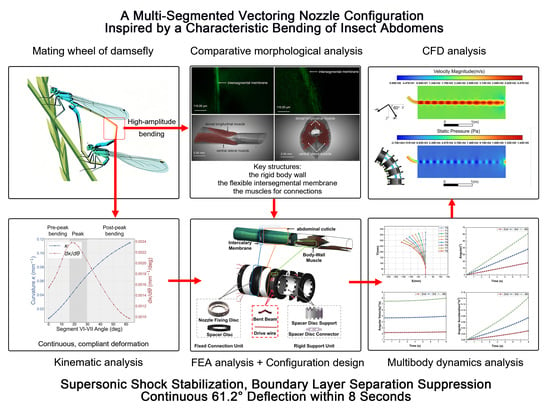
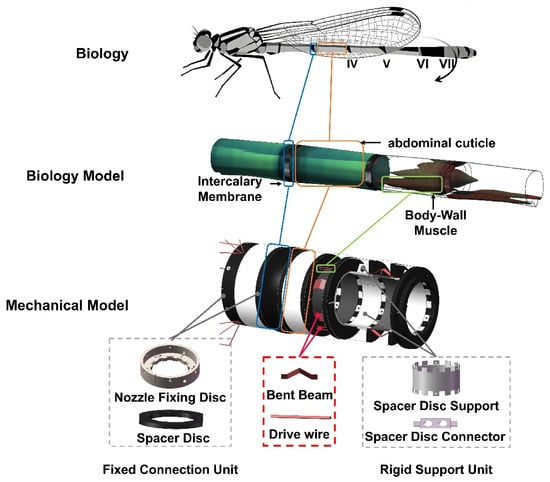
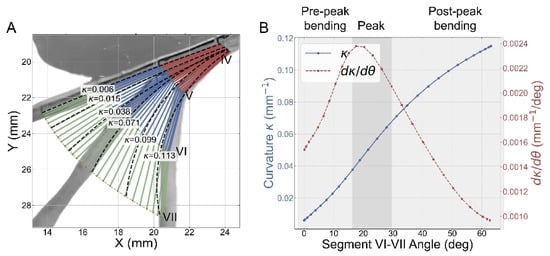
Conventional thrust vector control nozzles are severely constrained by a single-pivot deflection paradigm, which induces asymmetric shock reflections and adverse boundary layer separation at large angles. Multi-segmented serial configurations offer a promising alternative to overcome these limitations by distributing the total deflection across multiple joint interfaces, thereby achieving large terminal angles and smooth flow-path curvatures. To realize such a configuration, this study draws inspiration from the abdominal bending mechanism of the damselfly Ischnura elegans during mating wheel formation. Real-time video recording and morphological characterizations identified abdominal segments VI and VII as critical for high-amplitude bending under load. Finite element analysis under muscular actuation elucidated the biomechanical synergy, which was rigorously verified through mesh convergence and material property sensitivity checks. Inspired by this biological system, a multi-segmented nozzle configuration incorporating discrete elastic elements and a centralized cable-driven layout was designed and evaluated using multibody dynamics and computational fluid dynamics. The nozzle achieved a continuous 61.20° deflection within 8 s under subsonic exhaust conditions, successfully stabilizing periodic supersonic shock structures and completely suppressing adverse boundary layer separation. These findings turn biological bending into a thrust vectoring method, giving insights for next-generation agile aerospace propulsion systems.
Full article
(This article belongs to the Special Issue Bioinspired Engineered Systems: 2nd Edition)
►▼
Show Figures

Graphical abstract
Open AccessArticle
Fitness Distance Balanced Starfish Optimization for Benchmark and Engineering Design Problems
by
Tuğrul Yağbasan, Ömür Akyazı, Hayati Türe and Bekir Dizdaroğlu
Biomimetics 2026, 11(6), 390; https://doi.org/10.3390/biomimetics11060390 - 2 Jun 2026
Abstract
Biomimetic optimizers are increasingly used to solve complex engineering problems, yet their performance depends strongly on how effectively they preserve diversity while maintaining selection pressure toward promising regions. In this study, the Starfish Optimization Algorithm (SFOA) is enhanced through fitness–distance-aware selection control, leading
[...] Read more.
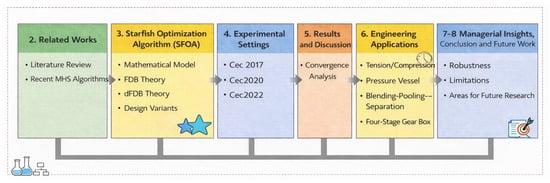
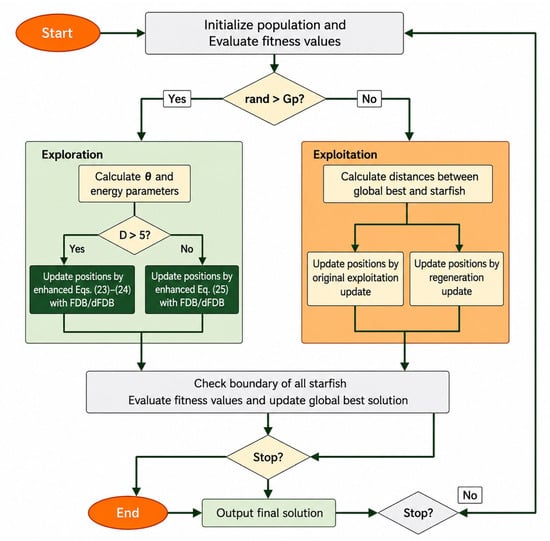
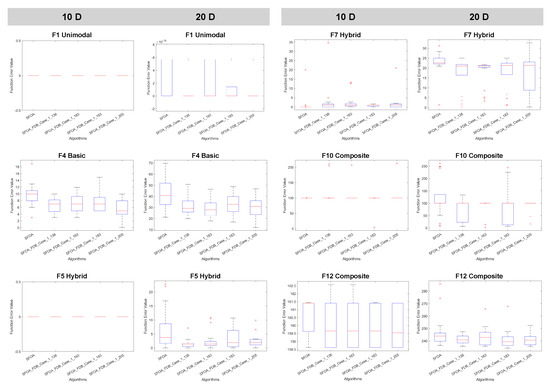
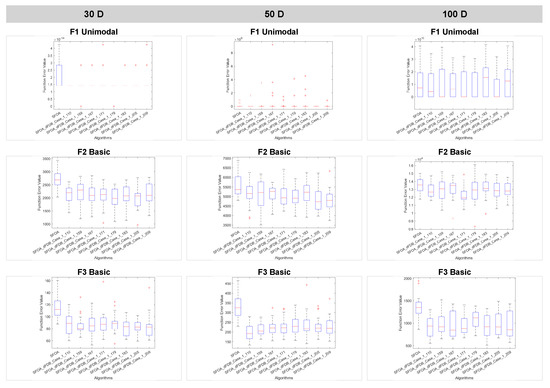
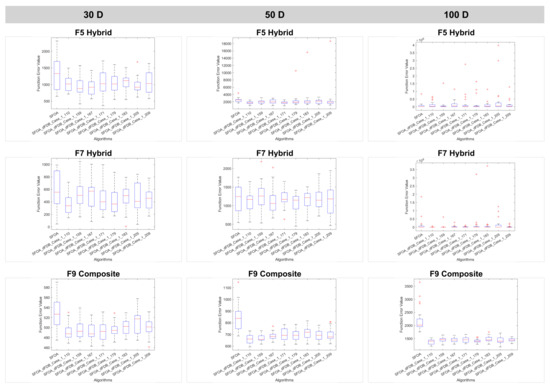
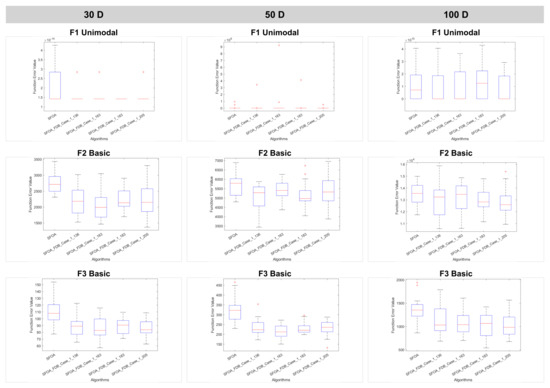
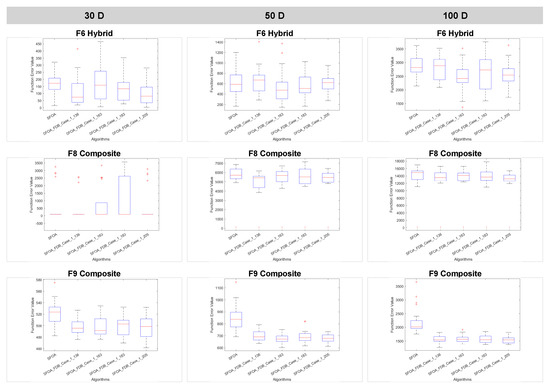
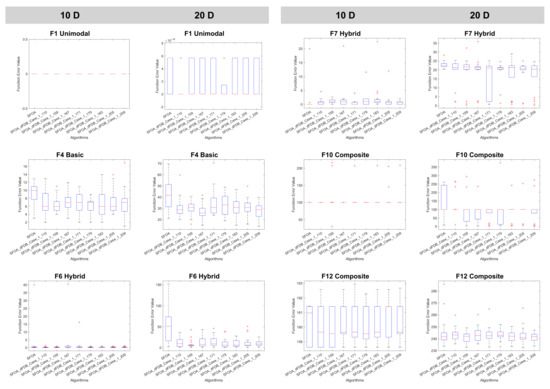
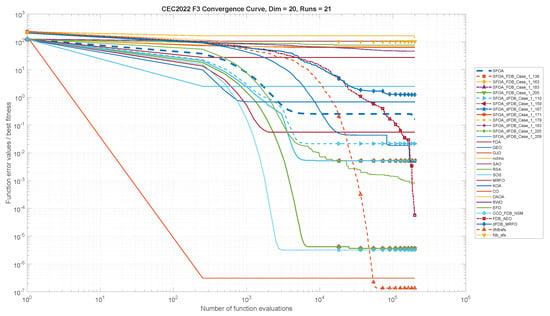
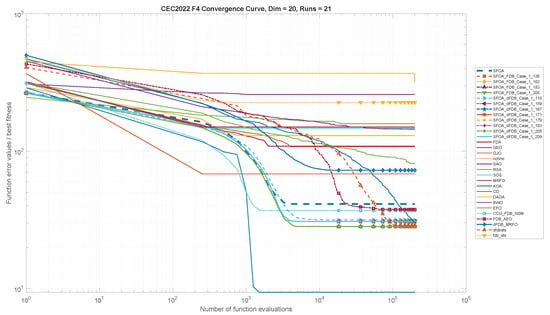
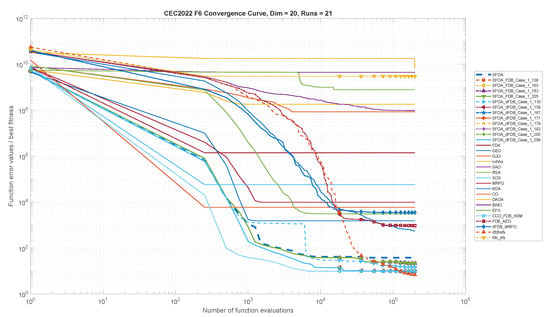
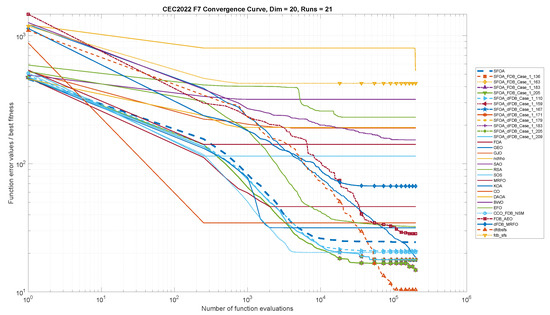
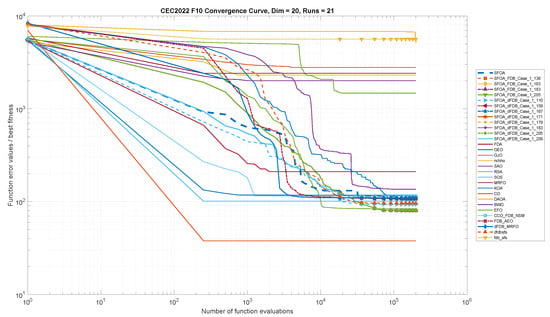
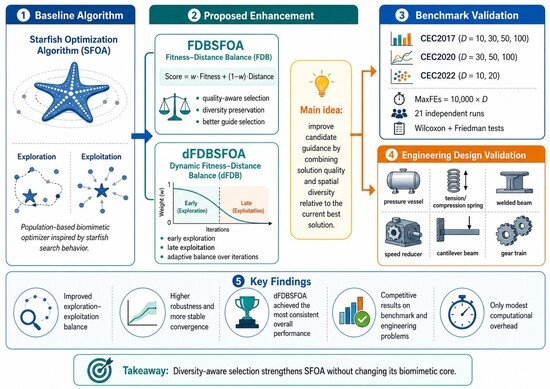
Biomimetic optimizers are increasingly used to solve complex engineering problems, yet their performance depends strongly on how effectively they preserve diversity while maintaining selection pressure toward promising regions. In this study, the Starfish Optimization Algorithm (SFOA) is enhanced through fitness–distance-aware selection control, leading to two improved variants: Fitness–Distance Balance Starfish Optimization Algorithm (FDBSFOA) and Dynamic Fitness–Distance Balance Starfish Optimization Algorithm (dFDBSFOA). The proposed framework guides candidate selection using both solution quality and spatial diversity relative to the current best solution, while the dynamic variant further adapts this balance over the course of the search to improve exploration in early iterations and exploitation near convergence. The proposed methods are evaluated on the IEEE CEC2017, CEC2020, and CEC2022 benchmark suites under a unified maximum function evaluation budget, MaxFEs = 10,000 × D, with 21 independent runs, and are further validated on constrained engineering design problems. Performance is assessed using convergence behavior, robustness indicators, computational overhead, and nonparametric statistical tests. The results show that the proposed variants improve the robustness and search efficiency of baseline SFOA, with dFDBSFOA providing the most consistent overall performance while introducing a controlled and interpretable computational overhead. These findings suggest that diversity-aware selection can serve as an effective design principle for strengthening biomimetic optimization frameworks. The current study focuses mainly on continuous, single-objective, and stationary benchmark problems, while the engineering-design validation also includes constrained and discrete/integer-coded cases. Extending the proposed strategy to dynamic, noisy, large-scale mixed-integer, or multi-objective settings remains future work.
Full article
(This article belongs to the Special Issue Application of Nature-Inspired Algorithms and Technologies in Engineering)
►▼
Show Figures

Graphical abstract
Open AccessArticle
Reverse Mutation for Optimization Learning Artificial Lemming Algorithm and Its Application in Engineering
by
Mingbin Tang, Yejun Zheng, Lianbao Li, Li Cao and Zihao Cheng
Biomimetics 2026, 11(6), 389; https://doi.org/10.3390/biomimetics11060389 - 2 Jun 2026
Abstract
Complex engineering optimization problems often exhibit high-dimensional, multi-constraint, and nonlinear characteristics. Traditional deterministic optimization methods rely on gradient information and have limited optimization ranges, making it difficult to meet the requirements of efficient and accurate solutions. Intelligent optimization algorithms have become the core
[...] Read more.
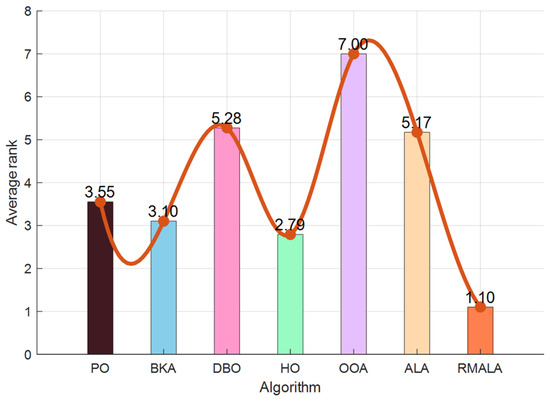
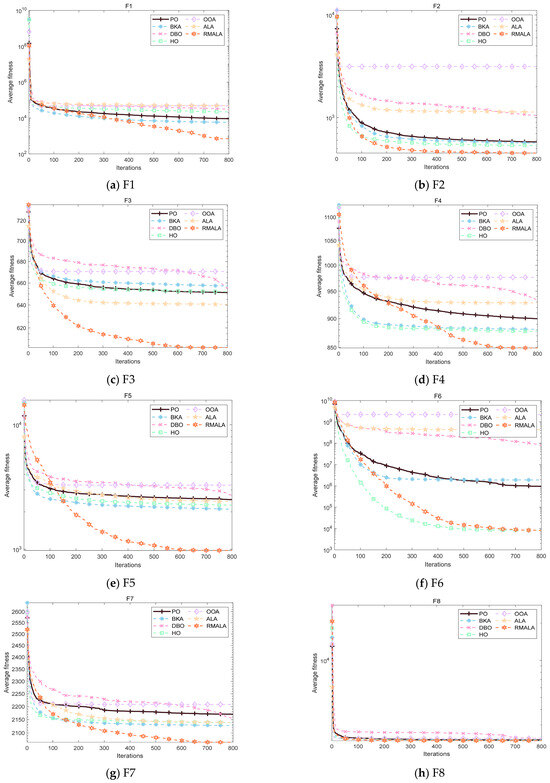
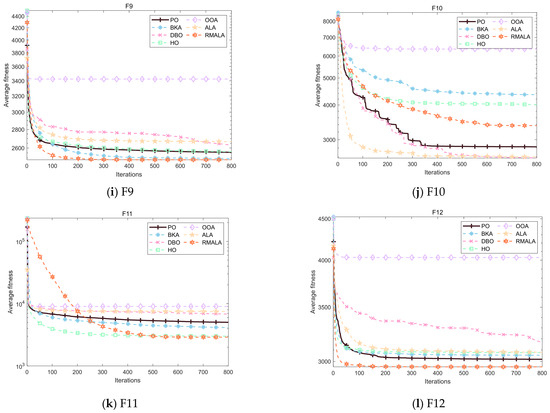
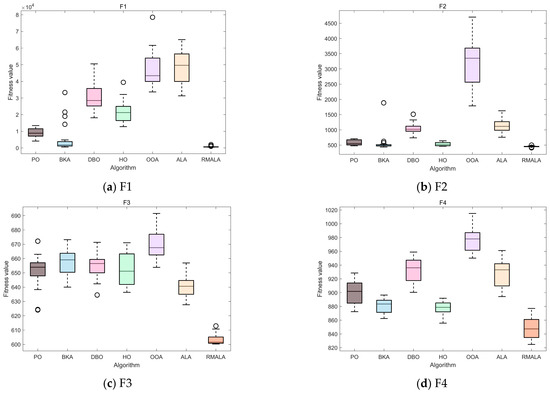
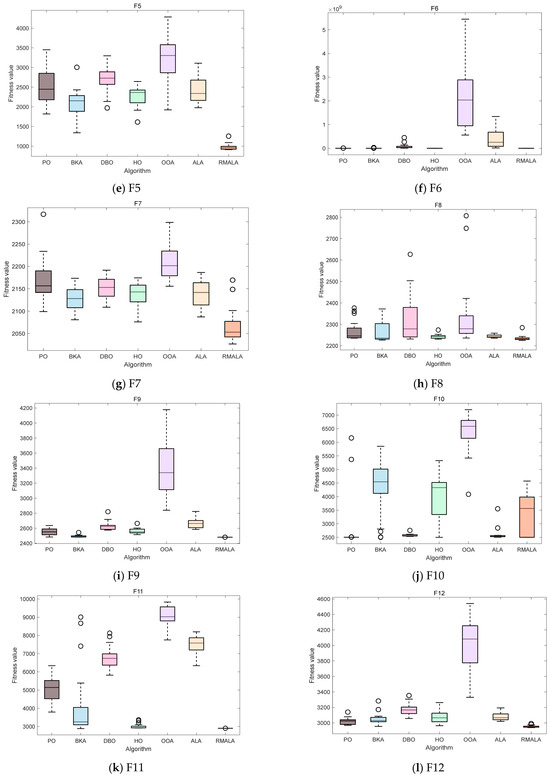
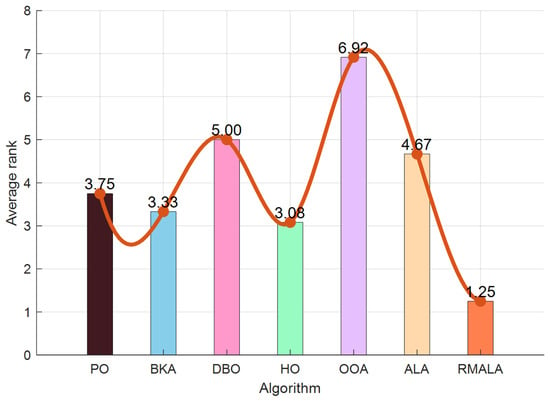
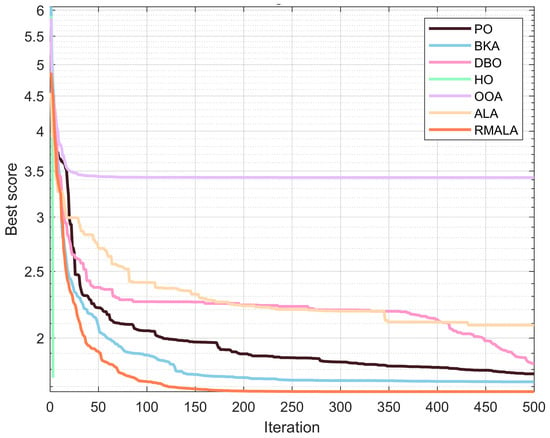
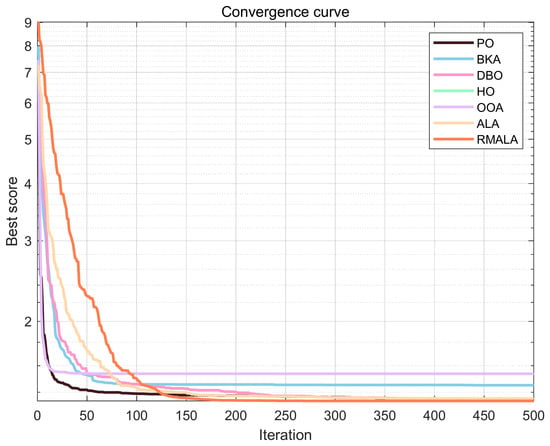
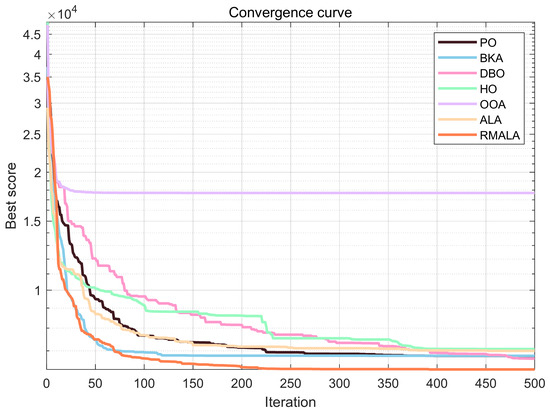
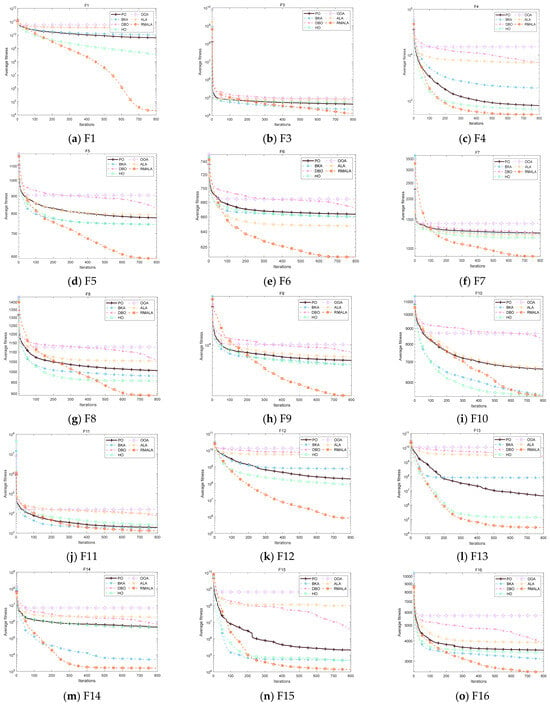
Complex engineering optimization problems often exhibit high-dimensional, multi-constraint, and nonlinear characteristics. Traditional deterministic optimization methods rely on gradient information and have limited optimization ranges, making it difficult to meet the requirements of efficient and accurate solutions. Intelligent optimization algorithms have become the core means of solving such problems. Aiming at the limitations of the standard artificial lemming algorithm (ALA), such as insufficient population diversity, premature convergence, weak local exploitation ability, and slow convergence speed, which make it difficult to meet the requirements of solving complex engineering optimization problems, this paper proposes a reverse mutation for optimization learning artificial lemming algorithm (RMALA). Based on the ALA algorithm, the algorithm integrates three strategies: Cauchy mutation, the improved salp swarm algorithm (ISSA), and reverse mutation for optimization learning. The Cauchy mutation is used to maintain population diversity and avoid premature convergence of the algorithm. The improved salp swarm algorithm enhances the local exploitation ability of the algorithm and improves the optimization accuracy. Reverse mutation for optimization learning guides the population toward the global optimal solution region and accelerates the convergence speed. The significant experimental results show that in the CEC2017 and CEC2022 standard test sets, as well as the three classic engineering constrained optimization problems of welded beams, cantilever beams, and pressure vessels, RMALA’s optimization accuracy is improved by more than 30% compared to the original ALA, and its convergence speed is improved by more than 25%. Its stability and robustness are better than those of five new swarm intelligence algorithms proposed in recent years. It can efficiently solve complex high-dimensional, nonlinear constrained optimization problems and has high significant engineering application value and academic innovation.
Full article
(This article belongs to the Special Issue Advances in Biological and Bio-Inspired Algorithms: 2nd Edition)
►▼
Show Figures

Figure 1
Open AccessArticle
Bio-Inspired Photocatalytic Degradation of Humic Acids over TiO2- and Ag-Doped TiO2-Functionalized Clinoptilolite: Mechanistic Insights into Nature-Mimicking Oxidation Pathways
by
Liliana Bobirică, Cristina Modrogan, Constantin Bobirică and Oanamari Daniela Orbuleţ
Biomimetics 2026, 11(6), 388; https://doi.org/10.3390/biomimetics11060388 - 2 Jun 2026
Abstract
This study investigates the bio-inspired photocatalytic degradation of humic acids using TiO2-functionalized clinoptilolite (C–TiO2) and Ag-doped TiO2 (C–TiO2/Ag) under UV irradiation. TiO2 acts as an artificial analogue of naturally occurring photoactive mineral phases, while clinoptilolite
[...] Read more.
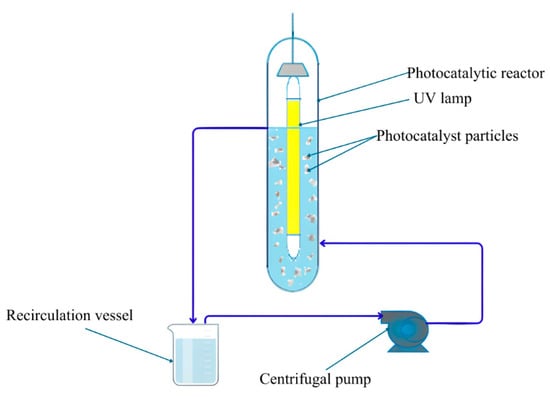
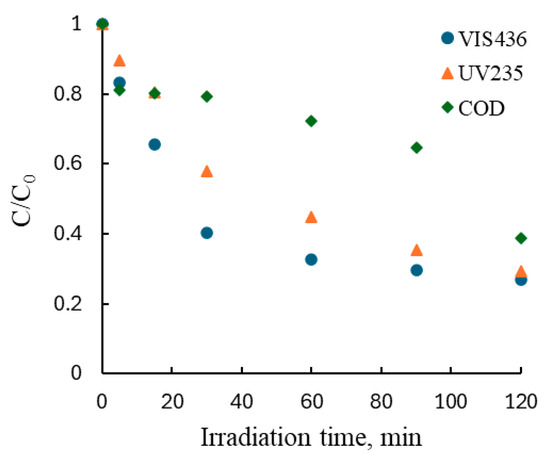
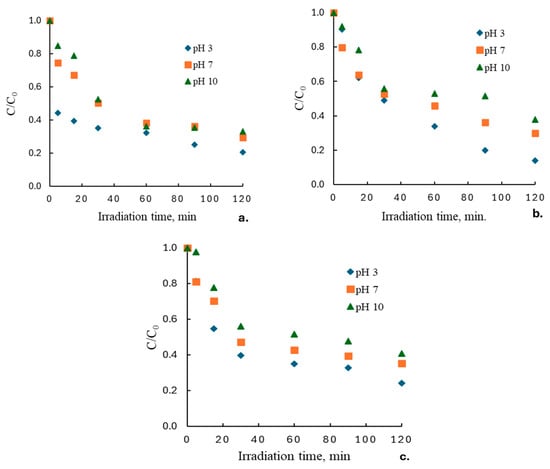
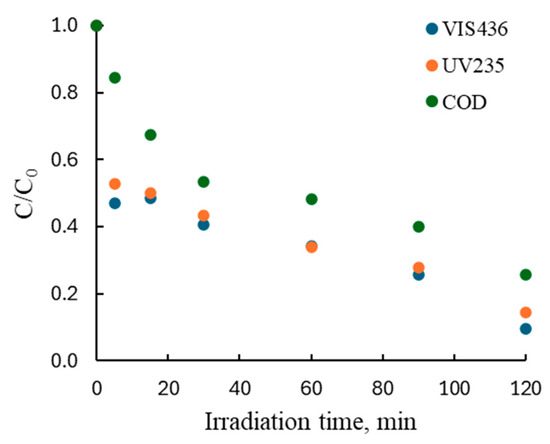
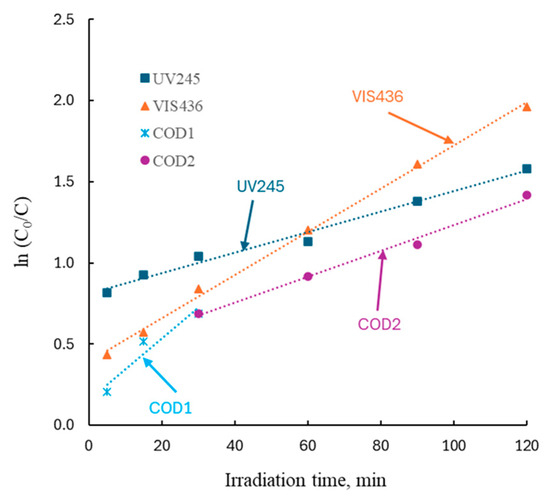
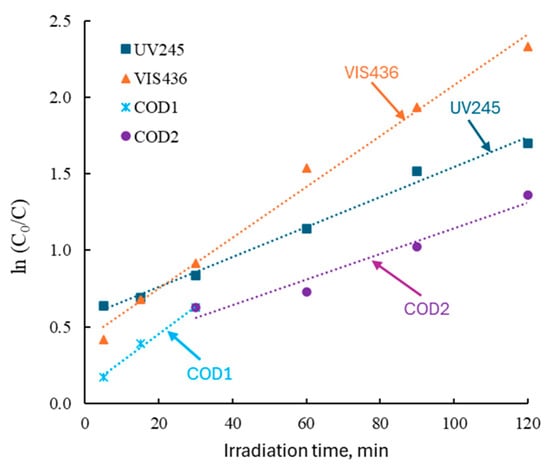
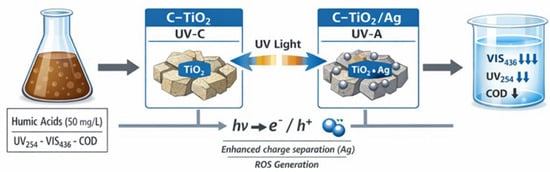
This study investigates the bio-inspired photocatalytic degradation of humic acids using TiO2-functionalized clinoptilolite (C–TiO2) and Ag-doped TiO2 (C–TiO2/Ag) under UV irradiation. TiO2 acts as an artificial analogue of naturally occurring photoactive mineral phases, while clinoptilolite provides a biomimetic scaffold mimicking mineral–organic interfaces. Ag doping enhances charge separation and promotes reactive oxygen species formation, accelerating degradation. The effects of pH and catalyst composition were evaluated over a range of conditions, including the native pH of the humic solution. Degradation was monitored via changes in UV254 absorbance, VIS436 absorbance, and COD values, revealing a multistage pathway: rapid decolorization of chromophoric groups, slower breakdown of aromatic structures, and final mineralization. Acidic conditions further enhanced performance through increased adsorption and ROS (reactive oxygen species) generation, while measurable activity persisted at near-natural pH values. Kinetic analysis indicated pseudo-first-order behavior, with the highest apparent rate constants obtained for VIS436 removal under C–TiO2/Ag at pH 3 (k = 0.0166 min−1), followed by COD1 (k = 0.0190 min−1), confirming faster oxidation of labile fractions and slower mineralization of recalcitrant intermediates. Therefore, the results demonstrate that semiconductor–mineral hybrid systems can serve as biomimetic platforms that reproduce and accelerate natural self-purification processes, providing mechanistic insights into nature-inspired pathways for water treatment.
Full article
(This article belongs to the Special Issue Advances in Biogenic and Biomimetic Materials: From Bionanomedicine to Environmental Applications and Beyond: 2nd Edition)
►▼
Show Figures

Graphical abstract
Open AccessArticle
Hybrid Nature-Inspired Optimization for the Cell Formation Problem with Machine Reliability and Alternative Routings
by
Paulo Figueroa-Torrez, Broderick Crawford, Orlando Durán, Martín Jurado-Camacho, Dayana Roxana Andrade Roque, Adrian Vargas-Gutierrez and Felipe Cisternas-Caneo
Biomimetics 2026, 11(6), 387; https://doi.org/10.3390/biomimetics11060387 - 1 Jun 2026
Abstract
The Cell Formation Problem plays a fundamental role in cellular manufacturing due to its impact on efficiency, flexibility, and reliability. Its complexity increases under real-world conditions involving alternative process routes and machine reliability constraints, leading to the Generalized Cell Formation Problem with machine
[...] Read more.
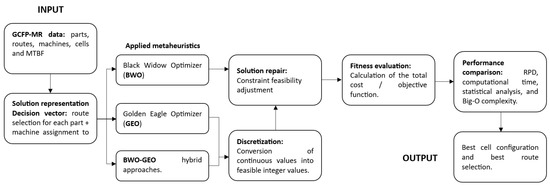
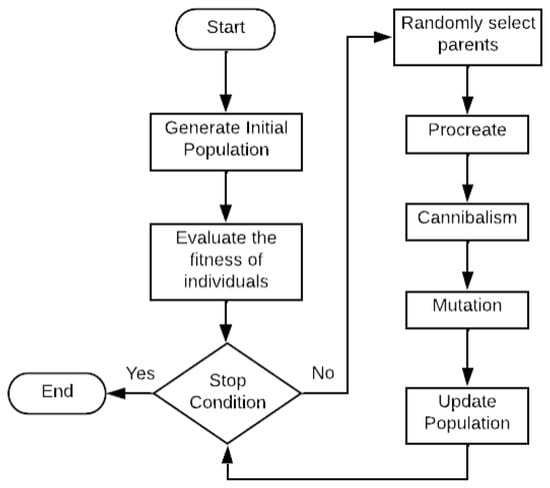
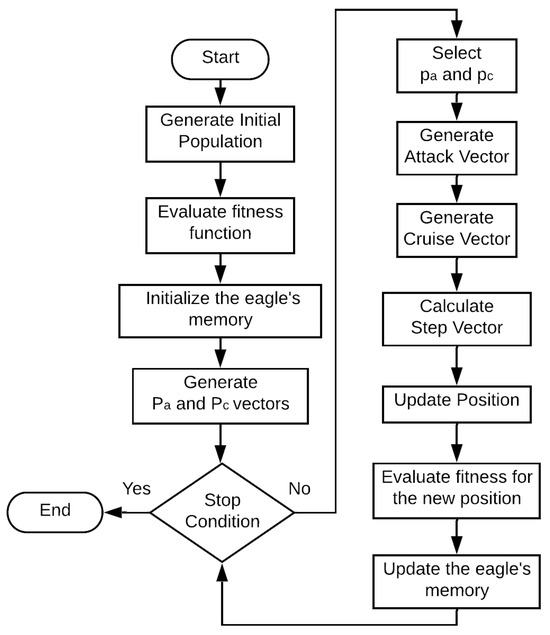
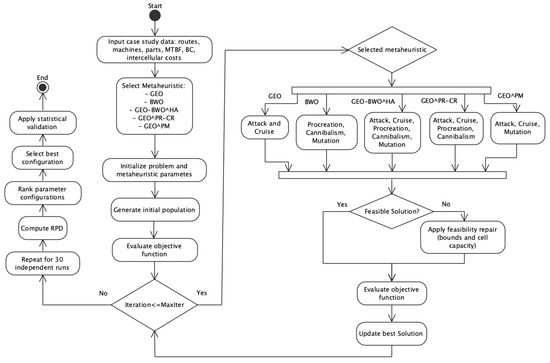
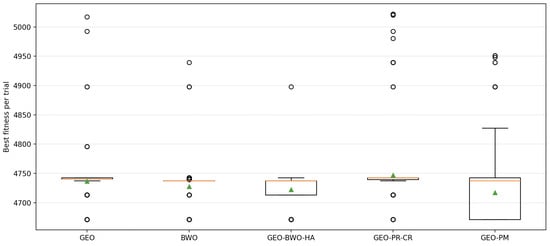
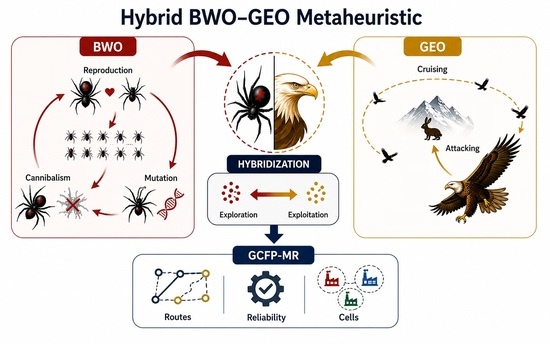
The Cell Formation Problem plays a fundamental role in cellular manufacturing due to its impact on efficiency, flexibility, and reliability. Its complexity increases under real-world conditions involving alternative process routes and machine reliability constraints, leading to the Generalized Cell Formation Problem with machine reliability. Researchers have classified the Cell Formation Problem as an NP-Hard problem. To address this computational complexity, this study presents a comparative and hybrid evaluation of the Black Widow Optimizer and the Golden Eagle Optimizer for the Generalized Cell Formation Problem with machine reliability, examining whether mechanisms derived from the Black Widow Optimizer can enhance the search behavior of the Golden Eagle Optimizer. The Black Widow Optimizer provides strong intensification through procreation, cannibalism, and mutation mechanisms, whereas the Golden Eagle Optimizer provides a balanced search process through its cruise and attack strategies. Experimental results show that the Black Widow Optimizer achieved better individual performance than the Golden Eagle Optimizer, with average RPD values of 0.855% and 1.068%, respectively. However, the hybrid strategy based on incorporating the mutation mechanism into the Golden Eagle Optimizer produced the best result, reaching an RPD of 0.592%. The study also employed the Wilcoxon–Mann–Whitney statistical test to validate the performance differences among algorithms, and the respective Big-O computational complexity was calculated. These findings highlight the potential of hybrid metaheuristics for designing robust and efficient manufacturing systems.
Full article
(This article belongs to the Special Issue Advanced Nature-Inspired Optimization Algorithms)
►▼
Show Figures

Graphical abstract
Open AccessArticle
Strategic Management of Design and Conceptualization Factors for Wearable Postural Rehabilitation Devices: A Causal Interdependency Analysis
by
Anghel Constantin, Cristian Radu Badea, Roxana-Mariana Nechita, Corina-Ionela Dumitrescu, Bogdan Marian Verdete, Florentina Badea and Sorin Ionuț Badea
Biomimetics 2026, 11(6), 386; https://doi.org/10.3390/biomimetics11060386 - 1 Jun 2026
Abstract
The implementation of wearable systems in postural rehabilitation offers new perspectives for continuous monitoring, yet their success depends on the interaction between technical parameters and clinical requirements. This study analyzes clinical performance factors to identify strategic levers determining recovery effectiveness. It examines indicators
[...] Read more.
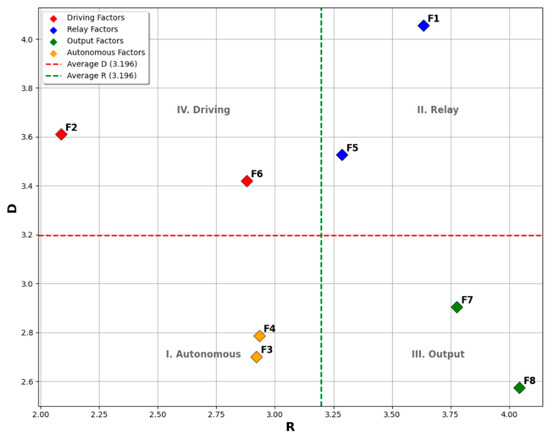
The implementation of wearable systems in postural rehabilitation offers new perspectives for continuous monitoring, yet their success depends on the interaction between technical parameters and clinical requirements. This study analyzes clinical performance factors to identify strategic levers determining recovery effectiveness. It examines indicators such as postural deviation detection, sensitivity to minor motion changes, suitability for home monitoring, continuous monitoring capability, clinical relevance of extracted parameters, and the capability to assess patient progress over time. Using the DEMATEL methodology, the study highlights influences among these factors in a clinical context. This structural analysis separates primary drivers from rehabilitation outcomes. To refine the analysis, the MICMAC method classifies factors by driving and dependence power, distinguishing determinant, relay, dependent, and autonomous variables. The approach provides an objective basis for managers and designers to prioritize resources toward functionalities with the greatest systemic impact on patient progress. The combined DEMATEL–MICMAC framework enhances decision-making by linking causal relationships with clear hierarchical categorization. The findings may support the integration of wearable technologies into rehabilitation practice by identifying the clinical performance factors with the strongest influence within the system.
Full article
(This article belongs to the Special Issue Bio-Inspired Flexible Sensors)
►▼
Show Figures

Figure 1
Open AccessFeature PaperArticle
A Multi-Strategy Enhanced Bionic-Inspired Secretary Bird Optimization Algorithm for Numerical Optimization and Artistic Image Segmentation
by
Xuanqi Yuan, Jinlu Qin and Xiaohan Zhong
Biomimetics 2026, 11(6), 385; https://doi.org/10.3390/biomimetics11060385 - 1 Jun 2026
Abstract
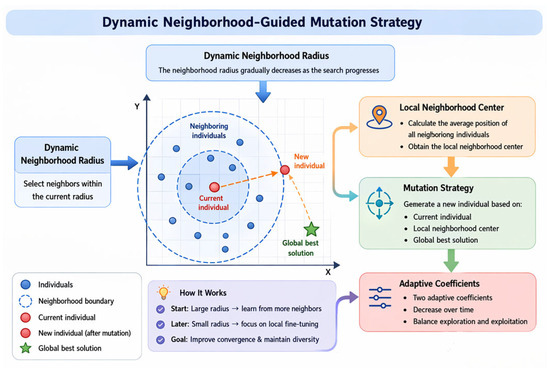
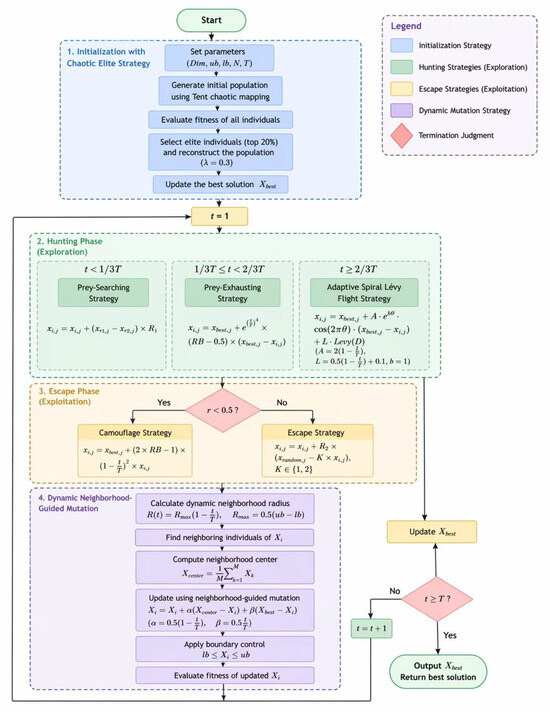
To address the limitations of the original Secretary Bird Optimization Algorithm (SBOA), such as insufficient population diversity, weak local exploitation ability, and a tendency to become trapped in local optima when solving complex optimization problems, this paper proposes a Multi-Strategy Improved Secretary Bird
[...] Read more.
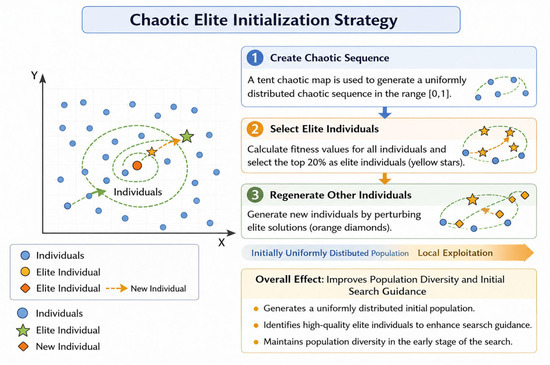
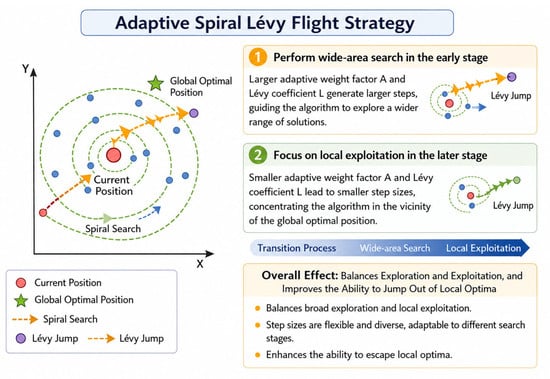
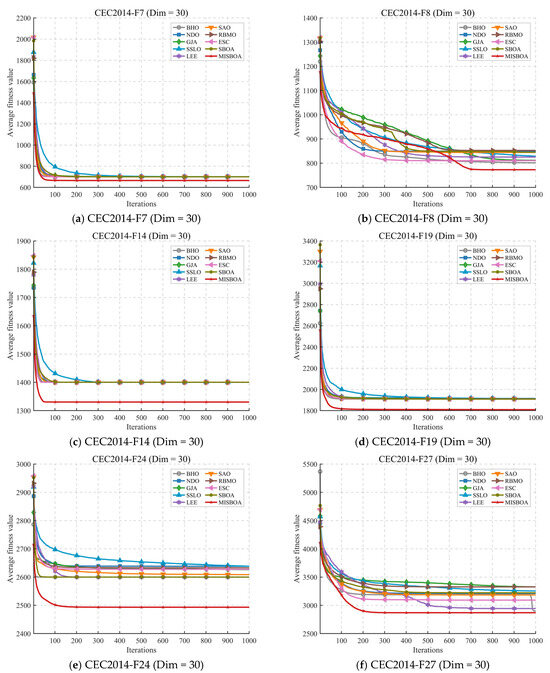
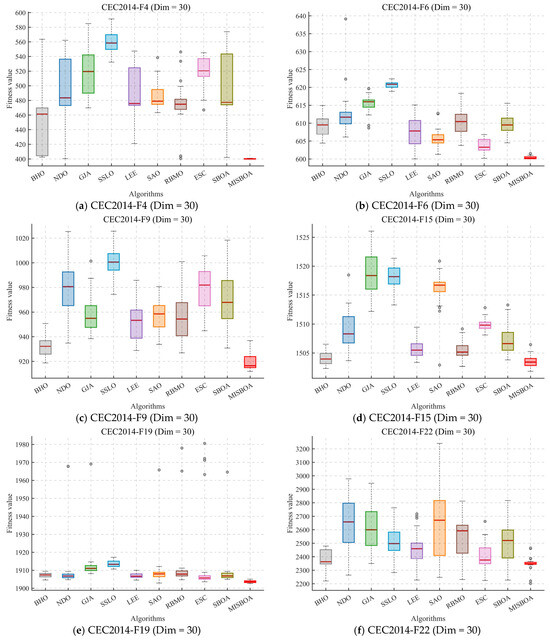
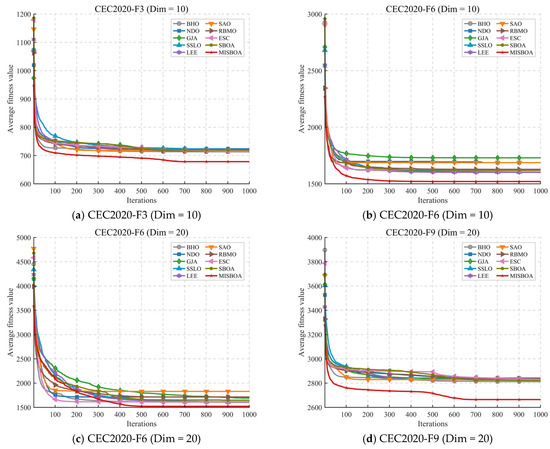
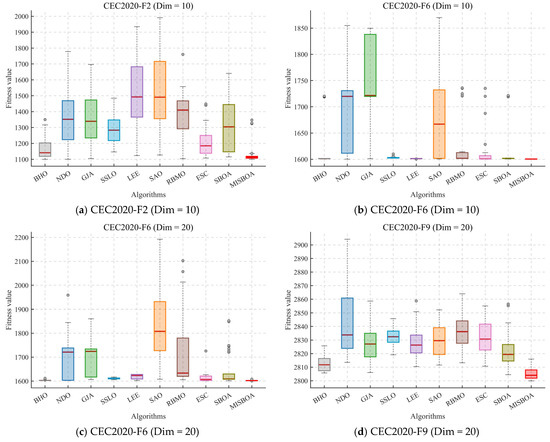
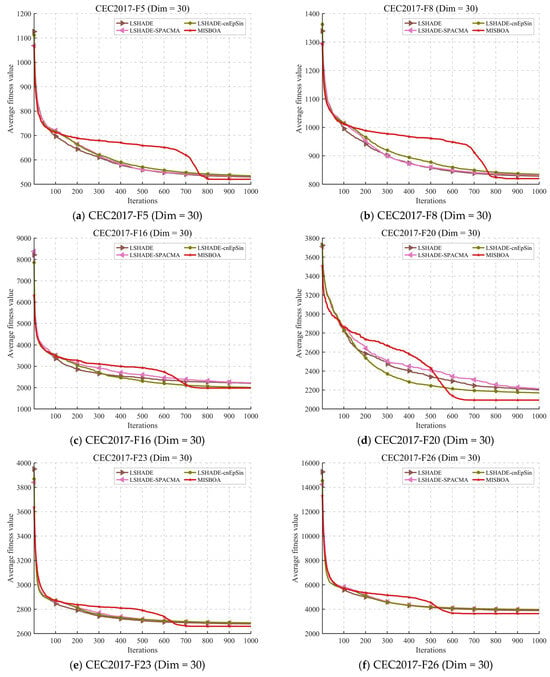
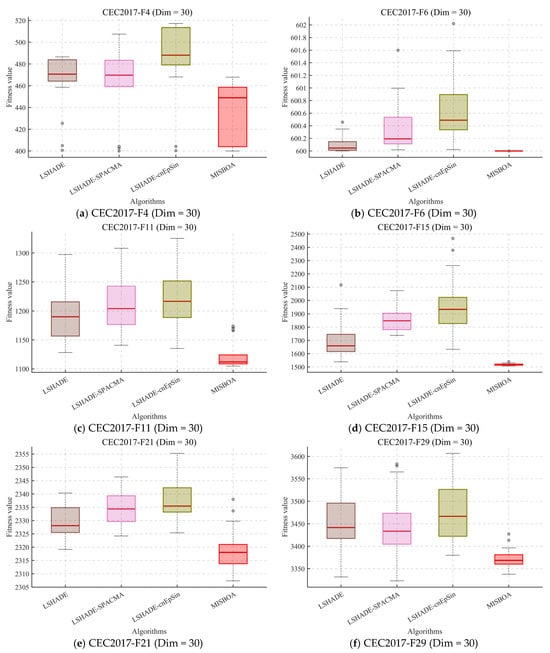
To address the limitations of the original Secretary Bird Optimization Algorithm (SBOA), such as insufficient population diversity, weak local exploitation ability, and a tendency to become trapped in local optima when solving complex optimization problems, this paper proposes a Multi-Strategy Improved Secretary Bird Optimization Algorithm (MISBOA). First, a chaotic elite initialization strategy is introduced to improve the quality and diversity of the initial population. Second, an adaptive spiral Lévy flight strategy is designed to enhance the balance between global exploration and local exploitation during the iterative process. Third, a dynamic neighborhood-guided mutation strategy is incorporated to maintain population diversity and improve convergence accuracy in the later search stage. To validate the effectiveness of the proposed algorithm, MISBOA is comprehensively evaluated on the IEEE CEC2014, CEC2017, and CEC2020 benchmark suites. Experimental results demonstrate that MISBOA achieves superior convergence speed, optimization accuracy, and robustness compared with several representative metaheuristic algorithms. Furthermore, MISBOA is applied to Otsu-based multilevel threshold image segmentation. The segmentation performance is assessed using PSNR, FSIM, SSIM, and visual quality comparisons. The results indicate that MISBOA can generate more accurate and stable segmentation outcomes, demonstrating its strong potential for solving complex numerical optimization and artistic image segmentation problems.
Full article
(This article belongs to the Special Issue Advances in Biological and Bio-Inspired Algorithms: 2nd Edition)
►▼
Show Figures

Figure 1
Open AccessArticle
A Multifunctional Cationic Waterborne Polyurethane System with High Fire-Safety and Antibacterial Performance Enabled by Phosphorous Acid-Protonated Chitosan
by
Xin-Yu Tian, Zhen-Guo Zhao, Peng Chen and Yan-Peng Ni
Biomimetics 2026, 11(6), 384; https://doi.org/10.3390/biomimetics11060384 - 1 Jun 2026
Abstract
Waterborne polyurethane (WPU) is widely used in flexible films and textile finishing, but its intrinsic flammability, severe melt dripping, and sensitivity to polar additives restrict its fire-safe applications. Herein, a phosphorous acid-protonated chitosan (PCS) was designed as an emulsion-adaptable bio-based modifier and incorporated
[...] Read more.
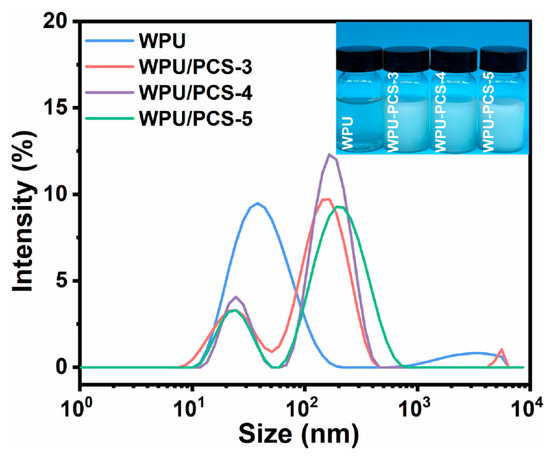
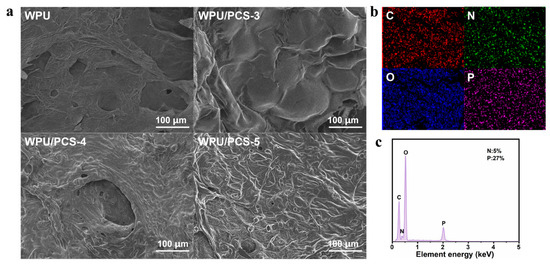
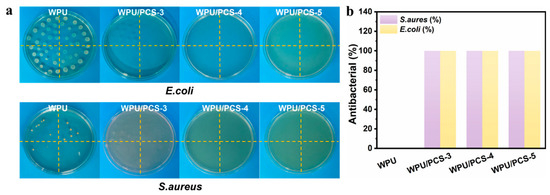
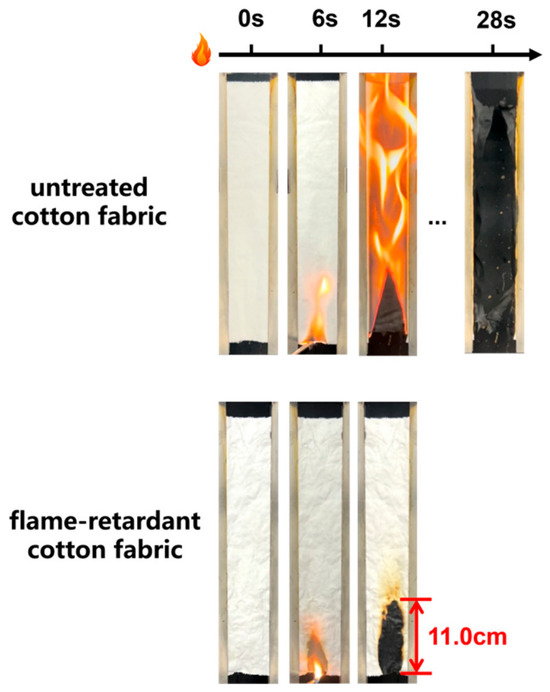
Waterborne polyurethane (WPU) is widely used in flexible films and textile finishing, but its intrinsic flammability, severe melt dripping, and sensitivity to polar additives restrict its fire-safe applications. Herein, a phosphorous acid-protonated chitosan (PCS) was designed as an emulsion-adaptable bio-based modifier and incorporated into cationic WPU via a facile aqueous blending route, yielding transparent multifunctional composite films and flame-retardant textile coatings. Unlike conventional flame-retardant WPU systems that rely on reactive monomers or suffer from poor emulsion compatibility, this work proposes an emulsion-compatible strategy based on PCS, enabling the simultaneous integration of dispersion stability, flame retardancy, and antibacterial functionality within a single system. PCS could be stably accommodated in the WPU latex without visible precipitation or demulsification after centrifugation, and the resulting films preserved a continuous matrix structure with uniformly distributed PCS-rich nanodomains. Rheological analyses revealed that the polar groups of PCS established strong intermolecular associations with urethane segments, strengthening the physical network. The char residue at 700 °C increased from 0.7 wt% for neat WPU to 32.7 wt% for WPU/PCS-5. Meanwhile, WPU/PCS-5 achieved a limiting oxygen index of 35.4% and a UL-94 V-0 rating, while its peak heat release rate and total heat release were reduced by 73.4% and 41.8%, respectively. The composite films also showed nearly complete antibacterial efficiency against Escherichia coli and Staphylococcus aureus. As a textile coating, WPU/PCS-5 enabled immediate self-extinguishing of cotton fabric, increased the limiting oxygen index from 18.5% to 27.2%, and reduced the damaged length from 30.0 to 11.0 cm. This work demonstrates that an emulsion-compatible strategy based on PCS can effectively integrate dispersion stability, fire safety, multifunctionality, and coating applicability into WPU materials.
Full article
(This article belongs to the Special Issue Recent Advances in Bio-Inspired Multifunctional Coatings/Films)
►▼
Show Figures

Figure 1
Open AccessArticle
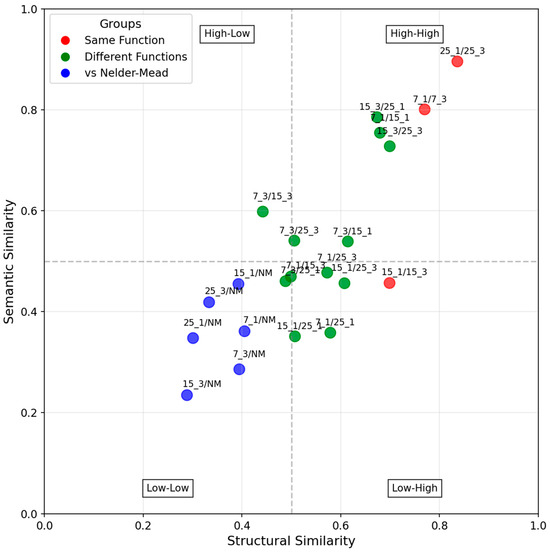
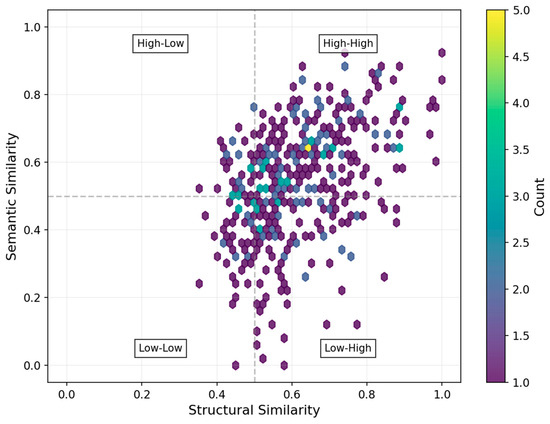
A Framework for Integrating Large Language Models into Memetic Algorithms
by
Maxim Sakharov
Biomimetics 2026, 11(6), 383; https://doi.org/10.3390/biomimetics11060383 - 1 Jun 2026
Abstract
Memetic algorithms achieve strong optimization performance by combining population-based global search with local refinement operators, yet their effectiveness critically depends on the design and management of memes. Local search strategies are typically handcrafted, problem-specific, and fixed prior to execution. This paper proposes a
[...] Read more.
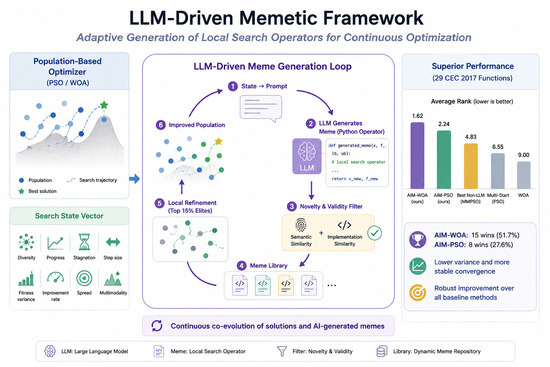
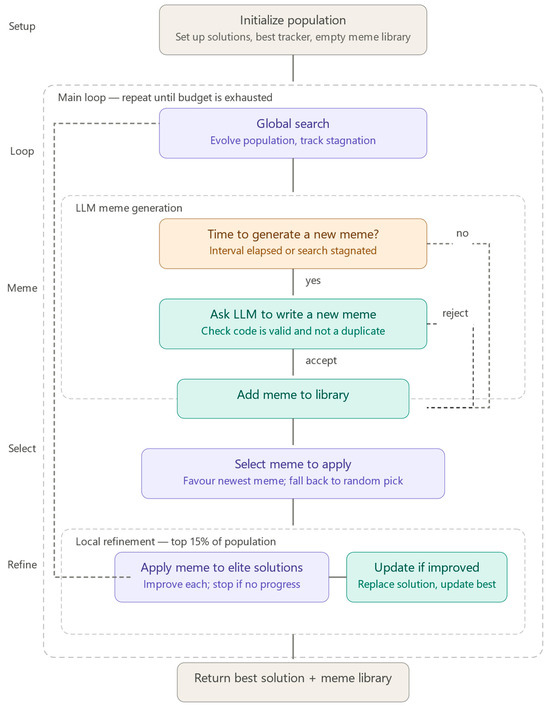
Memetic algorithms achieve strong optimization performance by combining population-based global search with local refinement operators, yet their effectiveness critically depends on the design and management of memes. Local search strategies are typically handcrafted, problem-specific, and fixed prior to execution. This paper proposes a fourth-generation memetic framework in which Large Language Models (LLMs) are embedded directly into the optimization loop as adaptive generators of local search operators. At each triggering point, the LLM receives a structured state vector encoding the current search dynamics and generates a candidate meme in the form of an executable Python function. Generated operators are subject to a two-stage validation procedure combining semantic similarity assessment and implementation-level comparison, ensuring that only sufficiently novel and syntactically correct operators are admitted to a dynamically growing meme library. A cooldown-regulated triggering mechanism balances periodic and stagnation-based generation, while a probability-weighted selection policy prioritizes newly generated memes without discarding previously validated ones. The proposed framework is evaluated on the CEC 2017 benchmark suite for continuous black-box optimization and compared against classical memetic algorithms. Experimental results demonstrate that the LLM-driven approach consistently outperforms non-LLM memetic baselines, confirming the viability of generative language models as adaptive heuristic components within population-based optimization.
Full article
(This article belongs to the Section Biological Optimisation and Management)
►▼
Show Figures

Graphical abstract
Open AccessArticle
Effect of Composite Viscosity, Cavity Type, and Placement Technique on Microleakage in Stamp Technique Restorations: An In Vitro Study
by
Ayşenur Yazım, Cemile Kedici Alp and Ceyda Sarı
Biomimetics 2026, 11(6), 382; https://doi.org/10.3390/biomimetics11060382 - 1 Jun 2026
Abstract
The biomimetic restoration of occlusal morphology aims to replicate the natural form and function of dental tissues while preserving structural integrity. The stamp technique enables accurate reproduction of occlusal anatomy in posterior restorations; however, the extent to which different composite systems maintain marginal
[...] Read more.
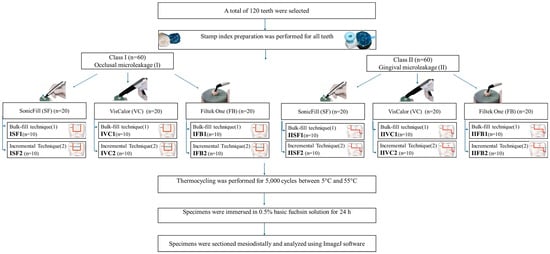
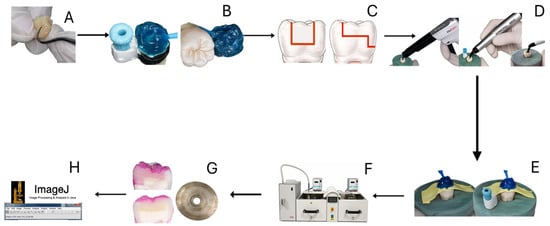
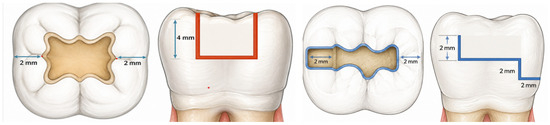
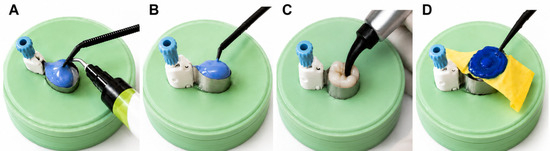
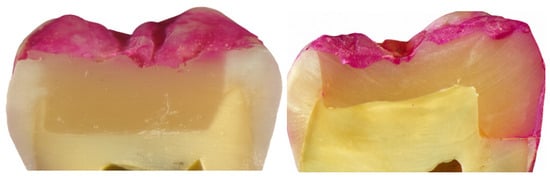
The biomimetic restoration of occlusal morphology aims to replicate the natural form and function of dental tissues while preserving structural integrity. The stamp technique enables accurate reproduction of occlusal anatomy in posterior restorations; however, the extent to which different composite systems maintain marginal integrity and reduce microleakage when this technique is applied remains unclear. This in vitro study evaluated the microleakage of bulk-fill resin composites with different viscosities applied using the stamp technique. A total of 120 extracted human molars (n = 10 per group) were prepared with standardized Class I and Class II cavities and restored using SonicFill™, VisCalor, or Filtek™ Bulk-Fill composites, applied either in a single or two increments. After thermocycling, specimens were dye-penetrated, sectioned, and analyzed using ImageJ. Data were analyzed by two-way ANOVA and Tukey’s HSD test (p < 0.05). In Class I cavities, occlusal microleakage differed significantly among materials (p = 0.001), with SonicFill™ showing the lowest values. In Class II cavities, gingival microleakage was significantly affected by both material and placement technique (p = 0.001). Incremental placement significantly reduced gingival microleakage for SonicFill™ and Filtek™ Bulk-Fill. Material viscosity and placement strategy influence marginal adaptation under stamp technique conditions. Low-viscosity bulk-fill composites demonstrated improved sealing, while incremental placement enhanced marginal integrity, particularly in Class II cavities.
Full article
(This article belongs to the Section Biomimetics of Materials and Structures)
►▼
Show Figures

Figure 1
Open AccessArticle
An Immersive P300 Brain–Computer Interface Based on 3D Morphological Stimuli and Self-Adaptive Bayesian Linear Discriminant Analysis
by
Junhong Luo, Mengnan Zhu, Yongbo Xiao, Yuanhao Long, Xiaoting Zhang, Hui Cao, Javid Atai, Jing Xiao and Xuesong Chen
Biomimetics 2026, 11(6), 381; https://doi.org/10.3390/biomimetics11060381 - 1 Jun 2026
Abstract
Conventional P300-based brain–computer interfaces (BCIs) commonly rely on two-dimensional (2D) visual flashing, which may induce visual fatigue and limit immersion, thereby restricting long-term usability and system performance. To address these limitations, this study proposes an immersive P300-BCI framework integrating a three-dimensional morphological stimulation
[...] Read more.
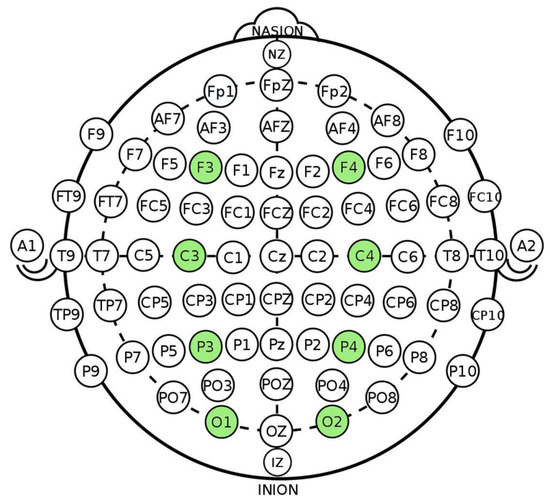
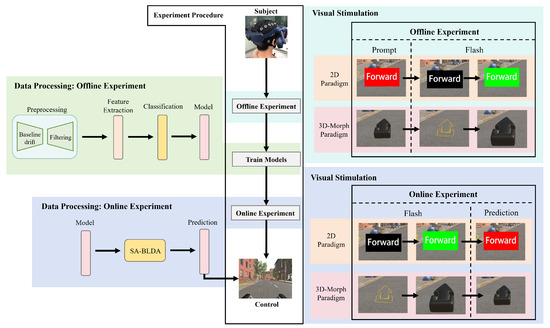
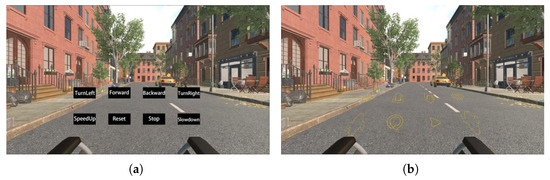
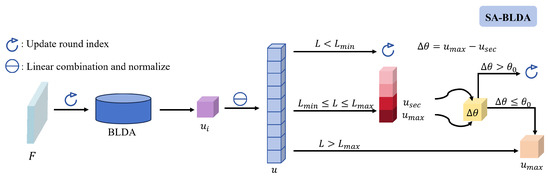
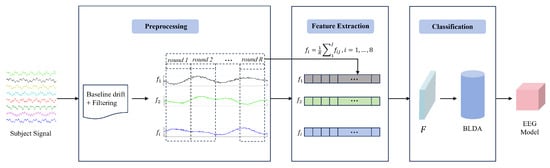
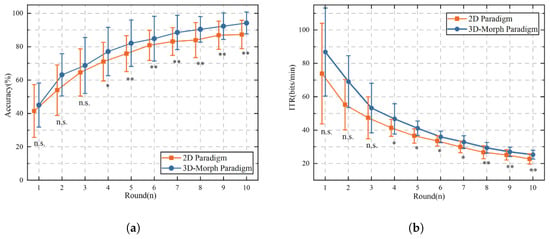
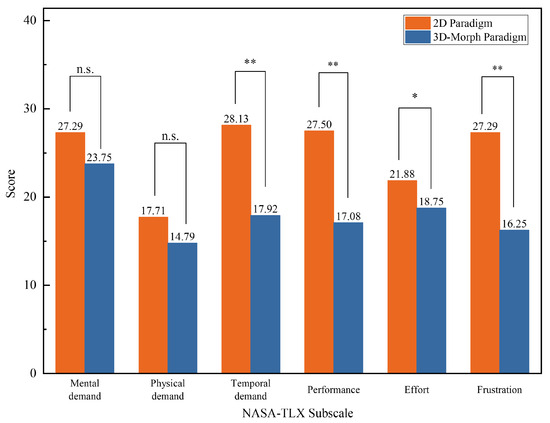
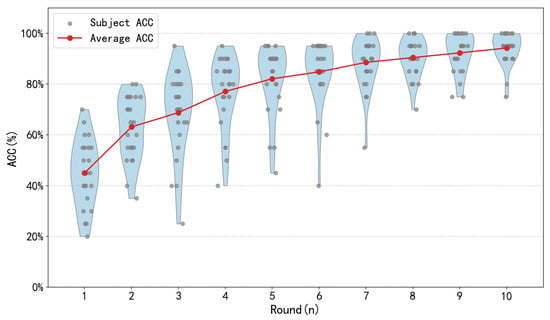
Conventional P300-based brain–computer interfaces (BCIs) commonly rely on two-dimensional (2D) visual flashing, which may induce visual fatigue and limit immersion, thereby restricting long-term usability and system performance. To address these limitations, this study proposes an immersive P300-BCI framework integrating a three-dimensional morphological stimulation paradigm, termed 3D-Morph, with self-adaptive Bayesian linear discriminant analysis (SA-BLDA). Instead of using color or luminance flickering, the proposed paradigm employs dynamic 2D-to-3D morphological transformations of virtual objects in a virtual reality environment to enhance target-related event-related potentials while preserving visual immersion. SA-BLDA further adjusts the number of stimulation rounds according to classification confidence to balance accuracy and interaction efficiency. Experiments with 24 participants showed that the proposed system outperformed the conventional 2D paradigm. In offline analysis, the proposed method achieved an average classification accuracy of 94.17% and an information transfer rate (ITR) of 25.50 bits/min, significantly outperforming the 2D paradigm (87.29% accuracy, 22.75 bits/min ITR, both , Cohen’s ). In online experiments, the 3D-Morph paradigm achieved an average accuracy of 91.46% and an ITR of 37.23 bits/min, compared with 83.96% and 28.74 bits/min for the conventional 2D paradigm (both , Cohen’s ). The average response time was reduced by 0.46 s ( , Cohen’s ), and the processing time per stimulation round (PT) of SA-BLDA was significantly reduced from ms in the 2D paradigm to ms in the 3D-Morph paradigm ( , Cohen’s ), corresponding to a 45.61% reduction in computational time per round. NASA-TLX evaluations indicated a significantly lower subjective workload across all dimensions (all , Cohen’s ). These results demonstrate that combining 3D-Morph stimulation with SA-BLDA can significantly improve classification performance, interaction efficiency, and user experience, providing a feasible framework for immersive and practical P300-BCI applications.
Full article
(This article belongs to the Special Issue Artificial Intelligence (AI) in Biomedical Engineering: 2nd Edition)
►▼
Show Figures

Figure 1
Open AccessArticle
Novel Bio-Inspired Physics-Based Learning and Evolutionary Guidance for Dynamic Multi-Objective Cold Chain Routings
by
Tongli He, Xiwen Yang, Wanzhen Huang, Fan Zhang, Guodong Li, Ze Niu, Jianhong Gan, Zhibin Li, Xun Deng, Tinghui Chen, Peiyang Wei, Shuai Li and Xiaoli Peng
Biomimetics 2026, 11(6), 380; https://doi.org/10.3390/biomimetics11060380 - 1 Jun 2026
Abstract
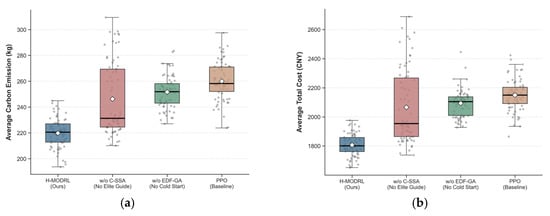
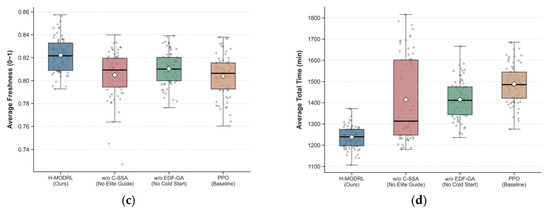
Agricultural cold chain logistics is characterized by inherent challenges—product perishability, high carbon emissions, and stringent time windows—which are further exacerbated by dynamic disruptions. Existing methods suffer from slow adaptability, unstable multi-objective convergence, and severe cold-start issues. This work falls within the broad scope
[...] Read more.
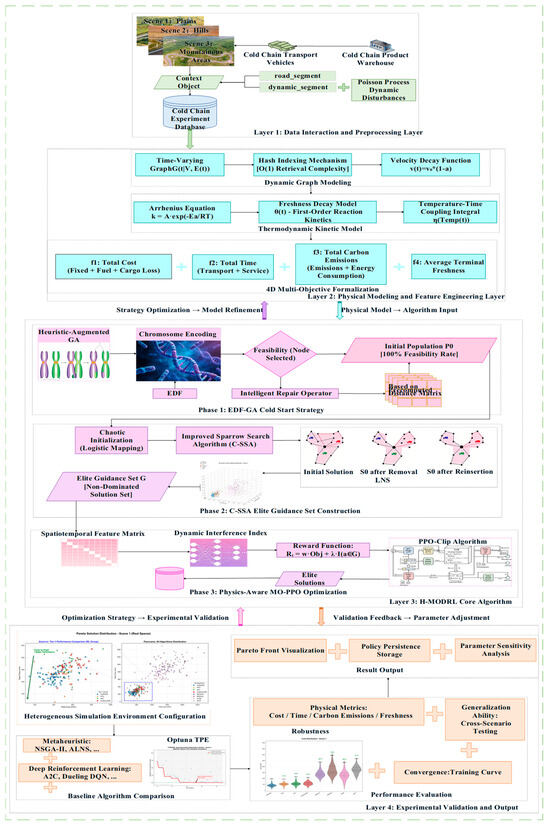
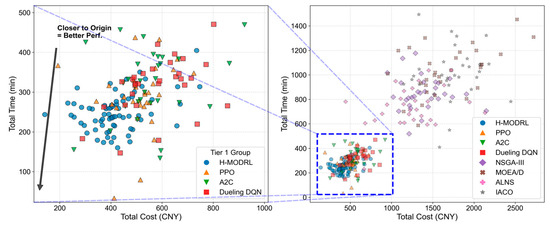
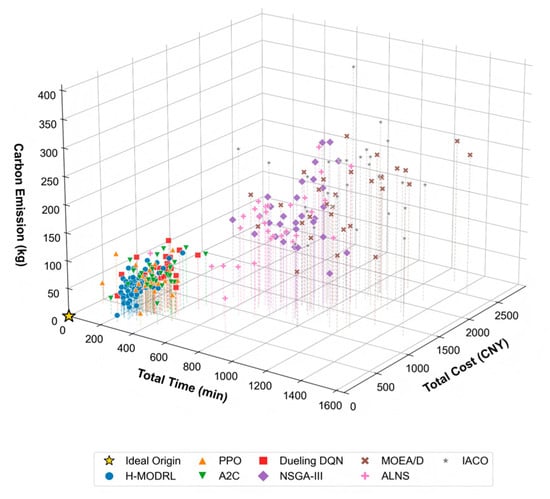
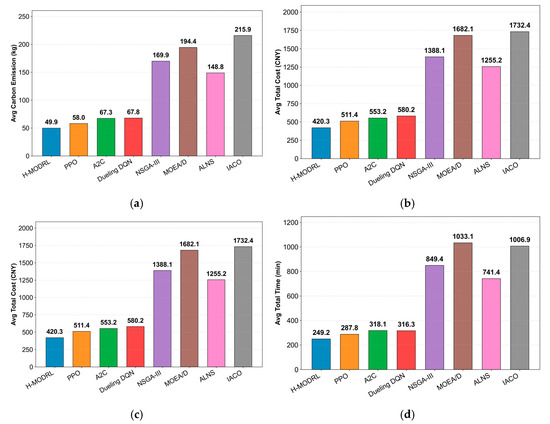
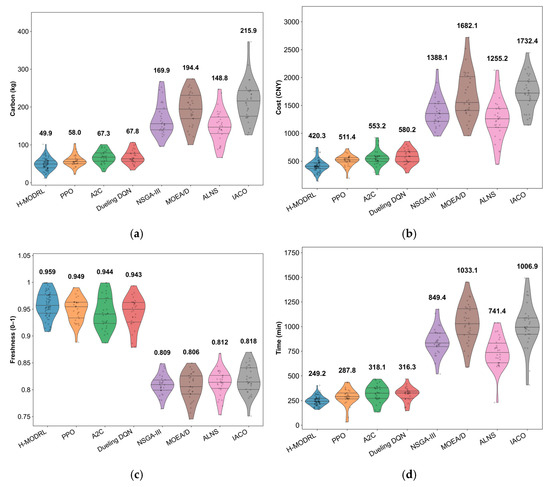
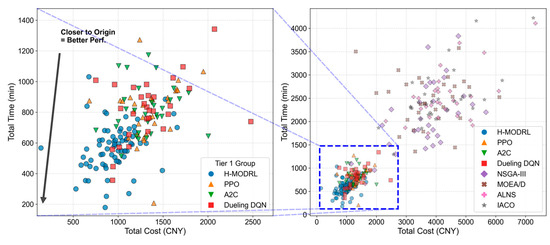
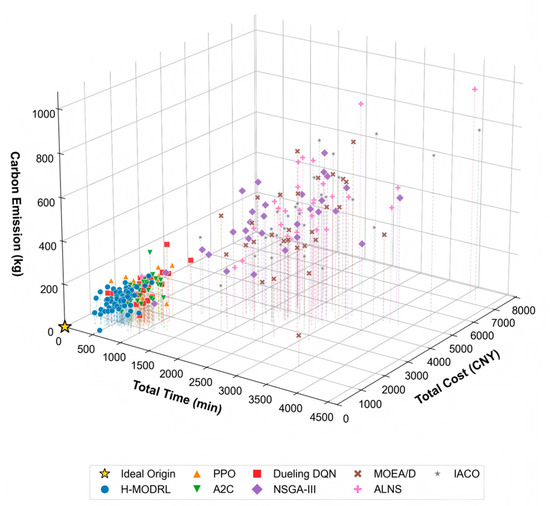
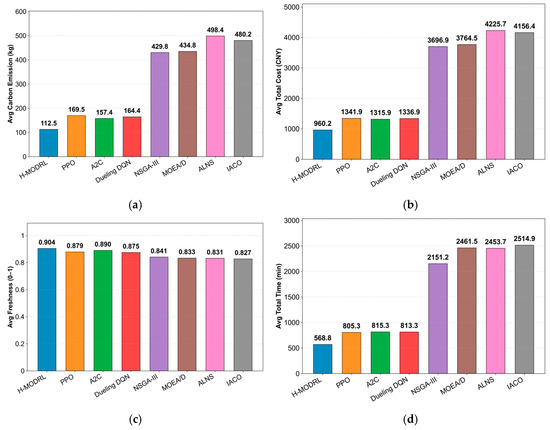
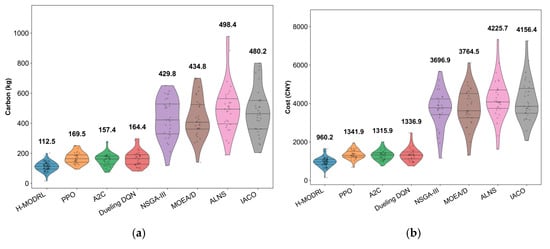
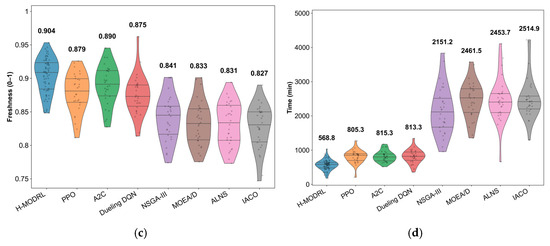
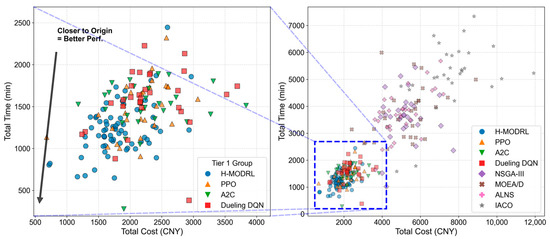
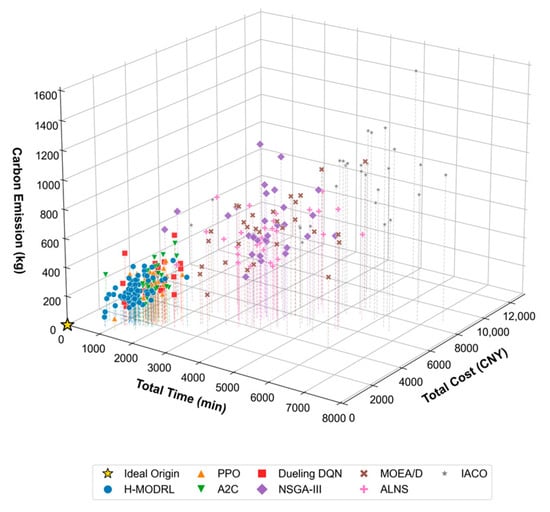
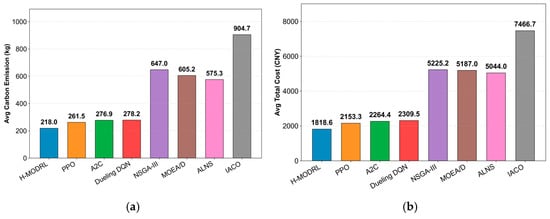
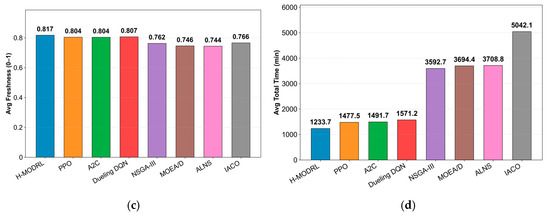
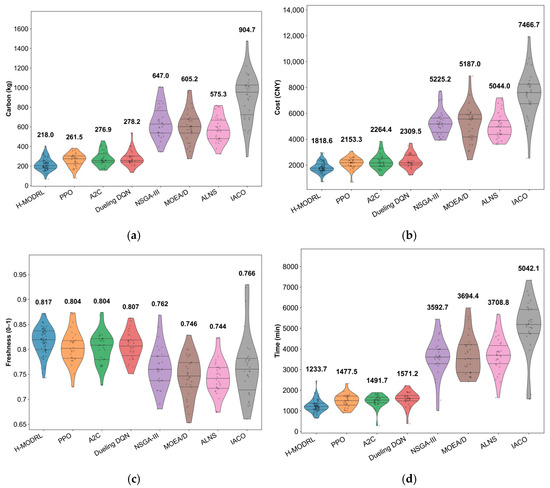
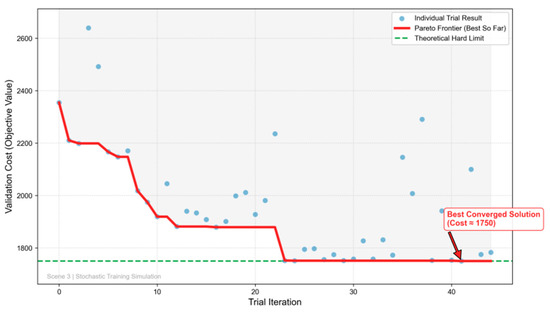
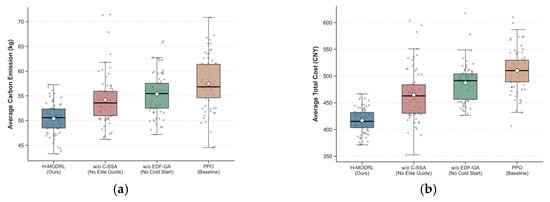
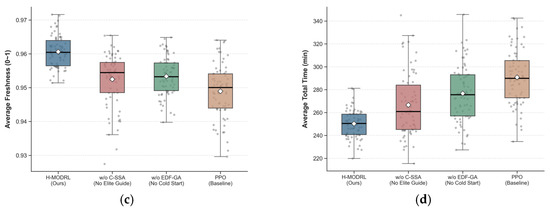
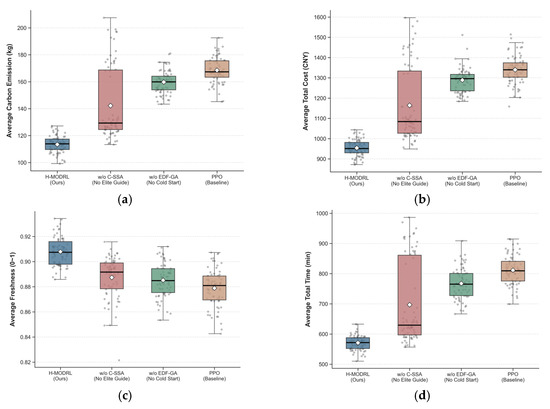
Agricultural cold chain logistics is characterized by inherent challenges—product perishability, high carbon emissions, and stringent time windows—which are further exacerbated by dynamic disruptions. Existing methods suffer from slow adaptability, unstable multi-objective convergence, and severe cold-start issues. This work falls within the broad scope of biomimetics—the science of emulating nature’s time-tested strategies to solve complex engineering problems—and bio-inspired data-driven methods and their applications in engineering control, optimization, and artificial intelligence. The proposed H-MODRL framework embodies core biomimetic principles: the Genetic Algorithm (GA) mimics Darwinian natural selection and genetic inheritance, the Sparrow Search Algorithm (SSA) abstracts the cooperative foraging and anti-predation behaviors of sparrow populations in nature, and the Arrhenius-based freshness-decay model captures the biochemical kinetics governing perishable biological products. By synergistically integrating these biological evolution principles, swarm intelligence, and deep learning, the framework tackles real-world logistics complexity in a manner directly inspired by living systems. This study presents a well-organized hybrid optimization framework (H-MODRL) that couples a three-stage hybrid evolutionary mechanism, synergistically integrating heuristic warm-start, evolutionary policy guidance, and deep reinforcement learning decision-making. First, an improved genetic algorithm combined with the earliest deadline first strategy constructs a feasible initial population satisfying hard time-window constraints. Second, a large neighborhood search-enhanced chaotic sparrow search algorithm builds a high-quality elite guidance set for policy learning. Third, a physics-based multi-objective proximal policy optimization model embedded with Arrhenius equation-derived freshness-decay kinetics performs online decision-making. Experiments demonstrate that pre-computed all-pairs shortest paths and an O(1) hash-based dynamic-disruption indexing mechanism support fast online replanning. On heterogeneous simulated terrains based on real Chinese geospatial data, H-MODRL outperforms state-of-the-art algorithms across four objectives—logistics cost, carbon emissions, terminal freshness, and delivery time—while exhibiting compact, low-variance performance distributions, thereby validating its engineering robustness and practical value in complex agricultural cold chain environments.
Full article
(This article belongs to the Special Issue Bio-Inspired Data-Driven Methods and Their Applications in Engineering Control, Optimization and AI)
►▼
Show Figures

Figure 1
Journal Menu
► ▼ Journal Menu-
- Biomimetics Home
- Aims & Scope
- Editorial Board
- Topical Advisory Panel
- Instructions for Authors
- Special Issues
- Topics
- Sections
- Article Processing Charge
- Indexing & Archiving
- Editor’s Choice Articles
- Most Cited & Viewed
- Journal Statistics
- Journal History
- Journal Awards
- Conferences
- Editorial Office
- 10th Anniversary
Journal Browser
► ▼ Journal BrowserHighly Accessed Articles
Latest Books
E-Mail Alert
News
Topics
Topic in
Biomimetics, Electronics, Gels, Robotics, Technologies
Bio-Inspired, Biomedical, Surgical, Social and AI-Integrated Bio-Mechanical Robotics
Topic Editors: Yanen Wang, Chenguang YangDeadline: 31 July 2026
Topic in
Molecules, Biomimetics, Chemosensors, Life, AI, Sci
Recent Advances in Chemical Artificial Intelligence
Topic Editors: Pier Luigi Gentili, Jerzy Górecki, David C Magri, Pasquale StanoDeadline: 15 October 2026
Topic in
Biophysica, Cells, IJMS, Materials, Micro, Biomimetics, Biomolecules
Biofabrication Technologies for Tissue Repair and Regeneration
Topic Editors: Lorenzo Vannozzi, Eugenio Redolfi RivaDeadline: 20 February 2027
Topic in
ASI, Bioengineering, C, Healthcare, Biomimetics, Processes
Biomedical Engineering, Healthcare and Sustainability, 2nd Edition
Topic Editors: Teen-Hang Meen, Chun-Yen Chang, Charles Tijus, Po-Lei Lee, Yi-Chun DuDeadline: 30 April 2027
Conferences
Special Issues
Special Issue in
Biomimetics
Biologically-Inspired Product Development
Guest Editors: Xinhui Kang, Min Qu, Marc WeissburgDeadline: 15 June 2026
Special Issue in
Biomimetics
Bio-Inspired Intelligent Computation for Optimisation in Business and Engineering Applications
Guest Editors: Shujun Zhang, Tatiana KalganovaDeadline: 15 June 2026
Special Issue in
Biomimetics
Bio-Inspired Soft Robotics: Design, Fabrication and Applications: 2nd Edition
Guest Editors: Yong Zhong, Pei Jiang, Yunquan LiDeadline: 20 June 2026
Special Issue in
Biomimetics
Bioinspired Composite Interfaces: Responsive Mechanics and Wetting
Guest Editors: Jing Wang, Shikuan YangDeadline: 20 June 2026