



Cardiogenetics 2026, 16(3), 16; https://doi.org/10.3390/cardiogenetics16030016 - 12 Aug 2026
Abstract
►
Show Figures
Background: Hypertrophic cardiomyopathy (HCM) is the most common monogenic cardiac disorder (prevalence 1:500), a major substrate of sudden cardiac death (SCD) in adolescents and young adults, and is modulated by regulatory mechanisms including non-coding RNAs (ncRNAs) such as microRNAs (miRNAs), long non-coding RNAS
[...] Read more.
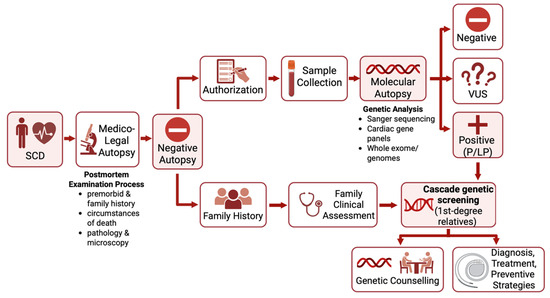
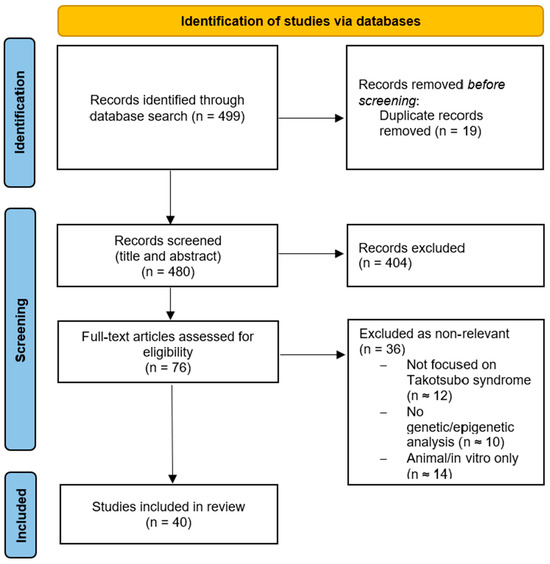
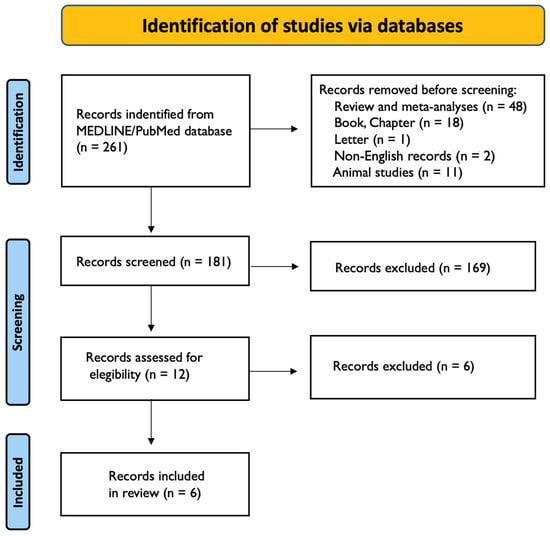
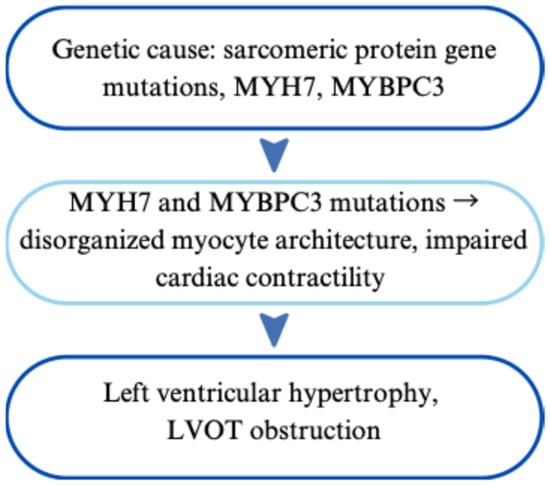
Background: Hypertrophic cardiomyopathy (HCM) is the most common monogenic cardiac disorder (prevalence 1:500), a major substrate of sudden cardiac death (SCD) in adolescents and young adults, and is modulated by regulatory mechanisms including non-coding RNAs (ncRNAs) such as microRNAs (miRNAs), long non-coding RNAS (lncRNAs) and circular RNAs (circRNAs), which act as epigenetic modulators and potential biomarkers. Methods: The study involves a PRISMA-based systematic review of 989 records from PubMed, Scopus, Embase, Web of Science and Cochrane, including 96 studies evaluating ncRNAs as diagnostic, prognostic, genotype-specific or mechanistic markers in clinically/genetically confirmed HCM. Human biomarker studies (circulating/tissue ncRNAs) were analyzed separately from experimental models (human myocardium, animal models, iPSC-derived cardiomyocytes, cardiac organoids). Results: Key findings include upregulated miR-29a, miR-21 and miR-133a in HCM plasma/tissue (correlating with hypertrophy/fibrosis), miR-499a-5p as an MYH7-specific marker, and miR-208b-3p/miR-155 associated with MYBPC3-related HCM. Pro-hypertrophic lncRNAs (e.g., NEAT1, UCA1), fibrotic lncRNAs (e.g., MIAT) and protective/mitochondrial circRNAs (e.g., circZFPM2) contribute to ceRNA networks linking hypertrophy, fibrosis, mitochondrial dysfunction and arrhythmic remodeling. Multi-ncRNA panels have shown discriminatory performance between HCM and selected phenocopies, while some signatures have been associated with atrial fibrillation and composite cardiac outcomes; however, these findings remain heterogeneous and require independent validation. Conclusions: NcRNAs are biologically relevant regulators of HCM and represent promising candidates for mechanistic investigation, biomarker development and, potentially, therapeutic targeting. Current clinical evidence remains insufficient to support their incorporation into established SCD risk prediction models or their use as standalone diagnostic tools, particularly given the heterogeneity of cohorts, sample sources and analytical approaches. Their potential forensic relevance is also exploratory: ncRNA profiling may provide an additional molecular layer for the characterization of cardiomyopathic substrates in unexplained SCD, but its specificity, post-mortem stability and incremental value over conventional autopsy, histopathology and molecular autopsy remain unestablished. Dedicated longitudinal clinical and forensic studies are required before ncRNAs can be considered for routine clinical or post-mortem application.
Full article
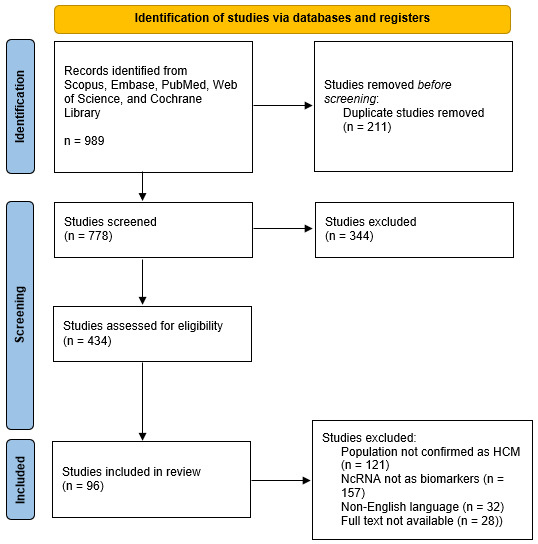
Figure 1