Journal Description
Chemistry Proceedings
is an open access journal dedicated to publishing findings resulting from conferences, workshops, and similar events, in all areas of chemistry. The conference organizers and proceedings editors are responsible for managing the peer review process and selecting papers for conference proceedings.
Latest Articles
Organoboronic Acids as Co-Formers in Pharmaceutical Crystal Engineering
Chem. Proc. 2026, 21(1), 7; https://doi.org/10.3390/chemproc2026021007 - 17 Sep 2026
Abstract
►
Show Figures
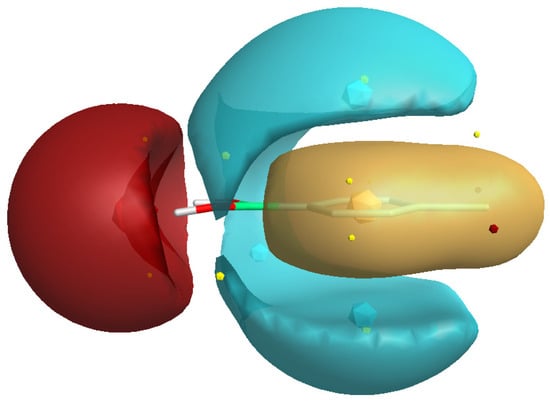
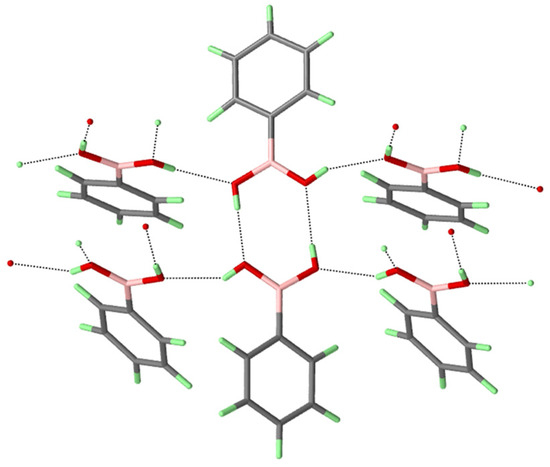
This study presents a structural screening and molecular electrostatic potential (MEP) computational analysis of various organoboronic acids as effective co-formers in pharmaceutical crystal engineering. The strong predictability of dimeric B(OH)2 homosynthons allows for precise control of molecular self-assembly within the crystal structure.
[...] Read more.
This study presents a structural screening and molecular electrostatic potential (MEP) computational analysis of various organoboronic acids as effective co-formers in pharmaceutical crystal engineering. The strong predictability of dimeric B(OH)2 homosynthons allows for precise control of molecular self-assembly within the crystal structure. Concurrently, the presence of the boron atom imparts significant biomedical importance to these systems due to its documented efficacy in boron neutron capture therapy (BNCT) and non-enzymatic diagnostic glucose sensors for diabetes management. By developing multi-component co-crystals, boronic acids play a key role in improving critical pharmaceutical parameters, such as aqueous solubility, bioavailability, and overall drug absorption. In this work, we analyze their binding behavior with a diverse array of active pharmaceutical ingredients (APIs) through the lens of various xanthine derivatives (caffeine and theophylline) and nitrofurazone. The successful co-crystallization with these molecules demonstrates the broad compatibility of boronic structures. Conversely, despite highly favorable theoretical predictions for donor–acceptor compatibility, systematic laboratory screening revealed that co-crystallization with other well-known APIs, such as paracetamol and amikacin, fails, leading exclusively to the isolation of the unreacted starting materials. Therefore, by comparing successful structures and collecting data from the resulting negative outcomes, this study provides a systematic approach for the evaluation and selection of future co-formers.
Full article
Open AccessProceeding Paper
Fabrication and Characterization of Lanthanoid-Doped Perovskite Solar Cells
by
Ryushi Nakamura, Atsushi Suzuki, Takeo Oku, Tomoharu Tachikawa and Sakiko Fukunishi
Chem. Proc. 2026, 21(1), 6; https://doi.org/10.3390/chemproc2026021006 - 16 Sep 2026
Abstract
►▼
Show Figures
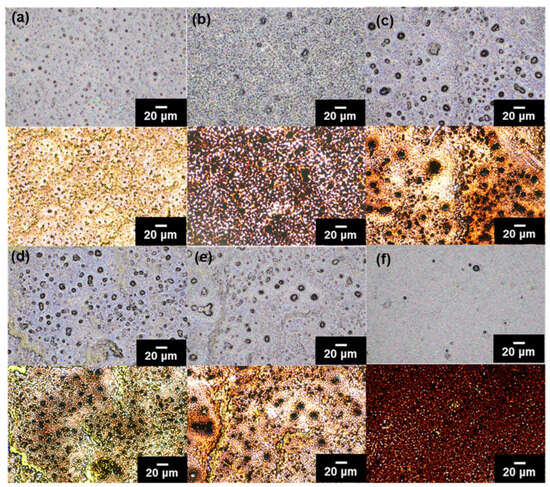
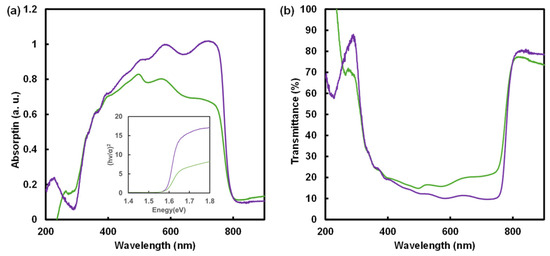
Perovskite solar cells (PSCs) are promising photovoltaic devices, but their practical application is limited by structural instability and ion migration. This study investigates the effects of Gd incorporation on MA0.75FA0.25PbI3 using optical characterization and first-principles calculations. Optical microscopy
[...] Read more.
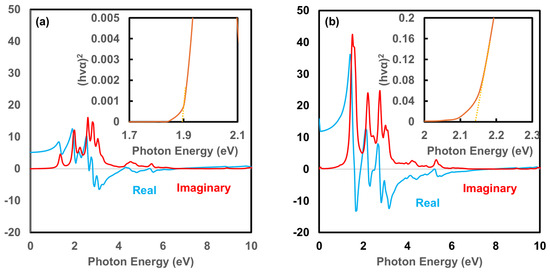
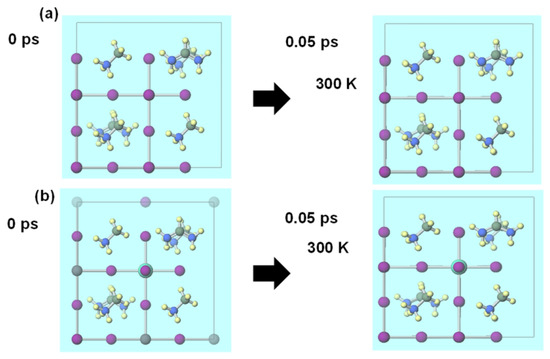
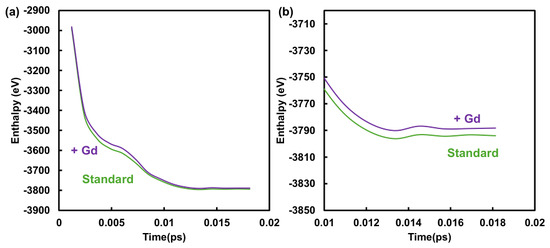
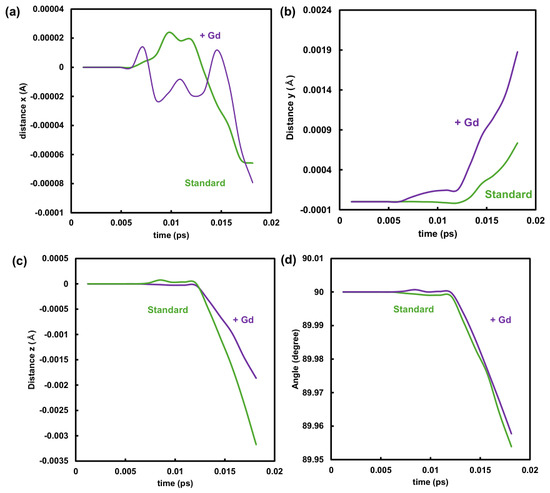
Perovskite solar cells (PSCs) are promising photovoltaic devices, but their practical application is limited by structural instability and ion migration. This study investigates the effects of Gd incorporation on MA0.75FA0.25PbI3 using optical characterization and first-principles calculations. Optical microscopy revealed changes in film morphology, while UV–vis spectroscopy showed enhanced near-infrared absorption without a significant change in the optical bandgap. Density functional theory indicated bandgap narrowing due to Gd-induced lattice distortion. Furthermore, Born–Oppenheimer molecular dynamics and Car–Parrinello molecular dynamics simulations revealed increased atomic diffusion, higher enthalpy, and enhanced lattice fluctuations. These results demonstrate that Gd modifies the electronic structure and lattice dynamics of perovskite materials.
Full article

Figure 1
Open AccessProceeding Paper
Tunable Low Thermal Expansion in Calcite-Type FeBO3 and CrBO3 Borates
by
Maxim D. Kuznetsov, Almaz L. Zinnatullin, Yaroslav P. Biryukov, Yulia S. Gokhfeld, Natalia V. Kazak, Maria G. Krzhizhanovskaya, Farit G. Vagizov and Rimma S. Bubnova
Chem. Proc. 2026, 21(1), 5; https://doi.org/10.3390/chemproc2026021005 - 11 Sep 2026
Abstract
►▼
Show Figures
We report the results of ab initio calculations of the lattice parameters and thermal expansion coefficients α(T) of calcite-type FeBO3 and CrBO3 borates. The calculated parameters were complemented by experimental data for these borates. Other thermodynamic properties, namely the
[...] Read more.
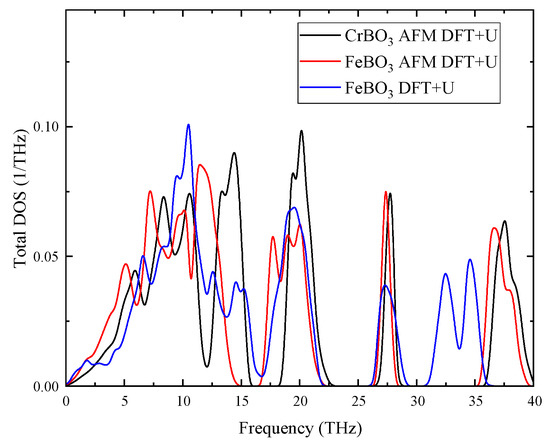
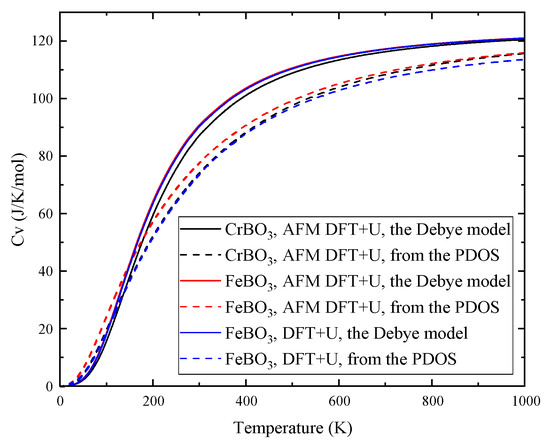
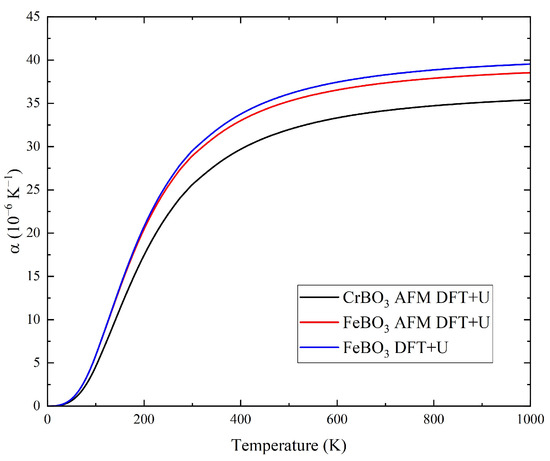
We report the results of ab initio calculations of the lattice parameters and thermal expansion coefficients α(T) of calcite-type FeBO3 and CrBO3 borates. The calculated parameters were complemented by experimental data for these borates. Other thermodynamic properties, namely the isochoric heat capacity CV, the Debye temperature θD, and the Grüneisen parameter γ, were also calculated. The calculations were performed using two approaches. The first uses the quasi-harmonic Debye model, which provides thermodynamic properties from elastic constants via the Debye–Grüneisen formalism. In the second approach, thermodynamic properties were obtained based on the calculated phonon density of states.
Full article

Figure 1

Open AccessProceeding Paper
Position-Dependent Epoxidation as a Strategy to Tune Optical Transitions in Nanographenes: Coronene Model Insights
by
Dmitry Romanov, Anatoly Lavrentyev and Igor Ershov
Chem. Proc. 2026, 20(1), 3; https://doi.org/10.3390/chemproc2026020003 - 4 Sep 2026
Abstract
►▼
Show Figures
This study investigated the influence of position-dependent edge epoxidation on the electronic and optical properties of nanographenes, using coronene as a model system. Quantum-chemical calculations were employed to examine how local functionalization alters the carbon framework and the nature of π-conjugation, thereby influencing
[...] Read more.
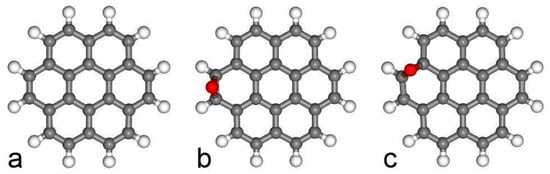
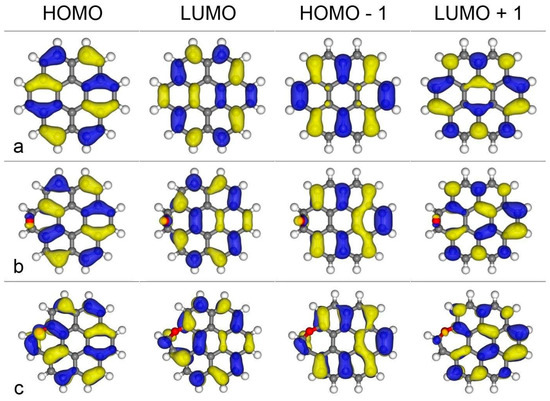
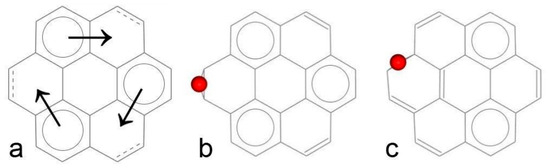
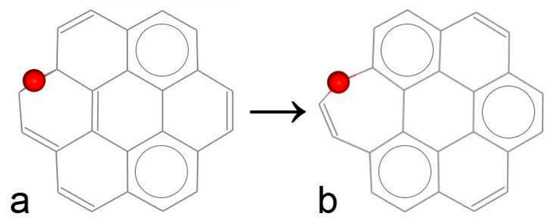
This study investigated the influence of position-dependent edge epoxidation on the electronic and optical properties of nanographenes, using coronene as a model system. Quantum-chemical calculations were employed to examine how local functionalization alters the carbon framework and the nature of π-conjugation, thereby influencing the distribution of frontier molecular orbitals. It was established that the position of the epoxy group determines the nature of the changes within the π-system and the resulting optical response of the functionalized coronene. These structural and electronic modifications are accompanied by variations in the spectral characteristics and the transition probabilities of low-energy electronic transitions. The obtained results demonstrate the interplay between the functional group position, electronic structure, and optical properties of nanographenes, providing a foundation for the rational tuning of their optical response.
Full article

Figure 1
Open AccessProceeding Paper
The Influence of High Temperature on X-Ray Luminescence Performance of BGO and BaF2 Scintillation Crystals
by
Theodoros Tryfonidis, Dionysios Linardatos, Vasileios Ntoupis, George Saatsakis, Ioannis Valais, Nektarios Kalyvas, George Fountos, Ioannis Kandarakis and Christos Michail
Chem. Proc. 2026, 21(1), 4; https://doi.org/10.3390/chemproc2026021004 - 28 Aug 2026
Abstract
►▼
Show Figures
This study examines the luminescence performance of two single-crystal scintillators under X-ray excitation, as a function of temperature. Two identical cubic samples of bismuth germanate (Bi4Ge3O12-BGO) and barium fluoride (BaF2) crystals are irradiated by a
[...] Read more.
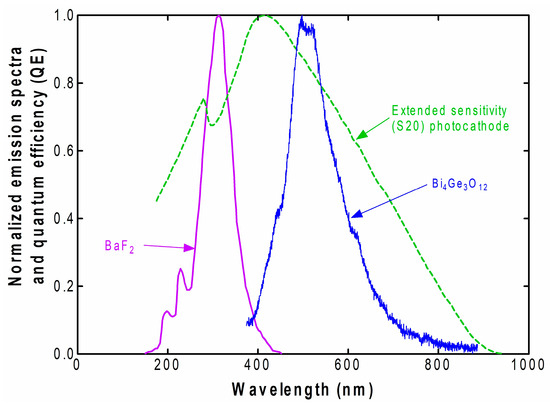
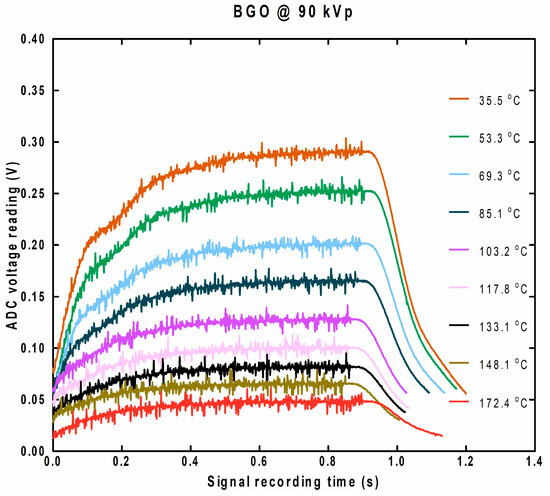
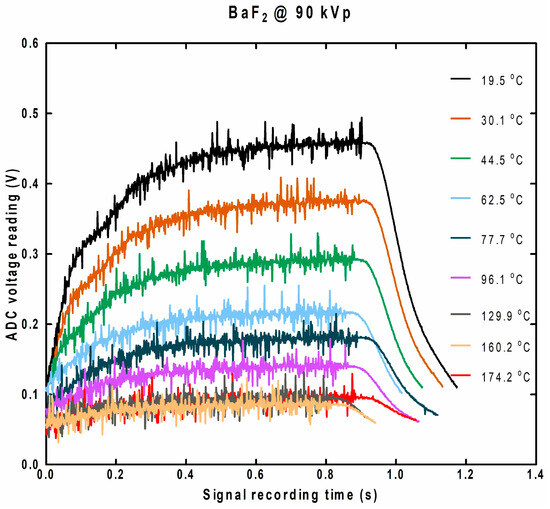
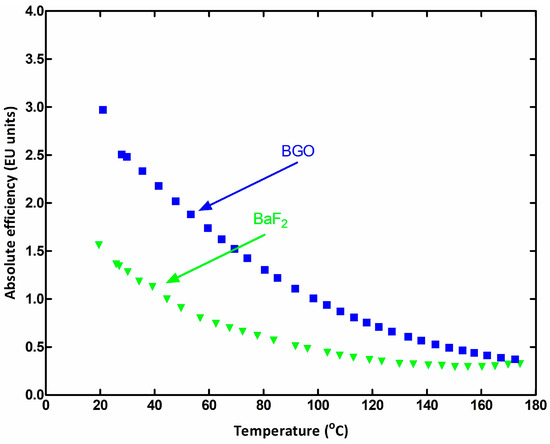
This study examines the luminescence performance of two single-crystal scintillators under X-ray excitation, as a function of temperature. Two identical cubic samples of bismuth germanate (Bi4Ge3O12-BGO) and barium fluoride (BaF2) crystals are irradiated by a medical-type X-ray source, and their luminescence output is collected and measured while they are heated from room temperature up to 174 °C. The luminescence efficiencies of BGO and BaF2 scintillators decreased by 87.5% and 79.48%, respectively, with increasing temperature. BGO showed higher luminescence efficiency results in most of the examined temperature range; however, BaF2 minimized the differences at temperatures approaching 174 °C. The combination of economic accessibility and thermal performance at higher temperatures renders BaF2 a good choice for harsh environments and large-scale applications where budget and durability are as critical as performance.
Full article

Figure 1
Open AccessProceeding Paper
Formation and Crystallization Behavior of a New Organic–Inorganic Hybrid Crystalline Compound in the CA(CLO3)2·2CO(NH2)2–CH2CLCOOH·(C2H4OH)3N–H2O System
by
Ruzimurod Jurayev, Kakhramon Turayev, Bekzod Eshkulov and Akhat Togasharov
Chem. Proc. 2026, 21(1), 3; https://doi.org/10.3390/chemproc2026021003 - 24 Aug 2026
Abstract
►▼
Show Figures
Organic–inorganic hybrid crystalline materials formed in multicomponent aqueous systems are of interest because their phase behavior and physicochemical properties can be controlled by composition and crystallization conditions. In this study, the phase equilibria and crystallization behavior of the ternary aqueous Ca(ClO3)
[...] Read more.
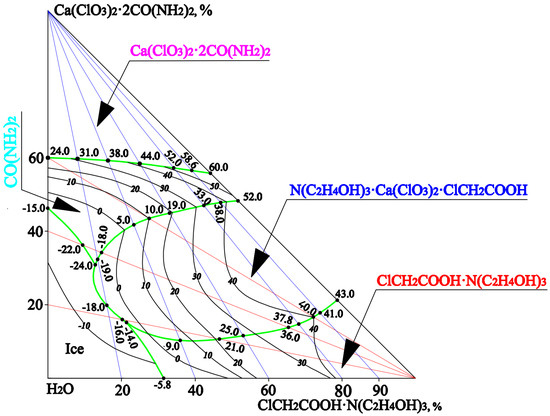
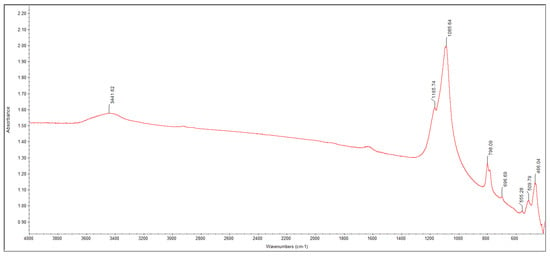
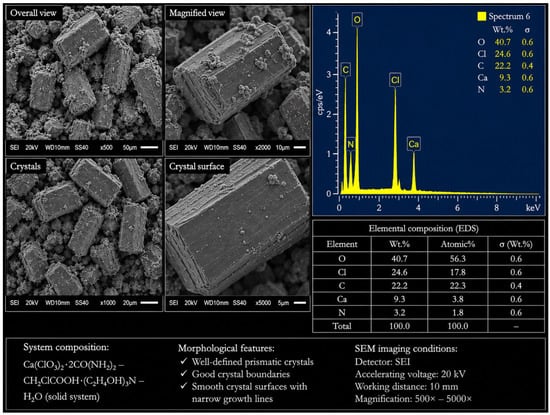
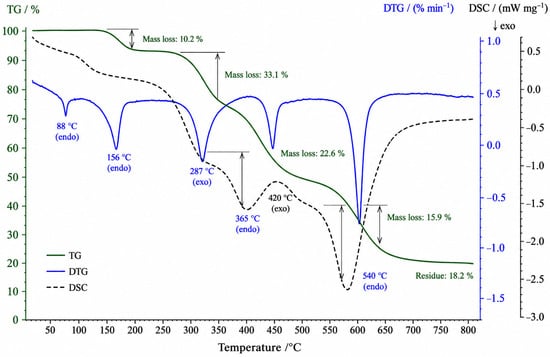
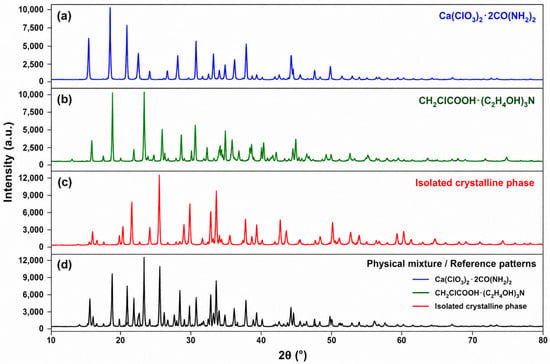
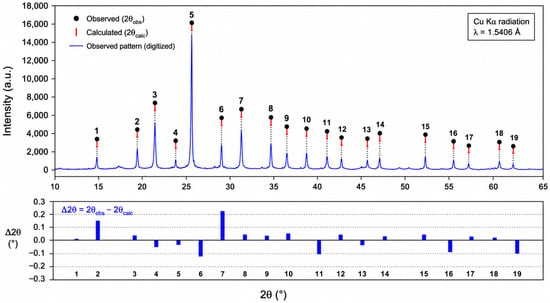
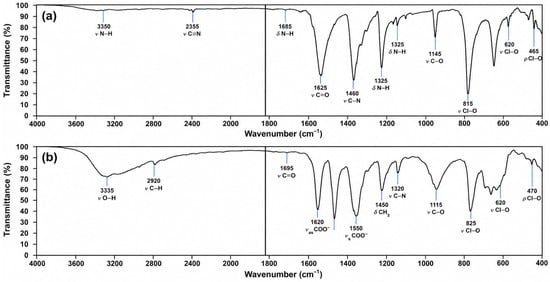
Organic–inorganic hybrid crystalline materials formed in multicomponent aqueous systems are of interest because their phase behavior and physicochemical properties can be controlled by composition and crystallization conditions. In this study, the phase equilibria and crystallization behavior of the ternary aqueous Ca(ClO3)2·2CO(NH2)2–CH2ClCOOH·(C2H4OH)3N–H2O system were investigated over the temperature range of −24 to 60 °C using the visual-polythermal method. Experimental data obtained for the two boundary binary subsystems and eight internal sections were used to construct the polythermal phase diagram. The diagram revealed distinct crystallization fields corresponding to ice, Ca(ClO3)2·2CO(NH2)2·2H2O, CH2ClCOOH·(C2H4OH)3N, and a separate crystallization region associated with a previously unreported crystalline phase with the proposed composition ClCH2COOH·Ca(ClO3)2·(C2H4OH)3N. The solid phase was isolated from its crystallization region, washed with cold distilled water, dried to constant mass, and characterized by complementary Fourier-transform infrared spectroscopy (FT-IR), scanning electron microscopy coupled with energy-dispersive X-ray spectroscopy (SEM–EDS), thermogravimetric analysis, derivative thermogravimetry, and differential scanning calorimetry (TG–DTG–DSC), and powder X-ray diffraction (PXRD). The experimentally determined Ca2+ and ClO3− contents were reasonably consistent with the proposed composition, while FT-IR spectroscopy revealed characteristic chlorate vibrations and changes in the vibrational environment of the organic component. SEM showed predominantly prismatic and plate-like crystalline morphologies, and EDS confirmed the presence of Ca, Cl, O, C, and N. Thermal analysis demonstrated multistage decomposition, with comparatively good thermal stability below approximately 150 °C. PXRD revealed a diffraction fingerprint distinct from those of the starting components and the corresponding physical mixture. Preliminary indexing of 19 principal reflections was consistent with a tetragonal candidate lattice with a = b = 7.7411(5) Å, c = 24.7182(10) Å, V = 1481.2(5) Å3, and M20 ≈ 23.0. The crystallographic analysis is considered preliminary because the diffraction profile was reconstructed from the available pattern and was not subjected to complete structure refinement. Overall, the combined phase-equilibrium, compositional, spectroscopic, morphological, thermal, and diffraction data support the isolation of a distinct organic–inorganic crystalline phase with the proposed composition.
Full article

Figure 1

Open AccessProceeding Paper
Geometry of the Adsorption Sites in Metal Nanoparticles and Surfaces
by
Constantinos D. Zeinalipour-Yazdi
Chem. Proc. 2026, 21(1), 2; https://doi.org/10.3390/chemproc2026021002 - 14 Aug 2026
Abstract
►▼
Show Figures
Despite decades of surface science research, there is a lack of an universal approach to define the adsorption geometry in catalysis on metal nanoparticles and surfaces. The unified framework introduced in this work allows the comparison of binding sites across different facets and
[...] Read more.
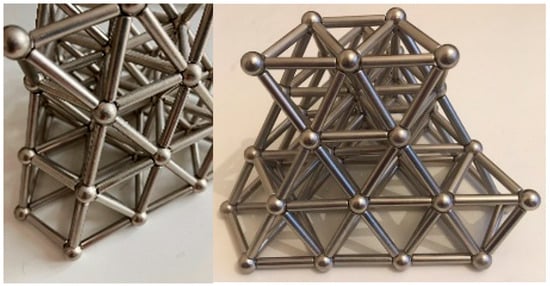
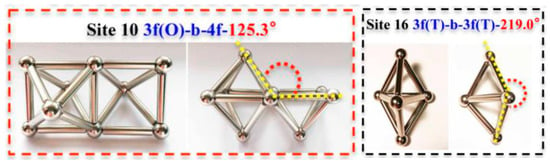
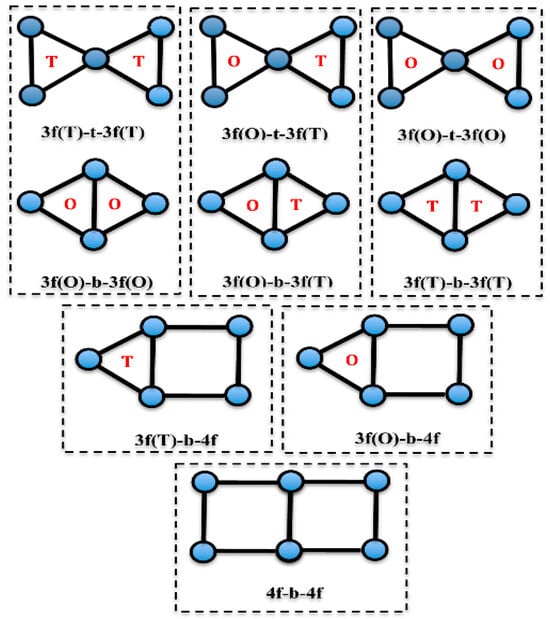
Despite decades of surface science research, there is a lack of an universal approach to define the adsorption geometry in catalysis on metal nanoparticles and surfaces. The unified framework introduced in this work allows the comparison of binding sites across different facets and particle-size metals, including stepped surfaces, adatoms and surface vacancies. In this study, we identify 18 adsorption sites on metal nanoparticles and surfaces that have either a face-centred cubic (FCC) or hexagonal close-packed (HCP) structure. Most metals in the periodic table have these structures and we determined the adsorption site geometry on a nanoparticle using a geometric approach with physical magnetic ball-and-stick models. These geometric models include the existence of an octahedral or tetrahedral hole beneath the adsorption site, as these can affect the adsorption site strengths of adsorbates. Furthermore, these adsorption sites are a combination of three-fold hollows and four-fold hollows, which are adsorption sites known to activate diatomic molecules (e.g., N2 and CO). In addition, adsorption of large-molecular-weight adsorbates can be defined on these sites as they provide multiple contact points in contrast to the typical four-fold hollow, three-fold hollow, and bridge and atop adsorption sites used in heterogeneous catalysis. We find that there are nine geometrically distinct adsorption site topologies composed of square (i.e., 100) and triangular (i.e., 111) motifs. These adsorption site topologies, when combined with a characteristic zeta angle (ζ), result in 18 distinct adsorption site geometries that can be found on metal nanoparticles and surfaces. A systematic naming system for these adsorption sites is provided that defines the adsorption site geometry explicitly. Using this approach, we find that there are five different types of B5 sites, an adsorption site that has been previously found to activate dinitrogen on ruthenium for the ammonia synthesis reaction.
Full article

Figure 1
Open AccessProceeding Paper
Solubility of Metals in Semiconductors: Insights from Iron Silicide
by
Sopheap Sam and Hiroshi Nakatsugawa
Chem. Proc. 2026, 21(1), 1; https://doi.org/10.3390/chemproc2026021001 - 6 Aug 2026
Abstract
►▼
Show Figures
Metal doping is an effective strategy for tuning and improving the transport properties of semiconductors such as iron silicide. However, when the dopant concentration exceeds its solubility limit, secondary metallic phases can form, degrading the desired semiconductor properties and overall material performance. Therefore,
[...] Read more.
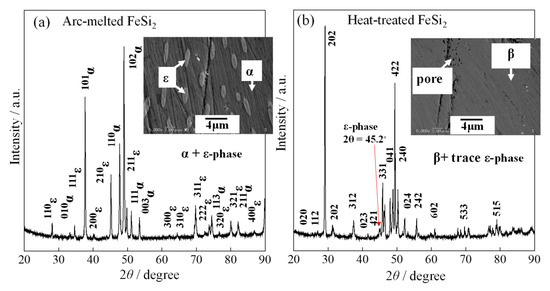
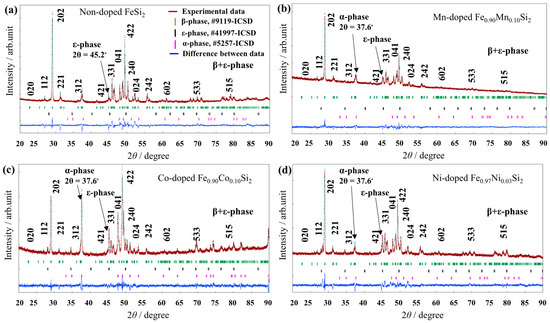
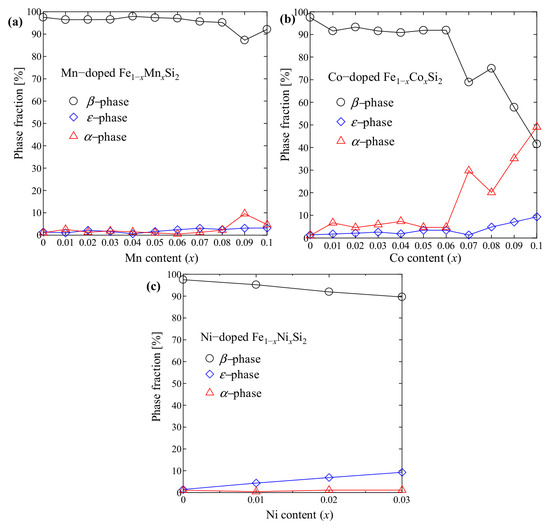
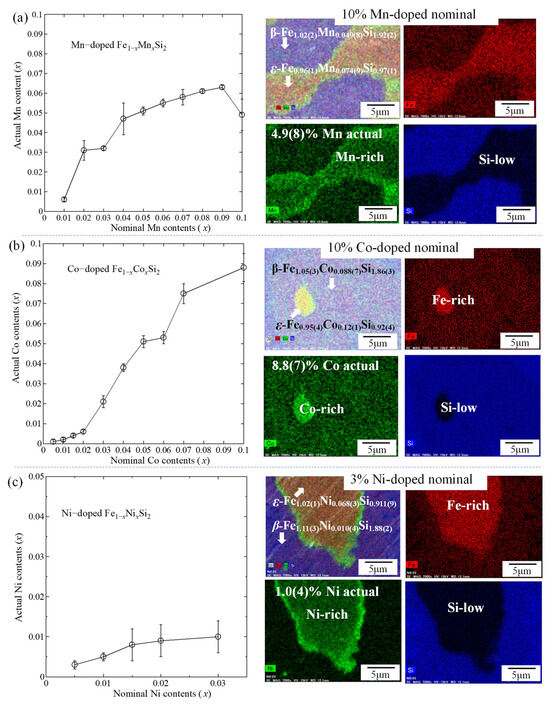
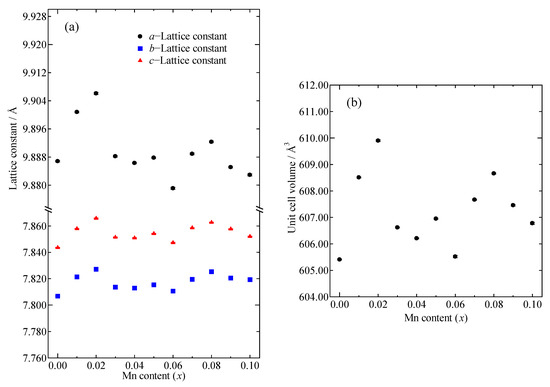
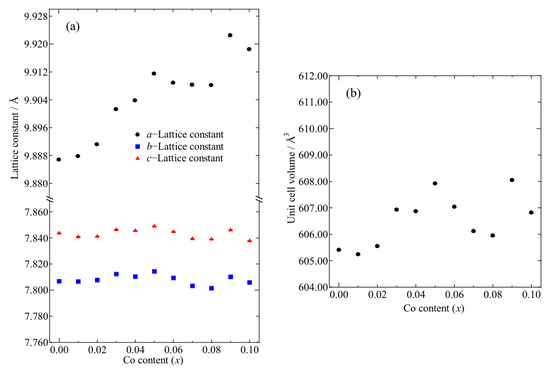
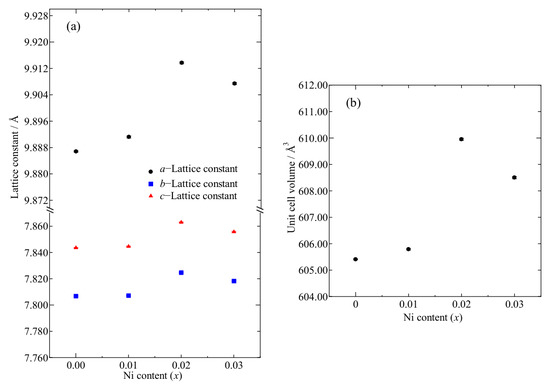
Metal doping is an effective strategy for tuning and improving the transport properties of semiconductors such as iron silicide. However, when the dopant concentration exceeds its solubility limit, secondary metallic phases can form, degrading the desired semiconductor properties and overall material performance. Therefore, a clear understanding of dopant solubility limits and phase stability is important for optimizing material properties. Here, we investigate the solid solution behaviors of metals in polycrystalline Fe1−xMxSi2 (M = Mn, Co, and Ni) systems. The results show that increasing dopant concentration promotes the formation of metallic secondary phases and limits dopant incorporation into the β matrix. The estimated solubility limits are approximately 6.3% for Mn, 8.8% for Co, and 1.0% for Ni. Beyond the iron silicide system, the combined methodology provides a practical approach for determining dopant solubility in semiconductors, where local compositional saturation may occur before substantial changes in bulk phase fractions become apparent.
Full article

Figure 1

Open AccessProceeding Paper
Effect of Color on the Catalytic Performance of Cotton-Bound Photocatalysts
by
Isabella Goveia, Verona Peterman, Genevieve Huynh and Rohit Bhide
Chem. Proc. 2026, 20(1), 2; https://doi.org/10.3390/chemproc2026020002 - 30 Jul 2026
Abstract
►▼
Show Figures
There is an urgent and persistent need to design efficient and sustainable methods to manufacture chemicals on a large scale. Heterogeneous photocatalysts use light to drive organic reactions and offer high recyclability and improved efficiencies for chemical synthesis. However, a detailed study of
[...] Read more.
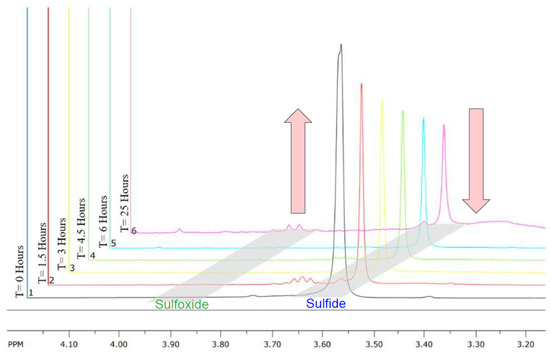
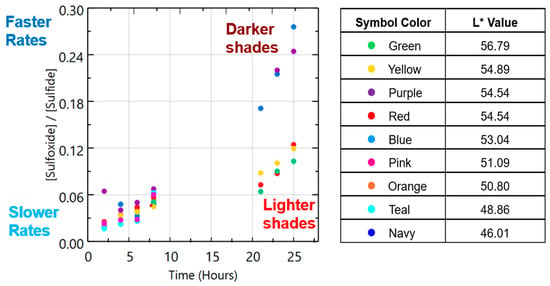
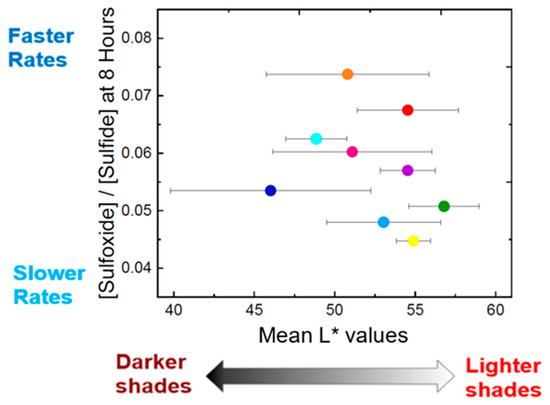
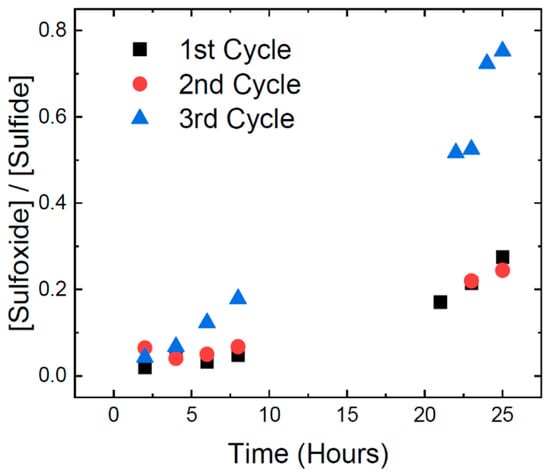
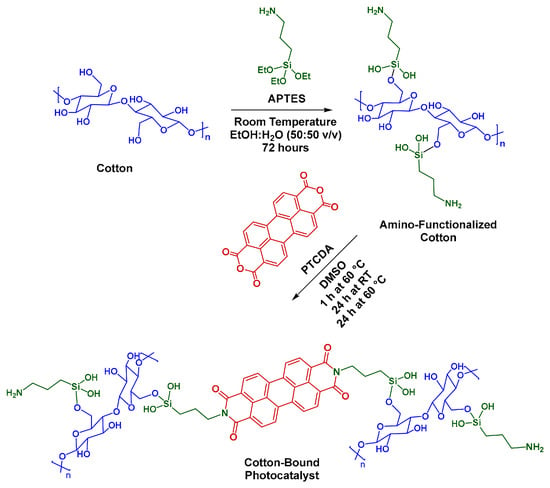
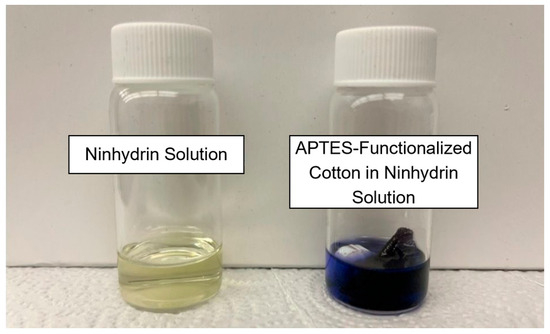
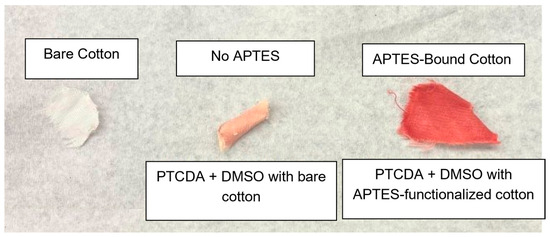
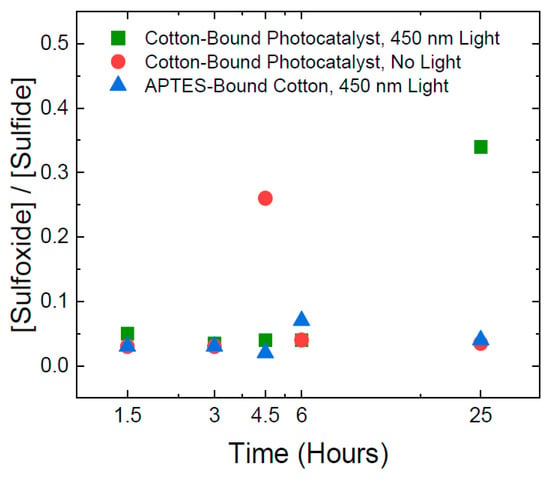
There is an urgent and persistent need to design efficient and sustainable methods to manufacture chemicals on a large scale. Heterogeneous photocatalysts use light to drive organic reactions and offer high recyclability and improved efficiencies for chemical synthesis. However, a detailed study of these photocatalysts using standard laboratory analytical techniques is challenging due to their poor solubility. Successful application of heterogeneous photocatalysts in the chemical industry requires the development of a robust analytical technique that can be used as a predictive and scalable tool for their photocatalytic performance. Herein, we report a simple approach that uses the color of cotton-bound heterogeneous photocatalysts as a potential indicator of their performance. These photocatalysts were synthesized by covalently attaching perylene-based molecular photocatalysts to the surface of cotton using amino-substituted triethoxysilane as the linker. Colorimetry coupled with NMR analysis revealed two important findings: (i) cotton-bound photocatalysts catalyzed sulfide oxidation to sulfoxide under blue-light illumination, and (ii) a general relationship was observed between color intensity and catalytic performance, with darker samples generally exhibiting faster reaction rates. These findings suggest that color may serve as a simple and rapid tool for assessing photocatalyst performance. Future studies will focus on enhancing the reproducibility of photocatalyst binding procedures and validating the color–performance relationships in a wider range of color intensities of the cotton-bound photocatalysts.
Full article

Figure 1

Open AccessProceeding Paper
Investigation of New Additive Manufacturing DED Application for Waste-to-Hydrogen Conversion
by
Svetlana Boshnakova
Chem. Proc. 2026, 20(1), 1; https://doi.org/10.3390/chemproc2026020001 - 27 Jul 2026
Cited by 1
Abstract
►▼
Show Figures
Relatively low-cost titanium carbide (TiC) materials and metal matrix composites (MMC) are proposed for waste-to-hydrogen conversion. Two types of steels are used as bases prepared from EN 10088 flat products, namely X2CrTi12 (1.4512, AISI 409) and X5CrNi18-10 (1.4301, AISI 304). TiC is mixed
[...] Read more.
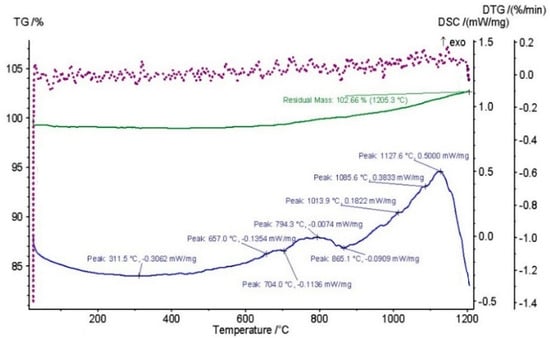
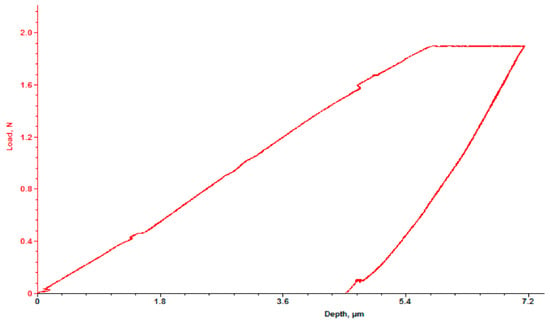
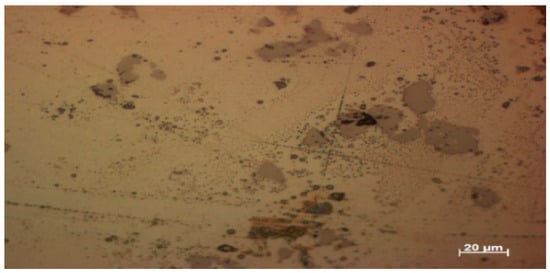
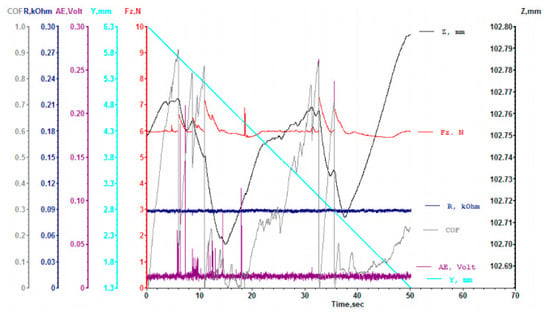
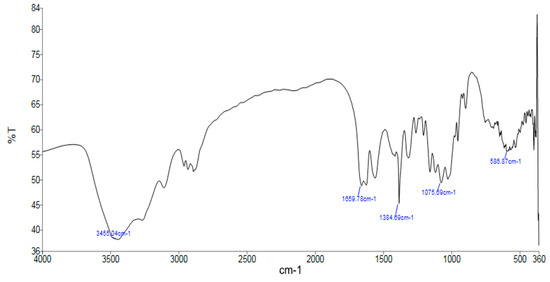
Relatively low-cost titanium carbide (TiC) materials and metal matrix composites (MMC) are proposed for waste-to-hydrogen conversion. Two types of steels are used as bases prepared from EN 10088 flat products, namely X2CrTi12 (1.4512, AISI 409) and X5CrNi18-10 (1.4301, AISI 304). TiC is mixed with TRIBALOY® T-800 alloy in powder form and applied via laser-directed energy deposition (DED-LB) over the substrates. For the powder mixture, Fourier transform infrared spectroscopy (FT-IR) and differential scanning calorimetry (DSC) are performed. The raw materials are investigated for the processes that occur in them under heating. After the solidification of the molten mixture, grinding and polishing are performed to achieve a thin layer. The studies of the obtained MMC include interface zone assessment, hardness and Young’s modulus distribution, microstructural analysis, and visual defect evaluation. Advanced sensors for acoustic emission (AE) and Electrical Contact Resistance (ECR) provided characterization together with micro-scratch testing. The use of photoluminescence spectroscopy is proposed for the new composite materials. The electron transfer pathway can be studied with time-resolved spectroscopy. Renewable energy production by breaking down waste into hydrogen-rich syngas can be achieved through pyrolysis, followed by steam reforming and purification. The obtained novel materials show promising application solutions with increased durability, corrosion, and wear resistance.
Full article

Figure 1
Open AccessEditorial
Statement of Peer Review
by
Julio A. Seijas
Chem. Proc. 2025, 18(1), 149; https://doi.org/10.3390/ecsoc-29-18149 - 28 Apr 2026
Abstract
In submitting conference proceedings to Chemistry Proceedings, the volume editors of the proceedings certify to the publisher that all papers published in this volume have been subjected to peer review administered by the volume editors [...]
Full article
(This article belongs to the Proceedings of The 29th International Electronic Conference on Synthetic Organic Chemistry)
Open AccessProceeding Paper
Determination of Pesticide Residues in Drinking Water Using the LC-MS/MS Method and Evaluation of the Results for 2023 and 2024
by
Miroslava Kuzniarová, Milena Dömötörová, Martina Micháliková and Zuzana Lukačovičová
Chem. Proc. 2025, 19(1), 3; https://doi.org/10.3390/chemproc2025019003 - 20 Jan 2026
Abstract
This study focuses on the determination of pesticide residues in drinking water in Slovakia using the LC-MS/MS method, covering a target list of approximately 90 pesticides selected according to the national drinking water risk assessment. The aim of monitoring is to screen the
[...] Read more.
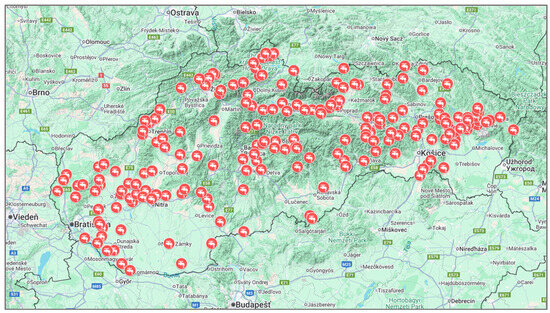
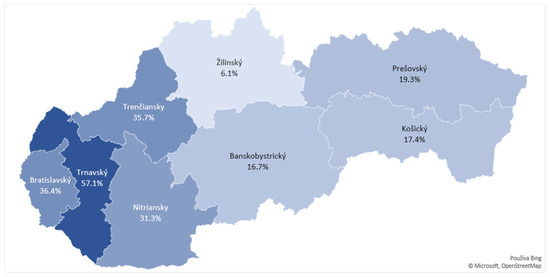
This study focuses on the determination of pesticide residues in drinking water in Slovakia using the LC-MS/MS method, covering a target list of approximately 90 pesticides selected according to the national drinking water risk assessment. The aim of monitoring is to screen the presence of pesticide substances in various water supply systems and to gain experience for setting higher-quality criteria for the control of drinking water. Drinking water samples were collected in 2023, 2024 and 2025 within the National Monitoring Project of the Presence of Pesticides in Public Water Supplies, including both Large-Supply Areas (>5000 inhabitants—2023) and Small-Supply Areas (500–5000 inhabitants—2024, 2025). A total of 211 samples were measured and evaluated in 2023, compared with 199 samples in 2024. This article presents the evaluation of results for 2023 and 2024, while data for 2025 will be assessed in 2026. The findings contribute to the improved surveillance and quality control of drinking water.
Full article
(This article belongs to the Proceedings of The 1st International Online Conference on Separations)
►▼
Show Figures

Figure 1
Open AccessProceeding Paper
Evaluation of Metal–Organic Framework-Based Adsorbents for Preconcentration of Pesticides from Water Samples
by
Yumi Tenawa, Mai Furukawa, Ikki Tateishi, Hideyuki Katsumata and Satoshi Kaneco
Chem. Proc. 2025, 19(1), 2; https://doi.org/10.3390/chemproc2025019002 - 5 Jan 2026
Cited by 1
Abstract
Metal-organic frameworks (MOFs) are porous crystalline materials composed of metal ions and organic ligands. By varying the combinations of metal centers and ligands, their structural properties, adsorption performance, and stability in aqueous environments can be tuned. Owing to these characteristics, MOFs have attracted
[...] Read more.
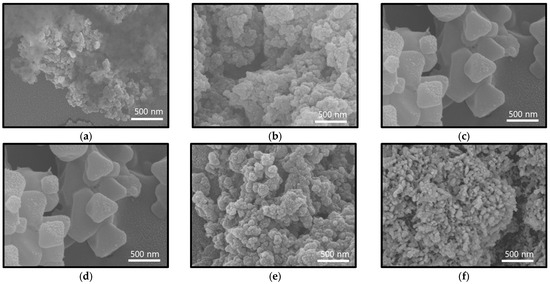
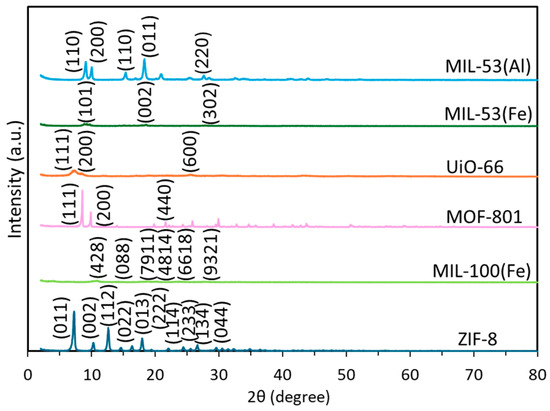
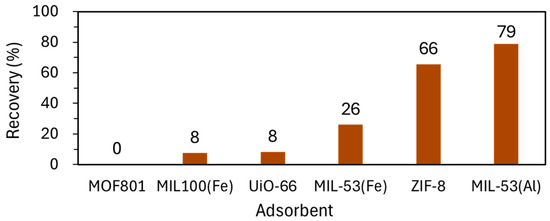
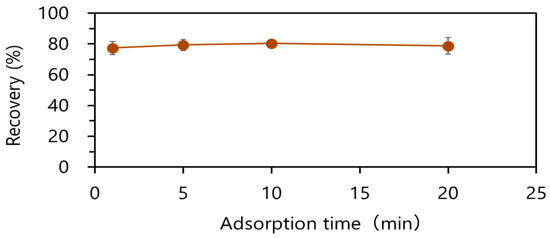
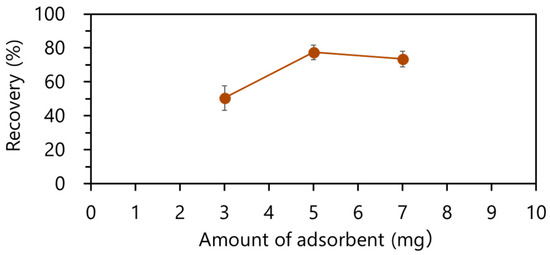
Metal-organic frameworks (MOFs) are porous crystalline materials composed of metal ions and organic ligands. By varying the combinations of metal centers and ligands, their structural properties, adsorption performance, and stability in aqueous environments can be tuned. Owing to these characteristics, MOFs have attracted attention as promising materials for environmental analysis and separation technologies. In this study, several MOFs with different metal ions and ligands were synthesized and evaluated for their adsorption performance for bensulfuron-methyl, a sulfonylurea herbicide. Among the tested MOFs, MIL-53(Al) exhibited the highest recovery. The results indicate that adsorption performance depends on the combination of metal ions and organic ligands.
Full article
(This article belongs to the Proceedings of The 1st International Online Conference on Separations)
►▼
Show Figures

Figure 1
Open AccessProceeding Paper
Synthesis and Structural Confirmation of a Novel 3,6-Dicarbonyl Derivative of 2-Chloropyrazine via Regioselective Dilithiation
by
Priyabrata Roy
Chem. Proc. 2025, 18(1), 87; https://doi.org/10.3390/ecsoc-29-26696 - 22 Dec 2025
Abstract
A novel 3,6-dicarbonyl-substituted derivative of 2-chloropyrazine has been synthesized for the first time via regioselective dilithiation using lithium 2,2,6,6-tetramethylpiperidide (LiTMP) and subsequent trapping with methyl benzoate. The structure was unambiguously confirmed through Sonogashira coupling and diagnostic NMR analysis, establishing selective substitution at both
[...] Read more.
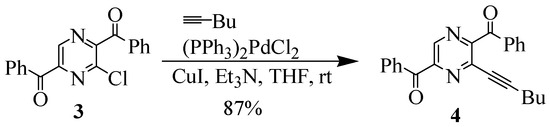
A novel 3,6-dicarbonyl-substituted derivative of 2-chloropyrazine has been synthesized for the first time via regioselective dilithiation using lithium 2,2,6,6-tetramethylpiperidide (LiTMP) and subsequent trapping with methyl benzoate. The structure was unambiguously confirmed through Sonogashira coupling and diagnostic NMR analysis, establishing selective substitution at both the 3- and 6-positions. This result demonstrates that symmetrical 3,6-functionalization of 2-chloropyrazine is feasible under mild conditions, overcoming long-standing limitations of multiple metalations in electron-deficient heterocycles and opening new pathways for the synthesis of polyfunctional pyrazine frameworks.
Full article
(This article belongs to the Proceedings of The 29th International Electronic Conference on Synthetic Organic Chemistry)
►▼
Show Figures

Scheme 1
Open AccessConference Report
Abstracts of the 3rd International Electronic Conference on Catalysis Sciences
by
Evangelos Topakas and Keith Hohn
Chem. Proc. 2025, 17(1), 13; https://doi.org/10.3390/chemproc2025017013 - 18 Dec 2025
Abstract
The 3rd International Electronic Conference on Catalysis Sciences (ECCS 2025) was held online from 23–25 May 2025 and was chaired by Prof [...]
Full article
(This article belongs to the Proceedings of The 3rd International Electronic Conference on Catalysis Sciences)
Open AccessConference Report
Abstracts of the 1st International Online Conference on Separations
by
Grzegorz Boczkaj
Chem. Proc. 2025, 19(1), 1; https://doi.org/10.3390/chemproc2025019001 - 11 Dec 2025
Abstract
The 1st International Online Conference on Separations (IOCS 2025), organized by MDPI during 15–17 October 2025, brings together researchers, professionals, and industry experts from around the world to explore the latest advancements in the dynamic field of separation science [...]
Full article
(This article belongs to the Proceedings of The 1st International Online Conference on Separations)
Open AccessEditorial
Statement of Peer Review
by
Evangelos Topakas and Keith Hohn
Chem. Proc. 2025, 17(1), 12; https://doi.org/10.3390/chemproc2025017012 - 4 Dec 2025
Abstract
In submitting conference proceedings to Chemistry Proceedings, the volume editors of the proceedings certify to the publisher that all papers published in this volume have been subjected to peer review administered by the volume editors [...]
Full article
(This article belongs to the Proceedings of The 3rd International Electronic Conference on Catalysis Sciences)
Open AccessProceeding Paper
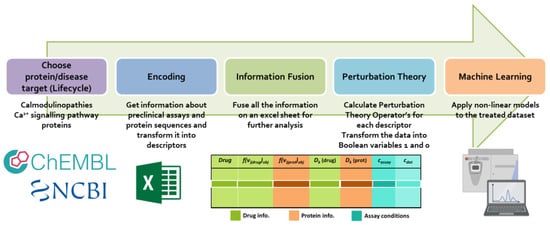
LIFE.PTML Model Development Targeting Calmodulin Pathway Proteins
by
Maider Baltasar-Marchueta, Naia López, Sonia Arrasate, Matthew M. Montemore and Humberto González-Díaz
Chem. Proc. 2025, 18(1), 38; https://doi.org/10.3390/ecsoc-29-26890 - 3 Dec 2025
Abstract
Developing predictive models for drug efficacy is challenged by the complexity and heterogeneity of bioassay data. Here, we present LIFE.PTML, which is a methodology integrating drug Lifecycle (L), Information Fusion (IF), Encoding (E), Perturbation Theory (PT), and Machine Learning (ML) to predict compound
[...] Read more.
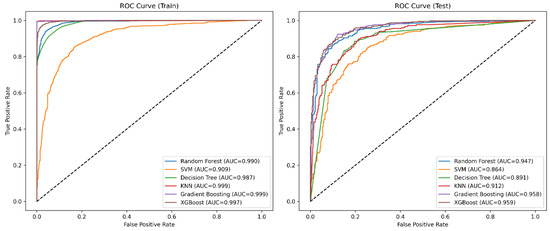
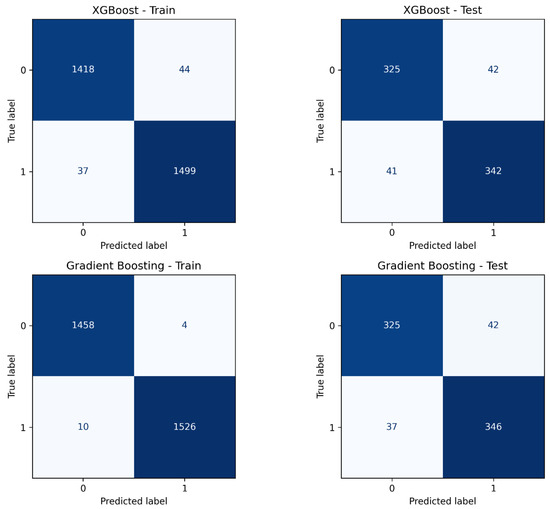
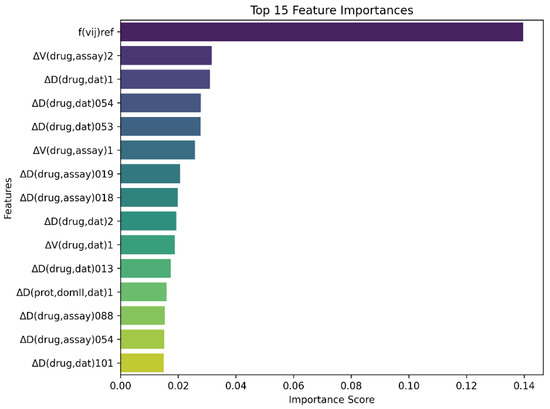
Developing predictive models for drug efficacy is challenged by the complexity and heterogeneity of bioassay data. Here, we present LIFE.PTML, which is a methodology integrating drug Lifecycle (L), Information Fusion (IF), Encoding (E), Perturbation Theory (PT), and Machine Learning (ML) to predict compound activity across diverse experimental conditions. Using a dataset of 3748 molecule–assay combinations targeting calmodulin (CaM) and related proteins, LIFE.PTML combines chemical and protein descriptors, quantifies experimental variability via perturbation operators, and trains non-linear classifiers, including XGBoost and Gradient Boosting. XGBoost achieved the best performance, with 88.9% test accuracy and an ROC AUC of 0.959, while feature importance analysis highlighted contributions from both drug- and protein-level descriptors. The results demonstrate that LIFE.PTML provides a robust, flexible, and interpretable framework for predictive chemoinformatics, facilitating the integration of multi-source data for drug discovery applications.
Full article
(This article belongs to the Proceedings of The 29th International Electronic Conference on Synthetic Organic Chemistry)
►▼
Show Figures

Figure 1
Open AccessProceeding Paper
Therapeutic Potential of 1-Deazapurines as Alpha-Glucosidase Inhibitors: Molecular Docking and Pharmacokinetic Evaluation
by
Faiza Boukli-Hacene, Hocine Allali, Sabri Ahmed Cherrak, Wassila Soufi and Said Ghalem
Chem. Proc. 2025, 18(1), 33; https://doi.org/10.3390/ecsoc-29-26911 - 1 Dec 2025
Abstract
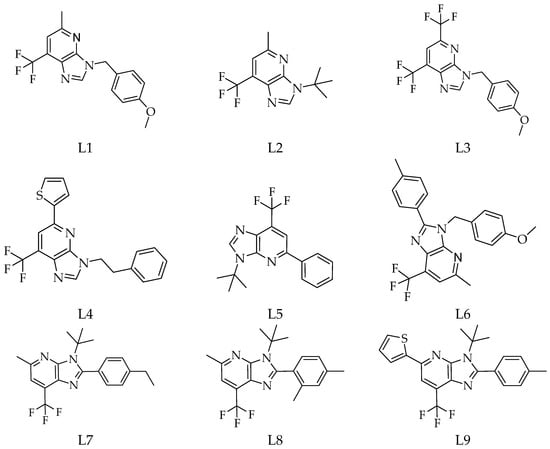
Type 2 diabetes mellitus remains a critical metabolic disorder requiring novel therapeutic approaches. In this work, a library of 1-deazapurine derivatives was evaluated as α-glucosidase inhibitors through molecular docking with MOE software. The three top-ranked ligands—Methyl 6-(2-hydroxybenzoyl)-3-(2-phenylethyl)imidazo[4,5-b] pyridine-5-carboxylate (–6.1247 kcal/mol), 5-(furan-2-yl)-3-(4-methoxybenzyl)-2-phenyl-7- (trifluoromethyl)imidazo[4,5-b]pyridine (–5.7030
[...] Read more.
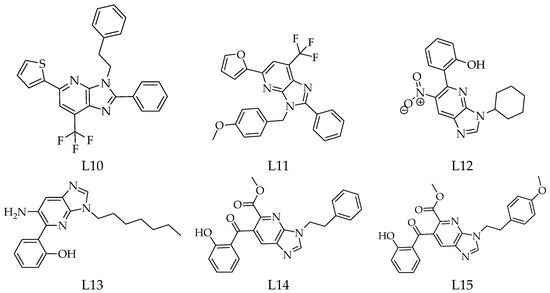
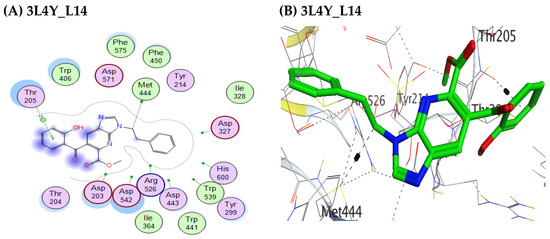
Type 2 diabetes mellitus remains a critical metabolic disorder requiring novel therapeutic approaches. In this work, a library of 1-deazapurine derivatives was evaluated as α-glucosidase inhibitors through molecular docking with MOE software. The three top-ranked ligands—Methyl 6-(2-hydroxybenzoyl)-3-(2-phenylethyl)imidazo[4,5-b] pyridine-5-carboxylate (–6.1247 kcal/mol), 5-(furan-2-yl)-3-(4-methoxybenzyl)-2-phenyl-7- (trifluoromethyl)imidazo[4,5-b]pyridine (–5.7030 kcal/mol), and 3-[2-phenylethyl]-5-thio phen-2-yl-7-(trifluoromethyl)imidazo[4,5-b]pyridine (–5.5403 kcal/mol)—were further validated by molecular dynamics simulations. ADMET and drug-likeness predictions confirmed favourable pharmacokinetic behaviour, gastrointestinal absorption, and oral bioavailability. These findings highlight 1-deazapurines as promising scaffolds for developing new α-glucosidase inhibitors targeting type 2 diabetes.
Full article
(This article belongs to the Proceedings of The 29th International Electronic Conference on Synthetic Organic Chemistry)
►▼
Show Figures

Figure 1
Open AccessProceeding Paper
Chitosan-Based Biosorption: A Sustainable Approach for Heavy Metal Removal from Wastewater
by
Imane Lansari, Khadidja Tizaoui and Belkacem Benguella
Chem. Proc. 2025, 18(1), 37; https://doi.org/10.3390/ecsoc-29-26919 - 28 Nov 2025
Cited by 2
Abstract
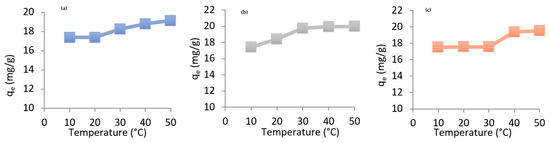
This study investigates the application of natural chitosan as an efficient adsorbent for the removal of heavy metals from aqueous solutions. Experimental results showed that Mn(II), Co(II), and Ni(II) ions were effectively retained on the chitosan surface. Kinetic analysis revealed a preferential adsorption
[...] Read more.
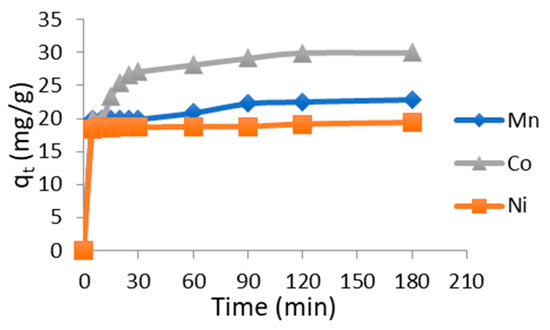
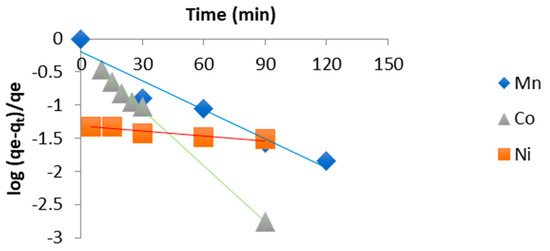
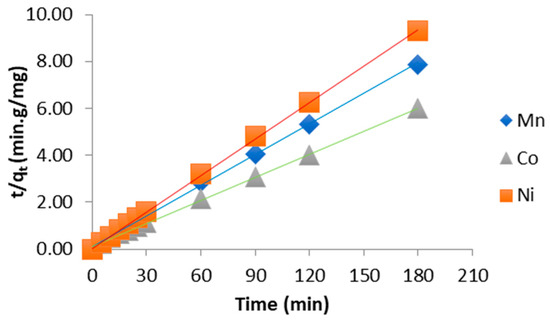
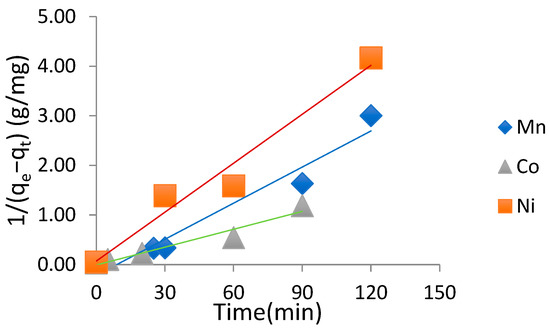
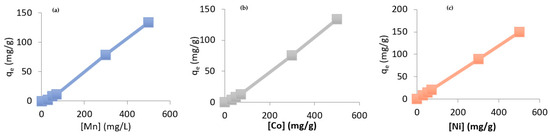
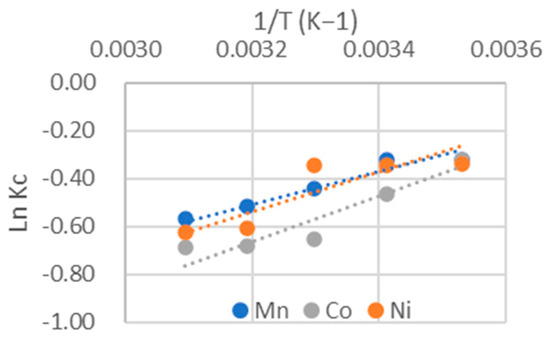
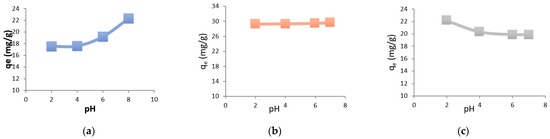
This study investigates the application of natural chitosan as an efficient adsorbent for the removal of heavy metals from aqueous solutions. Experimental results showed that Mn(II), Co(II), and Ni(II) ions were effectively retained on the chitosan surface. Kinetic analysis revealed a preferential adsorption order of Co(II) > Mn(II) > Ni(II), following a pseudo-second-order model with rapid kinetics. Equilibrium adsorption capacities were influenced by initial concentration, temperature, and pH. Thermodynamic analysis indicated that the adsorption process was exothermic and physical in nature. Overall, chitosan proved to be a promising and cost-effective adsorbent for water decontamination.
Full article
(This article belongs to the Proceedings of The 29th International Electronic Conference on Synthetic Organic Chemistry)
►▼
Show Figures

Figure 1
Highly Accessed Articles
Latest Books
E-Mail Alert
News
1 September 2026
MDPI INSIGHTS: The CEO’s Letter #38 – 2 Million Published Articles, Outstanding Reviewers, Michele Parrinello Award, AIS 2026 & WSF-12
27 August 2026
Meet Us Virtually at The 2nd International Online Conference on Photochemistry, 10–11 June 2027
Topics
Conferences
22–24 September 2026
The 4th International Electronic Conference on Catalysis Sciences (ECCS 2026) 22–24 September 2026

27–29 September 2027
Meet Us Virtually at the 1st International Online Conference on Molecules (IOCMO 2027), 27–29 September 2027