




-
Replication Stress in Cancer: Mechanistic Insights and Therapeutic Opportunities for Radiosensitization -
GPCR-Mediated Cell Intelligence: A Potential Mechanism for Survival and Long-Term Health -
Interleukin Signatures as Prognostic Biomarkers in Ulcerative Colitis: From Immune Pathways to Clinical Prediction -
Collagen Type II-Targeting Lentiviral Gene Therapy for Mucopolysaccharidosis IVA -
From GWAS Signals to Causal Genes in Chronic Kidney Disease
Journal Description
Current Issues in Molecular Biology
is an international, scientific, peer-reviewed, open access journal on molecular biology, published monthly online by MDPI (from Volume 43, Issue 1 - 2021).
- Open Access— free for readers, with article processing charges (APC) paid by authors or their institutions.
- High Visibility: indexed within Scopus, SCIE (Web of Science), PMC, PubMed, Embase, CAPlus / SciFinder, FSTA, AGRIS, and other databases.
- Rapid Publication: manuscripts are peer-reviewed and a first decision is provided to authors approximately 16.3 days after submission; acceptance to publication is undertaken in 2.8 days (median values for papers published in this journal in the second half of 2025).
- Recognition of Reviewers: APC discount vouchers, optional signed peer review, and reviewer names are published annually in the journal.
Impact Factor:
3.0 (2024);
5-Year Impact Factor:
3.2 (2024)
Latest Articles
Exploring IGF-1 Gene Polymorphisms in Diverse Saudi Arabian Dromedary Camel Breeds
Curr. Issues Mol. Biol. 2026, 48(4), 383; https://doi.org/10.3390/cimb48040383 - 7 Apr 2026
Abstract
The insulin-like growth factor 1 (IGF-1) gene plays a key role in growth and production traits in livestock. Limited information is available regarding its genetic polymorphisms in Saudi camel breeds. This study aimed to investigate genetic variation in the IGF-1 gene
[...] Read more.
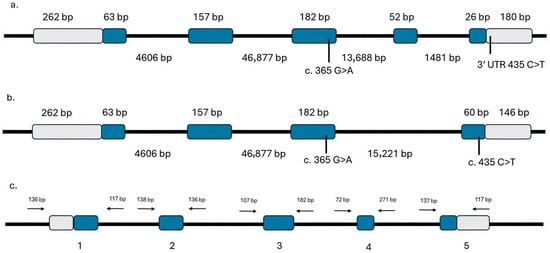
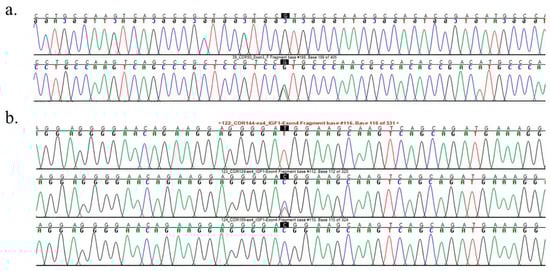
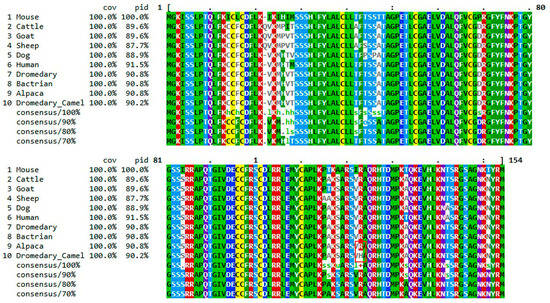
The insulin-like growth factor 1 (IGF-1) gene plays a key role in growth and production traits in livestock. Limited information is available regarding its genetic polymorphisms in Saudi camel breeds. This study aimed to investigate genetic variation in the IGF-1 gene among Saudi camel breeds to provide baseline genetic information for future association studies. A total of 176 camels representing six Saudi breeds were sampled. DNA was extracted and Polymerase chain reaction (PCR) amplification and Sanger sequencing were applied to detect IGF-1 polymorphisms. Genotype and allele frequencies were calculated across breeds, and statistical comparisons were performed based on proportional distributions to account for unequal sample sizes. Two single-nucleotide polymorphisms (SNPs) were identified: c.365G>A in exon 3 and c.435C>T in exon 5. The exon 3 variant resulted in a missense mutation (p. Arg122His) but was detected in heterozygous form in only one camel, and subsequent screening of 109 additional samples confirmed its rarity. The exon 5 variant was synonymous in isoform X1 and located in the 3′ untranslated region of isoform X2. Sequencing of 176 camels revealed that c.435C>T was highly polymorphic across the examined breeds. Significant differences in genotype frequencies were observed within and among breeds (p < 0.001). The CT genotype predominated in Waddah (60%), Shageh (48%), and Sofor (60%), significantly exceeding CC and TT frequencies (p < 0.001). In Majaheem and Saheli, CT (47%) and TT (45%) were nearly equal and both significantly higher than CC (p < 0.001). Shaele exhibited a distinct pattern, with TT being most frequent (57%), significantly higher than CC (7%, p < 0.001) and CT (36%, p < 0.01). These findings indicate directional selection favoring the C allele in the Waddah and Shageh breeds, whereas the T allele is favored in the remaining breeds. This study provides the first baseline characterization of IGF-1 polymorphisms among Saudi camel breeds. Although no phenotypic associations were assessed, the results offer a foundation for future research examining relationships between IGF-1 variants and economically important traits.
Full article
(This article belongs to the Section Biochemistry, Molecular and Cellular Biology)
►
Show Figures
Open AccessArticle
Bioinformatics Analysis of Ferroptosis-Related Driver Genes in Stanford Type A Aortic Dissection
by
Ruizhi Nie, Weiqing Han and Jianjun Xu
Curr. Issues Mol. Biol. 2026, 48(4), 382; https://doi.org/10.3390/cimb48040382 - 7 Apr 2026
Abstract
Stanford type A aortic dissection (TAAD) is a life-threatening cardiovascular condition associated with high mortality. Ferroptosis has been implicated in TAAD pathogenesis, but comprehensive analyses and experimental validation of ferroptosis-related driver genes (FRDGs) remain limited. This study systematically investigated FRDGs in TAAD using
[...] Read more.
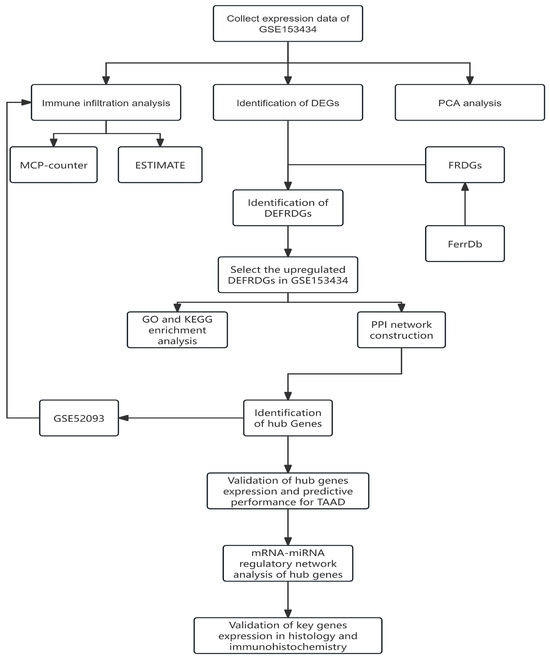
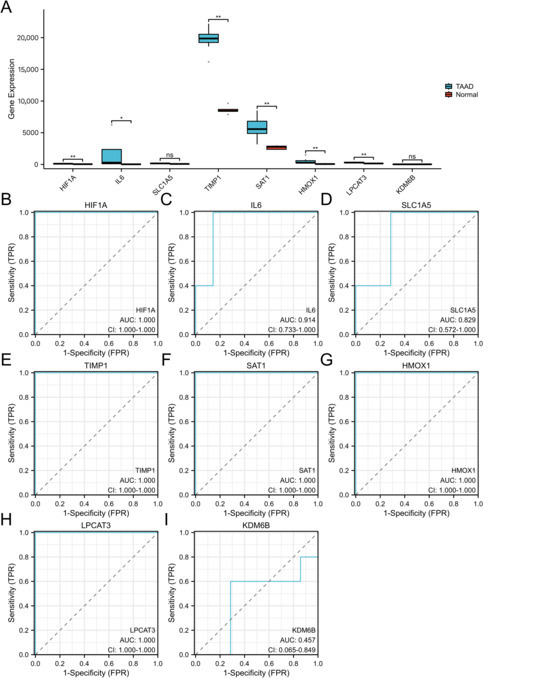
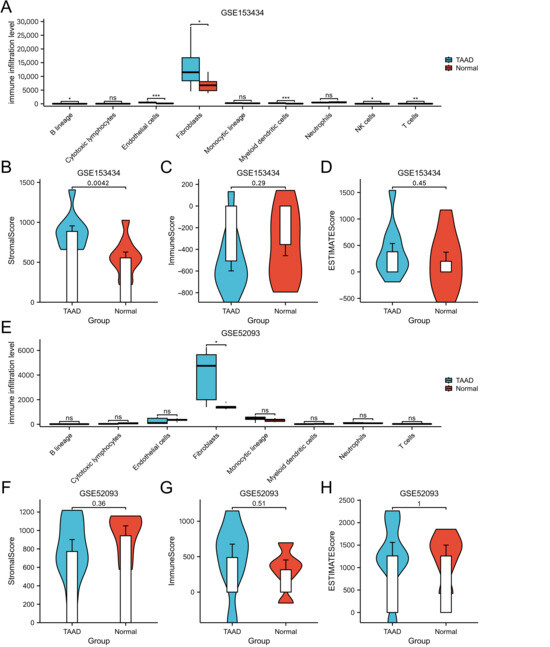
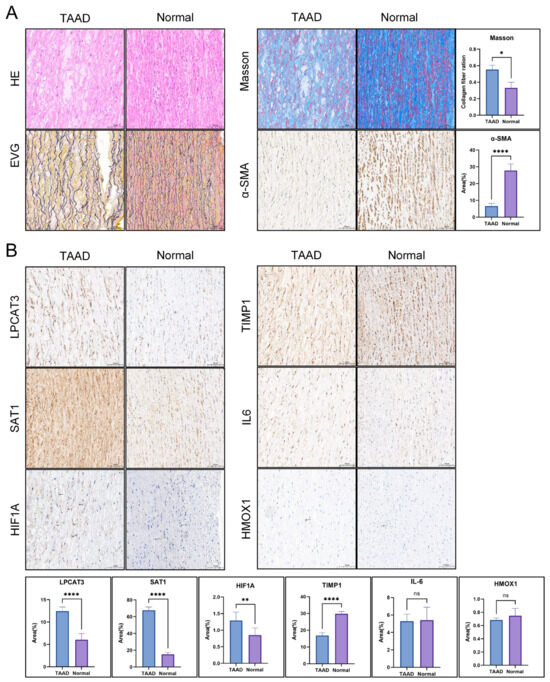
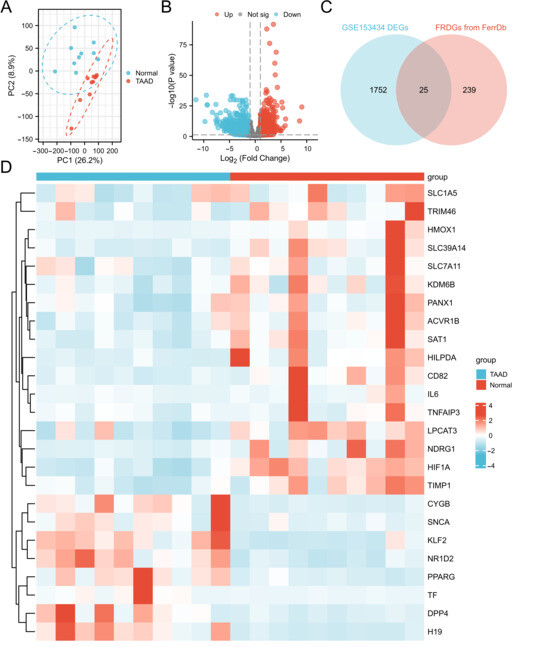
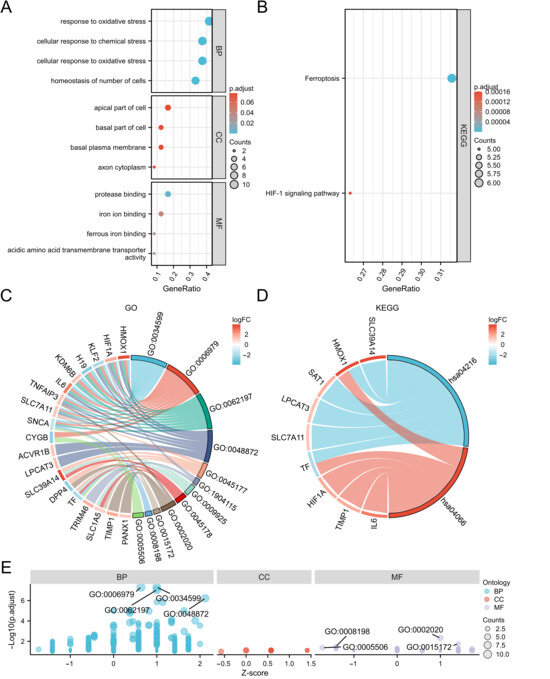
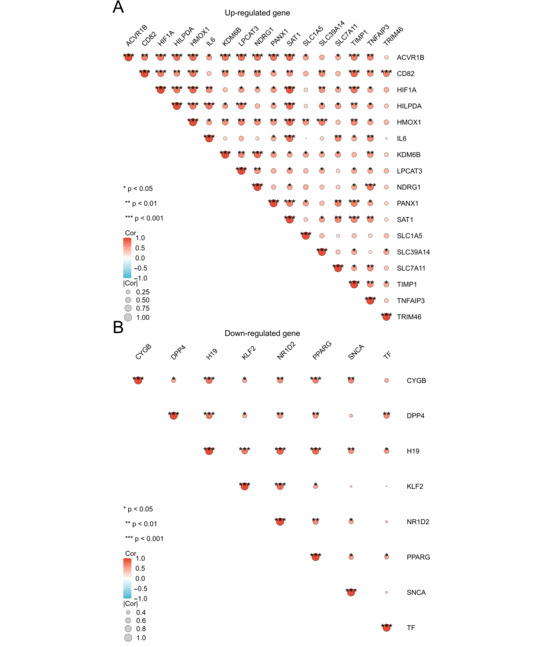
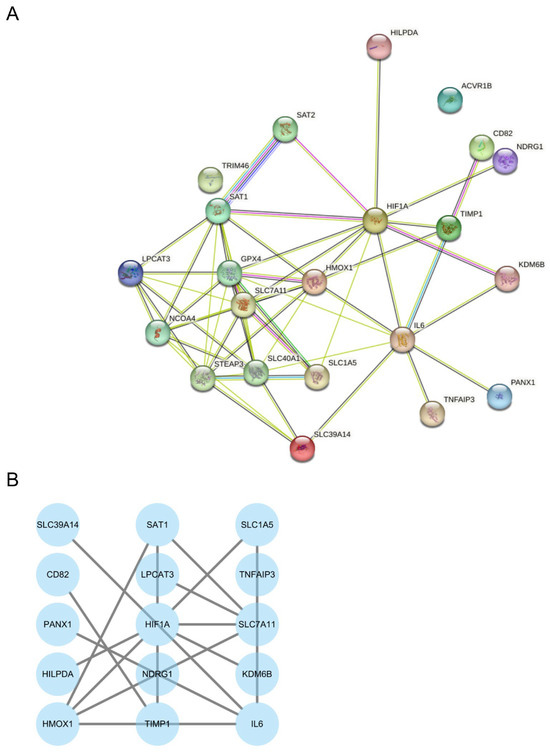
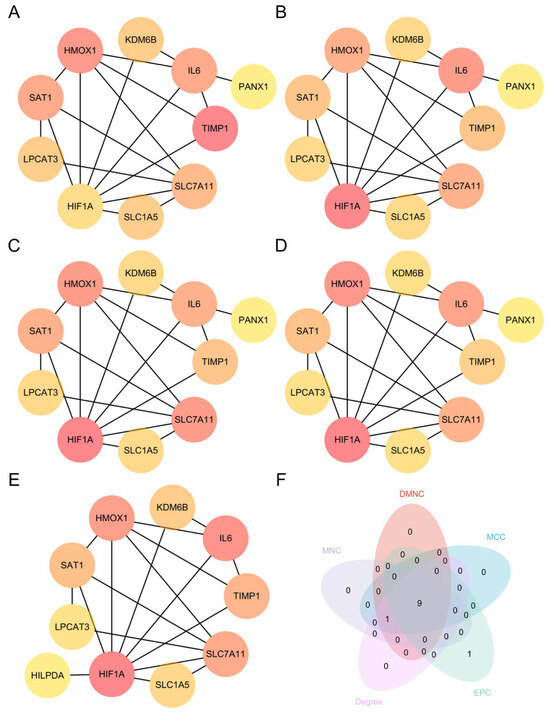
Stanford type A aortic dissection (TAAD) is a life-threatening cardiovascular condition associated with high mortality. Ferroptosis has been implicated in TAAD pathogenesis, but comprehensive analyses and experimental validation of ferroptosis-related driver genes (FRDGs) remain limited. This study systematically investigated FRDGs in TAAD using bioinformatics and experimental approaches. Differentially expressed ferroptosis-related driver genes (DEFRDGs) were identified by integrating the GSE153434 dataset with the FerrDb database. Functional enrichment analysis was subsequently performed, followed by the construction of a protein–protein interaction (PPI) network, assessment of immune cell infiltration, and prediction of potential miRNA interactions. Candidate hub genes were then validated using an independent cohort (GSE52093) and clinical tissue samples, with their diagnostic value evaluated via receiver operating characteristic (ROC) curve analysis and their protein expression confirmed by immunohistochemistry. We identified 25 DEFRDGs (17 upregulated, 8 downregulated) enriched in oxidative stress, iron binding, and ferroptosis/HIF-1 signaling pathways. Six hub genes (HIF1A, IL6, TIMP1, SAT1, HMOX1, LPCAT3) were significantly upregulated in validation cohorts, five genes (HIF1A, TIMP1, SAT1, HMOX1, LPCAT3) achieved an area under the curve (AUC) of 1.000, while IL6 also exhibited high diagnostic accuracy (AUC = 0.914). Fibroblast infiltration was elevated in TAAD tissues. Further miRNA interaction prediction revealed the potential involvement of miRNAs, such as miR-138-5p, miR-18b-5p, miR-199a-5p, miR-185-5p, miR-506-3p and miR-4644. Immunohistochemistry confirmed increased protein expression of HIF1A, SAT1, and LPCAT3. These three genes emerge as key ferroptosis-related drivers in TAAD. Their consistent upregulation and strong diagnostic performance support ferroptosis as a potential therapeutic target and provide a basis for mechanism-focused interventions.
Full article
(This article belongs to the Section Bioinformatics and Systems Biology)
►▼
Show Figures

Figure 1
Open AccessArticle
Enhanced Antitumor Response in Breast Cancer via Parthanatos Activation Mediated by the Synergistic Effect of Etoposide and Resveratrol
by
Negar Taghavi Pourianazar and Narin Abdullah
Curr. Issues Mol. Biol. 2026, 48(4), 381; https://doi.org/10.3390/cimb48040381 - 7 Apr 2026
Abstract
Breast cancer remains a major global health challenge, requiring novel therapeutic strategies that can overcome drug resistance and improve treatment efficacy. This study investigates the synergistic antitumor effects of etoposide, a conventional chemotherapeutic agent, and resveratrol, a natural polyphenol with anticancer properties, in
[...] Read more.
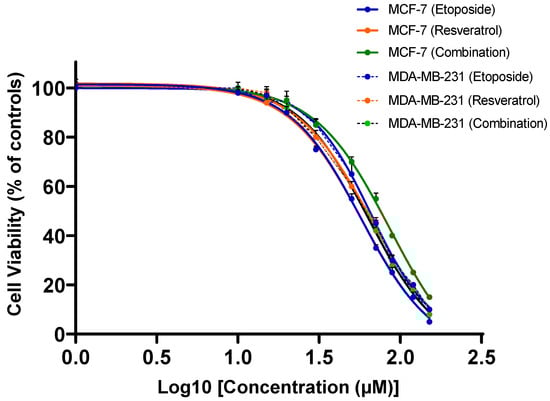
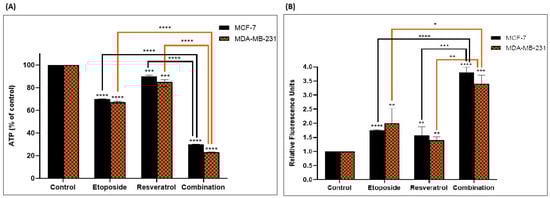
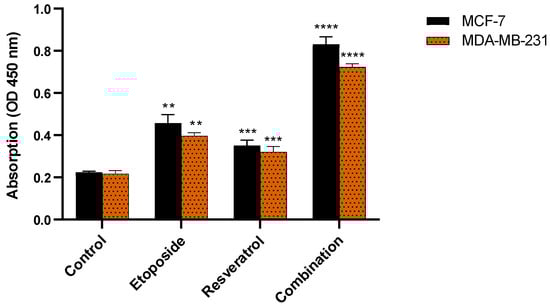
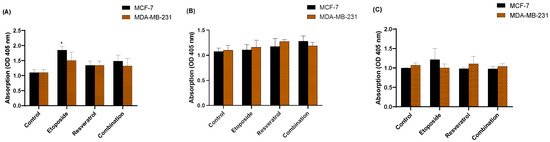
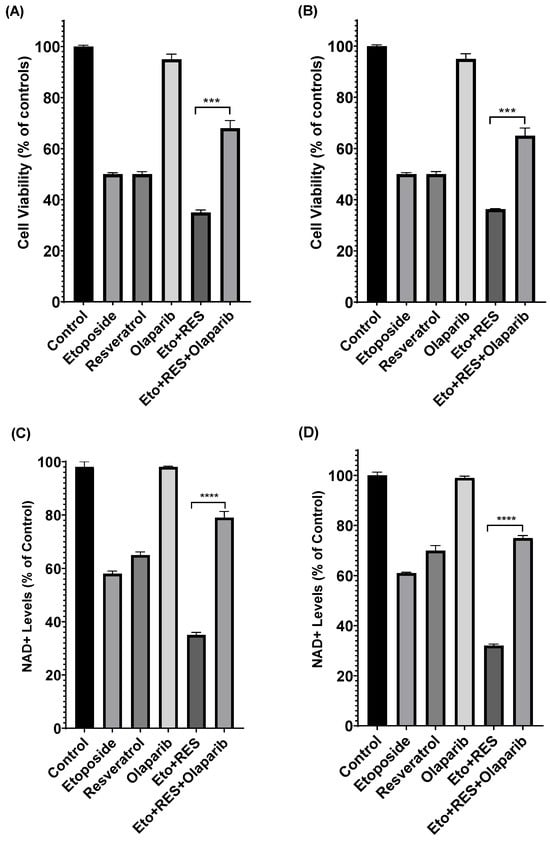
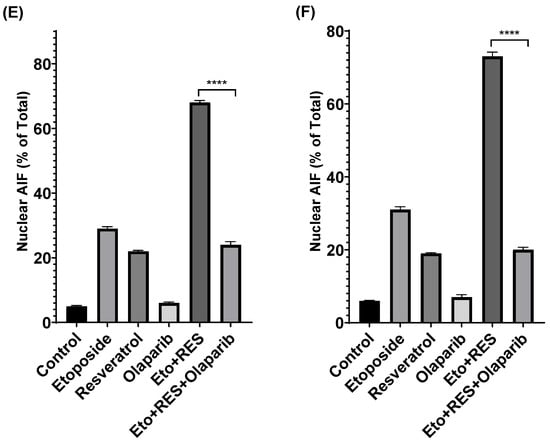
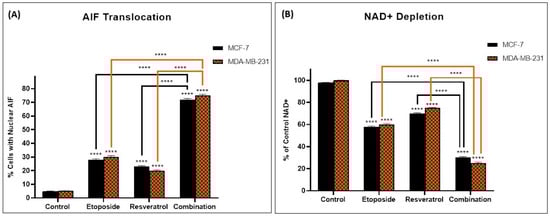
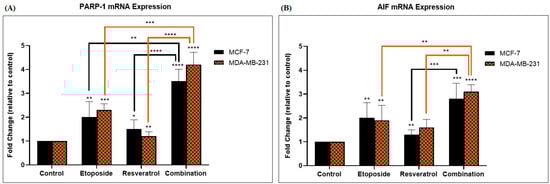
Breast cancer remains a major global health challenge, requiring novel therapeutic strategies that can overcome drug resistance and improve treatment efficacy. This study investigates the synergistic antitumor effects of etoposide, a conventional chemotherapeutic agent, and resveratrol, a natural polyphenol with anticancer properties, in human breast cancer cell lines, with particular focus on their ability to activate the parthanatos cell death pathway. Using MCF-7 (estrogen receptor-positive) and MDA-MB-231 (triple-negative) breast cancer cells, we assessed cell viability via MTT assays and evaluated parthanatos activation through multiple complementary approaches including AIF translocation determined by subcellular fractionation, NAD+ depletion measurement, and gene expression analysis. Synergy was quantified using the Chou–Talalay method across multiple effect levels (ED50, ED75, ED90). To establish causality, Olaparib PARP inhibitor experiments were performed to confirm that PARP-1 hyperactivation is essential for the observed cytotoxic effects. The results demonstrated that the etoposide–resveratrol combination significantly enhanced cell death and inhibited proliferation compared to single-agent treatments, with combination index (CI) values indicating strong synergism (CI = 0.62–0.75 for MCF-7; CI = 0.58–0.71 for MDA-MB-231). This synergy was associated with robust parthanatos activation, evidenced by increased PARP-1 expression, AIF nuclear translocation confirmed by subcellular fractionation, and significant NAD+ depletion. Critically, Olaparib pre-treatment (3 µM) significantly rescued cells from combination-induced death, restored NAD+ levels to near-control values, and prevented AIF translocation, establishing a causal link between PARP-1 hyperactivation and parthanatos-mediated cytotoxicity. The combination also induced significant DNA fragmentation, elevated oxidative stress, and cell death with morphological features consistent with parthanatos, while caspase activity remained low, confirming caspase-independent cell death. These findings suggest that targeting parthanatos with etoposide and resveratrol could offer a promising therapeutic strategy for breast cancer, potentially overcoming resistance and improving efficacy. Further in vivo studies and clinical investigations are needed to validate these results and explore translational applications.
Full article
(This article belongs to the Special Issue Biologically Active Compounds: Sources, Mechanisms of Action, and Applications)
►▼
Show Figures

Figure 1
Open AccessArticle
MLKL Deficiency Stabilizes RIP3 and Aggravates Myocardial Injury by Promoting Apoptosis and Pyroptosis
by
Ziguan Zhang, Zuheng Liu, Yilei Liu, Changqing Sun, Weihua Li and Wuyang Zheng
Curr. Issues Mol. Biol. 2026, 48(4), 380; https://doi.org/10.3390/cimb48040380 - 7 Apr 2026
Abstract
Regulated cardiomyocyte death is a central contributor to myocardial infarction (MI)-associated injury. Mixed lineage kinase domain-like protein (MLKL), a key effector of necroptosis, has been implicated in cardiovascular disease; however, its role in MI remains incompletely defined. MLKL expression was evaluated in hypoxia-treated
[...] Read more.
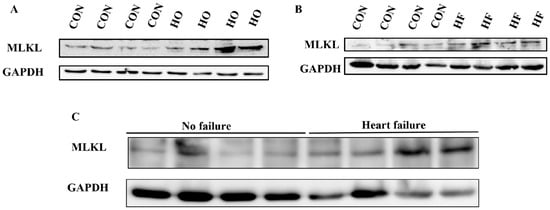
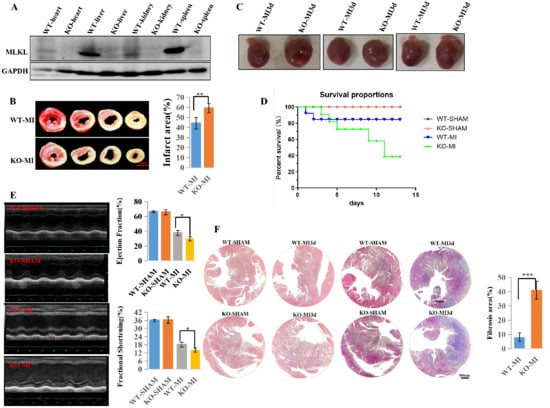
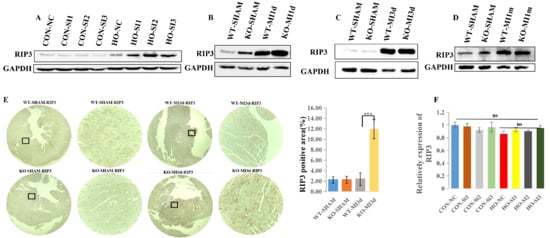
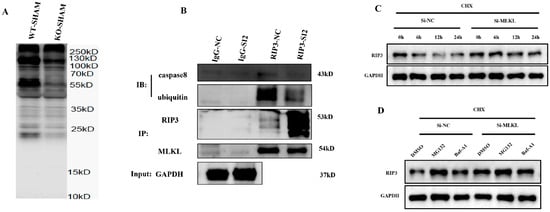
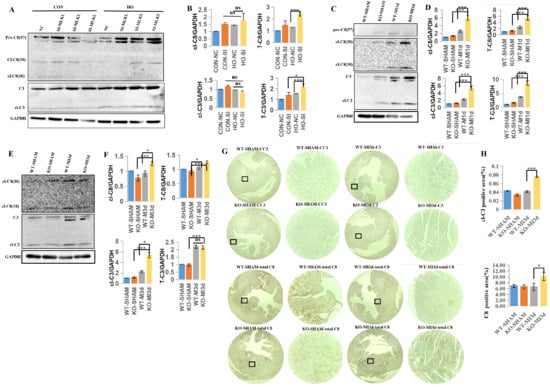
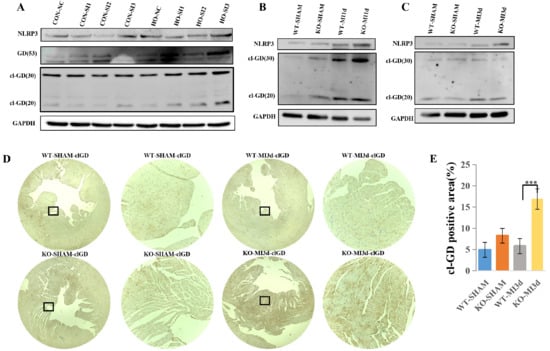
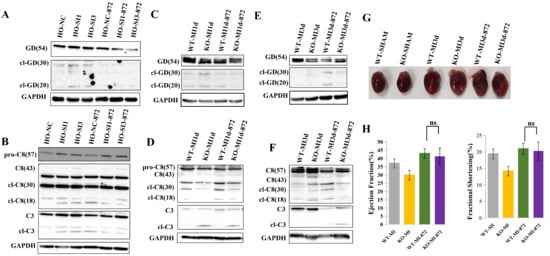
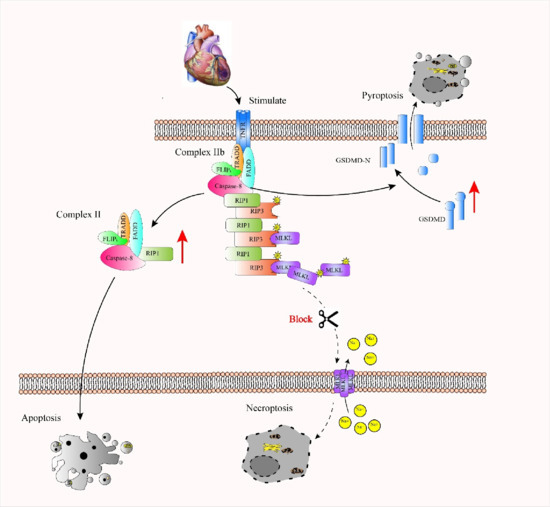
Regulated cardiomyocyte death is a central contributor to myocardial infarction (MI)-associated injury. Mixed lineage kinase domain-like protein (MLKL), a key effector of necroptosis, has been implicated in cardiovascular disease; however, its role in MI remains incompletely defined. MLKL expression was evaluated in hypoxia-treated cardiomyocytes, infarcted murine hearts, and human cardiac tissue. MLKL function was investigated using siRNA-mediated knockdown in neonatal mouse cardiomyocytes and genetic deletion in mice subjected to left anterior descending (LAD) coronary artery ligation. Apoptosis- and pyroptosis-related signaling were assessed by immunoblotting and immunostaining. RIP3 expression and regulation were examined at both protein and mRNA levels, and the RIP3 inhibitor GSK’872 was used to assess pathway dependence. MLKL expression was increased in hypoxic cardiomyocytes, infarcted mouse hearts, and human failing cardiac tissue. Unexpectedly, MLKL deficiency was associated with aggravated myocardial injury, impaired cardiac function, and increased fibrosis following MI. Mechanistically, MLKL deficiency was associated with increased RIP3 protein abundance without a corresponding increase in RIP3 mRNA, consistent with post-transcriptional regulation. Further analyses indicated that MLKL deficiency reduced RIP3 ubiquitination and impaired proteasome-mediated degradation, resulting in RIP3 stabilization. Elevated RIP3 levels were accompanied by increased expression of apoptosis- and pyroptosis-related proteins, particularly at early time points after MI. Pharmacological inhibition of RIP3 with GSK’872 was associated with reduced apoptosis- and pyroptosis-related signaling and improved cardiac function. MLKL deficiency is associated with stabilization of RIP3 and enhanced activation of apoptosis- and pyroptosis-related signaling following MI, contributing to aggravated myocardial injury. These findings support a regulatory role for the MLKL–RIP3 axis in cardiomyocyte death and suggest that targeting RIP3 may represent a potential therapeutic strategy in myocardial infarction.
Full article
(This article belongs to the Special Issue Cardiovascular Disease: From Molecular Mechanisms to Therapeutic Innovations)
►▼
Show Figures

Figure 1
Open AccessReview
Tea Polyphenols in the COVID-19 Era: Mechanistic Insights and Translational Challenges
by
Harrison Chang, Chi-Sheng Wu, Ting-Yu Yeh and Wen-Chin Ko
Curr. Issues Mol. Biol. 2026, 48(4), 379; https://doi.org/10.3390/cimb48040379 - 5 Apr 2026
Abstract
The severe acute respiratory syndrome coronavirus 2 (SARS-CoV-2) has driven the global COVID-19 pandemic, imposing a tremendous burden on public health. As the virus continually evolves through rapid mutations, the pandemic has transitioned into a prolonged endemic phase. Despite the development of novel
[...] Read more.
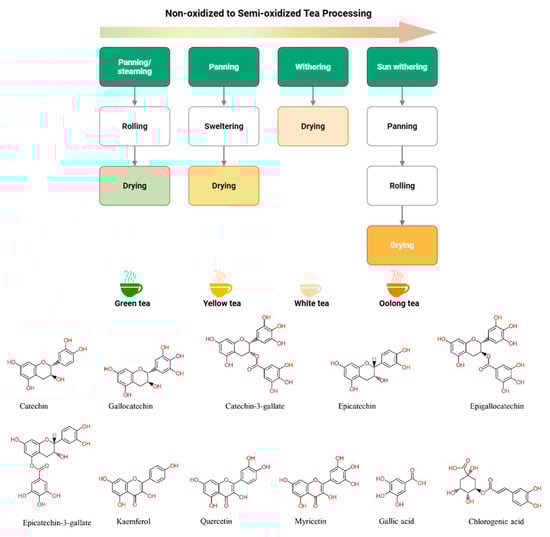
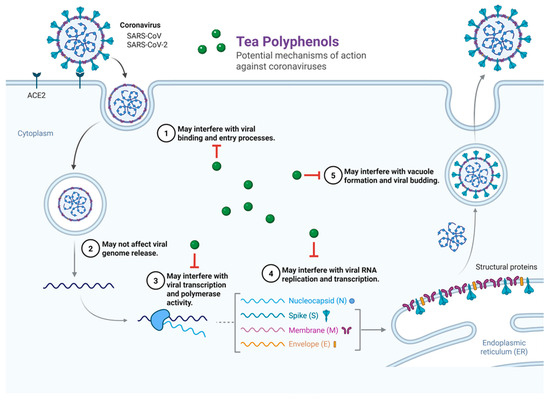
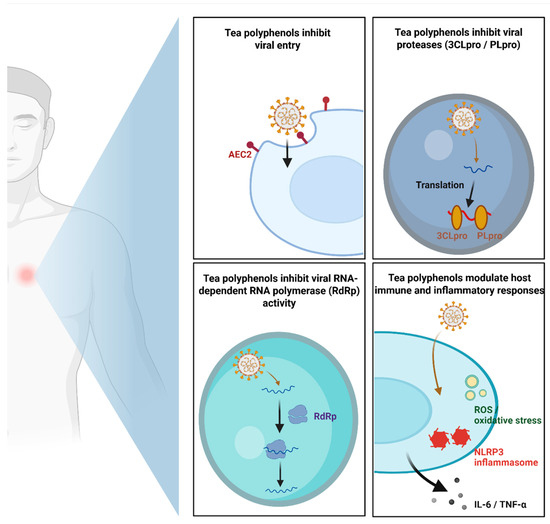
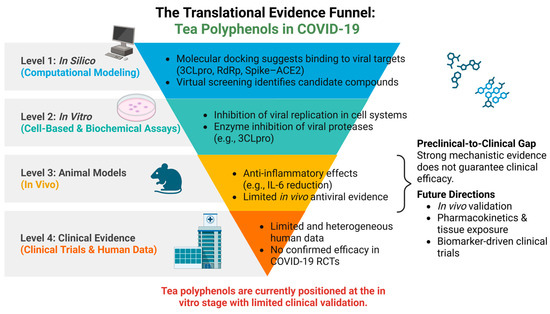
The severe acute respiratory syndrome coronavirus 2 (SARS-CoV-2) has driven the global COVID-19 pandemic, imposing a tremendous burden on public health. As the virus continually evolves through rapid mutations, the pandemic has transitioned into a prolonged endemic phase. Despite the development of novel drugs and vaccines, clinical outcomes remain suboptimal for vulnerable populations, including the elderly and those with comorbidities or compromised immunity. Tea polyphenols, a class of structurally diverse and bioactive nutraceuticals, may modulate viral entry, replication, and host inflammatory pathways implicated in disease progression through pleiotropic effects on viral attachment, membrane fusion, intracellular replication, and proteolytic processing. Here, we provide an updated chemo-biological perspective on the antiviral and immunomodulatory mechanisms of tea polyphenols against SARS-CoV-2. Current evidence highlights their potential to serve as promising candidates for further mechanistic and translational investigation as adjunctive strategies and nutraceuticals for COVID-19 management. Importantly, no large-scale randomized controlled trials have yet demonstrated clinical benefit of tea polyphenols in COVID-19.
Full article
(This article belongs to the Special Issue Advances in Phytochemicals: Biological Activities and Applications)
►▼
Show Figures

Figure 1

Open AccessArticle
Dysregulation of Aurora Kinases and AURKAIP1 Promoter Methylation as Potential Peripheral Diagnostic Biomarkers in Acute Myeloid Leukemia
by
Zubeyde Yalniz Kayim, Seref Bugra Tuncer, Betul Celik Demirbas, Ugur Gezer, Ozge Sukruoglu Erdogan, Seda Kilic Erciyas, Nejat Dalay, Akif Selim Yavuz and Vildan Yasasever
Curr. Issues Mol. Biol. 2026, 48(4), 378; https://doi.org/10.3390/cimb48040378 - 5 Apr 2026
Abstract
Acute myeloid leukemia (AML) is an aggressive hematologic malignancy characterized by impaired differentiation and accumulation of immature myeloid cells. Aurora kinases and their regulatory genes play key roles in mitotic progression and may contribute to leukemogenesis. This study aimed to evaluate the expression
[...] Read more.
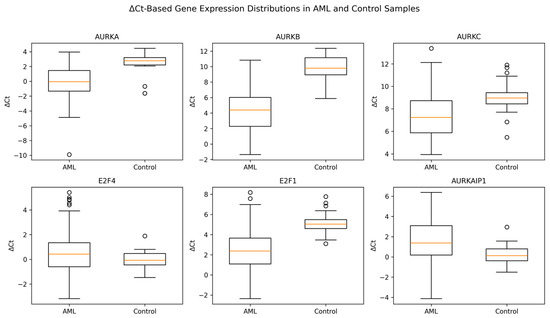
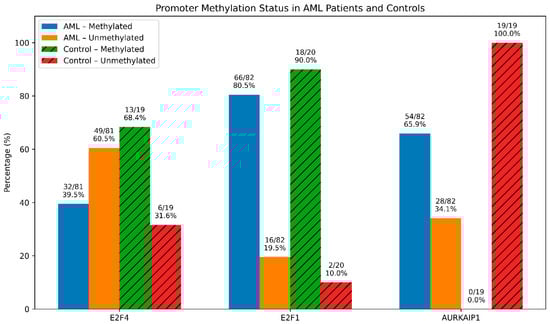
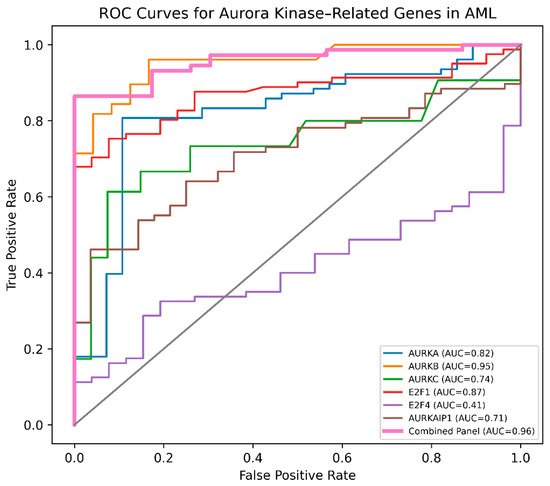
Acute myeloid leukemia (AML) is an aggressive hematologic malignancy characterized by impaired differentiation and accumulation of immature myeloid cells. Aurora kinases and their regulatory genes play key roles in mitotic progression and may contribute to leukemogenesis. This study aimed to evaluate the expression and promoter methylation status of AURKA, AURKB, and AURKC and their regulatory genes, AURKAIP1, E2F1, and E2F4 in AML. Peripheral blood samples from 83 AML patients and 28 age- and sex-matched healthy controls were analyzed using MIQE-compliant RT-qPCR for gene expression and MSRE-qPCR for promoter methylation. Diagnostic performance was assessed using receiver operating characteristic (ROC) curve analysis. Expression levels of AURKA, AURKB, AURKC, and E2F1 were significantly increased in AML patients (p < 0.001), whereas AURKAIP1 expression was significantly reduced (p = 0.001), and E2F4 showed no significant difference. Promoter methylation analysis revealed significantly increased AURKAIP1 methylation in AML (p < 0.001), decreased E2F4 methylation (p = 0.023), and no significant change in E2F1. ROC analysis demonstrated strong diagnostic performance, with AURKB showing the highest accuracy (AUC = 0.95), while a combined biomarker panel achieved an AUC of 0.96. Aurora kinase–related genes are dysregulated in AML and may serve as preliminary peripheral biomarker candidates. However, further validation in independent cohorts and more refined cellular models is required before clinical application.
Full article
(This article belongs to the Section Molecular Medicine)
►▼
Show Figures

Figure 1
Open AccessReview
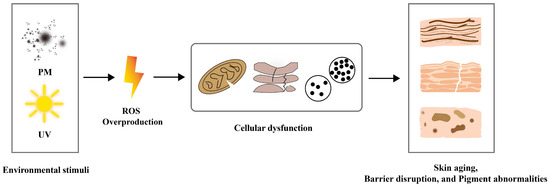
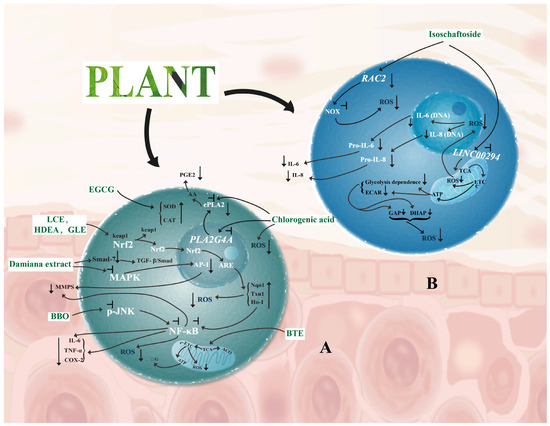
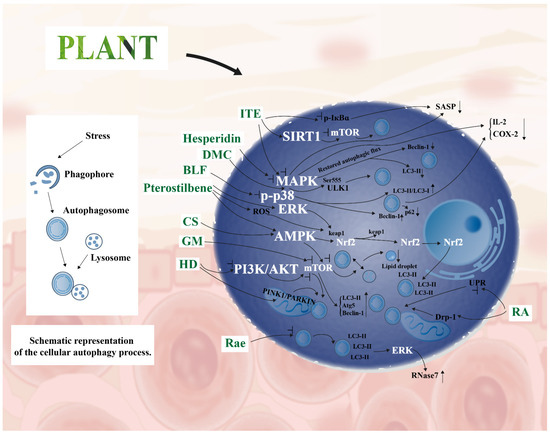
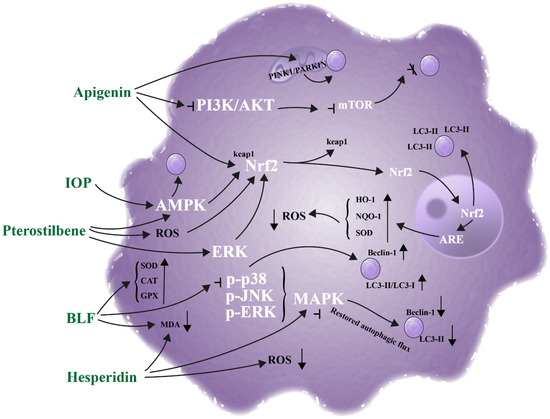
Plant-Derived Bioactive Compounds: Antioxidation, Autophagy, and Translational Applications in Skin Protection
by
Liangyu Zhu, Mengsha Li, Dianwen Wei and Liping Zhou
Curr. Issues Mol. Biol. 2026, 48(4), 377; https://doi.org/10.3390/cimb48040377 - 5 Apr 2026
Abstract
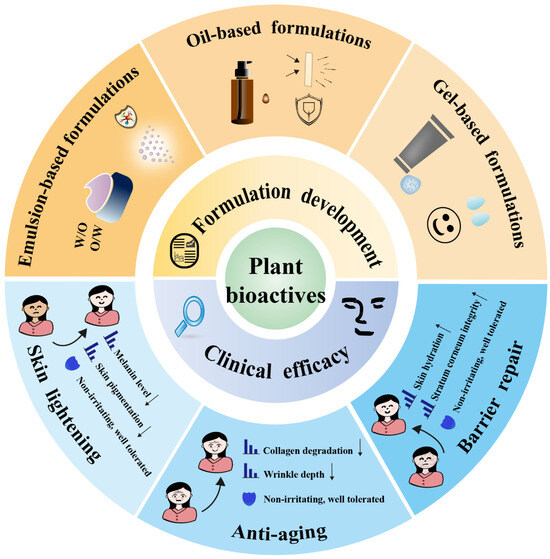
Oxidative stress from exogenous insults is a major driver of skin aging and hyperpigmentation. Plant-derived bioactive compounds represent promising multifunctional agents with protective effects on skin. They meet the demand for natural, safe skin-protective agents with well-defined action mechanisms. However, current studies lack
[...] Read more.
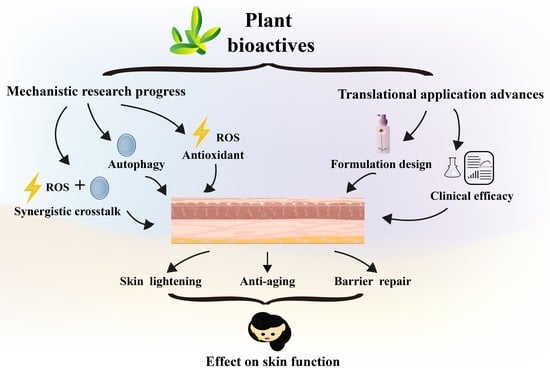
Oxidative stress from exogenous insults is a major driver of skin aging and hyperpigmentation. Plant-derived bioactive compounds represent promising multifunctional agents with protective effects on skin. They meet the demand for natural, safe skin-protective agents with well-defined action mechanisms. However, current studies lack an integrated understanding of their dual cellular protective mechanisms: antioxidation and autophagy. A unified “component–pathway–efficacy” regulatory network remains lacking, which limits mechanistic insights into skin protection. To address this gap, this comprehensive narrative review retrieved literature from four authoritative databases: PubMed, Web of Science, Scopus, and Wiley Online Library. With targeted keyword retrieval, 129 core studies published between 2021 and 2025 were selected for synthesis. The selection was based on relevance, methodological rigor, and scientific impact. This review constructs a novel “antioxidation–autophagy” synergistic regulatory model. It also establishes a consolidated dual-mechanism framework outlining the “component–pathway–efficacy” axis. This framework reduces knowledge fragmentation across natural product research, skin biology and translational molecular biology. This work integrates the dual protective mechanisms of plant-derived bioactive compounds for skin protection and translational applications. It provides a theoretical basis for understanding their molecular regulatory logic and facilitates further mechanistic studies and translational research on skin protection.
Full article
(This article belongs to the Special Issue Pharmacological Activities and Mechanisms of Action of Natural Products, 2nd Edition)
►▼
Show Figures

Graphical abstract
Open AccessArticle
In Silico and In Vitro Investigation of Apoptosis-Mediated Antiproliferative Activity of Capsaicin and Alpha-Lipoic Acid Against Prostate Cancer Cells
by
Ogunc Meral, Burcu Menekse Balkan, Dilek Nur Bestil, Serkan Sayiner, Deniz Ceylanli, Sare Uyurca, Sinem Pehlivan, Guzin Ozkurt, Gorkem Kismali and Tevhide Sel
Curr. Issues Mol. Biol. 2026, 48(4), 376; https://doi.org/10.3390/cimb48040376 - 4 Apr 2026
Abstract
Natural products are widely used in the treatment of cancer due to the side effects of chemotherapeutics, and a large number of natural compounds have been reported to have anticancer activities in different types of cancer. The aim of the study was to
[...] Read more.
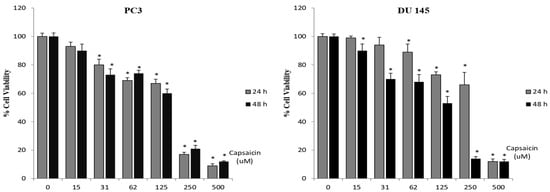
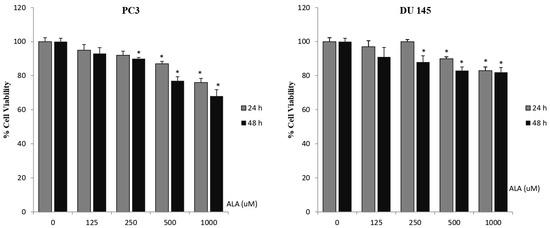
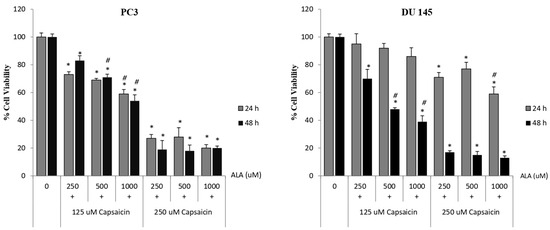
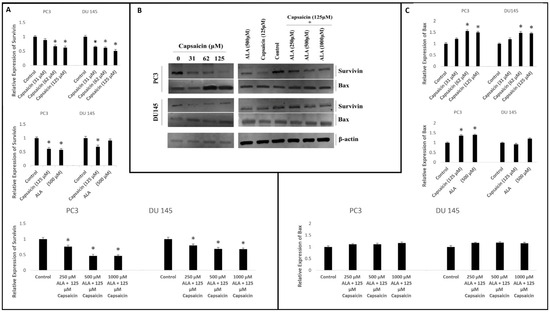
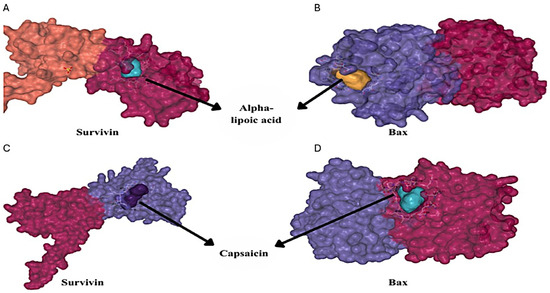
Natural products are widely used in the treatment of cancer due to the side effects of chemotherapeutics, and a large number of natural compounds have been reported to have anticancer activities in different types of cancer. The aim of the study was to analyze the antiproliferative and apoptotic effects of capsaicin and alpha-lipoic acid on prostate cancer cells in silico and in vitro. The effects of capsaicin and alpha-lipoic acid on the proliferation of prostate cancer cells were assessed using MTT cell viability assays. Apoptotic protein levels were measured using Western blot analysis. Ligand–protein potential interactions of alpha-lipoic acid and capsaicin with survivin and bax proteins were examined using CB-Dock2 and SwissDock software. Capsaicin and alpha-lipoic acid significantly inhibited the proliferation of both prostate cancer cell lines in a dose- and time-dependent manner. Our data revealed that various concentrations of capsaicin, alpha-lipoic acid and their combinations caused remarkable downregulation of survivin expression on prostate cancer cells. According to the Vina scores, alpha-lipoic acid and capsaicin have the potential to interact strongly with survivin and bax proteins. We suggest that both natural compounds have the potential for treating prostate cancer according to the in vitro and in silico results.
Full article
(This article belongs to the Special Issue Natural Products and Their Derivatives as Antitumor Agents)
►▼
Show Figures

Figure 1

Open AccessArticle
Protective Effect of Apocynum venetum L. Leaves Extract Against Diabetic Cardiomyopathy: Inhibition of Oxidative Stress and Ferroptosis via Modulation of the Xc−/GSH/GPX4 Axis
by
Subinuer Abuduaini, Guohua Shi, Li Chen, Subinuer Erreken, Mei Long, Xiaoqian Tang and Jinsen Kang
Curr. Issues Mol. Biol. 2026, 48(4), 375; https://doi.org/10.3390/cimb48040375 - 3 Apr 2026
Abstract
Background: Diabetic cardiomyopathy (DCM), a common cardiovascular complication associated with diabetes mellitus, has the potential to progress to heart failure. Apocynum venetum L. leaves extract (AVLE) possesses known cardioprotective activity, but its effect on DCM remains unclear. This study explored the protective effects
[...] Read more.
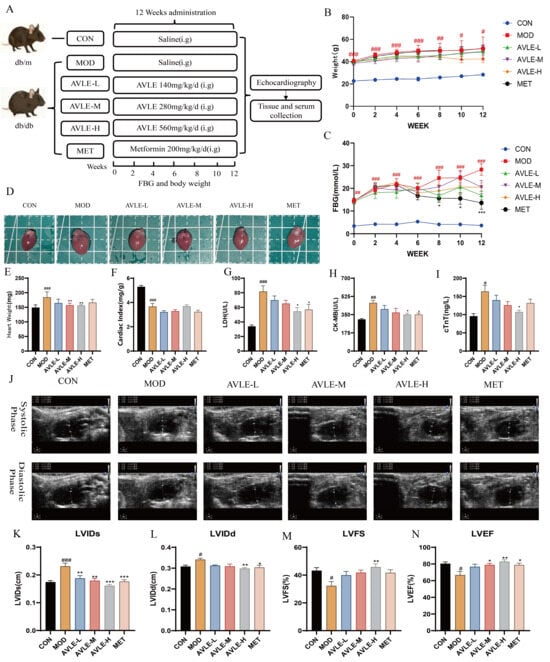
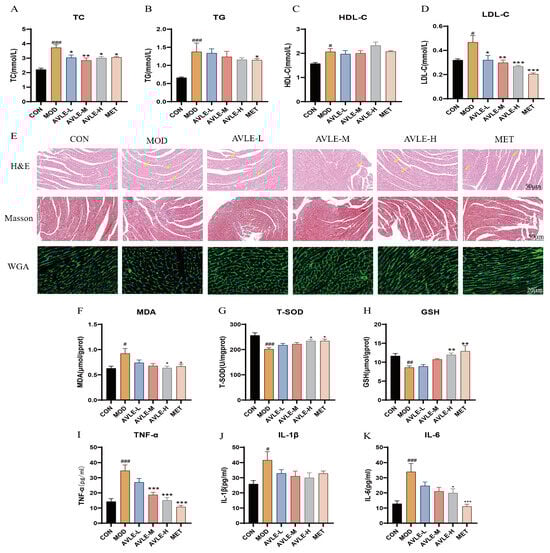
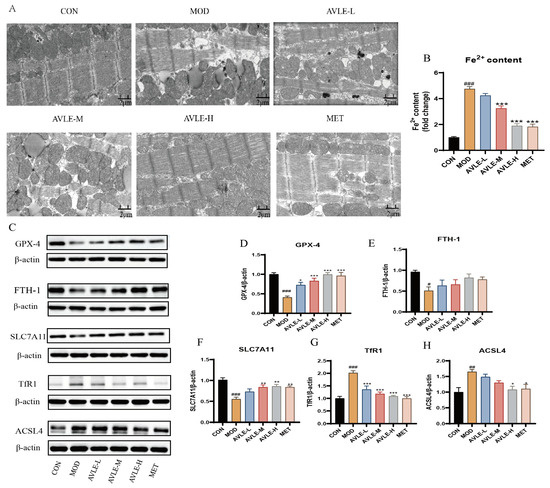
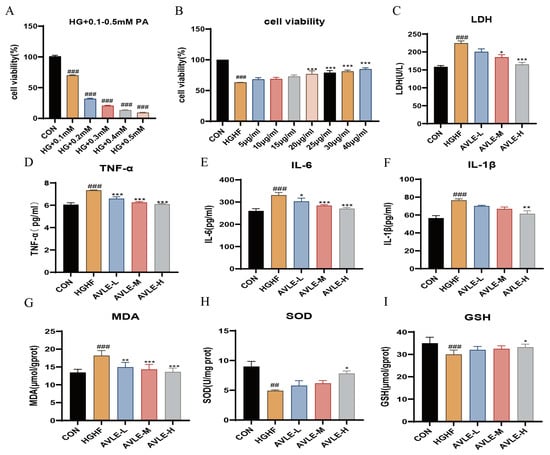
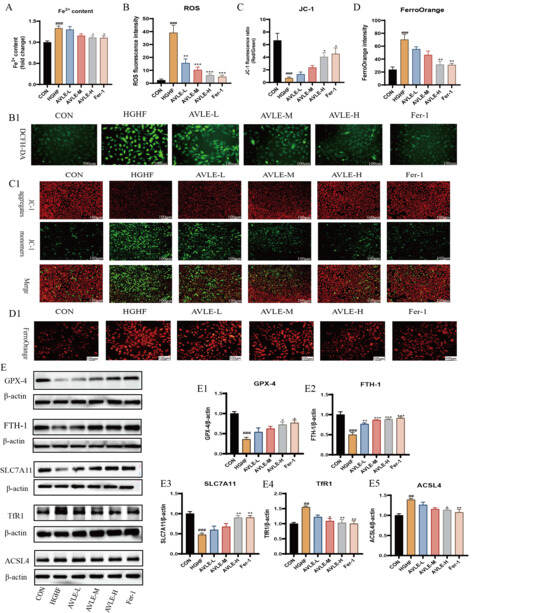
Background: Diabetic cardiomyopathy (DCM), a common cardiovascular complication associated with diabetes mellitus, has the potential to progress to heart failure. Apocynum venetum L. leaves extract (AVLE) possesses known cardioprotective activity, but its effect on DCM remains unclear. This study explored the protective effects of AVLE against myocardial injury in type 2 diabetes and the underlying mechanisms. Methods: DCM was established in vivo using db/db mice and in vitro using high-glucose, high-fat (HGHF)-stimulated H9c2 cardiomyocytes. We evaluated metabolic profiles, cardiac function, histopathology, oxidative stress, inflammation, and ferroptosis. Results: In vivo, following 12 weeks of AVLE treatment, cardiac function and structural integrity were significantly improved, serum cardiac injury markers and dyslipidemia were reduced, and pathological myocardial remodeling was attenuated in db/db mice; in vitro, AVLE enhanced cell viability and attenuated cellular damage under HGHF conditions. Mechanistically, AVLE alleviated oxidative stress and inflammation, restored mitochondrial function, and inhibited ferroptosis by regulating key pathway proteins; it upregulated GPX4 and SLC7A11, while downregulating TfR1 and ACSL4. Conclusions: AVLE exerts cardioprotective effects against diabetic cardiomyopathy by reducing oxidative stress and inflammation, mitigating lipid peroxidation and mitochondrial damage, ultimately inhibiting ferroptosis through regulation of the Xc−/GSH/GPX4 axis.
Full article
(This article belongs to the Special Issue Vascular Biology in Health and Diseases)
►▼
Show Figures

Figure 1
Open AccessArticle
Bioactive Peptides from Yellowfin Tuna By-Products: Structural Characterization and Neuro-Related Activities in PC12 Cells
by
Yaqi Kong, Yifan Liu, Haoze Yang, Xianzhe Liang, Min Zhao, Ahsan Javed, Xiaozhen Diao and Wenhui Wu
Curr. Issues Mol. Biol. 2026, 48(4), 374; https://doi.org/10.3390/cimb48040374 - 3 Apr 2026
Abstract
Marine-derived bioactive peptides have attracted increasing attention as value-added functional ingredients. In this study, peptides (<3 kDa) were prepared from yellowfin tuna processing by-products and further fractionated by Sephadex G-25 gel filtration. The major fraction (TBP-MF) exhibited markedly improved compositional homogeneity compared with
[...] Read more.
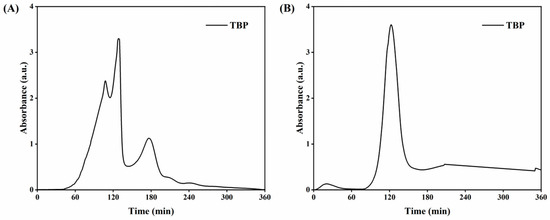
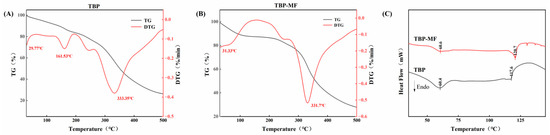
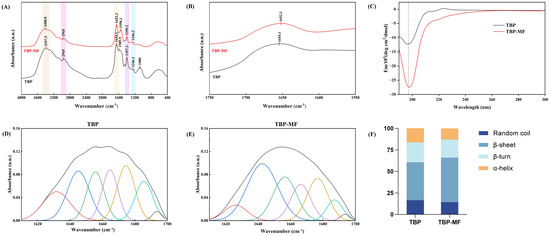
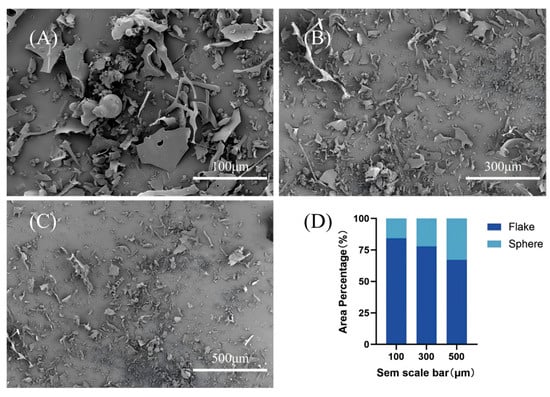
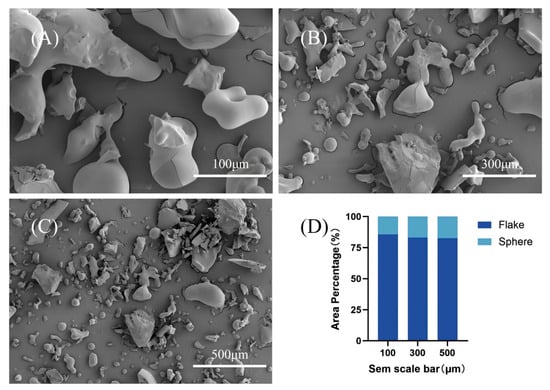
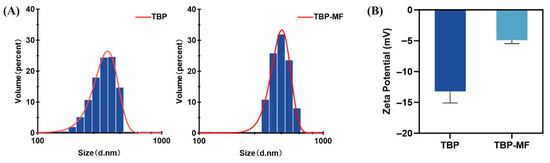
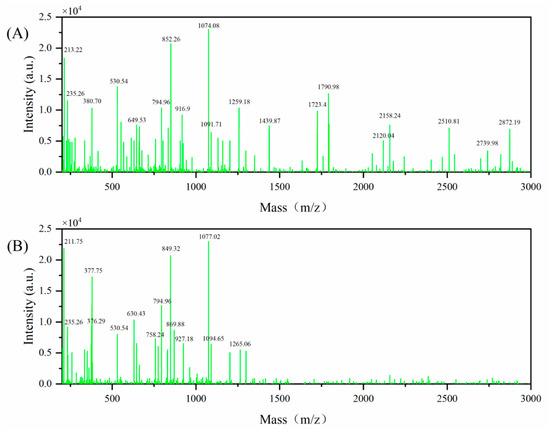
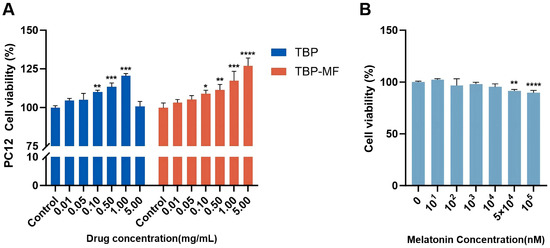
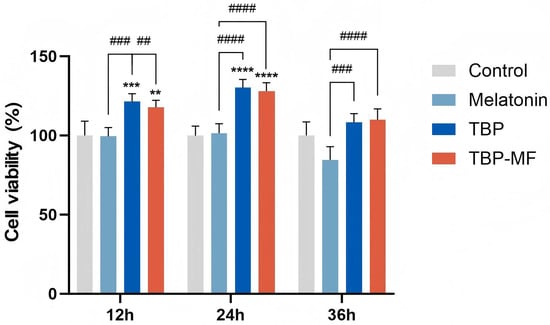
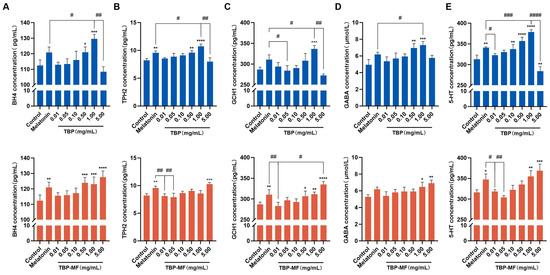
Marine-derived bioactive peptides have attracted increasing attention as value-added functional ingredients. In this study, peptides (<3 kDa) were prepared from yellowfin tuna processing by-products and further fractionated by Sephadex G-25 gel filtration. The major fraction (TBP-MF) exhibited markedly improved compositional homogeneity compared with the unfractionated hydrolysate (TBP), providing a well-defined peptide system for subsequent characterization and biological evaluation. Physicochemical analyses demonstrated that TBP-MF possessed enhanced thermal stability and a more ordered secondary structure, characterized by pronounced β-sheet enrichment, as revealed by TGA/DSC, FTIR, and circular dichroism analyses. Morphological and colloidal characterization further showed that TBP-MF formed relatively uniform lamellar and fibrous assemblies with a narrower particle size distribution and reduced electrostatic stabilization, indicating a higher tendency toward ordered self-association. Peptidomic profiling combined with in silico analysis revealed that TBP-MF was enriched in short peptides with relatively higher PeptideRanker scores and a functional motif distribution containing relatively more neuro-related annotations, although angiotensin-converting enzyme (ACE)- and dipeptidyl peptidase IV (DPP-IV)-related motifs remained predominant in both groups. In differentiated PC12 cells, TBP-MF exhibited excellent cytocompatibility and induced a stable, concentration-dependent increase in the Cell Counting Kit-8 (CCK-8) readout (OD450), indicating enhanced cellular metabolic activity and/or increased cell number. In addition, TBP-MF significantly increased intracellular levels of key neurochemical factors associated with sleep-related regulation, including tetrahydrobiopterin (BH4), serotonin (5-HT), and γ-aminobutyric acid (GABA). Overall, this study highlights yellowfin tuna by-products as a promising marine resource for bioactive peptides and suggests that fractionation-driven structural refinement is associated with neuro-related biological activity in differentiated PC12 cells. These findings support the potential application of marine by-product-derived peptides as functional ingredients in health-related fields.
Full article
(This article belongs to the Special Issue Molecular Research in Bioactivity of Natural Products, 3rd Edition)
►▼
Show Figures

Figure 1

Open AccessArticle
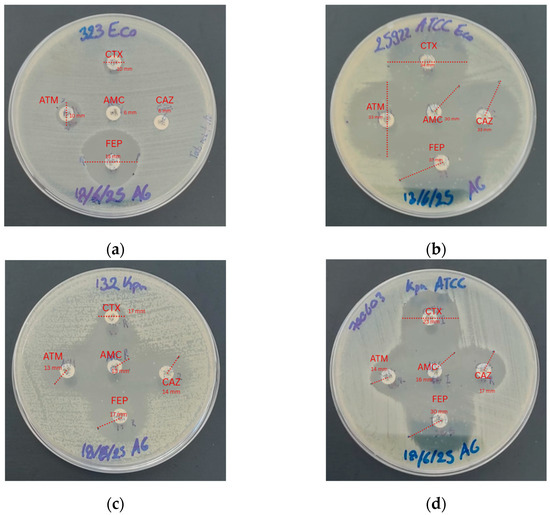
In Vitro Evaluation of the Antimicrobial Activity of Origanum vulgare Essential Oil Against ESBL-Producing Strains of Escherichia coli and Klebsiella pneumoniae
by
Andrea González Carrión, Mónica Espadero Bermeo, Inés Malo Cevallos and Ronny Ricardo Alejandro
Curr. Issues Mol. Biol. 2026, 48(4), 373; https://doi.org/10.3390/cimb48040373 - 3 Apr 2026
Abstract
One of the greatest threats to global public health is antimicrobial resistance (AMR), due to the increasing number of infections caused by extended-spectrum β-lactamase (ESBL)-producing Enterobacteriaceae. Escherichia coli and Klebsiella pneumoniae ESBL-producing bacteria possess resistance mechanisms that inactivate β-lactam antibiotics by hydrolyzing their
[...] Read more.
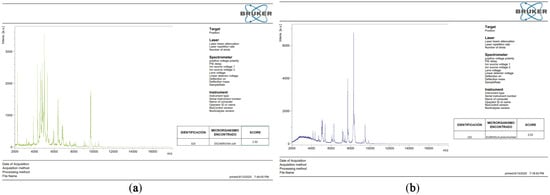
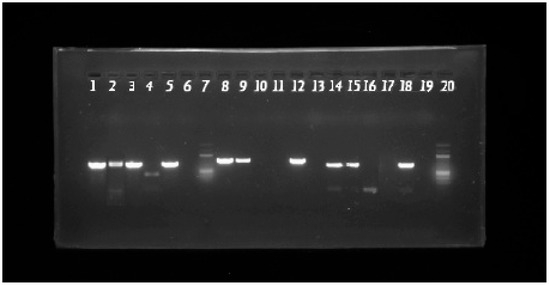
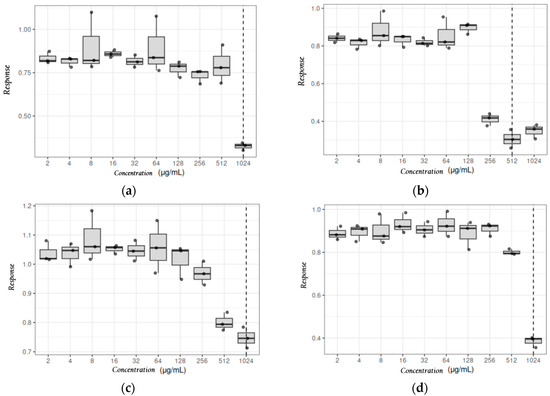
One of the greatest threats to global public health is antimicrobial resistance (AMR), due to the increasing number of infections caused by extended-spectrum β-lactamase (ESBL)-producing Enterobacteriaceae. Escherichia coli and Klebsiella pneumoniae ESBL-producing bacteria possess resistance mechanisms that inactivate β-lactam antibiotics by hydrolyzing their β-lactam ring, thereby limiting conventional therapeutic options. In response to this problem, the objective of this exploratory in vitro study was to evaluate the antimicrobial activity of Origanum vulgare (oregano) essential oil and its interaction with the antibiotic cefepime using in vitro methods. Antimicrobial susceptibility tests were performed, including determination of the minimum inhibitory concentration by the microdilution method with statistical analysis, and evaluation of the fractional inhibitory concentration index using the checkerboard method. In addition, advanced methods such as MALDI-TOF mass spectrometry for bacterial identification and PCR were employed for the identification of resistance genes. The studied strains exhibited both phenotypic and genotypic resistance. The MIC of the essential oil was 1024 µg/mL for ESBL-producing E. coli and 2048 µg/mL for ESBL-producing K. pneumoniae, whereas the ATCC strains showed higher susceptibility. The FICI values indicated synergism in E. coli (FICI = 0.188) and an additive effect in K. pneumoniae (FICI = 0.563). Oregano essential oil exhibits antimicrobial activity and the ability to potentiate the effect of cefepime, suggesting its potential as a therapeutic adjuvant. Additional studies are required, including a larger number of strains, cytotoxicity analyses, and clinical validation.
Full article
(This article belongs to the Special Issue Molecular Mechanisms and Innovations in Antimicrobial Resistance)
►▼
Show Figures

Figure 1
Open AccessArticle
Protective Effects of Leonurine on Alcoholic Liver Injury Through Modulation of Oxidative Stress and JAK2-STAT3 Signaling
by
Shen-Sheng Xiao, Pin-Pin Liu, Hang Zhu, Xue-Dong Wang, Wen-Ping Ding, Xin Liu, Min Fang, Ke-Jia Wu and Zhi-Yong Gong
Curr. Issues Mol. Biol. 2026, 48(4), 372; https://doi.org/10.3390/cimb48040372 - 2 Apr 2026
Abstract
Alcoholic liver disease (ALD) is a prevalent and progressive hepatic disorder driven by chronic excessive alcohol consumption. Leonurine (LH), a bioactive alkaloid isolated from Herba Leonuri, possesses well-documented antioxidant and cytoprotective properties. This study comprehensively investigated the hepatoprotective efficacy of LH against
[...] Read more.
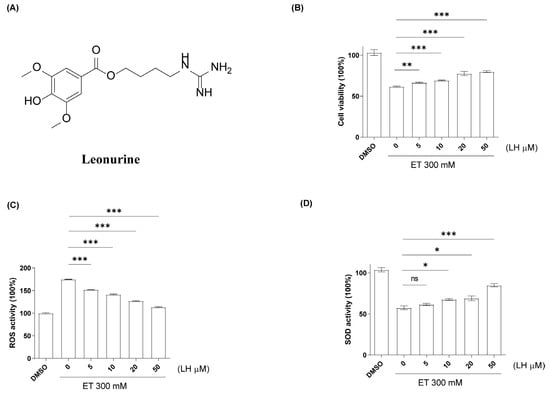
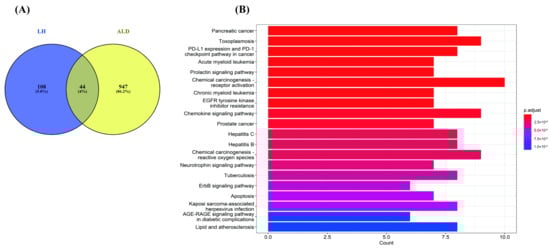
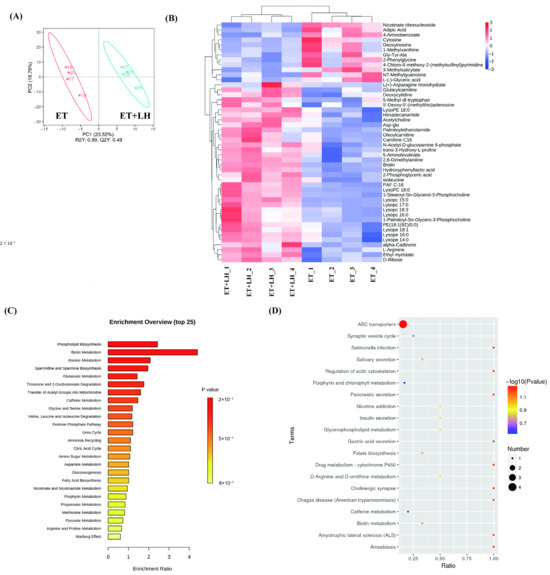
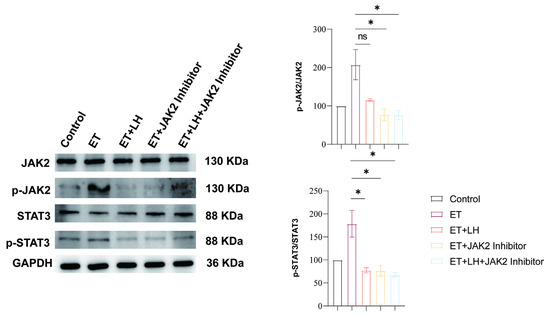
Alcoholic liver disease (ALD) is a prevalent and progressive hepatic disorder driven by chronic excessive alcohol consumption. Leonurine (LH), a bioactive alkaloid isolated from Herba Leonuri, possesses well-documented antioxidant and cytoprotective properties. This study comprehensively investigated the hepatoprotective efficacy of LH against ethanol-induced liver injury and mechanistically dissected its molecular underpinnings. Antioxidant capacity and cytoprotective activity were assessed in ethanol-treated hepatocytes. Network pharmacology and gene expression analysis were performed to identify potential therapeutic targets and signaling pathways. UHPLC–MS/MS-based metabolomics was applied to characterize endogenous metabolic alterations induced by LH. LH demonstrated significant antioxidant activity and was predicted to interact with 44 ALD-related targets. Functional enrichment and gene validation analyses revealed that its protective effects were primarily associated with regulation of the JAK2–STAT3 signaling pathway. Metabolomic profiling identified 48 differential metabolites and 25 significantly affected metabolic pathways. Integrated analysis of metabolites and target genes further supported the JAK–STAT signaling pathway as a central regulatory axis, which was confirmed in cellular experiments. Collectively, these results demonstrate that LH confers hepatoprotection in ALD primarily through modulation of the JAK2–STAT3 signaling pathway, underscoring its translational promise as a mechanism-informed therapeutic candidate.
Full article
(This article belongs to the Special Issue Molecular and Pharmacological Insights into Bioactive Compounds: Pathways to Therapeutics)
►▼
Show Figures

Figure 1
Open AccessReview
Dynamic Organelle Remodeling in HIV-Associated Myocardial Disease: Mechanisms, Fibrotic Pathways, and Therapeutic Opportunities
by
Katongo Hope Mutengo, Sepiso Kenias Masenga and Annet Kirabo
Curr. Issues Mol. Biol. 2026, 48(4), 371; https://doi.org/10.3390/cimb48040371 - 2 Apr 2026
Abstract
People with HIV experience a disproportionate burden of myocardial fibrosis and diastolic dysfunction that is not fully explained by traditional cardiovascular risk factors or systemic inflammation. Emerging evidence suggests that HIV-associated cardiomyopathy originates from persistent disturbances in cardiomyocyte homeostasis driven by chronic immune-metabolic
[...] Read more.
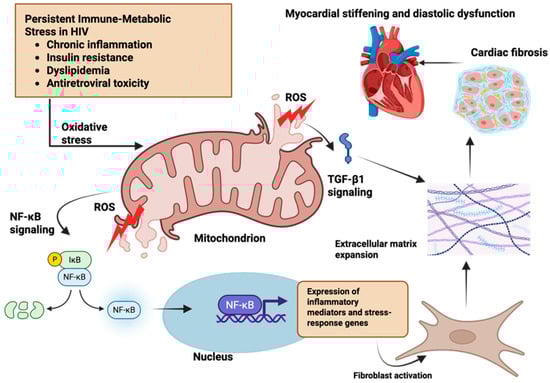
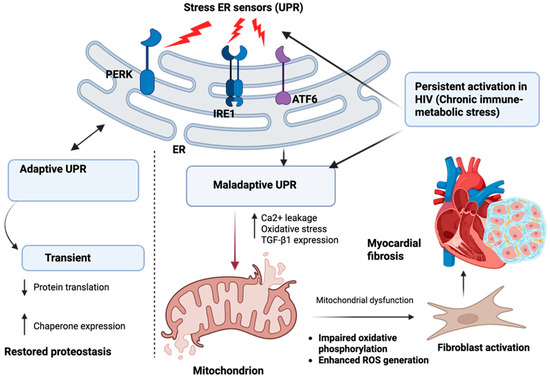
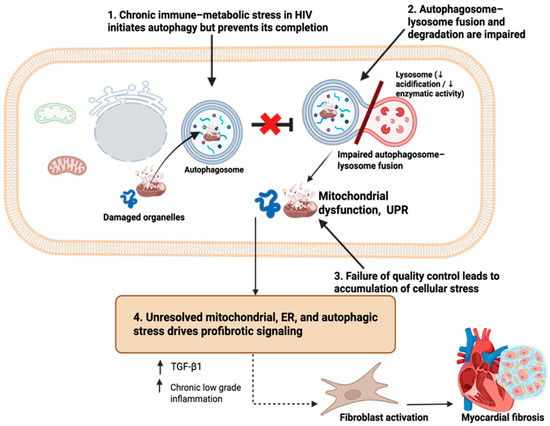
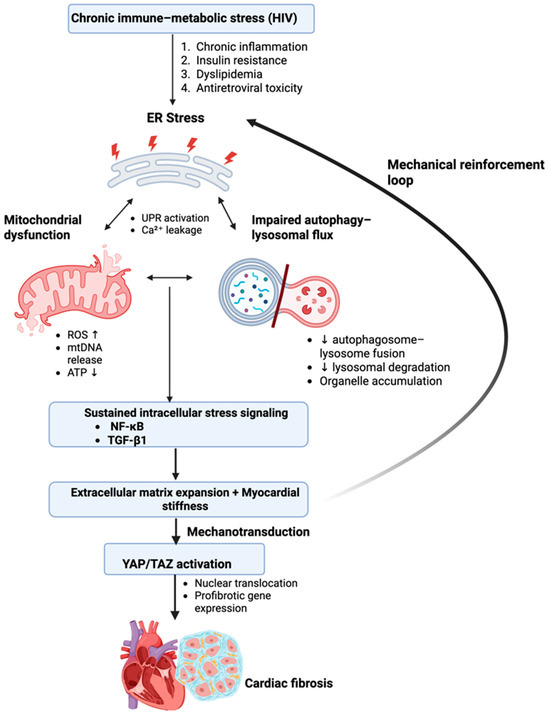
People with HIV experience a disproportionate burden of myocardial fibrosis and diastolic dysfunction that is not fully explained by traditional cardiovascular risk factors or systemic inflammation. Emerging evidence suggests that HIV-associated cardiomyopathy originates from persistent disturbances in cardiomyocyte homeostasis driven by chronic immune-metabolic stress. Metabolic dysregulation, antiretroviral-related toxicity, and residual inflammatory signaling converge at the cardiomyocyte organelle level, leading to mitochondrial dysfunction, endoplasmic reticulum stress, and impaired autophagy. These interrelated processes precede overt structural heart disease and promote progressive myocardial stiffening, despite effective viral suppression. Framing myocardial remodeling as a consequence of unresolved organelle stress highlights opportunities for earlier intervention, including aggressive management of metabolic risk factors, the use of established cardioprotective therapies with antifibrotic effects, and emerging strategies targeting mitochondrial and proteostatic pathways. This organelle-centered perspective supports prevention-focused approaches that combine accessible imaging modalities and circulating biomarkers to mitigate the long-term cardiovascular risk in people with HIV, particularly in resource-limited settings.
Full article
(This article belongs to the Special Issue Cardiovascular Disease: From Molecular Mechanisms to Therapeutic Innovations)
►▼
Show Figures

Figure 1

Open AccessArticle
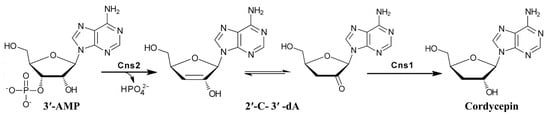
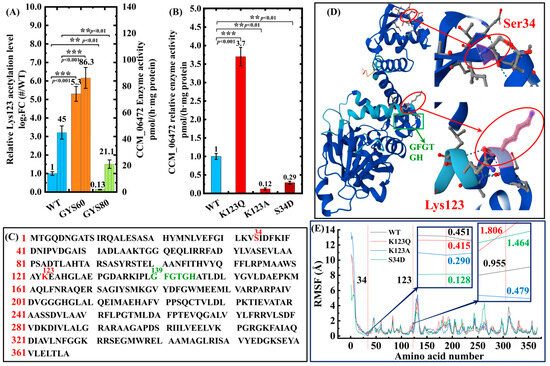
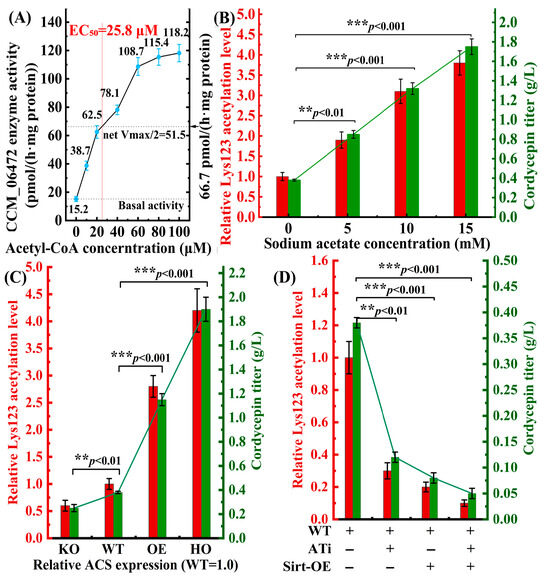
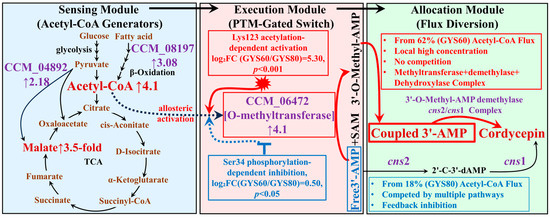
An Acetyl-CoA-Gated Metabolic Checkpoint Links Precursor Supply to Cordycepin Biosynthesis in Cordyceps militaris
by
Hucheng Zhang, Dongqing Yang, Guowei Yang, Shuai Luo, Peng Lu, Guoli Xie, Yapeng Song, Jun Yang, Linying Liu, Haitao Fan, Wenyan Lao and Frank Vriesekoop
Curr. Issues Mol. Biol. 2026, 48(4), 370; https://doi.org/10.3390/cimb48040370 - 2 Apr 2026
Abstract
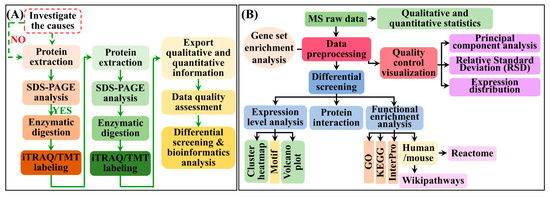
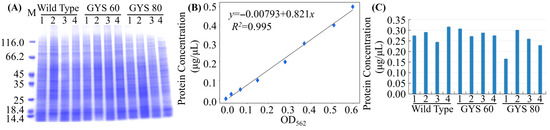
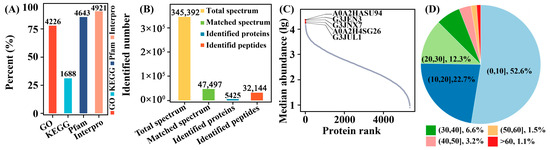
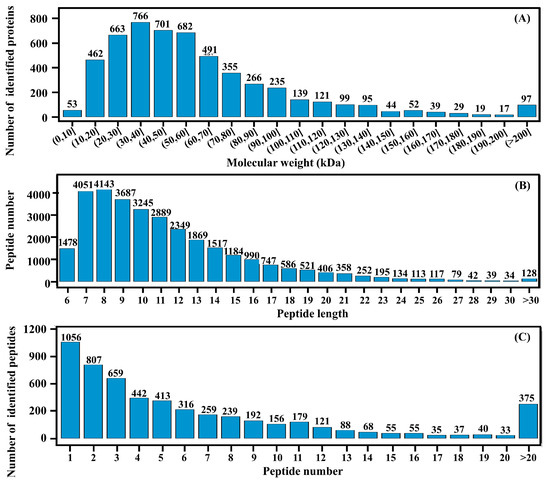
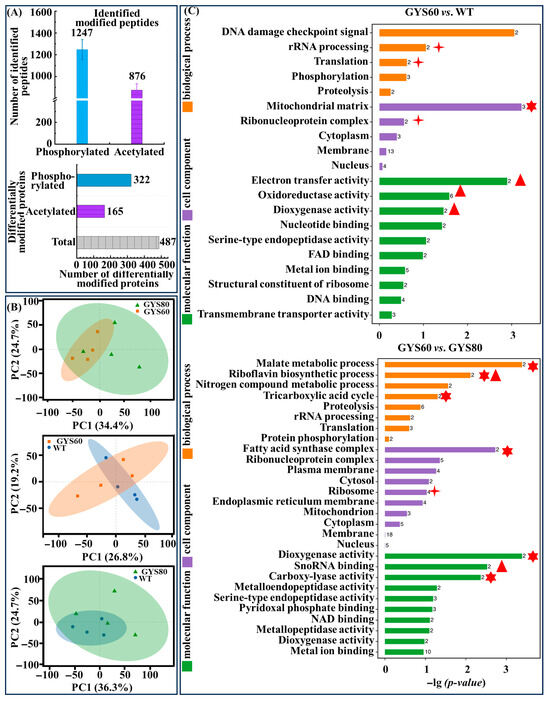
The growth–specialized metabolism trade-off limits fungal natural product production. Here, we investigated cordycepin overproduction in Cordyceps militaris high-yield GYS60 and low-yield GYS80 via comparative proteomics, Post-Translational Modification (PTM) mapping, and metabolomics. We identified an acetyl-CoA-gated checkpoint centered on O-methyltransferase CCM_06472, whose activity is
[...] Read more.
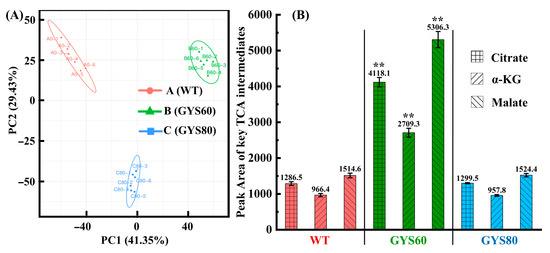
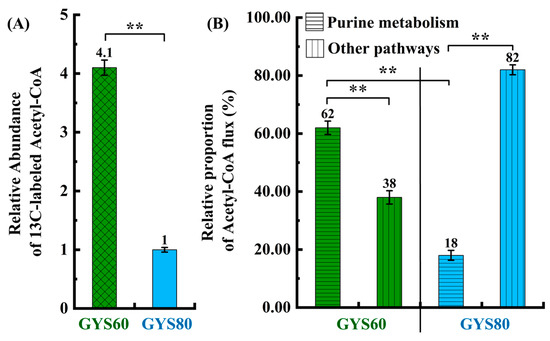
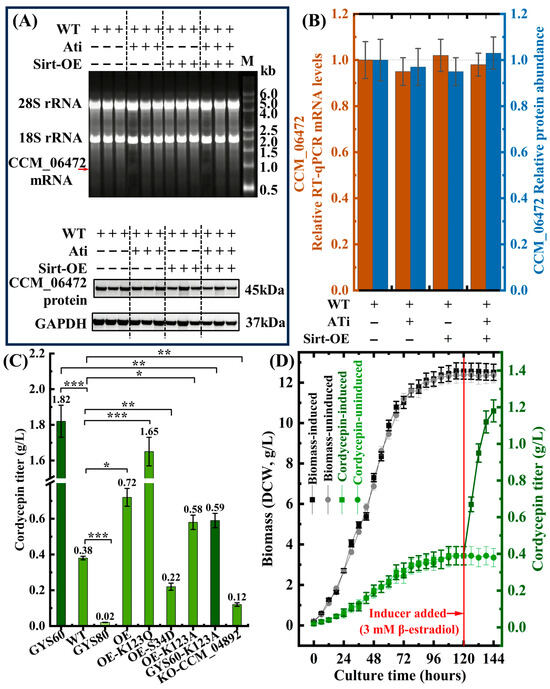
The growth–specialized metabolism trade-off limits fungal natural product production. Here, we investigated cordycepin overproduction in Cordyceps militaris high-yield GYS60 and low-yield GYS80 via comparative proteomics, Post-Translational Modification (PTM) mapping, and metabolomics. We identified an acetyl-CoA-gated checkpoint centered on O-methyltransferase CCM_06472, whose activity is modulated by Lys123 acetylation and Ser34 phosphorylation in a manner consistent with activation and inhibition. GYS60 hyperactivates the tricarboxylic acid (TCA) cycle and β-oxidation to generate a 4.1-fold acetyl-CoA surplus, 62% of which is channeled into cordycepin synthesis. A single K123Q acetylation-mimetic mutation boosted cordycepin titers by >4-fold in wild-type strains. This acetyl-CoA checkpoint reveals PTM-gated flux allocation as a key regulatory mechanism, providing a minimal-intervention strategy for engineering fungal cell factories.
Full article
(This article belongs to the Special Issue Pharmacological Activities and Mechanisms of Action of Natural Products, 2nd Edition)
►▼
Show Figures

Figure 1
Open AccessArticle
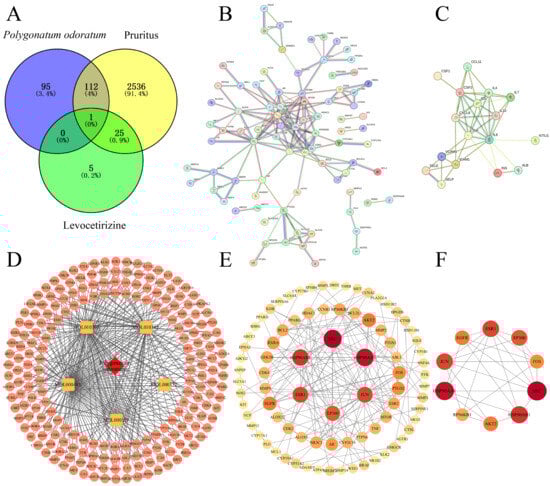
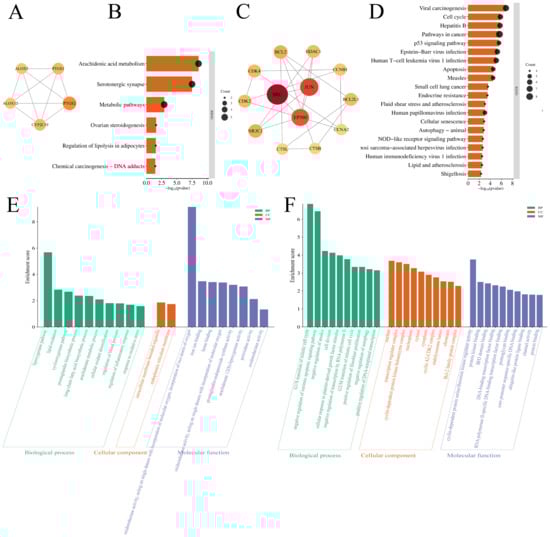
Elucidating the Multi-Target Anti-Pruritic Mechanism of Polygonatum odoratum via Integrated Network Pharmacology, Molecular Simulations, and GEO Dataset Validation
by
Jiabei Chen, Chenglu Liu, Xinbo Chen, Guoliang Yu, Zhen Li and Hua Yang
Curr. Issues Mol. Biol. 2026, 48(4), 369; https://doi.org/10.3390/cimb48040369 - 1 Apr 2026
Abstract
Polygonatum odoratum, a medicinal and edible plant widely used in traditional Chinese medicine and daily diets, has potential in managing various disorders, but its anti-pruritic mechanisms remain unclear. This study aimed to explore its multi-target anti-pruritic effects by integrating network pharmacology, molecular
[...] Read more.
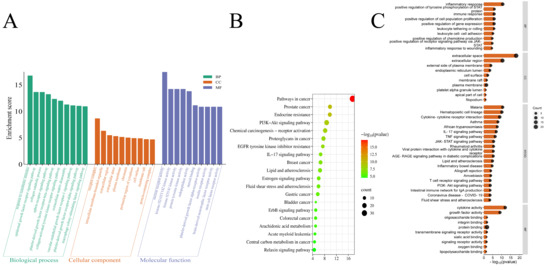
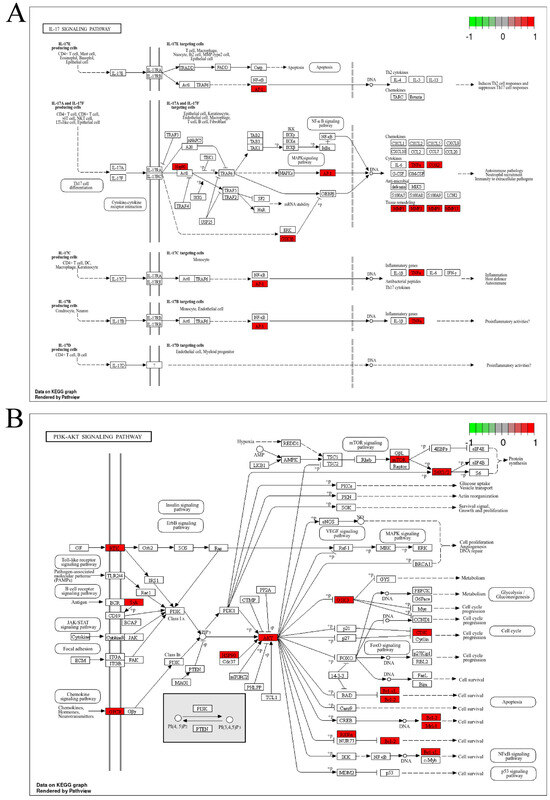
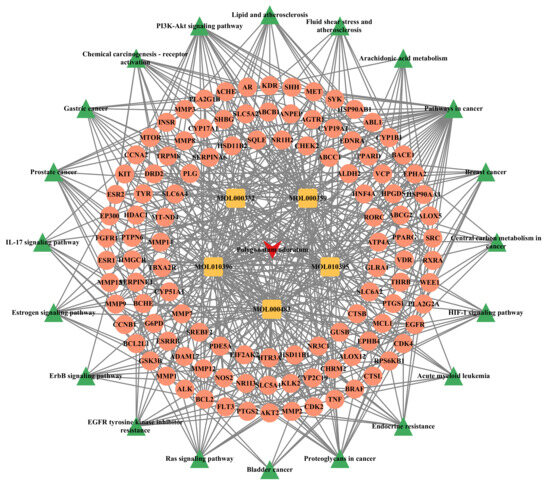
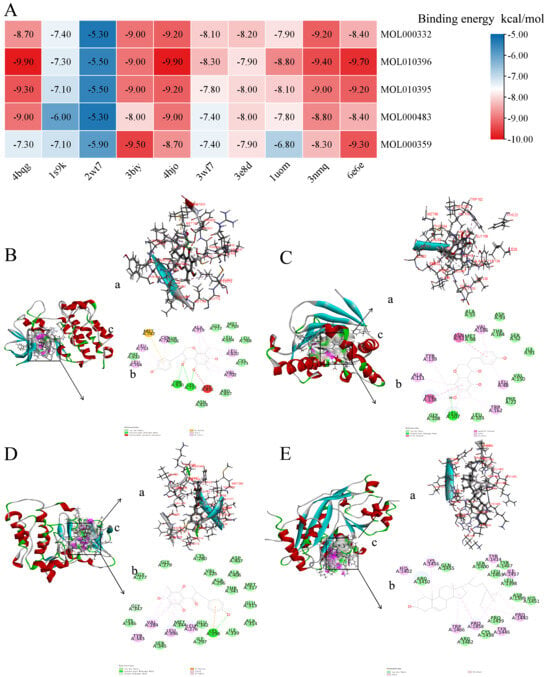
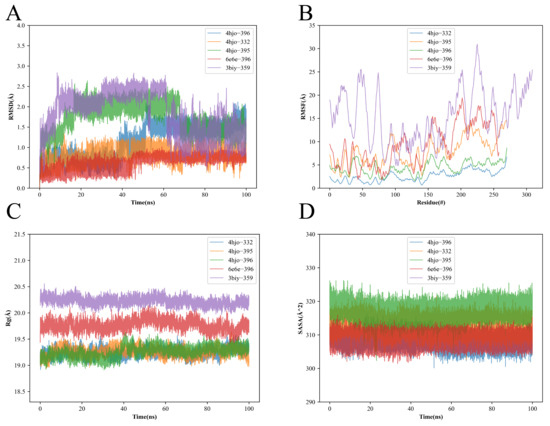
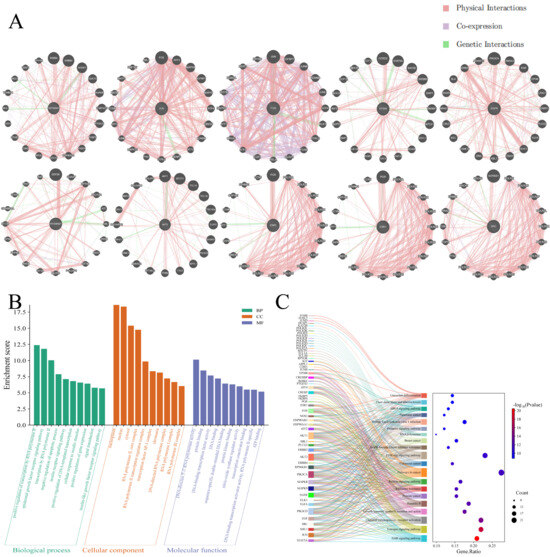
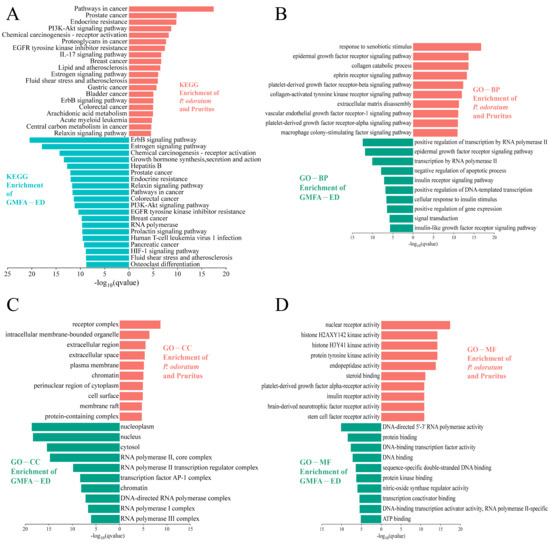
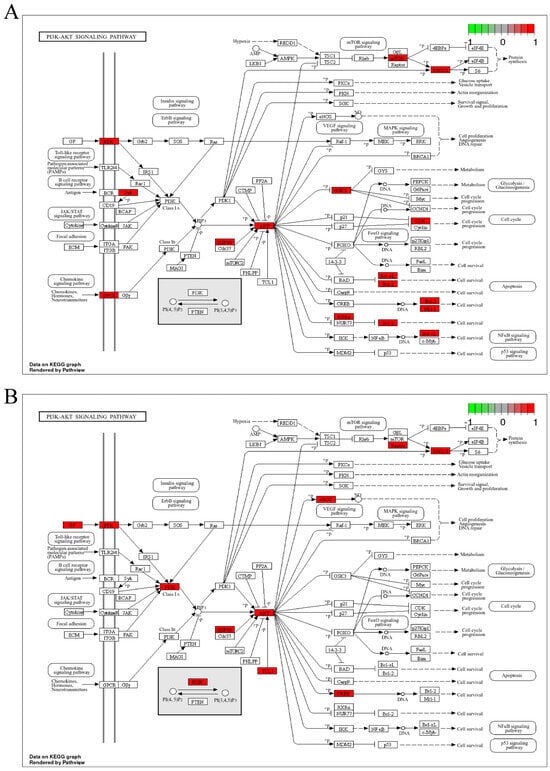
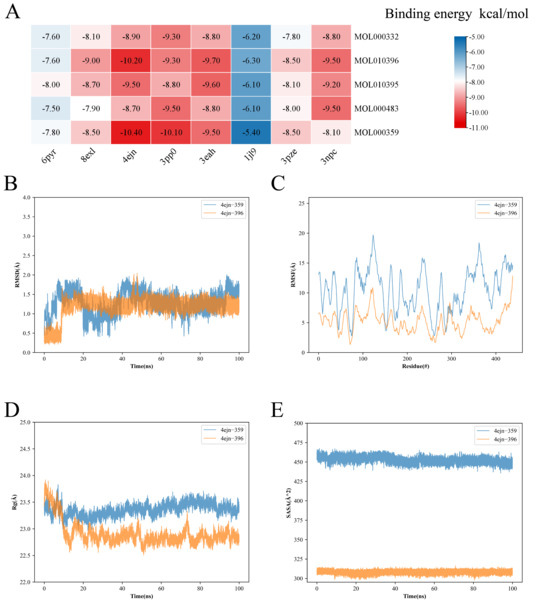
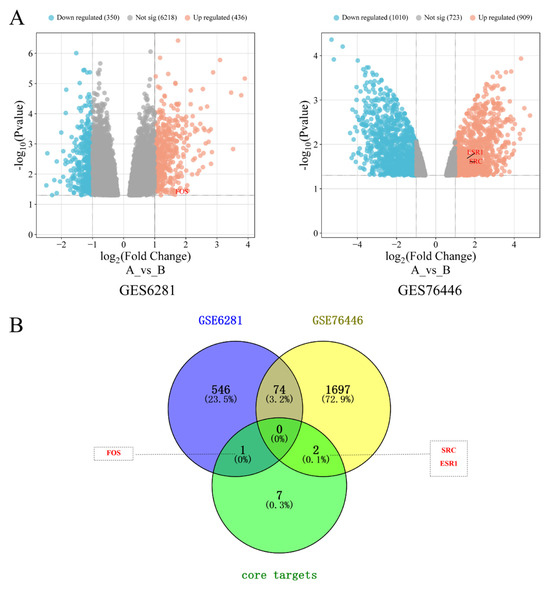
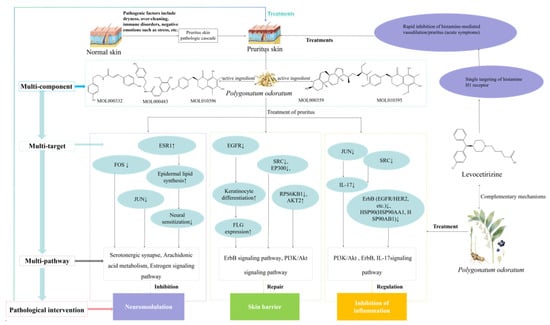
Polygonatum odoratum, a medicinal and edible plant widely used in traditional Chinese medicine and daily diets, has potential in managing various disorders, but its anti-pruritic mechanisms remain unclear. This study aimed to explore its multi-target anti-pruritic effects by integrating network pharmacology, molecular docking, molecular dynamics (MD) simulations, GeneMANIA functional association analysis (GMFA), and GEO dataset validation. Bioactive components and pruritus-related targets were identified from public databases, and interaction networks between Polygonatum odoratum and pruritus targets, as well as the antihistamine levocetirizine, were constructed. Core targets were screened, and functional enrichment analyses were performed using DAVID and KEGG. Molecular docking (AutoDock Vina) and MD simulations (AMBER20) assessed the binding energy and stability of core components with key targets. The analysis identified 5 active components, 208 related targets, and 113 pruritus-associated targets, including 10 core targets. Enrichment analysis highlighted the PI3K/Akt and IL-17 signaling pathways, while MCODE clustering suggested involvement in arachidonic acid metabolism and serotonergic synapse. GMFA supported these findings. Molecular docking showed strong binding energy (<−5 kcal/mol), and MD simulations confirmed stable ligand–target complexes. GEO dataset validation reinforced key results. This study suggests that Polygonatum odoratum may exert anti-pruritic effects through the combined actions of inflammation suppression, skin barrier repair, and neural modulation, revealing a novel multi-target mechanism for pruritus therapy and potential synergy with levocetirizine.
Full article
(This article belongs to the Special Issue Pharmacological Activities and Mechanisms of Action of Natural Products, 2nd Edition)
►▼
Show Figures

Figure 1
Open AccessArticle
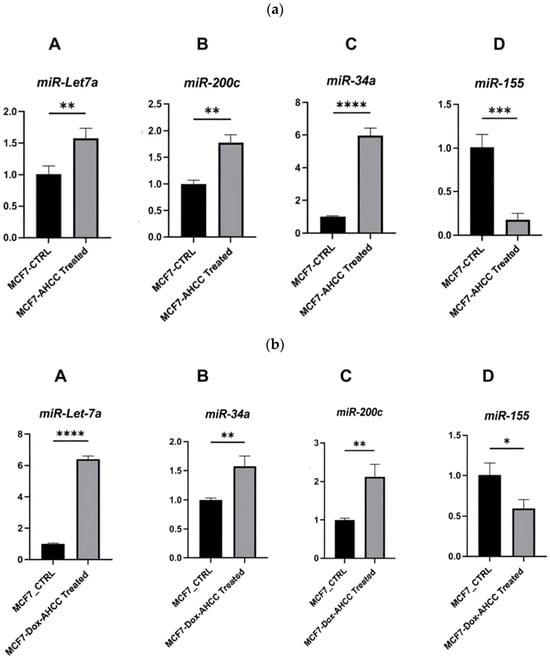
Treatment of Mesenchymal Stem Cell-Derived Extracellular Vesicles with Extract of Cultured Lentinula edodes Modulates Breast Cancer Stem Cells and MicroRNA Reprogramming
by
Farzaneh Sharifzad, Nawal Alsadi, Hamed Yasavoli-Sharahi, Roghayeh Shahbazi, Dylan Burger and Chantal Matar
Curr. Issues Mol. Biol. 2026, 48(4), 368; https://doi.org/10.3390/cimb48040368 - 1 Apr 2026
Abstract
Breast carcinoma represents the most frequent malignancy in women in Canada, and intrinsic or acquired drug resistance significantly increases the risk of recurrence and metastasis. Although front-line therapy is multimodal, chemoresistance remains a major hurdle in treatment and therapy, and the intake of
[...] Read more.
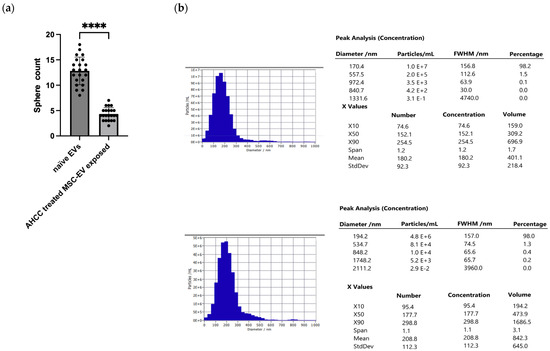
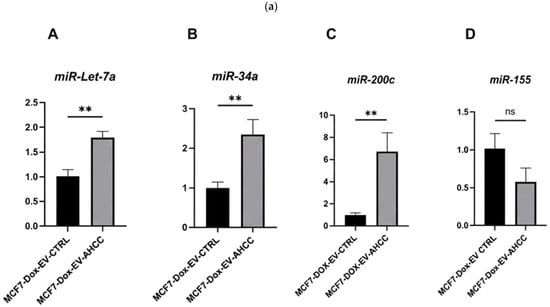
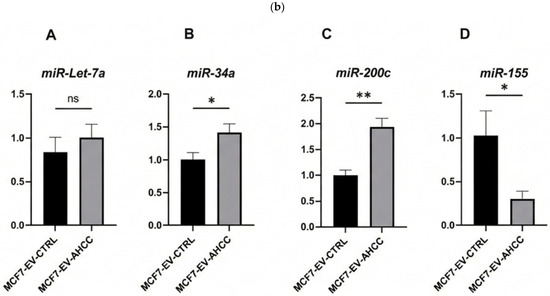
Breast carcinoma represents the most frequent malignancy in women in Canada, and intrinsic or acquired drug resistance significantly increases the risk of recurrence and metastasis. Although front-line therapy is multimodal, chemoresistance remains a major hurdle in treatment and therapy, and the intake of natural compounds resulting from fermentation processes is currently considered an effective strategy to overcome this problem. This study investigated the effect of extracellular vesicles (EVs) from Mesenchymal Stromal/stem cells (MSCs) pretreated with cultured Lentinula edodes extract (AHCC) on reducing chemoresistance and modulating microRNAs in the MCF-7 and MCF-7/DOX cell lines. EV characterization was performed using nanoparticle tracking analysis, and microRNAs and the formation of cancer stem cells were studied. The miRNA analysis revealed that AHCC significantly downregulated oncogenic miR-155 but upregulated the tumor-suppressive microRNAs miR-34a, miR-Let7a, and miR-200c. In vitro experiments showed inhibition of cancer stem cell proliferation after challenging the cells with AHCC-pretreated EVs. Conclusion: Our data demonstrated that AHCC may contribute to modulation of the tumor microenvironment, thus influencing the development of cancer stem cells.
Full article
(This article belongs to the Special Issue Targeted Therapeutic Approaches in Cancer: Combining Natural Compounds and Conventional Drugs)
►▼
Show Figures

Figure 1
Open AccessReview
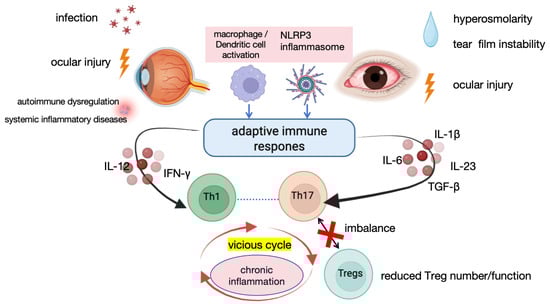
Natural Products Targeting Immune Mechanisms in Ocular Inflammation: Uveitis and Dry Eye
by
Wenjia Lu, Mingming Yang, Yaru Zou, Jing Zhang, Kyoko Ohno-Matsui and Koju Kamoi
Curr. Issues Mol. Biol. 2026, 48(4), 367; https://doi.org/10.3390/cimb48040367 - 1 Apr 2026
Abstract
At present, the clinical management of ocular inflammatory diseases predominantly relies on chemically synthesized therapeutic agents. Although these therapies demonstrate established efficacy, their long-term use is associated with substantial economic burden. In addition, they may cause ocular side effects and systemic adverse reactions
[...] Read more.
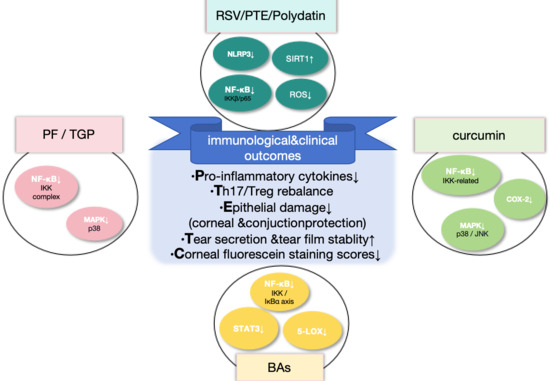
At present, the clinical management of ocular inflammatory diseases predominantly relies on chemically synthesized therapeutic agents. Although these therapies demonstrate established efficacy, their long-term use is associated with substantial economic burden. In addition, they may cause ocular side effects and systemic adverse reactions involving the cardiovascular, hepatic, and renal systems. In contrast, natural products have attracted increasing attention in recent years because many are accessible, relatively cost-effective, and potentially well tolerated. Studies indicate that various natural products exert anti-inflammatory and immunomodulatory effects by inhibiting inflammatory signaling pathways such as NF-κB and MAPK, regulating immune cell function and alleviating oxidative stress responses. These multifunctional properties support their potential therapeutic value in various inflammatory diseases. Notably, several natural products have shown potential benefits in clinical trials; however, their investigation and application in ocular diseases remain relatively limited. In this review, we focus on uveitis and dry eye disease (DED) as representative ocular disease models and systematically summarize the current research progress on four natural products—Paeonia lactiflora extracts, resveratrol and its derivatives, curcumin, and boswellic acids in experimental studies of ocular diseases. We particularly focus on their effects in alleviating ocular surface inflammation and intraocular inflammatory responses through their immunomodulatory mechanisms. This review aims to provide a mechanistic framework for understanding the potential role of natural products as complementary or alternative strategies to current therapeutic approaches, while informing the development of novel therapeutics and future research directions in ocular diseases.
Full article
(This article belongs to the Special Issue Molecular Mechanisms of Natural Product-Induced Immune Modulation: From Signaling Pathways to Therapeutic Targets)
►▼
Show Figures

Figure 1
Open AccessReview
Icariin Modulates the Reproductive-Immune Axis: Molecular Insights and Therapeutic Potential
by
Rongyu Wang, Yan Chen, Qinwen Xiao, Lirong Tang and Nannan Zhang
Curr. Issues Mol. Biol. 2026, 48(4), 366; https://doi.org/10.3390/cimb48040366 - 1 Apr 2026
Abstract
The immune system is a pivotal regulator of reproductive physiology, maintaining tissue homeostasis essential for successful pregnancy while contributing to infertility and reproductive disorders when dysregulated. Natural products represent a valuable source of novel immunomodulatory agents. Icariin (ICA), a prenylated flavonoid glycoside isolated
[...] Read more.
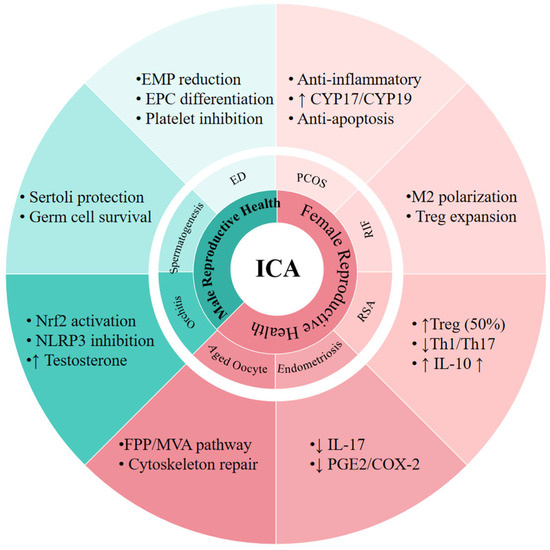
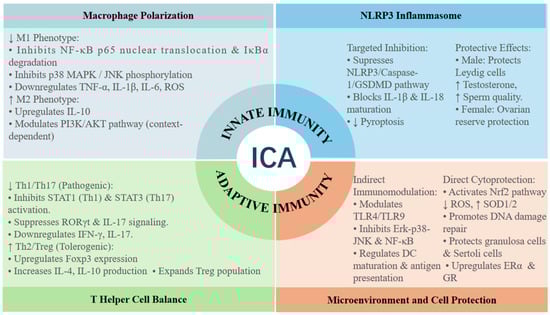
The immune system is a pivotal regulator of reproductive physiology, maintaining tissue homeostasis essential for successful pregnancy while contributing to infertility and reproductive disorders when dysregulated. Natural products represent a valuable source of novel immunomodulatory agents. Icariin (ICA), a prenylated flavonoid glycoside isolated from Epimedium species (Horny Goat Weed), has a long-standing traditional use for “invigorating yang,” which modern research attributes to its reproductive function-enhancing properties. This review synthesizes emerging evidence that the beneficial effects of ICA on female and male reproductive health are primarily mediated through its sophisticated immunomodulatory actions on the reproductive–immune axis. We systematically dissect the molecular mechanisms by which ICA reprograms the reproductive immune microenvironment, focusing on its regulation of macrophage polarization, T-helper cell (Th1/Th2/Th17) and regulatory T-cell (Treg) balance, and suppression of key pro-inflammatory signaling pathways (NF-κB, NLRP3 inflammasome, JAK-STAT) in ovarian, uterine, and testicular tissues. This review provides a detailed account of how ICA modulates reproductive disorders via regulating immune responses, with the aim of offering innovative strategies for the design of novel immunomodulatory therapies targeting reproductive diseases.
Full article
(This article belongs to the Special Issue Molecular Mechanisms of Natural Product-Induced Immune Modulation: From Signaling Pathways to Therapeutic Targets)
►▼
Show Figures

Figure 1
Open AccessReview
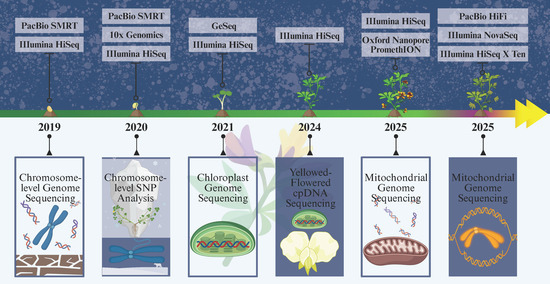
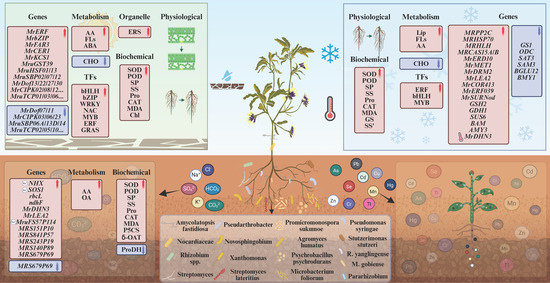
From “Omics” to Field: Deciphering the Stress Adaptation Networks and Breeding Potential of Medicago ruthenica L.
by
Chen Zhang, Yingfang Shen, Leping Qi and Xinxin Sun
Curr. Issues Mol. Biol. 2026, 48(4), 365; https://doi.org/10.3390/cimb48040365 - 1 Apr 2026
Abstract
Medicago ruthenica L., a superior forage crop within the genus Medicago (Fabaceae), is endowed with remarkable stress tolerance and an abundance of bioactive compounds, conferring significant ecological and forage value. Existing reviews primarily focus on a single research direction, and the most recent
[...] Read more.
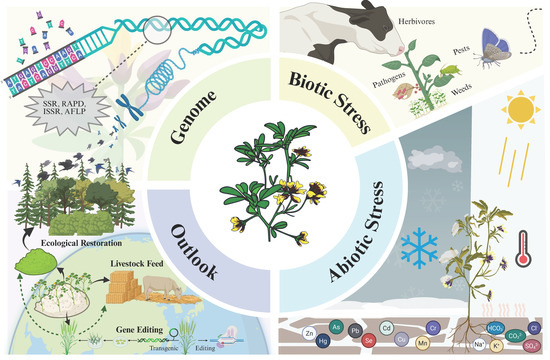
Medicago ruthenica L., a superior forage crop within the genus Medicago (Fabaceae), is endowed with remarkable stress tolerance and an abundance of bioactive compounds, conferring significant ecological and forage value. Existing reviews primarily focus on a single research direction, and the most recent findings are dated, failing to cover breakthroughs at the molecular level. This paper systematically synthesizes the latest research progress in five key areas: genetic diversity and genomic studies, biotic stress responses, abiotic stress tolerance mechanisms (drought, salinity, and low temperature, etc.), utilization (including genetic breeding, ecological restoration, and forage development), and future research prospects. This review addresses critical gaps in existing literature, particularly regarding advances in genomic sequencing, biotic stresses, and research on stress-associated microorganisms. Research indicates that M. ruthenica exhibits extensive genetic diversity, and its genome contains numerous positive selection signals associated with stress resistance. It can tolerate multiple abiotic and biotic stresses through morphoplasticity, physiological metabolic regulation, and transcriptional regulation. Furthermore, its symbiosis with microorganisms such as rhizobia significantly enhances its stress tolerance. M. ruthenica demonstrates outstanding application potential in degraded grassland restoration and high-quality forage production. Future research should focus on mining stress-resistant genes, optimizing molecular breeding techniques, and integrating artificial intelligence into breeding practices. That will facilitate its transformation from a regional endemic resource to a commercially viable functional species, thereby providing robust support for ecological security and the sustainable development of grassland-based livestock husbandry in cold and arid regions.
Full article
(This article belongs to the Special Issue Molecular Mechanisms of Plant Adaptation and Stress Tolerance Under Changing Environmental Conditions)
►▼
Show Figures

Figure 1
Open AccessArticle
Different Effects of Antioxidants Against Ionizing Radiation: An Experimental Model of Micronuclei
by
Miguel Alcaraz, Daniel Gyingiri Achel, José Antonio Garcia-Gamuz, Miguel José Ruiz-Gómez, Ana Mercado-Díaz, Miguel Alcaraz-Saura, José Luis Navarro-Fernández and Amparo Olivares
Curr. Issues Mol. Biol. 2026, 48(4), 364; https://doi.org/10.3390/cimb48040364 - 31 Mar 2026
Abstract
There is an urgent need to find and develop radiation countermeasures for both planned and unplanned exposures. However, in recent years, radioprotective substances, such as rosmarinic acid (RA), have been described, presenting contradictory and even paradoxical results. In this paper, we evaluated the
[...] Read more.
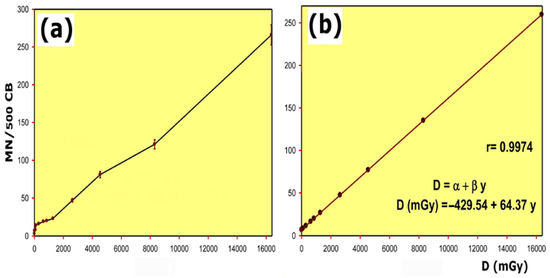
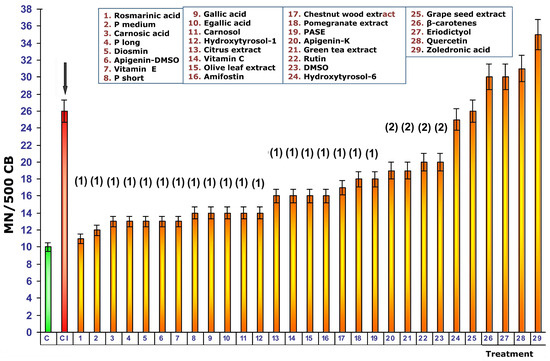
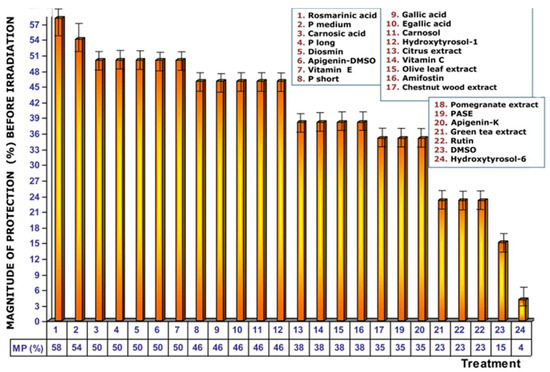
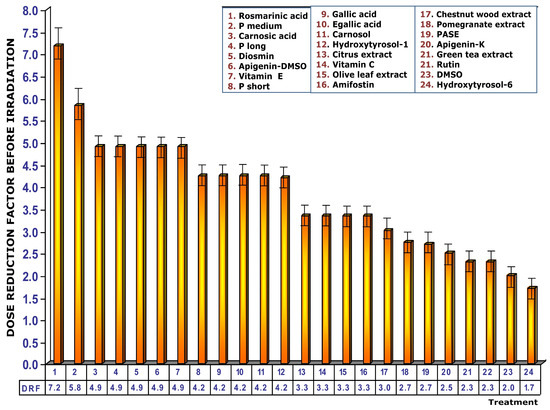
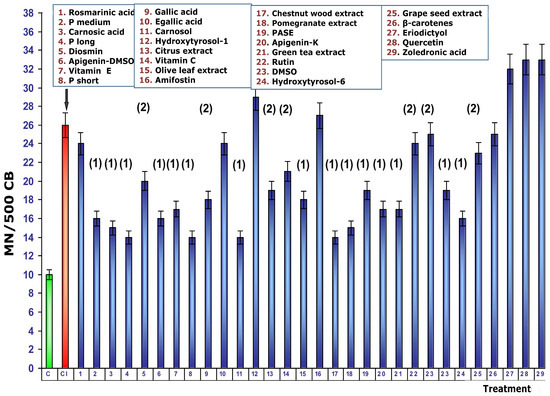
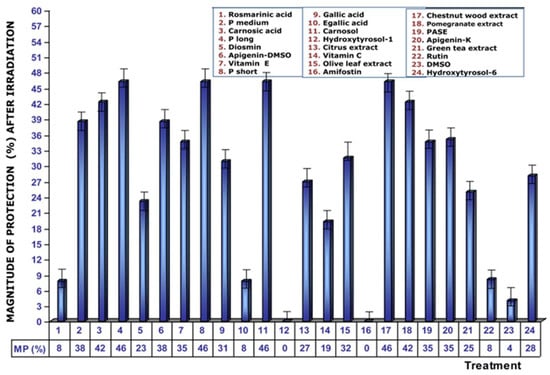
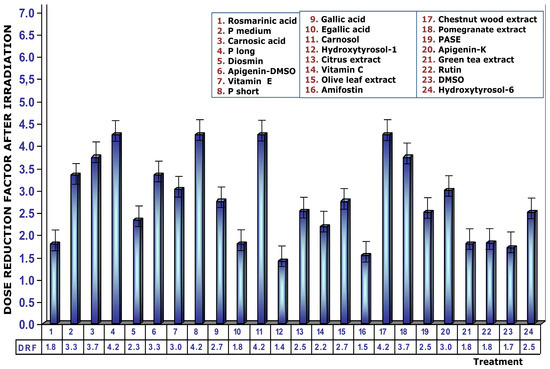
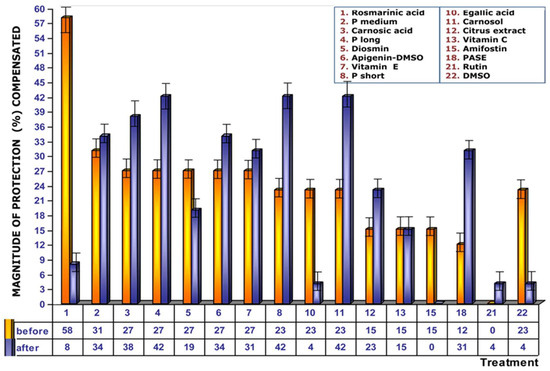
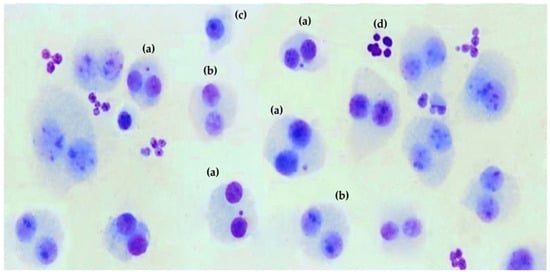
There is an urgent need to find and develop radiation countermeasures for both planned and unplanned exposures. However, in recent years, radioprotective substances, such as rosmarinic acid (RA), have been described, presenting contradictory and even paradoxical results. In this paper, we evaluated the genoprotective capacity of 29 substances against chromosomal damage induced by gamma radiation in a comparative study using the same technique, i.e., cytokinesis-block micronucleus (CBMN) assay to evaluate their genoprotective capacities, at the same concentrations and administered before and after exposure to 2 Gy of gamma radiation. We then related the observed effects with their chemical characteristics to appreciate the different mechanisms of action that could explain some apparent contradictions that may emerge. In our study, before exposure to ionizing radiation, RA produced the greatest reduction in the frequency of radiation-induced micronuclei (p < 0.001), presenting the highest magnitude of protection (58%) and a dose reduction factor of 7.1 (p < 0.001); however, it loses this genoprotective capacity when administered after exposure to radiation. These results could be attributed to the different radical-scavenging and antilipoperoxidative activities of each substance tested. Antilipoperoxidant activity was found to be the most important factor in the reduction in radiation-induced chromosomal damage; thus, lipo-antioxidant substances emerged as the most effective in protecting genetic material against oxidative damage.
Full article
(This article belongs to the Special Issue Molecular Mechanisms of Radiation-Induced Cellular Responses)
►▼
Show Figures

Figure 1
Journal Menu
► ▼ Journal Menu-
- CIMB Home
- Aims & Scope
- Editorial Board
- Reviewer Board
- Topical Advisory Panel
- Instructions for Authors
- Special Issues
- Topics
- Sections & Collections
- Article Processing Charge
- Indexing & Archiving
- Editor’s Choice Articles
- Most Cited & Viewed
- Journal Statistics
- Journal History
- Journal Awards
- Conferences
- Editorial Office
Journal Browser
► ▼ Journal Browser-
arrow_forward_ios
Forthcoming issue
arrow_forward_ios Current issue - Volumes not published by MDPI
- Vol. 42 (2021)
- Vol. 41 (2021)
- Vol. 40 (2021)
- Vol. 39 (2020)
- Vol. 38 (2020)
- Vol. 37 (2020)
- Vol. 36 (2020)
- Vol. 35 (2020)
- Vol. 34 (2019)
- Vol. 33 (2019)
- Vol. 32 (2019)
- Vol. 31 (2019)
- Vol. 30 (2019)
- Vol. 29 (2018)
- Vol. 28 (2018)
- Vol. 27 (2018)
- Vol. 26 (2018)
- Vol. 25 (2018)
- Vol. 24 (2017)
- Vol. 23 (2017)
- Vol. 22 (2017)
- Vol. 21 (2017)
- Vol. 20 (2016)
- Vol. 19 (2016)
- Vol. 18 (2016)
- Vol. 17 (2015)
- Vol. 16 (2014)
- Vol. 15 (2013)
- Vol. 14 (2012)
- Vol. 13 (2011)
- Vol. 12 (2010)
- Vol. 11 (2009)
- Vol. 10 (2008)
- Vol. 9 (2007)
- Vol. 8 (2006)
- Vol. 7 (2005)
- Vol. 6 (2004)
- Vol. 5 (2003)
- Vol. 4 (2002)
- Vol. 3 (2001)
- Vol. 2 (2000)
- Vol. 1 (1999)
Highly Accessed Articles
Latest Books
E-Mail Alert
News
Topics
Topic in
CIMB, IJMS, Reprod. Med., Biology, Life
Recent Research in Germ Cells
Topic Editors: Malgorzata Kloc, Jacek KubiakDeadline: 31 May 2026
Topic in
CIMB, Molecules, Pharmaceuticals, Pharmaceutics, Sci. Pharm.
Challenges and Opportunities in Drug Delivery Research, 2nd Edition
Topic Editors: Lenuta Profire, Ioana Mirela VasincuDeadline: 30 June 2026
Topic in
Cancers, CIMB, Current Oncology, Sci. Pharm., Antibodies, IJMS, IJTM
Antibody-Mediated Therapy and Other Emerging Therapies in Cancer Treatment
Topic Editors: Won Sup Lee, Yaewon Yang, Seil GoDeadline: 31 July 2026
Topic in
IJMS, Agronomy, Plants, Crops, CIMB
New Achievements in Gene Mining, Germplasm Innovation, Cultivation Technologies in Rice
Topic Editors: Shimin Zuo, Yongmei Bao, Yajie HuDeadline: 31 August 2026
Conferences
Special Issues
Special Issue in
CIMB
Complex Molecular Mechanism of Monogenic Diseases: 3rd Edition
Guest Editor: Grzegorz WegrzynDeadline: 20 April 2026
Special Issue in
CIMB
Molecular Research on Virus-Related Infectious Disease
Guest Editors: Guangcai Duan, Shuaiyin ChenDeadline: 30 April 2026
Special Issue in
CIMB
Molecular Biology and Biochemistry of Cannabis: Exploring the Genetic and Metabolic Pathways
Guest Editor: Craig M. SchluttenhoferDeadline: 30 April 2026
Special Issue in
CIMB
Bioinformatics in Human Disease Network Analysis
Guest Editor: Li LiaoDeadline: 30 April 2026
Topical Collections
Topical Collection in
CIMB
Feature Papers in Current Issues in Molecular BiologyCollection Editor: Madhav Bhatia
Topical Collection in
CIMB
Feature Papers Collection in Molecular Microbiology
Collection Editor: Bruce Seal
Topical Collection in
CIMB
Bioinformatics Approaches to Biomedicine
Collection Editor: Giulia Fiscon
Topical Collection in
CIMB
Molecular Advances in Veterinary Pharmacology and Toxicology
Collection Editor: Chongshan Dai