


Journal Menu
► ▼ Journal Menu-
- Climate Home
- Aims & Scope
- Editorial Board
- Reviewer Board
- Topical Advisory Panel
- Instructions for Authors
- Special Issues
- Topics
- Sections & Collections
- Article Processing Charge
- Indexing & Archiving
- Editor’s Choice Articles
- Most Cited & Viewed
- Journal Statistics
- Journal History
- Journal Awards
- Society Collaborations
- Conferences
- Editorial Office
Journal Browser
► ▼ Journal BrowserNeed Help?
Announcements
4 March 2026
MDPI’s 2025 Best Paper Awards—Award-Winning Papers Announced
MDPI is honored to announce the recipients of the 2025 Best Paper Awards, celebrating exceptional research for its scientific merit and broad impact. After a rigorous evaluation process conducted by Academic Editors, this year’s awards showcase papers that stand out for their innovation, relevance, and high-quality presentation.
Out of a highly competitive pool, 396 winning papers have been recognized for their exceptional contributions. We congratulate these authors for pushing the boundaries of their respective disciplines.
At MDPI, we are dedicated to broadening the reach of innovative science. To learn more about the award-winning papers and explore research projects in your field of study, please visit the following links:
- Biology and Life Sciences;
- Business and Economics;
- Chemistry and Materials Sciences;
- Computer Sciences and Mathematics;
- Engineering;
- Environmental and Earth Sciences;
- Medicine and Pharmacology;
- Social Sciences, Arts and Humanities;
- Physical Sciences;
- Public Health and Healthcare.
About MDPI Awards:
To reward the global research community and enhance academic dialogue, MDPI journals regularly host award programs across diverse scientific disciplines. These awards, serving as a source of inspiration and recognition, help raise the influence of talented individuals who have been credited with outstanding achievements and whose work drives the advancement of their fields.
Explore the Best Paper Awards open for participation, please click here.
9 April 2026
International Mother Earth Day 2026 | Interview with Dr. Robson Mateus Freitas Silveira—Guest Editor of Poultry
Each year on 22 April, International Mother Earth Day brings together researchers, environmental leaders, and advocates from around the world to raise awareness and inspire action to protect our planet. Aligned with the 2026 theme, “Our Power, Our Planet”, we are honored to present this interview with Dr. Robson Mateus Freitas Silveira, Guest Editor of Poultry (ISSN: 2674-1164) and the Guest Editor of the Special Issue “Precision Poultry Farming: Environmental Automation for Sustainable and Efficient Production”.
|
|
Name: Dr. Robson Mateus Freitas Silveira |

Dr. Robson Silveira is a researcher in animal science focused on the interface between climate change, animal welfare, and sustainable livestock production. He holds a Ph.D. in Animal Science and Pastures from the Universidade de São Paulo and currently work as a postdoctoral researcher at the Núcleo de Pesquisa em Ambiência. His research integrates thermal physiology, animal behavior, and data science to understand and mitigate the effects of environmental stress on livestock systems. He has authored over 100 international publications and serve as a scientific editor and reviewer for multiple journals. His work emphasizes precision livestock farming, advanced statistical modeling, and artificial intelligence to improve efficiency, resilience, and animal welfare. He is particularly interested in developing climate-smart strategies that support sustainable intensification and align livestock production with global sustainability goals.
The following is an interview with Dr. Robson Silveira:
1. Can you briefly introduce your research and what motivated you to work in this area?
I am a researcher in animal science with a focus on the interface between climate change, animal welfare, and production efficiency. My work integrates thermal physiology, behavior, and data science approaches to better understand how environmental stressors affect livestock systems. I was motivated to work in this area by the growing need to reconcile food production with animal welfare and environmental sustainability, especially under increasingly variable climatic conditions. My goal is to generate evidence-based strategies that improve resilience and efficiency in livestock systems while maintaining ethical and sustainable standards.
2. From your perspective, what is the most pressing environmental challenge today, and how does your work address it?
One of the most pressing environmental challenges today is the impact of climate change on food production systems, particularly through heat stress and environmental variability. These factors directly compromise animal welfare, productivity, and system sustainability. My research addresses this by quantifying thermal stress, identifying adaptive responses in animals, and developing predictive and data-driven strategies to mitigate its effects. By integrating environmental indicators such as temperature, humidity, and enthalpy with animal-based measures, I aim to support more climate-resilient livestock systems.
3. What inspired you to focus on sustainability or environmental research as an early career researcher?
My interest in sustainability emerged from recognizing that animal production systems are both highly vulnerable to environmental changes and essential for global food security. Early in my career, I became particularly interested in how environmental stressors shape animal biology and behavior. This led me to focus on sustainable intensification—improving productivity while minimizing environmental impact and ensuring animal welfare. The urgency of climate change reinforced my commitment to this research path.
4. The theme “Our Power, Our Planet” highlights collective action—how does your research contribute to real-world environmental impact or solutions?
My research contributes to real-world impact by generating practical tools and knowledge that can be applied at the farm and industry levels. For example, I develop models and indicators that help producers identify critical environmental thresholds and optimize management practices to reduce thermal stress. Additionally, by using advanced statistical and machine learning approaches, I support precision livestock farming strategies that enhance efficiency, reduce resource waste, and improve animal welfare. These contributions help bridge the gap between science and practical application.
5. In your view, how can researchers collaborate with policymakers, industry, or communities to drive meaningful environmental change?
Effective collaboration requires translating scientific findings into actionable and accessible information. Researchers must engage with policymakers and industry stakeholders early in the research process to ensure relevance and applicability. This includes co-developing solutions, participating in advisory panels, and contributing to evidence-based policies. Collaboration with producers and communities is also essential to ensure that innovations are feasible and context-specific. Interdisciplinary approaches are key to addressing complex environmental challenges.
6. What role do you think innovation and emerging technologies play in accelerating sustainability and protecting our planet?
Innovation and emerging technologies play a central role in advancing sustainability. Tools such as artificial intelligence, machine learning, and sensor-based monitoring systems enable more precise and real-time decision-making in livestock production. These technologies allow us to better predict environmental stress, optimize resource use, and improve animal welfare outcomes. In my work, I use data-driven approaches to extract meaningful patterns from large datasets, supporting more efficient and adaptive production systems.
7. How can researchers better engage the public or raise awareness to encourage collective action on environmental issues?
Researchers can enhance public engagement by communicating science in a clear, accessible, and transparent manner. This includes using multiple platforms, such as social media, public talks, and collaborative projects with stakeholders. Demonstrating the real-world relevance of research—especially its impact on food systems, animal welfare, and environmental sustainability—is essential to fostering awareness and trust. Education and outreach initiatives also play a critical role in promoting collective action.
8. Looking ahead, what are your hopes for the future of environmental research and global sustainability efforts?
I hope to see a stronger integration between science, technology, and policy to address global sustainability challenges. Environmental research should increasingly focus on scalable, data-driven, and interdisciplinary solutions. I also expect greater emphasis on resilience and adaptation strategies, particularly in the context of climate change. Ultimately, my hope is that research will continue to contribute to more sustainable, ethical, and efficient food production systems that align with global sustainability goals.
2 April 2026
2026 Tu Youyou Award—Open for Nominations
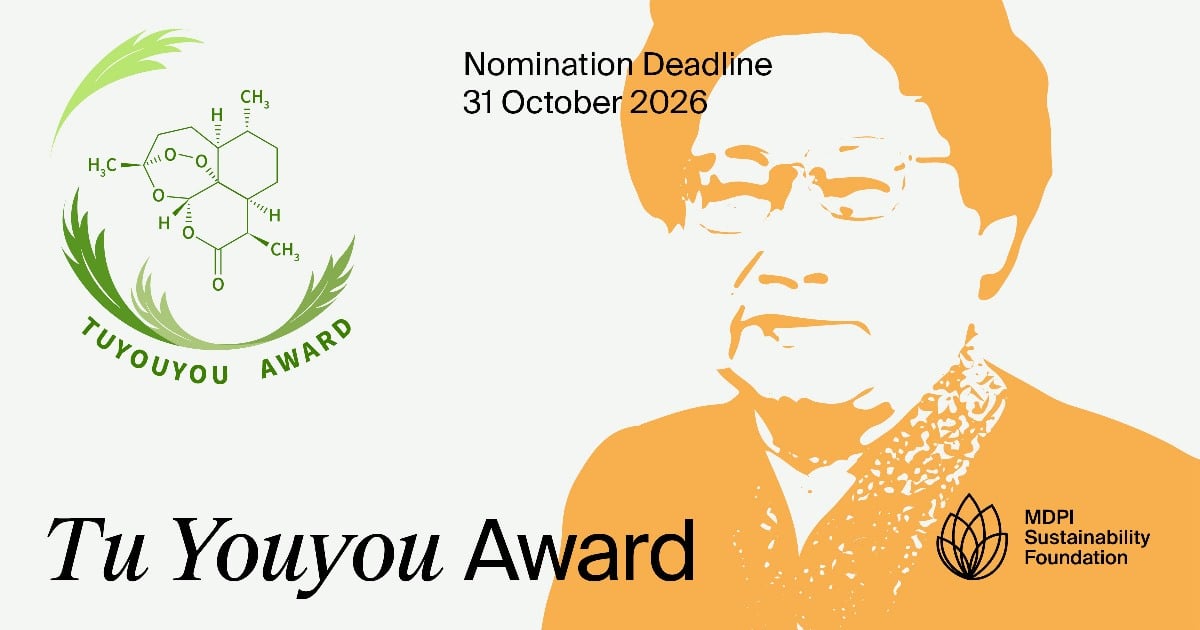
We are delighted to announce that nominations are now open for the 2026 Tu Youyou Award. Named after Nobel Laureate Tu Youyou, whose discovery of artemisinin has saved millions of lives, this award recognizes researchers whose work advances the fields of natural products chemistry and medicinal chemistry, while also contributing to human health.
Prize
– CHF 100,000;
– A medal;
– A certificate.
The monetary prize will be shared equally should there be multiple recipients.
Who May Be Nominated?
– Scientists with outstanding achievements and contributions in the fields of natural products chemistry and medicinal chemistry.
Nominees must be individuals; team or group nominations are not permitted. Nominations are valid only for the current award cycle.
Who May Submit a Nomination?
– The director of the nominee’s host research institution or recognized scientists within the field.
Self-nominations will not be considered.
Nomination Materials
– A biographical sketch;
– A detailed description of the nominee’s contributions;
– 5–10 representative academic publications;
– A list of academic honors, awards, and funded projects;
– A nomination letter signed by two nominators.
How to Submit?
Submit nominations online via the following link: https://tuyouyouprize.org/nomination
Important Dates
– Nomination Deadline: 31 October 2026
– Winner Announcement: March 2027
For further information, please visit the Tu Youyou Award website (https://tuyouyouprize.org/). For any inquiries, please contact the Tu Youyou Award Team at tuyouyouaward@mdpi.com.
31 March 2026
MDPI INSIGHTS: The CEO’s Letter #33 - 2025 Annual Report, Preprints.org, IWD, Recapping Viruses 2026 & Romania Salon

Welcome to the MDPI Insights: The CEO's Letter.
In these monthly letters, I will showcase two key aspects of our work at MDPI: our commitment to empowering researchers and our determination to facilitating open scientific exchange.
Opening Thoughts

Scaling Open Access with Integrity: MDPI Annual Report 2025
I am pleased to share the release of MDPI’s 2025 Annual Report, reflecting our continued progress as one of the world’s leading open access publishers. The report highlights not only our growth, but also the continued evolution of our publishing model and our commitment to quality, transparency, and collaboration.
You can explore the full report here: https://mdpi-res.com/data/mdpi_annual_report_2025_0401.pdf?1775045421
Or visit the interactive page: https://www.mdpi.com/annual-report-2025/
A Year of Growth and Responsibility
2025 was a year of significant growth for MDPI. We received over 669,000 manuscript submissions, the highest in our history, while maintaining a rejection rate above 60%, reinforcing our commitment to both scale and quality.
We published 261,576 peer-reviewed open access articles across a portfolio of 500 journals, supported by a global community of more than 68,000 Editorial Board Members and 209,000 reviewers.
Scaling with Integrity
Growth alone is not the objective; how we grow matters.
Our 2025 Annual Report, Scaling Open Access with Integrity, reflects our continued focus on building the systems and processes that support reliable and trustworthy publishing. As submission volumes increase globally, so too does the importance of robust editorial workflows, research integrity frameworks, and the infrastructure required to support them.
In 2025, we continued to invest in:
- Research integrity and quality assurance processes
- Editorial support and reviewer engagement
- Transparency across the publishing workflow
These efforts ensure that scale does not come at the expense of rigor, but rather reinforces it.
Validation Through Indexing and Visibility
As MDPI continues to grow, validation of quality remains essential.
In 2025, the number of MDPI journals indexed in the Web of Science Core Collection increased from 298 to 329, while Scopus coverage reached 355 journals, including 45 new acceptances. Coverage in major biomedical databases (PMC/Medline/PubMed) expanded to 95 journals, and indexing in Ei Compendex increased significantly.
These milestones reflect the strength of our editorial processes and the trust placed in our journals by independent indexing bodies.
Importantly:
- 96% of all MDPI articles are indexed in Web of Science databases
- More than 1.75 million articles are indexed, with an average of 13 citations per article
Recognition through Journal Citation Reports also continues to grow:
- 298 journals received Impact Factors
- 65% ranked in the top half of their categories
- 61 journals achieved top-quartile positions
These developments demonstrate that growth and quality are advancing together, supported by strong editorial oversight and consistent performance across our journal portfolio.
Strengthening Partnerships and Community
Open access is a collaborative endeavor.
In 2025, we expanded our institutional partnerships to more than 1,000 IOAP agreements, helping simplify publishing for researchers and institutions worldwide.
We also hosted 60 in-person conferences and virtual events, bringing together more than 28,000 participants to exchange ideas, share research, and strengthen connections across the global scientific community.
At the heart of everything we do is this community of authors, editors, reviewers, and partners who make open science possible.
Looking Ahead
Open access continues to move toward becoming the standard model for sharing research globally. With that growth comes increased responsibility.
Our focus moving forward is to continue building a publishing ecosystem that is:
- Collaborative, to serve the research community
- Rigorous, to ensure quality
- Transparent, to support trust
- Scalable, to meet global demand
We believe that open access, when combined with strong editorial standards and integrity, is the most effective way to accelerate scientific progress.
Thank you to all the scholarly community who collaborated with us and our MDPI staff for your continued dedication and contributions in making 2025 a successful year.
Impactful Research

Celebrating Ten Years of Preprints.org: Accelerating Open Research
In 2026, MDPI’s preprints server Preprints.org marked its 10th anniversary as a platform dedicated to accelerating the dissemination of research. Since its launch, Preprints.org has grown into a global platform that hosts more than 120,000 preprints contributed by hundreds of thousands of researchers worldwide, generating tens of millions of views and downloads and demonstrating the value of sharing research openly and rapidly.
At MDPI, we are proud to celebrate ten years of Preprints.org supporting the mission of open science. Over the past decade, we have seen how early sharing of research can accelerate collaboration and help ideas move more quickly from discovery to impact.
The Evolution of Preprints
While Preprints.org launched in 2016, the idea behind it has deeper roots. The concept of rapid research dissemination has existed for decades, with early preprint servers showing how open sharing can accelerate scientific progress.
Over the past decade, preprints have become an increasingly important part of scholarly communication. Researchers across disciplines are looking at faster ways to share their discoveries, exchange ideas, and receive feedback from the global scientific community.
Preprints in a Growing Research Ecosystem
The global preprint landscape has expanded significantly over the past decade, with multiple platforms serving different research communities. The figure below (sourced from James Butcher newsletter), based on data from Dimensions (Digital Science), shows the growth of preprint outputs across several major platforms over time.

Among these platforms, arXiv (the pioneering preprint server) has experienced great growth in recent years. At the same time, other platforms have continued to expand their reach across disciplines, capturing increasing global interest in early research sharing.
Preprints.org contributes to this evolving ecosystem by providing a multidisciplinary platform that works in synergy with academic journals, helping researchers bridge the gap between rapid dissemination and the formal publication process.
Celebrating the First Decade
To commemorate this milestone, Preprints.org launched a 10th Anniversary celebration hub highlighting the impact of preprints and the researchers who contribute to them.

One of the central initiatives is the Popular Preprints of the Decade Award, recognizing influential preprints published between 2016 and 2026 across multiple research fields. Through community voting, the award will recognize research that has generated high engagement and visibility within the global research community.
Looking Ahead: The Next Decade of Preprints
As research communication continues to evolve, preprints will continue to play an important role in enabling faster collaboration, improving transparency, and expanding access to knowledge. The next decade may bring further integration between preprint platforms and journals, new tools for discovery and evaluation, and greater global participation in open science.
At MDPI, we remain committed to supporting researchers through platforms that encourage the open exchange of ideas. The success of Preprints.org over the past ten years reflects the engagement and trust of the global research community – authors, readers, reviewers, and collaborators who believe in the value of sharing knowledge openly.
Congratulations to everyone involved in the development and growth of Preprints.org over the past decade!
Inside MDPI

Beyond International Women’s Day: Supporting Women in Research
International Women’s Day (IWD) offers an opportunity to recognize the achievements of women around the world and reflect on how we can continue building a more inclusive future. In research and academia, this conversation carries particular importance, as scientific progress depends on diverse perspectives, and supporting women in science is essential to strengthening the global research ecosystem.
For MDPI, IWD is an opportunity to celebrate the achievements of women in research and highlight the initiatives, conversations, and collaborations that help support researchers across disciplines and career stages.
Highlighting Women in Science Across MDPI
This year, MDPI marked International Women’s Day with a global campaign highlighting research, awards, and perspectives that support women in science. Throughout the week, our teams shared content across MDPI’s social media channels sharing the work of women researchers and encouraging engagement across the academic community.

As part of this initiative, MDPI published several blog articles exploring important themes related to gender equity in research. One article, Give Support, Gain Progress: Retaining Women in Science, discusses the importance of mentorship, institutional support, and inclusive research environments in helping women build sustainable scientific careers.
Another featured article, Bridging the Gap in Women’s Health Research, highlights the ongoing need to address disparities in health research and ensure that women’s health receives the scientific attention and investment it deserves.
These topics capture the notion that supporting women in science benefits not only individual researchers but the entire scientific community. When researchers from diverse backgrounds can contribute their perspectives and ideas, the scope and impact of scientific discovery expand.
Creating Spaces for Dialogue
Beyond online content, MDPI is also supporting conversations about women in research through community engagement.

On 10 March, MDPI UK hosted the “Women in Research” event, bringing together researchers and professionals to share experiences and discuss the opportunities and challenges women face throughout their scientific careers. Events like these are an opportunity for open dialogue, mentorship, and networking to create more inclusive research communities.
Looking Beyond a Single Day
While IWD is an important moment of recognition, progress requires ongoing effort.
Supporting women in research involves many forms of engagement: from mentorship and collaboration to creating inclusive environments in which diverse voices are heard and valued. Publishers, institutions, and researchers all play a role in building this ecosystem.
At MDPI, we remain committed to supporting the global research community and to promoting open access publishing as a foundation for accessible and inclusive knowledge-sharing.
As we reflect on IWD this year, we recognize the many women who contribute to research as authors, reviewers, editors, mentors, and educators; we also recognize the impact they continue to have on the advancement of science. The influence of women in research extends far beyond a single day of recognition, reminding us that supporting them is a commitment that continues throughout the year.
Coming Together for Science

Highlights from Viruses 2026 – New Horizons in Virology (11–13 March)
Through 11–13 March, we successfully delivered the Viruses 2026 – New Horizons in Virology MDPI conference in Barcelona, bringing together an international community of researchers, editors, and partners dedicated to advancing the field of virology.
Conference Highlights
Viruses 2026 in numbers:
- 198 total registrations, with 171 attendees on site
- 233 submissions, with 122 accepted
- 42 short talks, 9 flash talks, and 80 posters
- 13 invited speakers and 1 keynote speaker

The strong level of participation and quality of submissions once again demonstrate the relevance of the Viruses community.
A standout moment was the keynote lecture by Dr. Ho, which also attracted an NBC documentary film crew, highlighting the broader impact of the research being presented.
Scientific Programme
The conference programme covered areas across modern virology, including viral replication, pathogenesis, immunology, and public health. Sessions explored topics on antiviral therapeutics and vaccines, innate immunity, virus–host interactions, and the structure and mechanisms of virus replication.
Together, these discussions highlighted both the fundamental biology of viruses and the translational challenges of addressing emerging infectious diseases, reflecting the breadth and continued importance of virology research in a global context. The programme also included a sponsored workshop on research data management in virology, further emphasizing the importance of data practices in advancing the field.
Thank You
Feedback from participants has been very positive, and I would like to thank the Conference team for the organization and delivery of this year’s event.

Thank you to our Viruses journal team and all colleagues involved behind the scenes in supporting the delivery of the event. As noted by Dr. Eric Freed (EiC of Viruses), the success of this edition gives us strong momentum as we look ahead to the next conference in 2028, with opportunities to further expand participation and engagement.
Closing Thoughts

Recap from MDPI Romania Salon in Cluj-Napoca (24 March)
On 24 March, we had the opportunity to meet with members of the Romanian research community in Cluj-Napoca at our MDPI Romania Salon. The event was a space for presentations, open discussion, and the exchange of perspectives on publishing and the research landscape in Romania.

We welcomed 39 participants, including 27 researchers from institutions across Romania, representing cities such as Cluj-Napoca, Timișoara, and Reșița. Among them were Editorial Board Members, Associate Editors, and Guest Editors, all of whom play an important role in collaborating with MDPI and shaping the quality and direction of academic publishing.
|
|
|
|



A Shared Commitment to Research Excellence
These events reflect MDPI’s commitment to connecting with and supporting researchers by means of transparency, dialogue, and collaboration. During the day, MDPI colleagues shared a series of presentations covering different parts of our publishing ecosystem:
- MDPI’s presence in Romania – Anamaria Vartolomei (Journal Relationship Specialist (JRS), Section Managing Editor (ME))
- MDPI’s performance, growth, and impact in Romania – Stefan Tochev (CEO)
- Academic services, initiatives, and projects supporting researchers – Ioana Preda (JRS, Section ME)
- Best practices and standards in publication ethics – Lavinia Rogojina (Research Integrity Manager)
- Panel session on ethics, AI, and peer review – Lavinia Rogojina, Ioana Preda, Doris Larisa Albu (JRS, Section ME), Cristina Georgiana Spelmezan (JRS, Section ME)
- Closing remarks – Lavinia Dumitrela Cozma (Operations Manager, Section ME)

Feedback from participants was very positive, particularly regarding the quality of discussions, the relevance of the topics, and the opportunity to engage directly with MDPI colleagues. What stood out most was the openness of the discussion. These events are important not only for the purposes of presenting what we do, but also as an opportunity to listen, understand concerns, and continue to build alignment with the research community.
Romania and the Growth of Open Access Publishing
The Romanian research landscape continues to show growth in open access (OA) publishing.
In 2025:
- 72% of all publications in Romania were published as OA
- Of these, 74% were Gold Open Access
Over the past five years, Romania has produced more than 109,000 publications, with approximately 71% available openly, highlighting a sustained shift toward accessibility and knowledge-sharing.
Within this landscape, MDPI continues to play a significant role:

- MDPI is the leading OA publisher in Romania, contributing 42% of all OA publications in 2025
- More than 37,000 articles have been published with MDPI by Romanian institutions since 1996
- This figure includes over 7,500 publications in 2025 alone
- More than 400 Editorial Board Members from Romania collaborate with MDPI across disciplines
These trends show the growth of OA and the strength of collaboration between MDPI and the Romanian research community.
Looking Ahead
As academic publishing continues to evolve, maintaining open and transparent communication with researchers is essential. Events such as our Salons and Summits provide great opportunities to exchange perspectives and to build trust and collaboration.
Thank you to all participants who joined us in Cluj, and to our teams in Romania for delivering a successful event. A special thank-you to Alina-Florina Agafitei (Marketing Specialist) for her care and attention to detail in delivering the Salon.
Chief Executive Officer
MDPI AG
25 March 2026
Acknowledging the Contributions of Our Reviewers in 2025

As a pioneer in open access publishing, MDPI maintains rigorous publication standards. This mission relies on the dedication and expertise of our reviewers, who invest their time and knowledge to ensure the quality and integrity of the research we publish.
In 2025, over 209,000 reviewers contributed to the peer-review process at MDPI, providing more than 1.3 million review reports for our journals. To express our gratitude, MDPI’s Reviewer Recognition Program highlights reviewers across over 400 journals, featuring those who have assessed at least one manuscript and agreed to be acknowledged.
In addition, MDPI has identified its Top 1000 Reviewers of 2024 to recognize those whose expertise, dedication, and thoughtful evaluations were particularly outstanding.
Many journals have also established Outstanding Reviewer Awards to honor our reviewers’ commitment to publication excellence. Together with the Exceptional Reviewer List, we showcase the importance of reviewers’ work and their time and dedication.
These initiatives serve to express our deepest appreciation and gratitude towards the whole reviewer community. In recognition of their contributions, we also welcome new researchers to join this community. If you would like to contribute to open access publishing, learn more about the reviewers’ benefits and sign up to join us.
23 March 2026
World Meteorological Day, 23 March 2026

Observed annually on 23 March, World Meteorological Day highlights the vital role of National Meteorological and Hydrological Services in safeguarding lives, supporting sustainable development, and enhancing societal resilience to weather-, climate-, and water-related hazards. The 2026 theme, “Observing Today, Protecting Tomorrow”, underscores the importance of advancing observation systems and scientific knowledge to better anticipate risks and protect future generations.
Reflecting this mission, established MDPI journals in Environmental and Earth Sciences serve as platforms for scholarly exchange and collaboration, advancing research on climate processes, atmospheric and hydrological dynamics, environmental sustainability, disaster risk reduction, and the role of emerging technologies in Earth system observation and analysis. Through these efforts, MDPI supports meaningful dialogue and research addressing both current and emerging challenges in weather, climate, and environmental science.

| Geosciences | Environment & Ecology | ||
| ● Atmosphere; | ● Geomatics; | ● Coasts; | ● Oceans; |
| ● Climate; | ● Geosciences; | ● Energies; | ● Sustainability; |
| ● Earth; | ● Meteorology; | ● Environments; | ● Urban Science; |
| ● GeoHazards; | ● Remote Sensing. | ● Forests; | ● Water. |
| ● Hydrology; | |||
| Business & Economics | |||
| ● Forecasting. | |||


 |
 |
| Prof. Dr. John Boland, Adelaide University, Australia |
Dr. Edoardo Bucchignani, CIRA – Italian Aerospace Research Center, Italy |
 |
 |
| Dr. Dimitris Kaskaoutis, University of Western Macedonia, Greece |
Dr. Kostas Eleftheratos, National and Kapodistrian University of Athens, Greece |
Register for this webinar for free here!

“Climatic Changes Shift Macroalgal Assemblages from Cold- to Warm-Adapted Species: The Venice Lagoon as a Study Case”
by Adriano Sfriso, Yari Tomio and Andrea Augusto Sfriso
Environments 2025, 12(5), 149; https://doi.org/10.3390/environments12050149
“Urban Microclimates in a Warming World: Land Surface Temperature (LST) Trends Across Ten Major Cities on Seven Continents”
by Yiğitalp Kara and Veli Yavuz
Urban Sci. 2025, 9(4), 115; https://doi.org/10.3390/urbansci9040115
“Summer Diurnal LST Variability Across Local Climate Zones Using ECOSTRESS Data in Lecce and Milan”
by Gianluca Pappaccogli, Antonio Esposito and Riccardo Buccolieri
Atmosphere 2025, 16(4), 377; https://doi.org/10.3390/atmos16040377
“Assessing Drought Severity in Greece Using Geospatial Data and Environmental Indices”
by Constantina Vasilakou, Dimitrios E. Tsesmelis, Kleomenis Kalogeropoulos, Pantelis E. Barouchas, Ilias Machairas, Elissavet G. Feloni, Andreas Tsatsaris and Christos A. Karavitis
Geomatics 2025, 5(1), 10; https://doi.org/10.3390/geomatics5010010
“A Performance Comparison Study on Climate Prediction in Weifang City Using Different Deep Learning Models”
by Qingchun Guo, Zhenfang He, Zhaosheng Wang, Shuaisen Qiao, Jingshu Zhu and Jiaxin Chen
Water 2024, 16(19), 2870; https://doi.org/10.3390/w16192870
“Peruvian North Coast Climate Variability and Regional Ocean–Atmosphere Forcing”
by Mark R. Jury and Luis E. Alfaro-Garcia
Coasts 2024, 4(3), 508-534; https://doi.org/10.3390/coasts4030026
Special Issues:
|
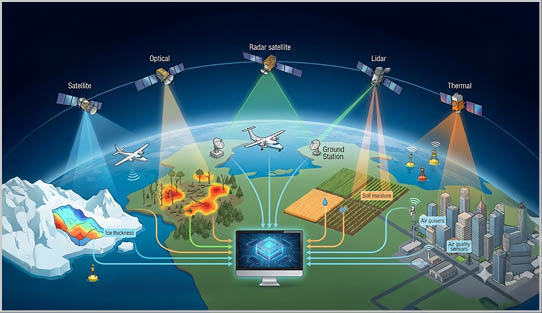
“Applications of Multi-Instrument Remote Sensing in Climate Change and Sustainability Monitoring” |
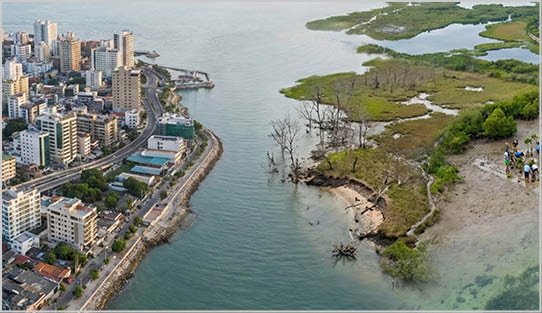
“Changing Coastal Ecosystems Under the Context of Climate Change, Restoration, Rehabilitation, and Urbanization” |
 |
 |

“Impacts of Extreme Storms in Surface Water Resources, Systems, and Infrastructure—Evidence from Storm Daniel (2023) in Greece”
by Michalis Diakakis, Petros Andriopoulos, Andromachi Sarantopoulou, Ioannis Kapris, Christos Filis, Aliki Konsolaki, Emmanuel Vassilakis and Panagiotis Nastos
GeoHazards 2026, 7(1), 14; https://doi.org/10.3390/geohazards7010014
“Wind Regime Variability and Spatiotemporal Distribution of Aeolian Sand Hazards Along a Gobi Desert Highway in the Ejin Banner, Northern China”
by Xixi Ma, Jianhua Xiao, Zhengyi Yao, Xuefeng Hong and Xinglu Gao
Sustainability 2026, 18(3), 1645; https://doi.org/10.3390/su18031645
“A Case Study of a Wintertime Low-Level Jet Associated with a Downslope Wind Event at the Tiksi Observatory (Laptev Sea, Siberia)”
by Günther Heinemann
Meteorology 2025, 4(1), 7; https://doi.org/10.3390/meteorology4010007
“Characterizing the Tropical Cyclones Activity over Arabian Sea (1982–2021)”
by Abdulhaleem H. Labban, H. M. Hasanean, Ali Almahri, Ali Salem Al-Sakkaf and Mahmoud A. A. Hussein
Oceans 2024, 5(4), 840-856; https://doi.org/10.3390/oceans5040048
“A Case Study of the Possible Meteorological Causes of Unexpected Fire Behavior in the Pantanal Wetland, Brazil”
by Flavio T. Couto, Filippe L. M. Santos, Cátia Campos, Carolina Purificação, Nuno Andrade, Juan M. López-Vega and Matthieu Lacroix
Earth 2024, 5(3), 548-563; https://doi.org/10.3390/earth5030028
Special Issues:
|
“Climate Change Scenarios and Impacts for the Mountain Regions at Middle Latitudes” |
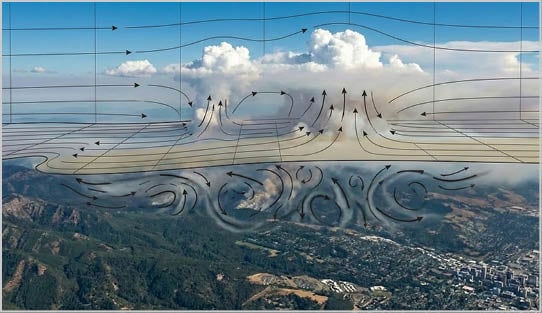
“Observations, Modeling, and Theory of the Atmospheric Boundary Layer” |
 |
 |

“Deep Learning-Based Multi-Source Precipitation Forecasting in Arid Regions Using Different Optimizations: A Case Study from Konya, Turkey”
by Vahdettin Demir
Forecasting 2025, 7(4), 60; https://doi.org/10.3390/forecast7040060
“Climatic and Forest Drivers of Wildfires in South Korea (1980–2024): Trends, Predictions, and the Role of the Wildland–Urban Interface”
by Jinchan Park, Jihoon Suh and Minho Baek
Forests 2025, 16(9), 1476; https://doi.org/10.3390/f16091476
“Systematic Biases in Tropical Drought Monitoring: Rethinking SPI Application in Mesoamerica’s Humid Regions”
by David Romero and Eric J. Alfaro
Meteorology 2025, 4(3), 18; https://doi.org/10.3390/meteorology4030018
“Impact of Climate Conditions on the Sensitivity of Long-Term Annual River Flow in a Cascade-Dammed River System: The Brda River Case Study (Poland)”
by Dawid Szatten, Edward Zbigniew Łaszyca, Alberto Bosino, Mattia De Amicis and Oleksandr Obodovskyi
Geosciences 2025, 15(6), 197; https://doi.org/10.3390/geosciences15060197
“Challenges of Artificial Intelligence Development in the Context of Energy Consumption and Impact on Climate Change”
by Sergiusz Pimenow, Olena Pimenowa and Piotr Prus
Energies 2024, 17(23), 5965; https://doi.org/10.3390/en17235965
“The Importance and Scientific Value of Long Weather and Climate Records; Examples of Historical Marine Data Efforts across the Globe”
by Jürg Luterbacher, Rob Allan, Clive Wilkinson, Ed Hawkins, Praveen Teleti, Andrew Lorrey, Stefan Brönnimann, Peer Hechler, Kondylia Velikou and Elena Xoplaki
Climate 2024, 12(3), 39; https://doi.org/10.3390/cli12030039
“A Novel Fusion-Based Methodology for Drought Forecasting”
by Huihui Zhang, Hugo A. Loaiciga and Tobias Sauter
Remote Sens. 2024, 16(5), 828; https://doi.org/10.3390/rs16050828
Special Issues:
|
“Sustainable Management of Energy Resources, Energy Strategies and Climate Change: 3rd Edition” |
“Wildfire Hazards in a Changing Climate: Risks, Impacts, and Adaptation” |
 |
 |

 |
The 7th International Electronic Conference on Atmospheric Sciences Highlights Click here to read the full list of papers. |

 |
 |
20 March 2026
International Day of Forests—“Forests and Economies”, 21 March 2026

In March 2012, the UN General Assembly proclaimed the 21 March as the International Day of Forests, urging countries, international organizations, and the citizen sector to celebrate the value of all types of forests and raise global awareness of their irreplaceable ecological and economic significance. “Forests and Economies” is the theme for the International Day of Forests 2026, which highlights the pivotal role of forests in driving sustainable economic prosperity across the globe.
The International Day of Forests 2026 spotlights how forests underpin not only income and employment from renewable forest product production and trade but also sustain family and community agriculture, boost agricultural productivity, and safeguard healthy watersheds, all while offering nature-based solutions for a sustainable bioeconomy and mitigating climate change impacts. This year’s campaign advocates for the sustainable management of forests, uniting governments, researchers, forestry practitioners, and the public to unlock the dual ecological and economic value of forests for present and future generations together.
We hope that established MDPI journals in the field of Environmental & Earth Science will provide a valuable platform for the exchange of innovative ideas regarding sustainable forest management, forest-based climate change mitigation, and the development of forest-driven green economies.
 |
 |
 |
 |
 |
 |
 |
 |
 |
 |
 |
 |

Invited Speakers:
 |
 |
| Dr. Himlal Baral, Center for International Forestry Research and World Agroforestry (CIFOR-ICRAF), Indonesia |
Dr. Natasha Ribeiro, Eduardo Mondlane University, Mozambique |
Free to register for this webinar here!

“Water Surface Loss and Deforestation in the Brazilian Amazon Biome by Farming Expansion and Weak Legislation”
by Anderson Targino da Silva Ferreira, Maria Carolina Hernandez Ribeiro, Regina Célia de Oliveira, Maurício Lamano Ferreira and Cassiano Gustavo Messias
Earth 2025, 6(3), 108; https://doi.org/10.3390/earth6030108
“Valorization of Forest Biomass Through Biochar for Static Floating Applications in Agricultural Uses”
by Óscar González-Prieto, Luis Ortiz Torres and María Esther Costas Costas
Biomass 2025, 5(3), 44; https://doi.org/10.3390/biomass5030044
“Applications of Machine Learning Methods in Sustainable Forest Management”
by Rogério Pinto Espíndola, Mayara Moledo Picanço, Lucio Pereira de Andrade and Nelson Francisco Favilla Ebecken
Climate 2025, 13(8), 159; https://doi.org/10.3390/cli13080159
“Trends and Applications of Principal Component Analysis in Forestry Research: A Literature and Bibliometric Review”
by Gabriel Murariu, Lucian Dinca and Dan Munteanu
Forests 2025, 16(7), 1155; https://doi.org/10.3390/f16071155
“Landscape Ecological Integrity Assessment to Improve Protected Area Management of Forest Ecosystem”
by Mingquan Yu and Yizhen Liu
Ecologies 2025, 6(2), 38; https://doi.org/10.3390/ecologies6020038
“Perception from a Public Survey of the Social–Ecological Effects of Wildfires in the Chiquitania Region of Bolivia”
by Oswaldo Maillard, Patricia Herrera, Nicolas Mielich and Claudia Venegas
Earth 2025, 6(2), 32; https://doi.org/10.3390/earth6020032
“Advancements in Artificial Intelligence Applications for Forest Fire Prediction”
by Hui Liu, Lifu Shu, Xiaodong Liu, Pengle Cheng, Mingyu Wang and Ying Huan
Forests 2025, 16(4), 704; https://doi.org/10.3390/f16040704
“Harnessing Artificial Intelligence, Machine Learning and Deep Learning for Sustainable Forestry Management and Conservation: Transformative Potential and Future Perspectives”
by Taojing Wang, Yinyue Zuo, Teja Manda, Delight Hwarari and Liming Yang
Plants 2025, 14(7), 998; https://doi.org/10.3390/plants14070998
“Forest Soil Microbiomes: A Review of Key Research from 2003 to 2023”
by Aurelia Onet, Paola Grenni, Cristian Onet, Vlad Stoian and Vlad Crisan
Forests 2025, 16(1), 148; https://doi.org/10.3390/f16010148
“Forest Attribute Dynamics in Secondary Forests: Insights for Advancing Ecological Restoration and Transformative Territorial Management in the Amazon”
by Carlos H. Rodríguez-León, Armando Sterling, Amelia Trujillo-Briñez, Yerson D. Suárez-Córdoba and Lilia L. Roa-Fuentes
Diversity 2025, 17(1), 39; https://doi.org/10.3390/d17010039
“Forest Loss Drivers and Landscape Pressures in a Northern Moroccan Protected Areas’ Network: Introducing a Novel Approach for Conservation Effectiveness Assessment”
by Hamid Boubekraoui, Zineb Attar, Yazid Maouni, Abdelilah Ghallab, Rabah Saidi and Abdelfettah Maouni
Conservation 2024, 4(3), 452-485; https://doi.org/10.3390/conservation4030029
“Remote Sensing Technologies for Monitoring Argane Forest Stands: A Comprehensive Review”
by Mohamed Mouafik, Abdelghani Chakhchar, Mounir Fouad and Ahmed El Aboudi
Geographies 2024, 4(3), 441-461; https://doi.org/10.3390/geographies4030024
“High-Resolution Canopy Height Mapping: Integrating NASA’s Global Ecosystem Dynamics Investigation (GEDI) with Multi-Source Remote Sensing Data”
by Cesar Alvites, Hannah O’Sullivan, Saverio Francini, Marco Marchetti, Giovanni Santopuoli, Gherardo Chirici, Bruno Lasserre, Michela Marignani and Erika Bazzato
Remote Sens. 2024, 16(7), 1281; https://doi.org/10.3390/rs16071281
“Aboveground Biomass and Carbon Storage in Mangrove Forests in Southeastern Mexico”
by Carlos Roberto Ávila-Acosta, Marivel Domínguez-Domínguez, César Jesús Vázquez-Navarrete, Rocío Guadalupe Acosta-Pech and Pablo Martínez-Zurimendi
Resources 2024, 13(3), 41; https://doi.org/10.3390/resources13030041

|
“Silvicultural Practices for Forest Health, Function, and Resilience” |
“Forestry Economy Sustainability and Ecosystem Governance” |
 |
 |
|
“Microhabitat Diversity and Beetle Conservation in Managed Forests” |
“Strategic Forest-Based Sector Planning and Management in the Era of Bioeconomy, 2nd Edition” |
 |
 |
 |
 |
 |
 |
19 March 2026
World Water Day—“Where Water Flows, Equality Grows”, 22 March 2026

World Water Day celebrates water and inspires action to address the global water crisis. Aligned with Sustainable Development Goal 6 (SDG 6): Clean Water and Sanitation, the day highlights the importance of ensuring the availability and sustainable management of water and sanitation for all.
This year’s theme, “Water and Gender”, emphasizes the critical role that gender equality plays in achieving water security. Around the world, women and girls are often disproportionately affected by water scarcity, as they are commonly responsible for water collection and household water management. Recognizing and empowering their participation in water governance, decision-making, and resource management is essential to building equitable and sustainable water systems.
On this World Water Day, let us acknowledge the intersection of water access and gender equality, and work collectively toward inclusive solutions that ensure safe and reliable water for all.
In recognition of World Water Day, we invite you to explore selected articles, Special Issues, and journals spanning fields such as environmental science, public health, engineering, and sustainability. By sharing this knowledge, we aim to inspire positive action and foster collaboration to address global water challenges, promote gender-inclusive water governance, and advance progress toward Sustainable Development Goal 6: Clean Water and Sanitation for All.
 |
 |
 |
 |
 |
 |
 |
 |
 |

|
Chair and Keynote Speakers |
||||
 |
 |
 |
 |
 |
|
Prof. Dr. Sharon Megdal, |
Dr. Laura Imburgia, |
Dr. Róisín Burke, |
Dr. Heather Tanana, |
Prof. Dr. Corrine Schuster-Wallace, |
Register for this webinar for free here!
“Consequences of the Construction of a Small Dam on the Water Quality of an Urban Stream in Southeastern Brazil”
by Lucas Galli do Rosário, Ricardo Hideo Taniwaki and Luis César Schiesari
Limnol. Rev. 2025, 25(4), 48; https://doi.org/10.3390/limnolrev25040048
“Modeling of Real-Time Water Levels and Mapping of Storm Tide Pathways: A Collaborative Effort to Respond to the Threats of Coastal Flooding”
by Joseph Dellicarpini, Mark Borrelli, Stephen T. Mague and Stephen McKenna
Coasts 2025, 5(4), 36; https://doi.org/10.3390/coasts5040036
“Transforming Water Research Through Human Rights-Based Approaches: A Framework for Implementation”
by Leonie J. Pearson, Vachararutai Boontinand and Phan Thanh Thanh
Water 2025, 17(10), 1418; https://doi.org/10.3390/w17101418
“Water Vulnerability in Dhaka, Narayanganj, and Gazipur Districts of Bangladesh: The Role of Textile Dye Production”
by Kamille Hüttel Rasmussen, Martiwi Diah Setiawati and Kamol Gomes
Water 2025, 17(16), 2475; https://doi.org/10.3390/w17162475
“Investigating the Gender-Climate Nexus: Strengthening Women’s Roles in Adaptation and Mitigation in the Sidi Bouzid Region”
by Houda Mazhoud, Arij Boucif, Abir Ouhibi, Lobna Hajji-Hedfi and Fraj Chemak
Climate 2025, 13(8), 164; https://doi.org/10.3390/cli13080164
“Hydrofeminist Life Histories in the Aconcagua River Basin: Women’s Struggles Against Coloniality of Water”
by María Ignacia Ibarra
Histories 2025, 5(3), 31; https://doi.org/10.3390/histories5030031
“Empowering Women, Enhancing Health: The Role of Education in Water, Sanitation, and Hygiene (WaSH) and Child Health Outcomes”
by Aminata Kilungo, Mark Bayer, Zoe Baccam, Hamisi Malebo and Halima Alaofe
Int. J. Environ. Res. Public Health 2025, 22(5), 706; https://doi.org/10.3390/ijerph22050706
“From Flood Mitigation to Environmental and Socioeconomic Disruption: A Case Study of the Langue de Barbarie Sand Spit Breach”
by Souleymane Fall
Hydrology 2025, 12(4), 97; https://doi.org/10.3390/hydrology12040097
“A Decision Support System for Managed Aquifer Recharge Through Non-Conventional Waters in the South of the Mediterranean”
by Rym Hadded, Mongi Ben Zaied, Fatma Elkmali, Giulio Castelli, Fethi Abdelli, Zouhaier Khabir, Khaled Ben Zaied, Elena Bresci and Mohamed Ouessar
Resources 2025, 14(4), 63; https://doi.org/10.3390/resources14040063
“Sustainable Water Management Practices in Agriculture: The Case of East Africa”
by Meseret Dawit Teweldebrihan and Megersa Olumana Dinka
Encyclopedia 2025, 5(1), 7; https://doi.org/10.3390/encyclopedia5010007
|
“Water Resources Allocation, Planning, and Regulation for Sustainable Management” |
“Freshwater Microbiology and Public Health” |
 |
 |
|
“Editorial Board Members' Collection Series: Water Resources—2nd Edition” |
“Advances in Water Management and Water Policy Research, 2nd Edition” |
 |
 |
 |
 |

|
|
The 8th International Electronic Conference on Water Sciences Highlights
Click here to read the full list of papers. |

19 March 2026
Meet Us at the 6th ESP Europe Conference, 18–22 May 2026, Prague, Czech Republic

MDPI will be attending the 6th ESP Europe Conference, which will be held from 18 to 22 May 2026 in Prague, Czech Republic.
The theme of the 6th ESP Europe conference is “Advancing ecosystem services knowledge for achieving a nature and people positive Europe”. The conference will bring together scientists, policymakers, practitioners, and other stakeholders to explore how ecosystem services can be harnessed to reduce social inequalities, strengthen climate resilience, and drive sustainable development. In light of ongoing implementation of new policies at national and EU levels, discussions will also examine how shifts in governance frameworks influence the integration of ecosystem services into decision-making, policy implementation, and cross-sectoral collaboration.
The following open access journals will be represented at this conference:
|
|
|
If you are planning to attend this event, please feel free to visit our booth and speak to our representatives. We look forward to meeting you in person and will assist you with any queries that you may have.
For more information about this conference, please visit the official website via https://www.espconference.org/europe2026/home.
19 March 2026
MDPI Webinar | World Meteorological Day, 23 March 2026

To commemorate World Meteorological Day 2026, MDPI is honored to host a special webinar highlighting the vital role of weather, climate, and water sciences in safeguarding our shared future.
Under the theme “Observing Today, Protecting Tomorrow,” World Meteorological Day 2026 underscores the importance of advancing observation systems, scientific innovation, and data-driven decision-making in the face of a changing climate. As environmental challenges grow increasingly complex, collaboration across disciplines and borders is more crucial than ever.
Through this webinar, we aim to contribute to the global dialogue by bringing together researchers, experts, and practitioners to explore emerging insights, technological advancements, and transformative research shaping the future of meteorological science.
Join us as we celebrate World Meteorological Day 2026, a moment to reflect on progress, exchange knowledge, and strengthen our collective commitment to protecting people and planet for generations to come.
Session 1:
Keywords: meteorology; weather science; climate monitoring; atmospheric processes; forecast modelling; precipitation; temperature; satellites
Date: 23 March 2026
Time: Session 1: 10:00 a.m. CET |8:00 p.m. AEST | 5:00 p.m. CST Asia
Webinar ID: 849 8585 6650
Website: https://sciforum.net/event/WMD
Register now for free!

|
Speaker/ Presentation |
Timing in CET |
Timing in CST Asia |
|
MDPI Introduction |
10:00–10:10 a.m. |
5:00–5:10 p.m. |
|
Prof. Dr. John Boland |
10:10–10:30 a.m. |
5:10–5:30 p.m. |
|
Dr. Edoardo Bucchignani |
10:30–10:50 a.m. |
5:30–5:50 p.m. |
|
Dr. Dimitris Kaskaoutis |
10:50–11:10 a.m. |
5:50–6:10 p.m. |
|
Dr. Kostas Eleftheratos |
11:10–11:30 a.m. |
6:10–6:30 p.m. |
|
Q&A Session |
11:30–11:50 a.m. |
6:30–6:50 p.m. |
|
Closing of Webinar |
11:50 a.m.–12:00 p.m. |
6:50–7:00 p.m. |
After registering, you will receive a confirmation email with information on how to join the webinar. Registrations with academic institutional email addresses will be prioritized.
Unable to attend? Register anyway, and we will let you know when the recording is available for viewing.
Webinar Keynote Speakers:
- Prof. Dr. John Boland, School of Mathematical Sciences, Adelaide University, Australia;
- Dr. Edoardo Bucchignani, CIRA – Italian Aerospace Research Center, Italy;
- Dr. Dimitris Kaskaoutis, Chemical Engineering Department, University of Western Macedonia, Greece;
- Dr. Kostas Eleftheratos, Department of Geology and Geoenvironment, National and Kapodistrian University of Athens, Greece.
