


-
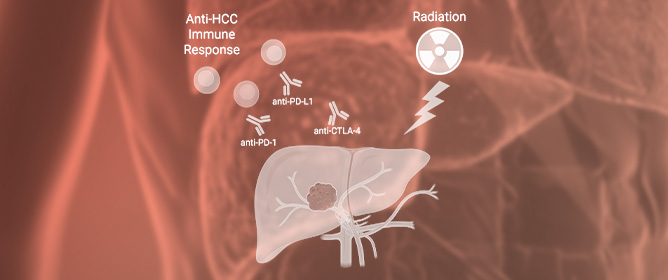
Combining External Beam Radiotherapy and Immunotherapy for the Treatment of Hepatocellular Carcinoma -
The Yield of Staging Investigations in Patients with Breast Cancer Planned for Neoadjuvant Chemotherapy -
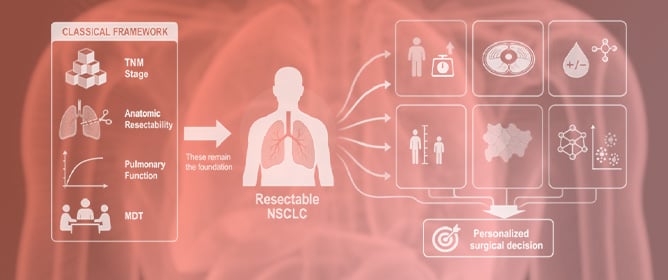
Will We Need a Novel Heuristic in Resectable Lung Cancer?: A Narrative Review -
Tumor-Agnostic Landscape with HER2 Amplification in Japan: Real-World Prevalence and Implications for Targeting HER2
Journal Description
Current Oncology
Current Oncology
is an international, peer-reviewed, open access journal that since 1994 represents a multidisciplinary medium for clinical oncologists to report and review progress in the management of this disease, and published monthly online by MDPI (from Volume 28, Issue 1 - 2021). The Canadian Association of Medical Oncologists (CAMO), Canadian Association of Psychosocial Oncology (CAPO), Canadian Association of General Practitioners in Oncology (CAGPO), Cell Therapy Transplant Canada (CTTC) and others are affiliated with Current Oncology and their members receive discounts on the article processing charges.
- Open Access— free for readers, with article processing charges (APC) paid by authors or their institutions.
- High Visibility: indexed within Scopus, SCIE (Web of Science), PubMed, MEDLINE, PMC, Embase, and other databases.
- Journal Rank: JCR - Q2 (Oncology) / CiteScore - Q1 (Oncology)
- Rapid Publication: manuscripts are peer-reviewed and a first decision is provided to authors approximately 22.6 days after submission; acceptance to publication is undertaken in 2.9 days (median values for papers published in this journal in the first half of 2026).
- Recognition of Reviewers: APC discount vouchers, optional signed peer review, and reviewer names published annually in the journal.
- Journal Clusters of Oncology: Cancers, Current Oncology, Onco and Targets.
Impact Factor:
3.6 (2025);
5-Year Impact Factor:
3.6 (2025)
Latest Articles
Health-Related Quality of Life in Lung Cancer Survivors: Sociodemographic, Clinical, and Psychosocial Modulators
Curr. Oncol. 2026, 33(7), 428; https://doi.org/10.3390/curroncol33070428 (registering DOI) - 17 Jul 2026
Abstract
The study aims to investigate the Health-Related Quality of Life (HRQOL) in lung cancer survivors, comparing it with the HRQOL of survivors of other types of cancer, analyzing its association with clinically significant distress, and exploring the modulating role of sociodemographic, clinical, and
[...] Read more.
The study aims to investigate the Health-Related Quality of Life (HRQOL) in lung cancer survivors, comparing it with the HRQOL of survivors of other types of cancer, analyzing its association with clinically significant distress, and exploring the modulating role of sociodemographic, clinical, and psychosocial variables. A total of 141 lung cancer survivors who had completed treatment with curative intent and were disease-free completed the Quality of Life in Adult Cancer Survivors questionnaire (QLACS), the Brief Symptom Inventory-18 (BSI-18), the Medical Outcomes Study–Social Support Survey (MOS-SSS), and the Utrecht Proactive Coping Competence scale (UPCC). Several multivariate analyses of variance (MANOVA) were performed to address the study objectives. Statistical analysis was performed using IBM SPSS Statistics 22.0. The overall HRQOL of lung cancer survivors did not differ from the HRQOL of hematologic, breast, and gynaecologic cancer survivors and was lower than that of colorectal, head/neck, prostate, and melanoma cancer survivors. HRQOL was associated with clinically significant distress. Younger age, female sex, lower levels of proactive coping, and less positive social interaction were independently associated with worse HRQOL in lung cancer survivors. The overall HRQOL of lung cancer survivors is among those with the poorest HRQOL compared with other cancer survivors’ groups. The modifiable nature of the psychosocial variables that characterize the risk profile (with the exception of sociodemographic ones) allows for the establishment of more ambitious goals than the simple establishment of subgroups on which to prioritize care. The team of professionals involved in the care of lung cancer survivors should also provide intervention strategies that improve their well-being.
Full article
(This article belongs to the Section Psychosocial Oncology)
Open AccessArticle
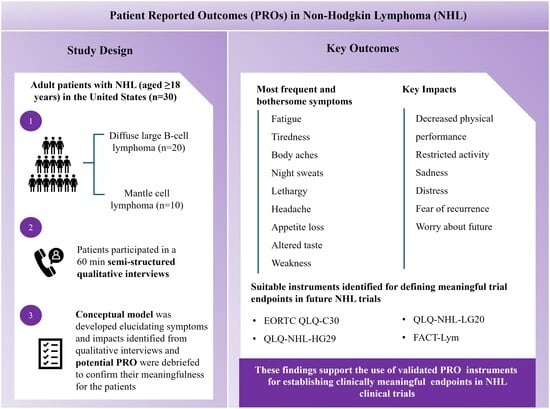
Patient Perspectives on Non-Hodgkin Lymphoma: A Qualitative Study to Guide Selection of Clinical Trial Endpoints
by
Amy Clark, Sophie Van Tomme, Lucinda Hetherington, Carla Dias Barbosa and Paul Cordero
Curr. Oncol. 2026, 33(7), 427; https://doi.org/10.3390/curroncol33070427 (registering DOI) - 17 Jul 2026
Abstract
The literature on the qualitative experiences of patients with non-Hodgkin lymphoma (NHL) is limited. Qualitative interviews were conducted to investigate participants’ experiences with two types of NHL (diffuse large B-cell lymphoma [n = 20] and mantle cell lymphoma [n = 10]) and evaluate
[...] Read more.
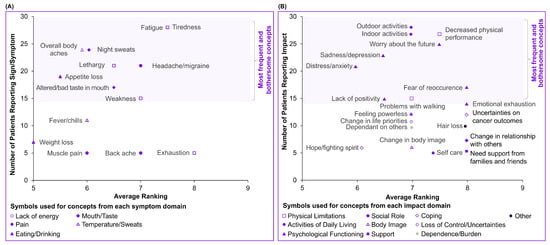
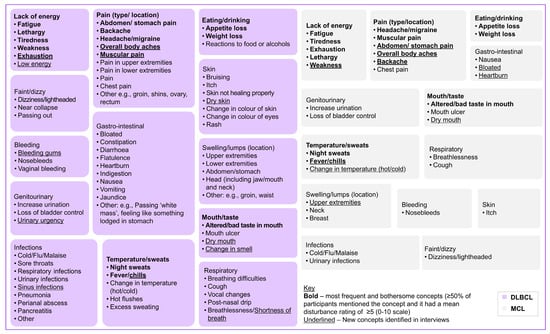
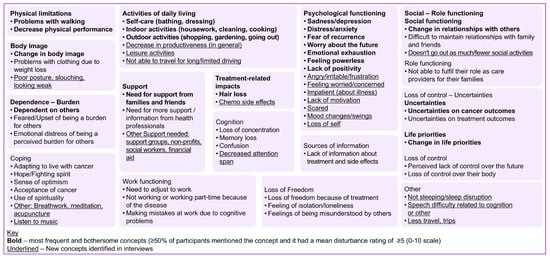
The literature on the qualitative experiences of patients with non-Hodgkin lymphoma (NHL) is limited. Qualitative interviews were conducted to investigate participants’ experiences with two types of NHL (diffuse large B-cell lymphoma [n = 20] and mantle cell lymphoma [n = 10]) and evaluate the comprehensiveness of patient-reported outcome (PRO) measures. Fatigue, tiredness, body aches, night sweats, lethargy, headache, appetite loss, altered taste, and weakness were the most frequent and bothersome symptoms. Key impacts were decreased physical performance, restricted activity, sadness, distress, fear of recurrence, and worry about future. Most participants expressed positive opinions about the European Organisation for Research and Treatment of Cancer Quality of Life Questionnaire–Core 30 (EORTC QLQ-C30) (n = 22/28), EORTC QLQ-NHL-High Grade Module 29 (EORTC QLQ-NHL-HG29) (n = 12/16), EORTC QLQ-NHL-Low Grade Module 20 (EORTC QLQ-NHL-LG20) (n = 8/12), and Functional Assessment of Cancer Therapy–Lymphoma (FACT-Lym) (n = 10/14), considering them relevant to their experiences (22/27, 13/15, 9/13, and 10/12, respectively). All measures adequately captured their experiences with NHL (QLQ-C30: n = 26/26, NHL-HG29: n = 14/14, NHL-LG20: n = 11/11, and FACT-Lym: n = 12/13). These findings provide a valuable framework for informing the selection of appropriate PRO measures in NHL clinical trials and identifying potentially meaningful trial endpoints.
Full article
(This article belongs to the Special Issue Patient-Reported Outcomes Including Health-Related Quality of Life in Cancer Clinical Trials)
►▼
Show Figures

Graphical abstract
Open AccessReview
First-Line Bruton’s Tyrosine Kinase Inhibitor-Based Regimens for Mantle Cell Lymphoma
by
Robert Puckrin, Diego Villa, Isabelle Fleury, Jean-François Larouche and John Kuruvilla
Curr. Oncol. 2026, 33(7), 426; https://doi.org/10.3390/curroncol33070426 - 17 Jul 2026
Abstract
First-line (1L) therapy for mantle cell lymphoma (MCL) continues to evolve rapidly, with several recent phase II and phase III trials consistently showing the activity of novel covalent Bruton’s tyrosine kinase inhibitor (cBTKi) combinations. Historical treatment selection criteria such as patient age, fitness,
[...] Read more.
First-line (1L) therapy for mantle cell lymphoma (MCL) continues to evolve rapidly, with several recent phase II and phase III trials consistently showing the activity of novel covalent Bruton’s tyrosine kinase inhibitor (cBTKi) combinations. Historical treatment selection criteria such as patient age, fitness, and eligibility for autologous stem cell transplantation generally remain applicable for some, but not all, of these novel regimens. This potential for flexibility necessitates the consideration of additional factors during decision-making, such as MCL biology, patient risk tolerance, logistical and resource implications, and the impact on use of later-line options. This paper presents three illustrative patient cases to explore 1L therapy selection among these new and emerging cBTKi options. The realized and anticipated benefits, limitations, and challenges and persisting evidence gaps associated with these regimens are discussed.
Full article
(This article belongs to the Section Hematology)
Open AccessReview
Magnetic Resonance-Guided Radiotherapy for Unresectable Hepatocellular Carcinoma with Bile Duct Tumor Thrombus: A Case Series and Review of Treatment Options
by
Nam Kyu Kang, So Jung Lee, Hye Jin Kang, Hun-Joo Shin, Jung Hyun Kwon, Soon Kyu Lee and Myungsoo Kim
Curr. Oncol. 2026, 33(7), 425; https://doi.org/10.3390/curroncol33070425 - 16 Jul 2026
Abstract
Bile duct tumor thrombus (BDTT) is a rare manifestation of hepatocellular carcinoma (HCC) that causes obstructive jaundice and is associated with a poor prognosis, although a treatment algorithm has yet to be established. We review the treatment landscape for HCC with BDTT, including
[...] Read more.
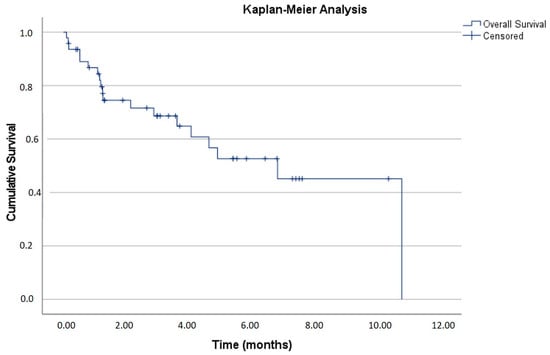
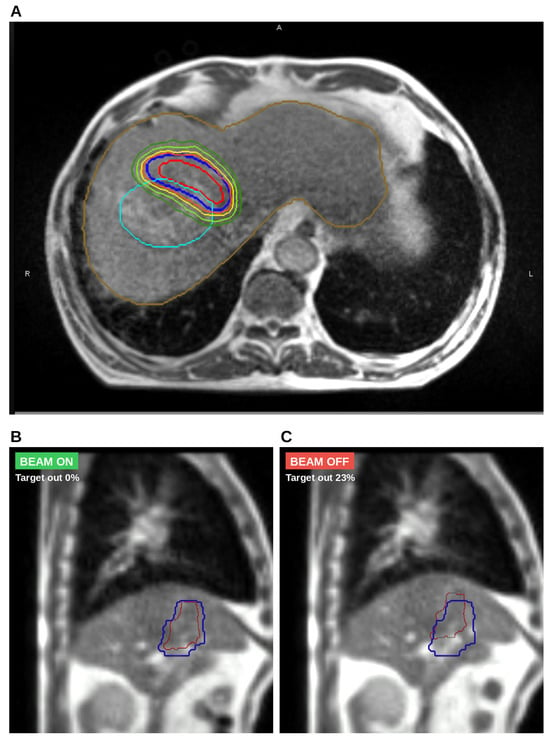
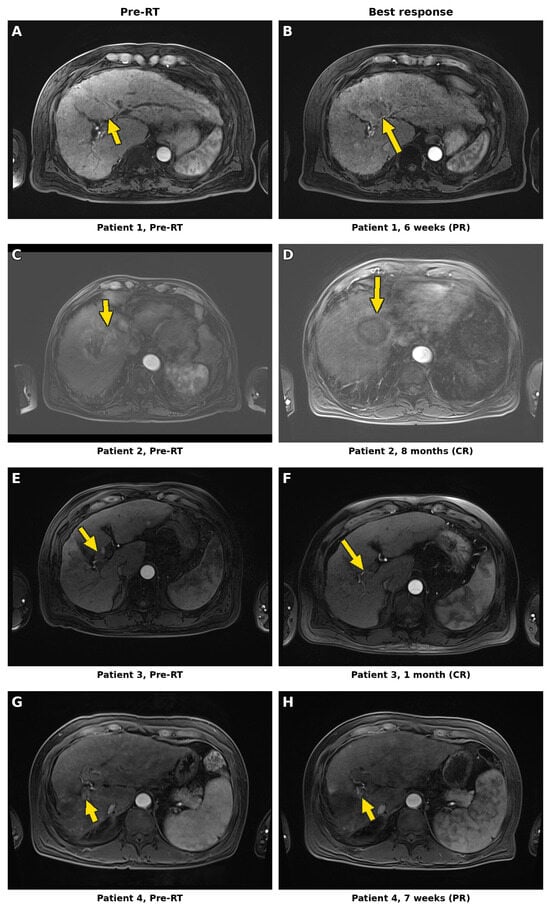
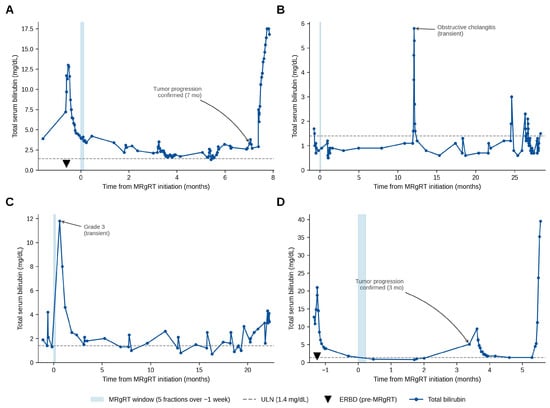
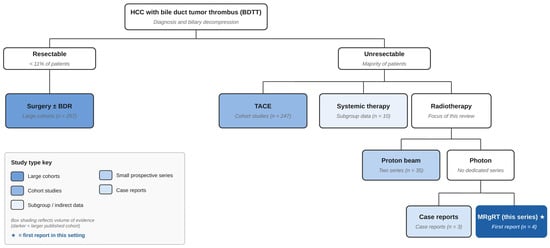
Bile duct tumor thrombus (BDTT) is a rare manifestation of hepatocellular carcinoma (HCC) that causes obstructive jaundice and is associated with a poor prognosis, although a treatment algorithm has yet to be established. We review the treatment landscape for HCC with BDTT, including surgical, transarterial, systemic, and radiotherapy options, and report, to our knowledge, the first case series of magnetic resonance-guided radiotherapy (MRgRT) for this condition. Four patients with unresectable HCC and BDTT were treated on a 0.35-T MR-linac with real-time cine-MRI gating (50 Gy in 5 fractions, n = 3; 40 Gy in 5 fractions, n = 1), with tumor response assessed by modified RECIST. All patients completed treatment without interruption. The best response was complete response in two patients and partial response in two, and obstructive jaundice resolved in both affected patients. The maximum radiation-attributed toxicity was a transient grade 3 bilirubin elevation that resolved without biliary intervention, and no treatment-related deaths occurred. Overall survival ranged from 5.5 to 29 months, with the two Child-Pugh class A patients without portal vein tumor thrombosis surviving 22 and 29 months. MRgRT for HCC with BDTT appears feasible with acceptable short-term safety and merits prospective evaluation.
Full article
(This article belongs to the Special Issue Stereotactic Radiotherapy for Tumors: Clinical Innovation and Practice)
►▼
Show Figures

Figure 1
Open AccessArticle
The Efficacy of Transcutaneous Electrical Acupoint Stimulation as an Adjunct to Standard Bladder Training for Bladder Emptying After Radical Hysterectomy for Cervical Cancer: A Randomized Controlled Trial
by
Ting Xu, Junya Ke, Yalin Yue, Zhiling Zhu, Mingzhi Zhao and Yun Wang
Curr. Oncol. 2026, 33(7), 424; https://doi.org/10.3390/curroncol33070424 - 16 Jul 2026
Abstract
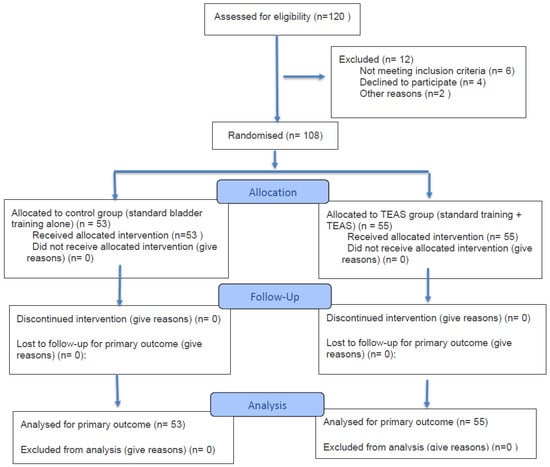
After radical hysterectomy for cervical cancer, postoperative bladder dysfunction is common. This randomized controlled trial evaluated whether adjunctive transcutaneous electrical acupoint stimulation (TEAS) reduces urinary retention. A total of 108 patients were assigned to a control group (standard bladder training, n = 53)
[...] Read more.
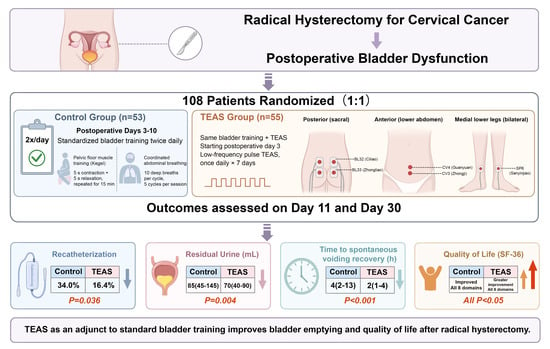
After radical hysterectomy for cervical cancer, postoperative bladder dysfunction is common. This randomized controlled trial evaluated whether adjunctive transcutaneous electrical acupoint stimulation (TEAS) reduces urinary retention. A total of 108 patients were assigned to a control group (standard bladder training, n = 53) or a TEAS group (standard training plus daily 30 min TEAS for 7 days from postoperative day 3, n = 55). The primary outcome was urinary retention (post-void residual > 100 mL on day 11). Secondary outcomes included residual volume, recovery time, recatheterization, urinary tract infection (UTI), treatment efficacy, and quality of life (SF-36). Urinary retention occurred in 35.8% of controls versus 23.6% of TEAS patients (p = 0.164). TEAS significantly reduced median residual volume (70 vs. 85 mL, p = 0.004), shortened median recovery time (2 vs. 4 h, p < 0.001), and lowered recatheterization (16.4% vs. 34.0%, p = 0.036). UTI rates were similar. Treatment efficacy favored TEAS (p = 0.009), and all eight SF-36 domains significantly improved (all p < 0.01). In conclusion, adjunctive TEAS did not significantly reduce the primary outcome of urinary retention but significantly improved multiple secondary bladder-emptying measures and quality of life after radical hysterectomy for cervical cancer.
Full article
(This article belongs to the Section Gynecologic Oncology)
►▼
Show Figures

Graphical abstract
Open AccessArticle
Middle Turbinectomy in Endoscopic Endonasal Skull Base Surgery: How Significant Is Its Impact on Quality of Life?
by
Narin Nard Carmel Neiderman, Orr Raved, Harel Sofer, Idan Peled, Idan Ben Nachum, Ran Bilaus, Tomer Ziv Baran, Omer J. Ungar, Lior Gonen and Avraham Abergel
Curr. Oncol. 2026, 33(7), 423; https://doi.org/10.3390/curroncol33070423 - 15 Jul 2026
Abstract
►▼
Show Figures
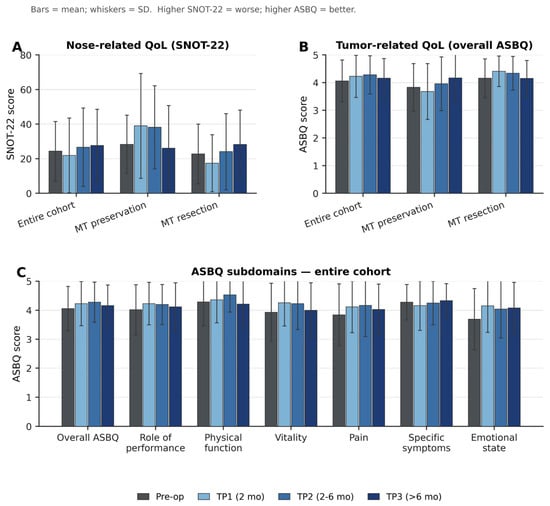
Background: Endoscopic endonasal approaches for pituitary adenomas are associated with improved clinical and quality of life (QOL) outcomes. However, the necessity of middle turbinate resection to optimize surgical exposure remains controversial, particularly regarding its potential impact on postoperative nasal and tumor-related QOL. Methods:
[...] Read more.
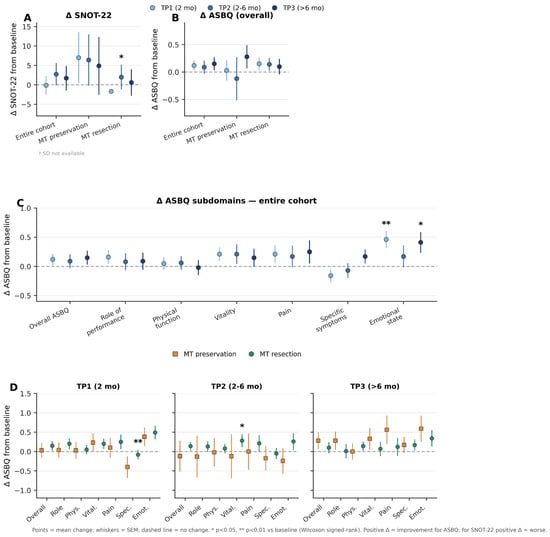
Background: Endoscopic endonasal approaches for pituitary adenomas are associated with improved clinical and quality of life (QOL) outcomes. However, the necessity of middle turbinate resection to optimize surgical exposure remains controversial, particularly regarding its potential impact on postoperative nasal and tumor-related QOL. Methods: This prospective cohort study included adult patients undergoing endoscopic endonasal transsphenoidal resection of pituitary adenomas between 2014 and 2021 at a tertiary center. Patients were divided into those undergoing bilateral middle turbinectomy and those with turbinate preservation. Tumor-related QOL was assessed using the Anterior Skull Base Disease-Specific Questionnaire (ASBS-Q), and nasal QOL using the Sinonasal Outcome Test-22 (SNOT-22), at baseline and multiple postoperative time points up to >6 months. Clinical and surgical variables were collected and compared between groups. Results: Our study included 73 patients, 51 (69.9.%) of whom underwent middle turbinate resection and 22 (30.1%) who did not. The difference in overall ASBS-Q scores did not alter significantly between both groups during the long-term postoperative course (>6 months). SNOT-22 score differences also did not alter significantly throughout the entire postoperative course. Conclusion: Middle turbinectomy during endoscopic endonasal resection of pituitary adenomas was not associated in our cohort to adversely affect long-term nasal or tumor-related QOL.
Full article

Figure 1
Open AccessArticle
Mapping Support-Seeking After Cancer Treatment: A Co-Designed Model of Triggers, Timing and Support Pathways in Young People with Lived Experience of Cancer
by
Nicole Collaço, Anna Kennington, Natalie Greenberg, Tara Imber, Danae Warne and Samantha Sodergren
Curr. Oncol. 2026, 33(7), 422; https://doi.org/10.3390/curroncol33070422 - 15 Jul 2026
Abstract
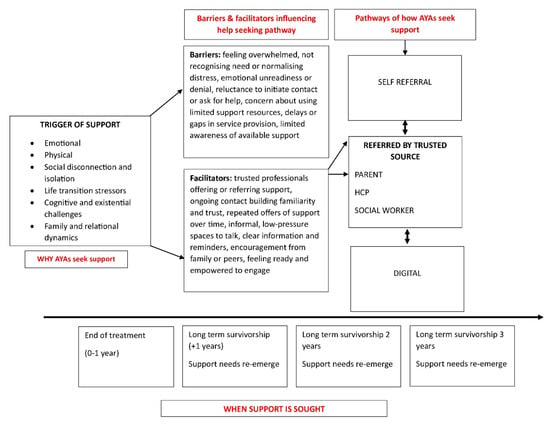
Post cancer treatment, many young people often live with ongoing emotional, social, and physical difficulties, but support is not always accessed when it is needed. This study aimed to co-produce a conceptual model of support-seeking after cancer treatment with young people with lived
[...] Read more.
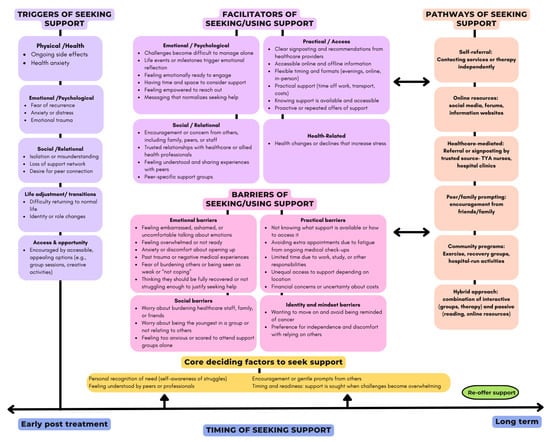
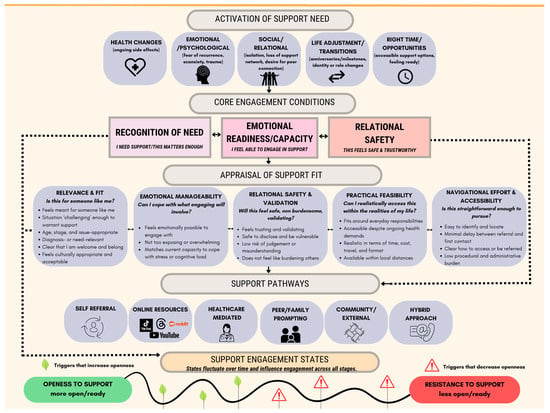
Post cancer treatment, many young people often live with ongoing emotional, social, and physical difficulties, but support is not always accessed when it is needed. This study aimed to co-produce a conceptual model of support-seeking after cancer treatment with young people with lived experience of cancer, to better understand the triggers, timing, and pathways influencing engagement with support. This co-design work, informed by Bird et al.’s generative framework for co-production, built upon a prior study involving interviews and co-design workshops with young people and healthcare/allied health professionals, and informed a preliminary model of support-seeking. The current work involved two further co-production stages through an online survey and workshop to refine this model. Data were analysed using a thematic approach to support conceptual model development. Four interconnected themes shaped support-seeking: (1) readiness to engage: recognition, emotional readiness, and relational safety; (2) access and appraisal of support: visibility, fit, feasibility, and burden; (3) pathways to support: multi-modal, layered, and non-linear engagement; and (4) support trajectory: changing needs and recurrent engagement. Engagement in support-seeking depended on the alignment of readiness, recognition of need, and relational safety. This model offers a framework to improve how post-treatment support is designed and delivered in practice.
Full article
(This article belongs to the Section Psychosocial Oncology)
►▼
Show Figures

Figure 1
Open AccessReview
Evolving First-Line Endocrine Therapy in HR+/HER2− Metastatic Breast Cancer: CDK4/6 Inhibition, Biomarker-Guided Strategies and Emerging Therapeutic Paradigms
by
Hikmat Abdel-Razeq and Baha Sharaf
Curr. Oncol. 2026, 33(7), 421; https://doi.org/10.3390/curroncol33070421 - 14 Jul 2026
Abstract
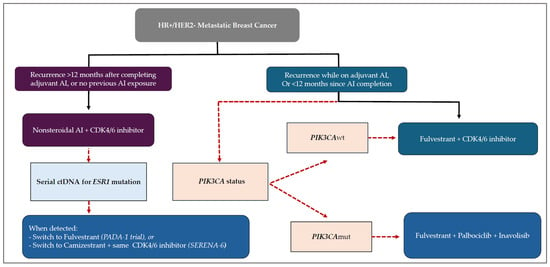
Hormone receptor-positive (HR+), human epidermal growth factor receptor 2-negative (HER2–) metastatic breast cancer (MBC) is the most prevalent subtype of advanced breast cancer and is predominantly driven by estrogen receptor (ER) signaling. Endocrine therapy (ET) has become the backbone of first-line treatment; however,
[...] Read more.
Hormone receptor-positive (HR+), human epidermal growth factor receptor 2-negative (HER2–) metastatic breast cancer (MBC) is the most prevalent subtype of advanced breast cancer and is predominantly driven by estrogen receptor (ER) signaling. Endocrine therapy (ET) has become the backbone of first-line treatment; however, both intrinsic and acquired resistance limit long-term disease control. The introduction of cyclin-dependent kinase 4/6 (CDK4/6) inhibitors has fundamentally reshaped the therapeutic landscape even in subsets of patients with aggressive or symptomatic visceral metastatic disease. Advances in molecular profiling have also enabled more precise, adaptive therapy. Circulating tumor DNA (ctDNA)-based liquid biopsy now allows real-time detection of emerging resistance mutations, particularly in ESR1. Additionally, patients with PIK3CA-mutated tumors who had progressed on or within 12 months of completing adjuvant ET and had no prior systemic therapy for metastatic disease had better treatment outcomes when treated with the PI3K inhibitor inavolisib in combination with palbociclib and fulvestrant. Together, these developments mark a shift from fixed treatment sequencing toward a more dynamic, biomarker-driven approach in first-line HR+/HER2– MBC. Integration of CDK4/6 inhibitors with next-generation endocrine agents and liquid biopsy-guided therapy offers the potential to delay resistance, improve survival outcomes, and individualize treatment.
Full article
(This article belongs to the Special Issue Advances in Endocrine Therapy for Breast Cancer)
►▼
Show Figures

Figure 1
Open AccessArticle
Renal Involvement in Indolent and Aggressive B-Cell Neoplasms: A Comparative Study of Chronic Lymphocytic Leukemia/Small Lymphocytic Lymphoma and Diffuse Large B-Cell Lymphoma
by
Yiming Zhao, Bingjie Wang, Huihui Liu, Xiaoying Yang, Zhizhen Lai, Bo Tang, Weiwei Xie, Hongtao Ling, Shuanglian Xie, Shujing Guo, Xiaojuan Yu and Yujun Dong
Curr. Oncol. 2026, 33(7), 420; https://doi.org/10.3390/curroncol33070420 - 14 Jul 2026
Abstract
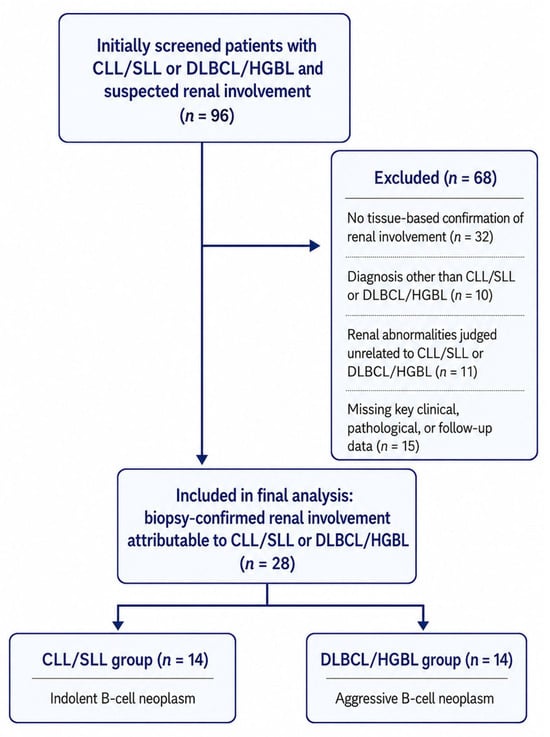
Renal involvement is an uncommon but clinically important manifestation of B-cell neoplasms, and direct comparisons between indolent and aggressive entities remain limited. This single-center retrospective biopsy-confirmed and tissue-selected study compared 28 biopsy-confirmed patients with chronic lymphocytic leukemia/small lymphocytic lymphoma (CLL/SLL) or diffuse large
[...] Read more.
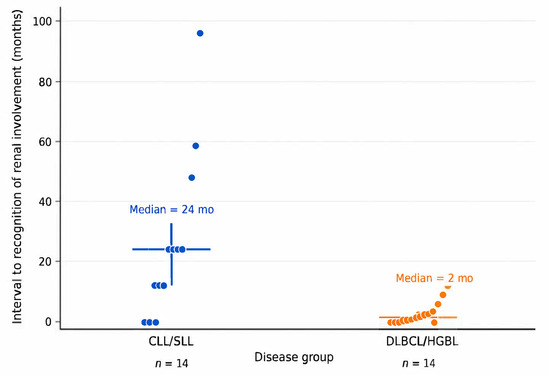
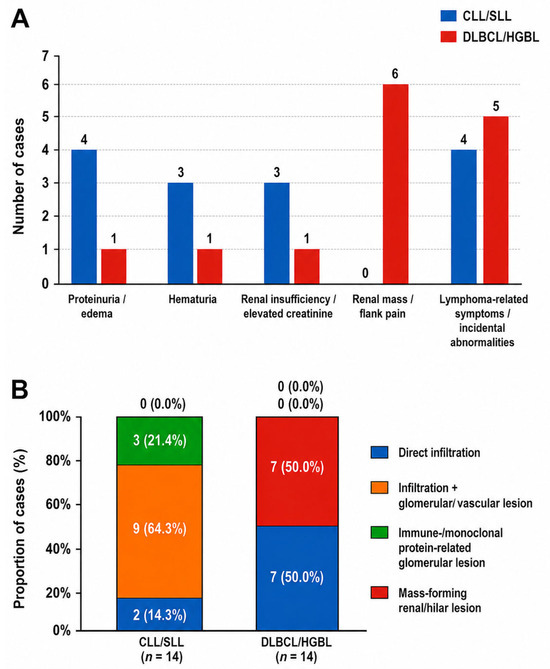
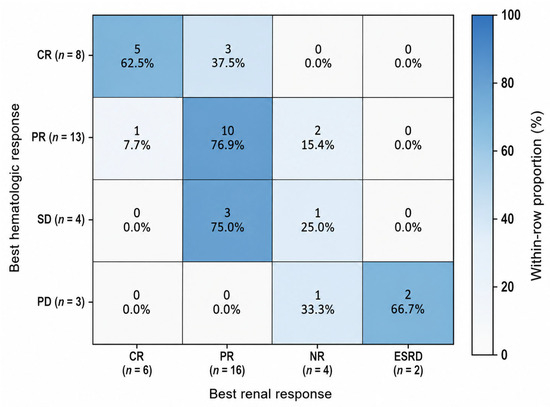
Renal involvement is an uncommon but clinically important manifestation of B-cell neoplasms, and direct comparisons between indolent and aggressive entities remain limited. This single-center retrospective biopsy-confirmed and tissue-selected study compared 28 biopsy-confirmed patients with chronic lymphocytic leukemia/small lymphocytic lymphoma (CLL/SLL) or diffuse large B-cell lymphoma/high-grade B-cell lymphoma (DLBCL/HGBL), with 14 patients in each group, treated at Peking University First Hospital between June 2010 and June 2025. The aggressive comparator group included 13 DLBCL cases and one case annotated as HGBL with MYC and BCL2 rearrangements. Clinical features, timing of renal involvement recognition, dominant clinical entry points, pathological patterns, treatment strategies, and hematologic and renal responses were analyzed. CLL/SLL was associated with higher white blood cell and absolute lymphocyte counts, whereas DLBCL/HGBL showed higher lactate dehydrogenase and β2-microglobulin levels. The interval to renal involvement recognition was longer in CLL/SLL than in DLBCL (24.00 vs. 2.00 months, p = 0.007). At renal involvement recognition or biopsy, 24 h urinary protein excretion was nominally higher in the CLL/SLL group than in the DLBCL/HGBL group (3.90 vs. 1.58 g/24 h). CLL/SLL more often presented with proteinuria/edema, hematuria, or renal dysfunction and showed heterogeneous infiltrative lesions with concurrent glomerular or vascular involvement. DLBCL/HGBL more frequently presented with flank pain or renal mass-related manifestations and was dominated by direct infiltrative or mass-forming lesions. Treatment patterns differed markedly, whereas no significant difference in the distribution of renal responses was detected; however, this comparison was underpowered and should be interpreted descriptively. In this biopsy-confirmed, tissue-selected cohort, CLL/SLL and DLBCL/HGBL showed different observed patterns of renal involvement recognition, tissue acquisition, and renal pathological presentation. These findings support tissue-based evaluation of renal abnormalities in B-cell neoplasms but should be interpreted as descriptive and hypothesis-generating in view of the small sample size and the influence of diagnostic and biopsy pathways.
Full article
(This article belongs to the Section Hematology)
►▼
Show Figures

Figure 1
Open AccessArticle
Impact of High-Risk Mutations and Treatment Intensity in Accelerated-Phase Blast-Phase MPN Without Adverse-Risk Karyotype and TP53
by
Verna Cheung, Marta Davidson, Eshetu G. Atenafu, Andrea Arruda, Jaime O. Claudio, Aniket Bankar, Dawn Maze, Vikas Gupta and Hassan Sibai
Curr. Oncol. 2026, 33(7), 419; https://doi.org/10.3390/curroncol33070419 - 12 Jul 2026
Abstract
The prognostic significance of myelodysplasia-related gene mutations (MDS-RGMs), defined by the ELN 2022 classification and Mutation-Enhanced International Prognostic Score System high-risk mutations (MIPSS70-HRM), in accelerated-phase (AP) and blast-phase (BP) myeloproliferative neoplasms (MPNs) remains unclear. We conducted a retrospective study of 101 AP/BP MPN
[...] Read more.
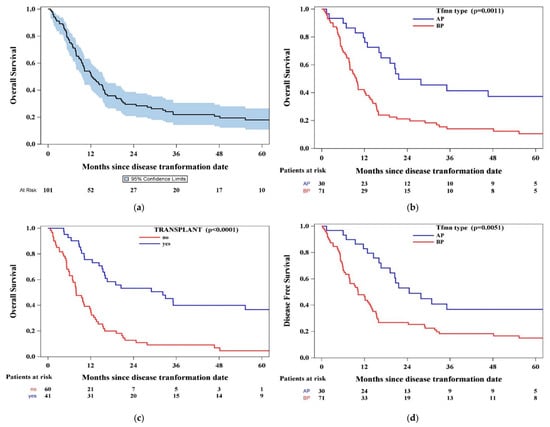
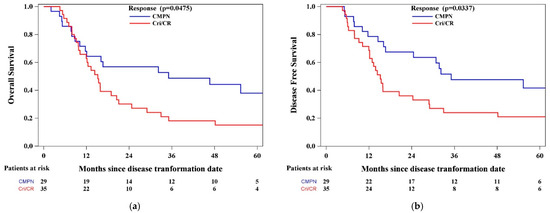
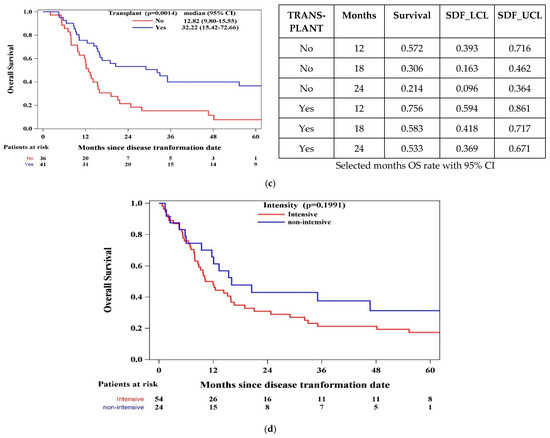
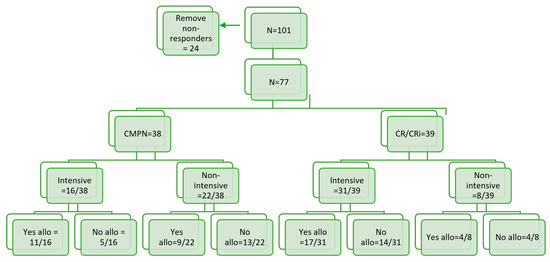
The prognostic significance of myelodysplasia-related gene mutations (MDS-RGMs), defined by the ELN 2022 classification and Mutation-Enhanced International Prognostic Score System high-risk mutations (MIPSS70-HRM), in accelerated-phase (AP) and blast-phase (BP) myeloproliferative neoplasms (MPNs) remains unclear. We conducted a retrospective study of 101 AP/BP MPN patients with intermediate-risk cytogenetics, excluding TP53 mutations and adverse-risk karyotypes. We evaluated whether MDS-RGM or MIPSS70-HRM predicted treatment response, overall survival (OS), or disease-free survival (DFS) and whether treatment intensity affected OS. Patients included AP (29.7%) and BP (70.3%), with 55% receiving intensive therapy. Allogeneic stem cell transplant (ASCT) significantly improved OS (HR 0.31, 95% CI 0.19–0.50; p < 0.0001), as did AP versus BP at transformation (HR: 0.43, 95% CI 0.26–0.73; p = 0.0016). Among patients ≤ 70 years with ECOG 0–1 (N = 77), ASCT and reversion to chronic-phase MPN (cMPN) were associated with longer OS (p < 0.0001 and p = 0.0475). Treatment intensity alone did not significantly affect OS (p = 0.1991).
Full article
(This article belongs to the Section Hematology)
►▼
Show Figures

Figure 1
Open AccessArticle
Establishing a Clinical Trial Quality Team in a Comprehensive Cancer Center: A Strategy to Navigate the New European Regulatory Landscape
by
Francesco Callegarin, Elisa Masetto, Beatrice Basaldella, Paola Del Bianco, Giulia Doria, Denise Kilmartin, Giovanna Magni, Giacomo Moratello, Giorgia Pagan, Angela Paggio, Lisa Perilli, Paola Rescigno and Gian Luca De Salvo
Curr. Oncol. 2026, 33(7), 418; https://doi.org/10.3390/curroncol33070418 - 11 Jul 2026
Abstract
►▼
Show Figures
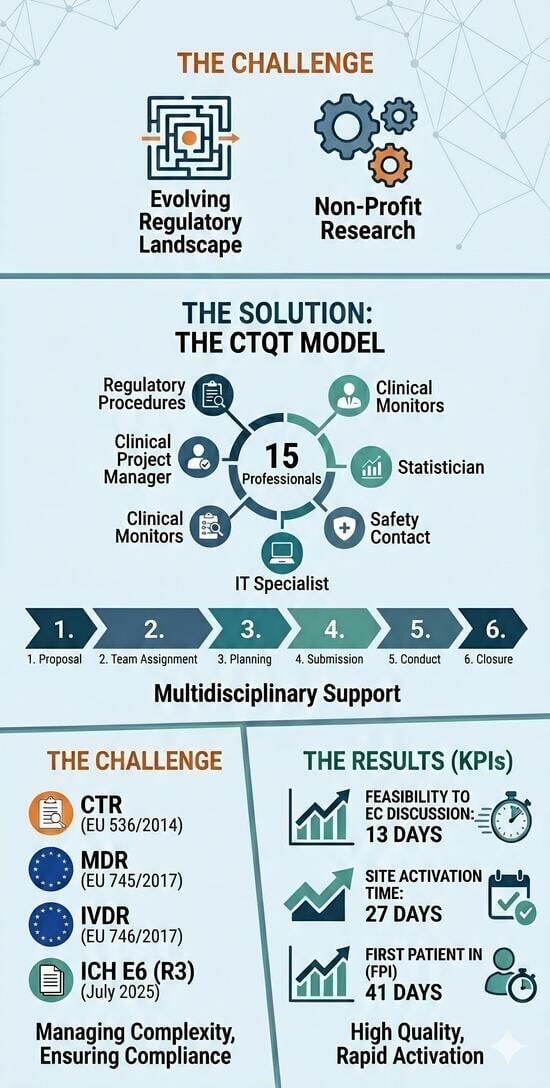
Background: Clinical research has evolved into a multidisciplinary field integrating Medical Devices (MD), In Vitro Diagnostics (IVD), and Artificial Intelligence (AI), governed by a modernized European regulatory framework including the Clinical Trial Regulation (CTR), the Medical Device Regulation (MDR), and the In Vitro
[...] Read more.
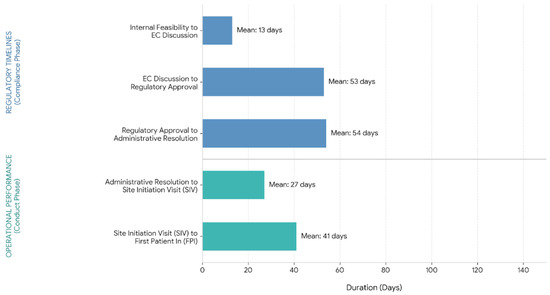
Background: Clinical research has evolved into a multidisciplinary field integrating Medical Devices (MD), In Vitro Diagnostics (IVD), and Artificial Intelligence (AI), governed by a modernized European regulatory framework including the Clinical Trial Regulation (CTR), the Medical Device Regulation (MDR), and the In Vitro Diagnostics Regulation (IVDR). In 2021, the Istituto Oncologico Veneto (IOV) IRCCS established the Clinical Trial Quality Team (CTQT) to provide support for non-profit trials and ensure high-quality standards. Methods: A descriptive analysis of trials managed between 2021 and 2025 was conducted using the REDCap platform. A team of 15 professionals assessed performance via Key Performance Indicators (KPIs) categorized into: ethical–regulatory compliance, operational efficiency and data quality. Results: The CTQT manages 18 studies (83% interventional, 50% multicentre), primarily focused on brain (17%) and genitourinary (23%) tumours. The mean time from internal feasibility to Ethics Committee discussion is 13 days. Total approval time (ethical and administrative) is 107 days. Operational metrics are strong, with Site Initiation Time averaging 27 days and First Patient In (FPI) at 41 days. Conclusions: A centralized, multidisciplinary structure effectively supports non-profit research in a complex regulatory environment. While operational speed is high, challenges such as staff turnover and query management variability remain. Future efforts will focus on standardizing post-approval administrative phases and optimizing data management to further improve trial efficiency and integrity.
Full article

Graphical abstract
Open AccessArticle
Evaluation of Diagnostic Performance and Inter-Reader Agreement of Prostate Imaging After Focal Ablation (PI-FAB) on Post-Focal Cryoablation Magnetic Resonance Imaging (MRI)
by
Guanqi Hang, Zhuyi Rebekah Lee, Anna Lois Lai, Jyothirmayi Velaga, Hua Thun Ho, Shelby Xuan Lin Lam, Yu Guang Tan, Nye Thane Ngo, John Yuen Shyi Peng, Li Yan Khor, Melvin Chua Lee Kiang, Kae Jack Tay and Yan Mee Law
Curr. Oncol. 2026, 33(7), 417; https://doi.org/10.3390/curroncol33070417 - 11 Jul 2026
Abstract
Focal therapy (FT) for localized prostate cancer induces architectural changes that complicate post-treatment multiparametric magnetic resonance imaging (mpMRI) surveillance. The Prostate Imaging after Focal Ablation (PI-FAB) system was developed to standardize the evaluation of in-field recurrence on mpMRI. This study assessed the diagnostic
[...] Read more.
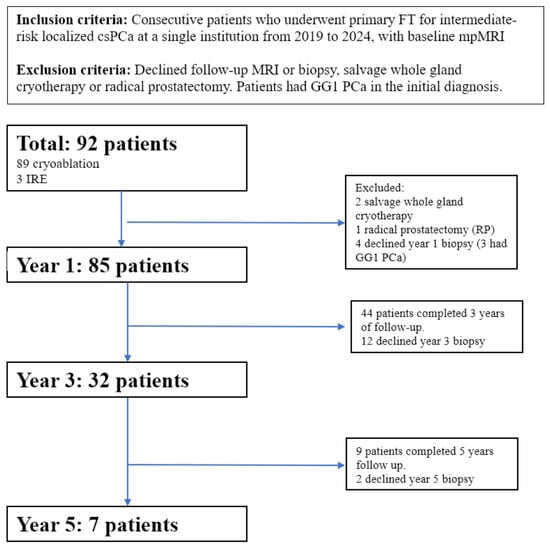
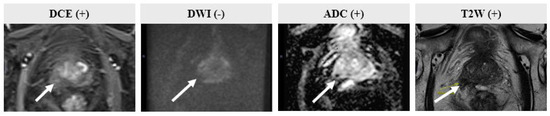
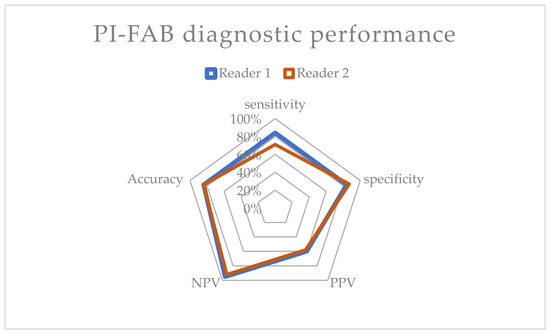
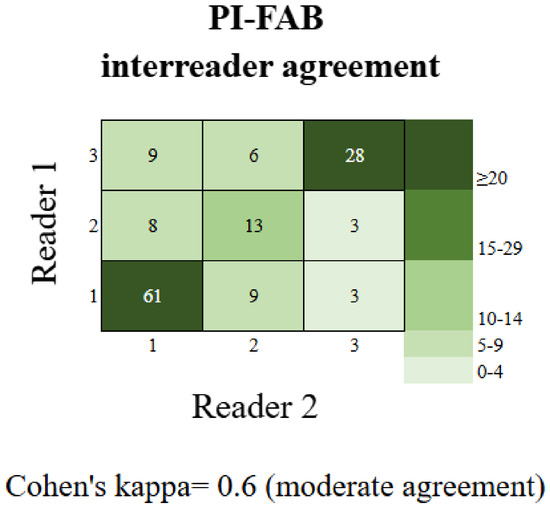
Focal therapy (FT) for localized prostate cancer induces architectural changes that complicate post-treatment multiparametric magnetic resonance imaging (mpMRI) surveillance. The Prostate Imaging after Focal Ablation (PI-FAB) system was developed to standardize the evaluation of in-field recurrence on mpMRI. This study assessed the diagnostic performance and inter-reader agreement of PI-FAB following focal cryoablation for localized prostate cancer. In this retrospective study (October 2019 to January 2024), 85 patients (140 lesion sites) underwent post-FT mpMRI and biopsy. Two radiologists (11 and 4 years of experience) independently scored mpMRIs using the three-point PI-FAB scale. Metrics included sensitivity, specificity, PPV, NPV, and accuracy. Inter-reader agreement was measured via quadratic weighted Cohen’s kappa (κ). Reader 1 (more experienced) demonstrated 83.9% sensitivity, 84.4% specificity, 60.5% PPV, and 94.8% NPV. Reader 2 demonstrated 71.4% sensitivity, 87.5% specificity, 58.8% PPV, and 92.5% NPV. Both achieved 84.3% accuracy. Inter-reader agreement was moderate (κ = 0.60). PI-FAB provides good diagnostic performance for detecting in-field recurrence after cryoablation. While reader experience may impact sensitivity, moderate agreement across experience levels supports PI-FAB’s validity and potential clinical utility in standardizing post-FT surveillance.
Full article
(This article belongs to the Collection New Insights into Prostate Cancer Diagnosis and Treatment)
►▼
Show Figures

Figure 1
Open AccessArticle
NGS-Based Genomic Profiling Identifies Independent Predictors of Time to Castration Resistance in Hormone-Sensitive Prostate Cancer: A Retrospective Real-World Study
by
Merve Turan and Merve Çırak Balta
Curr. Oncol. 2026, 33(7), 416; https://doi.org/10.3390/curroncol33070416 - 10 Jul 2026
Abstract
The prognostic significance of next-generation sequencing (NGS) findings during the hormone-sensitive phase of prostate cancer remains incompletely characterized. This retrospective cohort study included 92 patients who underwent NGS analysis on tumor tissue between 2019 and 2025. The primary endpoint was time to castration-resistant
[...] Read more.
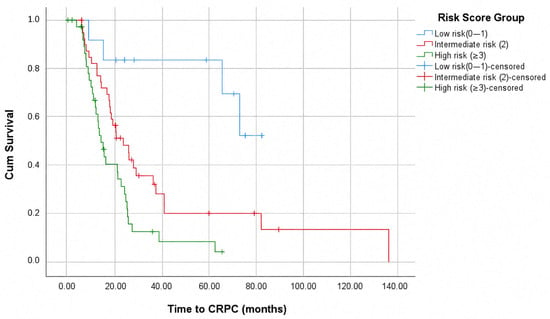
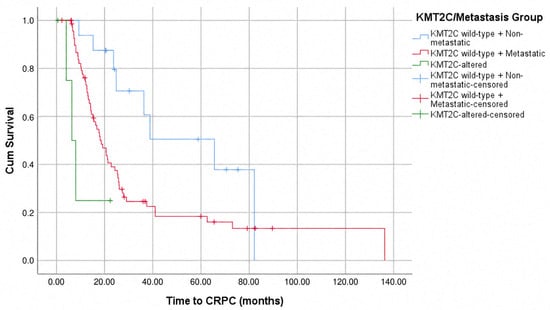
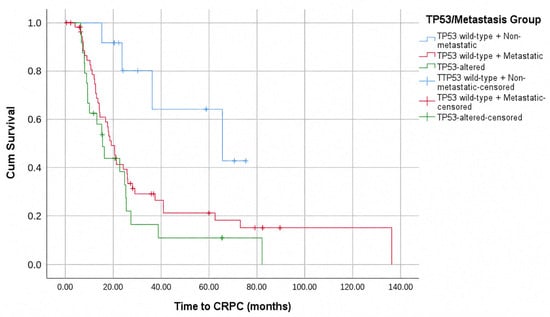
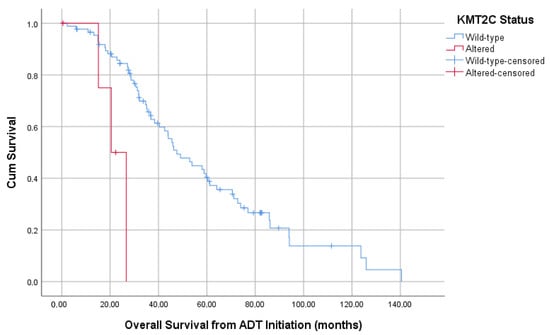
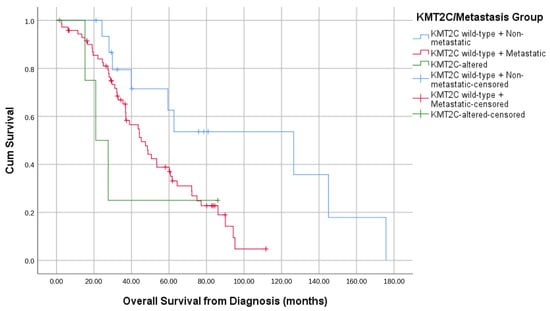
The prognostic significance of next-generation sequencing (NGS) findings during the hormone-sensitive phase of prostate cancer remains incompletely characterized. This retrospective cohort study included 92 patients who underwent NGS analysis on tumor tissue between 2019 and 2025. The primary endpoint was time to castration-resistant prostate cancer (CRPC) from androgen deprivation therapy (ADT) initiation; secondary endpoints were overall survival from ADT initiation (OS-ADT) and from diagnosis. Kaplan-Meier and Cox regression analyses were performed. CRPC developed in 66 patients (71.7%) at a median of 21.1 months. The most frequently altered genes were ATR (35.9%), PTEN (28.3%), TP53 (26.1%), and BRCA2 (15.2%). KMT2C alteration (5.4%) was the strongest independent genomic predictor of shorter time to CRPC (HR = 6.804, p = 0.003) and OS-ADT (HR = 4.730, p = 0.019). TP53 alteration independently predicted shorter OS-ADT (HR = 1.810, p = 0.038). High genomic burden independently predicted shorter time to CRPC (HR = 1.917, p = 0.032). Homologous recombination repair deficiency was not associated with outcomes, attributable to high ATR alteration frequency introducing pathway heterogeneity. Mismatch repair deficiency showed a borderline association with shorter OS-ADT (20.7 vs. 44.0 months; p = 0.060). An exploratory composite risk score stratified patients into three prognostic groups with markedly different outcomes (HR = 7.904, p = 0.001). NGS analysis during the hormone-sensitive phase identifies independent predictors of castration resistance, supporting its integration at ADT initiation for risk stratification and biomarker-guided treatment planning.
Full article
(This article belongs to the Special Issue Targeted Molecular Therapeutics for Urologic Cancers: Advances, Emerging Strategies, and the Road Ahead)
►▼
Show Figures

Figure 1
Open AccessArticle
Assessing Immune Fitness in Oncological Rehabilitation—Validity and Responsiveness of the Immune Status Questionnaire and Single-Item Scale
by
Anne M. S. de Hoop, Johanna A. Eggink, Cindy Veenhof, Cyrille A. M. Krul, Jelle P. Ruurda, Raymond H. H. Pieters and Karin Valkenet
Curr. Oncol. 2026, 33(7), 415; https://doi.org/10.3390/curroncol33070415 - 10 Jul 2026
Abstract
►▼
Show Figures
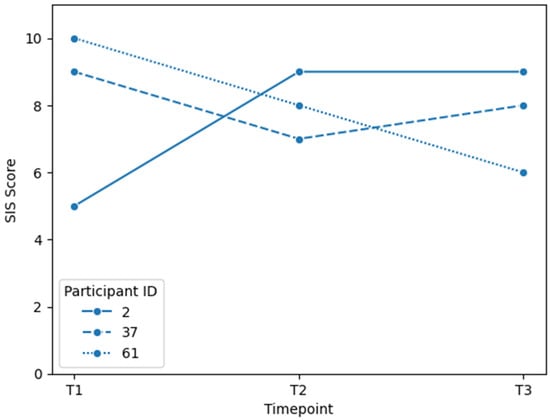
Background: Immune fitness (IF) reflects the body’s ability to mount appropriate immune responses. Monitoring IF could improve tailored treatment in oncological rehabilitation. The Immune Status Questionnaire (ISQ) and the Single-Item Scale (SIS) were developed to assess IF, but their clinimetric properties in cancer
[...] Read more.
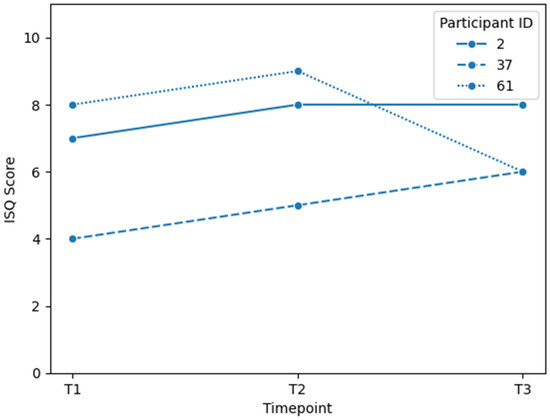
Background: Immune fitness (IF) reflects the body’s ability to mount appropriate immune responses. Monitoring IF could improve tailored treatment in oncological rehabilitation. The Immune Status Questionnaire (ISQ) and the Single-Item Scale (SIS) were developed to assess IF, but their clinimetric properties in cancer rehabilitation remain unknown. Aims: To evaluate the construct validity, responsiveness, and correlation between the ISQ and the SIS in oncological rehabilitation. Methods: The study population included people participating in oncological rehabilitation during or within one year after medical treatment. Data were collected prospectively via questionnaires. Construct validity and responsiveness were assessed through predefined hypotheses, including correlations with fatigue, sleep problems, malnutrition risk, activity impairment, and physical functioning. Results: In total, 97 individuals were included in the analyses. Median ISQ and SIS scores were 8/10 and 7/10, respectively. Correlations ranged from r = −0.21 to r = −0.50. Only the SIS correlations with fatigue and physical functioning, and the ISQ correlation with fatigue, met the predefined thresholds. Responsiveness hypotheses were not confirmed. Conclusions: The ISQ and the SIS demonstrated low construct validity and responsiveness in this population. IF scores were higher than expected. Correlations showed links between fatigue, physical functioning, and IF. Future research should develop tools tailored to the complex immune disturbances experienced by cancer survivors.
Full article

Figure 1
Open AccessArticle
Parotid Metastases from Head–Neck Cutaneous Squamous Cell Carcinoma: A Prognostic Stratification
by
Giulia Togo, Luca Calabrese, Giovanni dell’Aversana Orabona, Franco Ionna, Francesco Longo, Renato de Falco, Pietro Perotti, Ottavio Piccin and Luca Gazzini
Curr. Oncol. 2026, 33(7), 414; https://doi.org/10.3390/curroncol33070414 - 10 Jul 2026
Abstract
Background/Objectives: Cutaneous squamous cell carcinomas (cSCC) of the head and neck district are among the most common non melanocytic malignant skin carcinomas. The proposal to differentiate, within the N stage, parotid metastases from lateral cervical metastases, originates from the different prognostic value of
[...] Read more.
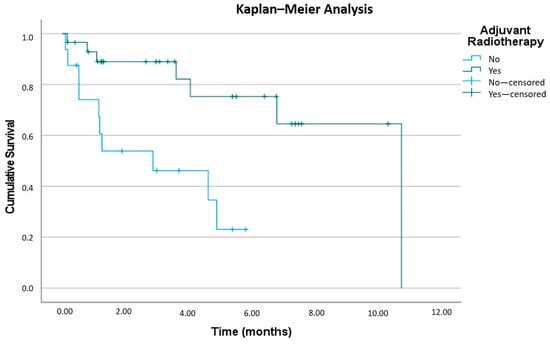
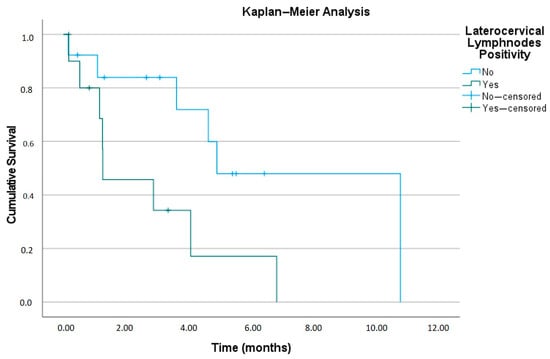
Background/Objectives: Cutaneous squamous cell carcinomas (cSCC) of the head and neck district are among the most common non melanocytic malignant skin carcinomas. The proposal to differentiate, within the N stage, parotid metastases from lateral cervical metastases, originates from the different prognostic value of the metastatic region involved. Methods: We retrospectively evaluated 61 patients, surgically treated for parotid metastases from cSCC between January 2002 and June 2023, in four Departments of Surgery, to assess the geographic distribution of parotid metastases and to describe their recurrence patterns, to evaluate the prognostic value of the number of affected lateral cervical lymph nodes (LN) and the number of positive intra-glandular lymph nodes (IGLN) and to identify the main prognostic histopathological factors. Results: Our results did not show significant differences between participating centers in the distribution of parotid metastases, nor in their recurrence rates. However, our results highlight how adjuvant radiotherapy is deeply associated with the Overall Survival (OS), improving survival rates in patients with advanced-stage neoplasms (Odds Ratio 5.0), although causality cannot be inferred because of the retrospective study design. Moreover, a statistically significant correlation was found between the major inflammatory biomarkers and the OS. The presence of IGLN was identified as one of the main factors associated with recurrence and poor prognosis in patients with cSCC and in particular, in patients with N3b nodal stage. Conclusions: our findings suggest that both LN and IGLN could be used to propose an additional staging stratification for the N parameter, thereby guiding the treatment strategy and postoperative follow-up for patients with parotid metastases from cSCC of the head and neck district.
Full article
(This article belongs to the Section Head and Neck Oncology)
►▼
Show Figures

Figure 1
Open AccessArticle
Access to Guideline-Concordant Oncology Genomic Testing: A Qualitative Study of Black Cancer Patients and Oncology Providers
by
Andrea Thoumi, Yadurshini Raveendran, Laura Fish, M. J. Gathings, Emily Rosario, Shaun R. Jones, Hayden B. Bosworth, Linda Sutton, John H. Strickler and Tomi Akinyemiju
Curr. Oncol. 2026, 33(7), 413; https://doi.org/10.3390/curroncol33070413 - 10 Jul 2026
Abstract
Genomic testing is a key component of precision oncology; however, Black patients receive genomic testing at lower rates. The purpose of this qualitative study was to identify individual and health system drivers of genomic testing disparities at a National Cancer Institute-designated comprehensive cancer
[...] Read more.
Genomic testing is a key component of precision oncology; however, Black patients receive genomic testing at lower rates. The purpose of this qualitative study was to identify individual and health system drivers of genomic testing disparities at a National Cancer Institute-designated comprehensive cancer center. We conducted interviews with 15 oncology providers and 11 Black cancer patients between September 2023 and October 2024. These patients were eligible for genomic testing based on National Comprehensive Cancer Network (NCCN) guidelines, being diagnosed within last 10 years (2014–2023), at least 18 years old, and English-speaking. Providers included oncologists and oncology patient navigators. Topics included motivators, barriers, and knowledge of genomic testing and factors influencing decision-making. The Penchansky and Thomas theoretical framework of healthcare access (e.g., availability, accessibility, accommodation, affordability, and acceptability) guided thematic analysis. Among patients eligible for genomic testing, most participants (n = 7) received genomic testing as part of their cancer treatment based on EMRs, however many patients (n = 7) could not recall discussing genomic testing with their oncologist. Most patients and all providers highlighted affordability as a challenge: patients were concerned about unexpected costs associated with testing, while providers were concerned about costs of matched molecular targeted therapy. Both patients and providers highlighted patient-centered communication to mitigate mistrust and promote patient engagement in care. Despite limited awareness, Black patients view genomic testing positively. Addressing multiple dimensions of access is key to improving system-level processes and ensuring that more patients benefit from lifesaving targeted therapy.
Full article
(This article belongs to the Special Issue Advances in Health Equity to Reduce Cancer Health Disparities)
Open AccessArticle
Exploring Key Unmet Supportive Care Needs of Adolescent and Young Adult Cancer Patients: A Qualitative Study to Inform Regional Program Development
by
Sitara Sharma, Sarah Cleyn, Haydn Bechthold, Alicia Hilderley and Amirrtha Srikanthan
Curr. Oncol. 2026, 33(7), 412; https://doi.org/10.3390/curroncol33070412 - 10 Jul 2026
Abstract
Background: Adolescents and young adults (AYAs; aged 15–39) diagnosed with cancer face distinct challenges that are poorly addressed within traditional cancer care models. This qualitative study explored AYAs’ unmet supportive cancer care needs in Eastern Ontario (Canada) to inform the development of a
[...] Read more.
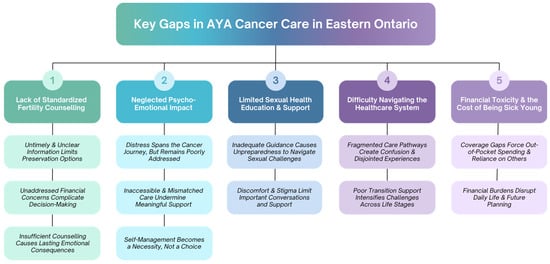
Background: Adolescents and young adults (AYAs; aged 15–39) diagnosed with cancer face distinct challenges that are poorly addressed within traditional cancer care models. This qualitative study explored AYAs’ unmet supportive cancer care needs in Eastern Ontario (Canada) to inform the development of a tailored multidisciplinary program. Methods: As part of a larger mixed-methods study, AYAs receiving/post-cancer treatment in the Champlain region of Eastern Ontario were purposively recruited to complete a survey and a semi-structured interview. Demographic and interview data were analyzed descriptively and via thematic analysis, respectively. Results: Sixteen AYAs (Mage = 32.2 years [range: 19–42]; 56.3% female) were interviewed virtually using a co-designed, semi-structured guide between October 2024 and February 2025. Analysis revealed five themes (i.e., major care gaps) and 12 sub-themes, including: (1) lack of standardized fertility counselling, (2) neglected psycho-emotional impact, (3) limited sexual health education and support, (4) difficulty navigating the healthcare system, and (5) financial toxicity and the cost of being sick young. Conclusions: AYAs in Eastern Ontario face persistent gaps in supportive cancer care that undermine their quality of life. Our findings underscore the need for targeted system-level improvements and offer a foundation for co-designing an evidence-based regional AYA care model that better addresses the holistic needs of this growing population.
Full article
(This article belongs to the Section Psychosocial Oncology)
►▼
Show Figures

Figure 1
Open AccessReview
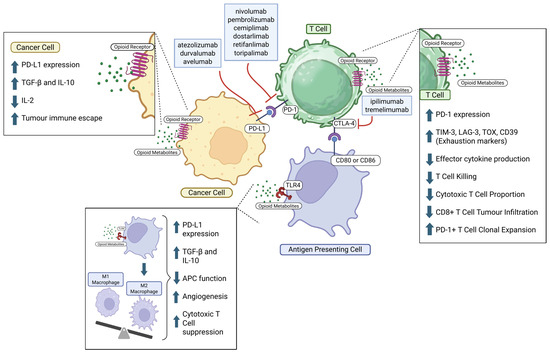
Crosstalk Between Opioids and the Anti-Tumour Immune Checkpoint Axis
by
Parsa Alan and Marie-Odile Parat
Curr. Oncol. 2026, 33(7), 411; https://doi.org/10.3390/curroncol33070411 - 9 Jul 2026
Abstract
►▼
Show Figures
Opioids are frequently prescribed for cancer pain management, yet accumulating evidence suggests that opioid exposure may be associated with inferior outcomes in patients also undergoing treatment with immune checkpoint inhibitors (ICIs). To synthesize mechanistic and clinical evidence linking opioids to the PD-1/PD-L1 axis,
[...] Read more.
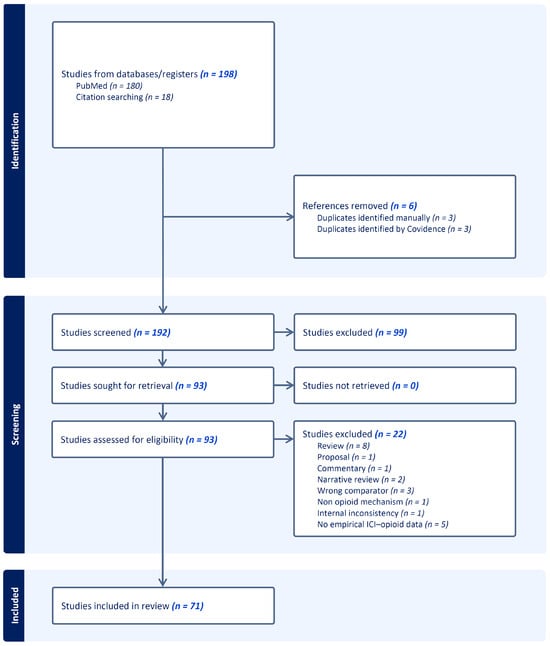
Opioids are frequently prescribed for cancer pain management, yet accumulating evidence suggests that opioid exposure may be associated with inferior outcomes in patients also undergoing treatment with immune checkpoint inhibitors (ICIs). To synthesize mechanistic and clinical evidence linking opioids to the PD-1/PD-L1 axis, the literature was searched up to 18 January 2026, with study selection and data extraction focused on (i) cancer-cell and immune-cell effects of opioid agonism or antagonism on PD-1/PD-L1 biology, and (ii) clinical studies reporting ICI outcomes (progression-free survival, overall survival, or treatment duration) with concomitant opioid exposure. Preclinical studies support multiple, non-mutually exclusive mechanisms: opioids can induce PD-L1 in tumour cells, modulate innate-inflammatory pathways (including TLR4-linked cascades), promote dysfunctional T-cell phenotypes that reduce responsiveness to PD-1 blockade, and show context- and opioid-dependent effects. Clinical cohorts and meta-analytic datasets in non-small cell lung cancer and other tumour types report associations between opioid exposure (including higher morphine-equivalent dosing) and worse ICI outcomes. The intersection of opioid signaling with PD-1/PD-L1 biology likely operates across cancer cell-intrinsic and immune cell-intrinsic pathways, providing a mechanistic rationale for prospective evaluation of opioid-sparing strategies and/or peripheral opioid antagonism as adjuncts to checkpoint blockade.
Full article

Figure 1
Open AccessSystematic Review
Laparoscopically Harvested Pedicled Omental Flap in Immediate Unilateral Breast Reconstruction: A Systematic Review of Surgical Techniques and Clinical Outcomes
by
Annie M. Wu, Surabi Thirugnanasampanthar and Muriel Brackstone
Curr. Oncol. 2026, 33(7), 410; https://doi.org/10.3390/curroncol33070410 - 9 Jul 2026
Abstract
Laparoscopically harvested pedicled omental flap (LHPOF) reconstruction is a minimally invasive autologous option for immediate breast reconstruction, but prior reviews have largely examined omental flaps broadly, combining open and laparoscopic harvests, free and pedicled transfers, and mixed reconstructive indications. This systematic review evaluated
[...] Read more.
Laparoscopically harvested pedicled omental flap (LHPOF) reconstruction is a minimally invasive autologous option for immediate breast reconstruction, but prior reviews have largely examined omental flaps broadly, combining open and laparoscopic harvests, free and pedicled transfers, and mixed reconstructive indications. This systematic review evaluated operative characteristics, peri-operative complications, and esthetic outcomes following LHPOF after oncologic breast surgery. MEDLINE, Cochrane and Embase were searched without language or date restrictions, with backward citation searching of included studies. Eligible studies included female patients undergoing immediate unilateral breast reconstruction with LHPOF after mastectomy or BCS. Twenty-two studies published between 2001 and 2025 were included, representing 1869 patients. Operative techniques were broadly consistent, most commonly involving transverse-colon-first omental harvest, preservation of the right gastroepiploic vessels, and tunnelling from the inframammary fold toward the xiphoid. Reported complications included omental fat necrosis, partial flap loss, hematoma, infection, epigastric bulging, and incisional or tunnel-site hernia. Esthetic outcomes were generally favourable but assessed using heterogeneous methods. Current evidence suggests this technique is feasible in selected patients and may offer favourable esthetic outcomes with limited donor-site morbidity. However, prospective comparative studies with standardized reporting are needed to define optimal patient selection, long-term safety, and esthetic durability.
Full article
(This article belongs to the Special Issue Recent Advances in Breast Reconstruction Following Cancer)
►▼
Show Figures

Figure 1
Open AccessSystematic Review
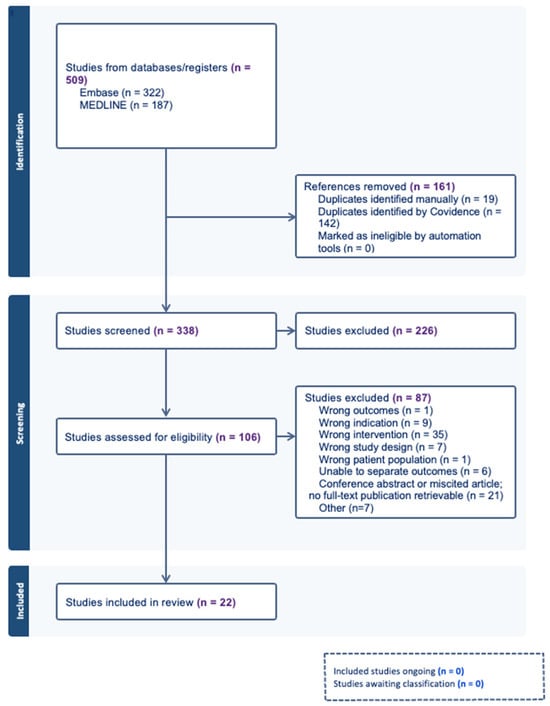
The Role of Tumor Debulking Surgery in Improving Survival of Patients with Head and Neck Cancer: A Systematic Review
by
Aris I. Giotakis, Evangelos Tagkalos, Matthias Santer, Daniel Dejaco and Benedikt Hofauer
Curr. Oncol. 2026, 33(7), 409; https://doi.org/10.3390/curroncol33070409 - 9 Jul 2026
Abstract
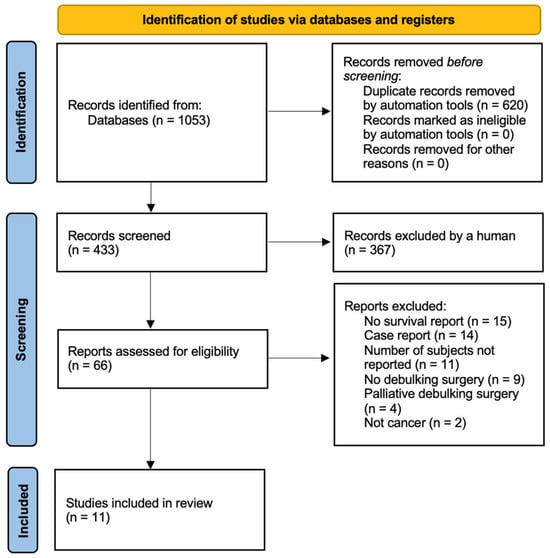
Background/Objectives: Data on the value of tumor debulking surgery are scarce. We aimed to examine whether tumor debulking surgery followed by non-surgical treatment (cases) improves survival compared to non-surgical treatment alone (controls) in patients with head and neck cancer (HNC). Methods:
[...] Read more.
Background/Objectives: Data on the value of tumor debulking surgery are scarce. We aimed to examine whether tumor debulking surgery followed by non-surgical treatment (cases) improves survival compared to non-surgical treatment alone (controls) in patients with head and neck cancer (HNC). Methods: We performed a systematic review of studies published in the databases PubMed, Scopus and Cochrane Central Register of Controlled Trials up to 10 December 2024. Studies evaluating tumor debulking surgery followed by non-surgical treatment and reporting survival (local recurrence, disease-free survival or overall survival) in subjects with HNC were included; case reports were excluded. We assessed the quality of observational studies with the Newcastle–Ottawa Scale. Results: Among 11 retrospective small studies, three case–control studies (one of high quality, i.e., 7/9, and two of moderate quality, i.e., 6/9 and 5/9) suggested longer survival in 72 cases with predominantly squamous cell carcinoma (SCC) than in 40 controls with predominantly SCC. However, these survival benefits cannot be attributed solely to tumor debulking surgery, as confounding by indication is the most likely explanation. In supraglottic laryngeal SCC, one study reported a local recurrence-free survival rate and overall survival of 80% and 88%, respectively, in 25 cases compared with 86% and 77%, respectively, in 24 controls. In sarcomas, local recurrence-free survival was 25%, 65% and 100% for unknown resection margins, wide local excision and radical excision, respectively. Conclusions: The heterogeneous data indicate the need for higher-quality research. It would be interesting to investigate whether an attempt to surgically debulk paranasal sinus tumors while preserving adjacent vital organs (e.g., the orbit and/or brain) should be incorporated into the treatment strategy for patients with extended paranasal sinus squamous cell carcinoma. Tumor debulking surgery did not improve survival in supraglottic laryngeal SCC or head and neck soft tissue sarcomas.
Full article
(This article belongs to the Section Head and Neck Oncology)
►▼
Show Figures

Figure 1
Journal Menu
► ▼ Journal Menu-
- Current Oncology Home
- Aims & Scope
- Editorial Board
- Reviewer Board
- Topical Advisory Panel
- Instructions for Authors
- Special Issues
- Topics
- Sections & Collections
- Article Processing Charge
- Indexing & Archiving
- Editor’s Choice Articles
- Most Cited & Viewed
- Journal Statistics
- Journal History
- Journal Awards
- Society Collaborations
- Editorial Office
Journal Browser
► ▼ Journal Browser-
arrow_forward_ios
Forthcoming issue
arrow_forward_ios Current issue - Volumes not published by MDPI
Highly Accessed Articles
Latest Books
E-Mail Alert
News
Topics
Topic in
Cancers, Current Oncology, JCM, Medicina, Onco
Cancer Biology and Radiation Therapy: 2nd Edition
Topic Editors: Chang Ming Charlie Ma, Ka Yu Tse, Ming-Yii Huang, Mukund SeshadriDeadline: 25 July 2026
Topic in
Cancers, Diagnostics, Gastrointestinal Disorders, JCM, Current Oncology
Metastatic Colorectal Cancer: From Laboratory to Clinical Studies, 2nd Edition
Topic Editors: Ioannis Ntanasis-Stathopoulos, Diamantis I. TsilimigrasDeadline: 20 August 2026
Topic in
Cancers, Current Oncology, Diseases, Onco
Genomic Signature of Ocular Tumors
Topic Editors: Bita Esmaeli, Natalie WolkowDeadline: 20 October 2026
Topic in
Cancers, Current Oncology, Diagnostics, Gastroenterology Insights
Advanced Endoscopic Ultrasound (EUS) Techniques: Current and Future Directions
Topic Editors: Bertrand V. Napoleón, Andrea Lisotti, Tawfik KhouryDeadline: 31 October 2026
Special Issues
Special Issue in
Current Oncology
Unveiling the Economic Impact of Cancer Treatment
Guest Editor: Stuart PeacockDeadline: 20 July 2026
Special Issue in
Current Oncology
Combined Therapies for Hepatocellular Carcinoma
Guest Editor: Hooman YarmohammadiDeadline: 20 July 2026
Special Issue in
Current Oncology
Thoracic Malignancies and Immunity: Advances, Challenges, and Future Directions of Immunotherapy
Guest Editor: Giacomo CusumanoDeadline: 30 July 2026
Special Issue in
Current Oncology
Innovations in the Clinical Research of Chronic Myeloid Leukemia: From Targeted Therapies to Allogeneic Stem Cell Transplantation
Guest Editor: Jeffrey H. LiptonDeadline: 31 July 2026
Topical Collections
Topical Collection in
Current Oncology
New Insights into Prostate Cancer Diagnosis and Treatment
Collection Editor: Sazan Rasul
Topical Collection in
Current Oncology
New Insights into Breast Cancer Diagnosis and Treatment
Collection Editors: Filippo Pesapane, Matteo Suter
Topical Collection in
Current Oncology
Editorial Board Members’ Collection Series: Contemporary Perioperative Concepts in Cancer Surgery
Collection Editors: Vijaya Gottumukkala, Jörg Kleeff