


Journal Description
Fire
Fire
is an international, peer-reviewed, open access journal about the science, policy, and technology of fires and how they interact with communities and the environment, published monthly online by MDPI.
- Open Access— free for readers, with article processing charges (APC) paid by authors or their institutions.
- High Visibility: indexed within Scopus, SCIE (Web of Science), AGRIS, PubAg, and other databases.
- Journal Rank: JCR - Q1 (Forestry) / CiteScore - Q1 (Forestry)
- Rapid Publication: manuscripts are peer-reviewed and a first decision is provided to authors approximately 16.9 days after submission; acceptance to publication is undertaken in 2.7 days (median values for papers published in this journal in the second half of 2025).
- Recognition of Reviewers: reviewers who provide timely, thorough peer-review reports receive vouchers entitling them to a discount on the APC of their next publication in any MDPI journal, in appreciation of the work done.
- Paper Types: in addition to regular articles we accept Perspectives, Case Studies, Data Descriptors, Technical Notes, and Monographs.
- Journal Cluster of Ecosystem and Resource Management: Forests, Diversity, Fire, Conservation, Ecologies, Biosphere and Wild.
Impact Factor:
2.7 (2024);
5-Year Impact Factor:
3.0 (2024)
Latest Articles
Monitoring Plant Biodiversity and Indicator Species Across Post-Fire Rehabilitation Structures in Greece: A Two-Year Study
Fire 2026, 9(4), 152; https://doi.org/10.3390/fire9040152 - 8 Apr 2026
Abstract
Wooden, nature-based barrier structures are widely implemented after wildfire in Mediterranean forests to reduce runoff connectivity and trap sediment, yet their ecological footprint on early plant recovery remains poorly quantified in Greece. We assessed two-year vascular plant recovery in forest landscapes burned during
[...] Read more.
Wooden, nature-based barrier structures are widely implemented after wildfire in Mediterranean forests to reduce runoff connectivity and trap sediment, yet their ecological footprint on early plant recovery remains poorly quantified in Greece. We assessed two-year vascular plant recovery in forest landscapes burned during the 2021 wildfire season (Parnitha, Attica; Mavrolimni, Corinthia/Peloponnese) using repeated field surveys in 2022 and 2023. Sixteen permanent plots were established within operational rehabilitation works and assigned to the dominant structure types: wattles (brush/branch piles), contour-oriented hillslope log barriers, and channel log dams. In each year, vascular plant composition and recovery endpoints (species richness and diversity indices, density, cover, and aboveground biomass) were quantified using standardized quadrat sampling. Vegetation cover and biomass increased strongly from 2022 to 2023 at both sites, indicating rapid early reassembly. Against this dominant year effect, structure type was associated with pronounced biodiversity and compositional differences, most clearly in Parnitha where log barriers exhibited markedly reduced diversity in 2022 and community turnover patterns differed among structures. Plot-level PERMANOVA on Bray–Curtis dissimilarities calculated from log(x + 1)-transformed abundances did not detect a statistically significant structure type effect in either year (p > 0.05), whereas descriptive Bray–Curtis heatmaps suggested compositional contrasts among structure type × year combinations. Indicator–species analysis further identified a limited set of taxa associated with specific structures, suggesting provisional structure-linked microsite filtering during early assembly. By quantifying community composition and indicator taxa alongside structural recovery, this study provides operational-scale evidence that common wooden post-fire measures may be associated with early biodiversity signals in the first two years after fire, although these patterns should be regarded as provisional given the short monitoring period and limited replication. Incorporating these signals into post-fire land management can improve intervention design and placement, aligning risk reduction with biodiversity recovery in Mediterranean landscapes.
Full article
Open AccessSystematic Review
Reframing Data Center Fire Safety as a Socio-Technical Reliability System: A Systematic Review
by
Riza Hadafi Punari, Kadir Arifin, Mohamad Xazaquan Mansor Ali, Kadaruddin Ayub, Azlan Abas and Ahmad Jailani Mansor
Fire 2026, 9(4), 151; https://doi.org/10.3390/fire9040151 - 8 Apr 2026
Abstract
Data centers are critical digital infrastructure supporting cloud computing, artificial intelligence, and global information services. Despite their high-reliability design, they remain vulnerable to fire incidents due to continuous operation, high electrical loads, dense power systems, and the increasing use of lithium-ion batteries. Although
[...] Read more.
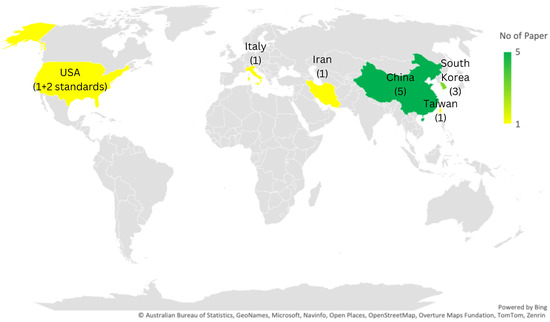
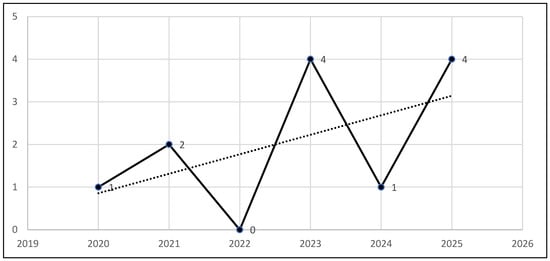
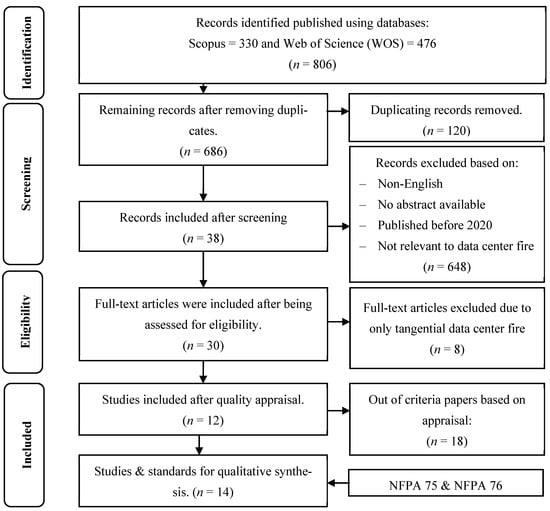
Data centers are critical digital infrastructure supporting cloud computing, artificial intelligence, and global information services. Despite their high-reliability design, they remain vulnerable to fire incidents due to continuous operation, high electrical loads, dense power systems, and the increasing use of lithium-ion batteries. Although such events are rare, their consequences can be severe, including service disruption, equipment damage, financial loss, and risks to data integrity. This study presents a systematic literature review of fire safety risk management frameworks in data centers, following PRISMA guidelines. Peer-reviewed studies published between 2020 and 2025 were retrieved from Scopus and Web of Science, screened, and appraised using structured quality criteria. Twelve empirical studies were synthesized and benchmarked against NFPA 75 and NFPA 76 standards. The findings are organized into three domains: Strategic Management, Fire Risk, and Fire Preparedness. The results show a strong focus on technical prevention and electrical hazards, while organizational readiness, emergency response, and recovery remain underexplored. Benchmarking indicates that industry standards adopt a more comprehensive lifecycle approach than the academic literature. This study reframes data center fire safety as a socio-technical reliability system and highlights critical gaps, providing a foundation for future research and improved fire safety governance and resilience.
Full article
(This article belongs to the Special Issue Thermal Safety and Fire Behavior of Energy Storage Systems)
►▼
Show Figures

Figure 1
Open AccessArticle
The Wildfire-Triggered Natech Exposure of Fuel Infrastructure at the Wildland–Urban/Industrial Interface in South Korea: Mapping and Scenario-Based Thermal Radiation Analysis
by
Jin-chan Park, Jong-chan Yun and Min-ho Baek
Fire 2026, 9(4), 150; https://doi.org/10.3390/fire9040150 - 7 Apr 2026
Abstract
Data on wildfires (burned area ≥ 100 ha) in South Korea were compiled for 2000–2025 and analyzed together with the national geospatial inventories of hazardous fuel facilities to characterize wildfire-triggered Natech exposure and potential consequence distances. In total, 47 large wildfire events were
[...] Read more.
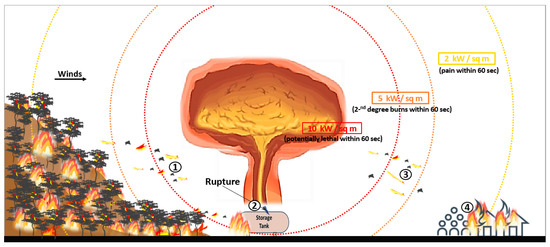
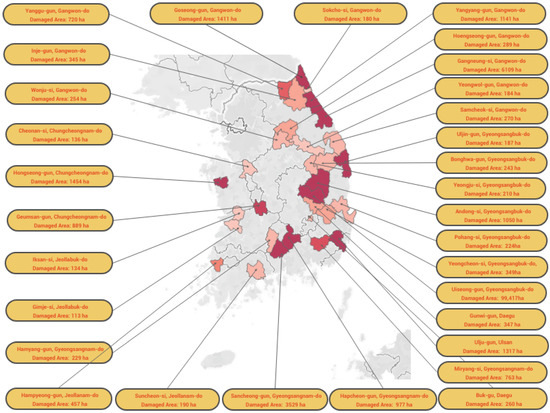
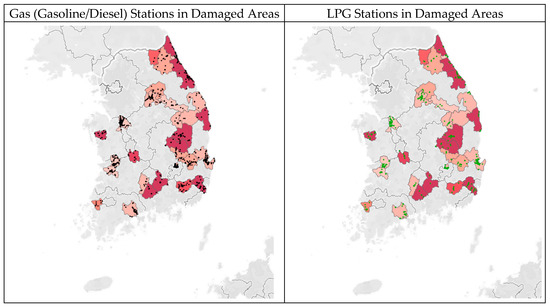
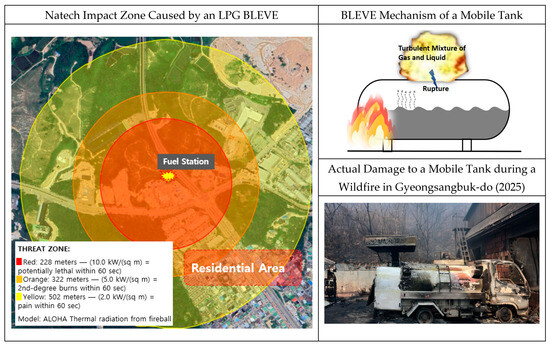
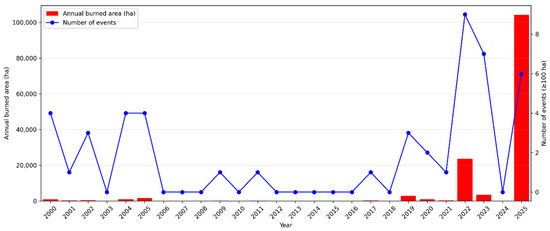
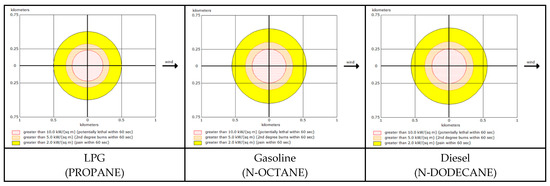
Data on wildfires (burned area ≥ 100 ha) in South Korea were compiled for 2000–2025 and analyzed together with the national geospatial inventories of hazardous fuel facilities to characterize wildfire-triggered Natech exposure and potential consequence distances. In total, 47 large wildfire events were identified, burning approximately 139,800 ha, with all events occurring during the late winter–spring window (February–May). The spatial overlays of wildfire footprints with facility locations identified 805 gasoline/diesel stations and 227 LPG filling stations located within wildfire-affected districts, corresponding to 14.1% of gas stations and 11.5% of LPG stations in the nationwide facility dataset. Facility exposure was geographically clustered, with the highest concentrations occurring in the eastern and southeastern wildfire hotspots. To quantify potential technological impact extents under wildfire escalation, ALOHA simulations were conducted for a wildfire-induced BLEVE/fireball scenario involving a 10,000 L mobile tank with representative fuels (propane for LPG, n-octane for gasoline, and n-dodecane for diesel). The modeled thermal radiation threat zone radii (10, 5, and 2 kW·m−2) were 228/322/502 m for propane, 250/353/550 m for n-octane, and 254/358/559 m for n-dodecane. Together, the event-based wildfire dataset, facility overlay results, and scenario-based impact distances provide an integrated, quantitative basis for assessing wildfire-triggered Natech conditions at the wildland–urban/industrial interface in South Korea.
Full article
(This article belongs to the Section Fire Risk Assessment and Safety Management in Buildings and Urban Spaces)
►▼
Show Figures

Figure 1
Open AccessArticle
Using Machine Learning to Predict the Performance of Brazilian Biomasses on Chemical Looping Combustion
by
Giovanny S. Oliveira, Antônio M. L. Bezerra, Domingos F. S. Souza, Carlos E. A. Padilha and Juan A. C. Ruiz
Fire 2026, 9(4), 149; https://doi.org/10.3390/fire9040149 - 5 Apr 2026
Abstract
Greenhouse gas (GHG) emissions are one of the leading environmental concerns faced nowadays. The chemical looping combustion (CLC) process is one of the main processes that aim for carbon capture, utilization, and storage (CCUS), allowing the generation of a high-purity CO2 stream
[...] Read more.
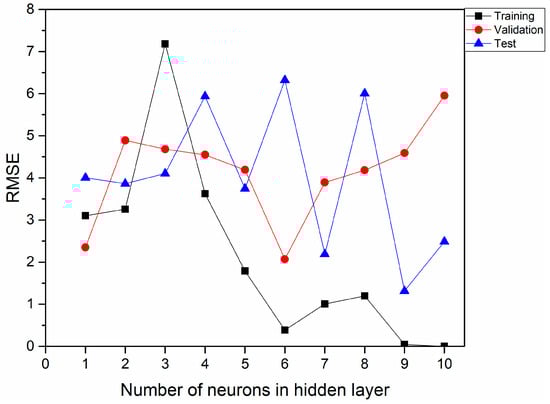
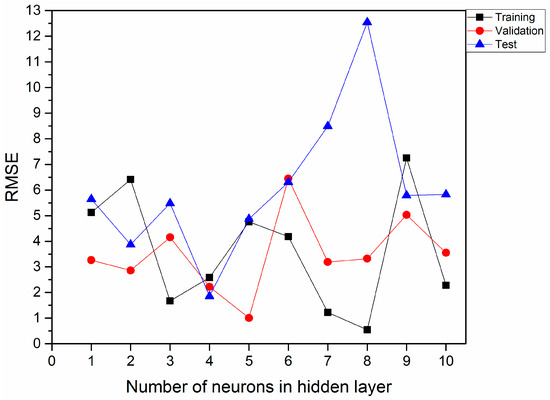
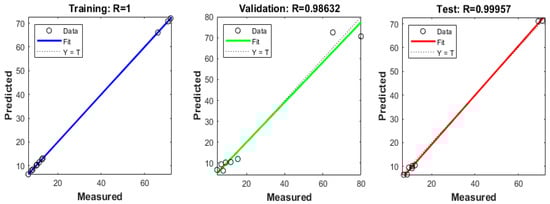
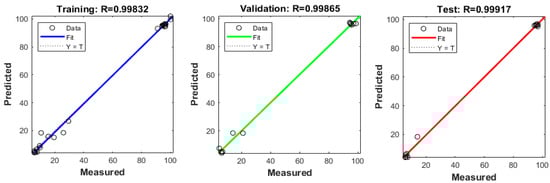
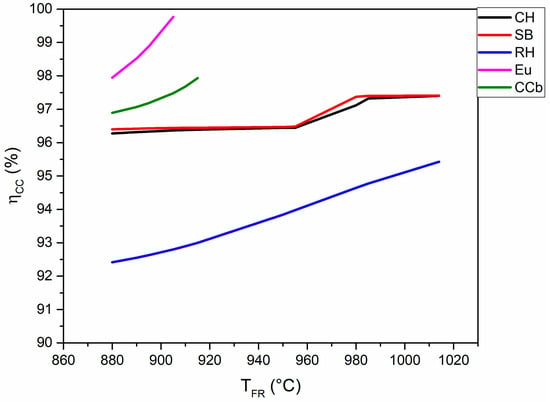
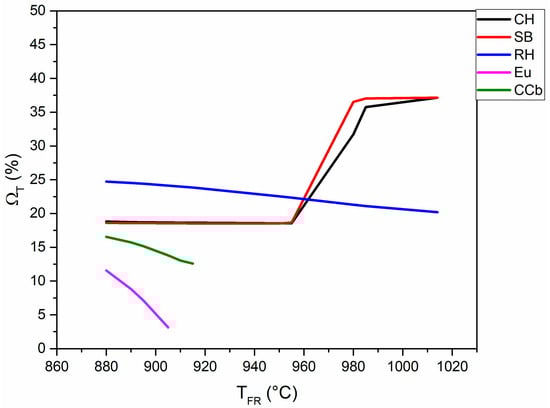
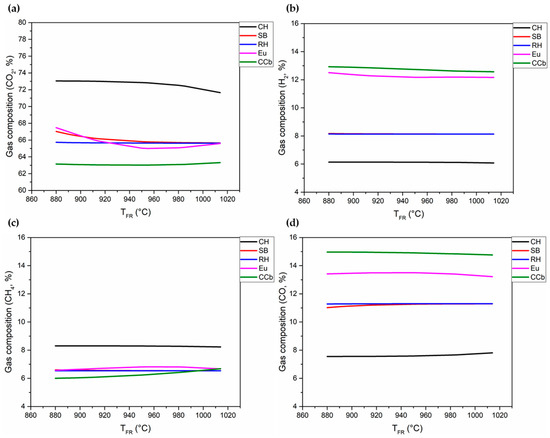
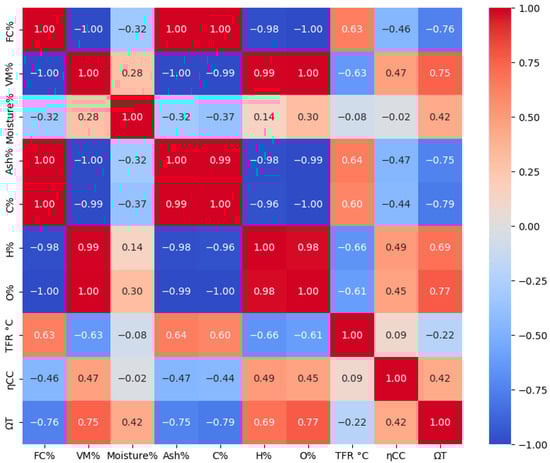
Greenhouse gas (GHG) emissions are one of the leading environmental concerns faced nowadays. The chemical looping combustion (CLC) process is one of the main processes that aim for carbon capture, utilization, and storage (CCUS), allowing the generation of a high-purity CO2 stream that can be easily captured. Brazil has a wide variety of biomasses that could be applied to CLC, and the behavior of these biomasses can be predicted using machine learning algorithms. An artificial neural network (ANN) was created considering the biomass characteristics (proximate and ultimate analysis) and fuel reactor temperature as input data to assess their influence on CLC performance parameters (carbon capture efficiency, ηCC, and total oxygen demand, ΩT) and gas compositions. The characteristics of five Brazilian biomasses were considered in the constructed ANN to predict their behavior on CLC performance. The ANN presented a good data fit, with R2 achieving values higher than 0.973. Volatile matter played a crucial role in predicting the CLC performance parameters. Rice husks presented the smoothest results for ηCC and ΩT, while the CO2 composition was most affected by the eucalyptus characteristics. Experimental tests with all the biomasses should be carried out to provide a higher prediction capability of the algorithm.
Full article
(This article belongs to the Special Issue Reaction Kinetics in Chemical Looping Processes)
►▼
Show Figures

Figure 1
Open AccessArticle
A Decision Indicator System for Takeoff and Landing Site Selection of Bucket Firefighting Helicopters in Wildfire Emergency Response
by
Yuanjing Huang, Chen Zeng, Weijun Pan, Rundong Wang, Zirui Yin, Yangyang Li and Shiyi Huang
Fire 2026, 9(4), 148; https://doi.org/10.3390/fire9040148 - 4 Apr 2026
Abstract
►▼
Show Figures
With the increasing complexity of wildfire emergency response, the aerial emergency response system is imposing increasing demands on both safety and decision rationality of takeoff and landing site selection. Site selection decisions are influenced by multi-dimensional factors, including geographical location, meteorological factors, and
[...] Read more.
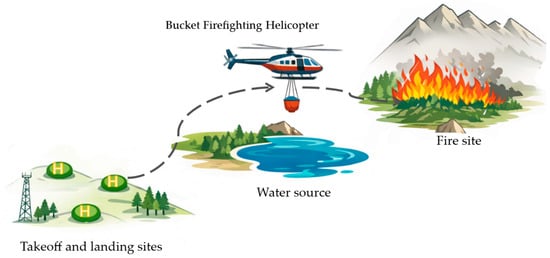
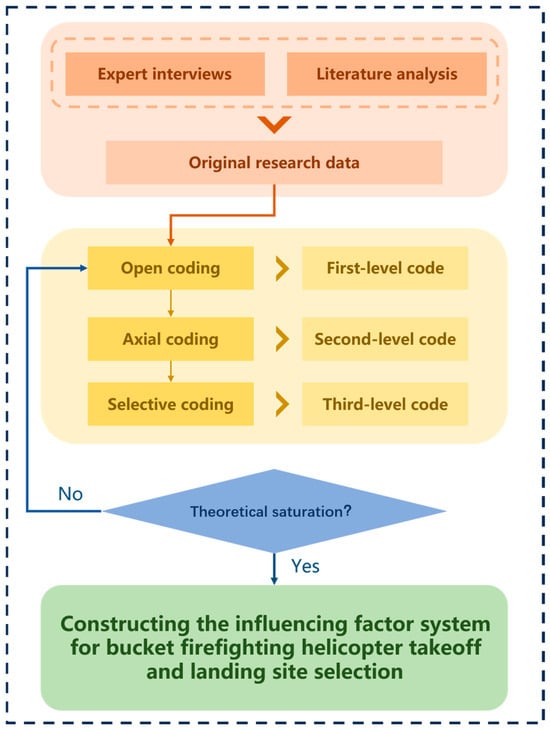
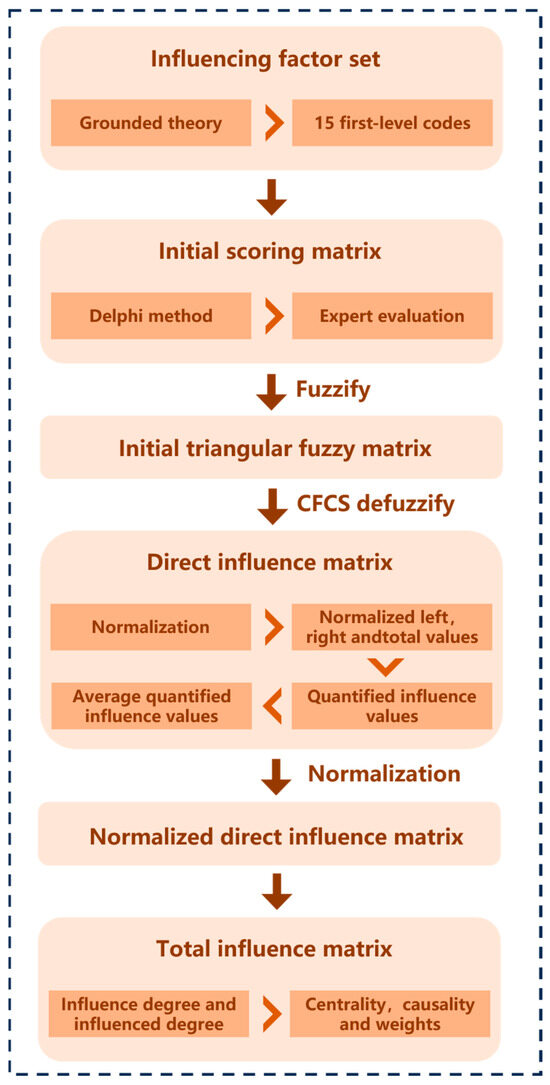
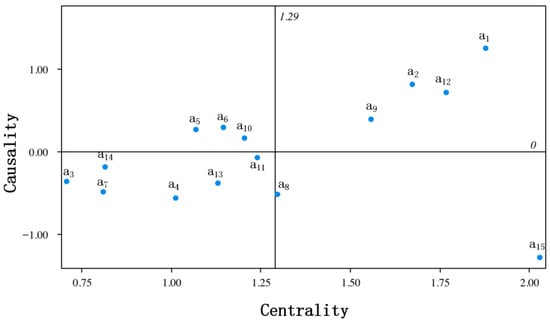
With the increasing complexity of wildfire emergency response, the aerial emergency response system is imposing increasing demands on both safety and decision rationality of takeoff and landing site selection. Site selection decisions are influenced by multi-dimensional factors, including geographical location, meteorological factors, and operational safety considerations, resulting in a pronounced coupling of multiple factors in the decision-making process. However, existing studies primarily focus on spatial suitability evaluation or technical implementation, often relying on predefined indicator systems and independence assumptions, while lacking a systematic characterization of the influencing factor system and its interrelationships in takeoff and landing site selection. To address this gap, this study proposes a novel structured decision-making framework to systematically analyze and optimize the selection of takeoff and landing sites for bucket firefighting helicopters in wildfire aerial emergency response scenarios. First, a procedural grounded theory approach is employed to systematically identify the influencing factors associated with site selection, thereby constructing a traceable decision-making factor system. Second, fuzzy DEMATEL is applied to model the causal relationships and structural interdependencies among these factors. Finally, a cumulative contribution rate based on centrality is introduced to screen and optimize the decision indicators, resulting in a refined set of key decision indicators. The results reveal the structural roles of different influencing factors in site selection, reduce the reliance on experience-driven judgment, and reconceptualize the problem from traditional indicator weighting and ranking into a structured decision-making process involving multi-factor coupling. This provides systematic decision support for takeoff and landing site selection in wildfire aerial emergency response and establishes a foundation for subsequent spatial suitability analysis and case-based validation. Furthermore, the results are consistent with expert experience and practical operational constraints, indicating the potential applicability of the proposed method in real-world decision-making.
Full article

Figure 1
Open AccessArticle
Characterizing Human-Caused Wildfire Based on the Fire Weather Index in South Korea
by
Chan Jin Lim and Heemun Chae
Fire 2026, 9(4), 147; https://doi.org/10.3390/fire9040147 - 4 Apr 2026
Abstract
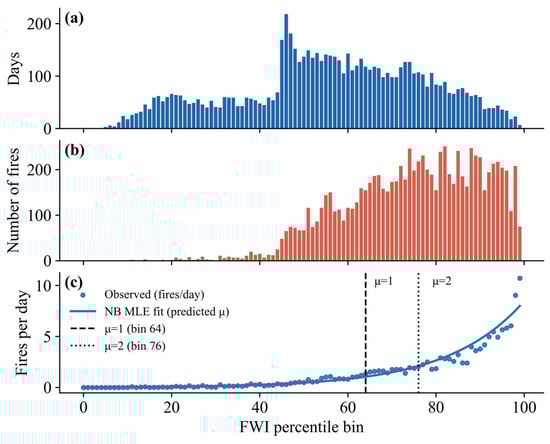
This study examines the effects of meteorological fire danger and human activity on wildfire ignition patterns in South Korea using records from 2004 to 2023. A percentile-based Fire Weather Index (FWI) classification, derived from negative binomial regression, identified critical daily fire frequency thresholds
[...] Read more.
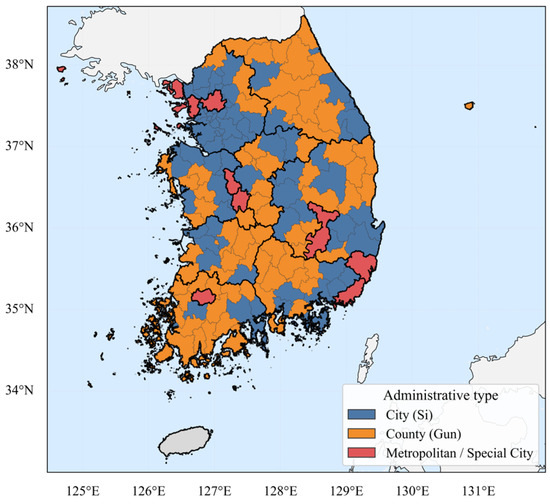
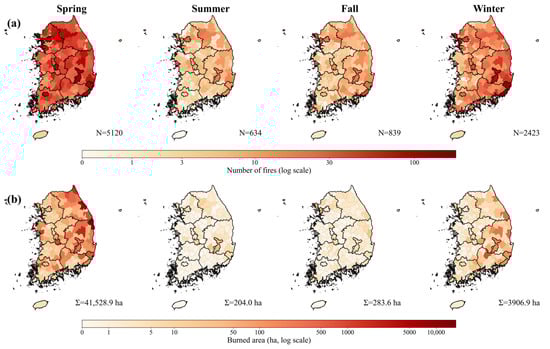
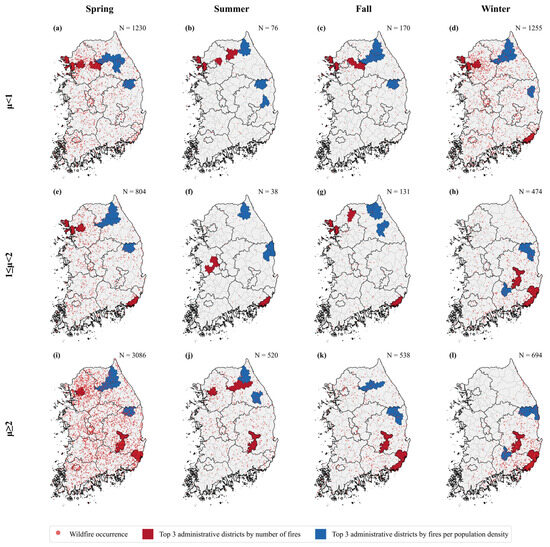
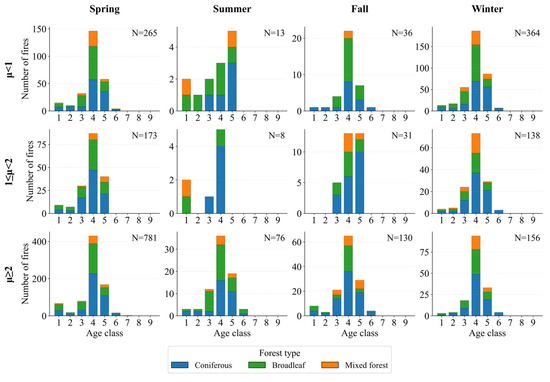
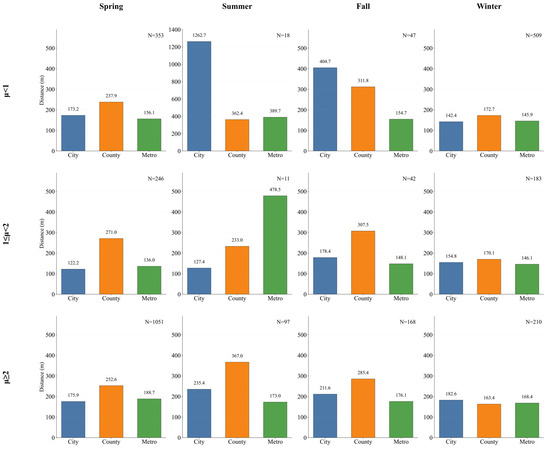
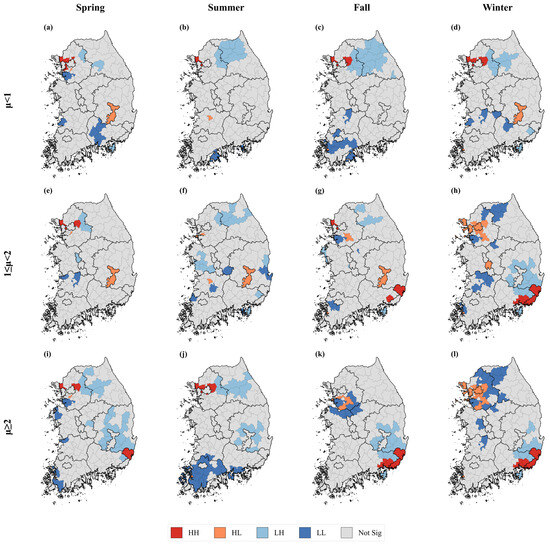
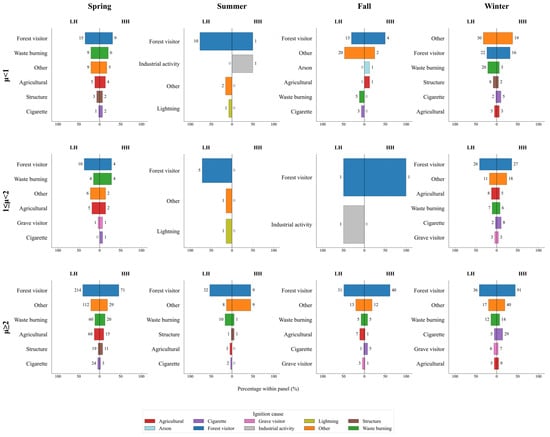
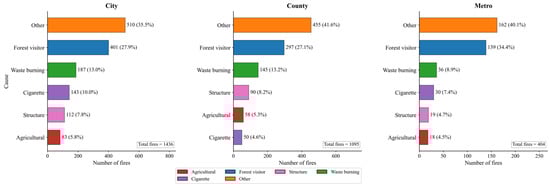
This study examines the effects of meteorological fire danger and human activity on wildfire ignition patterns in South Korea using records from 2004 to 2023. A percentile-based Fire Weather Index (FWI) classification, derived from negative binomial regression, identified critical daily fire frequency thresholds at FWI 4.39 (μ ≥ 1 fire/day) and FWI 6.84 (μ ≥ 2 fires/day). Bivariate LISA analysis revealed a spatial mismatch between resident population density and wildfire frequency: High–High (HH) clusters were concentrated in the Seoul metropolitan fringe, while Low–High (LH) clusters appeared in mountainous provinces where forest visitor ignitions and agricultural burning are the primary causes. In HH clusters, cigarette-related ignitions and structure-to-forest transitions were comparatively more frequent. Wildfire events were concentrated in age class 4–5 coniferous and broadleaf stands, and mean ignition-to-building distances in metropolitan areas frequently fell below 150 m. These findings suggest that prevention strategies should shift from uniform resident-oriented approaches toward spatially differentiated management targeting transient populations in LH areas and Wildland-Urban Interface (WUI) exposure in HH areas.
Full article
(This article belongs to the Special Issue Advances in Decision Support for Urban Fire Risk Management and Policy Formulation)
►▼
Show Figures

Figure 1
Open AccessArticle
Patterns of Human Injuries and Fatalities in Fire Incidents in Serbia: A Comprehensive Statistical and Data Mining Analysis
by
Nikola Mitrović, Vladica Stojanović, Mihailo Jovanović, Željko Grujčić and Dragan Mladjan
Fire 2026, 9(4), 146; https://doi.org/10.3390/fire9040146 - 2 Apr 2026
Abstract
This manuscript is a continuation of the research published in Fire 2025, 8(8), 302, i.e., it deals with the examination of the cause-and-effect relationships of fires in the Republic of Serbia from the aspect of human safety. Among others, variables related to gender,
[...] Read more.
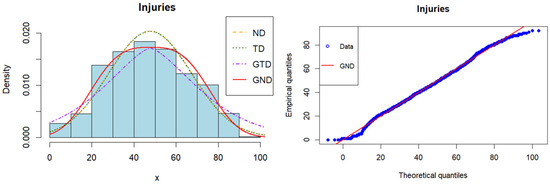
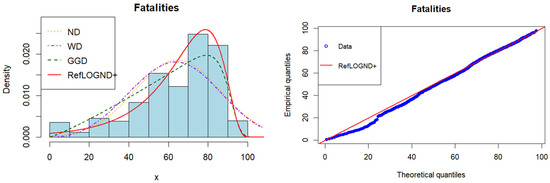
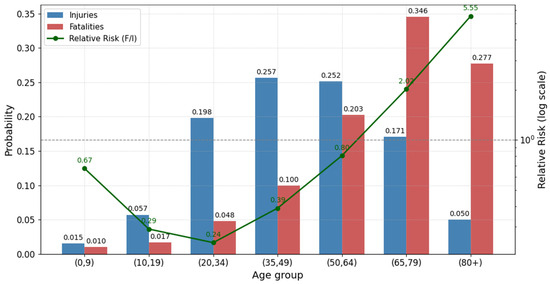
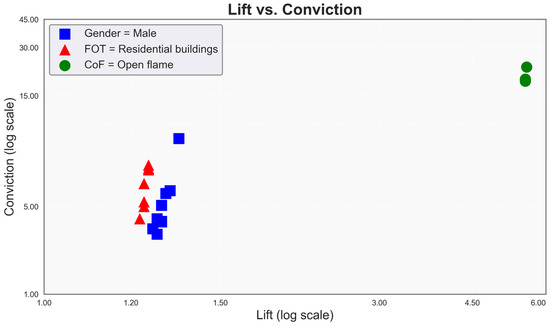
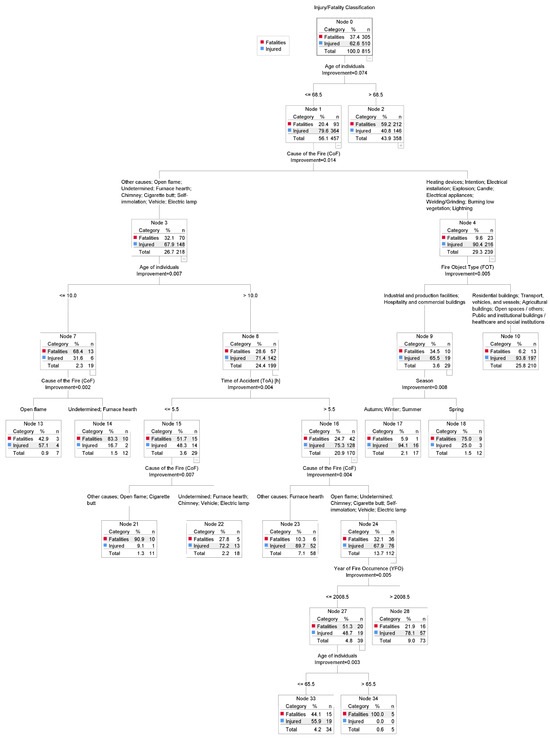
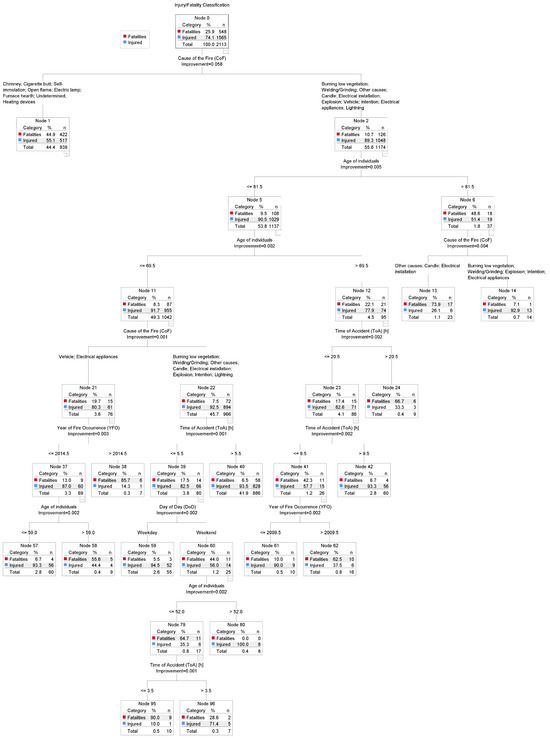
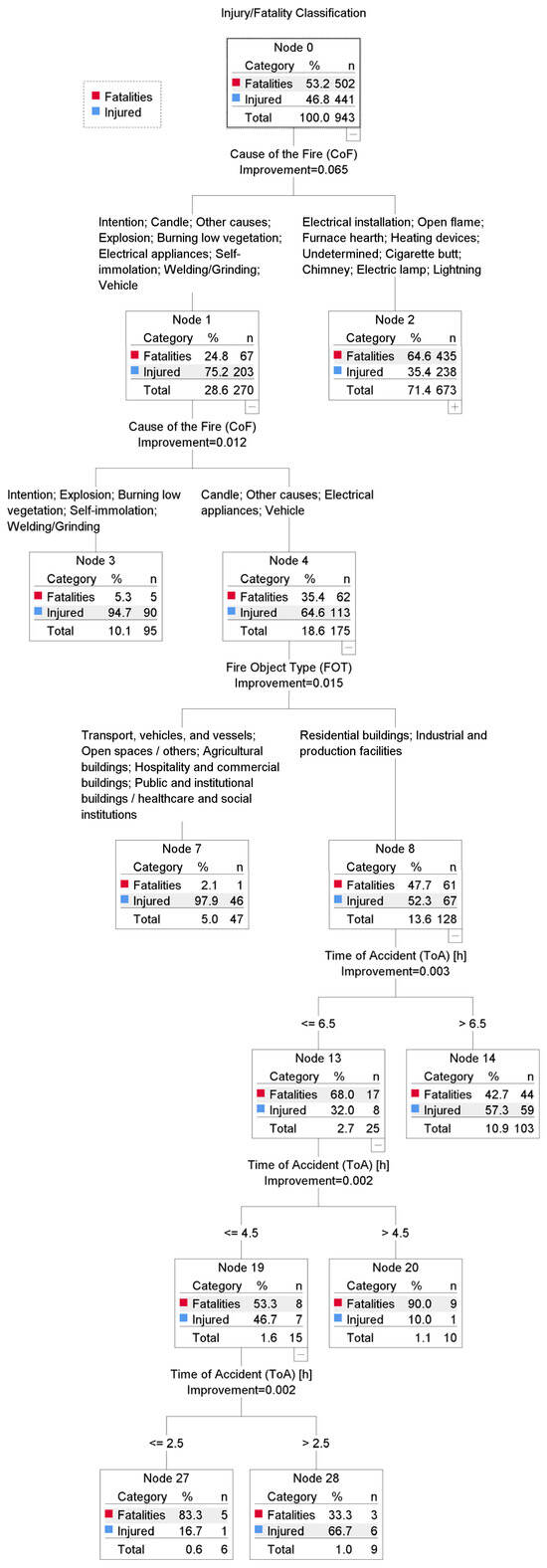
This manuscript is a continuation of the research published in Fire 2025, 8(8), 302, i.e., it deals with the examination of the cause-and-effect relationships of fires in the Republic of Serbia from the aspect of human safety. Among others, variables related to gender, age, and severity of injuries caused by fires are introduced, on which various methods of statistical analysis and stochastic modeling are first applied. Continuous age variables are modelled using the flexible Generalized Additive Models for Location, Scale, and Shape (GAMLSS) framework, where the Generalized Normal Distribution (GND) is identified as the optimal generative model for injuries, while a Reflected Log-Normal Distribution with positive support (RefLOGND+) provides the best fit for fatalities. The quality of such modeling is formally verified, and the probabilities of injury and death of individuals in certain age categories are predicted, revealing a pronounced concentration of injuries in the working-age population and a markedly higher relative risk of fatal outcomes among elderly individuals. Thereafter, by applying certain Data Mining (DM) techniques, primarily the Apriori algorithm, the most frequently occurring association rules are found, which indicate typical patterns and demographic structure of injuries and deaths in fires in Serbia. Finally, using the CART (Classification and Regression Trees) algorithm, several decision trees are formed that describe the impact and relationship of different causes of fires on injury and death in fires. In this way, some important and frequent patterns are observed that indicate key fire risk factors that significantly affect the demographic structure of human casualties. The results thus obtained provide a basis for developing targeted strategies for fire prevention and improving emergency response planning.
Full article
(This article belongs to the Special Issue Fire Safety and Sustainability)
►▼
Show Figures

Figure 1
Open AccessArticle
Knowledge Domain Mapping in Powder Coating Explosion Research: A Visualization and Analysis Study
by
Zhixu Chen, Nan Liu, Chang Guo, Xiaoyu Liang and Chuanjie Zhu
Fire 2026, 9(4), 145; https://doi.org/10.3390/fire9040145 - 31 Mar 2026
Abstract
Powder coatings, as a widely used green surface treatment material, face significant combustion and explosion risks due to the simultaneous presence of high-concentration combustible dust clouds and electrostatic ignition sources in their application environments. With the advancement of new materials and emerging industrial
[...] Read more.
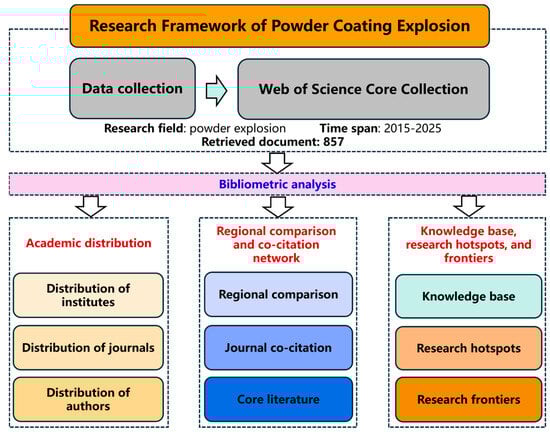
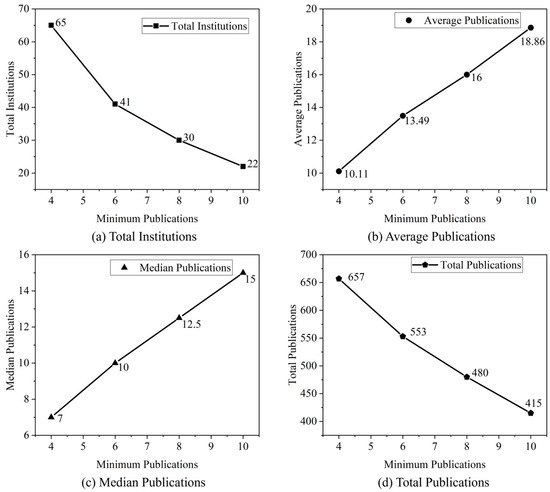
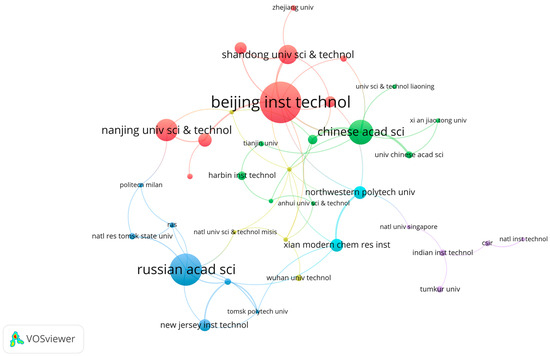
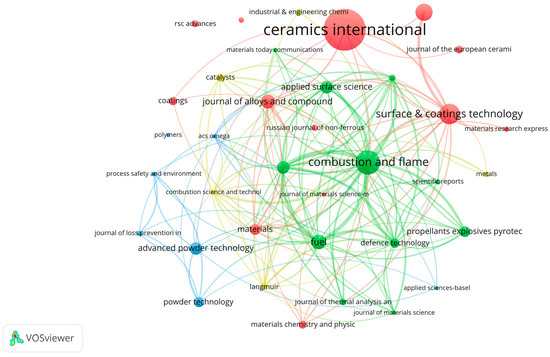
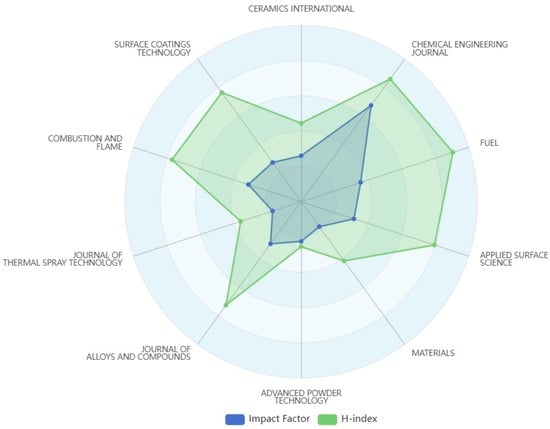
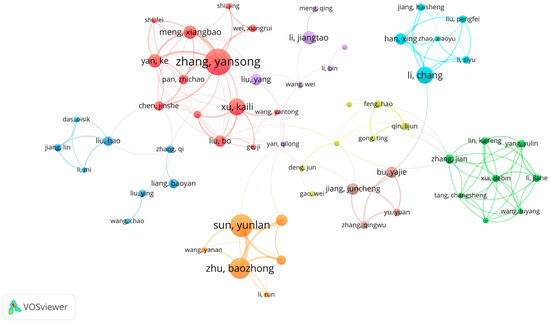
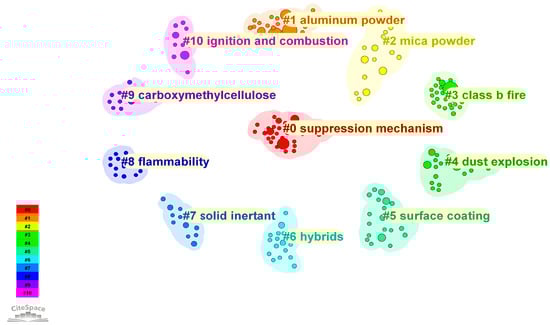
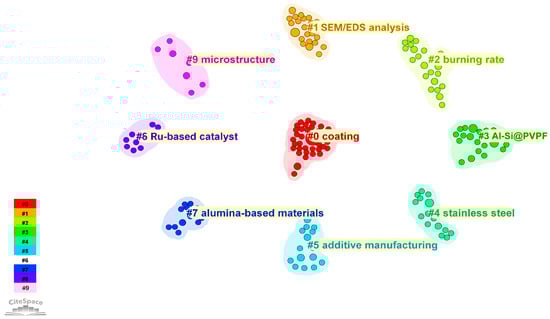
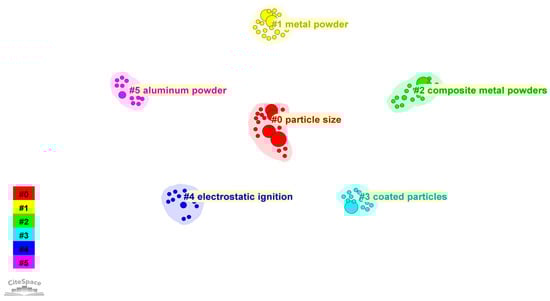
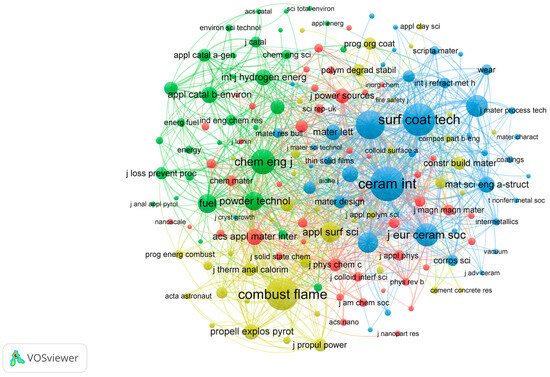
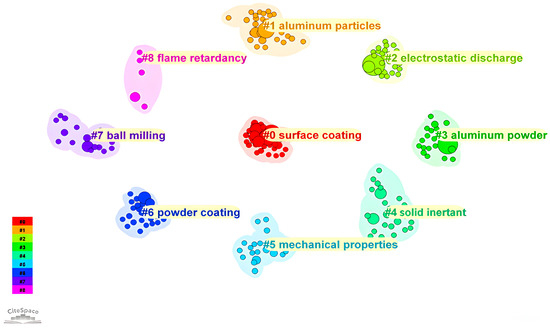
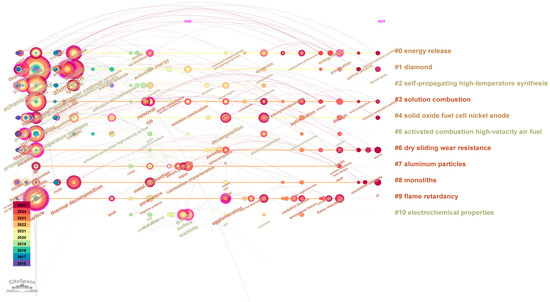
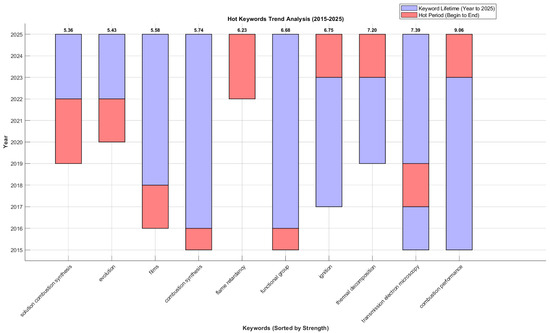
Powder coatings, as a widely used green surface treatment material, face significant combustion and explosion risks due to the simultaneous presence of high-concentration combustible dust clouds and electrostatic ignition sources in their application environments. With the advancement of new materials and emerging industrial sectors, research on powder coating explosions has become increasingly interdisciplinary, resulting in a somewhat fragmented knowledge base. To systematically reveal the knowledge structure, research hotspots, and development trends in this field, this study employs bibliometric methods based on 857 relevant publications retrieved from the Web of Science (WOS) Core Collection database between 2015 and September 2025. Using VOSviewer (Version 1.6.20) and CiteSpace (Version 6.4), the analysis examines institutional collaboration, journal distribution, author collaboration patterns, regional differences, co-citation relationships, knowledge foundations, and research frontiers. The results indicate that powder coating explosion research has gradually developed an integrated knowledge system centered on materials science, chemical engineering, and combustion science. Institutions from China, Russia, and India represent some of the most productive contributors in this field. Current research hotspots focus on the explosion mechanisms of powder coatings, explosion-proof materials, risk assessment, numerical simulation, and protective measures for emerging industrial applications. Future trends are expected to focus increasingly on intelligent explosion suppression systems, multi-scale coupling mechanisms, and international collaborative governance. This study provides a comprehensive knowledge map to support scientific planning and safety strategy development in powder coating explosion research.
Full article
(This article belongs to the Special Issue Fire Suppression and Explosion Mitigation: Innovations in Materials and Mechanisms)
►▼
Show Figures

Figure 1
Open AccessArticle
Overwintering Peat Fires in Russia’s Boreal Forests: Persistence, Detection, and Suppression
by
Grigory Kuksin, Ilia Sekerin, Linda See and Dmitry Schepaschenko
Fire 2026, 9(4), 144; https://doi.org/10.3390/fire9040144 - 28 Mar 2026
Abstract
Overwintering peat fires are increasingly reported in the boreal regions, where they persist underground through winter and reignite in spring, intensifying greenhouse gas emissions and landscape degradation. This study investigates the conditions that enable peat fires to survive freezing and snow cover, and
[...] Read more.
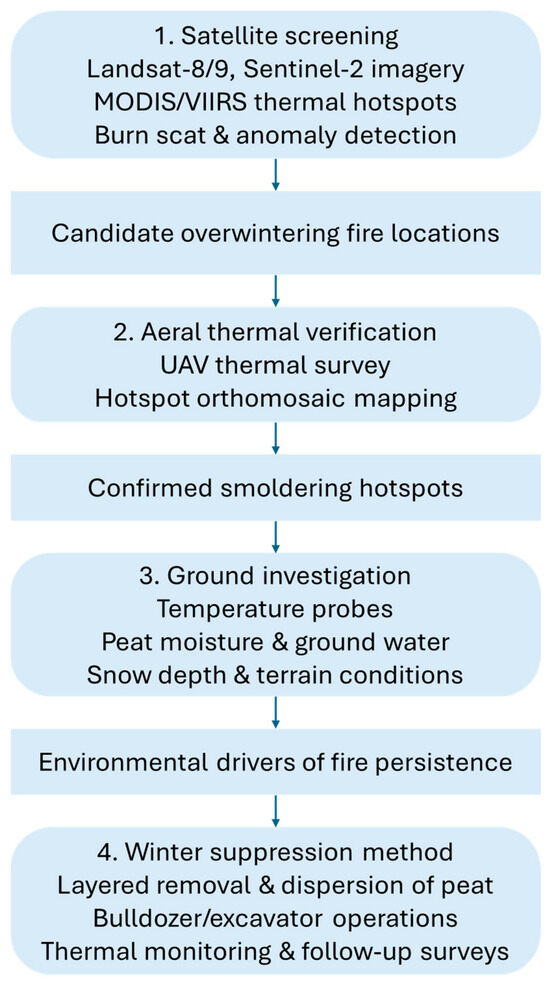
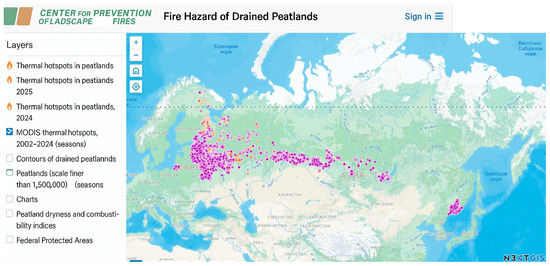
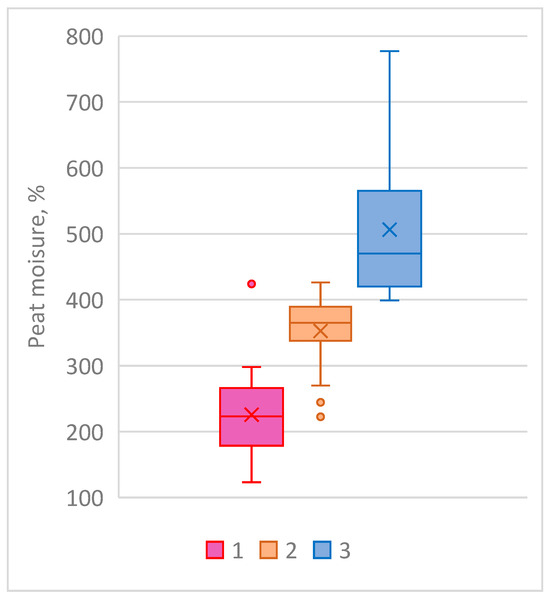
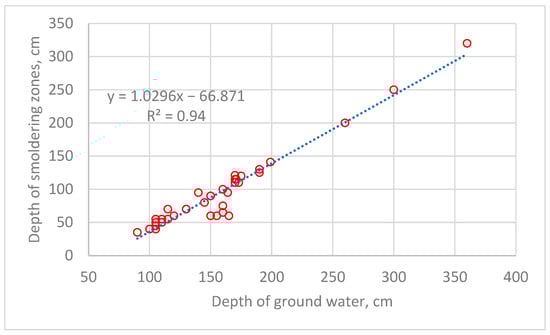
Overwintering peat fires are increasingly reported in the boreal regions, where they persist underground through winter and reignite in spring, intensifying greenhouse gas emissions and landscape degradation. This study investigates the conditions that enable peat fires to survive freezing and snow cover, and presents practical methods for their winter detection and suppression. We combined satellite data, UAV-based thermal imaging, time-lapse photography, and ground measurements of temperature, groundwater depth, and peat moisture to identify active overwintering hotspots. Our results show that these fires persist primarily where groundwater levels remain below 60 cm, particularly under tree roots, compacted soil, or elevated terrain that limits moisture recharge. UAV thermal imaging proved the most reliable detection tool, identifying 98% of hotspots. We developed and successfully applied a winter extinguishing method that involves mechanical disruption and dispersion of smoldering peat over frozen ground, allowing rapid cooling without re-ignition. These findings clarify the mechanisms sustaining overwintering fires and provide an effective approach for their mitigation, contributing to reduced emissions and improved management of boreal peatlands vulnerable to climate change.
Full article
(This article belongs to the Section Fire Research at the Science–Policy–Practitioner Interface)
►▼
Show Figures

Figure 1
Open AccessArticle
Retrieval over Response: Large Language Model-Augmented Decision Strategies for Hierarchical Wildfire Risk Evaluation
by
Yuheng Cheng, Yuchen Lin, Yanwei Wu, Lida Huang, Tao Chen, Wenguo Weng and Xiaole Zhang
Fire 2026, 9(4), 143; https://doi.org/10.3390/fire9040143 - 26 Mar 2026
Abstract
The Analytic Hierarchy Process (AHP) is widely used in Multi-Criteria Decision Analysis (MCDA), yet its strong reliance on expert judgment constrains its scalability and may introduce variability in weighting outcomes, particularly in high-stakes applications such as wildfire risk assessment. In this study, we
[...] Read more.
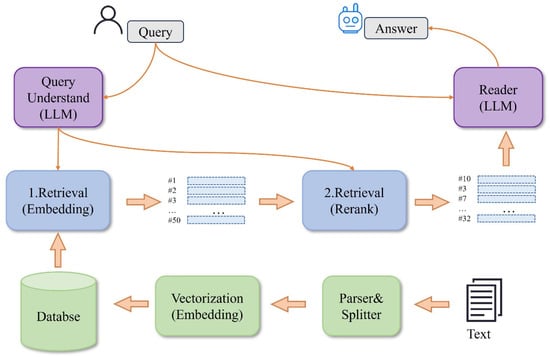
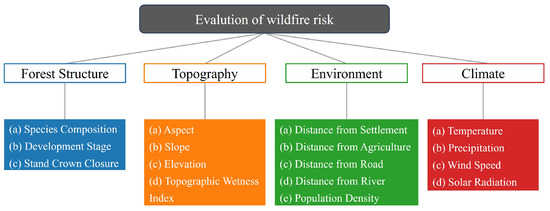
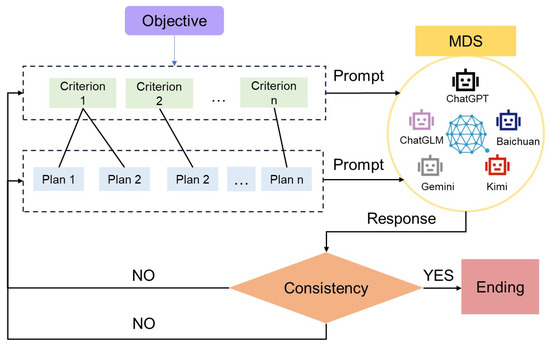
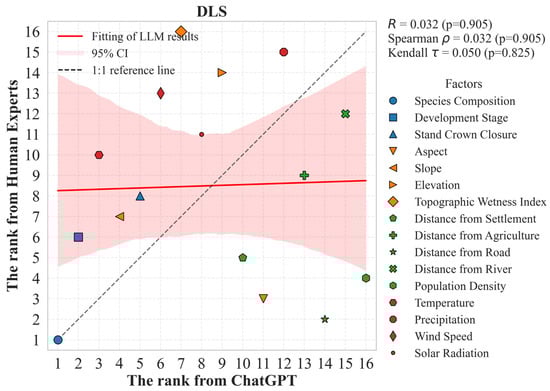
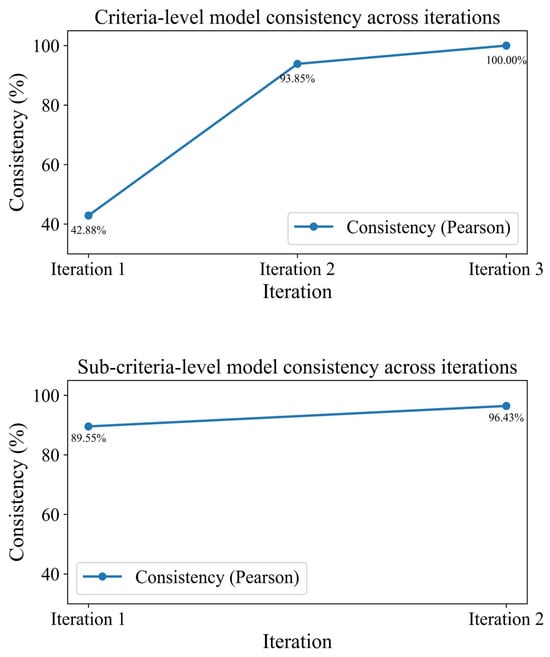
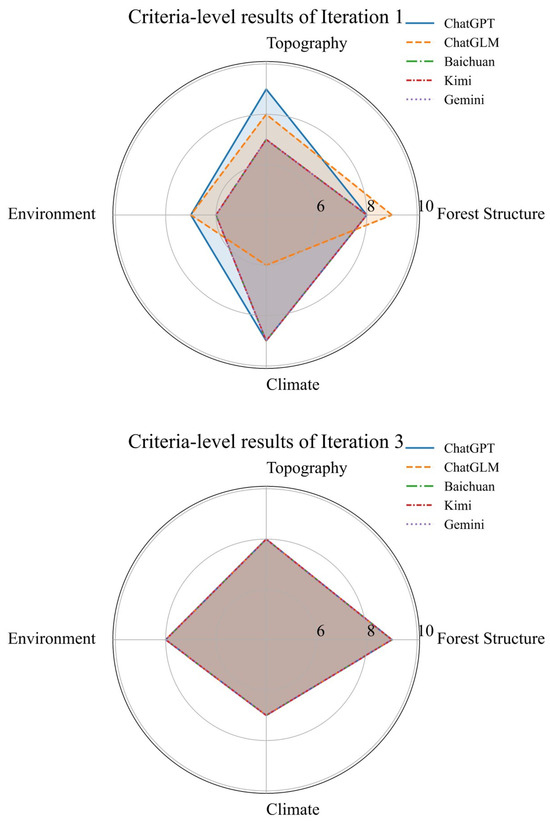
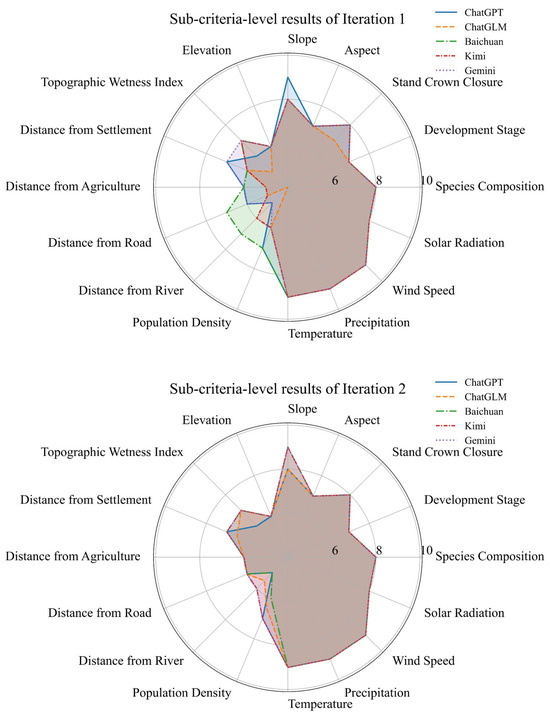
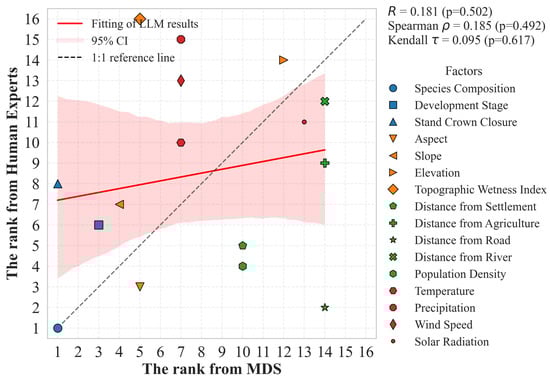
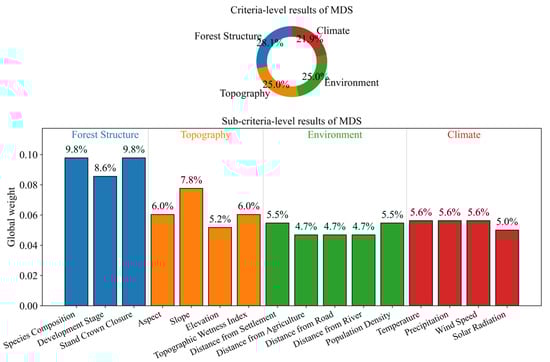
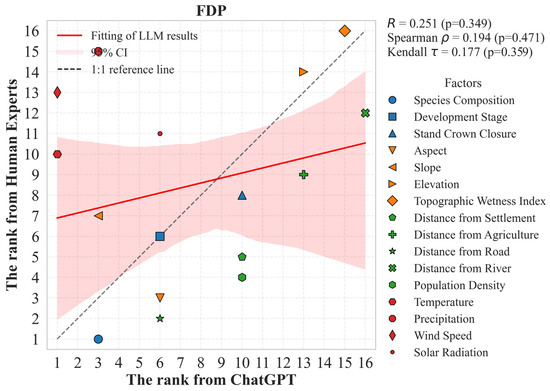
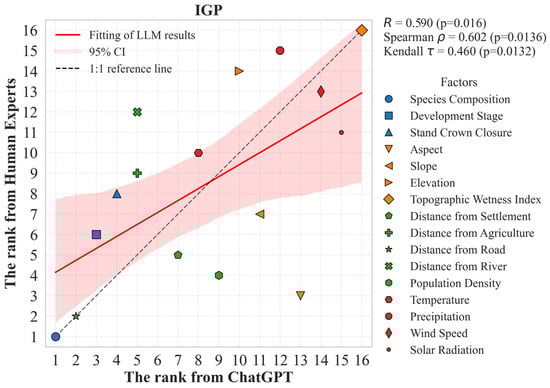
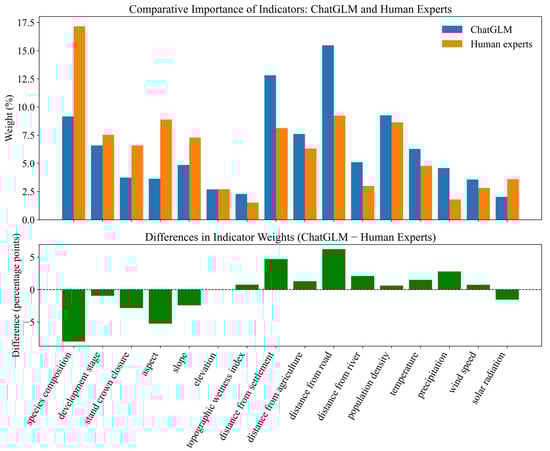
The Analytic Hierarchy Process (AHP) is widely used in Multi-Criteria Decision Analysis (MCDA), yet its strong reliance on expert judgment constrains its scalability and may introduce variability in weighting outcomes, particularly in high-stakes applications such as wildfire risk assessment. In this study, we investigate how Large Language Models (LLMs) can function as decision-support agents in an AHP-style hierarchical evaluation task derived from validated wildfire literature. Based on this structure, four representative LLM-assisted strategies are examined: Direct LLM Scoring (DLS), Multi-Model Debate Scoring (MDS), Full-Document Prompting (FDP), and Indicator-Guided Prompting (IGP). To evaluate their effectiveness, we benchmark LLM-generated rankings against expert-defined ground truth across 16 sub-criteria. Using the mean correlation coefficient R as the key evaluation metric, with reported values expressed as mean ± standard deviation across models: DLS shows no correlation with expert rankings (R = 0.009 ± 0.070), MDS yields marginal gains (R = 0.181), and FDP remains unstable (R = 0.081 ± 0.189). By contrast, IGP, which incorporates retrieval-informed structured prompting, shows the highest agreement with the expert reference among the four compared strategies (R = 0.598 ± 0.065), suggesting that structured contextual guidance may improve the performance of LLM-assisted weighting within the evaluated benchmark. This study suggests that, within the evaluated wildfire benchmark and the tested set of hosted LLMs, LLMs may serve as useful decision-support tools in MCDA tasks when guided by structured inputs or coordinated through multi-agent mechanisms. The proposed framework provides an interpretable basis for exploring LLM-assisted risk evaluation in the present wildfire benchmark, while further validation is needed before extending it to other environmental or safety-critical contexts.
Full article
(This article belongs to the Special Issue Fire Risk Management and Emergency Prevention)
►▼
Show Figures

Figure 1
Open AccessArticle
Performance of the Intumescent Coatings in Structural Fire via ANN-Based Predictive Models
by
Kin Ip Chu and Majid Aleyaasin
Fire 2026, 9(4), 142; https://doi.org/10.3390/fire9040142 - 25 Mar 2026
Abstract
In this paper, an Artificial Neural Network (ANN) is built to predict the performance of intumescent coatings subjected to the ISO 384 fire curve. The performance metric is called the Retention Loss Onset Time (RLOT) in the structural steel. The network receives the
[...] Read more.
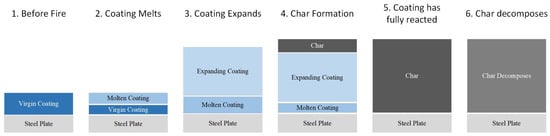
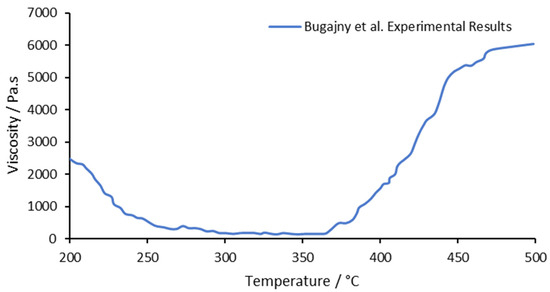
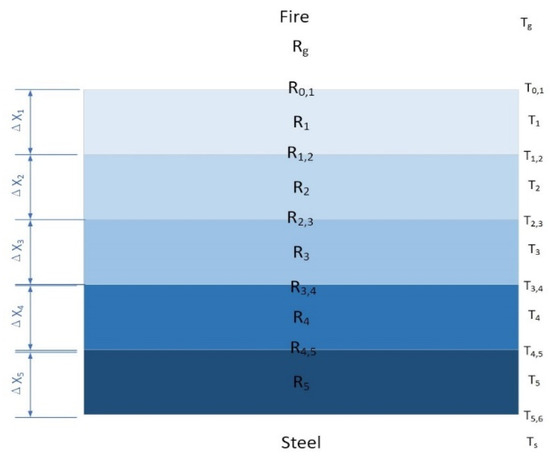
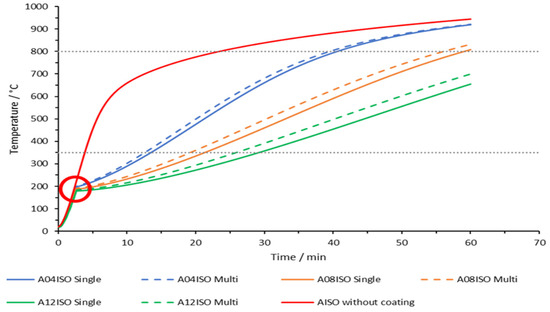
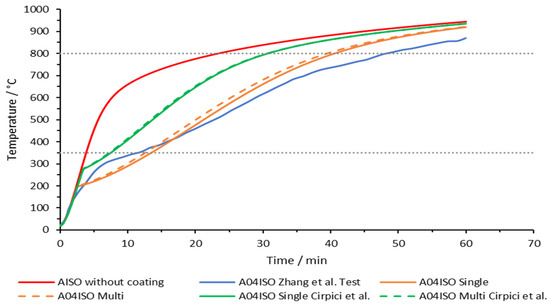
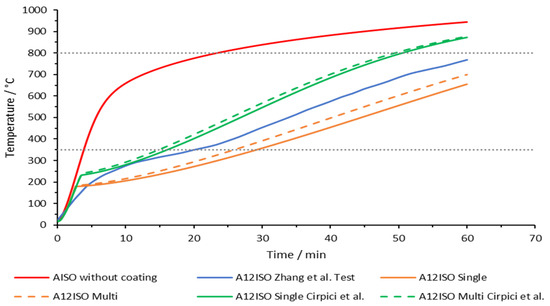
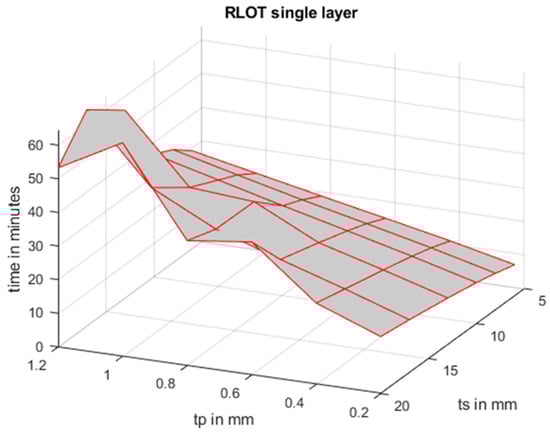
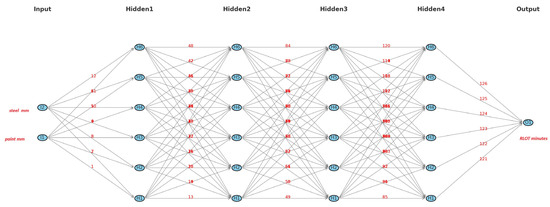
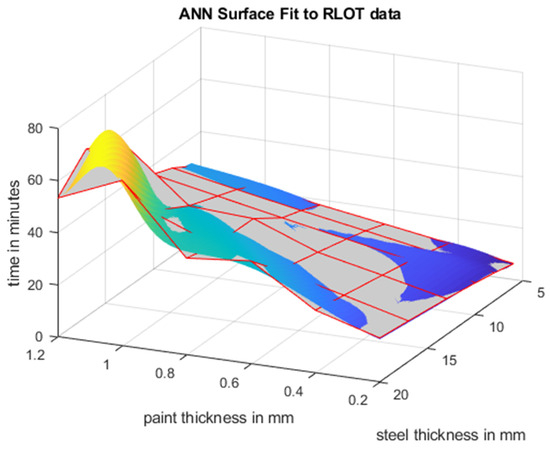
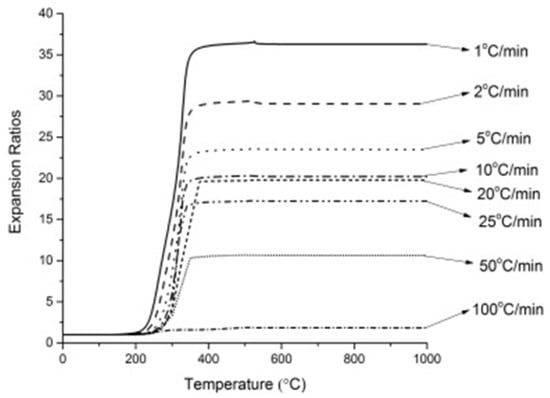
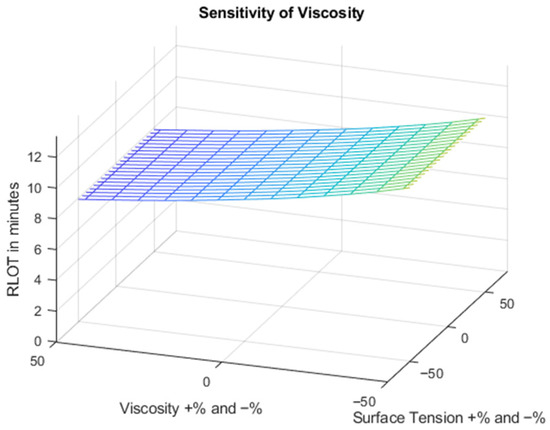
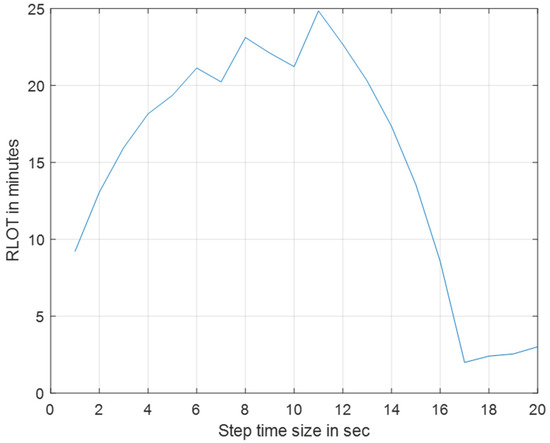
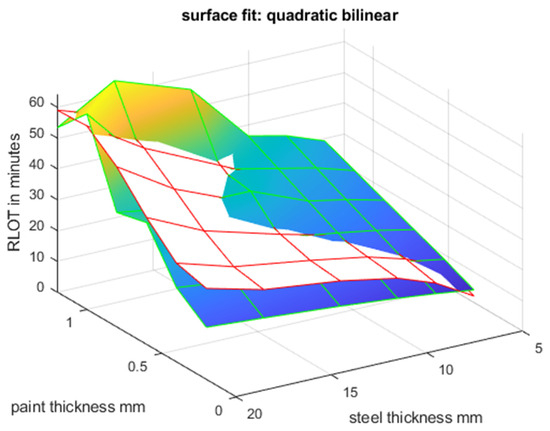
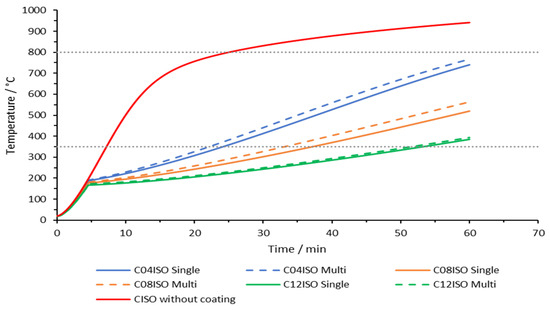
In this paper, an Artificial Neural Network (ANN) is built to predict the performance of intumescent coatings subjected to the ISO 384 fire curve. The performance metric is called the Retention Loss Onset Time (RLOT) in the structural steel. The network receives the steel and coating thicknesses as input and provides RLOT as the performance of any intumescent coating in a fire accident with substantial accuracy. The required data for obtaining the model is provided by revisiting the recent attempts in this field, which include hybrid numerical and experimental methods. It is found that the trapped gas fraction parameter and empirical expansion ratio substantially affect the accuracy of predictive modelling. Therefore, a new, comprehensive dynamic model that numerically simulates the bubble expansion process has been developed. This novel method directly determines the expansion ratio of the thermal conductivity model. The Eurocode is then used with multi-layer models to predict the steel temperature profile for a 1 h duration ISO fire. The accuracy is improved by modelling the temperatures and thermal resistances at the centre of each divided layer. The effects of different coatings and steel thicknesses are also investigated to provide the required data. The results are verified and validated by comparing them with the recent numerical and empirical results available in the literature.
Full article
(This article belongs to the Section Mathematical Modelling and Numerical Simulation of Combustion and Fire)
►▼
Show Figures

Figure 1
Open AccessArticle
Evaluation of Ground-Based Smoke Sensors for Wildfire Detection and Monitoring in Canada
by
Dan K. Thompson, Giovanni Fusina and Patrick Jackson
Fire 2026, 9(4), 141; https://doi.org/10.3390/fire9040141 - 25 Mar 2026
Abstract
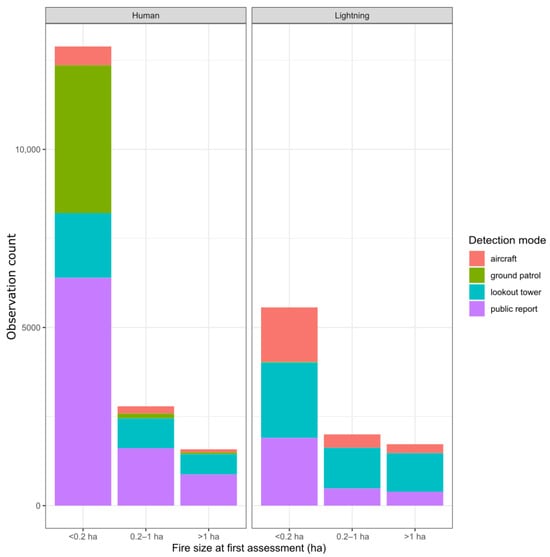
In Canada, early fire detection is an important component of wildfire management, and it utilizes a combined effort approach including public reports, aviation patrols, and satellite observations. The role of ground-based continuous smoke sensors has not been formally assessed in Canadian wildfire management
[...] Read more.
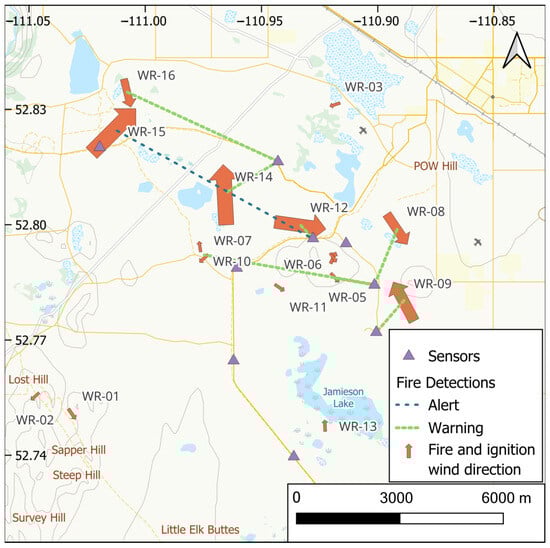
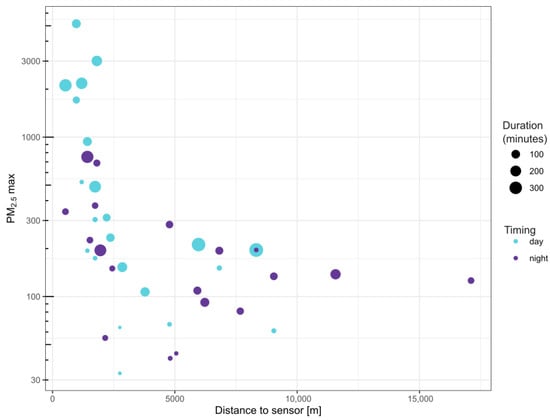
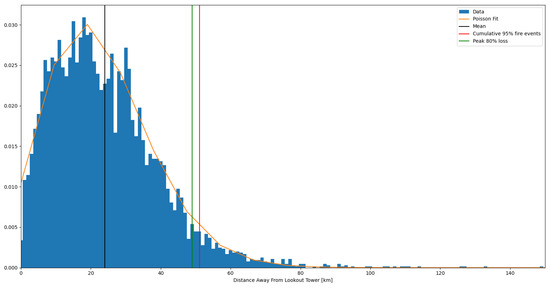
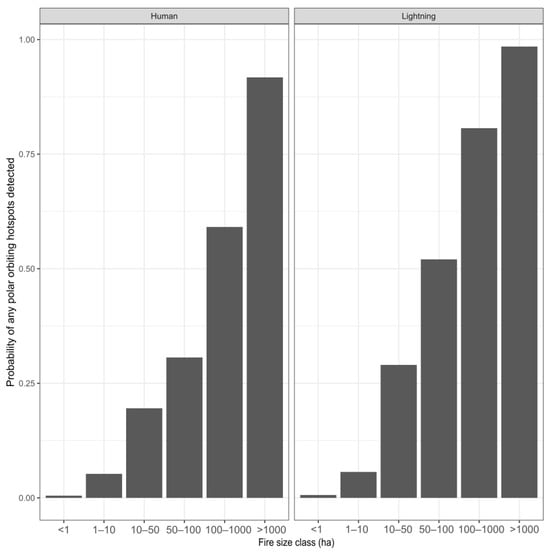
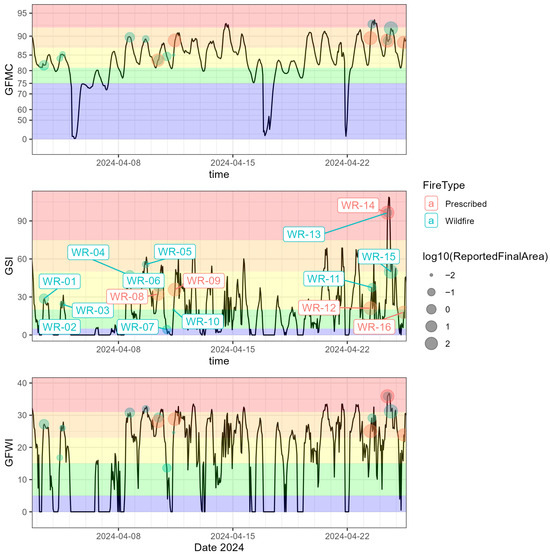
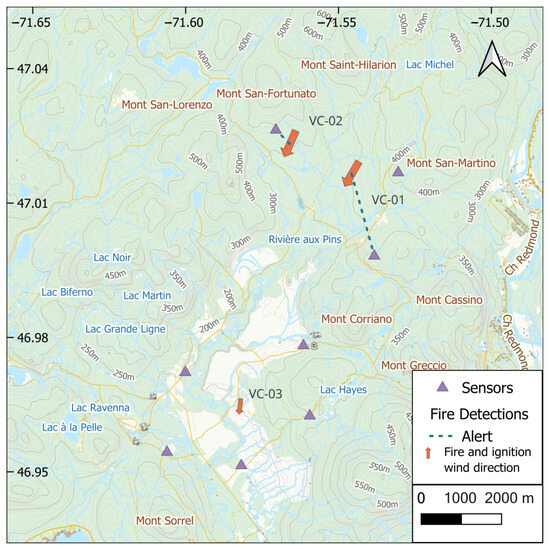
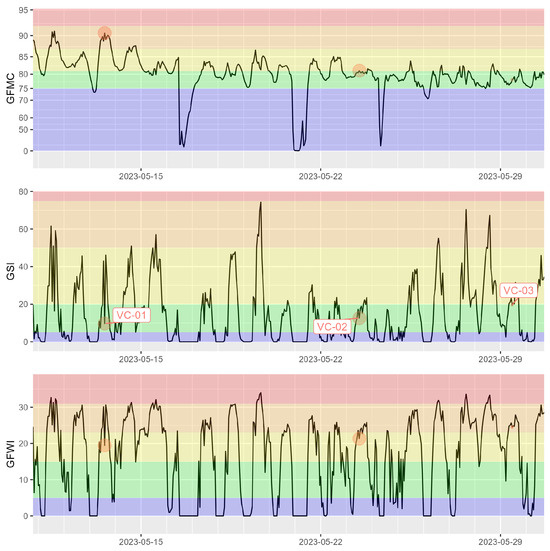
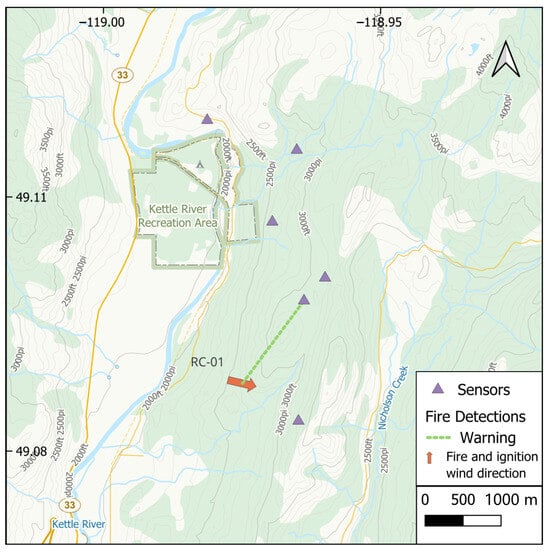
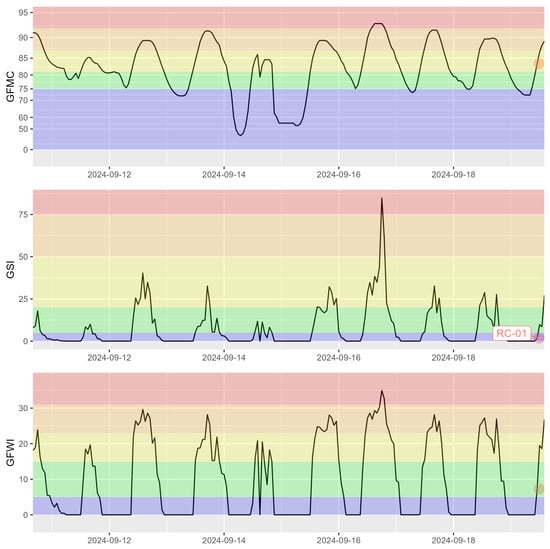
In Canada, early fire detection is an important component of wildfire management, and it utilizes a combined effort approach including public reports, aviation patrols, and satellite observations. The role of ground-based continuous smoke sensors has not been formally assessed in Canadian wildfire management detection systems. Dense networks of ground-based, internet-enabled continuous smoke sensors were deployed at three locations across southern Canada during 2023 and 2024, in concert with planned prescribed fire in grass fuels as well as incidental wildfire ignitions. Smoke sensor detection of fires was compared to polar orbiting and geostationary fire detection. Large fire events (50–600 ha) with a ground smoke detector distance of 1–2 km were observed on most occasions (n = 7), but the detection rate dropped to 30% for fires 1 ha or smaller. Follow-up smoke monitoring after the initial detection offered valuable information on smoke production and dispersion across multiple sensors. This typically nighttime smoldering smoke production fell below the threshold for geostationary satellite fire observation and is otherwise only captured sparingly by polar orbiting satellites. Thus, ground-based smoke detection systems likely fit an important niche for monitoring low-energy (i.e., smoldering) smoke events from fully contained fires or to monitor fires considered recently extinguished.
Full article
(This article belongs to the Special Issue Advanced Approaches to Wildfire Detection, Monitoring and Surveillance—2nd Edition)
►▼
Show Figures

Figure 1
Open AccessArticle
Fine-Scale Mapping of the Wildland–Urban Interface and Seasonal Wildfire Susceptibility Analysis in the High-Altitude Mountainous Areas of Southwestern China
by
Shenghao Li, Mingshan Wu, Jiangxia Ye, Xun Zhao, Sophia Xiaoxia Duan, Mengting Xue, Wenlong Yang, Zhichao Huang, Bingjie Han, Shuai He and Fangrong Zhou
Fire 2026, 9(4), 140; https://doi.org/10.3390/fire9040140 - 25 Mar 2026
Abstract
Wildfires at the wildland–urban interface (WUI) have increased in frequency and severity under global warming and intensified human activities. As a representative high-altitude mountainous region in southwestern China, Yunnan features complex topography, steep climatic gradients, and dispersed settlements interwoven with wildlands, making it
[...] Read more.
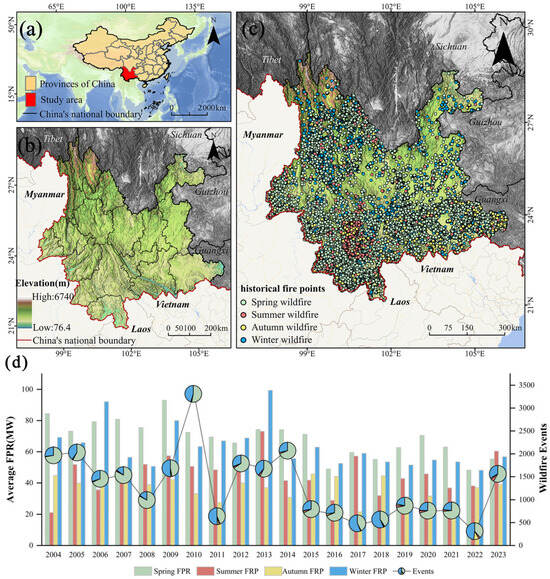
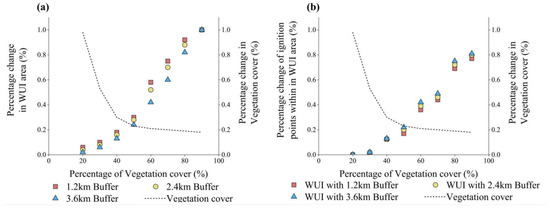
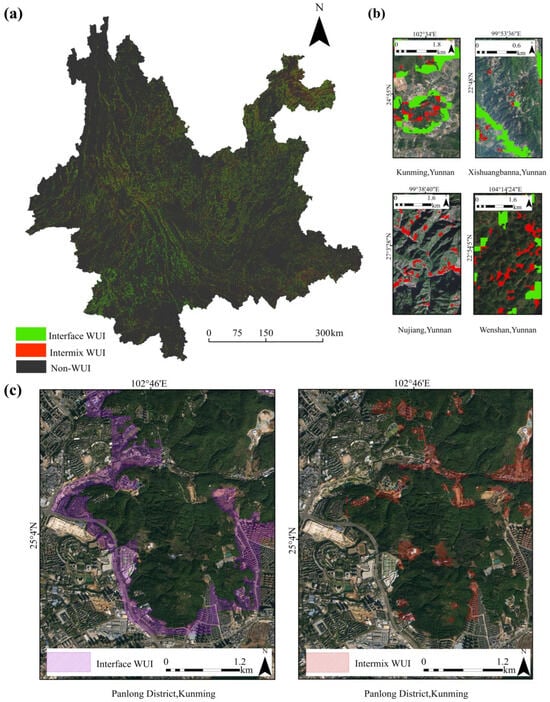
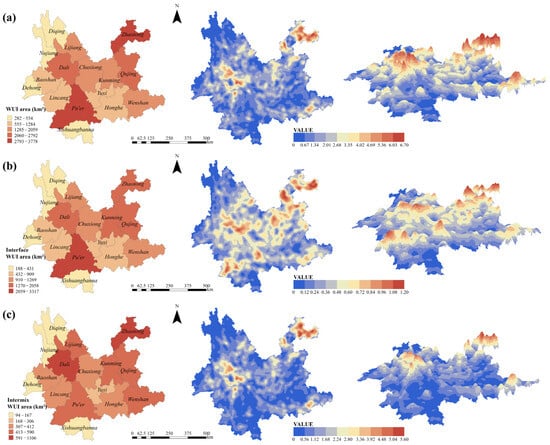
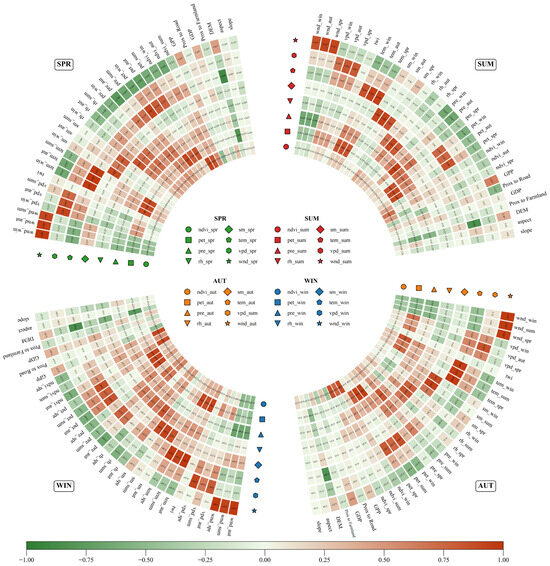
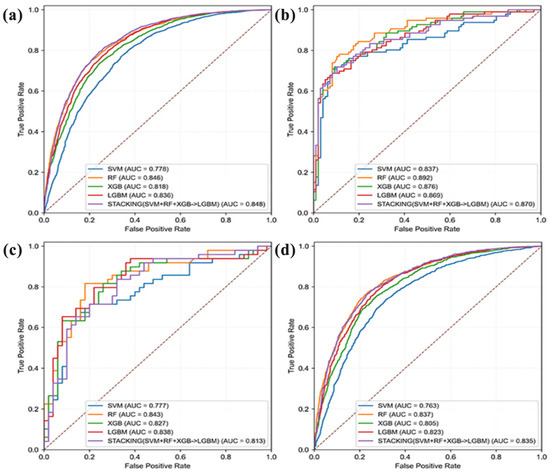
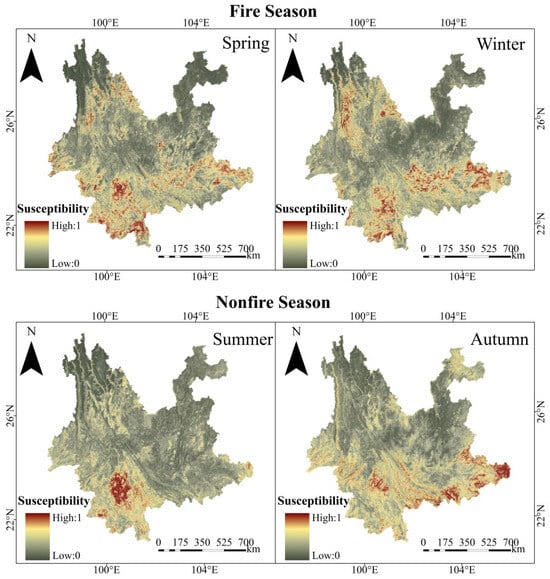
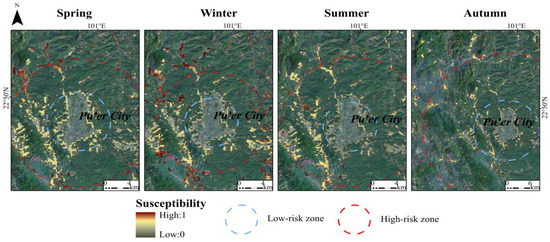
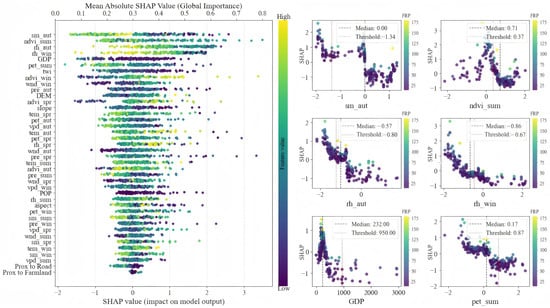
Wildfires at the wildland–urban interface (WUI) have increased in frequency and severity under global warming and intensified human activities. As a representative high-altitude mountainous region in southwestern China, Yunnan features complex topography, steep climatic gradients, and dispersed settlements interwoven with wildlands, making it a fire-prone area where wildfire management is particularly challenging. However, a fine-scale WUI dataset is currently lacking for this region. To address this gap, we refined WUI classification thresholds using a one-factor-at-a-time (OFAT) method and generated the first fine-resolution WUI map of Yunnan. Seasonal wildfire driving factors from 2004 to 2023 were quantified, and machine learning models were applied to produce seasonal susceptibility maps. SHapley Additive exPlanations (SHAP) were employed to interpret the dominant contributing factors. The resulting WUI covers 25,730.67 km2, accounting for 6.5% of Yunnan’s land area. Random forest models effectively captured seasonal wildfire susceptibility patterns, with AUC values exceeding 0.83 across all seasons. High susceptibility zones (>0.5) comprised 30.09% of the WUI in spring, 25.74% in winter, 22.61% in autumn, and 13.74% in summer. SHAP analysis revealed that anthropogenic factors consistently drive wildfire occurrence, while climatic conditions in the preceding season influence vegetation status and subsequently affect wildfire likelihood in the current season. By integrating static “where” mapping with dynamic “when” susceptibility analysis, this study establishes a comprehensive “When–Where” framework that supports both long-term WUI planning and short-term seasonal early warning. The integration of fine scale WUI mapping with seasonal susceptibility modeling enhances wildfire risk management in complex high-altitude regions. These findings provide a scientific basis for location-specific, time-sensitive, and full-chain wildfire management in mountainous landscapes and contribute to cross-border ecological security governance in the Indo-China Peninsula.
Full article
(This article belongs to the Special Issue Combustion and Fire Safety of Wood: From Built Environments to Forests)
►▼
Show Figures

Figure 1
Open AccessArticle
Research on Forest Fire Detection and Segmentation Based on MST++ Hyperspectral Reconstruction Technology
by
Shuai Tang, Jie Xu and Li Zhang
Fire 2026, 9(4), 139; https://doi.org/10.3390/fire9040139 - 25 Mar 2026
Abstract
The increasing frequency of global forest fires necessitates rapid and accurate detection methods. This study proposes a forest fire detection and segmentation framework based on the MST++ hyperspectral reconstruction model to improve the accuracy and robustness of wildfire monitoring under complex environmental conditions.
[...] Read more.
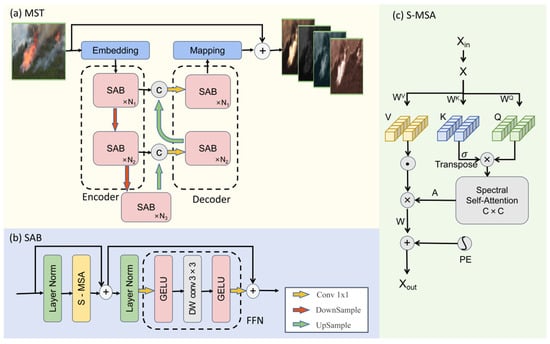
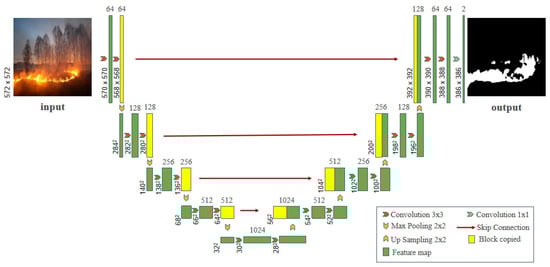
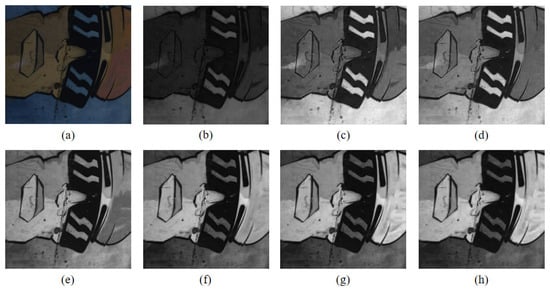
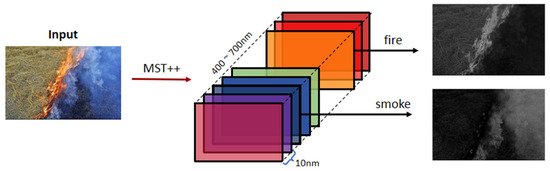
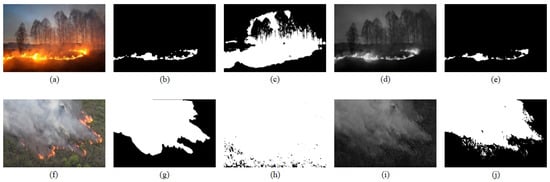
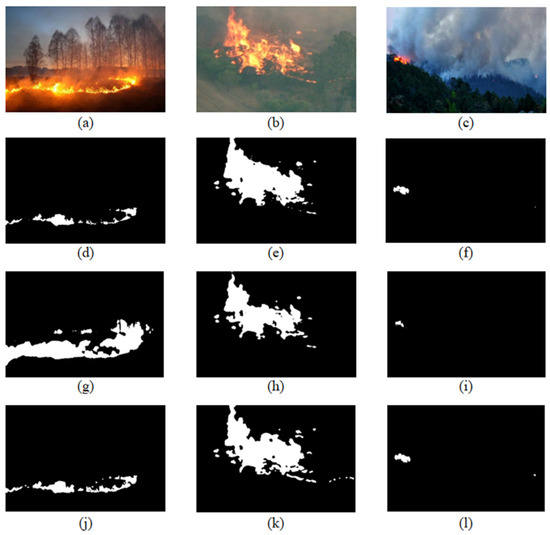
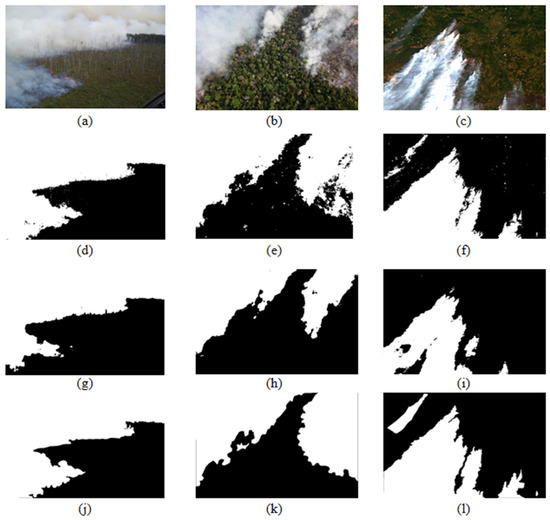
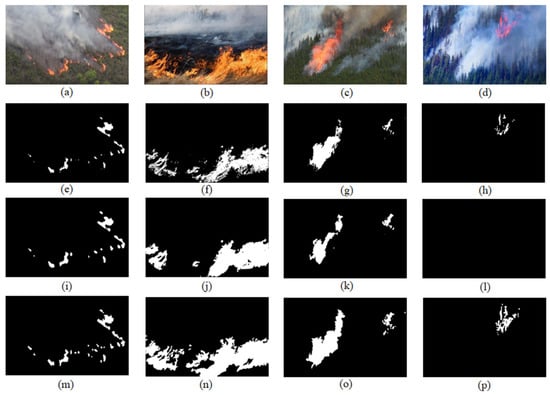
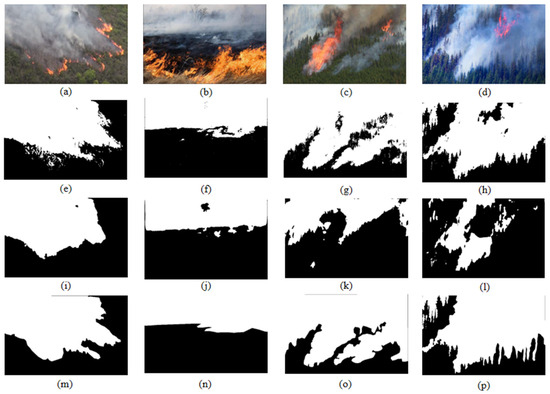
The increasing frequency of global forest fires necessitates rapid and accurate detection methods. This study proposes a forest fire detection and segmentation framework based on the MST++ hyperspectral reconstruction model to improve the accuracy and robustness of wildfire monitoring under complex environmental conditions. The proposed method first reconstructs hyperspectral images from RGB inputs using an MST++ model trained on the NTIRE 2022 RGB-to-hyperspectral dataset (950 paired samples), followed by fire and smoke segmentation based on spectrally sensitive bands. For segmentation experiments, 118 flame images from the BoWFire dataset and 100 manually annotated smoke images from public datasets (D-Fire and DFS) were used. Quantitative results demonstrate that the proposed MST++-based method significantly outperforms the conventional U-Net baseline. In flame segmentation, MST++ achieved an IoU of 76.90%, an F1 score of 86.81%, and a Kappa coefficient of 0.8603, compared to 44.42%, 58.15%, and 0.5625 for U-Net, respectively. For smoke segmentation, MST++ achieved an IoU of 91.76% and an F1 score of 95.66%, surpassing U-Net by 17.08% and 10.32%, respectively. In fire–smoke overlapping scenarios, MST++ maintained strong robustness, achieving an IoU of 89.64% for smoke detection. These results indicate that hyperspectral reconstruction enhances discrimination capability among flame, smoke, and complex backgrounds, particularly under low-light and overlapping conditions. The proposed framework provides a reliable and efficient solution for early forest fire detection and demonstrates the potential of hyperspectral reconstruction approaches in disaster monitoring applications.
Full article
(This article belongs to the Special Issue Machine Learning (ML) and Deep Learning (DL) Applications in Wildfire Science: Principles, Progress and Prospects (2nd Edition))
►▼
Show Figures

Figure 1
Open AccessArticle
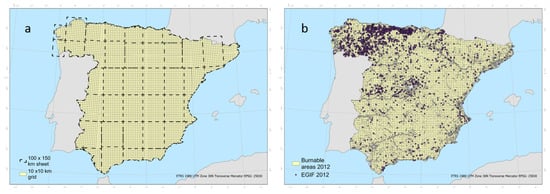
Inferring Wildfire Ignition Causes in Spain Using Machine Learning and Explainable AI
by
Clara Ochoa, Magí Franquesa, Marcos Rodrigues and Emilio Chuvieco
Fire 2026, 9(4), 138; https://doi.org/10.3390/fire9040138 - 24 Mar 2026
Abstract
A substantial proportion of wildfires in Mediterranean regions continue to be recorded without information about the cause or source of ignition, limiting our ability to understand ignition drivers and design effective prevention strategies. In this study, we develop a spatially harmonised wildfire database
[...] Read more.
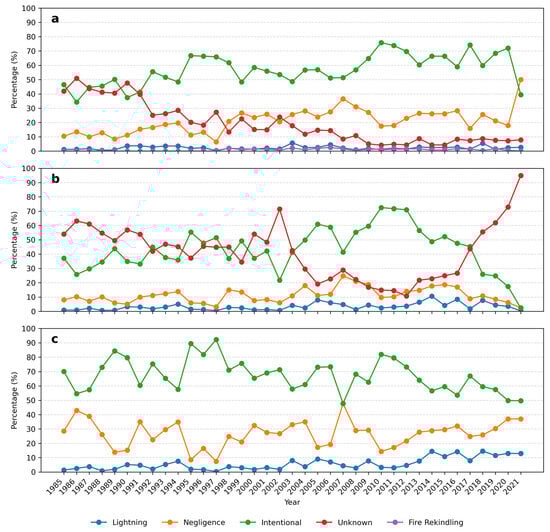
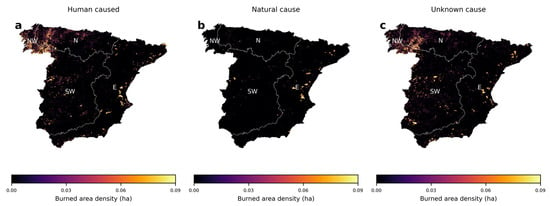
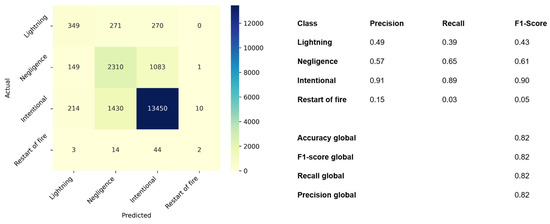
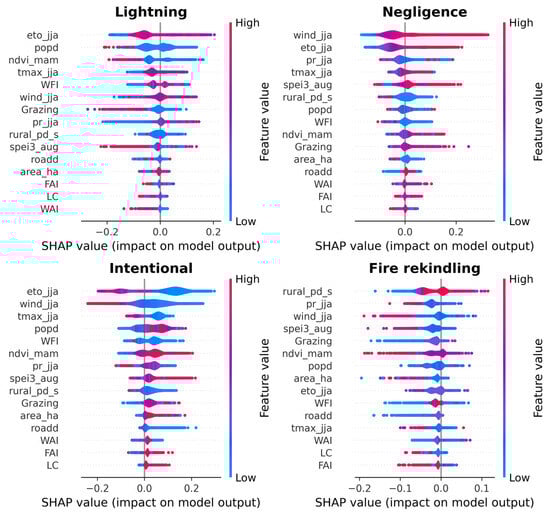
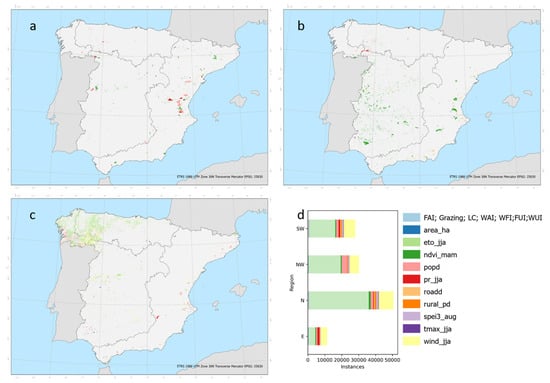
A substantial proportion of wildfires in Mediterranean regions continue to be recorded without information about the cause or source of ignition, limiting our ability to understand ignition drivers and design effective prevention strategies. In this study, we develop a spatially harmonised wildfire database for mainland Spain by integrating ignition records from the Spanish General Fire Statistics (EGIF) with fire perimeters generated from satellite images. We then apply a Random Forest classifier to infer ignition causes for events lacking cause attribution. To interpret model behaviour, we use Shapley Additive Explanation (SHAP) values at both global and local scales. Results indicate that human-caused ignitions are dominant, with intentional and negligence-related fires accounting for 52.13% of all known events, although they are associated with contrasting climatic and land-use settings. Negligence-related fires tend to occur under hot, dry and windy conditions, often in agricultural interfaces, whereas intentional fires are more frequent under cooler and wetter conditions and in areas with higher population density and land-use change. Lightning-caused fires represent a small fraction of total ignitions (3%) but exhibit a distinct climatic signature, occurring primarily in sparsely populated areas, under intermediate moisture conditions, and often leading to larger burned areas. Despite strong overall model performance (F1-score = 0.82), minority classes (e.g., lightning and fire rekindling, 0.17%) remain challenging to classify, reflecting both data imbalance and uncertainty in causal attribution. Overall, the combined use of machine learning and explainable AI provides a coherent spatial characterisation of wildfire ignition drivers across mainland Spain, highlights systematic differences among ignition causes, and identifies key limitations in existing fire cause records. This framework represents a practical step towards improving fire cause information by integrating remote sensing products with field-based fire reports, thereby supporting more targeted and evidence-based fire risk management.
Full article
(This article belongs to the Topic AI for Natural Disasters Detection, Prediction and Modeling)
►▼
Show Figures

Figure 1
Open AccessArticle
A Real-Time 2D Spatiotemporal Fire Spread Forecasting Artificial Intelligence Agent
by
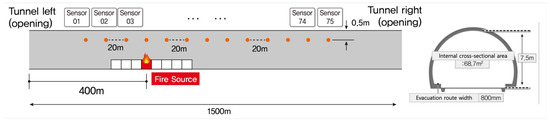
Yoonseok Kim, Stephen Cha, Jaehwan Oh, Deokhui Lee, Taesoon Kwon, Seokwoo Hong, Jonghoon Kim and Kyohyuk Lee
Fire 2026, 9(3), 137; https://doi.org/10.3390/fire9030137 - 23 Mar 2026
Abstract
During a tunnel fire, the foremost priority is the safe evacuation of passengers. Extreme temperatures and toxic combustion products can quickly lead to mass casualties, so evacuation support systems require fast forecasts of how hazardous conditions will evolve in space and time. This
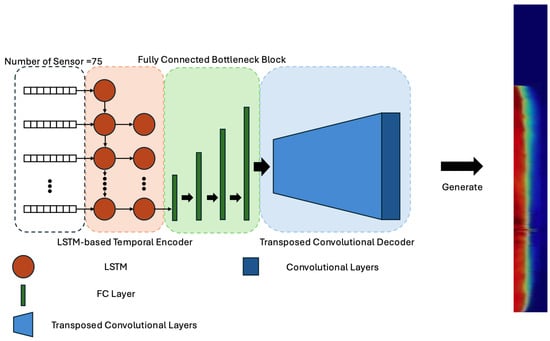
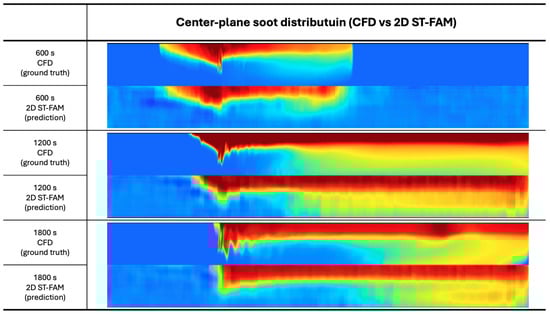
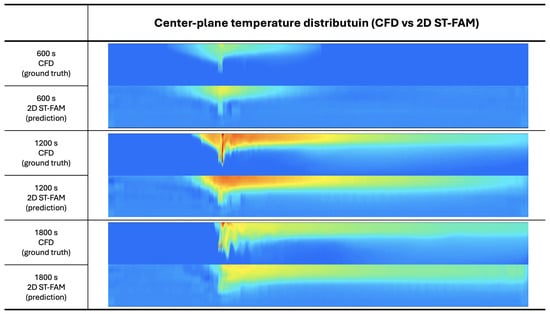
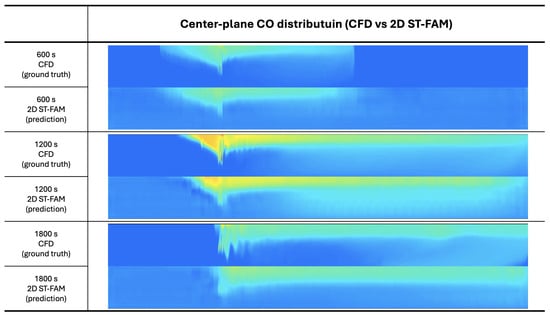
[...] Read more.
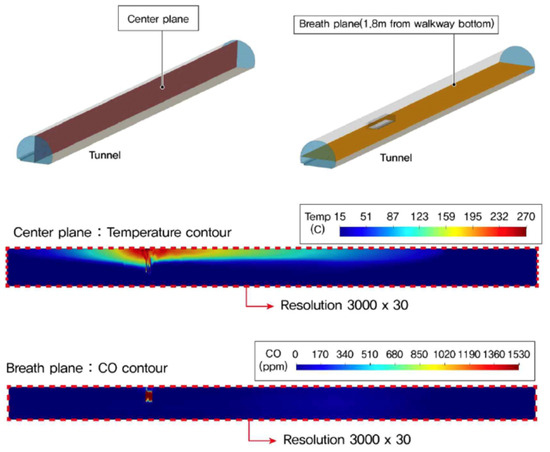
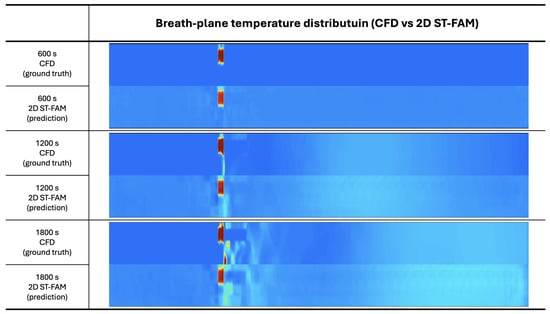
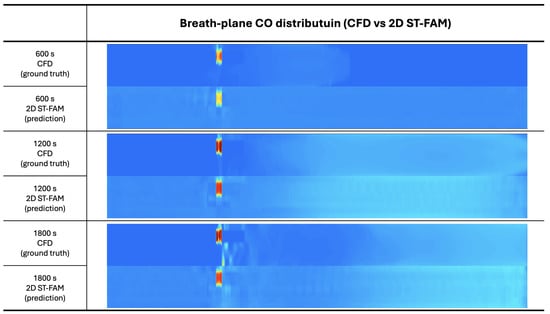
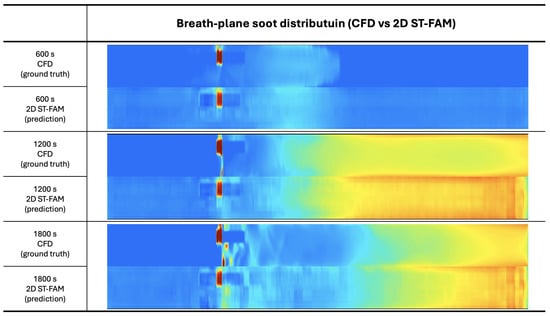
During a tunnel fire, the foremost priority is the safe evacuation of passengers. Extreme temperatures and toxic combustion products can quickly lead to mass casualties, so evacuation support systems require fast forecasts of how hazardous conditions will evolve in space and time. This study investigates whether sparse sensor measurements can be used to reconstruct future tunnel-wide fire conditions on two-dimensional sections that are directly relevant to structural assessment and human exposure. To this end, we develop 2D ST-FAM, a data-driven forecasting model that maps time-resolved measurements from 75 tunnel sensors to future temperature, soot, and carbon monoxide (CO) fields derived from 108 computational fluid dynamics (CFD) fire simulations. The study is organized around three questions: whether the model can accurately reconstruct future tunnel fields from sparse measurements, whether this performance is maintained on both the vertical center plane and the horizontal breathing plane, and which physical quantities remain most challenging to predict. Results show high structural agreement with the CFD reference fields over the full 1800 s prediction horizon, with average structural similarity index (SSIM) values of 0.964 for temperature, 0.984 for CO, and 0.937 for soot. These findings indicate that sparse-sensor forecasting is feasible for tunnel-scale temperature and toxic-gas field prediction, while soot prediction remains comparatively more difficult because of its sharper spatial structures.
Full article

(This article belongs to the Special Issue Artificial Intelligence in 3D Fire Modeling and Simulation)
►▼
Show Figures

Figure 1
Open AccessArticle
A Hybrid Digital CO2 Emission-Control Technology for Maritime Transport: Physics-Informed Adaptive Speed Optimization on Fixed Routes
by
Doru Coșofreț, Florin Postolache, Adrian Popa, Octavian Narcis Volintiru and Daniel Mărășescu
Fire 2026, 9(3), 136; https://doi.org/10.3390/fire9030136 - 23 Mar 2026
Abstract
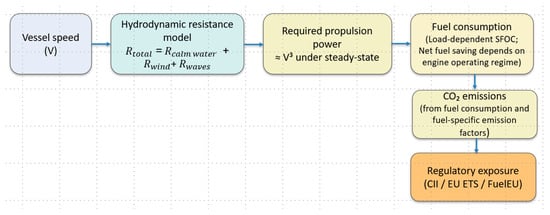
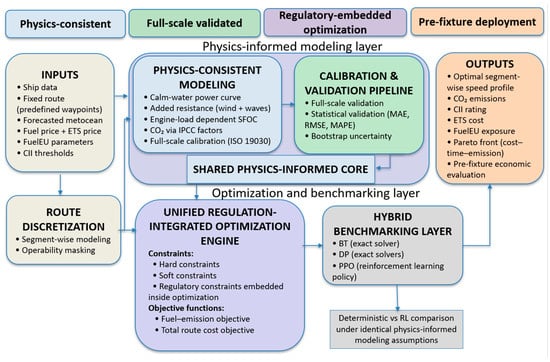
This paper proposes a physics-informed hybrid digital CO2 emission-control technology for maritime transport, designed for adaptive ship speed optimization along a predefined geographical route between two ports, discretized into quasi-stationary segments and evaluated under forecasted metocean conditions, subject to economic and regulatory
[...] Read more.
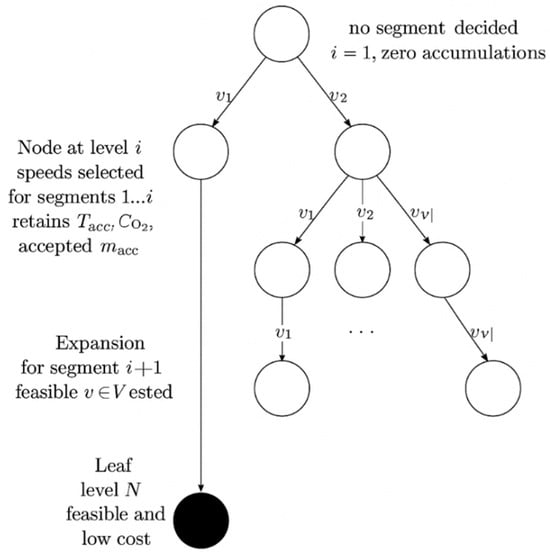
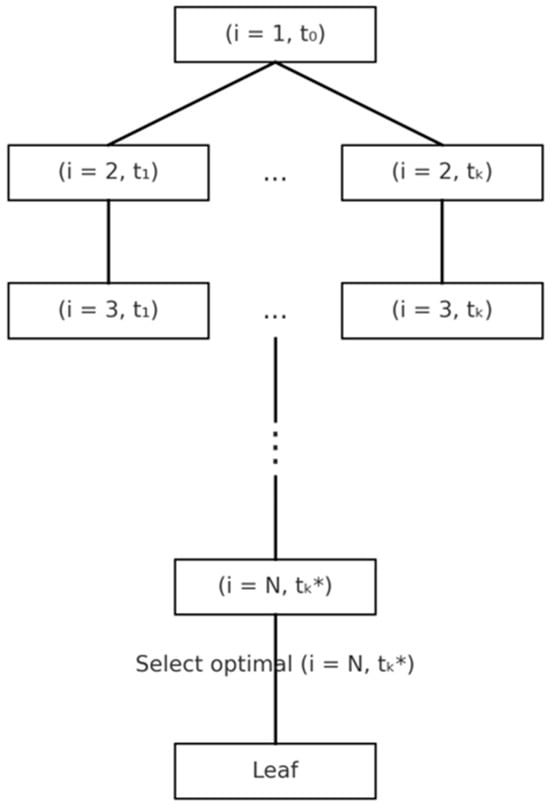
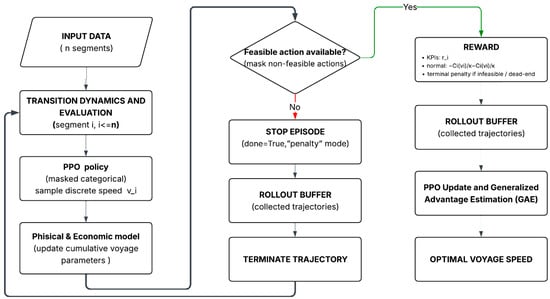
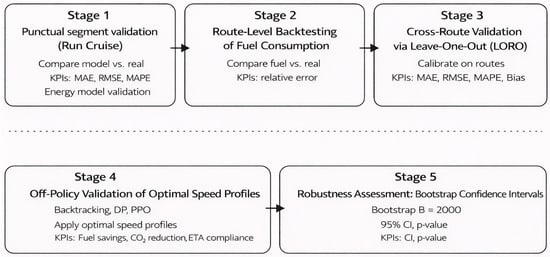
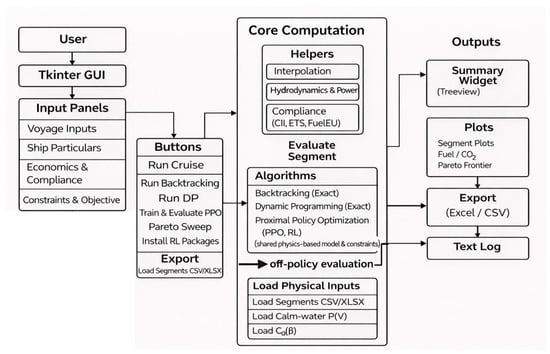
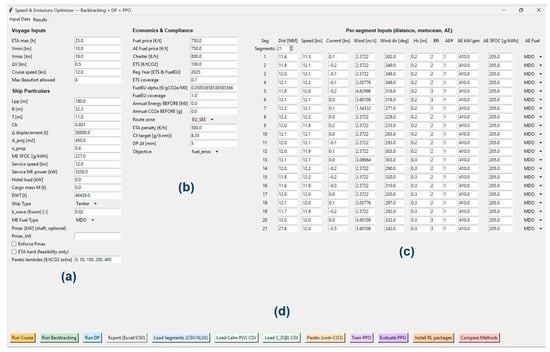
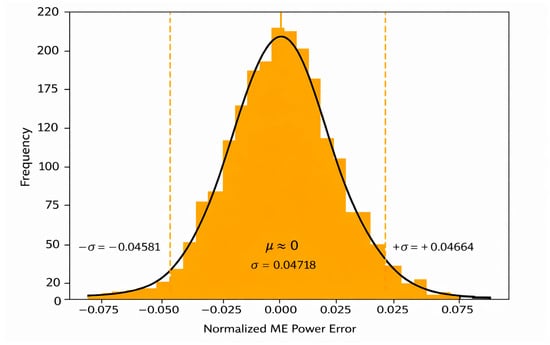
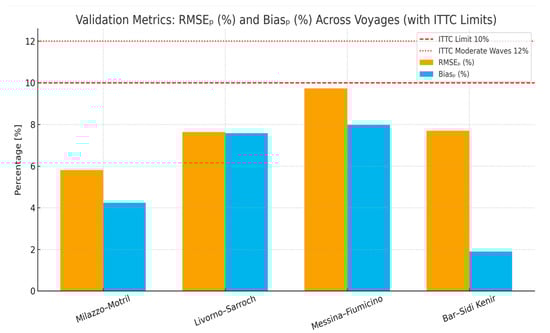
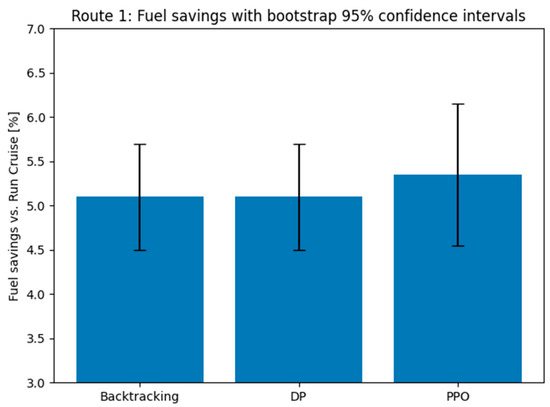
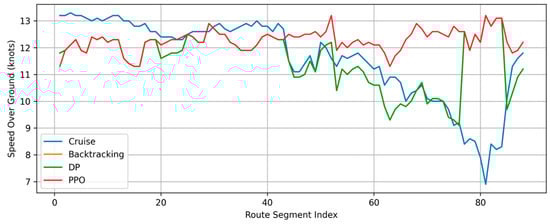
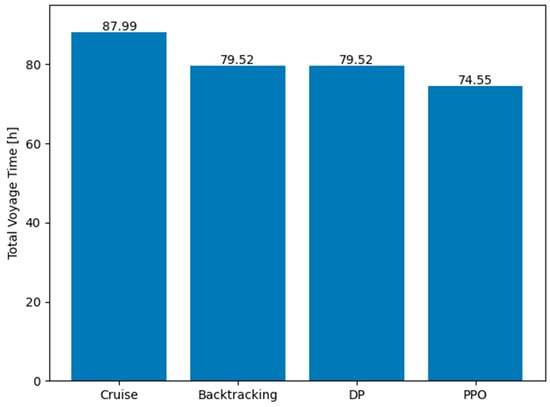
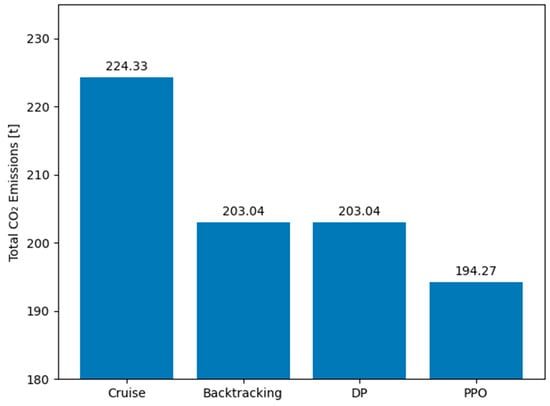
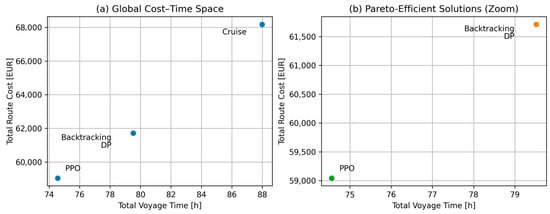
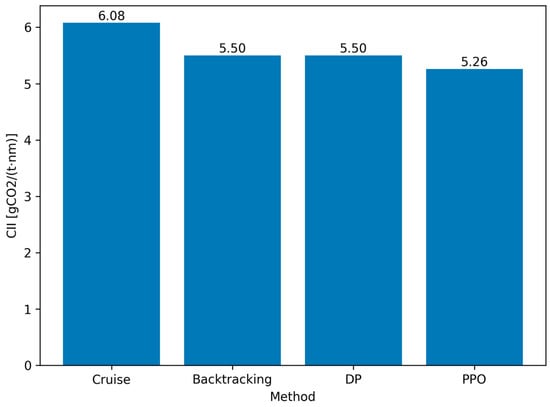
This paper proposes a physics-informed hybrid digital CO2 emission-control technology for maritime transport, designed for adaptive ship speed optimization along a predefined geographical route between two ports, discretized into quasi-stationary segments and evaluated under forecasted metocean conditions, subject to economic and regulatory constraints associated with maritime decarbonization. The framework integrates two exact optimization methods, Backtracking (BT) and Dynamic Programming (DP), with a reinforcement learning approach based on Proximal Policy Optimization (PPO), operating on a unified physical, economic, and regulatory modeling core. By reducing propulsion fuel demand, the system acts as an upstream CO2 emission-control mechanism for ship propulsion. This operational stabilization of the engine load creates favourable boundary conditions for advanced combustion processes and reduces the volumetric flow of exhaust gas, thereby lowering the technical burden on potential post-combustion carbon capture systems. Segment-wise speed profiles are optimized subject to propulsion limits, Estimated Time of Arrival (ETA) feasibility, and regulatory constraints, including the Carbon Intensity Indicator (CII), the European Union Emissions Trading System (EU ETS) and FuelEU Maritime. The physics-based propulsion and energy model is validated using full-scale operational data from four real voyages of an oil/chemical tanker. A detailed case study on the Milazzo–Motril route demonstrates that adaptive speed optimization consistently outperforms conventional cruise operation. Exact optimization methods achieve voyage time reductions of approximately 10% and fuel and CO2 emission reductions of about 9–10%. The reinforcement learning approach provides the best overall performance, reducing voyage time by approximately 15% and achieving fuel savings and CO2 emission reductions of about 13%. At the route level, the Carbon Intensity Indicator is reduced by approximately 10% for the exact methods and by about 13% for PPO. Backtracking and Dynamic Programming converge to nearly identical globally optimal solutions within the discretized decision space, while PPO identifies solutions located on the most favourable region of the cost–time Pareto front. By benchmarking reinforcement learning against exact discrete solvers within a shared physics-informed structure, the proposed digital platform provides transparent validation of learning-based optimization and offers a scalable decision-support technology for pre-fixture evaluation of fixed-route voyages. The system enables quantitative assessment of CO2 emissions, ETA feasibility, and regulatory exposure (CII, EU ETS, FuelEU Maritime penalties) prior to transport contracting, thereby supporting economically and environmentally informed operational decisions.
Full article
(This article belongs to the Special Issue Novel Combustion Technologies for CO2 Capture and Pollution Control)
►▼
Show Figures

Figure 1
Open AccessArticle
Wildfire Risk Assessment in the Mediterranean Under Climate Change
by
Ioannis Zarikos, Nadia Politi, Effrosyni Karakitsou, Εirini Barianaki, Nikolaos Gounaris, Diamando Vlachogiannis and Athanasios Sfetsos
Fire 2026, 9(3), 135; https://doi.org/10.3390/fire9030135 - 23 Mar 2026
Abstract
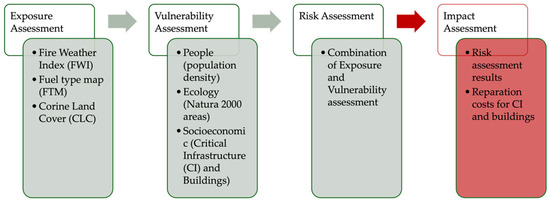
This study presents a comprehensive wildfire risk assessment framework for Rhodes Island, Greece, aimed at quantifying the impacts of climate change on hazard levels and vulnerability in a typical Mediterranean environment. The approach integrates Fire Weather Index (FWI) data, detailed fuel-type mapping, and
[...] Read more.
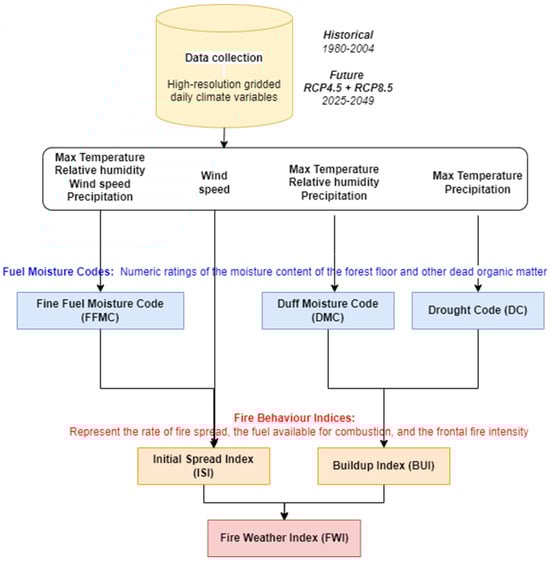
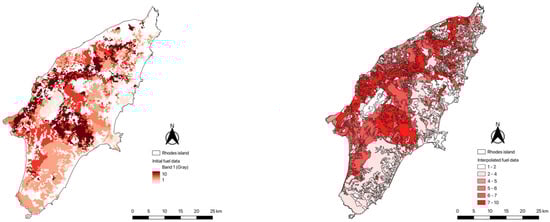
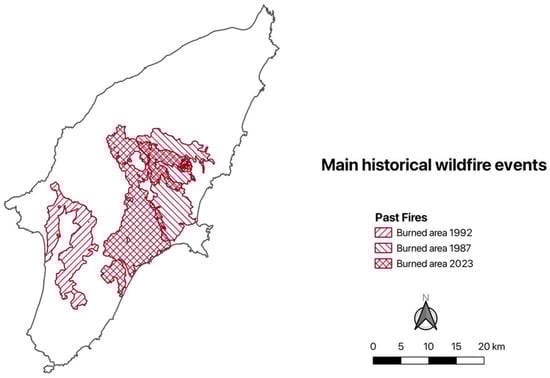
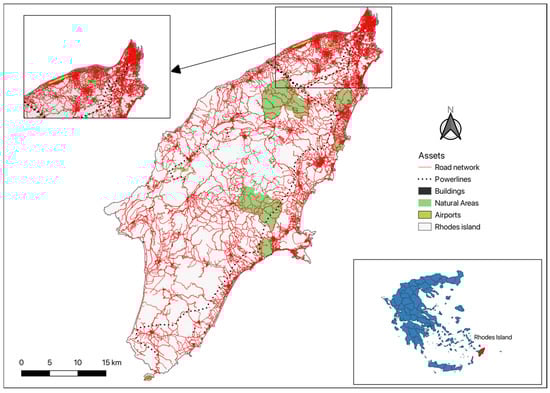
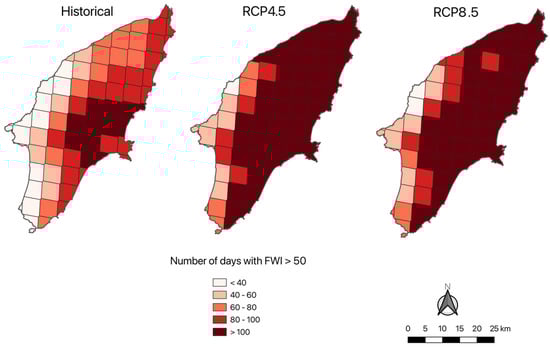
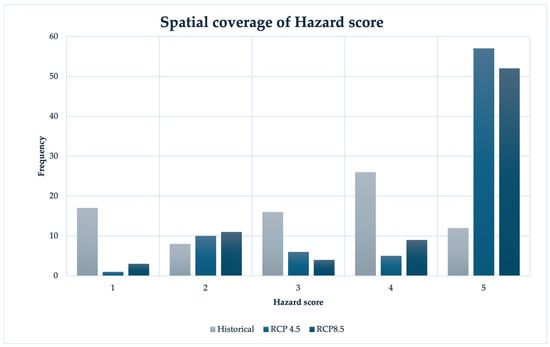
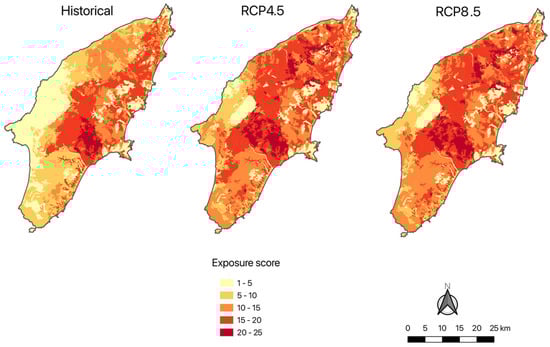
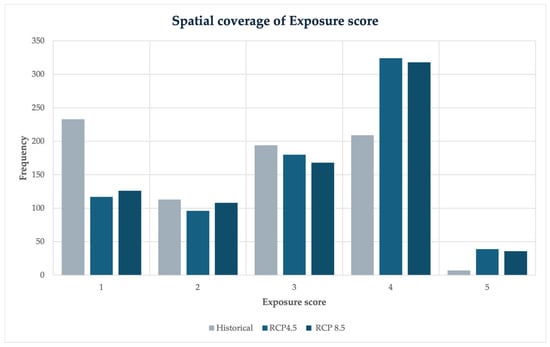
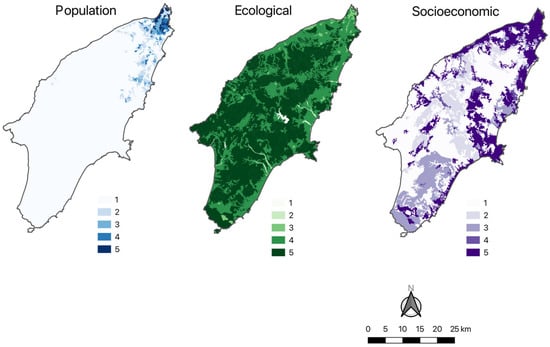
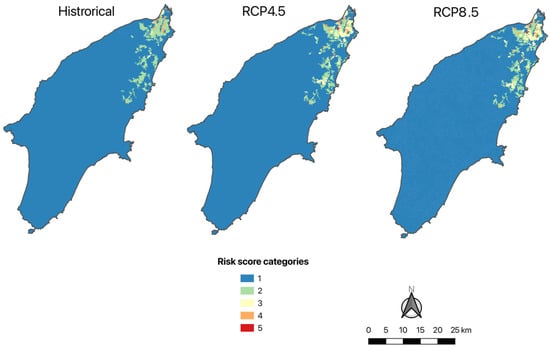
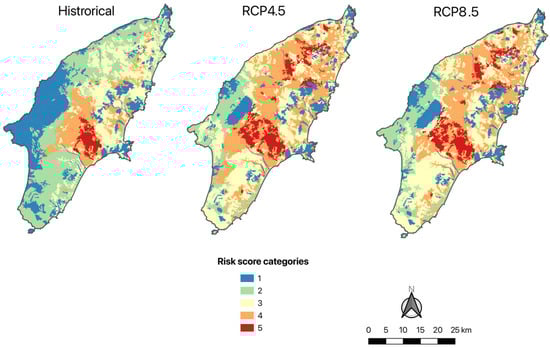
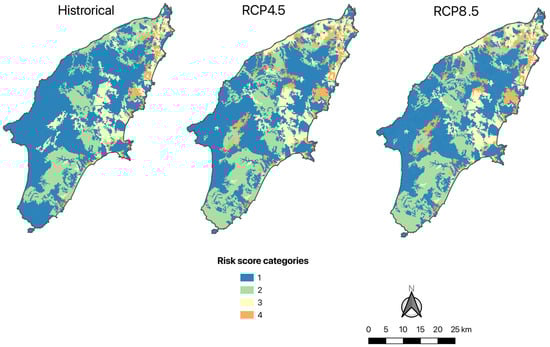
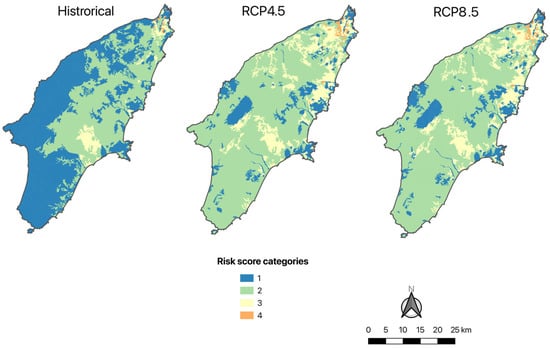
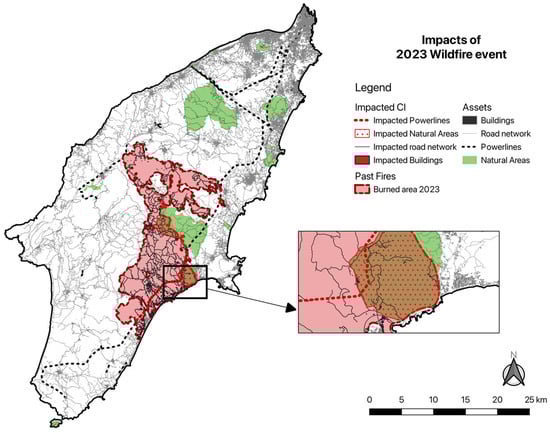
This study presents a comprehensive wildfire risk assessment framework for Rhodes Island, Greece, aimed at quantifying the impacts of climate change on hazard levels and vulnerability in a typical Mediterranean environment. The approach integrates Fire Weather Index (FWI) data, detailed fuel-type mapping, and multiple vulnerability indicators covering ecological, socioeconomic, and population factors, enabling spatially explicit estimates of current and future wildfire risk. Historically, Rhodes mostly faces moderate wildfire risk, mainly in central and northeastern regions, with localised areas of higher risk near settlements and key economic sites. Climate forecasts for 2025–2049 predict a notable increase in hazard, with areas experiencing extreme fire weather (FWI > 50) increasing from 15.19% to 66–72%, across all emission scenarios. Ecological vulnerability is particularly alarming, as 93% of the island is already highly susceptible; fire-prone forest and agricultural zones are expected to move into the highest ecological risk categories, especially in the central mountain areas. The devastating 2023 wildfire, which burned over 17,600 hectares, caused more than €5.8 million in direct damages and led to the largest evacuation in the island’s history, closely aligning with high-risk zones modelled in the framework. An important insight is the limited spatial variation in near-future risk between RCP 4.5 and RCP 8.5, indicating that significant wildfire intensification is largely unavoidable by mid-century, emphasising the urgent need for quick adaptation and risk mitigation efforts for Mediterranean critical infrastructure and communities.
Full article
(This article belongs to the Topic Disaster Risk Management and Resilience)
►▼
Show Figures

Figure 1
Open AccessArticle
Ignitability of Building Materials Under Various Unintended Heat Sources
by
Honggang Wang and Yoon Ko
Fire 2026, 9(3), 134; https://doi.org/10.3390/fire9030134 - 20 Mar 2026
Abstract
Building materials’ fire properties directly affect the fire risk of buildings. Ignition, the initiating event of any building fire, occurs when a heat source ignites surrounding combustible materials. Although several parameters—such as the Thermal Response Parameter (TRP), thermal inertia, ignition temperature, ignition time,
[...] Read more.
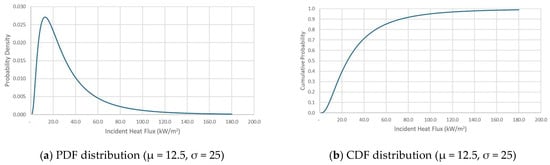
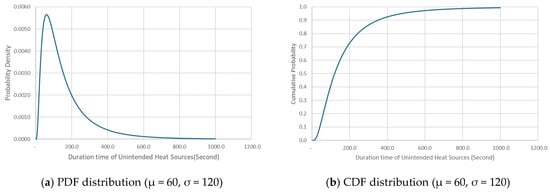
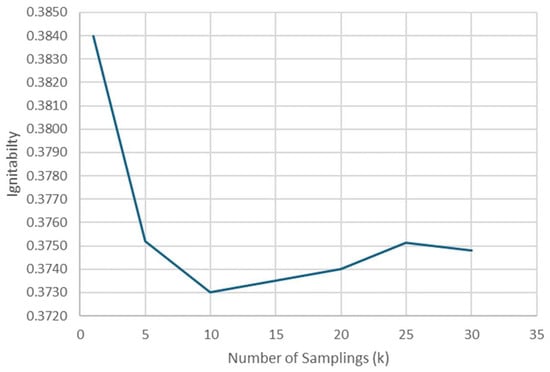
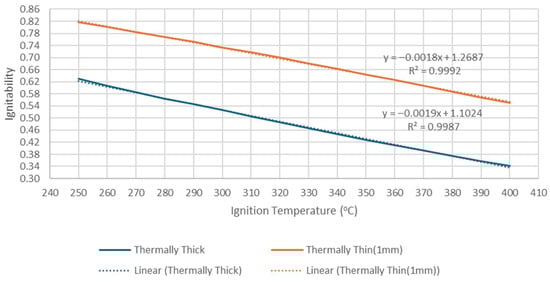
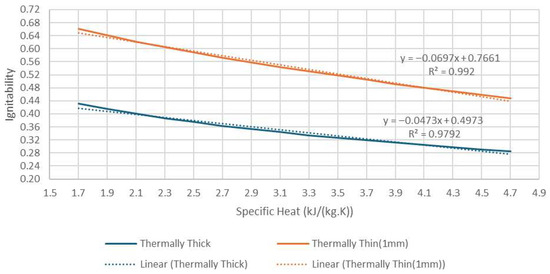
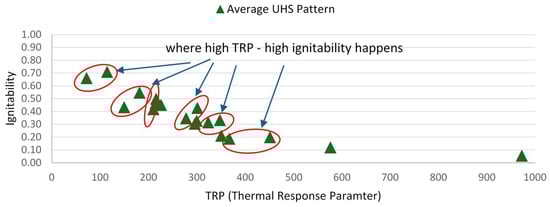
Building materials’ fire properties directly affect the fire risk of buildings. Ignition, the initiating event of any building fire, occurs when a heat source ignites surrounding combustible materials. Although several parameters—such as the Thermal Response Parameter (TRP), thermal inertia, ignition temperature, ignition time, critical heat flux (CHF), and heat of combustion—have been used to characterize ignition behavior, a unified metric capable of representing overall ignitability under diverse and often unknown and unintended heat source (UHS) patterns is generally lacking. To address this gap, we propose a new method to evaluate material ignitability by generalizing UHS patterns and linking them to known or readily obtainable material properties, including ignition temperature and thermal inertia. The UHS patterns are represented using lognormal distributions for both exposure duration and incident heat flux (IHF), reflecting conditions that may occur in real buildings. Monte Carlo simulations are employed to generate a large number of heat exposure events from these UHS patterns, enabling statistical determination of material ignitability. The method applies to both thermally thick and thermally thin materials, with a simple expression provided to determine the critical thickness separating these behaviors. Sensitivity analysis demonstrates that the ignitability metric is robust with respect to variations in the lognormal distribution parameters. The proposed ignitability metric provides a general measure of a material’s susceptibility to ignition under typical building fire scenarios and enables relative comparison of fire risk for buildings differing only in the materials adopted.
Full article

(This article belongs to the Section Mathematical Modelling and Numerical Simulation of Combustion and Fire)
►▼
Show Figures

Figure 1
Open AccessArticle
Simulation Study on Fire Resistance Performance of Substation Frameworks with Fire-Retardant Coating Under Heating Curve Conditions Specified by ISO 834 Standard
by
Hui Zhu, Xinglong Fang and Xufeng Shen
Fire 2026, 9(3), 133; https://doi.org/10.3390/fire9030133 - 20 Mar 2026
Abstract
To analyze the fire resistance performance of the substation framework protected by fire-retardant coating, herringbone column structure substation frameworks under heating curve conditions specified by the ISO 834 standard were simulated using ABAQUS software. Moreover, this study investigated the temperature field, stress field,
[...] Read more.
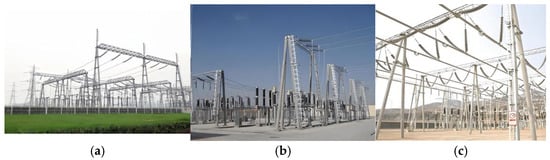
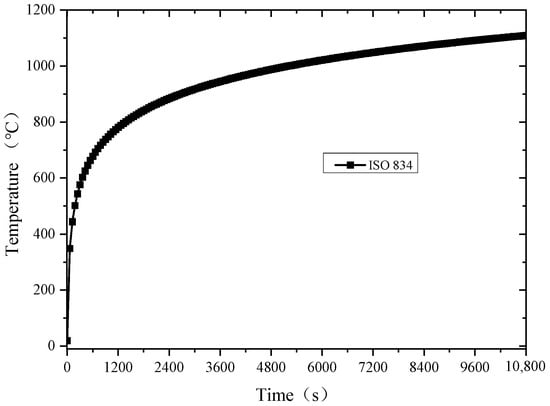
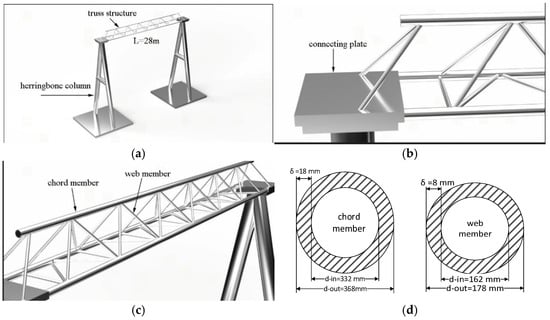
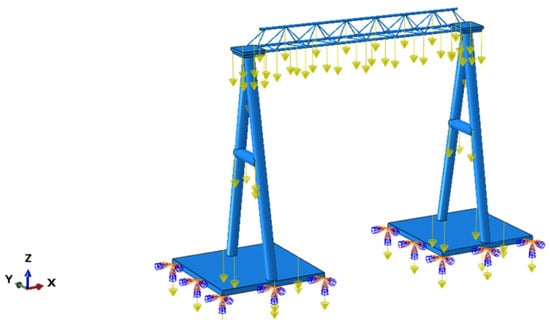
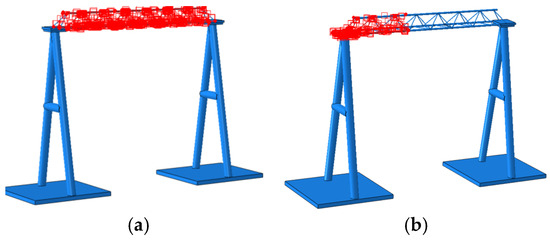
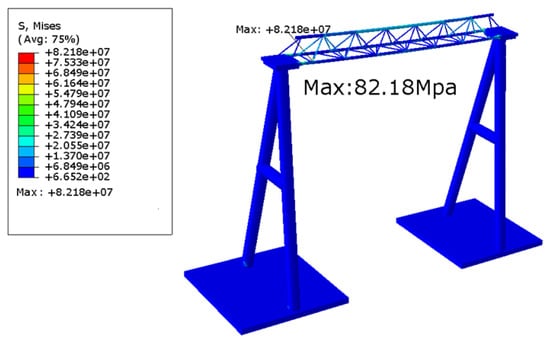
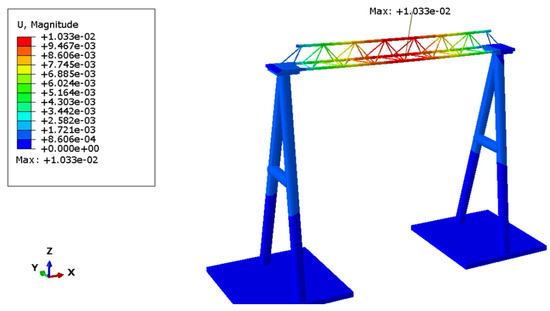
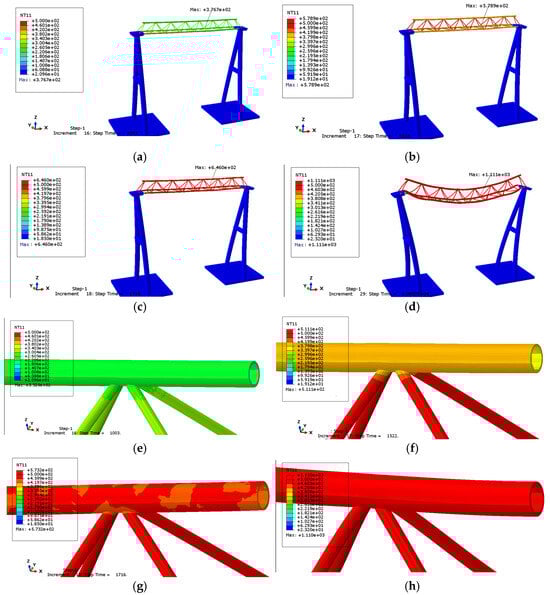
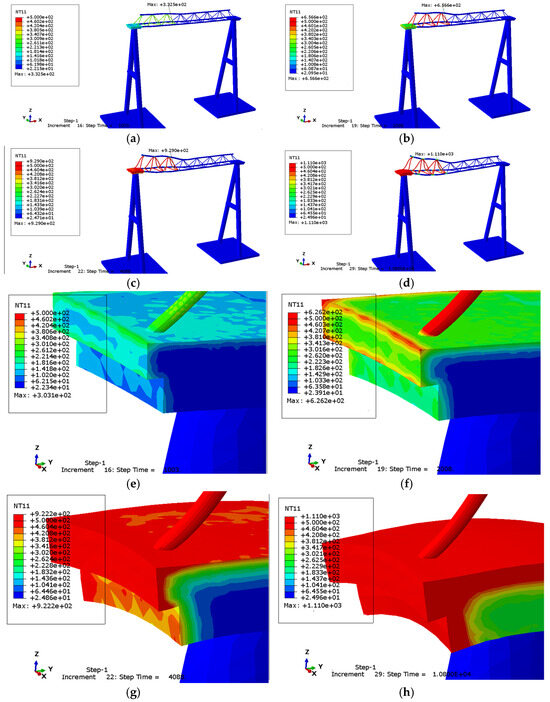
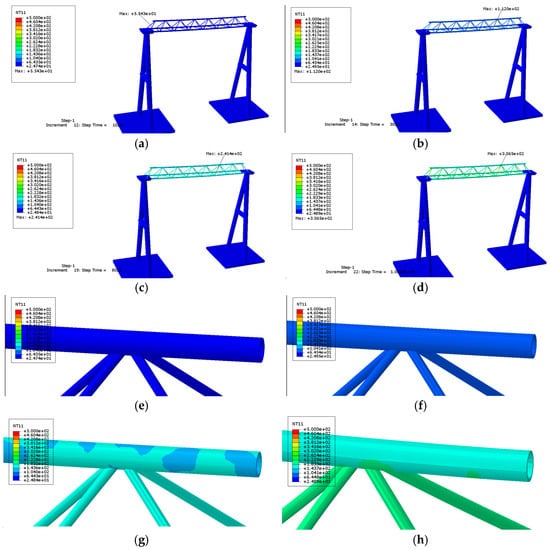
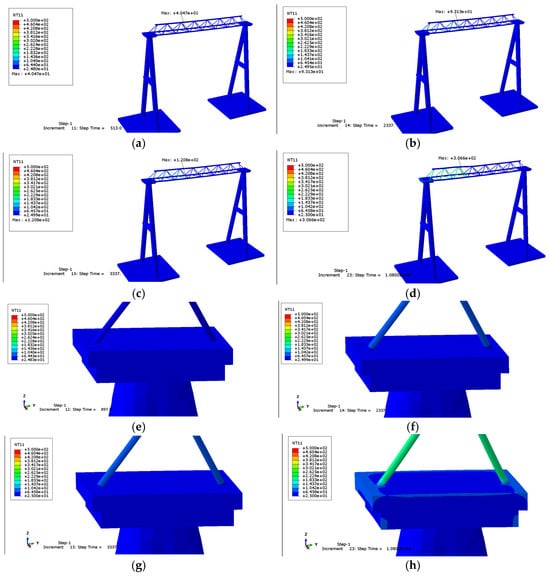
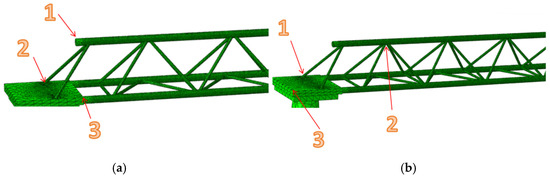
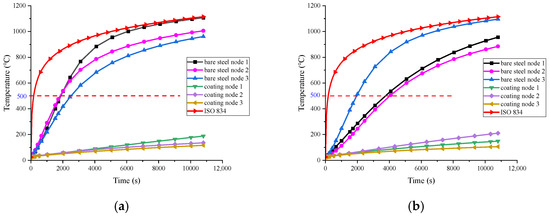
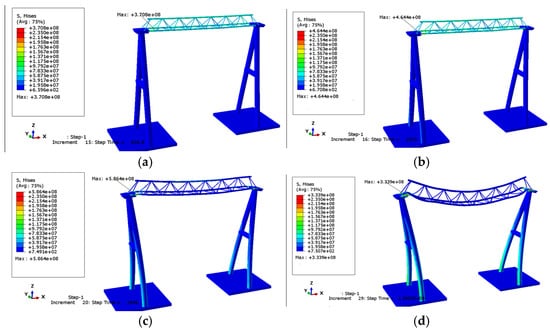
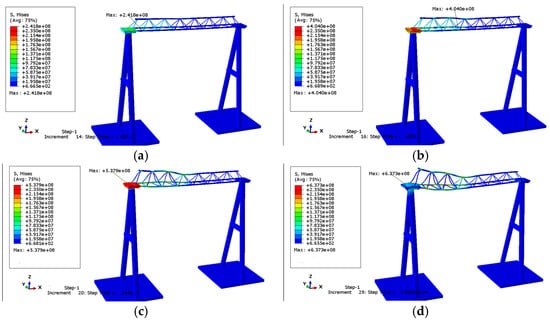
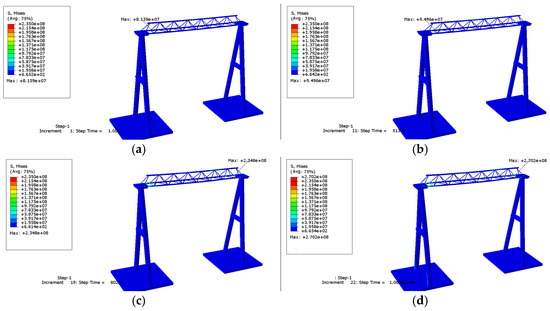
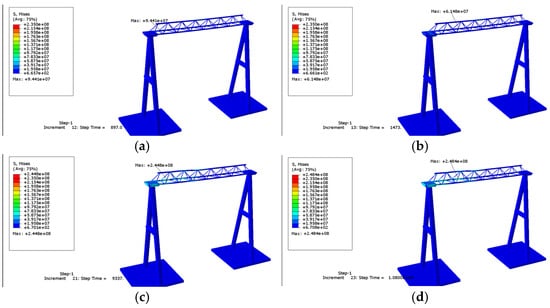
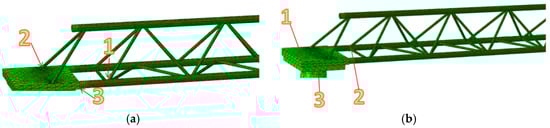
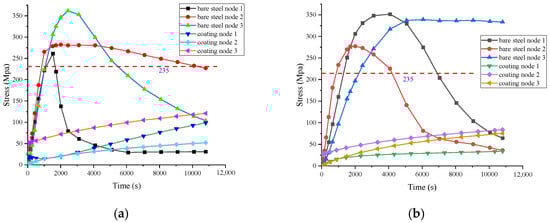
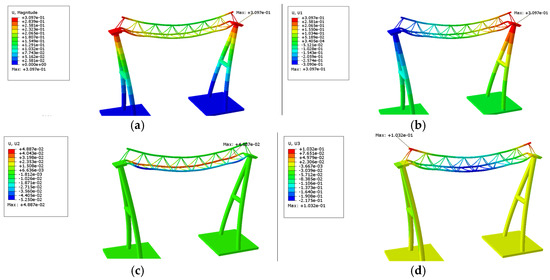
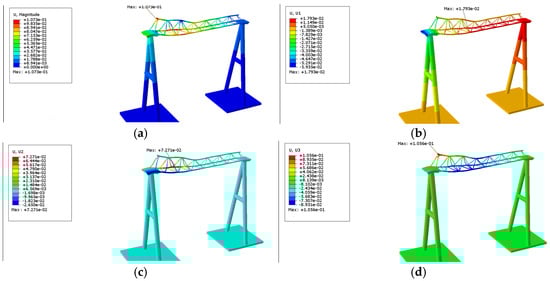
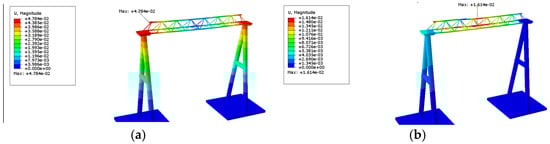
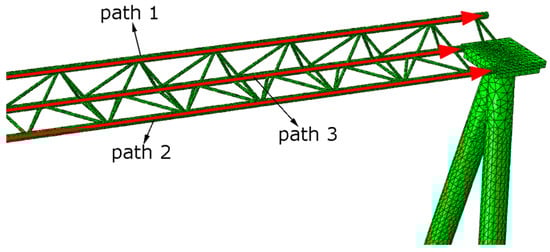
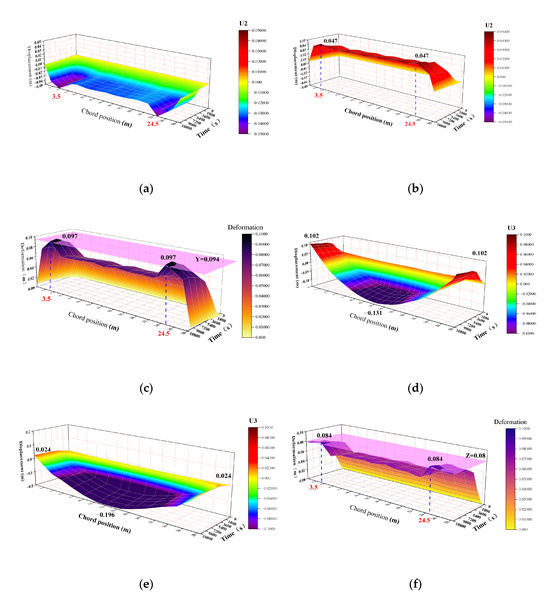
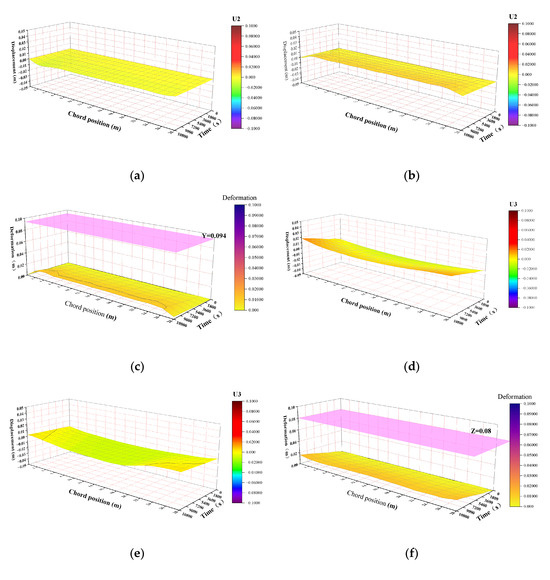
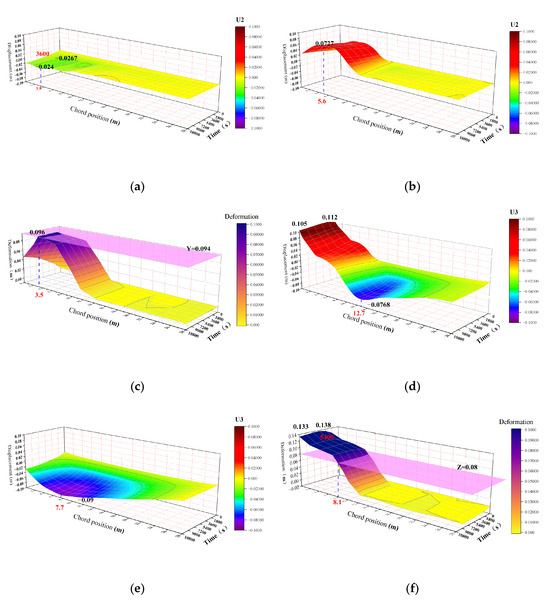
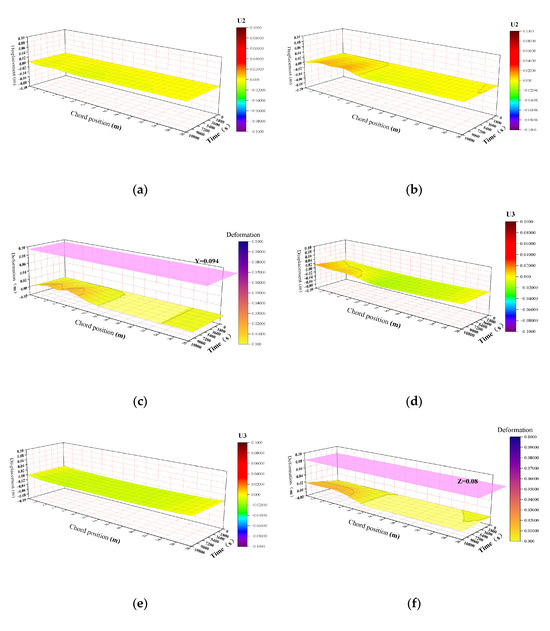
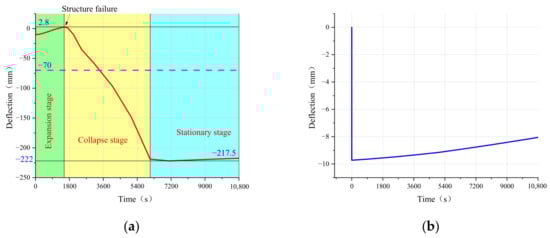
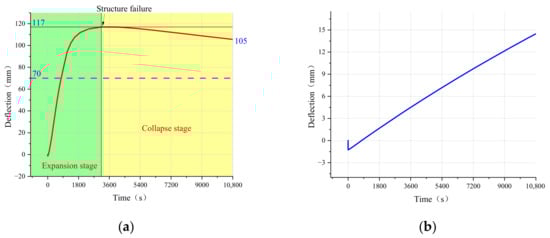
To analyze the fire resistance performance of the substation framework protected by fire-retardant coating, herringbone column structure substation frameworks under heating curve conditions specified by the ISO 834 standard were simulated using ABAQUS software. Moreover, this study investigated the temperature field, stress field, and displacement characteristics of the substation structure under typical fire scene conditions. The research results indicate the following: (1) Without fire-retardant coating, the surface temperature of the bare substation framework reaches 500 °C within a short period, and a large temperature difference between the interior and exterior of the steel pipe is caused, which may induce brittle cracking within the steel. Within the 1000 s period from the start of heating, the strength of the steel structure decreases with the increase in temperature. Stress is gradually concentrated on the steel structure, and the heated part of the bare steel truss undergoes a deformation displacement of more than 0.1 m, making it susceptible to brittle fractures in the steel. The maximum deflection of the steel structures exceeds the critical value of 0.07 m. (2) With fire-retardant coating, the surface temperature of the steel can be maintained below 310 °C, and the stress in most areas of the substation framework remains below 170 Mpa. The displacement and deformation of the transformer frame are significantly reduced, and the deformation can be maintained below 0.02 m. All positions of the substation framework are in the upward expansion stage, and the deflection does not exceed 0.02 m.
Full article

(This article belongs to the Special Issue Fire Safety in the Built Environment)
►▼
Show Figures

Figure 1
Journal Menu
► ▼ Journal Menu-
- Fire Home
- Aims & Scope
- Editorial Board
- Reviewer Board
- Topical Advisory Panel
- Instructions for Authors
- Special Issues
- Topics
- Sections & Collections
- Article Processing Charge
- Indexing & Archiving
- Editor’s Choice Articles
- Most Cited & Viewed
- Journal Statistics
- Journal History
- Journal Awards
- Conferences
- Editorial Office
Journal Browser
► ▼ Journal BrowserHighly Accessed Articles
Latest Books
E-Mail Alert
News
Topics
Topic in
Buildings, Climate, Fire, Sustainability, Water, Infrastructures
Disaster Risk Management and Resilience
Topic Editors: M. Amin Hariri-Ardebili, Sissy NikolaouDeadline: 31 July 2026
Topic in
Energies, Fire, Fuels, Processes, Sustainability
Combustion and Application of Carbon Neutral Fuel in Internal Combustion Engine
Topic Editors: Zezhou Guo, Cheng ShiDeadline: 28 February 2027
Conferences
Special Issues
Special Issue in
Fire
Forest Fuel Treatment and Fire Risk Assessment, 2nd Edition
Guest Editors: Jili Zhang, Xiaodong Liu, Mingyu Wang, Feng ChenDeadline: 16 April 2026
Special Issue in
Fire
Evacuation Design and Smoke Control in Fire Safety Management
Guest Editors: Feizhou Huo, Yaping Ma, Peng LeiDeadline: 20 April 2026
Special Issue in
Fire
Assessment and Prevention of Mine Fires and Gas Disasters, 2nd Edition
Guest Editors: Haiyan Wang, Feng LiDeadline: 20 April 2026
Special Issue in
Fire
Intrinsic Fire Safety of Lithium-Based Batteries
Guest Editors: Lihua Jiang, Wenxin Mei, Yuan Cheng, Yurui DengDeadline: 23 April 2026
Topical Collections
Topical Collection in
Fire
Diversity Leaders in Fire Science
Collection Editors: Alistair M. S. Smith, Natasha Ribeiro, Tiago Miguel Ferreira, Grant Williamson, Christine Eriksen
Topical Collection in
Fire
Rethinking Wildland Fire Governance: A Series of Perspectives
Collection Editors: Alistair M. S. Smith, Stephen D. Fillmore
Topical Collection in
Fire
Technical Forum for Fire Science Laboratory and Field Methods
Collection Editors: Claire Belcher, David M.J.S. Bowman, Evan Ellicott, Peter Hamlington, Chad Hoffman, William M. Jolly, Rodman Linn, Sara McAllister, Joseph O'Brien, Albert Simeoni, Alistair M. S. Smith, Wojciech Węgrzyński