





-
Efficacy of Chlorhexidine-Impregnated Dressings Compared to Standard Dressings in Preventing CLABSI/CRBSI and Catheter Colonization in Pediatric Patients: A Literature Review -
The Mother—Infant Symbiosis: A Novel Perspective on the Newborn’s Role in Protecting Maternal Breast Health -
Young Health Workers in Training and Biological Risk: Are We Doing Enough? Reflections on Injuries at the University of Campania ‘L.Vanvitelli’ -
In Vitro Disinfection Efficacy Assay on Giardia duodenalis Cysts -
Presence of Major Bacterial Foodborne Pathogens in the Domestic Environment and Hygienic Status of Food Cleaning Utensils: A Narrative Review
Journal Description
Hygiene
Hygiene
is an international, peer-reviewed, open access journal on healthcare epidemiology, public health and environmentally-related hygiene, published quarterly online by MDPI. We also welcome submissions with a focus on best practices that help maintain health and prevent the spread of diseases.
- Open Access— free for readers, with article processing charges (APC) paid by authors or their institutions.
- High Visibility: indexed within ESCI (Web of Science), Scopus and other databases.
- Journal Rank: CiteScore - Q2 (Immunology and Microbiology (miscellaneous))
- Rapid Publication: manuscripts are peer-reviewed and a first decision is provided to authors approximately 28.7 days after submission; acceptance to publication is undertaken in 5.6 days (median values for papers published in this journal in the second half of 2025).
- Recognition of Reviewers: APC discount vouchers, optional signed peer review, and reviewer names published annually in the journal.
- Journal Cluster of Healthcare Sciences and Services: Geriatrics, Journal of Ageing and Longevity, Healthcare, Hospitals, Hygiene, International Journal of Environmental Research and Public Health and Nursing Reports.
Latest Articles
The Effect of Food Delivery on Microbial Load and Presence of Escherichia coli in Ground Beef
Hygiene 2026, 6(2), 19; https://doi.org/10.3390/hygiene6020019 - 3 Apr 2026
Abstract
Background: The emergence of alternative methods of obtaining groceries since the COVID-19 pandemic has raised new concerns regarding food safety. In this study, we sought to evaluate these concerns by evaluating how the procurement method of ground beef impacts the microbial load in
[...] Read more.
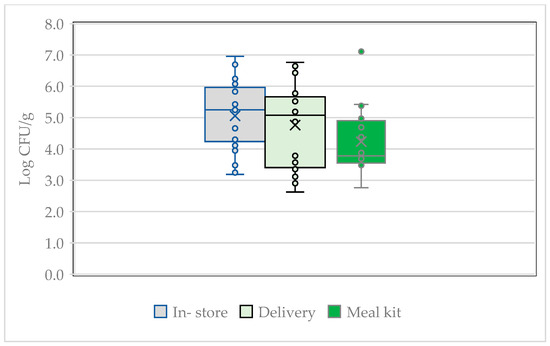
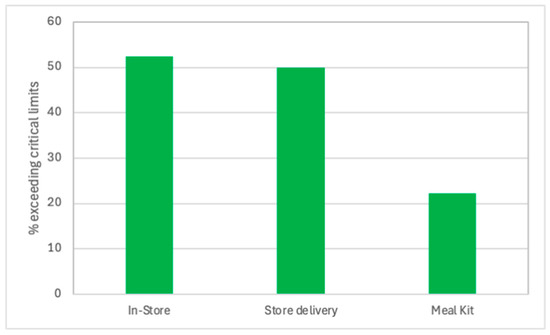
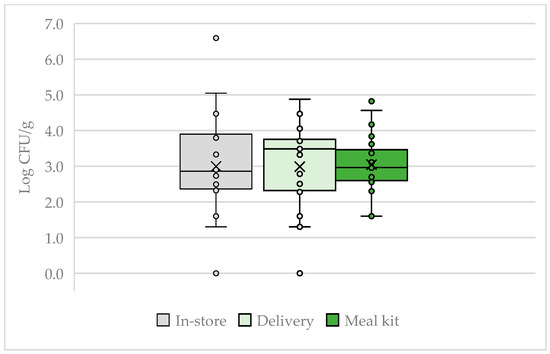
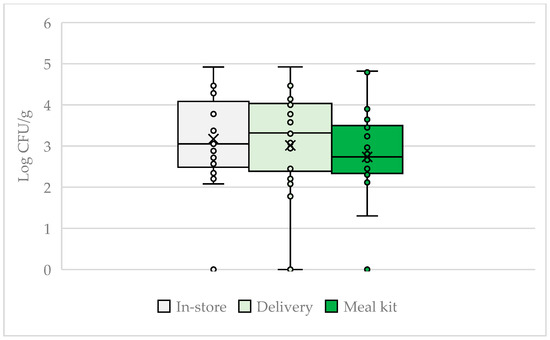
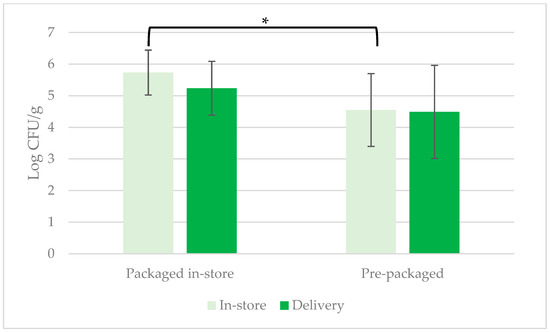
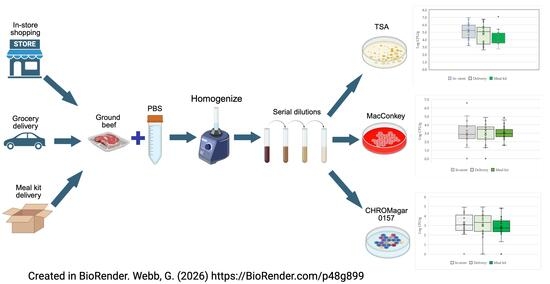
Background: The emergence of alternative methods of obtaining groceries since the COVID-19 pandemic has raised new concerns regarding food safety. In this study, we sought to evaluate these concerns by evaluating how the procurement method of ground beef impacts the microbial load in the beef, as this has not been thoroughly studied. Methods: Specifically, we compared beef samples obtained from in-store shopping, grocery delivery, and meal kit delivery services to determine if these new, more convenient methods of grocery shopping impact the total microbial load or Escherichia coli present in the beef. We homogenized a total of 65 beef samples and plated dilutions on trypticase soy agar, MacConkey agar, and CHROMagar. Results: We found that in-store samples had the highest microbial load with an average of 5.06 log CFU/g, while grocery delivery samples resulted in an average of 4.76 log CFU/g and meal kit samples had an average of 4.23 log CFU/g when plated on TSA. This represents a 6.7-fold change between in-store samples and meal kit samples. These differences were not statistically significant (p = 0.1, ANOVA). When plated on MacConkey agar, in-store samples had a bacterial count at 3.0 log CFU/g, while grocery delivery samples had 2.99 log CFU/g and meal kit delivered samples had 3.05 log CFU/g. Suspected E. coli O157 colonies were detected using CHROMagar plates, as these plates function to change the coloration of positive E. coli O157 colonies to pink. Suspected E. coli O157 colonies were observed in three in-store samples, two grocery delivery samples, and one meal kit sample. After confirmatory agglutination testing, one meal kit sample was confirmed as E. coli O157. Conclusions: While trends suggest possible lower microbial contamination in delivery methods versus in-store shopping procurement, no statistical significance between methods was found. These findings indicate no significant changes in microbial loads in delivered ground beef, and the high variance suggests that all procurement methods still pose some level of risk.
Full article
(This article belongs to the Special Issue Food Hygiene and Human Health)
►
Show Figures
Open AccessArticle
Inactivation of Bacterial and Viral Bioaerosols by Lactoferricin B-Coated Filters Under Various Environmental Conditions
by
Shinhao Yang, Hsiao-Chien Huang, Ying-Fang Hsu and Chi-Yu Chuang
Hygiene 2026, 6(2), 18; https://doi.org/10.3390/hygiene6020018 - 1 Apr 2026
Abstract
►▼
Show Figures
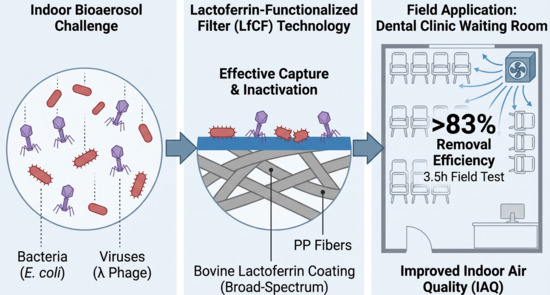
Conventional antimicrobial air filters often conflate physical interception with true biochemical inactivation, posing secondary aerosolization risks during maintenance. This study developed a lactoferricin B-functionalized polypropylene (LfCF) filter to provide a dual-action mechanism: electrostatic capture and robust contact-killing against bioaerosols. To rigorously decouple these
[...] Read more.
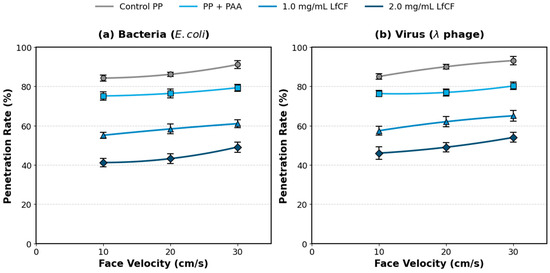
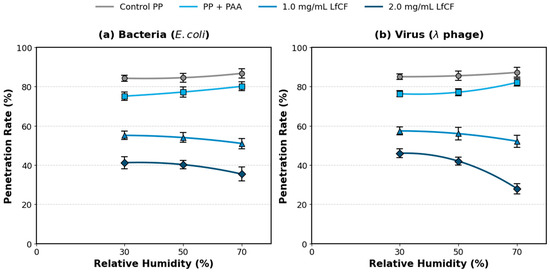
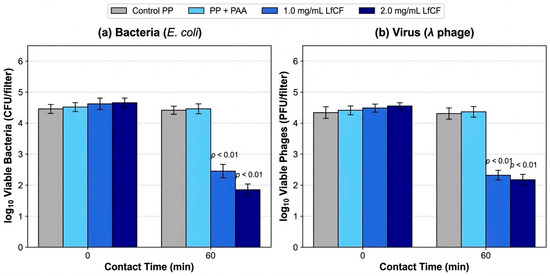
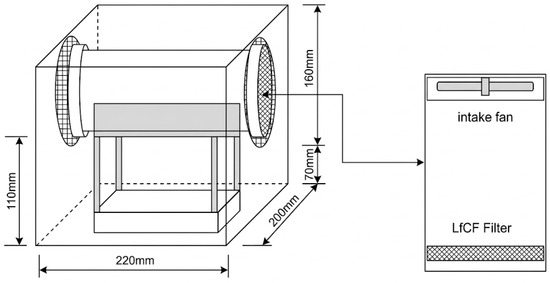
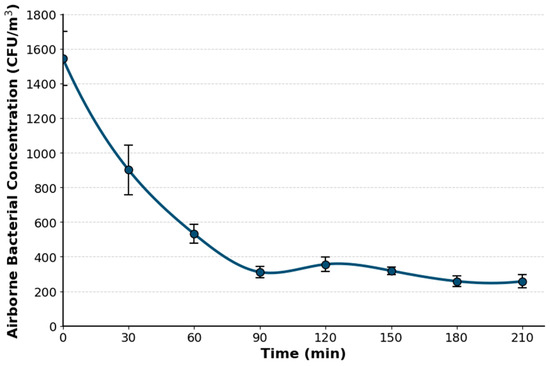
Conventional antimicrobial air filters often conflate physical interception with true biochemical inactivation, posing secondary aerosolization risks during maintenance. This study developed a lactoferricin B-functionalized polypropylene (LfCF) filter to provide a dual-action mechanism: electrostatic capture and robust contact-killing against bioaerosols. To rigorously decouple these mechanisms, a polyallylamine binder-only (PP+PAA) control was incorporated. Dynamic penetration assays at 10 cm/s revealed that the 2.0 mg LfCF achieved significantly lower viable penetration rates for Escherichia coli (41.2%) and λ phage (46.0%) compared to the PP+PAA control (75.1% and 76.3%). This substantial gap demonstrates instantaneous sublethal injury upon aerodynamic impaction, defined here as “dynamic inactivation.” Crucially, time-dependent elution assays confirmed a >2 log reduction in viable counts for both retained E. coli and λ phage on LfCFs within 60 min, definitively validating its genuine contact-killing capability. Furthermore, the amphipathic lactoferricin B peptide maintained exceptional biocidal efficacy even under high-humidity conditions (70% RH), overcoming the electrostatic shielding typical of traditional biopolymers, without increasing aerodynamic pressure drop. Finally, field validation in a dental clinic demonstrated an 83.3% reduction in airborne viable bioaerosols. As a passive, self-sterilizing engineering control, the LfCF offers a highly reliable intervention for mitigating occupational bioaerosol exposures.
Full article

Graphical abstract
Open AccessArticle
Healthcare Workers’ Perspectives on Factors Influencing Compliance with Infection Prevention and Control Practices at Katavi Regional Referral Hospital, Tanzania
by
Cesilia Charles, Lutengano Mkonongo, David Masanja, Damian Maruba, Philipo Mwita, Edward Bucheye, Elly Daudi, Emmanuel Amsi, Frank Elisha, Ecka Mafwimbo, Bernard Njau, Nathanael Sirili, Radenta Bahegwa and Deogratias Banuba
Hygiene 2026, 6(1), 17; https://doi.org/10.3390/hygiene6010017 - 19 Mar 2026
Abstract
Infection prevention and control remains an essential component of effective healthcare delivery and disease prevention. This study aimed to explore healthcare workers’ perspectives on factors influencing compliance with infection prevention and control practices in Katavi Regional Referral Hospital, Tanzania. With a qualitative approach,
[...] Read more.
Infection prevention and control remains an essential component of effective healthcare delivery and disease prevention. This study aimed to explore healthcare workers’ perspectives on factors influencing compliance with infection prevention and control practices in Katavi Regional Referral Hospital, Tanzania. With a qualitative approach, we aimed to enable a broader narrative, gain a more detailed understanding of IPC practices, and identify experiences that may be overlooked in a forced-choice questionnaire. A cross-sectional design using a phenomenological approach was employed. An interview guide was used to collect data from 19 participants (five doctors, four nurses, four laboratory practitioners, and six from administration positions; ward in-charges, quality improvement officers and administrative officers) between 24 July 2025, and 23 August 2025. Among participants, nine were the key informants, and 10 were involved in in-depth interviews. Thematic analysis revealed that the availability of IPC supplies, desire for personal and patient protection, high patient volume, awareness of IPC protocols, institutional support, supportive supervision, and HCWs’ attitudes towards IPC activities were factors influencing IPC compliance. Strengthening structured supervision, ensuring a constant supply of IPC materials, and investing in continuous IPC capacity building may be an important approach in enhancing compliance with IPC practices and reducing hospital-associated infection risk in Katavi Regional Referral Hospital and similar resource-limited healthcare settings.
Full article
(This article belongs to the Section Infectious Disease Epidemiology, Prevention and Control)
Open AccessArticle
2,6-Dichlorophenolindophenol: A Redox Indicator for Assessing Viability of Oral Bacteria
by
Prem K. Sreenivasan and Violet I. Haraszthy
Hygiene 2026, 6(1), 16; https://doi.org/10.3390/hygiene6010016 - 18 Mar 2026
Abstract
►▼
Show Figures
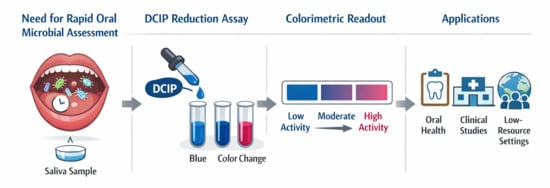
2,6-Dichlorophenolindophenol (DCIP) is a redox dye and colorimetric reagent previously shown to enable rapid quantification of laboratory cultures of oral microorganisms. DCIP is reduced by viable microbial cells, resulting in loss of its blue color that can be measured spectrophotometrically. Previous studies demonstrated
[...] Read more.
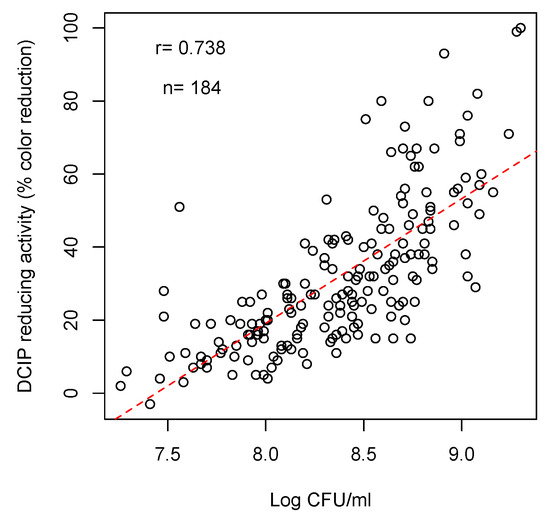
2,6-Dichlorophenolindophenol (DCIP) is a redox dye and colorimetric reagent previously shown to enable rapid quantification of laboratory cultures of oral microorganisms. DCIP is reduced by viable microbial cells, resulting in loss of its blue color that can be measured spectrophotometrically. Previous studies demonstrated that several strains of oral bacteria and yeasts grown in culture reduce DCIP, with significant correlations observed between increasing viable plate counts and DCIP reduction. The present investigation expanded upon these studies by evaluating DCIP as a method for assessing heterogeneous mixtures of oral microorganisms collected from human subjects. Oral rinse samples were obtained from 184 adults aged 18–70 years and analyzed for DCIP reduction and viable bacterial counts. DCIP reduction was observed in all oral samples, and viable bacterial counts spanning an approximately two-log range (~100-fold difference) demonstrated a statistically significant correlation with DCIP reduction (r = 0.74; p < 0.001). Nonviable organisms did not reduce DCIP, and no DCIP reduction occurred in the absence of bacteria. These results support DCIP reduction as a practical, low-cost platform for estimating viable oral microbial burden, with the additional advantage of a visually interpretable colorimetric readout.
Full article

Graphical abstract
Open AccessArticle
Beyond the Lockdown Kitchen: Young Adult Dietary Choices at the Crossroads of Convenience and Health
by
Alice Yip, Wing Kiu Shek, Yee Man Kiki Lee, Ka Ka Lau, Shuk Wai Sip, Tsz Wing Lam, Suet Ching Cheung and Fei Lung Tang
Hygiene 2026, 6(1), 15; https://doi.org/10.3390/hygiene6010015 - 18 Mar 2026
Abstract
Background: In the wake of the COVID-19 pandemic, the dietary landscapes of young adults have been profoundly reshaped. As social restrictions ease, the resurgence of dining out presents new behavioral shifts regarding health and safety. Objective: This study investigates the post-pandemic experiences of
[...] Read more.
Background: In the wake of the COVID-19 pandemic, the dietary landscapes of young adults have been profoundly reshaped. As social restrictions ease, the resurgence of dining out presents new behavioral shifts regarding health and safety. Objective: This study investigates the post-pandemic experiences of young adults in Hong Kong, focusing on the burgeoning phenomenon of eating out of home and its complex influence on eating habits and food hygiene consciousness. Methods: This qualitative study utilized a phenomenological approach to explore participants’ lived experiences. Semi-structured interviews were conducted with 12 young adults in Hong Kong to gather narratives regarding their dining practices. The data were analyzed using thematic analysis to identify recurring patterns associated with their return to public dining spaces. Results: Three core themes emerged: (i) confined palates: the remaking of the Hong Kong meal in the shadow of a pandemic; (ii) shared screen: mediating hunger from the home-as-hub; and (iii) watchful guard: the moralization of the meal amidst viral uncertainty. Conclusions: These findings dissect the critical, evolving relationship between contemporary consumption patterns and health maintenance. While the small size limits statistical generalizability, the study suggests that post-pandemic dining involves a modified reality of sustained hypervigilance. These insights offer a basis for developing sensitive and targeted public health strategies that resonate with the altered dietary realities of young adults in a post-pandemic world.
Full article
(This article belongs to the Section Health Promotion, Social and Behavioral Determinants)
Open AccessReview
Germicidal Ultraviolet C (UV-C) Light for Surface Disinfection in Hospitals: Mapping the Evidence on Devices, Parameters, Effectiveness, and Implementation
by
Luan Aparecido Alexandre Elias, Marcia Cristina Nobukuni, Herica Emilia Félix de Carvalho, Liliane Moretti Carneiro, Odinea Maria Amorim Batista, Alvaro Francisco Lopes de Sousa, Adriano Menis Ferreira, Natália Liberato Norberto Angeloni, Mara Cristina Ribeiro Furlan, Marcus Felipe Calori Jorgeto and Aires Garcia dos Santos Junior
Hygiene 2026, 6(1), 14; https://doi.org/10.3390/hygiene6010014 - 17 Mar 2026
Abstract
To map and describe the scientific evidence on germicidal ultraviolet C (UV-C) light for hospital surface disinfection, this scoping review examined device types, reported operational parameters, microbiological and clinical outcomes, and implementation aspects. Primary studies conducted in hospital settings and evaluating UV-C or
[...] Read more.
To map and describe the scientific evidence on germicidal ultraviolet C (UV-C) light for hospital surface disinfection, this scoping review examined device types, reported operational parameters, microbiological and clinical outcomes, and implementation aspects. Primary studies conducted in hospital settings and evaluating UV-C or ultraviolet germicidal irradiation on environmental surfaces were searched in four databases without date restrictions. Data were synthesized descriptively in tables and narrative form following JBI and PRISMA-ScR guidance. Eleven studies (2007–2025) met the inclusion criteria. Reported microbial reductions ranged from 1 to ≥5 log10. Higher and more consistent reductions were predominantly observed under laboratory or controlled experimental conditions, whereas reductions in real-world hospital surface sampling were more variable and influenced by pathogen type, surface material, room geometry, and shadowing. Integration of UV-C with manual cleaning and multi-position irradiation cycles was associated with greater effectiveness. Reporting of key radiometric parameters (dose, exposure time, and distance) was frequently incomplete, limiting reproducibility and cross-study comparability. Clinical findings were heterogeneous: some interrupted time-series analyses suggested reductions in healthcare-associated infections, although effects were not uniform across microorganisms. Implementation reports described room-level cycle times compatible with turnover, variable staffing requirements, and limited economic evaluation. Overall, UV-C appears to be a promising adjunct to standard cleaning practices in hospital environments. However, standardized radiometric reporting, multicenter studies, and robust clinical and economic evaluations are necessary to support safe, reproducible, and sustainable large-scale implementation.
Full article
(This article belongs to the Section Infectious Disease Epidemiology, Prevention and Control)
Open AccessSystematic Review
Exposure to Carcinogenic, Mutagenic, and Reprotoxic Chemical Agents in Research Laboratories and the Healthcare Sector: A Systematic Review
by
Rocco Loris Del Vecchio, Paolo Bracciano, Francesca Borghi, Alessio Carminati, Carolina Zellino, Eleonora Pagani, Giacomo Fanti, Andrea Cattaneo, Giovanni De Vito, Andrea Spinazzè and Domenico Maria Cavallo
Hygiene 2026, 6(1), 13; https://doi.org/10.3390/hygiene6010013 - 11 Mar 2026
Abstract
Background: Carcinogenic, Mutagenic, and Reprotoxic (CMR) substances are among the most significant occupational health hazards in healthcare and research laboratories. Despite preventive measures and regulations, exposure assessment and risk management remain complex due to varied working practices, mixed exposures, and the lack of
[...] Read more.
Background: Carcinogenic, Mutagenic, and Reprotoxic (CMR) substances are among the most significant occupational health hazards in healthcare and research laboratories. Despite preventive measures and regulations, exposure assessment and risk management remain complex due to varied working practices, mixed exposures, and the lack of harmonized monitoring protocols. This systematic review investigates occupational exposure to CMR substances in laboratory and healthcare environments. Methods: Searches were conducted in PubMed, Scopus, and Web of Science up to February 2025 using tailored keyword strategies. Studies published between 2020 and 2025 reporting exposure assessment, monitoring, and/or risk management of CMR chemicals were included; non-English papers and irrelevant studies were excluded. Titles/abstracts and full texts were screened independently by two reviewers with arbitration by a third. Risk of bias was assessed by three authors who independently evaluated each study. A narrative synthesis with frequency tables was performed; no meta-analysis was conducted. Results: Of 446 screened records, 50 studies were included. Formaldehyde (25 studies) and antineoplastic drugs (18 studies) were most frequently examined. Healthcare settings—e.g., hospital pharmacies, oncology wards, and pathology laboratories—were predominant, while research laboratories were underrepresented. Inhalation was the main exposure route for formaldehyde, whereas dermal uptake and surface contamination predominated for antineoplastic drugs. Monitoring methods included air sampling, surface wipe testing, and biological assays; preventive strategies varied and were inconsistently applied. Most included studies involved environmental monitoring and did not report participant numbers, so a total number of participants cannot be aggregated; for the main outcomes, participant counts were often not available. Limitations of the evidence include marked heterogeneity across settings, matrices, analytical methods, and reporting units, which precluded meta-analysis, as well as imprecision and incomplete reporting in several studies. Conclusions: Findings reveal persistent gaps in harmonized exposure limits, monitoring standards, and long-term health surveillance, underscoring the need for comprehensive prevention strategies. This review was not registered and did not receive any external funding.
Full article
(This article belongs to the Section Occupational Hygiene)
Open AccessReview
Microbial Risks in Food: Evaluation of Implementation of Food Safety Measures
by
Kashish Rathi, Nishu Devi, Bharmjeet Singh, Archana Ayyagari, Vikram Kumar, Deepti N. Chaudhari and Jayesh J. Ahire
Hygiene 2026, 6(1), 12; https://doi.org/10.3390/hygiene6010012 - 3 Mar 2026
Abstract
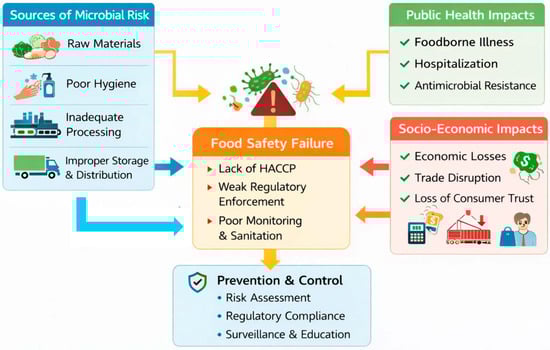
The process of ensuring the safety of the food supply is dynamic. Both the possibility of contamination and the effectiveness of safety precautions are impacted by changes in the kinds of food consumed, the geographical origins of food products, and the methods by
[...] Read more.
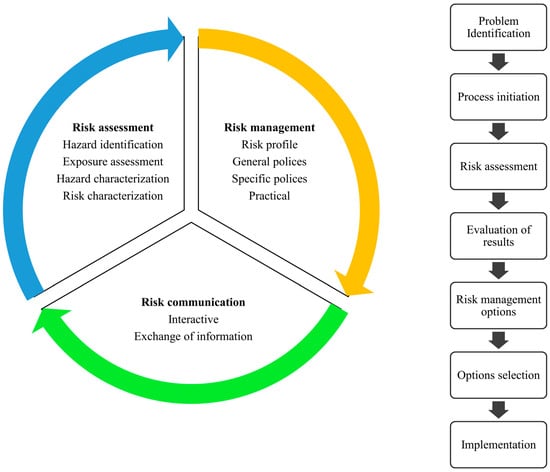
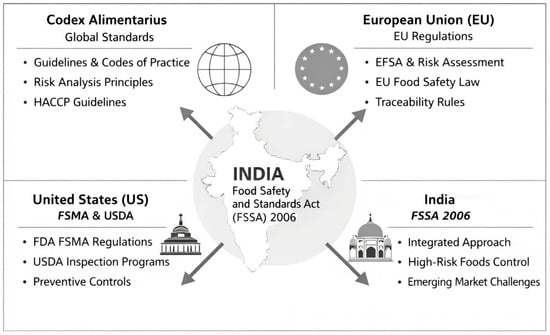
The process of ensuring the safety of the food supply is dynamic. Both the possibility of contamination and the effectiveness of safety precautions are impacted by changes in the kinds of food consumed, the geographical origins of food products, and the methods by which these foods are processed. For instance, compared to earlier generations, consumers’ general understanding of safe food preparation and handling techniques has decreased due to a higher reliance on prepackaged convenience foods. Nowadays, consumers depend increasingly on other people to make sure the food they eat is safe. Growing consumption of minimally processed foods and growing imports of fresh products from other nations have resulted from changes in consumer tastes and food processing technologies. This review aims to critically synthesize existing knowledge on microbial risks in food, focusing on their sources, mechanisms of contamination, risk evaluation methodologies, and implementation of food safety measures. Major foodborne pathogens, including Salmonella, Escherichia coli, Listeria monocytogenes, and Norovirus, are discussed alongside factors influencing their survival and transmission. Today Clostridium botulinum, Staphylococcus aureus, and Salmonella spp. remain among the major foodborne pathogens, but during the last two decades food-borne diseases such as shigellosis, listeriosis, campylobacteriosis, and diseases caused by pathogenic strains of Escherichia coli have become increasingly salient. These new concerns necessitate continued investment in research and technology development to improve the safety of the food supply. The review highlights current approaches to microbiological risk assessment, regulatory frameworks, and control strategies, while also addressing emerging challenges such as antimicrobial resistance, biofilms, and ready-to-eat foods. By integrating risk evaluation with practical implementation strategies, this review provides valuable insights for researchers, regulators, and food industry stakeholders seeking to strengthen food safety systems and reduce the burden of foodborne diseases.
Full article
(This article belongs to the Section Food Hygiene and Safety)
►▼
Show Figures

Figure 1
Open AccessArticle
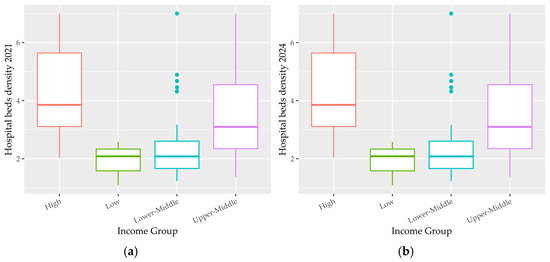
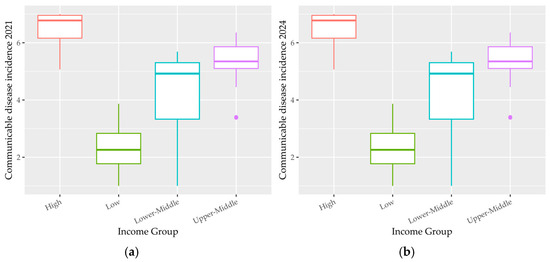
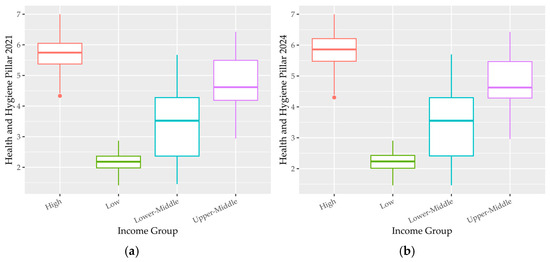
Regional and Income-Based Disparities in Health and Hygiene: Evidence from the Travel & Tourism Development Index
by
Petra Vašaničová and Kateryna Melnyk
Hygiene 2026, 6(1), 11; https://doi.org/10.3390/hygiene6010011 - 21 Feb 2026
Abstract
►▼
Show Figures
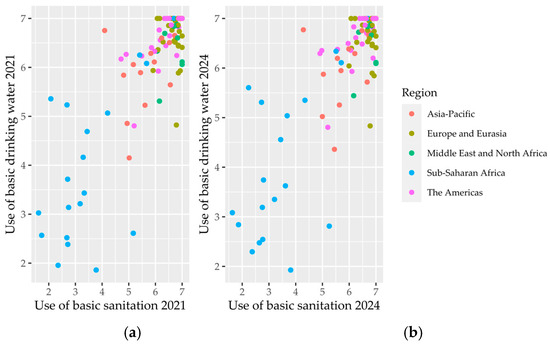
Health and hygiene are critical components of sustainable travel and tourism development, particularly in the post-emergency phase of the COVID-19 pandemic when traveler confidence is closely tied to the resilience of the destination. This paper examines global health and hygiene conditions using data
[...] Read more.
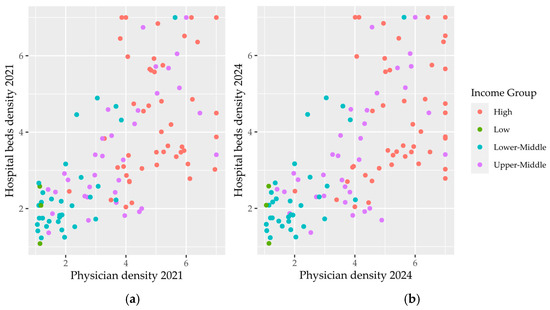
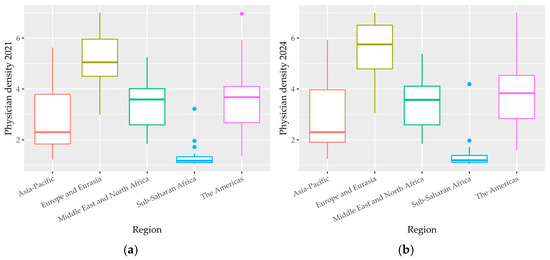
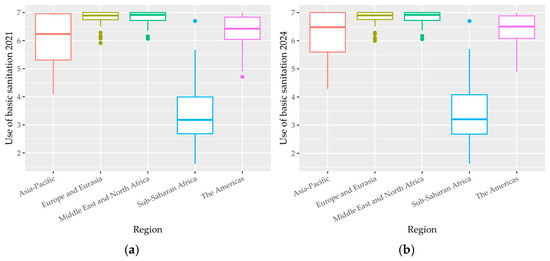
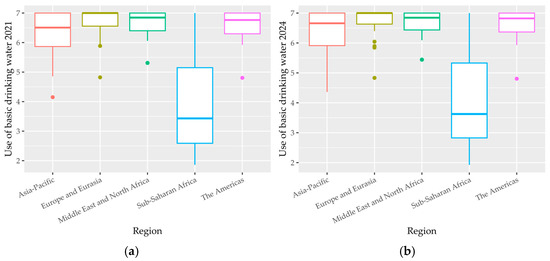
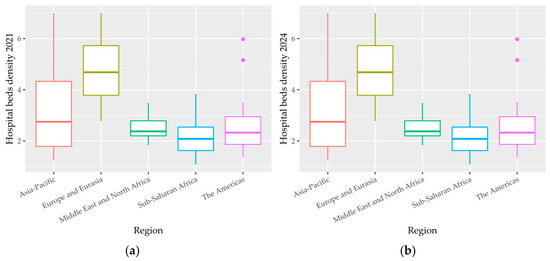
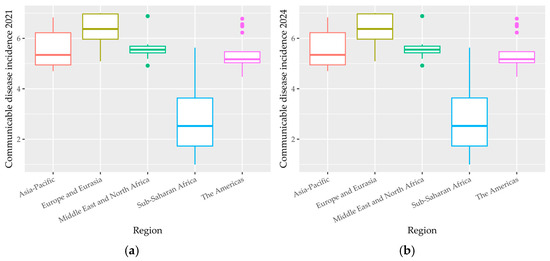
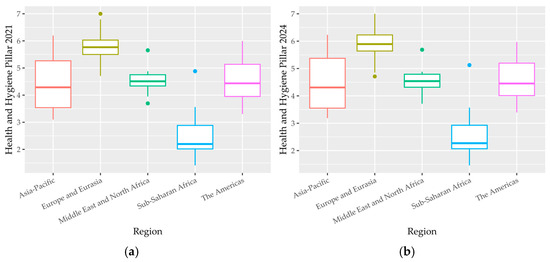
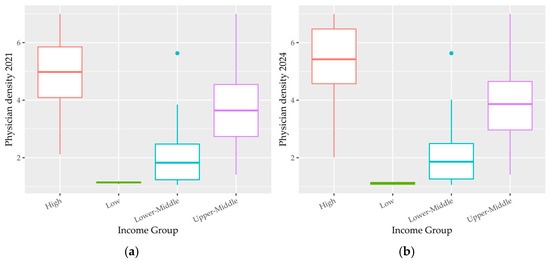
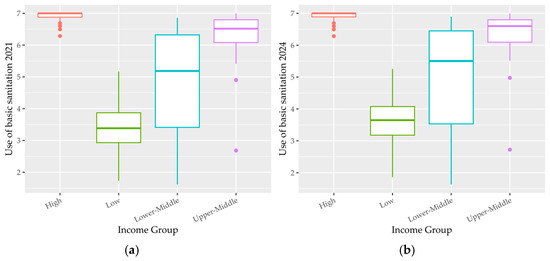
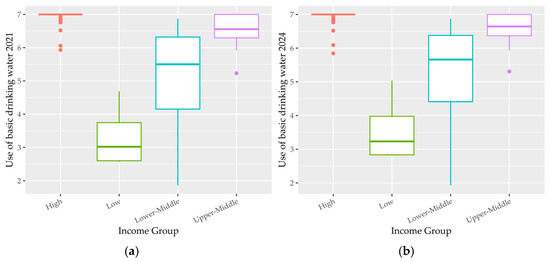
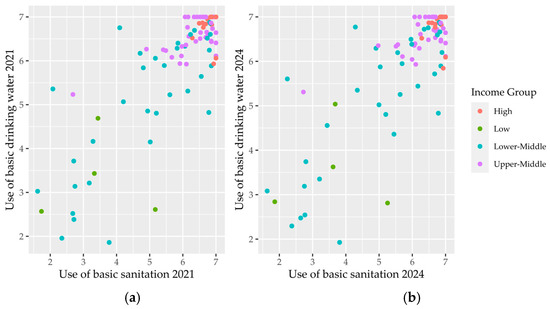
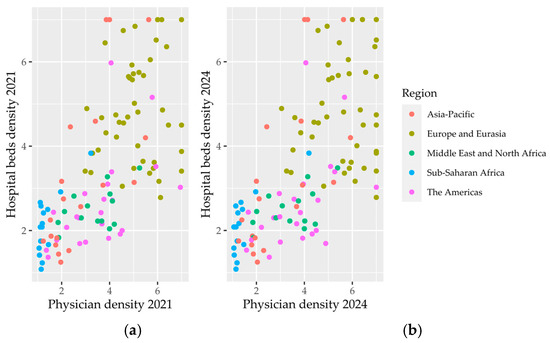
Health and hygiene are critical components of sustainable travel and tourism development, particularly in the post-emergency phase of the COVID-19 pandemic when traveler confidence is closely tied to the resilience of the destination. This paper examines global health and hygiene conditions using data from the Travel & Tourism Development Index (TTDI) 2024, with a focus on disparities across regions and income groups. Five key indicators—physician density, basic sanitation, basic drinking water, hospital bed density, and communicable disease incidence—are analyzed to assess healthcare infrastructure, accessibility, and public health resilience. By comparing data from 2021 and 2024, the study evaluates changes during and after the peak period of the COVID-19 crisis, highlighting progress and persistent inequalities relevant to sustainable travel and tourism development. Using descriptive statistics and Spearman’s rank correlation analysis, the study also investigates the associations between key health and hygiene indicators, specifically (i) basic sanitation and basic drinking water coverage and (ii) physician density and hospital bed density, at the global, regional, and income group levels. The results reveal pronounced regional and income-related disparities. Europe and Eurasia consistently outperform other regions, with high healthcare capacity and near-universal sanitation and water access, while Sub-Saharan Africa continues to face systemic deficits in all indicators. High-income countries have well-developed healthcare systems, whereas low-income countries struggle with limited physician availability, poor sanitation coverage, and high communicable disease incidence. Associations between key indicators are also evident: countries with strong sanitation infrastructure almost always achieve high drinking water coverage, and those with higher physician density typically maintain higher hospital bed capacity. These findings highlight the uneven pace of global recovery and emphasize that health and hygiene are not only public health priorities but also fundamental drivers of tourism competitiveness.
Full article

Figure 1
Open AccessReview
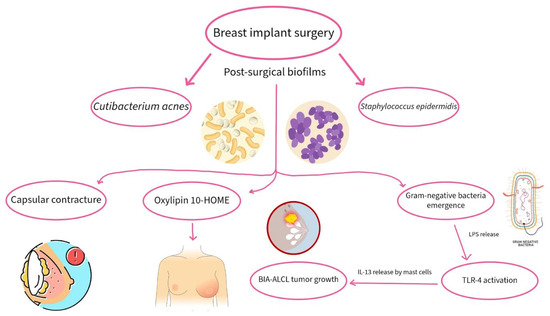
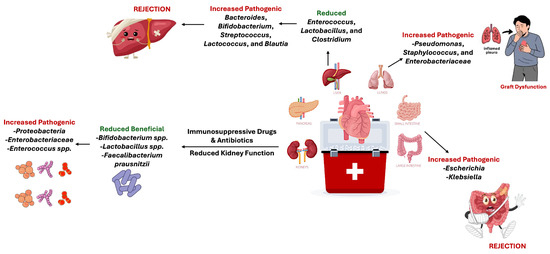
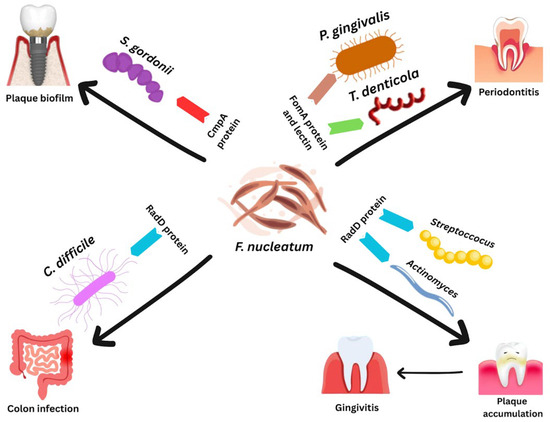
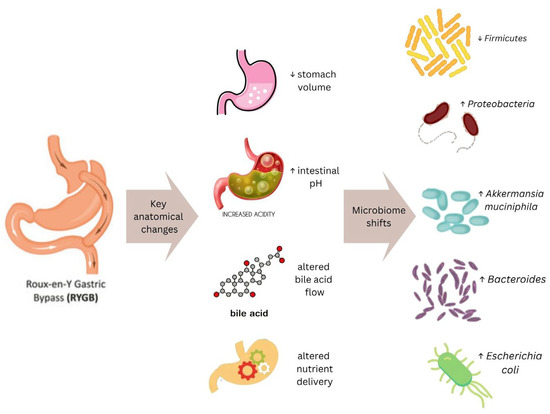
Interactions Between the Human Microbiome and Surgical Practice
by
Julia Kalinowski, Nada Nasr, Angelina Colamarino and Michelle Marie Esposito
Hygiene 2026, 6(1), 10; https://doi.org/10.3390/hygiene6010010 - 12 Feb 2026
Abstract
►▼
Show Figures
The human microbiome has emerged as a critical factor influencing surgical outcomes across a broad number of specialties. This paper explores the evolving interactions between the body’s microbiome and surgical practice, especially focusing on wound healing, post-operative recovery, and infection risk. We analyze
[...] Read more.
The human microbiome has emerged as a critical factor influencing surgical outcomes across a broad number of specialties. This paper explores the evolving interactions between the body’s microbiome and surgical practice, especially focusing on wound healing, post-operative recovery, and infection risk. We analyze current evidence from multiple surgical disciplines, including transplantation, reconstructive, bariatric, orthopedic, cardiothoracic, and oral surgery. Recognizing different microbial communities and their influence on surgical success opens doors to personalized medicine and targeted preventions. The studies discussed in this review provide valuable interdisciplinary insights that could ultimately uncover the microbiome’s fullest potential in optimizing future surgical protocols.
Full article

Figure 1
Open AccessArticle
Antibiotic Resistance of Escherichia coli and Salmonella Isolates from Table Eggs, Poultry Sausages, and Clinical Samples in Southwest Benin
by
Cyrielle Hinson, Philippe Sessou, Paulin Azokpota, Georges Daube and Nicolas Korsak
Hygiene 2026, 6(1), 9; https://doi.org/10.3390/hygiene6010009 - 11 Feb 2026
Cited by 1
Abstract
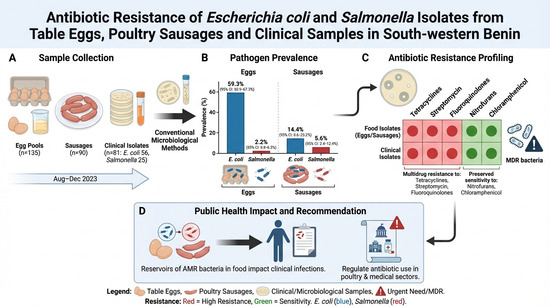
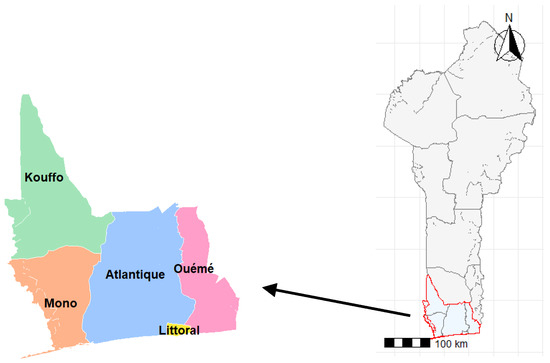
Antimicrobial resistance (AMR) in foodborne pathogens poses a major public health risk in Benin. Table eggs and poultry sausages have been identified as potential reservoirs of resistant bacteria. Nevertheless, the lack of integrated AMR data from food and clinical sources limits the ability
[...] Read more.
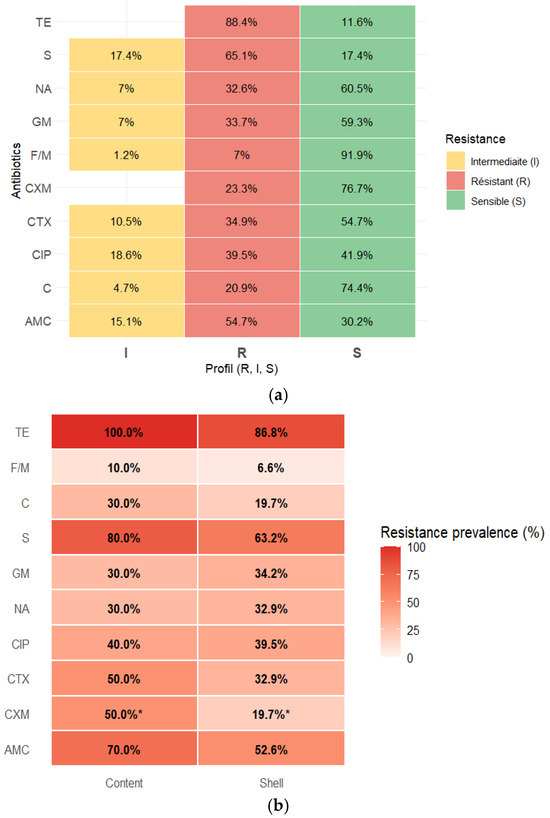
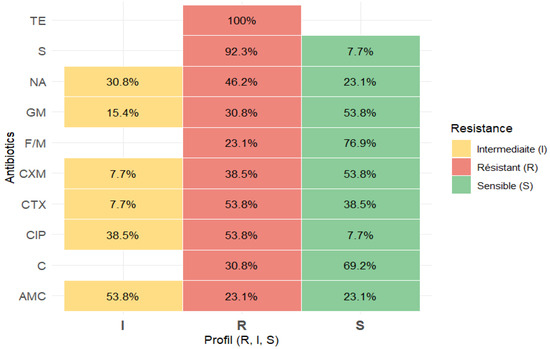
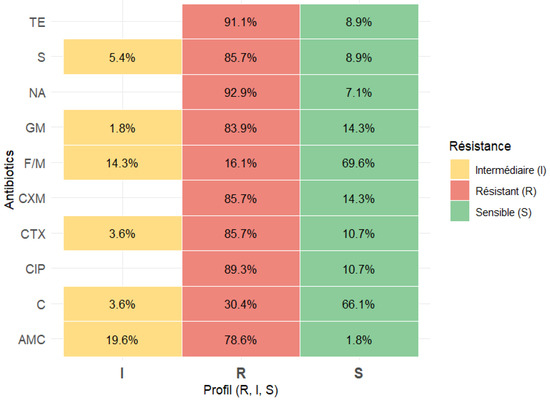
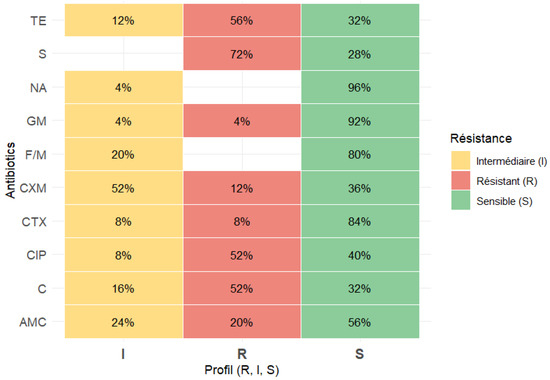
Antimicrobial resistance (AMR) in foodborne pathogens poses a major public health risk in Benin. Table eggs and poultry sausages have been identified as potential reservoirs of resistant bacteria. Nevertheless, the lack of integrated AMR data from food and clinical sources limits the ability to assess public health risks and design evidence-based interventions. Therefore, this study aimed to determine the prevalence of Escherichia coli and Salmonella in table eggs and poultry sausages and to evaluate the antibiotic resistance profile of isolates from these foods and clinical samples alongside clinical isolates. A total of 135 table egg pools, 90 poultry sausages, and 81 clinical isolates of E. coli (56) and Salmonella (25) were collected between August and December 2023. Table eggs and poultry sausages were analysed for Escherichia coli and Salmonella using conventional methods. Antibiotic resistance (n = 99 isolates) was tested using Kirby–Bauer disc diffusion. Clinical isolates (n = 77) were included for comparison. High Escherichia coli prevalence (eggs: 59.3%, 95% CI: 50.9–67.3%; sausages: 14.4%, 95% CI: 8.6–23.2%) and lower Salmonella prevalence (eggs: 2.2%, 95% CI: 0.8–6.3%; sausages: 5.6%, 95% CI: 2.4–12.4%) were observed. According to antibiotic resistance data, predominant multidrug resistance to tetracyclines, streptomycin, and fluoroquinolones, followed by preserved sensitivity to nitrofurans and chloramphenicol, was noticed. These findings highlight the urgent need to regulate antibiotic use in Benin’s poultry and medical sectors.
Full article
(This article belongs to the Section Food Hygiene and Safety)
►▼
Show Figures

Graphical abstract
Open AccessArticle
Difference in Knowledge About HPV, HPV Vaccination, and Influencing Factors Between Healthcare and Non-Healthcare Students of the University of Rijeka
by
Sandro Kresina, Nataša Ivančić Jokić, Vlatka Sotošek, Helena Glibotić Kresina, Danko Bakarčić, Sara Kresina, Tea Ivančić Jokić, Maja Šikić Pogačar, Karolina Vušković Ćosić and Neda Smiljan Severinski
Hygiene 2026, 6(1), 8; https://doi.org/10.3390/hygiene6010008 - 9 Feb 2026
Abstract
►▼
Show Figures
Background: Human papillomavirus (HPV) infection is the most common sexually transmitted infection worldwide and a major cause of several cancers. HPV vaccination is the most effective measure of preventing HPV infection, but knowledge and attitudes towards HPV vaccination are inconsistent. Methods: This study
[...] Read more.
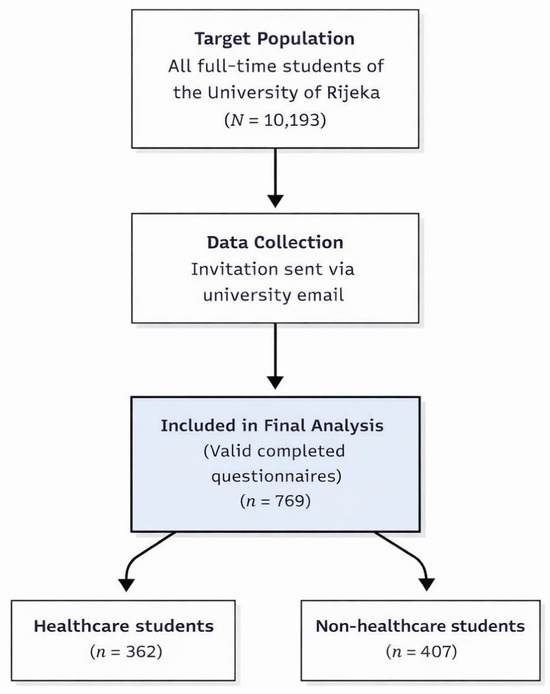
Background: Human papillomavirus (HPV) infection is the most common sexually transmitted infection worldwide and a major cause of several cancers. HPV vaccination is the most effective measure of preventing HPV infection, but knowledge and attitudes towards HPV vaccination are inconsistent. Methods: This study aimed to assess the knowledge, attitudes, and vaccination status related to HPV among university students in both healthcare and non-healthcare fields. A cross-sectional online survey was conducted among 769 full-time students, including 362 healthcare and 407 non-healthcare students. Validated questionnaires assessed HPV knowledge, vaccination attitudes, sociodemographic characteristics, and vaccination status. Results: Healthcare students scored significantly higher on HPV knowledge and had more positive attitudes towards vaccination compared to non-healthcare students. Vaccination rates were similar in both groups. Higher HPV knowledge was significantly correlated with reduced vaccine hesitancy and more positive vaccination attitudes. Binary logistic regression indicated that being younger, having more positive attitudes toward vaccination, and possessing greater knowledge about HPV were each associated with a significantly higher likelihood of HPV vaccination. Conclusions: In conclusion, targeted educational interventions are necessary to enhance HPV vaccination acceptance, especially among non-healthcare students. Universities represent crucial settings for promoting health literacy and increasing HPV vaccination coverage to effectively prevent HPV-related cancers among young adults.
Full article

Figure 1
Open AccessArticle
Inhibitory Effect of Verapamil in the Treatment of Mixed Biofilm of Candida albicans and Staphylococcus aureus
by
Jaroslava Dekkerová and Lucia Černáková
Hygiene 2026, 6(1), 7; https://doi.org/10.3390/hygiene6010007 - 5 Feb 2026
Abstract
►▼
Show Figures
Verapamil (VER) is a calcium channel blocker used to treat cardiovascular diseases. However, some studies also suggest its antimicrobial potential. Changes in calcium abundance in yeasts can lead to decreased expression of transcription factors for genes related to morphology, resistance, and biofilm. Hyphal
[...] Read more.
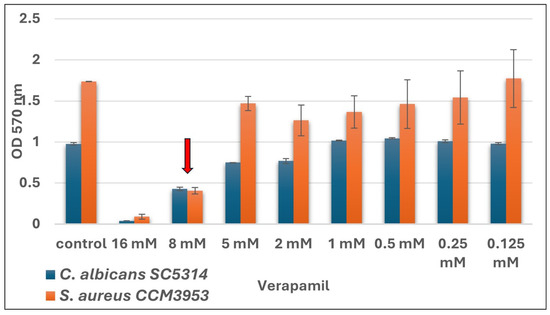
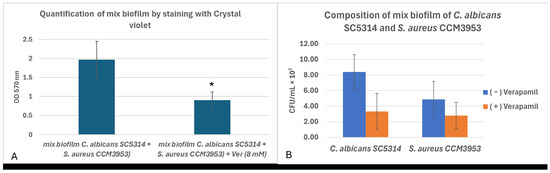
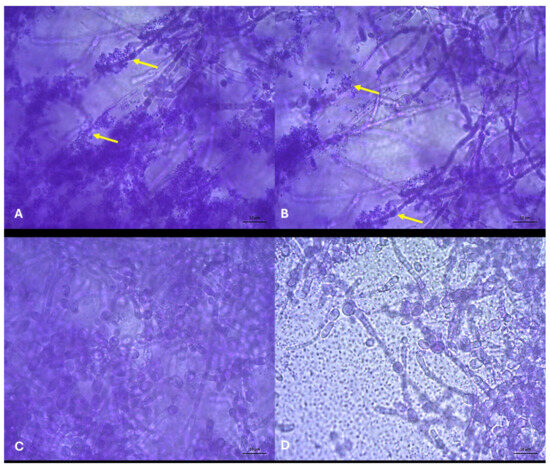
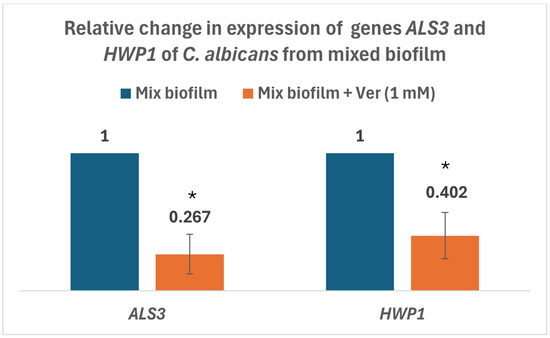
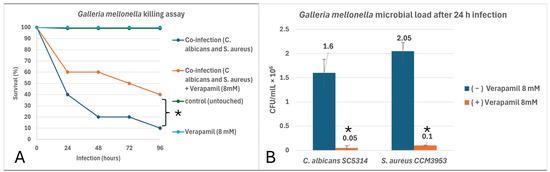
Verapamil (VER) is a calcium channel blocker used to treat cardiovascular diseases. However, some studies also suggest its antimicrobial potential. Changes in calcium abundance in yeasts can lead to decreased expression of transcription factors for genes related to morphology, resistance, and biofilm. Hyphal growth in Candida albicans is necessary for biofilm formation, especially in mixed biofilms with Staphylococcus aureus. This research studied the antibiofilm activity of VER in mixed biofilms of C. albicans SC5314 and S. aureus CCM3953. First, the minimal inhibitory concentration of VER was determined for single-species biofilms. Subsequently, a subinhibitory concentration of VER (1 mM) was tested on mixed biofilms. Biomass was reduced by 20% for C. albicans and 30% for S. aureus. The morphology of C. albicans was altered, and a decrease in S. aureus cells was also observed. qPCR was used to determine changes in HWP1 and ALS3 gene expression in biofilms formed w/wo VER. A decrease in the expression of both genes was observed. In vivo experiments with Galleria mellonella confirmed the antibiofilm activity of VER against mixed infections of C. albicans and S. aureus. These results suggest that VER regulates the morphology of C. albicans, resulting in changes in biofilm composition and the adhesion of S. aureus.
Full article

Figure 1
Open AccessReview
The Hygiene Continuum in Seafood Processing: Integrating Design, Sanitation, and Workforce Safety for Sustainable Food Systems
by
Gulsun Akdemir Evrendilek
Hygiene 2026, 6(1), 6; https://doi.org/10.3390/hygiene6010006 - 2 Feb 2026
Abstract
Seafood processing environments represent some of the most demanding hygienic settings in the global food sector. High humidity, variable temperatures, and heavy organic residues promote the persistence of Listeria monocytogenes, Vibrio spp., and Salmonella spp., making sanitation both critical and inherently complex.
[...] Read more.
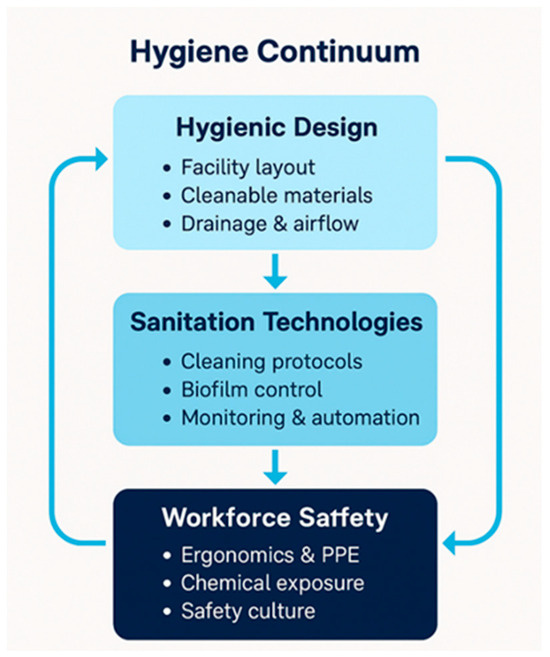
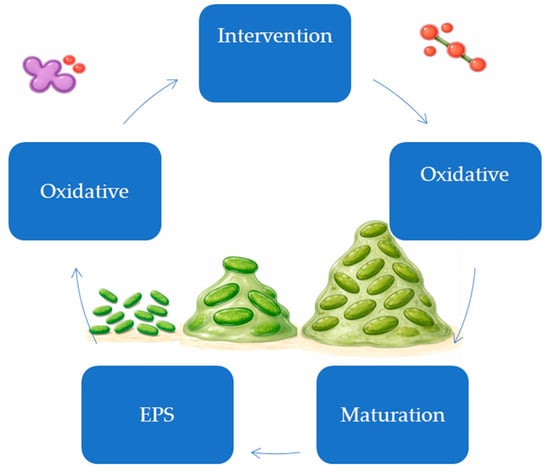
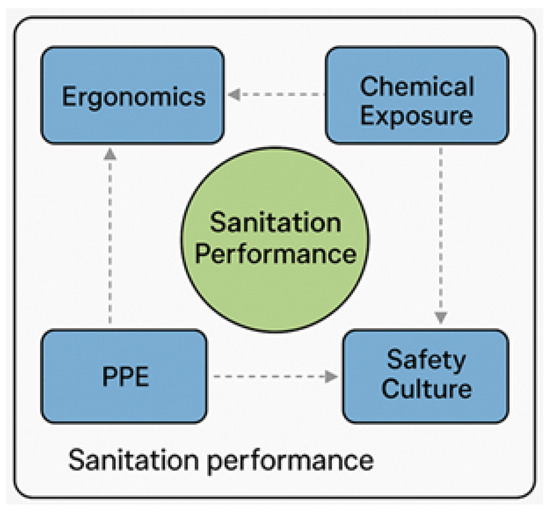
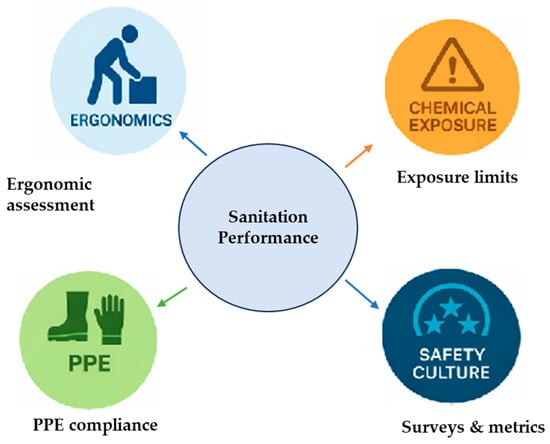
Seafood processing environments represent some of the most demanding hygienic settings in the global food sector. High humidity, variable temperatures, and heavy organic residues promote the persistence of Listeria monocytogenes, Vibrio spp., and Salmonella spp., making sanitation both critical and inherently complex. This review synthesizes recent advances in hygienic design, sanitation technologies, and workforce safety as interconnected elements of a single “hygiene continuum.” Building upon Codex, FDA, and European hygiene frameworks (2020–2024), the review examines how engineering design, Sanitation Standard Operating Procedures (SSOPs) and Good Manufacturing Practices (GMPs) systems, and occupational hygiene jointly determine microbial control, sustainability, and workforce well-being. Particular focus is given to biofilm dynamics, emerging disinfection technologies, and automation through cleaning-in-place (CIP) and cleaning-out-of-place (COP) systems. Recent trends—including digital monitoring, eco-efficient cleaning, and human-centered facility design—are discussed as drivers of next-generation hygiene management. Collectively, these insights demonstrate that hygienic performance in seafood processing is not a fixed endpoint but a living system linking design, management, and human behavior toward safe, sustainable, and resilient seafood production.
Full article
(This article belongs to the Section Food Hygiene and Safety)
►▼
Show Figures

Figure 1
Open AccessArticle
Trajectory Patterns of Hygiene Training Effectiveness Across Three Instructional Modes
by
Mark R. Limon, Shaira Vita Mae G. Adviento, Chariza Mae B. Basamot, Jacqueline B. Reyes, Karl Lorenze E. Gumsat, Athena Germynne D. Amano, Jessica Camille B. Ramirez, Christian Jay P. Pungtilan, Marie Dale R. Soriano, Louwelyn B. Baclagan, Shareen Kate A. Gamiao and Shiella Mae G. Juan
Hygiene 2026, 6(1), 5; https://doi.org/10.3390/hygiene6010005 - 26 Jan 2026
Abstract
Background: Hygiene and food-safety training is a critical public health strategy for preventing contamination and promoting safe food-handling practices in community settings. This study evaluated the long-term effectiveness of In-person, Online, and Hybrid instructional modes in enhancing hygiene and food-safety competencies among trainees
[...] Read more.
Background: Hygiene and food-safety training is a critical public health strategy for preventing contamination and promoting safe food-handling practices in community settings. This study evaluated the long-term effectiveness of In-person, Online, and Hybrid instructional modes in enhancing hygiene and food-safety competencies among trainees in Ilocos Norte, Philippines. Methods: Using a longitudinal quasi-experimental design, performance was measured at 12, 24, and 36 months across four domains: Personal Health & Hygiene, Food Hazards, Cleaning and Sanitation, and Good Manufacturing Practices. A total of 384 students met all inclusion criteria and completed the full series of evaluations. Descriptive and inferential statistical analyses were employed. Results: Competency scores increased significantly over time in all instructional modes (p < 0.001). Hybrid learners demonstrated the highest early longitudinal gains at 12 months (mean score, M = 20.88), compared with In-person (M = 10.28) and Online (M = 10.57). At 36 months, Online learners achieved the highest performance (M = 19.50), indicating stronger long-term retention. Effect size analysis using eta squared (η2) showed large effects for Cleaning and Sanitation (η2 = 0.196), Good Manufacturing Practices (η2 = 0.115), and overall performance (η2 = 0.138). Standardized Mean Change (SMC) indicated substantial improvement across modes, with Hybrid showing the greatest early change (SMC = 41.76 at 12 months) and Online exhibiting the strongest long-term improvement (SMC = 38.80 at 36 months). Training Efficiency Index (TEI) identified In-person instruction as most efficient (TEI = 30.55), followed by Online (29.49) and Hybrid (19.56). Linear Mixed-Effects Regression confirmed significant main effects of Time (β = 4.82, p < 0.001) and Mode (β = 3.97, p < 0.001), as well as a significant Time × Mode interaction (β = −1.42, p < 0.01). Conclusions: The findings indicate that Hybrid instruction supports rapid early competency gains, while Online instruction yields superior long-term mastery of hygiene and food-safety competencies. These results provide evidence-based guidance for optimizing hygiene training programs in community and public health contexts.
Full article
(This article belongs to the Section Food Hygiene and Safety)
Open AccessArticle
A Cross-Sectional Assessment of Oral Health and Quality of Life Among Dental Patients at a Public Special Care Center in Greece: A Cross-Sectional Study
by
Eirini Thanasi, Maria Antoniadou, Petros Galanis and Vasiliki Kapaki
Hygiene 2026, 6(1), 4; https://doi.org/10.3390/hygiene6010004 - 12 Jan 2026
Abstract
Background: Despite its crucial role in overall health, oral health is frequently overlooked within healthcare systems, partly due to the misconception that oral diseases are neither life-threatening nor directly disabling. This perception has led to an underestimation of the psychological, social, and economic
[...] Read more.
Background: Despite its crucial role in overall health, oral health is frequently overlooked within healthcare systems, partly due to the misconception that oral diseases are neither life-threatening nor directly disabling. This perception has led to an underestimation of the psychological, social, and economic burden associated with oral diseases. Τhe present study aimed to assess oral health status and oral health-related quality of life among dental patients attending a public Special Care Center in Greece. Methods: A cross-sectional study was conducted among 400 dental patients aged 18 years and older who visited a public Special Care Center for a routine check-up or a dental problem between September and October 2024. Data was collected through personal interviews and clinical examinations after informed consent was obtained. Oral health-related quality of life was evaluated using the Oral Health Impact Profile-14 (OHIP-14) and the Oral Impacts on Daily Performance (OIDP) questionnaires. Categorical variables were presented as absolute and relative frequencies, while quantitative variables were summarized as mean, standard deviation, median, minimum, and maximum. Normality was assessed using the Kolmogorov–Smirnov test. Bivariate analyses and multivariate linear regression models were performed, with statistical significance set at p < 0.05. Statistical analyses were conducted using IBM SPSS 23.0. Results: The majority of participants were female (56.3%) with a mean age of 50.4 years (SD = 14.9). Overall oral health-related quality of life was moderate (OHIP-14: Mean = 21.0, SD = 14.8; OIDP: Mean = 14.0, SD = 12.8). Patients who attended the center due to a dental problem reported significantly poorer oral health outcomes than those attending routine check-ups (p < 0.001). Poorer self-rated oral health, having ≥12 missing teeth, prosthetic restoration, and foreign nationality were significantly associated with worse oral health-related quality of life. Conclusions: Dental patients attending the Special Care Center demonstrated moderate oral health status, which was associated with psychological distress, physical disability, and social limitations. These findings underline the need for targeted public oral health interventions, especially for vulnerable population groups.
Full article
(This article belongs to the Section Public Health and Preventive Medicine)
Open AccessArticle
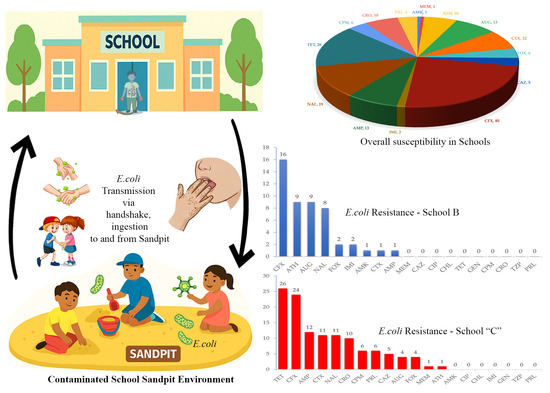
Antibiotic Resistance Patterns of Escherichia coli from Children’s Sandpits in Durban, South Africa: A Point Prevalence Study
by
Tasmiya Rangila, Andiswa Zondo, Andiswa Mtshali, Najiha Ismail Suleman Tar, Uzair Shabbir Dada, Etando Ayukafangha and Akebe Luther King Abia
Hygiene 2026, 6(1), 3; https://doi.org/10.3390/hygiene6010003 - 11 Jan 2026
Abstract
►▼
Show Figures
Background/Objectives: Although children’s playgrounds foster physical, cognitive and emotional health, sandpits can harbour antibiotic-resistant bacteria, representing a health concern for kids. Therefore, this point prevalence study investigated the presence and antimicrobial resistance of Escherichia coli in sandpits at four schools in Durban
[...] Read more.
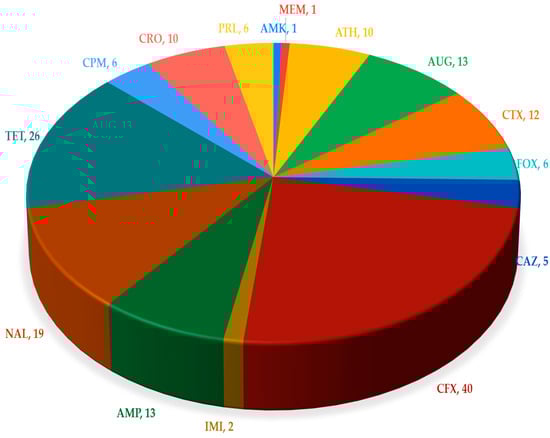
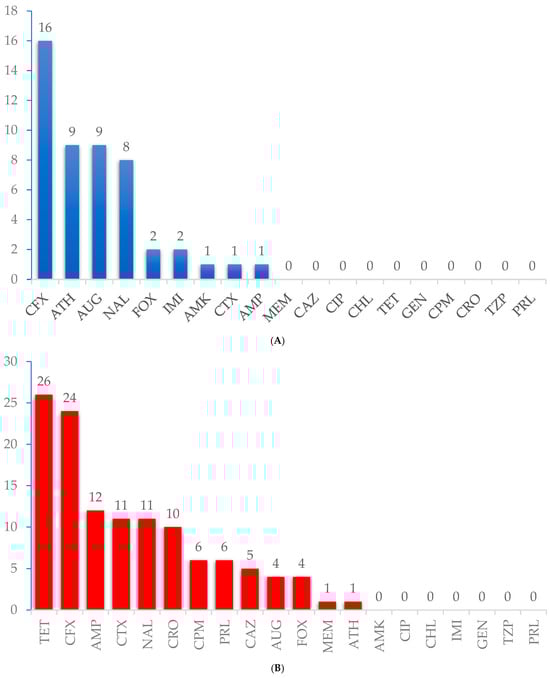
Background/Objectives: Although children’s playgrounds foster physical, cognitive and emotional health, sandpits can harbour antibiotic-resistant bacteria, representing a health concern for kids. Therefore, this point prevalence study investigated the presence and antimicrobial resistance of Escherichia coli in sandpits at four schools in Durban to ascertain the potential risk to schoolchildren and inform school authorities of the need to prevent such occurrences. Methods: Twenty samples were collected from schools on a single day. E. coli was isolated using colilert-18® and confirmed using PCR. Antibiotic susceptibility testing was performed against 19 antibiotics using the disc diffusion method and Clinical and Laboratory Standards Institute (CLSI) guidelines. Results: E. coli was detected in 2/4 schools (50%), yielding 100 pure isolates. Of these, 71% (31 Site B and 40 Site C isolates) were resistant to at least one of the antibiotics tested, displaying 36 antibiograms. The highest resistance was to CFX (n = 40), and the lowest was to AMK and MEM (n = 1). All isolates were susceptible to CIP, CHL, GEN and TZP. At Site B, the highest resistance was against CFX (n = 16) and the lowest against AMK, CTX and NAL (n = 1). The highest resistance at Site C was against TET (n = 26), and the lowest against ATH and AUG (n = 1). Twenty isolates (20%) were multidrug-resistant, displaying resistance to at least one antibiotic from 3 classes. Conclusions: These results show that children with poor hygiene practices could get sick from playing in sandpits. Schools must change their sand regularly and ensure that sandpits are constantly exposed to the sun.
Full article

Graphical abstract
Open AccessArticle
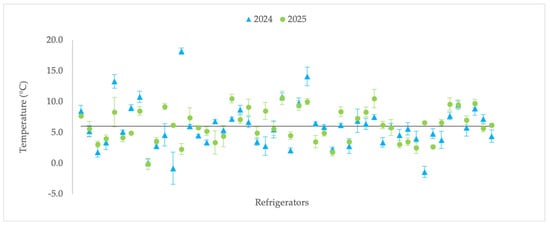
Domestic Food Safety Risks: A Two-Year Assessment of Refrigerator Hygiene and Egg Contamination
by
Ana Rita Barata, Beatriz Ferreira, Patrícia Oliveira, Hugo Guedes, Maria José Saavedra and Gonçalo Almeida
Hygiene 2026, 6(1), 2; https://doi.org/10.3390/hygiene6010002 - 9 Jan 2026
Abstract
Background: Domestic refrigeration and egg handling are key factors in ensuring household food safety. Inadequate temperature control and poor hygiene in refrigerators can promote the survival and growth of foodborne pathogens. This study aimed to (i) characterize refrigerator temperature profiles and surface microbial
[...] Read more.
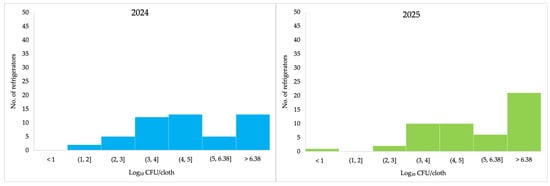
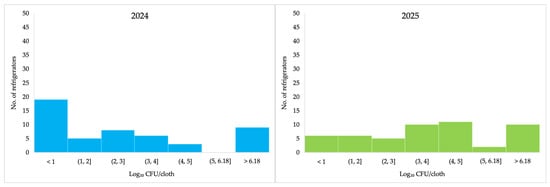
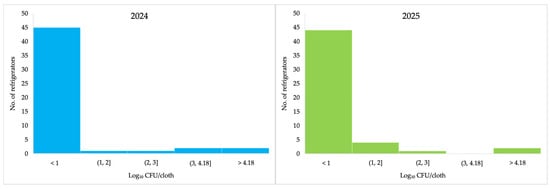
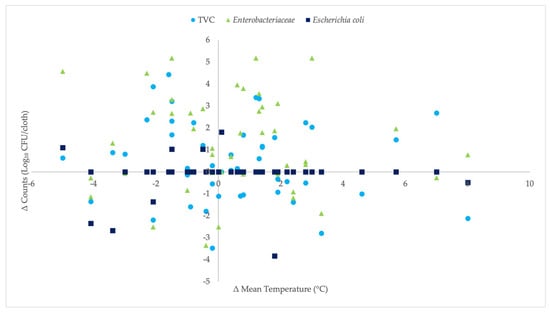
Background: Domestic refrigeration and egg handling are key factors in ensuring household food safety. Inadequate temperature control and poor hygiene in refrigerators can promote the survival and growth of foodborne pathogens. This study aimed to (i) characterize refrigerator temperature profiles and surface microbial contamination and (ii) screen eggs and egg-storage areas for the presence of Salmonella spp. and Campylobacter spp. Methods: Fifty domestic refrigerators were monitored twice in 2024 and 2025 in Porto, Portugal. The temperatures were continuously logged on the lowest shelf, which was swabbed for microbiological analysis. Surface hygiene was evaluated using total viable counts (TVC), Enterobacteriaceae, and Escherichia coli enumerated following ISO methods. Detection of pathogens Listeria monocytogenes, Salmonella spp., and Campylobacter spp. was performed using real-time PCR. Eggs (n = 92 in 2024; n = 88 in 2025), and domestic egg storage areas (total n = 76) were screened for Salmonella and Campylobacter. Results: The mean refrigerator temperatures were 6.0 ± 0.5 °C in 2024 and 6.1 ± 0.5 °C in 2025; 44% and 50% of the units, respectively, exceeded the recommended 6 °C threshold. In 2025, 31 (62%) and 33 (66%) refrigerators showed higher TVC and Enterobacteriaceae counts compared to 2024, whereas E. coli was only detected sporadically. L. monocytogenes, Salmonella spp., or Campylobacter spp. were not recovered from the refrigerator surfaces. Likewise, Salmonella and Campylobacter were not detected in any of the eggs or egg-storage sites. Indicator microorganism’s counts were not associated with the mean temperature. Conclusions: The absence of correlation between ΔT and Δ microbial counts suggests that behaviour-driven hygiene factors, rather than the relatively small year-to-year temperature differences observed, are more influential in determining household bioburden. Maintaining refrigerator temperatures ≤ 6 °C together with simple hygiene practices remains essential for reducing household food safety risks.
Full article
(This article belongs to the Section Food Hygiene and Safety)
►▼
Show Figures

Figure 1
Open AccessArticle
Tapirira obtusa Bark as a Natural Agent for Inflammation Reduction and Infection Control in Orotracheal Tubes
by
Soraia Salman, Josy Goldoni Lazarini, Daniel Saraiva Lopes, Tatiane Tiemi Macedo, Diego Romario-Silva, Maria Ligia Rodrigues Macedo, Pedro Luiz Rosalen, Rosemary Matias, Severino Matias de Alencar and Janaina de Cássia Orlandi Sardi
Hygiene 2026, 6(1), 1; https://doi.org/10.3390/hygiene6010001 - 5 Jan 2026
Abstract
►▼
Show Figures
Background: Tracheostomy procedures are associated with increased risk of nosocomial infections due to microbial colonization and biofilm formation on tube surfaces. These biofilms contribute to persistent infections and hinder clinical recovery. Plant-derived products have gained interest as alternative strategies for preventing device-associated infections.
[...] Read more.
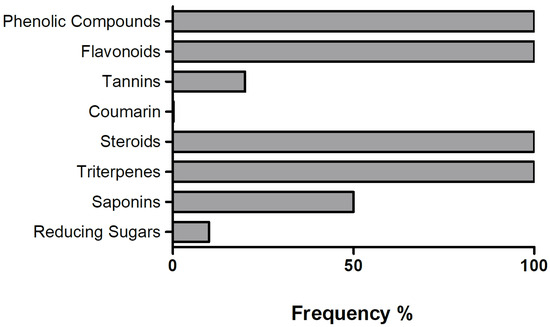
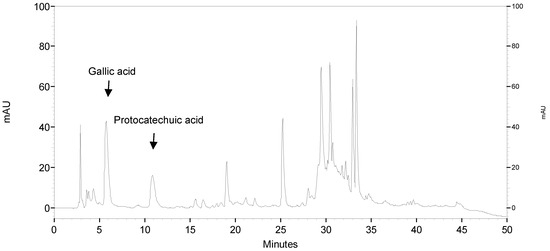
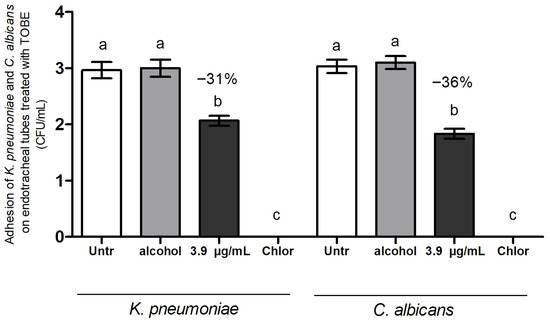
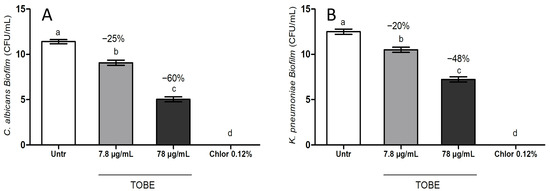
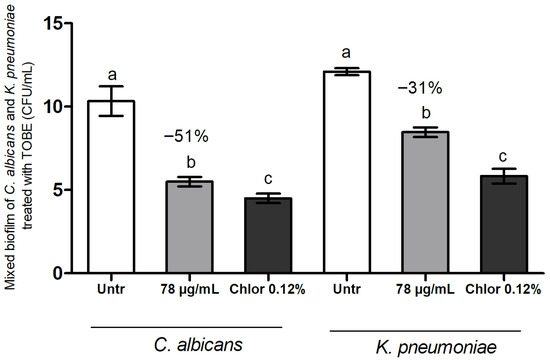
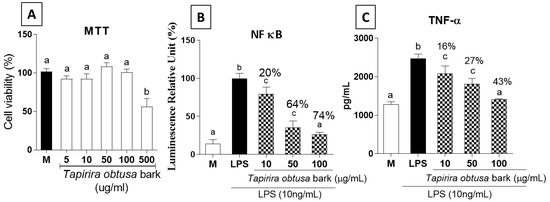
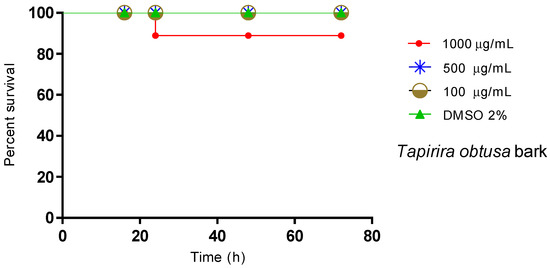
Background: Tracheostomy procedures are associated with increased risk of nosocomial infections due to microbial colonization and biofilm formation on tube surfaces. These biofilms contribute to persistent infections and hinder clinical recovery. Plant-derived products have gained interest as alternative strategies for preventing device-associated infections. Methods: This study evaluated the phytochemical composition and the antimicrobial, anti-adherent, antibiofilm, anti-inflammatory, antioxidant, and toxicity properties of Tapirira obtusa bark extract (TOBE). Antimicrobial activity was determined by minimum inhibitory concentrations (MICs). Biofilm formation and microbial viability were assessed in mono- and mixed-species biofilms. Anti-inflammatory effects were evaluated by NF-κB inhibition and TNF-α quantification. Antioxidant activity was measured using the DPPH assay. Phytochemical analysis identified major bioactive groups, and toxicity was tested in the Galleria mellonella model. Results: TOBE exhibited notable antimicrobial activity, with MIC values between 3.9 and 31.25 µg/mL. At 78 µg/mL, the extract significantly reduced biofilm biomass and microbial viability (p < 0.05). TOBE also downregulated NF-κB activation and decreased TNF-α levels. Antioxidant assays confirmed radical-scavenging capacity. Phytochemical screening revealed phenolics, flavonoids, and tannins, and toxicity results indicated a safe profile. Conclusion: TOBE effectively inhibits microbial growth and biofilm development on orotracheal tube surfaces while exhibiting anti-inflammatory and antioxidant properties without detectable toxicity. These findings support its potential as a plant-based adjunct for preventing tracheostomy-related infections and improving patient outcomes.
Full article

Figure 1
Open AccessReview
Presence of Major Bacterial Foodborne Pathogens in the Domestic Environment and Hygienic Status of Food Cleaning Utensils: A Narrative Review
by
Antonia Mataragka, Rafaila Anthi, Zoi-Eleni Christodouli, Olga Malisova and Nikolaos D. Andritsos
Hygiene 2025, 5(4), 60; https://doi.org/10.3390/hygiene5040060 - 18 Dec 2025
Abstract
Ensuring optimal food hygiene is essential for food safety and preventing foodborne illness, although the importance of food hygiene is often overlooked in the household kitchen setting. Adequate, good hygiene practices in the domestic environment are equally important as their implementation in any
[...] Read more.
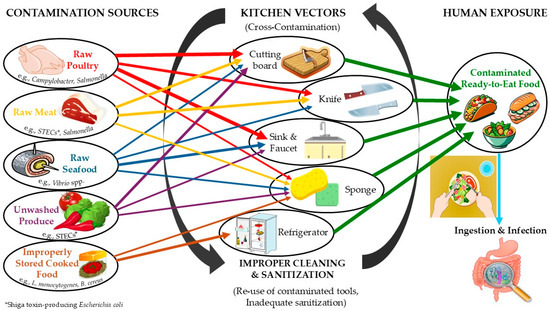
Ensuring optimal food hygiene is essential for food safety and preventing foodborne illness, although the importance of food hygiene is often overlooked in the household kitchen setting. Adequate, good hygiene practices in the domestic environment are equally important as their implementation in any other food preparation environment, like in the food industry. The current review encompasses research data on the prevalence and isolation of major foodborne pathogenic bacteria (Campylobacter, Salmonella, Listeria monocytogenes, Staphylococcus aureus, Escherichia coli pathotypes, and Clostridium perfringens) from household kitchen equipment, as well as food cleaning utensils used in the kitchen, such as sponges, brushes, dishcloths, and hand towels. The most common bacterial pathogen present in the domestic environment is S. aureus. The latter can be transmitted orally, either via direct hand contact with contaminated kitchen surfaces and/or cleaning utensils, or indirectly through the consumption of contaminated food due to cross-contamination during food preparation (e.g., portioning prepared meat on the same cutting board surface and with the same knife previously used to cut fresh leafy vegetables). Moreover, research findings on the hygiene of food cleaning utensils demonstrate that (i) sponges have the highest microbial load compared to all other cleaning utensils, (ii) brushes are less contaminated and more hygienic than sponges, thus safer for cleaning cutlery and kitchen utensils, and (iii) kitchen dishcloths and hand towels positively contribute to cross-contamination since they are frequently used for multiple purposes at the same time (e.g., drying hands and wiping/removing excess moisture from dishes). Finally, the present review clearly addresses the emerging issue of antimicrobial resistance (AMR) in bacterial pathogens and the role of the domestic kitchen environment in AMR dissemination. These issues add complexity to foodborne risk management, linking household practices to broader AMR stewardship initiatives.
Full article
(This article belongs to the Section Food Hygiene and Safety)
►▼
Show Figures

Figure 1
Highly Accessed Articles
Latest Books
E-Mail Alert
News
Topics
Conferences
Special Issues
Special Issue in
Hygiene
Advances in Digital Technologies for Preventive and Personalized Oral Healthcare
Guest Editor: Gianna Maria NardiDeadline: 20 April 2026
Special Issue in
Hygiene
Technologies for Hygiene and Infection Control in Veterinary Medicine in a Post-Pandemic World
Guest Editors: Ana Cláudia Coelho, Luís Cardoso, Paula OliveiraDeadline: 20 May 2026
Special Issue in
Hygiene
Current Trends and New Challenges in Occupational Medicine and Industrial Hygiene
Guest Editors: Andrea Cattaneo, Giovanni De Vito, Davide Campagnolo, Francesca BorghiDeadline: 30 June 2026
Special Issue in
Hygiene
The Challenge of Disinfection and Sterilization in Veterinary Practice
Guest Editors: Ana Cláudia Coelho, Luís Cardoso, Paula OliveiraDeadline: 10 July 2026