Journal Description
Journal of Functional Morphology and Kinesiology
is a peer-reviewed, open access journal on functional morphology and kinesiology research dealing with the analysis of structure, function, development, and evolution of cells and tissues of the musculoskeletal system and the whole body related to the movement exercise-based approach, published quarterly online by MDPI.
- Open Access— free for readers, with article processing charges (APC) paid by authors or their institutions.
- High Visibility: indexed within ESCI (Web of Science), Scopus, PubMed, PMC, FSTA, and other databases.
- Journal Rank: JCR - Q2 (Sport Sciences) / CiteScore - Q2 (Anatomy)
- Rapid Publication: manuscripts are peer-reviewed and a first decision is provided to authors approximately 22.5 days after submission; acceptance to publication is undertaken in 2.4 days (median values for papers published in this journal in the second half of 2025).
- Recognition of Reviewers: reviewers who provide timely, thorough peer-review reports receive vouchers entitling them to a discount on the APC of their next publication in any MDPI journal, in appreciation of the work done.
Impact Factor:
2.5 (2024)
Latest Articles
Motorist’s Disorientation Syndrome—A Narrative Review
J. Funct. Morphol. Kinesiol. 2026, 11(2), 229; https://doi.org/10.3390/jfmk11020229 - 3 Jun 2026
Abstract
Motorist’s disorientation syndrome (MDS) is seen in 1 to 5% of patients in a tertiary neurotology clinic and remains an underdiagnosed pathology. It was first described in 1985 by Page & Gresty, using the term “visual vertigo”. Patients described sensations of veering or
[...] Read more.
Motorist’s disorientation syndrome (MDS) is seen in 1 to 5% of patients in a tertiary neurotology clinic and remains an underdiagnosed pathology. It was first described in 1985 by Page & Gresty, using the term “visual vertigo”. Patients described sensations of veering or turning over while driving an automobile when visual input was restricted. This was exacerbated at high speeds, on winding roads, going down hills, or when overtaken by a vehicle. All patients in this initial study had peripheral or central neurotological abnormalities and showed exaggerated responses during optokinetic stimulation. Some sufferers considered giving up driving. The first aims of this narrative review were to delineate the symptoms of MDS as detailed in the literature, to outline precipitating situations and to discuss associated pathologies such as anxiety. The second aim was to differentiate MDS from similar syndromes, such as persistent postural-perceptual dizziness (PPPD) and motion sickness (MS). In addition, we looked at the role of vestibular assessments and discussed the involvement of the otolith organs and semicircular canals. In this review, eight publications were analyzed. MDS is related to a visual-vestibular or a visio-visual conflict and occurs in drivers (both males and females). It is associated with anxiety in 17–39% of cases. Mild vestibular-test abnormalities or exaggerated response to opto-kinetic stimulations are seen in 60–100% of cases. Between 50 and 62% of patients have a migraine history. Convergence and strabismic problems are also often seen. Symptoms usually settle after 6 ± 4 years but can persist for longer in females. MDS is multifactorial, and similar to certain forms of PPPD but different than MS. Its pathophysiology is still in question, and we support the role of the velocity storage integrator as a recent hypothesis. Treatment includes vestibular rehabilitation, virtual reality, cognitive behavioral therapies and orthoptic sessions, and the results are promising. The authors also strongly feel that future research on clarifying MDS pathology should study a wider scope of vestibular assessments to evaluate semicircular canal/otolithic function, as well as the vestibulo-ocular reflex, analyze optokinetic nystagmus time constant, and perform a systematic orthoptic examination.
Full article
(This article belongs to the Special Issue Postural Control in Neurological and Musculoskeletal Disorders)
►
Show Figures
Open AccessArticle
Comparison of Arch Index Derived from Optical Pedography and Barometric Platform in Children: A Method Agreement Study
by
Miloslav Gajdoš, Jakub Čuj, Katarína Hnatová, Wioletta Mikuľáková and Lucia Demjanovič Kendrová
J. Funct. Morphol. Kinesiol. 2026, 11(2), 228; https://doi.org/10.3390/jfmk11020228 - 3 Jun 2026
Abstract
Objectives: The Arch Index (AI) is commonly used to assess medial longitudinal arch morphology; however, values obtained using different measurement technologies may not be interchangeable. This study aimed to compare AI values derived from optical pedography and a barometric platform during bilateral static
[...] Read more.
Objectives: The Arch Index (AI) is commonly used to assess medial longitudinal arch morphology; however, values obtained using different measurement technologies may not be interchangeable. This study aimed to compare AI values derived from optical pedography and a barometric platform during bilateral static stance assessment in children and to evaluate their agreement. Methods: Thirty-eight healthy children aged 5–10 years underwent standardized bilateral static foot assessment. AI was calculated using identical segmentation and formula for both systems. Paired t-tests, Pearson correlation, intraclass correlation coefficient, and Bland–Altman analysis were used to assess agreement between methods. Results: Optical pedography produced significantly higher AI values than barometric assessment for both the left (0.284 ± 0.055 vs. 0.188 ± 0.092) and right foot (0.286 ± 0.048 vs. 0.169 ± 0.072; p < 0.001). Agreement between methods was moderate (ICC = 0.494–0.581), with wide limits of agreement. Inter-method differences increased with age. Conclusions: AI values obtained from optical pedography and barometric platforms are not interchangeable in children. Consistent use of a single measurement technology is recommended in pediatric assessment to avoid misinterpretation of developmental changes.
Full article
(This article belongs to the Special Issue Advances in Gait Analysis and Lower Limb Movement Mechanics)
►▼
Show Figures

Figure 1

Open AccessArticle
Effects of Oxygen–Ozone Therapy and Physiotherapy on Functioning in Patients with Chronic Non-Specific Neck Pain: A Prospective Double-Arm Pilot Study
by
Alessandro de Sire, Andrea Parente, Andrea Demeco, Emanuele Prestifilippo, Martina Cocco, Stefano Fasano, Klemen Grabljevec, Umile Giuseppe Longo, Nicola Marotta and Antonio Ammendolia
J. Funct. Morphol. Kinesiol. 2026, 11(2), 227; https://doi.org/10.3390/jfmk11020227 - 3 Jun 2026
Abstract
Objectives: This study aimed to evaluate the effects of a combined treatment consisting of O2O3 injections and McKenzie-based physiotherapy exercises, compared to a Control group treated with O2O3 injections and a Back School physiotherapy program, in
[...] Read more.
Objectives: This study aimed to evaluate the effects of a combined treatment consisting of O2O3 injections and McKenzie-based physiotherapy exercises, compared to a Control group treated with O2O3 injections and a Back School physiotherapy program, in reducing pain and disability in individuals with chronic non-specific neck pain. Methods: In this prospective double-arm pilot study, patients with chronic non-specific neck pain and a Numerical Rating Scale (NRS) > 4 were enrolled. All patients received eight weekly sessions of O2O3 injections (10 μg/mL, 10 mL total, and 2 mL bilaterally into the cervical paravertebral muscles). Patients were then randomly assigned (1:1 ratio) to either an experimental group receiving McKenzie physiotherapy or a Control group undergoing Back School techniques, with five sessions per week over two weeks. Outcome measures included the Neck Disability Index (NDI), NRS, EuroQol-5D-3L (EQ5D3L), and EuroQol Visual Analog Scale (EQ-VAS). Results: A total of 41 patients were included and divided into two groups: Back School (n = 21; mean age: 63.9 ± 13.4 years) and McKenzie (n = 20; mean age: of 57.3 ± 12.9 years). Both groups showed significant improvement in NDI, NRS, EQ5D3L, and EQ-VAS following the O2O3 injection cycle (∆T0–T1 p < 0.001). The subsequent addition of physical therapy led to further improvements across all outcomes in both groups (∆T1–T2 p < 0.001), with the McKenzie group showing slightly greater benefits, despite the lack of significant differences. Conclusions: This study demonstrated the effects of combining O2O3 injections with either McKenzie or Back School therapy in improving pain, disability, and quality of life in patients with chronic non-specific neck pain.
Full article
(This article belongs to the Section Functional Anatomy and Musculoskeletal System)
►▼
Show Figures

Figure 1
Open AccessArticle
Time-Dependent Endurance Exercise Improves Metabolic Health Through Circadian Rhythm Regulation in Mice
by
Yanqing Zhou, Qianyun Cheng, Zuoqing Yan, Chao Lu and Bingxuan Hua
J. Funct. Morphol. Kinesiol. 2026, 11(2), 226; https://doi.org/10.3390/jfmk11020226 - 1 Jun 2026
Abstract
Objectives: Circadian rhythms regulate key physiological processes, including metabolism and energy balance. Emerging evidence suggests that the timing of physical activity may influence metabolic outcomes. However, how the timing of endurance exercise impacts long-term metabolic health and the role of the circadian
[...] Read more.
Objectives: Circadian rhythms regulate key physiological processes, including metabolism and energy balance. Emerging evidence suggests that the timing of physical activity may influence metabolic outcomes. However, how the timing of endurance exercise impacts long-term metabolic health and the role of the circadian clock in this process remain unclear. This study aimed to investigate whether time-dependent endurance exercise improves metabolic health via circadian rhythm regulation. Methods: A 12-week endurance exercise protocol was established using wild-type (WT) and circadian-disrupted ClockΔ19 mice. Mice were assigned to exercise at Zeitgeber time 0 (ZT0) or Zeitgeber time 0 (ZT12), or to sedentary controls. Assessments included rotarod fatigue test, body weight, epididymal fat ratio, fasting blood glucose, serum triglycerides, high-density lipoprotein cholesterol (HDL-C), low-density lipoprotein cholesterol (LDL-C), non-esterified fatty acids (NEFA), intraperitoneal glucose tolerance test (IPGTT), and insulin tolerance test (ITT). Results: ClockΔ19 mice exhibited circadian phase-dependent fatigue susceptibility on the rotarod, particularly at ZT0. Both exercised ClockΔ19 groups (ZT0 and ZT12) showed significant weight reduction compared to sedentary controls, indicating that endurance exercise may counteracts circadian disruption-induced weight gain independent of timing. In WT mice, evening exercise (ZT12) led to enhanced lipid regulation and better glucose tolerance. These time-dependent benefits were absent in ClockΔ19 mutants, demonstrating that the full metabolic advantages of exercise require a functional circadian clock. Notably, endurance training also partially restored serum HDL-C levels in ClockΔ19 mice, suggesting compensatory metabolic responses. Conclusions: Aligning endurance exercise with the body’s internal clock provides greater metabolic benefits than untimed exercise. The circadian clock is essential for time-dependent improvements in glucose and lipid metabolism, although some beneficial effects occur independently of a functional clock.
Full article
(This article belongs to the Special Issue Advances in Physiology of Training—3rd Edition)
►▼
Show Figures

Figure 1

Open AccessArticle
The Strengthening of Quadriceps, Abductors, and External Rotator Muscles of the Hip to Alter Axial Alignment of the Lower Limbs in University Students with Patellofemoral Pain Syndrome: A Prospective Cohort Study
by
Raphael Augusto Gir de Carvalho, Bianca Benelli Pizzolato, Guilherme Pasqualin Afonso de Souza, Evanil Minussi Filho, Gustavo Fonseca Lemos Calixto, Ewerton Alexandre Galdeano, Mariana Mattar Sampaio Madureira, Waldinei Merces Rodrigues, Marcelo Rodrigues da Cunha, Eduardo Gomes Machado, Fernando Bento Cunha, Rogerio Leone Buchaim and Marcelo de Azevedo Souza Munhoz
J. Funct. Morphol. Kinesiol. 2026, 11(2), 225; https://doi.org/10.3390/jfmk11020225 - 1 Jun 2026
Abstract
Background: Proximal lower-extremity muscle strengthening is an important conservative intervention for patellofemoral pain syndrome (PFPS), as these muscle groups play critical roles in femoral stabilization and knee valgus control. However, evidence remains limited regarding the effectiveness of muscle strengthening in improving lower-extremity
[...] Read more.
Background: Proximal lower-extremity muscle strengthening is an important conservative intervention for patellofemoral pain syndrome (PFPS), as these muscle groups play critical roles in femoral stabilization and knee valgus control. However, evidence remains limited regarding the effectiveness of muscle strengthening in improving lower-extremity axial alignment through modulation of femoral neck anteversion, femoral internal rotation, and tibial external rotation. Therefore, the present study aimed to determine whether a strengthening protocol targeting the quadriceps and hip external rotator and hip abductor muscles could improve knee alignment and reduce bone torsion in young adults with patellofemoral pain syndrome. Methods: This prospective interventional cohort study implemented a muscle strengthening protocol in ten university students with PFPS. Outcomes included femoral neck anteversion angle (FNA), tibial tubercle–trochlear groove distance (TT–TG), tibial external torsion angle (TET), and the knee Q-angle, assessed via 3D reconstruction of computed tomography (3D-CT) images. Pre- and post-intervention data were analyzed using the Shapiro-Wilk test for normality and repeated-measures ANOVA (p < 0.05; 95% confidence interval). Results: Muscle strengthening improved lower-limb axial alignment, with reductions observed across all measures post-intervention. Mean changes were 0.68 ± 1.26° for FNA (p = 0.0626); 1.51 ± 0.97 mm for TT–TG (p = 0.0001); 1.38 ± 3.36° for TET (p = 0.2231); and 1.14 ± 1.52° for the Q-angle. Statistically significant improvements were observed for TT–TG and the Q-angle. Conclusions: Proximal muscle strengthening improved knee valgus and axial lower-limb alignment, as evidenced by significant reductions in Q angle and TT–TG distance. Reductions in femoral neck anteversion (FNA) and tibial external torsion angle (TET) were observed. However, these differences were not statistically significant. These findings support muscle strengthening as a noninvasive strategy for improving lower-limb alignment in individuals with patellofemoral pain syndrome.
Full article
(This article belongs to the Special Issue Anatomy and Physiology of Adapted Physical Activity: Enhancing Health and Performance)
►▼
Show Figures

Figure 1

Open AccessArticle
Effectiveness of Proprioceptive Neuromuscular Facilitation Compared with Standardized Exercise-Based Physiotherapy for Chronic Shoulder Pain Treated with Ultrasound-Guided Corticosteroid Injections: A Randomized Controlled Trial
by
Alessandro de Sire, Andrea Demeco, Emanuele Prestifilippo, Rita Ilaria De Socio, Marco Mazzei, Annunziata Filippo, Stefano Fasano, Kristian Efremov, Nicola Marotta and Antonio Ammendolia
J. Funct. Morphol. Kinesiol. 2026, 11(2), 224; https://doi.org/10.3390/jfmk11020224 - 31 May 2026
Abstract
Background: Chronic shoulder pain associated with subacromial bursitis is a common clinical condition characterized by pain and functional limitation, factors that contribute significantly to chronic morbidity for the patient. The combination of ultrasound-guided corticosteroid injections and physical therapy may improve clinical outcomes.
[...] Read more.
Background: Chronic shoulder pain associated with subacromial bursitis is a common clinical condition characterized by pain and functional limitation, factors that contribute significantly to chronic morbidity for the patient. The combination of ultrasound-guided corticosteroid injections and physical therapy may improve clinical outcomes. This study compared the effectiveness of Proprioceptive Neuromuscular Facilitation and standardized exercise-based physiotherapy after a common protocol of ultrasound-guided corticosteroid injections in patients with chronic shoulder pain associated with subacromial bursitis. Methods: A randomized controlled pilot study was conducted on adult patients with chronic shoulder pain (NRS ≥ 4), who received 3 weekly intra-bursal ultrasound-guided injections of corticosteroids and local anesthetic, followed by either 10 sessions of PNF or standardized exercise-based physiotherapy. The primary outcome was pain intensity assessed by NRS. Secondary outcomes included DASH, EQ-5D, EQ-VAS, and ROM, assessed at baseline, 2 weeks, 4 weeks, 12 weeks, and 24 weeks. Results: The PNF group showed greater improvements in selected outcomes and at some follow-up time points, particularly for functional measures and shoulder ROM. However, between-group differences were not consistent across all predefined outcomes. Conclusions: Both PNF-based rehabilitation and standardized exercise-based physiotherapy may improve clinical outcomes after ultrasound-guided corticosteroid injection in patients with subacromial bursitis. However, the added value of PNF appears limited to selected outcomes and time points, and its superiority over standardized physiotherapy cannot be definitively established.
Full article
(This article belongs to the Special Issue Exercise and Movement Interventions in the Prevention and Treatment of Chronic Pain)
►▼
Show Figures

Figure 1
Open AccessArticle
Triage Assessment of Lateral Ankle Sprain Surgical Risk (TALAR Score): Using Early Red Flags to Predict the Failure of Conservative Management
by
Raffaele Vitiello, Antonio Bove, Guglielmo Miele, Andrea De Fazio, Luca Magrini, Marianna Citro, Matteo Turchetta and Fabrizio Forconi
J. Funct. Morphol. Kinesiol. 2026, 11(2), 223; https://doi.org/10.3390/jfmk11020223 - 31 May 2026
Abstract
Background: Functional testing after an ankle sprain may help identify patients who later develop mechanical instability and require surgery. This study aimed to identify early clinical and functional predictors of surgical stabilization for chronic ankle instability (CAI) after acute sprains and to develop
[...] Read more.
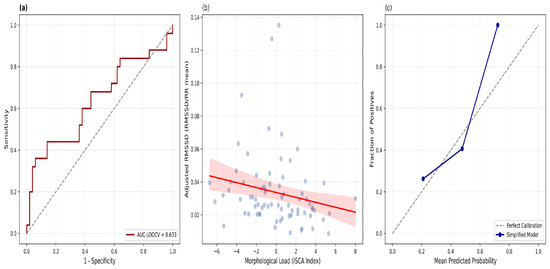
Background: Functional testing after an ankle sprain may help identify patients who later develop mechanical instability and require surgery. This study aimed to identify early clinical and functional predictors of surgical stabilization for chronic ankle instability (CAI) after acute sprains and to develop a simple composite predictive score (TALAR). Methods: This prospective observational study included 197 patients with acute lateral ankle sprains. Comprehensive clinical and functional assessments, including range of motion (ROM), strength, and pain, were performed two weeks post-injury. The primary outcome was subsequent surgical management for instability within a 24-month follow-up period. Results: Eight patients (4%) ultimately underwent surgical stabilization. Univariable analysis identified three significant predictors of surgical outcome: eversion mobility ≥ 20°, plantar flexor strength ≤ 17 kg, and the presence of pain during dorsiflexion (VAS > 0). These variables were integrated into the 0–3 TALAR (Triage Assessment of Lateral Ankle sprain Surgical Risk) score, which demonstrated promising exploratory discrimination with an AUC of 0.889 (95% CI: 0.799–0.954). An optimal cut-off of ≥2 yielded a sensitivity of 0.875 and a specificity of 0.822. While the baseline surgical risk was 4%, patients with a TALAR score ≥2 had a 17.5% conversion rate to surgery, representing a significantly higher risk (OR: 32.24; p < 0.001). Conclusion: The TALAR score represents a promising exploratory tool for early risk stratification after an acute ankle sprain. As an exploratory study, it highlights that early functional red flags, though formal internal and external validation, along with robust calibration on longer follow-up cohorts, are required before clinical implementation.
Full article
(This article belongs to the Special Issue From Acute Trauma to Chronic Instability: Mechanisms, Management, Rehabilitation, and Functional Outcomes)
►▼
Show Figures

Figure 1

Open AccessArticle
Effects of Wushu Programs on Lower-Limb Explosive Power in Preschool Children Aged 5–6 Years: A Cluster-Randomized Controlled Trial
by
Beibei Luo, Ruoxi Fan, Rui Li, Rongda Wang, Xiaomiao Zheng, Rui Huang, Shuxin Zhang, Yiwei Sun, Zhibei Zhou and Yunya Zhang
J. Funct. Morphol. Kinesiol. 2026, 11(2), 222; https://doi.org/10.3390/jfmk11020222 - 31 May 2026
Abstract
Background: Wushu, a traditional Chinese exercise, has been demonstrated to be effective in promoting lower-limb strength in children. However, studies comparing the effects of different intervention durations on preschool children remain limited. Objectives: The present study examined the short- and long-term effects of
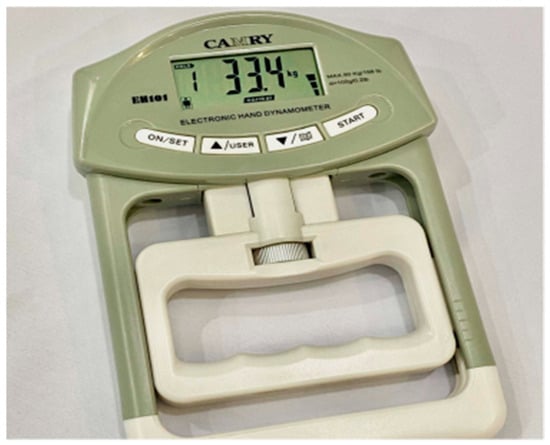
[...] Read more.
Background: Wushu, a traditional Chinese exercise, has been demonstrated to be effective in promoting lower-limb strength in children. However, studies comparing the effects of different intervention durations on preschool children remain limited. Objectives: The present study examined the short- and long-term effects of Wushu exercise programs on lower-limb explosive power in preschool children aged 5–6 years. Methods: This study was conducted across two experiments, with separate cohorts of children. The children were randomly assigned to either an intervention (INT) or a control (CON) group based on their Kindergarten classes. In Experiment 1, the INT-1 group (n = 55) completed a 4-week ‘Twelve Zodiac’ Wushu exercise program, which comprised three 30-minute sessions per week, while the CON-1 group (n = 49) participated in construction and carrying-based unstructured free play, which was designed to provide a comparable amount of moderate-to-vigorous physical activity. In Experiment 2, the INT-2 group (n = 57) undertook a 10-week Wushu program, and the CON-2 group (n = 38) engaged in similar activities as CON-1 for a 10-week period. The standing long jump (SLJ) was the primary outcome measure in both experiments. Secondary outcomes included the double-leg continuous jump, 15 m zigzag run, grip strength, sit-and-reach, and anthropometric measurements. In Experiment 2, countermovement jump (CMJ) and squat jump (SJ) heights were also measured using a force plate as additional secondary outcomes. A linear mixed-effects model (LMM) was used to analyze the data. Results: At baseline, no significant outcome measures were observed between CON-1 and INT-1, nor between CON-2 and INT-2. In Experiment 1, SLJ exhibited a significant enhancement in INT-1 in comparison to CON-1 (p = 0.007). The INT-2 in Experiment 2 showed significant improvements compared with CON-2 in the SLJ (p = 0.048), double-leg continuous jump (p = 0.005), and 15 m zigzag run (p = 0.043). A strong correlation was observed between SLJ and 15 m zigzag run time (r = −0.53, p < 0.001), and between double-leg continuous jump time and 15 m zigzag run time (r = 0.56, p < 0.001). Conclusions: The findings of this study indicate that 4-week and 10-week Wushu exercise programs enhance explosive power in the lower limbs of children aged 5–6 years. The 10-week Wushu program improves lower limb coordination and jumping agility. These task-specific adaptations support the value of Wushu interventions for fostering comprehensive lower-limb motor competence in preschoolers.
Full article
(This article belongs to the Special Issue Tailoring Physical Activity for the Health and Development of Children and Adolescents)
►▼
Show Figures

Figure 1
Open AccessArticle
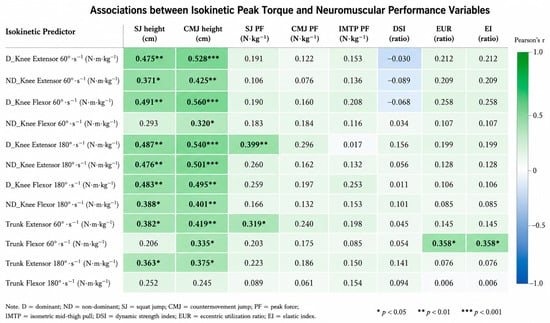
Getting Stronger Without Moving an Inch: A Randomized Controlled Trial Utilizing Maximal Isometric Co-Contraction
by
Danny Lum, Paul Comfort and Dustin J. Oranchuk
J. Funct. Morphol. Kinesiol. 2026, 11(2), 221; https://doi.org/10.3390/jfmk11020221 - 29 May 2026
Abstract
Background: Maximal isometric co-contraction (MICC) of upper-limb muscles enhances strength and size, but its effects on lower-limb function are unknown. The aim of this study was to examine whether MICC training targeting the lower limbs can improve muscular strength and functional performance
[...] Read more.
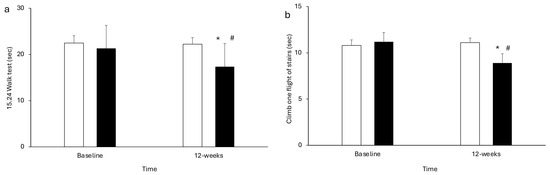
Background: Maximal isometric co-contraction (MICC) of upper-limb muscles enhances strength and size, but its effects on lower-limb function are unknown. The aim of this study was to examine whether MICC training targeting the lower limbs can improve muscular strength and functional performance in sedentary adults. Methods: Twenty sedentary individuals (10 men, 10 women; 48.5 ± 7.5 years; BMI = 24.8 ± 4.2 kg/m2) were randomly assigned to either an experimental (EXP) or control (CON) group. The EXP group performed MICC of the knee flexors and extensors three times per week for four weeks, completing three sets of 5–10 maximal effort 3 s contractions per session. Assessments conducted pre- and post-intervention included the isometric mid-thigh pull (IMTP), 3-m timed up and go (TUG), and 30 s chair stand (CS) tests. Results: Significant time (p < 0.001) and time × group (p < 0.001) effects were found for all outcomes. Compared with CON, the EXP group showed greater improvements in IMTP peak force (p < 0.001, g = 1.80), faster TUG times (p < 0.001, g = 2.73), and more CS repetitions (p < 0.001, g = 3.90). Conclusions: Twelve sessions of MICC training improved maximal strength and functional performance in sedentary adults. This simple, equipment-free method may be particularly useful for individuals with limited access to conventional exercise facilities or supervision.
Full article
(This article belongs to the Section Kinesiology and Biomechanics)
►▼
Show Figures

Figure 1
Open AccessArticle
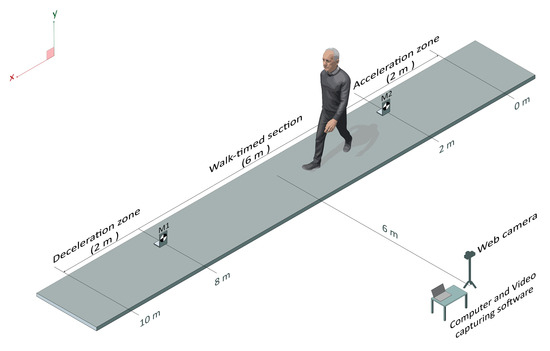
Use Treadmills with Caution: Walking Energy Expenditure and Metabolic Cost Are Elevated Compared to Overground Across Multiple Speeds in Healthy Young Adults
by
Sauvik Das Gupta, Kanako Kamishita, Megumi Kondo and Yoshiyuki Kobayashi
J. Funct. Morphol. Kinesiol. 2026, 11(2), 220; https://doi.org/10.3390/jfmk11020220 - 29 May 2026
Abstract
Objectives: Treadmill walking is often employed for tightly controlled gait and energetics research, but growing evidence suggests that treadmill-based metabolic and biomechanical measurements may not directly reflect the ecologically valid mode of overground walking. While many previous studies focused on older adults,
[...] Read more.
Objectives: Treadmill walking is often employed for tightly controlled gait and energetics research, but growing evidence suggests that treadmill-based metabolic and biomechanical measurements may not directly reflect the ecologically valid mode of overground walking. While many previous studies focused on older adults, much less is known about how treadmill walking influences gait energetics and spatiotemporal parameters in young healthy adults across matched speeds. We investigated energy expenditure, metabolic cost of walking and spatiotemporal gait parameters in healthy young adults walking overground and on a treadmill at three speeds (slow—1.0, comfortable—1.3, fast—1.5 m/s). Our hypothesis was that at the comfortable speed, treadmill and overground energetics and gait parameters would be comparable. However, at slow and fast speeds, there would be a significant energetic penalty, accompanied by significant differences in spatiotemporal parameters. Methods: Twenty young participants (10 males and 10 females) completed a randomized cross-over walking protocol with a minimum of ten minutes treadmill familiarization at 1.3 m/s. Breath-by-breath oxygen consumption ( ) and Respiratory Exchange Ratio were measured using a portable indirect calorimetry system and gait parameters were calculated from Inertial Measurement Units. Gross and net energy expenditures, costs of walking, cadence, average step and stride lengths, and walk ratio were calculated. A three-way mixed ANOVA was used for primary statistical analyses. Results: Treadmill walking was characterized by higher gross and net energy expenditures and metabolic costs (p < 0.001, ηp2 = 0.6) across all speeds compared to overground. It was also characterized by faster cadence and shorter average step and stride lengths (p < 0.001, ηp2 = 0.9). Additionally, there was an effect of sex (p = 0.01, ηp2 = 0.3) on the gait parameters, with females exhibiting a faster cadence and shorter average step and stride lengths than males. Conclusions: Our findings show that treadmill walking imposes a medium-to-large metabolic penalty even in healthy young adults, with compensatory gait adaptations, possibly reflecting increased stabilization demands and altered neuromuscular control strategies. These results underscore the limits of generalizing treadmill derived gait data to overground walking and we caution against the uncritical use of treadmills, especially while trying to understand ecologically relevant human walking mechanics and energetics.
Full article
(This article belongs to the Special Issue 10th Anniversary of JFMK: Advances in Kinesiology and Biomechanics)
►▼
Show Figures

Figure 1
Open AccessReview
Effects of Aquatic Therapy on Fatigue, Mobility, Physical Function, and Quality of Life in People with Multiple Sclerosis: A Systematic Review and Meta-Analysis
by
Gema Santamaría, Elena Jiménez-Callejo, Noelia Rodríguez López, Luis M. Cacharro, Eduardo Gutiérrez-Abejón, Leticia Sánchez-Valdeón and Diego Fernández-Lázaro
J. Funct. Morphol. Kinesiol. 2026, 11(2), 219; https://doi.org/10.3390/jfmk11020219 - 29 May 2026
Abstract
Background: Aquatic therapy has emerged as a promising rehabilitation strategy for people with multiple sclerosis (MS), potentially improving physical and psychological outcomes through the unique properties of water. The aim of the study was to systematically evaluate the effects of aquatic therapy on
[...] Read more.
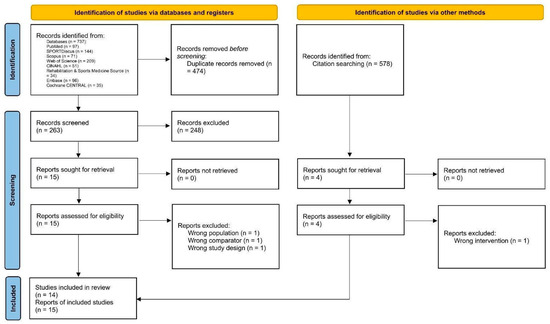
Background: Aquatic therapy has emerged as a promising rehabilitation strategy for people with multiple sclerosis (MS), potentially improving physical and psychological outcomes through the unique properties of water. The aim of the study was to systematically evaluate the effects of aquatic therapy on fatigue, mobility, physical function, and quality of life (QoL) in people with MS. Methods: A systematic review and meta-analysis were conducted following PRISMA guidelines. Electronic databases (PubMed, Scopus, Web of Science, PEDro, CINAHL, and Cochrane) were searched from inception to February 2026. Eligible studies included adults with MS undergoing aquatic therapy interventions. Risk of bias and methodological quality was assessed using the Cochrane tool and the PEDro scale, respectively. Effect sizes were calculated as standardized mean differences (SMD) using a random-effects model. Results: Seven randomized controlled trials (RCTs) were included in the review. Meta-analysis demonstrated a large reduction in fatigue (SMD ≈ −1.20), moderate improvements in mobility and physical function (SMD ≈ 0.7), and small-to-moderate improvements in QoL (SMD ≈ 0.45) in favour of aquatic therapy. Heterogeneity ranged from moderate to high depending on the outcome. Qualitative synthesis supported these findings and indicated additional benefits in strength, balance, psychological well-being, and disease-related symptoms. No adverse events were reported. Conclusions: Aquatic therapy may represent a generally well-tolerated and potentially beneficial rehabilitation strategy for improving fatigue, mobility, and QoL in people with MS. However, these findings should be interpreted with caution due to the limited number of included RCTs, relatively small sample sizes, and substantial heterogeneity across interventions and outcome measures.
Full article
(This article belongs to the Special Issue 10th Anniversary of JFMK: Advances in Athletic Training and Human Performance)
►▼
Show Figures

Figure 1
Open AccessArticle
‘Guard’ Workout: Can a Lifeguard-Specific High-Intensity Functional Training Reflect Rescue Demands?
by
Isaac Ignacio-Rodríguez, Silvia Aranda-García, Marcos Sanmartín-Montes, Oscar Morales-Rejas, Martín Otero-Agra, Myriam Santos-Folgar, Fernando Zarzosa-Alonso and Roberto Barcala-Furelos
J. Funct. Morphol. Kinesiol. 2026, 11(2), 218; https://doi.org/10.3390/jfmk11020218 - 29 May 2026
Abstract
Objectives: In lifeguarding, when prevention fails, rapid and safe rescue is essential to prevent submersion and enable appropriate care. These operations demand high physical fitness. High-Intensity Functional Training (HIFT), such as CrossFit®, has become a widely used training model. This
[...] Read more.
Objectives: In lifeguarding, when prevention fails, rapid and safe rescue is essential to prevent submersion and enable appropriate care. These operations demand high physical fitness. High-Intensity Functional Training (HIFT), such as CrossFit®, has become a widely used training model. This study examined the integration of HIFT into lifeguard training to enhance preparedness for aquatic rescues. The aim was to analyse the external and internal load generated by a lifeguard-specific HIFT protocol and to assess its utility both as a training method and as a fitness evaluation tool. Methods: Twenty-seven lifeguards completed a 15 min HIFT protocol in an AMRAP (As Many Rounds As Possible) format with four stations: running, swimming with a tow, victim extraction, and cardiopulmonary resuscitation (CPR). Variables measured included time per round (TRound), number of completed rounds, maximum and average heart rate (MaxHR, AvgHR), post-exercise blood lactate, rating of perceived exertion (RPE) per round and overall, and CPR quality (Q-CPR). Results: TRound ranged from 238 to 268 s, with significant differences between consecutive rounds, though remaining at submaximal levels. Most participants (74%) completed three rounds, and none completed four. AvgHR was 164 bpm (82% of MaxHR). RPE increased significantly across rounds (p < 0.001), reaching 9 post-AMRAP (p < 0.001). Post-AMRAP blood lactate was 15.50 mmol/L (p < 0.001), indicating high physiological stress. Despite accumulated fatigue, Q-CPR remained consistently high, ranging from 86% to 94%, with no significant differences across rounds. Conclusions: The results of this pilot study suggest that physically active lifeguards can sustain a controlled, high-intensity effort at submaximal heart rates and high perceived exertion without compromising CPR quality. These preliminary findings support the feasibility and potential utility of a lifeguard-specific HIFT programme structured as an AMRAP for high-intensity training and ecological fitness assessment in rescue-specific conditions; formal validation studies are needed before broader recommendations can be made.
Full article
(This article belongs to the Special Issue Tactical Athlete Health and Performance, 2nd Edition)
►▼
Show Figures

Figure 1
Open AccessReview
Technology-Based Interventions for Physical Activity and Sedentary Behaviour in Adults: A Scoping Review
by
Mariasole Antonietta Guerriero, Vittoria Lettieri, Fiorenzo Moscatelli, Giovanni Messina, Marcellino Monda, Antonieta Messina, Nicola Mancini, Maria Ruberto and Rita Polito
J. Funct. Morphol. Kinesiol. 2026, 11(2), 217; https://doi.org/10.3390/jfmk11020217 - 29 May 2026
Abstract
Background: Physical inactivity and sedentary behaviour are major public health concerns associated with an increased risk of non-communicable diseases, reduced quality of life, and substantial healthcare burden. In recent years, technology-based interventions, including wearable devices, mobile health applications, artificial intelligence-driven systems, and
[...] Read more.
Background: Physical inactivity and sedentary behaviour are major public health concerns associated with an increased risk of non-communicable diseases, reduced quality of life, and substantial healthcare burden. In recent years, technology-based interventions, including wearable devices, mobile health applications, artificial intelligence-driven systems, and adaptive digital platforms, have been increasingly adopted to promote physical activity and reduce sedentary time in adult populations. However, the evidence remains fragmented across intervention types, behavioural targets, and population groups. The aim of this scoping review was to map the recent literature on digital interventions designed to promote active lifestyles in adults, with a specific focus on their reported impact on physical activity promotion and sedentary behaviour reduction. Methods: This scoping review was conducted in accordance with the PRISMA-ScR guidelines. A literature search was performed in PubMed and Scopus using a predefined search strategy combining terms related to digital technologies, physical activity, sedentary behaviour, and adult populations. Studies published in English between 2022 and 2026 were considered. After removal of duplicates and screening of titles and abstracts, full texts were assessed according to predefined eligibility criteria. Data were charted descriptively and synthesised narratively to identify the main intervention models and emerging research trends. Results: The search identified 887 records, of which 35 studies were included in the final synthesis. The literature included was grouped into four broad categories: wearable devices and mHealth tools for monitoring and goal-setting; adaptive interventions based on Just-In-Time Adaptive Interventions, artificial intelligence, and gamification; advanced technologies such as Internet of Things systems and exoskeleton-based approaches; and hybrid interventions combining digital tools with human support or environmental modifications. Overall, technology-based interventions were generally associated with increases in step count, moderate-to-vigorous physical activity, and adherence to movement-related behaviours. In contrast, their effectiveness in reducing sedentary behaviour was less consistent and appeared to depend more strongly on context-sensitive prompting, posture-focused strategies, and multicomponent or hybrid intervention models. Conclusions: Digital health interventions represent a promising strategy for promoting physical activity in adults, but their impact on sedentary behaviour reduction remains more limited and heterogeneous. The findings suggest that simply increasing exercise is not sufficient to address prolonged sitting and that more tailored, adaptive, and context-aware approaches are needed. Future research should prioritise methodological standardisation, longer follow-up periods, and interventions specifically designed to interrupt sedentary time across different adult populations.
Full article
(This article belongs to the Special Issue AI and Exercise Interventions to Support Physical Activity and Functional Adaptations in Youth and Students)
►▼
Show Figures

Figure 1
Open AccessArticle
Hip and Knee Bilateral Deficit Across Bilateral, Unilateral, and Split-Load Leg Press Conditions
by
Anna Pisz, Dusan Blazek and Petr Stastny
J. Funct. Morphol. Kinesiol. 2026, 11(2), 216; https://doi.org/10.3390/jfmk11020216 - 28 May 2026
Abstract
Objectives: This study investigated bilateral strength asymmetry, the bilateral asymmetry index, and the bilateral deficit ratio during one-repetition maximum leg press testing performed under bilateral, unilateral, and split-load conditions and examined their associations with isokinetic knee and hip strength asymmetries. Methods:
[...] Read more.
Objectives: This study investigated bilateral strength asymmetry, the bilateral asymmetry index, and the bilateral deficit ratio during one-repetition maximum leg press testing performed under bilateral, unilateral, and split-load conditions and examined their associations with isokinetic knee and hip strength asymmetries. Methods: 31 resistance-trained males completed 1RM leg press tests in all loading modes, followed by isokinetic knee flexion/extension and hip extension assessments at 60°·s−1. Results: The repeated measure ANOVA showed that split-load leg press had a significantly greater bilateral deficit ratio (14.29 ± 7.71%) compared to the bilateral condition (5.16 ± 9.60%, p < 0.001). Isokinetic testing showed significant inter-limb differences for knee flexion and extension but not hip extension. The bilateral strength asymmetry varied across tasks (5.17 ± 4.44% in leg press to 17.84 ± 12.40% in eccentric hip extension), while bilateral asymmetry index remained consistently lower. Bilateral strength asymmetry differed significantly across leg press conditions, whereas the bilateral asymmetry index did not. Knee flexion bilateral asymmetry index correlated with dominant and non-dominant hamstring to quadriceps ratios (respectively, r = 0.61; r = 0.37) and cross-limb flexor–extensor ratios (r = 0.42). No significant relationships were found for hip extension asymmetry. Conclusions: Split-load leg press might be used to test lower limb bilateral deficit, because it provides easily detectable deficit values. Unilateral leg press might be used to detect lateral strength differences, since it provides relation to isokinetic strength of knee flexors and extensors.
Full article
(This article belongs to the Section Kinesiology and Biomechanics)
►▼
Show Figures

Figure 1
Open AccessArticle
Skeletal Age Evaluation with BAUSportTM Ultrasound in Young Slovak Female Athletes and Non-Athletes—A Cross-Sectional Study
by
Petra Švábová (nee Uhrová), Iveta Cihová, Michal Soták, Darina Falbová, Lenka Vorobeľová, Radoslav Beňuš and Lucia Bundová
J. Funct. Morphol. Kinesiol. 2026, 11(2), 215; https://doi.org/10.3390/jfmk11020215 - 28 May 2026
Abstract
Background: Biological maturity assessment is increasingly discussed in youth sport because chronological age alone does not reflect inter-individual variation in growth and pubertal timing. Ultrasound-based systems such as BAUSport™ provide a radiation-free alternative to radiographic skeletal age assessment. This exploratory cross-sectional study examined
[...] Read more.
Background: Biological maturity assessment is increasingly discussed in youth sport because chronological age alone does not reflect inter-individual variation in growth and pubertal timing. Ultrasound-based systems such as BAUSport™ provide a radiation-free alternative to radiographic skeletal age assessment. This exploratory cross-sectional study examined skeletal age (SA) in Slovak female volleyball players, track-and-field athletes, and non-athletes using BAUSport™, while acknowledging substantial age differences between groups. Methods: Eighty girls (55 non-athletes, 13 volleyball players, 12 track-and-field athletes; aged 6.85–14.41 years) underwent anthropometric measurement and skeletal age (SA) assessment with BAUSport™. Chronological age (CA) was calculated as decimal age from birth date to measurement date. Groups were not age-matched; volleyball players were on average markedly older than the other groups. Skeletal maturity was categorized as early, on-time, or late using a ±1.0-year SA–CA threshold. Menarche status was recorded as an indicator of pubertal development. Group differences were evaluated using chi-square or Fisher’s exact tests as appropriate, while differences in SA and SA–CA according to menarche status were assessed using Welch’s t-test. Results: Volleyball players were older (12.90 ± 0.95 years) than non-athletes (10.22 ± 2.40 years) and track-and-field athletes (8.47 ± 1.51 years). They also demonstrated the largest mean SA–CA difference (+1.98 ± 0.73 years). The distribution of maturity categories differed across groups (χ2(4) = 14.32, p = 0.006, Cramer’s V = 0.30). Post-menarcheal girls exhibited significantly higher skeletal age and SA–CA values compared to pre-menarcheal girls. However, the substantial age disparity between groups represents a primary confounding factor and limits interpretation of sport-specific effects. Conclusions: This study demonstrates the practical application of BAUSport™ for rapid, radiation-free skeletal age assessment in youth. Differences according to menarche status support the biological relevance of skeletal maturity assessment. However, no valid between-group sport-specific inferences can be made because the groups were not age-matched and puberty is the dominant driver of skeletal maturation. Larger, age-matched studies are required before drawing conclusions regarding sport-specific selection patterns.
Full article
(This article belongs to the Section Functional Anatomy and Musculoskeletal System)
►▼
Show Figures

Figure 1
Open AccessArticle
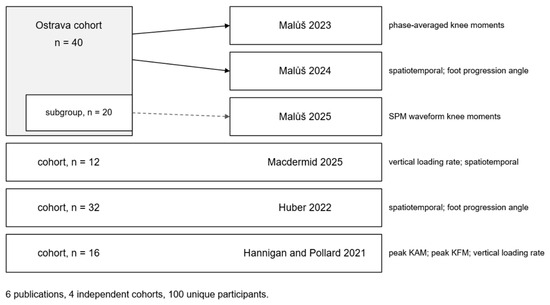
Are the Forces and Lower Limb Kinematics Displayed During Running Associated with Medial Tibial Stress Syndrome? A Case-Control and Case Study
by
Joshua P. M. Mattock, Julie R. Steele and Karen J. Mickle
J. Funct. Morphol. Kinesiol. 2026, 11(2), 214; https://doi.org/10.3390/jfmk11020214 - 28 May 2026
Abstract
Objectives: The aim of this paper is to determine whether leg kinematics and the normal force generated during the stance phase of running differed between (i) long-distance runners with medial tibial stress syndrome (MTSS) or (ii) long-distance runners who were asymptomatic at
[...] Read more.
Objectives: The aim of this paper is to determine whether leg kinematics and the normal force generated during the stance phase of running differed between (i) long-distance runners with medial tibial stress syndrome (MTSS) or (ii) long-distance runners who were asymptomatic at baseline testing but developed MTSS compared to asymptomatic control participants. Methods: Lower-limb kinematics, normalised stance-phase forces and spatiotemporal outcome variables were compared between the limbs of MTSS symptomatic long-distance runners (n = 11) and matched asymptomatic controls (n = 11). Outcome variables were also compared between the limbs of long-distance runners who were asymptomatic at baseline but developed MTSS (n = 4) compared to asymptomatic control limbs. Results: In the case-control comparison, MTSS symptomatic participants demonstrated slower running speeds but no differences in stance-phase normal forces or kinematics compared to asymptomatic controls. In the case study, participants who developed MTSS during the study displayed substantially lower normal forces, less plantar flexion and a more vertical tibia than the asymptomatic controls. Conclusions: The slower running speeds observed among the MTSS symptomatic participants may be pain-related or reflect reduced plantar flexor propulsive capacity. The development of MTSS by Participants 1 and 2, despite lower normal forces and plantar flexion compared with asymptomatic controls, suggests that the tibial load tolerance may vary among individuals. Furthermore, the peak stance-phase force appears to have limited utility as a standalone screening tool for MTSS injury risk. Finally, further prospective research is required to investigate plantar flexor function, propulsive force capacity and the risk of MTSS development to substantiate these findings.
Full article
(This article belongs to the Special Issue Advances in Gait Analysis and Lower Limb Movement Mechanics)
►▼
Show Figures

Figure 1
Open AccessCase Report
Metabolic, Cardiovascular, and Stress Biomarker Adaptations to Breath-Hold Training in a National-Level Swimmer: A Signal-Generating Single-Case Study
by
Gabriella D’Orsi, Paride Vasco, Raffaella R. R. Marzovillo, Natalia Forte, Giulia Scioscia, Giuseppe Cartagena, Luigi A. Marinaccio, Maria L. Torquato, Giuseppe Cibelli and Anna A. Valenzano
J. Funct. Morphol. Kinesiol. 2026, 11(2), 213; https://doi.org/10.3390/jfmk11020213 - 28 May 2026
Abstract
Background: Breath-hold training (BHT) has emerged as a novel strategy to enhance metabolic efficiency and autonomic resilience in national-level athletes. This signal-generating single-case study examined physiological and neuroendocrine adaptations to an eight-week BHT program in a nationally ranked competitive swimmer. Methods:
[...] Read more.
Background: Breath-hold training (BHT) has emerged as a novel strategy to enhance metabolic efficiency and autonomic resilience in national-level athletes. This signal-generating single-case study examined physiological and neuroendocrine adaptations to an eight-week BHT program in a nationally ranked competitive swimmer. Methods: A national-level 23-year-old female freestyle sprinter (50 m best time = 26.59 s; 100 m = 60.40 s) completed three weekly BHT sessions integrated into her regular training. Pre- and post-intervention assessments included an incremental Mader cycling test with measurements of blood lactate ( ), heart rate (HR), salivary cortisol (sCort), and salivary alpha-amylase (sAA). Blood chemistry and pulmonary function, including diffusing capacity of the lung for carbon monoxide (DLCO), were also evaluated. Results: Post intervention, the athlete demonstrated reduced and HR at all workloads, a 20 W increase in power at 4 mmol·L−1 , and an elevated final workload achieved during the Mader test. Salivary stress biomarkers showed blunted responses with significant reductions in area under the curve and large effect sizes. These changes were observed under standardized pre-analytical conditions and individualized training adjustments. Conclusions: This study highlights coordinated improvements in metabolic, cardiovascular, and stress regulation mechanisms following BHT in a swimmer with verified national-level performance benchmarks. BHT, when applied in sport-specific contexts, may serve as an effective adjunct to high-performance training.
Full article
(This article belongs to the Special Issue Innovative Approaches in Monitoring Individual Sports)
►▼
Show Figures

Figure 1
Open AccessBrief Report
Maximum Force Capacity of Back Extensor Muscles in Healthy Women and Men: Not Different, if Anthropometrically Normalized
by
Christoph Anders, Beatrice Steiniger, Florian Saenger, Martin Marks, Lena Mader, Evgenij Dukvin and Anna Schneider
J. Funct. Morphol. Kinesiol. 2026, 11(2), 212; https://doi.org/10.3390/jfmk11020212 - 27 May 2026
Abstract
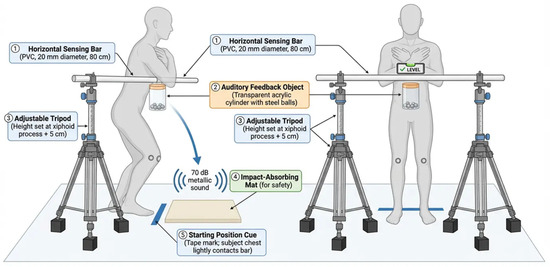
Background: In this study, trunk extension strength was compared between healthy female and male participants. Methods: Overall, 115 women and 124 men underwent isometric maximal voluntary contraction (MVC) testing in an upright standing position. Upper body weight was additionally assessed. The primary outcome
[...] Read more.
Background: In this study, trunk extension strength was compared between healthy female and male participants. Methods: Overall, 115 women and 124 men underwent isometric maximal voluntary contraction (MVC) testing in an upright standing position. Upper body weight was additionally assessed. The primary outcome variables were maximal torque, upper body weight expressed as torque, and the MVC-to-upper-body-weight ratio. In view of the large sample size, interpretation of the results was based not only on statistical significance but also on clinical/practical relevance, as reflected by effect size (ES) and the relationship between the difference in mean values (DMV) and the minimal important difference (MID). Results were classified as relevant only when all three predefined criteria were met (p < 0.05, ES > 0.5, and DMV > MID). Results: Men showed significantly higher MVC values than women (241 Nm vs. 162 Nm; p < 0.0001; ES = 1.974; DMV > MID). Likewise, upper body torque was significantly greater in men than in women (115 Nm vs. 80 Nm; p < 0.0001; ES = 2.119; DMV > MID). However, after normalization for upper body torque, the between-sex difference in relative strength was no longer considered relevant (2.16 vs. 2.00; p = 0.0055; ES = 0.364; DMV < MID). Conclusions: These findings indicate that although absolute trunk extension strength differs markedly between sexes, relative strength adjusted for upper body weight is broadly comparable. Both women and men demonstrated a physiological strength reserve of approximately 100% relative to upper body weight.
Full article
(This article belongs to the Section Kinesiology and Biomechanics)
►▼
Show Figures

Figure 1
Open AccessArticle
Early Cardiac Responses to Half-Marathon Running in Amateur Athletes: Implications for Cardiovascular Health and Safe Exercise Participation
by
Kyriakos-Marios Oikonomou, Apostolia Ntovoli, Nikolaos Koutlianos, Maria Anifanti, Christos Mantzios, Sotiria Iliopoulou, Anastasia Mata, Ilias Marios Oikonomou, Kostas Alexandris and Evangelia Kouidi
J. Funct. Morphol. Kinesiol. 2026, 11(2), 211; https://doi.org/10.3390/jfmk11020211 - 27 May 2026
Abstract
Background: Recreational half-marathon participation is increasing, particularly among middle-aged amateur runners, yet the interpretation of early post-race cardiac findings remains challenging in exercise-based cardiovascular health evaluation. This exploratory study assessed early post-race changes in left ventricular diastolic indices and circulating biomarkers in
[...] Read more.
Background: Recreational half-marathon participation is increasing, particularly among middle-aged amateur runners, yet the interpretation of early post-race cardiac findings remains challenging in exercise-based cardiovascular health evaluation. This exploratory study assessed early post-race changes in left ventricular diastolic indices and circulating biomarkers in 20 healthy amateur runners (80% male; mean age 50.7 ± 12.3 years) after the 11th PELLA HALF MARATHON (21.1 km). Methods: Participants underwent transthoracic echocardiography and venous blood sampling within 30 days before the race and within 30 min after finishing. Diastolic assessment included the E/A ratio, tissue Doppler early diastolic myocardial velocity (e′), the E/e′ ratio, isovolumic relaxation time (IVRT), and left atrial area. Biomarkers included C-reactive protein (CRP), creatine phosphokinase (CPK), creatine kinase-MB (CK-MB), and high-sensitivity cardiac troponin I (hs-cTnI). Results: Post-race assessment showed a consistent pattern of lower early diastolic filling/relaxation indices, higher IVRT and left atrial area, and significant increases in all measured biomarkers. hs-cTnI exceeded the sex-specific 99th percentile upper reference limit in 7/20 participants (35%). Conclusions: Half-marathon completion was associated with early echocardiographic and biomarker changes in this cohort of amateur runners. These findings are consistent with acute physiological cardiac stress and may help clinicians contextualise early post-race abnormalities when advising on vigorous endurance exercise participation. However, subclinical myocardial injury cannot be excluded without serial biomarker assessment and advanced imaging, and the findings should be interpreted as exploratory because of the small convenience sample, absence of a control group, lack of hydration assessment, and single early post-race timepoint.
Full article
(This article belongs to the Special Issue Exercise Interventions in Cardiovascular Health)
►▼
Show Figures

Figure 1
Open AccessArticle
Stage-Dependent Changes in Subchondral Trabecular Bone Mechano-Structure in Primary Knee Osteoarthritis with Varus Malalignment
by
Andreja Baljozovic, Uros Andjelic, Marko Vujacic, Marko Dimitrijevic, Danijela Djonic, Zoran Bascarevic and Jelena Jadzic
J. Funct. Morphol. Kinesiol. 2026, 11(2), 210; https://doi.org/10.3390/jfmk11020210 - 26 May 2026
Abstract
Background: Reports on subchondral bone mechano-structure in individuals with various stages of knee osteoarthritis (KOA) are limited and often conflicting in contemporary literature. Our study aimed to assess differences in subchondral trabecular bone mechano-structure across late KOA stages in a homogenous group of
[...] Read more.
Background: Reports on subchondral bone mechano-structure in individuals with various stages of knee osteoarthritis (KOA) are limited and often conflicting in contemporary literature. Our study aimed to assess differences in subchondral trabecular bone mechano-structure across late KOA stages in a homogenous group of patients with varus malalignment (confirmed by negative hip-knee-ankle-angle values). Methods: This retrospective cross-sectional study included micro-computed tomography scanning and Vickers micro-hardness testing of 90 bone samples (30 femoral and 60 tibial) collected from 15 adult patients with primary KOA undergoing total knee arthroplasty (TKA). The Kellgren–Lawrence grading system was used to assess the severity of KOA lesions in the included individuals, and bone samples were divided into the following groups: moderate KOA (42 samples from seven patients, age: 70 ± 7 years, females: 3/7) and end-stage KOA (48 samples from eight patients, age: 70 ± 6 years, females: 5/8). Results: Our data revealed site-specific sclerotic alterations in subchondral trabecular bone mechano-structure (thicker trabeculae, coupled with higher bone mineral content and increased bone micro-hardness) in individuals with end-stage KOA compared to moderate KOA, supporting its role in KOA pathogenesis beyond the exclusive cartilage degeneration effect. Our data also revealed that most heterogeneous subchondral trabecular mechano-structure was present in bone samples obtained from the medial part of the tibial and femoral condyle, revealing the substantial effect of mechanical loading during varus knee malalignment. Conclusions: Observed site-specific alterations in subchondral bone mechano-structure in individuals with end-stage KOA supported the role of subchondral sclerosis in primary KOA pathogenesis beyond its exclusive effect on cartilage degeneration.
Full article
(This article belongs to the Section Functional Anatomy and Musculoskeletal System)
►▼
Show Figures

Figure 1
Highly Accessed Articles
Latest Books
E-Mail Alert
News
Topics
Topic in
JFMK, Medicina, Therapeutics, Healthcare, JCM, Rheumato
New Trends in Physiotherapy Care: Improvements in Functionality, Pain Management, and Quality of Life
Topic Editors: Carlos Bernal-Utrera, Ernesto Anarte-Lazo, Juan José González GerezDeadline: 30 June 2026
Topic in
Applied Sciences, Brain Sciences, JFMK, Nutrients, Sports
Exercise and Nutrition for Physical Performance, Mental Health and General Well-Being
Topic Editors: Gian Mario Migliaccio, Luca RussoDeadline: 12 July 2026
Topic in
Biology, Brain Sciences, Sports, Biomechanics, JFMK, Physiologia
The Mechanics of Movement: Biomechanics in Sports Performance
Topic Editors: Mario Bernardo-Filho, Danúbia Da Cunha De Sá-Caputo, Redha TaiarDeadline: 31 July 2026
Topic in
Behavioral Sciences, Children, Healthcare, IJERPH, JFMK, Obesities
The Effect of Physical Activity on the Population's Health
Topic Editors: Stefania Paduano, Federica ValerianiDeadline: 31 August 2026
Special Issues
Special Issue in
JFMK
New Perspectives on Kinesiology and Functional Morphology in Team Sports
Guest Editors: Łukasz Rydzik, Michał Spieszny, Tadeusz AmbrozyDeadline: 15 June 2026
Special Issue in
JFMK
Advancing Muscle Physiology Research: The Role of EMG, MRI and Imaging Technologies
Guest Editor: George J. BeneckDeadline: 30 June 2026
Special Issue in
JFMK
Biomechanical Properties of Muscle and Tendon in Neurological Conditions
Guest Editor: Mohagheghi AmirDeadline: 30 June 2026
Special Issue in
JFMK
Exercise and Movement Interventions in the Prevention and Treatment of Chronic Pain
Guest Editor: Edward SauliczDeadline: 30 June 2026
Topical Collections
Topical Collection in
JFMK
Feature Papers in Journal of Functional Morphology and KinesiologyCollection Editor: Giuseppe Musumeci
Topical Collection in
JFMK
Advances in Rehabilitation and Injury Management
Collection Editor: Andrea Demeco