Topic Editors

Department of Nursing, Physiotherapy and Podiatry, University of Seville, 41009 Seville, Spain
Department of Physiotherapy and Nursing, UNIE University, 28015 Madrid, Spain
Department of Nursing, Physiotherapy and Medicine, University of Almería, 04120 Almería, Spain

New Trends in Physiotherapy Care: Improvements in Functionality, Pain Management, and Quality of Life
Abstract submission deadline
closed (30 April 2026)
Manuscript submission deadline
30 June 2026
Viewed by
33277

Topic Information

Dear Colleagues,

Physiotherapy is emerging as one of the most rapidly expanding fields within healthcare systems, while rehabilitation is undergoing significant modernization across various specialties, including neurology, cardiology, rheumatology, and traumatology. The integration of new systems and protocols represents an unstoppable wave of progress; however, these clinical advancements demand robust evidence, making it essential to publish findings that validate and support the efficacy of new interventions.

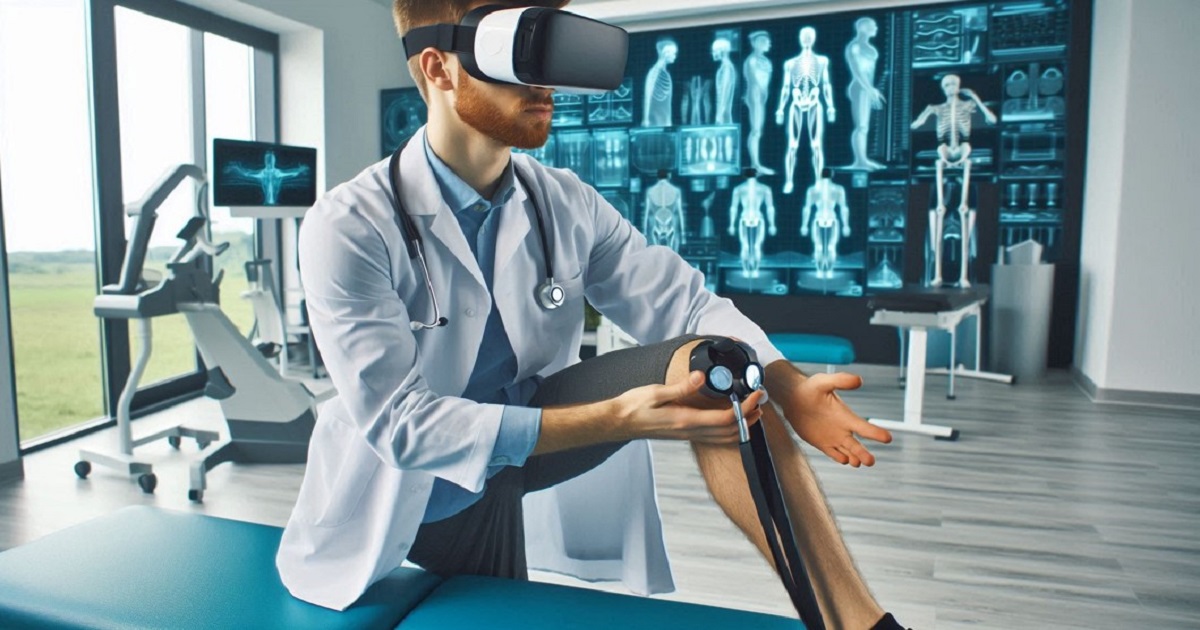
Key areas of impact today include exercise-based therapies, telerehabilitation, virtual reality applications, and the evolving paradigm of pain management. This Topic aims to offer a comprehensive overview of the latest developments in rehabilitation, addressing critical clinical challenges such as pathophysiology, risk factors, diagnostic strategies, cost-effective intervention methods, treatment efficacy, innovative clinical perspectives, and the formulation of new rehabilitation protocols.

Researchers in the field are invited to contribute original articles or comprehensive reviews to this Topic. Please note that case reports and short reviews will not be considered.

  • Exercise therapy.
  • Telerehabilitation.
  • New tends in rehabilitation.
  • Pain management.
  • Neurology.
  • Rheumatology.
  • Musculoskeletal.
  • Manipulations.
  • Cost-effectiveness.

Dr. Carlos Bernal-Utrera
Dr. Ernesto Anarte-Lazo
Prof. Dr. Juan José González Gerez
Topic Editors

Keywords

  • rehabilitation
  • occupational therapy
  • telerehabilitation
  • neurology
  • cardiovascular rehabilitation
  • exercise
  • musculoskeletal manipulation
  • rheumatology
  • pain

Participating Journals

Journal Name Impact Factor CiteScore Launched Year First Decision (median) APC
Healthcare
healthcare
2.7 5.5 2013 22.4 Days CHF 2700 Submit
Journal of Clinical Medicine
jcm
2.9 5.2 2012 18.5 Days CHF 2600 Submit
Journal of Functional Morphology and Kinesiology
jfmk
2.5 3.2 2016 22.5 Days CHF 1800 Submit
Medicina
medicina
2.4 4.6 1920 17.5 Days CHF 2200 Submit
Rheumato
rheumato
- - 2021 33.5 Days CHF 1000 Submit
Therapeutics
therapeutics
- - 2024 15.0 days * CHF 1000 Submit

* Median value for all MDPI journals in the second half of 2025.


Preprints.org is a multidisciplinary platform offering a preprint service designed to facilitate the early sharing of your research. It supports and empowers your research journey from the very beginning.

MDPI Topics is collaborating with Preprints.org and has established a direct connection between MDPI journals and the platform. Authors are encouraged to take advantage of this opportunity by posting their preprints at Preprints.org prior to publication:

  1. Share your research immediately: disseminate your ideas prior to publication and establish priority for your work.
  2. Safeguard your intellectual contribution: Protect your ideas with a time-stamped preprint that serves as proof of your research timeline.
  3. Boost visibility and impact: Increase the reach and influence of your research by making it accessible to a global audience.
  4. Gain early feedback: Receive valuable input and insights from peers before submitting to a journal.
  5. Ensure broad indexing: Web of Science (Preprint Citation Index), Google Scholar, Crossref, SHARE, PrePubMed, Scilit and Europe PMC.

Published Papers (11 papers)

Order results
Result details
Journals
Select all
Export citation of selected articles as:
19 pages, 962 KB  
Systematic Review
Effectiveness of Emerging Technologies in Physiotherapy for Women with Breast Cancer: A Systematic Review
by Kyriaki Hadjiyiasemi, Christina Michailidou, Manos Stefanakis and Eleni Tolma
Medicina 2026, 62(4), 762; https://doi.org/10.3390/medicina62040762 - 15 Apr 2026
Viewed by 625
Abstract
Background and Objectives: Breast cancer remains the most frequently diagnosed malignancy among women worldwide. As survival rates continue to improve, rehabilitation interventions focusing on functional recovery and quality of life have become increasingly important. Emerging technologies such as virtual reality, augmented reality, [...] Read more.
Background and Objectives: Breast cancer remains the most frequently diagnosed malignancy among women worldwide. As survival rates continue to improve, rehabilitation interventions focusing on functional recovery and quality of life have become increasingly important. Emerging technologies such as virtual reality, augmented reality, and telerehabilitation have recently been integrated into physiotherapy programs. This systematic review aimed to evaluate the effectiveness of technology-assisted physiotherapy interventions on quality of life, psychological outcomes, and functional recovery in women with breast cancer. Materials and Methods: A systematic search was conducted in PubMed, CINAHL Complete, and MEDLINE Complete for randomized controlled trials published between January 2010 and March 2026. Studies were included if they investigated exercise-based physiotherapy interventions incorporating technological modalities such as virtual reality, augmented reality, mixed reality, robotics, or telerehabilitation. Outcomes included quality of life, fatigue, pain, upper limb function, and psychological health. Results: Six randomized controlled trials involving approximately 398 participants (mean age range: 30–60 years) were included in the qualitative synthesis. The studies included women across different stages of the disease trajectory, including postoperative patients and long-term survivors. Interventions comprised virtual reality-based exercise programs, Kinect-based mixed reality systems, augmented reality telerehabilitation platforms, and internet-based rehabilitation programs. Across studies, significant improvements were consistently observed within groups in outcomes such as quality of life, upper limb function, pain reduction, and shoulder range of motion (e.g., p < 0.001). However, between-group differences were not consistently statistically significant, with several studies reporting comparable improvements in both intervention and control groups. Conclusions: Technology-assisted physiotherapy interventions may support functional recovery and improve quality of life among women with breast cancer. However, the available evidence remains limited, with important methodological constraints, as improvements were predominantly observed within groups, while consistent between-group differences were not demonstrated. Therefore, the comparative effectiveness of these interventions over standard rehabilitation remains inconclusive, highlighting the need for further high-quality randomized controlled trials. Full article
Show Figures

Figure 1

15 pages, 1045 KB  
Review
Tension-Type Headache: Toward an Integrative Multidimensional Framework for Clinical Stratification and Personalized Management
by Ana Bravo-Vazquez, Ernesto Anarte-Lazo, Alba Perez-Alvarez, Cleofas Rodriguez-Blanco and Carlos Bernal-Utrera
J. Clin. Med. 2026, 15(8), 2984; https://doi.org/10.3390/jcm15082984 - 14 Apr 2026
Viewed by 683
Abstract
Tension-type headache (TTH) is the most prevalent primary headache disorder worldwide, contributing substantially to individual disability and global socioeconomic burden. Despite its high prevalence, TTH remains clinically heterogeneous, with episodic and chronic forms influenced by the dynamic interplay of peripheral, central, psychosocial, and [...] Read more.
Tension-type headache (TTH) is the most prevalent primary headache disorder worldwide, contributing substantially to individual disability and global socioeconomic burden. Despite its high prevalence, TTH remains clinically heterogeneous, with episodic and chronic forms influenced by the dynamic interplay of peripheral, central, psychosocial, and lifestyle-related mechanisms. Peripheral musculoskeletal factors, including craniocervical muscle alterations and myofascial trigger points, interact with central sensitization processes, while psychosocial stressors, coping strategies, and lifestyle habits such as sleep and physical activity modulate pain perception and chronification risk. Current approaches often address these domains in isolation, limiting therapeutic effectiveness and the understanding of interindividual variability. This narrative review critically synthesizes evidence on the multifactorial determinants of TTH, providing an integrative conceptual framework. We systematically searched PubMed, Scopus, and Web of Science for articles published between 2010 and 2025, including conceptually or methodologically foundational studies outside this range. Relevant studies were selected based on predefined inclusion criteria and synthesized narratively to highlight key mechanisms and contributing factors. The proposed model emphasizes multidimensional assessment, incorporating peripheral musculoskeletal evaluation, central pain modulation, psychosocial profiling, and lifestyle factors, thereby providing a conceptual basis for future personalized management approaches. Recognizing TTH as a dynamic, multidimensional condition may inform clinical assessment and patient-centered interventions, while also highlighting key gaps for future longitudinal and multimodal research aimed at validating the framework and improving individualized therapeutic strategies. The evidence presented is primarily narrative and observational, and clinical applicability should be confirmed in future studies. Full article
Show Figures

Figure 1

13 pages, 535 KB  
Article
Medication Overuse Headache and Health-Related Quality of Life for Adults with Migraine in Saudi Arabia
by Monira Alwhaibi, Ahad Almutairi, Salha Jokhab and Abdulrazaq Albilali
J. Clin. Med. 2026, 15(8), 2907; https://doi.org/10.3390/jcm15082907 - 11 Apr 2026
Viewed by 671
Abstract
Background: Migraine is a chronic illness that may impact the daily living and quality of life of affected individuals and might lead to excessive use of antimigraine medications. Quality of life in migraine patients is crucial, as it highlights the significant impact [...] Read more.
Background: Migraine is a chronic illness that may impact the daily living and quality of life of affected individuals and might lead to excessive use of antimigraine medications. Quality of life in migraine patients is crucial, as it highlights the significant impact of migraines on daily activities, emotional well-being, and overall health. This study aims to assess the association between medication overuse headache and migraine-specific quality of life in migraine patients. Methods: A cross-sectional study was conducted at a neurology clinic in Riyadh, Saudi Arabia, from April 2025 to October 2025. Data about the quality of life were collected using the Migraine-Specific Quality of Life Questionnaire (MSQ). Medication overuse was identified using the International Classification of Headache Disorders, third edition (ICHD-3) criteria, and migraine severity was classified using the Migraine Symptom Severity Scale. Descriptive statistics were used to describe the study sample. Bivariate tests and multivariable linear regression were used to assess factors associated with MSQ. All statistical analyses were performed using SAS (ver. 9.4). Results: A total of 152 migraine patients were included, of whom 17.1% met the criteria for medication overuse headache (MOH). In bivariate analyses, MOH was significantly associated with lower Migraine-Specific Quality of Life (MSQ) scores across all domains (p < 0.001). Multiple adjusted linear regression confirmed MOH and migraine severity as the factors independently associated with reduced MSQ, with MOH associated with lower RR (β = –11.65), RP (β = –12.84), and EF (β = –16.23) scores (all p < 0.05). Conclusions: Medication overuse headache is common among migraine patients, affecting nearly one in six individuals in this study. It is strongly associated with increased migraine severity and a substantial reduction in quality of life across all domains. These findings highlight the critical need for early identification and appropriate management of medication overuse in clinical practice. Full article
Show Figures

Figure 1

15 pages, 1075 KB  
Review
From Pain Catastrophizing to Hopelessness: Neurobiological Mechanisms, Causes, and Evidence-Based Implications for Pain and Outcomes in Rheumatic Diseases
by Ellen Frances O’Carroll, Annalisa Marino and Stefano Di Donato
Rheumato 2026, 6(1), 3; https://doi.org/10.3390/rheumato6010003 - 7 Jan 2026
Viewed by 1977
Abstract
Pain catastrophizing (PC) and hopelessness are increasingly recognized as central determinants of pain severity, disability, and treatment response in individuals with rheumatic and immune-mediated diseases. Traditionally conceptualized as secondary emotional reactions to pain, these cognitive-affective constructs instead represent active mechanisms that shape symptom [...] Read more.
Pain catastrophizing (PC) and hopelessness are increasingly recognized as central determinants of pain severity, disability, and treatment response in individuals with rheumatic and immune-mediated diseases. Traditionally conceptualized as secondary emotional reactions to pain, these cognitive-affective constructs instead represent active mechanisms that shape symptom perception, behavioral responses, and long-term outcomes. In this review, we synthesize evidence across neurobiological, psychological, and clinical domains to elucidate the pathways linking PC and hopelessness to maladaptive coping, kinesiophobia, and functional decline. Early life stress, trauma, and maladaptive cognitive schemas emerge as upstream vulnerability factors that prime heightened emotional reactivity and reduced prefrontal regulatory control, facilitating amplified pain signaling and fear-based avoidance behaviors. Avoidance and inactivity foster physical deconditioning, fatigue, and higher perceived disability, creating a vicious circle that sustains distress and poor quality of life. Moreover, inactivity-related metabolic dysfunction and weight gain may contribute to low-grade inflammation, particularly in conditions such as psoriatic arthritis, thereby intersecting with biological disease pathways. Importantly, these psychological processes identify a distinct patient subgroup for whom further escalation of immunosuppressive therapy provides limited benefit. Instead, integrated psychological approaches—including cognitive behavioral therapy, acceptance and commitment therapy, and coping-skills training—demonstrate meaningful effects on catastrophizing, agency, and functional recovery. We emphasize the need for routine screening to detect patients with maladaptive cognitive–emotional profiles and propose a stratified care model prioritizing targeted psychological interventions alongside standard rheumatologic therapy. Future research should refine phenotyping strategies, clarify neuroimmune links, and develop scalable intervention models to break the avoidance cycle and improve patient-centered outcomes. Full article
Show Figures

Figure 1

18 pages, 1266 KB  
Systematic Review
Effectiveness of Lifestyle-Based Approaches for Adults with Multiple Chemical Sensitivity: A Systematic Review
by Isidro Miguel Martín Pérez, David Alejandro Parra Castillo, Carlos Pastor Ruiz de la Fuente and Sebastián Eustaquio Martín Pérez
Therapeutics 2025, 2(3), 13; https://doi.org/10.3390/therapeutics2030013 - 22 Jul 2025
Cited by 1 | Viewed by 3514
Abstract
Background: Multiple Chemical Sensitivity (MCS) is a complex, disabling condition marked by non-specific symptoms in response to low-level chemical exposures. It often leads to substantial impairments in quality of life, psychological health, and daily functioning. Although non-pharmacological approaches—such as lifestyle and psychological interventions—are [...] Read more.
Background: Multiple Chemical Sensitivity (MCS) is a complex, disabling condition marked by non-specific symptoms in response to low-level chemical exposures. It often leads to substantial impairments in quality of life, psychological health, and daily functioning. Although non-pharmacological approaches—such as lifestyle and psychological interventions—are widely used, their clinical effectiveness remains unclear. Objective: We aim to evaluate the effectiveness of lifestyle-based approaches in improving clinical and psychosocial outcomes in adults with Multiple Chemical Sensitivity. Methods: A systematic review was conducted in accordance with PRISMA guidelines (PROSPERO: CRD420251013537). Literature searches were carried out in MEDLINE (PubMed), CINAHL, Google Scholar, and ResearchGate between March and April 2025. Eligible studies included adults (≥18 years) with a confirmed diagnosis of MCS and reported outcomes such as perceived stress, anxiety, depressive symptoms, or quality of life. Methodological quality and risk of bias were independently assessed using the PEDro scale, NIH Quality Assessment Tool, CEBMa checklist, and Cochrane RoB 2.0. Results: Twelve studies (N = 378) met the inclusion criteria. Cognitive and behavioral therapies demonstrated the most consistent evidence of efficacy, with reductions in symptom severity, maladaptive cognitive patterns, and functional limitations. Mindfulness-based stress reduction showed favorable outcomes, while other mindfulness-based interventions yielded mixed results. Exposure-based therapies contributed to increased chemical tolerance and reduced avoidance behavior. Electromagnetic and biomedical approaches demonstrated preliminary but limited effectiveness. Aromatherapy was well tolerated and perceived as relaxing, though its clinical impact was modest. Conclusions: Cognitive and behavioral therapies appear to be most effective among lifestyle-based interventions for MCS/IEI. However, study heterogeneity limits the generalizability of findings, underscoring the need for more rigorous research. Full article
Show Figures

Figure 1

15 pages, 1291 KB  
Article
Multifactorial Influences on Oxygen Consumption Recovery Post-High-Intensity Exercise in Adults: A Case-Control Study
by Monira I. Aldhahi, Rawan I. Alahmed, Reem H. Almutairi, Haya A. Alqahtani, Hatoon M. Alawad, Rania S. Alkabeer, Leena K. Alqhtani and Mohanad S. Aljubairi
Medicina 2025, 61(7), 1213; https://doi.org/10.3390/medicina61071213 - 3 Jul 2025
Viewed by 2434
Abstract
Background and Objectives: Oxygen consumption (VO2) recovery plays a critical role in reestablishing homeostasis within multiple physiological processes. This study aimed to assess the differences in the fitness profiles, fatigability, patterns of VO2 recovery, and sleep quality among individuals [...] Read more.
Background and Objectives: Oxygen consumption (VO2) recovery plays a critical role in reestablishing homeostasis within multiple physiological processes. This study aimed to assess the differences in the fitness profiles, fatigability, patterns of VO2 recovery, and sleep quality among individuals with different body fat percentages. Thus, we evaluated the predictive effects of body fat percentage, CRF, fatigability, and sleep quality on VO2 recovery patterns following exercise. Materials and Methods: Eighty healthy participants aged 18–52 years were included in this case-control study. The participants were divided into two groups based on body fat percentage: normal-fat (CON; n = 40) and high-fat (HFG; n = 40) groups. The PSQI questionnaire was used to assess sleep efficiency, and a 10 min walk test was performed to assess fatigability. Both groups underwent a symptom-limited treadmill exercise test to assess VO2 using a modified bulk protocol, followed by 6 min of passive recovery. Results: The participants in the CON group had a higher mean VO2 peak than those in the high-fat-percentage group (p = 0.0003). The half-time recovery (T1 and T2) demonstrated higher amounts of VO2 in the CON group compared to the HFG group (p = 0.0007 and p = 0.0005), respectively. Those in the HFG reported greater performance fatigability (p = 0.01) and poorer sleep quality compared to the CON group (p < 0.001). The multiple linear regression model indicated that a higher recovery amount of VO2 was associated with the fat percentage, VO2 peak, and fatigability index and explained 72% of the variance (F = 39.58, p < 0.001). Conclusions: The findings of this study revealed that the participants with higher fat percentages exhibited increased performance fatigability and a reduced peak VO2 and reported poor sleep quality compared to the normal group. CPF, body fat, and performance fatigability were associated with VO2 recovery after high-intensity exercise. The interplay between body fat, fatigability, sleep quality, and VO2 recovery highlights the need for a holistic approach to healthcare. Full article
Show Figures

Figure 1

12 pages, 456 KB  
Article
The Accuracy and Reliability of the Photometric Method—A New Noninvasive Tool for Assessing Frontal Lower Limb Alignment
by Anna Fryzowicz, Jan Szymczak and Paweł Koczewski
J. Clin. Med. 2025, 14(12), 4244; https://doi.org/10.3390/jcm14124244 - 14 Jun 2025
Cited by 2 | Viewed by 939
Abstract
Background/Objectives: The aim of this study was to establish the reliability and accuracy of a new noninvasive tool for FLLA (frontal plane lower limb alignment) assessment: a photometric method. Methods: Sixty-seven subjects (31 males, 36 females, age 11–47 years) participated in the [...] Read more.
Background/Objectives: The aim of this study was to establish the reliability and accuracy of a new noninvasive tool for FLLA (frontal plane lower limb alignment) assessment: a photometric method. Methods: Sixty-seven subjects (31 males, 36 females, age 11–47 years) participated in the study. Seventeen subjects with orthopedic disorders were marked with radiopaque markers over the anterior superior iliac spines and femoral condyles. One pelvis-to-floor radiograph and one photograph were taken in the same standardized standing position. The hip–knee–ankle (HKA) angle (radiography) and the pelvis–knee–ankle (PKA) angle (photography) were measured by one rater. In 50 healthy participants, anterior superior iliac spines and femoral condyles were marked, and two pelvis-to-floor photographs were taken in a standardized standing position. The PKA angle was measured two times by three raters. The accuracy of the photometric method was tested with Pearson’s correlation coefficient, simple linear regression, and Bland–Altman analysis. The reliability was tested with ICC(2,k) and Bland–Altman analysis. Results: The HKA angle was on average 3.9° more varus than the PKA angle, with a high correlation between measures (r = 0.97, p < 0.0001) and limits of agreement between −1.300 and −6.482. Intrarater (ICC(2,k) > 0.972), interrater (ICC(2,k) = 0.991), and test–retest (ICC(2,k) = 0.980) reliability were excellent. Conclusions: The photometric method is promising as a reliable and accurate noninvasive tool for assessing FLLA. Its accuracy across different study groups has yet to be confirmed in a larger cohort. The advantage of the presented photometric method is the use of the easily palpable anterior superior iliac spine as the proximal femoral axis point. Full article
Show Figures

Figure 1

13 pages, 624 KB  
Systematic Review
Effects of Physical Exercise on the Physical and Mental Health of Family Caregivers: A Systematic Review
by Ana Bravo-Vazquez, Ernesto Anarte-Lazo, Juan Jose Gonzalez-Gerez, Cleofas Rodriguez-Blanco and Carlos Bernal-Utrera
Healthcare 2025, 13(10), 1196; https://doi.org/10.3390/healthcare13101196 - 20 May 2025
Cited by 3 | Viewed by 4163
Abstract
The number of family caregivers of dependent older adults is increasing. The adverse effects of the work provided by these caregivers can have a negative impact on their own physical and mental health, so it is necessary to develop strategies that support and [...] Read more.
The number of family caregivers of dependent older adults is increasing. The adverse effects of the work provided by these caregivers can have a negative impact on their own physical and mental health, so it is necessary to develop strategies that support and improve the quality of life and functional capacity of this group. Background/Objectives: The aim of this systematic review is to analyze physical exercise interventions for family caregivers and the effects on their physical and mental health, quality of life and functioning. Methods: A comprehensive search was conducted in the scientific databases PubMed, Embase, Scopus and CINAHL. Data extraction was carried out from the selected articles, obtaining information about the characteristics of the study subjects, type and characteristics of the intervention and results. Results: A total of 17 studies were selected for the review. All studies were based on physical exercise interventions and reported significant improvements in caregivers’ physical and mental health, as well as an increase in their quality of life and functioning. Most of the study subjects were older adult women relatives. No adverse effects were found to the interventions. Conclusions: Physical exercise seems to be effective in improving the physical and mental health of family caregivers, increasing their quality of life and functional capacity. More future research is needed to make interventions more accessible to family caregivers. Full article
Show Figures

Figure 1

19 pages, 1077 KB  
Review
Intensity of Resistance Exercise and Its Effects on Pain, Functionality, and Quality of Life in Adults with Fibromyalgia: A Systematic Review
by Kevin Paúl Guachizaca Moreno, Lucía Fernanda Flores-Santy and Israel Vinueza Fernández
J. Funct. Morphol. Kinesiol. 2025, 10(2), 121; https://doi.org/10.3390/jfmk10020121 - 5 Apr 2025
Cited by 2 | Viewed by 5425
Abstract
Background: Fibromyalgia is a chronic rheumatological disease that affects the musculoskeletal system, primarily characterized by widespread chronic pain and other symptoms that significantly impact the quality of life of those who suffer from it, being more prevalent in the female population. In this [...] Read more.
Background: Fibromyalgia is a chronic rheumatological disease that affects the musculoskeletal system, primarily characterized by widespread chronic pain and other symptoms that significantly impact the quality of life of those who suffer from it, being more prevalent in the female population. In this context, among the non-pharmacological treatments available for this condition, resistance exercise has shown to be a promising intervention. The aim of this systematic review was to determine the optimal intensity of resistance exercise in patients with fibromyalgia and evaluate its effects and benefits. Methods: An exhaustive literature search was carried out in the PubMed, Scopus, SciELO, Web of Science, ScienceDirect, and PEDro databases. After the selection process, from the 405 studies initially identified, 17 met the established inclusion criteria. Subsequently, the methodological quality of the studies was evaluated using the Cochrane RoB 2 tool. Results: From the 405 studies initially identified, 17 met the established inclusion criteria. The results indicate that among the interventions studied, progressive intensity is the most recommended, where it is suggested to start with 40% of 1RM. This is followed, in order of recommendation, by low- and medium-intensity exercises, while high-intensity exercises are, in principle, the least used. Furthermore, the analysis of the effects of progressive intensity exercise showed promising results, including a significant decrease in pain, an increase in physical functionality, and, consequently, an improvement in quality of life. Conclusions: These findings suggest that progressive resistance exercise is an effective intervention for treating patients with fibromyalgia. Full article
Show Figures

Graphical abstract

14 pages, 1735 KB  
Article
Effects of Ankle Joint Angles and Surrounding Muscles on Hip Joint Musculature
by Yuta Murata, Noriyuki Kida, Takumi Jiromaru, Michio Wachi, Kohei Yoshikawa, Shinichi Noguchi and Hitoshi Onishi
J. Funct. Morphol. Kinesiol. 2025, 10(2), 110; https://doi.org/10.3390/jfmk10020110 - 27 Mar 2025
Cited by 2 | Viewed by 3587
Abstract
Background/Objectives: Hip abductor weakness is a common issue in patients with lower back pain, knee osteoarthritis, and hip disorders, and compromises pelvic stability, gait control, and function. Side-lying hip abduction exercises are widely used as safe and effective interventions for patients unable [...] Read more.
Background/Objectives: Hip abductor weakness is a common issue in patients with lower back pain, knee osteoarthritis, and hip disorders, and compromises pelvic stability, gait control, and function. Side-lying hip abduction exercises are widely used as safe and effective interventions for patients unable to perform high-load or weight-bearing activities. However, the influence of ankle joint angles and distal muscle activity on the hip abductor muscles remains unclear. This study aimed to investigate the effects of ankle joint angles and activation states on unilateral right hip abductor strength and muscle activity. Methods: Fifteen healthy male adults (29.1 ± 5.4 years) participated. Surface electromyography (EMG) was used to measure the activity of the tensor fasciae latae (TFL), gluteus medius (G-med), gluteus maximus, tibialis anterior, and medial gas-trocnemius muscles. Hip abduction strength was evaluated in a side-lying position with the ankle positioned at three angles (neutral, dorsiflexion, and plantarflexion) and in three activation states (no activation, maximal dorsiflexion, and maximal plantarflexion). Two-factor (3 × 3) repeated measures ANOVA was used to analyze strength and EMG activity. Results: ANOVA revealed a significant interaction effect. The results of the simple main effects showed significantly higher hip abduction strength in dorsiflexion than in the neutral position and plantarflexion (p < 0.001). TFL and G-med EMG activities peaked during dorsiflexion, particularly under maximal dorsiflexion. Conclusions: These findings suggest that dorsiflexion enhances hip abductor strength and activity by increasing fascial tension (lateral line and superficial backline) and improving limb alignment. This approach may provide effective rehabilitation strategies. This is a load-adjustable training recovery approach that should be confirmed with future intervention studies. Full article
Show Figures

Figure 1

16 pages, 846 KB  
Article
Evaluation of the Effectiveness of Proprioceptive Training According to Radiological Stages in Patients with Knee Osteoarthritis
by Sibel Gayretli Atan, Esra Pehlivan and Sinan Bağçacı
Medicina 2025, 61(3), 546; https://doi.org/10.3390/medicina61030546 - 20 Mar 2025
Cited by 2 | Viewed by 4924
Abstract
Background and Objectives: The aim of the study was to compare the effectiveness of proprioceptive studies according to radiological stages in patients with knee osteoarthritis and to determine at which stage of the disease it should be added to the rehabilitation program. [...] Read more.
Background and Objectives: The aim of the study was to compare the effectiveness of proprioceptive studies according to radiological stages in patients with knee osteoarthritis and to determine at which stage of the disease it should be added to the rehabilitation program. Materials and Methods: This study is a prospective clinical trial. The study was registered with ClinicalTrials.gov (name of the registry: Evaluation of the Effectiveness of Proprioceptive Training According to Radiological Stages in Patients with Knee Osteoarthritis; trial registration number: NCT06150170; date of registration: 21 November 2023). The patients were divided into two groups, which were Grade 1–2 (Group 1) and Grade 3–4 (Group 2) knee osteoarthritis. Both groups underwent a strengthening plus proprioception exercise 3 times a week for 4 weeks. Our primary scale was the Western Ontario and McMaster Universities Arthritis (WOMAC) scale. The secondary outcome measures were pain intensity level, proprioception, range of motion, muscle strength, physical performance, physical activity, quality of life and patient satisfaction. All evaluations were performed twice, before treatment and after 4 weeks of treatment. Conclusions: After treatment, there were significant improvements in pain, range of motion, proprioception, muscle strength, functionality, physical performance and quality of life in both groups (p < 0.05). There was no significant difference between the total WOMAC scores among groups after treatment (p = 0.086). There was more improvement in hip external rotation range of motion in Group 1 (p = 0.022). No significant difference was found in other secondary outcomes (p > 0.05). As a result of this study, we found that proprioceptive training was effective on pain, joint position sense, range of motion, muscle strength, functionality, physical performance and quality of life in patients with knee osteoarthritis in all radiological stages. However, there was no difference between the groups, except for hip external rotation angles. Full article
Show Figures

Figure 1

Back to TopTop