Journal Description
Journal of the Oman Medical Association
(JOMA) is an international, peer-reviewed, open access journal on healthcare, clinical medicine, and other scientific areas related to medicine and surgery, published semiannually online. It is the official journal of the Oman Medical Association (OMA). Association members receive discounts.
- Open Access— free for readers and authors (diamond open access), with article processing charges (APC) paid by the Oman Medical Association. OMA members receive a discount.
- Rapid Publication: first decisions in 18 days; acceptance to publication in 7 days (median values for MDPI journals in the first half of 2026).
- Recognition of Reviewers: Reviewers whose reports are timely and of high quality receive an APC discount voucher for a future publication in an MDPI journal. Become a reviewer.
Latest Articles
Contemporary Patterns of Surgical Drain Use After Colectomy for Colon Cancer: Predictors of Drain Placement and Associated Outcomes
J. Oman Med. Assoc. 2026, 3(2), 19; https://doi.org/10.3390/joma3020019 - 3 Sep 2026
Abstract
►
Show Figures
Despite guideline recommendations against routine prophylactic drainage following elective colectomy, surgical drains continue to be used selectively in colorectal practice. This study aimed to identify factors associated with drain placement and describe post-operative outcomes associated with selective drain use following colectomy for colon
[...] Read more.
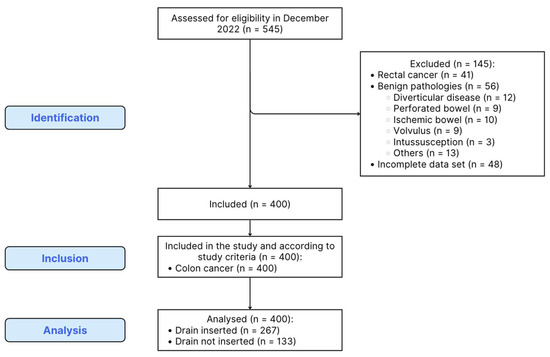
Despite guideline recommendations against routine prophylactic drainage following elective colectomy, surgical drains continue to be used selectively in colorectal practice. This study aimed to identify factors associated with drain placement and describe post-operative outcomes associated with selective drain use following colectomy for colon cancer. A retrospective cohort study of 400 patients undergoing colectomy for colon cancer between 2015 and 2021 at a tertiary academic centre was performed. Baseline, pre-operative, intra-operative and post-operative variables were compared between patients who received surgical drains (n = 267) and those who did not (n = 133). Univariable and multivariable regression analyses were performed to evaluate associations between drain placement and post-operative outcomes. Patients receiving drains had higher ASA scores, neoadjuvant chemoradiotherapy, longer operations, greater blood loss, and more emergency and open procedures. After multivariable adjustment, drain insertion was associated with higher Clavien–Dindo classification or post-operative morbidity, longer post-operative stay, delayed mobilisation, post-operative ileus, and re-operation within 30 days. Patients receiving drains represented a higher-risk surgical population with greater operative complexity and experienced poorer post-operative outcomes. These findings likely reflect selective drain placement in more complex cases rather than a causal effect of drainage itself. Prospective studies are needed to define the role of selective drainage in high-risk colorectal surgery.
Full article
Open AccessCase Report
Prenatal Diagnosis of Congenital Diaphragmatic Eventration: Case Report and Structured Literature Review
by
Adele Vasta, Francesca Arcieri, Valentina D’Ambrosio, Francesco Morini, Fabio Natale, Gregorio Volpe, Daniele Di Mascio, Lucia Manganaro, Gianluca Terrin, Antonio Pizzuti and Antonella Giancotti
J. Oman Med. Assoc. 2026, 3(2), 18; https://doi.org/10.3390/joma3020018 - 2 Sep 2026
Abstract
►▼
Show Figures
Objective: To describe a prenatal case of congenital diaphragmatic eventration, describe prenatal presentation and summarize available postnatal outcomes of previously reported cases. Methods: We present a prenatally diagnosed case of congenital diaphragmatic eventration managed at our institution and a structured literature review to
[...] Read more.
Objective: To describe a prenatal case of congenital diaphragmatic eventration, describe prenatal presentation and summarize available postnatal outcomes of previously reported cases. Methods: We present a prenatally diagnosed case of congenital diaphragmatic eventration managed at our institution and a structured literature review to identify previously reported prenatal cases published between 1984 and 2025. Results: Congenital diaphragmatic eventration was diagnosed at 20 + 2 weeks’ gestation following suspicion of fetal dextrocardia. Fetal magnetic resonance imaging confirmed diaphragmatic continuity and excluded congenital diaphragmatic hernia. Mild neonatal respiratory distress required only transient continuous positive airway pressure. Nineteen prenatally suspected cases were identified from the literature, most of which were initially misdiagnosed as congenital diaphragmatic hernia (89.5%). Correct prenatal characterization was reported in 57% of cases evaluated with fetal MRI and 25% with ultrasound alone; however, these findings should be interpreted as a descriptive observation due to the limited number and heterogeneity of available reports. Conclusions: Congenital diaphragmatic eventration is a rare but important mimic of congenital diaphragmatic hernia. Fetal magnetic resonance imaging may provide additional anatomical information in selected cases and facilitate counselling and perinatal management.
Full article

Figure 1
Open AccessArticle
Prevalence and Morphometrics of Haller Cells in Iraqis, and Their Association with Sinusitis and Sino-Nasal Anatomical Variants of Interest Using High-Resolution Computed Tomography
by
Ahmed Al-Imam and Nawfal Al-Hadithi
J. Oman Med. Assoc. 2026, 3(2), 17; https://doi.org/10.3390/joma3020017 - 1 Sep 2026
Abstract
►▼
Show Figures
Background: Haller cells (HCs) possess radiological and clinical significance because of their close relationship to the ostiomeatal complex and orbital floor. We aim to determine the prevalence of HCs in an Iraqi population, assess their morphometry, and evaluate their associations with selected sino-nasal
[...] Read more.
Background: Haller cells (HCs) possess radiological and clinical significance because of their close relationship to the ostiomeatal complex and orbital floor. We aim to determine the prevalence of HCs in an Iraqi population, assess their morphometry, and evaluate their associations with selected sino-nasal anatomical variants, particularly concha bullosa (CB) and Onodi cells (OCs), as well as with sinusitis. Methods: In this retrospective study, high-resolution CT scans were obtained from Baghdad Medical City. Images were reviewed using RadiAnt DICOM Viewer version 2025.2. Haller cells were assessed for laterality and measured on coronal CT for length, width, and sectional area. Data were analyzed in IBM SPSS Statistics version 27. Results: Of 121 assessed CT scans, 103 were included in the final analysis. HCs were found in 36.9% of cases, most commonly as unilateral right-sided cells. Strong positive correlations were observed among HC morphometrics, especially between length and sectional area on both sides (left: ρ = 0.920, p < 0.001; right: ρ = 0.876, p < 0.001). No significant side- or sex-based differences were found concerning any of the morphometrics. Further, no significant associations were found between HCs and sex, nasal septum deviation (NSD), OCs, maxillary sinusitis, or sphenoid sinusitis. Nonetheless, the association between HCs and CB possessed borderline significance (OR = 2.37, 95% CI: 0.86–6.57; p = 0.091). Conclusions: Haller cells were the least common of the evaluated sino-nasal variants and showed generally symmetrical morphometrics despite more frequent right-sided unilateral occurrence. They were not significantly associated with sex, NSD, OCs, or sinusitis, although the borderline association with CB warrants further study.
Full article

Figure 1
Open AccessArticle
Clinical and Sociodemographic Predictors of Tuberculosis and Malnutrition Among Under-Five Migrant Children in Urban Pakistan: A Community-Based Cross-Sectional Study
by
Javeria Saleem, Afia Zafar, Abida Tehreem, Farooq Manzoor, Zulfiqar Ali, Asad Ullah Mahmood, Fatima Ali, Enrique Roche, Ana M. Celorrio San Miguel, Elena Jiménez-Callejo, Juan Mielgo-Ayuso and Diego Fernández-Lázaro
J. Oman Med. Assoc. 2026, 3(2), 16; https://doi.org/10.3390/joma3020016 - 6 Aug 2026
Abstract
►▼
Show Figures
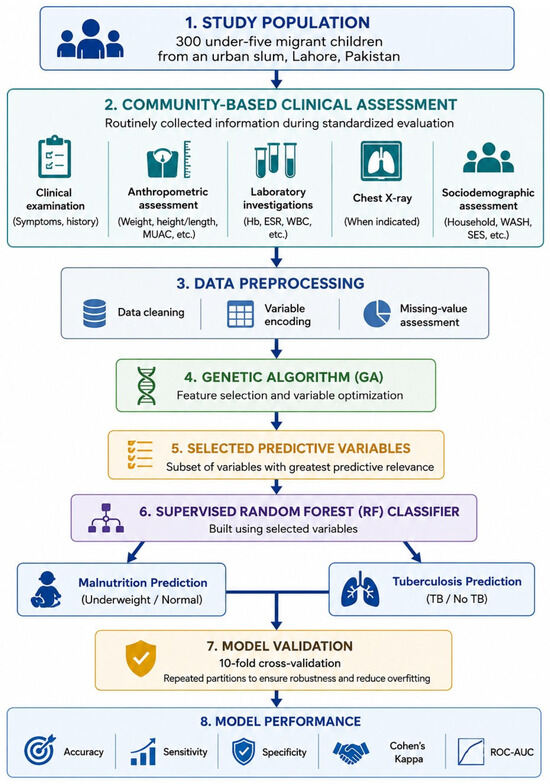
Tuberculosis (TB) and malnutrition remain major health challenges among migrant children living in low-resource urban settings. Identifying clinically relevant patterns associated with these conditions may support standardized clinical assessment and public health planning. The present study aimed to identify clinical, anthropometric and sociodemographic
[...] Read more.
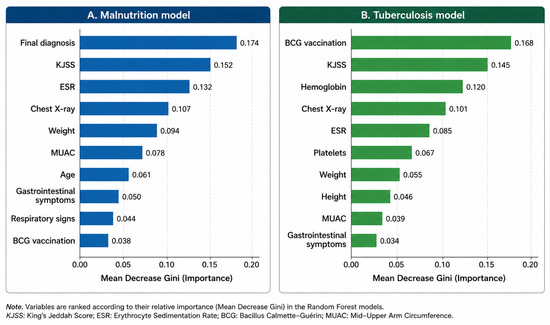
Tuberculosis (TB) and malnutrition remain major health challenges among migrant children living in low-resource urban settings. Identifying clinically relevant patterns associated with these conditions may support standardized clinical assessment and public health planning. The present study aimed to identify clinical, anthropometric and sociodemographic factors associated with TB and malnutrition among migrant children under five years of age in urban Pakistan. A community-based cross-sectional study was conducted in migrant settlements of Rachna Town, Lahore, Pakistan. Clinical, demographic and anthropometric data were collected from 300 children under five years of age. A Genetic Algorithm (GA) combined with Random Forest analysis was applied to identify the most informative variables associated with TB and malnutrition. Model performance was assessed using internal cross-validation. The analytical approach identified a concise subset of variables showing stable internal performance. Key factors associated with malnutrition included Bacillus Calmette-Guérin vaccination status, formula feeding, chest X-ray findings and gastrointestinal symptoms. The most relevant variables associated with TB were Bacillus Calmette-Guérin vaccination score, erythrocyte sedimentation rate, gastrointestinal indicators and parental occupation. The final models demonstrated good internal discrimination and substantial agreement. These findings suggest that routinely collected clinical, anthropometric, laboratory, radiological, and sociodemographic variables may support the identification of clinically relevant patterns associated with TB and malnutrition during standardized community-based assessments. The proposed data-driven approach should be interpreted as an analytical and decision-support framework for prioritizing informative variables and supporting clinical assessment, rather than as a pre-diagnostic or early risk prediction tool.
Full article

Figure 1
Open AccessArticle
Quality of Life and Its Correlates in Iraqi Medical Students with Chronic Rhinosinusitis
by
Ahmed Al-Imam and Nawfal Al-Hadithi
J. Oman Med. Assoc. 2026, 3(2), 15; https://doi.org/10.3390/joma3020015 - 6 Aug 2026
Abstract
►▼
Show Figures
Background: Chronic rhinosinusitis (CRS) impairs the quality of life (QoL), but its impact and risk factors remain unknown among Iraqis, including medical students. We aim to assess the QoL using the Sino-Nasal Outcome Test-22 (SNOT-22) in CRS-affected Iraqi medical students, categorize impairment severity,
[...] Read more.
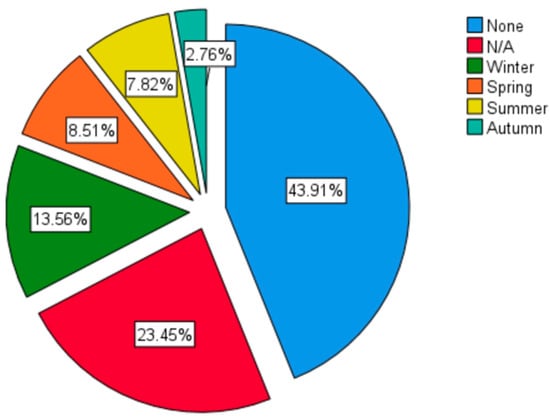
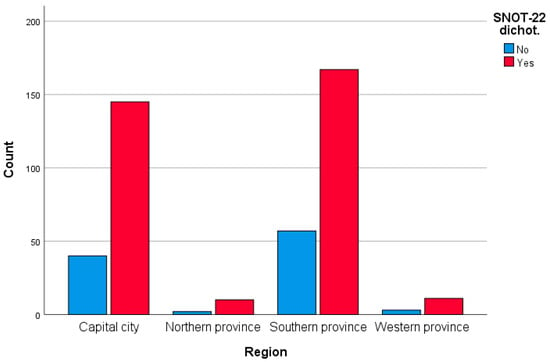
Background: Chronic rhinosinusitis (CRS) impairs the quality of life (QoL), but its impact and risk factors remain unknown among Iraqis, including medical students. We aim to assess the QoL using the Sino-Nasal Outcome Test-22 (SNOT-22) in CRS-affected Iraqi medical students, categorize impairment severity, and identify associated correlates via multivariable analysis. Methods: We surveyed 435 Iraqi undergraduates with CRS to identify QoL correlates, SNOT-22 severity strata, associated symptoms, seasonality, and treatment history. Data analysis, including multivariable models, was conducted in IBM SPSS version 27. Results: Among 435 surveyed individuals, 76.6% had impaired QoL. Binary logistic regression identified key correlates: immune disturbances (OR = 2.68; p = 0.028), family history (OR = 2.12; p = 0.003), chronic comorbidities (OR = 2.07; p = 0.037), and pre-clinical (basic) educational level (OR = 1.95; p = 0.007). In sex-stratified models, chronic comorbidities predominated in females (OR = 4.64; p < 0.001) and immune disturbances in males (OR = 3.89; p = 0.014). Ordinal regression confirmed immune disturbances (β = 0.65; p = 0.017), chronic comorbidities (β = 0.58; p = 0.023), and family history (β = 0.57; p = 0.003). Logistic and ordinal regression exhibited good model fitting (p > 0.05) and showed comparable statistical accuracy (76.8% vs. 76.1%). Conclusions: Impaired QoL was common among CRS-affected medical students, with immune disturbances and family history as the strongest correlates. Sex-specific differences existed. Findings highlight the need for personalized management of high-risk groups.
Full article

Figure 1
Open AccessArticle
Radiologic Presentation of Invasive Ductal and Lobular Breast Carcinoma: A Single-Center Experience from Oman
by
Maryam Al Alawi, Jumana Al Rasbi, Ali Abduwani and Abdullah Al Lawati
J. Oman Med. Assoc. 2026, 3(2), 14; https://doi.org/10.3390/joma3020014 - 5 Aug 2026
Abstract
►▼
Show Figures
Breast cancer is the most commonly diagnosed cancer among women worldwide and remains a leading cause of cancer-related mortality. The most frequent histological subtypes are invasive ductal carcinoma (IDC) and invasive lobular carcinoma (ILC), which demonstrate different biological behaviours and heterogeneous imaging features.
[...] Read more.
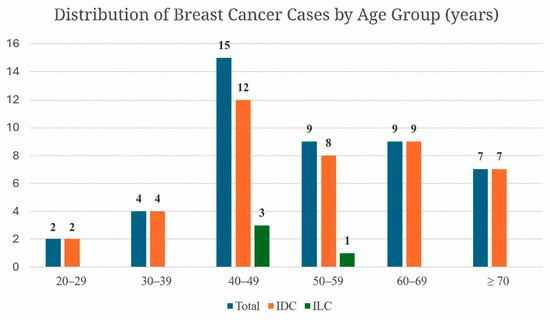
Breast cancer is the most commonly diagnosed cancer among women worldwide and remains a leading cause of cancer-related mortality. The most frequent histological subtypes are invasive ductal carcinoma (IDC) and invasive lobular carcinoma (ILC), which demonstrate different biological behaviours and heterogeneous imaging features. ILC is more likely to produce subtle radiological findings such as architectural distortion or asymmetry, whereas IDC commonly presents as a well-defined mass with spiculated margins and associated calcifications. This retrospective cohort study was conducted at Sur Hospital, Oman, and included Omani female patients diagnosed with histologically confirmed IDC or ILC between 2017 and 2025. Mammographic and ultrasound features were reviewed in relation to age, breast density, tumour size, and BI-RADS classification. A total of 46 cases were included, of which 91.3% were IDC and 8.7% were ILC. The median age at diagnosis was 50 years, and the median tumour diameter was 3.0 cm. On mammography, masses with calcifications and architectural distortion were the most common findings. Ultrasound demonstrated predominantly irregular lesions with hypoechoic or heterogeneous echotexture. Most lesions were classified as BI-RADS IV or V. This study documents the mammographic and ultrasound patterns encountered in routine clinical practice. Because only four ILC cases were included, the ILC observations should be interpreted descriptively and should not be regarded as evidence of definitive subtype-specific differences.
Full article

Figure 1

Open AccessFeature PaperArticle
Crimean–Congo Hemorrhagic Fever Outbreak in Oman: Currently Emerging Situation and Mitigation Strategies
by
Salim Al Busaidi, Mohammed Al Tobi, Sami Al Mujeini, Kishore Duthade and Salah Thabit Al Awaidy
J. Oman Med. Assoc. 2026, 3(2), 13; https://doi.org/10.3390/joma3020013 - 28 Jul 2026
Abstract
►▼
Show Figures
Introduction: Crimean–Congo hemorrhagic fever (CCHF) poses a significant health threat and is an acute, potentially fatal tick-borne disease. The disease is endemic in Oman, and is characterized by periods of increased case numbers, particularly linked to specific times of the year and high-risk
[...] Read more.
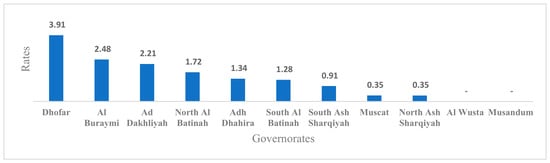
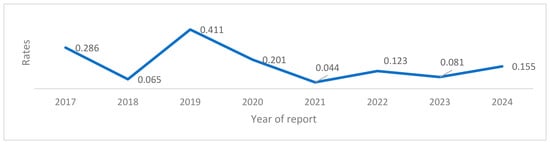
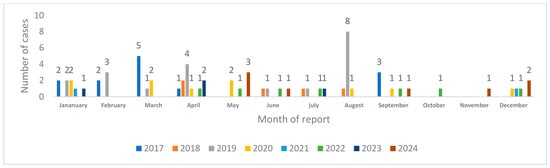
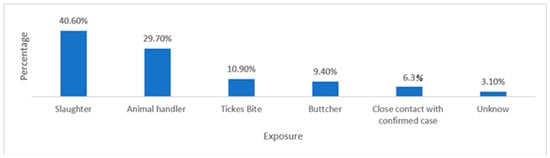
Introduction: Crimean–Congo hemorrhagic fever (CCHF) poses a significant health threat and is an acute, potentially fatal tick-borne disease. The disease is endemic in Oman, and is characterized by periods of increased case numbers, particularly linked to specific times of the year and high-risk activities. We review the epidemiology of CCHF in Oman and propose future strategies to address it. Methods: A retrospective descriptive epidemiological method was used to assess all confirmed national surveillance cases of CCHF reported in Oman between January 2017 and December 2024. Quantitative data were analyzed to generate frequencies, percentages, incidence, and case-fatality rates. Results: A total of 64 confirmed cases of CCHF were reported between 2017 and 2024. CCHF incidence fluctuated, peaking in 2019 (0.411 per 100,000 population) and reaching a low in 2021 (0.044 per 100,000 population), before rising again in 2024 (0.16 per 100,000 population). The overall case-fatality rate was 20.8%. There was a male predominance (87.5%), with 56% of the cases occurring in the 30–44 age group, and 65% of infections in 2022 linked to animal slaughter during Eid al-Adha. Conclusions: The rise in CCHF underscores specific preventive strategies, such as enhanced surveillance, utilization of personal protective equipment, regulation of slaughter practices, and public awareness initiatives during periods of elevated risk.
Full article

Figure 1
Open AccessArticle
Status of Physiotherapy Practices Following Total Knee Replacement in Oman: Adherence to Guidelines and Identification of Barriers
by
Aisha Al Hasani, Ahmed Ibrahim Al Kharusi and Narasimman Swaminathan
J. Oman Med. Assoc. 2026, 3(2), 12; https://doi.org/10.3390/joma3020012 - 21 Jul 2026
Abstract
►▼
Show Figures
Background: The rising incidence of knee osteoarthritis in Oman has increased the demand for total knee replacement (TKR) surgeries, highlighting the critical role of evidence-based postoperative physiotherapy. However, no prior study has systematically assessed physiotherapy practices post-TKR in Oman. This study aimed to
[...] Read more.
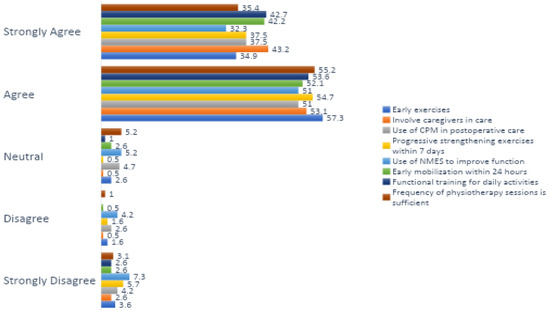
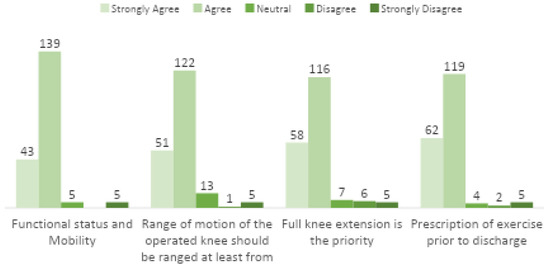
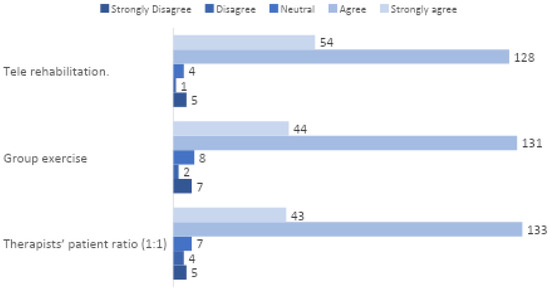
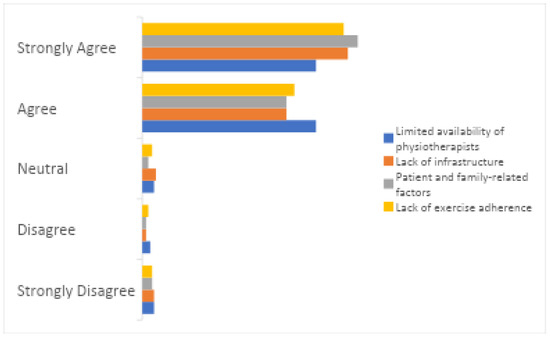
Background: The rising incidence of knee osteoarthritis in Oman has increased the demand for total knee replacement (TKR) surgeries, highlighting the critical role of evidence-based postoperative physiotherapy. However, no prior study has systematically assessed physiotherapy practices post-TKR in Oman. This study aimed to fill this gap by assessing current physiotherapy practices post-TKR in Oman, evaluating adherence to international guidelines, and identifying barriers to optimal care. Methods: A cross-sectional study was conducted between January and March 2025 using a self-administered, structured questionnaire distributed to 189 physiotherapists in governmental hospitals. Data were analyzed using descriptive statistics with SPSS version 26. Results: High adoption rates were found for preoperative education (94.2%) and strengthening exercises (95.3%). In acute-stage rehabilitation, functional training (96.35%) and early mobilization (94.27%) were prevalent. However, utilization of standardized outcome measures (e.g., WOMAC) was low (74.47%) and variability existed in discharge criteria. Major barriers included a shortage of physiotherapists (91.66% agreement), limited resources (92.18%), and patient-related challenges (94.79%). Conclusion: While foundational rehabilitation practices are implemented effectively in Oman, significant gaps remain in standardized assessments and adherence to specific international protocols. Addressing workforce shortages, resource limitations, and implementing unified national guidelines are essential for optimizing post-TKR rehabilitation outcomes.
Full article

Figure 1

Open AccessReview
Clostridioides difficile Infection in Tuberculosis Patients: An Underrecognized Complication of Antituberculous Therapy
by
Jovan Javorac, Ana Milenković, Dragica Kovačević, Emilija Vujičić and Dejan Živanović
J. Oman Med. Assoc. 2026, 3(2), 11; https://doi.org/10.3390/joma3020011 - 3 Jul 2026
Abstract
►▼
Show Figures
Clostridioides difficile infection (CDI) is the leading cause of antibiotic-associated diarrhea; however, its association with antituberculous therapy (ATT) remains underrecognized. This review examines the risk, mechanisms, and clinical implications of CDI in patients with active tuberculosis (TB). Although ATT is traditionally considered low
[...] Read more.
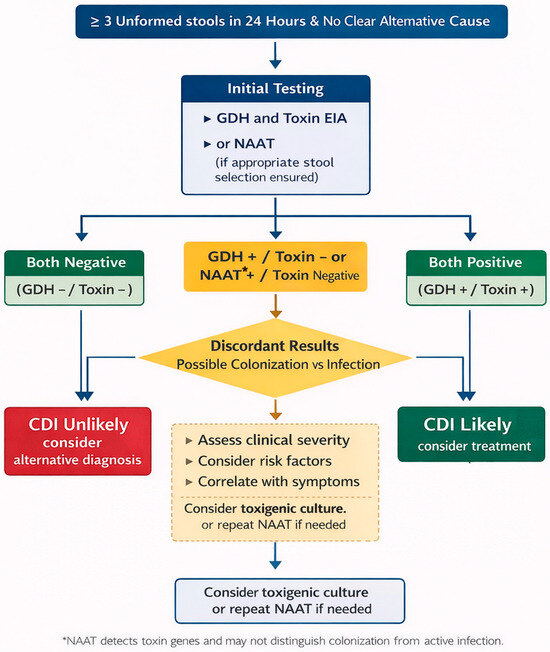
Clostridioides difficile infection (CDI) is the leading cause of antibiotic-associated diarrhea; however, its association with antituberculous therapy (ATT) remains underrecognized. This review examines the risk, mechanisms, and clinical implications of CDI in patients with active tuberculosis (TB). Although ATT is traditionally considered low risk, prolonged exposure, particularly to rifampicin, may lead to cumulative disruption of gut microbiota and loss of colonization resistance. A characteristic feature of CDI in this setting is delayed onset, typically occurring several weeks to months after ATT initiation, which complicates timely diagnosis. Rifampicin plays a dual role, contributing to microbiota alterations and selection of resistant strains, while potentially affecting the pharmacokinetics of co-administered drugs. CDI in TB patients is associated with increased morbidity and mortality, with reported mortality rates up to 9.9%. Fidaxomicin is preferred due to its microbiota-sparing effect and lower recurrence rates, although cost remains a major limitation in high TB-burden settings, since vancomycin is an appropriate alternative. Management requires an individualized approach that balances the risk of CDI recurrence against the necessity of maintaining effective TB therapy.
Full article

Figure 1

Open AccessArticle
How Does Herbal Medicine Fit in the Health System for Urinary Tract Infections? An Ethnobotanical Survey Among the Indigenous People at Dschang-Cameroon and Validation Studies
by
Boniface Pone Kamdem, Yolande Nzeulienou Noubissi, Brice Rostan Pinlap, Aicha Sylvanie Magniteu Lekefack, Jamila Aminatou Kone, Aimerance Mabelle Madoung, Staelle Pierre Tedonzang, Christelle Amanda Djakam Ngola and Fabrice Fekam Boyom
J. Oman Med. Assoc. 2026, 3(1), 10; https://doi.org/10.3390/joma3010010 - 15 Jun 2026
Abstract
►▼
Show Figures
Urinary tract infections (UTIs) are commonly caused by bacteria that enter through the urethra and multiply in the bladder. The rising antibiotic resistance makes bacterial infections increasingly difficult to treat, necessitating the development of alternative solutions to combat resistant bacteria. The World Health
[...] Read more.
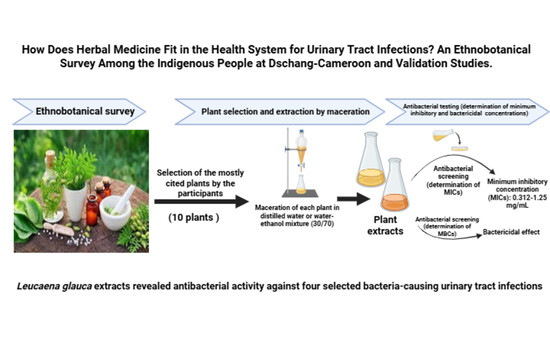
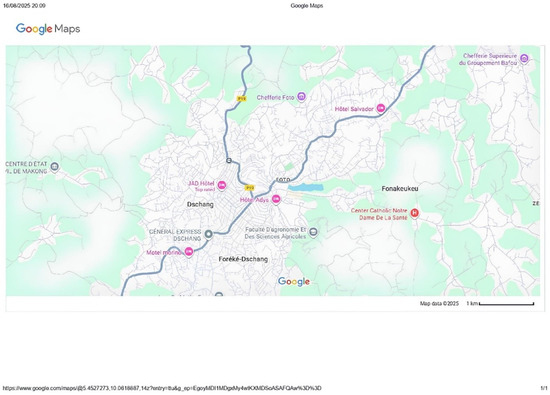
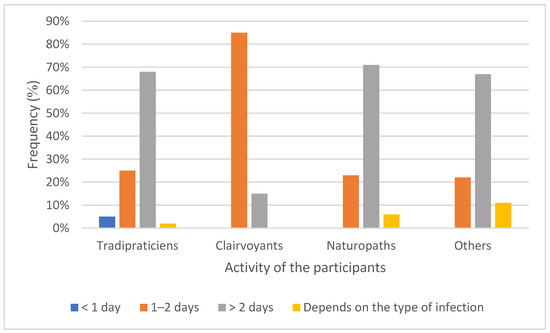
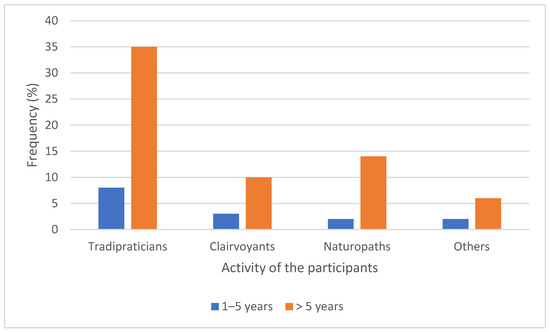
Urinary tract infections (UTIs) are commonly caused by bacteria that enter through the urethra and multiply in the bladder. The rising antibiotic resistance makes bacterial infections increasingly difficult to treat, necessitating the development of alternative solutions to combat resistant bacteria. The World Health Organization supports the integration of traditional medicine and medicinal plants into health systems, recognizing their therapeutic potential thanks to their active ingredients. In Cameroon, several medicinal plants are traditionally used to treat UTIs. However, information regarding this practice is poorly documented. In fact, systematic lists that would provide a thorough and organized understanding of the use of medicinal plants in treating UTIs are missing. Moreover, there is a lack of scientific evidence for the traditional use of medicinal plants in treating UTIs. This study aims to identify and document medicinal plants that are used to treat urinary tract infections at Dschang and evaluate the antibacterial activity of extracts from the most promising plants against selected bacteria that are responsible for urinary tract infections. The ethnobotanical study was conducted among herbalists, naturopaths, traditional healers and plant users through semi-structured interviews, and the plants listed were identified according to the literature information and at the National Herbarium of Cameroon. Extracts of the most cited plants (10) were obtained by maceration using water or a water–ethanol mixture (3:7; v/v). Then, the antibacterial activity of the as-prepared extracts was evaluated against five bacterial strains responsible for UTIs, such as Escherichia coli ATCC 25922, Staphylococcus aureus HM-468, Pseudomonas aeruginosa NR 48982, Klebsiella pneumoniae NCTCC-13810 and Klebsiella pneumoniae NR 41697, using the microdilution method. A total of forty-one (41) plant species belonging to 26 families were identified as plants used by the respondents to treat urinary tract infections in Dschang. Decoction, infusion and maceration were the most commonly used methods of plant preparation, whereas leaves, bark and fruits were the most used plant organs. From 20 plant extracts tested, the hydroethanolic extracts of Leucaena glauca and Lannea sp. revealed antibacterial activity with MICs ranging from 0.312 to 1.25 mg/mL. The MBC values obtained allowed us to conclude that these extracts exert a bactericidal effect. These results contribute to the identification of plants used to treat UTIs at Dschang and to validate the traditional use of Leucaena glauca and Lannea sp. in the treatment of urinary tract infections.
Full article

Graphical abstract
Open AccessArticle
Cytotoxic Effect of Soluble TRAIL and Its Combination with Irinotecan on the Chemoresistance of Colorectal Cancer
by
Adriana G. Quiroz-Reyes, Gladys Selene Pérez-Contreras, Maria Elena Vazquez-Chavez, Paulina Delgado González, Jose F. Islas and Elsa Nancy Garza-Treviño
J. Oman Med. Assoc. 2026, 3(1), 9; https://doi.org/10.3390/joma3010009 - 3 Jun 2026
Abstract
►▼
Show Figures
Colorectal cancer (CRC) presents high incidence and mortality, largely due to late diagnosis and the persistence of cancer stem cells (CSCs), which contribute to chemoresistance and poor patient outcomes. TRAIL (TNF-related apoptosis-inducing ligand) is considered a promising therapeutic agent because of its ability
[...] Read more.
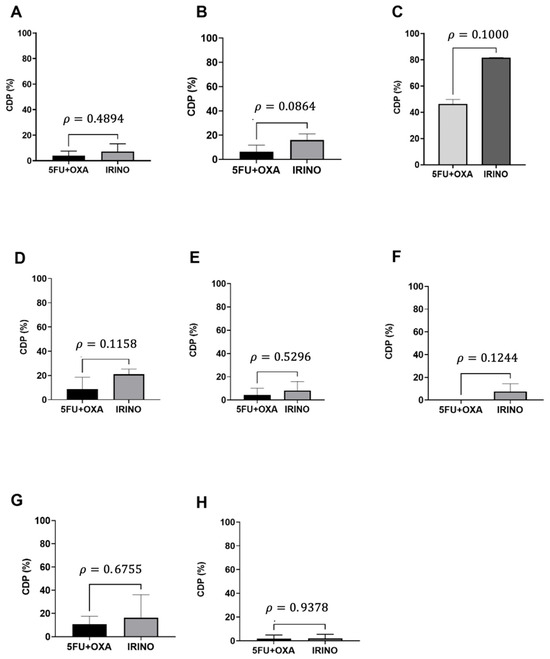
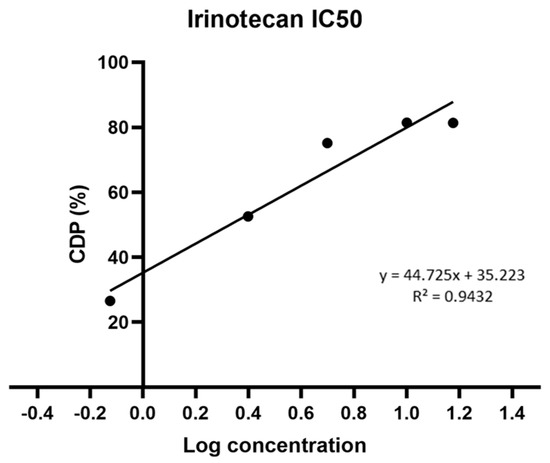
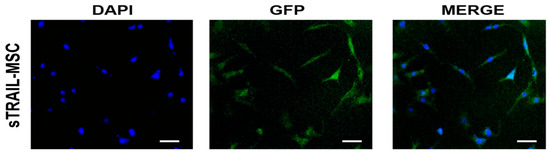
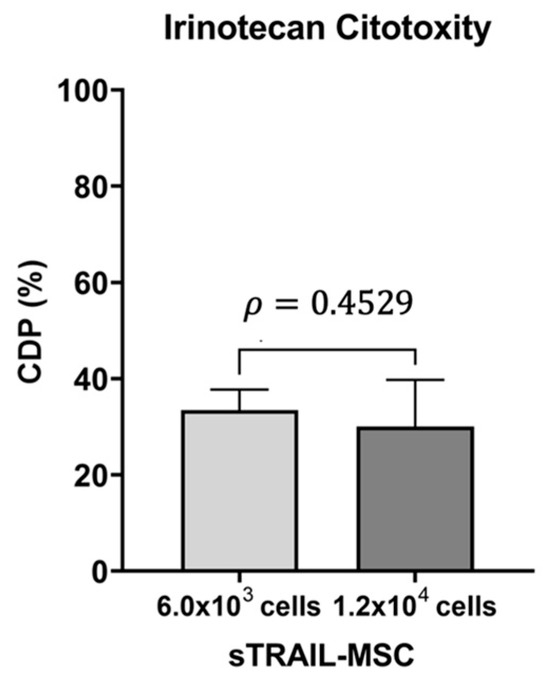
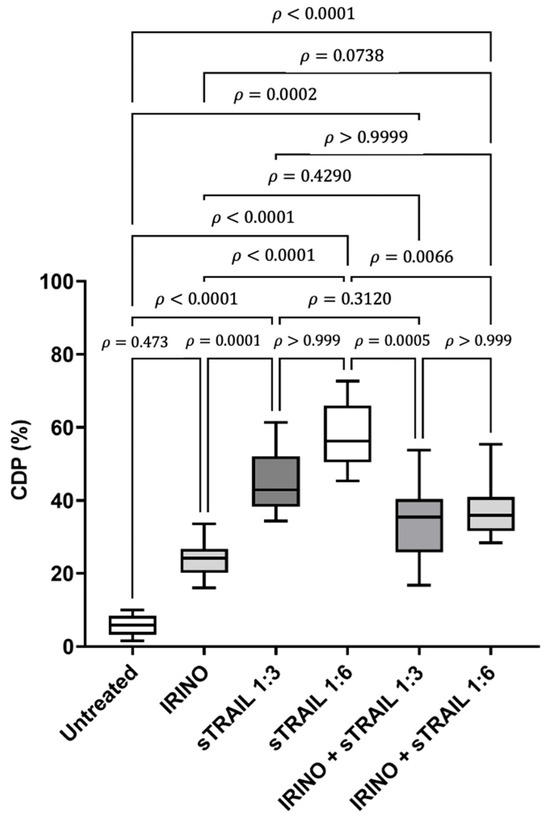
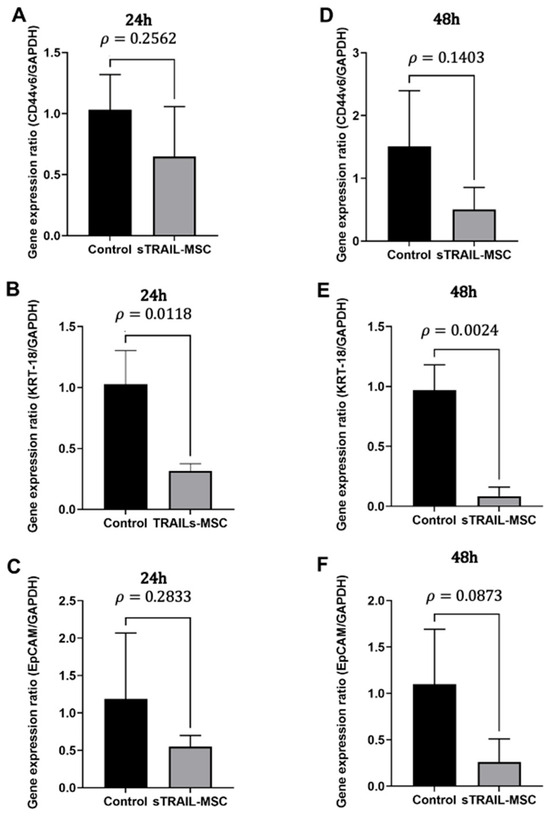
Colorectal cancer (CRC) presents high incidence and mortality, largely due to late diagnosis and the persistence of cancer stem cells (CSCs), which contribute to chemoresistance and poor patient outcomes. TRAIL (TNF-related apoptosis-inducing ligand) is considered a promising therapeutic agent because of its ability to selectively induce apoptosis through DR4/DR5 receptors. Mesenchymal stem cells (MSCs) have been explored as TRAIL delivery vehicles, taking advantage of their tumor-homing capacity and sustained protein expression. However, TRAIL monotherapy has shown limited efficacy, prompting research into strategies to enhance its pro-apoptotic effect, including its combination with chemotherapeutics that upregulate TRAIL receptors. Methods: We evaluated the effect of irinotecan (IRINO) in Caco-2 cells and primary CRC cultures. In addition, we analyzed the cytotoxic activity of sTRAIL-MSCs and its impact on CSC markers, both alone and in combination with IRINO in Caco-2 cells. Results: Caco-2 cells and 87.5% of primary cultures were resistant to IRINO. sTRAIL-MSCs induced higher cell death (50–80%) at ratios of 1:3 and 1:6, while its combination with IRINO achieved 50–60%. Additionally, sTRAIL-MSCs reduced CSC marker expression at 24 and 48 h. Conclusions: IRINO did not enhance the cytotoxicity of sTRAIL-MSC, but it did enhance downregulated markers such as KRT-18, CD44v6, and EpCAM, and it represents a promising therapeutic strategy against CRC.
Full article

Figure 1
Open AccessArticle
Wrist Arthritis in Juvenile Idiopathic Arthritis: Disease Burden, MRI-Guided Management, and Joint Damage in a Pediatric Cohort
by
Eman Al Masroori and Eslam Al-Abadi
J. Oman Med. Assoc. 2026, 3(1), 8; https://doi.org/10.3390/joma3010008 - 6 May 2026
Abstract
►▼
Show Figures
Background: Wrist involvement in juvenile idiopathic arthritis (JIA) is associated with a more aggressive disease course and poorer long-term outcomes. However, data integrating imaging findings, treatment decisions, and procedural outcomes remains limited. Methods: We conducted a single-center retrospective cohort study of children with
[...] Read more.
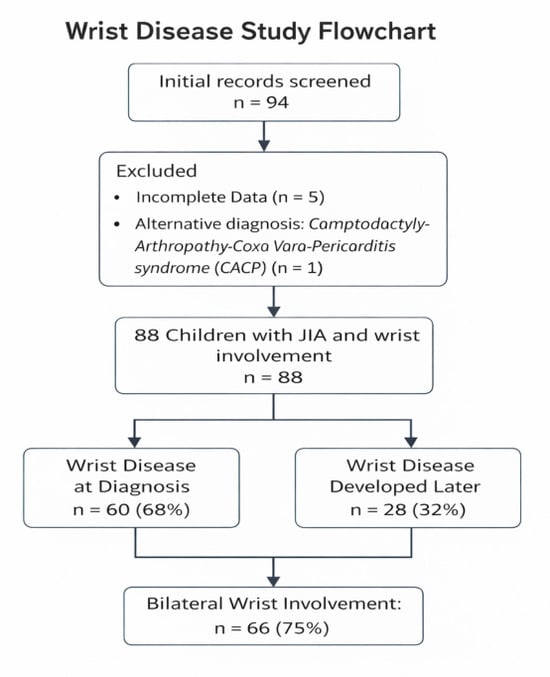
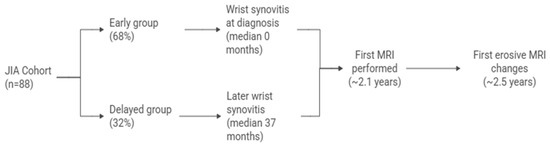
Background: Wrist involvement in juvenile idiopathic arthritis (JIA) is associated with a more aggressive disease course and poorer long-term outcomes. However, data integrating imaging findings, treatment decisions, and procedural outcomes remains limited. Methods: We conducted a single-center retrospective cohort study of children with JIA and wrist involvement managed at a tertiary pediatric rheumatology center between 2014 and 2019. Clinical, treatment, and imaging data were collected, including magnetic resonance imaging (MRI) findings and their impact on management. Outcomes included disease activity, structural damage, and response to arthroscopic synovectomy. Results: Eighty-eight patients were included (81% female), with a mean age at diagnosis of 6.0 ± 4.5 years. Wrist involvement was present at diagnosis in 68% and became bilateral in 75%. In the overall cohort, the median time to wrist synovitis was 0 months, while the mean was 15 months, reflecting delayed onset in a subset of patients. MRI was performed in 55 patients (163 scans) and influenced management in approximately two-thirds of cases, prompting treatment escalation or modification, while preventing unnecessary escalation in one-third by demonstrating established damage. Erosive changes were detected early, with a median time of approximately 2.5–3 years from diagnosis. Most patients (88%) required biologic therapy, and 34% required two or more biologics. Twelve patients (14%) underwent arthroscopic synovectomy, with approximately half demonstrating improvement in pain and function and no perioperative complications. Conclusions: Wrist arthritis in JIA represents a severe disease phenotype characterized by early bilateral involvement, high treatment burden, and frequent structural damage. MRI plays a central role in distinguishing active inflammation from irreversible damage and directly informs clinical decision-making. Arthroscopic synovectomy appears to be a safe adjunct for selected refractory cases. These findings support the integration of structured imaging strategies into the management of high-risk joints in JIA.
Full article

Figure 1

Open AccessArticle
Real-World Experience with Ruxolitinib in Myeloproliferative Neoplasms: A Single-Center Study from Oman
by
Najah Abdullah Al-salmi, Bushra Salman, Yaman Walid Kassab, Shireen Imam Bakhsh Al Zadjali, Mullaicharam Bhupathyraaj, Zainab Ali Al Lawati, Murtadha Al-Khabori and Salam AL-Kindi
J. Oman Med. Assoc. 2026, 3(1), 7; https://doi.org/10.3390/joma3010007 - 5 May 2026
Abstract
►▼
Show Figures
Background: Myeloproliferative neoplasms (MPNs)—including primary myelofibrosis (PMF), polycythemia vera (PV), and essential thrombocythemia (ET)—are clonal stem-cell disorders driven by JAK–STAT pathway activation within an inflammatory microenvironment. Ruxolitinib (RUX), a JAK1/2 inhibitor, improves splenomegaly and symptom burden in myelofibrosis and serves as second-line therapy
[...] Read more.
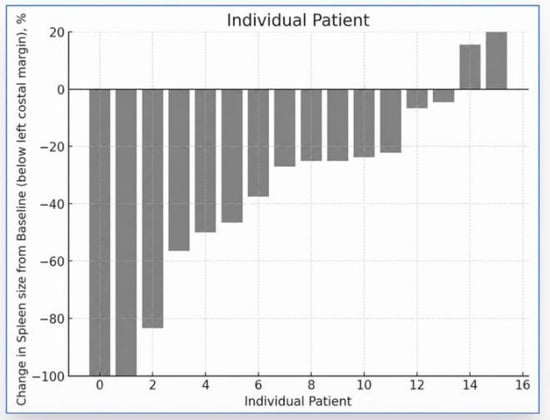
Background: Myeloproliferative neoplasms (MPNs)—including primary myelofibrosis (PMF), polycythemia vera (PV), and essential thrombocythemia (ET)—are clonal stem-cell disorders driven by JAK–STAT pathway activation within an inflammatory microenvironment. Ruxolitinib (RUX), a JAK1/2 inhibitor, improves splenomegaly and symptom burden in myelofibrosis and serves as second-line therapy in hydroxyurea-resistant/intolerant PV. However, real-world data from Middle Eastern populations remains scarce. This study evaluates the effectiveness, safety, and dosing practices of RUX in a heterogeneous Omani MPN cohort. Methods: Electronic records were reviewed for adults diagnosed with MF, PV, or ET who received RUX at Sultan Qaboos University Hospital or the National Hematology and BMT Center between 2018 and 2025. Only patients with at least six months of follow-up were included. Clinical variables, laboratory results, dosing information, and data on treatment responses and toxicities were extracted. Outcomes focused on spleen size changes, symptom improvement, hematologic responses, adverse events, and reasons for treatment discontinuation. Results: Twenty-eight patients were included (71% PMF; mean age 52.6 years). The median time from diagnosis to RUX initiation was 28 months. Among MF patients, mean spleen size decreased by 35% (p = 0.003); 28% achieved ≥35% reduction. Symptomatic improvement was reported by 60%. LDH levels remained unchanged. PV patients showed spleen control in 75% and symptom benefit in all cases, while ET responses were limited. Cytopenias (21%) and infections (11%) were the most common toxicities; discontinuation occurred in 8/28 of patients, and two patients died while on therapy. Initial dosing was frequently inappropriate, particularly underdosing in MF and overdosing in PV. Conclusions: RUX provided meaningful spleen and symptom improvement in MF and PV; however, toxicity, delayed initiation, and inconsistent dosing practices limited overall outcomes. Enhanced guideline-based dosing, proactive toxicity management, and structured multidisciplinary follow-up are essential to optimize RUX use in regional MPN practice.
Full article

Figure 1
Open AccessArticle
Assisted Partner Notification Services Utilization, Barriers, and Facilitators Among People Living with HIV in Singida: A Mixed-Method Study
by
Alex Gabagambi Alexander, Blandina T. Mmbaga, Edna Paul, Noela H. Daniel, Mariam L. Barabara, Aloyce G. Mlyomi, Florida J. Muro, John A. Barlett and Charles Muiruri
J. Oman Med. Assoc. 2026, 3(1), 6; https://doi.org/10.3390/joma3010006 - 2 Apr 2026
Abstract
►▼
Show Figures
Background: Assisted Partner Notification Services (APNS) support HIV disclosure and reduce HIV transmission. Despite this potential, APNS remains underutilized due to several barriers. A clearer understanding of APNS utilization, barriers, and the facilitators is essential to guide APNS improvement. Objectives: This study aimed
[...] Read more.
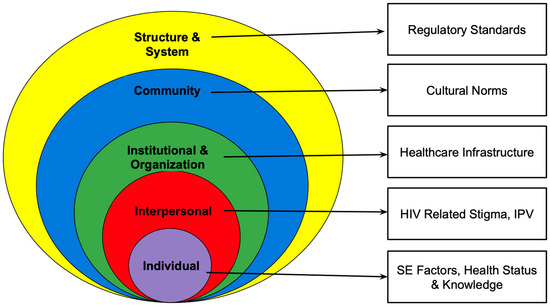
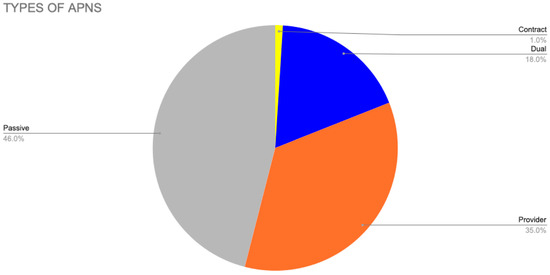
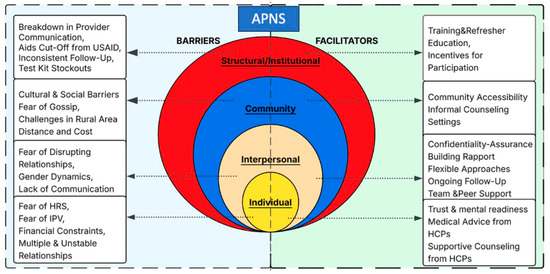
Background: Assisted Partner Notification Services (APNS) support HIV disclosure and reduce HIV transmission. Despite this potential, APNS remains underutilized due to several barriers. A clearer understanding of APNS utilization, barriers, and the facilitators is essential to guide APNS improvement. Objectives: This study aimed to determine the level of APNS utilization, barriers, and facilitators for its uptake among people living with HIV (PLWH) in Singida. Methods: We employed a convergent mixed-methods design. A cross-sectional survey quantified APNS utilization and its associated factors among PLWH who have sexual partners, while complementary qualitative interviews explored perceived barriers and facilitators from the perspectives of both PLWH and healthcare providers. Results: In the Singida region, only forty percent of participants reported the use of APNS. Higher knowledge of HIV disclosure was positively associated with uptake (AOR = 2.65, 95% CI: 2.28–2.81; p = 0.02), whereas depressive symptoms reduced engagement (AOR = 0.95, 95% CI: 0.91–0.99; p = 0.027). Qualitative interviews in Singida identified multilevel barriers, including stigma, gender dynamics, and cultural constraints. Facilitators provided supportive medical advice, non-judgmental counseling, and assurances of confidentiality. Conclusions: Findings reveal low APNS uptake in Singida, constrained by stigma and cultural dynamics. Strengthening knowledge of disclosure, providing supportive medical advice, and ensuring confidentiality may enhance the use of APNS.
Full article

Figure 1
Open AccessCase Report
Spontaneous Resolution of a Post-Traumatic Distal Anterior Cerebral Artery Aneurysm
by
Venkatesh Govindaraju, Rajeev Kariyattil, Koshy Kochummen, Ghusn Al Sideiri, Sameer Raniga, Faizal Al-Azri, Noor Abdullah Al Shekaili and Abdullah Al Lawati
J. Oman Med. Assoc. 2026, 3(1), 5; https://doi.org/10.3390/joma3010005 - 31 Mar 2026
Abstract
►▼
Show Figures
Traumatic intracranial aneurysms are rare consequences of blunt or penetrating head injury, carrying significant morbidity and mortality. We report a 33-year-old male who sustained severe head trauma with base of skull fracture and subarachnoid hemorrhage following a motor vehicle accident. He underwent craniotomy
[...] Read more.
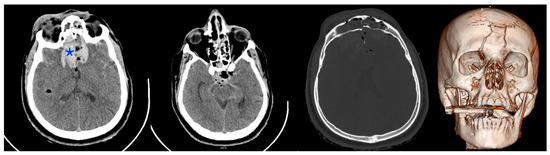
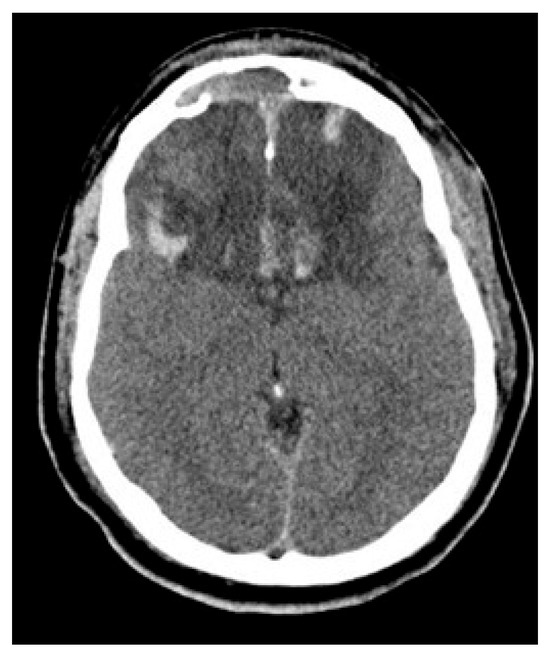
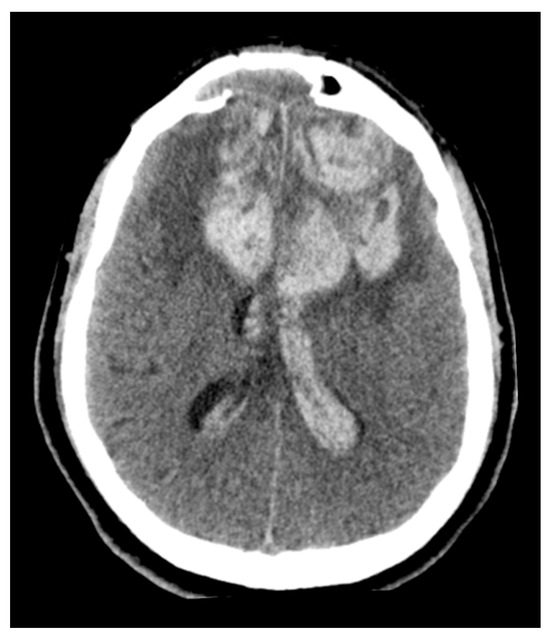
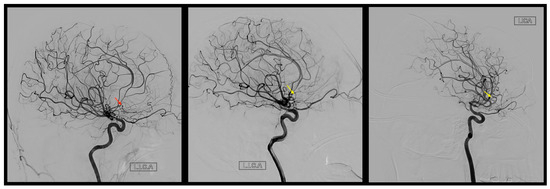
Traumatic intracranial aneurysms are rare consequences of blunt or penetrating head injury, carrying significant morbidity and mortality. We report a 33-year-old male who sustained severe head trauma with base of skull fracture and subarachnoid hemorrhage following a motor vehicle accident. He underwent craniotomy with evacuation of an intracerebral hematoma and fixation of depressed fracture segments. During the third week, he deteriorated due to a re-bleed at the operated site. Cerebral digital subtraction angiography revealed a pseudoaneurysm from the proximal A2 segment of the left anterior cerebral artery, prompting re-exploration. This case highlights the importance of considering post-traumatic aneurysm in patients with delayed neurological decline after head injury associated with skull bone fracture and subarachnoid hemorrhage.
Full article

Figure 1
Open AccessArticle
High Prevalence of Prediabetes and Cardiometabolic Risk Profiles Among Omani Adults in the Muscat Governorate: Analysis from the National Screening Program
by
Fathiya Thabit Al-Shariqi, Shaima Al-Mazrooei, Abeer Al-Harrasi, Mohei Ismail, Fairuz Al-Kathiri, Mohammed Al-Ismaili, Rua Al-Harthi, Zainab Al-Rajhi, Samira Al-Maimani, Zahir Al-Kharusi and Khadija Riyadh Al-Raisi
J. Oman Med. Assoc. 2026, 3(1), 4; https://doi.org/10.3390/joma3010004 - 24 Mar 2026
Abstract
Prediabetes is a critical precursor to type 2 diabetes (T2DM) and cardiometabolic diseases, yet its burden in Oman remains understudied. Leveraging data from Oman’s 2023 National Screening Program, this study quantifies the prevalence of prediabetes and its risk profiles among adults in Muscat
[...] Read more.
Prediabetes is a critical precursor to type 2 diabetes (T2DM) and cardiometabolic diseases, yet its burden in Oman remains understudied. Leveraging data from Oman’s 2023 National Screening Program, this study quantifies the prevalence of prediabetes and its risk profiles among adults in Muscat Governorate—providing urgent evidence to guide diabetes prevention strategies in the Gulf region. Objectives: To estimate the prevalence of prediabetes and identify associated risk factors among Omani adults screened at primary health centers in Muscat Governorate (2023), given its critical role in preventing type 2 diabetes mellitus (T2DM) progression. Methods: This cross-sectional study analyzed data from Oman’s national screening program. Socio-demographics, clinical parameters (blood pressure, body mass index [BMI]), and laboratory results (fasting glucose, lipids, renal function) were extracted from the Al-Shifa electronic health system and National Screening Register. Multivariable logistic regression was performed using SPSS 30.0 (IBM Corp., Armonk, NY, USA). Results: Among 4862 participants (mean age 43.2 ± 6.3 years; 61.7% female), prevalences were: prediabetes 29.0%, T2DM 5.5%, obesity (BMI 30–40 kg/m2) 35.7%, hypertension 42.0%, hypercholesterolemia 48.8%, and renal involvement 51.8%. Males had significantly higher prediabetes prevalence than females (35.4% vs. 24.7%; adjusted odds ratio [aOR] = 1.43; 95% confidence interval [CI]: 1.21–1.70). Independent risk factors included each 1-year age increase (aOR = 1.05; 95% CI: 1.03–1.08), each 1-unit BMI increase (aOR = 1.03; 95% CI: 1.01–1.05), and family history of diabetes (aOR = 1.28; 95% CI: 1.09–1.50). Conclusions: The high burden of prediabetes and comorbid non-communicable diseases in Oman necessitates urgent public health strategies, including enhanced screening, lifestyle interventions, and gender-specific approaches to curb the T2DM epidemic.
Full article
Open AccessReview
Potential of Photodynamic Therapy in Children and Adolescents with Central Nervous System Tumors
by
David Leksa, David Aebisher, Angelika Myśliwiec, Wiktoria Mytych, Klaudia Dynarowicz, Jakub Tylutki and Dorota Bartusik-Aebisher
J. Oman Med. Assoc. 2026, 3(1), 3; https://doi.org/10.3390/joma3010003 - 23 Feb 2026
Abstract
►▼
Show Figures
Central nervous system (CNS) tumors in children, though uncommon, pose distinct challenges due to their unique pathological and clinical features, which often differ from adult cases. Effective management of pediatric CNS tumors can be complicated, with complete surgical resection remaining a critical goal,
[...] Read more.
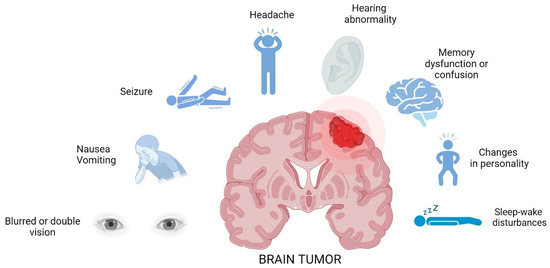
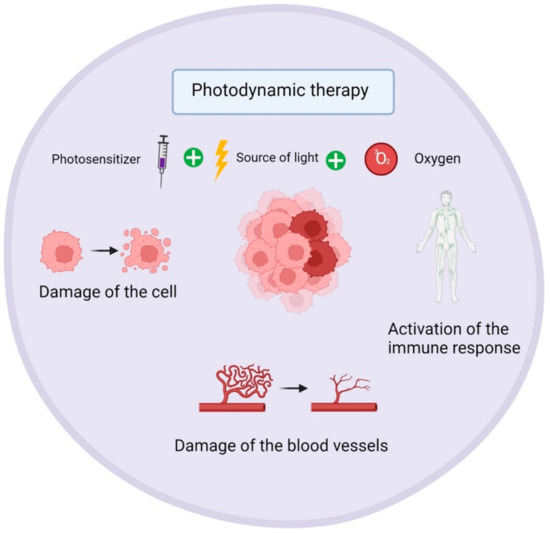
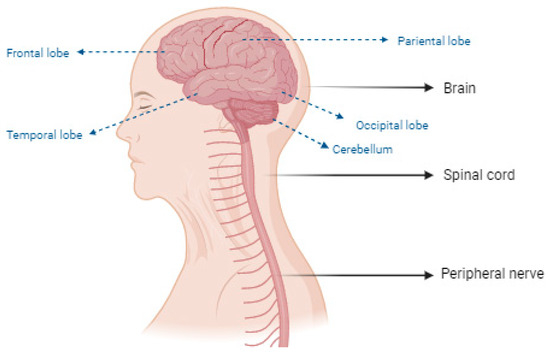
Central nervous system (CNS) tumors in children, though uncommon, pose distinct challenges due to their unique pathological and clinical features, which often differ from adult cases. Effective management of pediatric CNS tumors can be complicated, with complete surgical resection remaining a critical goal, in conditions like cerebra cavernous malformation (CCM), where it significantly impacts recurrence risk. However, achieving complete resection can be difficult, as preserving the surrounding healthy tissue is vital to avoid long-term neurological deficits, a particular concern in the developing brains of children. Photodynamic therapy (PDT) has emerged as a promising adjunctive treatment for pediatric CNS tumors due to its ability to selectively target tumor cells while sparing healthy tissue. PDT uses a photosensitizing agent. This targeted approach is advantageous in pediatric cases as it minimizes collateral damage, potentially reducing the long-term neurological and cognitive impacts seen with conventional treatments such as radiation. Despite its promise, the application of PDT for pediatric CNS tumors remains underexplored. Research is limited, primarily due to the rarity of these tumors in children and the ethical challenges involved in conducting pediatric trials. The current understanding of PDT’s effectiveness in CNS tumors largely stems from adult studies, which may not fully apply to children’s unique developmental and physiological characteristics, including differences in the tumor biology, metabolism, and pharmacokinetics of photosensitizers. To address this gap, our study conducted a comprehensive review of the available literature using PubMed, Google Scholar, and additional databases like Web of Science, aiming to summarize the existing knowledge on PDT for pediatric CNS tumors, incorporate recent advancements from the last years, and identify areas where further research is essential. The updated review includes new insights from ongoing sonodynamic therapy (SDT), which complements PDT by using ultrasound to enable deeper penetration.
Full article

Figure 1
Open AccessArticle
Neck and Shoulder Pain: Prevalence and Risk Factors Among Omani School Teachers
by
Maryam Musallam Salim Al-Harassi, Ahmed Ibrahim Al Kharusi and Narasimman Swaminathan
J. Oman Med. Assoc. 2026, 3(1), 2; https://doi.org/10.3390/joma3010002 - 5 Jan 2026
Abstract
Background: Neck and shoulder pain are prevalent occupational health issues among school teachers globally, impacting work performance and quality of life. This study aimed to assess the prevalence and factors associated with neck and shoulder pain among school teachers in Oman. Methods: A
[...] Read more.
Background: Neck and shoulder pain are prevalent occupational health issues among school teachers globally, impacting work performance and quality of life. This study aimed to assess the prevalence and factors associated with neck and shoulder pain among school teachers in Oman. Methods: A cross-sectional study using chi-square and logistic regression analyses was conducted in March–April 2025 among 419 full-time school teachers in three Omani governorates. A structured questionnaire was used to collect data on socio-demographic, behavioral, physical, psychosocial, and health-related factors. Results: A high prevalence of neck and shoulder pain among participants was observed, with 98.3% reporting pain in the past 12 months. Chronic pain lasting over a year was reported by 59.7%, with 37.0% experiencing severe pain. Psychological job demands were high, with 62.8% reporting high levels of stress. Conclusions: The study did not find significant associations with physical risk factors, but highlighted the importance of broader determinants such as low physical activity, obesity, and lack of supervisory support in relation to chronic neck and shoulder pain among teachers.
Full article
Open AccessCase Report
A Prophylactic Approach to Ventilator Complications in Acute Respiratory Distress Syndrome: The Role of Early Percutaneous Dilatational Tracheostomy
by
Muthiara Adlin Azzahra, Artha Wahyu Wardana, Indiane Putri Ningtias and Mochamad Renaldi
J. Oman Med. Assoc. 2026, 3(1), 1; https://doi.org/10.3390/joma3010001 - 25 Dec 2025
Abstract
►▼
Show Figures
Acute Respiratory Distress Syndrome (ARDS) represents a critical pathology often necessitating prolonged mechanical ventilation, a clinical course associated with significant complications and elevated mortality. This case report details the successful implementation of early Percutaneous Dilatational Tracheostomy (PDT) in a 61-year-old male presenting with
[...] Read more.
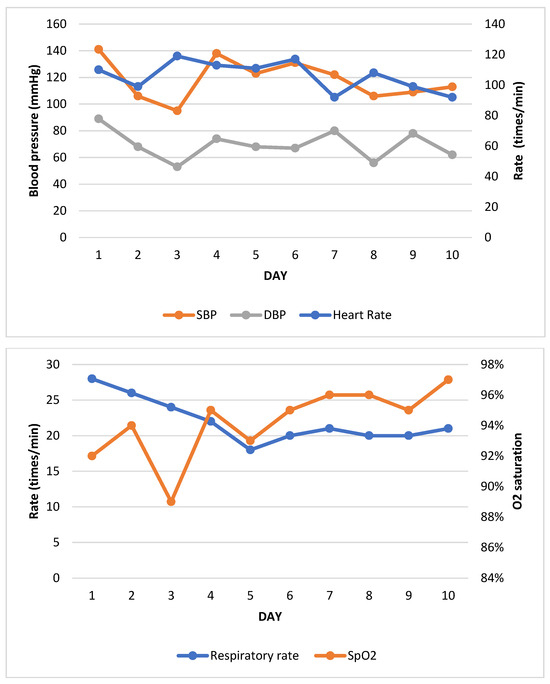
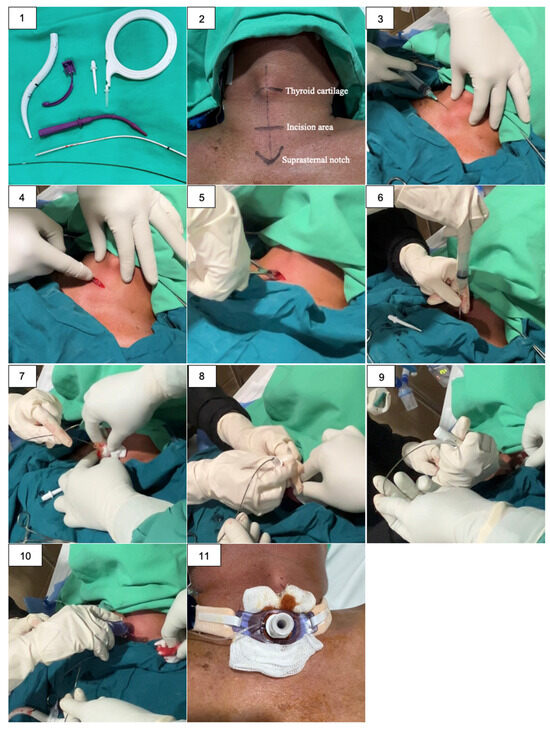
Acute Respiratory Distress Syndrome (ARDS) represents a critical pathology often necessitating prolonged mechanical ventilation, a clinical course associated with significant complications and elevated mortality. This case report details the successful implementation of early Percutaneous Dilatational Tracheostomy (PDT) in a 61-year-old male presenting with severe ARDS secondary to sepsis-induced Community-Acquired Pneumonia (CAP) and Type I respiratory failure. This case suggests that early PDT serves as a safe and effective strategy to mitigate the risks associated with prolonged mechanical ventilation in patients with severe ARDS, potentially facilitating enhanced recovery and reduced ICU length of stay.
Full article

Figure 1
Open AccessArticle
Barriers and Predictors of Seeking Mental Health Care Among Adults in Oman, 2023: A Cross-Sectional Study
by
Moza Sulaiman Albadi, Sumaiya Mubarik Al A’amri, Khalid Salim Al Dhuhli, Assad Rashid Al Ghafri and Eman El Sayed Abd-Ellatif
J. Oman Med. Assoc. 2025, 2(2), 15; https://doi.org/10.3390/joma2020015 - 21 Nov 2025
Cited by 3
Abstract
►▼
Show Figures
Background: Help-seeking for mental health care remains low in Oman and globally, contributing to increased morbidity and mortality. Identifying barriers is essential to improving access. This study is the first to examine the prevalence of mental health problems and help-seeking behavior in Al
[...] Read more.
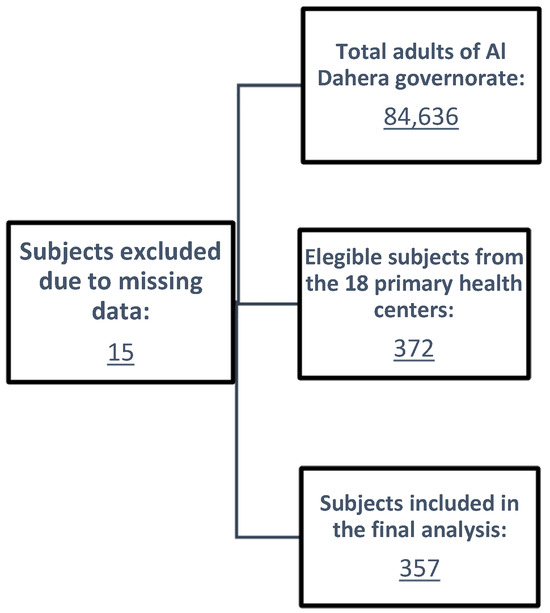
Background: Help-seeking for mental health care remains low in Oman and globally, contributing to increased morbidity and mortality. Identifying barriers is essential to improving access. This study is the first to examine the prevalence of mental health problems and help-seeking behavior in Al Dhahira governorate, Oman. Methods: It is a cross-sectional study conducted between 1 August and 30 September 2023, in the three cities of Al Dhahira Governorate, Oman. It employed a convenient, proportionate sampling approach and involved willing Omani adults aged 18–64 from the 18 areas of Al Dhahira governorate. Data were collected using the Barriers to Access to Care Evaluation (BACE-III) Arabic Version questionnaire, which was self-completed by the participants. IBM SPSS Statistics (Version 23) was used for data analysis. Results: A total of 357 participants were involved in the study. It was found that the prevalence of mental health problems (self-reported) was 11.5% and only 5.3% sought professional help. Age (p-value = 0.046) and marital status (p-value = 0.028) were found to be significantly associated with having mental health problems. While the significantly associated factors with stigma barriers were city (p-value = 0.039) and education level (p-value = 0.023), the associated factor with attitudinal barriers was educational level (p-value = 0.049). The independent predictors for seeking mental health care and having mental health problems were government worker (p-value = 0.014) and Yanqul residency (p-value = 0.003). Conclusions: In the Al Dhahira governorate, the prevalence of mental health problems was found to be low. Stigma and attitudinal barriers affect seeking help significantly in the governorate. Integrating mental health into the primary care setting and increasing awareness to overcome these barriers will improve access to mental health services.
Full article

Figure 1
Highly Accessed Articles
Latest Books
E-Mail Alert
News
Topics