



Topical Advisory Panel applications are now closed. Please contact the Editorial Office with any queries.
Journal Description
Methods and Protocols
is an international, peer-reviewed, open access journal aiming to establish and describe new experimental techniques in the fields of Life Sciences, Chemistry, and Biomedical Sciences, published bimonthly online by MDPI.
- Open Access— free for readers, with article processing charges (APC) paid by authors or their institutions.
- High Visibility: indexed within Scopus, ESCI (Web of Science), PubMed, PMC, CAPlus / SciFinder, and other databases.
- Journal Rank: CiteScore - Q2 (Biochemistry, Genetics and Molecular Biology (miscellaneous))
- Rapid Publication: manuscripts are peer-reviewed and a first decision is provided to authors approximately 22.6 days after submission; acceptance to publication is undertaken in 4.9 days (median values for papers published in this journal in the second half of 2025).
- Recognition of Reviewers: reviewers who provide timely, thorough peer-review reports receive vouchers entitling them to a discount on the APC of their next publication in any MDPI journal, in appreciation of the work done.
Impact Factor:
2.0 (2024);
5-Year Impact Factor:
2.2 (2024)
Latest Articles
Development of an In Vitro Whole Blood Model to Study Anti-Inflammatory Effects of Strawberry Polyphenolic Compounds and Postprandial Inflammation
Methods Protoc. 2026, 9(1), 23; https://doi.org/10.3390/mps9010023 (registering DOI) - 7 Feb 2026
Abstract
Postprandial inflammation, characterized by elevated cytokines, is linked to metabolic diseases. Polyphenol-rich fruits like strawberries possess anti-inflammatory properties that may help reduce this response. Because clinical studies are often costly and time-consuming, this study aimed to develop an in vitro model using whole
[...] Read more.
Postprandial inflammation, characterized by elevated cytokines, is linked to metabolic diseases. Polyphenol-rich fruits like strawberries possess anti-inflammatory properties that may help reduce this response. Because clinical studies are often costly and time-consuming, this study aimed to develop an in vitro model using whole blood to examine the effect of bioactive components such as polyphenols on postprandial inflammation. Whole blood from healthy adults was exposed to lipopolysaccharides (LPS) and high glucose concentrations (250/500 mg/dL), as well as strawberry extract (100 ng/mL). Cytokines (interleukin-6 and -1 beta; IL-6, IL-1β, and Tumor Necrosis Factor-alpha; TNF-α) were quantified using the Luminex multiplex assay. High glucose levels caused non-significant increases in IL-6 (p > 0.05), while strawberry extracts significantly reduced LPS-induced cytokines (p < 0.05). These findings demonstrate the potential of using whole blood in vitro systems to model inflammation and to explore the anti-inflammatory effects of fruit components such as polyphenols from strawberries.
Full article
(This article belongs to the Section Public Health Research)
Open AccessProtocol
Improved Step-by-Step qPCR Method for Absolute Telomere Length Measurement
by
Ekaterina Sergeevna Arshinova, Nataliia Sergeevna Karpova, Olga Leonidovna Terekhina, Malik Nurbekov and Maria Ivanovna Burtovskaya
Methods Protoc. 2026, 9(1), 22; https://doi.org/10.3390/mps9010022 - 5 Feb 2026
Abstract
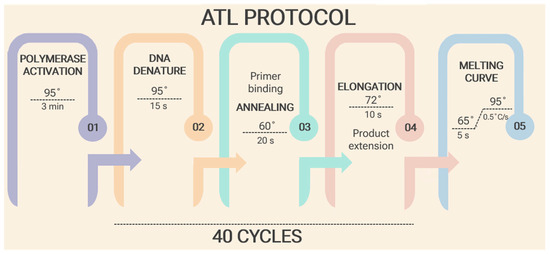
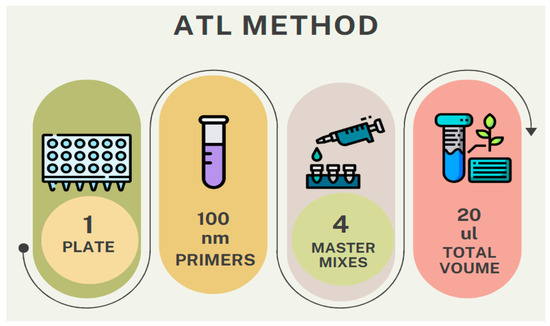
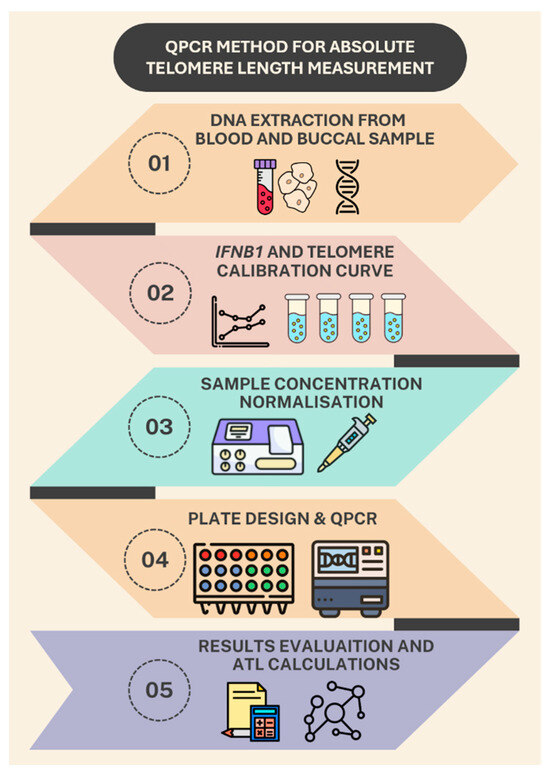
Telomere length is a crucial marker of cellular aging and genomic stability, with significant implications for age-related diseases and cancers. This study introduces an improved quantitative PCR (qPCR) method for measuring absolute telomere length, addressing the need for accurate and high-throughput assessment in
[...] Read more.
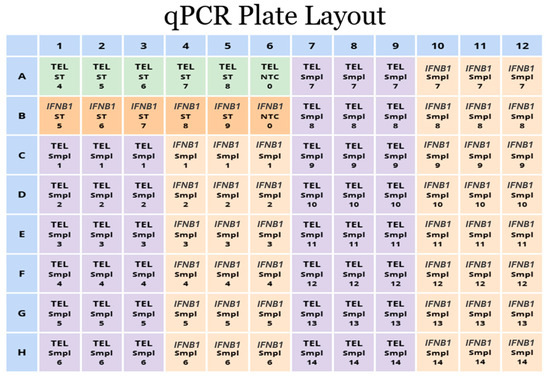
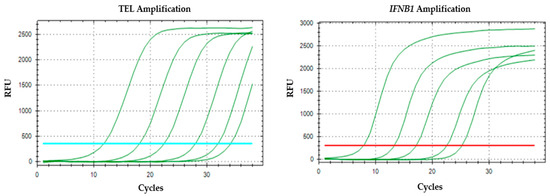
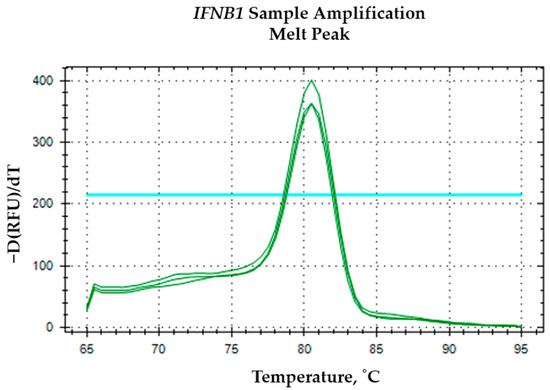
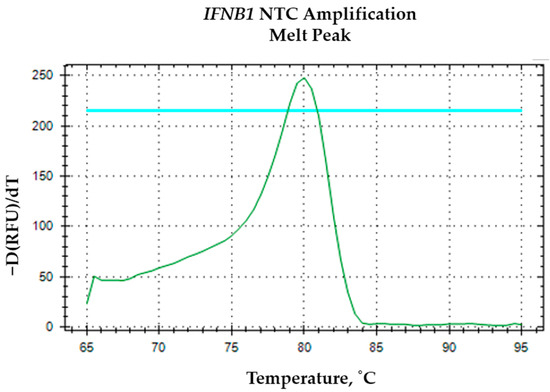
Telomere length is a crucial marker of cellular aging and genomic stability, with significant implications for age-related diseases and cancers. This study introduces an improved quantitative PCR (qPCR) method for measuring absolute telomere length, addressing the need for accurate and high-throughput assessment in both clinical and research settings. Novel primers were designed for the single-copy gene interferon beta (IFNB1) to serve as an internal control, alongside a series of single-stranded oligonucleotide standards to establish a calibration curve. This approach allows for precise quantification of telomere length in kilobases per single copy gene copy number per chromosome. We validated this method using DNA samples from peripheral blood and buccal swabs from 17 healthy human volunteers, as well as umbilical cord blood from 9 healthy newborn babies, demonstrating its high linearity and reproducibility. Our findings indicate that this improved qPCR technique provides a rapid, cost-effective, and accurate means of measuring absolute telomere length, thereby facilitating large-scale studies and enhancing clinical diagnostics related to telomere biology.
Full article
(This article belongs to the Section Molecular and Cellular Biology)
►▼
Show Figures

Figure 1
Open AccessProtocol
An Open-Source Automated Pipeline for Quantitative Morphological Analysis of 3D-Bioprinted Cancer Cell Spheroids
by
Pius N. Amartey, Jocelyn S. Kim, Yetunde I. Kayode and Glenn E. Simmons, Jr.
Methods Protoc. 2026, 9(1), 21; https://doi.org/10.3390/mps9010021 - 2 Feb 2026
Abstract
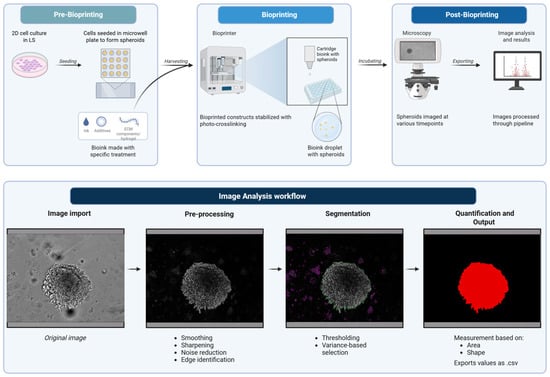
Three-dimensional (3D) culture systems that recapitulate the tumor microenvironment are essential for studying cancer cell behavior, drug response, and cell–matrix interactions. Here, we present a detailed protocol for generating 3D spheroid cultures from murine breast cancer cells using methacrylated gelatin (GelMA)-based bioink and
[...] Read more.
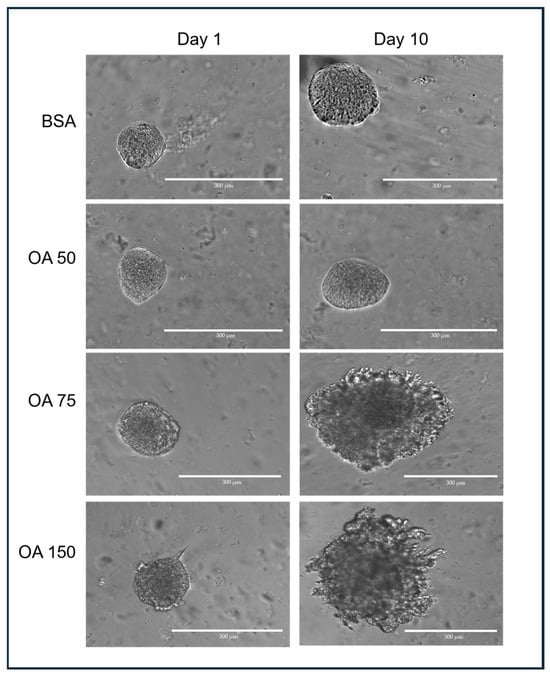
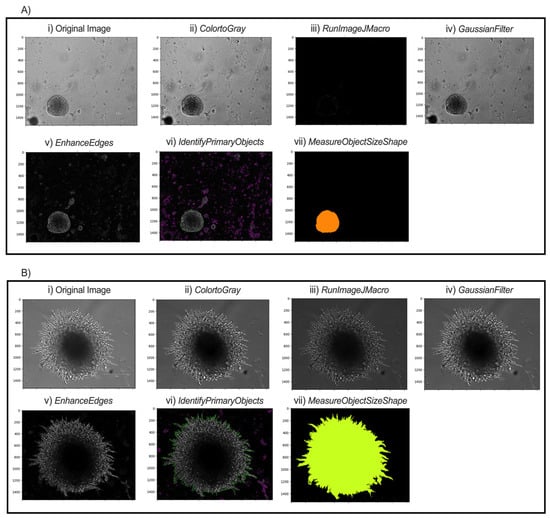
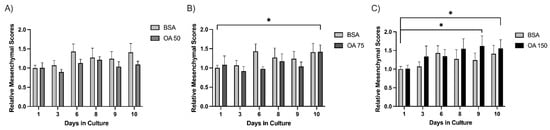
Three-dimensional (3D) culture systems that recapitulate the tumor microenvironment are essential for studying cancer cell behavior, drug response, and cell–matrix interactions. Here, we present a detailed protocol for generating 3D spheroid cultures from murine breast cancer cells using methacrylated gelatin (GelMA)-based bioink and a CELLINK BioX bioprinter. This method enables precise deposition of spheroid-laden GelMA droplets into low-attachment plates, facilitating high-throughput and reproducible 3D culture formation. The protocol includes steps for spheroid formation, GelMA preparation, bioprinting, and post-printing analysis using a customized CellProfiler pipeline. The analysis pipeline takes advantage of the functionality of CellProfiler and ImageJ software (version 2.14.0) packages to create a versatile and accessible analysis tool. This approach provides a robust and adaptable platform for in vitro cancer research, including studies of metastasis, drug resistance, cancer cell lipid metabolism, and TME-associated hypoxia.
Full article
(This article belongs to the Section Tissue Engineering and Organoids)
►▼
Show Figures

Figure 1
Open AccessArticle
Comprehensive Analytical Profiling for Sustainable Jewelry: A Multi-Technique Characterization of Essential Oil-Modified Rosin
by
Dantong Huang, Kaewbucha Manus, Apiwathnasorn Chalisa, Tianyi Liu, Chuyun Yan and Yumeng Gu
Methods Protoc. 2026, 9(1), 20; https://doi.org/10.3390/mps9010020 - 2 Feb 2026
Abstract
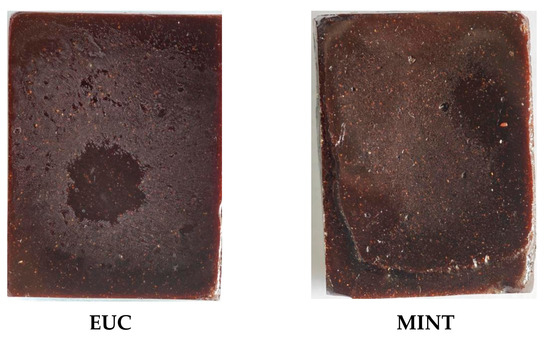
Rosin, a renewable natural resin derived from pine trees, is a promising biomass material for sustainable product development, though its distinct intrinsic odor limits broader use. This study implemented a comprehensive analytical strategy to mitigate the odor by incorporating essential oils (EOs)—eucalyptus (EUC)
[...] Read more.
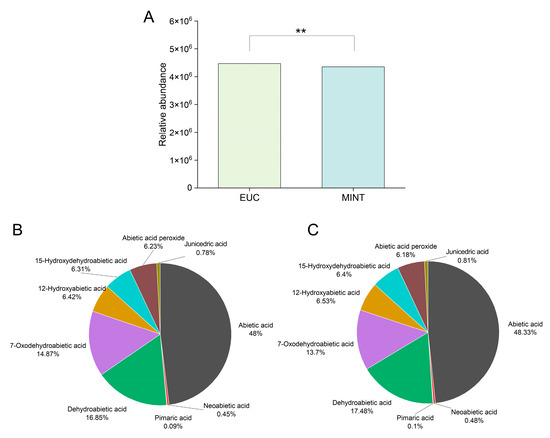
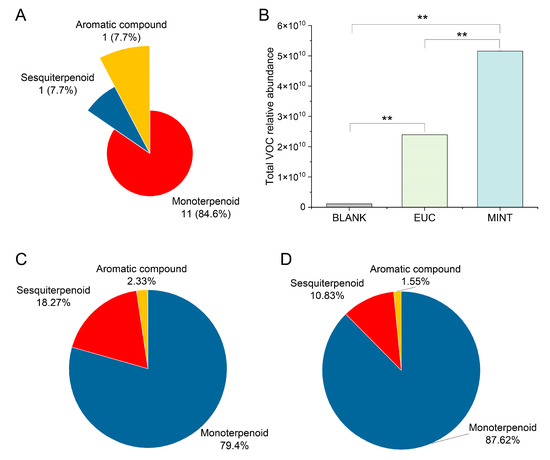
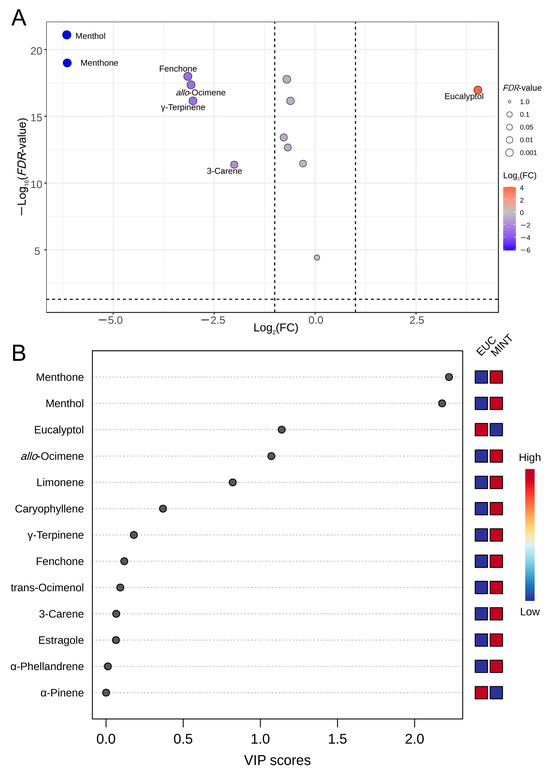
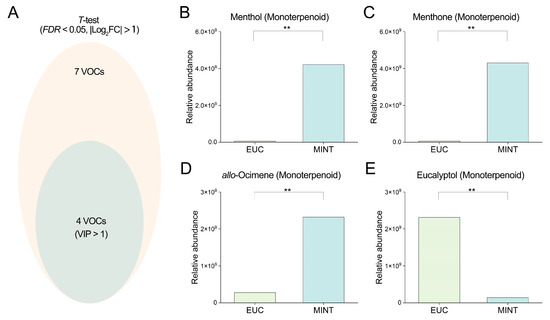
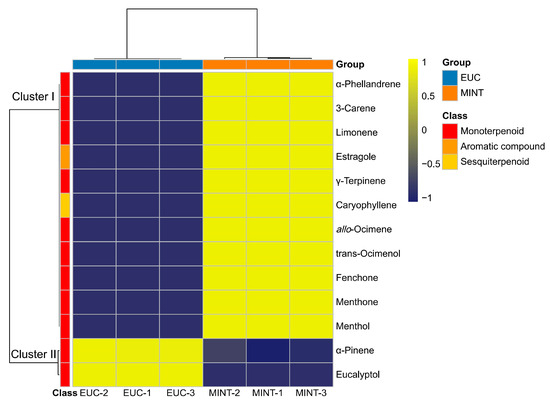
Rosin, a renewable natural resin derived from pine trees, is a promising biomass material for sustainable product development, though its distinct intrinsic odor limits broader use. This study implemented a comprehensive analytical strategy to mitigate the odor by incorporating essential oils (EOs)—eucalyptus (EUC) and peppermint (MINT)—and to conduct a multi-analytical characterization of the modified rosin jewelry. By integrating complementary analytical techniques, including LC-Q/TOF-MS for non-volatile components and GC-Q/TOF-MS for volatile organic compounds (VOCs), we achieved a systematic chemical profiling of the materials. The core composition of rosin, dominated by abietic acid (>48%), remained stable across all samples. The incorporation of EOs significantly altered the VOC profiles: The total VOC signal (summed peak area) in MINT-modified rosin was 2.57-fold that of the EUC-modified sample, with monoterpenoids comprising 87.62% of its VOC signature. Eucalyptol and limonene were tentatively identified as the major components in the EUC sample, whereas menthone, menthol, and limonene predominated in the MINT sample. Multivariate statistical analysis highlighted that variations in specific VOCs—particularly menthone, menthol, eucalyptol, and allo-ocimene—were closely associated with differences in the scent profiles of each modification. This work illustrates how a multi-technique analytical strategy can both guide and assess the functional modification of sustainable biomass materials. The findings offer a practical approach to improving rosin’s functional properties while providing a methodological framework for the integrated characterization of complex biomaterials, supporting the development of eco-friendly products aligned with green chemistry and sustainable design principles.
Full article
(This article belongs to the Special Issue Analytical Methods in Natural Sciences and Archaeometry)
►▼
Show Figures

Figure 1
Open AccessArticle
A Novel Combined Soft Tissue and Bony Repair of Trochanteric Fractures in Revision Hip and Periprosthetic Fractures—Greater Trochanteric Abductor Tendon Augmentation (GTATA)
by
Nina Handzewniak, Abid Mahmood, Canan Metin, Shahnawaz Khan, Tanvir Khan and Henry Atkinson
Methods Protoc. 2026, 9(1), 19; https://doi.org/10.3390/mps9010019 - 28 Jan 2026
Abstract
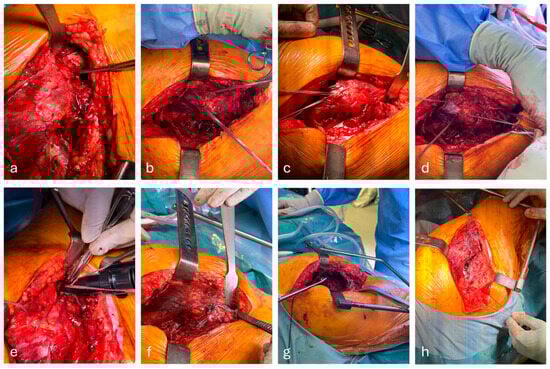
Introduction: Management of trochanteric fractures in revision hip surgery has a high incidence of non-union and complications. Fixation devices are often bulky, prone to breakage, and necessitate reoperation. This study describes a novel soft tissue and bony abductor repair that reduces the forces
[...] Read more.
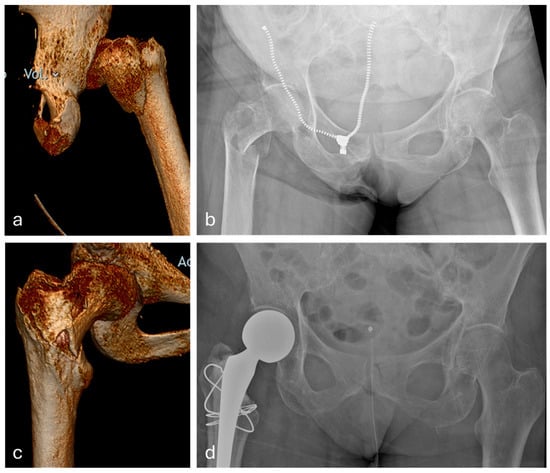
Introduction: Management of trochanteric fractures in revision hip surgery has a high incidence of non-union and complications. Fixation devices are often bulky, prone to breakage, and necessitate reoperation. This study describes a novel soft tissue and bony abductor repair that reduces the forces on bony fragments without the need for prominent metalwork. Methods: This novel surgical technique involves fixation of the abductor mechanism with polyester and polyethylene sutures that are woven through the abductors and secured to the femoral shaft with a proprietary suture cerclage tape with cerclage wire supplementation in select cases. All patients undergoing fixation were retrospectively reviewed with a minimum follow-up period of 12 months. Outcomes relating to dislocation, reoperation, fracture union and the incidence of symptomatic Trendelenburg gait were recorded. Results: A total of 17 patients underwent this novel intervention. There were no dislocations or reoperations for prominent metalwork at the last follow-up. One patient had evidence of greater trochanter (GT) non-union, and three had GT displacement of over 3 mm. Eight (47.1%) patients were independently mobile and seven (41.2%) were mobile with only one walking aid. No patients required plate or bolt fixation. Conclusions: GT fractures and abductor deficiency are difficult to manage, with most reported methods utilising bulky metalwork to treat a soft tissue injury. We describe a novel combined soft tissue and bony fixation without the need for excessive metalwork. Our pilot study demonstrates satisfactory outcomes of this intervention that are technically reproducible and more appropriately addresses the deforming forces involved with a low complication profile.
Full article
(This article belongs to the Section Tissue Engineering and Organoids)
►▼
Show Figures

Figure 1
Open AccessStudy Protocol
An Integrated Monitoring Protocol to Study the Effects of Management on the C Sequestration Potential of Mediterranean Pine Ecosystems
by
Nikoleta Eleftheriadou, Efstathia D. Mantzari, Natasa Kiorapostolou, Christodoulos I. Sazeides, Georgios Xanthopoulos, Nikos Markos, Gavriil Spyroglou, Evdoxia Bintsi-Frantzi, Alexandros Gouvas, Panayiotis G. Dimitrakopoulos, Mariangela N. Fotelli, Kalliopi Radoglou and Nikolaos M. Fyllas
Methods Protoc. 2026, 9(1), 18; https://doi.org/10.3390/mps9010018 - 26 Jan 2026
Abstract
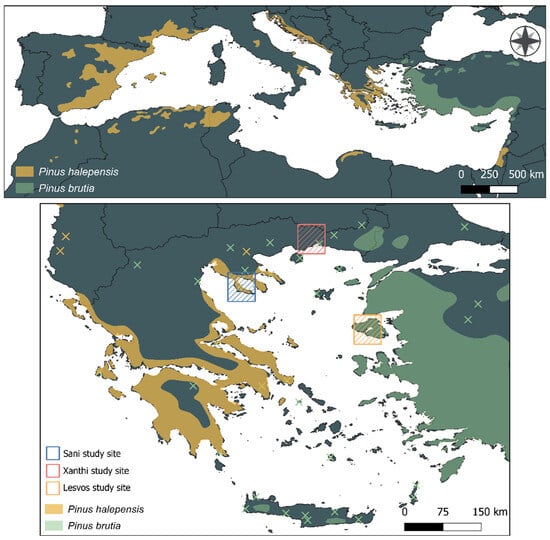
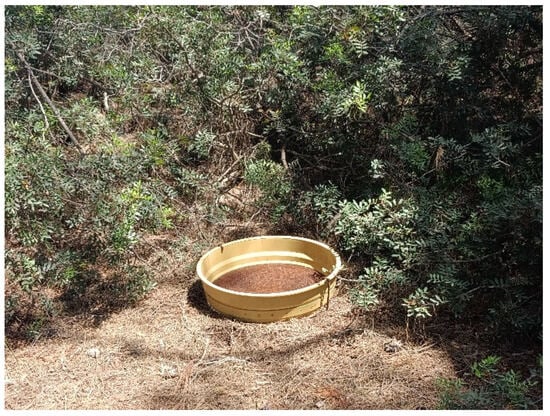
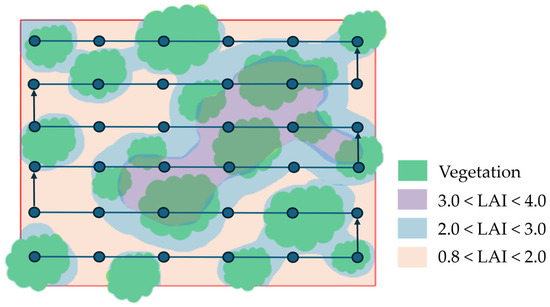
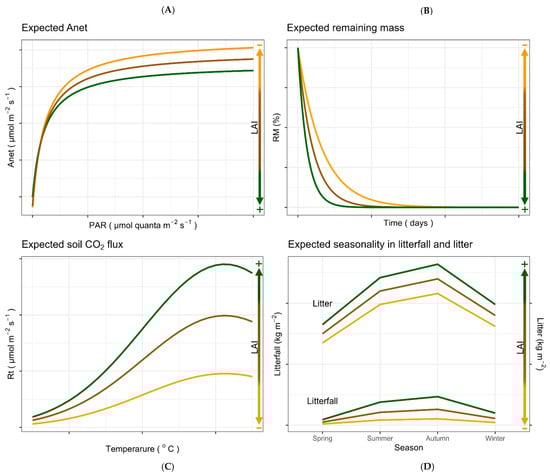
This article describes a field- and laboratory-based framework that can be used to monitor the C balance in Mediterranean pine forest ecosystems under different management practices that determine their structure and function. By jointly monitoring stand structure, gas exchange, litter, and decomposition dynamics,
[...] Read more.
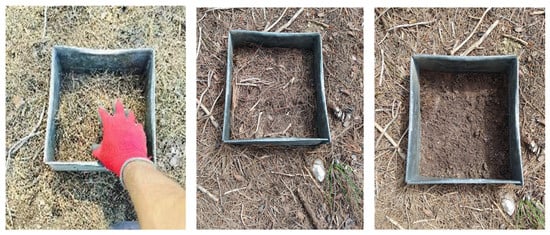
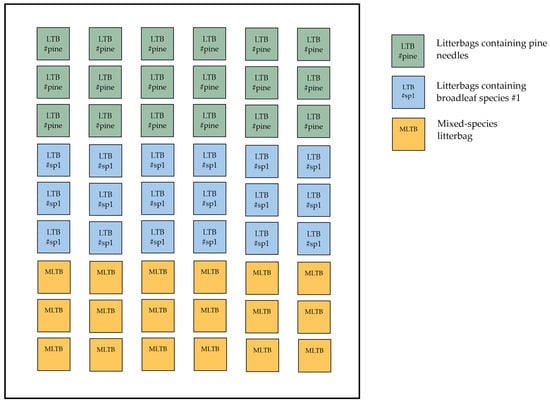
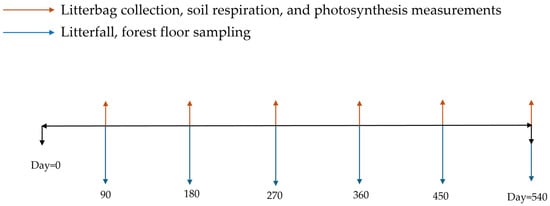
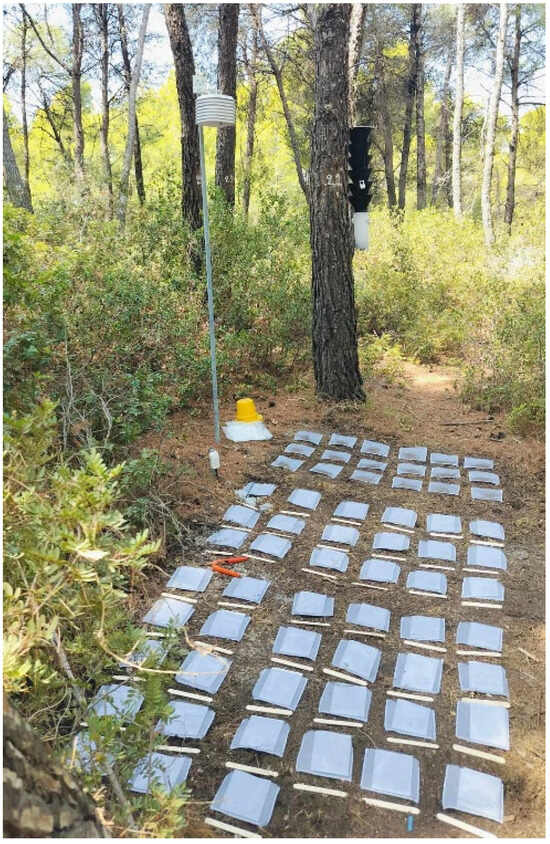
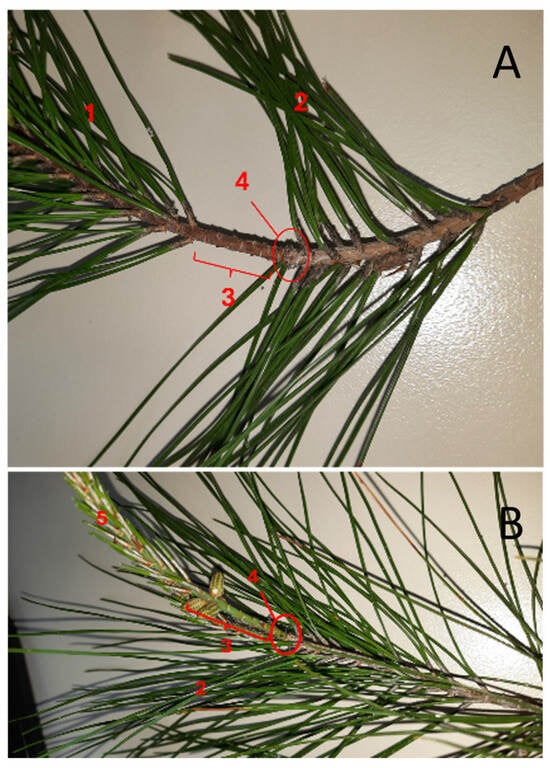
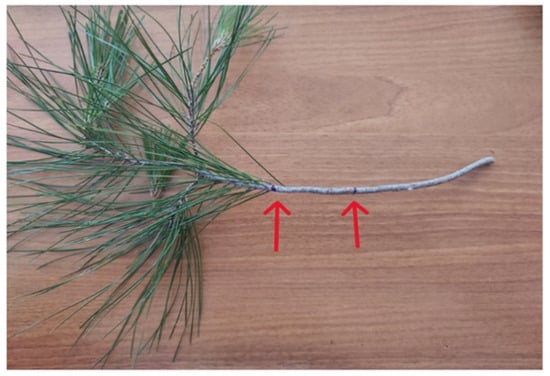
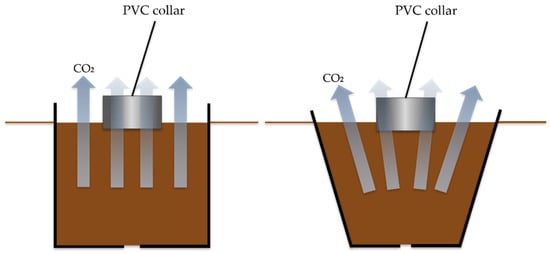
This article describes a field- and laboratory-based framework that can be used to monitor the C balance in Mediterranean pine forest ecosystems under different management practices that determine their structure and function. By jointly monitoring stand structure, gas exchange, litter, and decomposition dynamics, this protocol enables the assessment of how management-driven changes regulate carbon uptake, turnover, and losses, thereby affecting carbon sequestration potential. As an example, we suggest the implementation of the protocol at ten (10) permanent monitoring plots across three study areas located in Greece. The first group of plots represents a post-fire chronosequence in pine stands with no management interventions. The second group includes pine stands that exhibit variation in overstory and understory density driven by differences in microclimate and management history. The third group consists of peri-urban pine stands subjected to thinning of varying intensity. The monitoring protocol is implemented across all plots and the collected data can be classified into three analytical domains: (a) demography, encompassing measurements of tree growth and mortality; (b) litter and decomposition dynamics, involving the quantification of litterfall and its seasonality and the estimation of its decomposition rates; and (c) gas exchange, focusing on measurements of leaf photosynthesis and respiration (including relevant leaf functional traits) and monitoring of soil respiration. These three data domains can be used to comparatively consider the effect of forest management on key ecosystem processes and to constrain local-scale vegetation dynamics models.
Full article
(This article belongs to the Section Synthetic and Systems Biology)
►▼
Show Figures

Figure 1
Open AccessProtocol
Workflow for Gene Overexpression and Phenotypic Characterisation in Taraxacum kok-saghyz
by
Loredana Lopez, Michele Antonio Savoia, Loretta Daddiego, Paolo Facella, Elio Fantini, Linda Bianco, Simone Maci and Francesco Panara
Methods Protoc. 2026, 9(1), 17; https://doi.org/10.3390/mps9010017 - 24 Jan 2026
Abstract
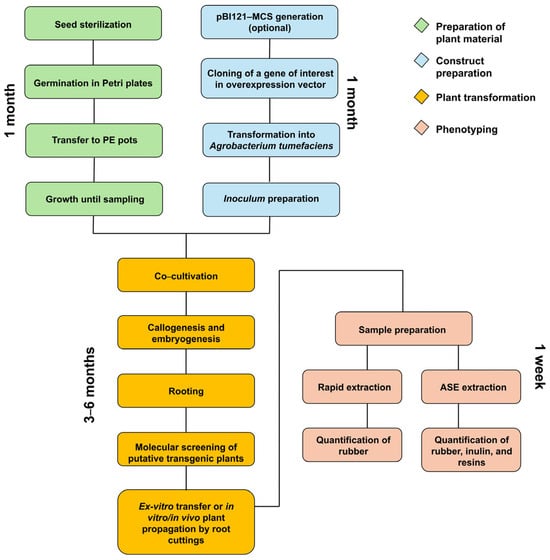
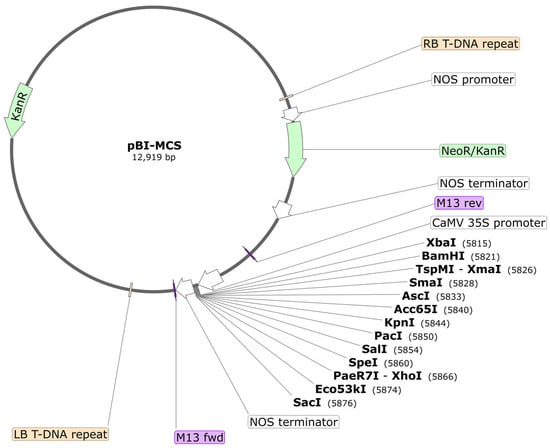
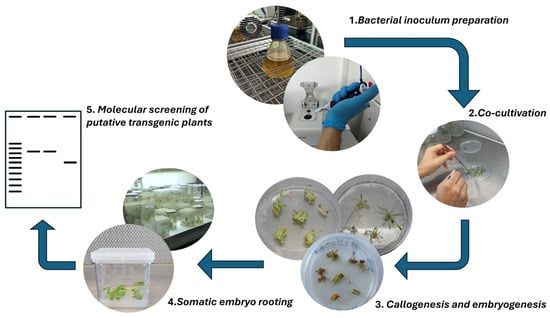
Taraxacum kok-saghyz (Tks) is a promising plant species for natural rubber (NR) production and represents a model for studying NR biosynthesis in the Asteraceae family. The generation of transgenic plants overexpressing a gene of interest is a well-established strategy to investigate gene function
[...] Read more.
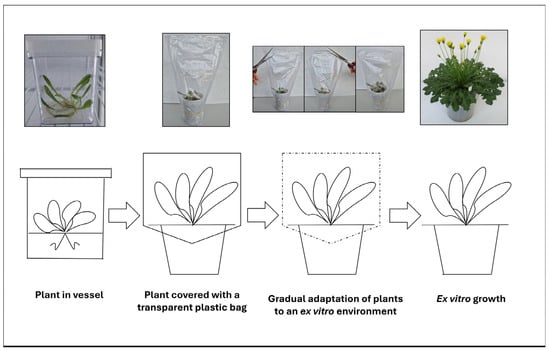
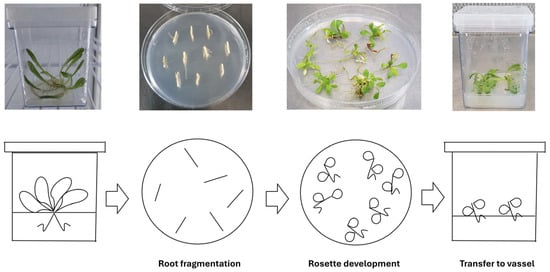
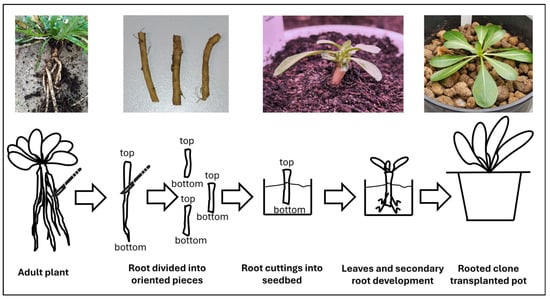
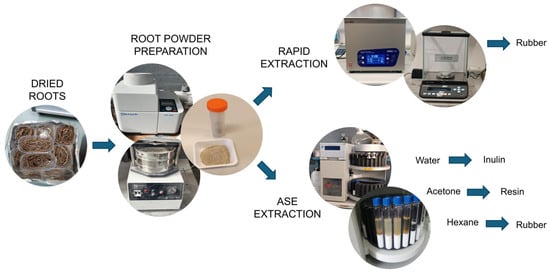
Taraxacum kok-saghyz (Tks) is a promising plant species for natural rubber (NR) production and represents a model for studying NR biosynthesis in the Asteraceae family. The generation of transgenic plants overexpressing a gene of interest is a well-established strategy to investigate gene function and potential interactions. Here, we present a comprehensive workflow—from the construction of an overexpression vector to the generation, identification, and propagation of stable transgenic Tks lines. In addition, we describe a rapid and reliable method for quantifying NR content in transformed plants, providing essential phenotypic characterisation in this species.
Full article
(This article belongs to the Section Molecular and Cellular Biology)
►▼
Show Figures

Figure 1
Open AccessArticle
RP-DAD-HPLC Method for Quantitative Analysis of Clofazimine and Pyrazinamide for Inclusion in Fixed-Dose Combination Topical Drug Delivery System
by
Marius Brits, Francelle Bouwer and Joe M. Viljoen
Methods Protoc. 2026, 9(1), 16; https://doi.org/10.3390/mps9010016 - 21 Jan 2026
Cited by 1
Abstract
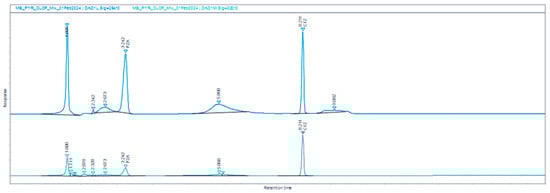
Reversed-phase high-performance liquid chromatography (RP-HPLC) remains one of the most widely applied analytical techniques in the development and quality control testing of finished pharmaceutical products. The combination of gradient chromatographic methods with diode-array detection (DAD) enhances selectivity, ensuring accuracy and reliability when testing
[...] Read more.
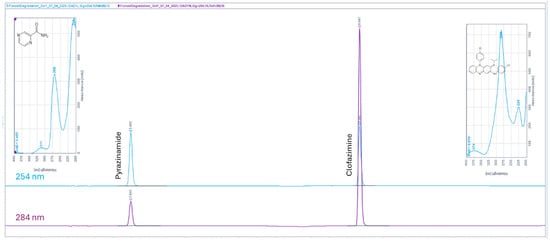
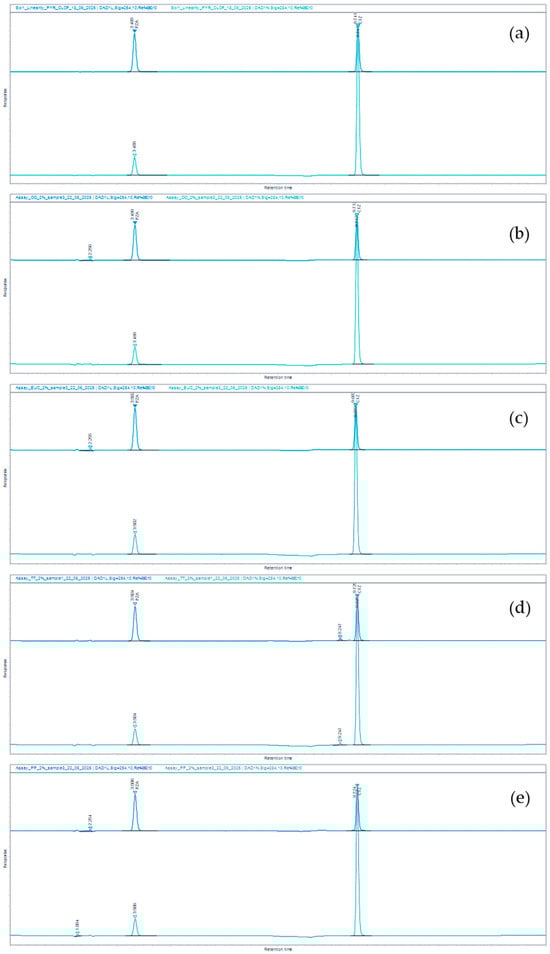
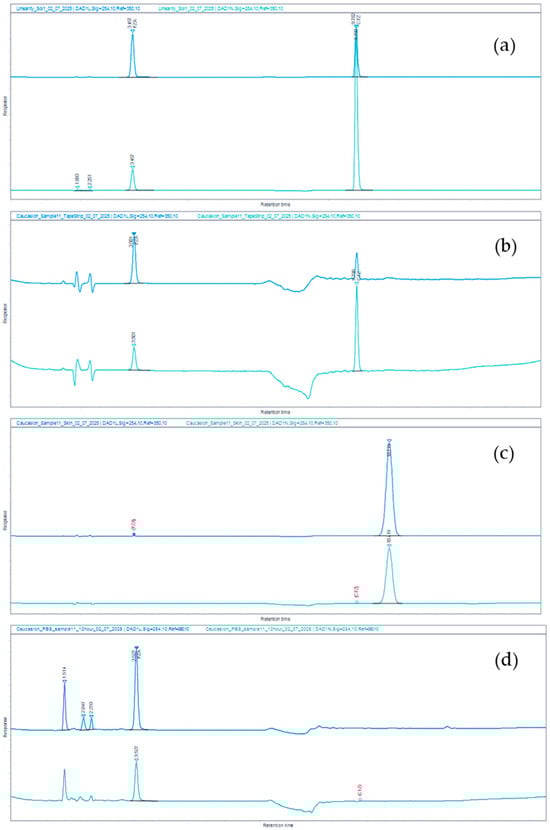
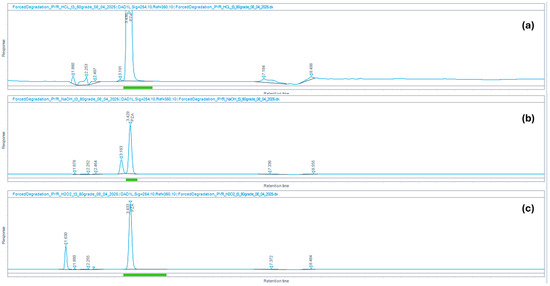
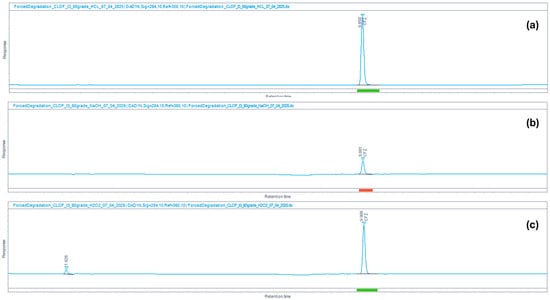
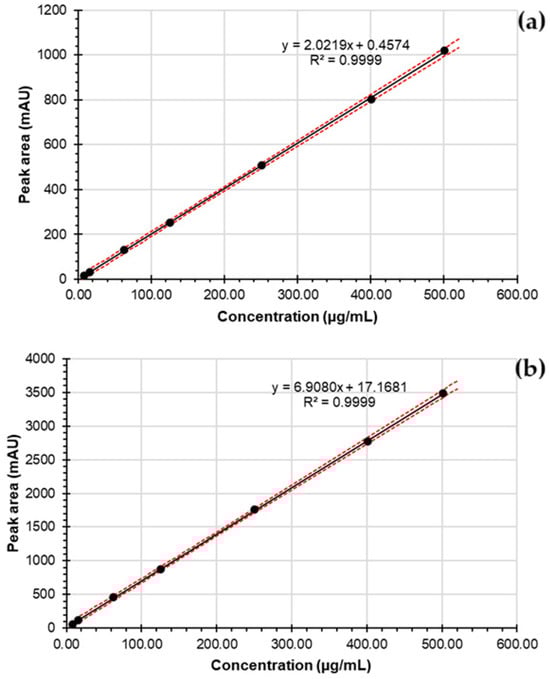
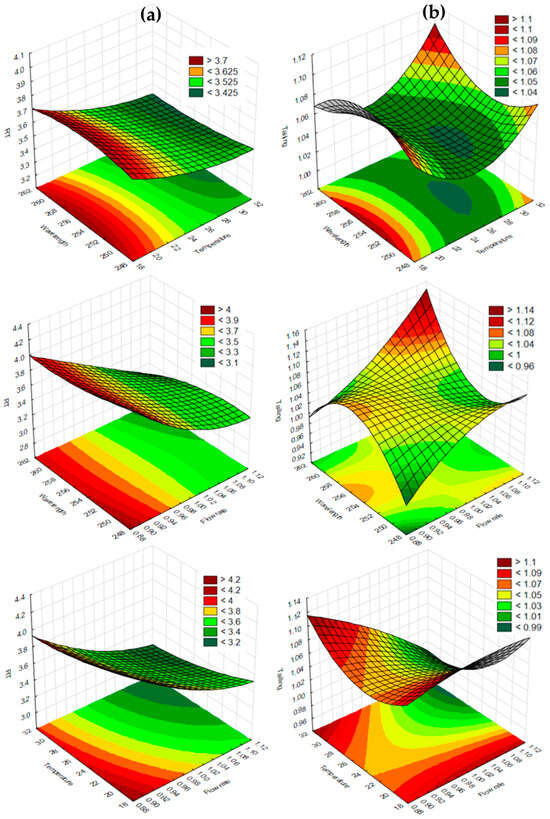
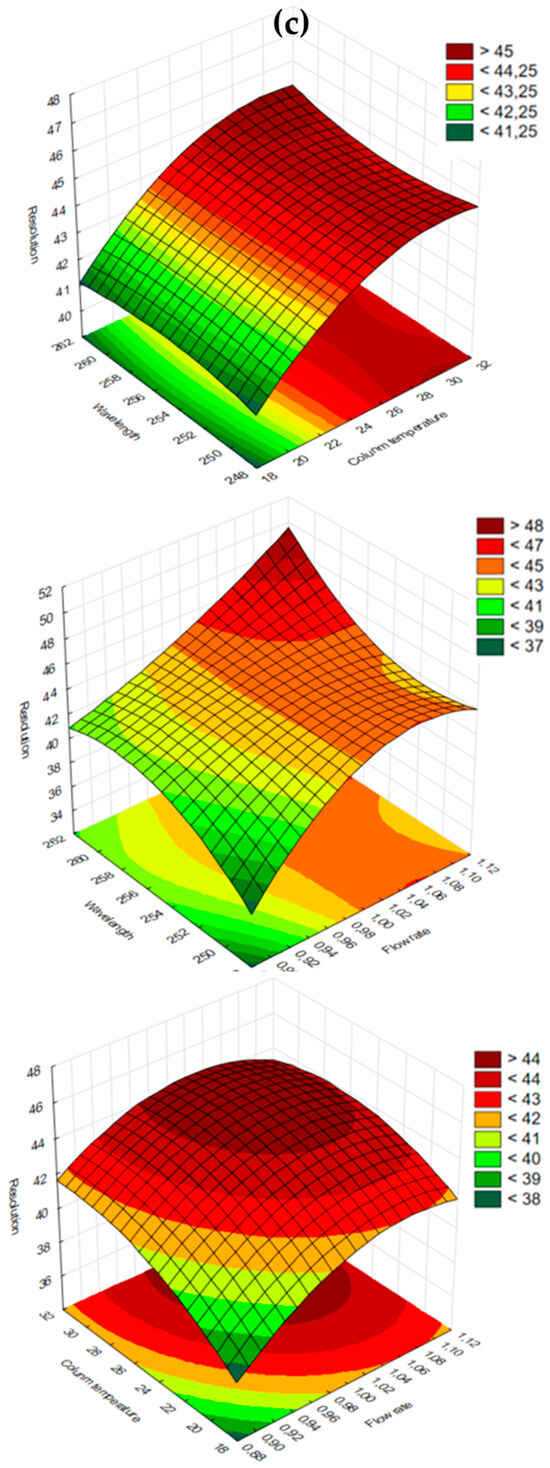
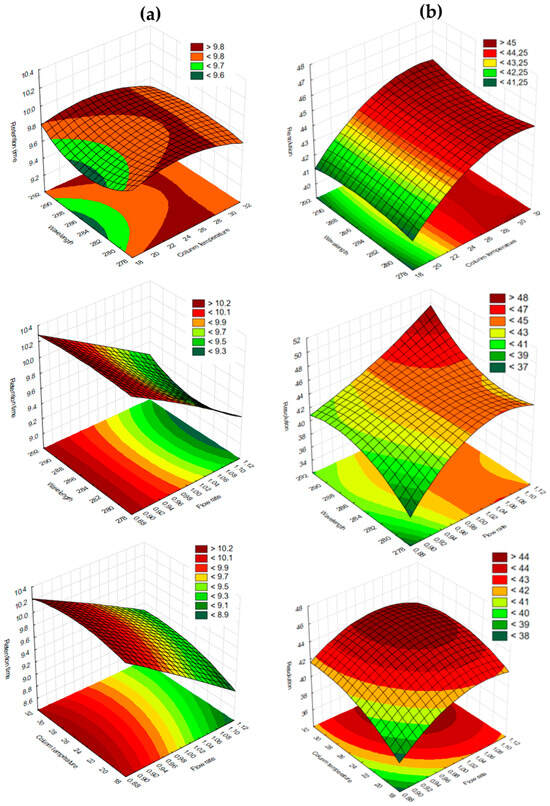
Reversed-phase high-performance liquid chromatography (RP-HPLC) remains one of the most widely applied analytical techniques in the development and quality control testing of finished pharmaceutical products. The combination of gradient chromatographic methods with diode-array detection (DAD) enhances selectivity, ensuring accuracy and reliability when testing drugs with diverse chemical properties in a single dosage form (i.e., fixed-dose combination (FDC) products). In this study, an RP-DAD-HPLC method was developed for the quantitative analysis of clofazimine (CFZ) and pyrazinamide (PZA) for inclusion in an FDC topical drug delivery system. Chromatographic separation was achieved using a C18 column (4.6 mm × 150 mm, 5 µm particle size) with gradient elution at 1 mL/min, employing 0.1% aqueous formic acid and acetonitrile (mobile phases). PZA and CFZ were detected at 254 nm and 284 nm, respectively. The method was validated in accordance with ICH Q2 guidelines, assessing specificity (considering interference from solvents, product matrix, and degradation products), linearity (7.8–500.0 µg/mL, r2 = 0.9999), system repeatability (%RSD ≤ 2.7%), and intermediate precision (25–500 µg/mL, %RSD ≤ 0.85%). Method robustness was evaluated using a three-level Box–Behnken design (BBD) with response surface methodology (RSM) to assess the effects of variations in detection wavelength, mobile phase flow rate, and column temperature.
Full article
(This article belongs to the Section Biochemical and Chemical Analysis & Synthesis)
►▼
Show Figures

Figure 1
Open AccessArticle
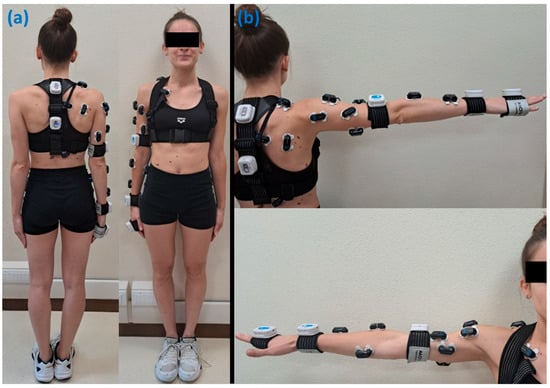
Multimodal Wearable Monitoring of Exercise in Isolated, Confined, and Extreme Environments: A Standardized Method
by
Jan Hejda, Marek Sokol, Lydie Leová, Petr Volf, Jan Tonner, Wei-Chun Hsu, Yi-Jia Lin, Tommy Sugiarto, Miroslav Rozložník and Patrik Kutílek
Methods Protoc. 2026, 9(1), 15; https://doi.org/10.3390/mps9010015 - 21 Jan 2026
Abstract
This study presents a standardized method for multimodal monitoring of exercise execution in isolated, confined, and extreme (ICE) environments, addressing the need for reproducible assessment of neuromuscular and cardiovascular responses under space- and equipment-limited conditions. The method integrates wearable surface electromyography (sEMG), inertial
[...] Read more.
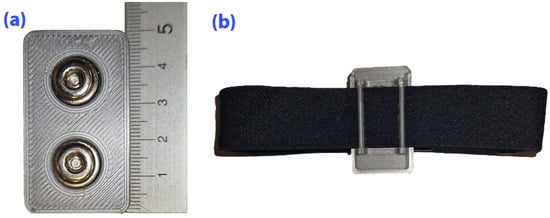
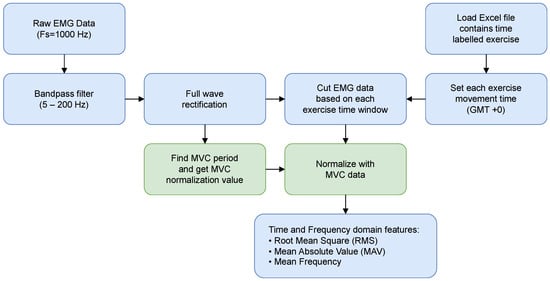
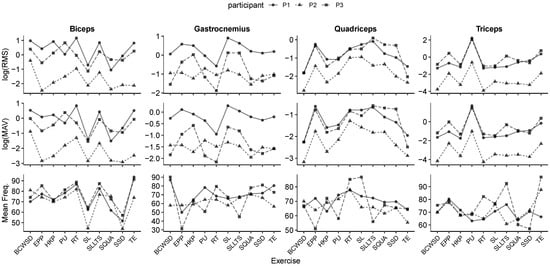
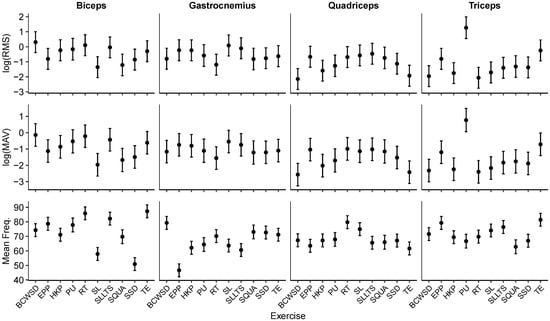
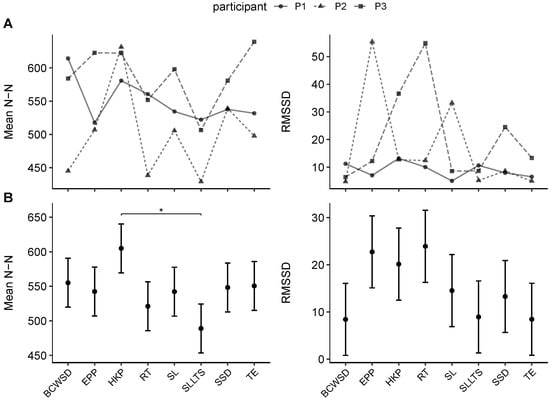
This study presents a standardized method for multimodal monitoring of exercise execution in isolated, confined, and extreme (ICE) environments, addressing the need for reproducible assessment of neuromuscular and cardiovascular responses under space- and equipment-limited conditions. The method integrates wearable surface electromyography (sEMG), inertial measurement units (IMU), and electrocardiography (ECG) to capture muscle activation, movement, and cardiac dynamics during space-efficient exercise. Ten exercises suitable for confined habitats were implemented during analog missions conducted in the DeepLabH03 facility, with feasibility evaluated in a seven-day campaign involving three adult participants. Signals were synchronized using video-verified repetition boundaries, sEMG was normalized to maximum voluntary contraction, and sEMG amplitude- and frequency-domain features were extracted alongside heart rate variability indices. The protocol enabled stable real-time data acquisition, reliable repetition-level segmentation, and consistent detection of muscle-specific activation patterns across exercises. While amplitude-based sEMG indices showed no uniform main effect of exercise, robust exercise-by-muscle interactions were observed, and sEMG mean frequency demonstrated sensitivity to differences in movement strategy. Cardiac measures showed limited condition-specific modulation, consistent with short exercise bouts and small sample size. As a proof-of-concept feasibility study, the proposed protocol provides a practical and reproducible framework for multimodal physiological monitoring of exercise in ICE analogs and other constrained environments, supporting future studies on exercise quality, training load, and adaptive feedback systems. The protocol is designed to support near-real-time monitoring and forms a technical basis for future exercise-quality feedback in confined habitats.
Full article
(This article belongs to the Section Biomedical Sciences and Physiology)
►▼
Show Figures

Figure 1
Open AccessStudy Protocol
Probiotic and Prebiotic Supplementation for Gastrointestinal Discomfort in Chronic Spinal Cord Injury (PRO-GIDSCI): A Randomized Controlled Crossover Trial Protocol
by
Julia Trunz, Cyra Schmandt, Anneke Hertig-Godeschalk, Marija Glisic, Jivko Stoyanov and Claudio Perret
Methods Protoc. 2026, 9(1), 14; https://doi.org/10.3390/mps9010014 - 17 Jan 2026
Abstract
Background: Gastrointestinal discomfort affects up to 70% of individuals with spinal cord injury (SCI), largely due to gut dysbiosis caused by altered transit time and reduced gastrointestinal motility from autonomic disruption. Emerging evidence links prebiotics and probiotics to improved microbiome balance and reduced
[...] Read more.
Background: Gastrointestinal discomfort affects up to 70% of individuals with spinal cord injury (SCI), largely due to gut dysbiosis caused by altered transit time and reduced gastrointestinal motility from autonomic disruption. Emerging evidence links prebiotics and probiotics to improved microbiome balance and reduced inflammation, yet data in SCI remain limited. Methods: Individuals aged ≥ 18 years, with a chronic SCI (≥1 year) experiencing significant gastrointestinal symptoms, will be invited to participate in this single-center randomized controlled crossover trial. Persons currently taking antibiotics, who have relevant eating or digestive disorders, or who have undergone a recent diet change will be excluded from the study. Participants will be randomized (1:1) into two groups. The first group will take a probiotic (Biotics-G, Burgerstein AG, Rapperswil-Jona, Switzerland) supplement for eight weeks, then after a four-week washout period, they will take a prebiotic (Oat Bran, Naturaplan, manufactured by Swissmill, Zurich, Switzerland) supplement for another eight weeks. The second group will receive the supplements in reverse order. The primary outcome is the Gastrointestinal Quality of Life Index, a questionnaire to assess quality of life related to gastrointestinal disorders. Secondary outcomes consist of gastrointestinal transit time, inflammatory blood markers, and gut microbiome composition. Ethics: The study will be conducted in accordance with the Declaration of Helsinki. The study was approved by the Ethics Committee for Northwest/Central Switzerland (EKNZ, ID: 2025-00238, 24.02.2025, Version 2.0). The study is registered at ClinicalTrials.gov (ID: NCT06870331, 02.04.2025). Written informed consent will be obtained from all participants involved in the study.
Full article
(This article belongs to the Section Public Health Research)
►▼
Show Figures

Figure 1
Open AccessArticle
A Method for Assessing Week-Long Cortisol Output Using a Continuously Worn Sweat Patch
by
Jerrold S. Meyer, Jenna P. Blain and Karen A. Kalmakis
Methods Protoc. 2026, 9(1), 13; https://doi.org/10.3390/mps9010013 - 16 Jan 2026
Abstract
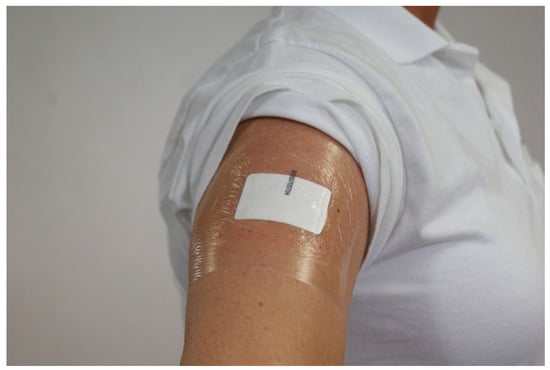
Although sample matrices are available for assessing cortisol output over hours/days (serum, saliva, or urine) or months (hair or nails), there is no current method for measuring integrated cortisol output over a period of 1 week. Therefore, the primary aim of this study
[...] Read more.
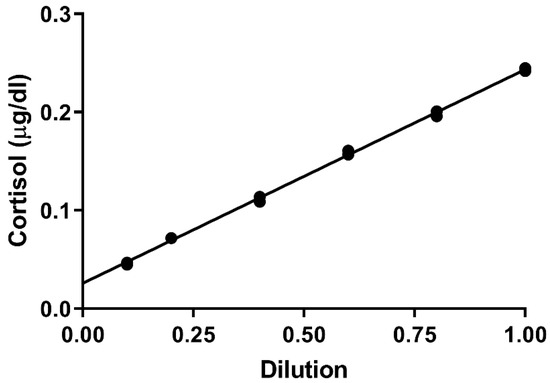
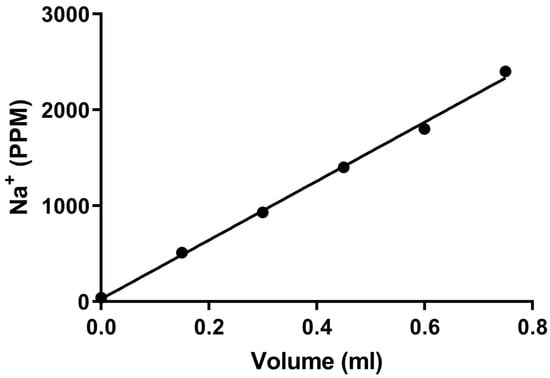
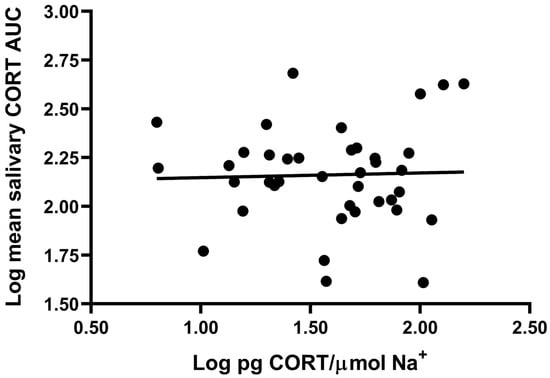
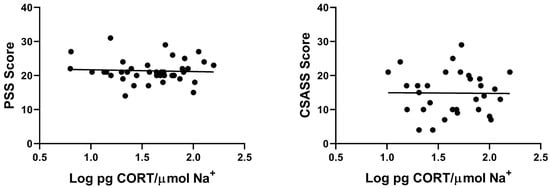
Although sample matrices are available for assessing cortisol output over hours/days (serum, saliva, or urine) or months (hair or nails), there is no current method for measuring integrated cortisol output over a period of 1 week. Therefore, the primary aim of this study was to develop and validate a method for collecting and measuring sweat-derived cortisol from commercially available skin patches worn for 1 week. Additional aims were to determine whether the accumulated sweat cortisol correlated with salivary cortisol measured during the same week, and whether sweat cortisol was related to psychological stress measured using two different questionnaires. After conducting preliminary in vitro validation studies, we obtained the following data from a convenience sample of university students and employees: (a) cortisol and sodium contents of patches worn for 1 week (sodium was used to correct for variation in sweating rate), (b) mean area-under-the-curve of salivary cortisol concentrations measured for 3 days during the week of patch wearing, and (c) two different measures of psychological stress. The results demonstrate that a continuously worn sweat patch can be used to collect and measure sweat cortisol over a 1-week period. However, the patch’s cortisol contents did not correlate with either the salivary cortisol area under the curve or the participants’ psychological stress. Because previous findings showed that sweat cortisol is significantly related to both circulating and salivary cortisol levels, we hypothesize that the lack of an observed correlation between patch and salivary cortisol may have resulted from limitations of our experimental design.
Full article
(This article belongs to the Section Biomedical Sciences and Physiology)
►▼
Show Figures

Figure 1
Open AccessStudy Protocol
A Study Protocol for Developing a Pragmatic Aetiology-Based Silicosis Prevention and Elimination Approach in Southern Africa
by
Norman Nkuzi Khoza, Thokozani Patrick Mbonane, Phoka C. Rathebe and Masilu Daniel Masekameni
Methods Protoc. 2026, 9(1), 12; https://doi.org/10.3390/mps9010012 - 14 Jan 2026
Abstract
Workers’ exposure to silica dust is a global occupational and public health concern and is particularly prevalent in Southern Africa, mainly because of inadequate dust control measures. It is worsened by the high prevalence of HIV/AIDS, which exacerbates tuberculosis and other occupational lung
[...] Read more.
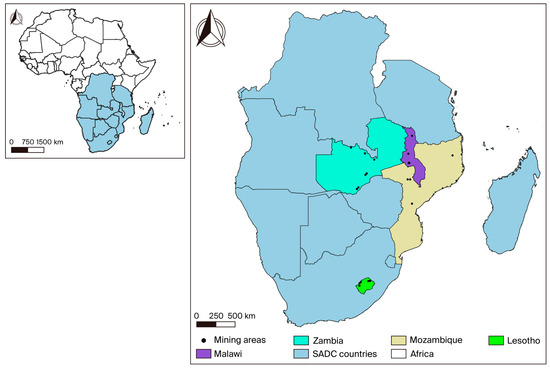
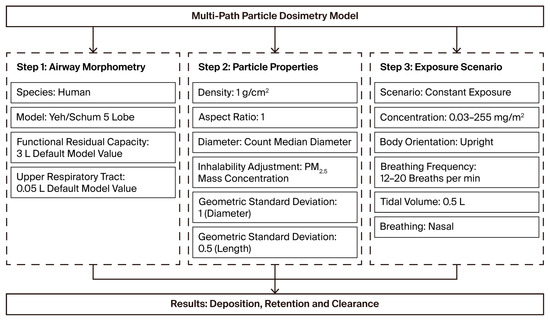
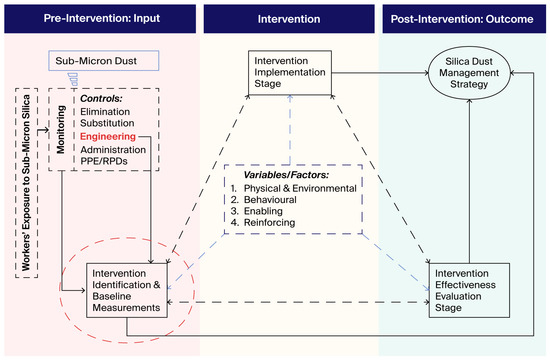
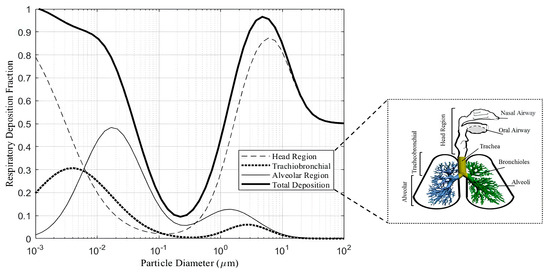
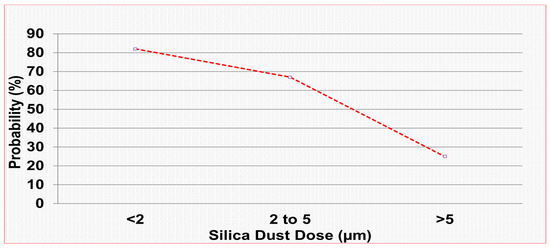
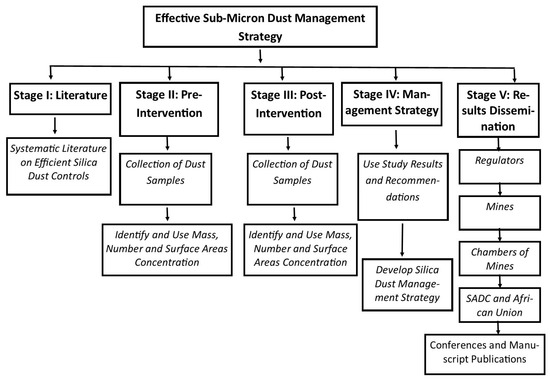
Workers’ exposure to silica dust is a global occupational and public health concern and is particularly prevalent in Southern Africa, mainly because of inadequate dust control measures. It is worsened by the high prevalence of HIV/AIDS, which exacerbates tuberculosis and other occupational lung diseases. The prevalence of silicosis in the region ranges from 9 to 51%; however, silica dust exposure levels and controls, especially in the informal mining sector, particularly in artisanal small-scale mines (ASMs), leave much to be desired. This is important because silicosis is incurable and can only be eliminated by preventing worker exposure. Additionally, several studies have indicated inadequate occupational health and safety policies, weak inspection systems, inadequate monitoring and control technologies, and inadequate occupational health and hygiene skills. Furthermore, there is a near-absence of silica dust analysis laboratories in southern Africa, except in South Africa. This protocol aims to systematically evaluate the effectiveness of respirable dust and respirable crystalline silica dust exposure evaluation and control methodology for the mining industry. The study will entail testing the effectiveness of current dust control measures for controlling microscale particles using various exposure dose metrics, such as mass, number, and lung surface area concentrations. This will be achieved using a portable Fourier transform infrared spectroscope (FTIR) (Nanozen Industries Inc., Burnaby, BC, Canada), the Nanozen DustCount, which measures both the mass and particle size distribution. The surface area concentration will be analysed by inputting the particle size distribution (PSD) results into the Multiple-Path Particle Dosimetry Model (MPPD) to estimate the retained and cleared doses. The MPPD will help us understand the sub-micron dust deposition and the reduction rate using the controls. To the best of our knowledge, the proposed approach has never been used elsewhere or in our settings. The proposed approach will reduce dependence on highly skilled individuals, reduce the turnaround sampling and analysis time, and provide a reference for regional harmonised occupational exposure limit (OEL) guidelines as a guiding document on how to meet occupational health, safety and environment (OHSE) requirements in ASM settings. Therefore, the outcome of this study will influence policy reforms and protect hundreds of thousands of employees currently working without any form of exposure prevention or protection.
Full article
(This article belongs to the Section Public Health Research)
►▼
Show Figures

Figure 1
Open AccessArticle
Methodologies of Care: A Multimodal, Participatory Research Approach with Vulnerable Families Among South African Communities
by
James Reid, Chanté Johannes, Shenaaz Wareley, Collen Ngadhi, Avukonke Nginase, Katerina Demetriou and Nicolette V. Roman
Methods Protoc. 2026, 9(1), 11; https://doi.org/10.3390/mps9010011 - 13 Jan 2026
Abstract
Multimodal methods provide valuable opportunities within Participatory Action Research (PAR), to foster meaningful participation, and amplify marginalized voices. However, conventional research approaches have not always adequately captured the complex realities of the lived experiences of families, and multimodal techniques have remained underutilized for
[...] Read more.
Multimodal methods provide valuable opportunities within Participatory Action Research (PAR), to foster meaningful participation, and amplify marginalized voices. However, conventional research approaches have not always adequately captured the complex realities of the lived experiences of families, and multimodal techniques have remained underutilized for the exploration of such experiences. This study aimed to explore the use of creative multimodal methods, within a PAR framework, grounded in care among vulnerable South African families. A qualitative design was adopted, incorporating Human-centered Design principles, within a PAR approach. The participants were recruited from the Saldanha Bay Municipality area (n = 70), as well as Mitchells Plain (n = 59). The multimodal methodology included Draw-and-Tell, painting, object and photo elicitation, I-Poems, and LEGO®-based activities. Data were annotated and transcribed verbatim, followed by thematic analysis. A total of 42 participants contributed towards the validation of the methods. The participants described experiences of deep emotional insight, self-reflection, and self-recognition, through engagement with the multimodal activities. The findings revealed that these approaches were: (1) credible, producing internally valid and contextually rich data; (2) contributory, generating original and applicable insights into family life; (3) communicable, offering accessible and structured ways for diverse participants to express their experiences; and (4) conforming, ensuring ethical engagement through inclusive participation. These findings demonstrate the potential of creative, arts-based, and participatory approaches, to advance methodological innovation in qualitative family research.
Full article
(This article belongs to the Section Public Health Research)
►▼
Show Figures

Figure 1
Open AccessArticle
Color Assessments and Glycolysis of Cetylpyridinium Chloride-Containing Aqueous Solutions and Commercial Mouthwashes
by
Robert L. Karlinsey and Tamara R. Karlinsey
Methods Protoc. 2026, 9(1), 10; https://doi.org/10.3390/mps9010010 - 11 Jan 2026
Abstract
Background: Effective cetylpyridinium chloride (CPC)-based mouthwashes critically depend on maintaining maximum levels of bioavailable CPC to deliver optimum antimicrobial benefits. While this is traditionally assessed using cellulose-based methods, from economic and efficiency perspectives, there remains a need to identify other potential methods
[...] Read more.
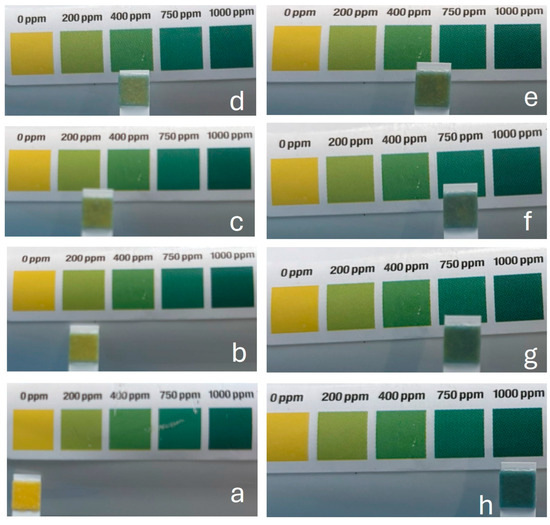
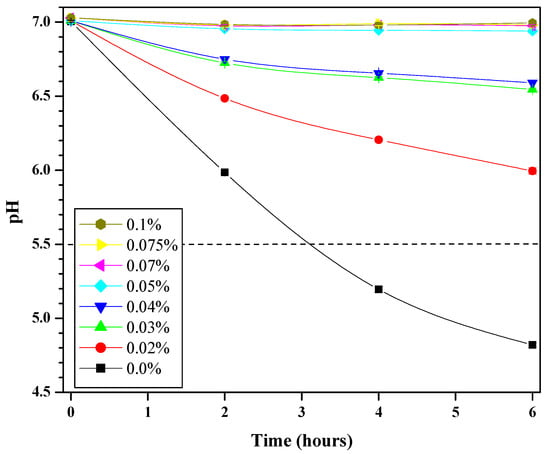
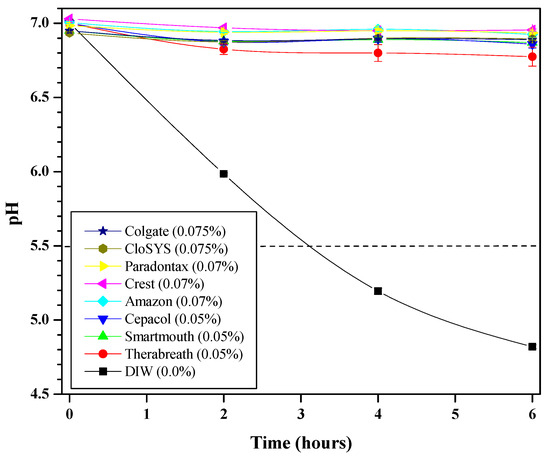
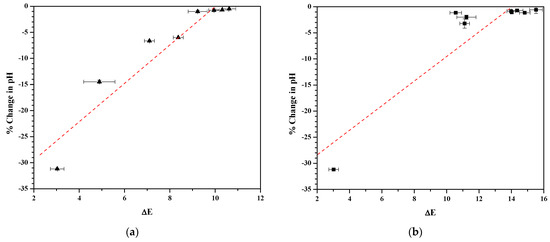
Background: Effective cetylpyridinium chloride (CPC)-based mouthwashes critically depend on maintaining maximum levels of bioavailable CPC to deliver optimum antimicrobial benefits. While this is traditionally assessed using cellulose-based methods, from economic and efficiency perspectives, there remains a need to identify other potential methods of assessing bioavailable CPC. Here, we explored whether quaternary ammonium compound (QAC) test strips are sensitive to CPC-based formulations, and if so, whether there might exist a possible correlation with glycolysis outcomes. Methods: Quantitative color parameters were obtained using spectrophotometric assessments of QAC test strips immersed in simple CPC solutions and eight commercial CPC-based mouthwashes available in the USA. Then, using our established glycolysis model, we assessed the glycolytic response of both the simple CPC solutions and commercial CPC-based mouthwashes, and compared these data sets. Results: Significant differences (p < 0.05) among the CPC simple solutions were found. Importantly, spectrophotometric assessments and glycolysis trials produced good correlations. Evaluations of the commercial mouthwashes further underlined this correlation, even though those that comprise zinc salts may impact QAC-based color. Conclusions: Based on these results, we believe the use of QAC test strips provides an attractive option to formulators and brands specializing in the development and/or testing of CPC-based oral care formulations.
Full article
(This article belongs to the Section Biomedical Sciences and Physiology)
►▼
Show Figures

Figure 1
Open AccessProtocol
An Improved Ferrozine-Based Protocol for Safe, Reproducible, and Accurate Quantification of Iron in Biological and Chemical Samples
by
Chao Wang and Shan Zhang
Methods Protoc. 2026, 9(1), 9; https://doi.org/10.3390/mps9010009 - 9 Jan 2026
Abstract
Accurate quantification of iron is essential in biological, chemical, and nanomaterial research, yet commonly used ferrozine-based assays suffer from safety hazards, inconsistent reduction efficiency, and unstable absorbance readings. To address these issues, we systematically optimized the classical protocol and validated improvements that enhance
[...] Read more.
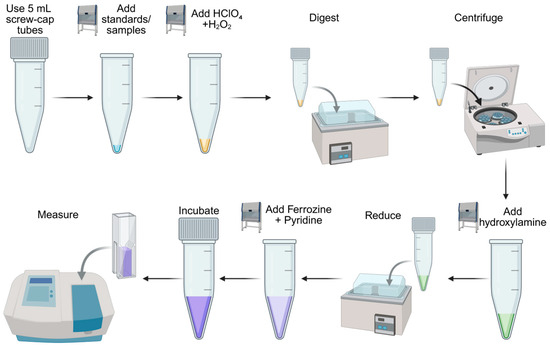
Accurate quantification of iron is essential in biological, chemical, and nanomaterial research, yet commonly used ferrozine-based assays suffer from safety hazards, inconsistent reduction efficiency, and unstable absorbance readings. To address these issues, we systematically optimized the classical protocol and validated improvements that enhance both operational safety and analytical reproducibility. In this work, samples were digested using perchloric acid and hydrogen peroxide, reduced with hydroxylamine, and complexed with ferrozine, with all steps quantitatively evaluated to identify conditions that minimize variability. The optimized assay introduces three key refinements: combining the two traditional hydroxylamine additions into a single reduction step, extending the post-complexation incubation to 2 h to ensure complete formation of the Fe2+–ferrozine complex, and performing digestion exclusively in 5 mL screw-cap polypropylene tubes to eliminate tube-bursting events frequently observed with flip-cap formats. Kinetic analysis confirmed that absorbance at 562 nm reaches a stable plateau after 2 h, and the resulting standard curve exhibited excellent linearity (R2 = 0.9999). These improvements significantly enhance precision, safety, and ease of implementation. The refined method is broadly applicable and enables reliable quantification of iron in tissues, cultured cells, aqueous solutions, and iron-containing nanomaterials.
Full article
(This article belongs to the Section Biochemical and Chemical Analysis & Synthesis)
►▼
Show Figures

Figure 1
Open AccessProtocol
Decoding Cerebrospinal Fluid: Integrative Metabolomics Across Multiple Platforms
by
Antoine Presset, Sylvie Bodard, Antoine Lefèvre, Edward Oujagir, Camille Dupuy, Jean-Michel Escoffre and Lydie Nadal-Desbarats
Methods Protoc. 2026, 9(1), 8; https://doi.org/10.3390/mps9010008 - 8 Jan 2026
Abstract
Cerebrospinal fluid (CSF) is a key biological matrix that reflects the physiological and pathological states of the central nervous system (CNS). It supports brain function by regulating ionic balance, facilitating molecular transport, and clearing metabolic waste. In this article, we present a standardized
[...] Read more.
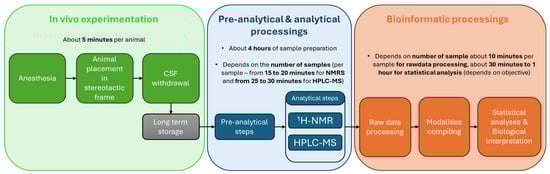
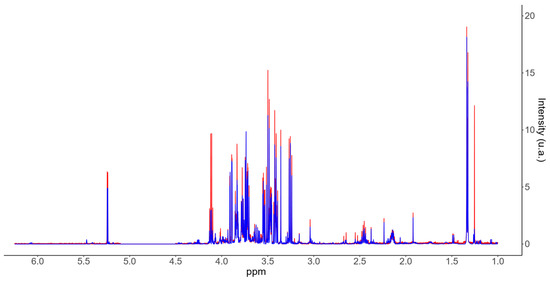
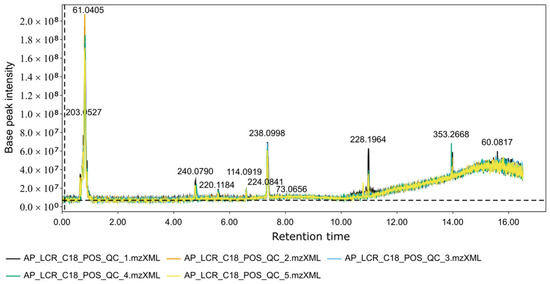
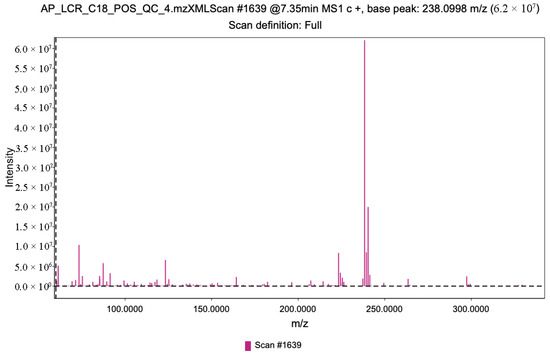
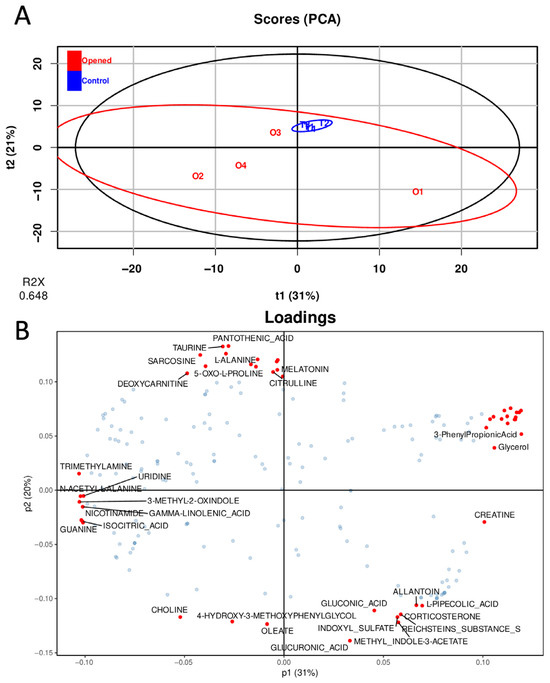
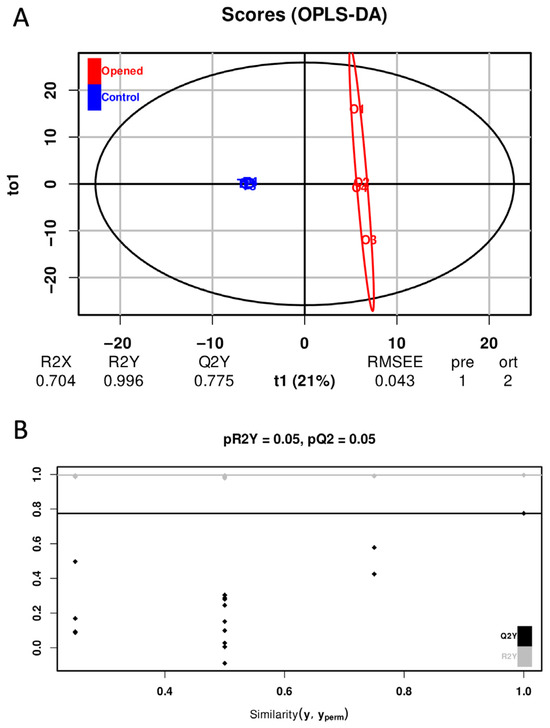
Cerebrospinal fluid (CSF) is a key biological matrix that reflects the physiological and pathological states of the central nervous system (CNS). It supports brain function by regulating ionic balance, facilitating molecular transport, and clearing metabolic waste. In this article, we present a standardized protocol for CSF collection along with an integrative multiplatform metabolomic workflow that combines proton nuclear magnetic resonance spectroscopy (1H-NMRS) and high-performance liquid chromatography coupled to mass spectrometry (HPLC-MS). Integrating these complementary analytical modalities enhances metabolite coverage and improves analytical robustness, enabling a more comprehensive and reliable characterization of the CSF metabolome. This workflow supports the discovery of potential biomarkers and advances our understanding of neurochemical alterations within the CNS.
Full article
(This article belongs to the Section Omics and High Throughput)
►▼
Show Figures

Figure 1
Open AccessArticle
Repeatability and Variability of a High-Fat High-Fructose Diet-Induced Metabolic Syndrome Model in Young Adult Male Wistar Rats
by
Danail Pavlov, Silvia Gancheva, Klementina Moneva-Marinova, Antoaneta Georgieva, Milena Todorova, Nadezhda Stefanova, Mehmed Reyzov, Elis Rafailova, Miroslav Eftimov, Maria Tzaneva, Stefka Valcheva-Kuzmanova and Maria Zhelyazkova-Savova
Methods Protoc. 2026, 9(1), 7; https://doi.org/10.3390/mps9010007 - 6 Jan 2026
Abstract
Metabolic syndrome is a disorder of energy metabolism characterized by persistently high prevalence and significant medical and economic burden on society. An effective animal model that closely replicates the key features of the syndrome in humans is essential for evaluating therapeutic strategies aimed
[...] Read more.
Metabolic syndrome is a disorder of energy metabolism characterized by persistently high prevalence and significant medical and economic burden on society. An effective animal model that closely replicates the key features of the syndrome in humans is essential for evaluating therapeutic strategies aimed at improving health outcomes. High-calorie diet-induced animal models of metabolic syndrome are preferred by many research groups for studying its pathogenesis, prevention and therapy. However, there are numerous variations in the types and proportions of carbohydrates and/or fats in the diets used. In 2015, our research team developed a diet-induced model of metabolic syndrome in young adult male Wistar rats that was based on adding 17% animal fat and 17% fructose to the standard rat chow and 10% fructose to the drinking water. This model reliably induced the morphometric and biochemical alterations that represent the core diagnostic features of the syndrome in humans. Since its initial introduction, we have utilized the high-fat high-fructose diet-induced model of metabolic syndrome/obesity in ten experimental studies. The current paper provides a protocol for applying the model, presents its repeatability and discusses the variability in the morphometric, biochemical, histopathological, immunohistochemical, and behavioral data of 10 experimental studies on Wistar rats.
Full article
(This article belongs to the Section Biomedical Sciences and Physiology)
Open AccessProtocol
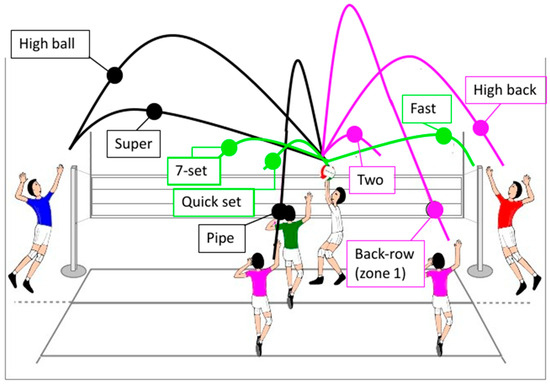
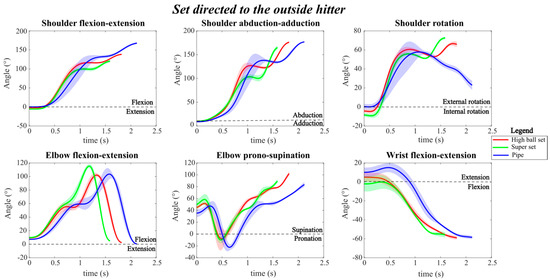
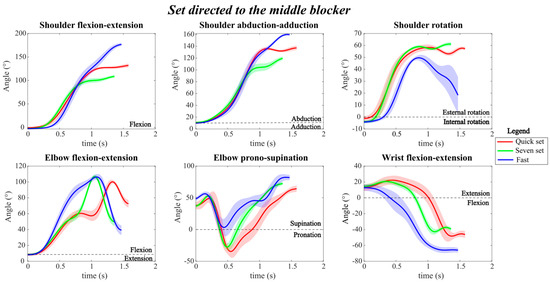
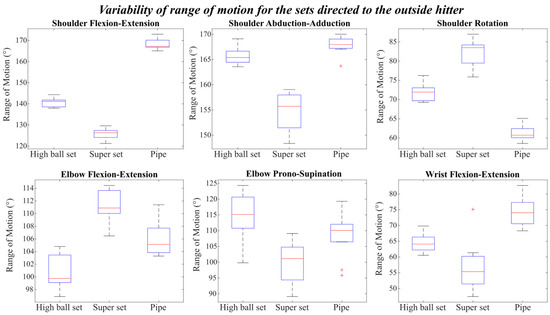
A Protocol for the Biomechanical Evaluation of the Types of Setting Motions in Volleyball Based on Kinematics and Muscle Synergies
by
Valentina Lanzani, Cristina Brambilla, Nicol Moscatelli and Alessandro Scano
Methods Protoc. 2026, 9(1), 6; https://doi.org/10.3390/mps9010006 - 3 Jan 2026
Abstract
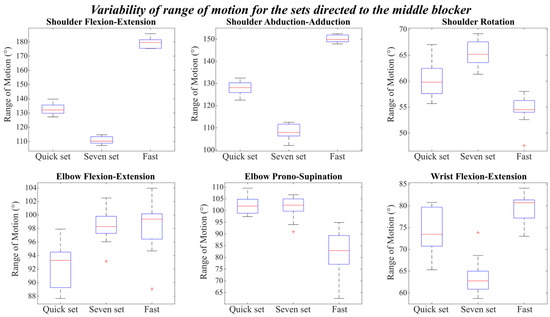
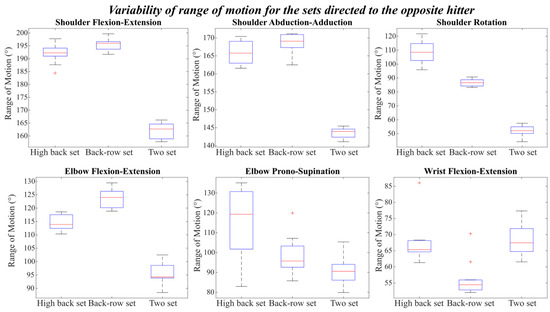
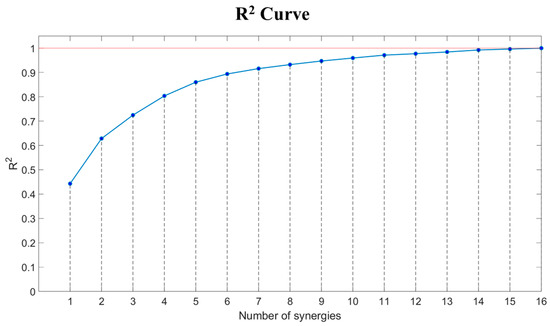
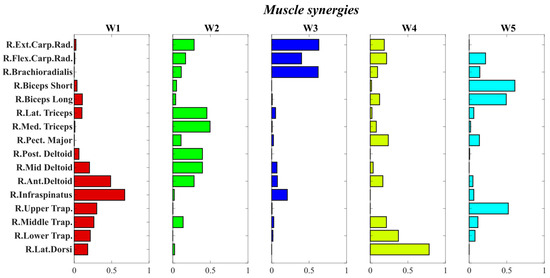
Setting is a fundamental movement in volleyball. While there are several optimal interpreters of the role in professional play, there is a surprising lack of advanced measurement techniques for the evaluation of the movement from a biomechanical perspective. We proposed a comprehensive motion
[...] Read more.
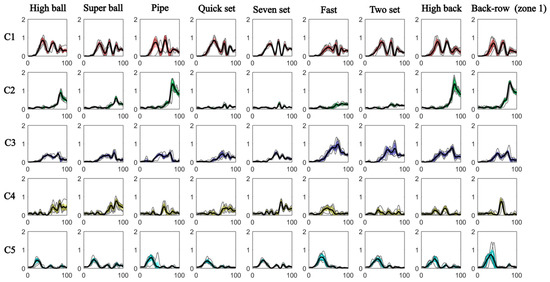
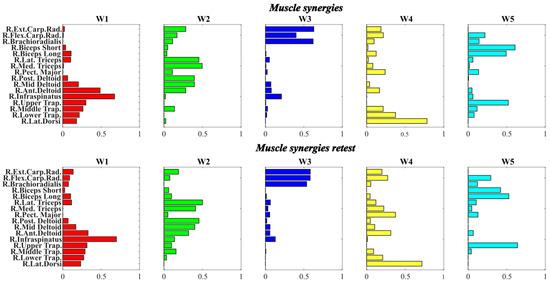
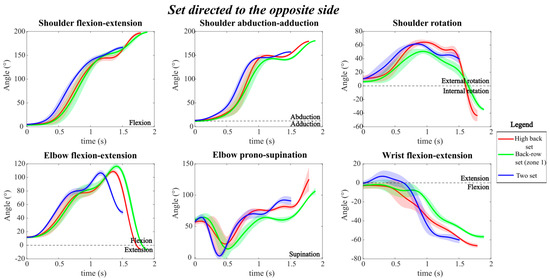
Setting is a fundamental movement in volleyball. While there are several optimal interpreters of the role in professional play, there is a surprising lack of advanced measurement techniques for the evaluation of the movement from a biomechanical perspective. We proposed a comprehensive motion analysis protocol based on kinematics and motor coordination assessment (muscle synergies) for an in-depth analysis of the setting gesture. We also quantified the test–retest performance and discussed in detail the potential of the method. A single experienced player (age 27) tested and retested the protocol. The protocol was quite rapid to perform (about 30 min, including placement of kinematic and electromyography sensors on the patient’s body); we found high test and re-test consistency in different sessions within this participant (ICC > 0.90). These preliminary results suggest that the protocol could support the use of the state-of-the-art methods for motion analysis and biomechanics in volleyball and sports in general.
Full article
(This article belongs to the Special Issue Methods on Sport Biomechanics—2nd Edition)
►▼
Show Figures

Figure 1
Open AccessProtocol
Human Amniotic Membrane Procurement Protocol and Evaluation of a Simplified Alkaline Decellularization Method
by
David A. de la Garza Kalife, Antonio Rojas Murillo, Rodolfo Franco Marquez, Diana Laura Morales Wong, Jorge Lara Arias, José Felix Vilchez Cavazos, Hector Leija Gutierrez, Mario A. Simental Mendía and Elsa Nancy Garza Treviño
Methods Protoc. 2026, 9(1), 5; https://doi.org/10.3390/mps9010005 - 1 Jan 2026
Abstract
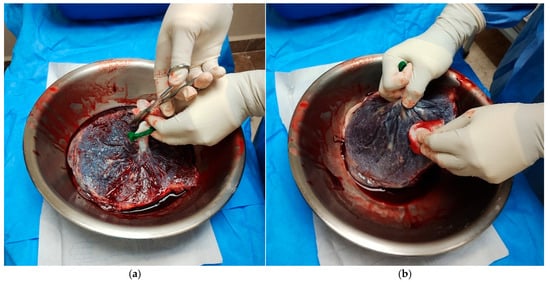
Amniotic membrane (AM) has gained wide application in regenerative medicine due to its biocompatibility and extracellular matrix (ECM) composition. Effective decellularization is essential to minimize immunogenicity while preserving tissue architecture. This study standardized AM procurement and compared a simplified alkaline-based decellularization protocol with
[...] Read more.
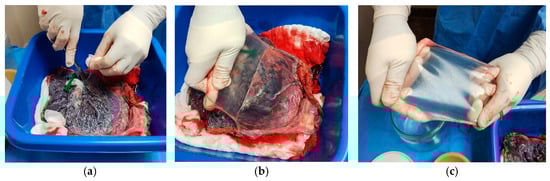
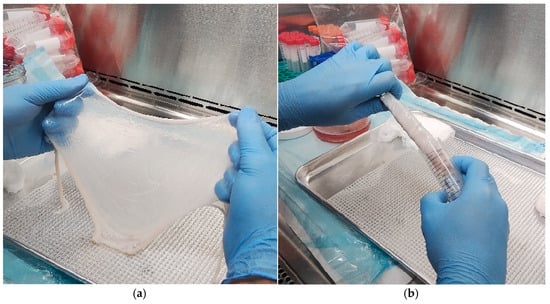
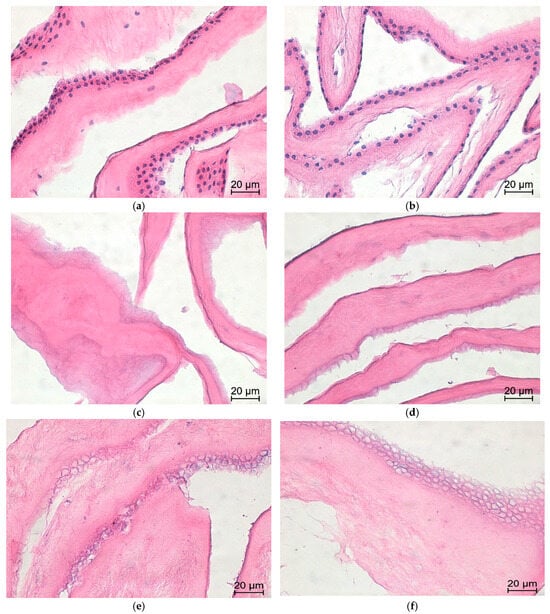
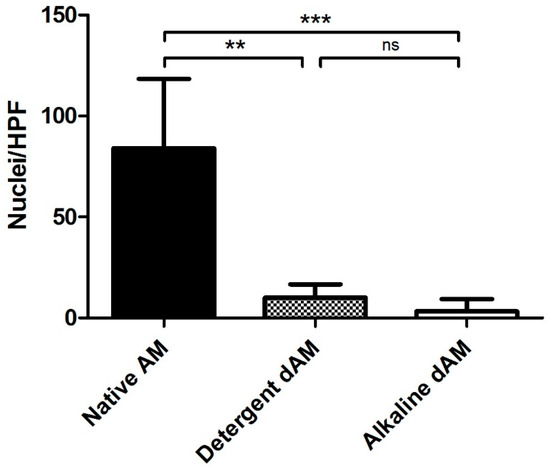
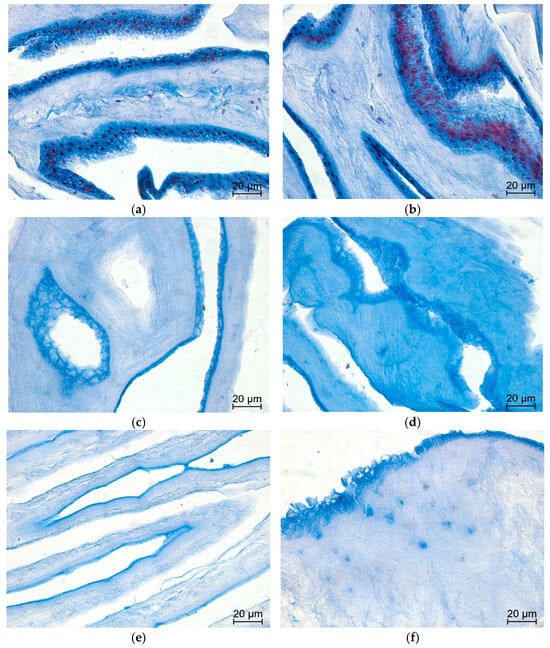
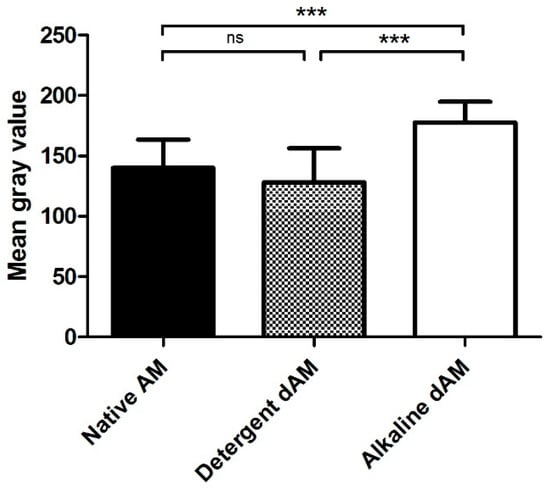
Amniotic membrane (AM) has gained wide application in regenerative medicine due to its biocompatibility and extracellular matrix (ECM) composition. Effective decellularization is essential to minimize immunogenicity while preserving tissue architecture. This study standardized AM procurement and compared a simplified alkaline-based decellularization protocol with a conventional detergent–alkaline method, emphasizing practicality, histological integrity, and collagen preservation. Methods: Human AM was aseptically obtained from placental tissue and processed using either method. Histological analysis with hematoxylin eosin and Masson’s trichrome staining quantified nuclear content and collagen integrity. Results: The alkaline method achieved the greatest nuclear clearance but retained epithelial outlines, indicating partial persistence of cellular structures. In contrast, the detergent method achieved complete morphological decellularization but showed slightly higher residual nuclear signal. Masson’s trichrome staining revealed that the detergent-based method preserved collagen intensity most closely to native tissue (mean gray values: 128.3 ± 28.2 vs. 140.2 ± 23.4), while the alkaline group exhibited significantly reduced staining (177.8 ± 17.2; p < 0.001). Conclusions: the simplified alkaline method provided efficient decellularization with reduced cost, time, and cytotoxic risk, making it a practical approach for AM processing. However, partial ECM alteration suggests that detergent-based methods remain preferable when optimal structural preservation is required.
Full article
(This article belongs to the Section Tissue Engineering and Organoids)
►▼
Show Figures

Figure 1
Open AccessArticle
Development of an ELISA Using Recombinant Chimeric SM Protein for Serological Detection of SARS-CoV-2 Antibodies
by
Gulnur Nakhanova, Olga Chervyakova, Kamshat Shorayeva, Aisha Issabek, Sabina Moldagulova, Asankadyr Zhunushov, Aknur Ulankyzy, Aigerim Zhakypbek, Alisher Omurtay, Aziz Nakhanov, Zharkinay Absatova, Yeraly Shayakhmetov, Kuanysh Jekebekov, Temirlan Baiseit and Aslan Kerimbayev
Methods Protoc. 2026, 9(1), 4; https://doi.org/10.3390/mps9010004 - 22 Dec 2025
Abstract
The emergence and spread of coronavirus infections have created a necessity to develop serological methods for assessing population immunity. The enzyme-linked immunosorbent assay (ELISA) remains one of the most accessible and informative approaches for these purposes. The choice of recombinant proteins plays an
[...] Read more.
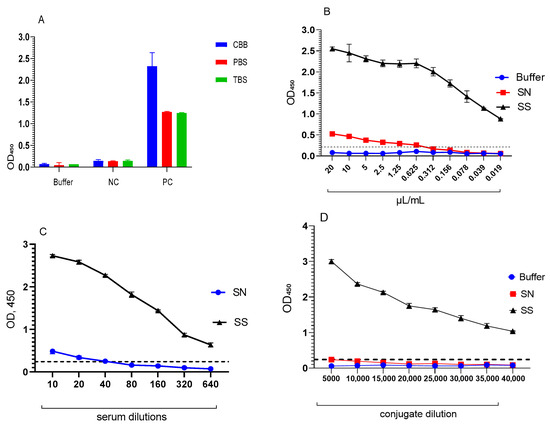
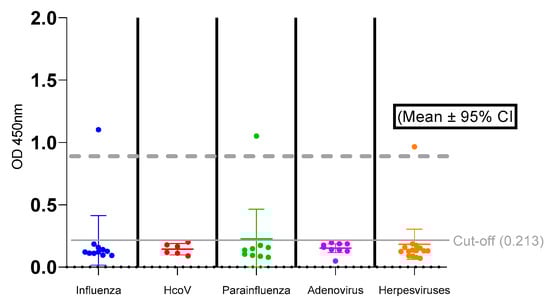
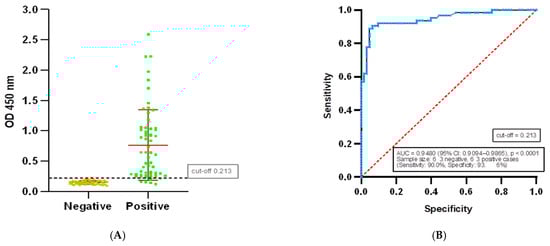
The emergence and spread of coronavirus infections have created a necessity to develop serological methods for assessing population immunity. The enzyme-linked immunosorbent assay (ELISA) remains one of the most accessible and informative approaches for these purposes. The choice of recombinant proteins plays an important role in the sensitivity and specificity of the test system, and in this regard, the creation of a domestic ELISA based on the chimeric SM protein to the SARS-CoV-2 virus is relevant. In this work, a recombinant chimeric SM protein expressed in the E. coli system and purified using metal-affinity chromatography on Ni-NTA agarose was constructed and presented for the first time. An ELISA test system was developed and tested using panels of positive and negative sera, including samples obtained before the COVID-19 pandemic. The obtained sensitivity (90.48%) and specificity (93.65%) indicators with a ROC curve AUC = 0.9623 (OD450 = 0.213) indicate the diagnostic accuracy of the test system. The positive diagnostic ratio (LR+) = 14.25.0 indicates the reliability of a positive result. The domestically developed ELISA test system can be used for serological monitoring and assessment of the immune status of the population.
Full article
(This article belongs to the Section Molecular and Cellular Biology)
►▼
Show Figures

Figure 1
Journal Menu
► ▼ Journal Menu-
- MPs Home
- Aims & Scope
- Editorial Board
- Topical Advisory Panel
- Instructions for Authors
- Special Issues
- Topics
- Sections & Collections
- Article Processing Charge
- Indexing & Archiving
- Editor’s Choice Articles
- Most Cited & Viewed
- Journal Statistics
- Journal History
- Journal Awards
- Conferences
- Editorial Office
Journal Browser
► ▼ Journal BrowserHighly Accessed Articles
Latest Books
E-Mail Alert
News
Topics
Topic in
Applied Microbiology, Fermentation, Hydrogen, Microorganisms, MPs, Resources, Water
Microbial Advances in a Sustainable Environment: Biological Waste Treatment and Bioconversion Technology
Topic Editors: Guangli Cao, Lili DongDeadline: 31 March 2027
Conferences
Special Issues
Special Issue in
MPs
Advanced Methods and Technologies in Drug Discovery
Guest Editors: Fernando Albericio, Philip Hublitz, Ivana ŠagudDeadline: 20 February 2026
Special Issue in
MPs
Biometric Recognition: Interpretability, Explainability, and Interaction with Large-Scale Models
Guest Editor: Hugo ProençaDeadline: 31 March 2026
Special Issue in
MPs
Methods, Protocols, and Analytical Approaches for the Assessment of Human Movement
Guest Editors: Elissavet Rousanoglou, Elias N. ZoisDeadline: 15 May 2026
Special Issue in
MPs
Spectroscopic Methods of Analysis
Guest Editors: Daniel Cozzolino, James Chapman, Aoife PowerDeadline: 20 August 2026
Topical Collections
Topical Collection in
MPs
Current Advances and Methodologies in Gene Editing
Collection Editors: Philip Hublitz, Antónia Monteiro
Topical Collection in
MPs
Green Chemistry
Collection Editors: Artur M. S. Silva, Diana Cláudia Gouveia Alves Pinto
Topical Collection in
MPs
Analytical Chemistry Methods and Protocols: From Standard Practices to New Sustainable Approaches
Collection Editors: Victoria Samanidou, Verónica Pino, Natasa Kalogiouri