


-
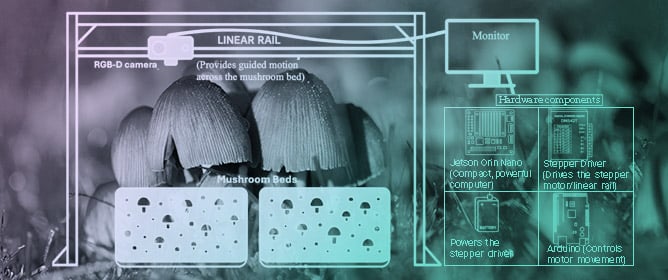
RD-GuideNet Framework for Depth-Guided Detection, Segmentation, and Tracking of White Button Mushrooms -
A Cross-Layer Framework Integrating RF and OWC with Dynamic Modulation Scheme Selection for 6G Networks -
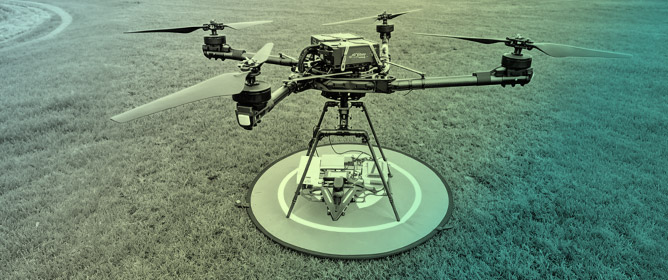
Two-Antenna Gain Measurement Method Using Two UAVs -
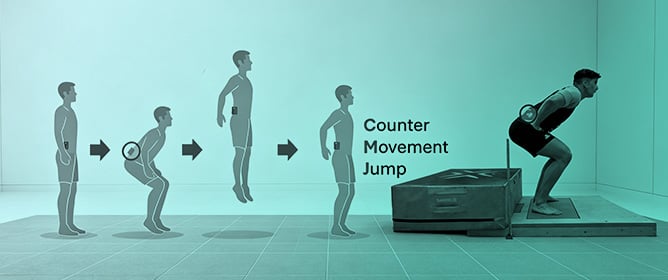
A High-Frequency Wearable IMU-Based System for Countermovement Jump Assessment -
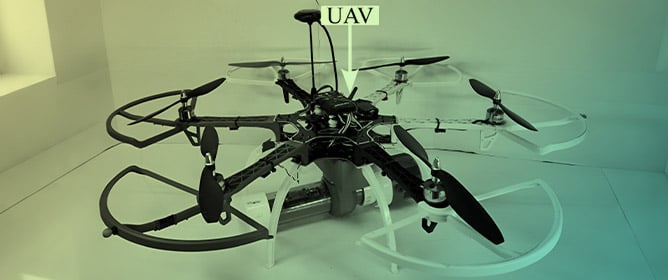
UAV-Deployable Open-Source Sensor Nodes for Spatial and Temporal In Situ Water Quality Monitoring and Mapping
Journal Description
Sensors
Sensors
is an international, peer-reviewed, open access journal on the science and technology of sensors, published semimonthly online by MDPI. The Polish Society of Applied Electromagnetics (PTZE), Japan Society of Photogrammetry and Remote Sensing (JSPRS), Spanish Society of Biomedical Engineering (SEIB), International Society for the Measurement of Physical Behaviour (ISMPB), Chinese Society of Micro-Nano Technology (CSMNT) and more are affiliated with Sensors and their members receive discounts on the article processing charges.
- Open Access — free for readers, with article processing charges (APC) paid by authors or their institutions.
- High Visibility: indexed within Scopus, SCIE (Web of Science), PubMed, MEDLINE, PMC, Ei Compendex, Inspec, Astrophysics Data System, and other databases.
- Journal Rank: JCR - Q2 (Instruments and Instrumentation) / CiteScore - Q1 (Instrumentation)
- Rapid Publication: manuscripts are peer-reviewed and a first decision is provided to authors approximately 17.8 days after submission; acceptance to publication is undertaken in 2.8 days (median values for papers published in this journal in the first half of 2026).
- Recognition of Reviewers: reviewers who provide timely, thorough peer-review reports receive vouchers entitling them to a discount on the APC of their next publication in any MDPI journal, in appreciation of the work done.
- Testimonials: See what our editors and authors say about Sensors.
- Companion journals for Sensors include: Chips, Targets, AI Sensors and IJMD.
- Journal Cluster of Instruments and Instrumentation: Actuators, AI Sensors, Instruments, Metrology, Micromachines and Sensors.
Impact Factor:
4.0 (2025);
5-Year Impact Factor:
4.1 (2025)
Latest Articles
Instrumented Timed Up and Go Analysis Identifies Biomechanical Markers Across Early Hoehn and Yahr Stages of Parkinson’s Disease
Sensors 2026, 26(16), 5177; https://doi.org/10.3390/s26165177 (registering DOI) - 15 Aug 2026
Abstract
The Timed Up and Go (TUG) test is widely used to assess functional mobility in Parkinson’s disease (PD), although total test duration may overlook phase-specific biomechanical alterations. This cross-sectional study investigated whether phase-specific analysis of the instrumented TUG (iTUG) could identify candidate biomechanical
[...] Read more.
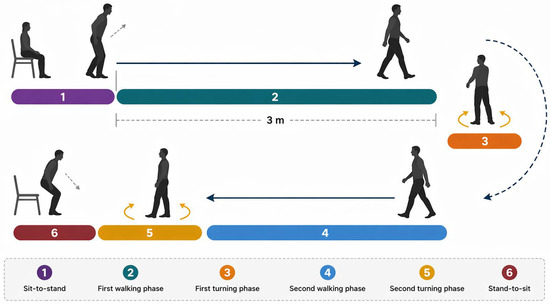
The Timed Up and Go (TUG) test is widely used to assess functional mobility in Parkinson’s disease (PD), although total test duration may overlook phase-specific biomechanical alterations. This cross-sectional study investigated whether phase-specific analysis of the instrumented TUG (iTUG) could identify candidate biomechanical markers characterizing differences among early-stage PD subgroups and healthy controls. Seventy-nine participants (38 PD, 41 controls) performed four iTUG trials in the OFF-medication state. Movement data were collected using synchronized inertial measurement units and optoelectronic motion capture systems. The iTUG was segmented into six phases, and temporal, spatiotemporal, variability, and multisegmental kinematic parameters were analyzed. Participants with PD at modified Hoehn and Yahr (mH&Y) stage 2 performed the iTUG more slowly than controls (p < 0.001), mainly due to impairments during walking (p = 0.012) and turning. Turning was the only phase that distinguished controls from individuals with PD at mH&Y stages 1–1.5 (p = 0.015), who also showed increased elbow asymmetry (p = 0.009). Participants with PD at mH&Y stage 2 exhibited broader differences, including increased double-support time, shorter stride length, lower walking speed, reduced frontal-plane control, and reduced trunk, elbow, hip, and ankle motion, whereas gait variability did not differ significantly between groups. Sagittal trunk ROM on the less affected side was the only variable that significantly differed between the two PD subgroups. These findings suggest that phase-specific iTUG analysis may reveal candidate biomechanical markers associated with mH&Y stage and functional mobility impairment and support sensor-based assessment for objective characterization of functional mobility in PD.
Full article
(This article belongs to the Special Issue Wearable and AI-Driven Sensing for Brain Disorders: From Digital Biomarkers to Clinical Translation)
►
Show Figures
Open AccessArticle
Impact of Regeneration on the Dosimetric Properties of LiF:Mg,Cu,P (MCP-N) Detectors
by
Patrycja Gordon, Katarzyna Matusiak, Mariusz Kłosowski and Aleksandra Jung
Sensors 2026, 26(16), 5176; https://doi.org/10.3390/s26165176 (registering DOI) - 15 Aug 2026
Abstract
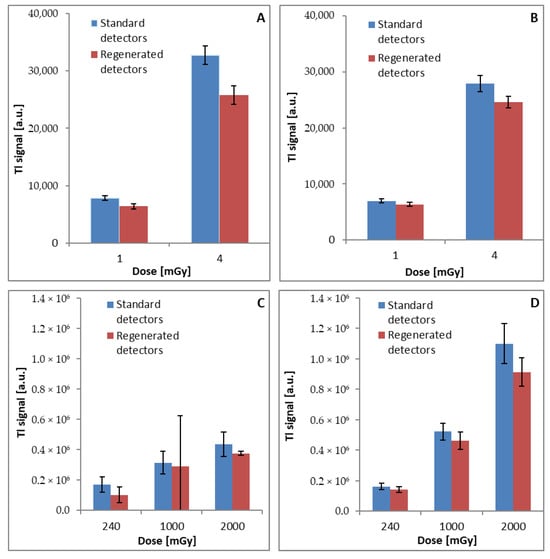
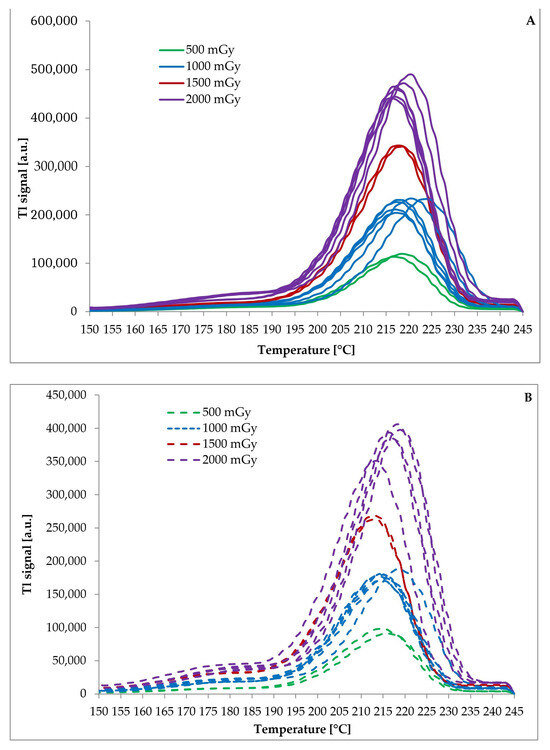
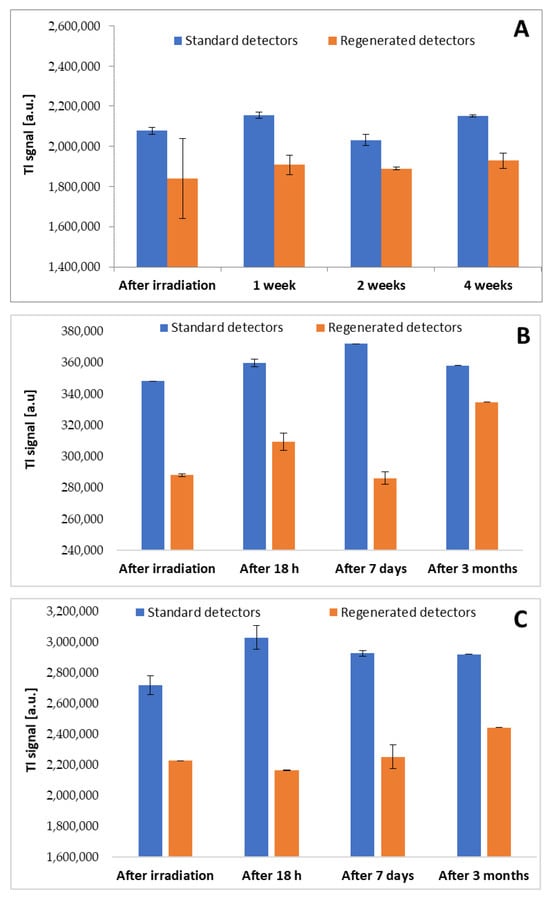
This study evaluates the dosimetric properties of standard (SD) and regenerated (RD) MCP-N thermoluminescent detectors over a wide dose range from mGy to Gy, with particular emphasis on the influence of readout mode, dose level, and temporal stability on detector performance. A total
[...] Read more.
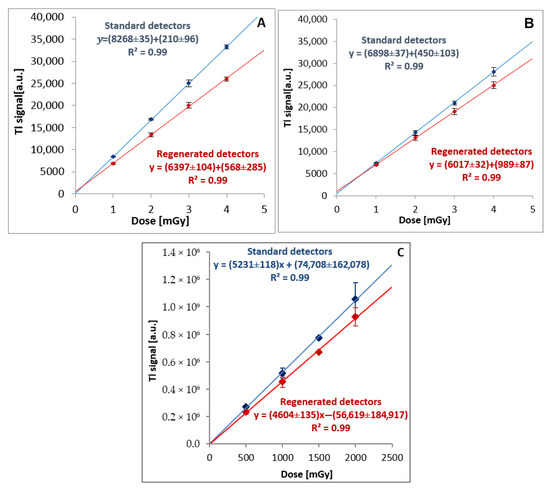
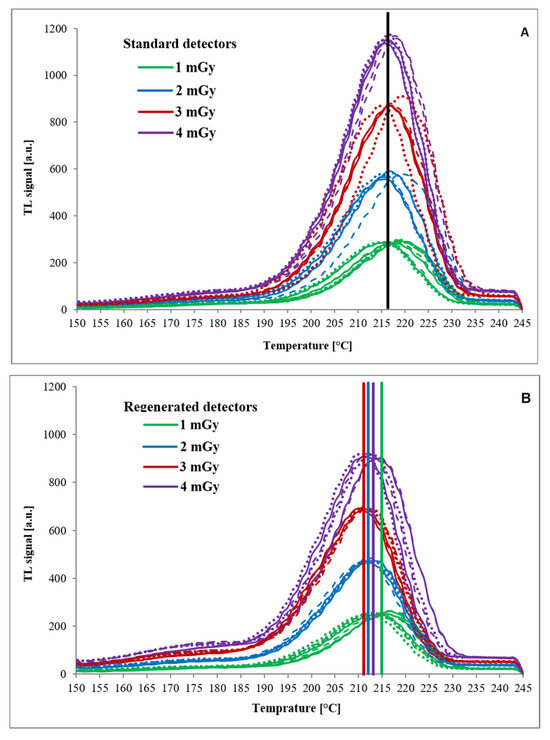
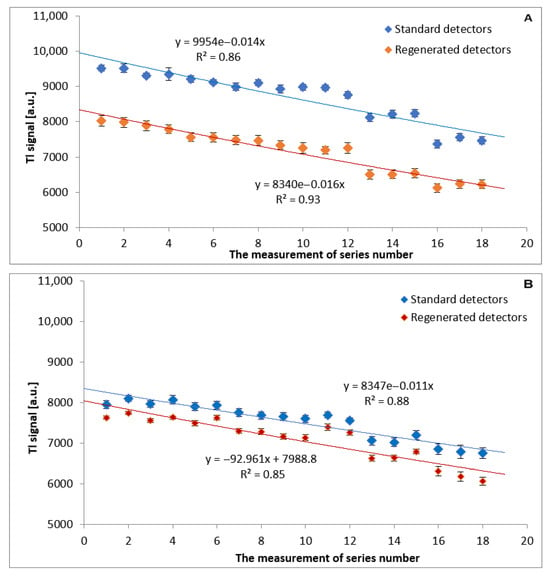
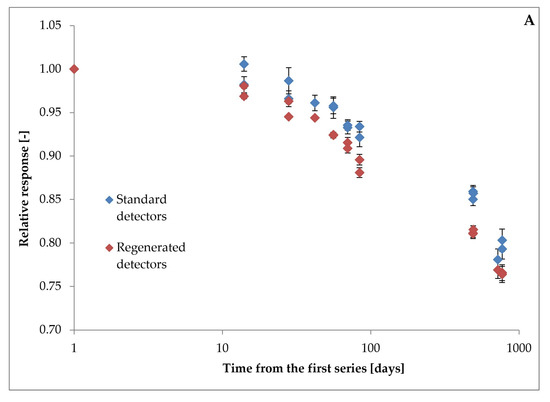
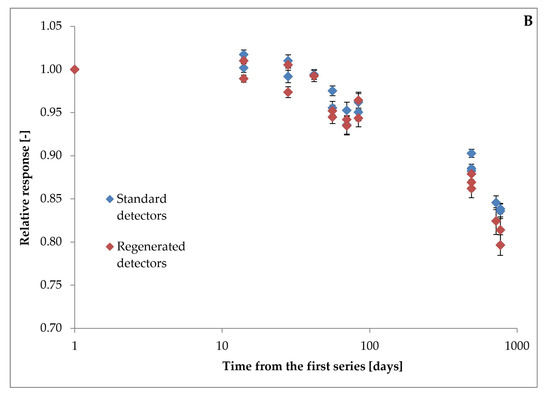
This study evaluates the dosimetric properties of standard (SD) and regenerated (RD) MCP-N thermoluminescent detectors over a wide dose range from mGy to Gy, with particular emphasis on the influence of readout mode, dose level, and temporal stability on detector performance. A total of 17 SD and 18 RD detectors were analyzed under standard conditions using two readout modes: a three-step READER mode and a continuous ANALYSER mode. Both detector types exhibit good linearity; however, deviations from ideal behavior at higher doses suggest the involvement of additional trapping and recombination processes. Glow-curve analysis indicates modifications in RD detectors, reflected by enhanced low-temperature peaks and slight shifts in peak position. Temporal effects also influence detector response, with stabilization observed after repeated irradiation–readout cycles. Fading remains low, with relatively stable signal levels over time. The results show that the ANALYSER mode provides improved stability and reproducibility compared to the READER mode, especially at higher doses, where increased variability and certain limitations were observed. Overall, regenerated detectors, despite reduced sensitivity, achieve performance comparable to standard detectors after stabilization. Optimization of readout conditions, particularly the use of ANALYSER mode, is essential for ensuring reliable dosimetric performance across a wide dose range.
Full article
(This article belongs to the Section Sensor Materials)
►▼
Show Figures

Figure 1

Open AccessArticle
Physical-Surface Localization of Aircraft Fuselage Corrosion Using Camera-Calibrated Vision Measurement and Cross-Validated Detector-Center Correction
by
Chuankun Fang, Changhuan Wang, Zeqing Yang, Kai Peng, Kangni Xu, Jiangpeng Wu, Libin Zhao and Ning Hu
Sensors 2026, 26(16), 5175; https://doi.org/10.3390/s26165175 (registering DOI) - 15 Aug 2026
Abstract
Aircraft fuselage corrosion inspection requires both image-domain recognition and metric physical-surface localization for maintenance execution. This study develops a camera-calibrated vision measurement framework that combines PWDE-YOLOv8n-based corrosion perception, original-image coordinate restoration, lens-distortion compensation, ray-based surface mapping, and detector-center bias correction. The perception dataset
[...] Read more.
Aircraft fuselage corrosion inspection requires both image-domain recognition and metric physical-surface localization for maintenance execution. This study develops a camera-calibrated vision measurement framework that combines PWDE-YOLOv8n-based corrosion perception, original-image coordinate restoration, lens-distortion compensation, ray-based surface mapping, and detector-center bias correction. The perception dataset comprised 2143 images and 5941 corrosion annotations and was partitioned at the physical-specimen, acquisition-session, or source-group level into 1500 training images, 429 validation images, and 214 independent detector-test images. Detailed physical localization was evaluated on a six-image metrology cohort acquired in six sessions, containing 21 corrosion boxes and 84 axial coordinates. A six-fold leave-one-image-out procedure was adopted; in each fold, the center-shift parameters were estimated from the other five images and applied unchanged to the held-out image. The proposed method achieved a mean absolute axial error of 0.641 mm (95% image-cluster bootstrap confidence interval: 0.571–0.708 mm), an RMSE of 0.809 mm, a maximum error of 3.262 mm, and a projected physical-plane bounding-box IoU of 87.12%. The expanded uncertainty of the manually established reference coordinates was 0.374 mm at k = 2, and Monte Carlo propagation produced a mean absolute error of 0.656 mm with a 95% interval of 0.618–0.693 mm. The proposed method reduced the MAE by 97.91% relative to local pixel-to-millimeter scaling and by 70.58% relative to conventional calibrated camera mapping, while producing accuracy comparable to planar homography mapping. Within ρ ≥ 1500 mm, W ≤ 150 mm, and θ ≤ 20°, the estimated curvature-induced additional axial error did not exceed 0.683 mm. A separate ten-image deployment evaluation produced a mean axial error of 2.448 mm and an average processing time of 53.35 ms/image.
Full article
(This article belongs to the Section Fault Diagnosis & Sensors)
Open AccessArticle
Physically Consistent Risk Calibration for Open-World Alarm Filtering in Distributed Optical Fiber Sensing
by
Qingmin Hou, Hanyang Zhang, Guanghua Xiao, Peng Zhang and Ziguang Jia
Sensors 2026, 26(16), 5174; https://doi.org/10.3390/s26165174 (registering DOI) - 15 Aug 2026
Abstract
Distributed optical fiber sensing (DOFS) based on phase-sensitive optical time-domain reflectometry ( -OTDR) is increasingly used for perimeter and pipeline monitoring, yet most recognizers are evaluated as closed-set classifiers, whereas a deployed fiber also records nuisance sources and event types absent from
[...] Read more.
Distributed optical fiber sensing (DOFS) based on phase-sensitive optical time-domain reflectometry ( -OTDR) is increasingly used for perimeter and pipeline monitoring, yet most recognizers are evaluated as closed-set classifiers, whereas a deployed fiber also records nuisance sources and event types absent from training. In our experiments, a closed-set recognizer with 0.999 accuracy still gives a false-alarm rate (FAR) of 0.42–0.64 on simulated unknown nuisance classes, and a conformal threshold calibrated only on known negatives does not remove this failure. We therefore propose Physically Consistent Risk Calibration (PCRC), which combines a label-free physical-consistency gate computed from spatial compactness, common-mode ratio, and signal-to-noise ratio (SNR) with a conformal threshold for gate-passing negatives and a three-level alarm/review/discard decision. The guarantee is conditional: conformal calibration controls gate-passing negatives under exchangeability, and the gate removes only physically inadmissible nuisance windows. On three public distributed acoustic sensing (DAS) field datasets, the known-negative FAR follows the target level when calibration and test negatives are exchangeable, held-out threat coverage reaches 0.87 and 0.68 on the two multichannel corpora, and every physically admissible held-out nuisance passes the gate and requires recalibration from verified field negatives. In a controlled simulation whose unknown nuisance classes are constructed to be inadmissible, PCRC produces no observed automatic false alarms while retaining 0.998 known-threat recall.
Full article
(This article belongs to the Special Issue Machine Learning-Enhanced Fiber Optic Sensing: From Materials to Applications)
Open AccessArticle
An Integrated UAV Trajectory Adaptation Framework for 5G Highway Vehicular Communications
by
Ignacio Vidal, Sandy Bolufé and Karel Toledo
Sensors 2026, 26(16), 5173; https://doi.org/10.3390/s26165173 (registering DOI) - 15 Aug 2026
Abstract
This paper investigates the use of UAV as flying BS to enhance 5G vehicular communications on highways, where traffic congestion and fluctuating user demand can challenge the capacity of terrestrial infrastructure. While UAV-assisted vehicular networking has attracted significant attention, many existing studies rely
[...] Read more.
This paper investigates the use of UAV as flying BS to enhance 5G vehicular communications on highways, where traffic congestion and fluctuating user demand can challenge the capacity of terrestrial infrastructure. While UAV-assisted vehicular networking has attracted significant attention, many existing studies rely on simplified mobility, propagation, or communication models that limit the assessment of practical deployment performance. To address these limitations, we develop a realistic UAV-assisted vehicular networking framework that integrates microscopic traffic simulation through SUMO, network control via TraCI, and standard-compliant 5G communication modeling using MATLAB R2025b 5G Toolbox. The framework incorporates a 3GPP RMa highway scenario, detailed CDL-based channel characterization, and cross-layer communication procedures. Within this framework, we propose a low-complexity trajectory optimization strategy that adapts the UAV position in real time to maximize the average received SNR while respecting practical motion constraints. Simulation results demonstrate that adaptive UAV positioning enhances communication performance, achieving mean SNR gains of up to 2.04dB, throughput improvement of up to 11.2, and BLER reductions of up to 27.3. These findings highlight the potential of UAV-assisted communications to enhance user-perceived QoS for bandwidth-demanding vehicular applications under realistic 5G highway operating conditions.
Full article
(This article belongs to the Special Issue Advancements and Applications of UAV Communications with RF, Microwave, and mmWave Techniques)
Open AccessArticle
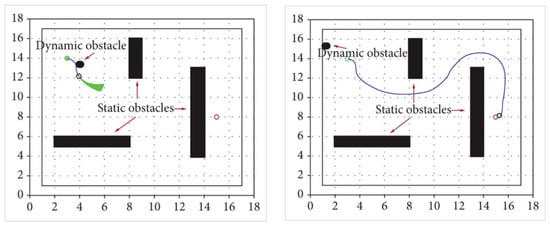
Sensor-Uncertainty-Aware Conservative Robust Route Selection for Autonomous Robot Path Planning Under Occupancy-Grid Map Uncertainty
by
Ali S. Allahloh, Atef M. Ghaleb, Mohammad Sarfraz, Abdelghani Bouras, Mohammed A. H. Ali and Adel Al-Shayea
Sensors 2026, 26(16), 5172; https://doi.org/10.3390/s26165172 (registering DOI) - 15 Aug 2026
Abstract
Autonomous robotic navigation in dynamic environments depends on sensor-derived occupancy maps that are often degraded by occlusion, localization error, dynamic blockage, incomplete observation, and perception noise. These uncertainties can make a nominally short route unsafe after deployment, motivating conservative route selection for collision-aware
[...] Read more.
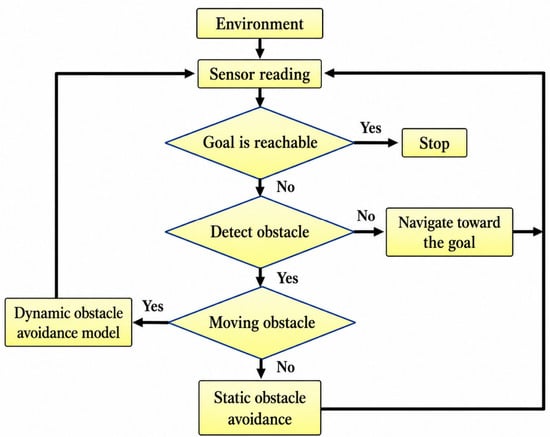
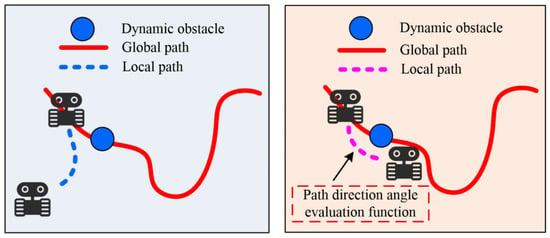
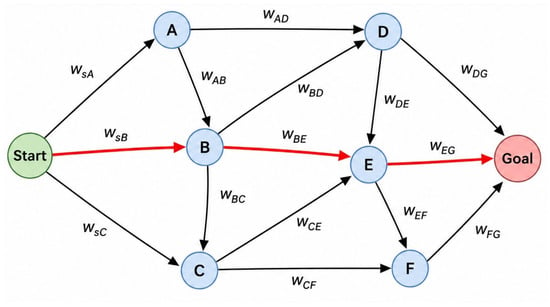
Autonomous robotic navigation in dynamic environments depends on sensor-derived occupancy maps that are often degraded by occlusion, localization error, dynamic blockage, incomplete observation, and perception noise. These uncertainties can make a nominally short route unsafe after deployment, motivating conservative route selection for collision-aware path planning under sensor-derived map uncertainty. We formulate Conservative Robust Route Selection (CRRS) as a finite-scenario robust optimization and route-selection framework for autonomous robotic path planning under this uncertainty. CRRS constructs a heterogeneous portfolio of candidate routes, scores each route using nominal and plausible-world information only, and applies a validation-frozen conservative override rule that defaults to the scenario ensemble unless a candidate route satisfies predefined feasibility, risk, clearance, and cost-ratio guards. The evaluation protocol separates implementation auditing, candidate-pool expansion, validation-based selector design, frozen confirmation, public-benchmark validation, simulated sensor-model validation, and a controlled validation–held-out mismatch stress test. On the generated 30-domain MovingAI-format benchmark, candidate-pool expansion finds strict-safe-superior candidates in 113/150 matched groups, and the frozen selector reduces plausible collision from 0.1250 to 0.0807 and held-out collision from 0.3053 to 0.2937. On an official long-distance MovingAI subset with 260 queries and a minimum start-goal distance of 100 cells, CRRS reduces the held-out collision from 0.9648 for the scenario ensemble to 0.8822, with 141 wins, zero losses, and 119 ties. In an additional LiDAR/SLAM-inspired simulated sensor-model validation on 200 routed official-query problems, CRRS reduces the held-out collision from 0.4059 to 0.3768 relative to the scenario ensemble. A validation–held-out mismatch stress ablation isolates the conservative override rule: CRRS differs from CVaR-only on 73/260 problems, obtains a lower or equal held-out collision in every comparison, and avoids the 18 harmful held-out losses incurred by CVaR-only relative to the scenario ensemble. The resulting claim is deliberately scoped: CRRS improves aggregate route robustness over a strong scenario-ensemble default on the evaluated robotic path-planning benchmarks, while real-time deployment, live sensor integration with calibrated sensors, physical robot validation, family-level variation, and benchmark-specific uncertainty models remain limitations.
Full article
(This article belongs to the Special Issue Advanced Techniques in Control and Path Planning for Autonomous and Collaborative Robots in Dynamic Environments)
Open AccessArticle
Electrochemical Detection of SMN Protein by Immunosensors: The Role of Surface Modifications in Screen-Printed Carbon Electrodes
by
Mariana Rost Meireles, Giovana Dalpiaz, Muriel Schiling Krohn, Thuany Garcia Maraschin, Willyan Hasenkamp Carreira and André Anjos da Silva
Sensors 2026, 26(16), 5171; https://doi.org/10.3390/s26165171 (registering DOI) - 15 Aug 2026
Abstract
Point-of-care (POC) technologies are promising tools to decentralize and accelerate the diagnosis of rare diseases. Among them, electrochemical immunosensors offer advantages such as high sensitivity, low cost, portability, low sample consumption, and suitability for use in resource-limited settings. However, the performance of these
[...] Read more.
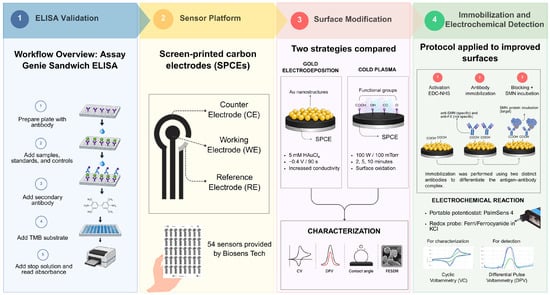
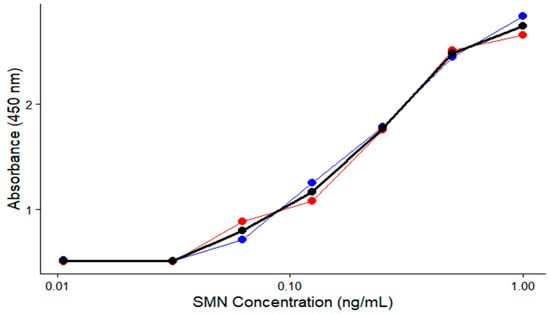
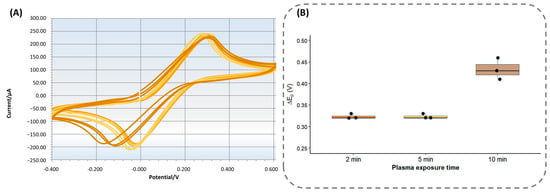
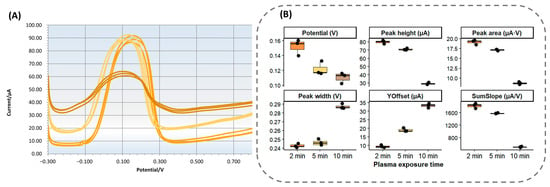
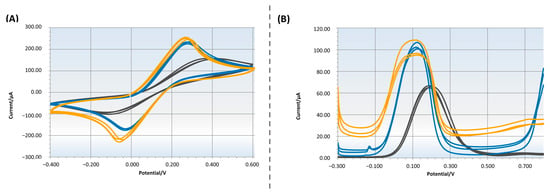
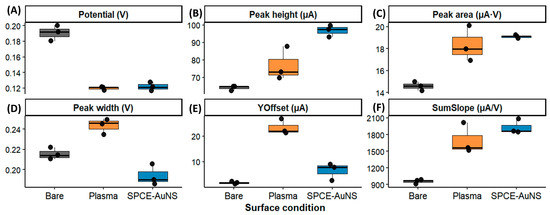
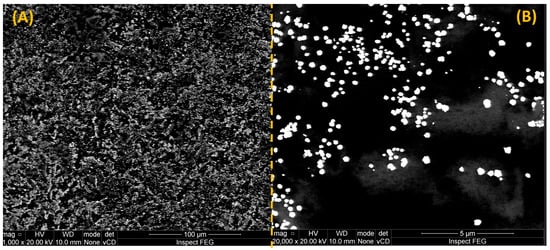
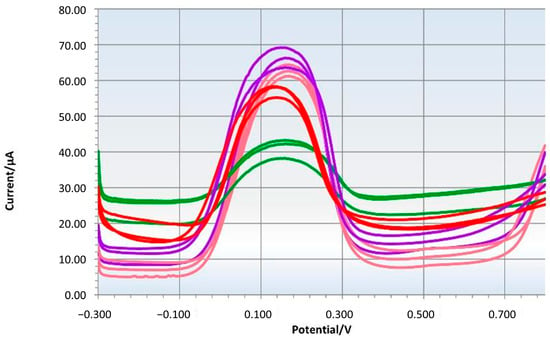
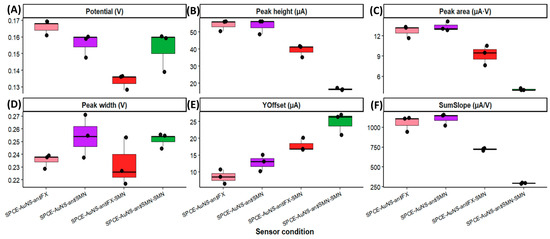
Point-of-care (POC) technologies are promising tools to decentralize and accelerate the diagnosis of rare diseases. Among them, electrochemical immunosensors offer advantages such as high sensitivity, low cost, portability, low sample consumption, and suitability for use in resource-limited settings. However, the performance of these devices is dependent on electrode surface properties, which influence electron transfer, biomolecule immobilization, and analytical sensitivity. In this work, screen-printed carbon electrodes (SPCEs) were modified through two strategies: (i) gold electrodeposition and (ii) cold plasma treatment. The modified electrodes were functionalized with EDC/NHS, followed by the immobilization of anti-SMN antibodies and electrochemical characterization using cyclic voltammetry and differential pulse voltammetry. The impact of each modification approach on the electrochemical response and reproducibility of the sensor was evaluated. Gold electrodeposition resulted in higher and more reproducible electrochemical responses, demonstrating improved electron transfer properties and surface homogeneity. The primary objective of this study was to investigate how different surface modification strategies affect the electrochemical performance of SPCE-based immunosensors, employing the detection of Survival Motor Neuron (SMN) protein, a biomarker associated with Spinal Muscular Atrophy (SMA), as a proof-of-concept application. The resulting platform successfully differentiated specific and non-specific protein recognition events through distinct electrochemical patterns, demonstrating the suitability of gold-modified SPCEs for immunosensing applications. These findings provide insights into the influence of surface engineering strategies on sensor performance and support the future development of optimized electrochemical platforms for biomarker detection.
Full article
(This article belongs to the Special Issue Innovative Technologies Using Biosensors)
►▼
Show Figures

Figure 1

Open AccessArticle
Drive-By Time-Varying Feature Extraction for Bridge Damage Detection Using Second-Order Synchrosqueezing Transform
by
Mingzhe Gao, Xinqun Zhu and Jianchun Li
Sensors 2026, 26(16), 5170; https://doi.org/10.3390/s26165170 (registering DOI) - 15 Aug 2026
Abstract
Recently, drive-by bridge structural health monitoring has gained increasing attention due to its potential to be a cost-effective way to monitor the highway infrastructure. The pre-installed sensory system on a passing vehicle is used to capture the spatiotemporal response of the bridge for
[...] Read more.
Recently, drive-by bridge structural health monitoring has gained increasing attention due to its potential to be a cost-effective way to monitor the highway infrastructure. The pre-installed sensory system on a passing vehicle is used to capture the spatiotemporal response of the bridge for structural health monitoring. The vehicle passing over the bridge is a time-varying process, and it is a big challenge to extract the time-varying characteristics of vehicle–bridge interaction systems for structural health monitoring. This paper aims to develop a drive-by time-varying feature extraction approach for bridge structural damage detection using the second-order synchrosqueezing transform. The research first examined the impact of various factors on the frequency changes in VBI systems, including the vehicle mass, stiffness, speed, road surface profiles, measurement noise, and different types of damage. When compared with traditional synchrosqueezing transform, the proposed method provides a clearer and more accurate time–frequency representation. A 6 m-long two-span bridge model is also built in the laboratory and the pre-installed wireless sensory system on a passing vehicle captures the vehicle and bridge interaction response. The time-varying features are extracted from dynamic responses of the vehicle passing over the bridge using the proposed method. Numerical and experimental results show that the proposed approach is effective and accurate enough to extract the time-varying features for bridge damage detection.
Full article
(This article belongs to the Special Issue Feature Papers in Fault Diagnosis & Sensors 2026)
Open AccessReview
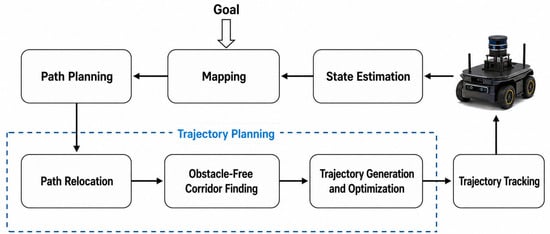
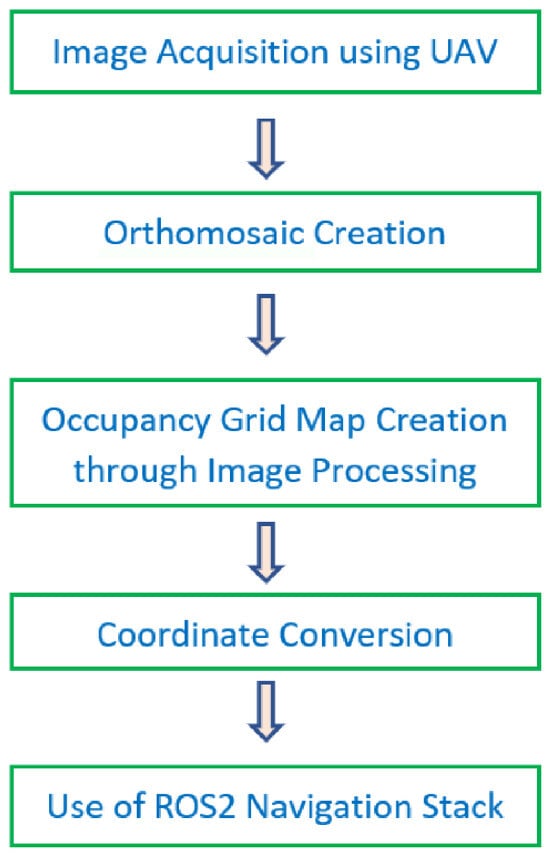
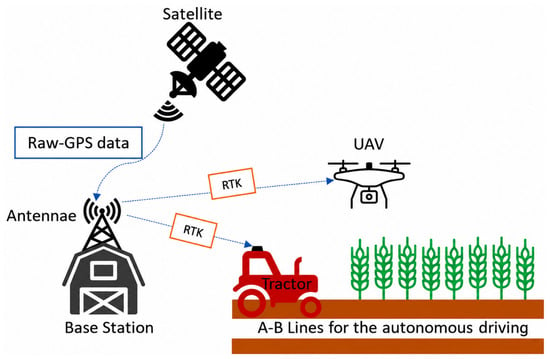
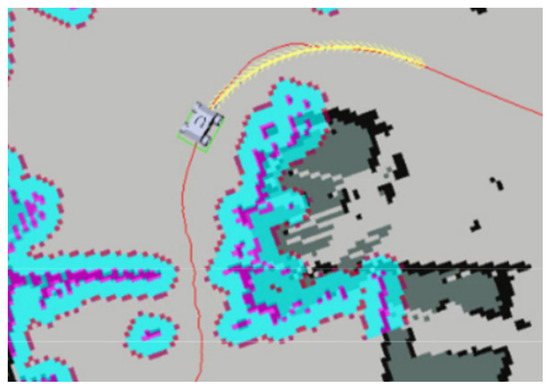
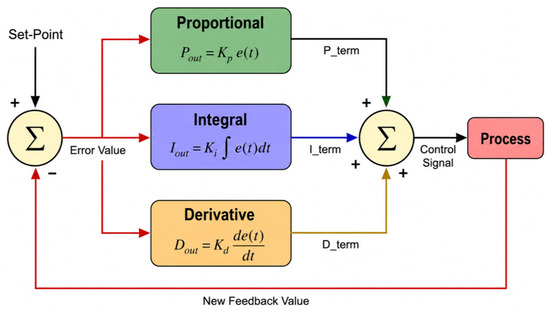
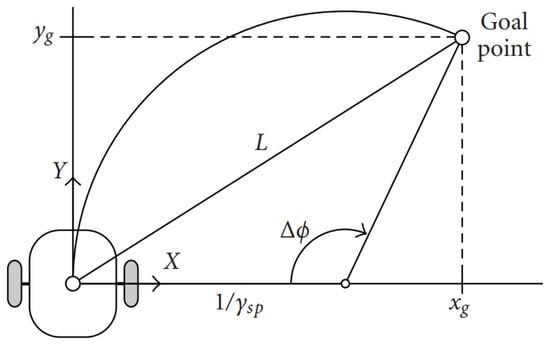
Navigation and Sensor Fusion for Autonomous Field Robots in Precision Agriculture: Narrative Review
by
Norbert Boros, Bálint Ambrus and Anikó Nyéki
Sensors 2026, 26(16), 5169; https://doi.org/10.3390/s26165169 (registering DOI) - 15 Aug 2026
Abstract
Autonomous field robots are increasingly used in precision agriculture for monitoring, phenotyping, spraying, and site-specific intervention, yet reliable autonomy remains difficult under vegetation occlusion, uneven terrain, variable illumination, and intermittent communications. This review provides a deployment-oriented synthesis of navigation and sensor-fusion methods for
[...] Read more.
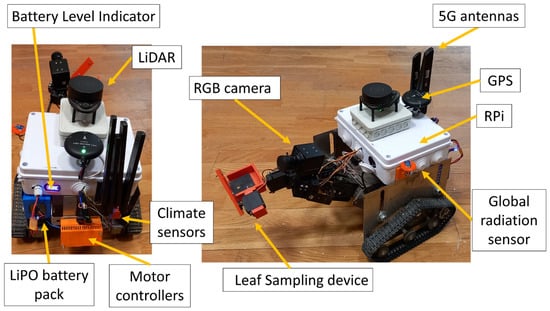
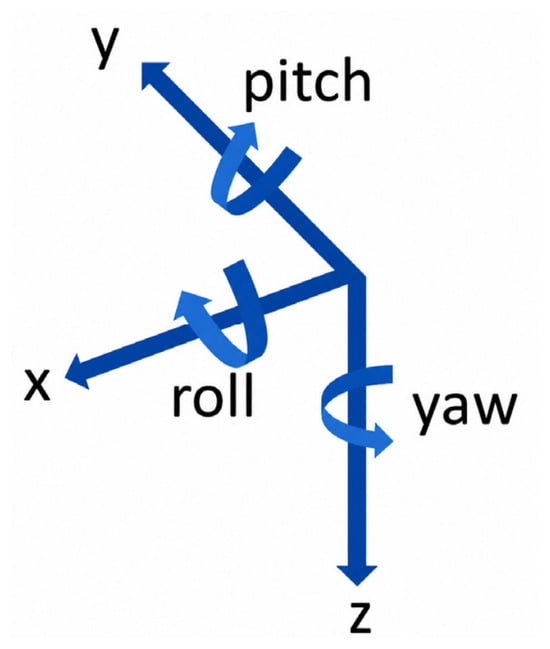
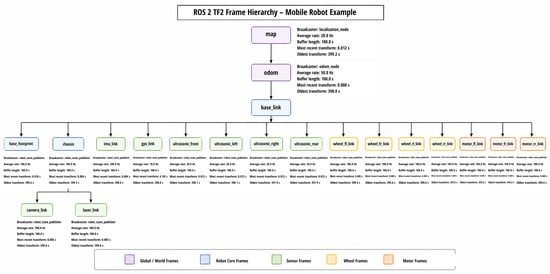
Autonomous field robots are increasingly used in precision agriculture for monitoring, phenotyping, spraying, and site-specific intervention, yet reliable autonomy remains difficult under vegetation occlusion, uneven terrain, variable illumination, and intermittent communications. This review provides a deployment-oriented synthesis of navigation and sensor-fusion methods for agricultural robots, with emphasis on what is practical under field conditions rather than only in laboratory settings. The literature was examined through a structured narrative-review workflow using Scopus, Web of Science, IEEE Xplore, ScienceDirect, SpringerLink, and related citation tracking, with primary emphasis on studies published between 2015 and 2025. We compare global, local, and hybrid planning methods; motion-control strategies such as PID, Pure Pursuit, and MPC; and localization pipelines that combine GNSS, IMU, LiDAR, cameras, odometry, and SLAM or Kalman-family fusion. Beyond algorithm summaries, the review links method selection to agricultural deployment constraints, including GNSS degradation, dynamic obstacles, compute limits, ROS 2 integration, time synchronization, and coordinate-frame management. The synthesis shows that no single stack is optimal across all crop systems: lightweight GNSS/IMU-based solutions remain attractive in structured open fields, whereas orchards, vineyards, and other occluded environments benefit more from tighter multi-sensor fusion and SLAM-supported localization. Finally, the review distills design guidance for sensing, planning, validation, and digital-twin-supported testing, and identifies research gaps related to robustness, benchmarking, safety, and scalable on-farm deployment.
Full article
(This article belongs to the Special Issue Integrated Navigation and Its Applications in Autonomous Agricultural Machinery)
►▼
Show Figures

Figure 1
Open AccessArticle
Sparse-Scan Ptychography with Hybrid-Overlap Scanning and Reference-Guided Probe Updates
by
Sheng Chen, Zijian Xu, Ruoru Li, Xiangzhi Zhang and Renzhong Tai
Sensors 2026, 26(16), 5168; https://doi.org/10.3390/s26165168 (registering DOI) - 14 Aug 2026
Abstract
Sparse-scan ptychography accelerates data acquisition but compromises the overlap-induced redundancy essential for stable blind reconstruction. In low-overlap cases, object errors are often transferred to the probe update, causing crosstalk and artifacts. In this work, we propose a sparse-scan ptychography method termed hybrid-scan ptychography,
[...] Read more.
Sparse-scan ptychography accelerates data acquisition but compromises the overlap-induced redundancy essential for stable blind reconstruction. In low-overlap cases, object errors are often transferred to the probe update, causing crosstalk and artifacts. In this work, we propose a sparse-scan ptychography method termed hybrid-scan ptychography, which combines a hybrid-overlap scanning strategy with a reference-guided ePIE reconstruction algorithm. In this method, a localized high-overlap scan is used to establish a reliable probe estimate for reconstructing a wide field of view scanned on a low-overlap grid. As a stabilizing prior, this probe estimate is integrated into the ePIE probe update for the low-overlap region through an additional quadratic regularization term, thereby ensuring accurate probe reconstruction for sparse-scan region. This method effectively suppresses sparse-scan artifacts and ensures robust, high-fidelity reconstruction, as demonstrated by numerical simulations and soft X-ray ptychography experiments. With the new method, the acquisition efficiency of ptychography can be increased by at least 2 times without significant resolution reduction.
Full article
(This article belongs to the Special Issue Recent Innovations in X-Ray Sensing and Imaging)
Open AccessArticle
Torque Measurement of Coupled Multi-Mechanism Connections for Vertical Replenishment of External Cargo on Shipborne Helicopters
by
Kai Ma, Haiyang Wang, Menglong Liu and Chung Ming Leung
Sensors 2026, 26(16), 5167; https://doi.org/10.3390/s26165167 - 14 Aug 2026
Abstract
When a shipborne helicopter performs vertical replenishment with external cargo, changes in flight attitude and the combined airflow field may cause the suspended load to rotate, generating torque at the connection assembly. This torque cannot be measured directly during flight, and the interactions
[...] Read more.
When a shipborne helicopter performs vertical replenishment with external cargo, changes in flight attitude and the combined airflow field may cause the suspended load to rotate, generating torque at the connection assembly. This torque cannot be measured directly during flight, and the interactions among the boom, swivel eye, lifting eye, and cargo frame produce coupled torque components that are difficult to evaluate by simulation alone. Therefore, a real-time torque measurement test system is developed in this study. The system emulates the multi-component connection used in vertical replenishment and can adjust the external load, rotational speed, rotational direction, and offset angle. The tensile force, torque, and rotational speed borne by the swivel eye are measured by a load cell, torque transducer, and tachometer with wireless data transmission. By measuring the torques of a single swivel eye and a double series-connected swivel eye after rotation decoupling, the main torque patterns at the top of the swivel eye are obtained. The results show that the proposed system can measure the torque responses of swivel-eye connections under different loads, offset angles, rotational speeds, and rotation directions. This provides an experimental basis for evaluating the torque transmission behavior of single and double series-connected swivel eyes in shipborne helicopter vertical replenishment.
Full article
(This article belongs to the Section Intelligent Sensors)
Open AccessArticle
An Optimized Image-Processing Algorithm for Semi-Automated Measurement of Attached Cavities in High-Speed Flow Visualization
by
Darya V. Litvinova, Ulyana S. Zubairova and Aleksandra Yu. Kravtsova
Sensors 2026, 26(16), 5166; https://doi.org/10.3390/s26165166 - 14 Aug 2026
Abstract
High-speed flow visualization provides imaging data containing quantitative information about cavitating-flow dynamics. Accurate determination of attached-cavity length is essential for characterizing cavitation regimes and validating mathematical models. In this study, an advanced image-processing algorithm for semi-automated analysis of cavitation patterns near hydrofoils is
[...] Read more.
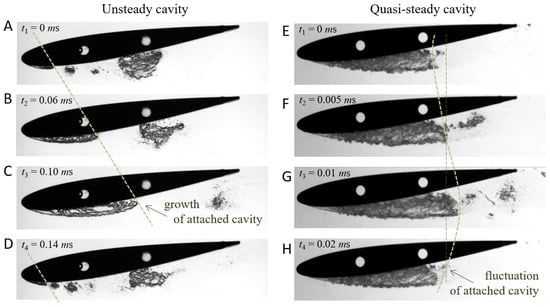
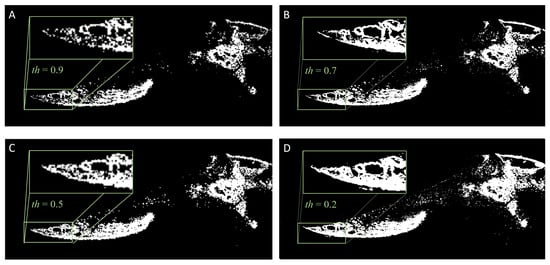
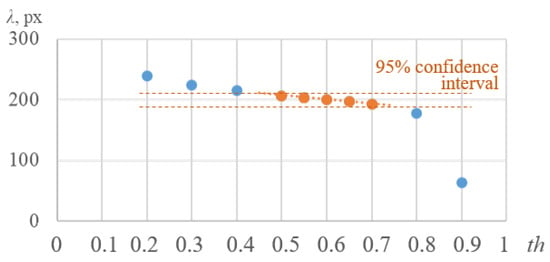
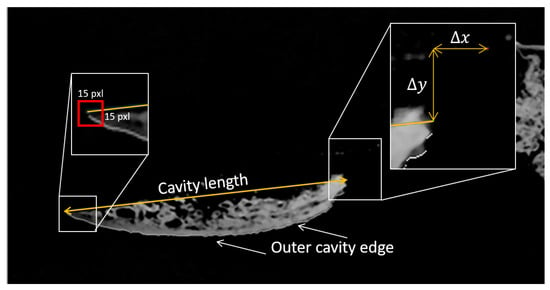
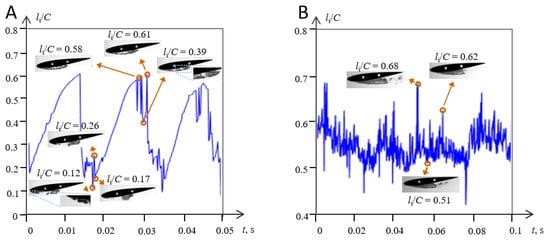
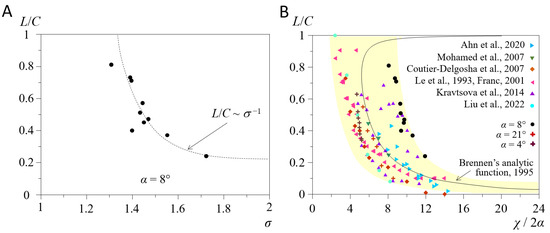
High-speed flow visualization provides imaging data containing quantitative information about cavitating-flow dynamics. Accurate determination of attached-cavity length is essential for characterizing cavitation regimes and validating mathematical models. In this study, an advanced image-processing algorithm for semi-automated analysis of cavitation patterns near hydrofoils is proposed. High-speed visualization data obtained for cavitating flow around a NACA0012 hydrofoil in a slit channel were used as input to the algorithm. The developed approach includes hydrofoil suppression, Otsu-based image binarization with threshold correction, filtering, and automated cavity-boundary detection. The initial search region for the cavity inception point is specified manually, whereas subsequent boundary tracking and cavity-length calculation are performed automatically. A dimensionless threshold correction coefficient was introduced to improve cavity identification, and its optimal range was determined. Additional geometric criteria were proposed to identify the cavity inception and closure locations and to separate attached cavities from detached vapor structures. The analysis showed that the optimal range of the threshold correction coefficient was < < , while a geometric connectivity criterion based on a distance of 7 px between neighboring boundary pixels provided stable detection of the cavity closure location. The developed algorithm enables the determination of both instantaneous and time-averaged attached-cavity lengths, with a total estimated uncertainty not exceeding 3.5%. Comparison with previously published experimental and analytical data demonstrated good agreement and supported the reliability of the proposed approach. The method provides an explainable and training-free computer-vision pipeline that can potentially be adapted to other bluff-body geometries under comparable imaging and contrast conditions. It can also support automated annotation and the generation of reference datasets for the development and validation of future machine-learning methods for cavitation-flow analysis.
Full article
(This article belongs to the Special Issue Sensing and Imaging in Computer Vision)
►▼
Show Figures

Figure 1

Open AccessArticle
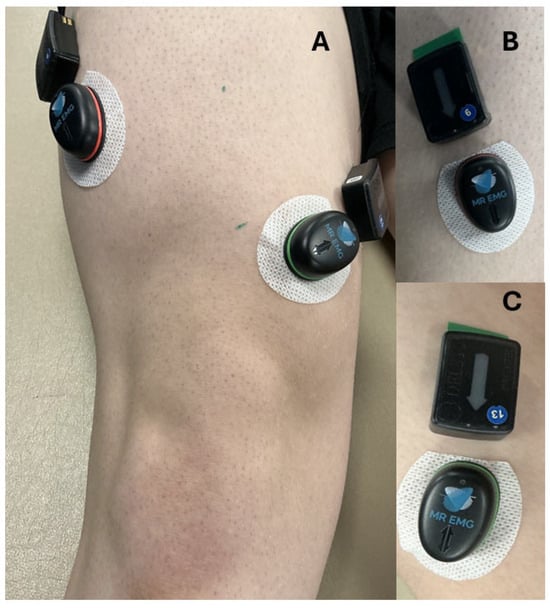
Concurrent Validity and Within-Session Reliability of a Wireless Surface Electromyography Device (MR EMG) Compared to a Criterion Measure During the Leg Extension Exercise
by
Jamie J. Ghigiarelli, Adam M. Gonzalez, Grace A. Valdez, Thomas L. Johannessen, Admar L. Calovini and James M. Hackney
Sensors 2026, 26(16), 5165; https://doi.org/10.3390/s26165165 - 14 Aug 2026
Abstract
Purpose: The aim of this study was to assess within-session reliability and concurrent validity of a wireless surface electromyography device (MR EMG) relative to a wireless criterion system (Delsys Trigno) during dynamic leg extension at varying loading intensities. Methods: Thirty-one resistance-trained adults performed
[...] Read more.
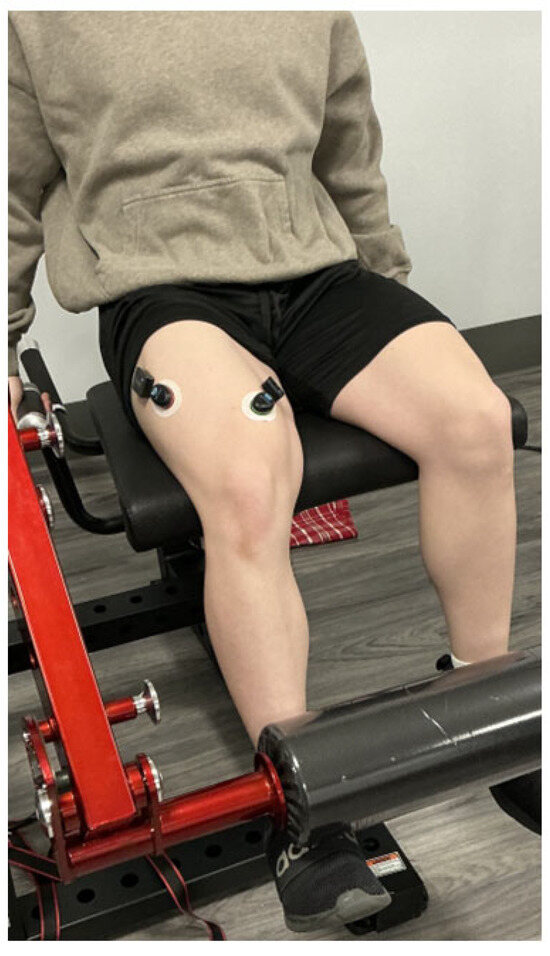
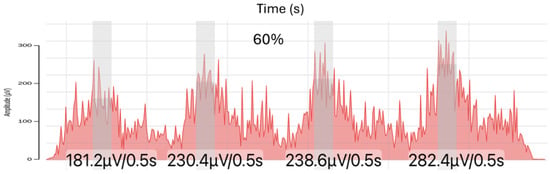
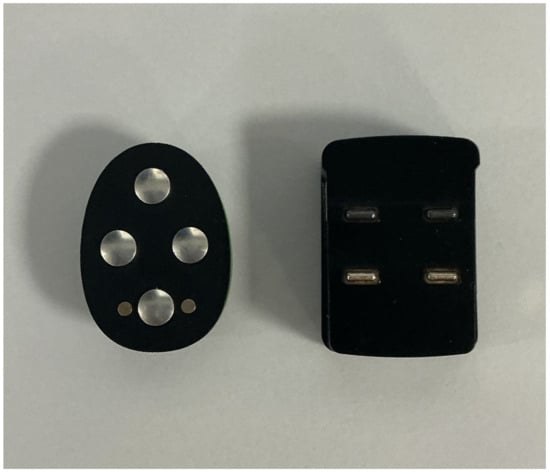
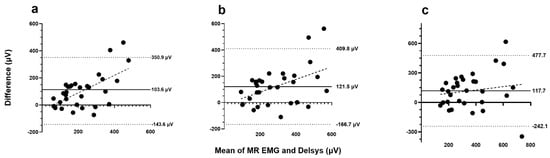
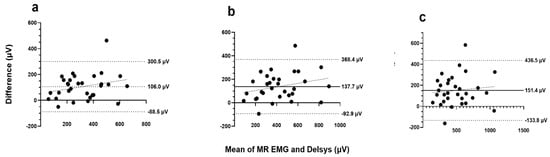
Purpose: The aim of this study was to assess within-session reliability and concurrent validity of a wireless surface electromyography device (MR EMG) relative to a wireless criterion system (Delsys Trigno) during dynamic leg extension at varying loading intensities. Methods: Thirty-one resistance-trained adults performed four repetitions at 30%, 60%, and 90% of their predicted one-repetition maximum (1RM) on the plate-loaded leg extension machine, with EMG amplitude recorded simultaneously by both systems for the vastus lateralis (VL) and vastus medialis obliquus (VMO). Root mean square (RMS) amplitudes were normalized to maximal voluntary isometric contraction and compared across devices using intraclass correlation coefficients (ICC), coefficients of variation (CV%), standard error of measurement, Pearson correlations, and Bland–Altman analyses. Results: Both devices demonstrated excellent within-session reliability (ICC = 0.92–0.97; CV = 7.8–11.3%). Validity differed by muscle. Across all loads, VMO agreement was good (ICC = 0.82–0.85; r = 0.83–0.86), while VL agreement was moderate (ICC = 0.53–0.57; r = 0.54–0.64). Bland–Altman analyses revealed systematic positive bias across all conditions, with proportional bias present for the VL but absent for the VMO. Conclusions: MR EMG demonstrated excellent within-session reliability but muscle-dependent concurrent validity, with good VMO agreement and moderate VL agreement with the criterion system.
Full article
(This article belongs to the Section Biomedical Sensors)
►▼
Show Figures

Figure 1
Open AccessArticle
Fisher-Information-Based Cooperative Sensor Node Pre-Selection for UWB-Aided GNSS-Denied UAV Swarm Localization Under Heterogeneous Ranging Noise
by
Yanming Sun, Xiaoyan Du and Pihong Gong
Sensors 2026, 26(16), 5164; https://doi.org/10.3390/s26165164 - 14 Aug 2026
Abstract
Ultra-wideband (UWB) inter-node ranging provides relative-distance constraints for cooperative localization in GNSS-denied UAV swarms, but dense candidate networks can exceed the available ranging slots, communication bandwidth, computation, and energy. This paper proposes a Fisher-information-based cooperative sensor node pre-selection method under heterogeneous ranging noise.
[...] Read more.
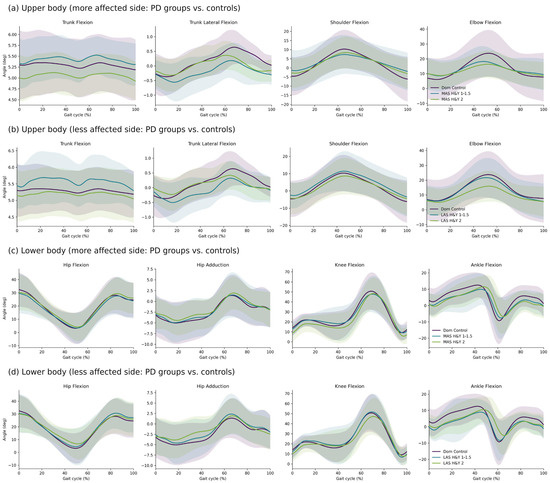
Ultra-wideband (UWB) inter-node ranging provides relative-distance constraints for cooperative localization in GNSS-denied UAV swarms, but dense candidate networks can exceed the available ranging slots, communication bandwidth, computation, and energy. This paper proposes a Fisher-information-based cooperative sensor node pre-selection method under heterogeneous ranging noise. All mobile nodes remain in the localization state, while the selected nodes induce the active ranging-link set. Selected-node, induced-link, ranging-slot, and normalized general-resource budgets are represented separately. Using predicted geometry and estimated link-quality weights, a gauge-free normalized Fisher information matrix combines link geometry, link-quality-dependent weights, and topology-induced coupling. A trace-based generalized GDOP (G-GDOP) criterion is optimized by a two-stage greedy heuristic with recursive matrix updates. The experiments show that G-GDOP is a local observability and information-quality metric rather than a direct predictor of topology-level nonlinear recovery error. Within the same topology, normalized local RMSE increased from 0.698 [0.673, 0.752] in the Low G-GDOP group to 1.014 [0.999, 1.068] and 1.980 [1.806, 2.180] in the Medium and High groups. Increasing the selected-node budget from K=6 to K=20 reduced median RMSE from 0.550 to 0.148 m while increasing the median induced-link number from 109 to 214. Additional tests covered Gaussian and heterogeneous ranging noise, deterministic NLOS bias, online link-weight errors, and predicted-position uncertainty. Direct Inversion and Woodbury Updating were numerically equivalent within a predefined tolerance in all 24 size-regime combinations, and a Woodbury runtime advantage was supported in 20 conditions. The proposed framework therefore provides an interpretable resource-aware pre-selection module without implying an unconditional real-time guarantee.
Full article
(This article belongs to the Section Sensor Networks)
Open AccessArticle
Robust and Efficient Dual-Strategy Switch Migration for Failure Recovery in Software-Defined Satellite Networks
by
Shuang Xu, Zhenyu Yin, Min Huang and Liubin Xing
Sensors 2026, 26(16), 5163; https://doi.org/10.3390/s26165163 - 14 Aug 2026
Abstract
Software-defined satellite networks (SDSNs) enhance resource utilization and flexibility in space-based networks by leveraging a global view and programmability. A highly reliable control plane is essential to sustain network operations. However, the highly dynamic topology and physical failures in Low Earth Orbit (LEO)
[...] Read more.
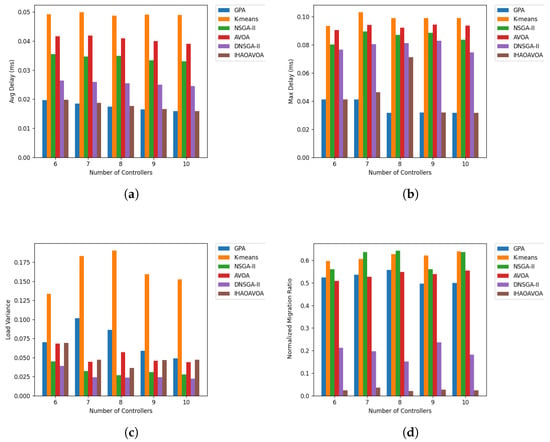
Software-defined satellite networks (SDSNs) enhance resource utilization and flexibility in space-based networks by leveraging a global view and programmability. A highly reliable control plane is essential to sustain network operations. However, the highly dynamic topology and physical failures in Low Earth Orbit (LEO) environments can cause satellite node outages or inter-satellite link disruptions, leading to control plane interruptions and local load imbalances. To address this, we propose a switch migration mechanism for failure recovery and establish a multi-objective migration model that jointly optimizes control link delay, controller load variance, and normalized migration ratio. To accommodate distinct dynamic characteristics such as frequent topology changes, failure-intensive periods, and stable periods, we design two algorithms: a robust migration algorithm, DNSGA-II, which features population diversity maintenance and environmental awareness, and an efficient migration algorithm, IHAOAVOA, which integrates strong global exploration with powerful local exploitation. Simulation results show that IHAOAVOA rapidly converges under large-scale failures, achieving millisecond-level delay recovery and low normalized migration ratio overhead during failure-intensive periods, while DNSGA-II focuses on long-term load balancing and system stability during stable periods, effectively suppressing localized controller overload. By adopting IHAOAVOA during topology fluctuations or high-failure phases to reduce delay, and switching to DNSGA-II during stable phases to optimize load distribution, the overall network robustness can be improved under the evaluated failure scenarios. This work provides effective support for achieving highly reliable control in SDSNs under failure scenarios.
Full article
(This article belongs to the Section Sensor Networks)
►▼
Show Figures

Figure 1
Open AccessArticle
AI-Aquatica-RS: A Modular Python Framework for Reproducible Fusion of Remote-Sensing-Derived Spectral Indices and In Situ Water-Quality Observations
by
Tymoteusz Miller and Irmina Durlik
Sensors 2026, 26(16), 5162; https://doi.org/10.3390/s26165162 - 14 Aug 2026
Abstract
Remote-sensing-derived spectral indices and in situ measurements provide complementary information for aquatic monitoring, but their practical integration is complicated by asynchronous observations, heterogeneous tables, missing acquisitions, and non-reproducible preprocessing. This study presents AI-Aquatica-RS, a modular Python framework for spectral-index calculation, station-aware nearest-neighbor temporal
[...] Read more.
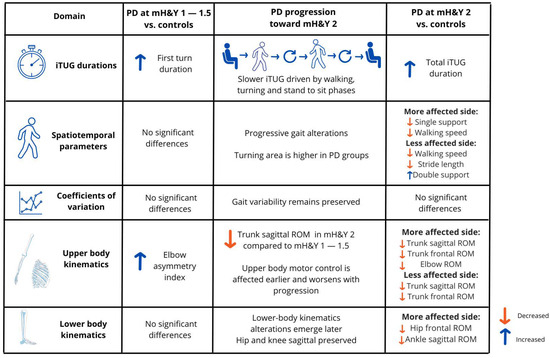
Remote-sensing-derived spectral indices and in situ measurements provide complementary information for aquatic monitoring, but their practical integration is complicated by asynchronous observations, heterogeneous tables, missing acquisitions, and non-reproducible preprocessing. This study presents AI-Aquatica-RS, a modular Python framework for spectral-index calculation, station-aware nearest-neighbor temporal alignment, feature-set construction, regression benchmarking, command-line execution, and structured result export. The software was evaluated using a fully synthetic controlled benchmark; no real satellite scenes or field-monitoring measurements were used. The benchmark comprised 1080 daily in situ-like observations from six stations and 181 unique remote-sensing-like acquisitions generated as water-like surface-reflectance proxies. A ±3-day alignment tolerance produced a shared complete-case cohort of 954 records. To ensure a fair comparison, the in situ-only, spectral-index-only, and fused configurations were evaluated on exactly the same 667 training and 287 validation records. The fused configuration achieved the best performance using ridge regression (RMSE = 3.481 NTU, MAE = 2.768 NTU, R2 = 0.729), compared with RMSE values of 5.086 NTU for the in situ-only configuration, and 5.538 NTU for the spectral-index-only configuration. The benchmark demonstrates reproducible execution and recovery of complementary information under controlled conditions; it does not constitute environmental validation. AI-Aquatica-RS provides an extensible software layer for future studies using real satellite products, monitoring networks, sensor-specific preprocessing, and spatially blocked validation.
Full article
(This article belongs to the Special Issue Cutting-Edge Proximal and Remote Sensing Solutions for Precision Agriculture)
Open AccessArticle
Phantom-Free Geometric Refinement for Industrial CBCT Using Physical Constraints and a Normalized Low-Rank Projection Prior
by
Yanxu Sun, Xingyuan Bian, Igor A. Konyakhin and Junning Cui
Sensors 2026, 26(16), 5161; https://doi.org/10.3390/s26165161 - 14 Aug 2026
Abstract
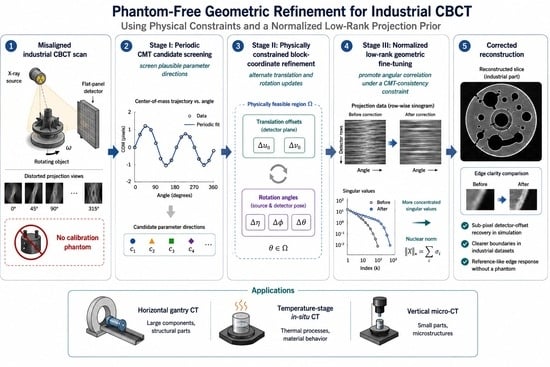
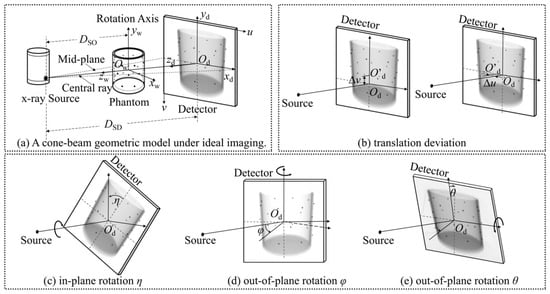
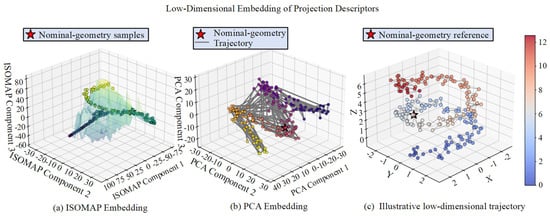
Geometric misalignment degrades industrial cone-beam computed tomography (CBCT), particularly when a dedicated calibration phantom cannot be deployed during object acquisition. This study presents a three-stage, scan-specific geometric refinement framework that searches a bounded five-coordinate correction space around a nominal geometry. Coarse candidates are
[...] Read more.
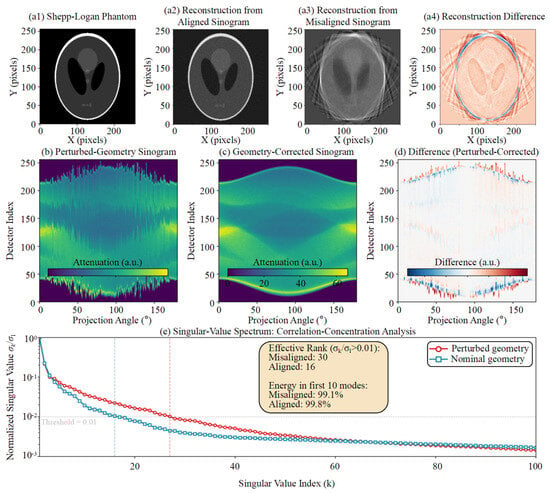
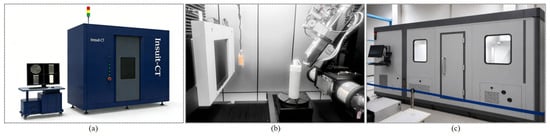
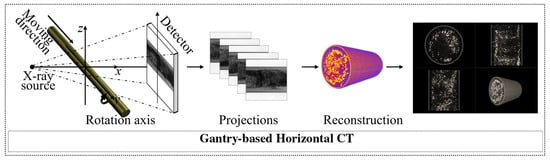
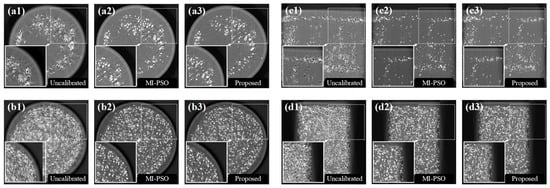
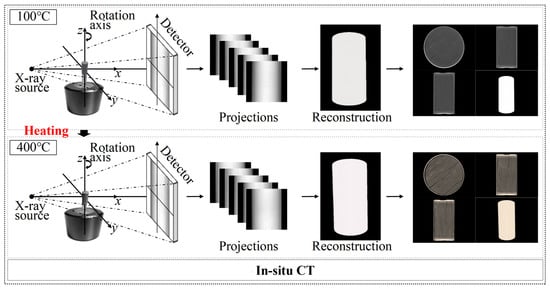
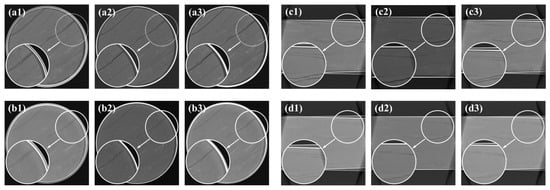
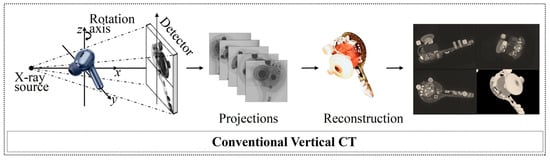
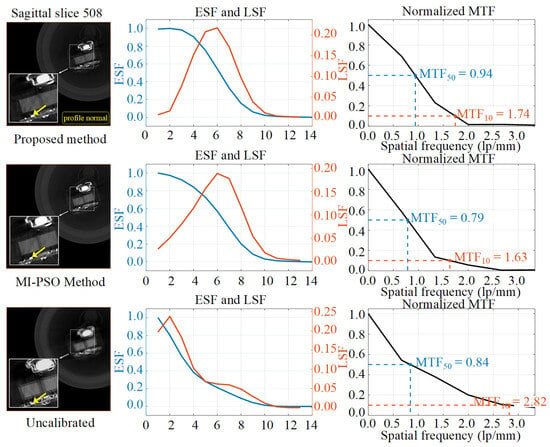
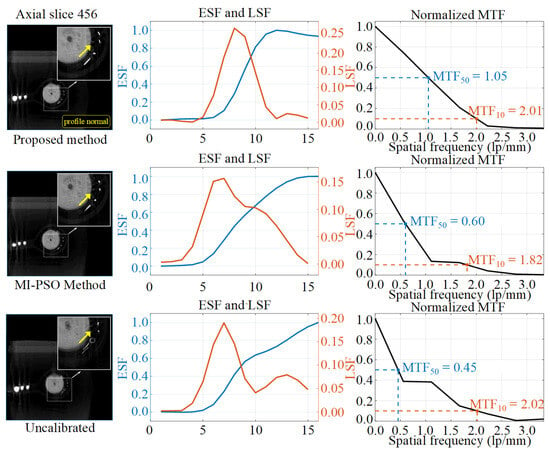
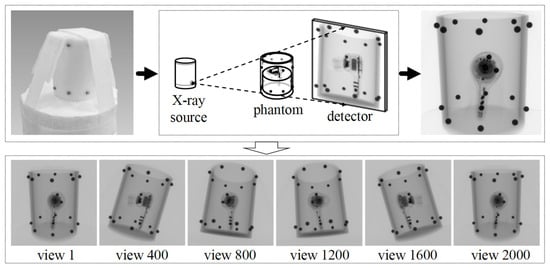
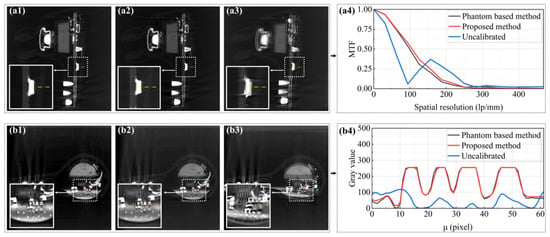
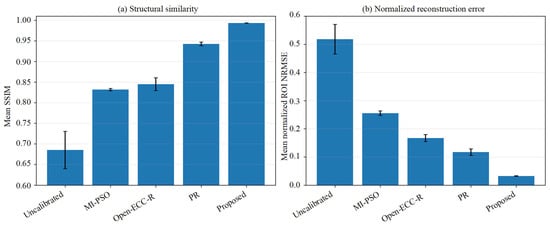
Geometric misalignment degrades industrial cone-beam computed tomography (CBCT), particularly when a dedicated calibration phantom cannot be deployed during object acquisition. This study presents a three-stage, scan-specific geometric refinement framework that searches a bounded five-coordinate correction space around a nominal geometry. Coarse candidates are screened using the normalized residual between a geometry-corrected center-of-mass trajectory and its best-fitting low-order periodic model. Translation- and rotation-dominant coordinates are then refined within system-specific physical bounds, and an energy-normalized nuclear-norm score of corrected row-wise sinograms is used for local correlation refinement. The periodic and low-rank terms are treated as object-dependent surrogate objectives rather than as standalone guarantees of physical parameter identifiability. An exact-ASTRA implementation check using a Shepp–Logan volume verified the detector-plane reindexing convention: applying the injected correction reduced valid-mask projection discrepancy to 35.2%, 13.7%, and 8.66% of the uncorrected values for small, medium, and large perturbations, respectively, with round-trip resampling NRMSE of 0.022–0.023 and a mean valid fraction of 98.4%. Three industrial datasets acquired with horizontal gantry CT, temperature-stage in situ CT, and vertical micro-CT provided comparative reconstruction evidence. In addition, a controlled reduced-resolution industrial object reprojection benchmark was used for direct comparison with MI-PSO, PR, and a stability-regularized implementation of the public epipolar-consistency formulation (Open-ECC-R). Over 20 fixed-ROI axial slices, Open-ECC-R increased the mean SSIM from 0.6852 ± 0.0454 for the uncalibrated reconstruction to 0.8450 ± 0.0155 and reduced the NRMSE from 0.5180 ± 0.0526 to 0.1671 ± 0.0125. The proposed method achieved the highest mean SSIM of 0.9933 ± 0.0002 and the lowest NRMSE of 0.0321 ± 0.0009. For the Bluetooth earphone dataset, local sagittal and axial MTF50 estimates increased from 0.84 to 0.94 lp/mm and from 0.45 to 1.05 lp/mm, respectively. These results support scan-specific image-quality refinement around a nominal geometry while avoiding unsupported claims of absolute parameter recovery.
Full article
(This article belongs to the Section Physical Sensors)
►▼
Show Figures

Graphical abstract
Open AccessArticle
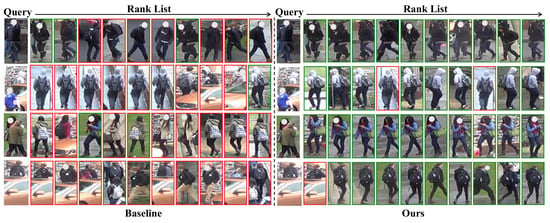
Diversity Feature Learning Network for Occluded Person Re-Identification
by
Lei Qi, Liejun Wang and Shaochen Jiang
Sensors 2026, 26(16), 5160; https://doi.org/10.3390/s26165160 - 14 Aug 2026
Abstract
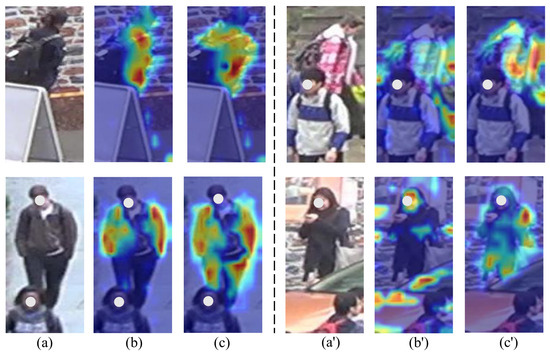
Occluded person re-identification (Re-ID) is a challenging task, as non-target pedestrians or surrounding obstacles often interfere with the visual cues of the target person, making it difficult for models to effectively learn discriminative feature representations. Most existing methods focus on salient body parts
[...] Read more.
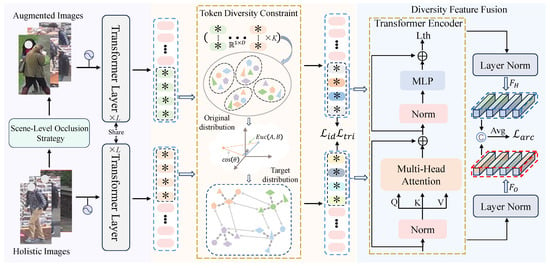
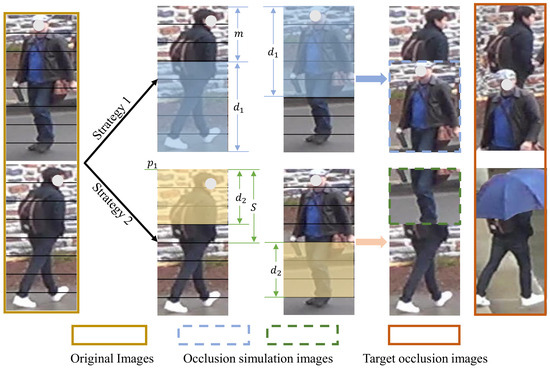
Occluded person re-identification (Re-ID) is a challenging task, as non-target pedestrians or surrounding obstacles often interfere with the visual cues of the target person, making it difficult for models to effectively learn discriminative feature representations. Most existing methods focus on salient body parts via spatial partitioning or external cues; however, they are either limited in capturing diverse semantic information or tend to introduce additional network complexity. To address these issues, we propose a Diversity Feature Learning Network (DFLNet). Specifically, a Scene-Level Occlusion (SLO) strategy is designed to automatically simulate two common occlusion scenarios by modeling the relative spatial relationships between the target person and surrounding occluders in real-world scenes. Subsequently, multiple class tokens are introduced to capture diverse representations of the target identity. A Token Diversity Constraint (TDC) loss is further imposed on these class tokens to encourage the learning of discriminative and diverse feature embeddings. Finally, we design a Diversity Feature Fusion (DFF) module, which facilitates the interaction and integration of dual-branch features by modeling global feature correlations and optimizing inter-feature distribution distances. Extensive experiments on occluded, partial, and holistic Re-ID datasets demonstrate the effectiveness of the proposed DFLNet.
Full article
(This article belongs to the Section Internet of Things)
►▼
Show Figures

Figure 1
Open AccessArticle
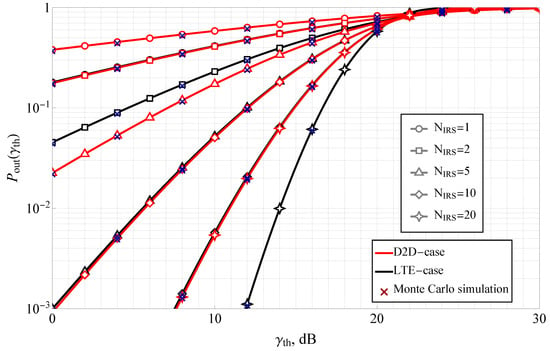
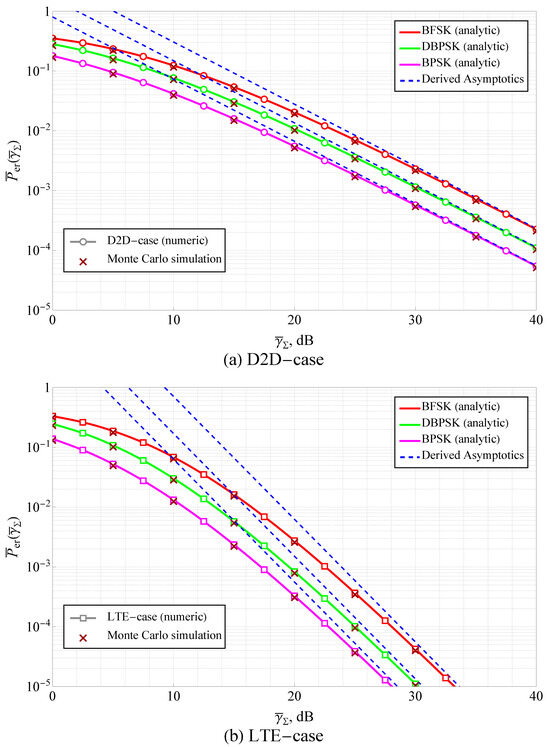
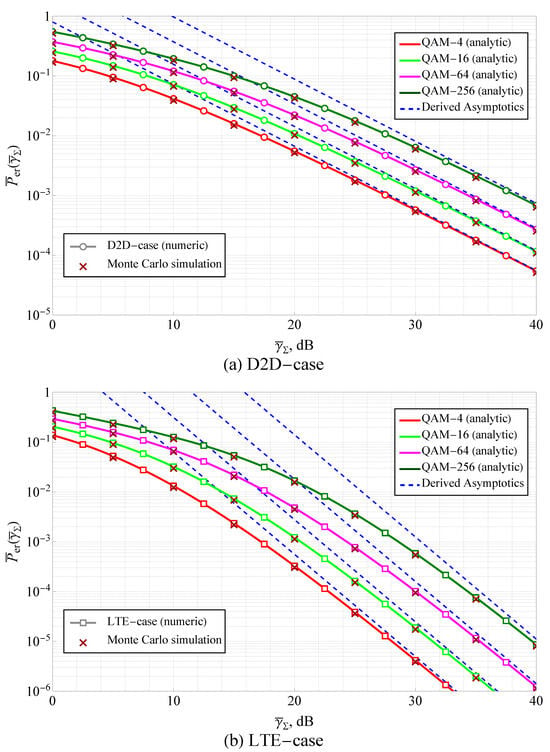
Joint Quality–Reliability Analysis of IRS-Assisted Communications in Presence of Inverse Power Lomax Fading Channel
by
Aleksey S. Gvozdarev and Roman Yu. Manakhov
Sensors 2026, 26(16), 5159; https://doi.org/10.3390/s26165159 - 14 Aug 2026
Abstract
In this work, we study the joint performance of the quality and reliability in terms of quality–reliability (JQR) performance of an intelligent reflecting surface (IRS)-assisted wireless communication system under severe multipath fading and shadowing. The wireless channel model is given by the Inverse
[...] Read more.
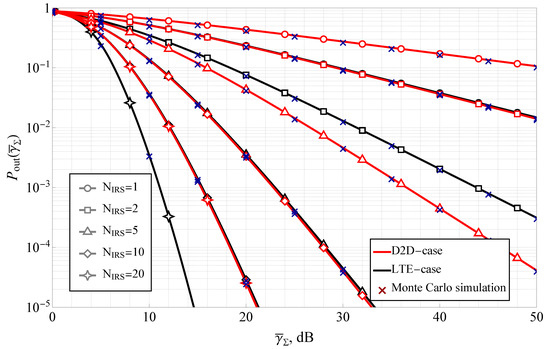
In this work, we study the joint performance of the quality and reliability in terms of quality–reliability (JQR) performance of an intelligent reflecting surface (IRS)-assisted wireless communication system under severe multipath fading and shadowing. The wireless channel model is given by the Inverse Power Lomax (IPL) fading model, representing a heavy-tailed fading channel, which can describe the hyper-Rayleigh fading and is verified using two different experimentally obtained measurement scenarios, namely, the LTE-case for high-frequency, long-range cellular communications and the device-to-device (D2D) case for lower-frequency short-range communications. For the considered channel model and communication scheme, analytical expressions for the outage probability (a metric related to the reliability) and the average bit error rate for both coherent and non-coherent modulation schemes (metrics associated with the quality of the communication system) are provided. By combining the aforementioned expressions, a unified JQR curve, together with its asymptotic forms in the high signal-to-noise ratio regime and asymptotically large number of IRS elements, is derived. It is proved analytically that the use of IRS with infinite elements can remove fading, while for a finite number of IRS elements, a closed-form signal-to-noise ratio (SNR) penalty factor is presented. The numerical analysis demonstrates that coherent modulations outperform non-coherent ones, higher-order quadrature amplitude modulation (QAM) systems are highly sensitive to the multipath fading, and the LTE-case exhibits better performance compared to the D2D-case for equal settings. Moreover, the joint quality–reliability approach highlights the existence of regions where quality is more preferable than reliability, allowing the allocation of resources based on these regions. All expressions have been verified using Monte Carlo simulations with excellent agreement.
Full article
(This article belongs to the Special Issue The Key Technologies for Wireless Communication, Computing and Sensing)
►▼
Show Figures

Figure 1
Open AccessArticle
Multi-Modal GAN-Based Anomaly Detection for Signal Reliability Assessment in Fabric-Integrated Smart Textiles
by
Jianbin Wu, Ru Fan and Xiangfang Ren
Sensors 2026, 26(16), 5158; https://doi.org/10.3390/s26165158 - 14 Aug 2026
Abstract
Smart textiles require reliable physiological sensing despite signal degradation caused by fabric deformation, material fatigue, and unstable textile–skin interfaces. This study presents a multi-modal GAN-based anomaly detection framework for signal reliability assessment using acceleration (ACC), electrodermal activity (EDA), and heart rate (HR). Controlled
[...] Read more.
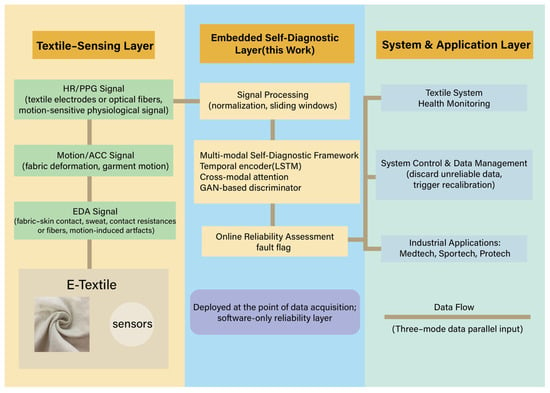
Smart textiles require reliable physiological sensing despite signal degradation caused by fabric deformation, material fatigue, and unstable textile–skin interfaces. This study presents a multi-modal GAN-based anomaly detection framework for signal reliability assessment using acceleration (ACC), electrodermal activity (EDA), and heart rate (HR). Controlled injection of baseline drift, amplitude scaling, and signal dropout generates normal/anomalous labels for supervised training. Temporal encoding and cross-modal attention distinguish textile-mimicking anomalies from physiologically plausible variations. On the 36-subject PhysioNet dataset, the framework achieves an F1-score of 0.9197 and exceeds the evaluated single-modal models by more than 35%. Using PhysioNet-trained weights without fine-tuning, zero-shot evaluation on the textile-integrated WWBS Metrics dataset achieves an F1-score of 0.8723 with ACC and derived HR. These results demonstrate cross-dataset transfer under the controlled synthetic-fault protocol; validation using physically induced textile faults remains necessary.
Full article
(This article belongs to the Section Intelligent Sensors)
►▼
Show Figures

Figure 1
Journal Menu
► ▼ Journal Menu-
- Sensors Home
- Aims & Scope
- Editorial Board
- Reviewer Board
- Topical Advisory Panel
- Early Career Editorial Board
- Instructions for Authors
- Special Issues
- Topics
- Sections & Collections
- Article Processing Charge
- Indexing & Archiving
- Editor’s Choice Articles
- Most Cited & Viewed
- Journal Statistics
- Journal History
- Journal Awards
- Society Collaborations
- Conferences
- Editorial Office
Journal Browser
► ▼ Journal Browser-
arrow_forward_ios
Forthcoming issue
arrow_forward_ios Current issue - Vol. 26 (2026)
- Vol. 25 (2025)
- Vol. 24 (2024)
- Vol. 23 (2023)
- Vol. 22 (2022)
- Vol. 21 (2021)
- Vol. 20 (2020)
- Vol. 19 (2019)
- Vol. 18 (2018)
- Vol. 17 (2017)
- Vol. 16 (2016)
- Vol. 15 (2015)
- Vol. 14 (2014)
- Vol. 13 (2013)
- Vol. 12 (2012)
- Vol. 11 (2011)
- Vol. 10 (2010)
- Vol. 9 (2009)
- Vol. 8 (2008)
- Vol. 7 (2007)
- Vol. 6 (2006)
- Vol. 5 (2005)
- Vol. 4 (2004)
- Vol. 3 (2003)
- Vol. 2 (2002)
- Vol. 1 (2001)
Highly Accessed Articles
Latest Books
E-Mail Alert
News
Topics
Topic in
Applied Sciences, Automation, Computers, Electronics, Sensors, JCP, Mathematics
Intelligent Optimization, Decision-Making and Privacy Preservation in Cyber–Physical Systems
Topic Editors: Lijuan Zha, Jinliang Liu, Jian LiuDeadline: 31 August 2026
Topic in
Applied Sciences, Energies, Sensors
Advances in Oil and Gas Wellbore Integrity, 2nd Edition
Topic Editors: Kai Wang, Jie Wu, Min QinDeadline: 30 September 2026
Topic in
Electronics, Information, Mathematics, Sensors
Extended Reality: Models and Applications
Topic Editors: Moldoveanu Alin, Anca Morar, Robert Gabriel LupuDeadline: 31 October 2026
Topic in
Aerospace, Applied Sciences, Drones, Electronics, Eng, Remote Sensing, Sensors
Unmanned Vehicles Technology and Embodied Intelligence Systems for Intelligent Transportation
Topic Editors: Jian Chen, Min Xia, Hui XieDeadline: 20 November 2026
Conferences
Special Issues
Special Issue in
Sensors
Wearable Sensors for Human Posture and Motion Recognition
Guest Editor: Zixiang GaoDeadline: 15 August 2026
Special Issue in
Sensors
Cyber Security and Privacy in Internet of Things (IoT)
Guest Editor: Xu-An WangDeadline: 15 August 2026
Special Issue in
Sensors
Acoustic Sensing for Condition Monitoring
Guest Editors: Pan Dou, Tonghai Wu, Longbiao HeDeadline: 15 August 2026
Special Issue in
Sensors
High-Frequency Spectroscopy and Imaging: Techniques and Applications
Guest Editors: Romolo Marcelli, Emanuela ProiettiDeadline: 15 August 2026
Topical Collections
Topical Collection in
Sensors
Cyber Situational Awareness in Computer Networks
Collection Editors: Alexios Mylonas, Nikolaos Pitropakis
Topical Collection in
Sensors
EEG-Based Brain–Computer Interface for a Real-Life Appliance
Collection Editors: Hyungmin Kim, Song Joo Lee
Topical Collection in
Sensors
Computational Imaging and Sensing
Collection Editors: Ming-Jie Sun, Jinyang Liang
Topical Collection in
Sensors
Sensors and Sensing Technology for Industry 4.0
Collection Editors: Mariusz Kostrzewski, Jorn Mehnen