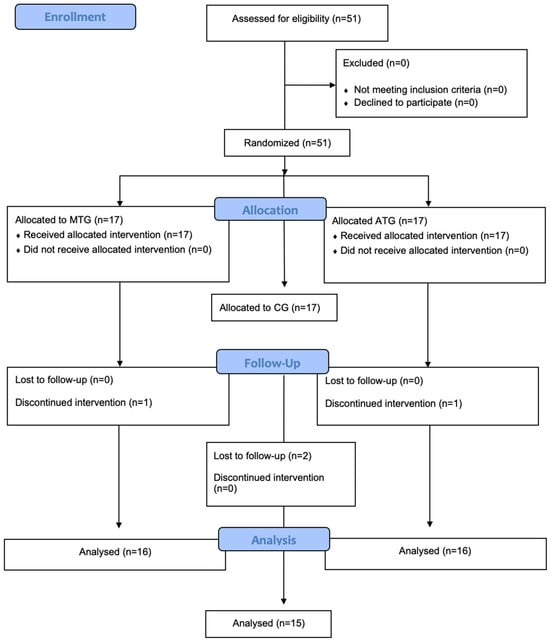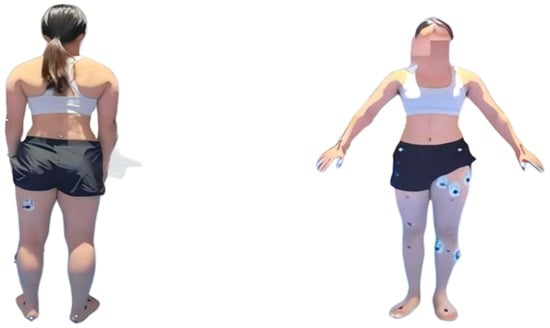


-
Advancing Women’s Performance in Fitness and Sports: An Exploratory Field Study on Hormonal Monitoring and Menstrual Cycle-Tailored Training Strategies -
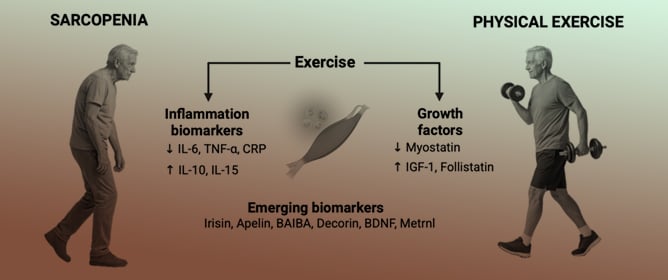
Exercise-Induced Biomarker Modulation in Sarcopenia: From Inflamm-Aging to Muscle Regeneration -
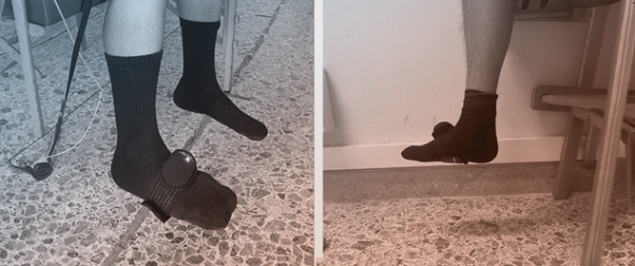
Sufficient Standardization? Evaluating the Reliability of an Inertial Sensor (BeyondTM) for Ankle Dorsiflexion After a Brief Familiarization Period -
Sex Differences in the Metabolic Cost of a Military Load Carriage Task: A Field Based Study
Journal Description
Sports
Sports
is an international, peer-reviewed, open access journal published monthly online by MDPI. The Strength and Conditioning Society (SCS), European Sport Nutrition Society (ESNS) and European Network of Sport Education (ENSE) are affiliated with Sports and their members receive discounts on the article processing charges.
- Open Access— free for readers, with article processing charges (APC) paid by authors or their institutions.
- High Visibility: indexed within Scopus, ESCI (Web of Science), PubMed, PMC, and other databases.
- Journal Rank: JCR - Q1 (Sport Sciences) / CiteScore - Q2 (Physical Therapy, Sports Therapy and Rehabilitation)
- Rapid Publication: manuscripts are peer-reviewed and a first decision is provided to authors approximately 19.9 days after submission; acceptance to publication is undertaken in 5.5 days (median values for papers published in this journal in the second half of 2025).
- Recognition of Reviewers: reviewers who provide timely, thorough peer-review reports receive vouchers entitling them to a discount on the APC of their next publication in any MDPI journal, in appreciation of the work done.
Impact Factor:
2.9 (2024);
5-Year Impact Factor:
3.3 (2024)
Latest Articles
Neuromuscular and Balance Performance Across the Fundamental Preparation Period in Elite Athletes with Lower Limb Deficiencies: A Retrospective Case Series
Sports 2026, 14(4), 144; https://doi.org/10.3390/sports14040144 - 7 Apr 2026
Abstract
►
Show Figures
Optimizing neuromuscular strength and balance is essential for performance and injury prevention in elite Paralympic sport. However, limited evidence describes how these parameters change over time during specific phases of the training season in athletes with lower limb deficiencies. This retrospective case series
[...] Read more.
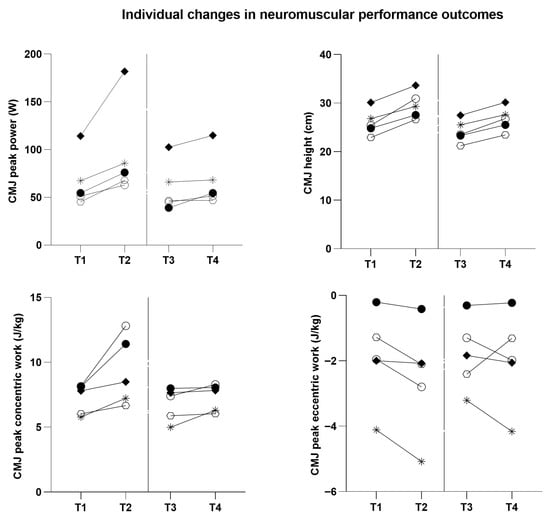
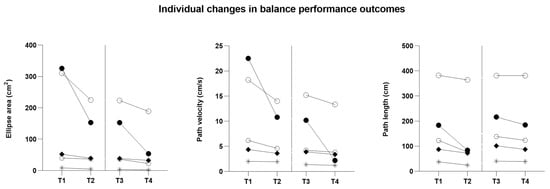
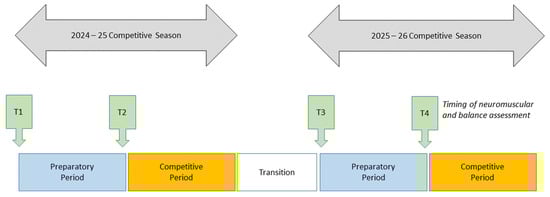
Optimizing neuromuscular strength and balance is essential for performance and injury prevention in elite Paralympic sport. However, limited evidence describes how these parameters change over time during specific phases of the training season in athletes with lower limb deficiencies. This retrospective case series aimed to describe longitudinal changes in neuromuscular and balance performance during the fundamental preparation period in elite athletes using prosthetic devices. Routinely collected performance data from five international-level Paralympic athletes (Para-swimming and Para-athletics) were retrospectively analyzed across two preparatory observation windows conducted in consecutive competitive seasons. Neuromuscular performance was assessed using countermovement jump variables, while static balance was evaluated through Inertial Measurement Unit-derived sway metrics. Within-athlete changes were examined using descriptive and exploratory analyses. At the group level, changes were observed in selected neuromuscular and balance outcomes over time, including jump height and path length. Individual analyses revealed substantial inter-athlete variability in the magnitude and direction of changes across all outcomes. Overall, the findings indicate that neuromuscular and postural performance may fluctuate meaningfully during preparatory phases in elite athletes with lower limb deficiencies. This study provides exploratory insights derived from real-world training settings and highlights the value of longitudinal monitoring to support individualized performance management in Paralympic sport.
Full article
Open AccessArticle
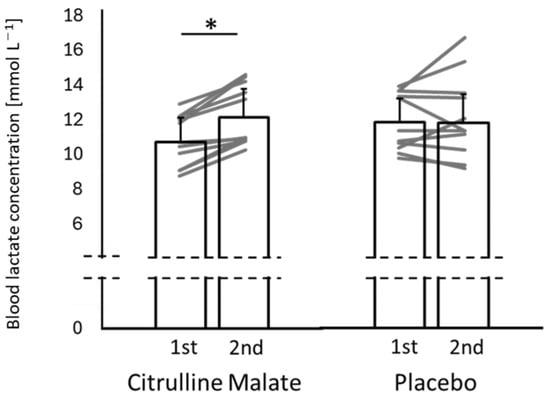
Effects of Acute Citrulline Malate Supplementation on Repeated 100 M Sprint Performance in Trained Sprinters: A Randomized Crossover Study
by
Ryo Yamanaka, Kenichi Abe, Ryo Kojima, Tsubasa Nagai and Yoichi Maekawa
Sports 2026, 14(4), 143; https://doi.org/10.3390/sports14040143 - 7 Apr 2026
Abstract
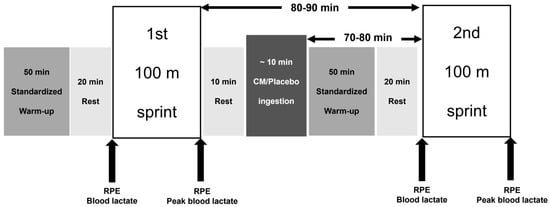
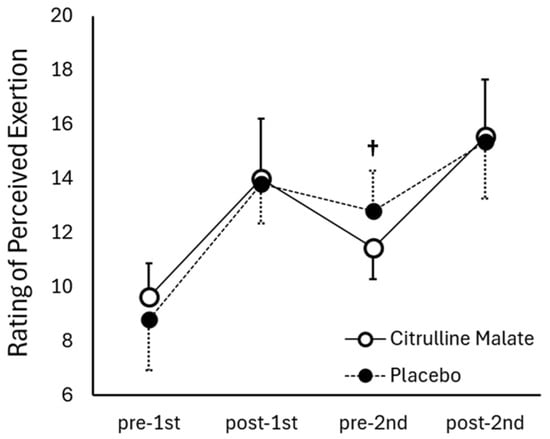
Strategies that support repeated high-intensity sprint performance are of considerable interest in competitive sprinting and team sports; however, evidence regarding acute citrulline malate (CM) supplementation during recovery intervals remains limited. This study examined the effects of acute CM supplementation on repeated 100 m
[...] Read more.
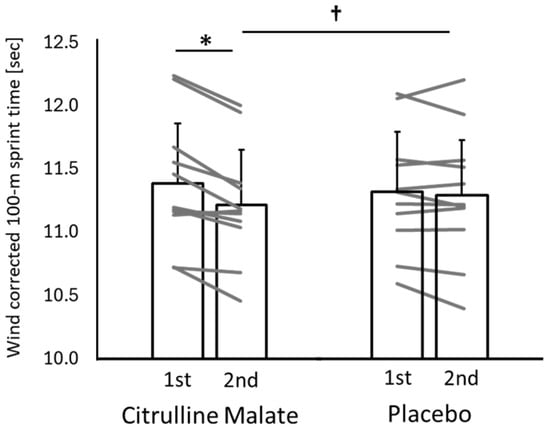
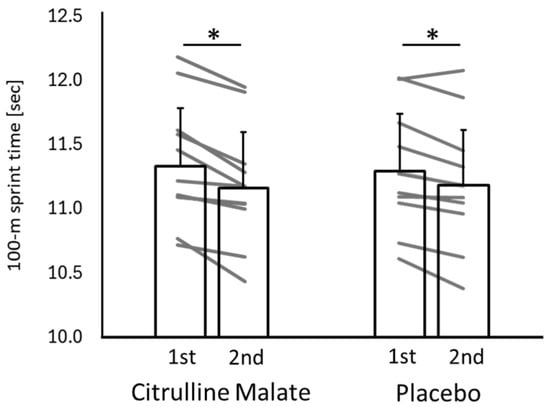
Strategies that support repeated high-intensity sprint performance are of considerable interest in competitive sprinting and team sports; however, evidence regarding acute citrulline malate (CM) supplementation during recovery intervals remains limited. This study examined the effects of acute CM supplementation on repeated 100 m sprint performance and rating of perceived exertion (RPE) in trained sprinters. Eleven trained male collegiate sprinters (100 m personal best: 11.22 ± 0.47 s; range: 10.35–12.16 s) completed randomized, double-blind, crossover trials (CM vs. placebo) on separate days. Each trial consisted of two maximal 100 m sprints separated by an 80–90 min recovery interval, during which 8 g of CM or placebo was ingested. Sprint performance was primarily evaluated using wind-adjusted 100 m sprint time based on Mureika’s model. A significant condition × trial interaction was observed for wind-adjusted sprint time (p = 0.010), with a greater improvement in the CM condition (p = 0.008). RPE (Borg 6–20 scale) before the second sprint was lower (p = 0.004) following CM supplementation. These findings suggest that acute CM supplementation may modestly support repeated sprint performance under extended recovery conditions; however, the results should be interpreted with caution.
Full article
(This article belongs to the Topic Exercise and Nutrition for Physical Performance, Mental Health and General Well-Being)
►▼
Show Figures

Figure 1
Open AccessArticle
The Acute Effect of Increasing Resistance Training Workload Volume on Muscle Damage Markers and Performance in Heavy Resistance-Trained Youth Athletes
by
Liam Bartlett, Anthony Scott Leicht, Wade Heath Sinclair, Jonathan Douglas Connor and Kenji Doma
Sports 2026, 14(4), 142; https://doi.org/10.3390/sports14040142 - 3 Apr 2026
Abstract
►▼
Show Figures
Despite the widespread use of periodized resistance training by athletes, the acute physiological and performance responses when athletes transition between mesocycles with differing workload volumes remain poorly understood. This study examined the acute effect of increasing resistance training workload volume on muscle damage
[...] Read more.
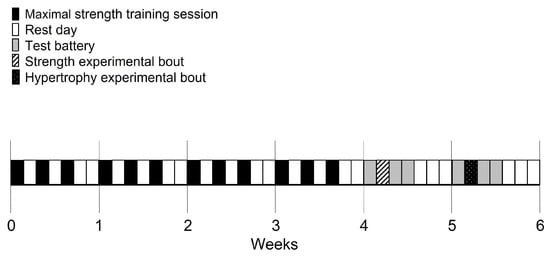
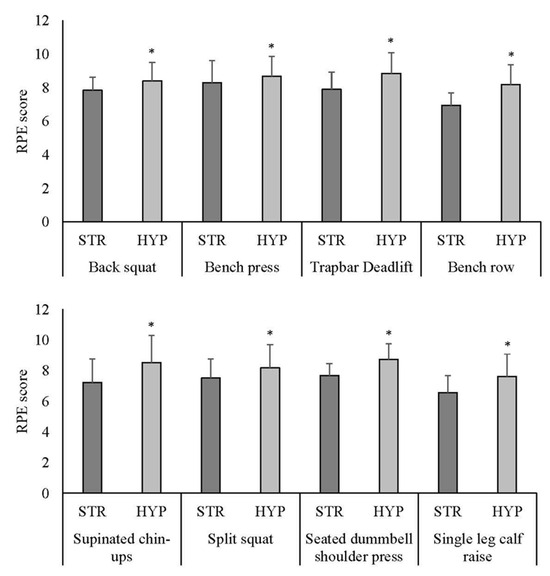
Despite the widespread use of periodized resistance training by athletes, the acute physiological and performance responses when athletes transition between mesocycles with differing workload volumes remain poorly understood. This study examined the acute effect of increasing resistance training workload volume on muscle damage markers and field-specific performance in heavy resistance-trained youth athletes. Eighteen male, rugby league players (age 17.4 ± 0.8 years; body mass 80.2 ± 13.7 kg; height 1.8 ± 0.1 m) completed a four-week mesocycle to develop maximal strength (70–100% of one repetition maximum [1RM]). Muscle damage (i.e., delayed onset muscle soreness [DOMS] and creatine kinase [CK]) and performance measures (i.e., drop jump, plyometric push-up, 40 m sprint and repeated agility) were assessed prior to and at 24 h (T24) and 48 h (T48) following the last session of the strength mesocycle (Week 5). A hypertrophy session (35–70% of 1RM) was then included in Week 6 with data collected prior to and at T24 and T48. Compared with the strength (Week 5) modality, the hypertrophy (Week 6) modality resulted in greater DOMS (41.6 ± 22.7%; effect size [ES] = 0.97–1.12) and modestly higher CK (26.7 ± 47.8%; ES = 0.6). Larger declines in field-specific performance measures were also shown during the HYP modality than STR modality for 20 m sprint performance (−2.1 ± 4.3%; ES = 0.7) and agility performance (−1.1 ± 4.2%; ES = 0.6). There were more modest reductions in drop jump performance (−4.1 ± 7.2%; ES = 0.7) during the HYP modality than in the STR modality, although caution should be given as two separate force plate systems were combined due to technical difficulties. Increasing workload volume was associated with greater muscle damage and modest differences in selected field-specific performance measures following several weeks of maximal strength training. These findings provide preliminary insight into the acute responses to increases in resistance training workload volume. Coaches should monitor athletes’ acute responses during fluctuations in workload volume and consider strategies to help maintain training quality in youth athletes.
Full article

Figure 1
Open AccessArticle
Acute Performance and Velocity-Based Fatigue Responses to Alternated and Grouped Exercise Orders in Full-Body Circuit Resistance Training
by
Francisco Hermosilla-Perona, Adrián Martín-Castellanos, Marcos R. Pereira-Monteiro, Javier Iglesias García, Manuel Barba-Ruíz and Juan R. Heredia-Elvar
Sports 2026, 14(4), 141; https://doi.org/10.3390/sports14040141 - 3 Apr 2026
Abstract
Introduction: Circuit resistance training is widely used to enhance physical performance. However, the acute-performance- and fatigue-related effects of exercise order and volume in circuit training, particularly between upper and lower limbs, remain unclear. Objectives: This study examined acute velocity-based responses to different exercise
[...] Read more.
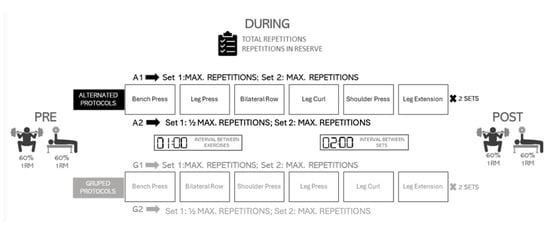
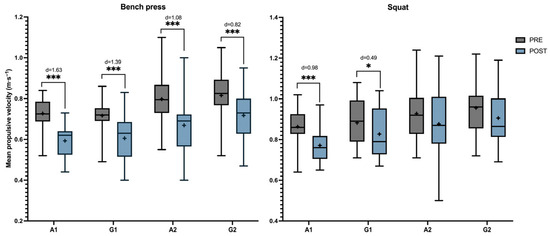
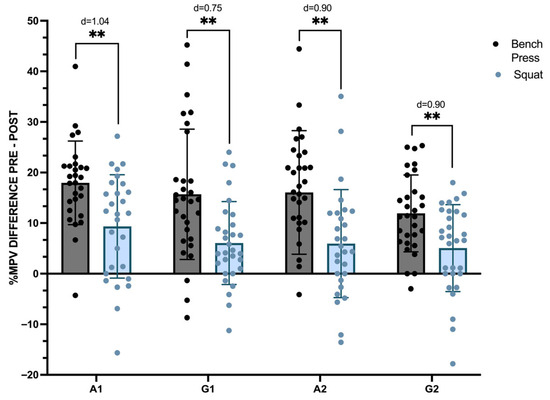
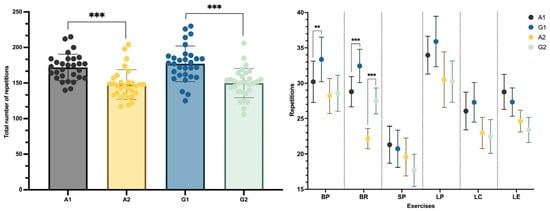
Introduction: Circuit resistance training is widely used to enhance physical performance. However, the acute-performance- and fatigue-related effects of exercise order and volume in circuit training, particularly between upper and lower limbs, remain unclear. Objectives: This study examined acute velocity-based responses to different exercise orders and volumes during full-body circuit resistance training. Methods: Thirty resistance-trained adults completed four circuit protocols: alternating exercises with maximal repetitions per exercise (A1), grouped exercises with maximal repetitions per exercise (G1), alternating exercises with 50% of maximal repetitions in the first round (A2), and grouped exercises with 50% of maximal repetitions in the first round (G2). Mean propulsive velocity (MPV) in the bench press and squat at 60% 1RM was assessed before and after each circuit. Results: A significant main effect of Time was observed for both bench press and squat MPV (p < 0.001), with no Intervention × Time interactions. Alternating configurations showed larger effect sizes, indicating greater velocity loss. Under equal volume, upper limbs exhibited greater performance decline than lower limbs. Conclusions: Although exercise order did not result in statistically significant differences, alternating configurations induced a greater magnitude of fatigue-related performance decline than grouped configurations, particularly in upper-body exercises.
Full article
(This article belongs to the Special Issue Acute and Chronic Effects of Strength Training on Neuromuscular Responses, Adaptations, and Sport Performance)
►▼
Show Figures

Figure 1
Open AccessArticle
The Role of Anthropometry in Decision-Making for Injury Prevention Among Elite Flag Football Players
by
Luis Gerardo Vázquez-Villarreal, Luis Felipe Talavera-Hernández, Martha Patricia Dergal-Irigoyen, Claudia Maceroni, Eleanor Louise Travis-Carr, José Miguel Martínez-Sanz and Nidia Rodriguez-Sanchez
Sports 2026, 14(4), 140; https://doi.org/10.3390/sports14040140 - 1 Apr 2026
Abstract
Although Flag Football (FF) is growing worldwide, the literature to guide sports sciences in preventing injuries is scarce. The aim of this study was to analyse how anthropometric characteristics were associated with injury in elite FF players. Athletes completed a full profile according
[...] Read more.
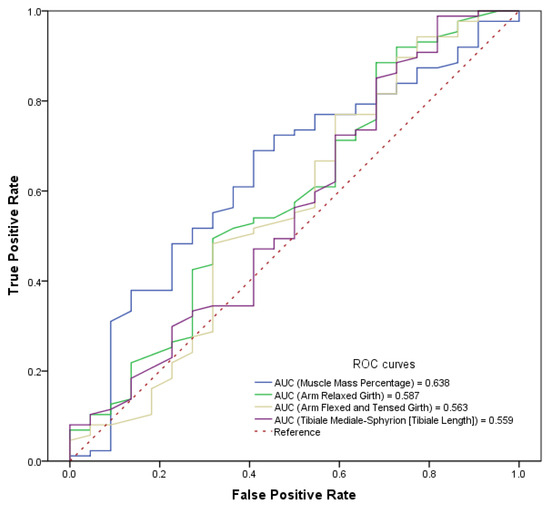
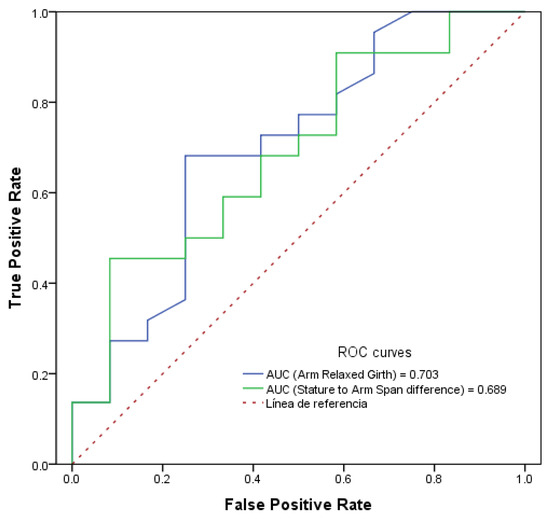
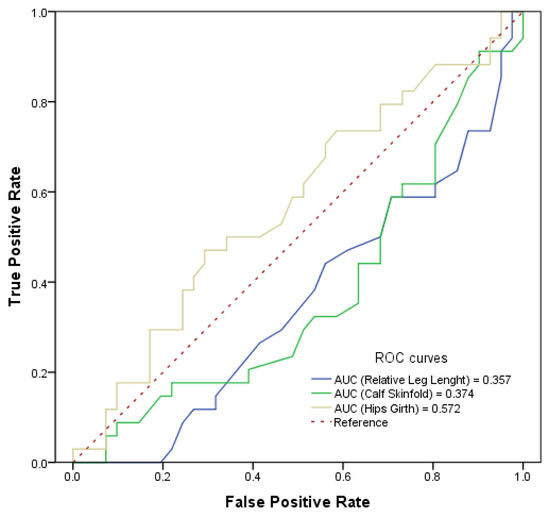
Although Flag Football (FF) is growing worldwide, the literature to guide sports sciences in preventing injuries is scarce. The aim of this study was to analyse how anthropometric characteristics were associated with injury in elite FF players. Athletes completed a full profile according to the International Society of Advances in Kinanthropometry (ISAK), including weight, height, sitting height, arm span length, skinfolds, girths, length and breadth bones, and an injury questionnaire was administered. Logistic regression models and Receiver Operating Characteristic (ROC) curves were conducted. In total, 108 FF national team players, 34 female (26.7 ± 4.3 years old) and 74 male (26.9 ± 5.1 years old), participated. Of these, 62% FF players reported injuries. Relaxed arm and flexed and contracted arm girths are related to increased or reduced injury risks (Odds = 2.932, p = 0.008; Odds = 0.335, p = 0.009, respectively), while longer tibia length and higher muscle mass also increase the risk (Odds = 1.407, p = 0.034; Odds = 1.223, p = 0.010, respectively). Specific cut-off points were defined by sex, such as hip circumference, established at 103 cm in the Anterior Cruciate Ligament (ACL) model for males, increasing the risk by 5 times. Anthropometric characteristics were related to injury incidence and could be used by sports science practitioners as an efficient decision-making tool to describe and analyse the static and dynamic components of FF players in injury prevention.
Full article
(This article belongs to the Special Issue Biomechanical Research to Optimize Performance and Reduce Injury Risk in Team Sports)
►▼
Show Figures

Figure 1
Open AccessSystematic Review
Exercise Interventions and Attentional Performance in Children and Adolescents: Evidence from Randomized Controlled Trials
by
María del Carmen Carcelén-Fraile, María Luisa Montánchez-Torres and Daniela Cecic-Mladinic
Sports 2026, 14(4), 139; https://doi.org/10.3390/sports14040139 - 1 Apr 2026
Abstract
Background: Physical exercise has been increasingly recognized as a potential strategy to enhance cognitive development during childhood and adolescence. Among cognitive functions, attention plays a critical role in academic performance, behavioral regulation, and information processing. However, evidence regarding the specific effects of physical
[...] Read more.
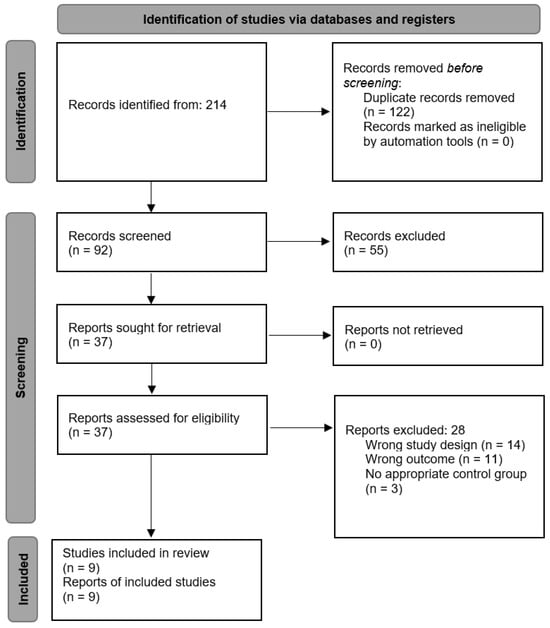
Background: Physical exercise has been increasingly recognized as a potential strategy to enhance cognitive development during childhood and adolescence. Among cognitive functions, attention plays a critical role in academic performance, behavioral regulation, and information processing. However, evidence regarding the specific effects of physical exercise on attentional performance in youth remains heterogeneous. Objective: This systematic review aimed to examine the effects of physical exercise interventions on attentional performance in children and adolescents. Methods: A systematic literature search was conducted in PubMed, Web of Science, Scopus, and CINAHL databases. Randomized controlled trials evaluating the effects of physical exercise interventions on attentional outcomes in participants aged 8 to 17 years were included. Study selection followed PRISMA guidelines. Nine studies met the inclusion criteria and were analyzed qualitatively. Results: The included studies consistently reported improvements in attentional performance following physical exercise interventions. Positive effects were observed across several attentional domains, including concentration, selective attention, sustained attention, processing speed, and response accuracy. Both acute and chronic exercise programs demonstrated cognitive benefits, although longer interventions appeared to produce more stable improvements. Coordinative and cognitively demanding exercise modalities tended to generate greater attentional gains compared with traditional physical activity programs. Conclusions: Physical exercise appears to be an effective non-pharmacological intervention for enhancing attentional performance in children and adolescents. Structured and cognitively engaging exercise programs may provide additional benefits for attentional development. Further research is needed to determine optimal exercise characteristics and to clarify the neurophysiological mechanisms underlying exercise-related attentional improvements.
Full article
(This article belongs to the Special Issue Exercise Interventions for Improving Physical and Mental Health Across the Human Lifespan)
►▼
Show Figures

Figure 1
Open AccessArticle
The Influence of Individualization in External Load Control on Anaerobic Performance in a Women’s Soccer Team
by
Alexandre Galvão da Silva, Caroline Cavalcanti de Freitas, Alef Serrat Pinheiro, Débora Dias Ferraretto Moura Rocco, Caroline Simões Teixeira, Luis Alberto Rosan and Rodrigo Kallás Zogaib
Sports 2026, 14(4), 138; https://doi.org/10.3390/sports14040138 - 1 Apr 2026
Abstract
Soccer is an intermittent sport that requires complex and well-adjusted physiological responses from athletes. The training load allows athletes to optimize physical adaptations and reduces the risk of musculoskeletal injuries. In women’s soccer, the implementation of load control and individualization strategies has shown
[...] Read more.
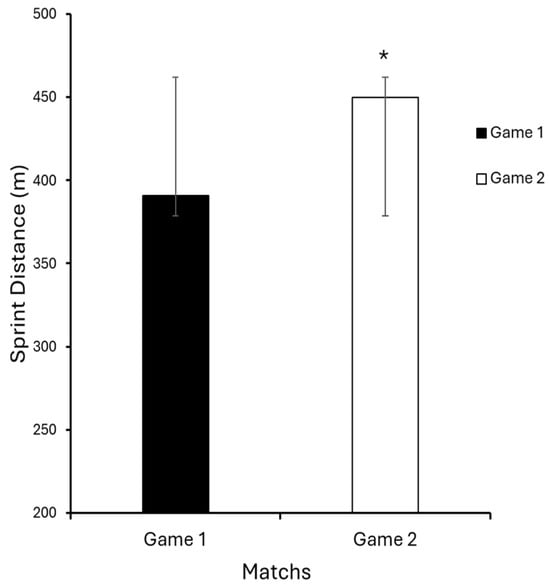
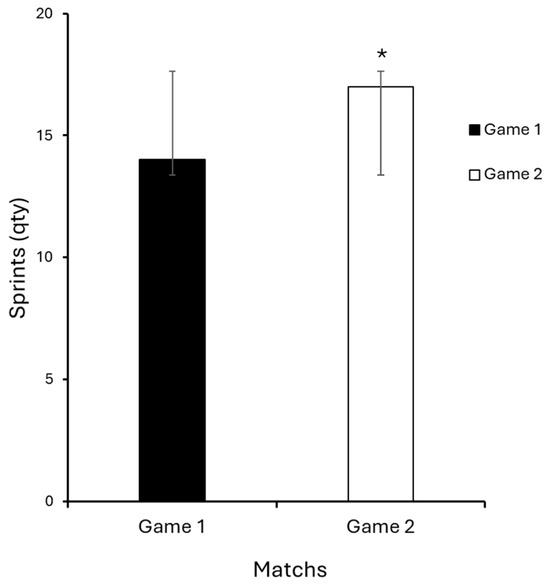
Soccer is an intermittent sport that requires complex and well-adjusted physiological responses from athletes. The training load allows athletes to optimize physical adaptations and reduces the risk of musculoskeletal injuries. In women’s soccer, the implementation of load control and individualization strategies has shown promise for enhancing anaerobic performance and injury prevention. This study aimed to compare the performance levels of professional women’s soccer players before and after the implementation of relative external load (RELC) for training prescription. Twenty-seven female professional soccer athletes (mean age 29.4 ± 6.2 years) were evaluated. Metrics such as total distance, sprint distance, number of sprints, accelerations, and decelerations were collected using the GPS-based device Catapult One (Catapult). Athletes were assessed in two games, with 6 months’ difference between matches: Game 1, without RELC implementation, and Game 2, with RELC. Significant differences were found between both periods. Sprint distance increased from 391 m to 450 m (+15%, d = 0.49, p ≤ 0.05), and sprint count increased from 14 to 17 (+21%, d = 0.35, p ≤ 0.05), showing improved performance related to increased physical output in the second half of the season. These findings suggest potential performance improvements associated with individualized load control over the course of the season.
Full article
(This article belongs to the Special Issue Advances in Football Science: Integrating Technology, Performance, and Well-Being)
►▼
Show Figures

Figure 1
Open AccessReview
Creatine Supplementation Dose and Duration Are Not Associated with Increased Side Effects: A Structured Review and Study-Level Dose–Response Analysis of Randomized Controlled Trials
by
Drew E. Gonzalez, Broderick L. Dickerson, Kelly Hines, Jisun Chun, Adriana Gil, Scott C. Forbes, Darren G. Candow and Richard B. Kreider
Sports 2026, 14(4), 137; https://doi.org/10.3390/sports14040137 - 1 Apr 2026
Abstract
There are concerns that high-dose and/or long-term creatine monohydrate supplementation (CrM) leads to greater side effects (SEs) compared to placebo. This analysis investigated whether the dose or duration of CrM was associated with SEs. Data from trials involving more than 12,800 participants within
[...] Read more.
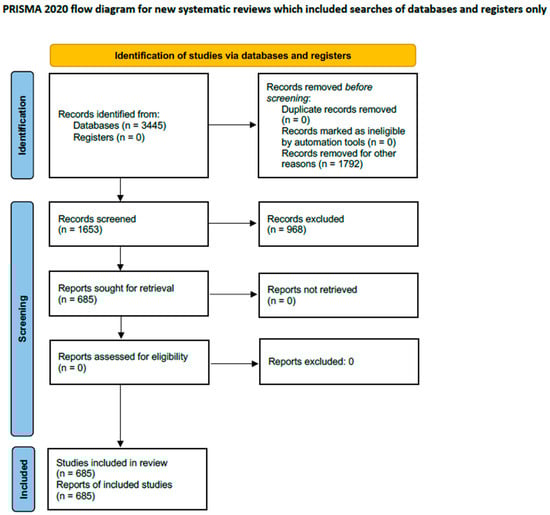
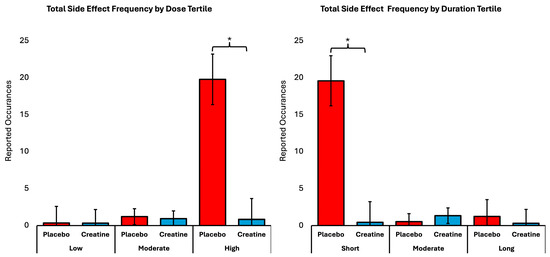
There are concerns that high-dose and/or long-term creatine monohydrate supplementation (CrM) leads to greater side effects (SEs) compared to placebo. This analysis investigated whether the dose or duration of CrM was associated with SEs. Data from trials involving more than 12,800 participants within CrM and placebo study arms of 684 randomized clinical trials were analyzed. SEs were combined into categories and total absolute dose and CrM duration were grouped into tertiles (low, moderate, and high). Crosstabs with chi-square tests were used to compare the prevalence of SEs across CrM dose and duration tertiles. Logistic regression models, adjusted for biological sex, age, and population categories, were used to test dose and duration as continuous predictors. Across 684 randomized controlled trials, reported SEs were infrequent. Although dose and duration tertiles were statistically associated with study-level side effect reporting, the effect sizes were uniformly small, events were infrequent, and the reported symptoms were primarily mild and nonspecific. No consistent exposure–response pattern indicative of clinically meaningful risk was observed. Adjusted logistic regression and frequency-based analyses showed no consistent dose- or duration-dependent increase in SE risk, with placebo groups often reporting similar or greater SE frequencies at the study-reporting level. CrM appears to be well-tolerated and, at the study-level, does not increase the risk of gastrointestinal, renal, liver, musculoskeletal, or other SEs compared to placebo, even at high doses or longer durations.
Full article
(This article belongs to the Special Issue Enhancing Performance and Promoting Health Through Nutrition)
►▼
Show Figures

Figure 1
Open AccessArticle
Twelve Weeks of In-Season Strength Training at Moderate Intensities Improve Strength and Body Composition Without Increasing Muscle Damage or Inflammation in Elite Young Female Soccer Players
by
Mariem Bousselmi, Amira Ben Moussa Zouita, Manel Darragi, Houssem M. Karamti, Sghaeir Zouita, Juan Del Coso, Ahlem Ben Hmid, Anthony C. Hackney, Urs Granacher and Hassane Zouhal
Sports 2026, 14(4), 136; https://doi.org/10.3390/sports14040136 - 1 Apr 2026
Abstract
►▼
Show Figures
Strength training (ST) is commonly implemented to enhance soccer-related fitness qualities such as sprinting, jumping, and changes-of-direction while also contributing to injury risk reduction. It is traditionally emphasized in the pre-season period. In-season ST may confer these benefits, but it can also induce
[...] Read more.
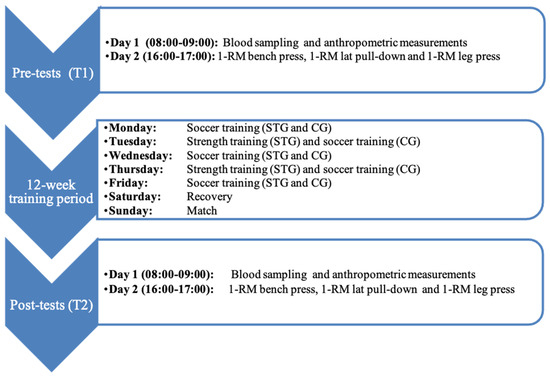
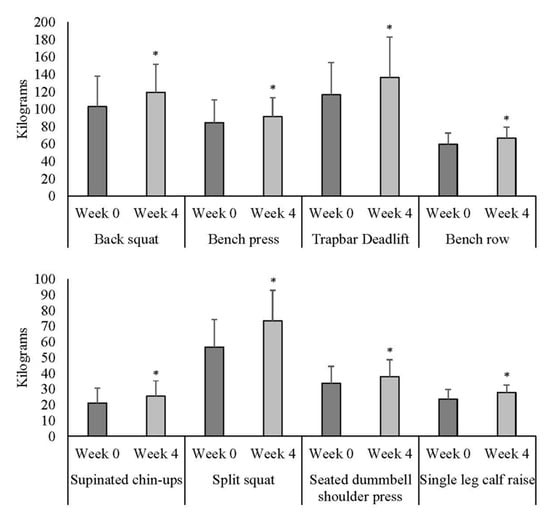
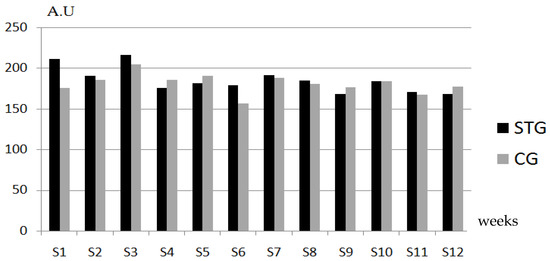
Strength training (ST) is commonly implemented to enhance soccer-related fitness qualities such as sprinting, jumping, and changes-of-direction while also contributing to injury risk reduction. It is traditionally emphasized in the pre-season period. In-season ST may confer these benefits, but it can also induce muscle damage and inflammation. To examine the effects of a 12-week in-season ST program on maximal dynamic strength, muscle damage biomarkers, and inflammatory biomarkers, 24 elite young female soccer players (Tier 4 according to the McKay et al. classification) aged 14.9 ± 0.8 years and a maturity offset of +2.6 ± 1.1 years were randomly allocated to an ST group (STG, n = 12) or an active control group (CG, n = 12). Both groups followed the same soccer training program. However, in the STG, two weekly soccer sessions were replaced with ST. Overall training volume was comparable between groups. Maximal dynamic strength (1-RM tests for bench press, lat pull-down, and leg press), blood biomarkers of muscle damage (creatine phosphokinase [CPK], lactate dehydrogenase [LDH]), and inflammation (interleukin-6 [IL-6], tumor necrosis factor-α [TNF-α]) were assessed before (T1) and after (T2) the interventions. Analyses showed significant increases for STG for the 1-RM bench press, the 1-RM lat pull-down, and the 1-RM leg press (p < 0.001). No significant interactions were detected for any blood marker of muscle damage (LDH and CPK) or inflammation (IL-6 and TNF-α) (all p > 0.05). Results support a 12-week in-season ST program improved maximal dynamic strength in elite young female soccer players without altering resting levels of muscle damage or inflammatory markers measured 48 h after training compared to regular soccer training. These findings suggest that ST can be safely implemented during the competitive season in young female soccer players without overreaching or overtraining.
Full article

Figure 1
Open AccessArticle
Effects of Multicomponent Versus Aerobic Training on Body Composition, Physical Fitness, Psychological Health, and Quality of Life in Cancer Survivors: A 24-Week Randomized Controlled Trial
by
Alessandro Petrelli, Ilaria Pepe, Luca Poli, Gianpiero Greco, Carla Minoia, Antonella Daniele, Patrizia Dicillo, Francesca Romito, Francesco Fischetti and Stefania Cataldi
Sports 2026, 14(4), 135; https://doi.org/10.3390/sports14040135 - 1 Apr 2026
Abstract
►▼
Show Figures
Background: Cancer survivors frequently experience persistent physical and psychological sequelae, including impaired physical function, fatigue, anxiety/depressive symptoms, and reduced health-related quality of life (HRQoL). Exercise is an effective non-pharmacological intervention; however, comparative evidence between multicomponent training (MCT) and aerobic training (AT) using a
[...] Read more.
Background: Cancer survivors frequently experience persistent physical and psychological sequelae, including impaired physical function, fatigue, anxiety/depressive symptoms, and reduced health-related quality of life (HRQoL). Exercise is an effective non-pharmacological intervention; however, comparative evidence between multicomponent training (MCT) and aerobic training (AT) using a multidomain framework remains limited. Methods: In this randomized controlled parallel-group trial, 47 cancer survivors (mean age 63.0 ± 8.9 years) were allocated to a 24-week supervised MCT programme (n = 16), an AT programme (n = 16), or a non-exercise control group (CG; n = 15). Outcomes were assessed at baseline and post-intervention including body composition (BIA), physical performance, fatigue (FSS), anxiety (STAI-Y1/Y2), depressive symptoms (BDI), and HRQoL (EORTC QLQ-C30). Results: Fat mass decreased in both MCT (p = 0.005) and AT (p = 0.034), whereas arm circumference increased only in MCT (p < 0.001). Significant Group × Time interactions were observed for major physical performance outcomes; improvements were broader in MCT, while AT showed its largest change in aerobic endurance. Between-group contrasts indicated greater gains with MCT than AT for chair-stand (p = 0.046), sit-and-reach (p = 0.048), and handgrip strength (p = 0.049). Significant interaction effects were also observed for fatigue and psychological outcomes (FSS: p = 0.003; STAI-Y1 and STAI-Y2: p < 0.001; BDI: p < 0.001) and for HRQoL global health (p = 0.003), with larger improvements in MCT than AT for fatigue, state anxiety, and depressive symptoms (all p < 0.05), but not for trait anxiety (p > 0.05). Conclusions: A 24-week supervised MCT programme produced broader benefits than AT alone across physical function and selected psychological outcomes in cancer survivors. These findings support the incorporation of multicomponent exercise into survivorship care as a feasible and effective strategy for addressing multidimensional treatment sequelae.
Full article

Figure 1
Open AccessArticle
Movement Control Strategies of the Mawashi Geri Jodan in Female Karate Athletes
by
Linguo Chen, Hongwei Yan, Yuqiao Zhu and Wei Shan
Sports 2026, 14(4), 134; https://doi.org/10.3390/sports14040134 - 31 Mar 2026
Abstract
►▼
Show Figures
Among lower-body techniques in karate, the Mawashi Geri Jodan is regarded as the most frequently applied, technically sophisticated, and potentially hazardous skill. Yet, whether karate athletes of varying proficiency levels exhibit differential mastery of this technique remains empirically unexamined. This study aimed to
[...] Read more.
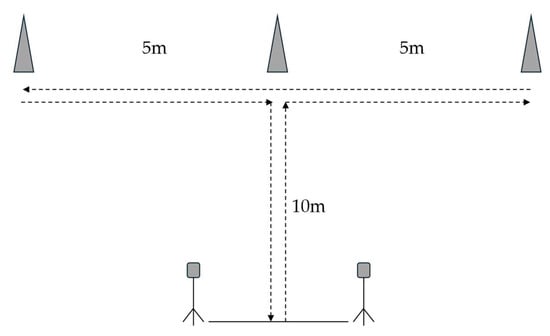
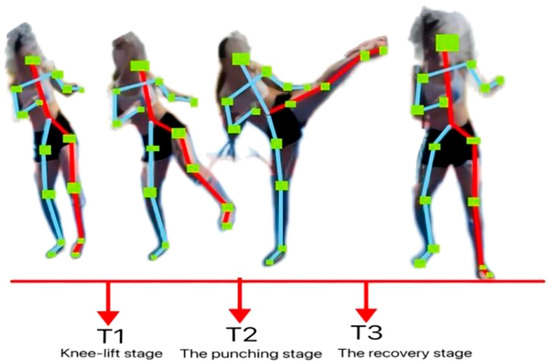
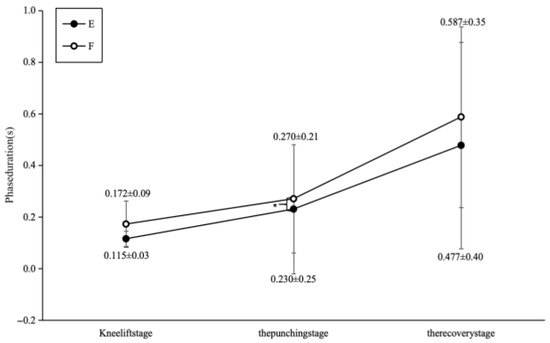
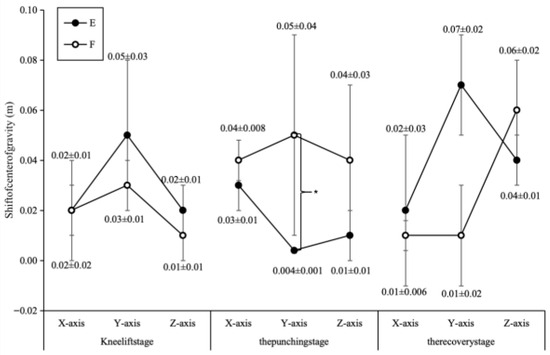
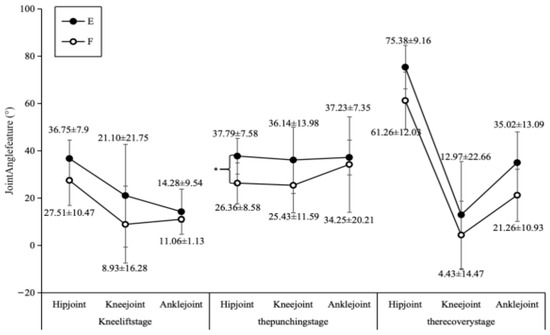
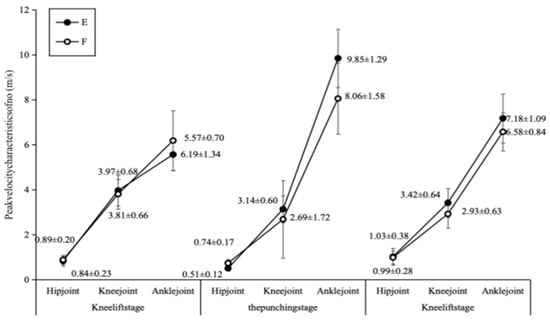
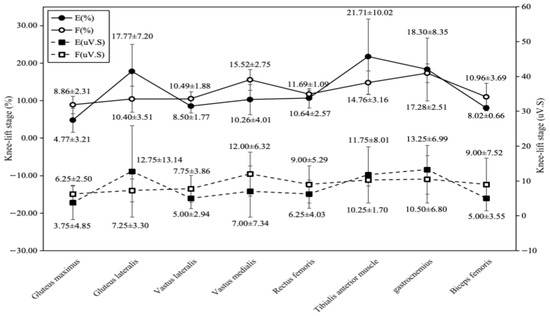
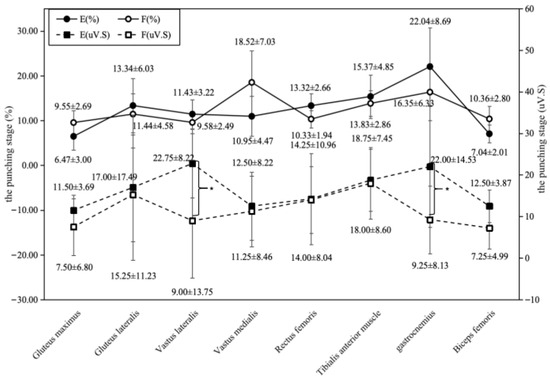
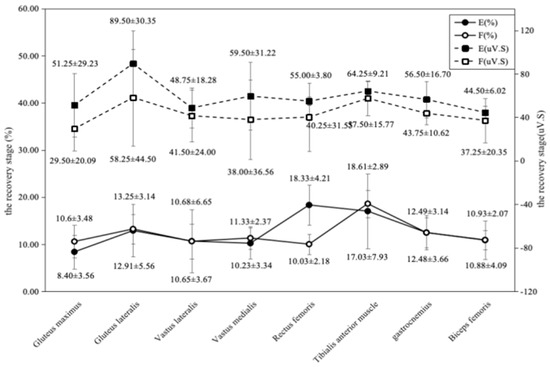
Among lower-body techniques in karate, the Mawashi Geri Jodan is regarded as the most frequently applied, technically sophisticated, and potentially hazardous skill. Yet, whether karate athletes of varying proficiency levels exhibit differential mastery of this technique remains empirically unexamined. This study aimed to reveal movement control strategies of elite athletes by comparing kinematic and surface electromyography (sEMG) characteristics of Mawashi Geri Jodan between elite and sub-elite female karate practitioners. A total of eight female karate athletes (4 elite, 4 sub-elite) were recruited. During the execution of the dominant-leg Mawashi Geri Jodan, they struck a karate punching bag positioned at head height, while kinematic and sEMG data were synchronously collected. Analyzed metrics included phase durations, center of mass (COM) displacement, joint angles/angular velocities, and integral electromyography (IEMG) with muscle work percentage of 8 lower limb muscles. Independent-sample t-tests were used for intergroup comparisons (α = 0.05). Compared with the sub-elite group, elite athletes completed the full Mawashi Geri Jodan in significantly less time (0.825 ± 0.07 s vs. 1.030 ± 0.05 s, p < 0.01) and exhibited a shorter core striking phase (p < 0.05). Kinematically, elite athletes showed smaller vertical COM displacement during the striking phase (p < 0.05) and greater hip joint range of motion (p < 0.05). sEMG data revealed significantly higher activation of lower limb prime movers (vastus lateralis, gastrocnemius) during the striking phase and greater rectus femoris contribution during the recovery phase in elite athletes. Elite female karate practitioners demonstrate superior movement efficiency, body stability, and neuromuscular coordination in Mawashi Geri Jodan. Technical training should prioritize hip joint flexibility and stability, synergistic explosive force generation of the lower limb kinetic chain during the striking phase, and active rectus femoris activation during the recovery phase to enhance execution precision and efficiency.
Full article

Figure 1
Open AccessArticle
Concussion Symptoms Scale and the Association with Temperature, Equipment, and Play Duration in Non-Concussed Football Players
by
Rachel Matthews, Ankur Verma, Derek Calvert, Nathan P. Lemoine, Jr., Jack Marucci, Stephen Etheredge, Robert Zura, Guillaume Spielmann and Neil M. Johannsen
Sports 2026, 14(4), 133; https://doi.org/10.3390/sports14040133 - 31 Mar 2026
Abstract
►▼
Show Figures
Background: Symptom scales are routinely used in sport during concussion screening and return-to-play. Limited research has explored the presence of concussion symptoms in the absence of a diagnosed concussion. This study analyzed concussion symptom scores in concussed vs. non-concussed football players after football
[...] Read more.
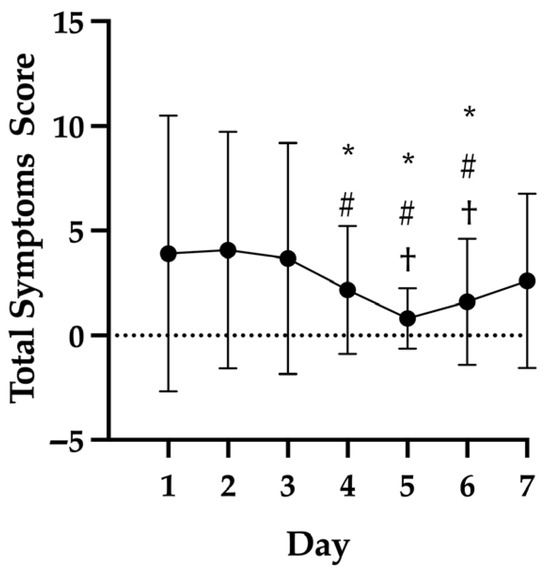
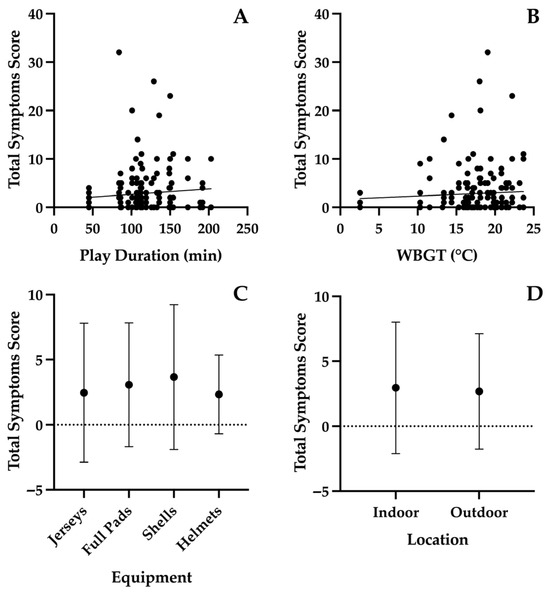
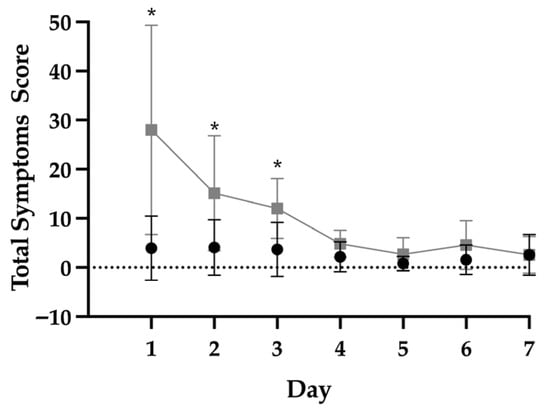
Background: Symptom scales are routinely used in sport during concussion screening and return-to-play. Limited research has explored the presence of concussion symptoms in the absence of a diagnosed concussion. This study analyzed concussion symptom scores in concussed vs. non-concussed football players after football activities and evaluated the effect of field of play variables. Methods: NCAA Division I football players with (n = 9) and without (n = 30) diagnosed concussion completed concussion symptom scales (C3 Logix) following practice for 1 week. Wet bulb globe temperature (WBGT), play duration, equipment, and location (inside/outside) were recorded. Mixed models analyzed the effect of day, WBGT, equipment, location, and play duration on concussion-like symptoms in non-concussed players and determined the time course of symptom relief in concussed players. Results: Fatigue or low energy (27.6%), neck pain (16.8%), feeling slowed down (14.8%), and headache (12.8%) were most reported. In non-concussed players, total symptoms scores were higher early in the week (Monday/Tuesday) and decreased throughout the week (p < 0.01). No effect of play duration (p = 0.49), WBGT (p = 0.12), equipment (p = 0.40), or location (p = 0.83) was found. Symptom scores were greater in the concussed vs. non-concussed groups on days 1–3. Conclusions: Football players report concussion-like symptoms in the absence of a concussion diagnosis, particularly following the first few practices after a game.
Full article

Figure 1
Open AccessArticle
Effects of Rule Modifications on the Quality and Manner of Technical Skill Execution in Youth Volleyball
by
José M. Palao, Ruth Alvarado-Ruano, Jesús Salado and Enrique Ortega-Toro
Sports 2026, 14(4), 132; https://doi.org/10.3390/sports14040132 - 26 Mar 2026
Abstract
The aim was to assess the effect of changes in both the net height and the court size, as well as serve limitations on the manner of execution of the technical-tactical actions in youth volleyball. A total of 29 female under-14 volleyball players
[...] Read more.
The aim was to assess the effect of changes in both the net height and the court size, as well as serve limitations on the manner of execution of the technical-tactical actions in youth volleyball. A total of 29 female under-14 volleyball players from three regional club teams participated in the study. A quasi-experimental design was applied. The independent variables included: (a) Tournament following the standard rules, (b) Experimental Tournament 1 (lowering of the net height from 2.10 m to 2 m, no jump serves, and a two serve per-player and -rotation maximum), and (c) Experimental Tournament 2 (lowering of net height from 2.10 m to 2 m, reduced court size from 9 × 9 m to 8 × 8 m, no jump serves, and a two serve per-player and -rotation maximum). Experimental Tournament 1 involved reductions in ball control, duration of the game phases, the occurrence of actions, and their efficacy. Experimental Tournament 2 involved increases in ball control, the duration of the game phase, the occurrence and variability of actions, and their efficacy. Lowering the net height and reducing the court size while adapting the serve rules (Experimental Tournament 2) resulted in situations that were better adapted to this population.
Full article
Open AccessArticle
Dietary Supplement Use and Doping Attitudes: A Cross-Sectional Survey
by
Amund Riiser, Liam Paul Satchell, Dominic Sagoe, Vidar Andersen, Tom Erik Jorung Solstad, Fredrik Lauritzen and Matthew Shaw
Sports 2026, 14(4), 131; https://doi.org/10.3390/sports14040131 - 26 Mar 2026
Abstract
►▼
Show Figures
Background: The incremental model of doping behavior (IMDB) posits that doping develops over time through the habit of using performance enhancers such as dietary supplements. We investigated the association between dietary supplement use and beliefs and doping attitudes among Norwegian sportspersons. Methods: A
[...] Read more.
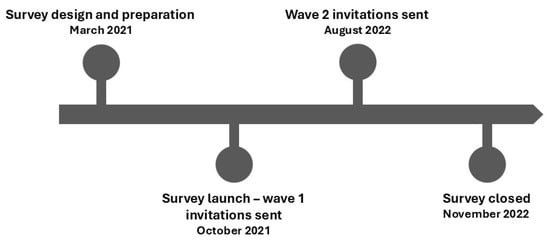
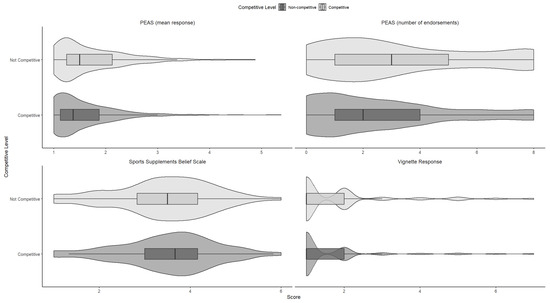
Background: The incremental model of doping behavior (IMDB) posits that doping develops over time through the habit of using performance enhancers such as dietary supplements. We investigated the association between dietary supplement use and beliefs and doping attitudes among Norwegian sportspersons. Methods: A total of 1441 subjects (females: 44%; age 31.3 ± 11.6 years) responded to an online questionnaire including measures of dietary supplement use and beliefs, performance enhancement attitude (PEAS), and a doping likelihood vignette. Data were analyzed using descriptive statistics, correlations, and multiple regression analysis. Results: 58% used dietary supplements. Dietary supplement beliefs were positively correlated with doping attitudes (r = 0.27 (PEAS) and r = 0.16 (vignette), p < 0.001). Among non-competitive respondents, younger respondents were more likely to endorse supplement use (r = −0.08, p = 0.073 vs. r = −0.30, p < 0.001) and doping use (r = −0.17, p < 0.001 and r = −0.21, p < 0.001). Males endorsed supplement use (Welch’s t tests > 5.19, p < 0.001) and doping (Welch’s t tests > 4.08, p < 0.001) more than females. Norwegian sportspersons are generally ambivalent about dietary supplements but opposed to doping practices in sport. Results of multiple regression analysis indicated that younger, male, non-competitive, and supplement-endorsing participants were more likely to endorse doping likelihood. However, these differences were small, and participants were generally against doping. Conclusions: The associations between dietary supplement use and beliefs and doping attitudes are weak but compatible with the IMDB. The differences between groups are small; however, focusing on beliefs about dietary supplements in young, male, non-competitive persons may improve the effectiveness of anti-doping interventions.
Full article

Figure 1
Open AccessArticle
Effects of Band-Pull Walking Using a Portable Device on Cardiorespiratory and Neuromuscular Responses in Healthy Young Adults
by
Ryota Tsuchiya, Hisashi Naito, Shuichi Machida, Keisuke Takamiya and Koji Sugiyama
Sports 2026, 14(4), 130; https://doi.org/10.3390/sports14040130 - 25 Mar 2026
Abstract
►▼
Show Figures
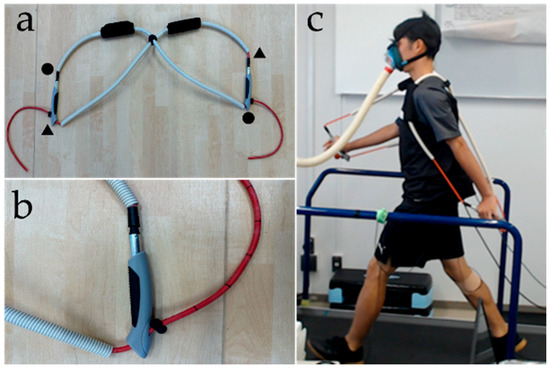
Upper-limb involvement during walking increases metabolic demand compared with normal walking (WK); however, methods such as Nordic walking or hand-held weights require technical skills or may increase mechanical load. This study examined the effects of upper-limb-resisted walking using a novel portable elastic resistance
[...] Read more.
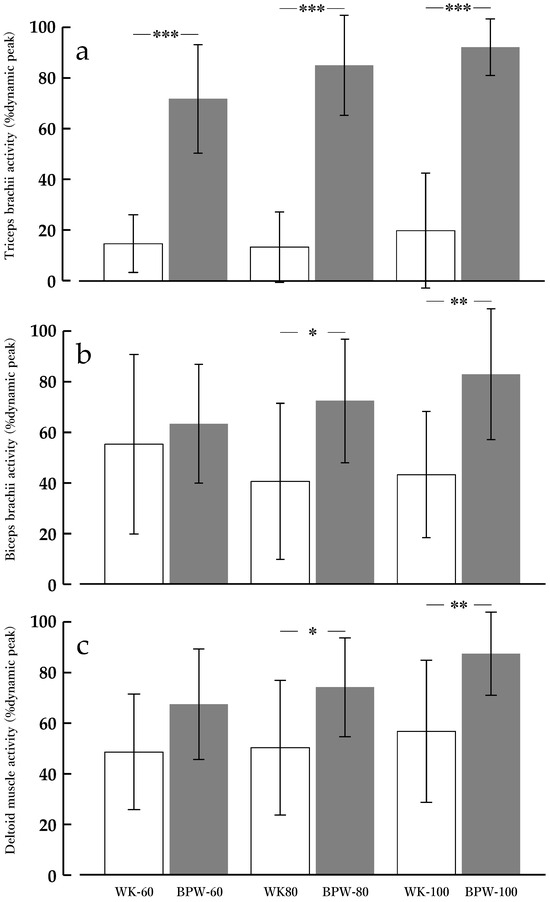
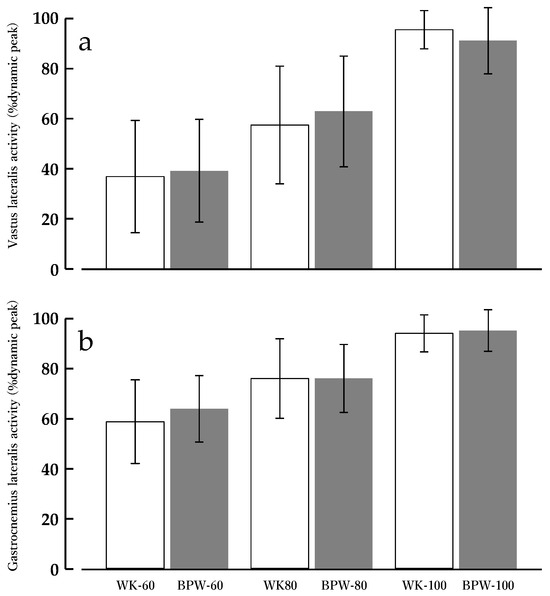
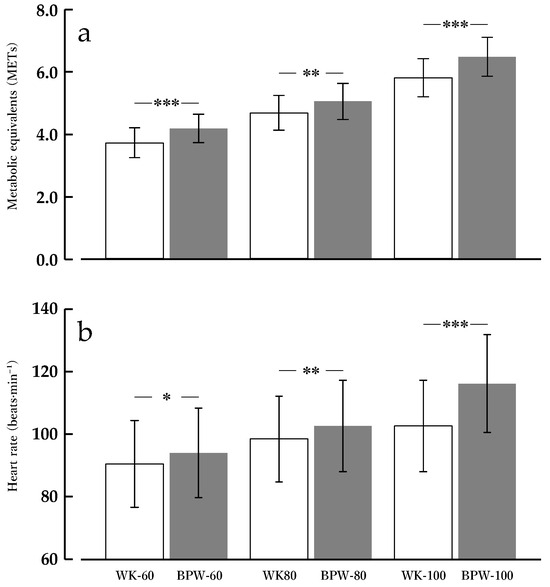
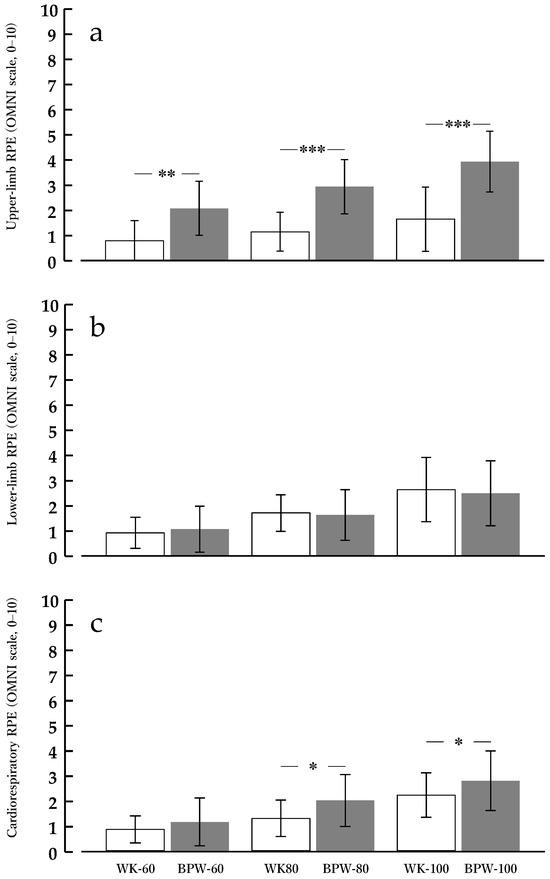
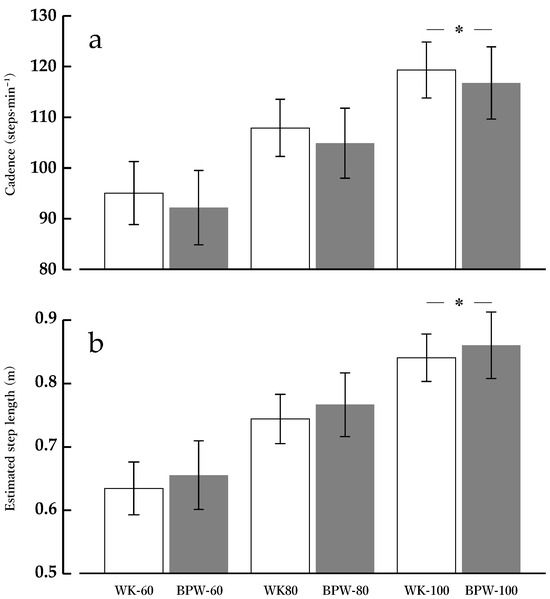
Upper-limb involvement during walking increases metabolic demand compared with normal walking (WK); however, methods such as Nordic walking or hand-held weights require technical skills or may increase mechanical load. This study examined the effects of upper-limb-resisted walking using a novel portable elastic resistance device (band-pull walking; BPW) on cardiorespiratory and neuromuscular responses in healthy young adults. Fourteen healthy young adults performed BPW and WK on a treadmill at 60, 80, and 100 m·min−1 in a randomized crossover design. Upper-limb resistance was individually standardized using triceps brachii activity (8% maximum voluntary contraction). Surface electromyography (EMG) of upper- and lower-limb muscles, oxygen uptake, heart rate, and perceived exertion were recorded. BPW significantly increased triceps brachii, biceps brachii, and deltoid muscle activity compared with WK at all or higher speeds (p < 0.05), whereas vastus lateralis and gastrocnemius lateralis activity remained unchanged. Metabolic equivalents and heart rate were higher during BPW across all speeds (p < 0.01), with increases of 8–12%. Upper-limb and whole-body perceived exertion were elevated, whereas lower-limb perceived exertion remained stable. These findings suggest that BPW was associated with increases in upper-limb muscle activation and metabolic demand, whereas no detectable increases were observed in vastus lateralis or gastrocnemius lateralis EMG activity or perceived lower-limb exertion under the present experimental conditions.
Full article

Figure 1
Open AccessArticle
The Effects of Selected Mechanical and Anthropometric Variables on Change-of-Direction Ability in National Team-Level Youth Basketball Players
by
Áron Mészáros, Bence Kopper, Annamária Zsákai, József Horváth, Lukasz Trzaskoma and Tamás Szabó
Sports 2026, 14(4), 129; https://doi.org/10.3390/sports14040129 - 25 Mar 2026
Abstract
►▼
Show Figures
Change-of-direction (COD) ability is a key determinant of performance in youth basketball, yet the relative contribution of braking, re-acceleration, trunk motion, and body composition remains unclear. Thirty-two male U18 national-team level players (17.6 ± 0.7 y; 194.8 ± 4.5 cm; 89.1 ± 9.4
[...] Read more.
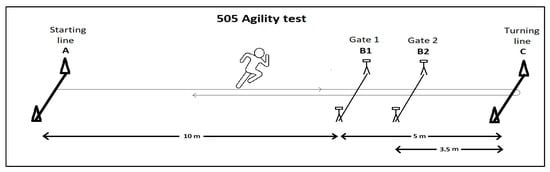
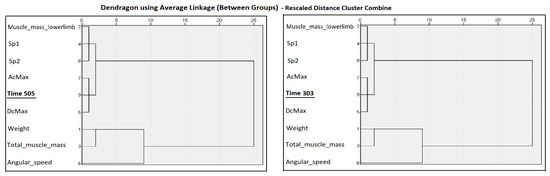
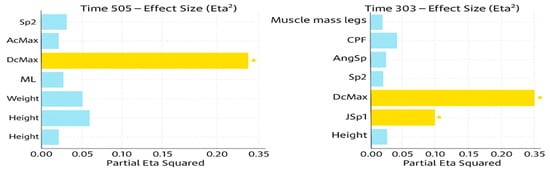
Change-of-direction (COD) ability is a key determinant of performance in youth basketball, yet the relative contribution of braking, re-acceleration, trunk motion, and body composition remains unclear. Thirty-two male U18 national-team level players (17.6 ± 0.7 y; 194.8 ± 4.5 cm; 89.1 ± 9.4 kg) completed whole-body and segmental DEXA assessment, bilateral countermovement jump (CMJ) testing and a 505 agility test (505) instrumented with a local positioning system. Mean COD times were 2.36 ± 0.09 s (505) and 1.84 ± 0.08 s (303), with maximal deceleration (DcMax) of −7.26 ± 0.52 m·s−2. Paired t-tests showed no significant differences between right- and left-leg turns for any variable (all p > 0.25), indicating symmetrical COD performance. General linear models revealed that DcMax was the only consistent predictor of COD time (505: R2 = 0.53, F (7,24) = 3.91, p = 0.006, partial η2 = 0.31; 303: R2 = 0.49, F(9,22) = 2.34, p = 0.050, partial η2 = 0.34), with a smaller additional effect of approach speed for the 303 segment (p = 0.049). Body-composition indices and CMJ variables showed only weak, non-significant correlations with COD time (|r| < 0.30, p > 0.05), and neither centripetal force nor trunk angular speed was associated with performance. These findings indicate that high-intensity braking capacity, rather than muscle mass or jump power per se, is the primary mechanical determinant of COD in elite youth basketball, suggesting that deceleration-focused training should be prioritized in performance development.
Full article

Figure 1
Open AccessArticle
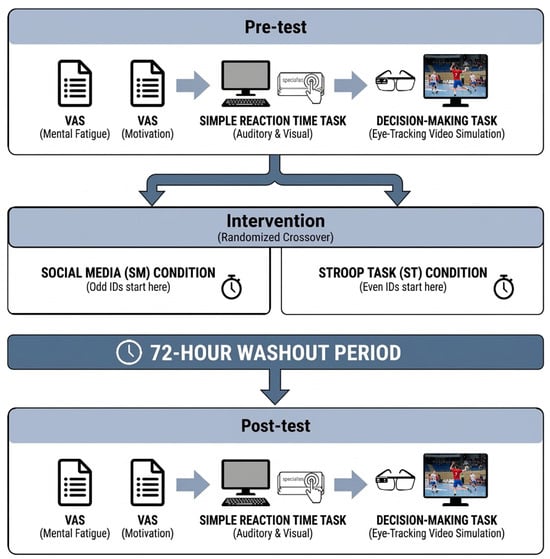
The Impact of Mental Fatigue on Decision-Making Abilities, Visual Search Strategies, and Simple Reaction Time in Handball Players: A Randomized Crossover Study
by
Jeongwon Kim, Dongwon Yook and Sojin Han
Sports 2026, 14(4), 128; https://doi.org/10.3390/sports14040128 - 25 Mar 2026
Abstract
►▼
Show Figures
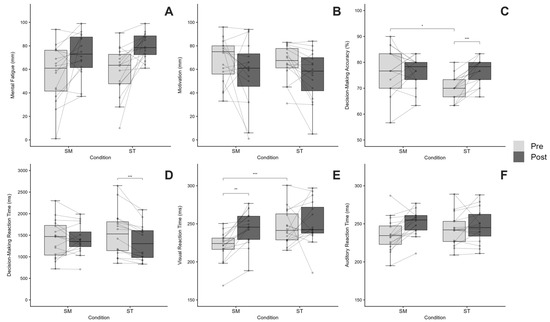
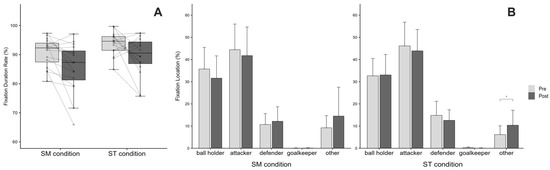
This study investigated the effects of mental fatigue induced by social media (SM) use and the Stroop task on decision-making, visual search strategies, and reaction time in elite collegiate handball players (n = 16). Using a randomized, counterbalanced cross-over design, both interventions
[...] Read more.
This study investigated the effects of mental fatigue induced by social media (SM) use and the Stroop task on decision-making, visual search strategies, and reaction time in elite collegiate handball players (n = 16). Using a randomized, counterbalanced cross-over design, both interventions successfully induced subjective mental fatigue, as confirmed by visual analog scale (VAS) ratings. Decision-making accuracy and reaction time improved following the Stroop task, likely due to compensatory mechanisms described in the regulatory-control model. In the SM condition, no significant impairments were observed in decision-making performance; however, visual reaction time was specifically delayed, while auditory reaction time remained unaffected, suggesting modality-specific effects of SM-induced fatigue. Visual search behaviors remained largely stable, with only marginal alterations observed in non-task-relevant areas following the Stroop task. These findings highlight the cognitive resilience and adaptive control mechanisms of elite athletes in maintaining and, in some cases, enhancing performance under mental fatigue. Future studies should integrate neurophysiological indices and manipulate motivational factors to further clarify these mechanisms across diverse athletic populations.
Full article

Figure 1
Open AccessArticle
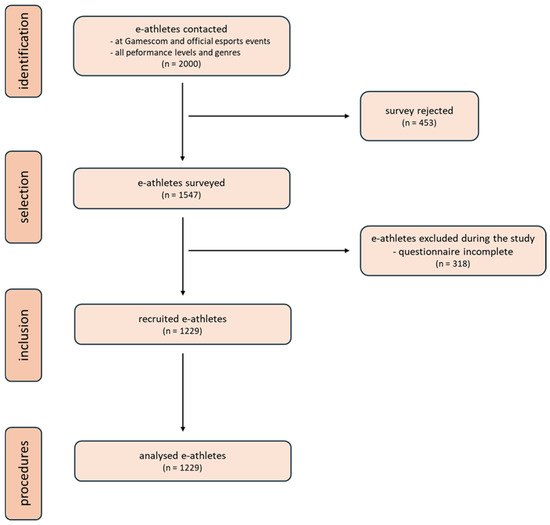
Injuries and Overuse Injuries in Esports
by
Heinz-Lothar Meyer, Ilka Finkemeyer, Christina Polan, Lisa Wienhöfer, Bastian Mester, Marcel Dudda and Manuel Burggraf
Sports 2026, 14(4), 127; https://doi.org/10.3390/sports14040127 - 24 Mar 2026
Abstract
►▼
Show Figures
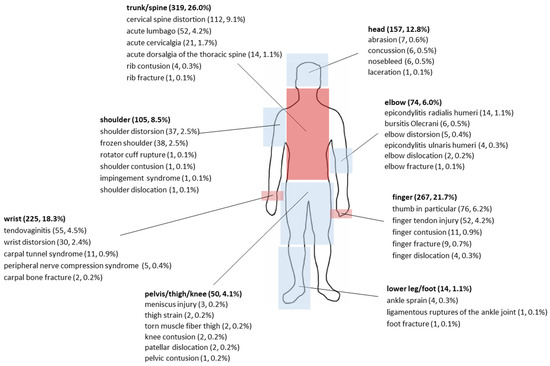
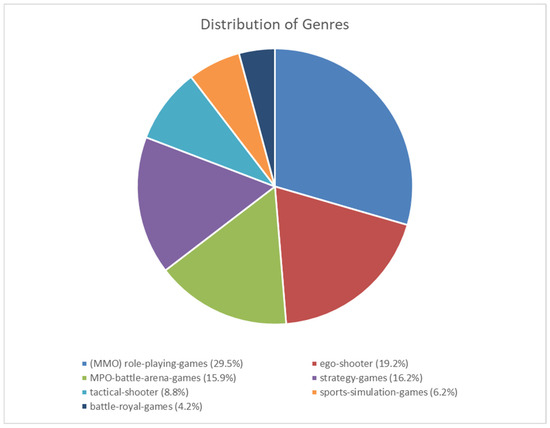
Electronic sport (esport) refers to competition in video games. Injuries in esports have hardly been studied so far. A total of 1229 e-athletes of all levels and genres answered a retrospective questionnaire about injuries and overuse damages that occurred in the course of
[...] Read more.
Electronic sport (esport) refers to competition in video games. Injuries in esports have hardly been studied so far. A total of 1229 e-athletes of all levels and genres answered a retrospective questionnaire about injuries and overuse damages that occurred in the course of their careers. The average age of the 1229 participants was 23.8 ± 5.5 years. A total of 198 (16.1%) of the e-athletes take part in competitions. The most common injury location was the trunk/spine (319, 26.0%) followed by the wrist region (225, 18.3%). Degenerative and overuse injuries were in the foreground. Professional athletes were injured more frequently than amateur athletes (p = 0.006). Tactical shooter players have significantly more injuries than sports game players (p = 0.021) and MMO (Massively Multiplayer Online) players (p = 0.042). E-athletes are just as susceptible to injury as athletes in traditional disciplines. The high injury rate is certainly not due to acute injuries but to overloading and overuse injuries, with a focus on the thoracocervical area and the upper extremities. Terms such as “Nintenditis”, “gamer’s thumb” and “PlayStation thumb”, which describe injuries caused by repetitive strain, are becoming increasingly common. Injuries in esports should be taken seriously, as they can cause long-term health problems in the event of overuse injuries. Prevention is a critical and promising approach for such a young patient clientele, especially in a sport that is growing so rapidly and is unknown to the majority.
Full article

Figure 1
Open AccessArticle
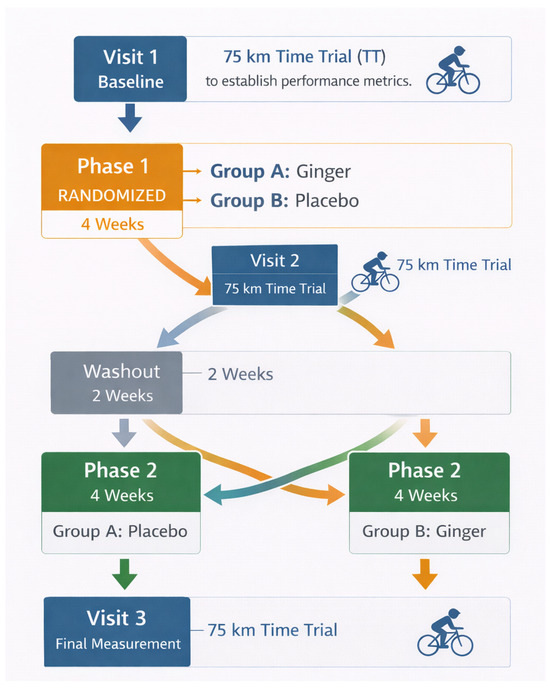
The Influence of Ginger Supplementation on Cycling Performance
by
Jennifer A. Kurtz, Mabry Watson, Briana Robinson, Casey Edmondson and Laurel Wentz
Sports 2026, 14(4), 126; https://doi.org/10.3390/sports14040126 - 24 Mar 2026
Abstract
Ginger supplementation is proposed as a natural ergogenic aid due to its anti-inflammatory and antioxidant properties, but its effects on endurance performance remain unclear. Methods: In this randomized, double-blind, placebo-controlled crossover trial, 30 trained cyclists (27 male, 3 females, aged 36 ± 11
[...] Read more.
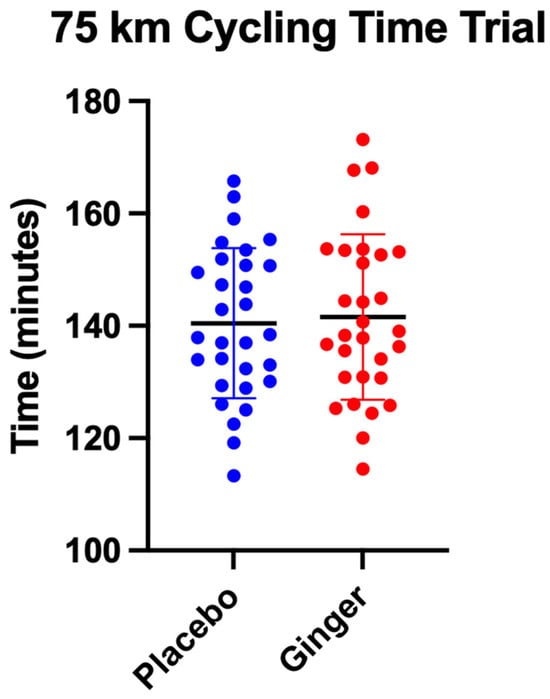
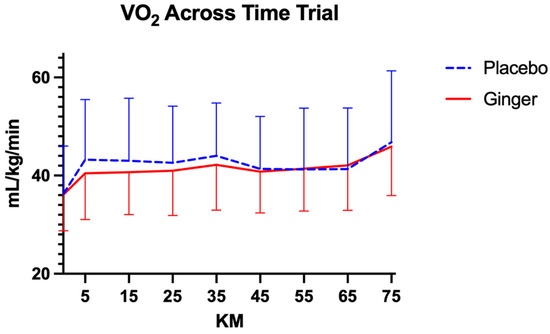
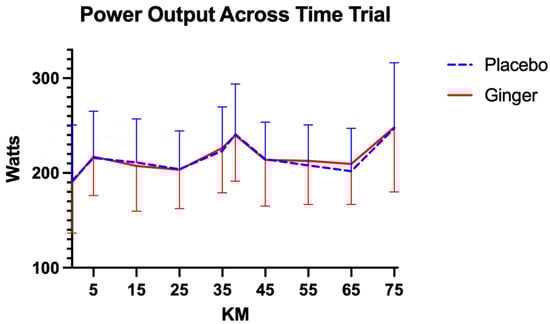
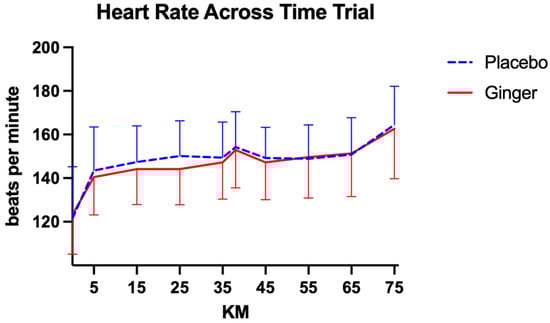
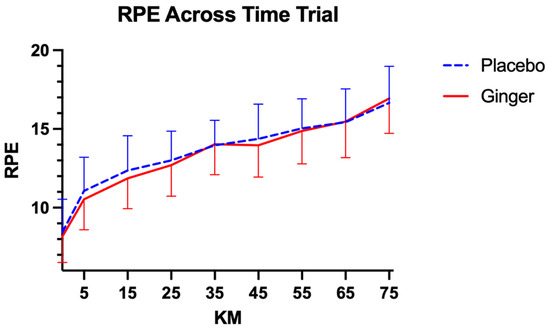
Ginger supplementation is proposed as a natural ergogenic aid due to its anti-inflammatory and antioxidant properties, but its effects on endurance performance remain unclear. Methods: In this randomized, double-blind, placebo-controlled crossover trial, 30 trained cyclists (27 male, 3 females, aged 36 ± 11 yr) completed three visits: a baseline 75 km time trial, a post-supplementation time trial, and a second post-supplementation trial under the alternate condition. Participants consumed either ginger or placebo for four weeks. Statistics: Performance outcomes (i.e., 75 km time, VO2, power output, heart rate, and RPE) were analyzed using repeated-measures ANOVA, with repeated-measures ANCOVA to assess dietary and age influences (p < 0.05). Results: Energy and carbohydrate intake were consistent across trials and unrelated to performance. Protein intake per kg body mass predicted performance time in the placebo trial and average VO2 in the ginger trial; other macronutrients were not associated with outcomes. No significant differences were observed between ginger and placebo conditions for time to completion, VO2, power output, heart rate, or perceived muscle soreness. Conclusions: Four weeks of ginger supplementation does not improve prolonged cycling performance, recovery, or muscle soreness in trained cyclists when dietary intake is controlled. Future research should explore cellular mechanisms to determine whether ginger supplementation could influence performance or recovery in endurance athletes.
Full article
(This article belongs to the Special Issue Exercise Physiological Responses and Performance Analysis)
►▼
Show Figures

Figure 1
Open AccessArticle
Dynamic Field Assessment of Hip Adductor Function Using a Smartphone-Based Copenhagen Test: Reliability and Concurrent Associations with Isometric Strength in Amateur Football Players
by
Aaron Miralles-Iborra, Tomas Urban, Javier De Los Ríos-Calonge, Jose L. L. Elvira, Juan Del Coso, María Isabel Tomás-Rodríguez, Casto Juan-Recio and Víctor Moreno-Pérez
Sports 2026, 14(4), 125; https://doi.org/10.3390/sports14040125 - 24 Mar 2026
Abstract
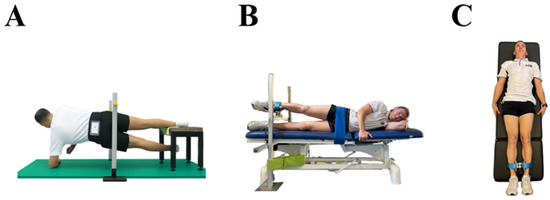
Assessing hip adductor muscle strength is important for identifying weakness or side-to-side imbalances associated with groin injury risk. Although the Copenhagen adductor exercise is widely used to evaluate adductor function, the quantification of strength-related outcomes using inertial sensors integrated in smartphones during this
[...] Read more.
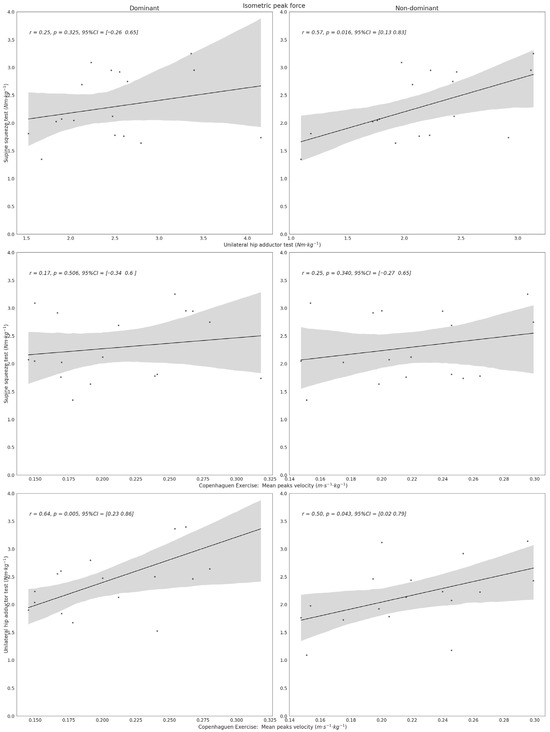
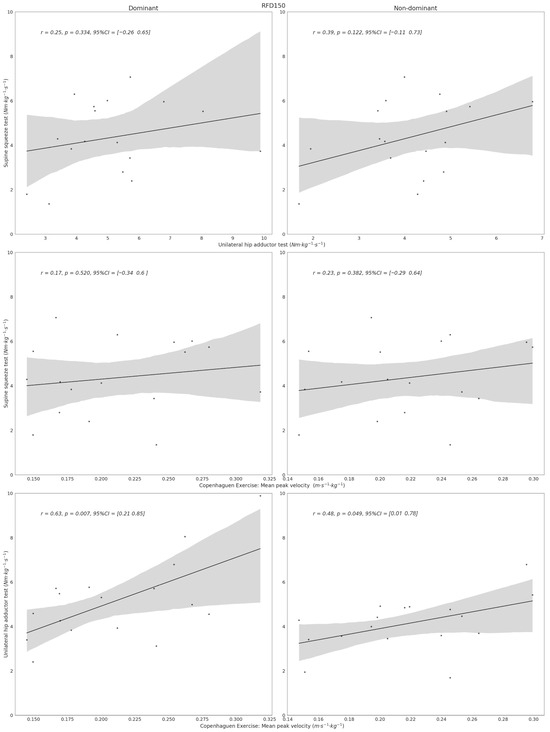
Assessing hip adductor muscle strength is important for identifying weakness or side-to-side imbalances associated with groin injury risk. Although the Copenhagen adductor exercise is widely used to evaluate adductor function, the quantification of strength-related outcomes using inertial sensors integrated in smartphones during this task has not been systematically examined. This study aimed to evaluate the reliability of a smartphone-based Copenhagen adductor field test and its associations with established isometric hip adductor strength assessments. Twenty amateur male football players (21.1 ± 3.2 years) completed two laboratory sessions separated by one week. The reliability of the smartphone-based Copenhagen test was assessed for endurance-related outcome (repetition count) and strength-related outcomes (mean repetition time and peak velocity) using intraclass correlation coefficients (ICC), standard error of measurement (SEM), and minimum detectable change (MDC). Participants also performed unilateral and bilateral isometric hip adductor tests using load cells to obtain isometric peak force (IPF) and rate of force development at 150 ms (RFD150). Associations were examined using Pearson correlation coefficients. The smartphone-based Copenhagen test showed ICC point estimates ranging from 0.63 to 0.83, although several 95% confidence intervals were relatively wide (ICC = 0.63–0.83; SEM = 6.7–18.5%). Endurance-related outcomes were not significantly associated with IPF or RFD150. In contrast, peak velocity showed low-to-moderate correlations with RFD150 (r = 0.48–0.63) and moderate correlations with IPF (r = 0.50–0.64; p < 0.05). These findings suggest that the peak velocity obtained during the Copenhagen adductor test may provide a practical field-based complement to conventional isometric assessments. However, given the moderate strength of the observed associations and the measurement error of peak velocity, these outcomes should be interpreted with caution and warrant further investigation.
Full article
(This article belongs to the Special Issue Advances in the Biomechanics and Neuromuscular Aspects of Lower Limb Sports Injuries)
►▼
Show Figures

Figure 1
Journal Menu
► ▼ Journal Menu-
- Sports Home
- Aims & Scope
- Editorial Board
- Reviewer Board
- Topical Advisory Panel
- Instructions for Authors
- Special Issues
- Topics
- Topical Collections
- Article Processing Charge
- Indexing & Archiving
- Editor’s Choice Articles
- Most Cited & Viewed
- Journal Statistics
- Journal History
- Journal Awards
- Society Collaborations
- Editorial Office
Journal Browser
► ▼ Journal BrowserHighly Accessed Articles
Latest Books
E-Mail Alert
News
Topics
Topic in
Biomechanics, JFMK, Sensors, Sports
Current Perspectives and Future Directions in Sports Biomechanics
Topic Editors: Pedro Forte, Rafael Peixoto, Luís BranquinhoDeadline: 25 May 2026
Topic in
Education Sciences, Sports
Sustainability-Oriented Learning in Physical Education and Health (PEH)
Topic Editors: Suzanne Lundvall, Andreas FröbergDeadline: 15 June 2026
Topic in
Applied Sciences, Brain Sciences, JFMK, Nutrients, Sports
Exercise and Nutrition for Physical Performance, Mental Health and General Well-Being
Topic Editors: Gian Mario Migliaccio, Luca RussoDeadline: 12 July 2026
Topic in
Biology, Brain Sciences, Sports, Biomechanics, JFMK, Physiologia
The Mechanics of Movement: Biomechanics in Sports Performance
Topic Editors: Mario Bernardo-Filho, Danúbia Da Cunha De Sá-Caputo, Redha TaiarDeadline: 31 July 2026
Special Issues
Special Issue in
Sports
Strength and Conditioning: Enhancing Athletic Performance and Promoting Health
Guest Editors: Samuel P. Hills, Mark RussellDeadline: 27 April 2026
Special Issue in
Sports
The Effects of High-Intensity Training Variations on Biomechanics, Physiology, Biochemistry and Performance in Athletes
Guest Editors: George A. Tsalis, Konstantinos PapadimitriouDeadline: 30 April 2026
Special Issue in
Sports
Advances in Health-Optimized Athletic Training
Guest Editors: Élvio Rúbio Gouveia, Krzysztof Przednowek, Rui Nuno de Ornelas, Hélio Ricardo Lourenço Antunes, Hugo Miguel Borges SarmentoDeadline: 30 April 2026
Special Issue in
Sports
Musculoskeletal Conditions, Movement Strategies, and Adaptive Biomechanics Across the Lifespan
Guest Editors: Guoxin Zhang, Jason Tak-Man Cheung, Gongcheng XuDeadline: 30 April 2026
Topical Collections
Topical Collection in
Sports
Human Physiology in Exercise, Health and Sports Performance
Collection Editors: Rodrigo Zacca, Robin Pla, Roberto Baldassarre