Journal Description
Acoustics
Acoustics
is an international, peer-reviewed, open access journal on acoustics science and engineering, published quarterly online by MDPI.
- Open Access— free for readers, with article processing charges (APC) paid by authors or their institutions.
- High Visibility: indexed within ESCI (Web of Science), Scopus, and other databases.
- Journal Rank: CiteScore - Q2 (Acoustics and Ultrasonics)
- Rapid Publication: manuscripts are peer-reviewed and a first decision is provided to authors approximately 23.3 days after submission; acceptance to publication is undertaken in 4.6 days (median values for papers published in this journal in the second half of 2025).
- Recognition of Reviewers: reviewers who provide timely, thorough peer-review reports receive vouchers entitling them to a discount on the APC of their next publication in any MDPI journal, in appreciation of the work done.
- Journal Cluster of Civil Engineering and Built Environment: Acoustics, Architecture, Buildings, CivilEng, Construction Materials, Infrastructures, Intelligent Infrastructure and Construction, NDT and Vibration.
Impact Factor:
1.2 (2024);
5-Year Impact Factor:
1.7 (2024)
Latest Articles
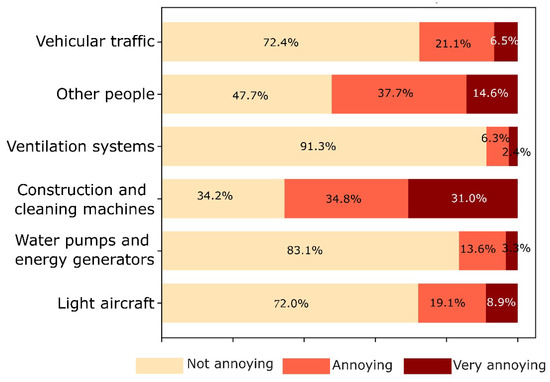
Theoretical Modeling and Experimental Verification of the First and Second Underwater Bubble Pulsation Period
Acoustics 2026, 8(2), 32; https://doi.org/10.3390/acoustics8020032 - 20 May 2026
Abstract
►
Show Figures
The study of bubble pulsation from underwater explosions is critical for applications in marine resource exploration, underwater demolition, and offshore engineering. However, the existing research methods have significant limitations: Laboratory experiments struggle to replicate the dynamic decompression during the process of bubble rising.
[...] Read more.
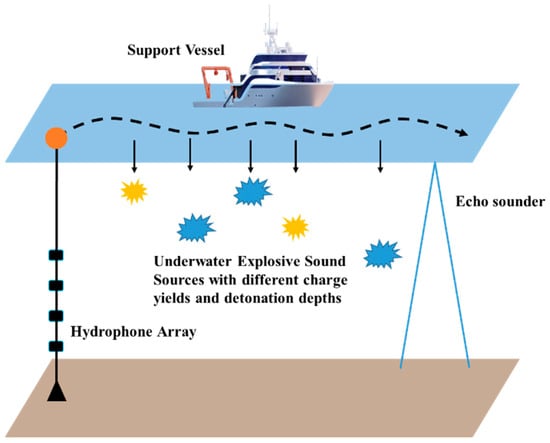
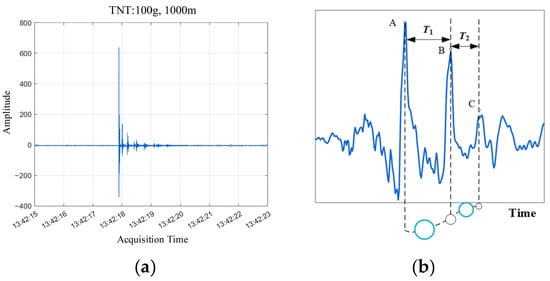
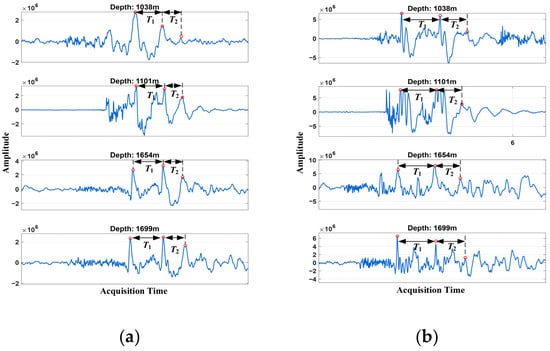
The study of bubble pulsation from underwater explosions is critical for applications in marine resource exploration, underwater demolition, and offshore engineering. However, the existing research methods have significant limitations: Laboratory experiments struggle to replicate the dynamic decompression during the process of bubble rising. Field experiments in seas or lakes find it difficult to systematically cover complex parameter ranges. Furthermore, theoretical calculations face the problems of accurately coupling the bubble pulsation with its buoyancy-driven ascent. Therefore, this paper proposes a novel method for calculating the bubble pulsation period of underwater explosions. This method accurately simulates the pulsation and buoyancy-driven ascent of an underwater explosion bubble. Based on the bubble’s energy attenuation characteristics, it establishes the relationship between the pulsation period, TNT equivalent, and ambient hydrostatic pressure. To verify the accuracy of the method, we conducted underwater explosion experiments in the South China Sea with varying TNT equivalents and detonation depths. Abundant bubble pulsation period data of underwater explosions were obtained spatially by deploying hydrophone arrays at various depths. The close agreement between the theoretical predictions and the experimental results confirms the accuracy of the proposed method. By matching the measured values of the first pulsation period and the ratio of the second pulsation period to the first against a database of theoretical curves, a combination of depth and charge equivalent that satisfies both values can be identified, thereby enabling the inversion of the explosion parameters.
Full article
Open AccessArticle
Surrogate-Based Uncertainty Quantification for Coupled Structural–Acoustic Problems
by
Younes Koulou, Hakima Reddad, Norelislam El Hami, Nabil Hmina and Abdelkhalak El Hami
Acoustics 2026, 8(2), 31; https://doi.org/10.3390/acoustics8020031 - 14 May 2026
Abstract
►▼
Show Figures
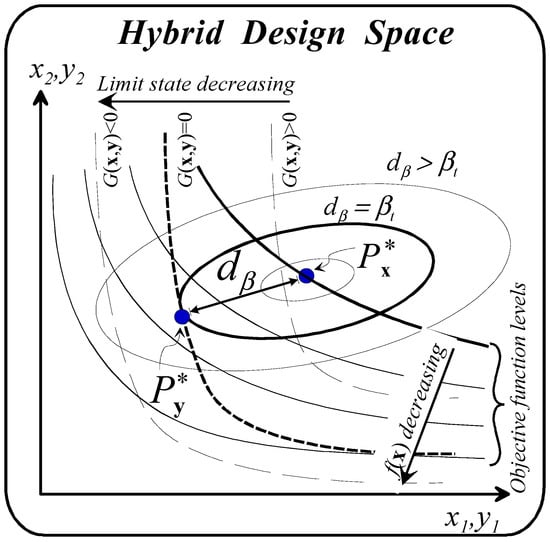
This paper presents a surrogate-based uncertainty quantification (UQ) framework for coupled structural–acoustic systems subject to material and geometric variability. The proposed methodology integrates the Finite Element Method (FEM) with two metamodeling techniques—the Quadratic Response Surface (QRS) and Kriging—and Monte Carlo Simulations (MCS), to
[...] Read more.
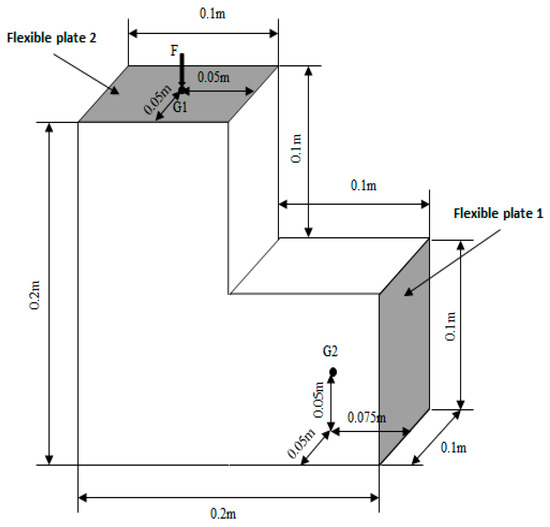
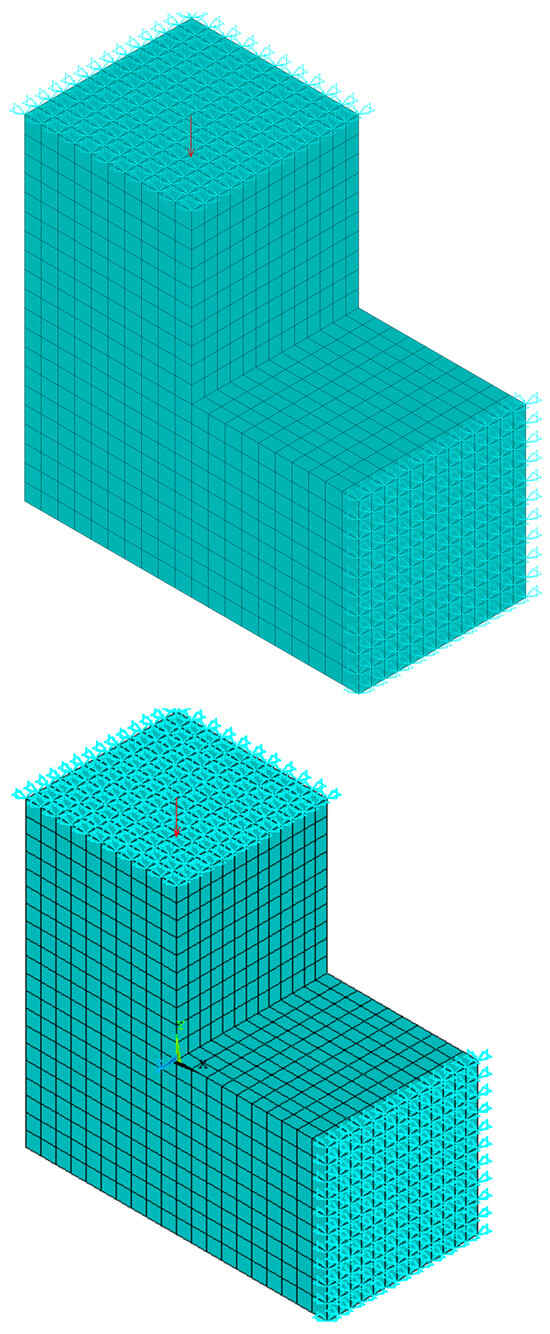
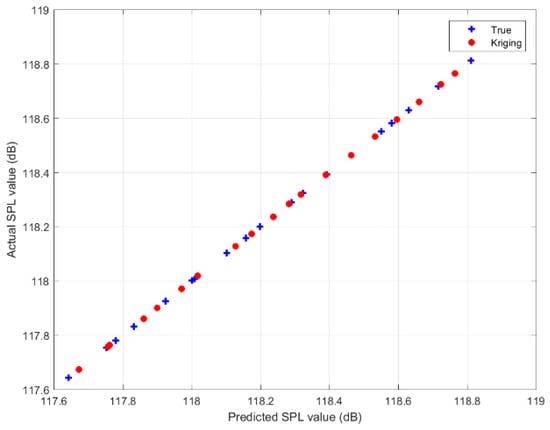
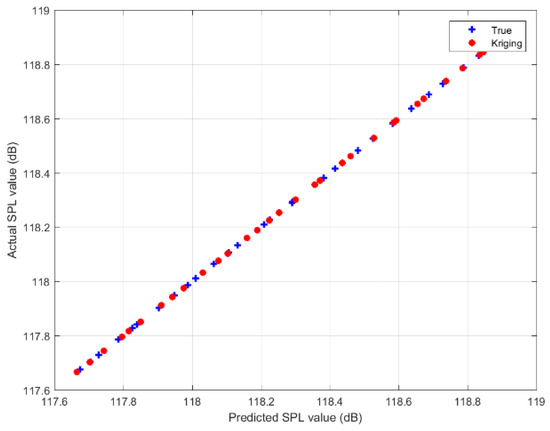
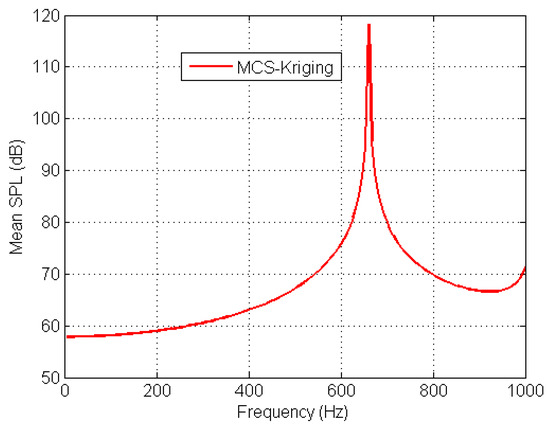
This paper presents a surrogate-based uncertainty quantification (UQ) framework for coupled structural–acoustic systems subject to material and geometric variability. The proposed methodology integrates the Finite Element Method (FEM) with two metamodeling techniques—the Quadratic Response Surface (QRS) and Kriging—and Monte Carlo Simulations (MCS), to efficiently characterize the probabilistic behavior of the acoustic response. Two accuracy metrics (cross-validation error and prediction error) are used to validate the surrogate models. Numerical experiments demonstrate that the Kriging metamodel trained with 30 Latin Hypercube Sampling (LHS) points achieves superior predictive accuracy, with a Relative Maximum Error of 4.125 × 10⁻⁷. Monte Carlo Simulations conducted via the Kriging surrogate reduce the computational cost by more than six orders of magnitude compared to direct FEM-based MCS, while maintaining high accuracy. The proposed framework is validated on a rectangular cavity coupled with two flexible aluminum plates, and provides an efficient and accurate tool for vibro-acoustic UQ in complex engineering systems.
Full article

Figure 1
Open AccessArticle
An Approximate Analytical Method for Predicting Attenuation Due to Ground Effect
by
Keith Attenborough
Acoustics 2026, 8(2), 30; https://doi.org/10.3390/acoustics8020030 - 11 May 2026
Abstract
►▼
Show Figures
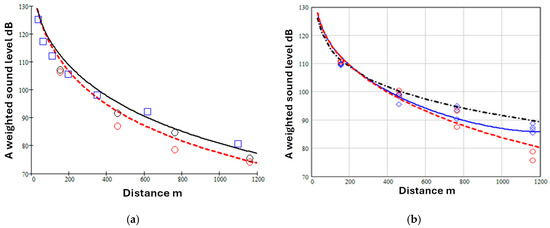
An approximate analytical model for the variation of A-weighted broadband sound levels with distance over flat acoustically soft ground from a source of known sound power depends on the reduction in low frequency content in noise spectra due to A-weighting. Also, it assumes
[...] Read more.
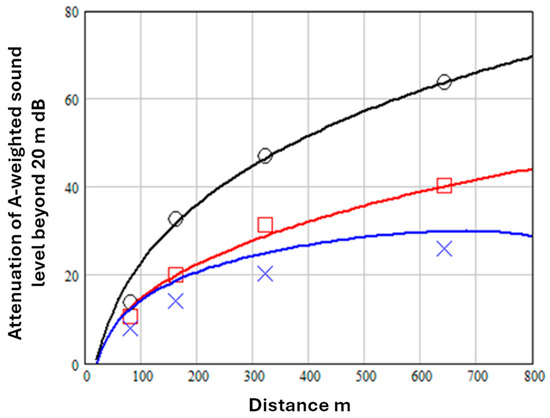
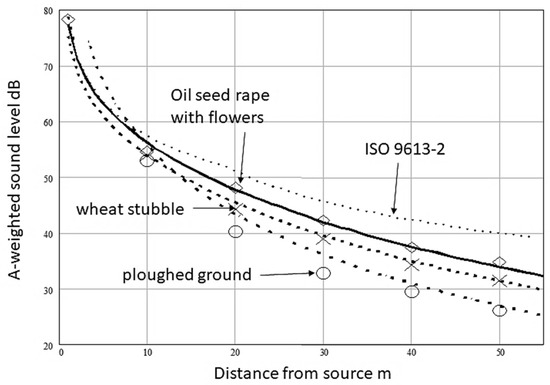
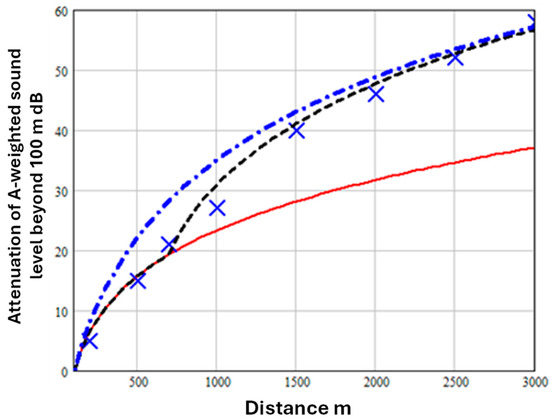
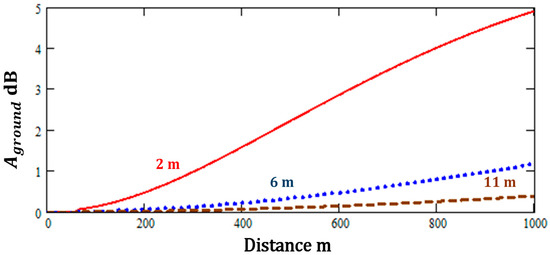
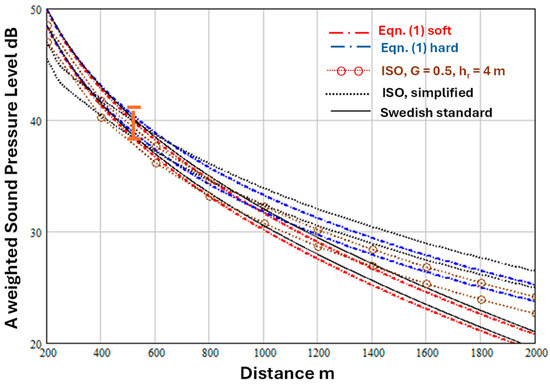
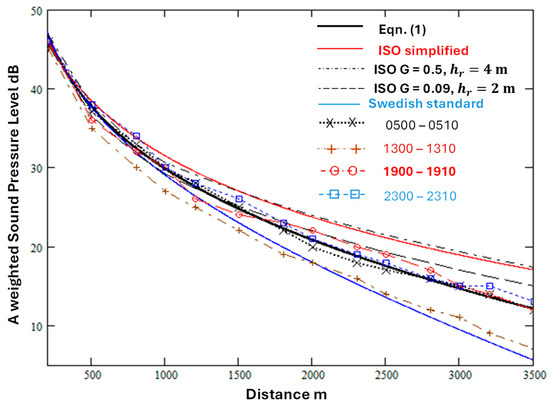
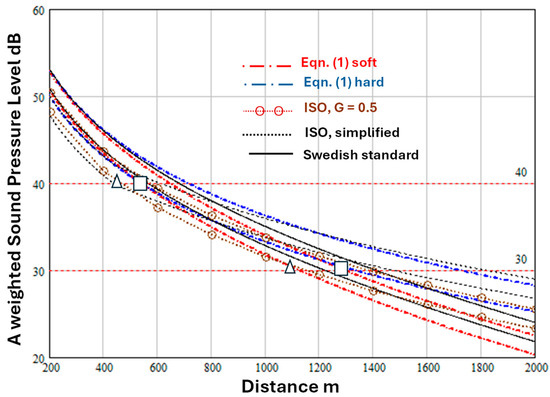
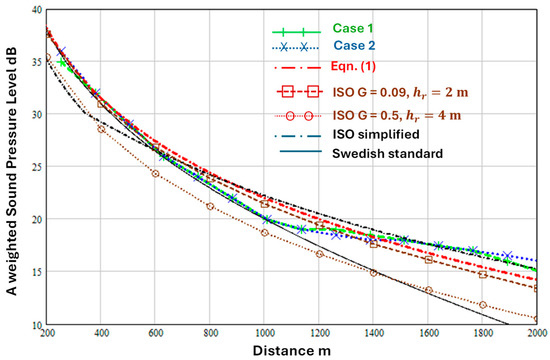
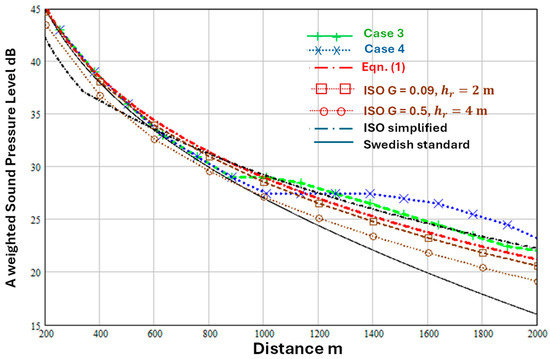
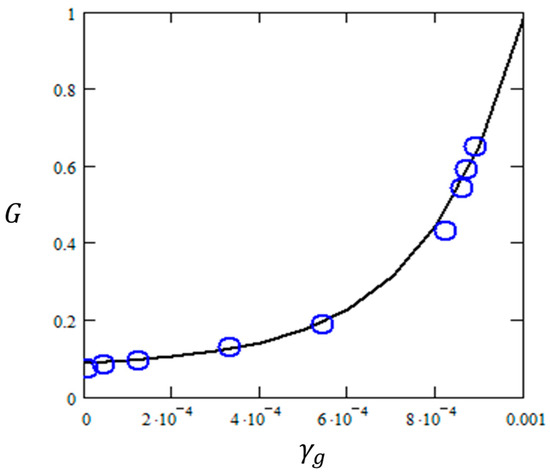
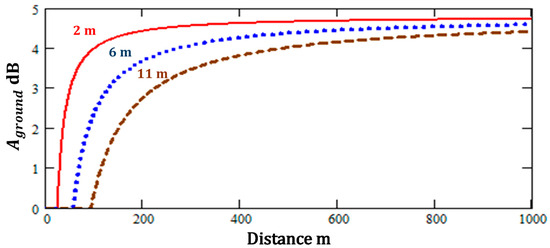
An approximate analytical model for the variation of A-weighted broadband sound levels with distance over flat acoustically soft ground from a source of known sound power depends on the reduction in low frequency content in noise spectra due to A-weighting. Also, it assumes a weak linear sound speed gradient and a frequency independent attenuation coefficient for air absorption. The model introduces adjustable frequency independent parameters for ground effect, turbulence and atmospheric refraction. An additional parameter allows for the source being located over acoustically hard ground. Predictions of the model are compared with measurements over several ground surfaces. The approximate model predicts a more rapid reduction in sound attenuation due to ground effect with increasing mean propagation path height than the simplified method in a widely used international standard. Moreover, predictions of A-weighted sound levels from onshore wind turbines using the approximate analytical method compare with data and numerical simulations better than the simplified and octave band methods in the international standard and the Swedish standard method.
Full article

Figure 1
Open AccessArticle
Evaluation of the Effect of Vibration and Acoustic Signals in a Class II Biological Safety Cabinet on Wound Healing in Keratinocytes
by
Mete Öğüç and Zeynep Güneş Özünal
Acoustics 2026, 8(2), 29; https://doi.org/10.3390/acoustics8020029 - 29 Apr 2026
Abstract
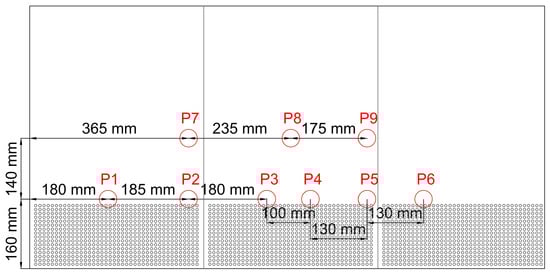
Class II biological safety cabinets (BSCs) are designed to protect the user, the product, and the laboratory environment by maintaining HEPA-filtered airflow; however, their fans, alarms, and structural resonances introduce acoustic and vibrational stimuli that may confound mechanosensitive cell-culture assays. In this study,
[...] Read more.
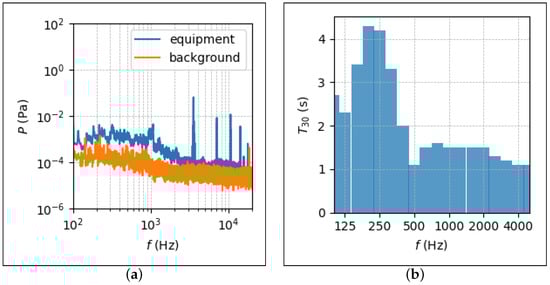
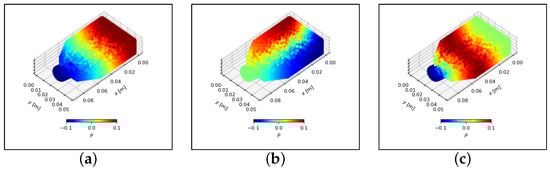
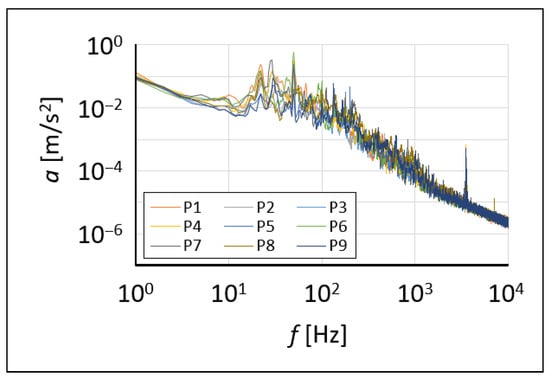
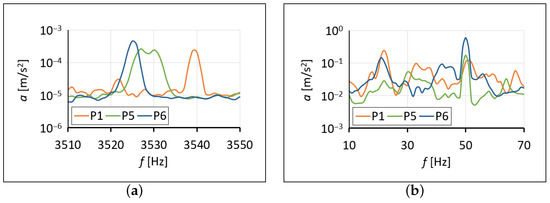
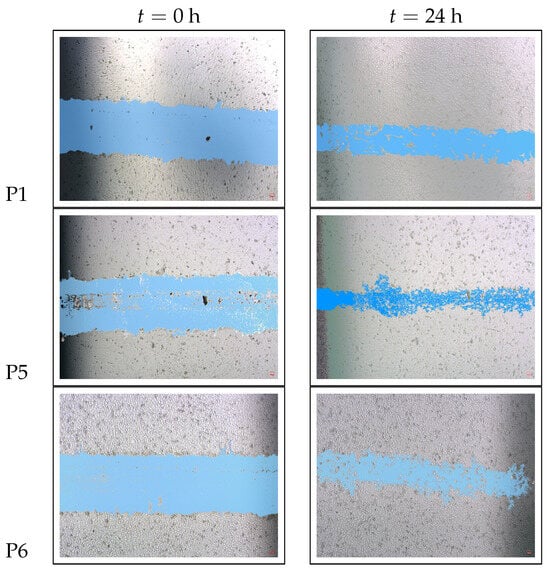
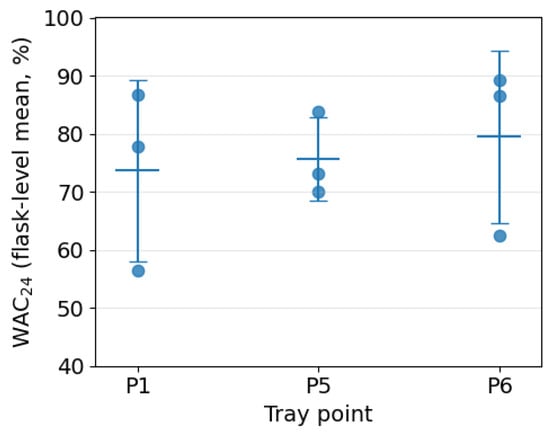
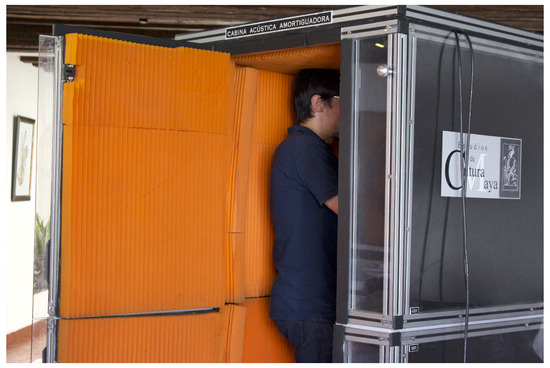
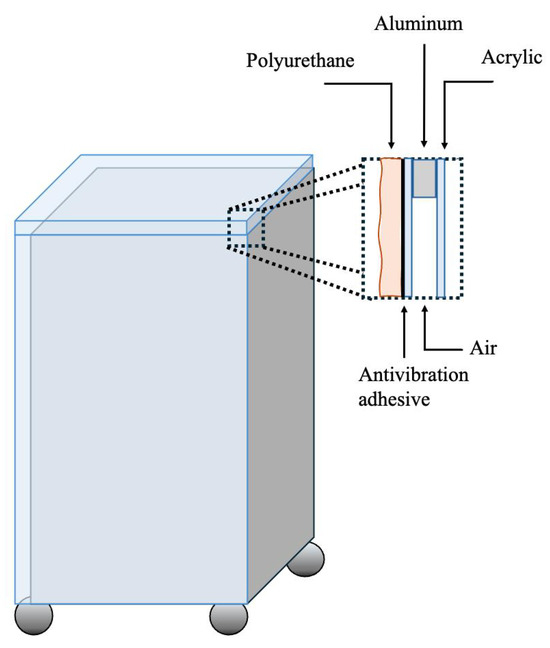
Class II biological safety cabinets (BSCs) are designed to protect the user, the product, and the laboratory environment by maintaining HEPA-filtered airflow; however, their fans, alarms, and structural resonances introduce acoustic and vibrational stimuli that may confound mechanosensitive cell-culture assays. In this study, we characterized the vibroacoustic environment of a cell-culture laboratory and a Class II BSC, selected representative tray locations based on measured and modeled stimuli, and evaluated in vitro wound closure in HaCaT keratinocytes using a scratch assay under alarm-induced acoustic exposure. Wound closure after 24 h was quantified using a relative area-closure metric defined as one minus the ratio of wound area at 24 h to wound area at 0 h. For each biological replicate (one flask and one scratch), two non-overlapping image regions were treated as technical subsamples and averaged to obtain a single flask-level value. Three independent experimental runs were performed, each including one flask per tray point, yielding n equals 3 independent flasks per tray point. Mean wound closure values were 73.7 percent plus or minus 15.6 percent, 75.6 percent plus or minus 7.2 percent, and 79.4 percent plus or minus 14.8 percent for tray points P1, P5, and P6, respectively (mean plus or minus standard deviation). No statistically significant differences were detected among points (one-way ANOVA on flask-level values, F equals 0.15, p equals 0.86). These findings highlight that BSC-associated acoustic and vibration stimuli should be documented when interpreting scratch-assay outcomes and motivate larger, sham-controlled studies to resolve small effect sizes relevant for assay reproducibility.
Full article
(This article belongs to the Special Issue Vibration and Noise (3rd Edition))
►▼
Show Figures

Figure 1
Open AccessArticle
Noise Characteristics and Multi-Dimensional Sound Quality Evaluation of High-Frequency Transformers Under Non-Sinusoidal Excitation
by
Cai Zeng, Li Li, Yexin Zhu, Xing Du, Jie Zhang, Xiaoqiong He and Xinbiao Xiao
Acoustics 2026, 8(2), 28; https://doi.org/10.3390/acoustics8020028 - 26 Apr 2026
Abstract
►▼
Show Figures
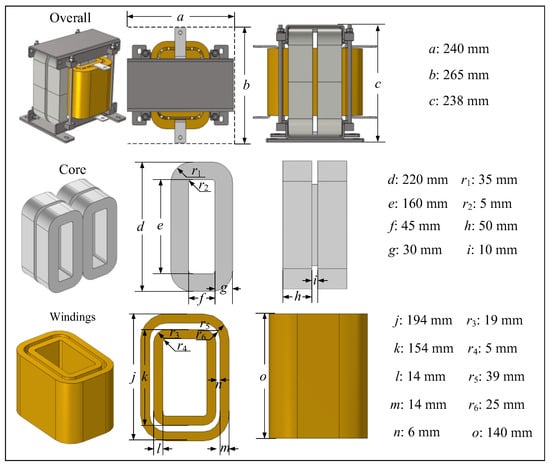
High-frequency transformer (HFT) noise is a pivotal indicator of equipment performance. To conduct a comprehensive evaluation, this study systematically performed testing and evaluation on the noise generated by a 70 kW HFT under no-load conditions. Acoustic data were collected using acoustic sensors and
[...] Read more.
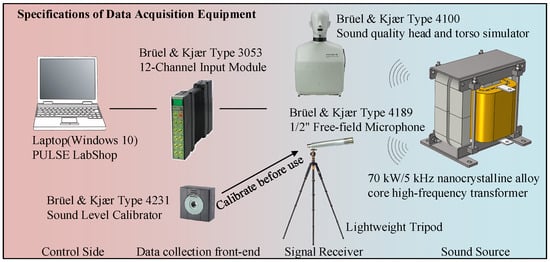
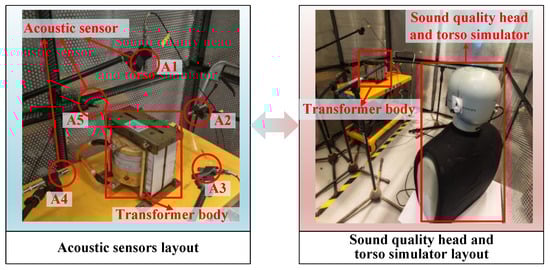
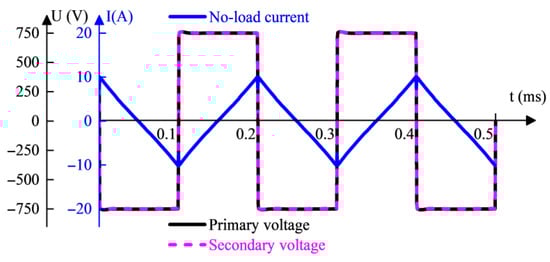
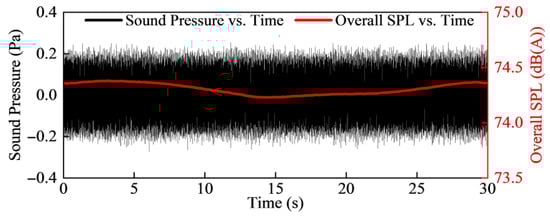
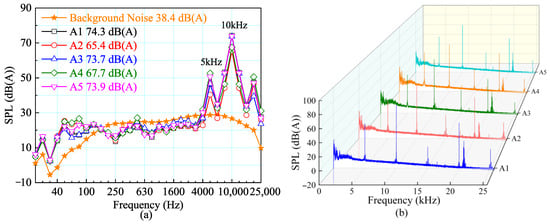
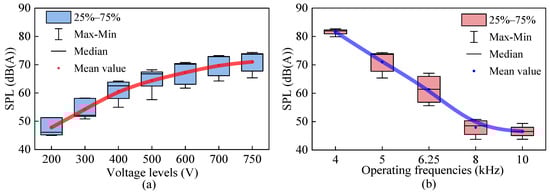
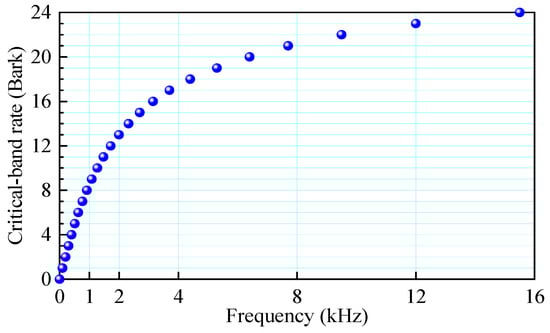
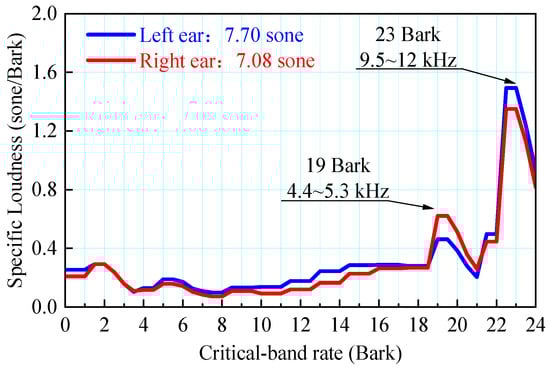
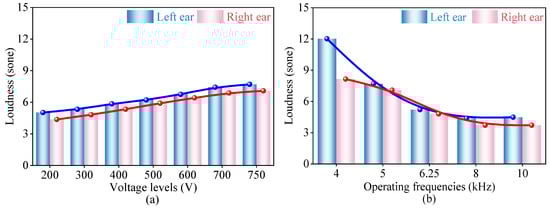
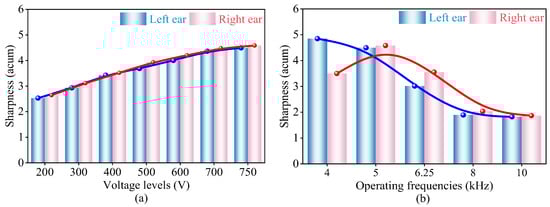
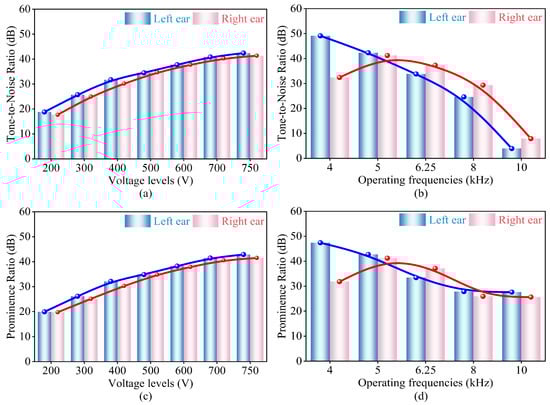
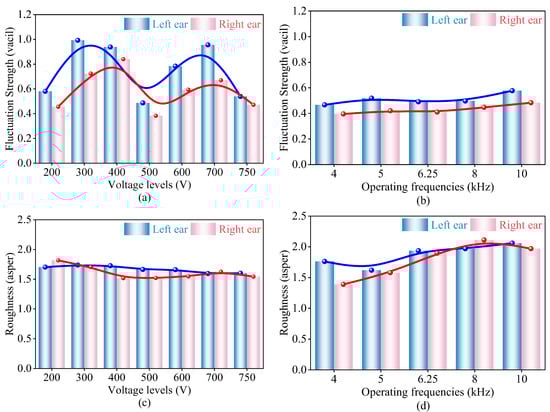
High-frequency transformer (HFT) noise is a pivotal indicator of equipment performance. To conduct a comprehensive evaluation, this study systematically performed testing and evaluation on the noise generated by a 70 kW HFT under no-load conditions. Acoustic data were collected using acoustic sensors and a head-and-torso simulator, followed by an analysis of noise characteristics focusing on the impacts of voltage levels and operating frequencies. A multi-dimensional evaluation of HFT noise was carried out using sound quality parameters to unravel its intrinsic attributes under electrical parameter excitation. The key findings are as follows: HFT noise exhibits steady-state time-domain behavior and distinct tonal frequency-domain features; the dominant frequency is twice the operating frequency, with prominent harmonics. The noise intensity increases with the voltage levels (~47.0 dB (A) at 200 V to ~72.0 dB (A) at 750 V at 5 kHz) but decreases with the operating frequencies (~82.0 dB (A) at 4 kHz to ~47.0 dB (A) at 10 kHz at 750 V). This study establishes correlations between the electrical parameters and sound quality metrics; the loudness, sharpness, tone-to-noise ratio and prominence ratio are sensitive to the electrical parameters of HFT. Single-frequency noise from HFT exhibits remarkable perceptual salience, exacerbating the perceived annoyance. Thus, HFT design should prioritize reducing single-frequency noise to alleviate such issues.
Full article

Figure 1
Open AccessArticle
Application and Development of Aircraft Flyover Measurements in China
by
Haoyuan Dong, Cheng Wei Lee, Yuqi Zhou and Wei Ma
Acoustics 2026, 8(2), 27; https://doi.org/10.3390/acoustics8020027 - 23 Apr 2026
Abstract
►▼
Show Figures
Aircraft flyover measurements are used to record the acoustic pressure signals generated by large civil aircraft as they fly over a large-scale microphone array deployed on the ground, thereby obtaining the spatial distribution of aircraft airframe noise and providing technical support for aircraft
[...] Read more.
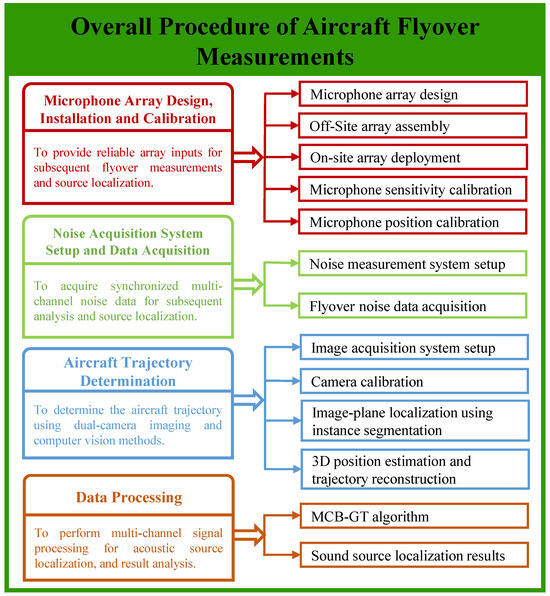
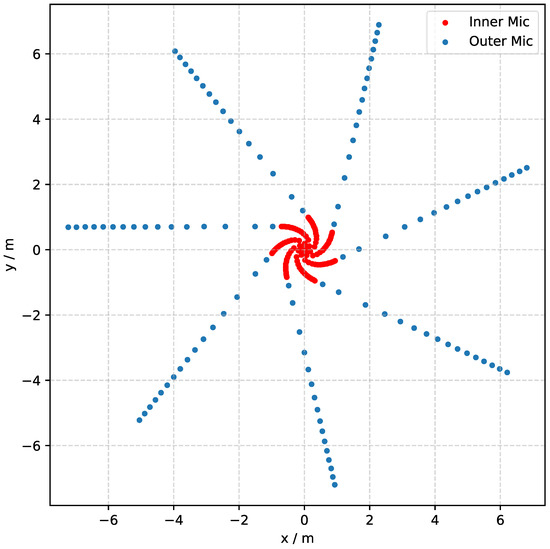
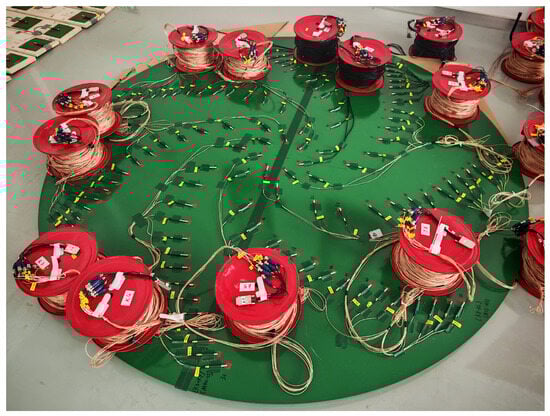
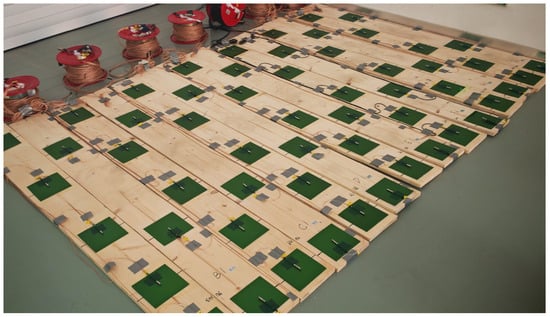
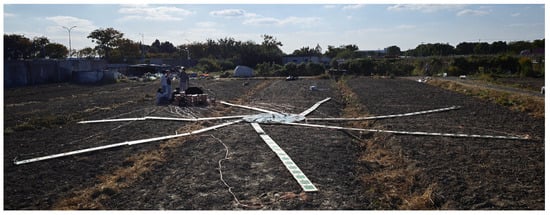
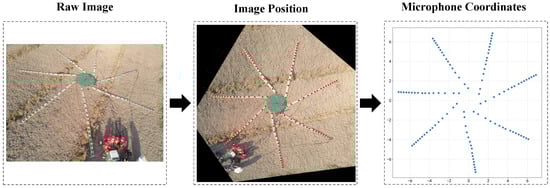
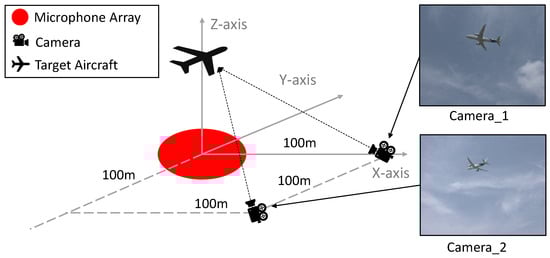
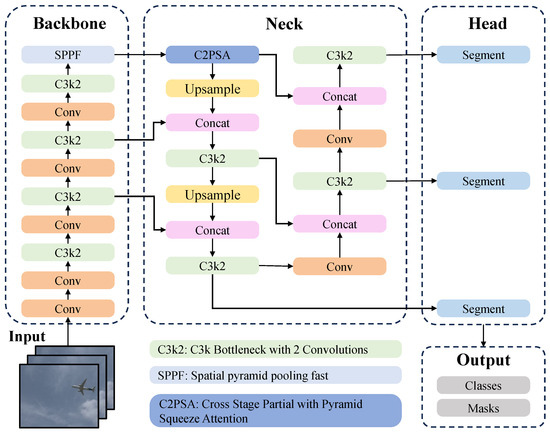
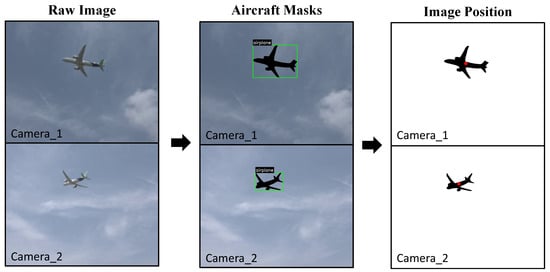
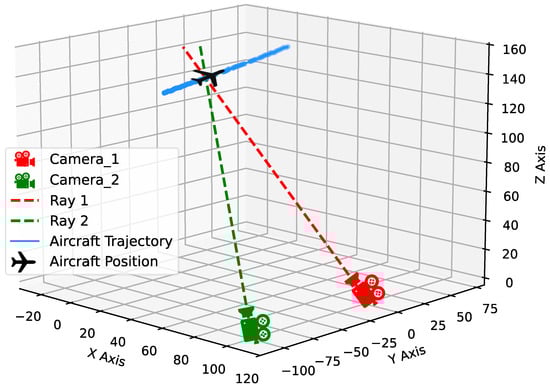
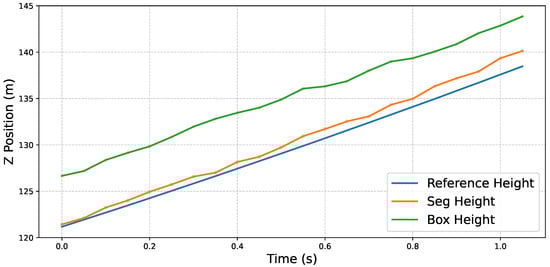
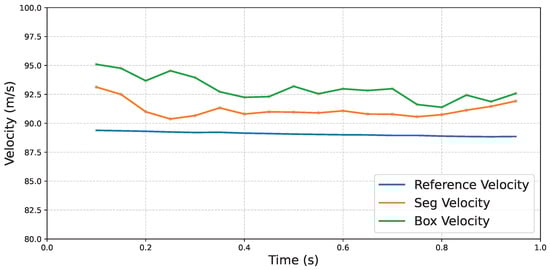
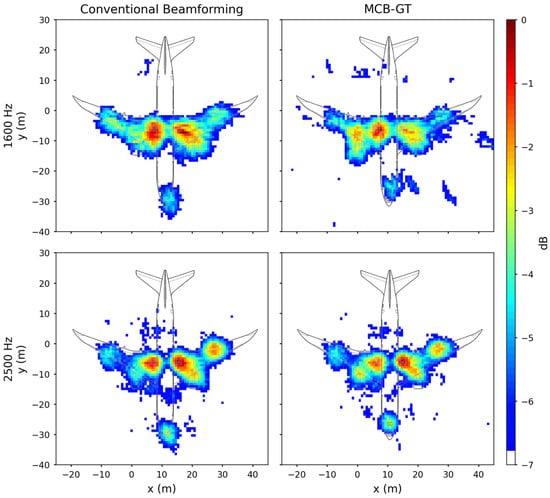
Aircraft flyover measurements are used to record the acoustic pressure signals generated by large civil aircraft as they fly over a large-scale microphone array deployed on the ground, thereby obtaining the spatial distribution of aircraft airframe noise and providing technical support for aircraft noise reduction. Aircraft flyover measurements have been widely applied in the research and development of numerous large civil aircraft in Europe and North America since the 1990s. In recent years, aircraft flyover measurements have also been extensively adopted in China, particularly with the rapid development of COMAC C919 large civil aircraft. Computer vision techniques have also been applied to microphone position calibration and aircraft trajectory determination in measurements, which has effectively improved measurement efficiency and accuracy. This paper presents an integrated procedure for aircraft flyover measurements of large civil aircraft in China, including microphone array design, installation, and calibration, noise acquisition system setup and data acquisition, aircraft trajectory determination, and data processing.
Full article

Figure 1
Open AccessArticle
An Archaeoacoustic Analysis of a Single-Nave Hall in the Cellars of Diocletian’s Palace in Split, Croatia
by
Mateja Nosil Mešić, Marko Horvat and Zoran Veršić
Acoustics 2026, 8(2), 26; https://doi.org/10.3390/acoustics8020026 - 20 Apr 2026
Abstract
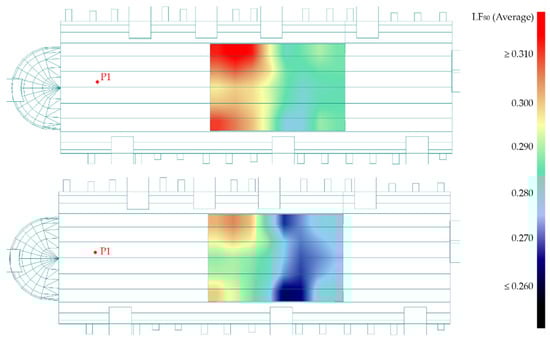
Diocletian’s palace with its cellars represents one of the most important cultural heritage sites of the ancient Roman civilisation on the present-day Croatian territory. The cellar complex has been rediscovered only recently and has been preserved remarkably well due to its centuries-long concealment
[...] Read more.
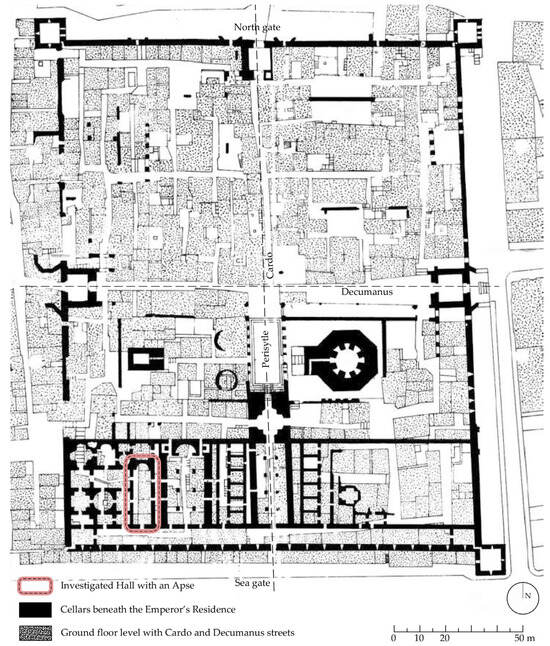
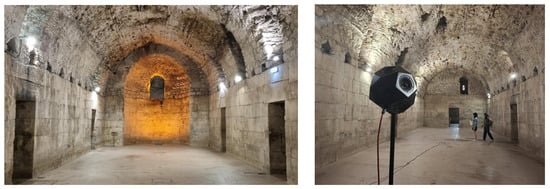
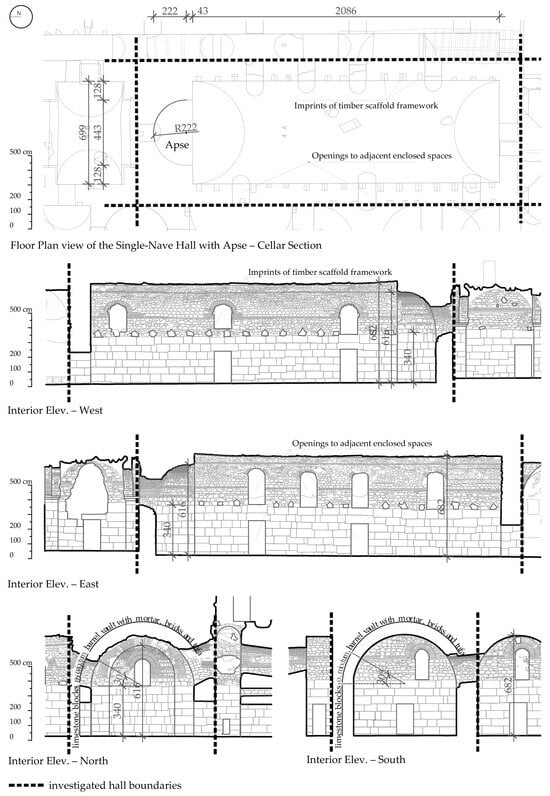
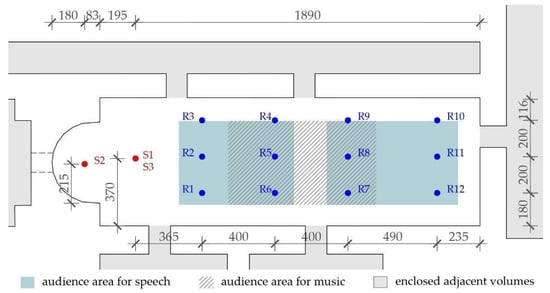
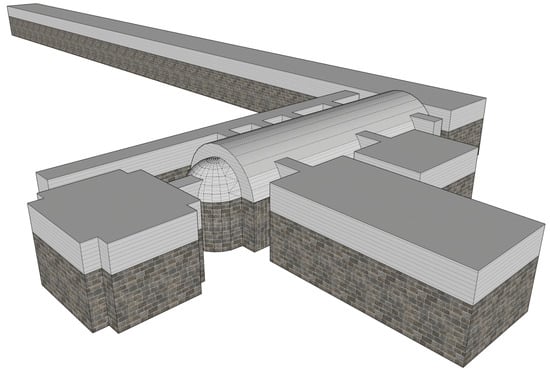
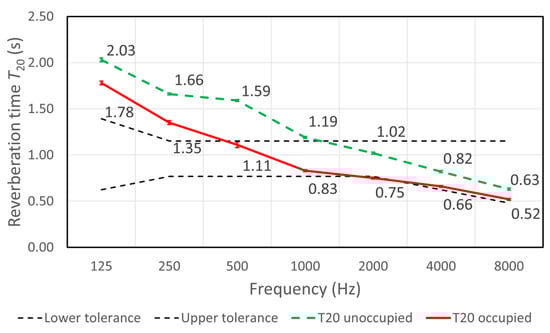
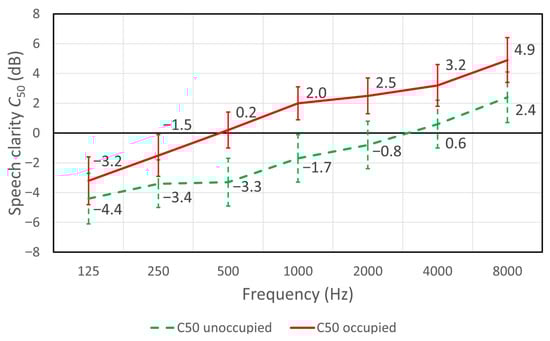
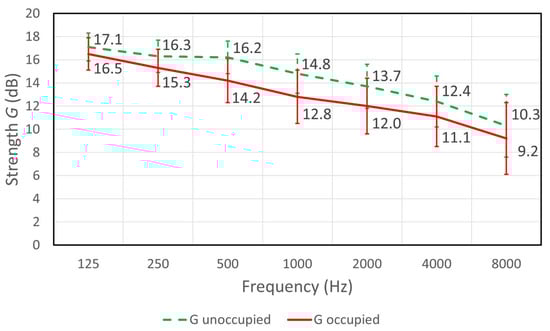
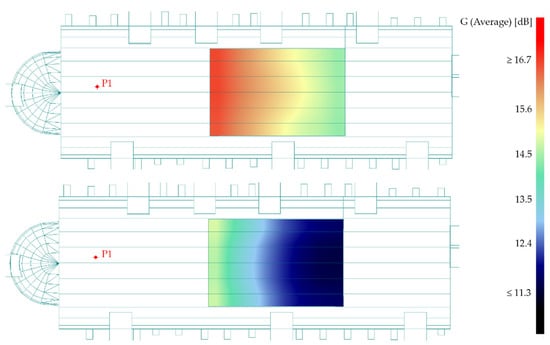
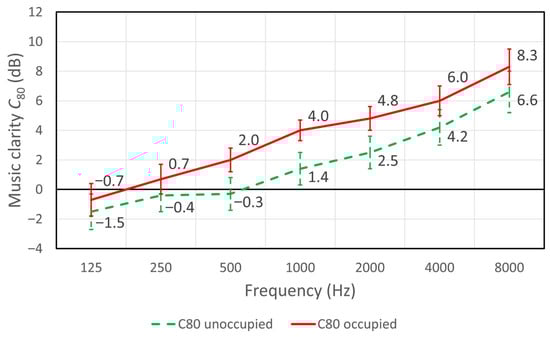
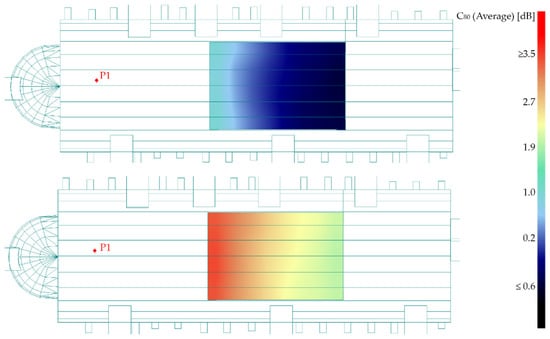
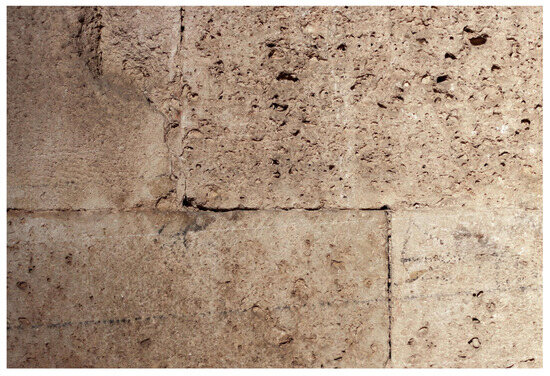
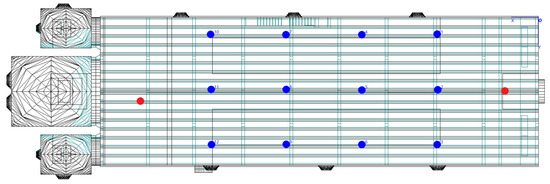
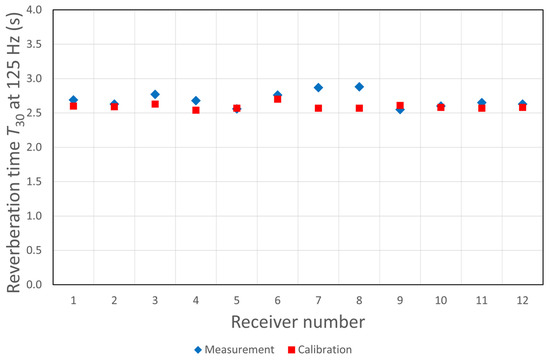
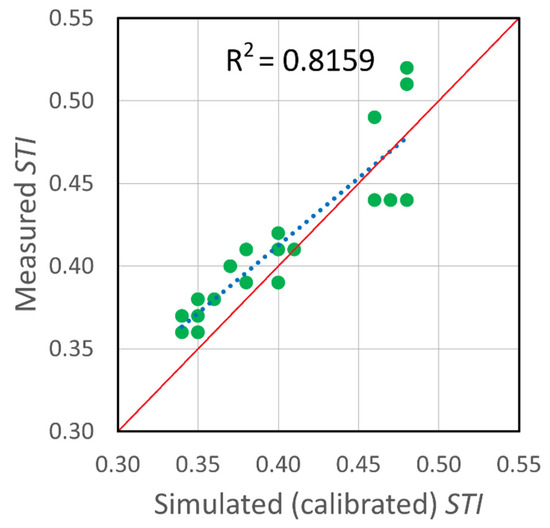
Diocletian’s palace with its cellars represents one of the most important cultural heritage sites of the ancient Roman civilisation on the present-day Croatian territory. The cellar complex has been rediscovered only recently and has been preserved remarkably well due to its centuries-long concealment beneath mediaeval urban matrices. An archaeoacoustic analysis was performed on a selected single-nave hall as a small part of this complex. A model of the hall was developed in room acoustics simulation software and calibrated based on the results of field measurements. Acoustic suitability of the hall for speech-based events and music performances was then evaluated according to contemporary objective criteria, and the findings were compared with the results of similar studies performed on other heritage sites. The hall was found to be very well suited for speech in terms of intelligibility and mid-frequency reverberation, thus showing potential for revitalisation, with excessive low-frequency reverberation in the hall and reduced audibility in the farthest part of the audience as potential issues. With a feasible audience size, the hall is not reverberant enough for music performances but provides high clarity. In terms of sound strength, the hall is suitable for solo performers or small ensembles. Excessive perceptive broadening of the sound source is expected due to strong early lateral energy. In terms of traditional Dalmatian a cappella singing, the acoustics of the hall are likely to support and enhance such performances.
Full article
(This article belongs to the Collection Historical Acoustics)
►▼
Show Figures

Figure 1
Open AccessArticle
Mesoscale Eddy Characteristics and Their Influence on Acoustic Propagation in the Kuroshio Boundary Region
by
Shisong Zhang, Xiaofang Sun and PingBo Wang
Acoustics 2026, 8(2), 25; https://doi.org/10.3390/acoustics8020025 - 20 Apr 2026
Abstract
►▼
Show Figures
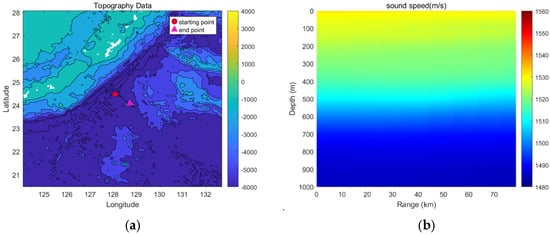
This study focuses on how mesoscale eddies at the Kuroshio boundary in the East China Sea modulate underwater acoustic propagation. Using high-resolution reanalysis data from the Hybrid Coordinate Ocean Model (HYCOM) and validated acoustic ray-tracing simulations, the OW + SLA method is employed
[...] Read more.
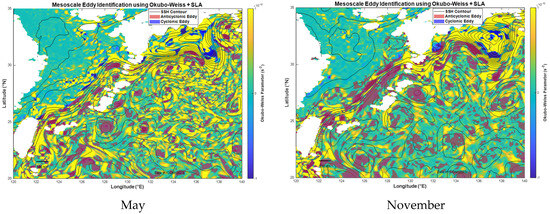
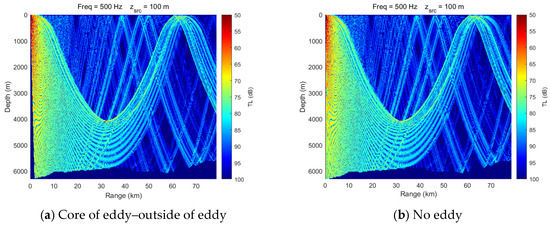
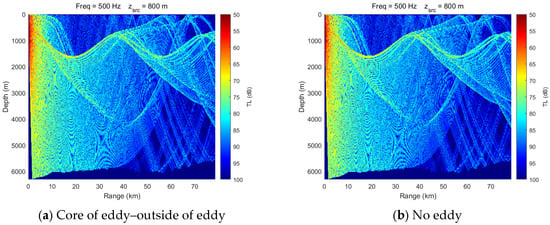
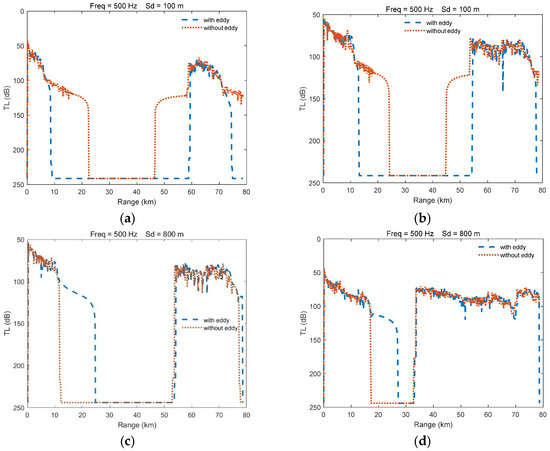
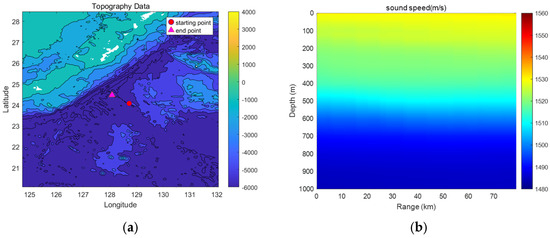
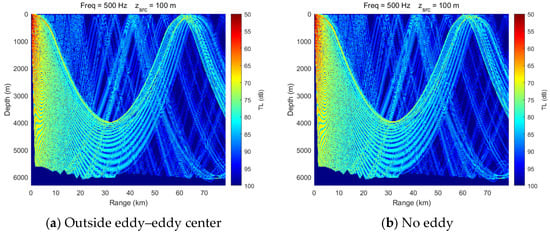
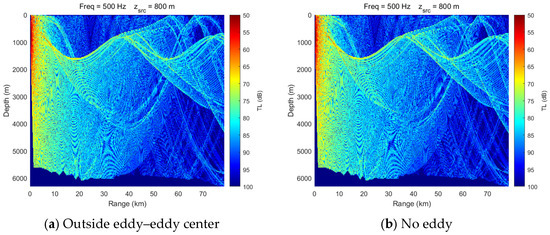
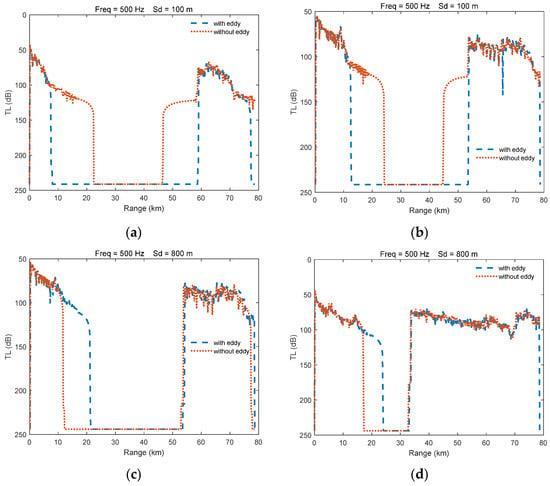
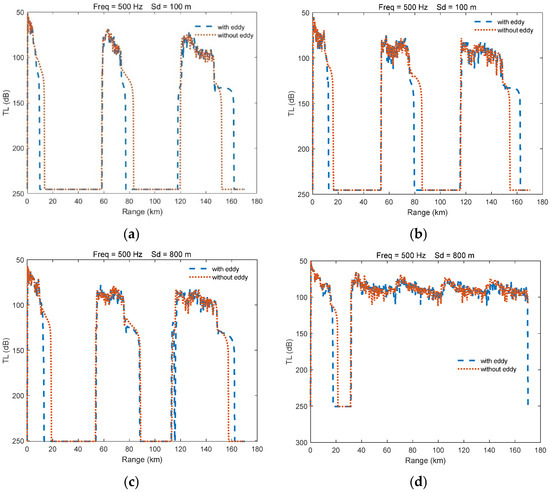
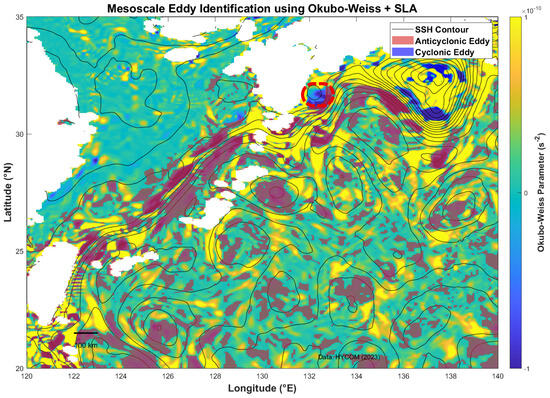
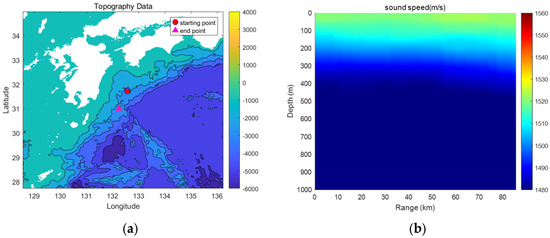
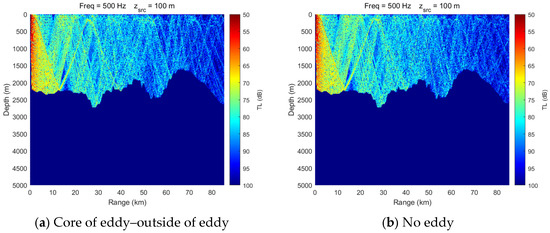
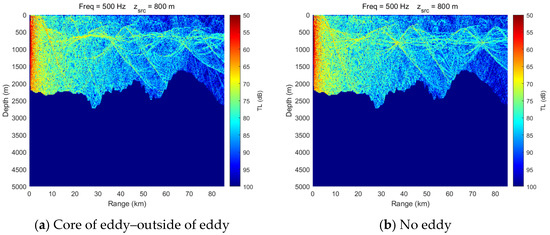
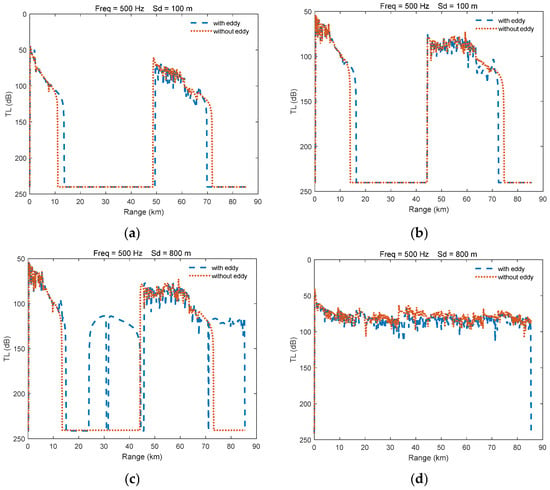
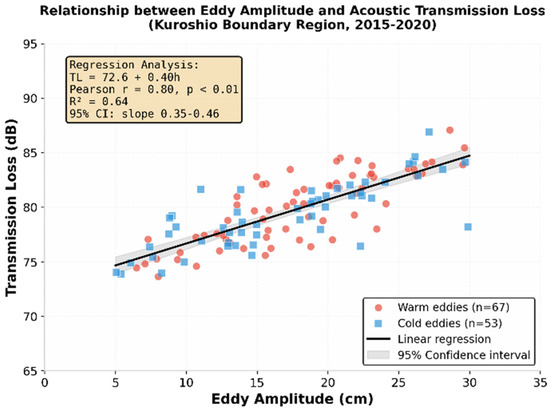
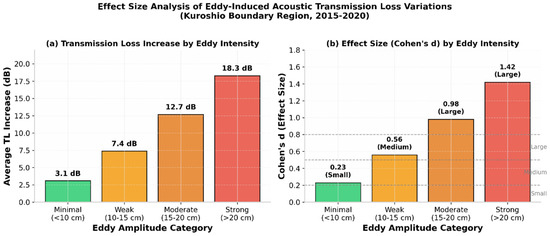
This study focuses on how mesoscale eddies at the Kuroshio boundary in the East China Sea modulate underwater acoustic propagation. Using high-resolution reanalysis data from the Hybrid Coordinate Ocean Model (HYCOM) and validated acoustic ray-tracing simulations, the OW + SLA method is employed for eddy identification and classification. Statistical analysis of 120 eddy events from 2015 to 2020 clarifies their seasonal variation characteristics. Warm eddies shift the convergence zone 15–30 km away from the sound source and broaden it by 20–40%, while cold eddies shift it 10–25 km toward the source and narrow it by 15–35%. A linear relationship exists between eddy amplitude and acoustic transmission loss (TL = 72.4 + 0.42 h, R2 = 0.61), where TL is the transmission loss in decibels (dB) and h is the eddy amplitude in meters (m), and there are depth-dependent transmission loss modulation effects. These results provide practical guidance not only for sonar system design and acoustic communication optimization but also for error correction in underwater acoustic navigation systems operating in eddy-prone environments.
Full article

Figure 1
Open AccessArticle
Numerical Investigation of Stiffness Saturation and Damping Effects on Underwater Acoustic Radiation of Composite Grillage Structures
by
Dajiang Wu, Zhenlong Zhou and Yuelin Zhang
Acoustics 2026, 8(2), 24; https://doi.org/10.3390/acoustics8020024 - 1 Apr 2026
Abstract
►▼
Show Figures
Enhancing the vibroacoustic performance of underwater vehicles remains a critical challenge in marine engineering. Increasing geometric stiffness is a conventional strategy to suppress vibration, yet its effectiveness in reducing underwater sound radiation can be practically limited. This paper presents a numerical investigation of
[...] Read more.
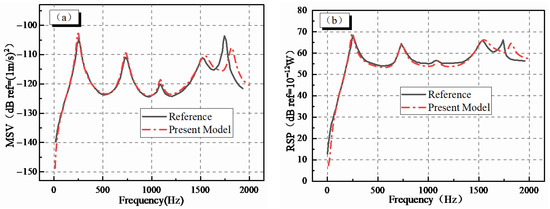
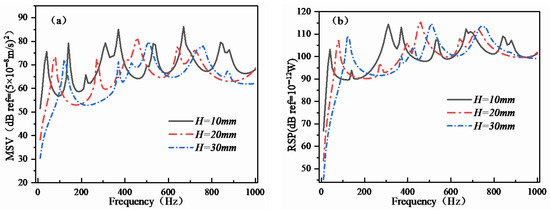
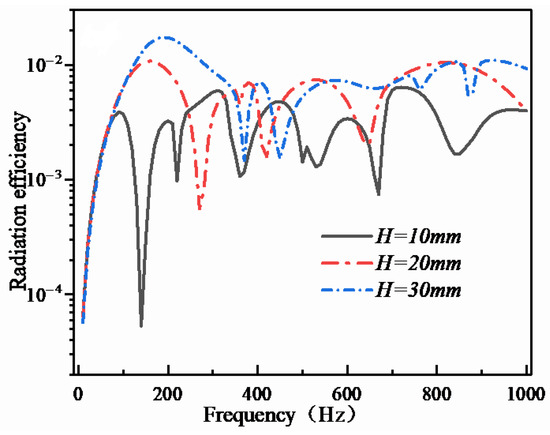
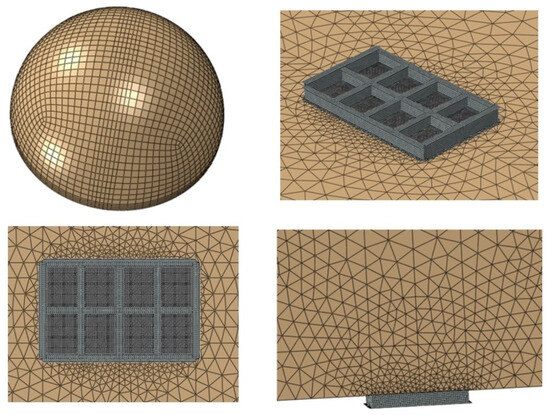
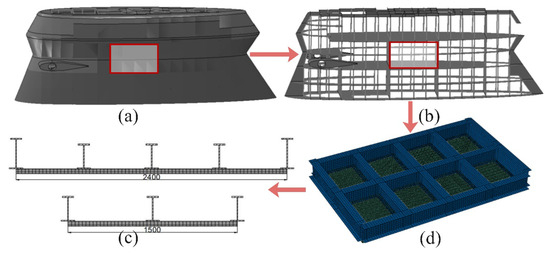
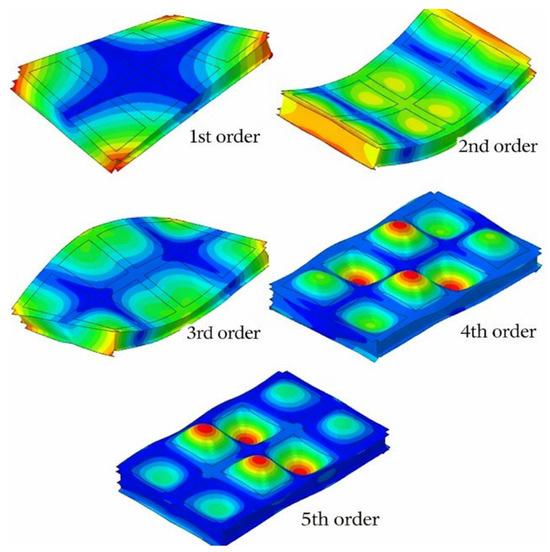
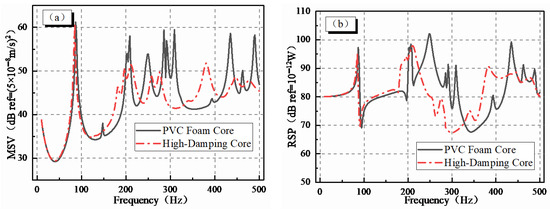
Enhancing the vibroacoustic performance of underwater vehicles remains a critical challenge in marine engineering. Increasing geometric stiffness is a conventional strategy to suppress vibration, yet its effectiveness in reducing underwater sound radiation can be practically limited. This paper presents a numerical investigation of the vibroacoustic response of composite grillage sandwich structures, with a focus on separating the contributions of geometric stiffening and core damping. A coupled acoustic structural model is developed based on the equivalent single layer theory and implemented in a finite element framework, then validated against analytical benchmark solutions. The parametric study reveals a stiffness saturation phenomenon in the acoustic domain. Although increasing rib height significantly reduces the mean square velocity, the radiated sound power reaches a saturation plateau and can even show a slight rebound at higher frequencies. This behavior is attributed to an increase in structural phase velocity that shifts modal components toward a more efficient radiation regime, thereby increasing radiation efficiency. To address this limitation, the damping modulation role of the core material is examined. The results show that introducing a high damping core into the grillage skeleton suppresses broadband noise and resonance peaks, without a comparable rise in radiation efficiency that may accompany geometric stiffening. The study indicates that a hierarchical synergistic design strategy that uses geometric stiffness for load bearing and low frequency control, while leveraging core damping to mitigate the acoustic saturation limit, provides useful physical insight into more efficient noise control approaches than purely stiffness based approaches.
Full article

Figure 1
Open AccessArticle
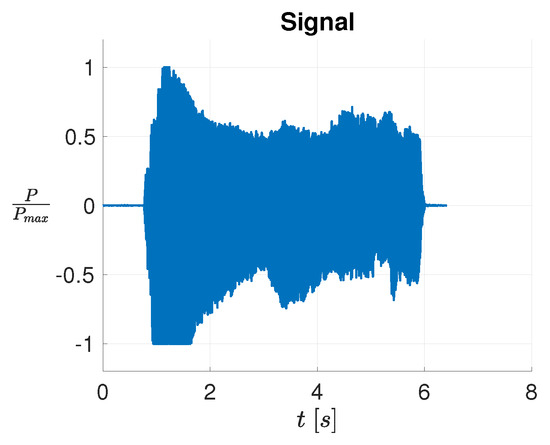
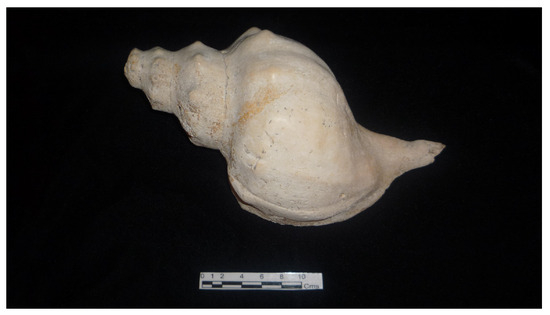
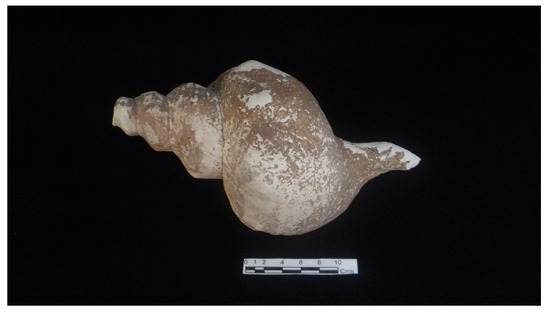
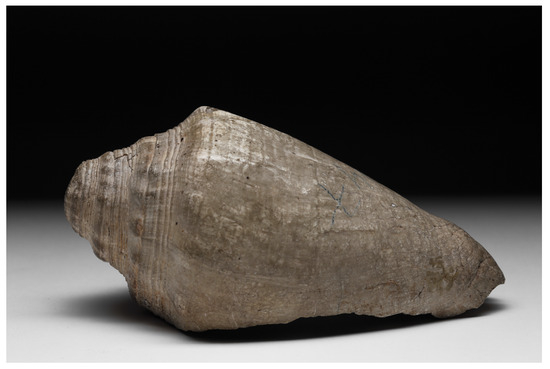
Modelling of Shell Trumpet Overtones and Acoustics of Helicoidal Geometries
by
Marcel-André Ramírez-Trocherie, Pablo Padilla, Francisca Zalaquett and Martín Salinas-Vázquez
Acoustics 2026, 8(2), 23; https://doi.org/10.3390/acoustics8020023 - 1 Apr 2026
Abstract
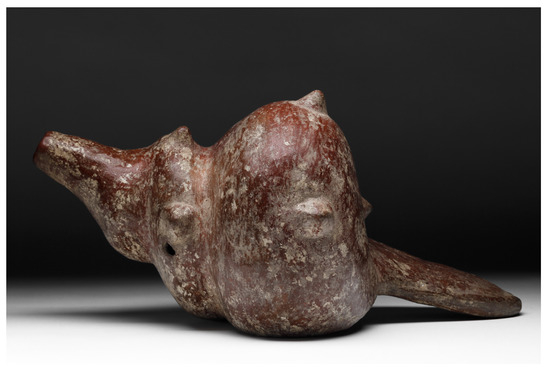
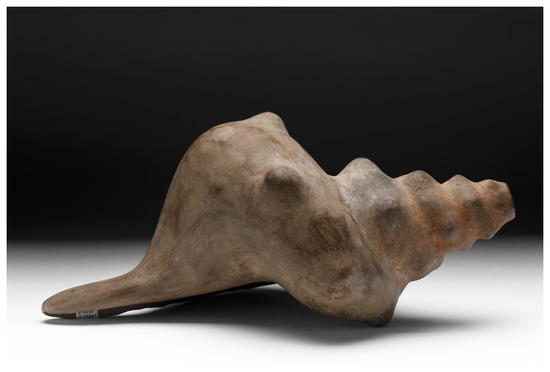
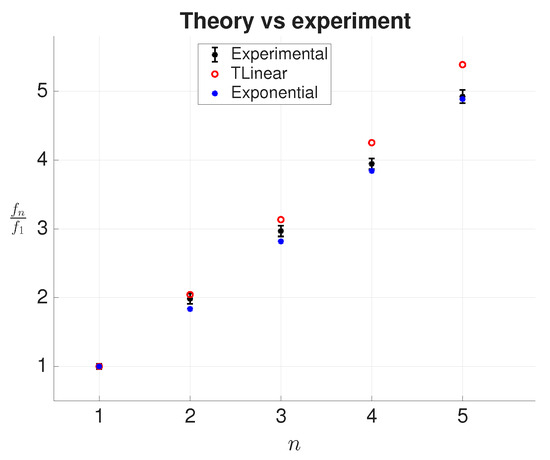
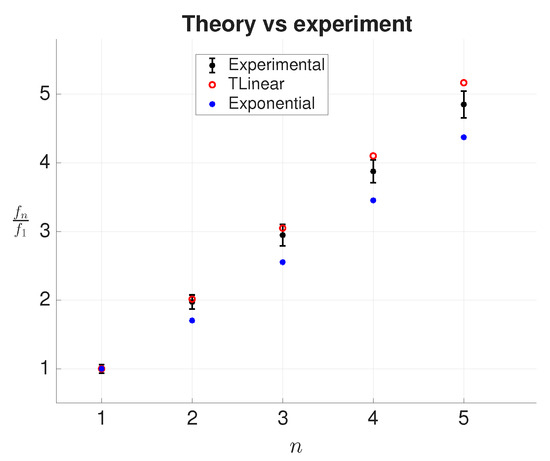
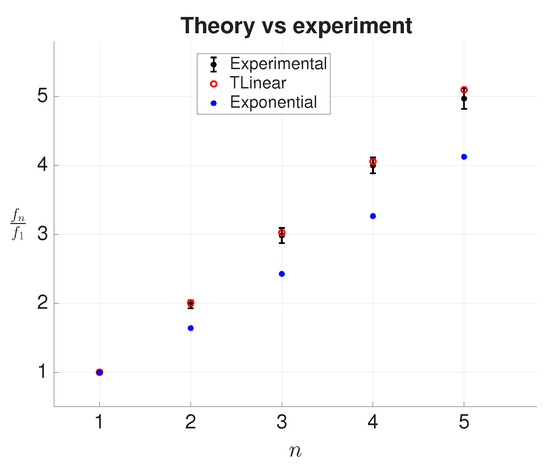
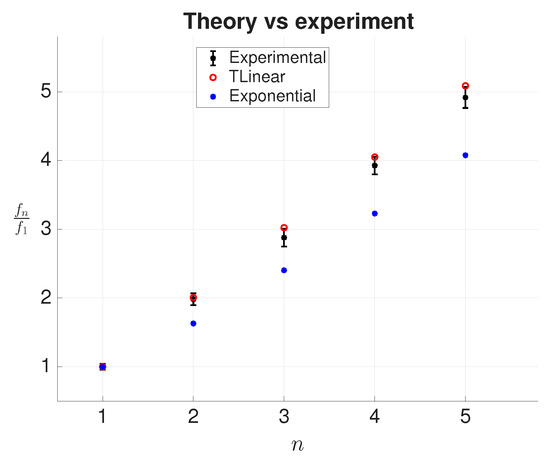
In this work, the propagation of acoustic waves in shell trumpets is explored, and the overtones generated by them are studied. We consider different shell geometries, for which their particular morphology is taken into account. This impacts the fundamental frequencies as well as
[...] Read more.
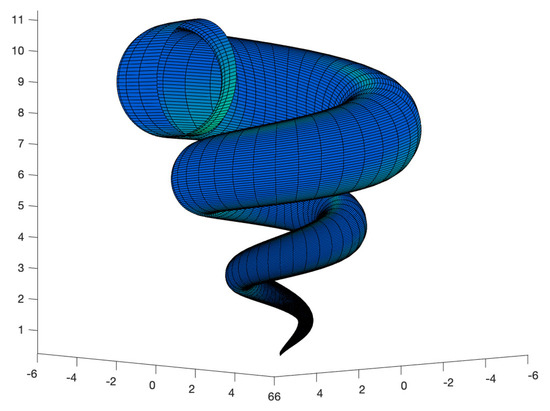
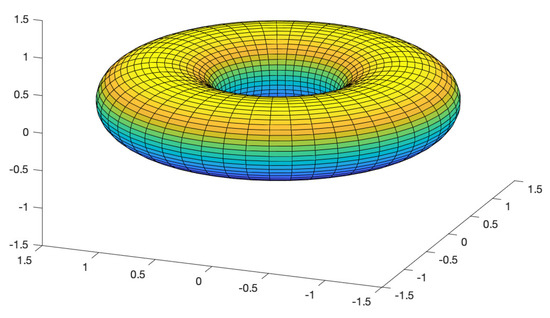
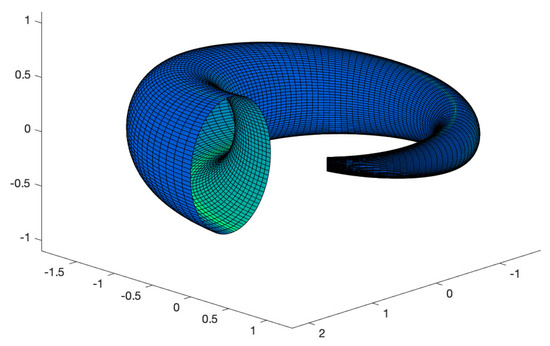
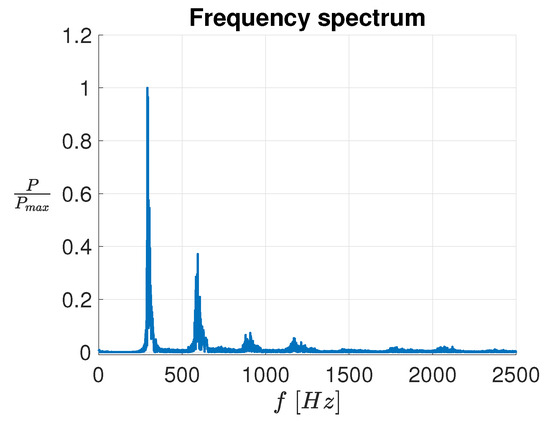
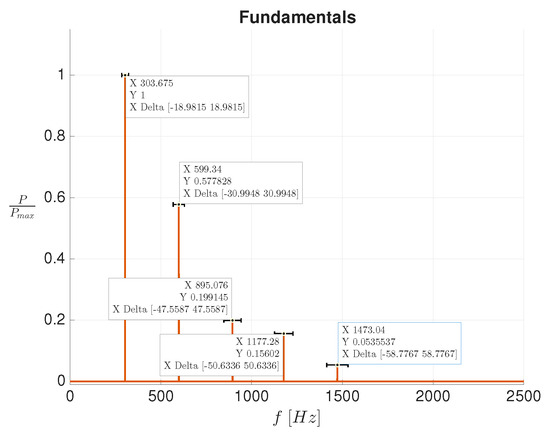
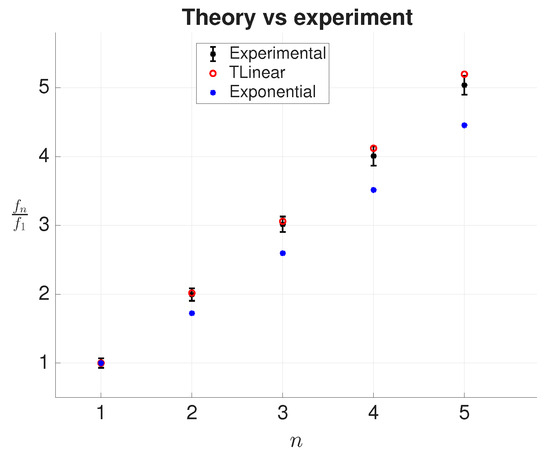
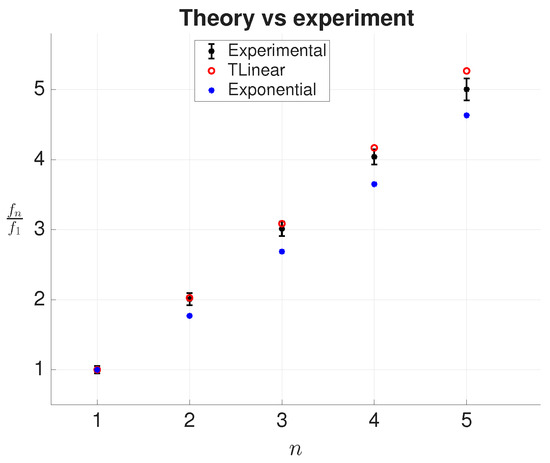
In this work, the propagation of acoustic waves in shell trumpets is explored, and the overtones generated by them are studied. We consider different shell geometries, for which their particular morphology is taken into account. This impacts the fundamental frequencies as well as the overtones. An analytical model based on differential equations is developed to predict these overtones and compared with real recordings of some shell trumpets belonging to several collections in Mexico (experimental results). As a consequence, the notes of archaeological shells that cannot be played due to their physical damage are estimated.
Full article
(This article belongs to the Special Issue The Past Has Ears: Archaeoacoustics and Acoustic Heritage)
►▼
Show Figures

Figure 1
Open AccessArticle
Underwater Target Recognition with Fusion of Multi-Domain Temporal Features
by
Xiaochun Liu, Chenyu Wang, Yunchuan Yang, Xiangfeng Yang, Youfeng Hu and Jianguo Liu
Acoustics 2026, 8(2), 22; https://doi.org/10.3390/acoustics8020022 - 25 Mar 2026
Abstract
►▼
Show Figures
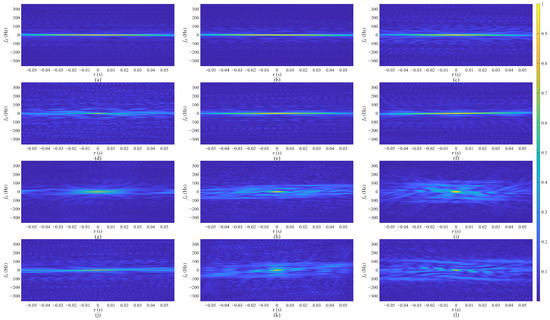
The dynamic nature of acoustic environments—particularly the fluctuation of underwater channels and time-varying target observation angles—poses significant challenges for active sonar target recognition, a problem further aggravated by the scarcity of labeled training samples. To address these limitations, this paper proposes a novel
[...] Read more.
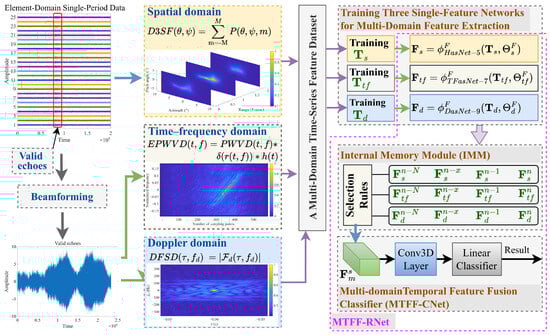
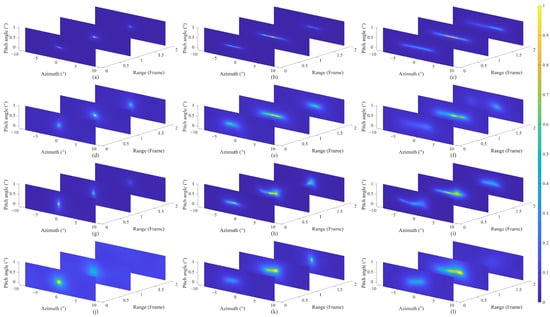
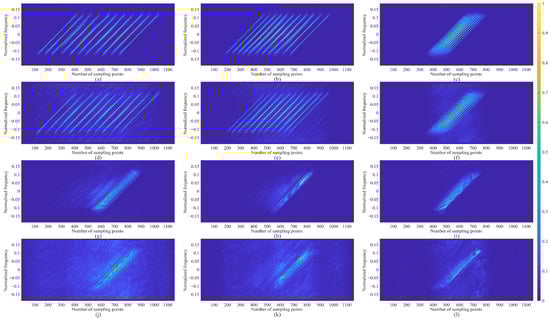
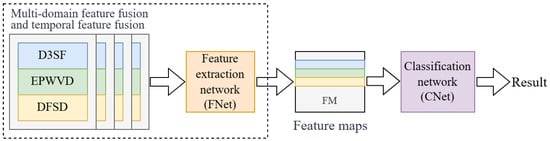
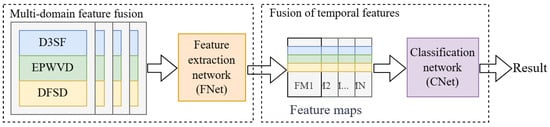
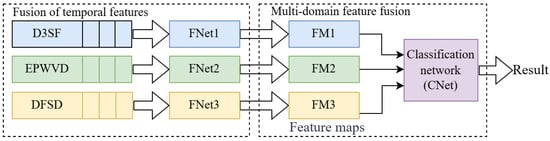
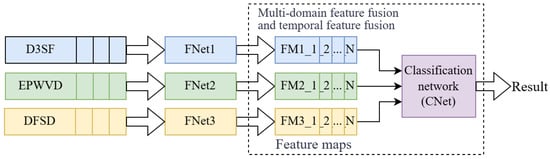
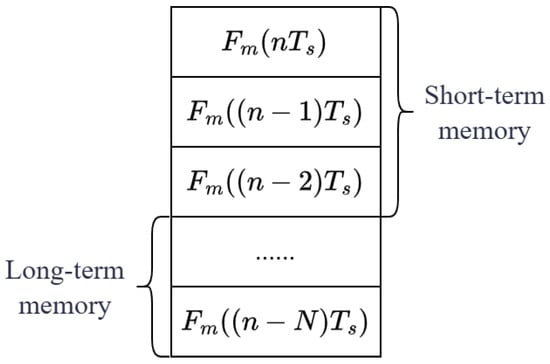
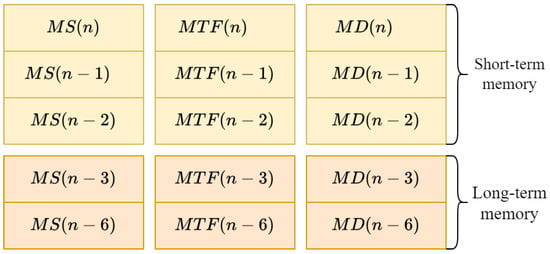
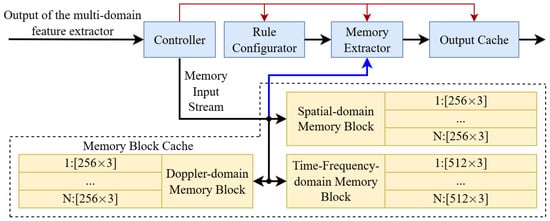
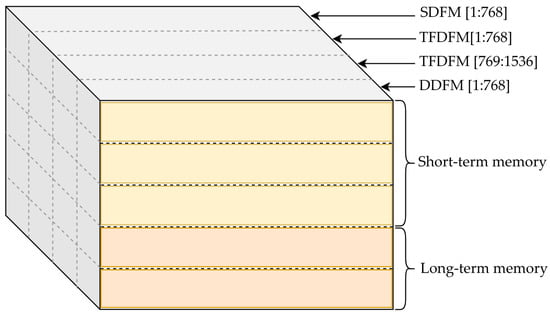
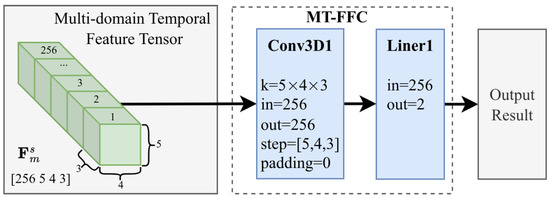
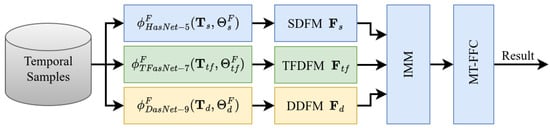
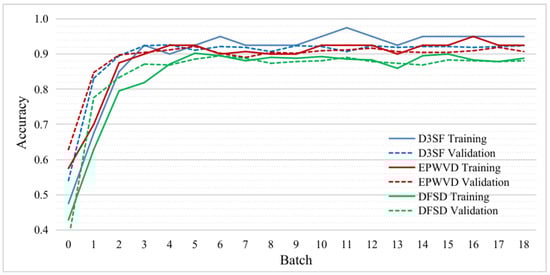
The dynamic nature of acoustic environments—particularly the fluctuation of underwater channels and time-varying target observation angles—poses significant challenges for active sonar target recognition, a problem further aggravated by the scarcity of labeled training samples. To address these limitations, this paper proposes a novel recognition method enabling deep fusion of multi-domain temporal features extracted from target echoes. First, complementary features are extracted across spatial, time–frequency, and Doppler domains to achieve a comprehensive and discriminative representation of targets. Subsequently, we introduce a feature vector-level fusion mechanism designed specifically for few-shot learning, integrating a meta-knowledge-driven multi-stream feature extractor with an internal memory module within the feature tensor framework. This architecture constitutes the Multi-domain Temporal Feature Fusion Recognition Network (MTFF-RNet). The proposed approach is evaluated on a hybrid dataset combining simulated and experimental data, achieving a high recognition accuracy of 96.2% for both targets and interferents. Experimental results demonstrate that MTFF-RNet significantly enhances robustness and adaptability under varying underwater acoustic conditions and dynamic viewing geometries.
Full article

Figure 1
Open AccessArticle
Infrasound Signal Classification Fusion Model Based on Double-Branch and Multi-Scale CNN and LSTM
by
Hao Yin, Yu Lu, Yunhui Wu, Wei Cheng, Xinliang Pang and Peng Li
Acoustics 2026, 8(2), 21; https://doi.org/10.3390/acoustics8020021 - 24 Mar 2026
Abstract
►▼
Show Figures
The accurate classification of infrasound events is significant in natural disaster warning, verification of nuclear test bans and geophysical research. Current deep learning-based classification methods mostly focus on denoised and filtered signals. To simplify the process, avoid information loss, and address the issues
[...] Read more.
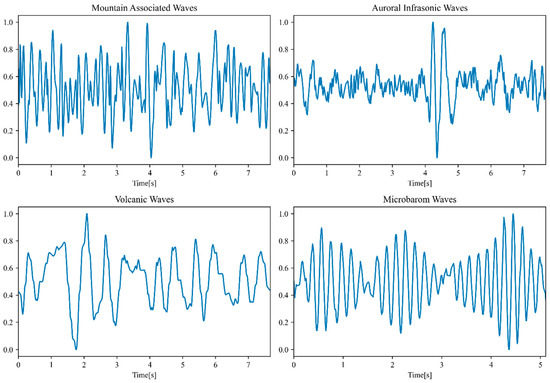
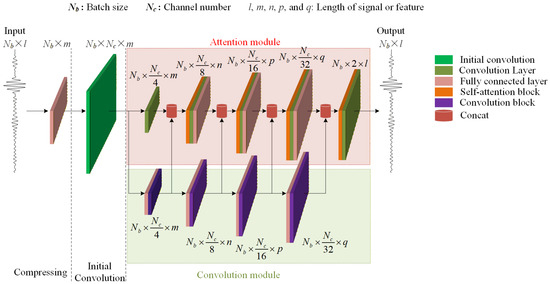
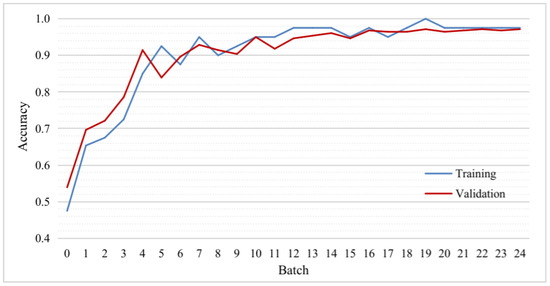
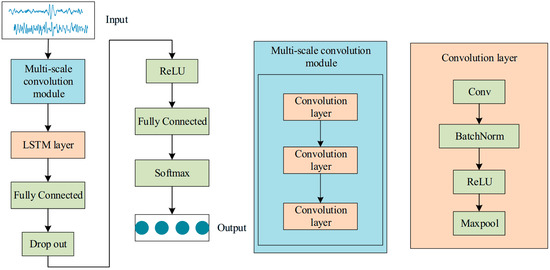
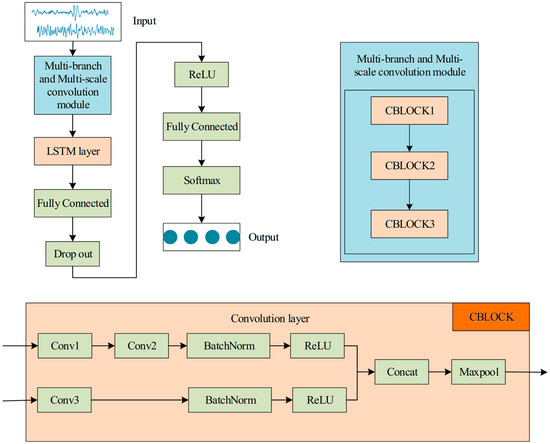
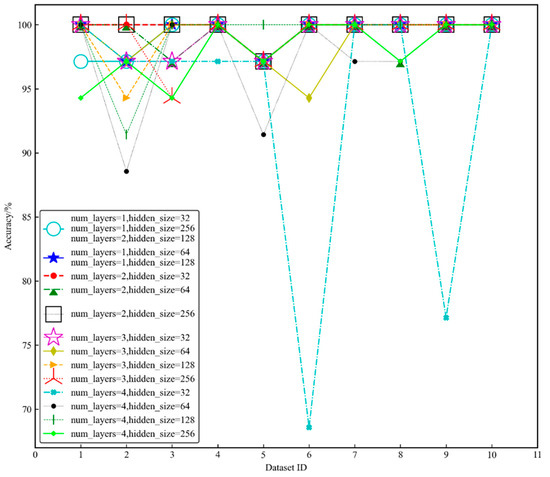
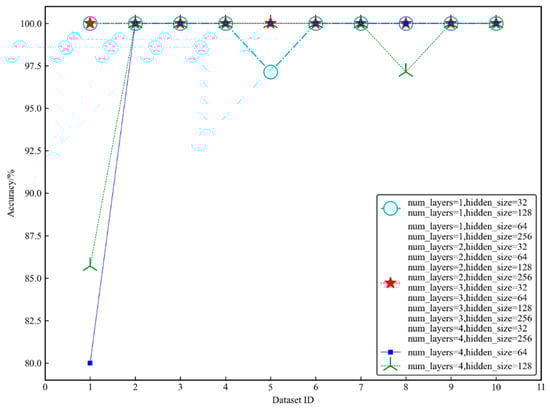
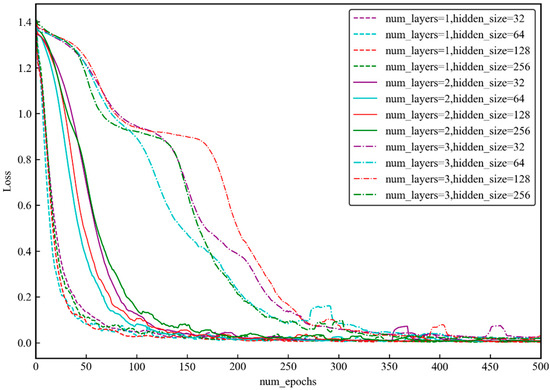
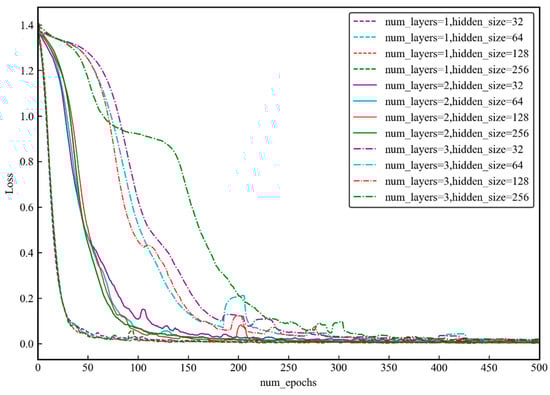
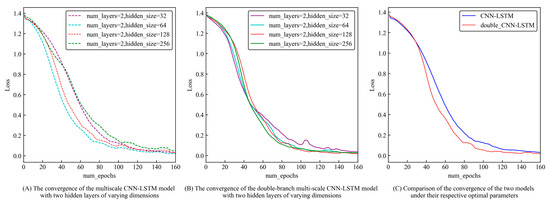
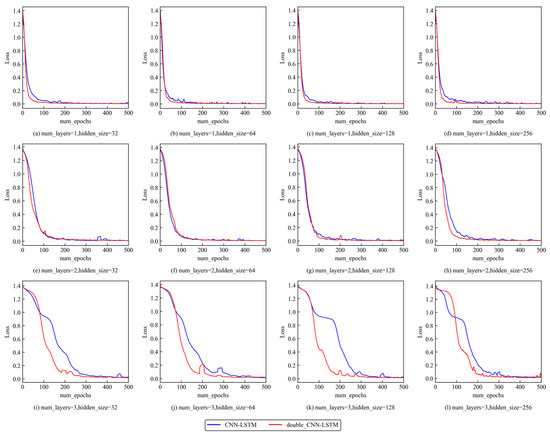
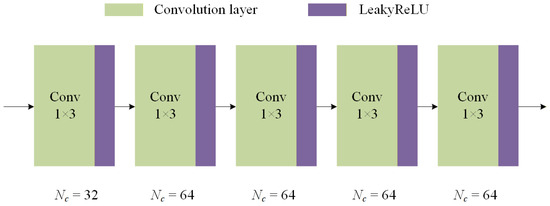
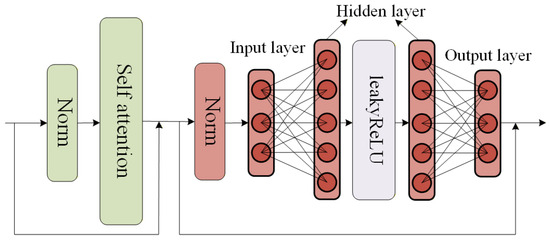
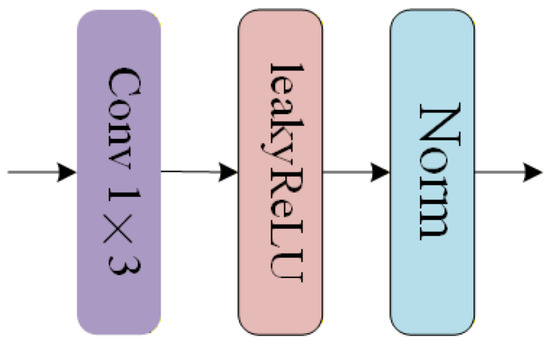
The accurate classification of infrasound events is significant in natural disaster warning, verification of nuclear test bans and geophysical research. Current deep learning-based classification methods mostly focus on denoised and filtered signals. To simplify the process, avoid information loss, and address the issues of incomplete feature extraction by single-scale convolution kernels and the potential loss of physical information by single models, this paper directly utilizes raw infrasound signals and proposes two fusion classification models based on multi-scale Convolutional Neural Network (CNN) and Long Short-Term Memory (LSTM). Experiments were conducted on a typical infrasound signal dataset (comprising four signal types: mountain-associated waves, auroral infrasound waves, volcanic eruptions, and microbaroms). The performances of the two models were compared in terms of accuracy, convergence speed, and stability. The results indicate that both models achieve classification accuracies exceeding 99% with optimal parameter combinations. The dual-branch multi-scale CNN-LSTM model generally outperforms the multi-scale CNN-LSTM model in classification accuracy, while also demonstrating faster convergence speed and better stability. Addressing the class imbalance in the dataset, evaluations using precision, recall, and F1-score further validated the effectiveness of the proposed models. This study demonstrates that the proposed methods can effectively achieve end-to-end classification of raw infrasound signals and are competitive with existing techniques.
Full article

Figure 1
Open AccessArticle
Identification of Abnormal UGW Signals Using Multi-Scale Progressive Reconstruction Network
by
Yangkun Zou, Jiande Wu, Bo Ye, Honggui Cao, Changchun Yang and Yulong Cui
Acoustics 2026, 8(1), 20; https://doi.org/10.3390/acoustics8010020 - 18 Mar 2026
Abstract
►▼
Show Figures
The use of ultrasonic guided waves (UGWs) is an efficient damage monitoring technique. Due to their characteristics of a wide monitoring range and low power consumption, UGWs have been widely applied in various structural health monitoring fields. In practice, the transducers and coupling
[...] Read more.
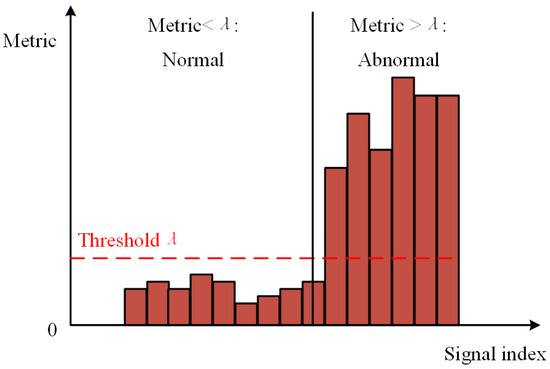
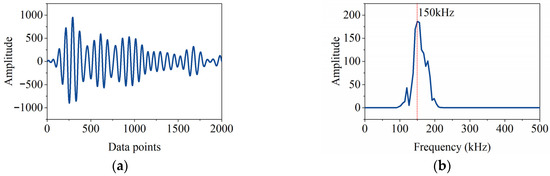
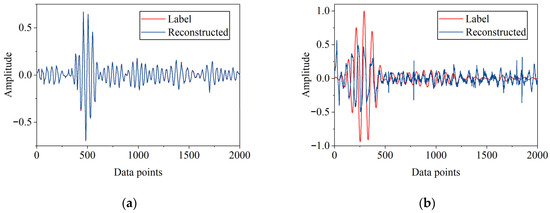
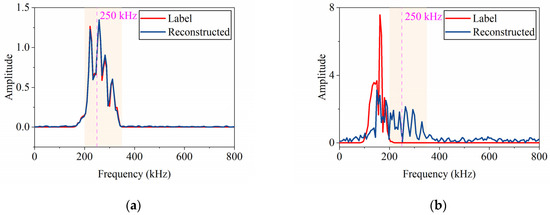
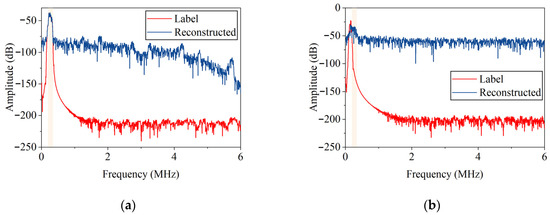
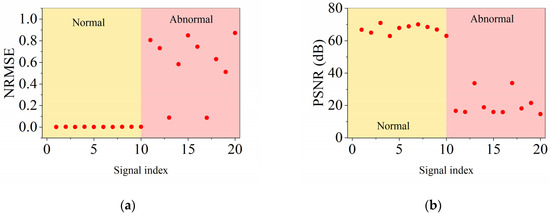
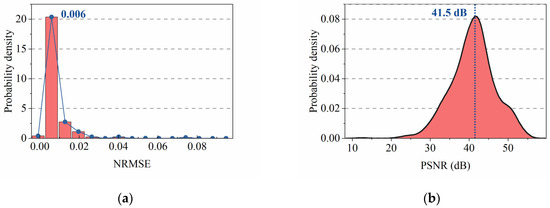
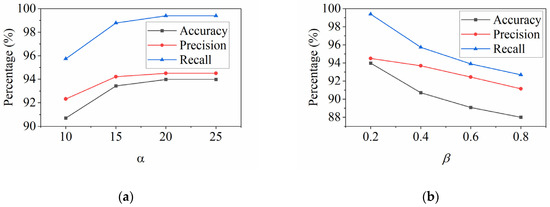
The use of ultrasonic guided waves (UGWs) is an efficient damage monitoring technique. Due to their characteristics of a wide monitoring range and low power consumption, UGWs have been widely applied in various structural health monitoring fields. In practice, the transducers and coupling agents used for UGW excitation and reception are prone to failure due to service environmental factors, resulting in abnormal UGW signals. To ensure reliable damage monitoring, this paper proposed an abnormal UGW signal identification method based on the UGW reconstruction errors. First, a multi-scale progressive reconstruction network (MPRN) is proposed to accurately reconstruct normal UGW signals. Leveraging the inherent differences between normal and anomalous UGW signal characteristics, the reconstruction errors increase significantly when abnormal UGW signals are input into the MPRN, which has been trained exclusively on normal data. This discrepancy in reconstruction errors enables the identification of abnormal signals. The experimental results show that sensor failure causes frequency shifts in the received UGW signals. When reconstructing normal UGW signals, the proposed MPRN achieves high fidelity, with an average NRMSE as low as 0.0036 and an average PSNR as high as 40.04 dB. In contrast, when reconstructing abnormal UGW signals, the average NRMSE is no lower than 0.62, and the average PSNR is no higher than 16.67 dB. The proposed reconstruction-error-based abnormal UGW signal identification method achieves a maximum accuracy of 93.43%.
Full article

Figure 1
Open AccessEditorial
Developments in Acoustic Phonetic Research
by
Georgios P. Georgiou
Acoustics 2026, 8(1), 19; https://doi.org/10.3390/acoustics8010019 - 16 Mar 2026
Abstract
Acoustic phonetics has entered a period of rapid expansion, shaped by new theoretical questions, richer empirical environments, and unprecedented advances in measurement and modeling [...]
Full article
(This article belongs to the Special Issue Developments in Acoustic Phonetic Research)
Open AccessArticle
Analysis of Fundamental Frequency Changes in Astronaut Speech in Microgravity and in Terrestrial Conditions
by
Natalia Repyuk, Anton Konev, Vladimir Faerman, Dmitry Rulev and Grigory Yashchenko
Acoustics 2026, 8(1), 18; https://doi.org/10.3390/acoustics8010018 - 13 Mar 2026
Abstract
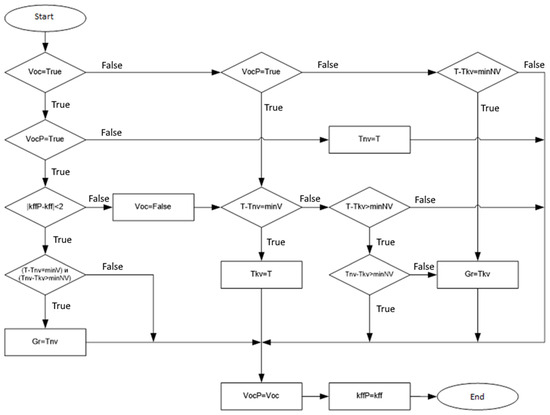
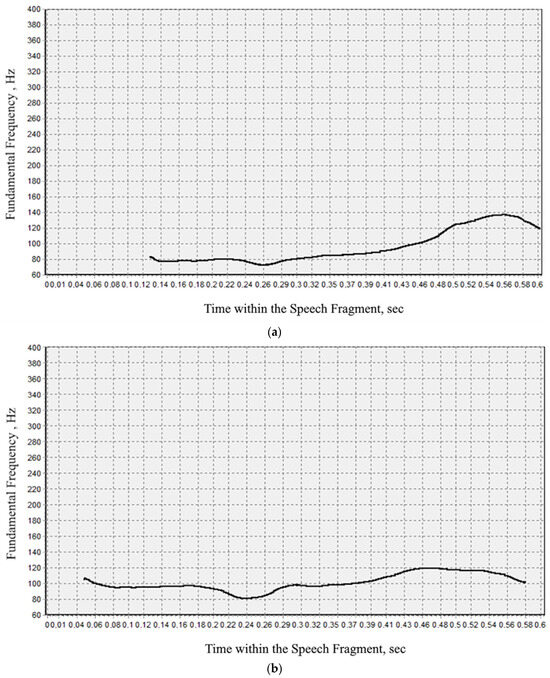
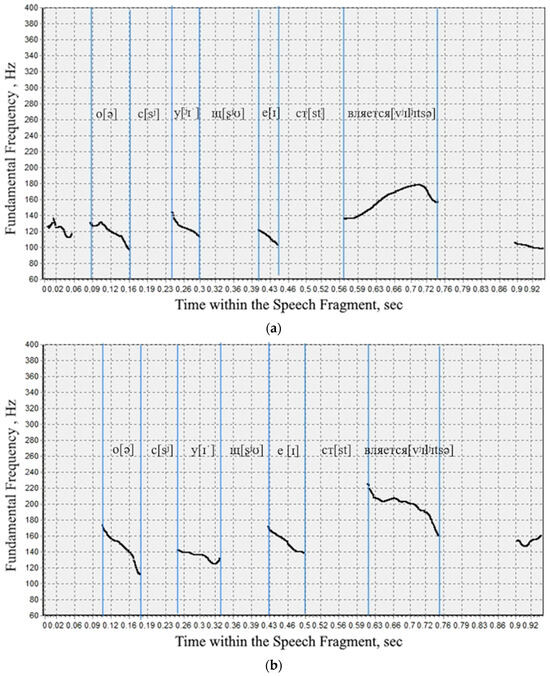
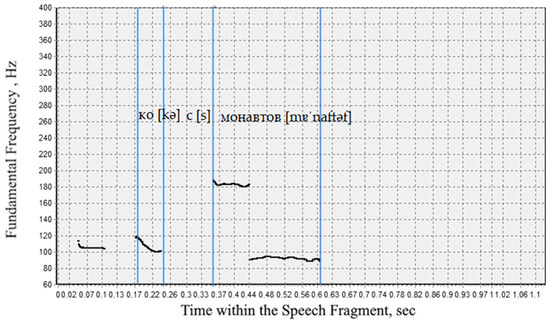
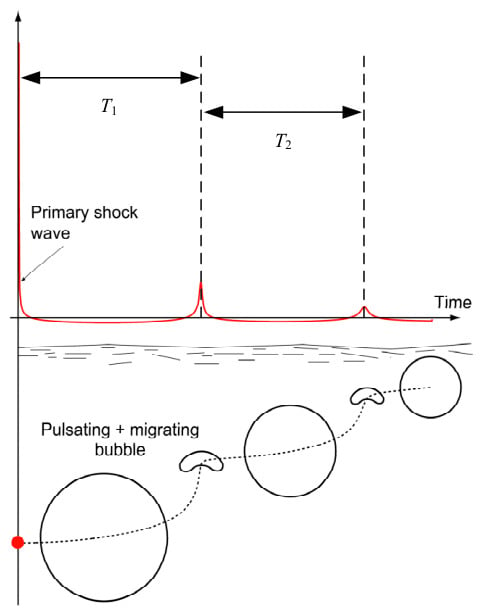
This study investigates the influence of microgravity on the fundamental frequency (F0) of astronauts’ speech. A speech corpus was compiled, including recordings in microgravity and on Earth, matched by speaker and content. The signal processing methodology included filtering with consideration of human auditory
[...] Read more.
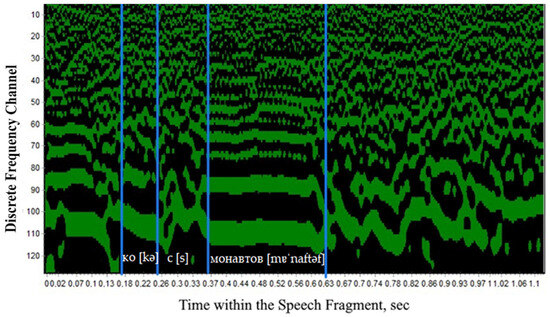
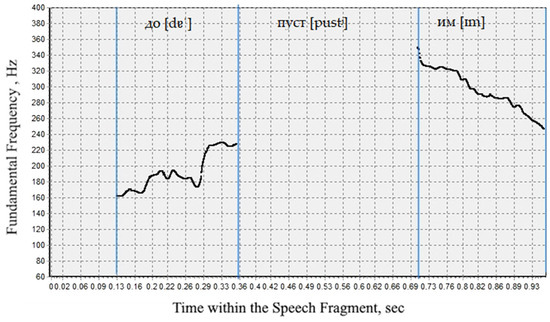
This study investigates the influence of microgravity on the fundamental frequency (F0) of astronauts’ speech. A speech corpus was compiled, including recordings in microgravity and on Earth, matched by speaker and content. The signal processing methodology included filtering with consideration of human auditory perception, segmentation of speech fragments, F0 estimation using digital signal processing techniques, and visualization through fundamental frequency dynamics plots. Results revealed a consistent increase in F0 for most astronauts under microgravity, with maximum values of 450 Hz for female speakers and 245 Hz for male speakers. Elevated F0 levels were observed for approximately 86% of the total duration of speech fragments recorded in microgravity, compared with 14% on Earth. These findings confirm that microgravity affects the speech apparatus and acoustic characteristics of voice. Practical implications include adapting voice-controlled systems and automatic speech recognition for space environments, monitoring crew condition, and studying speech physiology under extreme conditions.
Full article
(This article belongs to the Special Issue Advancing Audio/Speech Machine Learning: From Static to Continual Learning)
►▼
Show Figures

Figure 1
Open AccessArticle
Room Acoustic Differences Between Enclosed and Open Learning Spaces
by
Jukka Keränen, Valtteri Hongisto and Jenni Radun
Acoustics 2026, 8(1), 17; https://doi.org/10.3390/acoustics8010017 - 7 Mar 2026
Abstract
►▼
Show Figures
Enclosed learning spaces, e.g., classrooms, are used in most schools. Open learning spaces, which enable teaching more than one group of students at a time, have become increasingly popular. A recent survey showed that acoustic satisfaction was lower among teachers working in open
[...] Read more.
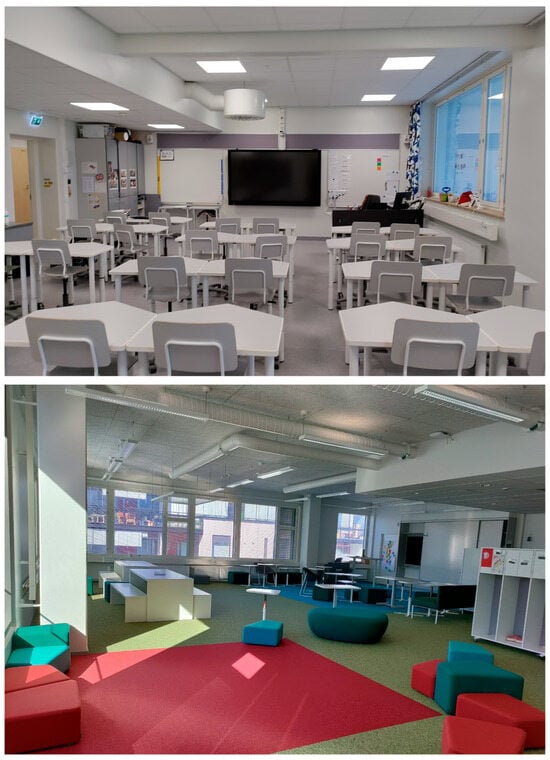
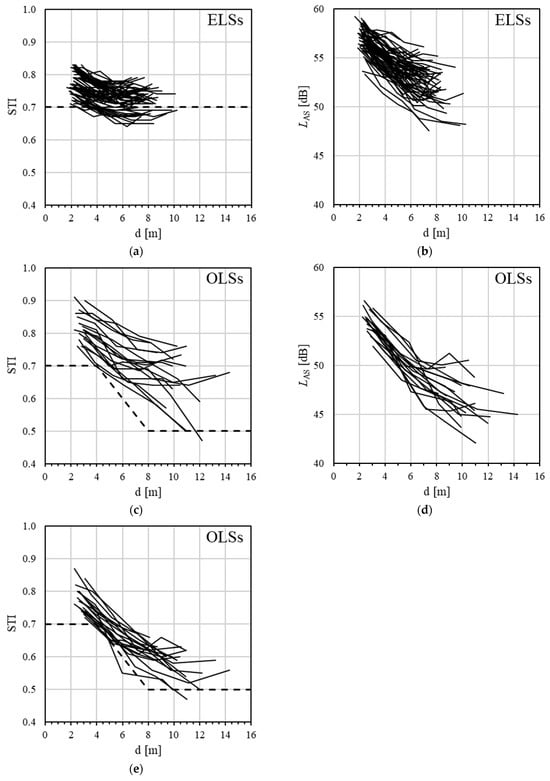
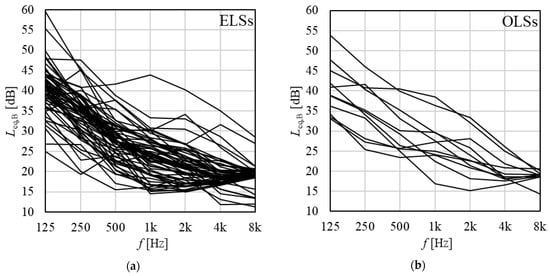
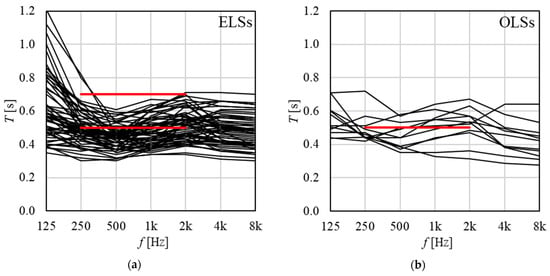
Enclosed learning spaces, e.g., classrooms, are used in most schools. Open learning spaces, which enable teaching more than one group of students at a time, have become increasingly popular. A recent survey showed that acoustic satisfaction was lower among teachers working in open learning spaces. Our purpose was to compare the acoustic conditions of these learning space types. We investigated the room acoustic quality of 73 learning spaces in 20 schools. Ten schools involved only enclosed and ten both open and enclosed learning spaces. Measurements concerned speech transmission index, STI, background noise level, LAeq, and reverberation time, T. Variation in results in both learning space types was rather large. In enclosed learning spaces, STI varied within 0.64–0.83, LAeq within 25–47 dB, and T within 0.34–0.82 s. The corresponding variations in open learning spaces were 0.47–0.91, 29–44 dB, and 0.44–0.72 s. The differences between enclosed and open learning spaces were surprisingly small. Due to the different intended uses of these space types, Finnish target values are tighter for open than for enclosed learning spaces. These target values were fulfilled in 56% of enclosed and 9% of open learning spaces. The more frequent violation of target values in open learning spaces was due to the STI being too large at longer distances. Our study provides suggestive evidence that the room acoustic conditions are worse in open than enclosed learning spaces. Further research is needed to prove whether room acoustic conditions could explain worse acoustic satisfaction in teachers.
Full article

Figure 1
Open AccessArticle
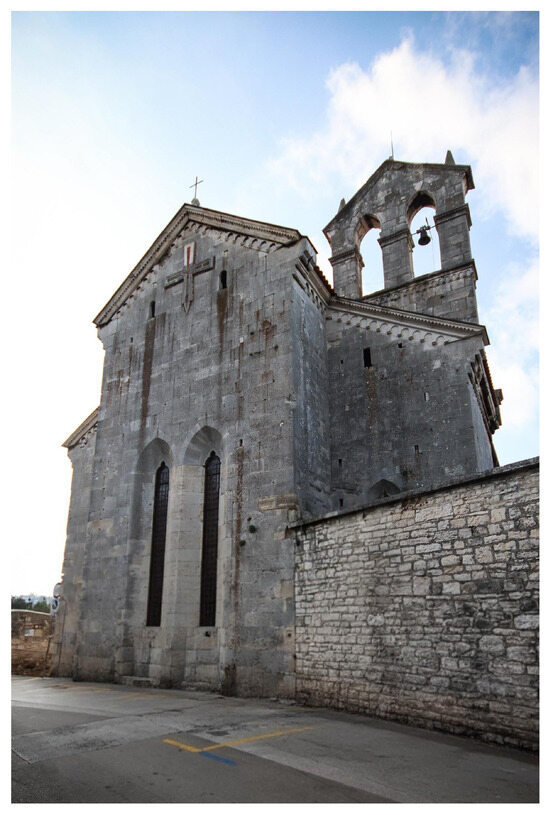
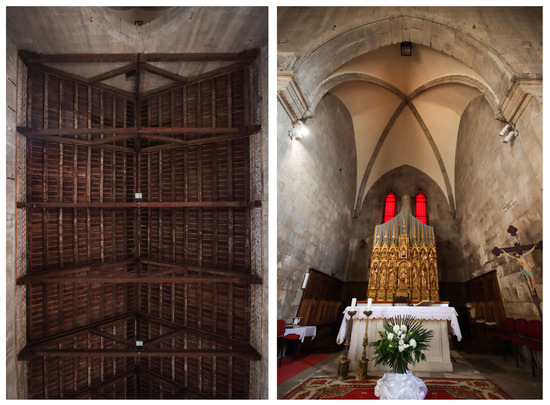
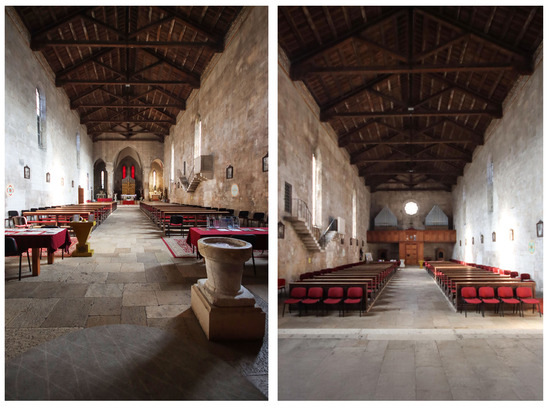
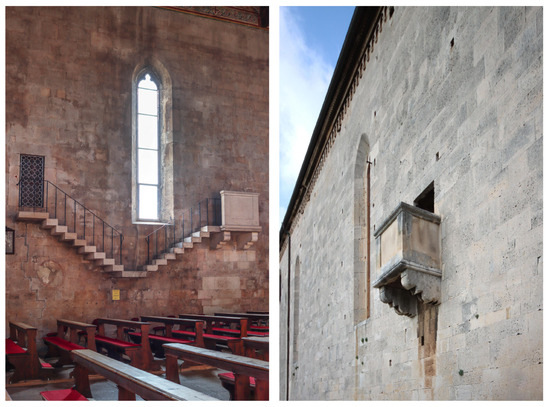
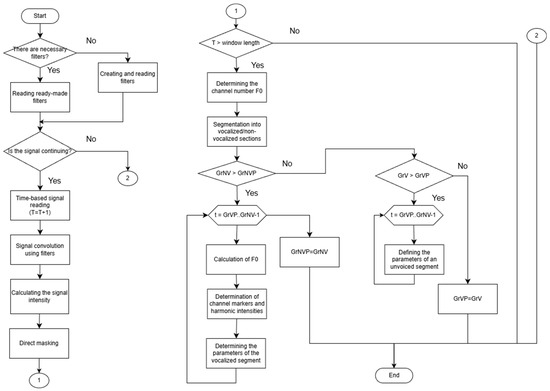
Hearing a Sacred Space: An Archaeoacoustic Analysis of the Church of St. Francis in Pula, Croatia
by
Teo Poldrugovac, Marko Horvat and Danijela Roksandić Vukadin
Acoustics 2026, 8(1), 16; https://doi.org/10.3390/acoustics8010016 - 3 Mar 2026
Cited by 1
Abstract
The Church of St. Francis in Pula, Croatia, is a well-preserved example of Franciscan gothic sacral architecture from the late 13th century. As preaching was highly valued by the Franciscan order as a way of communicating with the faithful, the study is focused
[...] Read more.
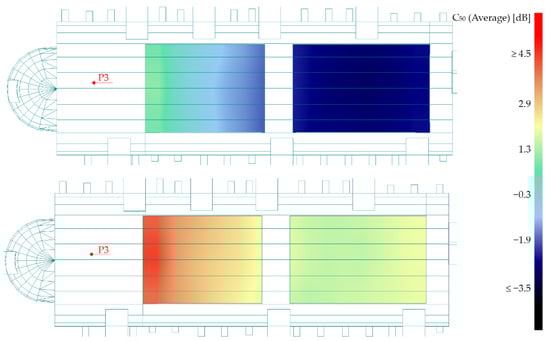
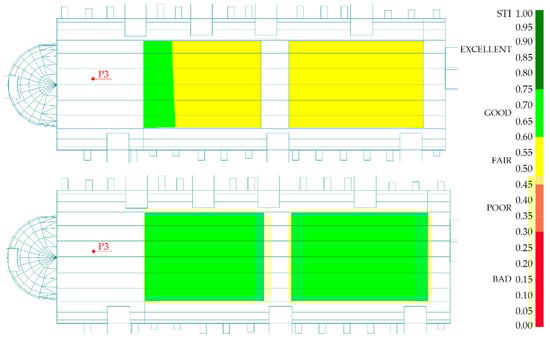
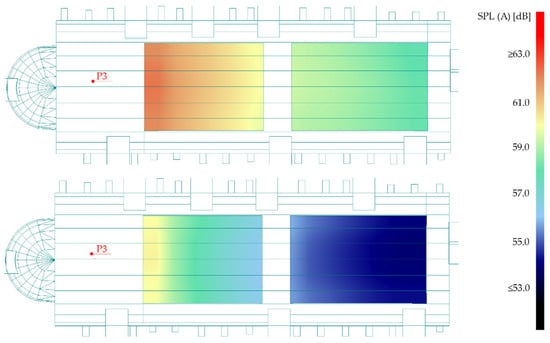
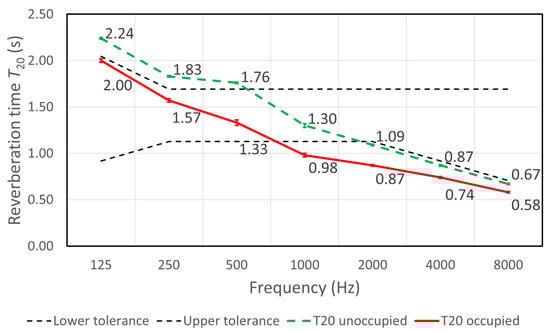
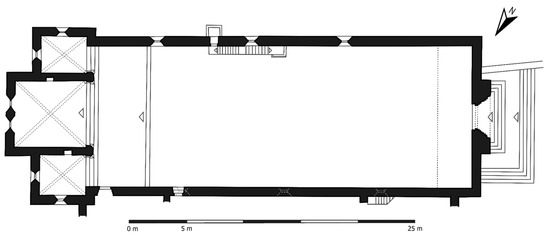
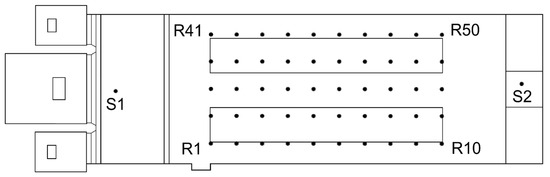
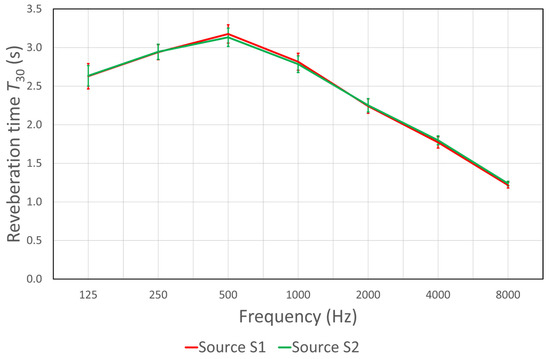
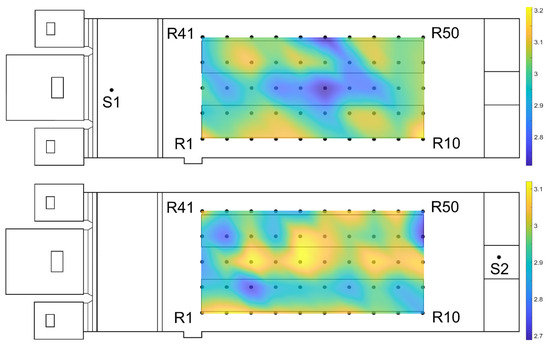
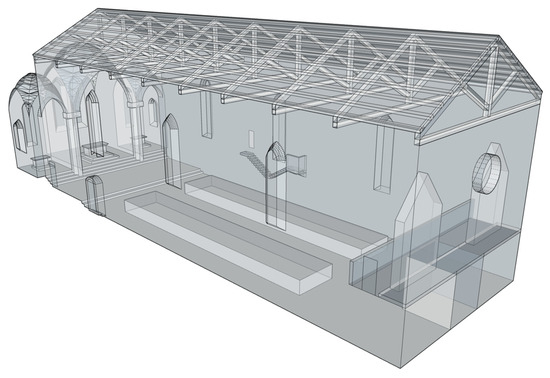
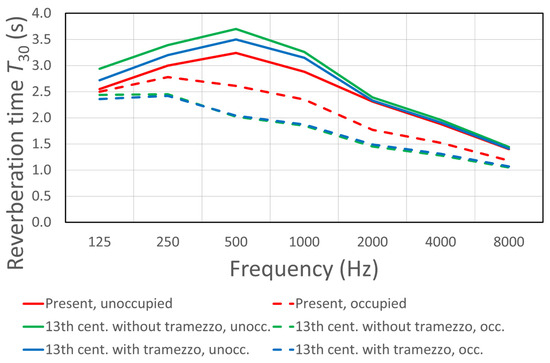
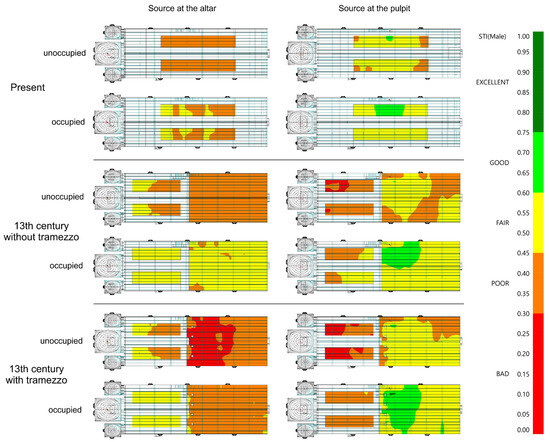
The Church of St. Francis in Pula, Croatia, is a well-preserved example of Franciscan gothic sacral architecture from the late 13th century. As preaching was highly valued by the Franciscan order as a way of communicating with the faithful, the study is focused on determining whether speech intelligibility in the church would have been adequate for successful communication between priests and their audience. The archaeoacoustic analysis of the church was performed in four stages: (1) in situ acoustic measurements in the present state, (2) development and calibration of the model of the present state based on measurement results, (3) development of the two models of the presumed historical state based on the calibrated model and historical data, and (4) prediction of acoustic conditions in the present and the historical states in terms of reverberation time T30 and of speech intelligibility in terms of speech transmission index STI. The factors considered in the study were (1) acoustics of the church, (2) profile of the audience (friars and the faithful), (3) layout of the audience areas (choir area in the front of the nave for the friars, back area of the nave for the faithful), (4) positions of the speech sources (altar for addressing the friars, pulpit for addressing the faithful), (5) occupancy (unoccupied and fully occupied church), (6) language used in liturgical ceremonies (Latin and native language), and (7) language proficiency of the audience (native speakers, users of a second language). The results show that (1) fair speech intelligibility (STI ≥ 0.45 for the faithful as native speakers, STI ≥ 0.50 for friars as non-native speakers of Latin) can be achieved for 50% of the audience in the choir area and for the entire audience in the back area in favourable conditions (fully occupied church, audience addressed from dedicated speaker positions), (2) the position of the pulpit (close to the audience and considerably elevated above it) is more favourable than the position of the altar (remote, barely elevated above the audience), and (3) in unoccupied conditions, fair speech intelligibility can still be achieved in at least 50% of the back audience area with the faithful gathered close to the pulpit, while it is not possible for the front audience area addressed from the altar. The summary conclusion is that the church of St. Francis in its presumed historical layout(s) would fulfil its primary function in a limited capacity. Fair speech intelligibility would likely have been sufficient for the audience to follow liturgical ceremonies conducted in the church, but not without difficulty.
Full article
(This article belongs to the Special Issue The Past Has Ears: Archaeoacoustics and Acoustic Heritage)
►▼
Show Figures

Figure 1
Open AccessArticle
Low-Frequency Piezoelectric Hydrophone with High Sensitivity Based on a Piston Structure
by
Zhenming Piao, Tianyuan Hou, Yuhang Wang, Junye Tong, Hamadullah Panhwar, Yanxin Lv and Yi Xin
Acoustics 2026, 8(1), 15; https://doi.org/10.3390/acoustics8010015 - 27 Feb 2026
Abstract
►▼
Show Figures
Low-frequency hydrophones are used to detect underwater low-frequency acoustic signals and are widely applied in marine science, resource exploration, environmental monitoring, and military operations. Their primary advantage lies in the fact that low-frequency acoustic waves experience less attenuation in water, enabling long-distance detection.
[...] Read more.
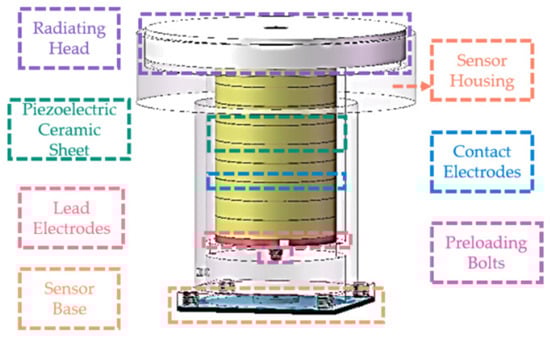
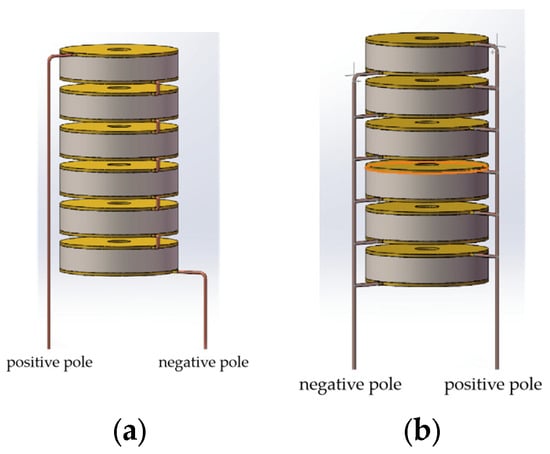
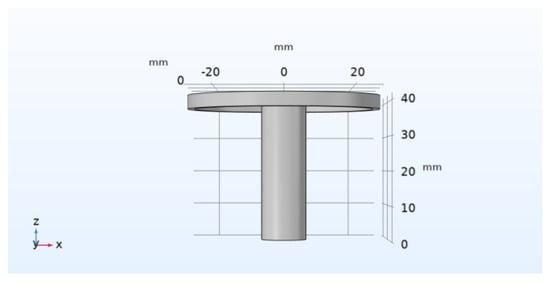
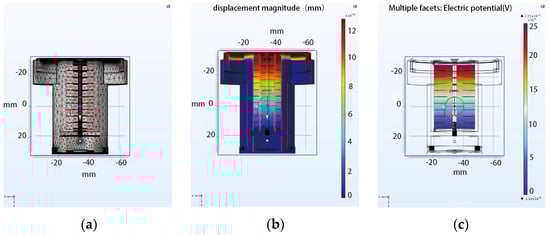
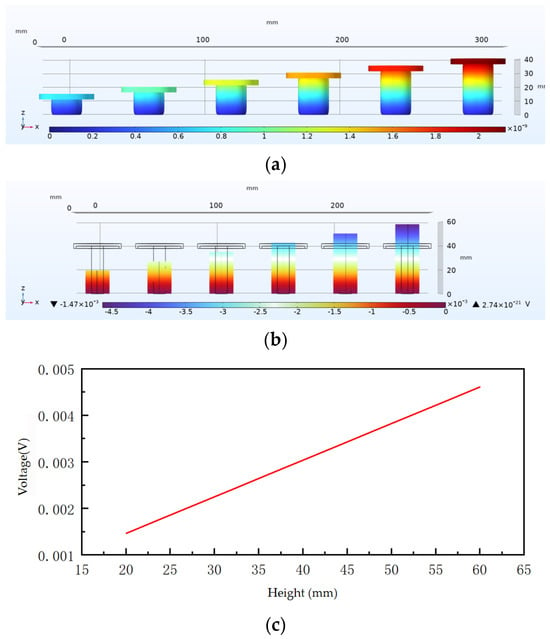
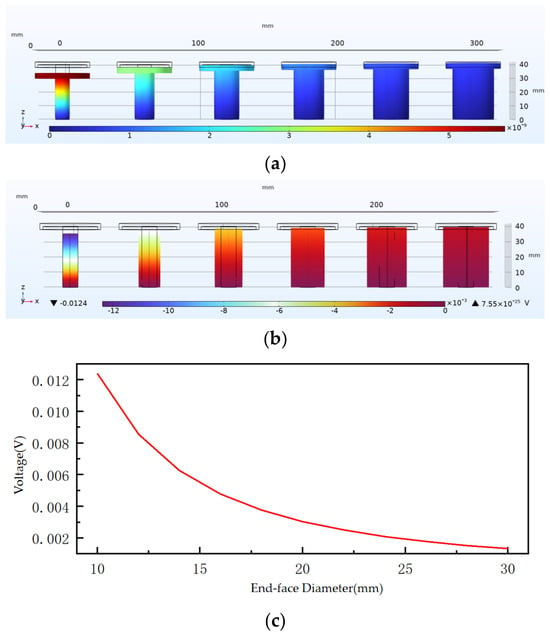
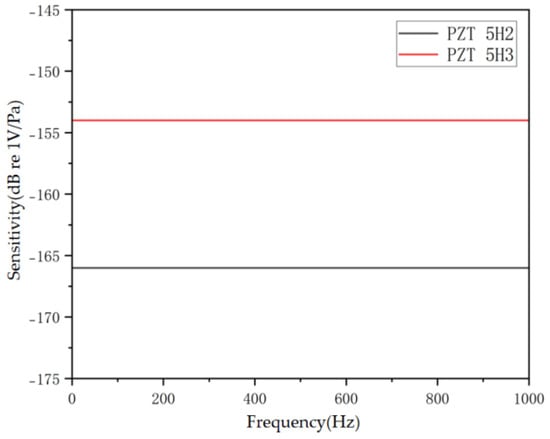
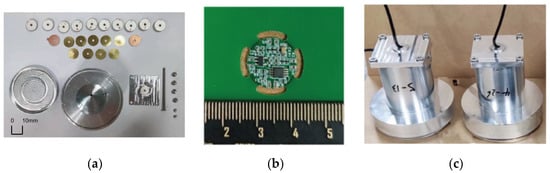
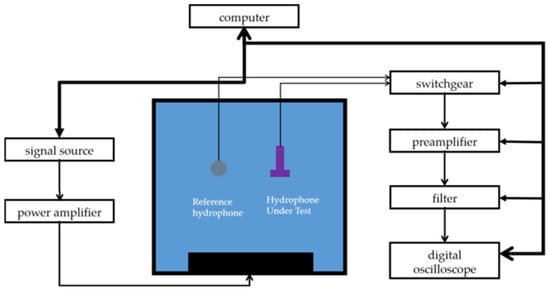
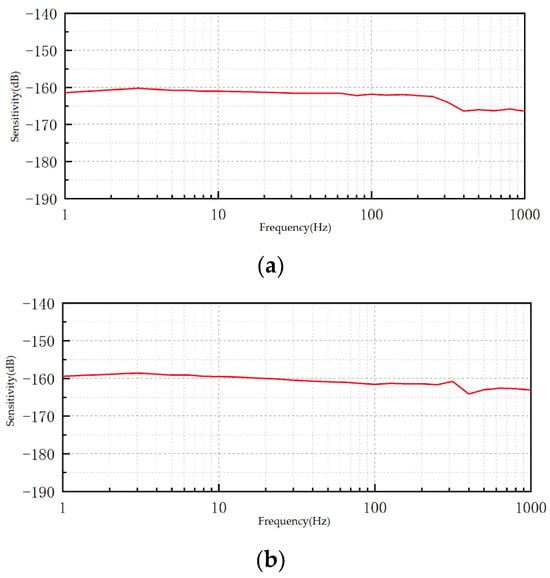
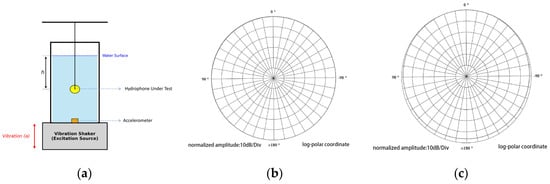
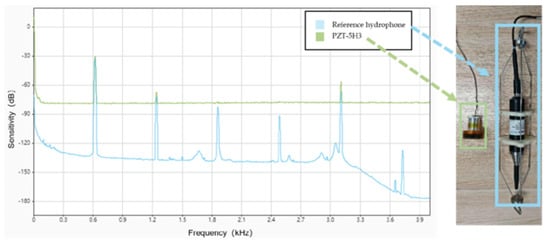
Low-frequency hydrophones are used to detect underwater low-frequency acoustic signals and are widely applied in marine science, resource exploration, environmental monitoring, and military operations. Their primary advantage lies in the fact that low-frequency acoustic waves experience less attenuation in water, enabling long-distance detection. This characteristic makes them indispensable for long-range and wide-area sensing. In this study, a piston-structured hydrophone using a stack of lead zirconate titanate (PZT) piezoelectric ceramic sheets is designed. Finite element simulation analysis is used to derive the output voltage variation in the piezoelectric ceramic stack as a function of its thickness and end-face diameter. The piston-structured hydrophone is then designed accordingly. Results show that the piston structure, combined with the longitudinal stacking of PZT piezoelectric ceramic sheets, enhances the sensitivity of the piezoelectric hydrophone. The prepared hydrophone has a directivity of 360° in the operating frequency range of 1 Hz to 1 kHz, as well as a flat frequency response and high sensitivity of −161 dB. These research results indicate that the proposed sonar design provides valuable reference for the development of low-frequency sonar with higher sensitivity, which is of great significance to the development of marine science.
Full article

Figure 1
Open AccessArticle
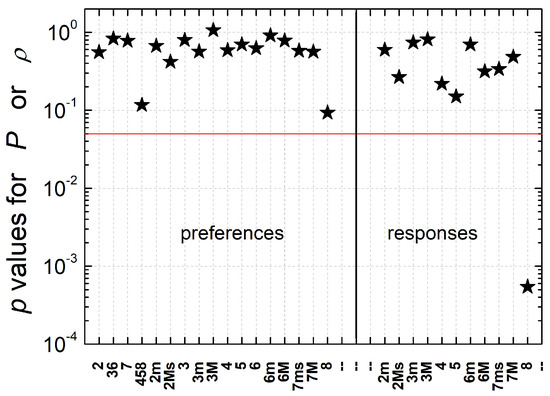
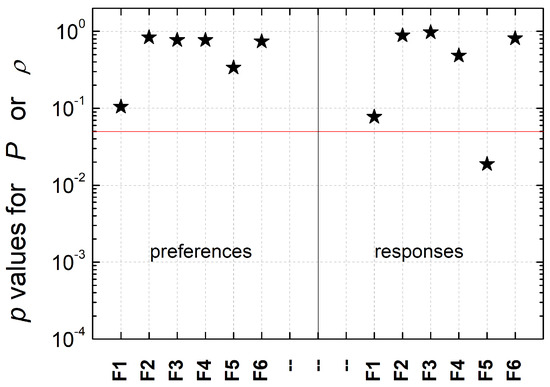
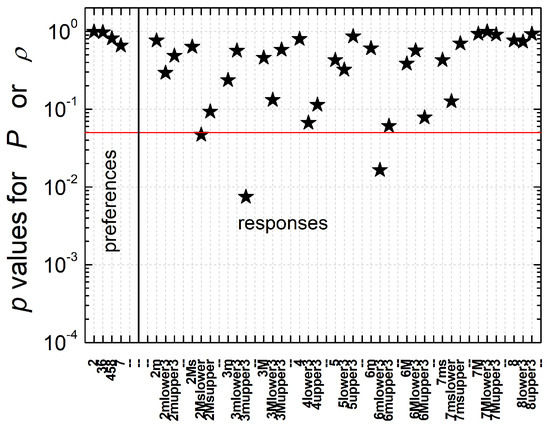
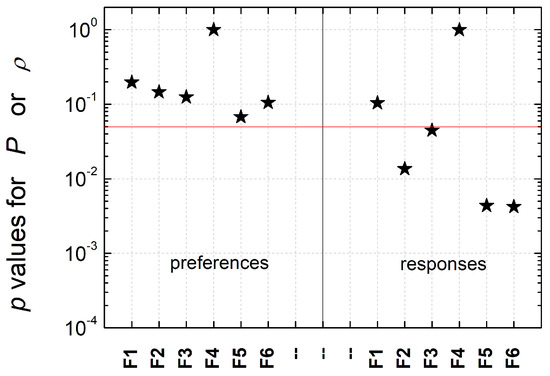
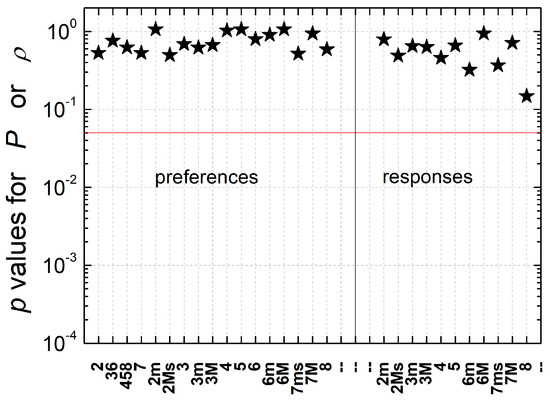
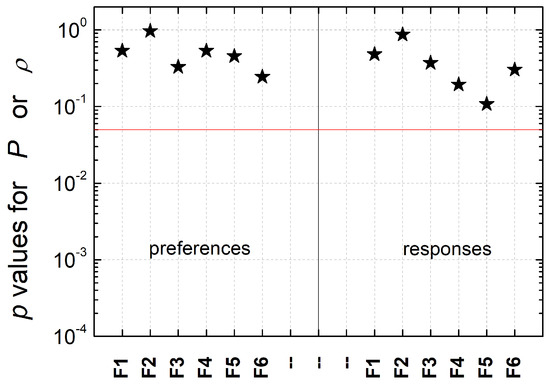
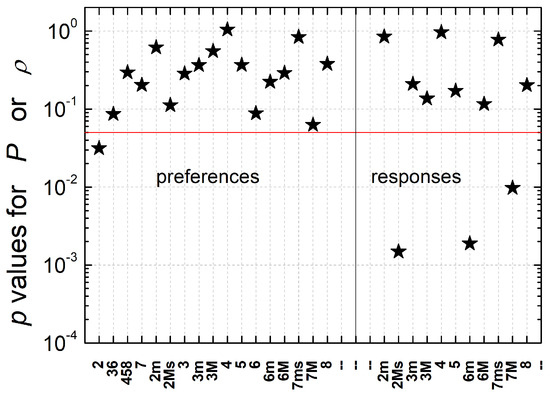
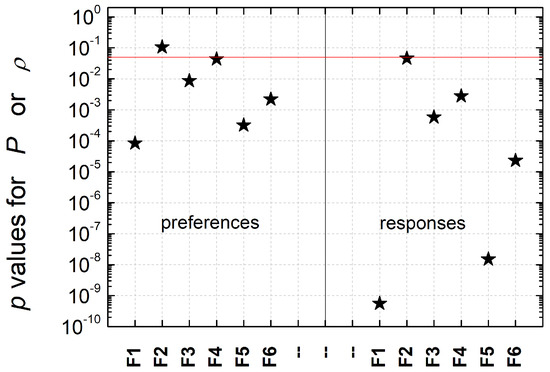
Psychoacoustic Study of Simple-Tone Dyads: Frequency Ratio and Pitch
by
Stefania Kaklamani and Constantinos Simserides
Acoustics 2026, 8(1), 14; https://doi.org/10.3390/acoustics8010014 - 9 Feb 2026
Abstract
►▼
Show Figures
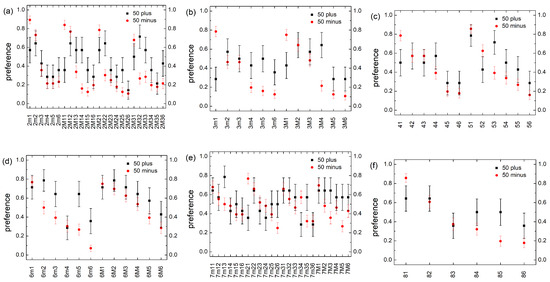
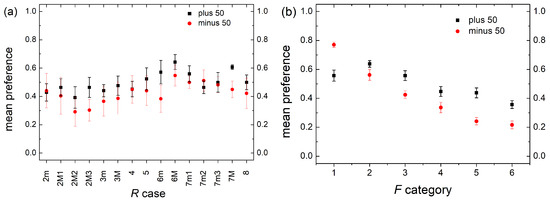
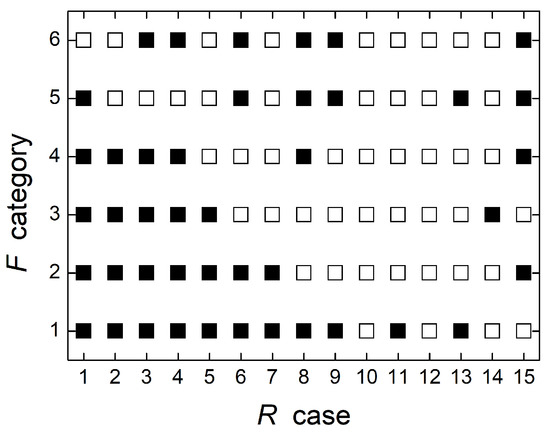
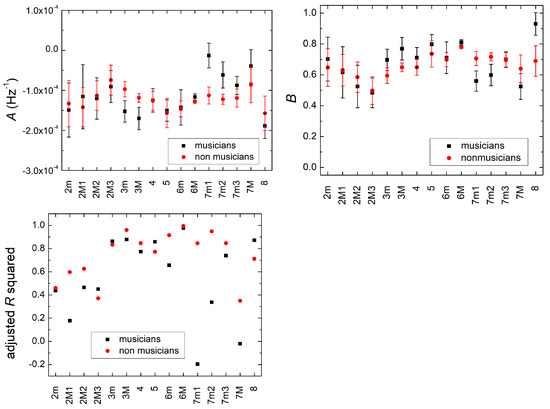
This study investigates how listeners perceive consonance and dissonance in dyads composed of simple (sine) tones, focusing on the effects of frequency ratio (R) and mean frequency (F). Seventy adult participants—categorized by musical training, gender, and age group—rated randomly
[...] Read more.
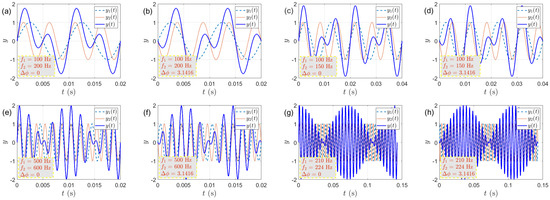
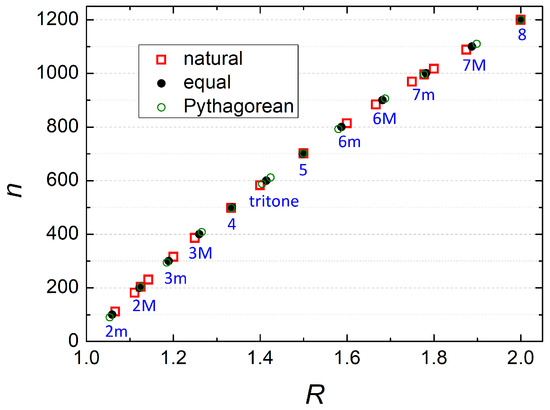
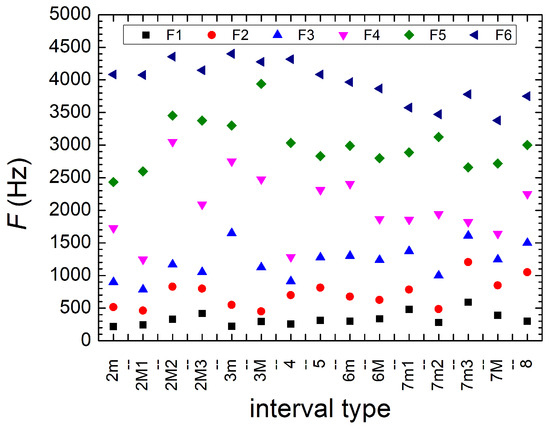
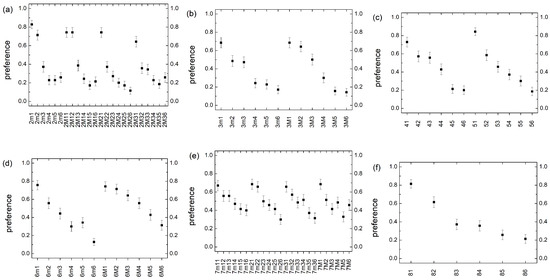
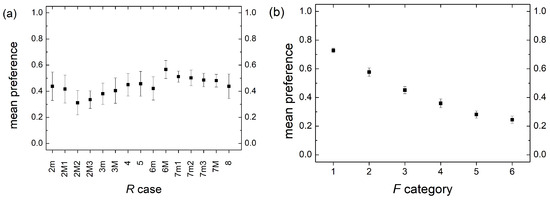
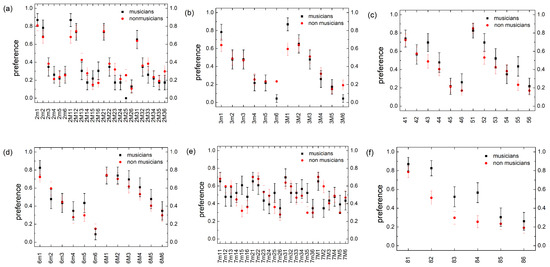
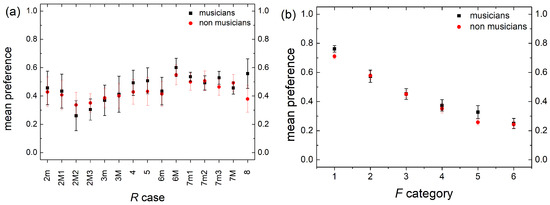
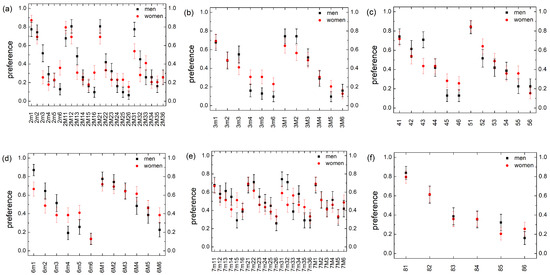
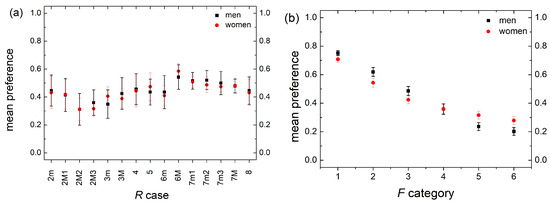
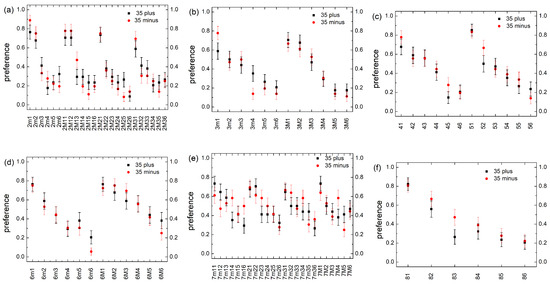
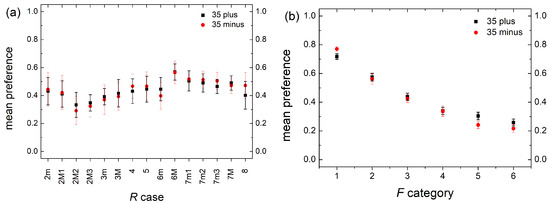
This study investigates how listeners perceive consonance and dissonance in dyads composed of simple (sine) tones, focusing on the effects of frequency ratio (R) and mean frequency (F). Seventy adult participants—categorized by musical training, gender, and age group—rated randomly ordered dyads using binary preference responses (“like” or “dislike”). Dyads represented standard Western intervals but were constructed with sine tones rather than musical notes, preserving interval ratios while varying absolute pitch. Statistical analyses reveal a consistent decrease in preference with increasing mean frequency, regardless of interval class or participant group. Octaves, fifths, fourths, and sixths showed a nearly linear decline in preference with increasing F. Major seconds were among the least preferred. Musicians rated octaves and certain consonant intervals more positively than non-musicians, while gender and age groups exhibited different sensitivity to high frequencies. The findings suggest that both interval structure and pitch range shape the perception of consonance in simple-tone dyads, with possible psychoacoustic explanations involving frequency sensitivity and auditory fatigue at higher frequencies.
Full article

Figure 1
Open AccessArticle
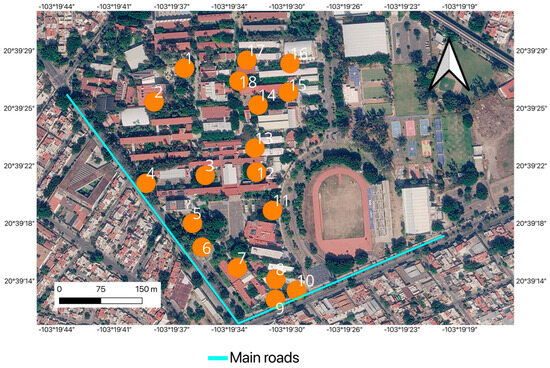
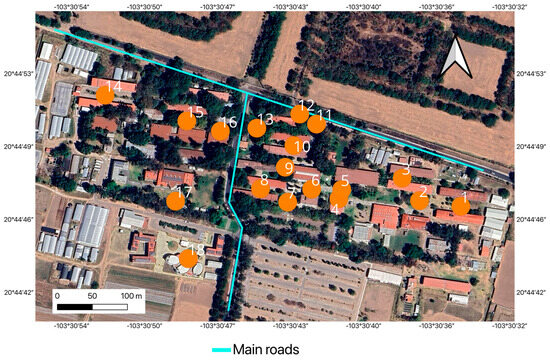
Evaluating Noise Levels and Perception: A Study on the Impact of Noise Pollution in an Urban and Semi-Rural Campus of the University of Guadalajara, Mexico
by
Gabriel Torres-Pasillas, Arturo Figueroa-Montaño, Martha Georgina Orozco-Medina and Valentina Davydova-Belitskaya
Acoustics 2026, 8(1), 13; https://doi.org/10.3390/acoustics8010013 - 9 Feb 2026
Abstract
►▼
Show Figures
Noise pollution poses a serious threat to human health and well-being, especially in educational environments where concentration and learning are essential. While urban noise has been widely studied, its effects within university settings remain underexplored. This study investigates environmental noise and student perceptions
[...] Read more.
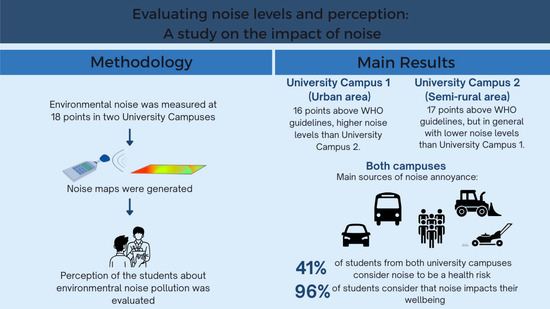
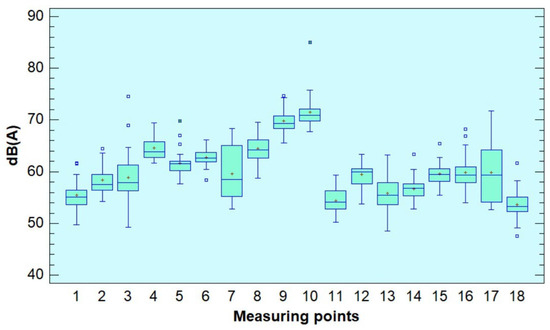
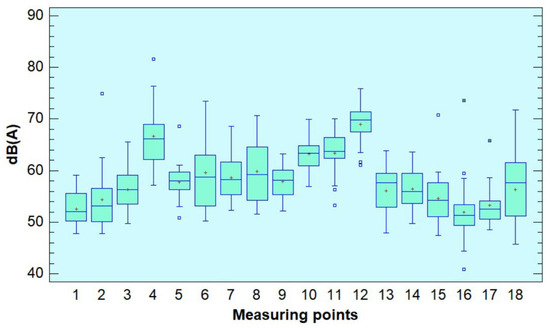
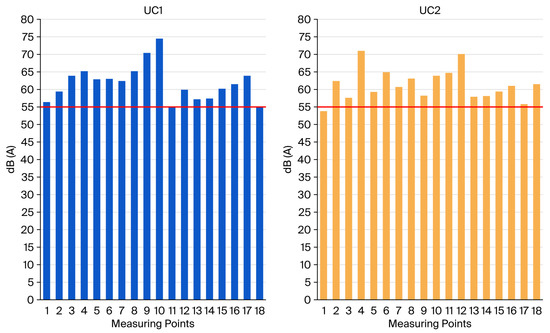
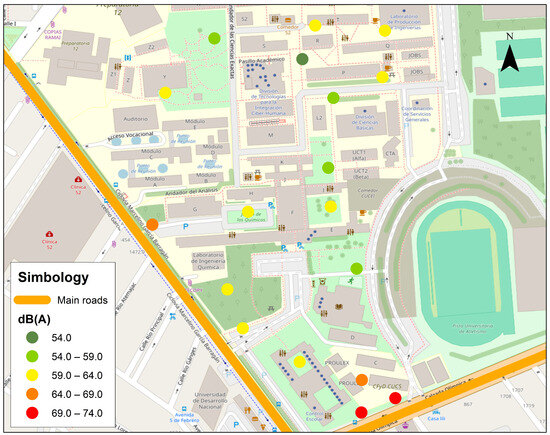
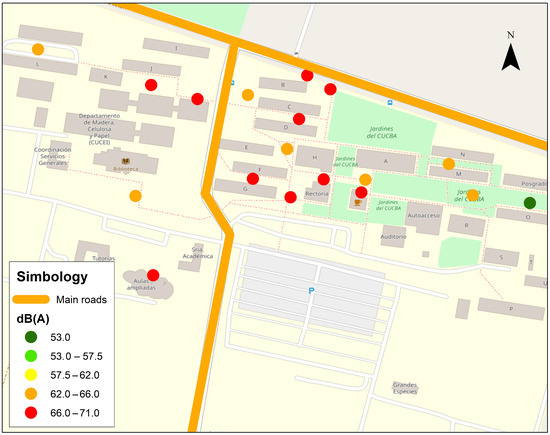
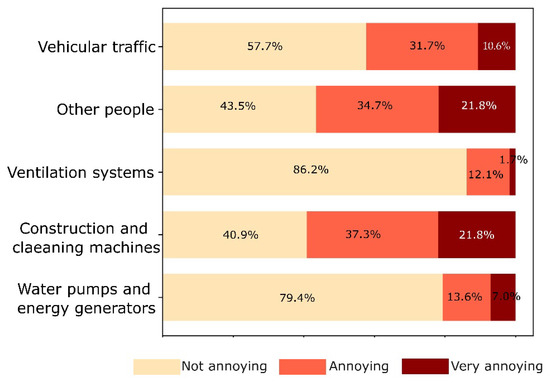
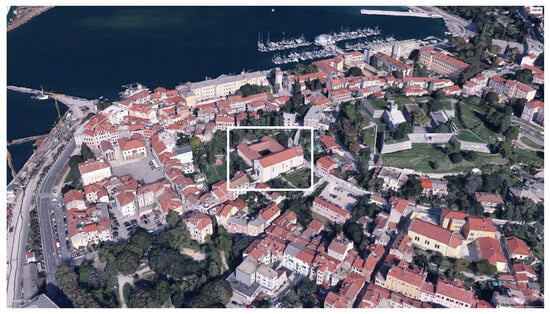
Noise pollution poses a serious threat to human health and well-being, especially in educational environments where concentration and learning are essential. While urban noise has been widely studied, its effects within university settings remain underexplored. This study investigates environmental noise and student perceptions on two campuses of the University of Guadalajara, Mexico—one located in an urban area and the other in a semi-rural setting. Noise levels were measured using the CESVA-SC260 integrating instrument (CESVA Instruments, SLU, Barcelona, Spain), and student perceptions were gathered through a survey. A total of 731 students participated, with 357 from the urban campus and 374 from the semi-rural one. Results showed that noise levels on both campuses frequently exceeded the WHO’s recommended limit of 55 dB(A) for educational facilities, with readings between 40.9 and 85.0 dB(A); 89% of measurements surpassed the threshold. Major sources of noise included vehicular traffic, student gatherings, and construction-related machinery. Survey responses indicated that 41% of students perceived noise as a health risk, and 96% reported adverse effects on well-being and identified it as a disruptor of academic tasks. These findings underscore the pressing need for targeted noise management strategies in university environments and call for further research into effective, context-specific interventions that enhances learning conditions.
Full article

Graphical abstract
Highly Accessed Articles
Latest Books
E-Mail Alert
News
Topics
Topic in
Acoustics, Applied Sciences, Buildings, Fibers, Infrastructures, Intelligent Infrastructure and Construction, Sci, Sustainability
Sustainable Structural Methods for Construction and Infrastructure
Topic Editors: Marco Corradi, Giulio CastoriDeadline: 1 May 2027
Topic in
Acoustics, Actuators, Applied Sciences, Instruments, Sensors, Metrology, NDT, AI Sensors
Industrial Instrument and Intelligent Measurement
Topic Editors: Qibo Feng, Lisha Peng, Hongyu Sun, Luyao He, Xiang GaoDeadline: 29 February 2028
Special Issues
Special Issue in
Acoustics
Artificial Intelligence in Acoustic Phonetics
Guest Editor: Georgios P. GeorgiouDeadline: 15 July 2026
Special Issue in
Acoustics
Advancing Audio/Speech Machine Learning: From Static to Continual Learning
Guest Editor: Kele XuDeadline: 22 July 2026
Special Issue in
Acoustics
The Past Has Ears: Archaeoacoustics and Acoustic Heritage
Guest Editor: Brian FG KatzDeadline: 31 August 2026
Special Issue in
Acoustics
Vibration and Noise (3rd Edition)
Guest Editor: Yat Sze ChoyDeadline: 16 September 2026