Journal Description
Actuators
Actuators
is an international, peer-reviewed, open access journal on the science and technology of actuators and control systems, published monthly online by MDPI.
- Open Access— free for readers, with article processing charges (APC) paid by authors or their institutions.
- High Visibility: indexed within SCIE (Web of Science), Scopus, Inspec, and other databases.
- Journal Rank: JCR - Q2 (Engineering, Mechanical) / CiteScore - Q1 (Control and Optimization)
- Rapid Publication: manuscripts are peer-reviewed and a first decision is provided to authors approximately 20.9 days after submission; acceptance to publication is undertaken in 2.7 days (median values for papers published in this journal in the second half of 2025).
- Recognition of Reviewers: reviewers who provide timely, thorough peer-review reports receive vouchers entitling them to a discount on the APC of their next publication in any MDPI journal, in appreciation of the work done.
- Journal Cluster of Instruments and Instrumentation: Actuators, AI Sensors, Instruments, Metrology, Micromachines and Sensors.
Impact Factor:
2.3 (2024);
5-Year Impact Factor:
2.4 (2024)
Latest Articles
Hybrid Wavelet–CNN Framework for Intelligent Valve Stiction Detection in Control Loops
Actuators 2026, 15(5), 249; https://doi.org/10.3390/act15050249 (registering DOI) - 30 Apr 2026
Abstract
Valve stiction remains a persistent nonlinear phenomenon in industrial control loops, often inducing limit-cycle oscillations that degrade control performance, compromise stability, and reduce process efficiency. Reliable detection of stiction is therefore essential for condition-based maintenance and improved operational performance. This study proposes a
[...] Read more.
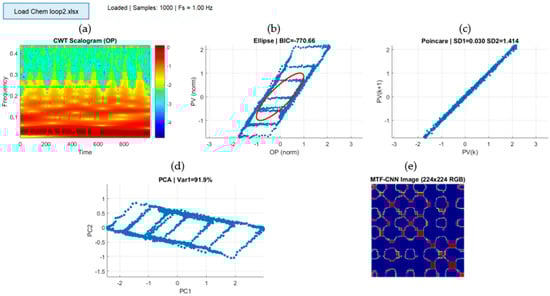
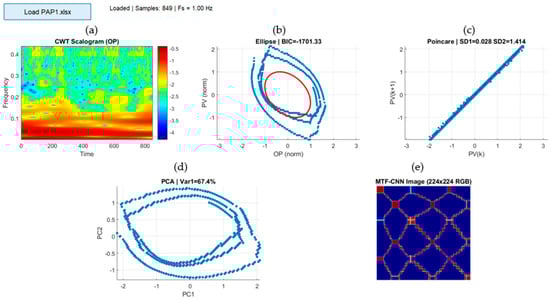
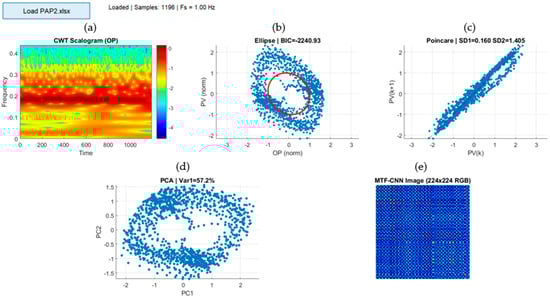
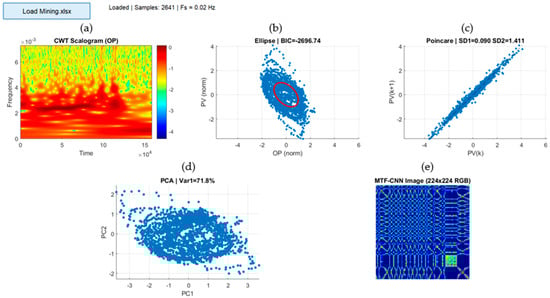
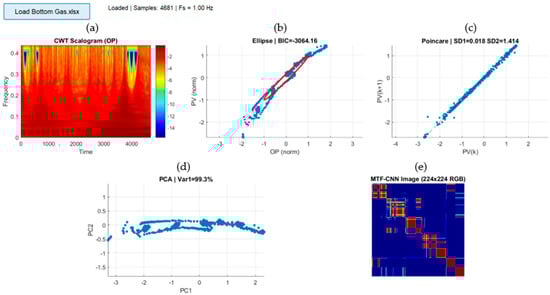
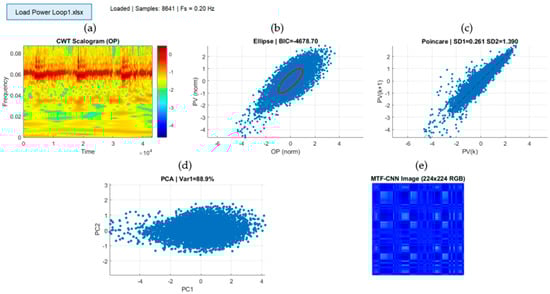
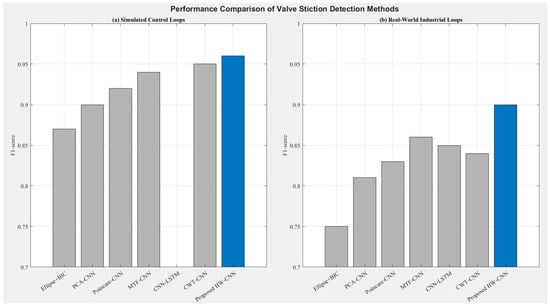
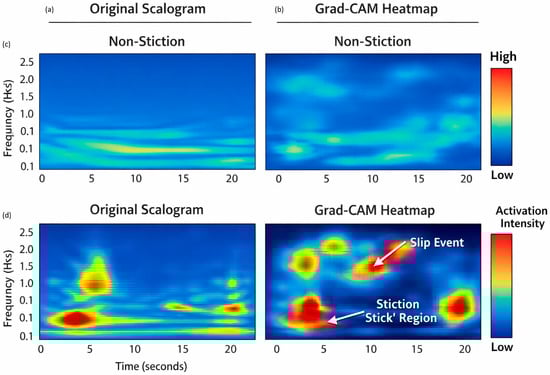
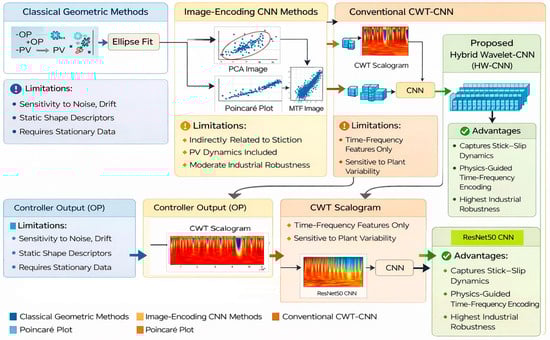
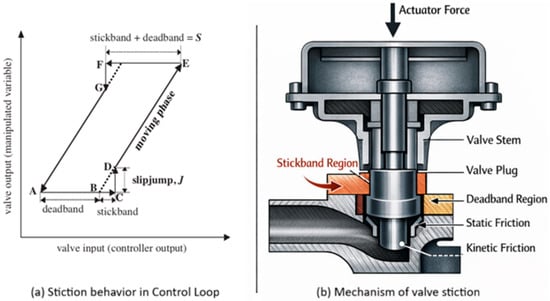
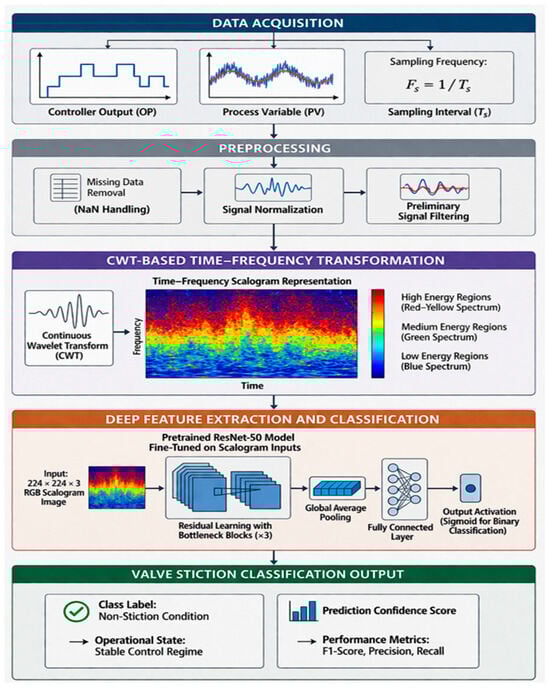
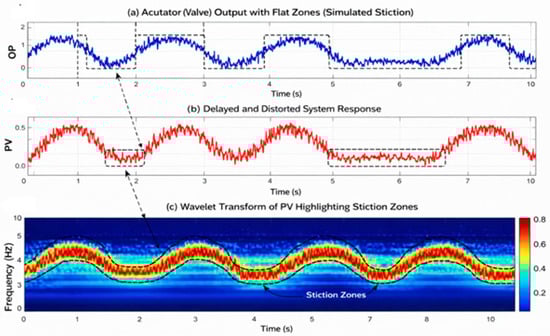
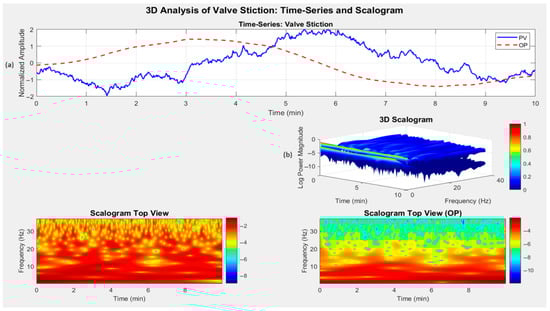
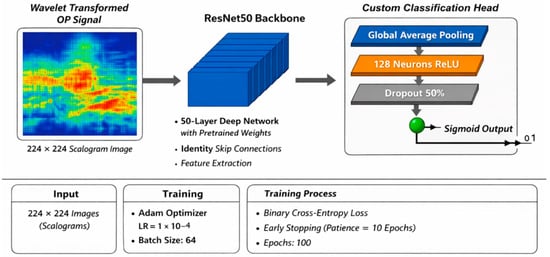
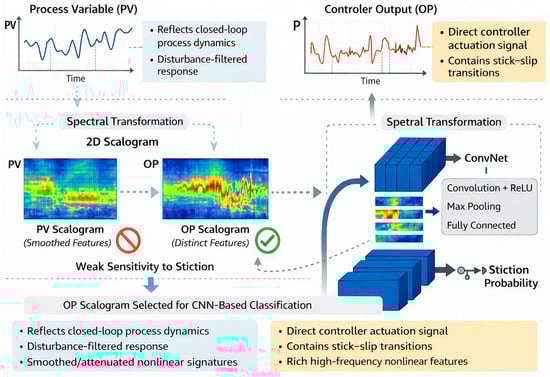
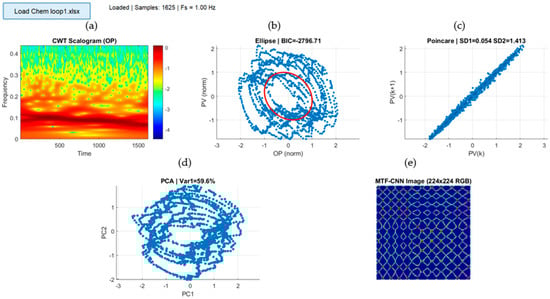
Valve stiction remains a persistent nonlinear phenomenon in industrial control loops, often inducing limit-cycle oscillations that degrade control performance, compromise stability, and reduce process efficiency. Reliable detection of stiction is therefore essential for condition-based maintenance and improved operational performance. This study proposes a Hybrid Wavelet–Convolutional Neural Network (HW-CNN) framework for the detection of valve stiction in closed-loop systems. The approach employs the continuous wavelet transform (CWT) to generate time–frequency scalograms that preserve localized energy distributions associated with stick–slip behavior, including transient release events and sustained oscillatory patterns. These representations are subsequently processed using a fine-tuned deep residual neural network to enable automated feature extraction and classification. Unlike conventional signal-based or generic time–frequency learning approaches, the proposed framework is designed to retain control system-specific dynamics within the feature representation, thereby improving the separability of stiction-induced signatures under varying operating conditions. The methodology is evaluated using both simulated control loop data and real industrial datasets obtained from the International Stiction Database (ISDB), ensuring evaluation under controlled and practical conditions. To enhance reliability, performance metrics are reported as averages over repeated experimental runs. The results demonstrate that the proposed HW-CNN framework achieves an accuracy of 96.1% and an F1-score of 96.0% on simulated datasets, and 90.4% accuracy with an F1-score of 90.0% on industrial data. Additional analysis indicates that the model maintains consistent detection capability despite increased variability in real-world conditions. Furthermore, interpretability is supported through Grad-CAM analysis, which shows that the network focuses on physically meaningful regions within the scalograms corresponding to known stiction dynamics. The findings confirm that the integration of wavelet-based feature encoding with deep residual learning provides a robust and interpretable framework for valve stiction detection.
Full article
(This article belongs to the Section Control Systems)
►
Show Figures
Open AccessArticle
Research on Speed Planning and Energy Management Strategy for Distributed-Drive Electric Vehicles Based on Deep Deterministic Policy Gradient Algorithm
by
Ning Li, Yong Lin, Zhongyuan Huang, Yihao Hong and Xiaobin Ning
Actuators 2026, 15(5), 248; https://doi.org/10.3390/act15050248 (registering DOI) - 30 Apr 2026
Abstract
Fully leveraging the four-wheel independent drive characteristics of distributed-drive electric vehicles has become essential for enhancing their driving range. However, conventional regenerative braking strategies applied to such vehicles often fail to consider individual wheel slip ratios, which can easily lead to wheel lock
[...] Read more.
Fully leveraging the four-wheel independent drive characteristics of distributed-drive electric vehicles has become essential for enhancing their driving range. However, conventional regenerative braking strategies applied to such vehicles often fail to consider individual wheel slip ratios, which can easily lead to wheel lock and low energy recovery efficiency. To address these issues, this paper proposes a novel energy management method that integrates hybrid braking control with intelligent connected speed planning. A hierarchical control strategy for the hybrid braking system is first developed, explicitly accounting for the slip ratio of each wheel. The upper-level controller calculates the slip ratio for each wheel based on vehicle speed and wheel speed information and subsequently determines the braking torque distribution between the front and rear axles. The lower-level controller then allocates the motor braking torque and hydraulic braking torque to each wheel, subject to system constraints such as battery status and motor torque limits. Building on this framework, vehicle state and road information are incorporated as inputs to formulate a Markov decision process, which optimizes traffic efficiency, energy economy, and ride comfort as multiple objectives. The deep deterministic policy gradient (DDPG) algorithm is employed to achieve collaborative optimization of speed planning and energy management. Simulation results demonstrate that the proposed DDPG-based control strategy outperforms both rule-based control methods and classical dynamic programming algorithms in terms of comprehensive performance across traffic efficiency, energy consumption, and ride comfort. These findings validate its superiority in complex traffic conditions.
Full article
(This article belongs to the Section Control Systems)
Open AccessArticle
Disturbance Observer-Based Fixed-Time Sliding-Mode Control for Electromechanical Actuators
by
Xi Xiao, Ziyang Zhen and Huanyu Sun
Actuators 2026, 15(5), 247; https://doi.org/10.3390/act15050247 (registering DOI) - 30 Apr 2026
Abstract
Electromechanical actuators play a pivotal role in aerospace servo systems; however, their high-precision tracking performance is frequently compromised by external disturbances and system nonlinearities. To address these challenges, this paper proposes a disturbance observer-based fixed-time backstepping sliding-mode control strategy. Firstly, the high-order dynamics
[...] Read more.
Electromechanical actuators play a pivotal role in aerospace servo systems; however, their high-precision tracking performance is frequently compromised by external disturbances and system nonlinearities. To address these challenges, this paper proposes a disturbance observer-based fixed-time backstepping sliding-mode control strategy. Firstly, the high-order dynamics are decomposed into load and electrical subsystems employing a backstepping control framework. To effectively handle mismatched external disturbances in the load subsystem, a prescribed-time integral sliding-mode observer is designed, which guarantees accurate disturbance estimation within a prescribed time for feedforward compensation. Subsequently, a fixed-time sliding-mode controller incorporating a segmented reaching law is developed. This controller ensures that tracking errors converge to zero within a fixed time, independent of initial system states, while mitigating chattering. Hardware-in-the-loop experimental results demonstrate the superior performance of the proposed strategy. Compared to conventional methods, the proposed controller significantly enhances transient response under step disturbances by reducing the peak deviation by up to 94% and shortening the recovery time by at least 60%. Furthermore, under sustained sinusoidal disturbances and dynamic tracking scenarios, the output fluctuations and tracking errors are attenuated to negligible levels, thereby exhibiting notable improvements over traditional methods.
Full article
(This article belongs to the Section Control Systems)
Open AccessArticle
Neural Network-Augmented Actuation Control System Designed for Path Tracking of Autonomous Underwater-Transportation Systems Under Sensor and Process Noise
by
Faheem Ur Rehman, Syed Muhammad Tayyab, Hammad Khan, Aijun Li and Paolo Pennacchi
Actuators 2026, 15(5), 246; https://doi.org/10.3390/act15050246 - 30 Apr 2026
Abstract
Underwater-transportation systems have significant potential for both military and commercial applications. Neural Network (NN)-based control offers enhanced robustness for actuators to manage the states of autonomous underwater-transportation systems which include Rigid-Connection Transportation Systems (RCTSs), Flexible-Connection Transportation Systems (FCTSs) and Leader–Follower-Formation Control Transportation Systems
[...] Read more.
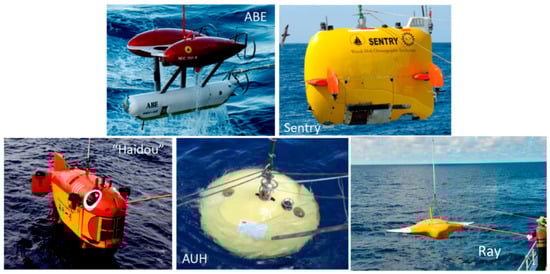
Underwater-transportation systems have significant potential for both military and commercial applications. Neural Network (NN)-based control offers enhanced robustness for actuators to manage the states of autonomous underwater-transportation systems which include Rigid-Connection Transportation Systems (RCTSs), Flexible-Connection Transportation Systems (FCTSs) and Leader–Follower-Formation Control Transportation Systems (LFFCTSs). In this study, NN-Augmented Control (NNAC) is applied to the aforementioned three transportation systems to enable accurate path tracking by the actuators installed onboard these systems under both ideal operating conditions and in the presence of sensor and process noise. The Extended Kalman Filter (EKF) is employed to estimate the system states under noisy conditions. The results demonstrate that NNAC provides robust and adaptive control of actuators, achieving efficient trajectory tracking via the transportation systems despite the influence of sensor and process noise disturbances. NNAC predominance was also observed in comparison with the conventional PID controller. Among the transportation configurations under the NNAC strategy, the RCTS exhibited the highest tracking accuracy with the lowest power consumption by the actuators. The power consumption of actuators installed on the LFFCTS was marginally higher than that of the RCTS. However, the translational motion accuracy of the follower vehicle in the LFFCTS was the lowest due to indirect actuation control through the formation controller. In contrast, actuators in the FCTS showed the highest power consumption while motion accuracy was comparatively lowest, attributed to the increased complexity of its dynamic positioning requirements.
Full article
(This article belongs to the Special Issue Fault Diagnosis and Prognosis in Actuators)
Open AccessArticle
Fault-Tolerant Redesign of a Quad-Winding PMSM to Prevent Irreversible Partial Demagnetization
by
Min-Seong Jo, Young-Joon Song, Kyung-il Woo and Kyu-Yun Hwang
Actuators 2026, 15(5), 245; https://doi.org/10.3390/act15050245 - 30 Apr 2026
Abstract
This paper proposes a fault-tolerant optimal design method for quad-winding permanent magnet synchronous motors (PMSMs) considering irreversible demagnetization under fault conditions. In quad-winding motors, when one or more winding sets become unavailable, the remaining windings must carry higher current to maintain the required
[...] Read more.
This paper proposes a fault-tolerant optimal design method for quad-winding permanent magnet synchronous motors (PMSMs) considering irreversible demagnetization under fault conditions. In quad-winding motors, when one or more winding sets become unavailable, the remaining windings must carry higher current to maintain the required torque. This increases the external magnetomotive force acting on the permanent magnets and may cause irreversible demagnetization, particularly in spoke-type magnet structures. To address this issue, the demagnetization characteristics of the quad-winding motor were analyzed under healthy and faulty operating conditions. Based on this analysis, an optimization process using a Radial Basis Function–Multi-Layer Perceptron (RBF–MLP) surrogate model and a combination of grid-based search and local optimization was applied to obtain an optimal motor design. The optimization results show that the irreversible demagnetization ratio was reduced from 5.9% to 0.5% while maintaining a similar magnet volume. The proposed design approach effectively suppresses irreversible demagnetization in quad-winding PMSMs.
Full article
(This article belongs to the Special Issue Integrated Intelligent Vehicle Dynamics and Control—2nd Edition)
Open AccessArticle
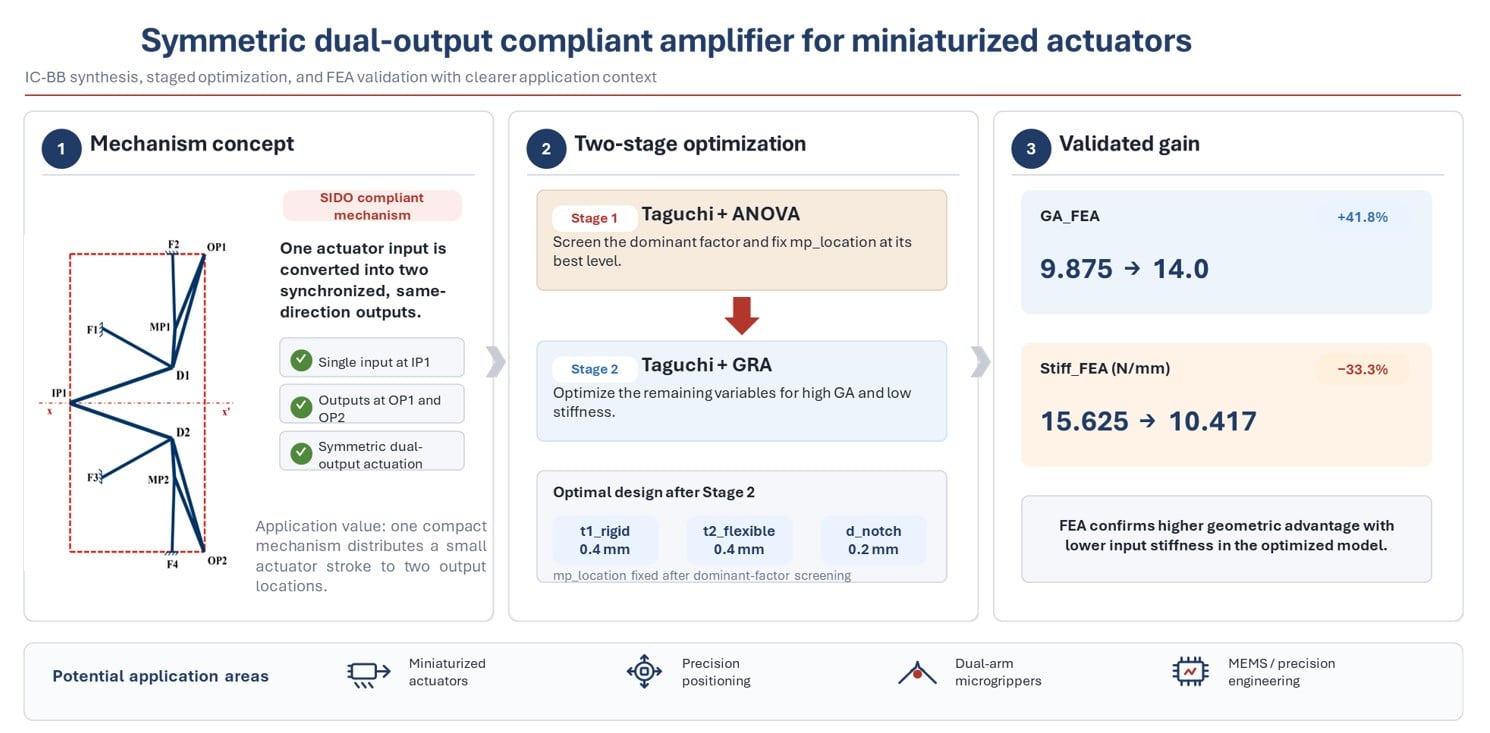
Design and Optimization of Miniaturized Actuation System with Systematic Dual-Output Compliant Displacement Amplification
by
Rohan R. Ozarkar, Nilesh P. Salunke, Prajitsen G. Damle, Rahul Shukla, Shakeelur Raheman and Khursheed B. Ansari
Actuators 2026, 15(5), 244; https://doi.org/10.3390/act15050244 - 30 Apr 2026
Abstract
Compliant displacement amplification mechanisms are widely used in MEMSs and micro-actuated systems to enhance the limited stroke of micro-actuators. However, systematic integration of instantaneous center building block (IC-BB)-based conceptual design and structured post-synthesis optimization for symmetric single-input dual-output compliant displacement amplification mechanisms (SIDO-CDAMs)
[...] Read more.
Compliant displacement amplification mechanisms are widely used in MEMSs and micro-actuated systems to enhance the limited stroke of micro-actuators. However, systematic integration of instantaneous center building block (IC-BB)-based conceptual design and structured post-synthesis optimization for symmetric single-input dual-output compliant displacement amplification mechanisms (SIDO-CDAMs) remains limited in the literature. In this work, a symmetric SIDO-CDAM is first conceptually synthesized using the IC-BB approach by employing only compliant dyad building blocks (CDBs), resulting in a mechanism that produces dual outputs in the same direction. The synthesized conceptual mechanism is subsequently realized with necessary geometric refinements and modeled to validate the conceptual design. A two-stage post-synthesis optimization framework is then proposed to enhance geometrical advantage (GA) while reducing stiffness. In Stage-1, Taguchi design of experiments combined with analysis of variance (ANOVA) is used to screen design parameters, identify the dominant factor, and fix it at its optimal level to eliminate masking effects. In Stage-2, a reduced Taguchi design integrated with gray relational analysis (GRA) is applied for multi-response optimization based on finite element analysis (FEA). Regression models and FEA-based confirmation tests are employed to validate the optimized design. The results demonstrate a significant improvement in displacement amplification with a simultaneous reduction in stiffness compared to the base design. The proposed IC-BB-based conceptual synthesis, coupled with structured post-synthesis optimization, provides a robust and computationally efficient framework for the development of micro-actuation and precision engineering applications.
Full article
(This article belongs to the Special Issue Miniature and Micro-Actuators—2nd Edition)
►▼
Show Figures

Graphical abstract
Open AccessArticle
Experimental and System-Level Simulation Study of Stick–Slip Characteristics in Pneumatic Cylinders
by
Hai Nguyen Ngoc, Phu Phung Pham and Bo Tran Xuan
Actuators 2026, 15(5), 243; https://doi.org/10.3390/act15050243 - 30 Apr 2026
Abstract
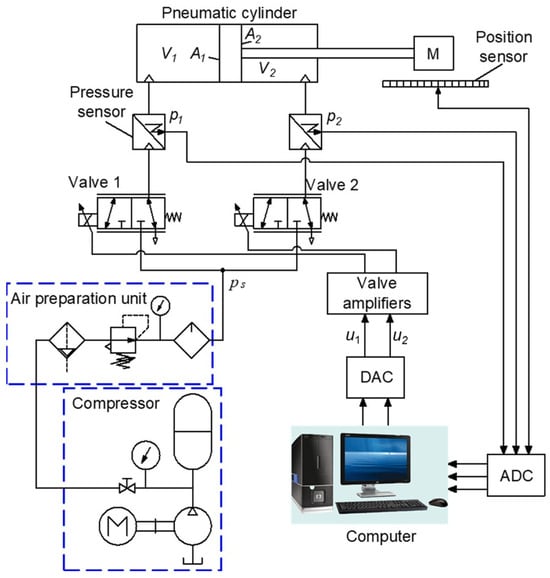
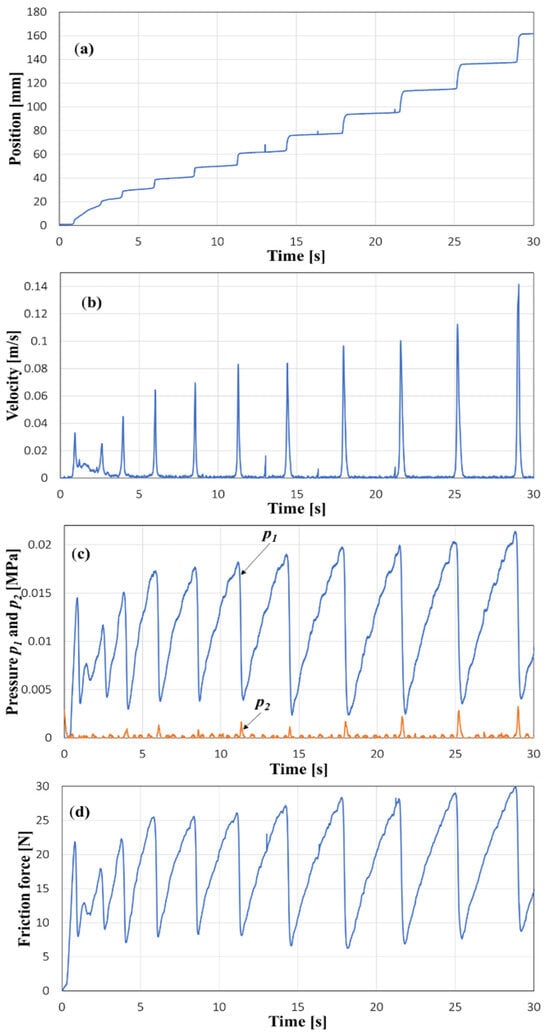
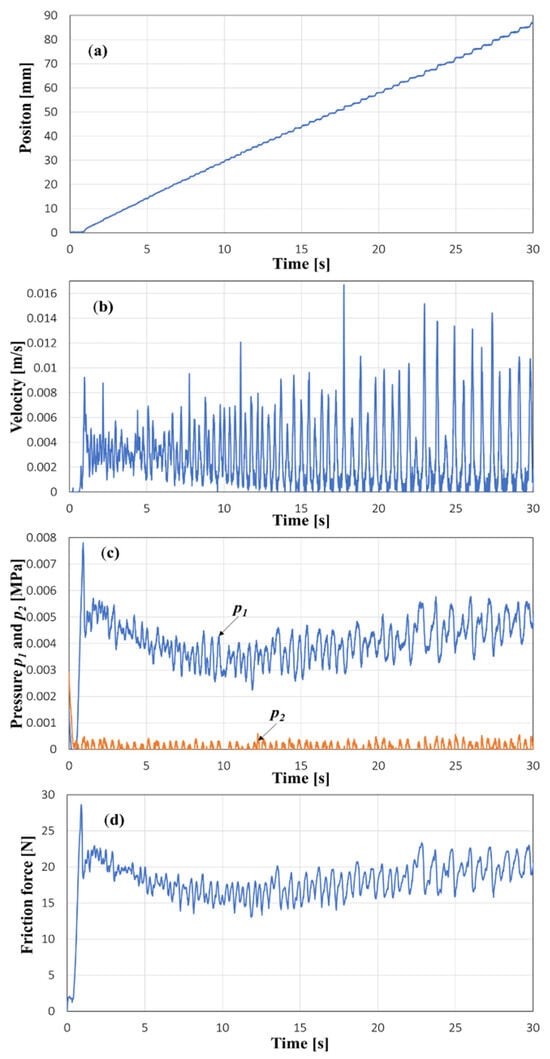
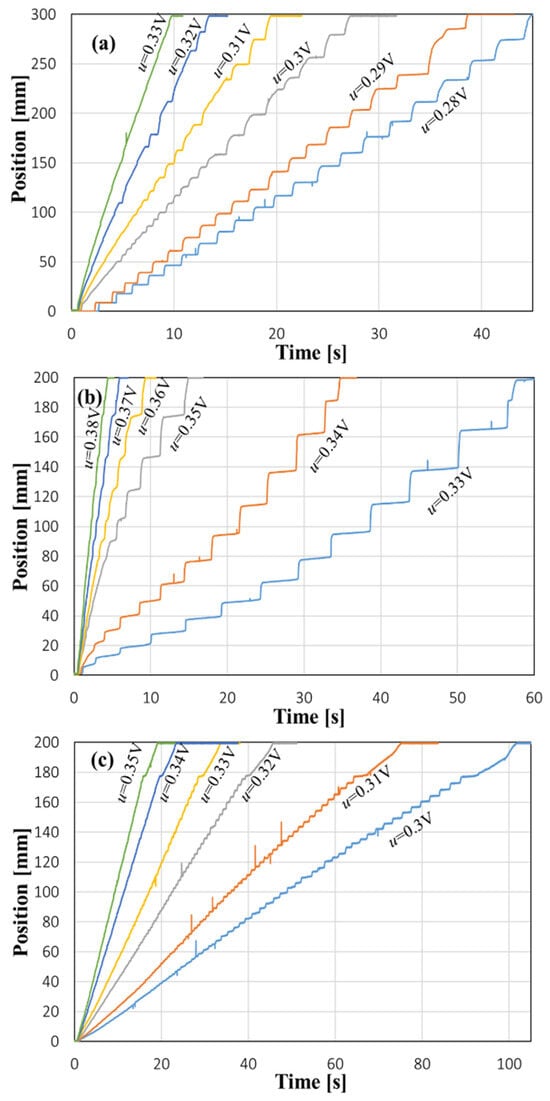
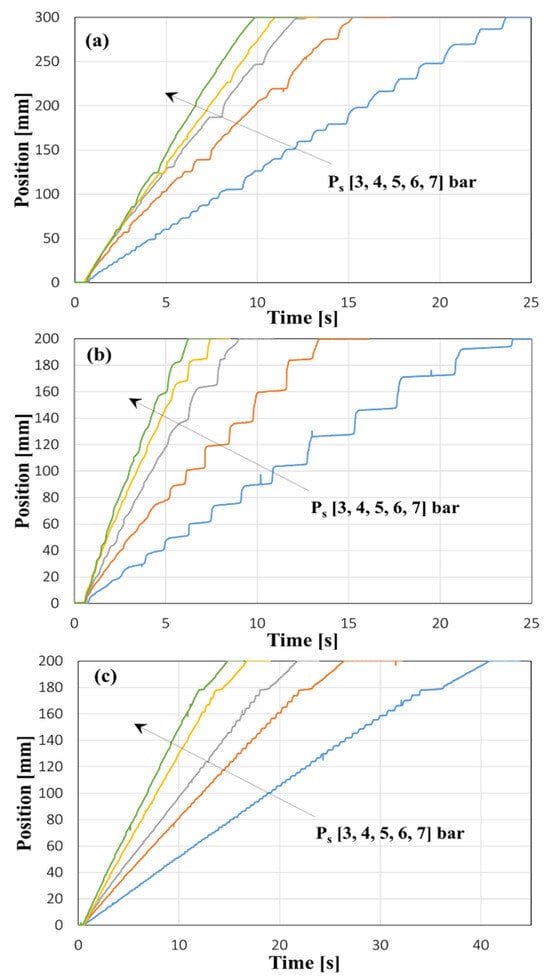
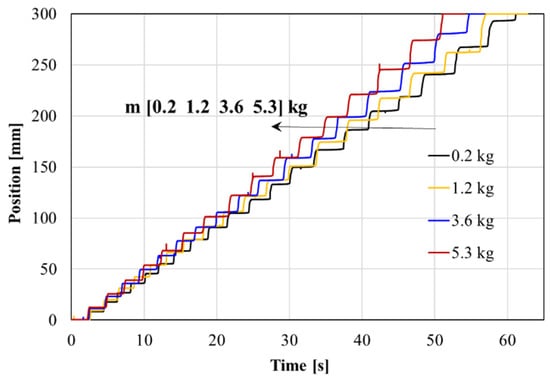
This paper presents a comprehensive experimental and simulation study on the stick–slip characteristics of pneumatic cylinders operating at low velocities. A pneumatic servo experimental system is constructed to systematically investigate stick–slip motion by measuring piston position, piston velocity, pressures in the two-cylinder chambers,
[...] Read more.
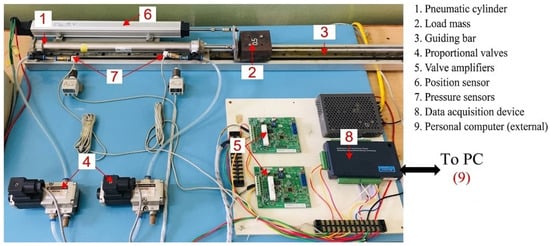
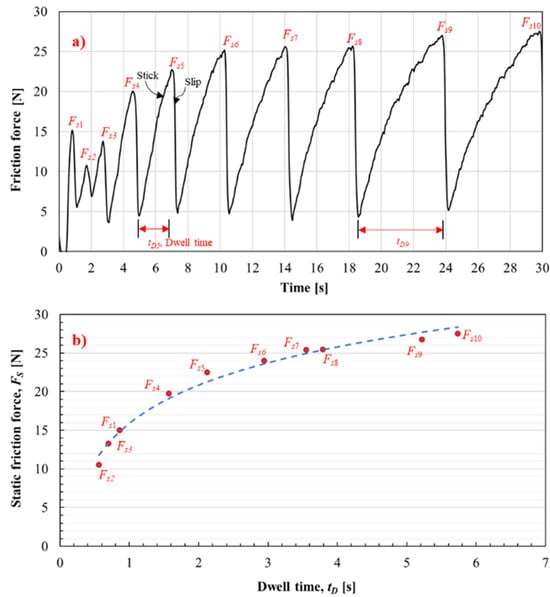
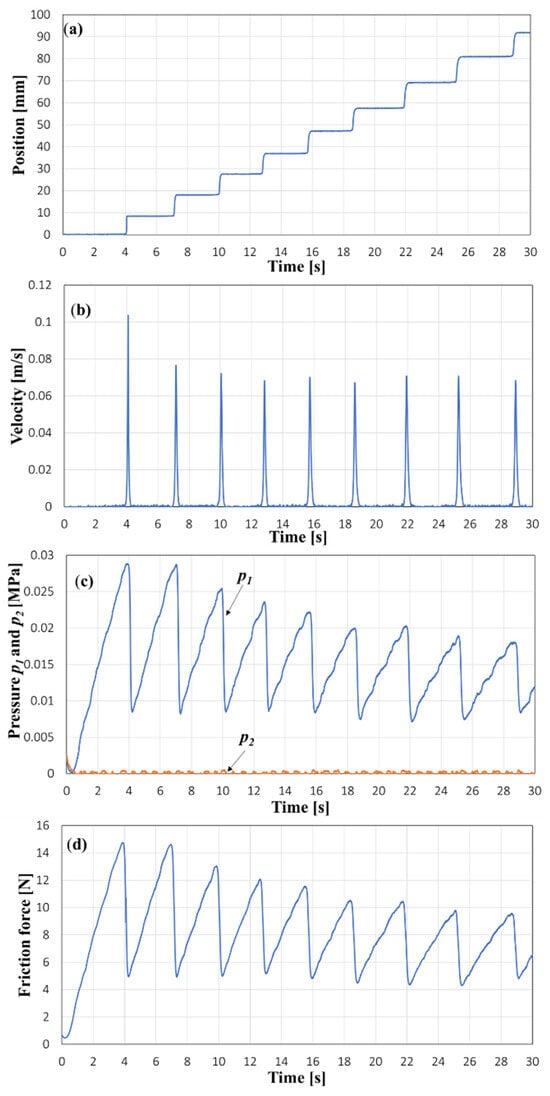
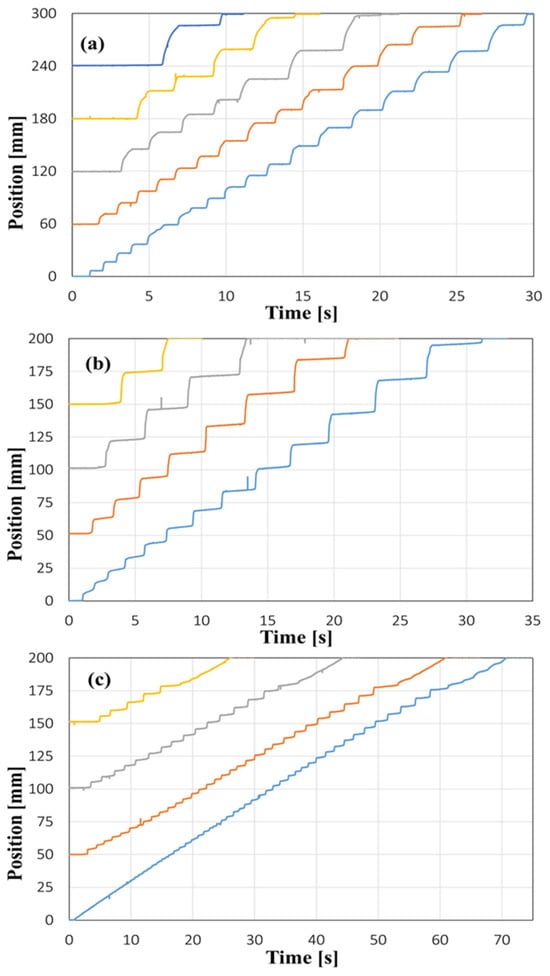
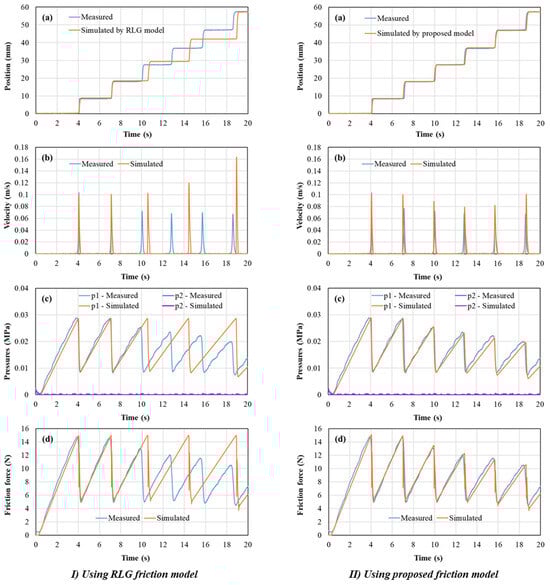
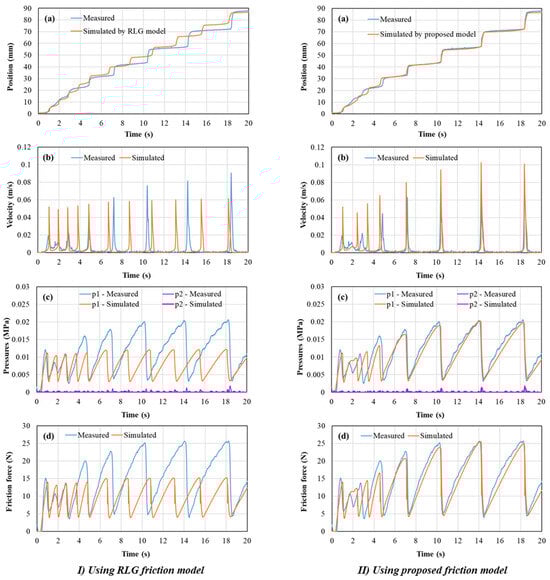
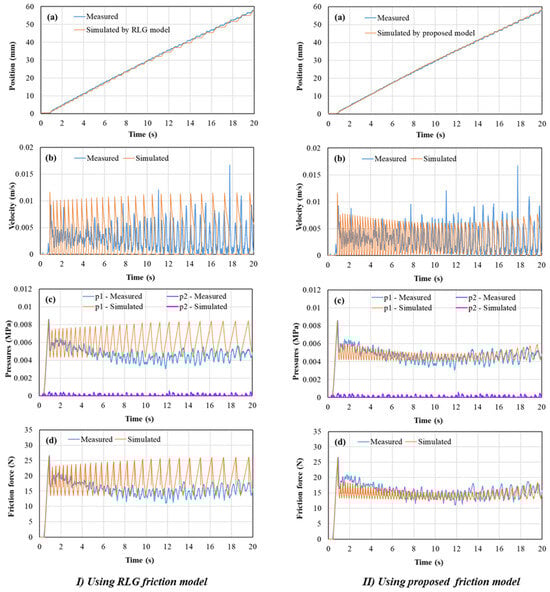
This paper presents a comprehensive experimental and simulation study on the stick–slip characteristics of pneumatic cylinders operating at low velocities. A pneumatic servo experimental system is constructed to systematically investigate stick–slip motion by measuring piston position, piston velocity, pressures in the two-cylinder chambers, and friction force. Extensive experiments are conducted on three pneumatic cylinders of different types and sizes to examine the influences of airflow rate, air source pressure, external load, and initial piston position on stick–slip behavior. Based on experimental observations, a complete mathematical model of the pneumatic servo system is developed. Unlike conventional approaches that simulate stick–slip motion using friction models driven solely by piston velocity, the proposed system-level model explicitly describes the entire dynamic process from valve control inputs to airflow, pressure evolution in the cylinder chambers, piston motion, and friction force. In addition, a new dynamic friction model is proposed by improving the revised LuGre friction model through the incorporation of a dwell-time-dependent static friction force, which is experimentally observed to play a critical role in governing stick–slip motion. Simulation studies are performed using both the proposed friction model and the revised LuGre friction model. The simulated results are systematically compared with experimental data for all tested cylinders. The results demonstrate that the proposed system model with the new friction formulation significantly improves the prediction of stick–slip characteristics, including the number of stick–slip cycles and the evolution of pressure and friction force, compared with conventional friction-model-based simulations.
Full article
(This article belongs to the Special Issue Analysis and Design of Linear/Nonlinear Control System—2nd Edition)
►▼
Show Figures

Figure 1
Open AccessArticle
Exercise Equipment for Strengthening the Ankle Dorsal Muscles That Can Be Safely Used While Sitting
by
Ken’ichi Koyanagi, Hiroko Washizuka, Terumi Kawai and Izumi Kobayashi
Actuators 2026, 15(5), 242; https://doi.org/10.3390/act15050242 - 30 Apr 2026
Abstract
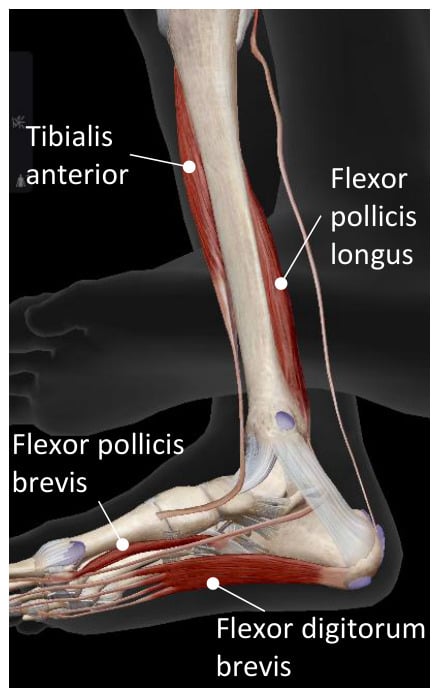
This study proposes a safe, seated-use training device designed to strengthen the ankle dorsiflexor muscles, which are essential for maintaining walking stability and preventing falls. In addition to being safe and easy to use, the device enables ‘multitasking exercise’, allowing users to train
[...] Read more.
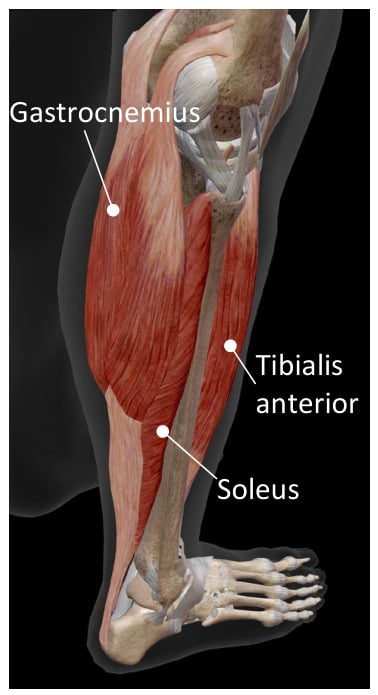
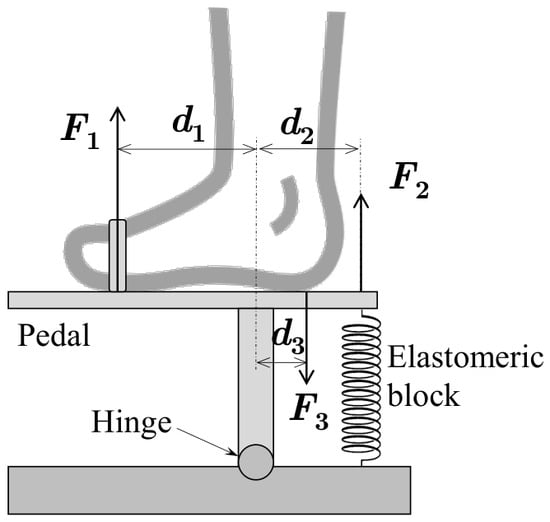
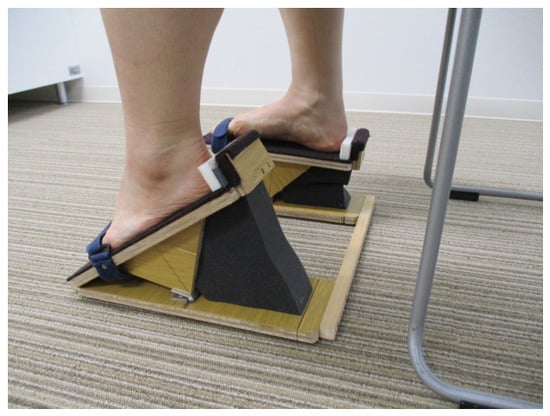
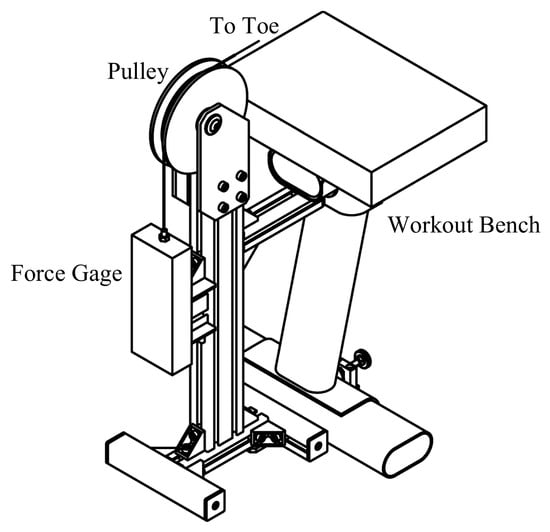
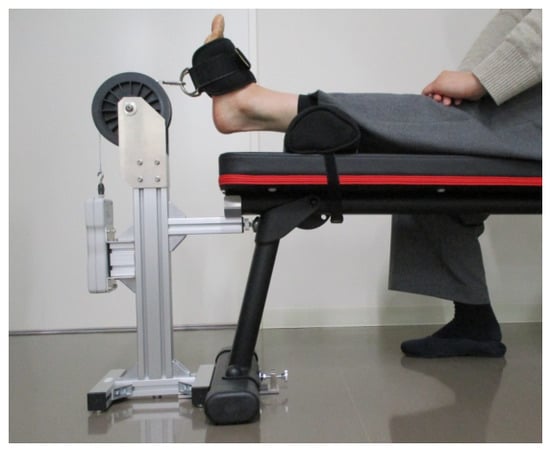
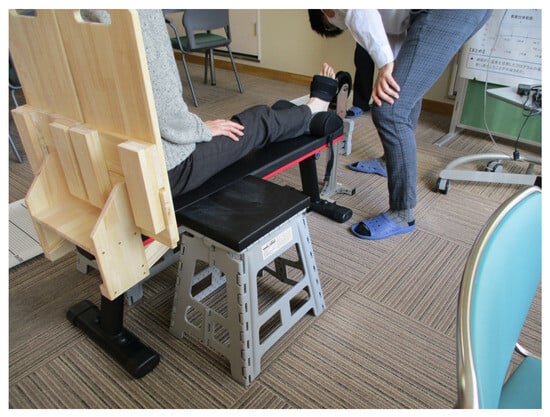
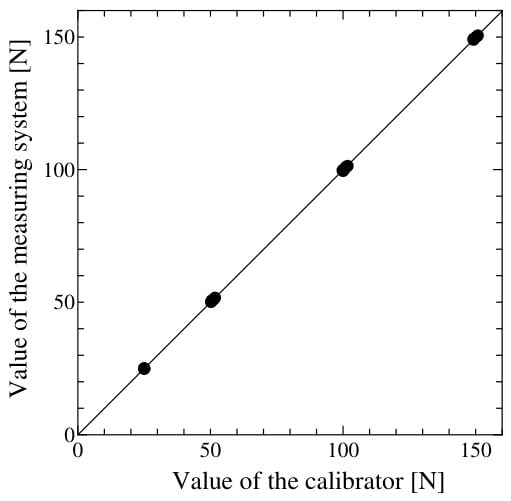
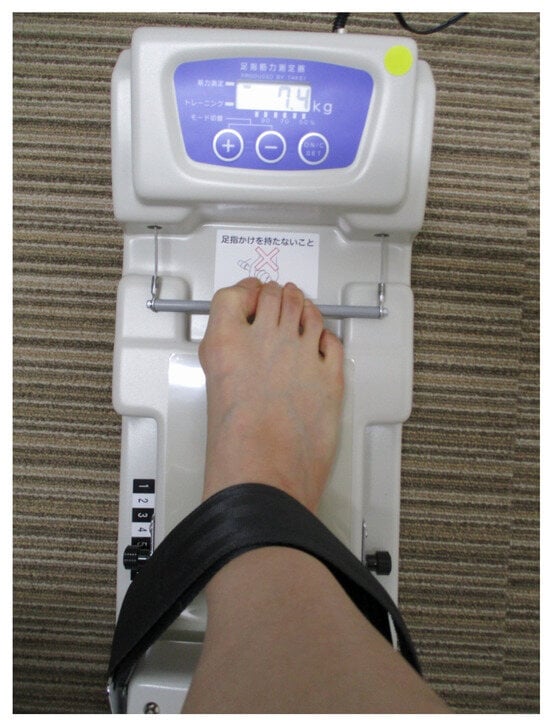
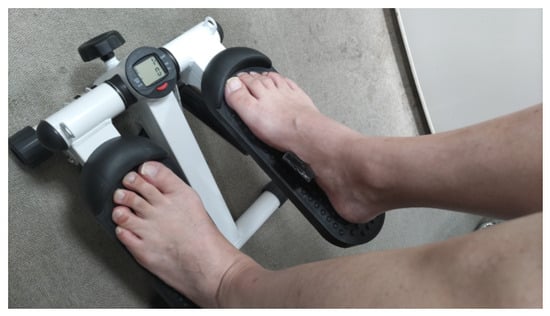
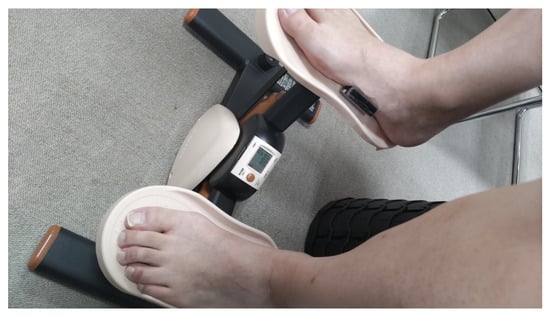
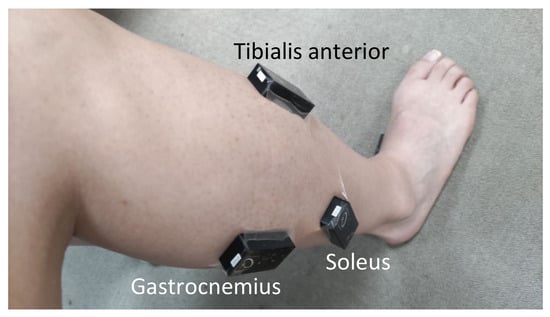
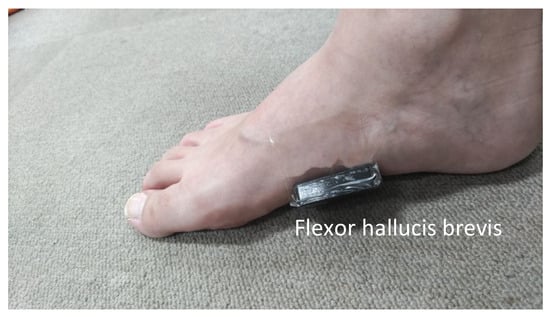
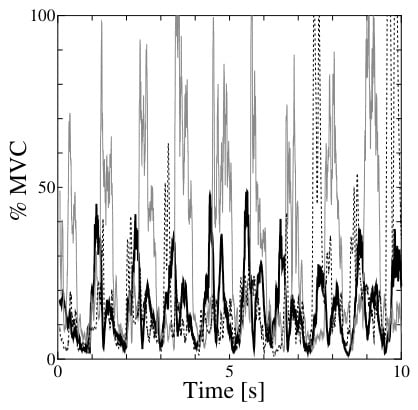
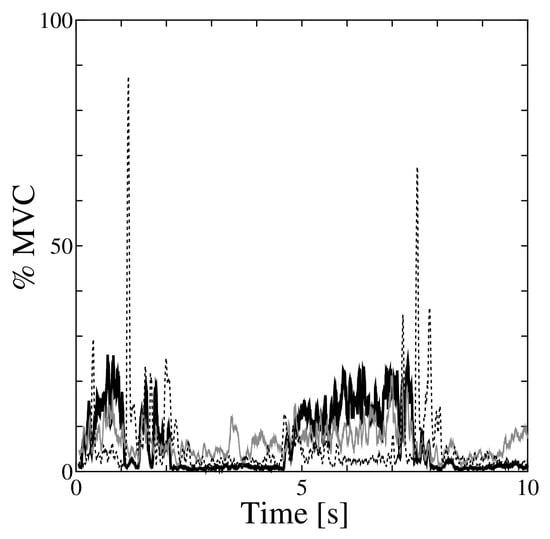
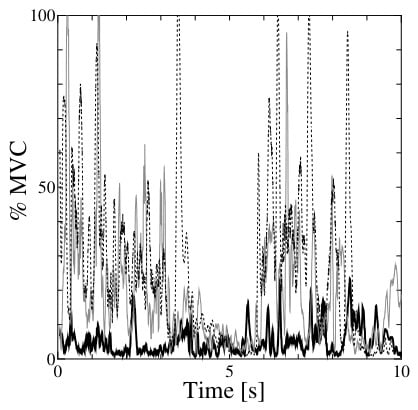
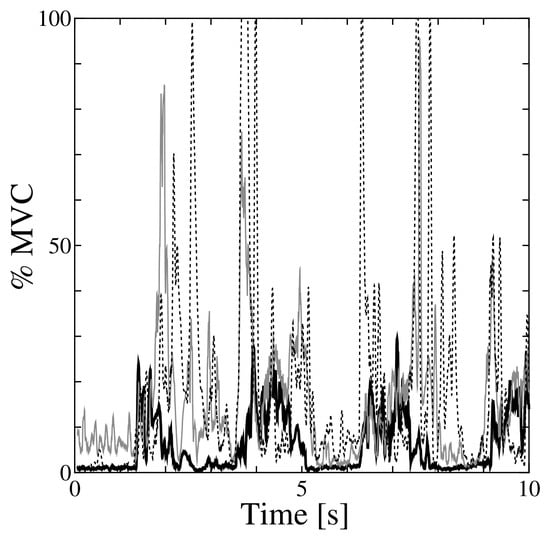
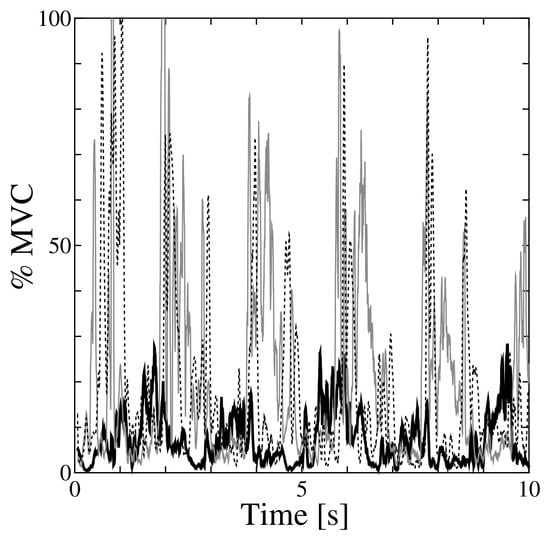
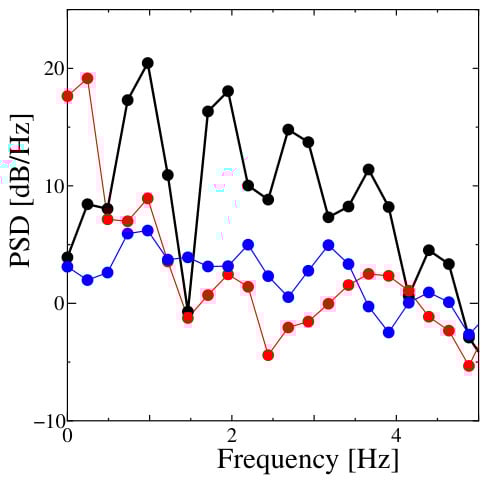
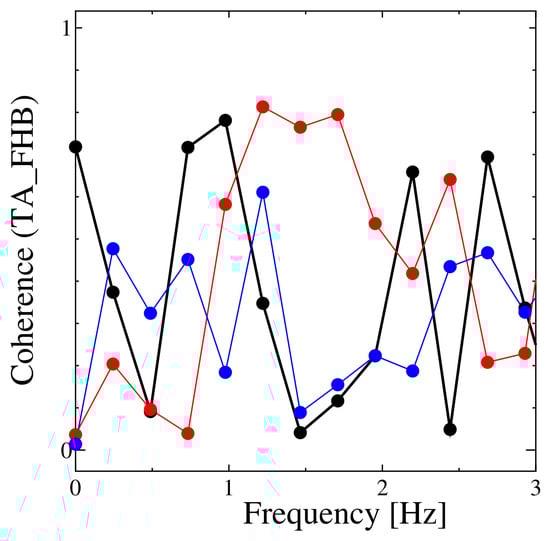
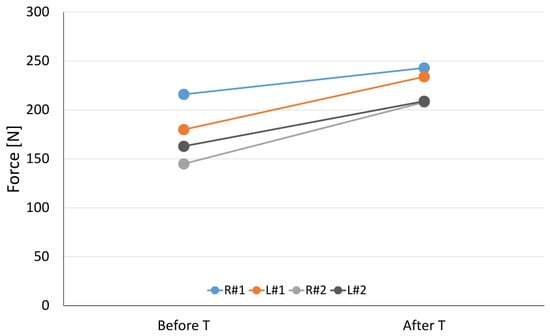
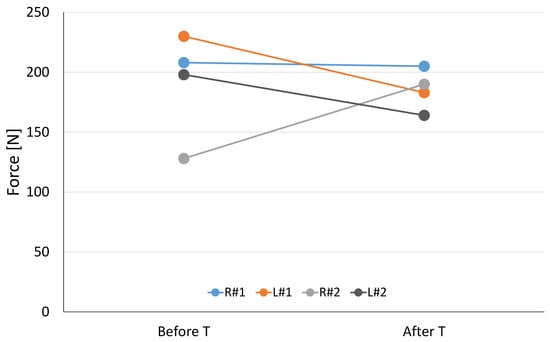
This study proposes a safe, seated-use training device designed to strengthen the ankle dorsiflexor muscles, which are essential for maintaining walking stability and preventing falls. In addition to being safe and easy to use, the device enables ‘multitasking exercise’, allowing users to train while sitting and performing daily activities such as watching television. Furthermore, a muscle strength measurement system was developed to quantitatively evaluate the dorsiflexor force. To evaluate its effectiveness, electromyographic analysis examined the proposed device alongside commercially available steppers, demonstrating that only the proposed device provided stable and periodic activation of the ankle dorsiflexor muscle group. A three-week training test with healthy adults revealed increased dorsiflexor strength, confirming the device’s effectiveness following seated training. Exercise using the proposed device is expected to improve muscle strength around the ankle and toes, thereby enhancing ankle stability and helping to prevent falls caused by tripping. Safe and stable walking contributes to improved activities of daily living and extends the range of life activities for the elderly, preventing bedridden conditions and maintaining or improving quality of life.
Full article
(This article belongs to the Section Actuators for Medical Instruments)
►▼
Show Figures

Figure 1
Open AccessArticle
Operation Frequency of an Exploding Gas Microactuator
by
Pavel S. Shlepakov, Ilia V. Uvarov and Vitaly B. Svetovoy
Actuators 2026, 15(5), 241; https://doi.org/10.3390/act15050241 - 29 Apr 2026
Abstract
An exploding gas actuator uses H and O nanobubbles produced electrochemically. At some conditions, these nanobubbles merge and explode synchronously due to a combustion reaction. This actuator, with a volume of less than 10 nL, demonstrated excellent properties, but the actuation
[...] Read more.
An exploding gas actuator uses H and O nanobubbles produced electrochemically. At some conditions, these nanobubbles merge and explode synchronously due to a combustion reaction. This actuator, with a volume of less than 10 nL, demonstrated excellent properties, but the actuation frequency was restricted to 1 Hz. In this paper, it is shown that the natural actuation frequency has to be as high as 100 Hz, and the reasons for the restricted frequency are analysed. It is found that there exists a threshold frequency, which increases with the chamber size. It reaches a value of 40 Hz for a chamber with a diameter of 1 mm. Above the threshold frequency, a residual gas is collected in the chamber. This gas is identified as air dissolved in the electrolyte. Explosions in the chamber provide conditions for the residual gas to form microbubbles, which are dissolved at a low operation frequency but collected above the threshold value. This study opens up opportunities to increase the actuation frequency of the exploding gas actuator.
Full article
(This article belongs to the Section Miniaturized and Micro Actuators)
Open AccessArticle
Design and Analysis of an Axial Flux Permanent Magnet Synchronous Motor with a Stepped Stator Structure for Cogging Torque Reduction
by
Seung-Hoon Ko, Kan Akatsu, Ho-Joon Lee, Gu-Young Cho and Won-Ho Kim
Actuators 2026, 15(5), 240; https://doi.org/10.3390/act15050240 - 29 Apr 2026
Abstract
The Axial Flux Permanent Magnet Synchronous Motor (AFPMSM) has gained significant attention as a core power source for next-generation industrial sectors, including electric vehicles, wind turbines, robot joints, and drone propulsion motors, due to its high power density from a short axial length
[...] Read more.
The Axial Flux Permanent Magnet Synchronous Motor (AFPMSM) has gained significant attention as a core power source for next-generation industrial sectors, including electric vehicles, wind turbines, robot joints, and drone propulsion motors, due to its high power density from a short axial length and large radial dimensions. Despite these structural advantages, cogging torque caused by magnetic interaction between the stator teeth and permanent magnets remains a critical drawback, inducing noise and vibration. While conventional Soft Magnetic Composite (SMC) core methods facilitate 3D flux paths, they suffer from low magnetic permeability, insufficient mechanical strength, and manufacturing complexity. To address these issues, this study proposes a stepped structure model utilizing electrical steel sheets to effectively reduce cogging torque. This structure features radial stacking of identical electrical steel sheets with varying widths, where each layer's center is incrementally shifted in the rotational direction. This configuration achieves an effect analogous to continuous skewing without specialized 3D machining. To validate the proposed design, 3D Finite Element Analysis (FEA) was conducted. Results demonstrate that the peak-to-peak cogging torque was reduced to approximately 86% of the conventional model’s value, while maintaining the back-EMF reduction rate within 5%. By presenting a novel skewing technique, this research provides a practical alternative for high-precision and high-power AFPMSM.
Full article
(This article belongs to the Section High Torque/Power Density Actuators)
Open AccessArticle
Quasi-Monolithic All-in-One TEG-PCM Systems: Reducing Thermal Interfaces via Multilayer PCB Technology
by
Stefano Morese, Kiran Paul Nalli, Abhijit Telrandhe, Swathi Krishna Subhash, Suman Kundu, Frank Goldschmidtböing, Uwe Pelz and Peter Woias
Actuators 2026, 15(5), 239; https://doi.org/10.3390/act15050239 - 29 Apr 2026
Abstract
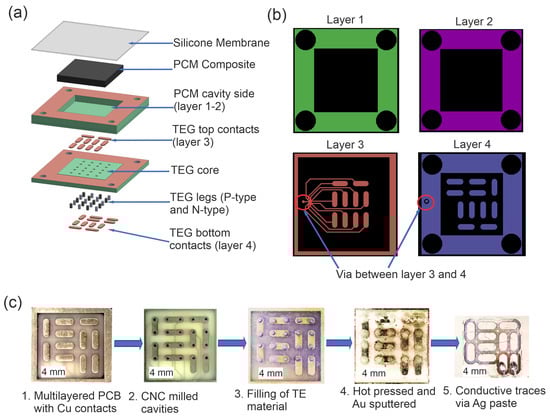
Engineering systems increasingly demand multifunctional and energy-efficient integration within constrained volume and energy budgets. One promising solution is the monolithic integration of components and functions to minimize occupied volume and simplify control interfaces. Paraffin-based phase change material (PCM) actuators provide high mechanical work
[...] Read more.
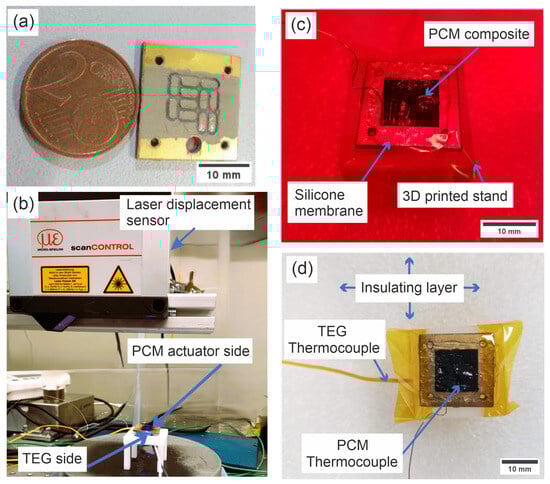
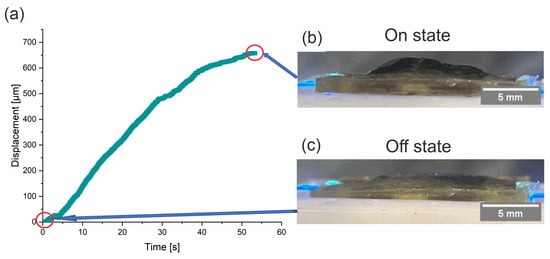
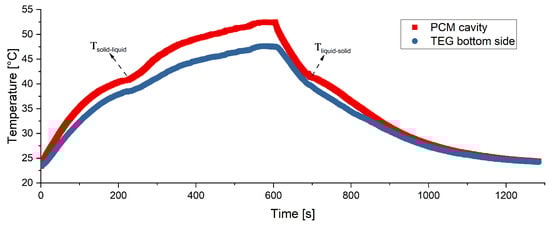
Engineering systems increasingly demand multifunctional and energy-efficient integration within constrained volume and energy budgets. One promising solution is the monolithic integration of components and functions to minimize occupied volume and simplify control interfaces. Paraffin-based phase change material (PCM) actuators provide high mechanical work density and can be coupled with thermoelectric generators (TEGs) for multifunctional operation. However, their dynamic response is typically constrained by the intrinsically low thermal conductivity of PCM materials. This work introduces a quasi-monolithic fabrication method for a fully integrated TEG-PCM system combining standard four-layer printed circuit board (PCB) technology and CNC milling. By constructing the system as a quasi-monolithic block, thermal interface materials are considerably reduced, thereby diminishing parasitic thermal resistance and promoting faster heat transport from the TEG to the PCM cavity. The system is fabricated using CNC milling with high depth resolution enabled by an electrical sensing-via structure. Experimental validation shows a 76% improvement in displacement rate (15.03 µm/s) at half the input power (1 W) compared to a conventional hybrid-assembled TEG-PCM actuator system consisting of a commercial TEG and an aluminum PCM container. The exploitation of the PCM as a thermal flux modulator for energy harvesting has been preliminarily investigated; considering the measured 5 K temperature difference sustained during a simulated short “day–night” cycle, an estimated open-circuit voltage of ∼13.5 mV is expected to be retrieved under load-match conditions. The actuator is compatible with PCB-based power management and thermal routing, enabling scalable incorporation into compact microsystems and multifunctional MEMS devices.
Full article
(This article belongs to the Special Issue Innovative MEMS: Merging Smart Materials with Electronic Techniques for Enhanced Sensing and Actuation)
►▼
Show Figures

Figure 1
Open AccessArticle
Command-Filtered Adaptive Prescribed-Time Tracking Control with Application to Output-Constrained Hydraulic Servo Systems
by
Pengfei Li, Jianyong Yao and Xiaowei Yang
Actuators 2026, 15(5), 238; https://doi.org/10.3390/act15050238 - 28 Apr 2026
Abstract
In this paper, a command filter-based adaptive prescribed-time control method is proposed for hydraulic servo systems subject to time-varying parameters, external disturbances and output constraints. Firstly, a state-based nonlinear transformation function is introduced to convert the output-constrained problem into a boundedness problem. Then,
[...] Read more.
In this paper, a command filter-based adaptive prescribed-time control method is proposed for hydraulic servo systems subject to time-varying parameters, external disturbances and output constraints. Firstly, a state-based nonlinear transformation function is introduced to convert the output-constrained problem into a boundedness problem. Then, an auxiliary system is constructed to compensate for command filtering errors. Subsequently, to handle the uncertainties from time-varying parameters and external disturbances, a smooth nonlinear term featuring an updated gain and incorporating a prescribed-time function is designed. Based on the transformed system, a novel control framework integrating command filtering, adaptive control, and the prescribed-time function is developed. Consequently, the complexity explosion is avoided, and the system output is guaranteed to converge to a small bounded interval near zero while strictly satisfying the output constraints. Moreover, this prescribed convergence time can be independently set by the designer. Furthermore, both the transient convergence performance within the prescribed time and the bounded convergence performance afterward are guaranteed by Lyapunov stability analysis. Finally, the effectiveness of the proposed method is verified by simulation results.
Full article
(This article belongs to the Special Issue Intelligent and Precision Control for Mechatronic/Electro-Hydraulic Systems—Second Edition)
Open AccessArticle
Hybrid Model Predictive and PI Control for Enhanced Performance of a Self-Locking Dual-Side Wedge Brake
by
Mingxin Liu, Hang Zhong and Feng Xu
Actuators 2026, 15(5), 237; https://doi.org/10.3390/act15050237 - 28 Apr 2026
Abstract
Brake-by-wire (BBW) systems face challenges such as structural complexity, high energy consumption, and control inaccuracies induced by nonlinear factors. This study develops a novel self-locking dual-side synchronously clamping electronic wedge brake (EWB) system as an advanced BBW architecture. This novel design consists of
[...] Read more.
Brake-by-wire (BBW) systems face challenges such as structural complexity, high energy consumption, and control inaccuracies induced by nonlinear factors. This study develops a novel self-locking dual-side synchronously clamping electronic wedge brake (EWB) system as an advanced BBW architecture. This novel design consists of a single screw with opposite-handed threads to drive the wedge mechanism bidirectionally, leveraging the self-energizing effect and the self-interlocking effect to significantly reduce energy consumption while achieving hydraulic-free synchronous braking. Additionally, the inherent precise displacement control of the screw transmission offers a simplified solution for air gap management. A multi-domain coupled model integrating mechanical dynamics and control algorithms is developed based on the proposed architecture, with finite element analysis (FEA) validating the mechanical strength and thermal degradation resistance of key components under extreme conditions. A hybrid control algorithm combining model predictive current control (MPCC) and a PI controller is developed. Compared with the active disturbance rejection control (ADRC), the proposed method achieves a 55% improvement in dynamic response and a % reduction in steady-state error. The vehicle braking performance is validated through a CarSim–Simulink co-simulation, while the rapid dynamic response and precise clamping force control of the key actuator are verified via bench testing, demonstrating the effectiveness of the proposed EWB system architecture and its control strategy, thereby laying a solid theoretical foundation for its future industrial implementation.
Full article
(This article belongs to the Special Issue Actuator Fault Diagnosis, State Detection and Fault Tolerant Control for Ground and Rail Vehicles)
Open AccessArticle
Robust Control of Twin-Rotor MIMO Systems Under Unmodeled Dynamics: Comparative Experimental Validation of Hybrid BSMC and Online QBHO Strategies
by
Abderrahmane Kacimi, Azeddine Beloufa, Souaad Tahraoui, Abderrahmane Senoussaoui, Mehdi Houari Zaid, Abdelbasset Azzouz and Jun-Jiat Tiang
Actuators 2026, 15(5), 236; https://doi.org/10.3390/act15050236 - 28 Apr 2026
Abstract
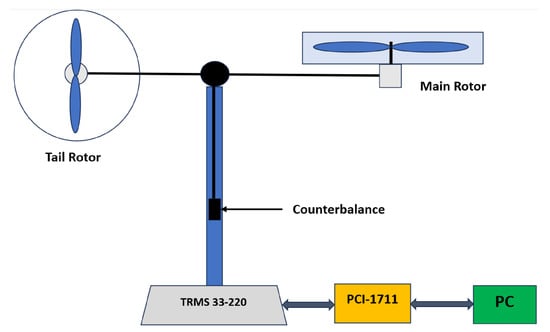
The control of Twin-Rotor Multi-Input Multi-Output (TRMS) systems presents a significant challenge due to high nonlinearity, strong aerodynamic cross-coupling, and the inevitable discrepancies between theoretical models and physical plants. This paper first exposes the instability of conventional Backstepping control under real hardware conditions,
[...] Read more.
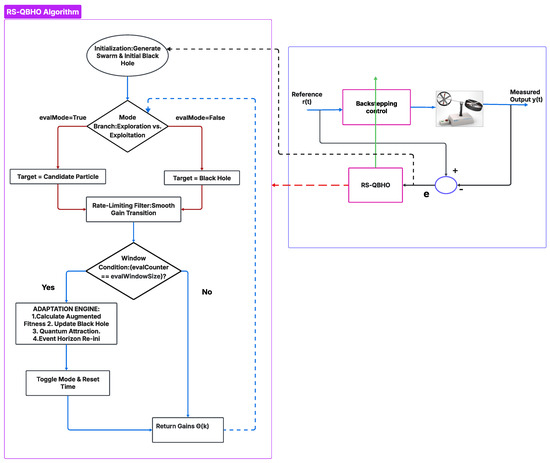
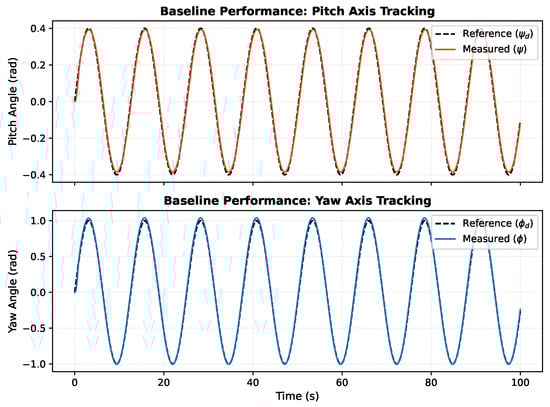
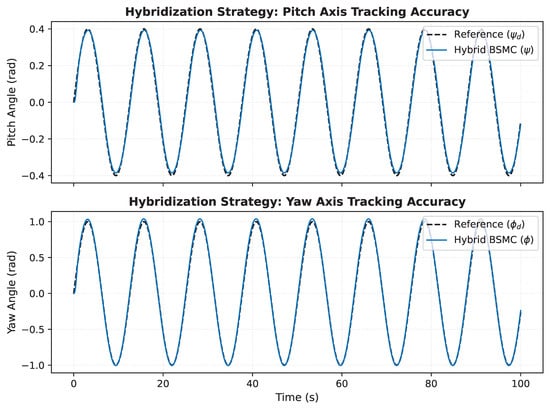
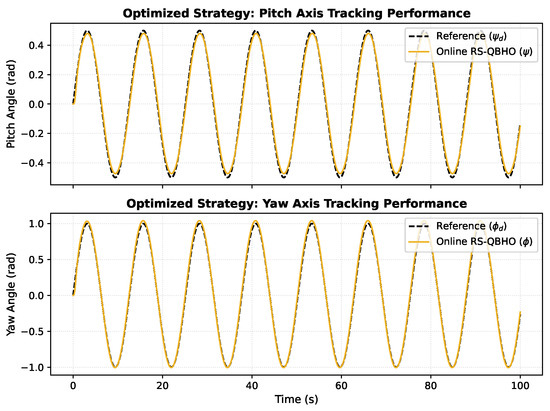
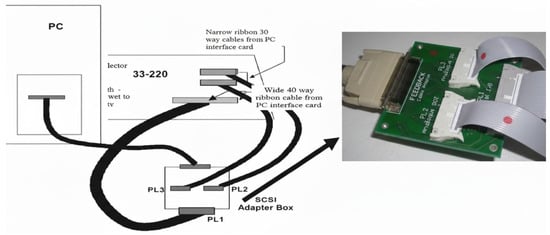
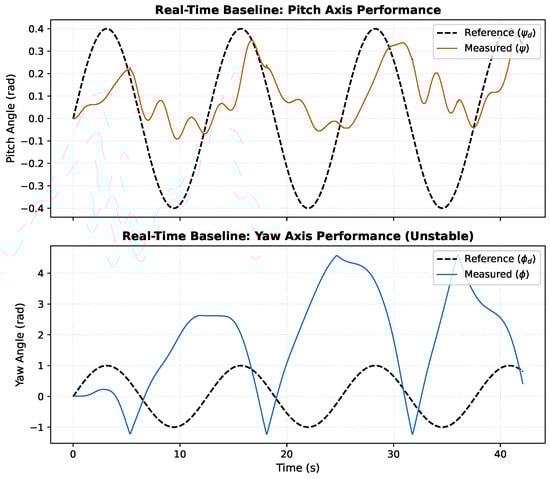
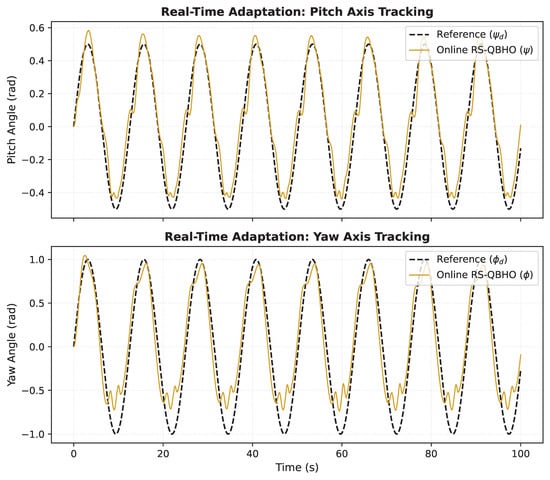
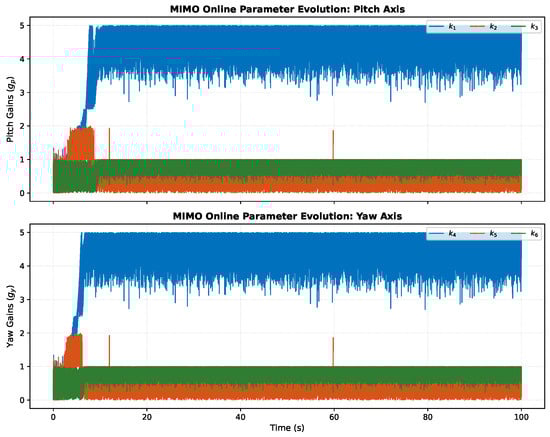
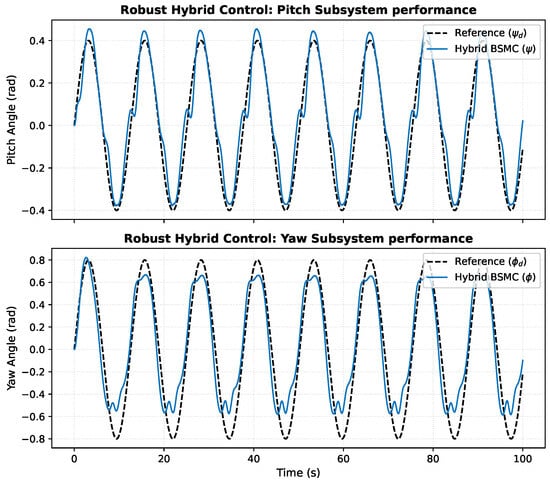
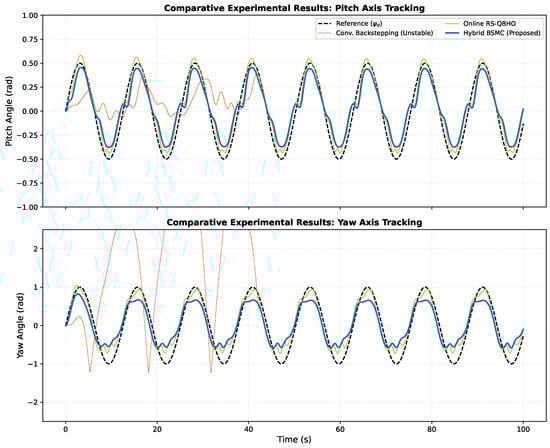
The control of Twin-Rotor Multi-Input Multi-Output (TRMS) systems presents a significant challenge due to high nonlinearity, strong aerodynamic cross-coupling, and the inevitable discrepancies between theoretical models and physical plants. This paper first exposes the instability of conventional Backstepping control under real hardware conditions, where unmodeled dynamics and parametric uncertainties drive the yaw subsystem into divergent oscillation, then proposes and experimentally validates two advanced architectures to overcome this limitation. The first is an online adaptive Backstepping gain-tuning scheme based on a novel Rate-Constrained Sequential Quantum Black Hole Optimization (RS-QBHO) algorithm. The second is a Hybrid Backstepping–Sliding Mode Control (BSMC) architecture that integrates structural disturbance rejection directly into the recursive design. Both schemes are formally verified via Lyapunov stability analysis and validated on a physical TRMS rig under identical hardware-in-the-loop conditions. Experimental results confirm that while the standard Backstepping controller failed in the yaw axis with an RMSE of 2.5624 rad, both proposed methods achieved stabilization. The QBHO-tuned controller yielded RMSE values of 0.0799 rad for pitch and 0.2305 rad for yaw, while the BSMC strategy proved superior, achieving 0.0682 rad and 0.1858 rad, respectively. These findings demonstrate that while meta-heuristic optimization effectively compensates for parametric mismatches, the passive disturbance rejection of the sliding mode term offers a more effective solution for mitigating unmodeled aerodynamic dynamics in MIMO flight platforms.
Full article
(This article belongs to the Special Issue Actuation and Robust Control Technologies for Aerospace Applications)
►▼
Show Figures

Figure 1
Open AccessReview
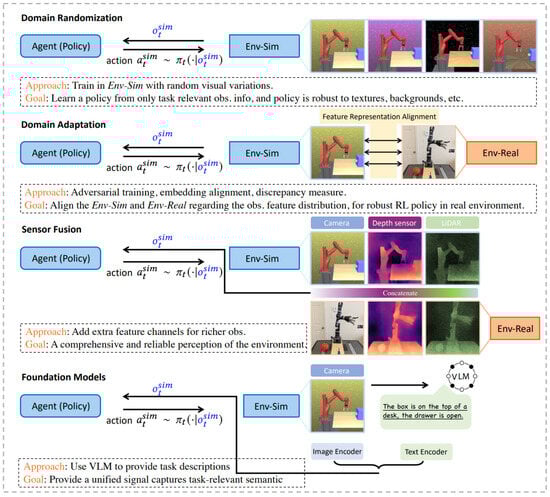
Modern Control Meets Machine Learning: A Review and Taxonomy of Synergistic Approaches for Robotics Applications
by
Xiangyu Zhang, Guowei Li, Shahab Shokouhi and May-Win L. Thein
Actuators 2026, 15(5), 235; https://doi.org/10.3390/act15050235 - 27 Apr 2026
Abstract
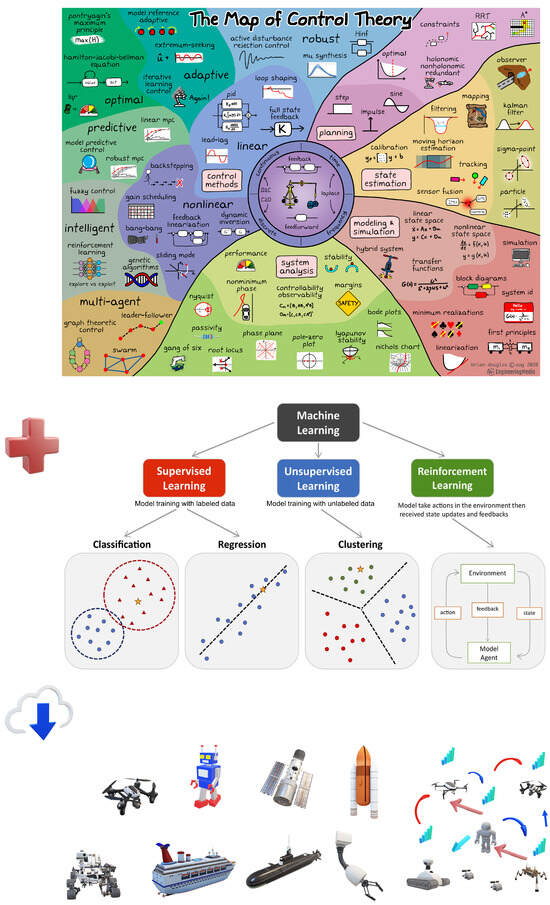
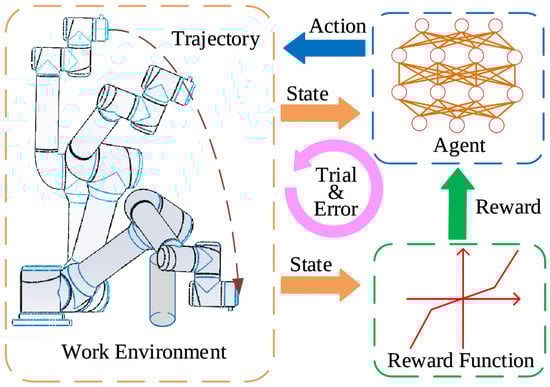
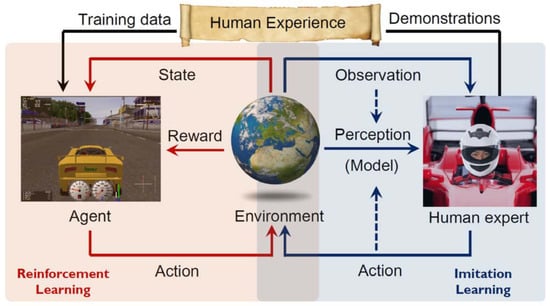
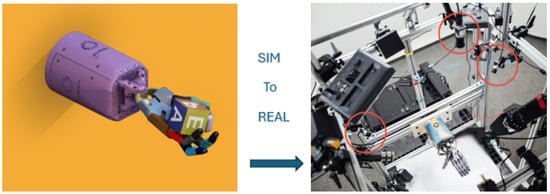
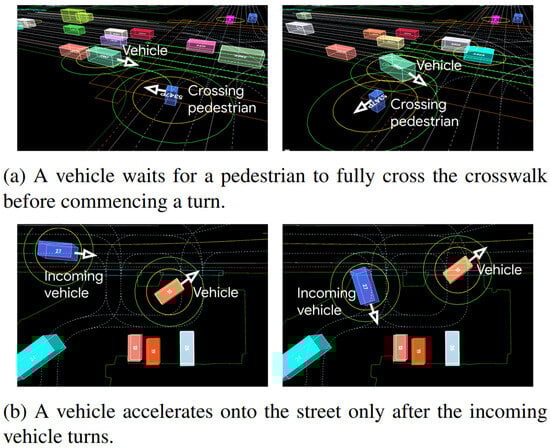
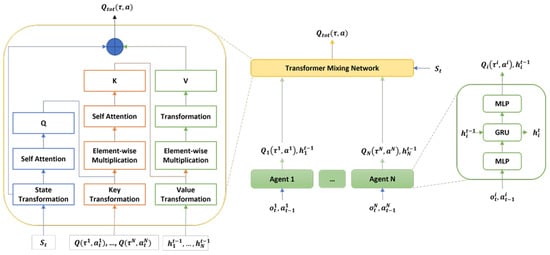
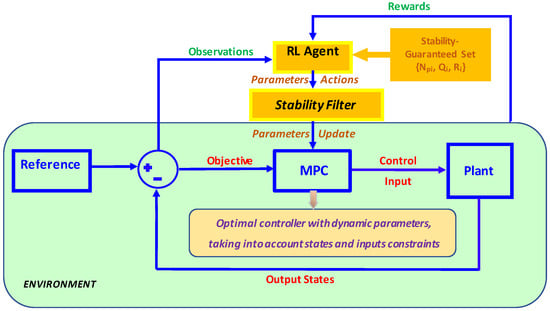
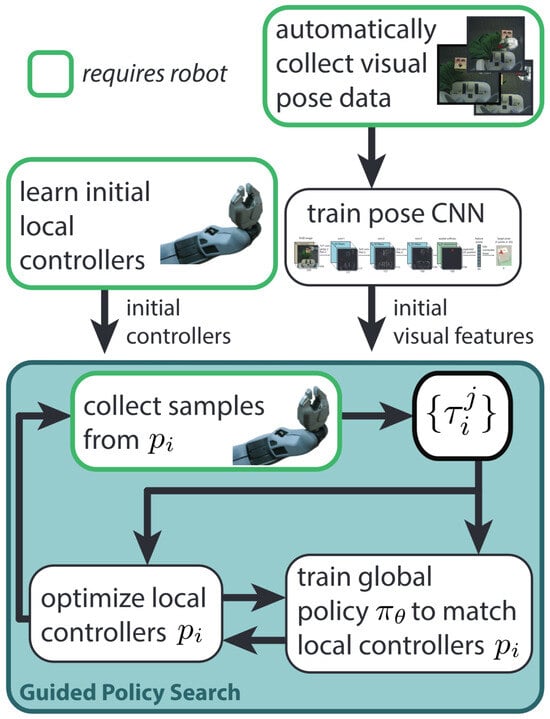
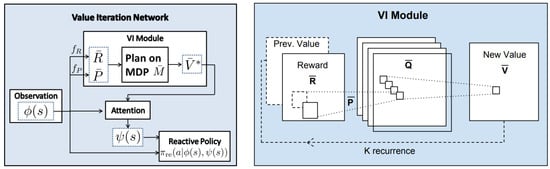
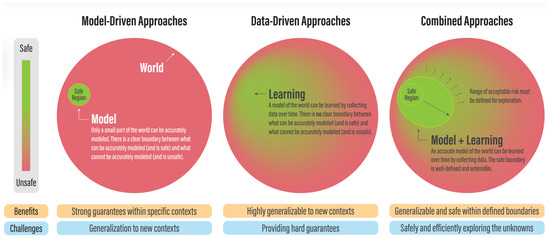
This paper explores the emerging synergy between control theory and machine learning in robotics, focusing on methods that combine model-based strategies with data-driven adaptation. The authors highlight how classical techniques, such as model predictive control and adaptive control, are being enhanced by reinforcement
[...] Read more.
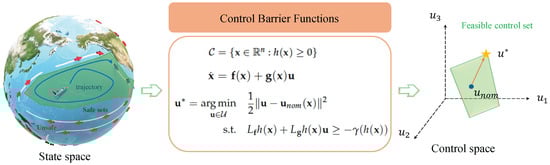
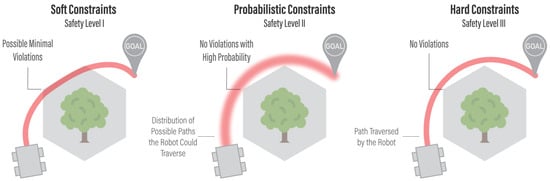
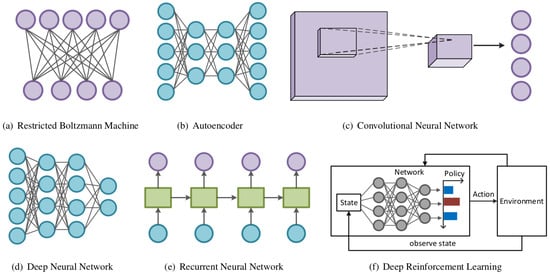
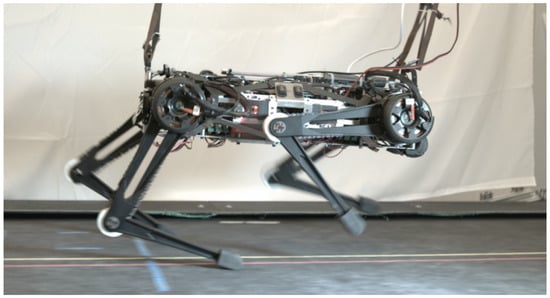
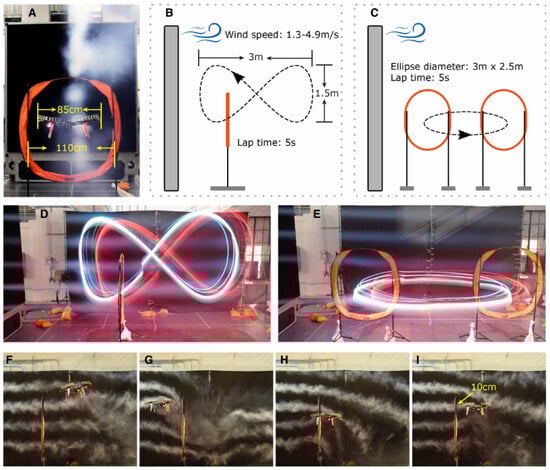
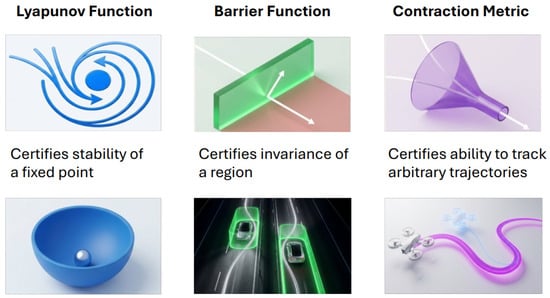
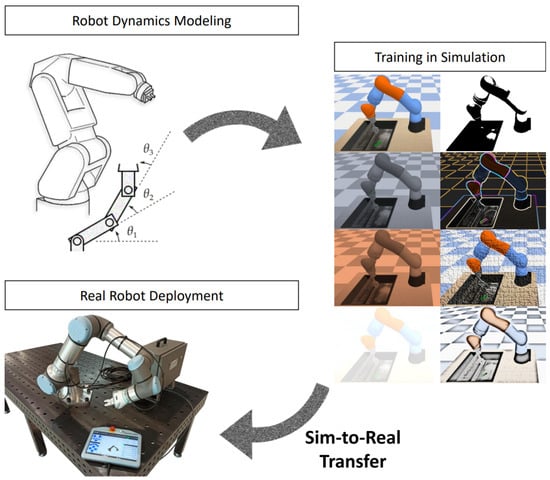
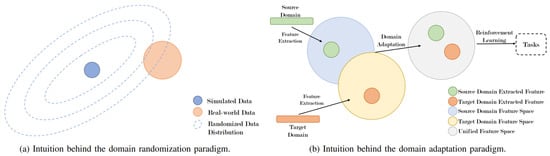
This paper explores the emerging synergy between control theory and machine learning in robotics, focusing on methods that combine model-based strategies with data-driven adaptation. The authors highlight how classical techniques, such as model predictive control and adaptive control, are being enhanced by reinforcement learning, imitation learning, and neural models to address challenges in complex, uncertain environments. Emphasis is placed on real-world platforms (e.g., legged systems, aerial robots, and manipulators) with special attention to advanced domains such as multi-agent systems and coordination. The authors, in addition, establish a taxonomy to categorize these hybrid approaches as “learning-for-control”, “control-for-learning”, or “co-designed architectures”. This paper also reflects upon key open problems, including sim-to-real transfer, safety, and the need for verifiable learning-based controllers, all facets that help to outline a roadmap for future research.
Full article
(This article belongs to the Special Issue Advanced Learning and Intelligent Control Algorithms for Robots)
►▼
Show Figures

Figure 1
Open AccessArticle
Actuator Selection Based on a Reduced-Order Model Using Balanced Proper Orthogonal Decomposition with Input-Output Projection
by
Masahito Watanabe, Kokoro Hirayama, Yasuo Sasaki, Takayuki Nagata and Taku Nonomura
Actuators 2026, 15(5), 234; https://doi.org/10.3390/act15050234 (registering DOI) - 24 Apr 2026
Abstract
Actuator placement optimization based on a reduced-order model is essential for controlling a high-dimensional system in real time. This paper discusses actuator placement in an unstable high-dimensional system based on a reduced-order model obtained by BPOD with input–output projection. Actuator locations in a
[...] Read more.
Actuator placement optimization based on a reduced-order model is essential for controlling a high-dimensional system in real time. This paper discusses actuator placement in an unstable high-dimensional system based on a reduced-order model obtained by BPOD with input–output projection. Actuator locations in a linearized Ginzburg–Landau model are optimized with three objective functions based on a Riccati equation, a controllability Gramian, and an impulse response matrix. Further, the computation time for actuator selection and the resulting LQR performance are evaluated. The LQR performance is basically high when actuators are placed based on the Riccati equation or the impulse response matrix. The computation time of the method based on the impulse response matrix is much smaller than that of the other two methods. Thus, the method based on the impulse response matrix seems to have more advantages than the other two methods in terms of optimizing the actuator locations of the analyzed model. Moreover, it seems to be beneficial to place actuators with a low-dimensional model using this method.
Full article
(This article belongs to the Section Control Systems)
Open AccessArticle
Design and Integration of Autonomous Robotic Platform for In Situ Measurement of Soil Organic Carbon and Soil Respiration
by
Josip Spudić, Ana Šelek, Matija Rizvan, Ivan Hrabar, Saša Šteković, Stjepan Flegarić, Boris Đurđević, Irena Jug, Danijel Jug, Nikica Perić, Goran Vasiljević and Zdenko Kovačić
Actuators 2026, 15(5), 233; https://doi.org/10.3390/act15050233 - 23 Apr 2026
Abstract
The continuous and reliable monitoring of soil organic carbon and soil respiration is vital for sustainable agricultural and environmental management. However, current manual methods are labor-intensive and time-consuming. This work focuses on the development of a fully automated robotic platform for in situ
[...] Read more.
The continuous and reliable monitoring of soil organic carbon and soil respiration is vital for sustainable agricultural and environmental management. However, current manual methods are labor-intensive and time-consuming. This work focuses on the development of a fully automated robotic platform for in situ measurement of Soil Organic Carbon (SOC) and Soil Respiration ( ). The system consists of a four-wheeled mobile platform, equipped with a robotic arm, and custom sampling and measurement tools. The platform is designed with a protected central opening that houses an on-board laboratory, enabling automated surface cleaning, soil drilling, sample collection and homogenization, SOC spectroscopy analysis, and chamber-based soil respiration measurement. The platform is equipped with a high-force mechanical insertion mechanism capable of operating a range of tools designed for soil treatment and penetration. These tools include a soil surface scraper, a soil respiration chamber, and a soil drilling unit. The mobile robotic laboratory system enables the sequential deployment of these tools in any desired order, providing flexible and efficient in-field operation.
Full article
(This article belongs to the Special Issue Design and Control of Agricultural Robotics)
Open AccessArticle
A Soft Wheel Robotic Cane for Light Mobility Disabilities
by
Tomás Ferreira, João Silva Sequeira, Isabel Marques Santos and Ana Marques Oliveira
Actuators 2026, 15(5), 232; https://doi.org/10.3390/act15050232 - 23 Apr 2026
Abstract
With the increasing global elderly population and, naturally, mobility limitations, the number of people requiring walking aids is increasing. Research on robotic walking aids tends to focus on walkers, while robotic canes are usually designed for hospital or clinical use. Research into compact,
[...] Read more.
With the increasing global elderly population and, naturally, mobility limitations, the number of people requiring walking aids is increasing. Research on robotic walking aids tends to focus on walkers, while robotic canes are usually designed for hospital or clinical use. Research into compact, low-cost robotic canes intended for use outside clinical environments remains limited. This work aims at designing a robotic cane with a deformable wheel and exploring its dynamics in a variety of terrains and small obstacles. A flexible wheel fabricated from thermoplastic polyurethane (TPU) material allows it to adapt to different surface profiles. The motion is controlled via a LQR controller. The prototype was tested in several real-world scenarios, with users without walking difficulties, and in rehabilitation scenarios, with users with mild locomotion difficulties. The flexible wheel proved capable of adapting to terrains with some irregularities while still providing support to the users. Furthermore, expert opinions suggest benefits in terms of musculoskeletal efforts.
Full article
(This article belongs to the Section Actuators for Robotics)
Open AccessArticle
Deep Reinforcement Learning-Guided Bio-Inspired Active Flow Control of a Flapping-Wing Drone for Real-Time Disturbance Suppression
by
Saddam Hussain, Mohammed Messaoudi, Nouman Abbasi and Dajun Xu
Actuators 2026, 15(5), 231; https://doi.org/10.3390/act15050231 - 22 Apr 2026
Abstract
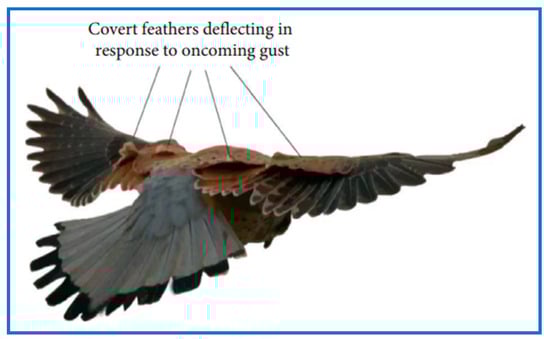
Flapping-wing drones (FWDs), owing to their compact size and operation in cluttered and unsteady airflow environments, encounter significant aerodynamic and stability challenges. Studies of avian flight reveal that falcons and other raptors actively deflect their covert feathers to mitigate gusts and maintain stable
[...] Read more.
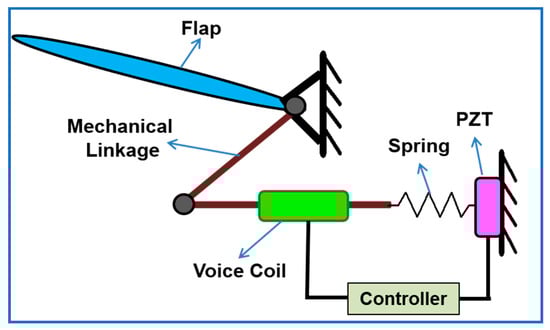
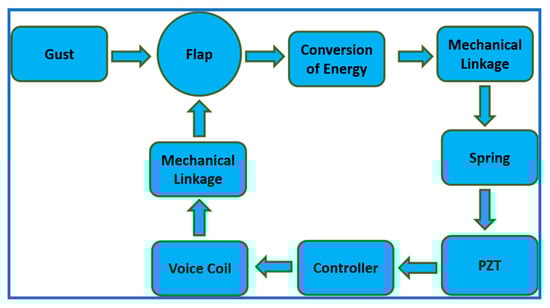
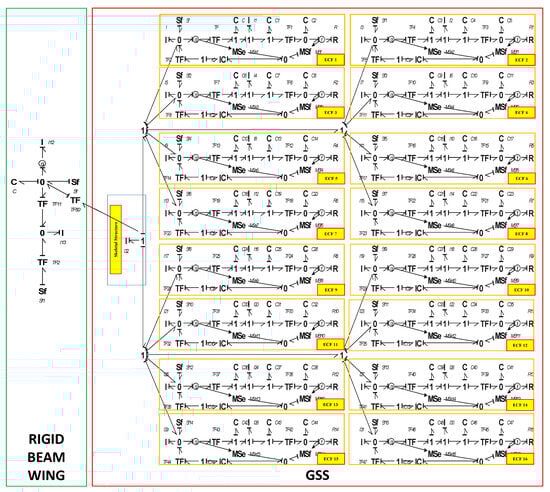
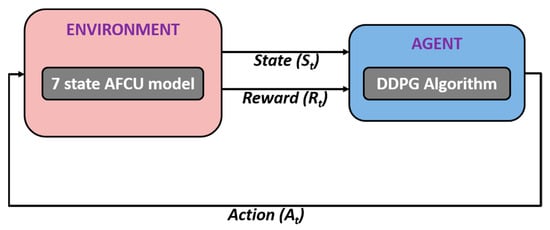
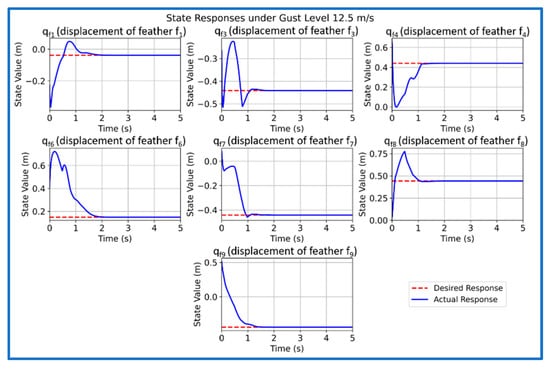
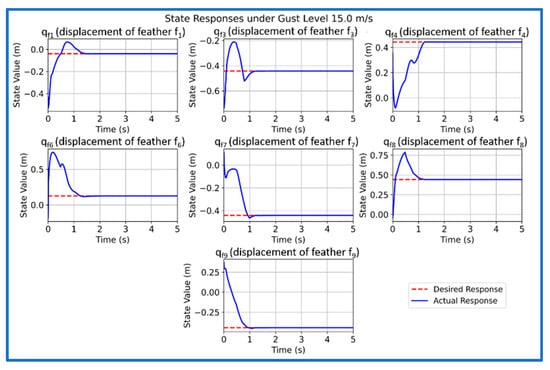
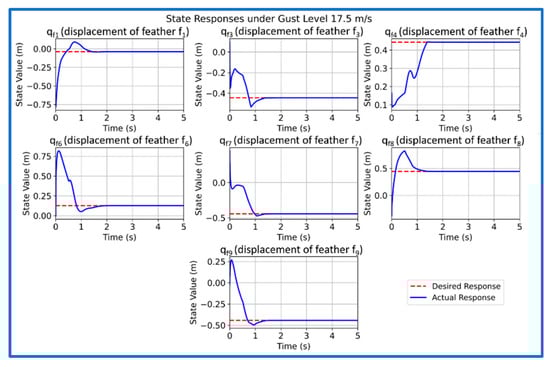
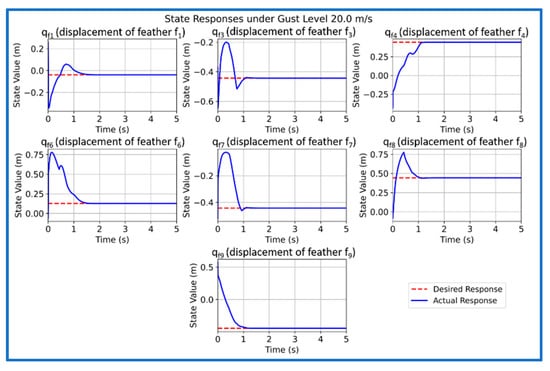
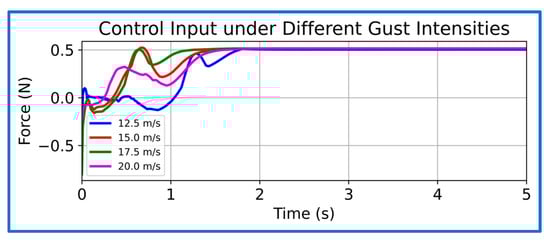
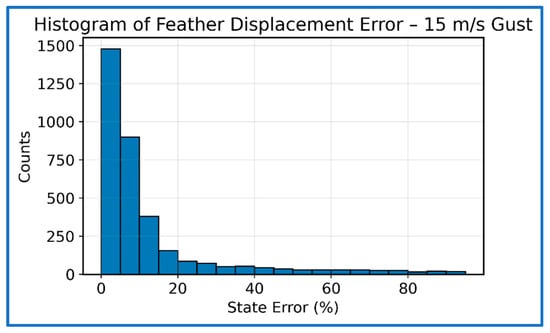
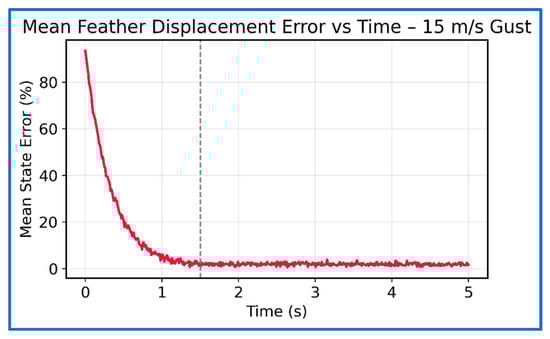
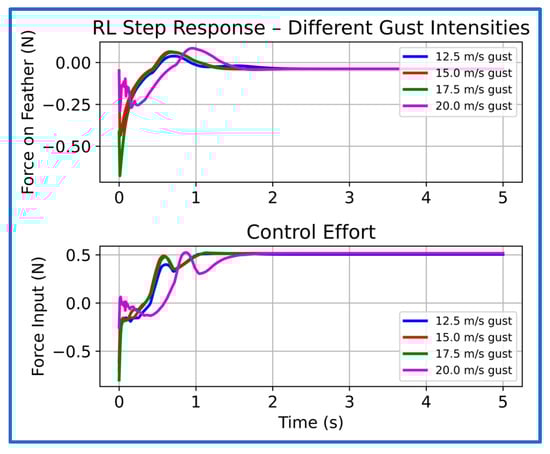
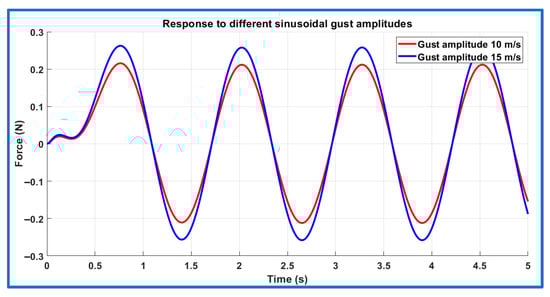
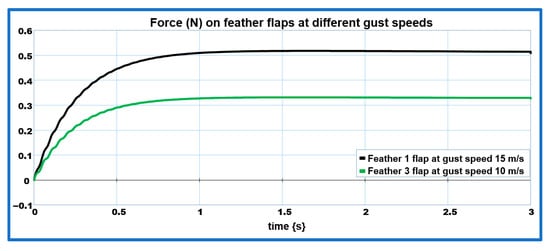
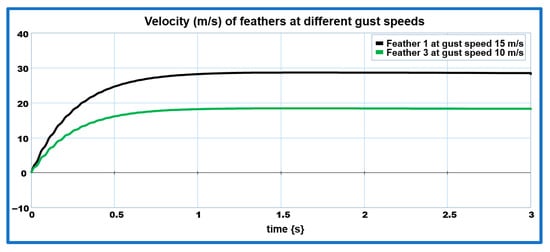
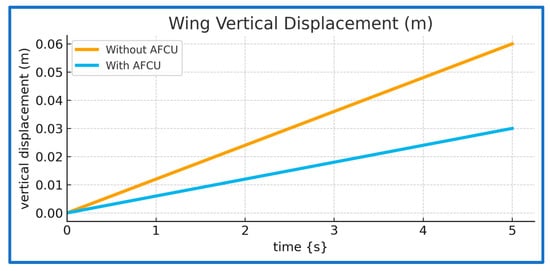
Flapping-wing drones (FWDs), owing to their compact size and operation in cluttered and unsteady airflow environments, encounter significant aerodynamic and stability challenges. Studies of avian flight reveal that falcons and other raptors actively deflect their covert feathers to mitigate gusts and maintain stable flight. Drawing inspiration from this mechanism, this study presents a peregrine falcon-inspired Active Flow Control Unit (AFCU) integrated with a Deep Deterministic Policy Gradient (DDPG)-based deep reinforcement learning (DRL) controller for real-time disturbance attenuation. The AFCU employs mechanical covert feathers (MCFs) that actuate to dissipate gust loads during high wind conditions. A reduced-order bond graph model that encapsulates the nonlinear interaction between the primary wing and the feather-based active flow control surfaces is created which is used as a dynamic training environment for the DDPG agent. Utilizing closed-loop interactions, the successfully obtained learned policy produces optimal actuator forces to reduce feather-displacement error and aerodynamic load variations. The designed controller stabilizes the internally unstable open-loop AFCU, attaining near-zero steady-state error and settling times under 1.6 s for gust magnitudes ranging from 12.5 to 20 m/s. Simulations further illustrate a reduction of up to 50% in gust-induced loads compared to traditional approaches. This integration of bio-inspired design with learning-based active flow control offers a viable avenue for the development of highly adaptive and gust-resilient flapping-wing aerial systems.
Full article
(This article belongs to the Special Issue Active Flow Control: Recent Advances in Fundamentals and Applications—3rd Edition)
►▼
Show Figures

Figure 1
Open AccessArticle
Isometric Force Characterization of Braided Pneumatic Actuators
by
Ben Bolen, Mohammad Elzein, Lawrence Pang and Alexander Hunt
Actuators 2026, 15(5), 230; https://doi.org/10.3390/act15050230 - 22 Apr 2026
Abstract
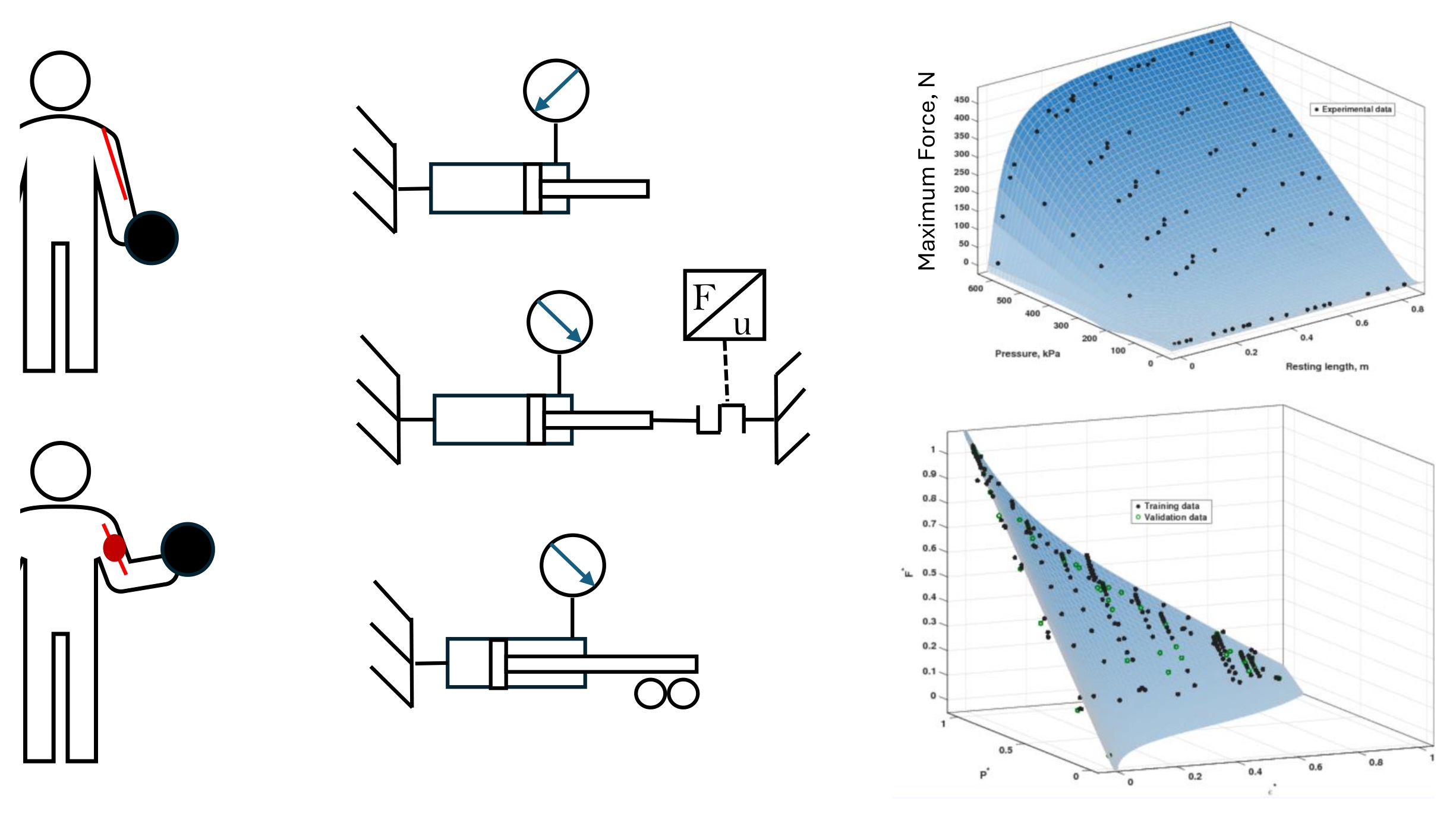
Artificial muscles such as braided pneumatic actuators (BPAs) offer many advantages for robotic systems, including high durability and strength-to-weight ratios. However, their use in robotic systems is still extremely limited, in part due to their poor force, length, and pressure characterization. In this
[...] Read more.
Artificial muscles such as braided pneumatic actuators (BPAs) offer many advantages for robotic systems, including high durability and strength-to-weight ratios. However, their use in robotic systems is still extremely limited, in part due to their poor force, length, and pressure characterization. In this work, a test setup is created to compare force produced by Festo fluidic BPAs with leading models. Our analysis of the data has resulted in (1) the development of new equations to calculate force as functions of pressure and contraction for Festo BPAs with uninflated diameters of 10;20, and (2) a novel equation for the maximum force in 10;20 diameter Festo BPAs as a function of their resting length. This will lead to faster design processes and the development of new systems such as biomimetic robots that are able to more accurately reproduce the range of motion and isometric torque profiles that exist in the animals they are mimicking.
Full article
(This article belongs to the Section Actuators for Robotics)
►▼
Show Figures

Graphical abstract
Journal Menu
► ▼ Journal Menu-
- Actuators Home
- Aims & Scope
- Editorial Board
- Reviewer Board
- Topical Advisory Panel
- Instructions for Authors
- Special Issues
- Topics
- Sections
- Article Processing Charge
- Indexing & Archiving
- Editor’s Choice Articles
- Most Cited & Viewed
- Journal Statistics
- Journal History
- Journal Awards
- Conferences
- Editorial Office
Journal Browser
► ▼ Journal BrowserHighly Accessed Articles
Latest Books
E-Mail Alert
News
Topics
Topic in
Actuators, Algorithms, BDCC, Future Internet, JMMP, Machines, Robotics, Systems
Smart Product Design and Manufacturing on Industrial Internet
Topic Editors: Pingyu Jiang, Jihong Liu, Ying Liu, Jihong YanDeadline: 30 June 2026
Topic in
Actuators, Gels, JFB, Polymers, MCA, Materials
Recent Advances in Smart Soft Materials: From Theory to Practice
Topic Editors: Lorenzo Bonetti, Giulia Scalet, Silvia Farè, Nicola FerroDeadline: 31 December 2026
Topic in
Actuators, Automation, Electronics, Machines, Robotics, Eng, Technologies
New Trends in Robotics: Automation and Autonomous Systems
Topic Editors: Maki Habib, Fusaomi NagataDeadline: 31 January 2027
Topic in
Machines, Actuators, Applied Sciences
Intelligent Mechatronics System Modeling, Control and Evaluation
Topic Editors: Hongyu Zheng, Yong LiDeadline: 31 May 2027
Conferences
Special Issues
Special Issue in
Actuators
Editorial Board Members’ Collection Series: Nonlinear Control and Dynamics for MEMS
Guest Editors: Najib Kacem, Raffaele ArditoDeadline: 30 April 2026
Special Issue in
Actuators
Advanced Control of Mechatronics Systems for Small Scale Robotics
Guest Editor: Bongsu HahnDeadline: 30 April 2026
Special Issue in
Actuators
Electrical Actuators for High-Efficiency and Low-Emission Powertrains and Vehicle Testbeds
Guest Editor: Soo-Jin JeongDeadline: 30 April 2026
Special Issue in
Actuators
Nonlinear Control of Mechanical and Robotic Systems
Guest Editors: Arturo Zavala-Río, Victor Santibañez, Fernando Reyes-CortésDeadline: 30 April 2026