Journal Description
Fire
Fire
is an international, peer-reviewed, open access journal about the science, policy, and technology of fires and how they interact with communities and the environment, published monthly online by MDPI.
- Open Access— free for readers, with article processing charges (APC) paid by authors or their institutions.
- High Visibility: indexed within Scopus, SCIE (Web of Science), AGRIS, PubAg, and other databases.
- Journal Rank: JCR - Q1 (Forestry) / CiteScore - Q1 (Forestry)
- Rapid Publication: manuscripts are peer-reviewed and a first decision is provided to authors approximately 16.9 days after submission; acceptance to publication is undertaken in 2.7 days (median values for papers published in this journal in the second half of 2025).
- Recognition of Reviewers: reviewers who provide timely, thorough peer-review reports receive vouchers entitling them to a discount on the APC of their next publication in any MDPI journal, in appreciation of the work done.
- Paper Types: in addition to regular articles we accept Perspectives, Case Studies, Data Descriptors, Technical Notes, and Monographs.
- Journal Cluster of Ecosystem and Resource Management: Forests, Diversity, Fire, Conservation, Ecologies, Biosphere and Wild.
Impact Factor:
2.7 (2024);
5-Year Impact Factor:
3.0 (2024)
Latest Articles
Realistic Large-Eddy Simulation Study of the Atmospheric Boundary Layer During the Mosquito Wildland Fire and Its Control of Smoke Plume Transport
Fire 2026, 9(2), 66; https://doi.org/10.3390/fire9020066 - 30 Jan 2026
Abstract
Large-eddy simulation (LES) within a weather research and forecasting (WRF) model coupled with an active scalar transport equation was used to simulate Atmospheric Boundary Layer conditions during the Mosquito fire, the largest wildland fire in California during September 2022. The simulations were conducted
[...] Read more.
Large-eddy simulation (LES) within a weather research and forecasting (WRF) model coupled with an active scalar transport equation was used to simulate Atmospheric Boundary Layer conditions during the Mosquito fire, the largest wildland fire in California during September 2022. The simulations were conducted with realistic boundary conditions derived from the National Oceanic and Atmospheric Administration (NOAA) High Resolution Rapid Refresh (HRRR) model, with the aim of better understanding the two-way coupling between the ABL and plume dynamics. The terrain was extremely inhomogeneous, and the topography varied significantly within the numerical domain. Initially, LES of the smoke-free ABL was conducted on nested domains, and detailed ABL data were gathered from 8 to 9 September 2022. LES simulations were validated using four Automated Surface Observing System (ASOS) stations and NOAA meteorological (MET) observations, as well as NOAA met Twin Otter measurements, and the desired accuracy was established. The smoke plume was then released into the ABL at noon on 9 September 2022, and the plume simulations were conducted for a period of one hour following the release. During this period, the ABL transitioned from convective to buoyancy-shear-driven regimes. Late-night and early-morning conditions are influenced by the complex topography and low-level jet, whereas buoyancy and shear control the ABL dynamics during the morning and afternoon hours. The plume vertical transport is influenced by the ABL depth and the size of the vertical turbulence structures during that time, whereas the wind conditions and turbulent kinetic energy within the ABL dictate the horizontal transport scales of the plume. In addition, the results demonstrate that the plume modifies the microclimate along its path.
Full article
(This article belongs to the Section Mathematical Modelling and Numerical Simulation of Combustion and Fire)
►
Show Figures
Open AccessArticle
An Intelligent Generation Method for Building Fire Protection Maintenance Work Orders Based on Large Language Models
by
Chu Han, Jia Wang, Wei Zhou and Xiaoping Zhou
Fire 2026, 9(2), 65; https://doi.org/10.3390/fire9020065 - 30 Jan 2026
Abstract
Maintenance of building fire protection facilities is crucial for preventing fires and safeguarding lives and property; the standardization and timeliness of these activities directly determine operational reliability. However, as fire-safety requirements escalate, manually drafting maintenance work orders remains inefficient and prone to omissions.
[...] Read more.
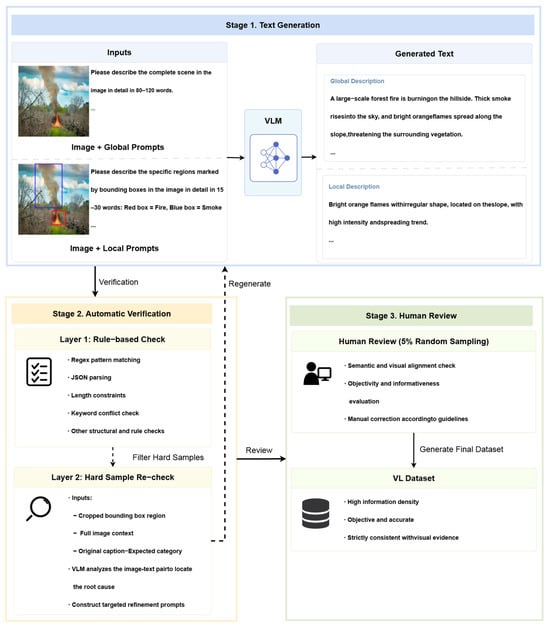
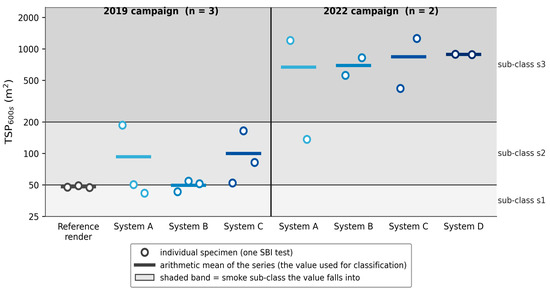
Maintenance of building fire protection facilities is crucial for preventing fires and safeguarding lives and property; the standardization and timeliness of these activities directly determine operational reliability. However, as fire-safety requirements escalate, manually drafting maintenance work orders remains inefficient and prone to omissions. Furthermore, regulatory documents in this domain are inherently complex, and annotated resources are scarce, hampering the digitalization of fire-safety management. To address these challenges, this paper presents an LLM-based method for automatically generating maintenance work orders for building fire protection facilities. The proposed approach integrates a domain-specific knowledge base and incorporates the FS-RAG (Fire Services–Retrieval-Augmented Generation) framework to enhance both the accuracy and practical usability of generated work orders. First, we construct a lightweight domain knowledge base, FSKB (Fire Services Knowledge Base), derived from extensive maintenance regulations, capturing key elements such as equipment types, components, maintenance actions, and frequencies. Second, we design an FS-RAG framework that leverages retrieval-augmented generation to extract critical information from regulations and fuse it with the knowledge base, ensuring high accuracy and operational feasibility. Multi-round evaluations across stages B0–B4 validate the effectiveness of our method. Results indicate significant improvements over traditional approaches: the line-level compliance rate reaches 97.3% (an increase of 5.7% over B1 and 30.4% over B0), and the F1 score achieves 90.42% (an increase of 12.62% over B1 and 29.87% over B0).
Full article
(This article belongs to the Section Fire Risk Assessment and Safety Management in Buildings and Urban Spaces)
►▼
Show Figures

Figure 1
Open AccessArticle
Pedestrian Decision-Making Behavior During Stair Evacuation: An Experiment Study on Stair Lane-Selection Preferences
by
Chunhua Xu, Ning Ding, Erhao Zhang and Qinan Xu
Fire 2026, 9(2), 64; https://doi.org/10.3390/fire9020064 - 29 Jan 2026
Abstract
Improving the efficiency of stair evacuation plays a crucial role in emergency management, which may be shaped by pedestrians’ lane-selection behavior. However, most existing studies describe pedestrians’ lane-selection preferences during stair evacuation, while the mechanisms behind these preferences are not yet well understood.
[...] Read more.
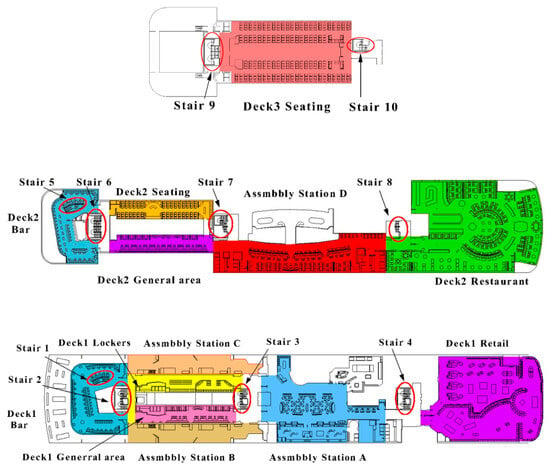
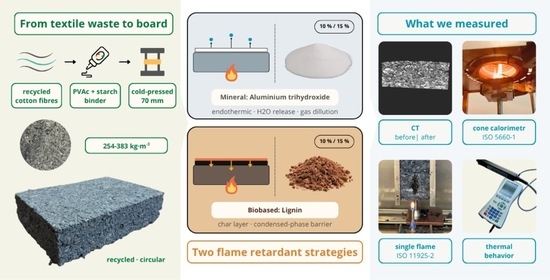
Improving the efficiency of stair evacuation plays a crucial role in emergency management, which may be shaped by pedestrians’ lane-selection behavior. However, most existing studies describe pedestrians’ lane-selection preferences during stair evacuation, while the mechanisms behind these preferences are not yet well understood. To solve this issue, a stair evacuation observation experiment and a questionnaire survey were carried out to investigate pedestrian stair lane-selection preferences. Based on 1793 pieces of experimental data and 397 questionnaires, it is found that (1) pedestrians in the middle lane are more inclined to proactively change lanes based on their personal preference when sufficient space is available. (2) The primary factors influencing pedestrians’ lane-selection preferences are perceived safety, shortest path, and behavioral habit. (3) As the distance to the wall increases, the preference for the wall-side lane gradually decreases. Notably, the rate of decline accelerates at first, then slows down as the wall becomes farther away. This study deeply deconstructs pedestrians’ stair lane-selection preferences which helps understand the interactions among pedestrians, between pedestrians and their surroundings. It offers a basis for the optimization of evacuation strategies, the design of emergency evacuation plans, and the calibration of evacuation simulation models.
Full article
(This article belongs to the Special Issue Fire Safety and Emergency Evacuation)
►▼
Show Figures

Figure 1
Open AccessArticle
Software for Hazard Zone Visualization in Case of Fire at Industrial Facility Based on Cellular Automaton Method
by
Fares Abu-Abed, Yuri Matveev, Ruslan Fedyakin, Olga Zhironkina and Sergey Zhironkin
Fire 2026, 9(2), 63; https://doi.org/10.3390/fire9020063 - 29 Jan 2026
Abstract
Modeling and visualizing zones within the spread of toxic clouds from fires and explosions during accidents at industrial facilities located near residential areas is of high practical value. This tool is critical for the rapid planning of population evacuation measures and emergency response.
[...] Read more.
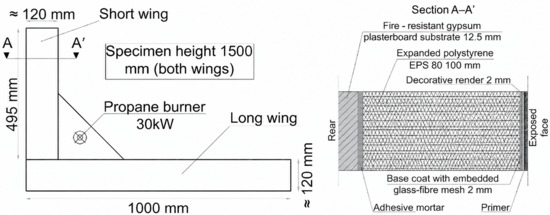
Modeling and visualizing zones within the spread of toxic clouds from fires and explosions during accidents at industrial facilities located near residential areas is of high practical value. This tool is critical for the rapid planning of population evacuation measures and emergency response. Of particular importance is the development of computer software that can quickly model the hazard zone of toxic cloud spread and superimpose it on a terrain map to determine the potential impact on residential areas. This software should be based on a mathematical model that can accurately predict the parameters of the hazard zone both near the industrial facility and beyond it, at a distance of more than 1 km. The objective of this study is to create algorithms for modeling the hazard zone during a fire or explosion at an industrial facility using a cellular automaton method and to develop a software tool for its visualization. The software must display the hazard zone for the population of a nearby residential area on a map in real time, which is necessary for assessing potential harm to residents’ health and in planning their rapid evacuation. To achieve this objective, this article presents a model for determining the boundaries and main parameters of a hazard zone based on the cellular automaton method (frontal and probabilistic). The proposed model takes into account both constants (properties of chemical substances, building parameters, population size, etc.) and variables (the mass of the substance at each explosion and fire, wind speed and direction, air temperature, etc.). The FireSoft III software, developed by the authors and based on the cellular automaton model, provides more rapid calculation of the parameters and delineation of the hazard zone boundaries compared to similar software, which was tested in cases of an ammonia tank explosion and a prolonged fire in a warehouse containing polyvinyl chloride at an enterprise. This makes FireSoft III promising for use in a fire and explosion response at enterprises.
Full article
(This article belongs to the Special Issue Advances in Industrial Fire and Urban Fire Research: 3rd Edition)
►▼
Show Figures

Figure 1

Open AccessArticle
Experimental Investigation of Thermal Response of Single-Glass Photovoltaic Modules with Different Inclination Angles
by
Jinlong Zhao, Shuai Zhang, Xinjiang Li, Xin Kong, Lihong Zhao and Jun Shen
Fire 2026, 9(2), 62; https://doi.org/10.3390/fire9020062 - 29 Jan 2026
Abstract
In order to achieve the goal of carbon neutrality, the installed capacity of photovoltaic (PV) modules has been increasing rapidly. In particular, single-glass PV modules are widely deployed in both utility-scale and distributed PV power generation systems. However, single-glass modules are highly susceptible
[...] Read more.
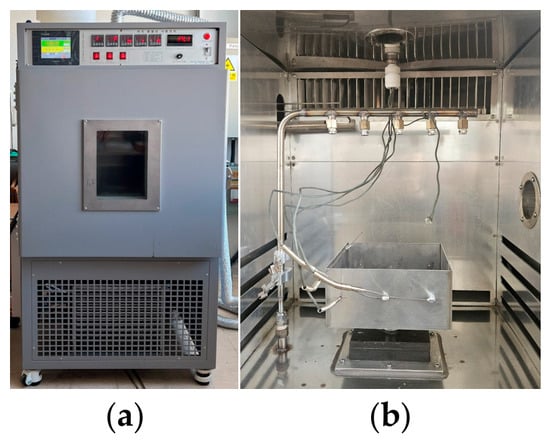
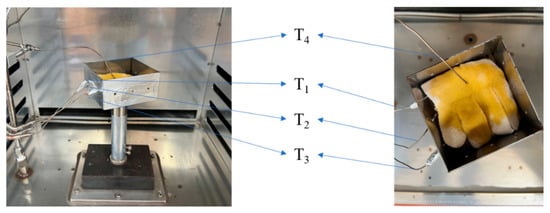
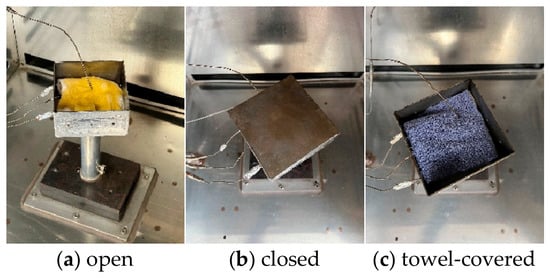
In order to achieve the goal of carbon neutrality, the installed capacity of photovoltaic (PV) modules has been increasing rapidly. In particular, single-glass PV modules are widely deployed in both utility-scale and distributed PV power generation systems. However, single-glass modules are highly susceptible to internal faults (e.g., direct current arc faults and hotspot faults) and external fire sources (e.g., wildland fires and rooftop fires), which may lead to simultaneous burning of the modules and adjacent combustibles, thereby promoting large-scale fire spread and causing severe economic losses. In this study, a dedicated experimental platform was developed to systematically investigate the fire behavior of single-glass PV modules under exposure to a pool fire. Systematic fire experiments were conducted to investigate the influence of module inclination angle and tempered glass integrity on the burning process, molten dripping flame behavior, and temperature-rise characteristics of single-glass PV modules. The results show that the integrity of the front glass has a pronounced effect on the burning behavior. At the same inclination angle, cracked modules exhibit significantly faster fire growth and higher temperature-rise rates than intact modules, while also being more susceptible to rapid burn-through by the external fire, accompanied by the generation of numerous molten dripping flames. In addition, the module inclination angle has a significant influence on the fire behavior of PV modules. As the inclination angle increases, the fire development rate, temperature-rise rate, and average burning duration of dripping flames all display a non-monotonic trend of first increasing and then decreasing, reaching their maxima at an inclination angle of 15°. These findings provide a theoretical basis for the fire protection design and fire risk assessment of PV power generation systems and are of practical significance for enhancing their operational safety.
Full article
(This article belongs to the Special Issue Photovoltaic and Electrical Fires: 2nd Edition)
►▼
Show Figures

Figure 1
Open AccessArticle
Cable Fire Risk Prediction via Dynamic Q-Learning-Driven Ensemble of Deep Temporal Networks
by
Haoxuan Li, Hao Gao, Xuehong Gao and Guozhong Huang
Fire 2026, 9(2), 61; https://doi.org/10.3390/fire9020061 - 29 Jan 2026
Abstract
Cables, which are critical for power and signal transmission in complex buildings and underground infrastructure, are exposed to elevated fire risks during operation, making reliable risk prediction essential for building fire safety. This study proposes a multivariate cable fire risk prediction model that
[...] Read more.
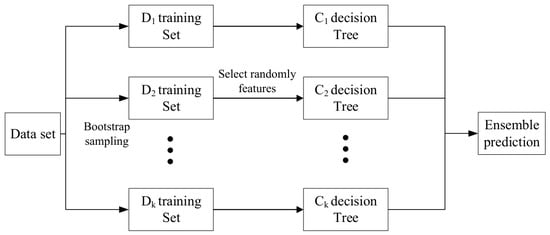
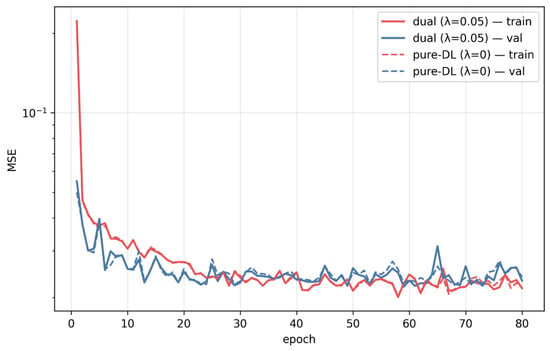
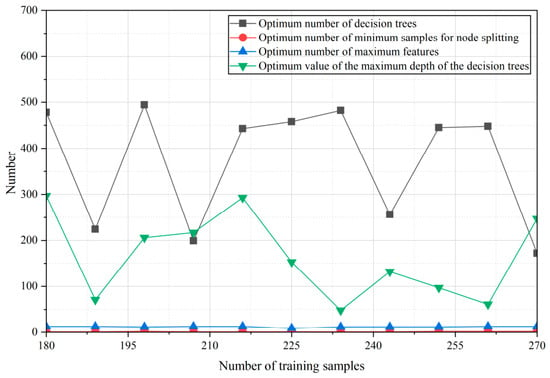
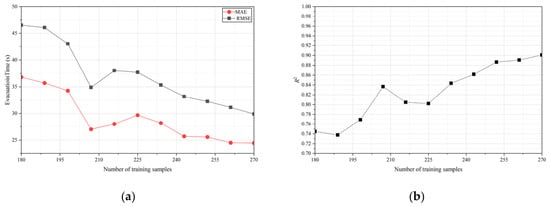
Cables, which are critical for power and signal transmission in complex buildings and underground infrastructure, are exposed to elevated fire risks during operation, making reliable risk prediction essential for building fire safety. This study proposes a multivariate cable fire risk prediction model that integrates three deep temporal networks (RNN, LSTM, and GRU) through a Q-learning-based ensemble learning (QBEL). The model uses current, voltage, power, temperature, humidity, oxygen concentration, and system risk values acquired from an intelligent fire alarm system as inputs. Using a real-world dataset comprising 3060 seven-dimensional time steps collected from a tobacco logistics center, QBEL achieves a test-set MSE of 1.73, RMSE of 1.31, MAE of 0.84, and MAPE of 2.66%, improving the MAE and MAPE of the best single recurrent network by approximately 10–12%. Comparative experiments against conventional ensemble approaches based on XGBoost (Python package, version 3.0.0) boosting and stacking, as well as recent time-series forecasting models including DLinear, PatchTST, MoLE, and Fredformer, demonstrate that QBEL attains the lowest MAE and MAPE among all methods, while maintaining an MSE close to that of the best linear baseline and a moderate computational cost of approximately 5.5 × 10⁻³ GFLOPs and 45 MB of memory per inference. These results indicate that QBEL provides a favorable balance between prediction accuracy and computational efficiency, supporting its potential use in edge-oriented monitoring pipelines for timely cable fire risk warnings in building environments.
Full article
(This article belongs to the Special Issue Building Fire Prediction and Suppression)
►▼
Show Figures

Figure 1
Open AccessArticle
Rapid Multi-Factor Evaluation System for Full-Process Risk Assessment of Coal Spontaneous Combustion in Engineering Applications
by
Kexin Liu, Yutao Zhang and Yaqing Li
Fire 2026, 9(2), 60; https://doi.org/10.3390/fire9020060 - 28 Jan 2026
Abstract
►▼
Show Figures
Existing coal spontaneous combustion liability assessments suffer from incomplete temperature range coverage, poor cross-rank comparability, and weak correlations between microscopic essence and macroscopic criteria—issues that undermine reliability and risk coal mine safety. This study aims to establish a structure-driven intrinsic identification system to
[...] Read more.
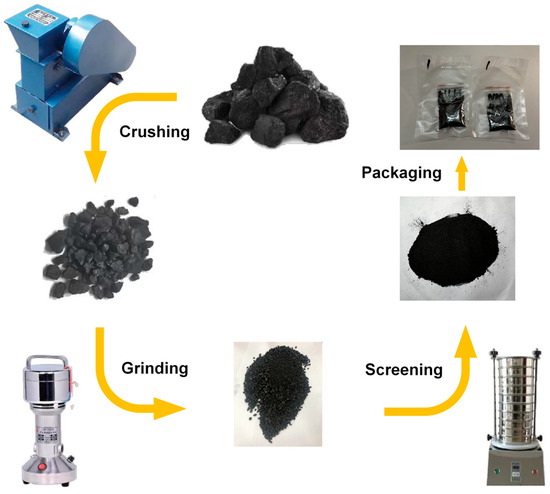
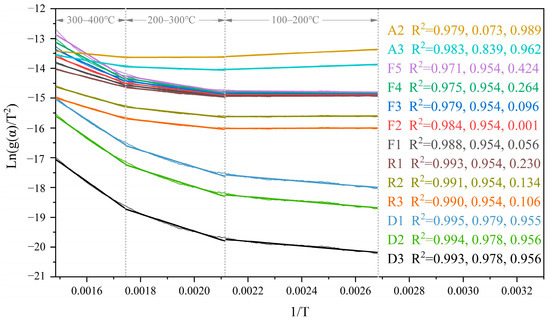
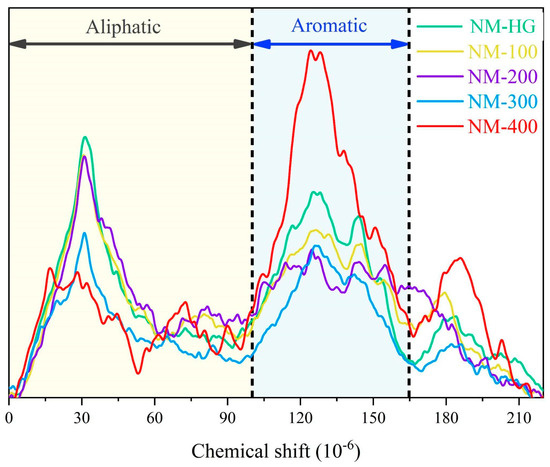
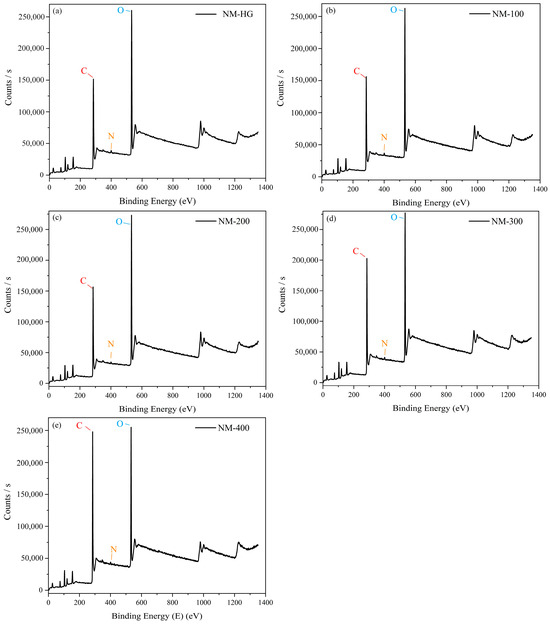
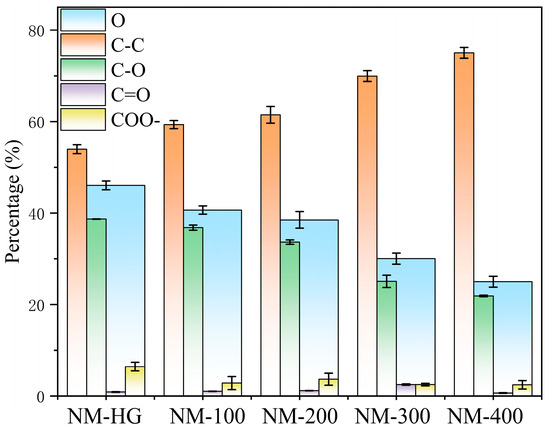
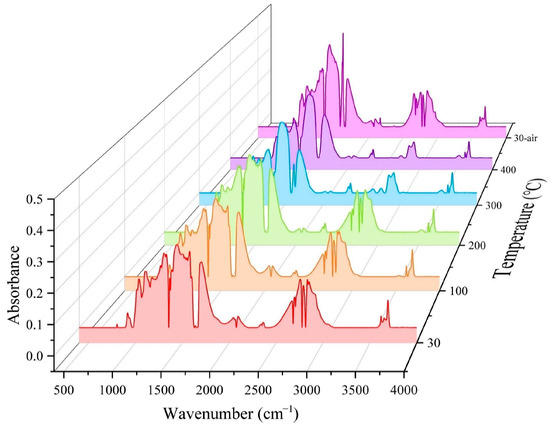
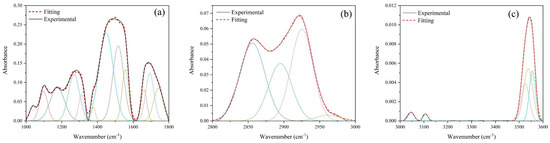
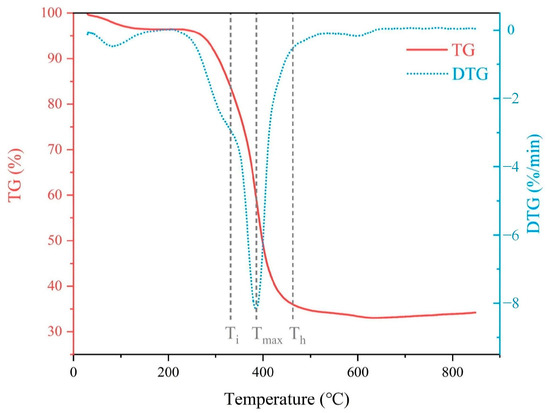
Existing coal spontaneous combustion liability assessments suffer from incomplete temperature range coverage, poor cross-rank comparability, and weak correlations between microscopic essence and macroscopic criteria—issues that undermine reliability and risk coal mine safety. This study aims to establish a structure-driven intrinsic identification system to address these gaps. Using 10 cross-rank coal samples (lignite, bituminous coal, and anthracite), we conducted systematic research via experiments, model building, and theoretical verification. We integrated three stage-specific parameters (each matching a combustion phase): saturated oxygen uptake (VO2, 30 °C chromatographic adsorption), average heating rate R70 (40–70 °C adiabatic oxidation), and Fuel Combustion Characteristic index (FCC, 110–230 °C crossing point method). With Information Entropy weighting (VO2: 0.296; R70: 0.292; and FCC: 0.412), we constructed the Multi-Factor Comprehensive Spontaneous Combustion Index (MF-CSCI). We also screened functional groups via FTIR, built a microstructure-driven model (MD-CSEI, linking groups to MF-CSCI), and verified mechanisms via DFT. Results show MF-CSCI covers the full “adsorption-heat accumulation-self-heating” process: HG lignite (MF-CSCI = 1.0) had high liability and YCW anthracite (MF-CSCI = 7.98) had low liability, solving cross-rank issues. Pearson analysis found –OH positively correlated with MF-CSCI (r ≈ −0.997), C=C negatively (r ≈ −0.951); MD-CSEI achieved R2 = 0.863 (p = 0.042). This study improves cross-rank assessment accuracy, enables rapid micro-to-macro risk prediction, and provides a theoretical basis for on-site coal safety management.
Full article

Figure 1
Open AccessArticle
Foaming Capability, Structural Stability, and Fire Extinguishing Performance Optimization of Short-Chain Fluorocarbon Foam by Modulating Gas–Liquid Ratio
by
Wenjun Zhao, Zhisheng Xu and Long Yan
Fire 2026, 9(2), 59; https://doi.org/10.3390/fire9020059 - 27 Jan 2026
Abstract
►▼
Show Figures
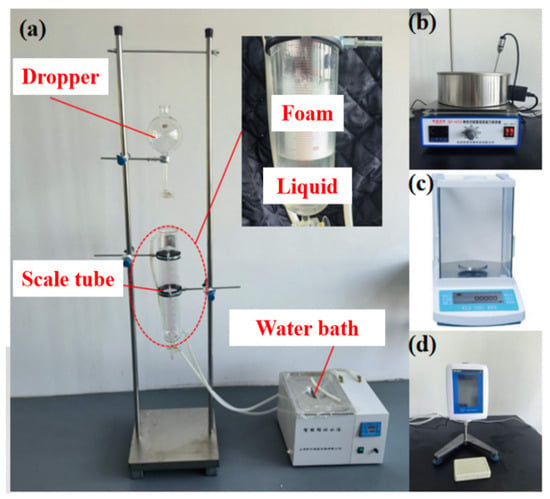
Petrochemical fires pose severe threats to public safety and environmental sustainability, necessitating urgent advancements in efficient and eco-friendly fire suppression technologies. This study systematically investigated the influence of gas–liquid ratio (GLR) on the foam properties and fire suppression efficacy of a novel short-chain
[...] Read more.
Petrochemical fires pose severe threats to public safety and environmental sustainability, necessitating urgent advancements in efficient and eco-friendly fire suppression technologies. This study systematically investigated the influence of gas–liquid ratio (GLR) on the foam properties and fire suppression efficacy of a novel short-chain fluorocarbon (PFH-BZ) foam fire extinguishing agent. Through comprehensive experimental analysis, the underlying mechanism governing foam performance was elucidated, and the burn-back resistance of optimized formulation was evaluated. The results indicate that GLR significantly impacts PFH-BZ foam performance. Foaming capacity and structural stability exhibit a positive correlation with increasing GLR until reaching a plateau. Low GLRs result in insufficient foam formation and thermal stability, while inducing detrimental combustion intensification. Conversely, excessively high GLRs impair foam spreading capacity, hindering rapid extinguishment. The optimal fire extinguishing performance is achieved at a GLR of 12, where PFH-BZ foam attains an excellent balance among drainage characteristics, spreading capacity, and structural stability. This optimized formulation achieves complete extinguishment within 26.16 s and maintains burn-back resistance of 662.37 s while effectively mitigating the vapor explosion phenomenon. These findings provide critical guidance for the application of a PFH-BZ-based foam extinguishing agent and deepen understanding of the influence of system parameters on suppression performance.
Full article

Figure 1
Open AccessArticle
Research on Fire Performance Evaluation of Fire Protection Renovation for Existing Public Buildings Based on Bayesian Network
by
Xinxin Zhou, Feng Yan, Jinhan Lu, Kunqi Liu and Yufei Zhao
Fire 2026, 9(2), 58; https://doi.org/10.3390/fire9020058 - 27 Jan 2026
Abstract
To improve the fire safety performance of fire protection renovation projects for existing public buildings, this paper systematically sorts out and analyzes relevant research studies, accident reports, and fire protection renovation codes and guidelines. It constructs a fire performance evaluation system for such
[...] Read more.
To improve the fire safety performance of fire protection renovation projects for existing public buildings, this paper systematically sorts out and analyzes relevant research studies, accident reports, and fire protection renovation codes and guidelines. It constructs a fire performance evaluation system for such projects, including 4 first-level indicators—”Building Characteristics”, “Building Fire Protection and Rescue”, “Fire Facilities and Equipment”, and “Heating, Ventilation, Air Conditioning (HVAC) and Electrical Systems”—and 19 second-level indicators such as “Building Usage Function”. The subjective–objective combined weighting method of Analytic Hierarchy Process (AHP)-CRITIC is adopted to determine the weights of indicators at all levels. Four high-weight second-level indicators are selected as core remediation objects: average fire load density, floor layout, automatic fire alarm and linkage control system, and electrical systems. Meanwhile, the evaluation system is converted into a Bayesian Network model, with an empirical verification analysis carried out on a shopping mall in Chaoyang District, Beijing, as a case study. Results show that the approach of combining partial codes with the rectification of high-weight indicators can reduce the fire occurrence probability of the mall from 78%, before renovation, to 24%. Therefore, the constructed evaluation system and Bayesian Network model can realize the accurate quantification of fire risks, provide scientific and feasible technical schemes for the fire protection renovation of existing public buildings, and lay a foundation for enriching and improving fire protection assessment theories.
Full article
(This article belongs to the Special Issue Fire and Explosion Safety with Risk Assessment and Early Warning)
►▼
Show Figures

Figure 1

Open AccessArticle
Effects of a 6-Month Minimal-Equipment Exercise Program on the Physical Fitness Profile of Portuguese Firefighter Recruits
by
José Augusto Rodrigues dos Santos, Domingos José Lopes da Silva and Andreia Nogueira Pizarro
Fire 2026, 9(2), 57; https://doi.org/10.3390/fire9020057 - 27 Jan 2026
Abstract
Firefighting requires high and multidimensional fitness to ensure operational readiness and public safety. In Portugal, there is limited data regarding firefighters’ fitness and exercise programs to improve readiness are lacking. This study evaluated the effects of a 6-month minimal-equipment exercise program on the
[...] Read more.
Firefighting requires high and multidimensional fitness to ensure operational readiness and public safety. In Portugal, there is limited data regarding firefighters’ fitness and exercise programs to improve readiness are lacking. This study evaluated the effects of a 6-month minimal-equipment exercise program on the physical fitness of firefighter recruits. Thirty-five male subjects (23.0 ± 2.72 years) were assessed at baseline,3 and 6 months for body composition, handgrip strength, running speed, cardiovascular endurance, anaerobic power, and upper- and lower-body strength. The intervention entailed daily sessions with 15 min of continuous running (50–65% HRmax) and active stretching, followed by alternating routines, including endurance running, free weights, interval sprints, calisthenics, and drills. A repeated-measures ANOVA and Bonferroni adjusted post hoc comparisons identified time-based changes. Significant improvements occurred across all fitness variables. Body fat fell by 8.4% and VO2max increased (p < 0.001), surpassing occupational thresholds required for extended suppression tasks. Bench press and sit-up performance improved by 88% and 81%, respectively, while countermovement jump showed double-digit gains (13%), all of which can translate directly to hose advancement, victim rescue, and forcible entry. These results highlight that resource-constrained departments can implement effective, low-cost exercise programs for enhancing pivotal fitness components, supporting policy initiatives to include structured training throughout firefighters’ careers.
Full article
(This article belongs to the Special Issue Occupational and Human Health Hazards Associated with Wildland Firefighter Careers)
Open AccessEssay
Influence of Ignition Position on Explosion Characteristics in Linked Vessels with a Concentration Gradient
by
Xiaoyuan Xu and Kaihua Lu
Fire 2026, 9(2), 56; https://doi.org/10.3390/fire9020056 - 26 Jan 2026
Abstract
This study examines the influence of ignition position on explosion characteristics in linked vessels with a methane concentration gradient, aiming to support the safety of industrial combustible gas storage systems. A numerical simulation method was adopted, using a vessel-pipe-vessel linked device. Explosion parameters
[...] Read more.
This study examines the influence of ignition position on explosion characteristics in linked vessels with a methane concentration gradient, aiming to support the safety of industrial combustible gas storage systems. A numerical simulation method was adopted, using a vessel-pipe-vessel linked device. Explosion parameters including pressure, pressure rise rate, temperature, and flame propagation speed were analyzed, with mechanism insights drawn from methane consumption rate and Reynolds number. Results indicate that maximum explosion pressure always occurs in the small vessel, decaying exponentially with increased dimensionless length of the ignition position, and ignition in the large vessel results in significantly higher pressure. The maximum pressure rise rate, maximum temperature rise rate, maximum flame speed, and maximum methane consumption rate each follow a quadratic trend, first decreasing and then increasing with the dimensionless length of the ignition position. Flame propagation is dominated by pipe acceleration, peaking at one end of the pipe near the small vessel at velocities up to 600 m/s. Turbulence intensity increases linearly with the dimensionless length of the ignition position and is highest when igniting in the small vessel. This research clarifies the influence mechanism of ignition position and provides theoretical support for the explosion prevention and control of linked vessel systems with concentration gradients.
Full article
(This article belongs to the Section Mathematical Modelling and Numerical Simulation of Combustion and Fire)
►▼
Show Figures

Graphical abstract
Open AccessArticle
Evaluation of the Relationship Between Escape Passage Length and Fire Door Pressure Difference
by
Danjie Wang, Qinghai Yang, Ke Zhong, Liang Wang, He Li, Xiaoyun Han, Junwei Yuan, Shuyu Yang and Hanfang Zhang
Fire 2026, 9(2), 55; https://doi.org/10.3390/fire9020055 - 25 Jan 2026
Abstract
The issue of overpressure at fire doors in escape passage is often overlooked in traditional tunnel design. Current design approaches tend to overemphasize maintaining positive pressure inside the passage for smoke prevention, which results in excessive resistance when opening fire doors. This can
[...] Read more.
The issue of overpressure at fire doors in escape passage is often overlooked in traditional tunnel design. Current design approaches tend to overemphasize maintaining positive pressure inside the passage for smoke prevention, which results in excessive resistance when opening fire doors. This can hinder emergency evacuation efficiency and pose a threat to personnel safety. This study focused on a typical 1000-m-long straight escape passage to investigate the overpressure problem of fire doors in highway tunnels from both theoretical and empirical perspectives. Traditional pressure calculations for tunnel escape passages adopt relevant guiding designs from the building category, which may lead to certain errors. Therefore, on this basis, this paper employs pressure calculation equations based on the specific pipeline characteristics of smoke control systems. By solving the pressure calculation equations for the fire doors in escape passages, the thrust required to open the doors in the closed state was analyzed. Results show that the force needed to open a fire door can reach up to 168 N under fire conditions, which far exceeds the allowable limits stipulated in relevant design standards. Furthermore, the results indicate that the maximum allowable length of the escape passage should not exceed 3200 m within acceptable pressure limits through numerical simulation. A mathematical relationship between passage length and fire door pressure was also established, confirming the accuracy of the maximum allowable passage length. This study analyzed the hazards of overpressure in escape passages and proposes a method for determining the maximum permissible passage length, aiming to balance the requirements of smoke control with the safety of personnel evacuation.
Full article
(This article belongs to the Special Issue Modeling, Experiment and Simulation of Tunnel Fire)
►▼
Show Figures

Figure 1
Open AccessArticle
Understanding the Effects of Discrete Fuel Distribution on Flame Spread Under Natural Convection and Ambient Wind
by
Xiaonan Zhang, Shihan Lan, Ye Xiang, Tianyang Chu, Yang Zhou and Zhengyang Wang
Fire 2026, 9(2), 54; https://doi.org/10.3390/fire9020054 - 24 Jan 2026
Abstract
In this study, small-scale experiments were performed to examine fuel distribution effects on discrete flame spread behavior under natural convection and ambient wind. To this end, birch rod arrays with regularly varying column number (n) and array spacing (S)
[...] Read more.
In this study, small-scale experiments were performed to examine fuel distribution effects on discrete flame spread behavior under natural convection and ambient wind. To this end, birch rod arrays with regularly varying column number (n) and array spacing (S) were designed. The results indicate that fuel distribution exerts a comparable influence on flame spread under both natural convection and ambient wind conditions. The flame spread rate (Vf), flame length (Lf), and mass loss rate (MLR) are insensitive to changes in S but have an exponential relationship with n. Based on the mass conservation law, prediction correlations for the mass loss rate based on S and n in the stable flame spread stage are proposed. We discovered that nondimensional mass loss has a power law dependence on the fuel coverage rate. In addition, radiative heat transfer dominates the flame spread process for the discrete array. Horizontal flame spread across discrete rod arrays exhibits critical spacing under natural convection. Finally, we established a comprehensive heat transfer model for flame spread under natural convection conditions and obtained a derivation of a critical sustainability criterion for the discrete flame spread process, which considers radiative and convective heat transfer.
Full article
(This article belongs to the Section Mathematical Modelling and Numerical Simulation of Combustion and Fire)
►▼
Show Figures

Figure 1
Open AccessArticle
Experimental Study on Flame Behavior and Temperature Rise Under Ceiling in Single-Lane Tunnel Fire Scenarios
by
Yaning Xue, Yanfeng Li, Longyue Li, Mengzhen Liu and Xin Zhao
Fire 2026, 9(2), 53; https://doi.org/10.3390/fire9020053 - 24 Jan 2026
Abstract
Single-lane tunnels, characterized by narrow and high cross-sections with limited ventilation, present significantly higher fire hazards than conventional multi-lane tunnels. To investigate flame morphology and ceiling temperature evolution in such confined spaces, a comprehensive set of reduced-scale fire tests was conducted using a
[...] Read more.
Single-lane tunnels, characterized by narrow and high cross-sections with limited ventilation, present significantly higher fire hazards than conventional multi-lane tunnels. To investigate flame morphology and ceiling temperature evolution in such confined spaces, a comprehensive set of reduced-scale fire tests was conducted using a 1:10 scale tunnel model based on Froude similarity. The effects of the heat release rate (HRR), transverse fire location, and fire source height were systematically analyzed. The results indicate that the transverse fire location critically influences flame behavior: a centerline fire produces a stable, vertically symmetric flame, whereas a wall-attached fire exhibits a periodic oscillation of attachment, elongation, and detachment. The maximum ceiling temperature rise increases with both HRR and fire source height. Notably, compared to a centerline fire, a wall-attached fire can increase the maximum ceiling temperature rise by up to 39% due to sidewall confinement. Based on the experimental data, a predictive correlation for the maximum ceiling temperature rise under centerline fire conditions was established. Furthermore, a global prediction model incorporating a transverse position coefficient was proposed, which shows good agreement with the experimental results. Comparative analysis reveals that the temperature rise coefficient for the single-lane tunnel is approximately 13% higher than that of multi-lane tunnels. These findings provide a theoretical basis for fire risk assessment and safety design in single-lane tunnel infrastructure.
Full article
(This article belongs to the Special Issue Modeling, Experiment and Simulation of Tunnel Fire)
►▼
Show Figures

Figure 1

Open AccessReview
A Review of the Literature on Wildfires in the Context of Climate Change
by
Corinne Curt and Thomas Curt
Fire 2026, 9(2), 52; https://doi.org/10.3390/fire9020052 - 23 Jan 2026
Abstract
►▼
Show Figures
Wildfires are one of the main natural hazards around the world, and are becoming increasingly important in the current context of climate change. To limit the impacts of fires, policies are implemented following various phases of risk management. These concern prevention (risk communication
[...] Read more.
Wildfires are one of the main natural hazards around the world, and are becoming increasingly important in the current context of climate change. To limit the impacts of fires, policies are implemented following various phases of risk management. These concern prevention (risk communication and information, forest monitoring, fuel management, the installation of firewalls, etc.) and suppression (firefighting interventions) measures. This article presents a systematic literature review analyzed through the prism of climate change and policy. It is carried out using a textometric approach. The corpus is composed of 720 articles published from 1997. A marked increase is evident from 2021. The analysis enables the clustering of the main issues. Six main themes were revealed by Reinert Clustering: Health issues, Disaster risk management, Natural environment, Management of the natural environment, Fire characteristics, and Fire modeling. These themes are composed of 36 sub-themes. In addition, the article shows that some issues (anthropogenic health and management/governance issues, and natural environment issues around fire and natural environment characterization) remain constant over time while others increase/decrease in importance (air quality, carbon storage and CO2 emissions, ecosystems and biodiversity, and the effects of fires on the natural environment at the expense of anthropogenic issues).
Full article

Graphical abstract
Open AccessArticle
Turbocharging Matching Investigation for High-Altitude Power Recovery in Aviation Hydrogen Internal Combustion Engines
by
Weicheng Wang and Yu Yan
Fire 2026, 9(2), 51; https://doi.org/10.3390/fire9020051 - 23 Jan 2026
Abstract
Aviation hydrogen internal combustion engines represent a critical pathway for rapid decarbonization due to their reliability and compatibility with existing aircraft platforms. However, the significant reduction in air density at high altitudes causes severe power degradation in naturally aspirated port-fuel-injected hydrogen internal combustion
[...] Read more.
Aviation hydrogen internal combustion engines represent a critical pathway for rapid decarbonization due to their reliability and compatibility with existing aircraft platforms. However, the significant reduction in air density at high altitudes causes severe power degradation in naturally aspirated port-fuel-injected hydrogen internal combustion engines, making turbocharging essential for maintaining propulsion capability. This study utilizes a combined experimental and simulation framework to investigate turbocharger matching for power recovery in a 1.4 L hydrogen engine. A simulation model was constructed and validated against experimental data within a 5% error margin to ensure technical accuracy. Theoretical compressor and turbine operating parameters were derived for altitudes ranging from 4 to 8 km, comparing two boost-pressure control strategies: variable geometry turbine and waste-gate turbine. The results demonstrate that both boosting strategies successfully restore sea-level power at altitudes up to 8 km, increasing high-altitude power output by approximately four-fold to five-fold compared to naturally aspirated conditions. Specifically, the variable of geometry turbine demonstrates superior overall performance, maintaining normalized turbine efficiencies between 78.4% and 96.3% while achieving lower pumping losses and improved brake thermal efficiency. These advantages arise from the variable geometry turbine’s ability to optimize exhaust-energy utilization across varying altitudes. This study establishes a quantitative methodology for turbocharger matching, providing essential guidance for developing efficient, high-altitude hydrogen propulsion systems.
Full article
(This article belongs to the Special Issue Advancements in Hydrogen Internal Combustion Engine Technology: Combustion, Performance, and Environmental Impact)
►▼
Show Figures

Figure 1

Open AccessArticle
Wildfire Detection in the Iztaccíhuatl-Popocatépetl Protected Natural Area Using Spectral Indices and Logistic Regression
by
Ederson Steven Cobo-Muelas, Pablito Marcelo López-Serrano, Christian Wehenkel, Lilia de Lourdes Manzo-Delgado and Javier Martínez-López
Fire 2026, 9(2), 50; https://doi.org/10.3390/fire9020050 - 23 Jan 2026
Abstract
Wildfires are part of terrestrial ecosystem processes; however, their frequency and intensity have recently increased due to both natural and anthropogenic factors. Geospatial data are essential for analyzing land cover changes at high spatial resolution, making the development of tools that use this
[...] Read more.
Wildfires are part of terrestrial ecosystem processes; however, their frequency and intensity have recently increased due to both natural and anthropogenic factors. Geospatial data are essential for analyzing land cover changes at high spatial resolution, making the development of tools that use this information to detect burned areas particularly important, especially in regions of high ecological value. This study aimed to detect burned areas within the Iztaccíhuatl–Popocatépetl Protected Natural Area in central Mexico using a logistic regression model based on spectral variables such as NDVI, RBRc, and SWIR2 derived from Sentinel-2 imagery. The agreement between observed and classified data yielded Kappa coefficients and overall accuracy values of 0.79. Model performance varied with probability threshold: low thresholds achieved higher metrics, while high thresholds produced a more conservative delineation that was spatially more coherent with the reference polygons, prioritizing pixels with higher probability of being affected and generating maps more consistent with actual burned areas. Overall, the model performed well in detecting burned areas, providing a useful tool for fire monitoring. However, it is recommended to conduct analyses by vegetation type to increase model accuracy, as phenological variability associated with vegetation types can influence spectral responses and reduce precision.
Full article
(This article belongs to the Special Issue Remote Sensing in Fire Management: Current Challenges and Future Directions)
►▼
Show Figures

Figure 1
Open AccessArticle
Contribution of Large-Scale Wildfires to Particulate Matter Concentrations in Agricultural Areas in South Korea
by
Tae-Yoon Kim, Ki-Youn Kim and Jin-Ho Kim
Fire 2026, 9(1), 49; https://doi.org/10.3390/fire9010049 - 22 Jan 2026
Abstract
This study quantitatively analyzed the impact of concurrent large-scale wildfires that occurred in Korea in March 2025 on air quality in agricultural regions and identified potential risks to agricultural workers. Analysis of air quality data from eight agricultural sites nationwide revealed that the
[...] Read more.
This study quantitatively analyzed the impact of concurrent large-scale wildfires that occurred in Korea in March 2025 on air quality in agricultural regions and identified potential risks to agricultural workers. Analysis of air quality data from eight agricultural sites nationwide revealed that the average concentrations of PM10 and PM2.5 during the wildfire period increased by 47.3% and 24.9%, respectively, compared to non-fire periods. Multiple regression analysis indicated that PM10 concentrations were dominated by physical dispersion and dilution effects driven by variables such as wind speed and distance. In contrast, PM2.5 showed a strong positive correlation with relative humidity, suggesting it is significantly influenced by secondary formation and atmospheric stagnation. Notably, the potential for particulate matter accumulation was confirmed during high-humidity hours when atmospheric inversion layers form, combined with the basin topography characteristic of Korean rural areas. This implies that elderly agricultural workers may be exposed to high concentrations of hazardous substances even when smoke is not visually apparent. Therefore, this study suggests the necessity of establishing specific protective measures for agricultural workers, including the introduction of targeted, site-specific forecasting (“pinpoint forecasts”) for downwind farmlands and restrictions on outdoor work during early morning hours.
Full article
(This article belongs to the Section Fire Science Models, Remote Sensing, and Data)
►▼
Show Figures

Figure 1
Open AccessArticle
The Influence of Hydrogen-Storage Metal Dust on the Explosion Characteristics of Solid–Liquid Mixed Fuel
by
Jiafan Ren, Zhisong Wang, Changqi Liu and Chunhua Bai
Fire 2026, 9(1), 48; https://doi.org/10.3390/fire9010048 - 21 Jan 2026
Abstract
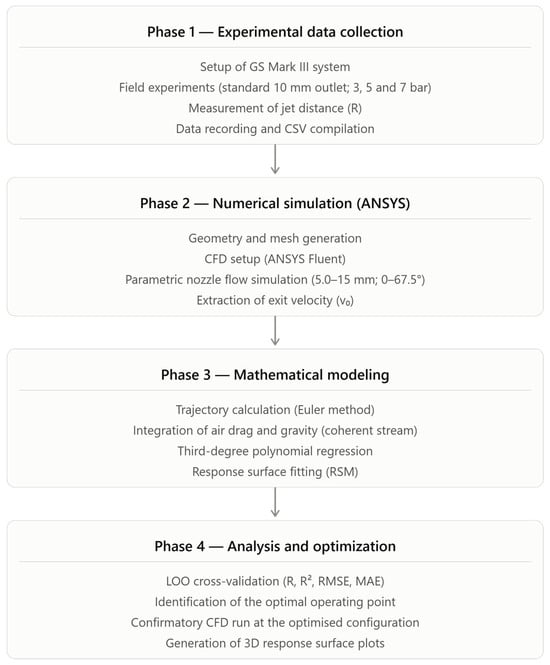
To investigate the explosive characteristics of solid–liquid mixed fuels containing different types of metal powders—including hydrogen-storage metal powders—and volatile liquid fuels, explosion experiments and corresponding numerical simulations were conducted under unconstrained space conditions. The studied system consisted of Et2O/Al/B/MgH2 mixed
[...] Read more.
To investigate the explosive characteristics of solid–liquid mixed fuels containing different types of metal powders—including hydrogen-storage metal powders—and volatile liquid fuels, explosion experiments and corresponding numerical simulations were conducted under unconstrained space conditions. The studied system consisted of Et2O/Al/B/MgH2 mixed fuels with varying composition ratios. Research has shown that the dispersion effect of solid–liquid mixed fuel containing metal dust under strong shock waves is higher than that of pure liquid fuel. And the explosion overpressure and temperature of solid–liquid mixed fuel are higher than that of pure liquid fuel. Under the same solid–liquid ratio, the explosive overpressure of Et2O/Al/B/MgH2 mixed fuel was the highest, which was 110.8% higher than that of pure liquid fuel at the 5 m position. For solid–liquid mixed fuels containing different metal powders, due to the high reaction threshold of boron powder, a high-activity MgH2 reaction is required to drive the reaction. Therefore, the explosive strength of the mixed fuel systems follows the order Et2O/Al/B/MgH2 > Et2O/Al/MgH2 > Et2O/Al > Et2O/Al/B. Meanwhile, simulation models for pure liquid and solid–liquid fuel explosions were established. The discrepancy between the simulated results and the experimental data was within 10%, demonstrating that the proposed model provides an effective and reliable approach for predicting the explosive power and hazardous range of fuel–air explosions.
Full article
(This article belongs to the Special Issue Fire and Explosion Safety with Risk Assessment and Early Warning)
►▼
Show Figures

Figure 1
Open AccessEditorial
Editorial for the Special Issue: Nature-Based Solutions to Extreme Wildfires
by
Adrián Regos
Fire 2026, 9(1), 47; https://doi.org/10.3390/fire9010047 - 21 Jan 2026
Abstract
Extreme wildfires are becoming increasingly frequent and severe across many regions worldwide, driven by climate change, land-use transitions, and long-standing fire-suppression legacies. In this context, Nature-based Solutions (NbS)—defined as actions that work with ecological processes to address societal challenges while providing biodiversity and
[...] Read more.
Extreme wildfires are becoming increasingly frequent and severe across many regions worldwide, driven by climate change, land-use transitions, and long-standing fire-suppression legacies. In this context, Nature-based Solutions (NbS)—defined as actions that work with ecological processes to address societal challenges while providing biodiversity and socio-economic benefits—offer a promising yet underdeveloped pathway for enhancing wildfire resilience. This Special Issue brings together eleven contributions spanning empirical ecology, landscape configuration, simulation modelling, spatial optimisation, ecosystem service analysis, governance assessment, and community-based innovation. Collectively, these studies demonstrate that restoring ecological fire regimes, promoting multifunctional landscapes, and integrating advanced decision support tools can substantially reduce wildfire hazard while sustaining ecosystem functions. They also reveal significant governance barriers, including fragmented policies, limited investment in prevention, and challenges in incorporating social demands into territorial planning. By synthesising these insights, this editorial identifies several strategic priorities for advancing NbS in fire-prone landscapes: mainstreaming prevention within governance frameworks, strengthening the science–practice interface, investing in long-term socio-ecological monitoring, managing trade-offs transparently, and empowering local communities. Together, the findings highlight that effective NbS emerge from the alignment of ecological, technological, institutional, and social dimensions, offering a coherent pathway toward more resilient, biodiverse, and fire-adaptive landscapes.
Full article
(This article belongs to the Section Fire Research at the Science–Policy–Practitioner Interface)
Journal Menu
► ▼ Journal Menu-
- Fire Home
- Aims & Scope
- Editorial Board
- Reviewer Board
- Topical Advisory Panel
- Instructions for Authors
- Special Issues
- Topics
- Sections & Collections
- Article Processing Charge
- Indexing & Archiving
- Editor’s Choice Articles
- Most Cited & Viewed
- Journal Statistics
- Journal History
- Journal Awards
- Conferences
- Editorial Office
Journal Browser
► ▼ Journal BrowserHighly Accessed Articles
Latest Books
E-Mail Alert
News
Topics
Topic in
AI, BDCC, Fire, GeoHazards, Remote Sensing
AI for Natural Disasters Detection, Prediction and Modeling
Topic Editors: Moulay A. Akhloufi, Mozhdeh ShahbaziDeadline: 31 March 2026
Topic in
Buildings, Climate, Fire, Sustainability, Water, Infrastructures
Disaster Risk Management and Resilience
Topic Editors: M. Amin Hariri-Ardebili, Sissy NikolaouDeadline: 31 July 2026
Conferences
Special Issues
Special Issue in
Fire
Turbulent Spray Combustion: Mechanism Research and Modeling
Guest Editor: Jianfeng ZouDeadline: 18 February 2026
Special Issue in
Fire
Fire Numerical Simulation, Second Volume
Guest Editors: Yanming Ding, Kazui Fukumoto, Jiaqing ZhangDeadline: 26 February 2026
Special Issue in
Fire
Clean Combustion and New Energy
Guest Editor: Huaming DaiDeadline: 28 February 2026
Topical Collections
Topical Collection in
Fire
Diversity Leaders in Fire Science
Collection Editors: Alistair M. S. Smith, Natasha Ribeiro, Tiago Miguel Ferreira, Grant Williamson, Christine Eriksen
Topical Collection in
Fire
Rethinking Wildland Fire Governance: A Series of Perspectives
Collection Editors: Alistair M. S. Smith, Stephen D. Fillmore