




Skip to Content
You are currently on the new version of our website. Access the old version .

Processes

Processes is an international, peer-reviewed, open access journal on processes/systems in chemistry, biology, material, energy, environment, food, pharmaceutical, manufacturing, automation control, catalysis, separation, particle and allied engineering fields published semimonthly online by MDPI.
The Brazilian Association of Chemical Engineering (ABEQ) is affiliated with Processes and its members receive discounts on the article processing charges. Please visit Society Collaborations for more details.

All Articles (19,363)

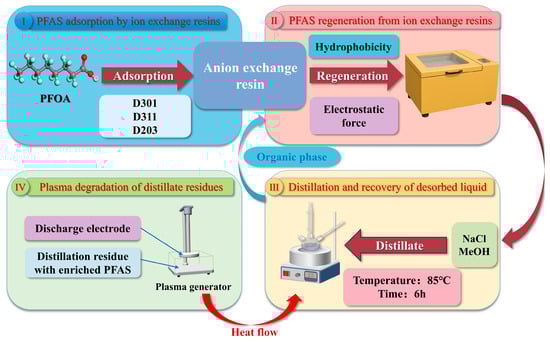
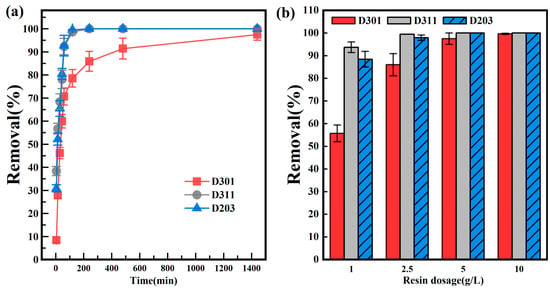
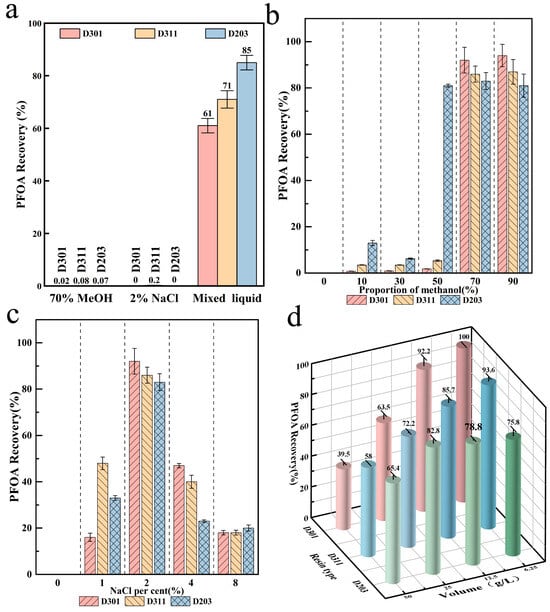
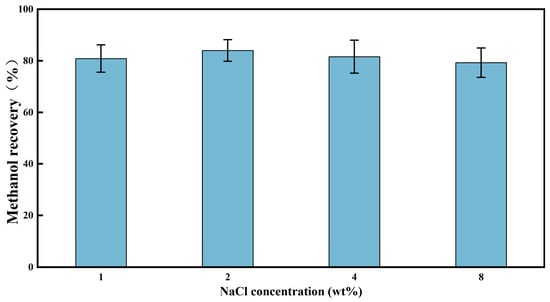
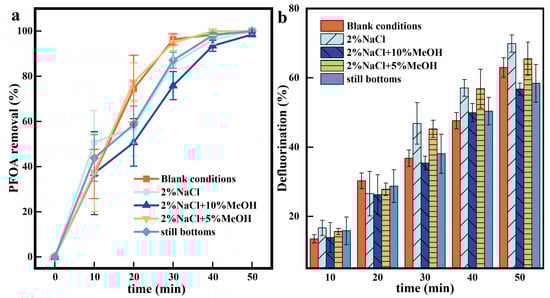
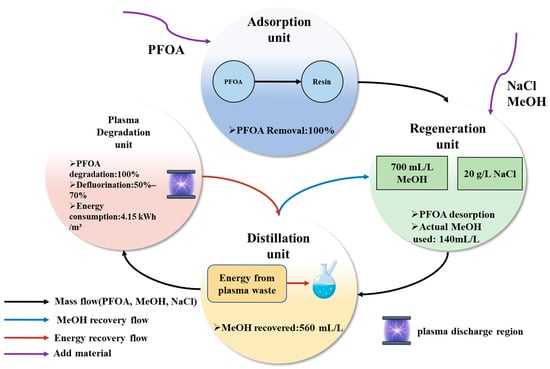
The extreme persistence of per- and polyfluoroalkyl substances (PFAS), exemplified by perfluorooctanoic acid (PFOA), demands remediation technologies that surpass conventional approaches. This study introduces a novel closed-loop adsorption–regeneration–distillation–plasma (ARDP) process designed for high-efficiency PFOA removal with low energy and chemical consumption. Comparative evaluation of anion-exchange resins identified D311 (macroporous methyl polyacrylate) as the optimal adsorbent. In batch experiments with an initial PFOA concentration of 100 mg/L, D311 achieved an adsorption capacity of ~20 mg/g, exhibited rapid kinetics, and achieved high regeneration efficiency (up to 100% under optimized conditions) via a methanol–NaCl solution. Distillation of the spent regenerant recovered approximately 80% of methanol while simultaneously concentrating PFOA for subsequent destruction, accomplished by utilizing waste heat from the plasma system, without the need for additional thermal energy input. Subsequent dielectric barrier discharge (DBD) plasma treatment of the residue achieved 100% PFOA degradation and up to 69% defluorination. The ARDP process proves to be a highly sustainable strategy, characterized by a low specific energy input (4.15 kWh/m3) and minimized secondary waste, making it a promising approach for practical PFAS remediation.

14 February 2026

Schematic illustration of the integrated adsorption–regeneration–distillation–non-thermal plasma degradation (ARDP) process for PFAS treatment. ( Color scheme: C (dark gray), F (cyan), H (light gray), and O (red)).

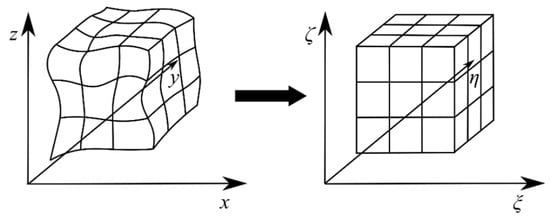
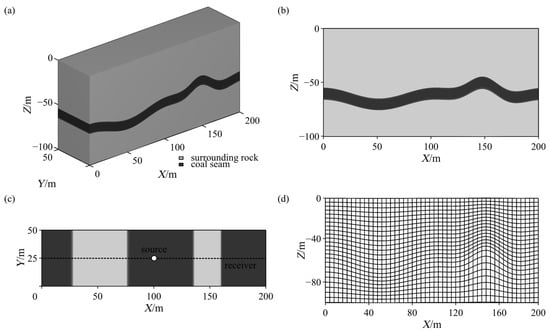
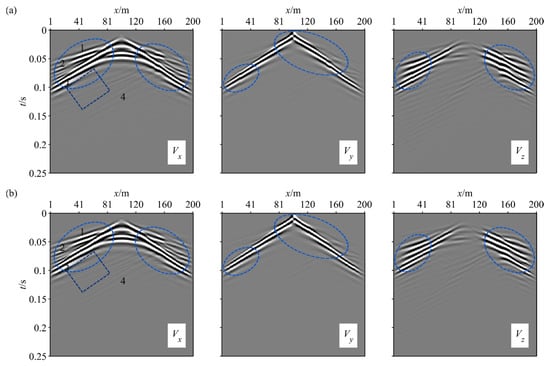
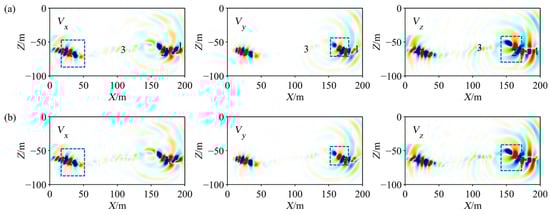
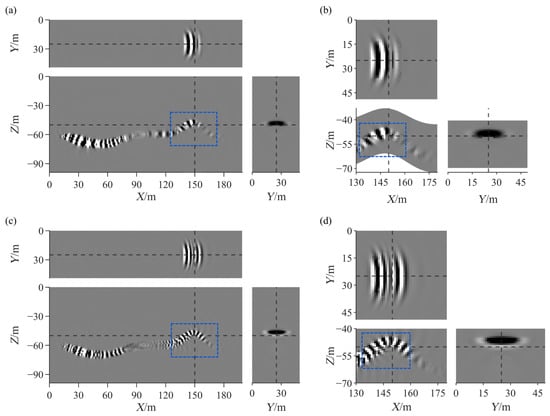
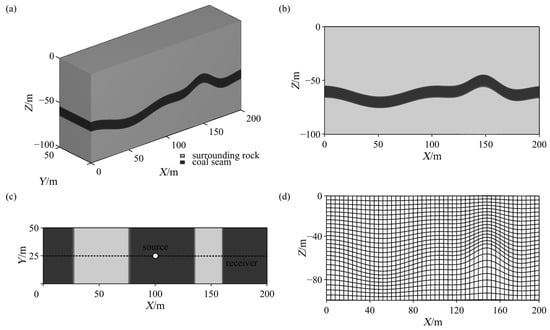
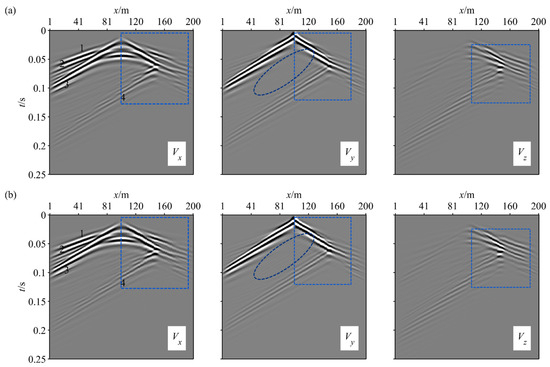
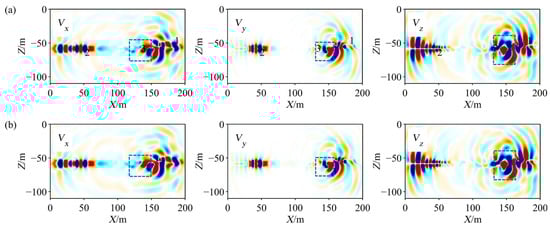
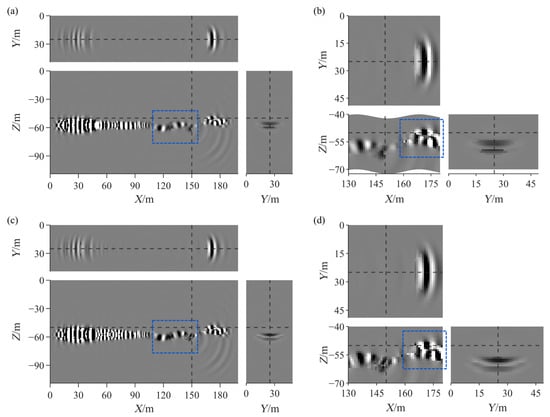
Accurate identification of concealed coal seam structures, such as folds or faults, is crucial for safe and effective production in the coal mining industry. In-seam seismic exploration serves as a promising technique for advanced detection of coal seam structures, but traditional numerical simulation methods easily produce errors when coping with irregular interfaces. This study uses the curvilinear grid finite-difference method (FDM) for modeling the 3D channel wave propagation. The body-fitted grids are utilized to conform to undulating interfaces, while the DRP/opt MacCormack difference scheme and the fourth-order Runge–Kutta algorithm are applied for the spatial and temporal derivative approximation, in that order. The forward and backward extrapolation for in-seam waves are implemented in the curvilinear coordinates. The roofs and floors of coal seams and special structures are imaged by reverse-time migration (RTM) using an excitation amplitude imaging condition. Numerical results show that compared with conventional methods, the curvilinear grid method effectively reduces spurious scattering caused by the staircase approximation, improves the modeling accuracy of channel waves, and enhances the continuity and interpretability of imaged coal-seam interfaces and structural boundaries. The proposed method has the potential to enhance the accuracy of channel wave exploration under complex geological conditions, supporting advanced hazard detection in coal mines.

14 February 2026

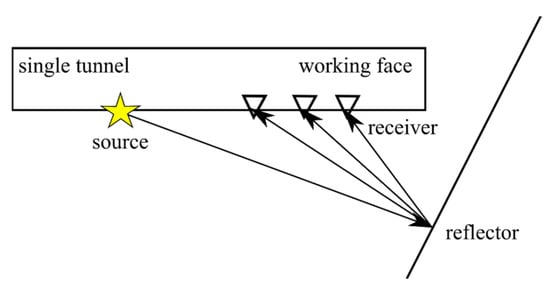
Schematic diagram for reflected in-seam wave detection.

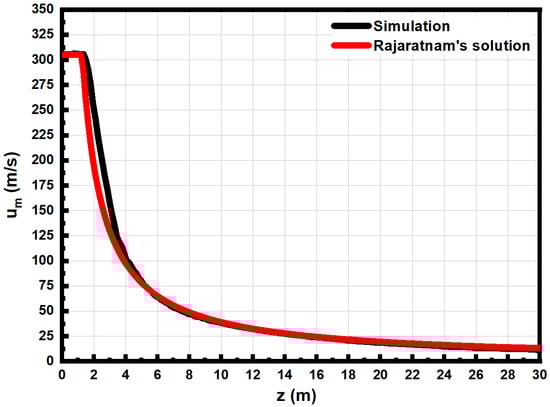
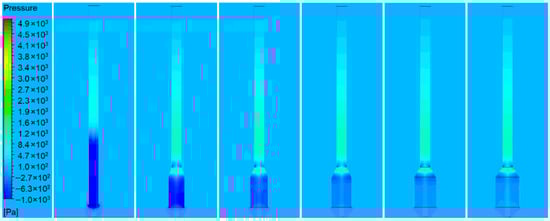
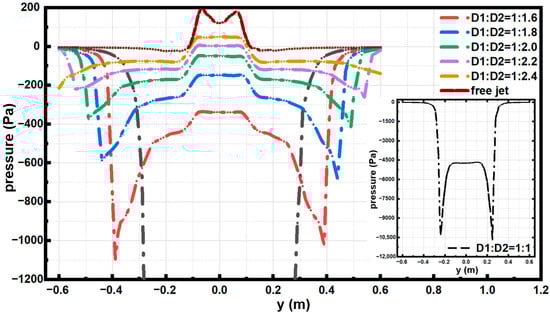
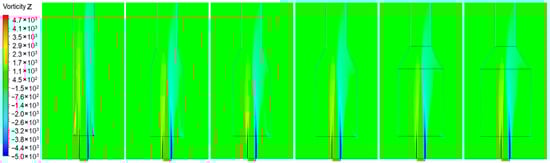
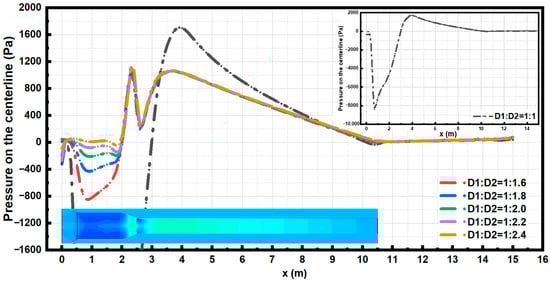
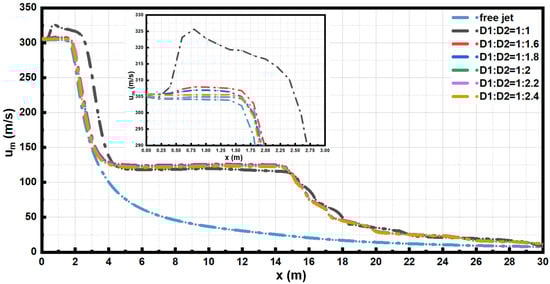
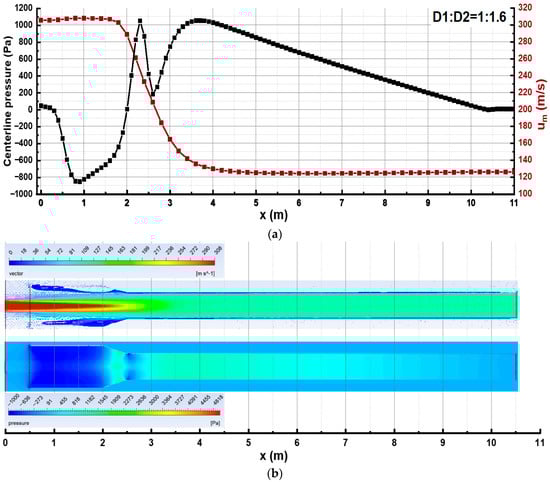
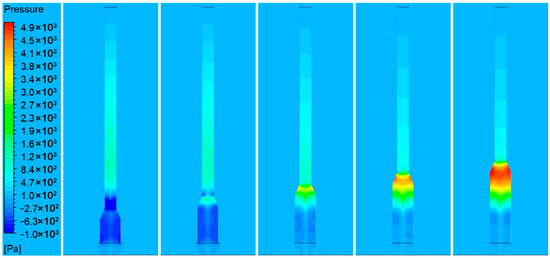
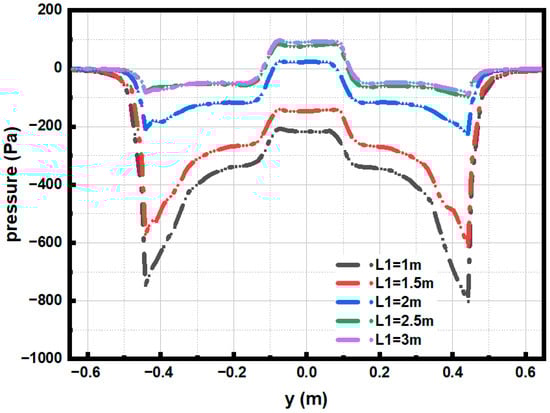
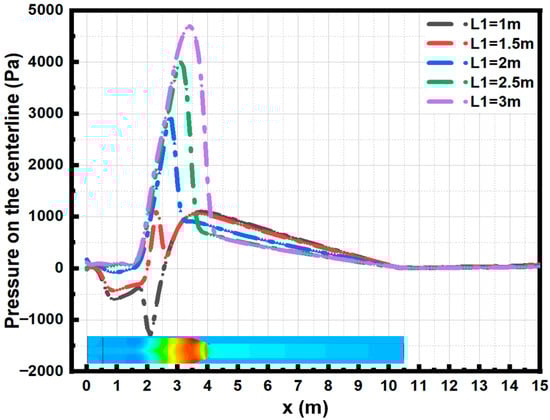
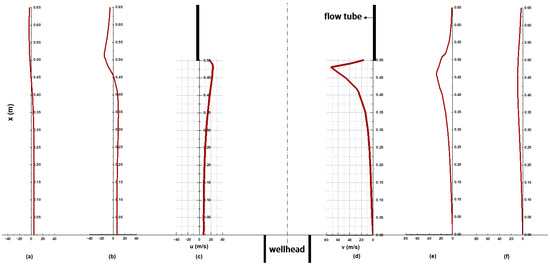
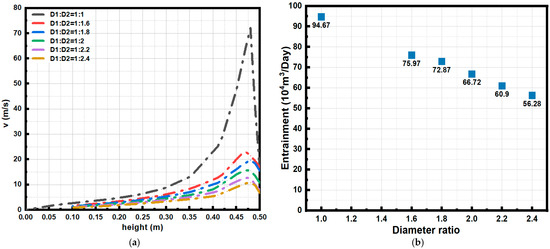
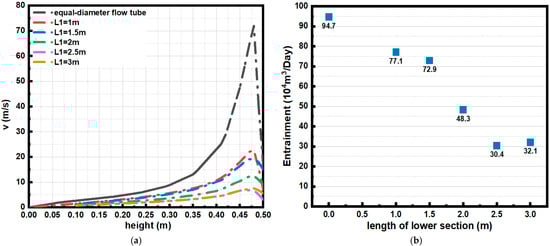
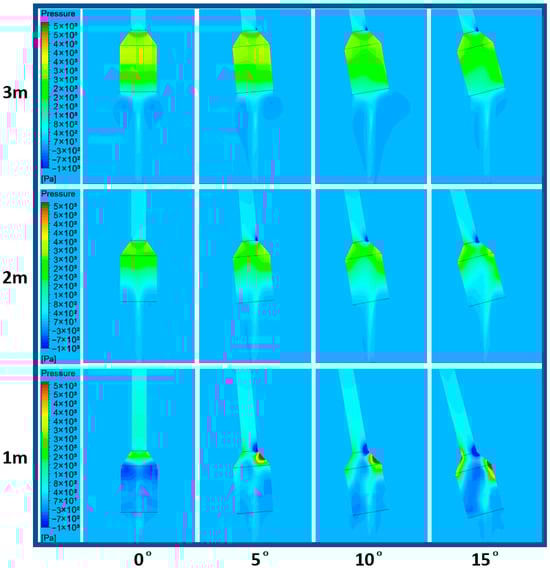
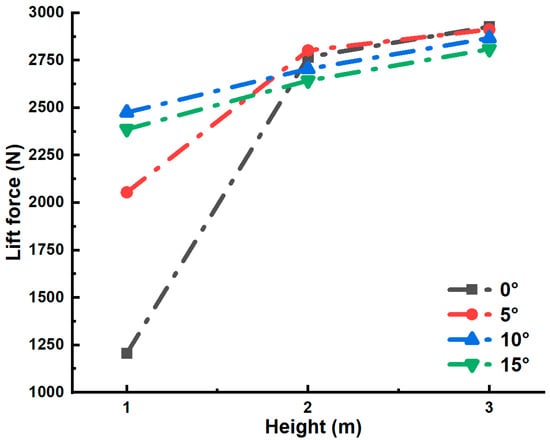
Flow tubes are key rescue devices used to respond to explosions and fires caused by blowouts. Improperly designed flow tubes can cause buckling failures, which can result in injuries or fatalities, particularly during high-speed blowouts, so optimizing the design based on the mechanism of high-speed blowout flow near the flow tube can improve rescue efficiency and reduce risk. This study investigated the flow control mechanism and analyzed the lift force of variable-diameter flow tubes. Simultaneously, the suction effect generated by the flow tubes was also quantified. The effect of flow tube structure and posture parameters on the flow field near a blowout well was numerically investigated using Fluent CDF software 2020R2, and the realizable k-ε turbulent model was used to account for turbulence. The inlet velocity was set to 300 m/s in order to simulate a high-speed blowout flow. The diameter ratio of the upper and lower parts of the flow tube changed from 1:1 to 1:2.4, and the ratio of the lower part to the total length changed from 1:10 to 3:10. The effects of the diameter ratio and length ratio on the distribution of the velocity and pressure in the flow tube were investigated. A strong negative pressure profile was observed in the equal-diameter flow tube. As the diameter ratio increased from 1:1.6 to 1:2.4, the negative pressure decreased from −1094 Pa to −214 Pa. In addition, the risk of personal suction due to negative pressure at the bottom of the flow tube was evaluated, and the effectiveness of drainage and the capability of flow control were analyzed. When the diameter ratio was increased by approximately 12.5%, the flow rate of entrainment decreased by 4% compared to the equal-diameter tube. Furthermore, the flow tube was subjected to significant upward lift forces during the snapping process, thereby increasing the risk of dislodgment. The effect of the changes in height and angle on the lift forces on the flow tube during buckling-up-installation was examined. It was found that the lift force decreases with height and is sensitive to the angle of inclination. Overall, it was concluded that the diameter ratio of the flow tube and the length of the lower section are key parameters for flow tube design.

14 February 2026

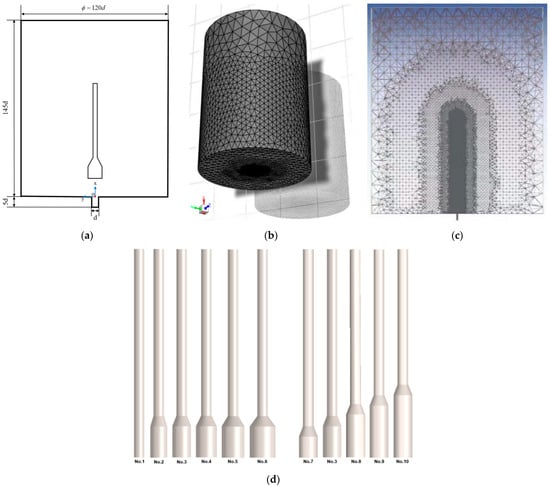
Computational domain, meshing, and flow tube model. (a) Computational domain and flow tube geometry; (b) full domain mesh schematic; (c) mesh locally encrypted center section schematic; (d) the 10 flow tube models. Model No. 1 is an equal-diameter flow tube. For models No. 2–6, the ratio of upper-to-lower diameter increases from 1:1.6 to 1:2.4. For models No. 7, No. 3, and No. 8–10, the ratio of lower-section length to total length increases from 1:10 to 3:10.
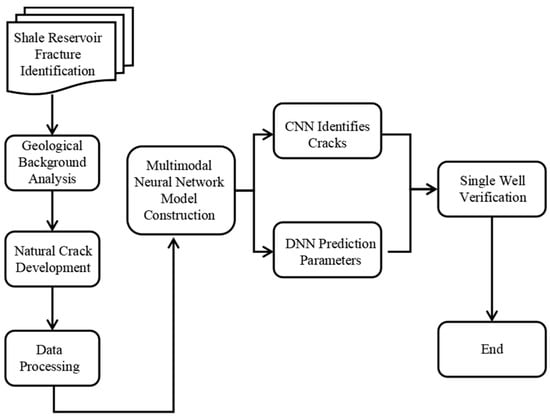
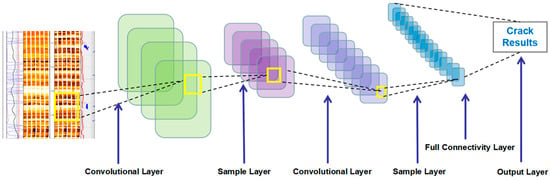
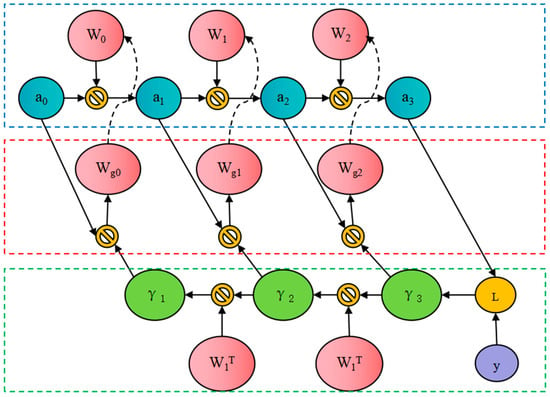
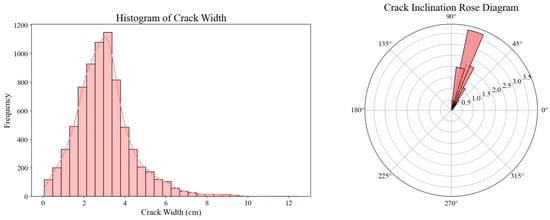
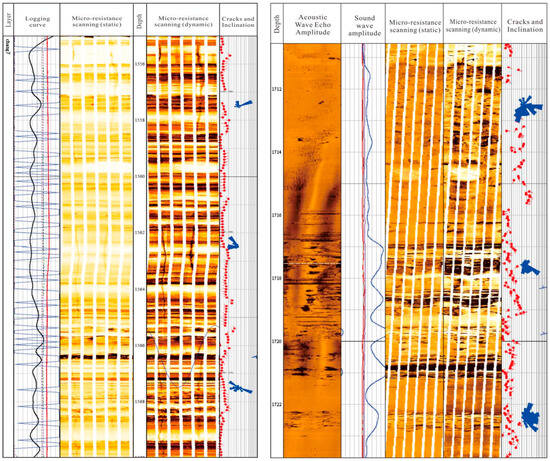
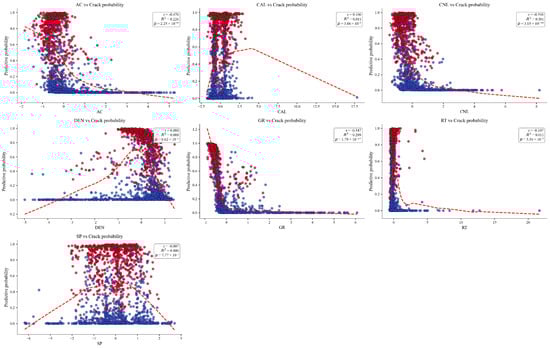
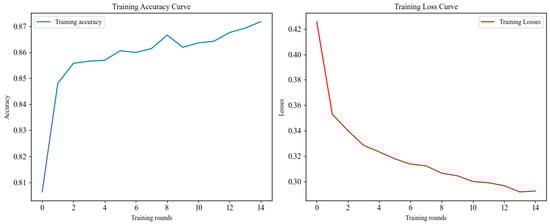
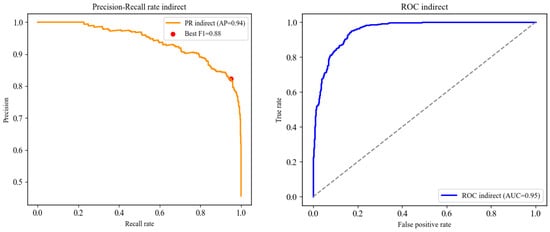
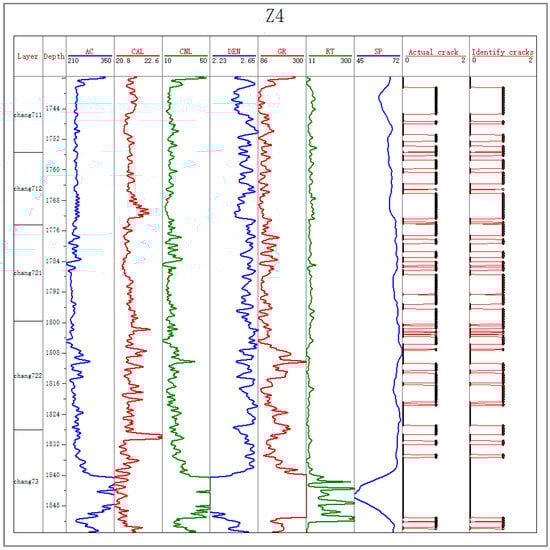
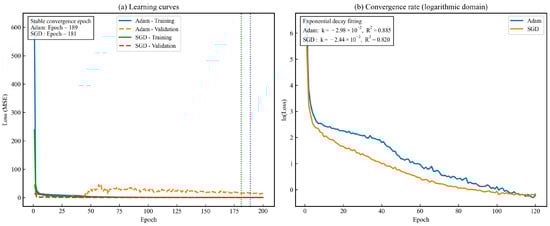
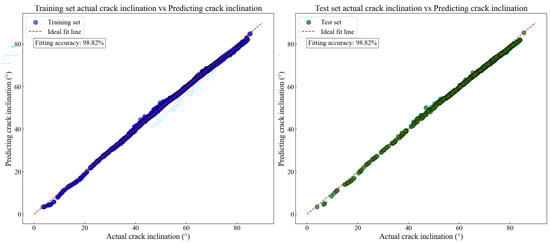
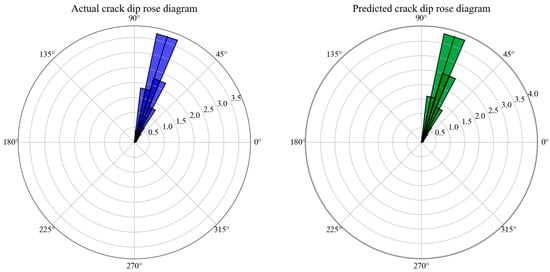
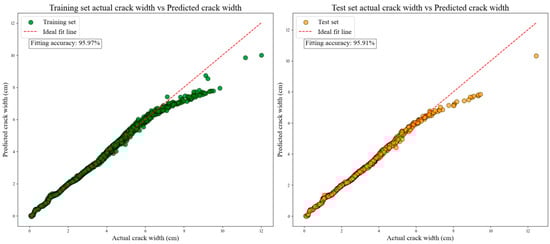
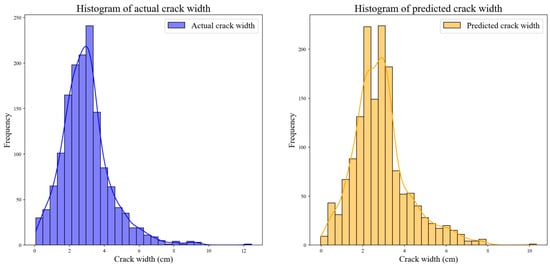
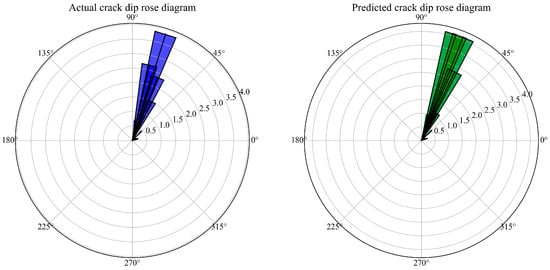
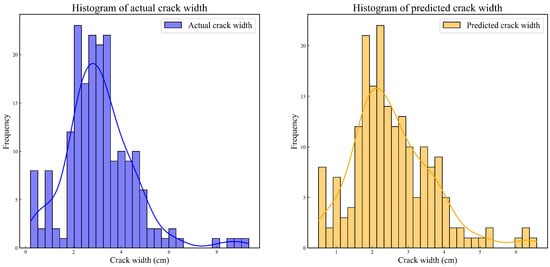
Natural fractures are critical controls on shale oil storage and migration in the Upper Triassic Chang 7 Member of the Ordos Basin. However, conventional identification techniques—such as mud-invasion correction, R/S rescaled range analysis, and radioactive element analysis—are time-consuming, computationally intensive, and highly dependent on specialized logging data, limiting their large-scale application. To overcome these challenges, this study develops a multi-modal deep neural network that integrates conventional well logs with borehole imaging data. A coupled convolutional neural network (CNN) and deep neural network (DNN) architecture was constructed to predict fracture occurrence, dip angle, and aperture. The model achieves dip-angle prediction accuracies of 98.82% for both training and testing datasets, while aperture prediction accuracies reach 95.97% and 95.91%, respectively. Predicted dip angles are concentrated between 65° and 80°, deviating by less than 0.48° from measured values, whereas apertures fall mainly within 0.5–4.5 cm, with deviations below 0.21 cm except in extreme cases. The CNN branch effectively extracts spatial features from imaging logs, while the DNN branch captures nonlinear relationships in conventional logs. The integrated framework substantially improves fracture characterization accuracy and efficiency. This study provides a scalable and cost-effective approach for rapid fracture identification based on conventional logging data, reducing reliance on specialized imaging logs and supporting integrated geological and engineering evaluations in shale oil reservoirs.
14 February 2026

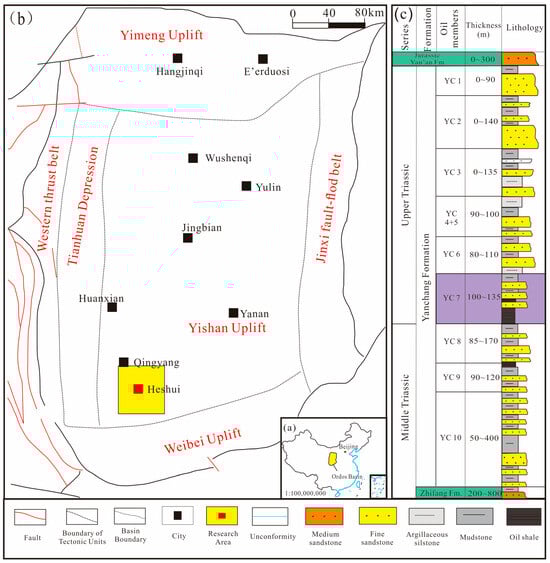
Schematic map showing the location of the study area ((a) Location of the study area; (b) structure units of the study area; (c) comprehensive stratigraphic column of the Triassic Yanchang Formation in the Ordos Basin) [24].

News & Conferences

Issues

Open for Submission

Editor's Choice

Reprints of Collections

Phytochemicals
Reprint

Phytochemicals

Extraction, Optimization, Identification, Biological Activities, and Applications in the Food, Nutraceutical, and Pharmaceutical Industries
Editors: Ibrahim M. Abu-Reidah

Get Alerted

Add your email address to receive forthcoming issues of this journal.

XFacebookLinkedIn
Processes - ISSN 2227-9717