

Journal Description
Viruses
Viruses
is a peer-reviewed, open access journal of virology, published monthly online by MDPI. The Spanish Society for Virology (SEV), Canadian Society for Virology (CSV), Italian Society for Virology (SIV-ISV), Australasian Virology Society (AVS), Brazilian Society for Virology (BSV) and Global Virus Network (GVN) are affiliated with Viruses and their members receive a discount on the article processing charges.
- Open Access— free for readers, with article processing charges (APC) paid by authors or their institutions.
- High Visibility: indexed within Scopus, SCIE (Web of Science), PubMed, MEDLINE, PMC, Embase, PubAg, and other databases.
- Journal Rank: JCR - Q2 (Virology) / CiteScore - Q1 (Infectious Diseases)
- Rapid Publication: manuscripts are peer-reviewed and a first decision is provided to authors approximately 15.5 days after submission; acceptance to publication is undertaken in 2.9 days (median values for papers published in this journal in the first half of 2026).
- Recognition of Reviewers: reviewers who provide timely, thorough peer-review reports receive vouchers entitling them to a discount on the APC of their next publication in any MDPI journal, in appreciation of the work done.
- Journal Cluster of Microbiology: Acta Microbiologica Hellenica, Applied Microbiology, Bacteria, Journal of Fungi, Microorganisms, Microbiology Research, Pathogens and Viruses.
Impact Factor:
3.8 (2025);
5-Year Impact Factor:
3.8 (2025)
Latest Articles
MicroRNAs Regulated by Pregnancy Target Antiviral and Cancer Immunity Overlapping with the HIV Interactome
Viruses 2026, 18(7), 753; https://doi.org/10.3390/v18070753 (registering DOI) - 7 Jul 2026
Abstract
Innate immunity predictors of HIV-1 risk and pathogenesis vary with reproductive hormones, pregnancy, and lactation, yet the underlying mechanisms remain unclear. We hypothesized that pregnancy-associated physiological adaptations alter systemic microRNA (miRNA) expression, thereby regulating immunity, pathogenesis and susceptibility to infection. We analyzed 174
[...] Read more.
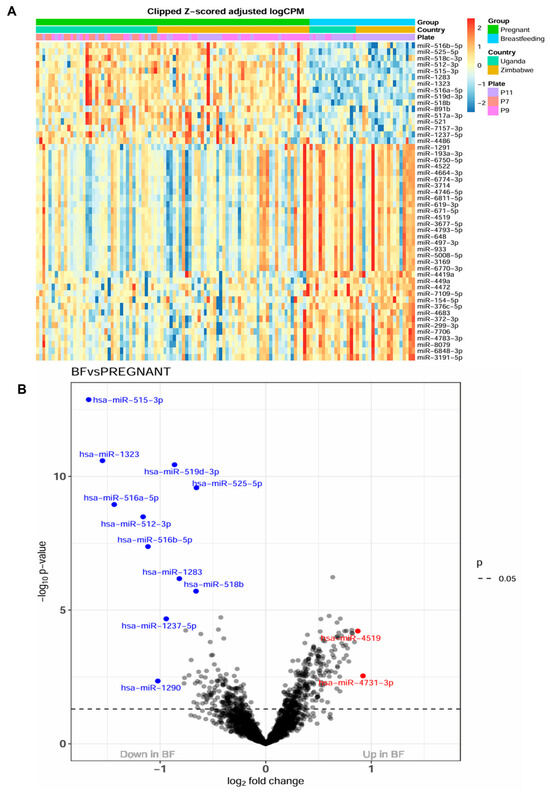
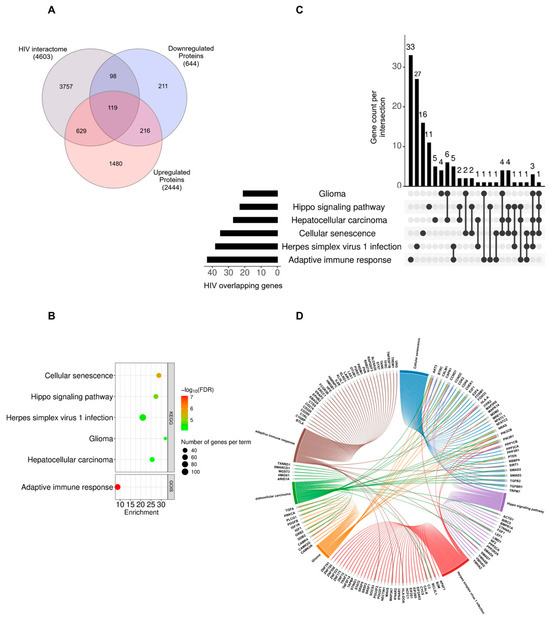
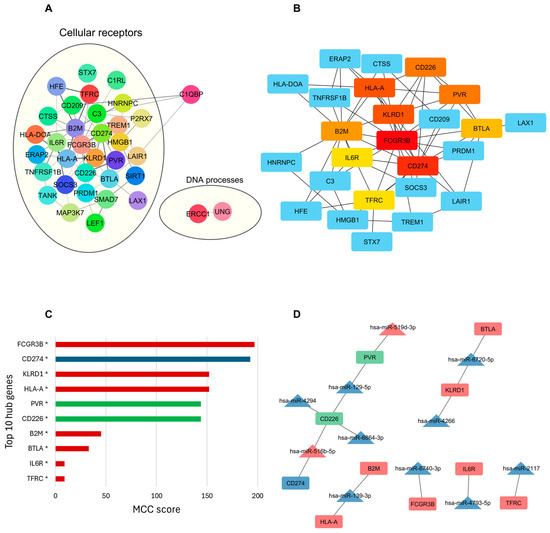
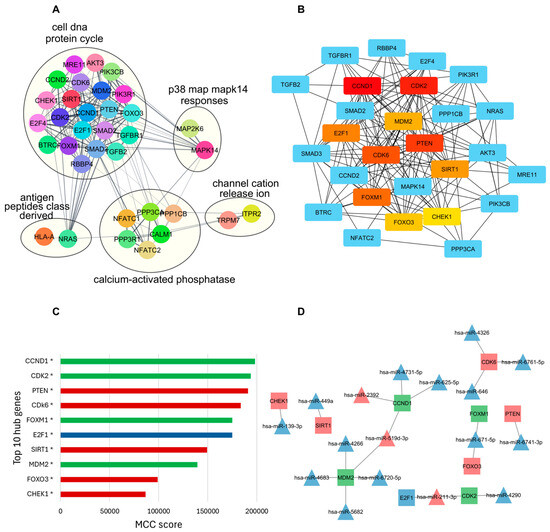
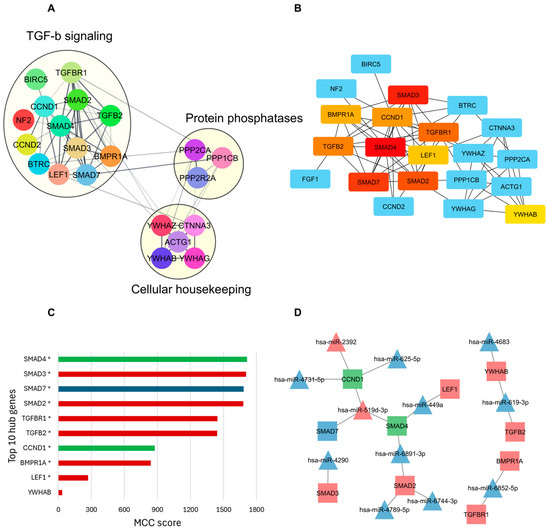
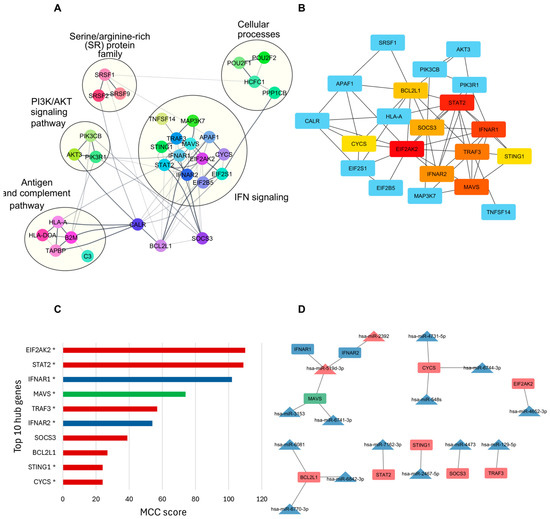
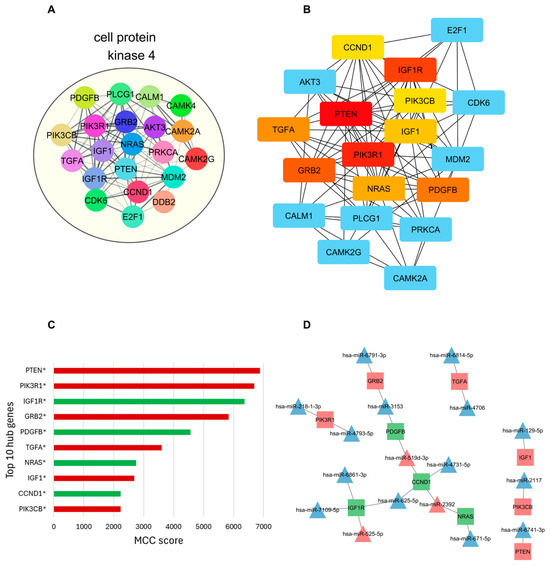
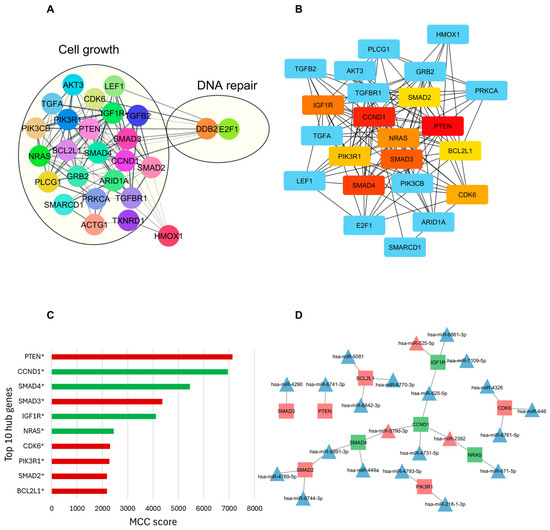
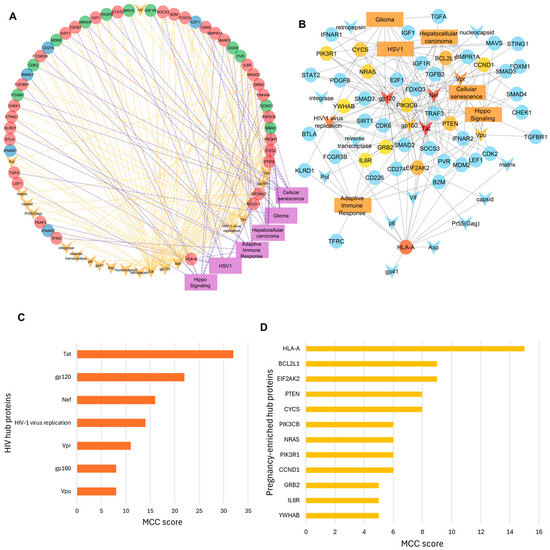
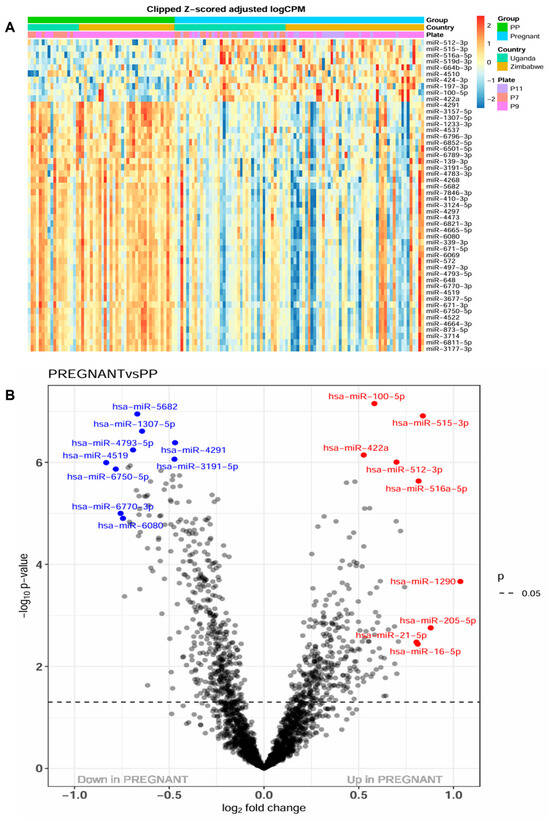
Innate immunity predictors of HIV-1 risk and pathogenesis vary with reproductive hormones, pregnancy, and lactation, yet the underlying mechanisms remain unclear. We hypothesized that pregnancy-associated physiological adaptations alter systemic microRNA (miRNA) expression, thereby regulating immunity, pathogenesis and susceptibility to infection. We analyzed 174 serum samples from 88 participants in a longitudinal cohort from Uganda and Zimbabwe across pre-pregnancy (PP), pregnancy (P), and postpartum breastfeeding (BF). Cell-free peripheral blood miRNAs (n = 2083) were profiled using HTG EdgeSeq. Pregnancy-specific miRNAs were identified by intersecting differentially expressed (DE) miRNAs from P vs. PP and P vs. BF comparisons. miRNA targets and pathways were analyzed using miRWalk, Cytoscape/ClueGO, and cytoHubba. Pregnancy was associated with DE miRNAs (29 upregulated and 131 downregulated) targeting 2733 validated genes. Enriched pathways (FDR < 0.05) included adaptive immune response, Hippo Signaling, Cellular Senescence, HSV-1 infection, and two cancer-related pathways. Pregnancy-enriched targets within each pathway overlapped with the HIV–host interactome by 37–88%. Network analysis identified 47 hub genes interacting with 18 HIV-1 proteins, with Tat and gp120 being most connected viral and HLA-A being the most connected host protein. These findings indicate that pregnancy-driven systemic miRNAs target the HIV–host interactome and specifically identify pregnancy-enriched central hub genes involved in cell cycle control, viral immune evasion and replication to be further investigated for their predictive value in HIV acquisition and pathogenesis in longitudinal cohorts and experimental settings.
Full article
(This article belongs to the Special Issue Viruses in the Reproductive Tract)
►
Show Figures
Open AccessArticle
Seed Transmission of Cowpea Mild Mottle Virus in Common Beans in Brazil
by
Bruna Pinheiro-Lima, Andreza H. Vidal, Gustavo P. Felix, Dione M. T. Alves-Freitas, Cristiano Lacorte, Josias C. Faria, Emanuel F. M. Abreu, Patricia Valle Pinheiro, Fernando L. Melo and Simone G. Ribeiro
Viruses 2026, 18(7), 752; https://doi.org/10.3390/v18070752 - 7 Jul 2026
Abstract
Cowpea mild mottle virus (CPMMV) is a carlavirus that is transmitted by whiteflies and can also be spread through seeds in cowpea, soybean, and common bean. Seed transmission of CPMMV has been described in various countries; however, it was only recently reported in
[...] Read more.
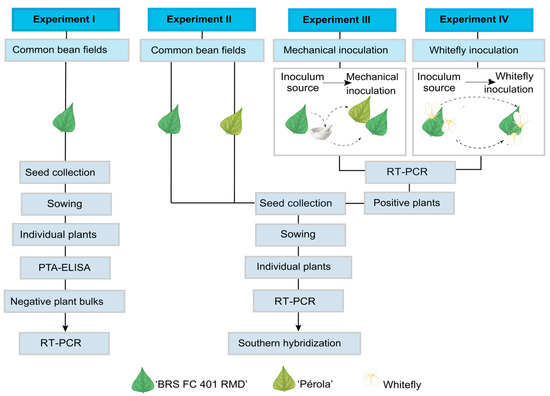
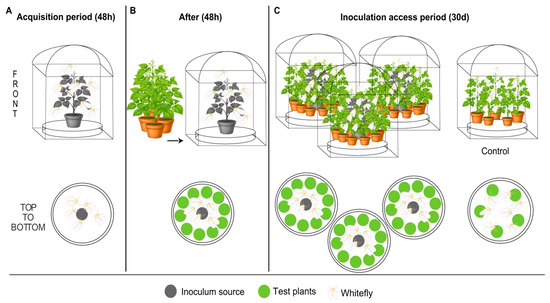
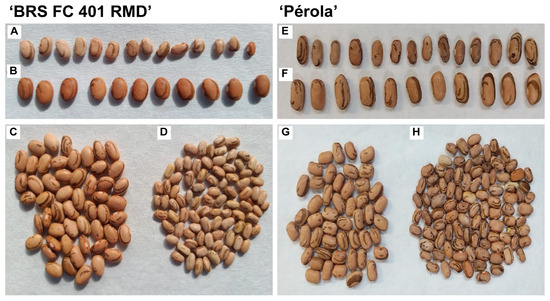
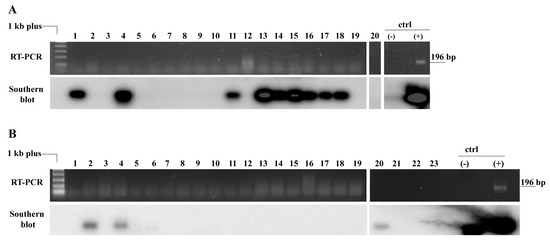
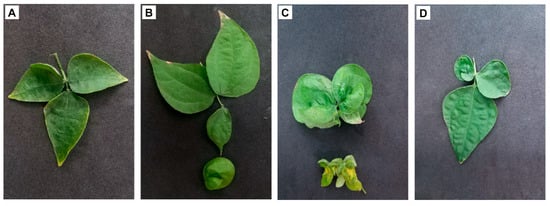
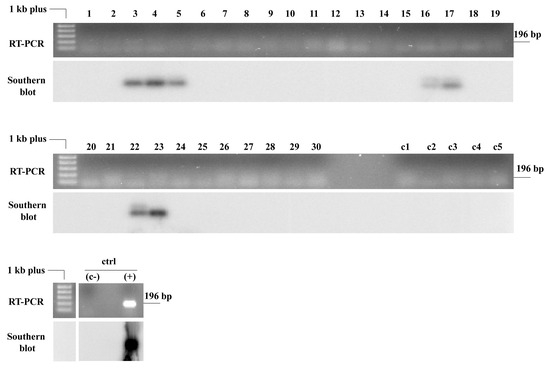
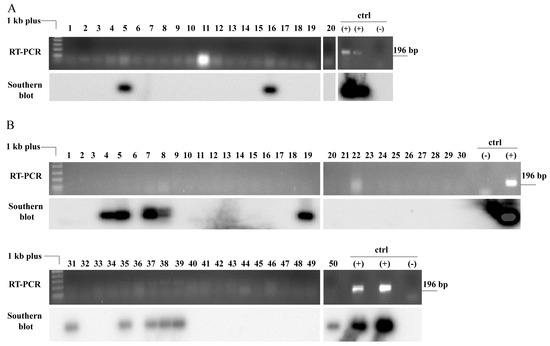
Cowpea mild mottle virus (CPMMV) is a carlavirus that is transmitted by whiteflies and can also be spread through seeds in cowpea, soybean, and common bean. Seed transmission of CPMMV has been described in various countries; however, it was only recently reported in Brazil as a seed-transmitted virus in soybean. CPMMV has spread widely in bean-growing areas in recent years. Most Brazilian farmers use harvested grains as seed for reseeding, increasing the risk of seedborne infection. In this study, we examine seed transmission of CPMMV in two bean cultivars using RT-PCR in combination with nucleic acid hybridization. The plants evaluated were obtained from seeds harvested in commercial and experimental fields and from seeds collected in transmission experiments using either mechanical or whitefly inoculation. The observed seed transmission was estimated between 10 to 45% for ‘BRS FC 401 RMD’ and 13 to 22% for ‘Pérola’. In addition, evidence of secondary transmission (23.3%) by Bemisia tabaci MEAM1 was observed. These results suggest that CPMMV could be spread in bean fields by sowing infected seeds and that germinated plants could serve as an inoculum for whitefly transmission. This is the first report of seed transmission of CPMMV in common bean in Brazil.
Full article
(This article belongs to the Special Issue Biosecurity and Plant Viruses: A Call to Action for a Sustainable Future)
►▼
Show Figures

Figure 1
Open AccessArticle
Isolation, Characterization, and In Vivo Evaluation Efficacy of Lytic Bacteriophage SEP1 Against Salmonella Paratyphi C
by
Zhiyi Ge, Di Lian, Wei Zhao, Weiru Song, Shengyi Han and Chunyan Xu
Viruses 2026, 18(7), 751; https://doi.org/10.3390/v18070751 - 7 Jul 2026
Abstract
Multidrug-resistant Salmonella Paratyphi poses a severe threat to public health. As conventional antibiotics lose efficacy against emerging resistant strains, the need to develop alternative antimicrobial agents has become increasingly urgent. In this study, we isolated and characterized a novel lytic bacteriophage, designated SEP1,
[...] Read more.
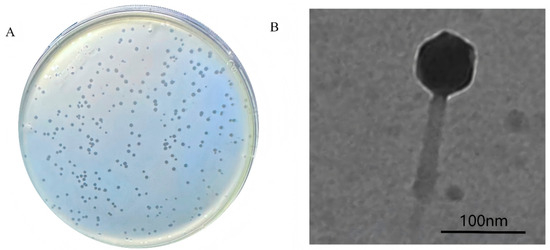
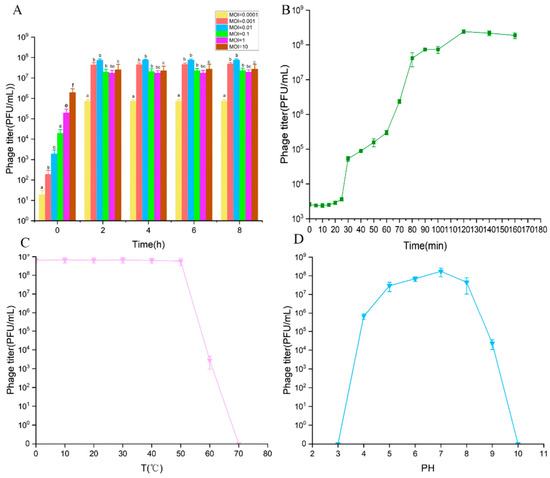
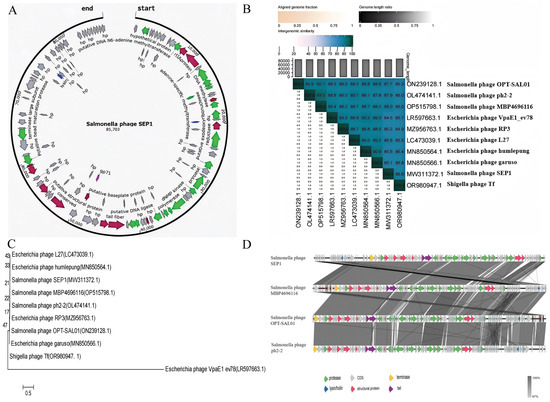
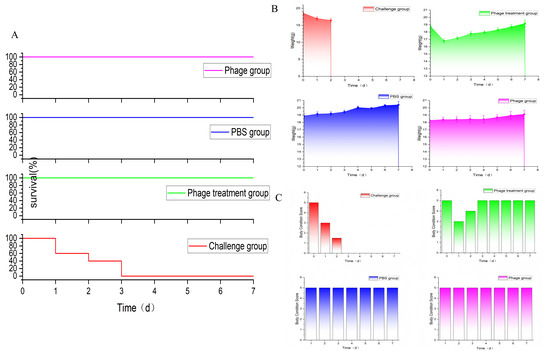
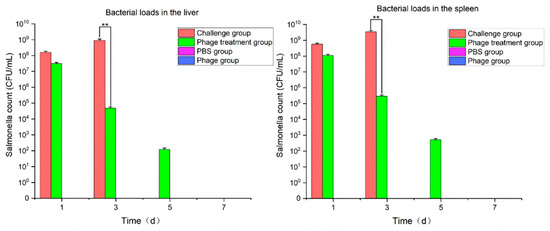
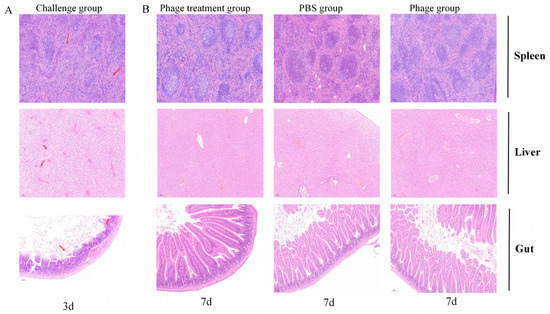
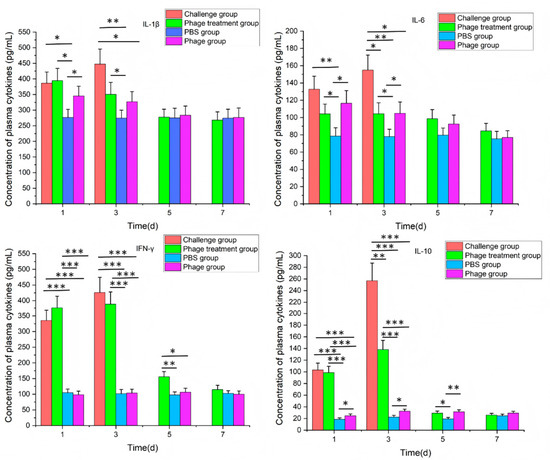
Multidrug-resistant Salmonella Paratyphi poses a severe threat to public health. As conventional antibiotics lose efficacy against emerging resistant strains, the need to develop alternative antimicrobial agents has become increasingly urgent. In this study, we isolated and characterized a novel lytic bacteriophage, designated SEP1, from poultry sewage using the S. Paratyphi C strain QH as the host and systematically evaluated its therapeutic potential in a murine infection model Genomic analysis confirmed that SEP1 belongs to the genus Felixounavirus, with an 85,703-bp genome devoid of lysogeny-associated or virulence genes. SEP1 exhibits robust environmental stability, maintaining infectivity at 10–50 °C and pH 4–9; it has a 30 min latent period and a burst size of 133 PFU per infected cell. In vivo, SEP1 treatment conferred 100% survival in infected mice, reduced organ bacterial loads, alleviated tissue damage, and normalized inflammatory cytokine profiles. Collectively, these results demonstrate that SEP1 is a promising candidate for phage therapy targeting S. Paratyphi C infections.
Full article
(This article belongs to the Special Issue The Role of Bacteriophages in Salmonella Diversity, Pathogenicity and Surveillance)
►▼
Show Figures

Figure 1

Open AccessReview
Advances in Feline Panleukopenia Virus Vaccines: Immunological Mechanisms, Current Challenges, and Future Perspectives
by
Shiqiang Zhu, Weiwei Wang, Huakai Wang, Yuqiang Zhang, Liang Zhao and Wei Xiong
Viruses 2026, 18(7), 750; https://doi.org/10.3390/v18070750 - 7 Jul 2026
Abstract
Feline panleukopenia is a highly contagious and often fatal disease in cats caused by the feline panleukopenia virus (FPV), a member of the Parvoviridae family. Despite the widespread use of vaccination, FPV remains a significant threat to both domestic and wild felid populations
[...] Read more.
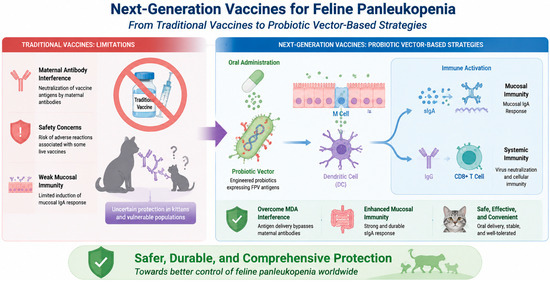
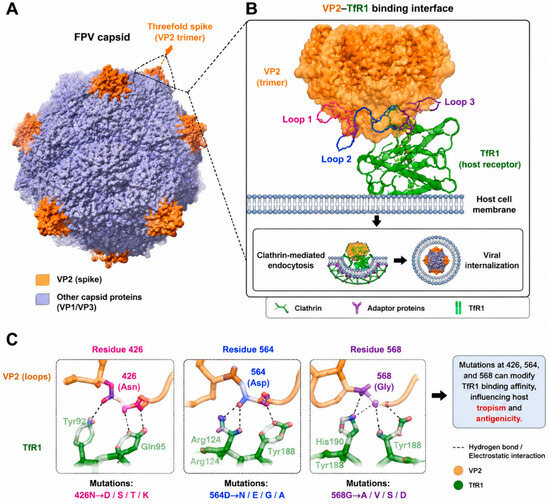
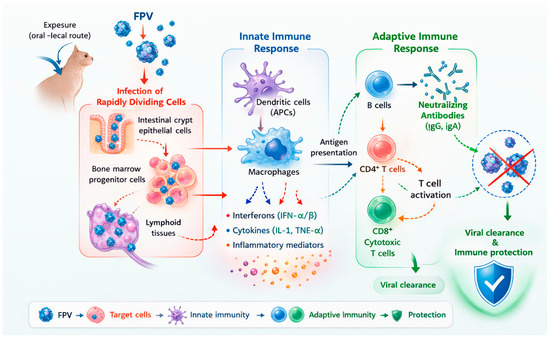
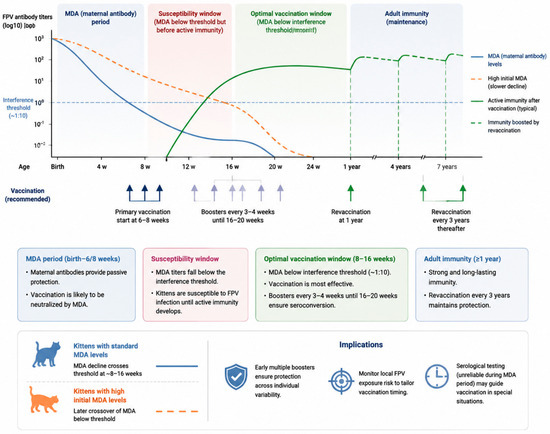
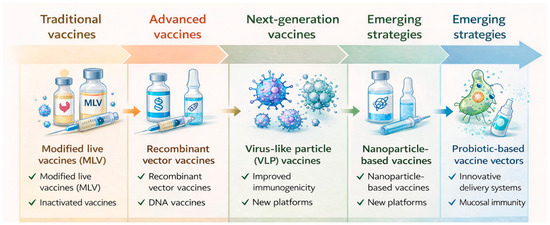
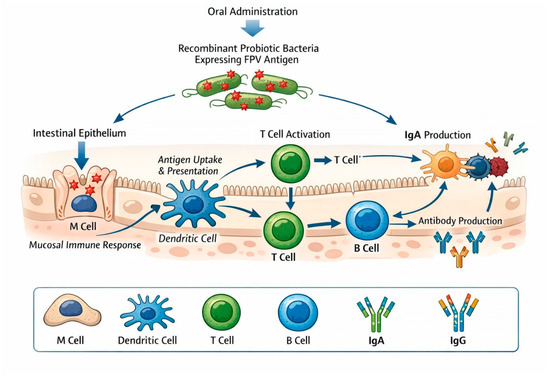
Feline panleukopenia is a highly contagious and often fatal disease in cats caused by the feline panleukopenia virus (FPV), a member of the Parvoviridae family. Despite the widespread use of vaccination, FPV remains a significant threat to both domestic and wild felid populations worldwide, particularly in young or unvaccinated animals. Effective vaccination strategies are therefore essential for controlling the disease and reducing mortality. Current vaccines, including modified live and inactivated vaccines, have demonstrated substantial efficacy in inducing protective immunity; however, several challenges remain, such as maternal antibody interference, vaccine failure, and safety concerns in certain animal populations. Recent advances in vaccine technology have spurred the development of next-generation FPV vaccines, including recombinant vectors, DNA vaccines, virus-like particle (VLP) vaccines, and novel delivery platforms. Among these, probiotic-based vaccine vectors have garnered growing interest due to their favorable safety profiles, mucosal immunogenicity, and suitability for oral administration. These systems may provide innovative approaches for inducing both systemic and mucosal immune responses against FPV. This review summarizes the current understanding of the immunological mechanisms underlying protection against FPV infection and discusses the progress made in FPV vaccine development. Furthermore, it highlights the major challenges associated with current vaccination strategies and explores emerging vaccine platforms, including probiotic vector-based vaccines, as promising tools for future disease control. Improved vaccine design and optimized immunization strategies will be crucial for enhancing the prevention of feline panleukopenia in the future.
Full article
(This article belongs to the Section Animal Viruses)
►▼
Show Figures

Graphical abstract
Open AccessCase Report
First Ecuadorian Pediatric Case of Multisystem and Neurological Involvement Associated with Influenza A—H5N1 Virus—Case Report
by
Frances Fuenmayor, Santiago Chávez, María de los Ángeles Costta, Mateo Carvajal, Denisse Benítez, Rommel Guevara, Erika Muñoz, Paúl Cárdenas, Marisol Carrillo, Marcelo Guerrero and Melanie Orellana
Viruses 2026, 18(7), 749; https://doi.org/10.3390/v18070749 - 7 Jul 2026
Abstract
Influenza A (H5N1) is a highly pathogenic zoonotic virus with a human fatality rate of approximately 60%. Pediatric cases and associated neurological manifestations remain poorly documented in Latin America. This report describes the first confirmed Ecuadorian pediatric case of H5N1-associated encephalitis and multisystem
[...] Read more.
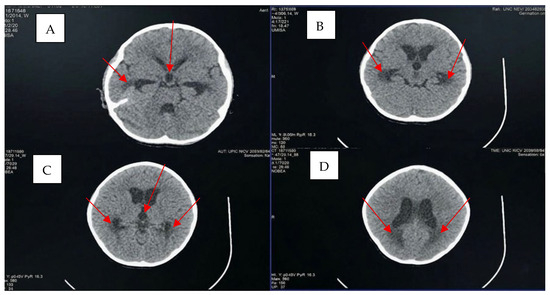
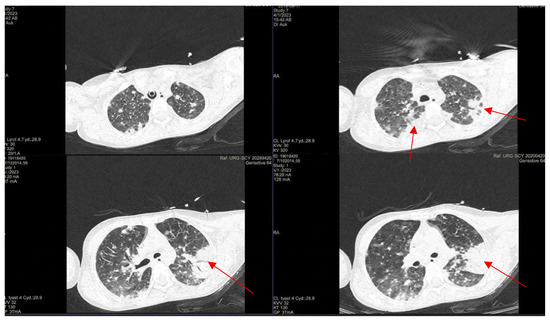
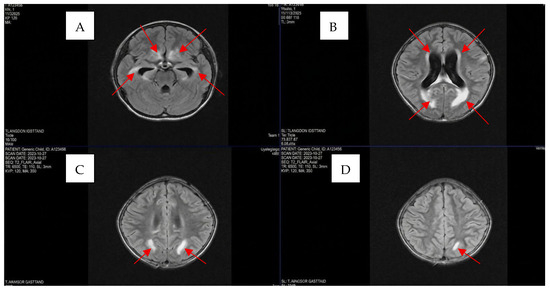
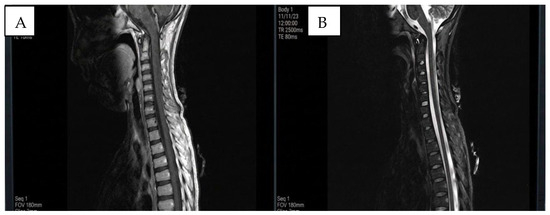
Influenza A (H5N1) is a highly pathogenic zoonotic virus with a human fatality rate of approximately 60%. Pediatric cases and associated neurological manifestations remain poorly documented in Latin America. This report describes the first confirmed Ecuadorian pediatric case of H5N1-associated encephalitis and multisystem organ failure in a previously healthy 9-year-old female following direct contact with infected poultry. The clinical course was characterized by an atypical initial presentation of bilateral periorbital edema and headache, progressing to acute encephalitis, cerebral ischemia, flaccid tetraplegia, central diabetes insipidus, and refractory septic shock. Diagnostic confirmation was achieved via nasopharyngeal RT-PCR, with additional RT-PCR and sequencing performed on cerebrospinal fluid, which identified conserved influenza A M1/M2 gene fragments, while laboratory markers—including marked elevations in IL-6, ferritin, and CRP—indicated a severe hyperinflammatory state. Management involved an intensive multidisciplinary approach utilizing oseltamivir, intravenous immunoglobulin, modulated-dose corticosteroids, desmopressin, and mechanical ventilation. Despite a severe clinical course, the patient achieved a favorable recovery, with a Glasgow Coma Scale score of 15/15 at discharge and only partial residual paresis and left hypoacusia as sequelae. This landmark case provides rare evidence of H5N1 neuroinvasion in a pediatric patient and demonstrates that timely detection combined with aggressive immunotherapy and antiviral treatment can improve survival. Furthermore, it underscores the critical necessity for strengthened regional molecular surveillance and clinical training to recognize atypical presentations of emerging zoonoses in Latin America, especially in cases involving contact with sick poultry.
Full article
(This article belongs to the Section Human Virology and Viral Diseases)
►▼
Show Figures

Figure 1
Open AccessReview
Cellular Responses to Flavivirus Infections: Stress Signaling at the Crossroads of Host Defense and Virus Infection
by
Pheonah Badu, Elianna T. Cruz González and Cara T. Pager
Viruses 2026, 18(7), 748; https://doi.org/10.3390/v18070748 - 7 Jul 2026
Abstract
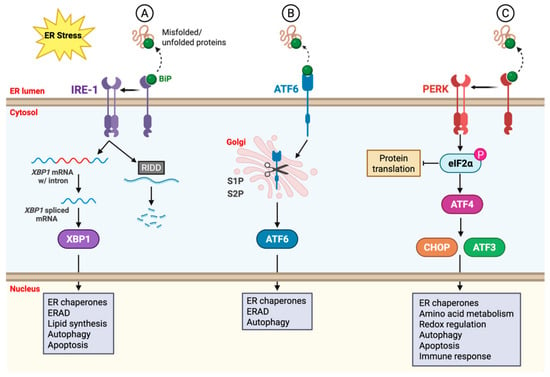
Flaviviruses, encompassing notable pathogens, like Dengue, Zika, West Nile, and tick-borne encephalitis viruses, elicit complex cellular stress responses, involving pathways such as the unfolded protein response (UPR), integrated stress response (ISR), apoptosis, autophagy, and the antiviral immune response. These pathways regulate cell fate
[...] Read more.
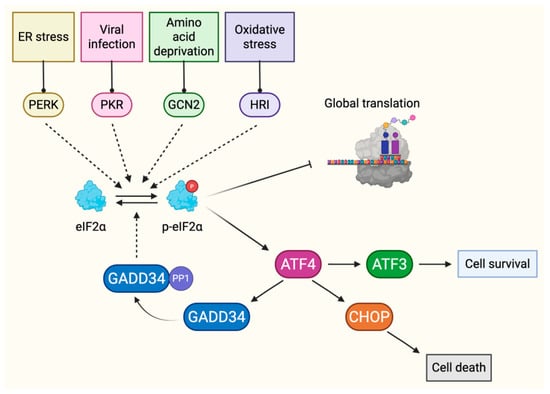
Flaviviruses, encompassing notable pathogens, like Dengue, Zika, West Nile, and tick-borne encephalitis viruses, elicit complex cellular stress responses, involving pathways such as the unfolded protein response (UPR), integrated stress response (ISR), apoptosis, autophagy, and the antiviral immune response. These pathways regulate cell fate by either promoting survival to counteract virus-induced damage or triggering cell death programs under prolonged and irreparable stress. Therefore, the primary aim of flavivirus-induced cellular responses is to protect cells and hinder viral propagation. Despite cellular defenses, flaviviruses have evolved various subversion strategies, mainly involving viral proteins, which enable successful infections even when cellular responses are activated. While these cellular pathways were previously perceived as separate entities, recent studies suggest interplay and dynamic shifts among these stress response pathways, underscoring the need for further investigation in this area. In this review, we explore the key pathways activated during flavivirus infections, examine mechanisms of viral subversion, and delve into the synergy of these pathways, thereby elucidating the impact on the progression of infection. A deeper understanding of these interactions will guide future efforts to define how cellular stress responses shape flavivirus infection and leverage this knowledge toward the development of targeted antiviral strategies.
Full article
(This article belongs to the Special Issue Viral Strategies and Cellular Countermeasures That Regulate mRNA Access to the Translation Apparatus: 2nd Edition)
►▼
Show Figures

Figure 1

Open AccessArticle
Identification of Murine Rotavirus Virulence Determinants Using Bidirectional Selective Passaging and a Reverse Genetics System
by
Saori Fukuda, Masanori Kugita, Yuki Akari, Johannes M. Dijkstra, Yoshiki Kawamura, Shizuko Nagao, Tetsushi Yoshikawa, Takayuki Murata and Satoshi Komoto
Viruses 2026, 18(7), 747; https://doi.org/10.3390/v18070747 - 6 Jul 2026
Abstract
Live-attenuated rotavirus (RV) vaccines are the most effective interventions for preventing RV gastroenteritis (RVGE) in young children. However, the molecular basis of attenuation remains not well understood. Here, we describe a compact but comprehensive strategy to identify RV virulence determinants by combining low-passage
[...] Read more.
Live-attenuated rotavirus (RV) vaccines are the most effective interventions for preventing RV gastroenteritis (RVGE) in young children. However, the molecular basis of attenuation remains not well understood. Here, we describe a compact but comprehensive strategy to identify RV virulence determinants by combining low-passage bidirectional selection, sequence analysis, and segment-level phenotype testing via a reverse genetics infectious system. Using the virulent murine RV strain EW, virulence was quantified by diarrhea severity/duration and body-weight gain. Serial passaging in cell culture selected an attenuated population, which regained virulence after passaging in suckling mice. Sequence comparison of the virulent and attenuated EW populations revealed only seven amino acid differences. We summarized literature describing attenuation/virulence-associated mutations in various RV group A (RVA) strains and found previous findings identical or similar to four of the seven mutations: NSP4-T45M, VP4-S470L, VP4-T612A, and VP7-T75P. Virulent- and attenuated-type EW variants of VP2, VP4, VP7, and NSP4 were introduced individually, or as NSP4/VP7 or VP4/VP7 pairs, into a simian SA11-L2 backbone using an 11-plasmid reverse genetics system. Phenotyping of rescued viruses consistently linked cell-culture–adapted VP4 to enhanced replication in vitro and reduced virulence in suckling mice. In vivo passaging strongly favored VP4 residue S470 over cell-culture-selected L470. More generally, our findings (i) underscore VP4 and VP7 as key determinants of EW virulence, (ii) provide a practical framework for identifying driver mutations underlying RVA attenuation, and (iii) highlight attenuation-associated substitutions shared across diverse RVAs.
Full article
(This article belongs to the Section General Virology)
Open AccessArticle
Infectious Bursal Disease Virus Genotypic Diversity from Poultry in Latin America
by
Nilo Ikuta, Diéssy Kipper, André Salvador Kazantzi Fonseca and Vagner Ricardo Lunge
Viruses 2026, 18(7), 746; https://doi.org/10.3390/v18070746 - 6 Jul 2026
Abstract
Infectious bursal disease virus (IBDV) is a pathogen that causes Gumboro disease in young chickens. Vaccine strains and field IBDV genotypes are disseminated in chickens from commercial poultry farms worldwide. This study aimed to detect the field IBDV genotypic diversity in poultry farms
[...] Read more.
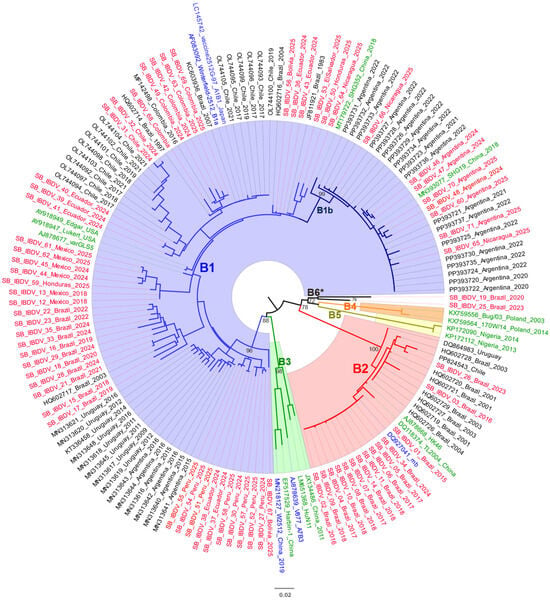
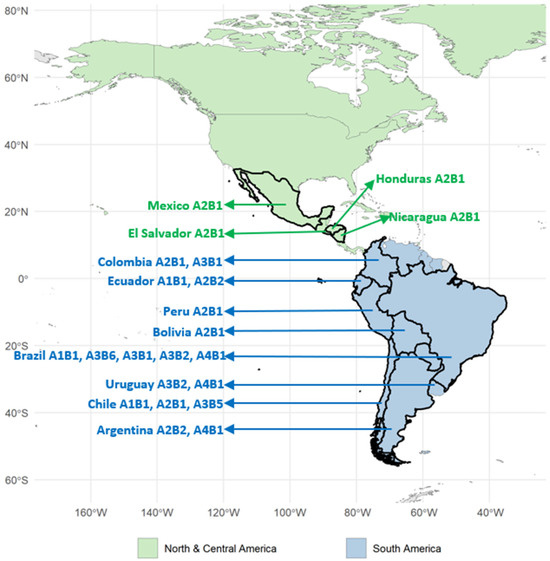
Infectious bursal disease virus (IBDV) is a pathogen that causes Gumboro disease in young chickens. Vaccine strains and field IBDV genotypes are disseminated in chickens from commercial poultry farms worldwide. This study aimed to detect the field IBDV genotypic diversity in poultry farms in Latin America, mainly in Brazil. Bursal samples from 69 broiler flocks in eleven Latin American countries were obtained between 2015 and 2025. All 69 samples tested were positive for IBDV; the VP2 (segment A) and VP1 (segment B) genes were sequenced. Phylogenetic and amino acid substitution analyses were performed with large genetic datasets, including previously identified IBDV genotypes worldwide. The results revealed four A (A1, A2, A3, and A4) and three B (B1, B2, and the candidate B6) genogroups in Latin America. Furthermore, genotypes A1B1 (1.4%), A2B1 (59.4%), A3B2 (20.3%), A3B6 (2.9%), and A4B1 (15.9%) were identified. A2B1 could be subdivided into A2aB1a (24.4%), A2bB1a (29.3%), A2dB1b (19.5%), and A2eB1a (26.8%). In Brazil, the field genotypes A3B2, A4B1, and A3B6 were demonstrated. These findings highlight an important IBDV genotypic diversity in Latin American countries and reinforce the need for continuous molecular surveillance to support control and vaccination programs.
Full article
(This article belongs to the Special Issue Evolution and Adaptation of Avian Viruses)
►▼
Show Figures

Figure 1

Open AccessReview
Mechanisms Underlying the Induction of Immunological Imprinting by RNA Viruses and Intervention Strategies
by
Siyu Lin, Guangxu Zhang, Qian Wang, Kun Niu and Qi Liu
Viruses 2026, 18(7), 745; https://doi.org/10.3390/v18070745 - 6 Jul 2026
Abstract
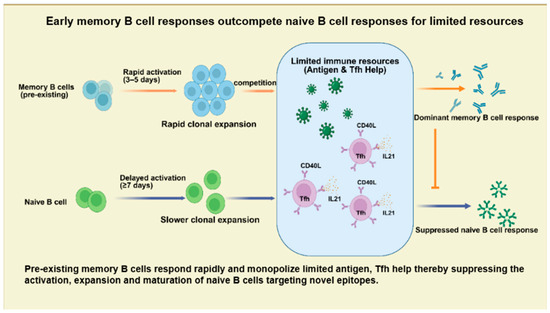
The inherent genomic plasticity of RNA viruses, particularly influenza viruses and SARS-CoV-2, poses a major obstacle to the establishment of durable herd immunity. This challenge is further compounded by immune imprinting, whereby prior antigenic exposures bias subsequent responses toward previously encountered epitopes at
[...] Read more.
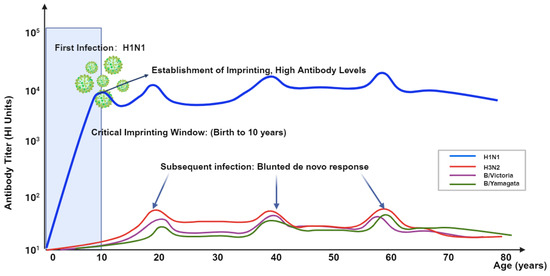
The inherent genomic plasticity of RNA viruses, particularly influenza viruses and SARS-CoV-2, poses a major obstacle to the establishment of durable herd immunity. This challenge is further compounded by immune imprinting, whereby prior antigenic exposures bias subsequent responses toward previously encountered epitopes at the expense of effective recognition of antigenically drifted variants. In this review, we delineate the mechanistic basis of immune imprinting, with emphasis on the competitive dominance of cross-reactive memory B cells (MBCs). We discuss how the rapid “back-boosting” of these pre-existing clones can limit de novo priming of naïve B cells—through epitope masking and competition for antigen and T follicular helper cell support—thereby diverting germinal center selection and affinity maturation away from variant-specific de novo epitopes and promoting viral immune escape. To address this challenge, this article further reviews the characteristics of immune imprinting responses in influenza viruses, coronaviruses, and dengue virus, as well as corresponding countermeasures, providing a theoretical basis and new avenues for intervention to address immune imprinting induced by rapidly mutating RNA viruses.
Full article
(This article belongs to the Section Viral Immunology, Vaccines, and Antivirals)
►▼
Show Figures

Figure 1

Open AccessArticle
Evolutionary Analysis Reveals a Single Amino Acid in the AAV Entry Receptor (AAVR) of Cats That Disrupts Binding of a Major Phylogenetic Group of AAVs
by
Edward E. Large, Isaac Mensah, Godfred Kumi and Michael S. Chapman
Viruses 2026, 18(7), 744; https://doi.org/10.3390/v18070744 - 4 Jul 2026
Abstract
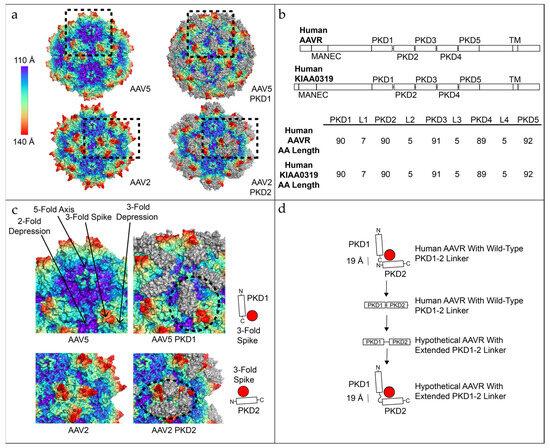
Adeno-associated virus (AAV) is a small ssDNA satellite virus that receives wide attention due to its popularity as a safe and effective gene therapy vector. The AAV cell entry receptor (AAVR) for most serotypes is a glycoprotein containing five polycystic kidney disease (PKD)
[...] Read more.
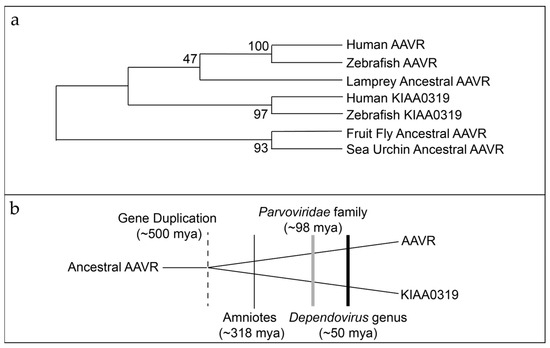
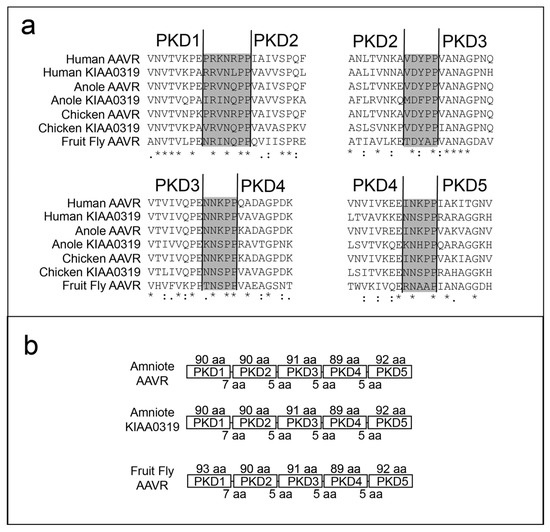
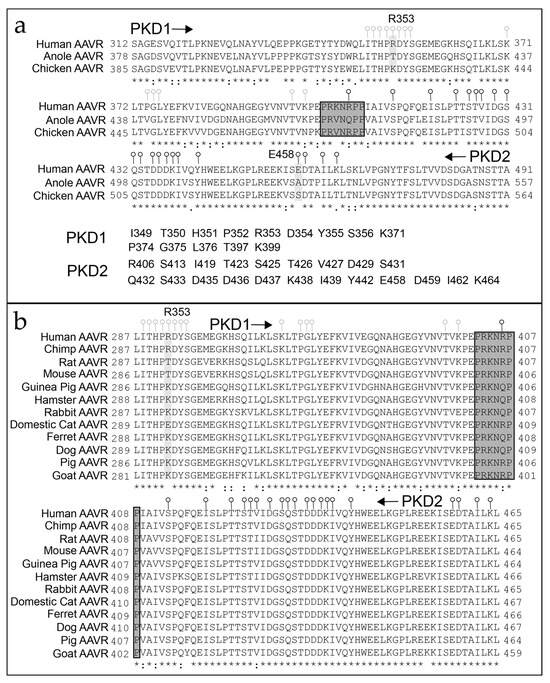
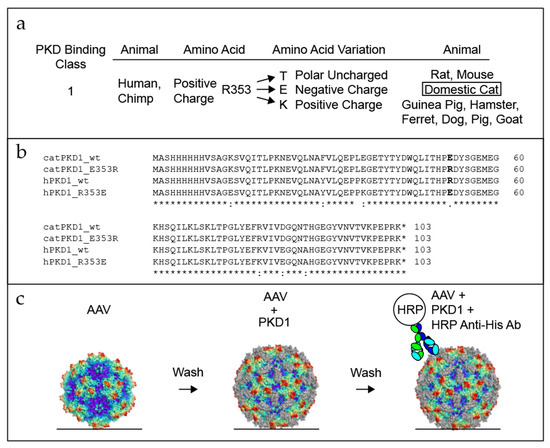
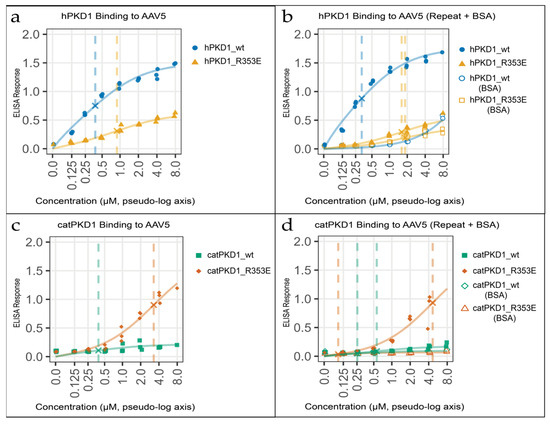
Adeno-associated virus (AAV) is a small ssDNA satellite virus that receives wide attention due to its popularity as a safe and effective gene therapy vector. The AAV cell entry receptor (AAVR) for most serotypes is a glycoprotein containing five polycystic kidney disease (PKD) domains with which AAV interacts. AAV serotypes can be classified into three groups: those that interact primarily with PKD1, those whose interactions with PKD2 are stronger, and AAV4-like serotypes whose transduction is AAVR-independent. A phylogenetic analysis of AAVR and paralog KIAA0319 revealed AAVR amino acid variability in the region of PKD1 that is bound by AAV. We hypothesized that the substitution, in all cat-like animals, of a glutamate at a site that is an arginine (R353) in human AAVR may interfere with the binding of clade H AAVs that interact exclusively with PKD1. Analysis of PKD1 mutations, including ELISA, shows that an R353E substitution of glutamate for arginine affects the binding of the clade H AAVs that interact primarily with PKD1.
Full article
(This article belongs to the Special Issue Advances in Parvovirus Research 2024)
►▼
Show Figures

Figure 1
Open AccessReview
Detectability of Pathogenic RNA Virus Families in Different Body Sites: A Scoping Review
by
Christian Schaadt Ilsby, Thomas Leineweber Kristensen, Kristian Bagge, Jens Bukh, Jan Gorm Lisby and Uffe Vest Schneider
Viruses 2026, 18(7), 743; https://doi.org/10.3390/v18070743 - 4 Jul 2026
Abstract
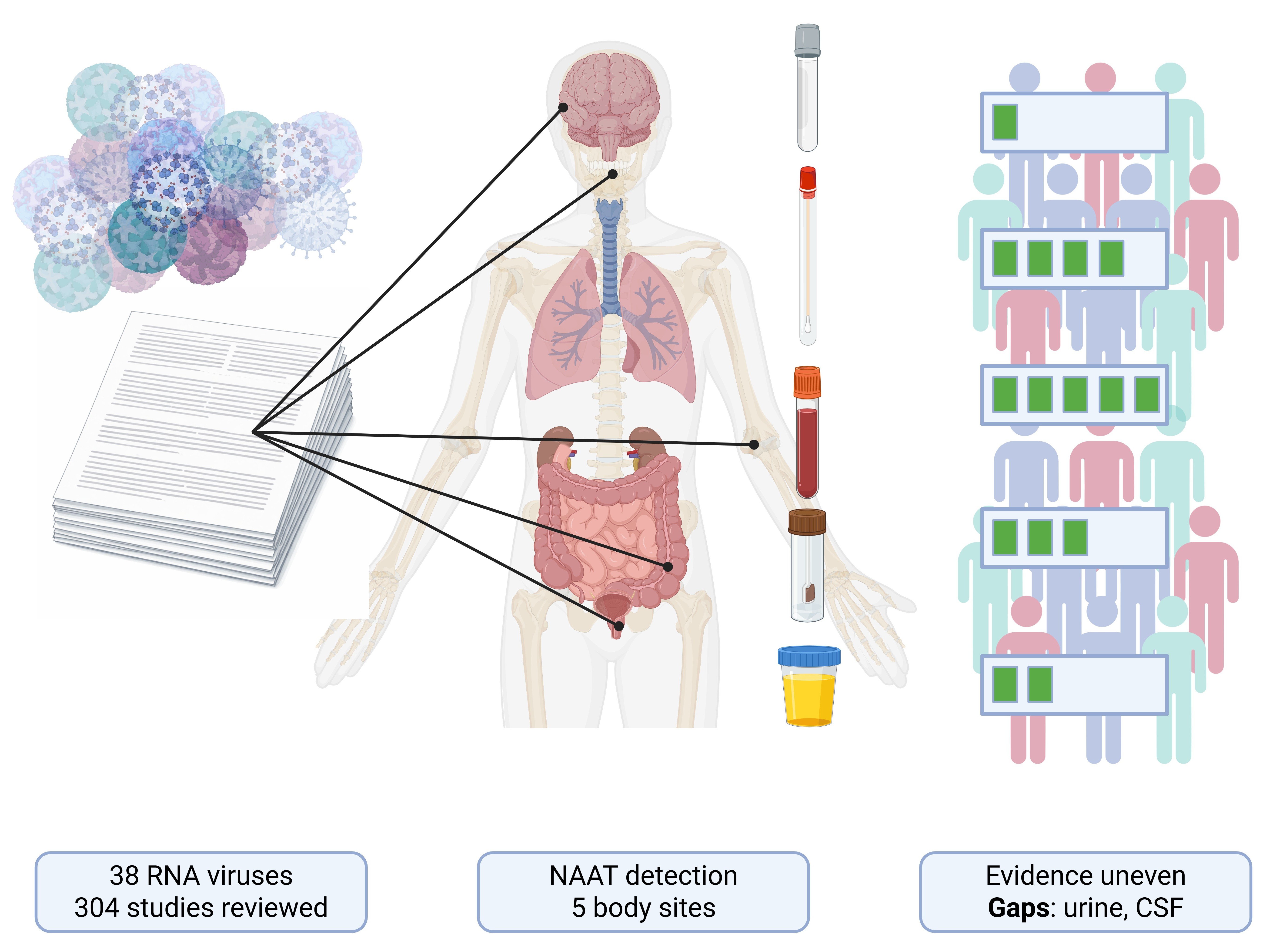
Nucleic acid amplification tests (NAATs) are central to modern virology diagnostics. However, evidence supporting alternative specimen types remains uneven across viral families, especially for emerging viruses. This limits diagnostic flexibility in outbreak and clinically complex settings. We conducted a scoping review of NAAT
[...] Read more.
Nucleic acid amplification tests (NAATs) are central to modern virology diagnostics. However, evidence supporting alternative specimen types remains uneven across viral families, especially for emerging viruses. This limits diagnostic flexibility in outbreak and clinically complex settings. We conducted a scoping review of NAAT detectability across key body sites for human RNA viruses. PubMed and Embase were systematically searched for studies reporting NAAT results from urine, blood, fecal, cerebrospinal fluid, or respiratory specimens. Data were independently screened and synthesized to summarize specimen-specific detectability for each virus. From 8676 screened records, 321 studies were included, covering 39 viruses across 25 RNA virus families. Detectability across specimen types varied substantially between viruses. Consistent detection across multiple specimens was observed for few viruses, including SARS-CoV-2, Zika virus, and HIV, whereas many emerging viruses were evaluated in a single body compartment with limited comparative data. NAAT performance across specimen types is highly virus-specific and unevenly studied, with reliance on blood or respiratory specimens, potentially overlooking viable, less invasive alternatives. Evidence gaps are particularly pronounced for urine and cerebrospinal fluid, and heterogeneous reporting limits cross-study comparability. Standardized, cross-specimen and longitudinal studies are needed to improve diagnostic strategies, outbreak preparedness, and future assay development.
Full article
(This article belongs to the Section Human Virology and Viral Diseases)
►▼
Show Figures

Graphical abstract
Open AccessArticle
Gender-Specific Determinants of Frailty in Aging People with HIV: Evidence for a Multidimensional Vulnerability Phenotype in Women
by
Patricia Echeverría, Jordi Puig, Ana Martínez, Itziar Arrieta, Isabel Arnau, Lucía Bailón, Carla Estany, Begoña Lemos, Anna Bonjoch, Robert Güerri and Eugenia Negredo
Viruses 2026, 18(7), 742; https://doi.org/10.3390/v18070742 - 4 Jul 2026
Abstract
Background: Gender differences in aging among people with HIV (PWH) remain poorly characterized. Women with HIV (WWH) may experience more complex aging trajectories, due to the interplay of biological, clinical, and psychosocial factors. In this context, we aimed to investigate gender-specific determinants of
[...] Read more.
Background: Gender differences in aging among people with HIV (PWH) remain poorly characterized. Women with HIV (WWH) may experience more complex aging trajectories, due to the interplay of biological, clinical, and psychosocial factors. In this context, we aimed to investigate gender-specific determinants of frailty among older people with HIV, with a particular focus on women, to better inform tailored clinical care. Methods: Cross-sectional analysis of the Over50 Cohort, including PWH aged ≥50 years from two tertiary hospitals in Spain. Participants underwent a comprehensive geriatric assessment across demographic, clinical, functional, cognitive, psychological, and social domains. Gender-stratified multivariable analyses examined frailty (by Fried criteria) and associated factors. Results: Among 588 participants, 139 (23.6%) were cisgender WWH. Despite younger age and better immune status, WWH showed higher prevalence of frailty (17% vs. 9%), musculoskeletal disease (47% vs. 28%), depressive symptoms (45% vs. 30%), sleep disturbances (10% vs. 5%), and cognitive complaints (23% vs. 11%). Men with HIV (MWH) more frequently had cardiovascular (48% vs. 35%) and renal disease (22% vs. 15%). In multivariable models, frailty in WWH was independently associated with musculoskeletal disease (OR 3.85), cognitive impairment (OR 3.21), depressive symptoms (OR 2.67), and malnutrition (OR 2.14). In MWH, frailty was associated with musculoskeletal disease, cognitive impairment, malnutrition, and older age. Conclusions: Frailty exhibits gender-specific patterns: a multidimensional phenotype in WWH versus age-driven in MWH, supporting tailored, gender-responsive care integrating geriatric, mental, and musculoskeletal health.
Full article
(This article belongs to the Special Issue HIV and Aging)
Open AccessArticle
Acute-Phase Dengue Antibody Profiles in Pediatric Patients: Influence on Viremia and Disease Manifestations
by
Florencia A. Bonnin, Agostina Bruno, María Manuela Bono, Carolina A. Lucero, Ludmila Niño, Mariela Del Giudice, Diego E. Álvarez, Eduardo L. López, Cybele C. García, Marcelo O. Quipildor and Laura B. Talarico
Viruses 2026, 18(7), 741; https://doi.org/10.3390/v18070741 - 3 Jul 2026
Abstract
Secondary dengue infections are often linked to more severe clinical outcomes, yet pre-existing antibodies may exert either protective or pathogenic effects. To evaluate the role of acute-phase dengue antibodies in pediatric dengue, we analyzed clinical and laboratory features, viremia, and antibody profiles in
[...] Read more.
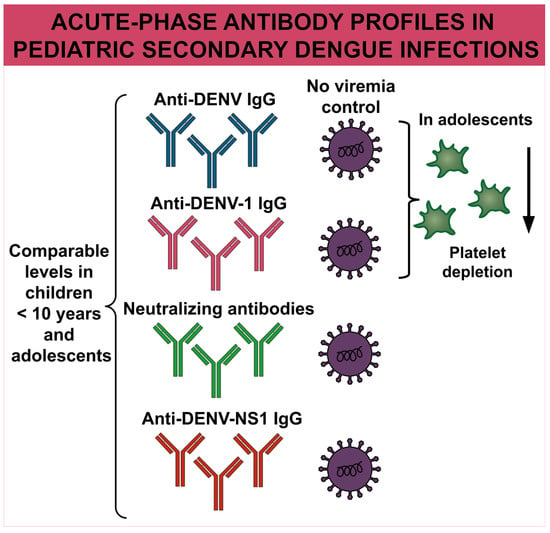
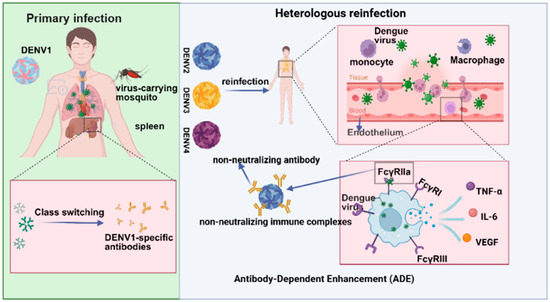
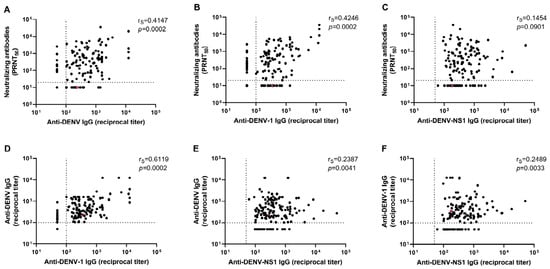
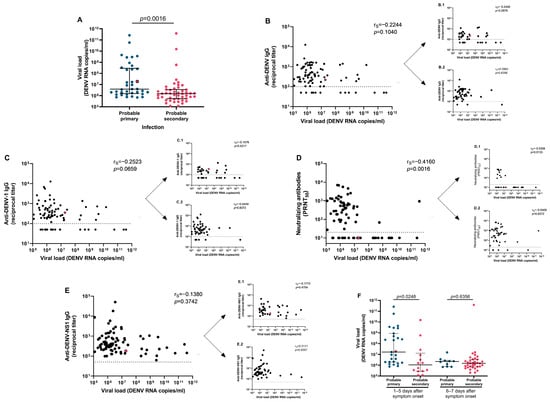
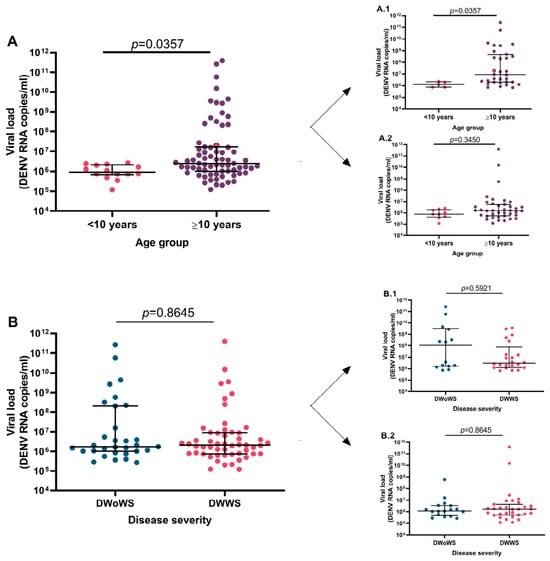
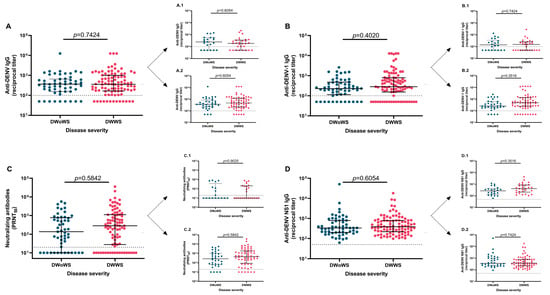
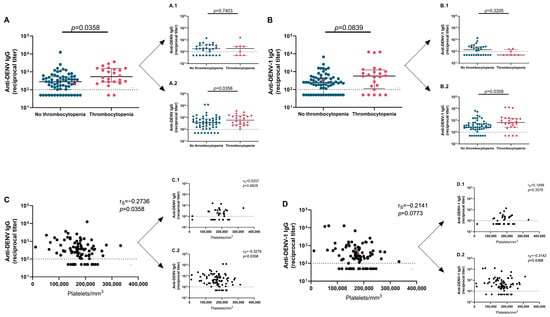
Secondary dengue infections are often linked to more severe clinical outcomes, yet pre-existing antibodies may exert either protective or pathogenic effects. To evaluate the role of acute-phase dengue antibodies in pediatric dengue, we analyzed clinical and laboratory features, viremia, and antibody profiles in children infected with DENV-1. We conducted a retrospective study of patients under 18 years diagnosed with DENV-1 in Salta, Argentina. Viremia was quantified by real-time RT-PCR; acute-phase IgG antibodies (within 7 days from symptom onset) against DENV, DENV-1, and DENV-NS1 were measured by immunoassays, and neutralizing antibodies by plaque reduction neutralization tests. Among 151 patients (median age 12 years), 62% presented dengue with warning signs and one case progressed to severe dengue. Viremia was higher in probable primary infections than in probable secondary infections and did not correlate with disease severity. Probable secondary infections were characterized by acute-phase antibody profiles that did not associate with DENV viremia. Age-stratified analyses revealed that adolescents exhibited higher viremia levels than younger children in probable primary infections, while viremia levels were comparable across age groups in probable secondary infections. Furthermore, children younger than 10 years displayed acute-phase antibody levels similar to those of adolescents. In adolescents with probable secondary infections, anti-DENV and anti-DENV-1 IgG were inversely correlated with platelet counts, whereas neutralizing and anti-DENV-NS1 antibodies showed no association. Collectively, these findings indicate that probable secondary DENV infections in our pediatric cohort were characterized by acute-phase antibodies that were not associated with viremia control, and that in adolescents, anti-DENV and anti-DENV-1 IgG antibodies likely associated with platelet depletion. These results highlight important implications for vaccine design, underscoring the need for vaccines that elicit strong neutralizing responses while minimizing cross-reactivity and the risk of antibody dependent enhancement.
Full article
(This article belongs to the Special Issue Advances in Understanding Viral Pathogenesis and Host Immune Responses to Arboviruses and Respiratory Viruses)
►▼
Show Figures

Graphical abstract
Open AccessReview
Retrovirus-Induced Immunosuppression: Role of the Transmembrane Envelope Protein
by
Joachim Denner
Viruses 2026, 18(7), 740; https://doi.org/10.3390/v18070740 - 3 Jul 2026
Abstract
Retroviruses induce immunosuppression in their infected hosts. This phenomenon is well described for the immunodeficiency viruses, with human immunodeficiency virus type 1 (HIV-1) representing the best-studied example, but it also occurs in other retroviral infections. Immunosuppressive properties were first characterized in murine leukemia
[...] Read more.
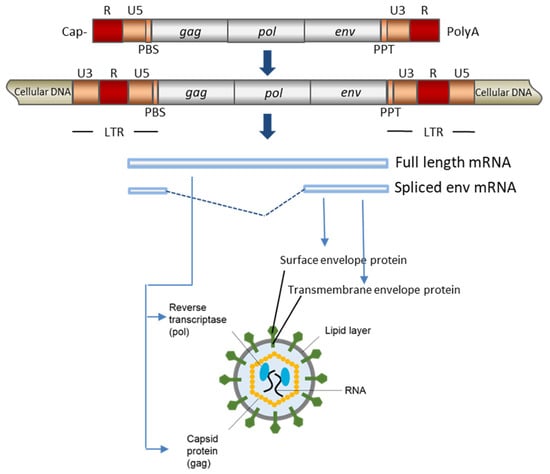
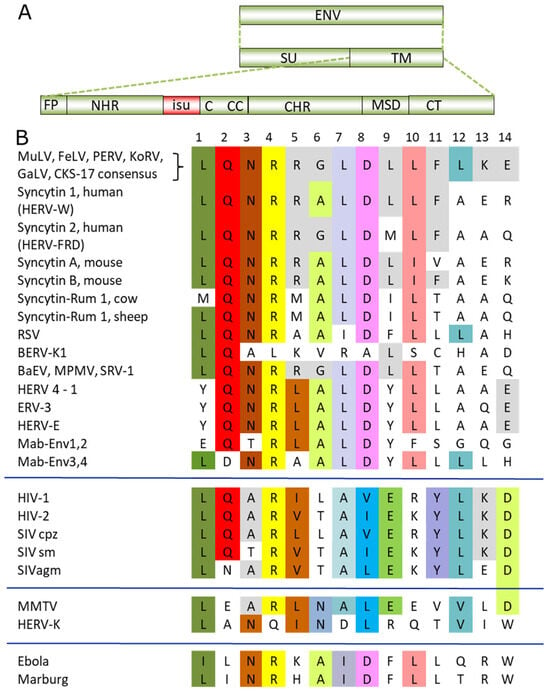
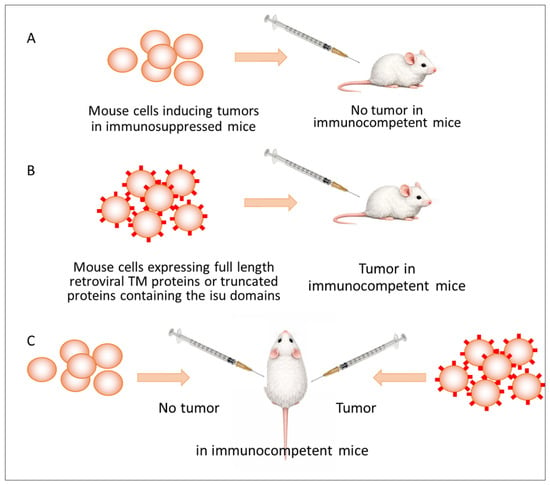
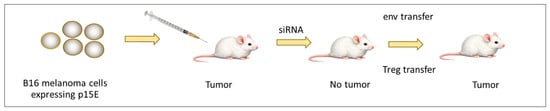
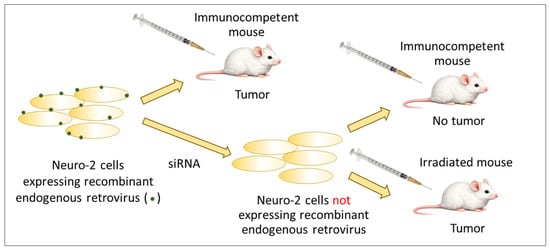
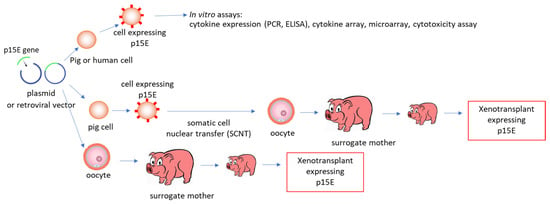
Retroviruses induce immunosuppression in their infected hosts. This phenomenon is well described for the immunodeficiency viruses, with human immunodeficiency virus type 1 (HIV-1) representing the best-studied example, but it also occurs in other retroviral infections. Immunosuppressive properties were first characterized in murine leukemia viruses (MuLV). Additional well-studied examples include feline leukemia virus (FeLV) and koala retrovirus (KoRV). Investigations into the mechanisms underlying retrovirus-induced immunosuppression revealed that not only inactivated viral particles but also their purified transmembrane (TM) envelope proteins exhibit immunosuppressive activity. However, in certain retroviral infections, additional viral proteins contribute to the immunosuppression in vivo. Within the TM envelope proteins, a highly conserved region—designated the immunosuppressive (isu) domain—was identified. Synthetic peptides corresponding to this domain suppress a wide range of in vitro immune responses, possibly by regulating Ras-Raf-MEK-MAPK and PI3K-AKT-mTOR pathways. They modulate cytokine release and alter gene expression in immune cells, mirroring the activity of the corresponding TM envelope protein. Mutations in the sequence abrogate the effect. Numerous TM envelope proteins have demonstrated immunosuppressive activity in vivo in a tumor rejection model, and mutations within the isu domain also abrogate this function. These studies have important implications for reproduction, particularly through the immunosuppressive syncytins in the placenta, for tumor development, where similar mechanisms may protect cancer cells from the host immune system, and for vaccine development and xenotransplantation. Notably, immunization with TM envelope proteins carrying mutations in the isu domain elicits stronger immune responses compared with the wild-type proteins. Finally, the potential of retroviral TM envelope proteins to protect xenotransplants from immune rejection will be discussed.
Full article
(This article belongs to the Special Issue Viruses 2026—New Horizons in Virology)
►▼
Show Figures

Figure 1
Open AccessReview
Monkeypox Virus (MPXV) Transmission Dynamics in Neighboring Countries as a Potential Threat to Kazakhstan
by
Lespek Kutumbetov, Balzhan Myrzakhmetova, Olga Chervyakova, Kuandyk Zhugunissov, Askhat Myngbay, Alma Temirzhanova, Arman Issimov, Gulnur Admanova, Maral Bakytzhanova, Samal Almat, Gulya Issengaliyeva and Ayauzhan Shakhmanova
Viruses 2026, 18(7), 739; https://doi.org/10.3390/v18070739 - 3 Jul 2026
Abstract
The global outbreak of monkeypox virus (MPXV) demonstrated qualitatively new epidemiological characteristics of the infection, significantly different from previous outbreaks, mainly limited to the regions of Central and West Africa. The scale and speed of the spread of the virus necessitated a revision
[...] Read more.
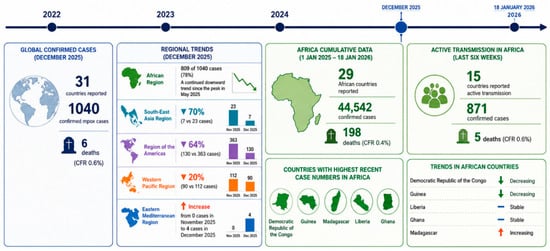
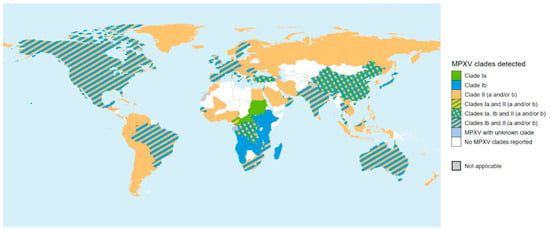
The global outbreak of monkeypox virus (MPXV) demonstrated qualitatively new epidemiological characteristics of the infection, significantly different from previous outbreaks, mainly limited to the regions of Central and West Africa. The scale and speed of the spread of the virus necessitated a revision of existing ideas about the transmission routes of MPXV and its epidemiological potential. Human-to-human transmission of MPXV has traditionally been considered to be limited and self-extinguishing. However, the data obtained during the 2022 outbreak indicate the formation of stable transmission chains and an increase in the effectiveness of anthroponotic spread. This work is devoted to an analysis of the dynamics of transmission of MPXV with an emphasis on its potential to spread to Kazakhstan from neighboring countries and an evaluation of preparedness, eventually aiming to raise awareness in the scientific community of Central Asia.
Full article
(This article belongs to the Special Issue Advances in Research on Emerging and Zoonotic Diseases)
►▼
Show Figures

Figure 1
Open AccessArticle
Genomic Surveillance Uncovers the Silent Spread of Avian Influenza Virus (H5N1 2.3.4.4b) Among Wild Birds and Mammals Along Brazil’s Southern Coast
by
Yasmin Luisa Neves Lemes Garcia, Fábio Henrique de Lima, Dayla Bott Geraldini, Ana Júlia Chaves Gomes, Isabella do Vale Francisco Bortolato, Eliana Leonor Hurtado Celis, Guilherme Guerra Neto, Natasha Fujii Ando, Camila Sanches Rodrigues, Richard Alegria Cesario, Cecília Artico Banho, Helena Lage Ferreira, João Pessoa Araújo Junior, Maurício Lacerda Nogueira, Fernando Rosado Spilki, Edison Luiz Durigon, Danielle Bruna Leal Oliveira, Camila Domit, Vivaldo Gomes da Costa, Marília Freitas Calmon and Paula Rahaladd
Show full author list
remove
Hide full author list
Viruses 2026, 18(7), 738; https://doi.org/10.3390/v18070738 - 3 Jul 2026
Abstract
Avian influenza viruses (AIVs) are widely distributed and have a wide range of hosts. Recently, the number of cases of infection associated with the circulation of highly pathogenic avian influenza H5N1 2.3.4.4b has raised concerns about its high transmission capacity in birds and
[...] Read more.
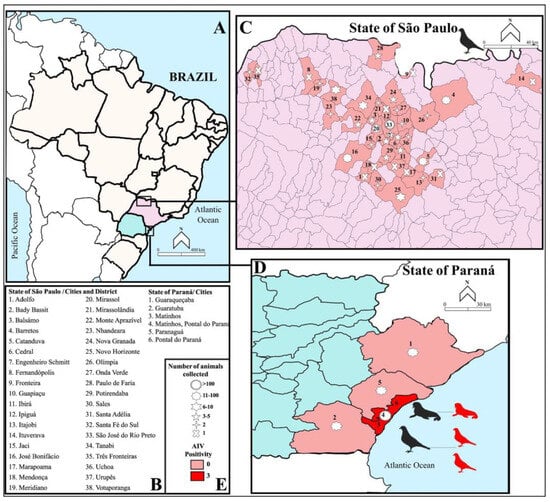
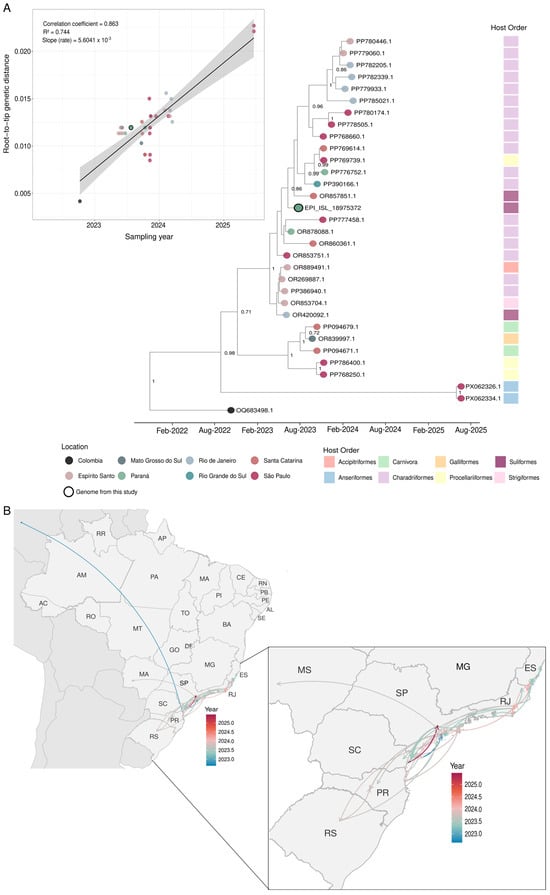
Avian influenza viruses (AIVs) are widely distributed and have a wide range of hosts. Recently, the number of cases of infection associated with the circulation of highly pathogenic avian influenza H5N1 2.3.4.4b has raised concerns about its high transmission capacity in birds and mammals. This study analyzed swabs from bird and mammal species from the coast of Paraná and the northwest region of São Paulo, Brazil, for the presence of AIV in animals that did not present clinical or histopathological lesions of infection that indicated the need for molecular characterization during monitoring. Of the 661 animals analyzed, three tested positive, two of which were birds (Sula leucogaster and Thalasseus acuflavidus) while one was a mammal (Otaria flavescens) (0.45%, CI 95%: 0.16–1.33). A complete genome sequence of H5N1 AIV was obtained from a brown booby (Sula leucogaster) from the Paraná coast (GISAID accession number: EPI_ISL_1897537). Our study reinforces the importance of continuous genomic surveillance, especially in AIV hosts that do not show signs of infection, to enhance the One-Health assessment approach.
Full article
(This article belongs to the Special Issue Influenza Viruses in Wildlife 2026)
►▼
Show Figures

Figure 1

Open AccessArticle
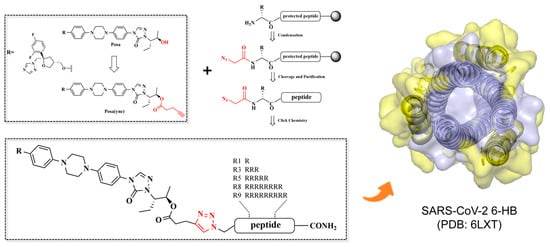
Discovery of Novel SARS-CoV-2 Fusion Inhibitors—Posaconazole-Polyarginine Conjugates
by
Yihui Jin, Lili Qu, Xin Gao, Xiao Qi, Dongmin Zhao, Lu Ga, Yan Zhao, Guodong Liang, Yunfeng Xiao and Yuheng Ma
Viruses 2026, 18(7), 737; https://doi.org/10.3390/v18070737 - 2 Jul 2026
Abstract
Objectives: The ongoing evolution of severe acute respiratory syndrome coronavirus 2 (SARS-CoV-2) and the current treatment limitations—particularly the emergence of drug resistance and the reduced efficacy of some existing drugs against new variants—highlight the need for novel antiviral strategies with novel action mechanisms.
[...] Read more.
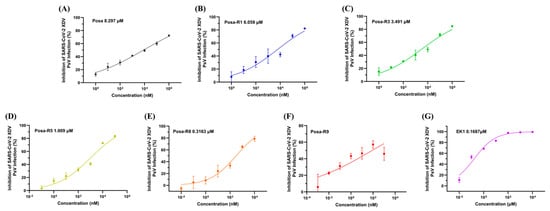
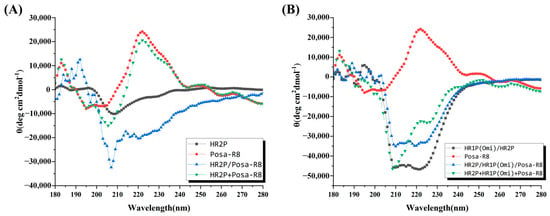
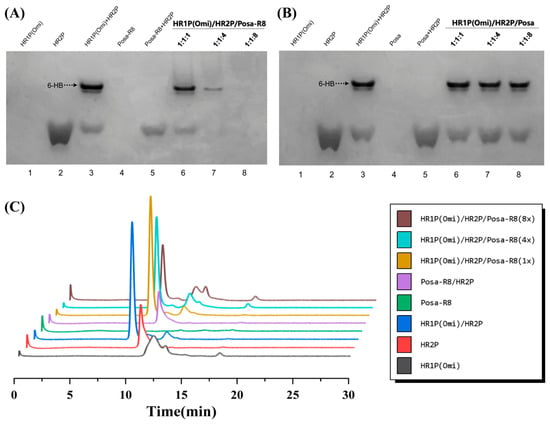
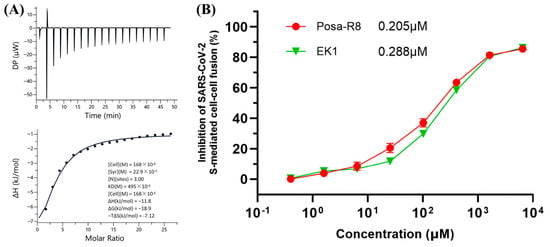
Objectives: The ongoing evolution of severe acute respiratory syndrome coronavirus 2 (SARS-CoV-2) and the current treatment limitations—particularly the emergence of drug resistance and the reduced efficacy of some existing drugs against new variants—highlight the need for novel antiviral strategies with novel action mechanisms. Fusion inhibitors that disrupt six-helix bundle (6-HB) formation during viral entry represent a promising approach. Posaconazole, an antifungal agent, has been identified as a weak fusion inhibitor, but suffers from poor membrane permeability and modest activity. This study aimed to enhance its antiviral potency by conjugating it with cell-penetrating polyarginine peptides and to investigate the mechanism of action. Methods: A series of posaconazole-polyarginine conjugates were synthesized via click chemistry. Antiviral activity was evaluated using pseudotyped SARS-CoV-2 Omicron XDV in HEK293T cells. Mechanisms were investigated by circular dichroism, native PAGE, size-exclusion HPLC, molecular docking, and isothermal titration calorimetry. Metabolic stability was assessed using hepatic microsomes. Results: Posa-R8 exhibited potent antiviral activity comparable to the clinical candidate EK1, with minimal cytotoxicity. Mechanistic studies confirmed that Posa-R8 binds the HR2 region of the spike protein, disrupts 6-HB formation, and inhibits membrane fusion. It also showed strong lipid bilayer affinity and improved phase I metabolic stability over EK1. Conclusions: Polyarginine conjugation enhances the membrane-binding affinity and antiviral efficacy of posaconazole. Posa-R8 represents a promising lead for developing next-generation SARS-CoV-2 fusion inhibitors.
Full article
(This article belongs to the Special Issue Advances in Respiratory Viruses Research: From Basic Studies to Public Health)
►▼
Show Figures

Graphical abstract
Open AccessSystematic Review
Beyond the Meat of the Matter: A Systematic Review and Meta-Analysis of the Hepatitis E Seroprevalence and Food-Borne Transmission Potential in the Balkans
by
Katerina Sakaliyska, Valeria Tonova, Hristo Manev, Tsvetoslav Koynarski, Georgi L. Lukov, Anton Andonov and Gergana Zahmanova
Viruses 2026, 18(7), 736; https://doi.org/10.3390/v18070736 - 2 Jul 2026
Abstract
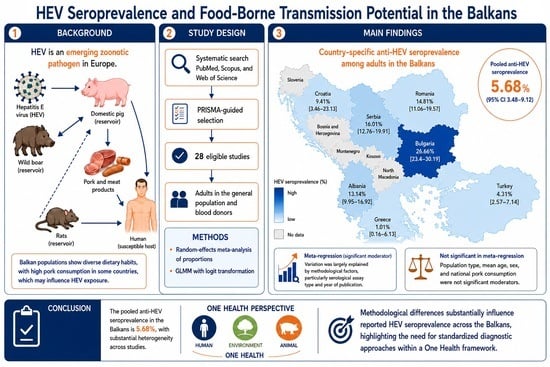
Hepatitis E virus (HEV) is an emerging zoonotic pathogen in Europe, mainly transmitted via consumption of naturally contaminated food or contact with infected animals. People living in the Balkans have diverse dietary habits, with high pork consumption in some countries, making this region
[...] Read more.
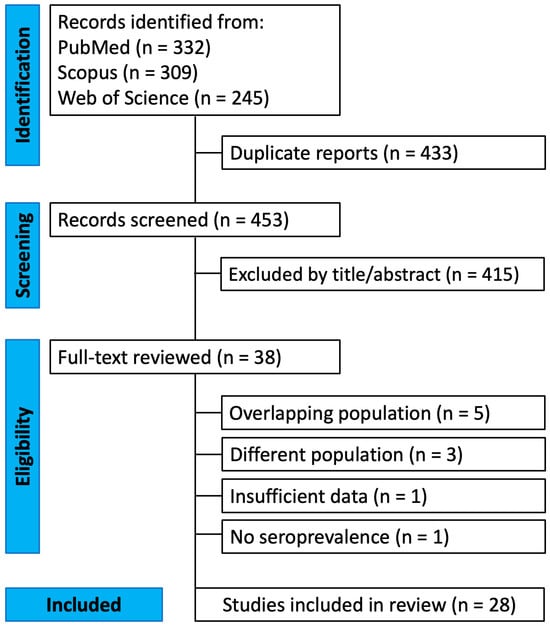
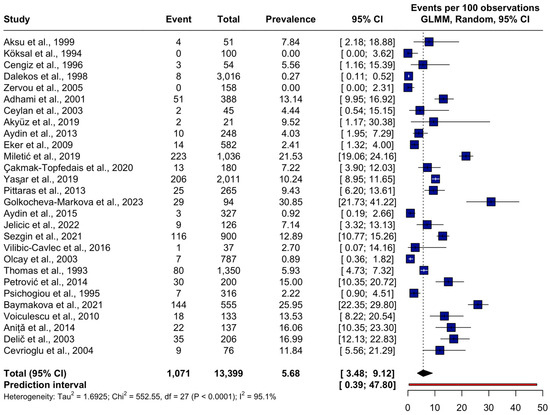
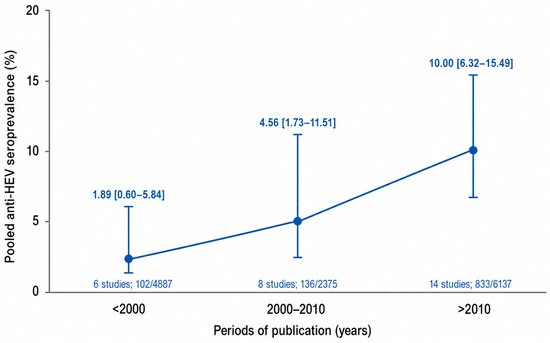
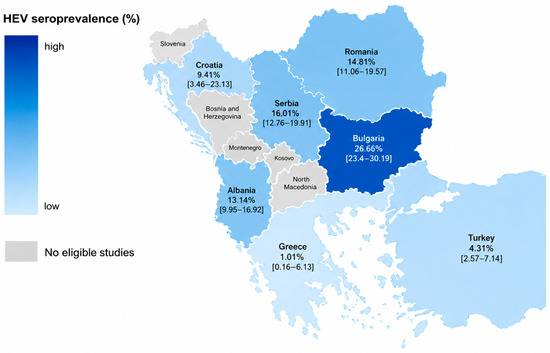
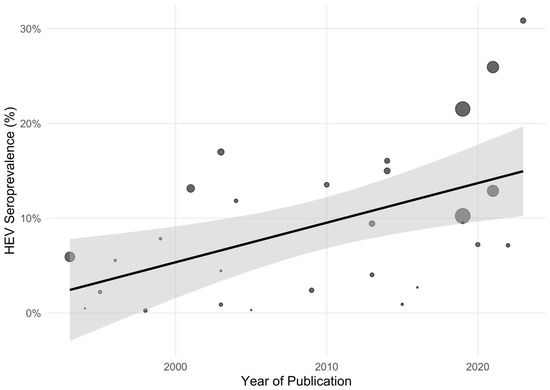
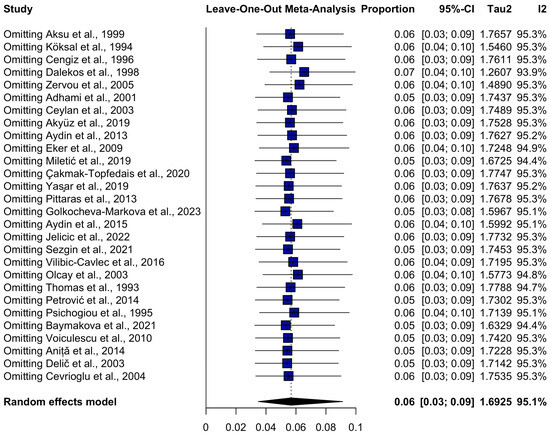
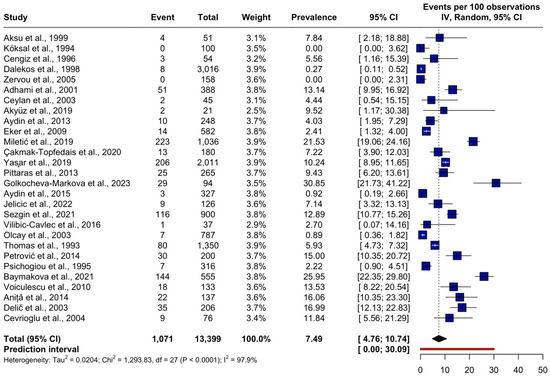
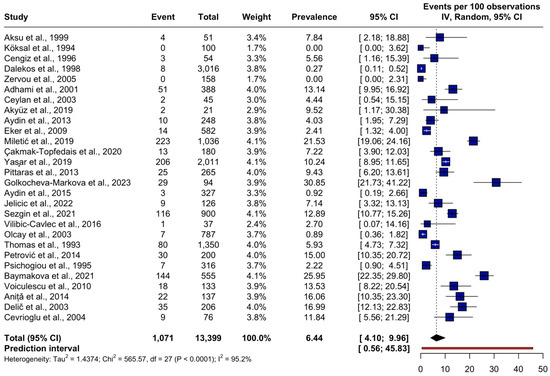
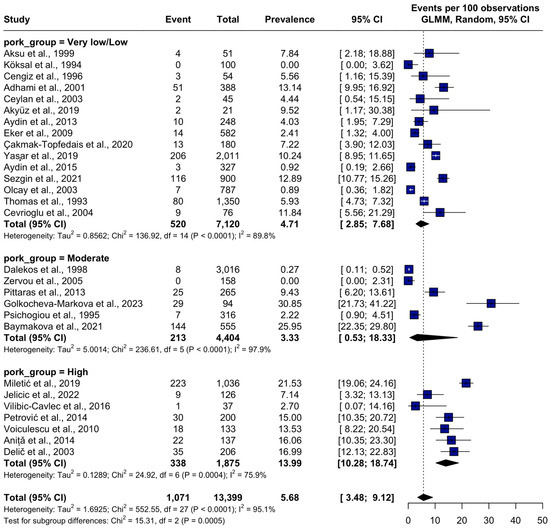
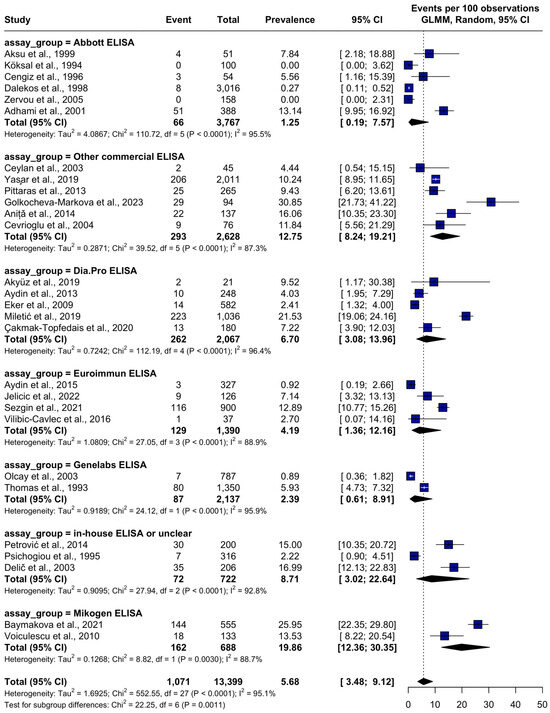
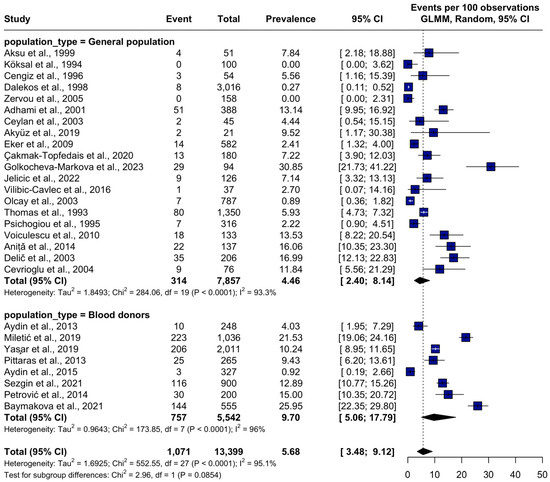
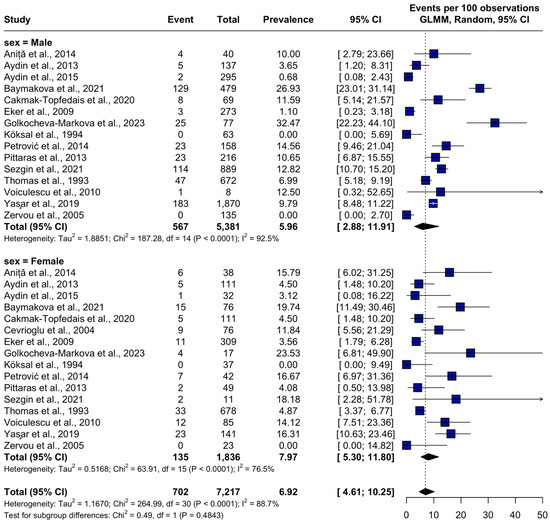
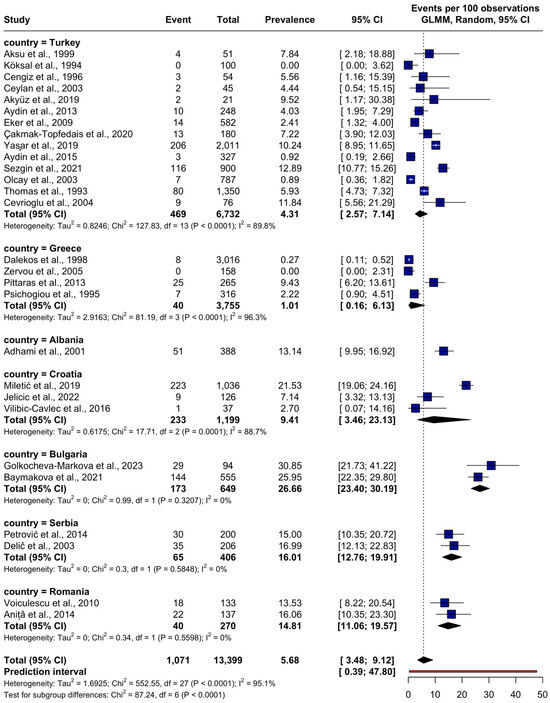
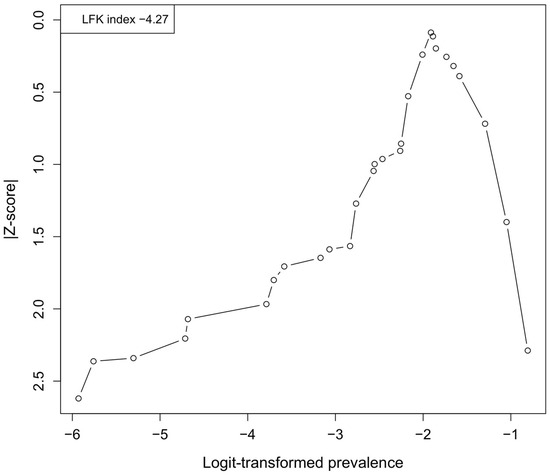
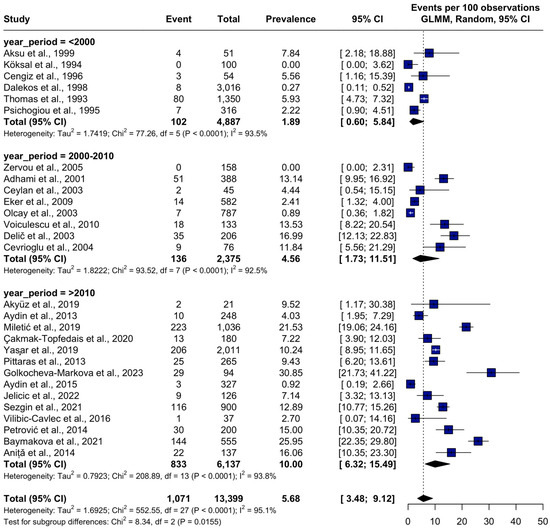
Hepatitis E virus (HEV) is an emerging zoonotic pathogen in Europe, mainly transmitted via consumption of naturally contaminated food or contact with infected animals. People living in the Balkans have diverse dietary habits, with high pork consumption in some countries, making this region a relevant setting for investigating HEV seroprevalence and its possible determinants. The current study aimed to estimate pooled HEV seroprevalence among adults in the general population and blood donors and to assess factors associated with regional variation. Twenty-eight eligible studies were identified from PubMed, Scopus, and Web of Science following the PRISMA guidelines. Pooled prevalence estimates were calculated using a random-effects meta-analysis of proportions implemented via a generalized linear mixed model (GLMM) with logit transformation. Potential factors associated with HEV seroprevalence, including national pork consumption, serological assay type, population group, year of publication, sex, and country, were evaluated. The pooled anti-HEV seroprevalence was estimated to be 5.68% (95% CI: 3.48–9.12%), with substantial heterogeneity. Country-specific estimates ranged from 1.01% in Greece to 26.66% in Bulgaria. Subgroup analyses showed significant variation according to national pork consumption category, serological assay type, year of publication, and country. However, meta-regression indicated that methodological and temporal factors, particularly serological assay type and year of publication, were the main significant moderators, whereas national pork consumption was not independently associated with seropositivity. Therefore, pork consumption should be interpreted as an exploratory ecological indicator rather than as evidence of a direct association. The methodological differences contribute substantially to the variability in HEV seroprevalence across the Balkans, emphasizing the need for standardized diagnostic approaches within a One Health framework.
Full article
(This article belongs to the Special Issue Hepatitis E: Molecular Virology, Pathogenesis, and Treatment, 3rd Edition)
►▼
Show Figures

Graphical abstract
Open AccessReview
Novel Species Diversity in China’s Northeastern Border Region
by
Linghui Yuan, Na Zhang, Min Yuan, Jianguo Xu, Zhiguo Liu and Zhenjun Li
Viruses 2026, 18(7), 735; https://doi.org/10.3390/v18070735 - 2 Jul 2026
Abstract
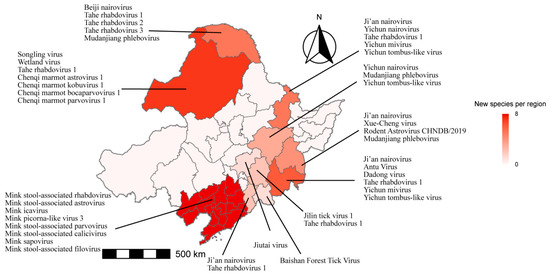
The northeastern region of China is characterized by complex ecosystems, including forests and wetlands, and borders North Korea, Russia, and Mongolia. It serves not only as a natural reservoir for various microorganisms but also as a critical geographical and ecological hub for cross-border
[...] Read more.
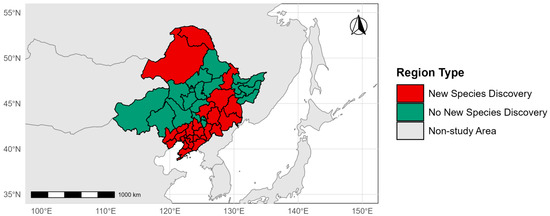
The northeastern region of China is characterized by complex ecosystems, including forests and wetlands, and borders North Korea, Russia, and Mongolia. It serves not only as a natural reservoir for various microorganisms but also as a critical geographical and ecological hub for cross-border exchanges in Northeast Asia. Based on metagenomics and meta-transcriptomics investigations, this study systematically reviews the current research status of novel pathogens in the northeastern border region of China. It systematically organizes the newly discovered species, their classifications, and geographical distributions, with a focus on analyzing novel viruses that have potential pathogenicity to humans. The novel viruses identified in the northeastern border region belong to 11 viral families, including 9 from the Nairoviridae, 4 from the Rhabdoviridae, 3 each from the Astroviridae, Picornaviridae, and Parvoviridae, and 1–2 from other viral families, indicating a broad diversity of newly discovered viruses. These novel viruses are found in a wide range of hosts, including humans, ticks, minks, Marmota sibirica, and Myodes rufocanus, underscoring the significant public health risks these viruses pose. Geographically, the novel viruses discovered in the northeastern border region show a clustering pattern, with new species primarily concentrated in areas bordering Russia and North Korea. This highlights the unique role of the region as a hotspot for cross-border pathogen transmission and risk. The findings provide a systematic scientific reference for understanding the spectrum of unknown novel pathogens and their geographical distribution in the northeastern border region, assessing the risk of emerging infectious diseases, and optimizing active surveillance systems.
Full article
(This article belongs to the Section Animal Viruses)
►▼
Show Figures

Figure 1

Open AccessArticle
Molecular Detection of Canine Distemper Virus in Portugal: What Explains the Post-2020 Decline? A Retrospective RT-qPCR Study
by
Ricardo Lopes, Cristina Costa Santos, Hugo Lima de Carvalho, Filipe Sampaio, Cátia Fernandes, Andreia Garcês, Carlos Sousa, Ana Rita Silva, Hugo Silva, Luís Cardoso, Nuno Alegria, Elsa Leclerc Duarte and Ana Cláudia Coelho
Viruses 2026, 18(7), 734; https://doi.org/10.3390/v18070734 - 2 Jul 2026
Abstract
Canine distemper virus (CDV), currently classified within the species Morbillivirus canis, is a major vaccine-preventable pathogen of domestic dogs and a wide range of susceptible wildlife species. Still, laboratory-confirmed epidemiological data from Portugal remain scarce. This retrospective study investigated CDV molecular detection
[...] Read more.
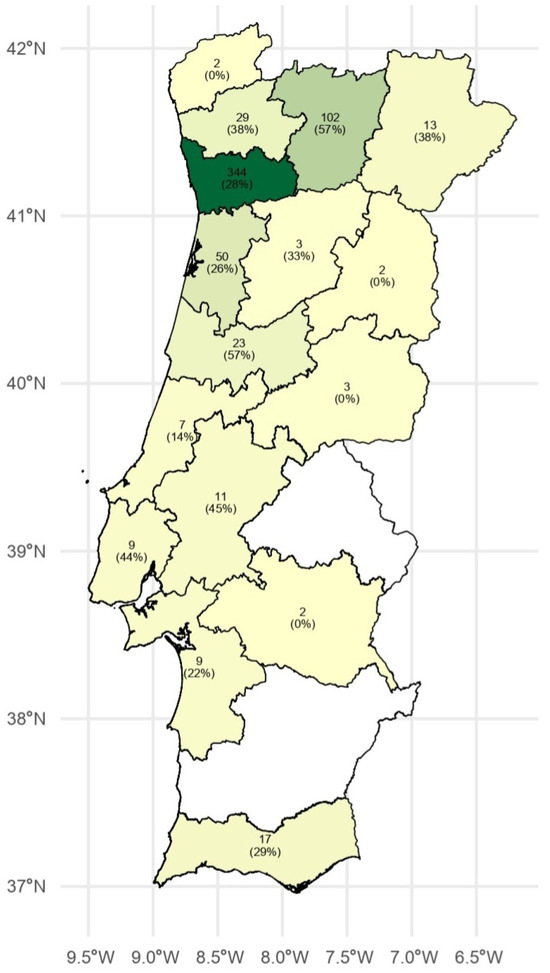
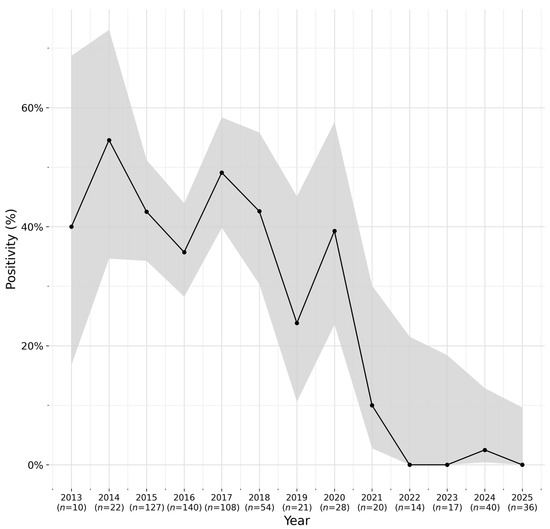
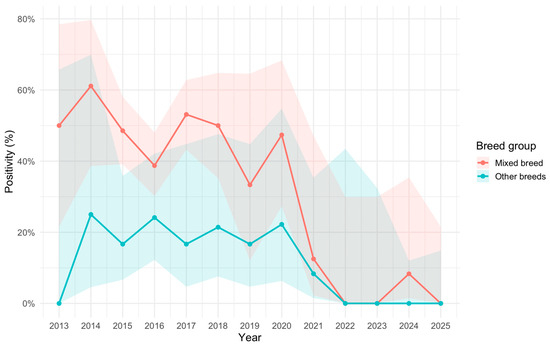
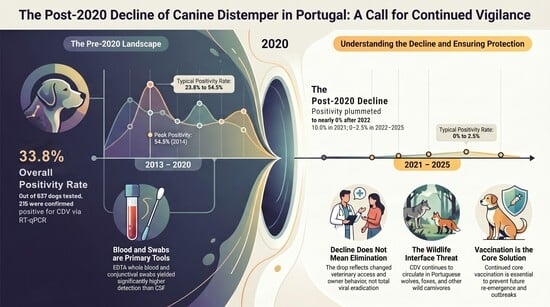
Canine distemper virus (CDV), currently classified within the species Morbillivirus canis, is a major vaccine-preventable pathogen of domestic dogs and a wide range of susceptible wildlife species. Still, laboratory-confirmed epidemiological data from Portugal remain scarce. This retrospective study investigated CDV molecular detection in 637 diagnostic samples from dogs with clinical suspicion of canine distemper, received from 190 veterinary medical centres across Portugal between 2013 and 2025. Cerebrospinal fluid, EDTA-anticoagulated whole blood, rectal swabs, and conjunctival swabs were tested for CDV RNA using a reverse transcription real-time PCR (RT-qPCR) assay in a qualitative approach. Overall, 215 submissions were CDV RT-qPCR-positive, corresponding to a positivity of 33.8% (95% confidence interval: 30.2–37.5%). Positivity was not significantly associated with sex, age, or Nomenclature of Territorial Units for Statistics level 2 (NUTS 2) region, but differed significantly according to specimen type, with the highest detection observed in EDTA-anticoagulated whole blood and conjunctival swabs. Mixed-breed dogs were over-represented among submitted samples and positive cases, probably reflecting management, exposure, and vaccination-related factors rather than intrinsic breed susceptibility. The central finding was a pronounced post-2020 decline in CDV RT-qPCR positivity, with very low or absent annual detection between 2021 and 2025. This pattern indicates reduced molecular detection within a passive diagnostic population but should not be interpreted as evidence of national elimination. Continued vaccination and strengthened surveillance at the domestic dog–wildlife interface remain essential.
Full article
(This article belongs to the Special Issue Canine Distemper Virus: 2nd Edition)
►▼
Show Figures

Graphical abstract
Journal Menu
► ▼ Journal Menu-
- Viruses Home
- Aims & Scope
- Editorial Board
- Reviewer Board
- Topical Advisory Panel
- Instructions for Authors
- Special Issues
- Topics
- Sections & Collections
- Article Processing Charge
- Indexing & Archiving
- Editor’s Choice Articles
- Most Cited & Viewed
- Journal Statistics
- Journal History
- Journal Awards
- Society Collaborations
- Conferences
- Editorial Office
Journal Browser
► ▼ Journal BrowserHighly Accessed Articles
Latest Books
E-Mail Alert
News
Topics
Topic in
Biomedicines, Cancers, IJMS, Vaccines, Viruses, JMP
Advances in HPV-Driven Head and Neck Cancer: Pathogenesis, Treatment, and Prevention
Topic Editors: Shilpi Gupta, Bhudev Chandra Das, Prabhat KumarDeadline: 20 April 2027
Topic in
Antibiotics, Diseases, Vaccines, Viruses, Epidemiologia
HIV Prevention and Treatment: A Guide to Health and Safety
Topic Editors: Olanrewaju Oladimeji, Martha ChadyiwaDeadline: 31 December 2027
Conferences
Special Issues
Special Issue in
Viruses
Controlling Zoonotic Viral Diseases from One Health Perspective 2026
Guest Editors: Maureen T. Long, Erika Schwarz-CollinsDeadline: 15 July 2026
Special Issue in
Viruses
High Consequence Viral Transmission
Guest Editor: Olivier EscaffreDeadline: 17 July 2026
Special Issue in
Viruses
Structural and Mechanistic Advances in Retroviral Biology
Guest Editors: Yong Xiong, Swapnil Chandrakant Devarkar, Luiza MendoncaDeadline: 31 July 2026
Special Issue in
Viruses
Hepatitis Viruses: Transcription, Replication, and Persistence
Guest Editors: Lorenzo Piermatteo, Nadia MarascioDeadline: 31 July 2026
Topical Collections
Topical Collection in
Viruses
Efficacy and Safety of Antiviral Therapy
Collection Editors: Giordano Madeddu, Andrea De Vito, Agnese Colpani
Topical Collection in
Viruses
Phage Therapy
Collection Editors: Nina Chanishvili, Jean-Paul Pirnay, Mikael Skurnik