
Skip to Content
IJMSInternational Journal of Molecular Sciences
  • Review
  • Open Access

19 May 2025

Abnormal Transcytosis Mechanisms in the Pathogenesis of Hydrocephalus: A Review


,
and
1
Leeds General Infirmary, Great George Street, Leeds LS1 3EX, UK
2
School of Osteopathic Medicine, Campbell University, 4350 US Hwy 421 S, Lillington, NC 27546, USA
3
Neurosurgery Department, SUNY Upstate Medical University, Syracuse, NY 13210, USA
*
Author to whom correspondence should be addressed.

Abstract

Hydrocephalus is a chronic neurological condition caused by abnormal cerebrospinal fluid (CSF) accumulation, significantly impacting patients’ quality of life. Its causes remain poorly understood, making neurosurgery the primary treatment. Research suggests that hydrocephalus may result from impaired macromolecular clearance, leading to increased osmotic load in the ventricles. Macromolecules are cleared via processes such as transcytosis, involving caveolae- and clathrin-dependent pathways, soluble N-ethylmaleimide-sensitive factor activating protein receptor (SNARE) proteins, and vesicular trafficking. Abnormalities in transcytosis components, such as mutations in alpha-SNAP (α-soluble NSF attachment protein) and SNARE complexes, disrupt membrane organization and vesicle fusion, potentially contributing to hydrocephalus. Other factors, including alpha-synuclein and Rab proteins, may also play roles in vesicle dynamics. Insights from animal models, such as hyh (hydrocephalus with hop gait) mice, highlight the pathological consequences of these disruptions. Understanding transcytosis abnormalities in hydrocephalus could lead to novel therapeutic strategies aimed at enhancing macromolecular clearance, reducing ventricular fluid buildup, and improving patient outcomes.

1. Introduction

1.1. Hydrocephalus

Hydrocephalus is a chronic neurological condition caused by an abnormal collection of cerebrospinal fluid (CSF) [1]. Hydrocephalus displays a bimodal age distribution, being most common in infancy and amongst the elderly population [2]. The global prevalence of hydrocephalus is about 85:100,000. However, in children, the prevalence is 88:100,000, with infantile hydrocephalus being between 1 and 32 per 10,000 births [2]. In all adults, the prevalence is about 11:100,000, but when the sample is limited to the elderly population, this increases to 175:100,000, and when looking at only those older than 80 years of age, the prevalence is 400:100,000 [2]. It has been found that hydrocephalus is more prevalent in the African and South American populations [2]. Very little is known about the causes of hydrocephalus despite the significant impact it has on the quality of life of patients [1,3,4]. As a consequence of this, patients with hydrocephalus have limited treatment options: they will need neurosurgery either for a shunt insertion or to undergo an Endoscopic Third Ventriculostomy (ETV) [5].
The pathophysiology of hydrocephalus is incompletely understood. The brain is a water-permeable organ [6], and several papers demonstrate that osmotic gradients have a role in the genesis of hydrocephalus [7,8]. In both acute and chronic rat models, introducing macromolecules into the ventricles has been shown to induce dose-dependent hydrocephalus by elevating the osmotic load [9,10]. Therefore, it is logical that macromolecular clearance from the ventricles would be a mechanism to establish the normal cerebrospinal fluid (CSF) osmolarity and consequently ventricular volume. Recent findings suggest that macromolecules are eliminated from the ventricles paravascularly via transcellular transport across the blood–brain barrier (BBB). They are eventually excreted in the urine. This elimination pathway has been confirmed in both healthy and hydrocephalic models [9]. However, the clearance of these macromolecules is notably delayed in the presence of hydrocephalus.
These data suggest that hydrocephalus results from a deficient clearance of macromolecules from the ventricles. Therefore, it is imperative to determine key mechanisms involved in the impairment of macromolecular clearance from the ventricles, which results in hydrocephalus. Our specific goal is to identify targets that modify macromolecular clearance and develop effective pharmacological interventions to relieve hydrocephalus. PubMed was searched using the keywords “Transcytosis” and “Hydrocephalus”, and the articles that were returned were reviewed for the purpose of this article.

1.2. Transcytosis

Transcytosis is one of three methods involved in molecular exchange in capillaries [11].
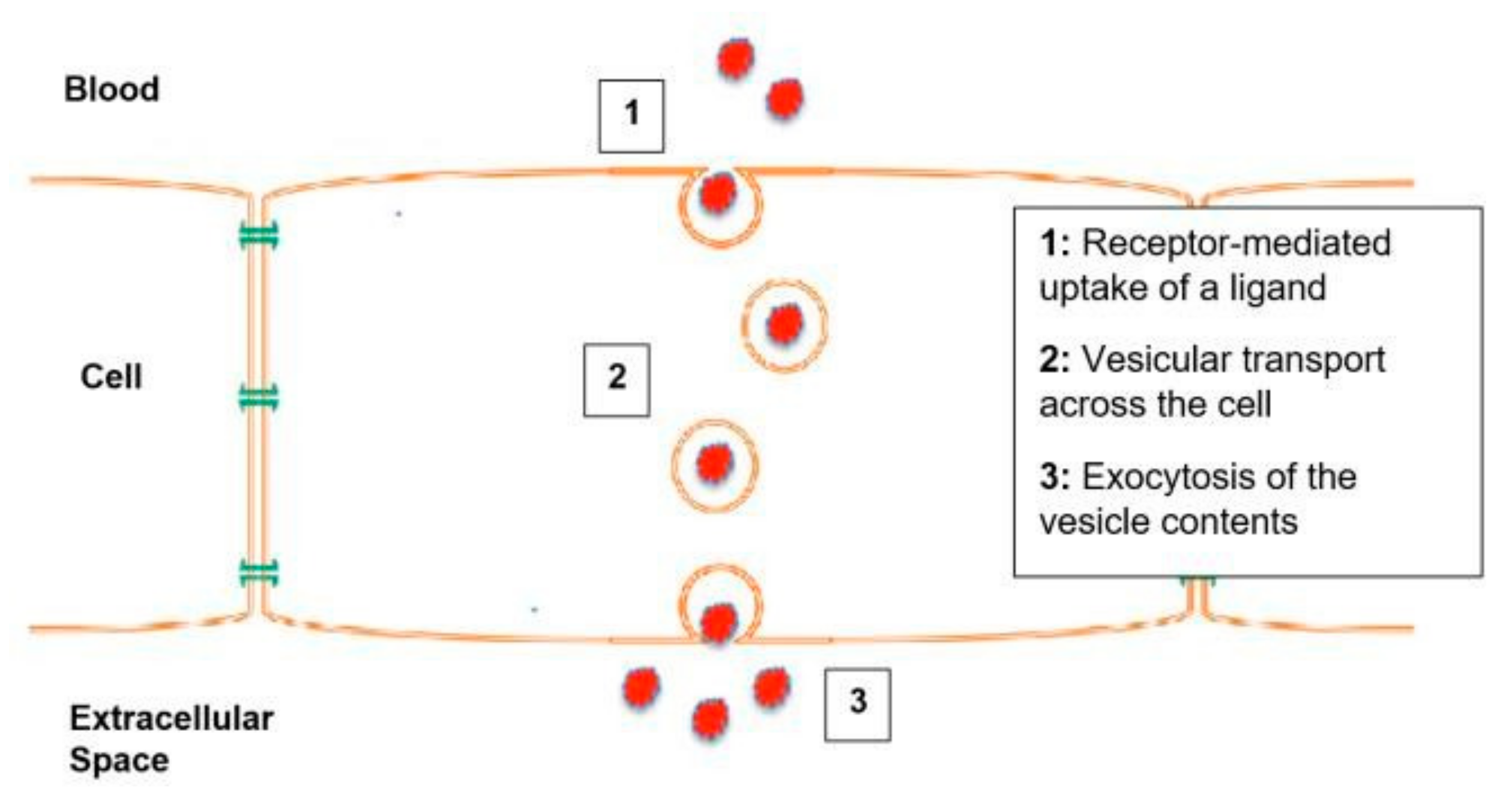
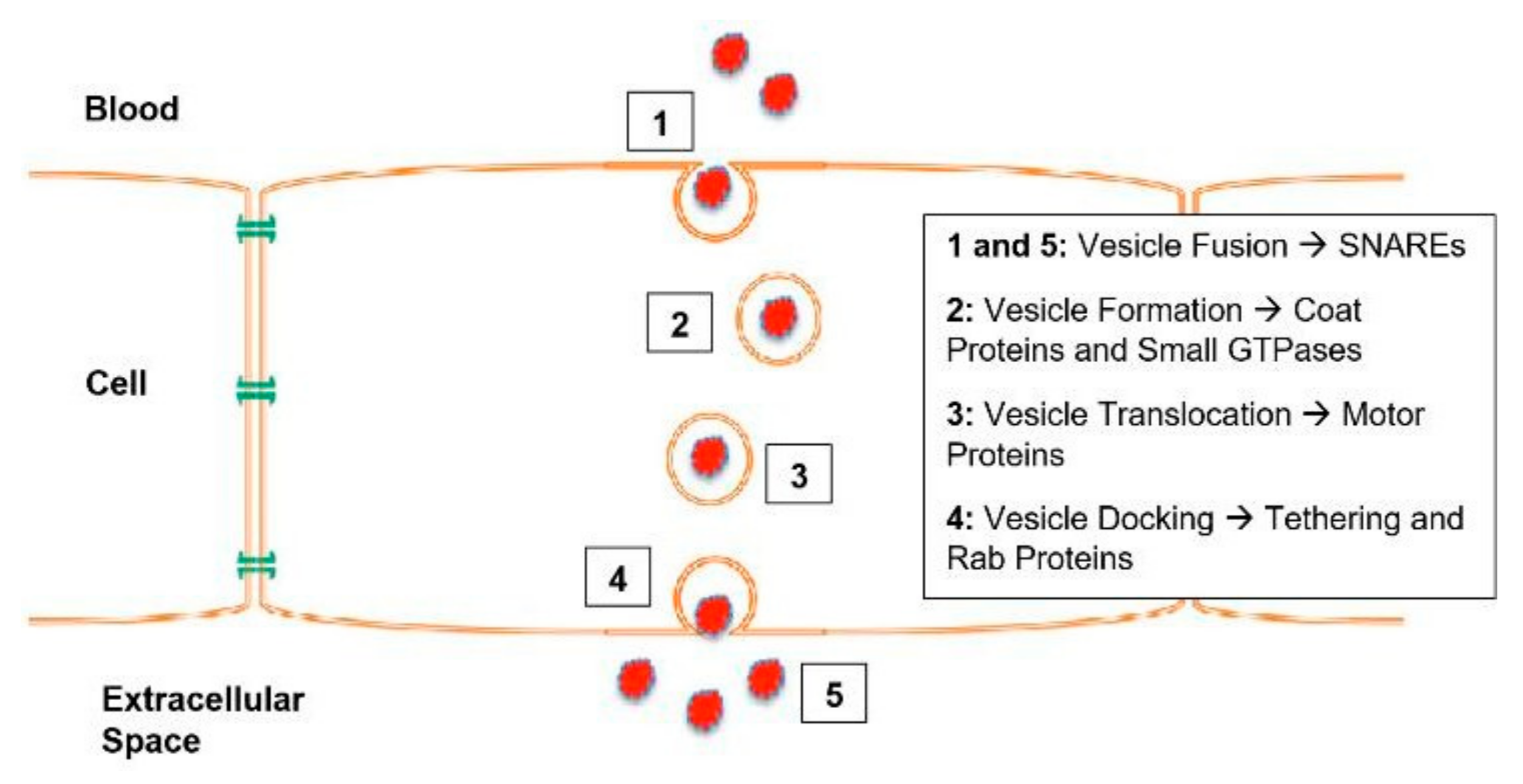
Transcytosis allows multicellular organisms to selectively transport molecules between distinct environments while maintaining the composition of each [12]. Transcytosis of macromolecules involves five steps: Equilibration of dissolved macromolecules in the capillary lumen with the fluid phase inside the open vesicle; pinching off of the vesicle; vesicle shuttling to the cytoplasm and transient fusion with other vesicles within the cytoplasm, allowing intermixing of the vesicular content; fusion of vesicles with the opposite plasma membrane; and equilibration with the opposite extracellular fluid phase [1]. A simplified diagram of transcytosis is shown in Figure 1, and Figure 2 shows the different factors that mediate each step in the transcytosis process.
Figure 1. Simplified Diagram of Transcytosis [1,13].
Figure 2. Different mediating factors of each step in transcytosis [13,14].
Transcytosis can be further divided into caveolae-mediated transcytosis and clathrin-mediated transcytosis [11]. Table 1 summarises the differences between the two types.
Table 1. Differences between caveolae-mediated and clathrin-mediated transcytosis [11].
Regardless of the type of transcytosis employed, intercompartmental transport and exocytosis depend on membrane fusion [15]. Thus, it is necessary to understand the role Soluble N-ethylmaleimide-sensitive factor activating protein receptor (SNARE) complexes play in membrane trafficking, as they are the core machinery mediating membrane fusion [14]. SNARE function and complex assembly are thought to integrate multiple regulatory pathways that coordinate membrane trafficking [14].

1.3. SNARE Complexes and the SNARE Hypothesis

SNARE proteins belong to a large superfamily of small, membrane-anchored proteins thought of as engines for membrane fusion [16]. Over 38 SNARE proteins have been characterized to mediate specific transport events [17].
SNARE proteins are composed of a conserved 60–70 amino acid SNARE motif arranged in heptad repeats [16]. Although unstructured in isolation, these motifs assemble into a four-helix bundle forming the SNARE core complex, with each helix from a distinct SNARE subfamily [16]. Most SNAREs are membrane-anchored via C-terminal transmembrane domains, while some are attached through lipid modifications, including palmitoylation or prenylation [14].
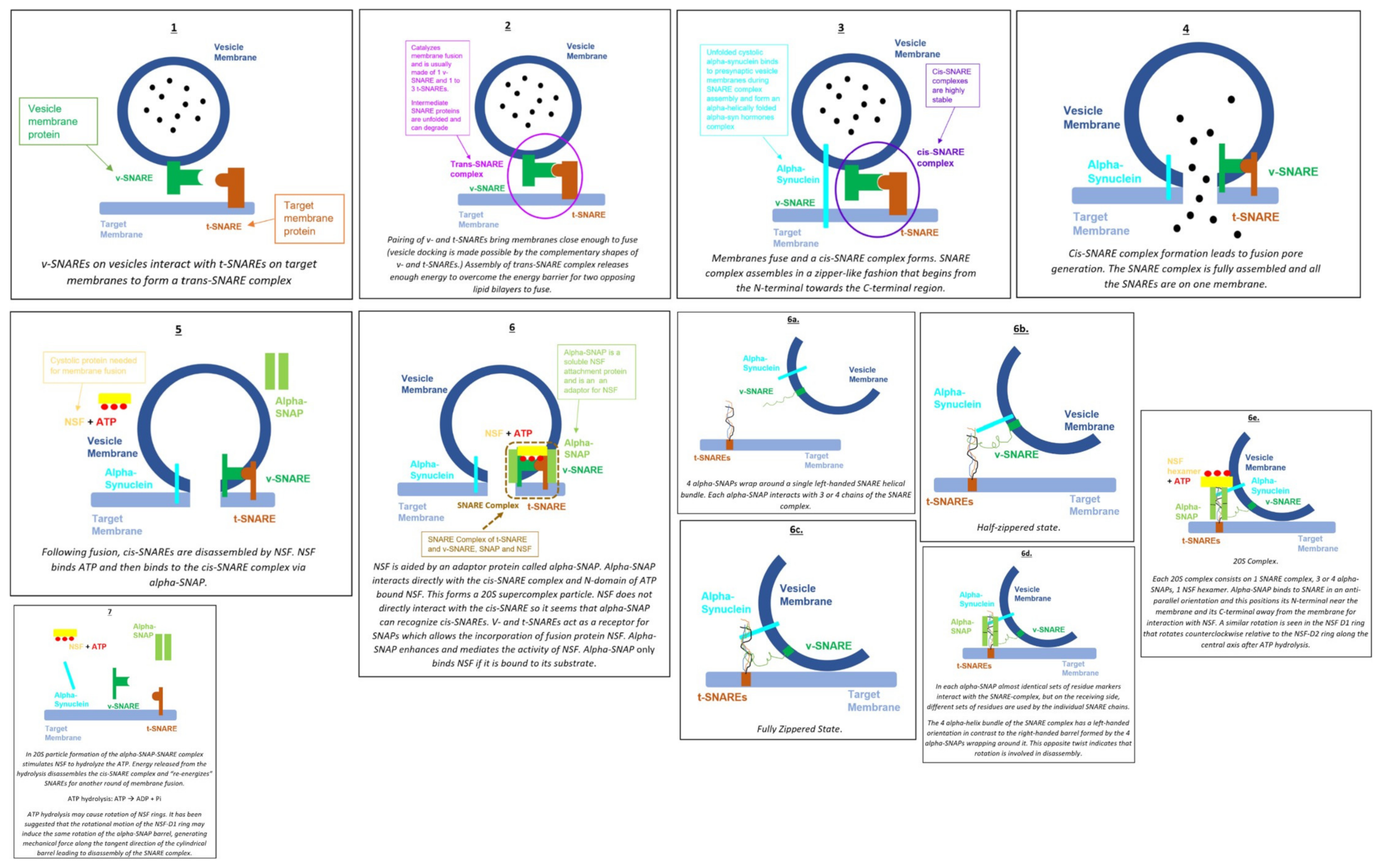
Figure 3 below describes the current SNARE Hypothesis and the factors that have been thought to mediate it. This paper will look at these various components involved in transcytosis of macromolecules, particularly those involved in membrane fusion, and explore their links to the formation of hydrocephalus.
Figure 3. The SNARE Hypothesis [14,15,16,17,18,19,20,21,22,23,24,25,26,27,28].

2. N-Ethylmaleimide Sensitive Factor (NSF)

2.1. Introduction

N-ethylmaleimide Sensitive Factor (NSF), a type II AAA+ hexameric ATPase, was one of the initial proteins of the cell trafficking mechanism to be identified [12]. All AAA+ proteins transduce ATP hydrolysis into major conformational changes that remodel client proteins [16]. NSF plays a crucial role in membrane trafficking and serves as a key component in SNARE-mediated fusion and events, including neurotransmitter release [29,30]. Soluble NSF attachment protein (SNAP) is a cofactor of NSF, and together the two specialize in disassembling highly stable SNAP receptor protein (SNARE) complexes to promote intramembrane cellular trafficking [16,31].

2.2. Mechanism

As shown in Figure 3, NSF disassembles the cis-SNARE complex [16]. Similar to other AAA+ proteins, NSF monomers assemble to form a homohexamer [16]. Each monomer consists of the N-terminal domain and two AAA+ domains [16]. The overall positive charge of the N-terminal domains is thought to interact with the C-terminal negative charge distribution of alpha-SNAP [16]. The N-terminal of NSF is also thought to interact with the SNARE complexes, but there is little evidence to support this [16]. It should be noted that NSF only binds to SNAP in the presence of ATP [16,18]. Wang et al. discovered that SNAP binds to the SNARE complex with an opposing structural twist and that the conversion of NSF from its ATP-bound to adenosine diphosphate-bound (ADP-bound) form drives conformational changes, which ultimately facilitate SNARE complex disassembly [14].
In eukaryotes, there are many different sets of SNARE complexes required for different steps in transcytosis [16]. However, NSF and SNAP are universal and can recognize and disassemble nearly all characterized SNARE complexes [16]. An exception occurs when SNARE complexes are shielded by binding partners (including SM-Sec1/Munc18-like proteins), which prevents disassembly by NSF and SNAP [16].
NSF and SNAP also seem to have a proof-reading capability in the assembly of SNARE complexes, as premature and incorrect complexes are disassembled in their trans-conformation [16].

2.3. NSF and Hydrocephalus

When mutations in NSF in relation to hydrocephalus were searched using PubMed, several articles were obtained in which a mutation in alpha-SNAP was correlated to hydrocephalus in hyh mice (hydrocephalus with hop gait) [29,30,32,33,34,35,36,37,38,39,40]. Seeing as alpha-SNAP interacts with NSF during exocytosis, this is an important link in establishing the transcytosis of macromolecules via this pathway [18]. The alpha-SNAP mutations in relation to hydrocephalus will be dissected in the alpha-SNAP section, as the mutations discussed are associated with alpha-SNAP instead of NSF.

3. Alpha-SNAP

3.1. Introduction

Alpha-SNAP (alpha-soluble NSF attachment protein) is coded by the N-ethylmaleimide-sensitive factor Attachment Protein Alpha (NAPA) gene on Chromosome 7 and is a ubiquitous protein that is required for membrane fusion in eukaryotes [19,33,41]. It is a member of the SNAP family and has been found to be conserved between several species, indicating its importance [41]. Mammals express three SNAP isoforms, including α-, β-, and γ-SNAP, respectively, with α-SNAP being the most prevalent and widely distributed form [41]. NSF and alpha-SNAP only disassemble cis-SNAREs and partially misassembled SNARE complexes, not trans-SNAREs [19]. In the cytoplasm, alpha-SNAP binds to SNAREs in a 1:1 ratio, but on the membranes or with NSF, it binds to SNARE complexes anywhere from a 1:1 ratio to a 1:4 ratio [19].

3.2. Mechanism

As seen in Figure 3, alpha-SNAP works alongside NSF to disassemble SNARE complexes [16]. SNARE complexes contain a parallel four-helix bundle, a two-stranded coiled coil bridging the linker and transmembrane domain, and an N-terminal regulatory domain (NRD) [19]. The NRD comprises two functionally distinct regions: a short N-terminal peptide of roughly 15 amino acids and a self-folding three-helix bundle known as the Habc domain [19]. The structure of the alpha-SNAP-SNARE subcomplex was illustrated in a paper by Huang et al. in 2019 [20]. R116A and L197A residues were suggested to have direct roles in SNARE complex disassembly, as mutations in these residues had an average effect on the binding activity [20]. A significant portion of alpha-SNAP is believed to mediate its interaction with the SNARE complex [15]. Evidence from shape complementarity, sequence conservation, and surface charge distribution suggests that the concave face or extended edge of alpha-SNAP’s twisted sheet domain may be responsible for binding the SNARE complex [15].

3.3. Alpha-SNAP and Hydrocephalus

Deletion of alpha-SNAP in mice has been found to be lethal, and Chae et al. found that mutation of alpha-SNAP caused hydrocephalus in mice [35].
In 2006, a paper described a study conducted on 3017 mice, 22.4% hydrocephalic, to determine how the mutations in hyh mice lead to hydrocephalus [33]. Mutant hyh mice develop an autosomal recessive inherited hydrocephalus [33]. Hyh mice carry a missense mutation in the Napa gene, leading to the substitution of methionine for isoleucine at position 105 (M105I) of alpha-SNAP [41]. The M105I mutant protein has been found to be 70% less abundant than the normal wild-type protein [39].
In hyh mice, the primary defect occurs in the ependymal cells, which detach and undergo programmed, progressive denudation of the ependymal lining along the ventral walls of the ventricles and the Sylvius aqueduct [36]. Postnatally, this process extends to the dorsal ependyma of the Sylvius aqueduct, thus resulting in ventral and dorsal neuropile fusion, aqueduct obstruction, and severe hydrocephalus [36]. The mutated alpha-SNAP in hyh mice results in altered localization of surface proteins in the neuroepithelial cells and neural stem cells [33]. It is possible that this defect would also be expressed in the ependymal cell lineage and cause ependymal detachment in the hydrocephalic mice [33].
A study by de Paola et al. reported that hyh mice exhibit structural and behavioral abnormalities in addition to miscolocalization of apical proteins in neuroepithelial cells, resulting from a homozygous point mutation (Met105Ile; M105I) in alpha-SNAP [40]. Although this single amino acid substitution does not disrupt alpha-SNAPs binding to NSF or its role in NSF-mediated SNAE complex disassembly, the mutation has been hypothesized to affect cell polarity through altering liver kinase B1 (LKB1)-AMPK (Adenosine Monophosphate Activated Protein Kinase) signalling [40]. Both LKB1 (liver kinase B1) and AMPK (AMP-activated protein kinase) are critical regulators of cell polarity. Data from Wang and colleagues suggest that the M105I mutation confers a gain-of-function, increasing alpha-SNAP’s affinity for AMPK and subsequently dampening LKB1-AMPK pathway activity [40]. However, the precise mechanism by which reduced AMPK activity contributes to the hyh phenotype remains unclear.
Other papers have also found evidence that suggests that the mutation in hyh mice alpha-SNAP affects apical protein localization in neuroepithelial cells but does not affect NSF function or SNARE disassembly [30,34,35,39]. Impaired alpha-SNAP-mediated membrane trafficking has been proposed to disrupt cell–cell adhesion, potentially leading to membrane disorganization and neuronal ectopia [42]. It is possible that the mutation, in a similar manner, affects transmembrane transport in the brain by affecting cell polarity, thus leading to hydrocephalus.
Work by Miao et al. implies that the mutations in alpha-SNAP may cause hydrocephalus by disrupting sodium influx [36]. The paper focused on Cluster of Differentiation 4 (CD4) T cells and Orai1 channels. However, the underlying principle is worth discussing. Alpha-SNAP is required in the functional assembly of Orai1 multimers [36]. T cell effectors require calcium influx, and the paper looks at the non-specific permeation of sodium via the calcium channels [36]. In hyh mice, T cell receptor stimulation induced rapid sodium influx [36]. Ablation of the Orai1 corrected the disruptions caused by the rapid sodium influx [36]. This indicates that alpha-SNAP mutations may impact calcium channels (which in turn can impact non-specific sodium influx via these calcium channels) and lead to hydrocephalus.
Therefore, the main model for understanding hydrocephalus in the presence of alpha-SNAP mutations is the hyh mouse. In this model, the main mechanism for hydrocephalus formation is that the alpha-SNAP mutation leads to defects in membrane organisation and adhesion, which has a smaller impact on SNARE disassembly. It is not yet known if the reduced expression of the mutated protein impacts hydrocephalus formation in hyh mice. Further investigations are required to determine how the alpha-SNAP mutation in hyh mice leads to hydrocephalus.

4. Alpha-Synuclein

4.1. Introduction

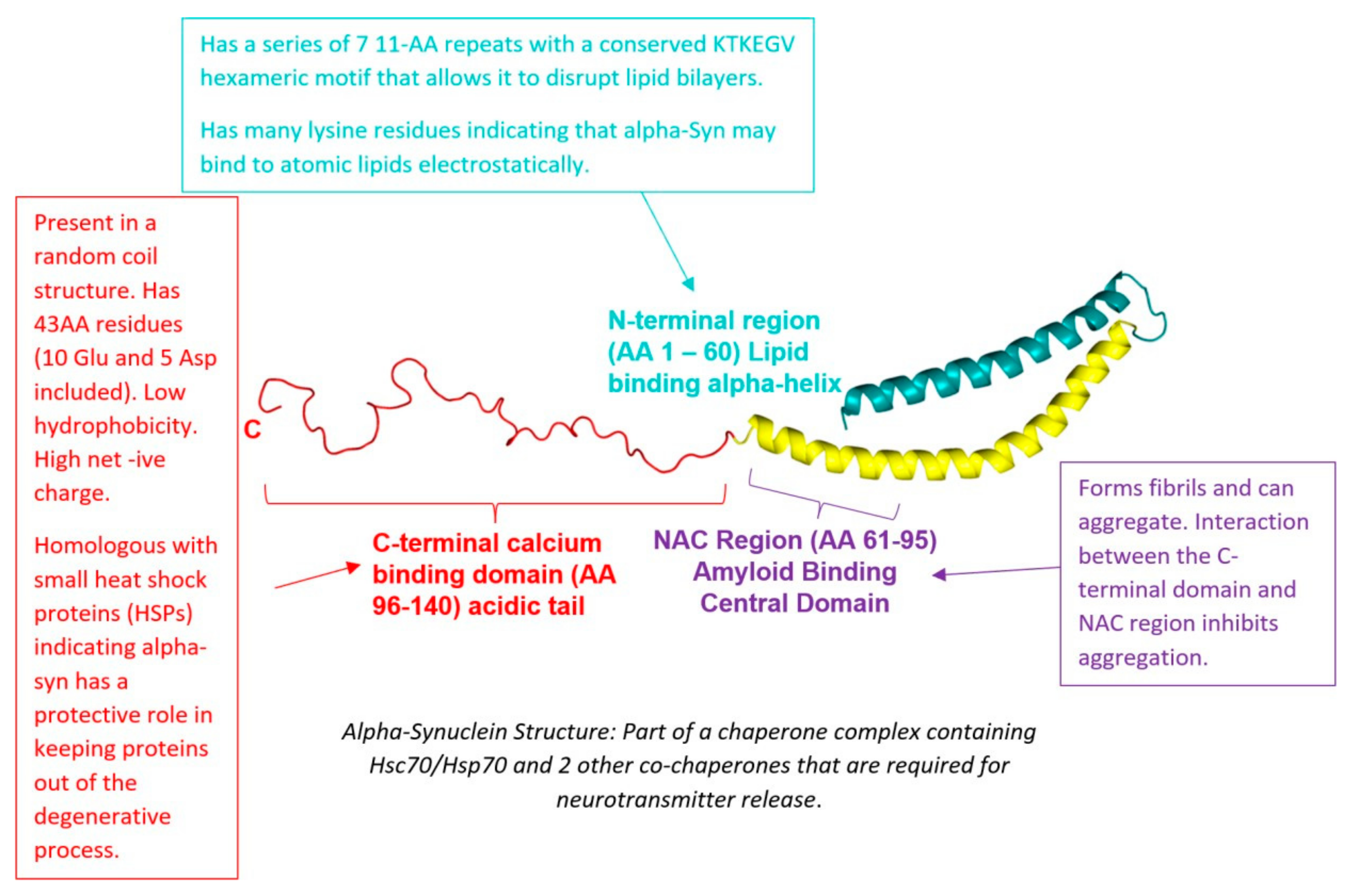
Human alpha-synuclein (α-syn) is predominantly expressed in the brain and is encoded by the SNCA gene (also known as NACP or PARK1) located on chromosome 4q21. The protein is composed of 140 amino acids encoded by six exons [21,43]. Structurally, α-syn may adopt an α-helical conformation when bound to phospholipid membranes or remain unfolded in the cytosol. These conformational states suggest that α-syn may have distinct functional roles depending on its cellular localization and structure. The predominant form of α-syn is the full-length protein, but shorter isoforms exist [21]. The structure of alpha-synuclein is shown in Figure 4, and its functions are summarised in Table 2.
Figure 4. The Structure of Alpha-Synuclein [21,42,44].
Table 2. Roles of Alpha-Synuclein [42].

4.2. Mechanism

Table 2 shows that alpha-synuclein has multiple roles.
SNARE Complex Assembly: To allow presynaptic vesicles to release neurotransmitters multiple times, SNARE assembly and disassembly are required. This chaperone assembly of the SNARE complex leads to neuroprotection in presynaptic terminals. Conversely, direct interaction between α-syn and the SNARE protein synaptobrevin-2 (vesicle-associated membrane protein 2) inhibits the assembly of the SNARE complex. Further, large oligomers of α-syn binding to the N-terminal domain of synaptobrevin-2 SNARE protein prevent assembly of SNARE complexes and lead to neurodegeneration. Therefore, the interaction of α-syn with either the membrane or the SNARE complex allows the mediation of SNARE complex assembly and disassembly, and mutations in α-syn can lead to a deficiency in SNARE complex formation [21].
Molecular Chaperone: Heat shock proteins (HSPs) are molecular chaperones expressed in response to various cellular stresses. One such chaperone, cysteine string protein alpha (CSPα), is localized to the outer membrane of presynaptic vesicles and plays a critical role in neurotransmitter release. Experimental studies have shown that deletion of CSPα results in reduced α-syn levels and is associated with lethal neurodegeneration. The CSPα knockout mice can be rescued if human wild-type α-syn is overexpressed, confirming that α-syn can recover a chaperone activity [21]. Thus, mutations in α-syn may lead to disability of chaperone activity and thus reduce transmembrane trafficking activities such as neurotransmitter release.
Cellular and Intracellular Membranes: Oxidative stress in neurons can initiate pathological processes. The oxidation of unsaturated phospholipids can damage and disrupt both cellular and intracellular membranes. The disruption of lipid membranes in the brain could lead to unmediated movement of molecules between membranes, resulting in the formation of hydrocephalus. The monomeric form of α-syn can protect lipids from oxidation by interacting with lipid membranes. Through either mechanism (either as an antioxidant or by preventing apoptosis), α-syn can help keep cellular and intracellular membranes intact [21]. This could suggest a role for α-syn in preventing the formation of hydrocephalus by allowing cells to retain their ability to mediate membrane trafficking of molecules.
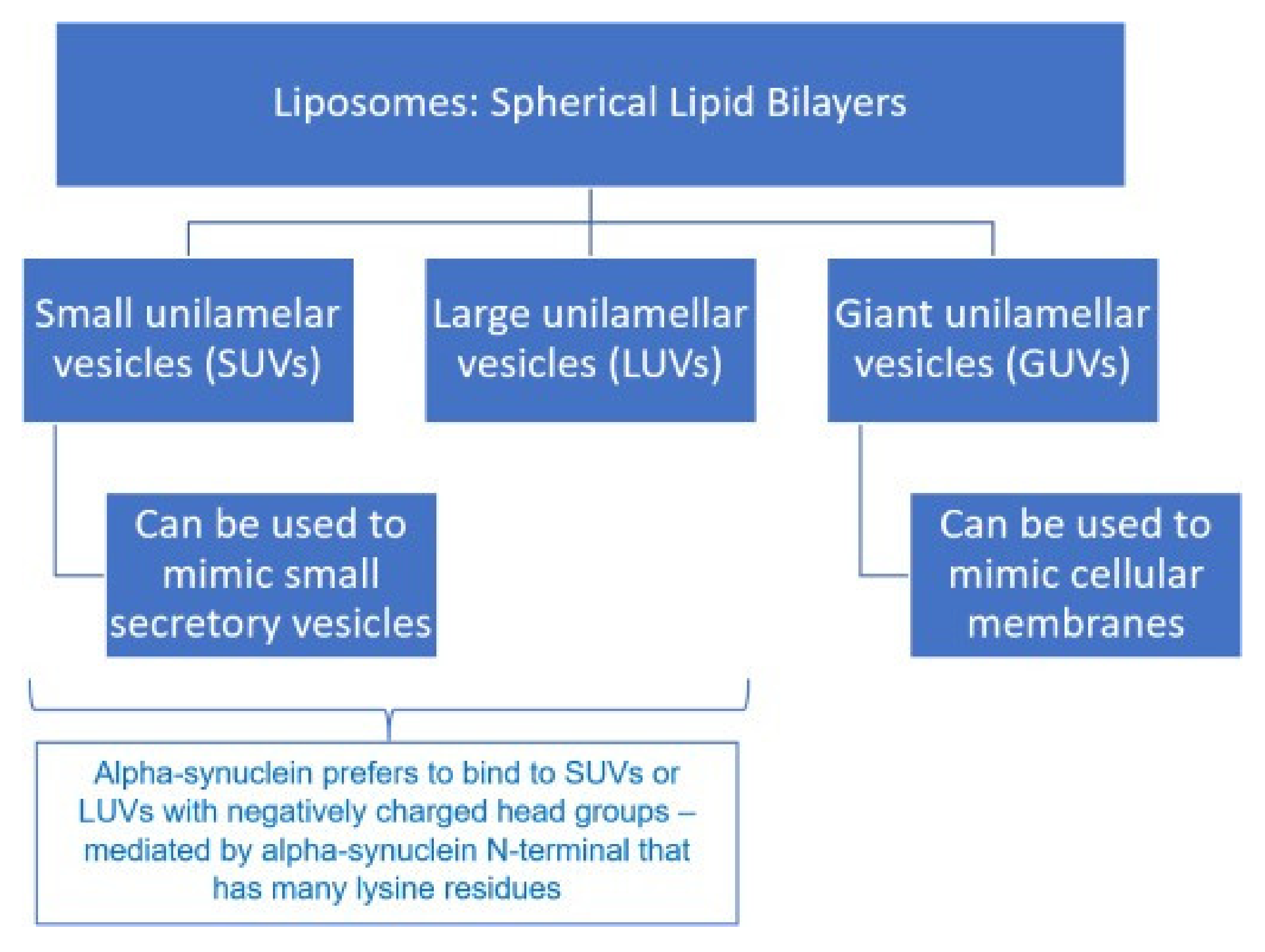
Vesicle Trafficking: α-syn’s ability to interact with lipid membranes is the main reason for its role in modulating vesicle trafficking. Liposomes are spherical lipid bilayers that are classified into three types, as shown in Figure 5.
Figure 5. Types of Liposomes [21].
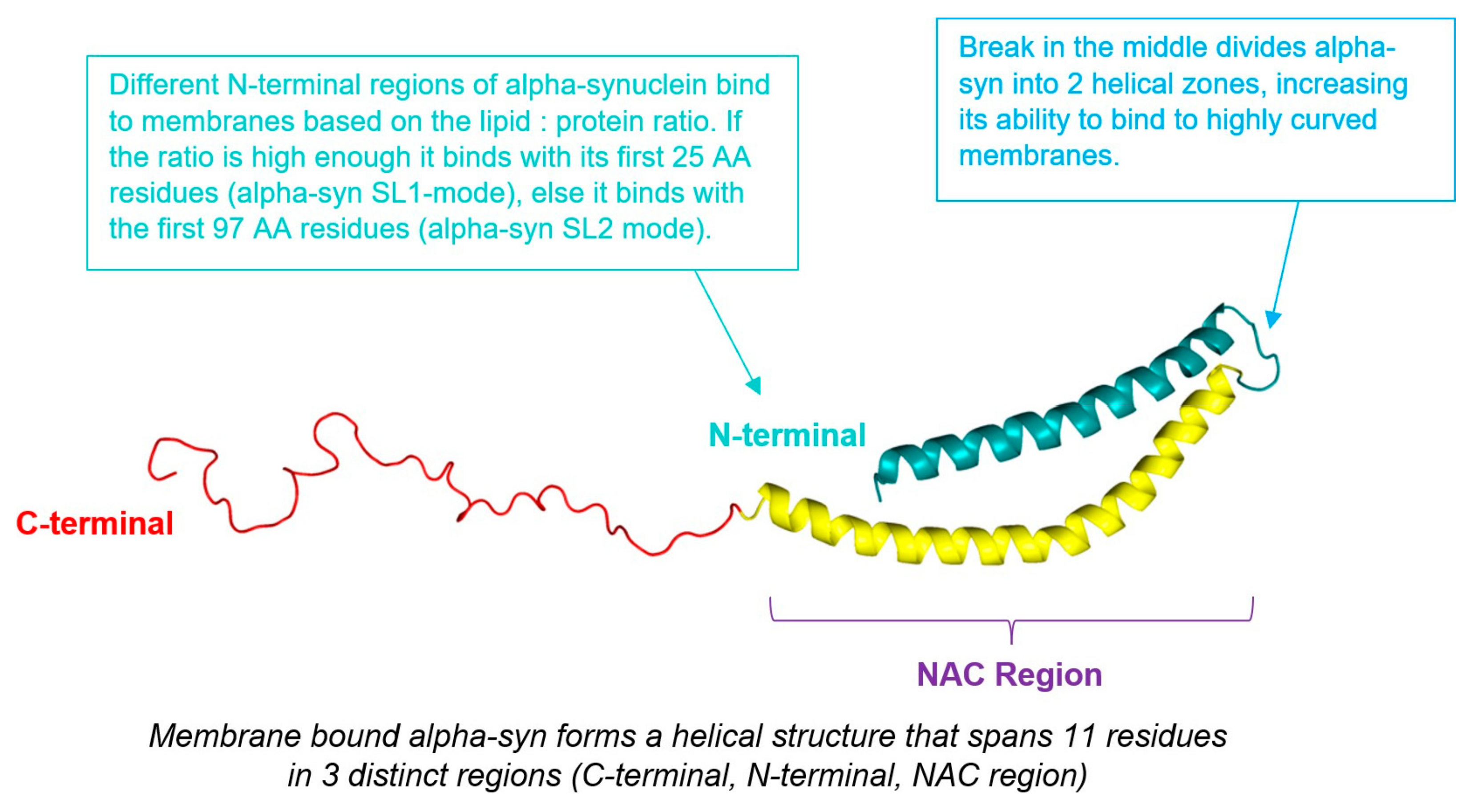
α-syn seems to prefer some acidic head groups over others. Polyunsaturated acyl chains enhance α-syn’s ability to associate with membranes, likely due to the increased spacing between loosely packed unsaturated lipids [21]. Further, α-syn takes on different attributes when bound to curved membranes, as illustrated by Figure 6.
Figure 6. Membrane-Bound Alpha-Synuclein [21,44].
Thus, α-syn binds selectively to the curved presynaptic membranes and modulates vesicle trafficking. α-syn can detect vesicle pools due to its high affinity for lipid bilayers and its ability to sense membrane curvature, making it particularly enriched in pools containing numerous small liposomes. It has been shown to reduce both the quantity and rate of synaptic vesicle recycling back to the presynaptic terminal. This reduction is important for synaptic homeostasis [21].

4.3. α-Synuclein and Hydrocephalus

α-syn interacting with membranes may also cause α-syn to aggregate. Aggregation of α-syn produces protofibrils, which create pore-like openings in membranes, thus resulting in vesicle content leakage. Deletion of residues 74–84 prevents this aggregation. This indicates that the central NAC region (capable of forming beta-sheet structures) is primarily responsible for the membrane disruption [21]. There is no research looking at whether α-syn-mediated membrane disruption causes hydrocephalus. However, it is reasonable to assume that the leakage of vesicular contents can disrupt membrane transport and lead to abnormal accumulations of macromolecules in the CSF spaces, which in turn could result in hydrocephalus.
The main link that has been established between α-syn, synucleopathies, and hydrocephalus is the presence of comorbid α-synucleopathies in idiopathic normal pressure hydrocephalus (iNPH) [43,45,46,47,48]. A study that included 79 patients with iNPH found that 23 patients also developed comorbid Parkinson’s Disease or Parkinson’s Disease Dementia, and eight patients developed comorbid Dementia with Lewy Bodies [45]. In iNPH, irregular pressure waves, and not physical obstruction, cause the altered CSF fluid dynamics [47]. In a study with 39 patients, posterior cingulate cortex magnetic resonance imaging (PCC MRI) found that in patients with iNPH, there was hyperdynamic CSF flow at the level of the cerebral aqueduct [47].

5. t-SNAREs and v-SNAREs

5.1. Introduction

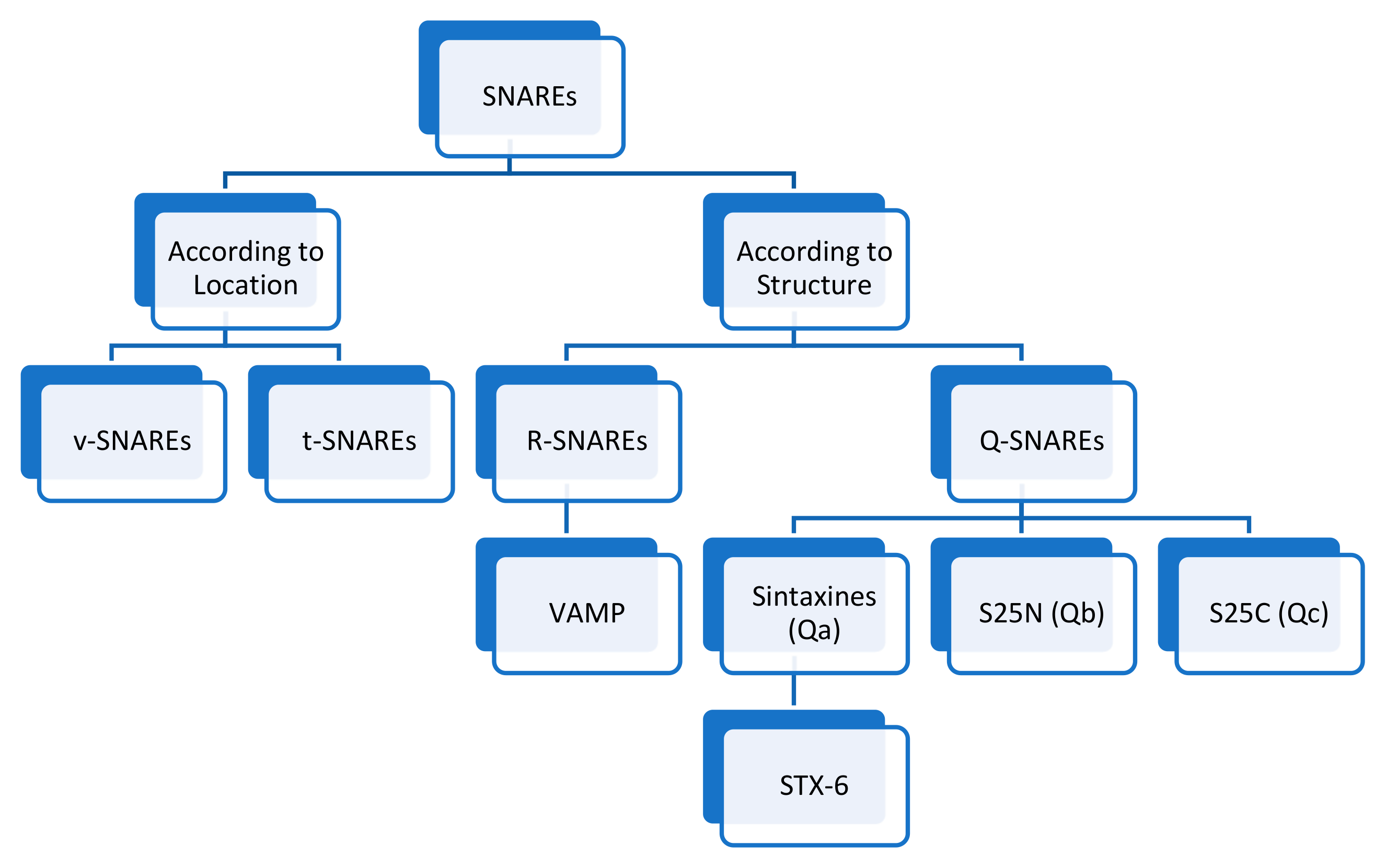
As discussed previously, there are different types of v- and t-SNAREs (Figure 7). The differences are summarised in Table 3 [23].
Figure 7. Different types of SNAREs [23].
Table 3. Differences between v-SNAREs and t-SNAREs [23].

5.2. Mechanism

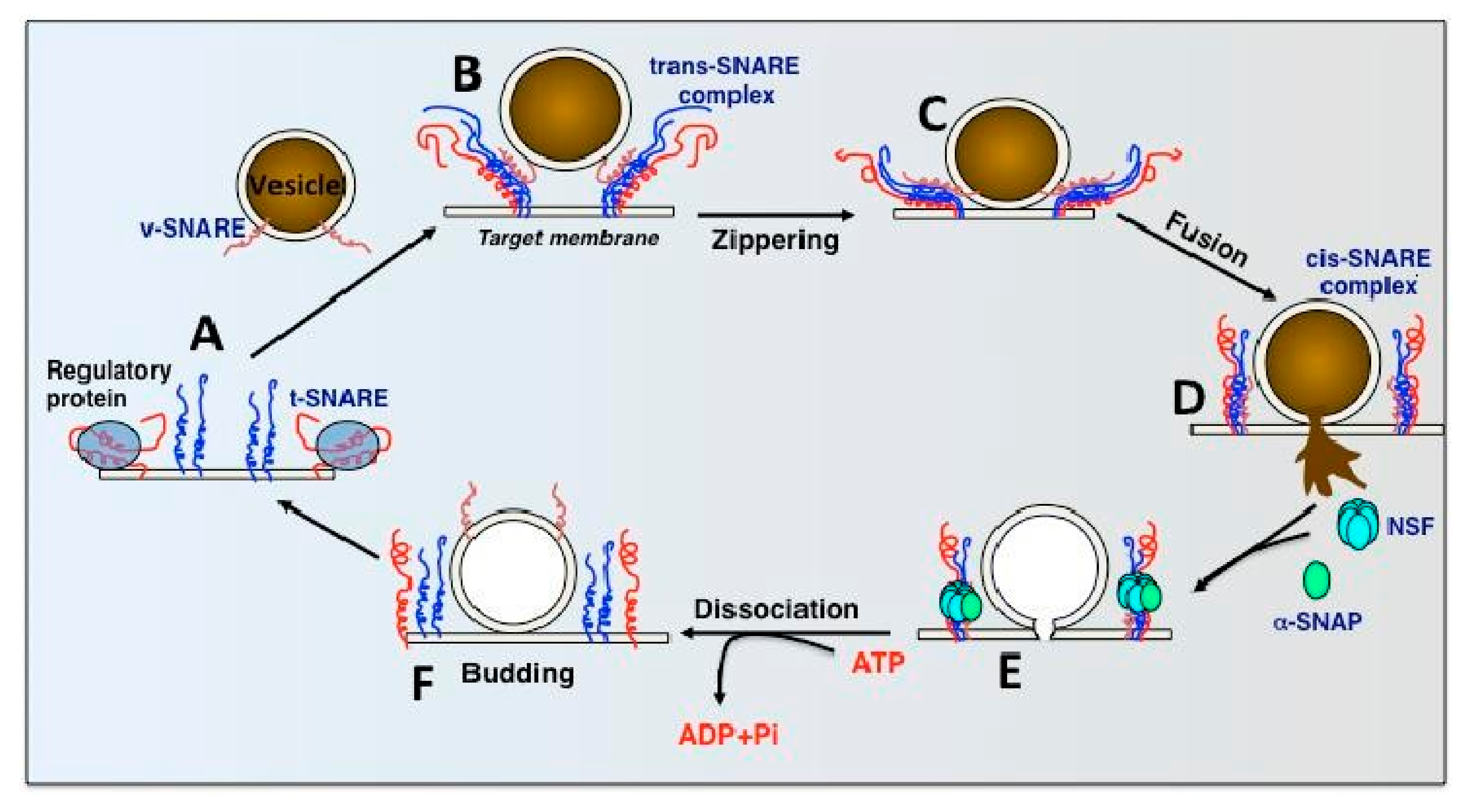
The Rothman proposal (also known as the SNARE Hypothesis, shown in Figure 3), as discussed in the introduction of this paper, hypothesizes a universal “docking and fusion” particle to explain vesicle docking and fusion at all locations [24]. The process of vesicle fusion mediated by SNAREs is shown in Figure 8.
Figure 8. Vesicle Fusion mediated by SNAREs [24,25].

5.3. v-SNAREs/t-SNAREs and Hydrocephalus

Membrane trafficking is critical for cellular homeostasis and numerous physiological processes. Therefore, complete loss of function in NSF, SNAPs, or most SNARE proteins results in cell death and embryonic lethality [49]. However, point mutations can be employed to determine the roles and functions of the different components of cellular trafficking [50].
A study by Nechiporuk et al. showed that discs large homolog 5 (Dgl5) (−/−) mice develop fully penetrant hydrocephalus and kidney cysts [51]. Dig5 encodes an evolutionarily conserved coiled-coil membrane-associated guanylate kinase (MAGUK) protein essential for maintaining epithelial tube integrity in the brain and kidneys [52]. The development of these phenotypes is thought to result from impaired membrane delivery of cadherin–catenin adhesion complexes and subsequent loss of cell polarity [52]. Dig5 has been shown to travel with cadherin-containing vesicles and interact with the t-SNARE protein syntaxin 4 [52]. Nechiporuk and colleagues propose that Dig5 facilitates the targeted delivery of cadherins to the plasma by linking cadherin-loaded vesicles to the t-SNARE fusion machinery [52]. This highlights the critical role of cadherin trafficking in maintaining cell polarity and epithelial tube architecture, processes vital for normal brain development [52].

6. Munc18 (Sec 1) Protein

6.1. Introduction

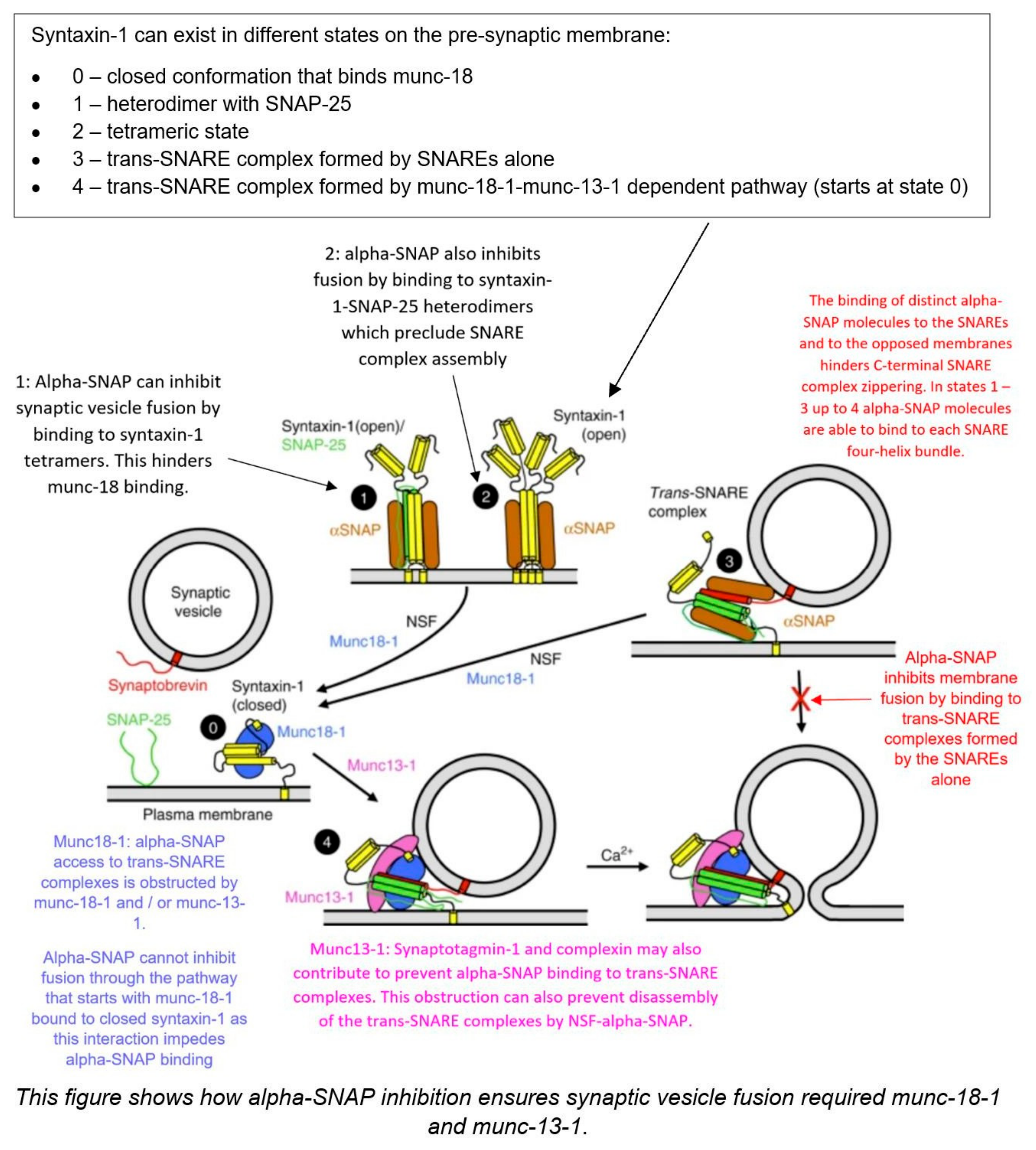
Earlier in this paper, the possibility that alpha-SNAP recognizes cis-SNAREs and thus only allows NSF to disassemble cis-SNAREs and not trans-SNAREs was mentioned. However, it has also been suggested that proteins such as mammalian uncoordinated-18 (Munc18) protect trans-SNAREs from NSF and alpha-SNAP disassembly [19]. Studies in mice deficient in munc18a have shown that the protein is also necessary for exocytosis in mammals [26].

6.2. Mechanism

Munc18-1 and munc13-1 organize SNARE complex formation by an NSF-SNAP-resistant mechanism [27]. Figure 9 illustrates the importance of munc-18-1 and munc-13-1.
Figure 9. Role of Munc Proteins in Exocytosis [27].

6.3. Munc18 (Sec1) Protein and Hydrocephalus

Mutations to munc18-1 can modulate the stability of the template complex, which shows that chaperoned SNARE assembly is essential for exocytosis [53]. Knockout or mutagenesis of munc18 in various organisms results in significantly decreased secretion, highlighting its essential role in promoting exocytosis [49].

7. Rab Proteins

7.1. Introduction

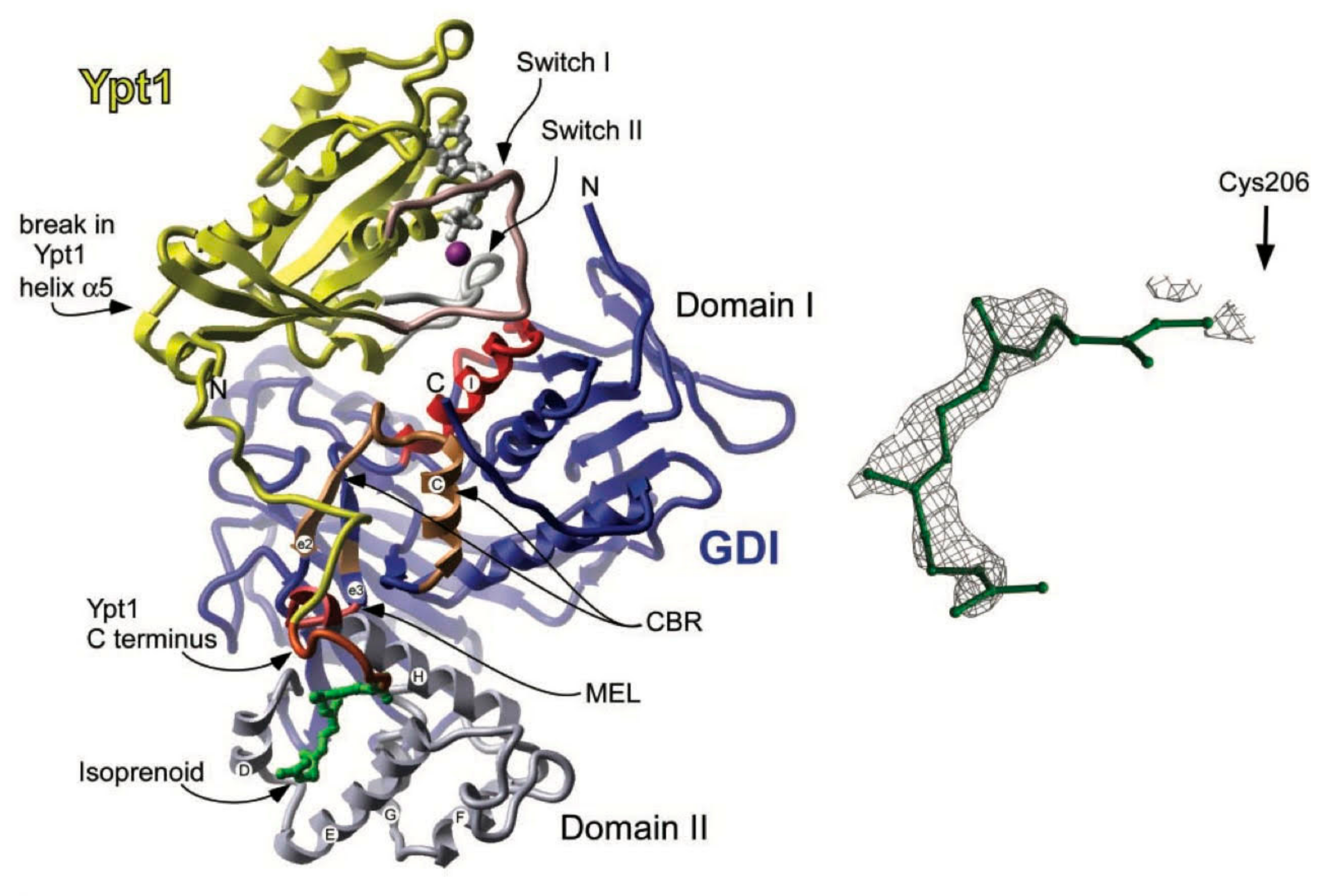
Figure 10 illustrates the generalized structure of Rab proteins. Table 4 summarizes the main functions of Rab Proteins.
Figure 10. Generalised Structure of Rab Proteins [28,52]. From [52], reprinted with permission from AAAS.
Table 4. Functions of Rab Proteins [28].

7.2. Mechanism

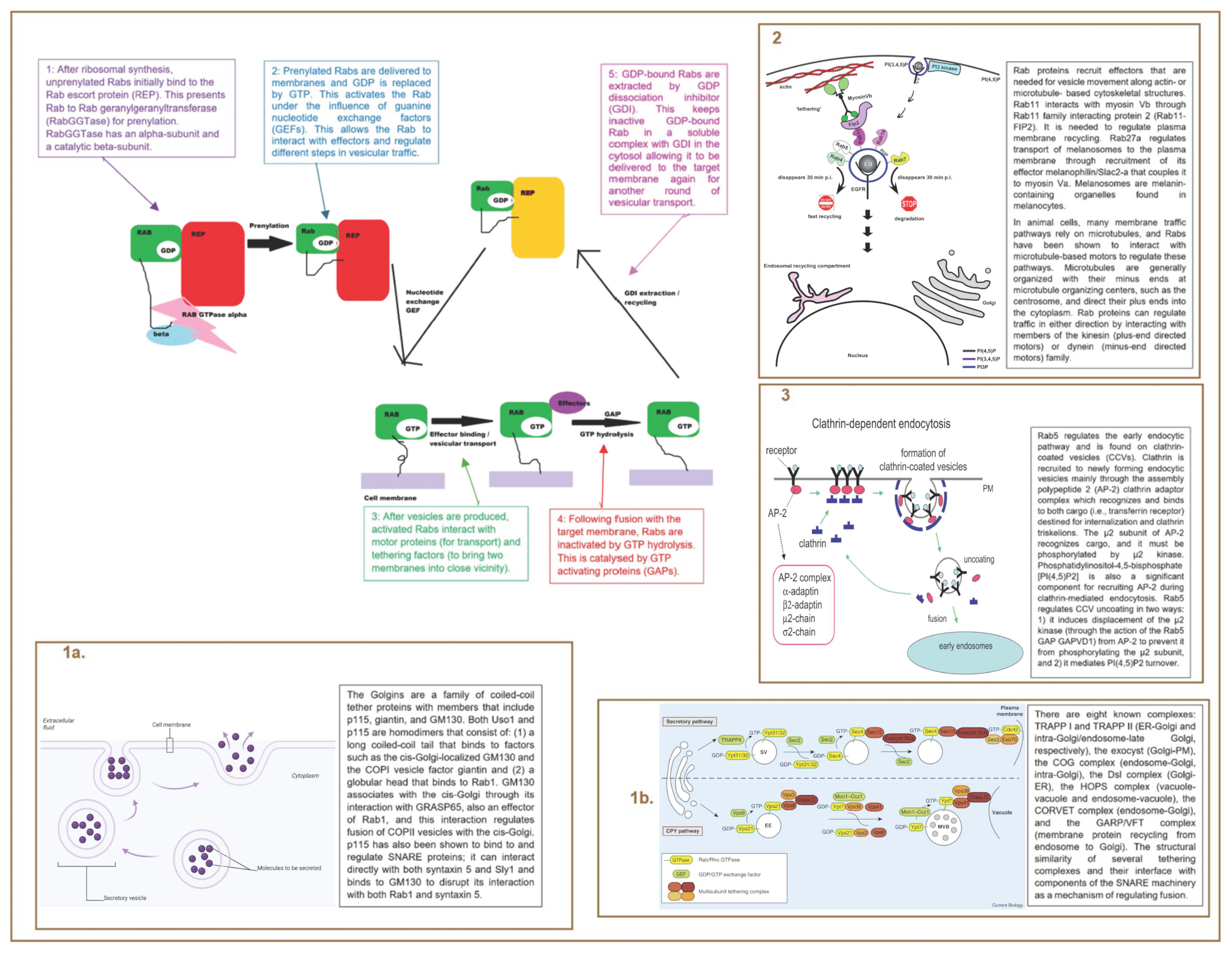
Molecular Switches: Rab proteins continuously cycle between the cytosol and different membranes [54]. Rab proteins have a multitude of other functions as well [17,54]. These are illustrated in Figure 11 [17,28,54] below.
Figure 11. Cycling of Rab Proteins and Functions of Rab Proteins—Molecular Switch; Cargo Selection and Vesicle Formation; Vesicle Movement; Vesicle Uncoating; Vesicle Tethering; and Membrane Fusion [17,28,54,55,56,57,58].
Cargo Selection and Vesicle Formation: The cargo in vesicles is selected by components of the coat complex of each vesicle [28]. These proteins recognize specific cargo elements targeted for transport [28]. Rab proteins facilitate this process by recruiting coat complexes and additional effectors necessary for vesicle formation [28].
Vesicle Tethering: To ensure accurate membrane transport, most pathways require factors that “tether” vesicles to their target membrane prior to fusion. These tethering factors are generally classified into two types: long coiled-coil proteins or multiprotein complexes [28]. Both types function as Rab effectors, with some also modulating the nucleotide-binding state for their associated Rab proteins [28]. Collectively, these tethers play a critical role in regulating SNARE-mediated vesicle fusion with the target membrane [28].
Membrane Fusion: Rab proteins regulate SNARE-dependent membrane fusion between transport vesicles and their target membranes [28]. They can interact directly with SNARE proteins or indirectly through SNARE regulatory proteins such as SM or lethal giant larvae (Lgl) [28].

7.3. Rab Proteins and Hydrocephalus

Rab proteins are essential for neuronal function [59]. The Rab GTPase family is known to be related to many diseases [28]. Research has found that RabL2A is essential for the normal function of cilia and flagella [60]. Mutations in this gene lead to ciliopathies [60]. While there is no direct link that has been established between this ciliopathy and hydrocephalus, a possibility is that the same mechanisms leading to ciliopathy impair membrane vesicular transport, thereby contributing to hydrocephalus formation.
Cilia are hair-like organelles that extend from the surface of eukaryotic cells and play crucial roles in motility, sensory reception, and intracellular transport. These structures are classified into motile and non-motile (primary) cilia, each serving distinct functions. Motile cilia generate coordinated, ATP-dependent beating patterns that drive fluid movement across epithelial surfaces, such as in the respiratory tract and fallopian tubes. The movement of cilia is powered by dynein, an ATPase motor protein that facilitates the sliding of microtubule doublets within the axoneme, the structural core of cilia. This activity generates the characteristic wave-like motion necessary for fluid transport and cellular signalling [61].
Beyond their role in motility, cilia are closely linked to vesicular transport processes. Intraflagellar transport (IFT) is a key mechanism by which cilia are maintained and functionally regulated. IFT relies on ATP-driven motor proteins—kinesin-2 for anterograde transport and cytoplasmic dynein-2 for retrograde transport—to shuttle protein cargo along the microtubule tracks within the cilium [62]. This transport system is essential for delivering membrane proteins, receptors, and signalling molecules required for ciliary function. Moreover, vesicular transport and ciliary function are interconnected in cellular homeostasis and signalling. For example, exocytosis and endocytosis at the ciliary base regulate the availability of signalling receptors, such as those involved in the Hedgehog pathway [63]. Dysregulation in ATP-dependent ciliary and vesicular transport mechanisms has been implicated in ciliopathies—disorders characterized by defects in cilia structure or function, leading to diseases such as polycystic kidney disease and Bardet–Biedl syndrome.
Overall, ATP-driven ciliary movement and vesicular transport are intricately linked processes that facilitate cellular communication, signalling, and material exchange. By coordinating vesicle trafficking with ciliary function, cells ensure the precise localization of receptors and signalling molecules necessary for normal physiological processes. Further studies on these ATP-dependent mechanisms may provide insights into potential therapeutic strategies for ciliopathies and other transport-related disorders.
Impaired L1 cell adhesion molecule (L1CAM) function has been found to underlie X-linked L1 syndrome, which encompasses congenital hydrocephalus [64]. Previous studies have identified a genetic interaction between Caenorhabditis elegans L1CAM, encoded by the sax-7 gene, and RAB-3 [65]. Therefore, there may be an indirect link between congenital hydrocephalus caused by impaired L1CAM function and Rab protein dysfunction.
Griscelli syndrome is a rare, autosomal recessive disorder [65]. Primary neurological presentation is rare in this disease, and there has been a case that presented with obstructive hydrocephalus [65]. This case also had a RAB 27A mutation [65]. While the link between Griscelli syndrome and hydrocephalus has not been established, it is possible that the RAB 27A mutation played a role in the formation of either Griscelli syndrome or hydrocephalus or both. Another study identified a RAB23 mutation in the homozygous state in four related individuals of Comorian origin diagnosed with Carpenter syndrome [65]. Brain imaging showed hydrocephalus in two out of four children [65]. No link has been established between RAB23 and hydrocephalus formation.
Table 5 summarises the key information discussed in the body of this article.
Table 5. Table summarising the key points discussed within this article.

8. Conclusions

The process of transcellular transport is complex and has many proteins and factors that regulate it. It has been shown that the pathogenesis of hydrocephalus is a result of poor macromolecular clearance out of the ventricles. This review reveals that abnormal transcytosis can result in hydrocephalus. Therefore, transcytosis could be one of the mechanisms that help clear these macromolecules. However, very little research has been performed on the link between transcytosis and hydrocephalus formation. Thus, further work in this area can help shed light on the mechanisms behind the formation of hydrocephalus and lead to a better understanding of the disease. It can also lead to better management strategies for hydrocephalus, particularly possible pharmacological strategies focusing on improving or promoting transcytosis mechanisms to improve the clearance of macromolecules.

Funding

This research received no external funding.

Conflicts of Interest

The authors declare no conflicts of interest.

References

  1. Sharma, B.; Luhach, K.; Kulkarni, G.T. 4-In vitro and in vivo models of BBB to evaluate brain targeting drug delivery. In Brain Targeted Drug Delivery System; Gao, H., Gao, X., Eds.; Academic Press: Cambridge, MA, USA, 2019; pp. 53–101. [Google Scholar]
  2. Koleva, M.; de Jesus, O. Hydrocephalus; StatPearls Publishing: Treasure Island, FL, USA, 2025. [Google Scholar]
  3. Bramall, A.N.; Anton, E.S.; Kahle, K.T.; Fecci, P.E. Navigating the ventricles: Novel insights into the pathogenesis of hydrocephalus. eBioMedicine 2022, 78, 103931. [Google Scholar] [CrossRef]
  4. Shuer, L.M. Hydrocephalus. 2024. Available online: https://www.aans.org/patients/conditions-treatments/hydrocephalus/ (accessed on 8 April 2024).
  5. NHS. Treatment of Hydrocephalus. 2023. Available online: https://www.nhs.uk/conditions/hydrocephalus/treatment/ (accessed on 14 February 2025).
  6. Agre, P. Nobel Lecture. Aquaporin water channels. Biosci. Rep. 2004, 24, 127–163. [Google Scholar] [CrossRef] [PubMed]
  7. Maraković, J.; Oresković, D.; Rados, M.; Vukić, M.; Jurjević, I.; Chudy, D.; Klarica, M. Effect of osmolarity on CSF volume during ventriculo-aqueductal and ventriculo-cisternal perfusions in cats. Neurosci. Lett. 2010, 484, 93–97. [Google Scholar] [CrossRef] [PubMed]
  8. Orešković, D.; Radoš, M.; Klarica, M. New Concepts of Cerebrospinal Fluid Physiology and Development of Hydrocephalus. Pediatr. Neurosurg. 2017, 52, 417–425. [Google Scholar] [CrossRef]
  9. Krishnamurthy, S.; Li, J.; Shen, Y.; Duncan, T.M.; Jenrow, K.A.; Haacke, E.M. Normal macromolecular clearance out of the ventricles is delayed in hydrocephalus. Brain Res. 2018, 1678, 337–355. [Google Scholar] [CrossRef] [PubMed]
  10. Krishnamurthy, S.; Li, J.; Schultz, L.; Jenrow, K.A. Increased CSF osmolarity reversibly induces hydrocephalus in the normal rat brain. Fluids Barriers CNS 2012, 9, 13. [Google Scholar] [CrossRef]
  11. College, D. Transcytosis. 2023. Available online: https://www.davidson.edu/academic-departments/biology (accessed on 14 February 2025).
  12. Whiteheart, S.W.; Schraw, T.; Matveeva, E.A. N-ethylmaleimide sensitive factor (NSF) structure and function. Int. Rev. Cytol. 2001, 207, 71–112. [Google Scholar]
  13. Vink, R.; Gabrielian, L.; Thornton, E. The Role of Substance P in Secondary Pathophysiology after Traumatic Brain Injury. Front. Neurol. 2017, 8, 304. [Google Scholar] [CrossRef]
  14. Wang, T.; Li, L.; Hong, W. SNARE proteins in membrane trafficking. Traffic 2017, 18, 767–775. [Google Scholar] [CrossRef]
  15. Marz, K.E.; Lauer, J.M.; Hanson, P.I. Defining the SNARE complex binding surface of alpha-SNAP: Implications for SNARE complex disassembly. J. Biol. Chem. 2003, 278, 27000–27008. [Google Scholar] [CrossRef]
  16. Ryu, J.K.; Jahn, R.; Yoon, T.Y. Review: Progresses in understanding N-ethylmaleimide sensitive factor (NSF) mediated disassembly of SNARE complexes. Biopolymers 2016, 105, 518–531. [Google Scholar] [CrossRef] [PubMed]
  17. Goody, R.S.; Müller, M.P.; Wu, Y.W. Mechanisms of action of Rab proteins, key regulators of intracellular vesicular transport. Biol. Chem. 2017, 398, 565–575. [Google Scholar] [CrossRef] [PubMed]
  18. May, A.P.; Whiteheart, S.W.; Weis, W.I. Unraveling the Mechanism of the Vesicle Transport ATPase NSF, the N-Ethylmaleimide-sensitive Factor. J. Biol. Chem. 2001, 276, 21991–21994. [Google Scholar] [CrossRef]
  19. Ma, L.; Kang, Y.; Jiao, J.; Rebane, A.A.; Cha, H.K.; Xi, Z.; Qu, H.; Zhang, Y. α-SNAP Enhances SNARE Zippering by Stabilizing the SNARE Four-Helix Bundle. Cell Rep. 2016, 15, 531–539. [Google Scholar] [CrossRef]
  20. Huang, X.; Sun, S.; Wang, X.; Fan, F.; Zhou, Q.; Lu, S.; Cao, Y.; Wang, Q.W.; Dong, M.Q.; Yao, J.; et al. Mechanistic insights into the SNARE complex disassembly. Sci. Adv. 2019, 5, eaau8164. [Google Scholar] [CrossRef]
  21. Emamzadeh, F.N. Alpha-synuclein structure, functions, and interactions. J. Res. Med. Sci. 2016, 21, 29. [Google Scholar] [CrossRef]
  22. Chua, C.E.; Tang, B.L. Rabs, SNAREs and α-synuclein--membrane trafficking defects in synucleinopathies. Brain Res. Rev. 2011, 67, 268–281. [Google Scholar] [CrossRef]
  23. Udayangani, S. What is the Difference Between v-SNARE and t-SNARE. 2022. Available online: https://www.differencebetween.com/what-is-the-difference-between-v-snare-and-t-snare/ (accessed on 9 September 2023).
  24. Goda, Y. SNAREs and regulated vesicle exocytosis. Proc. Natl. Acad. Sci. USA 1997, 94, 769–772. [Google Scholar] [CrossRef]
  25. Lou, X.; Shin, Y.K. SNARE zippering. Biosci. Rep. 2016, 36, e00327. [Google Scholar] [CrossRef]
  26. Toonen, R.F.G.; Verhage, M. Munc18-1 in secretion: Lonely Munc joins SNARE team and takes control. Trends Neurosci. 2007, 30, 564–572. [Google Scholar] [CrossRef]
  27. Stepien, K.P.; Prinslow, E.A.; Rizo, J. Munc18-1 is crucial to overcome the inhibition of synaptic vesicle fusion by αSNAP. Nat. Commun. 2019, 10, 4326. [Google Scholar] [CrossRef] [PubMed]
  28. Hutagalung, A.H.; Novick, P.J. Role of Rab GTPases in membrane traffic and cell physiology. Physiol. Rev. 2011, 91, 119–149. [Google Scholar] [CrossRef]
  29. Lechuga, S.; Naydenov, N.G.; Feygin, A.; Jimenez, A.J.; Ivanov, A.I. A vesicle trafficking protein αSNAP regulates Paneth cell differentiation in vivo. Biochem. Biophys. Res. Commun. 2017, 486, 951–957. [Google Scholar] [CrossRef][Green Version]
  30. Ferland, R.J.; Batiz, L.F.; Neal, J.; Lian, G.; Bundock, E.; Lu, J.; Hsiao, Y.C.; Diamond, R.; Mei, D.; Banham, A.H.; et al. Disruption of neural progenitors along the ventricular and subventricular zones in periventricular heterotopia. Hum. Mol. Genet. 2009, 18, 497–516. [Google Scholar] [CrossRef]
  31. Cui-Cui, L.; Shan, S.; Sen-Fang, S. The Role of the N-D1 Linker of the N-Ethylmaleimide-Sensitive Factor in the SNARE Disassembly. PLoS ONE 2013, 8, e64346. [Google Scholar]
  32. Hong, H.K.; Chakravarti, A.; Takahashi, J.S. The gene for soluble N-ethylmaleimide sensitive factor attachment protein alpha is mutated in hydrocephaly with hop gait (hyh) mice. Proc. Natl. Acad. Sci. USA 2004, 101, 1748–1753. [Google Scholar] [CrossRef]
  33. Bátiz, L.F.; Páez, P.; Jiménez, A.J.; Rodríguez, S.; Wagner, C.; Pérez-Fígares, J.M.; Rodríguez, E.M. Heterogeneous expression of hydrocephalic phenotype in the hyh mice carrying a point mutation in alpha-SNAP. Neurobiol. Dis. 2006, 23, 152–168. [Google Scholar] [CrossRef]
  34. Bajjalieh, S. Trafficking in cell fate. Nat. Genet. 2004, 36, 216–217. [Google Scholar] [CrossRef]
  35. Chae, T.H.; Kim, S.; Marz, K.E.; Hanson, P.I.; Walsh, C.A. The hyh mutation uncovers roles for alpha Snap in apical protein localization and control of neural cell fate. Nat. Genet. 2004, 36, 264–270. [Google Scholar] [CrossRef]
  36. Miao, Y.; Bhushan, J.; Dani, A.; Vig, M. Na+ influx via Orai1 inhibits intracellular ATP-induced mTORC2 signaling to disrupt CD4 T cell gene expression and differentiation. eLife 2017, 6, e25155. [Google Scholar] [CrossRef]
  37. Wang, L.; Brautigan, D.L. α-SNAP inhibits AMPK signaling to reduce mitochondrial biogenesis and dephosphorylates Thr172 in AMPKα in vitro. Nat. Commun. 2013, 4, 1559. [Google Scholar] [CrossRef] [PubMed]
  38. Bátiz, L.F.; De Blas, G.A.; Michaut, M.A.; Ramírez, A.R.; Rodríguez, F.; Ratto, M.H.; Oliver, C.; Tomes, C.N.; Rodríguez, E.M.; Mayorga, L.S. Sperm from hyh mice carrying a point mutation in alphaSNAP have a defect in acrosome reaction. PLoS ONE 2009, 4, e4963. [Google Scholar] [CrossRef]
  39. Bátiz, L.F.; Roales-Buján, R.; Rodríguez-Pérez, L.M.; Matas, I.M.; Páez, P.; Roque, M.; Jiménez, A.J.; Ramos, C.; Pérez-Fígares, J.M. A simple PCR-based genotyping method for M105I mutation of alpha-SNAP enhances the study of early pathological changes in hyh phenotype. Mol. Cell Probes 2009, 23, 281–290. [Google Scholar] [CrossRef]
  40. de Paola, M.; Miró, M.P.; Ratto, M.; Bátiz, L.F.; Michaut, M.A. Pleiotropic effects of alpha-SNAP M105I mutation on oocyte biology: Ultrastructural and cellular changes that adversely affect female fertility in mice. Sci. Rep. 2019, 9, 17374. [Google Scholar] [CrossRef]
  41. SinoBiological. Alpha SNAP. 2022. Available online: https://jp.sinobiological.com/resource/alpha-snap/proteins (accessed on 14 February 2025).
  42. UniProt. P37840 SYUA_HUMAN. 2023. Available online: https://www.uniprot.org/uniprotkb/P37840/entry#function (accessed on 14 February 2025).
  43. Vanderstichele, H.; Demeyer, L.; Janelidze, S.; Coart, E.; Stoops, E.; Mauroo, K.; Herbst, V.; François, C.; Hansson, O. Recommendations for cerebrospinal fluid collection for the analysis by ELISA of neurogranin trunc P75, α-synuclein, and total tau in combination with Aβ(1-42)/Aβ(1-40). Alzheimers Res. Ther. 2017, 9, 40. [Google Scholar] [CrossRef]
  44. Alpha-synuclein. 2025. Available online: https://en.wikipedia.org/w/index.php?title=Alpha-synuclein&oldid=1267677851 (accessed on 14 February 2025).
  45. Sakurai, A.; Tsunemi, T.; Ishiguro, Y.; Okuzumi, A.; Hatano, T.; Hattori, N. Comorbid alpha synucleinopathies in idiopathic normal pressure hydrocephalus. J. Neurol. 2022, 269, 2022–2029. [Google Scholar] [CrossRef]
  46. Hoshi, K.; Matsumoto, Y.; Ito, H.; Saito, K.; Honda, T.; Yamaguchi, Y.; Hashimoto, Y. A unique glycan-isoform of transferrin in cerebrospinal fluid: A potential diagnostic marker for neurological diseases. Biochim. Biophys. Acta Gen. Subj. 2017, 1861, 2473–2478. [Google Scholar] [CrossRef]
  47. Mehta, N.H.; Suss, R.A.; Dyke, J.P.; Theise, N.D.; Chiang, G.C.; Strauss, S.; Saint-Louis, L.; Li, Y.; Pahlajani, S.; Babaria, V.; et al. Quantifying cerebrospinal fluid dynamics: A review of human neuroimaging contributions to CSF physiology and neurodegenerative disease. Neurobiol. Dis. 2022, 170, 105776. [Google Scholar] [CrossRef]
  48. Jurjević, I.; Miyajima, M.; Ogino, I.; Akiba, C.; Nakajima, M.; Kondo, A.; Kikkawa, M.; Kanai, M.; Hattori, N.; Arai, H. Decreased Expression of hsa-miR-4274 in Cerebrospinal Fluid of Normal Pressure Hydrocephalus Mimics with Parkinsonian Syndromes. J. Alzheimers Dis. 2017, 56, 317–325. [Google Scholar] [CrossRef]
  49. Connell, E.; Darios, F.; Broersen, K.; Gatsby, N.; Peak-Chew, S.Y.; Rickman, C.; Davletov, B. Mechanism of arachidonic acid action on syntaxin-Munc18. EMBO Rep. 2007, 8, 414–419. [Google Scholar] [CrossRef]
  50. Söllner, T.H. A mutation in the general membrane trafficking machinery and hydrocephaly. Proc. Natl. Acad. Sci. USA 2004, 101, 1431–1432. [Google Scholar] [CrossRef] [PubMed]
  51. Nechiporuk, T.; Fernandez, T.E.; Vasioukhin, V. Failure of epithelial tube maintenance causes hydrocephalus and renal cysts in Dlg5−/− mice. Dev. Cell 2007, 13, 338–350. [Google Scholar] [CrossRef] [PubMed]
  52. Rak, A.; Pylypenko, O.; Durek, T.; Watzke, A.; Kushnir, S.; Brunsveld, L.; Waldmann, H.; Goody, R.S.; Alexandrov, K. Structure of Rab GDP-dissociation inhibitor in complex with prenylated YPT1 GTPase. Science 2003, 302, 646–650. [Google Scholar] [CrossRef] [PubMed]
  53. Jiao, J.; He, M.; Port, S.A.; Baker, R.W.; Xu, Y.; Qu, H.; Xiong, Y.; Wang, Y.; Jin, H.; Eisemann, T.J.; et al. Munc18-1 catalyzes neuronal SNARE assembly by templating SNARE association. eLife 2018, 7, e41771. [Google Scholar] [CrossRef]
  54. Corbeel, L.; Freson, K. Rab proteins and Rab-associated proteins: Major actors in the mechanism of protein-trafficking disorders. Eur. J. Pediatr. 2008, 167, 723–729. [Google Scholar] [CrossRef]
  55. Mölleken, K.; Hegemann, J.H. Acquisition of Rab11 and Rab11-Fip2-A novel strategy for Chlamydia pneumoniae early survival. PLoS Pathog. 2017, 13, e1006556. [Google Scholar] [CrossRef]
  56. López-Hernández, T.; Haucke, V.; Maritzen, T. Endocytosis in the adaptation to cellular stress. Cell Stress. 2020, 4, 230–247. [Google Scholar] [CrossRef]
  57. Witkos, T.M.; Lowe, M. Recognition and tethering of transport vesicles at the Golgi apparatus. Curr. Opin. Cell Biol. 2017, 47, 16–23. [Google Scholar] [CrossRef]
  58. Bröcker, C.; Engelbrecht-Vandré, S.; Ungermann, C. Multisubunit tethering complexes and their role in membrane fusion. Curr. Biol. 2010, 20, R943–R952. [Google Scholar] [CrossRef]
  59. McCaffrey, M.W.; Lindsay, A.J. Rab Family. In Encyclopedia of Biological Chemistry, 2nd ed.; Lennarz, W.J., Lane, M.D., Eds.; Academic Press: Waltham, MA, USA, 2013; pp. 1–6. [Google Scholar]
  60. Ding, X.; Fragoza, R.; Singh, P.; Zhang, S.; Yu, H.; Schimenti, J.C. Variants in RABL2A causing male infertility and ciliopathy. Hum. Mol. Genet. 2020, 29, 3402–3411. [Google Scholar] [CrossRef]
  61. Satir, P.; Christensen, S.T. Overview of structure and function of mammalian cilia. Annu. Rev. Physiol. 2007, 69, 377–400. [Google Scholar] [CrossRef] [PubMed]
  62. Pedersen, L.B.; Rosenbaum, J.L. Intraflagellar transport (IFT) role in ciliary assembly, resorption and signalling. Curr. Top. Dev. Biol. 2008, 85, 23–61. [Google Scholar] [PubMed]
  63. Nachury, M.V.; Seeley, E.S.; Jin, H. Trafficking to the ciliary membrane: How to get across the periciliary diffusion barrier? Annu. Rev. Cell Dev. Biol. 2010, 26, 59–87. [Google Scholar] [CrossRef]
  64. Moseley-Alldredge, M.; Sheoran, S.; Yoo, H.; O’Keefe, C.; Richmond, J.E.; Chen, L. A role for the Erk MAPK pathway in modulating SAX-7/L1CAM-dependent locomotion in Caenorhabditis elegans. Genetics 2022, 220, iyab215. [Google Scholar] [CrossRef]
  65. Rajadhyax, M.; Neti, G.; Crow, Y.; Tyagi, A. Neurological presentation of Griscelli syndrome: Obstructive hydrocephalus without haematological abnormalities or organomegaly. Brain Dev. 2007, 29, 247–250. [Google Scholar] [CrossRef]
Disclaimer/Publisher’s Note: The statements, opinions and data contained in all publications are solely those of the individual author(s) and contributor(s) and not of MDPI and/or the editor(s). MDPI and/or the editor(s) disclaim responsibility for any injury to people or property resulting from any ideas, methods, instructions or products referred to in the content.

Article Metrics

Citations

Article Access Statistics

Multiple requests from the same IP address are counted as one view.