


Abstract
Vermicomposting is a process in which earthworms are utilized to convert biodegradable organic waste into humus-like vermicast. Past work, mainly on vermicomposting of animal droppings, has shown that vermicompost is an excellent organic fertilizer and is also imbibed with pest-repellent properties. However, there is no clarity whether vermicomposts of organic wastes other than animal droppings are as plant-friendly as the manure-based vermicomposts are believed to be. It is also not clear as to whether the action of a vermicompost as a fertilizer depends on the species of plants being fertilized by it. This raises questions whether vermicomposts are beneficial (or harmful) at all levels of application or if there is a duality in their action which is a function of their rate of application. The present work is an attempt to seek answers to these questions. To that end, all hitherto published reports on the action of vermicomposts of different substrates on different species of plants have been assessed. The study reveals that, in general, vermicomposts of all animal/plant based organic wastes are highly potent fertilizers. They also possess some ability to repel plant pests. The factors that shape these properties have been assessed and the knowledge gaps that need to be bridged have been identified.
1. Introduction
For sustaining soil fertility and boost crop production, organic wastes such as cattle droppings, rejects from the kitchen, sewage sludge or anaerobically digested animal manure have been used in agriculture for a long time [1,2,3]. These substances provide nutrients and organic carbon to the soil, but not very efficiently [4]. Moreover, some of these substances can undergo anaerobic decomposition in the soil, and generate methane, which is a major global warming gas [5,6,7]. Vermicomposting is believed to offer a route by which organic waste can be stabilized to a significant extent, converting it into a finished fertilizer [8]. Similar ends can be achieved with composting but composting is an energy-intensive process and the fertilizer value of the composts is known to be inferior to that of vermicomposts [9,10,11,12].
Both composting and vermicomposting involve biological decomposition of organic waste to produce a stabilized organic fertilizer. However, vermicomposting is distinguished from all other pollution control processes, including composting, in that an animal—an earthworm—facilitates the microbial action on the waste. This occurs because the waste is exposed to certain bacteria and enzymes present in the earthworm gut which are not available during composting or other biological degradation processes and which bestow special attributes to a vermicompost (VC). During ingesting bits of waste, earthworms comminute them with their gizzards, thereby enhancing their surface area manifold and making them much more amenable to microbial and enzymatic action than they otherwise were [8]. As the masticated waste passes through an earthworm’s gut, it is acted upon by enzymes and microorganisms present in the gut to become extensively biodegraded [13,14,15,16]. The substrate also acquires some of the enzymes and microorganisms, as well as some of the hormones, present in the earthworm gut, as it is excreted by the earthworm in the form of vermicast. During this vermicomposting, 50 ± 10% of the organic carbon present in the parent substrate is mineralized and is emitted in the form of carbon dioxide. Due to this, the concentration of nitrogen, phosphorous, and other major, medium, and trace nutrients is enhanced in the VC relative to the parent substrate. The mineralization caused by the biodegradation also makes these nutrients more bioavailable than they were in the parent substrate.
However, even as several reports exist which have shown that VC stimulated seed germination [17,18,19], supported plant growth and enhanced the yield and the quality of fruits [20,21] of several plant species, there are also reports describing that VC either had no beneficial effect or had a detrimental effect [19,22,23,24,25]. Likewise, there are reports which show that VC can induce resistance in plants against pests and diseases [26,27,28,29] but it is not known whether the opposite effect also occurs.
This assessment of the state-of-the-art was performed to determine the balance of evidence for and against the virtues of VC. It is aimed to identify the different reasons advanced so far to explain the different types of impacts of VC as witnessed during different ways of VC application. Additionally, it is aimed to locate knowledge gaps that have to be filled up if we are to realize the true potential of VC as an organic fertilizer and biopesticide.
2. Methodology
We began by exploring all potential sources for material on the effect of VC derived from different substrates on different species of plants. All papers/reports available on Science Direct, Web of Science, and Google Scholar were considered. Abstracts from conferences, book reviews, editorials, letters, and news stories were excluded. The material was classified based on: (1) studies showing stimulatory effect at all levels of VC applications; (2) studies showing stimulatory effect depending on the concentrations of the VC applied; (3) studies showing no effect; and (4) studies showing inhibitory effect of VC application. The role of VC in inducing resistance in plants against pests and diseases was also assessed. The possible reasons for the differences in the nature of impacts of VC, as advanced by different authors, were then identified and classified.
When the study was initiated, we had aimed at a meta-analysis in which we would have tried to quantify cause–effect relationships, assess the weight of different influences, and carry out tests of significance. However, it was not possible because of great non-uniformity in the data that have been reported in the past. The effect of vermicomposts derived from different substrates has been assessed often in combination with other fertilizers on many different botanical species, with widely differing soils and container media, and irrigation with water of widely differing quality, under highly diverse agroclimatic conditions. This extent of variability made it impossible to quantify responses beyond computation of percentages under broad classifications.
3. State-of-the-Art
A total of 252 reports were located in primary literature. A summary is provided in Table 1, Table 2, Table 3 and Table 4. The bulk of these studies have been published during the last 10 years and more studies have been published during 2011–2015 than in any earily five-year span (Figure 1). These statistics reveal the world’s increasing interest in VC. The relative proportion of studies on VC derived from manure, phytomass, manure-phytomass blends, and substrates other than manure and phytomass are presented in Figure 2. As may be seen, there is predominance of studies which involve manure, either alone or in combination with phytomass. Studies on phytomass are less than 1/3 of all, even though by far much greater quantities of waste phytomass are generated in the world than of animal manure. The reasons for much lesser utilization of phytomass than animal manure for VC until now was explained by us recently [30].

Table 1.
Effect of vermicompost (VC) on seed germination.
Table 2.
Effect of vermicompost (VC) on growth and yield.
Table 3.
Effect of vermicomposts on soil.
Table 4.
Effect of vermicompost in suppressing plant disease and pests.
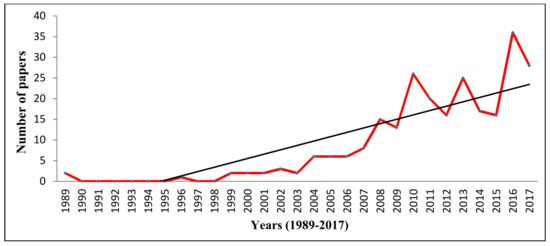
Figure 1.
Number of papers published on the effect of vermicompost (VC) on germination, growth, yield, disease control and soil health, during 1989–2017.
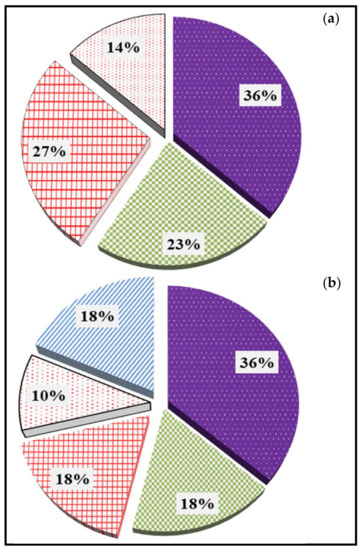
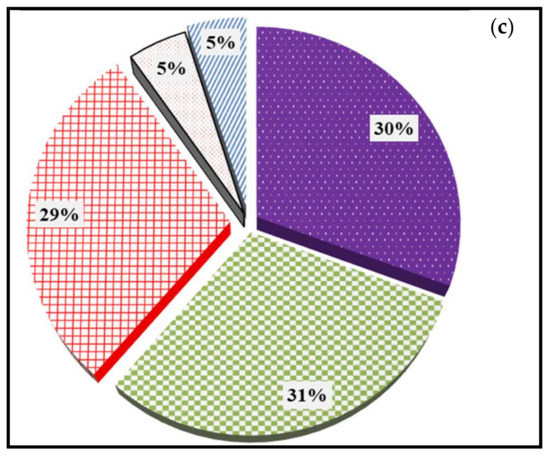
Figure 2.
Fractions of studies describing impact of vermicompost derived from manure  , phytomass
  , manure-phytomass mixture
  , other substrates
  , and with no mention of source of VC
  on (a) seed germination; (b) growth and yield, and (c) soil health.
, phytomass , manure-phytomass mixture , other substrates , and with no mention of source of VC on (a) seed germination; (b) growth and yield, and (c) soil health.
3.1. Effect of Vermicompost on Seed Germination
As shown in Table 1, seeds of several plant species have been used to evaluate the influence of VC on their germination. The findings present a mixed picture: in the majority of cases VC was found to promote germination but no effect or negative effect was also reported. The relative proportion of studies reporting different types of impacts of VC on seed germination is reflected in Figure 3a. Enhancement was reported in 40% of the studies while 37% reported stimulation up to certain VC concentrations and inhibition beyond those concentrations. In 9% of reports, only inhibition was shown, and 14% reported no impact. Thus, 77% of studies claimed that VC facilitates seed germination, at least up to certain levels of application.
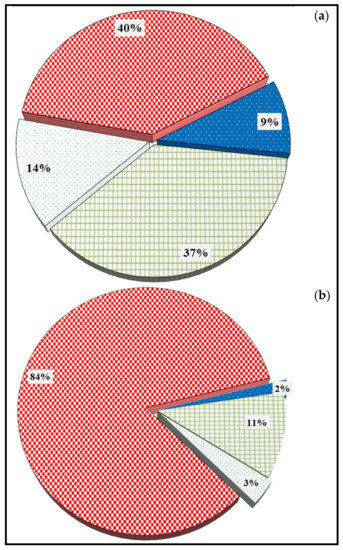
Figure 3.
Relative fractions of studies on the effect of vermicompost on (a) seed germination; and (b) plant growth and yield:  no effect,
  stimulation,
  inhibition, and
  stimulation at lower concentrations and inhibition at higher.
no effect, stimulation, inhibition, and stimulation at lower concentrations and inhibition at higher.
The nature of the effect VC exerts seems to depend on plant species and VC concentration. Seed germination is essentially an internally regulated process, which is influenced mainly by the genotype of plants. However, external factors such as temperature, humidity, light period, soil moisture, and presence of certain chemical compounds can also alter this process through either promotion or inhibition [31,32]. All these factors are intertwined and are facilitated by signaling through multiple hormones that either promote or inhibit seed germination [33].
The first study reporting the duality in behavior of VC—increased germination success up to certain concentrations and inhibition at higher levels—was reported by Wilson and Carlile [34]. They found that duck waste VC in the range 2–8% increased the germination success of tomato (S. lycopersicum), lettuce (L. sativa), and pepper (Capsicum sp.), while 10–20% VC treatments reduced the germination success significantly. In a recent series of extensive investigations, Hussain et al. [35,36,37,38,39] found that VC derived from salvinia (Salvinia molesta), lantana (Lantana camara), parthenium (Parthenium hysterophorus), and ipomoea (Ipomoea carnea) enhanced the germination success of ladies finger, green gram and cucumber when used in the concentration range of 2–8% but hindered it at higher levels of application. The possible reasons for the dual behavior of VC, culled from reports in Table 1, are summarized below:
- (a)
- As mentioned in the Introduction, during vermicomposting, a substrate loses 50 ± 10% of its carbon in the form of emitted CO2 which is produced from worm-mediated aerobic biodegradation. On the other hand, nitrogen is not lost; rather some nitrogen gets added in the form of earthworm mucus. The combined effect is a reduction in the substrate mass with the consequent enhancement in the concentration of nitrate and ammonium in the vermicast relative to that in the substrate. All other nutrients also get enriched. As both nitrate and ammonium are efficient breakers of seed dormancy [40,41], their enrichment in VC makes the latter a facilitator of germination. Indeed, nitrate and ammonium are known to be especially effective when present together. Even though several attempts have been made to explain this individual and collective action of nitrate and ammonium on germination, no clear picture has emerged yet [42,43].
- (b)
- Breaking of seed dormancy is facilitated by several organic chemicals as well. Such compounds include relatively simple aliphatics, e.g., methanol, ethanol, acetone and ethyl ether; aromatics, e.g., phenol and hydroxyquinoline; and complex growth regulators, e.g., gibberellins and cytokines [44]. As VC is rich in organic chemicals [45,46,47,48], it is likely to contain one or more of these compounds which enhance germination success. It has already been shown that plant growth hormones that are present in VC facilitate seed germination [49,50].
- (c)
- Most of the chemicals which promote germination up to certain concentrations are known to inhibit it when present in higher concentration [50,51,52]. Chemical fertilizers also display this dichotomy—facilitating germination and growth up to certain levels of application and hindering the same at higher levels [53,54,55].
- (d)
- Elevated salinity, caused by the higher mineral content of VC, perhaps slows down water uptake by seeds, thereby inhibiting their germination and root elongation [56,57,58]. Neamatollahi et al. [59] suggested that salinity may also affect germination by facilitating intake of toxic ions, which may change certain enzymatic or hormonal activities in seeds to the detriment of seed germination [60].
3.2. Effect of Vermicompost on Plant Growth and Yield
The studies are summarized in Table 2. Of these, 84% of studies reported stimulation, 11% reported stimulation or inhibition based on the rate of application, 2% reported only inhibition and 3% reported no impact (Figure 3b). In other words, 95% of the studies showed that VC exerts a beneficial influence on plants, at least up to certain concentrations. This general surmise is significant, considering the great variability in the past studies in terms of plant species tested, types of soils and other container media used, and the manner of fertilization which ranged from exclusive use of a VC to the deployment of complex mixtures of VCs, chemical fertilizers, and other amendments. The reports also cover widely varying agroclimatic regions and agricultural practices.
Given the extent of coverage of various possibilities, and the very large fraction of the studies which indicate that VC exerts beneficial influence, it can be generalized that VCs are good organic fertilizers. However, a great deal of uncertainty exists on what levels of VC applications are beneficial for which stage of plant growth. It is also not totally clear as to how a VC exerts its beneficial impacts and why it begins harming the growth of plants beyond certain concentrations—even as a good deal of understanding of the possible factors does exist. It is almost certain that VC improves the nutrient content of the soil or the container media to which it is applied [61,62,63,64,65]. Several other reports also suggest that the increase in the growth and yield of plants is a result of the increased nutrient levels in the VC amended soil/media [66,67,68,69,70,71,72,73,74,75].
The improvement in the physical properties of soil caused by the VC application, discussed in the following section, may also be a factor supporting plant growth and fruit yield.
A VC carries rich and diverse microbial populations, particularly fungi and bacteria [76,77]. It has been suggested that this could result in the production of significant quantities of plant growth regulators such as indole acetic acid, gibberellins and cytokinins by microorganisms [78], besides an increase in the enzymatic activities. Hussain et al. [35,36,37,38,39] reported an increase in the microbial biomass carbon in soil amended with the VCs derived from L. camara, I. carnea, P. hysterophorus, and S. molesta. Pointing to the importance of the role of microorganisms, Arancon et al. [49] suggested that the enhanced plant growth in the VC amended media cannot be attributed entirely to the physical and chemical amelioration by the VC. They found that plant growth was better in the VC amended media, compared to the control media, even when all the nutrients equivalent to those contained in the VC were given to the plants growing in the control media [79]. They postulated that it was the plant growth hormones and humic acids in the VC that, in conjunction with better nutrient availability, exerted the beneficial effect. Canellas et al. [80] and Zandonadi et al. [81] reported that the humic substances extracted from earthworm’s compost were capable of inducing lateral root growth in maize plants by stimulation of the plasma membrane H+-ATPase activity, thus producing an effect similar to the one achieved by exogenous application of indole-3-acetic acid (IAA). Another perspective is the induction of lateral root initiation by VC-derived humic substances which has been related to the activation of the transcription of some auxin responsive genes [82]. The hypothesis of the auxin activity of the VC-based humic substances is reinforced by the presence of exchangeable auxin groups in their macrostructure [80].
The ability of VC to suppress plant pests and pathogens may also contribute to better growth and yield of the VC fertilized plants. This aspect is elaborated in Section 3.4.
3.3. Effect of Vermicompost on Soil Health
Several studies reported the positive impact of VC on soil health (Table 3). The possible ways by which VC is reported to improve soil health are:
- (1)
- Addition of VC to the soil elevates the organic matter content in the latter. The vermicast particles, which tend to slowly dissolve in water, contribute to an increase in the overall pore space and water holding capacity of the soil, with concomitant decrease in the soil’s bulk and particle density [17,34,83].
- (2)
- VC is known to contain high concentrations of plant-available nutrients such as nitrates, phosphates, exchangeable calcium and soluble potassium. These when supplemented to the soil enhance the nutrient content of the soil [84,85,86].
- (3)
- Earthworms excrete polysaccharides, proteins and other nitrogenous compounds creating resource heterogeneity that ultimately increases microbial diversity [45,46,47,48]. During the gut transit, the pore space between organic and mineral particles is altered and packing void is created in the deposited castings. The structural rearrangement of the organic matter in the intestine of the earthworm results in more fine pores and fewer macropores in the castings. This enhances the availability of both water and nutrients to microorganisms, thus enhancing the microbial population in the soil. This, in turn, increases the activity of beneficial enzymes, hormones and plant growth regulators in the VC, and hence in the soil.
3.4. Effect of Vermicompost on Pests and Disease
As can be seen in Table 4, several studies showed that VCs can suppress a wide range of microbial diseases, insect pests and plant parasitic nematodes. Szczech [87] and Szczech and Smolinska [88] reported significant reduction in the infection caused by Fusarium lycopersici and Phytophthora nicotianae in tomato grown in VC−amended soil. Arancon et al. [89] found that tomato, pepper and cabbage plants grown in VC amended media have significantly lesser infections caused by Myzus persicae, Pseudococcus spp. and Peiris brassicae. Yardim et al. [26] reported reduction in the Manduca quinquemaculata, Acalymma vittatum, and Diabotrica undecimpunctata infestations in the cucumber and tomato plants grown in pig manure VC. Several other reports also suggest that VC amendment significantly reduces pathogen attacks on plants [90,91,92,93,94,95,96].
Several studies have indicated that better nutrient availability and the presence of antimicrobial compounds such as flavonoids, phenolics and humic acids in the VC may have induced resistance to pathogens in the plants [27,97,98,99,100]. According to Cardoza [93], the resistance against the diseases and pests may be influenced more by the microbial flora than the chemical compounds in the VC [39]. This premise is supported by the studies of Ershehin et al. [91] and Szczech and Smolinska [88] who found that the autoclaved vermicasts were no longer effective in suppressing the plant pathogens. Gopalakrishnan et al. [101] reported that actinomycete isolates from vermicasts were found to be effective in the biocontrol of the fusarium wilt in chick pea (Cicer arietinum). Out of 137 tested isolates, 33 were reported to show an antagonistic potential against fusarium wilt and, hence, could help to control it in the C. arietinum plant.
4. A Summary of the Nature and Causes of Different Effects
The possible reasons for the beneficial effects of VCs are summarized as:
- (1)
- VCs have higher nutritional value than traditional composts. This is due not only to the increased mineralization but also greater degree of humification caused in them by the action of earthworms [21,102].
- (2)
- VCs contain higher concentrations of plant-available nutrients such as nitrates, phosphates, exchangeable calcium, soluble potassium, and trace metals. When a VC is supplemented in soil, it enhances the relative proportion of these micro, semi-micro, and macro nutrients, thereby promoting pant growth and yield [84,85,86,103,104].
- (3)
- VCs contain humus which plays an important role in regulating the retention and release of plant nutrients. Humus contains negatively charged components in large numbers and is thus capable of holding many cations. This gives a VC the ability to act as a slow release fertilizer [105,106].
- (4)
- VCs are rich in organic matter, which, when added to the soil, increases the soil’s porosity, aeration, and water-holding capacity, with concomitant reduction of soil’s bulk and particle density. The resulting overall improvement in the physical properties of the soil contributes significantly to better plant growth and yield [76,106,107,108].
- (5)
- VCs contain large and diverse microbial population, which produces plant growth regulators, enzymes, and hormones beneficial to the plant growth [77,109,110]. There is also production of cytokinins and auxins [78,111].
The possible reasons why VCs exert a negative effect when applied at higher-than-desirable concentrations can be summarized as:
- (1)
- As happens with germination, the growth of plants is adversely affected if nutrients are supplied in excess of the plant’s needs [35,112,113].
- (2)
- If VC application is excessive, the resulting salinity may also inhibit plant growth [114,115,116]. Elevated salinity slows down water uptake by the seeds, thereby inhibiting their germination and root elongation as well as subsequent plant growth [56,57,58,59,60].
- (3)
- High levels of active substances of both phenolic and humic nature may suppress plant growth [115,117]. Phenolic compounds are among the secondary metabolites implicated in plant allelopathy and affect the plants in the following ways:
- (a)
- They increase the permeability of cell membranes, causing the cell contents to spill out leading to increased lipid peroxidation. Consequently, the growth of cells slows down and causes the death of the plant tissues. In addition, excessive phenolic compounds interfere with the absorption of the nutrients by the plants, thereby restricting the growth of the plants.
- (b)
- They are also known to impede the elongation of roots, plant cell division, and disturb the cell ultra-structure. In this manner, they interfere with the normal growth and development of the entire plant.
- (c)
- They tend to weaken the oxygen absorption capacity of plants, causing hindrance in the respiratory process. In addition, phenolic compounds adversely affect photosynthesis by reducing the chlorophyll content of the leaves. Consequently, the rate of photosynthesis is slowed down. Patterson [118] reported that caffeic acid, coumaric acid, ferulic acid, cinnamic acid, and vanillic acid in the concentration range 10–30 µmol/L could significantly inhibit the growth of soybean (Glycine max). Photosynthetic products and chlorophyll content of G. max were also strongly reduced.
- (d)
- They enter the plants through the plant’s cell membrane and change the activity and function of certain enzymes. Rice [119] demonstrated that chlorogenic acid, caffeic acid and catechol can inhibit activities of phosphorylase, while cinnamic acid and its derivatives can inhibit the hydrolysis activities of ATPase.
- (e)
- Phenolic compounds can hinder, even stop, the physiological activity of plant hormones, in turn inhibiting the normal physiological processes in the plants. Hydroxyl benzoic acid, polyphenols, and other compounds have been shown to suppress the decomposition of indole acetic acid and gibberellin.
- (f)
- While some phenolics (i.e., ferulic acid and cinnamic acid) have been seen to inhibit protein synthesis [120], all phenolics have the potential to reduce integrity of DNA and RNA [121,122,123].
- (4)
- Elevated concentrations of heavy metals alongside the elevated salinity and nutrient contents may also be the cause of suppression of plant growth when excessive levels of VC are applied [17]. Heavy metals induce growth inhibition, structure damage, and a decline in physiological and biochemical activity when present above certain concentrations [122].
The possible reason why some authors found no impact of VC on plant growth and yield may be due to the use of such doses of VCs which may not have been sufficient to satisfy the nutrient demand of plant species studied, leading to no impact on growth and yield [124].
5. Summary and Conclusions
Extensive assessment of past studies on the effect of vermicompost (VC) on plants and soils was carried out. A summary of the 252 reports, located in primary literature, is presented. The reports reveal that, in general, VC is beneficial to germination, growth and yield of plants. It also improves the physical and chemical properties of soil vis-à-vis agriculture productivity. These effects are seen irrespective of whether the VC is derived from animal manure, phytomass, or manure-phytomass blends. The reports also reveal that, in general, VC may become detrimental if applied in concentrations far greater than the ones found beneficial. All possible reasons for this dual behavior of VC were culled from the reports and catalogued in the review. Future work should focus on determining the ranges of beneficial VC concentrations under typical soil–water plant–micrometeorological regimes.
Acknowledgments
Shahid A. Abbasi thanks the Council of Scientific and Industrial Research (CSIR), New Delhi, for the Emeritus Scientist grant (21(1034)/16/EMR-II).
Author Contributions
The collection of data was mainly done by NH and its reporting by SAA. The two authors shared the workload evenly in interpreting the data. Overall the contribution of the two authors is equivalent.
Conflicts of Interest
The authors declare no conflict of interest.
References
- Sinha, R.K.; Herat, S.; Chauhan, K.; Valani, D. Special Issue: Vermiculture & sustainable agriculture. Am. Eurasian J. Agric. Environ. Sci. 2009, 5, 1–55. [Google Scholar]
- Sim, E.Y.S.; Wu, T.Y. The potential reuse of biodegradable municipal solid wastes (MSW) as feedstocks in vermicomposting. J. Sci. Food Agric. 2010, 90, 2153–2162. [Google Scholar] [CrossRef] [PubMed]
- Quilty, J.R.; Cattle, S.R. Use and understanding of organic amendments in Australian agriculture: A review. Soil Res. 2011, 49, 1–26. [Google Scholar] [CrossRef]
- Palm, C.A.; Gachengo, C.N.; Delve, R.J.; Cadisch, G.; Giller, K.E. Organic inputs for soil fertility management in tropical agroecosystems: Application of an organic resource database. Agric. Ecosyst. Environ. 2001, 83, 27–42. [Google Scholar] [CrossRef]
- Kasimir-Klemedtsson, Å.; Klemedtsson, L.; Berglund, K.; Martikainen, P.; Silvola, J.; Oenema, O. Greenhouse gas emissions from farmed organic soils: A review. Soil Use Manag. 1997, 13, 245–250. [Google Scholar] [CrossRef]
- Benbi, D.K. Greenhouse gas emissions from agricultural soils: Sources and mitigation potential. J. Crop Improv. 2013, 27, 752–772. [Google Scholar] [CrossRef]
- Oertel, C.; Matschullat, J.; Zurba, K.; Zimmermann, F.; Erasmi, S. Greenhouse gas emissions from soils—A review. Chem. der Erde-Geochem. 2016, 76, 327–352. [Google Scholar] [CrossRef]
- Edwards, C.A.; Norman, Q.A.; Sherman, R. Vermiculture Technology, Earthworms, Organic Waste and Environmental Management; CRC Press: Boca Raton, FL, USA, 2011; pp. 17–19. [Google Scholar]
- Gajalakshmi, S.; Abbasi, S.A. Solid waste management by composting: State of the art. Crit. Rev. Environ. Sci. Technol. 2008, 38, 311–400. [Google Scholar] [CrossRef]
- Abbasi, T.; Gajalakshmi, S.; Abbasi, S.A. Towards modelling and design of vermicomposting systems: Mechanisms of composting/vermicomposting and their implications. Indian J. Biotechnol. 2009, 8, 177–182. [Google Scholar]
- Shanmugasundaram, R.; Jeyalakshmi, T.; Saravanan, M.; Mohan, S.S.; Goparaju, A.; Murthy, P.B. Influence of some biological wastes and their combination on growth and reproduction potential of earthworm, Eisenia fetida and their effect on plant growth. Int. J. Environ. Waste Manag. 2013, 11, 387–398. [Google Scholar] [CrossRef]
- Duggan, T.; Jones, P. Lettuce (Lactuca sativa ‘Webb’s Wonderful’) shoot and root growth in different grades of compost and vermicomposted compost. Acta Horticult. 2016, 1146, 33–40. [Google Scholar] [CrossRef]
- Lattaud, C.; Zhang, B.G.; Locati, S.; Rouland, C.; Lavelle, P. Activities of the digestive enzymes in the gut and in tissue culture of a tropical geophagous earthworm, Polypheretima elongata (Megascolecidae). Soil Biol. Biochem. 1997, 29, 335–339. [Google Scholar] [CrossRef]
- Pathma, J.; Sakthivel, N. Microbial diversity of vermicompost bacteria that exhibit useful agricultural traits and waste management potential. SpringerPlus 2012, 1, 26. [Google Scholar] [CrossRef] [PubMed]
- Ravindran, B.; Contreras-Ramos, S.M.; Sekaran, G. Changes in earthworm gut associated enzymes and microbial diversity on the treatment of fermented tannery waste using epigeic earthworm Eudrilus eugeniae. Ecol. Eng. 2015, 74, 394–401. [Google Scholar] [CrossRef]
- Dadkhah, A.; Dashti, M.; Rassam Gh Fatemi, F. Effect of organic and biological fertilizers on growth, yield and essential oil of Salvia Leriifolia. Zeitschrift fur Arznei- und Gewurzpflanzen 2017, 22, 9–13. [Google Scholar]
- Atiyeh, R.M.; Arancon, N.Q.; Edwards, C.A.; Metzger, J.D. Influence of earthworm-processed pig manure on the growth and yield of greenhouse tomatoes. Bioresour. Technol. 2000, 75, 175–180. [Google Scholar] [CrossRef]
- Zaller Johann, G. Vermicompost as a substitute for peat in potting media: Effects on germination, biomass allocation, yields and fruit quality of three tomato varieties. Sci. Horticult. 2007, 112, 191–199. [Google Scholar] [CrossRef]
- Lazcano, C.; Dominguez, J. Effects of vermicompost as a potting amendment of two commercially-grown ornamental plant species. Span. J. Agric. Res. 2010, 8, 1260–1270. [Google Scholar] [CrossRef]
- Singh, R.; Sharma, R.R.; Kumar, S.; Gupta, R.K.; Patil, R.T. Vermicompost substitution influences growth, physiological disorders, fruit yield and quality of strawberry (Fragaria x ananassa Duch.). Bioresour. Technol. 2008, 99, 8507–8511. [Google Scholar] [CrossRef] [PubMed]
- Doan, T.T.; Henry-des-Tureaux, T.; Rumpel, C.; Janeau, J.L.; Jouquet, P. Impact of compost, vermicompost and biochar on soil fertility, maize yield and soil erosion in Northern Vietnam: A three-year mesocosm experiment. Sci. Total Environ. 2015, 514, 147–154. [Google Scholar] [CrossRef] [PubMed]
- Roberts, P.; Edwards, C.A.; Edwards-Jones, G.; Jones, D.L. Responses of common pot grown flower species to commercial plant growth media substituted with vermicomposts. Compost Sci. Util. 2007, 15, 159–166. [Google Scholar] [CrossRef]
- Doan, T.T.; Ngo, P.T.; Rumpel, C.; Nguyen, B.V.; Jouquet, P. Interactions between compost, vermicompost and earthworms influence plant growth and yield: A one year greenhouse experiment. Sci. Horticult. 2013, 160, 148–154. [Google Scholar] [CrossRef]
- Karthikeyan, M.; Gajalakshmi, S.; Abbasi, S.A. Comparative efficacy of vermicomposted paper waste and inorganic fertilizer on seed germination, plant growth and fruition of Cyamopsis tetragonoloba. J. Appl. Horticult. 2014, 16, 40–45. [Google Scholar]
- Luján-Hidalgo, M.C.; Gómez-Hernández, D.E.; Villalobos-Maldonado, J.J.; Abud-Archila, M.; Montes-Molina, J.A.; Enciso-Saenz, S.; Ruiz-Valdiviezo, V.M.; Gutiérrez-Miceli, F.A. Effects of vermicompost and vermiwash on plant, phenolic content, and anti-oxidant activity of Mexican Pepperleaf (Piper auritum Kunth) cultivated in phosphate rock potting media. Compost Sci. Util. 2017, 25, 95–101. [Google Scholar] [CrossRef]
- Yardim, E.N.; Arancon, N.Q.; Edwards, C.A.; Oliver, T.J.; Byrne, R.J. Suppression of tomato hornworm (Manduca quinquemaculata) and cucumber beetles (Acalymma vittatum and Diabotrica undecimpunctata) populations and damage by vermicomposts. Pedobiologia 2006, 50, 23–29. [Google Scholar] [CrossRef]
- Edwards, C.A.; Arancon, N.Q.; Bennett, M.V.; Askar, A.; Keeney, G.; Little, B. Suppression of green peach aphid (Myzus persicae) (Sulz.), citrus mealybug (Planococcus citri), and two spotted spider mite (Tetranychus urticae) (Koch.) attacks on tomatoes and cucumbers by aqueous extracts from vermicomposts. Crop Prot. 2010, 29, 80–93. [Google Scholar] [CrossRef]
- Serfoji, P.; Rajeshkumar, S.; Selvaraj, T. Management of rootknot nematode, Meloidogyne incognita on tomato cv Pusa Ruby. by using vermicompost, AM fungus, Glomus aggregatum and mycorrhiza helper bacterium, Bacillus coagulans. J. Agric. Technol. 2010, 6, 37–45. [Google Scholar]
- Carr, E.A.; Nelson, E.B. Disease-suppressive vermicompost induces a shift in germination mode of Pythium aphanidermatum zoosporangia. Plant Dis. 2014, 98, 361–367. [Google Scholar] [CrossRef]
- Abbasi, S.A.; Nayeem-Shah, M.; Abbasi, T. Vermicomposting of phytomass: Limitations of the past approaches and the emerging directions. J. Clean. Prod. 2015, 93, 103–114. [Google Scholar] [CrossRef]
- Kucera, B.; Cohn, M.A.; Leubner-Metzger, G. Plant hormone interactions during seed dormancy release and germination. Seed Sci. Res. 2005, 15, 281–307. [Google Scholar] [CrossRef]
- Najar, I.A.; Khan, A.B.; Hai, A. Effect of macrophyte vermicompost on growth and productivity of brinjal (Solanum melongena) under field conditions. Int. J. Recycl. Org. Waste Agric. 2015, 4, 73–83. [Google Scholar] [CrossRef]
- Finkelstein, R.R. Hormones in seed development and germination. In Plant Hormones: Biosynthesis, Signal Transduction and Action; Davies, P.J., Ed.; Kluwer Academic Publishers: Dordrecht, The Netherlands, 2004; pp. 513–537. [Google Scholar]
- Wilson, D.P.; Carlile, W.R. Plant growth in potting media containing worm-worked duck waste. Acta Horticult. 1989, 238, 205–220. [Google Scholar] [CrossRef]
- Hussain, N.; Abbasi, T.; Abbasi, S.A. Vermicomposting eliminates the toxicity of lantana (Lantana camara) and turns it into a plant friendly organic fertilizer. J. Hazardous Mater. 2015, 298, 46–57. [Google Scholar] [CrossRef] [PubMed]
- Hussain, N.; Abbasi, T.; Abbasi, S.A. Vermicomposting transforms allelopathic parthenium into a benign organic fertilizer. J. Environ. Manag. 2016, 180, 180–189. [Google Scholar] [CrossRef] [PubMed]
- Hussain, N.; Abbasi, T.; Abbasi, S.A. Toxic and allelopathic ipomoea yields plant-friendly organic fertilizer. J. Clean. Prod. 2017, 148, 826–835. [Google Scholar] [CrossRef]
- Hussain, N.; Abbasi, T.; Abbasi, S.A. Generation of highly potent organic fertilizer from pernicious aquatic weed Salvinia molesta. Environ. Sci. Pollut. Res. Int. 2018, 25, 4989–5002. [Google Scholar] [CrossRef] [PubMed]
- Hussain, N. Gainful Utilization of Toxic and Allelopathic Weeds for the Generation of Biofertilizer through Vermicomposting: An Assessment of the Fertilizer Value of the Resultant Vermicompost. Ph.D. Thesis, Pondicherry University, Puducherry, India, 2016. [Google Scholar]
- Bewley, J.D.; Black, M. Physiology and Biochemistry of Seeds in Relation to Germination; Springer: Berlin/Heidelberg, Germany; New York, NY, USA, 1982. [Google Scholar]
- Hilhorst, H.W.M.; Karssen, C.M. Effect of chemical environment on seed germination. In Seeds: The Ecology of Regeneration in Plant Communities; Fenner, M., Ed.; CABI publishing: Wallingford, UK, 2000; pp. 293–310. [Google Scholar]
- Bradford Kent, J.; Hiroyuki, N. Seed Development, Dormancy and Germination; Blackwell Publishing Ltd.: Oxford, UK, 2006. [Google Scholar]
- Lammatina, L.; Polacco, J. Nitric Oxide in Plant Growth, Development and Stress Physiology; Plant Cell Monographs; Springer: Berlin/Heidelberg, Germany, 2007. [Google Scholar]
- Jones, R.L.; Stoddart, J.L. Gibberellins and seed germination. In The Physiology and Biochemistry of Seed Dormancy and Germination; Elsevier: Amsterdam, The Netherlands; New York, NY, USA, 1977. [Google Scholar]
- Hussain, N.; Abbasi, T.; Abbasi, S.A. Transformation of toxic and allelopathic lantana into a benign organic fertilizer through vermicomposting. Spectrochim. Acta Part A 2016, 163, 162–169. [Google Scholar] [CrossRef] [PubMed]
- Hussain, N.; Abbasi, T.; Abbasi, S.A. Vermicomposting-mediated conversion of the toxic and allelopathic weed ipomoea intoa potent fertilizer. Process Saf. Environ. Prot. 2016, 103, 97–106. [Google Scholar] [CrossRef]
- Hussain, N.; Abbasi, T.; Abbasi, S.A. Transformation of a highly pernicious and toxic weed parthenium into an eco-friendly organic fertilizer by vermicomposting. Int. J. Environ Sci. 2016, 73, 731–745. [Google Scholar]
- Hussain, N.; Abbasi, T.; Abbasi, S.A. Vermiremediation of an invasive and pernicious weed salvinia (Salvinia molesta). Ecol. Eng. 2016, 91, 432–440. [Google Scholar] [CrossRef]
- Arancon, N.Q.; Edwards, C.A.; Bierman, P.; Metzger, J.D.; Lee, S.; Welch, C. Effects of vermicomposts on growth and marketable fruits of field-grown tomatoes, peppers and strawberries. Pedobiologia 2003, 47, 731–735. [Google Scholar] [CrossRef]
- Atiyeh, R.M.; Arancon, N.Q.; Edwards, C.A.; Metzger, J.D. The influence of earthworm-processed pig manure on the growth and productivity of marigolds. Bioresour. Technol. 2002, 81, 103–108. [Google Scholar] [CrossRef]
- Gutiérrez-Miceli, F.A.; Llaven, M.A.O.; Nazar, P.M.; Sesma, B.R.; Álvarez-Solís, J.D.; Dendooven, L. Optimization of vermicompost and worm-bed leachate for the organic cultivation of radish. J. Plant Nutr. 2011, 34, 1642–1653. [Google Scholar] [CrossRef]
- Reigosa, M.J.; Souto, X.C.; Gonzalez, L. Effect of phenolic compounds on the germination of six weed species. Plant Growth Regul. 1999, 28, 83–88. [Google Scholar] [CrossRef]
- Bremner, J.M.; Krogmeier, M.J. Evidence that the adverse effect of urea fertilizer on seed germination in soil is due to ammonia formed through hydrolysis of urea by soil urease. Proc. Natl. Acad. Sci. USA 1989, 86, 8185–8188. [Google Scholar] [CrossRef] [PubMed]
- Pérez-Fernández, M.A.; Calvo-Magro, E.; Montanero-Fernández, J.; Oyola-elasco, J.A. Seed germination in response to chemicals: Effect of nitrogen and pH in the media. J. Environ. Biol. 2006, 27, 13–20. [Google Scholar] [PubMed]
- Toledo, M.Z.; Garcia, R.A.; Merlin, A.; Fernandes, D.M. Seed germination and seedling development of white oat affected by silicon and phosphorus fertilization. Sci. Agricola 2011, 68, 18–23. [Google Scholar] [CrossRef]
- Uhvits, R. Effect of osmotic pressure on water absorption and germination of alfalfa seeds. Am. J. Bot. 1946, 33, 278–284. [Google Scholar] [CrossRef]
- Simon, E.W. Early Events in Germination 1984. Available online: https://www.sciencedirect.com/science/article/pii/B9780125119023500087 (accessed on 16 April).
- Werner, J.E.; Finkelstein, R.R. Arabidopsis mutants with reduced response to NaCl and osmotic stress. Physiol. Plant. 1995, 93, 659–666. [Google Scholar] [CrossRef]
- Neamatollahi, E.; Bannayan, M.; Darban, A.S.; Ghanbari, A. Hydropriming and osmopriming effects on cumin (Cuminum cyminum L.) seeds germination. World Acad. Sci. Eng. Technol. 2009, 57, 526–529. [Google Scholar]
- Kaveh, H.; Nemati, H.; Farsi, M.; Jartoodeh, S.V. How salinity affect germination and emergence of tomato lines. J. Biol. Environ. Sci. 2011, 5, 159–163. [Google Scholar]
- Jayakumar, M.; Sivakami, T.; Ambika, D.; Karmegam, N. Effect of turkey litter (Meleagris gallopavo L.) vermicompost on growth and yield characteristics of paddy, Oryza sativa (ADT-37). Afr. J. Biotechnol. 2011, 10, 15295–15304. [Google Scholar] [CrossRef]
- Wu, Y.; Li, Y.; Zheng, C.; Zhang, Y.; Sun, Z. Organic amendment application influence soil organism abundance in saline alkali soil. Eur. J. Soil Biol. 2013, 54, 32–40. [Google Scholar] [CrossRef]
- Uz, I.; Sonmez, S.; Tavali, I.E.; Citak, S.; Uras, D.S.; Citak, S. Effect of vermicompost on chemical and biological properties of an alkaline soil with high lime content during celery (Apium graveolens L. var. dulce Mill.) production. Not. Bot. Horti Agrobot. ClujNapoca 2016, 44, 280–290. [Google Scholar] [CrossRef]
- Verma, S.K.; Pankaj, U.; Khan, K.; Singh, R.; Verma, R.K. Bioinoculants and vermicompost improve Ocimum basilicum yield and soil health in a sustainable production system. CLEAN Soil Air Water 2016, 44, 686–693. [Google Scholar] [CrossRef]
- Zhao, H.T.; Li, T.P.; Zhang, Y.; Hu, J.; Bai, Y.C.; Shan, Y.H.; Ke, F. Effects of vermicompost amendment as a basal fertilizer on soil properties and cucumber yield and quality under continuous cropping conditions in a greenhouse. J. Soils Sediments 2017, 17, 2718–2730. [Google Scholar] [CrossRef]
- Tognetti, C.; Laos, F.; Mazzarino, M.J.; Hernández, M.T. Composting vs. vermicomposting: A comparison of end product quality. Compost Sci. Util. 2005, 13, 6–13. [Google Scholar] [CrossRef]
- Parthasarathi, K.; Balamurugan, M.; Ranganathan, L.S. Influence of vermicompost on the physico-chemical and biological properties in different types of soil along with yield and quality of the pulse crop-black gram. J. Environ. Health Sci. Eng. 2008, 5, 51–58. [Google Scholar]
- Paradelo, R.; Moldes, A.B.; Barral, M.T. Amelioration of the physical properties of slate processing fines using grape marc compost and vermicompost. Soil Sci. Soc. Am. J. 2009, 73, 1251–1260. [Google Scholar] [CrossRef]
- Pramanik, P.; Ghosh, G.K.; Chung, Y.R. Changes in nutrient content, enzymatic activities and microbial properties of lateritic soil due to application of different vermicomposts: A comparative study of ergosterol and chitin to determine fungal biomass in soil. Soil Use Manag. 2010, 26, 508–515. [Google Scholar] [CrossRef]
- Mahanta, K.; Jha, D.K.; Rajkhowa, D.J. Manoj Kumar, Microbial enrichment of vermicompost prepared from different plant biomasses and their effect on rice (Oryza sativa L.) growth and soil fertility. Biol. Agric. Horticult. 2012, 28, 241–250. [Google Scholar] [CrossRef]
- Verma, R.K.; Verma, R.S.; Rahman, L.U.; Yadav, A.; Patra, D.D.; Kalra, A. Utilization of distillation waste based vermicompost and other organic and inorganic fertilizers on improving production potential in geranium and soil health. Commun. Soil Sci. Plant Anal. 2014, 45, 141–152. [Google Scholar] [CrossRef]
- Maie Mohsen, M.A.; Abo Kora, H.A.; Abeer Kassem, H.M. Effect of vermicompost and calcium silicate to reduce the soil salinity on growth and oil determinations of marjoram plant. Int. J. ChemTech Res. 2016, 9, 235–262. [Google Scholar]
- Sujatha, S.; Bhat, R. Impact of organic and inorganic nutrition on soil–plant nutrient balance in arecanut (Areca catechu L.) on a laterite soil. J. Plant Nutr. 2016, 39, 714–726. [Google Scholar] [CrossRef]
- Tombion, L.; Puerta, A.V.; Barbaro, L.A.; Karlanian, M.A.; Sangiacomo, M.A.; Garbi, M. Substrate characteristics and lettuce (Lactuca sativa L.) seedling quality depending on the vermicompost dose. Chil. J. Agric. Anim. Sci. 2016, 32, 46–52. [Google Scholar] [CrossRef]
- Das, S.; Hussain, N.; Gogoi, B.; Buragohain, A.K.; Bhattacharya, S.S. Vermicompost and farmyard manure improves food quality, antioxidant and antibacterial potential of Cajanus cajan (L. mill sp.) leaves. J. Sci. Food Agric. 2017, 97, 956–966. [Google Scholar] [CrossRef] [PubMed]
- Edwards, C.A.; Burrows, I. The potential of earthworm composts as plant growth media. In Earthworms in Environmental and Waste Management; Neuhauser, C.A., Ed.; SPB Academic Publ. B.V.: Amsterdam, The Netherlands, 1988; pp. 211–220. [Google Scholar]
- Tomati, U.; Grappelli, A.; Galli, E. The hormone-like effect of earthworm casts on plant growth. Biol. Fertil. Soils 1988, 5, 288–294. [Google Scholar] [CrossRef]
- Krishnamoorthy, R.V.; Vajrabhiah, S.N. Biological activity of earthworm casts: An assessment of plant growth promoter levels in casts. Proc. Indian Acad. Sci. 1986, 95, 341–351. [Google Scholar] [CrossRef]
- Arancon, N.Q.; Edwards, C.A.; Bierman, P.; Metzger, J.D.; Lucht, C. Effects of vermicomposts produced from cattle manure, food waste and paper waste on the growth and yield of peppers in the field. Pedobiologia 2005, 49, 297–306. [Google Scholar] [CrossRef]
- Canellas, L.P.; Olivares, F.L.; Okorokova-Façanha, A.; Façanha, A.R. Humic acids isolated from earthworm compost enhance root elongation, lateral root emergence, and plasma membrane H+ -ATPase activity in maize roots. Plant Physiol. 2002, 130, 1951–1957. [Google Scholar] [CrossRef] [PubMed]
- Zandonadi, D.B.; Canellas, L.P.; Façanha, A.R. Indolacetic and humic acids induce lateral root development through a concerted plasmalemma and tonoplast H+ pumps activation. Planta 2007, 225, 1583–1595. [Google Scholar] [CrossRef] [PubMed]
- Trevisan, S.; Francioso, O.; Quaggiotti, S.; Nardi, S. Humic substances biological activity at the plant-soil interface from environmental aspects to molecular factors. Plant Signal. Behav. 2010, 5, 635–643. [Google Scholar] [CrossRef] [PubMed]
- Arancon, N.Q.; Edwards, C.A.; Babenko, A.; Cannon, J.; Galvis, P.; Metzger, J.D. Influences of vermicomposts, produced by earthworms and microorganisms from cattle manure, food waste and paper waste, on the germination, growth and flowering of petunias in the greenhouse. Appl. Soil Ecol. 2008, 39, 91–99. [Google Scholar] [CrossRef]
- Orozco, S.H.; Cegarra, J.; Trujillo, L.M.; Roig, A. Vermicomposting of coffee pulp using the earthworm Eisenia fetida: Effects on C and N contents and the availability of nutrients. Biol. Fertil. Soils 1996, 22, 162–166. [Google Scholar] [CrossRef]
- Moreno-Reséndez, A.; Solís-Morales, G.; Blanco-Contreras, E.; Vásquez-Arroyo, J.; Guzmán-Cedillo, L.M.P.; Rodríguez-Dimas, N.; Figueroa-Viramontes, U. Development of huizache (Acacia farnesiana) seedlings in substrates with vermicompost. Rev. Chapingo Ser. Cienc. For. Ambiente 2014, 20, 55–62. [Google Scholar] [CrossRef]
- Luján-Hidalgo, M.C.; PérezGómez, L.E.; AbudArchila, M.; MezaGordillo, R.; RuizValdiviezo, V.M.; Dendooven, L.; GutiérrezMiceli, F.A. Growth, phenolic content and antioxidant activity in chincuya (annona purpurea moc and sesse ex dunal) cultivated with vermicompost and phosphate rock. Compost Sci. Util. 2015, 23, 276–283. [Google Scholar] [CrossRef]
- Szczech, M.M. Suppressiveness of vermicompost against Fusarium wilt of tomato. J. Phytopathol. 1999, 147, 155–161. [Google Scholar] [CrossRef]
- Szczech, M.; Smolińska, U. Comparison of suppressiveness of vermicomposts produced from animal manures and sewage sludge against Phytophthora nicotianae Breda de Haan var. nicotianae. J. Phytopathol. 2001, 149, 77–82. [Google Scholar] [CrossRef]
- Arancon, N.Q.; Galvis, P.A.; Edwards, C.A. Suppression of insect pest populations and damage to plants by vermicomposts. Bioresour. Technol. 2005, 96, 1137–1142. [Google Scholar]
- Arancon, N.Q.; Edwards, C.A.; Yardim, E.N.; Oliver, T.J.; Byrne, R.J.; Keeney, G. Suppression of two-spotted spider mite (Tetranychus urticae), mealy bug (Pseudococcus sp.) and aphid (Myzus persicae) populations and damage by vermicomposts. Crop Prot. 2007, 26, 29–39. [Google Scholar] [CrossRef]
- Ersahin, Y.S.; Haktanir, K.; Yanar, Y. Vermicompost suppresses Rhizoctonia solani Kühn in cucumber seedlings. J. Plant Dis. Prot. 2009, 116, 182–188. [Google Scholar] [CrossRef]
- Choudhary, S.; Pareek, S.; Saxena, J. Management of dry root rot of greengram (Vigna radiata) caused by Macrophomina phaseolina. Indian J. Agric. Sci. 2010, 80, 988–992. [Google Scholar]
- Cardoza, Y.J. Arabidopsis thaliana resistance to insects, mediated by an earthworm-produced organic soil amendment. Pest Manag. Sci. 2011, 67, 233–238. [Google Scholar] [CrossRef] [PubMed]
- Cardoza, Y.J.; Buhler, W.G. Soil organic amendment impacts on corn resistance to Helicoverpa zea: Constitutive or induced? Pedobiologia 2012, 55, 343–347. [Google Scholar] [CrossRef]
- Rostami, M.; Olia, M.; Arabi, M. Evaluation of the effects of earthworm Eisenia fetida-based products on the pathogenicity of root-knot nematode (Meloidogyne javanica) infecting cucumber. Int. J. Recycl. Org. Waste Agric. 2014, 3, 1–8. [Google Scholar] [CrossRef]
- Xiao, Z.; Liu, M.; Jiang, L.; Chen, X.; Griffiths, B.S.; Li, H.; Hu, F. Vermicompost increases defense against root knot nematode (Meloidogyne incognita) in tomato plants. Appl. Soil Ecol. 2016, 105, 177–186. [Google Scholar] [CrossRef]
- Graham, R.D.; Webb, M.J. Micronutrients and disease resistance and tolerance in plants. In Micronutrients in Agriculture, 2nd ed.; Mortvedt, J.J., Cox, F.R., Shuman, L.M., Welch, R.M., Eds.; Soil Science Society of America: Madison, WI, USA, 1991; pp. 329–370. [Google Scholar]
- Hill, W.J.; Clarke, B.B.; Murphy, J.A. Take-all suppression in creeping bentgrass with manganese and copper. Hortscience 1999, 34, 891–892. [Google Scholar]
- Haviola, S.; Kapari, L.; Ossipov, V.; Rantala, M.J.; Ruuhola, T.; Haukioja, E. Foliar phenolics are differently associated with Epirrata autumnata growth and immune competence. J. Chem. Ecol. 2007, 33, 1013–1023. [Google Scholar] [CrossRef] [PubMed]
- Sahni, S.; Sarma, B.K.; Singh, D.P.; Singh, H.B.; Singh, K.P. Vermicompost enhances performance of plant growth-promoting rhizobacteria in Cicer arietinum rhizosphere against Sclerotium rolfsii. Crop Prot. 2008, 27, 369–376. [Google Scholar] [CrossRef]
- Gopalakrishnan, S.; Pande, S.; Sharma, M.; Humayun, P.; Kiran, B.K.; Sandeep, D.; Vidya, M.S.; Deepthi, K.; Rupela, O. Evaluation of actinomycete isolates obtained from herbal vermicompost for the biological control of Fusarium wilt of chickpea. Crop Prot. 2011, 30, 1070–1078. [Google Scholar] [CrossRef]
- Albanell, E.; Plaixats, J.; Cabrero, T. Chemical changes during vermicomposting (Eisenia fetida) of sheep manure mixed with cotton industrial wastes. Biol. Fertil. Soils 1988, 6, 266–269. [Google Scholar] [CrossRef]
- Yadav, A.; Garg, V.K. Influence of vermifortification on chickpea (Cicer arietinum L.) growth and photosynthetic pigments. Int. J. Recycl. Organ Waste Agric. 2015, 4, 299–305. [Google Scholar] [CrossRef]
- Singh, R.; Singh, M.; Srinivas, A.; Rao, E.P.; Puttanna, K. Assessment of organic and inorganic fertilizers for growth, yield and essential oil quality of industrially important plant patchouli (Pogostemon cablin) (Blanco) Benth. J. Essent. Oil Bear. Plant. 2015, 18, 1–10. [Google Scholar] [CrossRef]
- Kumar, R.; Singh, M.K.; Kumar, V.; Verma, R.K.; Kushwah, J.K.; Pal, M. Effect of nutrient supplementation through organic sources on growth, yield and quality of coriander (Coriandrum sativum L.). Indian J. Agric. Res. 2015, 49, 278–281. [Google Scholar] [CrossRef]
- Karthikeyan, M.; Hussain, N.; Gajalakshmi, S.; Abbasi, S.A. Effect of vermicast generated form an allelopathic weed lantana (Lantana camara) on seed germination, plant growth, and yield of cluster bean (Cyamopsis tetragonoloba). Environ. Sci. Pollut. Res. 2014, 21, 12539–12548. [Google Scholar] [CrossRef] [PubMed]
- Abduli, M.A.; Amiri, L.; Madadian, E.; Gitipour, S.; Sedighian, S. Efficiency of vermicompost on quantitative and qualitative growth of tomato plants. Int. J. Environ. Res. 2013, 7, 467–472. [Google Scholar]
- Moreno-Reséndez, A.; CarreónSaldivar, E.; RodríguezDimas, N.; ReyesCarrillo, J.L.; CanoRíos, P.; VásquezArroyo, J.; FigueroaViramontes, U. Vermicompost management: An alternative to meet the water and nutritive demands of tomato under greenhouse conditions. Emir. J. Food Agric. 2013, 25, 385–393. [Google Scholar] [CrossRef]
- Ahmad, R.; Azeem, M.; Ahmed, N. Productivity of ginger (Zingiber officinale) by amendment of vermicompost and biogas slurry in saline soils. Pak. J. Bot. 2009, 41, 3107–3116. [Google Scholar]
- Belda, R.M.; Mendoza Hernández, D.; Fornes, F. Nutrient rich compost versus nutrient poor vermicompost as growth media for ornamental plant production. J. Plant Nutr. Soil Sci. 2013, 176, 827–835. [Google Scholar] [CrossRef]
- Mendoza Hernández, D.; Fornes, F.; Belda, R.M. Compost and vermicompost of horticultural waste as substrates for cutting rooting and growth of rosemary. Sci. Horticult. 2014, 178, 192–202. [Google Scholar] [CrossRef]
- Silva, J.A.; Uchida, R. Plant Nutrient Management in Hawaii’s Soils Approaches for Tropical and Subtropical Agriculture; College of Tropical Agriculture and Human Resources, University of Hawaii at Manoa: Honolulu, HI, USA, 2000. [Google Scholar]
- Jones, J.B., Jr. Plant Nutrition and Soil Fertility Manual; CRC Press, Tylor and Francis Group: London, UK, 2012. [Google Scholar]
- Atiyeh, R.M.; Edwards, C.A.; Subler, S.; Metzger, J.D. Pig manure vermicompost as a component of a horticultural bedding plant medium: Effects on physicochemical properties and plant growth. Bioresour. Technol. 2001, 78, 11–20. [Google Scholar] [CrossRef]
- Manivannan, K.; Selvamani, P. Influence of organic inputs on the yield and quality of fruits in banana cultivar ‘Poovan’ (syn. Mysore AAB). Acta Horticult. 2014, 1018, 139–148. [Google Scholar] [CrossRef]
- Singh, A.; Jain, A.; Sarma, B.K.; Abhilash, P.C.; Singh, H.B. Solid waste management of temple floral offerings by vermicomposting using Eisenia fetida. Waste Manag. 2013, 33, 1113–1118. [Google Scholar] [CrossRef] [PubMed]
- Ievinsh, G. Vermicompost treatment differentially affects seed germination, seedling growth and physiological status of vegetable crop species. Plant Growth Regul. 2011, 65, 169–181. [Google Scholar] [CrossRef]
- Patterson, D.T. Effects of allelopathic chemicals on growth and physiological response of soybean (Glycine max). Weed Sci. 1981, 29, 53–58. [Google Scholar]
- Rice, E.L. Allelopathy; Academic Press: New York, NY, USA, 1974; p. 353. [Google Scholar]
- He, H.Q.; Lin, W.X. Studies on allelopathic physiobiochemical characteristics of rice. Chin. J. Eco-Agric. 2001, 9, 56–57. [Google Scholar]
- Leslie, C.A.; Romani, R.J. Inhibition of ethylene biosynthesis by salicylic acid. Plant Physiol. 1998, 88, 833–837. [Google Scholar] [CrossRef]
- Ni, H.W. Present status and prospect of crop allelopathy in China. In Rice Allelopathy; Kim, K.U., Shin, D.H., Eds.; Kyunpook National University: Kyungpook, Korea, 2000; pp. 41–48. [Google Scholar]
- Zeng, R.S.; Luo, S.M.; Shi, Y.H. Physiological and biochemical mechanism of allelopathy of secalonic acid on higher plants. Agron. J. 2001, 93, 72–79. [Google Scholar] [CrossRef]
- Cheng, S. Effects of heavy metals on plants and resistance mechanisms. Environ. Sci. Pollut. Res. 2003, 10, 256–264. [Google Scholar] [CrossRef]
- Makkar, C.; Singh, J.; Parkash, C. Vermicompost and vermiwash as supplement to improve seedling, plant growth and yield in Linum usitassimum L. for organic agriculture. Int. J. Recycl. Org. Waste Agric. 2017, 6, 203–218. [Google Scholar] [CrossRef]
- Hussain, N.; Abbasi, T.; Abbasi, S.A. Enhancement in the productivity of ladies finger (Abelmoschus esculentus) with concomitant pest control by the vermicompost of the weed salvinia (Salvinia molesta, Mitchell). Int. J. Recycl. Org. Waste Agric. 2017. [Google Scholar] [CrossRef]
- Hussain, N.; Abbasi, T.; Abbasi, S.A. Detoxification of parthenium (Parthenium hysterophorus) and its metamorphosis into an organic fertilizer and biopesticide. Bioresour. Bioprocess. 2017, 4, 26. [Google Scholar] [CrossRef] [PubMed]
- Ge, C.; Radnezhad, H.; Abari, M.F.; Sadeghi, M.; Kashi, G. Effect of biofertilizers and plant growth promoting bacteria on the growth characteristics of the herb Asparagus officinalis. Appl. Ecol. Environ. Res. 2016, 14, 547–558. [Google Scholar] [CrossRef]
- Truong, H.D.; Wang, C.H. Studies on the effects of vermicompost on physicochemical properties and growth of two tomato varieties under greenhouse conditions. Commun. Soil Sci. Plant Anal. 2015, 46, 1494–1506. [Google Scholar] [CrossRef]
- Kadam, D.; Pathade, G. Effect of tendu (Diospyros melanoxylon RoxB.) leaf vermicompost on growth and yield of French bean (Phaseolus vulgaris L.). Int. J. Recycl. Org. Waste Agric. 2014, 3, 7. [Google Scholar] [CrossRef]
- Suthar, S.; Sharma, P. Vermicomposting of toxic weed Lantana camara biomass: Chemical and microbial properties changes and assessment of toxicity of end product using seed bioassay. Ecotoxicol. Environ. Saf. 2013, 95, 179–187. [Google Scholar] [CrossRef] [PubMed]
- Sivasankari, B.; Anitha Reji, W.; Daniel, T. Effect of application of vermicompost prepared from leaf materials on growth of Vigna unguiculata L. Walp. J. Pure Appl. Microbiol. 2010, 4, 895–898. [Google Scholar]
- Roy, S.; Arunachalam, K.; Dutta, B.K.; Arunachalam, A. Effect of organic amendments of soil on growth and productivity of three common crops viz. Zea mays, Phaseolus vulgaris and Abelmoschus esculentus. Appl. Soil Ecol. 2010, 45, 78–84. [Google Scholar]
- Roberts, P.; Jones, D.L.; Edwards-Jones, G. Yield and vitamin C content of tomatoes grown in vermicomposted wastes. J. Sci. Food Agric. 2007, 87, 1957–1963. [Google Scholar] [CrossRef]
- Atiyeh, R.M.; Arancon, N.Q.; Edwards, C.A.; Metzger, J.D. Earthworm-processed organic wastes as components of horticultural potting media for growing marigold and vegetable seedlings. Compost Sci. Util. 2000, 8, 215–223. [Google Scholar] [CrossRef]
- Karlsons, A.; Osvalde, A.; Andersone Ozola, U.; Ievinsh, G. Vermicompost from municipal sewage sludge affects growth and mineral nutrition of winter rye (Secale cereale) plants. J. Plant Nutr. 2016, 39, 765–780. [Google Scholar] [CrossRef]
- Xu, Y.; Zhang, J.; Li, F. Germination, growth and rhizosphere effect of Setaria viridis grown in iron mine tailings. In Proceedings of the 4th International Conference on Bioinformatics and Biomedical Engineering (iCBBE 2010), Chengdu, China, 18–20 June 2010. [Google Scholar]
- Warman, P.R.; AngLopez, M.J. Vermicompost derived from different feedstocks as a plant growth medium. Bioresour. Technol. 2010, 101, 4479–4483. [Google Scholar] [CrossRef] [PubMed]
- Ribeiro, H.M.; Freire, C.; Cabral, F.; Vasconcelos, E.; Brito, L.M. Production of lettuce seedlings in coconut coir amended with compost and vermicompost. Acta Horticult. 2013, 1013, 417–422. [Google Scholar] [CrossRef]
- Melgar-Ramirez, R.; Pascual-Alex, M.I. Characterization and use of a vegetable waste vermicompost as an alternative component in substrates for horticultural seedbeds. Span. J. Agric. Res. 2010, 8, 1174–1182. [Google Scholar] [CrossRef]
- Bachman, G.R.; Metzger, J.D. Growth of bedding plants in commercial potting substrate amended with vermicompost. Bioresour. Technol. 2008, 99, 3155–3161. [Google Scholar] [CrossRef] [PubMed]
- Mupambwa, H.A.; Lukashe, N.S.; Mnkeni, P.N.S. Suitability of fly ash vermicompost as a component of pine bark growing media: Effects on media physicochemical properties and ornamental marigold (Tagetes spp.) growth and flowering. Compost Sci. Util. 2016, 1–14. [Google Scholar] [CrossRef]
- Amooaghaie, R.; Golmohammadi, S. Effect of vermicompost on growth, essential oil, and health of Thymus Vulgaris. Compost Sci. Util. 2017, 1–12. [Google Scholar] [CrossRef]
- Rodriguez-Quiroz, G.; Valenzuela-Quiñonez, W.; Nava-Pérez, E. Vermicomposting as a nitrogen source in germinating kidney bean in trays. J. Plant Nutr. 2011, 34, 1418–1423. [Google Scholar] [CrossRef]
- Zhang, J.; Xu, Y.; Li, F. Influence of cow manure vermicompost on plant growth and micrbes in rhizosphere on iron tailing. In Proceedings of the 3rd International Conference on Bioinformatics and Biomedical Engineering (iCBBE 2009), Beijing, China, 11–13 June 2009. [Google Scholar]
- Siddiqui, Y.; Meon, S.; Mohd, R.I.; Rahmani, M.; Ali, A. Efficient conversion of empty fruit bunch of oil palm into fertilizer enriched compost. Asian J. Microbiol. Biotechnol. Environ. Sci. 2009, 11, 247–252. [Google Scholar]
- Buckerfield, J.C.; Flavel, T.C.; Lee, K.E.; Webster, K.A. V earthworms and waste management-Vermicompost in solid and liquid forms as a plant-growth promoter. Pedobiologia 1999, 43, 753–759. [Google Scholar]
- Yadav, L.P.; Malhotra, S.K.; Singh, A. Effect of intercropping, crop geometry and organic manures on growth and yield of broccoli (Brassica oleracea var italica). Indian J. Agric. Sci. 2017, 87, 318–324. [Google Scholar]
- Truong, H.D.; Wang, C.H.; Trung Kien, T. Effects of continuously applied vermicompost on media properties, growth, yield, and fruit quality of two tomato varieties. Commun. Soil Sci. Plant Anal. 2017, 48, 370–382. [Google Scholar] [CrossRef]
- Trivedi, P.; Singh, K.; Pankaj, U.; Verma, S.K.; Verma, R.K.; Patra, D.D. Effect of organic amendments and microbial application on sodic soil properties and growth of an aromatic crop. Ecol. Eng. 2017, 102, 127–136. [Google Scholar] [CrossRef]
- Pireh, P.; Yadavi, A.; Balouchi, H. Effect of cadmium chloride on soybean in presence of arbuscular mycorrhiza and vermicompost. Legume Res. Int. J. 2016, 40, 63–68. [Google Scholar]
- Muktamar, Z.; Sudjatmiko, S.; Chozin, M.; Setyowati, N.; Fahrurrozi, F. Sweet corn performance and its major nutrient uptake following application of vermicompost supplemented with liquid organic fertilizer. Int. J. Adv. Sci. Eng. Inf. Technol. 2017, 7, 602–608. [Google Scholar] [CrossRef]
- Mengistu, T.; Gebrekidan, H.; Kibret, K.; Woldetsadik, K.; Shimelis, B.; Yadav, H. The integrated use of excreta-based vermicompost and inorganic NP fertilizer on tomato (Solanum lycopersicum L.) fruit yield, quality and soil fertility. Int. J. Recycl. Org. Waste Agric. 2017, 6, 63–77. [Google Scholar] [CrossRef]
- Maji, D.; Misra, P.; Singh, S.; Kalra, A. Humic acid rich vermicompost promotes plant growth by improving microbial community structure of soil as well as root nodulation and mycorrhizal colonization in the roots of Pisum sativum. Appl. Soil Ecol. 2017, 110, 97–108. [Google Scholar] [CrossRef]
- Kovshov, S.V.; Iconnicov, D.A. Growing of grass, radish, onion and marigolds in vermicompost made from pig manure and wheat straw. Indian J. Agric. Res. 2017, 51, 327–332. [Google Scholar] [CrossRef][Green Version]
- Jabeen, N.; Ahmad, R. Growth response and nitrogen metabolism of sunflower (Helianthus annuus L.) to vermicompost and biogas slurry under salinity stress. J. Plant Nutr. 2017, 40, 104–114. [Google Scholar] [CrossRef]
- Islam, M.A.; Islam, S.; Akter, A.; Rahman, M.H.; Nandwani, D. Effect of organic and inorganic fertilizers on soil properties and the growth, yield and quality of tomato in Mymensingh, Bangladesh. Agriculture 2017, 7, 18. [Google Scholar] [CrossRef]
- Hosseinzadeh, S.R.; Amiri, H.; Ismaili, A. Nutrition and biochemical responses of Chickpea (Cicer arietinum L.) to vermicompost fertilizer and water deficit stress. J. Plant Nutr. 2017, 40, 2259–2268. [Google Scholar] [CrossRef]
- Goswami, L.; Nath, A.; Sutradhar, S.; Bhattacharya, S.S.; Kalamdhad, A.; Vellingiri, K.; Kim, K.H. Application of drum compost and vermicompost to improve soil health, growth, and yield parameters for tomato and cabbage plants. J. Environ. Manag. 2017, 200, 243–252. [Google Scholar] [CrossRef] [PubMed]
- Cabanillas, C.; Tablada, M.; Ferreyra, L.; Pérez, A.; Sucani, G. Sustainable management strategies focused on native bio-inputs in Amaranthus cruentus L. in agro-ecological farms in transition. J. Clean. Prod. 2017, 142, 343–350. [Google Scholar] [CrossRef]
- Broz, A.; Verma, P.; Appel, C.; Yost, J.; Stubler, C.; Hurley, S. Nitrogen dynamics of strawberry cultivation in vermicompost-amended systems. Compost Sci. Util. 2017, 1–12. [Google Scholar] [CrossRef]
- Amiri, H.; Ismaili, A.; Hosseinzadeh, S.R. Influence of vermicompost fertilizer and water deficit stress on morpho-physiological features of chickpea (Cicer arietinum L. cv. karaj). Compost Sci. Util. 2017, 1–14. [Google Scholar] [CrossRef]
- Alhajhoj, M.R. Effects of different types of vermicompost on the growth and rooting characteristics of three rose rootstocks. J. Food Agric. Environ. 2017, 15, 22–27. [Google Scholar]
- Zacarías-Toledo, R.; González-Mendoza, D.; Rodriguez Mendiola, M.A.; Villalobos-Maldonado, J.J.; Gutiérrez-Oliva, V.F.; Dendooven, L.; Abud-Archila, M.; Arias-Castro, C.; Gutiérrez-Miceli, F.A. Plant growth and sugars content of Agave americana L. cultivated with vermicompost and rock phosphate and inoculated with Penicillium sp. and Glomus fasciculatum. Compost Sci. Util. 2016, 24, 259–265. [Google Scholar] [CrossRef]
- Xu, C.; Mou, B. Vermicompost affects soil properties and spinach growth, physiology, and nutritional value. HortScience 2016, 51, 847–855. [Google Scholar]
- Shivran, A.C.; Jat, N.L.; Singh, D.; Rajput, S.S.; Mittal, G.K. Effect of integrated nutrient management on productivity and economics of fenugreek (Trigonella foenumgraecum). Legume Res. 2016, 39, 279–283. [Google Scholar]
- Sharif, F.; Danish, M.U.; Ali, A.S.; Khan, A.U.; Shahzad, L.; Ali, H.; Ghafoor, A. Salinity tolerance of earthworms and effects of salinity and vermi amendments on growth of Sorghum bicolor. Arch. Agron. Soil Sci. 2016, 62, 1169–1181. [Google Scholar]
- Sasikala, P.; Intarak, R.; Vijaya Bhaskara Reddy, M. Impact of vermicompost on lemon grass (Cymbopogan flexuosus) production and oil contents. Res. J. Pharm. Biol. Chem. Sci. 2016, 7, 870–877. [Google Scholar]
- Salehi, A.; Tasdighi, H.; Gholamhoseini, M. Evaluation of proline, chlorophyll, soluble sugar content and uptake of nutrients in the German chamomile (Matricaria chamomilla L.) under drought stress and organic fertilizer treatments. Asian Pac. J. Trop. Biomed. 2016, 6, 886–891. [Google Scholar] [CrossRef]
- Ramachandran, S.; Biswas, D.R. Nutrient management on crop productivity and changes in soil organic carbon and fertility in a four–year-old maize-wheat cropping system in Indo-Gangetic plains of India. J. Plant Nutr. 2016, 39, 1039–1056. [Google Scholar] [CrossRef]
- Paul, J.; Choudhary, A.K.; Sharma, S.; Bohra, M.; Dixit, A.K.; Kumar, P. Potato production through bio-resources: Long-term effects on tuber productivity, quality, carbon sequestration and soil health in temperate Himalayas. Sci. Horticult. 2016, 213, 152–163. [Google Scholar] [CrossRef]
- Pandey, V.; Patel, A.; Patra, D.D. Integrated nutrient regimes ameliorate crop productivity, nutritive value, antioxidant activity and volatiles in basil (Ocimum basilicum L.). Ind. Crops Prod. 2016, 87, 124–131. [Google Scholar] [CrossRef]
- Nurhidayati, N.; Ali, U.; Murwani, I. Yield and quality of cabbage (Brassica oleracea L. var. Capitata) under organic growing media using vermicompost and earthworm Pontoscolex corethrurus inoculation. Agric. Agric. Sci. Procedia 2016, 11, 5–13. [Google Scholar] [CrossRef]
- Mafakheri, S.; Hajivand, S.; Zarrabi, M.M.; Arvane, A. Effect of bio and chemical fertilizers on the essential oil content and constituents of Melissa officinalis (Lemon Balm). J. Essent. Oil Bear. Plant. 2016, 19, 1277–1285. [Google Scholar] [CrossRef]
- Lal, G.; Singh, R. Comprehensive evaluation of coriander (Coriandrum sativum) varieties under different organic modules. Indian J. Agric. Sci. 2016, 86, 31–36. [Google Scholar]
- Iheshiulo, E.M.A.; Abbey, L.; Asiedu, S.K. Response of Kale to single-dose application of k humate, dry vermicasts, and volcanic minerals. Int. J. Veg. Sci. 2017, 23, 135–144. [Google Scholar] [CrossRef]
- Hosseinzadeh, S.R.; Amiri, H.; Ismaili, A. Effect of vermicompost fertilizer on photosynthetic characteristics of chickpea (Cicer arietinum L.) under drought stress. Photosynthetica 2016, 54, 87–92. [Google Scholar] [CrossRef]
- Hossaini, S.M.; Aghaalikhani, M.; Sefidkon, F.; Ghalavand, A. Effect of Vermicompost and planting pattern on oil production in Satureja sahendica L. under Competition with pigweed (Amaranthus retroflexus L.). J. Essent. Oil Bear. Plant. 2016, 19, 606–615. [Google Scholar] [CrossRef]
- Hayawin, Z.N.; Astimar, A.A.; Rashyeda, R.N.; Faizah, J.; Idris, J.; Ravi, N. Influence of frond, stem and roots of oil palm seedlings in vermicompost from oil palm biomass. J. Oil Palm Res. 2016, 28, 479–484. [Google Scholar] [CrossRef]
- Haghighi, M.; Barzegar, M.R.; da Silva, J.A.T. The effect of municipal solid waste compost, peat, perlite and vermicompost on tomato (Lycopersicum esculentum L.) growth and yield in a hydroponic system. Int. J. Recycl. Org. Waste Agric. 2016, 5, 231–242. [Google Scholar] [CrossRef]
- Indikumari Devi, T.; Haripriya, K.; Rajeswari, R. Effect of organic nutrients and biostimulants on yield characters of beetroot (Beta vulgaris L.). Plant Arch. 2016, 16, 399–402. [Google Scholar]
- Das, S.; Teja, K.C.; Duary, B.; Agrawal, P.K.; Bhattacharya, S.S. Impact of nutrient management, soil type and location on the accumulation of capsaicin in Capsicum chinense (Jacq.): One of the hottest chili in the world. Sci. Horticult. 2016, 213, 354–366. [Google Scholar] [CrossRef]
- Beykkhormizi, A.; Abrishamchi, P.; Ganjeali, A.; Parsa, M. Effect of vermicompost on some morphological, physiological and biochemical traits of bean (Phaseolus vulgaris L.) under salinity stress. J. Plant Nutr. 2016, 39, 883–893. [Google Scholar] [CrossRef]
- Bajeli, J.; Tripathi, S.; Kumar, A.; Upadhyay, R.K. Organic manures a convincing source for quality production of Japanese mint (Mentha arvensis L.). Ind. Crop. Prod. 2016, 83, 603–606. [Google Scholar] [CrossRef]
- Babu, S.; Singh, R.; Avasthe, R.K.; Yadav, G.S.; Chettri, T.K.; Rajkhowa, D.J. Productivity, profitability and energetics of buckwheat (Fagopyrum sp.) cultivars as influenced by varying levels of vermicompost in acidic soils of Sikkim Himalayas, India. Indian J. Agric. Sci. 2016, 86, 844–852. [Google Scholar]
- Alwaneen, W.S. Effect of cow manure vermicompost on some growth parameters of alfalfa and Vinca rosa plants. Asian J. Plant Sci. 2016, 15, 81–85. [Google Scholar] [CrossRef]
- Song, X.; Liu, M.; Wu, D.; Griffiths, B.S.; Jiao, J.; Li, H.; Hu, F. Interaction matters: Synergy between vermicompost and PGPR agents improves soil quality, crop quality and crop yield in the field. Appl. Soil Ecol. 2015, 89, 25–34. [Google Scholar] [CrossRef]
- Saxena, J.; Choudhary, S.; Pareek, S.; Choudhary, A.K.; Iquebal, M.A. Recycling of organic waste through four different composts for disease suppression and growth enhancement in mung beans. CLEAN Soil Air Water 2015, 43, 1066–1071. [Google Scholar] [CrossRef]
- Packialakshmi, N.; Mahalakshmi, C. Effect of earthworm vermicompost and coelomic fluid treating on unfertile soil. Res. J. Pharm. Biol. Chem. Sci. 2014, 5, 1630–1636. [Google Scholar]
- Oo, A.N.; Iwai, C.B.; Saenjan, P. Soil properties and maize growth in saline and nonsaline soils using cassava-industrial waste compost and vermicompost with or without earthworms. Land Degrad. Dev. 2015, 26, 300–310. [Google Scholar] [CrossRef]
- Akhzari, D.; Attaeian, B.; Arami, A.; Mahmoodi, F.; Aslani, F. Effects of vermicompost and arbuscular mycorrhizal fungi on soil properties and growth of Medicago polymorpha. Compost Sci. Util. 2015, 23, 142–153. [Google Scholar] [CrossRef]
- Xu, Y.; Wang, C.; Bi, Y.; Zhang, Y.; Cheng, W.; Sun, Z.; Zhang, J.; Lv, Z.; Guo, X. Influence of cow manure vermicompost soil mixtures on two flowers seedling cultivation. Acta Horticult. 2014, 1018, 583–588. [Google Scholar]
- Gupta, R.; Yadav, A.; Garg, V.K. Influence of vermicompost application in potting media on growth and flowering of marigold crop. Int. J. Recycl. Org. Waste Agric. 2014, 3, 7. [Google Scholar] [CrossRef]
- Ghosh, S.N.; Bhattacharyya, A.; Bera, B.; Roy, S.; Kundu, A. Effects of crop management factors on pomegranate cultivation in West Bengal. Acta Horticult. 2012, 940, 163–170. [Google Scholar] [CrossRef]
- Dinani, E.T.; Asghari, H.R.; Gholami, A.; Masoumi, A. Replacement of vermicompost for nitrogen fertilizer as a source of nitrogen on two cultivars of coriander (Coriandrum sativum). Acta Horticult. 2014, 1018, 343–350. [Google Scholar] [CrossRef]
- Castoldi, G.; Freiberger, M.B.; Pivetta, L.A.; Pivetta, L.G.; Echer, M.D.M. Alternative substrates in the production of lettuce seedlings and their productivity in the field. Rev. Ciênc. Agron. 2014, 45, 299–304. [Google Scholar] [CrossRef]
- Ayyobi, H.; olfati, J.A.; Peyvast, G.A. The effects of cow manure vermicompost and municipal solid waste compost on peppermint (Mentha piperita L.) in Torbat-e-Jam and Rasht regions of Iran. Int. J. Recycl. Org. Waste Agric. 2014, 3, 147–153. [Google Scholar] [CrossRef]
- Atmaca, L.; Tüzel, Y.; Öztekin, G.B. Influences of vermicompost as a seedling growth medium on organic greenhouse cucumber production. Acta Horticult. 2014, 1041, 37–46. [Google Scholar] [CrossRef]
- Acosta Durán, C.; Vázquez Benítez, N.; Villegas Torres, O.; Vence, L.B.; Acosta Peñaloza, D. Vermicompost as a substrate component in Ageratum houstonianum Mill. and Petunia hybrida E. Vilm in container culture. Bioagro 2014, 26, 107–114. [Google Scholar]
- Mokhtari, S.; Ismail, M.R.; Kausar, H.; Musa, M.H.; Wahab, P.E.M.; Berahim, Z.; Omar, M.H.; Habib, S.H. Use of organic enrichment as additives in coconut coir dust on development of tomato in soilless culture. Compost Sci. Util. 2013, 21, 16–21. [Google Scholar]
- Mafakheri, S.; Omidbaigi, R.; Sefidkon, F.; Rejali, F. Effect of biofertilizers, vermicompost, azotobacter and biophosphate on the growth, nutrient uptake and essential oil content of dragonhead (Dracocephalum moldavica L.). Acta Horticult. 2013, 1013, 395–402. [Google Scholar] [CrossRef]
- Joshi, R.; Singh, J.; Vig, A.P. Vermicompost as an effective organic fertilizer and biocontrol agent: Effect on growth, yield and quality of plants. Rev. Environ. Sci. Biotechnol. 2013, 14, 137–159. [Google Scholar] [CrossRef]
- Gardezi, A.K.; Márquez Berber, S.R.; Figueroa Sandoval, B.; Larqué Saavedra, U.; Almaguer Vargas, A.V.; Escalona Maurice, M.J. Organic matter effect on glomus intrarradices in beans (Phaseolus vulgaris L.) growth cultivated in soils with two sources of water under greenhouse conditions. In Proceedings of the WMSCI 2013-17th World Multi Conference on Systemics, Cybernetics and Informatics, Orlando, FL, USA, 9–15 July 2013; Volume 1, pp. 46–51. [Google Scholar]
- Fornes, F.; Mendoza-Hernandez, D.; Belda, R.M. Compost versus vermicompost as substrate constituents for rooting shrub cuttings. Span. J. Agric. Res. 2013, 11, 518–528. [Google Scholar] [CrossRef]
- De Souza, M.E.P.; de Carvalho, A.M.X.; de Cássia Deliberali, D.; Jucksch, I.; Brown, G.G.; Mendonça, E.S.; Cardoso, I.M. Vermicomposting with rock powder increases plant growth. Appl. Soil Ecology 2013, 69, 56–60. [Google Scholar] [CrossRef]
- Berova, M.; Pevicharova, G.; Stoeva, N.; Zlatev, Z.; Karanatsidis, G. Vermicompost affects growth, nitrogen content, leaf gas exchange and productivity of pepper plants. J. Elementol. 2013, 18, 565–576. [Google Scholar] [CrossRef]
- Argüello, J.A.; Seisdedos, L.; Goldfarb, M.D.; Fabio, E.A.; Núñez, S.B.; Ledesma, A. Anatomophysiological modifications induced by solid agricultural waste (vermicompost) in lettuce seedlings (Lactuca sativa L.). Phyton Int. J. Exp. Bot. 2013, 82, 289–295. [Google Scholar]
- Amalraj, E.L.D.; Kumar, G.P.; Ahmed, S.M.H.; Abdul, R.; Kishore, N. Microbiological analysis of panchagavya, vermicompost, and FYM and their effect on plant growth promotion of pigeon pea (Cajanus cajan L.) in India. Org. Agric. 2013, 3, 23–29. [Google Scholar] [CrossRef]
- Alsiņa, I.; Dubova, L.; Šteinberga, V.; Gmizo, G. The effect of vermicompost on the growth of radish. Acta Horticult. 2013, 1013, 359–366. [Google Scholar] [CrossRef]
- Albaho, M.; Bhat, N.; Thomas, B.M.; Isathali, S.; George, P.; Ghloum, D. Alternative growing media for production of cucumber cultivar ‘Banan’ for soilless culture in Kuwait. Acta Horticult. 2013, 1004, 115–122. [Google Scholar] [CrossRef]
- Achsah, R.S.; Lakshmi Prabha, M. Potential of vermicompost produced from banana waste (Musa paradisiaca) on the growth parameters of Solanum lycopersicum. Int. J. ChemTech Res. 2013, 5, 2141–2153. [Google Scholar]
- Srivastava, P.K.; Gupta, M.; Upadhyay, R.K.; Sharma, S.; Shikha; Tewari, S.K.; Singh, B. Effects of combined application of vermicompost and mineral fertilizer on the growth of Allium cepa L. and soil fertility. J. Plant Nutr. Soil Sci. 2012, 175, 101–107. [Google Scholar] [CrossRef]
- Singh, R.; Divya, S.; Awasthi, A.; Kalra, A. Technology for efficient and successful delivery of vermicompost colonized bioinoculants in Pogostemon cablin (patchouli) Benth. World J. Microbiol. Biotechnol. 2012, 28, 323–333. [Google Scholar] [CrossRef] [PubMed]
- Paradelo, R.; Moldes, A.B.; González, D.; Barral, M.T. Plant tests for determining the suitability of grape marc composts as components of plant growth media. Waste Manag. Res. 2012, 30, 1059–1065. [Google Scholar] [CrossRef] [PubMed]
- Papathanasiou, F.; Papadopoulos, I.; Tsakiris, I.; Tamoutsidis, E. Vermicompost as a soil supplement to improve growth, yield and quality of lettuce (Lactuca sativa L.). J. Food Agric. Environ. 2013, 10, 677–682. [Google Scholar]
- Omar, N.F.; Hassan, S.A.; Yusoff, U.K.; Abdullah, N.A.P.; Wahab, P.E.M.; Sinniah, U.R. Phenolics, flavonoids, antioxidant activity and cyanogenic glycosides of organic and mineral-base fertilized cassava tubers. Molecules 2012, 17, 2378–2387. [Google Scholar] [CrossRef] [PubMed]
- Mahmoud, E.K.; Ibrahim, M.M. Effect of vermicompost and its mixtures with water treatment residuals on soil chemical properties and barley growth. J. Soil Sci. Plant Nutr. 2012, 12, 431–440. [Google Scholar] [CrossRef]
- López-Gómez, B.F.; Lara-Herrera, A.; Bravo-Lozano, A.G.; Lozano-Gutiérrez, J.; Avelar-Mejía, J.J.; Luna-Flores, M.; Llamas-Llamas, J.J. Improvement of plant growth and yield in pepper by vermicompost application, in greenhouse conditions. Acta Horticult. 2012, 947, 313–318. [Google Scholar] [CrossRef]
- Fernández-Gómez, M.J.; Quirantes, M.; Vivas, A.; Nogales, R. Vermicomposts and/or arbuscular mycorrhizal fungal inoculation in relation to metal availability and biochemical quality of a soil contaminated with heavy metals. Water Air Soil Pollut. 2012, 223, 2707–2718. [Google Scholar] [CrossRef]
- Dintcheva, T.; Tringovska, I. Growth response of tomato transplants to different amounts of vermicompost in the potting media. Acta Horticult. 2012, 960, 195–201. [Google Scholar] [CrossRef]
- Baldotto, L.E.B.; Silva, L.G., Jr.; Canellas, L.P.; Olivares, F.L.; Baldotto, M.A. Initial growth of maize in response to application of rock phosphate, vermicompost and endophytic bacteria. Rev. Ceres 2012, 59, 262–270. [Google Scholar] [CrossRef]
- Abbey, L.; Young, C.; Teitel-Payne, R.; Howe, K. Evaluation of proportions of vermicompost and coir in a medium for container-grown Swiss chard. Int. J. Veg. Sci. 2012, 18, 109–120. [Google Scholar] [CrossRef]
- Tejada, M.; Benitez, C. Organic amendment based on vermicompost and compost: Differences on soil properties and maize yield. Waste Manag. Res. 2011, 29, 1185–1196. [Google Scholar] [CrossRef] [PubMed]
- Singh, B.; Pathak, K.; Verma, A.; Verma, V.; Deka, B. Effects of vermicompost, fertilizer and mulch on plant growth, nodulation and pod yield of French bean (Phaseolus vulgaris L.). Veg. Crop. Res. Bull. 2011, 74, 153–165. [Google Scholar] [CrossRef]
- Rodriguez-Canche, L.G.; Cardoso-Vigueros, L.; Carvajal-Leon, J.; Dzib, S.D.P. Production of habanero pepper seedlings with vermicompost generated from sewage sludge. Compost Sci. Util. 2010, 18, 42–46. [Google Scholar] [CrossRef]
- Van Rensburg, L.; Claassens, S.; Blumenstein, O. Effect of vermicompost on soil and plant properties of coal spoil in the Lusatian region (Eastern Germany). Commun. Soil Sci. Plant Anal. 2011, 42, 1945–1957. [Google Scholar]
- McGinnis, M.S.; Bilderback, T.E.; Warren, S.L. Vermicompost amended pine bark provides most plant nutrients for Hibiscus moscheutos ‘Luna Blush’. Acta Horticult. 2011, 891, 249–256. [Google Scholar] [CrossRef]
- Kalantari, S.; Ardalan, M.M.; Alikhani, H.A.; Shorafa, M. Comparison of compost and vermicompost of yard leaf manure and inorganic fertilizer on yield of corn. Commun. Soil Sci. Plant Anal. 2011, 42, 123–131. [Google Scholar] [CrossRef]
- León-Anzueto, E.; Abud-Archila, M.; Dendooven, L.; Ventura-Canseco, L.M.C.; Gutiérrez-Miceli, F.A. Effect of vermicompost, worm-bed leachate and arbuscular mycorrizal fungi on lemongrass (Cymbopogon citratus (DC) stapf.) growth and composition of its essential oil. Electron. J. Biotechnol. 2011, 14. [Google Scholar] [CrossRef]
- Lazcano, C.; Revilla, P.; Malvar, R.A.; Dominguez, J. Yield and fruit quality of four sweet corn hybrids (Zea mays) under conventional and integrated fertilization with vermicompost. J. Sci. Food Agric. 2011, 91, 1244–1253. [Google Scholar] [CrossRef] [PubMed]
- Jouquet, E.P.; Bloquel, E.; Doan, T.T.; Ricoy, M.; Orange, D.; Rumpel, C.; Duc, T.T. Do compost and vermicompost improve macronutrient retention and plant growth in degraded tropical soils? Compost Sci. Util. 2011, 19, 15–24. [Google Scholar] [CrossRef]
- Hadi, M.; Darz, M.T.; Ghandehari, Z.; Riazi, G. Effects of vermicompost and amino acids on the flower yield and essential oil production from Matricaria chamomile L. J. Med. Plant. Res. 2011, 5, 5611–5617. [Google Scholar]
- Ghehsareh, M.G.; Khosh-Khui, M.; Nazari, F. Comparison of municipal solid waste compost, vermicompost and leaf mold on growth and development of cineraria (Pericallis × hybrida ‘Star Wars’). J. Appl. Biol. Sci. 2011, 5, 55–58. [Google Scholar]
- Begum, A. Evaluation of municipal sewage sludge vermicompost on two cultivars of tomato (Lycopersicon esculentum) plants. Int. J. ChemTech Res. 2011, 3, 1184–1188. [Google Scholar]
- Wang, D.; Shi, Q.; Wang, X.; Wei, M.; Hu, J.; Liu, J.; Yang, F. Influence of cow manure vermicompost on the growth, metabolite contents, and antioxidant activities of Chinese cabbage (Brassica campestris sp. chinensis). Biol. Fertil. Soils 2010, 46, 689–696. [Google Scholar] [CrossRef]
- Singh, B.K.; Pathak, K.A.; Boopathi, T.; Deka, B.C. Vermicompost and NPK fertilizer effects on morpho-physiological traits of plants, yield and quality of tomato fruits (Solanum lycopersicum L.). Veg. Crop. Res. Bull. 2010, 73, 77–86. [Google Scholar] [CrossRef]
- Sangwan, P.; Garg, V.K.; Kaushik, C.P. Growth and yield response of marigold to potting media containing vermicompost produced from different wastes. Environmentalist 2010, 30, 123–130. [Google Scholar] [CrossRef]
- Prasanna Kumar, G.V.; Raheman, H. Volume of vermicompost-based potting mix for vegetable transplants determined using fuzzy biomass growth index. Int. J. Veg. Sci. 2010, 16, 335–350. [Google Scholar] [CrossRef]
- Niranjan, R.K.; Pal, A.; Gupta, H.K.; Verma, M.K.; Gond, D.P. Performance of different vermicomposts on yield and yield components of mung bean (Vigna radiata L.) in major soils of Bundelkhand region, India. J. Ecophysiol. Occup. Health 2010, 10, 61–70. [Google Scholar]
- Nehvi, F.A.; Khan, M.A.; Lone, A.A. Impact of microbial inoculation on growth and yield of saffron in Kashmir. Acta Horticult. 2010, 850, 171–174. [Google Scholar] [CrossRef]
- Moreno-Reséndez, A.; Meza-Morales, H.; Rodríguez-Dimas, N.; Reyes-Carrillo, J.L. Development of muskmelon with different mixtures of vermicompost: Sand under greenhouse conditions. J. Plant Nutr. 2010, 33, 1672–1680. [Google Scholar] [CrossRef]
- Kirad, K.S.; Barche, S.; Singh, D.B. Integrated nutrient management in papaya (Carica papaya L.) cv. Surya. Acta Horticult. 2010, 851, 377–380. [Google Scholar] [CrossRef]
- Ansari, A.A.; Sukhraj, K. Effect of vermiwash and vermicompost on soil parameters and productivity of okra (Abelmoschus esculentus) in Guyana. Afr. J. Agric. Res. 2010, 5, 1794–1798. [Google Scholar]
- Suthar, S. Impact of vermicompost and composted farmyard manure on growth and yield of garlic (Allium stivum L.) field crop. Int. J. Plant Prod. 2009, 3, 27–38. [Google Scholar]
- Manivannan, S.; Balamurugan, M.; Parthasarathi, K.; Gunasekaran, G.; Ranganathan, L.S. Effect of vermicompost on soil fertility and crop productivity--beans (Phaseolus vulgaris). J. Environ. Biol. 2009, 30, 275–281. [Google Scholar] [PubMed]
- Lazcano, C.; Arnold, J.; Tato, A.; Zaller, J.G.; Domínguez, J. Compost and vermicompost as nursery pot components: Effects on tomato plant growth and morphology. Span. J. Agric. Res. 2009, 7, 944–951. [Google Scholar] [CrossRef]
- Hashemimajd, K.; Golchin, A. The effect of iron-enriched vermicompost on growth and nutrition of tomato. J. Agric. Sci. Technol. 2009, 11, 613–621. [Google Scholar]
- Azarmi, R.; Giglou, M.T.; Hajieghrari, B. The effect of sheep-manure vermicompost on quantitative and qualitative properties of cucumber (Cucumis sativus L.) grown in the greenhouse. Afr. J. Biotechnol. 2009, 8, 4953–4957. [Google Scholar]
- Yadav, S.K.; Prasad, R.; Khokhar, U.U. Optimization of integrated nutrient supply system for strawberry (Fragaria × ananassa duch. ‘chandler’) in Himachal Pradesh (India). Acta Horticult. 2009, 842, 125–128. [Google Scholar] [CrossRef]
- Peyvast, G.; Olfati, J.A.; Madeni, S.; Forghani, A.; Samizadeh, H. Vermicompost as a soil supplement to improve growth and yield of parsley. Int. J. Veg. Sci. 2008, 14, 82–92. [Google Scholar] [CrossRef]
- Padmavathiamma, P.K.; Li, L.Y.; Kumari, U.R. An experimental study of vermi-biowaste composting for agricultural soil improvement. Bioresour. Technol. 2008, 99, 1672–1681. [Google Scholar] [CrossRef] [PubMed]
- Llaven, M.A.O.; Jimenez, J.L.G.; Coro, B.I.C.; Rincón-Rosales, R.; Molina, J.M.; Dendooven, L.; Gutiérrez-Miceli, F.A. Fruit characteristics of bell pepper cultivated in sheep manure vermicompost substituted soil. J. Plant Nutr. 2008, 31, 1585–1598. [Google Scholar] [CrossRef]
- Gutiérrez-Miceli, F.A.; Moguel-Zamudio, B.; Abud-Archila, M.; Gutiérrez-Oliva, V.F.; Dendooven, L. Sheep manure vermicompost supplemented with a native diazotrophic bacteria and mycorrhizas for maize cultivation. Bioresour. Technol. 2008, 9, 7020–7026. [Google Scholar] [CrossRef] [PubMed]
- Babaj, I.S.; Kaçiu, S.K.; Sallaku, G.L.; Balliu, A. The influence of different substrate composition on growth parameters and dry mass partitioning of cucumber (Cucumis sativum L.) seedlings. Acta Horticult. 2009, 830, 419–423. [Google Scholar] [CrossRef]
- Azarmi, R.; Ziveh, P.S.; Satari, M.R. Effect of vermicompost on growth, yield and nutrition status of tomato (Lycopersicum esculentum). Pak. J. Biol. Sci. 2008, 11, 1797–1802. [Google Scholar] [CrossRef] [PubMed]
- Roberts, P.; Edwards-Jones, G.; Jones, D.L. Yield responses of wheat (Triticum aestivum) to vermicompost applications. Compost Sci. Util. 2007, 15, 6–15. [Google Scholar] [CrossRef]
- Gutiérrez-Miceli, F.A.; Santiago-Borraz, J.; Montes Molina, J.A.; Nafate, C.C.; Abud-Archila, M.; Oliva Llaven, M.A.; Dendooven, L. Vermicompost as a soil supplement to improve growth, yield and fruit quality of tomato (Lycopersicum esculentum). Bioresour. Technol. 2007, 98, 2781–2786. [Google Scholar] [CrossRef] [PubMed]
- Umamaheswari, S.; Vijayalakshmi, G.S. Influence of vermicompost on the growth and yield of black gram (Phaseolus mungo). Ecol. Environ. Conserv. 2006, 12, 53–56. [Google Scholar]
- Hidalgo, P.R.; Matta, F.B.; Harkess, R.L. Physical and chemical properties of substrates containing earthworm castings and effects on marigold growth. HortScience 2006, 41, 1474–1476. [Google Scholar]
- Golchin, A.; Nadi, M.; Mozaffari, V. The effects of vermicomposts produced from various organic solid wastes on growth of pistachio seedlings. Acta Horticult. 2006, 726, 301–305. [Google Scholar] [CrossRef]
- Paul, L.C.; Metzger, J.D. Impact of vermicompost on vegetable transplant quality. HortScience 2005, 40, 2020–2023. [Google Scholar]
- Athani, S.I.; Ustad, A.I.; Prabhuraj, H.S.; Swamy, G.S.K.; Patil, P.B.; Kotikal, Y.K. Influence of vermicompost on growth, fruit yield and quality of guava cv. Sardar. Acta Horticult. 2007, 735, 381–385. [Google Scholar] [CrossRef]
- Reddy, M.V.; Ohkura, K. Vermicomposting of rice-straw and its effects on sorghum growth. Trop. Ecol. 2004, 45, 327–331. [Google Scholar]
- Hashemimajd, K.; Kalbasi, M.; Golchin, A.; Shariatmadari, H. Comparison of vermicompost and composts as potting media for growth of tomatoes. J. Plant Nutr. 2004, 27, 1107–1123. [Google Scholar] [CrossRef]
- Gajalakshmi, S.; Abbasi, S.A. Neem leaves as a source of fertilizer-cum-pesticide vermicompost. Bioresour. Technol. 2004, 92, 291–296. [Google Scholar] [CrossRef] [PubMed]
- Arancon, N.Q.; Edwards, C.A.; Atiyeh, R.; Metzger, J.D. Effects of vermicomposts produced from food waste on the growth and yields of greenhouse peppers. Bioresour. Technol. 2004, 93, 139–144. [Google Scholar] [CrossRef] [PubMed]
- Arancon, N.Q.; Edwards, C.A.; Bierman, P.; Welch, C.; Metzger, J.D. Influences of vermicomposts on field strawberries: 1. Effects on growth and yields. Bioresour. Technol. 2004, 93, 145–153. [Google Scholar] [CrossRef] [PubMed]
- Acevedo, I.C.; Pire, R. Effects of vermicompost as substrate amendment on the growth of papaya (Carica papaya L.). Interciencia 2004, 29, 274–279. [Google Scholar]
- Hidalgo, P.R.; Harkess, R.L. Earthworm castings as a substrate amendment for chrysanthemum production. HortScience 2002, 37, 1035–1039. [Google Scholar]
- Hidalgo, P.R.; Harkess, R.L. Earthworm castings as a substrate for poinsettia production. HortScience 2002, 37, 304–308. [Google Scholar]
- Mba, C.C. Treated-cassava peel vermicomposts enhanced earthworm activities and cowpea growth in field plots. Resour. Conserv. Recycl. 1996, 17, 219–226. [Google Scholar] [CrossRef]
- Soobhany, N.; Mohee, R.; Garg, V.K. A comparative analysis of composts and vermicomposts derived from municipal solid waste for the growth and yield of green bean (Phaseolus vulgaris). Environ. Sci. Pollut. Res. 2017, 24, 11228–11239. [Google Scholar] [CrossRef] [PubMed]
- Chaudhuri, P.S.; Paul, T.K.; Dey, A.; Datta, M.; Dey, S.K. Effects of rubber leaf litter vermicompost on earthworm population and yield of pineapple (Ananas comosus) in West Tripura, India. Int. J. Recycl. Org. Waste Agric. 2016, 5, 93–103. [Google Scholar] [CrossRef]
- Pączka, G.; Kostecka, J. The influence of vermicompost from kitchen waste on the yield-enhancing characteristics of peas Pisum sativum L. Var. Saccharatum ser. Bajka variety. J. Ecol. Eng. 2013, 14, 49–53. [Google Scholar] [CrossRef]
- Ma, L.; Yin, X.-Q. Effects of sewage sludge vermicompost on the growth of marigold. Chin. J. Appl. Ecol. 2010, 21, 1346–1350. [Google Scholar]
- Lazcano, C.; Sampedro, L.; Zas, R.; Domínguez, J. Assessment of plant growth promotion by vermicompost in different progenies of maritime pine (Pinus pinaster Ait.). Compost Sci. Util. 2010, 18, 111–118. [Google Scholar] [CrossRef]
- Arouiee, H.; Dehdashtizade, B.; Azizi, M.; Davarinejad, G.H. Influence of vermicompost on the growth of tomato transplants. Acta Horticult. 2009, 809, 147–153. [Google Scholar] [CrossRef]
- Azizi, P.; Khomame, A.M.; Mirsoheil, M. Influence of cow manure vermicompost on growth of Dieffenbachia. Ecol. Environ. Conserv. 2008, 14, 1–4. [Google Scholar]
- Hameeda, B.; Harini, G.; Rupela, O.P.; Reddy, G. Effect of composts or vermicomposts on sorghum growth and mycorrhizal colonization. Afr. J. Biotechnol. 2007, 6, 9–12. [Google Scholar]
- Ali, M.; Griffiths, A.J.; Williams, K.P.; Jones, D.L. Evaluating the growth characteristics of lettuce in vermicompost and green waste compost. Eur. J. Soil Biol. 2007, 43, 316–319. [Google Scholar] [CrossRef]
- Allardice, R.P.; Kapp, C.; Botha, A.; Valentine, A. Optimizing vermicompost concentrations for the N nutrition and production of the legume Lupinus angustifolius. Compost Sci. Util. 2015, 23, 217–236. [Google Scholar] [CrossRef]
- Aksakal, E.L.; Sari, S.; Angin, I. Effects of vermicompost application on soil aggregation and certain physical properties. Land Degrad. Dev. 2016, 27, 983–995. [Google Scholar] [CrossRef]
- Tejada, M.; Gómez, I.; Hernández, T.; García, C. Utilization of vermicomposts in soil restoration: Effects on soil biological properties. Soil Sci. Soc. Am. J. 2010, 74, 525–532. [Google Scholar] [CrossRef]
- Saha, S.; Mina, B.L.; Gopinath, K.A.; Kundu, S.; Gupta, H.S. Organic amendments affect biochemical properties of a sub temperate soil of the Indian Himalayas. Nutr. Cycl. Agroecosyst. 2008, 80, 233–242. [Google Scholar] [CrossRef]
- Dass, A.; Lenka, N.K.; Patnaik, U.S.; Sudhishri, S. Integrated nutrient management for production, economics, and soil improvement in winter vegetables. Int. J. Veg. Sci. 2008, 14, 104–120. [Google Scholar] [CrossRef]
- Mondal, T.; Datta, J.K.; Mondal, N.K. Influence of indigenous inputs on the properties of old alluvial soil in a mustard cropping system. Arch. Agron. Soil Sci. 2015, 61, 1319–1332. [Google Scholar] [CrossRef]
- Bejbaruah, R.; Sharma, R.C.; Banik, P. Split application of vermicompost to rice (Oryza sativa L.): Its effect on productivity, yield components, and N dynamics. Org. Agric. 2013, 3, 123–128. [Google Scholar] [CrossRef]
- Gopinath, K.A.; Mina, B.L. Effect of organic manures on agronomic and economic performance of garden pea (Pisum sativum) and on soil properties. Indian J. Agric. Sci. 2011, 81, 236–239. [Google Scholar]
- González, M.; Gomez, E.; Comese, R.; Quesada, M.; Conti, M. Influence of organic amendments on soil quality potential indicators in an urban horticultural system. Bioresour. Technol. 2010, 101, 8897–8901. [Google Scholar] [CrossRef] [PubMed]
- Tejada, M.; García-Martínez, A.M.; Parrado, J. Effects of a vermicompost composted with beet vinasse on soil properties, soil losses and soil restoration. Catena 2009, 77, 238–247. [Google Scholar] [CrossRef]
- Gopinath, K.A.; Saha, S.; Mina, B.L.; Pande, H.; Srivastva, A.K.; Gupta, H.S. Bell pepper yield and soil properties during conversion from conventional to organic production in Indian Himalayas. Sci. Horticult. 2009, 122, 339–345. [Google Scholar] [CrossRef]
- Gopinath, K.; Saha, S.; Mina, B.; Pande, H.; Kundu, S.; Gupta, H. Influence of organic amendments on growth, yield and quality of wheat and on soil properties during transition to organic production. Nutr. Cycl. Agroecosyst. 2008, 82, 51–60. [Google Scholar] [CrossRef]
- Hashemimajd, K.; Kalbasi, M.; Golchin, A.; Knicker, H.; Shariatmadari, H.; Rezaei-Nejad, Y. Use of vermicomposts produced from various solid wastes as potting media. Eur. J. Horticult. Sci. 2006, 71, 21–29. [Google Scholar]
- Hernández, R.S.; Chaparro, V.O.; Valdés, G.S.B.; Moreno, C.H.; López, D.P. Changes of physical properties of clay soil by adding filter cake vermicompost and bovine manure. Interciencia 2005, 30, 121–130. [Google Scholar]
- Chaoui, H.I.; Zibilske, L.M.; Ohno, T. Effects of earthworm casts and compost on soil microbial activity and plant nutrient availability. Soil Biol. Biochem. 2003, 35, 295–302. [Google Scholar] [CrossRef]
- Romero, E.; Fernández-Bayo, J.; Díaz, J.M.C.; Nogales, R. Enzyme activities and diuron persistence in soil amended with vermicompost derived from spent grape marc and treated with urea. Appl. Soil Ecol. 2010, 44, 198–204. [Google Scholar] [CrossRef]
- Mohamadi, P.; Razmjou, J.; Naseri, B.; Hassanpour, M. Humic Fertilizer and Vermicompost Applied to the Soil Can Positively Affect Population Growth Parameters of Trichogramma brassicae (Hymenoptera: Trichogrammatidae) on Eggs of Tuta absoluta (Lepidoptera: Gelechiidae). Neotrop. Entomol. 2017, 46, 678–684. [Google Scholar] [CrossRef] [PubMed]
- Strauss, S.L.; Stover, J.K.; Kluepfel, D.A. Impact of biological amendments on Agrobacterium tumefaciens survival in soil. Appl. Soil Ecol. 2015, 87, 39–48. [Google Scholar] [CrossRef]
- Singh, R.; Singh, R.; Soni, S.K.; Singh, S.P.; Chauhan, U.K.; Kalra, A. Vermicompost from biodegraded distillation waste improves soil properties and essential oil yield of Pogostemon cablin (patchouli) Benth. Appl. Soil Ecol. 2013, 70, 48–56. [Google Scholar] [CrossRef]
- Rakshit, A. Pest and disease tolerance in rice cv Pusa Basmati as related to different locally available organic manures grown in new alluvail region of West Bengal, India. Pak. J. Biol. Sci. 2013, 16, 593. [Google Scholar] [CrossRef] [PubMed]
- Singh, R.; Soni, S.K.; Awasthi, A.; Kalra, A. Evaluation of vermicompost doses for management of root-rot disease complex in Coleus forskohlii under organic field conditions. Australas. Plant Pathol. 2012, 41, 397–403. [Google Scholar] [CrossRef]
- Razmjou, J.; Vorburger, C.; Mohammadi, M.; Hassanpour, M. Influence of vermicompost and cucumber cultivar on population growth of Aphis gossypii Glover. J. Appl. Entomol. 2012, 136, 568–575. [Google Scholar] [CrossRef]
- Kayalvily, T.D.; Jegathambigai, V.; Karunarathne, M.D.; Svinningen, A.; Mikunthan, G. Prevalence of Erwinia soft rot affecting cut foliage, Dracaena sanderiana ornamental industry and solution towards its management. Commun. Agric. Appl. Biol. Sci. 2012, 77, 265. [Google Scholar] [PubMed]
- Renčo, M.; Sasanelli, N.; Kováčik, P. The effect of soil compost treatments on potato cyst nematodes Globodera rostochiensis and Globodera pallida. Helminthologia 2011, 48, 184–194. [Google Scholar] [CrossRef]
- Nath, G.; Singh, K. Combination of vermicomposts and biopesticides against nematode (Pratylenchus sp.) and their effect on growth and yield of tomato (Lycopersicon esculentum). IIOAB J. 2011, 2, 27–35. [Google Scholar]
- Pandey, R.; Kalra, A. Inhibitory effects of vermicompost produced from agro-waste of medicinal and aromatic plants on egg hatching in Meloidogyne incognita (Kofoid and White) Chitwood. Curr. Sci. 2010, 98, 833–835. [Google Scholar]
- Asciutto, K.; Rivera, M.C.; Wright, E.R.; Morisigue, D.; López, M.V. Effect of vermicompost on the growth and health of Impatiens wallerana. Phyton 2006, 75, 115–123. [Google Scholar]
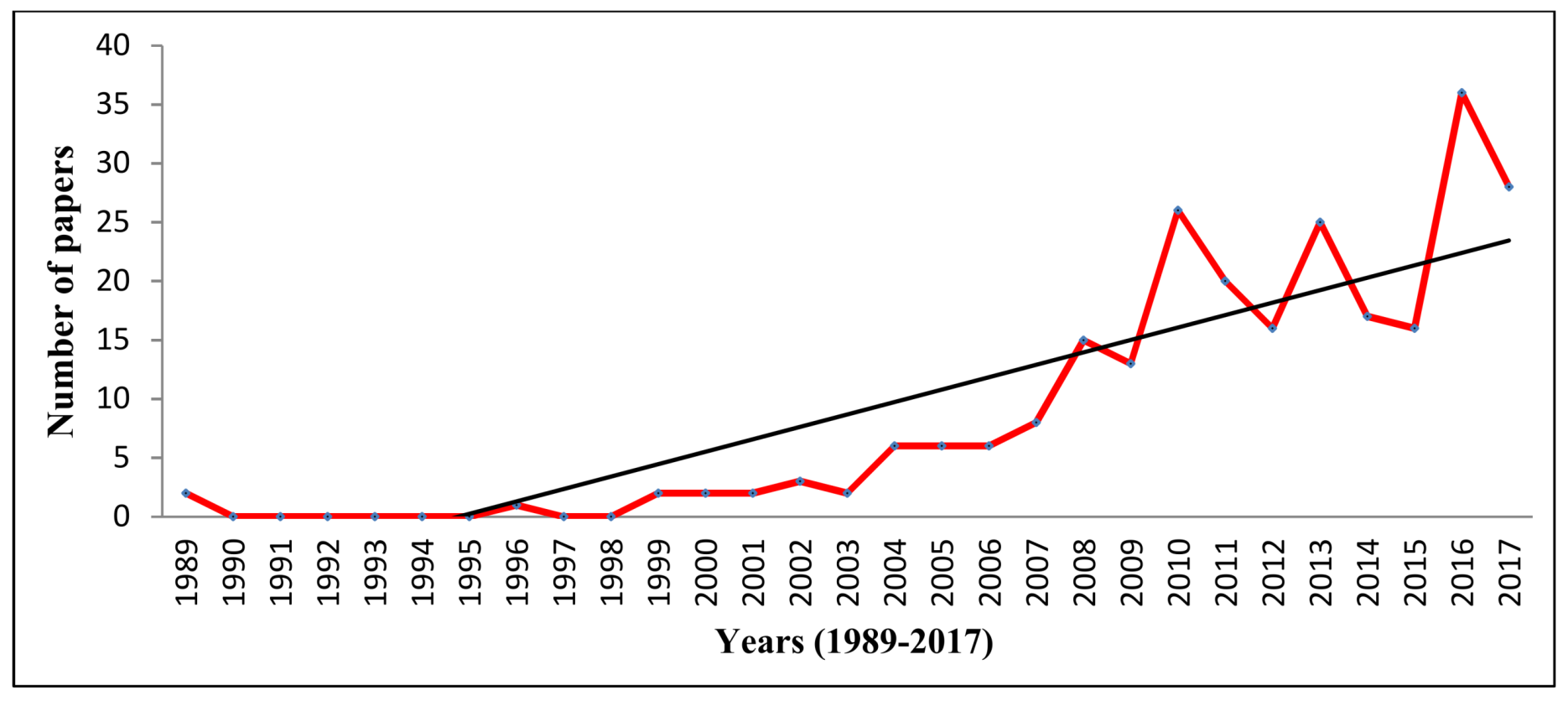
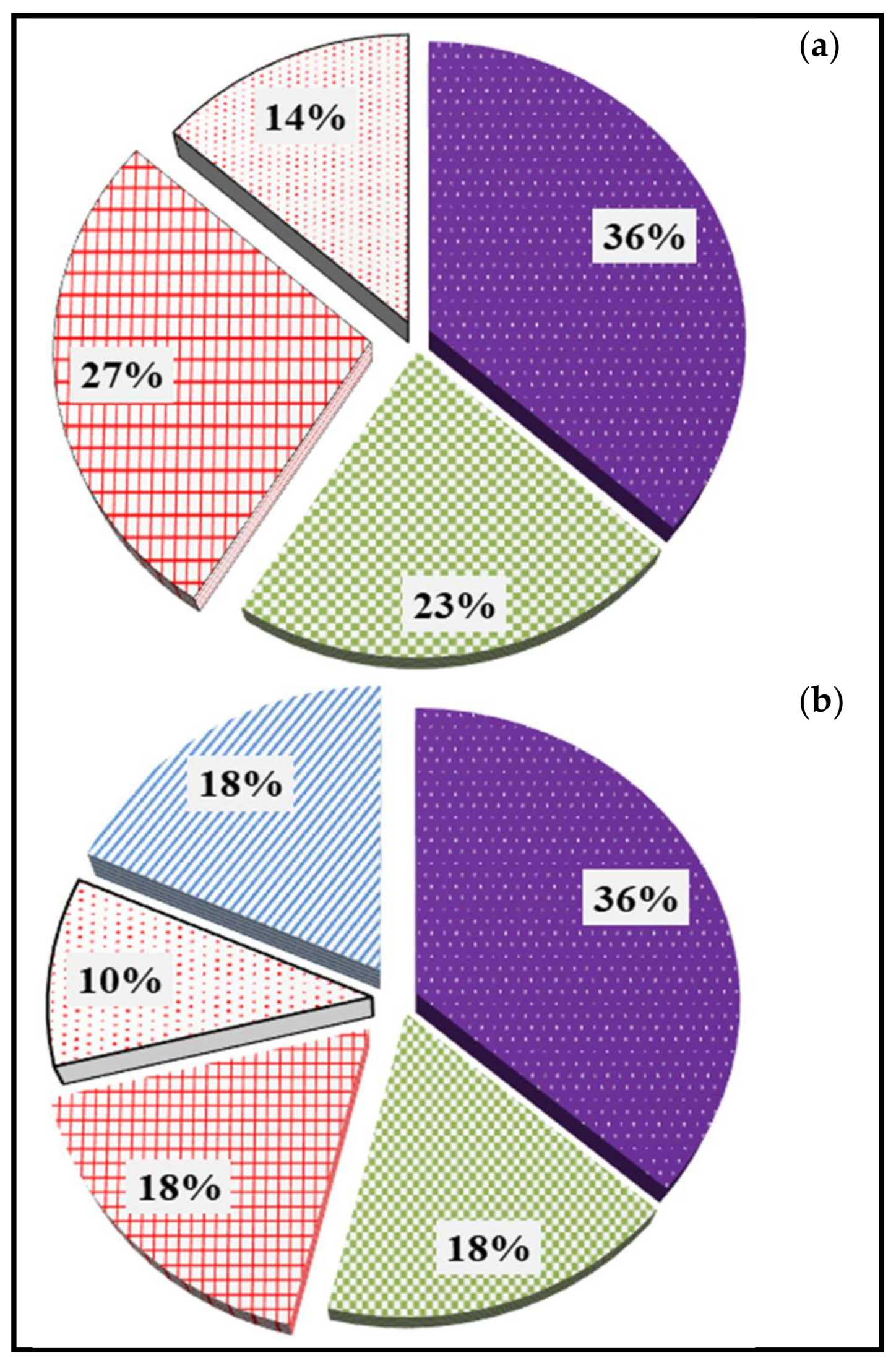
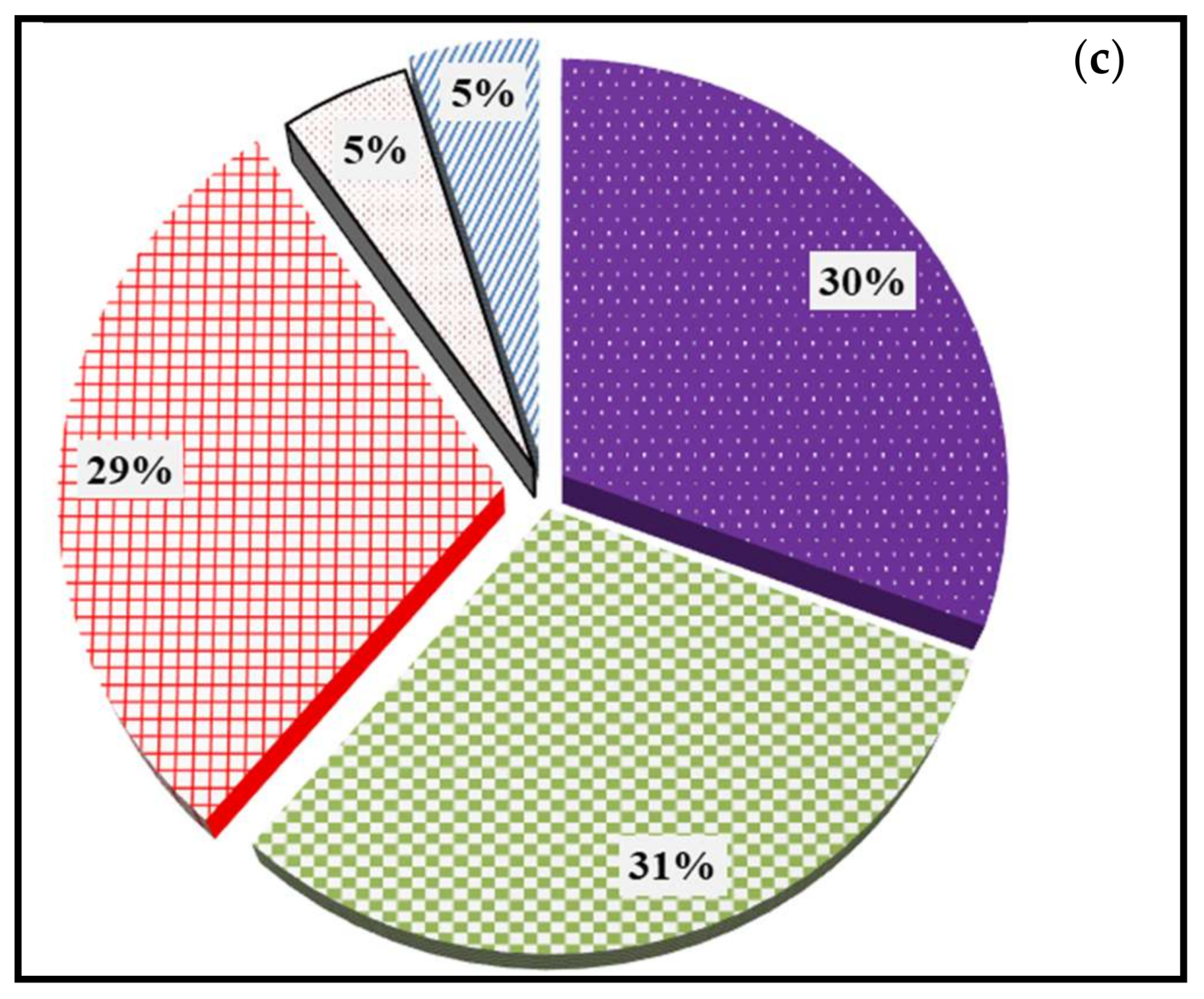
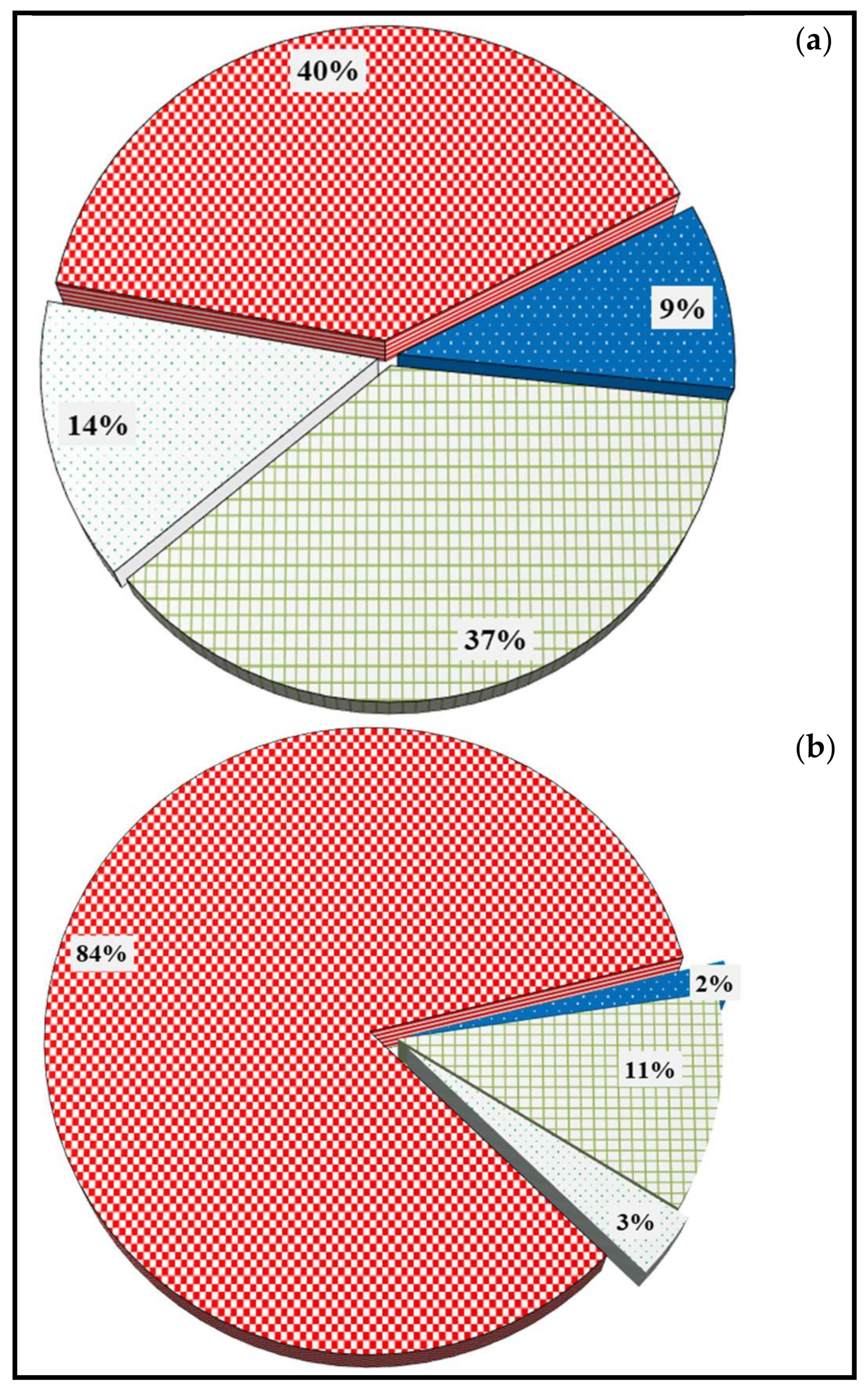
© 2018 by the authors. Licensee MDPI, Basel, Switzerland. This article is an open access article distributed under the terms and conditions of the Creative Commons Attribution (CC BY) license (http://creativecommons.org/licenses/by/4.0/).