1. Introduction
Doors and windows are critical components of the envelope of a building, serving as interfaces between the interior and exterior environments. Their performance significantly influences energy efficiency, indoor comfort, and structural durability. Among their key performance characteristics are air permeability and weather tightness, which determine how much air and water can penetrate these elements under specific environmental conditions. Air permeability refers to the rate at which air passes through a component under a pressure differential, while watertightness is the resistance of the component to water penetration caused by wind-driven rain or other external forces [
1,
2].
The importance of building air permeability is well documented. Air leakage through doors and windows increases heating and cooling requirements, increasing energy consumption, and reducing thermal comfort. This contributes to condensation and moisture damage, which can compromise the lifespan of a building [
3]. On the other hand, water intrusion, if not properly controlled, can lead to material deterioration, mould growth, structural damage, etc. [
4,
5,
6].
The air permeability and watertightness of windows and doors are regulated by harmonised European standards (e.g., EN 14351-1 [
7] with EN 1026/12207 [
8,
9] and EN 1027/12208 [
10,
11]), which complement EU directives such as the Energy Performance of Buildings Directive and are transposed into national building codes in the European Union countries. The requirements are based on the need to ensure the energy efficiency of buildings, protection against moisture, indoor environmental quality, and durability. Compliance with these requirements provides the technical and regulatory basis to achieve the intended performance and sustainability of buildings in the European construction sector. The inclusion of air permeability and watertightness as essential characteristics reflects the importance of their regulation; compliance indicates that the product meets the specified performance levels under real-world conditions of use when installed in accordance with the manufacturer’s specifications and relevant codes. Therefore, systematic research and analysis of these indicators is a prerequisite for achieving reliable, long-lasting, and sustainable functioning of buildings.
Research have shown that the type of material, frame construction, sealing systems, and installation quality have a significant impact on both air permeability and watertightness. For example, wooden, aluminium, and PVC frames have different sealing properties, but even high-quality materials may not meet their quality requirements if installation is not carried out properly [
12]. In addition, climatic conditions such as wind speed, precipitation intensity, and temperature fluctuations play an important role in the real-world performance of doors and windows. In this context, research has shown that the interaction between environmental loads and construction quality can substantially influence air leakage rates. Du et al. conducted a case study of highly airtight buildings, showing that even small gaps in windows and doors can significantly increase the rate of infiltration, highlighting the need for precise sealing and installation practices [
13]. Meanwhile, Zhang and Chen provided a comprehensive review of window and air tightness testing methods, summarising existing standards, laboratory procedures, and limitations of current measurement practices [
14].
The Energy Performance of Buildings Directive (EPBD) sets binding obligations on the energy performance of buildings in all Member States, requiring that national building codes include provisions to improve the energy performance of new and existing buildings, including the need to address thermal transmittance and the tightness of building envelopes [
15]. The Directive obliges Member States to ensure that building regulations take into account whole-building energy performance criteria, which are directly affected by air leakage through windows, doors, and other components of the building envelope. Therefore, the Energy Performance of Buildings Directive establishes a regulatory framework that not only targets overall energy efficiency but also implicitly emphasises the importance of minimizing air leakage through components of the building envelope, such as windows and doors.
To reduce energy losses due to uncontrolled air flow, building standards and energy codes require a tight building envelope. Air leakage through the building envelope, most notably through windows and doors, can significantly increase heating and cooling loads and reduce the effectiveness of insulation systems. Lower air permeability helps to meet energy performance targets, such as specific air exchange rates defined in national or regional regulations. Therefore, in this investigation, the researchers presented a building energy performance assessment scheme, according to which the building energy performance assessment ensures the high quality of the construction work, the durability of the building, and the reliability of the heat loss calculations [
16]. Air infiltration through building envelopes is widely recognised as a major cause of energy losses, increasing heating and cooling demands, while also affecting indoor air quality and moisture conditions. It occurs through leaks and openings ranging from large gaps to microcracks, increasing heating and cooling demand and negatively affecting indoor air quality and moisture conditions. Accurate modelling of infiltration and its interaction with heat transfer remains essential for a reliable assessment of buildings [
17]. At the same time, building energy simulation models for airflow vary in accuracy, making model selection critical for reliable performance prediction [
18]. Recent research on building envelopes shows a shift from traditional passive systems toward adaptive and energy-responsive solutions that improve efficiency and indoor environmental quality. Active building envelope systems, including air, water, solid, and kinetic-based facades, are highlighted as key innovations that can dynamically interact with environmental conditions and reduce energy demand while integrating renewable functions [
19]. Air layers and ventilated cavities are also widely studied as strategies to improve thermal performance. Air layers in walls, roofs, and windows can act as insulation or ventilation zones, though their effectiveness depends on airflow stability. Similarly, airflow in ventilated cladding cavities is strongly influenced by wind and thermal forces, and accurate prediction of ventilation rates is essential for moisture and heat management [
20]. These studies underscore the importance of airtightness of the building envelope, thus justifying the need for comprehensive, methodologically rigorous research to systematically evaluate and quantitatively characterise its impact. Because airflow processes are complex and are often insufficiently represented in simulation models, accurate prediction of infiltration and its interaction with heat transfer is essential for reliable building energy performance assessment.
Building codes often reference specific watertightness classes appropriate for climate conditions and building exposure categories, ensuring that windows and doors resist driving rain and weather events expected over the lifespan of the structure. Therefore, construction product regulations (e.g., the EU Construction Products Regulation framework) require windows and doors to declare their performance in terms of air permeability, tightness, and other important properties (e.g., wind resistance) [
21].
Given the increasing global focus on energy-efficient and sustainable buildings, research on the air permeability and watertightness of doors and windows remains highly relevant. Understanding and improving these properties helps reduce energy consumption, improve indoor environmental quality, and extend the service life of building components. The purpose of the research is to analyse the air permeability and watertightness data of commercial doors and windows in the Baltic region, obtained under controlled laboratory conditions, linking the obtained data set with the evaluation of the quality of the products in the context of envelope performance. The results are useful in designing energy-efficient buildings, making informed decisions regarding the production of windows and doors, ensuring construction quality, and contributing to improving the durability and energy efficiency of buildings.
2. Materials and Methods
The air permeability and water tightness of windows and doors were determined according to standards EN 1026 [
8] and EN 1027 [
10]; testing products were mainly from Lithuania, Latvia, and Estonia. Although the products studied are mainly from the Baltic region, the methodologies are in line with widely accepted European standards (EN 12207, EN 12208, EN 1026, EN 1027), which are applicable throughout Europe and are frequently cited internationally.
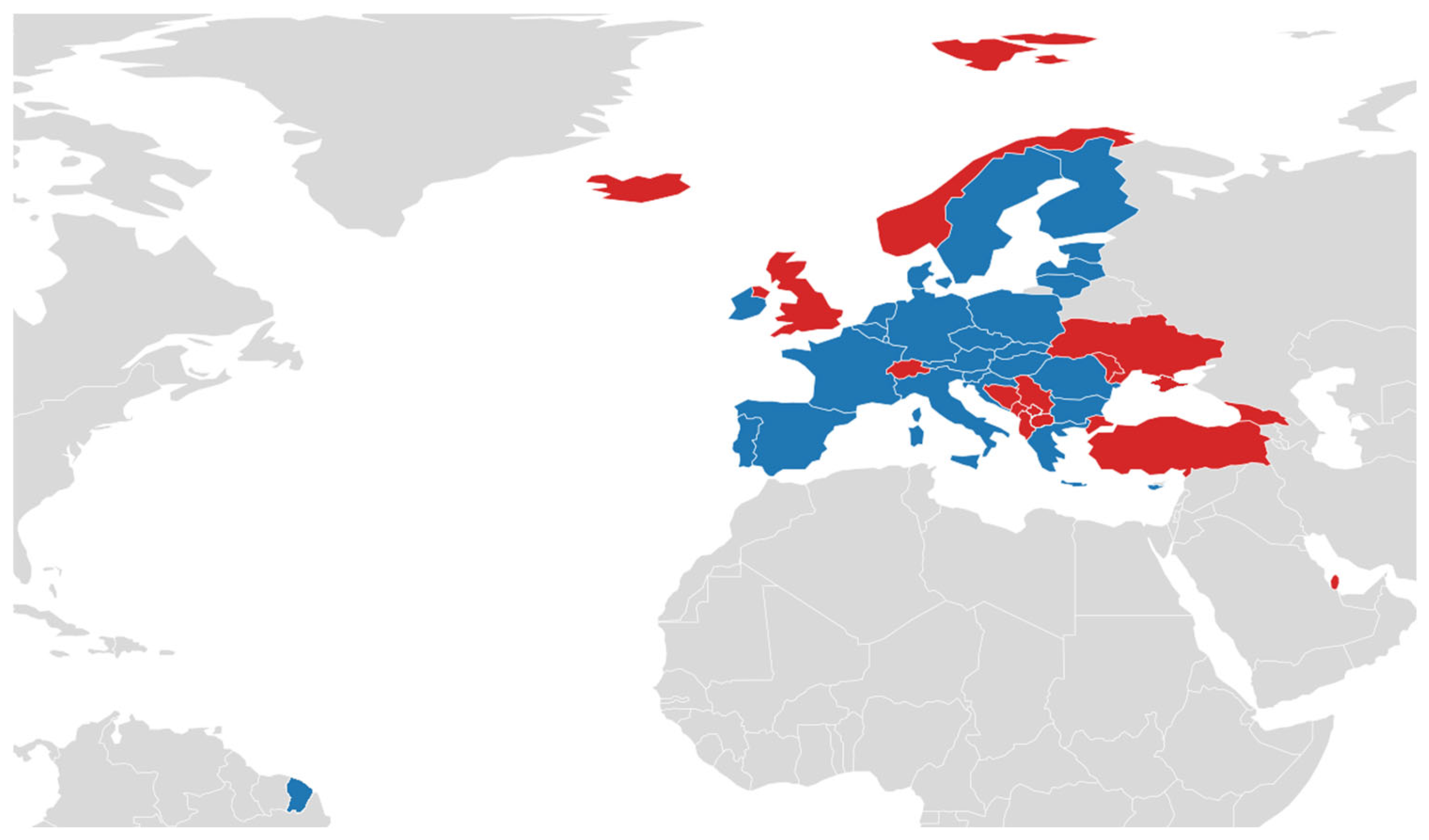
Figure 1 shows the coverage and use of the above standards in the European Union countries and other CEN (European Committee for Standardization) member states, such as the United Kingdom, Iceland, Norway, Switzerland, Turkey, Serbia, and North Macedonia. CEN is used through national specifications in Albania, Bosnia and Herzegovina, Georgia, Moldova, Montenegro, and Ukraine. Standards are also used through national/specification systems in Asian countries such as Qatar, Bahrain, and Singapore. Therefore, the research is relevant not only in a regional but also in a wider European and global context, providing valuable insights for manufacturers, designers, and regulatory systems related to the tightness of doors and windows.
2.1. Characterisation of Samples
Data presented in this study were collected from 2018 to 2025, tested in an accredited laboratory that meets requirements according to the international standard EN ISO/IEC 17025 [
22]. A total of 244 door and window samples (93 doors and 151 windows) were tested (
Table 1).
More than half of the samples submitted were made of wood (
Table 2). Also, a number of products, mainly windows, in the studies were made of PVC. A similar number of products made of wood and covered with aluminium, or metal products, were also tested.
Half of the products, equally only windows and doors, opened outward by the type of opening (
Table 3). The other half, mainly windows, opened inwards. There were also products, mainly doors, that were sliding.
2.2. Description of the Air Permeability and Watertightness Tests
The specimen was installed by laboratory personnel into the test rig KS 3035/650 PC (No. P2130) (K. Schulten GmbH &Co. KG, D-48488 Emsbüren, Germany), the software EWaCS Release 8 Version 12 Patch 2 “build 2.0”—05.09.2019, (K. Schulten GmbH &Co. KG, D-48488 Emsbüren, Germany). The opening of the test rig was adjusted to match the exact dimensions of the specimen. Before testing, the specimen was conditioned for a minimum of 4 h at an ambient temperature between 10 °C and 30 °C and a relative humidity between 25% and 75%.
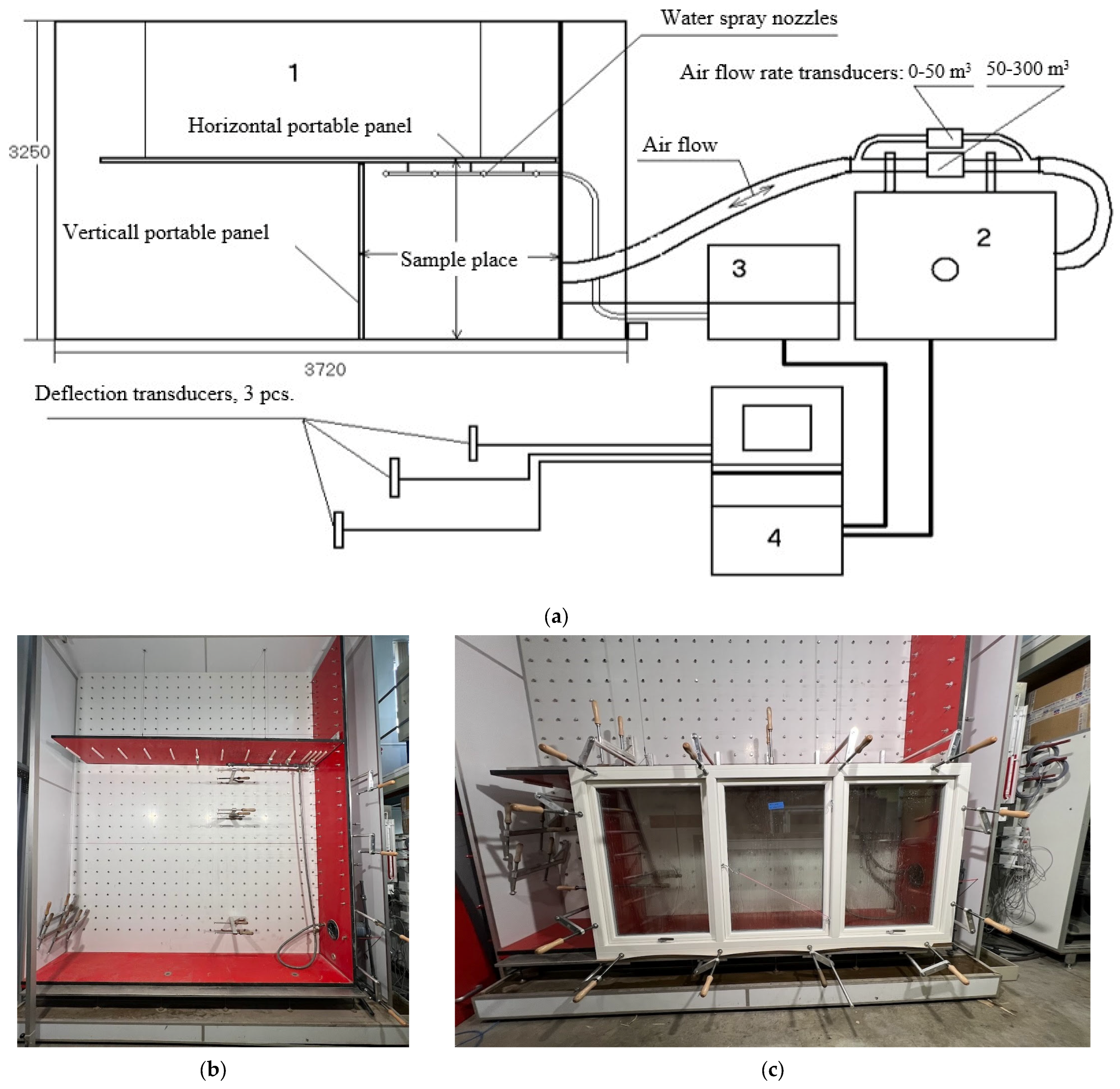
The test rig KS 3035/650 PC (
Figure 2a) consists of: (1) a test wall, (2) an air flow control unit, (3) a water spraying system, (4) indication and control equipment, and (5) displacement sensors. The main technical characteristics of the equipment are as follows: maximum specimen dimensions of 2400 mm in width and 2350 mm in height; maximum test pressure of ±3000 Pa; air flow measurement ranges of 0.5–50 m
3/h (range I) and 0.5–300 m
3/h (range II); and a displacement sensor range of ±25 mm.
The specimen was installed in accordance with the manufacturer’s installation instructions, ensuring an airtight seal between the specimen frame and the test apparatus. Air flow through the specimen was measured by applying a sequence of positive and negative pressure differentials across the specimen. The pressure differences were applied stepwise, typically from lower to higher values, with a defined stabilisation period maintained at each step. The air leakage rate was continuously recorded throughout the test. The final air permeability values were obtained by averaging the results measured under positive and negative pressures.
The air permeability of the test specimens was determined according to EN 1026. The test was carried out under controlled laboratory conditions using a calibrated pressure chamber for windows and doors. The air flow through the specimen was measured by applying a series of positive and negative pressure differentials across the specimen, and averaging was performed. The pressure differentials were applied in steps, typically from low to high values, and were maintained for a specified stabilisation period at each step. The resulting air leakage rate was continuously recorded. Air permeability was calculated as the volumetric air flow rate per unit length of the opening connections or per unit area of the specimen. The test results were used for the subsequent classification according to EN 12207 [
9]. Based on the air permeability values, the sample is assigned to the air permeability class defined in EN 12207. EN 12207 defines a classification system ranging from Class 0 to Class 4, where higher classes indicate better airtightness and lower air permeability. Class 0 is assigned to products that either have not been tested or do not meet the requirements of Class 1, while Class 4 represents the highest level of performance in terms of air tightness. Air permeability shall be determined and classified in accordance with EN 12207. The classification is based on the air leakage rate measured at a reference pressure differential of 100 Pa and expressed in m
3/(h·m
2). The following classes apply: Class 0—no performance determined; Class 1—air permeability ≤ 50 m
3/(h·m
2); Class 2—air permeability ≤ 27 m
3/(h·m
2); Class 3—air permeability ≤ 9 m
3/(h·m
2); Class 4—air permeability ≤ 3 m
3/(h·m
2). This classification provides a standardised basis for evaluating and comparing the air permeability performance of building components.
The watertightness of the test specimens was assessed according to EN 1027 [
10] using the static water spray method combined with increasing air pressure differences. The specimen was installed vertically on the test rig, ensuring correct alignment and tightness. A uniform spray of water was applied to the outer surface of the specimen in a controlled flow, simulating wind-driven rain. After an initial wetting phase without pressure, gradual air pressure differences were applied across the specimen, each pressure step being maintained for a specified time, while the water was continuously sprayed. The inner side of the test product was visually inspected throughout the test. The watertightness performance was assessed by the penetration of water beyond the inner side of the specimen. The test was terminated when water ingress was observed or when the maximum specified pressure was reached. The maximum pressure maintained without penetration of water into the inner side of the product was recorded as the tightness performance. The classification according to EN 12208 [
11] is used to determine the watertightness of windows, doors, and similar building elements. The performance of the sample is expressed in terms of the maximum pressure at which water does not penetrate. Based on this value, the sample is assigned to one of the watertightness classes defined in EN 12208. The standard provides a classification system from class 0 to class 9A, with higher classes corresponding to higher resistance to water penetration. Specifically, watertightness classes are defined as follows: Class 0—no performance determined; Class 1A—0 Pa; Class 2A—50 Pa; Class 3A—100 Pa; Class 4A—150 Pa; Class 5A—200 Pa; Class 6A—250 Pa; Class 7A—300 Pa; Class 8A—450 Pa; and Class 9A—600 Pa. In addition to these standard classes, extended performance levels may be specified using EA classes, such as E750 (750 Pa) and E900 (900 Pa), which indicate that water does not penetrate the product at the corresponding design pressure. When windows or doors are required to meet a specific structural performance criterion expressed as a target EA value, e.g., EA750 or EA1200, this means that the product must prevent water penetration at a pressure of 750 Pa or 1200 Pa, respectively. If the sample successfully withstands the required design pressure, it is assigned the appropriate EA class, which essentially indicates that it meets the customer’s required performance parameter. This method allows customers to specify individual structural requirements while also relying on standardised EN classifications.
3. Results
An analysis of the number of products tested in an accredited laboratory shows that the annual number of products tested fluctuated quite significantly, ranging from 12 to 44 samples. During the period under review, windows accounted for the majority of the products tested. From 2021 to 2024, the share of windows remained relatively stable (ranging from 65% to 72%), indicating that this product category continues to dominate the dataset. A similar share was observed in 2019 (65%). Meanwhile, in 2020 and 2018, doors accounted for the majority (57% and 67%, respectively) of the tested products, indicating a temporary shift in the composition of the tested product data. From 2020 (43%) to 2024 (72%), a slight upward trend in the share of windows is observed, followed by a decline in 2025 (56%). However, this apparent difference should be interpreted with caution due to fluctuations in the size of the annual samples.
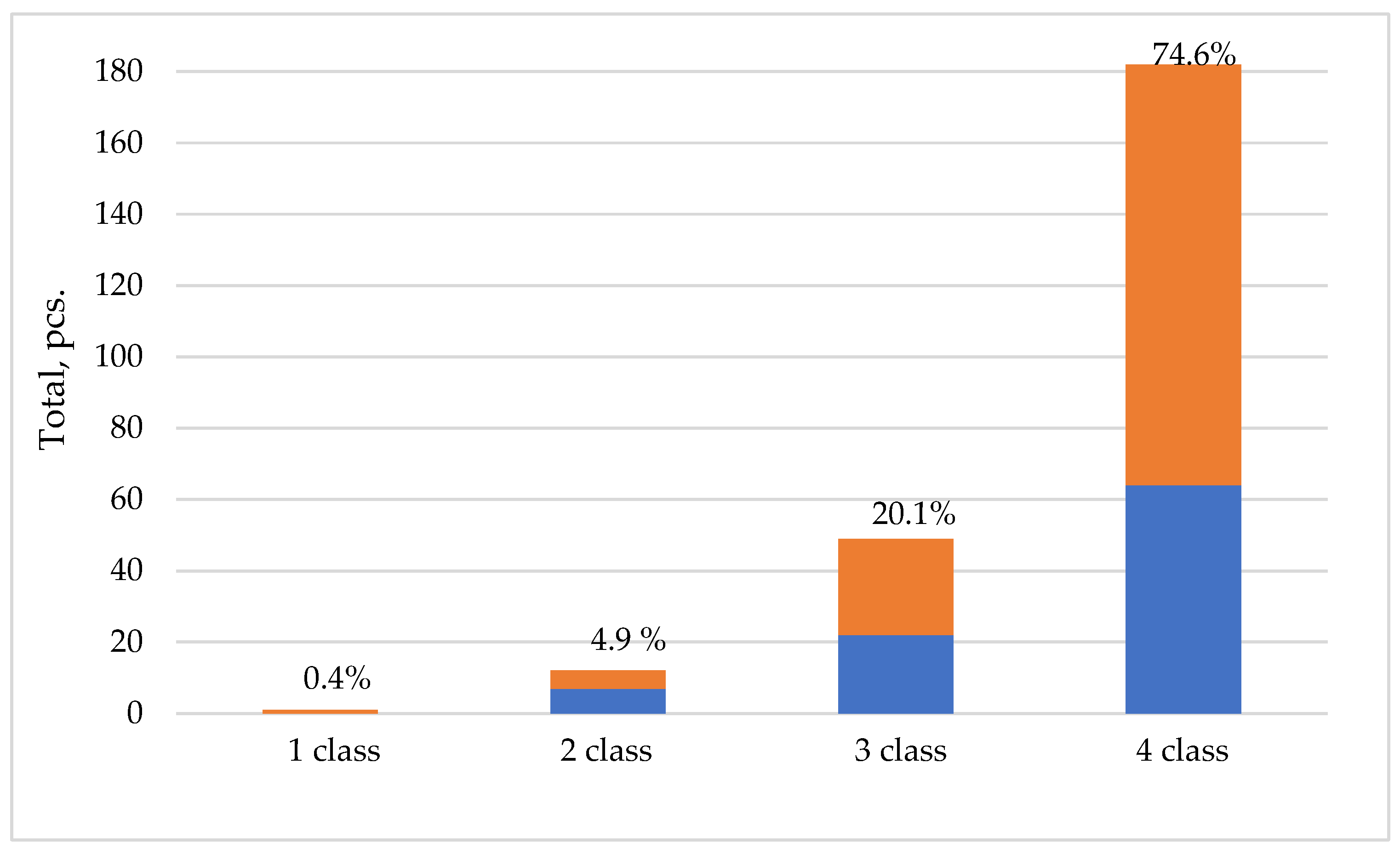
Analysing the distribution of products studied in 2018–2025 by air permeability classes, it turned out that the majority of the studied products fall into the highest class—4—and make up 74.6% of the total sample (
Figure 3). The smallest number of products was assigned to class 1—only 0.4% of all products, almost all of them belonging to doors. This indicates that most doors are characterised by higher air permeability, which may be related to their structural features or tightness requirements. Classes 2 and 3 were characterised by a relatively balanced distribution between doors and windows, although the share of doors is gradually increasing. The presented results show that windows more often meet stricter tightness standards compared to doors.
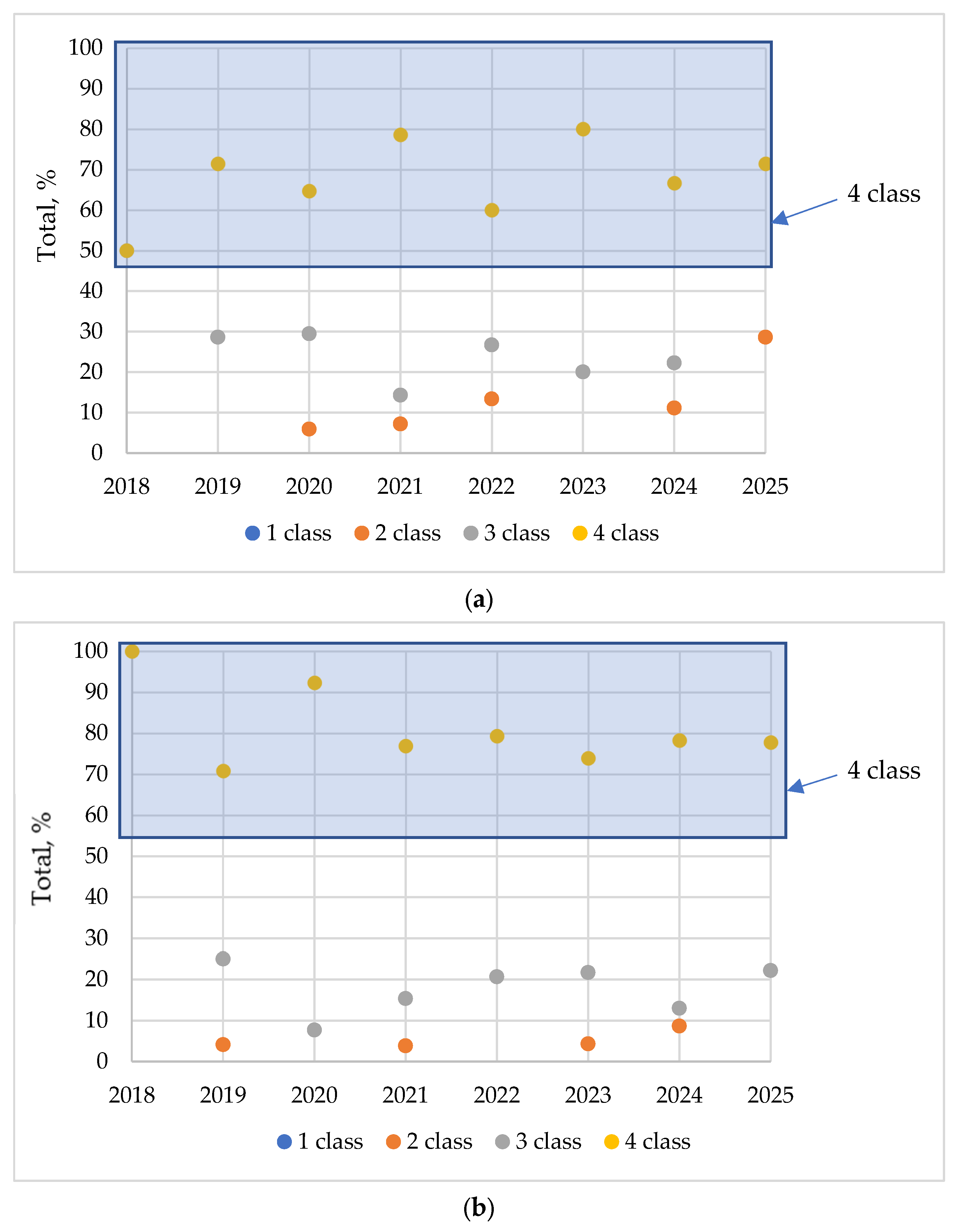
Analysing data on door air permeability classes for the period 2018–2025, it was found that the air permeability characteristics of the doors studied in most cases corresponded to the highest class—4—according to the EN 12207 standard. The share of class 4 products fluctuated in the range of 50–80% and exceeded 65% in most years, indicating a systematically ensured high level of tightness. Such results allow us to state that the studied doors generally meet higher energy efficiency requirements. The long-term trend remains favourable, but the dispersion of the results over different years (
Figure 4a) indicates that the air permeability parameters are sensitive to technological or structural factors.
The air permeability indicators of the windows studied in the period 2018–2025 (
Figure 4b) interestingly corresponded to the highest class—4—according to the EN 12207 classification. The share of class 4 products exceeded 74% in most years. This indicates a consistently high level of tightness and allows us to state that the studied window structures generally meet the stricter energy efficiency requirements.
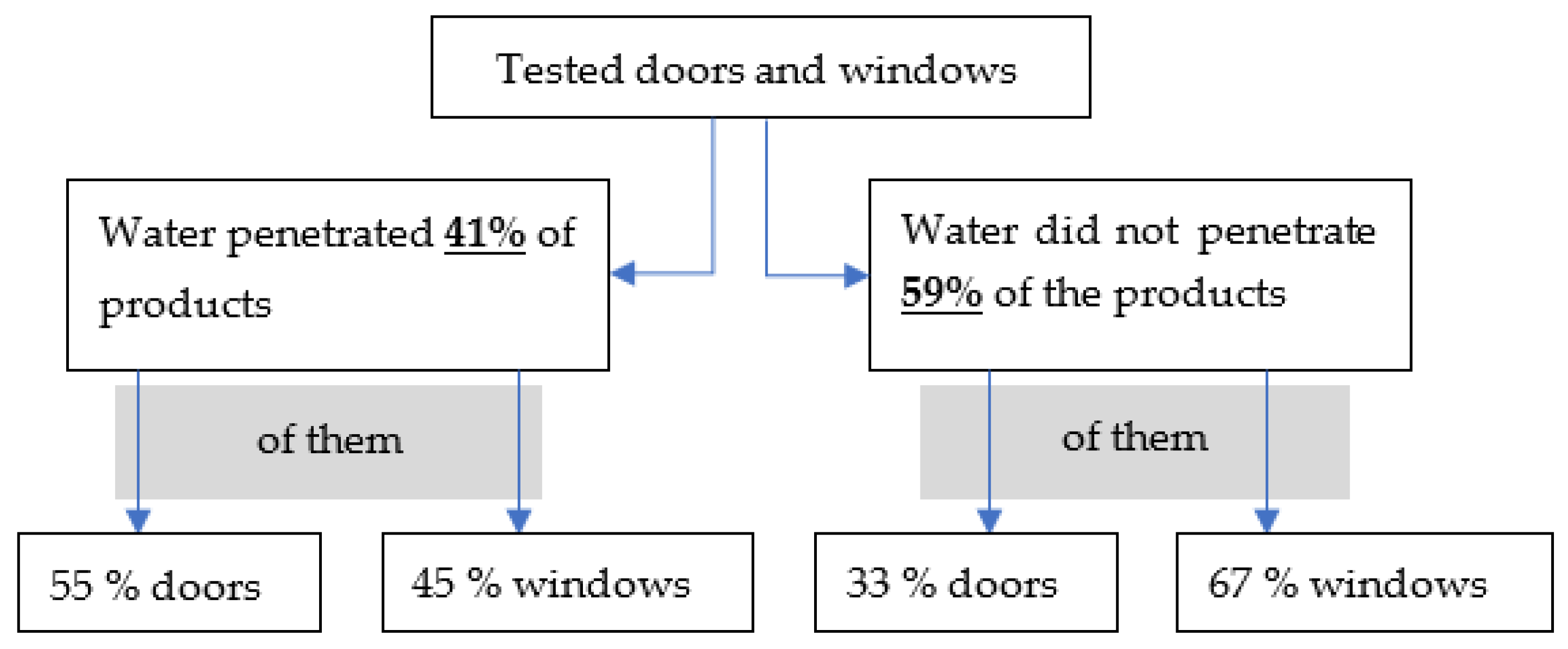
During the watertightness tests and based on the results, it was found that 41% of the tested products were water permeable, while the remaining 59% of the products did not allow water to penetrate the interior of the product (
Figure 5). Analysis of the results shows that of the products that were water-permeable, doors accounted for 55% and windows for 45%. On the contrary, among the products that remained watertight, windows accounted for a higher proportion, at 67%, compared to 33% of doors. Studies have shown that doors are more susceptible to water penetration than windows. This can be attributed to structural differences or differences in sealing efficiency.
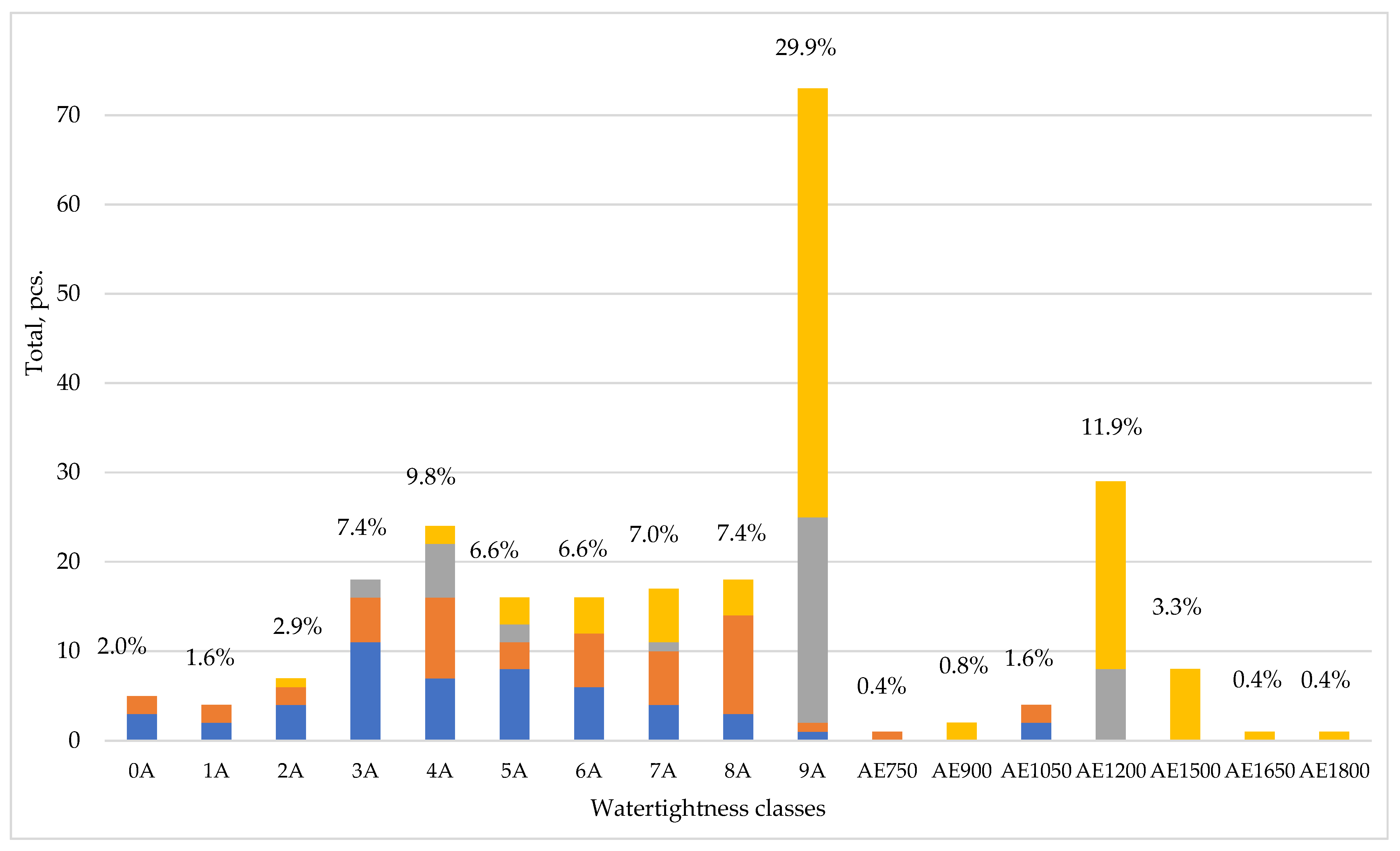
The distribution of products by watertightness class shows that watertightness classes range from 0A to AE1800, and the total number of products tested and their watertightness results vary significantly (
Figure 6).
The highest concentration of products was observed in class 9A, indicating that the sample population is focused on this resistance level. In this class, most of the products did not show water penetration through windows. Other classes with large samples, i.e., 3A, 4A, 8A and AE1200. In classes 4A and 3A, water penetration is more evenly distributed between the door and window categories, and a significant number of products show water penetration through windows. The class AE1200 stands out due to the relatively high number of window tests in which the windows demonstrate watertightness, indicating a higher resistance corresponding to the higher-class rating. Lower resistance classes, such as 0A and 1A, have a relatively small number of products, mainly doors through which water penetrates.
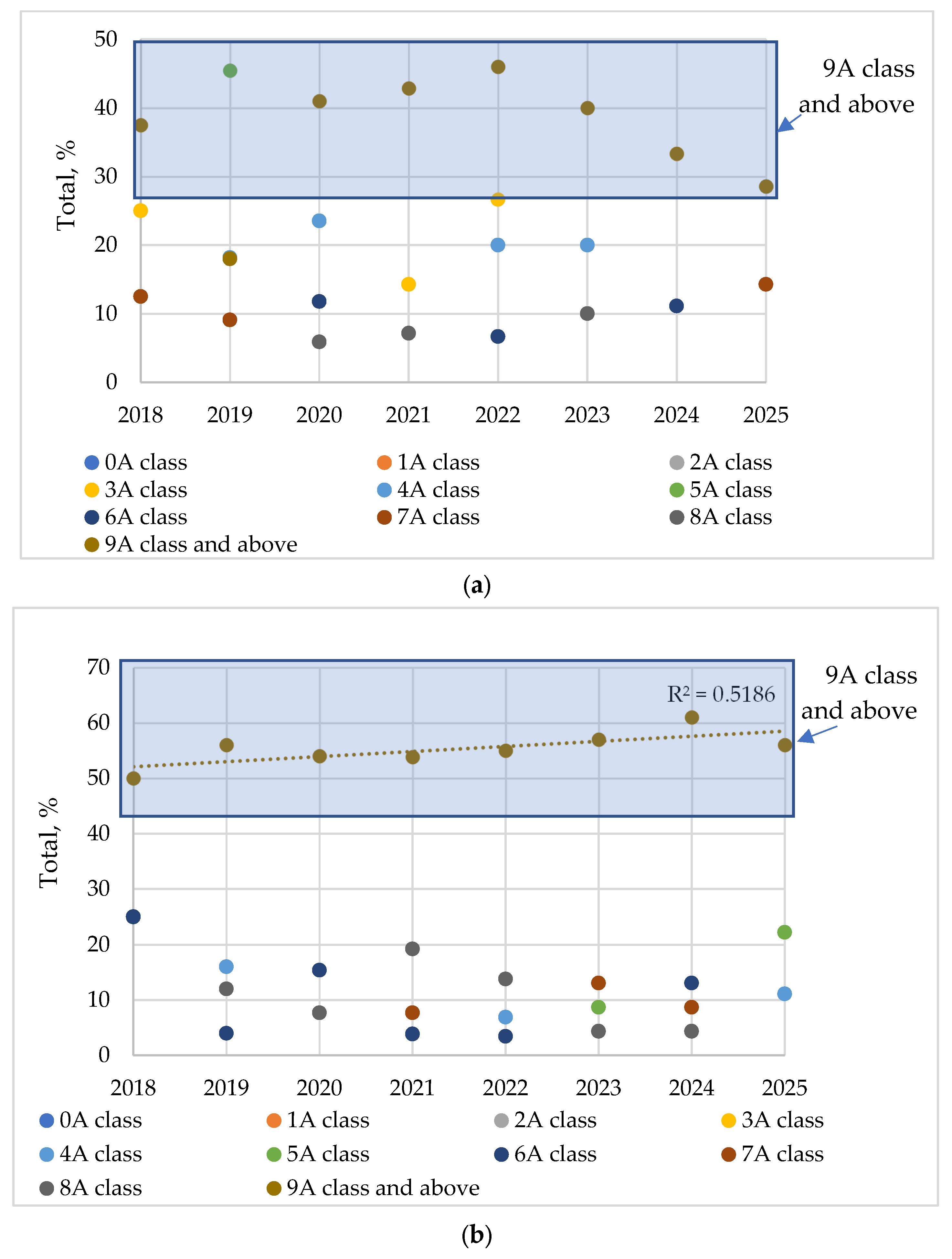
Analysing the watertightness classes of doors in 2018–2025 (
Figure 7a), changes are visible in different segments. The share of top-class (9A and above) doors in 2020–2022 was the largest, reaching 46% in 2022, which indicates market concentration in the high-quality segment. On the contrary, after 2022, a consistent decrease in this segment is observed to 29% in 2025, indicating a market reorientation towards middle- and lower-class solutions. These dynamics can be associated with the growth of economic projects and cost optimisation. The distribution of middle-class doors (4A–7A) is relatively stable, the number of class 4A doors remains stable throughout the analysed period, and classes 6A–7A demonstrate a small but consistent volume, which indicates the presence of a niche, but constantly needed category in the market. The analysis shows that middle-class doors form the main segment between price and technical parameters.
When analysing the classification of windows by watertightness (
Figure 7b), the dominance of the highest class (9A and above) is clearly visible throughout the period. The share of this segment varies from 50% in 2018 to 61% in 2024, and in 2025 it was recorded at 56%. This indicates a strong market concentration on the highest quality products, which remains consistent throughout the period. The stability of high-class windows can be associated with strict technical regulations, energy efficiency requirements and long-term project needs in high-quality segments. The distribution of medium classes (4A–8A) over the year and fluctuations in quantities can be interpreted as optimisation of market segments taking into account project needs, seasonality, or specific order cycles. The windows of lower classes (0A–3A) are few in number, some classes are established only in individual years. Such dynamics indicate that lower-end windows are more niche or focused on economy-class projects, which are rare.
The consistent growth in watertightness of high-end windows reflects technological progress, a growing focus on energy efficiency, market maturity, and long-term sustainability of buildings. This is both a qualitative and economic trend that reflects the demand for higher-end buildings.
As the watertightness class increases, the proportion of products that do not prevent water penetration through windows increases significantly. This trend highlights the importance of window sealing properties in achieving higher watertightness standards.
4. Discussion
Analysis of the air permeability of the products studied shows that most of the products fall into the highest class, 4, with doors making up the largest proportion of this group. On the basis of these results, it was found that doors, compared to windows, are generally more prone to higher air permeability, most likely due to their design or different tightness requirements. In contrast, only a very small proportion of products were classified as class 1, doors, indicating that extremely low permeability is unusual, especially for doors. Classes 2 and 3 had a similar number of windows and doors. This trend may reflect differences in construction standards or practical challenges to achieve low air permeability in door assemblies. The results presented show that windows more consistently meet the stricter tightness criteria, which may have important implications for the energy efficiency of buildings, indoor comfort, and compliance with regulatory standards. Furthermore, the discrepancies between the results for doors and windows suggest that targeted improvements in door design or stricter quality control could further increase the overall tightness of buildings.
The results of the watertightness tests show that structural design and sealing efficiency are the most important factors influencing watertightness, and doors generally pose greater challenges in preventing leakage. These results are in line with previous studies that have highlighted the relative vulnerability of doors to water penetration due to their larger surface area, greater exposure to pressure differentials, and potential weaknesses in sealing interfaces [
23,
24,
25].
Analysis of the watertightness classes shows that the majority of samples corresponded to class 9A, i.e., manufacturers focus on medium to high resistance levels. In this class, most windows maintained their watertightness, highlighting the effectiveness of current sealing solutions. Meanwhile, in the lower classes 0A and 1A, doors that let water through are dominated, demonstrating the limitations of products with minimal resistance. Intermediate classes (3A, 4A, 8A, AE1200) showed mixed results, while in higher classes, such as, AE1200, the performance of the windows was adequate. Recent trends highlight that the importance of window sealing becomes increasingly apparent as the class of watertightness increases. High-quality products depend not only on the integrity of the door, but also on the robust construction and installation of the window. The recent results are valuable for manufacturers and designers as they show that in order to achieve higher watertightness, window sealing systems need to be purposefully improved, with particular attention to door construction. Furthermore, the distribution of products across watertightness classes suggests that testing and product development can focus on the intermediate level of resistance, which highlights the potential for further innovation in both the low and high resistance categories.
The results presented show that improving watertightness is not only a matter of material selection, but also requires an integrated approach that takes into account the interaction of all product components in the design, sealing, and installation. Such insights can help in future product development and set standards that ensure reliable performance under a variety of exposure conditions.
When analysing the air permeability of doors and windows in the period 2018–2025, it was observed that most of the products studied consistently achieved the highest performance class—4—according to the EN 12207 standard. In the case of doors, class 4 products represented 50–80% of all products, exceeding 65% in many years, indicating a systematically maintained high level of tightness. Similarly, the share of class 4 windows exceeded 74% in many years, indicating a consistently high level of tightness of window structures. These results show that both doors and windows generally meet or exceed the requirements for energy-efficient construction, which contributes to lower air permeability and better thermal properties of the building envelope. The observed long-term trends are favourable, reflecting both technological progress and quality control measures in production. However, the dispersion of individual results across years suggests that air permeability characteristics may be sensitive to structural differences or technological factors, highlighting the importance of careful design, material selection, and installation practices. Overall, the study confirms that high-class air permeability is systematically achievable and plays a crucial role in meeting stricter energy efficiency standards, supporting sustainable construction practices, and reducing energy consumption in buildings. The air permeability results show a clear trend: both windows and doors usually reach the highest class, but in the case of doors, the greater variability allows us to assume that their tightness is more dependent on the design solutions and installation quality. This can be attributed to the fact that doors, unlike windows, are subjected to higher mechanical loads during operation (frequent opening, deformations, etc.); therefore, even with high-quality materials, long-term tightness may be more difficult to maintain. This insight is in line with more general trends in construction physics, where the influence of not only material properties, but also operational factors on tightness is emphasised. The high stability of the window tightness suggests that a certain technological maturity has already been achieved in window production, and further improvements may be more related to installation solutions and the optimisation of sealing units. Meanwhile, there is still greater innovation potential in the door sector, especially in developing more advanced sealing systems and reducing the influence of deformations on tightness.
The analysis of the watertightness classes of doors and windows for the period 2018–2025 reveals clear trends and market patterns. As for doors, the highest class (9A and above) dominated in 2020–2022, reaching 46% in 2022, which indicates a temporary market concentration in the high-quality segment. The stability of the volume of mid-class doors indicates that the latter products meet a balanced price and technical characteristics, meet standard functional requirements and at the same time maintain relevance in the market. In the case of windows, the highest-class products (9A and above) dominate throughout the period, which indicates the market focus on quality, which is determined by strict technical regulations, energy efficiency requirements. The results presented show that doors and windows with a high watertightness class are very important for achieving energy-efficient and durable building envelopes. The long-term stability of high-end products highlights their importance in high-quality construction, while the presence of mid- and lower-end products demonstrates the market’s flexibility and ability to meet a variety of project and cost requirements. Watertightness analysis also reveals important structural aspects. Although most products reach medium or high levels, the sensitivity of doors to water penetration indicates that joint and connection solutions are becoming critical in their design. In a broader context, this is related to the challenges of climate change, with increasing precipitation intensity and wind loads, the requirements for the tightness are becoming increasingly stringent. Therefore, compliance with existing standards alone may not be sufficient in the long term, and research should be focused on increasing resistance.
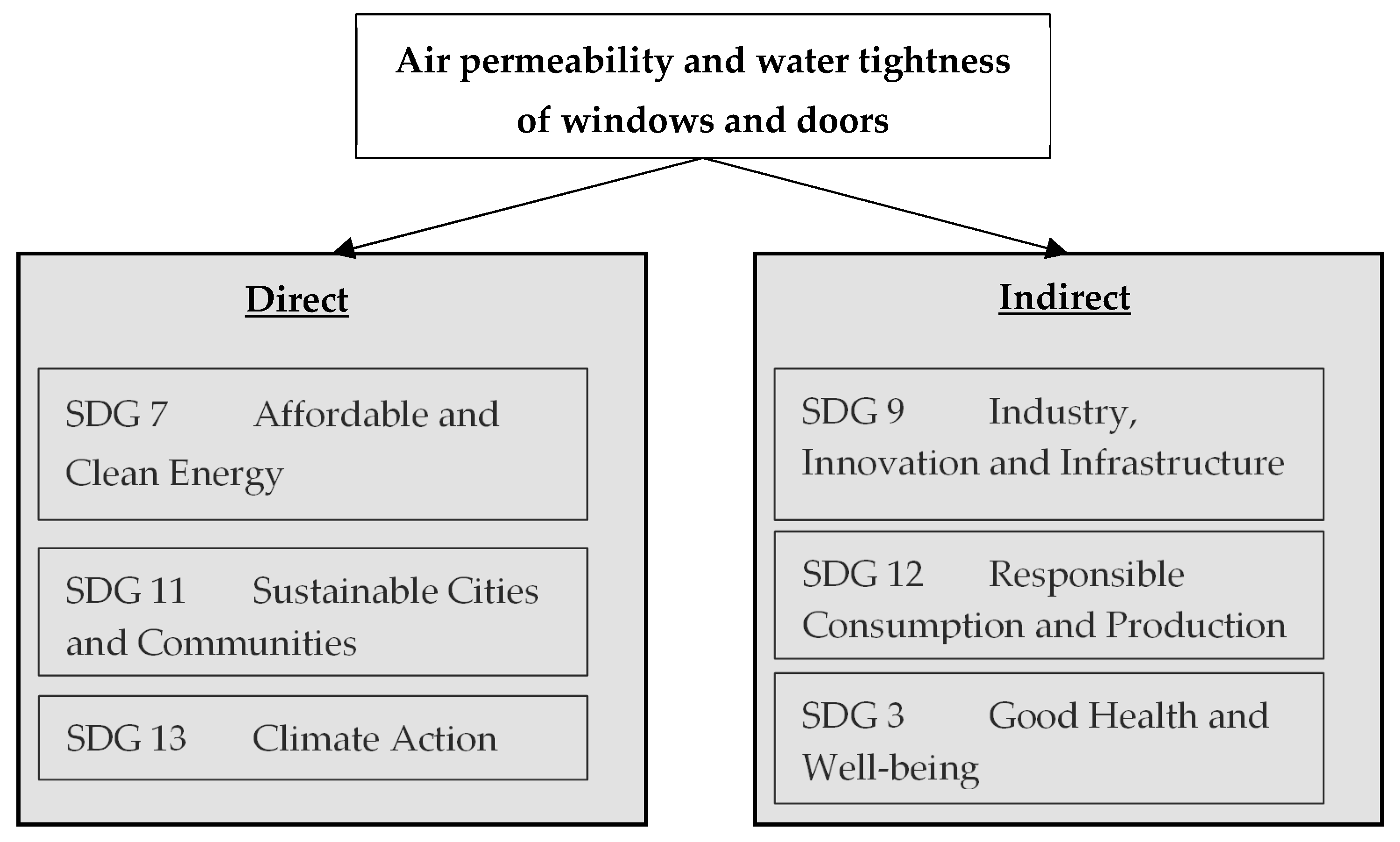
The results of studies on air permeability and tightness of windows and doors are relevant because they contribute to the implementation of the Sustainable Development Goals (SDGs) at various levels (
Figure 8). Some of the SDGs in these researched issues are directly implemented through measurable and immediate impacts on the operational properties of buildings. Others may be linked indirectly, through broader systemic, environmental, or socio-economic impacts [
26].
According to EN 1026 and the corresponding classification standard EN 12207, the air permeability of windows and doors is a key parameter that determines unintentional air leakage through the building envelope. The air permeability of windows and doors has a direct impact on the energy demand of a building, as uncontrolled air leakage increases the heating and cooling loads. The experimental assessment of air permeability provides essential data for optimising the performance of the building envelope and improving overall energy efficiency. By reducing operational energy costs, such studies directly support the SDG 7 targets on energy efficiency and sustainable energy use in buildings. The watertightness of windows and doors, assessed according to the EN 1027 standard, is crucial for ensuring the durability of a building, the comfort of its occupants, and its resilience to climate change. Insufficient air permeability and watertightness can lead to material degradation and shorten the service life of buildings. Therefore, standardised watertightness tests directly contribute to the development of a resilient and sustainable building stock, in line with the objectives of SDG 11. Operational energy use in buildings is a major contributor to greenhouse gas emissions, and air leakage through the building envelope is a significant source of energy loss. Improving the tightness of the windows and doors reduces energy losses and associated carbon dioxide emissions during the operation of the building. By reducing energy demand and related emissions, this research directly contributes to climate change mitigation efforts as set out in SDG 13.
Research based on EN 1026 and EN 1027 indirectly supports SDG 9 by promoting innovation and improving the quality and resilience of building infrastructure. Experimental research on the performance of windows and doors is relevant in the areas of building component design, materials, and manufacturing processes, aiming for higher performance classes. High-performance windows and doors with increased resistance to air and water penetration last longer and require less maintenance. Improved performance contributes to longer service life and lower replacement frequency, thus reducing material consumption and waste generation throughout the life cycle of a building. Accordingly, air permeability and watertightness tests indirectly support SDG 12 by promoting resource-efficient production and use of building components.
The results obtained are also relevant for energy efficiency assessment. Air permeability and watertightness directly affect the building’s heat loss, moisture balance, and indoor microclimate. Therefore, consistently high window performance can significantly contribute to increasing energy efficiency, while weaker points in the doors can become critical points that reduce the overall tightness of the building. This indicates the need to assess the building envelope as a single system, rather than individual elements.
Analysis of long-term data (2018–2025) suggests that high-end products are becoming the norm on the market, rather than the exception. However, the variation in results between years indicates that technological solutions are not yet fully standardised, and product performance may be sensitive to both manufacturing and installation factors. This emphasises the importance of quality control and certification throughout the product life cycle.
5. Conclusions
The analysis of the results of the air permeability tests shows that most of the tested products fall into the highest class (class 4), with doors accounting for the largest share. Due to differences in construction and different tightness requirements, the air permeability of doors is generally higher than that of windows. Such results demonstrate that in order to improve the overall tightness of a building, targeted improvements in door design and quality control are needed.
Watertightness is highly dependent on structural design and sealing efficiency, and doors pose greater challenges in preventing leaks. Most of the tested doors and windows were classified as class 9A, indicating that the focus is on medium and high resistance. Lower classes (0A, 1A) were dominated by doors. Intermediate and high resistance classes show mixed results, highlighting the importance of strong window sealing and integrated product design. Improving watertightness requires a comprehensive approach by manufacturers and installers, taking into account materials, construction, and installation practices.
The air permeability and tightness of windows and doors have a significant impact on the energy efficiency, durability, and comfort of a building. Therefore, these research results directly contribute to the Sustainable Development Goals (SDGs), including SDG 7 (energy efficiency), SDG 11 (sustainable cities and communities), SDG 12 (responsible consumption and production) and SDG 13 (climate action).
Despite its strengths, several limitations of this study should be noted. The dataset is based on summary results of commercially available products tested at a single accredited laboratory; therefore, these results may not be sufficiently representative of the entire market. It should also be noted that the assessment was based on tests conducted under controlled laboratory conditions following standardised procedures, which do not always accurately reflect actual operating conditions, where installation quality, intensity of use, and environmental factors play a significant role. Furthermore, the dataset is not fully balanced across years and product categories, and differences in sample sizes may affect the proportional distribution and its interpretation. These limitations should be considered when interpreting the results, and future research is recommended to address real-life performance conditions and structural influences. However, the results show that targeted product development based on standardised testing can lead to higher performance classes and thus longer service lives and lower environmental impacts. Improving the tightness of doors and windows promotes sustainable construction practices and innovation in design, materials, and manufacturing processes. The presented research results highlight the essential role of doors and windows in the performance of the building envelope. Targeted improvements in door design, sealing technologies, and quality assurance, combined with the optimisation of window systems, are essential to create energy-efficient, resilient, and sustainable buildings.






 —European Union countries,
  —non-European Union countries. Note: The figure shows the international application of these standards in order to highlight the global relevance of the study results.


 doors,
  windows.


 —water has penetrated the door,
  —water did not penetrate the door,
  —water has penetrated the windows,
  —water did not penetrate the windows.