


Abstract
As the interest in social and assistive support robots (SASRs) grows, a review of 17 systematic reviews was conducted to assess their use in healthcare, emotional well-being, and therapy for diverse populations, including older adults, children, and individuals with autism and dementia. SASRs have demonstrated potential in alleviating depression, loneliness, anxiety, and stress, while also improving sleep and cognitive function. Despite these promising outcomes, challenges remain in identifying the most effective interventions, refining robot designs, and evaluating long-term impacts. User acceptance hinges on trustworthiness and empathy-driven design. Compared to earlier review studies, recent research emphasizes the ongoing significance of emotional engagement, the refinement of robot functionalities, and the need to address ethical issues such as privacy and autonomy through robust cybersecurity and data privacy measures. The field is gradually shifting towards a user-centered design approach, focusing on robots as tools to augment, rather than replace, human care. While SASRs offer substantial benefits for emotional well-being and therapeutic support, further research is crucial to enhance their effectiveness and address concerns about replacing human care. Algorethics (AI ethics), interdisciplinary collaboration, and standardization and training emerge as key priorities to ensure the responsible and sustainable deployment of SASRs in healthcare settings, reinforcing the importance of rigorous methodologies and ethical safeguards.
1. Introduction
Among the most extraordinary and disruptive technological innovations of recent years, social robotics stands out for its potential societal impact. Social robots represent a field of research of primary importance from both a technological and clinical perspective [1].
The integration of social robotics in the fields of assistance and rehabilitation is developing in various directions, including the following [1]:
- Investing in the development of social robots for rehabilitation and assistance support, such as devices designed to assist elderly individuals, promoting motor, cognitive, and emotional recovery [2].
- Creating social robots as cultural mediators and assistants in communication and therapy, with a particular focus on autism spectrum disorders and other conditions that require support in socialization [3,4].
- Addressing the theme of empathy in social robots and seeking solutions to make interactions with these devices more natural (for example, using pet-like robots) and effective from a human perspective [5].
Building on the experiences of collaborative robotics, social robots are opening new perspectives in the field of rehabilitation, assistance, and caregiving for the most vulnerable individuals, with challenges ranging from neuromotor disabilities to communication and psychological issues. The COVID-19 pandemic emergency acted as a catalyst for the sector, accelerating research and experimentation of social robots as tools to ensure continuity of care and communication support while respecting social distancing [6]. Consequently, the current debate revolves around two opposing views: on one hand, the futuristic perspective of a potential replacement of human care, and on the other, a more realistic and ethically acceptable approach, seeing social robots as mediators and facilitators of human interactions in rehabilitative, caregiving, and assistance contexts.
The evolution of social robotics has paved the way for the integration of broader functionalities, transitioning from devices primarily aimed at rehabilitation and emotional assistance to technologies that also address patients’ practical needs. Initially, social robots focused on social interaction and improving psychological well-being. However, recent advancements in research have led to the development of robots capable of providing physical support and assisting with daily tasks. This expansion allows them to offer both emotional and practical benefits in healthcare settings, significantly improving the overall quality of care.
Social robots, primarily designed for engaging in social interactions [7,8], have evolved to perform a broader range of tasks, including assistance with physical support and daily activities [9]. This dual capability allows them to offer both emotional and practical benefits in healthcare settings. In addition to providing companionship and fostering social engagement, these robots contribute to the physical well-being of individuals by assisting with mobility, helping with medication reminders, and supporting other essential care duties.
These robots serve a dual purpose: addressing the emotional well-being of individuals through companionship and social interaction, while also fulfilling key practical roles in caregiving. Their ability to integrate both social and assistive functions makes them particularly valuable in healthcare environments, where both emotional support and physical care are crucial for improving the quality of life and overall well-being of patients. By combining emotional support with practical assistance, social robots represent a promising solution to address the multifaceted needs of patients, particularly in settings where staffing limitations or resource constraints may pose challenges.
We can refer to these robots as social and assistive support robots (SASRs). This term highlights robots designed not only to provide social engagement and emotional support but also to assist with physical tasks and daily care activities. It emphasizes the dual role these robots play in healthcare and caregiving environments, combining emotional well-being and functional support within a single system. SASRs can include one or both of these aspects, offering a holistic approach to improving the quality of care in various settings. Whether providing companionship and reducing isolation or assisting with mobility and medication reminders, SASRs play a crucial role in enhancing patient care.
The increasing integration of digital health in physiotherapy and the growing advancements in social robots, particularly in their ability to interact socially through artificial intelligence, are two key trends shaping the future of rehabilitation and assistance [10]. As these fields converge, it is crucial to explore how social robots can be utilized in rehabilitation and assistance. A proposed study on the actors of the health domain [10] assessed the consensus among professionals in the field regarding the introduction of social robots. Two groups of professionals, one in training and the other in practice, were surveyed to understand their views on the potential role of social robots in enhancing rehabilitation and assistance.
The results indicated that professionals view social robots as valuable, complementary tools rather than replacements for human workers. They believe social robots can improve working capacity, assist in performance monitoring, and facilitate integration into clinical practices. Furthermore, there is a consensus that physiotherapists will play a central role in managing and overseeing the use of these devices. The study highlights the need for stakeholders to embrace these technologies and invest in training and initiatives to build consensus, especially as the population ages and the demand for care increases.
As scholars and practitioners in the fields of rehabilitation, assistance, and caregiving, it is crucial to address these broad, interdisciplinary questions. They encompass not only mechatronics, neuroscience, and AI, but also bioengineering, ethics, economics, and regulatory policies. Understanding the evolution of social robotics, from its collaborative robotics roots to its current application in healthcare, is essential for developing a comprehensive conceptual framework. This framework will guide the responsible development and integration of these technologies, ensuring that their benefits are maximized while their risks are carefully managed.
Assessing how the field of social and assistive robotics is stabilizing and evolving is crucial in today’s rapidly advancing technological landscape, making an analysis of systematic reviews strategically important.
In this context, the purpose of this study is to develop a narrative overview of systematic reviews to analyze the evolution and current state of integration of the SARSs in the health domain.
The specific objectives of the study are as follows:
- Analyze Overall Bibliometric Trends:Provide a comprehensive bibliometric analysis of research output in the field of social and assistance robotics, focusing on trends, key publications, and developments over time.
- Identify Established Themes and Categories:Map out the key areas of focus within the systematic reviews, such as technological innovations, application domains (e.g., rehabilitation, assistance, and caregiving), and evaluation methodologies.
- Examine Opportunities and limitations:Investigate the potential benefits and limitations of integrating robots into healthcare and caregiving settings. This includes exploring advancements in artificial intelligence and workflow efficiency, as well as identifying barriers related to infrastructure, regulatory frameworks, and professional training.
By addressing these objectives, this overview aims to develop a robust conceptual framework that captures the dynamic evolution of social and assistance robotics and highlights the opportunities and challenges ahead.
2. Approach to Study Selection
The narrative synthesis of the overview of systematic reviews follows a structured methodology tailored for narrative reviews based on the ANDJ narrative cehcklist.
The narrative review was conducted using specific, targeted searches across PubMed and Scopus, focusing on peer-reviewed journal articles related to the medical applications of socially assistive robots. To ensure methodological rigor, conference proceedings, dissertations, and non-English documents were excluded. The selection criteria focused on studies with applications in the health domain, including—but not limited to—clinical implementation, therapeutic impact, and patient interactions with these technologies in healthcare settings. By restricting the search to medical applications, the review aimed to provide a comprehensive and reliable synthesis of the current evidence on the role of socially assistive robots in the health domain.
In addition, a qualification framework was applied, based on predefined quality criteria, to assess the inclusion of studies in the review. See Algorithm 1 for the review process used in this overview.
| Algorithm 1: Framework for Review Selection |
|
2.1. Assessment Process
Each study included in the analysis was reviewed by two independent assessors (A.L. and D.G.), who evaluated the studies based on their focus on the integration of SASRs in medical applications. The predefined assessment criteria included Clarity of Rationale, Study Design Appropriateness, methodological rigor, Result Presentation, Justification of Conclusions, and disclosure of conflicts of interest. Each criterion was rated on a predefined scale to provide a quantitative measure of the quality and relevance of the analyzed studies. The assessors independently reviewed the studies and assigned scores to each parameter, ensuring that evaluations were conducted based on standardized guidelines. This dual-assessment approach was designed to enhance the reliability of the review by incorporating different perspectives and reducing the risk of individual bias influencing the evaluation process.
In cases where discrepancies arose in scores or study inclusion decisions, a third assessor (selected on a rotating basis from A.P or A.I.) was involved to adjudicate the final decision. The role of the third assessor was crucial in resolving conflicts and ensuring that decisions were fair and well founded. This additional level of scrutiny helped balance differing opinions and reinforced the integrity of the review process.
A multi-assessor approach was implemented to minimize bias and ensure a rigorous and balanced evaluation of the literature. By integrating multiple viewpoints and providing a structured mechanism for resolving disagreements, the review aimed to offer a comprehensive and objective assessment of SASRs in healthcare settings.
2.2. Managing Bias in the Review
To uphold the objectivity and methodological rigor of the review, several strategies were implemented to manage and minimize bias throughout the assessment process:
- Diverse Assessors: Each study was reviewed by two assessors with different academic backgrounds and expertise in both assistive robotics and healthcare. This diversity ensured a broad range of perspectives and minimized the risk of individual biases influencing the evaluation.
- Clear Assessment Criteria: The studies were analyzed using predefined criteria, including Clarity of Rationale, Study Design Appropriateness, methodological rigor, Result Presentation, Justification of Conclusions, and disclosure of conflicts of interest. Furthermore, data were presented based on a standardized checklist, reducing the risk of subjective interpretation.
- Scoring System: Each parameter was rated on a scale from 1 to 5, while the disclosure of conflicts of interest was assessed using a binary evaluation (Yes/No). This quantitative approach ensured consistent evaluations across studies and provided a transparent mechanism for comparing study quality.
- Independent Review: The primary assessors reviewed the studies independently, assigning scores without prior discussion. This independence ensured that individual judgments were based solely on the study’s merit and predefined criteria, minimizing groupthink or shared biases.
- Dispute Resolution: In cases where the two assessors disagreed on scores or study inclusion, a third assessor was consulted to provide an impartial judgment. This adjudication helped resolve conflicts fairly and ensured balanced decision making.
- Structured Mechanism for Disagreements: The process for resolving disagreements was formalized and structured. The third assessor reviewed the initial evaluations and provided a reasoned judgment to reconcile differences. This structured approach ensured that conflicts were systematically addressed and that final decisions were based on a comprehensive evaluation.
- Transparency: The use of a standardized checklist for data presentation and a clear scoring system enhanced transparency in the assessment process. By documenting the criteria and scoring rationale, the review process became more traceable and reproducible, reducing the potential for undisclosed biases.
By incorporating these strategies, this review aimed to provide a thorough and balanced evaluation of the literature. The multi-assessor approach, combined with structured criteria and a formal dispute resolution mechanism, was designed to minimize bias and enhance the reliability and objectivity of the review process.
2.3. Selected Studies
Based on an initial selection of systematic reviews in the medical field, pre-screened according to the preliminary requirements (including the medical field only, excluding conference proceedings, ensuring peer-reviewed articles, and restricting to English-language publications), a total of 98 studies were considered. After thoroughly examining the robust and non-marginal focus on SASRs within the medical context, 48 systematic review studies were selected for a more in-depth evaluation. To ensure methodological rigor and consistency, the framework outlined in Algorithm 1 was applied, which further narrowed down the selection. As a result of this rigorous filtering process, only 17 studies remained for final inclusion in the review. This method allowed for a focused and reliable synthesis of the current evidence on the role of SASRs in the medical field.
3. Results
The results are structured into three distinct sections, each addressing a specific aspect of the analysis: Section 1 focuses on tracing the evolution of bibliometric trends within these fields, providing a comprehensive overview of how research activity and focus areas have developed over time. Section 2 delves into a detailed categorization of the studies, offering a systematic organization of the literature and presenting a unifying message that emerges from the analysis, shedding light on shared themes or conclusions. Lastly, Section 3 explores the opportunities and limitations identified through the analysis, discussing their implications and potential directions for future research and practice in the field.
3.1. Trends
Focusing on the first two identified keywords in Table 1 to explore articles discussing both the emotional benefits of robots, such as companionship and reducing isolation, as well as their functional benefits, such as aiding with daily tasks, a bibliometric analysis was conducted on PubMed based on title and abstract. The search reveals several notable trends and insights:
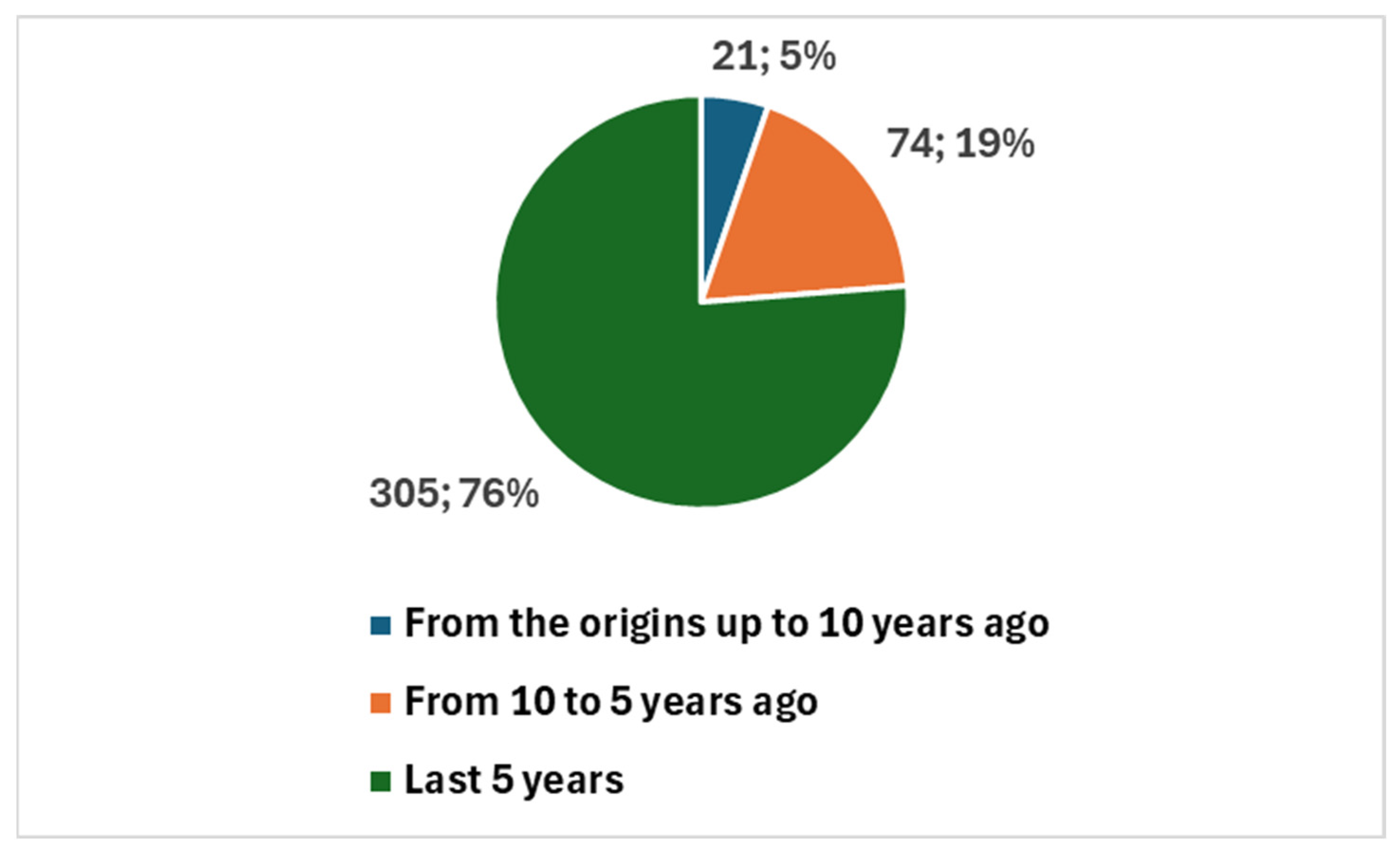
- Historical and Temporal Trends:The earliest studies in this domain date back to 2006, and since then, a total of 400 studies have been published (see Figure 1). Notably, in the last 10 years, 379 studies have been produced, accounting for approximately 95% of the total publications in this field. This remarkable surge indicates a growing research interest and rapid development in social and assistance robotics. Moreover, in the past five years—especially following the onset of the COVID-19 pandemic—305 studies have been published, representing around 76% of the overall output (see Figure 1). This recent spike suggests that the current global challenges and advancements in digital health have significantly accelerated research activity.
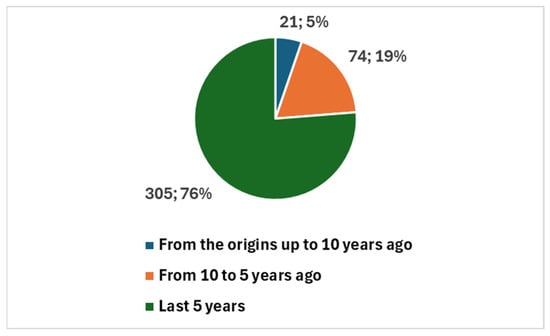 Figure 1. Temporal trends in publications on social and assistance robotics (2006–Present).
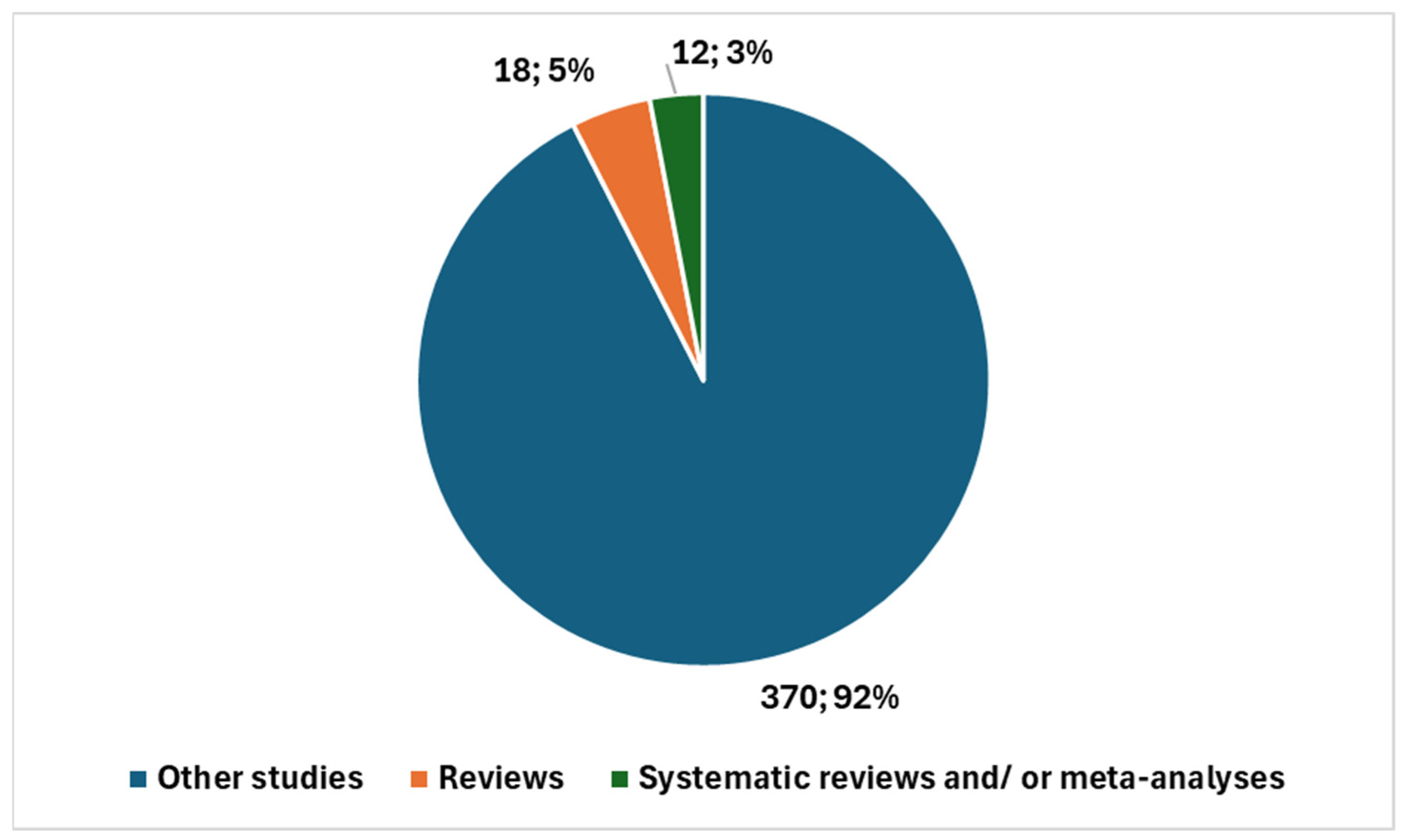
- Review Studies:Among the 400 publications (Figure 2), there are the following:
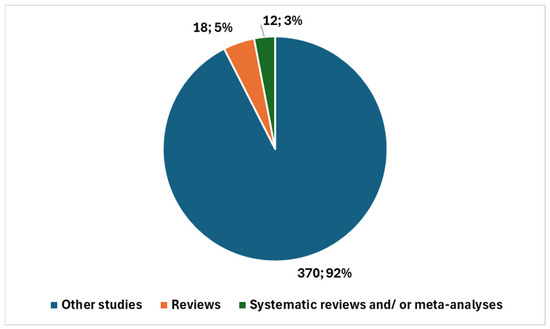 Figure 2. Breakdown of review studies in SASR.A total of 18 reviews, which account for approximately 4.5% of the total.A total of 12 systematic reviews and/or methanalysys, representing about 3% of total.Collectively, these 30 review-type studies constitute around 8% of the overall publication output (see Figure 2). Review-type studies began to emerge in 2017, and in the last five years, 22 out of the total 30 review publications have been developed, which accounts for roughly 73% of the review literature. This concentration of review studies in recent years reflects a maturing field where researchers are beginning to synthesize the existing knowledge and critically evaluate emerging trends and methodologies.
- Comparative Scope within Robotics Literature:When broadening the search using the keyword (robot[Title/Abstract]), a total of 36,977 results were retrieved. This extensive number illustrates that while the broader field of robotics is vast, studies specifically focused on social and assistance robotics represent only about 1.1% of the overall literature. This comparatively small percentage highlights that social and assistance robotics, despite their potential, remain a relatively niche and emerging area within the larger robotics research landscape.
Overall, these findings underscore that the field of social and assistance robotics is rapidly evolving. The significant increase in publications over the last decade—and especially in the past five years—points to an accelerating interest in exploring the integration of these technologies into digital health and cytopathology. This trend emphasizes a promising research opportunity to further develop conceptual designs, innovative applications, and comprehensive models for social and assistance robots. Such advancements are crucial for transforming healthcare practices and enhancing workflow efficiency in digital pathology, while also addressing the unique challenges and opportunities presented by this emerging field.
3.2. Themes and Categorization
Seventeen systematic reviews were selected [11,12,13,14,15,16,17,18,19,20,21,22,23,24,25,26,27]. An analytical summary of each study, organized by objectives, methods, results, and conclusions, is provided in Supplementary Materials. The synthesis process highlighted key aspects for the overview. Table 2 presents a summary of important studies on SASRs, including essential details for each study. The reference column provides citations, the study focus column describes the main research area (e.g., emotional support, therapy for disabilities, and cognitive enhancement), and the objective column outlines the research goals (e.g., assessing robot effectiveness in healthcare or evaluating patient satisfaction). The population column identifies the target group (e.g., elderly people, children with autism, and individuals with dementia), while the technological aspects column describes robot features (e.g., anthropomorphic design and AI capabilities). The main effects column summarizes observed results, such as improvements in emotional well-being or cognitive function. Finally, the limitations column highlights study constraints (e.g., small sample sizes and the need for more rigorous trials). Table 3 offers a brief summary of studies on SASRs in healthcare, focusing on their contributions to improving patient care and treatment outcomes.

Table 2.
Overview of key studies on SASRs.
Table 3.
Study overview: brief description and contribution to the health domain.
Table 4 presents a selection of studies on SASRs, categorizing them into clusters based on their design and intended application. Each study is grouped into one of the following clusters: emotional and social support, therapeutic robots for special needs, and cognitive support. The table also provides a justification for the classification of each study, offering insight into the focus and objectives of the robot interventions discussed.
Table 4.
Overview of key studies on social and assistive robots: cluster and justification.
Based on the design and application of these robots, the studies can be grouped into three broad categories: emotional and social support, cognitive support, and therapeutic robots for special needs. However, While the dominant clusters for each study have been identified, it is important to note that some studies also touch upon adjacent clusters, indicating a broader scope of impact. For example, Yen et al. [11], primarily focused on emotional and social support, also contribute to cognitive support, as emotional relief in elderly individuals can enhance cognitive engagement. Similarly, Park and Whang [13] mainly address emotional and social support, but their exploration of empathy in human–robot interactions also touches on aspects of cognitive support, as fostering emotional bonds can improve cognitive performance. Salimi et al. [14] focus on cognitive support for children with autism, yet its inclusion of social engagement through repetitive tasks also aligns with the emotional and social support cluster. These examples demonstrate how the impact of social and assistive robotics can span multiple domains, addressing a wide range of therapeutic and cognitive needs.
3.3. Emerging Opportunities and Limitations/Barriers
SASRs have the potential to improve emotional well-being and support various healthcare applications, such as reducing loneliness and depression in older adults, aiding sleep disorders, and assisting in therapy for autism and dementia. However, there are still barriers and limitations to overcome in design optimization and clinical integration. Further research is needed to validate their effectiveness and establish best practices. Table 5 below highlights the opportunities and limitations encountered with SASRs in healthcare.
Table 5.
Emerging opportunities and limitations/barriers.
4. Discussion
The discussion is organized into five comprehensive sections: Section 1 reports synoptic diagrams to aligh the results with the discusison. Section 2 presents the key evidence derived from the overview of the systematic reviews, with a particular emphasis on detailing the added value they provide to the field. Section 3 focuses on the emerging recommendations that arise from the analysis, offering insights into the best practices and potential strategies for further development. Section 4 shifts the focus to recent primary studies, analyzing their findings and perspectives in light of the emerging recommendations to assess their alignment and relevance. Lastly, Section 5 provides a critical evaluation of the review, outlining its limitations and discussing areas for improvement in future research efforts.
4.1. Synoptic Diagrams
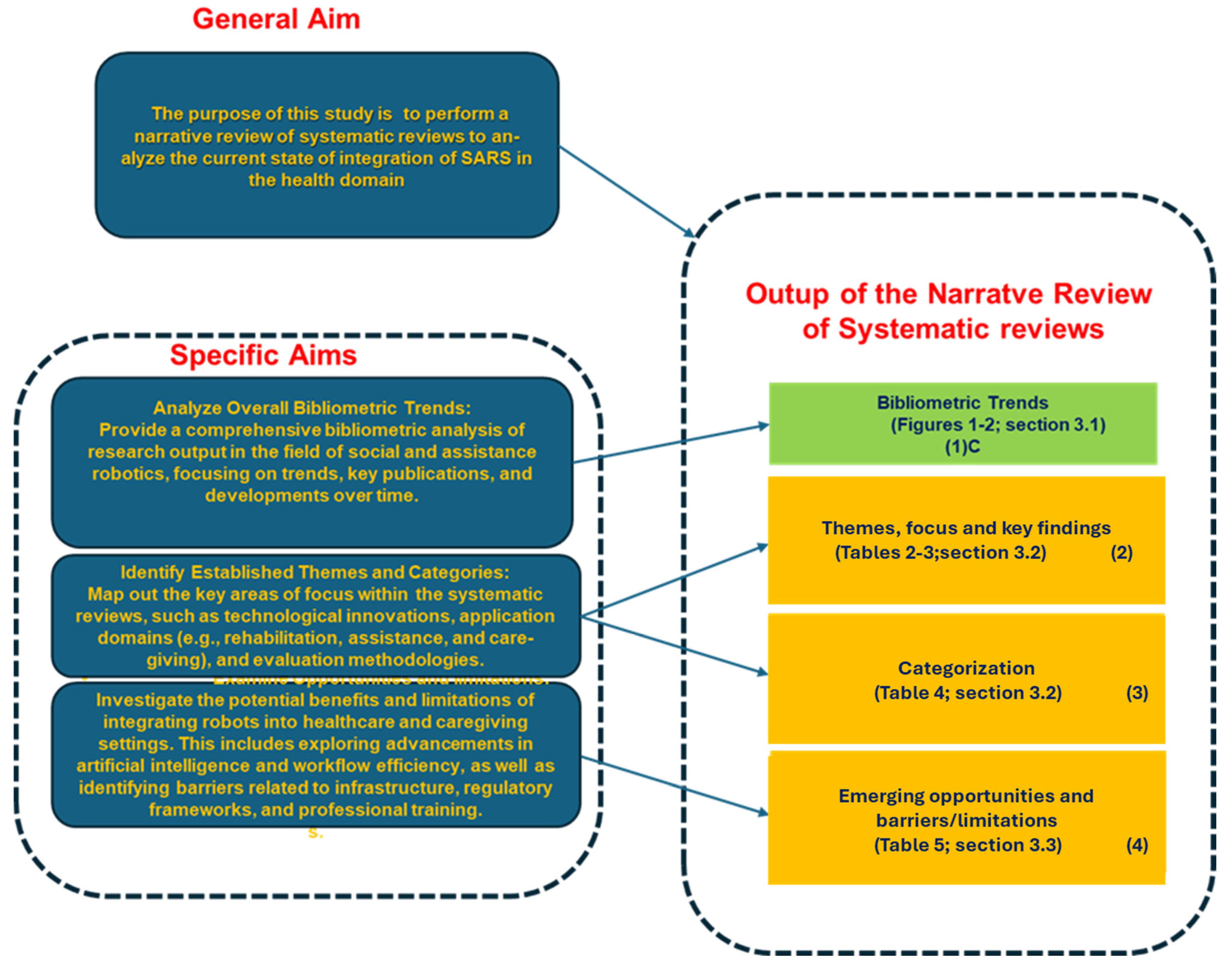
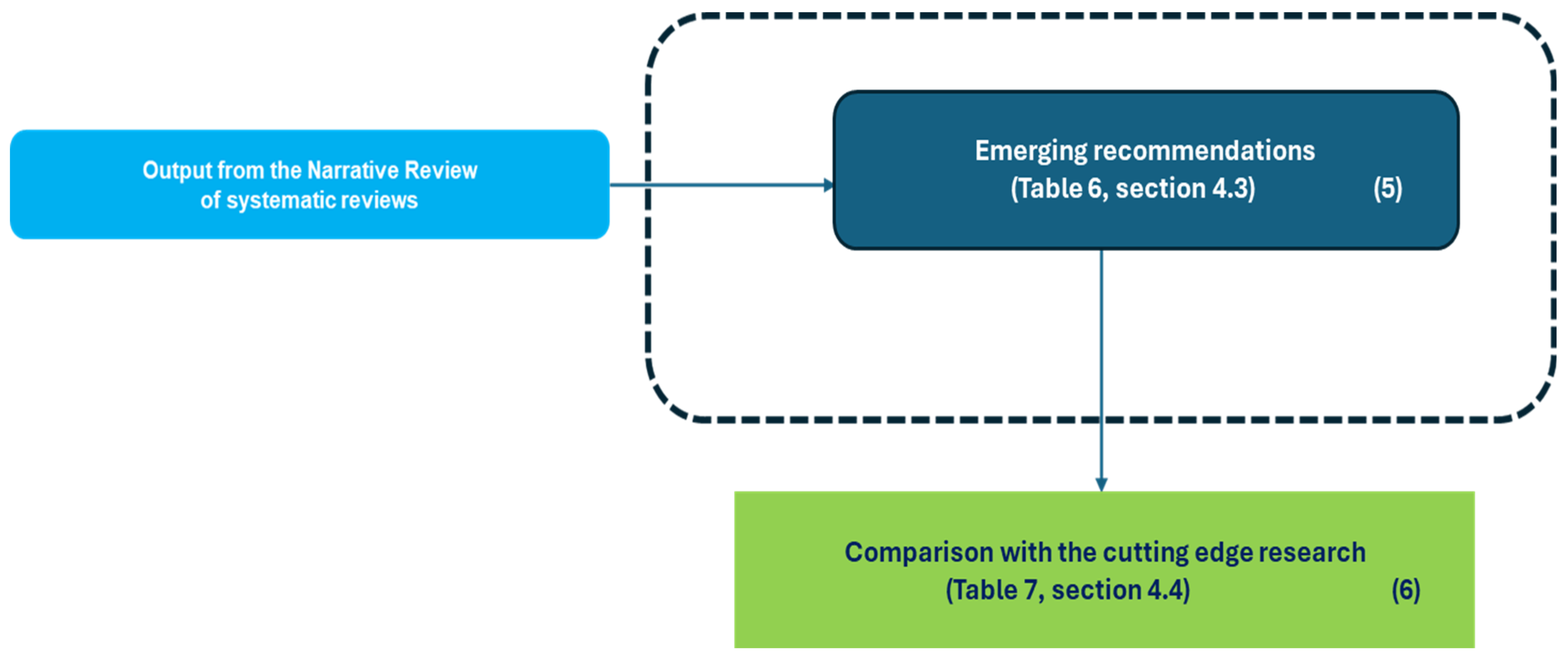
Figure 3 and Figure 4 present two synoptic diagrams that outline the rationale behind the design of the narrative review. These diagrams provide a structured visual representation of how the study was developed, showing the logical sequence of its different phases and how they interconnect.
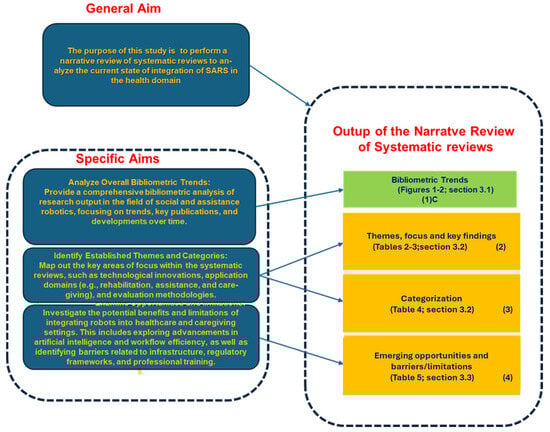
Figure 3.
Synoptic diagram of the study structure: from bibliometric trends to SARS applications in the health domain.
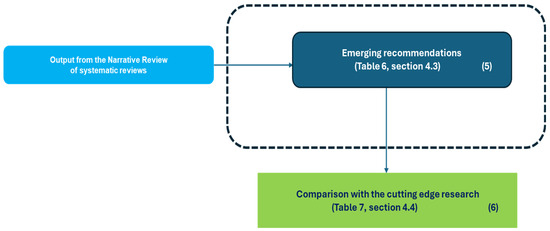
Figure 4.
Logical progression from the narrative review findings to the cutting-edge research.
4.1.1. First Diagram (Figure 3): Linking Objectives to Analysis
The first diagram (Figure 3) illustrates how the study was structured based on its general objective and three specific objectives. The logical progression follows a top-down approach:
- Block 1: This block represents the bibliometric trends reported in Figure 1 and Figure 2 (Section 3.1). These trends were analyzed to provide an overview of the scientific production also in relation to robotics in the health domain in general.
- Block 2: This block corresponds to the identification of thematic areas, as presented in Table 2 and Table 3 (Section 3.2). This categorization allowed for the organization of the reviewed studies according to key themes, focus, and contribution, facilitating a structured analysis.
- Block 3: Building upon the thematic categorization, this block highlights the comparative side-by-side analysis of the studies. The classification was refined, with categorization as reported in Table 4 (Section 3.2), enabling a deeper understanding of the different ways SARSs are applied in the health domain.
- Block 4: This block synthesizes the opportunities and barriers/limitations identified in the reviewed studies, as reported in Table 5 (Section 3.3). These findings highlight both the potential benefits of SARSs’ applications in the health domain and the barriers/limitations.
This diagram provides a step-by-step visualization of the study’s methodological process, from bibliometric analysis to thematic categorization, comparative analysis, and the identification of emerging opportunities and challenges.
4.1.2. Second Diagram (Figure 4): Connecting Discussion to Findings
The second diagram (Figure 4) is logically connected to the first and illustrates how the study transitions from the findings of the literature review to the discussion. The sequential organization follows a structured approach:
- Block 5 identifies the emerging recommendations from the overviewed studies as reported in Table 6 (Section 4.3).
Table 6. Emerging general recommendations.
- Connected to Block 5, Block 6 links to a comparison with the findings of recent Cutting Edge Research moving in the direction of the recommendations as reported in Table 7 (Section 4.4).
Table 7. Sketch of the key findings in the cutting-edge recent studies and relationships with the general recommendations.
4.2. Highlight from the Overview
Based on the overview of the systematic reviews, a key added value is the recognition of multiple therapeutic applications of SASRs across different patient populations and healthcare settings. SASRs have been primarily designed to provide emotional and social support, cognitive assistance, and therapeutic interventions for specific needs, which can vary significantly depending on the condition or age group they are intended for. For instance, robots designed for emotional and social support often aim to alleviate loneliness, such as in elderly care or dementia, by offering companionship and emotional comfort. These robots can enhance patients’ psychological well-being and contribute to reducing isolation, as seen in the studies by Yen et al. [11], Hirt et al. [16], and Chen et al. [21]. Likewise, robots used for cognitive support aim to assist individuals with dementia or autism, where they help stimulate cognitive functions like memory, problem-solving, or even task completion, as demonstrated in the work of Salimi et al. [14] and Robinson et al. [19].
Another added value stems from the flexibility and potential overlap between categories of SASRs. While robots primarily focused on emotional support often provide cognitive stimulation as well, this cross-functionality enhances their effectiveness. For instance, robots used in dementia care not only provide emotional comfort but can also engage patients in cognitive tasks, such as remembering names or following simple commands, thus helping to maintain cognitive function. This suggests that the design of SASRs should be flexible enough to address multiple therapeutic goals simultaneously, improving their utility in healthcare settings, as evidenced by the work of Moerman et al. [20] and Pu et al. [22].
A third added value arises from the application of SASRs in diverse healthcare contexts. The reviews illustrate how SASRs have been successfully deployed in pediatric, geriatric, and dementia care settings. For example, in children’s hospitals, robots have been used to alleviate stress and anxiety during medical procedures, promoting relaxation and distraction, as seen in the studies by Moerman et al. [20] and Littler et al. [15]. Similarly, in geriatric care, robots have been used to support emotional health by alleviating depression, anxiety, and loneliness in older adults, enhancing their overall quality of life, as shown in the works by Chen et al. [21] and Robinson et al. [19]. These applications highlight the adaptability of robots across different populations, underscoring the potential for robots to meet the unique needs of various patient groups.
Furthermore, the reviews point to the need for more rigorous long-term research. Although the studies reviewed show promising short-term benefits of SASRs, there is a clear need for more longitudinal studies to assess the long-term efficacy and sustainability of these interventions. This would help determine the lasting impact of SASRs on emotional well-being, cognitive support, and overall health outcomes, as noted by Pu et al. [22] and Robinson et al. [19].
Finally, the need for integration into healthcare systems is a significant consideration moving forward. As SASRs become more advanced, understanding how they can be seamlessly integrated into clinical workflows is crucial. This involves addressing practical issues such as how to incorporate robots into everyday care routines and ensuring that healthcare providers are adequately trained in their use. Additionally, ethical considerations around privacy, consent, and robot–human interaction will need to be carefully managed to ensure these technologies are used responsibly and effectively, as discussed by Song and Luximon [17] and Støre et al. [12].
Overall, the systematic reviews reveal several added values from the use of SASRs in healthcare. These robots offer emotional, cognitive, and therapeutic support across diverse patient populations. However, to maximize their potential, future research must address their long-term impacts, integration into healthcare practices, and ethical implications, ensuring their place as effective, ethical tools in improving patient care.
4.3. Emerging Recommendations
Emerging recommendations for SASRs, a specialized subset of care robots, are derived from systematic reviews [11,12,13,14,15,16,17,18,19,20,21,22,23,24,25,26,27]. Designed to address patients’ emotional, cognitive, and social needs, particularly among the elderly and those with special needs, SASRs present distinct opportunities and challenges.
A key recommendation is an empathy-driven design, ensuring SASRs can recognize and respond to human emotions. Studies by Yen et al. [11] and Park and Whang [13] highlight the importance of emotional responsiveness in fostering meaningful interactions, reducing loneliness [11], and supporting cognitive functions in dementia patients [19].
User-centered design is equally critical. SASRs must be adaptable to diverse users, from children with autism [14] to elderly patients with early-stage dementia [19] and individuals undergoing medical treatments [15]. Personalization enhances their therapeutic impact by addressing cognitive, emotional, and physical variations.
Cybersecurity is another fundamental aspect. As Giansanti and Gulino [28] emphasize, SASRs handle sensitive patient data, necessitating stringent security measures to prevent breaches and ensure safe operation. Monoscalco et al. [29] further highlight the need for cybersecurity training among healthcare professionals to mitigate risks in clinical environments.
Interdisciplinary collaboration strengthens SASR development. Insights from healthcare, engineering, psychology, and ethics help create socially and ethically responsible robots [17,19]. Ethical considerations, particularly “algorethics” (fairness, transparency, and accountability in AI systems), as discussed by Lastrucci et al. [30], are vital for ensuring trust and bias-free interactions.
Finally, gradual integration into clinical practice, supported by standardized guidelines and rigorous testing, is essential. Maccioni et al. [31] propose consensus conferences as a means to establish best practices and protocols for SASR deployment.
Overall, SASR development requires a holistic approach combining empathy-driven design, user-centered customization, cybersecurity, interdisciplinary collaboration, and structured clinical integration. These principles will ensure that SASRs effectively support patients while addressing ethical, technical, and practical challenges. Table 6 summarizes these emerging recommendations. Table 5 reports the emerging recommendations.
4.4. Comparison of the Overview with the Contribution of the Cutting Edge Research
To compare the findings with recent studies published after or during the last systematic reviews, cutting-edge research was considered [32,33,34,35,36,37,38,39,40,41,42,43,44,45,46,47,48,49,50,51,52,53,54,55,56] to analyze their contributions to the emerging recommendations for SASRs and the directions they are taking. These studies provide valuable insights that inform the design, development, and deployment of SASRs, particularly in healthcare, education, and social contexts. Table 7 presents key studies and their contributions to specific recommendations that emerged in the narrative review of systematic review, offering a clearer understanding of how these studies address essential aspects of SASR design and usage.
4.5. Limitations
This narrative review of systematic reviews employs a structured methodology designed for the narrative reviews. However, several limitations must be acknowledged, which in turn provide valuable insights into future research directions.
One significant limitation is the exclusion of conference proceedings, preprints, and gray literature. While this approach ensures that only rigorously peer-reviewed studies are included, it may omit emerging trends, innovative pilot studies, and cutting-edge experimental work that has not yet undergone formal publication. Future research should consider integrating these sources to provide a more dynamic and up-to-date understanding of SASR developments, particularly in rapidly evolving fields such as AI-driven human–robot interaction and adaptive learning algorithms.
Additionally, by focusing on the internationally published literature in English, this review enhances broad applicability and comparability across different healthcare settings. However, this language restriction may inadvertently exclude region-specific insights, localized best practices, and culturally adapted interventions that could significantly influence the effectiveness of SASRs. Future studies should prioritize multilingual and cross-cultural analyses, incorporating research from non-English sources to gain a more comprehensive view of SASR adoption and customization in diverse healthcare environments.
Another limitation lies in the reliance on systematic reviews as the primary unit of analysis. While this approach ensures a synthesis of high-level evidence, it may overlook novel perspectives, individual case studies, and experimental research that provide deeper, context-specific insights. Future research should complement systematic reviews with primary studies, especially qualitative and mixed-methods research, to capture patient experiences, caregiver perspectives, and real-world implementation challenges.
While the reviewed studies employ diverse methodologies, sample populations, and evaluation metrics, this variability reflects the multidimensional nature of SASRs and their applications across different contexts. Rather than being a limitation, this diversity underscores the need for more standardized frameworks and benchmarking tools that can facilitate clearer comparisons and assessments of SASR effectiveness, usability, and ethical considerations across diverse clinical settings. Developing common evaluation criteria could enhance the robustness of future research and support the integration of SASRs in various healthcare environments.
Additionally, while this review primarily focuses on the healthcare applications of SASRs, their broader societal and psychological implications remain an important avenue for further exploration. Future research could deepen the understanding of SASR integration in caregiving settings by examining their long-term influence on caregiver dynamics, human–machine trust relationships, and ethical considerations, particularly as robotic autonomy continues to advance.
To address these gaps, future research should carry out the following:
- ○
- Expand Data Sources: Incorporate conference proceedings, preprints, and gray literature to capture emerging trends and novel SASR applications.
- ○
- Enhance Cross-Cultural Insights: Conduct comparative studies across different linguistic and cultural contexts to understand the region-specific adaptations of SASRs.
- ○
- Integrate Primary Research: Combine systematic reviews with qualitative and mixed-methods studies to capture user experiences and implementation barriers.
- ○
- Develop Standardized Evaluation Frameworks: Establish universal benchmarking criteria for assessing SASR effectiveness, usability, and ethical compliance.
- ○
- Explore Long-Term Social and Psychological Effects: Investigate the evolving role of SASRs in human–machine relationships, trust formation, and ethical concerns in caregiving contexts.
- ○
- Promote Interdisciplinary Collaboration: Encourage joint research initiatives among engineers, healthcare professionals, ethicists, and policymakers to ensure holistic SASR development.
By addressing these limitations and pursuing these research directions, the field can advance toward the responsible and effective deployment of SASRs in healthcare and beyond.
5. Conclusions
The systematic reviews analyzed provide a comprehensive understanding of the role and impact of socially assistive service robots (SASRs) across various healthcare applications. These studies consistently highlight SASRs’ potential to enhance mental well-being, alleviate symptoms of anxiety and depression, and support cognitive and emotional recovery in vulnerable populations, including older adults, individuals with dementia, and children undergoing medical procedures. Findings from multiple systematic reviews underscore the importance of user-centered and empathy-driven design, demonstrating that robots capable of recognizing and responding to human emotions foster greater engagement, trust, and therapeutic efficacy.
A key insight emerging from the evidence is that SASRs must move beyond basic functionality to provide meaningful and personalized interactions. Studies on robotic interventions for autism, dementia care, and psychiatric conditions emphasize that the effectiveness of SASRs is linked to their ability to adapt to users’ specific needs and behavioral cues. For instance, empathy-driven robot design has been shown to improve human–robot trust, which is a fundamental factor in their successful adoption, particularly in sensitive environments such as elderly care and rehabilitation.
Despite their potential, the generalizability of findings is limited by methodological heterogeneity, variations in intervention protocols, and differences in study designs. The lack of standardized outcome measures complicates direct comparisons and limits the ability to derive clear clinical guidelines. This points to an urgent need for standardized frameworks and benchmarking tools to evaluate the effectiveness, usability, and ethical implications of SASRs in healthcare.
Ethical and practical considerations remain central to the successful integration of SASRs. Several reviews highlight concerns regarding algorithmic bias, transparency, and user privacy, emphasizing that trust in SASRs is contingent upon ensuring ethical AI governance and robust data protection mechanisms. Furthermore, cybersecurity risks associated with SASRs, particularly in clinical environments, must be addressed to safeguard patient information and prevent unauthorized access.
Future research should focus on refining SASR technologies through interdisciplinary collaboration, involving expertise from healthcare, engineering, psychology, ethics, and policy making. Large-scale randomized controlled trials (RCTs) are necessary to validate the long-term benefits of SASRs and provide stronger evidence for their clinical implementation. Additionally, studies should explore the broader societal impact of SASRs, including their influence on caregiver-patient dynamics, human–machine trust relationships, and ethical dilemmas related to increasing robot autonomy.
Overall, while SASRs present transformative opportunities for enhancing healthcare delivery and patient outcomes, their widespread adoption will require addressing key challenges related to standardization, ethical governance, and long-term efficacy. By bridging technological innovation with ethical and clinical considerations, SASRs can play a pivotal role in shaping the future of assistive and rehabilitative care, offering scalable, personalized, and emotionally intelligent solutions that support diverse patient needs.
Supplementary Materials
The following supporting information can be downloaded at: https://www.mdpi.com/article/10.3390/app15073793/s1, Section S1: Analytical summaries.
Author Contributions
Conceptualization, D.G. and A.P.; methodology, D.G.; software, All authors; validation, All authors; formal analysis, All authors; investigation, All authors; resources, All authors; data curation, D.G.; writing—original draft preparation, D.G.; writing—review and editing, D.G., A.P., A.L. and A.I.; visualization, All authors; supervision, D.G.; project administration, D.G.; funding acquisition, D.G. All authors have read and agreed to the published version of the manuscript.
Funding
This research received no external funding.
Conflicts of Interest
The authors declare no conflict of interest.
References
- Giansanti, D. The social robot in Rehabilitation and Assistance: What Is the Future? Healthcare 2021, 9, 244. [Google Scholar] [CrossRef] [PubMed]
- Deusdad, B. Ethical implications in using robots among older adults living with de-mentia. Front. Psychiatry 2024, 15, 1436273. [Google Scholar] [CrossRef] [PubMed] [PubMed Central]
- Dautenhahn, K.; Werry, I. Towards interactive robots in autism therapy: Background, motivation and challenges. Pragmat. Cogn. 2004, 12, 1–35. [Google Scholar]
- Scassellati, B. How social robots will help our children grow. Int. J. Hum.-Comput. Stud. 2007, 65, 687–700. [Google Scholar]
- Wada, K.; Shibata, T. Living with seal robots: Its sociopsychological and physiological influences on elderly people in a care house. IEEE Trans. Robot. 2007, 23, 972–980. [Google Scholar]
- Aymerich-Franch, L.; Ferrer, I. Liaison, safeguard, and well-being: Analyzing the role of social robots during the COVID-19 pandemic. Technol Soc. 2022, 70, 101993. [Google Scholar] [CrossRef] [PubMed]
- Tapus, A.; Mataric, M.J.; Scassellati, B. Socially assistive robotics [Grand Challenges of Robotics]. IEEE Robot. Autom. Mag. 2007, 14, 35–42. [Google Scholar]
- Feil-Seifer, D.; Mataric, M.J. Defining socially assistive robotics. In Proceedings of the 2005 IEEE International Conference on Robotics and Automation, Barcelona, Spain, 18–22 April 2005; pp. 4657–4661. [Google Scholar]
- Cruces, A.; Jerez, A.; Bandera, J.P.; Bandera, A. Socially Assistive Robots in Smart Environments to Attend Elderly People—A Survey. Appl. Sci. 2024, 14, 5287. [Google Scholar] [CrossRef]
- Simeoni, R.; Colonnelli, F.; Eutizi, V.; Marchetti, M.; Paolini, E.; Papalini, V.; Punturo, A.; Salvò, A.; Scipinotti, N.; Serpente, C.; et al. The Social Robot and the Digital Physiotherapist: Are We Ready for the Team Play? Healthcare 2021, 9, 1454. [Google Scholar] [CrossRef]
- Yen, H.Y.; Huang, C.W.; Chiu, H.L.; Jin, G. The Effect of Social Robots on Depression and Loneliness for Older Residents in Long-Term Care Facilities: A Meta-Analysis of Randomized Controlled Trials. J. Am. Med. Dir. Assoc. 2024, 25, 104979. [Google Scholar] [CrossRef] [PubMed]
- Støre, S.J.; Beckman, L.; Jakobsson, N. The effect of robot interventions on sleep in adults: A systematic review and network meta-analysis. J. Clin. Sleep Med. 2022, 18, 1877–1884. [Google Scholar] [CrossRef] [PubMed] [PubMed Central]
- Park, S.; Whang, M. Empathy in Human-Robot Interaction: Designing for Social Robots. Int. J. Environ. Res. Public Health 2022, 19, 1889. [Google Scholar] [CrossRef] [PubMed]
- Salimi, Z.; Jenabi, E.; Bashirian, S. Are social robots ready yet to be used in care and therapy of autism spectrum disorder: A systematic review of randomized controlled trials. Neurosci. Biobehav. Rev. 2021, 129, 1–16. [Google Scholar] [CrossRef] [PubMed]
- Littler, B.K.M.; Alessa, T.; Dimitri, P.; Smith, C.; de Witte, L. Reducing negative emotions in children using social robots: Systematic review. Arch. Dis. Child. 2021, 106, 1095–1101. [Google Scholar] [CrossRef] [PubMed]
- Hirt, J.; Ballhausen, N.; Hering, A.; Kliegel, M.; Beer, T.; Meyer, G. Social Robot Interventions for People with Dementia: A Systematic Review on Effects and Quality of Reporting. J. Alzheimers Dis. 2021, 79, 773–792. [Google Scholar] [CrossRef] [PubMed] [PubMed Central]
- Song, Y.; Luximon, Y. Trust in AI Agent: A Systematic Review of Facial Anthropomorphic Trustworthiness for Social Robot Design. Sensors 2020, 20, 5087. [Google Scholar] [CrossRef] [PubMed]
- Jones, C.; Liu, F.; Murfield, J.; Moyle, W. Effects of non-facilitated meaningful activities for people with dementia in long-term care facilities: A systematic review. Geriatr. Nurs. 2020, 41, 863–871. [Google Scholar] [CrossRef] [PubMed] [PubMed Central]
- Robinson, N.L.; Cottier, T.V.; Kavanagh, D.J. Psychosocial Health Interventions by Social Robots: Systematic Review of Randomized Controlled Trials. J. Med. Internet Res. 2019, 21, e13203. [Google Scholar] [CrossRef] [PubMed] [PubMed Central]
- Moerman, C.J.; van der Heide, L.; Heerink, M. Social robots to support children’s well-being under medical treatment: A systematic state-of-the-art review. J. Child. Health Care 2019, 23, 596–612. [Google Scholar] [CrossRef] [PubMed]
- Chen, S.C.; Jones, C.; Moyle, W. Social Robots for Depression in Older Adults: A Systematic Review. J. Nurs. Scholarsh. 2018, 50, 612–622. [Google Scholar] [CrossRef] [PubMed]
- Pu, L.; Moyle, W.; Jones, C.; Todorovic, M. The Effectiveness of Social Robots for Older Adults: A Systematic Review and Meta-Analysis of Randomized Controlled Studies. Gerontologist 2019, 59, e37–e51. [Google Scholar] [CrossRef] [PubMed]
- Kling, M.; Haeussl, A.; Dalkner, N.; Fellendorf, F.T.; Lenger, M.; Finner, A.; Ilic, J.; Smolak, I.S.; Stojec, L.; Zwigl, I.; et al. Social robots in adult psychiatry: A summary of utilisation and impact. Front. Psychiatry 2025, 16, 1506776. [Google Scholar] [CrossRef] [PubMed] [PubMed Central]
- Lee, H.; Chung, M.A.; Kim, H.; Nam, E.W. The Effect of Cognitive Function Health Care Using Artificial Intelligence Robots for Older Adults: Systematic Review and Meta-analysis. JMIR Aging 2022, 5, e38896, Erratum in: JMIR Aging 2022, 5, e42312. 10.2196/42312. [Google Scholar] [CrossRef] [PubMed] [PubMed Central]
- Liao, Y.J.; Parajuli, J.; Jao, Y.L.; Kitko, L.; Berish, D. Non-pharmacological interventions for pain in people with dementia: A systematic review. Int. J. Nurs. Stud. 2021, 124, 104082. [Google Scholar] [CrossRef] [PubMed]
- Lu, L.C.; Lan, S.H.; Hsieh, Y.P.; Lin, L.Y.; Lan, S.J.; Chen, J.C. Effectiveness of Companion Robot Care for Dementia: A Systematic Review and Meta-Analysis. Innov. Aging 2021, 5, igab013. [Google Scholar] [CrossRef] [PubMed] [PubMed Central]
- Koumpouros, Y. A Systematic Review on Existing Measures for the Subjective Assessment of Rehabilitation and Assistive Robot Devices. J. Healthc. Eng. 2016, 2016, 1048964. [Google Scholar] [CrossRef] [PubMed] [PubMed Central]
- Giansanti, D.; Gulino, R.A. The Cybersecurity and the Care Robots: A Viewpoint on the Open Problems and the Perspectives. Healthcare 2021, 9, 1653. [Google Scholar] [CrossRef]
- Monoscalco, L.; Simeoni, R.; Maccioni, G.; Giansanti, D. Information Security in Medical Robotics: A Survey on the Level of Training, Awareness and Use of the Physiotherapist. Healthcare 2022, 10, 159. [Google Scholar] [CrossRef]
- Lastrucci, A.; Pirrera, A.; Lepri, G.; Giansanti, D. Algorethics in Healthcare: Balancing Innovation and Integrity in AI Development. Algorithms 2024, 17, 432. [Google Scholar] [CrossRef]
- Maccioni, G.; Ruscitto, S.; Gulino, R.A.; Giansanti, D. Opportunities and Problems of the Consensus Conferences in the Care Robotics. Healthcare 2021, 9, 1624. [Google Scholar] [CrossRef]
- Figliano, G.; Miraglia, L.; Manzi, F.; Ruggerone, L.; Nazzario, M.; Borgini, I.; Donini, M.; Martellosio, V.; Di Dio, C.; Marchetti, A.; et al. Robotics for cognitive stimulation and social skills: A preliminary study. Asian J. Psychiatr. 2025, 104, 104375. [Google Scholar] [CrossRef] [PubMed]
- Baxter, P. Multi-Modal Social Robot Behavioural Alignment and Learning Outcomes in Mediated Child-Robot Interactions. Biomimetics 2025, 10, 50. [Google Scholar] [CrossRef] [PubMed] [PubMed Central]
- Paluch, R.; Carros, F.; Volkova, G.; Obaid, M.; Müller, C. Editorial: Creative approaches to appropriation and design: Novel robotic systems for heterogeneous contexts. Front. Robot. AI 2025, 11, 1531132. [Google Scholar] [CrossRef] [PubMed] [PubMed Central]
- Sørensen, L.; Sagen Johannesen, D.T.; Melkas, H.; Johnsen, H.M. User Acceptance of a Home Robotic Assistant for Individuals With Physical Disabilities: Explorative Qualitative Study. JMIR Rehabil. Assist. Technol. 2025, 12, e63641. [Google Scholar] [CrossRef] [PubMed] [PubMed Central]
- Winslow, N.K.; Himstead, A.S.; Vadera, S. Early case series with placement of NeuroOne Evo stereoelectroencephalography depth electrodes and review of other FDA-approved products. Surg. Neurol. Int. 2024, 15, 454. [Google Scholar] [CrossRef] [PubMed] [PubMed Central]
- Salem, A.; Sumi, K. Deception detection in educational AI: Challenges for Japanese middle school students in interacting with generative AI robots. Front. Artif. Intell. 2024, 7, 1493348. [Google Scholar] [CrossRef] [PubMed] [PubMed Central]
- Tozadore, D.C.; Romero, R.A.F. Multiuser design of an architecture for social robots in education: Teachers, students, and researchers perspectives. Front. Robot. AI. 2024, 11, 1409671. [Google Scholar] [CrossRef] [PubMed] [PubMed Central]
- Elgarf, M.; Salam, H.; Peters, C. Fostering children’s creativity through LLM-driven storytelling with a social robot. Front. Robot. AI 2024, 11, 1457429. [Google Scholar] [CrossRef] [PubMed] [PubMed Central]
- García-Martínez, J.; Gamboa-Montero, J.J.; Castillo, J.C.; Castro-González, Á. Analyzing the Impact of Responding to Joint Attention on the User Perception of the Robot in Human-Robot Interaction. Biomimetics 2024, 9, 769. [Google Scholar] [CrossRef] [PubMed] [PubMed Central]
- Mizuho, T.; Okafuji, Y.; Baba, J.; Narumi, T. Multiple-agent promotion in a grocery store: Effects of modality and variability of agents on customer memory. Front. Robot. AI 2024, 11, 1397230. [Google Scholar] [CrossRef] [PubMed] [PubMed Central]
- Ahlin, T.; Mann, A. Ambiguous animals, ambivalent carers and arbitrary care collectives: Re-theorizing resistance to social robots in healthcare. Soc. Sci. Med. 2025, 365, 117587, Erratum in: Soc. Sci. Med. 2025, 368, 117673. 10.1016/j.socscimed.2025.117673. [Google Scholar] [CrossRef] [PubMed]
- Lee, O.E.; Yun, J.C.; Park, D.H. Perceptions and experiences of Korean American older adults with companion robots through long-term use: A comparative analysis of robot retention vs. return. Front. Public Health 2024, 12, 1424123. [Google Scholar] [CrossRef] [PubMed] [PubMed Central]
- Zhou, C.; Dong, W. How do older adults react to social robots’ offspring-like voices. Soc. Sci. Med. 2025, 364, 117545. [Google Scholar] [CrossRef] [PubMed]
- Rosenberg, A.; Untersteiner, H.; Guazzarini, A.G.; Bödenler, M.; Bruinsma, J.; Buchgraber-Schnalzer, B.; Colombo, M.; Crutzen, R.; Diaz, A.; Fotiadis, D.I.; et al. A digitally supported multimodal lifestyle program to promote brain health among older adults (the LETHE randomized controlled feasibility trial): Study design, progress, and first results. Alzheimers Res. Ther. 2024, 16, 252. [Google Scholar] [CrossRef] [PubMed] [PubMed Central]
- Fournier, C.; Michelon, C.; Granit, V.; Audoyer, P.; Bernardot, A.; Picot, M.C.; Kheddar, A.; Baghdadli, A. Pilot study protocol evaluating the impact of telerobotics interactions with autistic children during a Denver intervention on communication skills using single-case experimental design. BMJ Open 2024, 14, e084110. [Google Scholar] [CrossRef] [PubMed] [PubMed Central]
- Shankar, N.B.; Afshan, A.; Johnson, A.; Mahapatra, A.; Martin, A.; Ni, H.; Park, H.W.; Perez, M.Q.; Yeung, G.; Bailey, A.; et al. The JIBO Kids Corpus: A speech dataset of child-robot interactions in a classroom environment. JASA Express Lett. 2024, 4, 115201. [Google Scholar] [CrossRef] [PubMed]
- Haresamudram, K.; Torre, I.; Behling, M.; Wagner, C.; Larsson, S. Talking body: The effect of body and voice anthropomorphism on perception of social agents. Front. Robot. AI 2024, 11, 1456613. [Google Scholar] [CrossRef] [PubMed] [PubMed Central]
- Han, I.H.; Kim, D.H.; Nam, K.H.; Lee, J.I.; Kim, K.H.; Park, J.H.; Ahn, H.S. Human-Robot Interaction and Social Robot: The Emerging Field of Healthcare Robotics and Current and Future Perspectives for Spinal Care. Neurospine 2024, 21, 868–877. [Google Scholar] [CrossRef] [PubMed] [PubMed Central]
- Rosero, A.; Dula, E.; Kelly, H.; Malle, B.F.; Phillips, E.K. Human perceptions of social robot deception behaviors: An exploratory analysis. Front. Robot. AI 2024, 11, 1409712. [Google Scholar] [CrossRef] [PubMed] [PubMed Central]
- Yashinski, M. Social robot for at-home cognitive monitoring. Sci. Robot. 2024, 9, eadt0930. [Google Scholar] [CrossRef] [PubMed]
- Maroto-Gómez, M.; Burguete-Alventosa, J.; Álvarez-Arias, S.; Malfaz, M.; Salichs, M.Á. A Bio-Inspired Dopamine Model for Robots with Autonomous Decision-Making. Biomimetics 2024, 9, 504. [Google Scholar] [CrossRef] [PubMed]
- Tan, C.K.; Lou, V.W.Q.; Cheng, C.Y.M.; He, P.C.; Khoo, V.E.J. Improving the Social Well-Being of Single Older Adults Using the LOVOT Social Robot: Qualitative Phenomenological Study. JMIR Hum. Factors 2024, 11, e56669. [Google Scholar] [CrossRef] [PubMed] [PubMed Central]
- Lym, H.J.; Son, H.I.; Kim, D.Y.; Kim, J.; Kim, M.G.; Chung, J.H. Child-centered home service design for a family robot companion. Front. Robot. AI 2024, 11, 1346257. [Google Scholar] [CrossRef] [PubMed] [PubMed Central]
- Kok, C.L.; Ho, C.K.; Teo, T.H.; Kato, K.; Koh, Y.Y. A Novel Implementation of a Social Robot for Sustainable Human Engagement in Homecare Services for Ageing Populations. Sensors 2024, 24, 4466. [Google Scholar] [CrossRef]
- Komariyah, D.; Inoue, K.; Suyama, N.; Buwana, C.; Ito, Y. The acceptance of the potential use of social robots for children with autism spectrum disorder by Indonesian occupational therapists: A mixed methods study. Disabil. Rehabil. Assist. Technol. 2025, 20, 397–407. [Google Scholar] [CrossRef] [PubMed]
Disclaimer/Publisher’s Note: The statements, opinions and data contained in all publications are solely those of the individual author(s) and contributor(s) and not of MDPI and/or the editor(s). MDPI and/or the editor(s) disclaim responsibility for any injury to people or property resulting from any ideas, methods, instructions or products referred to in the content. |
© 2025 by the authors. Licensee MDPI, Basel, Switzerland. This article is an open access article distributed under the terms and conditions of the Creative Commons Attribution (CC BY) license (https://creativecommons.org/licenses/by/4.0/).