


Abstract
Evaluating the approach of the apple’s maturity is a crucial aspect of enhancing agricultural efficiency, especially in the context of harvesting. Traditional approaches depend on fixed criteria that fail to account for the natural growth conditions of the fruit. To address this limitation, a fuzzy logic-based system was introduced to evaluate apple ripeness. This model highlights a notable disparity between these factors and maturity. It incorporates the essential elements anticipated to correlate with ripeness, while maintaining the integrity of the inputs to create a holistic framework for assessing maturity. This system ensures that apples are harvested at the optimal time, thereby improving their overall quality.
1. Introduction
Fruits represent one of the main raw materials delivered for human consumption. Based on advanced food research [1,2,3,4], it has proven that the maturity detection of the fruit is related directly to visual aspect (color, hue, texture and size) to be multi-classified through the opinion of experts.
This complex indicative of fruit being ready to be harvested or not, could reduce a huge loss, under the pretext of the low price the worker receives, the large size of the farm and the blind picking without checking if the fruit get its total maturity. For maturity detection [5], by external edges, included inputs mentioned before, are non-destructive, while others of them are destructive. To have the best quality possible in the supply chain, it requires to check and ensure that the product be harvested before a short period (around 20 days) from the total maturity for the climacteric fruits.
The integration of Agriculture 4.0 into modern farming practices has a deep impact on the efficiency and sustainability of the agricultural supply chain. Since, managing the supply chain plays a crucial role in determining the profitability of agriculture 4.0. Globally, apples (Malus Domestica) are one of the most consumed species of fruits, in demand by all humans. Moreover, they offer several advantages such as they contain important nutrients for health care.
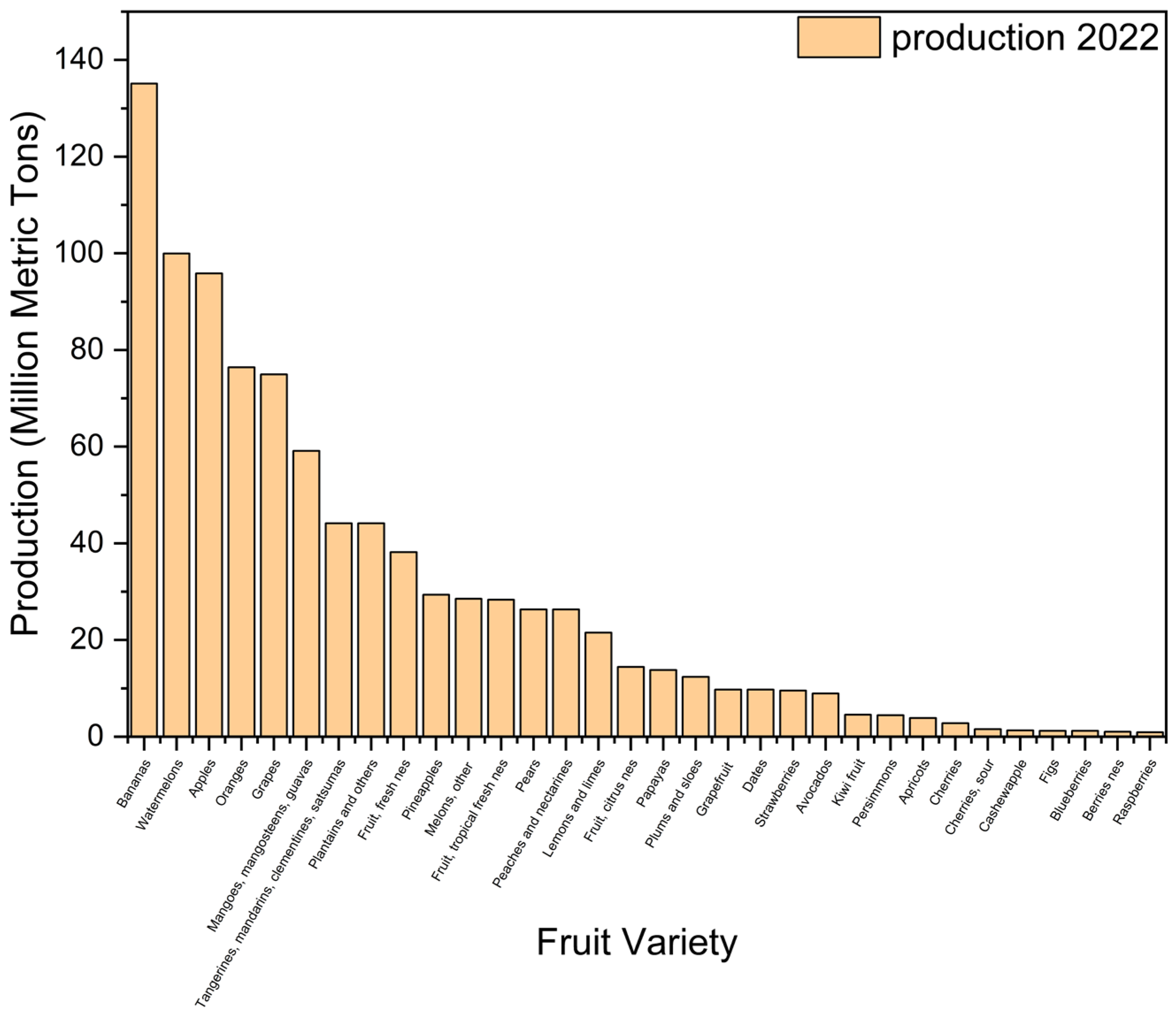
In general, apples stand out as one of the most famous fruits by world and especially the Moroccan context. As mentioned in Figure 1, in 2022, apples represented the third most consumed fruit in the world after bananas and watermelon [6].
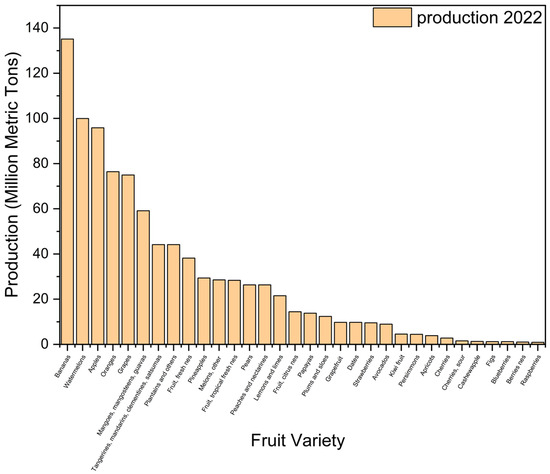
Figure 1.
Statistical Database 2022 Fruit Production.
Their shiny, round appearance, appealing color, sweet taste and balanced acid content and crispness make them a compact, compatible, delicious and highly marketable fruit for all socioeconomic classes. Imagine yourself eating an apple as mentioned earlier. Have you imagined the scenery? It’s a panoramic view, in the sensual sense that crunching an apple is both a therapeutic and a joyful scene. The apple itself is a source of antioxidants and vitamins. We can’t deny that there’s an English proverb that supports that point, indicating that the benefits of apples are so numerous that they can absolutely substitute for a doctor: an Apple a day keeps the doctor away [7]. Overall, apples contain fiber and antioxidants that either reduce and prevent cancer or Alzheimer’s disease.
2. Related Works
Developed by Dr. Lotfi Asghar Zadeh in 1965, the fuzzy logic method represents a continuation of binary logic or the real value of the variable instead of having a range of approximative values between 0 and 1 for analyzing data through degree of truth [8].This is a major advancement in the modeling of complex systems in which uncertainty and approximation are dominant. Fuzzy logic is prized for its capacity to examine intermediate specifics employing gradations of precision that underline standard logic, which only deals with binary values (0, 1). Its adaptability suits it as a decision-making instrument to control difficulties in which the limits between classes are vague, for example, in light source of targets to characterize harvest products dependent on their subjective parts, for example, taste, smell, and so forth as color, texture and size. For example, in intelligent agriculture, fuzzy logic has been widely used in optimizing sorting and quality control processes, allowing a more precise and adjustable judgment of fruits. It is especially well suited to regulatory systems where linguistic rules of the form ‘if X is A, then Y is B’ enable the translation of expert knowledge into workable models. The growth of artificial intelligence has made the potential of fuzzy logic even stronger by incorporating it with ML & optimization approaches. A prime example of this synergy is the Adaptive Neuro-Fuzzy Inference System (ANFIS), which combines the learning capabilities of neural networks with the assistive features of fuzzy models. It can also automatically tune the parameters of membership functions and fuzzy rules based on training data, resulting in more flexible and efficient models. This paper presents a hybrid ANFIS-Fuzzy-CNN that combines CNN with a fuzzy system (ANFIS and Local Binary Pattern (LBP), a texture analysis technique, to enhance bell pepper leaf disease detection with an accuracy of 99.99%. It enhances the optimization of agricultural monitoring by automated early detection of plant disease through advanced feature extraction, making it a more efficient process and reducing the costs of loss and pesticide use [9]. At [10], a smart model based upon a combination of fuzzy logic and CNN for classification of high-resolution satellite images specifically in agriculture to identify vegetation zones with an accuracy of 84%.
By successfully recognizing the crop classes more accurately, this technique helps in effective land management by identifying crops and infrastructure. Due to its ability to manage uncertainty and variability relating to agricultural data, fuzzy logic has proved itself to be the scientific methodology relevant in terms of optimizing agricultural production systems. By 2017, this logic is shown to work well in landslide risk mapping [11] as illustrated by Gheshlaghi and Feizizadeh. Similarly, this approach can be applied to dealing with agricultural hazards such as soil erosion and flooding. Besides, these progresses consist of soil cultivation and many researchers like Ghosh et al. apply it [12] who elaborated a fuzzy classifier combined with neurons to examine extensive databases of images, which have been identified as essential approach for modern agriculture. An article of details on satellite image classification methods by [13] highlighted the importance of fuzzy logic systems, especially for agricultural resource optimization. Consequently, the research of Feizizadeh et al. [14] focused on the evaluation of fuzzy operators in satellite image analysis. This approach is proving particularly relevant for forecasting agricultural risks and improving the resilience of production systems.
Ma et al. [15] highlighted the effectiveness of land-cover image classification techniques, including fuzzy approaches, for optimizing land use and maximizing yields. Furthermore, a fuzzy logic-based optimization strategy for LiDAR image analysis, a method adaptable to agricultural infrastructure management and crop planning, has been proposed by Sameen and Pradhan by 2017 [16]. This study combines a smart drip irrigation system with a fuzzy Sugeno controller that interprets temperature and soil moisture inputs to regulate the watering time of aromatic chili plants. The system manages water effectively with 99.98% accuracy through sensors (temperature, humidity and soil moisture) alimented by Arduino-based configuration and resource-saving features, reducing tedious manual labor by system support. Two methods, carried out separately, are injected into the soil at the same time, significantly improving crop quality in difficult growing conditions as well as irrigation efficiency [17]. This current study offers a fuzzy logic system utilizing triangular and trapezoidal membership functions, a Mamdani inference mechanism, and a centroid defuzzification process to assess and classify apples based on color (RGB) and size inputs obtained via image acquisition. The algorithm imitates experts. The authors introduce 125 if-then rule-based systems to grade Golden Delicious apples using their color and size through non-destructive methods to obtain an aggregate grading final accuracy of 90.8% which is impressive compared to human vision. The post-harvest grading process is more accurate and less subjective with this automated solution [2]. It highlights the importance of color and size features in apple grading, utilizing fuzzy sets and Mamdani acquisition for its inference process which integrates expert knowledge as well as computational performance. The following study [18] uses fuzzy logic (FL) to define coconut maturity by assessing the percentage of brown in the coconut shell through image processing and by analyzing sound spectral characteristics to measure the texture of the pulp and the hardness of the shell. These sensory inputs are combined by the fuzzy inference system to distinguish between different stages of ripeness. Simulation results establish the technique as a robust tool for automated coconut maturity assessment, despite the lack of specific accuracy metrics [19].
Marcos Jesús Villaseñor Aguilar et al. propose a novel classification method, designated as the fission system, which is based on fuzzy logic and utilizes image-derived attributes to determine the maturity of tomatoes. The proposed system employs visual indicators to differentiate between various levels of ripeness, thereby facilitating the development of a decision support tool that can adapt to variations in tomato appearance [20]. All these studies mentioned above highlight the potential of fuzzy logic as an advanced and reliable solution for agricultural system optimization, resource management and real-time decision-making, while adapting to the complex challenges encountered in the context of modern agriculture.
3. Recognizing the Apple Maturity Level
Identifying the maturity level of apples is an essential component of smart farming and offers a lot of benefits for farmers. The maturity level of an apple indicates the stage of ripeness at which it should be harvested or not, and this factor remarkably affects the quality and storage period of the fruit. Recognizing the apple maturity in agriculture 4.0 is essential for many purposes. At first level, the users can use these inputs as data of the output which is the maturity level, once to decide the perfect time to harvest their yields. Harvesting apples at the perfect level of maturity improves their sweet taste, shelf life and quality, reaching a significant profit for farmers and the satisfaction of clients. Secondly, recognizing the maturity level of apples can reduce waste and losses especially when the fruit is harvested at the wrong time.
For farmers, avoiding under-ripe or overripe apples means less spoilage, which in turn saves them money on labor and transportation costs related to harvesting and disposing of badly bruised or spoiled fruit. Using the right maturity stage of apple for harvesting gives better flavor, quality and appearance, leading to higher demand by consumers requiring high quality goods. This means that farmers can ensure that the fruit supplied to customers must pass the most stringent quality tests, which is not only a desire of consumers but also a factor that builds the reputation of farmers in the marketplace.
It is imperative for growers to priorities quality to cultivate a foundation of confidence and fidelity with consumers, thereby positioning themselves as reliable suppliers within a highly competitive agricultural sector. This character possesses the ability to encourage the growth of demand, reduce costs and ensure long-term sustainability. However, the implementation of intelligent farming technologies that assess the maturity level of apples provides farmers with real-time data on their crops, thus optimizing resource management.
For example, these technologies help determine the ideal timing for irrigation, fertilizer application, crop harvesting, and the implementation of pest control measures, ensuring optimal yields. By leveraging this data, farmers can make informed decisions that enhance both profitability and sustainability in their agricultural practices. Apples encircle a diverse range of species, each characterized by unique phenotypic features such as color, flavor profile, texture, and ripening periods. Among these, the Royal Gala variety has emerged as a dominant variety due to its early maturation, high yield potential, and consumer demand. Despite its relatively higher production costs, Gala apples are increasingly favored by farmers, because not only of their sensory attributes or their easy growth but also for their adaptability to various agronomic conditions and market demands. The choice of this kind of apple is not only influenced by personal taste but also by the specific purpose for which the fruit is planted. As a characteristic of this kind of fruit, Gala has a delicate and sweet flavor that makes it desired by many consumers and gives it huge importance.
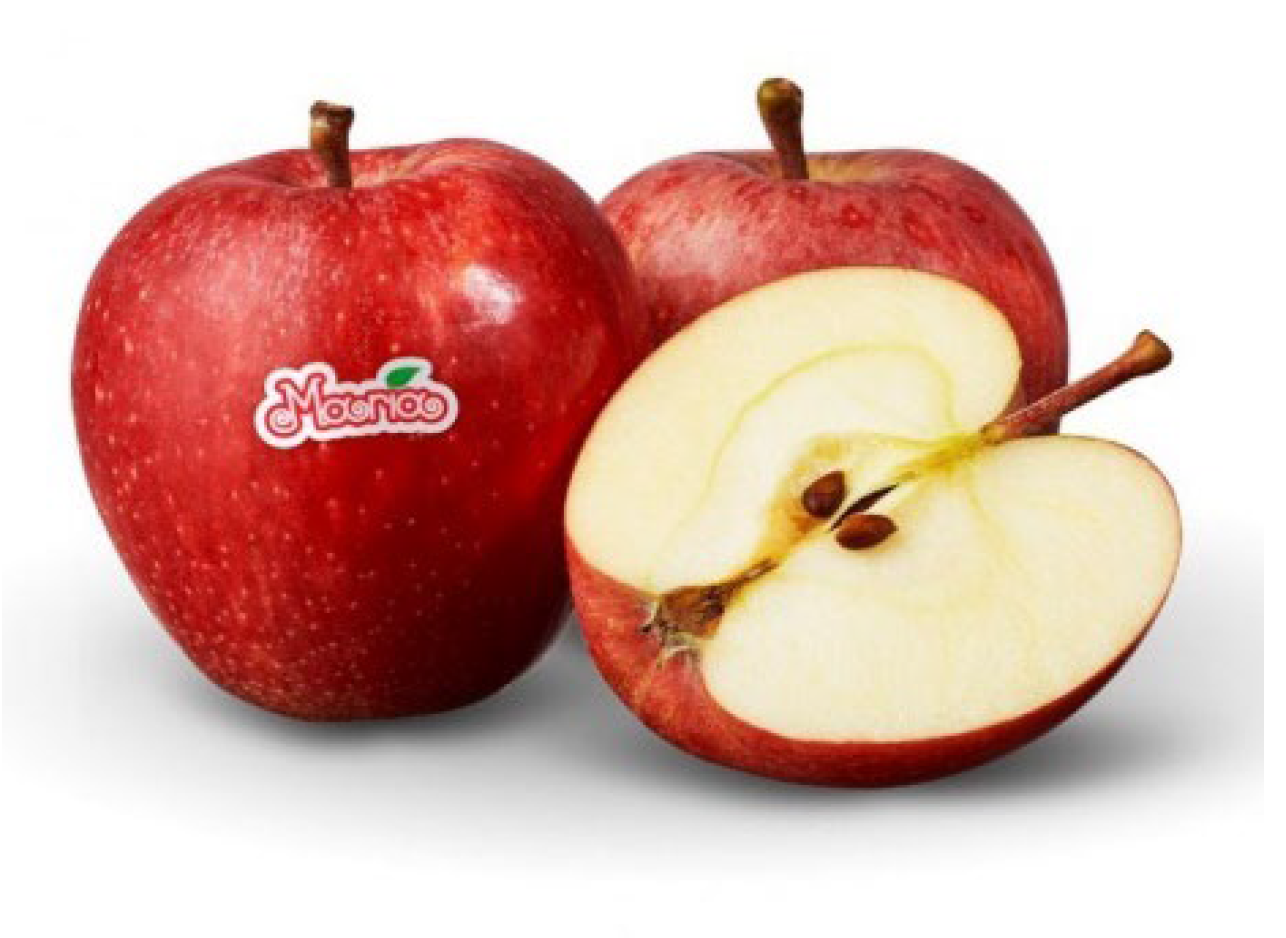
ROYAL Gala apples have a special texture, which makes difference to other varieties by their crispiness and firmness. All those characteristics make them a good opportunity for snacking and cooking. Its texture allows them to maintain their shape even after being cooked, thus making them an excellent choice for popular sweet pastries like apple pies or crumbles. In addition, they could be available throughout the whole year in most countries, of which Morocco is a part, making them an appropriate option for consumers who eat fresh apples. In other words, this fruit is available for purchase and consumption at any time of the year, regardless of the season due to its unique shelf-life. About this part, numerous farmers have started to plant the GALA variety because of its great taste, sweetness, faster rising, important production, and long shelf-life. With all these advantages and characteristics mentioned above, we choose this special kind of apple to do our research as presented in Figure 2.
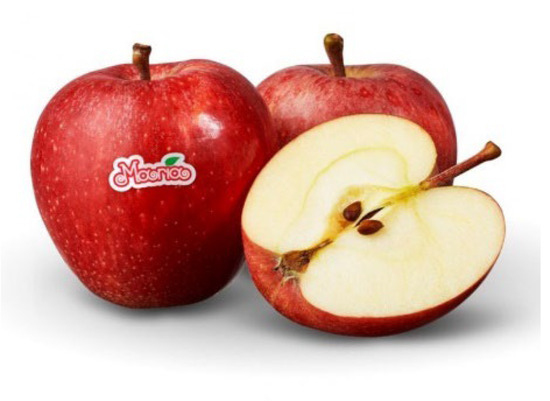
Figure 2.
Mature ROYAL GALA apple.
4. Fuzzy Logic System
The fuzzy logic Approach or uncertain logic is one of the mathematical methods that help people and scientists to take pertinent decisions in real-time using this fuzzy approach that needs a huge knowledge of artificial neural networks, in which the user enters some crisp inputs that pass through several stages to be defuzzied and then get right and pertinent decisions. This entity works equivalently to human discipline philosophy. It is an advantageous device that uses human language to define the inputs and outputs, providing an easy way to make the user aware of the nature of the link between them. The tool uses human language to describe inputs and outputs and gives a simple method to define the kind of relationship between them. The fuzzy logic approach usually uses operators such as “if”, “then”, “and”, “not” and “or” [21]. Fuzzy rules are defined to make decisions based on uncertain or imprecise data like forecasting, predicting rainfall, predicting real-time harvesting according to experts’ opinion. This method allows for the use of degrees of truth or membership between 0 and 1 or true and false.
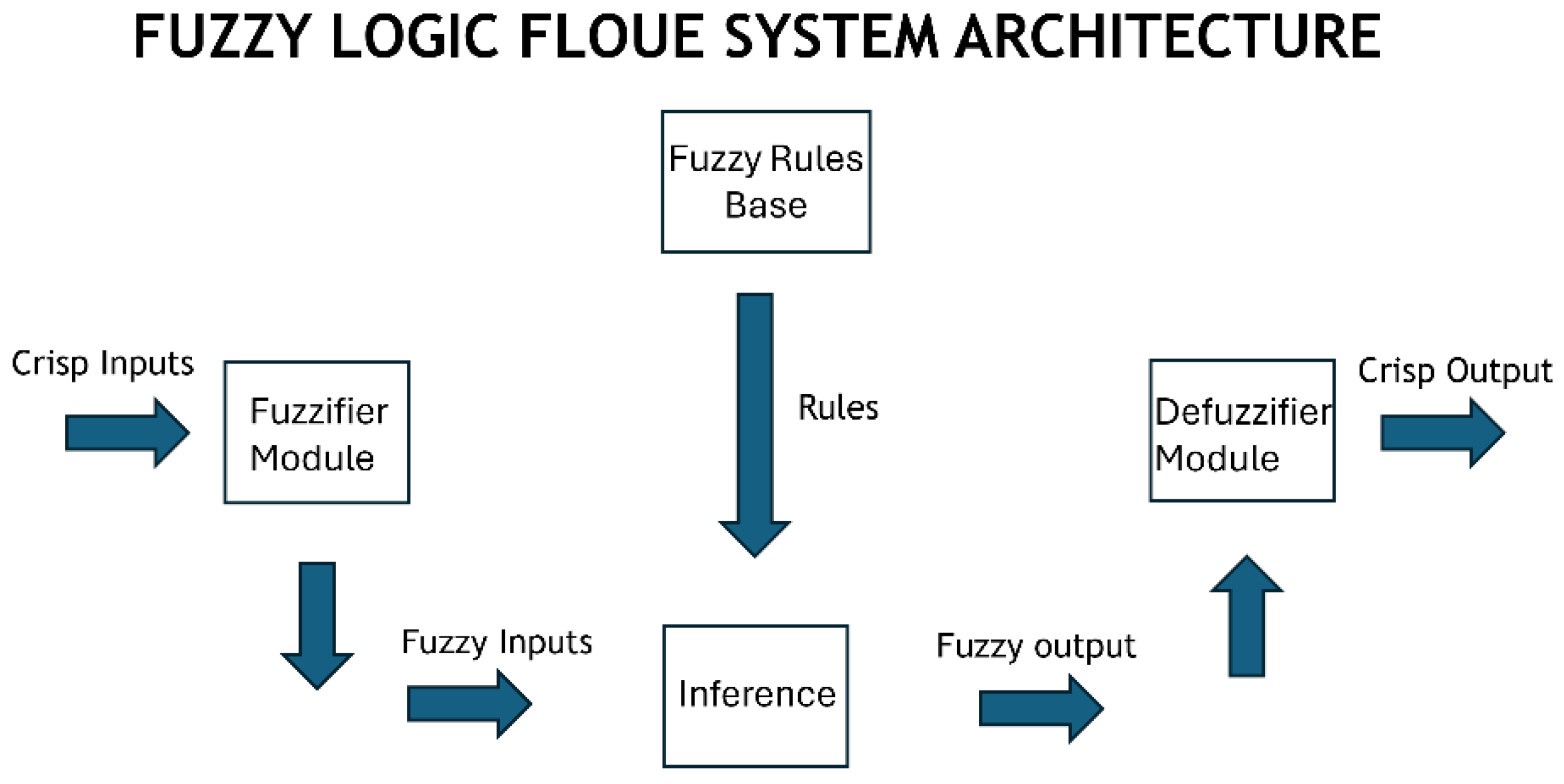
The architecture of the fuzzy logic system is shown in Figure 3. Its inputs are placed in the fuzzifier module, that crucial step that transforms the raw inputs or raw inputs into fuzzy sets: at that level, the system can know if a given element belongs or not thanks to the split of the crisp inputs into multiple levels. The fuzzy rules base or sometimes called knowledgebase, is a conditional statement that includes the previously defined fuzzy operators such as “and”, “or” …to create a rule that can help the user in the final stage to make great decisions. The inference engine, a tool simulating human thinking that determines when the current input corresponds to the rule or not based on the rules. And finally, the defuzzifier, which provides and gets the output needed to arrive at the best, most effective, and the cheapest choice. In our case study, the color, size, and the appropriate time before total maturity will be applied to apples to decide if they are entirely mature, half-mature, or not yet. To create fuzzy sets from crisp sources, membership functions must be defined. Language-based variables including “minimum”, “medium” and “maximum” are employed to define functions of membership, which specifies the amount to which an input value is a member of a specific fuzzy set. The current study aims to develop an algorithm capable of automatically determining the maturity level of apple fruit by employing fuzzy logic techniques based on visual attributes. The proposed system avoids the use of destructive testing methods by leveraging color, size, and harvesting time as primary inputs, thus enhancing the efficiency and accuracy of apple harvesting. This approach is particularly suitable for climacteric fruits, such as apples, which continue to ripen after harvest.
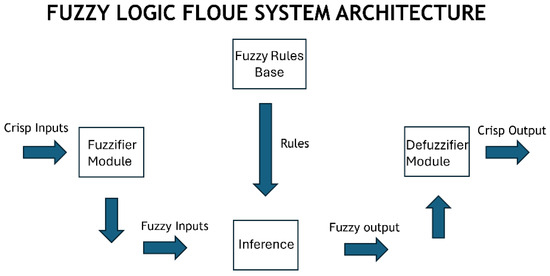
Figure 3.
Fuzzy Logic Workflow.
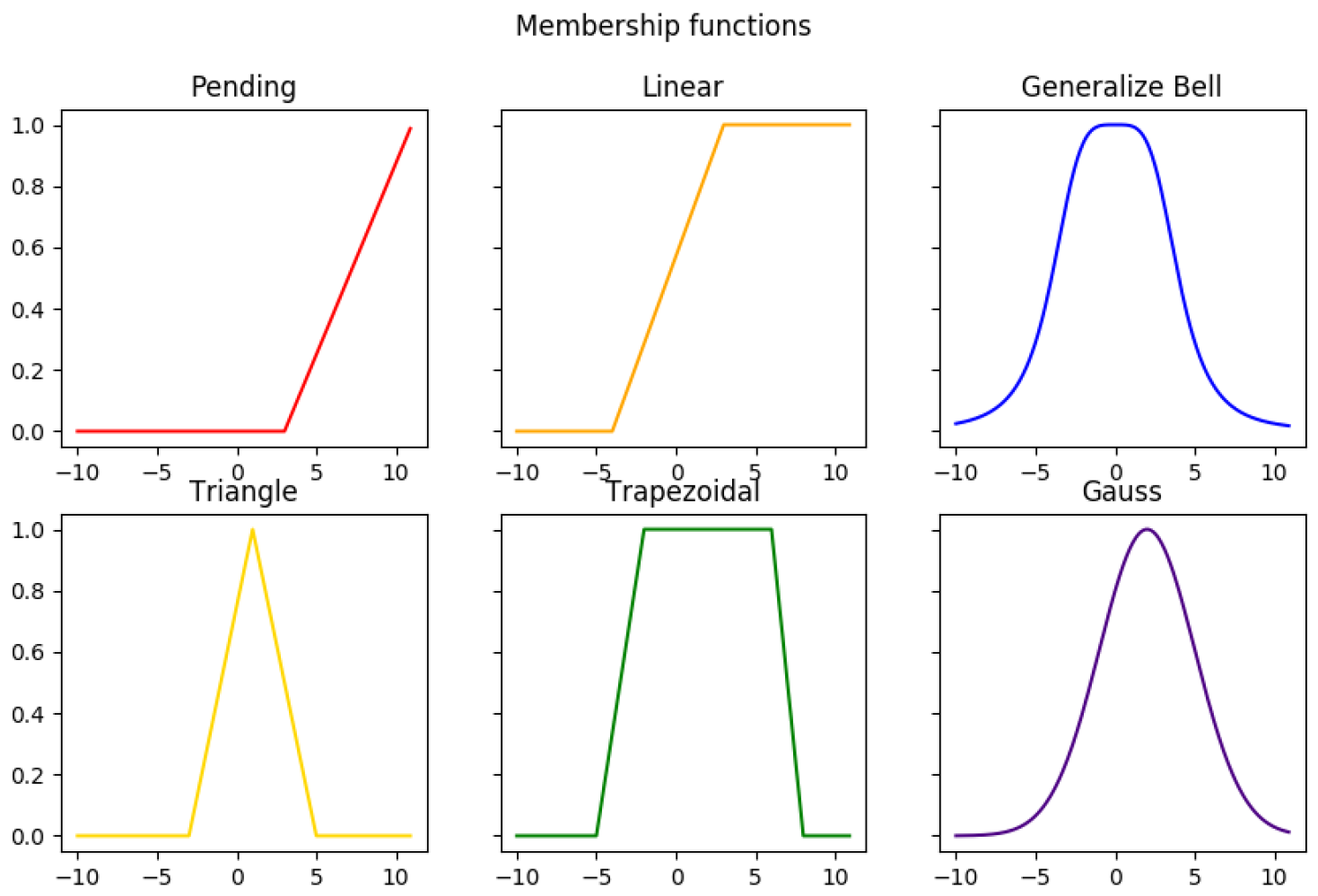
Figure 4 appears to provide a visual representation of the various membership functions that are frequently employed in fuzzy logic systems. Each subfigure is designed to illustrate a specific form of membership function. These functions are of crucial importance in the context of fuzzy logic, as they facilitate the defining of how input values are related to degrees of membership.
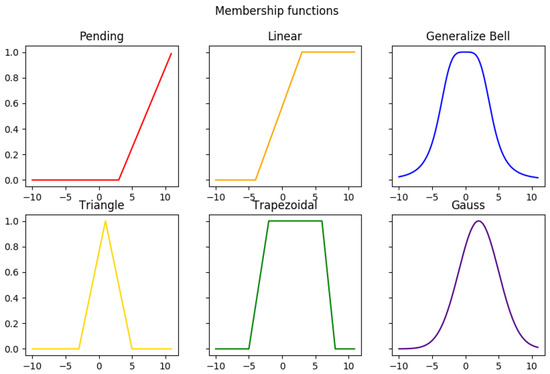
Figure 4.
Membership functions.
5. Methodology
To carry on and keep up in the same investigation into the visual characteristics and features of the ROYAL GALA brand as outlined in the previous table (Table 1), for the aim to assess and detect the level fruit maturity. The following section regrouped in the following table below will analyze and describe some raw inputs key parameters such as color, size, and time before harvesting. To predict the ripeness of the examined fruit, the parameters mentioned before have three membership functions for each: “minimum”, “medium” and “maximum”. The fuzzy system was implemented through the mathematical tool MATLAB R2022a (fuzzy platform). At this stage in the MAMDANI fuzzy method is forming a fuzzy set based on crisp variables linguistics, which will be deployed into a membership function curve to recognize the level of maturity of the variety of ROYAL GALA. The following diagram illustrates the fuzzy logic architecture employed for apple maturity detection, highlighting the input parameters, fuzzification stage, the inference engine system, and defuzzification procedure.

Table 1.
ROYAL GALA apple characteristics.
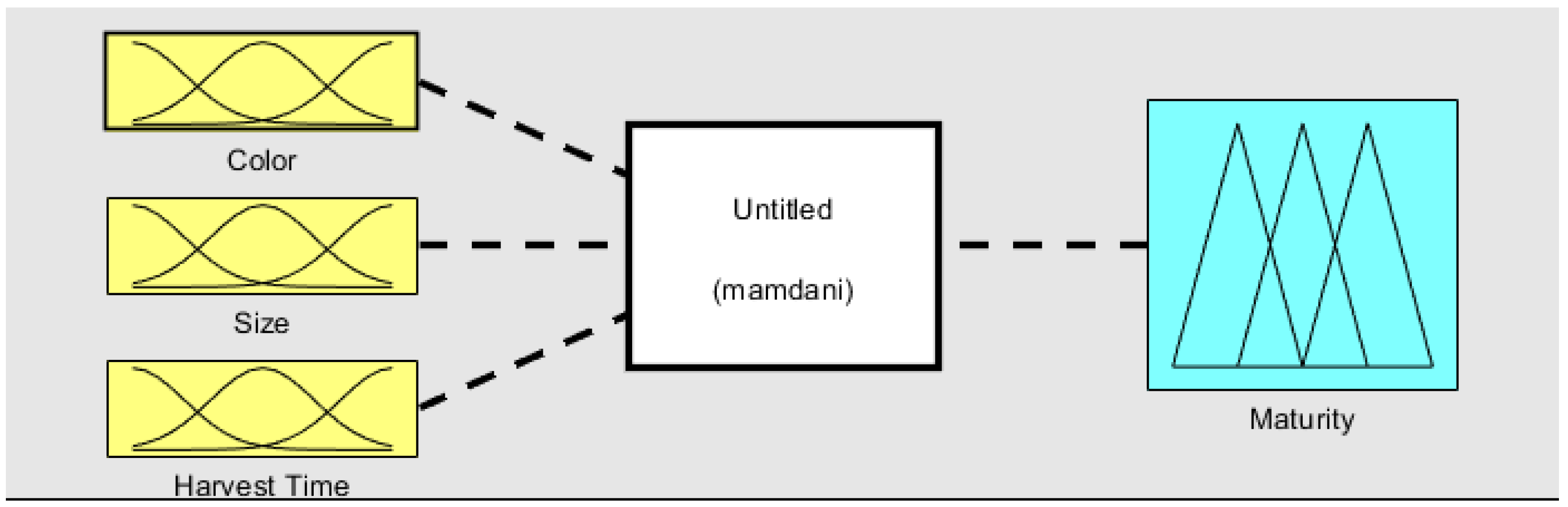
The fuzzy logic technique was selected in our case study for several criteria to assess the maturity of apples, not only for its direct ability to model a complex system that manages uncertainty and gradual natural variations (intervals) rather than binary choices. Unlike traditional approaches, fuzzy logic is based on well-defined thresholds and references, or, as we call them, rules, which are generated by experts in the field. The architecture of our fuzzy logic model contains three inputs and one output as shown in Figure 5.
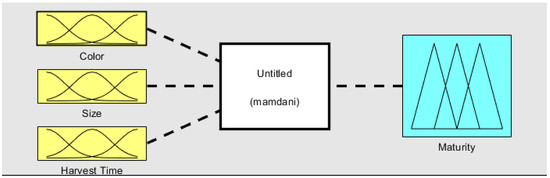
Figure 5.
The architectural framework of the fuzzy logic model.
The fluidity and flexibility of fuzzy logic and, above all, the multitude of stages in the parameters mean that users can be very precise in the results and increase the reliability of the model, even with a small database, without the risk of using or leaning towards destructive methods. This avoids both agricultural and environmental losses and reduces the errors made when blindly selecting product conformity. This precision improves the accuracy of the method by allowing a fuzzy, continuous progressive assessment rather than a binary one. In our case study, our output is the ripeness of the apples, which depends on various sensory and visual factors (inputs) such as color, size, and time. These factors are not always measurable quantities but rather quantities that follow (fuzzy) intervals for each parameter. In our case, each parameter has three levels, and the three inputs have three levels each, which explains 27 rules at the end, as shown in the table of rules.
6. Normalization
Normalizing is one of the important steps in the context of intelligent agriculture based on AI because it is the step which follows the data collection that is needed more when using fuzzy logic applications. It represents a way that allows all inputs and output to be scaled into the same range, usually between 0 and 1. It is necessary because these parameters often come into different units. After collecting data and discussing with experts the norm and the rules, the normalization process is essential to avoid the predominance of a parameter to the detriment of the others, thus falsifying the output. By unifying the data to the range that fuzzy systems work with, it becomes easier to apply the rules and make accurate predictions. Without it, the system might not be able to interpret the data accurately, leading to unreliable outputs and less effective decision-making. In essence, normalization is essential to adjust performance and give the finest results. Moreover, scaling all inputs and output enhances the robustness of the system by reducing the impact of noise and anomalies, thus ensuring consistent performance across varying conditions. In the context of this study case, parameters transformation facilitates the equitable contribution of each parameter to the final decision-making process, improving the model’s ability to provide accurate and relevant predictions about apple ripeness and making AI decisions directly actionable (whether the fruit is ripe or not yet). In this context, this approach not only strengthens the generalizability of the model to new data but also ensures that its output is directly applicable to real-word agricultural scenarios, to improve the effectiveness of precision farming and agricultural practices. In summary, membership functions rely on well-defined inputs and without standardization, the system is prone to bias, instability and misinterpretation of agricultural conditions, and does not provide the right decision.
In our study case, and to standardize the decision-making process, we normalize all parameters on a [0, 1] scale and classify them into three distinct levels:
- First level [0–33%]: it represents the initial stage for all inputs value.
- Second level [34–67%]: it represents the intermediate stage.
- Third level [68–95%]: it represents the final stage before the fruit gets its total maturity to be harvested. For the time factor, the peak value is limited to 95% (instead of 100%). This is because apples are a climacteric fruit, which means that they continue to ripen after being harvested. Accordingly, the fruit is picked 15–20 days before full ripeness to ensure optimum quality for storage, transport and market availability and avoid wastage and losses. This categorization ensures a structured approach to assessing the conformity of the fruit, while taking into consideration the post-harvest ripening process as generated in the next table.
Table 1 which contains 27 rules discusses relationship between the inputs including the shape, color, time and the output: degree of ripeness of apples. The table shows that there is a relationship between the size and color of apples, since the smallest, still green apples are often immature, while the most developed are almost always pre-mature. Using fuzzy logic, these differences can be modelled by enabling transitions instead of implying thresholds. To model these transitions, trapezoidal membership functions are used, and a normalization of values has been carried out. By integrating these fuzzy rules based on expert opinion into an agricultural management system, the result will be more efficient, flexible and sustainable, that better meet market demands by minimizing post-harvest losses. A large, red apple is more likely to be premature. Our system has been calibrated according to a rigorous, well-defined approach to reinforce the model and ensure optimal accuracy possible with 200 samples of ROYAL GALA apples and then manually adjusting the rules ensured by experts in the agricultural field to eliminate any kind of inconsistency. The reference thresholds for each parameter were defined using field observations and expert advice. This innovative and special approach has made it possible to refine the intervals associated with each level of the three parameters as shown in the table of rules (for color: green, yellow, and red; for time: early, medium, and pre-harvest; for size: small, medium, and large). The purpose of this sorting and calibration phase is to significantly improve the model’s ability to detect product conformity while minimizing human error and thus optimizing post-harvest. Fuzzy logic is an intelligent method that works well even with limited data, depending on the expertise of farmers and experts in the field, to the detriment of other methods such as neural networks, which require a large, well-labelled database that is difficult to interpret and learn in a short space of time.
7. Results and Discussion
The 3 graphs obtained from the fuzzy logic model illustrate the relationship between the three main variables: the size, color and ripening time of the apples. These representations provide a better understanding of how these parameters influence the ripeness level classification.
- Case 1: Maturity as a function of size and ripening time
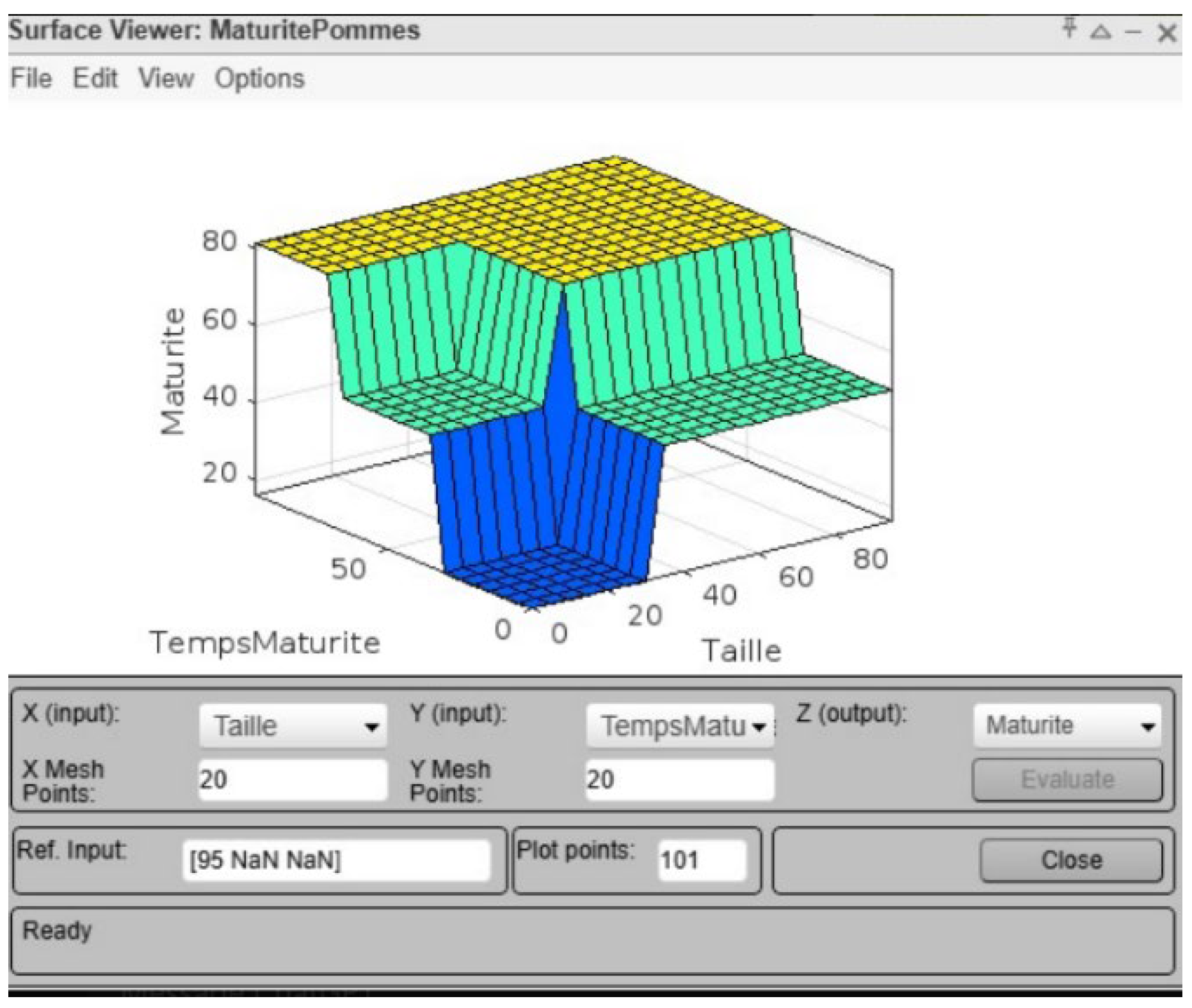
Figure 6 shows a tendency for larger apples to reach a high level of ripeness more quickly than smaller apples. Smaller size limits the development of maturity, even as the ripening time advances. This shows that size plays an important role but cannot be the only criterion for detecting ripeness.
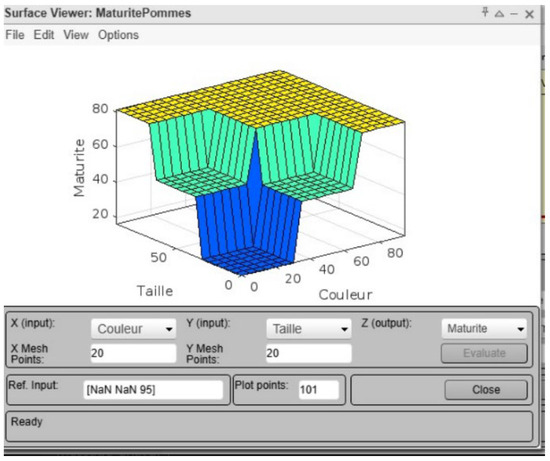
Figure 6.
Color and size Surface viewer.
- Case 2: Maturity as a function of color and ripening time
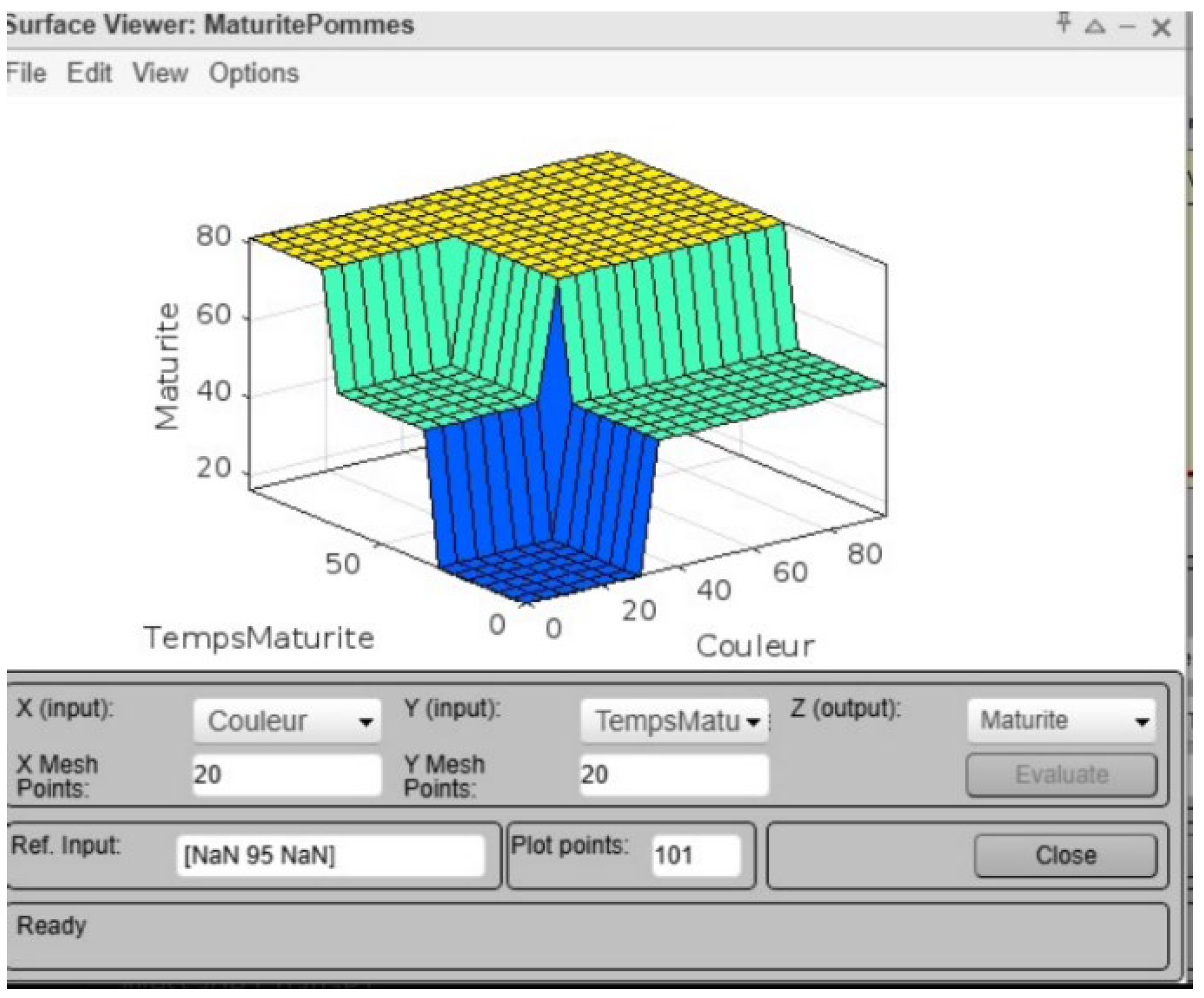
Color is a key indicator: the more color an apple has, the more likely it is to be ripe. Apples that are still green remain in a low maturity range as demonstrated in Figure 7, while those that turn yellow and red reach higher levels. Our model therefore makes it possible to manage this transition gradually, unlike the binary classification (‘ripe’ or ‘unripe’).
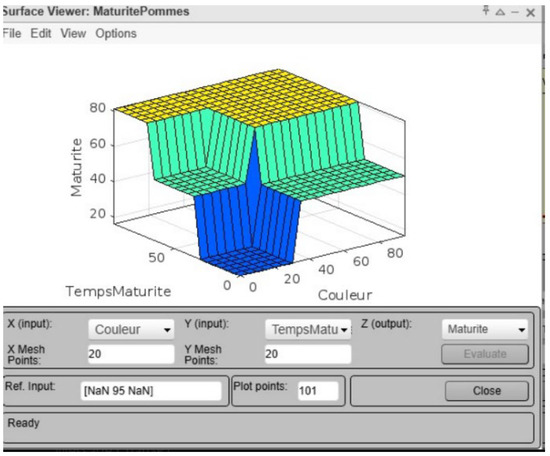
Figure 7.
Color and Time Surface viewer.
- Case 3: Maturity based on color and size
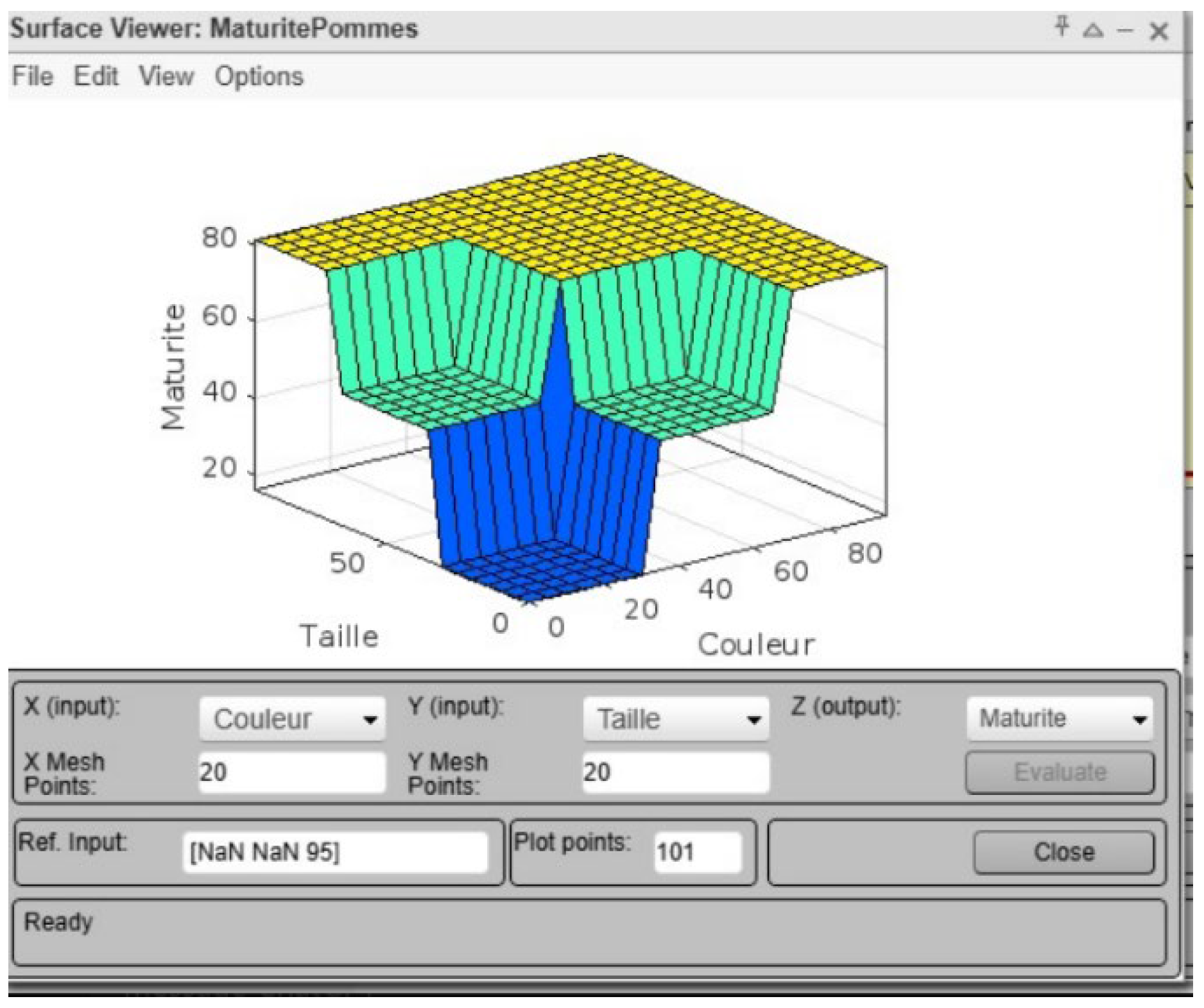
Figure 8 represents the graph viewer of this third case. We can notice that the more apples are large with attractive colors, they are selected as premature fruit. While smaller apples with paler colors are considered immature. This link between size and color accentuates the need to analyze both factors together to avoid errors in classification and decision making. Figure 8 shows a transition zone, where maturity levels shift gradually. This reflects how the fuzzy logic method effectively captures the smooth natural progression of maturity. In view of multiple parameters as size and color, we can significantly improve the precision and reliability of ripeness evaluation in agricultural systems.
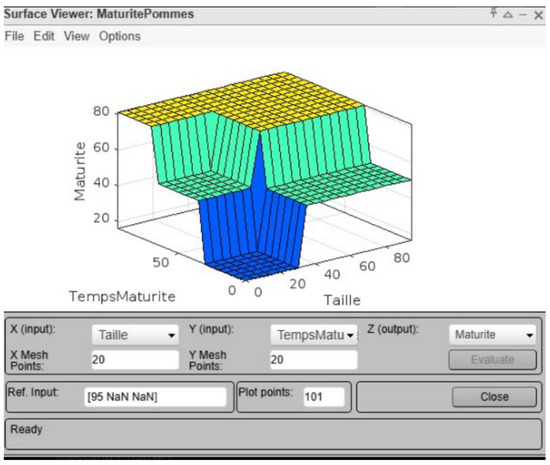
Figure 8.
Time and Size Surface Viewer.
The capability of fuzzy logic to identify gradual changes in apple maturity stages outperforms traditional methods which apply fixed thresholds. As a result, farmers can select the best moment for harvest since the approach helps to distinguish the near-optimal maturity status of the apples, thus avoiding economic losses from early or delayed harvesting. The model also improves the accuracy of classifying based on actual ripeness levels which enhances the effectiveness and robustness of both result deployment and storage extraction for apple distribution towards better market availability. There are crisp inputs ranging from 0 to 95%, after being normalized then split into three sets variables (color, size and harvest time). Table 2 presents the membership functions of all inputs and output. The model adopted a trapezoidal membership function, this makes the fuzzy logic system more stable, precise, and resistant to small fluctuations. The flat regions in this type of membership ensure stability, precision, enabling smoother transitions between ripeness stages, providing a more realistic result. In this paper, the authors proposed a method of detecting the level of maturity of fruits, especially ROYAL GALA apples variety through fuzzy logic system. We chose to make our study with the use of some crucial and visual inputs to know their impact on the quality and caliber of the apple and later we added other inputs. As perspectives, applying this study to another type of fruit or vegetables is well recommended. We can also change our vision by doing our study on consumer satisfaction using the same logical approach. The use of fuzzy logic in Agriculture 4.0 opens promising prospects for the integration of IoT (robotic control arms). We can also couple our system to hyper-spectral images to assess the ripeness and help farmers in decision making to benefit from precise monitoring of their crops daily in real time, thereby improving the quality of the end products obtained from their farms.
Table 2.
Fuzzy Rules Table.
Author Contributions
Conceptualization, E.M.I. and R.E.B.; methodology, E.M.I.; software, E.M.I.; validation S.T., R.E.B. and O.C.; formal analysis, R.E.B.; investigation, S.T.; resources, E.M.I.; data curation, E.M.I.; writing—original draft preparation, E.M.I.; writing—review and editing, R.E.B., E.M.I.; visualization, A.S.; supervision, S.T.; project administration, O.C.; funding acquisition, A.S. All authors have read and agreed to the published version of the manuscript.
Funding
This research received no external funding.
Institutional Review Board Statement
Not applicable.
Informed Consent Statement
Not applicable.
Data Availability Statement
The data supporting the findings of this study are available from the corresponding author upon reasonable request.
Acknowledgments
We thank every member who contributed to the completion of this study, whether directly or indirectly. We thank some experts from CMGP.CAS for providing us with the necessary resources and information for this research paper.
Conflicts of Interest
The authors declare no conflicts of interest.
References
- Villaseñor-Aguilar, M.J.; Botello-Álvarez, J.E.; Pérez-Pinal, F.J.; Cano-Lara, M.; León-Galván, M.F.; Bravo-Sánchez, M.-G.; Barranco-Gutierrez, A.I. Fuzzy Classification of the Maturity of the Tomato Using a Vision System. J. Sens. 2019, 2019, e3175848. [Google Scholar] [CrossRef]
- Kavdir, İ.; Guyer, D.E. Apple Grading Using Fuzzy Logic. Turk. J. Agric. For. 2003, 27, 375–382. [Google Scholar]
- Lorestani, A.N.; Omid, M.; Tabatabaeefar, A.; Shooraki, S.B. Apple Grading Using Fuzzy Logic. In Proceedings of the International Agricultural Engineering Conference, Bangkok, Thailand, 6–9 December 2005. [Google Scholar]
- Iyoubi, E.M.; Boq, R.; Izikki, K.; Samir, T.; Cherkaoui, O.; Aziz, S. Revolutionizing Smart Agriculture: Enhancing Apple Quality with Machine Learning. Data Metadata 2024, 3, 592. [Google Scholar] [CrossRef]
- Lockwood, R. Tropical Fruits. Volume 1. 2nd Edition. By R. E. Paul and O. Duarte. Wallingford, UK: CABI (2011), pp. 400, £45.00. ISBN 978-1-84593-672-3. Exp. Agric. 2011, 47, 734. [Google Scholar] [CrossRef]
- Cycles, T. Text Provides General Information S. assumes no Liability for the Information Given Being Complete or Correct D. to Varying Update; Text, S.C.D.M. up-to-D.D.T.R. in the Topic: Smart Agriculture. Available online: https://www.statista.com/topics/4134/smart-agriculture/ (accessed on 16 February 2024).
- An Apple a Day Keeps the Doctor Away—Wikipedia. Available online: https://en.wikipedia.org/wiki/An_apple_a_day_keeps_the_doctor_away (accessed on 15 February 2025).
- Lotfi Zadeh et La Logique Floue L’anticonformiste Des Mathématiques—La Revue de Téhéran|Iran. Available online: http://www.teheran.ir/spip.php?article2500#gsc.tab=0 (accessed on 12 February 2025).
- Kim, T.; Shahroz, M.; Alabdullah, B.; Innab, N.; Baili, J.; Umer, M.; Majeed, F.; Ashraf, I. ANFIS Fuzzy Convolutional Neural Network Model for Leaf Disease Detection. Front. Plant Sci. 2024, 15, 1465960. [Google Scholar] [CrossRef] [PubMed]
- Saranya, K.; Selva Bhuvaneswari, K. Semantic Annotation of Land Cover Remote Sensing Images Using Fuzzy CNN. IASC 2022, 33, 399–414. [Google Scholar] [CrossRef]
- Abedi Gheshlaghi, H.; Feizizadeh, B. An Integrated Approach of Analytical Network Process and Fuzzy Based Spatial Decision Making Systems Applied to Landslide Risk Mapping. J. Afr. Earth Sci. 2017, 133, 15–24. [Google Scholar] [CrossRef]
- Ghosh, S.; Biswas, D.; Biswas, S.; Sarkat, D.; Sarkar, P. Soil Classification From Large Imagery Databases Using a Neuro-Fuzzy Classifier. Can. J. Electr. Comput. Eng. 2016, 39, 333–343. [Google Scholar] [CrossRef]
- Yang, X.; Shu, L.; Chen, J.; Ferrag, M.A.; Wu, J.; Nurellari, E.; Huang, K. A Survey on Smart Agriculture: Development Modes, Technologies, and Security and Privacy Challenges. IEEE/CAA J. Autom. Sin. 2021, 8, 273–302. [Google Scholar] [CrossRef]
- Feizizadeh, B.; Blaschke, T.; Tiede, D.; Rezaei Moghaddam, M.H. Evaluating Fuzzy Operators of an Object-Based Image Analysis for Detecting Landslides and Their Changes. Geomorphology 2017, 293, 240–254. [Google Scholar] [CrossRef]
- A Review of Supervised Object-Based Land-Cover Image Classification—ScienceDirect. Available online: https://www.sciencedirect.com/science/article/pii/S092427161630661X (accessed on 9 February 2025).
- (PDF) A Two-Stage Optimization Strategy for Fuzzy Object-Based Analysis Using Airborne LiDAR and High-Resolution Orthophotos for Urban Road Extraction. Available online: https://www.researchgate.net/publication/314116331_A_Two-Stage_Optimization_Strategy_for_Fuzzy_Object-Based_Analysis_Using_Airborne_LiDAR_and_High-Resolution_Orthophotos_for_Urban_Road_Extraction (accessed on 9 February 2025).
- Umam, F.; Dafid, A.; Cahyani, A.D. Implementation Of Fuzzy Logic Control Method On Chilli Cultivation Technology Based Smart Drip Irrigation System. J. Ilm. Tek. Elektro Komput. Dan Inform. 2023, 9, 132–141. [Google Scholar] [CrossRef]
- Arboleda, E.R.; De Jesus, C.L.T.; Tia, L.M.S. Pineapple Maturity Classifier Using Image Processing and Fuzzy Logic. IJ-AI 2021, 10, 830. [Google Scholar] [CrossRef]
- Javel, I.M.; Bandala, A.A.; Salvador, R.C.; Bedruz, R.A.R.; Dadios, E.P.; Vicerra, R.R.P. Coconut Fruit Maturity Classification Using Fuzzy Logic. In Proceedings of the 2018 IEEE 10th International Conference on Humanoid, Nanotechnology, Information Technology, Communication and Control, Environment and Management (HNICEM), Baguio City, Philippines, 29 November–2 December 2018; pp. 1–6. [Google Scholar]
- Kibriya, H.; Rafique, R.; Ahmad, W.; Adnan, S.M. Tomato Leaf Disease Detection Using Convolution Neural Network. In Proceedings of the 2021 International Bhurban Conference on Applied Sciences and Technologies (IBCAST), Islamabad, Pakistan, 12–16 January 2021; pp. 346–351. [Google Scholar]
- Bhagat, N.B.; Markande, S.D. Automatic Grading of Potatoes with Fuzzy Logic. In Proceedings of the 2016 Online International Conference on Green Engineering and Technologies (IC-GET), Coimbatore, India, 19 November 2016; pp. 1–4. [Google Scholar]
Disclaimer/Publisher’s Note: The statements, opinions and data contained in all publications are solely those of the individual author(s) and contributor(s) and not of MDPI and/or the editor(s). MDPI and/or the editor(s) disclaim responsibility for any injury to people or property resulting from any ideas, methods, instructions or products referred to in the content. |
© 2025 by the authors. Licensee MDPI, Basel, Switzerland. This article is an open access article distributed under the terms and conditions of the Creative Commons Attribution (CC BY) license (https://creativecommons.org/licenses/by/4.0/).