


Abstract
Agro-industrial waste biotechnology refers to applications of biotechnological processes and techniques to convert agricultural/agro-industrial waste into valuable products. The food and agricultural industries generate significant amounts of waste during processing and production, including by-products from crops, fruits, vegetables, and other agricultural products. By using biotechnological techniques such as fermentation, enzymatic conversion, and microbial processes, it is possible to convert these waste materials into various useful products. But how do people receive this information (and others generated from this field of science) in their daily lives? This study aims to cover this topic and provide an approach to how it ultimately relates to people’s purchasing options. A total of 120 people (37.5% men, 62.5% women) from six different parts of Greece (34.2% from Lemnos) took part in this survey. The key result of the survey was that 85.0% of respondents responded positively to their awareness of sustainability/circular economy. In addition, 64.6% of participants answered negatively when asked (whether they thought the information they received from the media and public bodies on the topic of sustainability/circular economy was sufficient for them. Some 36.7% of participants responded that they would be willing to pay 20% more to purchase a product that itself (or a component of it) is produced through biotechnological applications, and 46.7% responded that they would be happy to pay more, but that cost coverage is important.
1. Introduction
The circular economy is a concept and economic system that aims to minimize the waste generated and maximize the value of resources by promoting the continuous circulation of products, materials, and resources in a closed loop [1]. Unlike the traditional linear economy, where goods are produced, used, and then disposed of as waste, the circular economy aims to create a sustainable, regenerative system [2]. Circular economy, bioeconomy and food waste biotechnology are interrelated concepts related to sustainable resource management and aim to reduce waste in the food industry [3]. Depending on their interests, background, and access to information, people engage with scientific research in different ways. This includes the scientific community, the media, online platforms/blogs, educational institutions, government/policy makers, NGOs and interest groups, business/industry applications, citizen science, peer review/replication, policy consultations, and public feedback [4]. This survey was carried out using the Google Forms tool because it is easily accessible and free.
2. Methods
This study was developed using a structured numerical process (Table 1) to examine the extent to which people perceive and interact with information related to the circular economy and biotechnological applications in the agro-industrial waste management sector, and to examine their associated potential purchasing preferences. A total of 120 participants took part in this study (37.5% men, 62.5% women). The 120 participants came from the following regions: 34.2% Lesvos (all from Lemnos) 15.0% Athens, 21.7% Thessaloniki, 7.5% Thessaly, 4.2% Peloponnese, 6.7% Heperus, and 10.8% from the rest of Europe. The questionnaire was split into section A and B (Part 1, Part 2a, Part 2b).

Table 1.
Structure of the questionnaire.
3. Result
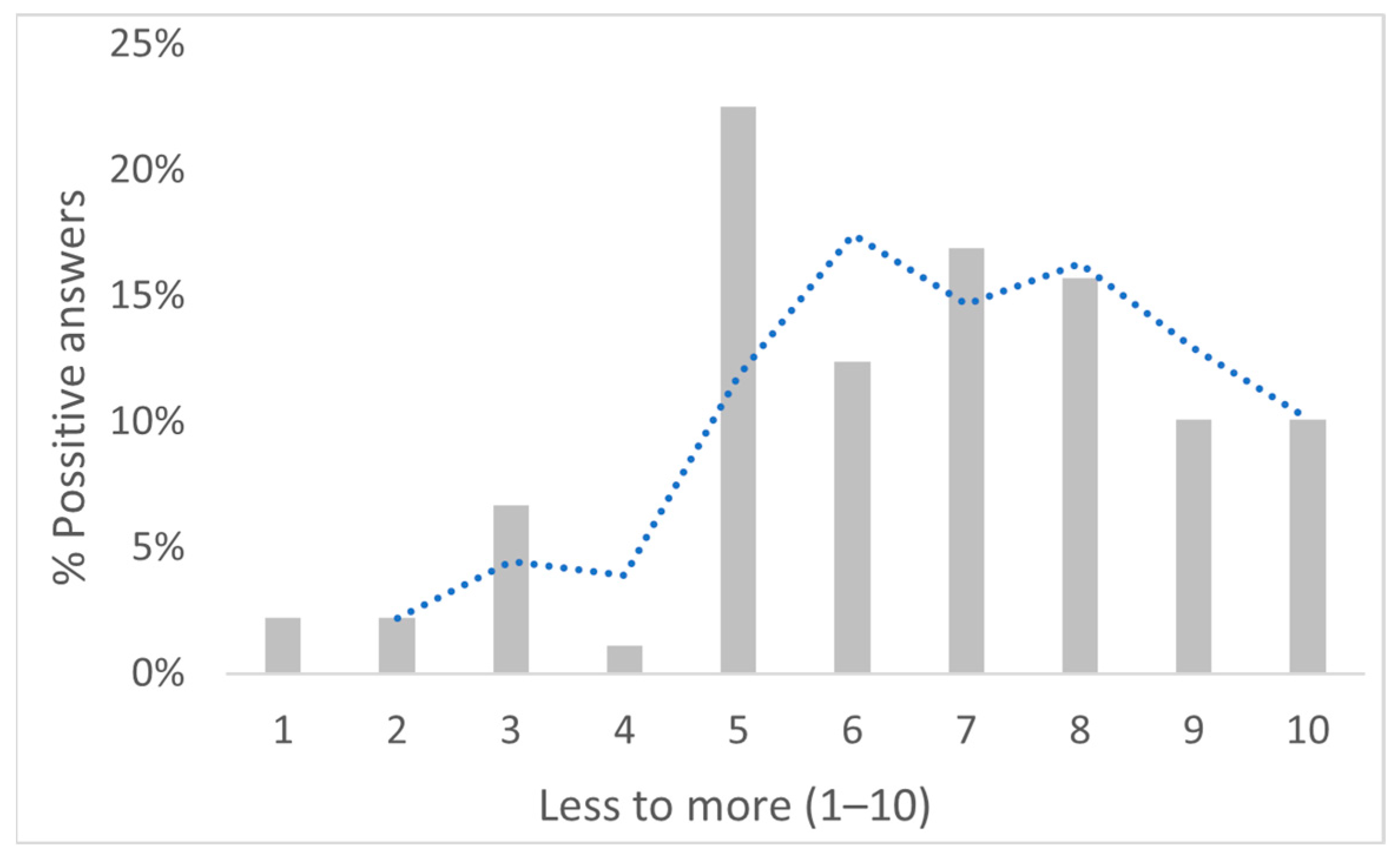
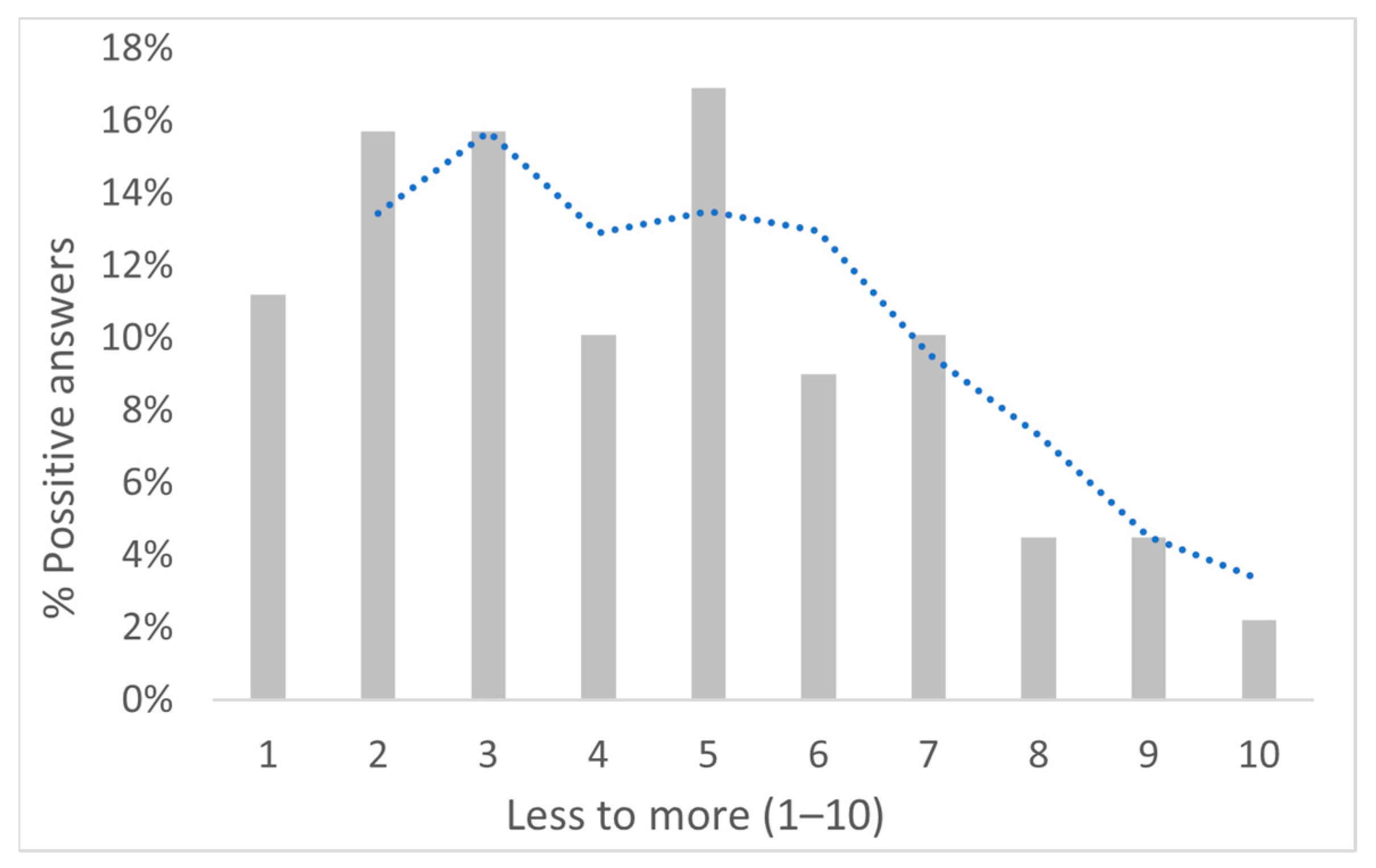
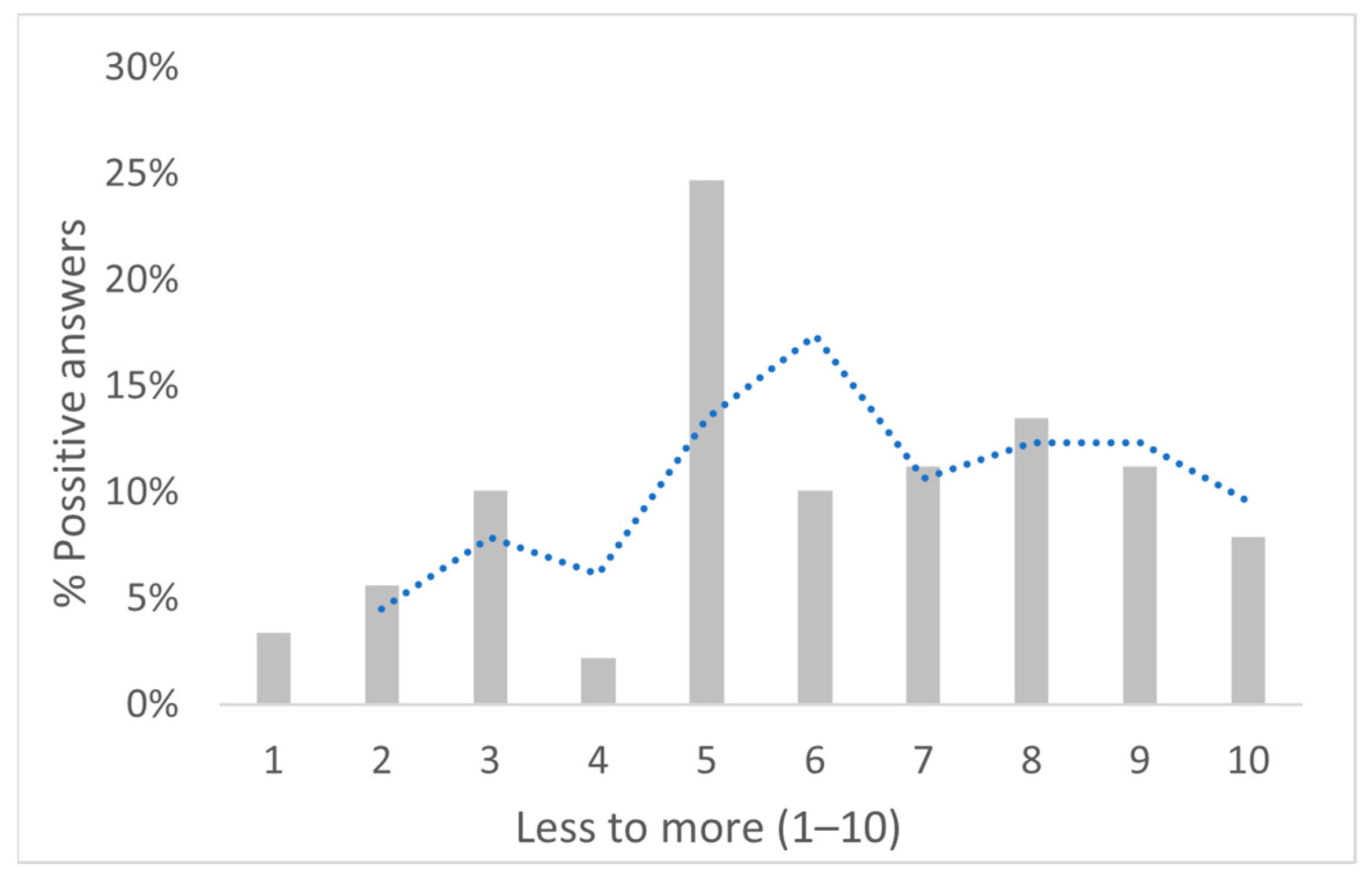
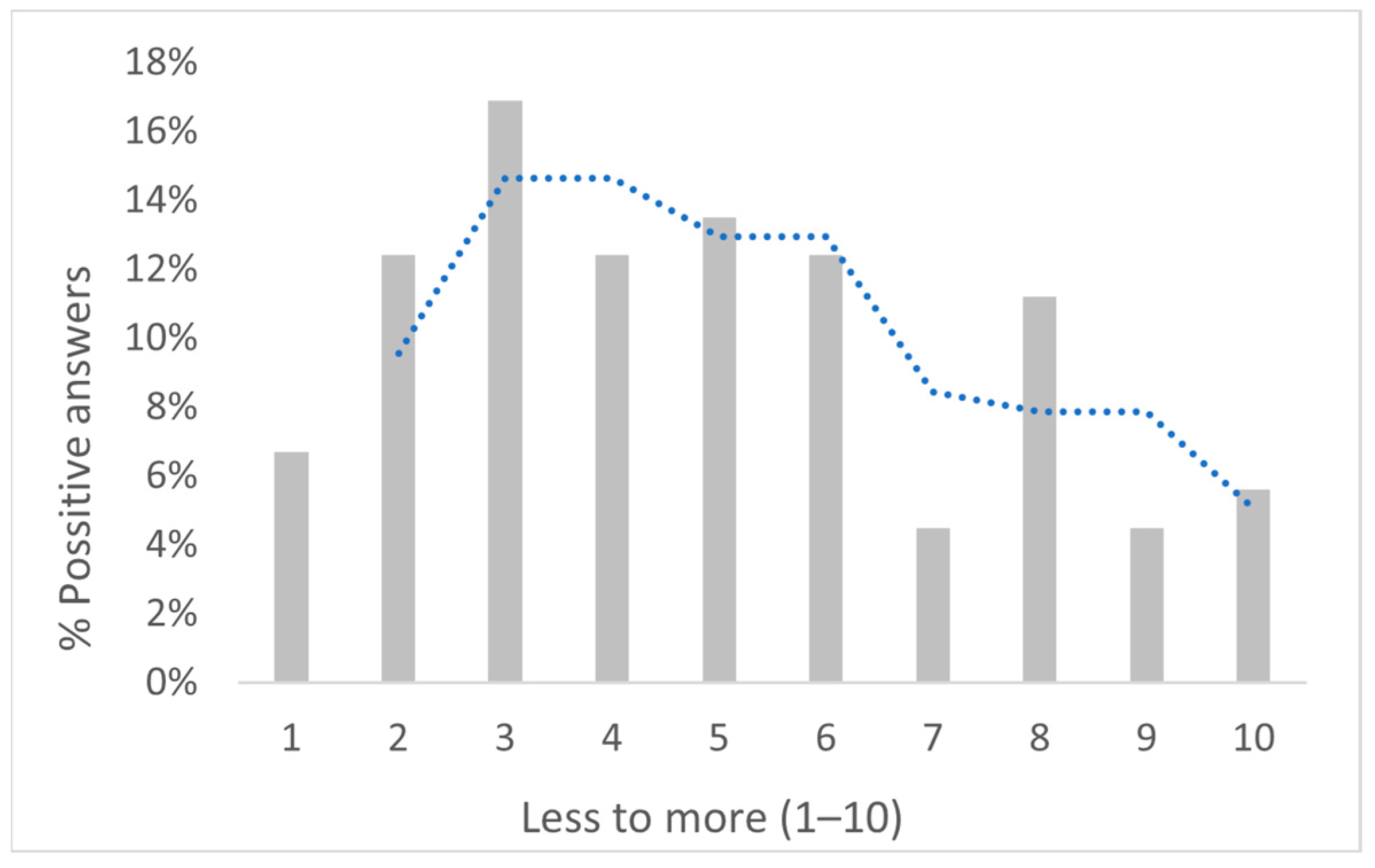
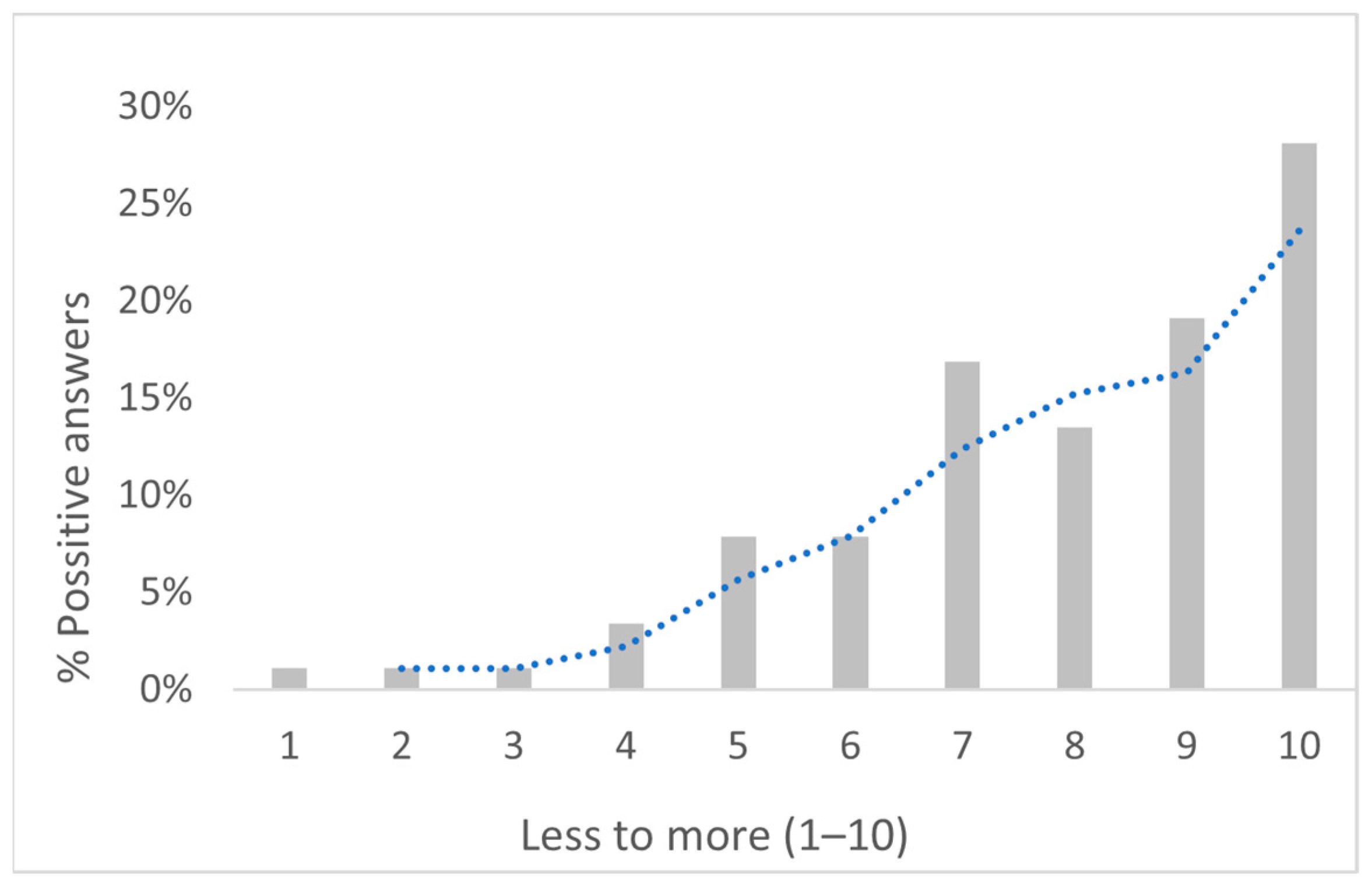
Results of the participants’ answers are shown in Table 2 and Figure 1, Figure 2, Figure 3, Figure 4, Figure 5, Figure 6 and Figure 7.
Table 2.
Results of the participants’ answers.
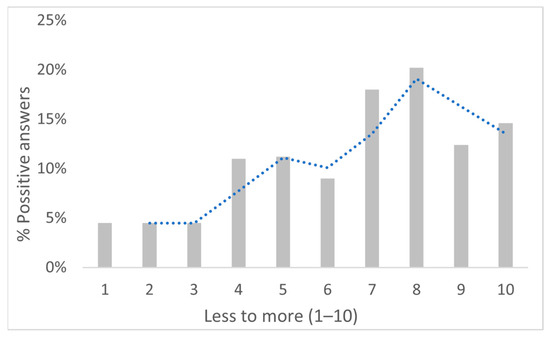
Figure 1.
I would buy a food that itself or some of its ingredients come from biotechnological production processes.
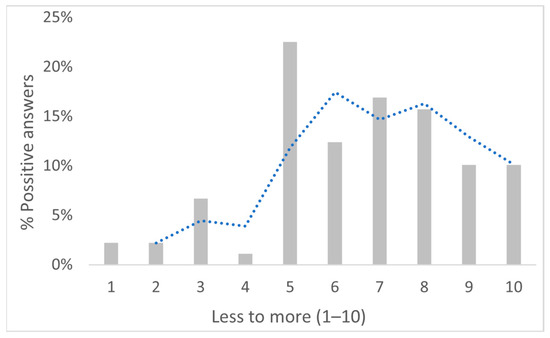
Figure 2.
I support the consumption of products or food ingredients using biotechnology methods and would buy a product to do so.
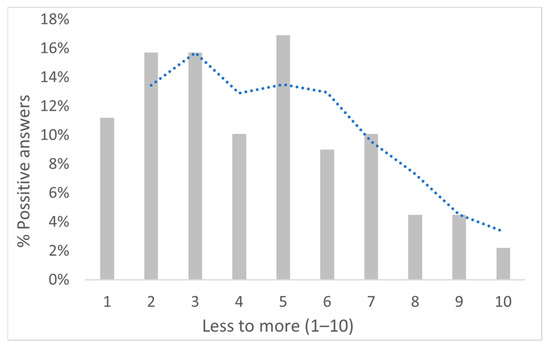
Figure 3.
I believe that the products or food ingredients produced by biotechnological methods of processing food waste are of inferior quality (in terms of nutrients, taste, aroma, etc.).
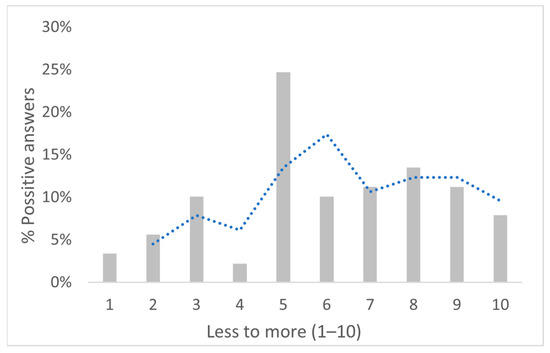
Figure 4.
If I knew that a healthcare facility (e.g., restaurant or hotel) contained one or more ingredients produced by bioengineering food waste in one or more of the dishes they offer, I would choose to eat there.
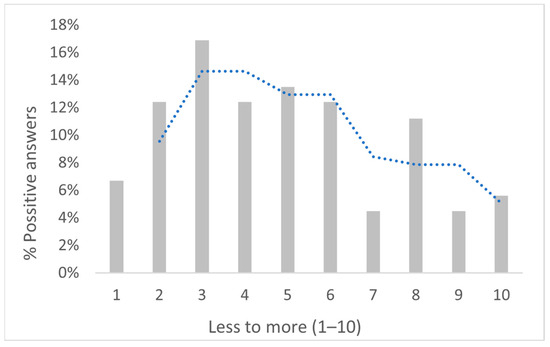
Figure 5.
Manufacturing products or food ingredients using biotechnological methods is relatively new and scares me.
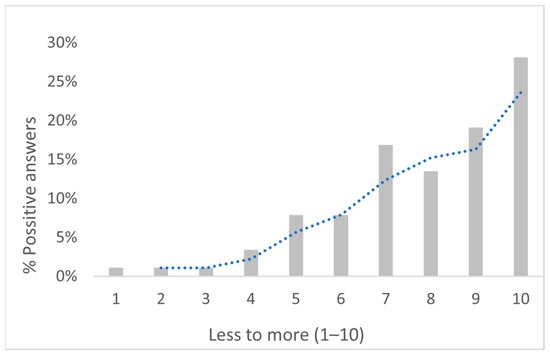
Figure 6.
I consider biotechnological applications in the field of food waste to be necessary for people and society and see an application in everyday life in the future.
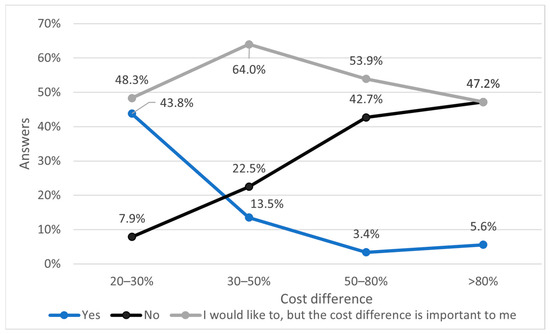
Figure 7.
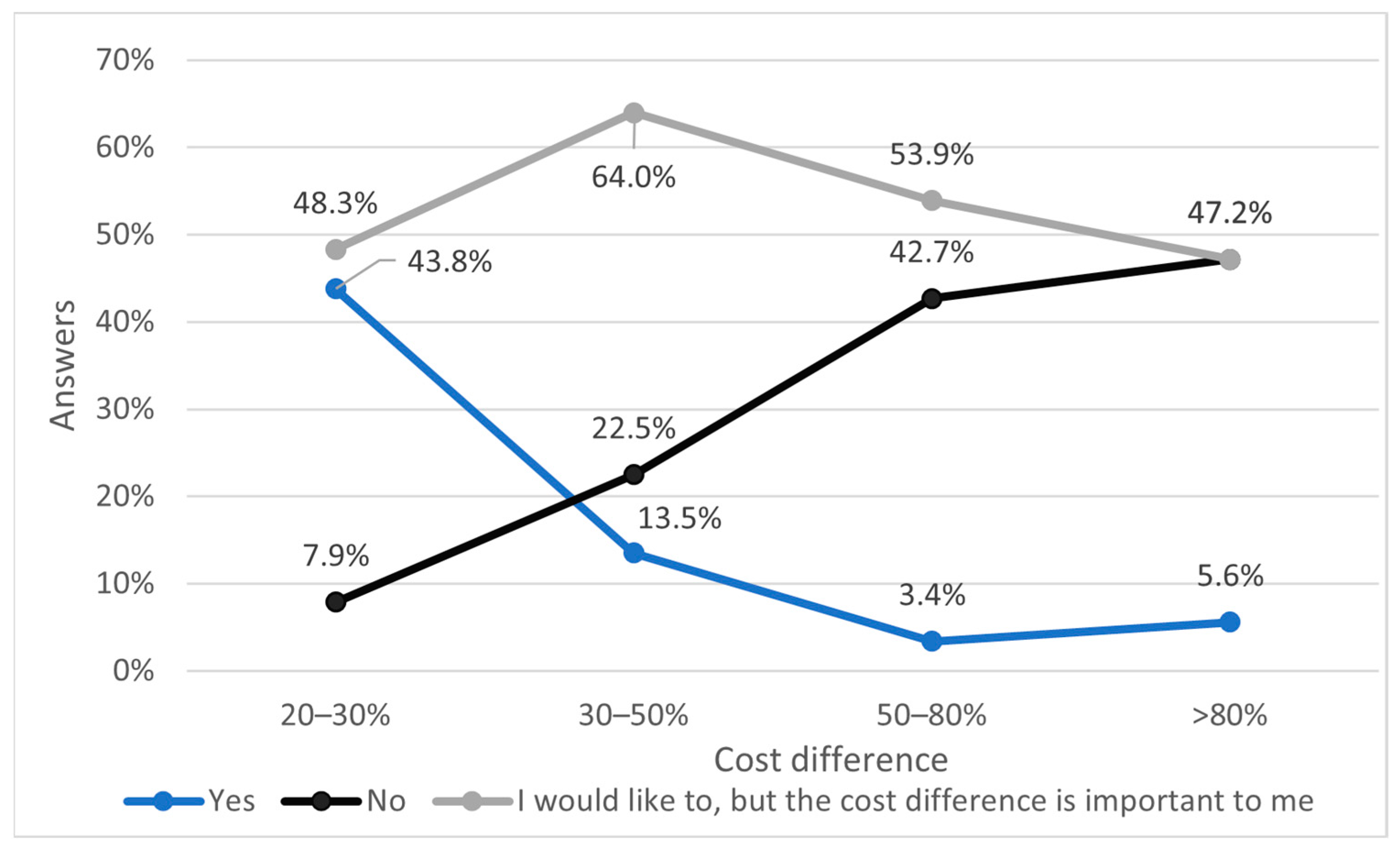
Would you be willing to pay more to purchase a product than another product in the same category that (or part of it) is manufactured as part of the circular economy?
4. Discussion and Conclusions
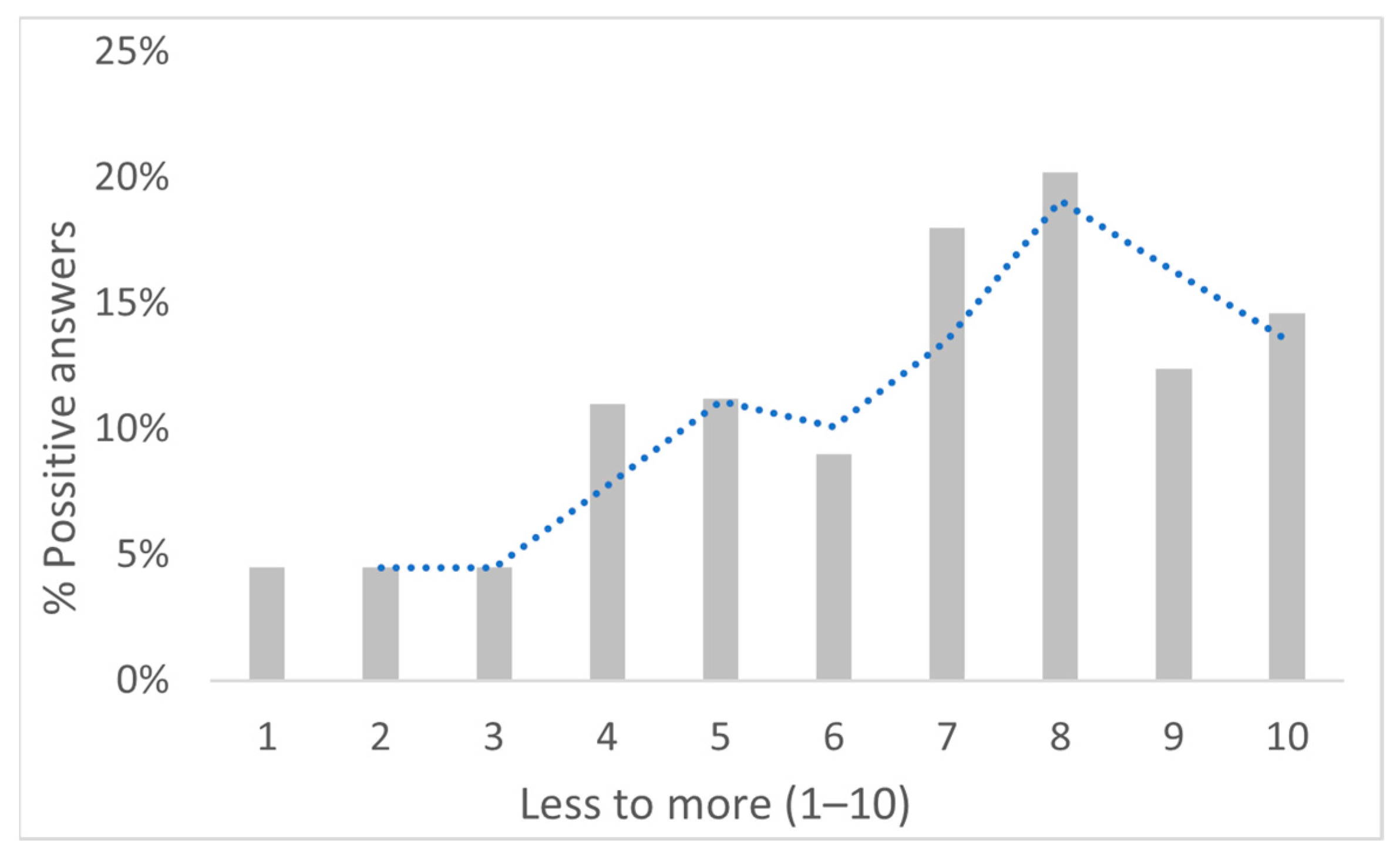
The answers produced quite interesting results. Most participants answered questions about their awareness of circular economy and bioeconomy positively (on average, 84.96%) (Table 2). Furthermore, results showed that participants (on average, 50%) did not think that the information they receive from local authorities (such as schools, media, etc.) is sufficient (Table 2). Some 55.1% of participants agree that the shift towards sustainability is crucial for our society and must be implemented immediately (Table 2). Figure 1, Figure 2, Figure 3, Figure 4, Figure 5 and Figure 6 show the results of the questions which was included in section B (Table 1). Finally, 43.8% (the highest score) of participants would be willing to pay 20–30% more to purchase a product that is entirely (or partly) produced within the circular economy than another product in the same category; an average of 53.4% of them would like to pay more, but cutting costs is important to them (Figure 7). In conclusion, this study shows that most participants are aware of biotechnological applications for sustainability, etc., and would like to know more about these applications.
Supplementary Materials
The presentation materials can be downloaded at: https://www.mdpi.com/article/10.3390/Foods2023-15030/s1.
Author Contributions
Conceptualization, methodology, software: G.K.; validation/supervision: D.S.; supervision: S.P. and Z.I. All authors have read and agreed to the published version of the manuscript.
Funding
This research was funded by the project “Infrastructure of Microbiome Applications in Food Systems-FOODBIOMES” (MIS 5047291), which is implemented under the Action “Regional Excellence in R&D Infrastructures”, funded by the Operational Program “Competitiveness, Entrepreneurship, and Innovation” (NSRF 2014–2020) and co-financed by Greece and the European Union (European Regional Development Fund). 
Institutional Review Board Statement
Not applicable.
Informed Consent Statement
Informed consent was obtained from all subjects involved in the study.
Data Availability Statement
Data was obtained from each participant and are available upon request from https://docs.google.com/forms/u/0/ with the permission of each participant.
Conflicts of Interest
The authors declare no conflict of interest.
References
- Ghisellini, P.; Cialani, C.; Ulgiati, S. A review on circular economy: The expected transition to a balanced interplay of environmental and economic systems. J. Clean. Prod. 2016, 114, 11–32. [Google Scholar] [CrossRef]
- Geisendorf, S.; Pietrulla, F. The circular economy and circular economic concepts—A literature analysis and redefinition. Thunderbird Int. Bus. Rev. 2018, 60, 771–782. [Google Scholar] [CrossRef]
- Paes, L.A.B.; Bezerra, B.S.; Deus, R.M.; Jugend, D.; Battistelle, R.A.G. Organic solid waste management in a circular economy perspective—A systematic review and SWOT analysis. J. Clean. Prod. 2019, 239, 118086. [Google Scholar] [CrossRef]
- Corcoran, N.; Duane, A. Organizational knowledge sharing and enterprise social networks: A higher education context. In Educational and Social Dimensions of Digital Transformation in Organizations; IGI Global: Hershey, PA, USA, 2019; pp. 78–114. [Google Scholar]
Disclaimer/Publisher’s Note: The statements, opinions and data contained in all publications are solely those of the individual author(s) and contributor(s) and not of MDPI and/or the editor(s). MDPI and/or the editor(s) disclaim responsibility for any injury to people or property resulting from any ideas, methods, instructions or products referred to in the content. |
© 2023 by the authors. Licensee MDPI, Basel, Switzerland. This article is an open access article distributed under the terms and conditions of the Creative Commons Attribution (CC BY) license (https://creativecommons.org/licenses/by/4.0/).