Journal Description
Antioxidants
Antioxidants
is an international, peer-reviewed, open access journal related to the science and technology of antioxidants, published monthly online by MDPI. The International Coenzyme Q10 Association (ICQ10A), Israel Society for Oxygen and Free Radical Research (ISOFRR) and European Academy for Molecular Hydrogen Research (EAMHR) are affiliated with Antioxidants and their members receive discounts on the article processing charge.
- Open Access— free for readers, with article processing charges (APC) paid by authors or their institutions.
- High Visibility: indexed within Scopus, SCIE (Web of Science), PubMed, PMC, FSTA, PubAg, CAPlus / SciFinder, and other databases.
- Journal Rank: JCR - Q1 (Chemistry, Medicinal) / CiteScore - Q1 (Clinical Biochemistry)
- Rapid Publication: manuscripts are peer-reviewed and a first decision is provided to authors approximately 18.7 days after submission; acceptance to publication is undertaken in 2.9 days (median values for papers published in this journal in the first half of 2026).
- Recognition of Reviewers: reviewers who provide timely, thorough peer-review reports receive vouchers entitling them to a discount on the APC of their next publication in any MDPI journal, in appreciation of the work done.
- Testimonials: See what our editors and authors say about Antioxidants.
- Companion journal: Oxygen.
Impact Factor:
8.2 (2025);
5-Year Impact Factor:
8.5 (2025)
Latest Articles
Effects of Intra-Articular Administration of High-Molecular-Weight Linear Hyaluronic Acid on Synovial Fluid Characteristics and Joint Environment
Antioxidants 2026, 15(8), 1041; https://doi.org/10.3390/antiox15081041 (registering DOI) - 21 Aug 2026
Abstract
Synovitis is an inflammatory disorder in horses that contributes to cartilage degradation and osteoarthritis. This study evaluated the effects of intra-articular administration of high-molecular-weight (HMW), linear (non-cross-linked) hyaluronic acid (HA) in an equine model of lipopolysaccharide (LPS)-induced acute synovitis. In this randomized blinded
[...] Read more.
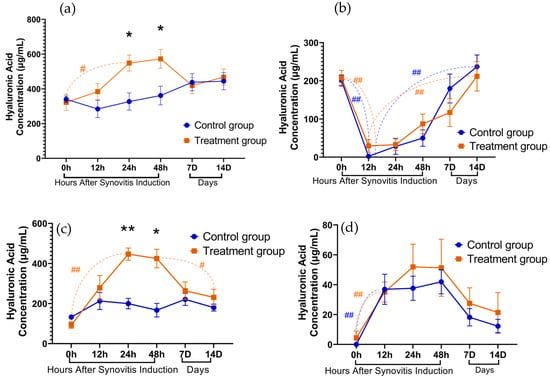
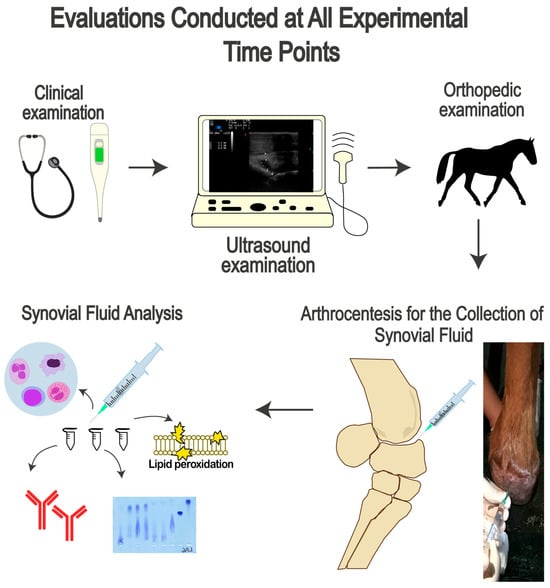
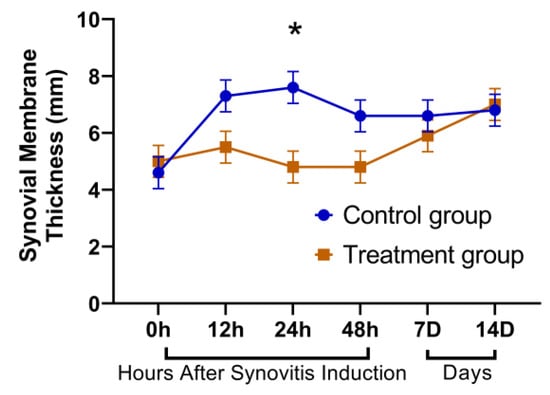
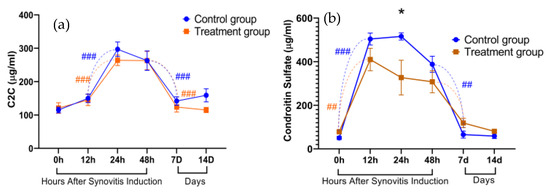
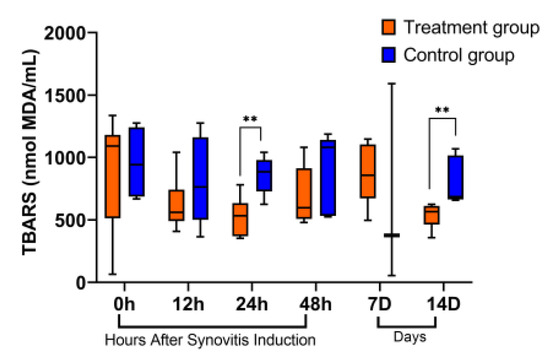
Synovitis is an inflammatory disorder in horses that contributes to cartilage degradation and osteoarthritis. This study evaluated the effects of intra-articular administration of high-molecular-weight (HMW), linear (non-cross-linked) hyaluronic acid (HA) in an equine model of lipopolysaccharide (LPS)-induced acute synovitis. In this randomized blinded study, acute synovitis was induced in radiocarpal joints of 16 adult horses using LPS (0.25 ng). After 12 h, joints were treated intra-articularly with either 2 mL of phosphate-buffered saline (PBS; control group) or 2 mL of HMW-HA (20 mg/mL; 2280 kDa; treatment group). Horses underwent orthopedic, ultrasonographic, and synovial fluid evaluations. Horses treated with HMW-HA exhibited lower synovial membrane thickening and reduced lameness scores compared with controls. Synovial fluid analysis demonstrated increased concentrations of HMW-HA during the acute inflammatory phase in treated joints. Reduced chondroitin sulfate release was also detected following HMW-HA administration. Lower lipid peroxidation levels (TBARS) were observed in the treated group at 24 h and 14 days. Intra-articular administration of high-molecular-weight linear hyaluronic acid was associated with increased synovial availability of HMW-HA during the acute inflammatory phase, attenuation of pain-related clinical signs and synovial membrane thickening, and modulation of the redox environment. These findings support a modulatory role of linear HMW-HA in the intra-articular environment.
Full article
(This article belongs to the Section Health Outcomes of Antioxidants and Oxidative Stress)
►
Show Figures
Open AccessArticle
Sinorhizobium meliloti GAU-93 Inoculation Is Associated with Reduced Drought-Induced Oxidative Damage and Enhanced Flavonoid Accumulation and Antioxidant Capacity in Alfalfa
by
Xiaohu Wang, Jianhong Li, Xuelian Cui, Long Chen, Changning Li, Shuai Wang and Tuo Yao
Antioxidants 2026, 15(8), 1040; https://doi.org/10.3390/antiox15081040 (registering DOI) - 21 Aug 2026
Abstract
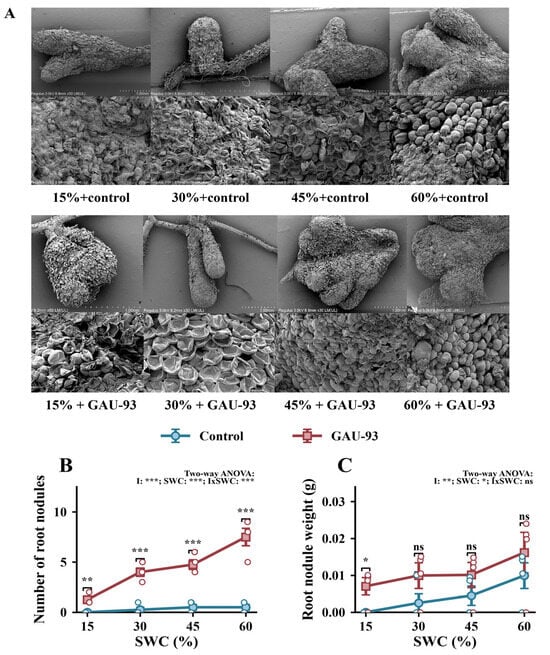
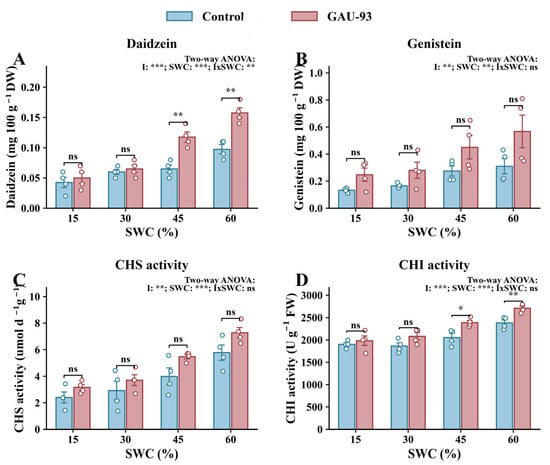
This study investigated the effects of Sinorhizobium meliloti GAU-93 inoculation on the growth and drought responses of alfalfa (Medicago sativa L.). Alfalfa seeds were inoculated with the GAU-93 strain Sinorhizobium meliloti and subjected to four soil water content levels: 15% (severe drought),
[...] Read more.
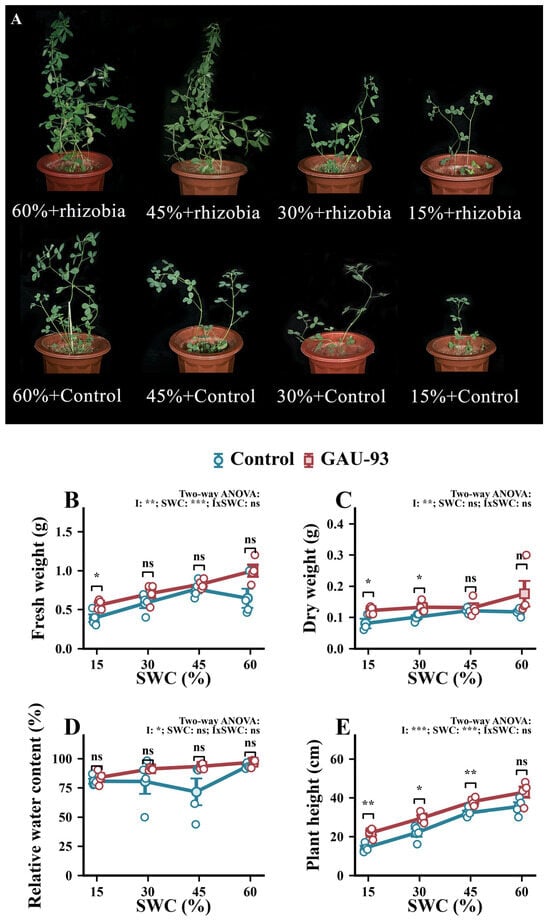
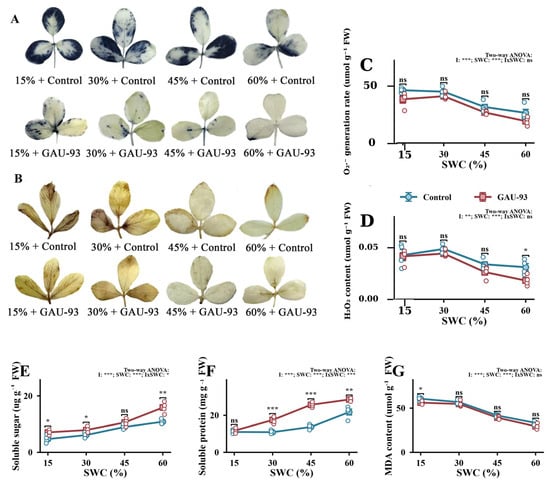
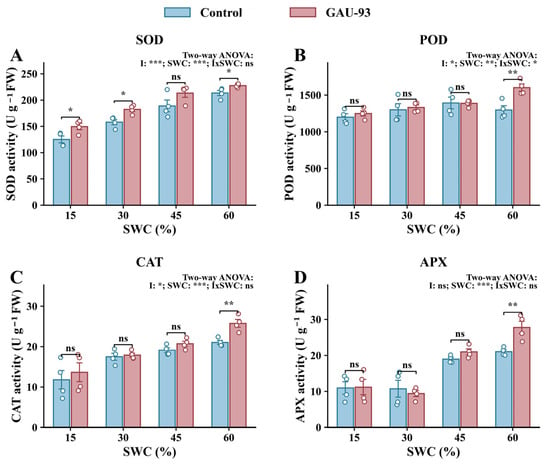
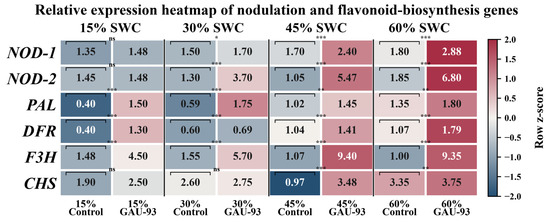
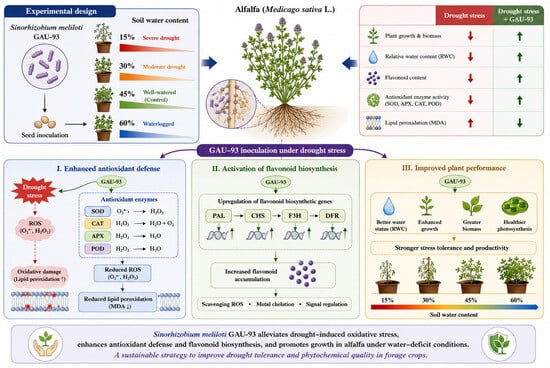
This study investigated the effects of Sinorhizobium meliloti GAU-93 inoculation on the growth and drought responses of alfalfa (Medicago sativa L.). Alfalfa seeds were inoculated with the GAU-93 strain Sinorhizobium meliloti and subjected to four soil water content levels: 15% (severe drought), 30% (moderate drought), 45% (well-watered control), and 60% (high-moisture condition). Various growth parameters, antioxidant enzyme activities, flavonoid-related traits, and membrane lipid peroxidation were measured. Increasing drought severity reduced plant growth, fresh and dry biomass, and relative water content (RWC). GAU-93 inoculation was associated with smaller reductions in these traits across several water regimes. Inoculated plants also showed higher flavonoid contents and higher expression of several flavonoid biosynthetic genes, including CHS, DFR, F3H, and PAL. In addition, GAU-93 was associated with lower membrane lipid peroxidation and higher antioxidant enzyme activities. Overall, these findings suggest that Sinorhizobium meliloti GAU-93 may help alleviate drought-induced oxidative stress and support alfalfa growth under the tested water regimes. This study provides a basis for further evaluation of GAU-93 as a microbial strategy to improve drought tolerance in forage crops.
Full article
(This article belongs to the Section Antioxidant Enzyme Systems)
►▼
Show Figures

Figure 1
Open AccessArticle
Growth-Linked, Tissue-Specific Antioxidant Reprogramming During Natural Zn/Cu Bioaccumulation in the Pacific Oyster Magallana gigas
by
Bo-Wen Huang, Chen-Feng Liu, Mao-Le Wei, Xiang Zhang, Hui-Gang Kang, Kai-Jie Wang and Chang-Ming Bai
Antioxidants 2026, 15(8), 1039; https://doi.org/10.3390/antiox15081039 (registering DOI) - 21 Aug 2026
Abstract
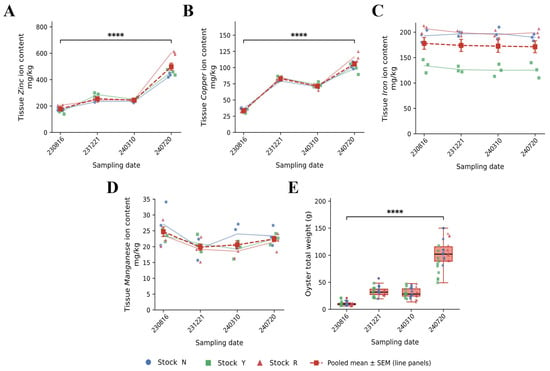
Whether zinc (Zn) and copper (Cu) bioaccumulation in the Pacific oyster (Magallana gigas) reflects toxicological stress or is an incidental consequence of growth remains unclear. We cultured three commercial triploid M. gigas stocks for approximately one year, sampling gill and hepatopancreas
[...] Read more.
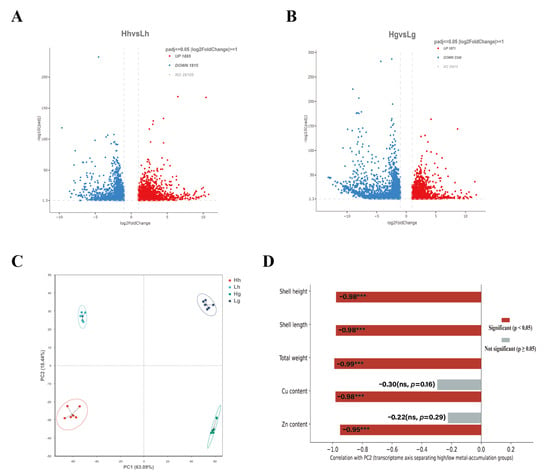
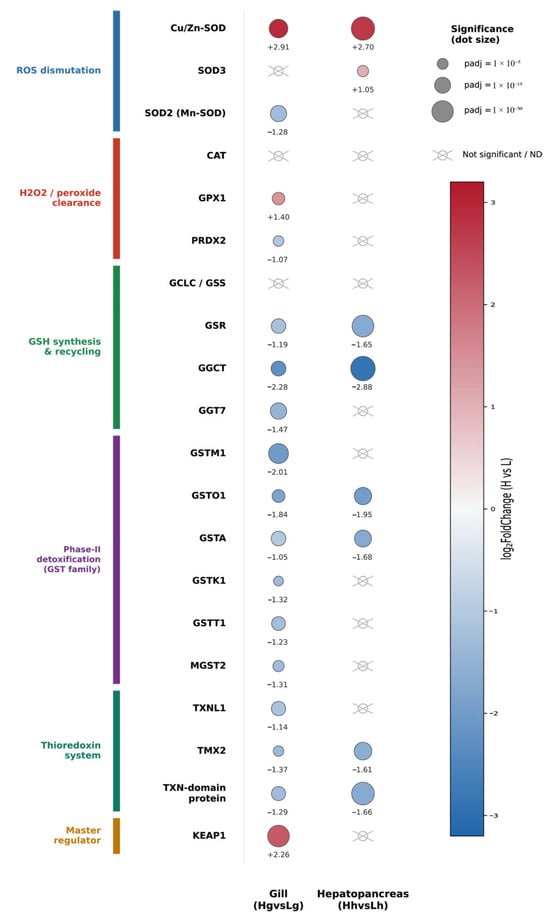
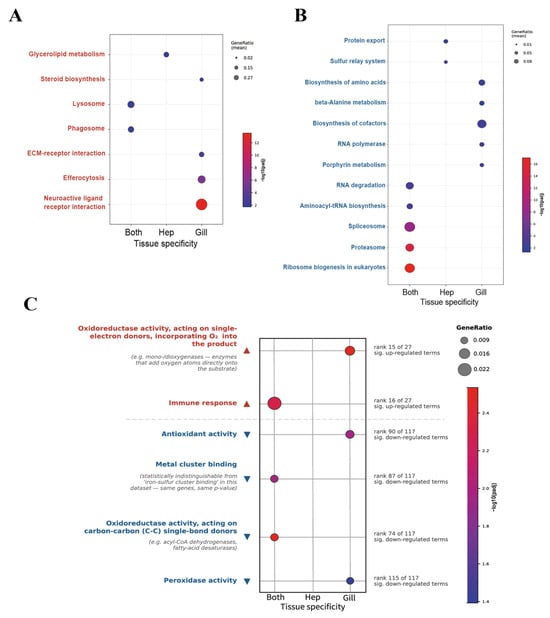
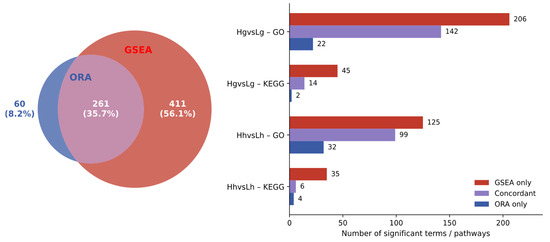
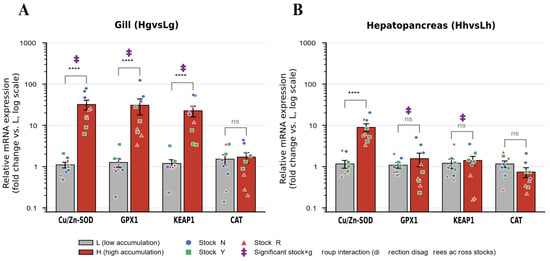
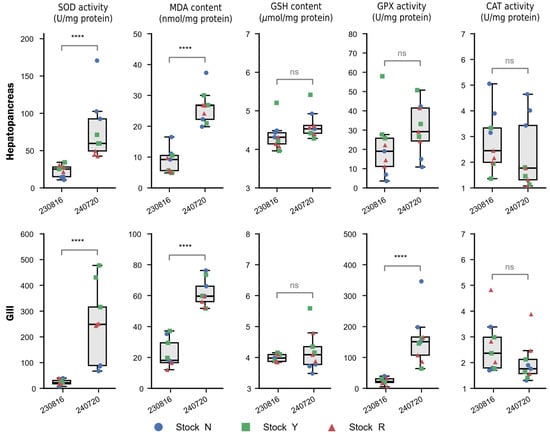
Whether zinc (Zn) and copper (Cu) bioaccumulation in the Pacific oyster (Magallana gigas) reflects toxicological stress or is an incidental consequence of growth remains unclear. We cultured three commercial triploid M. gigas stocks for approximately one year, sampling gill and hepatopancreas at the start and end of this period, when Zn/Cu burden was naturally low and high, respectively. Pooled samples from both time points were profiled by whole-transcriptome sequencing, enzyme activity and oxidative damage assays, qPCR validation, and protein–protein interaction network analysis. Transcriptome-wide changes in both tissues tracked the culture period, but growth and Zn/Cu burden were too highly collinear (r = 0.92–0.98) to separate statistically. Critically, of the four metals measured (Zn, Cu, iron [Fe], and manganese [Mn]), only Zn and Cu increased with growth, whereas Fe and Mn did not, indicating metal-specific rather than generalized accumulation. Superoxide dismutase (SOD) activity and the transcript abundance of its copper/zinc isoform (Cu/Zn-SOD) increased with growth in both tissues, whereas catalase (CAT) activity was unchanged and glutathione peroxidase (GPX) activity rose only in gill. Malondialdehyde (MDA), a marker of oxidative damage, increased in both tissues. Gill mounted a broader response than hepatopancreas, including upregulation of KEAP1 alongside downregulation of detoxification, proteostasis, and ribosome-related genes. Stock-level qPCR further revealed stock-dependent regulation of antioxidant genes in hepatopancreas. Together, these results indicate that Zn/Cu bioaccumulation in M. gigas co-varies with growth in a metal-specific manner, consistent with cofactor demand for Cu/Zn-SOD. The accompanying oxidative and proteostatic changes therefore more plausibly reflect growth physiology than an independent pollutant signal.
Full article
(This article belongs to the Section Antioxidant Enzyme Systems)
►▼
Show Figures

Figure 1
Open AccessArticle
Widely Targeted Metabolomics Reveals Dynamic Secondary Metabolite Accumulation and Antioxidant Biomarkers Across Ripening Stages of Ziziphus jujuba cv. ‘Junzao’ Fruit
by
Yahui Yan, Chaoming Zhang, Yongxia Tao and Zuoshan Feng
Antioxidants 2026, 15(8), 1038; https://doi.org/10.3390/antiox15081038 - 20 Aug 2026
Abstract
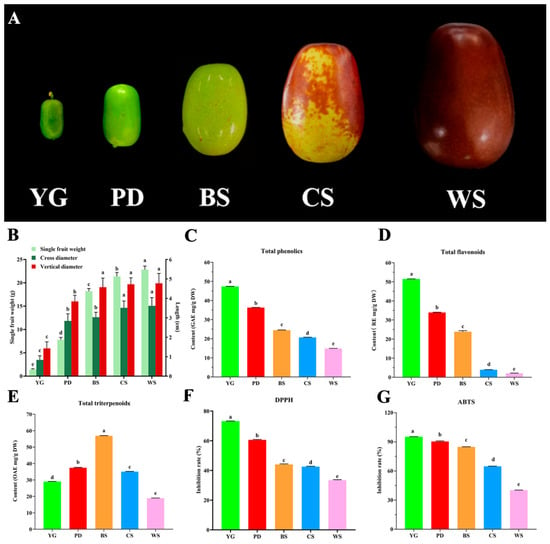
Fruit ripening is accompanied by extensive reprogramming of secondary metabolism, which determines the antioxidant value of medicine-food homologous fruits. Ziziphus jujuba Mill. cv. ‘Junzao’ (Junzao) is a high-quality cultivar rich in bioactive compounds, yet its stage-dependent metabolite accumulation and the corresponding antioxidant capacity
[...] Read more.
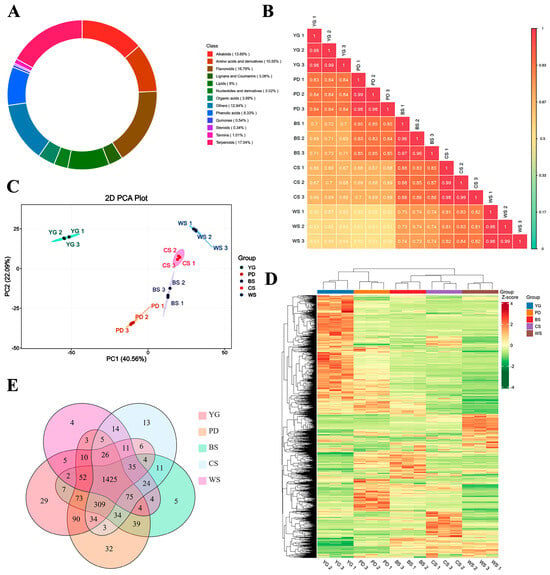
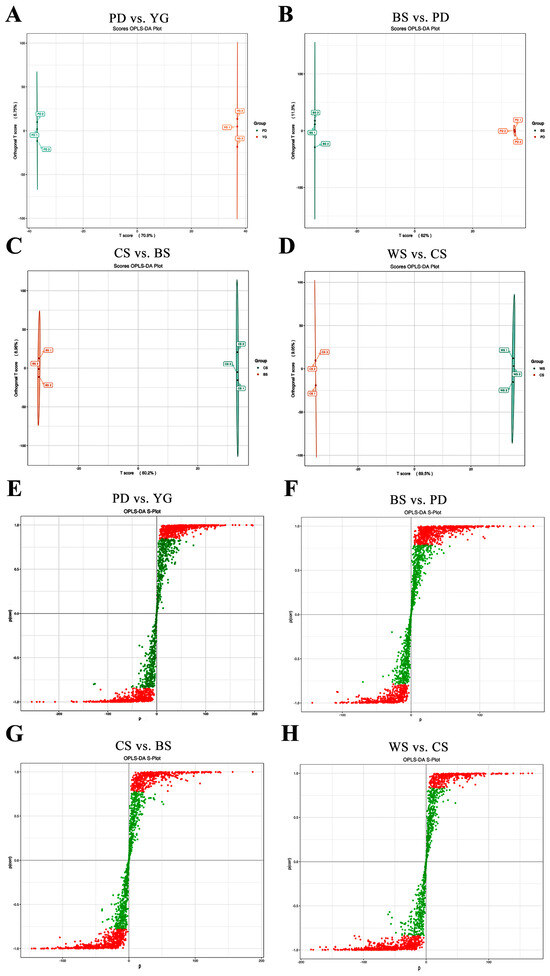
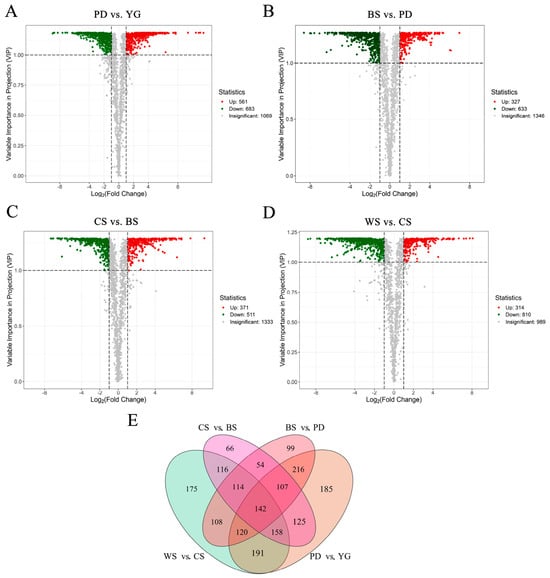
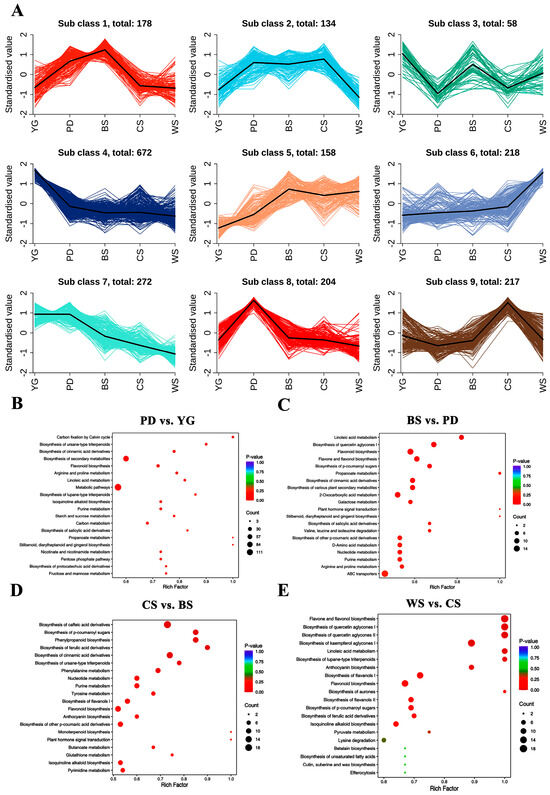
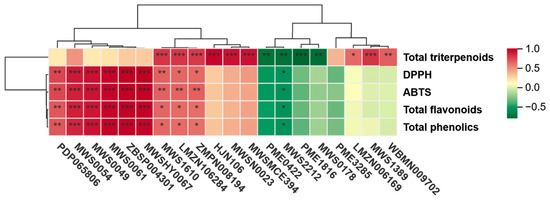
Fruit ripening is accompanied by extensive reprogramming of secondary metabolism, which determines the antioxidant value of medicine-food homologous fruits. Ziziphus jujuba Mill. cv. ‘Junzao’ (Junzao) is a high-quality cultivar rich in bioactive compounds, yet its stage-dependent metabolite accumulation and the corresponding antioxidant capacity remain poorly resolved. In this study, widely targeted metabolomics was combined with the quantification of total phenolic (TPC), total flavonoid (TFC), and total triterpenoid (TTC) contents and with 1,1-diphenyl-2-picrylhydrazyl radical (DPPH) and 2,2′-azino-bis(3-ethylbenzothiazoline-6-sulfonic acid) radical (ABTS) radical-scavenging assays to profile Junzao fruits at five developmental stages. A total of 2388 secondary metabolites were identified, with flavonoids and terpenoids representing the major classes. TPC and TFC were highest at the immature YG (young-fruit) stage, whereas TTC peaked at the BS (white-ripe) stage; all three decreased during subsequent ripening, consistent with the stronger DPPH and ABTS radical-scavenging activities observed in early-stage fruits. Multivariate analyses revealed distinct metabolic profiles among developmental stages, and 2111 differentially accumulated metabolites (DAMs) were identified. K-means clustering resolved nine temporal accumulation patterns, and Kyoto Encyclopedia of Genes and Genomes (KEGG) pathway enrichment indicated dynamic regulation of flavonoid biosynthesis, phenylpropanoid metabolism, and triterpenoid-related pathways. Spearman correlation analyses further identified ten metabolites, comprising six flavonoids, three triterpenes, and one phenolic acid, that were strongly associated with antioxidant capacity (|r| ≥ 0.5, p < 0.05), highlighting their potential as biomarkers for quality evaluation. Overall, immature Junzao fruits exhibited superior antioxidant capacity, supporting their promise as functional-food ingredients and providing a basis for stage-specific harvesting and utilization.
Full article
(This article belongs to the Special Issue Dietary Antioxidants: Molecular Mechanisms, Health Benefits, and Therapeutic Potential)
►▼
Show Figures

Figure 1

Open AccessArticle
Tissue-Specific Bioactive Metabolites and Antioxidant Activity in Minicitrus (Fortunella hindsii) and Responses to a Fruit-Associated Weissella Strain
by
Han Yang, Manxi Wu, Xinlin Huang, Hujing Cao, Jinping Cao, Chongde Sun and Yue Wang
Antioxidants 2026, 15(8), 1037; https://doi.org/10.3390/antiox15081037 - 20 Aug 2026
Abstract
Minicitrus (Fortunella hindsii) is a wild kumquat with potential nutritional and medicinal value, but its tissue-specific bioactive metabolites, antioxidant activity, and endophytes remain poorly characterized. Here, we integrated LC-MS profiling, HPLC quantification, chemical and cellular antioxidant assays, 16S rRNA gene sequencing,
[...] Read more.
Minicitrus (Fortunella hindsii) is a wild kumquat with potential nutritional and medicinal value, but its tissue-specific bioactive metabolites, antioxidant activity, and endophytes remain poorly characterized. Here, we integrated LC-MS profiling, HPLC quantification, chemical and cellular antioxidant assays, 16S rRNA gene sequencing, bacterial isolation, and treatment experiments across five tissues. Among all the metabolites determined by HPLC, 13 were quantified using authentic standards and 24 were semi-quantified as linarin equivalents. Leaves, stems, and fruits accumulated abundant flavone glycosides, with phloretin-3′,5′-di-C-glucoside reaching 1823.19 ± 278.71 μg/g FW in leaves and 847.11 ± 27.28 μg/g FW in fruits, while roots and seeds showed distinct coumarin- and furanocoumarin-rich profiles, respectively. Leaf extracts showed the strongest chemical and cellular antioxidant activities, followed by fruit extracts. Isoorientin 2″-O-rhamnoside and diosmin exhibited strong chemical antioxidant capacity, and several flavone glycosides showed protective effects in cellular assays. Endophytic bacterial communities differed markedly among tissues, with fruit harboring a distinct community dominated by Weissella and Pantoea, which accounted for 65.64% and 19.13% of the relative abundance, respectively. Among two culturable fruit-associated isolates, Weissella sp. SJG-1 treatment was associated with 32.92–104.45% increases in six HPLC-quantified metabolites and higher antioxidant activity of fruit extracts. These findings highlight minicitrus as a source of bioactive metabolites and suggest a potential association between fruit-associated bacteria and fruit functional properties.
Full article
(This article belongs to the Special Issue Natural Antioxidants from Plants in Combating Metabolism-Related Diseases)
Open AccessArticle
Chlorogenic Acid Alleviates Heat Stress-Induced Fetal Growth Restriction Through Gut–Placental Crosstalk by Reshaping Gut Microbiota and Mediating Keap1-Nrf2 Antioxidant Signaling
by
Chenjun Wang, Chang Yan, Siyu Wu, Biyan He, Yongtian Yin, Caixue Xu, Yiling Xiang, Yifei Zhang, Jiangong Li, Yingjie Wu, Ning Liu and Yinghe Qin
Antioxidants 2026, 15(8), 1036; https://doi.org/10.3390/antiox15081036 - 20 Aug 2026
Abstract
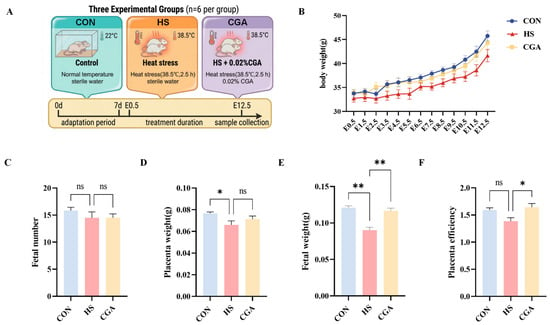
Background: Climate change-driven heat stress (HS) poses a growing threat to pregnancy outcomes; however, the mechanisms linking maternal HS to fetal growth restriction (FGR) remain incompletely understood, and effective nutritional interventions are lacking. The gut–placenta axis critically governs maternal–fetal health, but its role
[...] Read more.
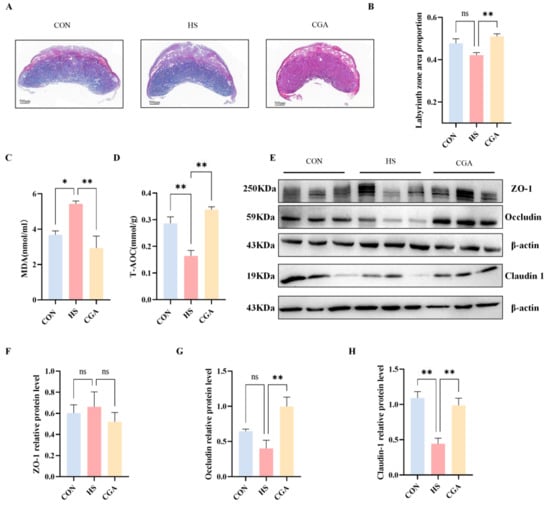
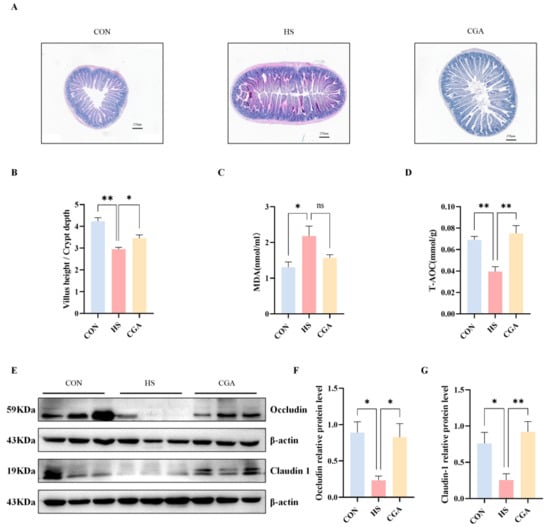
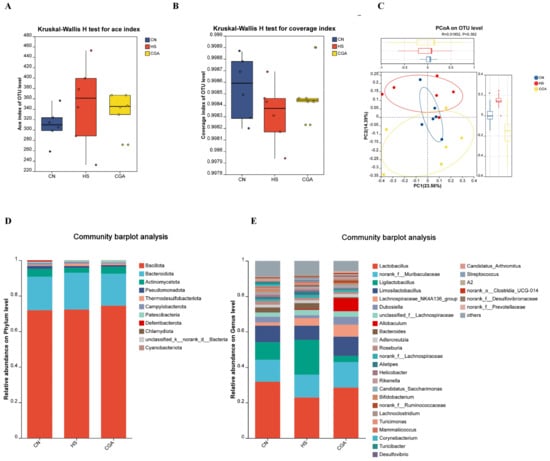
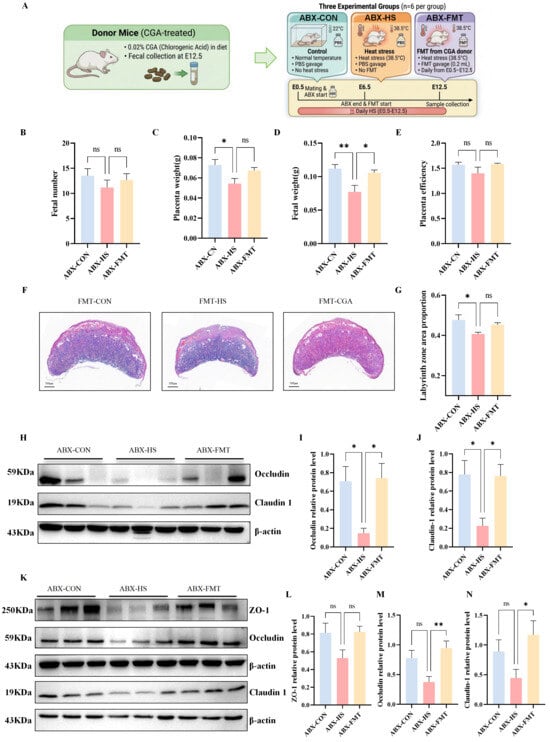
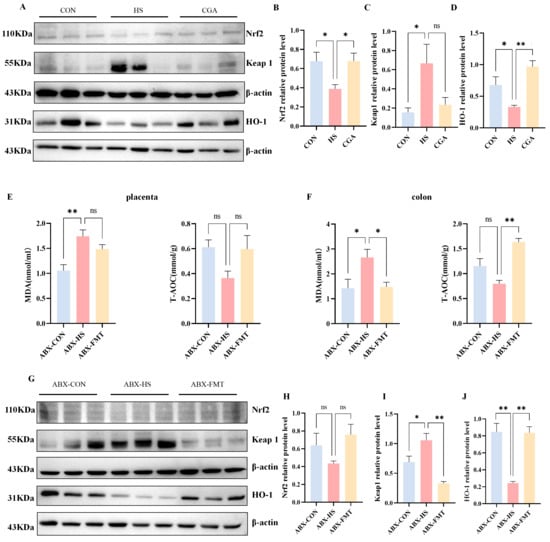
Background: Climate change-driven heat stress (HS) poses a growing threat to pregnancy outcomes; however, the mechanisms linking maternal HS to fetal growth restriction (FGR) remain incompletely understood, and effective nutritional interventions are lacking. The gut–placenta axis critically governs maternal–fetal health, but its role in mediating HS-related FGR has yet to be elucidated. Methods: A murine model of gestational HS (38.5 °C, 2.5 h daily from E0.5 to E12.5) was established to investigate the protective effects of chlorogenic acid (CGA) on HS-induced FGR. Placental efficiency, oxidative status, barrier integrity, and intestinal permeability were assessed. Gut microbiota composition was profiled by 16S rRNA sequencing, while tight junction protein expression in the placenta and intestine was evaluated by Western blot. Additionally, antibiotic-induced microbiota reduction and fecal microbiota transplantation (FMT) were performed to explore the role of gut microbiota in alleviating HS. Results: HS exposure significantly reduced fetal weight without altering litter size, accompanied by reduced placental efficiency and proportion of the labyrinth zone relative to the total placental area. HS triggered oxidative stress and downregulated tight junction proteins (Claudin-1, Occludin) in both the placenta and intestine, indicating compromised barrier integrity. CGA treatment robustly reversed these abnormalities and restored placental structure. In the gut, CGA prevented HS-induced intestinal barrier dysfunction and selectively reshaped the microbiota, enhancing the Firmicutes/Bacteroidetes ratio and promoting beneficial Lactobacillus lineages. Notably, under antibiotic-induced microbial reduction, FMT from CGA-treated donors effectively alleviated HS-induced fetal growth restriction. Conclusions: In summary, our study suggests that gestational HS exposure may trigger FGR through the gut–placenta axis. CGA effectively reverses FGR by restoring placental efficiency and placental barrier integrity, while alleviating maternal gut dysbiosis and intestinal barrier impairment. FMT experiments further confirm that the gut microbiota may play a key role in this protection. Collectively, these findings suggest that targeting the gut–placenta axis with CGA may offer a practical nutritional strategy to mitigate HS-triggered adverse pregnancy outcomes.
Full article
(This article belongs to the Section Health Outcomes of Antioxidants and Oxidative Stress)
►▼
Show Figures

Figure 1
Open AccessArticle
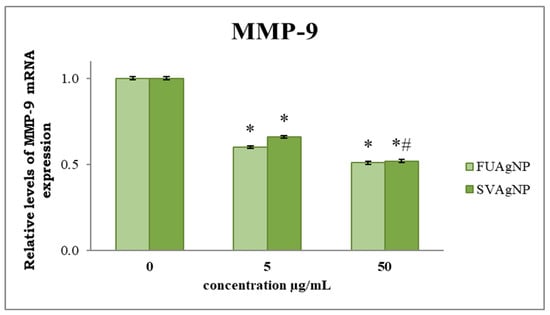
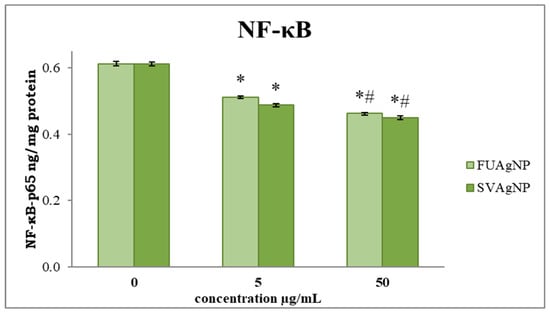
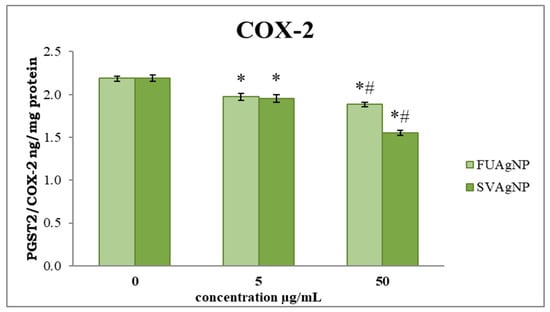
Green-Synthesized Silver Nanoparticles from Filipendula ulmaria and Salvia verticillata Extracts Exert Antimetastatic and Anti-Inflammatory Effects Through Redox-Mediated Nrf-2/NF-κB/MMP-2/9 Signaling in Human Colon Cancer Cells
by
Miloš Matić, Milica Paunović, Branka Ognjanović, Nikola Srećković, Nevena Mihailović, Vladimir Mihailović and Ana Obradović
Antioxidants 2026, 15(8), 1035; https://doi.org/10.3390/antiox15081035 - 19 Aug 2026
Abstract
►▼
Show Figures
Cancer metastasis, characterized by the dissemination of malignant cells from the primary tumor to distant organs, remains the leading cause of cancer-related mortality in solid tumors. In colorectal cancer (CRC), increasing attention has been directed toward therapeutic strategies aimed at suppressing cancer cell
[...] Read more.
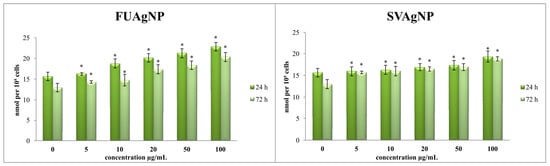
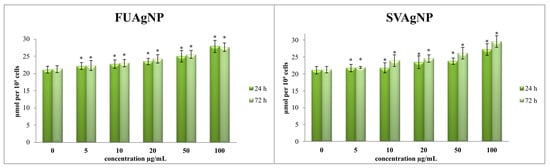
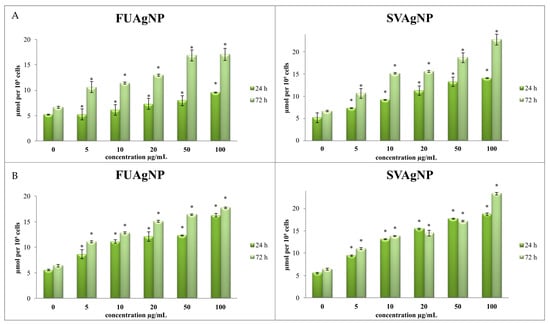
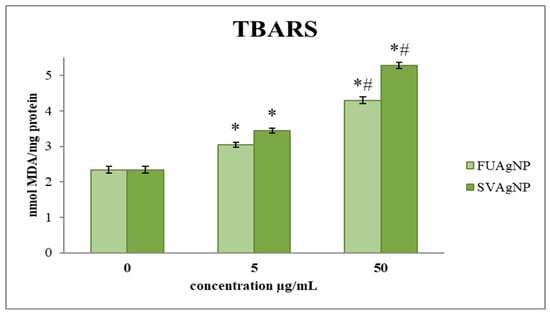
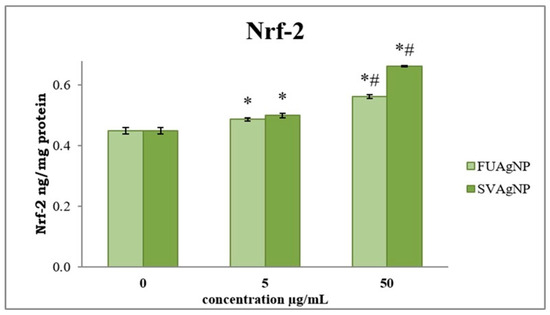
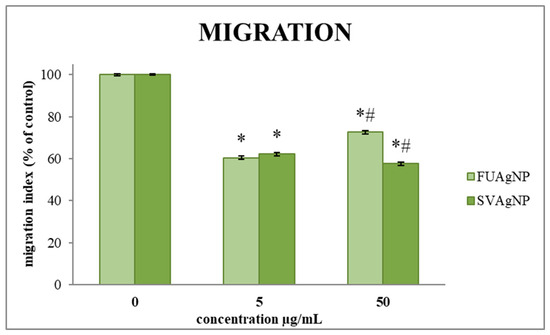
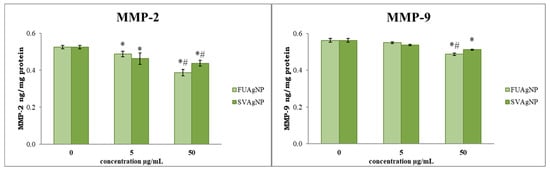
Cancer metastasis, characterized by the dissemination of malignant cells from the primary tumor to distant organs, remains the leading cause of cancer-related mortality in solid tumors. In colorectal cancer (CRC), increasing attention has been directed toward therapeutic strategies aimed at suppressing cancer cell migration and invasion rather than solely reducing tumor mass, giving rise to the concept of migrastatic therapies. In the present study, green-synthesized silver nanoparticles (AgNPs), previously obtained using aqueous extracts of Filipendula ulmaria (L.) Maxim. and Salvia verticillata L., were evaluated for their antimigratory and anti-inflammatory potential in human colorectal carcinoma HCT-116 cells. Treatment with AgNPs induced considerable perturbations in cellular redox homeostasis, as evidenced by increased intracellular reactive oxygen species (ROS), lipid peroxidation (LPO), glutathione (GSH), and nitric oxide (NO) levels. These redox alterations were accompanied by a significant inhibition of cancer cell migration, together with reduced expression of matrix metalloproteinases MMP-2 and MMP-9, key mediators of extracellular matrix remodeling associated with tumor progression. AgNP exposure was associated with activation of the cytoprotective transcription factor Nrf-2 and suppression of the pro-inflammatory NF-κB/COX-2 signaling axis, indicating coordinated modulation of redox-sensitive pathways linked to tumor cell motility and inflammatory responses. Collectively, these findings demonstrate that green-synthesized AgNPs derived from F. ulmaria and S. verticillata exert multi-level regulatory effects on redox balance, inflammatory signaling, and migration-associated molecular markers in colorectal cancer cells. This study supports their potential as promising migrastatic nanocarriers for further investigation in colorectal cancer research.
Full article

Figure 1
Open AccessReview
Photobiomodulation for Photoreceptor Rescue in Retinal Disease: Mitochondrial, Redox, Vascular, and Translational Perspectives—A Narrative Review
by
Mario D. Toro, Alessandro Avitabile, Roberta Amato, Dario Rusciano and Caterina Gagliano
Antioxidants 2026, 15(8), 1034; https://doi.org/10.3390/antiox15081034 - 19 Aug 2026
Abstract
Photoreceptors work in a biologically demanding compartment of the eye. They consume large amounts of energy, receive continuous light and oxygen, and renew outer-segment membranes enriched in polyunsaturated lipids. These conditions are necessary for vision, but they also make the outer retina poorly
[...] Read more.
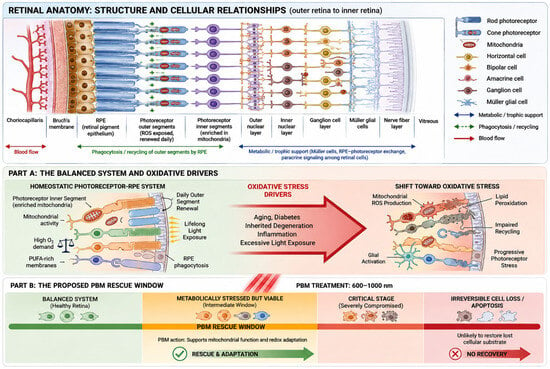
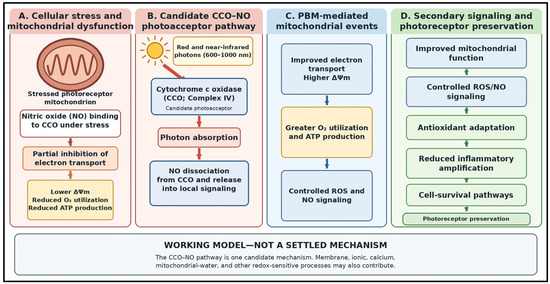
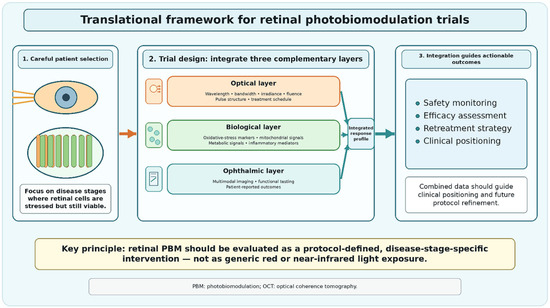
Photoreceptors work in a biologically demanding compartment of the eye. They consume large amounts of energy, receive continuous light and oxygen, and renew outer-segment membranes enriched in polyunsaturated lipids. These conditions are necessary for vision, but they also make the outer retina poorly tolerant to persistent mitochondrial dysfunction and oxidative stress. Photobiomodulation (PBM), mainly based on red and near-infrared light, has been investigated as a way to support retinal cells that are functionally impaired but not yet irreversibly lost. The field has also acquired new clinical relevance after the 2024 De Novo marketing authorization by the United States Food and Drug Administration (FDA) of the Valeda Light Delivery System for dry age-related macular degeneration (AMD). This narrative review examines the mitochondrial, redox, inflammatory, and neurovascular mechanisms proposed for PBM, and discusses preclinical and clinical evidence across nonexudative AMD, inherited retinal degeneration, diabetic retinal disease, and light-induced damage. Current findings are encouraging, but devices, doses, schedules, endpoints, and sponsorship patterns differ substantially among studies. PBM therefore deserves further investigation, especially in early or intermediate disease, but its clinical use should remain linked to tested protocols, rigorous safety monitoring, and biomarkers of residual retinal functional reserve.
Full article
(This article belongs to the Special Issue Role of Oxidative Stress in Eye Diseases)
►▼
Show Figures

Figure 1

Open AccessArticle
Corbella Extra Virgin Olive Oil, Urinary Phenolic Metabolites, and Exploratory Cardiometabolic Outcomes in Healthy Young Adults: The HEVOOC Trial
by
Rocío M. Gutiérrez-Romero, Carolina Donat-Vargas, Polina Galkina, Camila Arancibia-Riveros, Inés Domínguez-López, Sara Hurtado-Barroso, Maria Pérez, Anna Vallverdú-Queralt, Rosa Casas, Ramón Estruch and Rosa M. Lamuela-Raventós
Antioxidants 2026, 15(8), 1033; https://doi.org/10.3390/antiox15081033 - 19 Aug 2026
Abstract
Extra virgin olive oil (EVOO) is a hallmark of the Mediterranean diet and an important dietary source of bioactive phenolic compounds, including hydroxytyrosol and tyrosol derivatives, which have been investigated in relation to cardiometabolic health. However, the potential metabolic effects of phenolic-rich EVOO
[...] Read more.
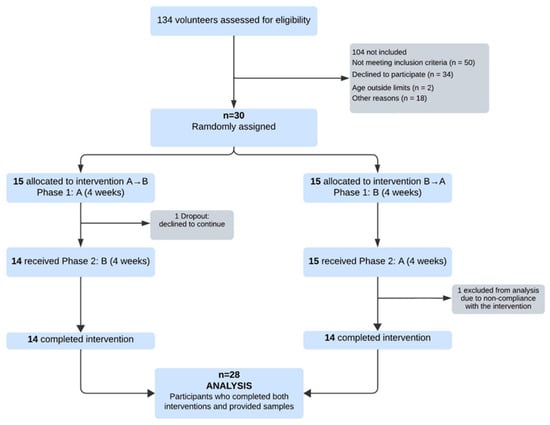
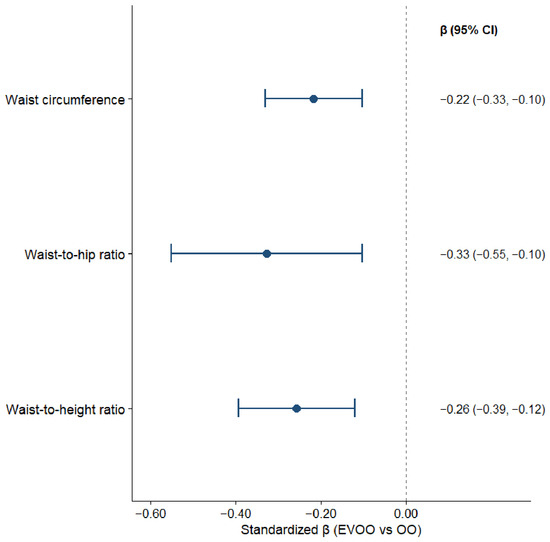
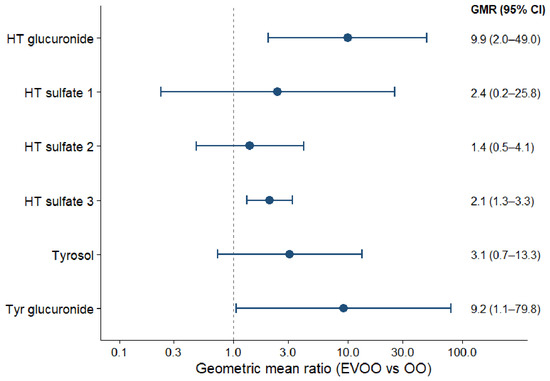
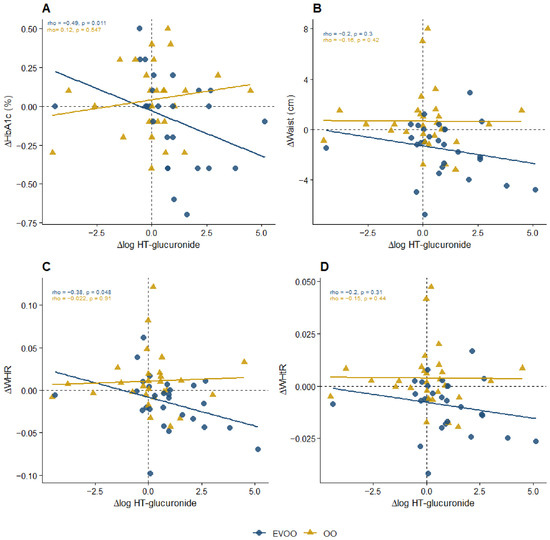
Extra virgin olive oil (EVOO) is a hallmark of the Mediterranean diet and an important dietary source of bioactive phenolic compounds, including hydroxytyrosol and tyrosol derivatives, which have been investigated in relation to cardiometabolic health. However, the potential metabolic effects of phenolic-rich EVOO in young healthy adults remain poorly characterized. In this randomized crossover trial, 28 healthy adults (29.0 ± 3.4 years) consumed either phenolic-rich EVOO or regular olive oil (OO) (0.7 g/kg/day) for 4 weeks. The cardiometabolic outcomes reported here were secondary endpoints of the trial. Anthropometric measurements, cardiometabolic biomarkers, and urinary phenolic metabolites were assessed at baseline and after each intervention period; selected phenolic metabolites were quantified in 24-h urine using targeted LC–HRMS. Treatment effects were evaluated using mixed-effects models. Compared with OO, EVOO markedly increased urinary hydroxytyrosol-glucuronide (GMR = 9.9; 95% CI: 2.0, 49.0; p = 0.005), together with other hydroxytyrosol- and tyrosol-derived metabolites, providing objective evidence of greater phenolic exposure during the EVOO intervention. Exploratory between-intervention differences favored EVOO for waist circumference (β = −2.21 cm; 95% CI: −3.37, −1.05), waist-related indices, and HbA1c (β = −0.13%; 95% CI: −0.25, −0.01). In exploratory analyses, increases in urinary hydroxytyrosol-glucuronide during EVOO intake were inversely correlated with changes in HbA1c (Spearman’s rho = −0.49, p = 0.011) and WHR (rho = −0.38, p = 0.048). Post hoc sensitivity analyses showed greater stability for the waist-circumference estimate than for HbA1c. Overall, phenolic-rich ‘Corbella’ EVOO substantially increased urinary phenolic metabolite exposure, whereas the observed cardiometabolic differences should be considered exploratory and hypothesis-generating and require confirmation in larger trials specifically powered for these outcomes.
Full article
(This article belongs to the Special Issue Antioxidant Compounds and Health Benefits of Mediterranean Functional Food)
►▼
Show Figures

Figure 1

Open AccessFeature PaperArticle
N-Acetylcysteine Protects HPMCs from High-Glucose-Induced Oxidative DNA Damage
by
Tina Oberacker, Tobias Leibold, Adrian Salega, Leonie Kraft, Moritz Schanz, Markus Ketteler, Jörg Latus and Severin Schricker
Antioxidants 2026, 15(8), 1032; https://doi.org/10.3390/antiox15081032 - 19 Aug 2026
Abstract
Peritoneal dialysis (PD) is an effective renal replacement therapy; however, its long-term use is limited by the detrimental effects of glucose-based PD fluids on the peritoneal membrane, contributing to fibrosis and ultrafiltration failure. Previous studies have demonstrated that high-glucose exposure promotes oxidative DNA
[...] Read more.
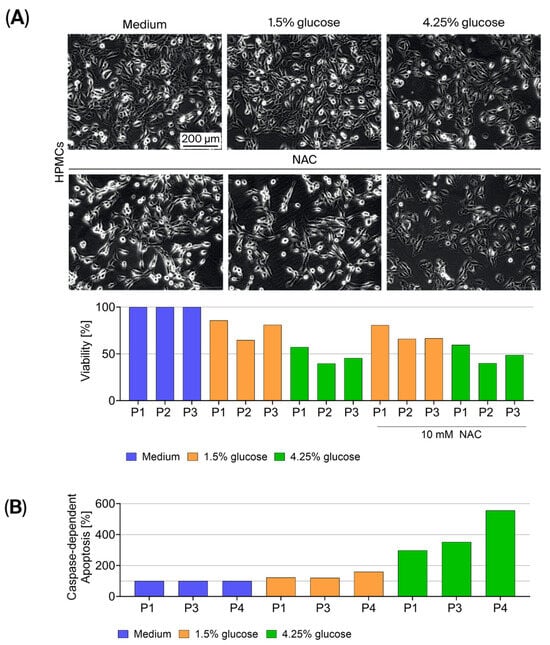
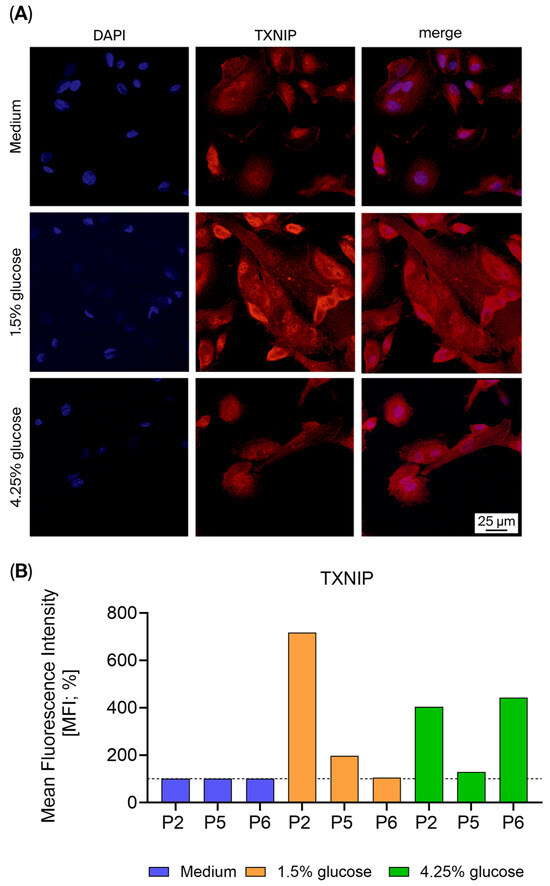
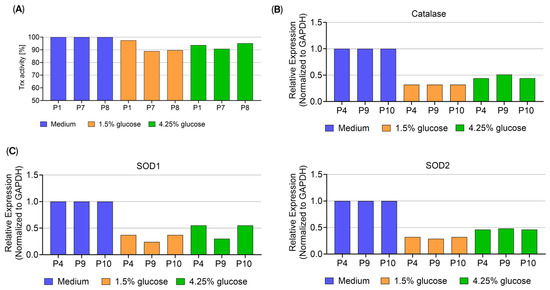
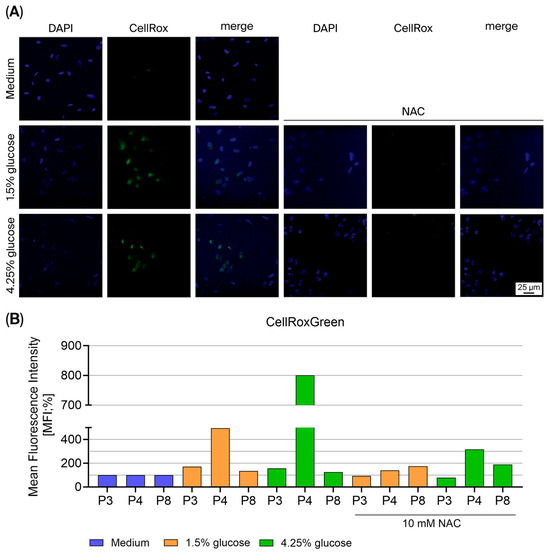
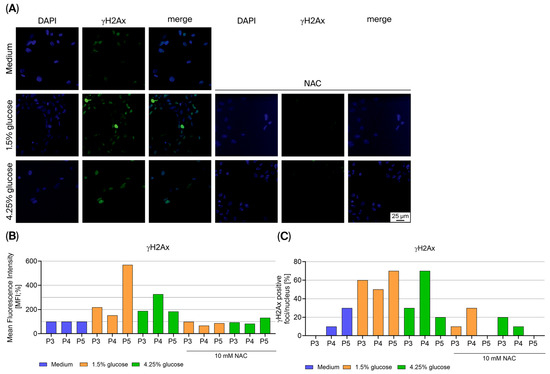
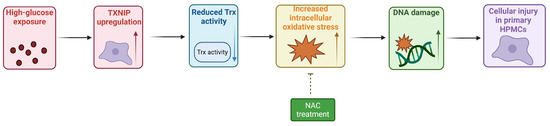
Peritoneal dialysis (PD) is an effective renal replacement therapy; however, its long-term use is limited by the detrimental effects of glucose-based PD fluids on the peritoneal membrane, contributing to fibrosis and ultrafiltration failure. Previous studies have demonstrated that high-glucose exposure promotes oxidative DNA damage through upregulation of thioredoxin-interacting protein (TXNIP) expression, resulting in reduced thioredoxin (Trx) activity. This study investigated strategies to reduce oxidative stress in human peritoneal mesothelial cells exposed to high glucose concentrations. TXNIP expression, Trx activity, intracellular oxidative stress levels, and oxidative DNA damage were analyzed. High-glucose exposure caused a dose-dependent increase in TXNIP expression, a 5–15% reduction in Trx activity, and increased intracellular oxidative stress levels and oxidative DNA damage. Pre-treatment with the ROS scavenger N-acetylcysteine (NAC) reduced these effects. These findings demonstrate that glucose-induced TXNIP upregulation disrupts cellular redox homeostasis, resulting in increased intracellular oxidative stress and oxidative damage. Antioxidant compounds may therefore represent promising therapeutic strategies to protect the peritoneal membrane and improve long-term outcomes in PD.
Full article
(This article belongs to the Special Issue Antioxidants in Chronic and End-Stage Kidney Disease: Defining Biological and Clinical Plausibility)
►▼
Show Figures

Figure 1

Open AccessArticle
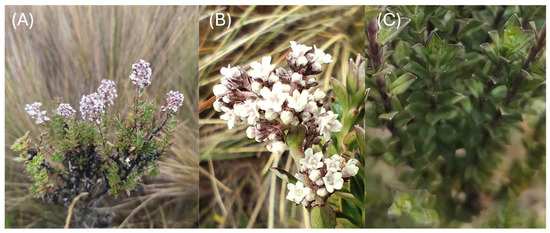
Organ-Specific Distribution of Bioactive Compounds in Valeriana microphylla and Their Antioxidant, Antimicrobial, Haemolytic, and Nematicidal Activities
by
Elena Coyago-Cruz, Gabriela Méndez, Johana Zúñiga-Miranda, Alejandro Porras, Carlos Barba-Ostria, Jhennyfer Zambrano, Scarlet Recillo, Linda P. Guamán, Jorge Heredia-Moya, Blanca Naranjo and María Claudia Segovia-Salcedo
Antioxidants 2026, 15(8), 1031; https://doi.org/10.3390/antiox15081031 - 19 Aug 2026
Abstract
►▼
Show Figures
Valeriana microphylla is a medicinal species traditionally used in the Andean region. The study aimed to evaluate the bioactive compounds and the antioxidant, antimicrobial, haemolytic, and nematode locomotion-disrupting l activities in the flowers and leaves of V. microphylla. Minerals were quantified by
[...] Read more.
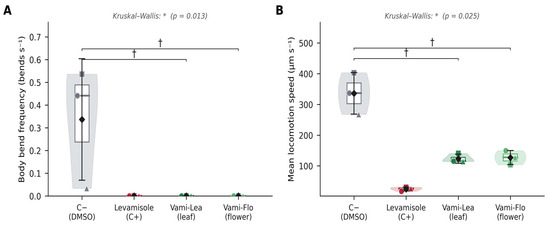
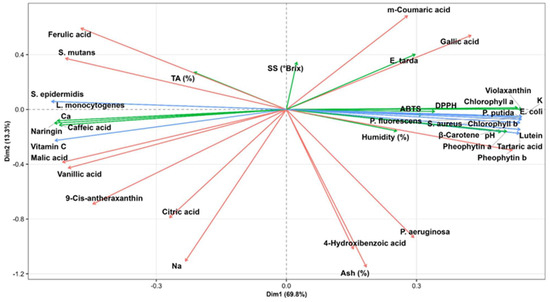
Valeriana microphylla is a medicinal species traditionally used in the Andean region. The study aimed to evaluate the bioactive compounds and the antioxidant, antimicrobial, haemolytic, and nematode locomotion-disrupting l activities in the flowers and leaves of V. microphylla. Minerals were quantified by atomic absorption spectrometry, whereas bioactive compounds were analysed by liquid chromatography. Antioxidant, antimicrobial and biological activities were determined by microplate spectrophotometry. Antimicrobial activity was tested against ATCC and multidrug-resistant microorganisms. Haemolytic activity was assessed by haemolysis of sheep erythrocytes, and nematode locomotion-disrupting activity by analysis of the locomotor behaviour of Caenorhabditis elegans. Potassium was the predominant mineral in leaves (2372.1 mg/100 g DW). In contrast, flowers contained the highest concentrations of citric acid (567.0 mg/100 g DW), total carotenoids (58.9 mg/100 g DW), and total phenolics (24,788.1 mg/100 g DW). Both extracts inhibited the growth of several ATCC bacterial strains, showing the lowest inhibitory concentrations against Staphylococcus epidermidis, Edwardsiella tarda and Listeria monocytogenes, but showed no activity against multidrug-resistant bacteria or against Candida species. Furthermore, both extracts exhibited haemolysis rates of less than 1.3% and affected the locomotion of C. elegans by eliminating the frequency of body bends and reducing locomotion speed. These findings provide an initial phytochemical and in vitro biological characterisation of V. microphylla and support further investigation of its bioactive constituents.
Full article

Figure 1
Open AccessArticle
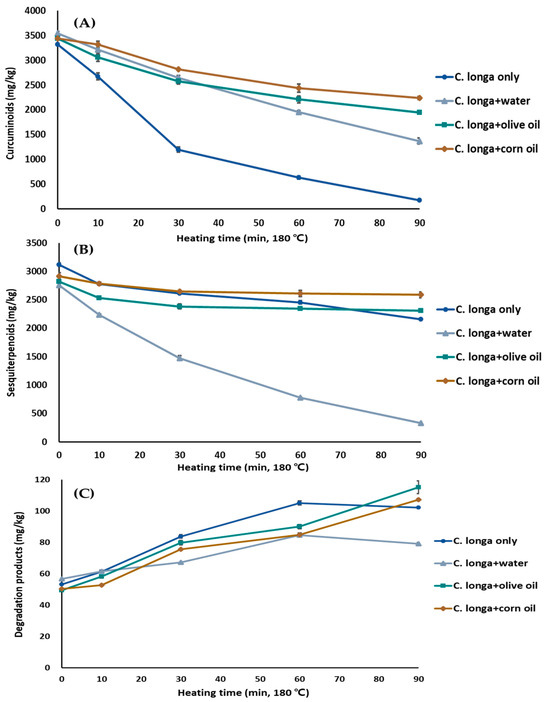
Heat-Induced Phytochemical Changes in Curcuma longa: Effects on Antioxidant Properties and Oxidative Behavior in Illuminated Oil-in-Water Emulsions
by
Choong-In Yun, Juhee Cho, Ji-Won Jeong, Young-Jun Kim and JaeHwan Lee
Antioxidants 2026, 15(8), 1030; https://doi.org/10.3390/antiox15081030 - 19 Aug 2026
Abstract
Curcuma longa is a medicinal plant valued for its diverse phytochemicals and antioxidant properties. However, the effects of thermal processing on its phytochemical composition and antioxidant function remain insufficiently understood. This study investigated heat-induced changes in curcuminoids, sesquiterpenoids, and their degradation products in
[...] Read more.
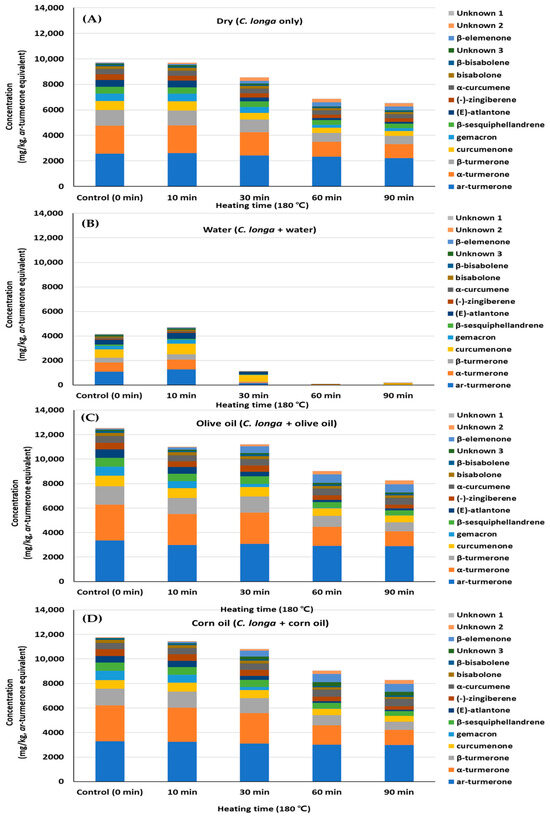
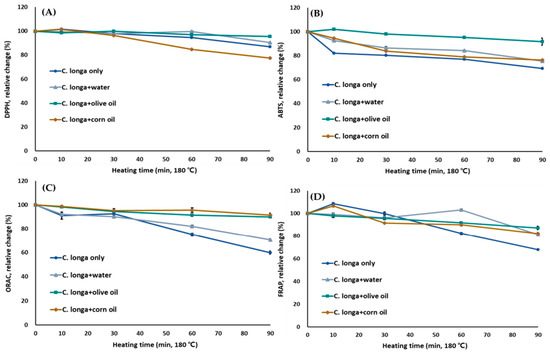
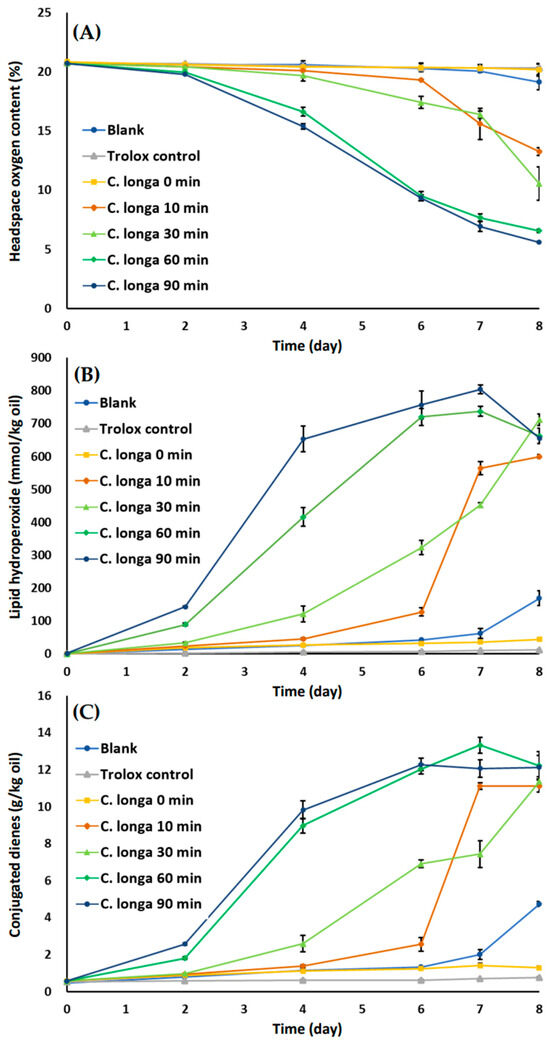
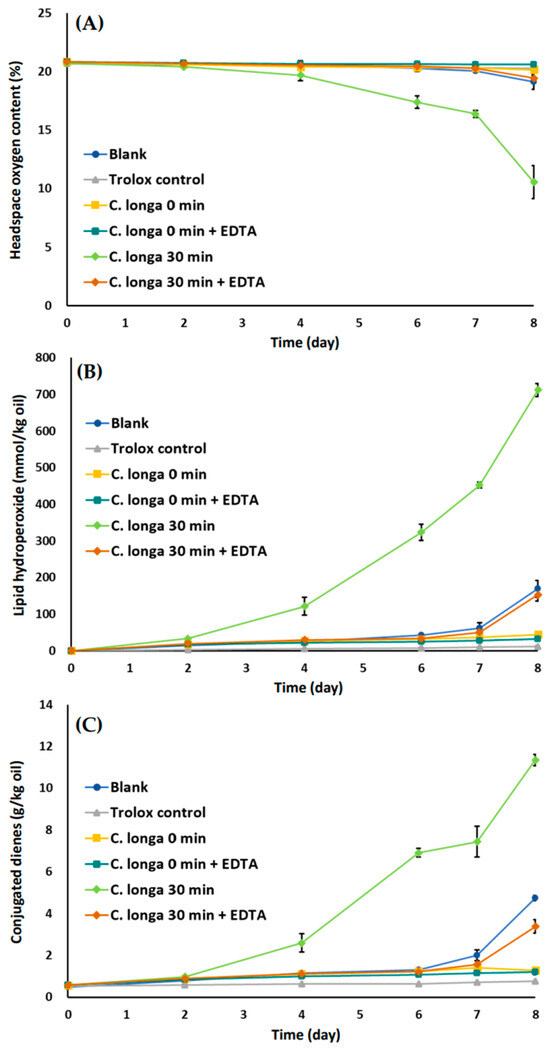
Curcuma longa is a medicinal plant valued for its diverse phytochemicals and antioxidant properties. However, the effects of thermal processing on its phytochemical composition and antioxidant function remain insufficiently understood. This study investigated heat-induced changes in curcuminoids, sesquiterpenoids, and their degradation products in C. longa extracts heated at 180 °C for 0–90 min under dry, aqueous, olive oil, and corn oil conditions using UHPLC–MS/MS and GC–MS. Curcuminoids progressively decreased during heating, whereas sesquiterpenoids exhibited greater thermal stability, particularly in oil matrices. Antioxidant properties were also better preserved in oil-treated extracts than in those heated under dry or aqueous conditions. However, in an oil-in-water emulsion system exposed to continuous LED illumination (14,600 lux), extracts obtained after dry heating accelerated lipid oxidation, as evidenced by enhanced oxygen depletion, hydroperoxide formation, and conjugated diene accumulation. This pro-oxidative effect was markedly suppressed by EDTA, suggesting the involvement of metal-mediated oxidation pathways. These findings demonstrate that thermal processing differentially alters the phytochemical profile and antioxidant properties of C. longa depending on the heating matrix, while highlighting that preserved antioxidant capacity does not necessarily translate into improved oxidative stability in illuminated emulsion systems.
Full article
(This article belongs to the Special Issue Phytochemical Analysis and Evaluation of Antioxidant Properties in Medicinal Plants)
►▼
Show Figures

Figure 1
Open AccessReview
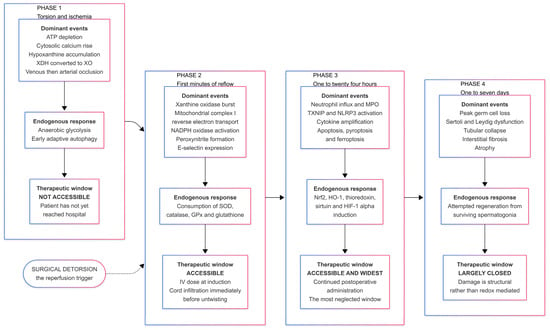
Antioxidant Strategies in Testicular Ischemia–Reperfusion Injury—Translational Insights and Clinical Implications for Testicular Torsion Management
by
Marko Bašković and Davor Ježek
Antioxidants 2026, 15(8), 1029; https://doi.org/10.3390/antiox15081029 - 18 Aug 2026
Abstract
Testicular torsion is a time-critical urological emergency in which surgical detorsion, the only accepted treatment, simultaneously rescues and injures the gonad. Restoration of blood flow triggers a burst of reactive oxygen and nitrogen species, neutrophil recruitment, inflammasome activation, and regulated germ cell death,
[...] Read more.
Testicular torsion is a time-critical urological emergency in which surgical detorsion, the only accepted treatment, simultaneously rescues and injures the gonad. Restoration of blood flow triggers a burst of reactive oxygen and nitrogen species, neutrophil recruitment, inflammasome activation, and regulated germ cell death, so that a substantial proportion of anatomically salvaged testes still undergo atrophy and functional loss. A large experimental literature, running to several hundred reports, has shown that antioxidants of almost every chemical class attenuate this injury in rodent models, yet no antioxidant has entered routine clinical use as an adjunct to detorsion in humans, and we are not aware of any adequately powered randomized trial in this setting. This narrative review integrates the redox pathophysiology of testicular ischemia–reperfusion injury with an appraisal of the agents tested against it, and then asks why the translational gap has proved so durable. We examine model heterogeneity, the dominance of pretreatment designs that cannot be reproduced in an emergency department, the reliance on short-term surrogate biochemistry rather than fertility endpoints, and the sobering precedents of neuroprotection and cardioprotection. We close with a roadmap for first-in-human evaluation, covering candidate prioritization, route and timing of administration, biomarker selection, and a feasible trial architecture.
Full article
(This article belongs to the Special Issue Oxidative Stress and Male Reproductive Health—2nd Edition)
►▼
Show Figures

Figure 1
Open AccessArticle
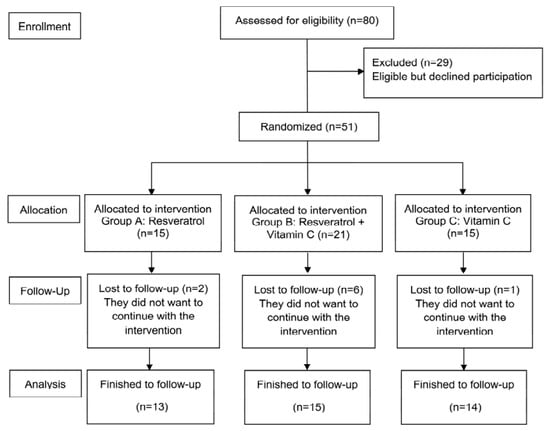
Targeting Oxidative Stress in Insulin-Resistant Postmenopausal Women: Effects of Resveratrol and Vitamin C on Oxidative Damage and Antioxidant Defenses in a Randomized Clinical Trial
by
Enrique Reyes-Muñoz, Arturo Arellano-Eguiluz, Guillermo F. Ortiz-Luna, Alberto M. Guzmán-Grenfell, Arturo Flores-Pliego, Aurora Espejel-Nuñez, Sandra B. Parra-Hernández, Elizabeth García-Gómez, José Romo-Yañez and Araceli Montoya-Estrada
Antioxidants 2026, 15(8), 1028; https://doi.org/10.3390/antiox15081028 - 18 Aug 2026
Abstract
Women experience significant changes throughout their lives, particularly during the transition from reproductive age to postmenopause, marked by hormonal imbalance and reduced estrogen production. This stage is associated with increased oxidative stress, which can contribute to cardiovascular issues and insulin resistance. This study
[...] Read more.
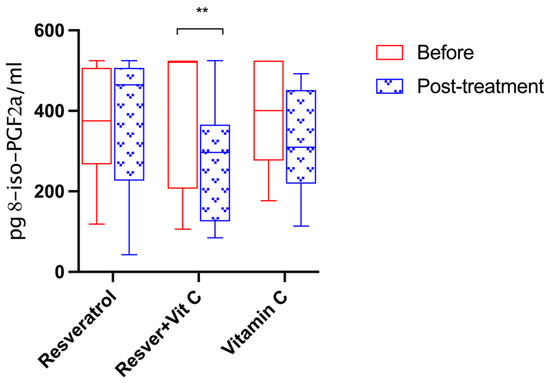
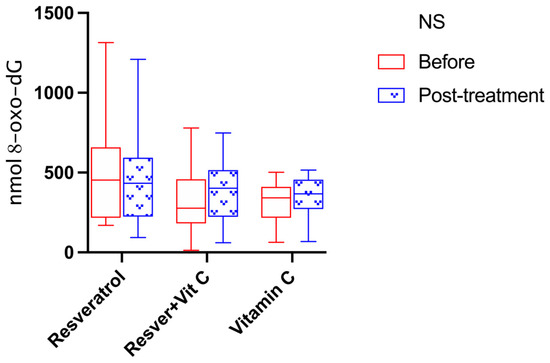
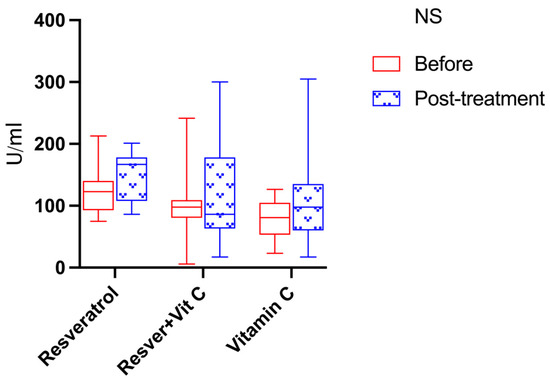
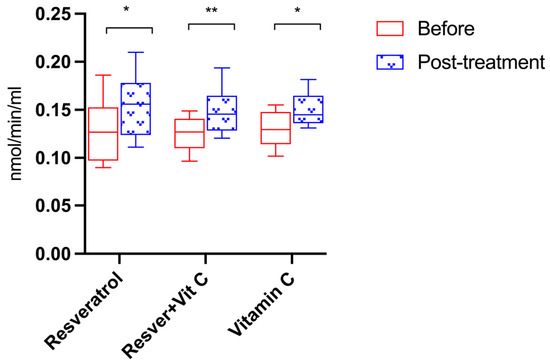
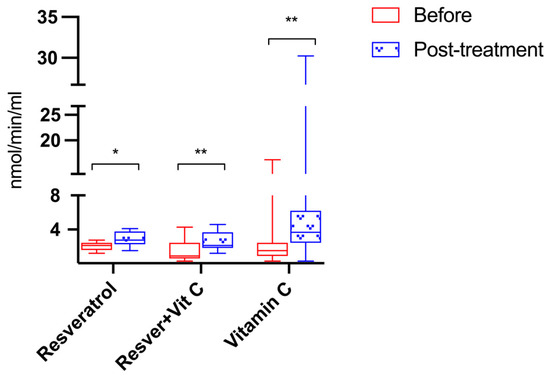
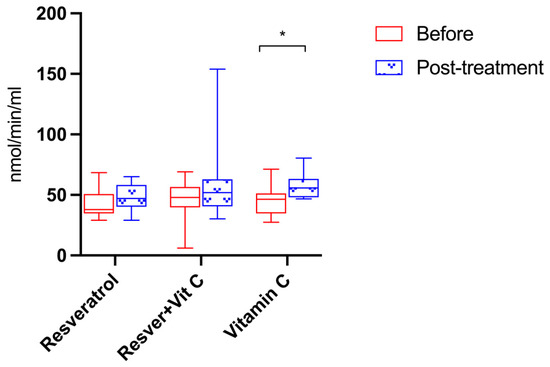
Women experience significant changes throughout their lives, particularly during the transition from reproductive age to postmenopause, marked by hormonal imbalance and reduced estrogen production. This stage is associated with increased oxidative stress, which can contribute to cardiovascular issues and insulin resistance. This study aimed to assess the effects of resveratrol and vitamin C supplementation on 8-Isoprostane, a marker of oxidative stress, and on DNA damage, as indicated by 8-hidroxi-2′-desoxiguanosina (8-Oxo-dG), in postmenopausal women with insulin resistance, and to evaluate how these supplements modified antioxidant defense. A randomized, double-blind clinical trial was conducted. Plasma samples were analyzed to measure antioxidant enzyme activity, including superoxide dismutase (SOD), catalase (CAT), glutathione reductase (GR), and glutathione peroxidase (GPx), and to assess oxidative damage to lipids and DNA. Forty-two patients were recruited and randomly assigned to three treatment groups. Within-group analyses showed significant increases in CAT and GR activities and a reduction in plasma 8-isoprostane concentrations in the group receiving combined resveratrol and vitamin C supplementation, with increases of 12% in CAT activity (p = 0.008) and 84% in GR activity (p = 0.007), and a 34% reduction in 8-isoprostane concentrations (p = 0.01). However, no significant between-group differences or treatment × time interactions were observed. No significant changes were detected in 8-Oxo-dG concentrations. These preliminary findings suggest that antioxidant supplementation may influence selected markers of antioxidant defense and lipid oxidative damage in postmenopausal women with insulin resistance; however, the present study does not demonstrate the superiority of one supplementation regimen over the others.
Full article
(This article belongs to the Special Issue Aging and Infection: Inflammation, Oxidative Stress, and Clinical Complexity in Older Adults)
►▼
Show Figures

Figure 1
Open AccessArticle
Phytochemical Profile and Bioactive Potential of Erythroxylum nummularium Peyr: Evaluation of Antioxidant, Antimicrobial, and Antinociceptive Properties
by
Nilma Santos da Silva, Ícaro Tuyá Caires Amorim, Flávio Mendes de Souza, Brenda Oliveira Lima, Talita Costa dos Santos, Djalma Menezes de Oliveira, Lucas Miranda Marques, Mariluze Peixoto Cruz, Anaildes Lago de Carvalho, Regiane Yatsuda and Bruno Oliveira Moreira
Antioxidants 2026, 15(8), 1027; https://doi.org/10.3390/antiox15081027 - 18 Aug 2026
Abstract
Erythroxylum nummularium is a native Brazilian species with limited phytochemical and pharmacological characterization. This study aimed to investigate the chemical composition and biological properties of methanolic extracts and fractions obtained from the leaves, branches, stem bark, and stem of the plant. Total phenolic
[...] Read more.
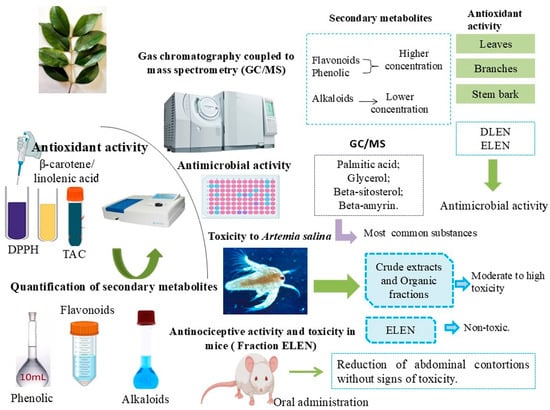
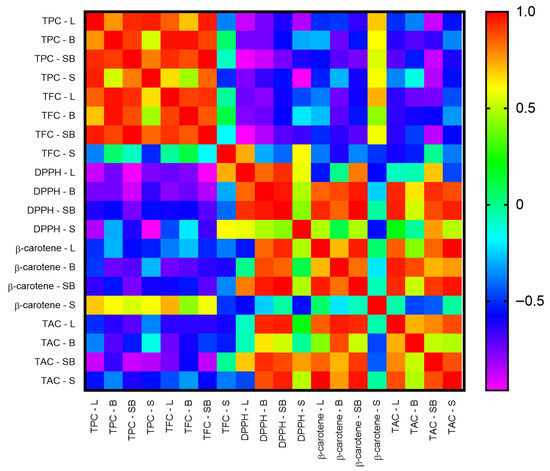
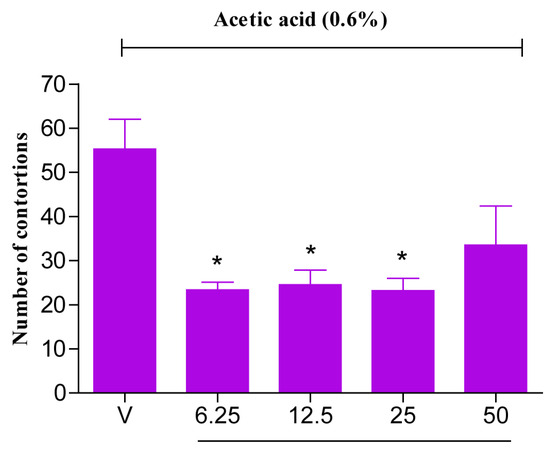
Erythroxylum nummularium is a native Brazilian species with limited phytochemical and pharmacological characterization. This study aimed to investigate the chemical composition and biological properties of methanolic extracts and fractions obtained from the leaves, branches, stem bark, and stem of the plant. Total phenolic content (TPC), total flavonoid content (TFC), total alkaloid content (TAT), and GC–MS profiling were combined with antioxidant (DPPH, β-carotene bleaching, TAC), antimicrobial, toxicological, and antinociceptive assays. The extracts exhibited substantial variation in TPC, TFC, and metabolite profiles, which strongly influenced their biological activities. The ethyl acetate fraction from the leaves (ELEN) showed the highest TPC and TFC, correlating with superior antioxidant performance, antimicrobial activity against Staphylococcus aureus, low toxicity in Artemia salina, and significant antinociceptive effects in mice, with an LD50 above 2000 mg/kg. In the antioxidant assays, the ethyl acetate fraction from the stem bark (ESBEN) exhibited the highest overall activity, likely due to its elevated levels of highly polar phenolics and flavonoids. Among the fractions characterized by GC–MS, DSBEN, DLEN, and DBEN were the most active, with phenolic acids, their methylated derivatives, and low-molecular-weight organic acids contributing synergistically to antioxidant activity. These findings identify E. nummularium as a promising source of structurally diverse metabolites with antioxidant, antimicrobial, and antinociceptive potential and support further investigation toward the development of natural bioactive agents.
Full article
(This article belongs to the Section Natural and Synthetic Antioxidants)
►▼
Show Figures

Graphical abstract
Open AccessReview
Possible Applications of Cold Atmospheric Plasma in Otorhinolaryngology: A Narrative Review
by
José Andrés González Coraspe, Ramón Moreno-Luna, Fabian Görries, Maria Dib, Chia-Jung Busch and Christian Scharf
Antioxidants 2026, 15(8), 1026; https://doi.org/10.3390/antiox15081026 - 17 Aug 2026
Abstract
Cold atmospheric plasma (CAP), a non-thermal ionized gas, is gaining attention in biomedicine due to its unique properties such as the generation of reactive oxygen and nitrogen species (RONS), immunomodulatory effects, and selective cytotoxicity. This review explores the potential of CAP as a
[...] Read more.
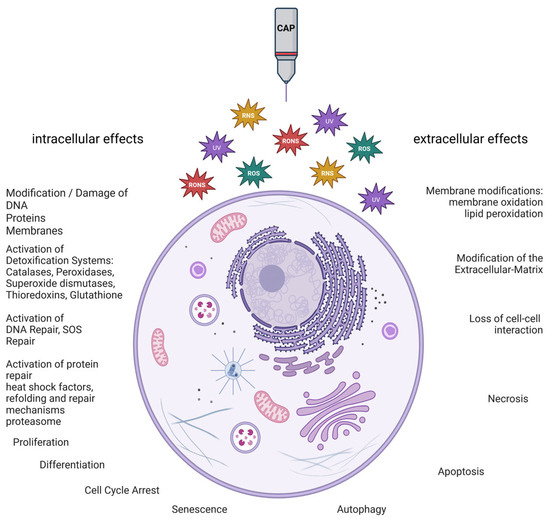
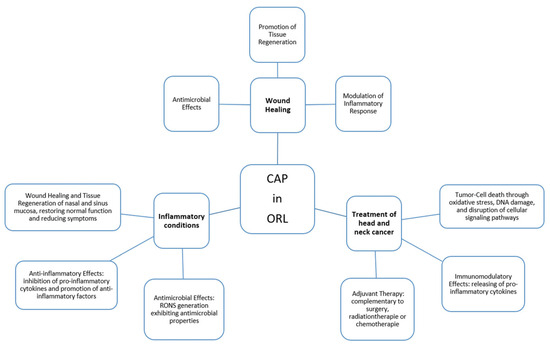
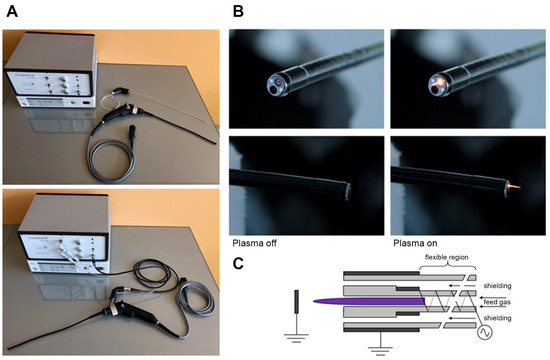
Cold atmospheric plasma (CAP), a non-thermal ionized gas, is gaining attention in biomedicine due to its unique properties such as the generation of reactive oxygen and nitrogen species (RONS), immunomodulatory effects, and selective cytotoxicity. This review explores the potential of CAP as a therapeutic tool in otorhinolaryngology (ORL). CAP has shown promising applications in wound healing, pathogen eradication, and antitumor strategies, particularly in head and neck cancers. Mechanistically, CAP promotes tissue regeneration through redox signaling, stimulates immune cell activity, induces immunogenic cell death, and enhances epithelial proliferation while offering broad-spectrum antimicrobial efficacy. The review also discusses the development of miniaturized CAP delivery systems, including endoscope-integrated plasma jets (e.g., PLASMASKOP), to facilitate clinical use in anatomically complex ORL regions. Given the nascent stage of clinical translation in ORL, the authors highlight the need for interdisciplinary research and device innovation to realize the full therapeutic potential of CAP in this field.
Full article
(This article belongs to the Special Issue Reactive Oxygen Species (ROS): Key Components in Infection Control, Wound Healing, and Cancer Therapy)
►▼
Show Figures

Figure 1
Open AccessReview
The Use of Curcumin to Target Oxidative Stress and Inflammation in Type 2 Diabetes Mellitus and Its Complications: Molecular Mechanisms and Therapeutic Perspectives
by
Jia Zhang, Qipeng Shu, Yuntao Tang, Huilong Liu, Chenxi Zhang, Xiuhong Chen and Shangze Li
Antioxidants 2026, 15(8), 1025; https://doi.org/10.3390/antiox15081025 - 17 Aug 2026
Abstract
Type 2 diabetes mellitus (T2DM) is a chronic metabolic disorder characterized by insulin resistance, pancreatic β-cell dysfunction, and dysregulated glucose and lipid metabolism. Sustained hyperglycemia and hyperlipidemia promote excessive reactive oxygen species (ROS) production, antioxidant defense depletion, and chronic low-grade inflammation, thereby aggravating
[...] Read more.
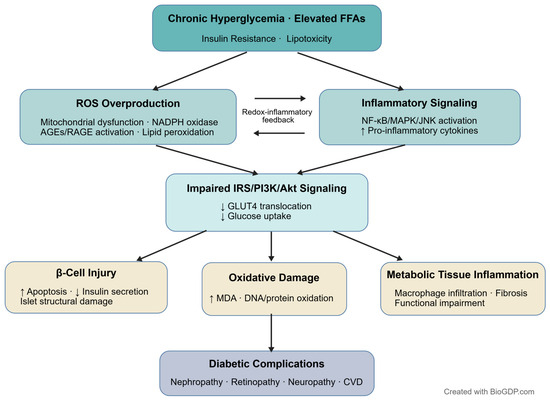
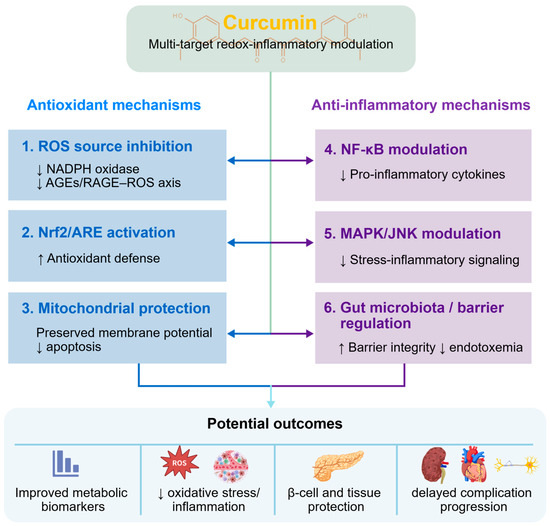
Type 2 diabetes mellitus (T2DM) is a chronic metabolic disorder characterized by insulin resistance, pancreatic β-cell dysfunction, and dysregulated glucose and lipid metabolism. Sustained hyperglycemia and hyperlipidemia promote excessive reactive oxygen species (ROS) production, antioxidant defense depletion, and chronic low-grade inflammation, thereby aggravating insulin signaling impairment, β-cell injury, and diabetes-related complications. Although current glucose-lowering therapies have improved glycemic control, weight management, and cardiorenal outcomes, oxidative stress and inflammation remain incompletely addressed in many individuals with T2DM. Curcumin, a natural polyphenol derived from Curcuma longa L., exhibits antioxidant, anti-inflammatory, lipid-regulating, insulin-sensitizing, and tissue-protective activities. Evidence suggests that curcumin may alleviate T2DM-associated oxidative stress by suppressing ROS generation, reducing nicotinamide adenine dinucleotide phosphate (NADPH) oxidase activity, modulating the advanced glycation end-product/receptor for advanced glycation end-product (AGE/RAGE) axis, activating nuclear factor erythroid 2-related factor 2/antioxidant response element (Nrf2/ARE) signaling, preserving mitochondrial homeostasis, and protecting β-cells. It may also inhibit nuclear factor-κB (NF-κB) and mitogen-activated protein kinase/c-Jun N-terminal kinase (MAPK/JNK) signaling, decrease pro-inflammatory cytokines and C-reactive protein (CRP), improve metabolic tissue inflammation, and attenuate gut-derived inflammation by regulating gut microbiota and intestinal barrier function. However, current clinical evidence mainly supports modest improvements in metabolic, inflammatory, oxidative stress-related, and selected complication-related biomarkers rather than definitive disease-modifying outcomes. Moreover, formulation heterogeneity, low bioavailability, limited pharmacokinetic reporting, and insufficient long-term endpoint data remain major translational barriers. This review summarizes the molecular mechanisms, clinical evidence, formulation-dependent interpretation, safety considerations, and translational limitations of curcumin as a candidate adjunctive intervention for T2DM, rather than as a replacement for evidence-based antidiabetic therapy.
Full article
(This article belongs to the Special Issue Phytotherapy and Natural Products in the Treatment and Prevention of Chronic Diseases)
►▼
Show Figures

Figure 1

Open AccessSystematic Review
Passive Tobacco Smoke Exposure, Oxidative Stress and Pediatric Allergic and Obstructive Respiratory Diseases: A Systematic Review and a “Second Oxidative Hit” Hypothesis
by
Bianca Laura Cinicola, Alessandra Gori, Fabrizio Leone, Elia Pignataro, Simone Aloisio, Alessandra Salvatori, Laura Tudini, Caterina Anania, Alberto Spalice and Anna Maria Zicari
Antioxidants 2026, 15(8), 1024; https://doi.org/10.3390/antiox15081024 - 17 Aug 2026
Abstract
Pediatric allergic and obstructive respiratory diseases are a leading cause of chronic childhood morbidity. Passive tobacco smoke exposure (TSE) is one of the most prevalent and preventable indoor pollutants affecting children, while oxidative stress is increasingly recognized as a key mechanism linking tobacco
[...] Read more.
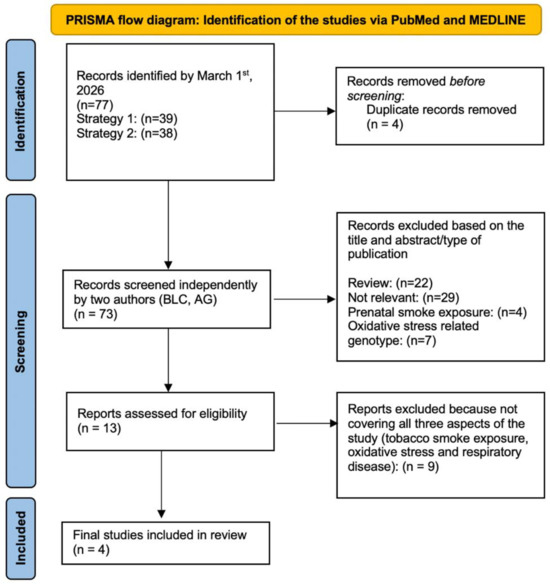
Pediatric allergic and obstructive respiratory diseases are a leading cause of chronic childhood morbidity. Passive tobacco smoke exposure (TSE) is one of the most prevalent and preventable indoor pollutants affecting children, while oxidative stress is increasingly recognized as a key mechanism linking tobacco smoke exposure to airway inflammation. This systematic review critically evaluated the evidence connecting passive TSE to oxidative stress pathways in pediatric airway disease and integrated it into a “second oxidative hit” hypothesis. Following PRISMA 2020 guidelines, PubMed and MEDLINE were searched to identify studies assessing passive TSE, oxidative or antioxidant biomarkers, and respiratory outcomes in children. Of the 77 records identified, four studies met the inclusion criteria. Across the available evidence, passive TSE was associated with increased lipid peroxidation, NOX2 activation, oxidative–inflammatory signaling, depletion of antioxidant defenses, oxidative DNA damage, and impairment of redox-sensitive corticosteroid-response pathways, although findings were not uniform across studies. Clinically, passive TSE children showed persistent allergic rhinitis, greater wheezing severity, poorer asthma control and reduced corticosteroid responsiveness. Despite limited and heterogeneous evidence, the findings provide a biological rationale for a testable “second oxidative hit” hypothesis, whereby passive TSE, combined with a pre-existing inflammatory environment in the airways associated with the underlying disease, could produce an additional oxidative burden. Further prospective studies integrating standardized oxidative biomarkers and objective exposure assessment are needed to validate this hypothesis, and establish temporal and causal relationships, potentially supporting more targeted preventive and personalized strategies.
Full article
(This article belongs to the Special Issue Cigarette Smoke and Oxidative Stress)
►▼
Show Figures

Figure 1
Open AccessArticle
Exploration of Phytochemical Constituents in Neoshirakia japonica by LC-MS and In Silico Evaluation of a New Antioxidant Targeting the NOX Family
by
Kyeong Seon Lee, Suzy Kim, Le Ba Vinh, Jae Sang Han, Bang Yeon Hwang, Mi Kyeong Lee and Ki Yong Lee
Antioxidants 2026, 15(8), 1023; https://doi.org/10.3390/antiox15081023 - 17 Aug 2026
Abstract
Neoshirakia japonica, a small deciduous tree belonging to the family Euphorbiaceae, has traditionally been used to relieve pain and fatigue in ancient Asia. To date, there have been no attempts to investigate the overall metabolite profiles of N. japonica. To obtain
[...] Read more.
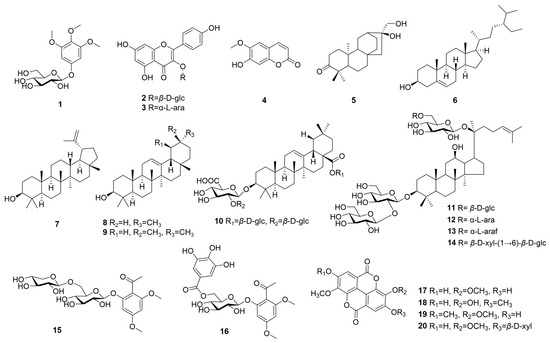
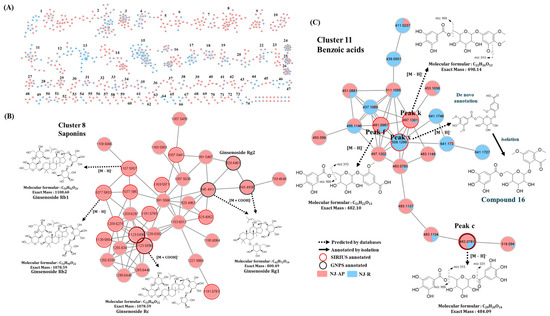
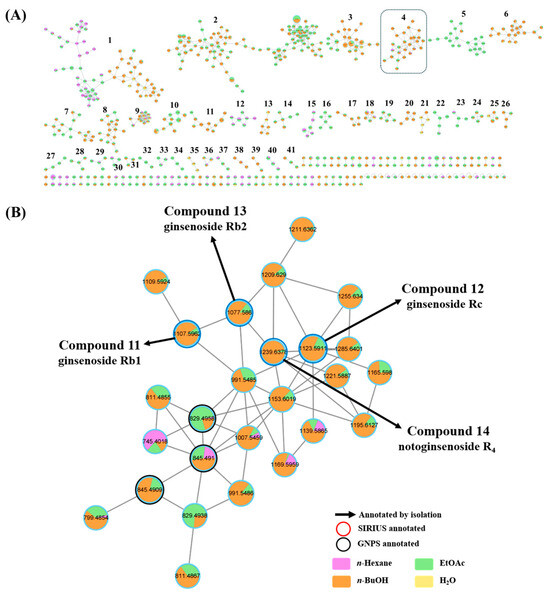
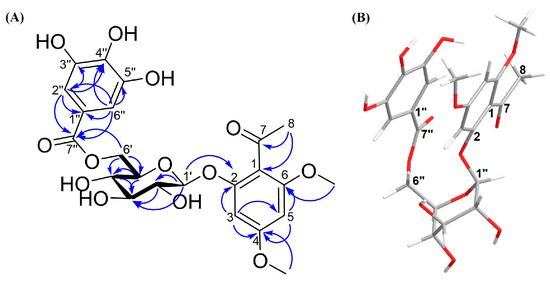
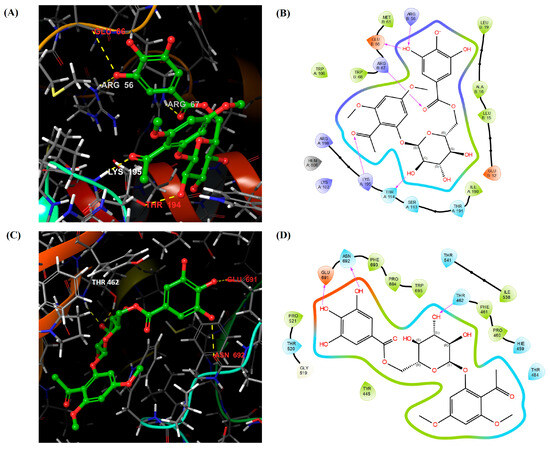
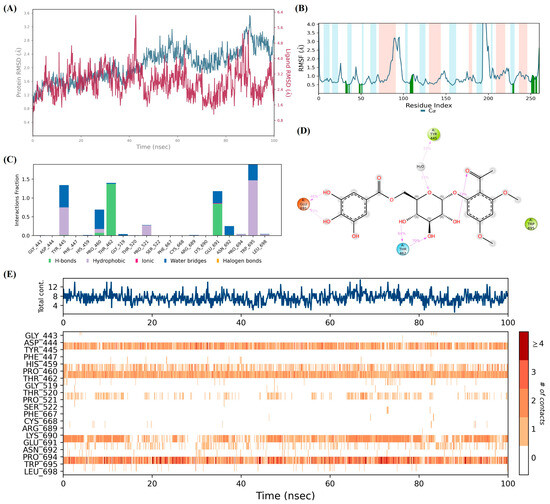
Neoshirakia japonica, a small deciduous tree belonging to the family Euphorbiaceae, has traditionally been used to relieve pain and fatigue in ancient Asia. To date, there have been no attempts to investigate the overall metabolite profiles of N. japonica. To obtain the phytochemical profiles of its aerial part and root, the extracts were analyzed by UHPLC Orbitrap mass spectrometry, and the metabolites were clustered using feature-based molecular networking (FBMN). The common major constituents of the two different parts were annotated as ellagitannins and ellagic acid derivatives using the GNPS database and SIRIUS software, and a total of 20 compounds were isolated. With FBMN guidance, five minor ginsenosides (10–14) were isolated from the BuOH fraction of the aerial part and first identified in this plant. Also, one new xanthoxylin derivative (16) was discovered from the root, and its antioxidant activity and binding potential to NOX family proteins were evaluated by in silico studies. Consequently, this research aims to provide a comprehensive understanding of the major and minor components of N. japonica by part and suggests its potential as a drug candidate for antioxidant-related diseases.
Full article
(This article belongs to the Special Issue Phenolics as Antioxidant Agents—2nd Edition)
►▼
Show Figures

Figure 1
Open AccessArticle
Physiological and Transcriptomic Responses to Cold Stress in Taiwan Loach (Paramisgurnus dabryanus ssp. Taiwan)
by
Wei Zhou, Jiale Chen, Yacheng Hu, Dezhi Li, Tengfei Yu and Huaishun Shen
Antioxidants 2026, 15(8), 1022; https://doi.org/10.3390/antiox15081022 - 17 Aug 2026
Abstract
The Taiwan loach (Paramisgurnus dabryanus ssp. Taiwan) is a popular cultured fish in southern China due to its rich nutritional content and rapid growth. Oxidative stress and homeostatic imbalance induced by low temperature are among the key factors restricting its large-scale aquaculture.
[...] Read more.
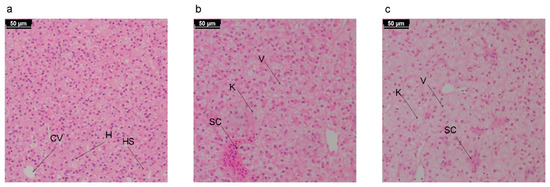
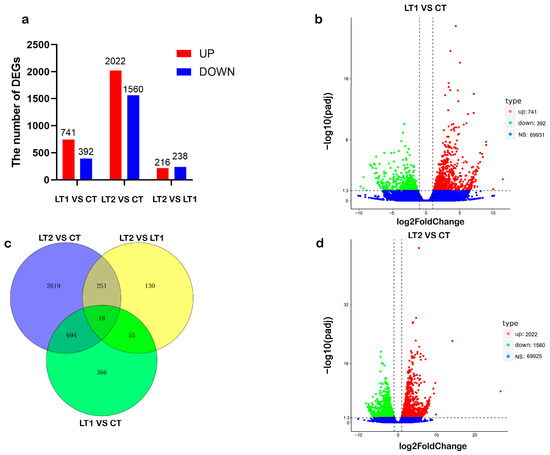
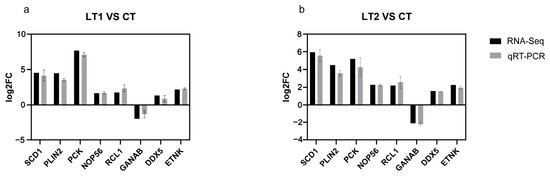
The Taiwan loach (Paramisgurnus dabryanus ssp. Taiwan) is a popular cultured fish in southern China due to its rich nutritional content and rapid growth. Oxidative stress and homeostatic imbalance induced by low temperature are among the key factors restricting its large-scale aquaculture. Therefore, it is of great significance to investigate the oxidative stress damage and the adaptive mechanisms employed by this species in response to low temperature. In this study, the water temperature was lowered from 24 °C to 8 °C at a rate of 2 °C/h. Afterwards, the temperature was held at 8 °C for two durations: 12 h and 48 h. Antioxidant indices indicated that the Taiwan loach suffered from oxidative stress damage at the 12 h stage, but the antioxidant enzyme defense system was not fully activated. As the cold stress extended to 48 h, the activities of total superoxide dismutase (T-SOD), glutathione peroxidase (GSH-Px) and catalase (CAT) increased significantly (p < 0.01). Histological observations revealed that the livers exhibited cellular vacuolation, sinusoid congestion and karyolysis under cold stress. Transcriptomic data revealed that the Taiwan loach underwent adaptive alterations in response to low temperature through diverse pathways. We speculate that, at low temperature, the Taiwan loach may, on the one hand, regulate lipid metabolism to maintain cell membrane fluidity and meet energy demands, and, on the other hand, reprogram protein synthesis and processing to avert the overaccumulation of misfolded proteins. In addition, it also adopts a strategy of lysine and polyamine accumulation. This study provides a novel theoretical basis for breeding cold-tolerant varieties of Taiwan loach and optimizing overwintering aquaculture management.
Full article
(This article belongs to the Special Issue Oxidative Stress and Antioxidant Defenses in Aquatic Animals)
►▼
Show Figures

Figure 1
Journal Menu
► ▼ Journal Menu-
- Antioxidants Home
- Aims & Scope
- Editorial Board
- Reviewer Board
- Topical Advisory Panel
- Early Career Editorial Board
- Instructions for Authors
- Special Issues
- Topics
- Sections & Collections
- Article Processing Charge
- Indexing & Archiving
- Editor’s Choice Articles
- Most Cited & Viewed
- Journal Statistics
- Journal History
- Journal Awards
- Society Collaborations
- Conferences
- Editorial Office
Journal Browser
► ▼ Journal BrowserHighly Accessed Articles
Latest Books
E-Mail Alert
News
17 August 2026
Meet Us at the Aquaculture Europe 2026, 28 September–1 October 2026, Ljubljana, Slovenia
5 August 2026
MDPI INSIGHTS: The CEO’s Letter #37 – Canada Summit, Sciforum Relaunch, 30 Years of Impactful Research & ISPRS 2026
Topics
Topic in
Animals, Antioxidants, Fishes, Biology
Immunology and Disease Prevention and Control in Aquatic Animals
Topic Editors: Hongliang Zuo, Jiejie Sun, Linwei YangDeadline: 31 August 2026
Topic in
Animals, Antioxidants, Metabolites, Pets, Veterinary Sciences
Research on Companion Animal Nutrition
Topic Editors: Baichuan Deng, Lian Li, Yun JiDeadline: 26 October 2026
Topic in
Antioxidants, Biomedicines, Biomolecules, Cells, IJMS, Metabolites, Nutrients, Sci
Muscle Aging and Sarcopenia: Mechanisms, Metabolic Regulation, and Intervention Strategies
Topic Editors: Hélio José Coelho Júnior, Mariam El Assar, Javier AnguloDeadline: 15 December 2026
Topic in
Antioxidants, Biomolecules, Nutraceuticals, Nutrients, Foods, Sci. Pharm., Pharmaceuticals
Functional Foods and Nutraceuticals in Health and Disease
Topic Editors: Srinivas Nammi, Dennis ChangDeadline: 20 December 2026
Conferences
Special Issues
Special Issue in
Antioxidants
Antioxidant Systems in Plants
Guest Editors: Francisco Espinosa Borreguero, Ilda Jesús Casimiro Felicio, Inmaculada Garrido CarballoDeadline: 30 August 2026
Special Issue in
Antioxidants
Novel Strategies for Oxidative Stress Management: Dietary Interventions for Liver and Gut Health
Guest Editors: Antonio Cilla, Mussa MakranDeadline: 30 August 2026
Special Issue in
Antioxidants
Phenolic Compounds from Novel Natural Sources and Fermented Foods
Guest Editors: Harris Papapostolou, Maria AlexandriDeadline: 30 August 2026
Special Issue in
Antioxidants
Carotenoids in Health and Disease
Guest Editor: Kazutoshi ShindoDeadline: 30 August 2026
Topical Collections
Topical Collection in
Antioxidants
Advances in Antioxidant Ingredients from Natural Products
Collection Editors: Carla Susana Correia Pereira, Lillian Barros