Journal Description
Antioxidants
Antioxidants
is an international, peer-reviewed, open access journal related to the science and technology of antioxidants, published monthly online by MDPI. The International Coenzyme Q10 Association (ICQ10A), Israel Society for Oxygen and Free Radical Research (ISOFRR) and European Academy for Molecular Hydrogen Research (EAMHR) are affiliated with Antioxidants and their members receive discounts on the article processing charge.
- Open Access— free for readers, with article processing charges (APC) paid by authors or their institutions.
- High Visibility: indexed within Scopus, SCIE (Web of Science), PubMed, PMC, FSTA, PubAg, CAPlus / SciFinder, and other databases.
- Journal Rank: JCR - Q1 (Chemistry, Medicinal) / CiteScore - Q1 (Clinical Biochemistry)
- Rapid Publication: manuscripts are peer-reviewed and a first decision is provided to authors approximately 18.7 days after submission; acceptance to publication is undertaken in 2.9 days (median values for papers published in this journal in the first half of 2026).
- Recognition of Reviewers: reviewers who provide timely, thorough peer-review reports receive vouchers entitling them to a discount on the APC of their next publication in any MDPI journal, in appreciation of the work done.
- Testimonials: See what our editors and authors say about Antioxidants.
- Companion journal: Oxygen.
Impact Factor:
8.2 (2025);
5-Year Impact Factor:
8.5 (2025)
Latest Articles
Red Cell Distribution Width as an Independent Prognostic Biomarker in MASLD
Antioxidants 2026, 15(9), 1065; https://doi.org/10.3390/antiox15091065 - 25 Aug 2026
Abstract
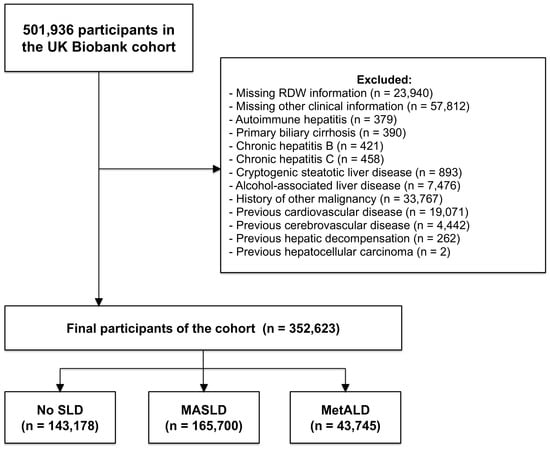
Metabolic dysfunction-associated steatotic liver disease (MASLD) requires practical and inexpensive tools for risk stratification. We investigated whether the red cell distribution width (RDW), a routinely available hematologic parameter, predicts adverse clinical outcomes, using data from 352,623 UK Biobank participants, including 165,700 individuals with
[...] Read more.
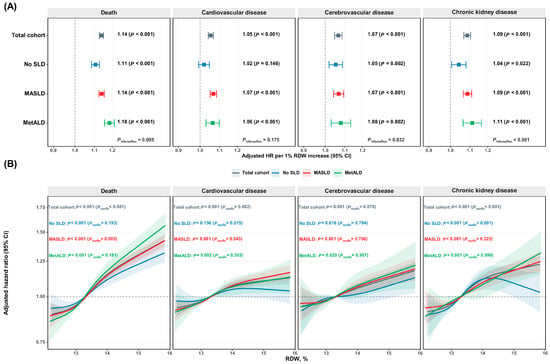
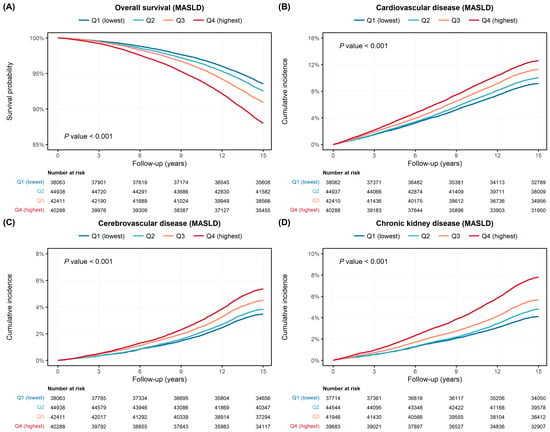
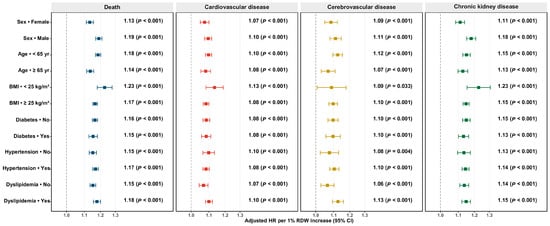
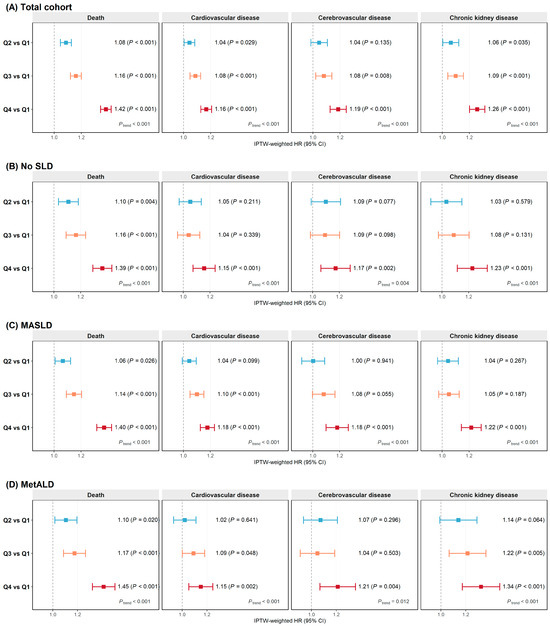
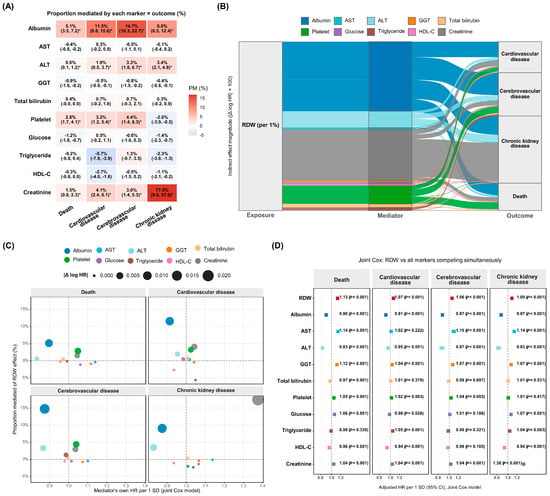
Metabolic dysfunction-associated steatotic liver disease (MASLD) requires practical and inexpensive tools for risk stratification. We investigated whether the red cell distribution width (RDW), a routinely available hematologic parameter, predicts adverse clinical outcomes, using data from 352,623 UK Biobank participants, including 165,700 individuals with MASLD. RDW was analyzed as both a continuous and categorical variable using Cox proportional hazards models, restricted cubic splines, inverse probability treatment weighting, landmark, competing risk, and mediation analyses. Over a median follow-up of 13.6 years, each 1% increase in RDW was independently associated with higher risks of all-cause mortality (hazard ratio [HR] 1.14), cardiovascular disease (HR 1.07), cerebrovascular disease (HR 1.07), and chronic kidney disease (HR 1.09) (all p < 0.001). These associations remained consistent across multiple sensitivity analyses, and conventional biomarkers explained a modest proportion of the observed associations. Oxidative stress, together with other systemic processes affecting erythrocyte homeostasis, represents one potential mechanism underlying these associations. Higher RDW was independently associated with adverse clinical outcomes after adjustment for routine liver and metabolic biomarkers, supporting its potential value as a readily available prognostic marker in MASLD.
Full article
(This article belongs to the Special Issue Metabolic Dysfunction and Oxidative Stress)
►
Show Figures
Open AccessArticle
Mechanism of Cu(II) Detoxification by Ergothioneine: Reduction and Formation of Stable Cu(I) Complexes
by
Yuri P. Tsentalovich, Nataliya A. Osik, Maxim V. Fomenko, Nikita A. Dmitriev and Vadim V. Yanshole
Antioxidants 2026, 15(9), 1064; https://doi.org/10.3390/antiox15091064 - 25 Aug 2026
Abstract
Ergothioneine (ESH) is one of the most abundant antioxidants in the human body, but its biological functions remain unclear. In this work, we elucidated the detailed mechanism of the deactivation of divalent copper ions Cu(II) by ESH using optical spectroscopy, NMR, and LC-MS.
[...] Read more.
Ergothioneine (ESH) is one of the most abundant antioxidants in the human body, but its biological functions remain unclear. In this work, we elucidated the detailed mechanism of the deactivation of divalent copper ions Cu(II) by ESH using optical spectroscopy, NMR, and LC-MS. We found that the reduction of Cu(II) ions to Cu(I) by ESH occurs in a bimolecular reaction of CuII(ES−)2 complexes, leading to the formation of the disulfide ESSE. Cu(I) ions remain bound in stable complexes with ESH, preventing their reactions with molecular oxygen. Over longer timescales, ESSE decomposes, regenerating reduced ESH and forming the final reaction product, hercynine (EH). The conversion of one ESH molecule to EH causes the reduction of four Cu(II) ions. We determined the rate constants of the bimolecular reaction between CuII(ES−)2 complexes to be k3 = (8 ± 4) × 104 M−1s−1 and of ESSE hydrolysis to be k4 = (1.7 ± 0.4) × 10−5 s−1 and also estimated the formation constant K12 ≈ 1.2 × 10¹⁷ M−2 for the CuII(ES−)2 complex. The high efficiency of Cu(II) reduction and the chelation of the resulting Cu(I) ions in a stable complex supports the hypothesis that protecting cells from oxidation by metal ions is likely one of the main functions of ESH.
Full article
Open AccessArticle
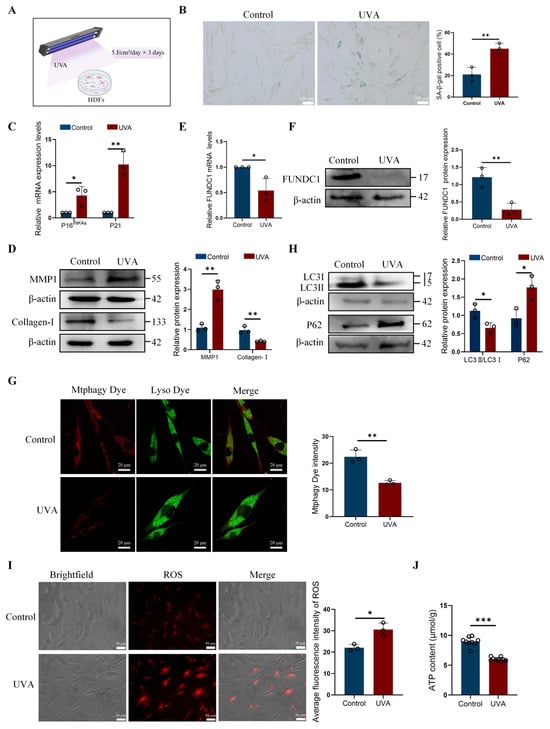
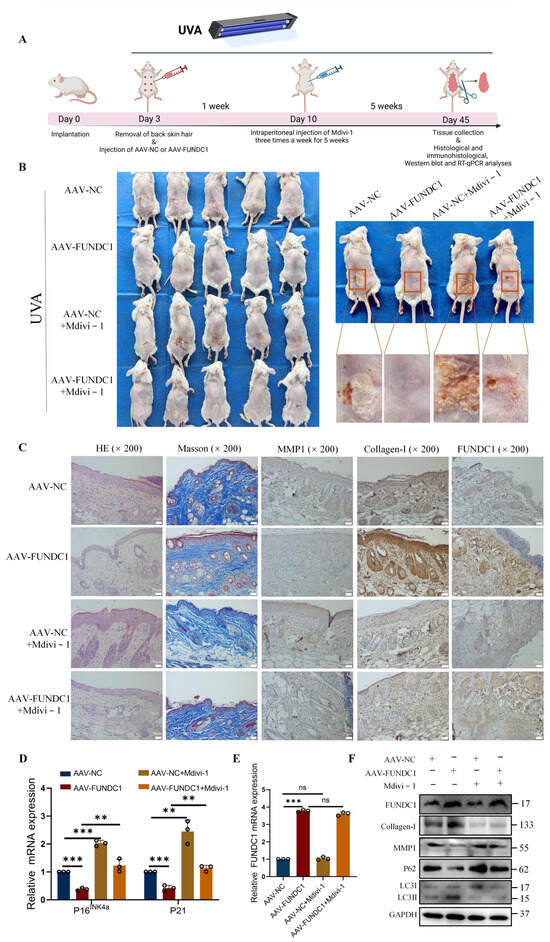
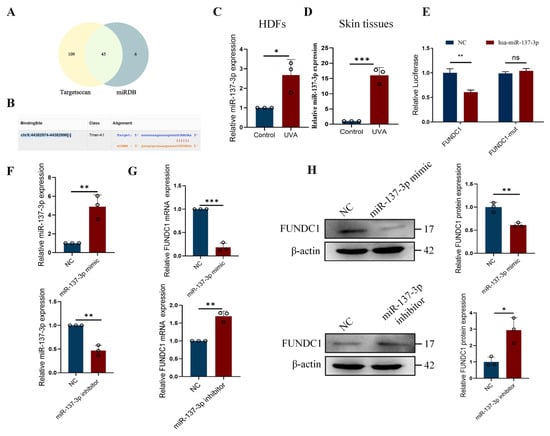
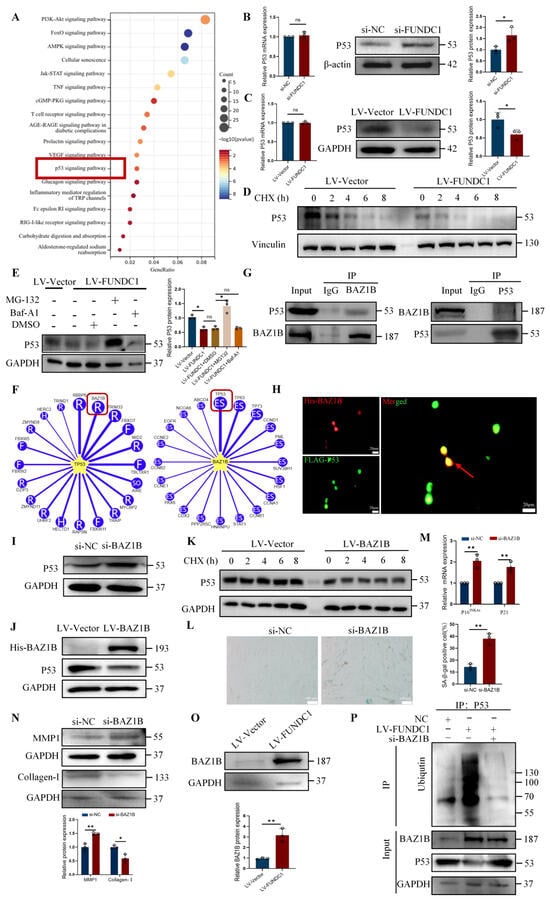
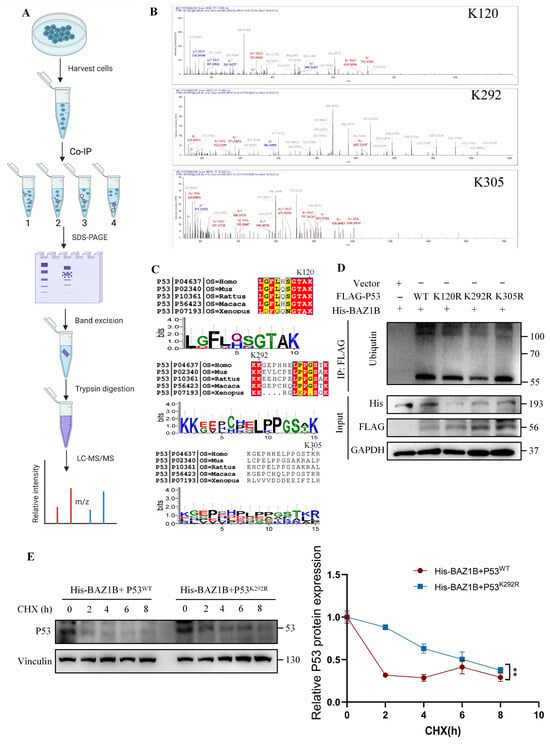
FUNDC1 Attenuates UVA-Induced Skin Photoaging by Regulating Mitophagy and P53 Stability
by
Chang Zhang, Menghui Hou, Nan Wang, Yiqiong Liang, Qianhui Ma, Minghe Li, Yixiao Zhang, Haiying Zhang, Yingai Shi, Huimei Yu and Xu He
Antioxidants 2026, 15(9), 1063; https://doi.org/10.3390/antiox15091063 - 25 Aug 2026
Abstract
►▼
Show Figures
Skin photoaging resulting from chronic ultraviolet A (UVA) exposure is closely associated with mitochondrial dysfunction and impaired cellular homeostasis. Mitophagy is an important mitochondrial quality control process, but the role of FUNDC1-associated mitophagy-related activity in skin photoaging remains incompletely understood. Here, we investigated
[...] Read more.
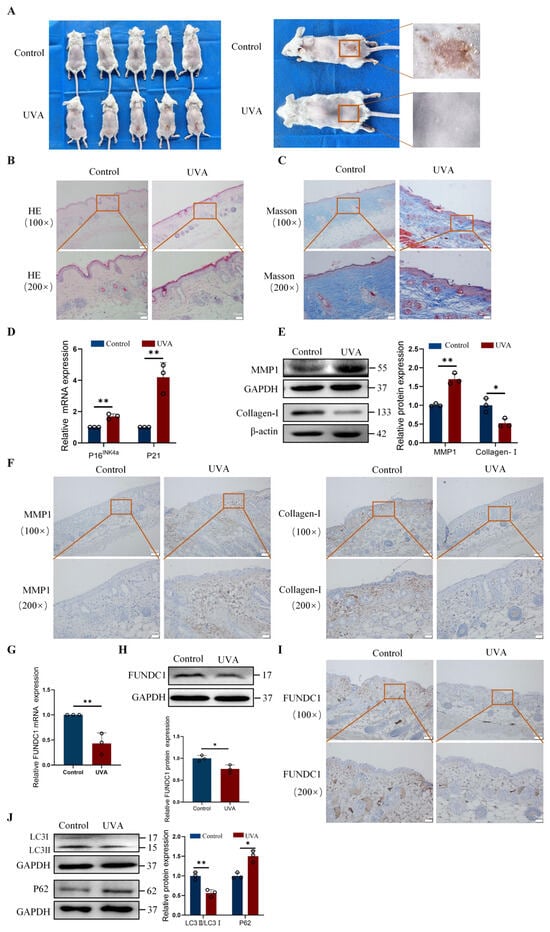
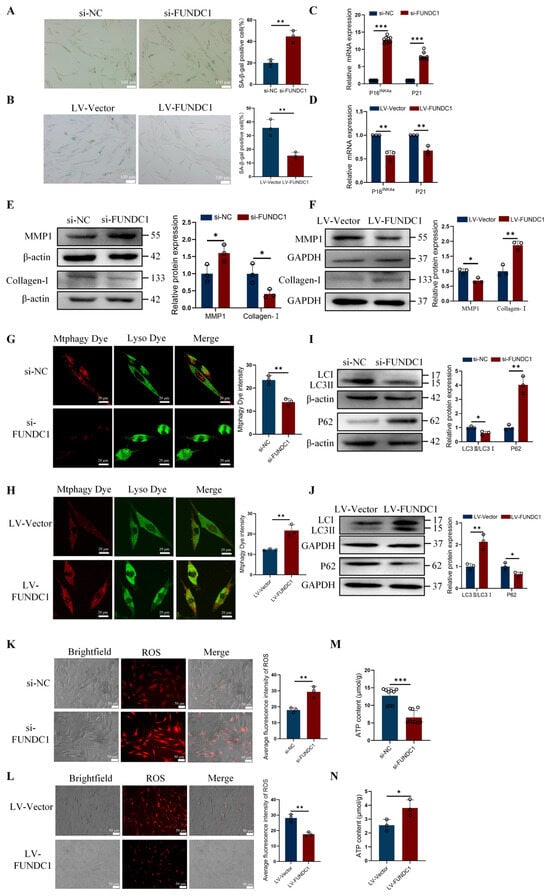
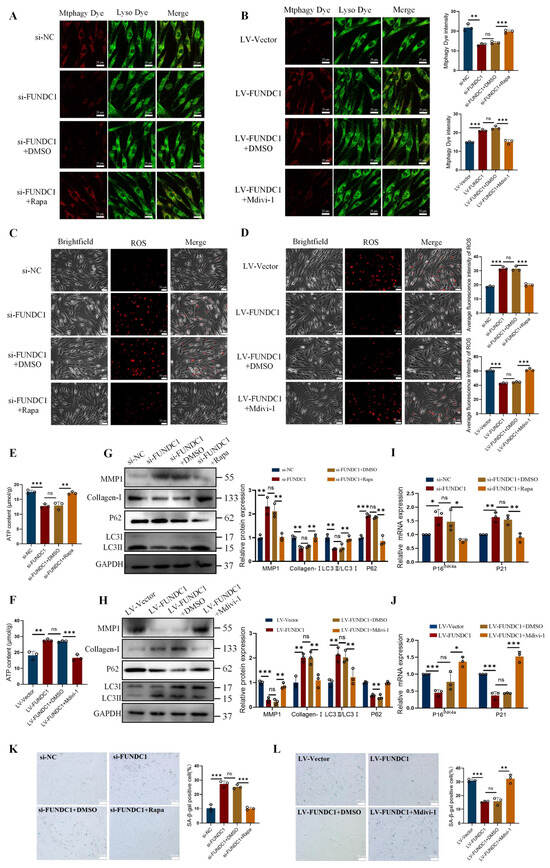
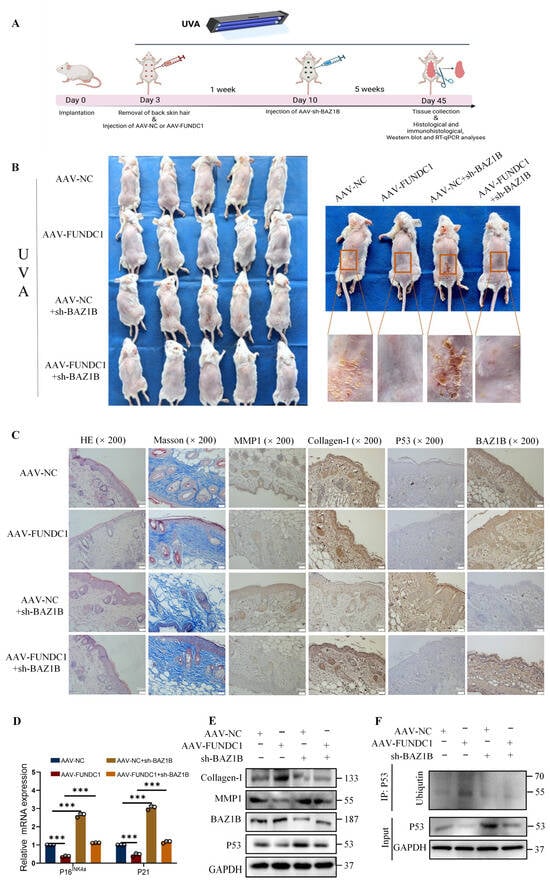
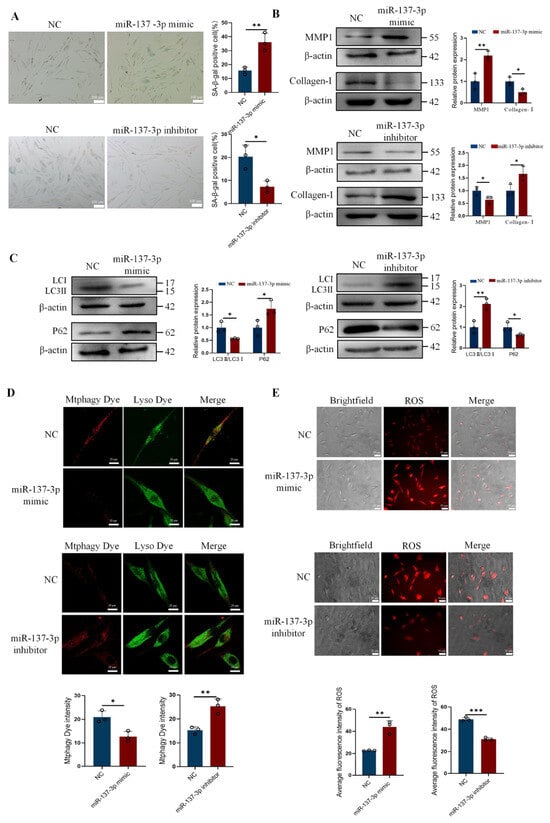
Skin photoaging resulting from chronic ultraviolet A (UVA) exposure is closely associated with mitochondrial dysfunction and impaired cellular homeostasis. Mitophagy is an important mitochondrial quality control process, but the role of FUNDC1-associated mitophagy-related activity in skin photoaging remains incompletely understood. Here, we investigated the function and regulatory mechanisms of FUNDC1 in UVA-induced photoaging models. FUNDC1 expression was reduced in UVA-exposed human dermal fibroblasts (HDFs) and in photoaged mouse skin. FUNDC1 knockdown aggravated photoaging-associated phenotypes, mitochondrial dysfunction, and altered autophagy/mitophagy-related activity, whereas FUNDC1 overexpression attenuated these changes in vitro and in vivo. Pharmacological modulation further showed that Rapa partially counteracted FUNDC1 knockdown-associated effects, while Mdivi-1 weakened the protective effects associated with FUNDC1 overexpression, supporting the involvement of mitophagy-related mitochondrial quality control. Mechanistically, miR-137-3p was upregulated during UVA-induced photoaging and negatively regulated FUNDC1 expression through the predicted FUNDC1 3′UTR binding site. In addition, FUNDC1 was concerned with proteasome-dependent regulation of P53 protein stability. BAZ1B was identified as a candidate P53-associated ubiquitination regulator that participated in FUNDC1-associated regulation of P53 ubiquitination and stability. LC-MS/MS analysis combined with site-directed mutagenesis further manifested that P53 K292 was a major ubiquitination site involved in BAZ1B-associated regulation of P53 stability. In vivo, BAZ1B knockdown attenuated FUNDC1-associated protection against UVA-induced skin photoaging and reduced P53 ubiquitination. Collectively, these findings indicate that FUNDC1 can attenuate UVA-induced skin photoaging by preserving mitophagy-related mitochondrial homeostasis and modulating BAZ1B-associated P53 stability, with miR-137-3p acting as an upstream negative regulator of FUNDC1.
Full article

Figure 1
Open AccessArticle
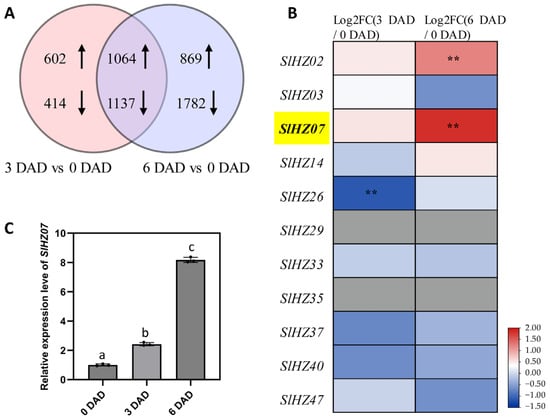
The HD-Zip II Transcription Factor SlHZ07 Promotes Growth and Drought Tolerance in Tomato
by
Shuchao Dong, Jiaxin Li, Jingwen Zhang, Liuxia Song, Yinlei Wang, Liping Zhao, Jie Chen, Yariv Brotman, Junming Li and Tongmin Zhao
Antioxidants 2026, 15(9), 1062; https://doi.org/10.3390/antiox15091062 - 25 Aug 2026
Abstract
►▼
Show Figures
Drought is one of the major environmental constraints limiting tomato growth and productivity. Identifying regulators that enhance drought tolerance without compromising plant growth is therefore important for tomato production. Homeodomain-leucine zipper (HD-Zip) transcription factors (TFs) play essential roles in plant development and abiotic
[...] Read more.
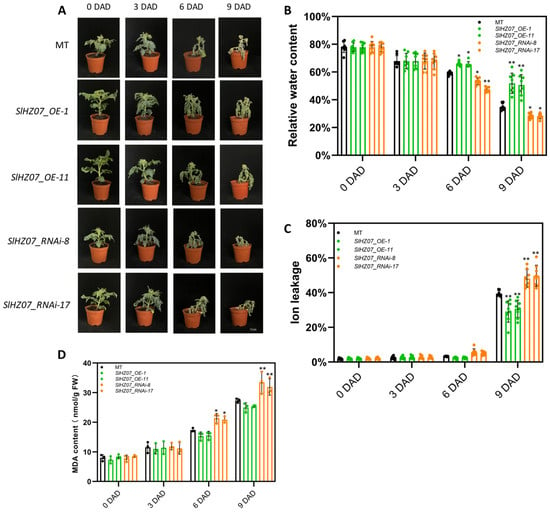
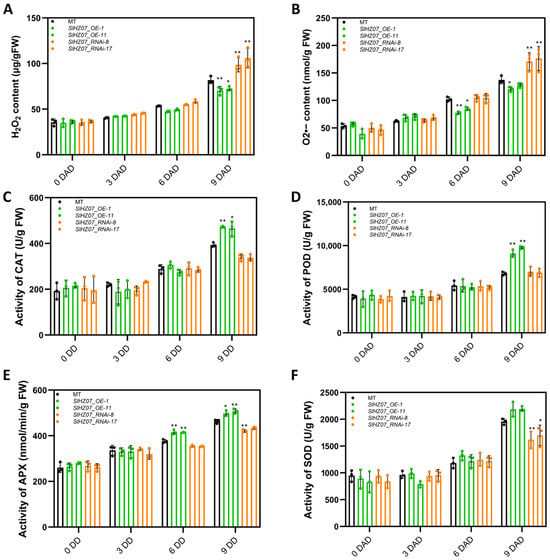
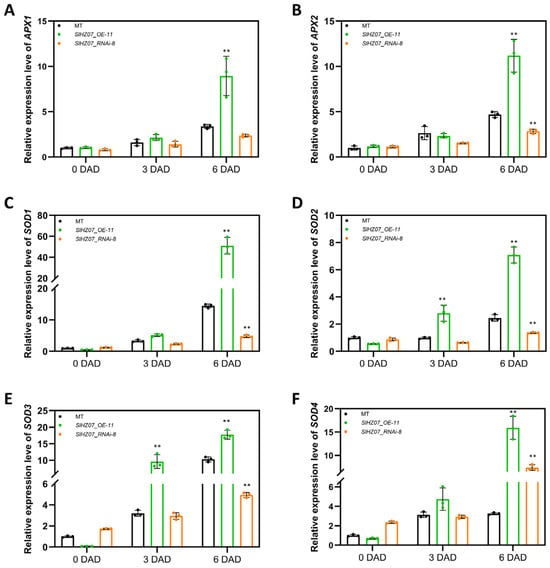
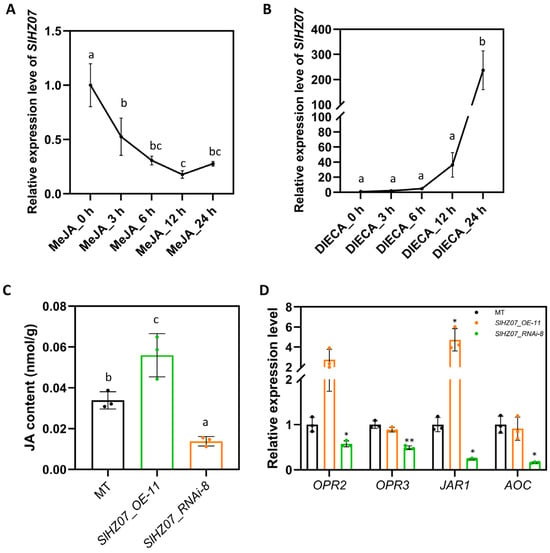
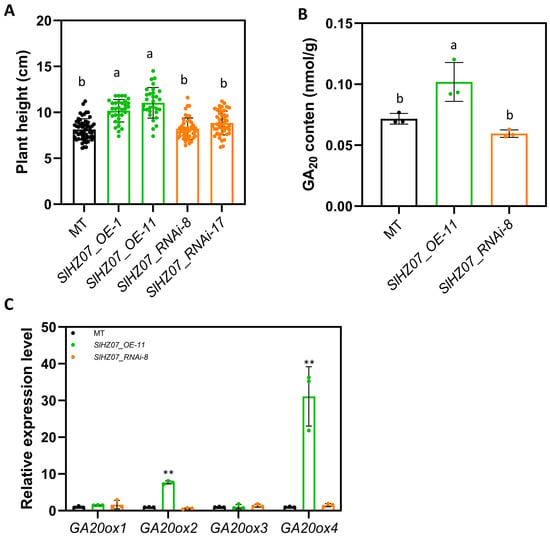
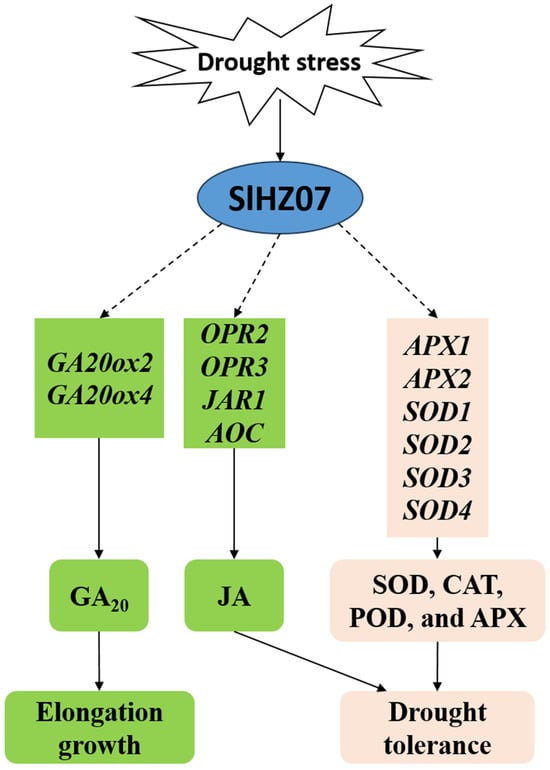
Drought is one of the major environmental constraints limiting tomato growth and productivity. Identifying regulators that enhance drought tolerance without compromising plant growth is therefore important for tomato production. Homeodomain-leucine zipper (HD-Zip) transcription factors (TFs) play essential roles in plant development and abiotic stress responses; however, the functions of most HD-Zip II members in tomato remain poorly understood. Here, we identified SlHZ07, a drought-responsive HD-Zip II TF, through transcriptome analysis and characterized its biological function in tomato. SlHZ07 was rapidly induced by drought stress and localized predominantly to the nucleus. Overexpression of SlHZ07 significantly enhanced drought tolerance, whereas RNAi-mediated suppression increased drought sensitivity. Physiological analyses showed that SlHZ07 overexpression reduced reactive oxygen species (ROS) accumulation, enhanced antioxidant enzyme activities, upregulated expression of ROS-scavenging genes, and alleviated membrane damage under drought stress. Hormone analyses revealed that SlHZ07 positively regulated jasmonic acid (JA) accumulation and the expression of JA biosynthetic genes, including OPR2, OPR3, JAR1, and AOC, but did not alter endogenous abscisic acid (ABA) levels under well-watered conditions. Furthermore, SlHZ07 promoted vegetative growth by increasing endogenous gibberellin (GA) levels and upregulating the expression of the GA biosynthetic genes GA20ox2 and GA20ox4. Together, our findings identify SlHZ07 as a previously uncharacterized positive regulator that coordinates plant growth and drought adaptation by integrating GA biosynthesis, JA homeostasis, and ROS detoxification. These results expand our understanding of HD-Zip II TFs and provide a promising genetic target for improving drought tolerance in tomato.
Full article

Figure 1
Open AccessReview
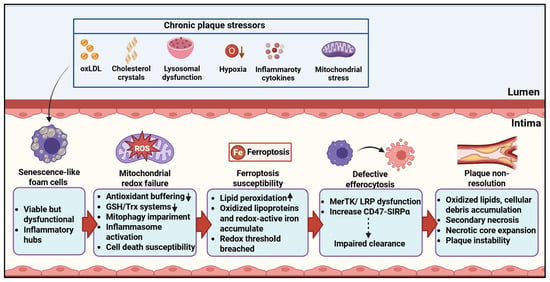
Mitochondrial Redox Failure Links Senescence-like Foam Cell Stress to Ferroptosis and Plaque Non-Resolution in Atherosclerosis
by
Phyu Phyu Khin, Hla Myat Mo Mo and Cuk-Seong Kim
Antioxidants 2026, 15(9), 1061; https://doi.org/10.3390/antiox15091061 - 25 Aug 2026
Abstract
Foam cells are central to atherosclerotic plaque development, but their pathological significance in advanced lesions extends beyond lipid accumulation. Under chronic exposure to oxidized lipoproteins, cholesterol crystals, inflammatory cytokines, hypoxia, lysosomal stress, and mitochondrial injury, lipid-loaded foam cells of macrophage and vascular smooth
[...] Read more.
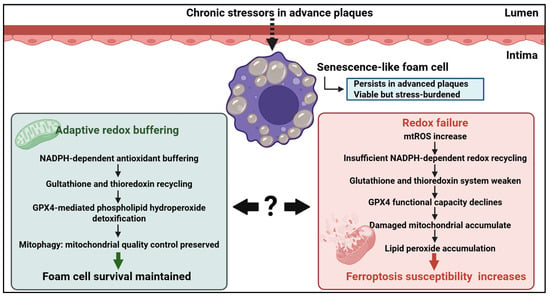
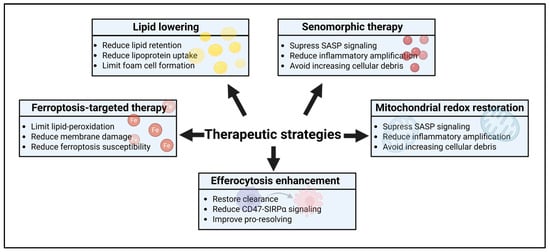
Foam cells are central to atherosclerotic plaque development, but their pathological significance in advanced lesions extends beyond lipid accumulation. Under chronic exposure to oxidized lipoproteins, cholesterol crystals, inflammatory cytokines, hypoxia, lysosomal stress, and mitochondrial injury, lipid-loaded foam cells of macrophage and vascular smooth muscle cell (VSMC) origin may acquire maladaptive stress phenotypes. In this focused review, we propose a redox-threshold model, defined as the transition point at which mitochondrial antioxidant and metabolic buffering capacity is exceeded, allowing lipid peroxide accumulation to shift senescence-like foam cells toward ferroptosis susceptibility and defective plaque resolution. Progressive mitochondrial reactive oxygen species (ROS) accumulation, impaired NADPH-dependent antioxidant buffering, defective glutathione and thioredoxin recycling, mitophagy impairment, and reduced GPX4-mediated lipid peroxide detoxification may converge to promote iron-dependent lipid peroxidation. If lipid-peroxidized or dying foam cells are not efficiently cleared, oxidized lipids, cellular debris, and inflammatory signals accumulate, promoting secondary necrosis, necrotic core expansion, plaque non-resolution, and instability. We explicitly distinguish established processes from mechanistically supported inferences and hypothesis-generating links, emphasizing that the complete senescence-like stress-to-ferroptosis-to-non-resolution sequence remains a testable framework rather than an established linear pathway. This focused framework suggests that advanced plaque stabilization may require strategies that preserve mitochondrial redox resilience, limit ferroptotic lipid peroxidation, and enhance efferocytosis-mediated resolution.
Full article
(This article belongs to the Special Issue Editorial Board Members’ Collection Series: Advances in Redox-Tools and Therapies in Cardiovascular Disease)
►▼
Show Figures

Figure 1
Open AccessArticle
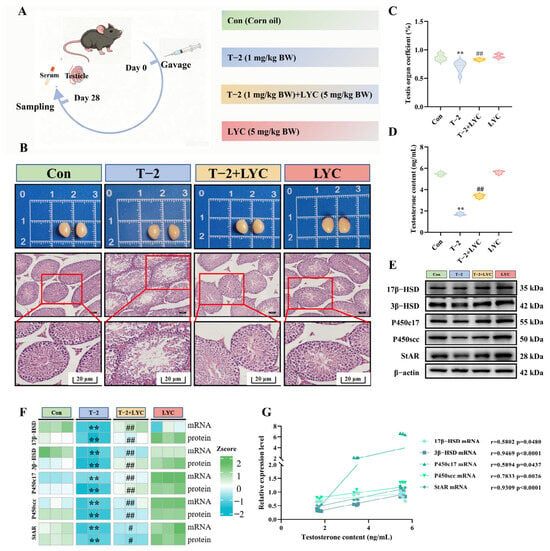
Lycopene Alleviates T-2 Toxin-Induced Testosterone Synthesis Disorder by Inhibiting ROS/p38/TORC2/CREB Axis
by
Xu Yang, Hui Tang, Fengjuan Chen, Zeao Hua, Binbin Luo, Yanfei Li, Gongyi Chen and Cong Zhang
Antioxidants 2026, 15(9), 1060; https://doi.org/10.3390/antiox15091060 - 25 Aug 2026
Abstract
T-2 toxin is a typical fusarium mycotoxin that induces reproductive injury. As a male reproductive toxicant, impaired testosterone biosynthesis is the primary reproductive toxic effect induced by T-2 toxin. Therefore, clarifying how T-2 toxin disrupts testosterone synthesis at the molecular level and screening
[...] Read more.
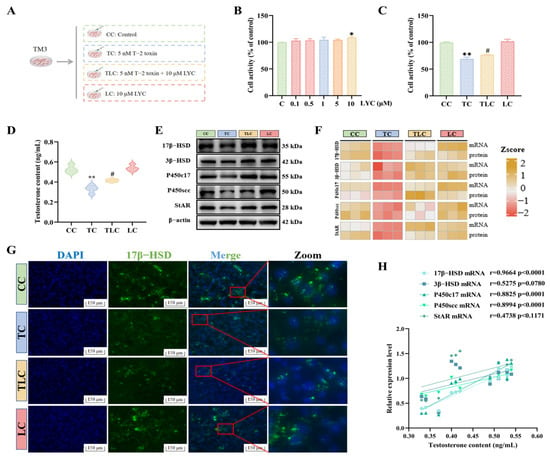
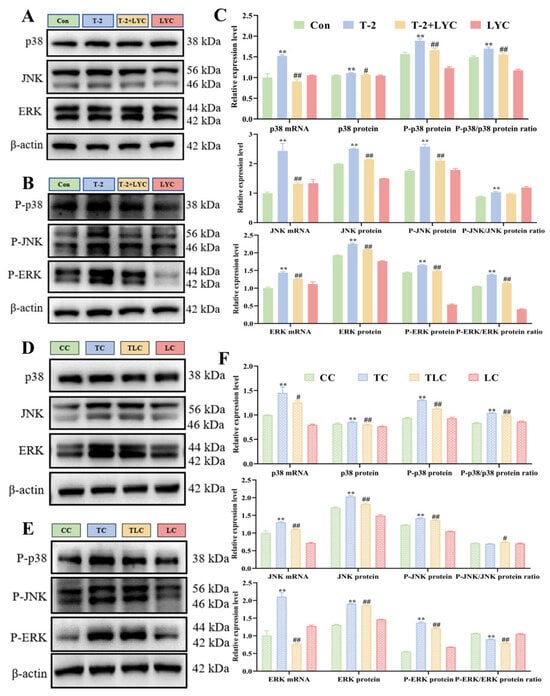
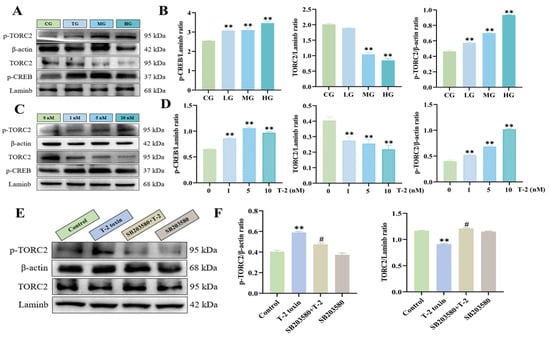
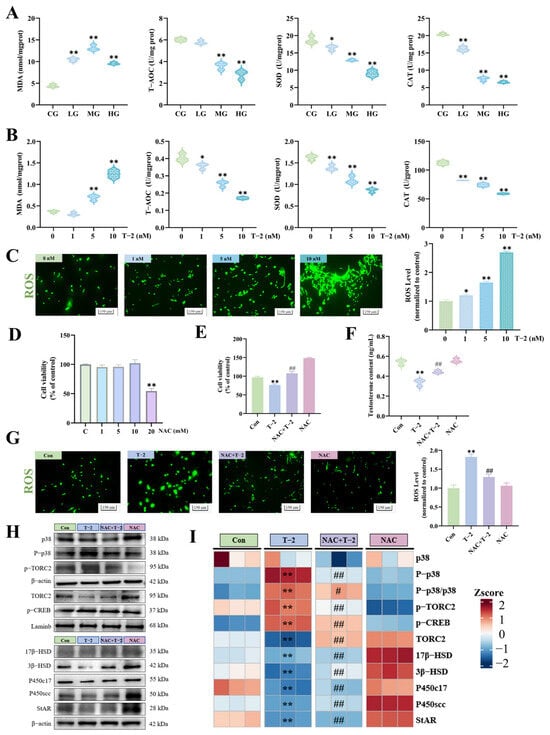
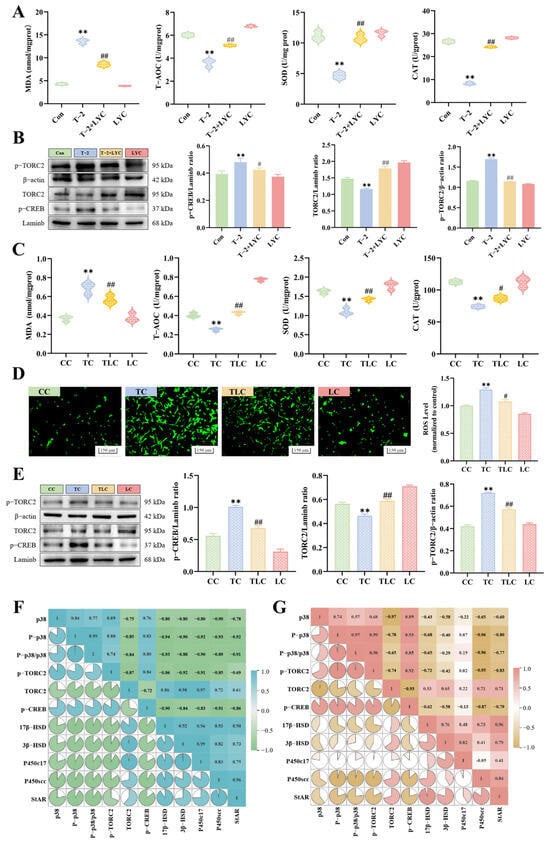
T-2 toxin is a typical fusarium mycotoxin that induces reproductive injury. As a male reproductive toxicant, impaired testosterone biosynthesis is the primary reproductive toxic effect induced by T-2 toxin. Therefore, clarifying how T-2 toxin disrupts testosterone synthesis at the molecular level and screening natural plant extracts that can alleviate this reproductive toxicity are of great importance. Lycopene (LYC) is a natural carotenoid known for its reproductive protective properties. Hence, this work assessed the protective efficacy and molecular mechanisms of LYC against T-2 toxin-caused testosterone synthesis disruption. Our results showed that LYC supplementation significantly alleviated testicular structural injury, restored testicular organ coefficients, and rescued serum and intracellular testosterone levels via transcriptional and translational upregulation of key steroidogenic proteins. Mechanistically, LYC suppressed T-2 toxin-triggered reactive oxygen species (ROS) accumulation, inhibited MAPK pathway activation, and prevented ROS/p38/TORC2/CREB axis activation, thereby restoring TORC2/CREB transcriptional activity and steroidogenesis. Pharmacological validation using SB203580 and NAC confirmed the central role of the ROS/p38/TORC2/CREB axis. Taken together, LYC alleviates T-2 toxin-triggered disruption of testosterone synthesis by inhibiting the ROS/p38/TORC2/CREB axis, and we identify LYC as a promising nutritional strategy against mycotoxin-caused reproductive toxicity.
Full article
(This article belongs to the Topic Mycotoxins: Contamination, Prevention and Control, Toxic Mechanisms and Detoxification Strategies)
►▼
Show Figures

Figure 1
Open AccessArticle
Alginate Oligosaccharide: A Promising Functional Additive for Growth, Intestine Function, Immunity, Antioxidation and Apoptosis Modulation in Largemouth Bass (Micropterus salmoides)
by
Hualiang Liang, Lu Zhang, Yuqun Li, Dongyu Huang, Qunlan Zhou, Xiaodu Xu, Mingchun Ren and Xiaoru Chen
Antioxidants 2026, 15(9), 1059; https://doi.org/10.3390/antiox15091059 - 25 Aug 2026
Abstract
A 56-day feeding trial was designed to investigate the effects of alginate oligosaccharide (AOS) on the growth, immune response, antioxidant activity and apoptosis pathways of largemouth bass (Micropterus salmoides). We formulated six isonitrogenous and isoenergetic diets with different concentrations of AOS
[...] Read more.
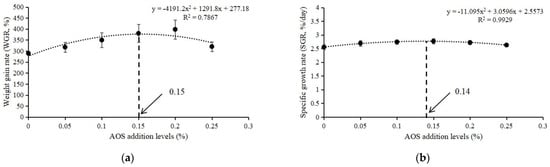
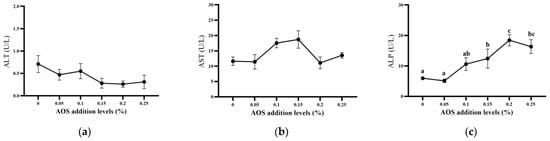
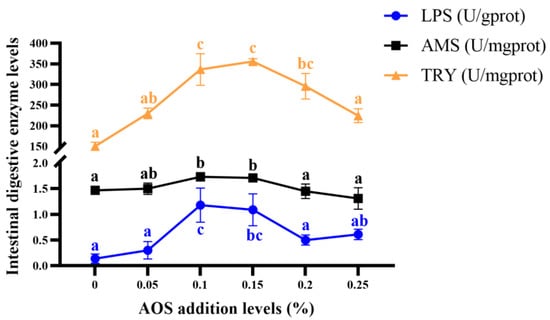
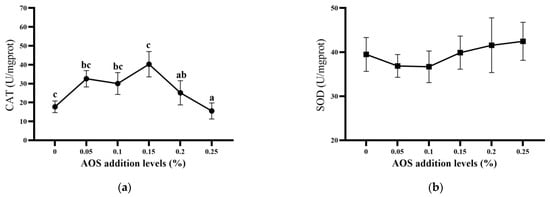
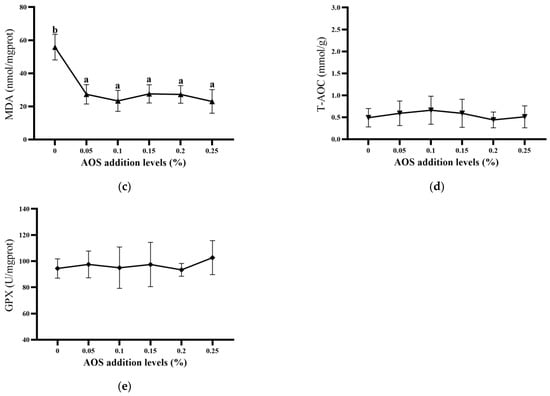
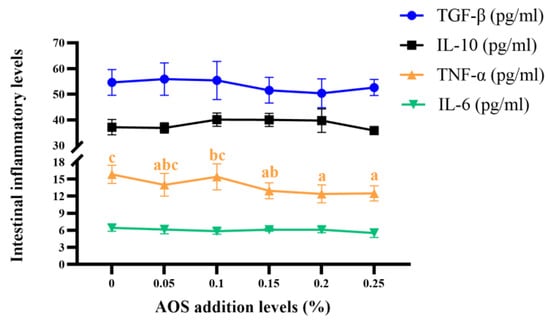
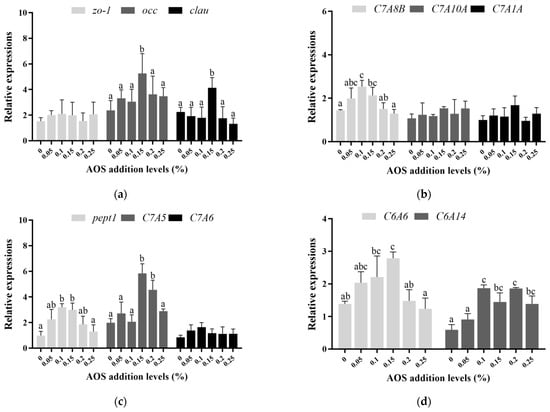
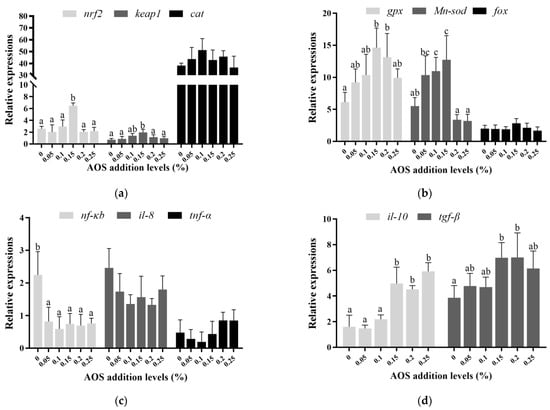
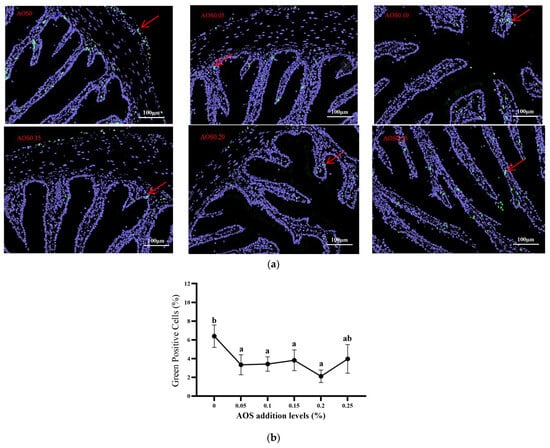
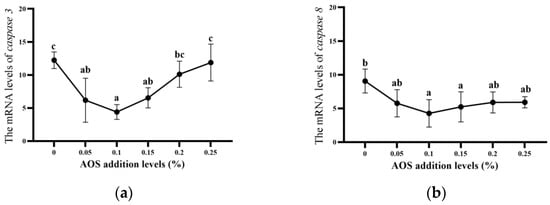
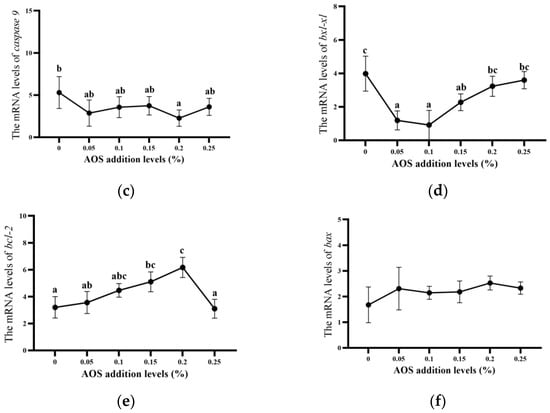
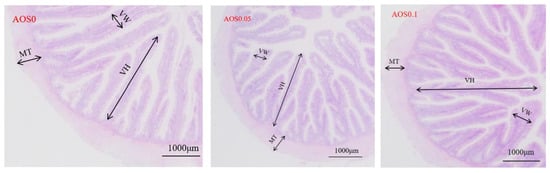
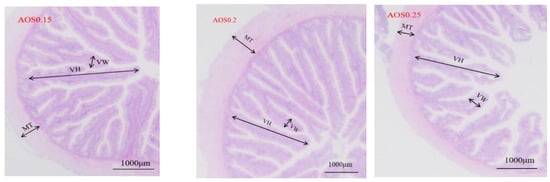
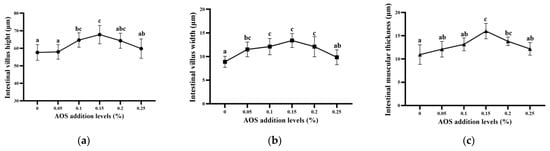
A 56-day feeding trial was designed to investigate the effects of alginate oligosaccharide (AOS) on the growth, immune response, antioxidant activity and apoptosis pathways of largemouth bass (Micropterus salmoides). We formulated six isonitrogenous and isoenergetic diets with different concentrations of AOS (0% (control), 0.05%, 0.1%, 0.15%, 0.2% and 0.25%). The results showed that the WGR of the AOS0.15–0.2 groups were markedly increased, and the FBW and SGR of the AOS0.1–0.2 groups were also markedly boosted. In addition, no significant differences were observed in FCR, SR and FI in the treatment groups. According to SGR and WG second-degree polynomial regression analysis, the optimum AOS addition level for juvenile largemouth bass was 0.14–0.15%. On the other hand, no notable differences were observed in crude protein, moisture, crude lipid or crude ash content between groups, and no notable differences were also observed in the levels of AST and ALT in the plasma between all groups. Additionally, ALP activities were considerably higher in the AOS0.15–0.25 groups. In terms of intestinal digestion and absorption function, AOS0.1 group and AOS0.15 group significantly increased the intestinal amylase and lipase activities, and A0S0.1–0.2 groups significantly increased the intestinal trypsin activities, while proper dietary supplementation with AOS significantly improved villus muscular thickness, villus height, and villus width. Furthermore, proper dietary supplementation with AOS significantly up-regulated the mRNA levels of occ, clau, C6A6, C7A5, C7A8B, C6A14 and pept1 in the intestine. No significant differences were observed in the mRNA levels of C7A6, C7A1A and C7A10A between all groups. With respect to the antioxidant and immune functions of the intestine, the analysis revealed no remarkable differences between the groups concerning SOD, GPX activity or T-AOC content in the intestine. However, a significant increase in CAT activity of the intestine was observed in the AOS0.05–0.15 groups, and MDA levels were lower in all AOS-added groups. Apart from the above, AOS0.15–0.25 groups significantly reduced intestinal TNF-α concentration. No notable differences were observed in the intestinal contents of TGF-β, IL-10 and IL-6 between all groups. Additionally, proper dietary supplementation with AOS could improve antioxidant effects and inhibit inflammation by regulating the gene expressions of the related-Nrf2 and NF-κB signaling pathway, including nrf2, keap1, Mn-sod, gpx, nf-κb, il-10 and tgf-β. There was no significant difference in the mRNA levels of cat, fox, il-8 and tnf-α. With respect to cell apoptosis in the intestine, TUNEL assay results showed that green positive cells were significantly lower in the AOS0.05–0.2 groups than the AOS0 group. Additionally, proper dietary supplementation with AOS could inhibit cell apoptosis by regulating the mRNA levels of bxl-xl, caspase 3, caspase 8, caspase 9 and bcl-2. However, there was no significant effect on the level of bax mRNA in any of the treatment groups. In summary, proper dietary supplementation with AOS exerted positive effects on growth, intestinal digestion and absorption function, immune antioxidant responses, and apoptosis pathways to a certain extent.
Full article
(This article belongs to the Special Issue Natural Antioxidants and Aquatic Animal Health—3rd Edition)
►▼
Show Figures

Figure 1

Open AccessFeature PaperArticle
Calycosin Safeguards Mitochondrial Genomic Stability and Iron Homeostasis via the NRF2/NRF1-TFAM Axis to Mitigate Doxorubicin-Induced Cardiotoxicity
by
Huan Chen, Xichen Li, Yishuang Yuan, Shuyi Wang, Changxu Xie, Ran Tian, Qianbin Sun, Tianjiao Shi, Xiaomin Yang, Dongqing Guo, Yong Wang and Qiyan Wang
Antioxidants 2026, 15(9), 1058; https://doi.org/10.3390/antiox15091058 - 25 Aug 2026
Abstract
Doxorubicin (DOX) remains a cornerstone of chemotherapy but is limited by dose-dependent doxorubicin-induced cardiotoxicity (DIC). Recent evidence suggests that mitochondrial dysfunction, particularly oxidative stress and ferroptosis, drives DIC progression. While the flavonoid Calycosin (CAL) is known for its cardioprotective properties, the precise mechanism
[...] Read more.
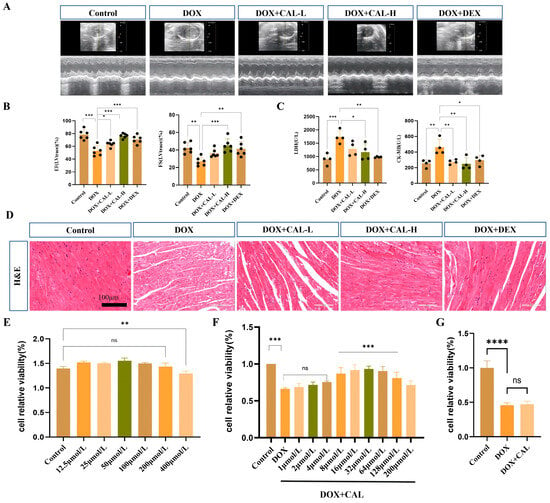
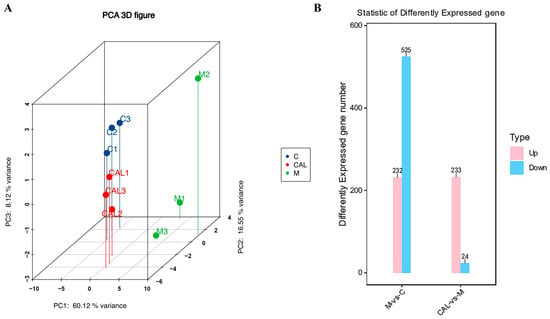
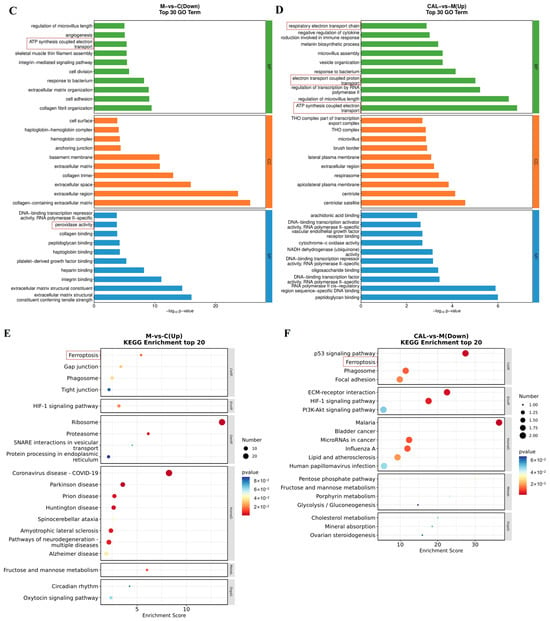
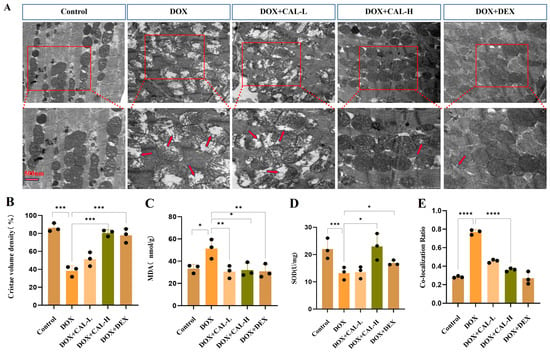
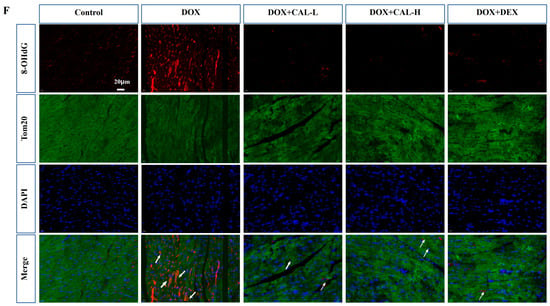
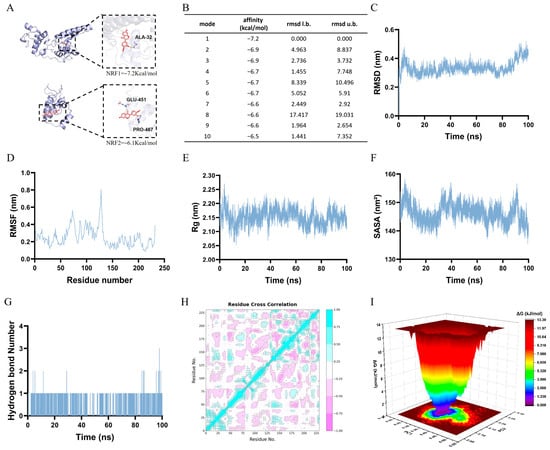
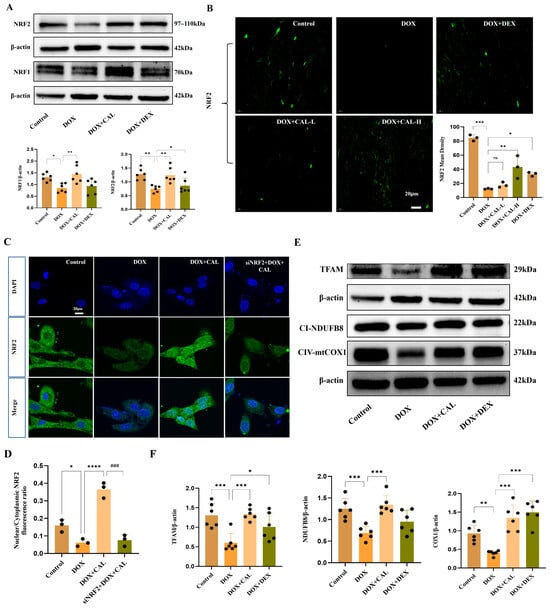
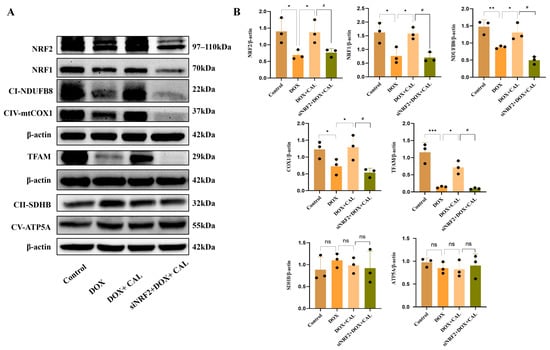
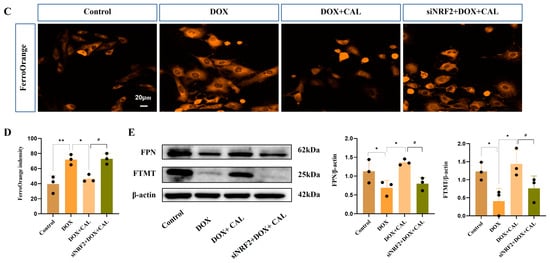
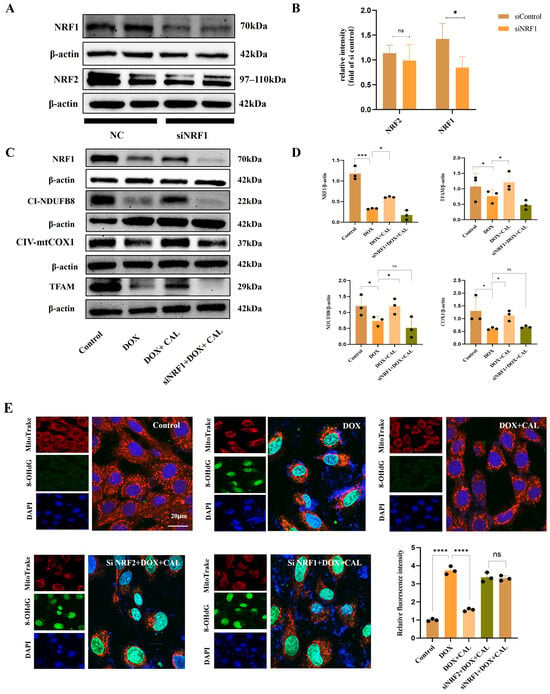
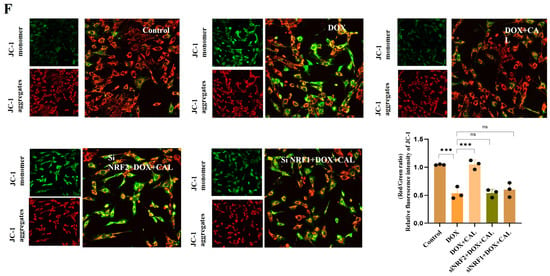
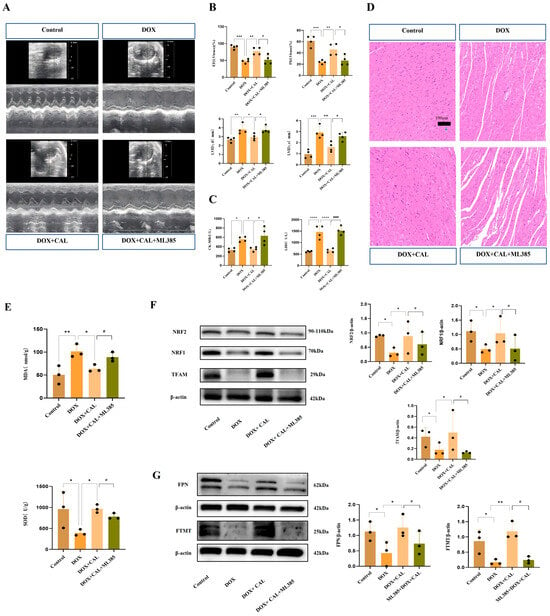
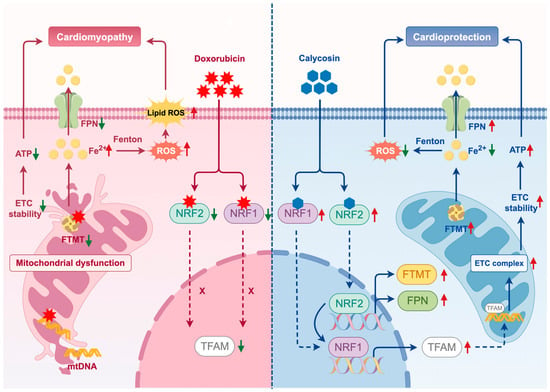
Doxorubicin (DOX) remains a cornerstone of chemotherapy but is limited by dose-dependent doxorubicin-induced cardiotoxicity (DIC). Recent evidence suggests that mitochondrial dysfunction, particularly oxidative stress and ferroptosis, drives DIC progression. While the flavonoid Calycosin (CAL) is known for its cardioprotective properties, the precise mechanism by which it maintains mitochondrial homeostasis remains elusive. This study aimed to investigate the effects of CAL against DIC and to explore the mechanisms by which CAL regulates mitochondrial integrity and iron homeostasis. Using both in vitro H9c2 cardiomyocytes and in vivo C57BL/6 mice, we demonstrate that CAL significantly restores cardiac contractility and reduces myocardial damage. Transcriptomic analysis indicated that CAL protected mitochondrial function and inhibited ferroptosis. Transmission Electron Microscopy (TEM) showed that CAL preserved mitochondrial structure. Assessments of the lipid peroxidation marker malondialdehyde (MDA) and superoxide dismutase (SOD) confirmed that CAL alleviated oxidative stress, while 8-OHdG staining verified its restoration of mitochondrial DNA integrity. Molecular docking identified the affinity of CAL with NRF2 and NRF1. CAL activated the NRF2/NRF1-TFAM axis both in vivo and in vitro, promoting mitochondrial biogenesis and respiratory function, while regulating iron homeostasis via FTMT and FPN. Knockdown or inhibition of NRF2/NRF1 abolished these protective effects of CAL. Our findings suggest that CAL acts as a dual-regulator of mitochondrial transcriptional machinery and iron metabolism, offering a novel therapeutic strategy to safeguard mitochondria against ferroptosis.
Full article
(This article belongs to the Special Issue Bioactive Compounds from Natural Sources with Antioxidant and Anti-Inflammatory Potential)
►▼
Show Figures

Figure 1
Open AccessArticle
Identification and In Silico Selection of Novel Antioxidant Peptides from Asian Swamp Eel Bone: Quantum Chemical Calculations, Molecular Docking, and Zebrafish Model Validation
by
Xiao Wang, Jianan Zhang, Bingjie Chen, Xinlu Wang, Khushwant S. Bhullar, Yan Yang, Hongru Liu, Lan Wang, Chenggang Cai and Wenzong Zhou
Antioxidants 2026, 15(9), 1057; https://doi.org/10.3390/antiox15091057 - 24 Aug 2026
Abstract
►▼
Show Figures
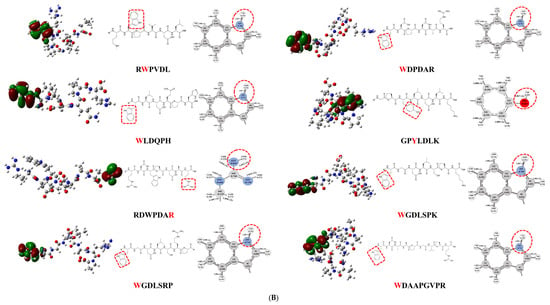
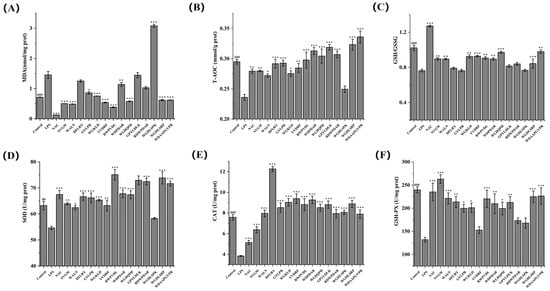
Fourteen novel antioxidant peptides were screened from the enzymatic hydrolysates of Asian swamp eel bone (ASEB) through an in silico analysis. Their ABTS and ORAC radical scavenging capacities were 1.70–4.29-fold and 2.79–5.90-fold higher than those of Trolox, respectively. Additionally, two novel peptide sequences
[...] Read more.
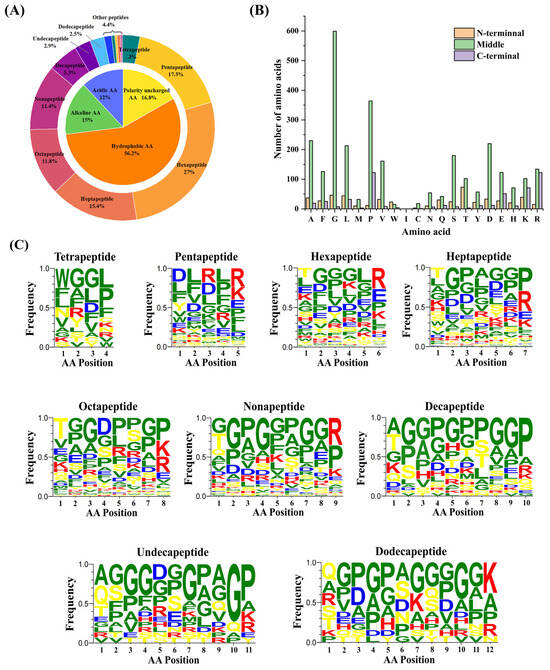
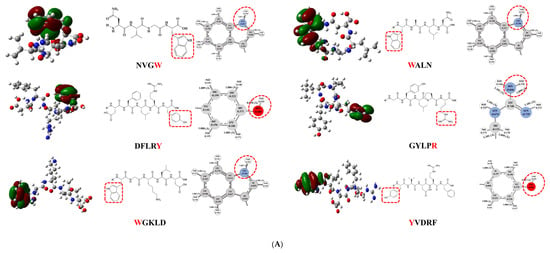
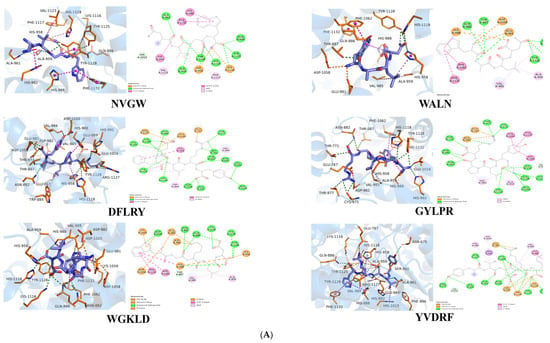
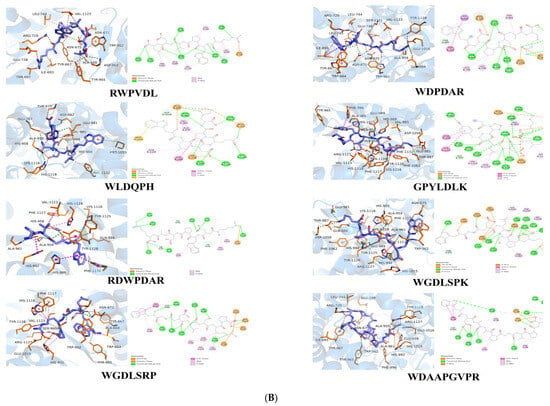
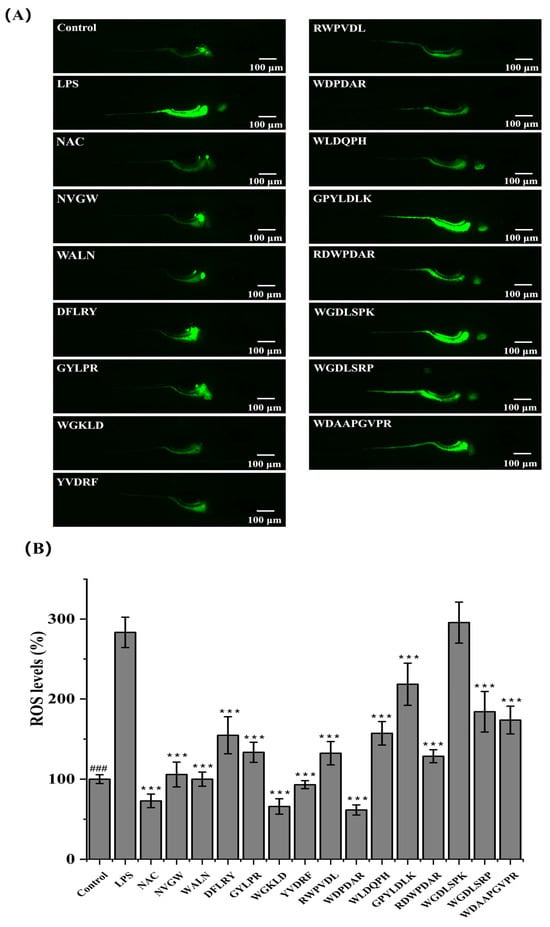
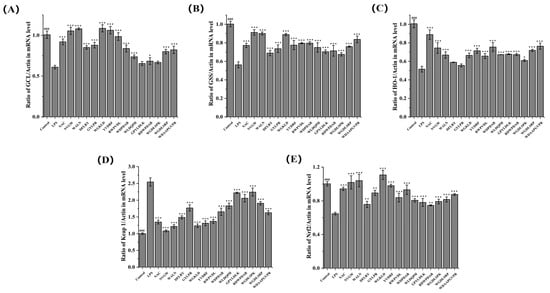
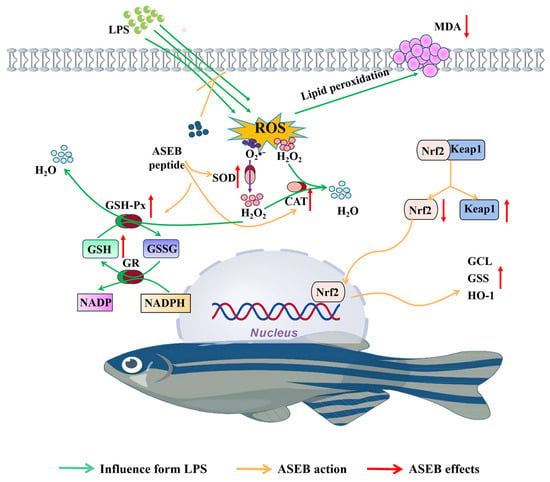
Fourteen novel antioxidant peptides were screened from the enzymatic hydrolysates of Asian swamp eel bone (ASEB) through an in silico analysis. Their ABTS and ORAC radical scavenging capacities were 1.70–4.29-fold and 2.79–5.90-fold higher than those of Trolox, respectively. Additionally, two novel peptide sequences (NVGW and WALN) were identified. Quantum chemical calculations combined with active–-site methylation experiments demonstrated that hydrogen atoms on tryptophan’s indole nitrogen, tyrosine’s phenolic hydroxyl, and arginine’s guanidinium group play crucial roles in enhancing ABTS and ORAC activities. Molecular docking further showed stable binding of ASEB peptides to myeloperoxidase (MPO) through hydrogen bonds and electrostatic interactions. Further studies indicated that ASEB alleviated oxidative stress in zebrafish by effectively reducing ROS accumulation, restoring redox homeostasis, and modulating the expression of Keap1–Nrf2 pathway-related antioxidant genes. These results enhance our understanding of the antioxidant properties of ASEB-derived peptides and support the high-value utilization of animal byproducts.
Full article

Figure 1
Open AccessArticle
Structural Characterization of Acidic Polysaccharides from Scutellaria baicalensis Georgi and Its Protection Against Acute Lung Injury
by
Shuang Liu, Jia Li, Mingkun Li, Yuzhang Mi, Jianlin Ke, Jinglei Wang, Hongjing Dong and Xiao Wang
Antioxidants 2026, 15(9), 1056; https://doi.org/10.3390/antiox15091056 - 24 Aug 2026
Abstract
Acute lung injury (ALI) seriously impairs health and well-being. Although Scutellaria baicalensis Georgi (SBG) extract has been shown to alleviate ALI, the effects of SBG acidic polysaccharides on ALI have not been revealed. In this study, a homogeneous acidic polysaccharide (SBGP1) was purified
[...] Read more.
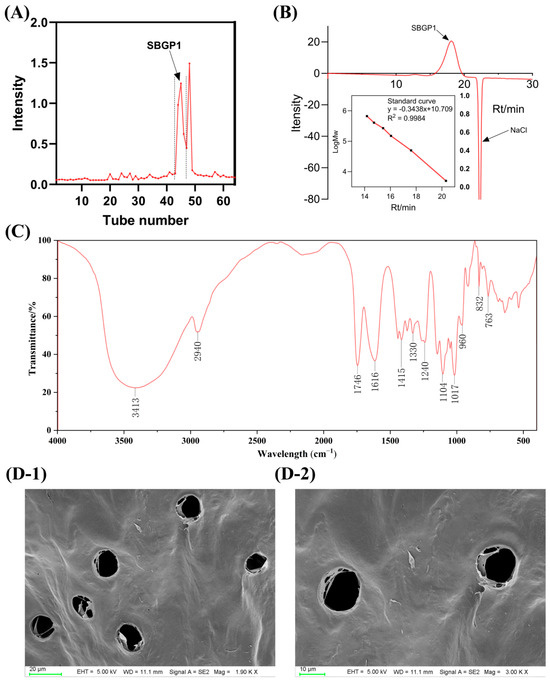
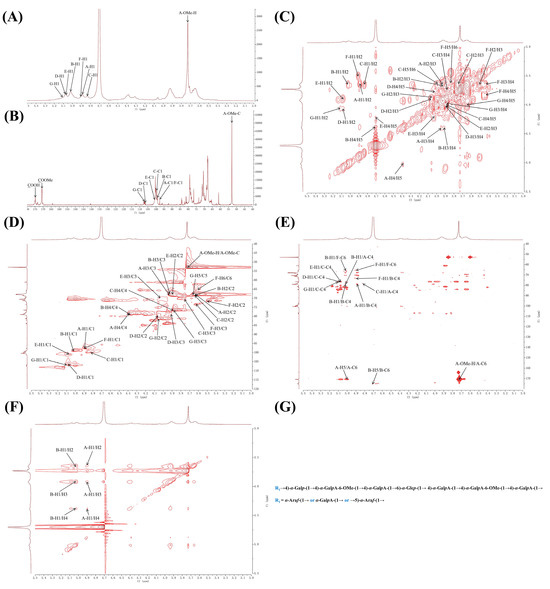
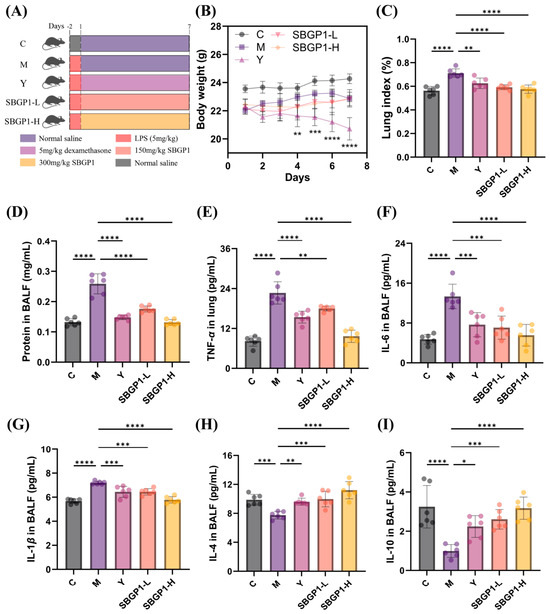
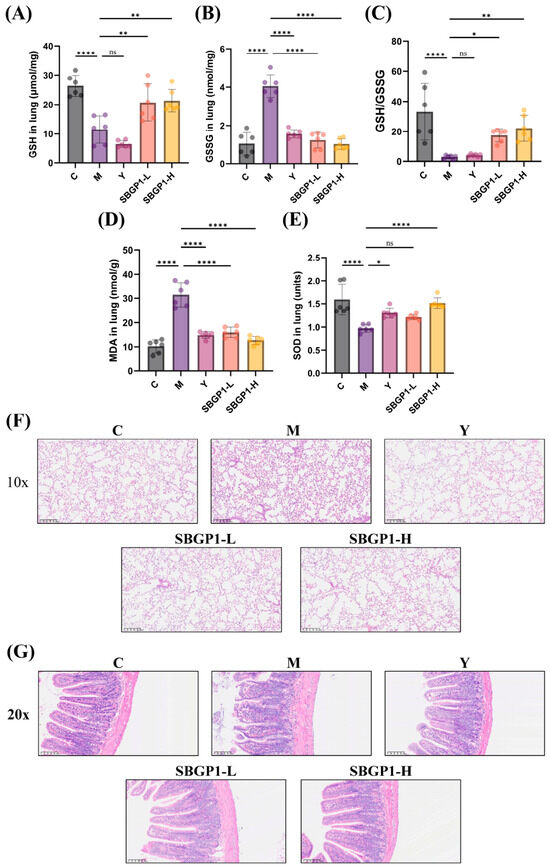
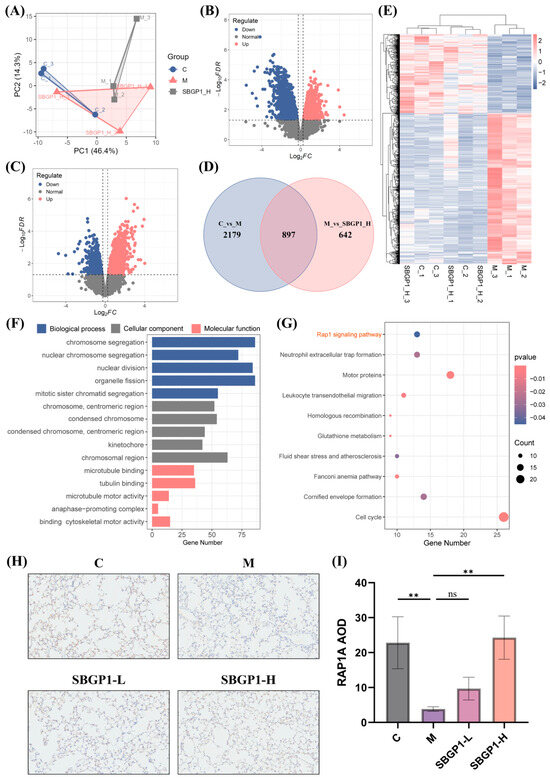
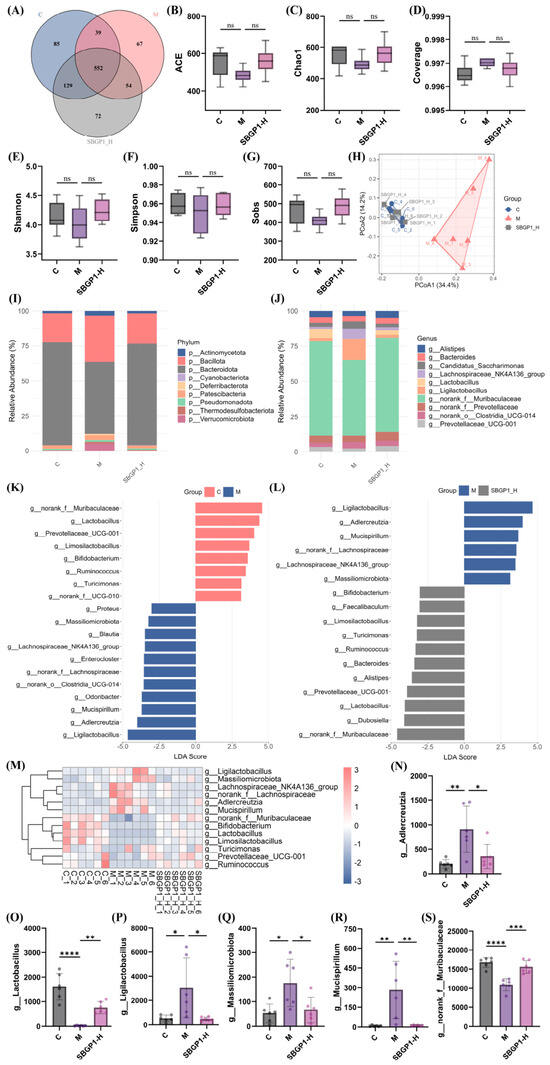
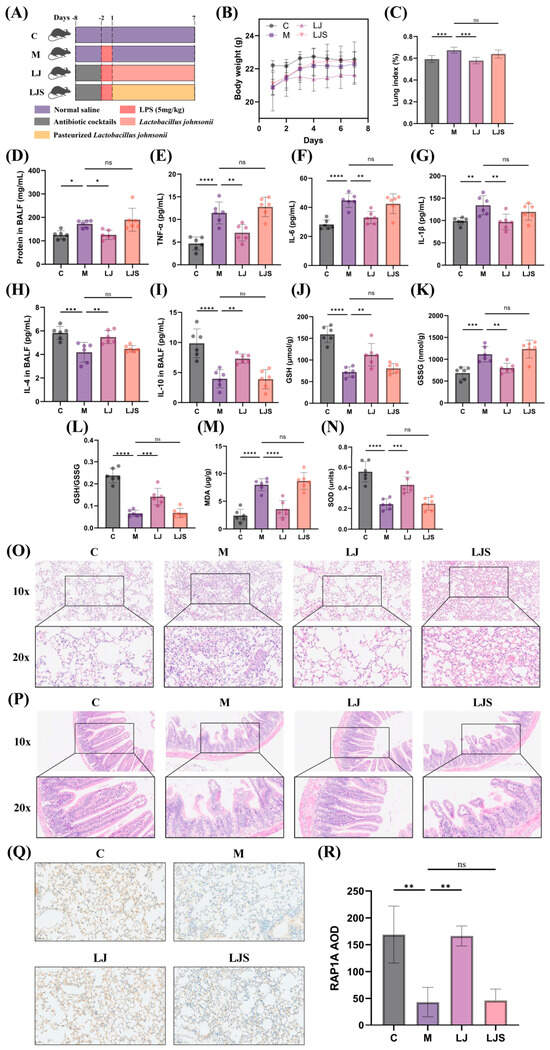
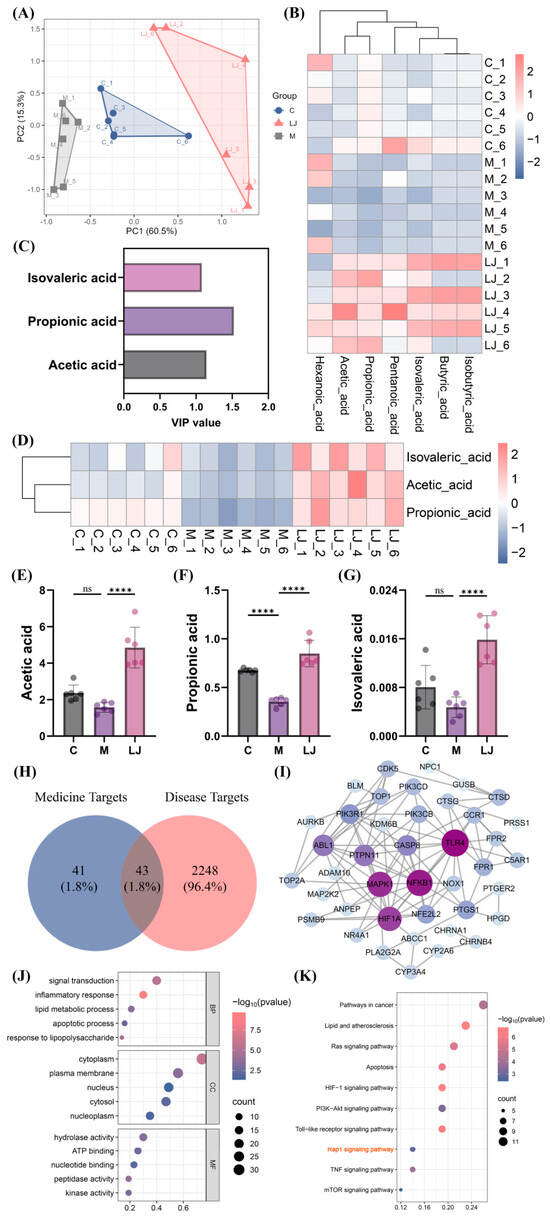
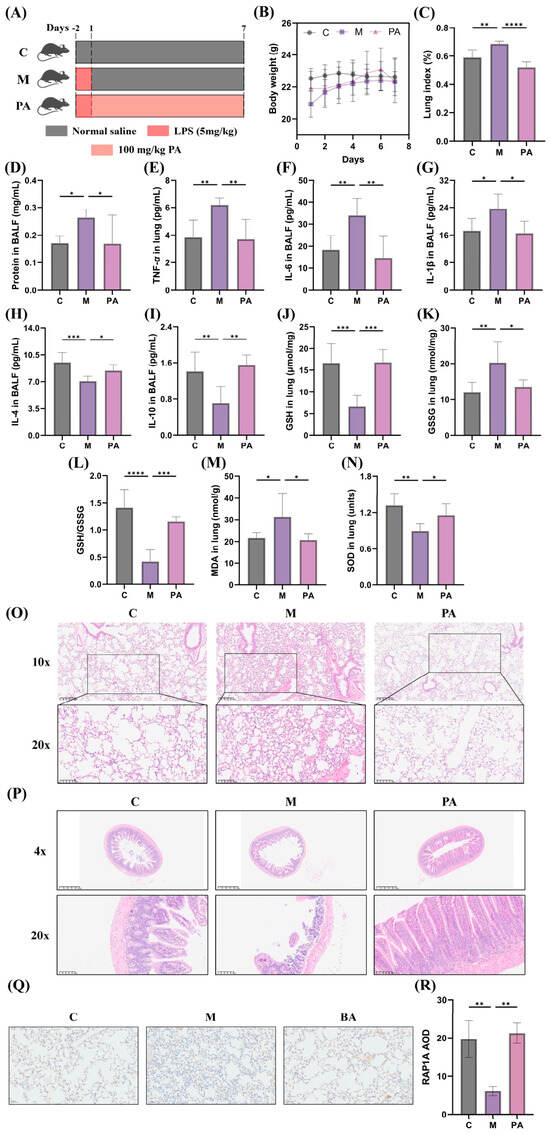
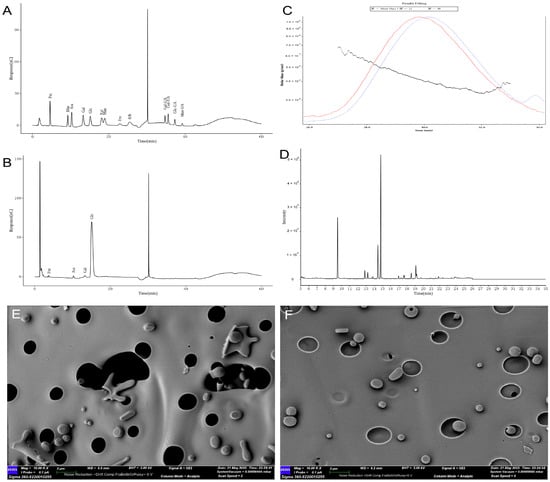
Acute lung injury (ALI) seriously impairs health and well-being. Although Scutellaria baicalensis Georgi (SBG) extract has been shown to alleviate ALI, the effects of SBG acidic polysaccharides on ALI have not been revealed. In this study, a homogeneous acidic polysaccharide (SBGP1) was purified and characterized, and its impact on ALI was evaluated. Our findings illustrated that the average molecular weight of SBGP1 was 40764.6 Da, and it was mainly composed of GalA (53.14%), Ara (26.99%), Gal (7.75%), Glc (5.95%), and Rha (6.17%). The main chain of SBGP1 consisted of →4)-α-GalpA-6-OMe-(1→ and →4)-α-GalpA-(1→. Furthermore, SBGP1 exhibited a significant alleviating effect on ALI, as evidenced by decreased levels of TNF-α, IL-1β, IL-6, GSSG, and MDA, and increased levels of IL-4, IL-10, GSH, and SOD. Mechanistically, SBGP1’s role in alleviating ALI may be associated with the activation of the Rap1 signaling pathway. SBGP1 improved intestinal homeostasis, manifested as increased abundance of beneficial bacteria (Lactobacillus and norank_f_Muribaculaceae) and decreased abundance of harmful bacteria (Adlercreutzia, Ligilactobacillus, Massiliomicrobiota, and Mucispirillum). Interestingly, SBGP1-derived Lactobacillus johnsonii and propionic acid evidently improved the inflammatory response and oxidative stress in ALI mice. Overall, this study provides novel insights into SBGP1 as a potential therapeutic option for ALI.
Full article
(This article belongs to the Section Health Outcomes of Antioxidants and Oxidative Stress)
►▼
Show Figures

Figure 1

Open AccessArticle
A Structurally Characterized Lycium barbarum Polysaccharide Protects Against Retinal Degeneration Through Nrf2 Activation and NF-κB/NLRP3 Suppression
by
Yijing Yang, Shuting Yin, Ying Deng, Li Xiao, Yasha Zhou, Jing Lu, Qinghua Peng and J. Arjuna Ratnayaka
Antioxidants 2026, 15(9), 1055; https://doi.org/10.3390/antiox15091055 - 24 Aug 2026
Abstract
Retinal degeneration is characterized by progressive photoreceptor loss driven by oxidative stress and chronic inflammation, yet effective mutation-independent therapeutic strategies remain limited. Lycium barbarum polysaccharides (LBPs) possess antioxidant and anti-inflammatory activities; however, the structural features responsible for their retinal protective effects remain poorly
[...] Read more.
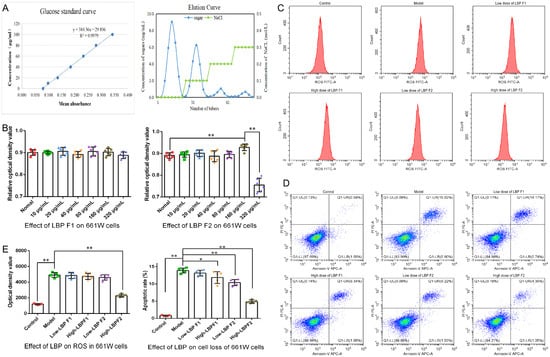
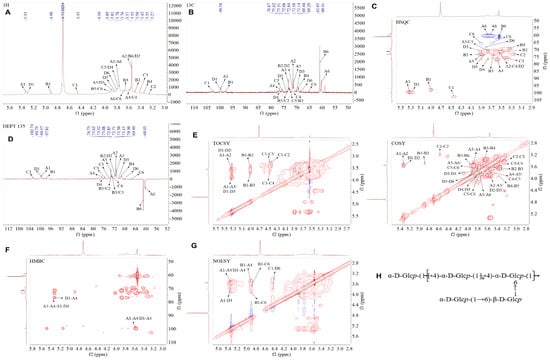
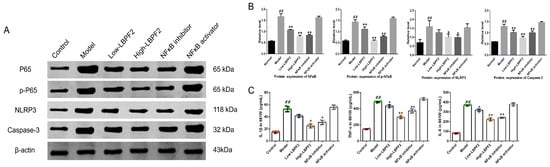
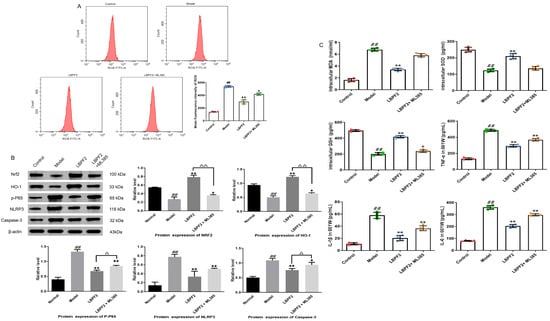
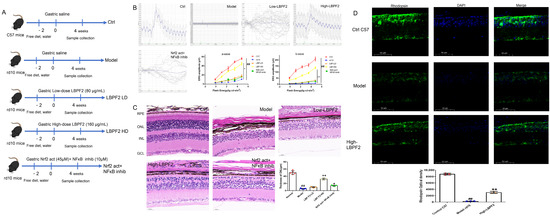
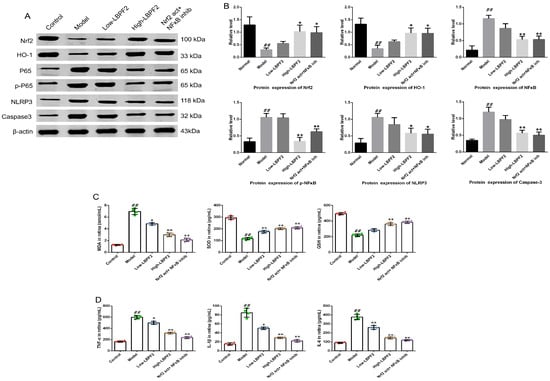
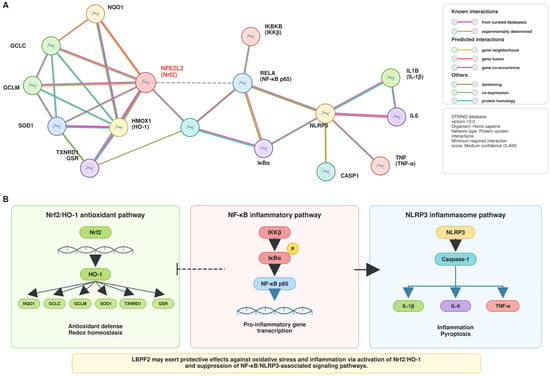
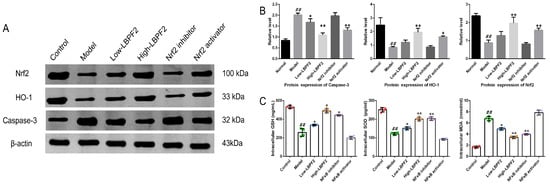
Retinal degeneration is characterized by progressive photoreceptor loss driven by oxidative stress and chronic inflammation, yet effective mutation-independent therapeutic strategies remain limited. Lycium barbarum polysaccharides (LBPs) possess antioxidant and anti-inflammatory activities; however, the structural features responsible for their retinal protective effects remain poorly defined. In this study, crude LBP was fractionated by DEAE-cellulose ion-exchange chromatography, and the most bioactive fraction, LBPF2, was identified using H2O2-injured 661W cone photoreceptor-like cells. LBPF2 was subsequently characterized by high-performance anion-exchange chromatography, SEC-MALLS-RI, GC–MS methylation analysis, and one- and two-dimensional NMR spectroscopy, and its protective effects were evaluated in H2O2-treated 661W cells and rd10 mice. LBPF2 was identified as a homogeneous glucose-rich polysaccharide with an average molecular weight of approximately 41 kDa and a backbone mainly composed of →4)-α-D-Glcp-(1→ and →4,6)-α-D-Glcp-(1→ residues. LBPF2 reduced oxidative stress, inflammation, and apoptosis in H2O2-treated 661W cells, preserved retinal morphology, improved electroretinographic responses and partial retention of rhodopsin immunoreactivity relative to untreated rd10 mice, and restored redox homeostasis in rd10 mice. Pharmacological inhibition of Nrf2 using ML385 attenuated these protective effects, supporting the involvement of Nrf2/HO-1 signaling. Collectively, these findings identify LBPF2 as a structurally characterized neuroprotective polysaccharide that mitigates retinal degeneration through coordinated regulation of oxidative stress and inflammation and highlight its therapeutic potential for retinal degenerative diseases.
Full article
(This article belongs to the Special Issue Antioxidants and Retinal Diseases—2nd Edition)
►▼
Show Figures

Figure 1

Open AccessArticle
Stellate Ganglion Nrf2 Modulates Oxidative Stress and Heart Rate Responses in Mice and Rats with Heart Failure
by
Julia Shanks, Neha Dhyani, Tara L. Rudebush, Lie Gao, Hanjun Wang and Irving H. Zucker
Antioxidants 2026, 15(9), 1054; https://doi.org/10.3390/antiox15091054 - 24 Aug 2026
Abstract
Chronic heart failure (CHF) is a growing global health concern characterized, in part, by progressive sympathetic overactivation, which exacerbates this condition. Accumulating evidence identifies oxidative stress as a key driver of sympatho-excitation, mediated by excess reactive oxygen species (ROS) and impaired antioxidant defenses.
[...] Read more.
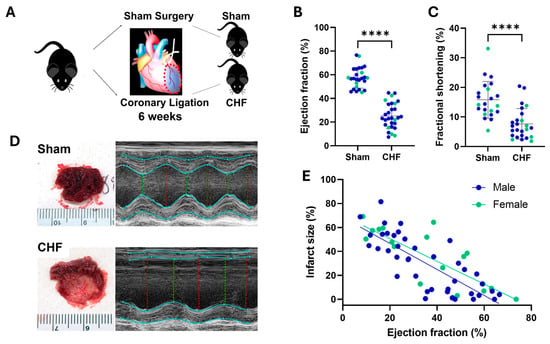
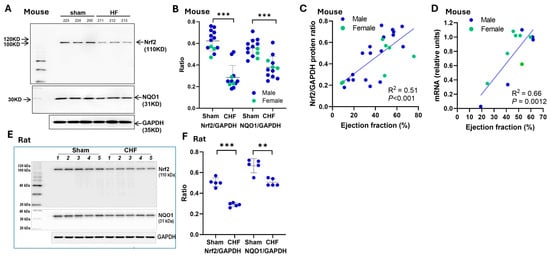
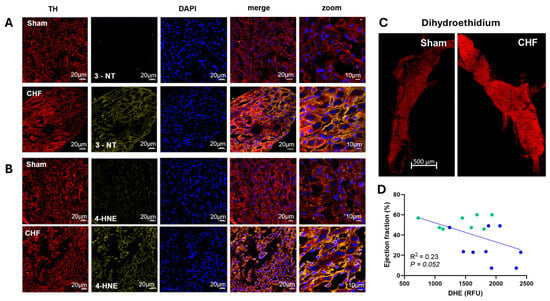
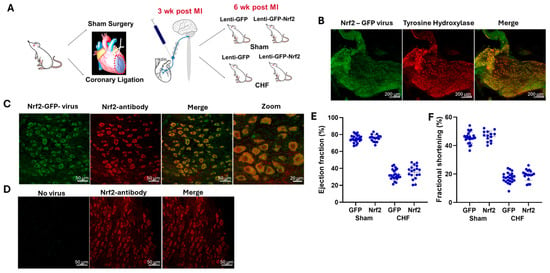
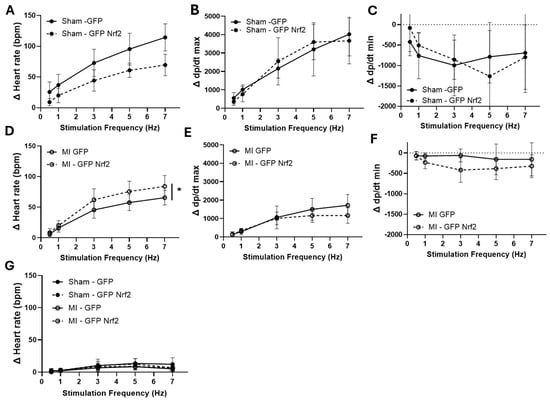
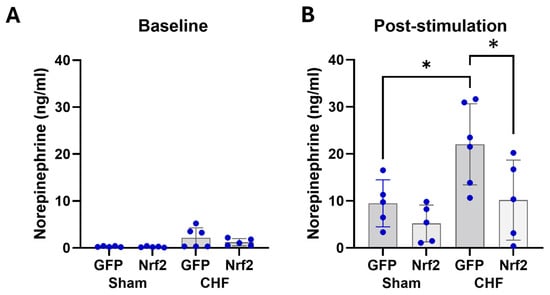
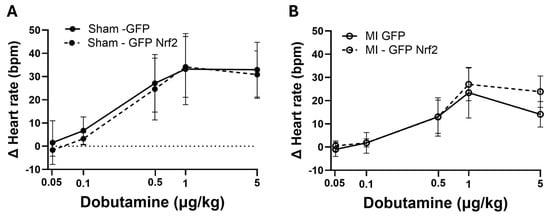
Chronic heart failure (CHF) is a growing global health concern characterized, in part, by progressive sympathetic overactivation, which exacerbates this condition. Accumulating evidence identifies oxidative stress as a key driver of sympatho-excitation, mediated by excess reactive oxygen species (ROS) and impaired antioxidant defenses. The redox-sensitive transcription factor nuclear factor erythroid 2–related factor 2 (Nrf2) is a central regulator of antioxidant gene expression, but its role in the peripheral sympathetic nervous system, particularly in the stellate ganglia, remains unclear. We hypothesized that Nrf2 signaling is disrupted in the stellate ganglia in CHF and that modulation of Nrf2 alters ROS levels and sympathetic responses. In rats, six weeks post myocardial infarction (MI), the stellate ganglia exhibited increased ROS levels in tyrosine hydroxylase-positive neurons along with reduced Nrf2 protein and mRNA expression; both changes were inversely associated with ejection fraction (EF). To determine the functional role of Nrf2, lentiviral vectors encoding GFP or GFP-Nrf2 were delivered to the stellate ganglia three weeks after MI. Nrf2 upregulation attenuated heart rate responses to stellate stimulation in sham rats but augmented responses in CHF rats. The increase in plasma norepinephrine levels was reduced following stellate stimulation in CHF rats that overexpressed Nrf2, while β1-adrenergic responsiveness to dobutamine was unchanged. This study demonstrates that CHF is associated with increased oxidative stress and reduced Nrf2 expression in the stellate ganglion. Nrf2 overexpression significantly modulated sympathetic regulation, altering heart rate responses and reducing plasma norepinephrine in CHF rats. These findings support the concept that impaired Nrf2 signaling contributes to ganglionic redox imbalance and dysregulated sympathetic nerve activity in CHF.
Full article
(This article belongs to the Section Health Outcomes of Antioxidants and Oxidative Stress)
►▼
Show Figures

Figure 1

Open AccessReview
The Spatial Redox–Metalloptosis Axis in Liver Disease: A Hypothesis on Regional Susceptibility to Ferroptosis and Cuproptosis
by
Zhaomin Dong, Maoshen Gong, Guangji Wang and Hong Wang
Antioxidants 2026, 15(9), 1053; https://doi.org/10.3390/antiox15091053 - 23 Aug 2026
Abstract
The pathogenesis and progression of liver diseases are characterized by marked zonal heterogeneity, yet conventional research paradigms have long overlooked this intrinsic spatial logic. Ferroptosis and cuproptosis have been widely implicated in liver disease; however, their precise intralobular distribution and zonal susceptibility patterns
[...] Read more.
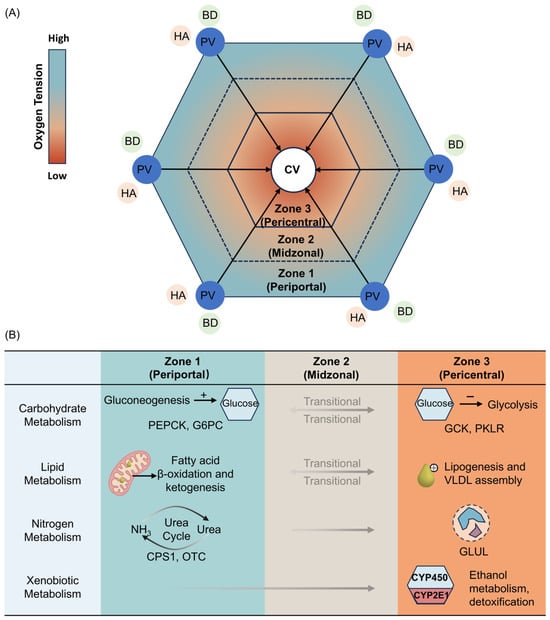
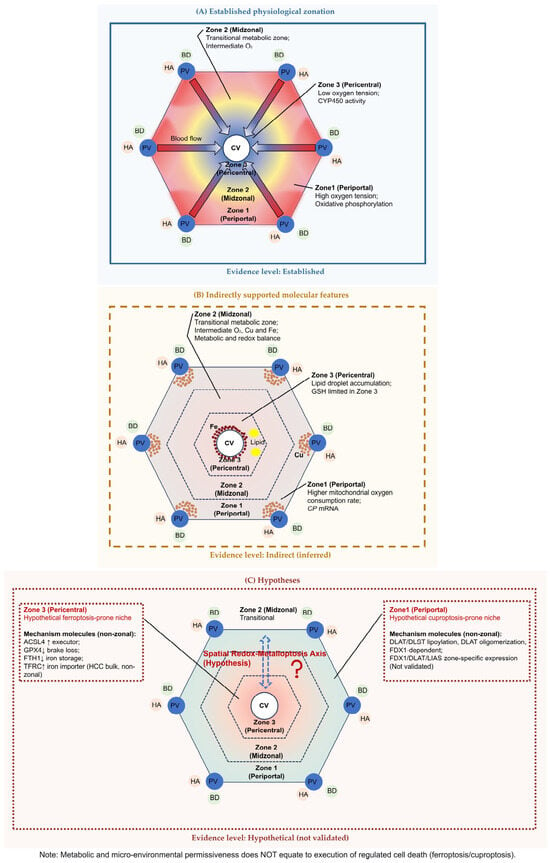
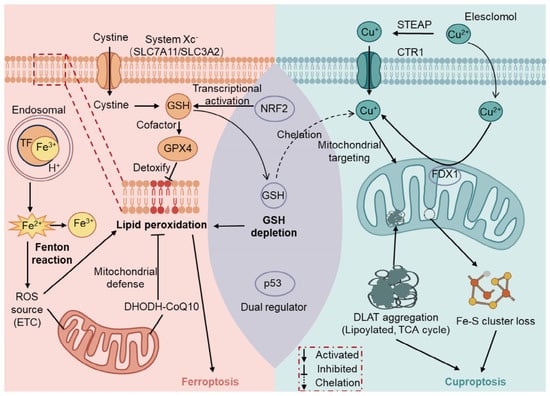
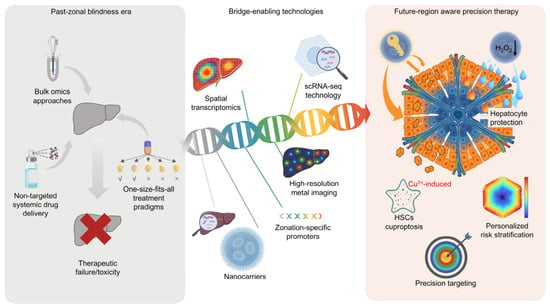
The pathogenesis and progression of liver diseases are characterized by marked zonal heterogeneity, yet conventional research paradigms have long overlooked this intrinsic spatial logic. Ferroptosis and cuproptosis have been widely implicated in liver disease; however, their precise intralobular distribution and zonal susceptibility patterns remain poorly defined. We present a narrative synthesis of the literature on the spatial zonation of hepatic metabolism, redox homeostasis, and metal handling, and assess their potential roles as determinants of region-specific cell death vulnerability. We propose the novel “spatial redox–metalloptosis axis” hypothesis. The pericentral zone (Zone 3), characterized by hypoxia, high cytochrome P450 activity, and a redox environment that may favor lipid peroxidation under specific pathological conditions, is hypothesized to form a ferroptosis-susceptible niche under metabolic stress. Conversely, the periportal zone (Zone 1), characterized by active copper handling and oxidative phosphorylation-dependent metabolism, is hypothesized to be preferentially vulnerable to cuproptosis (proposed hypothesis; direct zone-resolved evidence of cuproptosis execution in Zone 1 is currently absent). Ceruloplasmin is proposed as a candidate molecular link between copper and iron metabolism. We further identify shared molecular hubs and a hypothesized spatial redox–metalloptosis axis linking these two regulated cell death modalities, while direct biological crosstalk remains to be demonstrated. We also highlight critical technological, mechanistic, and translational gaps. This review aims to shift liver disease research from viewing the liver as a homogeneous organ to a functionally compartmentalized zoned ecosystem, providing a testable theoretical framework for deciphering region-specific liver injury and developing spatially informed therapeutic strategies.
Full article
(This article belongs to the Section Aberrant Oxidation of Biomolecules)
►▼
Show Figures

Figure 1
Open AccessArticle
Physiological Responses in the Hepatopancreas of Litopenaeus vannamei to Carbonate Alkalinity Stress and Subsequent Recovery: Integration of Antioxidant, Immune, and Metabolic Profiles
by
Ruijie Zhu, Meng Xiao, Falin Zhou, Zhe Pan, Jianhua Huang and Yafei Duan
Antioxidants 2026, 15(9), 1052; https://doi.org/10.3390/antiox15091052 - 23 Aug 2026
Abstract
High carbonate alkalinity (CA) is a major constraint on shrimp culture in saline–alkaline waters. The hepatopancreas is central to shrimp immunity and metabolic regulation. Litopenaeus vannamei underwent a 7-day exposure period to 5 mmol/L CA, followed by a subsequent 7-day recovery phase after
[...] Read more.
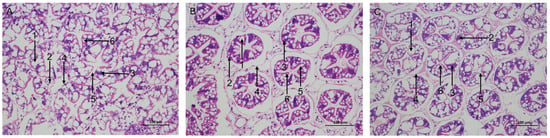
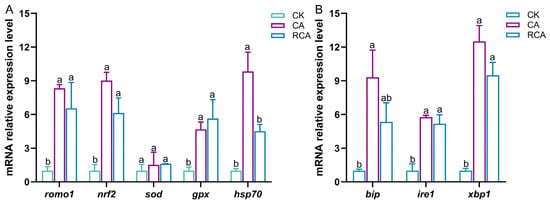
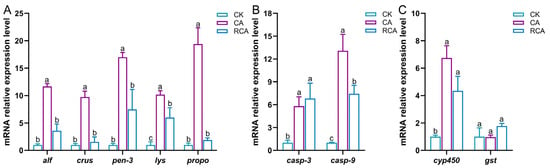
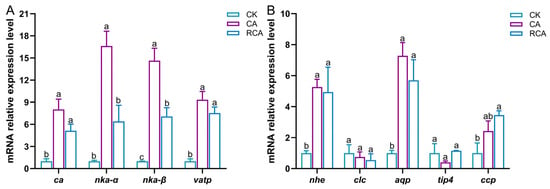
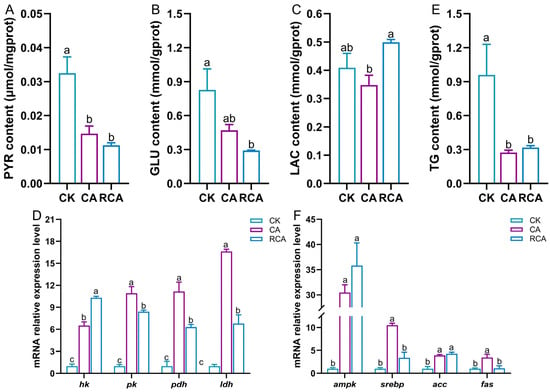
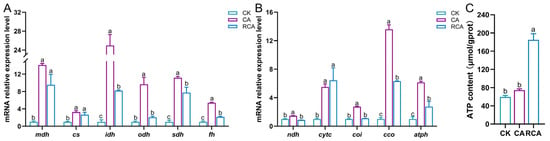
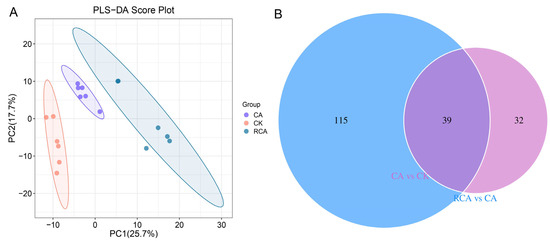
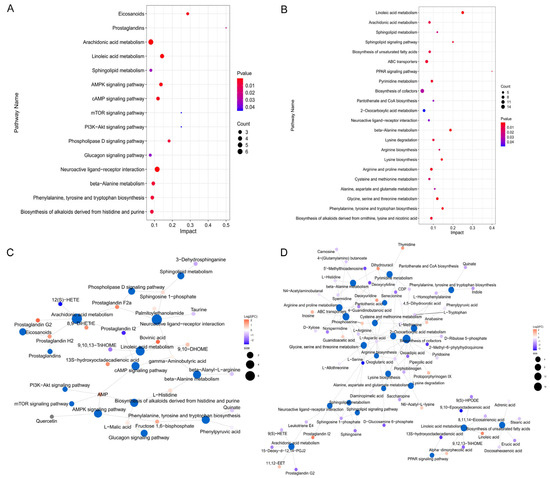
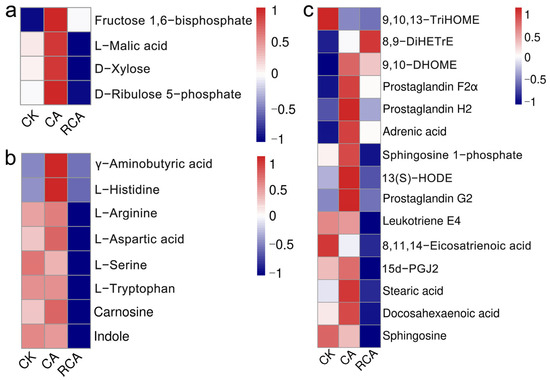
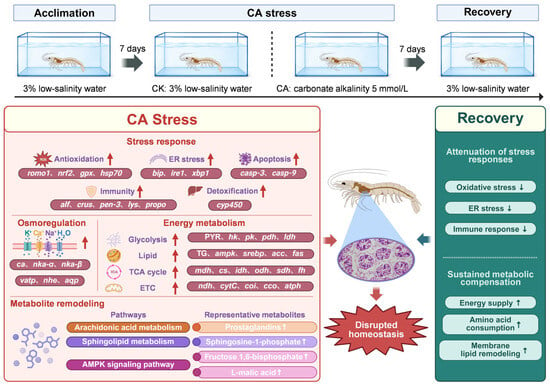
High carbonate alkalinity (CA) is a major constraint on shrimp culture in saline–alkaline waters. The hepatopancreas is central to shrimp immunity and metabolic regulation. Litopenaeus vannamei underwent a 7-day exposure period to 5 mmol/L CA, followed by a subsequent 7-day recovery phase after removal of the stressor. The physiological regulatory mechanism of the hepatopancreas during CA stress and recovery was investigated by integrating multiple biological levels including histomorphology, antioxidant and immune indices, energy metabolism, and metabolite profiles. Results showed that CA stress induced structural changes in the hepatopancreas and triggered stress responses. Specifically, a significant upregulation was observed in genes involved in antioxidation (romo1, nrf2, gpx, hsp70), apoptosis (casp-9, casp-3), endoplasmic reticulum (ER) stress (ire1, xbp1), immune defense (alf, crus, pen-3, lys, propo), and detoxification (cyp450). CA stress also increased osmoregulatory genes (ccp, nhe, ca, aqp, vatp, nka-β, nka-α), whereas clc and tip4 were suppressed. CA stress reduced the levels of energy-metabolism-related biochemical indicators, including glucose (GLU), pyruvic acid (PYR), lactic acid (LAC) and triglycerides (TG), while markedly inducing the expression of genes involved in carbohydrate metabolism (ldh, pdh, hk, pk), lipid metabolism (ampk, srebp, fas), the tricarboxylic acid (TCA) cycle (mdh, cs, idh, odh, sdh, fh), and the electron transport chain (ETC) (ndh, cytc, coi, cco, atph). Moreover, the hepatopancreatic metabolic profile was remodeled, especially “phenylalanine, tyrosine and tryptophan biosynthesis” and the metabolism of β-alanine, arachidonic acid, linoleic acid, and sphingolipids being substantially altered during both the stress and recovery phases. Several functional metabolites linked to stress responses were further pinpointed. Following stress relief, some physiological parameters partially recovered, yet overall function failed to return to normal. Collectively, CA stress compromised hepatopancreatic homeostasis by damaging morphological integrity, eliciting stress and immune responses, and perturbing energy metabolism and metabolite homeostasis; these adverse effects were not readily reversible in the short term.
Full article
(This article belongs to the Special Issue Oxidative Stress and Antioxidant Defenses in Aquatic Animals)
►▼
Show Figures

Figure 1

Open AccessArticle
Mitochondrial Quality Control Impairment Is a Hallmark of TDP-43G376D ALS Patient-Derived Fibroblasts
by
Giuseppe Petito, Maria Ventriglia, Victoria Stefania Del Fiore, Arianna Cuomo, Federica Cioffi, Francesco Manfrevola, Flora Guerra, Lucia Bertuccini, Giulia Ricci, Gilda Cobellis, Antonia Lanni, Cecilia Bucci, Roberta Romano and Rosalba Senese
Antioxidants 2026, 15(9), 1051; https://doi.org/10.3390/antiox15091051 - 22 Aug 2026
Abstract
Amyotrophic Lateral Sclerosis (ALS) is a progressive neurodegenerative disorder strongly associated with mitochondrial dysfunction and impaired proteostasis. Mutations in TARDBP, encoding TAR DNA-binding protein 43 (TDP-43), contribute to disease pathogenesis through cytoplasmic mislocalization and aggregation. Among these, the ALS-linked TDP-43G376D mutation has
[...] Read more.
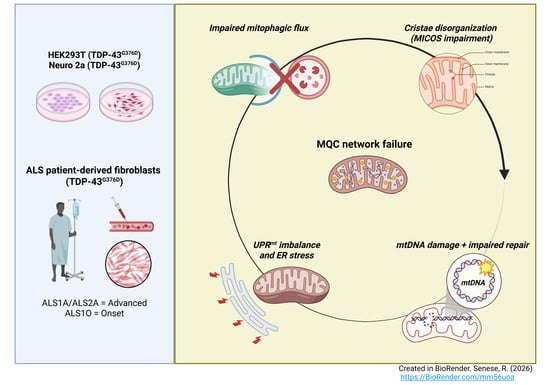
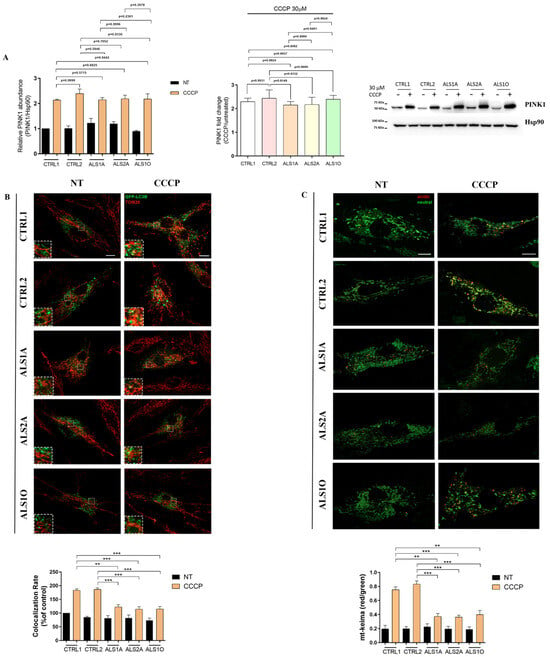
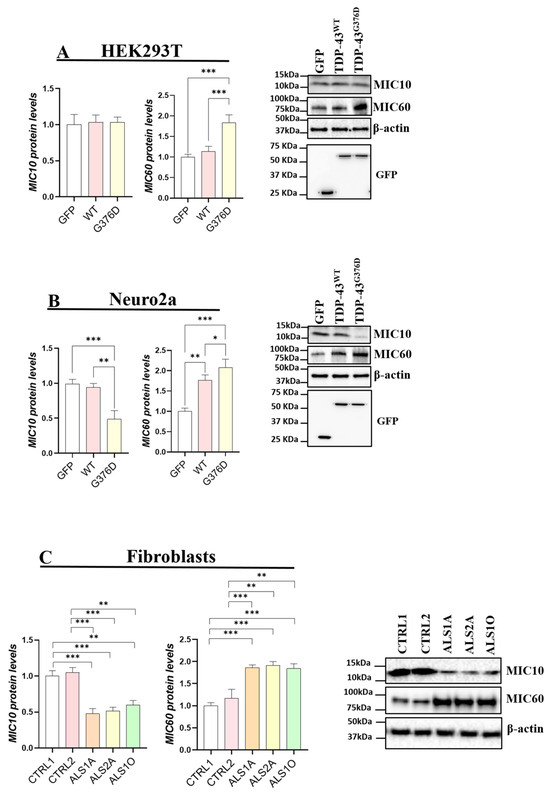
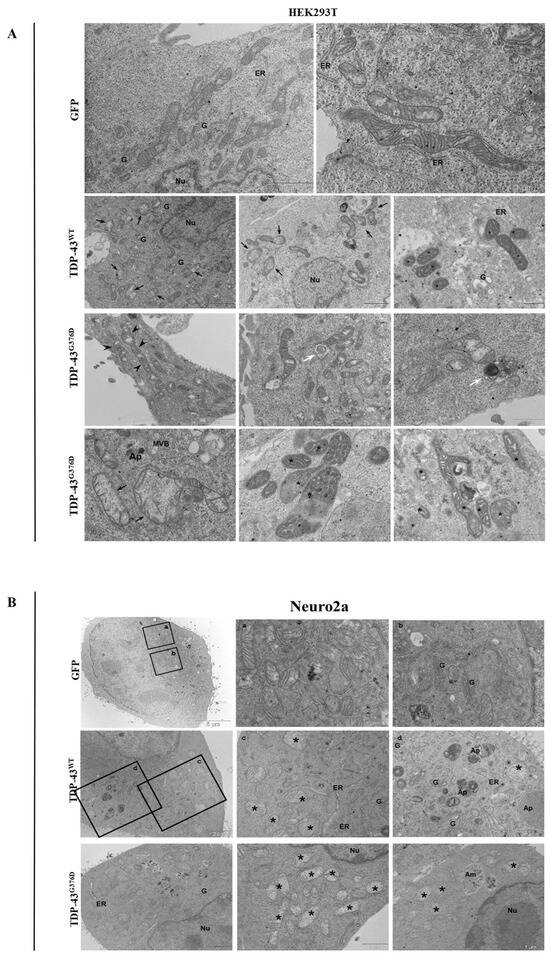
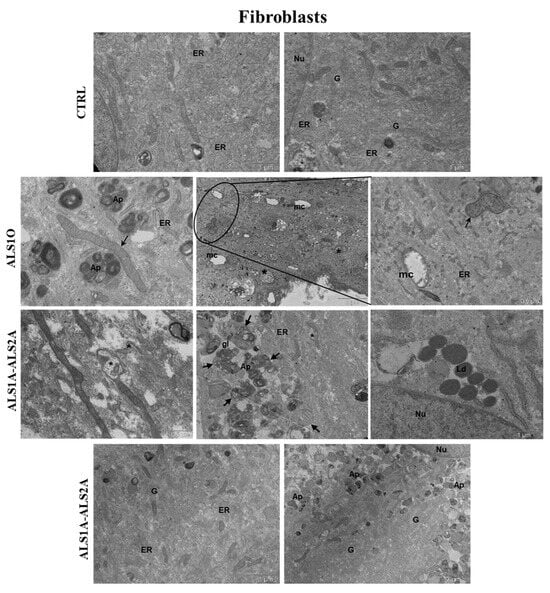
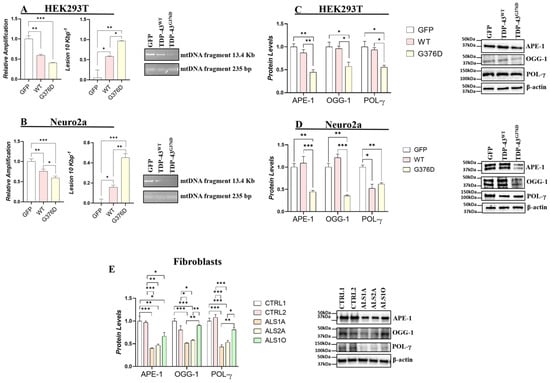
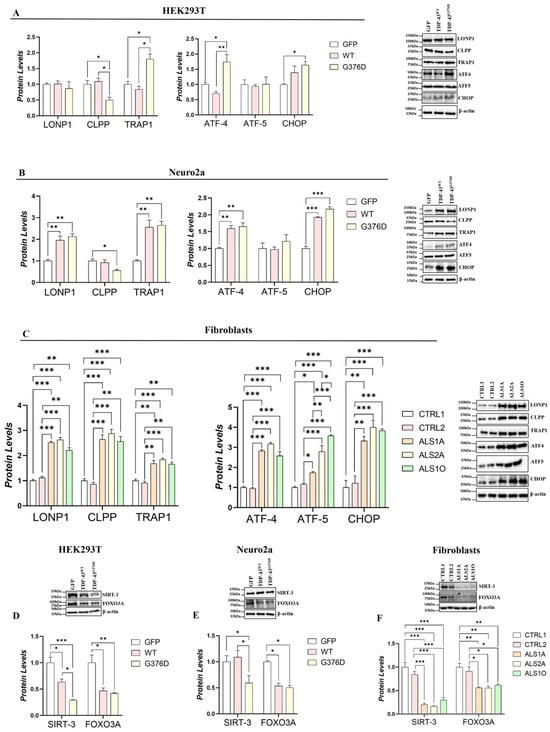
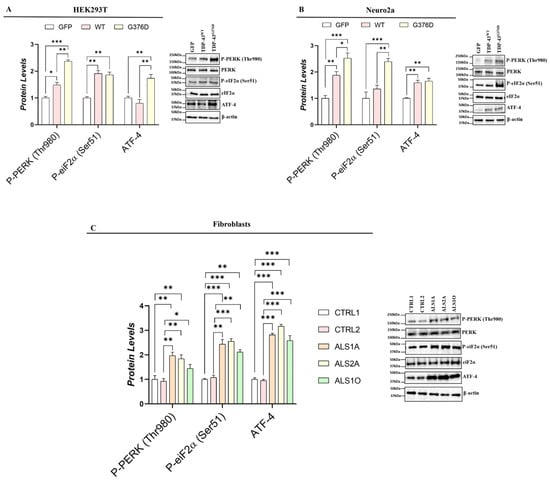
Amyotrophic Lateral Sclerosis (ALS) is a progressive neurodegenerative disorder strongly associated with mitochondrial dysfunction and impaired proteostasis. Mutations in TARDBP, encoding TAR DNA-binding protein 43 (TDP-43), contribute to disease pathogenesis through cytoplasmic mislocalization and aggregation. Among these, the ALS-linked TDP-43G376D mutation has been previously associated with oxidative stress, mitochondrial fragmentation, and impaired oxidative phosphorylation. Here, we investigated the impact of TDP-43G376D on Mitochondrial Quality Control (MQC) pathways using patient-derived dermal fibroblasts carrying the mutation at early and advanced disease stages, complemented by HEK293T and Neuro2a cellular models expressing mutant TDP-43. We show that TDP-43G376D impairs mitophagic flux, as evidenced by reduced delivery of damaged mitochondria to lysosomes. This was accompanied by pronounced disruption of mitochondrial cristae architecture and accumulation of mitochondrial DNA damage, indicating compromised mitochondrial genome integrity. Furthermore, TDP-43G376D induces sustained activation of the mitochondrial Unfolded Protein Response (UPRmt), consistent with persistent mitochondrial stress, while selectively impairing the sirtuin-dependent antioxidant branch. In parallel, activation of the Endoplasmic Reticulum UPR (UPRER) was observed, indicating a coordinated engagement of cellular stress pathways. Collectively, our findings identify coordinated alterations in multiple MQC pathways associated with TDP-43G376D rather than isolated mitochondrial defects, supporting further investigation of these pathways in larger and disease-relevant ALS models.
Full article
(This article belongs to the Special Issue Role of Mitochondria and ROS in Health and Disease—2nd Edition)
►▼
Show Figures

Graphical abstract
Open AccessReview
Ceramides: A Biologically Attractive Lipid and Advances in Acquisition Strategies
by
Yu Yan, Xinghua Ren, Yue Wu, Li Li and Huanxiang Yuan
Antioxidants 2026, 15(9), 1050; https://doi.org/10.3390/antiox15091050 - 22 Aug 2026
Abstract
Ceramides (Cer), as bioactive substances, hold significant research importance in fields such as biology, medicine, and daily chemicals. As a significant bioactive substance, Cer has garnered considerable attention in various fields in recent years. Especially in the field of daily chemicals, Cer serves
[...] Read more.
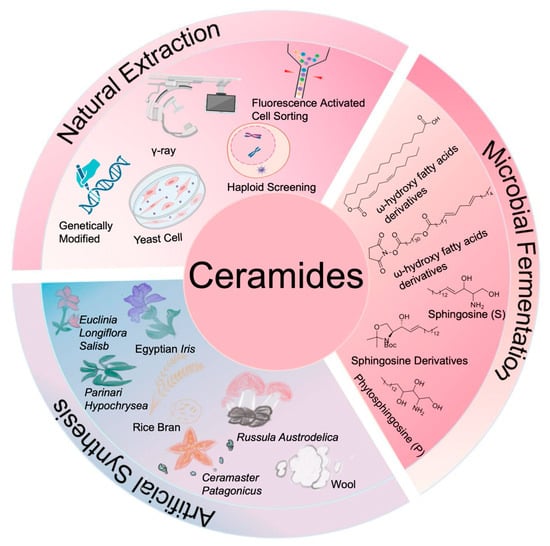
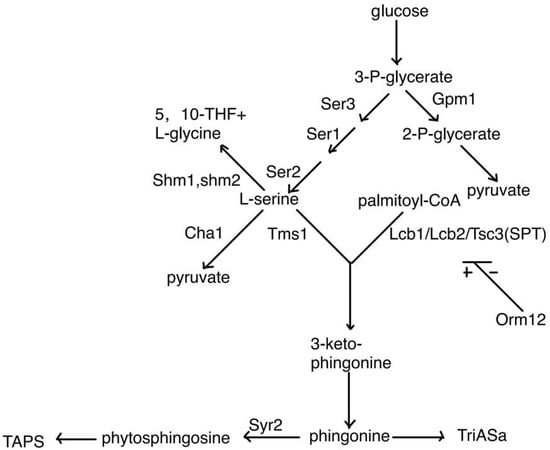
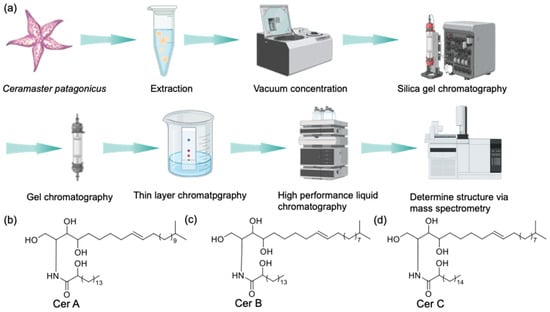
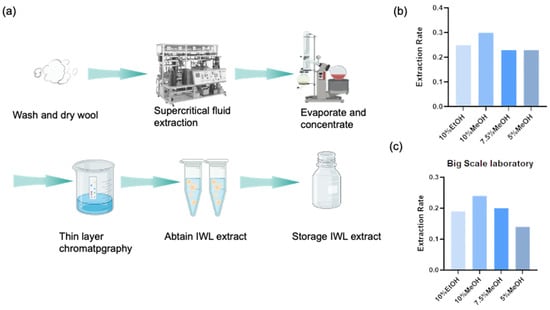
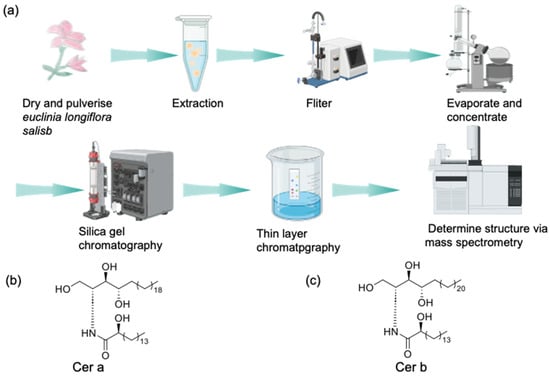
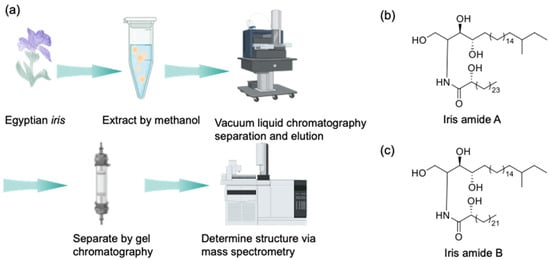
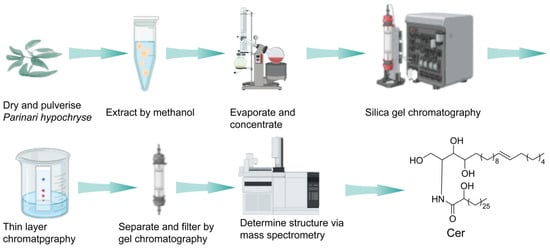
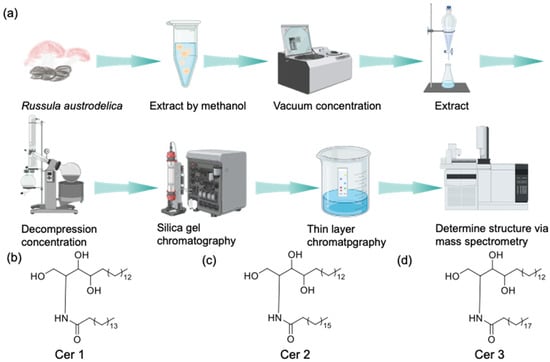
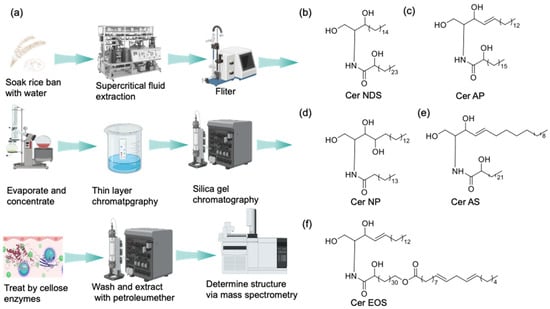
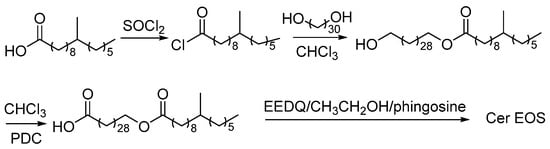
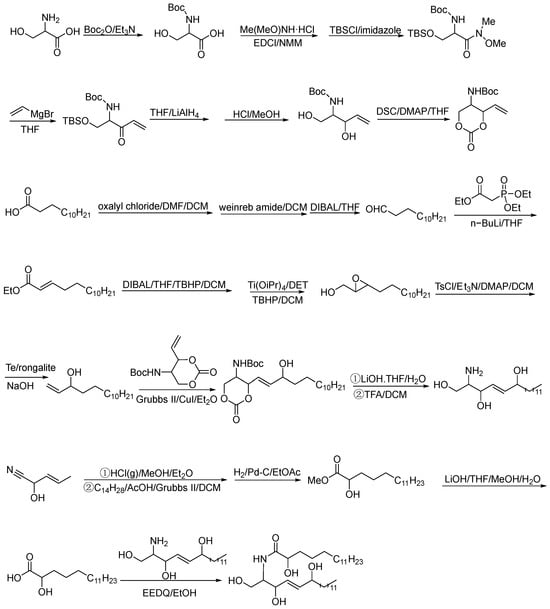
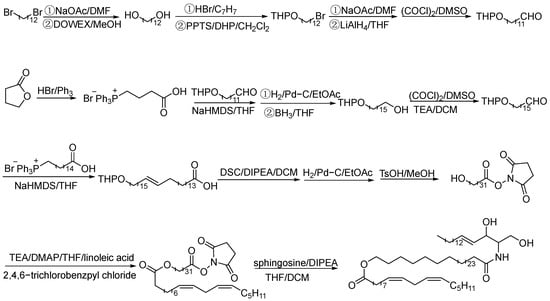
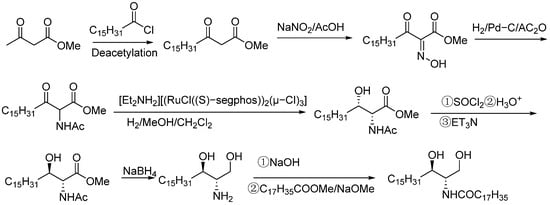
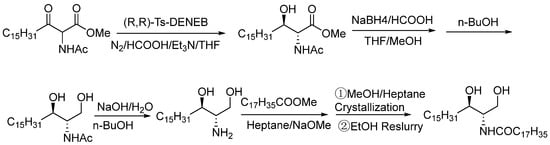
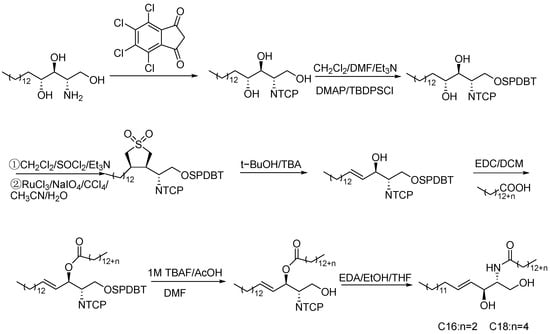
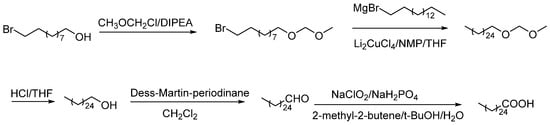
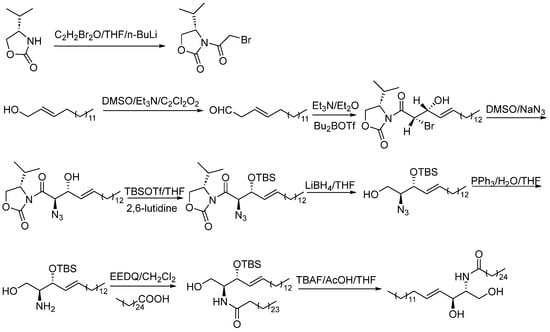
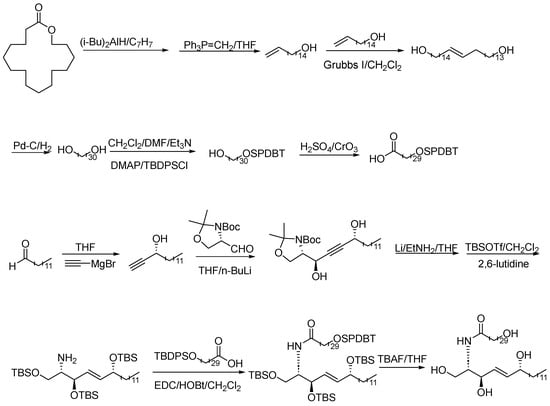
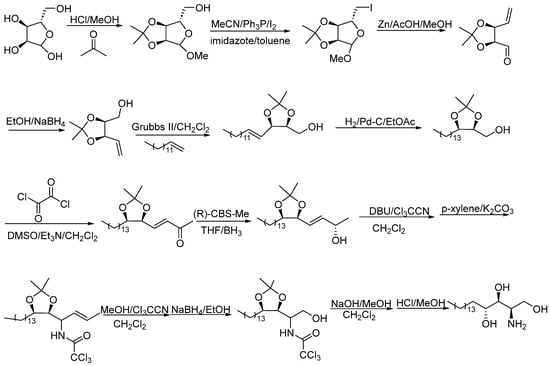
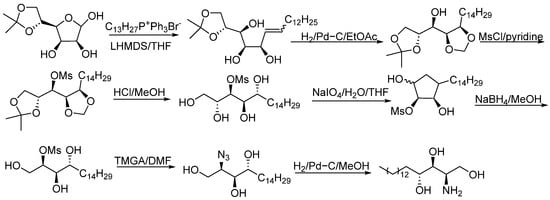
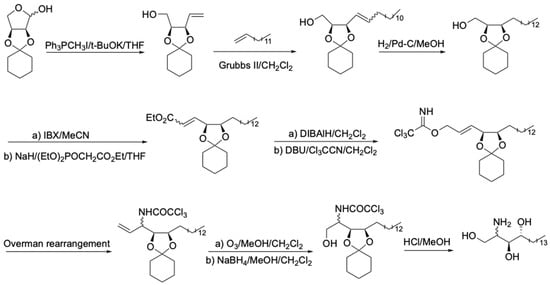
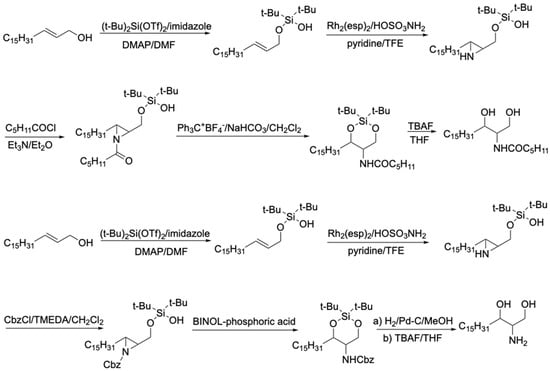
Ceramides (Cer), as bioactive substances, hold significant research importance in fields such as biology, medicine, and daily chemicals. As a significant bioactive substance, Cer has garnered considerable attention in various fields in recent years. Especially in the field of daily chemicals, Cer serves as a core functional ingredient in skincare products, which ameliorate skin dryness and sensitivity and reinforce the barrier function of the stratum corneum. Among them, ultra-long-chain Cer assemble compact and ordered epidermal lipid layers to block exogenous oxidative stress, reduce intracellular ROS accumulation, and mitigate lipid-peroxidation-mediated skin barrier damage, while excess medium- and short-chain Cer disrupt the ordered arrangement of stratum corneum lipids and further aggravate cutaneous oxidative-stress imbalance. Such chain-length-dependent functional divergence reflects the core regulatory effect of structure–activity relationships on cutaneous physiological phenotypes. The acquisition of Cer is of great significance for advancing their research and applications. Currently, there is a lack of comprehensive reviews that introduce the acquisition pathways of Cer and discuss efficient preparation strategies for different methods. Cer and their related raw materials can be obtained through three main pathways: microbial fermentation, natural extraction, and chemical synthesis. This review provides a comprehensive comparison and analysis of these three approaches, focusing on recent advancements and developments in the field. The purpose of this review is to enable researchers to gain a comprehensive understanding of the current research status of the preparation strategies for biological Cer. And the discussion of these studies will be propitious to the future improvement of green synthesis and large-scale production, further promoting the wide application of Cer.
Full article
(This article belongs to the Special Issue Natural Antioxidants for Cosmetic Applications)
►▼
Show Figures

Graphical abstract
Open AccessArticle
Rice Bran Proteins Extracted by Different Methods: Structural Properties and Antioxidant and Anti-Photoaging Activities of Their Hydrolysates
by
Xiao Wang, Hongru Liu, Wenhui Tian, Bingjie Chen, Rongshang Wang, Songheng Wu, Longshen Wang, Jinglin Zhang, Hui He, Chenxia Liu, Qiankun Wang, Chunfang Wang and Jucai Xu
Antioxidants 2026, 15(8), 1049; https://doi.org/10.3390/antiox15081049 - 21 Aug 2026
Abstract
►▼
Show Figures
Differences in the composition, microstructure, infrared spectral characteristics, and enzymatic hydrolysis properties of rice bran protein extracted by four methods were investigated, and the antioxidant and anti-photoaging activities of peptides derived from the resulting hydrolysates were further evaluated. Rice bran protein obtained via
[...] Read more.
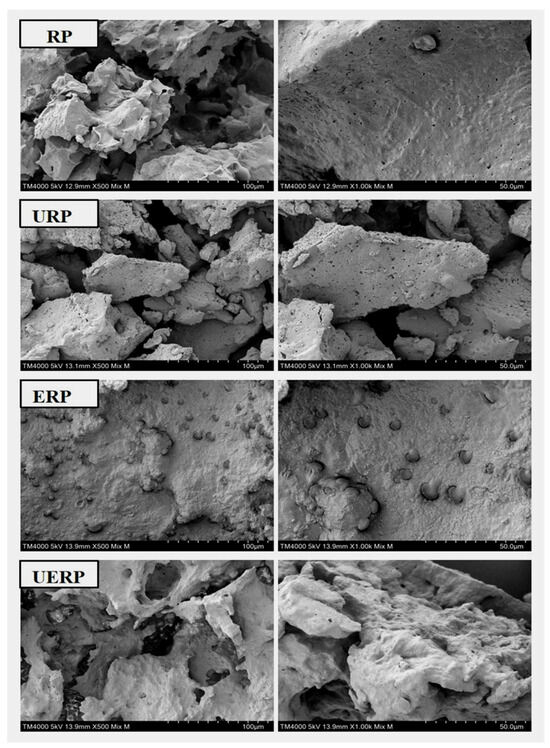
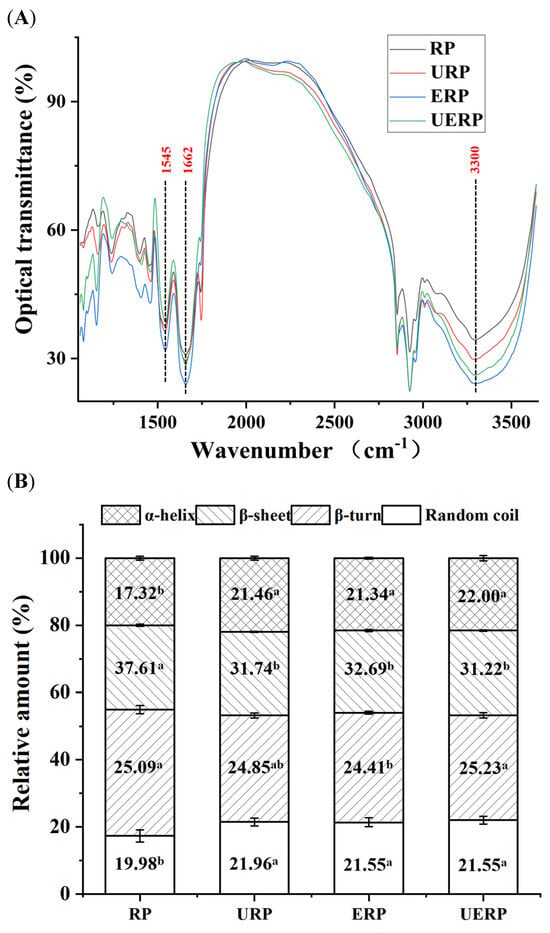
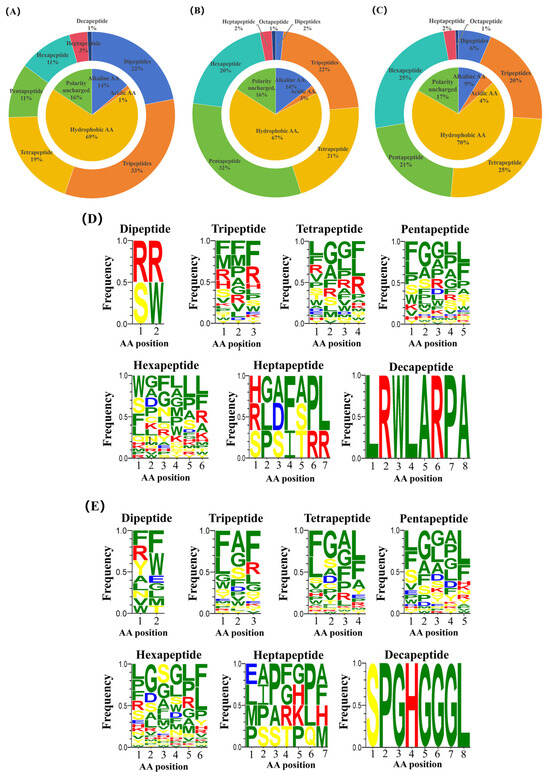
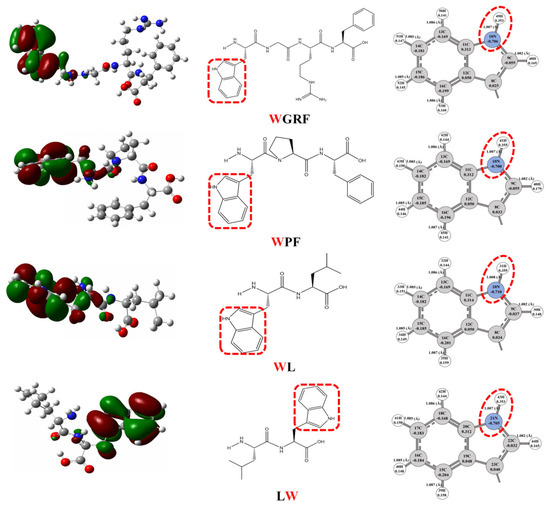
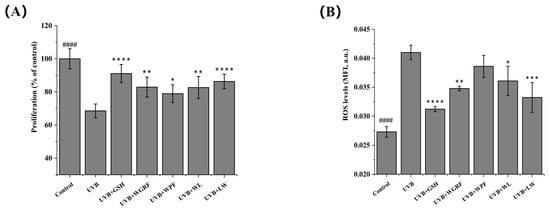
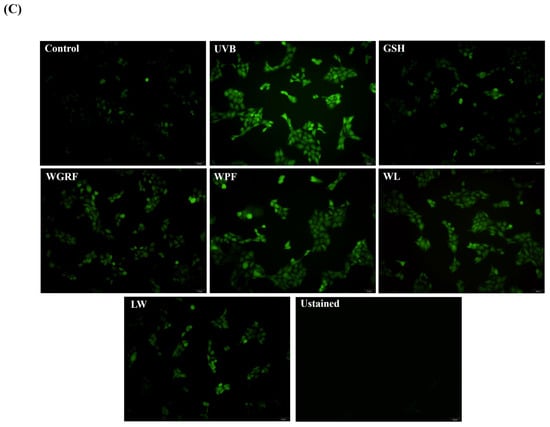
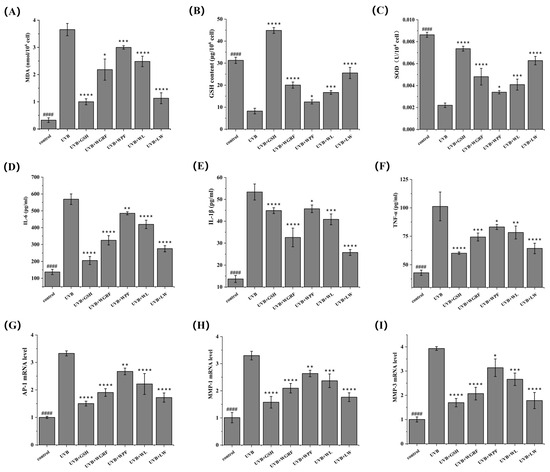
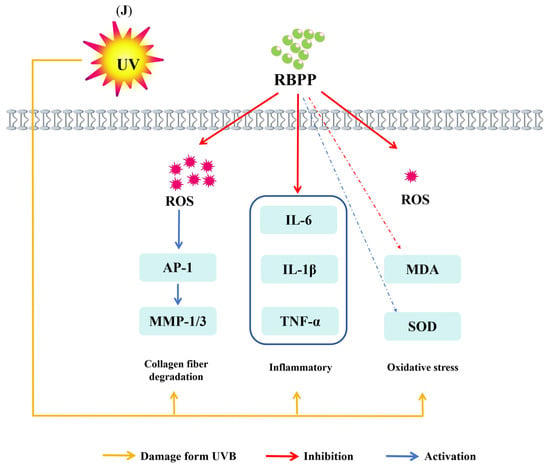
Differences in the composition, microstructure, infrared spectral characteristics, and enzymatic hydrolysis properties of rice bran protein extracted by four methods were investigated, and the antioxidant and anti-photoaging activities of peptides derived from the resulting hydrolysates were further evaluated. Rice bran protein obtained via ultrasonic pretreatment combined with alkaline solublilization and acid precipitation (URP) exhibited relatively high purity (59.17%) and extraction yield (47.61%), together with increased surface porosity, enhanced hydration capacity, and improved enzymatic hydrolysis performance. The URP hydrolysate (URPP) showed a protein content of 81.00%, a degree of hydrolysis of 33.57%, and marked antioxidant activity (ABTS, 684.21; ORAC, 2016.15 μmol TE/g sample). The identified peptides were predominantly short and enriched in hydrophobic amino acids. Structural analysis suggested that the indole N-H group of tryptophan may play an important role in the antioxidant activity of these peptides. Moreover, these peptides alleviated UVB-induced photoaging in HaCaT cells by reducing oxidative stress and inflammatory responses and downregulating the mRNA expressions of AP-1, MMP-1 and MMP-3. Overall, these findings reveal an association between the extraction method, structural characteristics, and enzymatic hydrolysis properties of rice bran protein and the biological activities of its derived peptides, providing a basis for the high-value utilization of rice bran protein and the development of antioxidant and anti-photoaging functional ingredients.
Full article

Figure 1
Open AccessArticle
Cistanche deserticola Polysaccharide Ameliorates Cyclophosphamide-Induced Splenic Immunosuppression in Mice: Integrated Transcriptomic and Proteomic Analyses of Immune Modulation
by
Baotang Zhao, Faqin Tao, Shengfang Wang, Guofeng Li, Mingze Li and Yulong Huang
Antioxidants 2026, 15(8), 1048; https://doi.org/10.3390/antiox15081048 - 21 Aug 2026
Abstract
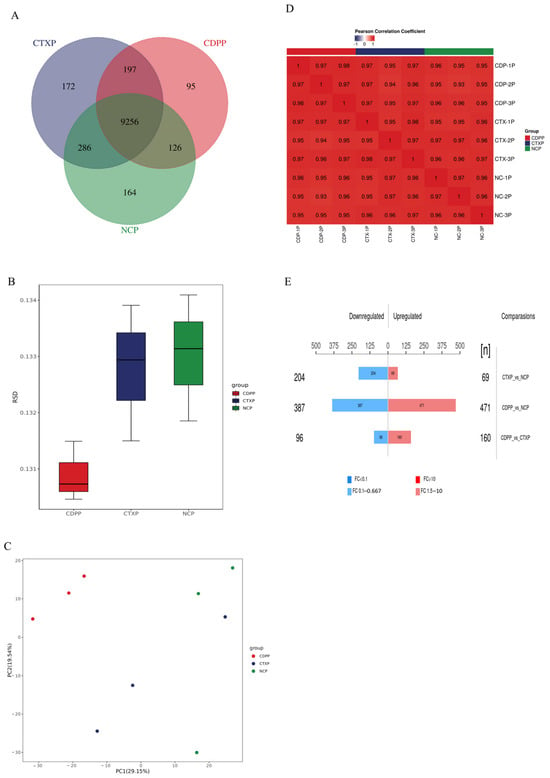
Cistanche deserticola polysaccharide (CDP) exhibits pleiotropic bioactivities, yet its splenic-protective profile remains incompletely defined. Here, male ICR mice were challenged with cyclophosphamide (CTX) to establish an immunosuppressed model and concurrently treated with CDP. By integrating functional assays, splenic histopathology, and transcriptomic and proteomic
[...] Read more.
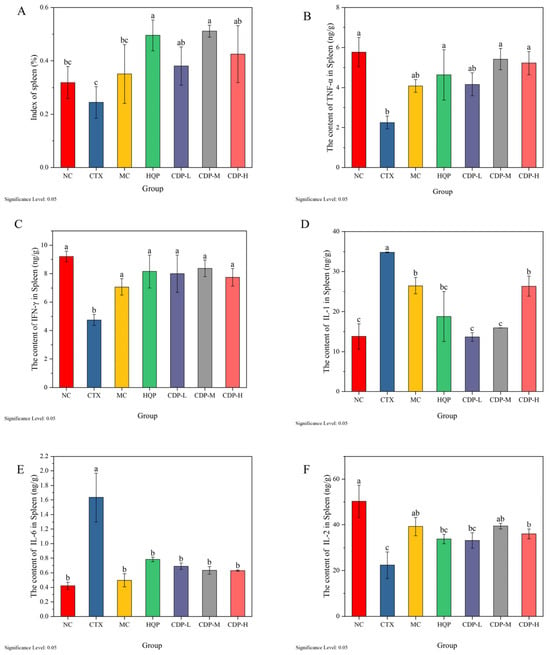
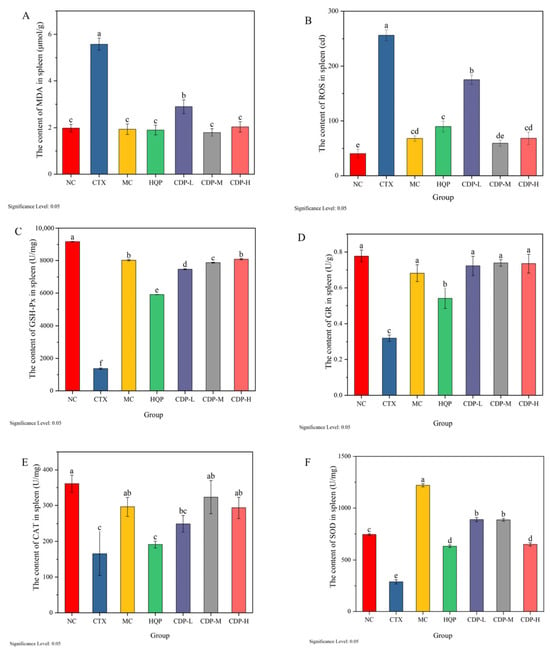
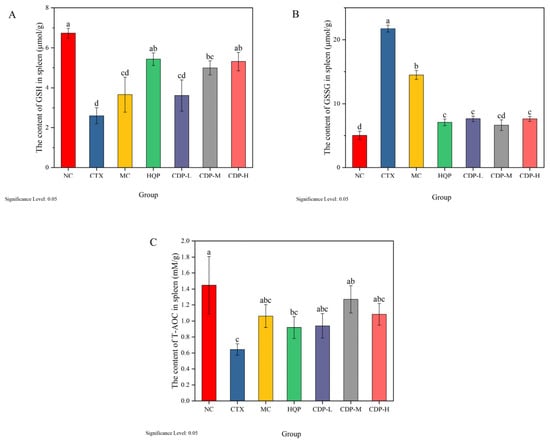
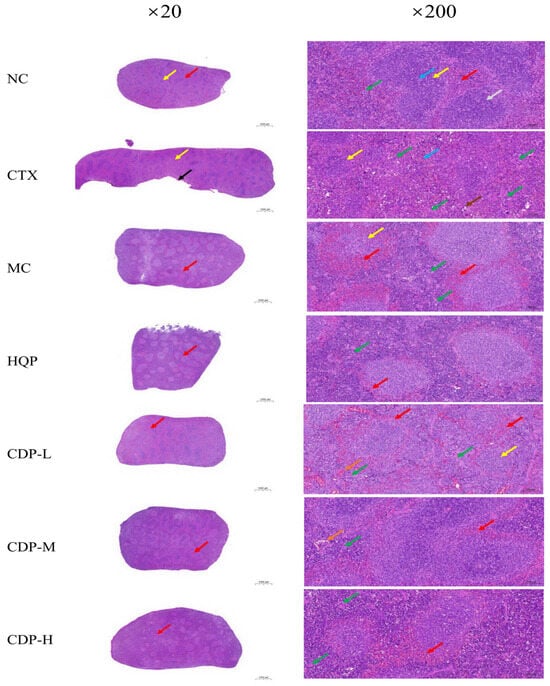
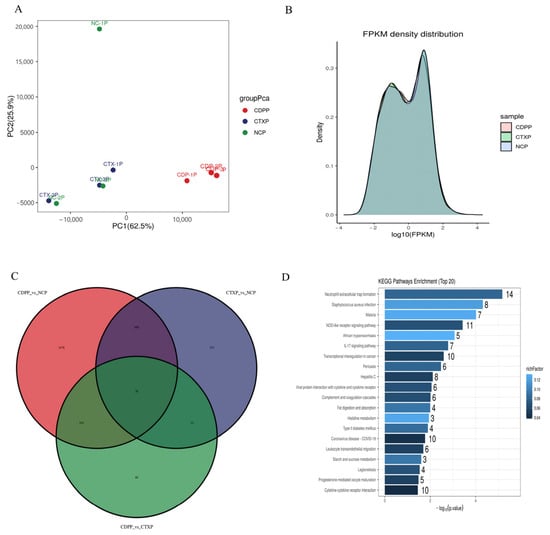
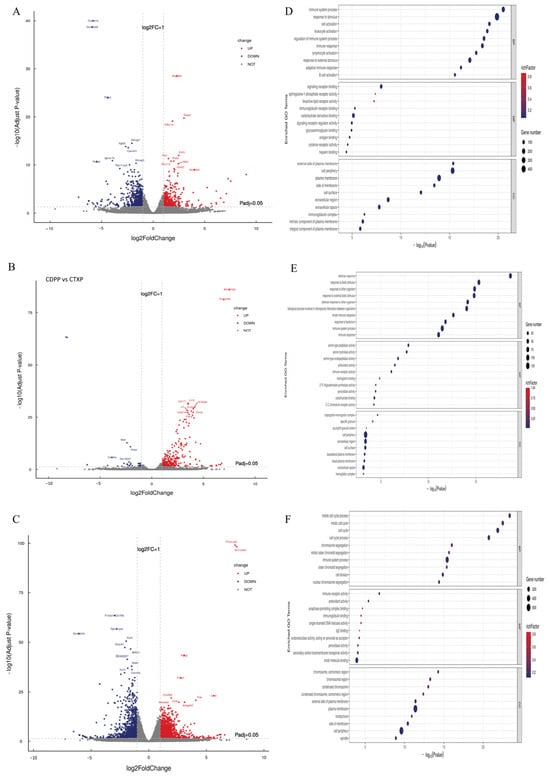
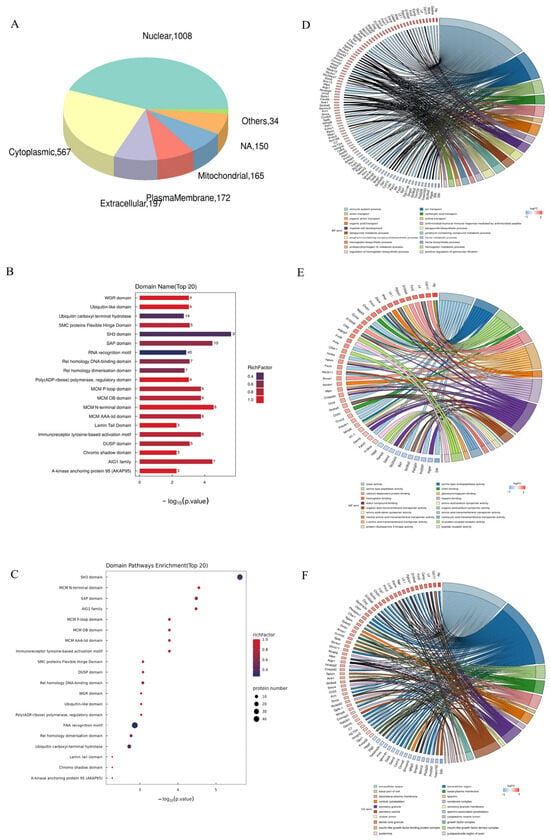
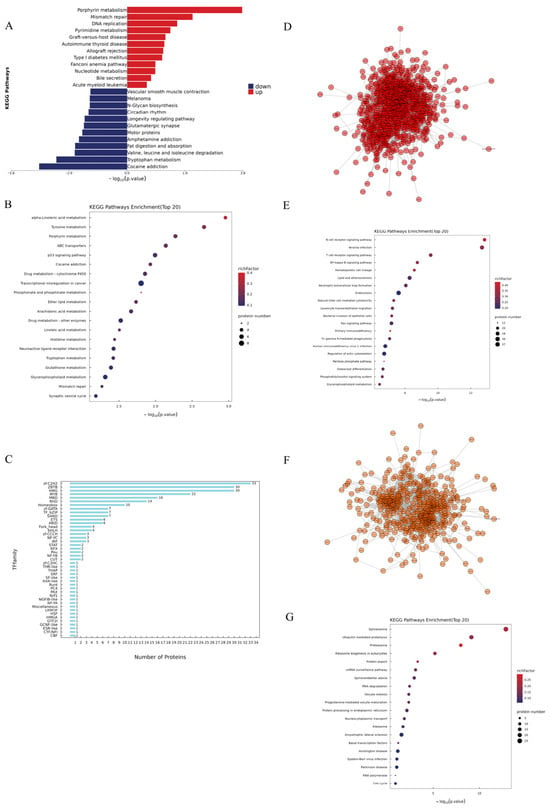
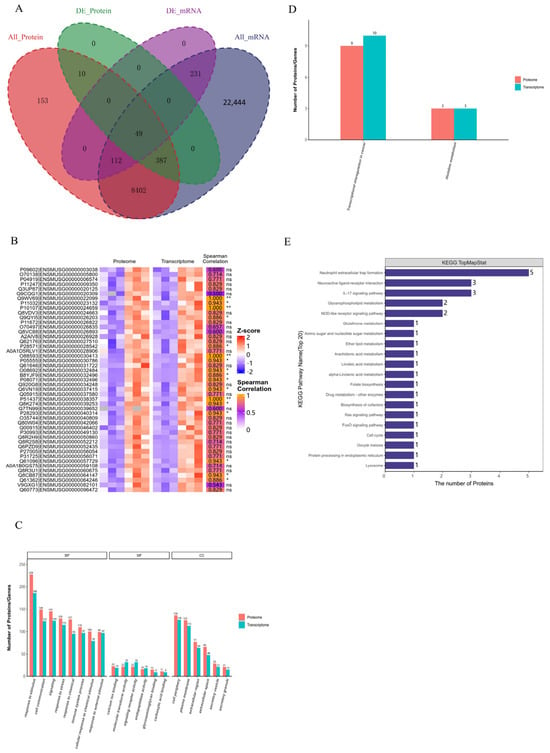
Cistanche deserticola polysaccharide (CDP) exhibits pleiotropic bioactivities, yet its splenic-protective profile remains incompletely defined. Here, male ICR mice were challenged with cyclophosphamide (CTX) to establish an immunosuppressed model and concurrently treated with CDP. By integrating functional assays, splenic histopathology, and transcriptomic and proteomic analyses, we show that CDP dose-dependently restores splenic mass, rescues white-pulp atrophy, and suppresses megakaryocytic hyperplasia. Functionally, CDP rebalances pro-/anti-inflammatory cytokines, scavenges splenic ROS/MDA, and potentiates GSH-Px/SOD antioxidant capacity versus CTX alone. Multi-omics convergence (3103 DEGs; 1387 DEPs) delineated a CDP-distinctive signature related to innate immune recognition, oxidative stress buffering, and protease/ion-transport modules. Notably, transcriptional enrichment of neutrophil extracellular trap (NET)-associated proxies—synergized with NOD-like receptor/IL-17 signaling—suggests a putative innate-priming mechanism warranting functional validation, rather than confirmed pathway activation. Collectively, CDP mitigates CTX-induced splenic injury primarily through coupled redox restoration and transcriptional-level immune modulation.
Full article
(This article belongs to the Topic Bioactive Compounds from Apicultural and Plant Sources: Applications in Functional Foods, Antimicrobial Activity, and Edible Coatings)
►▼
Show Figures

Figure 1

Open AccessArticle
A SHIME®-Based In Vitro Study to Simulate Human Gut Microbiota Modulation by Polyphenols from Pomegranate Juice
by
Angelica Bruno, Massimo Ferrara, Vito Linsalata, Angela Cardinali and Isabella D’Antuono
Antioxidants 2026, 15(8), 1047; https://doi.org/10.3390/antiox15081047 - 21 Aug 2026
Abstract
Polyphenol-rich pomegranate juice (PJ) has attracted growing interest in its health-promoting properties. However, most studies have focused on purified extracts rather than the whole beverage. Here, we evaluated the effects of whole PJ on gut microbiota composition and functionality using the Simulator of
[...] Read more.
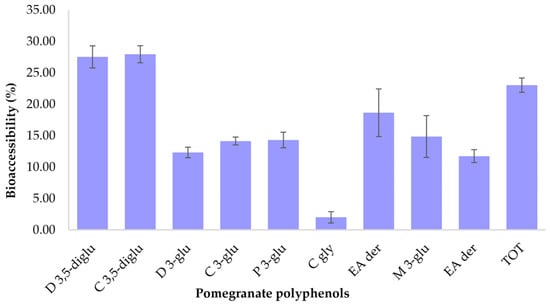
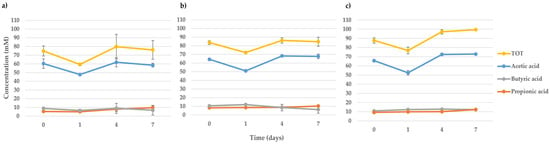
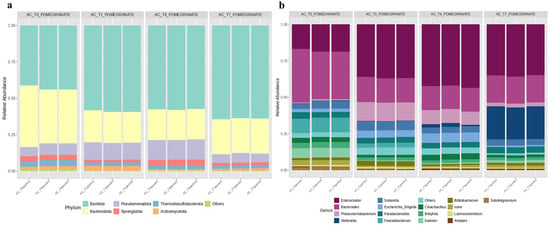
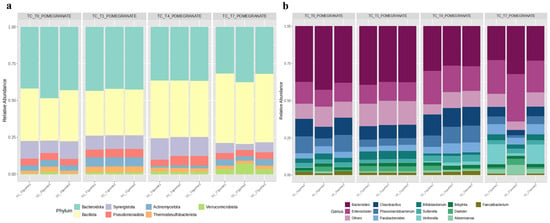
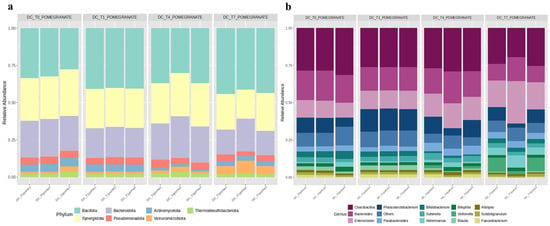
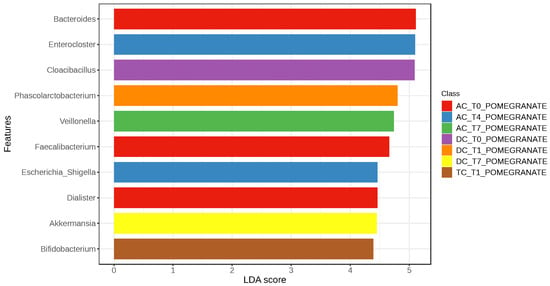
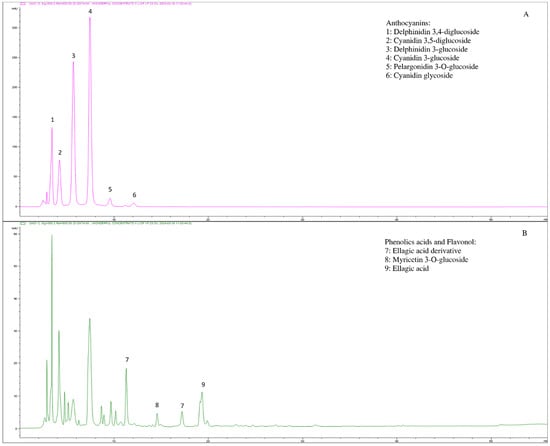
Polyphenol-rich pomegranate juice (PJ) has attracted growing interest in its health-promoting properties. However, most studies have focused on purified extracts rather than the whole beverage. Here, we evaluated the effects of whole PJ on gut microbiota composition and functionality using the Simulator of the Human Intestinal Microbial Ecosystem (SHIME®). The PJ was characterized by a high polyphenol content (2.3 g/L) and largely dominated by anthocyanins (~98% of identified compounds), with ellagic acid derivatives and flavonols present at lower concentrations. Following 7 days of treatment in the SHIME® model, PJ polyphenols exhibited a bioaccessibility of 20–30%, in agreement with data from the literature. PJ supplementation induced a time-dependent modulation of the gut microbiota, leading to enhanced microbial fermentation and increased SCFA production, particularly in the descending colon, where total SCFA levels surpassed baseline values and reached 100 mmol/L. Moreover, PJ promoted the enrichment of beneficial taxa, including Akkermansia, supporting the ability of the whole juice matrix to improve gut microbial composition and metabolic activity. Overall, these findings support the potential of whole pomegranate juice as a functional food capable of modulating gut microbiota composition and activity.
Full article
(This article belongs to the Special Issue Natural Antioxidants in Functional Foods)
►▼
Show Figures

Figure 1

Open AccessArticle
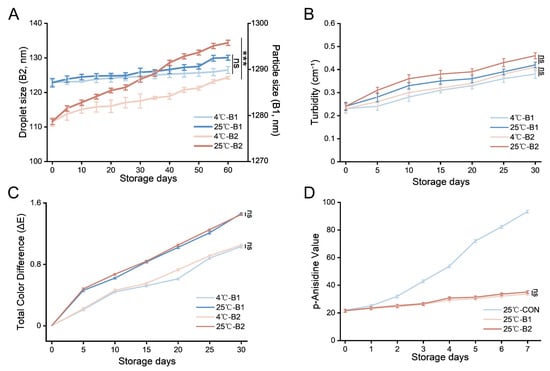
Effects of Microencapsulated and Nanoemulsified β-Carotene on Antioxidant and Anti-Inflammatory Function in Weaned Piglets
by
Qi Zhu, Fudong Zhang, Zhu Zhu, Xinyuan Ye, Ge Zhang, Zeyu Zhang and Jinbiao Zhao
Antioxidants 2026, 15(8), 1046; https://doi.org/10.3390/antiox15081046 - 21 Aug 2026
Abstract
β-carotene has excellent antioxidant and anti-inflammatory activities. However, its poor chemical stability and susceptibility to oxidative degradation strongly limit its practical application. Therefore, encapsulation technology serves as a crucial delivery method to achieve the bioavailability of β-carotene. The study aimed to explore effects
[...] Read more.
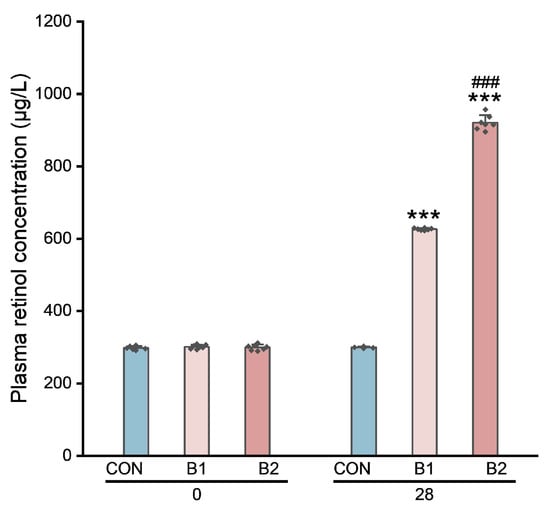
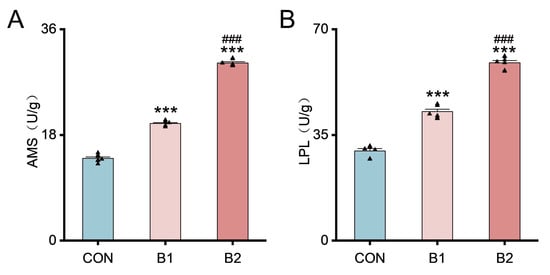
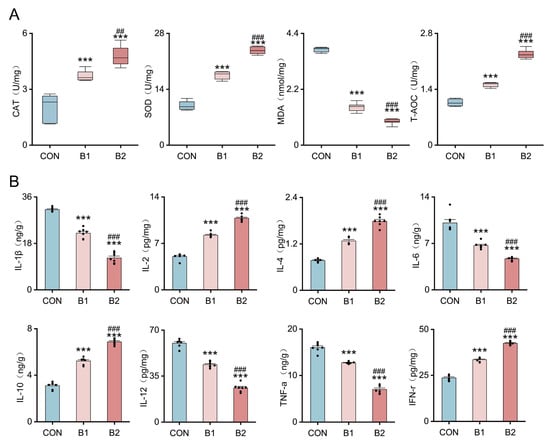
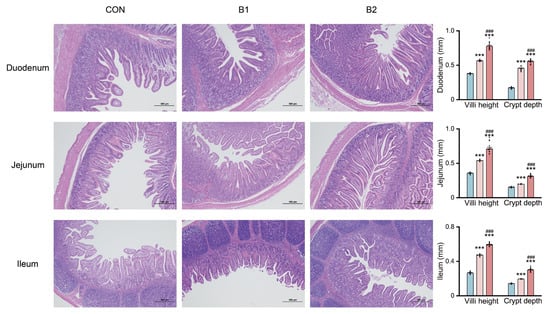
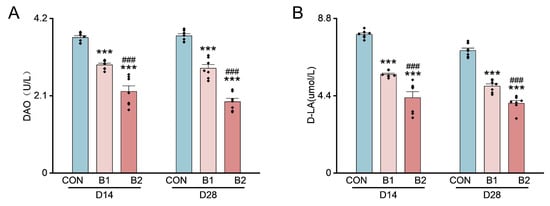
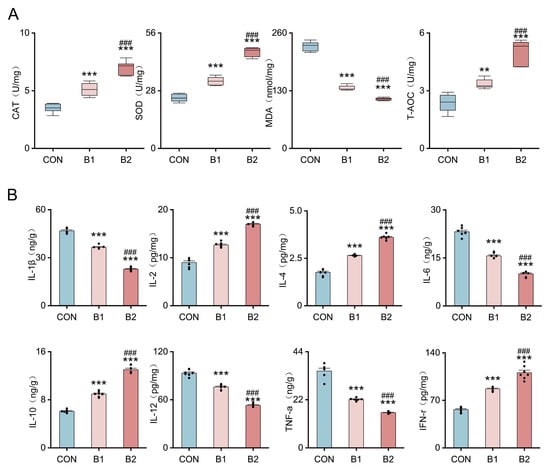
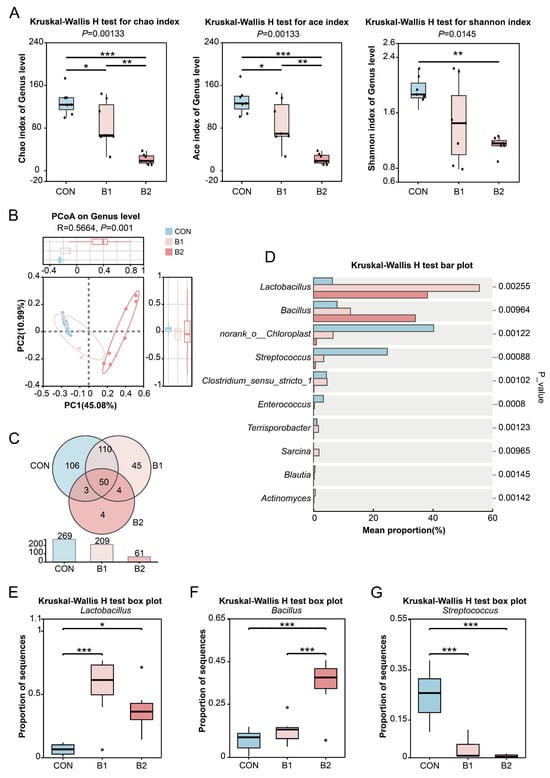
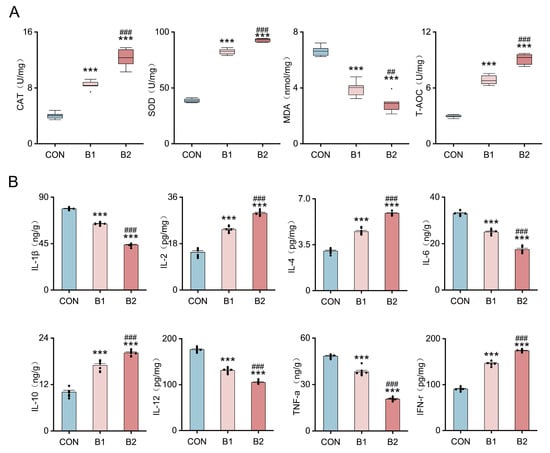
β-carotene has excellent antioxidant and anti-inflammatory activities. However, its poor chemical stability and susceptibility to oxidative degradation strongly limit its practical application. Therefore, encapsulation technology serves as a crucial delivery method to achieve the bioavailability of β-carotene. The study aimed to explore effects of microencapsulated and nanoemulsified β-carotene on antioxidant and anti-inflammatory function in weaned piglets. A total of 147 healthy weaned piglets with similar initial body weight (7.75 ± 0.09 kg) were randomly divided into three groups: control group (CON), microencapsulated β-carotene treatment group (B1) and nanoemulsified β-carotene treatment group (B2). Results showed that the two β-carotene preparations remarkably improved growth performance, antioxidant capacity and immunity of weaned piglets compared with the CON group (p < 0.05). In tissues of liver, jejunum and colon, B1 and B2 groups increased antioxidase activity (CAT, SOD, T-AOC) and concentrations of anti-inflammatory cytokines (IL-2, IL-4, IL-10, IFN-γ), with reduced MDA and pro-inflammatory cytokines (IL-1β, IL-6, IL-12, TNF-α) contents. Both B1 and B2 treatments improved intestinal barrier function and optimized jejunal microbial composition compared with the CON group (p < 0.05). The B2 group exerted far superior antioxidant and anti-inflammatory effects compared with the B1 group (p < 0.001). In conclusion, the nanoemulsion delivery system can improve antioxidant and anti-inflammatory function of β-carotene in weaned piglets compared with the traditional microencapsulated form. Our findings provide a theoretical basis for the popularization and application of nanoemulsified β-carotene to improve the bioavailability of β-carotene.
Full article
(This article belongs to the Topic Advanced Formulation Technologies in Nutraceutical and Functional Food Development)
►▼
Show Figures

Figure 1

Journal Menu
► ▼ Journal Menu-
- Antioxidants Home
- Aims & Scope
- Editorial Board
- Reviewer Board
- Topical Advisory Panel
- Early Career Editorial Board
- Instructions for Authors
- Special Issues
- Topics
- Sections & Collections
- Article Processing Charge
- Indexing & Archiving
- Editor’s Choice Articles
- Most Cited & Viewed
- Journal Statistics
- Journal History
- Journal Awards
- Society Collaborations
- Conferences
- Editorial Office
Journal Browser
► ▼ Journal BrowserHighly Accessed Articles
Latest Books
E-Mail Alert
News
17 August 2026
Meet Us at the Aquaculture Europe 2026, 28 September–1 October 2026, Ljubljana, Slovenia
5 August 2026
MDPI INSIGHTS: The CEO’s Letter #37 – Canada Summit, Sciforum Relaunch, 30 Years of Impactful Research & ISPRS 2026
Topics
Topic in
Animals, Antioxidants, Metabolites, Pets, Veterinary Sciences
Research on Companion Animal Nutrition
Topic Editors: Baichuan Deng, Lian Li, Yun JiDeadline: 26 October 2026
Topic in
Antioxidants, Biomedicines, Biomolecules, Cells, IJMS, Metabolites, Nutrients, Sci
Muscle Aging and Sarcopenia: Mechanisms, Metabolic Regulation, and Intervention Strategies
Topic Editors: Hélio José Coelho Júnior, Mariam El Assar, Javier AnguloDeadline: 15 December 2026
Topic in
Antioxidants, Biomolecules, Nutraceuticals, Nutrients, Foods, Sci. Pharm., Pharmaceuticals
Functional Foods and Nutraceuticals in Health and Disease
Topic Editors: Srinivas Nammi, Dennis ChangDeadline: 20 December 2026
Topic in
Antioxidants, Biomedicines, Disabilities, JCDD, Hearts, JCRM
Cardiovascular Disease in Special Populations: From Basic Science to Clinical Practice
Topic Editors: Song-Young Park, Gwenael LayecDeadline: 31 January 2027
Conferences
Special Issues
Special Issue in
Antioxidants
Antioxidant Systems in Plants
Guest Editors: Francisco Espinosa Borreguero, Ilda Jesús Casimiro Felicio, Inmaculada Garrido CarballoDeadline: 30 August 2026
Special Issue in
Antioxidants
Novel Strategies for Oxidative Stress Management: Dietary Interventions for Liver and Gut Health
Guest Editors: Antonio Cilla, Mussa MakranDeadline: 30 August 2026
Special Issue in
Antioxidants
Phenolic Compounds from Novel Natural Sources and Fermented Foods
Guest Editors: Harris Papapostolou, Maria AlexandriDeadline: 30 August 2026
Special Issue in
Antioxidants
Carotenoids in Health and Disease
Guest Editor: Kazutoshi ShindoDeadline: 30 August 2026
Topical Collections
Topical Collection in
Antioxidants
Advances in Antioxidant Ingredients from Natural Products
Collection Editors: Carla Susana Correia Pereira, Lillian Barros