
Journal Description
Infrastructures
Infrastructures
is an international, scientific, peer-reviewed open access journal on infrastructures published monthly online by MDPI. Infrastructures is affiliated to International Society for Maintenance and Rehabilitation of Transport Infrastructures (iSMARTi) and their members receive a discount on the article processing charges.
- Open Access— free for readers, with article processing charges (APC) paid by authors or their institutions.
- High Visibility: indexed within Scopus, ESCI (Web of Science), Inspec, and other databases.
- Journal Rank: JCR - Q2 (Construction and Building Technology) / CiteScore - Q1 (Building and Construction)
- Rapid Publication: manuscripts are peer-reviewed and a first decision is provided to authors approximately 18.3 days after submission; acceptance to publication is undertaken in 3.7 days (median values for papers published in this journal in the second half of 2025).
- Recognition of Reviewers: reviewers who provide timely, thorough peer-review reports receive vouchers entitling them to a discount on the APC of their next publication in any MDPI journal, in appreciation of the work done.
- Journal Cluster of Civil Engineering and Built Environment: Acoustics, Architecture, Buildings, CivilEng, Construction Materials, Infrastructures, Intelligent Infrastructure and Construction, NDT and Vibration.
Impact Factor:
2.9 (2024);
5-Year Impact Factor:
3.0 (2024)
Latest Articles
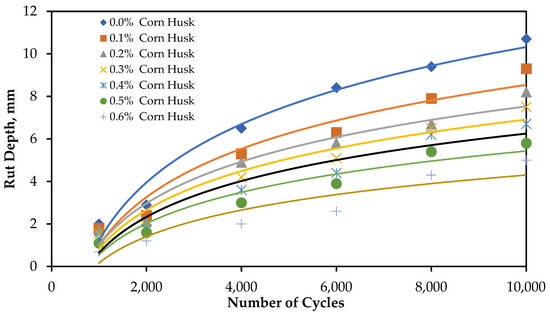
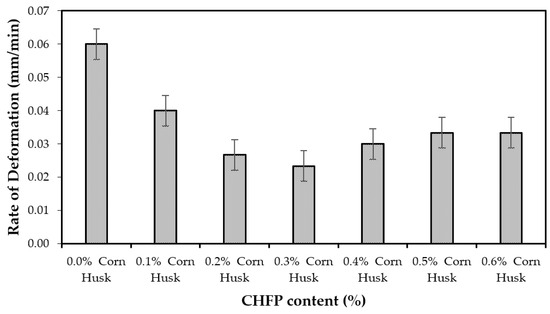
Laboratory Evaluation of Asphalt Mixtures Reinforced with Corn Husk Fiber Powder
Infrastructures 2026, 11(6), 186; https://doi.org/10.3390/infrastructures11060186 - 28 May 2026
Abstract
The pavement surface temperatures in Iraq are remarkably high, causing the asphalt to deteriorate quickly, shortening its service life. While a large amount of corn husk, an agricultural waste, is available for use as an asphalt modifier, researchers have not yet fully investigated
[...] Read more.
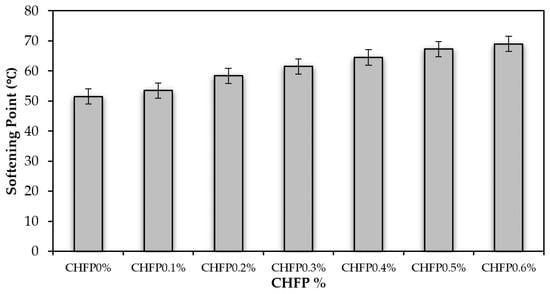
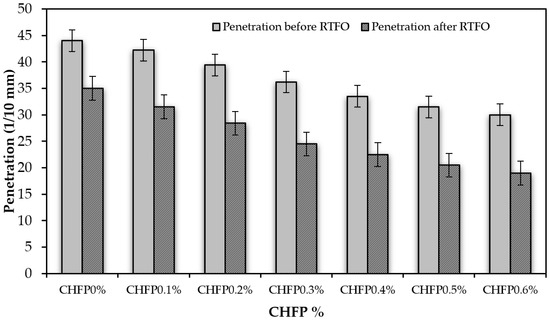
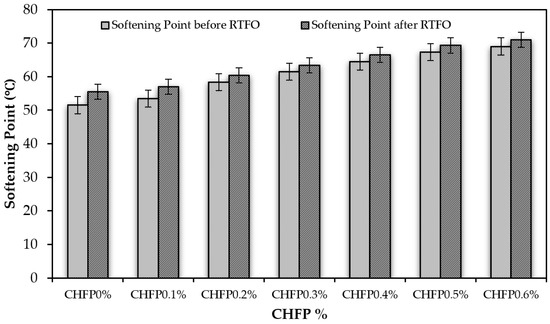
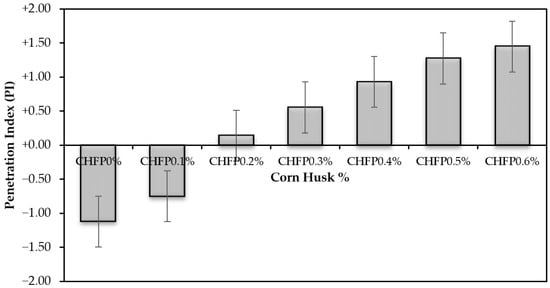
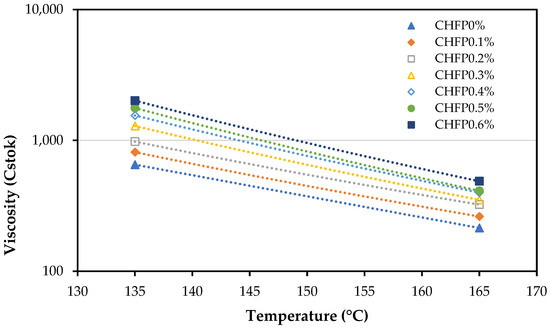
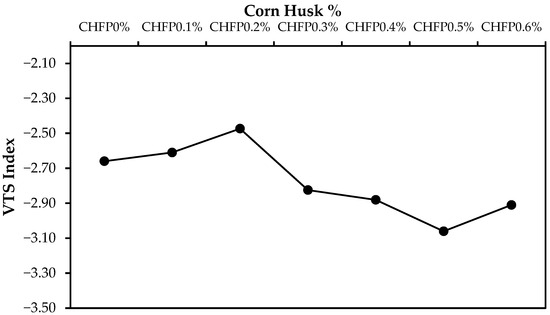
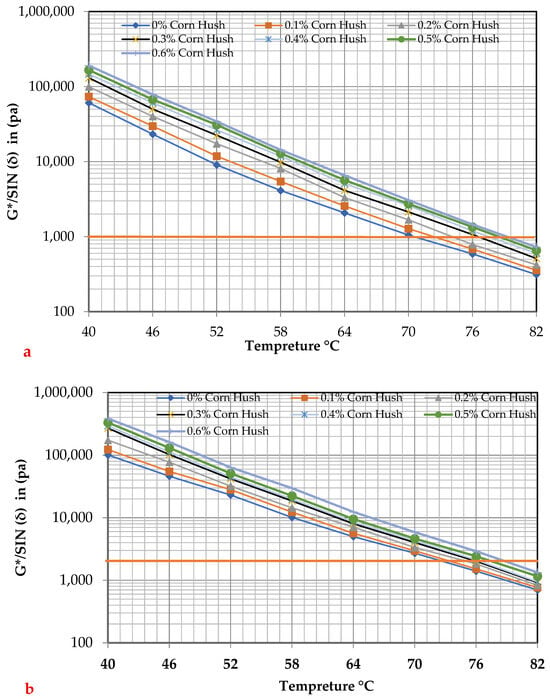
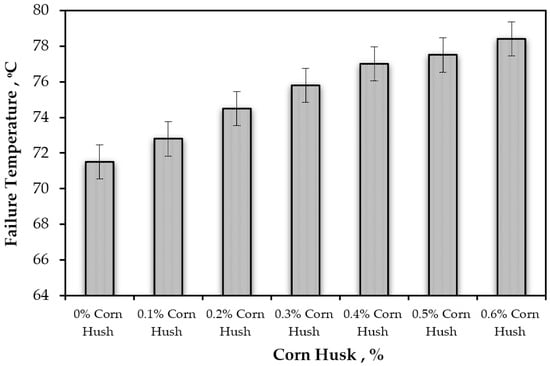
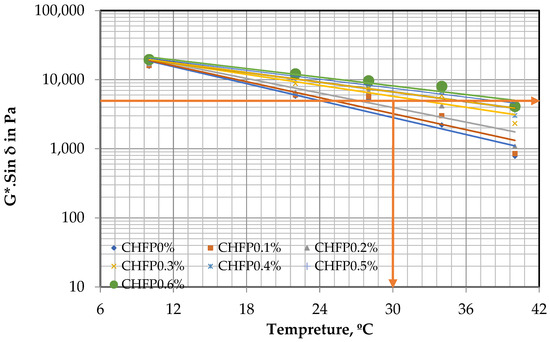
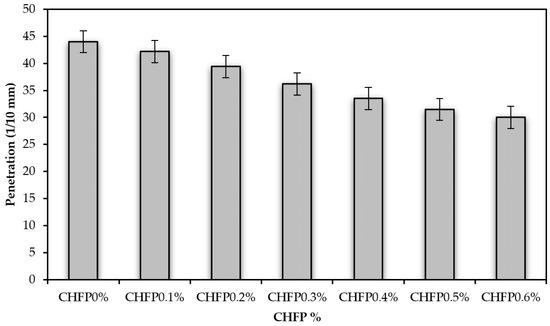
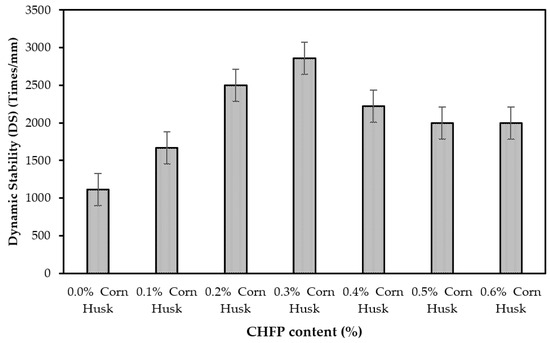
The pavement surface temperatures in Iraq are remarkably high, causing the asphalt to deteriorate quickly, shortening its service life. While a large amount of corn husk, an agricultural waste, is available for use as an asphalt modifier, researchers have not yet fully investigated this option. In this study, the use of corn husk fiber powder (CHFP) as a long-term modifier for asphalt binders and mixtures that are exposed to high-temperature conditions is evaluated. CHFP was mixed into a 40–50 penetration grade asphalt binder at concentrations ranging from 0.0% to 0.6% by weight. Performance was assessed using laboratory tests such as penetration, softening point, rotating viscosity, dynamic shear rheometer (DSR), aging (RTFOT and PAV), and wheel tracking. The findings revealed that CHFP greatly lowers penetration while increasing the softening point, indicating increased stiffness and high-temperature stability. Rheological research showed an increase in the rutting parameter (G*/sinδ) and viscosity, as well as reduced temperature susceptibility. At the mixed level, CHFP reduced rut depth while improving dynamic stability, indicating increased resistance to permanent deformation. The best performance was obtained at 0.3% CHFP, after which, improvements decreased due to probable dispersion constraints. The performance improvement is related to the creation of a reinforcing fiber network and the absorption of light asphalt components. Overall, CHFP is a promising, environmentally friendly and cost-effective addition for increasing asphalt pavement performance and promoting sustainable waste management.
Full article
(This article belongs to the Section Sustainable Infrastructures)
►
Show Figures

Open AccessArticle
Performance and Microstructural Characteristics of Ultra-Early High-Strength Cement-Based Grouting Materials Modified with Accelerating and Retarding Agents
by
Xing-Ze Duan, Zhao-Jun Liu, Shuai-Qi Wang, Rui-Jie Xia, Wei Li, Ju Liu, Guo-Hua Song, Zhi-Xiao Shi, Jun Shi, Ao Yang and Kuang-Yu Dai
Infrastructures 2026, 11(6), 185; https://doi.org/10.3390/infrastructures11060185 - 26 May 2026
Abstract
To balance ultra-early strength development and workable time in cement-based grouting materials for rapid repair applications, an ultra-early high-strength grout system was developed by regulating the dosage of an accelerating agent (CF), retarder content, and water-to-binder ratio (w/b). The effects of these parameters
[...] Read more.
To balance ultra-early strength development and workable time in cement-based grouting materials for rapid repair applications, an ultra-early high-strength grout system was developed by regulating the dosage of an accelerating agent (CF), retarder content, and water-to-binder ratio (w/b). The effects of these parameters on setting behavior, workability, mechanical properties, volumetric stability, and durability were systematically investigated. X-ray diffraction (XRD) and scanning electron microscopy coupled with energy-dispersive spectroscopy (SEM/EDS) were further conducted to qualitatively evaluate the hydration characteristics and microstructural evolution of the optimized system. The results showed that CF accelerated early hydration and promoted the rapid formation of ettringite (AFt), which contributed to the development of ultra-early strength. The incorporation of a retarder effectively prolonged the workable time and improved slurry workability. Increasing the w/b ratio enhanced flowability and toughness, although excessive w/b reduced compressive strength. The optimal mixture contained 30% CF, 0.02% retarder, and a w/b ratio of 0.19. Under this condition, the grout exhibited a flowability of 312 mm and compressive strengths of 81.4 MPa at 1 h and 121.3 MPa at 28 d. In addition, low air shrinkage (0.027% at 28 d) and excellent chloride penetration resistance (12 C at 28 d) were achieved. Microstructural observations suggested that the dense structure formed by AFt and C–S–H gel contributed to the improved macroscopic performance. This study provides an engineering-oriented reference for the mix design and performance optimization of ultra-early high-strength cement-based grouting materials for rapid repair applications.
Full article
Open AccessArticle
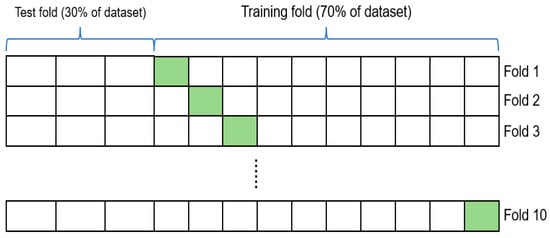
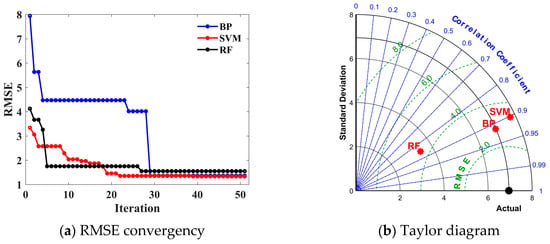
Machine Learning-Assisted Multi-Objective Optimization of Surface Pretreated Coal Gangue Lightweight Shotcrete
by
Wencan Huang, Wei Huang, Wenjia Huang, Qingxiang Zhao, Lingyu Zhong, Wendi Deng, Yufei Wang, Qianqian Dong, Jianxiong Liao and Cai Min
Infrastructures 2026, 11(6), 184; https://doi.org/10.3390/infrastructures11060184 - 25 May 2026
Abstract
The large-scale accumulation of coal gangue has created increasing environmental pressure, while its use as aggregate in cementitious materials remains limited by its high water absorption, porous structure and unstable mechanical performance. This study develops a machine learning-assisted multi-objective optimization framework for lightweight
[...] Read more.
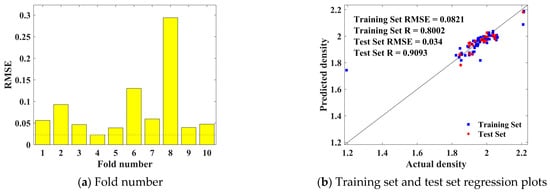
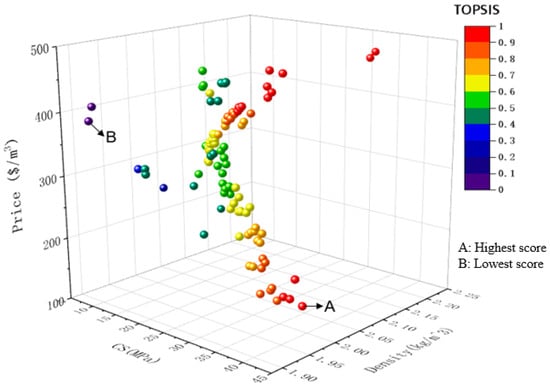
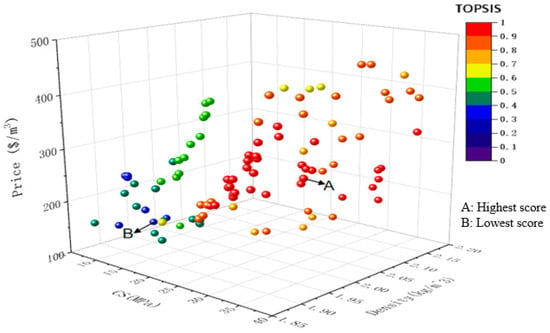
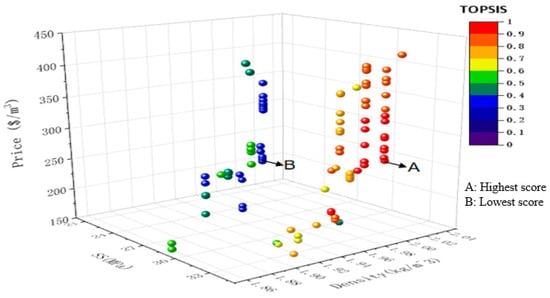
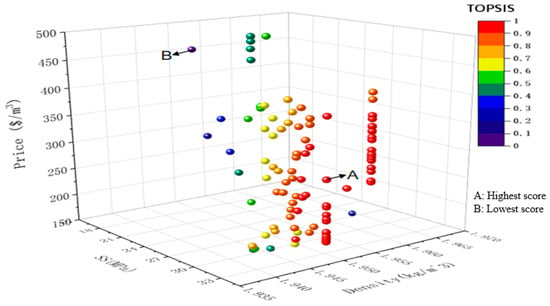
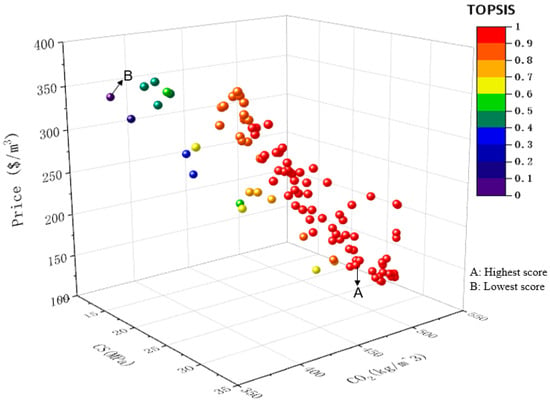
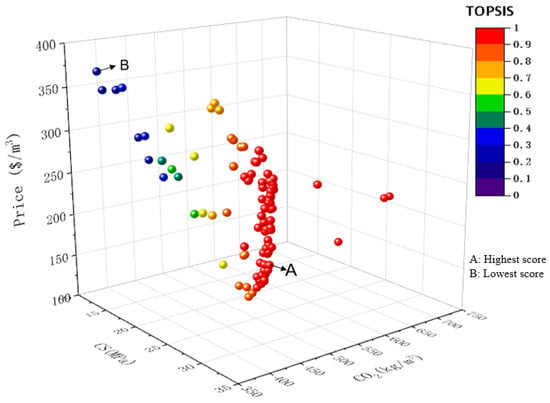
The large-scale accumulation of coal gangue has created increasing environmental pressure, while its use as aggregate in cementitious materials remains limited by its high water absorption, porous structure and unstable mechanical performance. This study develops a machine learning-assisted multi-objective optimization framework for lightweight shotcrete incorporating surface-pretreated coal gangue aggregates and polyvinyl alcohol fibres. Two pretreatment methods—namely, silica-fume slurry coating (CGACM) and dry adsorption activation (CGACD)—were applied to improve the aggregate surface characteristics. Experimental data on compressive strength, splitting strength and density were used to train backpropagation neural networks and support vector machine and random forest models, with hyperparameters optimized by the Beetle Antennae Search algorithm. The trained models were then coupled with a multi-objective optimization procedure to balance mechanical performance, density, material cost and CO2 emissions. The results show that surface pretreatment can improve the performance of coal gangue lightweight shotcrete, while the proposed optimization framework can identify mixture designs with balanced strength, reduced density and improved economic and environmental performance. Compared with untreated or non-optimized mixtures, the optimized surface-pretreated mixtures achieved a more favorable trade-off among mechanical, cost and carbon-emission objectives. This study provides a data-driven approach for the sustainable design and practical utilization of coal gangue in lightweight shotcrete.
Full article
(This article belongs to the Special Issue Construction and Maintenance of Transportation Infrastructure in Extreme Environments)
►▼
Show Figures

Figure 1

Open AccessArticle
Explainable Hybrid Intelligence for Predicting Tunnel Water Inrush Quantity Under Small-Sample, High-Heterogeneity Conditions: GAN Augmentation and Swarm-Optimized CatBoost
by
Rui Huang, Yige Chen, Lanjing Wang, Jing Zhan, Yuanfan Ji, Tingyu Huang and Yanbo Yang
Infrastructures 2026, 11(6), 183; https://doi.org/10.3390/infrastructures11060183 - 25 May 2026
Abstract
This study aims to explore a leakage-aware and explainable machine learning framework for predicting tunnel water inrush quantity (WIQ) under small-sample and high-heterogeneity geological conditions. A project-level dataset was compiled at a fixed spatial granularity of 30 m per excavation segment by integrating
[...] Read more.
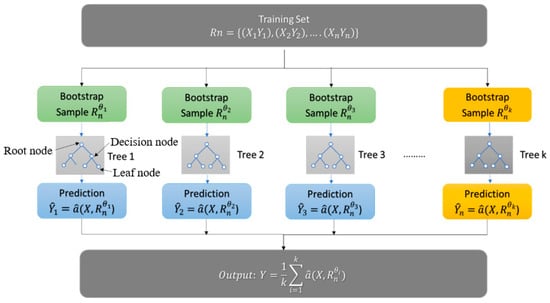
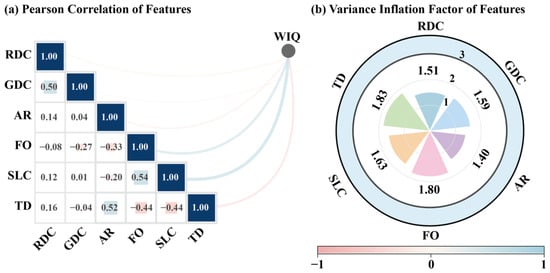
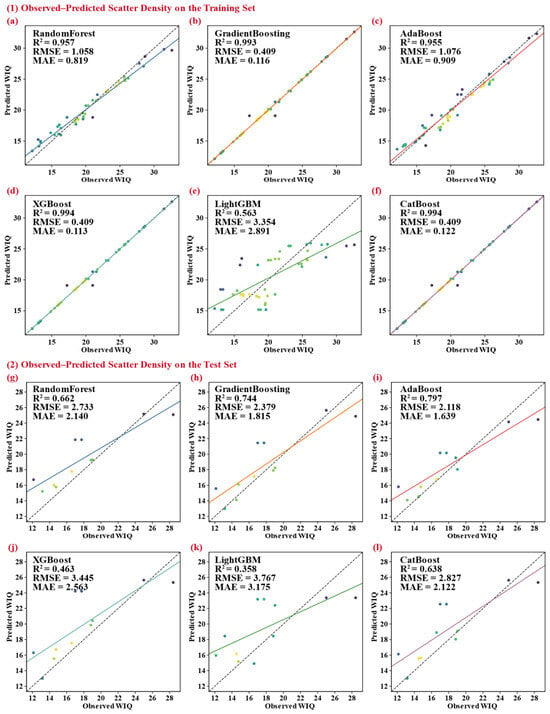
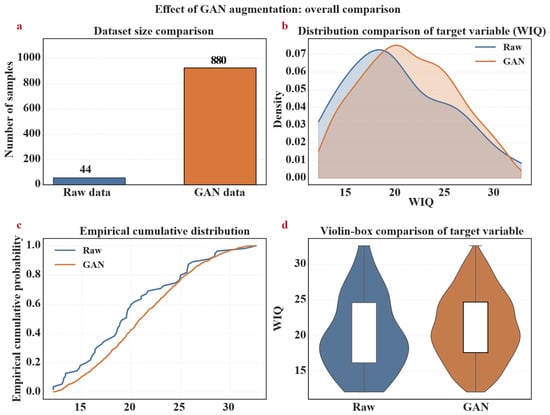
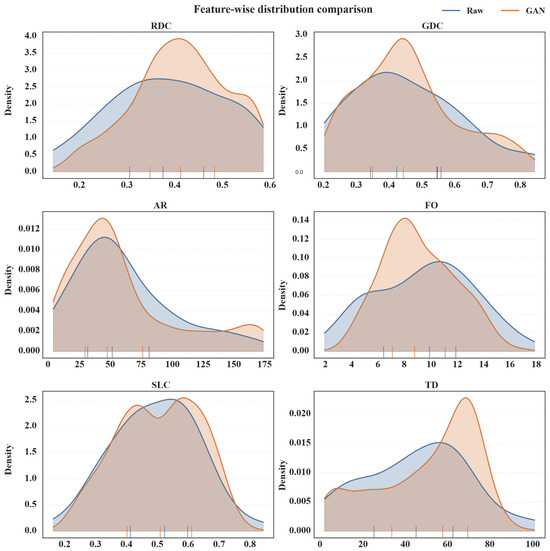
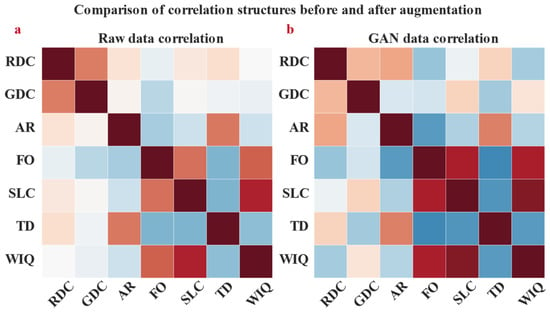
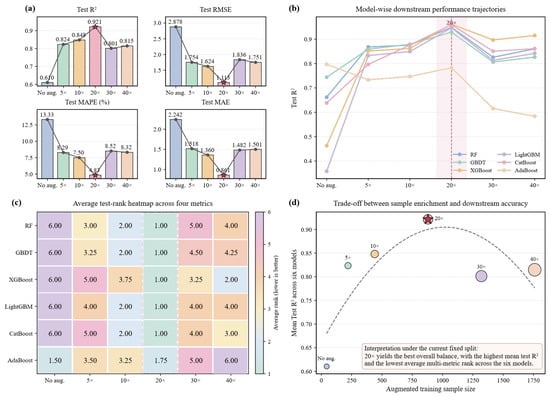
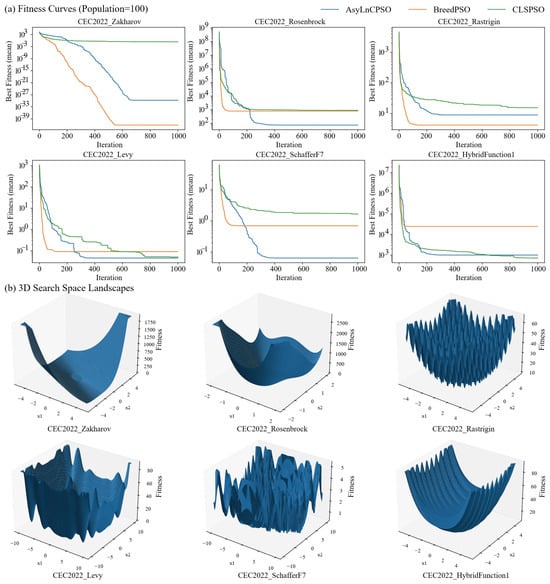
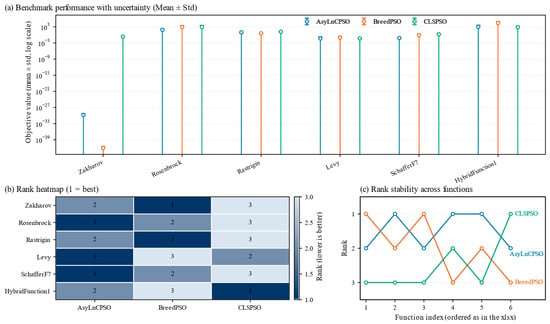
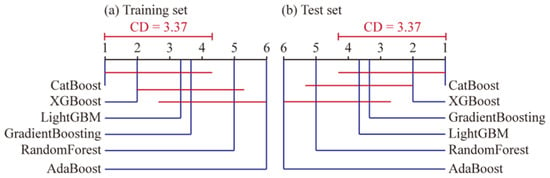
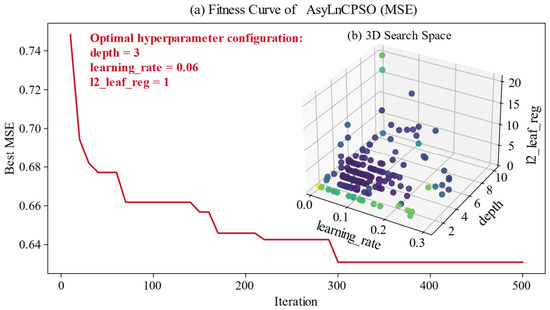
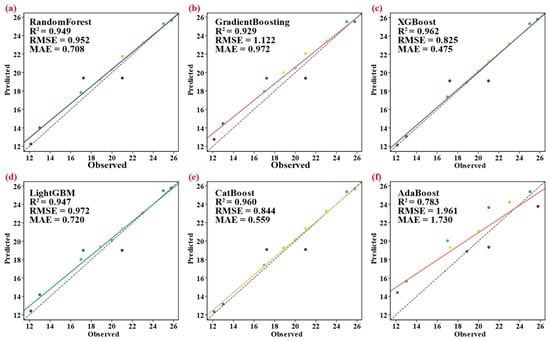
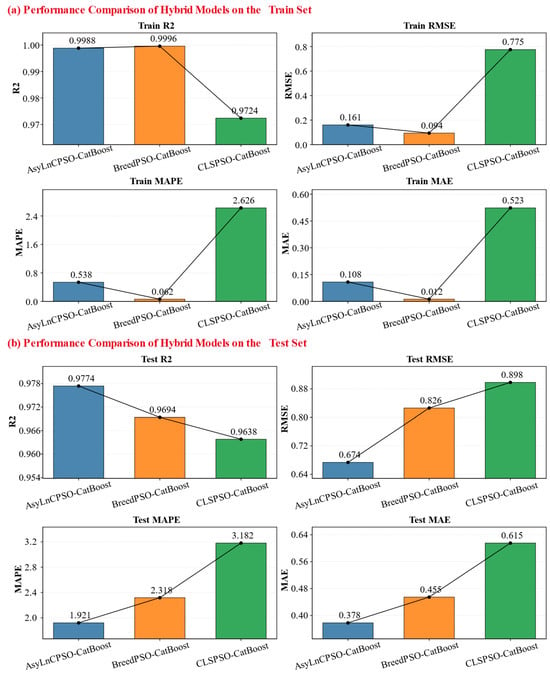
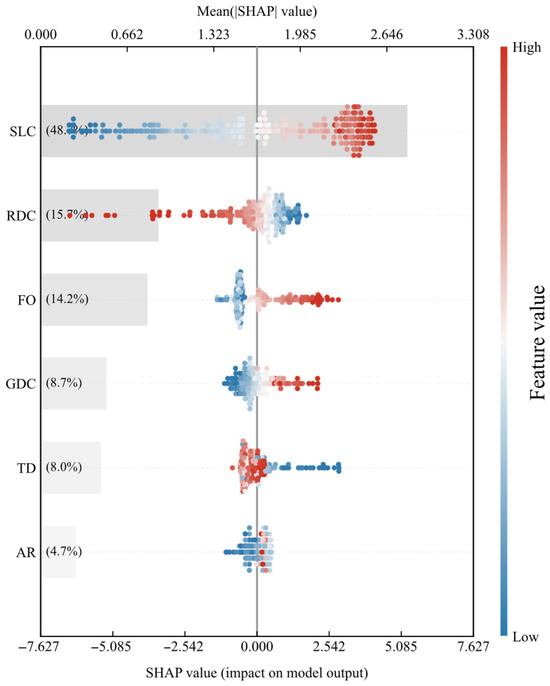
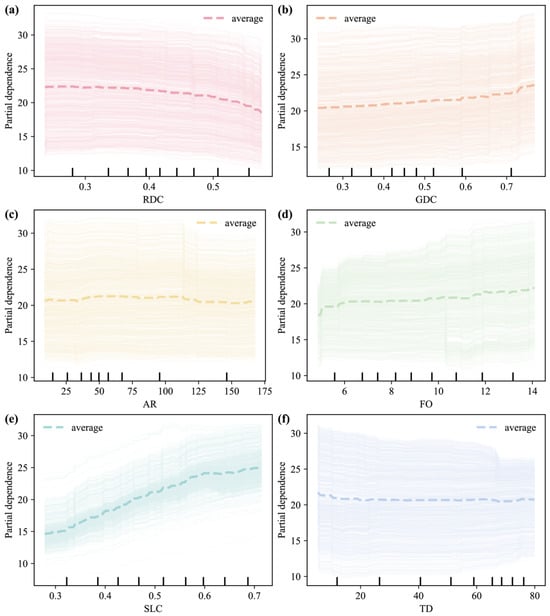
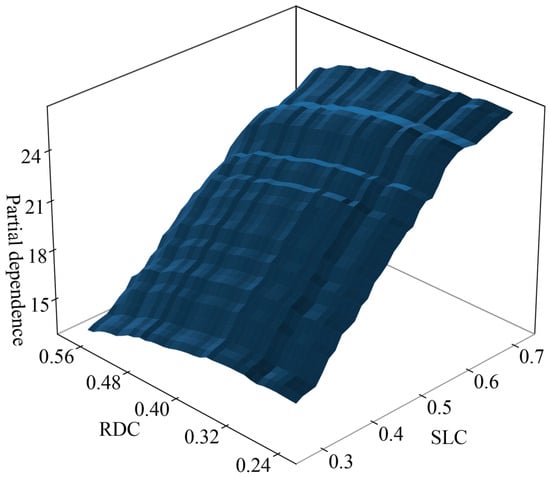
This study aims to explore a leakage-aware and explainable machine learning framework for predicting tunnel water inrush quantity (WIQ) under small-sample and high-heterogeneity geological conditions. A project-level dataset was compiled at a fixed spatial granularity of 30 m per excavation segment by integrating forward prospecting outputs, construction-face observations, and geological reports, and six hydrogeological–structural indicators were used to predict the water inflow rate in cubic meters per hour. To overcome data scarcity and improve generalization, a tabular generative adversarial network (GAN) was introduced to augment the training distribution while preserving marginal statistics and inter-variable dependence, and a swarm-intelligence optimizer was employed to tune a Categorical Boosting (CatBoost) regressor for stable performance. In addition, six mainstream tree-based learners were benchmarked under a unified protocol, and model transparency was ensured through a multi-level interpretability suite combining SHapley Additive exPlanations (SHAP) attribution, partial dependence with individual conditional expectation (ICE) diagnostics, and interaction surfaces. Results show that, under the present fixed split, training-set augmentation was associated with improved performance for the evaluated baseline learners, and the proposed hybrid model achieved encouraging hold-out accuracy. However, because the dataset contains only 55 real samples and the test set contains only 11 real samples, the reported performance should be interpreted as an initial project-specific indication rather than robust evidence of generalizable reliability. Interpretability analyses further identify lithologic and reflector-related factors as dominant drivers, and reveal nonlinear response patterns and interaction-sensitive high-risk regions. Overall, the proposed framework shows potential to improve predictive performance and engineering interpretability for the studied project, and may provide a useful reference for drainage and reinforcement planning. Further confirmation through repeated data splitting, additional samples, and external validation is still needed before broader application.
Full article
(This article belongs to the Special Issue Advances in Artificial Intelligence for Geotechnical Engineering)
►▼
Show Figures

Figure 1
Open AccessArticle
Dam-Axis Siting with Improved Adaptive Variable Neighborhood Search Algorithm
by
Xianlin Feng, Rui Huang, Lin Xu, Yi Li, Xinyi Liu, Feixiang Zeng and Zhu Wang
Infrastructures 2026, 11(6), 182; https://doi.org/10.3390/infrastructures11060182 - 24 May 2026
Abstract
This study investigates upper-reservoir dam-axis siting in pumped-storage hydropower projects, where cut–fill balance and construction cost are critical under complex terrain conditions. Existing approaches still rely heavily on manual interpretation or static GIS-based analysis and therefore do not adequately optimize dam-axis geometry or
[...] Read more.
This study investigates upper-reservoir dam-axis siting in pumped-storage hydropower projects, where cut–fill balance and construction cost are critical under complex terrain conditions. Existing approaches still rely heavily on manual interpretation or static GIS-based analysis and therefore do not adequately optimize dam-axis geometry or earthwork balance. To address this limitation, we propose an Improved Adaptive Variable Neighborhood Search (IAVNS) algorithm that integrates high-resolution digital elevation model (DEM) data within a two-layer adaptive framework. The inner layer performs staged planar and elevation adjustments through adaptive neighborhood operators, whereas the outer layer conducts fitness-guided subregion migration to strengthen global exploration. Experiments on the Qiannan pumped-storage project show that IAVNS obtains layouts with improved cut–fill balance. In the 30-run benchmark comparison, IAVNS achieved a mean CFR of 1.31, which is close to, although slightly above, the upper bound of the adopted earthwork-balance reference interval. In the separate 20-run case-study analysis, the average storage-volume deviation was 0.13%, with run-level deviations ranging from to . In benchmark comparisons, IAVNS improves solution quality by 22.8% relative to the Genetic Algorithm (GA) and by 16.5% relative to classical Variable Neighborhood Search (VNS), while reducing convergence time by 49.5% and 27.4%, respectively. Sensitivity analysis further suggests that the framework remains locally robust under practically reasonable parameter perturbations, and the module-level ablation study indicates that the observed performance gains arise mainly from the problem-tailored search mechanisms for dam-axis siting rather than from a generic combination of metaheuristic components. Taken together, the case-study results, repeated-run comparison, sensitivity analysis, and ablation study support the use of IAVNS as a geometry-oriented decision-support framework for preliminary dam-axis design in terrain-sensitive hydraulic engineering applications.
Full article
(This article belongs to the Topic Advances in Intelligent Construction, Operation and Maintenance, 3rd Edition)
Open AccessReview
Towards Transportation Metaverse: A Conceptual Perspective on Future Road, Railway, Maritime, and Aviation Systems
by
Masoud Khanmohamadi and Marco Guerrieri
Infrastructures 2026, 11(6), 181; https://doi.org/10.3390/infrastructures11060181 - 22 May 2026
Abstract
This perspective paper develops a system-level characterization of the transportation metaverse as a persistent, policy-aware digital environment integrating digital twins, real-time data, advanced analytics, and human–machine interaction into a unified operational framework. The study presents a cross-modal review of metaverse applications in road,
[...] Read more.
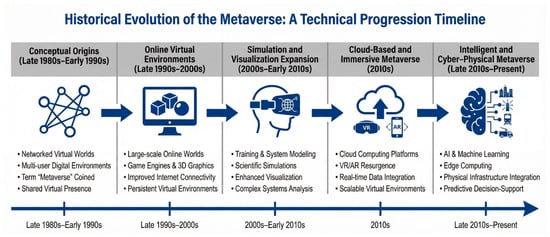
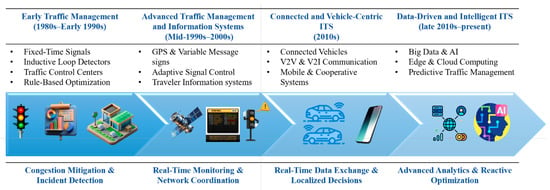
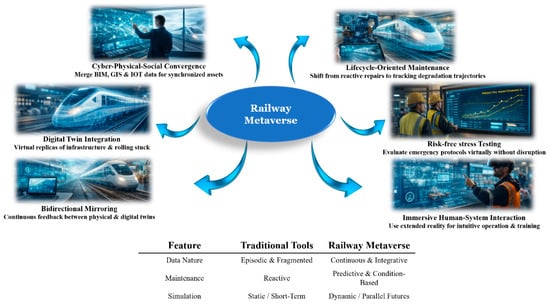
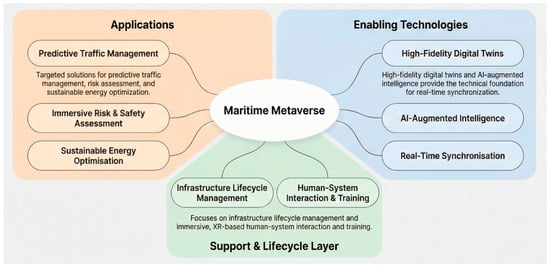
This perspective paper develops a system-level characterization of the transportation metaverse as a persistent, policy-aware digital environment integrating digital twins, real-time data, advanced analytics, and human–machine interaction into a unified operational framework. The study presents a cross-modal review of metaverse applications in road, rail, maritime, and aviation systems, identifying common opportunities, limitations, and research challenges. It further proposes a structured metaverse-based framework for smart roads as a reference case. The framework demonstrates how persistent virtualization, parallel future scenarios, embedded governance constraints, and human-in-the-loop decision support can improve uncertainty-aware planning, management, and operations. The paper positions the metaverse not as a deployable technology, but as an emerging paradigm for transportation governance. The study provides an architectural vision and research agenda for developing more resilient, transparent, and adaptive transportation systems. Potential applications include smart road management, multimodal traffic coordination, real-time operational control, infrastructure resilience planning, and decision support for policymakers under uncertain conditions.
Full article
(This article belongs to the Special Issue Sustainable Road Design and Traffic Management)
►▼
Show Figures

Figure 1

Open AccessArticle
Verification of Possibility of Using Prestressed CFRP Strips to Strengthen Concrete Box Girder Bridge—Case Study
by
Peter Koteš, Ondrej Krídla, Martin Vavruš, František Bahleda, Michal Zahuranec, Jozef Prokop and Matúš Farbák
Infrastructures 2026, 11(5), 180; https://doi.org/10.3390/infrastructures11050180 - 21 May 2026
Abstract
►▼
Show Figures
Strengthening existing structures and bridges allows us to continue using them, increase their reliability, resistance, durability and extend their service life instead of demolishing them and replacing them with new ones. This helps to reduce CO2 (decarbonization). The use of prestressed CFRP
[...] Read more.
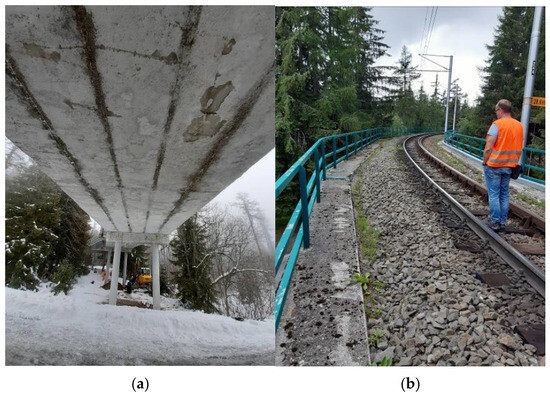
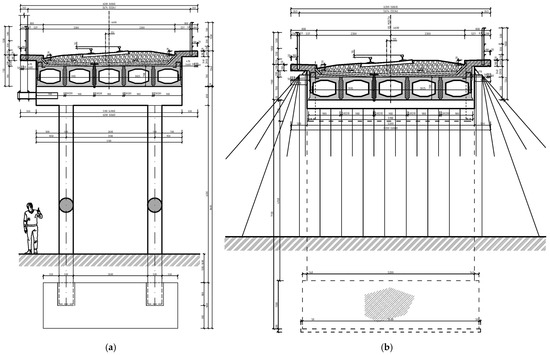
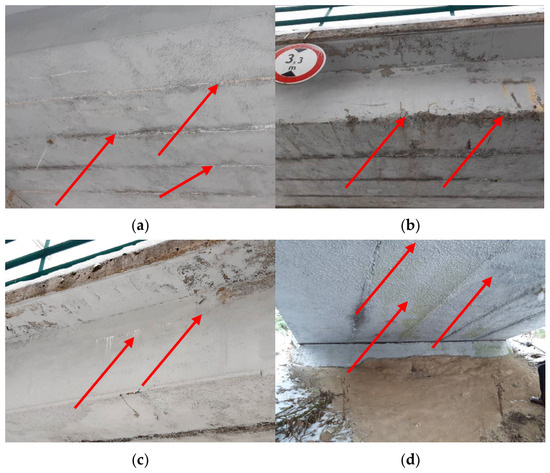
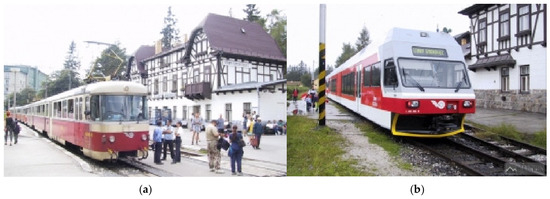
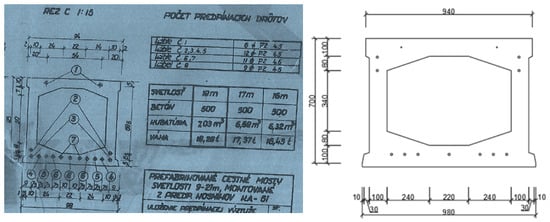
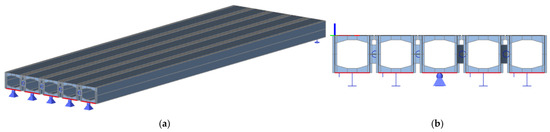
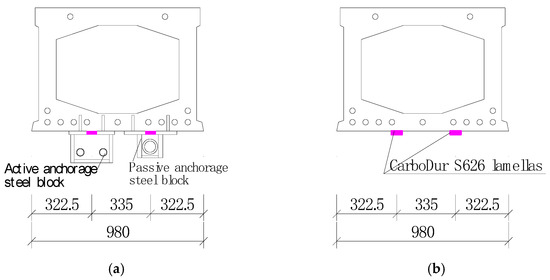
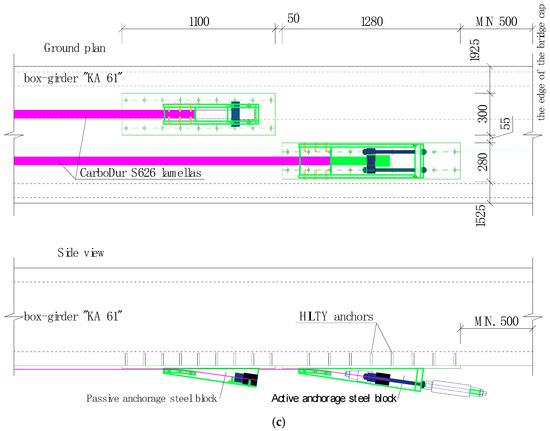
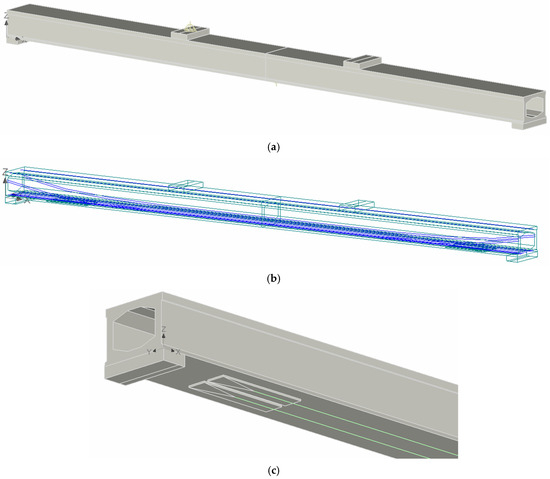
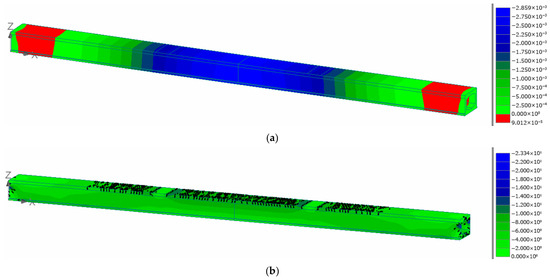
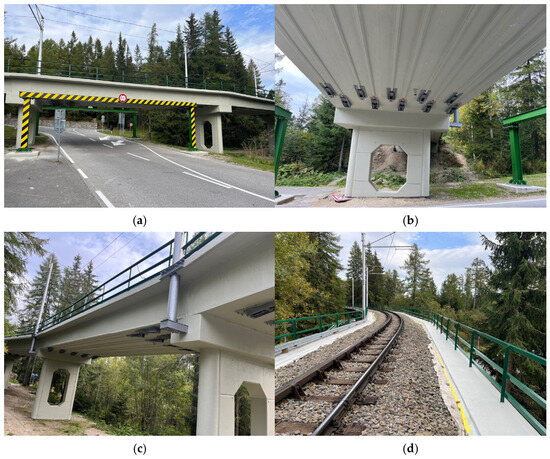
Strengthening existing structures and bridges allows us to continue using them, increase their reliability, resistance, durability and extend their service life instead of demolishing them and replacing them with new ones. This helps to reduce CO2 (decarbonization). The use of prestressed CFRP strips represents the use of new modern materials and new technology for strengthening existing bridges. The paper is focused on the use of prestressed CFRP strips for strengthening a concrete bridge made of precast prestressed box girders as the most suitable strengthening alternative in a given case. This is a technology that is more commonly used for strengthening structures, but it is not common to use this technology for strengthening bridges. There are relatively few examples of using this technology for strengthening bridges, also because these are dynamically loaded structures. The paper firstly presents the diagnostics and calculation of the load-carrying capacity of the railway bridge on a narrow-gauge railway line in Štrbské Pleso, Slovakia, and then the strengthening of the given bridge. The bridge is located in the mountains of the High Tatras in the northern part of Slovakia and bypasses two local roads. The bridge was made from the precast prestressed post-tensioned box girders of six single spans. The visual inspection, diagnostics, and verification of real dimensions and material characteristics were requested. The non-destructive and semi-destructive methods of testing were used to determine the geometrical and materials’ properties. After that, the calculation of the load-carrying capacity was done. For this purpose, a numerical 3D FEM model was created. For determining the load-carrying capacity, the standard approach, given in Eurocodes, was used according to provisions, which take into account the modified (lower) reliability levels and their adequate partial safety factors. From the calculation, it follows that the bridge should be strengthened. The strengthening of the superstructure was done using prestressed CFRP strips in the lower part of the box girders. This is one of the first applications of this modern method of strengthening, not only in Slovakia but in Central Europe as well.
Full article

Figure 1
Open AccessArticle
A Design Model for Urban Single-Lane Roundabouts with Offset Approaches
by
Ivica Stančerić, Saša Ahac, Šime Bezina and Tamara Džambas
Infrastructures 2026, 11(5), 179; https://doi.org/10.3390/infrastructures11050179 - 20 May 2026
Abstract
The roundabout design procedures specified in current standards and guidelines presuppose that the centrelines of the approach legs intersect at right angles at the geometric centre of the roundabout. In urban areas, this requirement cannot always be met due to fixed structural constraints
[...] Read more.
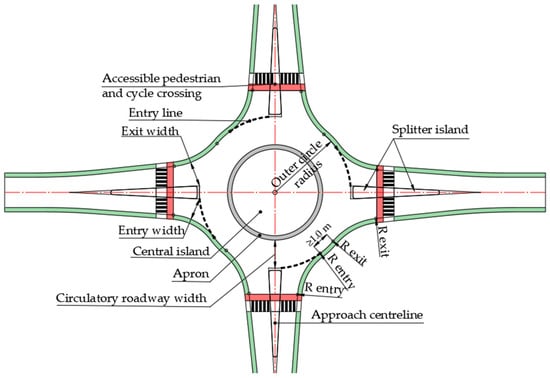
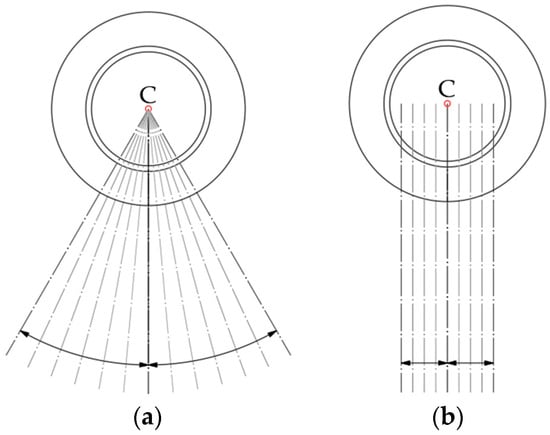
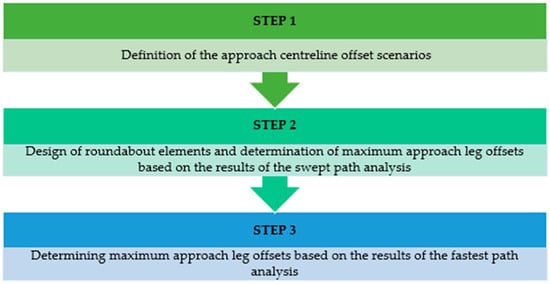
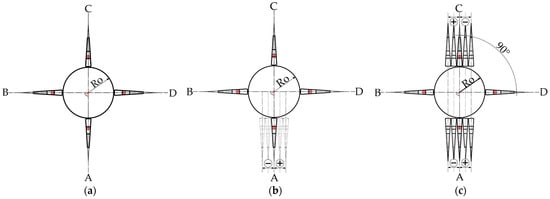
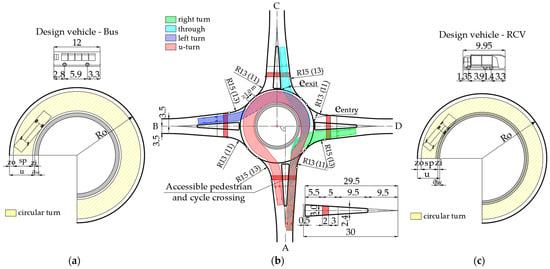
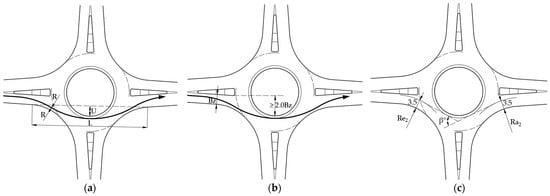
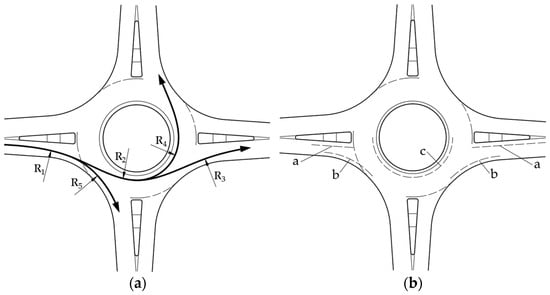
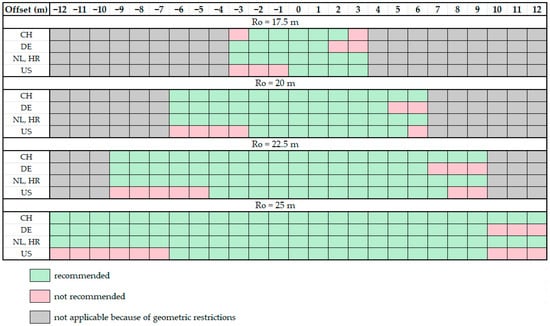
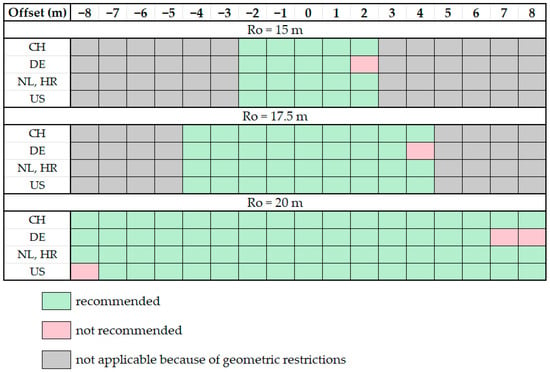
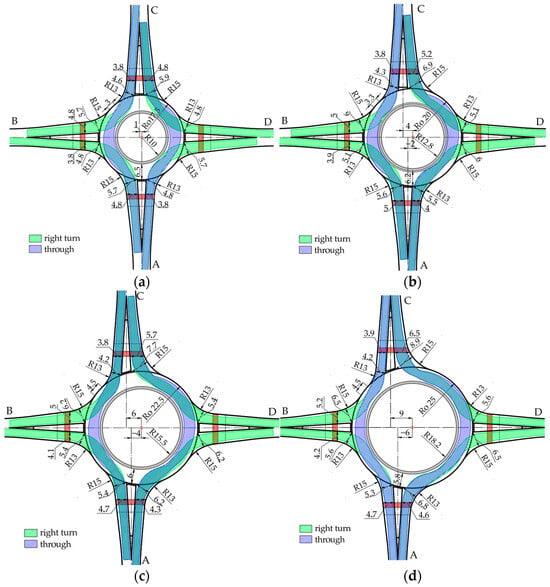
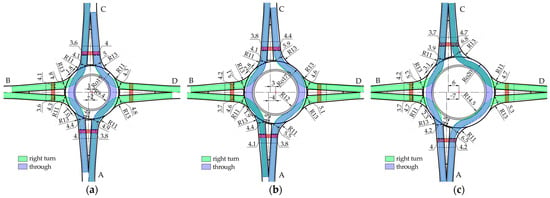
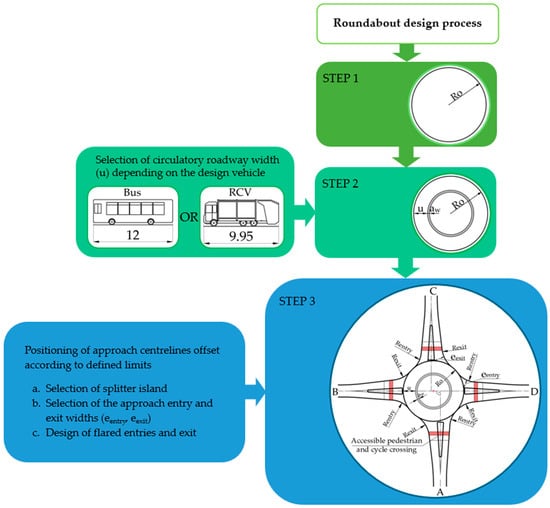
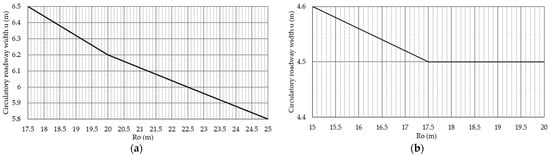
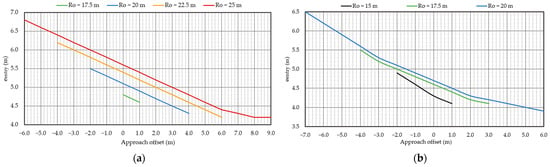
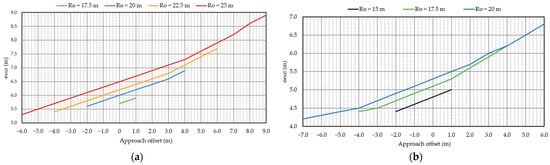
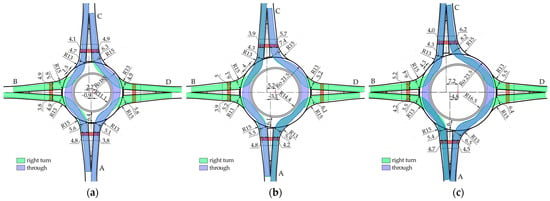
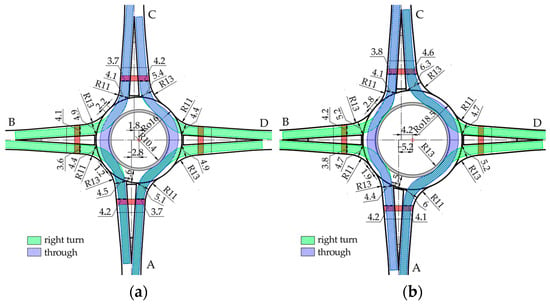
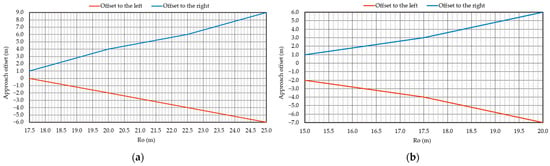
The roundabout design procedures specified in current standards and guidelines presuppose that the centrelines of the approach legs intersect at right angles at the geometric centre of the roundabout. In urban areas, this requirement cannot always be met due to fixed structural constraints along the approaches. Here, a lateral or radial offset of the approach legs from the roundabout’s geometric centre is required. This offset plays an important role in roundabout design, as it affects the roundabout’s ability to control vehicle speed. This study investigates the effects of a lateral approach leg offset on the geometric design of urban single-lane roundabouts and the driving speeds through them. Accordingly, speed analyses were conducted for numerous theoretical roundabouts with outer radii between 15 and 25 m, designed based on swept path analysis results, were conducted. The research results showed that it is possible to offset approaches laterally on roundabouts with outer radii between 15 and 25 m, depending on the design vehicle, and that the allowable offset values increase proportionally with the roundabout outer radius. The analysis results were used to create a design model for urban single-lane roundabouts with lateral approach leg offsets enabling their adaptation to spatial constraints while maintaining safe operating speeds.
Full article
(This article belongs to the Special Issue Sustainable Road Design and Traffic Management)
►▼
Show Figures

Figure 1

Open AccessArticle
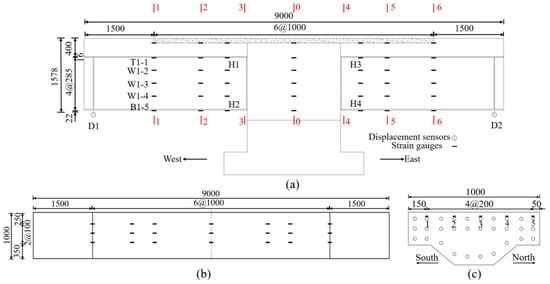
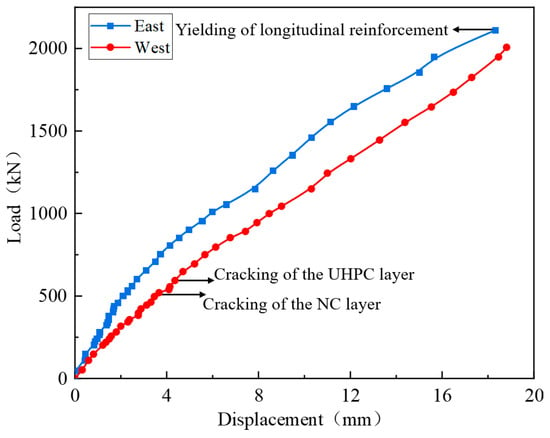
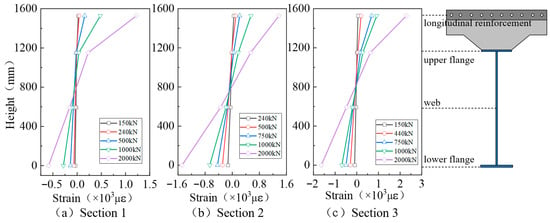
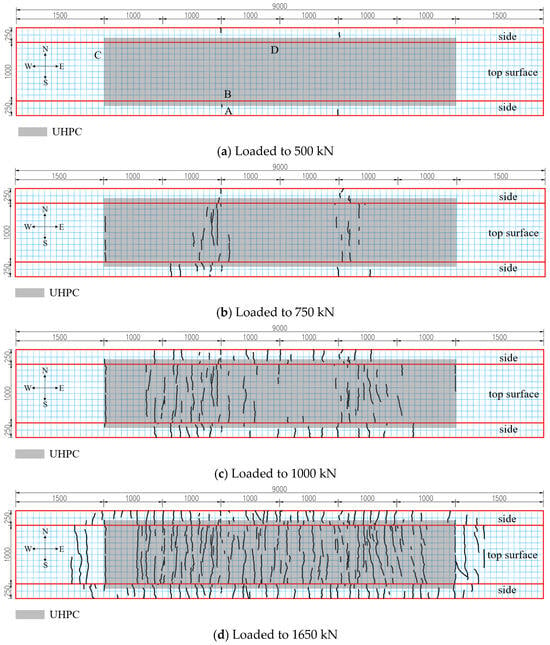
Crack Width Calculation Method for Concrete in Hogging Moment Region of Steel–UHPC–NC Composite Girder with Integrated Piers
by
Li-Tao Yu, Chunbin Yu, Fawas. O. Matanmi and Zhiping Lin
Infrastructures 2026, 11(5), 178; https://doi.org/10.3390/infrastructures11050178 - 19 May 2026
Abstract
The application of ultra-high performance concrete (UHPC) in the hogging moment region significantly enhances the crack resistance of concrete slabs of composite girders with integrated piers, while also providing economic benefits. To investigate the crack resistance performance and develop a calculation method for
[...] Read more.
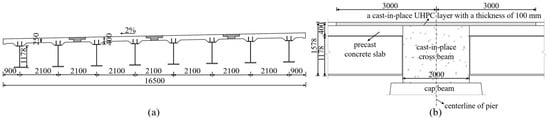
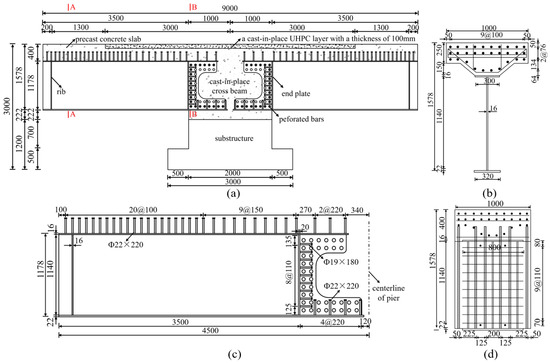
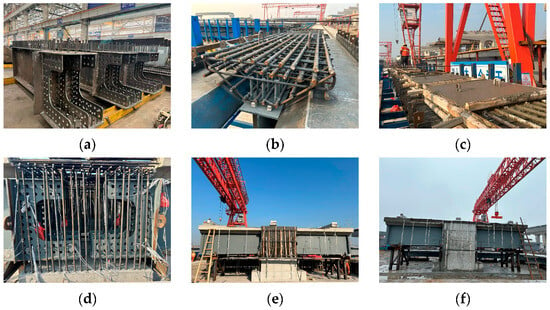
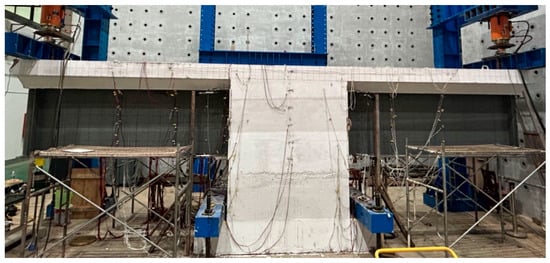
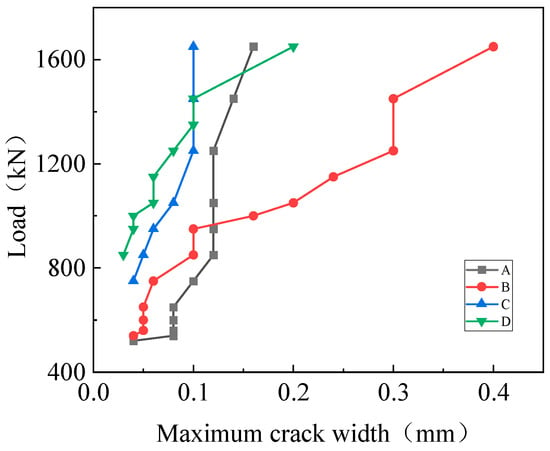
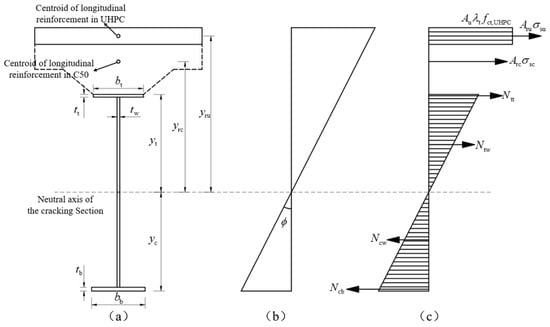
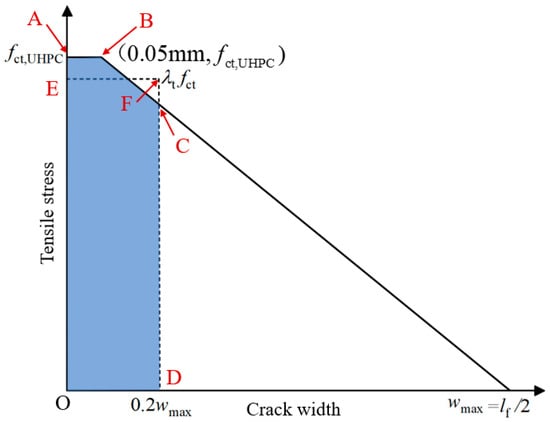
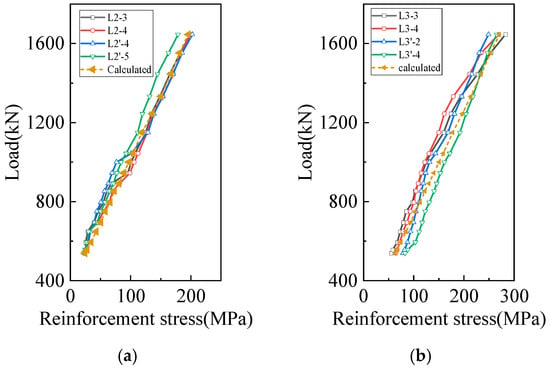
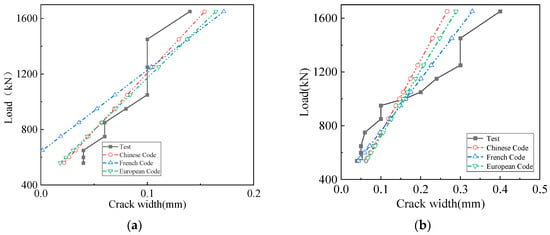
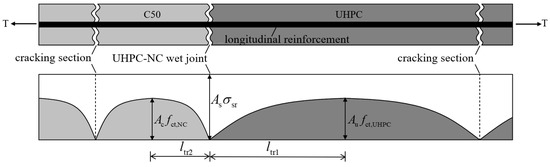
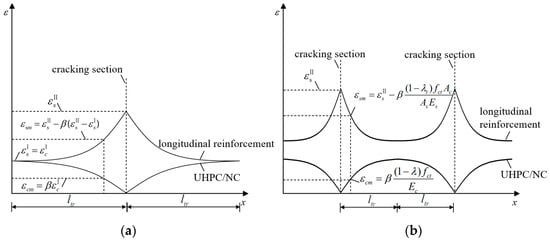
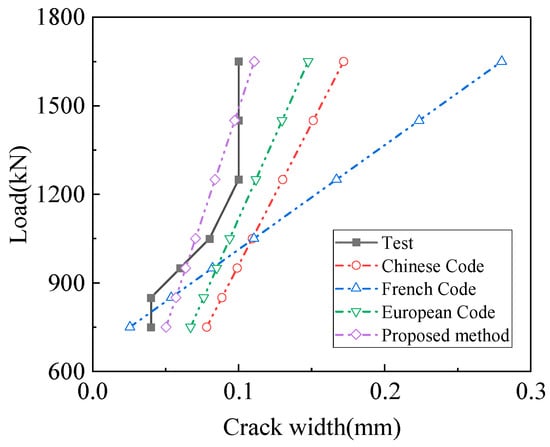
The application of ultra-high performance concrete (UHPC) in the hogging moment region significantly enhances the crack resistance of concrete slabs of composite girders with integrated piers, while also providing economic benefits. To investigate the crack resistance performance and develop a calculation method for crack width in hogging moment region of steel–UHPC–normal concrete (NC) composite girders, a full-scale bending test was conducted. Based on the test results, the post-cracking residual tensile strength of UHPC was determined according to the energy equivalence principle. A calculation method for reinforcement stress incorporating the tensile contribution of UHPC at a cracked section was proposed and then the applicability for current design codes for crack width calculation was evaluated. For the UHPC–NC interface, a corresponding crack width calculation method was developed. The results indicate that cracks initiated on the surface of the NC layer beneath the UHPC overlay at the cantilever root. Then cracks developed in sequence at the top surface of the UHPC layer cantilever root, the UHPC–NC interface, and the mid-plane of the girder-to-pier joint. Ultimately, UHPC cracks exhibited a “numerous and closely spaced” distribution, whereas NC cracks were “few and widely spaced.” When the residual tensile strength of UHPC at cracked section was considered, the mean value and average coefficient of variation in the ratios of calculated to measured reinforcement stresses for different sections were 1.07 and 0.10, respectively, which can be further used for crack width calculation. The mean ratios of code-predicted to measured UHPC crack widths for different sections using the Chinese code, French code, and European code were 1.10, 0.98, and 1.13, respectively, with corresponding average coefficients of variation of 0.25, 0.33, and 0.28; the Chinese code is recommended for UHPC crack width prediction. For the UHPC–NC interface, an expression for crack width calculation was derived using the comprehensive theory, and the mean ratio of calculated to measured values and the coefficient of variation were 1.08 and 0.18, respectively, demonstrating good predictive accuracy.
Full article
(This article belongs to the Special Issue Resilient and Sustainable Steel Structures: Advanced Manufacturing, Lifetime Extension and Disaster Mitigation)
►▼
Show Figures

Figure 1
Open AccessArticle
Statistical Modeling of the Probability and Duration of Hazardous Liquid Pipeline Shutdowns: A Hurdle Regression Approach
by
Erfan Ramezanpour and Alexander Hainen
Infrastructures 2026, 11(5), 177; https://doi.org/10.3390/infrastructures11050177 - 18 May 2026
Abstract
►▼
Show Figures
Operational shutdowns following hazardous liquid pipeline incidents are critical but poorly understood events that impact the U.S. energy supply. Although prior research has investigated the causes and outcomes of pipeline failures, limited work has explained what drives both the likelihood of a shutdown
[...] Read more.
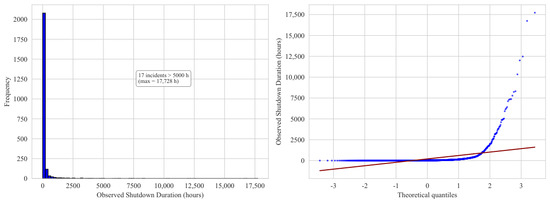
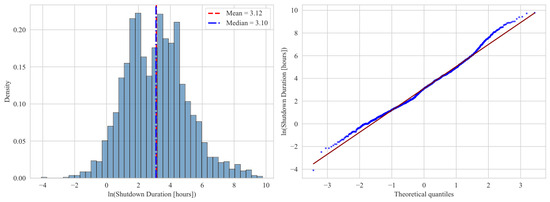
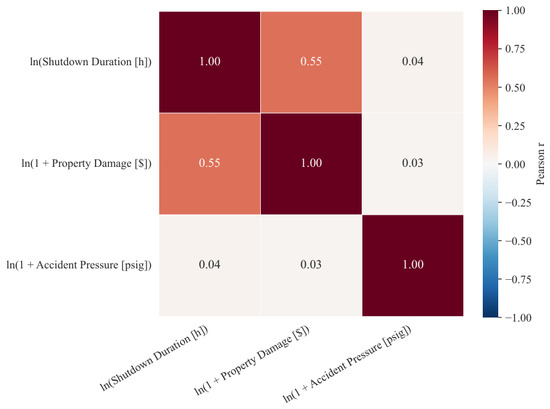
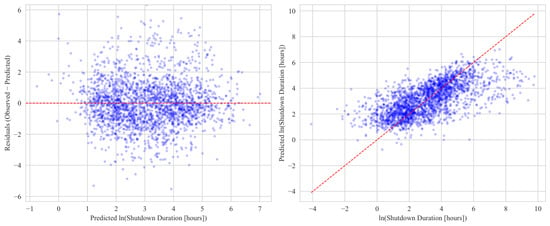
Operational shutdowns following hazardous liquid pipeline incidents are critical but poorly understood events that impact the U.S. energy supply. Although prior research has investigated the causes and outcomes of pipeline failures, limited work has explained what drives both the likelihood of a shutdown and the duration once it begins. The goal of this study is to address this gap by developing a hurdle regression model to examine the two-stage shutdown mechanism in pipeline incidents, using the Pipeline and Hazardous Materials Safety Administration (PHMSA) incident dataset from 2010 to 2025. The hurdle model consists of a logistic regression restricted to pre-decision predictors to model the probability of shutdown, and a lognormal regression to model the duration of those leading to shutdown. The results revealed that distinct factors are associated with each outcome. Shutdown probability is associated with pre-decision operational and contextual indicators, including operating pressure at the time of incident, accident type, location, monitoring presence, and response delay. In contrast, shutdown duration is associated with logistical complexity and post-incident severity, including incidents at pipeline crossings, pressures exceeding 110% of the maximum operating pressure, and reported property damage. These findings, while exploratory in nature given the use of public incident data, offer practical reference points for operators and regulators who aim to shorten recovery time and strengthen the resilience of energy infrastructure.
Full article

Figure 1
Open AccessArticle
Disaggregate Analysis of Crash Severity for Heavy-Duty, Medium-Duty, and Light-Duty Vehicles: A Random Parameters Approach with Observed and Unobserved Heterogeneity
by
Thanapong Champahom, Chamroeun Se, Supanida Nanthawong, Panuwat Wisutwattanasak, Chinnakrit Banyong, Sajjakaj Jomnonkwao and Vatanavongs Ratanavaraha
Infrastructures 2026, 11(5), 176; https://doi.org/10.3390/infrastructures11050176 - 16 May 2026
Abstract
Crashes involving freight and commercial vehicles impose substantial human and economic costs, yet most severity studies pool vehicle types or focus exclusively on heavy trucks, masking class-specific risk mechanisms. This study estimates separate Random Parameters Binary Logit models with heterogeneity in means and
[...] Read more.
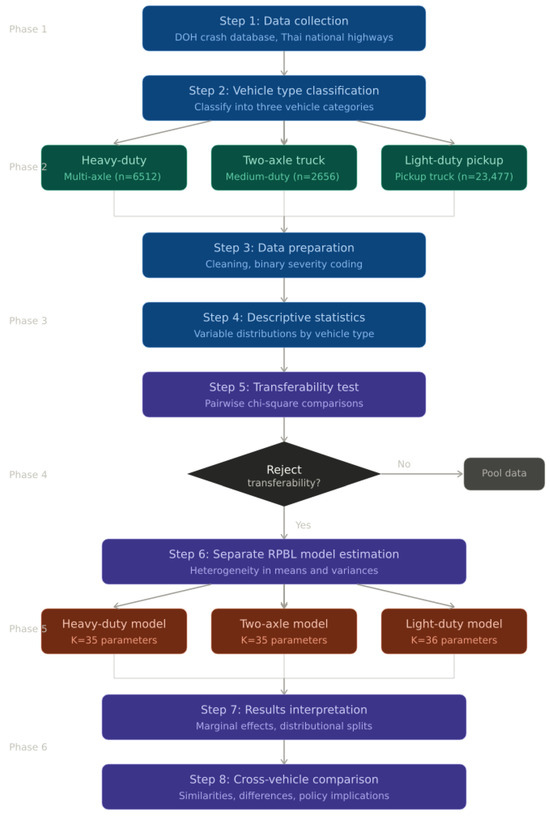
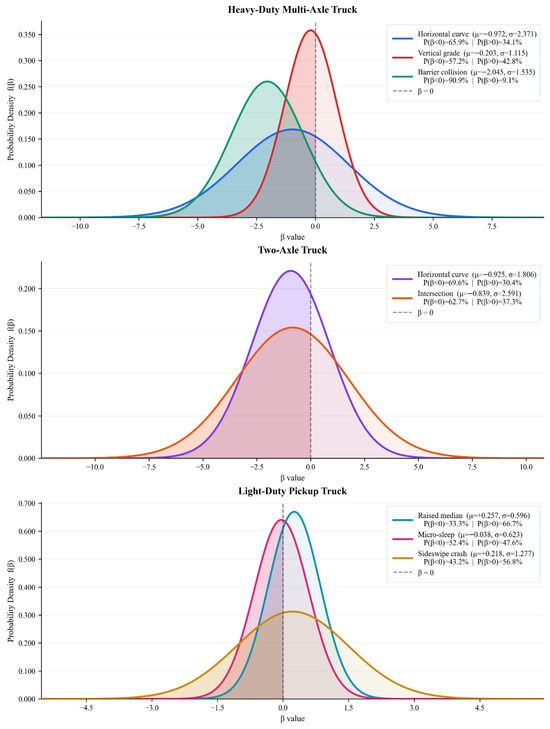
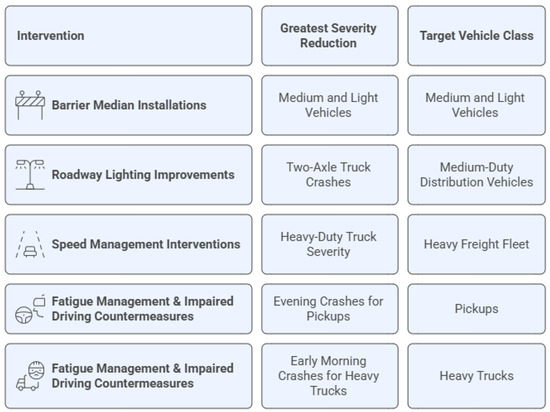
Crashes involving freight and commercial vehicles impose substantial human and economic costs, yet most severity studies pool vehicle types or focus exclusively on heavy trucks, masking class-specific risk mechanisms. This study estimates separate Random Parameters Binary Logit models with heterogeneity in means and variances for three vehicle categories—heavy-duty multi-axle trucks (n = 6512), two-axle trucks (n = 2656), and light-duty pickup trucks (n = 23,477)—using 32,645 crash records from Thailand’s national highway network (May 2022–December 2024). Pairwise transferability tests rejected parameter transferability, with four of six comparisons exceeding the 97 percent confidence level (three of these above 99 percent; χ2 = 85.38 to 240.01), confirming that disaggregate estimation is statistically warranted. Three core findings emerge: First, although barrier medians, cut-in-front maneuvers, and sideswipe crashes affect severity in consistent directions across all vehicle types, their magnitudes differ sharply: the protective effect of barrier medians is nearly six times larger for two-axle trucks (ME = −0.160) compared to heavy-duty trucks (ME = −0.028). Second, several determinants are class-specific: dark unlit conditions elevate severity only for two-axle trucks (ME = 0.128), flush medians only for heavy-duty trucks (ME = 0.040), and raised medians only for light-duty pickups (ME = 0.042). Third, no random parameter is common to all three models. Pooled models, therefore, impose misleading homogeneity assumptions; vehicle-type-specific estimation is essential for targeted safety policy.
Full article
(This article belongs to the Special Issue Smart Mobility and Transportation Infrastructure)
►▼
Show Figures

Figure 1

Open AccessArticle
Research on Maximum Synchronous Transfer Between Metro and Bus Considering Passenger Flow Constraint
by
Ziye Lan, Shuyi Wang, Yinzhu Zhao, Yimeng Liu and Yuanwen Lai
Infrastructures 2026, 11(5), 175; https://doi.org/10.3390/infrastructures11050175 - 15 May 2026
Abstract
Synchronous transfer has been widely studied in public transport scheduling, with most research focusing on coordination among conventional bus lines. However, with the rapid expansion of urban rail transit systems, metro–bus transfers have become increasingly important for enhancing overall urban public transport network
[...] Read more.
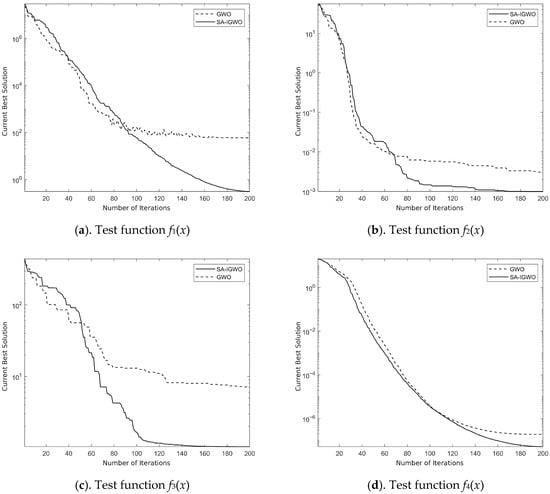
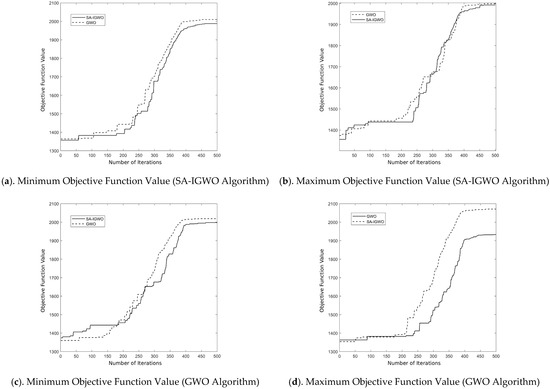
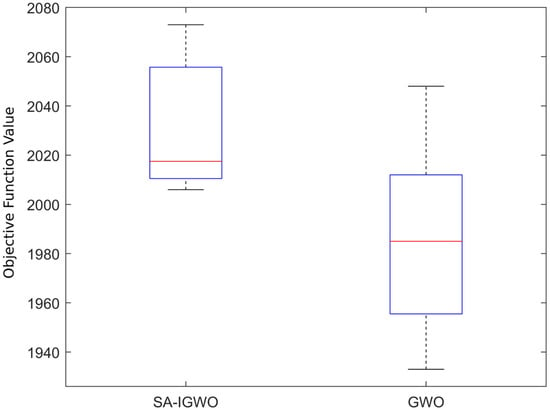
Synchronous transfer has been widely studied in public transport scheduling, with most research focusing on coordination among conventional bus lines. However, with the rapid expansion of urban rail transit systems, metro–bus transfers have become increasingly important for enhancing overall urban public transport network performance. This study investigates the maximum synchronous transfer problem between metro and conventional bus services under passenger flow constraints. Considering the large transfer demand and the pulse-arrival characteristics of metro trains, a passenger waiting constraint at bus stops is incorporated to reflect capacity limitations and crowding effects. A passenger-flow-constrained maximum synchronization model is formulated to optimize bus departure times without increasing service frequency. Dongjiekou Metro Station and three surrounding pairs of bus stops are selected as a case study. Model parameters are determined through field surveys and operational data. The Grey Wolf Optimizer (GWO) and a simulated annealing–improved Grey Wolf Optimizer (SA-IGWO) are employed to solve the proposed model. The results show that both algorithms significantly improve synchronized transfer volumes by adjusting departure times without increasing service frequency. Compared with the original schedule, the SA-GWO achieves an improvement in synchronization performance ranging from 45% to 50%, outperforming the standard GWO.
Full article
(This article belongs to the Special Issue Sustainable Road Infrastructure: Safety, Performance and Resilience)
►▼
Show Figures

Figure 1
Open AccessArticle
Runway Microtexture Degradation Under Operational Wear and Rubber Contamination, and Subsequent Recovery: A Case Study
by
Gadel Baimukhametov and Greg White
Infrastructures 2026, 11(5), 174; https://doi.org/10.3390/infrastructures11050174 - 15 May 2026
Abstract
Runway microtexture is a key parameter governing pavement friction. In recent years, several microtexture assessment methods have been developed; however, understanding of microtexture evolution under operational conditions, as well as the effects of maintenance techniques, remains limited. In this study, a runway at
[...] Read more.
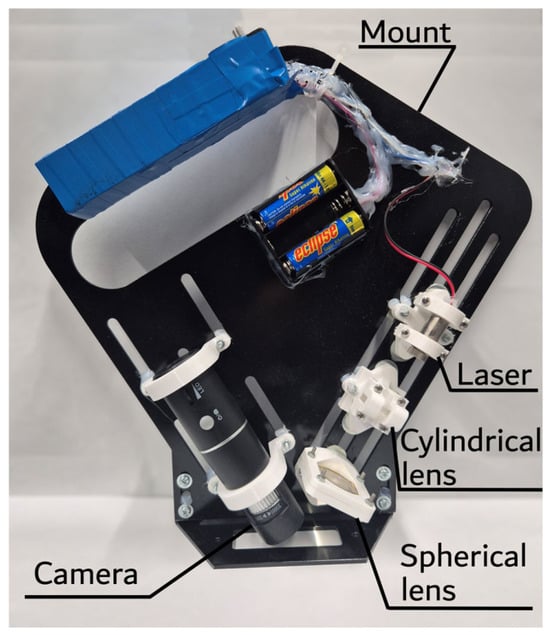
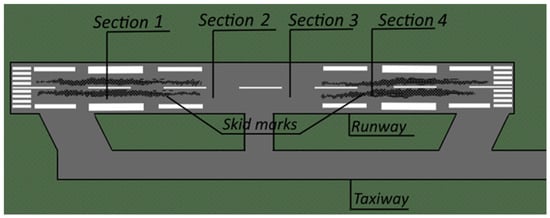
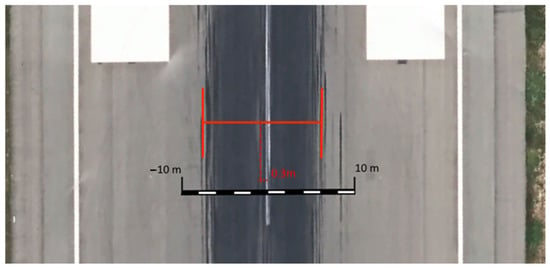
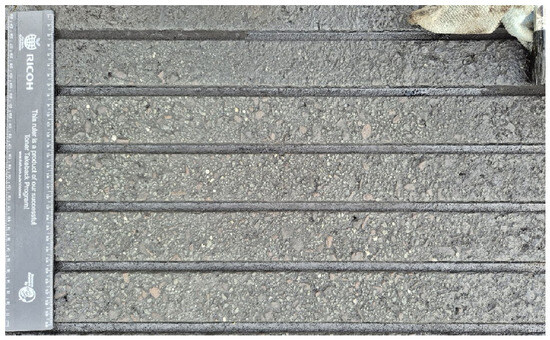
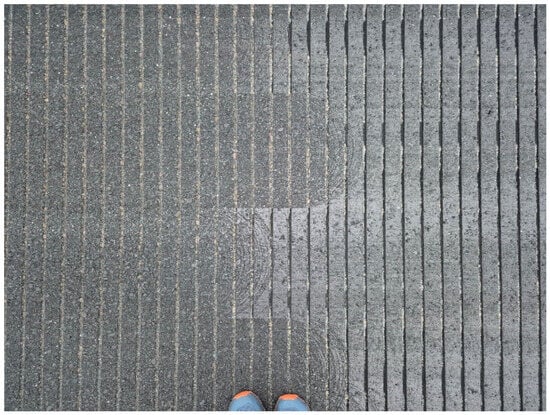
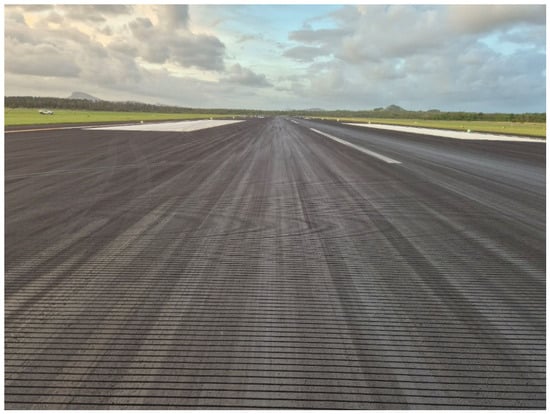
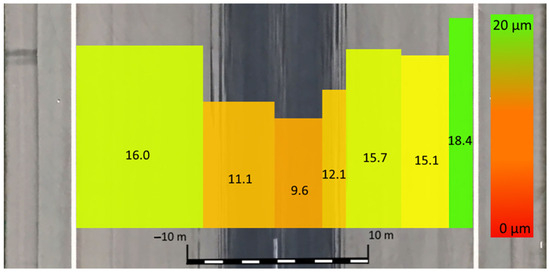
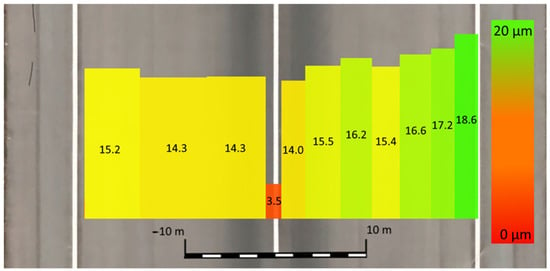
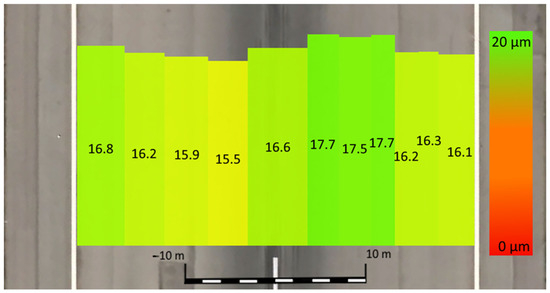
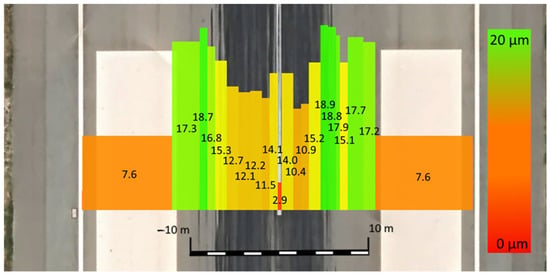
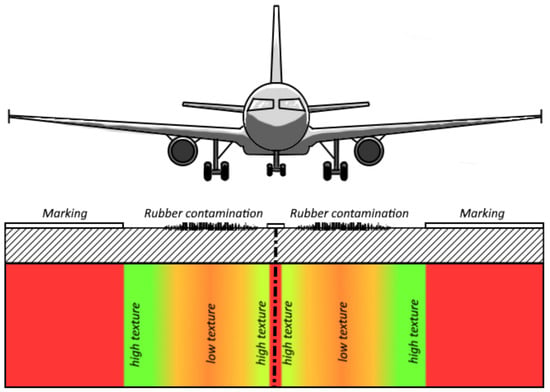
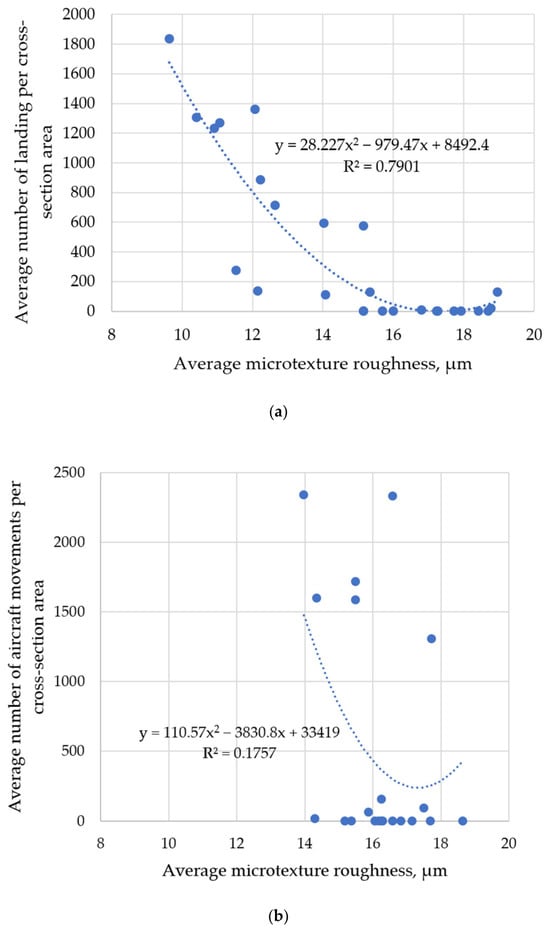
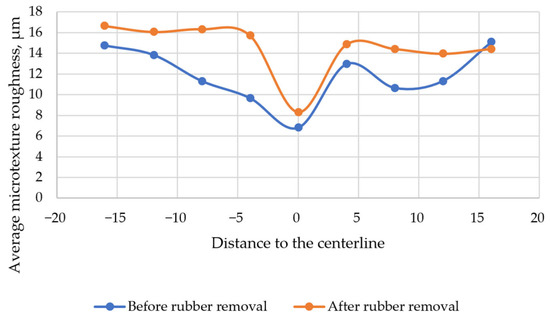
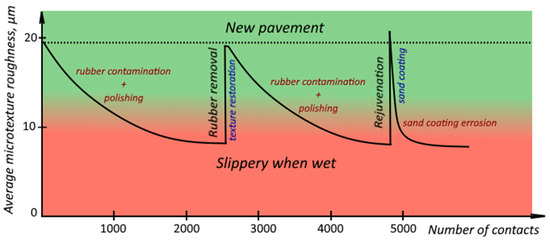
Runway microtexture is a key parameter governing pavement friction. In recent years, several microtexture assessment methods have been developed; however, understanding of microtexture evolution under operational conditions, as well as the effects of maintenance techniques, remains limited. In this study, a runway at an Australian airport was investigated using laser profilometry. Measurements were conducted across multiple transverse sections, including aircraft touchdown and mid-runway zones. Microtexture deterioration rates were evaluated based on the estimated number of tire–pavement contacts, and aggregate polishing was assessed at different locations. Measurements were also performed after rubber contamination removal and rejuvenation treatments. The results indicate that approximately 25% of total microtexture reduction can be attributed to surface polishing, with a lower contribution in touchdown zones due to the protective effect of rubber deposits. A non-linear degradation trend was observed in touchdown zones, where approximately 1100 tire contacts reduced average microtexture roughness from 18 μm to 11 μm. Rubber removal effectively restored microtexture close to its original levels across the runway width. A rejuvenation treatment with a covering of fine sand initially improved microtexture; however, rapid deterioration occurred due to loss of the sand coating. These findings improve the understanding of microtexture evolution under operational runway conditions, albeit only at a case study level, and support more effective runway maintenance planning and intervention strategies.
Full article
(This article belongs to the Special Issue Pavement Performance and Maintenance: Smart Technologies and Sustainable Practices)
►▼
Show Figures

Figure 1

Open AccessArticle
Minimizing Cost Overrun in Rail Projects Through 5D-Bim: The Case Study of Victoria
by
Osama A. I. Hussain, Robert C. Moehler, Stuart D. C. Walsh and Dominic D. Ahiaga-Dagbui
Infrastructures 2026, 11(5), 173; https://doi.org/10.3390/infrastructures11050173 - 14 May 2026
Abstract
This study evaluates the adoption and efficacy of the 5th Dimension Building Information Modelling (5D-BIM) as a cost dimension for mega rail projects, extending the discussion beyond just technological implementation to consider broader policy and practical implications. The purpose of this article is
[...] Read more.
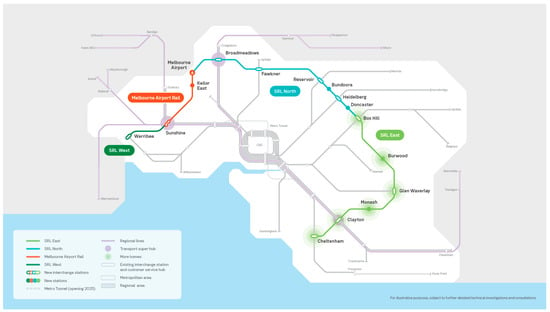
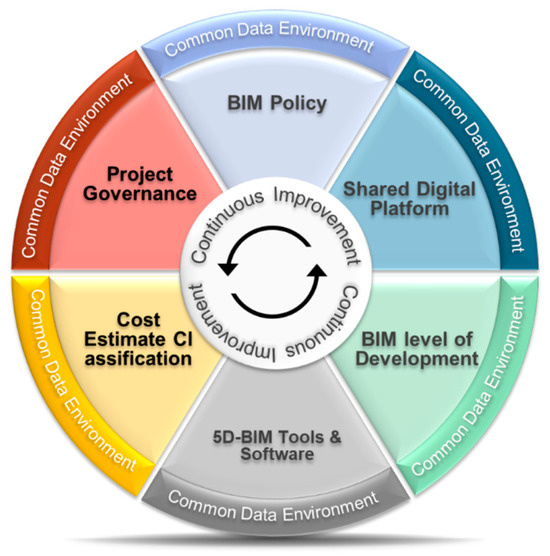
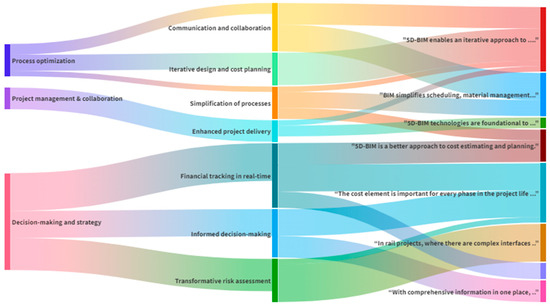
This study evaluates the adoption and efficacy of the 5th Dimension Building Information Modelling (5D-BIM) as a cost dimension for mega rail projects, extending the discussion beyond just technological implementation to consider broader policy and practical implications. The purpose of this article is to understand the governance context of 5D-BIM implementation for rail and transport projects and evaluate the effectiveness of the 5D-BIM framework as currently applied by conducting semi-structured interviews with key stakeholders. Drawing on semi-structured interviews with 22 stakeholders across government, industry, and technology providers, the research examines current 5D-BIM practices. While the primary focus of the research is 5D BIM implementations within the state of Victoria, Australia, which is currently experiencing a surge in rail projects, interviews were also conducted with additional stakeholders from international rail projects for context. The findings reveal fragmented adoption, varying levels of organisational maturity, and significant policy and implementation gaps, particularly in the role of government as the primary client of transport infrastructure. The results of the interviews emphasise the centrality of government and regulatory context in driving the adoption and implementation of 5D-BIM as the primary client of transportation infrastructure and identify actionable recommendations for policymakers and practitioners towards a more integrated approach to 5D-BIM in mega rail projects. While 5D-BIM demonstrates clear benefits in enhancing cost estimation, coordination, and decision-making, its effectiveness is constrained by the absence of clear standards, limited BIM literacy, and inconsistent regulatory guidance. This study provides one of the first empirical validations of the 5D-BIM governance framework, demonstrating that its success is driven less by technological capability and more by policy alignment, standardisation, and institutional leadership.
Full article
(This article belongs to the Special Issue Building Information Modeling (BIM) for Civil Infrastructures)
►▼
Show Figures

Figure 1

Open AccessArticle
Vapour-Driven Moisture Flux in Frozen Road Subgrades
by
Assel Sarsembayeva, Saltanat Mussakhanova, Darkhan Sakanov, Iliyas Zhumadilov and Gulizat Orazbekova
Infrastructures 2026, 11(5), 172; https://doi.org/10.3390/infrastructures11050172 - 14 May 2026
Abstract
►▼
Show Figures
Frost heave in cold-region pavements is governed by coupled heat and moisture migration, but the specific contribution of vapour transport in multilayer subgrades remains poorly constrained. This study combines field temperature monitoring with analytical modelling to estimate effective thermal conductivities of pavement structural
[...] Read more.
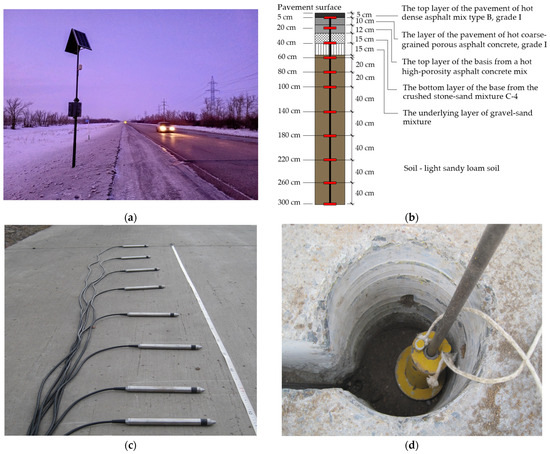
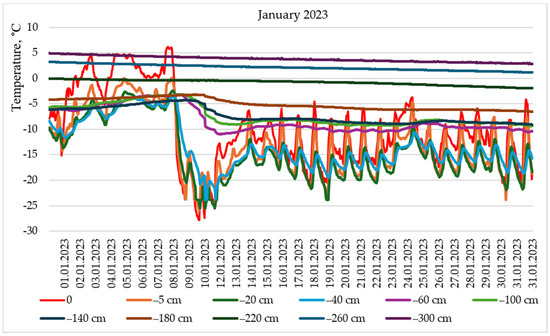
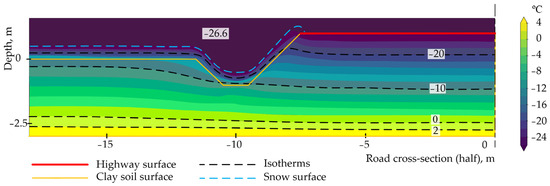
Frost heave in cold-region pavements is governed by coupled heat and moisture migration, but the specific contribution of vapour transport in multilayer subgrades remains poorly constrained. This study combines field temperature monitoring with analytical modelling to estimate effective thermal conductivities of pavement structural layers and to evaluate vapour-driven moisture fluxes during seasonal freezing. A vertical thermistor array beneath a two-lane highway near Astana (Kazakhstan) and in the adjacent snow-covered ground is used to back-calculate layer-specific conductivities from midwinter temperature gradients by applying Fourier’s law under quasi-steady conditions. Vapour migration is then assessed by two complementary approaches. A diffusion-based formulation, which couples measured vapour-density gradients with air-filled porosity, provides a conservative lower bound and yields very small fluxes, with maximum daily ice deposition of 8.17 × 10⁻⁵ kg·m−2·day−1 beneath the pavement and cumulative seasonal masses of order 10−2 kg·m−2 (10−3 kg·m−2 under snow). An energy-balance approach, which relates conductive heat flux to latent heat of vapour–ice phase change and introduces an efficiency parameter α, supplies a physically constrained upper envelope. For a central scenario with α = 0.6, daily deposition in the 0.60–1.00 m layer reaches 0.0961 and 0.0330 kg·m−2·day−1 beneath pavement and snow, respectively, yielding seasonal totals of 12.1 and 4.1 kg·m−2. Together, these bounds indicate that vapour migration beneath pavements, although unlikely to be the dominant driver of frost heave, can be substantially more intense than under adjacent snow-covered ground due to steeper temperature gradients in the upper subgrade.
Full article

Figure 1
Open AccessArticle
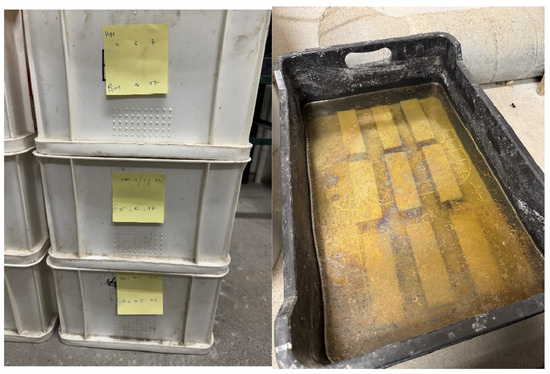
Beyond Mass Loss: Residual Flexural Strength as an Indicator for Concrete Durability in Sulfuric Acid and Sewage Environments
by
Hatem Affes and Salem Georges Nehme
Infrastructures 2026, 11(5), 171; https://doi.org/10.3390/infrastructures11050171 - 14 May 2026
Abstract
Current industry standards for evaluating concrete durability in wastewater environments, such as ASTM C267, rely almost exclusively on mass loss as the primary performance indicator. This study demonstrates that mass change alone can be an ambiguous metric that does not fully characterize the
[...] Read more.
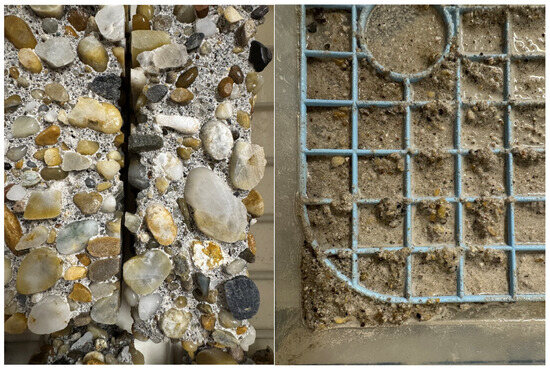
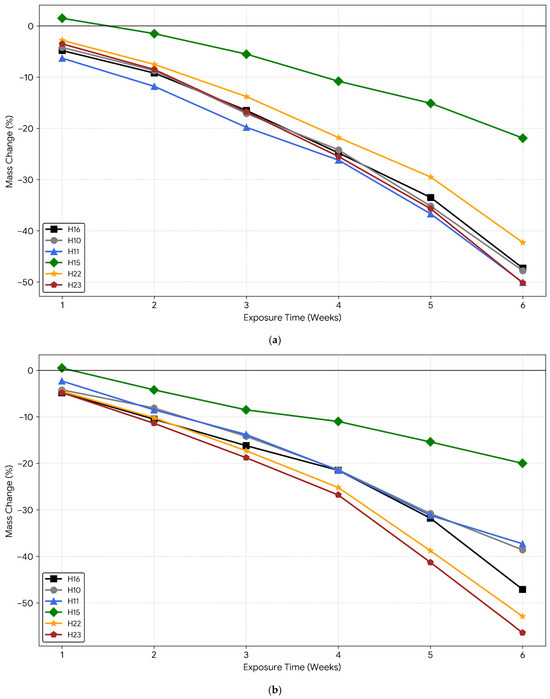
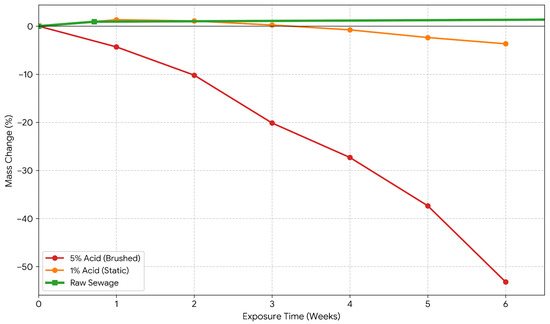
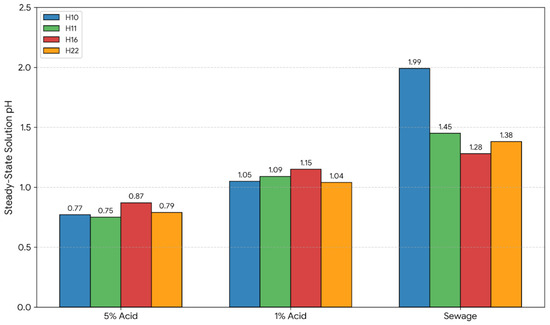
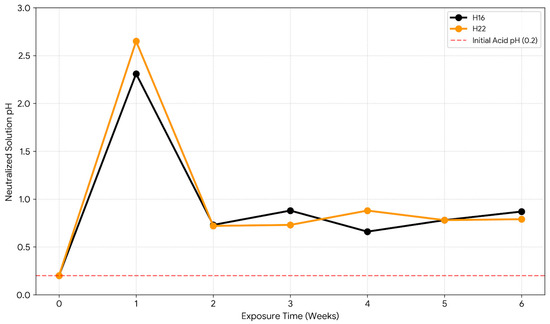
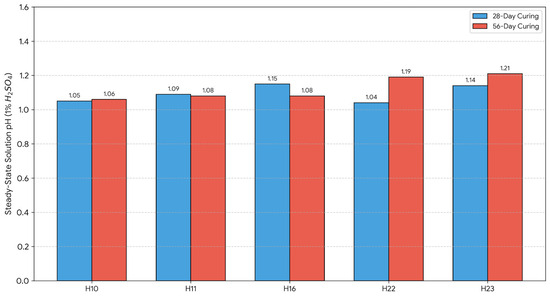
Current industry standards for evaluating concrete durability in wastewater environments, such as ASTM C267, rely almost exclusively on mass loss as the primary performance indicator. This study demonstrates that mass change alone can be an ambiguous metric that does not fully characterize the structural degradation of advanced cementitious binders. Through a comprehensive physical, chemical, and mechanical evaluation of 27 binary and ternary mixtures (totalling 486 specimens), we identify four limitations of mass-based standards: (1) The Slag Anomaly, where excellent surface mass preservation masks a significant loss of internal structural capacity, indicating potential internal structural softening. (2) The Sewage Anomaly, where specimens in active biogenic environments exhibit mass gain (up to +1.21%) despite continuous chemical attack. (3) Non-Linear Scaling, where 5% “accelerated” acid tests fundamentally alter degradation kinetics compared to realistic 1% environments. (4) The Maturation Conflict, where extended curing (56 days) significantly improves the physical resistance of slow-reacting pozzolans (cyment) while increasing the mass loss of high-performance ternary blends (MK/SF), likely linked to the exhaustion of their chemical buffering capacity. Current standards relying solely on mass loss may not capture internal degradation in slag-based cements that remain geometrically intact. We propose residual flexural strength as a necessary complementary metric.
Full article
(This article belongs to the Special Issue Recent Advances in Enhancing Sustainability and Durability of Cement and Concrete)
►▼
Show Figures

Figure 1

Open AccessArticle
Strength and Ductility of Hybrid Steel and FRP Reinforced Concrete Sections Subjected to Combined Axial and Bending Regime
by
Mattia Mairone, Gaetano Maragno, Davide Masera and Mauro Corrado
Infrastructures 2026, 11(5), 170; https://doi.org/10.3390/infrastructures11050170 - 13 May 2026
Abstract
Hybrid reinforced concrete (HRC) sections combining steel and fiber-reinforced polymer (FRP) bars provide a structural solution that balances durability, load-bearing capacity and energy dissipation. However, the absence of unified design provisions and the coexistence of distinct safety formats in European and American codes
[...] Read more.
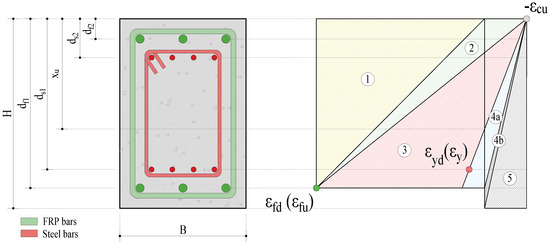
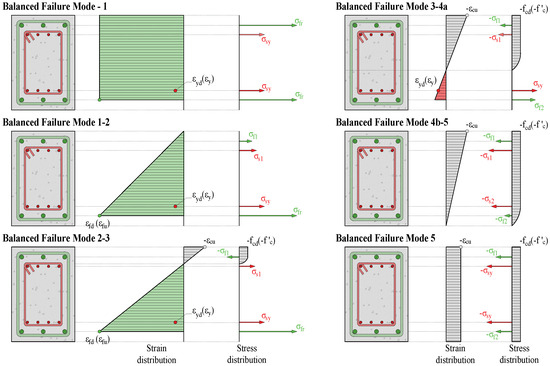
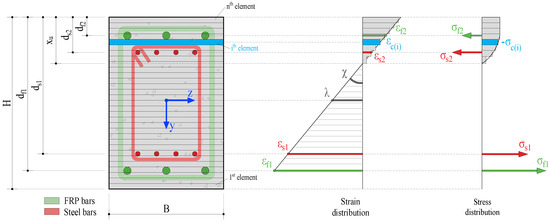
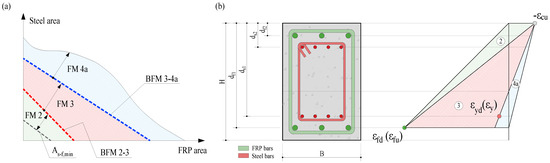
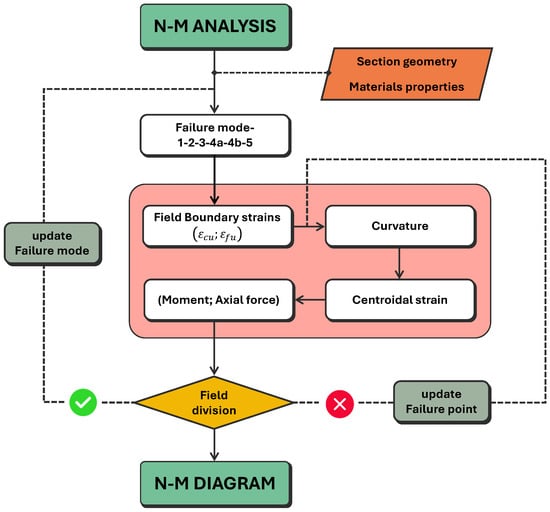
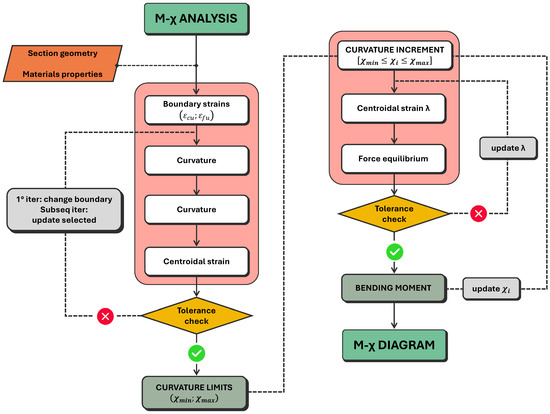
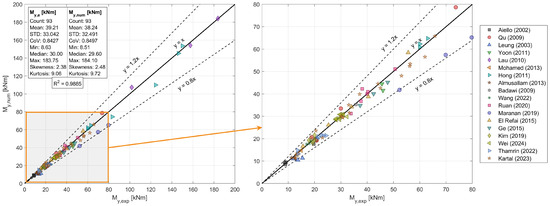
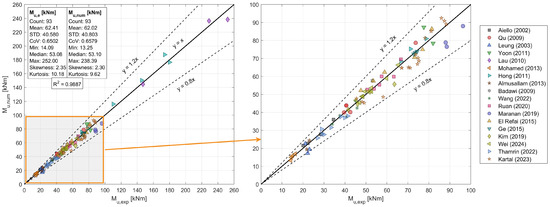
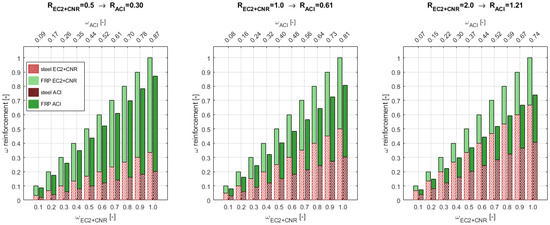
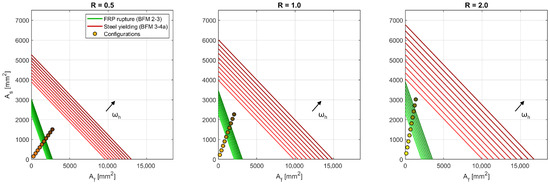
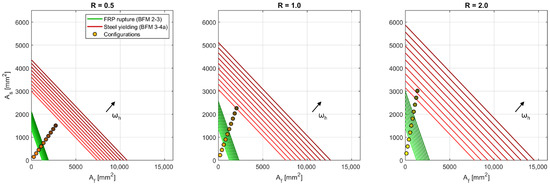
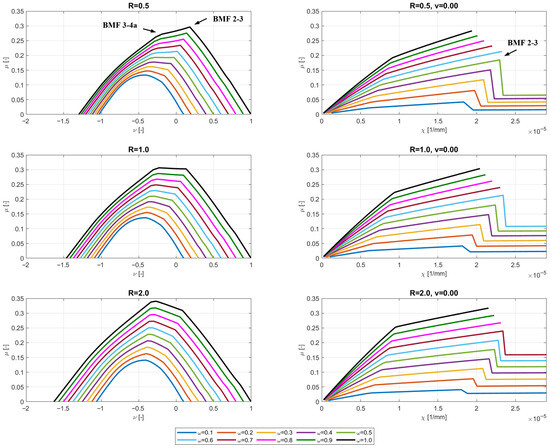
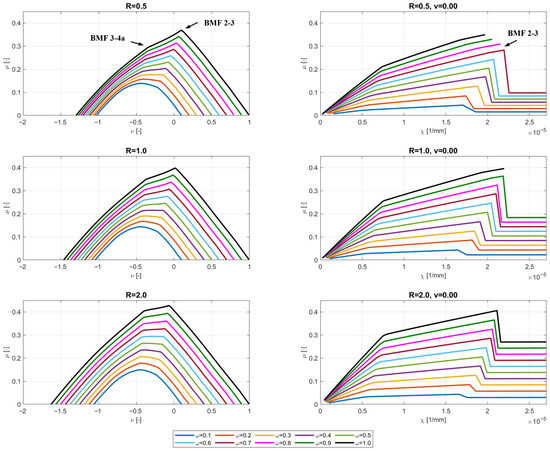
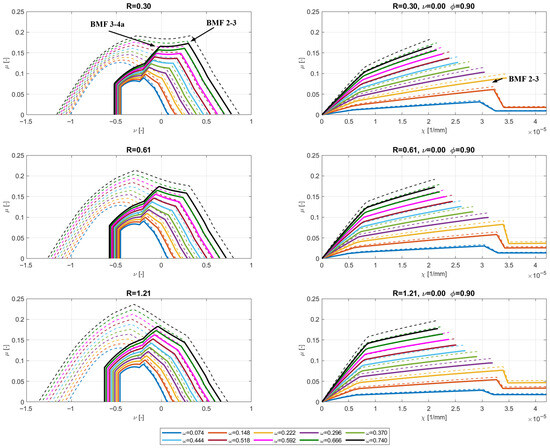
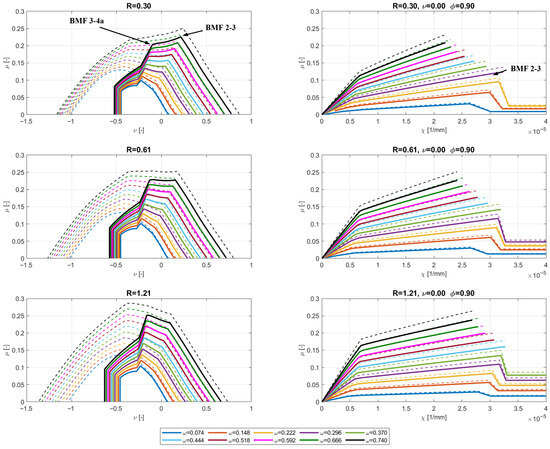
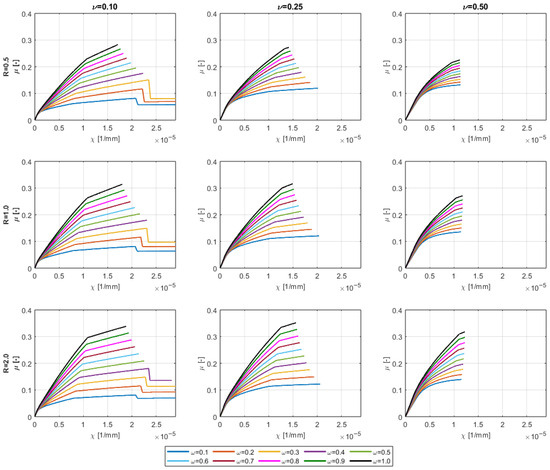
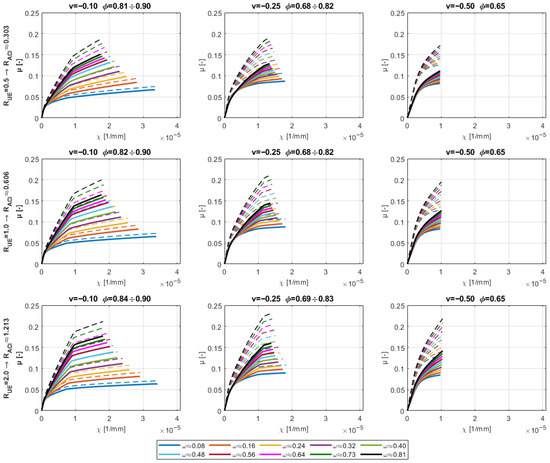
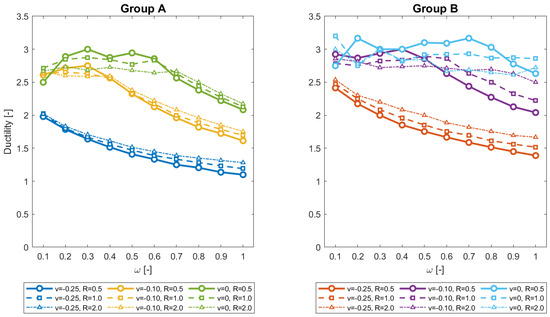
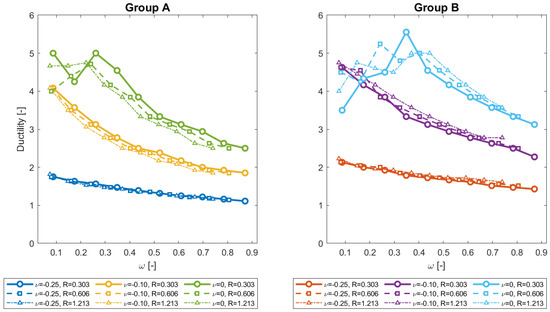
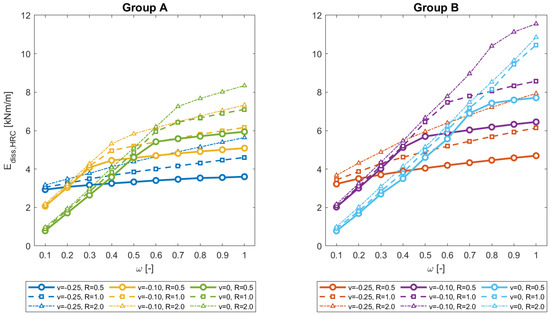
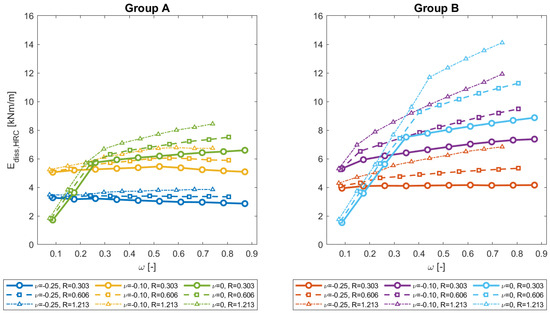
Hybrid reinforced concrete (HRC) sections combining steel and fiber-reinforced polymer (FRP) bars provide a structural solution that balances durability, load-bearing capacity and energy dissipation. However, the absence of unified design provisions and the coexistence of distinct safety formats in European and American codes complicate the consistent assessment of ultimate limit state behavior under combined axial force and bending moment. In this study, a strain-based sectional model founded on compatibility and internal force equilibrium is implemented through a layer-by-layer numerical integration procedure to generate axial force–bending moment (N–M) interaction domains and moment–curvature (M– ) relationships. The formulation is extended to a dimensionless framework in terms of normalized axial load, bending moment, total hybrid mechanical reinforcement ratio and hybridization parameter R. The analysis is conducted within two regulatory formats: the European framework based on Eurocode 2 and CNR-DT 203 R1/2026 and the American framework based on ACI 318-25 and ACI 440.11-22. The results show that increasing leads to a progressive expansion of the interaction domain and modifies the transition between FRP rupture-controlled and steel-yielding-controlled limit states. Increasing R shifts balanced conditions towards higher axial compression and bending levels. Differences between the two regulatory approaches are observed in terms of predicted curvature capacity and design resistance within the N–M domain, reflecting the distinct safety formats adopted. The proposed dimensionless parametric formulation enables consistent comparison of hybrid configurations and provides basis for interpreting failure-mode transitions and deformation capacity of HRC sections under combined axial and flexural actions.
Full article
(This article belongs to the Special Issue Recent Advances in Enhancing Sustainability and Durability of Cement and Concrete)
►▼
Show Figures

Figure 1
Open AccessArticle
Constructing a Competency Model for EPC Safety Directors Under Smart Construction
by
Jing Guan, Zhenchao Yang, Congcong Wang and Yisheng Liu
Infrastructures 2026, 11(5), 169; https://doi.org/10.3390/infrastructures11050169 - 12 May 2026
Abstract
►▼
Show Figures
In smart construction, identifying the competencies required of engineering–procurement–construction (EPC) safety directors is important for improving personnel selection, training, and safety-governance effectiveness. Drawing on dynamic capabilities theory, this study develops an exploratory competency framework for EPC safety directors in smart-construction contexts. A mixed-method
[...] Read more.
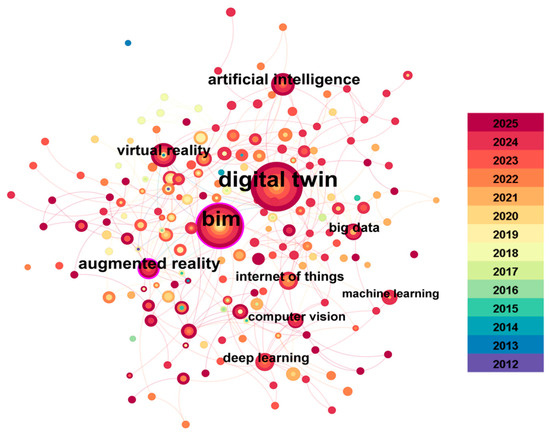
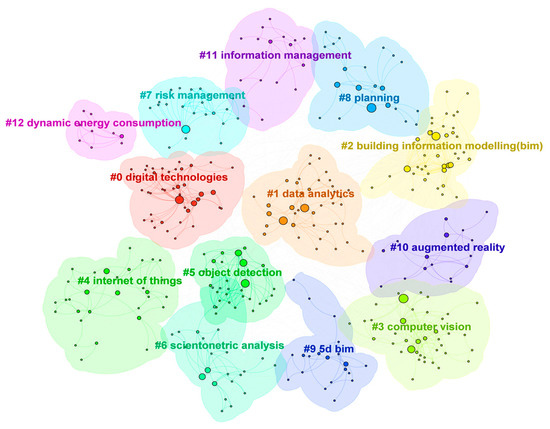
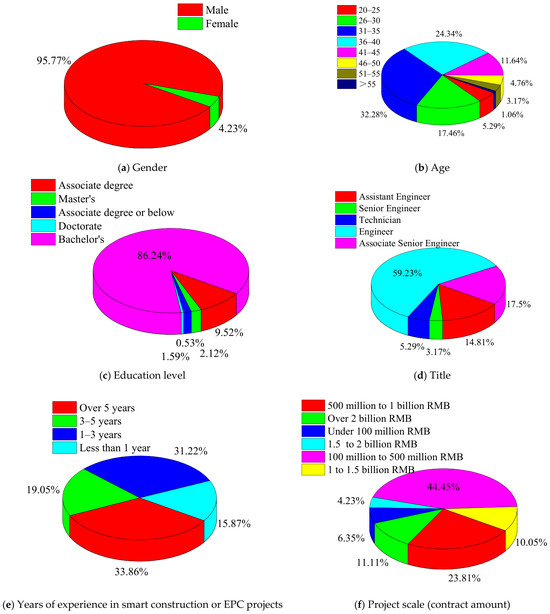
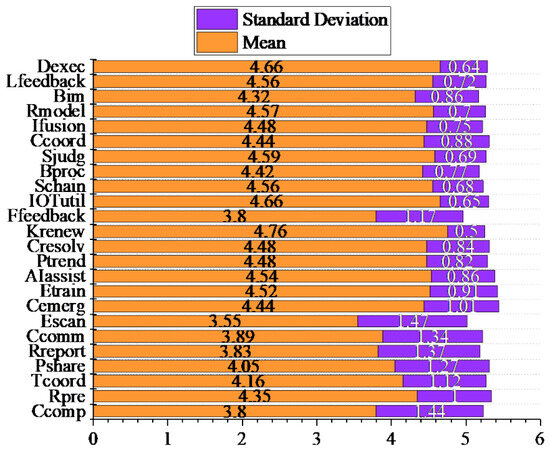
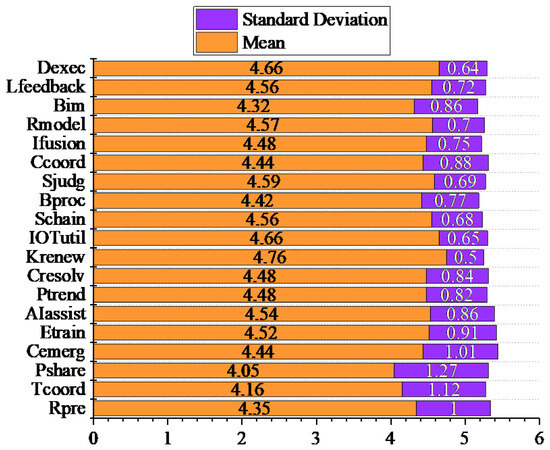
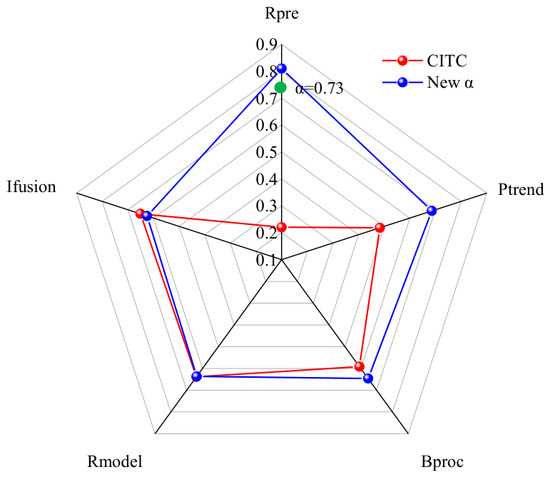
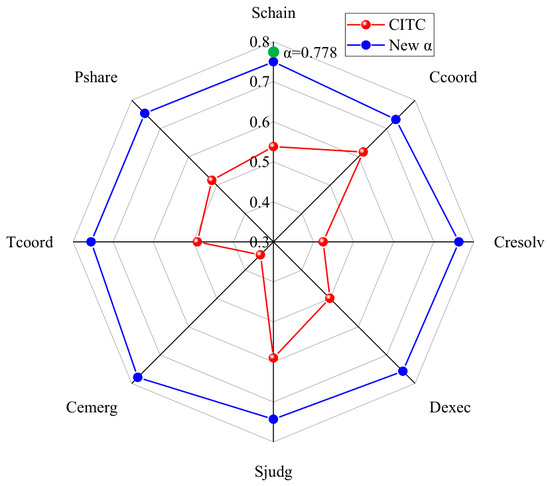
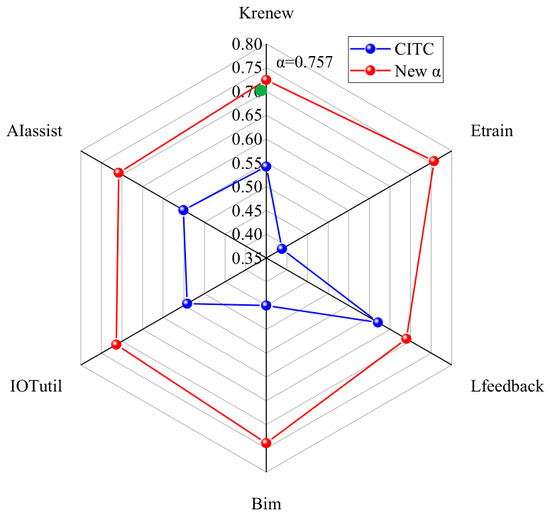
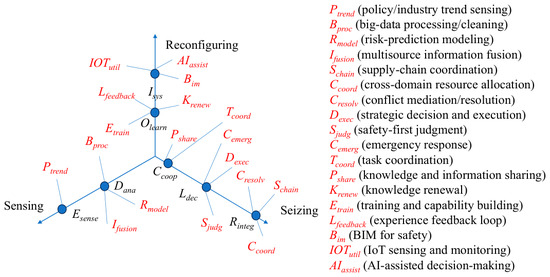
In smart construction, identifying the competencies required of engineering–procurement–construction (EPC) safety directors is important for improving personnel selection, training, and safety-governance effectiveness. Drawing on dynamic capabilities theory, this study develops an exploratory competency framework for EPC safety directors in smart-construction contexts. A mixed-method design was adopted, combining a structured literature review, bibliometric mapping with CiteSpace, semistructured interviews, expert review, and questionnaire-based item screening. Questionnaire data from 189 valid respondents were analyzed using descriptive statistics, item analysis, Cronbach’s alpha, and KMO/Bartlett tests to preliminarily assess the internal consistency and structural suitability of the proposed indicators. The results indicate that the retained exploratory framework comprises three higher-order dimensions—sensing, seizing, and reconfiguring—covering six competency elements and eighteen indicators after the remaining trend-sensing indicator was integrated into data analytics. Compared with conventional safety-management competency frameworks, the proposed framework places greater emphasis on data analytics, intelligent systems application, and cross-departmental coordination in digitally enabled project environments. The framework can be implemented as a role-profile template for recruitment, training-needs diagnosis, and performance appraisal of EPC safety directors, while further empirical validation is required before it is used as a standardized measurement scale.
Full article

Figure 1
Open AccessArticle
Network-Level Urban Pavement Optimization Using Priority-Based Genetic Algorithm Methodology
by
Promothes Saha
Infrastructures 2026, 11(5), 168; https://doi.org/10.3390/infrastructures11050168 - 12 May 2026
Abstract
Pavement management systems (PMS) are essential for formulating a cost-effective capital improvement plan (CIP) that adheres to budget constraints. Optimization techniques are vital in enhancing the efficiency of these plans. Among the various methods available, genetic algorithms (GA) are particularly effective at identifying
[...] Read more.
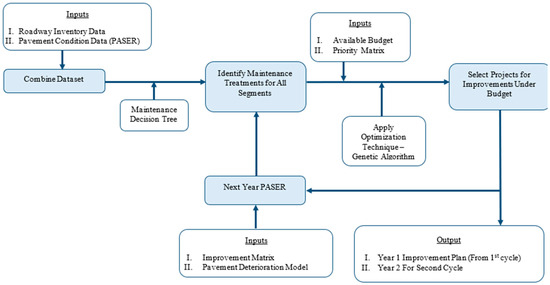
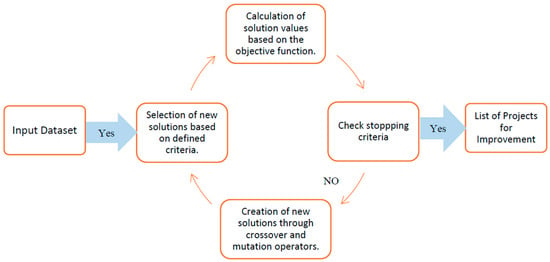
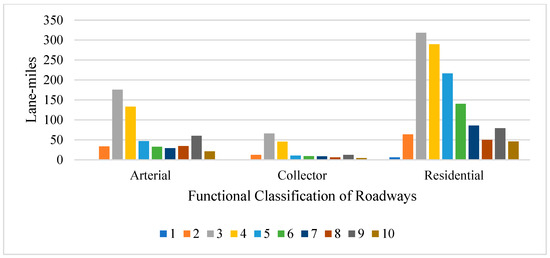
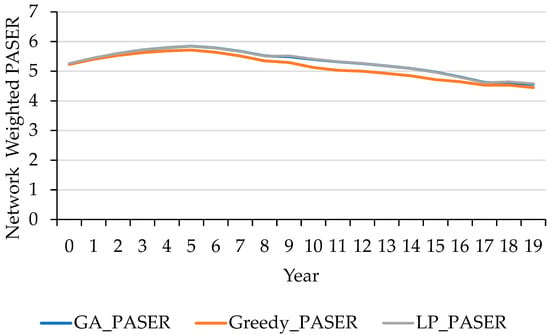
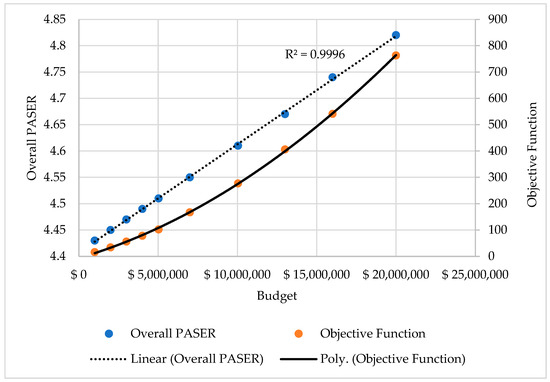
Pavement management systems (PMS) are essential for formulating a cost-effective capital improvement plan (CIP) that adheres to budget constraints. Optimization techniques are vital in enhancing the efficiency of these plans. Among the various methods available, genetic algorithms (GA) are particularly effective at identifying optimal solutions in complex scenarios. This study introduces a GA-based priority optimization model designed to select the most beneficial road improvement projects while staying within budgetary limits. The model was applied to the extensive road network of Fort Wayne, Indiana, considering critical factors such as budget allocation, roadway classification, PASERs, treatment options, and associated costs. The results demonstrate the model’s effectiveness in prioritizing projects, ensuring that available funds are utilized to achieve maximum impact on roadway conditions. By leveraging GA, this approach not only enhances decision-making processes but also provides a robust framework for future pavement management efforts. Overall, the integration of genetic algorithms into PMS can lead to more strategic and economically sound infrastructure improvements.
Full article
(This article belongs to the Special Issue Sustainable and Digital Transformation of Road Infrastructures, 2nd Edition)
►▼
Show Figures

Figure 1
Open AccessRetraction
RETRACTED: Khedmatgozar Dolati et al. Guidelines for Nonlinear Finite Element Analysis of Reinforced Concrete Columns with Various Types of Degradation Subjected to Seismic Loading. Infrastructures 2024, 9, 227
by
Seyed Sasan Khedmatgozar Dolati, Adolfo Matamoros and Wassim Ghannoum
Infrastructures 2026, 11(5), 167; https://doi.org/10.3390/infrastructures11050167 - 11 May 2026
Abstract
The journal retracts the article “Guidelines for Nonlinear Finite Element Analysis of Reinforced Concrete Columns with Various Types of Degradation Subjected to Seismic Loading” [...]
Full article
(This article belongs to the Special Issue Structural Health Monitoring, Non-destructive Evaluation and Remedial Measures for Civil Infrastructures)
Journal Menu
► ▼ Journal Menu-
- Infrastructures Home
- Aims & Scope
- Editorial Board
- Reviewer Board
- Topical Advisory Panel
- Early Career Editorial Board
- Instructions for Authors
- Special Issues
- Topics
- Sections & Collections
- Article Processing Charge
- Indexing & Archiving
- Most Cited & Viewed
- Journal Statistics
- Journal History
- Journal Awards
- Society Collaborations
- Conferences
- Editorial Office
- 10th Anniversary
Journal Browser
► ▼ Journal BrowserHighly Accessed Articles
Latest Books
E-Mail Alert
News
Topics
Topic in
Buildings, Climate, Fire, Sustainability, Water, Infrastructures
Disaster Risk Management and Resilience
Topic Editors: M. Amin Hariri-Ardebili, Sissy NikolaouDeadline: 31 July 2026
Topic in
Applied Sciences, Buildings, CivilEng, Infrastructures, Safety, Systems
Advancing Construction Safety and Health: Innovations and Strategies
Topic Editors: Hadi Sarvari, David J. Edwards, Timothy Olawumi, Frank GhansahDeadline: 15 August 2026
Topic in
Applied Sciences, Architecture, Buildings, CivilEng, Infrastructures, Materials, Modelling
Sustainable Construction Materials, Processes, and Automation Technologies
Topic Editors: Ayman El-Zohairy, Ahmed A. IbrahimDeadline: 20 August 2026
Topic in
Buildings, CivilEng, Construction Materials, Infrastructures, Materials
Sustainable Materials and Resilient Structures: Interdisciplinary Approaches
Topic Editors: Anderson Chu, Adil Tamimi, Haodao Li, Yu-Cun Gu, Baoquan ChengDeadline: 31 August 2026
Conferences
Special Issues
Special Issue in
Infrastructures
Advances in Artificial Intelligence for Infrastructures
Guest Editors: Ahmed A. Ibrahim, Mohamed ElGawadyDeadline: 31 May 2026
Special Issue in
Infrastructures
Earthquake and Multi-Hazard Resilience: Community-Level Insights and AI/ML Applications
Guest Editors: Mojtaba Harati, John W. van de Lindt, Maria KoliouDeadline: 31 May 2026
Special Issue in
Infrastructures
Computational Methods in Engineering
Guest Editors: Moacir Kripka, Élcio Cassimiro Alves, Víctor YepesDeadline: 31 May 2026
Special Issue in
Infrastructures
Smart Mobility and Transportation Infrastructure
Guest Editors: Yunlong Zhang, Yang Zhou, Jiaming WuDeadline: 31 May 2026
Topical Collections
Topical Collection in
Infrastructures
New Trends in Bridge Engineering
Collection Editors: Michele Fabio Granata, Antonino Recupero, Joan R. Casas