






-
Rumen Fluid Metabolomics and Microbiome Profiling of Dairy Cows Fed Combinations of Prebiotics, Essential Oil Blend, and Onion Peel Using the RUSITEC System -
Effects of Nicotine on SH-SY5Y Cells: An NMR-Based Metabolomic Study -
Maternal Inflammation During Pregnancy and Cord Blood Metabolomic Signatures in the Context of HIV Exposure -
Evaluation of the Effect of Transcatheter Aortic Valve Implantation in Patients with Severe Aortic Stenosis on the Concentration of the Fatty Acids Involved in Inflammation
Journal Description
Metabolites
Metabolites
is an international, peer-reviewed, open access journal of metabolism and metabolomics, published monthly online by MDPI.
- Open Access— free for readers, with article processing charges (APC) paid by authors or their institutions.
- High Visibility: indexed within Scopus, SCIE (Web of Science), PubMed, PMC, Embase, CAPlus / SciFinder, and other databases.
- Journal Rank: JCR - Q2 (Biochemistry and Molecular Biology) / CiteScore - Q2 (Endocrinology, Diabetes and Metabolism)
- Rapid Publication: manuscripts are peer-reviewed and a first decision is provided to authors approximately 16.7 days after submission; acceptance to publication is undertaken in 3.6 days (median values for papers published in this journal in the second half of 2025).
- Recognition of Reviewers: reviewers who provide timely, thorough peer-review reports receive vouchers entitling them to a discount on the APC of their next publication in any MDPI journal, in appreciation of the work done.
Impact Factor:
3.7 (2024);
5-Year Impact Factor:
4.1 (2024)
Latest Articles
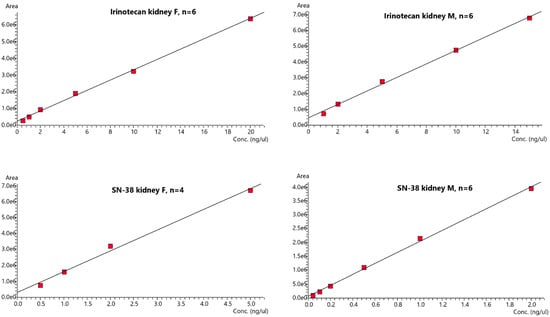
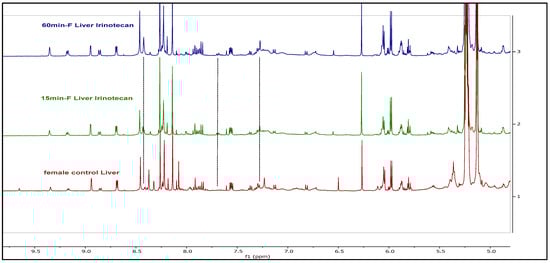
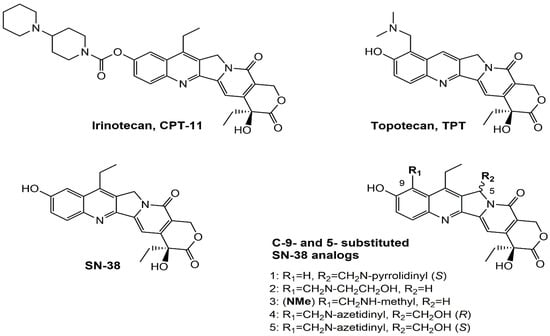
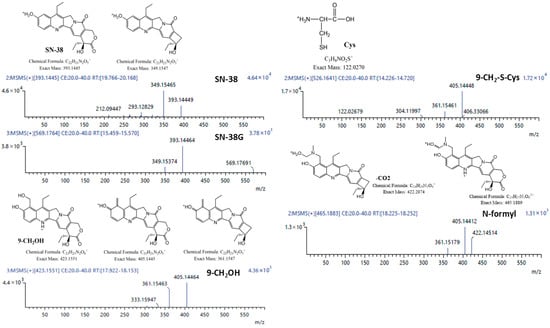
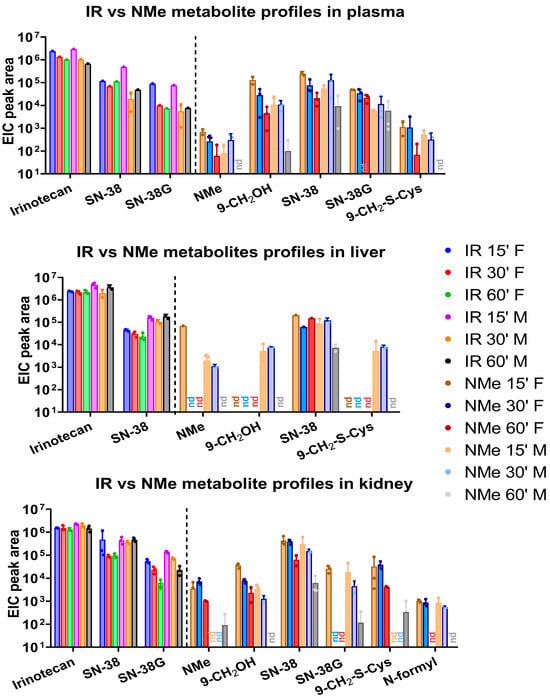
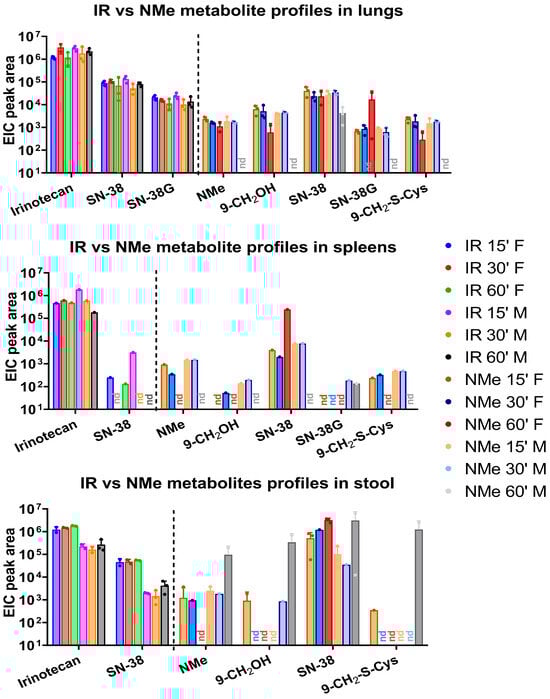
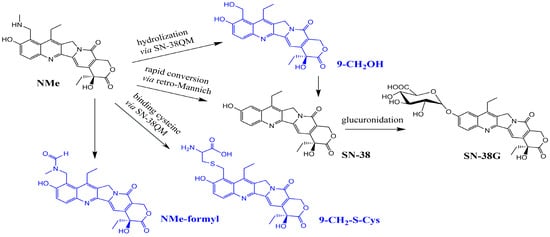
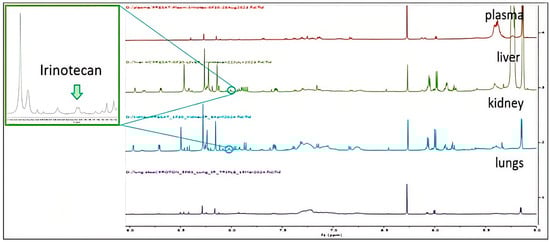
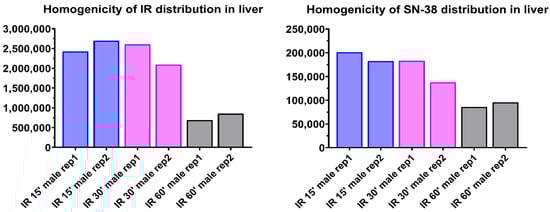
Metabolomic Study of 7-Ethyl-9-(N-methyl)aminomethyl-10-hydroxycamptothecin Derivative (NMe)—The Chemotherapeutic Drug Candidate Versus Irinotecan (IR) on a Mouse Model
Metabolites 2026, 16(3), 172; https://doi.org/10.3390/metabo16030172 - 5 Mar 2026
Abstract
Background: In this study, we aimed to compare metabolomic profiles, biodistribution, and detoxification patterns of the novel SN-38 derivative NMe with irinotecan (IR), and to identify NMe-specific metabolites to evaluate its preclinical pharmacokinetic advantages. Methods: In vivo ADME studies were conducted for NMe,
[...] Read more.
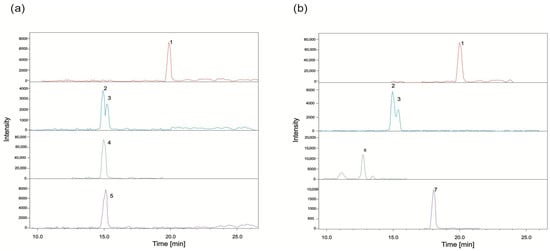
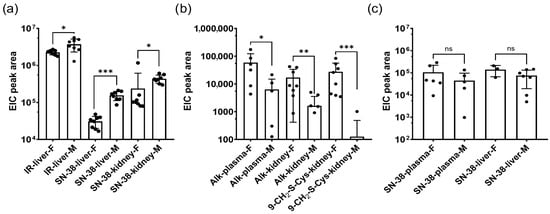
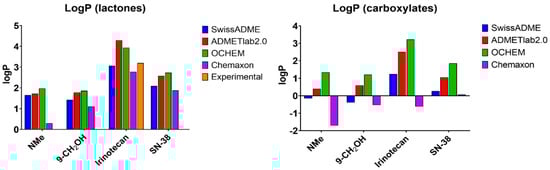
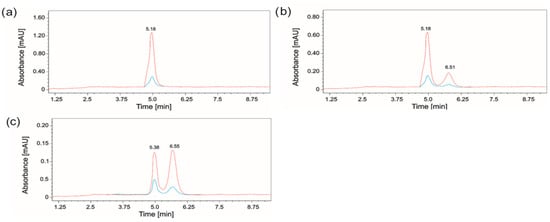
Background: In this study, we aimed to compare metabolomic profiles, biodistribution, and detoxification patterns of the novel SN-38 derivative NMe with irinotecan (IR), and to identify NMe-specific metabolites to evaluate its preclinical pharmacokinetic advantages. Methods: In vivo ADME studies were conducted for NMe, a 9-aminomethyl SN-38 derivative, and IR following a single intraperitoneal dose of 40 mg/kg in mice. Additionally, ADMET properties were predicted using ADMETlab and SwissADME tools for comparison. Levels of NMe and irinotecan absorbed into plasma, distributed to tissues, and metabolized were monitored in liver, lung, spleen, kidney, and stool samples at 15, 30, and 60 min post-administration. Tissue extracts were analysed using high-performance liquid chromatography (HPLC), liquid chromatography–electrospray ionization quadrupole time-of-flight-tandem mass spectrometry (LC-ESI-QTOF-MS), and nuclear magnetic resonance (NMR) techniques after lyophilization and reconstitution. We compared the metabolomic profiles of irinotecan and NMe. Results: We identified and confirmed NMe-specific metabolites, including 9-CH2-S-cysteine conjugate, 9-CH2OH, and NMe-formyl. Notably, novel irinotecan metabolites (IR-OH and IR-ΔE) were detected in small amounts in kidney samples. In some cases, two literature-known photodegradation products of irinotecan were present. NMe was found to quickly metabolize with different distribution to tissues, significantly greater to kidney and liver. Two SN-38 glucuronides, SN-38G(α) and SN-38G(β), were detected corresponding to α- and β-anomers. Where it was possible, NMe, IR and SN-38 were quantified using external calibration curves. In IR group, controlled and prolonged release of SN-38 was confirmed in all samples, yet SN-38G was observed in minority only in plasma, kidney, or lungs. In NMe groups, great relative amounts of SN-38 and SN-38G were detected. Greater content of SN-38G in NMe group than in irinotecan is expected to contribute to modulation and alleviation of some side effects in irinotecan-involved therapies, such as gastrointestinal toxicities (GIT). Conclusions: NMe shows a distinct metabolic profile characterized by rapid biotransformation, higher systemic glucuronidation of SN-38, and formation of unique metabolites, suggesting a potentially wider therapeutic window and reduced toxicity compared with IR.
Full article
(This article belongs to the Section Pharmacology and Drug Metabolism)
►
Show Figures
Open AccessArticle
Liver Injury Biomarkers in Pediatric Metabolic Syndrome: Key Biochemical Associations
by
Teofana-Otilia Bizerea-Moga, Tudor Voicu Moga, Sanja Panic Zaric, Rade Vukovic, Otilia Mărginean and Lazăr Chișavu
Metabolites 2026, 16(3), 171; https://doi.org/10.3390/metabo16030171 - 5 Mar 2026
Abstract
Background: The presence of metabolic syndrome (MetS) in children predisposes them to steatotic liver disease, with or without liver enzyme alterations. Early diagnosis of the degree of liver damage can stop the progression to more severe dysfunction. Objectives: This study aimed
[...] Read more.
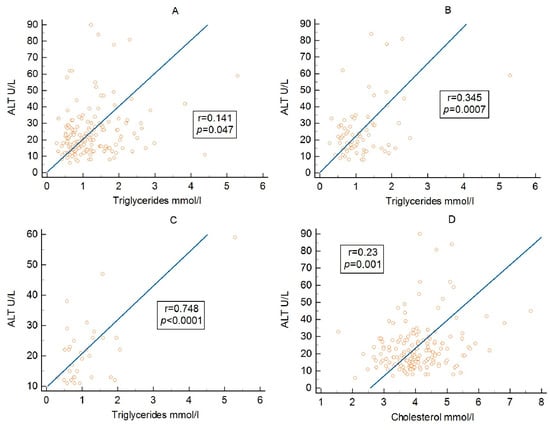
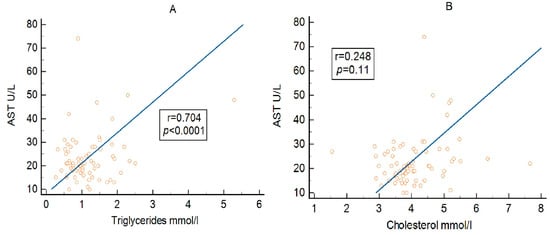
Background: The presence of metabolic syndrome (MetS) in children predisposes them to steatotic liver disease, with or without liver enzyme alterations. Early diagnosis of the degree of liver damage can stop the progression to more severe dysfunction. Objectives: This study aimed to establish the link between liver enzyme levels and triglyceride and cholesterol values in pediatric patients with obesity, grouped according to MetS status and metabolic dysfunction-associated fatty liver disease (MAFLD). Methods: The retrospective observational study included 261 pediatric patients aged between 0 and 18 years diagnosed with obesity, MetS, and MAFLD. Before initiating the study, approval was obtained from the hospital’s Ethics Committee. The clinical and biochemical data were collected from the patients’ histories. Results: Alanine aminotransferase showed a significant positive correlation with triglyceride levels in the overall cohort, which became stronger in children with MetS and was strongest in those with ultrasonographically confirmed MAFLD. Similarly, aspartate aminotransferase demonstrated a weak positive correlation with triglycerides in the overall population, which increased in patients with MetS and became strong in children with MAFLD. Conclusions: In children with MetS and ultrasound-diagnosed MAFLD, liver enzymes showed progressively stronger positive correlations with triglyceride levels, indicating a close link between dyslipidemia and liver damage. Associations between liver enzymes and total cholesterol further support metabolic dysregulation, rather than body mass index alone, as a key driver of pediatric steatotic liver disease and highlight the value of targeted liver enzyme assessment in children with MetS or hypertriglyceridemia.
Full article
(This article belongs to the Special Issue Obesity and Metabolic Syndrome in Children: Insights, Interventions and Emerging Perspectives, 2nd Edition)
►▼
Show Figures

Figure 1

Open AccessArticle
Serum Metabolomic Signatures Indicate Oxidative Membrane Lipid Remodeling in β-Thalassemia
by
Alexandros Makis, Eleftheria Hatzimichael, Theodoros Palianopoulos, Dimitra Papagiannaki, Eleni Kapsali, Evangelos Gikas and Vasilios Sakkas
Metabolites 2026, 16(3), 170; https://doi.org/10.3390/metabo16030170 - 5 Mar 2026
Abstract
Background/Objectives: Oxidative stress and iron overload remodel erythrocyte membranes in β-thalassemia, but their systemic metabolic correlates are not well defined. We applied untargeted metabolomics to identify serum biomarkers reflecting these pathophysiological processes. Methods: Thirty-one adults with β-thalassemia [18 transfusion-dependent (TDT), 13
[...] Read more.
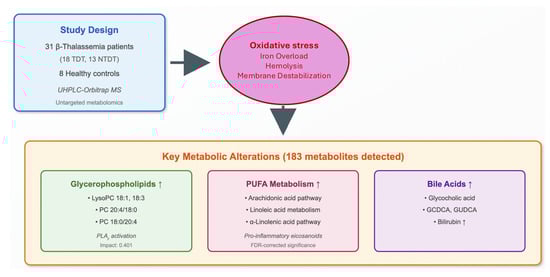
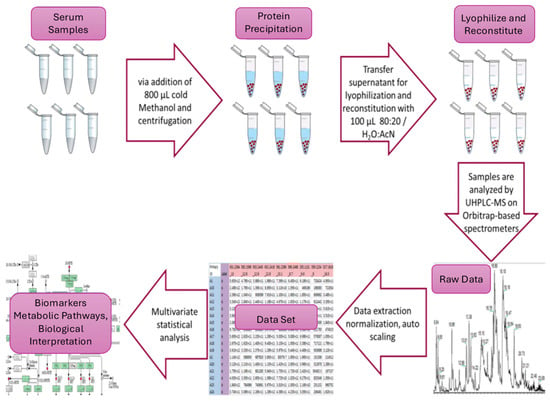
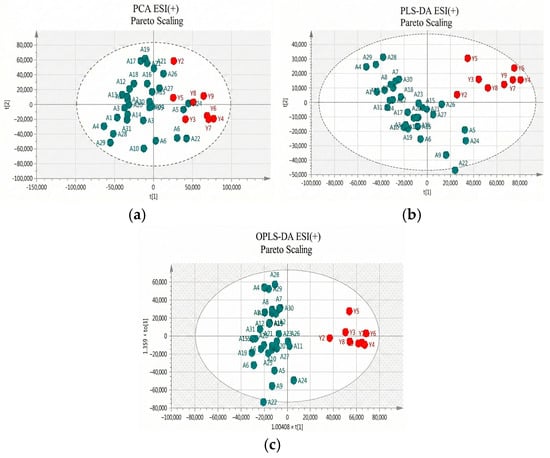
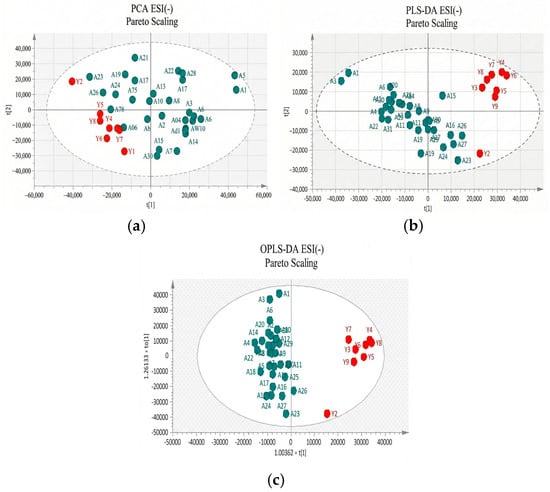
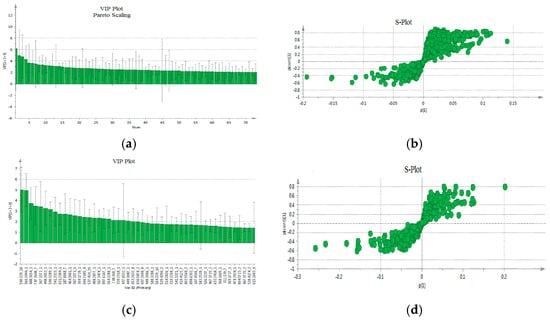
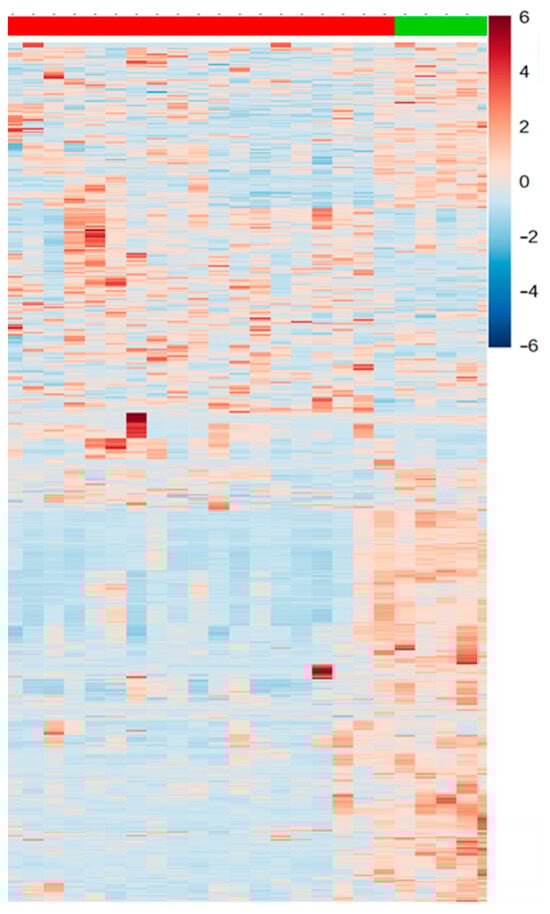
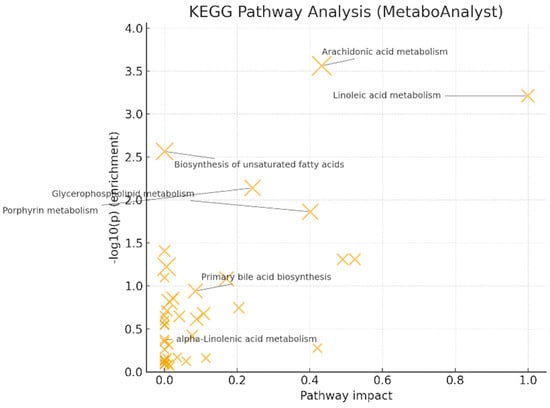
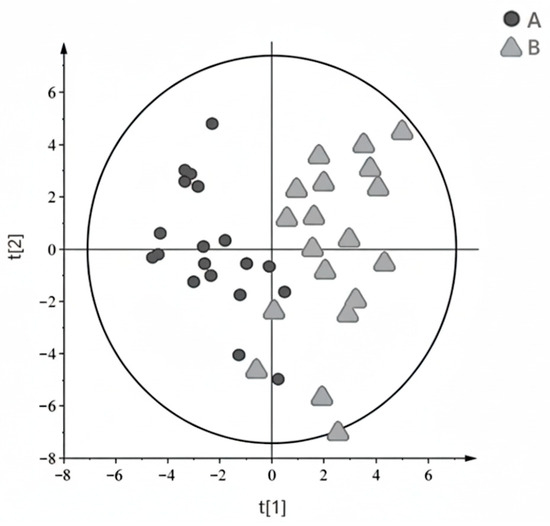
Background/Objectives: Oxidative stress and iron overload remodel erythrocyte membranes in β-thalassemia, but their systemic metabolic correlates are not well defined. We applied untargeted metabolomics to identify serum biomarkers reflecting these pathophysiological processes. Methods: Thirty-one adults with β-thalassemia [18 transfusion-dependent (TDT), 13 non-transfusion-dependent (NTD)] and 8 age/sex-matched healthy controls were studied. Fasting serum was profiled using untargeted UHPLC–Orbitrap MS. Multivariate modeling (SIMCA-P) and FDR-controlled univariate statistics identified discriminant features, followed by pathway enrichment analysis. Associations with clinical variables (chelation regimen, ferritin, cardiac MRI T2*, and liver iron concentration) were examined. Results: A total of 183 metabolites were detected; versus controls, 124 were decreased, 54 increased, and 5 remained unchanged in patients. Key discriminants included lysophosphatidylcholines (LysoPC 18:1, 18:3), polyunsaturated fatty acid (PUFA)-bearing phosphatidylcholines (PC 20:4/18:0, PC 18:0/20:4), conjugated bile acids (glycocholic acid, glycochenodeoxycholic acid, and glycoursodeoxycholic acid), and bilirubin. Pathway analysis revealed significant enrichment (FDR-corrected) in linoleic acid metabolism (q = 0.024, impact = 1.000) and arachidonic acid metabolism (q = 0.022, impact = 0.433), with supportive nominal signals from glycerophospholipid (impact = 0.401) and porphyrin/heme (impact = 0.242) pathways. No significant metabolic differences were observed between TD and NTD patients. Conclusions: β-thalassemia serum metabolomics reflects oxidative membrane lipid remodeling with a prominent PLA2/LysoPC–arachidonic axis and evidence of heme turnover and altered bile-acid signaling. These data propose a practical biomarker panel-LysoPCs, arachidonic acid-enriched PCs, and conjugated bile acids-warranting targeted validation alongside conventional clinical parameters for disease monitoring and therapeutic assessment.
Full article
(This article belongs to the Section Endocrinology and Clinical Metabolic Research)
►▼
Show Figures

Graphical abstract
Open AccessArticle
Urinary Tryptophan–Kynurenine Pathway Profiling in Bulgarian Children with Autism Spectrum Disorder (ASD): Neopterin Co-Varies with Kynurenine and Quinolinic Acid
by
Victor Slavov, Lubomir Traikov, Stanislava Ciurinskiene, Radka Tafradjiiska-Hadjiolova and Tanya Kadiyska
Metabolites 2026, 16(3), 169; https://doi.org/10.3390/metabo16030169 - 4 Mar 2026
Abstract
Background/Objectives: Autism spectrum disorder (ASD) is biologically heterogeneous, and immune-linked variation may be associated with differences in tryptophan–kynurenine pathway (KP) metabolism. Here, we report a targeted urinary profile of KP metabolites, NAD (nicotinamide adenine dinucleotide), and neopterin in a Bulgarian pediatric ASD
[...] Read more.
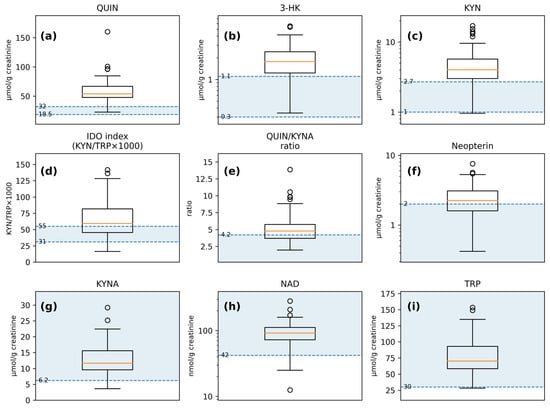
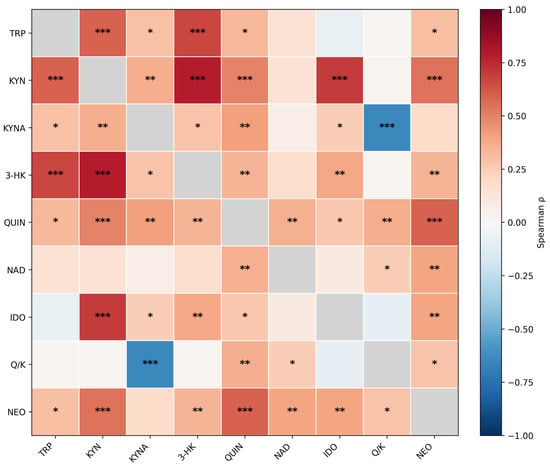
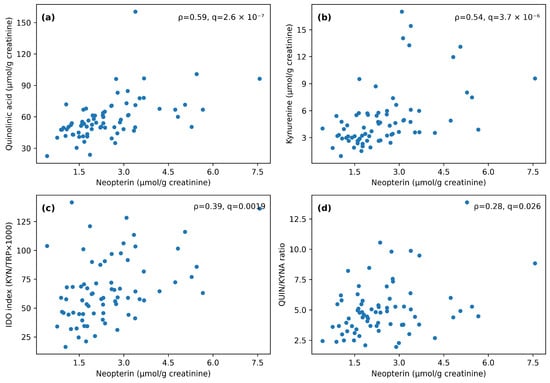
Background/Objectives: Autism spectrum disorder (ASD) is biologically heterogeneous, and immune-linked variation may be associated with differences in tryptophan–kynurenine pathway (KP) metabolism. Here, we report a targeted urinary profile of KP metabolites, NAD (nicotinamide adenine dinucleotide), and neopterin in a Bulgarian pediatric ASD cohort to describe within-cohort patterns and associations. Methods: Second-morning, acid-stabilized spot urine was collected from 73 children with ASD in Bulgaria (3–13 years; 57 males; 16 females). No contemporaneous neurotypical control group was enrolled; therefore, laboratory-provided reference limits are reported only as contextual benchmarks and are not interpreted as ASD-specific abnormalities. Tryptophan (TRP), kynurenine (KYN), kynurenic acid (KYNA), 3-hydroxykynurenine (3-HK), quinolinic acid (QUIN), NAD, and neopterin were quantified and derived indices were computed (KYN/TRP × 1000; QUIN/KYNA). Non-parametric statistics, Benjamini–Hochberg false discovery rate (FDR) correction, and Spearman correlation analyses were applied. Results: Neopterin was strongly associated with QUIN and KYN in creatinine-normalized data (QUIN: ρ = 0.59, q36 = 2.64 × 10⁻⁷; KYN: ρ = 0.54, q36 = 3.69 × 10⁻⁶); these associations persisted when reconstructed as absolute concentrations (e.g., QUIN_abs: ρ = 0.68, q36 = 2.69 × 10⁻¹⁰) and after partial Spearman correlation controlling for spot creatinine (partial ρ = 0.46, q = 2.52 × 10⁻⁴). One NAD value was <LOQ and was imputed as ½LOQ; sensitivity analyses did not materially change inference. Conclusions: In this ASD-only cross-sectional dataset, urinary neopterin levels co-varied with urinary KYN and QUIN and with KP indices. Clinical interpretation and causal inference require controlled and longitudinal studies with richer covariate capture.
Full article
(This article belongs to the Section Endocrinology and Clinical Metabolic Research)
►▼
Show Figures

Figure 1
Open AccessArticle
Phenylpropanoid- and Flavonoid-Centered Metabolic Adaptation to Continuous Cropping Stress in Ornamental Gourd
by
Hong-Yu Li, Yun-Ping Guo, Zhi-Gang Xie, Hua-Qiang Xuan, Shu-Min Wang, Xiao-Jun Wang, Wen-Wen Li, Guo-Chen Lin and Xin Hou
Metabolites 2026, 16(3), 168; https://doi.org/10.3390/metabo16030168 - 3 Mar 2026
Abstract
Background: Continuous cropping severely restricts ornamental gourd productivity through yield decline, microbial dysbiosis, and rhizosphere autotoxin production. This study characterized rhizosphere–root–leaf metabolic reorganization under three-year monoculture, identifying key metabolites, pathways, and a hierarchical cascade for stress adaptation. Methods: Ornamental gourd seedlings were potted
[...] Read more.
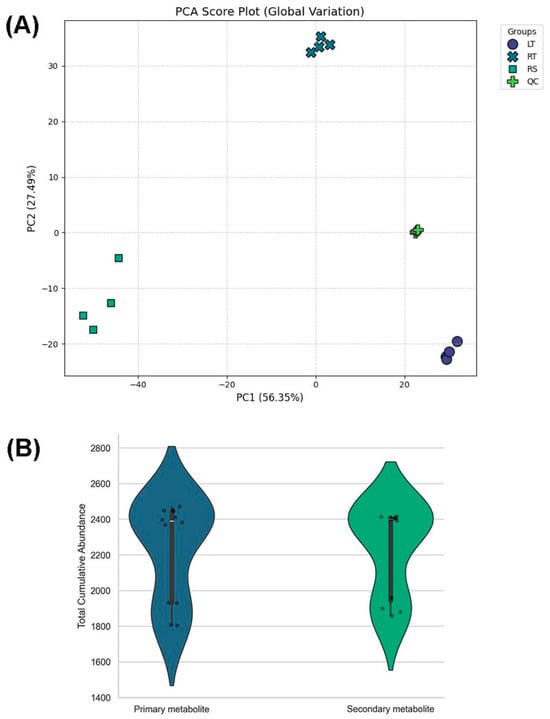
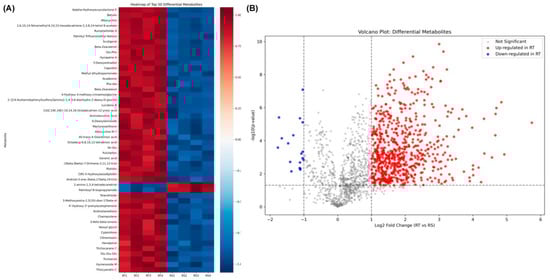
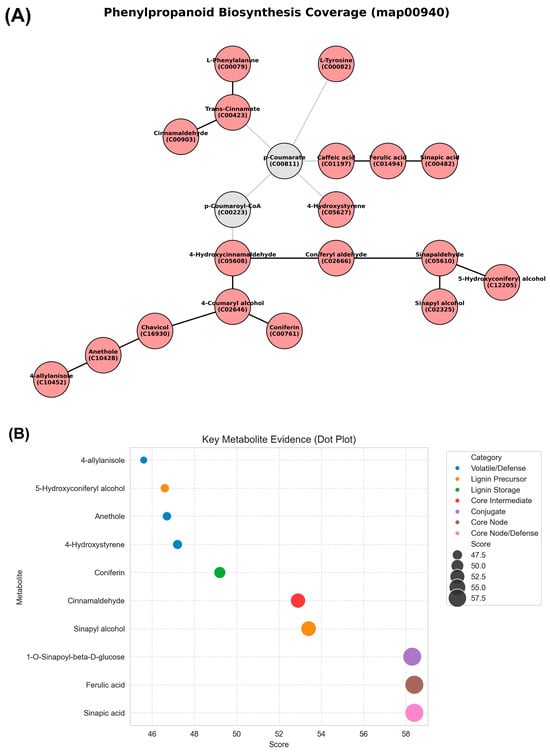
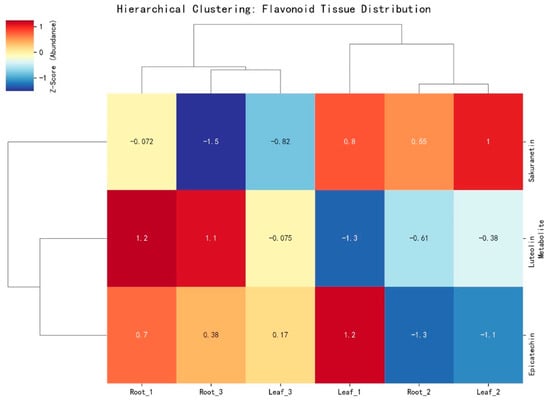
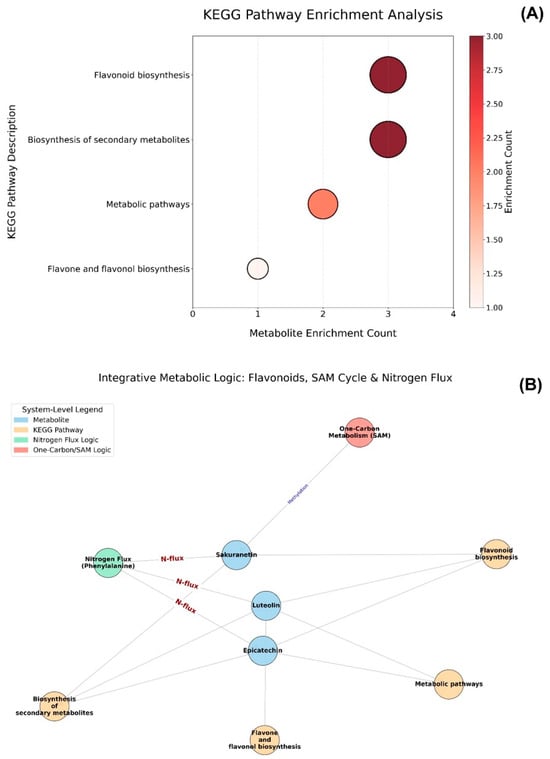
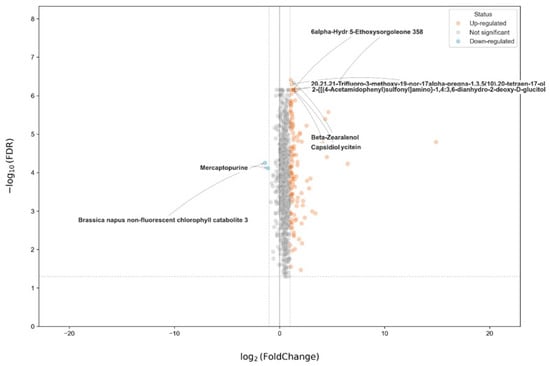
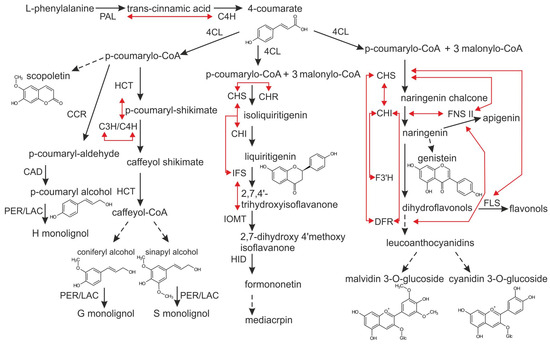
Background: Continuous cropping severely restricts ornamental gourd productivity through yield decline, microbial dysbiosis, and rhizosphere autotoxin production. This study characterized rhizosphere–root–leaf metabolic reorganization under three-year monoculture, identifying key metabolites, pathways, and a hierarchical cascade for stress adaptation. Methods: Ornamental gourd seedlings were potted in three-year monoculture soil exhibiting replanting disorders. At the seven-leaf stage, rhizosphere soil, roots, and leaves were sampled for untargeted UHPLC-MS/MS metabolomics, followed by PCA, OPLS-DA, differential analysis (VIP > 1, p < 0.05), and KEGG pathway enrichment analysis. Results: A total of 10,792 metabolic features were detected in positive mode and 8992 in negative mode. PCA explained 83.84% of the variance, with PC1 at 56.35% and PC2 at 27.49%, clearly separating the compartments of the study. A total of 1132 shared metabolites were suppressed, with log2 fold changes exceeding −1. Roots displayed activation, with upregulated metabolites outnumbering downregulated ones, and log2 fold changes frequently exceeding +3. Leaves exhibited mean log2 fold changes of approximately +1 for phenylpropanoid intermediates, indole, and terpenoid biosynthesis. The enriched pathways included amino acid metabolism, phenylpropanoid and flavonoid biosynthesis, lipid metabolism, and hormone signaling. Conclusions: Continuous cropping induces a hierarchical rhizosphere–root–leaf metabolic cascade, linking suppressed soil activity with reinforced root defense and coordinated leaf signaling, centered on the phenylpropanoid and flavonoid pathways as key drivers of adaptation.
Full article
(This article belongs to the Special Issue Metabolomics and Plant Defence, 2nd Edition)
►▼
Show Figures

Figure 1

Open AccessArticle
Metabolomics of Ocular Tissues with High and Low Metabolic Activity
by
Jack V. Greiner and Thomas Glonek
Metabolites 2026, 16(3), 167; https://doi.org/10.3390/metabo16030167 - 1 Mar 2026
Abstract
Background/Objectives: An unexplainably high millimolar (~3 mM) concentration of adenosine triphosphate (ATP), herein designated as nucleoside triphosphate (NTP), exists in the crystalline lens even though all of the known functions of NTP combined require only micromolar (μM) concentrations. Since the lens is one
[...] Read more.
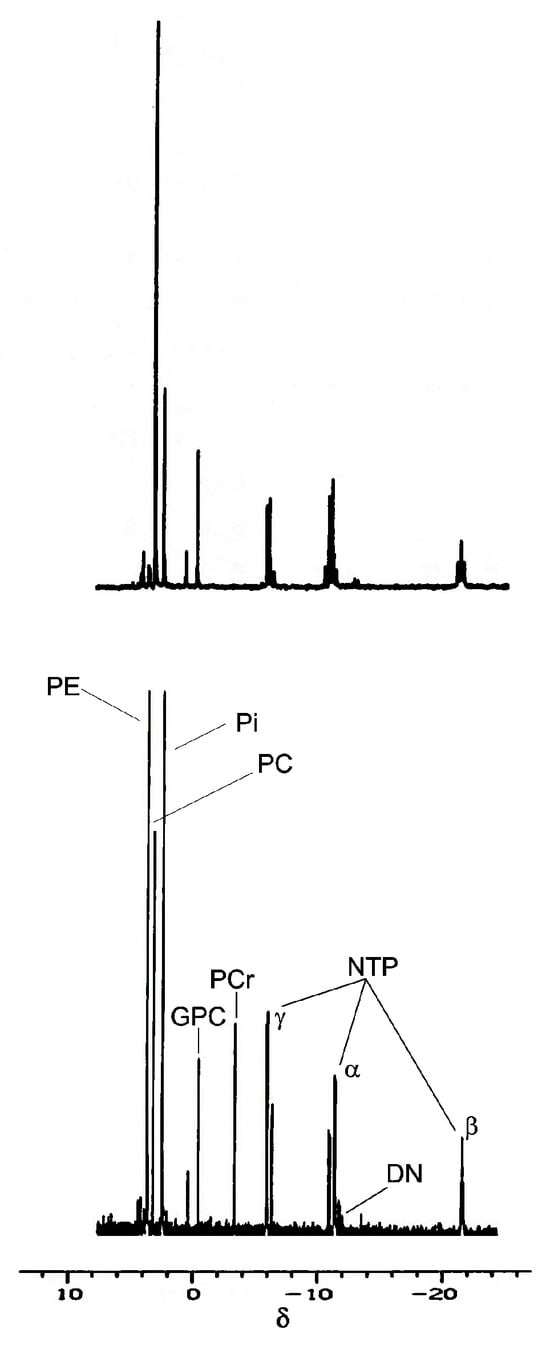
Background/Objectives: An unexplainably high millimolar (~3 mM) concentration of adenosine triphosphate (ATP), herein designated as nucleoside triphosphate (NTP), exists in the crystalline lens even though all of the known functions of NTP combined require only micromolar (μM) concentrations. Since the lens is one of the most metabolically quiescent tissues in the body and the retina is one of the most metabolically active tissues in the body, we compared their phosphorus metabolomics and related metabolic indices that measure their metabolic health status. As such, the purpose of this report was to compare the NTP concentrations in lenticular and retinal tissues and the metabolic indices that include NTP as well as their phosphorus-31 spectral modulus (PSM). Methods: Known phosphatic metabolic profiles of rat lenses and retinas were compared and quantified in mole % phosphorus using phosphorus-31 nuclear magnetic resonance spectroscopy. Metabolic indices measuring health status, where ATP is a principal component, were calculated, including the PSM. Results: In this secondary analysis, the NTP concentration calculated in the lens was 41.0% of the total phosphate detected, whereas it was similarly 37.6% in the sensory retina. The PSM values were 1.28 for the lens and similarly 1.42 for the retina. Conclusions: Due to the lens tissue’s low quiescent metabolic activity, one might expect the NTP concentration to be lower in the lens than in the highly metabolically active retina: a similar difference is expected in the PSM. However, this was not the case with the mM concentrations of NTP in both the lens (≥2.3 mM) and the retina (2.4 mM). The similarly high mM NTP concentration coupled with the PSM-calculated measure of metabolic health in these tissues is a novel finding. The novel findings of such similarly high concentrations of NTP in these metabolically diverse eye tissues further support and are consistent with the hypothesized role of NTP as a hydrotrope, preventing protein aggregation resulting in age-related cataractogenesis and age-related macular degeneration.
Full article
(This article belongs to the Section Cell Metabolism)
►▼
Show Figures

Figure 1
Open AccessArticle
Anthropometric Indices and Markers of Atherothrombotic Risk in Subjects with Primary Hyperparathyroidism
by
Anda Mihaela Naciu, Eleonora Sargentini, Marco Bravi, Annunziata Nusca, Francesco Grigioni, Luigi Bonifazi Meffe, Nicola Napoli, Andrea Palermo and Gaia Tabacco
Metabolites 2026, 16(3), 166; https://doi.org/10.3390/metabo16030166 - 28 Feb 2026
Abstract
Background: Both primary hyperparathyroidism (PHPT) and chronic hypoparathyroidism (HypoPT) are associated with the onset and development of cardiovascular diseases (CVDs). In particular, PHPT is accompanied by the presence of elevated atherothrombotic risk, while the importance of traditional and new anthropometric indices to
[...] Read more.
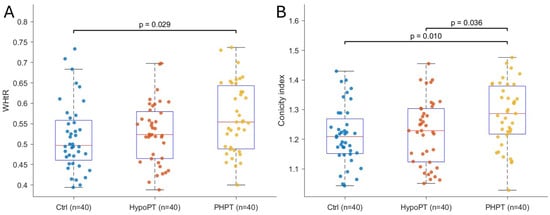
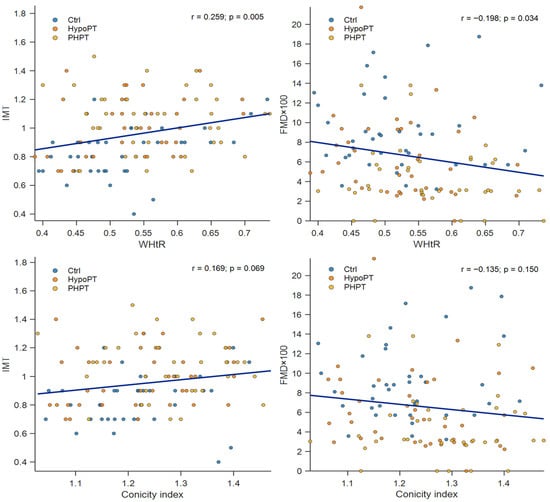
Background: Both primary hyperparathyroidism (PHPT) and chronic hypoparathyroidism (HypoPT) are associated with the onset and development of cardiovascular diseases (CVDs). In particular, PHPT is accompanied by the presence of elevated atherothrombotic risk, while the importance of traditional and new anthropometric indices to reflect the cardiovascular risk remains uncertain in this condition. This study aims to investigate whether novel and traditional anthropometric indices distinguish PHPT and whether these indices are correlated with atherothrombotic risk. Methods: A total of 40 subjects with HypoPT, 40 with PHPT and 40 age- and sex-matched control subjects were consecutively enrolled for the evaluation of flow-mediated vasodilation (FMD) and carotid intima–media thickness (IMT). A blood sample was collected for evaluation of calcium–phosphate metabolism, PTH, TSH and 25-hydroxy vitamin D. Physical examination was performed to obtain traditional anthropometric parameters and derived indices of adiposity and cardiometabolic risk (waist-to-height ratio (WHtR), waist-to-hip ratio (WHR) and conicity index (CI)). Results: The PHPT group showed higher central adiposity indices (WHtR p = 0.002, and CI p = 0.008). Among patients with parathyroid disorders, PHPT subjects displayed the highest reduction in FMD (p < 0.001) and a marked increase in IMT (p < 0.001). In the Ctrl group, WHtR showed a weak-to-moderate positive association with IMT (r = 0.381, p = 0.018). In the PHPT group, no anthropometric index was significantly correlated with IMT or FMD (all p > 0.05). Conclusions: WHtR and CI provide evidence of increased central fat adiposity in PHPT but do not account for impaired atherothrombotic risk, indicating that anthropometric indices may lack relevance to cardiovascular risk in this condition and emphasizing the importance of a specific assessment profile.
Full article
(This article belongs to the Special Issue Primary Hyperparathyroidism: Mechanisms and Treatment)
►▼
Show Figures

Figure 1

Open AccessArticle
Relationship Between Thyroid Hormonal Function and Ultrasound TI-RADS Stratification in a Saudi Cohort
by
Ali H. Alghamdi, Ashwag A. Albalawi, Shahad S. Aljuhani, Ahmed Alghamdi, Mansuor A. Alanazi, Arwa Baeshen, Adnan Alahmadi and Njoud Aldusary
Metabolites 2026, 16(3), 165; https://doi.org/10.3390/metabo16030165 - 28 Feb 2026
Abstract
Introduction: Thyroid disorders are among the most prevalent endocrine diseases worldwide, with rising incidence linked to aging, lifestyle, and environmental factors. Early identification of both functional and structural abnormalities is essential to prevent complications. This study aimed to investigate the coherence between thyroid
[...] Read more.
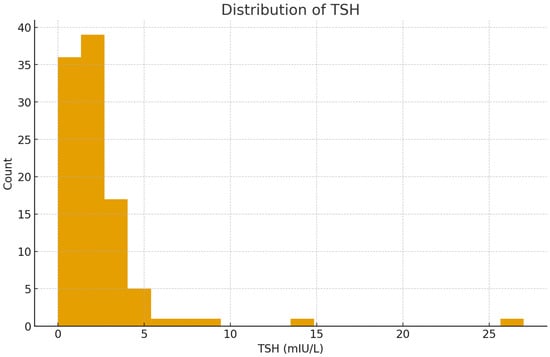
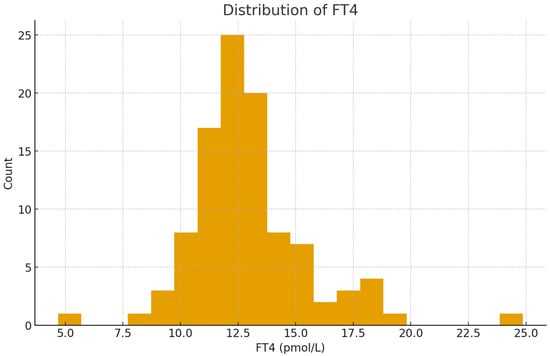
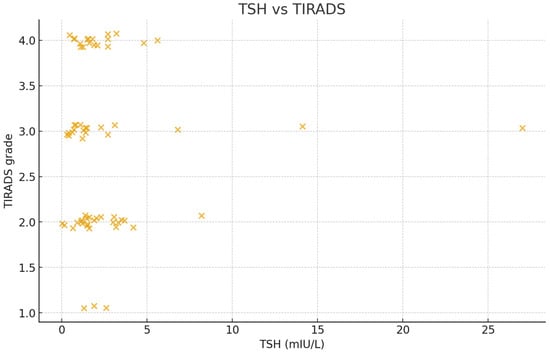
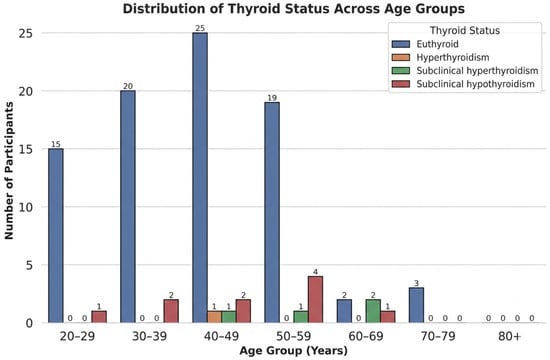
Introduction: Thyroid disorders are among the most prevalent endocrine diseases worldwide, with rising incidence linked to aging, lifestyle, and environmental factors. Early identification of both functional and structural abnormalities is essential to prevent complications. This study aimed to investigate the coherence between thyroid function as measured by thyroid-stimulating hormone (TSH) and free thyroxine (FT4) tests and ultrasound-based thyroid classification according to the American College of Radiology Thyroid Imaging Reporting and Data System (ACR TI-RADS). Methods: This retrospective cross-sectional study included patients in Tabuk, Saudi Arabia, who underwent thyroid ultrasound alongside TSH and FT4 tests within two weeks. Thyroid nodules were classified using TI-RADS. Demographic, clinical, and laboratory data were extracted from electronic records, and statistical analyses examined associations between hormone levels, ultrasound findings, and clinical variables (p < 0.05). Results: A total of 102 patient records were included in the study. Most participants were female and overweight, with a mean body mass index (BMI) of 30.2 ± 4.6 kg/m2. The majority were euthyroid (58.3%) or subclinical hypothyroid (27.8%); most nodules were benign (TI-RADS 2–3). BMI showed a moderate positive correlation with TSH (ρ = 0.20, p = 0.041) and a negative correlation with FT4 (ρ = –0.20, p = 0.040). No significant relationship was observed between TI-RADS classification and thyroid hormone levels (p > 0.05). Conclusions: Structural thyroid changes identified by ultrasound appeared largely independent of hormonal status. Meanwhile, BMI demonstrated a modest physiological association with thyroid function reflected in TSH and/or FT4 levels. These findings emphasize the need for integrated biochemical and imaging evaluation to enhance diagnostic precision in the assessment of thyroid disease.
Full article
(This article belongs to the Section Endocrinology and Clinical Metabolic Research)
►▼
Show Figures

Figure 1
Open AccessReview
Chemical Signaling and Metabolomic Crosstalk in Endophytic Fungi–Medicinal Plant Symbioses for Natural Product Discovery and Sustainable Bioproduction
by
Zhuo Chen and Shilong Jiang
Metabolites 2026, 16(3), 164; https://doi.org/10.3390/metabo16030164 - 28 Feb 2026
Abstract
Background: Medicinal plants function as complex holobionts, with their therapeutic potential significantly shaped by the associated microbiome, particularly endophytic fungi. These symbionts engage in a sophisticated “chemical signaling” with their hosts, acting as biotic elicitors that modulate plant secondary metabolism while simultaneously responding
[...] Read more.
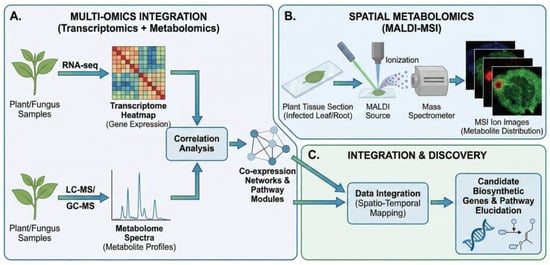
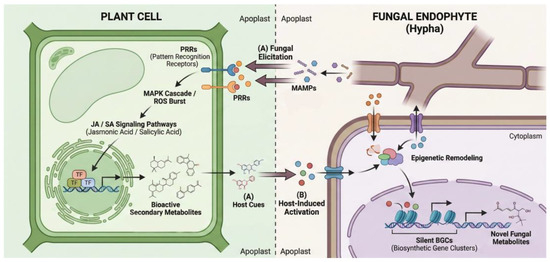
Background: Medicinal plants function as complex holobionts, with their therapeutic potential significantly shaped by the associated microbiome, particularly endophytic fungi. These symbionts engage in a sophisticated “chemical signaling” with their hosts, acting as biotic elicitors that modulate plant secondary metabolism while simultaneously responding to host cues to activate their own cryptic biosynthetic gene clusters (BGCs). This review aims to critically summarize the multi-layered mechanisms driving this metabolic crosstalk and evaluate strategies to harness this symbiotic intelligence for natural product discovery. Methods: A systematic literature survey spanning the last decade was conducted across major databases. The search specifically targeted studies investigating endophytic fungi in medicinal plants, focusing on experimental designs for BGC activation, applications of spatial metabolomics (matrix-assisted laser desorption/ionization mass spectrometry imaging, MALDI-MSI), and the structural elucidation of novel bioactive natural products through co-culture or in planta models. Results: Our analysis reveals that host-derived chemical cues, such as specific root exudates and oxylipins, act as primary triggers to awaken silent fungal BGCs. We collated numerous recently discovered bioactive metabolites—including novel polyketides, highly rearranged terpenoids, and unique alkaloids—demonstrating their potent antimicrobial and cytotoxic properties. Furthermore, a critical evaluation of spatial metabolomics studies demonstrates that metabolic exchange is highly localized at the plant–fungus interface, providing contextual insights that traditional bulk tissue extraction fails to capture. Conclusions: This review bridges the gap between ecological understanding and synthetic biology applications. We conclude that translating the mechanisms of this “chemical signaling” into biotechnological strategies offers a sustainable pathway for the bioproduction of high-value pharmaceuticals, thereby reducing reliance on the wild harvesting of medicinal plants.
Full article
(This article belongs to the Special Issue Bioactive Metabolites from Fungal Endophytes Associated with Plants)
►▼
Show Figures

Figure 1

Open AccessArticle
Integrative Analysis of Post-Translational Modifications Identifies a PTM-Enriched Regulatory Core in Human Metabolic Enzymes
by
Susmi Varghese, Sreelakshmi Pathappillil Soman, Mukhtar Ahmed, Levin John, Poornima Ramesh, Sowmya Soman, Vinitha Ramanath Pai and Rajesh Raju
Metabolites 2026, 16(3), 163; https://doi.org/10.3390/metabo16030163 - 28 Feb 2026
Abstract
Background: Metabolic enzymes catalyze biochemical pathways that sustain cellular metabolism. Their activity, stability, and molecular interactions are extensively regulated by post-translational modifications (PTMs). However, an integrated systems-level understanding of how diverse PTMs are organized across the human metabolic network remains poorly defined.
[...] Read more.
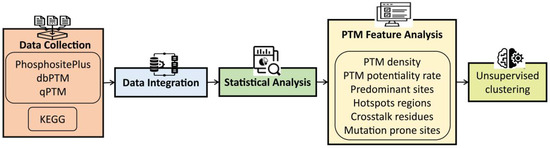
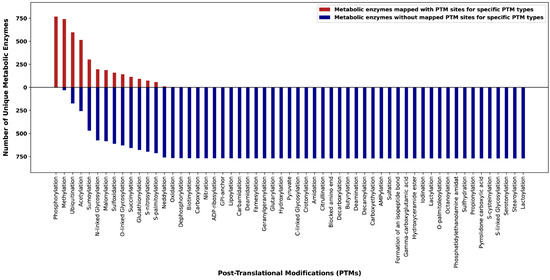
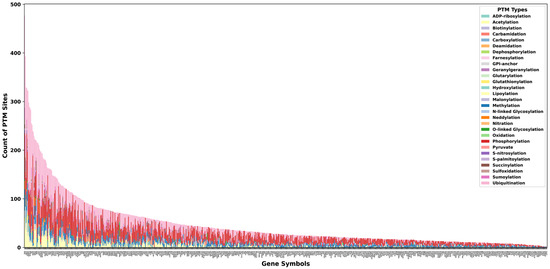
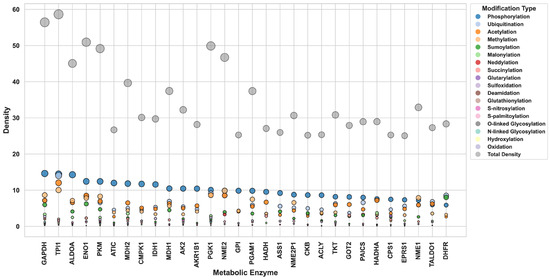
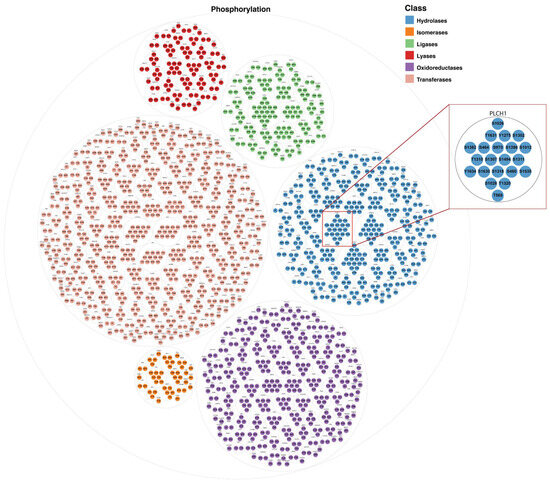
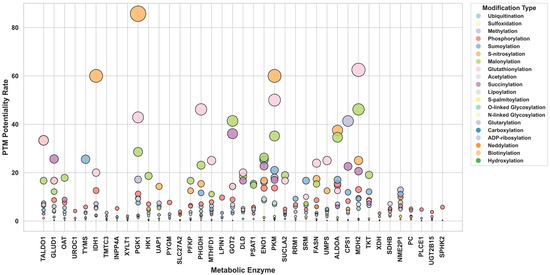
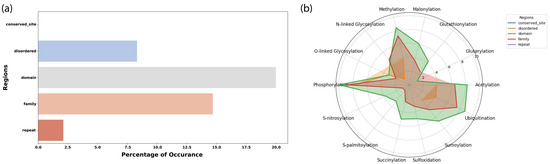
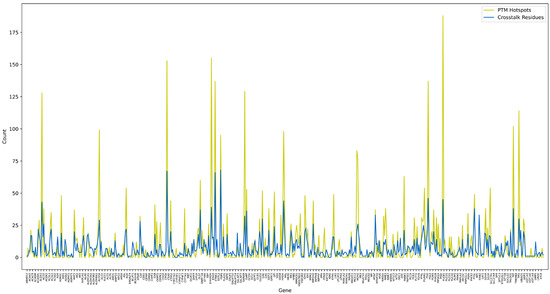
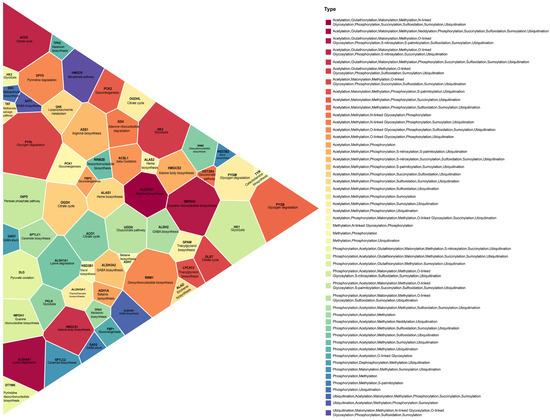
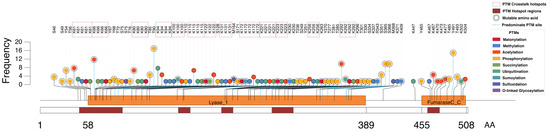
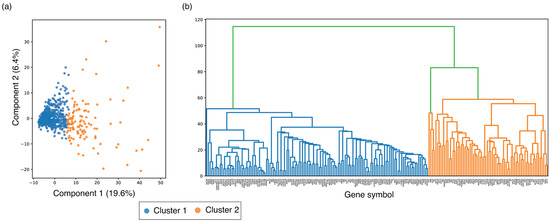
Background: Metabolic enzymes catalyze biochemical pathways that sustain cellular metabolism. Their activity, stability, and molecular interactions are extensively regulated by post-translational modifications (PTMs). However, an integrated systems-level understanding of how diverse PTMs are organized across the human metabolic network remains poorly defined. Methods: We integrated experimentally reported PTM annotations from PhosphoSitePlus, dbPTM, and the quantitative PTM database (qPTM), and identified 29 distinct PTM types present across the 771 human metabolic enzymes. PTM features were quantitatively characterized at multiple levels, including sequence- and composition-based metrics (modification density and PTM potentiality rate), recurrence- and co-occurrence-based features (predominant sites, hotspot regions and PTM crosstalk), and functional-context annotations (protein-region localization and mutation overlap). These integrated features were subsequently used for unsupervised clustering to evaluate higher-order organizational patterns. Results: The analysis revealed that PTMs are unevenly distributed across metabolic enzymes, with phosphorylation, acetylation, ubiquitination, and methylation representing the most prevalent and recurrent regulatory modifications. Clustering segregated enzymes into two regulatory groups: (i) a PTM-enriched regulatory group characterized by high PTM density, frequent hotspot and crosstalk regions, and enrichment of rate-limiting enzymes, and (ii) a broad metabolic group with comparatively sparse PTM regulation. This non-uniform organization reflects the preferential accumulation of multiple regulatory PTMs on enzymes occupying key control points in central metabolic pathways, thereby forming a discrete regulatory subnetwork within metabolism. Conclusions: This study presents a systems-level, multi-PTM atlas of human metabolic enzymes and provides a quantitative framework for prioritizing PTM-regulated enzymes and pathways relevant to signaling–metabolism integration and disease-associated metabolic regulation.
Full article
(This article belongs to the Section Bioinformatics and Data Analysis)
►▼
Show Figures

Figure 1
Open AccessArticle
Association Between Human Milk-Targeted Metabolites and Maternal Characteristics: Targeted Metabolomic Profiling of Human Milk in Low-Income Settings
by
Sadia Parkar, Nadia Mazhar, Sumera Sharafat, Hamna Ganny, Gul Afshan, Samreen Memon, Khalid Wahab, Aneeta Hotwani, Daniela Hampel and Sidra Kaleem Jafri
Metabolites 2026, 16(3), 162; https://doi.org/10.3390/metabo16030162 - 28 Feb 2026
Abstract
Background/Objectives: Human milk (HM) is recognized as the optimal source of infant nutrition, particularly during the first six months of life. While its nutritional aspects and bioactive components are well studied, the HM metabolome remains less understood, particularly in low- and middle-income
[...] Read more.
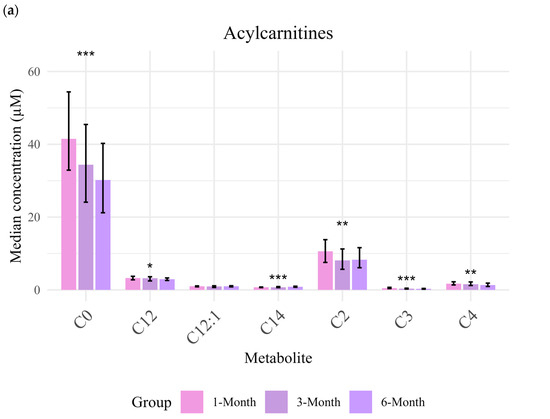
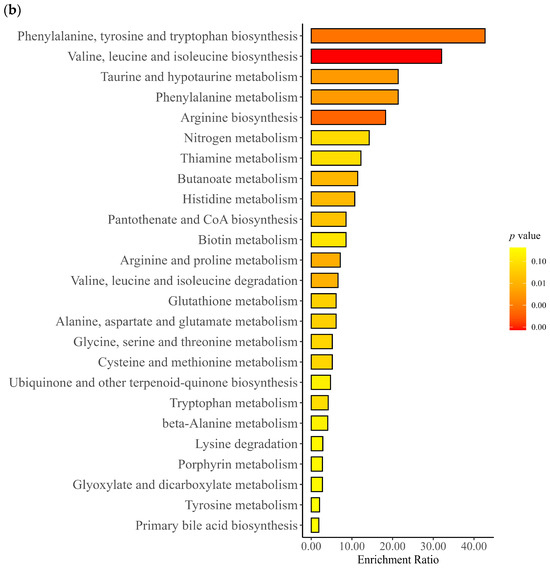
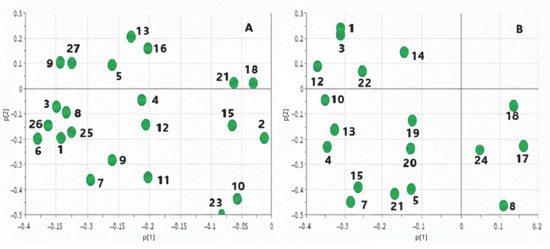
Background/Objectives: Human milk (HM) is recognized as the optimal source of infant nutrition, particularly during the first six months of life. While its nutritional aspects and bioactive components are well studied, the HM metabolome remains less understood, particularly in low- and middle-income countries. This study utilized targeted metabolomics for HM profiling and investigated associations of the HM metabolome with maternal and infant characteristics. Methods: In total, 267 HM samples and demographic data from mothers participating in the Maternal and environmental Impact assessment on Neurodevelopment in Early childhood years (MINE) study were collected during enrolment (up to 6-months postpartum) and analyzed using the MxP® Quant 500 targeted metabolomics kit from Biocrates. Results: A total of 440 metabolites were quantified, mostly lipids such as triglycerides (59.73%), phosphatidylcholines (14.25%), and diglycerides (8.49%), and small molecules including amino acids (26.67%), amino acid-related compounds (21.33%), hexosylceramides (17.33%), and fatty acids (14.67%). Maternal age was positively correlated with a wide range of metabolites, mainly cholesteryl esters, sphingomyelins, triglycerides, and acylcarnitines, while child age was associated with metabolites belonging to acylcarnitine, phosphatidyl-choline, ceramide, diacylglycerol, sphingomyelin, and triglyceride classes. Child’s gender was associated with metabolites, including ceramides, phosphatidylcholines, and sphingomyelins. Pathway enrichment analysis revealed that the metabolites were significantly enriched in valine, leucine, and isoleucine biosynthesis; arginine biosynthesis; phenylalanine, tyrosine, and tryptophan biosynthesis; and glutathione metabolism; however, these reflect annotation-based clustering rather than evidence of active metabolic processes in HM. Conclusions: The HM metabolome varies with maternal and infant characteristics, particularly infant age, reflecting cross-sectional differences in milk composition among mother–infant dyads. Enrichment of metabolites annotated to amino acid and antioxidant-related pathways highlights coordinated representation of nutritionally relevant compounds. These findings provide new insight into the factors shaping HM composition in a low- and middle-income populations.
Full article
(This article belongs to the Section Endocrinology and Clinical Metabolic Research)
►▼
Show Figures

Figure 1

Open AccessArticle
Stress-Associated Phenylpropanoid Metabolism and Nutritional Composition in Wild vs. MeJA-Elicited In Vitro Hypericum perforatum and Portulaca oleracea
by
Gulmira Zhakupova, Assem Sagandyk, Tamara Tultabayeva, Aknur Muldasheva, Kadyrzhan Makangali and Aigerim Akhmetzhanova
Metabolites 2026, 16(3), 161; https://doi.org/10.3390/metabo16030161 - 28 Feb 2026
Abstract
Background/Objectives: The phenylpropanoid pathway in plants plays a pivotal role in the biosynthesis of secondary metabolites in plants, responding to environmental stresses to enhance protective compounds such as phenolic acids and flavonoids. This study compares the phenolic profiles, vitamins, sugars, and mineral elements
[...] Read more.
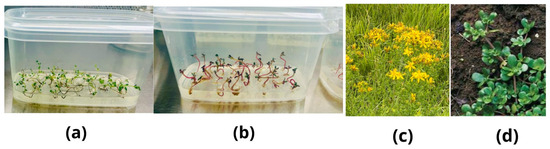
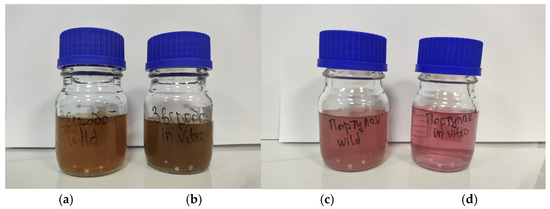
Background/Objectives: The phenylpropanoid pathway in plants plays a pivotal role in the biosynthesis of secondary metabolites in plants, responding to environmental stresses to enhance protective compounds such as phenolic acids and flavonoids. This study compares the phenolic profiles, vitamins, sugars, and mineral elements of Hypericum perforatum and Portulaca oleracea grown under two contrasting conditions: wild habitats and in vitro cultures on Murashige–Skoog medium supplemented with methyl jasmonate (MeJA, 25–50 µM). Methods: Aerial parts were extracted with 70% ethanol and analyzed for phenolic profiles (rutin, caffeic acid, chlorogenic acid, quercetin), proximate composition, free sugars, vitamins, and mineral elements (n = 3, ANOVA/Tukey, p < 0.05). In vitro cultures were maintained under MeJA-elicited conditions; however, the present design does not allow for the separation of MeJA-specific effects from general in vitro growth conditions. Results: Wild samples showed higher phenolic contents (e.g., rutin in Hypericum perforatum: 22.224 ± 0.65 mg/g vs. 15.190 ± 0.311 mg/g in vitro; quercetin in Portulaca oleracea: 0.874 ± 0.157 mg/g vs. 0.444 ± 0.157 mg/g), highlighting the stress-induced activation of secondary metabolism in natural environments. Conclusions: Overall, the data indicate that wild-growing plants accumulate higher levels of key phenylpropanoids than MeJA-elicited in vitro cultures, underscoring the complexity of reproducing natural stress-associated metabolic patterns under controlled conditions.
Full article
(This article belongs to the Section Food Metabolomics)
►▼
Show Figures

Figure 1

Open AccessArticle
1H NMR-Based Metabolomics in Pediatric Acute Lymphoblastic Leukemia: A Pilot Study of Plasma and Cerebrospinal Fluid Profiles
by
Agata Serrafi, Małgorzata Pupek, Łukasz Lewandowski, Anna Janicka-Kłos, Andrzej Wasilewski, Adrian Kasprzak, Agnieszka Matera-Witkiewicz, Tomasz Zatoński, Katarzyna Połtyn-Zaradna, Milena Ściskalska, Tomasz Brutkowski and Bernarda Kazanowska
Metabolites 2026, 16(3), 160; https://doi.org/10.3390/metabo16030160 - 28 Feb 2026
Abstract
Background/Objectives: This pilot study aimed to evaluate the metabolic profiles in plasma and cerebrospinal fluid (CSF) of 14 patients with acute lymphoblastic leukemia (ALL) and plasma of a control group, using proton magnetic resonance spectroscopy (1H NMR). Methods: Multivariate analysis, including
[...] Read more.
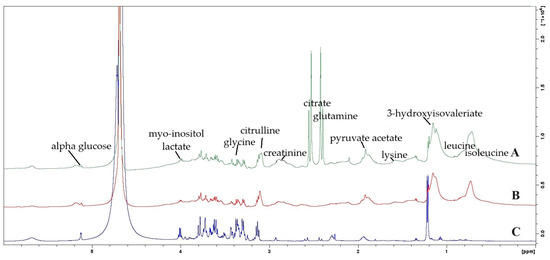
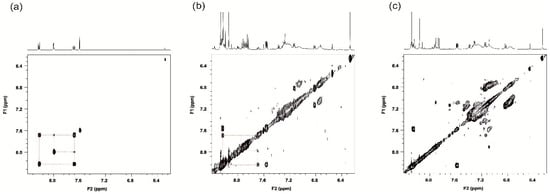
Background/Objectives: This pilot study aimed to evaluate the metabolic profiles in plasma and cerebrospinal fluid (CSF) of 14 patients with acute lymphoblastic leukemia (ALL) and plasma of a control group, using proton magnetic resonance spectroscopy (1H NMR). Methods: Multivariate analysis, including orthogonal partial least-squares discriminant analysis (OPLS-DA), was used to analyze the metabolome composition. Results: Significant differences in plasma metabolic profiles were found between the ALL and control groups. We detected elevated levels of formate, citrate, and glycerophosphocholine (GPC), along with decreased concentrations of glutamine and myo-inositol. The OPLS-DA model showed stability, with R2Y = 69.7% and Q2 = 45.15%. Additionally, we observed differences in chemical shifts for leucine, myo-inositol, alanine, phenylalanine, and valine between CSF and plasma in patients with ALL. Conclusions: Our findings suggest that metabolomic analysis with 1H NMR is a promising tool for identifying potential molecular biomarkers and for deepening our understanding of metabolic reprogramming in pediatric ALL. The observed metabolic differences highlight the potential involvement of the central nervous system in the disease’s pathophysiology.
Full article
(This article belongs to the Special Issue Advances in NMR- and MS-Based Metabolomics and Its Applications)
►▼
Show Figures

Figure 1
Open AccessArticle
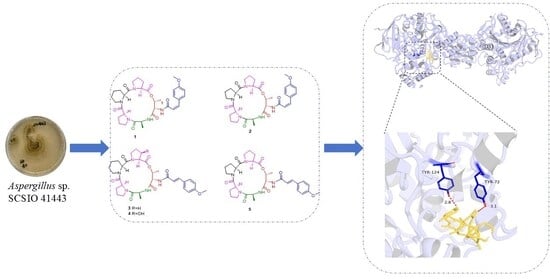
Two New Pentadepsipeptides from the Mangrove Fungus Aspergillus sp. SCSIO 41443
by
Ying Liu, Yi Chen, Jiao Xiao, Xin Sun, Xuefeng Zhou, Yonghong Liu and Bin Yang
Metabolites 2026, 16(3), 159; https://doi.org/10.3390/metabo16030159 - 27 Feb 2026
Abstract
Background: Mangrove fungi are a prolific source of structurally diverse natural products. Among these, natural peptides with varied biological activities hold high commercial value and have been successfully developed into drugs for treating numerous diseases. Methods: Following rice solid-state fermentation of
[...] Read more.
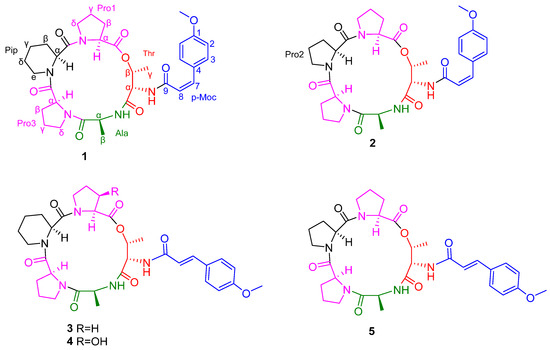
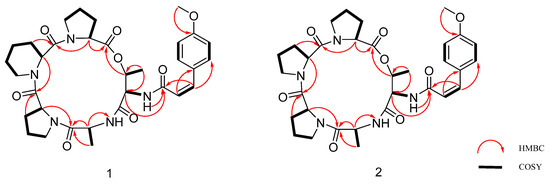
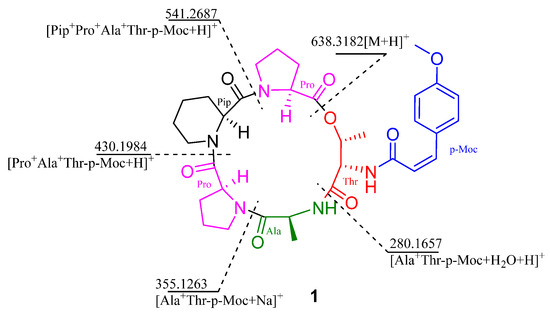
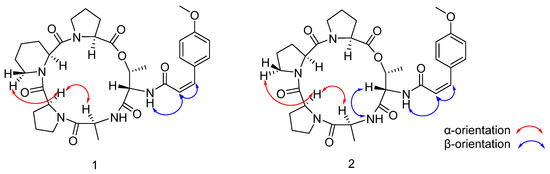
Background: Mangrove fungi are a prolific source of structurally diverse natural products. Among these, natural peptides with varied biological activities hold high commercial value and have been successfully developed into drugs for treating numerous diseases. Methods: Following rice solid-state fermentation of the strain, extracellular metabolites were extracted from the culture filtrate to obtain a crude extract. Cyclic depsipeptides were isolated from the crude extract by silica gel vacuum liquid chromatography for preliminary fractionation and enrichment, followed by high-performance liquid chromatography (HPLC) purification. The structures of the compounds were determined based on extensive spectroscopic analysis (1D and 2D NMR, ESI-MS-MS analysis) and Marfey’s method for amino acid configuration assignment. Results: Ultimately, two new compounds, aspertides F (1) and G (2), and three known compounds, aspertides C, D, and A (3−5), were identified. The bioassays indicated that these compounds exhibited weak activity against acetylcholinesterase and neuraminidase. Conclusions: The research findings on this strain have not only enriched the metabolic resource library of mangrove fungi but also highlighted their diverse biological activities and significant application potential.
Full article
(This article belongs to the Special Issue Mycotoxins and Fungal Secondary Metabolism)
►▼
Show Figures

Graphical abstract
Open AccessArticle
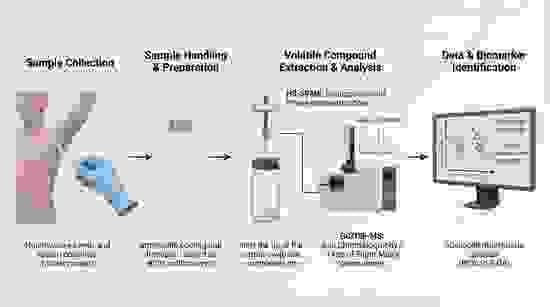
Untargeted Sweat and Sebum Volatilomics by HS-SPME-GC/ToF-MS for the Identification of SARS-CoV-2-Associated Biomarkers
by
Edoardo Longo, Emanuele Boselli, Giovanni Baldassarre, Emanuela Sozio, Lucrezia Zuccarelli, Carlo Tascini, Bruno Grassi and Stefano Cesco
Metabolites 2026, 16(3), 158; https://doi.org/10.3390/metabo16030158 - 27 Feb 2026
Abstract
Background/Objectives: The COVID-19 pandemic has emphasized the urgent need for non-invasive diagnostic strategies. While breath analysis has been widely investigated, sweat and sebum remain largely unexplored, despite being abundant, chemically diverse, and easily collected. This exploratory study presents a proof-of-concept workflow to
[...] Read more.
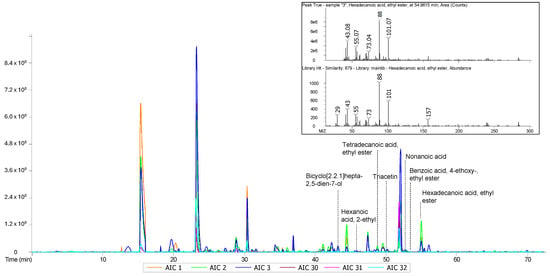
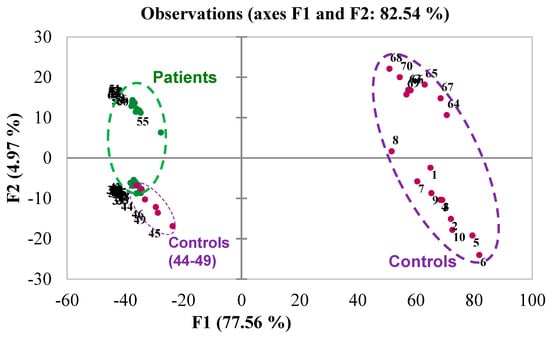
Background/Objectives: The COVID-19 pandemic has emphasized the urgent need for non-invasive diagnostic strategies. While breath analysis has been widely investigated, sweat and sebum remain largely unexplored, despite being abundant, chemically diverse, and easily collected. This exploratory study presents a proof-of-concept workflow to evaluate their potential for infection biomarker discovery. Methods: Samples from 51 subjects were analyzed by headspace solid-phase microextraction coupled with gas chromatography and time-of-flight mass spectrometry (HS-SPME-GC/ToF-MS). Over 8000 untargeted volatile compounds were detected, reflecting the high complexity of these matrices. Results: Data refinement and chemometric modelling using principal component analysis (PCA) and partial least squares discriminant analysis (PLS-DA) revealed robust separation between SARS-CoV-2-positive Patients and Controls. Classification accuracies consistently exceeded 95%, demonstrating the robust discriminative performance of the approach. Among the detected volatiles, 2-methylbenzenemethanol acetate emerged as the most informative compound, representing a potential biomarker candidate. Conclusions: This work shows that the sweat and sebum volatilome can be exploited for clinical applications. The workflow integrates non-invasive sampling, comprehensive chromatographic profiling, and advanced statistical modelling, representing a methodological contribution to analytical chemistry. Beyond COVID-19, the strategy provides a potential framework for volatile organic compound (VOC)-based diagnostics across different diseases and supports future development of sensor technologies for translation into healthcare practice.
Full article
(This article belongs to the Topic Biomarkers of Disease: Discovery and Clinical Applications)
►▼
Show Figures

Graphical abstract
Open AccessArticle
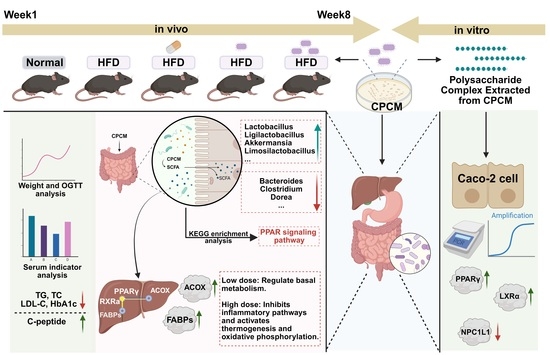
Mechanistic Insights into Lactobacillus harbinensis and Other Probiotics Regulating Lipid Metabolism in T2DM Mice via the PPARγ-LXRα-NPC1L1 Signaling Pathway Based on Multi-Omics Analysis
by
Baheban Yeerjiang, Tabusi Manaer, Xuelian Liu, Reziya Bieerdimulati and Xinhua Nabi
Metabolites 2026, 16(3), 157; https://doi.org/10.3390/metabo16030157 - 27 Feb 2026
Abstract
Background/Objectives: Intestinal dysbiosis is a pivotal trigger of type 2 diabetes mellitus (T2DM). Our previous studies confirmed that composite probiotics derived from fermented camel milk (CPCM), containing Lactobacillus harbinensis and 13 other strains, can ameliorate glucose and lipid metabolism in T2DM mice
[...] Read more.
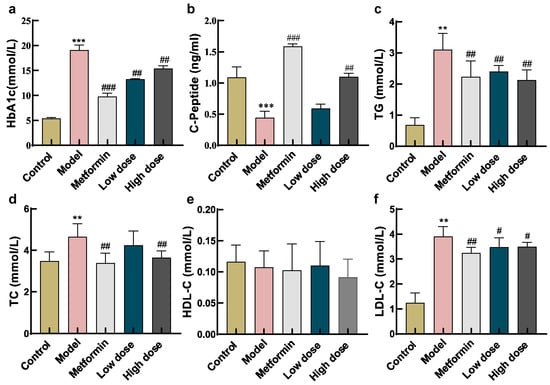
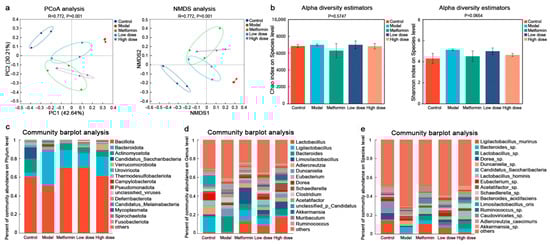
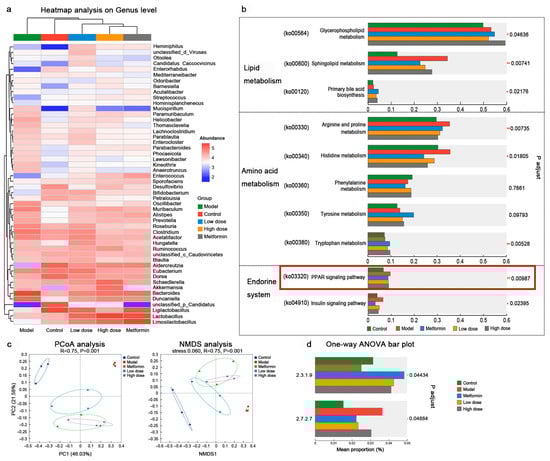
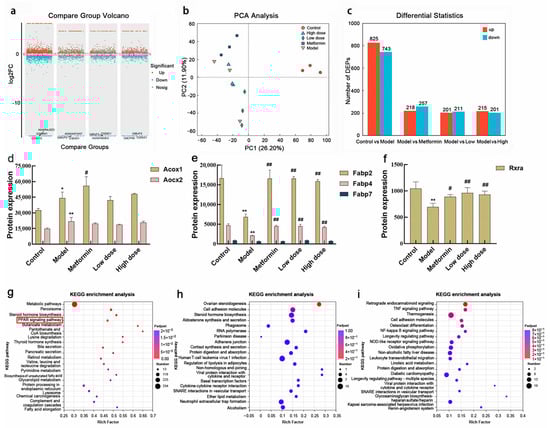
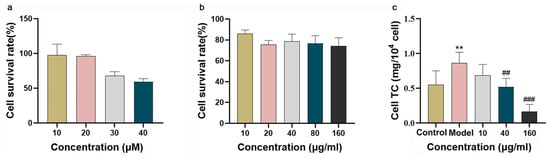
Background/Objectives: Intestinal dysbiosis is a pivotal trigger of type 2 diabetes mellitus (T2DM). Our previous studies confirmed that composite probiotics derived from fermented camel milk (CPCM), containing Lactobacillus harbinensis and 13 other strains, can ameliorate glucose and lipid metabolism in T2DM mice by reshaping bile acid profiles, and its effect may be associated with the PPARγ-LXRα-NPC1L1 signaling pathway. Methods: Metagenomic analysis characterized alterations in intestinal microbiota structure and functional genes post-CPCM intervention, proteomic analysis detected changes in protein expression profiles related to glucose and lipid metabolism in mice, and Caco-2 cells were used for in vitro validation to clarify the regulatory effect of exopolysaccharides (EPS) (the active component of CPCM) on the PPARγ-LXRα-NPC1L1 signaling pathway. Results: The results showed that CPCM significantly improved glucose and lipid metabolism and remodeled the intestinal flora structure in mice, markedly enriching beneficial bacteria such as Lactobacillus and Akkermansia and enhancing the expression of functional genes related to the peroxisome proliferator-activated receptor (PPAR) signaling pathway and short-chain fatty acid synthesis in the microbiota. Proteomic analysis revealed that CPCM reversed the expression of key proteins involved in fatty acid oxidation and transport, thereby restoring the function of the PPAR signaling pathway. In vitro experiments validated that extracellular polysaccharides, the active component of CPCM, significantly upregulated the expression of PPARγ and liver X receptor α (LXRα) and inhibited the expression of Niemann–Pick C1-Like 1 (NPC1L1), a cholesterol absorption transporter, in Caco-2 cells. Conclusions: In conclusion, CPCM ameliorates glucose and lipid metabolic disorders in T2DM through multiple mechanisms: reshaping the intestinal probiotic community, enhancing its beneficial metabolic functions, restoring the activity of the PPARγ-LXRα signaling pathway, and subsequently downregulating NPC1L1.
Full article
(This article belongs to the Special Issue Modulating Gut Microbiota and Host Interactions: The Role of Diet, Probiotics, and Circadian Rhythms)
►▼
Show Figures

Graphical abstract
Open AccessArticle
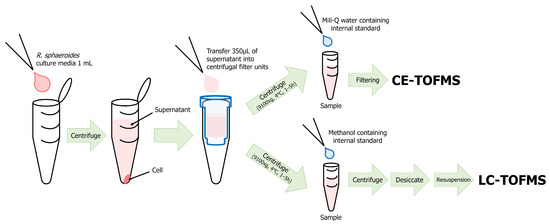
Extracellular Metabolite Profiling in CO2-Fixing Bacterium Rhodobacter sphaeroides Under Autotrophic Conditions
by
Yu Rim Lee, Suhyeon Hong, Young-Hwan Chu, Soo Youn Lee and Sangmin Lee
Metabolites 2026, 16(3), 156; https://doi.org/10.3390/metabo16030156 - 26 Feb 2026
Abstract
Background/Objectives: Rhodobacter sphaeriids is considered a promising biomanufacturing platform due to its capacity to convert CO2 into value-added products. To enhance the yield of CO2-derived products, understanding extracellular metabolite dynamics during autotrophic growth is essential. However, the extracellular metabolite
[...] Read more.
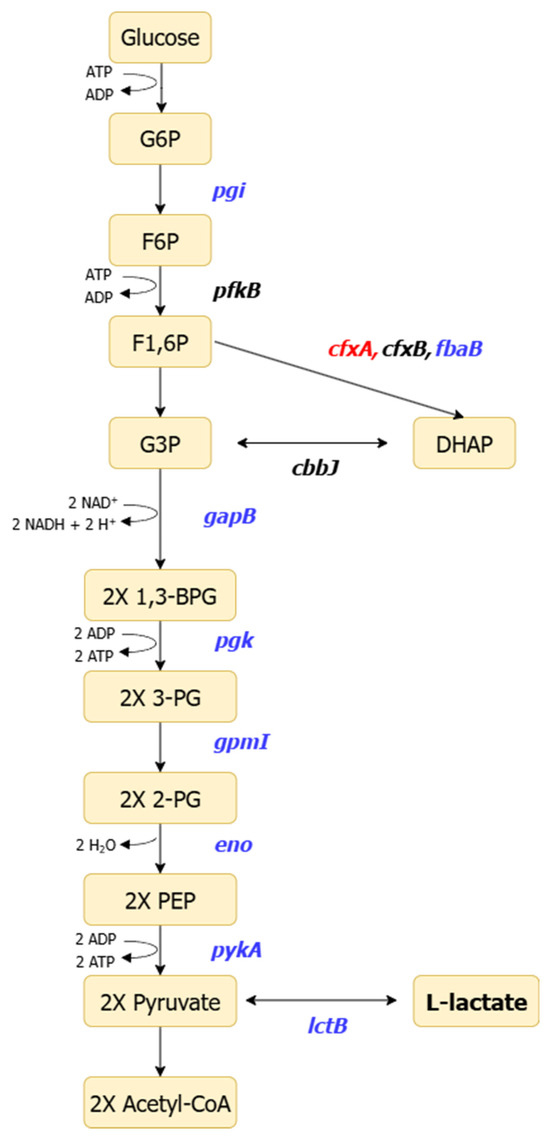
Background/Objectives: Rhodobacter sphaeriids is considered a promising biomanufacturing platform due to its capacity to convert CO2 into value-added products. To enhance the yield of CO2-derived products, understanding extracellular metabolite dynamics during autotrophic growth is essential. However, the extracellular metabolite profiles of R. sphaeroides under autotrophic conditions have not been reported. Methods: In this study, we performed a comprehensive analysis of extracellular metabolites produced under autotrophic conditions using capillary electrophoresis time-of-flight mass spectrometry (CE-TOFMS) and liquid chromatography time-of-flight mass spectrometry (LC-TOFMS). Results: A total of 62 putative metabolites were detected, of which 23 were measured above the quantification limit. Metabolites involved in glycolysis and gluconeogenesis constituted the largest proportion of extracellular metabolites, with lactic acid exhibiting the highest accumulation levels. To investigate the transcriptional changes associated with metabolite accumulation, we analyzed gene expression and observed the downregulation of glycolytic genes, including pgi, gapB, and lctB, whereas cfxA, encoding fructose-1,6-bisphosphate aldolase, was upregulated under autotrophic conditions compared to heterotrophic conditions. Conclusions: These results suggest that the carbon assimilation metabolic flux in R. sphaeroides shifts toward the CBB cycle and lactic acid overflow metabolism under autotrophic conditions. Collectively, these findings provide new insights into metabolic regulation during autotrophic growth and offer a basis for reducing extracellular byproduct formation and improving CO2-based biological production in R. sphaeroides.
Full article
(This article belongs to the Section Microbiology and Ecological Metabolomics)
►▼
Show Figures

Figure 1
Open AccessArticle
Untargeted LC–MS/MS Metabolomics Reveals Nrf2-Mediated Antioxidant Activation and Metabolic Reprogramming by IAA-Based Hydrazone Derivatives in Subchronic Cadmium Toxicity
by
Muhammad Usama Munir, Muhammad Sajid Hamid Akash, Kanwal Rehman, Aisha Rafique and Sehar Madni
Metabolites 2026, 16(3), 155; https://doi.org/10.3390/metabo16030155 - 26 Feb 2026
Abstract
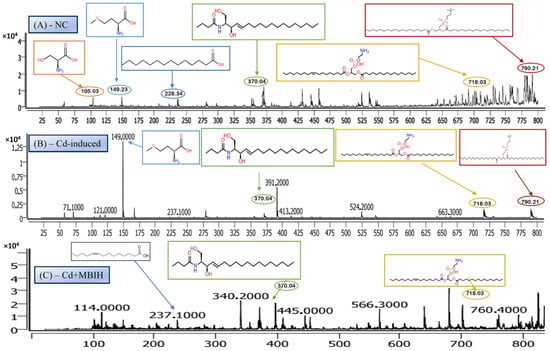
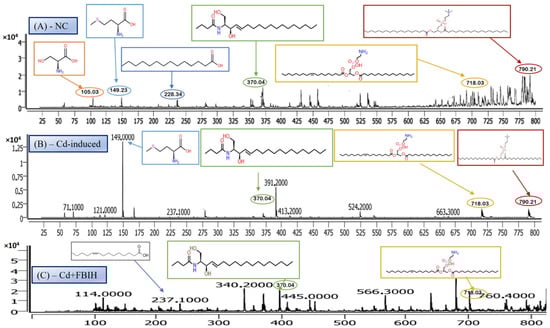
Background: Indole-3-acetic acid (IAA)-based hydrazone derivatives, exemplified by specifically (E)-2-(1H-indol-3-yl)-N′-(3-methoxybenzylidene) acetohydrazide acetohydrazide (MBIH) and (E)-N′-(4-fluorobenzylidene)-2-(1H-indol-3-yl) acetohydrazide (FBIH), have garnered significant attention in the field of heavy metal toxicity for their potent antioxidant and cytoprotective properties. Methods: This study evaluated their efficacy, alongside ascorbic
[...] Read more.
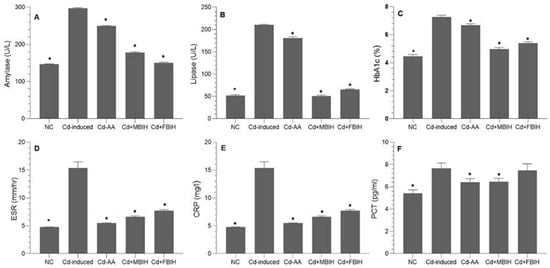
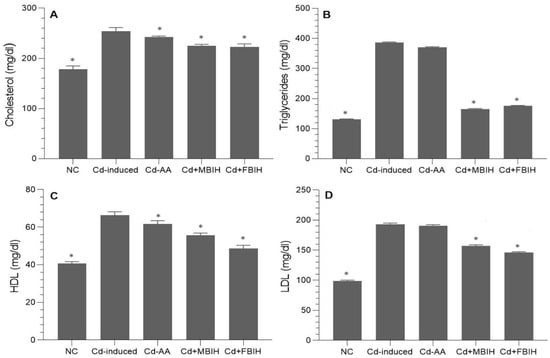
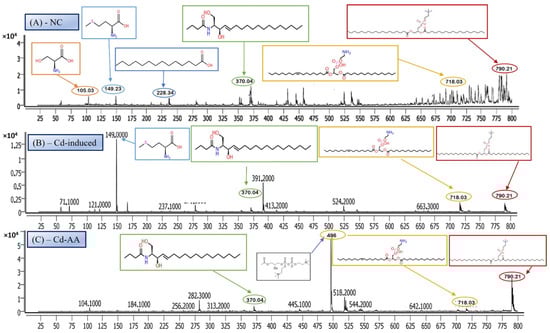
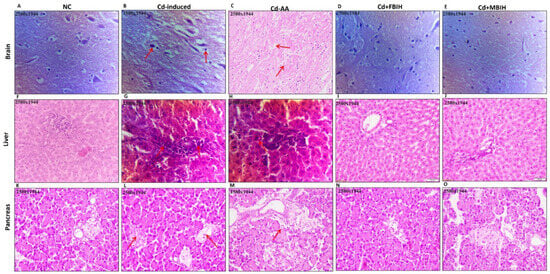
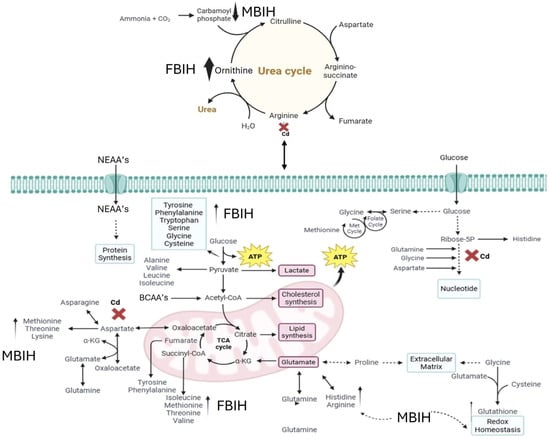
Background: Indole-3-acetic acid (IAA)-based hydrazone derivatives, exemplified by specifically (E)-2-(1H-indol-3-yl)-N′-(3-methoxybenzylidene) acetohydrazide acetohydrazide (MBIH) and (E)-N′-(4-fluorobenzylidene)-2-(1H-indol-3-yl) acetohydrazide (FBIH), have garnered significant attention in the field of heavy metal toxicity for their potent antioxidant and cytoprotective properties. Methods: This study evaluated their efficacy, alongside ascorbic acid (AA), in mitigating sub-chronic cadmium (Cd) toxicity in a rat model. Sixty Swiss albino rats were randomized into five groups: control, Cd-exposed, Cd + AA (100 mg/kg), Cd + MBIH (10 mg/kg), and Cd + FBIH (10 mg/kg). Following 28 days of treatment, we assessed body weight trajectories, fasting blood glucose, and HbA1c. Serum biomarkers of hepatic, renal, inflammatory, and lipid function were quantified. Antioxidant capacity was measured via glutathione (GSH) assays and qRT-PCR analysis of SOD2, CAT, Nrf2, and Hmox 1 expression. Untargeted LC–MS/MS metabolomic profiling of serum identified disturbances in amino acids and lipid species, while histopathology of brain, liver, and pancreas documented structural injury. Results: Cd exposure induced significant weight loss, hyperglycemia, and elevated HbA1c, alongside dyslipidemia and heightened inflammatory markers. Hepatic and renal dysfunction, GSH depletion, and downregulation of antioxidant genes confirmed oxidative stress. Metabolomics revealed a Cd-specific fingerprint characterized by altered sulfur amino acid and phospholipid metabolism. Histologically, Cd caused liquefactive necrosis in the brain, inflammatory infiltrates in the liver, and acinar cell vacuolization with islet distortion in the pancreas. In contrast, MBIH and FBIH restored glycemic control, lipid profiles, inflammatory and hepatic renal markers, replenished GSH, and upregulated antioxidant genes via robust Nrf2 activation. Conclusions: These findings demonstrate that IAA-based hydrazone derivatives MBIH and FBIH afford superior protection against Cd-induced multi organ injury compared to ascorbic acid.
Full article
(This article belongs to the Special Issue Advancements in Mass Spectrometry Techniques for Metabolomic and Pharmaceutical Analysis)
►▼
Show Figures

Figure 1
Open AccessCorrection
Correction: Khan et al. Plant Secondary Metabolites—Central Regulators Against Abiotic and Biotic Stresses. Metabolites 2025, 15, 276
by
Ameer Khan, Farah Kanwal, Sana Ullah, Muhammad Fahad, Leeza Tariq, Muhammad Tanveer Altaf, Asad Riaz and Guoping Zhang
Metabolites 2026, 16(3), 154; https://doi.org/10.3390/metabo16030154 - 26 Feb 2026
Abstract
The authors would like to make the following correction to their published paper [...]
Full article
Open AccessArticle
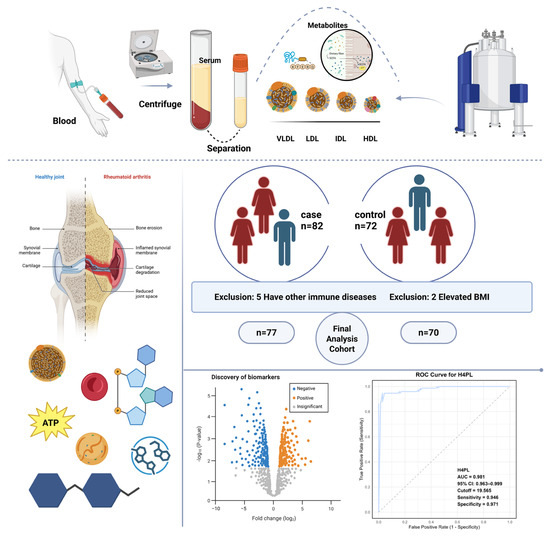
Discovery of Novel NMR-Based Biomarkers and Interpretable Machine Learning Models for Risk Prediction of Rheumatoid Arthritis
by
Hong Lin, Rui Wang, Linyan Lu, Ping Tian, Xiaodi Yang, Lianbo Xiao, Qing-Hua Li and Guo-Qiang Lin
Metabolites 2026, 16(3), 153; https://doi.org/10.3390/metabo16030153 - 25 Feb 2026
Abstract
Background: Early diagnosis of rheumatoid arthritis (RA) remains challenging due to the limited performance of existing serum biomarkers. This exploratory study aimed to identify novel serum metabolite and lipoprotein biomarkers for RA and to develop interpretable machine learning models for screening. Methods:
[...] Read more.
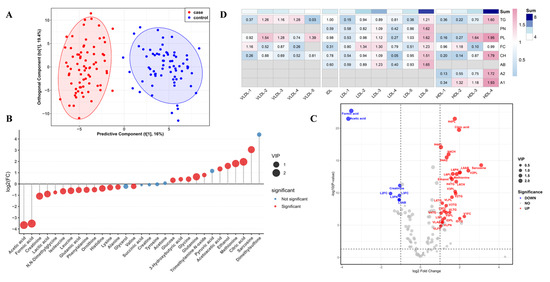
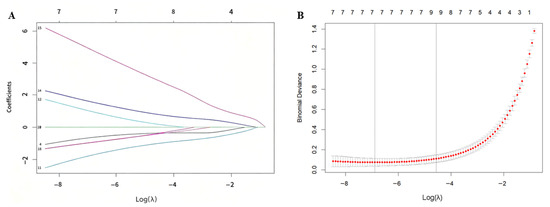
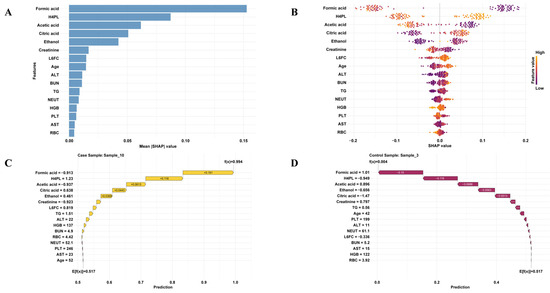
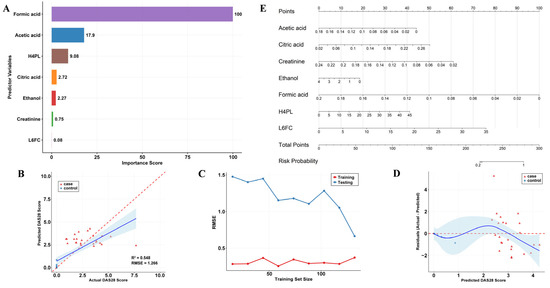
Background: Early diagnosis of rheumatoid arthritis (RA) remains challenging due to the limited performance of existing serum biomarkers. This exploratory study aimed to identify novel serum metabolite and lipoprotein biomarkers for RA and to develop interpretable machine learning models for screening. Methods: This study employed 1H-NMR metabolomics to analyze serum from 77 RA patients and 70 healthy controls, quantifying 38 endogenous metabolites and 112 lipoprotein parameters. Seven key biomarkers were identified using multiple criteria and Least Absolute Shrinkage and Selection Operator (LASSO) regression. The dataset was split into training and testing sets (7:3 ratio), and four machine learning models were constructed. The Random Forest (RF) model was further interpreted using the SHapley Additive exPlanations (SHAP) method. Results: The selected biomarkers, including formic acid and High-density lipoprotein 4 phospholipids (H4PL), showed significant associations with RA. In the internal test set, the RF model demonstrated promising discriminatory ability. Additionally, a proof-of-concept regression model for predicting the Disease Activity Score in 28 joints (DAS-28) score was developed, explaining a portion of its variance (R2 = 0.548) in this cohort. Conclusions: This exploratory, single-center study identifies a novel panel of potential biomarkers for RA and provides a preliminary, interpretable predictive tool. The findings, particularly the internally validated high performance of certain markers, are hypothesis-generating and underscore the need for validation in larger, multi-center cohorts. The DAS-28 prediction model also warrants further investigation.
Full article
(This article belongs to the Section Bioinformatics and Data Analysis)
►▼
Show Figures

Figure 1
Journal Menu
► ▼ Journal Menu-
- Metabolites Home
- Aims & Scope
- Editorial Board
- Reviewer Board
- Topical Advisory Panel
- Instructions for Authors
- Special Issues
- Topics
- Sections & Collections
- Article Processing Charge
- Indexing & Archiving
- Editor’s Choice Articles
- Most Cited & Viewed
- Journal Statistics
- Journal History
- Journal Awards
- Conferences
- Editorial Office
Journal Browser
► ▼ Journal BrowserHighly Accessed Articles
Latest Books
E-Mail Alert
News
6 November 2025
MDPI Launches the Michele Parrinello Award for Pioneering Contributions in Computational Physical Science
5 March 2026
Metabolites | Highly Cited Papers Published in 2024–2025 and Hot Topic Special Issues in the “Advances in Metabolomics” Section
Topics
Topic in
Applied Microbiology, Metabolites, Nutrients, Microorganisms
Microbiome Changes in Perimenopause: New Marker and Therapy Targets
Topic Editors: Dimitri Barski, Patrick FinzerDeadline: 31 March 2026
Topic in
Foods, Molecules, Nutrients, Metabolites
Omics Technologies and Other Quality and Safety Methodologies in Nutrition and Health
Topic Editors: Xianjiang Li, Wen MaDeadline: 1 June 2026
Topic in
Biomedicines, Cancers, Diagnostics, JCM, Metabolites, Targets
Biomarkers of Disease: Discovery and Clinical Applications
Topic Editors: Andreas Tsakalof, Ioannis KanakisDeadline: 30 June 2026
Topic in
Dairy, Foods, Microorganisms, Nutrients, Metabolites
The Efficacy of Probiotics and Their Functional Metabolites in Fermented Foods
Topic Editors: Rina Wu, Wenjun Liu, Zhen Wu, Feiyu AnDeadline: 31 July 2026
Conferences
Special Issues
Special Issue in
Metabolites
The Role of Gene–Environment Interactions in Metabolic Dysregulation in Osteochondral Disease Pathogenesis
Guest Editors: Xi Wang, Lei YangDeadline: 16 March 2026
Special Issue in
Metabolites
Research on Metabolic Biomarkers in Different Diseases
Guest Editor: Xiaohui LiuDeadline: 16 March 2026
Special Issue in
Metabolites
Climate Change-Related Stresses and Plant Metabolism
Guest Editor: Eva CollakovaDeadline: 31 March 2026
Special Issue in
Metabolites
New Insights into Microalgae Metabolism
Guest Editors: Wei Ding, Yongteng ZhaoDeadline: 31 March 2026
Topical Collections
Topical Collection in
Metabolites
Feature Papers Related to Metabolomic Profiling Technology
Collection Editor: Thusitha Rupasinghe
Topical Collection in
Metabolites
Feature Papers in Assessing Environmental Health and Function
Collection Editor: David J. Beale
Topical Collection in
Metabolites
Advances in Metabolomics
Collection Editors: Leonardo Tenori, Edoardo Saccenti