



Journal Description
Neurology International
is an international, peer-reviewed, open access journal which provides an advanced forum for studies related to all aspects of neurology and neuroscience, published monthly online by MDPI (since Volume 12, Issue 3 - 2020). The Panhellenic Federation of Alzheimer's Disease and Related Disorders (PFADRD) is affiliated with Neurology International and its members receive discounts on the article processing charges.
- Open Access— free for readers, with article processing charges (APC) paid by authors or their institutions.
- High Visibility: indexed within Scopus, ESCI (Web of Science), PubMed, PMC, Embase, and other databases.
- Journal Rank: JCR - Q2 (Clinical Neurology) / CiteScore - Q2 (Neurology (clinical))
- Rapid Publication: manuscripts are peer-reviewed and a first decision is provided to authors approximately 21.8 days after submission; acceptance to publication is undertaken in 3.7 days (median values for papers published in this journal in the first half of 2026).
- Recognition of Reviewers: APC discount vouchers, optional signed peer review, and reviewer names published annually in the journal.
- Journal Cluster of Neurosciences: Brain Sciences, Neurology International, NeuroSci, Clinical and Translational Neuroscience, Neuroimaging, Neuroglia, Psychiatry International, Clocks & Sleep, Swiss Archives of Neurology, Psychiatry and Psychotherapy and Journal of Dementia and Alzheimer's Disease.
Impact Factor:
3.3 (2025);
5-Year Impact Factor:
3.6 (2025)
Latest Articles
Vertebral Artery Hypoplasia and Posterior Circulation Vulnerability: A Systematic Review of Epidemiological, Hemodynamic, and Clinical Evidence
Neurol. Int. 2026, 18(9), 169; https://doi.org/10.3390/neurolint18090169 - 1 Sep 2026
Abstract
►
Show Figures
Background/Objectives: Vertebral artery hypoplasia is a common congenital anatomical variant of the vertebral arteries, traditionally considered a benign finding. However, accumulating evidence suggests that VAH may influence vertebrobasilar hemodynamics and contribute to susceptibility to posterior circulation disorders. This systematic review aimed to synthesize
[...] Read more.
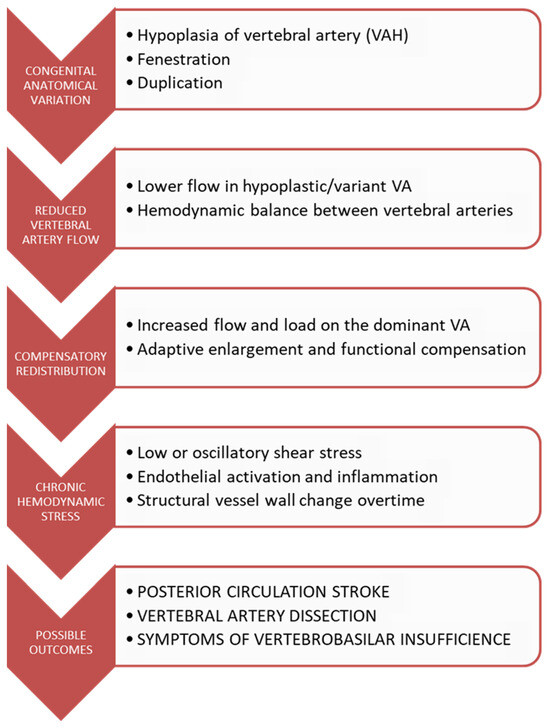
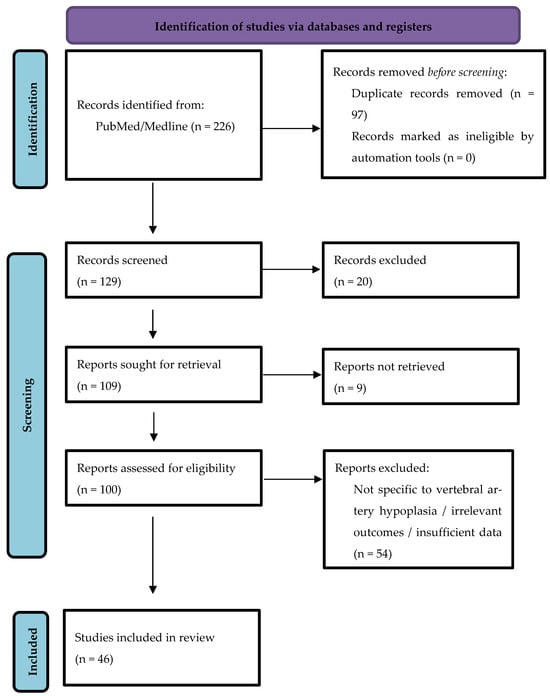
Background/Objectives: Vertebral artery hypoplasia is a common congenital anatomical variant of the vertebral arteries, traditionally considered a benign finding. However, accumulating evidence suggests that VAH may influence vertebrobasilar hemodynamics and contribute to susceptibility to posterior circulation disorders. This systematic review aimed to synthesize current evidence regarding the epidemiology, hemodynamic significance, neurological manifestations, and cerebrovascular outcomes associated with VAH. Methods: This systematic review was conducted according to the PRISMA 2020 guidelines and registered in PROSPERO (CRD420261442242). A systematic search of PubMed/MEDLINE was performed from database inception to 8 June 2026, supplemented by manual reference screening and targeted searches. Studies evaluating VAH diagnosed using vascular imaging or anatomical assessment, including CTA, MRA, Doppler ultrasonography, and DSA, were eligible. Methodological quality was assessed using Joanna Briggs Institute critical appraisal tools, and the level of evidence was classified according to the Oxford Centre for Evidence-Based Medicine framework. Results: Forty-six studies were included in the qualitative synthesis. VAH prevalence varied substantially according to imaging modality, diagnostic criteria, and study population, ranging from approximately 3% to nearly 50%. Across clinical cohorts, VAH was frequently associated with posterior circulation ischemic stroke, transient ischemic attack, and vertebrobasilar insufficiency. Hemodynamic studies demonstrated reduced vertebral artery flow, increased vascular resistance, impaired cerebrovascular reactivity, and altered collateral flow redistribution. VAH was also associated with vestibular disorders, non-stroke neurological syndromes, vertebral artery dissection, and other cerebrovascular anatomical variations. Unlike previous reviews focusing primarily on prevalence or stroke associations, this review integrates epidemiological, anatomical, hemodynamic, computational, and neurological evidence within a unified clinically oriented framework and proposes an evidence-informed conceptual model of VAH as a context-dependent low-flow vascular susceptibility phenotype. Conclusions: Current evidence indicates that VAH represents a clinically relevant vascular susceptibility phenotype rather than merely an incidental anatomical variant. Its clinical significance appears to depend on the interaction between reduced vertebral artery flows, collateral capacity, vascular remodeling, and acquired cerebrovascular risk factors. Standardized diagnostic criteria and prospective multimodal studies are required to define its role in future cerebrovascular risk assessment.
Full article
Open AccessArticle
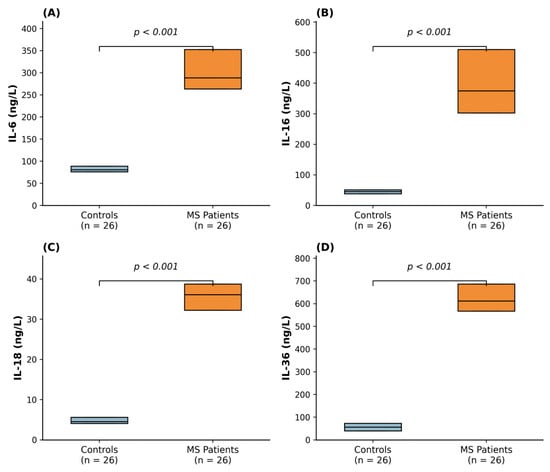
Serum Levels of the Proinflammatory Cytokines IL-6, IL-16, IL-18, and IL-36 in Patients with Multiple Sclerosis from the Western Region of Saudi Arabia: Associations with Disease Duration and Disability
by
Jehan Alrahimi, Yara Mualla, Alawiah Alhebshi, Hind A. Alnajashi and Kawther Zaher
Neurol. Int. 2026, 18(9), 168; https://doi.org/10.3390/neurolint18090168 - 1 Sep 2026
Abstract
Background: Systemic inflammation contributes to the pathobiology of multiple sclerosis (MS), yet serum biomarker data from Middle Eastern populations remain limited. This study evaluated serum levels of IL-6, IL-16, IL-18, and IL-36 in Saudi adults with MS compared with matched healthy controls and
[...] Read more.
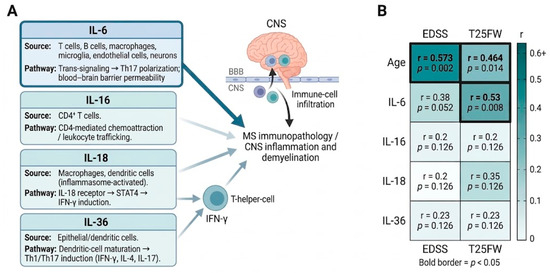
Background: Systemic inflammation contributes to the pathobiology of multiple sclerosis (MS), yet serum biomarker data from Middle Eastern populations remain limited. This study evaluated serum levels of IL-6, IL-16, IL-18, and IL-36 in Saudi adults with MS compared with matched healthy controls and examined associations with disease duration, phenotype, treatment, and disability. Methods: This single-center, cross-sectional, matched case–control study enrolled 26 MS patients and 26 age- and sex-matched controls. Serum cytokines were measured by ELISA. Disability was assessed using EDSS and the Timed 25-Foot Walk (T25FW). Matched comparisons used Wilcoxon signed-rank tests; subgroup comparisons used Wilcoxon rank-sum or Kruskal–Wallis tests; associations used Spearman’s correlation. Results: No correction for multiple comparisons was applied given the exploratory design. All four interleukins were higher in MS patients than in controls (p < 0.001). Age correlated with EDSS (r = 0.573, p = 0.002) and T25FW (r = 0.464, p = 0.014). Only IL-6 showed a notable correlation with disability, with T25FW (r = 0.53, p = 0.008) and, weaker, EDSS (r = 0.38, p = 0.052); IL-18 showed a weak, non-significant correlation with T25FW (r = 0.35, p = 0.126); IL-16 and IL-36 showed no relevant associations. IL-16 was higher in newly diagnosed than in long-standing cases (p = 0.012); no differences by phenotype or treatment were observed for any marker. Conclusions: Serum IL-6, IL-16, IL-18, and IL-36 were elevated in Saudi MS patients versus controls. IL-6 alone showed a modest, unadjusted association with disability, supporting its evaluation as a candidate biomarker in larger, longitudinal, covariate-adjusted cohorts. These findings are hypothesis-generating and should not be interpreted as evidence of independent or clinically actionable biomarker utility.
Full article
(This article belongs to the Section Movement Disorders and Neurodegenerative Diseases)
►▼
Show Figures

Figure 1
Open AccessCase Report
Integrated Neurorehabilitation Including EEG-Neurofeedback for Unilateral Spatial Neglect After Right Thalamo-Mesencephalic Intracerebral Hemorrhage: A Case Report
by
Anna Farella, Gianvito Lagravinese, Valerio Manippa, Paola Santacesaria, Rosanna Falcone, Maria Concetta Schiavariello, Pietro Fiore, Giorgia Francesca Scaramuzzi, Stefania De Trane and Paolo Taurisano
Neurol. Int. 2026, 18(9), 167; https://doi.org/10.3390/neurolint18090167 - 27 Aug 2026
Abstract
Background/Objectives: Unilateral Spatial Neglect (USN) is a disabling attentional syndrome occurring after cortical or subcortical stroke, including thalamic lesions. EEG-based neurofeedback (EEG-NF) may support cortical self-regulation, but evidence in spatial neglect remains limited. This case report describes the clinical, neuropsychological, functional, and electrophysiological
[...] Read more.
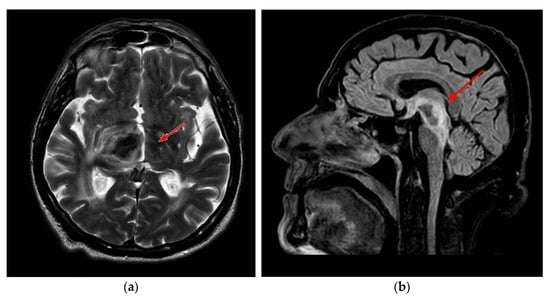
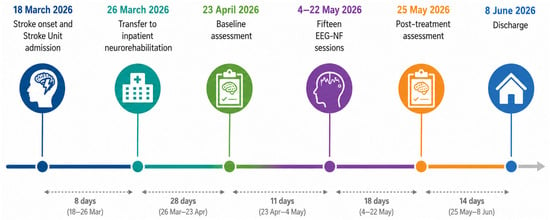
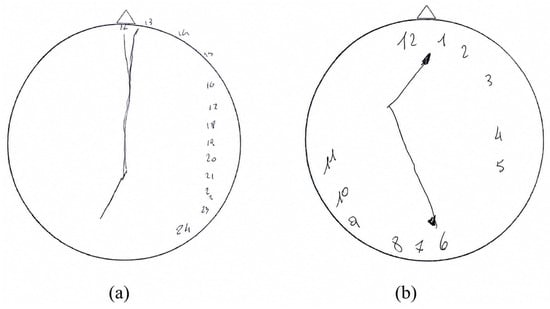
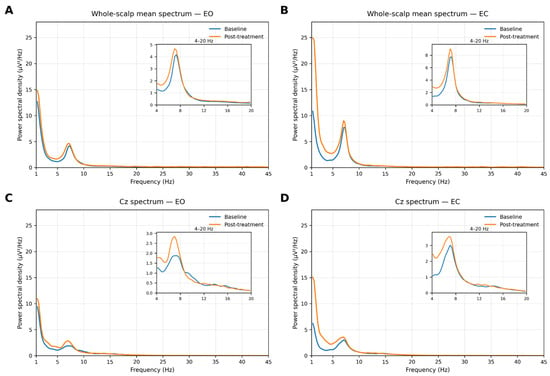
Background/Objectives: Unilateral Spatial Neglect (USN) is a disabling attentional syndrome occurring after cortical or subcortical stroke, including thalamic lesions. EEG-based neurofeedback (EEG-NF) may support cortical self-regulation, but evidence in spatial neglect remains limited. This case report describes the clinical, neuropsychological, functional, and electrophysiological (quantitative EEG, qEEG) evolution of a patient with USN after a right thalamic hemorrhagic stroke who underwent multidisciplinary rehabilitation including EEG-NF. Methods: A 70-year-old patient underwent a 3-week inpatient multidisciplinary rehabilitation program including physiotherapy, speech and swallowing therapy, conventional cognitive stimulation, and 15 adjunctive EEG-NF sessions. Baseline and post-treatment assessments included clinical, neuropsychological, neglect-specific, functional, affective, and resting-state qEEG measures. Individual change was examined using the Reliable Change Index when suitable psychometric parameters were available, together with published normative and clinical thresholds. Results: After rehabilitation, the Montreal Cognitive Assessment total raw score increased from 20 to 24, reaching the published minimal clinically important difference but not the minimal detectable change. The Frontal Assessment Battery increased from 8 to 12; after adjustment for age and education according to Italian normative data, both scores remained below the normative cut-off. Neglect-specific measures showed reduced spatial asymmetry, increased contralesional target detection, and a Catherine Bergego Scale reduction from 17 to 5, indicating a shift from moderate to mild ecological neglect. Functional independence improved, with reliable change in Functional Independence Measure (FIM) total and cognitive scores and Modified Barthel Index scores. Exploratory qEEG analyses showed condition-dependent spectral and connectivity changes, but findings were heterogeneous and hypothesis-generating. EEG-NF was completed without adverse events. Conclusions: The adjunctive EEG-NF protocol was completed as planned, with no adverse events. Clinical improvement cannot be attributed specifically to neurofeedback because all rehabilitation components were delivered concurrently. Controlled studies are needed to clarify its specific contribution and the durability of the observed improvements in post-stroke spatial neglect.
Full article
(This article belongs to the Special Issue Novel Rehabilitation for Post-Stroke Patients)
►▼
Show Figures

Figure 1
Open AccessArticle
Iatrogenic Brachial Plexus Injuries Evaluated in an Electrodiagnostic Lab
by
Lisa B. E. Shields, Vasudeva G. Iyer, Smita Ghare and Christopher B. Shields
Neurol. Int. 2026, 18(9), 166; https://doi.org/10.3390/neurolint18090166 - 27 Aug 2026
Abstract
►▼
Show Figures
Background/Objectives: Iatrogenic brachial plexus injuries (BPI) are known to occur following a host of surgeries, most often during procedures at the shoulder and cardiac procedures with a median sternotomy. The primary mechanisms include overstretching of the brachial plexus, direct trauma, or compression by
[...] Read more.
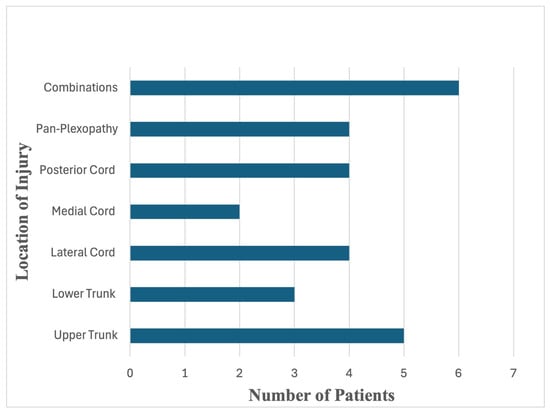
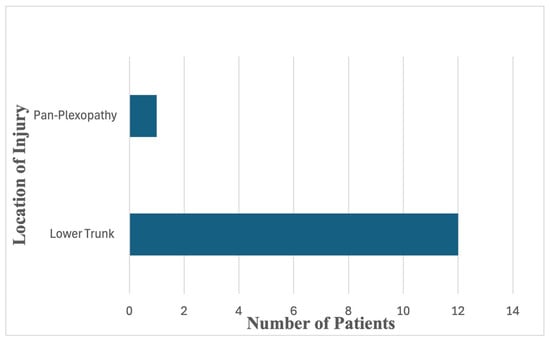
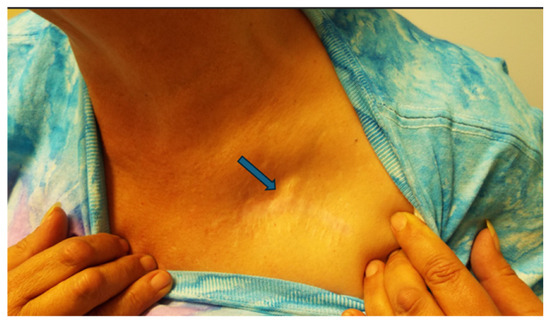
Background/Objectives: Iatrogenic brachial plexus injuries (BPI) are known to occur following a host of surgeries, most often during procedures at the shoulder and cardiac procedures with a median sternotomy. The primary mechanisms include overstretching of the brachial plexus, direct trauma, or compression by hematoma or seroma. Our objective was to determine the pattern of iatrogenic BPI in patients referred to us for electrodiagnostic (EDX) evaluation. Methods: This is a review of 52 patients who were referred to our Neurodiagnostic Center for an iatrogenic BPI over a 16-year (9 July 2010–17 June 2026) period. All patients underwent a clinical examination and EDX studies. Results: The most frequent etiologies of the iatrogenic BPI were shoulder surgery in 28 [53.8%] patients and coronary artery bypass graft procedures with a median sternotomy in 13 [25.0%] patients. The topography of brachial plexus involvement was trunks in 22 (42.3%) and cords in 12 (23.1%). Ten (19.2%) patients had a pan-plexopathy, and the remaining eight (15.4%) patients had multiple sites involving the trunks, cords, and branches. The majority (48 [92.3%]) of patients sustained a stretch injury of the brachial plexus, and four (7.7%) sustained a direct injury. A total of 48 (92.3%) patients had reduced motor unit potential recruitment and/or increased polyphasic motor units on needle EMG, and a similar number had an absence of or low amplitude sensory nerve action potentials. Conclusions: Surgeons should take appropriate precautions to avoid BPI during many surgical procedures especially those of the shoulder and cardiac procedures with a median sternotomy. EDX studies are valuable in detecting and localizing an iatrogenic BPI as well as assessing reinnervation. Preoperative positioning limiting excessive shoulder abduction as well as intraoperative neuromonitoring are measures that may reduce the likelihood of an iatrogenic BPI.
Full article

Figure 1
Open AccessArticle
Effects of Repetitive Peripheral Magnetic Stimulation Versus Sham Stimulation on Upper Limb Spasticity After Stroke: A Double-Blind Randomized Controlled Trial
by
Sasithorn Khawprapa, Nuttaset Manimmanakorn, Yohei Otaka and Jittima Saengsuwan
Neurol. Int. 2026, 18(9), 165; https://doi.org/10.3390/neurolint18090165 - 27 Aug 2026
Abstract
Background: Upper limb spasticity after stroke occurs due to neural hyperexcitability and secondary alterations in muscle properties. Repetitive peripheral magnetic stimulation (rPMS) is a non-invasive technique used to reduce spasticity. This study aimed to compare the effects of rPMS versus sham stimulation on
[...] Read more.
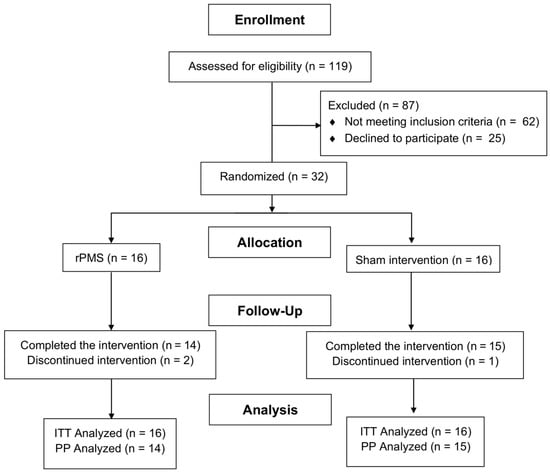
Background: Upper limb spasticity after stroke occurs due to neural hyperexcitability and secondary alterations in muscle properties. Repetitive peripheral magnetic stimulation (rPMS) is a non-invasive technique used to reduce spasticity. This study aimed to compare the effects of rPMS versus sham stimulation on upper limb spasticity and muscle stiffness using shear wave elastography (SWE). Methods: This prospective, double-blind randomized controlled trial included 32 stroke patients with upper limb spasticity (Modified Ashworth Scale (MAS) ≥ 2 in the elbow flexors), who received rPMS or sham stimulation in addition to conventional rehabilitation (n = 16 per group). Spasticity was assessed using MAS, and muscle stiffness using SWE. Results: The rPMS group showed a transient short-term reduction in upper limb spasticity compared with the control group at the end of treatment (p = 0.045); however, this effect was not sustained at the 2-week follow-up. No significant between-group differences were observed in muscle stiffness, upper limb motor function, or activities of daily living. Conclusions: This study provides preliminary evidence that rPMS may produce a transient, short-term reduction in upper limb spasticity after stroke. However, this effect was not sustained at follow-up or accompanied by significant improvements in muscle stiffness or functional outcomes.
Full article
(This article belongs to the Special Issue Innovations in Acute Stroke Treatment, Neuroprotection, and Recovery)
►▼
Show Figures

Figure 1
Open AccessArticle
The Incidence and Electroencephalographic Features in Brain Tumor-Related Epilepsy
by
Lejla Zonić, Renata Hodžić, Dževdet Smajlović, Larisa Kovačević, Samra Kadić-Vukas, Lejla Tandir-Lihić and Mirsad Hodžić
Neurol. Int. 2026, 18(9), 164; https://doi.org/10.3390/neurolint18090164 - 26 Aug 2026
Abstract
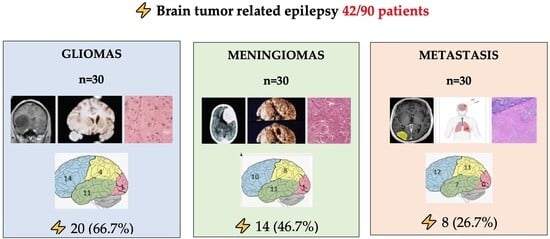
Methods: This retrospective–prospective study included 90 patients with BT. Based on the type of BT, the participants were divided into three groups of 30 patients each: patients with gliomas, with meningiomas and with brain metastasis. Demographic data such as age, sex, alcohol and
[...] Read more.
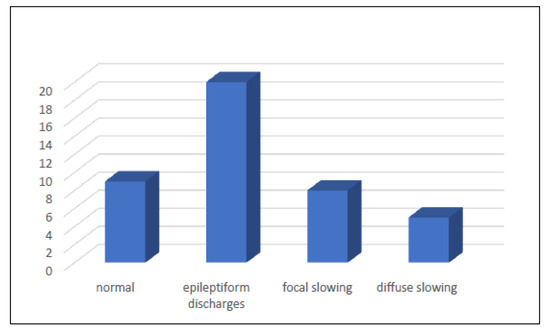
Methods: This retrospective–prospective study included 90 patients with BT. Based on the type of BT, the participants were divided into three groups of 30 patients each: patients with gliomas, with meningiomas and with brain metastasis. Demographic data such as age, sex, alcohol and cigarette consumption were collected. In all three study groups, the time of onset of the first ES, type, characteristics, and frequency were analyzed as well as abnormalities on electroencephalography (EEG). EEG was reviewed for any abnormal background or interictal epileptic discharges. Results: Brain tumor-related epilepsy (BTRE) was present in 46.7% of patients. The incidence of epilepsy secondary to brain tumors was 66.7% in patients with gliomas, 46.6% in those with meningiomas, and 26.7% in those with metastasis. The tumors associated with BTRE were most commonly located in the frontal (40%) and temporal (32.2%) lobes, followed by the parietal (25.6%) and occipital (2.2%) lobes. Focal to bilateral tonic–clonic ES represented the most common seizure type among the studied patients. Abnormalities on the initial EEG recordings were observed in 33 patients with BTRE. Focal EEG abnormalities were identified in 54.7% of patients, while diffuse changes were present in 23.8% of patients (p < 0.005). Conclusions: The highest incidence of BTRE was observed in patients with gliomas, followed by those with meningiomas, while the lowest incidence was recorded in the group with metastases. Smaller and slower growing tumors were associated with higher incidence of seizures than larger, more rapidly growing lesions. Focal to bilateral tonic–clonic seizures were the most common seizure type among patients with BTRE.
Full article
(This article belongs to the Section Brain Tumor and Brain Injury)
►▼
Show Figures

Graphical abstract
Open AccessArticle
Neurocognitive and Neuropsychiatric Trajectories in a Post-COVID Cohort: A Descriptive Longitudinal Study
by
Giulia Del Duca, Marta Camici, Isabella Sperduti, Anna Clelia Brita, Martina Maresca, Carmela Pinnetti, Ilaria Mastrorosa, Valentina Mazzotta and Andrea Antinori
Neurol. Int. 2026, 18(9), 163; https://doi.org/10.3390/neurolint18090163 - 24 Aug 2026
Abstract
Introduction: Cognitive dysfunction (“brain fog”) is a common manifestation of post-acute COVID-19 syndrome (PACS) and may persist long after the acute infection. While cross-sectional studies have described cognitive deficits, longitudinal evidence on recovery trajectories remains limited. Methods: We conducted a longitudinal observational study
[...] Read more.
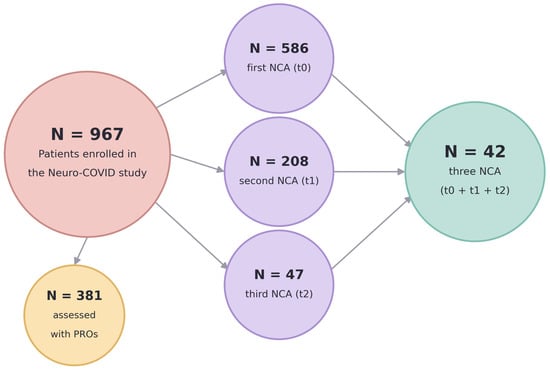
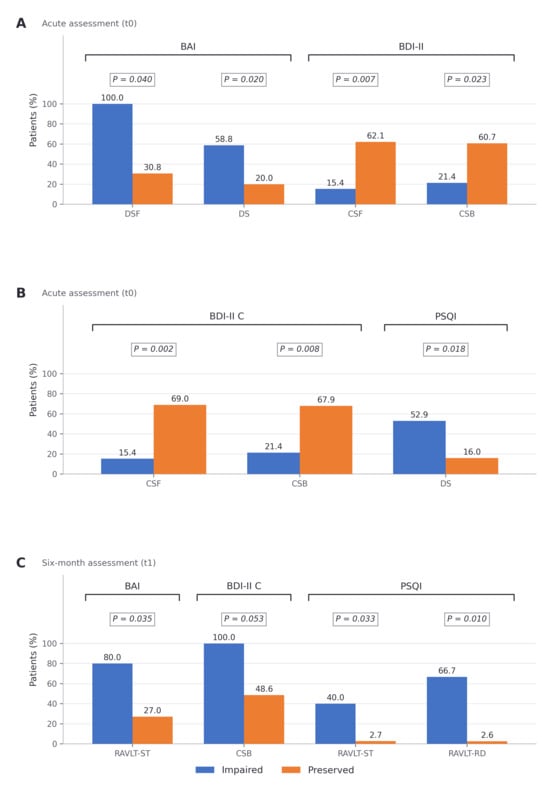
Introduction: Cognitive dysfunction (“brain fog”) is a common manifestation of post-acute COVID-19 syndrome (PACS) and may persist long after the acute infection. While cross-sectional studies have described cognitive deficits, longitudinal evidence on recovery trajectories remains limited. Methods: We conducted a longitudinal observational study of neurocognitive performance and neuropsychiatric symptoms in patients with PACS. Participants underwent assessment with 20 standardized tests covering five cognitive domains (memory, attention, language, executive functions, psychomotor processing speed); anxiety, depression, and sleep quality were assessed at three time points. Changes were analysed using the Friedman test. Results: Forty-two patients were included (median age 57 years; 35.7% female) from a predominantly hospitalized cohort (81% hospitalised; 66.7% requiring respiratory support). Patients who completed all three assessments (completers, n = 42) were compared with those who attended the first evaluation but did not complete follow-up (non-completers, n = 544); completers were more severely ill during the acute phase rather than healthier or more motivated. At the group level, statistically significant improvements over time were observed across the whole sample in verbal short-term learning, visuospatial memory, working memory, constructional praxis, phonological verbal fluency, and psychomotor processing speed (all p ≤ 0.05); after Benjamini–Hochberg adjustment across the twenty cognitive outcomes, visuospatial span forward and backward and psychomotor processing speed remained significant (all FDR-adjusted p ≤ 0.013), with the change confined to the first six months. Sleep quality also improved (p < 0.0001). Conclusion: In this cohort, group-level performance improved in six of the twenty tests administered, of which three remained significant after correction for multiple comparisons, while 28 of 42 patients (66.7%) still scored in the impaired range on at least one test at 12 months, and 17 (40.5%) on two or more. These findings highlight the importance of long-term neuropsychological monitoring and integrated cognitive-psychiatric evaluation in post-COVID care. Given the small, predominantly hospitalized sample, improvements should be interpreted cautiously and confirmed in larger controlled studies, although the use of alternate forms for part of the battery makes task-specific learning an incomplete explanation.
Full article
(This article belongs to the Topic The Relationship Between Bodily, Autonomic, and Communicative Behaviors and the Experiential and Cognitive Aspects of Emotion)
►▼
Show Figures

Figure 1
Open AccessArticle
Factors Influencing Walking Improvement After Immersive Virtual Reality Training with a Bodyweight-Supporting System in Poststroke Patients: A Prospective Single-Arm Study
by
Kanta Kitabayashi, Naoto Ogura, Naoki Yoshioka and Wataru Kakuda
Neurol. Int. 2026, 18(9), 162; https://doi.org/10.3390/neurolint18090162 - 24 Aug 2026
Abstract
Objectives: We developed an original protocol for standing balance and walking function training using immersive virtual reality (IVR) combined with a bodyweight-supporting (BWS) system. The purpose of this study was to evaluate the feasibility of IVR training in poststroke patients and to identify
[...] Read more.
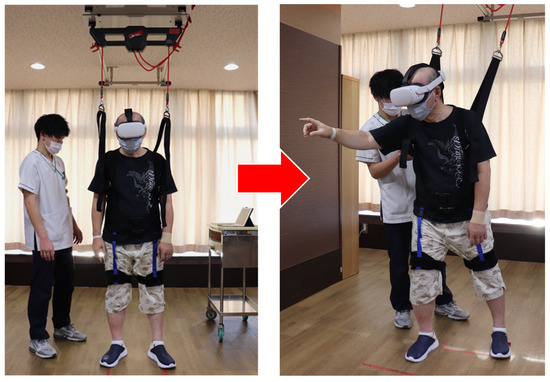
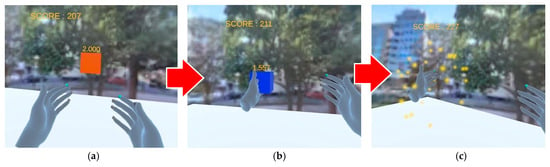
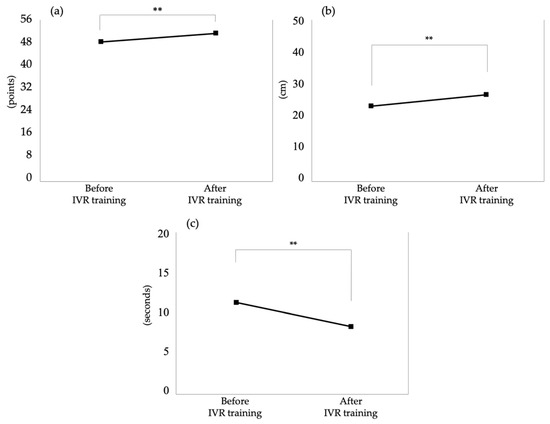
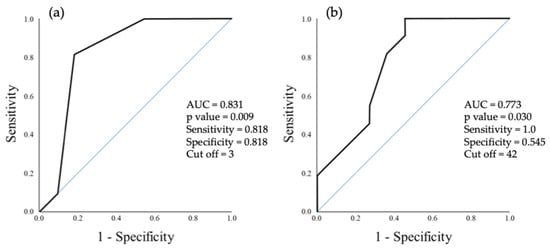
Objectives: We developed an original protocol for standing balance and walking function training using immersive virtual reality (IVR) combined with a bodyweight-supporting (BWS) system. The purpose of this study was to evaluate the feasibility of IVR training in poststroke patients and to identify clinical characteristics associated with walking improvement. Methods: A total of 22 poststroke patients admitted to a rehabilitation ward were enrolled. All participants received conventional physical therapy daily, and IVR training was initiated when balance recovery plateaued. The original IVR training was conducted for 10 consecutive days using a BWS system, enabling safe and repetitive practice of standing weight shifting and advanced stepping tasks, with task difficulty individually adjusted. Primary outcomes were the Berg Balance Scale (BBS), Functional Reaching Test (FRT), and walking time on the 10-m walk test (10 MWT). Changes in 10 MWT (Δ10 MWT) were calculated, and participants were dichotomized into good and poor walking improvement groups based on Δ10 MWT to compare baseline clinical characteristics (e.g., BBS, FRT, and Functional Ambulation Categories [FAC]) between the groups. Receiver operating characteristic (ROC) curve analyses were conducted to identify cutoff values associated with greater improvements in walking. Results: BBS, FRT, and 10 MWT improved significantly after the 10-day IVR training (p < 0.01). ROC analyses identified FAC ≤ 3 and BBS ≤ 42 before training as cutoff values associated with greater improvement in walking performance. Conclusions: Our proposed IVR training approach using a BWS system could be safely implemented and might improve standing balance and walking function in poststroke patients with a balance disability.
Full article
(This article belongs to the Special Issue Novel Rehabilitation for Post-Stroke Patients)
►▼
Show Figures

Figure 1
Open AccessArticle
Associations Between Nonspecific Blood-Derived Inflammatory Indices and MRI-Derived Frontal Network Degeneration in Progressive Supranuclear Palsy
by
Bartosz Migda, Michał Kutyłowski, Natalia Madetko-Alster, Anna Migda, Karol Kutyłowski and Piotr Alster
Neurol. Int. 2026, 18(9), 161; https://doi.org/10.3390/neurolint18090161 - 24 Aug 2026
Abstract
►▼
Show Figures
Background: Progressive supranuclear palsy (PSP) is a primary 4-repeat tauopathy in which neurodegeneration may be accompanied by neuroinflammatory and peripheral immune alterations. Whether peripheral inflammatory activity reflects structural degeneration within vulnerable brain networks remains unclear. Methods: This retrospective case–control study included 12 patients
[...] Read more.
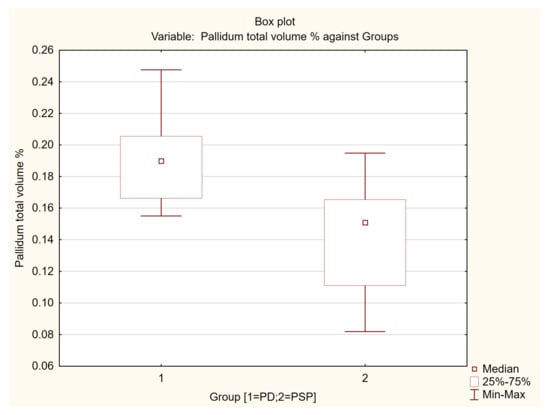
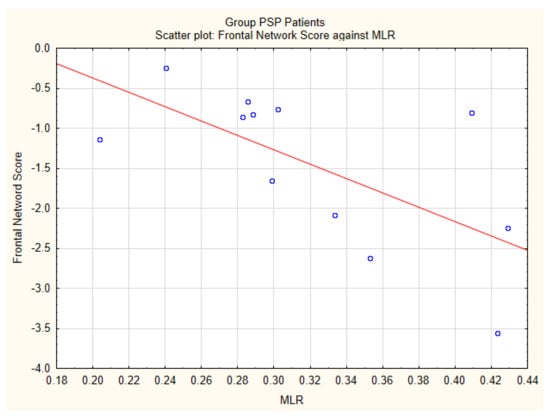
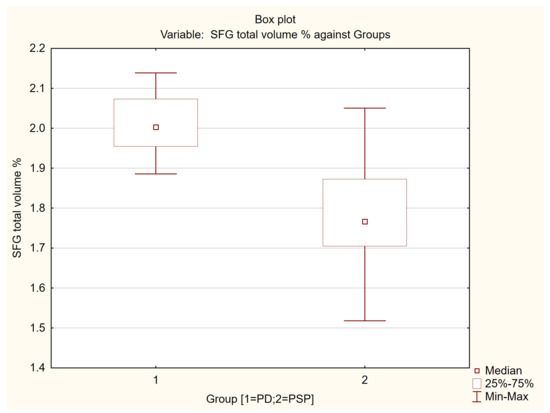
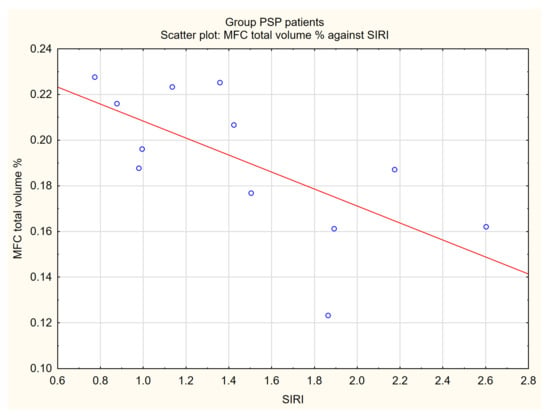
Background: Progressive supranuclear palsy (PSP) is a primary 4-repeat tauopathy in which neurodegeneration may be accompanied by neuroinflammatory and peripheral immune alterations. Whether peripheral inflammatory activity reflects structural degeneration within vulnerable brain networks remains unclear. Methods: This retrospective case–control study included 12 patients with PSP and 12 patients with Parkinson’s disease (PD). Automated volumetric analysis of 3-Tesla MRI was performed using volBrain 2.0. Blood-derived inflammatory indices included neutrophil-to-lymphocyte ratio (NLR), monocyte-to-lymphocyte ratio (MLR), systemic inflammation response index (SIRI), and red blood cell distribution with coefficient of variation (RDW-CV). Results: Patients with PSP showed significantly lower normalized superior frontal gyrus and pallidal volumes than patients with PD. Within the PSP group, higher values of selected blood-derived inflammatory indices were associated with lower frontal network volumes. After adjustment for age, MLR was inversely associated with the composite Frontal Network Score (partial r = −0.7333, p = 0.0067, FDR q = 0.020). The strongest regional association was observed between SIRI and medial frontal cortex volume (rho = −0.748, p = 0.0051); however, regional associations did not remain significant after FDR correction. Conclusions: Peripheral inflammatory markers were associated with MRI-derived measures of frontal network degeneration in PSP. The association between MLR and the composite Frontal Network Score supports a link between systemic immune alterations and network-level neurodegeneration in PSP.
Full article

Figure 1
Open AccessArticle
Clinical and Epidemiological Characteristics of Multiple Sclerosis in a Peruvian Cohort: A Retrospective Study Across Three Lima Hospitals
by
Ana Cruz Cruz, Julio Perez-Villegas, Eduardo Alvarado, Edward Smith and Ivan Dueñas-Pacheco
Neurol. Int. 2026, 18(9), 160; https://doi.org/10.3390/neurolint18090160 - 24 Aug 2026
Abstract
Background/Objectives: To describe the demographic, clinical, and epidemiological characteristics of a cohort of patients diagnosed with Multiple Sclerosis (MS) in Lima, Peru. Methods: A descriptive, retrospective cohort study conducted across three major hospitals in Lima. We included adult patients diagnosed with
[...] Read more.
Background/Objectives: To describe the demographic, clinical, and epidemiological characteristics of a cohort of patients diagnosed with Multiple Sclerosis (MS) in Lima, Peru. Methods: A descriptive, retrospective cohort study conducted across three major hospitals in Lima. We included adult patients diagnosed with MS in any of its clinical phenotypes—Clinically Isolated Syndrome (CIS), Relapsing-Remitting MS (RRMS), Secondary Progressive MS (SPMS), and Primary Progressive MS (PPMS)—who were followed between 2007 and 2017. Results: A total of 103 patients were identified. The majority were women (58.3%), with a median age at onset of 38.4 years (Interquartile Range [IQR]: 28.9–46.5). The most common clinical phenotype at onset was RRMS (90.3%), which remained the most prevalent phenotype at the current evaluation (79.6%). Twelve patients (12.9%) progressed from RRMS to SPMS by their last control visit. The most frequent symptoms at onset were limb weakness (72.8%), sensory symptoms (72.8%), and blurred vision (42.0%). At the last evaluation, the most frequent symptoms were limb weakness (78.6%), sensory symptoms (71.8%), and spasticity (40.2%). The most common initial treatment was interferon-beta (44.7%), while two patients (1.9%) initiated therapy with a highly effective disease-modifying drug (DMD), Ocrelizumab. The most recent treatment reported remained interferon-beta (33.9%), but 12 patients (11.7%) were currently receiving Ocrelizumab. Conclusions: This study describes clinical characteristics at onset and during follow-up that are largely similar to those reported in international series. However, we found no evidence of improved disease evolution, a finding potentially attributable to the heterogeneity of treatment and management strategies employed across the cohort.
Full article
Open AccessArticle
Which Children with Autism Spectrum Disorder Have Abnormal Brain MRI Findings? Clinical Correlates in a 1884-Patient Cohort
by
Viswabhaskar Susarla, Mariah George, Ananthi Rathinam and Danish Bhatti
Neurol. Int. 2026, 18(9), 159; https://doi.org/10.3390/neurolint18090159 - 22 Aug 2026
Abstract
►▼
Show Figures
Background: Brain MRI in patients with autism spectrum disorder (ASD) is generally considered when additional neurologic, developmental, or syndromic concerns warrant structural evaluation. In the study practice, ASD alone was not used as the reason to obtain MRI. We examined documented MRI use
[...] Read more.
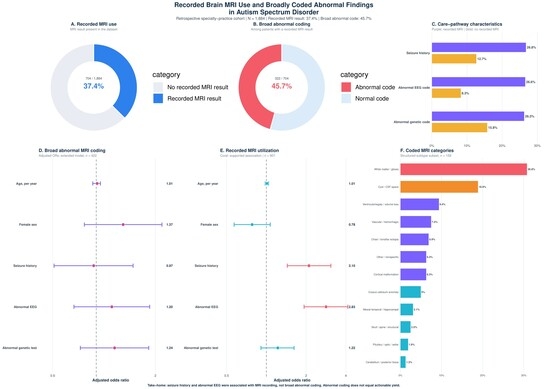
Background: Brain MRI in patients with autism spectrum disorder (ASD) is generally considered when additional neurologic, developmental, or syndromic concerns warrant structural evaluation. In the study practice, ASD alone was not used as the reason to obtain MRI. We examined documented MRI use and broad result coding while explicitly separating selection for imaging from abnormal-result status. Methods: This retrospective specialty-practice cohort included 1884 patients with ASD. The primary outcome was the proportion of documented MRI examinations coded abnormal. Secondary analyses examined associations of age, sex, seizure history, EEG status, and genetic test status with abnormal versus normal MRI coding and with documented MRI utilization. MRI categories and the pediatric restriction were exploratory and sensitivity analyses. Results: An MRI result was recorded for 704 patients (37.4%; 95% CI 35.2–39.6); 322 were coded abnormal (45.7%; 95% CI 42.0–49.5). The abnormal-result models had low in-sample discrimination (AUC 0.528 and 0.553), and adjusted confidence intervals for all measured variables included 1.00; these results do not demonstrate equivalence between clinical groups. Seizure history was associated with documented imaging in the full cohort (aOR 2.47, 95% CI 1.94–3.14), and abnormal EEG was associated in the exploratory complete-case utilization model (aOR 2.83, 95% CI 1.93–4.14). Conclusions: Broad MRI abnormalities were frequent among patients selected for imaging because of additional clinical concerns, but a broad abnormal code is not equivalent to clinically actionable yield. The routinely captured variables available in this dataset were insufficient to distinguish abnormal from normal MRI coding. These findings favor individualized MRI decisions based on the clinical question prompting imaging and motivate future studies with richer neurologic and developmental phenotyping.
Full article

Graphical abstract
Open AccessArticle
Rehabilitation Outcomes in Patients Who Regained Consciousness
by
Elena Aidinoff, Almothana Khatib, Anna Oksamitni, Ilana Gelernter, Lilach Front, Amiram Catz, Sharon Shaklai, Marina Motin, Corinne Serfaty and Deborah Rubin-Asher
Neurol. Int. 2026, 18(8), 158; https://doi.org/10.3390/neurolint18080158 - 21 Aug 2026
Abstract
Background/Objectives: Patients with prolonged disorder of consciousness (PDOC) who regained consciousness in intensive care for consciousness rehabilitation (ICCR) were referred to further brain rehabilitation (FBR). The current retrospective cohort study evaluated the functional and cognitive outcomes of FBR. Methods: We assessed
[...] Read more.
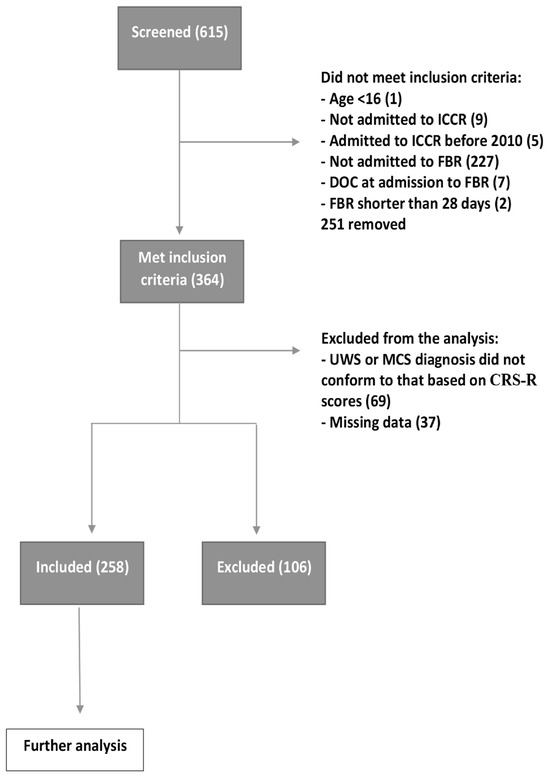
Background/Objectives: Patients with prolonged disorder of consciousness (PDOC) who regained consciousness in intensive care for consciousness rehabilitation (ICCR) were referred to further brain rehabilitation (FBR). The current retrospective cohort study evaluated the functional and cognitive outcomes of FBR. Methods: We assessed outcomes in 258 PDOC patients during FBR and used multivariate regression analyses to examine the influence of demographic and clinical characteristics on outcomes. Results: During FBR, Functional Independence Measure (FIM) motor, cognitive, and total scores improved from 21 ± 11, 11 ± 10, and 32 ± 15 to 43 ± 26, 18 ± 7, and 61 ± 32, respectively (p < 0.001). Dynamic Lowenstein Occupational Therapy Cognitive Assessment (DLOTCA) total scores increased from 57 ± 29 to 82 ± 36, and the average 6-min-walk (6MW) distances improved from 295 to 374 m (p < 0.001). Higher discharge FIM and DLOTCA scores were associated with younger age, traumatic etiology of the brain injury, shorter time to regaining consciousness, and higher FIM and DLOTCA scores at admission to FBR (p < 0.05). Conclusions: We observed functional and cognitive improvement in the examined patients. The improvement was associated with factors that may mainly reflect the severity of brain damage. The findings support continuing rehabilitation before and after emerging from PDOC.
Full article
(This article belongs to the Section Brain Tumor and Brain Injury)
►▼
Show Figures

Figure 1
Open AccessArticle
Postoperative Density of Residual Hematoma Is a Predictor of Chronic Subdural Hematoma Recurrence—A Single-Center Retrospective Study
by
Faisal Sawab, Tim Lampmann, Haitham Alenezi, Lars Eichhorn, Mohammed Banat, Hartmut Vatter, Marcus Thudium and Motaz Hamed
Neurol. Int. 2026, 18(8), 157; https://doi.org/10.3390/neurolint18080157 - 20 Aug 2026
Abstract
►▼
Show Figures
Background/Objectives: Chronic subdural hematoma (cSDH) is one of the most common neurosurgical disorders in older adults and remains associated with a relevant recurrence rate despite standardized surgical treatment. Identifying postoperative factors that predict recurrence may improve postoperative surveillance and surgical strategy. We
[...] Read more.
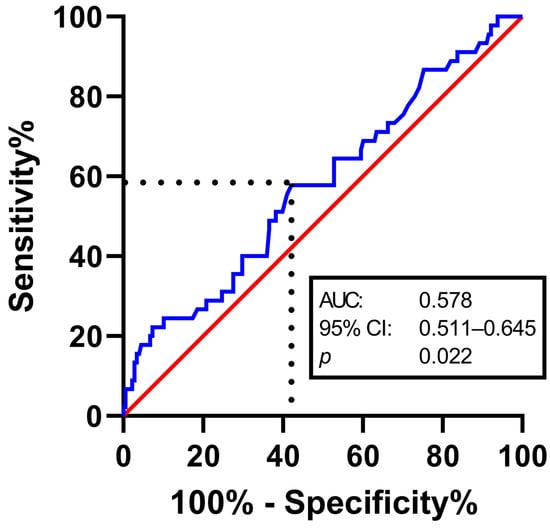
Background/Objectives: Chronic subdural hematoma (cSDH) is one of the most common neurosurgical disorders in older adults and remains associated with a relevant recurrence rate despite standardized surgical treatment. Identifying postoperative factors that predict recurrence may improve postoperative surveillance and surgical strategy. We therefore investigated whether the density of the residual hematoma on early postoperative computed tomography (CT) is associated with recurrence after burr-hole trepanation. Methods: We retrospectively analyzed all consecutive patients who underwent burr-hole trepanation for cSDH at our institution between 2016 and 2021. Residual hematoma density was measured in Hounsfield units (HU) on postoperative CT scans. Recurrence was defined as symptomatic hematoma reaccumulation requiring reoperation. Results: A total of 223 patients met the inclusion criteria. The overall recurrence rate was 20.2%. Mean residual hematoma density was significantly higher in the recurrence group than in the non-recurrence group (23.2 ± 13.1 HU vs. 19.0 ± 9.1 HU; p = 0.005). ROC analysis identified an optimal cutoff value of 19 HU (AUC 0.578, 95% CI 0.511–0.645; p = 0.022) with sensitivity of 57.8%, and a specificity of 57.9%. Patients with residual hematoma density ≥19 HU had a significantly higher recurrence rate than those with lower density (25.7% vs. 15.6%; p = 0.043). In multivariable logistic regression, higher residual density remained an independent predictor of cSDH recurrence (p = 0.008, OR 1.9; 95% CI 1.2–3.0). Conclusions: Higher postoperative residual hematoma density is an independent predictor of recurrence after burr-hole trepanation for cSDH. Residual density on early postoperative CT may serve as a simple and clinically accessible imaging marker of incomplete hematoma clearance and may help refine postoperative risk assessment. Nevertheless, the low AUC limits interpretation of predictive performance.
Full article

Figure 1
Open AccessReview
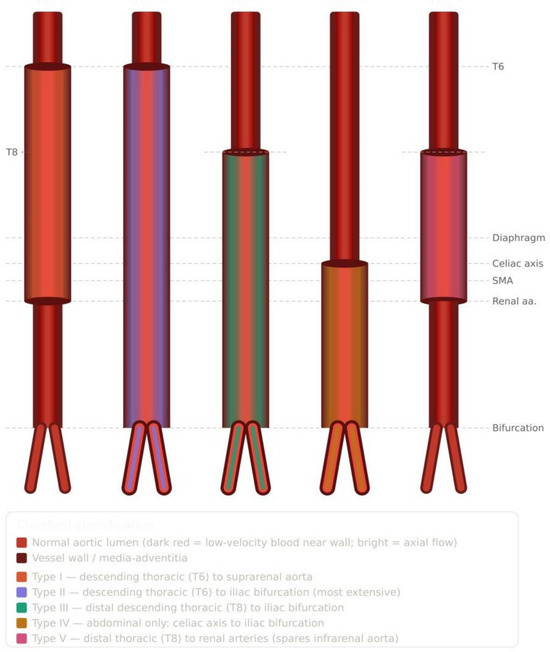
Spinal Cord Ischemia After Thoracoabdominal Aortic Aneurysm Repair: Pathophysiology, Detection, and Management
by
Janak Patel, Stephanie Liang, Mirza Bulic, May Kim-Tenser, Tatsuhiro Fuji, Sukgu Han, Benjamin Emanuel and Fawaz Philip Tarzi
Neurol. Int. 2026, 18(8), 156; https://doi.org/10.3390/neurolint18080156 - 20 Aug 2026
Abstract
Thoracoabdominal aortic aneurysm (TAAA) is a complex vascular disorder involving both thoracic and abdominal segments of the aorta and remains associated with substantial morbidity and mortality. One of the most serious complications after thoracoabdominal aortic aneurysm (TAAA) repair is spinal cord ischemia (SCI),
[...] Read more.
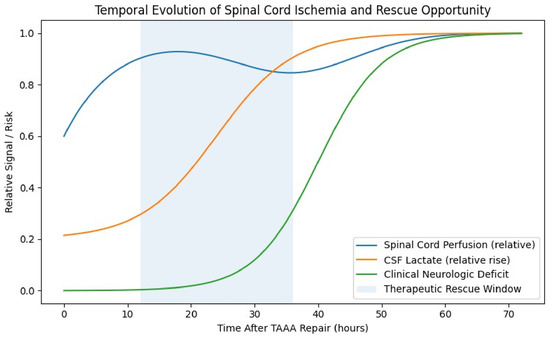
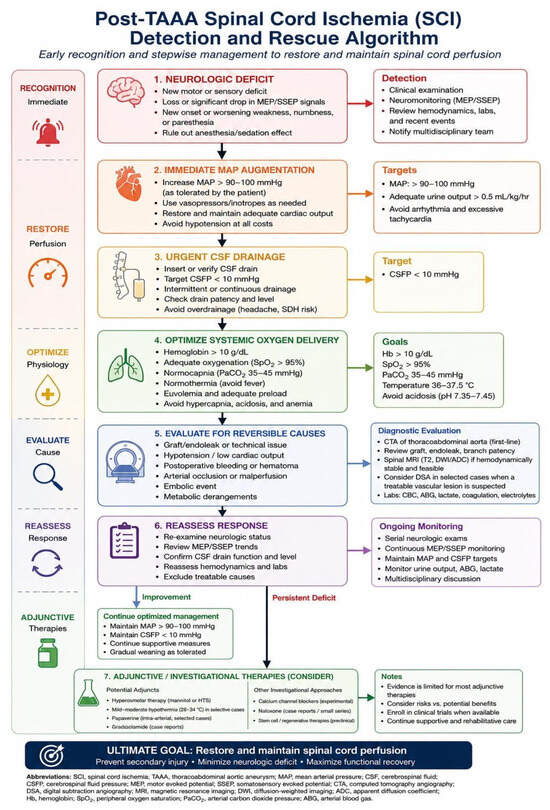
Thoracoabdominal aortic aneurysm (TAAA) is a complex vascular disorder involving both thoracic and abdominal segments of the aorta and remains associated with substantial morbidity and mortality. One of the most serious complications after thoracoabdominal aortic aneurysm (TAAA) repair is spinal cord ischemia (SCI), which may progress to spinal cord infarction and result in irreversible neurologic deficits including paraplegia, neurogenic bladder dysfunction, and bowel dysfunction. The incidence of SCI after TAAA repair varies with the extent of aneurysmal involvement, operative duration, and patient comorbidities. The primary pathophysiologic mechanism involves interruption of radiculomedullary arterial flow, compounded by systemic hypotension and limited collateral circulation. Because SCI profoundly affects functional recovery and long-term quality of life, prevention and early recognition are central to perioperative management. Established neuroprotective strategies emphasize maintenance of spinal cord perfusion through meticulous hemodynamic optimization, cerebrospinal fluid (CSF) drainage, and temperature modulation. Intraoperative neuromonitoring using motor and somatosensory-evoked potential facilitates early detection, while newer modalities such as near-infrared spectroscopy and CSF lactate monitoring may offer additional insight. When SCI occurs despite prophylaxis, rapid initiation of rescue measures including CSF drainage, hemodynamic augmentation, and other discussed treatments may improve neurologic outcomes. Long-term care focuses on rehabilitation, symptom management, and psychological support. Therefore, this review aims to consolidate medical evidence to improve the prevention, detection, and treatment of spinal cord infarction associated with thoracoabdominal aortic aneurysm repair.
Full article
(This article belongs to the Special Issue Spinal Cord Injury: Emerging Therapeutics and Neurorehabilitation)
►▼
Show Figures

Figure 1
Open AccessCase Report
Bilateral Vein of Trolard Thrombosis Presenting with Seizure and Minimal Deficits: A Rare Case Report
by
Balaganesh Natarajan, Mahika Khurana, Mariam Gabadadze, Ahmed Abd Elazim and Eman Elmasry Eldamarany Khalifa
Neurol. Int. 2026, 18(8), 155; https://doi.org/10.3390/neurolint18080155 - 20 Aug 2026
Abstract
►▼
Show Figures
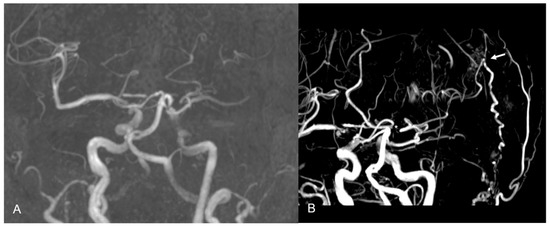
Isolated cortical vein thrombosis is a rare subtype of cerebral venous thrombosis with highly variable clinical and radiologic manifestations that frequently delay diagnosis. Bilateral thrombosis of the veins of Trolard is exceptionally uncommon, with only a few cases reported in the literature. We
[...] Read more.
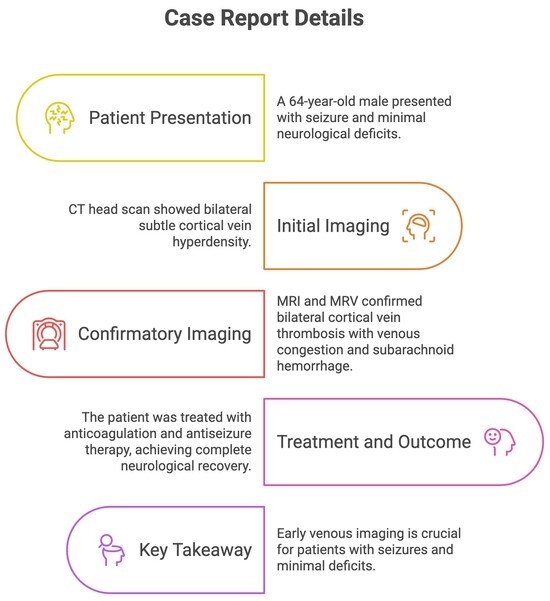
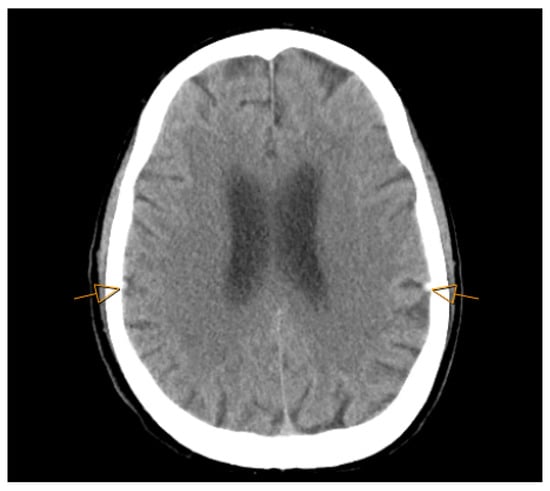
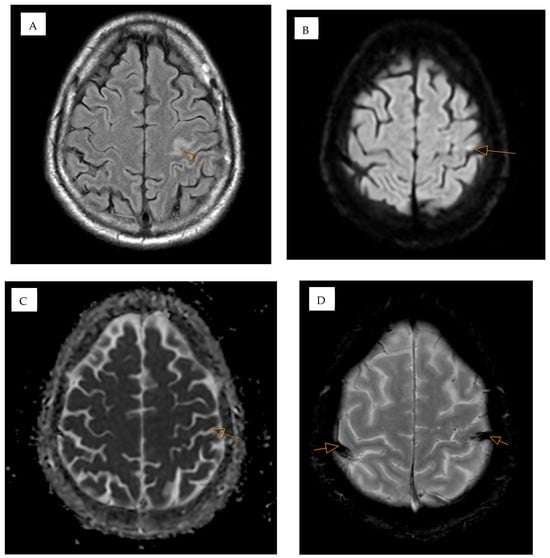
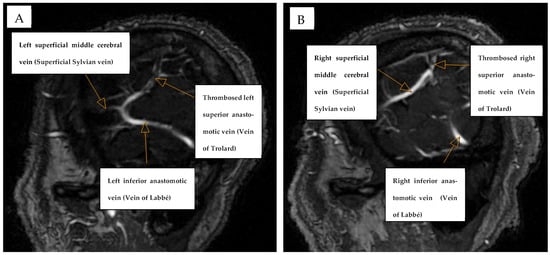
Isolated cortical vein thrombosis is a rare subtype of cerebral venous thrombosis with highly variable clinical and radiologic manifestations that frequently delay diagnosis. Bilateral thrombosis of the veins of Trolard is exceptionally uncommon, with only a few cases reported in the literature. We report a 64-year-old right-handed man who presented after being found unresponsive with suspected seizure. Although his neurological examination was normal at evaluation (NIHSS 0), noncontrast CT demonstrated subtle bilateral cortical vein hyperdensities (cord sign). Subsequent MRI and MR venography confirmed bilateral thrombosis of the veins of Trolard with associated venous congestion and a small sulcal subarachnoid hemorrhage. The patient was treated with therapeutic anticoagulation and levetiracetam. The patient achieved an excellent functional outcome (modified Rankin Scale score of 0). At 3-month follow-up, he remained neurologically intact without recurrent seizures. Follow-up MRI demonstrated improvement of the cortical FLAIR abnormality, and MR venography showed significant interval improvement in the bilateral vein of Trolard thromboses with residual short-segment nonocclusive filling defects, consistent with partial venous recanalization. This case expands the recognized clinical spectrum of the bilateral vein of Trolard thrombosis by demonstrating that extensive bilateral cortical venous involvement may present predominantly with seizure despite a normal neurological examination (NIHSS 0). Early recognition of subtle CT findings, confirmation with dedicated venous imaging, and prompt anticoagulation can result in excellent clinical recovery and favorable radiographic evolution.
Full article

Graphical abstract
Open AccessCommunication
Dynamics of Circulating Brain-Derived Neurotrophic Factor and Selenoprotein P in Subacute Stroke Patients Undergoing High-Intensity Interval Training-Based Neurorehabilitation: A Pilot Observational Study
by
Hunor-Pál Fodor, Beáta Albert and Pál Salamon
Neurol. Int. 2026, 18(8), 154; https://doi.org/10.3390/neurolint18080154 - 20 Aug 2026
Abstract
Background/Objectives: Brain-derived neurotrophic factor (BDNF) and antioxidant networks mediated by Selenoprotein P (SEPP1) are core drivers of structural neuroplasticity and blood–brain barrier integrity, yet their co-regulatory behavior during subacute stroke neurorehabilitation remains poorly understood. This pilot study quantified concurrent changes in serum BDNF
[...] Read more.
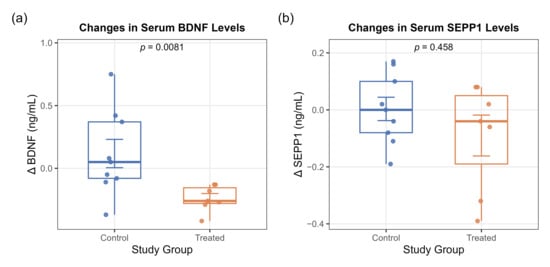
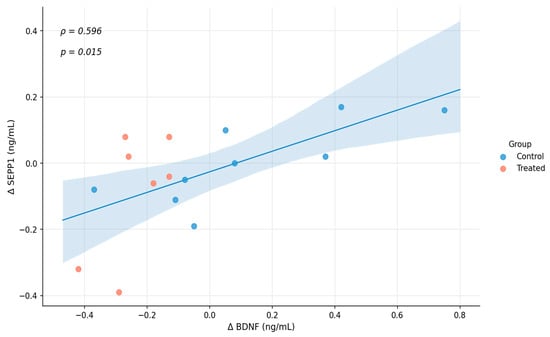
Background/Objectives: Brain-derived neurotrophic factor (BDNF) and antioxidant networks mediated by Selenoprotein P (SEPP1) are core drivers of structural neuroplasticity and blood–brain barrier integrity, yet their co-regulatory behavior during subacute stroke neurorehabilitation remains poorly understood. This pilot study quantified concurrent changes in serum BDNF and SEPP1 during rehabilitation. Methods: Sixteen subacute post-stroke patients with mild stroke severity were assigned to an intensive multi-modal neurorehabilitation protocol incorporating high-intensity interval training (Treated, n = 7) or standard care (Control, n = 9); the biomarker sampling window averaged 73.4 days. Fasting venous blood was collected at baseline and post-intervention and analyzed by ELISA. Results: BDNF changes (ΔBDNF) differed significantly between arms (U = 57.0, p = 0.0081): the Treated cohort showed a uniform decrease (mean Δ: −0.240 ± 0.103 ng/mL), while Controls showed stabilization or a slight increase (mean Δ: +0.118 ± 0.339 ng/mL). ΔBDNF and ΔSEPP1 were significantly, positively correlated across the cohort (ρ = 0.596, p = 0.015). Conclusions: The BDNF decline in the Treated group is consistent with the “central sink” hypothesis, but may more plausibly reflect stress/cortisol-mediated suppression induced by the high training intensity, contrasting with increases typically reported after moderate-intensity subacute-phase exercise. The collinear coupling with SEPP1 suggests a link between neurotrophic synthesis and antioxidant buffering during post-stroke tissue remodeling, though this correlational finding does not by itself establish a single, coordinated mechanism.
Full article
(This article belongs to the Special Issue Novel Rehabilitation for Post-Stroke Patients)
►▼
Show Figures

Figure 1
Open AccessArticle
Prevalence of Visual Symptoms and Deficits Among Inpatients with Acquired Brain Injury
by
Camilla Biering Lundquist, Lars Evald, Simon Svanborg Kjeldsen, Lis Viborg, Rasmus Langelund Jørgensen and Jesper Fabricius
Neurol. Int. 2026, 18(8), 153; https://doi.org/10.3390/neurolint18080153 - 19 Aug 2026
Abstract
Objectives: To determine the prevalence of visual deficits among inpatients with acquired brain injury, to examine the agreement between objective screenings and patient-reported visual deficits, and to investigate patient characteristics associated with visual deficits. Methods: This cross-sectional study included data on screened and
[...] Read more.
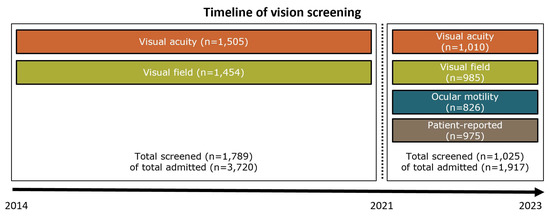
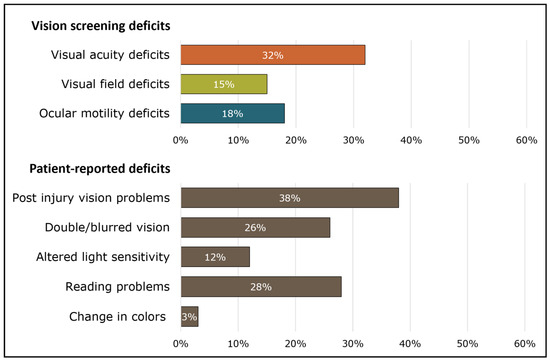
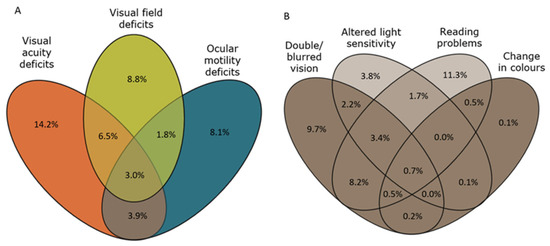
Objectives: To determine the prevalence of visual deficits among inpatients with acquired brain injury, to examine the agreement between objective screenings and patient-reported visual deficits, and to investigate patient characteristics associated with visual deficits. Methods: This cross-sectional study included data on screened and patient-reported visual deficits in patients with acquired brain injury admitted for inpatient rehabilitation. The screenings were conducted by occupational therapists. Visual acuity and visual field were assessed in 2014–2023, and complemented by assessment of ocular motility and patient-reported deficits in 2021–2023. Predictive values were calculated for the agreement between screening results and patient-reported symptoms. Logistic regression models were applied to investigate the association between clinical characteristics and visual deficits. Results: 2814 patients were screened, 65% were men, the median age was 64 years, and the most common diagnosis was stroke (66%). In screened patients 32% had reduced visual acuity, 18% had ocular motility deficits, and 15% had visual field deficits. Of 975 patients providing self-reports, 38% reported vision problems. A total of 28% of patients who did not report visual deficits, had visual deficits in the objective screening. Lower functional level was associated with greater odds of having any visual deficits. Traumatic and anoxic brain injuries were associated with lower odds of visual field deficits compared with stroke. Conclusions: The high proportion of patients with visual deficits underlines that these are common consequences following acquired brain injury. Objective screening and patient-reported deficits offer overlapping yet distinct insights into visual deficits. Knowledge of clinical characteristics associated with visual deficits may help recognize high-risk subgroups.
Full article
(This article belongs to the Section Brain Tumor and Brain Injury)
►▼
Show Figures

Figure 1
Open AccessArticle
Acute Ulnar Neuropathy at the Elbow: Clinical, Electrodiagnostic, and Ultrasonographic Findings
by
Vasudeva G. Iyer, Lisa B. E. Shields, Smita Ghare and Christopher B. Shields
Neurol. Int. 2026, 18(8), 152; https://doi.org/10.3390/neurolint18080152 - 18 Aug 2026
Abstract
►▼
Show Figures
Background/Objectives: Ulnar nerve neuropathy at the elbow (UNE) is the second most common focal neuropathy of the upper extremity and often results from entrapment of the ulnar nerve as it traverses the elbow with insidious onset and gradual progression. This study describes the
[...] Read more.
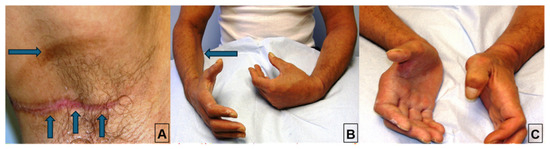
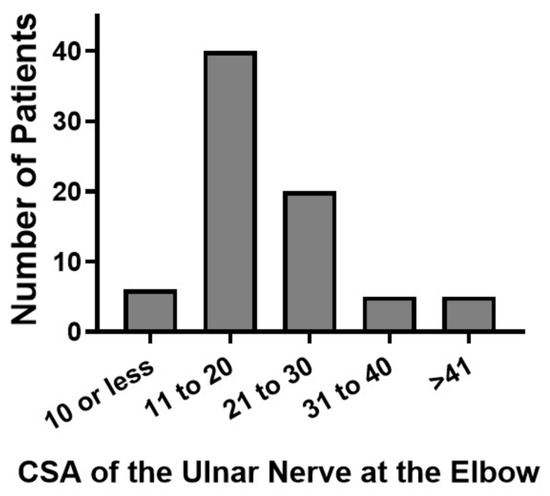
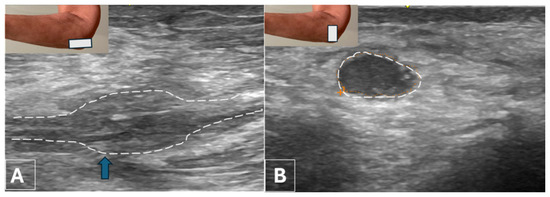
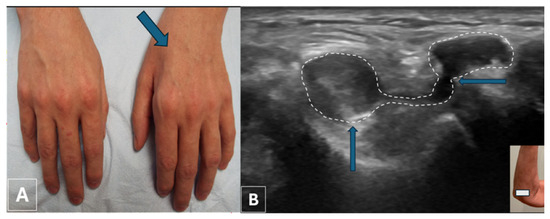
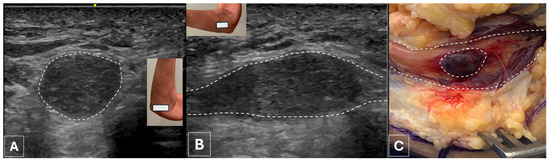
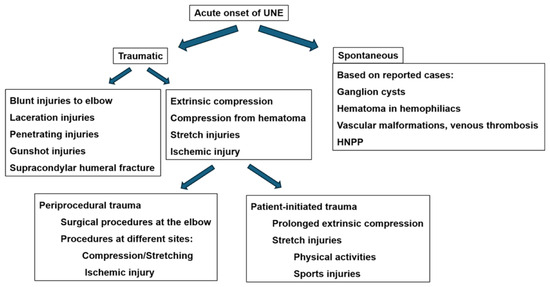
Background/Objectives: Ulnar nerve neuropathy at the elbow (UNE) is the second most common focal neuropathy of the upper extremity and often results from entrapment of the ulnar nerve as it traverses the elbow with insidious onset and gradual progression. This study describes the clinical, electrodiagnostic (EDX), and ultrasound (US) findings in a cohort of patients presenting with acute UNE. Methods: This is a review of 103 patients with clinical features of UNE with acute onset who underwent EDX and US studies over a 25-year period (2010–2026) at our Neurodiagnostic Center. Results: Of the 103 patients with acute UNE, all experienced paresthesia in the ulnar nerve distribution. A total of 27 (26.2%) patients had elbow pain, and 99 (96.1%) had decreased pinprick sensation in the ulnar nerve distribution. Weakness of the following muscles was detected: abductor digiti minimi (ADM) (94 [91.3%]), FDI (first dorsal interosseous) (91 [88.3%]), and FDPu (flexor digitorum profundus—ulnar) (76 [73.8%]). Most patients had a clinical grade of 3 (severe: sensory and motor abnormalities as well as atrophy of the FDI and ADM muscles) (93 [90.3%]). Perioperative injuries were the most common etiology of acute UNE, consisting of 65 (63.1%) patients. The perioperative injury was noted after surgical procedures at varied locations, most frequently at the shoulder in 23 (35.4%) followed by coronary artery bypass in 9 (13.8%) and knee joint surgery in 8 (12.3%). Non-iatrogenic injuries affected 11 (10.7%) patients. The US study revealed cysts and tumors such as a Schwannoma in 14/76 (18.4%) patients. Focal demyelination was observed by EDX studies in 95 (92.2%) patients, and a conduction block was detected in 24 (23.3%). Motor and sensory axonal involvement was identified in 81 (78.6%) and 86 (83.5%) patients, respectively. Of the 76 patients who underwent an US study, 68 (90.6%) had an increase in the cross-sectional area of the ulnar nerve and 51 (68.0%) had a hypoechoic ulnar nerve at the elbow. Conclusions: In this study, the most common cause of acute UNE was periprocedural injury, most frequently following shoulder surgery. Acute UNE may also occur without a history of antecedent trauma or a surgical procedure. EDX and US studies provide complementary data to determine the severity and the etiology of acute UNE and guide further management.
Full article

Figure 1
Open AccessArticle
Acute and Chronic Cerebral Hypoperfusion After Flow-Diverter Placement: Is There a Role for Extra–Intracranial Bypass? A Case Series and Narrative Literature Review
by
Alessandro Tozzi, Valentina Caldiera, Giuseppe Ganci, Paolo Ferroli, Marco Schiariti, Matteo Milani, Isabella Canavero, Benedetta Storti, Anna Bersano, Francesco Acerbi and Elisa Francesca Maria Ciceri
Neurol. Int. 2026, 18(8), 151; https://doi.org/10.3390/neurolint18080151 - 17 Aug 2026
Abstract
Background: Flow diverters (FDs) are widely used to treat intracranial aneurysms. Although effective, FD-related thrombosis or progressive stenosis may lead to acute or delayed cerebral hypoperfusion with significant neurological morbidity. Management options are limited when medical or endovascular rescue strategies fail. This study
[...] Read more.
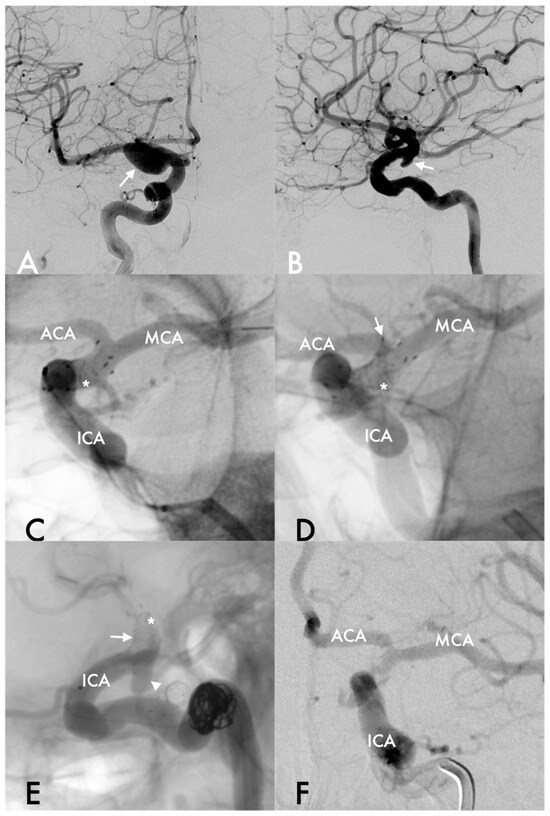
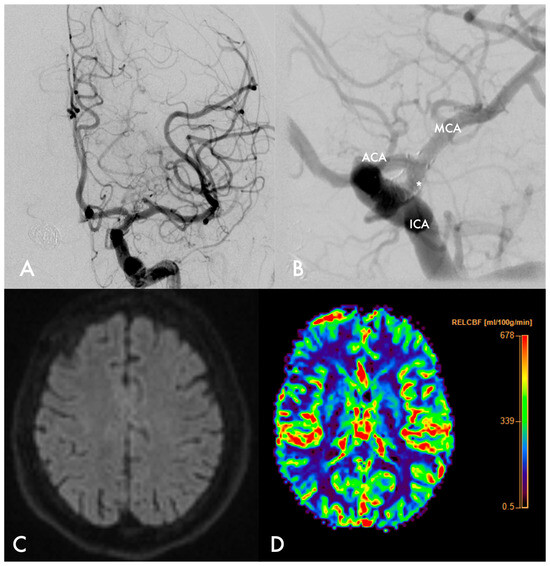
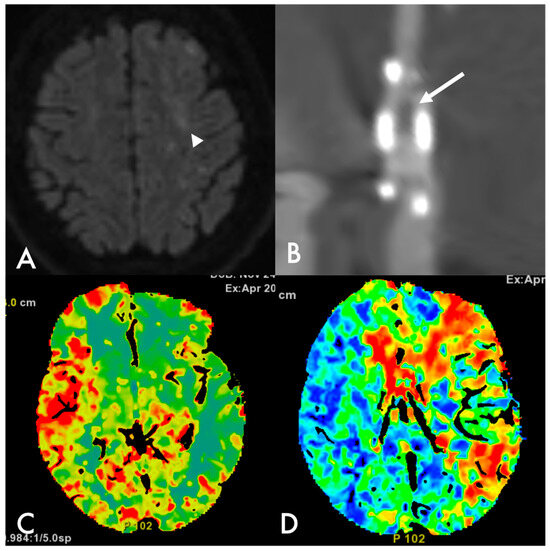
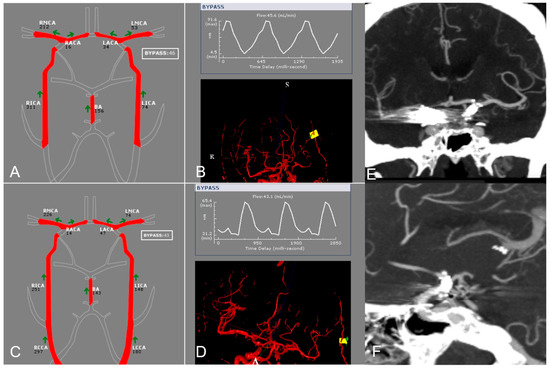
Background: Flow diverters (FDs) are widely used to treat intracranial aneurysms. Although effective, FD-related thrombosis or progressive stenosis may lead to acute or delayed cerebral hypoperfusion with significant neurological morbidity. Management options are limited when medical or endovascular rescue strategies fail. This study aims to evaluate the role of extracranial–intracranial bypass (EC-IC bypass) as a rescue strategy across the spectrum of FD-related cerebral hypoperfusion. Methods: We retrospectively reviewed all patients who underwent EC-IC bypass for FD-related cerebral hypoperfusion over a 10-year period in our institution. Both acute and chronic presentations were included. Clinical status was assessed using the modified Rankin Scale (mRS). Imaging evaluation included digital subtraction angiography (DSA), computed tomography angiography (CTA), magnetic resonance angiography (MRA) and quantitative magnetic resonance imaging for bypass flow assessment. Surgical technique, antiplatelet therapy, timing of intervention and clinical outcomes were analysed. Results: Five patients with FD-related cerebral hypoperfusion who underwent superficial temporal artery–middle cerebral artery bypass (STA-MCA bypass) were identified. Two distinct patterns emerged. Three patients developed early hypoperfusion within the first month of FD placement, presenting with acute neurological deficits and treated by emergent or urgent bypass under dual antiplatelet therapy. Two patients developed late hypoperfusion years after the procedure, presenting with progressive haemodynamic symptoms and treated by elective flow-augmentation bypass under aspirin monotherapy. At discharge, only one patient had an mRS ≥ 3. At one-year follow-up, a favourable outcome (mRS ≤ 2) was observed in all patients with available data. Follow-up data were missing for one patient. Conclusions: EC-IC bypass represents a feasible rescue strategy for FD-related cerebral hypoperfusion when medical or endovascular treatments fail. In our experience, though limited, STA-MCA bypass can provide sufficient cerebral reperfusion, even in urgent settings and under dual antiplatelet therapy, leading to favourable neurological outcomes.
Full article
(This article belongs to the Special Issue Management of Strokes and Other Cerebrovascular Emergencies)
►▼
Show Figures

Figure 1
Open AccessSystematic Review
Isolated Hypoglossal Nerve Palsy Associated with Internal Carotid Artery Dissection: A Systematic Review
by
Pasquale Frisina, Valeria Panebianco, Filippo Valentini, Antonio Iacuzio, Carlo Cavaliere, Umberto Romeo, Iacopo Carbone, Lucia Borghetti and Daniela Messineo
Neurol. Int. 2026, 18(8), 150; https://doi.org/10.3390/neurolint18080150 - 14 Aug 2026
Abstract
►▼
Show Figures
Background: Isolated hypoglossal nerve palsy is a rare neurological condition with a broad differential diagnosis. Although neoplastic disorders are the most common cause, internal carotid artery dissection (ICAD) is an uncommon but clinically important and potentially reversible vascular etiology that is frequently
[...] Read more.
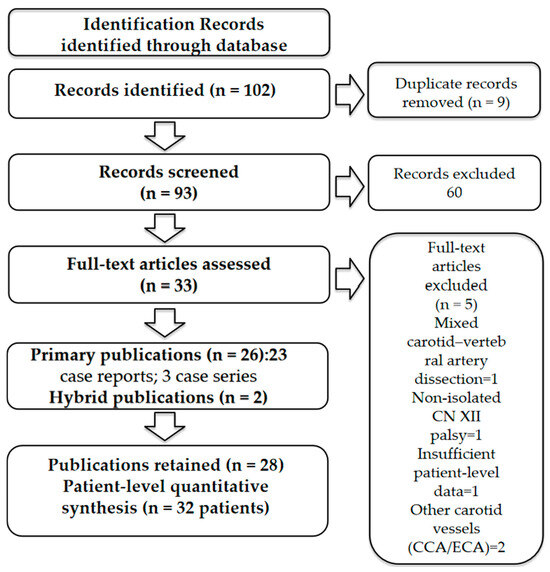
Background: Isolated hypoglossal nerve palsy is a rare neurological condition with a broad differential diagnosis. Although neoplastic disorders are the most common cause, internal carotid artery dissection (ICAD) is an uncommon but clinically important and potentially reversible vascular etiology that is frequently underrecognized. This systematic review synthesized the available evidence regarding the clinical presentation, imaging findings, pathophysiological mechanisms, treatment, and outcomes of isolated hypoglossal nerve palsy associated with ICAD through a standardized patient-level descriptive analysis. Methods: This systematic review was conducted according to the PRISMA 2020 guidelines and prospectively registered in PROSPERO (CRD420261364863). PubMed, Scopus, Web of Science, and the Cochrane Library were searched from inception to April 2026. Manual reference screening and forward citation tracking were also performed. Studies reporting original, patient-level data on isolated hypoglossal nerve palsy associated with ICAD were eligible. Clinical, imaging, treatment, and outcome data were extracted and synthesized descriptively. In hybrid publications combining original case reporting with a narrative literature review, only eligible, original patient data were included in the quantitative synthesis, whereas the narrative review components were used for citation tracking and contextual comparison. Results: A total of 26 standalone primary publications were included, comprising 23 case reports and 3 case series. Two additional hybrid publications each contributed one eligible patient. One hybrid publication contained an original case-report component, whereas the other reported two original cases and was therefore considered to contain a case-series component, although only one of its patients fulfilled the eligibility criteria. Overall, the 28 publications contributed 32 eligible patients to the patient-level quantitative synthesis. The narrative review components of the two hybrid publications were used solely for citation tracking and contextual comparison. Patients were predominantly male (28/32, 87.5%), with a median age of 47 years. Tongue deviation (28/28, 100%) and tongue weakness (30/30, 100%) were the hallmark clinical features, followed by dysarthria (26/26, 100%) and dysphagia (18/22, 81.8%). All patients presented with isolated hypoglossal nerve palsy at presentation, without Horner syndrome or additional lower cranial nerve involvement. MRI was the most frequently reported imaging modality (29/32, 90.6%), whereas CTA was commonly used to characterize luminal abnormalities. Intramural hematoma (25/26, 96.2%), luminal stenosis (23/26, 88.5%), and external arterial enlargement (22/24, 91.7%) were the most consistent neuroradiological findings. Conservative medical management predominated (31/32, 96.9%). The available evidence was more consistent with a compressive mechanism related to subadventitial arterial wall expansion, although an ischaemic contribution involving the vasa nervorum could not be excluded. A favourable clinical outcome (complete recovery or marked improvement) was observed in 21/30 patients (70.0%). Overall, improvement of any degree, including partial recovery, was documented in 25/30 evaluable patients (83.3%). Outcome data should be interpreted cautiously because they derive predominantly from individual case reports. Conclusions: This systematic review provides an updated standardized synthesis of the available case-level evidence on isolated hypoglossal nerve palsy associated with ICAD. CTA and MRI/MRA provide complementary diagnostic information and may facilitate timely diagnosis when interpreted according to the clinical context. The available evidence identifies recurrent clinico-radiological patterns that may assist clinicians in recognizing this uncommon presentation while highlighting the need for prospective multicentre studies to better inform future diagnostic and therapeutic strategies.
Full article

Figure 1
Journal Menu
► ▼ Journal Menu-
- Neurology International Home
- Aims & Scope
- Editorial Board
- Early Career Editorial Board
- Instructions for Authors
- Special Issues
- Topics
- Sections & Collections
- Article Processing Charge
- Indexing & Archiving
- Editor’s Choice Articles
- Most Cited & Viewed
- Journal Statistics
- Journal History
- Journal Awards
- Society Collaborations
- Editorial Office
Journal Browser
► ▼ Journal BrowserHighly Accessed Articles
Latest Books
E-Mail Alert
News
1 September 2026
MDPI INSIGHTS: The CEO’s Letter #38 – 2 Million Published Articles, Outstanding Reviewers, Michele Parrinello Award, AIS 2026 & WSF-12
5 August 2026
MDPI INSIGHTS: The CEO’s Letter #37 – Canada Summit, Sciforum Relaunch, 30 Years of Impactful Research & ISPRS 2026
Topics
Topic in
Geriatrics, IJMS, Life, Sports, Neurology International, Obesities
Exercise and Human Aging: Physiological and Psychological Functions
Topic Editors: Samuel Da Silva Aguiar, Ismael Perez-SuarezDeadline: 20 September 2026
Topic in
Brain Sciences, Clocks & Sleep, Neurology International, NeuroSci
Translational Advances in Neurodegenerative Dementias, Second Edition
Topic Editors: Francesco Di Lorenzo, Annibale AntonioniDeadline: 30 September 2026
Topic in
Brain Sciences, CTN, Neurology International, NeuroSci
Neurological Updates in Neurocritical Care
Topic Editors: Gabriele Melegari, Elisabetta BertelliniDeadline: 31 October 2026
Topic in
Brain Sciences, Clocks & Sleep, JDAD, Neuroglia, Psychiatry International, NeuroSci, Neurology International, CTN
Advancing Neuroscience and Brain Sciences: Insights from the 5th International Electronic Conference on Brain Sciences & 1st International Electronic Conference on Neurosciences (IECBS-IECNS 2026)
Topic Editors: Stephen D. Meriney, Magda TsolakiDeadline: 11 November 2026
Special Issues
Special Issue in
Neurology International
Novel Treatments for Brain Tumors
Guest Editors: Byram Ozer, Olabisi Sanusi, Sushant PuriDeadline: 30 September 2026
Special Issue in
Neurology International
Novel Treatment of Epilepsy
Guest Editors: Niels Foit, Alexander RauDeadline: 30 September 2026
Special Issue in
Neurology International
Advances in Molecular Mechanisms of Neurodegenerative Diseases
Guest Editors: Pravin Hivare, Joshna Gadhavi, Cristoforo ComiDeadline: 30 September 2026
Special Issue in
Neurology International
Molecular Mechanisms and Treatment of Parkinson’s Disease
Guest Editors: Anjali Sivaramakrishnan, Swati BanerjeeDeadline: 30 September 2026
Topical Collections
Topical Collection in
Neurology International
Biomarkers in Stroke Prognosis
Collection Editors: Dimitrios Tsiptsios, Konstantinos Vadikolias
Topical Collection in
Neurology International
Exclusive Papers from the Editorial Board Members (EBMs) of Neurology InternationalCollection Editor: Junji Yamauchi
Topical Collection in
Neurology International
Feature Papers in Movement Disorders and Neurodegenerative Diseases
Collection Editors: Tibor Hortobágyi, Cristoforo Comi
Topical Collection in
Neurology International
Feature Papers in "Pain Research"
Collection Editors: Marco Carotenuto, Thomas Müller