






-
Molecular Mechanisms and Experimental Strategies for Understanding Plant Drought Response -
Silicon Modulates the Chloroplast Proteome to Enhance Drought Tolerance in Soybean -
Salinity Stress in Strawberry (Fragaria × ananassa Duch.): Biological Intervention Strategies and Breeding Approaches for Salt-Tolerant Cultivars -
Regulation of Plasmodesmata Function Through Lipid-Mediated PDLP7 or PDLP5 Strategies in Arabidopsis Leaf Cells -
Harnessing Plant–Microorganism Interactions to Mitigate Biotic and Abiotic Stresses for Sustainable Crops
Journal Description
Plants
Plants
is an international, scientific, peer-reviewed, open access journal on plant science published semimonthly online by MDPI. The Spanish Phytopathological Society (SEF), the Spanish Society of Plant Biology (SEBP), the Spanish Society of Horticultural Sciences (SECH) and the Italian Society of Phytotherapy (S.I.Fit.) are affiliated with Plants and their members receive a discount on the article processing charges.
- Open Access— free for readers, with article processing charges (APC) paid by authors or their institutions.
- High Visibility: indexed within Scopus, SCIE (Web of Science), PubMed, PMC, PubAg, AGRIS, CAPlus / SciFinder, and other databases.
- Journal Rank: JCR - Q1 (Plant Sciences) / CiteScore - Q1 (Ecology, Evolution, Behavior and Systematics)
- Rapid Publication: manuscripts are peer-reviewed and a first decision is provided to authors approximately 16.5 days after submission; acceptance to publication is undertaken in 2.6 days (median values for papers published in this journal in the second half of 2025).
- Recognition of Reviewers: reviewers who provide timely, thorough peer-review reports receive vouchers entitling them to a discount on the APC of their next publication in any MDPI journal, in appreciation of the work done.
Impact Factor:
4.1 (2024);
5-Year Impact Factor:
4.5 (2024)
Latest Articles
Genome-Wide Identification and Characterization of the NAC Transcription Factor Family in Sinojackia xylocarpa Hu
Plants 2026, 15(8), 1163; https://doi.org/10.3390/plants15081163 (registering DOI) - 9 Apr 2026
Abstract
NAC (NAM, ATAF1/2 and CUC2) transcription factors constitute one of the largest plant-specific transcription factor families and play pivotal roles in plant growth, development, and responses to environmental stresses. Systematic characterization of NAC genes is essential for understanding regulatory networks underlying key agronomic
[...] Read more.
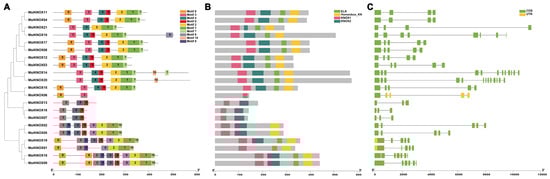
NAC (NAM, ATAF1/2 and CUC2) transcription factors constitute one of the largest plant-specific transcription factor families and play pivotal roles in plant growth, development, and responses to environmental stresses. Systematic characterization of NAC genes is essential for understanding regulatory networks underlying key agronomic and adaptive traits. As a conservation-priority woody species with distinctive biological and horticultural value, Sinojackia xylocarpa Hu lacks comprehensive knowledge of its NAC repertoire, and elucidating its NAC family will facilitate functional studies related to development and environmental adaptation. Based on whole-genome data of S. xylocarpa, we conducted a systematic survey and characterization of the NAC transcription factor family. In total, 115 SxyNAC genes encoding the conserved NAC domain were identified, and their loci were unevenly distributed across 12 chromosomes. Analyses of gene-duplication modes and collinearity indicated that whole-genome/segmental duplication events were the major driving force for the expansion of this family. Phylogenetic relationships, gene structures, and conserved motifs classified the SxyNAC members into 15 subfamilies, revealing a highly conserved N-terminal NAC domain and a markedly diversified C-terminal regulatory region with pronounced member- and lineage-specific differences. Promoter cis-element prediction showed extensive enrichment of light-responsive, phytohormone-responsive, and stress-related elements, suggesting that SxyNAC genes may participate in coordinated regulation of multiple environmental cues and endogenous hormone pathways. Transcriptome data from six fruit developmental stages, together with qRT-PCR validation of ten representative genes, demonstrated diverse temporal and tissue-specific expression patterns during fruit development and close associations with fruit growth regulation. Overall, our findings establish a framework for exploring the evolutionary trajectories and functional diversification of NAC genes in S. xylocarpa, and they offer a valuable resource for NAC-family research and conservation-focused functional genomics in other rare or threatened plant species.
Full article
Open AccessReview
Advances in the Function Roles of Hydroxycinnamoyl-CoA Shikimate/Quinate Hydroxycinnamoyl Transferases: A Key Enzyme Linking Phenylpropanoid Metabolism to Plant Terrestrial Adaptation
by
Jingyi Chen, Chuting Liang, Xian He, Jiayi Huang, Wanying Huang, Anqi Huang, Ying Yang, Gaojie Hong, Yue Chen, Dali Zeng, Jiangfan Guo and Yi He
Plants 2026, 15(8), 1162; https://doi.org/10.3390/plants15081162 (registering DOI) - 9 Apr 2026
Abstract
Hydroxycinnamoyl-CoA shikimate/quinate hydroxycinnamoyl transferase, a key acyltransferase in the phenylpropanoid pathway and a canonical member of the BAHD acyltransferase family (BAHD), catalyzes the formation of pivotal intermediates in the biosynthesis of secondary metabolites such as lignin, chlorogenic acid, and flavonoids. These compounds serve
[...] Read more.
Hydroxycinnamoyl-CoA shikimate/quinate hydroxycinnamoyl transferase, a key acyltransferase in the phenylpropanoid pathway and a canonical member of the BAHD acyltransferase family (BAHD), catalyzes the formation of pivotal intermediates in the biosynthesis of secondary metabolites such as lignin, chlorogenic acid, and flavonoids. These compounds serve indispensable protective functions in terrestrial plants, underpinning their adaptive responses to abiotic stresses such as drought, ultraviolet (UV) radiation, and oxidative damage. Although the role of HCT/HQT in the core phenylpropanoid pathway has been extensively characterized, its precise functional contributions to the flavonoid biosynthetic branch—particularly with respect to substrate selectivity, kinetic regulation, and metabolic channeling—remain incompletely understood. This review systematically analyzes the structural features, spatial conformation, catalytic mechanism, and substrate promiscuity of HCT/HQT to clarify its molecular determinants of activity and specificity. Furthermore, it highlights regulatory factors influencing HCT/HQT gene expression, such as transcription factors (MYB, bHLH, WRKY), phytohormones (GA3, Eth, MeJA, 6-BA, MT), and abiotic/biotic stressors (temperature, blue light, nitric oxide, nano-selenium). Collectively, these insights illuminate how plants dynamically fine-tune phenylpropanoid metabolism in coordination with developmental programs and environmental challenges. This work provides a foundation for further research on HCT/HQT and supports efforts to develop improved crop varieties through targeted regulation of this central metabolic node.
Full article
(This article belongs to the Special Issue Transcriptome Analysis and Gene Regulation in Plant Growth Development, 3rd Edition)
Open AccessArticle
A Rapid Hairy Root-Based Platform for CRISPR/Cas Optimization and Guide RNA Validation in Lettuce
by
Alberico Di Pinto, Valentina Forte, Chiara D’Attilia, Marco Possenti, Barbara Felici, Floriana Augelletti, Giovanna Sessa, Monica Carabelli, Giorgio Morelli, Giovanna Frugis and Fabio D’Orso
Plants 2026, 15(8), 1161; https://doi.org/10.3390/plants15081161 (registering DOI) - 9 Apr 2026
Abstract
Cultivated lettuce (Lactuca sativa L.) is a major leafy crop and an emerging model for functional genomics within the Asteraceae family, supported by high-quality reference genomes and efficient transformation systems. Although CRISPR/Cas technology offers powerful opportunities for crop improvement, editing efficiency depends
[...] Read more.
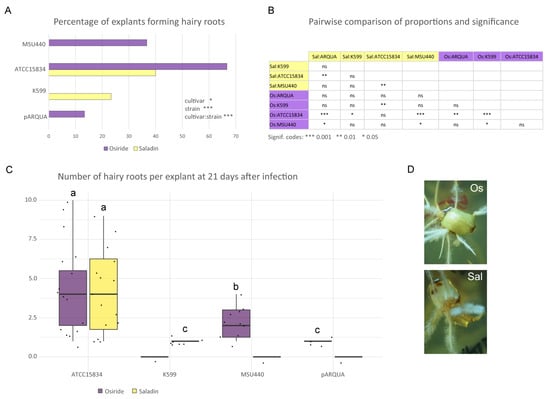
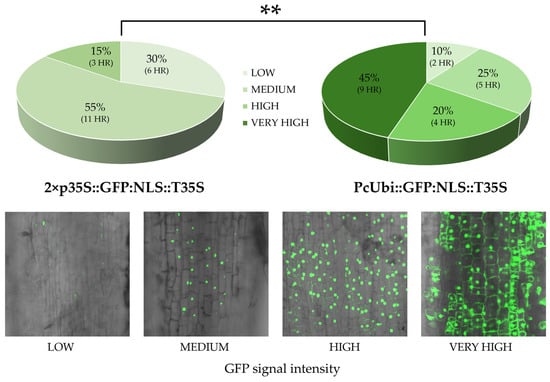
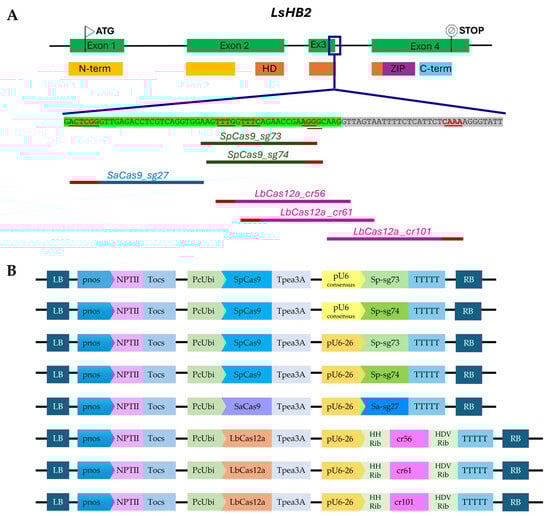
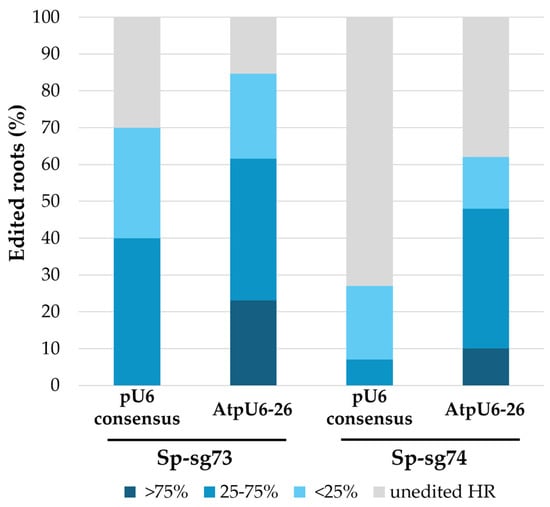
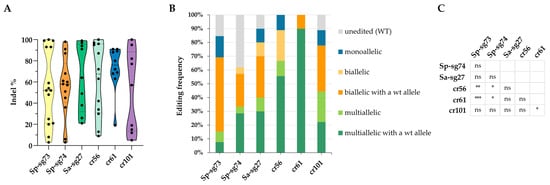
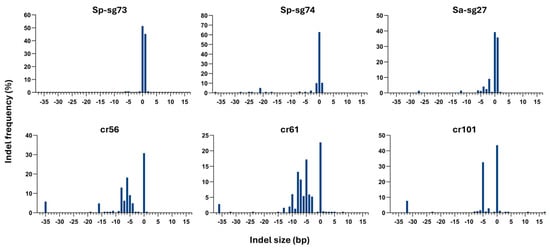
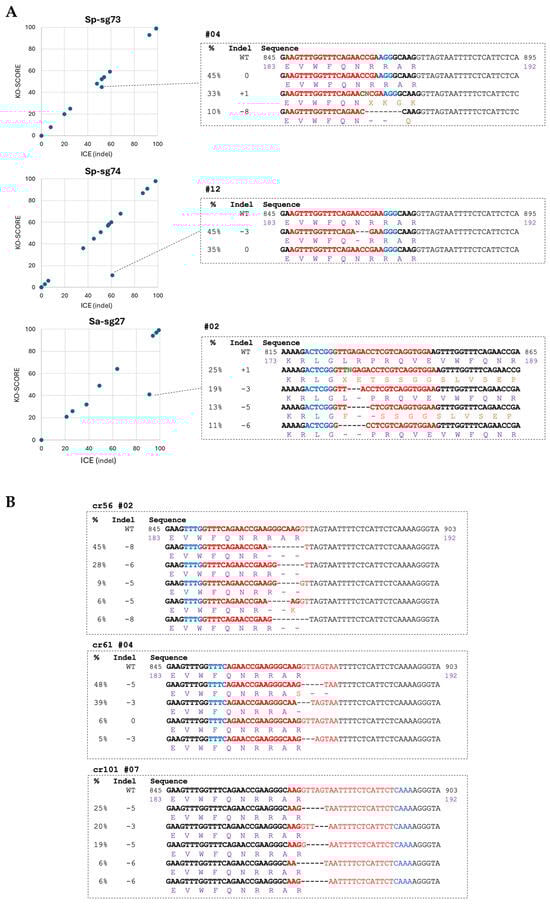
Cultivated lettuce (Lactuca sativa L.) is a major leafy crop and an emerging model for functional genomics within the Asteraceae family, supported by high-quality reference genomes and efficient transformation systems. Although CRISPR/Cas technology offers powerful opportunities for crop improvement, editing efficiency depends on optimized construct architecture and reliable guide RNA (gRNA) validation. However, a rapid platform for evaluating CRISPR reagents in lettuce is still lacking. Here, we developed an efficient hairyroot-based system to accelerate CRISPR/Cas genome editing optimization in L. sativa. Four Agrobacterium rhizogenes strains were compared for hairy root induction in two cultivars, ‘Saladin’ and ‘Osiride’, identifying strain ATCC15834 as the most effective based on transformation frequency and root production. Using this platform, we evaluated multiple CRISPR construct configurations, including alternative promoters for nuclease and gRNA expression. A plant-derived promoter combined with At-pU6-26 variant significantly improved editing efficiency. As a proof of concept, we targeted LsHB2, the putative ortholog of Arabidopsis thaliana ATHB2, a key regulator of the shade avoidance response using SpCas9, SaCas9, and LbCas12a nucleases. The system enabled rapid genotyping and quantitative indel profiling. Overall, this workflow provides a robust framework for efficient guide selection and construct optimization in lettuce genome editing.
Full article
(This article belongs to the Section Plant Development and Morphogenesis)
►▼
Show Figures

Figure 1
Open AccessReview
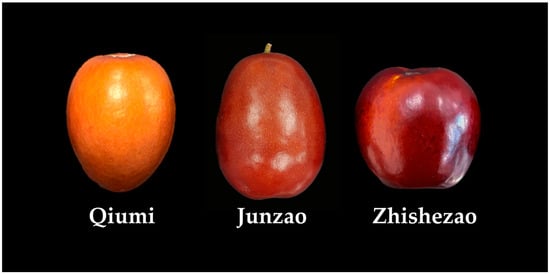
Phenolic Compounds in Ziziphus jujuba Mill.: Advances in Distribution, Biosynthesis, and Pharmacological Activities
by
Yuting Hu, Jiangtao Du, Yingying Fan, Fengjuan Liu, Weizhong He, Binbin Li, Xing Cui and Cheng Wang
Plants 2026, 15(8), 1160; https://doi.org/10.3390/plants15081160 (registering DOI) - 9 Apr 2026
Abstract
Jujube (Ziziphus jujuba Mill.) is a functional food with both edible and medicinal properties. It is rich in various bioactive compounds and holds significant development value and application prospects in food nutrition, medicine, and health. This review systematically summarizes the research progress
[...] Read more.
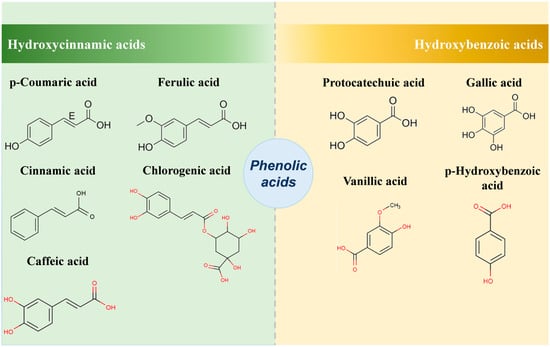
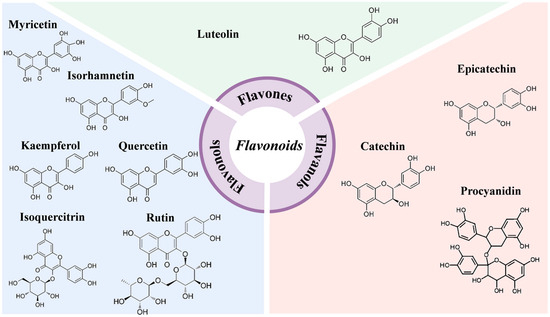
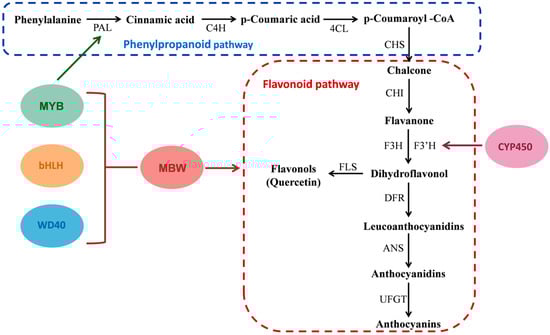
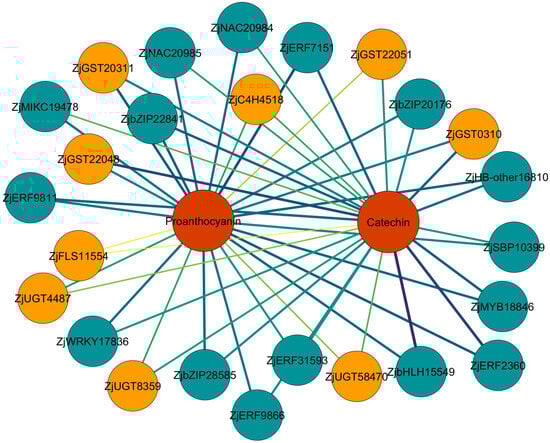
Jujube (Ziziphus jujuba Mill.) is a functional food with both edible and medicinal properties. It is rich in various bioactive compounds and holds significant development value and application prospects in food nutrition, medicine, and health. This review systematically summarizes the research progress on the synthesis mechanism and pharmacological activities of phenolic compounds in jujube fruits, clarifies the composition of their main components, sorts out the research advances in extraction technologies of jujube phenolic compounds, and focuses on analyzing the content differences and distribution patterns across cultivars and tissue parts. On this basis, it examines the regulatory mechanisms of phenolic compound synthesis in depth, with a particular focus on elucidating the regulatory networks of genes and transcription factors involved in flavonoid biosynthesis. Meanwhile, this review comprehensively summarizes the pharmacological activities of phenolic compounds in jujube fruits, including antioxidant, anticancer, antibacterial, anti-inflammatory, and hypoglycemic effects. It also elucidates the molecular mechanisms underlying these bioactivities, such as regulating signaling pathways and scavenging free radicals. Finally, it analyzes the limitations of current research and proposes key directions for future development. This review provides theoretical support and a scientific basis for the in-depth development and utilization of jujube phenolic compounds as well as for the research and development of related functional foods and drugs.
Full article

(This article belongs to the Special Issue Advances in Jujube Research, Second Edition)
►▼
Show Figures

Figure 1
Open AccessArticle
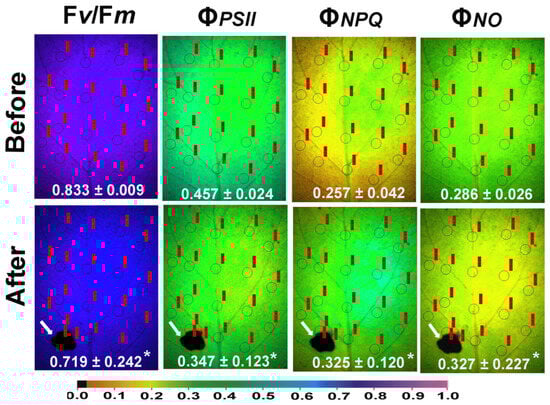
Photosystem II Responses at the Whole-Potato-Leaf Level After Colorado Potato Beetle Feeding
by
Ilektra Sperdouli, Stefanos S. Andreadis, Julietta Moustaka, Eleni I. Koutsogeorgiou, Emmanuel Panteris and Michael Moustakas
Plants 2026, 15(8), 1159; https://doi.org/10.3390/plants15081159 (registering DOI) - 9 Apr 2026
Abstract
The damage caused by herbivores is generally measured as the amount of leaf tissue consumed, without accounting for the fate of the leftover tissue. As a result, the plant defense mechanisms that promote resistance to herbivore feeding by photosynthetically acclimating the rest of
[...] Read more.
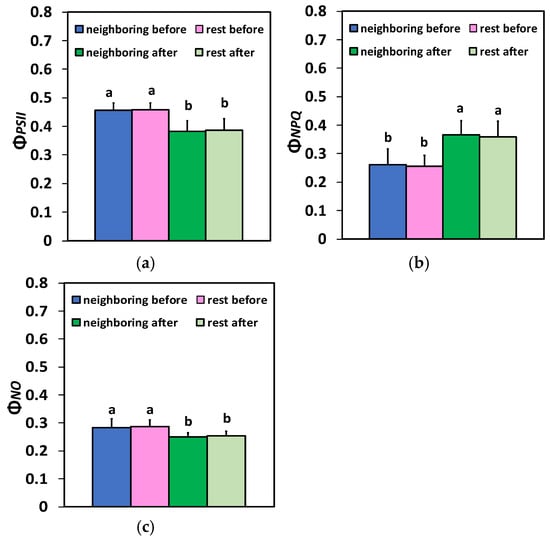
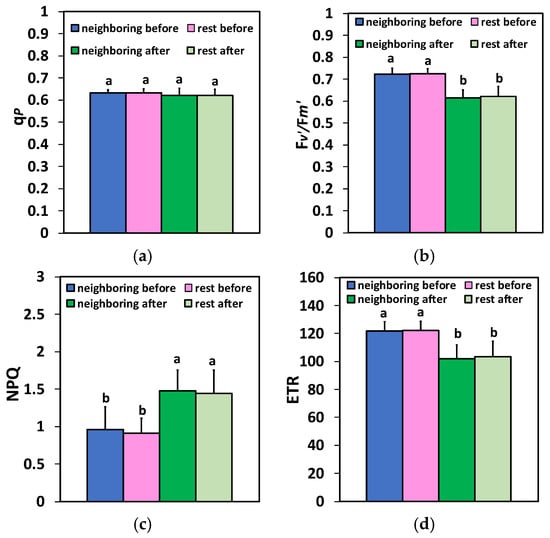
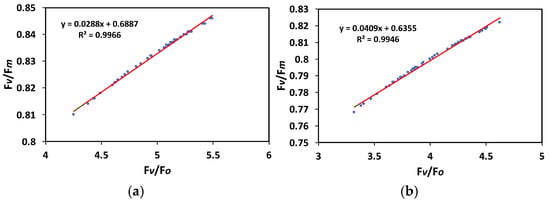
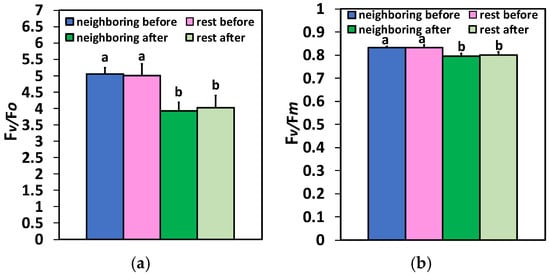
The damage caused by herbivores is generally measured as the amount of leaf tissue consumed, without accounting for the fate of the leftover tissue. As a result, the plant defense mechanisms that promote resistance to herbivore feeding by photosynthetically acclimating the rest of the plant to the feeding spot leaf area have not been well exploited. Plant-insect interactions are now becoming better defined with the development of visualization methods that permit spatial whole-leaf assessment of photosynthetic efficiency after herbivore attack. The purpose of our study was to evaluate the spatial heterogeneity of photosystem II (PSII) function at the whole-leaf level before and after herbivory by the Colorado potato beetles. Twenty minutes after Colorado potato beetle (Leptinotarsa decemlineata) feeding, the maximum efficiency of PSII photochemistry (Fv/Fm) decreased significantly, suggesting photoinhibition due to reduced efficiency of the oxygen-evolving complex (OEC). The decreased quantum yield of PSII photochemistry (ΦPSII) after feeding, at the neighboring area of the feeding spot and at the rest of the leaf area, was attributed to the reduced efficiency of the open PSII reaction centers (Fv′/Fm′), since there was no change in the fraction of open PSII reaction centers (qp). Nevertheless, plant defense elicitation was activated by the photoprotective mechanism of non-photochemical quenching (NPQ) that reduced the singlet oxygen (1O2) formation in potato plants in the neighboring area of the feeding spot and at the rest of the leaf area. In addition, the increased production of hydrogen peroxide (H2O2) triggered by this increase suggests that it acted as a signaling molecule in the biotic stress defense response.
Full article
(This article belongs to the Section Crop Physiology and Crop Production)
►▼
Show Figures

Figure 1
Open AccessArticle
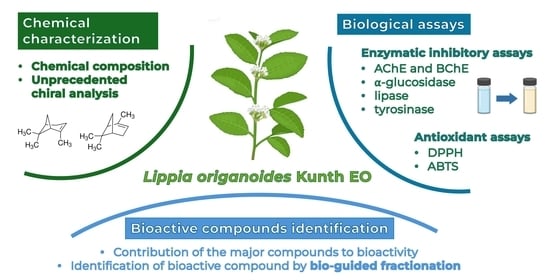
Linking Chemical Profile to Enzyme Inhibition: A Comprehensive Bio-Guided Study of Lippia origanoides Kunth Essential Oil
by
Marta Pavarino, Cecilia Cagliero, Arianna Marengo, Carlo Bicchi, Francisco C. M. Chaves, Patrizia Rubiolo, Humberto R. Bizzo and Barbara Sgorbini
Plants 2026, 15(8), 1158; https://doi.org/10.3390/plants15081158 (registering DOI) - 9 Apr 2026
Abstract
Lippia origanoides Kunth (Verbenaceae family), popularly known in northern Brazil as “Salva-de-Marajó”, is a native plant widely used in traditional medicine and cooking. While previous studies have addressed its antimicrobial and insecticidal properties, its ability to inhibit disease-related enzymes has received limited attention.
[...] Read more.
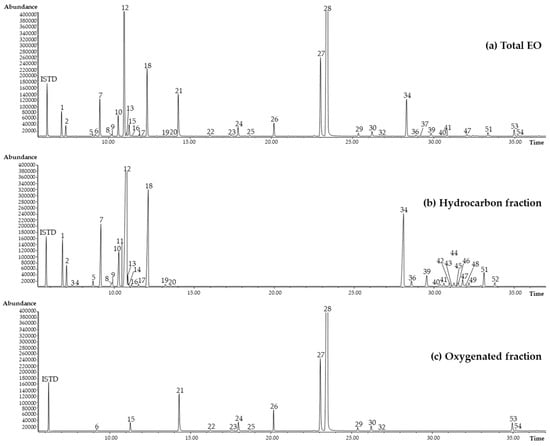
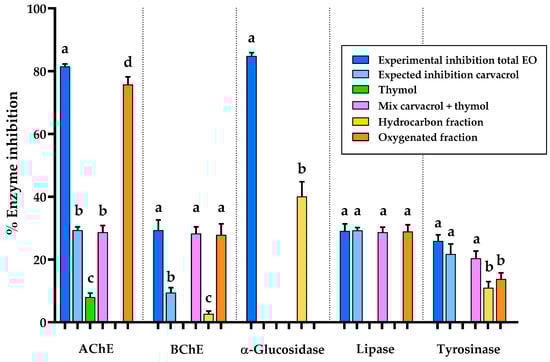
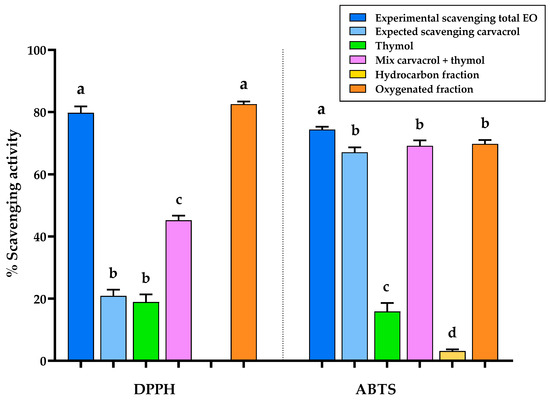
Lippia origanoides Kunth (Verbenaceae family), popularly known in northern Brazil as “Salva-de-Marajó”, is a native plant widely used in traditional medicine and cooking. While previous studies have addressed its antimicrobial and insecticidal properties, its ability to inhibit disease-related enzymes has received limited attention. This study investigated the essential oil (EO) of L. origanoides as a source of enzyme inhibitors relevant to Alzheimer’s disease, metabolic disorders and skin pigmentation disorders. The EO showed strong inhibitory activity against acetylcholinesterase (IC50: 22.9 μg/mL) and α-glucosidase (IC50: 14.6 μg/mL), indicating potential for managing neurodegenerative conditions and diabetes, respectively. Moderate inhibition was observed for lipase, butyrylcholinesterase and tyrosinase. Although carvacrol, the major EO constituent, contributed significantly to these effects, it did not fully explain the observed bioactivity. Bio-guided fractionation revealed that oxygenated compounds were mainly responsible for inhibiting cholinesterases and lipase, whereas α-glucosidase inhibition was associated with hydrocarbon compounds. Both fractions contributed to tyrosinase inhibition, reinforcing the EO’s relevance for treating hyperpigmentation. Furthermore, the EO demonstrated strong antioxidant activity, largely linked to carvacrol and oxygenated constituents. Chemical characterization by GC-MS, GC-FID and enantiomeric analysis strengthened the relationship between composition and bioactivity. Overall, L. origanoides EO emerged as a promising multifunctional natural product for therapeutic and cosmetic applications.
Full article
(This article belongs to the Special Issue Bioactive Compounds of Aromatic Plants and Their Applications)
►▼
Show Figures

Graphical abstract
Open AccessArticle
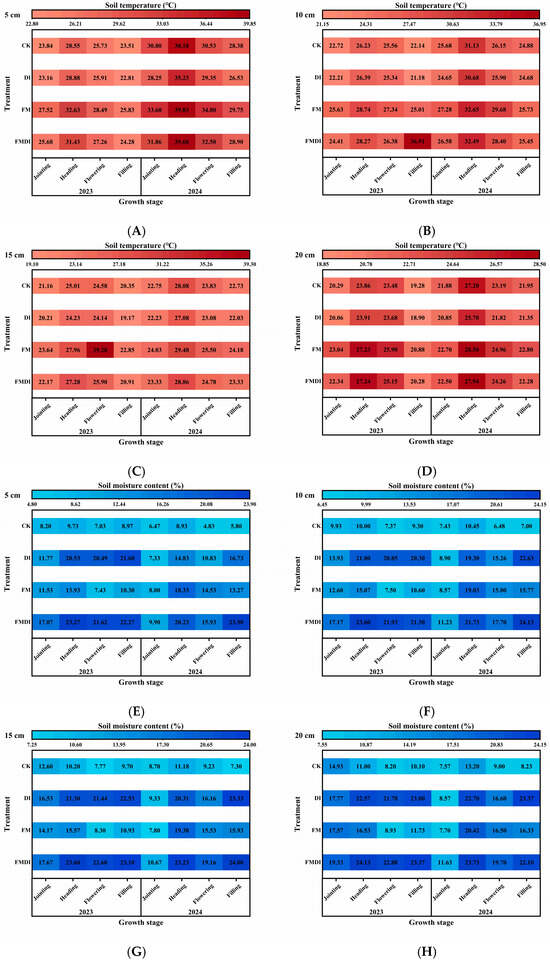
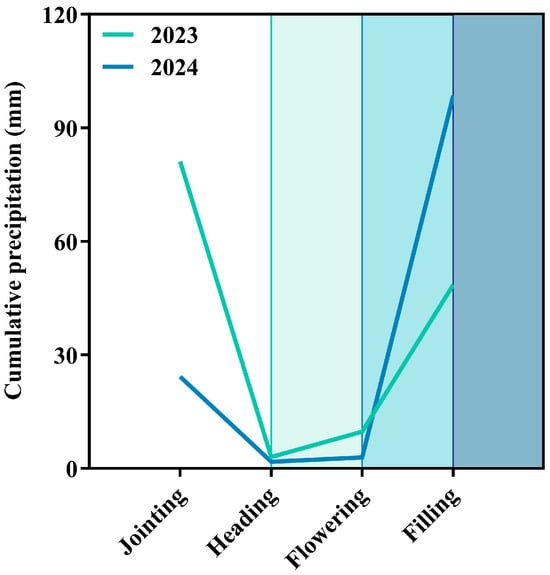
Film Mulching Drip Irrigation Improves the Soil Hydrothermal Environment to Enhance Photosynthetic Efficiency and Yield of Sorghum in an Agro-Pastoral Ecotone of Northern China
by
Siyu Yan, Wei Xiong, Fengpeng Guo, Baichen Zhang, Jiahao Wang, Matthew Tom Harrison, Ke Liu, Xiaorui Li, Shuqi Dong and Xiangyang Yuan
Plants 2026, 15(8), 1157; https://doi.org/10.3390/plants15081157 - 9 Apr 2026
Abstract
Film mulching drip irrigation (FMDI) has shown strong yield-promoting effects in arid regions, but its regulatory effects on sorghum, under the unstable soil hydrothermal conditions of the agro-pastoral ecotone zone, remain poorly understood. Sorghum production in this region is frequently constrained by uneven
[...] Read more.
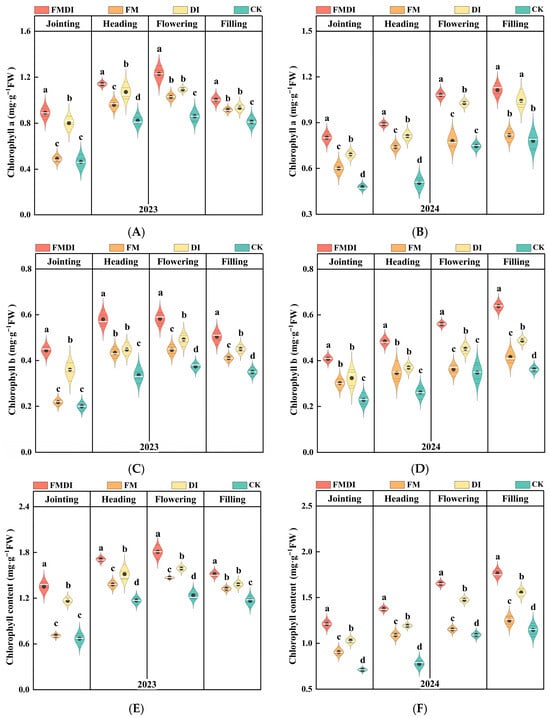
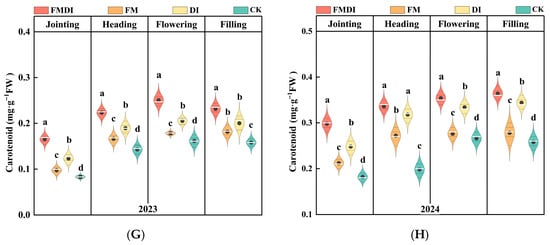
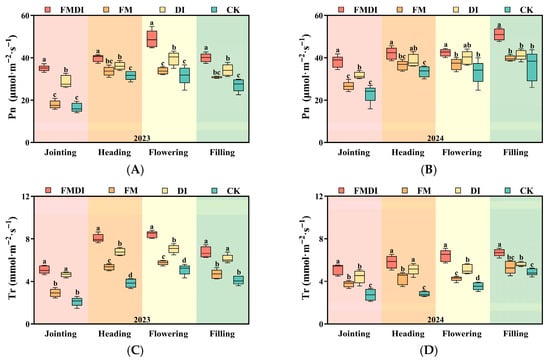
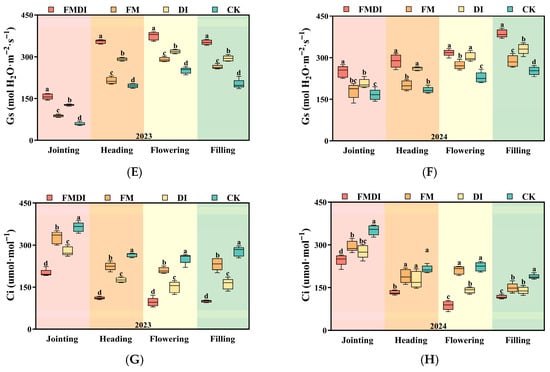
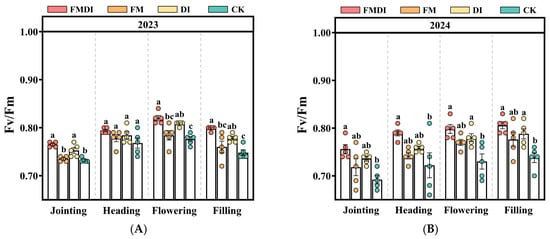
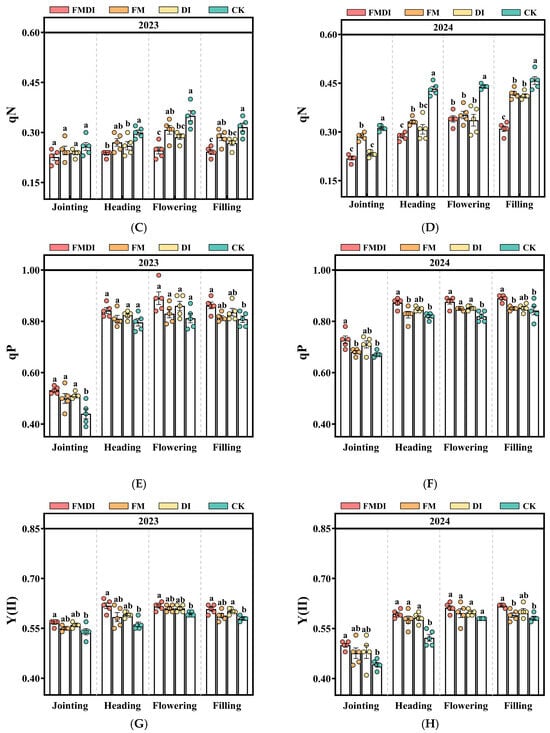
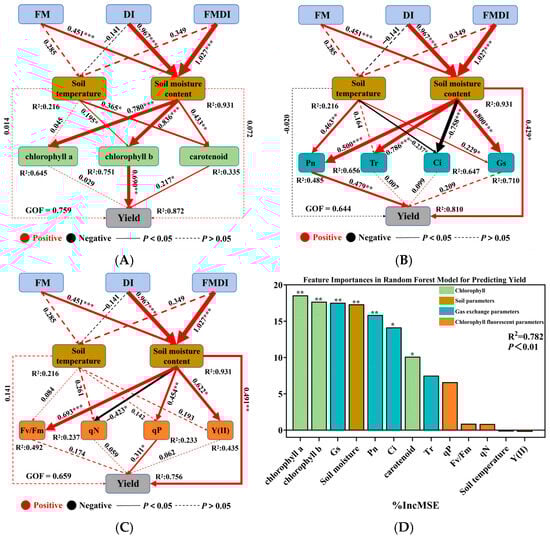
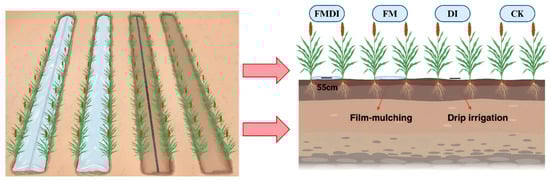
Film mulching drip irrigation (FMDI) has shown strong yield-promoting effects in arid regions, but its regulatory effects on sorghum, under the unstable soil hydrothermal conditions of the agro-pastoral ecotone zone, remain poorly understood. Sorghum production in this region is frequently constrained by uneven precipitation, high evaporative demand, and limited thermal resources. This study aimed to clarify the role of film mulching drip irrigation in improving the soil hydrothermal environment and photosynthetic performance of sorghum, thereby enhancing yield in the agro-pastoral ecotone of northern China. Compared with bare land without film mulching or drip irrigation (CK), FMDI increased soil temperature by 0.33–2.25 °C and soil moisture by 13.87–18.10% at 0–20 cm depth, alleviating early growth constraints. The leaf chlorophyll b content and carotenoid content of sorghum increased by 55.61% and 55.27%, respectively, while the net photosynthetic rate (Pn) increased by 32.35% and photosystem II (PSII) photochemical efficiency also improved. Random forest (RF) and partial least squares structural equation modeling (PLS–SEM) analyses indicated that chlorophyll, gas exchange, and soil moisture were key drivers of yield formation. Ultimately, FMDI increased yield by 67.08%, indicating that FMDI is an effective irrigation–mulching strategy for improving sustainable sorghum production in the agro-pastoral ecotone zone.
Full article

(This article belongs to the Section Crop Physiology and Crop Production)
►▼
Show Figures

Figure 1
Open AccessArticle
Nucleoside Diphosphate Kinase Family: Evolutionary Analysis and Protective Role in Mitochondrial ROS Production
by
Douglas Jardim-Messeder, Ygor de Souza-Vieira, Thais Felix-Cordeiro, Régis L. Corrêa and Gilberto Sachetto-Martins
Plants 2026, 15(8), 1156; https://doi.org/10.3390/plants15081156 - 9 Apr 2026
Abstract
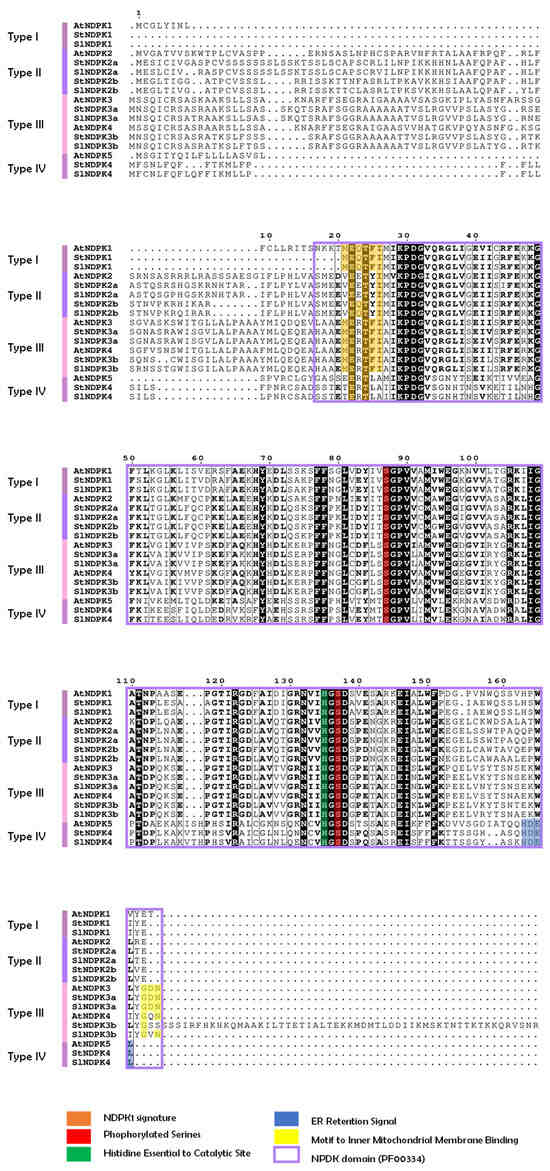
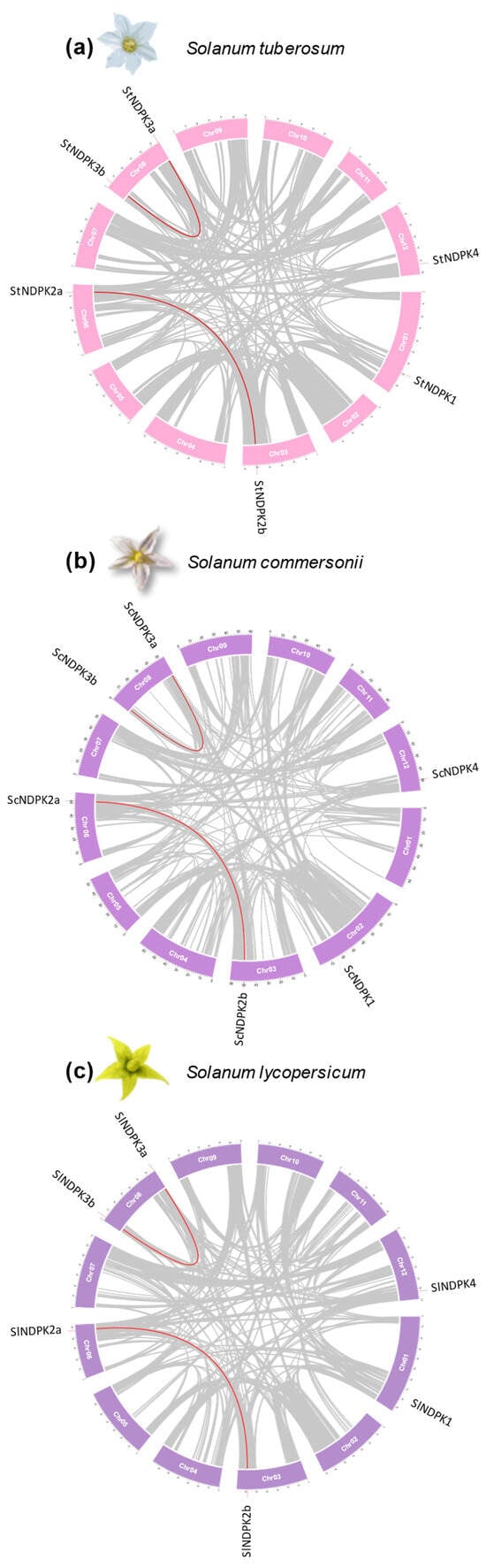
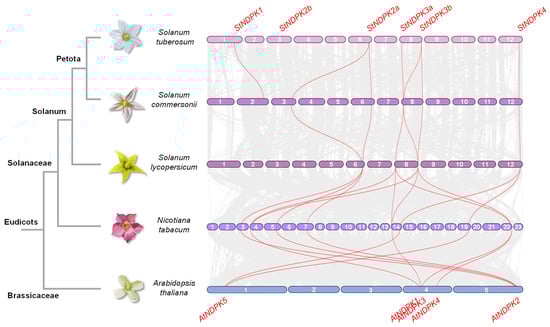
Nucleoside diphosphate kinase (NDPK) is a ubiquitous enzyme that maintains cellular nucleotide balance by catalyzing the transfer of phosphate groups between nucleoside diphosphates and triphosphates. Although the evolutionary conservation of NDPK is well established, several aspects of its diversification and functional adaptation remain
[...] Read more.
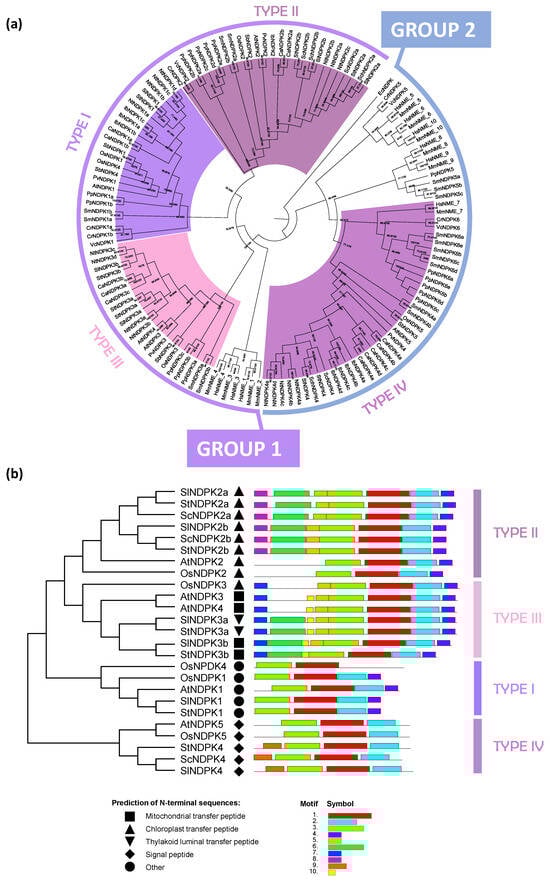
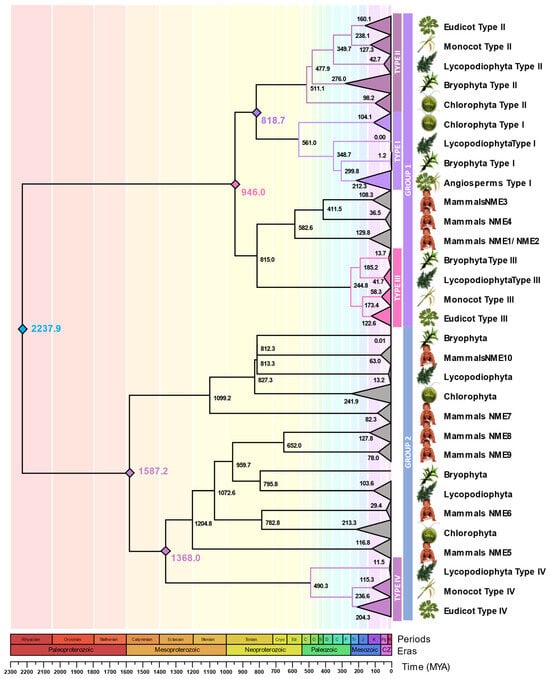
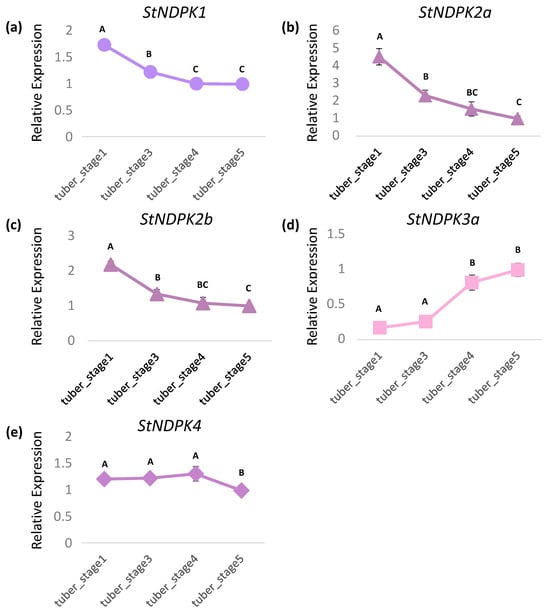
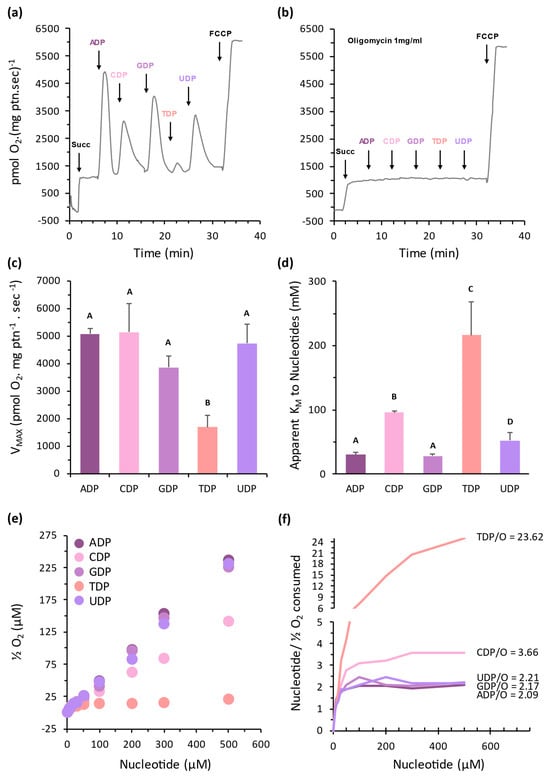
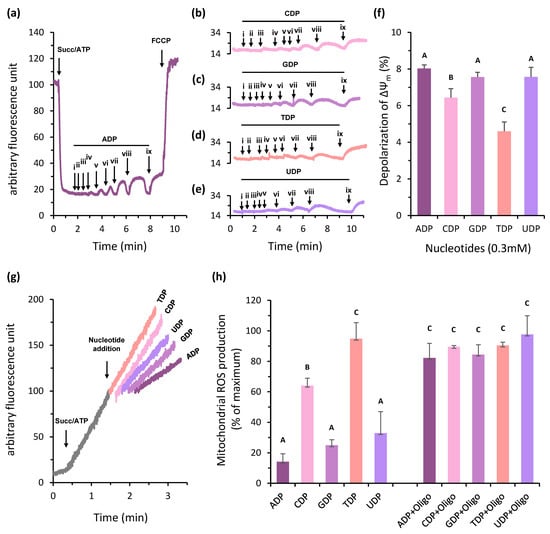
Nucleoside diphosphate kinase (NDPK) is a ubiquitous enzyme that maintains cellular nucleotide balance by catalyzing the transfer of phosphate groups between nucleoside diphosphates and triphosphates. Although the evolutionary conservation of NDPK is well established, several aspects of its diversification and functional adaptation remain unclear. The central question of this work is how NDPK evolved across plant species, focusing on the Solanaceae family and how its evolutionary history relates to the diversification of its cellular functions. Phylogenetic and molecular dating analyses showed that the division between NDPK groups 1 and 2 predates the divergence of plants and animals, whereas plant-specific NDPK types (I–IV) originated early in streptophyte evolution. Solanaceae species retain a conserved set of NDPK genes, including a type III isoform with features consistent with mitochondrial targeting. Functional assays in isolated potato tuber mitochondria revealed high NDPK activity in the intermembrane space, sustaining ADP supply to oxidative phosphorylation. Activation of mitochondrial NDPK induced a phosphorylative respiratory state, which partially dissipated the mitochondrial membrane potential and significantly reduced reactive oxygen species (ROS) production. GDP and UDP were preferentially phosphorylated, conferring a stronger antioxidant effect than other nucleotides. Consistently, the mitochondrial isoform StNDPK3 was upregulated during tuber development. Together, our results demonstrate that NDPKs are evolutionarily conserved yet functionally diversified enzymes in plants and identify mitochondrial NDPK as a key modulator of mitochondrial redox homeostasis. By linking nucleotide metabolism to Δψm control and ROS suppression, this study highlights a previously underappreciated antioxidant mechanism that integrates mitochondrial energy metabolism with developmental and stress-related processes in plants.
Full article
(This article belongs to the Special Issue The Role of Reactive Oxygen Species in Plant Signaling Pathways)
►▼
Show Figures

Figure 1
Open AccessArticle
Carbon–Nitrogen Metabolism Associated with Appearance Quality in Superior and Inferior Grains of Soft and Non-Soft Japonica Rice in Southern China
by
Xi Chen, Jianghui Yu, Ying Zhu, Guodong Liu, Guangyan Li, Fangfu Xu, Qun Hu, Jiale Cao, Hongcheng Zhang and Haiyan Wei
Plants 2026, 15(8), 1155; https://doi.org/10.3390/plants15081155 - 9 Apr 2026
Abstract
To investigate the differences in carbon and nitrogen metabolism between superior and inferior grains of southern soft and non-soft japonica rice and their relationships with appearance quality, the metabolic characteristics and appearance quality of superior and inferior grains during the grain-filling stage were
[...] Read more.
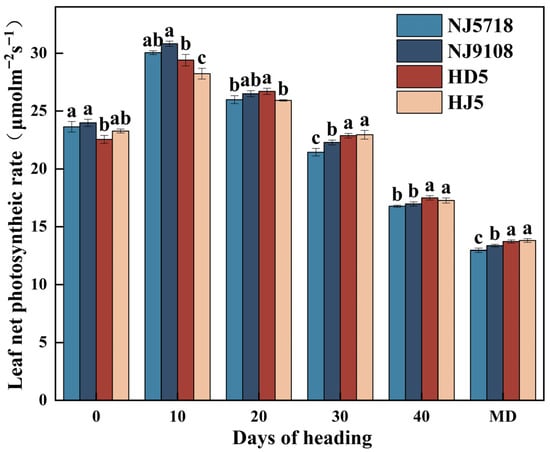
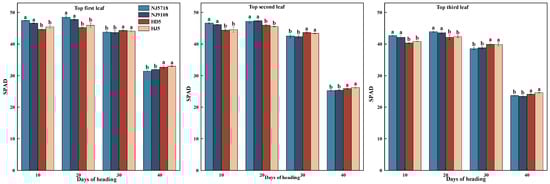
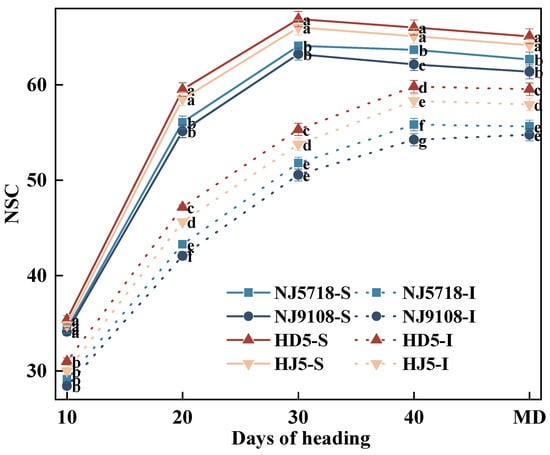
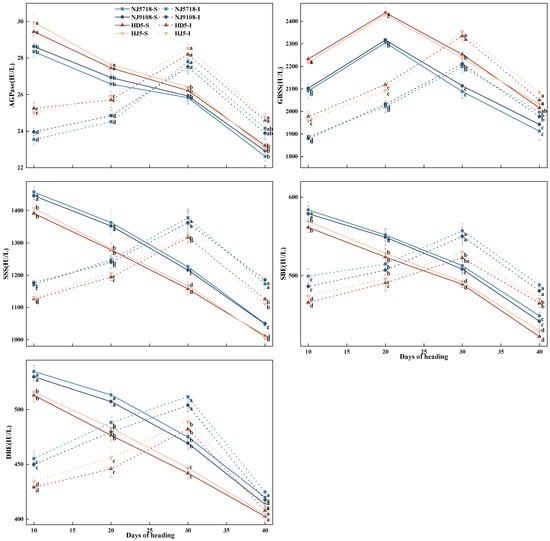
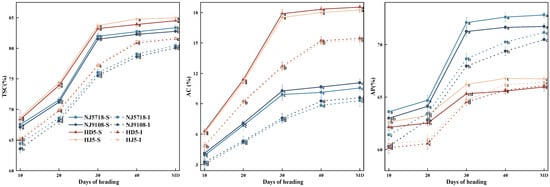
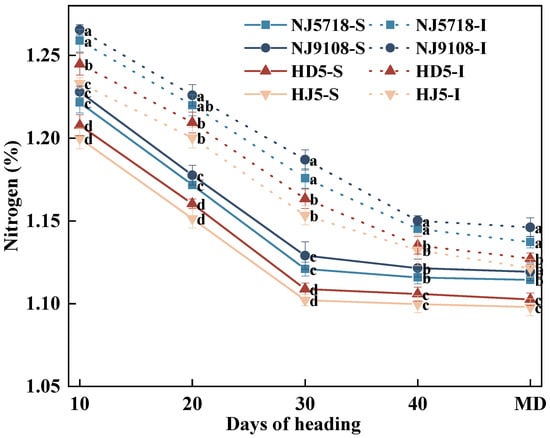
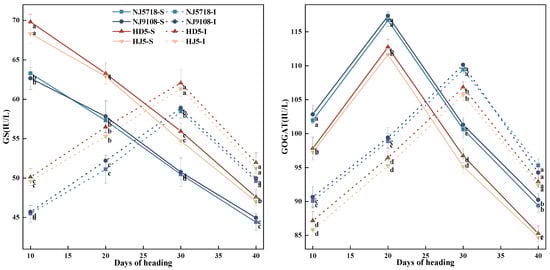
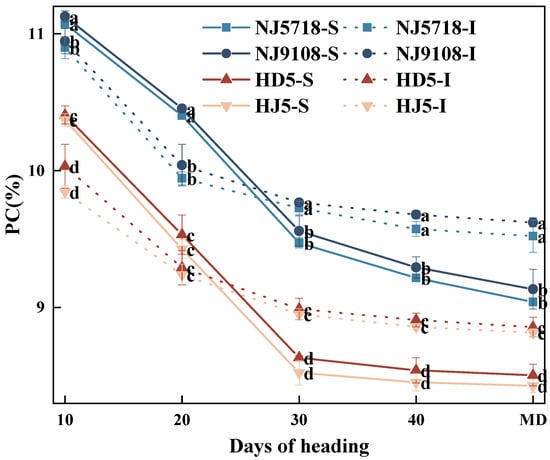
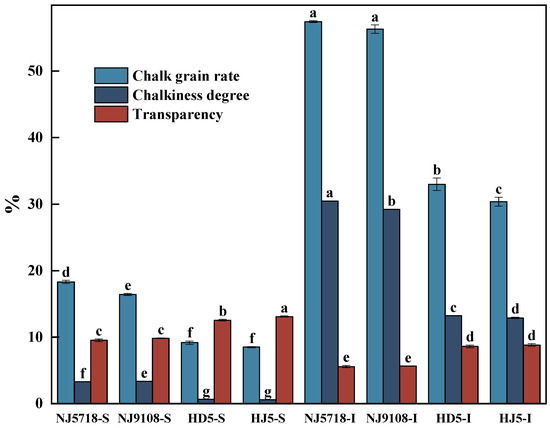
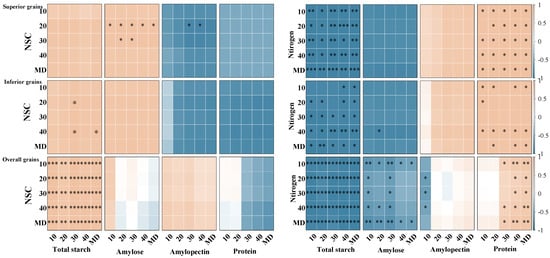
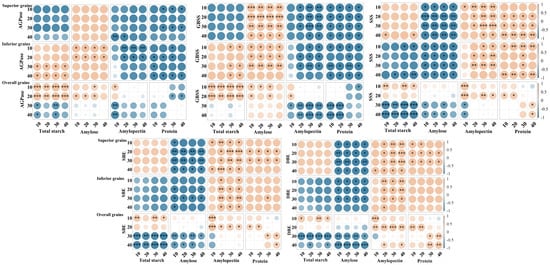
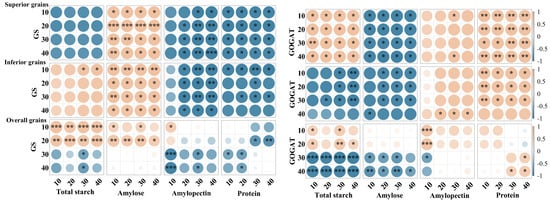
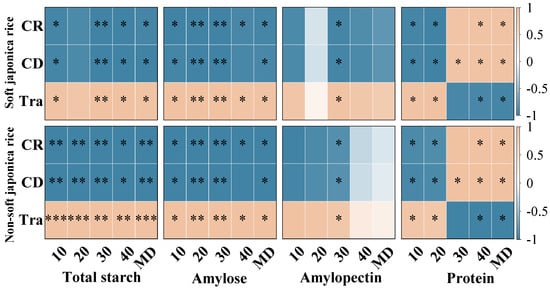
To investigate the differences in carbon and nitrogen metabolism between superior and inferior grains of southern soft and non-soft japonica rice and their relationships with appearance quality, the metabolic characteristics and appearance quality of superior and inferior grains during the grain-filling stage were compared between the two rice types. The results showed that, compared with non-soft japonica rice, the activities of AGPase and GBSS in superior grains of soft rice were significantly lower, whereas the activities of SSS, SBE, and DBE were significantly higher. The amylose content decreased by 32.68–44.72%, while amylopectin increased by 7.27–10.73%. The limitation in carbon metabolism was more pronounced in inferior grains, and the non-structural carbohydrate content was 9.33–17.33% lower than that in superior grains. In terms of nitrogen metabolism, GS activity decreased whereas GOGAT activity increased in superior grains, resulting in a 6.28–8.38% increase in protein content. The protein content of inferior grains was 1.75–6.44% higher than that of superior grains. In addition, the chalky grain rate and chalkiness degree of superior grains in soft rice were 79.00–481.03% higher than those in non-soft japonica rice, while the increases in inferior grains ranged from 67.51% to 136.31%. Correlation analysis indicated that the chalky grain rate of superior grains was positively correlated with starch content during the early grain-filling stage, whereas the chalkiness degree of inferior grains was positively correlated with protein content. These results suggest that differences in carbon and nitrogen metabolism between grain positions are closely associated with the formation of appearance quality.
Full article
(This article belongs to the Special Issue Regulatory Mechanism of Carbon-Nitrogen Allocation in Cereal Crops and Its Response to Environment)
►▼
Show Figures

Figure 1
Open AccessArticle
Silicon Combined with Activated Carbon Enhances Salt Tolerance in Strawberry (Fragaria × ananassa) by Reinforcing Ion–Redox Homeostasis and Reshaping the Rhizosphere Microbiome
by
Chendong Sun, Zhaoxin Ge, Xiaofang Yang, Xiaobo Xie, Xinyi Liang, Lan Shen, Jianjie Ren and Yuchao Zhang
Plants 2026, 15(8), 1154; https://doi.org/10.3390/plants15081154 - 9 Apr 2026
Abstract
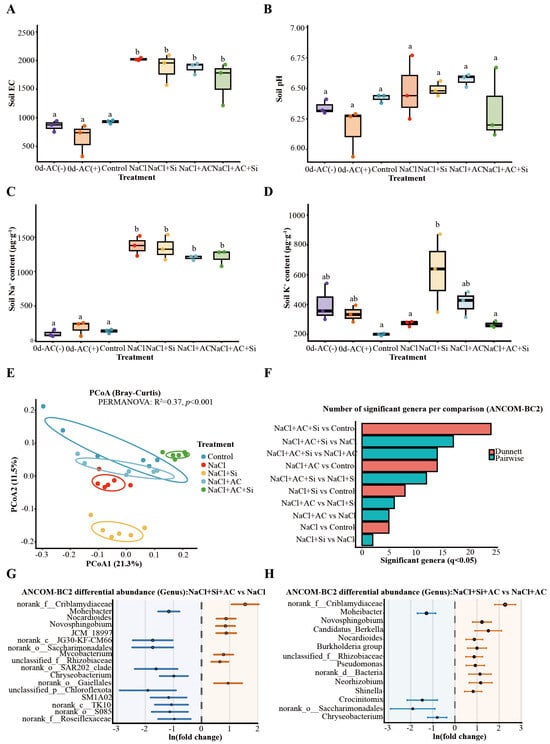
Soil salinity severely constrains strawberry production by disrupting ion homeostasis and provoking oxidative injury. This study investigated whether soluble silicon (Si) and activated carbon (AC) act to enhance salt tolerance in strawberry (Fragaria × ananassa). Under NaCl stress, plants showed pronounced
[...] Read more.
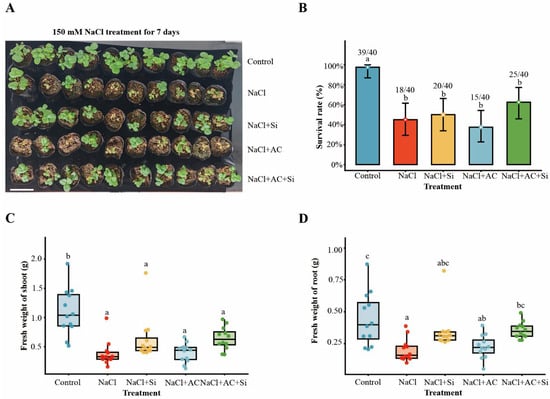
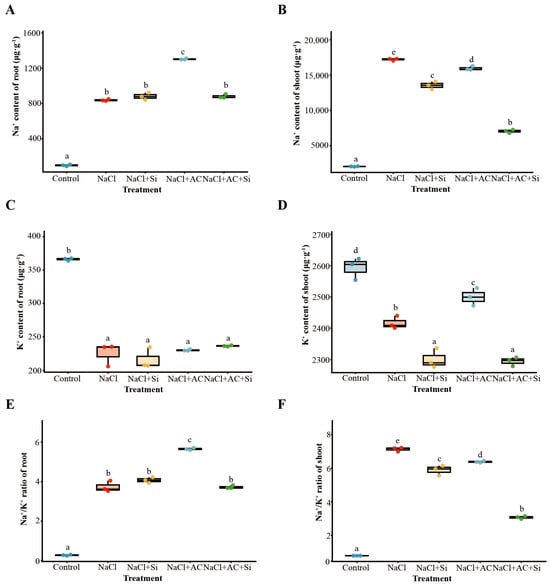
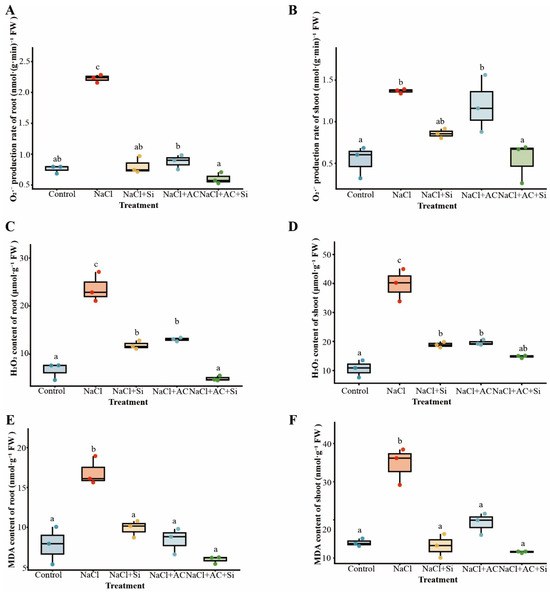
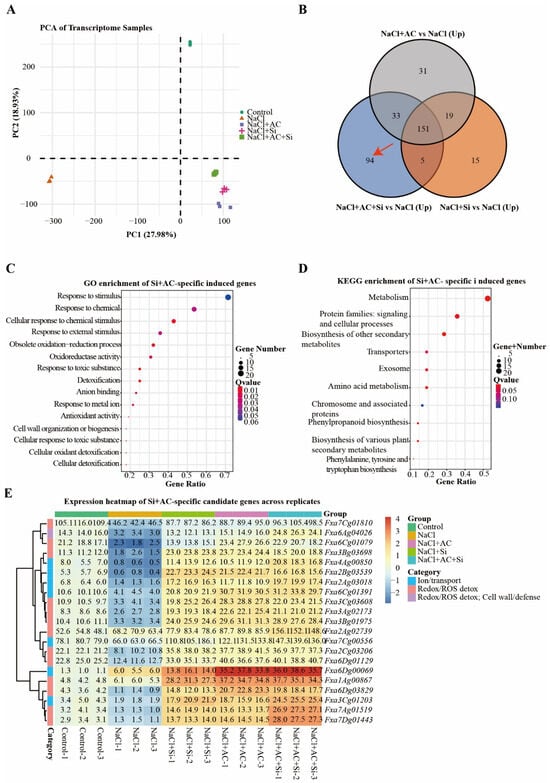
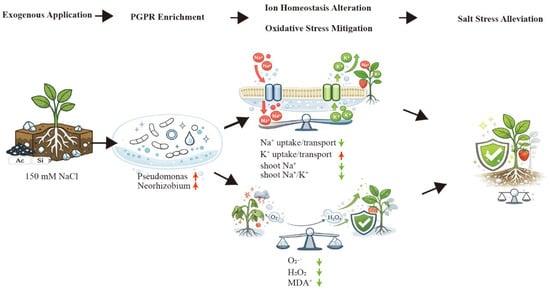
Soil salinity severely constrains strawberry production by disrupting ion homeostasis and provoking oxidative injury. This study investigated whether soluble silicon (Si) and activated carbon (AC) act to enhance salt tolerance in strawberry (Fragaria × ananassa). Under NaCl stress, plants showed pronounced growth inhibition, increased Na+ accumulation and a deteriorated K+/Na+ balance, accompanied by elevated reactive oxygen species (ROS) and lipid peroxidation. In contrast, combined AC + Si treatment consistently provided the strongest protection, improving seedling vigor and survival. Relative to NaCl alone, AC + Si increased shoot and root fresh weight by 67.5% and 78.5%, reduced shoot Na+ by 59.1%, and lowered shoot H2O2 and MDA by 62.6% and 66.5%, respectively, indicating marked improvement in ion–redox homeostasis. Beyond plant responses, AC-containing treatments alleviated salt-induced increases in soil electrical conductivity, coinciding with a clear restructuring of the rhizosphere bacterial community and enrichment of putatively beneficial taxa. Transcriptome profiling further supported coordinated reprogramming of ion transport, redox control and stress-responsive signaling pathways under the AC + Si regime. Collectively, the results indicated that Si and AC co-application enhances strawberry salt tolerance through an integrated soil–plant–microbiome mechanism that stabilizes ion homeostasis and reinforces redox homeostasis.
Full article
(This article belongs to the Special Issue Nutrient Management on Soil Microbiome Dynamics and Plant Health)
►▼
Show Figures

Figure 1
Open AccessArticle
Virus-Mediated System for Simultaneous Gene Silencing and Genome Editing in Cotton
by
Yufeng Zheng, Lianjia Zhao, Yulin Tian, Jiahao Lin, Xiaodong Liu and Jianfeng Lei
Plants 2026, 15(8), 1153; https://doi.org/10.3390/plants15081153 - 9 Apr 2026
Abstract
Plant viral vectors are powerful tools for the transient expression of exogenous genes, enabling not only virus-induced gene silencing (VIGS) but also virus-induced genome editing (VIGE). However, technical systems capable of simultaneously achieving gene silencing and gene editing in cotton have been rarely
[...] Read more.
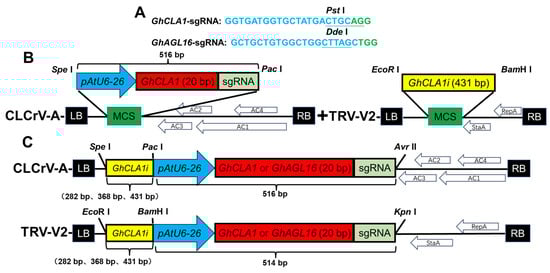
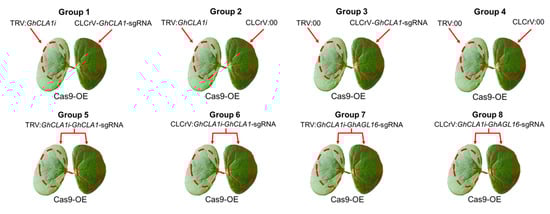
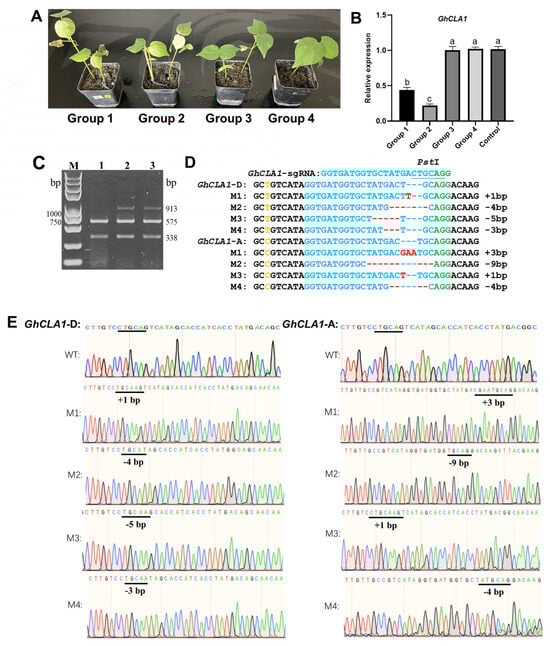
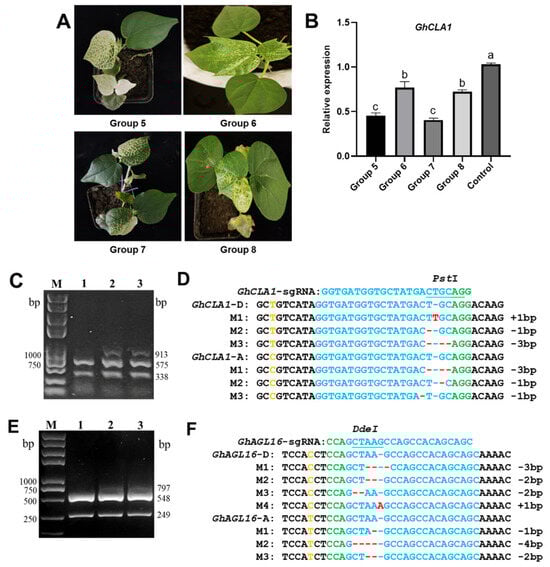
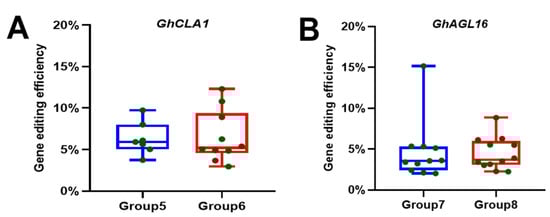
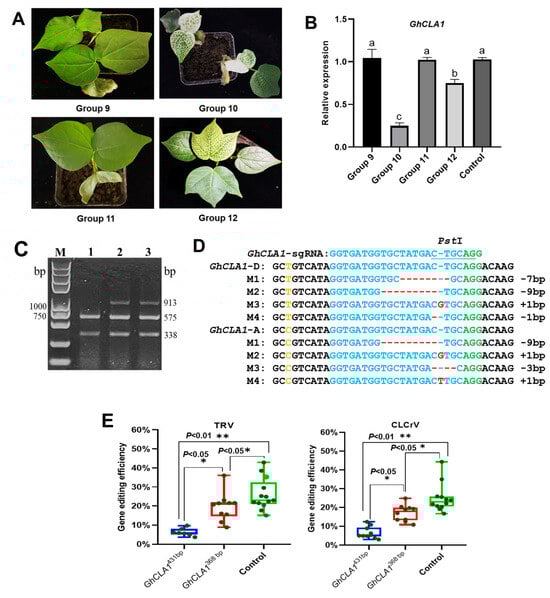
Plant viral vectors are powerful tools for the transient expression of exogenous genes, enabling not only virus-induced gene silencing (VIGS) but also virus-induced genome editing (VIGE). However, technical systems capable of simultaneously achieving gene silencing and gene editing in cotton have been rarely reported to date. Therefore, the development of a virus vector system that can concurrently mediate both gene editing and gene silencing would provide a valuable platform for advancing functional genomics studies and molecular design breeding in cotton. To address this gap, we established a system in cotton that concurrently enables gene silencing and gene editing. This system utilizes cotton Cas9 overexpression (Cas9-OE) as a receptor and CLCrV and TRV as vectors for targeting the GhCLA1 gene, which yields an albino phenotype upon silencing and mutation. Initially, CLCrV and TRV were used independently as vectors for gene editing and gene silencing, respectively. However, our results demonstrated persistent GhCLA1 gene silencing via TRV, but no systemic gene editing via CLCrV, suggesting viral cross-protection may occur between CLCrV and TRV for simultaneous actions. Subsequently, we constructed tandem assemblies of GhCLA1 silencing fragments and sgRNA expression elements in both TRV and CLCrV vectors resulted in successful gene silencing and editing, albeit with low editing efficiency. Further optimization through shortening the gene silencing fragments led to a substantial 2.61 to 3.11-fold increase in editing efficiency, while still maintaining effective GhCLA1 silencing. This refined system provides a robust tool for gene editing in cotton.
Full article
(This article belongs to the Section Plant Genetics, Genomics and Biotechnology)
►▼
Show Figures

Figure 1
Open AccessArticle
Genome-Wide Analysis of the KNOX Gene Family in Malus sieversii
by
Da Zhang, Guodong Zhao, Dongmei Chen, Tongsheng Zhao, Linguang Jia, Han Wang, Xin Liu, Bowei Zhu, Gang Niu, Xinsheng Zhang, Chao Zhao and Chaohong Zhang
Plants 2026, 15(8), 1152; https://doi.org/10.3390/plants15081152 - 9 Apr 2026
Abstract
KNOTTED1-LIKE HOMEOBOX (KNOX) genes are conserved transcription factors that play crucial roles in plant growth, development, and stress responses. However, systematic characterization of the KNOX family in Malus sieversii, a valuable germplasm resource with outstanding stress tolerance and flavonoid accumulation,
[...] Read more.
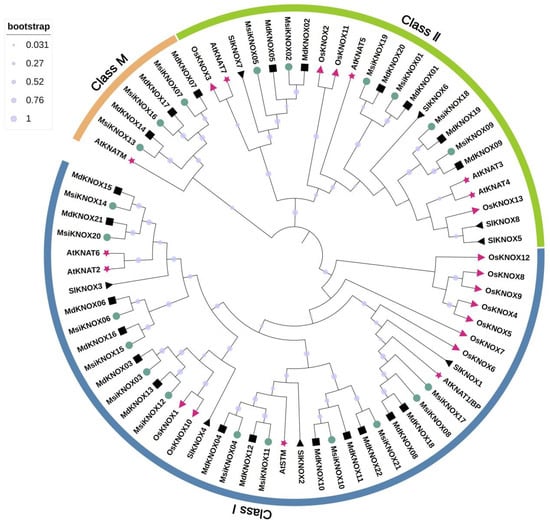
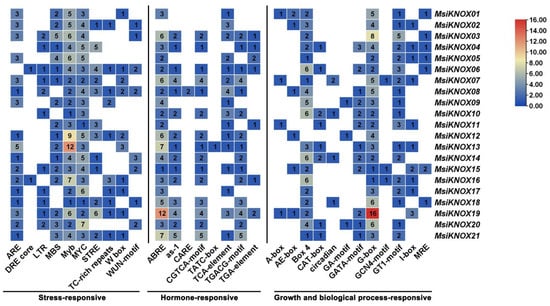
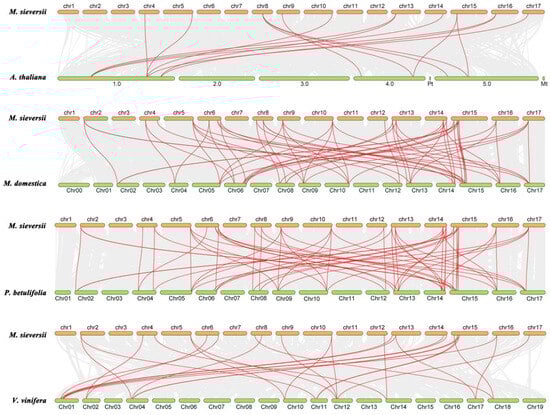
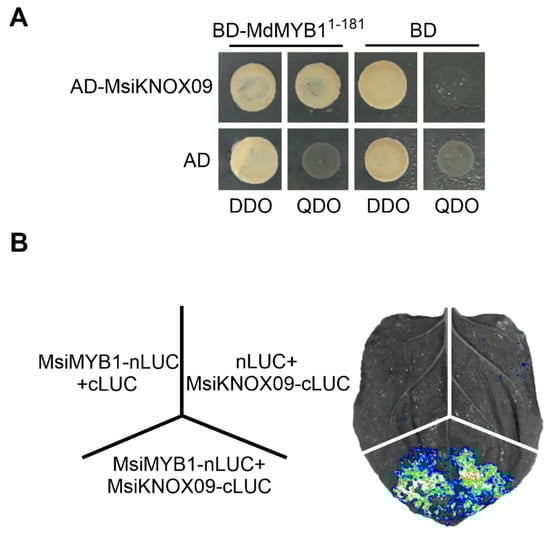
KNOTTED1-LIKE HOMEOBOX (KNOX) genes are conserved transcription factors that play crucial roles in plant growth, development, and stress responses. However, systematic characterization of the KNOX family in Malus sieversii, a valuable germplasm resource with outstanding stress tolerance and flavonoid accumulation, remains lacking. In this study, we performed a genome-wide identification of the KNOX gene family in M. sieversii and identified 21 MsiKNOX genes. Phylogenetic analysis classified these genes into three subfamilies (Class I, II, and M), with structural features and motif compositions consistent with those of their orthologs in Arabidopsis thaliana and cultivated apple. Chromosomal localization revealed an uneven distribution across 13 chromosomes, and synteny analysis indicated both conserved evolution and lineage-specific expansion of the KNOX family in M. sieversii. Promoter cis-element analysis suggested that MsiKNOX genes are potentially involved in responses to multiple abiotic stresses and hormone signaling. Expression profiling under ABA and GA treatments showed that most MsiKNOX genes responded differentially to these phytohormones. Notably, MsiKNOX09 was significantly upregulated by ABA and downregulated by GA, and was further shown to physically interact with the anthocyanin-associated MsiMYB1 in yeast two-hybrid and split-luciferase assays. These findings provide a comprehensive overview of the KNOX gene family in M. sieversii and suggest that MsiKNOX09 acts as a hormone-responsive regulator and may participate in MsiMYB1-mediated regulatory pathways.
Full article
(This article belongs to the Section Plant Genetics, Genomics and Biotechnology)
►▼
Show Figures

Figure 1
Open AccessArticle
Ability of Different Bacteria from Grapevine to Colonize Arabidopsis thaliana Plants
by
Olga A. Aleynova, Alexey A. Ananev, Nikolay N. Nityagovsky, Andrey R. Suprun, Alina A. Beresh, Alexandra S. Dubrovina and Konstantin V. Kiselev
Plants 2026, 15(8), 1151; https://doi.org/10.3390/plants15081151 - 9 Apr 2026
Abstract
This study investigates the impact of inoculating seeds with bacterial endophytes isolated from Vitis amurensis Rupr. on endophytic community composition in Arabidopsis thaliana (L.) Heynh. Ten bacterial isolates of the genera Agrobacterium, Bacillus, Curtobacterium, Erwinia, Frondihabitans, Gordonia,
[...] Read more.
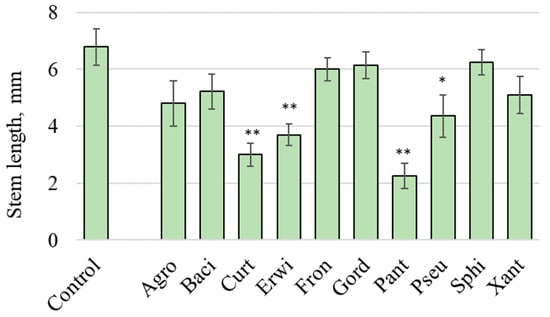
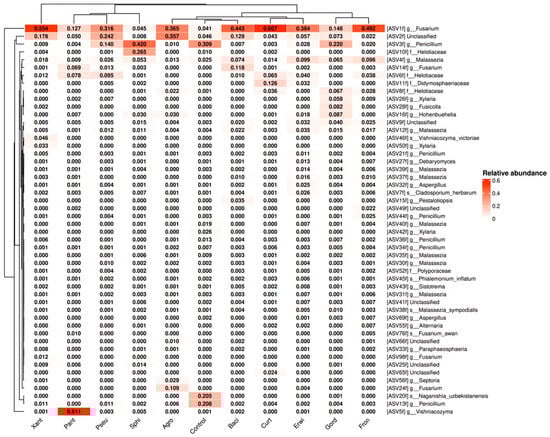
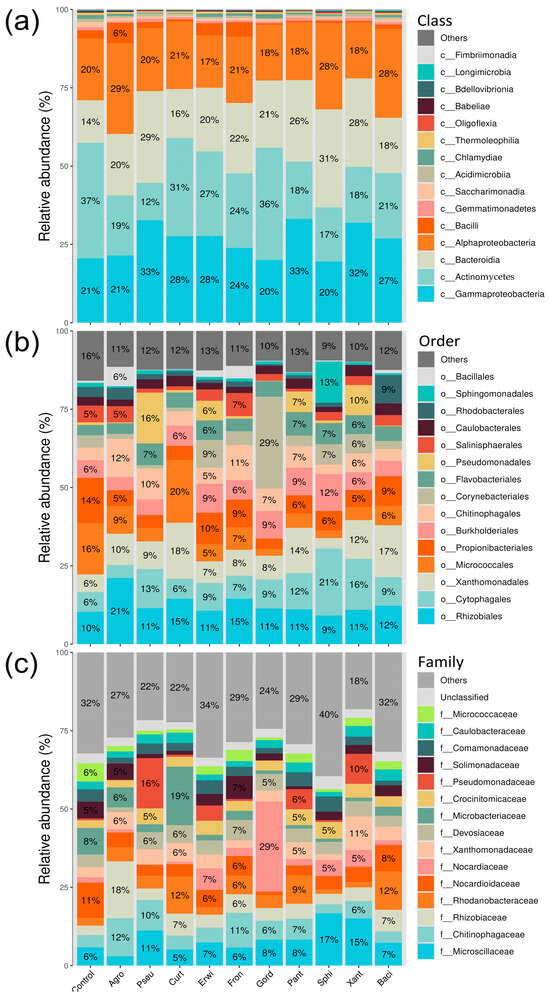
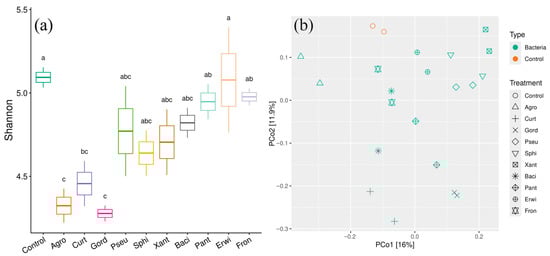
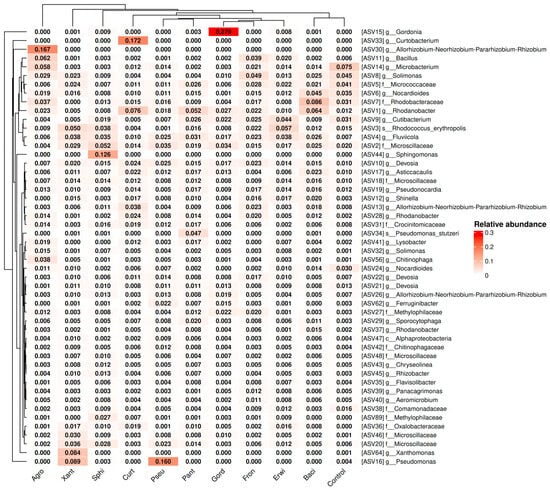
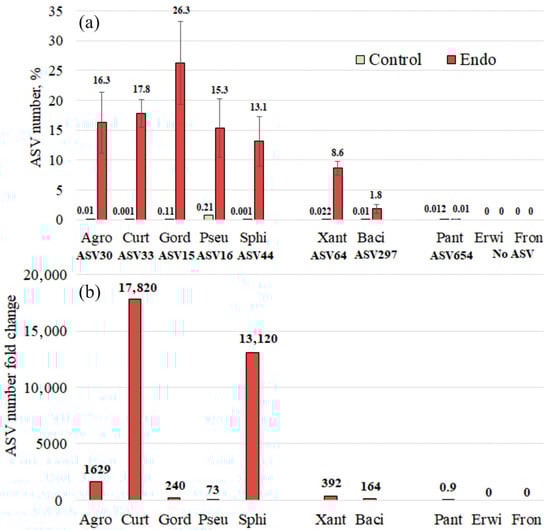
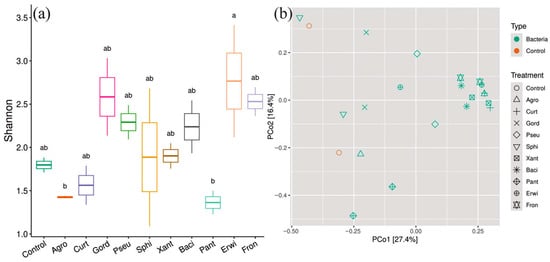
This study investigates the impact of inoculating seeds with bacterial endophytes isolated from Vitis amurensis Rupr. on endophytic community composition in Arabidopsis thaliana (L.) Heynh. Ten bacterial isolates of the genera Agrobacterium, Bacillus, Curtobacterium, Erwinia, Frondihabitans, Gordonia, Pantoea, Pseudomonas, Sphingomonas, and Xanthomonas were applied to seeds and some visible phenotypic effects were observed on plant growth after two weeks. High-throughput sequencing of 16S rRNA revealed that the native endophytic microbiome of A. thaliana was dominated by Gammaproteobacteria, Actinomycetes, Bacteroidia, and Alphaproteobacteria. The key families were Microscillaceae, Chitinophagaceae, Rhizobiaceae, Rhodanobacteraceae, Nocardioi-daceae, Nocardiaceae, Xanthomonadaceae, Devosiaceae, Microbacteriaceae, Crocinitomi-caceae, Pseudomonadaceae, Solimonadaceae, Comamonadaceae, Caulobacteraceae, and Micrococcaceae. Arabidopsis seed inoculation with Agrobacterium sp. R8SCh-B12, Curtobacterium sp. P7SA-B3, and Gordonia aichiensis P6PL2 significantly reduced alpha diversity (Shannon index) and altered beta diversity relative to controls, indicating strong community restructuring. These three isolates, along with Pseudomonas sp. R8SCh-B2, Sphingomonas sp. RA62c-B5, Xanthomonas sp. R7SCh-B6, and Bacillus velezensis AMR25, successfully colonized the plant tissues, as evidenced by significant increases in genus-specific amplicon sequence variants, ASVs (up to 17,820-fold for Curtobacterium sp. ASV33). In contrast, Pantoea sp. P7SCH-B5, Erwinia sp. R8SCh-B3, and Frondihabitans sp. RA62c-B2 failed to colonize A. thaliana, despite being applied to the seeds, suggesting the existence of mechanisms restraining colonization. These findings demonstrate that only a subset of grapevine-derived endophytes can effectively colonize A. thaliana, and that successful colonization correlates with significant shifts in the native microbiome, even in the absence of overt phenotypic changes. This emphasizes the importance of strain-specific compatibility in plant–endophyte interactions. Thus, we report the first descriptions of several novel endophytes that colonized Arabidopsis plants and establish a convenient model to investigate plant–bacterial interactions.
Full article
(This article belongs to the Special Issue New Advancements in Plant–Microbes Interactions)
►▼
Show Figures

Figure 1
Open AccessArticle
Transcriptomic and Functional Characterization of ClHsf8 Reveals Key Mechanisms of Heat Stress Response in Cunninghamia lanceolata
by
Yuan Ji, Liming Zhu, Yuming Luo, Xueyan Zheng, Weihuang Wu, Jisen Shi, Renhua Zheng and Jinhui Chen
Plants 2026, 15(8), 1150; https://doi.org/10.3390/plants15081150 - 9 Apr 2026
Abstract
Cunninghamia lanceolata (C. lanceolata), a pivotal economic timber species in southern China, faces increasing threats from global warming and heat stress. Due to limited knowledge regarding its stress response mechanisms, uncovering the molecular basis of heat tolerance is crucial for breeding
[...] Read more.
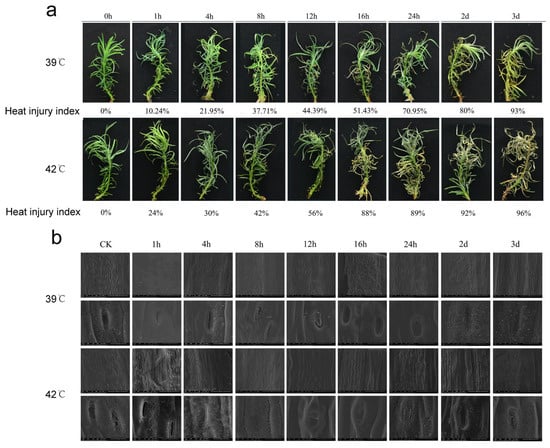
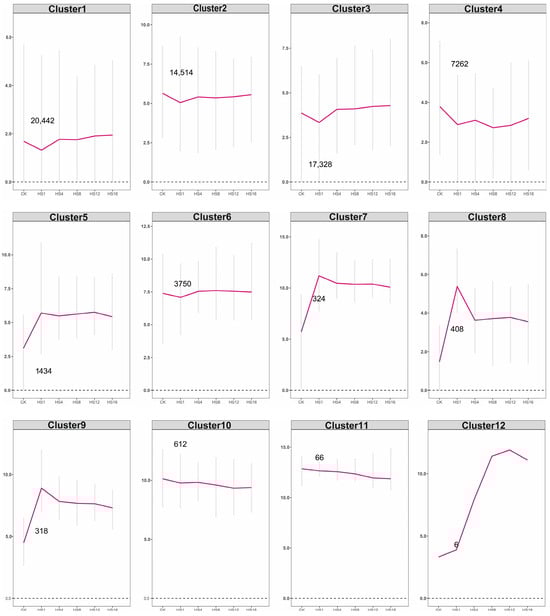
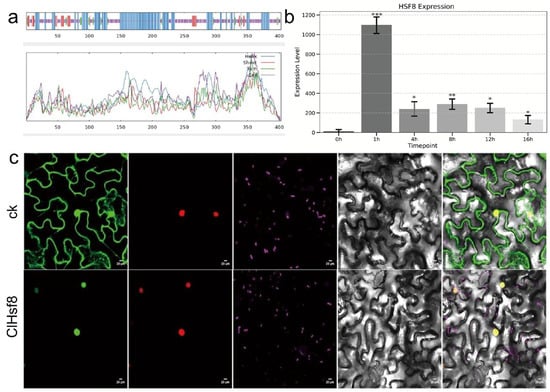
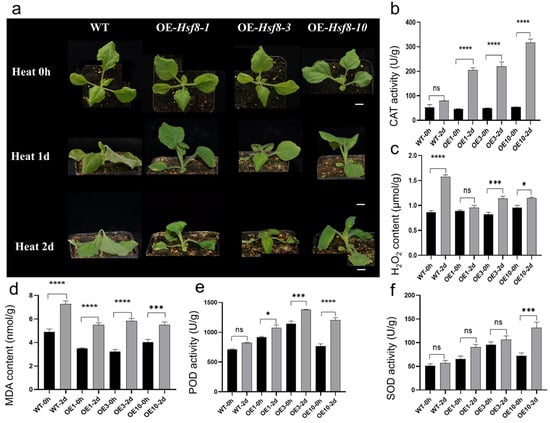
Cunninghamia lanceolata (C. lanceolata), a pivotal economic timber species in southern China, faces increasing threats from global warming and heat stress. Due to limited knowledge regarding its stress response mechanisms, uncovering the molecular basis of heat tolerance is crucial for breeding resilient varieties. Therefore, the objective of this study was to elucidate the physiological and molecular mechanisms of C. lanceolata in response to heat stress. In this study, we performed a time-series transcriptomic analysis on leaves of C. lanceolata ‘6421’ seedlings exposed to heat stress (39 °C) for 0, 1, 4, 8, 12, and 16 h. A total of 1130 differentially expressed genes (DEGs) were identified, with functions primarily enriched in signal transduction, protein folding, and the MAPK and NF-kappa B signaling pathways. Weighted gene co-expression network analysis (WGCNA) revealed a complex regulatory network, identifying ClHsf8 as a central hub transcription factor. To validate its function, ClHsf8 was cloned and overexpressed in tobacco (Nicotiana benthamiana). Under heat stress conditions, transgenic plants exhibited enhanced thermotolerance compared to wild-type controls, characterized by significantly higher activities of antioxidant enzymes (SOD, POD, and CAT) and reduced accumulation of MDA and H2O2. Our findings elucidate the molecular regulatory mechanisms of C. lanceolata in response to high temperatures and demonstrate the functional role of ClHsf8 in conferring heat tolerance, providing a theoretical foundation for the genetic improvement of heat-resilient cultivars.
Full article
(This article belongs to the Section Plant Molecular Biology)
►▼
Show Figures

Figure 1
Open AccessArticle
Genome-Wide Analysis of the Hsf Family and Functional Characterization of CiHsf10 Under Low-Temperature Stress in Chrysanthemum indicum
by
Yuzhi Song, Siyu Feng, Xuanlu Liu, Jiayi Yin, Qianru Yu, Lixi Qu, Xue Yang, Yun Bai and Yunwei Zhou
Plants 2026, 15(8), 1149; https://doi.org/10.3390/plants15081149 - 9 Apr 2026
Abstract
To improve Chrysanthemum tolerance to low temperatures and its adaptability to low autumn temperatures in Northeast China, we conducted the first genome-wide identification of the heat shock transcription factors (Hsfs) in Chrysanthemum indicum under low-temperature stress. Based on genome-wide analyses, we identified 14
[...] Read more.
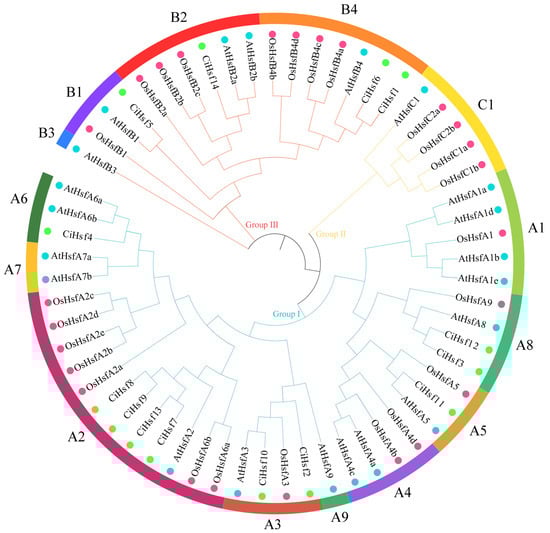
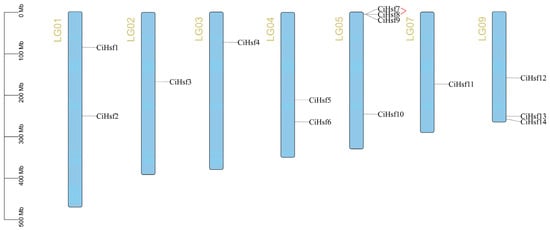
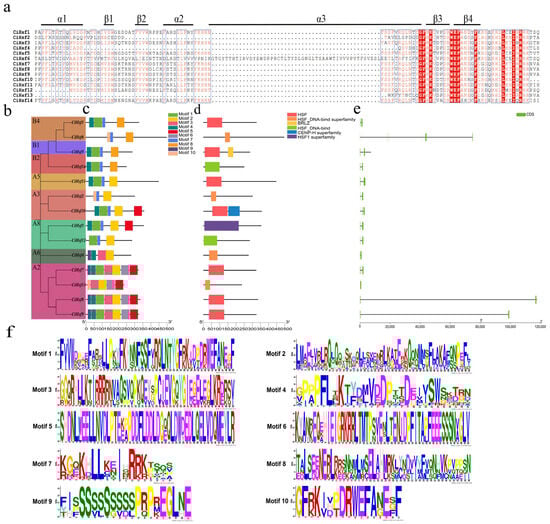
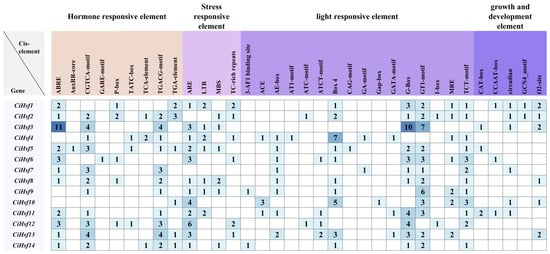
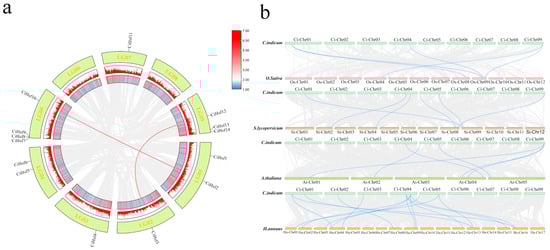
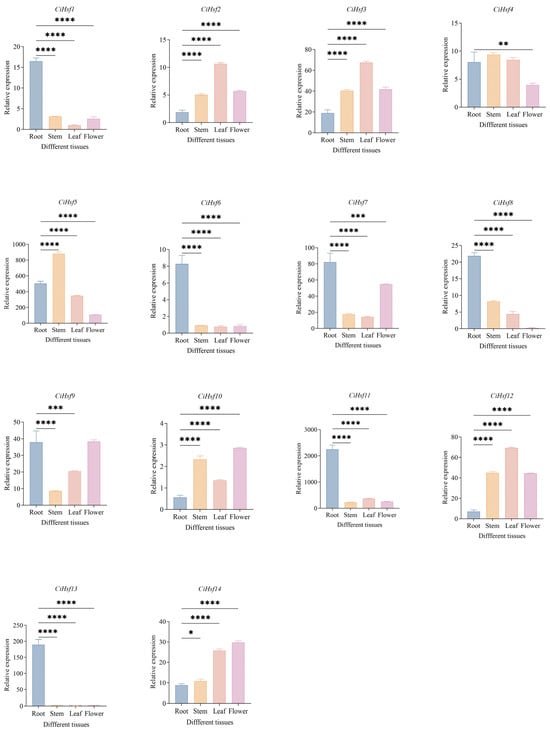
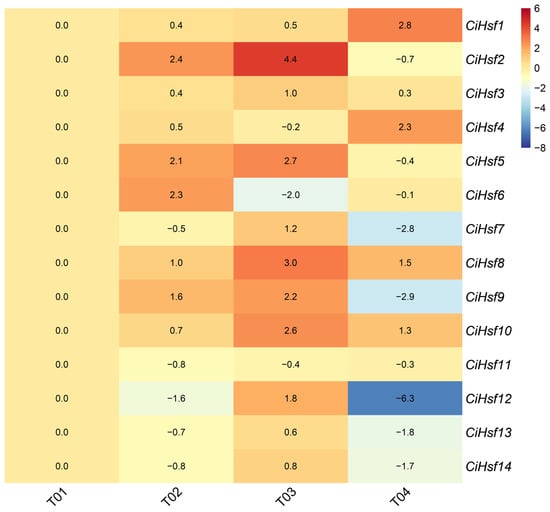
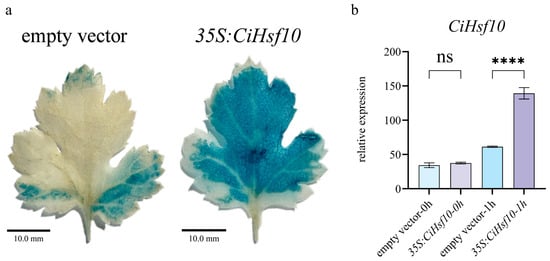
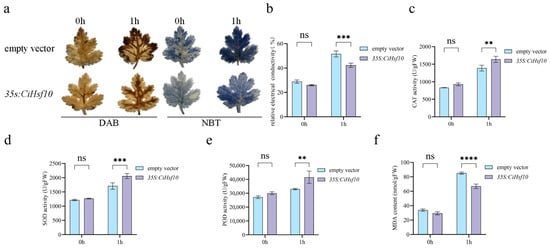
To improve Chrysanthemum tolerance to low temperatures and its adaptability to low autumn temperatures in Northeast China, we conducted the first genome-wide identification of the heat shock transcription factors (Hsfs) in Chrysanthemum indicum under low-temperature stress. Based on genome-wide analyses, we identified 14 CiHsf genes in Chrysanthemum indicum. Based on structural characteristics, the genes were grouped into two subfamilies, comprising 10 HsfA and four HsfB members, with no representatives of the HsfC subfamily detected. CiHsf1~CiHsf14 were located on seven chromosomes, and their promoter regions harbored numerous cis-acting elements associated with responses to low temperature, hormones, and light. Tissue-specific expression profiling revealed that seven CiHsf genes were predominantly expressed in roots, two in stems, three in leaves, and two in flowers. The analysis of low-temperature expression characteristics showed that CiHsf2, CiHsf5, CiHsf8, and CiHsf10 were significantly upregulated following cold acclimation, indicating that these genes may participate in the low-temperature response mechanism of Chrysanthemum indicum. Here, we demonstrated that transient transformation of Chrysanthemum indicum with 35S:CiHsf10 reduced reactive oxygen species (ROS) accumulation under low-temperature stress, which may contribute to enhanced cold tolerance.
Full article
(This article belongs to the Section Plant Genetics, Genomics and Biotechnology)
►▼
Show Figures

Figure 1
Open AccessArticle
Integrated Transcriptomic and Metabolic Analyses Reveal Key Defense Pathways Against Fusarium Infection in Maize Kernels
by
Yuying Jia, Xin Qi, Xinfang Liu, Jun Ma, Mo Zhang, Chengtao Sun, Zhiyan Cao, Chunsheng Xue and Yanbo Wang
Plants 2026, 15(8), 1148; https://doi.org/10.3390/plants15081148 - 9 Apr 2026
Abstract
Fusarium ear rot (FER), caused by F. verticillioides, is a devastating disease in maize, leading to substantial yield losses and mycotoxin contamination. Therefore, revealing the molecular mechanisms underlying FER resistance is essential for crop breeding. Here, we performed integrated transcriptomic and metabolomic
[...] Read more.
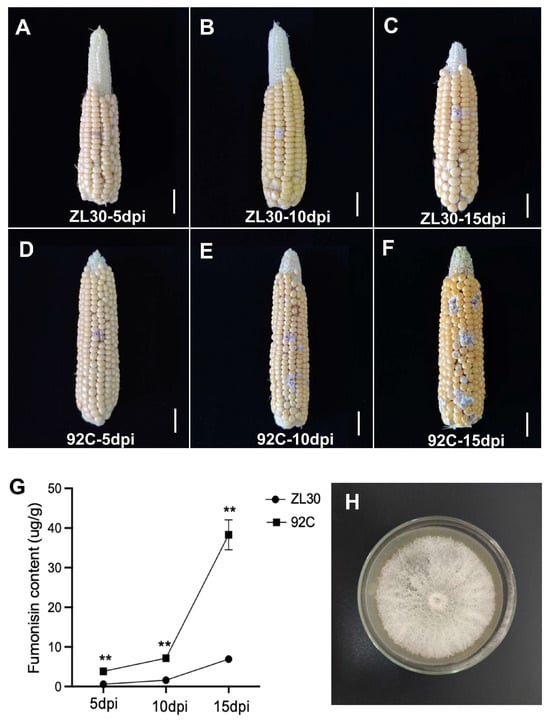
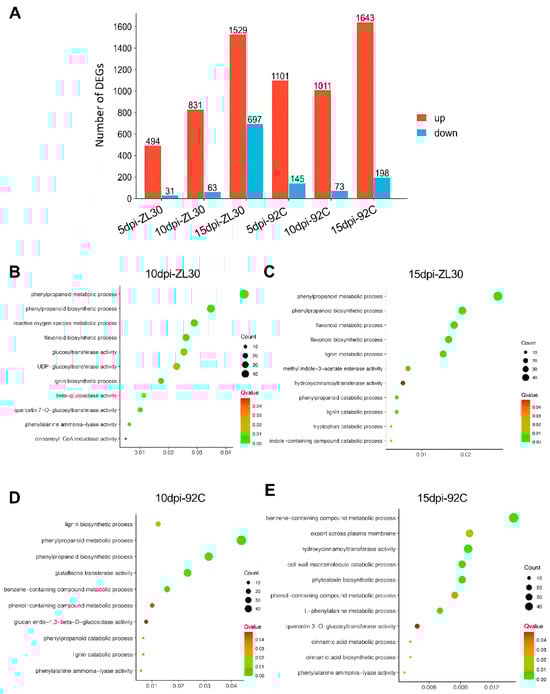
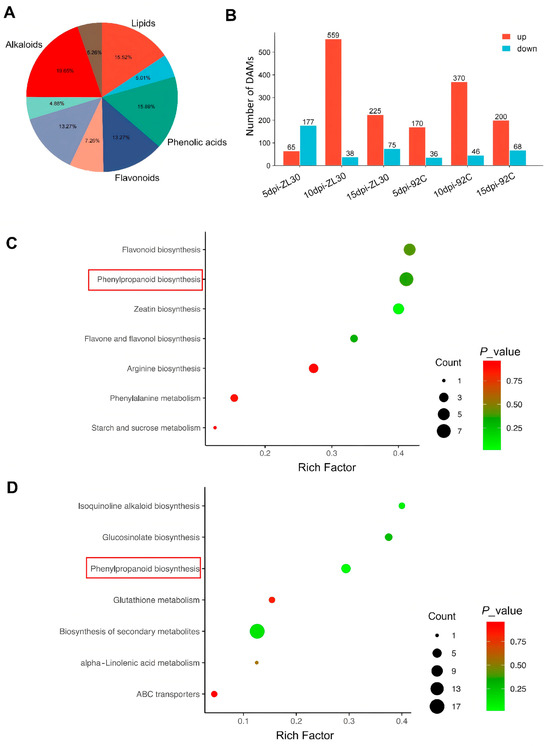
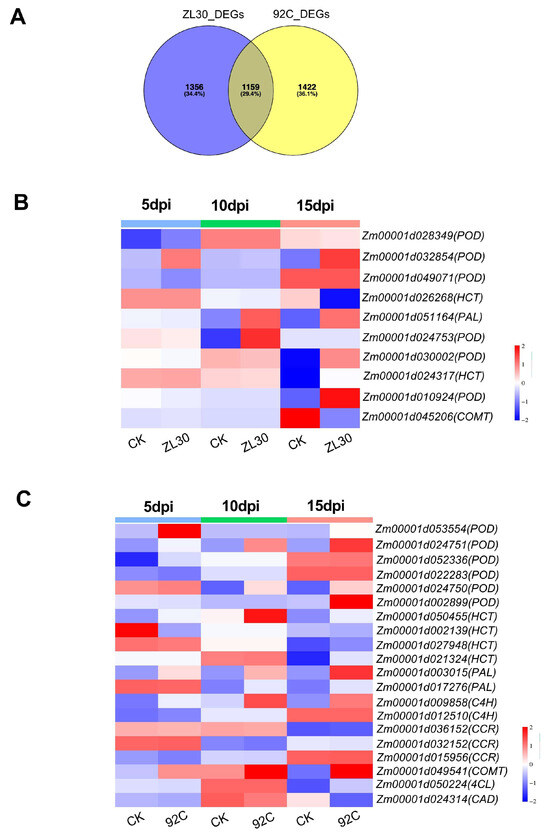
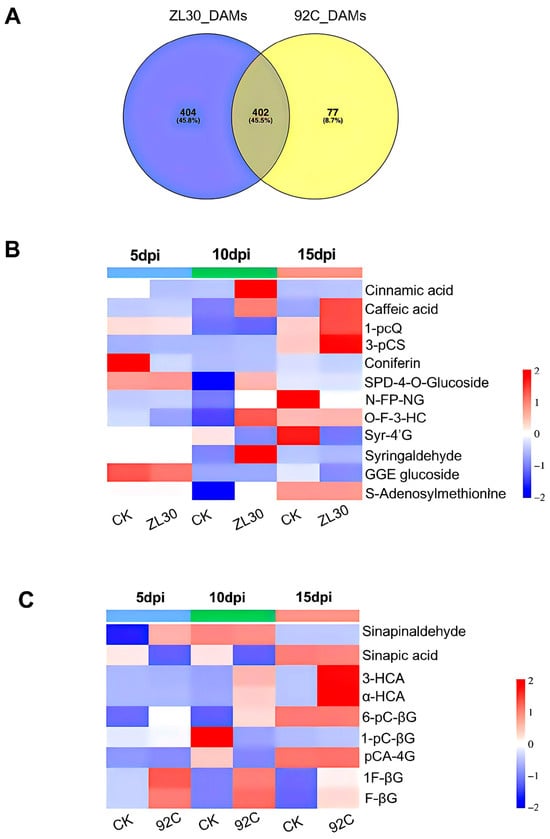
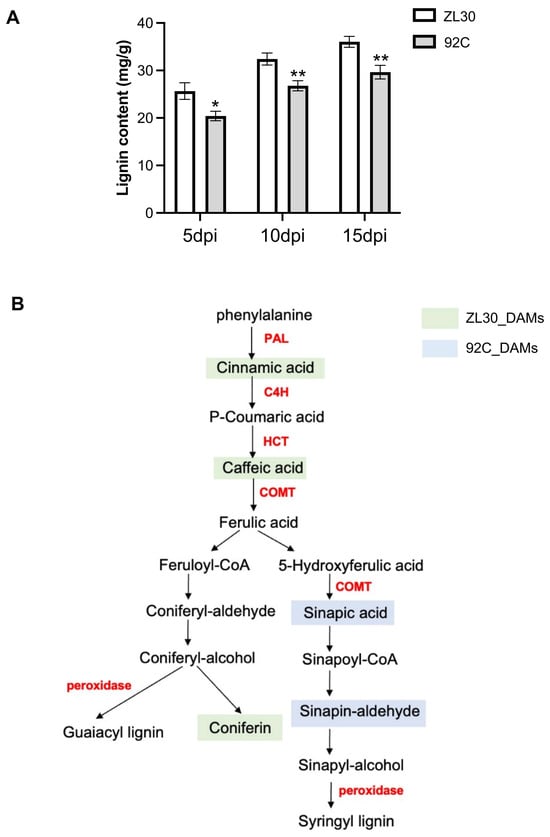
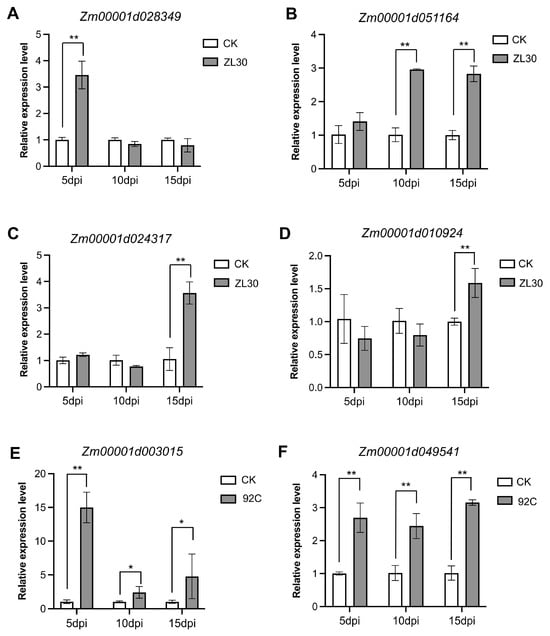
Fusarium ear rot (FER), caused by F. verticillioides, is a devastating disease in maize, leading to substantial yield losses and mycotoxin contamination. Therefore, revealing the molecular mechanisms underlying FER resistance is essential for crop breeding. Here, we performed integrated transcriptomic and metabolomic analyses on two maize inbred lines with contrasting FER resistance: the resistant line ZL30-12 (ZL30) and the susceptible line 92C0468U (92C). Following F. verticillioides inoculation, ZL30 exhibited sustained inhibition of fungal colonization and fumonisin accumulation, whereas 92C showed progressive disease development and elevated fumonisin levels. Both transcriptomic and metabolomic analyses converged on the phenylpropanoid pathway, with DEGs enriched in phenylpropanoid metabolism and DAMs enriched in phenylpropanoid biosynthesis, highlighting its central role in resistance. Further integrative analysis revealed that the lignin biosynthetic process, a key branch of phenylpropanoid metabolism, plays an important role in resistance. Several key DEGs (ZmPAL, ZmHCT, peroxidases, and ZmCOMT) and DAMs (sinapic acid, sinapaldehyde, coniferin, cinnamic acid, and caffeic acid) were differentially regulated between the two lines. Correlation analysis revealed a significant correlation between ZmCOMT expression and sinapic acid accumulation. RT-qPCR validation confirmed the expression patterns of key lignin-associated genes. The elevated activation of lignin biosynthesis in ZL30, via time-dependent induction of key genes (ZmPAL, ZmHCT, and peroxidases), suggests an increase in lignin accumulation, which likely reinforces cell wall integrity and restricts fungal invasion, thereby contributing to FER resistance. Collectively, these findings provide insights into the molecular mechanisms of FER resistance and identify key lignin-associated genes as promising targets for maize breeding.
Full article
(This article belongs to the Special Issue Identification of Resistance of Maize Germplasm Resources to Disease)
►▼
Show Figures

Figure 1
Open AccessArticle
Characterization and Agromorphological Variation in 27 Accessions of Chenopodium quinoa Within the Arid Coastal Zone of Peru
by
Lady E. Checmapocco-Conza, Fredy L. Huamani-Aymara, Alberto Anculle-Arena, José L. Bustamante-Muñoz, Eric N. Jellen and Mayela Elizabeth Mayta-Anco
Plants 2026, 15(8), 1147; https://doi.org/10.3390/plants15081147 - 8 Apr 2026
Abstract
►▼
Show Figures
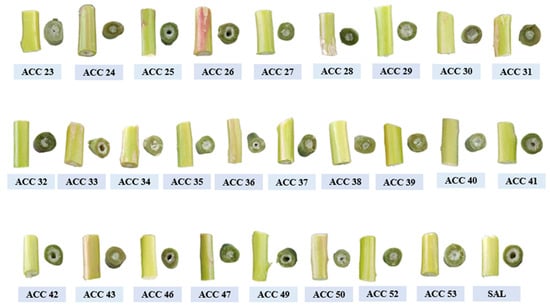
Quinoa is an Andean crop with wide genetic variability, including the capacity to adapt to various environmental conditions, which is essential for improving its yield and quality. The present work sought to characterize and agromorphologically evaluate 27 accessions of quinoa and the commercial
[...] Read more.
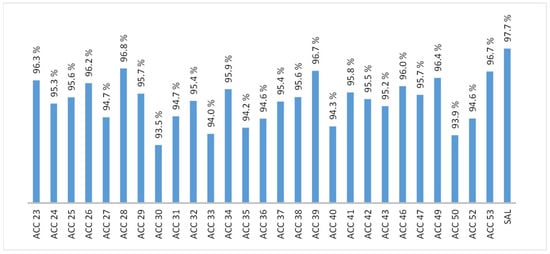
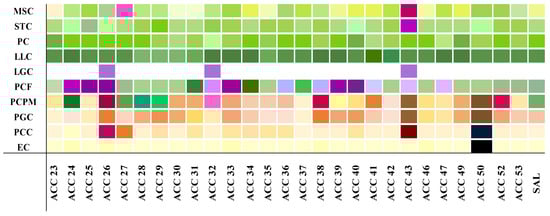
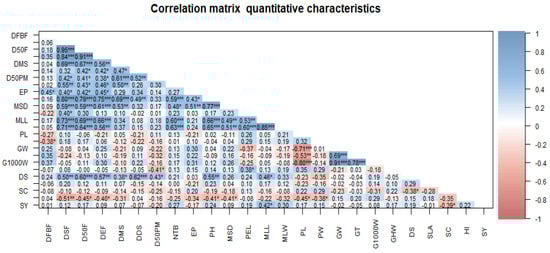
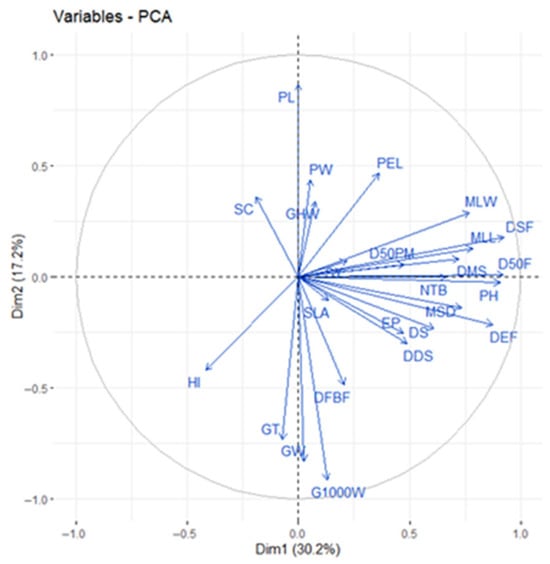
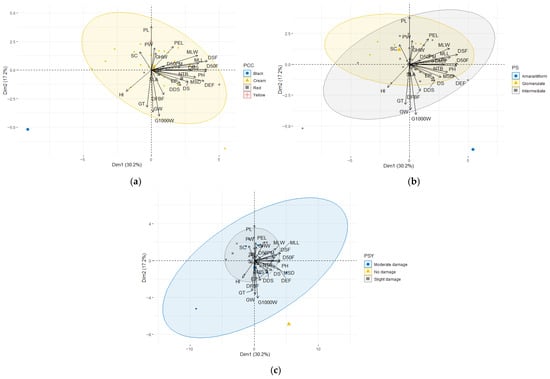
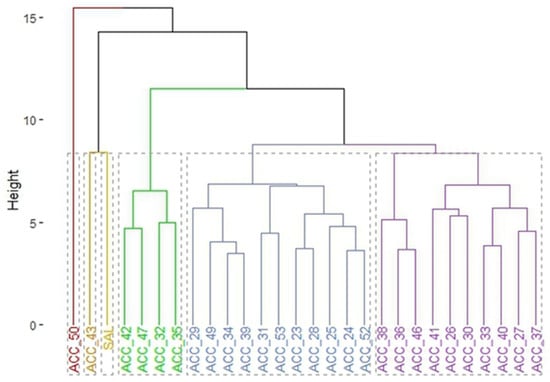
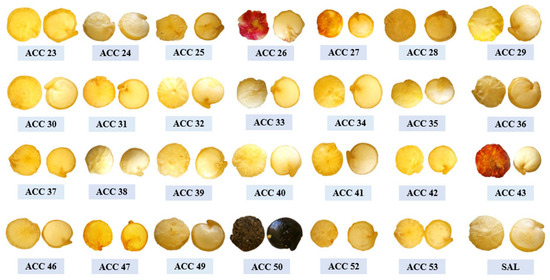
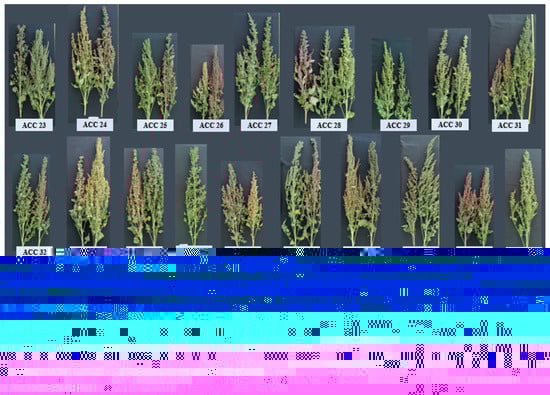
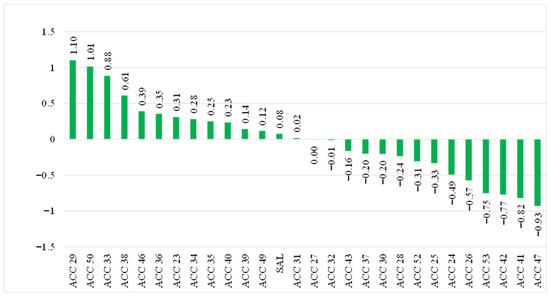
Quinoa is an Andean crop with wide genetic variability, including the capacity to adapt to various environmental conditions, which is essential for improving its yield and quality. The present work sought to characterize and agromorphologically evaluate 27 accessions of quinoa and the commercial cultivar ‘Salcedo INIA’ (SAL) for 28 qualitative and 25 quantitative variables. The results show that, on average, maturity occurred at 120 days after sowing (DAS), with a range of 105 DAS (ACC 50) to 132 DAS (ACC 35, ACC 37, ACC 43 and SAL). Grain diameter varied between 2.39 and 1.92 mm, with ACC 29 and the SAL control having the largest seed. The percentage of saponin varied between 0.210 and 0.089%, with ACC 43 having the lowest percentage. The severity of mildew infection varied between 17.22% and 1.22%, with ACC 50 being the most resistant genotype. Grain yield ranged from 5.60 (ACC 33) to 2.44 (ACC 42) t ha−1. Genotypes ACC 29 and ACC 50 had the highest selection index (SI) values, at 1.10 and 1.01, respectively, being notable for their earliness, short stature, low saponin content, and seed productivity.
Full article
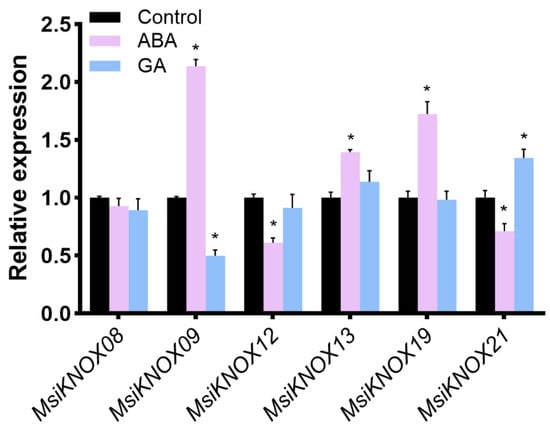
Figure 1
Open AccessArticle
Genome-Wide Identification of the FWL Gene Family in Rice Reveals Critical Roles in Abiotic Stress Response
by
Xuefei Ma, Yi Ji, Minghao Wang, Linlin Liu, Fanhao Nie, Xin Meng, Juan Zhao and Qingpo Liu
Plants 2026, 15(8), 1146; https://doi.org/10.3390/plants15081146 - 8 Apr 2026
Abstract
The Fruit Weight 2.2-like (FWL) gene family, characterized by the conserved PLAC8 domain, plays important roles in plant organ development and metal ion homeostasis. However, the systematic characterization of FWL genes in rice (Oryza sativa) and their involvement in
[...] Read more.
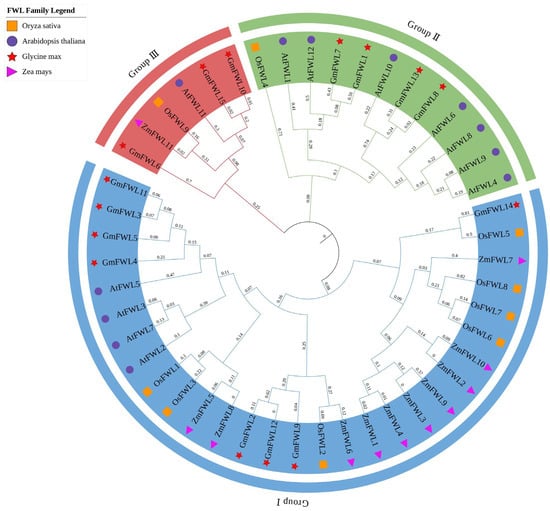
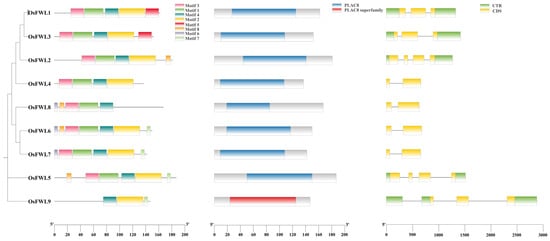
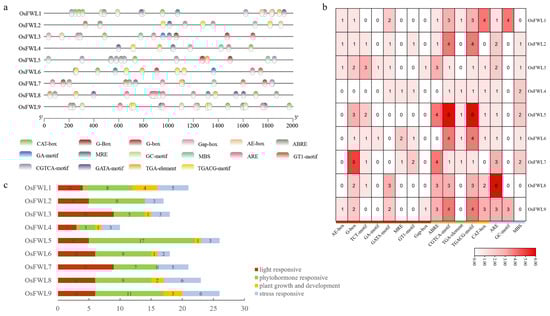
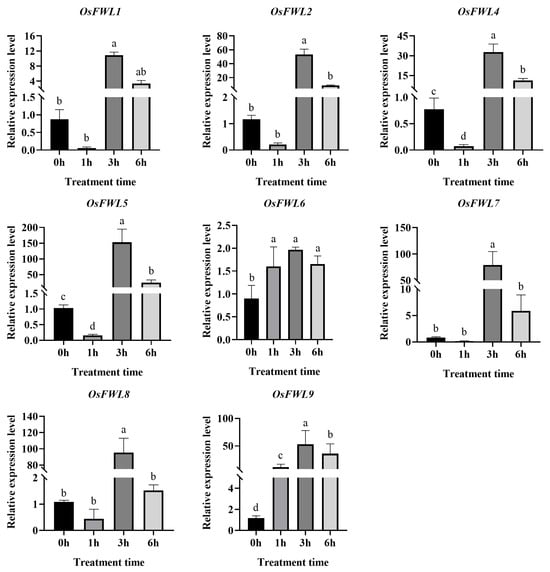
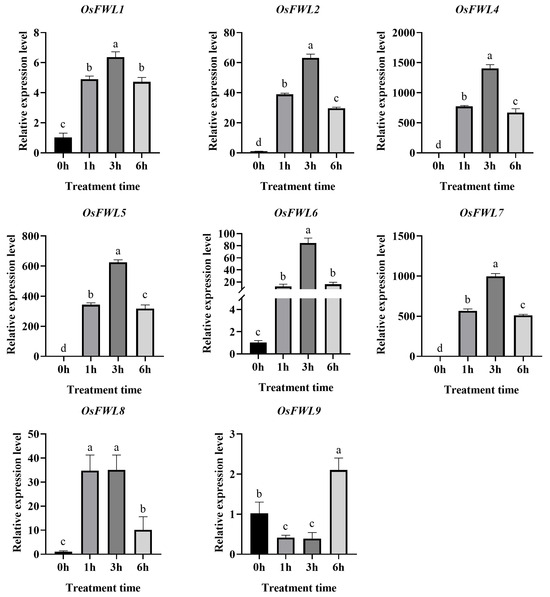
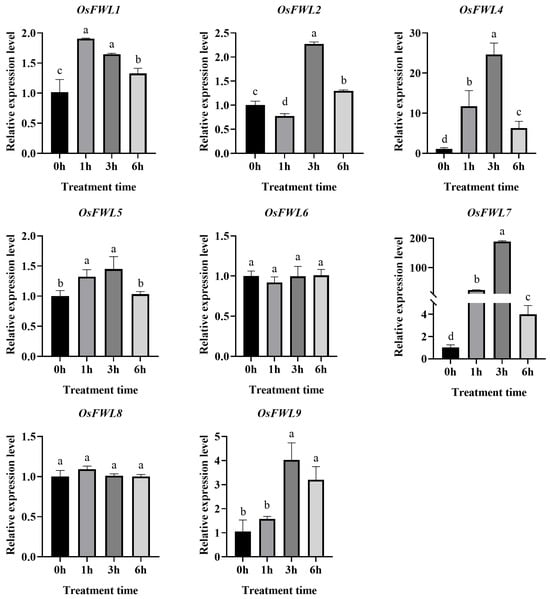
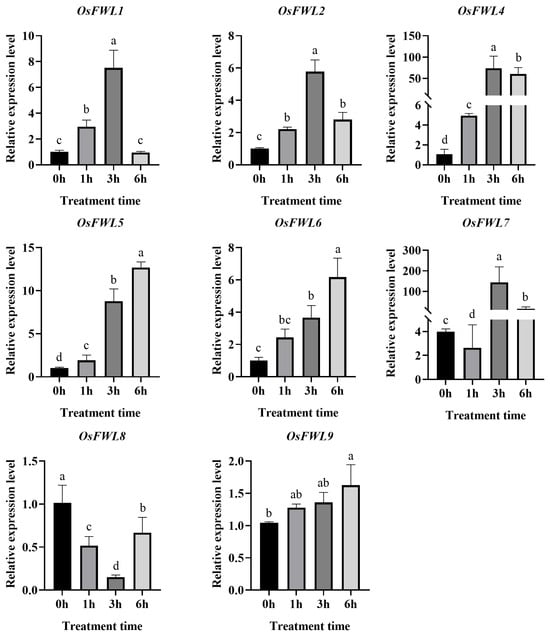
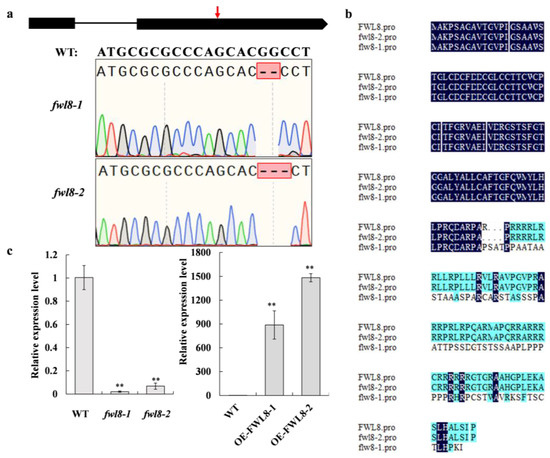
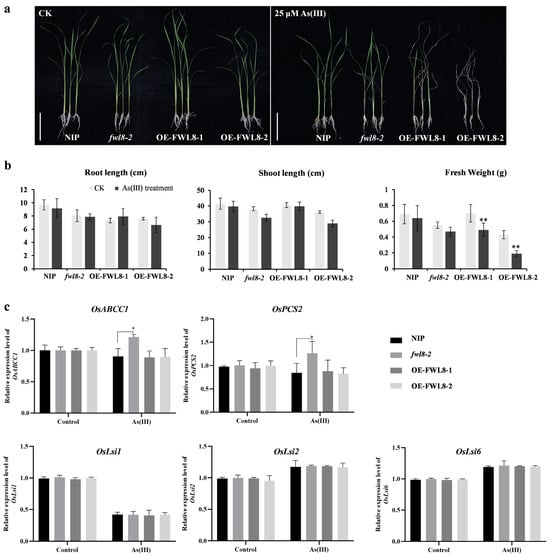
The Fruit Weight 2.2-like (FWL) gene family, characterized by the conserved PLAC8 domain, plays important roles in plant organ development and metal ion homeostasis. However, the systematic characterization of FWL genes in rice (Oryza sativa) and their involvement in abiotic stress responses remain insufficiently understood. In this study, a genome-wide identification of the FWL gene family in rice was performed, resulting in the identification of nine OsFWL genes, including a previously unreported member, OsFWL9. Phylogenetic analysis of FWL proteins from rice, maize, soybean, and Arabidopsis thaliana classified the family into three distinct subgroups, indicating both conserved and divergent evolutionary relationships. Structural and conserved motif analyses revealed that OsFWL proteins share similar domain architectures, while promoter analysis uncovered abundant cis-acting elements associated with stress responses, phytohormone signaling, and plant growth and development. Expression profiling demonstrated that most OsFWL genes were rapidly induced by drought, high temperature, salt, and arsenic stresses at the seedling stage, suggesting their broad involvement in abiotic stress adaptation. Notably, OsFWL8 exhibited a unique expression pattern, being significantly suppressed under arsenic stress. Functional characterization using CRISPR/Cas9-generated knockout mutants and overexpression lines revealed that OsFWL8 negatively regulates arsenic tolerance in rice. Overexpression of OsFWL8 markedly increased plant sensitivity to arsenic stress. Furthermore, arsenic detoxification-related genes, including OsABCC1 and OsPCS2, were significantly upregulated in fwl8 mutants under arsenic treatment. These results indicate that OsFWL8 may modulate arsenic tolerance by influencing arsenic sequestration and detoxification pathways. Overall, this study provides a comprehensive overview of the FWL gene family in rice and identifies OsFWL8 as a key regulator of arsenic stress response, offering valuable insights for improving rice tolerance to heavy metal stress.
Full article
(This article belongs to the Special Issue Molecular and Genetic Mechanisms of Stress Tolerance and Development in Rice)
►▼
Show Figures

Figure 1
Open AccessArticle
Bacterial and Fungal Communities Associated with the Ectomycorrhizospheric Soil and Stem Endosphere of the Mycoheterotrophic Plant Monotropa uniflora
by
Leandro Alberto Núñez-Muñoz, Brenda Yazmín Vargas-Hernández, Melissa Cheryn García-Sierra, Berenice Calderón-Pérez, Beatriz Xoconostle-Cázares and Roberto Ruiz-Medrano
Plants 2026, 15(8), 1145; https://doi.org/10.3390/plants15081145 - 8 Apr 2026
Abstract
The mycoheterotrophic plant Monotropa uniflora relies on fungal symbionts for carbon and nutrient acquisition. However, its interactions with other microbial groups, beyond ectomycorrhizal fungi, remain unexplored. Here, we characterized bacterial and fungal communities associated with M. uniflora across two compartments: ectomycorrhizospheric soil linked
[...] Read more.
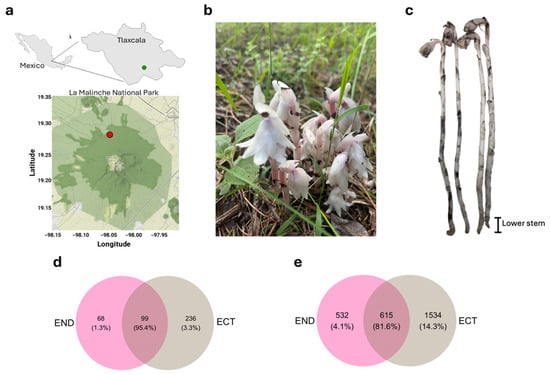
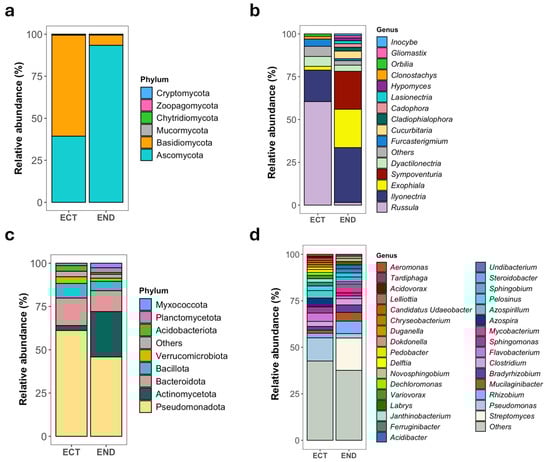
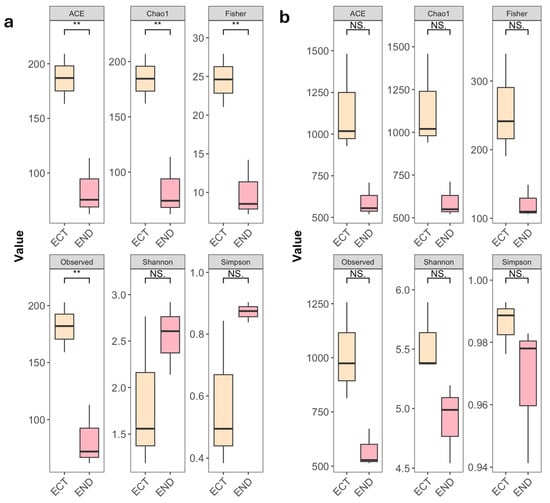
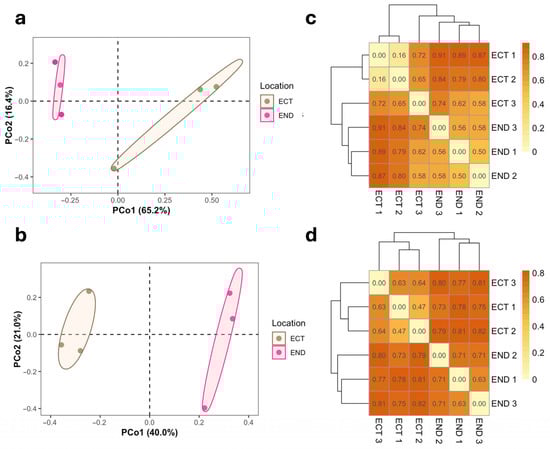
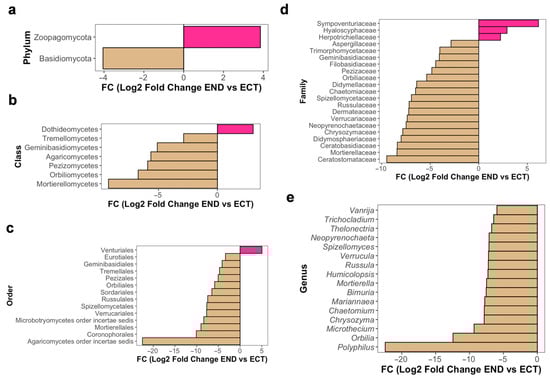
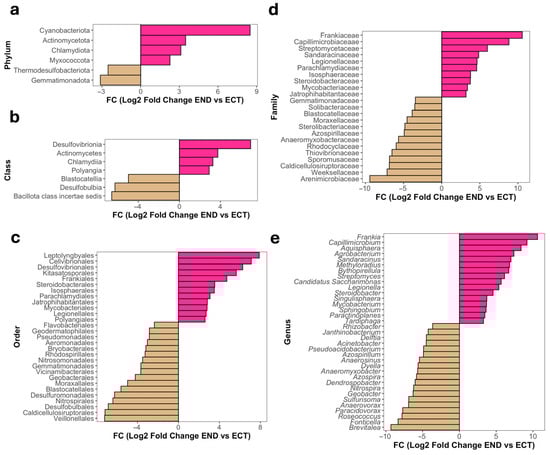
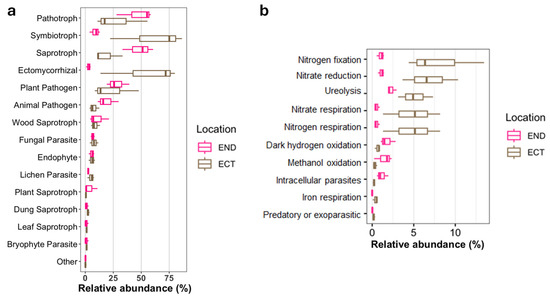
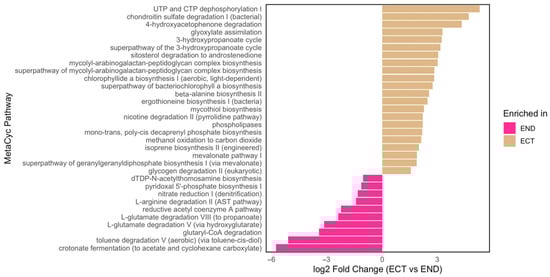
The mycoheterotrophic plant Monotropa uniflora relies on fungal symbionts for carbon and nutrient acquisition. However, its interactions with other microbial groups, beyond ectomycorrhizal fungi, remain unexplored. Here, we characterized bacterial and fungal communities associated with M. uniflora across two compartments: ectomycorrhizospheric soil linked to the mycorrhizal network and the surface-sterilized lower stem endosphere. Microbial community composition was assessed using high-throughput amplicon sequencing of the bacterial 16S rRNA gene and the fungal ITS region. Fungal richness was consistently higher in ectomycorrhizospheric soil than in the stem endosphere, whereas bacterial alpha diversity showed no consistent differences between compartments. Multivariate analyses suggested compartment-associated patterns in both bacterial and fungal community composition. Ectomycorrhizospheric soil was dominated by saprotrophic fungal taxa and bacterial groups with predicted metabolic potential, including taxa associated with iron, sulfur and nitrogen cycling. In contrast, the lower stem endosphere was enriched in bacterial taxa commonly associated with anaerobic and nitrogen-related metabolisms. Functional predictions further suggested an increase of carbon fixation-related pathways in rhizosphere-associated bacterial communities. Together, these results indicate that M. uniflora is associated with distinct and structured microbial assemblages across soil and internal plant compartments, highlighting the predicted functional potential of bacterial communities in nutrient- and carbon-related processes in mycoheterotrophic plant–soil systems alongside fungal partners.
Full article
(This article belongs to the Section Plant Protection and Biotic Interactions)
►▼
Show Figures

Figure 1
Open AccessArticle
PsAAT3 Drives Ester Accumulation and Fruity Aroma Formation During Ripening in Chinese Plum (Prunus salicina) Through Integrated Volatile Profiling and Transcriptomics
by
Wenqian Zhao, Sujuan Liu, Siyu Li, Gaigai Du, Longji Li, Danfeng Bai, Gaopu Zhu, Shaobin Yang, Fangdong Li, Taishan Li and Haifang Hu
Plants 2026, 15(8), 1144; https://doi.org/10.3390/plants15081144 - 8 Apr 2026
Abstract
Fruit volatile organic compounds (VOCs) are key determinants of plum flavor quality, and esters contribute strongly to the fruity aroma of ripe fruit. However, the molecular basis of cultivar differences in ester formation during ripening has not been systematically clarified. Here, we characterized
[...] Read more.
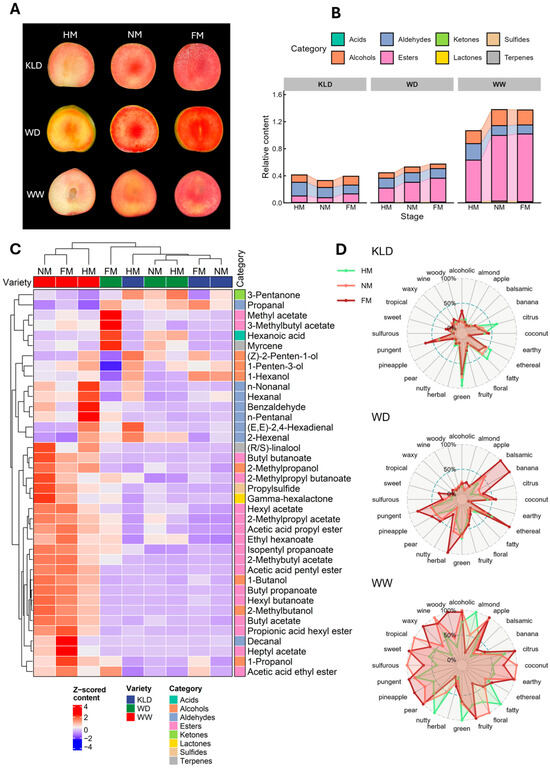
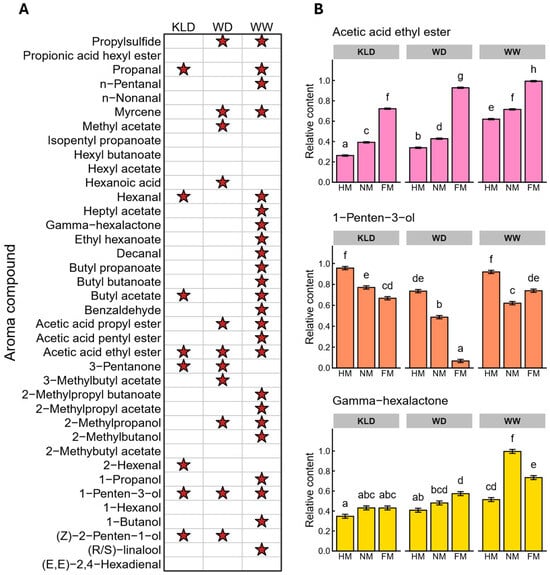
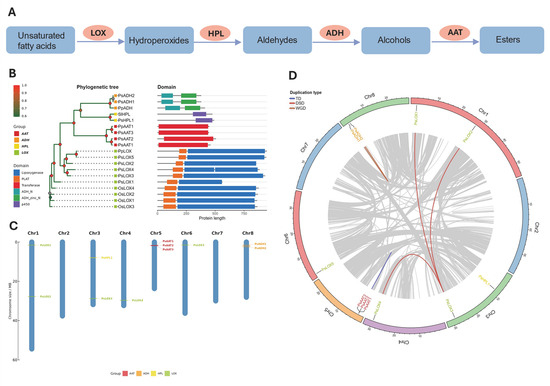
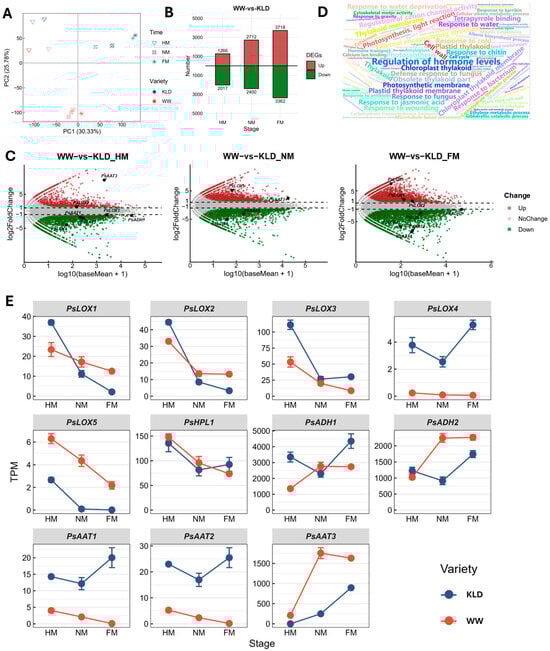
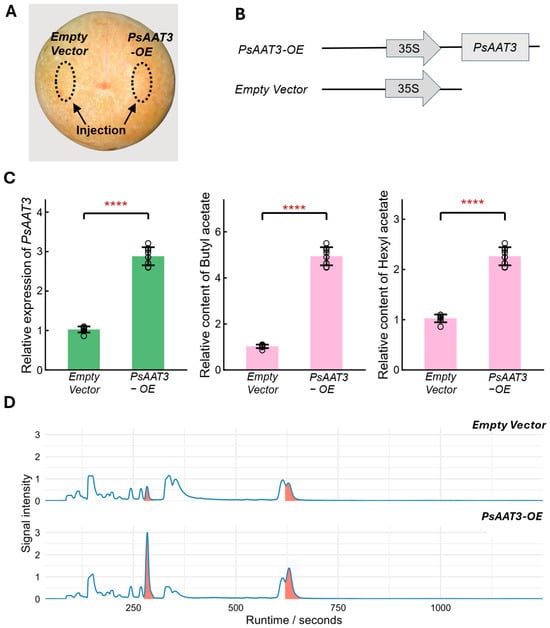
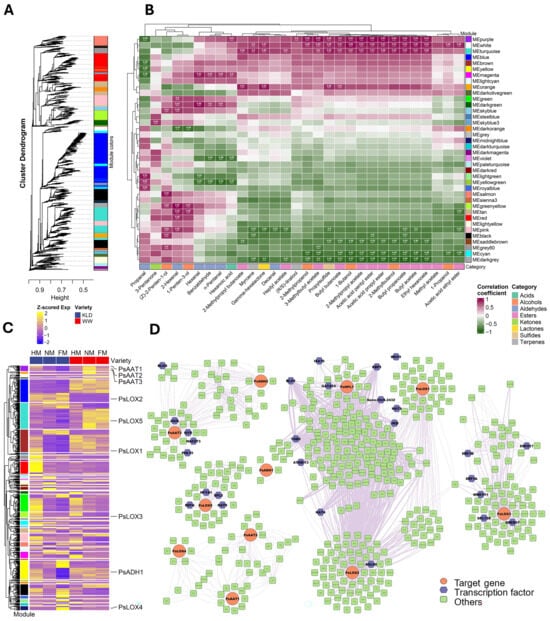
Fruit volatile organic compounds (VOCs) are key determinants of plum flavor quality, and esters contribute strongly to the fruity aroma of ripe fruit. However, the molecular basis of cultivar differences in ester formation during ripening has not been systematically clarified. Here, we characterized pulp VOC profiles across ripening in three Chinese plum (Prunus salicina) cultivars (‘WeiWang’ (WW), ‘WeiDi’ (WD), and ‘KongLongDan’ (KLD)) and integrated transcriptome analysis with weighted gene co-expression network analysis (WGCNA) to identify genes associated with ester accumulation. HS-SPME-GC-MS identified 38 VOCs, mainly esters, aldehydes, and alcohols, with ‘WW’ showing the highest total VOC abundance. During ripening, esters became the predominant volatile class in ‘WW’ and ‘WD’, in agreement with their fruity sensory characteristics, whereas ‘KLD’ maintained a more balanced composition of fruity and green-related volatiles. Transcriptomic analyses highlighted Prunus salicina alcohol acyltransferase 3 (PsAAT3) as the most abundant AAT transcript in pulp and strongly induced in ‘WW’. Transient overexpression of PsAAT3 in the low-ester background increased butyl acetate and hexyl acetate by 4.8- and 2.2-fold, respectively. WGCNA further identified ester-associated modules and candidate transcription factors co-expressed with PsAAT3 (JA2L, HY5, NAC073, and PHL13). As a result, this study identifies PsAAT3 as a key determinant of high-ester aroma in Chinese plum and provide candidate targets for aroma improvement and flavor-oriented breeding.
Full article
(This article belongs to the Special Issue Molecular Regulation of Flower and Fruit Development and Functional Analysis of Key Genes in Fruit Trees)
►▼
Show Figures

Figure 1
Journal Menu
► ▼ Journal Menu-
- Plants Home
- Aims & Scope
- Editorial Board
- Reviewer Board
- Topical Advisory Panel
- Instructions for Authors
- Special Issues
- Topics
- Sections & Collections
- Article Processing Charge
- Indexing & Archiving
- Editor’s Choice Articles
- Most Cited & Viewed
- Journal Statistics
- Journal History
- Journal Awards
- Society Collaborations
- Conferences
- Editorial Office
Journal Browser
► ▼ Journal BrowserHighly Accessed Articles
Latest Books
E-Mail Alert
News
Topics
Topic in
Antioxidants, Molecules, Nutraceuticals, Nutrients, Plants
Memory-Enhancing Activity of Bioactive Compounds: From Natural Sources to Brain, 2nd Edition
Topic Editors: Lucian Hritcu, Simone CarradoriDeadline: 30 April 2026
Topic in
Agronomy, Crops, Plants
Abiotic Stress Responses in Wheat: Perspectives on Productivity and Sustainability
Topic Editors: Wenshan Guo, Jinfeng Ding, Min ZhuDeadline: 22 May 2026
Topic in
IJMS, Agronomy, Plants, CIMB
Leguminomics: From Genomic Blueprints to Sustainable Agriculture
Topic Editors: Qingshan Chen, Dawei XinDeadline: 31 May 2026
Topic in
Agronomy, Crops, Foods, Plants, Agriculture, Horticulturae
Multidisciplinary Advances in Tea Science: Smart Cultivation, Digital Processing, and Health Innovation
Topic Editors: Chunwang Dong, Lin Chen, Yang LiDeadline: 30 June 2026
Conferences
Special Issues
Special Issue in
Plants
Plant-Based Functional Fruits: Bioactive Compounds, Health Benefits, and Sustainable Applications
Guest Editor: Marta Helena Fillet SpotoDeadline: 10 April 2026
Special Issue in
Plants
Plant Conservation Science and Practice
Guest Editors: Giulia Albani Rocchetti, Marco PorcedduDeadline: 10 April 2026
Special Issue in
Plants
The Role of Reactive Oxygen Species in Plant Signaling Pathways
Guest Editors: Jardim-Messeder Douglas, Gilberto Sachetto-MartinsDeadline: 15 April 2026
Special Issue in
Plants
Smart Agriculture for Sustainable Crop Production: From Precision Technologies to Field Applications
Guest Editors: Fábio Henrique Rojo Baio, Paulo Eduardo Teodoro, Larissa Pereira Ribeiro TeodoroDeadline: 15 April 2026
Topical Collections
Topical Collection in
Plants
Feature paper in Plant Response to Abiotic Stress and Climate Change
Collection Editors: Veronica De Micco, Luigi Sanita' di Toppi
Topical Collection in
Plants
Feature Papers in Plant Cell Biology
Collection Editors: Elder Antônio Sousa Paiva, Olga Zabotina, Diego F. Gomez-Casati
Topical Collection in
Plants
Essential Oils of Plants (Chemical Composition, Variation and Properties)
Collection Editors: Jésus Palá-Pául, Joe Brophy