


Journal Description
Diversity
Diversity
is a peer-reviewed, open access journal on the science of biodiversity (from molecules, genes, populations, and species to ecosystems), and is published monthly online by MDPI.
- Open Access— free for readers, with article processing charges (APC) paid by authors or their institutions.
- High Visibility: indexed within Scopus, SCIE (Web of Science), PubAg, GEOBASE, CAPlus / SciFinder, and other databases.
- Journal Rank: JCR - Q2 (Biodiversity Conservation) / CiteScore - Q1 (Agricultural and Biological Sciences (miscellaneous))
- Rapid Publication: manuscripts are peer-reviewed and a first decision is provided to authors approximately 16.6 days after submission; acceptance to publication is undertaken in 2.8 days (median values for papers published in this journal in the second half of 2025).
- Recognition of Reviewers: reviewers who provide timely, thorough peer-review reports receive vouchers entitling them to a discount on the APC of their next publication in any MDPI journal, in appreciation of the work done.
- Diversity is a companion journal of Fossil Studies.
- Journal Cluster of Ecosystem and Resource Management: Forests, Diversity, Fire, Conservation, Ecologies, Biosphere and Wild.
Impact Factor:
2.1 (2024);
5-Year Impact Factor:
2.3 (2024)
Latest Articles
Comparative Species Distribution Modeling of Two Rare Hedysarum Species in European Russia Under Current and Future Climate Scenarios
Diversity 2026, 18(5), 305; https://doi.org/10.3390/d18050305 - 18 May 2026
Abstract
This study aimed to identify the main environmental drivers of the potential ranges of the rare species Hedysarum grandiflorum and Hedysarum argyrophyllum, to compare their ecological responses, and to assess changes in habitat suitability under current and projected climate conditions. The modeling
[...] Read more.
This study aimed to identify the main environmental drivers of the potential ranges of the rare species Hedysarum grandiflorum and Hedysarum argyrophyllum, to compare their ecological responses, and to assess changes in habitat suitability under current and projected climate conditions. The modeling program MaxEnt was used, with predictors including climate variables from CHELSA Bioclim, a digital elevation model, and variables from the SoilGrids global digital soil mapping system. The results indicate that climatic and orographic variables play a key role in determining the potential ranges of both species. The distribution of H. grandiflorum is more strongly influenced by soil properties, notably cation exchange capacity, whereas H. argyrophyllum is associated with nutrient-poor substrates. Model projections under the RCP4.5 and RCP8.5 climate scenarios suggest a potential local increase in modeled habitat suitability during 2040–2060, followed by a decline in highly suitable areas during 2060–2080, particularly for H. argyrophyllum. Although the models do not project complete extinction or a uniform large-scale reduction in the total potential range for either species, they indicate substantial regional declines in habitat suitability and marked reductions in the number of highly suitable habitats under the future climate scenarios considered. Model outputs can help identify areas of high and stable suitability that may serve as priorities for the monitoring or reintroduction of these species.
Full article
Open AccessArticle
A Comparison of the Behaviour, Population Size and Sex Ratio of Mallards (Anas platyrhynchos) in Urban and Agricultural Areas of South-Eastern Poland
by
Hubert Jaworski, Marian Flis, Piotr Czyżowski and Jacek Piórkowski
Diversity 2026, 18(5), 304; https://doi.org/10.3390/d18050304 - 18 May 2026
Abstract
This study presents the results of research into the behaviour of mallard (Anas platyrhynchos) populations during the winter months (January 2025 and 2026) in urban and non-urban areas across selected regions of south-eastern Poland. The research was conducted on selected stretches
[...] Read more.
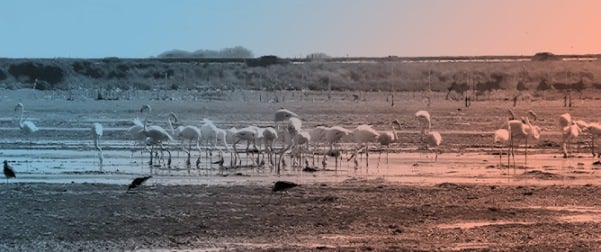
This study presents the results of research into the behaviour of mallard (Anas platyrhynchos) populations during the winter months (January 2025 and 2026) in urban and non-urban areas across selected regions of south-eastern Poland. The research was conducted on selected stretches of the Bystrzyca and Czerniejówka rivers through direct observations of the birds and their flocks. Flight-distance measurements were obtained using a laser rangefinder. The results indicate a significantly higher bird density and the formation of larger flocks in urban environments. In agricultural areas, the sex ratio of mallards was more balanced. In urban areas, however, a skewed sex ratio in favour of males was observed. The analyses reveal significant differences in the degree of skittishness between urban and agricultural areas. Within the city, the population is characterised by a limited, even negligible, degree of skittishness, in contrast to agricultural areas. These results confirm previously published data regarding the marked decline in birds’ skittishness in urbanised areas. The data clearly indicate the progressive synurbanisation of this species.
Full article
(This article belongs to the Section Animal Diversity)
►▼
Show Figures

Figure 1
Open AccessArticle
Phytolacca tetramera, an Ecological Anachronism from the Pleistocene Surviving in the Pampean Grasslands
by
Elián L. Guerrero and Federico L. Agnolín
Diversity 2026, 18(5), 303; https://doi.org/10.3390/d18050303 - 18 May 2026
Abstract
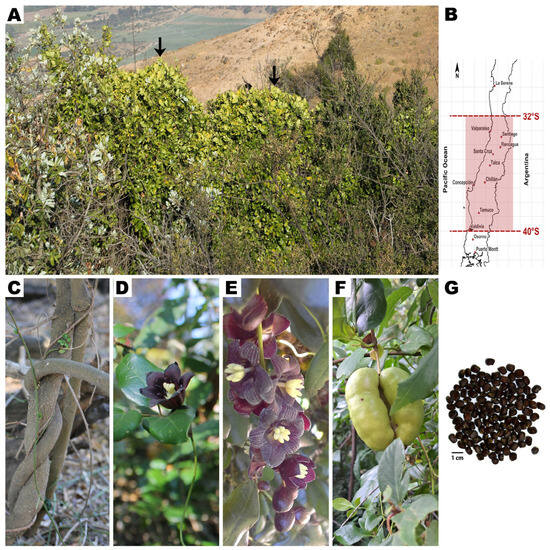
The Dwarf Ombú, Phytolacca tetramera, is a rare and highly unusual plant endemic to the northeastern Pampean grasslands of Argentina and is currently considered of high conservation priority. In order to better understand its biology, ecology, and conservation requirements, we studied its
[...] Read more.
The Dwarf Ombú, Phytolacca tetramera, is a rare and highly unusual plant endemic to the northeastern Pampean grasslands of Argentina and is currently considered of high conservation priority. In order to better understand its biology, ecology, and conservation requirements, we studied its anatomy, reproductive traits, life history, and distribution based on field observations and herbarium material. Our results show that P. tetramera possesses a combination of traits consistent with the concept of ecological anachronism. The species produces large fleshy fruits whose size and shape are comparable to those interpreted as adapted for dispersal by extinct megafauna. In addition, the plant exhibits morphological and ecological adaptations associated with intense grazing, trampling, and drought tolerance, including robust underground structures and a growth pattern comparable to underground trees from seasonally dry open habitats. These findings suggest that P. tetramera evolved under ecological conditions markedly different from those existing today, including megafaunal disclimax environments that disappeared after the late Pleistocene extinctions. This ecological mismatch may help to explain its present rarity, fragmented distribution, and low population numbers. Our results also indicate that current conservation strategies for P. tetramera should consider the role of disturbance regimes and extinct ecological interactions in shaping the biology of this species.
Full article
(This article belongs to the Special Issue 2026 Feature Papers by Diversity's Editorial Board Members)
►▼
Show Figures

Figure 1
Open AccessArticle
Climate-Driven Expansion and Spatial Reconfiguration of Ottelia acuminata Under Future Scenarios
by
Daibo Wang, Liangliang Dai, Yunchuan Long and Guo Yuan
Diversity 2026, 18(5), 302; https://doi.org/10.3390/d18050302 - 18 May 2026
Abstract
Climate-based suitable habitats were projected for the endangered submerged macrophyte Ottelia acuminata under current and future climates (2050s–2090s) across three Shared Socioeconomic Pathways (SSPs: SSP126, SSP245, and SSP585, corresponding to SSP1-2.6, SSP2-4.5, and SSP5-8.5, respectively) using the Maximum Entropy (MaxEnt) model with 126
[...] Read more.
Climate-based suitable habitats were projected for the endangered submerged macrophyte Ottelia acuminata under current and future climates (2050s–2090s) across three Shared Socioeconomic Pathways (SSPs: SSP126, SSP245, and SSP585, corresponding to SSP1-2.6, SSP2-4.5, and SSP5-8.5, respectively) using the Maximum Entropy (MaxEnt) model with 126 occurrence points and eight environmental variables. The four dominant climatic factors were Precipitation of the Driest Quarter (34.7%), Isothermality (24.2%), Temperature Annual Range (17.9%), and Mean Temperature of the Coldest Quarter (11.7%). Under the current climate, the total suitable area is 121.07 × 10⁴ km2, mainly in northern and eastern Yunnan. Under future scenarios, the total suitable area expands, peaking at +17.1% under SSP245 in the 2070s, but undergoes substantial internal reconfiguration: moderately suitable areas increase by 95.2% under SSP585 in the 2090s while low-suitability areas decline sharply, and core-habitat loss is greatest under SSP126. The distribution centroid consistently shifts westward (maximum 83.3 km), driven by newly suitable areas in the west and north. We propose a zonal conservation strategy grounded in these climate-envelope projections, while emphasizing that additional data on hydrology, water quality, and dispersal are required to translate these results into operational conservation actions. These findings provide a macroecological basis for informing climate-adaptive conservation of O. acuminata.
Full article
(This article belongs to the Section Plant Diversity)
►▼
Show Figures

Figure 1
Open AccessArticle
Mixed-Planting Mode Is Associated with Distinct Bacterial and Fungal Assembly Patterns in Pinus sylvestris var. mongolica Plantations
by
Zihao Li, Zhuofan Li, Guangyu Hong, Xiaowei Gao, Haifeng Yang, Lei Liu, Chenming Liu, Zheng Wang, Yongning Hu and Long Hai
Diversity 2026, 18(5), 301; https://doi.org/10.3390/d18050301 - 18 May 2026
Abstract
Mixed plantations of Pinus sylvestris var. mongolica with native shrubs are widely established in semiarid sandy landscapes, yet soil microbial responses may differ among mixed-planting modes depending on the companion shrub species. We compared soil bacterial and fungal communities across three approximately 9-year-old
[...] Read more.
Mixed plantations of Pinus sylvestris var. mongolica with native shrubs are widely established in semiarid sandy landscapes, yet soil microbial responses may differ among mixed-planting modes depending on the companion shrub species. We compared soil bacterial and fungal communities across three approximately 9-year-old mixed-planting modes in the Mu Us Sandy Land, where P. sylvestris var. mongolica was combined with Juniperus sabina (Ps–Js), Salix psammophila (Ps–Sp), or Corethrodendron fruticosum (Ps–Cf). Planting configuration was associated with shifts in soil physicochemical conditions. Bacterial α-diversity did not differ among modes, whereas fungal α-diversity was higher in Ps–Sp. Community composition diverged across modes for both domains, and LEfSe identified configuration-specific taxa. Null-model analyses showed that bacterial assembly was consistently dominated by stochastic components, whereas the relative contributions of fungal assembly processes varied among mixed-planting modes. Functional inference further suggested mode-associated differences in fungal trophic guild composition, with Ps–Cf showing significantly higher ectomycorrhizal abundance and Ps–Sp showing higher representation of saprotroph-associated guilds; by contrast, predicted bacterial functional profiles were broadly comparable among modes. Together, these results indicate that bacterial and fungal communities showed different response patterns among mixed-planting modes: bacterial communities showed compositional differentiation but little variation in α-diversity and consistently stochastic assembly, whereas fungal communities showed mode-related changes in α-diversity, the relative contributions of assembly processes, and trophic guild composition. These findings provide a microbial basis for considering shrub-species selection when designing P. sylvestris var. mongolica mixed plantations in semiarid sandy ecosystems.
Full article
(This article belongs to the Special Issue Fungal Diversity—2nd Edition)
►▼
Show Figures

Figure 1
Open AccessArticle
Bathymetric Patterns of Phytobenthic Communities and Bottom Types Along the Aegean Coasts of Türkiye
by
Ergün Taşkın, Aysu Güreşen, Furkan Bilgiç, Onur Karayalı, Ersin Minareci, Öznur Yazılan, Orkide Minareci and S. Ozan Güreşen
Diversity 2026, 18(5), 300; https://doi.org/10.3390/d18050300 - 17 May 2026
Abstract
Evaluating the bathymetric distribution of phytobenthic communities is essential for understanding the factors affecting habitat heterogeneity along a depth gradient. In the present study, we investigated the composition and vertical zonation patterns of phytobenthic communities across different bottom types (rocky and sedimentary) along
[...] Read more.
Evaluating the bathymetric distribution of phytobenthic communities is essential for understanding the factors affecting habitat heterogeneity along a depth gradient. In the present study, we investigated the composition and vertical zonation patterns of phytobenthic communities across different bottom types (rocky and sedimentary) along the Turkish Aegean coasts. Dominant habitat types were identified in 175 depths and classified into 18 categories (Posidonia oceanica, Cymodocea nodosa, Halophila stipulacea, Halopteris spp., Stypopodium schimperi, Ericaria crinita, coralligenous, coralligenous/Mesophyllum spp., Jania spp./Halopteris spp., Ulva spp., rocky, rocky-turf, sandy, sandy-Caulerpa taxifolia var. distichophylla, sandy-Gongolaria montagnei var. compressa, silt, muddy, slime). Among the study sites, P. oceanica meadows (41%) were the dominant habitat in 70 depths, followed by sandy (30%), and rocky bottoms (11%). Total coverage of P. oceanica meadows was recorded as 28%, 80%, 76%, and 56% at 5 m, 10 m, 15 m, and 20 m depths, respectively. Seagrass meadows have started to be replaced by sandy bottoms at 30 m (52%) and 40 m (72%). Considering the bathymetrical divergence in phytobenthic community composition and abundance particularly in urban sites, reflected the influence of intense anthropogenic stressors. Here, non-destructive and cost-effective visual sampling technique based on in situ observations of phytobenthic community assemblages, proved to be an effective approach for the assessment of subtidal habitats.
Full article
(This article belongs to the Special Issue Mediterranean Biodiversity Hotspots: Patterns, Trends, and Conservation Challenges)
►▼
Show Figures

Figure 1
Open AccessArticle
A Study on Bird-Migration Patterns Based on Weather Radar and the Effect of Weather Factors on Migration Altitude: A Case Study of Qingdao, China
by
Hongtao Qin, Hongxuan Fu, Yicheng Yang, Yancheng Jiang, Leyang Wang, Kaichen Zhang, Chunyi Wang, Xunqiang Mo, Dongli Wu, Fuxiang Huang and Guozhu Mao
Diversity 2026, 18(5), 299; https://doi.org/10.3390/d18050299 - 16 May 2026
Abstract
Bird migration is the regular, long-distance movement of birds between breeding and wintering grounds, influenced by climate change and human activities. The East Asia–Australasia Flyway (EAAF) is one of the largest migratory routes in the world, covering various species such as waders and
[...] Read more.
Bird migration is the regular, long-distance movement of birds between breeding and wintering grounds, influenced by climate change and human activities. The East Asia–Australasia Flyway (EAAF) is one of the largest migratory routes in the world, covering various species such as waders and waterfowl, with the eastern coastal areas of China serving as important stopover and wintering grounds. This paper selects the Qingdao area as the research object, and based on weather radar and meteorological data, explores the spatiotemporal characteristics of bird migration patterns in this region, discusses changes in regional bird activity and their causes, and investigates the influence of weather factors on migration altitude. By analyzing weather radar data from spring 2023, the peak migration period was found to occur mainly from mid-April to mid-May, with multiple large-scale migrations in late April exhibiting alternating peaks and troughs. Migration activity peaked between 8 p.m. and midnight, with altitudes below 600 m serving as the primary migration height range. Using correlation analysis, linear regression, and generalized additive models, the study further analyzed the contribution of various weather factors to birds’ altitude selection. Results showed that wind conditions, temperature, and humidity had significant effects on migration altitude.
Full article
(This article belongs to the Section Animal Diversity)
►▼
Show Figures

Figure 1
Open AccessArticle
Molecular Taxonomy of Elasmobranchs in the Southern Arabian Gulf: From Species Confirmation to Cryptic Diversity
by
Shamsa Al Hameli, Stephan Bruns, Biduth Kundu and Aaron C. Henderson
Diversity 2026, 18(5), 298; https://doi.org/10.3390/d18050298 - 16 May 2026
Abstract
Reliable species-level information on elasmobranchs (sharks, rays, and skates) in the Arabian Gulf remains limited, despite these fish being among the most threatened marine vertebrates. Taxonomic uncertainty, driven by morphological similarities and incomplete reference datasets, continues to hinder accurate biodiversity assessments in the
[...] Read more.
Reliable species-level information on elasmobranchs (sharks, rays, and skates) in the Arabian Gulf remains limited, despite these fish being among the most threatened marine vertebrates. Taxonomic uncertainty, driven by morphological similarities and incomplete reference datasets, continues to hinder accurate biodiversity assessments in the region. In this study, NADH dehydrogenase subunit 2 (NADH2) gene sequences were analyzed to assess the taxonomic status of elasmobranchs in United Arab Emirates waters, based on 182 specimens representing 31 species (15 sharks and 16 batoids) across 12 families. Shark lineages were consistently recovered and matched closely with published references, indicating a stable taxonomy. Batoids (rays), however, showed greater complexity, including misidentification among morphologically similar taxa, gaps in available reference sequences, and signs of possible cryptic diversity, reflecting persistent challenges in species identification and the need for more comprehensive molecular resources. Our findings highlight the value of genetic approaches in improving taxonomic resolution and establishing robust biodiversity baselines. Expanding reference databases, applying multi-locus genomic approaches, and broadening regional sampling will be essential to refining taxonomic frameworks and informing conservation management for elasmobranchs in the Arabian Gulf.
Full article
(This article belongs to the Section Marine Diversity)
►▼
Show Figures

Figure 1
Open AccessArticle
Assessing the Photosynthetic Activity of Phytoplankton in Kalmius River Under the Conditions of an Urban Environment
by
Sergey Chufitskiy, Besarion Meskhi, Victoria Shevchenko, Mary Odabashyan, Lusine Gukasyan, Arkady Mirzoyan and Denis Kozyrev
Diversity 2026, 18(5), 297; https://doi.org/10.3390/d18050297 - 15 May 2026
Abstract
Pollution of rivers and large water bodies, including reservoirs, by wastewater from various sources is one of the most critical issues in the Donetsk region, requiring continuous monitoring and assessment of surface water quality. The research aims to assess the state of the
[...] Read more.
Pollution of rivers and large water bodies, including reservoirs, by wastewater from various sources is one of the most critical issues in the Donetsk region, requiring continuous monitoring and assessment of surface water quality. The research aims to assess the state of the Kalmius River under anthropogenic pressure, as well as to find correlations between the species composition, photosynthetic activity of phytoplankton, and the degree of water pollution. This study presents the results of biomonitoring of the Kalmius River and its tributaries within Donetsk City, which are under intense anthropogenic pressure. Pollution of the river channel by phenol, anionic surfactants, Ferrum ions, chlorides, and sulfates was identified. Based on the combinatorial pollution index, the water in the Kalmius River and its tributaries can be classified as polluted. The pigment composition of water samples was analyzed, and the species composition of river phytoplankton was determined. Dominant species include Chlorella vulgaris Beij., Dictyosphaerium pulchellum H.C.Wood, Scenedesmus quadricauda Brébisson, and Oscillatoria agardhii M.A.Gomont. Photosynthetic activity of the river’s algal flora was assessed based on chlorophyll fluorescence induction curves of natural phytoplankton. A correlation was established between surface water pollution levels and changes in the photosynthetic apparatus of microalgae cells. A strong negative correlation was found between the content of nitrate nitrogen in the aquatic environment and the photosynthetic activity, pigment composition, and abundance of the main dominant forms of phytoplankton, particularly the microalgae of the genus Cyclotella. The data obtained shows that the Kalmius River’s pollution has a significant impact on phytoplankton biodiversity, leading to the growth of cyanobacteria species.
Full article
(This article belongs to the Section Freshwater Biodiversity)

Open AccessArticle
Resource–Disturbance Trade-Offs Regulate Grassland Plant Diversity Across Experimental and Model Systems
by
Faming Ye, Qingsong Jia, Xiaobao Li, Hanghang Tuo, Qing Yang, Xiaoshan Zhang, Xiaorui Ma, Ziming Yin, Yibo Wang, Huihui Tian and Wei Li
Diversity 2026, 18(5), 296; https://doi.org/10.3390/d18050296 - 15 May 2026
Abstract
Disentangling the joint effects of resource availability and disturbance on plant diversity is fundamental to understanding community assembly. We developed a stochastic extension of the Lotka–Volterra model that explicitly incorporates resource facilitation and disturbance-induced mortality, both mediated by species-specific trait responses. Combining simulations
[...] Read more.
Disentangling the joint effects of resource availability and disturbance on plant diversity is fundamental to understanding community assembly. We developed a stochastic extension of the Lotka–Volterra model that explicitly incorporates resource facilitation and disturbance-induced mortality, both mediated by species-specific trait responses. Combining simulations with a long-term field experiment manipulating nitrogen addition and mowing, we show that mowing consistently increased species diversity, whereas nitrogen addition reduced it, with no significant interaction between the two factors. Notably, mowing increased evenness, suggesting that higher diversity can coincide with more even abundance distributions. Simulations reproduced these patterns and revealed a non-linear resource–disturbance relationship: diversity declined under high-resource, low-disturbance conditions but was maintained at intermediate disturbance and moderate-to-low resource levels. This pattern was further supported by shifts in evenness and dominance across environmental gradients. Our results demonstrate that plant diversity emerges from a balance between resource-driven competitive exclusion and disturbance-mediated coexistence, modulated by species-specific traits.
Full article
(This article belongs to the Section Biogeography and Macroecology)
►▼
Show Figures

Figure 1
Open AccessArticle
Remote Sensing Estimation of Plant Diversity in Sandy Ecosystem Based on Sentinel-2 Data
by
Kairu Xiang, Zhiqiang Liu, Xinyan Chen and Yu Peng
Diversity 2026, 18(5), 295; https://doi.org/10.3390/d18050295 - 15 May 2026
Abstract
Plant diversity is a key indicator of ecosystem structure, function, and restoration status, yet its rapid assessment remains challenging in sandy ecosystems where vegetation is sparse, spatially heterogeneous, and strongly affected by exposed soil backgrounds. In such environments, conventional greenness-based spectral indices may
[...] Read more.
Plant diversity is a key indicator of ecosystem structure, function, and restoration status, yet its rapid assessment remains challenging in sandy ecosystems where vegetation is sparse, spatially heterogeneous, and strongly affected by exposed soil backgrounds. In such environments, conventional greenness-based spectral indices may not adequately capture species-level variation because plant communities are controlled not only by photosynthetic biomass but also by soil moisture, micro-topography, and dune-related habitat heterogeneity. This study evaluated the potential of Sentinel-2-derived spectral indices for estimating plant α-diversity in the Hunshandak Sandland, northern China. Based on field observations from 888 plots collected during 2017–2024, four α-diversity metrics—species richness, Shannon–Wiener index, Simpson index, and Pielou evenness index—were calculated and compared with 21 spectral indices using correlation analysis, partial least squares regression (PLSR), and random forest (RF) models. The results showed that model performance varied substantially among diversity metrics. Species richness was estimated with the highest accuracy, whereas Shannon–Wiener, Simpson, and Pielou indices showed weaker predictability, indicating that remotely sensed spectral indices were more sensitive to species number than to abundance distribution and evenness. Moisture- and soil-background-sensitive indices, including the Normalized Difference Water Index (NDWI), Modified Normalized Difference Water Index (MNDWI), Bare Soil Index (BSI/BRI), and Chlorophyll Absorption Ratio Index (CARI), showed relatively stable relationships with plant diversity across different vegetation gradients. Although the overall explanatory power was moderate rather than high, the results demonstrate the practical value of Sentinel-2 spectral indices for regional screening of plant diversity patterns in sandy ecosystems. This study provides empirical evidence for biodiversity monitoring and ecological restoration assessment in semi-arid sandy landscapes and highlights the need to integrate environmental covariates, multi-source remote sensing, and phenological information in future studies.
Full article
(This article belongs to the Special Issue Biodiversity Conservation Planning and Assessment—2nd Edition)
►▼
Show Figures

Figure 1
Open AccessArticle
Assessment of the Geographic Distribution and Molecular Variation of Mammillaria candida: Perspectives for Its Conservation
by
Sofía Solórzano, Néstor E. López-Ruiz, Jacinto Treviño-Carreón and Sharon A. Rosas-Aguilar
Diversity 2026, 18(5), 294; https://doi.org/10.3390/d18050294 - 14 May 2026
Abstract
Intraspecific genetic structure and niche modeling are auxiliary data for species conservation. The Mexican endemic cactus Mammillaria candida is listed as an at-risk species at both global and national levels; however, formal ecological and genetic assessments are lacking. We integrated fieldwork surveys, ecological
[...] Read more.
Intraspecific genetic structure and niche modeling are auxiliary data for species conservation. The Mexican endemic cactus Mammillaria candida is listed as an at-risk species at both global and national levels; however, formal ecological and genetic assessments are lacking. We integrated fieldwork surveys, ecological niche modeling, and molecular variation levels (DNA sequences and microsatellites) to identify conservation issues in this study. The results verified that M. candida is distributed in Coahuila, Nuevo León, San Luis Potosí, and Tamaulipas. The climatic + soil model had the best predictive power (pROC = 1.93, AICc = 2639.12), and the highest contributions were from isothermality (23.44%), cation exchange capacity (19.7%), and precipitation seasonality (17.5%). The DNA sequences showed weak variation; however, the populations were divided into two groups: San Luis Potosí and Nuevo León-Tamaulipas. In contrast, microsatellites segregated Nuevo León from Tamaulipas. Genetic diversity was high, and significant inbreeding was estimated for the species, which may be caused by the small number of adults and pollination patterns. Only 1.45% of the projected habitats are included in Natural Protected Areas. This taxon should be maintained in the list of at-risk species, and formal taxonomic treatment is necessary to elucidate taxonomic circumscription.
Full article
(This article belongs to the Special Issue The Ecological, Evolutionary and Biogeographical Histories That Genetic and Phylogenetic Studies of Cacti Reveal)
►▼
Show Figures

Graphical abstract
Open AccessReview
Evolution of Bony Fish: Without a Cryptic Sarcopterygian, It May Have Evolved Actinopterygians into Terrestrial Animals
by
Bernd Fritzsch and Ebenezer N. Yamoah
Diversity 2026, 18(5), 293; https://doi.org/10.3390/d18050293 - 14 May 2026
Abstract
The evolution of Osteichthyes began with a split into two major lineages: Sarcopterygii (lobe-finned fishes) and Actinopterygii (ray-finned fishes). In one lineage—sarcopterygians—some groups evolved robust internal bones and limb-like fins and ultimately gave rise to semi- and fully terrestrial tetrapods; the other lineage—actinopterygians—remained
[...] Read more.
The evolution of Osteichthyes began with a split into two major lineages: Sarcopterygii (lobe-finned fishes) and Actinopterygii (ray-finned fishes). In one lineage—sarcopterygians—some groups evolved robust internal bones and limb-like fins and ultimately gave rise to semi- and fully terrestrial tetrapods; the other lineage—actinopterygians—remained primarily aquatic and later radiated into the diverse teleosts. Repeated mass extinction events and ongoing genetic divergence allowed novel functions and new niches to be exploited, a pattern especially evident in recent analyses of teleost diversification. Lobe-finned fishes characteristically possess an endoskeleton fin architecture, whereas ray-finned fishes bear dermal fin rays built on a different structural plan. Primitive Osteichthyes also show an early origin of paired air-spaces (lungs), but many derived actinopterygians modified this ancestral condition into a dorsal swim bladder. Imagining a world without sarcopterygians or tetrapods highlights how teleosts might have convergently colonized many terrestrial-associated niches; although significant developmental and structural hurdles would have made such a transition challenging, this thought experiment underscores the cascading ecological consequences that the loss of a major clade can produce. Ecosystems thrive on diversity and adaptability, and episodes of environmental upheaval—such as the Silurian and Devonian extinctions—often catalyze rapid evolutionary change.
Full article
(This article belongs to the Special Issue Cryptic Diversity in Animals at Genetical, Morphological, and Ecological Levels)
►▼
Show Figures

Figure 1
Open AccessArticle
Study on Changes in Biodiversity of the Lhalu Wetland National Nature Reserve in Tibet, China
by
Peng Zeng, Dekui He, Xiaofang Guo, Wenjin Zhu, Ning Zhao and Jifeng Zhang
Diversity 2026, 18(5), 292; https://doi.org/10.3390/d18050292 - 13 May 2026
Abstract
The Lhalu Wetland National Nature Reserve, the largest natural urban wetland on the Qinghai–Tibet Plateau, plays a critical role in maintaining regional ecological balance and biodiversity. However, the baseline biodiversity of this reserve remains unclear because of the extensive temporal span of historical
[...] Read more.
The Lhalu Wetland National Nature Reserve, the largest natural urban wetland on the Qinghai–Tibet Plateau, plays a critical role in maintaining regional ecological balance and biodiversity. However, the baseline biodiversity of this reserve remains unclear because of the extensive temporal span of historical records, shifts in taxonomic systems, and inconsistent survey methodologies, which impedes a robust scientific understanding of its ecological dynamics. This study systematically compiled and taxonomically verified species records from over 50 sources spanning the 1950s to the present. The records cover plants, fish, birds, and amphibians/reptiles, thereby resolving issues of synonyms, homonyms, and misidentifications. Each species record is annotated with its original survey time, allowing users to distinguish historically reported occurrences from those recorded in recent surveys. Species accumulation curves were constructed for major taxa and compared with 45-year climatic trends (1979–2023) and socioeconomic indicators for Lhasa City. A total of 438 vascular plant species (82 families, 251 genera) and 311 animal species (39 orders, 98 families), including 30 fishes, 174 birds, and 11 amphibians/reptiles, were documented. Invasive species comprised 55 alien plants and 13 alien fishes, while 4 plant and 46 animal species are under national protection. Temporal synchrony between increases in alien taxa and anthropogenic pressures (gross domestic product (GDP) and population growth, infrastructure development) suggests that human activities may be a potential driver of biodiversity change, but formal causal inference is precluded by heterogeneity in survey methods and sampling effort. This work provides a structured dataset of the biodiversity baseline of the Lhalu Wetland and offers a descriptive assessment of its temporal patterns in relation to climate and human disturbance, while explicitly acknowledging data limitations. It provides essential data and theoretical support for the scientific management and targeted conservation of plateau urban wetlands.
Full article
(This article belongs to the Section Biodiversity Conservation)
►▼
Show Figures

Figure 1
Open AccessArticle
Valuing Kelp as Nursery Grounds for Sharks: Influence of Kelp Attributes and Forest Configuration on the Oviposition Site of a Shark Species in Chile
by
Ítalo T. Fernández-Cisternas, Ricardo Beldade, Tomás Walker-Figueroa, Gabriela Winkler and Alejandro Pérez-Matus
Diversity 2026, 18(5), 291; https://doi.org/10.3390/d18050291 - 13 May 2026
Abstract
In terrestrial environments, nest site selection by birds and mammals is often related to the physical attributes of surrounding vegetation. Similarly, some elasmobranchs use different habitats, including kelps, as oviposition sites. However, habitat features that drive oviposition site selection remain poorly understood. We
[...] Read more.
In terrestrial environments, nest site selection by birds and mammals is often related to the physical attributes of surrounding vegetation. Similarly, some elasmobranchs use different habitats, including kelps, as oviposition sites. However, habitat features that drive oviposition site selection remain poorly understood. We examined the relationship between kelp morphology (holdfast diameter, number of stripes, and total length) and kelp forest configuration (density, size structure, predator density) with egg presence to identify the factors influencing oviposition choice in the redspotted catshark (Schroederichthys chilensis). We conducted surveys over a latitudinal gradient (19° S to 39° S), encompassing much of the overlap between the kelp, Lessonia trabeculata and S. chilensis in Chile. Eggs were exclusively attached between the upper stipe and basal fronds of Lessonia trabeculata in all sites. At the individual scale, S. chilensis selected larger kelps within a patch, independent of the general population size structure. The number of eggs and clutches was positively associated with stipe length and holdfast diameter. Across all sites, egg-bearing kelps were consistently clustered at a similar depth in the kelp forest rather than being randomly distributed. At the site scale, egg number had a negative correlation with their main predator abundance, Taliepus dentatus, and juvenile kelp density. These results suggest that S. chilensis shows low plasticity in substrate use, as evidenced by non-random, consistent oviposition in kelp morphology along a latitudinal gradient. Our results underscore the need to incorporate kelp size thresholds and the protection of egg-bearing aggregations into harvesting regulations, as overexploitation of L. trabeculata directly threatens the reproductive viability of S. chilensis.
Full article
(This article belongs to the Special Issue Integrating Biodiversity, Ecology, and Management in Shark Research)
►▼
Show Figures

Figure 1
Open AccessArticle
Climate-Driven Range Dynamics and Spatial Reorganization of the Oriental Hornet (Vespa orientalis) in the Western Palearctic Under Current and Future Scenarios
by
Hossam F. Abou-Shaara and Areej A. Al-Khalaf
Diversity 2026, 18(5), 290; https://doi.org/10.3390/d18050290 - 12 May 2026
Abstract
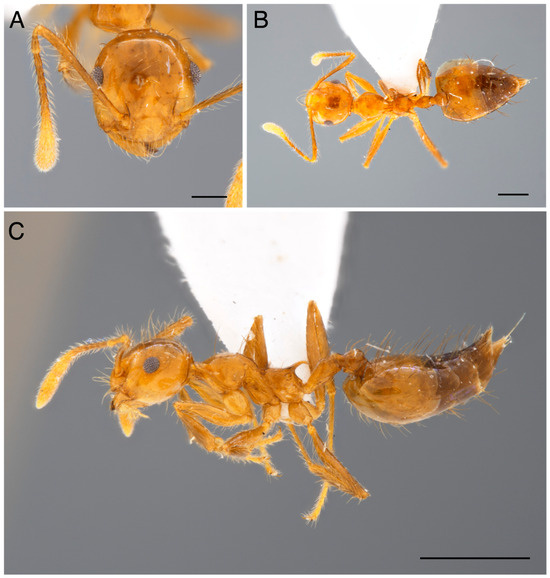
Understanding the climate-driven range dynamics of the oriental hornet (Vespa orientalis) is essential for ecological risk assessment and biodiversity management. This study utilized Maximum Entropy (MaxEnt) modeling to estimate current and future (2050) habitat suitability across the Western Palearctic. The model
[...] Read more.
Understanding the climate-driven range dynamics of the oriental hornet (Vespa orientalis) is essential for ecological risk assessment and biodiversity management. This study utilized Maximum Entropy (MaxEnt) modeling to estimate current and future (2050) habitat suitability across the Western Palearctic. The model demonstrated strong predictive performance, yielding a mean cross-validation AUC of 0.95 ± 0.01 and a TSS of 0.78 ± 0.02, indicating high stability and discriminatory capacity. Jackknife analysis and response curves identified temperature annual range (bio7) and annual precipitation (bio12) as the primary environmental drivers. The species exhibits a distinct preference for moderate thermal variability and balanced moisture regimes, while extreme summer heat (bio5) and warm winter conditions (bio11) impose significant constraints. Current projections identify a high-suitability core concentrated within the Mediterranean basin. By mid-century, projections indicate a spatial reorganization marked by localized gains mainly in the eastern part of the study region alongside suitability losses across North Africa and parts of southern Europe. Multivariate Environmental Similarity Surface (MESS) analysis confirmed high model transferability across most expansion zones, despite increased uncertainty in hyper-arid and high-altitude regions. These findings underscore the dynamic nature of the V. orientalis climatic niche and provide a critical baseline for proactive biosecurity and monitoring in emerging high-risk regions. Given the global decline in Hymenoptera diversity, this study provides timely insights into species-specific responses to climate change, supporting broader efforts in biodiversity conservation and ecological risk assessment.
Full article
(This article belongs to the Special Issue Advances in Hymenoptera Diversity and Biology)
►▼
Show Figures

Figure 1
Open AccessArticle
Diversity of Macrofungi in Jiulingshan National Nature Reserve, Jiangxi Province, China
by
Jieyu Huang, Lei Tu, Shan Yang, Bing Gu and Kuan Zhao
Diversity 2026, 18(5), 289; https://doi.org/10.3390/d18050289 - 11 May 2026
Abstract
►▼
Show Figures
A systematic survey of macrofungal diversity was conducted at the Jiulingshan National Nature Reserve, located in a subtropical monsoon climatic zone dominated by well-preserved evergreen broad-leaved forests, Jiangxi Province, China. From May 2020 to September 2025, fruiting bodies were collected along transects established
[...] Read more.
A systematic survey of macrofungal diversity was conducted at the Jiulingshan National Nature Reserve, located in a subtropical monsoon climatic zone dominated by well-preserved evergreen broad-leaved forests, Jiangxi Province, China. From May 2020 to September 2025, fruiting bodies were collected along transects established in the experimental zone, covering major vegetation types across an elevation gradient of 50–850 m. Macrofungal specimens were initially identified using traditional morphological taxonomy. For taxonomically challenging species, identification was further supported by ITS sequence analysis. A total of 295 macrofungal species were identified, belonging to two phyla, six classes, 20 orders, 63 families, and 150 genera, along with one species of myxomycete. Boletaceae, Agaricaceae, Amanitaceae, and Polyporaceae were the most species-rich families, while Amanita, Russula, and Entoloma were the dominant genera. Floristic analysis revealed that cosmopolitan and North Temperate elements predominated in the macrofungal flora. Among the recorded species, 105 (35.6%) possess edible or medicinal value, whereas 26 (8.8%) are poisonous. This study provides the first comprehensive inventory of macrofungi in the Jiulingshan reserve, offering essential baseline data to support biodiversity conservation, sustainable resource utilization, and the understanding of fungal diversity in northwestern Jiangxi.
Full article

Figure 1
Open AccessArticle
Aquatic Macroinvertebrate Diversity in a Travertine-Fed Saline Stream of the Tropical Andes
by
Shaira Cabrera, Wilson Zúñiga-Sarango and Carlos Iñiguez-Armijos
Diversity 2026, 18(5), 288; https://doi.org/10.3390/d18050288 - 11 May 2026
Abstract
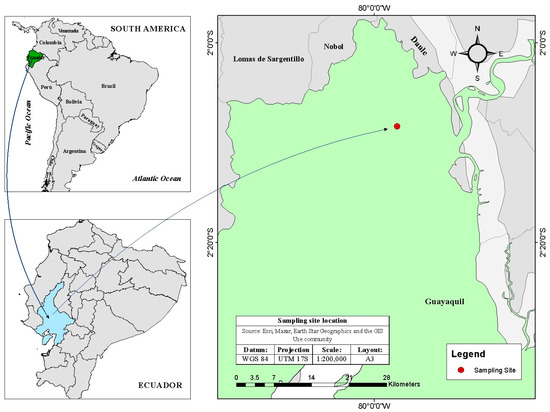
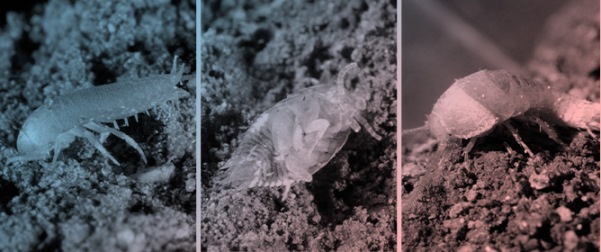
Aquatic macroinvertebrates inhabit virtually all freshwater ecosystems, yet communities in extreme saline environments remain largely undescribed, particularly in the Tropical Andes. This study characterizes the taxonomic diversity of aquatic macroinvertebrates in a travertine-fed saline stream (salinity: 12.5 ± 0.2 g/L; 2520 m a.s.l.,
[...] Read more.
Aquatic macroinvertebrates inhabit virtually all freshwater ecosystems, yet communities in extreme saline environments remain largely undescribed, particularly in the Tropical Andes. This study characterizes the taxonomic diversity of aquatic macroinvertebrates in a travertine-fed saline stream (salinity: 12.5 ± 0.2 g/L; 2520 m a.s.l., southern Ecuador) and compares it with an adjacent freshwater stream. Macroinvertebrates were sampled on four occasions (n = 4 events per stream) using a multi-habitat D-net technique; physicochemical variables were compared with Mann–Whitney U exact tests, and diversity metrics with exact permutation tests (C(8,4) = 70 permutations) supplemented with Cliff’s delta as effect-size estimator. Community composition was assessed with ANOSIM and non-metric multidimensional scaling (NMDS). A total of 919 individuals were collected. The freshwater stream harbored significantly greater richness (49 genera, 28 families), abundance, and Shannon diversity than the saline stream (14 genera, 8 families; all p = 0.029, Cliff’s δ = 1.00), while Pielou’s evenness did not differ between stream types. Community composition was fully separated (ANOSIM R = 1.00, p = 0.028), with salinity (R2 = 0.95, p < 0.01) and water temperature (R2 = 0.79, p = 0.03) as the primary environmental drivers. The saline stream was dominated by halotolerant Diptera (Ceratopogonidae, Stratiomyidae) and water mites (Hydrachnidae), with virtually no EPT (Ephemeroptera–Plecoptera–Trichoptera) representation. These findings establish the first macroinvertebrate diversity baseline for a travertine-associated saline stream in the Tropical Andes, highlighting salinity and temperature as key environmental filters of aquatic biodiversity in extreme Andean lotic ecosystems.
Full article
(This article belongs to the Section Freshwater Biodiversity)
►▼
Show Figures

Figure 1
Open AccessArticle
Forecasting Habitat Shifts in Euro-Mediterranean Orchids Protected Under Directive 92/43/EEC
by
Giovanni-Breogán Ferreiro-Lera, Ángel Penas and Sara del Río
Diversity 2026, 18(5), 287; https://doi.org/10.3390/d18050287 - 11 May 2026
Abstract
While the main diversification centers of Orchidaceae Juss. are located in neotropical-like climates, Europe, and particularly the Mediterranean basin, has remarkable orchid biodiversity. The present study aims to model the habitat suitability of Mediterranean orchid species listed under the Directive 92/43/EEC: Cypripedium calceolus
[...] Read more.
While the main diversification centers of Orchidaceae Juss. are located in neotropical-like climates, Europe, and particularly the Mediterranean basin, has remarkable orchid biodiversity. The present study aims to model the habitat suitability of Mediterranean orchid species listed under the Directive 92/43/EEC: Cypripedium calceolus L., Dactylorhiza kalopissii E.Nelson, Himantoglossum adriaticum H.Baumann, Himantoglossum jankae Somlyay, Kreutz & Óvári, Liparis loeselii (L.) Rich., Ophrys argolica H.Fleischm., Ophrys kotschyi H.Fleischm. & Soó, Ophrys lunulata Parl. and Spiranthes aestivalis (Poir.) Reich. The Bayesian Additive Regression Trees algorithm is employed to conduct automated variable selection and, subsequently, to model the current potential distribution. Solar radiation and the continentality index stand out as the most important distribution predictors. The Miller calibration slope is found to be inadequate (>2.0) for taxa with limited occurrences. Finally, the medium- (2051–2075) and long-term (2076–2100) viability under climate change scenarios SSP2-4.5 and SSP5-8.5 is assessed for high-prevalence orchids (Cypripedium calceolus, Himantoglossum adriaticum, Liparis loeselii and Spiranthes aestivalis). Our results reveal a marked contraction of suitable areas for Cypripedium calceolus (21–55%), Spiranthes aestivalis (29–60%), and, especially, Liparis loeselii (57–87%), which would reach the critically endangered status under the SSP5-8.5 scenario. Our findings underscore the urgent need to incorporate refined ecological modeling into conservation strategies, thereby informing management decisions and policy frameworks aimed at safeguarding one of Europe’s most emblematic and vulnerable plant lineages.
Full article
(This article belongs to the Special Issue Orchids in a Changing World: Diversity, Ecological Adaptations, and Conservation Strategies)
►▼
Show Figures

Figure 1
Open AccessArticle
Structure of Golden Root Populations on Rybachy and Sredny Peninsulas (Murmansk Region, Russia)
by
Marija Yu. Menshakova, Ramzia I. Gainanova, Marina A. Postevaya and Inna V. Ryzhik
Diversity 2026, 18(5), 286; https://doi.org/10.3390/d18050286 - 10 May 2026
Abstract
This article explores the state of golden root (Rhodiola rosea L.) coenopopulations (CPs) on the Rybachy and Sredny peninsulas (Murmansk Region, Russia). The authors describe 10 coenopopulations of this domestically and internationally protected rare species, which is found in different locations on
[...] Read more.
This article explores the state of golden root (Rhodiola rosea L.) coenopopulations (CPs) on the Rybachy and Sredny peninsulas (Murmansk Region, Russia). The authors describe 10 coenopopulations of this domestically and internationally protected rare species, which is found in different locations on the Barents Sea coast. They are characterized by significant differences in the density of individual species (ramets): the maximum values are indicated for the coastal rocky territories in CP 6, with a high proportion of juvenile individuals, and the minimum in CP 8, which is associated with the presence of a strong phytocenosis competitor, Lathyrus aleuticus. The recovery index in most coenopopulations is below one, allowing the authors to classify the species as threatened in the studied area. The authors also assess the vitality index based on studying the morphometric parameters of individual species—it varies significantly depending on the growing conditions and the composition of the accompanying phytocenoses. Analysis of the age structure shows the predominance of young coenopopulations, with two distinct peaks of juvenile and young generative individuals. R. rosea exhibits high ecological plasticity in various biotopes on the Barents Sea coast, and therefore, the coenopopulations of its coastal communities form the basis for this species’ stability in the studied area and need to be protected.
Full article
(This article belongs to the Section Biodiversity Conservation)
►▼
Show Figures

Figure 1
Journal Menu
► ▼ Journal Menu-
- Diversity Home
- Aims & Scope
- Editorial Board
- Reviewer Board
- Topical Advisory Panel
- Instructions for Authors
- Special Issues
- Topics
- Sections & Collections
- Article Processing Charge
- Indexing & Archiving
- Editor’s Choice Articles
- Most Cited & Viewed
- Journal Statistics
- Journal History
- Journal Awards
- Conferences
- Editorial Office
Journal Browser
► ▼ Journal BrowserHighly Accessed Articles
Latest Books
E-Mail Alert
News
Topics
Topic in
Animals, Biology, Conservation, Diversity, Ecologies, Forests, Land
Conservation at the Crossroads: Forest Ecology, Wildlife Dynamics, and Emerging Challenges for Ecosystem Resilience
Topic Editors: Yiannis G. Zevgolis, Triantaphyllos Akriotis, Anastasia Christopoulou, Panayiotis G. Dimitrakopoulos, Dimitra-Lida Rammou, Dionisios YoulatosDeadline: 31 July 2026
Topic in
Agronomy, Diversity, Ecologies, Grasses, Sustainability
Effective Strategies for Rangeland Conservation and Sustainable Management
Topic Editors: Apostolos P. Kyriazopoulos, Tong Li, Huakun Zhou, Jing Zhang, Lan LiDeadline: 29 March 2027
Topic in
Biology, Data, Diversity, Fishes, Animals, Conservation, Hydrobiology
Intersection Between Macroecology and Data Science
Topic Editors: Paulo Branco, Gonçalo DuarteDeadline: 23 April 2027
Topic in
Diversity, JMSE, Sustainability, Taxonomy, Water
Taxonomy and Ecology of Zooplankton
Topic Editors: Manuel Elias-Gutierrez, Alexey A. KotovDeadline: 30 April 2027
Conferences
Special Issues
Special Issue in
Diversity
Marine Nearshore Biodiversity—2nd Edition
Guest Editor: Thomas J. TrottDeadline: 20 May 2026
Special Issue in
Diversity
Advances in Freshwater Mollusk Research
Guest Editors: Ioan Sîrbu, Simone Varandas, Martin ÖsterlingDeadline: 30 May 2026
Special Issue in
Diversity
Tropical Aquatic Biodiversity
Guest Editors: Lenize Batista Calvão, José Max Oliveira-JuniorDeadline: 31 May 2026
Special Issue in
Diversity
Ecology and Evolution of Primates—Sensory Systems
Guest Editors: Tesla A Monson, Carrie VeilleuxDeadline: 31 May 2026
Topical Collections
Topical Collection in
Diversity
Disturbance Ecology: A New Emerging Field in Basic/Applied Ecology and Conservation
Collection Editors: Corrado Battisti, Luca Luiselli
Topical Collection in
Diversity
Feature Papers in Biogeography and Macroecology
Collection Editor: Michel Baguette