





-
Uncovering a Medieval Pogrom: Genetic History of a Jewish Community in Catalonia (Spain) -
A Novel CFA3 Locus Encompassing KCNIP4 Is Associated with Idiopathic Epilepsy in Siberian Huskies -
From Genomic Diagnosis to Personalized RNA Medicine: Advances in Next-Generation Sequencing and N-of-1 Antisense Oligonucleotide Therapies for Rare Genetic Diseases -
Adeno-Associated Virus Toxicity in Duchenne Muscular Dystrophy: Mechanisms and Clinical Considerations -
Autosomal STR Markers for Forensic Genetics: Applications, Challenges, and Future Directions
Journal Description
Genes
Genes
is a peer-reviewed, open access journal of genetics and genomics published monthly online by MDPI. The Spanish Society for Nitrogen Fixation (SEFIN) is affiliated with Genes and its members receive discounts on the article processing charges.
- Open Access— free for readers, with article processing charges (APC) paid by authors or their institutions.
- High Visibility: indexed within Scopus, SCIE (Web of Science), PubMed, MEDLINE, PMC, Embase, PubAg, and other databases.
- Journal Rank: JCR - Q2 (Genetics and Heredity) / CiteScore - Q2 (Genetics (clinical))
- Rapid Publication: manuscripts are peer-reviewed and a first decision is provided to authors approximately 14.6 days after submission; acceptance to publication is undertaken in 3.4 days (median values for papers published in this journal in the second half of 2025).
- Recognition of Reviewers: Reviewers who provide timely, thorough peer-review reports receive vouchers entitling them to a discount on the APC of their next publication in any MDPI journal, in appreciation of the work done.
Impact Factor:
2.8 (2024);
5-Year Impact Factor:
3.2 (2024)
Latest Articles
Complete Mitochondrial Genome of Haemulon plumierii (Lacepède, 1801) Supports Its Use as a Sentinel Reef Fish
Genes 2026, 17(5), 585; https://doi.org/10.3390/genes17050585 - 20 May 2026
Abstract
Background: Mitochondrial genomes provide valuable information on evolutionary relationships among organisms and on the selective pressures acting on energy metabolism, increasing their relevance in ecological and environmental genomics studies. Haemulon plumierii is a reef-associated fish distributed throughout the Gulf of Mexico and
[...] Read more.
Background: Mitochondrial genomes provide valuable information on evolutionary relationships among organisms and on the selective pressures acting on energy metabolism, increasing their relevance in ecological and environmental genomics studies. Haemulon plumierii is a reef-associated fish distributed throughout the Gulf of Mexico and Caribbean Sea and has been proposed as a bioindicator species within the Mesoamerican Reef System. Methods: In this study, we present a high-quality mitochondrial genome of H. plumierii from the southeastern coast of Mexico generated using PacBio HiFi long-read sequencing. Results: The circular mitogenome is 16,823 bp long and contains the complete set of 37 canonical mitochondrial genes, including 13 protein-coding genes, 22 tRNAs, two rRNAs, and one control region (D-loop). The gene order, strand orientation, and tRNA secondary structures were consistent with the conserved vertebrate mitochondrial architecture. Comparative analyses with closely related haemulid species revealed conserved nucleotide composition patterns, negative GC skew values, strong AT enrichment within the D-loop, and highly conserved mitochondrial synteny. Phylogenetic reconstruction based on complete mitochondrial genomes placed H. plumierii firmly within the Haemulon clade. Selective pressure analyses revealed pervasive purifying selection acting on mitochondrial protein-coding genes, supported by low dN/dS ratios, high amino acid identity, constrained nucleotide diversity in cytochrome oxidase genes, and conserved codon usage patterns shaped primarily by AT-driven mutational bias. Pairwise genetic distance analyses further supported moderate interspecific divergence within Caribbean Haemulon species. Conclusions: Overall, the mitogenomic resource generated here provides an important evolutionary and functional framework for future phylogenetic, ecological, and environmental genomics studies in Caribbean reef fishes.
Full article
(This article belongs to the Section Animal Genetics and Genomics)

Open AccessReview
Ciliopathies in Complex Congenital Heart Disease: Molecular Genetics, Embryologic Mechanisms and Clinical Implications
by
Maria Felicia Gagliardi, Emanuele Micaglio, Angelo Micheletti, Sara Benedetti, Andrea Giordano, Baldassare Maria Alonzo, Giulia Guglielmi, Diana Gabriela Negura, Alessandro Giamberti and Massimo Chessa
Genes 2026, 17(5), 584; https://doi.org/10.3390/genes17050584 - 19 May 2026
Abstract
Background/Objectives: Congenital heart malformations (CHDs) are not rare diseases, and, in many cases, their pathogenic mechanisms are well established. Several conotruncal defects are associated with genetic syndromes such as DiGeorge syndrome and RASopathies, reflecting shared developmental pathways affecting cardiac outflow tract formation. However,
[...] Read more.
Background/Objectives: Congenital heart malformations (CHDs) are not rare diseases, and, in many cases, their pathogenic mechanisms are well established. Several conotruncal defects are associated with genetic syndromes such as DiGeorge syndrome and RASopathies, reflecting shared developmental pathways affecting cardiac outflow tract formation. However, even common CHDs may occur within complex syndromic contexts, making early diagnosis essential for optimal management. This review aims to provide a unifying framework linking ciliary dysfunction to CHD phenotypes. Methods: We performed an integrative narrative review of genetic, experimental, and developmental studies focusing on the role of primary and motile cilia in cardiac morphogenesis. Particular attention was given to signaling pathways regulated by cilia and their contribution to disease phenotypes. Results: Emerging evidence indicates that primary and motile cilia act as central regulators of cardiac development, integrating morphogen gradients and mechanical cues into transcriptional programs. Dysfunctions in ciliary structure or signaling are increasingly recognized as important contributors to selected complex CHD phenotypes, particularly in syndromic forms and laterality-associated defects. This cilia-centered model may help explain part of the phenotypic heterogeneity observed in CHD and highlights shared mechanisms across distinct clinical entities. Conclusions: Understanding cilia-dependent mechanisms provides a unifying conceptual framework linking genetic defects to disrupted morphogenesis. This perspective may refine disease interpretation and support future development of precision diagnostics and pathway-informed therapeutic strategies in CHD.
Full article
(This article belongs to the Section Human Genomics and Genetic Diseases)
Open AccessArticle
Clinical Manifestations and Genetic Spectrum of Oculocutaneous Albinism Type 2 in Chinese Patients
by
Chonglin Chen, Jun Li, Bingqi Wang, Junyi Liu and Xinping Yu
Genes 2026, 17(5), 583; https://doi.org/10.3390/genes17050583 - 19 May 2026
Abstract
Objectives: Oculocutaneous albinism (OCA), a group of inherited disorders characterized by deficient melanin synthesis, leads to hypopigmentation of the skin, hair, and eyes. OCA type 2 (OCA2) is caused by mutations in OCA2. This study aimed to characterize the comprehensive clinical
[...] Read more.
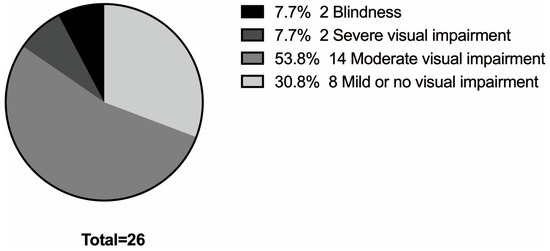
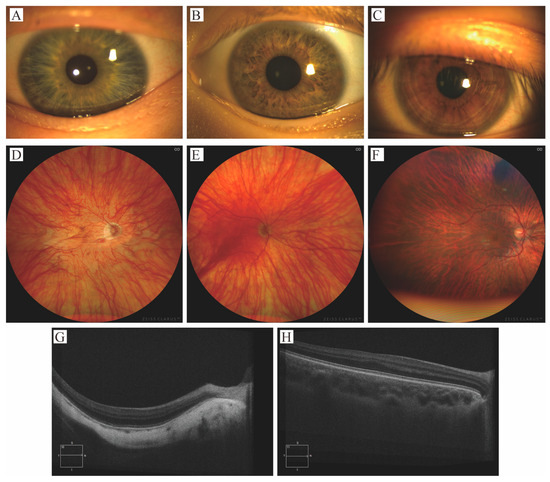
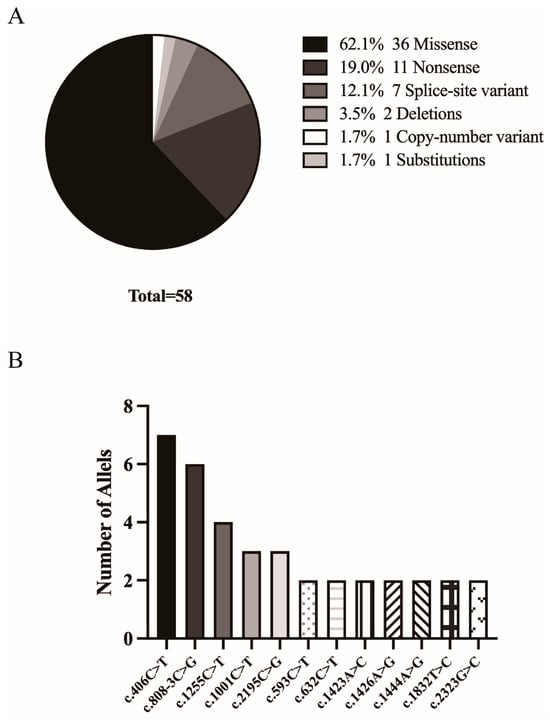
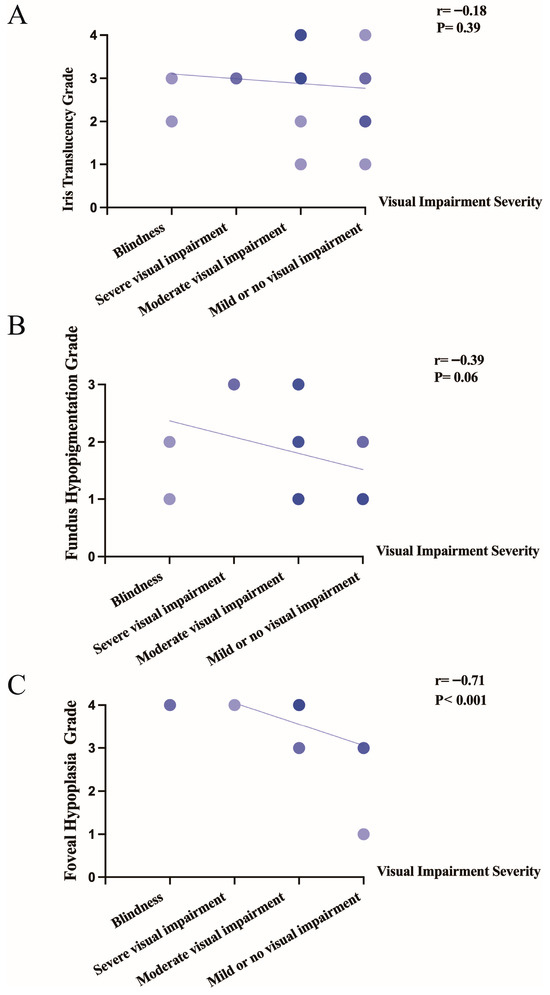
Objectives: Oculocutaneous albinism (OCA), a group of inherited disorders characterized by deficient melanin synthesis, leads to hypopigmentation of the skin, hair, and eyes. OCA type 2 (OCA2) is caused by mutations in OCA2. This study aimed to characterize the comprehensive clinical and genetic spectrum of OCA2, and to identify the key ocular determinants of visual acuity. Methods: We enrolled 90 probands clinically diagnosed with albinism. Whole-exome sequencing and comprehensive ophthalmic examinations were performed. Results: OCA2 was confirmed in 29 probands (32.2%). Visual impairment was distributed as mild/no impairment (30.8%), moderate (53.8%), and severe/blindness (15.4%). All patients exhibited nystagmus and photophobia. Ocular phenotype grading showed distinct distributions: iris translucency (n = 25) was 68% grade 3, 20% grade 2, 8% grade 1, and 4% grade 4; fundus hypopigmentation (n = 26) was 42.3% grade 1, 30.8% grade 2, and 26.9% grade 3; and foveal hypoplasia (n = 20) was 70% grade 4, 25% grade 3, and 5% grade 1. We identified 33 OCA2 variants (26 compound heterozygous and 3 homozygous), with missense variants accounting for 62.1% of alleles. Five variants were identified to be novel. The severity of foveal hypoplasia demonstrated a strong, statistically significant negative correlation with visual acuity (r = −0.71, p < 0.001). Conclusions: OCA2 accounts for 32.2% of albinism cases, with moderate visual impairment being the most common (53.8%). Graded phenotyping demonstrated moderate-to-severe iris translucency (88%), mild fundus hypopigmentation (42.3%), and severe (grade 4) foveal hypoplasia (70%). The severity of foveal hypoplasia emerged as an important determinant of visual acuity.
Full article
(This article belongs to the Section Human Genomics and Genetic Diseases)
►▼
Show Figures

Figure 1
Open AccessEditorial
Advanced Research in Forensic Genetics
by
Mauro Pesaresi and Alessia Bernini Di Michele
Genes 2026, 17(5), 582; https://doi.org/10.3390/genes17050582 - 19 May 2026
Abstract
This Special Issue on advanced research in forensic genetics aims to showcase recent methodological developments, emerging challenges, and future perspectives in a field that is rapidly evolving under the pressure of technological innovation and increasing interpretative complexity [...]
Full article
(This article belongs to the Special Issue Advanced Research in Forensic Genetics)
Open AccessArticle
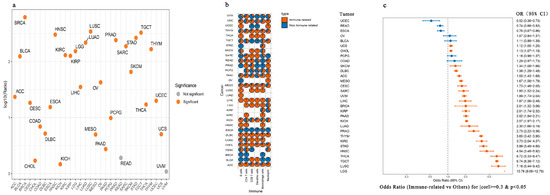
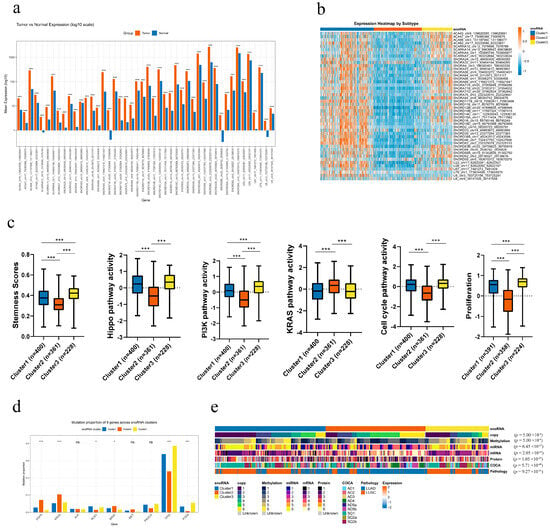
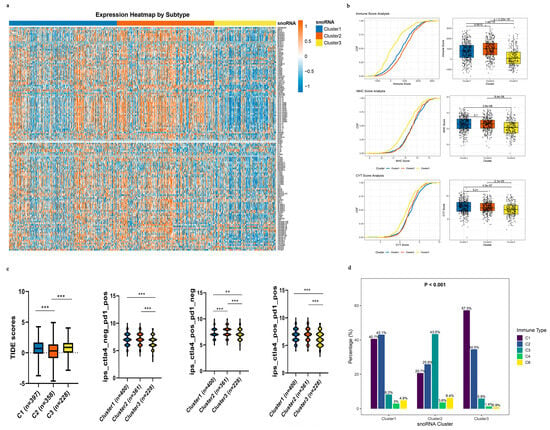
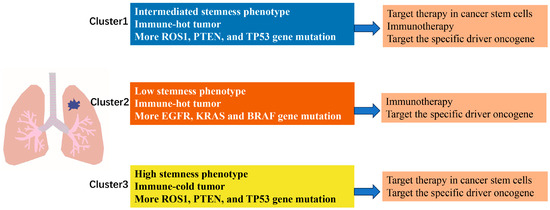
Systematic Identification of Immune-Related SnoRNAs: Potential Dual Roles in Tumor Progression and Immunotherapy Response
by
Hongling Li, Lihua Zhang, Zhaobin Li and Shuchen Lin
Genes 2026, 17(5), 581; https://doi.org/10.3390/genes17050581 - 18 May 2026
Abstract
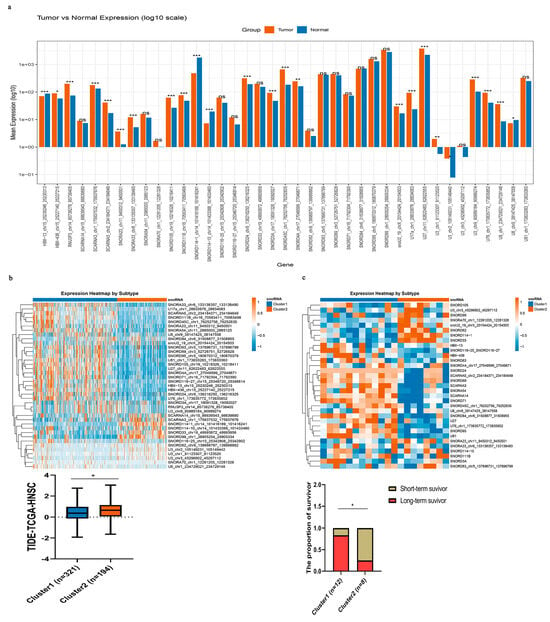
Background: Immune-related snoRNAs remain largely uncharacterized in cancer. Methods: We comprehensively investigated their functions and clinical relevance through an integrative pan-cancer analysis of The Cancer Genome Atlas (TCGA) datasets. We systematically identified immune-related snoRNAs via partial correlation with immune pathways and GSEA, validated
[...] Read more.
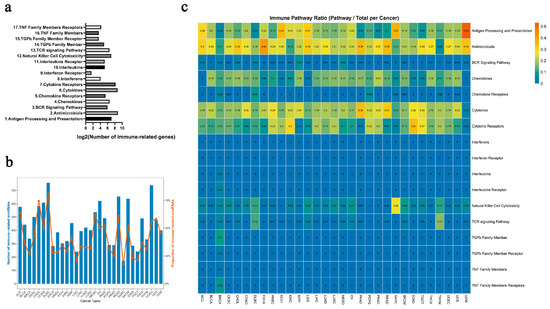
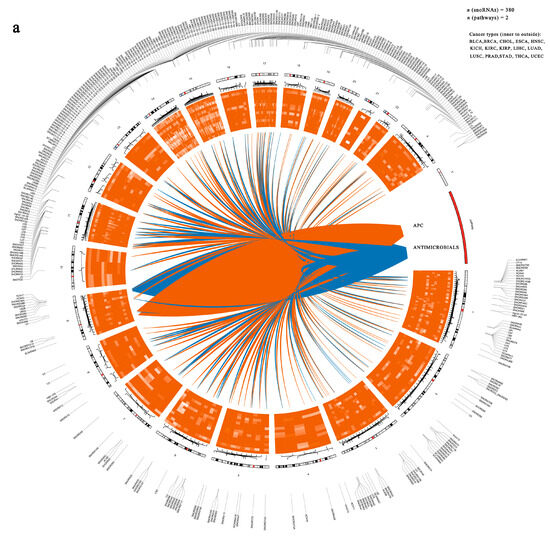
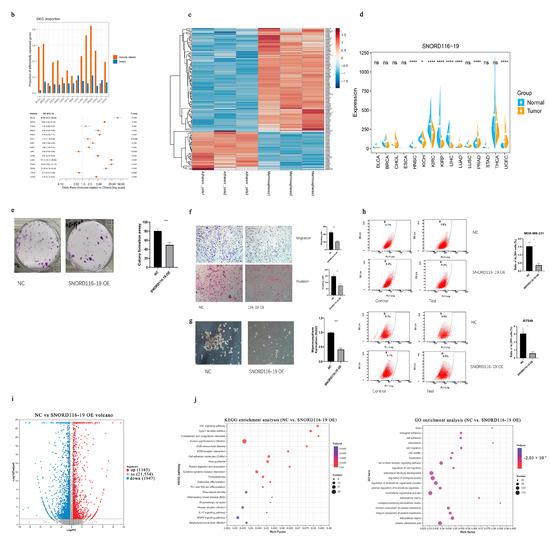
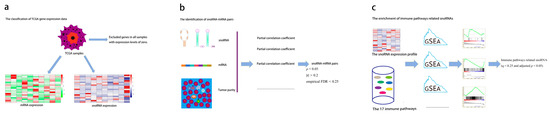
Background: Immune-related snoRNAs remain largely uncharacterized in cancer. Methods: We comprehensively investigated their functions and clinical relevance through an integrative pan-cancer analysis of The Cancer Genome Atlas (TCGA) datasets. We systematically identified immune-related snoRNAs via partial correlation with immune pathways and GSEA, validated their functions in vitro, and performed molecular subtyping in non-small-cell lung cancer (NSCLC) and head and neck squamous cell carcinoma (HNSC). Results: We established a comprehensive landscape of immune-related snoRNAs associated with core immune pathways, the majority of which were dysregulated across cancers and correlated with tumor immune cell infiltration. Functional screening revealed that numerous immune-related snoRNAs were aberrantly expressed in cancer stem cells; notably, SNORD116-19 potently suppressed breast cancer stemness and metastasis. Using a panel of immune-related snoRNAs, we classified NSCLC into three molecular subtypes with distinct molecular features and immune microenvironments, suggesting divergent immunotherapy response patterns. This classification framework was successfully extrapolated to HNSC. Conclusions: Our findings suggest that immune-related snoRNAs may serve as potential regulators linking tumor progression and immunity and could be explored as candidate biomarkers for molecular subtyping with the potential to inform personalized immunotherapy strategies.
Full article
(This article belongs to the Section RNA)
►▼
Show Figures

Figure 1
Open AccessReview
Beyond STRs: Integrative Forensic Genomics from MPS to Genetic Genealogy and AI-Based Prediction
by
Desiree Brancato, Elvira Coniglio, Francesca Bruno, Simone Treccarichi, Mirella Vinci, Francesco Calì, Salvatore Saccone and Concetta Federico
Genes 2026, 17(5), 580; https://doi.org/10.3390/genes17050580 - 18 May 2026
Abstract
Recent advances in forensic genetics are rapidly transforming the field from traditional DNA profiling toward integrative and predictive genomic approaches. While short tandem repeat (STR)-based typing remains the gold standard for human identification, emerging technologies such as massively parallel sequencing (MPS), forensic genetic
[...] Read more.
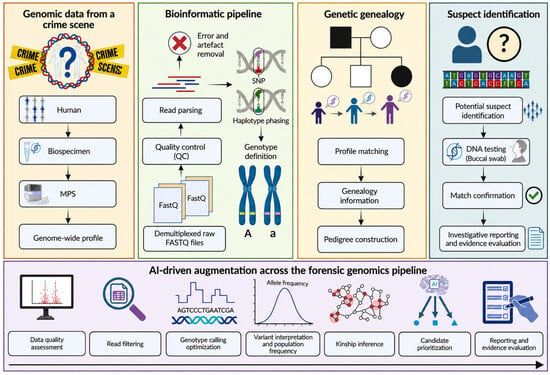
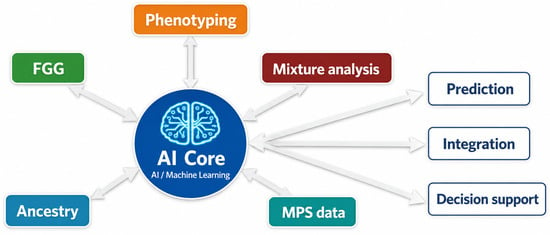
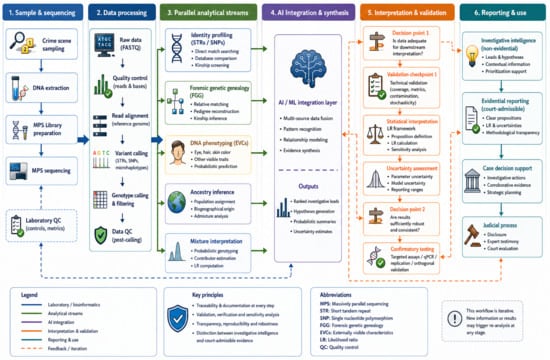
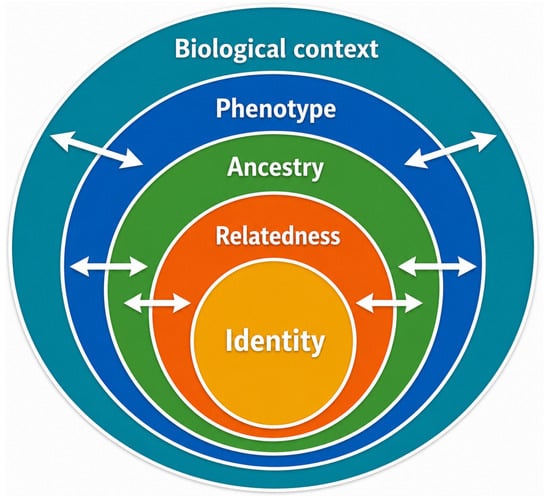
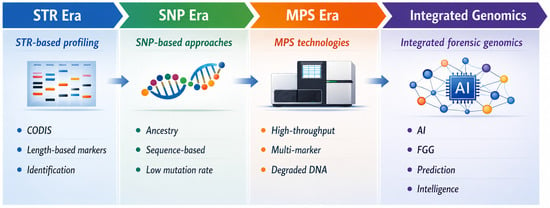
Recent advances in forensic genetics are rapidly transforming the field from traditional DNA profiling toward integrative and predictive genomic approaches. While short tandem repeat (STR)-based typing remains the gold standard for human identification, emerging technologies such as massively parallel sequencing (MPS), forensic genetic genealogy (FGG), and artificial intelligence (AI)-driven bioinformatics are expanding the scope of forensic investigations, with MPS also widely established in clinical genomics, further supporting its application in complex and unresolved cases. This article presents a structured narrative and conceptual review of next-generation forensic genomics, based on selected peer-reviewed studies, technical guidelines, and recent review articles relevant to MPS-based marker analysis, FGG, DNA phenotyping, ancestry inference, AI-supported bioinformatics, validation, and ethical/legal issues. We discuss the transition from STRs to single nucleotide polymorphisms (SNPs) and microhaplotypes enabled by MPS, emphasizing their applications in mixture deconvolution, kinship analysis, and degraded DNA samples. The role of FGG in cold case resolution is examined, alongside methodological, legal, and ethical considerations related to the use of public genetic databases. Furthermore, we explore recent developments in DNA phenotyping and ancestry inference, focusing on predictive models of externally visible characteristics (EVCs) and their forensic utility. Particular attention is given to the growing impact of AI and machine learning in data interpretation, probabilistic genotyping, and pattern recognition across complex genomic datasets. Finally, we address current limitations, including technical standardization, population biases, data privacy concerns, and the need for robust validation frameworks. Rather than providing a systematic review, this work aims to synthesize current developments into an operational framework for integrated forensic genomics, distinguishing forensic intelligence, probabilistic interpretation, confirmatory testing, and evidentiary use. By integrating technological, analytical, and ethical perspectives, this review proposes a conceptual framework for integrated forensic genomics, in which genomic data are used not only for identification but also for forensic intelligence generation.
Full article
(This article belongs to the Special Issue Novel Strategies in Forensic Genetics)
►▼
Show Figures

Figure 1
Open AccessArticle
OsBADH1–OsBADH2 Double Mutants Increase 2-Acetyl-1-Pyrroline Accumulation and Alter GABA-Associated Abiotic Stress Responses in Rice
by
Yu-Jin Jung, Jin-Young Kim and Kwon-Kyoo Kang
Genes 2026, 17(5), 579; https://doi.org/10.3390/genes17050579 - 18 May 2026
Abstract
Background/Objectives: Rice fragrance is mainly determined by 2-acetyl-1-pyrroline (2-AP), which is negatively regulated by OsBADH2. However, the contribution of its paralog OsBADH1 to aroma-associated metabolism and GABA-linked abiotic stress responses remains unclear. This study investigated whether simultaneous disruption of OsBADH1 and OsBADH2
[...] Read more.
Background/Objectives: Rice fragrance is mainly determined by 2-acetyl-1-pyrroline (2-AP), which is negatively regulated by OsBADH2. However, the contribution of its paralog OsBADH1 to aroma-associated metabolism and GABA-linked abiotic stress responses remains unclear. This study investigated whether simultaneous disruption of OsBADH1 and OsBADH2 further enhances 2-AP accumulation while affecting stress tolerance in rice. Methods: Independent osbadh1 and osbadh2 knockout lines were generated using CRISPR/Cas9 and crossed to obtain homozygous osbadh1 osbadh2 double mutants. Wild type, single mutants, and double mutants were compared for 2-AP accumulation, GABA content, agronomic traits, abiotic stress responses, and expression of genes associated with GABA metabolism and stress responses. Results: The osbadh2 mutant showed a marked increase in 2-AP, and the osbadh1 osbadh2 double mutant exhibited the highest level, corresponding to a 7.1-fold increase over the wild type. In contrast, the GABA content progressively decreased and reached 0.46-fold of the wild-type level in the double mutant. Under normal growth conditions, the double mutant showed no major agronomic defects. However, under salinity and drought stress, its survival declined to 0.41-fold and 0.40-fold of the wild-type levels, respectively. KEGG and expression analyses further indicated coordinated disruption of GABA-associated metabolic and stress-responsive pathways in the double mutant. Conclusions: Combined disruption of OsBADH1 and OsBADH2 enhanced aroma-associated metabolism but weakened GABA-linked abiotic stress tolerance, revealing a trade-off between increased fragrance and reduced stress resilience in rice.
Full article
(This article belongs to the Section Plant Genetics and Genomics)
Open AccessArticle
Circulating Plasma miRNA-548L as Novel Predictive Biomarker of Radiotherapy-Induced Severe Oral Mucositis in Patients with Laryngeal Cancer
by
Marcin Mazurek, Anna Brzozowska, Teresa Małecka-Massalska and Tomasz Powrózek
Genes 2026, 17(5), 578; https://doi.org/10.3390/genes17050578 - 18 May 2026
Abstract
Background/Objectives: Oral mucositis (OM) is a common complication in laryngeal cancer (LC), during radiotherapy (RT), significantly affecting patient outcomes. Identifying sensitive biomarkers to predict OM severity is therefore crucial. MicroRNAs, which regulate inflammatory pathways involved in OM, are promising candidates. This retrospective study
[...] Read more.
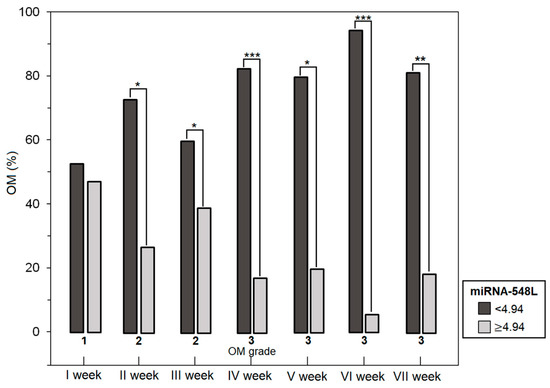
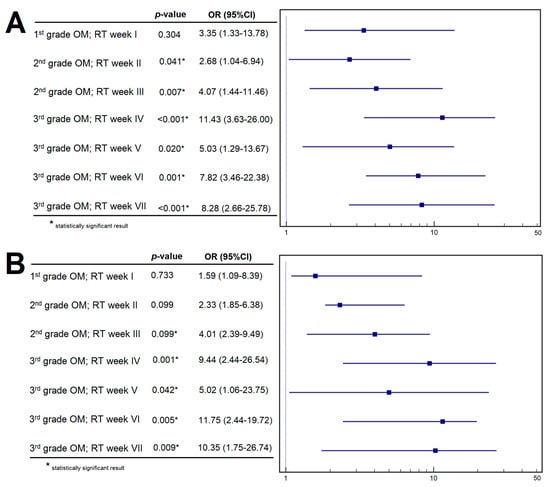
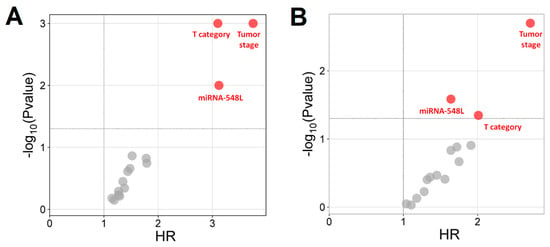
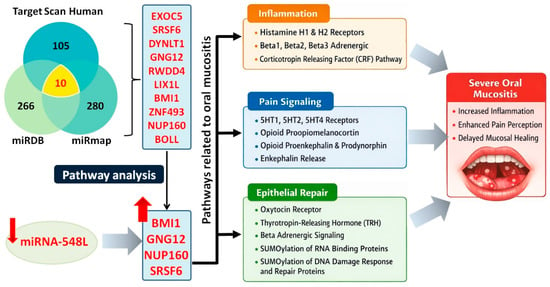
Background/Objectives: Oral mucositis (OM) is a common complication in laryngeal cancer (LC), during radiotherapy (RT), significantly affecting patient outcomes. Identifying sensitive biomarkers to predict OM severity is therefore crucial. MicroRNAs, which regulate inflammatory pathways involved in OM, are promising candidates. This retrospective study aimed to evaluate plasma miRNA-548L as a predictive biomarker for the occurrence and severity of OM in LC patients undergoing RT. Methods: The expression levels of the selected miRNAs were analyzed in plasma samples obtained from 76 LC patients prior to the initiation of RT. Bioinformatics analyses were performed to identify molecular pathways regulated by miRNA-548L and their potential link to the pathogenesis of OM. Results: Significantly decreased levels of the studied miRNA were observed in the plasma of LC patients who developed severe OM after the IVth (p < 0.001), Vth (p = 0.039), VIth (p < 0.001), and VIIth (p < 0.001) cycles of RT. Additionally, the expression of miRNA-548L enabled reliable differentiation between patients who developed severe OM during the IVth (AUC = 0.81, p < 0.001), Vth (AUC = 0.77, p < 0.001), VIth (AUC = 0.82, p < 0.001), and VIIth (AUC = 0.86, p < 0.001) weeks of treatment. Importantly, lower expression of miRNA-548L (HR = 3.12; p = 0.010) was significantly associated with shorter median overall survival (OS). Conclusions: Pretreatment plasma miRNA-548L shows potential as a biomarker for predicting severe OM in LC patients undergoing RT. Notably, reduced miRNA-548L expression is associated with shorter OS and may help stratify patients by OM severity.
Full article
(This article belongs to the Section RNA)
►▼
Show Figures

Figure 1
Open AccessArticle
Longitudinal Repeatome Remodeling in Peripheral Blood Following Parkinson’s Disease Diagnosis
by
Jerzy K. Kulski and Sulev Koks
Genes 2026, 17(5), 577; https://doi.org/10.3390/genes17050577 - 18 May 2026
Abstract
Background/Objectives: Parkinson’s disease (PD) is associated with systemic molecular alterations that extend beyond the central nervous system, including changes in peripheral blood transcriptomic profiles. While prior studies have focused predominantly on coding-gene expression, the longitudinal behavior of the peripheral blood repeatome following clinical
[...] Read more.
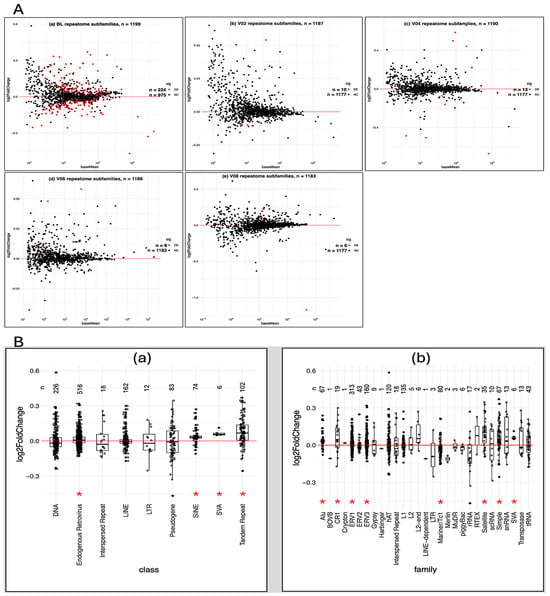
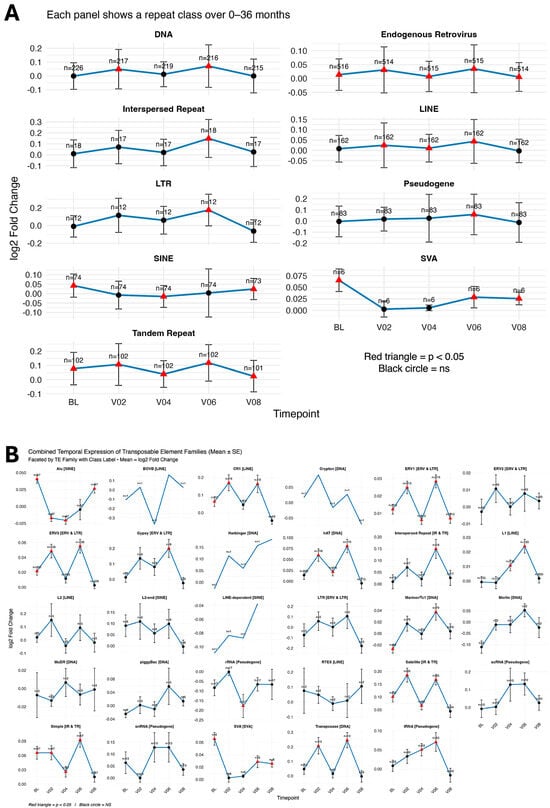
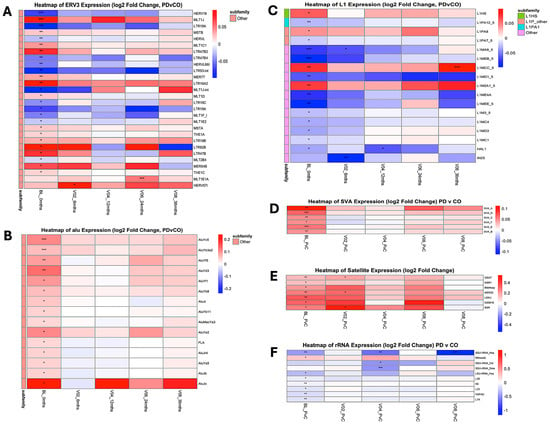
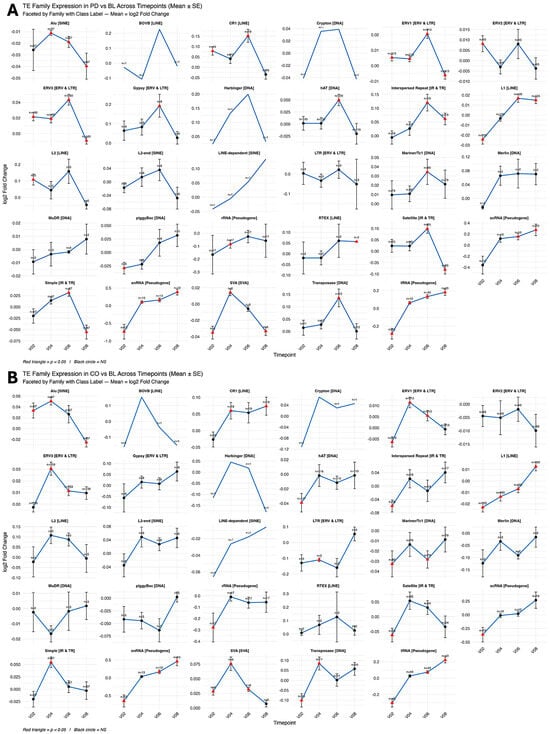
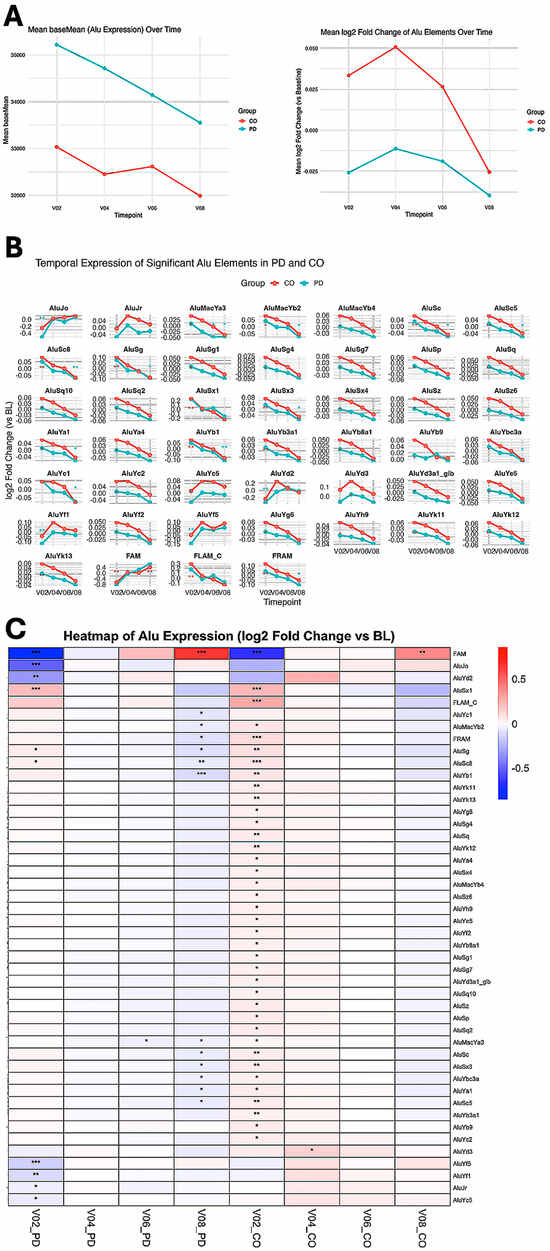
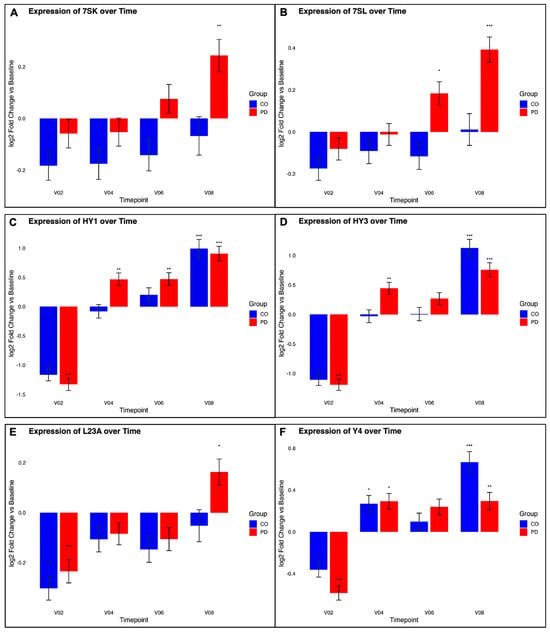
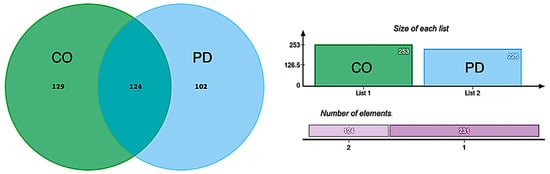
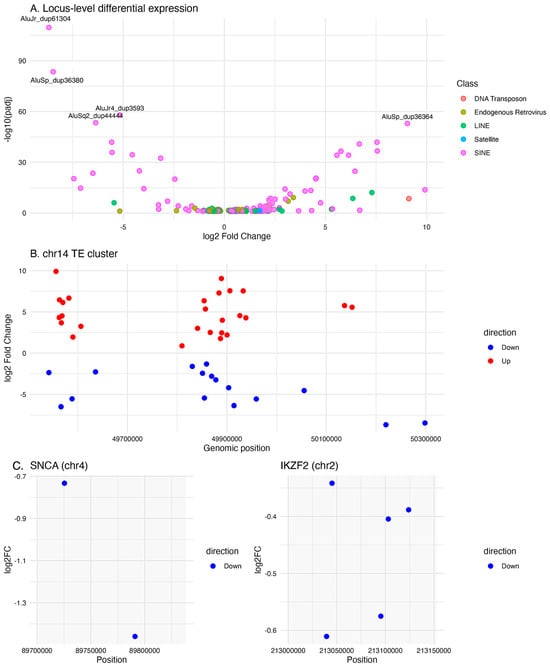
Background/Objectives: Parkinson’s disease (PD) is associated with systemic molecular alterations that extend beyond the central nervous system, including changes in peripheral blood transcriptomic profiles. While prior studies have focused predominantly on coding-gene expression, the longitudinal behavior of the peripheral blood repeatome following clinical diagnosis remains poorly characterized. Here, we investigated temporal remodeling of repetitive-element transcription over 36 months post-diagnosis by integrating repeat subfamily- and locus-specific analyses. Methods: Repeatome expression was quantified using SalmonTE and DESeq2 in peripheral blood RNA-seq data from 1560 PD and control individuals at diagnostic baseline (BL) and four follow-up visits (6, 12, 24, and 36 months). Differential expression was assessed at the subfamily level, with additional locus-specific validation in a representative subset. Results: A total of 259 repeat subfamilies were differentially expressed (padj < 0.05), of which 224 (86.5%) were already detected at baseline. Enrichment of differential expression was significantly higher at baseline than at later visits (odds ratio = 30.9, p < 2.2 × 10⁻¹⁶), with limited additional divergence over time. Longitudinal analyses revealed non-linear trajectories in selected repeat families, including Alu and SVA subfamilies. Locus-specific analysis identified 237 significantly regulated elements, demonstrating heterogeneous, site-specific transcriptional changes, including clusters of differentially expressed loci and instances within PD-relevant genomic regions (e.g., SNCA and IKZF2). Conclusions: Peripheral blood repeatome expression differs between PD and control groups, with the dominant signal established at clinical diagnosis and modest longitudinal modulation thereafter. Integration of locus-level analysis indicates that subfamily level patterns arise from discrete genomic events rather than uniform regulation. These findings support a model of systemic, immune-associated transcriptomic remodeling in circulating blood cells and position the peripheral repeatome as a dynamic framework for biomarker discovery and future mechanistic investigation.
Full article
(This article belongs to the Section Genetic Diagnosis)
►▼
Show Figures

Figure 1
Open AccessReview
From Mutation to Manifestation: Penetrance in Amyotrophic Lateral Sclerosis
by
Elodie Richard, Sally Al-Hajj Vourc’h, Sylviane Marouillat, Stéphane Beltran, Hélène Blasco, Philippe Corcia and Patrick Vourc’h
Genes 2026, 17(5), 576; https://doi.org/10.3390/genes17050576 - 18 May 2026
Abstract
Amyotrophic lateral sclerosis (ALS) is an adult-onset neurodegenerative disease characterized by progressive loss of motor neurons in the brain and spinal cord. While most cases are sporadic, around 10% are familial. Recent genetic studies show that many apparently isolated cases carry pathogenic mutations,
[...] Read more.
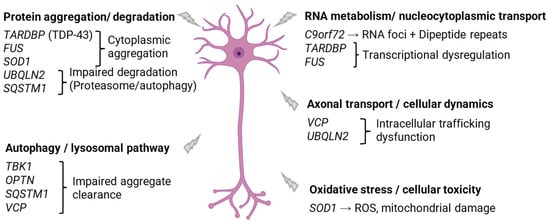
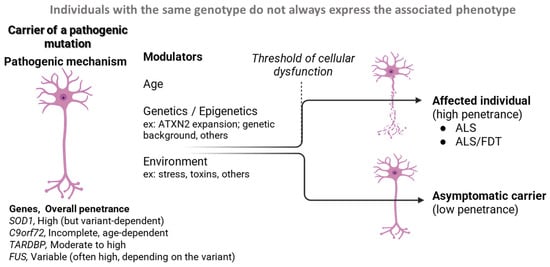
Amyotrophic lateral sclerosis (ALS) is an adult-onset neurodegenerative disease characterized by progressive loss of motor neurons in the brain and spinal cord. While most cases are sporadic, around 10% are familial. Recent genetic studies show that many apparently isolated cases carry pathogenic mutations, highlighting the importance of penetrance, the probability that a causal mutation manifests clinically. This review focuses on mutation penetrance in ALS (C9orf72, SOD1, TARDBP, FUS genes), its variability across genes, age, and environmental or genetic modifiers, and its implications for genetic counseling. Identification of pathogenic mutations informs the monitoring of relatives and, in some cases, gives access to targeted therapies or clinical trials. Counseling of asymptomatic relatives must consider incomplete penetrance, which can lead to delayed or absent disease manifestation. ALS exists on a clinical and genetic continuum including related disorders, such as frontotemporal dementia, further influencing risk interpretation. Advances in panel, whole-exome and whole-genome sequencing refine our understanding of penetrance and enable precise diagnostics, and potential tailored therapies. Understanding penetrance is therefore essential to translate mutation discovery into informed clinical decisions and genetic counseling in ALS.
Full article
(This article belongs to the Special Issue Feature Papers in "Neurogenetics and Neurogenomics": 2026)
►▼
Show Figures

Figure 1
Open AccessArticle
Pharmacogenetic Analysis of Variants in IL-6 Signaling and Response to Modern Therapeutic Approaches in Greek Patients with Atopic Dermatitis
by
Dimitra Triantafillidi, Vasiliki Tziouvara, Alexandros Pontikas, Adam Akritidis, Charalabos Antonatos, Aikaterini Zacharopoulou, Aikaterini Tsiogka, Ileana-Afroditi Kleidona, Katerina Grafanaki, Alexandra Chrysospathi, Niki Ntavari, Elli Kampra, Sophia Georgiou, Efterpi Zafiriou, Stamatis Gregoriou and Yiannis Vasilopoulos
Genes 2026, 17(5), 575; https://doi.org/10.3390/genes17050575 - 18 May 2026
Abstract
Background/Objectives: We conducted the first pharmacogenetic investigation of atopic dermatitis in a cohort of 43 Greek patients, focusing on key variants within the IL6/JAK/STAT signaling axis, a pathway central to inflammation and therapeutic targeting. Methods: Patients receiving dupilumab, JAK inhibitors, or topical corticosteroids
[...] Read more.
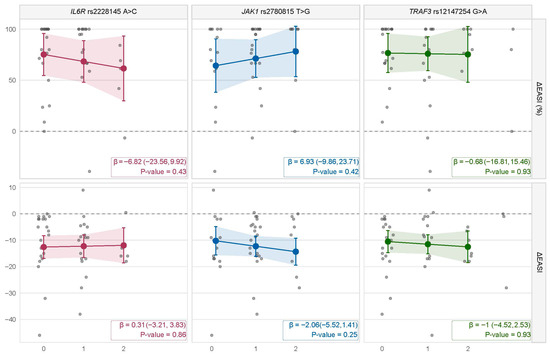
Background/Objectives: We conducted the first pharmacogenetic investigation of atopic dermatitis in a cohort of 43 Greek patients, focusing on key variants within the IL6/JAK/STAT signaling axis, a pathway central to inflammation and therapeutic targeting. Methods: Patients receiving dupilumab, JAK inhibitors, or topical corticosteroids were prospectively evaluated, with treatment response assessed by changes in the Eczema Area and Severity Index over four months. Targeted genotyping of IL6R rs2228145 A>C, JAK1 rs2780815 T>G, and TRAF3 rs12147254 G>A were performed using PCR-RFLP. Results: Across the full cohort, no robust pharmacogenetic effects were detected, while baseline disease severity was the strongest predictor of absolute clinical improvement. However, stratified analyses revealed a significant association between the IL6R rs2228145 minor allele and reduced upadacitinib response (p-value = 0.026). Consistently, the same variant demonstrated a nominal association with reduced likelihood of achieving ≥75% improvement (p = 0.065). Conclusions: Although limited by sample size, these findings suggest potential treatment-specific pharmacogenetic effects within the IL6 pathway, supporting further investigation in larger cohorts to inform personalized therapeutic strategies in eczema.
Full article
(This article belongs to the Special Issue Pharmacogenomics and Pharmacoepigenomics in Autoimmune Diseases: How Close We Are to Personalised Medicine)
►▼
Show Figures

Figure 1
Open AccessReview
The CTLA-4 Pathway in Human Disease: Molecular Mechanisms and Therapeutic Targeting
by
Simone Negrini, Stefania Nicola, Iuliana Badiu, Anna Quinternetto, Ilaria Vitali, Luca Lo Sardo and Luisa Brussino
Genes 2026, 17(5), 574; https://doi.org/10.3390/genes17050574 - 18 May 2026
Abstract
Background/Objectives: CTLA-4 is a key checkpoint of peripheral immune regulation, yet its biology cannot be reduced to inhibitory signaling alone. This review discusses CTLA-4 as a dynamic regulatory pathway shaped by ligand handling, intracellular trafficking, recycling, and cell-type-specific function, and examines how these
[...] Read more.
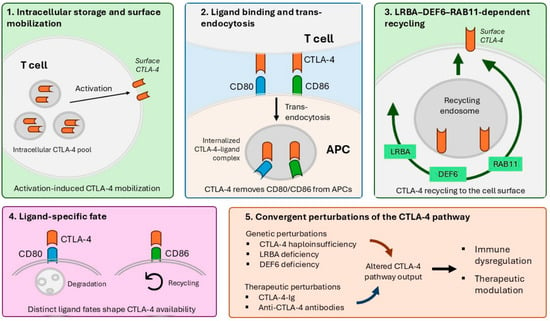
Background/Objectives: CTLA-4 is a key checkpoint of peripheral immune regulation, yet its biology cannot be reduced to inhibitory signaling alone. This review discusses CTLA-4 as a dynamic regulatory pathway shaped by ligand handling, intracellular trafficking, recycling, and cell-type-specific function, and examines how these features link molecular mechanism to human disease and therapy. Methods: We synthesized the structural, mechanistic, translational, and clinical literature spanning CTLA-4 molecular biology, cell-type-specific function, inborn errors of immunity, polygenic autoimmunity, transplantation, cancer immunotherapy, and immune-related adverse events. Results: CTLA-4 function depends on surface availability, trans-endocytosis of CD80/CD86, and tight control of endosomal trafficking. These features help explain why CTLA-4 haploinsufficiency, LRBA deficiency, and DEF6 deficiency converge clinically despite different upstream lesions, and why subtler CTLA-4 variation contributes to polygenic autoimmunity. Therapeutic studies also provide mechanistic insight. Abatacept can partly replace pathway function in monogenic disease, whereas belatacept highlights the limits of ligand blockade when endogenous coinhibition is also lost. In oncology, anti-CTLA-4 antibodies act through a more complex interplay involving checkpoint blockade, Fc biology, intratumoral Treg depletion, and receptor recycling. Emerging next-generation agents aim to retain antitumor activity while reducing systemic toxicity through more selective use of these mechanisms. Conclusions: Rather than a static inhibitory receptor, CTLA-4 is better viewed as a context-dependent regulatory pathway whose function depends on trafficking, surface availability, and cellular context. This perspective links molecular mechanism to clinical phenotype and supports more precise CTLA-4-targeted therapy.
Full article
(This article belongs to the Special Issue The Function and Molecular Mechanism for Immune Responses in Human Diseases)
►▼
Show Figures

Figure 1
Open AccessReview
The Role of Pharmacogenetics in the Effectiveness of Rheumatoid Arthritis Treatment with Leflunomide
by
Paulina Plewa, Anna Jędrasiak, Oliwia Jerzyńska, Aleksandra Dach, Maria Domańska and Andrzej Pawlik
Genes 2026, 17(5), 573; https://doi.org/10.3390/genes17050573 - 18 May 2026
Abstract
This article discusses rheumatoid arthritis (RA) as a chronic, systemic autoimmune disease leading to progressive joint damage and multi-organ complications. The complex pathogenesis of the disease is presented, involving the interaction of environmental, genetic, and immunological factors, including the role of autoantibodies and
[...] Read more.
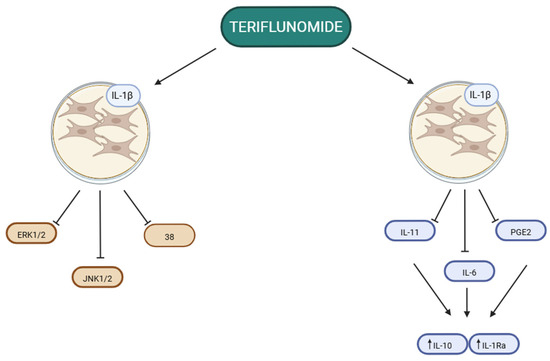
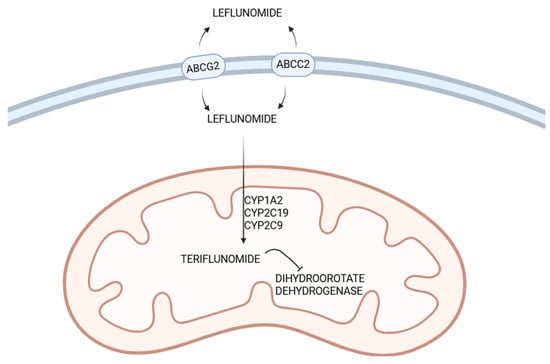
This article discusses rheumatoid arthritis (RA) as a chronic, systemic autoimmune disease leading to progressive joint damage and multi-organ complications. The complex pathogenesis of the disease is presented, involving the interaction of environmental, genetic, and immunological factors, including the role of autoantibodies and proinflammatory cytokines. Particular attention is paid to leflunomide, a disease-modifying antirheumatic drug (DMARD), which primarily works by inhibiting the DHODH enzyme, leading to reduced T and B cell proliferation. The additional anti-inflammatory properties of the drug’s active metabolite, teriflunomide, and its impact on signaling pathways related to the immune response are also discussed. This article examines the variability in patient responses to leflunomide treatment in terms of both efficacy and toxicity, with particular emphasis on the potential role of pharmacogenetic factors. It was pointed out that polymorphisms in genes related to drug metabolism, transport, and mechanism of action may influence the pharmacokinetics and safety of the therapy. It was also emphasized that the available data are primarily derived from observational studies and small cohorts, and the results are often inconsistent. Although some genetic variants and plasma teriflunomide concentrations show potential as predictors of treatment response, the current level of evidence does not support the routine use of pharmacogenetic testing in clinical practice. The article emphasizes that the pharmacogenetics of leflunomide represents a promising, yet still exploratory, avenue of research in the context of personalized RA therapy. It emphasizes the need for larger, well-designed clinical trials and the development of standardized guidelines, which would be necessary before the potential implementation of such strategies in routine clinical practice.
Full article
(This article belongs to the Special Issue Pharmacogenomics and Pharmacoepigenomics in Autoimmune Diseases: How Close We Are to Personalised Medicine)
►▼
Show Figures

Figure 1
Open AccessArticle
Complete Plastome Sequence of Grimmia tergestina Provides a Genomic Resource for Grimmiaceae
by
Hengyu Dai, Shouqiang Li, Huakun Zhou, Xiaojuan Li and Jiuli Wang
Genes 2026, 17(5), 572; https://doi.org/10.3390/genes17050572 - 18 May 2026
Abstract
Background/Objectives: Grimmia tergestina is a lithophytic moss of Grimmiaceae, but its complete plastome has not previously been reported. This Brief Report presents the complete chloroplast genome of G. tergestina as a genomic resource for future work on species identification, phylogeny, and plastome evolution
[...] Read more.
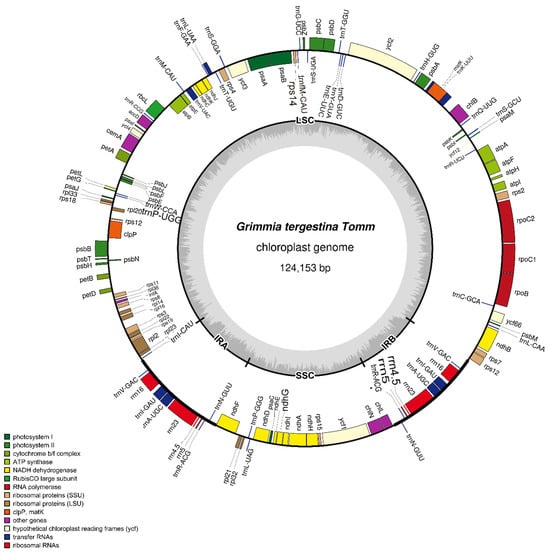
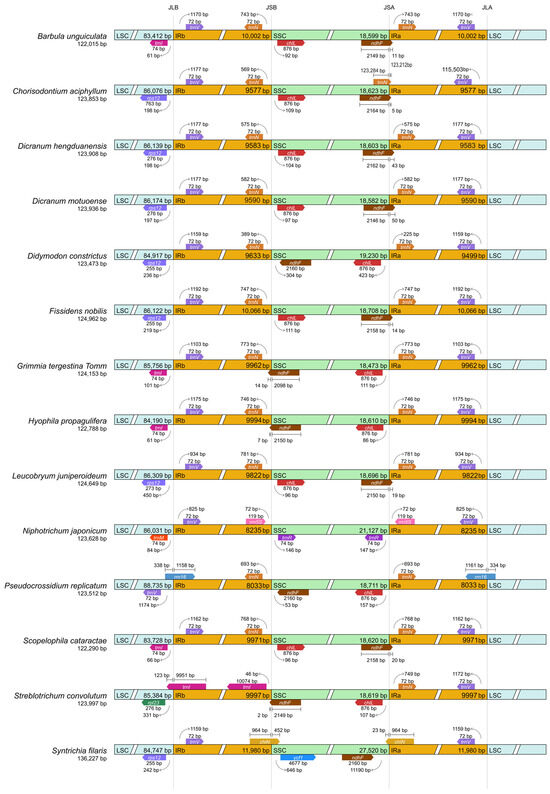
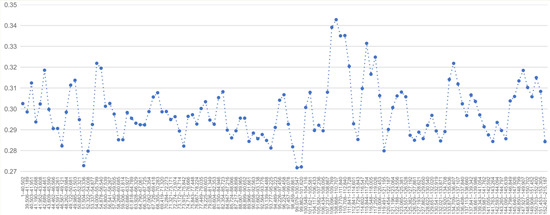
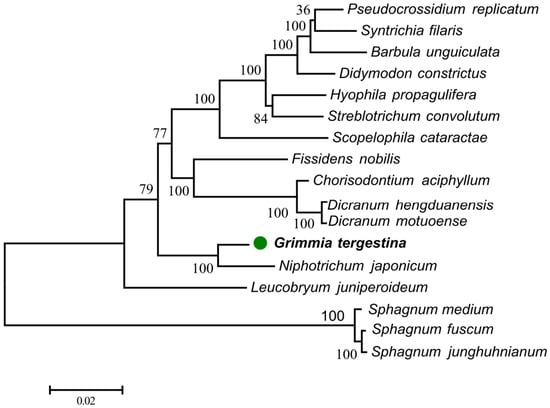
Background/Objectives: Grimmia tergestina is a lithophytic moss of Grimmiaceae, but its complete plastome has not previously been reported. This Brief Report presents the complete chloroplast genome of G. tergestina as a genomic resource for future work on species identification, phylogeny, and plastome evolution in Grimmiaceae. Methods: Illumina NovaSeq PE150 reads were quality filtered and assembled into a circular plastome. Genome annotation was verified using current organellar annotation tools and manual curation, and a preliminary phylogenetic analysis was performed using shared chloroplast protein-coding genes from representative moss plastomes. Results: The complete plastome of G. tergestina was 124,153 bp in length and exhibited the typical quadripartite structure of moss plastomes. It encoded 126 genes, including 82 protein-coding genes, 36 tRNA genes, and 8 rRNA genes, with an overall GC content of 28.49%. Fourteen genes contained introns, and nine genes were duplicated in the inverted repeat regions. Codon-usage analyses showed a preference for A/U-ending codons, consistent with the AT-rich composition of the plastome, and supplementary ENC and PR2 analyses supported a conservative interpretation of codon-usage bias. A total of 569 chloroplast simple sequence repeats and 222 dispersed repeats were identified. The preliminary maximum-likelihood phylogeny placed G. tergestina within Grimmiaceae and resolved it close to Niphotrichum japonicum in the sampled plastome dataset. Conclusions: The newly characterized plastome of G. tergestina enriches genomic resources for Grimmia and provides a foundation for future comparative and phylogenetic studies of Grimmiaceae.
Full article
(This article belongs to the Section Plant Genetics and Genomics)
►▼
Show Figures

Figure 1
Open AccessReview
Histone Modifications: Decoding the Epigenetic Basis of Economic Traits in Livestock and Poultry
by
Yixin Su, Wenze Li, Qi Lv and Rui Su
Genes 2026, 17(5), 571; https://doi.org/10.3390/genes17050571 - 18 May 2026
Abstract
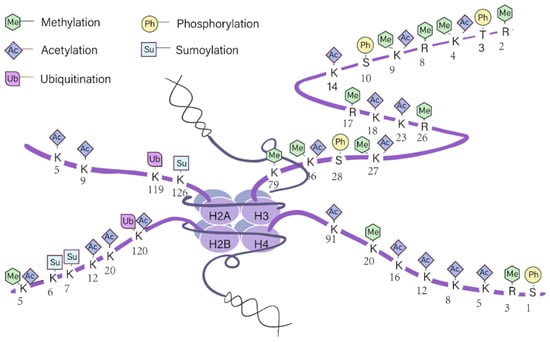
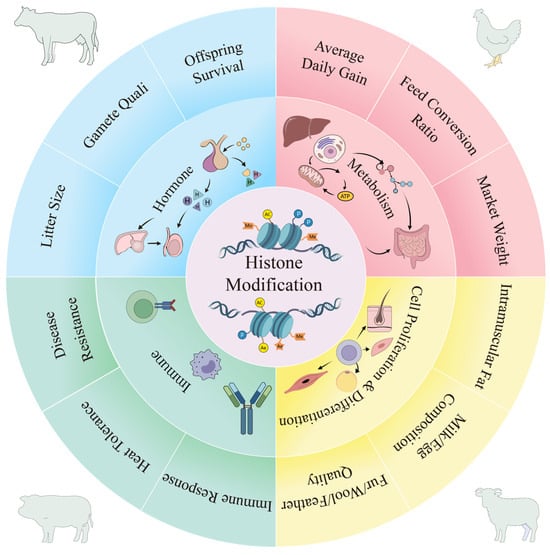
Economic traits in livestock and poultry arise from the intricate interplay between genetic inheritance and environmental factors, mediated largely by epigenetic regulation. Histone modifications, particularly methylation and acetylation, serve as fundamental epigenetic mechanisms that dynamically remodel chromatin architecture and regulate gene expression in
[...] Read more.
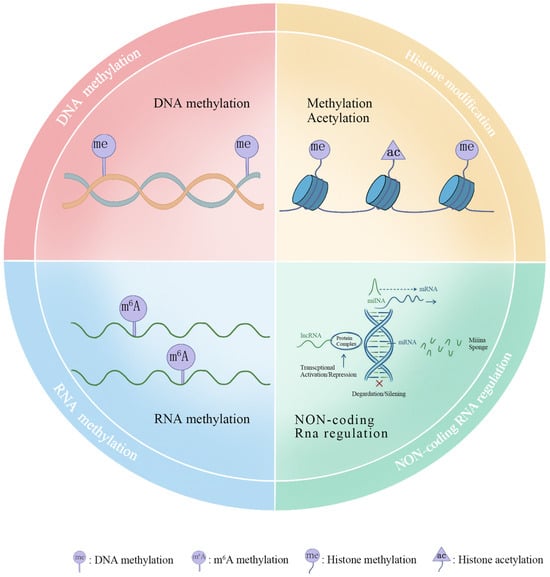
Economic traits in livestock and poultry arise from the intricate interplay between genetic inheritance and environmental factors, mediated largely by epigenetic regulation. Histone modifications, particularly methylation and acetylation, serve as fundamental epigenetic mechanisms that dynamically remodel chromatin architecture and regulate gene expression in response to developmental and environmental cues. By bridging the gap between static DNA sequences and complex phenotypes, these dynamic marks offer a novel perspective for elucidating trait formation. This review examines the regulatory roles of histone modifications in shaping key economic traits, focusing on skeletal muscle development, fat deposition, and reproductive performance. Furthermore, we highlight two prospective strategies for integrating histone modification data into modern breeding programs: utilizing comprehensive epigenomic maps as novel biomarkers for precision selection, and implementing targeted nutritional regimens to program early phenotypic development. Despite substantial mechanistic advances, critical challenges persist, including high detection costs, inherent tissue specificity, and the necessity to validate transgenerational stability. Looking forward, the integration of multi-omics approaches is anticipated to propel animal breeding beyond traditional genomic selection toward an era of precise epigenomic design.
Full article
(This article belongs to the Section Animal Genetics and Genomics)
►▼
Show Figures

Figure 1
Open AccessArticle
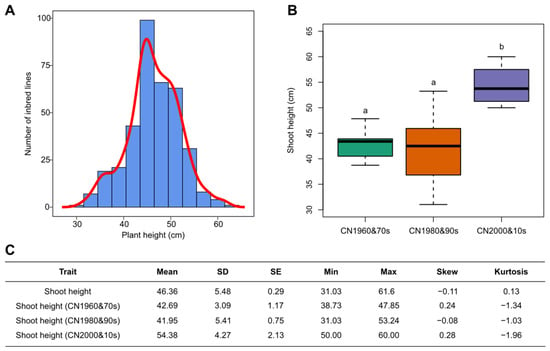
Genome-Wide Association and Selective Sweep Analyses Reveal Candidate Genes Associated with Shoot Height in Maize Across Breeding Eras
by
Junyue Wang and Baijuan Du
Genes 2026, 17(5), 570; https://doi.org/10.3390/genes17050570 - 18 May 2026
Abstract
Background: Maize shoot height is an important component of early vigor and plant architecture; however, its genetic basis during seedling development and its relationship with modern breeding remain insufficiently understood. This study aimed to investigate the genetic architecture of maize seedling shoot height
[...] Read more.
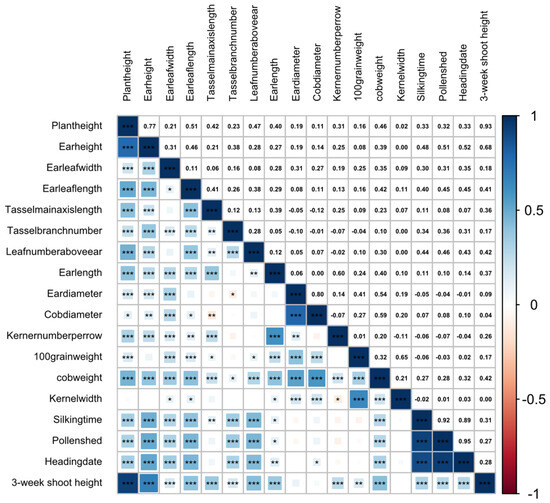
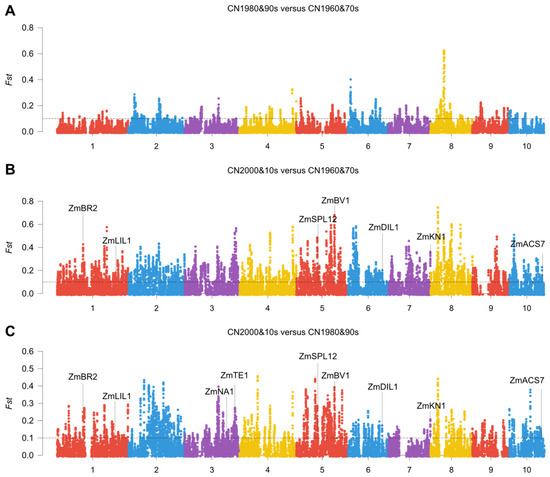
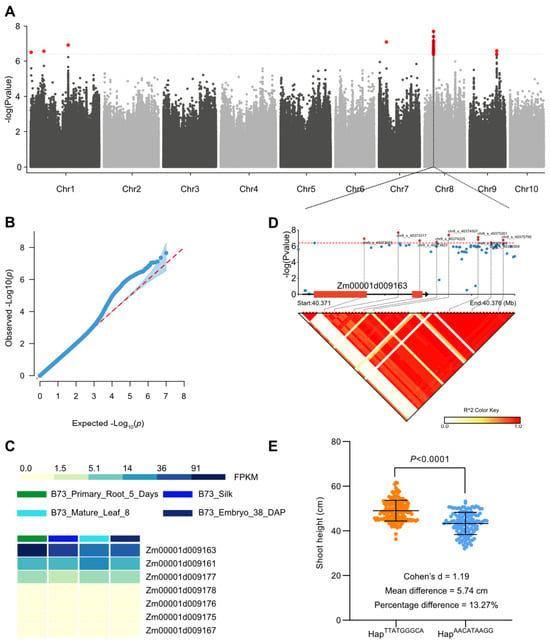
Background: Maize shoot height is an important component of early vigor and plant architecture; however, its genetic basis during seedling development and its relationship with modern breeding remain insufficiently understood. This study aimed to investigate the genetic architecture of maize seedling shoot height across different breeding eras. Methods: Shoot height at 21 days after sowing was evaluated in 363 maize inbred lines representing three breeding eras in China. Genome-wide association analysis was performed to identify loci and candidate genes associated with shoot height variation, and selective sweep analysis was used to detect breeding-era differentiated genomic regions. Results: Modern breeding lines from the 2000–2010s exhibited significantly greater shoot height than lines from earlier breeding periods. Pearson’s correlation analysis revealed that 3-week shoot height showed highly significant positive correlations with plant height and ear height. Selective sweep analysis identified multiple differentiated genomic regions harboring previously reported height- and architecture-related genes, including ZmBR2, ZmLIL1, ZmNA1, ZmTE1, ZmSPL12, ZmBV1, ZmDIL1, ZmKN1 and ZmACS7. The GWAS identified 43 SNPs exceeding the GEC-derived suggestive threshold for shoot height, with the strongest and most continuous association signal located on chromosome 8. GWAS, together with LD analysis, haplotype analysis, and expression profiling, prioritized ZmGDCL (Zm00001d009163) as a promising candidate gene because of its strong association signal, local linkage disequilibrium support, broad expression profile, and significant haplotype effect on shoot height. Conclusions: Our results indicate that maize breeding has reshaped the genetic architecture of seedling shoot growth. ZmGDCL represents a promising candidate gene for future functional studies, while breeding-era differentiated regions provide useful genomic context for understanding maize architecture improvement.
Full article
(This article belongs to the Special Issue Advancing Crop Quality with Genomics, Genetics and Biotechnology)
►▼
Show Figures

Figure 1
Open AccessArticle
CrLHP1-CrJAZ1 Module Regulates Monoterpenoid Indole Alkaloid Biosynthesis via JA Signaling in Catharanthus roseus
by
Bingrun Yang, Wenhui Ma, Jianing Cheng, Xiaoxiao Gao and Fang Yu
Genes 2026, 17(5), 569; https://doi.org/10.3390/genes17050569 - 17 May 2026
Abstract
Background/Objectives: Epigenetic regulation plays a fundamental role in controlling the spatiotemporal expression of genes in plants under stressful environmental conditions. While LIKE HETEROCHROMATIN PROTEIN 1 (LHP1) is known to be involved in histone modification, its function in regulating the biosynthesis of specialized metabolites,
[...] Read more.
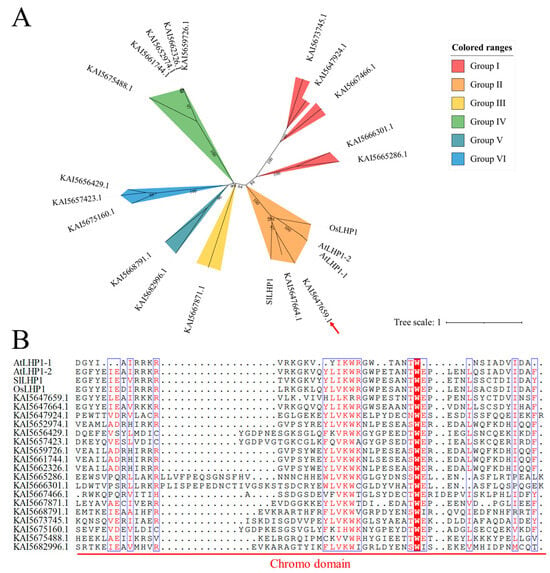
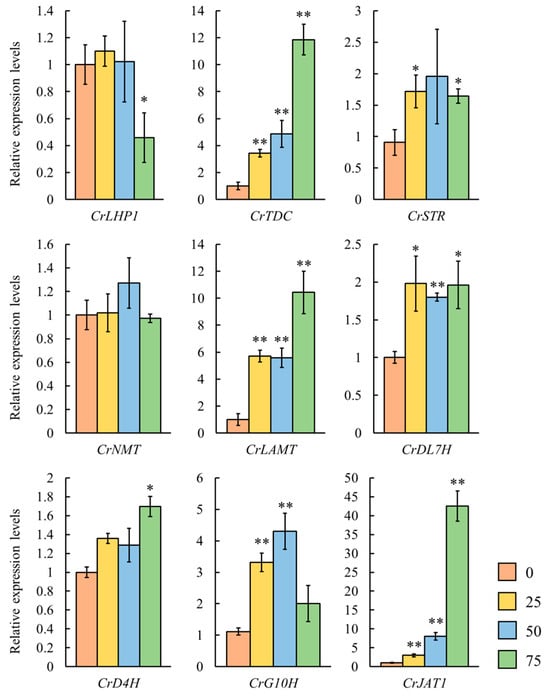
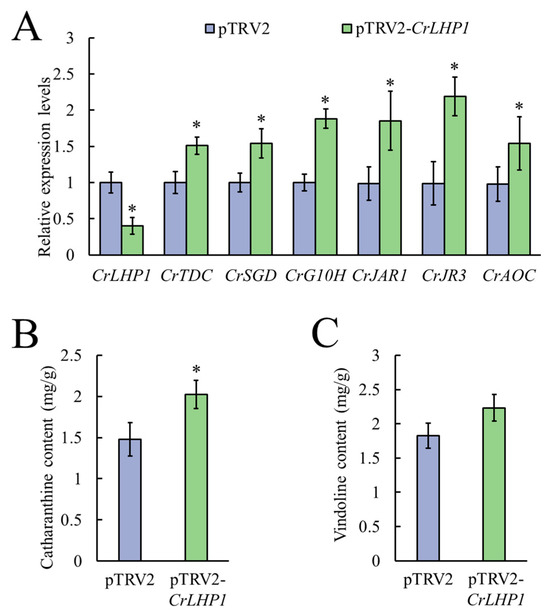
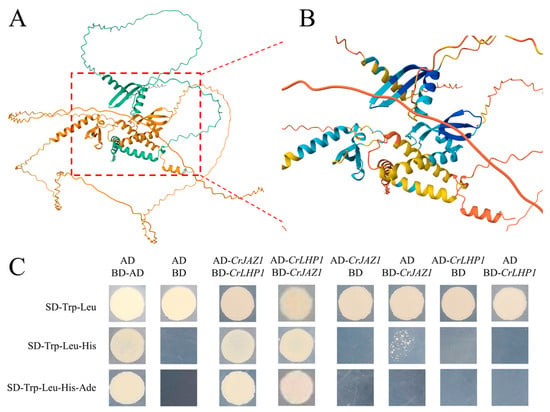
Background/Objectives: Epigenetic regulation plays a fundamental role in controlling the spatiotemporal expression of genes in plants under stressful environmental conditions. While LIKE HETEROCHROMATIN PROTEIN 1 (LHP1) is known to be involved in histone modification, its function in regulating the biosynthesis of specialized metabolites, particularly monoterpenoid indole alkaloids (MIAs) in Catharanthus roseus, remains elusive. Methods: CrLHP1 was identified by mining the C. roseus proteome and characterized through sequence alignment, phylogenetic analysis, and conserved domain assessment. Virus-induced gene silencing (VIGS) was employed to suppress CrLHP1 expression, after which the transcript levels of jasmonic acid (JA)-responsive genes and key MIA biosynthetic genes, as well as the accumulation of vindoline and catharanthine, were analyzed. Furthermore, deep learning-based protein structure prediction (AlphaFold3) and yeast two-hybrid (Y2H) assays were conducted to explore protein-protein interactions. Results: CrLHP1 was confirmed as the ortholog of Arabidopsis thaliana LHP1 (AtLHP1). Exposure to 75 μM MeJA upregulated MIA upstream pathway genes while downregulating CrLHP1 transcription. Silencing CrLHP1 significantly upregulated JA-responsive and MIA biosynthetic genes, leading to enhanced catharanthine accumulation. Additionally, the structural prediction and Y2H assays revealed a physical interaction between CrLHP1 and CrJAZ1. Conclusions: These findings suggest that CrLHP1 negatively regulates MIA biosynthesis, potentially by modulating JA signal transduction through interaction with CrJAZ1. This study provides new insights into the possible epigenetic mechanisms governing alkaloid production in C. roseus.
Full article
(This article belongs to the Section Plant Genetics and Genomics)
►▼
Show Figures

Figure 1
Open AccessArticle
Integrating Multi-Environment Phenotypes and Genome-Wide Variation to Evaluate Diversity and Identify Representative Germplasm in Specialty Maize
by
Hui Wang, Zhixiong Zhao, Wen Xu, Pingdong Sun, Siyu Zhao, Jingtao Qu, Yinxiong Hu, Jihui Wei and Hongjian Zheng
Genes 2026, 17(5), 568; https://doi.org/10.3390/genes17050568 - 17 May 2026
Abstract
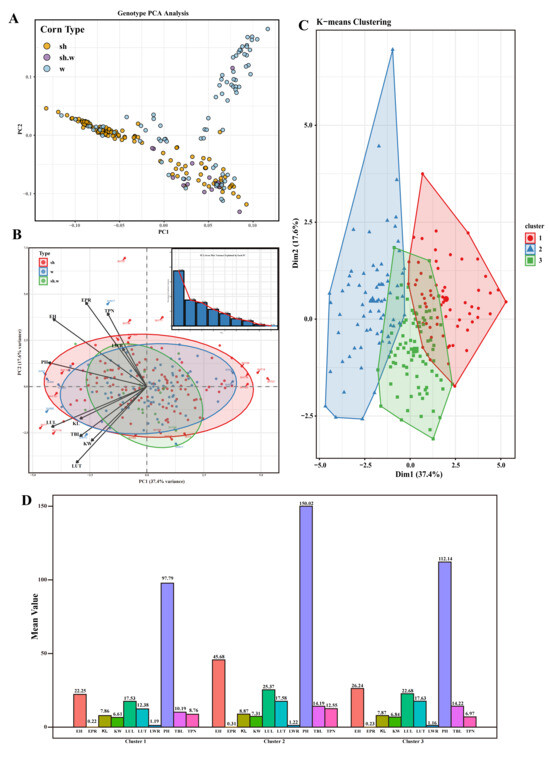
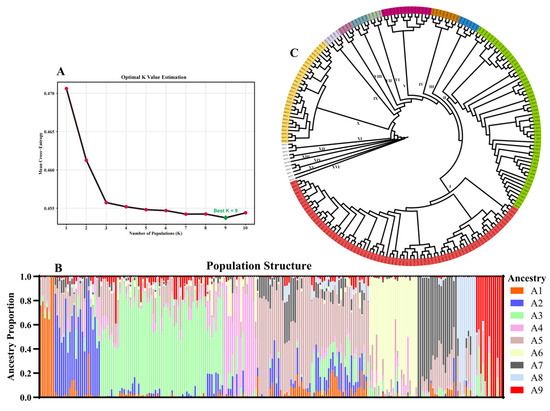
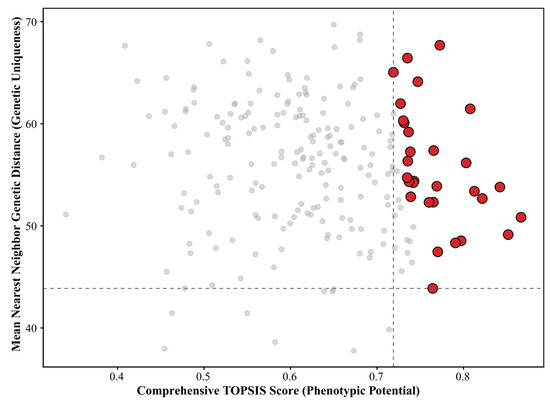
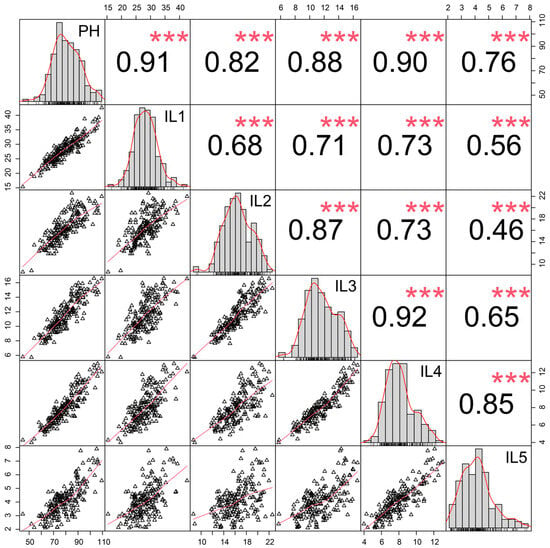
Objectives: To facilitate the innovation and efficient utilization of specialty maize germplasm, this study aimed to systematically evaluate a panel of 222 inbred lines. The objective was to comprehensively characterize phenotypic variation, genetic diversity, and genotype–phenotype associations to screen for representative germplasm resources.
[...] Read more.
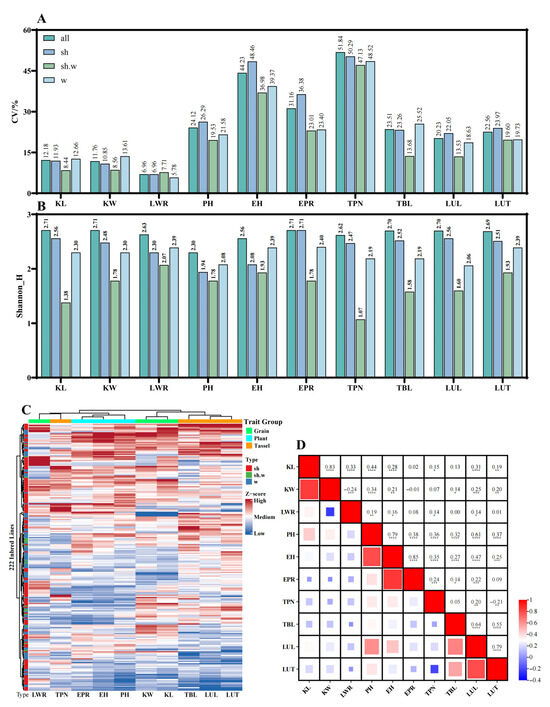
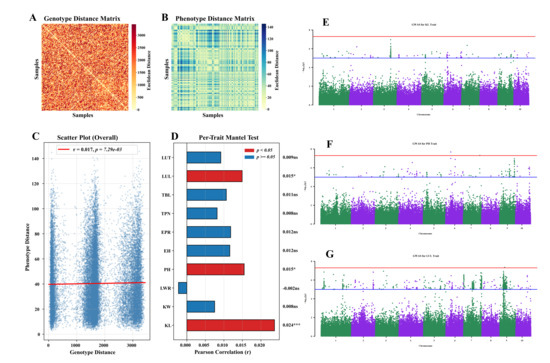
Objectives: To facilitate the innovation and efficient utilization of specialty maize germplasm, this study aimed to systematically evaluate a panel of 222 inbred lines. The objective was to comprehensively characterize phenotypic variation, genetic diversity, and genotype–phenotype associations to screen for representative germplasm resources. Methods: We integrated Best Linear Unbiased Prediction (BLUP) values derived from multi-environment field trials with high-density whole-genome single-nucleotide polymorphism (SNP) data. Population structure and genetic diversity were analyzed, Mantel tests were conducted to assess genotype–phenotype correspondence, and a genome-wide association study (GWAS) was performed to identify significant loci. Results: The population exhibited substantial phenotypic variation, particularly in plant height and tassel traits, with distinct morphological differentiations among specialty types. Genetic diversity analyses revealed varying diversity levels among subpopulations. While Mantel tests indicated a weak overall genotype–phenotype correspondence, specific traits showed significant associations with genetic distance. GWAS successfully identified significant loci associated with plant height and tassel traits. Furthermore, population structure analysis revealed distinct genetic stratification corresponding to specialty types, albeit with a certain degree of admixture. Conclusions: By integrating multi-dimensional phenotypic and genomic profiles, a panel of highly diverse and representative candidate germplasm was identified. These findings provide a crucial theoretical basis for specialty maize breeding and the optimized utilization of germplasm resources.
Full article
(This article belongs to the Section Plant Genetics and Genomics)
►▼
Show Figures

Figure 1
Open AccessArticle
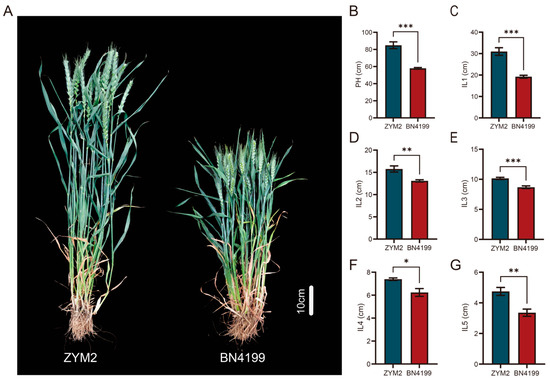
Identification of QTL and Candidate Genes Controlling Plant Height and Internode Length in a Newly Characterized Bread Wheat Recombinant Inbred Population
by
Zidong Wan, Shuai Ge, Mengxin Li, Xinyan Wang, Dongjie Cui, Qing Chi, Bing Li, Hangbo Xu, Jialing Lu, Zhen Jiao, Wenhui Wei and Panfeng Guan
Genes 2026, 17(5), 567; https://doi.org/10.3390/genes17050567 - 17 May 2026
Abstract
Background: Internode length (IL), a key component of plant height (PH), plays an important role in achieving the optimal architecture in wheat. However, the genetic mechanisms underlying internode elongation are not well understood. Methods: In this study, a recombinant inbred line (RIL) population
[...] Read more.
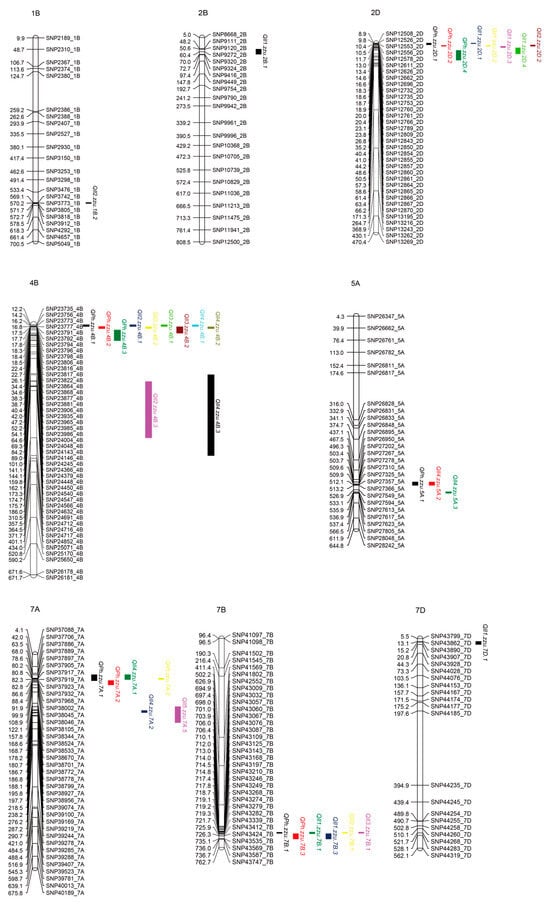
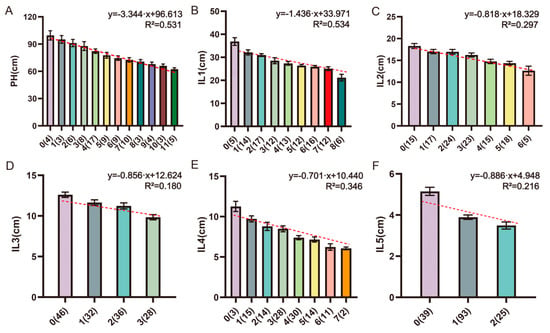
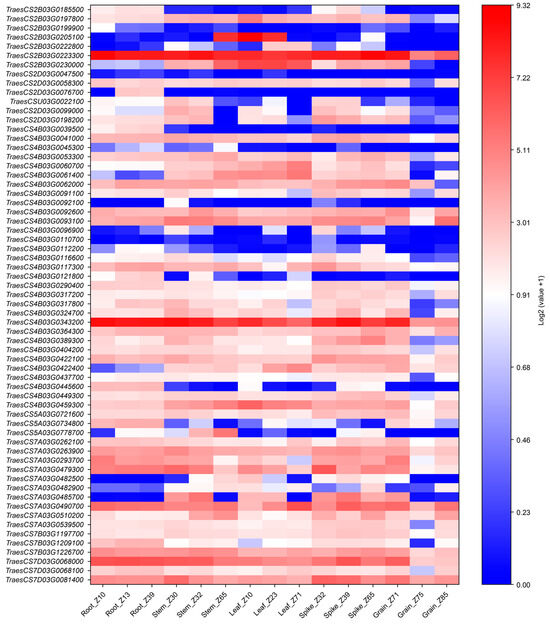
Background: Internode length (IL), a key component of plant height (PH), plays an important role in achieving the optimal architecture in wheat. However, the genetic mechanisms underlying internode elongation are not well understood. Methods: In this study, a recombinant inbred line (RIL) population derived from a cross between Bainong 4199 (BN4199) and Zhengyinmai 2 (ZYM2) was evaluated for PH and five ILs across two field locations over two years and genotyped using a 120 K liquid-phase chip. Results: A total of 141 quantitative trait loci (QTL) associated with PH and the five ILs were mapped onto 20 chromosomes, except for chromosome 5D. Among these, 37 stable QTL were identified on chromosomes 1B, 2B, 2D, 4B, 5A, 7A, 7B and 7D, accounting for 3.86–25.97% of the phenotypic variation. Meanwhile, 23 co-localized QTL associated with at least two traits were detected, with QTL cluster regions on chromosomes 2D, 4B, 5A, 7A, and 7B. Moreover, the total additive effects of the QTL combinations increased with the number of QTL, which indicates the effectiveness of pyramid breeding. Additionally, based on gene function annotation, the cloning and characterization of rice orthologs, and analysis via the QTG miner module of the wheat integrative gene regulatory network (wGRN) platform, 63 candidate genes (e.g., Rht1, Rht8, TB1 and ZnF-B) were prioritized within the stable QTL intervals, and their tissue expression patterns were analyzed. Conclusions: Collectively, these findings not only deepen our understanding of the genetic basis of PH and ILs in wheat but also lay a foundation for the further validation and functional characterization of candidate genes, enabling the optimization of plant architecture through marker-assisted selection (MAS) to ultimately improve agronomic performance and yield potential.
Full article
(This article belongs to the Special Issue Genetic Architecture of Wheat Domestication- and Improvement-Related Traits)
►▼
Show Figures

Figure 1
Open AccessArticle
Landscape Genetics Reveals Geographic Structuring of Locally Adapted Goat Populations from Brazil, Spain, and Ecuador
by
Luis Antonio Castillo Cevallos, Laura Leandro da Rocha, Edgar Lenin Aguirre Riofrio, Amparo Martinez Martinez, Juan Vicente Delgado Bermejo and Maria Norma Ribeiro
Genes 2026, 17(5), 566; https://doi.org/10.3390/genes17050566 - 15 May 2026
Abstract
Background: Locally adapted goat populations represent important reservoirs of genetic diversity and play a crucial role in the sustainability of livestock production systems, particularly in marginal environments. However, many of these populations are currently threatened by genetic erosion caused by crossbreeding with highly
[...] Read more.
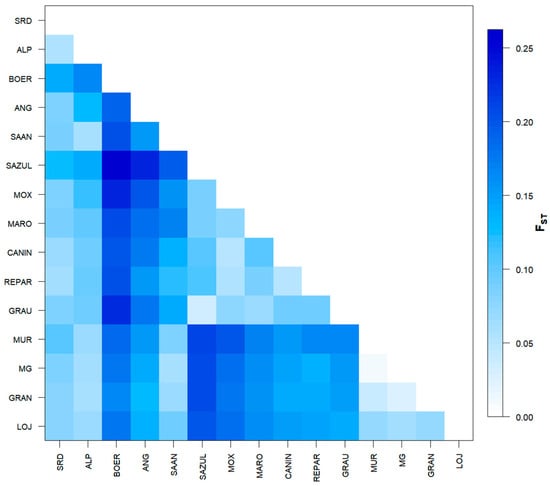
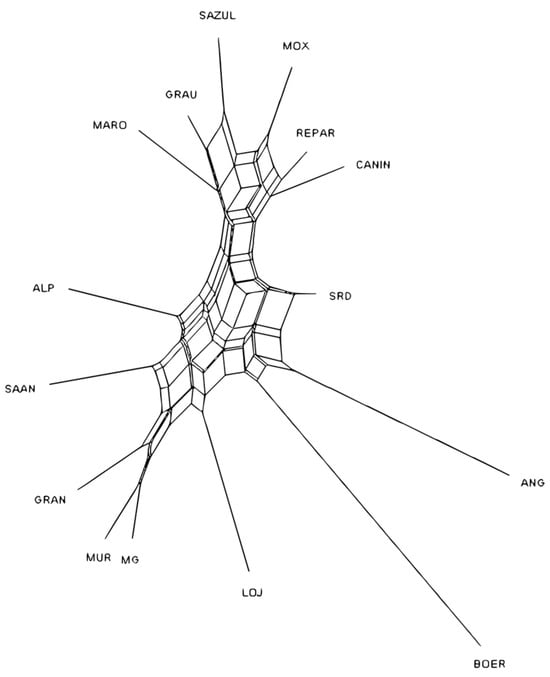
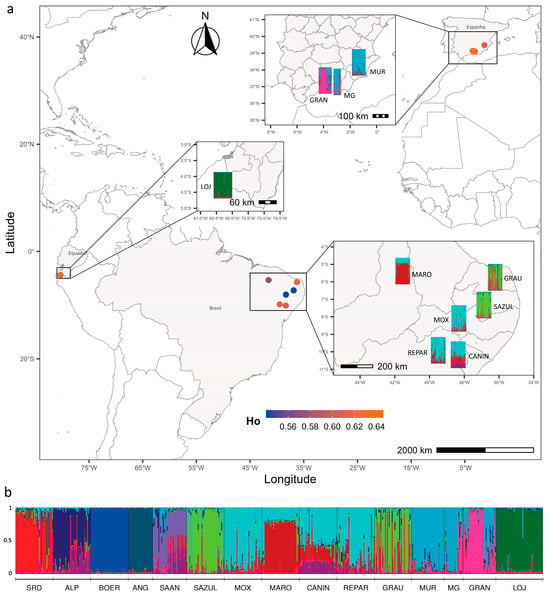
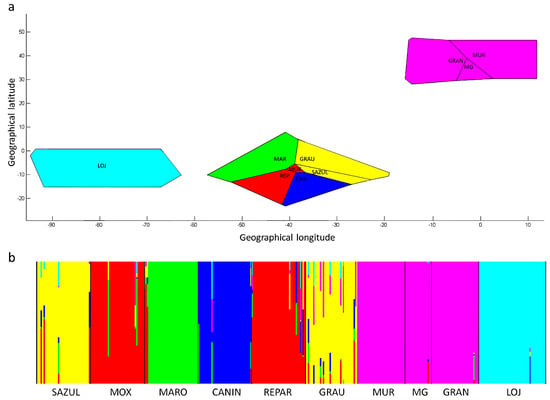
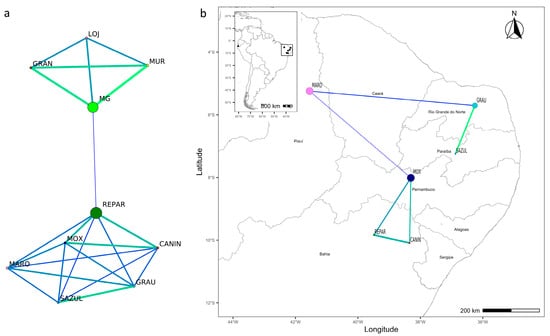
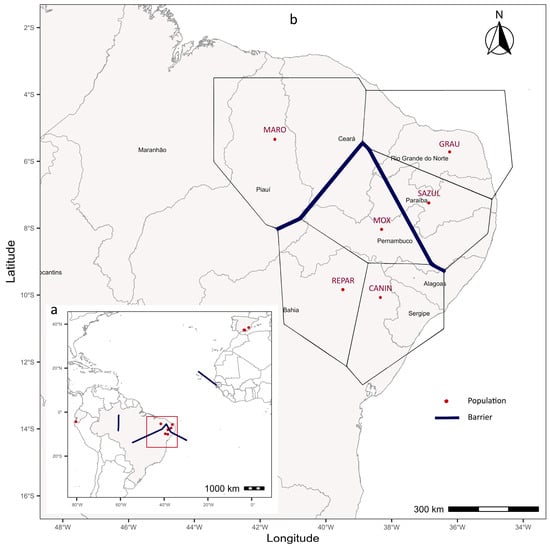
Background: Locally adapted goat populations represent important reservoirs of genetic diversity and play a crucial role in the sustainability of livestock production systems, particularly in marginal environments. However, many of these populations are currently threatened by genetic erosion caused by crossbreeding with highly specialized commercial breeds. Although previous studies have described the genetic diversity of several goat populations from South America and the Iberian Peninsula, the influence of geographic factors on the genetic structure of these populations remains insufficiently understood. In this study, we investigated the influence of geographic distance and spatial factors on the genetic diversity, population structure, and relationships among locally adapted goat populations from Brazil, Spain, and Ecuador. Methods: A total of 561 goats representing 15 populations were genotyped using a panel of 23 microsatellite markers. The dataset included six locally adapted Brazilian breeds, three Spanish breeds, one Ecuadorian population (Chusca Lojana), four exotic breeds, and one undefined genotype group. Genetic diversity parameters, population structure, genetic relationships, and spatial genetic patterns were evaluated through a combination of population genetic and spatial analyses. Results: The locally adapted populations showed considerable levels of genetic diversity, with the Spanish (Ho = 0.629; He = 0.685) and Ecuadorian (Ho = 0.628; He = 0.704) populations displaying higher diversity than the Brazilian populations (Ho = 0.583; He = 0.628). Significant genetic differentiation was observed among geographic groups. A strong and significant correlation between genetic and geographic distances was detected when all local populations were considered (r = 0.77; R2 = 0.59; p < 0.001), as well as when only Brazilian populations were analyzed (r = 0.65; R2 = 0.43; p = 0.0075). Spatial analyses further identified potential genetic barriers that may restrict gene flow among certain populations. Conclusions: These findings suggest that geographic isolation plays an important role in shaping the genetic structure of locally adapted goat populations, while historical connections among Iberian and South American populations may also contribute to the observed genetic relationships. The integration of genetic and spatial information provides valuable insights for understanding the evolutionary dynamics of these populations and supports the development of more effective strategies for the conservation and sustainable management of goat genetic resources.
Full article
(This article belongs to the Section Animal Genetics and Genomics)
►▼
Show Figures

Figure 1
Journal Menu
► ▼ Journal Menu-
- Genes Home
- Aims & Scope
- Editorial Board
- Reviewer Board
- Topical Advisory Panel
- Instructions for Authors
- Special Issues
- Topics
- Sections & Collections
- Article Processing Charge
- Indexing & Archiving
- Editor’s Choice Articles
- Most Cited & Viewed
- Journal Statistics
- Journal History
- Journal Awards
- Society Collaborations
- Conferences
- Editorial Office
Journal Browser
► ▼ Journal BrowserHighly Accessed Articles
Latest Books
E-Mail Alert
News
Topics
Topic in
Biomedicines, Future Pharmacology, Pharmacy, IJMS, Biomolecules, Genes
Prospects of Multi-Target Agonists in Metabolic and Epigenetic Medicine
Topic Editors: Riham Abouleisa, Yanming LiDeadline: 30 November 2026
Topic in
Biomedicines, Metabolites, Proteomes, Genes, J
Multi-Omics in Precision Medicine
Topic Editors: Michele Costanzo, Armando CeveniniDeadline: 31 December 2026
Topic in
Cancers, Cells, Diseases, Genes, IJMS, ncRNA, Sci
Alternative Splicing in RNA Metabolism, Tissue Homeostasis and Human Disease: From Mechanisms to Therapeutics and Clinical Applications
Topic Editors: Christos K. Kontos, Dongyu JiaDeadline: 15 January 2027
Topic in
Agriculture, Agronomy, Crops, Genes, Plants, DNA
Vegetable Breeding, Genetics and Genomics, 2nd Volume
Topic Editors: Padma Nimmakayala, Georgia Ntatsi, Umesh K. Reddy, Yan R. TomasonDeadline: 5 February 2027
Conferences
Special Issues
Special Issue in
Genes
Clinical Genetics of Diabetes
Guest Editor: Tuncay DelibasiDeadline: 25 May 2026
Special Issue in
Genes
Plant Responses to Abiotic Stress: Genetics, Transcription, Noncoding RNAs, and Epigenetics
Guest Editor: Runlai HangDeadline: 25 May 2026
Special Issue in
Genes
Advancing Precision Medicine for Lung Cancer Through Genomics
Guest Editor: Elisa De PaolisDeadline: 25 May 2026
Special Issue in
Genes
Pediatric Neurology and Genetics
Guest Editors: Roberta Milone, Agatino Battaglia, Alberto DanieliDeadline: 25 May 2026
Topical Collections
Topical Collection in
Genes
Feature Papers: 'Plant Genetics and Genomics' Section
Collection Editors: Bin Yu, Roberto Tuberosa, Jacqueline Batley
Topical Collection in
Genes
Genetics and Genomics of Rare Disorders
Collection Editors: Stefania Zampatti, Emiliano Giardina
Topical Collection in
Genes
Study on Genotypes and Phenotypes of Pediatric Clinical Rare Diseases
Collection Editors: Livia Garavelli, Stefano Giuseppe Caraffi