



-
Uncovering a Medieval Pogrom: Genetic History of a Jewish Community in Catalonia (Spain) -
A Novel CFA3 Locus Encompassing KCNIP4 Is Associated with Idiopathic Epilepsy in Siberian Huskies -
From Genomic Diagnosis to Personalized RNA Medicine: Advances in Next-Generation Sequencing and N-of-1 Antisense Oligonucleotide Therapies for Rare Genetic Diseases -
Adeno-Associated Virus Toxicity in Duchenne Muscular Dystrophy: Mechanisms and Clinical Considerations -
Autosomal STR Markers for Forensic Genetics: Applications, Challenges, and Future Directions
Journal Description
Genes
Genes
is a peer-reviewed, open access journal of genetics and genomics published monthly online by MDPI. The Spanish Society for Nitrogen Fixation (SEFIN) is affiliated with Genes and its members receive discounts on the article processing charges.
- Open Access— free for readers, with article processing charges (APC) paid by authors or their institutions.
- High Visibility: indexed within Scopus, SCIE (Web of Science), PubMed, MEDLINE, PMC, Embase, PubAg, and other databases.
- Journal Rank: JCR - Q2 (Genetics and Heredity) / CiteScore - Q2 (Genetics (clinical))
- Rapid Publication: manuscripts are peer-reviewed and a first decision is provided to authors approximately 14.6 days after submission; acceptance to publication is undertaken in 3.4 days (median values for papers published in this journal in the second half of 2025).
- Recognition of Reviewers: Reviewers who provide timely, thorough peer-review reports receive vouchers entitling them to a discount on the APC of their next publication in any MDPI journal, in appreciation of the work done.
Impact Factor:
2.8 (2024);
5-Year Impact Factor:
3.2 (2024)
Latest Articles
Acute and Chronic High-Intensity Exercise Differentially Regulate the miRNA Biogenesis Pathway in Human Skeletal Muscle
Genes 2026, 17(6), 626; https://doi.org/10.3390/genes17060626 (registering DOI) - 29 May 2026
Abstract
Background/Objectives: MicroRNAs (miRNAs) are key regulators of skeletal muscle adaptation; however, the extent to which exercise modulates the miRNA biogenesis pathway remains poorly understood. To investigate the impact of acute and chronic high-intensity exercise on components of miRNA biogenesis, and whether such
[...] Read more.
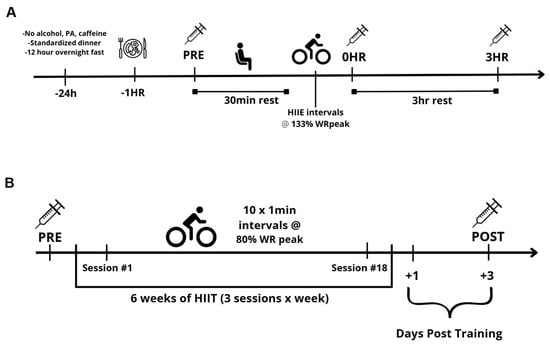
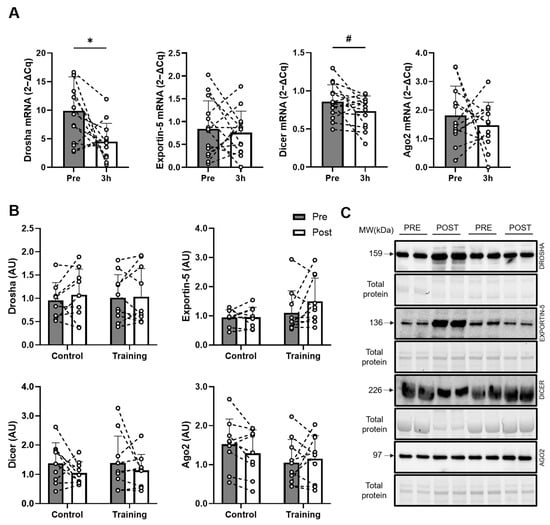
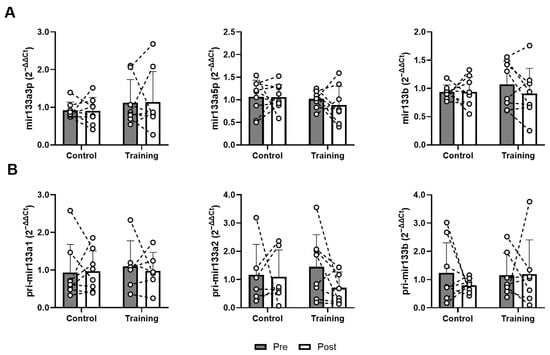
Background/Objectives: MicroRNAs (miRNAs) are key regulators of skeletal muscle adaptation; however, the extent to which exercise modulates the miRNA biogenesis pathway remains poorly understood. To investigate the impact of acute and chronic high-intensity exercise on components of miRNA biogenesis, and whether such changes are reflected in miRNA expression across stages of their biogenesis, we performed secondary analyses of muscle biopsy samples from two previously published studies. Methods: Muscle biopsies were analyzed from the following protocols: nine men and eight women pre- and 3 h post- a bout of high-intensity interval cycling exercise (HIIE), and eleven men and eight women pre- and post- a 6-week period of high-intensity interval training (HIIT) or non-exercise control. mRNA expression of components of miRNA biogenesis including Drosha, Exportin-5, Dicer, and Ago2 were assessed following HIIE using RT-qPCR and their protein abundance was measured following HIIT using Western blotting. Primary (pri-miR-133a1, -133a2, -133b) and mature (miR-133a-3p, -133a-5p, -133b) miRNA expression were quantified following HIIT. Results: An acute bout of HIIE significantly decreased Drosha mRNA (p < 0.05) and resulted in a reduction in Dicer mRNA that approached significance (p < 0.10). Following 6 weeks of HIIT, no significant changes were detected in the protein abundance of Drosha, Exportin-5, Dicer, or Ago2. HIIT did not alter miR-133 expression at either the primary or mature transcript level across all isoforms. Conclusions: This study highlights the complexity of miRNA regulation in skeletal muscle and underscores the need for further research examining the temporal and mechanistic control of miRNA biogenesis in response to exercise.
Full article
(This article belongs to the Special Issue Insights into RNA Coding and Transcriptional Regulation)
►
Show Figures
Open AccessArticle
Identifying Single-Cell Expression Quantitative Trait Loci Using a Bootstrap Penalized Hurdle Model
by
Dongyuan Wu and Susmita Datta
Genes 2026, 17(6), 625; https://doi.org/10.3390/genes17060625 (registering DOI) - 29 May 2026
Abstract
Background: Expression quantitative trait loci (eQTL) analysis links genetic variants to gene expression levels, helping to uncover how genetic variation contributes to gene regulation. While traditional eQTL analyses rely on bulk RNA-seq data, recent advances in single-cell RNA sequencing (scRNA-seq) have made it
[...] Read more.
Background: Expression quantitative trait loci (eQTL) analysis links genetic variants to gene expression levels, helping to uncover how genetic variation contributes to gene regulation. While traditional eQTL analyses rely on bulk RNA-seq data, recent advances in single-cell RNA sequencing (scRNA-seq) have made it possible to detect cell-type-specific eQTLs. However, the inherent sparsity and heterogeneity of scRNA-seq data present major challenges for standard modeling approaches. Methods: In this paper, we propose a novel statistical framework, Bootstrap Penalized Hurdle regression model (BPHurdle), designed specifically for scRNA-seq data. BPHurdle employs a hurdle modeling framework, where a logistic component accounts for the excess zeros in single-cell expression data, and a Poisson component jointly evaluates the effects of multiple SNPs on positive gene expression levels. Results: Through simulation studies, we show that BPHurdle achieves high accuracy and robustness in identifying regulatory variants. We further demonstrate its utility on a real dataset through a case study focusing on a subset of differentially expressed genes, where it successfully identifies reliable cell-type-specific eQTLs. Conclusions: Overall, BPHurdle offers an advanced and flexible approach for single-cell eQTL mapping, providing deeper insight into the genetic regulation of gene expression at cellular resolution.
Full article
(This article belongs to the Section Bioinformatics)
Open AccessReview
Oxidative Stress in Migraine—Effect or Cause?
by
Oliwia Szymanowicz, Bartosz Słowikowski, Mateusz Konieczny, Dominik Lewandowski, Wojciech Owecki, Marianna Jeżewska, Ulyana Goutor, Paweł P. Jagodziński, Wojciech Kozubski and Jolanta Dorszewska
Genes 2026, 17(6), 624; https://doi.org/10.3390/genes17060624 (registering DOI) - 29 May 2026
Abstract
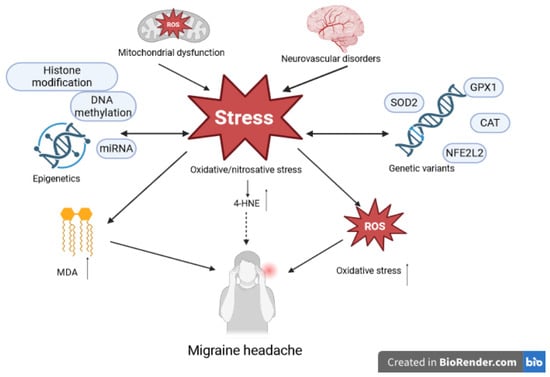
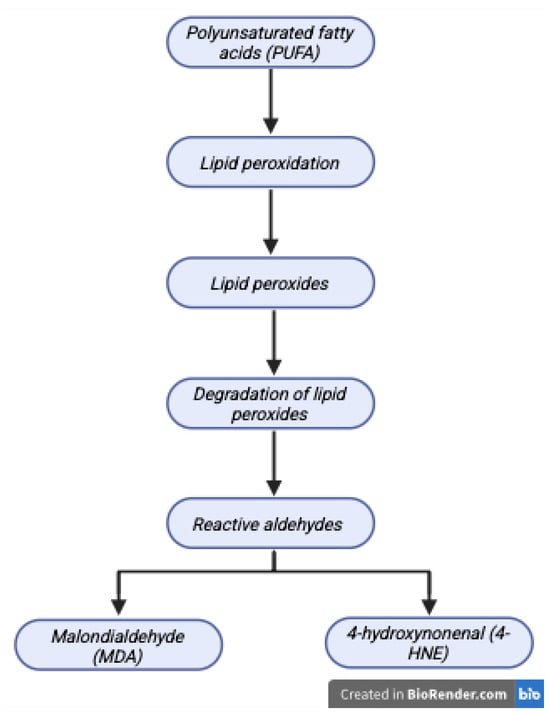
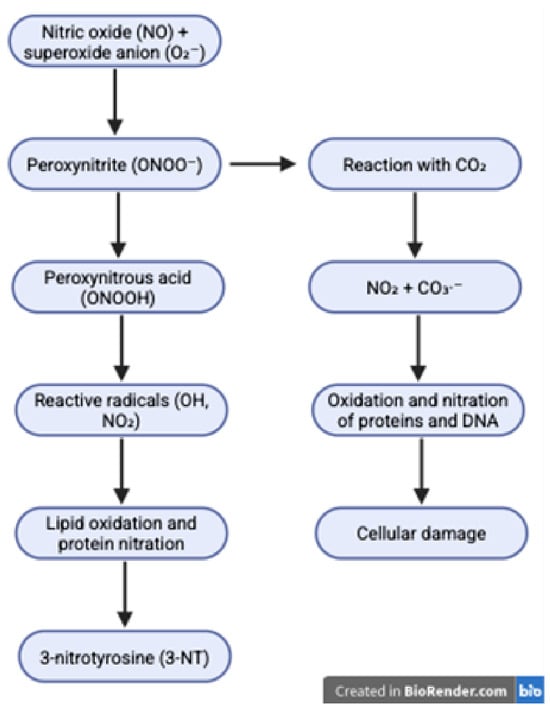
Migraine is a complex neurovascular disorder with a multifactorial pathophysiology involving genetic, metabolic, and environmental factors. Increasing evidence indicates that oxidative stress plays a key role in the development of migraine; however, it is unclear whether oxidative imbalance acts primarily as a causal
[...] Read more.
Migraine is a complex neurovascular disorder with a multifactorial pathophysiology involving genetic, metabolic, and environmental factors. Increasing evidence indicates that oxidative stress plays a key role in the development of migraine; however, it is unclear whether oxidative imbalance acts primarily as a causal factor or occurs as a consequence of migraine-related processes. Oxidative stress, defined as an imbalance between reactive oxygen species production and antioxidant defense mechanisms, contributes to neuronal hyperexcitability, mitochondrial dysfunction, and neuroinflammation—key mechanisms underlying migraine pathogenesis. Studies have shown elevated markers of oxidative damage and altered antioxidant enzyme activity in migraine patients. Simultaneously, metabolic and inflammatory changes associated with migraine may further exacerbate oxidative imbalance, suggesting a bidirectional relationship. Furthermore, genetic factors such as SOD2, GPX1, and CAT significantly influence susceptibility to oxidative stress and migraine. The CALCA gene, encoding CGRP, links oxidative stress mechanisms with neurogenic inflammation and activation of the trigeminovascular system. This article reviews the current evidence regarding the role of oxidative stress in migraine and discusses its relationship to molecular and genetic mechanisms. Particular attention is given to genes involved in oxidative pathways, mitochondrial function, and inflammatory responses, which may help explain individual susceptibility and variability in clinical presentation.
Full article
(This article belongs to the Section Neurogenomics)
►▼
Show Figures

Figure 1

Open AccessReview
Expanding the Phenotypic Spectrum of Raynaud–Claes Syndrome: A Rett-like Presentation with Two New Cases
by
Roberta Milone, Alessandro Orsini, Gemma Marinella, Valentina Rea, Rosa Pasquariello, Lorenza Marini and Roberta Battini
Genes 2026, 17(6), 623; https://doi.org/10.3390/genes17060623 (registering DOI) - 29 May 2026
Abstract
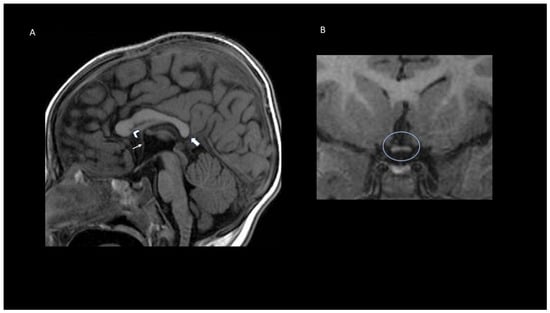
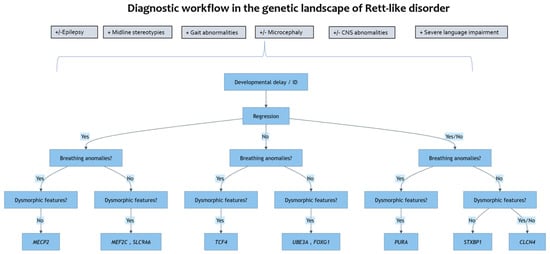
Pathogenic variants in the CLCN4 gene are associated with a rare X-linked neurodevelopmental disorder, Raynaud–Claes syndrome, characterized by intellectual disability, epilepsy, language impairment, motor deficits, stereotypies, and structural brain abnormalities. Although heterozygous females are often considered to be only mildly affected, severe phenotypes
[...] Read more.
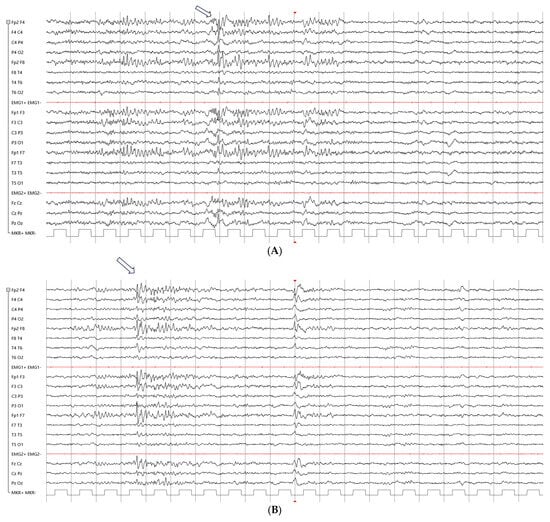
Pathogenic variants in the CLCN4 gene are associated with a rare X-linked neurodevelopmental disorder, Raynaud–Claes syndrome, characterized by intellectual disability, epilepsy, language impairment, motor deficits, stereotypies, and structural brain abnormalities. Although heterozygous females are often considered to be only mildly affected, severe phenotypes have also been reported, and the clinical presentation shows considerable heterogeneity. The present study aims to summarize the current knowledge on CLCN4-related neurodevelopmental disorders through a review of the available literature and to describe two additional patients carrying pathogenic CLCN4 variants, one male and one female. The female patient was found to carry a de novo heterozygous variant (c.2152C > T), while the male patient harbored a de novo hemizygous variant (c.949G > A). Clinical data were compared with those reported in the literature in order to identify phenotypic similarities and differences among patients previously described with the same mutations. Furthermore, in light of the literature review and the clinical data collected from our patients, we propose considering Raynaud–Claes syndrome as a Rett-like condition. This perspective expands the scope of differential diagnosis and underscores the importance of multidisciplinary and longitudinal diagnostic evaluation to improve clinical characterization, therapeutic management, and genetic counseling.
Full article
(This article belongs to the Special Issue Pediatric Neurology and Genetics)
►▼
Show Figures

Figure 1

Open AccessArticle
High-Density CRISPR/Cas12a-Mediated Multiplex Genome Editing Reveals Genome Instability in Allotetraploid Cotton
by
Chuanying Zhu, Yaxin Wang, Mingjv Zhu, Gefei Chen, Fuqiu Wang, Bo Li, Zhongping Xu, Guanying Wang, Jinchen Xu, Xinzimo Lu, Yanqin Wang and Shuangxia Jin
Genes 2026, 17(6), 622; https://doi.org/10.3390/genes17060622 (registering DOI) - 29 May 2026
Abstract
Background: Upland cotton (Gossypium hirsutum) is a major natural fiber crop and an important model for studying genome evolution and gene function in polyploid plants. However, its large and highly redundant genome presents substantial challenges for efficient and coordinated multiplex genome
[...] Read more.
Background: Upland cotton (Gossypium hirsutum) is a major natural fiber crop and an important model for studying genome evolution and gene function in polyploid plants. However, its large and highly redundant genome presents substantial challenges for efficient and coordinated multiplex genome editing. Methods: Here, we developed a high-efficiency CRISPR/Cas12a-based multiplex genome editing system in cotton by integrating a tRNA–crRNA polycistronic expression strategy with a Bean yellow dwarf virus (BeYDV)-derived replicon. Results: This platform enabled coordinated expression of multiple crRNAs and simultaneous targeting of 16 loci within a centromere-proximal region of chromosome D03 (18.65–24.47 Mb). In individual transgenic lines, up to 10 target sites were edited concurrently, with nine targets exhibiting editing efficiencies above 56% and the highest efficiency reaching 96.46%. High-density multiplex editing predominantly induced small insertions and deletions at target loci. Notably, edited plants exhibited reduced growth and pronounced cytological abnormalities, including chromosome bridges, lagging chromosomes, and abnormal meiotic products. Transcriptome analysis revealed widespread dysregulation of genes involved in chromosome segregation and cell cycle regulation. Despite these functional perturbations, HiFi long-read sequencing detected no large-scale chromosomal rearrangements, indicating that genome instability arises from cumulative local perturbations rather than global structural alterations. Conclusions: Together, our results establish an efficient multiplex genome editing platform in cotton and highlight potential constraints of high-density editing on genome stability in complex plant genomes.
Full article
(This article belongs to the Section Plant Genetics and Genomics)
Open AccessArticle
The Roles of Molecular Chaperones Interacting with the σ70 Factor in Global Transcription of the Escherichia coli Genome
by
Jianlu Jiao, Dan Wu, Xiaoli Lv and Morigen Morigen
Genes 2026, 17(6), 621; https://doi.org/10.3390/genes17060621 (registering DOI) - 29 May 2026
Abstract
Background/Objectives: The σ factor of bacterial RNA polymerase (RNAP) directs promoter recognition, recruits RNAP to initiate transcription, and is released from the elongation complex to participate in subsequent rounds of initiation. However, the dynamic recycling mechanism of the primary σ factor, σ70
[...] Read more.
Background/Objectives: The σ factor of bacterial RNA polymerase (RNAP) directs promoter recognition, recruits RNAP to initiate transcription, and is released from the elongation complex to participate in subsequent rounds of initiation. However, the dynamic recycling mechanism of the primary σ factor, σ70 (RpoD), during transcription in Escherichia coli remains poorly understood. Methods: We employed in vivo and in vitro interaction assays to screen for σ70-interacting partners under different growth conditions. Protein localization studies were performed using fluorescence microscopy. The transcriptomic profile of ΔclpB, ΔdnaK, ΔhtpG, or ΔyhgF mutant was assessed by RNA-seq. Results: The molecular chaperones ClpB, DnaK, HtpG, and the RNA-binding protein YhgF interacts with RpoD both in vivo and in vitro, and the interaction in vivo is growth medium-dependent (LB vs. ABTGcasa). During exponential growth, each of these proteins co-localizes with the nucleoid. The transcriptome profile in ΔclpB, ΔhtpG or ΔyhgF mutant is mutant-specific to some extent; differentially expressed genes (DEGs) associated with amino acid metabolism and lipopolysaccharide biosynthesis are down-regulated in ΔclpB, ΔhtpG or ΔyhgF mutant in a manner that is growth medium-dependent, in agreement with the medium-dependent interaction of RpoD with the chaperones and YhgF. In contrast, the absence of DnaK resulted in delays to initiation of replication with a slow growth, and decreases cell motility, accompanied by down-regulated flagellar assembly and up-regulated amino acid metabolism genes. In summary, ClpB, DnaK, HtpG, and YhgF may regulate transcription by directly interacting with σ70. The σ factor recycling guides global transcription to select genes for transcription and subsequently allows cells to cope with the changing environments by responding to the nutrient level as a signal.
Full article
(This article belongs to the Section Microbial Genetics and Genomics)
Open AccessArticle
Transfer RNA (tRNA) Genes, Codon Usage and Translational Efficiency in Leishmania infantum
by
Ariel Nájera-Peso, Andrés Carrazco-Montalvo, Javier Adán-Jiménez and Jose M. Requena
Genes 2026, 17(6), 620; https://doi.org/10.3390/genes17060620 (registering DOI) - 29 May 2026
Abstract
Background/Objectives: Protozoan parasites of the genus Leishmania are causative agents of a group of devastating human diseases, known as leishmaniasis. These microorganisms possess very unusual mechanisms of gene expression that are poorly understood. This study was aimed at analyzing the tRNA repertoire
[...] Read more.
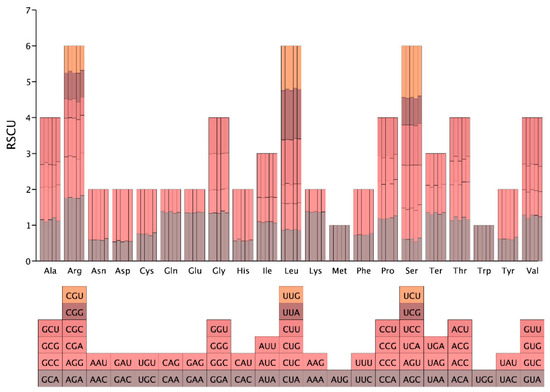
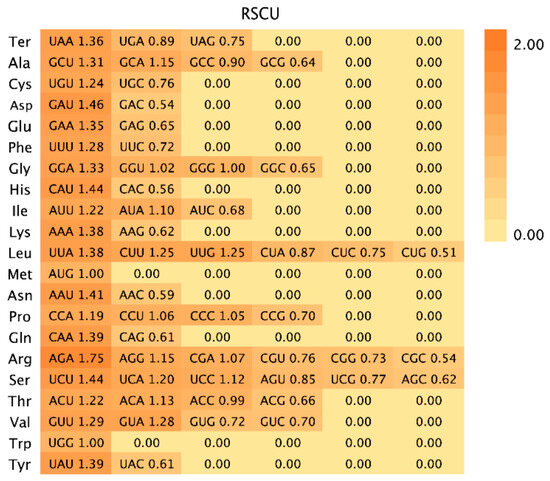
Background/Objectives: Protozoan parasites of the genus Leishmania are causative agents of a group of devastating human diseases, known as leishmaniasis. These microorganisms possess very unusual mechanisms of gene expression that are poorly understood. This study was aimed at analyzing the tRNA repertoire encoded in the Leishmania infantum genome, a species responsible for the most severe form of disease, visceral leishmaniasis. tRNAs are adaptor molecules aimed at decoding mRNAs into proteins. Results: A total of 92 tRNA genes, dispersed on 38 loci, were identified, often located in regions where unidirectional gene arrays converge. Putative intronic sequences were inferred for three tRNA genes, and, remarkably, nine tRNAs were found to overlap with the protein-coding sequences of annotated genes. According to structural predictions, the L. infantum tRNA repertoire covers 49 out of the 61 possible anticodons, but because of the well-documented wobble phenomenon, these are enough to decode all codons in the 8532 protein-coding genes currently annotated in its genome. As illustrated in this study, codon usage is a well-conserved trait among different Leishmania species but it differs substantially regarding its human host. Finally, we analyzed tRNA adaptation index (tAI) parameters, codon usage metrics, and relative protein expression levels. Conclusions: Apart from providing the tRNA gene repertoire and its genome distribution, we have shown the existence of a statistically significant, positive correlation between the tAI scores and protein expression levels in L. infantum promastigotes.
Full article
(This article belongs to the Special Issue Feature Papers in Microbial Genetics and Genomics 2026)
Open AccessArticle
The Late Evolution of the Nascent Peptide Code for Translational Control and Its Relationship to the Standard Genetic Code
by
Gustavo Caetano-Anollés
Genes 2026, 17(6), 619; https://doi.org/10.3390/genes17060619 (registering DOI) - 29 May 2026
Abstract
Background: Recent work has revealed that protein-coding sequences encode regulatory information influencing mRNA stability and translation through a nascent peptide code. However, the evolutionary origin of this regulatory layer remains unclear. This study aims to determine when peptide-mediated translational control emerged during
[...] Read more.
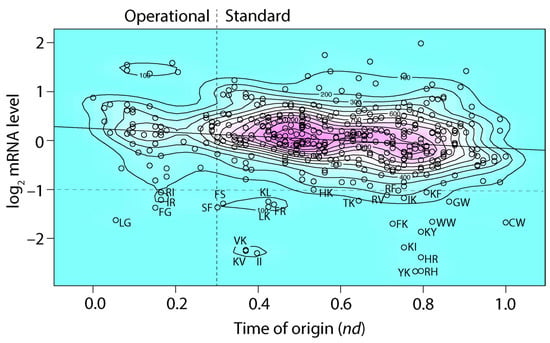
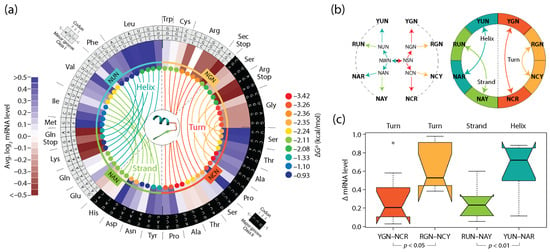
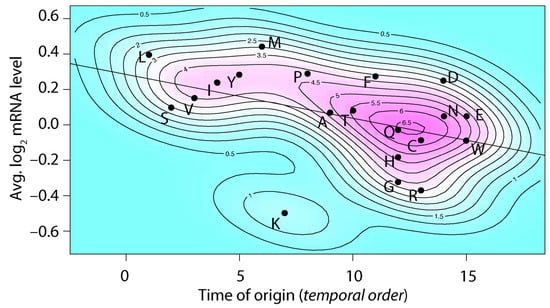
Background: Recent work has revealed that protein-coding sequences encode regulatory information influencing mRNA stability and translation through a nascent peptide code. However, the evolutionary origin of this regulatory layer remains unclear. This study aims to determine when peptide-mediated translational control emerged during the evolution of the proteome and genetic code. Methods: Dipeptide-specific effects on mRNA stability and translation were integrated with a phylogenetic timeline of dipeptide emergence derived from dipeptide sequences across proteomes. Each of the 400 canonical dipeptides was assigned an evolutionary age, and experimentally derived regulatory effects were mapped onto this timeline, with associations assessed using rank-based correlation and regression analyses. Results: A weak but statistically significant negative association was observed between dipeptide age and mRNA stability, indicating that more recently evolved dipeptides tend to destabilize transcripts. This trend was stronger at the amino acid level, where later-emerging residues showed greater contributions to reduced mRNA levels. Destabilizing effects were associated with physicochemical properties such as positive charge, side-chain bulkiness, and β-strand propensity. Mapping these effects onto codon space revealed a non-random distribution aligned with the evolutionary and structural organization of the genetic code. Destabilizing effects were also enriched within specific codon exchange groups, indicating that regulatory signals are structured within the degeneracy and mutational neighborhoods of the code. Conclusions: These findings indicate that the nascent peptide code is a late evolutionary innovation linked to amino acid expansion and proteomic complexity, with regulation embedded within both peptide sequences and the degeneracy structure of the standard genetic code.
Full article
(This article belongs to the Special Issue The Origin and Evolution of Genetic Code)
►▼
Show Figures

Figure 1
Open AccessReview
Epigenetic Modulation of Exercise Adaptation: The Role of Dietary Supplementation in Athletic Performance
by
Agata Leońska-Duniec, Paulina Małkowska and Marek Sawczuk
Genes 2026, 17(6), 618; https://doi.org/10.3390/genes17060618 (registering DOI) - 29 May 2026
Abstract
In high-performance sport, even small improvements in adaptation and recovery may influence competitive outcomes, increasing interest in molecular mechanisms that regulate training responses. Epigenetic processes represent a dynamic interface between exercise, nutrition, and long-term athletic adaptation. This narrative review summarizes current data on
[...] Read more.
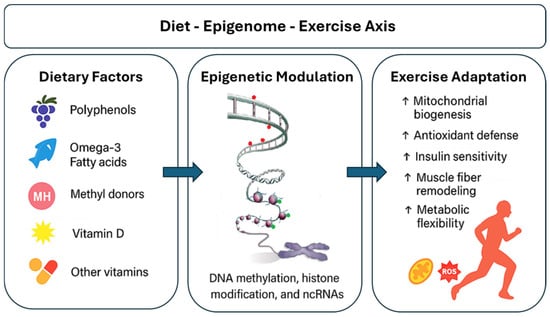
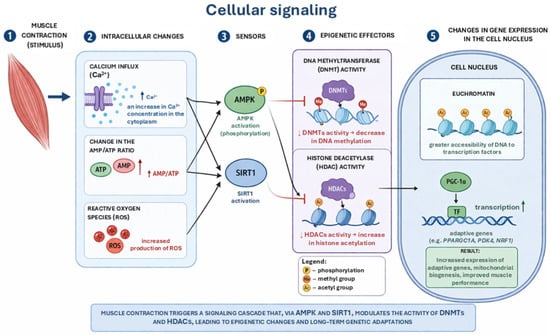
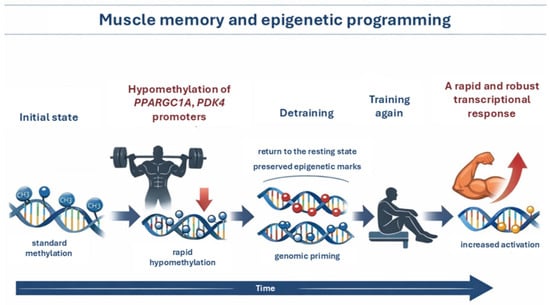
In high-performance sport, even small improvements in adaptation and recovery may influence competitive outcomes, increasing interest in molecular mechanisms that regulate training responses. Epigenetic processes represent a dynamic interface between exercise, nutrition, and long-term athletic adaptation. This narrative review summarizes current data on how dietary supplementation may modulate exercise-induced epigenetic remodeling and influence performance and recovery, focusing on mechanisms such as DNA methylation, histone modifications, and non-coding RNAs, as well as key nutrient groups with potential epigenetic activity, including polyphenols, omega-3 fatty acids, methyl donors, and selected vitamins. Evidence identified through targeted literature searches across major scientific databases indicates that several bioactive compounds can affect epigenetic pathways relevant to exercise adaptation. These mechanisms appear to modulate processes central to performance and recovery, including inflammation control, mitochondrial function, metabolic regulation, and tissue repair. Available evidence from multi-nutrient and combined exercise–nutrition interventions suggests potentially complementary effects on epigenetic regulation; however, human evidence remains limited and mechanistic interpretations should be considered preliminary. Overall, epigenetically informed supplementation offers a promising yet still developing approach and should be considered an adjunct to evidence-based training programs, balanced nutrition, and adequate recovery rather than a standalone performance-enhancing strategy.
Full article
(This article belongs to the Special Issue Feature Papers: Molecular Genetics and Genomics 2026)
►▼
Show Figures

Figure 1

Open AccessArticle
Variant Allele Characterization in STR Markers Using Next-Generation Sequencing
by
Lauren E. Mullen, Carolyn R. Steffen, Katherine B. Gettings, Kevin M. Kiesler and Peter M. Vallone
Genes 2026, 17(6), 617; https://doi.org/10.3390/genes17060617 (registering DOI) - 29 May 2026
Abstract
Traditionally, Sanger sequencing was used to characterize reference materials and confirm discordant allele calls from different STR typing kits at the National Institute of Standards and Technology (NIST). Sequencing can also identify genomic variations within polymerase chain reaction (PCR) amplicons containing STRs, particularly
[...] Read more.
Traditionally, Sanger sequencing was used to characterize reference materials and confirm discordant allele calls from different STR typing kits at the National Institute of Standards and Technology (NIST). Sequencing can also identify genomic variations within polymerase chain reaction (PCR) amplicons containing STRs, particularly variants that result in null alleles and alleles that do not migrate within allele sizing bins provided by kit manufacturers. However, Sanger methods are low-throughput, time- and labor-intensive, and require additional procedures for analysis of heterozygous alleles. To address these limitations, a quicker, more straightforward protocol that uses next-generation sequencing (NGS) was developed. By applying NGS technology to forensic samples containing variant alleles, additional information can be obtained about their molecular basis, and this information can be published and shared across the forensic community. The development of this protocol can increase awareness and encourage the integration of NGS technology into forensic laboratories to improve forensic DNA typing for human identification. This research provides the criteria used to individually sequence thirty-five autosomal STR loci, with PCR primer locations chosen to increase amplicon length and maximize the likelihood of detecting variants in the flanking region. The list of targeted sequences, associated primers, and chromosomal coordinates is also included.
Full article
(This article belongs to the Special Issue Novel Strategies in Forensic Genetics)
Open AccessReview
From Molecular Visualization to Spatial Landscapes: Engineering the Next Generation of In Situ Hybridization
by
Zejia Li, Miaomiao Luo, Minshuai Zhu and Yun Bai
Genes 2026, 17(6), 616; https://doi.org/10.3390/genes17060616 (registering DOI) - 29 May 2026
Abstract
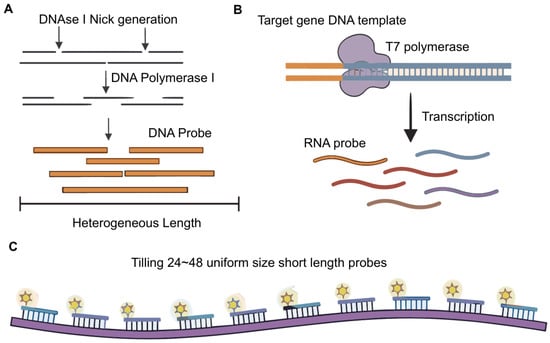
In situ hybridization (ISH) has undergone a rapid evolution from a low-throughput histological staining technique to a diverse family of modern methods for sensitive, specific and multiplexed molecular detection in intact cells and tissues, and to a cornerstone technology for image-based spatial transcriptomics.
[...] Read more.
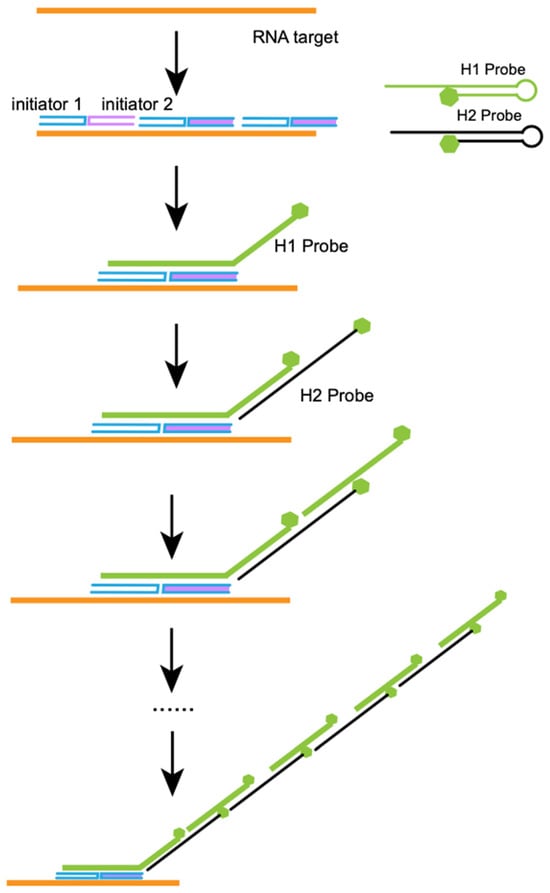
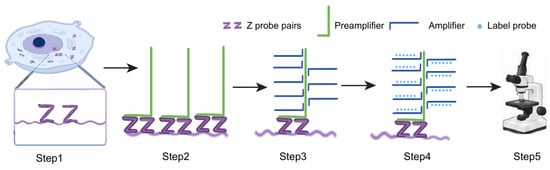
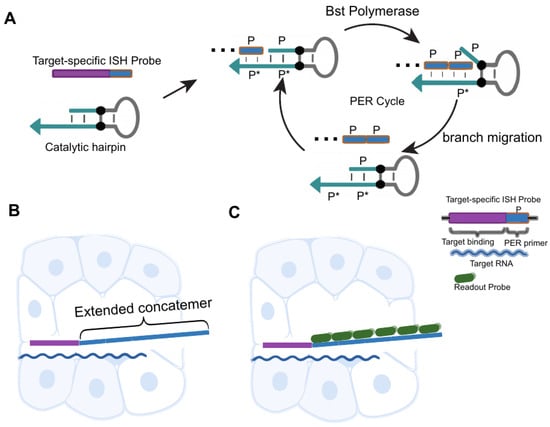
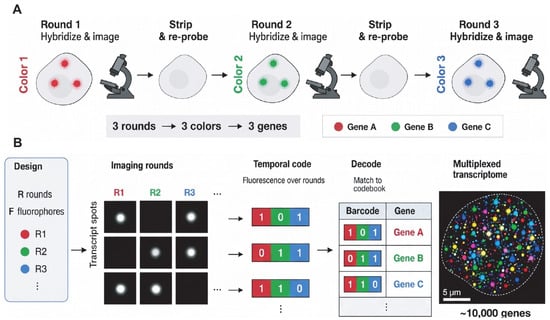
In situ hybridization (ISH) has undergone a rapid evolution from a low-throughput histological staining technique to a diverse family of modern methods for sensitive, specific and multiplexed molecular detection in intact cells and tissues, and to a cornerstone technology for image-based spatial transcriptomics. This transformation has been driven by advances in probe design, signal amplification, cyclic imaging, combinatorial barcoding, automated fluidics and computational decoding, which together allow RNA molecules to be measured within preserved cellular and tissue architecture. In this review, we examine the molecular and engineering principles that underlie modern ISH methods and their extension into ISH-based spatial profiling, with emphasis on hybridization chain reaction, branched-DNA amplification, SABER-FISH, rolling-circle-amplification-based approaches, seqFISH, MERFISH, RAEFISH and selected commercial implementations. We discuss how sensitivity, specificity, tissue compatibility, optical crowding, imaging burden, cost, reproducibility and computational uncertainty shape the practical use of each method. Sequencing-based spatial capture platforms are not reviewed comprehensively, but are considered where comparative benchmarks help clarify trade-offs in spatial resolution, transcriptome breadth, tissue area or analytical interpretation. We also consider how recent benchmarking and standardization efforts are beginning to define quantitative criteria for comparing platforms, and how advances in segmentation, barcode decoding, spatial integration and cell–cell communication analysis convert raw images into biological insight. Finally, we highlight applications in targeted transcript detection, tissue-based validation, neuroscience, cancer, developmental biology, non-model organisms and spatial functional genomics, where modern ISH methods and ISH-based spatial profiling provide information that bulk and dissociated single-cell approaches cannot capture. Together, these developments trace how ISH has expanded from targeted molecular visualization into a broad methodological framework for in situ detection and spatially resolved transcriptomic analysis.
Full article
(This article belongs to the Section Technologies and Resources for Genetics)
►▼
Show Figures

Figure 1
Open AccessArticle
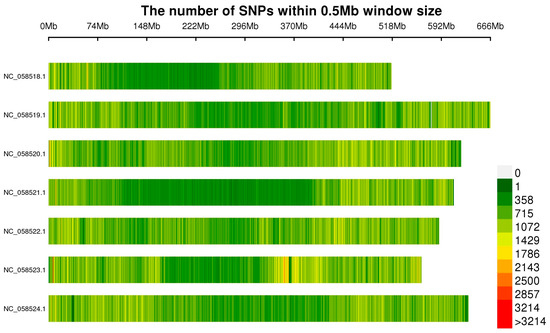
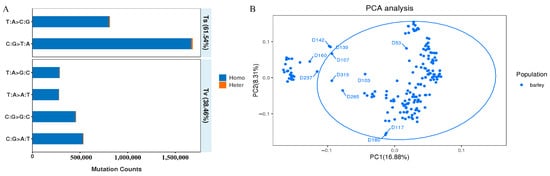
Integrative Genome-Wide Association Study (GWAS), Transcriptome, and Sequence Variation Analyses Reveal Candidate Genes Controlling Barley Grain Length
by
Panpan Li, Zhiguo Xiang, Dan Zhang, Xianlin Zhao, Zhidan Zuo, Hongshan Yang, Dongyang Liu and Yongying Zhao
Genes 2026, 17(6), 615; https://doi.org/10.3390/genes17060615 (registering DOI) - 29 May 2026
Abstract
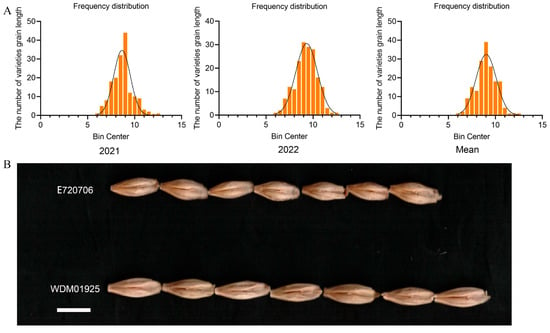
Background: Grain length is a key determinant of yield and quality in barley (Hordeum vulgare L.) and is typically governed by complex quantitative traits. Methods: In this study, a diverse natural population comprising 198 barley accessions was evaluated across two years to
[...] Read more.
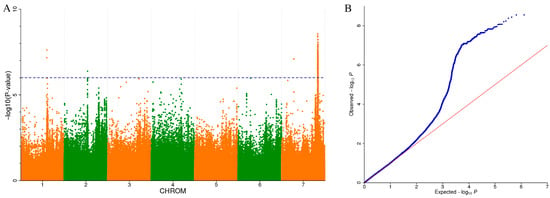
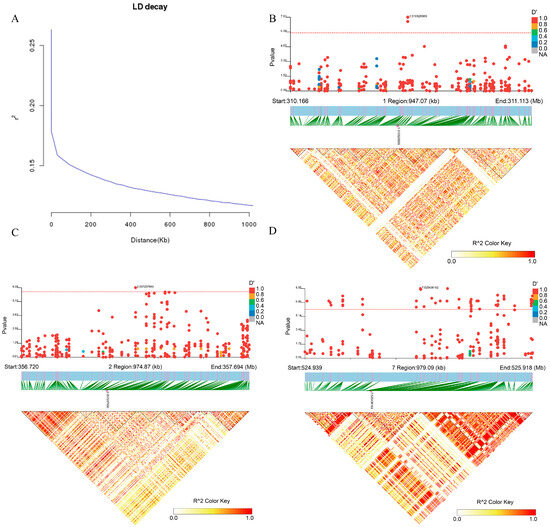
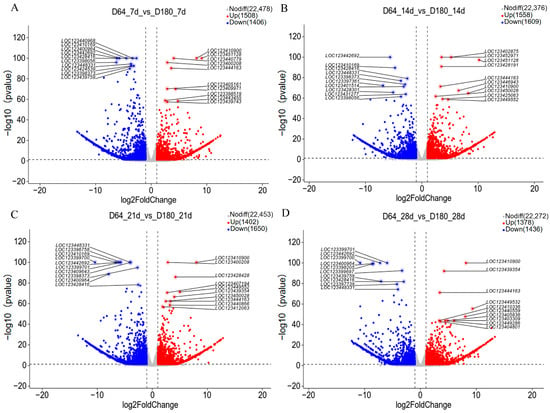
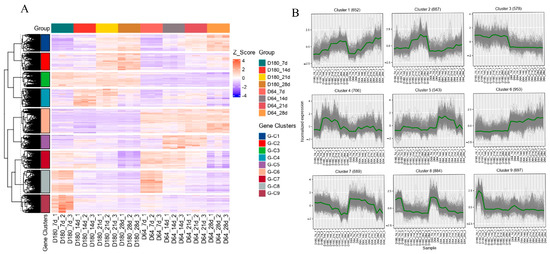
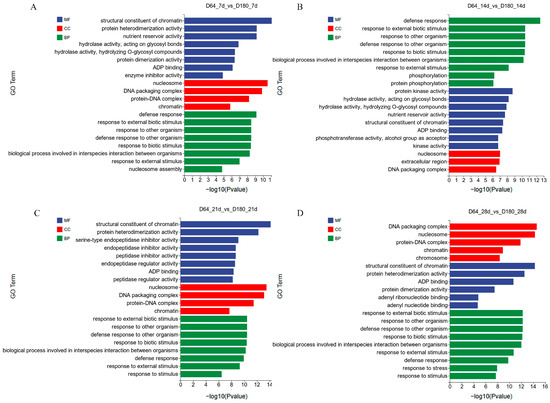
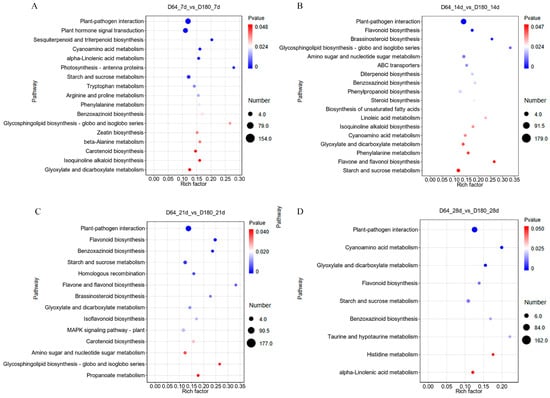
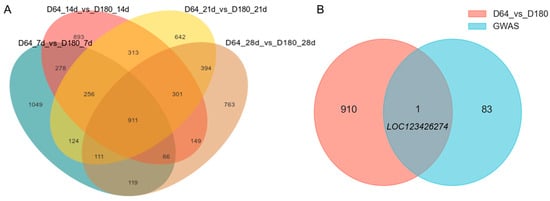
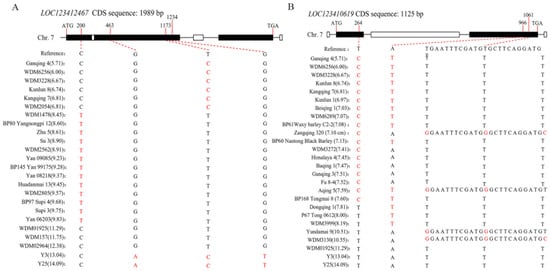
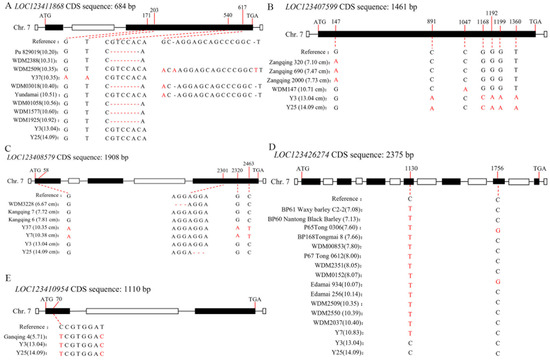
Background: Grain length is a key determinant of yield and quality in barley (Hordeum vulgare L.) and is typically governed by complex quantitative traits. Methods: In this study, a diverse natural population comprising 198 barley accessions was evaluated across two years to investigate the genetic basis of grain length. Results: Phenotypic analysis revealed continuous variation with near-normal distribution, indicating polygenic control. Genome-wide association study (GWAS) identified 84 stable single nucleotide polymorphism (SNP) loci significantly associated with grain length, predominantly enriched on chromosome 7. RNA sequencing (RNA-seq) was conducted using two contrasting genotypes at four developmental stages. Differentially expressed genes (DEGs) were mainly enriched in structural constituent of chromatin, protein heterodimerization activity, and the starch and sucrose metabolism. Integration of GWAS and RNA-seq identified 7 key candidate genes seven key candidate genes, including LOC123412467, LOC123408579, LOC123407599, LOC123410619, LOC123410954, LOC123411868, and LOC123426274. Sequence variation analysis further revealed functional polymorphisms, including non-synonymous mutations. The sequencing results show that LOC123412467 and LOC123410619 exhibited consistent allelic variation between long-grain and short-grain accessions, while LOC123426274 displayed stable differential expression across developmental stages, indicating their potential roles as key genes controlling grain length. Conclusions: Collectively, these findings suggest that chromosome 7 contains major regulatory loci controlling barley grain length and demonstrate that integrative multi-omics analysis is an effective strategy for identifying high-confidence candidate genes associated with complex agronomic traits. This study provides valuable insights into the genetic basis of grain length and offers key candidate genes for barley molecular breeding.
Full article
(This article belongs to the Section Plant Genetics and Genomics)
►▼
Show Figures

Figure 1

Open AccessCase Report
Clinical and Genetic Characterization of a Russian Family with Bardet–Biedl Syndrome Carrying a Previously Undescribed Missense Variant and a Recurrent Pathogenic Frameshift Variant in BBS7 Gene
by
Alexandra F. Nikolaeva, Timur V. Boyko, Vitaly V. Kadyshev, Elena A. Shestopalova, Svetlana V. Kuznetsova, Elizabeth G. Panchenko, Anatoly N. Tiulpakov, Oxana P. Ryzhkova, Tamara O. Aripova, Tatyana R. Hegay, Sergey I. Kutsev and Vladimir O. Sigin
Genes 2026, 17(6), 614; https://doi.org/10.3390/genes17060614 (registering DOI) - 29 May 2026
Abstract
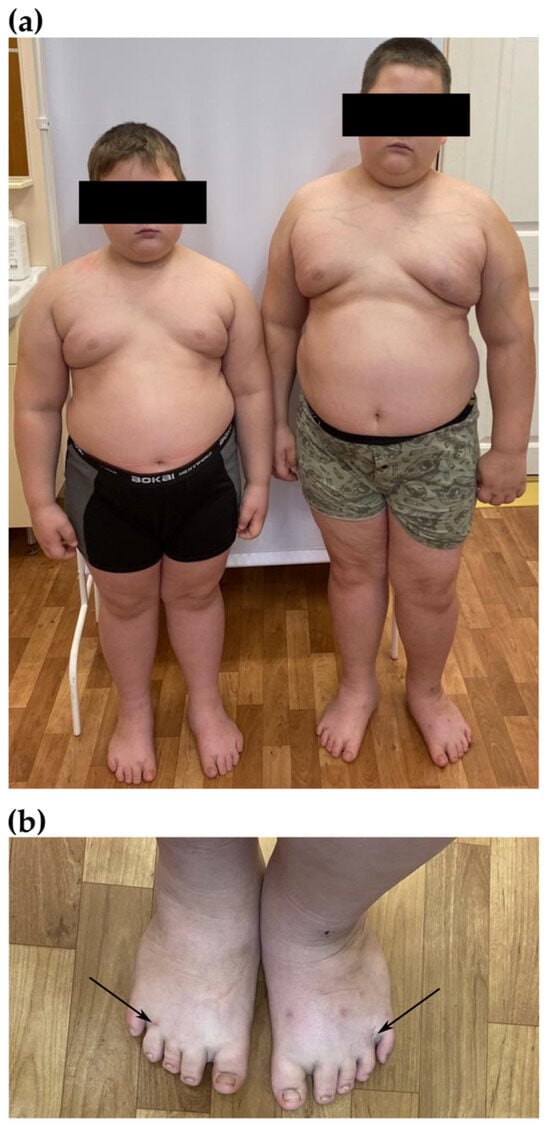
Background/Objectives: Bardet–Biedl syndrome (BBS) is a rare autosomal recessive ciliopathy caused by variants in genes encoding components of the BBSome complex. Interpretation of rare variants in the BBS7 gene remains challenging, particularly for variants of uncertain significance. This study aimed to provide clinical
[...] Read more.
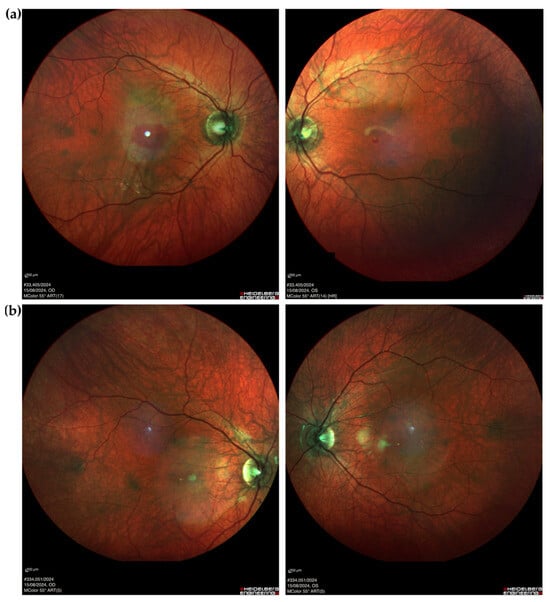
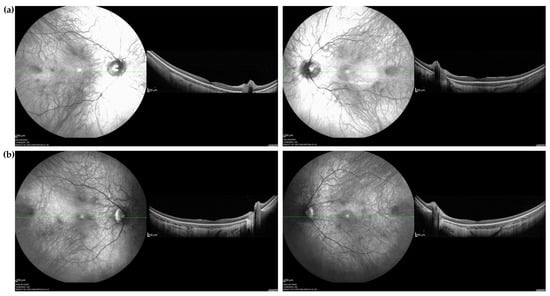
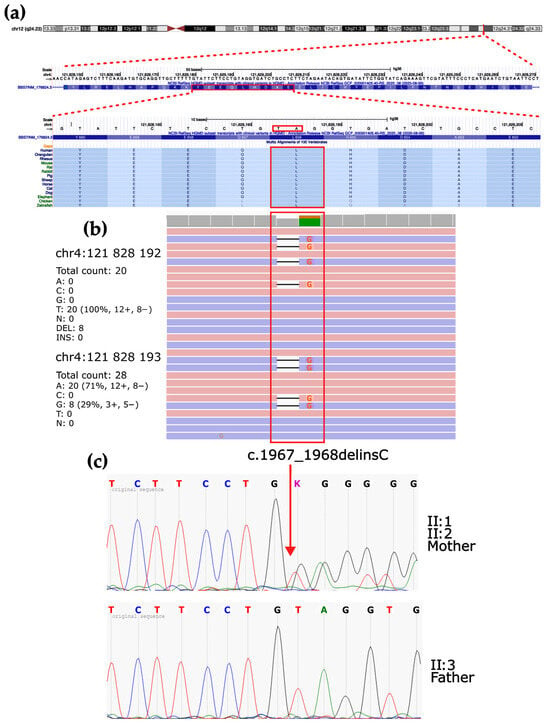
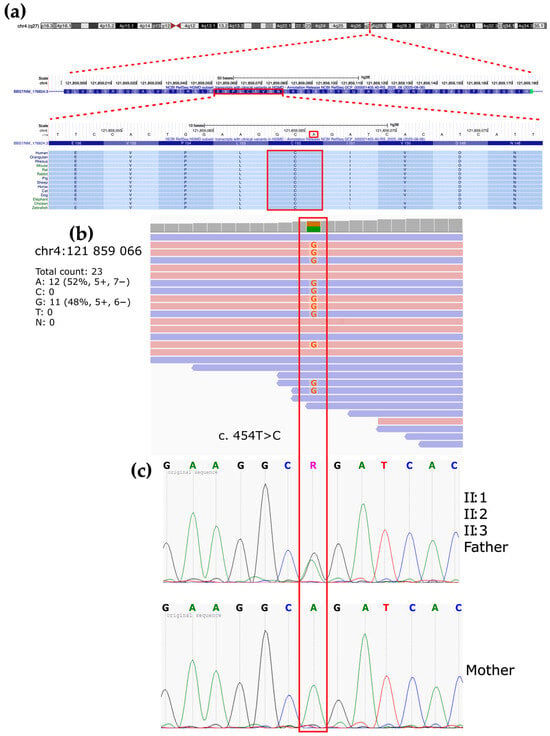
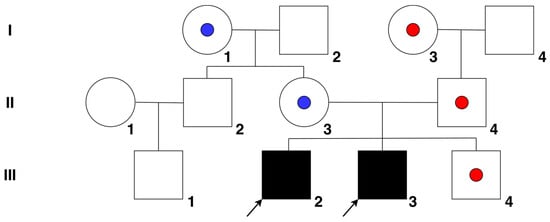
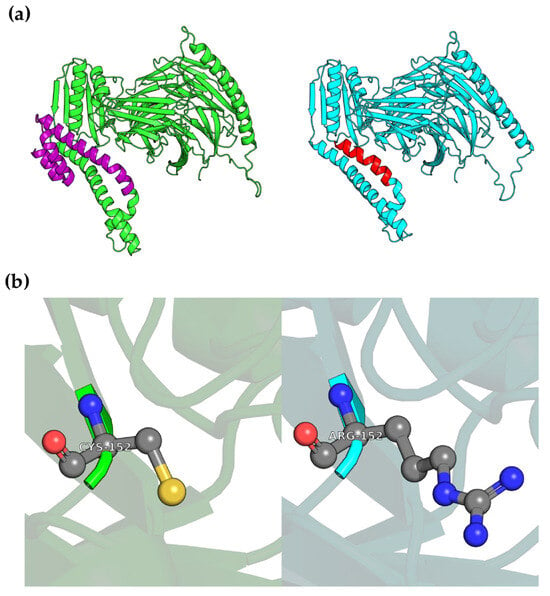
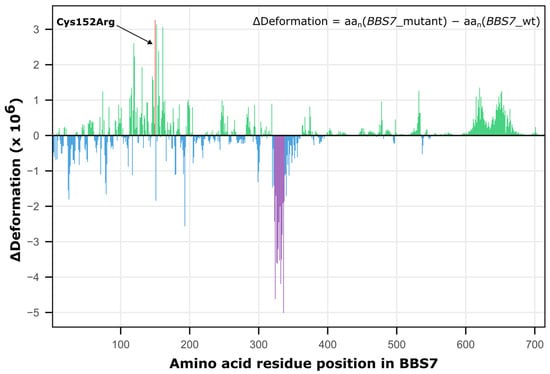
Background/Objectives: Bardet–Biedl syndrome (BBS) is a rare autosomal recessive ciliopathy caused by variants in genes encoding components of the BBSome complex. Interpretation of rare variants in the BBS7 gene remains challenging, particularly for variants of uncertain significance. This study aimed to provide clinical and molecular genetic characterization of two siblings with a BBS phenotype harboring compound heterozygous variants in BBS7, including a previously undescribed missense variant. Methods: Two siblings (aged 11 and 8 years) presenting with obesity, postaxial polydactyly, retinal dystrophy, and cystic renal dysplasia were clinically evaluated. Whole-exome sequencing was performed in the proband, followed by segregation analysis within the family. Variant classification was conducted according to ACMG/AMP guidelines, integrating allele frequency data, in silico predictions, segregation evidence, and structural modeling. Results: Two heterozygous variants in the BBS7 gene (NM_176824.3) were identified in trans: a previously reported pathogenic frameshift variant, c.1967_1968delinsC, p.(Leu656ProfsTer18), and a missense variant, c.454T>C, p.(Cys152Arg), which, to the best of our knowledge, has not been previously reported in patients with Bardet–Biedl syndrome. The variant was extremely rare in population databases. Structural analysis suggested steric and electrostatic disruptions, including loss of a disulfide bond. Based on ACMG/AMP criteria, the variant was classified as likely pathogenic. Conclusions: This case supports the likely pathogenic classification of the c.454T>C, p.(Cys152Arg) variant. The findings highlight the importance of integrating clinical, genetic, and structural data for the interpretation of rare variants in BBS-associated genes.
Full article
(This article belongs to the Special Issue Genetics and Genomics of Endocrine Diseases in Children and Adolescents)
►▼
Show Figures

Figure 1
Open AccessArticle
Genome-Wide Identification and Expression Analysis of the Xyloglucan Endotransglucosylase/Hydrolase Gene Family in Manihot esculenta
by
Hao Ju, Jing Chu, Qing Xie, Abduaziz Abduvasikov, Yu Wang and Xingyu Jiang
Genes 2026, 17(6), 613; https://doi.org/10.3390/genes17060613 (registering DOI) - 29 May 2026
Abstract
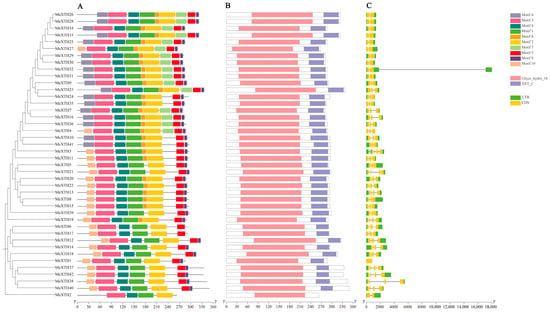
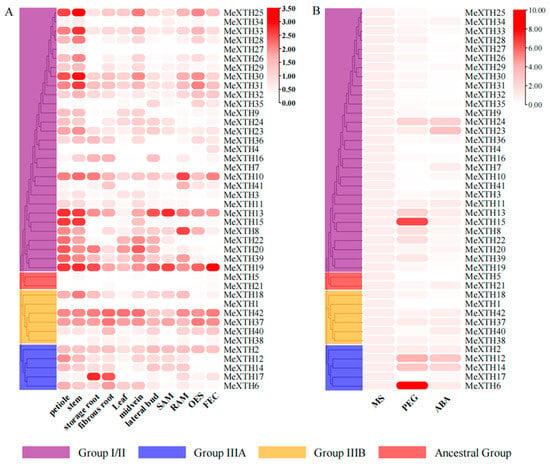
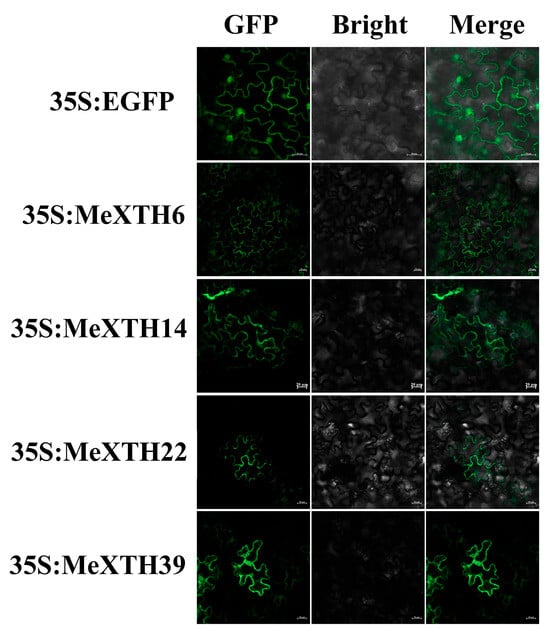
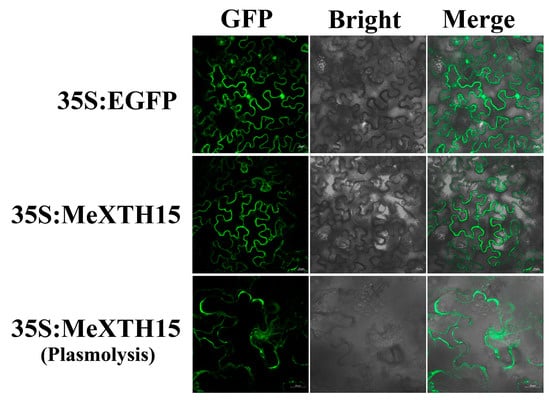
Background: Xyloglucan endotransglucosylase/hydrolase (XTH) acts as a key cell wall-modifying enzyme and contributes to plant stress resilience. This study aimed to identify the MeXTH gene family in cassava and characterize its potential functions in abiotic stress adaptation. Method: A full set
[...] Read more.
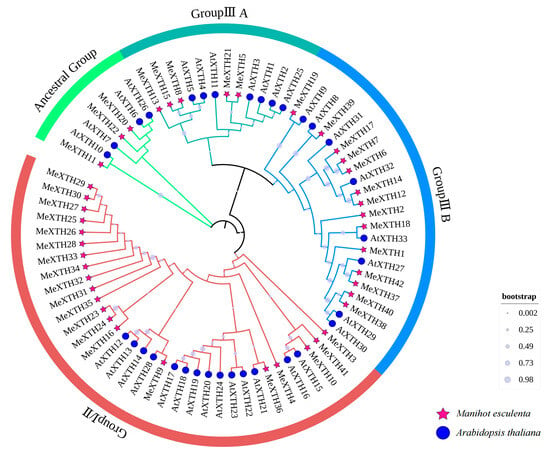
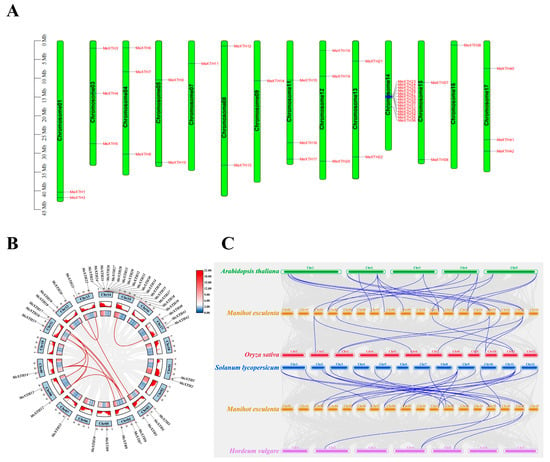
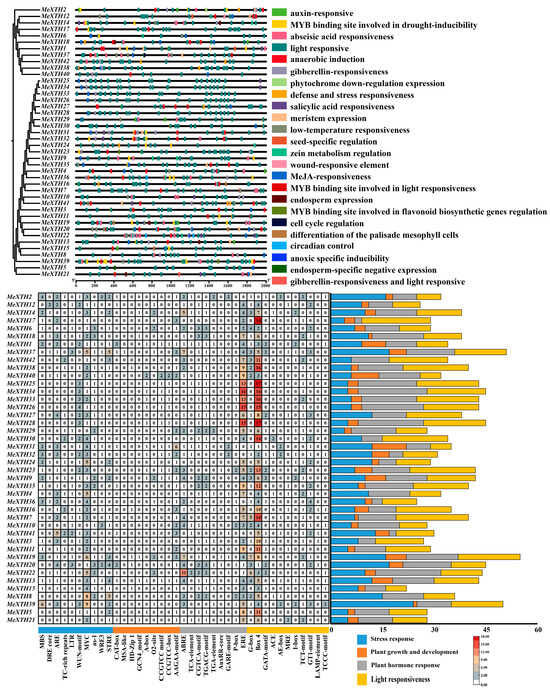
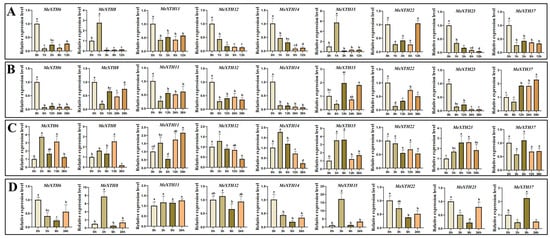
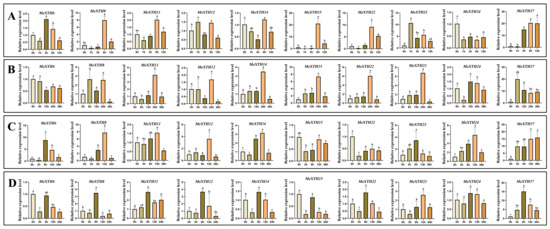
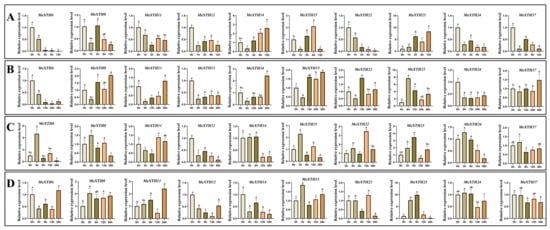
Background: Xyloglucan endotransglucosylase/hydrolase (XTH) acts as a key cell wall-modifying enzyme and contributes to plant stress resilience. This study aimed to identify the MeXTH gene family in cassava and characterize its potential functions in abiotic stress adaptation. Method: A full set of bioinformatic analyses was performed, including phylogeny, gene structure, conserved motifs, chromosomal localization, synteny, promoter cis-elements and subcellular localization. Expression patterns were examined by quantitative real-time PCR (qRT-PCR). Results: Forty-two MeXTH genes were identified and distributed on 14 chromosomes, encoding proteins with conserved Glyco_hydro_16 (Glycoside hydrolase family 16) and XET_C (Xyloglucan endotransglycosylase C-terminal domain) domains. Genes were clustered into four subfamilies with similar structures. Synteny was closer between cassava and dicots than monocots. Twenty-four stress-, hormone- and light-related cis-elements were detected. Ten MeXTH genes showed obvious differential expression under stress, and most proteins were located in the cell wall. Conclusions: The MeXTH gene family is structurally conserved and can serve as a readout of abiotic stress in cassava. These results provide a theoretical basis for molecular breeding aimed at enhancing stress resistance in cassava.
Full article
(This article belongs to the Section Bioinformatics)
►▼
Show Figures

Figure 1
Open AccessArticle
Integrated Transcriptomic and Metabolomic Analyses Reveal Diurnal Regulation of Carbon–Nitrogen Metabolism in Maize
by
Qingqing Yao, Bin Li, Peiya Wang, Qi Guo and Qiuyan Xiang
Genes 2026, 17(6), 612; https://doi.org/10.3390/genes17060612 (registering DOI) - 28 May 2026
Abstract
Background: Diurnal rhythms are orchestrated by an endogenous clock that synchronizes multiple metabolic processes in plants. While maize growth exhibits diurnal rhythmic characteristics, the regulatory framework governing the rhythmic patterns of its carbon–nitrogen (C/N) metabolism remains to be systematically characterized. Methods: In this
[...] Read more.
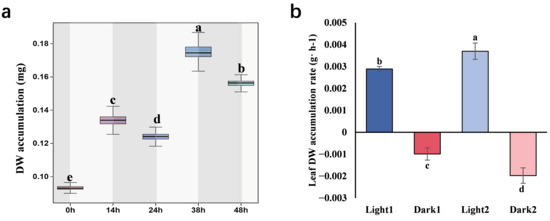
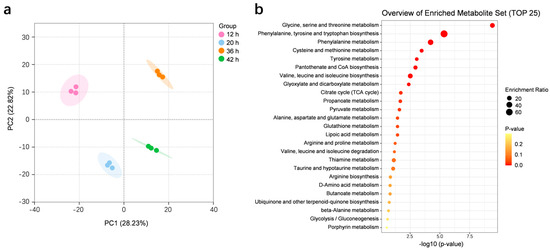
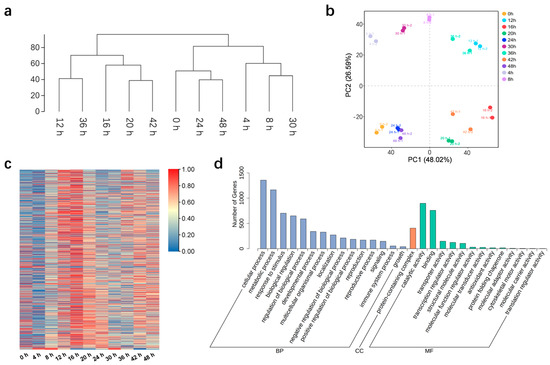
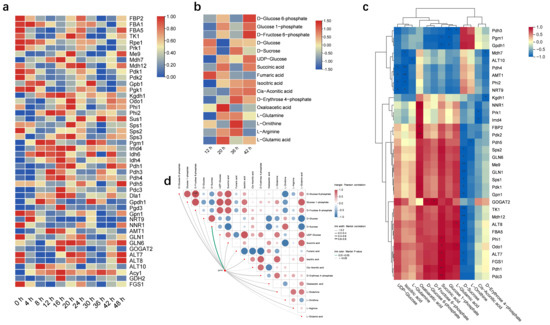
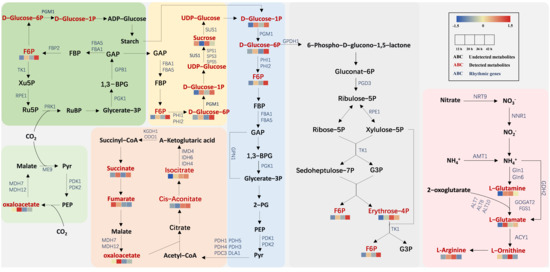
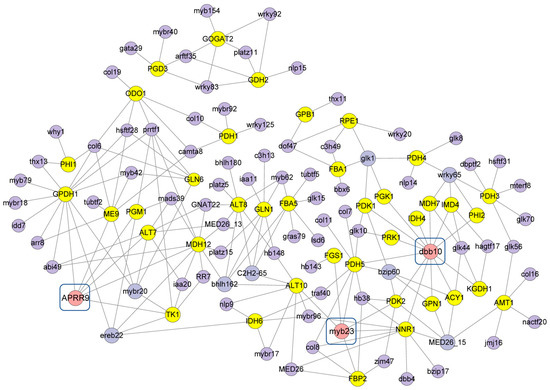
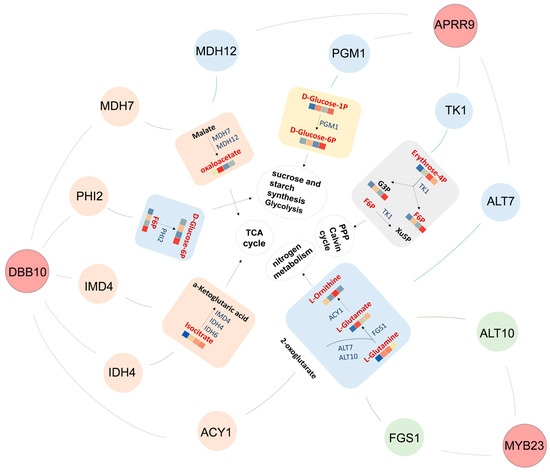
Background: Diurnal rhythms are orchestrated by an endogenous clock that synchronizes multiple metabolic processes in plants. While maize growth exhibits diurnal rhythmic characteristics, the regulatory framework governing the rhythmic patterns of its carbon–nitrogen (C/N) metabolism remains to be systematically characterized. Methods: In this study, multi-omics analysis was performed to dissect the diurnal regulatory mechanism responsible for C/N allocation in maize. Results: Maize seedlings display a distinct diurnal pattern in biomass accumulation, characterized by net gains during the light period and partial losses during darkness. A total of 923 metabolites and 3702 rhythmic genes were detected through multi-omics analysis. Among these, 46 rhythmic genes and 16 metabolites were identified within the C/N metabolic pathways, encompassing carbon fixation, the Calvin cycle, starch and sucrose synthesis, glycolysis, the tricarboxylic acid cycle (TCA), the pentose phosphate pathway (PPP), and nitrogen assimilation. Furthermore, ZmDBB10, ZmMYB23, and ZmAPRR9 were identified as three candidate transcription factors potentially orchestrating the diurnal characteristics of C/N metabolism. Conclusions: These transcription factors may drive time-dependent metabolite accumulation by modulating key synthase genes within the C/N metabolic network, potentially contributing to diurnal homeostasis of C/N metabolism and promoting growth adaptability in maize.
Full article
(This article belongs to the Section Plant Genetics and Genomics)
►▼
Show Figures

Figure 1
Open AccessArticle
Integrating Multiple Correspondence Analysis and GWAS to Evaluate Reproductive Potential in Crossbred Heifers
by
Andrés Rodríguez Serrano, Marcos Ahumada Velasco, Jesús María Cárdenas Beltrán and José Morelos Gómez
Genes 2026, 17(6), 611; https://doi.org/10.3390/genes17060611 - 28 May 2026
Abstract
Objectives: The objective of this study was to evaluate the reproductive potential of crossbred heifers from dual-purpose systems using body conformation traits and to explore their genomic associations. Methods: A total of 522 heifers from the Colombian Caribbean region were phenotyped for structural
[...] Read more.
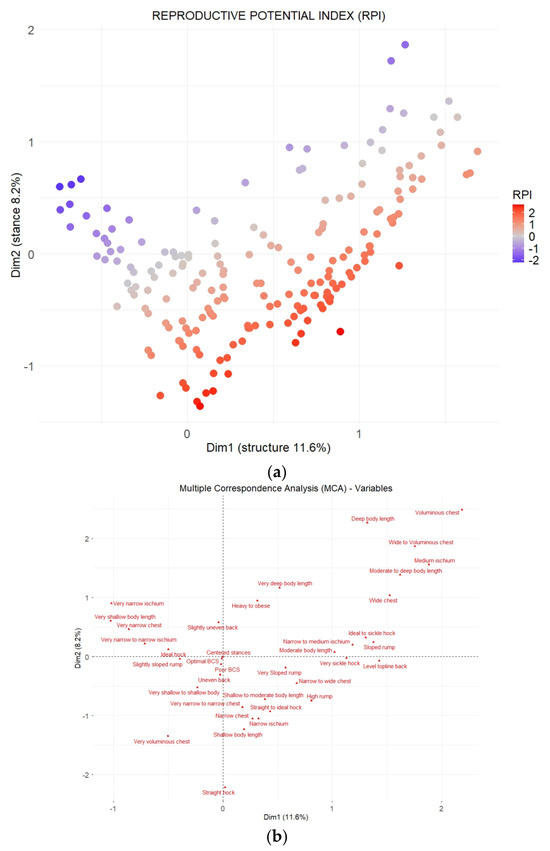
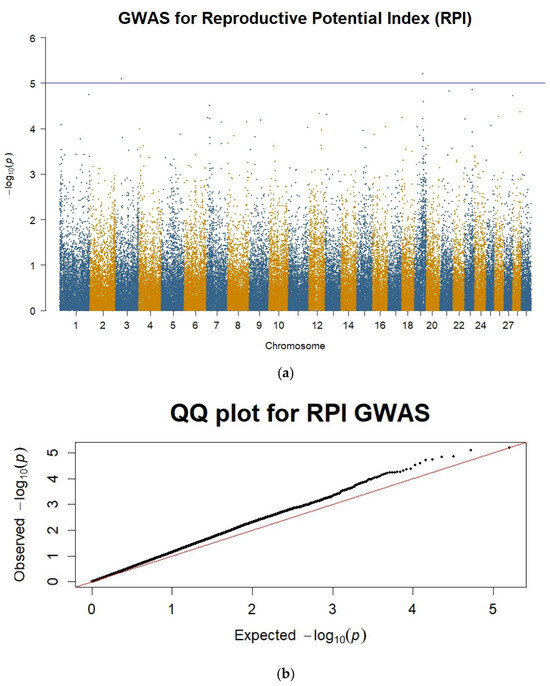
Objectives: The objective of this study was to evaluate the reproductive potential of crossbred heifers from dual-purpose systems using body conformation traits and to explore their genomic associations. Methods: A total of 522 heifers from the Colombian Caribbean region were phenotyped for structural and morphological traits, including body condition score, thoracic perimeter, height at withers, body length, ischium length, back level, hoof angle, stance width, hock angle, and rump level. Continuous variables were transformed into categorical classes and analyzed using multiple correspondence analysis (MCA) to build a reproductive potential index (RPI) that was used to perform a GWAS analysis to explore genomic regions. Results: The first two dimensions explained 11.6% and 8.2% of the total variation, respectively, and were used to construct an RPI. Heifers with higher RPI values exhibited greater thoracic perimeter, height, body length, and ischium length and were associated with wider chest and deeper body conformation, whereas lower RPI values were related to narrower and shallower body traits. However, some structurally desirable traits, such as centered stance, optimal hoof angle, and slightly sloped rump, were not clearly associated with high RPI. Genome-wide association analysis of the RPI did not reveal significant loci, although suggestive signals were identified on BTA3 and BTA19, near RSBN1, PHTF1, and WNT9B. Conclusions: These findings indicate that MCA-derived indices can summarize conformation-related variation in crossbred heifers, while the absence of strong associations suggests a polygenic architecture with small individual genetic effects.
Full article
(This article belongs to the Section Animal Genetics and Genomics)
►▼
Show Figures

Figure 1
Open AccessArticle
Integrative Multi-Omics Analysis Identifies an SPP1-Associated Spatial Mesenchymal–Myeloid Program in Glioblastoma
by
Ying Wang, Dong Zhou and Zhen Hong
Genes 2026, 17(6), 610; https://doi.org/10.3390/genes17060610 - 28 May 2026
Abstract
Background: Glioblastoma (GBM) is characterized by pronounced transcriptional plasticity and a highly structured immune microenvironment, yet the molecular features associated with tumor-state transitions and immune remodeling remain incompletely understood. Methods: We used an integrative multi-omics framework to examine how secreted phosphoprotein
[...] Read more.
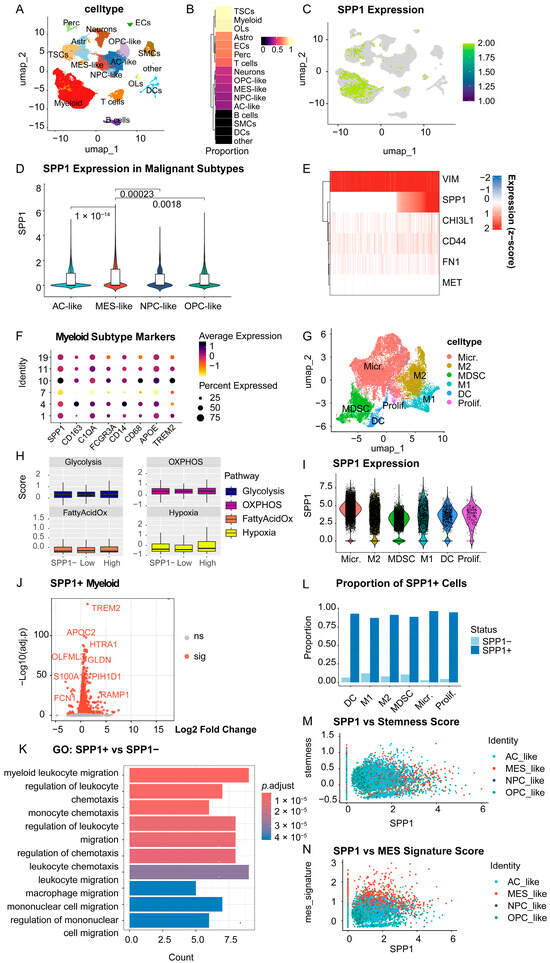
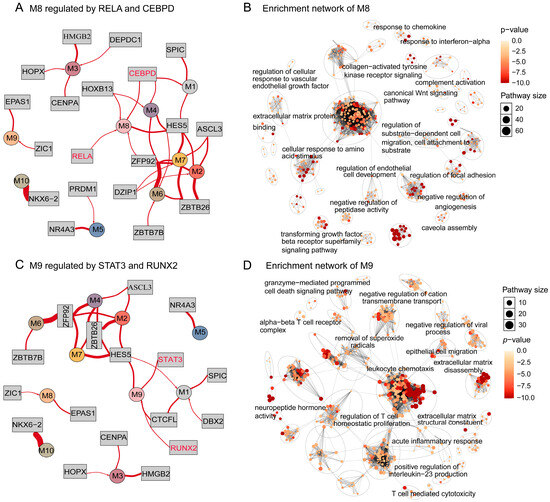
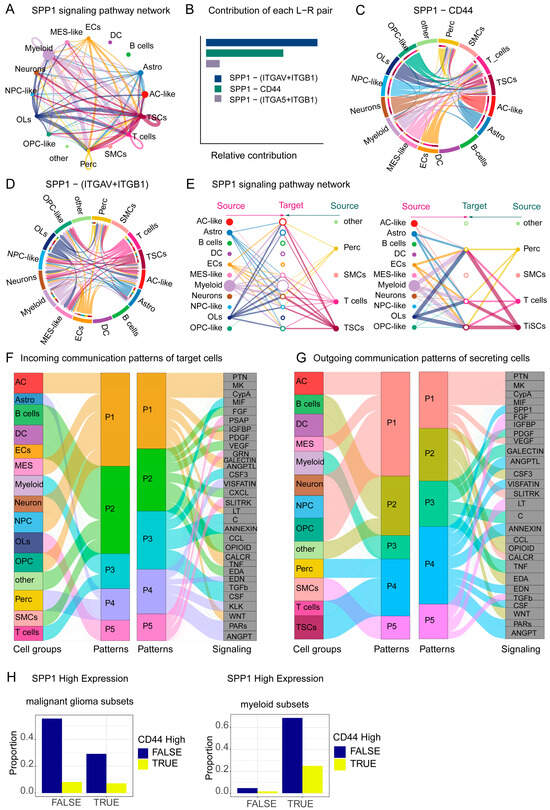
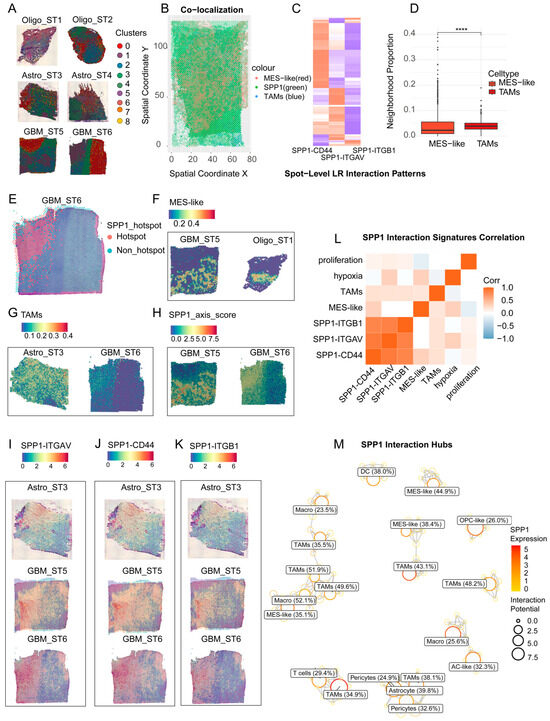
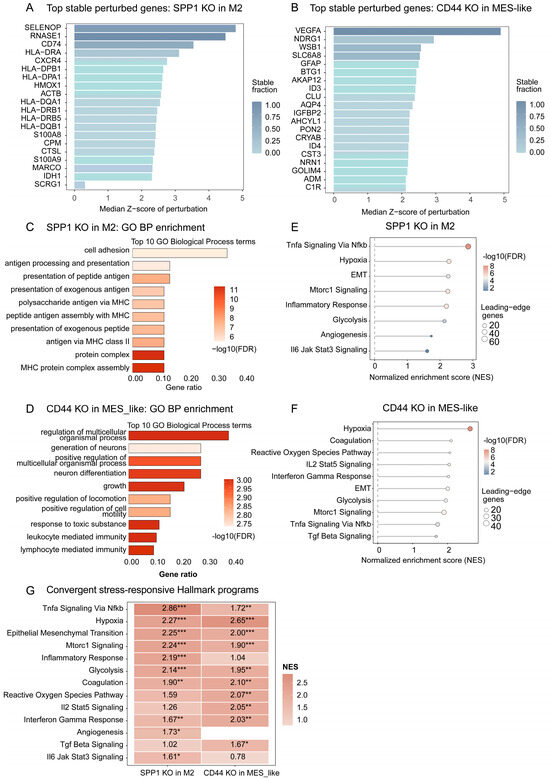
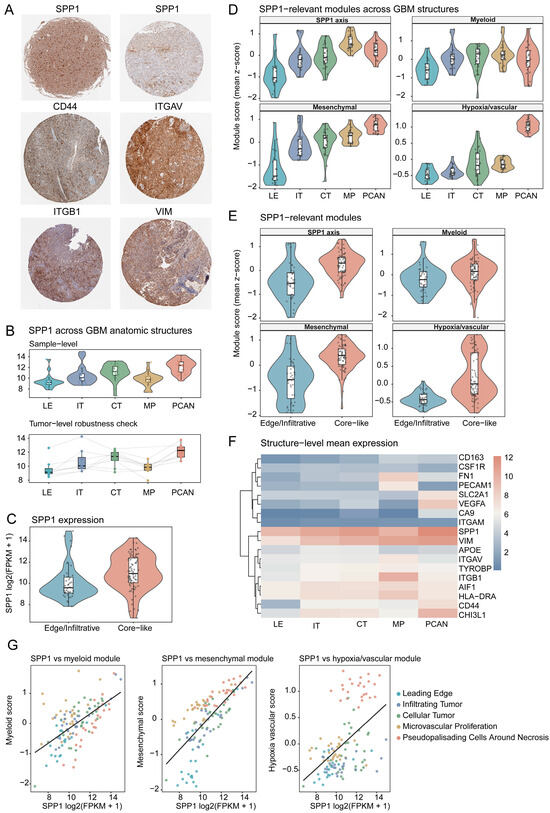
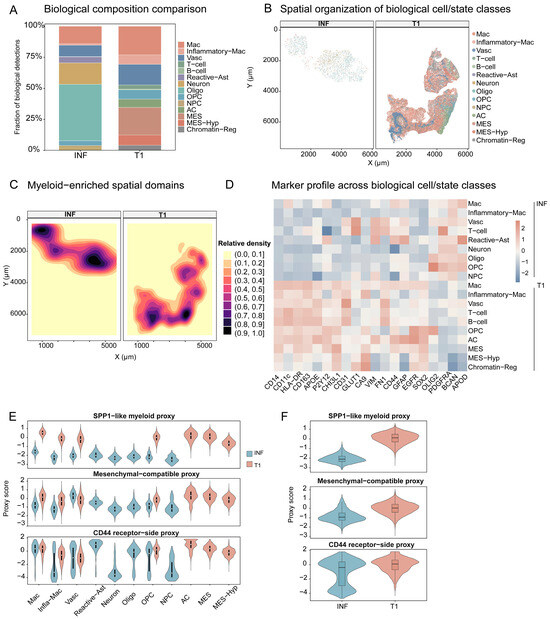
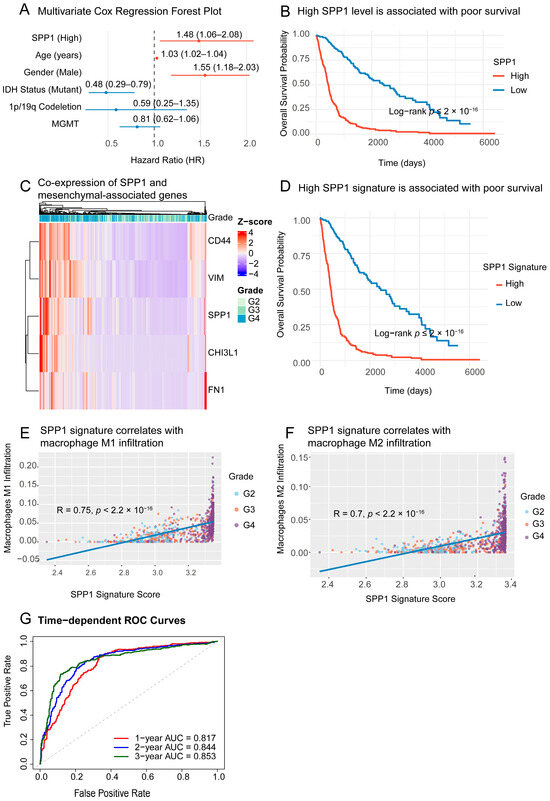
Background: Glioblastoma (GBM) is characterized by pronounced transcriptional plasticity and a highly structured immune microenvironment, yet the molecular features associated with tumor-state transitions and immune remodeling remain incompletely understood. Methods: We used an integrative multi-omics framework to examine how secreted phosphoprotein 1 (SPP1) relates to tumor microenvironment organization in human gliomas. Results: Single-cell analyses associated SPP1 with myeloid populations, mesenchymal-like (MES-like) malignant states, inflammatory regulatory programs, and inferred ligand–receptor co-expression patterns involving SPP1–CD44 and SPP1–integrin pairs. Spatial transcriptomic analyses showed that SPP1-high regions were enriched for estimated myeloid abundance, MES-like tumor signal, and ECM/angiogenic programs, supporting an SPP1-associated spatial mesenchymal–myeloid program in GBM. Computational perturbation analyses provided network-level support for SPP1–CD44-associated stress-responsive programs. HPA immunohistochemistry provided tissue-level protein context for SPP1 and related mesenchymal/receptor-associated components. Ivy GAP analysis showed enrichment of SPP1-associated features in core-like anatomic compartments, and CODEX spatial protein imaging provided antibody-panel-based contextual support for mesenchymal–myeloid-associated features. In the TCGA-GBM cohort, elevated SPP1 expression and an SPP1-associated mesenchymal signature were associated with poorer overall survival. Conclusions: These findings support an inferential model in which SPP1 is associated with spatial mesenchymal–myeloid organization in GBM and nominate SPP1-associated programs as candidate readouts of tumor plasticity, inflammatory myeloid remodeling, and spatial tumor microenvironment organization.
Full article
(This article belongs to the Special Issue Single-Cell and Spatial Multi-Omics in Human Diseases)
►▼
Show Figures

Figure 1
Open AccessReview
Methodological Advances in Mitochondrial DNA Analysis for Forensic Genetics
by
Víctor Daniel Carrillo-Rodríguez, Carina Amalinalli Ruiz-Villavicencio, María Teresa Navarro-Romero, Héctor Rangel-Villalobos and Cecilia Martínez-Campos
Genes 2026, 17(6), 609; https://doi.org/10.3390/genes17060609 - 28 May 2026
Abstract
Mitochondrial DNA (mtDNA) analysis is a fundamental tool in forensic genetics, particularly when biological samples exhibit severe degradation or low nuclear DNA content. Its unique biological characteristics, such as a high copy number per cell, strict matrilineal inheritance, and lack of recombination, enable
[...] Read more.
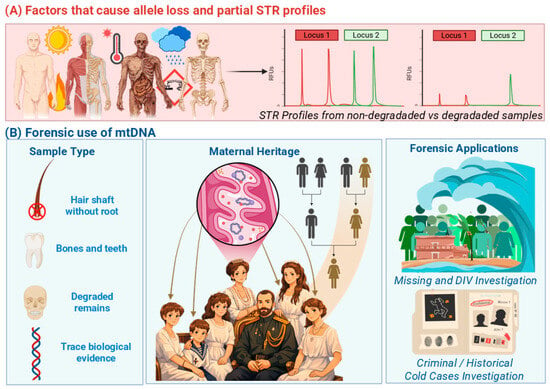
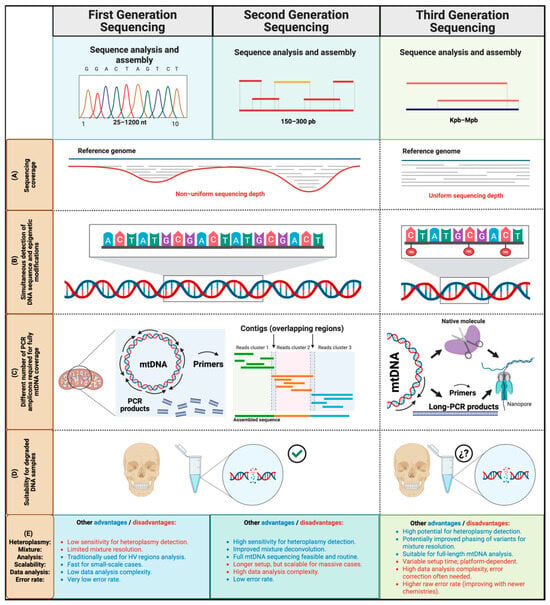
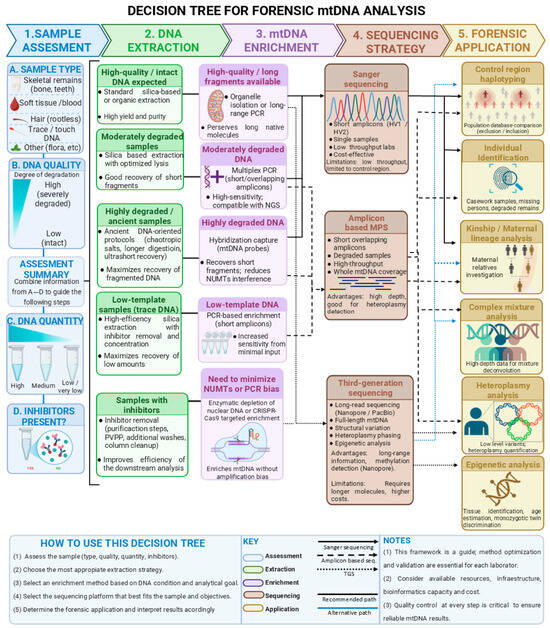
Mitochondrial DNA (mtDNA) analysis is a fundamental tool in forensic genetics, particularly when biological samples exhibit severe degradation or low nuclear DNA content. Its unique biological characteristics, such as a high copy number per cell, strict matrilineal inheritance, and lack of recombination, enable human identification and reconstruction of maternal lineages in complex contexts, including disaster victim identification, historical cases, and missing persons investigations. This narrative review examines contemporary methodological approaches for investigating the human mitogenome. We discuss recent advancements in extraction and enrichment techniques, emphasizing their efficacy in reducing the interference of nuclear mitochondrial DNA sequences (NUMTs) and enhancing the recovery of informative fragments. Moreover, the shift from traditional Sanger sequencing to Massive Parallel Sequencing (MPS) is examined, as MPS has markedly enhanced the sensitivity and capability of contemporary methods to detect low-frequency heteroplasmies. Additionally, the advent of Third-Generation Sequencing (TGS), exemplified by nanopore platforms, is evaluated, which facilitates the reading of full-length native molecules without the biases introduced by PCR amplification. Despite the interpretive challenges posed by heteroplasmy, contamination, and limitations in population databases, ongoing methodological advances in mitochondrial DNA analysis continue to strengthen its reliability and expand its potential in forensic genetics.
Full article
(This article belongs to the Special Issue Recent Progress in Forensic Genetics and Molecular Identification)
►▼
Show Figures

Figure 1
Open AccessArticle
Genome-Wide Identification and Expression Analysis of the Soybean GmHSP100 Gene Family in Response to Heat and Salt Stresses
by
Bowen Lin, Xinyuan Zhang, Zhiru Yu, Wenjing Zhao, Guanglei Ma, Shuwang Song, Xiaoming Li, Yongbin Zhuang, Jinfei Zhang, Dajian Zhang and Baoyin Chen
Genes 2026, 17(6), 608; https://doi.org/10.3390/genes17060608 - 27 May 2026
Abstract
Background: Heat shock protein 100 (HSP100) is a key molecular chaperone that maintains intracellular proteostasis and enhances plant tolerance. However, the HSP100 gene family in soybean (Glycine max) has not been systematically characterized. Methods: In this study, we performed genome-wide identification
[...] Read more.
Background: Heat shock protein 100 (HSP100) is a key molecular chaperone that maintains intracellular proteostasis and enhances plant tolerance. However, the HSP100 gene family in soybean (Glycine max) has not been systematically characterized. Methods: In this study, we performed genome-wide identification and comprehensive analysis of the GmHSP100 gene family and analyzed their phylogeny, genomic distribution, synteny, protein structures, subcellular localization, promoter cis-elements, and expression patterns under heat and salt stresses via bioinformatics approaches and quantitative real-time PCR (qRT-PCR) validation. Results: Thirteen GmHSP100 members were identified, which were classified into CLPB, CLPC and CLPD subfamilies. Segmental and whole-genome duplications primarily drove the expansion of this gene family. All encoded proteins possessed conserved AAA+ ATPase domains, with distinct motifs across subfamilies. Most proteins localized to the cytoplasm, while CLPC and CLPD targeted chloroplasts and GmCLPB4 localized to mitochondria. Promoter analysis identified numerous elements associated with light, hormone and stress responses. Expression profiling showed strong tissue specificity and time-dependent stress-treatment induction. Heat stress triggered rapid and strong upregulation of the GmHSP100s, whereas salt stress salt stress induced their relatively delayed and sustained expression. Conclusion: These findings reveal the evolutionary conservation and diversification of the GmHSP100 gene family in soybean, providing a foundational framework for understanding the functions of GmHSP100 in stress adaptation.
Full article
(This article belongs to the Section Plant Genetics and Genomics)
Open AccessArticle
Comparative Chloroplast Genomics Reveals the Maternal Origin and Evolutionary Relationships of Commercial Pluot Cultivars Within Prunus
by
Deyin Cao, Xuemei Wen, Zhaoru Guo, Haifang Hu, Bahtiyar Keram, Ming Wang, Yan Wang, Jiaxin Zhang, Zhencan Han and Wenwen Li
Genes 2026, 17(6), 607; https://doi.org/10.3390/genes17060607 - 27 May 2026
Abstract
Background: The phylogenetic placement and chloroplast-inferred maternal relationships of commercial pluot cultivars remain unclear, largely because plastome-level evidence is limited for assessing their affinities with Prunus salicina and Prunus ussuriensis. Although chloroplast genome structure has been well characterized in angiosperms and in
[...] Read more.
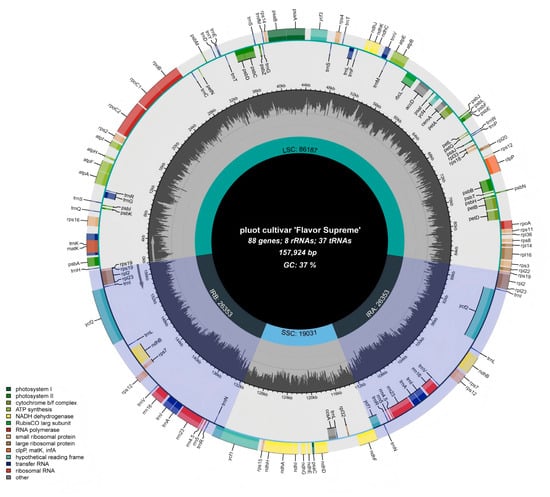
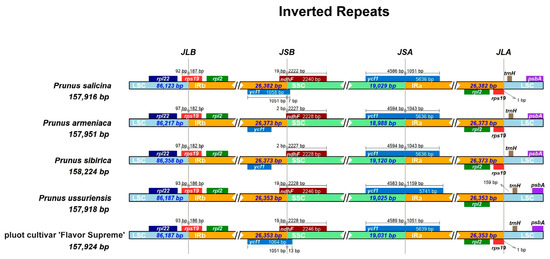
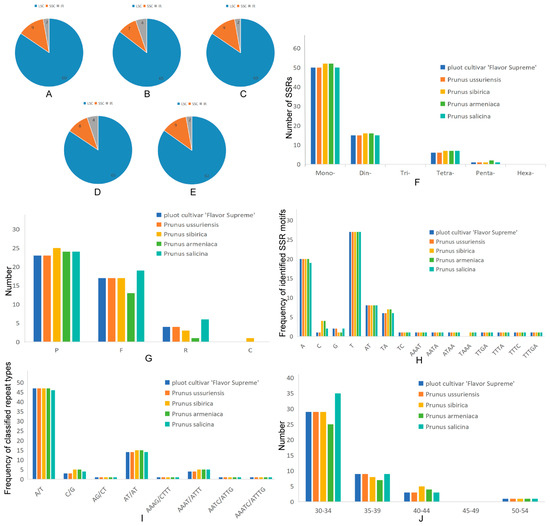
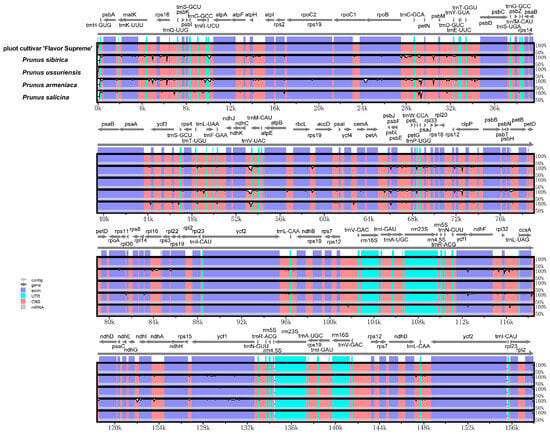
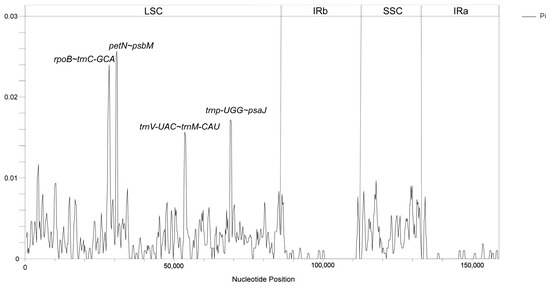
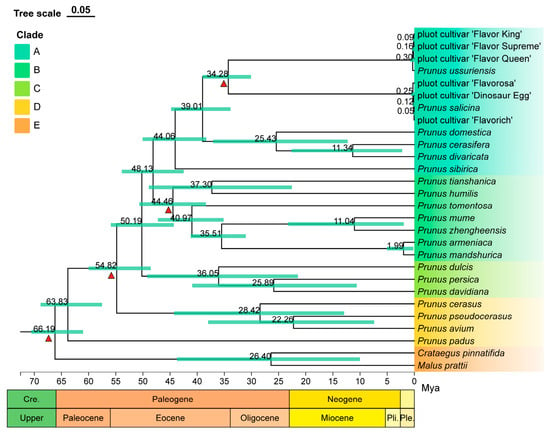
Background: The phylogenetic placement and chloroplast-inferred maternal relationships of commercial pluot cultivars remain unclear, largely because plastome-level evidence is limited for assessing their affinities with Prunus salicina and Prunus ussuriensis. Although chloroplast genome structure has been well characterized in angiosperms and in several Prunus species, complete plastome resources and comparative genomic evidence for commercial pluot cultivars remain scarce. Methods: Here, we assembled the complete chloroplast genomes of six commercial pluot cultivars and performed comparative genomic, phylogenomic, and divergence time analyses using representative Prunus species. Results: All genomes exhibited the typical circular quadripartite structure and ranged from 157,865 to 158,138 bp in length. Genome organization, GC content, and gene content were highly conserved, whereas the IR regions showed an elevated GC content of approximately 42.6%, owing to rRNA gene enrichment. IR boundary comparison revealed contraction at the IRb/SSC boundary in P. ussuriensis, while pluot cultivars were structurally more similar to P. salicina. In total, 370 SSR loci and four hypervariable regions, namely rpoB–trnC-GCA, petN–psbM, trnV-UAC–trnM-CAU, and trnP-UGG–psaJ, were identified as candidate molecular markers for Prunus germplasm identification and genetic analysis. Phylogenomic analysis resolved four major clades within Prunus and showed that ‘Flavor King’, ‘Flavor Supreme’, and ‘Flavor Queen’ grouped with P. ussuriensis, whereas ‘Flavorosa’, ‘Dinosaur Egg’, and ‘Flavorich’ grouped with P. salicina. Conclusion: Overall, this study provides the first comparative plastome analysis of six commercial pluot cultivars and offers chloroplast-level evidence for their maternal affinities within Prunus, together with useful marker resources for cultivar identification and germplasm evaluation.
Full article
(This article belongs to the Section Plant Genetics and Genomics)
►▼
Show Figures

Figure 1
Journal Menu
► ▼ Journal Menu-
- Genes Home
- Aims & Scope
- Editorial Board
- Reviewer Board
- Topical Advisory Panel
- Instructions for Authors
- Special Issues
- Topics
- Sections & Collections
- Article Processing Charge
- Indexing & Archiving
- Editor’s Choice Articles
- Most Cited & Viewed
- Journal Statistics
- Journal History
- Journal Awards
- Society Collaborations
- Conferences
- Editorial Office
Journal Browser
► ▼ Journal BrowserHighly Accessed Articles
Latest Books
E-Mail Alert
News
Topics
Topic in
Biomedicines, Future Pharmacology, Pharmacy, IJMS, Biomolecules, Genes
Prospects of Multi-Target Agonists in Metabolic and Epigenetic Medicine
Topic Editors: Riham Abouleisa, Yanming LiDeadline: 30 November 2026
Topic in
Biomedicines, Metabolites, Proteomes, Genes, J
Multi-Omics in Precision Medicine
Topic Editors: Michele Costanzo, Armando CeveniniDeadline: 31 December 2026
Topic in
Cancers, Cells, Diseases, Genes, IJMS, ncRNA, Sci
Alternative Splicing in RNA Metabolism, Tissue Homeostasis and Human Disease: From Mechanisms to Therapeutics and Clinical Applications
Topic Editors: Christos K. Kontos, Dongyu JiaDeadline: 15 January 2027
Topic in
Agriculture, Agronomy, Crops, Genes, Plants, DNA
Vegetable Breeding, Genetics and Genomics, 2nd Volume
Topic Editors: Padma Nimmakayala, Georgia Ntatsi, Umesh K. Reddy, Yan R. TomasonDeadline: 5 February 2027
Conferences
Special Issues
Special Issue in
Genes
Genetic, Epigenetic and Environmental Factors in Dental Development and Pathologies: Genes, Interactions and Dental Development
Guest Editor: Alan H. BrookDeadline: 5 June 2026
Special Issue in
Genes
Genes and Pediatrics
Guest Editors: Giorgia Ceravolo, Roberto ChimenzDeadline: 5 June 2026
Special Issue in
Genes
Genetic Biomarkers in Cancer: From Discovery to Clinical Application
Guest Editor: Evangelos KoustasDeadline: 5 June 2026
Special Issue in
Genes
The Genetics of Male Infertility and Clinical Implications
Guest Editor: Gianmaria SalvioDeadline: 5 June 2026
Topical Collections
Topical Collection in
Genes
Feature Papers: 'Plant Genetics and Genomics' Section
Collection Editors: Bin Yu, Roberto Tuberosa, Jacqueline Batley
Topical Collection in
Genes
Genetics and Genomics of Rare Disorders
Collection Editors: Stefania Zampatti, Emiliano Giardina
Topical Collection in
Genes
Study on Genotypes and Phenotypes of Pediatric Clinical Rare Diseases
Collection Editors: Livia Garavelli, Stefano Giuseppe Caraffi