Journal Description
Sustainability
Sustainability
is an international, peer-reviewed, open-access journal on environmental, cultural, economic, and social sustainability of human beings, published semimonthly online by MDPI. The Canadian Urban Transit Research & Innovation Consortium (CUTRIC), International Council for Research and Innovation in Building and Construction (CIB) and Urban Land Institute (ULI) are affiliated with Sustainability and their members receive discounts on the article processing charges.
- Open Access— free for readers, with article processing charges (APC) paid by authors or their institutions.
- High Visibility: indexed within Scopus, SCIE and SSCI (Web of Science), GEOBASE, GeoRef, Inspec, RePEc, CAPlus / SciFinder, and other databases.
- Journal Rank: JCR - Q2 (Environmental Studies) / CiteScore - Q1 (Geography, Planning and Development)
- Rapid Publication: manuscripts are peer-reviewed and a first decision is provided to authors approximately 16.9 days after submission; acceptance to publication is undertaken in 3.8 days (median values for papers published in this journal in the first half of 2026).
- Recognition of Reviewers: reviewers who provide timely, thorough peer-review reports receive vouchers entitling them to a discount on the APC of their next publication in any MDPI journal, in appreciation of the work done.
- Testimonials: See what our editors and authors say about Sustainability.
- Companion journals for Sustainability include: World, Sustainable Chemistry, Conservation, Future Transportation, Architecture, Standards, Merits, Bioresources and Bioproducts, Accounting and Auditing, Environmental Remediation, Green and Advances in Carbon Neutrality.
- Journal Cluster of Environmental Science: Sustainability, Land, Clean Technologies, Environments, Nitrogen, Recycling, Urban Science, Safety, Air, Waste, Aerobiology, Toxics, Pollutants, The Journal of Xenobiotics, Journal of Parks, Green and Environmental Remediation.
Impact Factor:
4.1 (2025);
5-Year Impact Factor:
4.2 (2025)
Latest Articles
Sustainable Urban Water Management via AI Surrogate Modeling: A Multi-Dimensional Framework for Drainage Resilience and Microclimatic Assessment
Sustainability 2026, 18(15), 7820; https://doi.org/10.3390/su18157820 (registering DOI) - 2 Aug 2026
Abstract
Extreme climate events and rapid urbanization pose severe threats to urban water sustainability and environmental resilience. This study presents a surrogate-assisted hydrological simulation framework designed to support sustainable urban drainage planning and multi-objective scenario exploration. The proposed approach integrates a physics-based hydrodynamic model
[...] Read more.
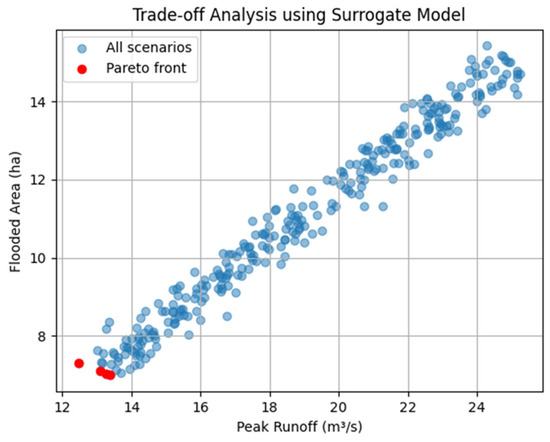
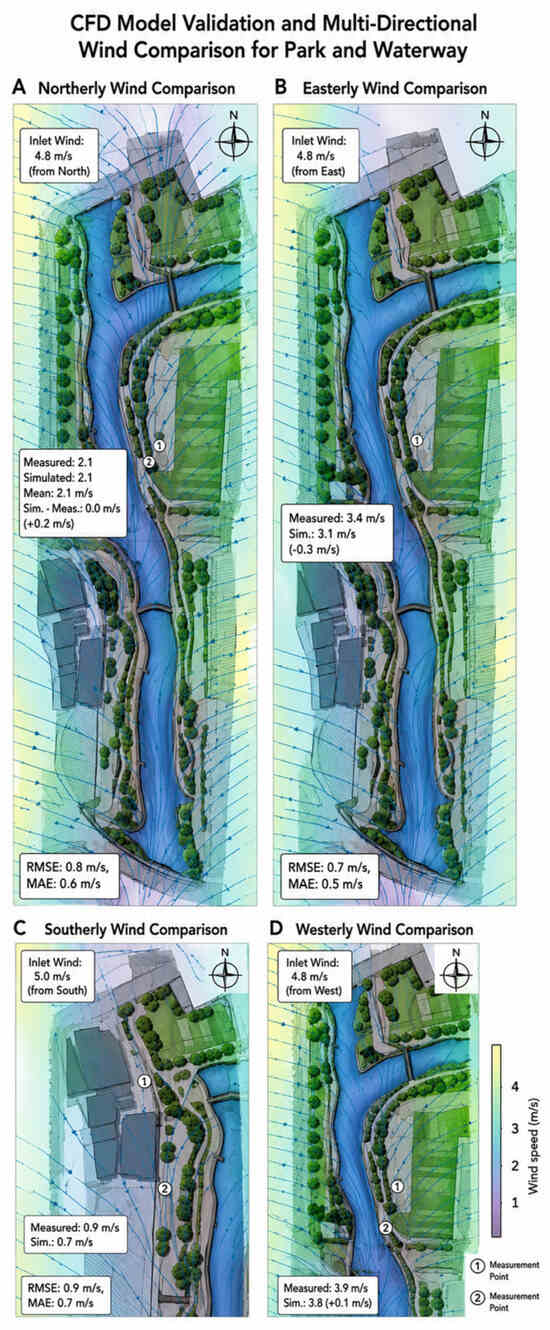
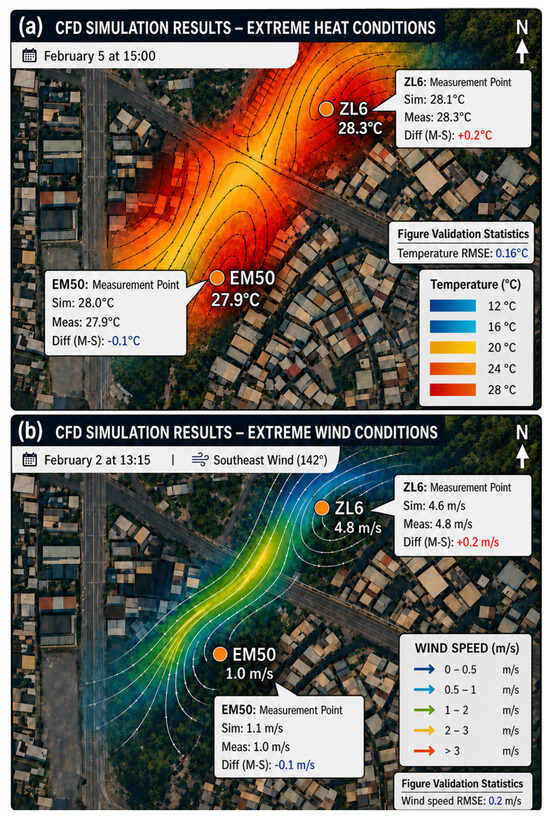
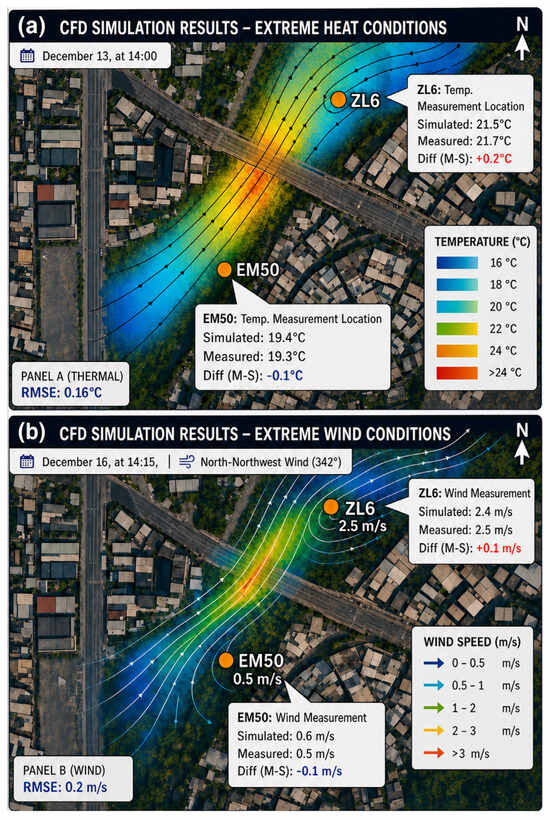
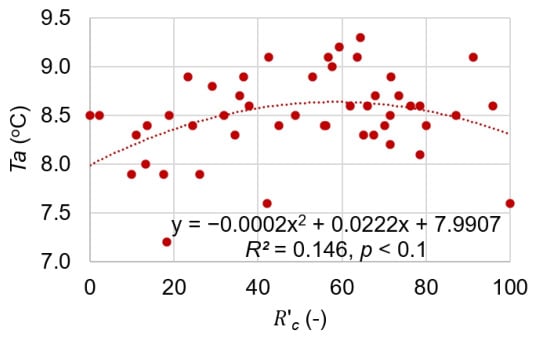
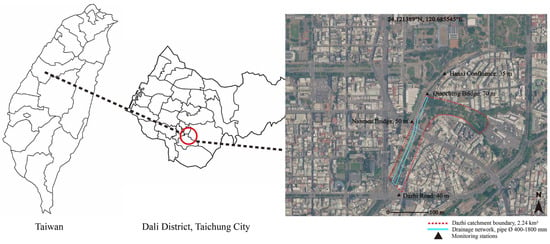
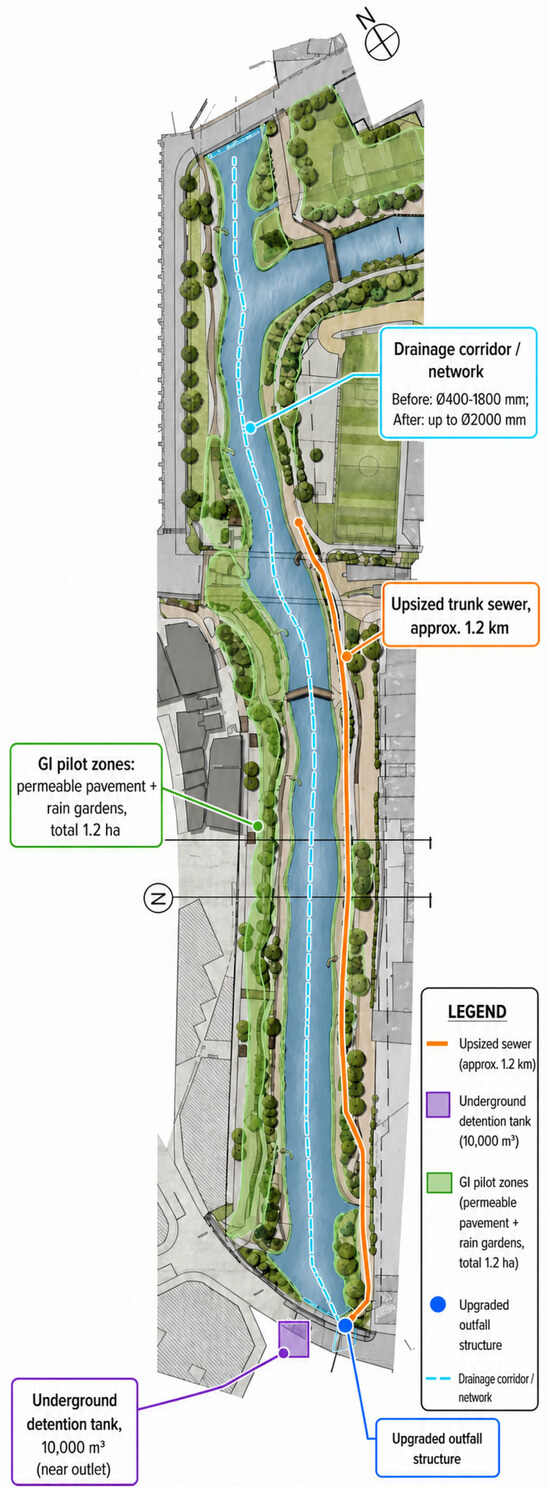
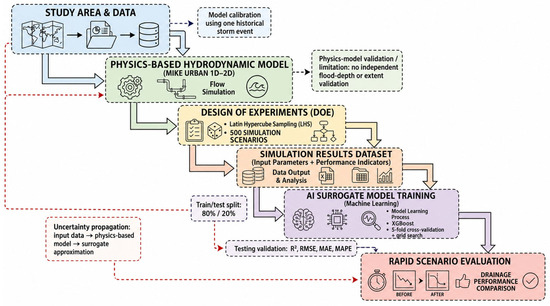
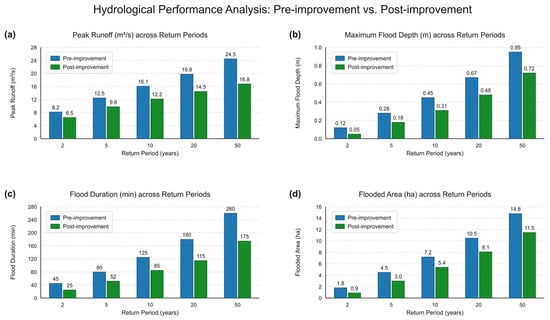
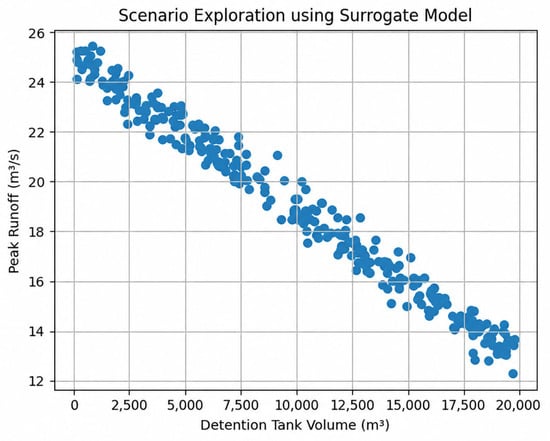
Extreme climate events and rapid urbanization pose severe threats to urban water sustainability and environmental resilience. This study presents a surrogate-assisted hydrological simulation framework designed to support sustainable urban drainage planning and multi-objective scenario exploration. The proposed approach integrates a physics-based hydrodynamic model with a machine learning surrogate (XGBoost) to emulate system responses across diverse design configurations. Under the assumed setup, the framework rapidly evaluates hydrological indicators (peak runoff, flood depth, duration, and extent) alongside microclimatic co-benefits (urban cooling and ventilation) driven by blue-green infrastructure. The surrogate model demonstrates high fidelity , achieving a speedup factor of to enable sustainable design screening and trade-off analysis between flood mitigation and urban liveability. Furthermore, post-construction water quality baselines demonstrate the framework’s capacity to incorporate holistic environmental metrics. Overall, this research provides a computationally efficient decision-support tool to advance the Sustainable Development Goals (SDGs)—particularly SDG 11 (Sustainable Cities and Communities) and SDG 13 (Climate Action)—by offering an actionable methodology for climate-resilient grey-green infrastructure planning under data-constrained conditions.
Full article
(This article belongs to the Section Green Building)
►
Show Figures
Open AccessArticle
Soil Carbon Loss, Eco-Efficiency, and Abatement: Spatial Heterogeneity and Governance in China
by
Yuanyuan Tang, Wenhui Fu, Guohong Du and Yanbing Qi
Sustainability 2026, 18(15), 7819; https://doi.org/10.3390/su18157819 (registering DOI) - 2 Aug 2026
Abstract
►▼
Show Figures
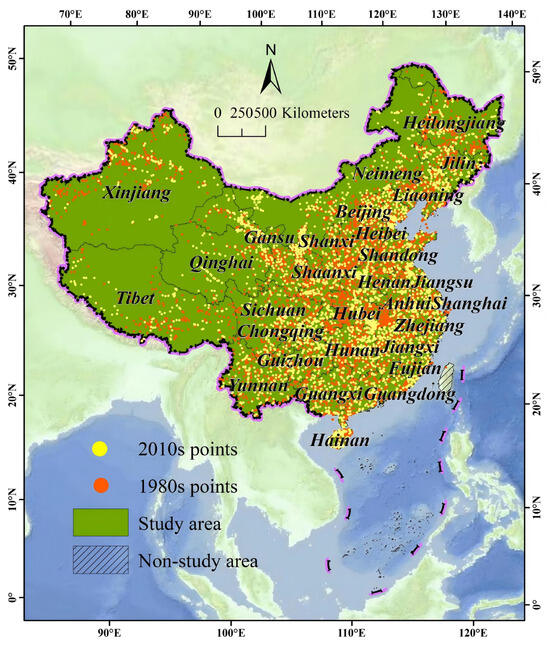
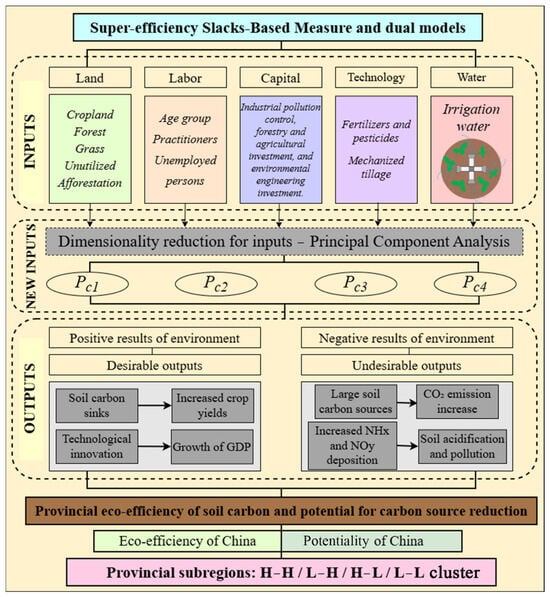
Correctly assessing the ecological efficiency of soil carbon losses (ESCS) and the reduction potentiality for soil carbon losses (RPCS) is of great significance for implementing soil carbon sequestration and source reduction. The purpose of this study is to use soil sampling data from
[...] Read more.
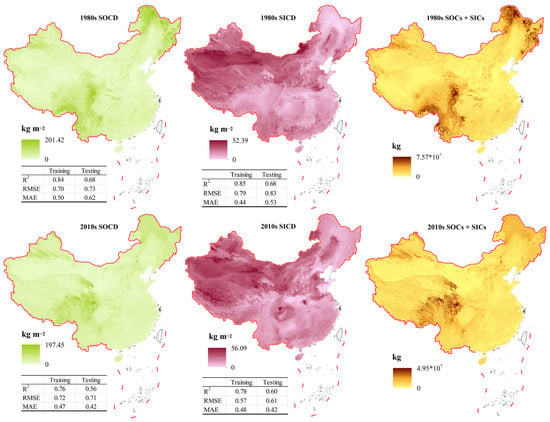
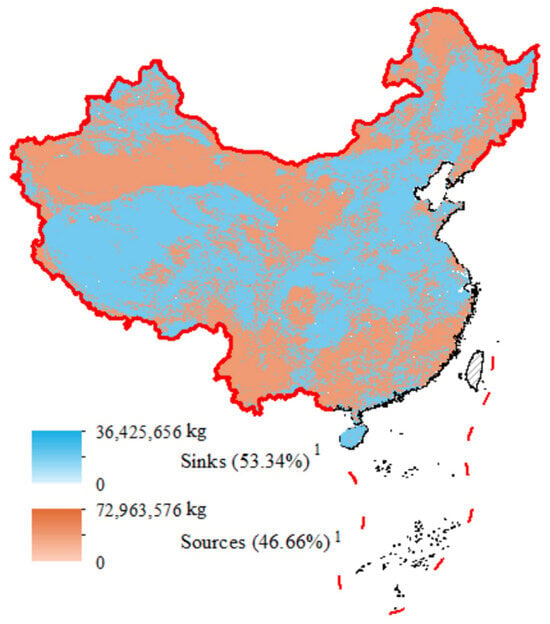
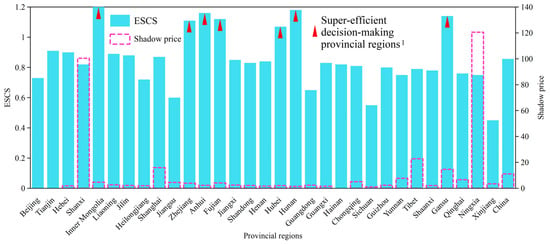
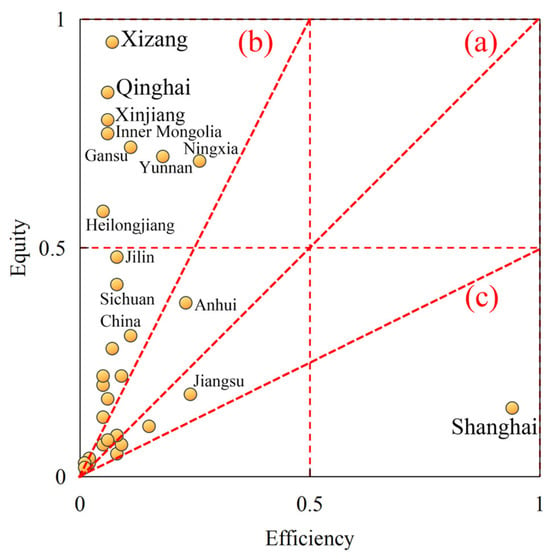
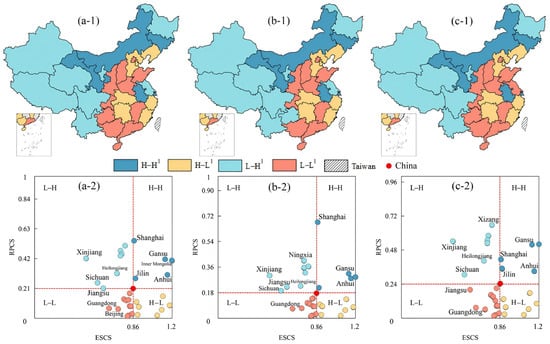
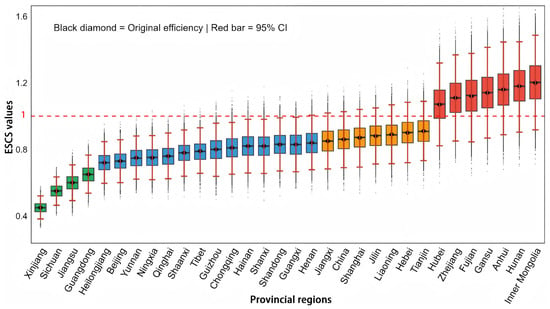
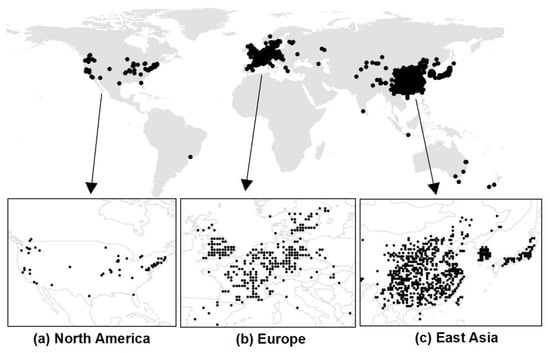
Correctly assessing the ecological efficiency of soil carbon losses (ESCS) and the reduction potentiality for soil carbon losses (RPCS) is of great significance for implementing soil carbon sequestration and source reduction. The purpose of this study is to use soil sampling data from the 1980s to the 2010s and the soil organic carbon stocks (SOCs) and soil inorganic carbon stocks (SICs) dynamics generated by the random forest algorithm to empirically measure China’s provincial-scale ESCS, apply the super-efficiency Slacks-Based Measure (SBM) model to derive the RPCS under equity–efficiency scenarios, and construct differentiated soil carbon sequestration and emission reduction strategies for different DMU types. This study found that China is a huge net soil carbon sink with SOC increases of 12.47 Gt and SIC decreases of 0.86 Gt. However, the net soil carbon increase is not consistent at the provincial scale, with 12 provincial regions remaining with net carbon losses. The Qinghai–Tibet Plateau is the largest soil carbon sink in China, and the soil carbon in Tibet and Qinghai increased by 6.40 and 6.45 Gt, respectively. Yunnan is the largest soil carbon source with a decrease of 3.22 Gt. Although the overall ESCS of China reaches 0.86, approaching the efficiency frontier, the majority of provincial regions still exhibit an imbalanced structure between inputs and outputs. The national RPCS is 0.21 for no preference given to equity or efficiency, 0.18 for prior to efficiency, and 0.24 for prior to equity. The preferences of decision-makers are unlikely to exert a substantial influence on the cluster outcomes due to severe imbalance between eco-efficiency and potentiality. Taking China’s overall ESCS and RPCS as the boundary for regional division, the above provincial-level regions are divided into low-efficiency and high-potential areas. Such areas need to focus on promoting the implementation of projects combining natural recovery and moderate intervention. Our findings highlight the need to value soil carbon losses for China’s Carbon Neutrality and to address regional eco-efficiency/potentiality heterogeneity in decision-making processes.
Full article

Figure 1
Open AccessArticle
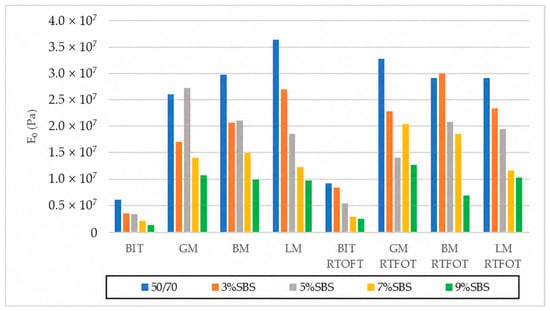
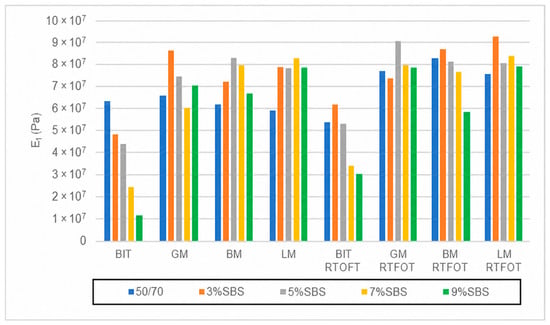
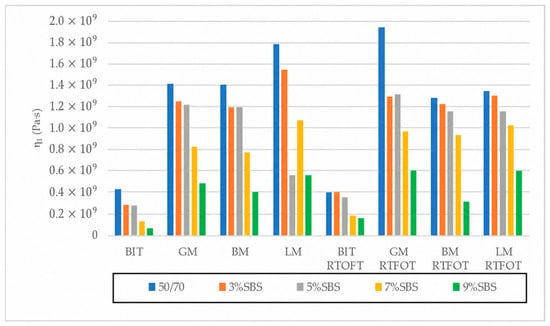
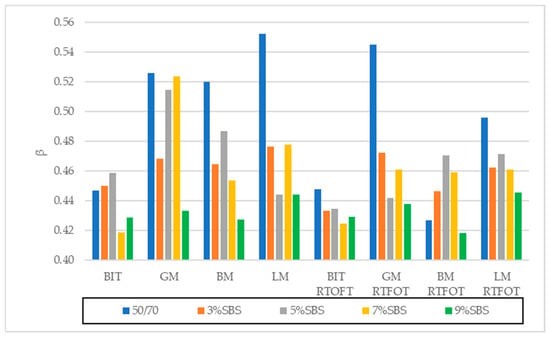
Assessment of Low-Temperature Properties of Styrene–Butadiene–Styrene-Modified Asphalt Binders and Mastics Based on Relaxation Characteristics
by
Mieczysław Słowik and Marta Mielczarek
Sustainability 2026, 18(15), 7818; https://doi.org/10.3390/su18157818 (registering DOI) - 2 Aug 2026
Abstract
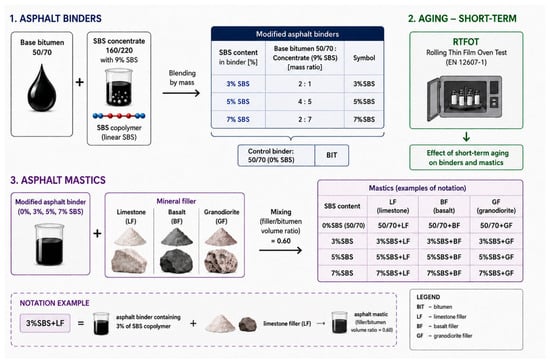
This study investigates the low-temperature relaxation behavior of asphalt binders and asphalt mastics using a ductilometer-based uniaxial tensile relaxation test under a constant displacement rate. Although the low-temperature performance of SBS-modified asphalt binders has been widely studied, the relaxation mechanisms of asphalt mastics
[...] Read more.
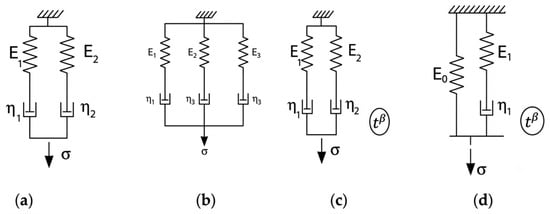
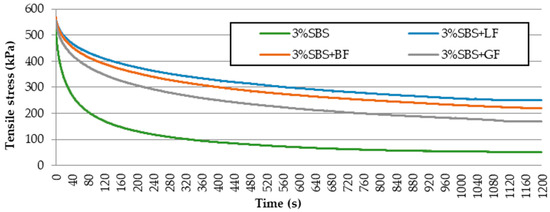
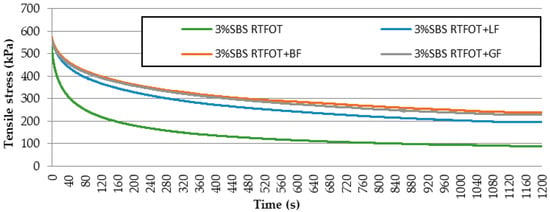
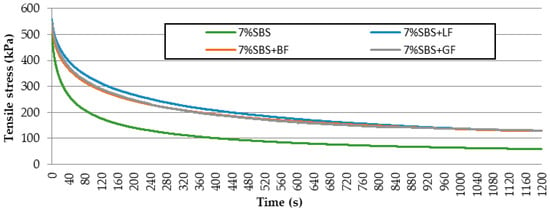
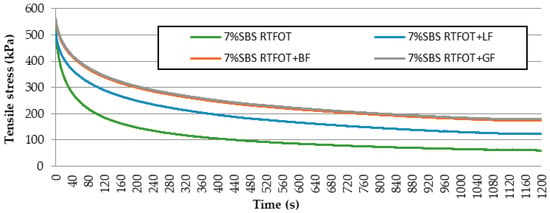
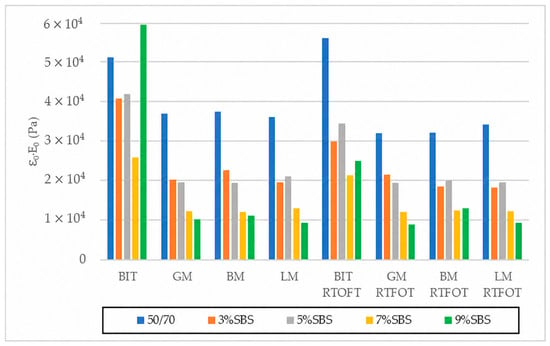
This study investigates the low-temperature relaxation behavior of asphalt binders and asphalt mastics using a ductilometer-based uniaxial tensile relaxation test under a constant displacement rate. Although the low-temperature performance of SBS-modified asphalt binders has been widely studied, the relaxation mechanisms of asphalt mastics containing SBS-modified binders, particularly considering the effects of the SBS content and short-term aging, remain insufficiently understood. Polymer-modified binders were prepared from 50/70 penetration-grade bitumen blended with an industrially produced SBS copolymer concentrate containing 9% SBS. Three binders with SBS contents of 3%, 5%, and 7% were manufactured and used to prepare asphalt mastics with mineral filler. Tensile relaxation tests were performed at −12 °C on unaged and RTFOT-aged specimens. The relaxation behavior was evaluated using a modified generalized Maxwell model to describe the viscoelastic response of the materials. The novelty of this study lies in the systematic comparison of SBS-modified binders and corresponding asphalt mastics using a unified experimental and modeling approach. Unlike previous studies focused mainly on polymer-modified binders, this research extends the analysis to binder–filler systems and provides new insight into the influence of the SBS content and aging on stress relaxation mechanisms. The results demonstrate that increasing the SBS content improves the relaxation capacity of both the binders and mastics, enhancing their ability to dissipate thermally induced stresses. Moreover, a higher SBS content reduces the sensitivity of materials to short-term aging, indicating improved resistance to low-temperature cracking.
Full article
(This article belongs to the Section Sustainable Materials)
►▼
Show Figures

Figure 1
Open AccessArticle
Green Fabrication of Aspergillus terreus–Silver Oxide Bio-Nanocomposite for Sustainable Wastewater Treatments: Synthesis, Optimization, Toxicity Assessment, and Application
by
Ghada Abd-Elmonsef Mahmoud, Ahmed Y. Abdel-Mallek and Rania Mahmoud Fouad
Sustainability 2026, 18(15), 7817; https://doi.org/10.3390/su18157817 (registering DOI) - 2 Aug 2026
Abstract
The discharge of azo-dye-containing wastewater from textile and related industries represents a major environmental challenge because of the persistence, toxicity, and poor bio-degradability of synthetic dyes. Congo red dye (CR), one of the most widely used azo dyes, poses serious ecological and public
[...] Read more.
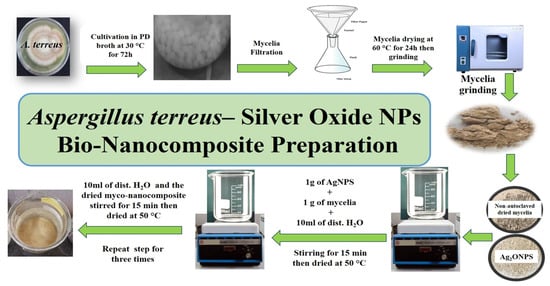
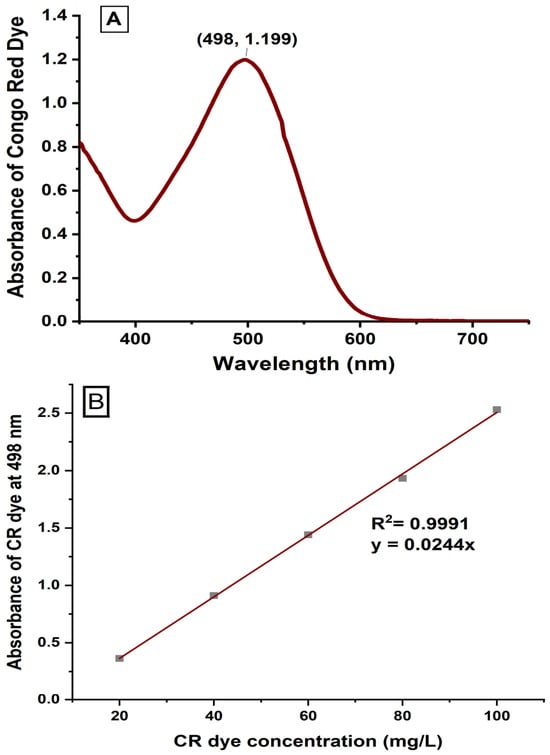
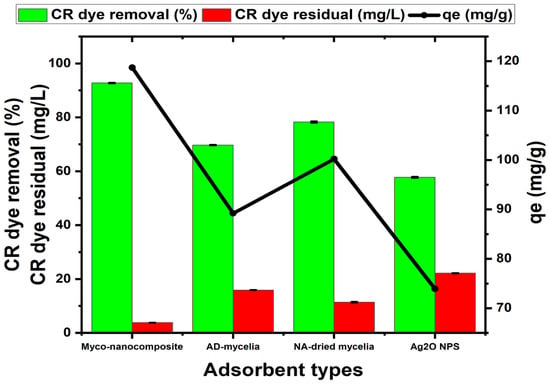
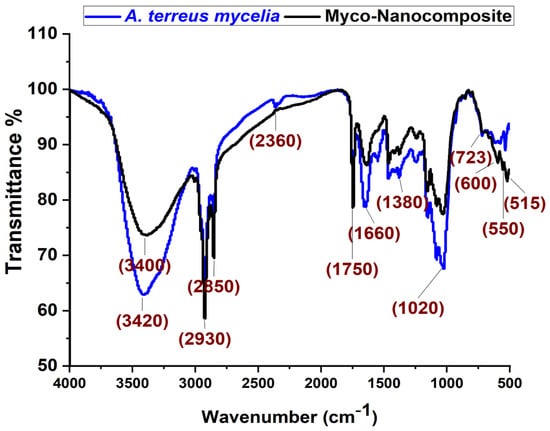
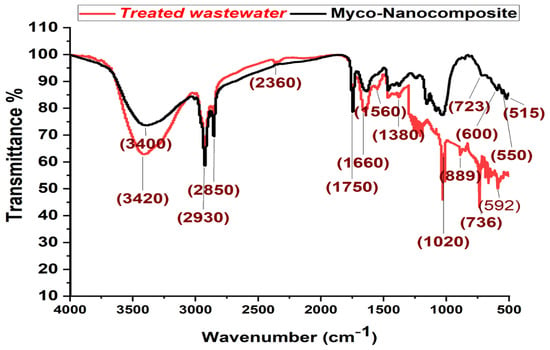
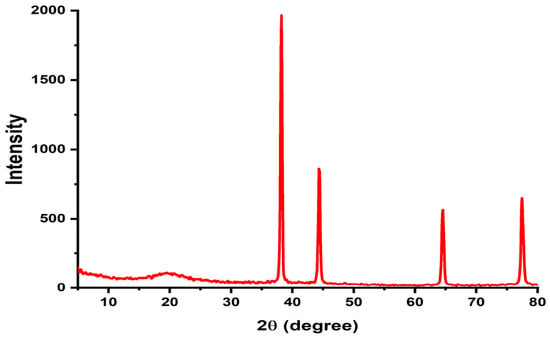
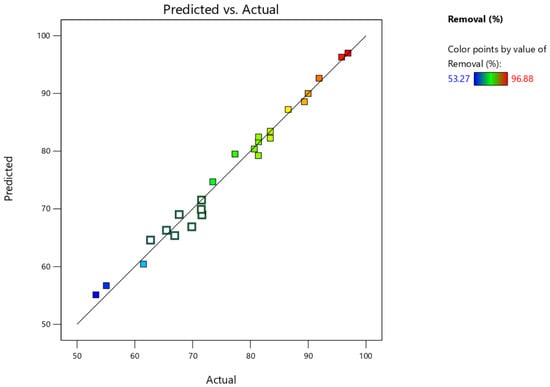
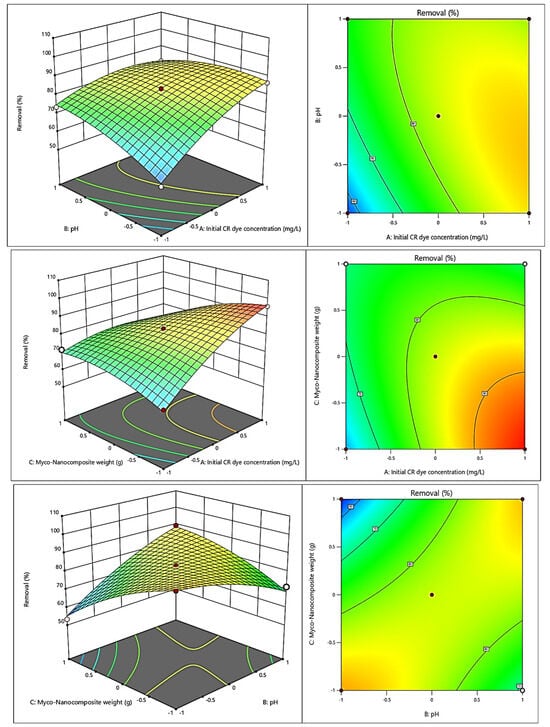
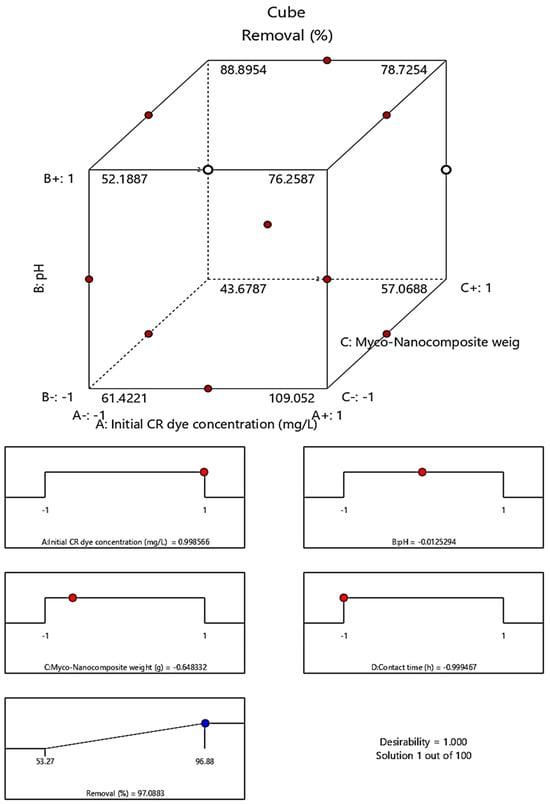
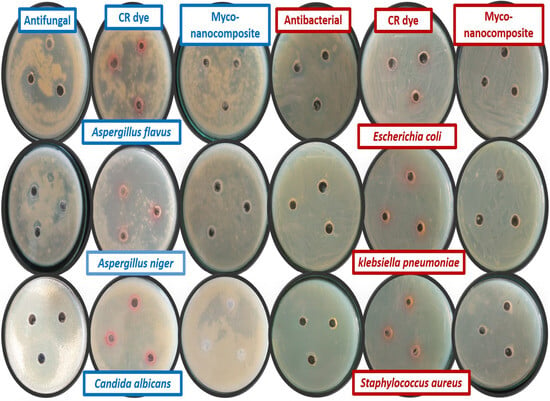
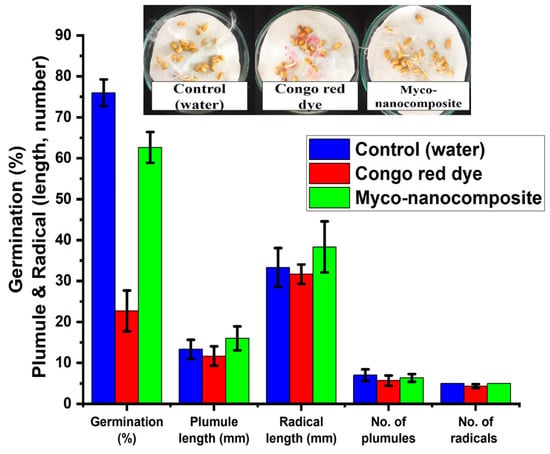
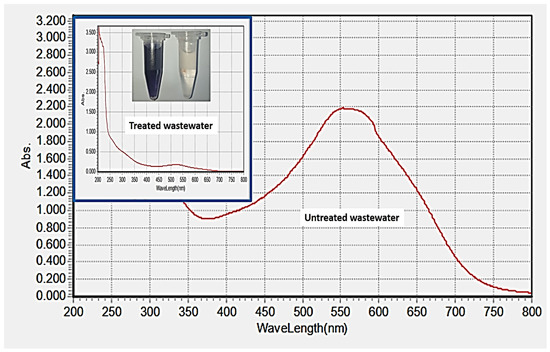
The discharge of azo-dye-containing wastewater from textile and related industries represents a major environmental challenge because of the persistence, toxicity, and poor bio-degradability of synthetic dyes. Congo red dye (CR), one of the most widely used azo dyes, poses serious ecological and public health risks when released into aquatic ecosystems. Although numerous biological adsorbents have been investigated for dye removal, the development of sustainable fungal-based nanocomposites with high adsorption efficiency, optimized operational conditions, and verified environmental safety remains limited. Therefore, the present work describes the development and evaluation of a novel Aspergillus terreus–silver oxide nanoparticle (Ag2O NPs) myco-nanocomposite as a promising eco-friendly biosorbent for CR dye removal from aqueous solutions and real wastewater. Aspergillus terreus (GenBank accession PX920301) isolated from dye-contaminated wastewater, the adsorption efficiencies of dried mycelia, and the myco-nanocomposite were compared. Myco-nanocomposite was characterized using ultraviolet visible spectroscopic analysis (UV/Vis), Fourier transform infrared spectroscopy (FTIR), and X-ray diffraction (XRD). A. terreus–Ag2O NPs myco-nanocomposite exhibited the highest ad-sorption efficiency 92.73%, adsorption capacity (qe) 118.7 mg/g and lowest CR dye residual by 3.81 mg/L, while A. terreus non-autoclaved dried mycelia recorded 78.28% CR removal, adsorption capacity (qe) 100.2 mg/g and CR dye residual by 11.39 mg/L. Adsorption parameters were optimized using a four-factor Box–Behnken experimental design, producing a highly significant quadratic model (R2 = 0.986). The highest optimized conditions were obtained at run 17 in which 100 mg L−1 CR dye, pH 8, 0.05 g adsorbent dosage, and 48 h contact time, with removal efficiency of 96.88%, followed by run 14 using 50 mg L−1 CR dye, pH 6, 0.05 g adsorbent dosage, and 48 h contact time, with removal efficiency of 95.79%. Phytotoxicity and microbial toxicity assays demonstrated that the treated wastewater was environmentally safer than untreated CR dye, exhibiting no inhibitory effects on representative bacteria, yeast, and filamentous fungi while improving wheat seedling growth. Furthermore, application of the myco-nanocomposite to real industrial wastewater achieved 94.92% decolorization. This study provides a sustainable myco-nanocomposite of A. terreus–Ag2O NPs which represents a promising green technology for the remediation of dye-contaminated industrial effluents and supports the development of environmentally sustainable wastewater management strategies and applicability of reusing treated wastewater.
Full article
(This article belongs to the Special Issue Sustainable Water Futures: Integrated Approaches for Water and Wastewater Treatment and Reuse)
►▼
Show Figures

Figure 1
Open AccessArticle
Executive Green Cognition, Corporate Green Transformation, and Sustainable Green Innovation
by
Yuanyuan Wang, Shanshan Ren and Wenjie Wu
Sustainability 2026, 18(15), 7816; https://doi.org/10.3390/su18157816 (registering DOI) - 2 Aug 2026
Abstract
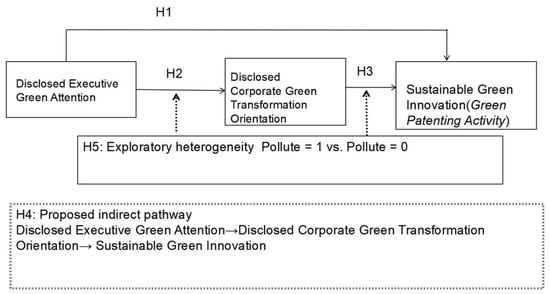
As China advances its low-carbon transition, understanding how managerial environmental attention is associated with the green technological activity of firms is increasingly important. Using 20,478 firm-year observations for Chinese A-share listed firms from 2016 to 2023, this study examines the associations among disclosed
[...] Read more.
As China advances its low-carbon transition, understanding how managerial environmental attention is associated with the green technological activity of firms is increasingly important. Using 20,478 firm-year observations for Chinese A-share listed firms from 2016 to 2023, this study examines the associations among disclosed executive green attention, disclosed corporate green transformation orientation, and subsequent green patenting activity. Executive green attention is derived from annual reports, whereas corporate green transformation orientation is derived from annual reports or separately issued responsibility-related reports, depending on availability. Green patent applications are used to capture patent-based environmental innovation activity. The empirical analysis employs firm and year fixed-effects models, firm-clustered bootstrap tests, alternative variable measures, additional industry-by-year and province-by-year fixed effects, and pollution-intensity heterogeneity analyses. The results show that disclosed executive green attention has no statistically significant total or conditional direct association with subsequent green patenting. However, it is positively associated with disclosed corporate green transformation orientation, which is in turn positively associated with green patenting activity. The significant bootstrap coefficient product provides evidence that is consistent with an indirect association through transformation-oriented disclosure, but does not establish causal mediation. The pollution-intensity analysis indicates that the cognition–transformation association is weaker among pollution-intensive firms, while neither the transformation–patenting association nor the overall indirect association differs significantly between the two groups. These findings highlight the relevance of transformation-oriented corporate disclosure to connecting managerial environmental attention with subsequent green patenting, while underscoring the disclosure-based and associational nature of the evidence.
Full article
(This article belongs to the Section Economic and Business Aspects of Sustainability)
►▼
Show Figures

Figure 1

Open AccessArticle
How Does Corporate Smart Manufacturing Affect Sustainable Development Performance? A Perspective from Local Environmental Regulation Stringency on the Manufacturing Corporations in China
by
Runbo Li, Xiangyu Guo and Jian Zhou
Sustainability 2026, 18(15), 7815; https://doi.org/10.3390/su18157815 (registering DOI) - 2 Aug 2026
Abstract
As global environmental challenges intensify and the imperative to mitigate extreme climate change grows increasingly urgent, the sustainable development of economic and social systems has emerged as a fundamental pathway for addressing environmental challenges. Smart manufacturing, as a core technology of the new
[...] Read more.
As global environmental challenges intensify and the imperative to mitigate extreme climate change grows increasingly urgent, the sustainable development of economic and social systems has emerged as a fundamental pathway for addressing environmental challenges. Smart manufacturing, as a core technology of the new round of technological revolution, can drive green transformation and enhance sustainable development performance. Using a sample of A-share listed manufacturing corporations from 2009 to 2023, this study systematically investigates the impact, underlying mechanisms, and heterogeneity of smart manufacturing on the sustainable development performance of manufacturing corporations from the perspective of local environmental regulation stringency. The results show that corporate smart manufacturing significantly improves sustainable development performance. This conclusion remains robust after addressing endogeneity concerns and conducting a series of robustness checks. Mechanism analysis reveals that corporate smart manufacturing operates via three primary channels: the data asset accumulation effect, the green technology innovation effect, and the information environment improvement effect. Furthermore, the moderating role of local environmental regulation stringency follows an inverted U-shaped trajectory, suggesting that regulatory stringency facilitates the smart manufacturing–performance nexus only up to a certain threshold, beyond which it becomes counterproductive. Heterogeneity analysis further shows that the positive effect is particularly pronounced among private corporations, large-scale corporations, those located in the eastern region, and those situated in key environmental protection cities. By uncovering the micro-level mechanisms through which smart manufacturing affects sustainable performance, this study offers novel theoretical insights and actionable policy implications for leveraging intelligent technologies to advance manufacturing sustainability, both in China and globally, in support of the nation’s carbon peaking and carbon neutrality commitments.
Full article
Open AccessArticle
GIS-Based Comparison of Reported Human–Wild Boar (Sus scrofa) Conflict Patterns and Land-Use Composition: Implications for Sustainable Urban Management
by
Piotr Dynowski, Anna Źróbek and Marek Ogryzek
Sustainability 2026, 18(15), 7814; https://doi.org/10.3390/su18157814 (registering DOI) - 2 Aug 2026
Abstract
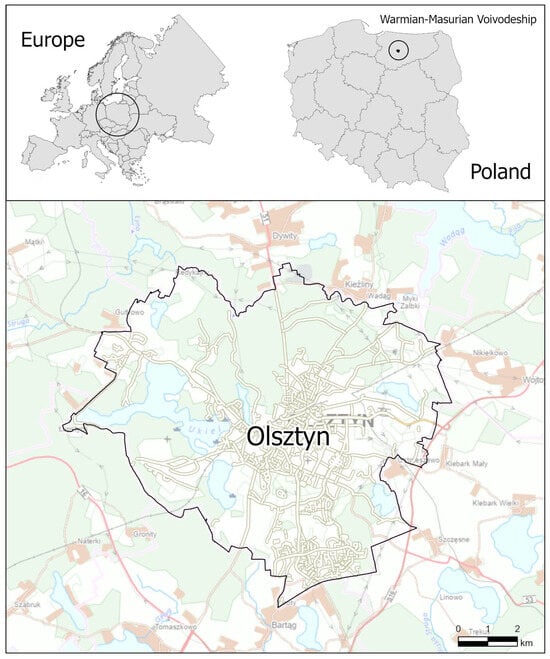
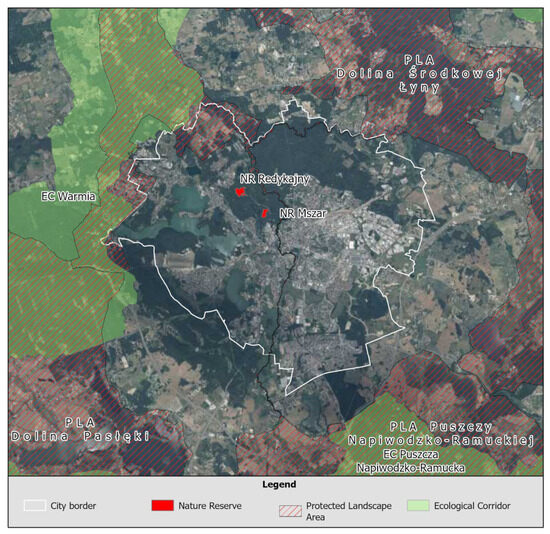
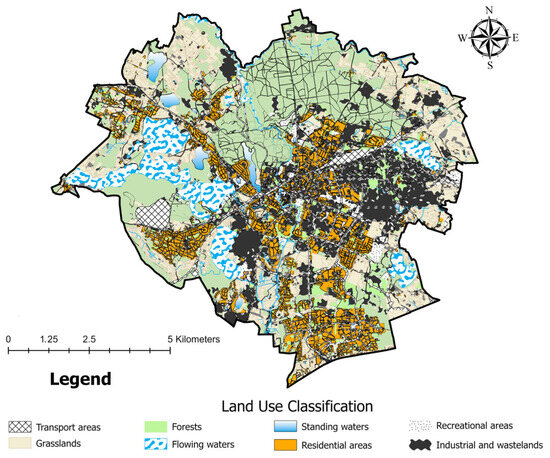
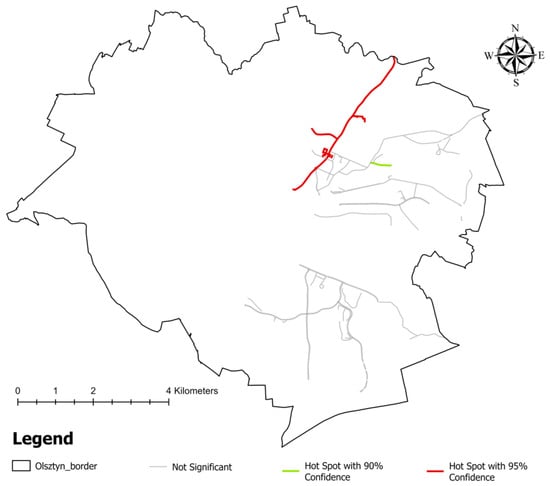
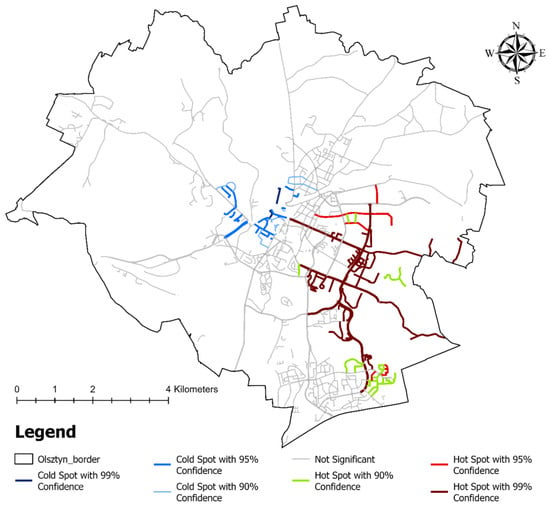
Municipal records of human–wildlife conflict are widely available but remain underused for identifying conflict-prone urban interfaces and supporting preventive management. This study compared reported human–wild boar (Sus scrofa) conflict patterns and the land-use composition of high-density report zones in Olsztyn, Poland,
[...] Read more.
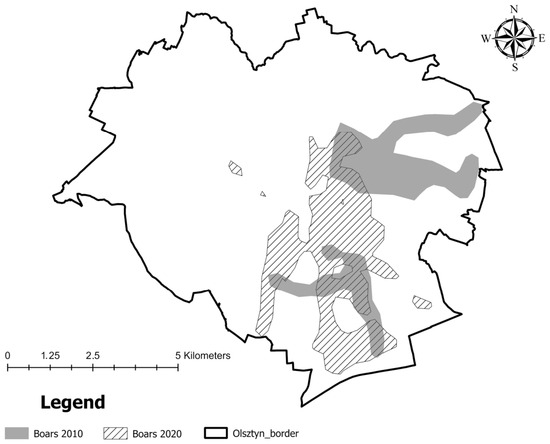
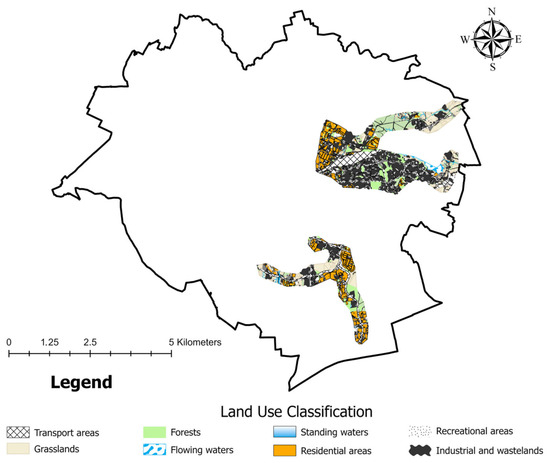
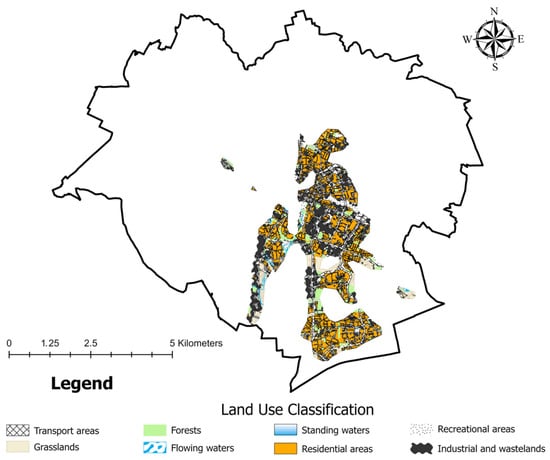
Municipal records of human–wildlife conflict are widely available but remain underused for identifying conflict-prone urban interfaces and supporting preventive management. This study compared reported human–wild boar (Sus scrofa) conflict patterns and the land-use composition of high-density report zones in Olsztyn, Poland, in 2010 and 2020. Municipal records of wild boar presence, complaints, and interventions were matched to street-network features and integrated with harmonized land-use data in a geographic information system. Kernel density estimation delineated high-density report zones, Getis–Ord Gi* analysis characterized street-segment clustering, and land-use overlay and descriptive compositional metrics quantified differences between years. High-density zones shifted from an extensive, peripheral configuration in 2010 to a markedly more compact pattern integrated into the urban fabric in 2020. Proportional shares increased for transport (+12.64 percentage points), residential (+10.12), and recreational areas (+2.40), while industrial and wasteland areas (−13.13), grasslands (−6.33), and forests (−4.85) decreased. These findings indicate a reorganization of reported conflict geography, not changes in wild boar abundance, habitat preference, movement behavior, or synurbization. Routinely collected municipal records can support targeted monitoring, traffic-risk mitigation, waste management, green-space planning, and preventive urban wildlife management.
Full article
(This article belongs to the Section Sustainable Urban and Rural Development)
►▼
Show Figures

Figure 1
Open AccessArticle
Evaluating Water and Soil Resource Carrying Capacity from the Production–Living–Ecological Space Perspective: A Case Study of Hunan Province, China
by
Yu Tang, Yingran Li, Ting Li, Yuqi Fang, Borui Wang, Anze Dong, Dianqing Lv and Wei Wang
Sustainability 2026, 18(15), 7813; https://doi.org/10.3390/su18157813 (registering DOI) - 2 Aug 2026
Abstract
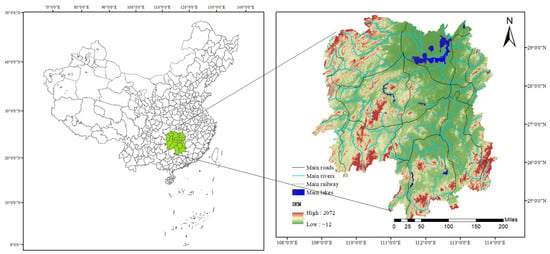
Quantifying water and soil resource (WSR) carrying capacity is crucial for sustainable regional development. However, humid hilly regions like Hunan Province remain understudied, facing ecological vulnerability despite abundant water resources. This study constructs a comprehensive evaluation index system based on the Production–Living–Ecological Space
[...] Read more.
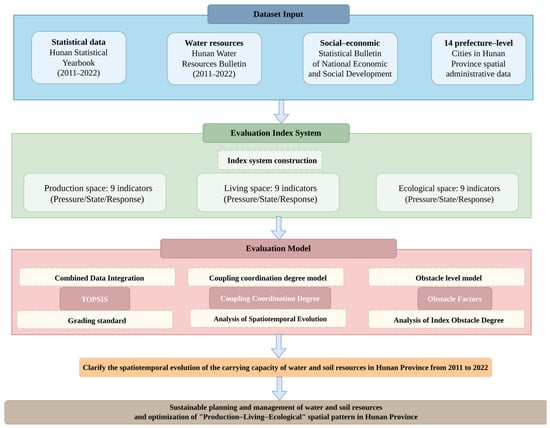
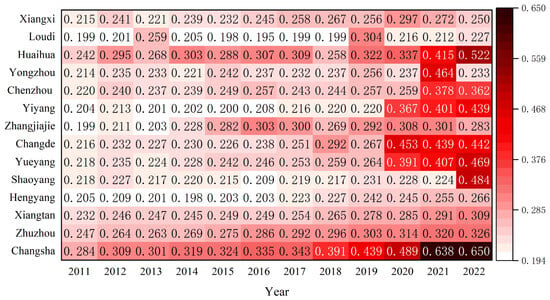
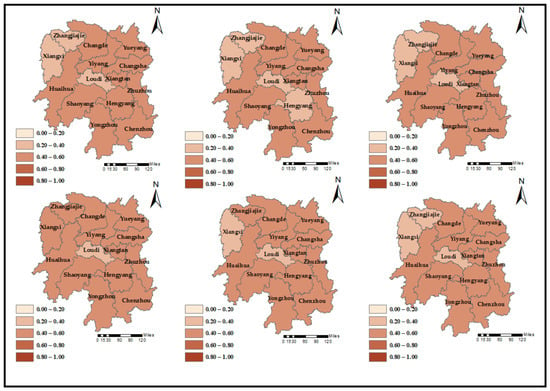
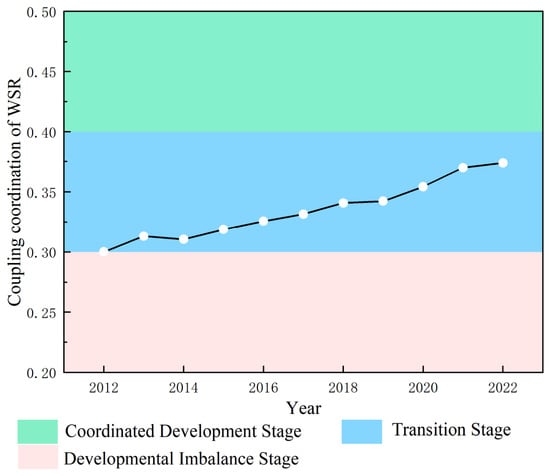
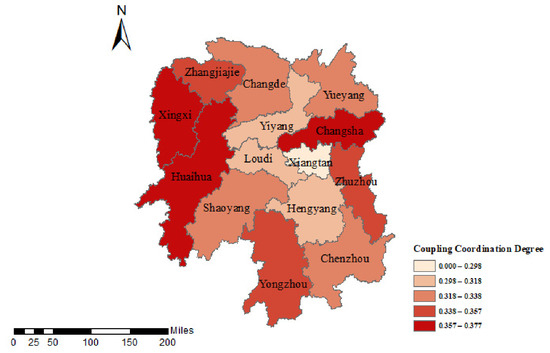
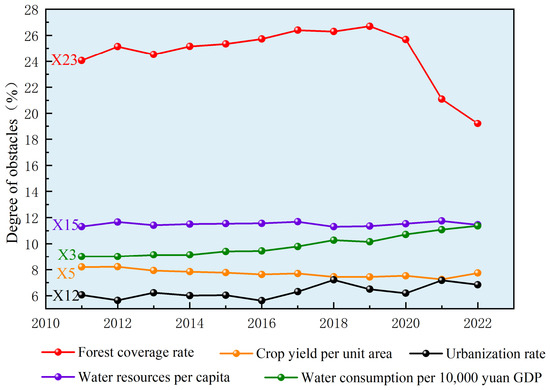
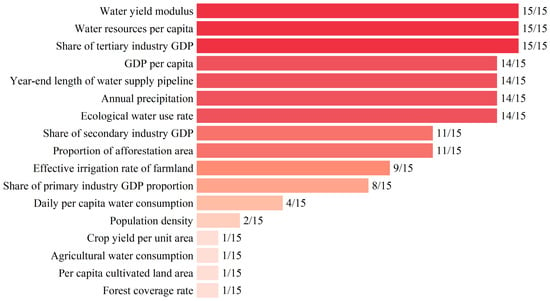
Quantifying water and soil resource (WSR) carrying capacity is crucial for sustainable regional development. However, humid hilly regions like Hunan Province remain understudied, facing ecological vulnerability despite abundant water resources. This study constructs a comprehensive evaluation index system based on the Production–Living–Ecological Space (PLES) framework and applies an improved entropy weight technique for order preference by similarity to ideal solution (TOPSIS) method; a coupling coordination model among production, living, and ecological space subsystems; and an obstacle degree model to annual-scale data from 2011 to 2022 for Hunan’s 14 prefecture-level cities. The results show the following: (1) The overall WSR carrying capacity index increased from 0.28 in 2011 to 0.52 in 2022, indicating a continuous improvement in carrying capacity during the study period. Spatially, the carrying capacity is higher in central and eastern regions and lower in western and southern areas, with most cities falling into low, relatively low, or medium categories. (2) The coupling coordination degree among the three PLES subsystems improved but remained in a transitional stage (0.30–0.45), indicating unbalanced development. (3) The top five obstacle factors are water yield modulus, length of water supply pipelines, ecological water use rate, gross domestic product (GDP) per capita, and per capita water resources—with the ecological water use rate exceeding 19% in every year of the study period. These findings highlight the need to coordinate production, living, and ecological subsystems to improve WSR carrying capacity. Targeted strategies, including efficient water use, optimized resource allocation, and ecological protection, are recommended for sustainable water–soil resource management in Hunan Province.
Full article
(This article belongs to the Topic Sustainable Water Resource Management: Controlling Nutrient and Contaminant Transport in Aquatic Systems)
►▼
Show Figures

Figure 1
Open AccessArticle
How Universities Build Digital Entrepreneurial Intention in Fragile Contexts: The Roles of Institutional Digital Transformation, Entrepreneurial Knowledge, and Digital Mindset
by
Nidal Ayesh and Okechukwu Lawrence Emeagwali
Sustainability 2026, 18(15), 7812; https://doi.org/10.3390/su18157812 (registering DOI) - 2 Aug 2026
Abstract
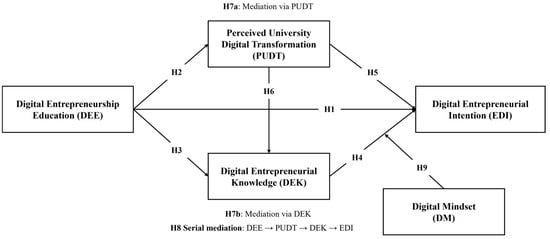
In fragile economies where formal employment is constrained and conventional entrepreneurial pathways are structurally limited, universities represent one of the few institutional actors capable of cultivating digital entrepreneurial intention at scale and contributing to local economic resilience and sustainable development. Yet the mechanisms
[...] Read more.
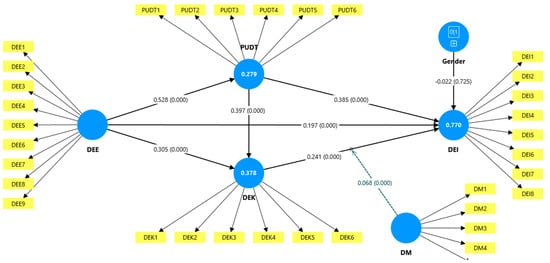
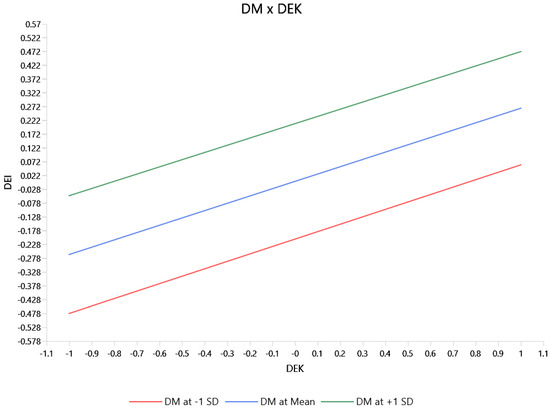
In fragile economies where formal employment is constrained and conventional entrepreneurial pathways are structurally limited, universities represent one of the few institutional actors capable of cultivating digital entrepreneurial intention at scale and contributing to local economic resilience and sustainable development. Yet the mechanisms through which digital entrepreneurship education is associated with intention remain inadequately understood, particularly the institutional and cognitive pathways that education activates. Grounded in the Theory of Planned Behavior, Social Cognitive Theory, Digital Transformation Theory, and Human Capital Theory, this study proposes and tests a moderated serial mediation model in which perceived university digital transformation and digital entrepreneurial knowledge sequentially mediate the education-to-intention relationship, with digital mindset moderating the knowledge-to-intention path. Survey data from 344 Palestinian university students were analyzed using partial least squares structural equation modeling. All nine hypotheses are supported and the model accounts for 77.0% of the variance in digital entrepreneurial intention, a result that should be interpreted with caution given the single-source cross-sectional design. The indirect association of digital entrepreneurship education with intention through perceived university digital transformation is comparable in magnitude to the direct effect, indicating that the university’s institutional digital environment carries approximately as much of education’s influence on entrepreneurial intention as the direct attitudinal channel. The serial indirect path through both mediators is significant, confirming that institutional digital transformation and entrepreneurial knowledge are associated with intention in sequence rather than in parallel. Digital mindset significantly strengthens the knowledge-to-intention association, constituting a dispositional boundary condition. The findings advance understanding of how universities build digital entrepreneurial capacity in fragile contexts and carry implications for institutional digital investment, curriculum design, and higher education policy in resource-constrained settings aligned with SDG 8 and SDG 9.
Full article
(This article belongs to the Special Issue Sustainable Entrepreneurship and Local Economic Resilience: Academia’s Critical Role in Education, Research, and Community Engagement)
►▼
Show Figures

Figure 1

Open AccessArticle
Designing Sustainable Marine Conservation Governance Under Offshore Wind Development: An Institutional Architecture for the Taiwan Cetacean Observer Association
by
Cheng-Chung Cho, Rui-Hsin Kao and Chun-Kai Huang
Sustainability 2026, 18(15), 7811; https://doi.org/10.3390/su18157811 (registering DOI) - 2 Aug 2026
Abstract
►▼
Show Figures
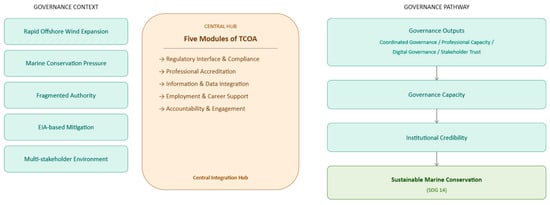
Offshore wind development has become an important component of the renewable energy transition, yet its rapid expansion has also generated new sustainability challenges for marine biodiversity conservation. In Taiwan, offshore construction activities such as pile driving, drilling, dredging, and seismic surveys have raised
[...] Read more.
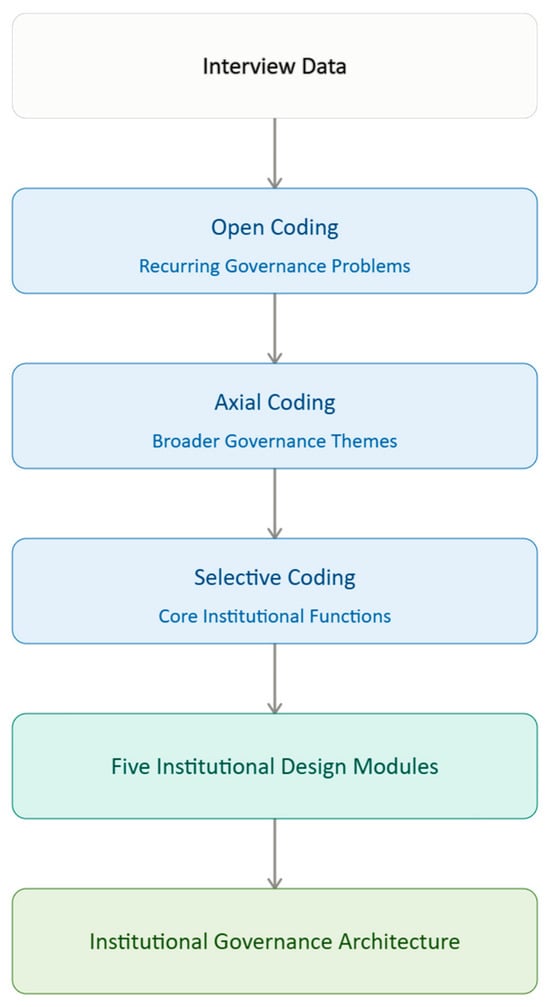
Offshore wind development has become an important component of the renewable energy transition, yet its rapid expansion has also generated new sustainability challenges for marine biodiversity conservation. In Taiwan, offshore construction activities such as pile driving, drilling, dredging, and seismic surveys have raised growing concerns about anthropogenic underwater noise and its effects on cetaceans and other marine species Although Taiwan established its Cetacean Observer (TCO) system in 2020, the system remains constrained by fragmented authority, limited information transparency, insufficient professional training, unstable employment pathways, and weak cross-agency coordination. Against this background, this study shifts the analytical focus from diagnosing the deficiencies of the existing TCO system or assessing whether the Taiwan Cetacean Observer Association (TCOA) is beneficial to examining how the TCOA should be institutionally designed as a sustainable governance platform under offshore wind development. Drawing on environmental governance, institutional design, and intermediary organization scholarship, as well as document analysis and in-depth interviews with cetacean observers, contractors, marine conservation practitioners, and experts, this study develops a design-oriented institutional architecture for association-based marine conservation governance. Rather than treating the TCOA merely as a professional association, the study conceptualizes it as a governance infrastructure capable of stabilizing coordination, supporting implementation, strengthening professionalization, and enhancing accountability in a fragmented marine governance environment. The study proposes a five-module institutional architecture for a sustainable the TCOA, comprising employment and career support, as well as accountability and public engagement. Together, these modules can strengthen coordination, improve implementation capacity, enhance transparency, support observer professionalization, and build stakeholder trust. This study contributes to sustainability governance research by moving the discussion from whether an observer association is useful to how such an association should be institutionally designed to support long-term marine conservation governance. It also provides transferable insights for coastal jurisdictions seeking to align offshore renewable energy development with marine biodiversity conservation and Sustainable Development Goal 14 (SDG 14).
Full article

Figure 1
Open AccessArticle
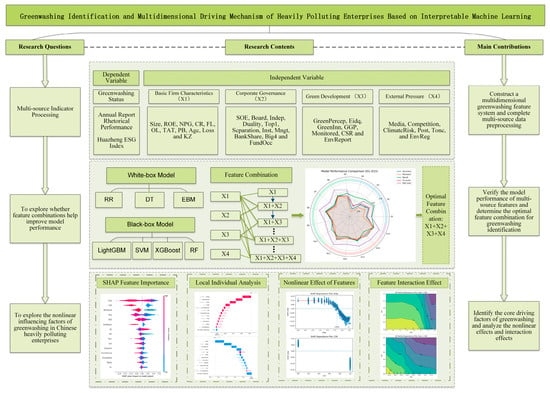
Greenwashing Identification and Multidimensional Driving Mechanism of Heavily Polluting Enterprises Based on Interpretable Machine Learning
by
Yuanyuan Ma and Menghan Gao
Sustainability 2026, 18(15), 7810; https://doi.org/10.3390/su18157810 (registering DOI) - 2 Aug 2026
Abstract
►▼
Show Figures
Against the global green transition and tightening ESG disclosure requirements, corporate greenwashing undermines capital market transparency and environmental governance. However, existing studies are limited in semantic quantification, model interpretability, and multidimensional feature interaction analysis. Using Chinese heavily polluting listed firms from 2020 to
[...] Read more.
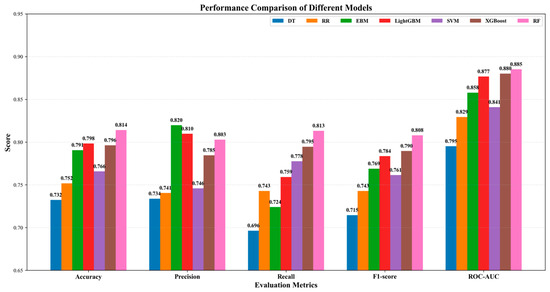
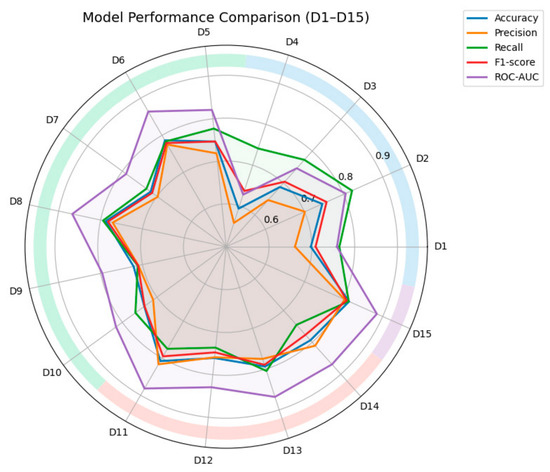
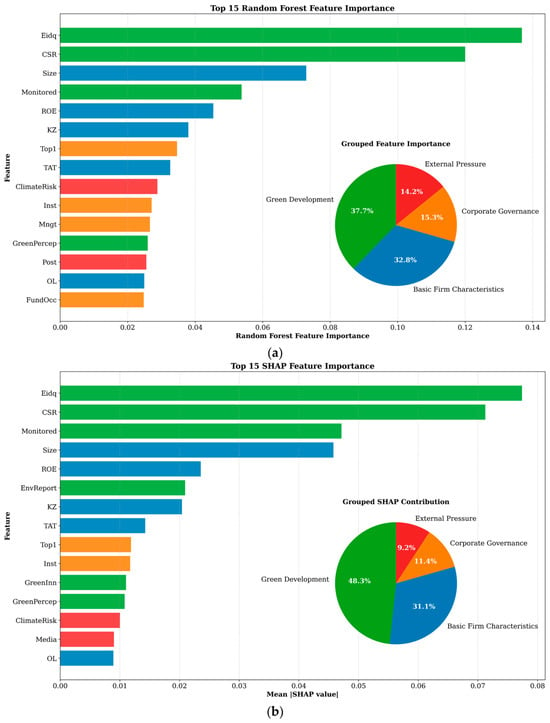
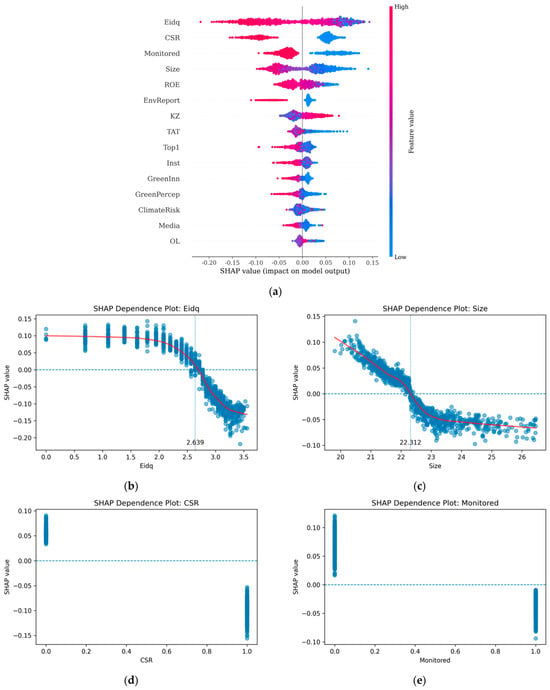
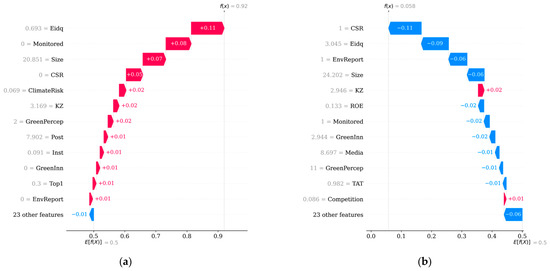
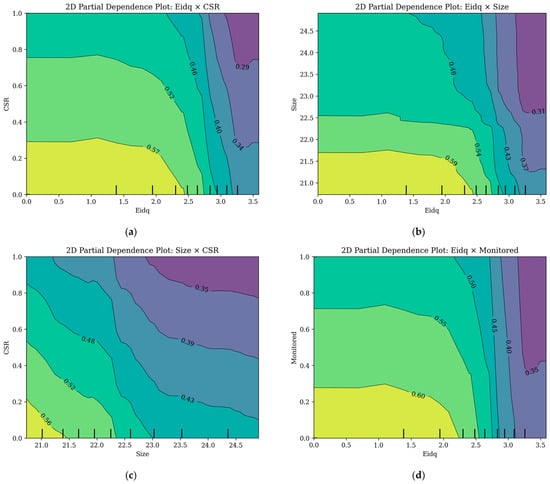
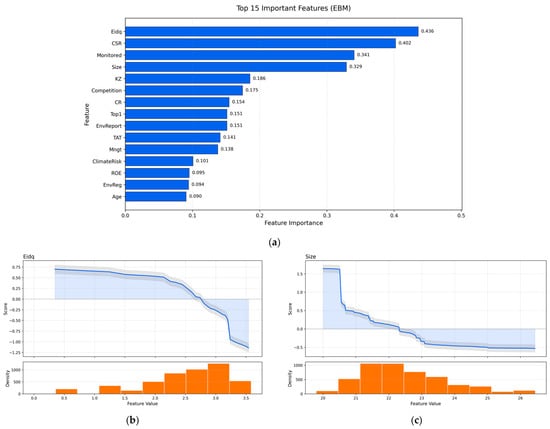
Against the global green transition and tightening ESG disclosure requirements, corporate greenwashing undermines capital market transparency and environmental governance. However, existing studies are limited in semantic quantification, model interpretability, and multidimensional feature interaction analysis. Using Chinese heavily polluting listed firms from 2020 to 2024, this study constructs a greenwashing indicator based on the divergence between environmental textual semantics in annual reports and substantive ESG performance and develops a comprehensive feature system including firm characteristics, corporate governance, green development, and external pressure. Seven machine learning models are employed for prediction, and SHAP is used to interpret nonlinear effects and key drivers. The random forest model achieves the best performance, with green development contributing 37.7% (RF) and 48.3% (SHAP). Key variables include environmental disclosure quality (Eidq), CSR disclosure (CSR), monitored pollution status (Monitored), and firm size (Size), with identified thresholds and interaction effects. EBM robustness tests confirm the reliability of results, providing evidence for greenwashing regulation and ESG disclosure standardization.
Full article

Figure 1
Open AccessArticle
Phosphate Removal from Wastewater via Coagulation and Preliminary Evaluation of the Recovered Residues for Lettuce (Lactuca sativa) Cultivation
by
Paraskevi Chalkidi and Athanasia K. Tolkou
Sustainability 2026, 18(15), 7809; https://doi.org/10.3390/su18157809 (registering DOI) - 2 Aug 2026
Abstract
Phosphate ( ) discharge from municipal wastewater is a major contributor to eutrophication, highlighting the need for efficient treatment technologies that enable both phosphorus (P) removal and potential reuse. In this study, tin (Sn)- and calcium (Ca)-based coagulants,
[...] Read more.
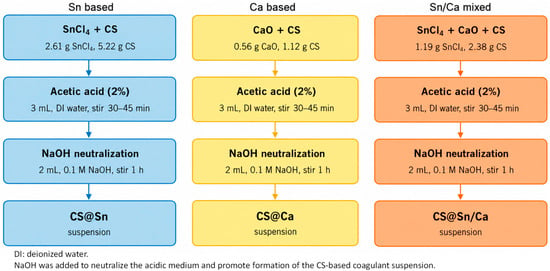
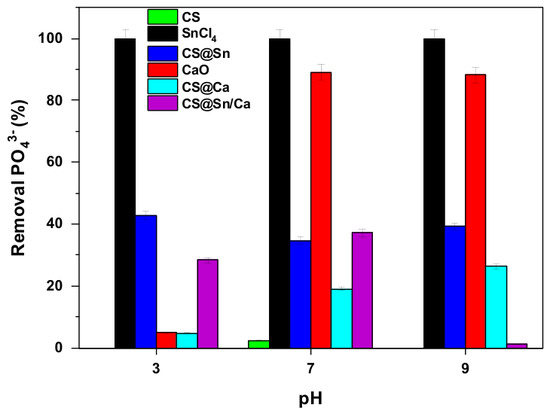
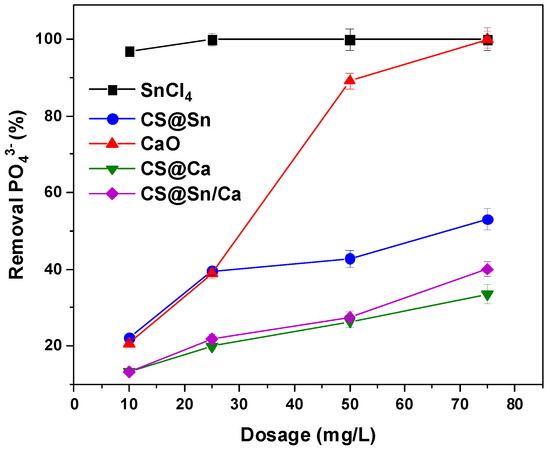
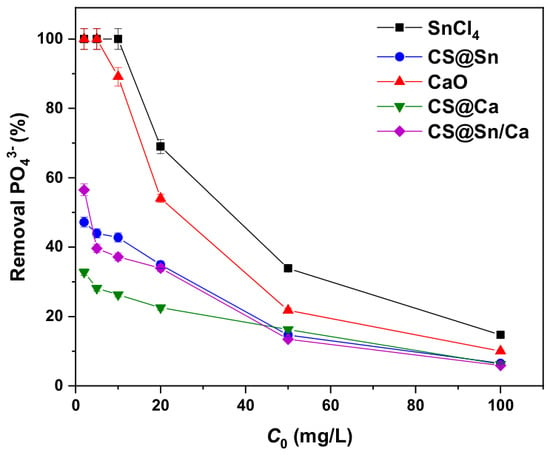
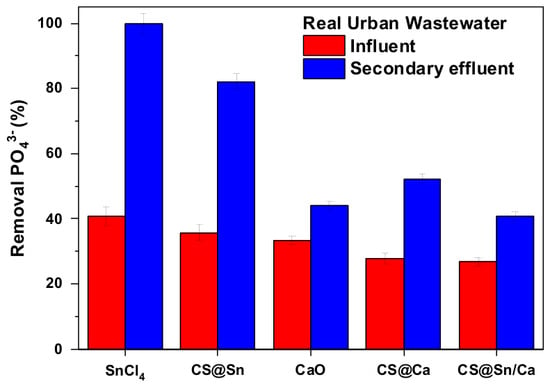
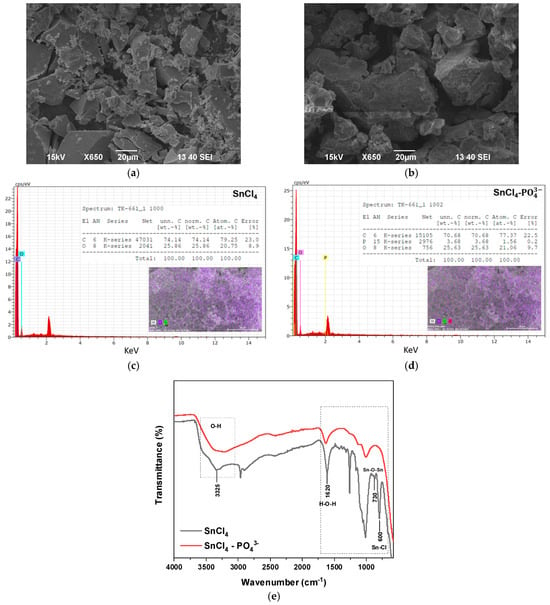
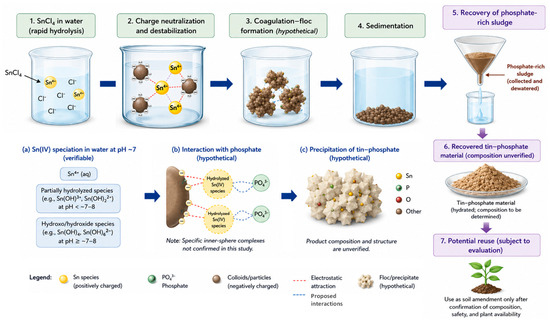
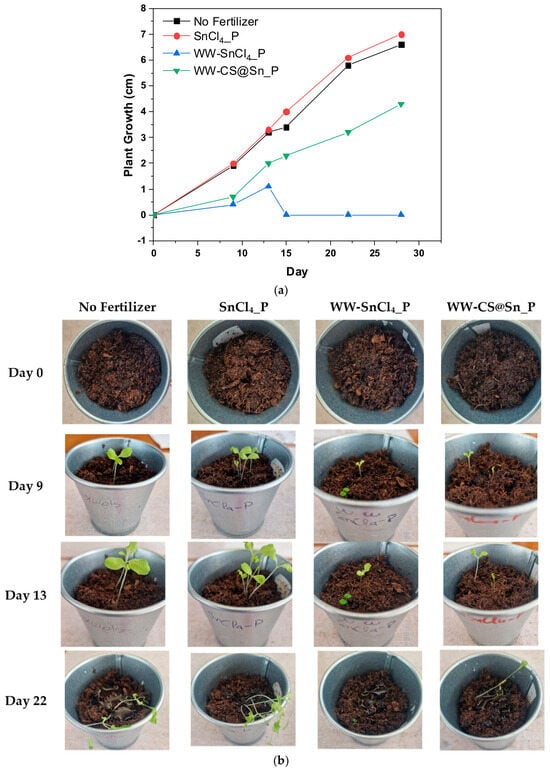
Phosphate ( ) discharge from municipal wastewater is a major contributor to eutrophication, highlighting the need for efficient treatment technologies that enable both phosphorus (P) removal and potential reuse. In this study, tin (Sn)- and calcium (Ca)-based coagulants, and their composites with chitosan (CS) (CS@Sn, CS@Ca, CS@Sn/Ca), were developed and evaluated for removal and tentative recovery from both aqueous solutions and municipal wastewater. Among the tested materials, exhibited the highest performance, achieving 97.2–100% removal over a wide pH range and at low dosages, demonstrating its high affinity toward . The CS@Sn composite material demonstrated satisfactory efficiency, while the Ca-based coagulants exhibited lower efficiency and greater sensitivity to solution chemistry. CaO achieved maximum phosphate removal of 89% under neutral to alkaline conditions, but its efficiency decreased significantly under acidic conditions. CS@Ca and CS@Sn/Ca composites exhibited only moderate removal efficiencies under all experimental conditions tested. SEM and FTIR analyses indicated that removal occurred through interactions with hydrolyzed Sn(IV) species. The recovered phosphate-rich residues were subsequently subjected to a preliminary pot experiment using lettuce (Lactuca sativa) to explore their potential for agricultural reuse. The results provided an initial indication that some recovered residues may support early plant growth, although further agronomic evaluation under controlled conditions is required. Therefore, represents a promising approach for simultaneous phosphate removal and potential recovery, while the preliminary plant cultivation results indicate potential for agricultural reuse of the recovered residues, warranting further investigation.
Full article
(This article belongs to the Special Issue Emerging Contaminants in Soils and Plants: Inventory, Monitoring, Impacts on Human Health, and Mitigation Strategies)
►▼
Show Figures

Figure 1
Open AccessArticle
Small-Sample Learning for Typology-Constrained Generative Design: Novel Framework and Application Practice in Linpan, China
by
Hailin Zhang, Fuyu Wang, Qingqing Peng, Bingwu Liu, Huai Guan, Yang Yang and Qianru Yang
Sustainability 2026, 18(15), 7808; https://doi.org/10.3390/su18157808 (registering DOI) - 2 Aug 2026
Abstract
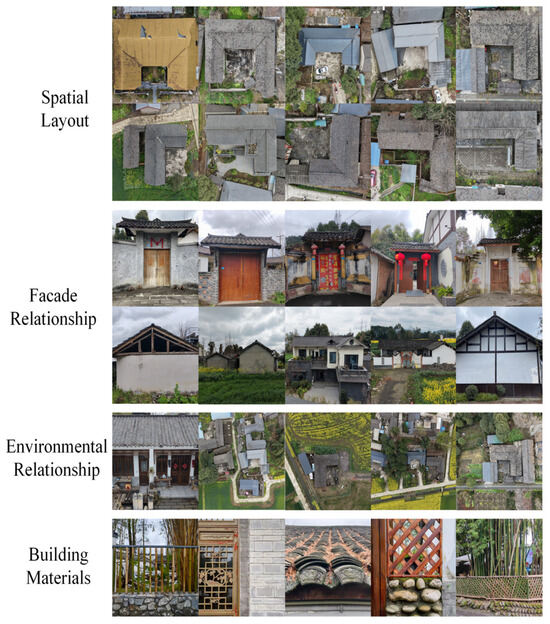
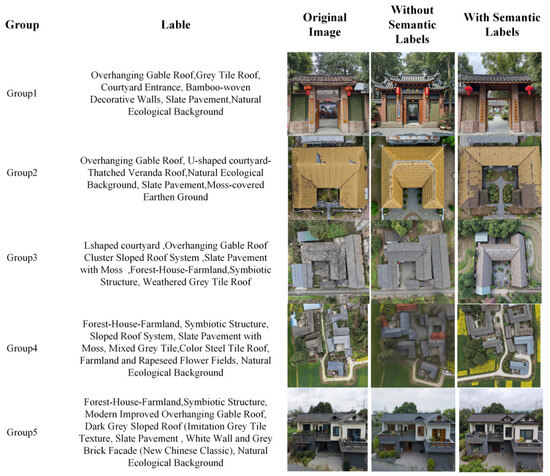
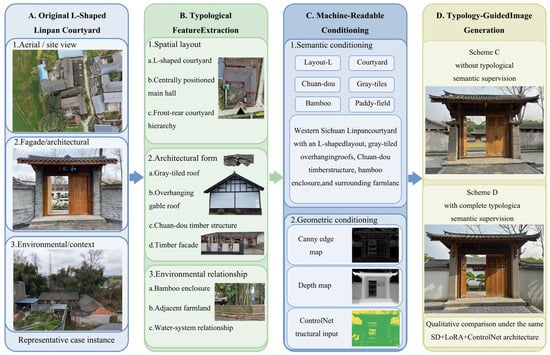
To address the challenges of ambiguous regional feature identification, high digital modeling costs, and limited regional adaptability of general-purpose AIGC tools in the micro-renewal of Western Sichuan Linpan, this study proposes a typology-constrained small-sample learning framework. A structured dataset of 80 high-quality,
[...] Read more.
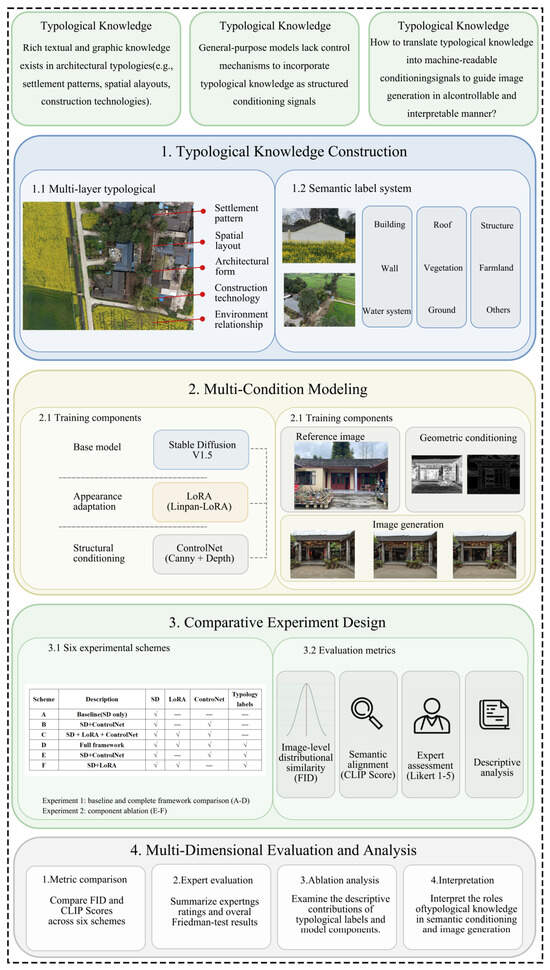
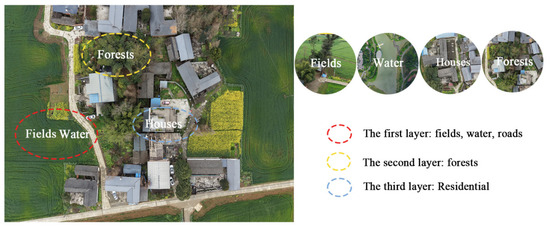
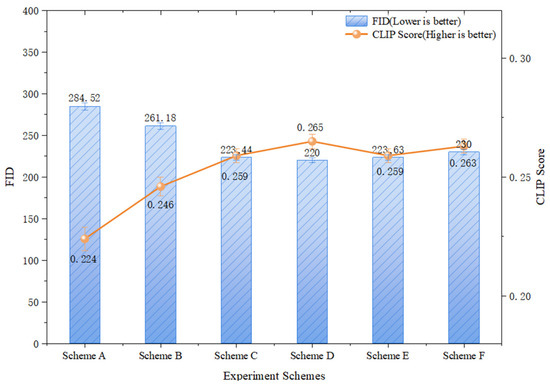
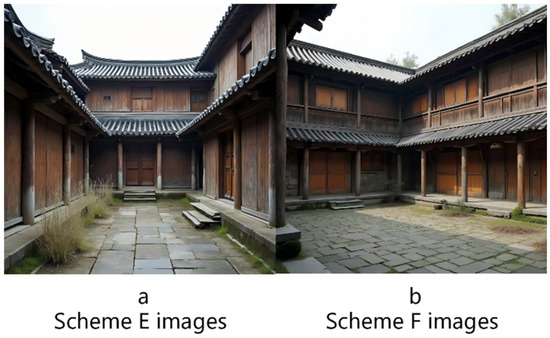
To address the challenges of ambiguous regional feature identification, high digital modeling costs, and limited regional adaptability of general-purpose AIGC tools in the micro-renewal of Western Sichuan Linpan, this study proposes a typology-constrained small-sample learning framework. A structured dataset of 80 high-quality, semantically annotated images was constructed to extract typological features, including spatial layouts, architectural forms, and environmental relationships. Based on Stable Diffusion, the framework integrates LoRA fine-tuning for style adaptation and ControlNet for structural control. To constrain the number of trainable parameters under the limited-data setting, LoRA rank control, dropout regularization, and early stopping were incorporated into the training procedure. Under the fixed 80-image dataset and experimental configuration, the complete framework achieved lower FID values and higher CLIP and expert-evaluation scores than the prompt-only baseline. Compared with Scheme A, the FID decreased by 22.7% (from 284.52 to 220.00), while the CLIP Score increased by 18.3% (from 0.224 to 0.265). Under the evaluated configuration, the complete framework showed closer correspondence with the specified Linpan architectural characteristics and spatial conditions than the prompt-only baseline. The results support the feasibility of translating architectural typological knowledge into semantic and geometric conditioning signals under the evaluated limited-data setting. However, the influence of training-set size on model stability and generation performance was not examined and requires further investigation.
Full article
(This article belongs to the Special Issue AI+ Green Building Design: Innovations, Applications and Challenges—Special Issue for 2026 4th International Conference on Green Building (ICoGB 2026))
►▼
Show Figures

Figure 1

Open AccessSystematic Review
Digitalisation and Sustainable Agriculture: A PRISMA-Based Systematic Literature Review
by
Zhanna Smagulova, Urpash Shalbolova, Aigul Mukhanova and Gulshat Duzelbayeva
Sustainability 2026, 18(15), 7807; https://doi.org/10.3390/su18157807 (registering DOI) - 2 Aug 2026
Abstract
This systematic literature review critically examines the impact of digitalisation on sustainable agricultural development, synthesising empirical evidence published between 2015 and 2026. Following the PRISMA 2020 guidelines, 62 empirical studies indexed in Scopus and Web of Science were identified and analysed using a
[...] Read more.
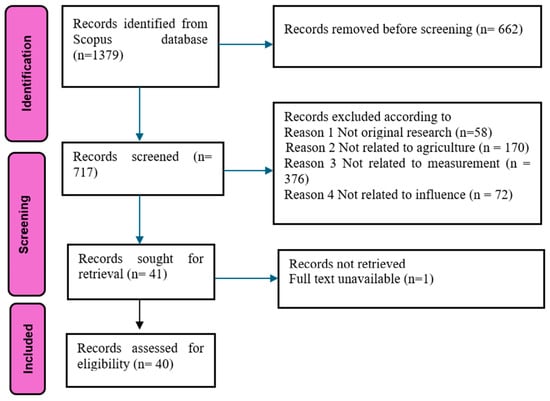
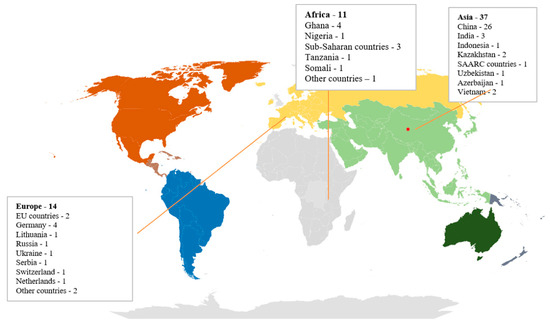
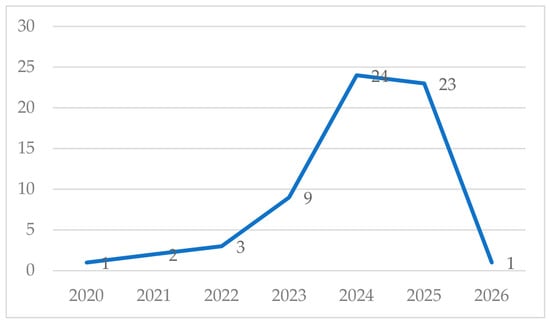
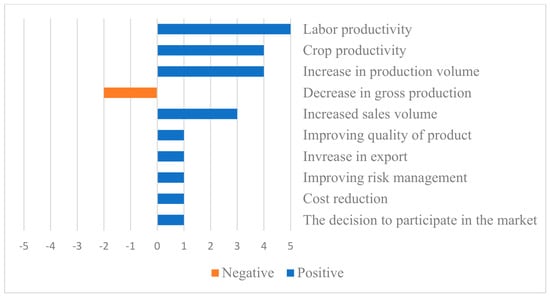
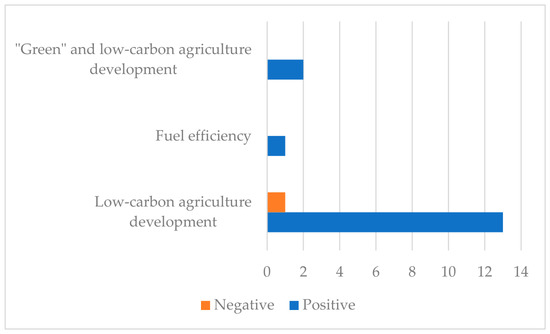
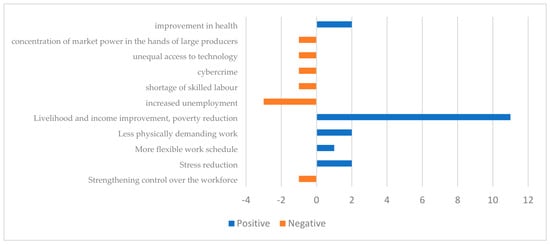
This systematic literature review critically examines the impact of digitalisation on sustainable agricultural development, synthesising empirical evidence published between 2015 and 2026. Following the PRISMA 2020 guidelines, 62 empirical studies indexed in Scopus and Web of Science were identified and analysed using a combined deductive–inductive thematic approach. The analysis is structured around a triple-bottom-line framework encompassing economic, environmental, and social sustainability dimensions. The review addresses two research questions: the geographical and temporal distribution of research on digitalisation and agricultural sustainability, and the extent to which digitalisation yields both beneficial and adverse outcomes across all three dimensions. The findings reveal a sharp increase in scholarly attention after 2022, with strong geographical concentration in Asia, particularly China, while evidence from developing regions remains comparatively limited. Overall, existing research predominantly highlights positive effects, particularly productivity gains, efficiency improvements, and income growth, alongside enhanced environmental performance through resource optimisation and emission reduction. However, the evidence also documents uneven and context-dependent outcomes, especially within the social dimension, including labour displacement, rising inequality, and digital wage opacity. Crucially, integrative analyses that examine all three sustainability dimensions simultaneously remain scarce; fewer than 5% of included studies address economic, environmental, and social outcomes together, and potential trade-offs among dimensions are insufficiently explored. By synthesising fragmented empirical evidence through an explicit analytical framework, this review provides a comprehensive and critical foundation for understanding the complex, uneven, and context-dependent impacts of digitalisation on sustainable agriculture and identifies four priority directions for future research.
Full article
(This article belongs to the Section Sustainable Agriculture)
►▼
Show Figures

Figure 1

Open AccessArticle
Contribution of By-Products from Moldovan Red Wines to the Circular Economy: Physicochemical Analysis and Applications
by
Aurica Chirsanova, Alina Boiștean, Eugenia Covaliov, Rodica Siminiuc, Ana Chioru, Michel Grisel, Daria Terescenco and Ecaterina Gore
Sustainability 2026, 18(15), 7806; https://doi.org/10.3390/su18157806 (registering DOI) - 2 Aug 2026
Abstract
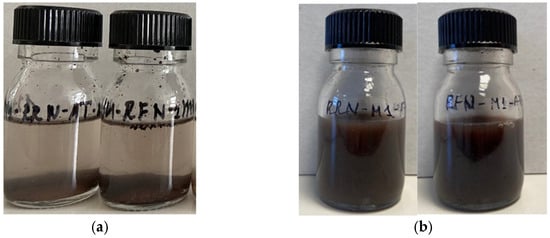
The global wine industry generates substantial volumes of by-products, leading to significant environmental and economic challenges. This study explores the sustainable valorization of two key by-products from Moldovan red wine production—yeast lees and grape skin powder derived from autochthonous grape varieties Rară Neagră
[...] Read more.
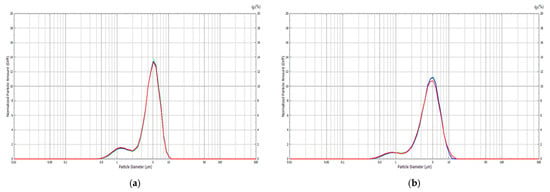
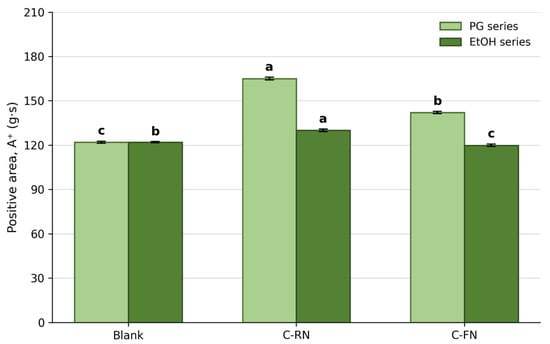
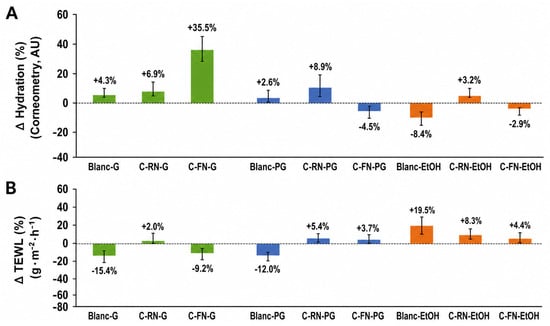
The global wine industry generates substantial volumes of by-products, leading to significant environmental and economic challenges. This study explores the sustainable valorization of two key by-products from Moldovan red wine production—yeast lees and grape skin powder derived from autochthonous grape varieties Rară Neagră (RN) and Fetească Neagră (FN)—within the circular economy paradigm. Comprehensive physicochemical analyses demonstrated that yeast lees are a rich source of bioactive β-glucans (20.17–21.91%, w/w wet lees), proteins, and triglycerides; β-glucans of this type are reported in the literature to confer immunomodulatory and antioxidant properties, although these bioactivities were not directly evaluated in the present study. Grape skin powders exhibited high dietary fibre content and polyphenolic compounds, with FN showing superior total polyphenol content and antioxidant activity compared to RN. Advanced extraction techniques using green solvents such as glycerol, propylene glycol, and ethanol, including ultrasound-assisted methods, optimized polyphenol recovery while maintaining extract stability. Incorporation of these extracts into innovative oil-in-water cosmetic emulsions revealed notable physicochemical characteristics, with the RN extracts enhancing emulsion firmness via polyphenol–xanthan gum interactions, and the FN extracts providing high antioxidant potential without compromising texture. A preliminary single-subject biophysical assessment suggested good short-term skin compatibility, with hydration improvement and reduced transepidermal water loss in several formulations and no visible pigmentation; these observations require confirmation in a larger volunteer panel with dedicated safety testing. This work provides laboratory-scale evidence of the dual environmental and functional potential of recovering and applying Moldovan winery by-products, supporting their further development—pending pilot-scale and economic validation—as bio-ingredients for the food, cosmetic, and pharmaceutical sectors within a circular bioeconomy framework.
Full article
(This article belongs to the Section Resources and Sustainable Utilization)
►▼
Show Figures

Figure 1
Open AccessArticle
Globalization, Fiscal Policy, and Economic Diversification in Saudi Arabia: An ARDL Approach
by
Marwa Mohamed Ali Moustafa and Hagar Ibrahim Ahmed Omar
Sustainability 2026, 18(15), 7805; https://doi.org/10.3390/su18157805 (registering DOI) - 2 Aug 2026
Abstract
Economic diversification has become a central policy objective for resource-dependent economies seeking to reduce vulnerability to external shocks. In the case of Saudi Arabia, diversification has gained particular importance within the framework of Vision 2030, which aims to broaden the productive base beyond
[...] Read more.
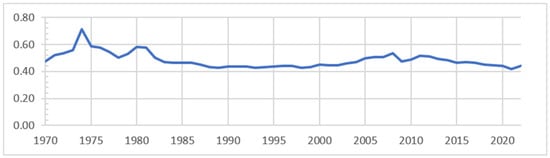
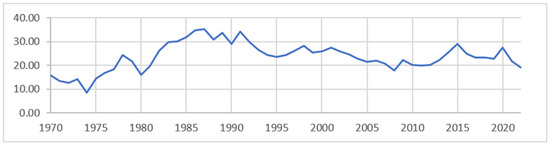
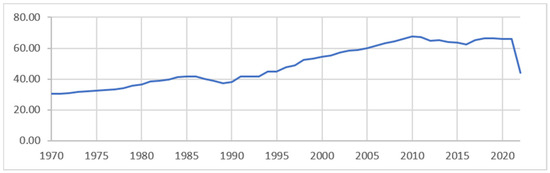
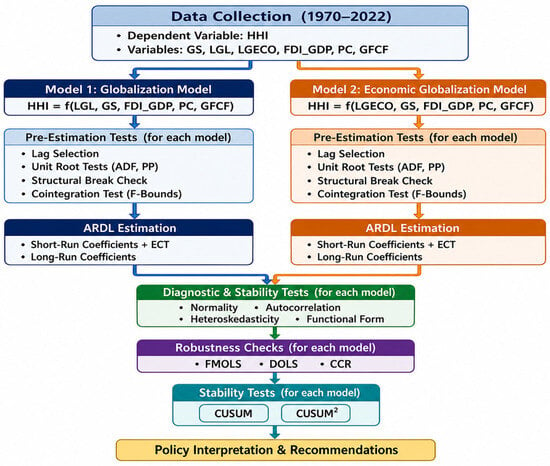
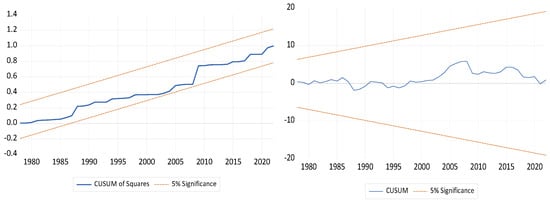
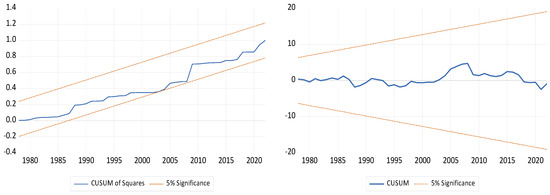
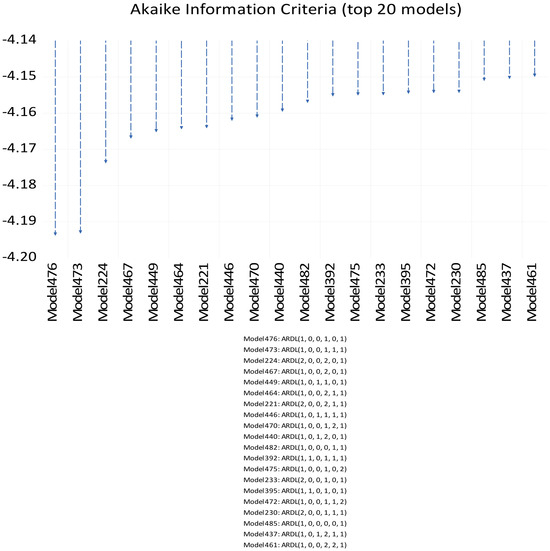
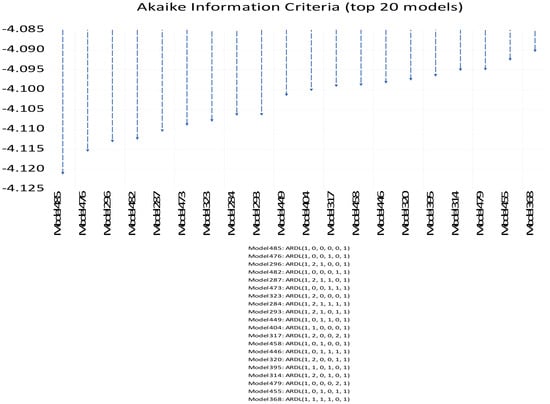
Economic diversification has become a central policy objective for resource-dependent economies seeking to reduce vulnerability to external shocks. In the case of Saudi Arabia, diversification has gained particular importance within the framework of Vision 2030, which aims to broaden the productive base beyond the oil sector. This study examines the long-run relationship among globalization, economic globalization, government consumption spending, and economic diversification in Saudi Arabia from 1970 to 2022, utilizing the Herfindahl–Hirschman Index (HHI) as a measure of sectoral concentration. The analysis employs the Autoregressive Distributed Lag (ARDL) bounds testing approach to examine both short-run and long-run relationships among the variables. To ensure robustness, the long-run ARDL estimates are cross-validated using Fully Modified Ordinary Least Squares (FMOLS), Dynamic Ordinary Least Squares (DOLS), and Canonical Cointegrating Regression (CCR). The results indicate that government spending is significantly associated with greater economic diversification, as reflected by its negative and significant association with the HHI. Domestic credit to the private sector is also positively associated with economic diversification, while foreign direct investment exhibits a weak positive association with diversification. In contrast, both overall globalization and economic globalization are associated with higher sectoral concentration, suggesting that the benefits of global integration for diversification are not automatic. These findings highlight the importance of complementary domestic policies, including support for SMEs, expanded private-sector financing, and innovation-driven investment, to strengthen the relationship between globalization and sustainable economic diversification in Saudi Arabia.
Full article
(This article belongs to the Section Economic and Business Aspects of Sustainability)
►▼
Show Figures

Figure 1

Open AccessArticle
Digitalization and Supply Chain Resilience: Evidence from Chinese Manufacturing Firms
by
Bingbing Wang and Tongyang Wei
Sustainability 2026, 18(15), 7804; https://doi.org/10.3390/su18157804 (registering DOI) - 2 Aug 2026
Abstract
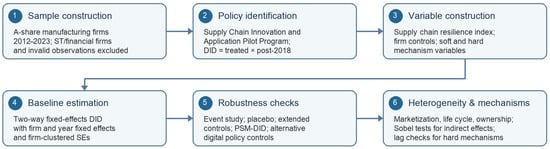
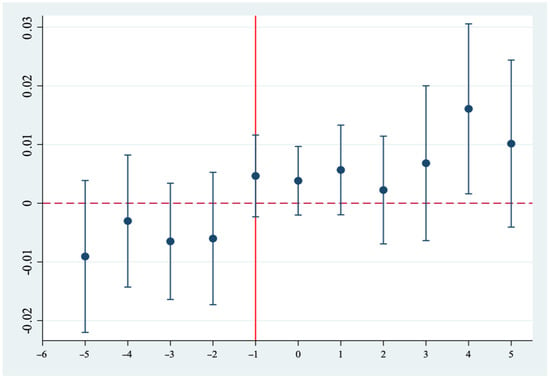
This paper examines the relationship between supply chain digitalization and firm-level supply chain resilience using the staggered rollout of China’s Supply Chain Innovation and Application Pilot Program as a quasi-natural experiment. Based on panel data for Chinese A-share listed manufacturing firms from 2012
[...] Read more.
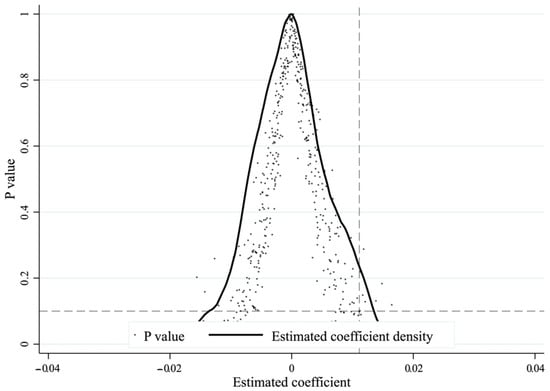
This paper examines the relationship between supply chain digitalization and firm-level supply chain resilience using the staggered rollout of China’s Supply Chain Innovation and Application Pilot Program as a quasi-natural experiment. Based on panel data for Chinese A-share listed manufacturing firms from 2012 to 2023, the difference-in-differences estimates indicate that policy exposure is associated with a statistically significant increase in supply chain resilience. The coefficient remains stable across parallel trends tests, placebo exercises, additional controls, high-dimensional fixed effects, and policy-selection diagnostics. Because pilot assignment followed an evaluation process, rather than randomization, the estimates remain subject to possible selection on unobserved characteristics. Subgroup regressions yield larger positive coefficients for firms in less marketized regions, non-state-owned enterprises, and mature firms. Sobel tests support the financing constraint pathway, whereas the information transparency pathway is only marginally significant. Asset turnover, the operating cycle, and inventory alignment are associated with resilience in the outcome equations, but the corresponding first-stage policy coefficients are not robust in the preferred firm- and year-fixed effect specifications. The findings document a positive quasi-experimental association between supply chain digitalization and resilience, while highlighting the institutional and firm-level conditions that shape the estimated relationship.
Full article
(This article belongs to the Section Economic and Business Aspects of Sustainability)
►▼
Show Figures

Figure 1
Open AccessArticle
Value Creation Through Digital Agricultural Platforms: A Grounded Theory Study of Longjiang Nongtou with Comparative Insights from CropWizard
by
Pengyu Li
Sustainability 2026, 18(15), 7803; https://doi.org/10.3390/su18157803 (registering DOI) - 2 Aug 2026
Abstract
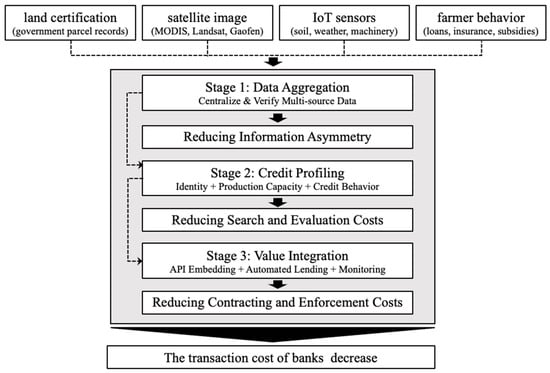
Digital agricultural service platforms are transforming rural financial systems by converting public data into actionable credit intelligence, yet the mechanisms underlying this value creation process remain under-theorized. This study employs grounded theory to investigate Longjiang Nongtou in China, with comparative insights from CropWizard
[...] Read more.
Digital agricultural service platforms are transforming rural financial systems by converting public data into actionable credit intelligence, yet the mechanisms underlying this value creation process remain under-theorized. This study employs grounded theory to investigate Longjiang Nongtou in China, with comparative insights from CropWizard in the United States. Based on semi-structured interviews with platform operators, technical staff, bank loan officers, smallholder farmers, and government officials, supplemented by secondary data, we develop a three-stage value creation model comprising data aggregation, credit profiling, and value integration. Our findings reveal that reducing transaction costs through sequential stages—information asymmetry, search and evaluation costs, and contracting and enforcement costs—constitutes the core mechanism enabling rural financial inclusion. A cross-national comparison demonstrates that divergent institutional environments generate two distinct value pathways: credit empowerment for smallholders versus knowledge-based agronomic services. This study offers a processual theoretical framework for data-driven agricultural platforms, extends transaction cost theory to digital agriculture by specifying sequential mechanisms of cost reduction, and provides practical implications for platform operators and policymakers seeking to advance sustainable rural development. It should be noted that CropWizard is examined as a contrasting secondary case based on publicly available documentation, rather than as an equally grounded empirical case.
Full article
(This article belongs to the Section Sustainable Agriculture)
►▼
Show Figures

Figure 1
Open AccessArticle
Climate-Driven Range Shifts of Chinese Wolfberry (Lycium chinense Miller) in China: Implications from a Global Niche Model
by
Luqi Wang, Zhichen Zhang, Feifei Sun, Jinghua Huang, Sheng Du and Guoqing Li
Sustainability 2026, 18(15), 7802; https://doi.org/10.3390/su18157802 (registering DOI) - 2 Aug 2026
Abstract
Chinese wolfberry (Lycium chinense Miller) is a vital medicinal plant and a key species for ecological restoration. While Species Distribution Models (SDMs) are commonly used to predict habitat suitability, they often rely exclusively on native occurrence data, potentially underestimating a species’ climatic
[...] Read more.
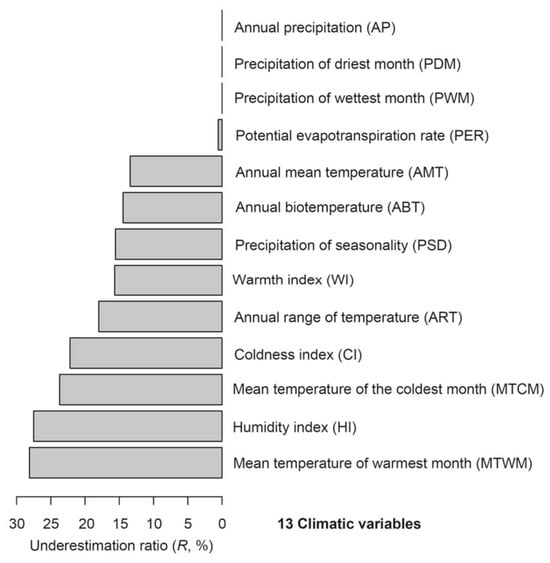
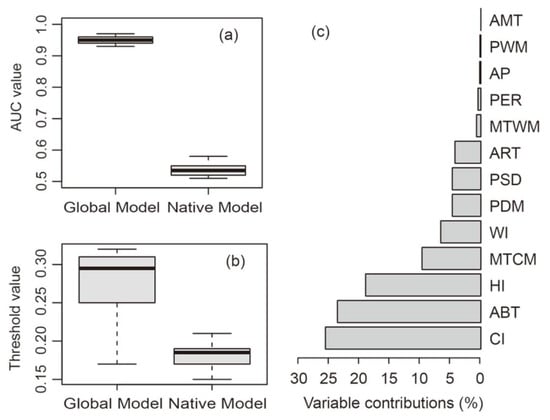
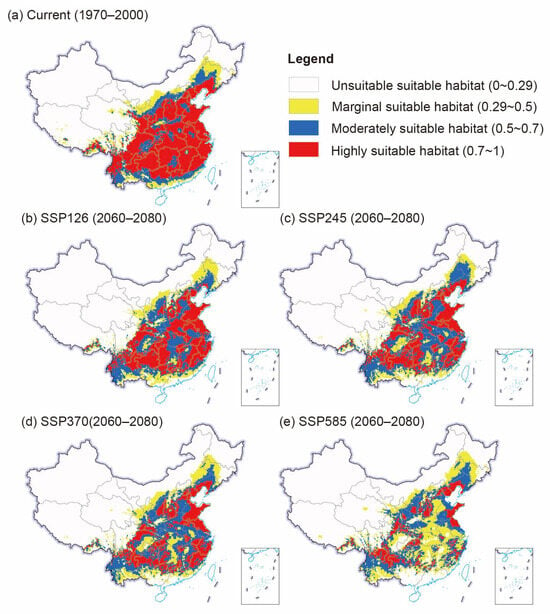
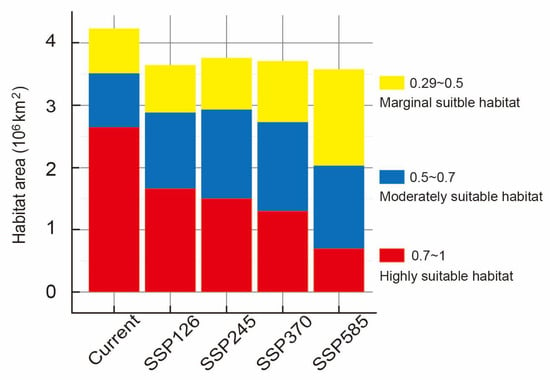
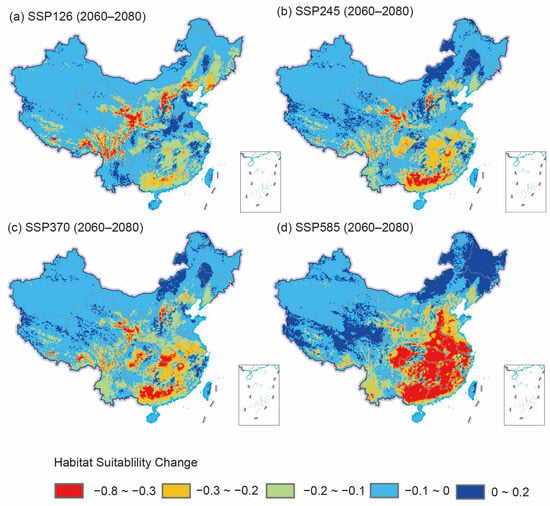
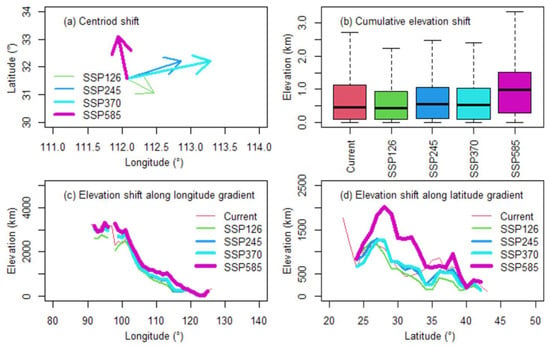
Chinese wolfberry (Lycium chinense Miller) is a vital medicinal plant and a key species for ecological restoration. While Species Distribution Models (SDMs) are commonly used to predict habitat suitability, they often rely exclusively on native occurrence data, potentially underestimating a species’ climatic niche breadth under assumptions of niche conservatism. This study aims to evaluate the global climatic tolerance of Chinese wolfberry by integrating occurrence data from both native and introduced ranges. We assess the impact of climate change on its potential range shifts in China and determine whether native-only models underestimate the species’ climatic tolerance. We compiled 984 high-quality global distribution points (536 native, 448 introduced). We compared climatic niche breadth derived from native-only data with that from global data. Using MaxEnt modeling, we projected the global niche model onto China under current conditions and under four future Shared Socioeconomic Pathways (SSP126, SSP245, SSP370, and SSP585) for the year 2070 to analyze changes in habitat suitability and centroid migration. The study confirms that relying solely on native data significantly underestimates the climatic tolerance of Chinese wolfberry, particularly for thermal variables (e.g., mean temperature of the warmest/coldest month). The global model, driven primarily by the coldness index, annual biotemperature, and humidity index, showed excellent performance (AUC = 0.952). Currently, highly suitable habitats cover approximately 44% of China’s land area. However, future projections indicate a severe decline in habitat quality. While the total suitable area remains relatively stable, the proportion of highly suitable habitat within the total habitat is projected to drop from 62.6% to as low as 19% under high-emission scenarios. The centroid of highly suitable habitats is expected to migrate multidirectionally at an annual rate of 0.97–2.42 km·a−1, while the altitudinal centroid shows a drastic upward shift of up to 7.24 m·a−1 under the SSP585 scenario. Integrating global occurrence data provides a more robust estimate of the ecological tolerance of Chinese wolfberry. Future climate change poses a significant threat to the quality of suitable habitats in China, necessitating adaptive management strategies such as assisted migration to northern refugia and the implementation of climate-smart agricultural practices to sustain the economic and ecological value of this species.
Full article
(This article belongs to the Special Issue Afforestation, Vegetation Restoration, and Natural Protection)
►▼
Show Figures

Figure 1
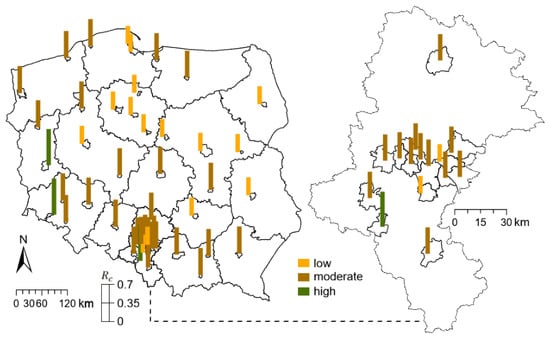
Open AccessArticle
Identification of the Potential Thermal Resilience of Poland’s Most Populous Cities Using the Local Climate Zone Framework
by
Robert Kalbarczyk and Eliza Kalbarczyk
Sustainability 2026, 18(15), 7801; https://doi.org/10.3390/su18157801 (registering DOI) - 2 Aug 2026
Abstract
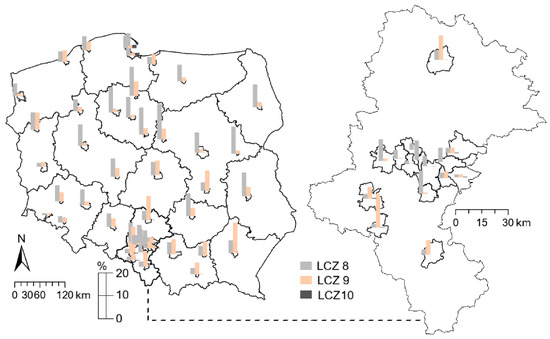
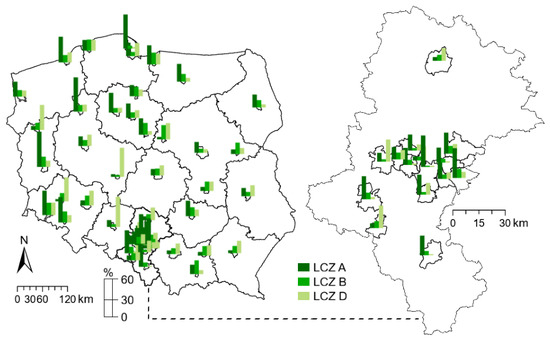
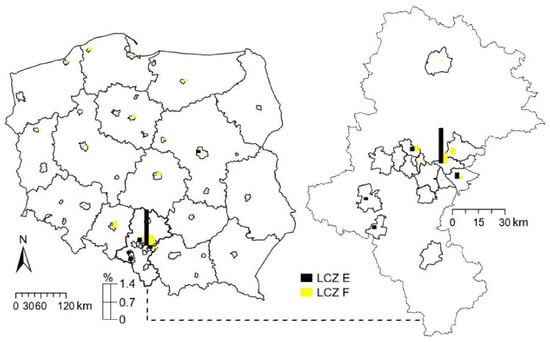
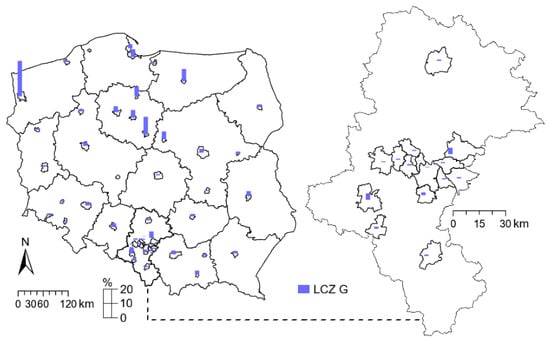
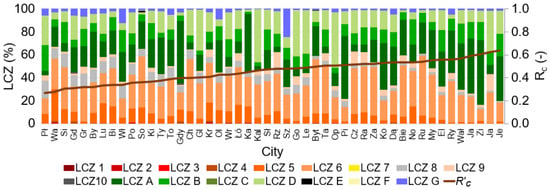
The increasing severity of heat waves in cities requires the integration of spatial morphology with temperature-resilient design; however, comparisons of multi-city systems are scarce. The aim of this article is to assess the potential thermal resilience of Poland’s largest cities, taking into account
[...] Read more.
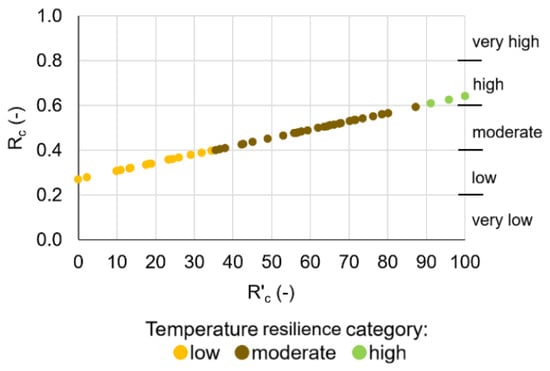
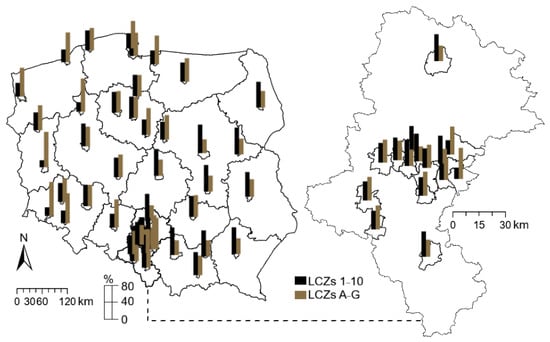
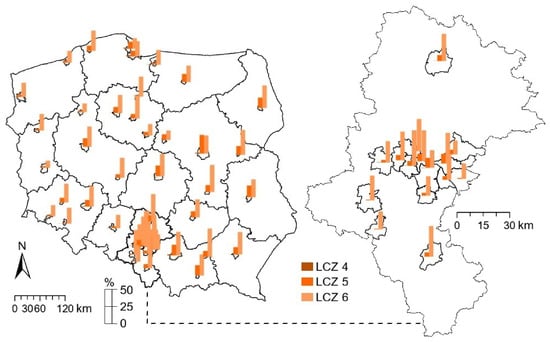
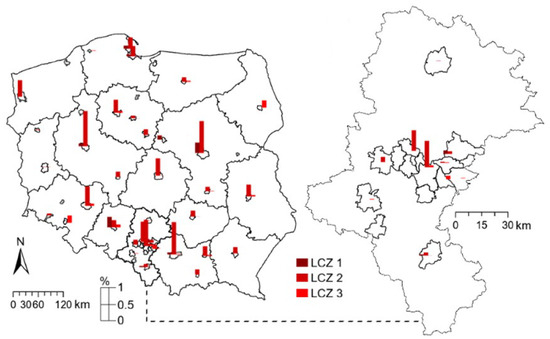
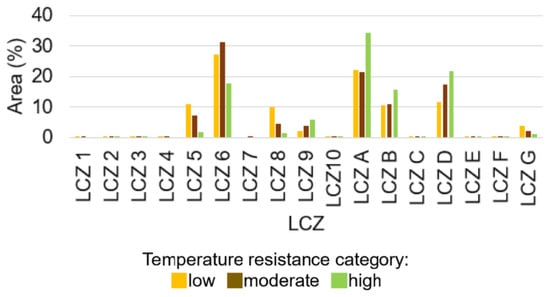
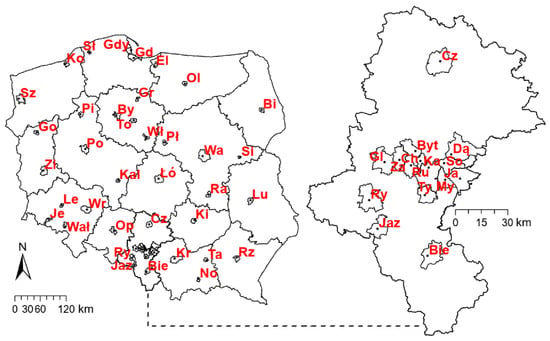
The increasing severity of heat waves in cities requires the integration of spatial morphology with temperature-resilient design; however, comparisons of multi-city systems are scarce. The aim of this article is to assess the potential thermal resilience of Poland’s largest cities, taking into account local climate zones (LCZs), which aligns with the framework of sustainable urban development. The use of LCZs allows for a comparison of the resilience of cities without being influenced by their historical development, providing a diagnostic basis for climate adaptation. The proposed potential thermal resilience index ( ) integrates exposure, sensitivity, and adaptive capacity, serving as the operational inverse of structural vulnerability to heat (urban heat vulnerability). The results indicate that 62.5% of the cities are characterized by moderate potential thermal resilience; 31.3% of cities have low resilience, and only 6.2% of cities have high resilience. High potential thermal resilience is associated with a large proportion of LCZs A, B, and D, as well as a reduction in both high-density and low-density development, which provides practical guidance for land-use planning. The index shows geographical variation—higher values were found in southern and southwestern Poland. The results suggest the need to correlate physical interventions with social vulnerability and the macroclimate when designing blue-green infrastructure as a key element of sustainable adaptation.
Full article
(This article belongs to the Special Issue Designing Resilient Cities: Landscape-Based Architecture and Green Space Strategies for Urban Sustainability)
►▼
Show Figures

Figure 1
Journal Menu
► ▼ Journal Menu-
- Sustainability Home
- Aims & Scope
- Editorial Board
- Reviewer Board
- Topical Advisory Panel
- Early Career Editorial Board
- Instructions for Authors
- Special Issues
- Topics
- Sections & Collections
- Article Processing Charge
- Indexing & Archiving
- Editor’s Choice Articles
- Most Cited & Viewed
- Journal Statistics
- Journal History
- Journal Awards
- Society Collaborations
- Conferences
- Editorial Office
Journal Browser
► ▼ Journal BrowserHighly Accessed Articles
Latest Books
E-Mail Alert
News
Topics
Topic in
Buildings, CivilEng, Infrastructures, Safety, Sustainability, Systems
Construction Project Management and Infrastructure Sustainability
Topic Editors: Tarek Zayed, Mohamed Hussein, Sherif Abdelkhalek, Eslam Saleh, Abdul Hannan QureshiDeadline: 20 August 2026
Topic in
Applied Sciences, Clean Technol., Energies, Membranes, Polymers, Sustainability, Water
New Advances in Membrane Technology and Its Contribution to Sustainability
Topic Editors: Patricia Luis Alconero, Bart Van der BruggenDeadline: 12 September 2026
Topic in
Coasts, Energies, JMSE, Sustainability, Future Transportation
Maritime Transportation in the Blue Economy and Green Shipping Technology
Topic Editors: Chungkuk Jin, Junghwan Choi, Won-Ju Lee, Hokeun KangDeadline: 15 September 2026
Topic in
Energies, Materials, Processes, Sustainability, ChemEngineering, Chemistry
Chemical and Biochemical Processes for Energy Sources, 2nd Edition
Topic Editors: Venko N. Beschkov, Konstantin PetrovDeadline: 30 September 2026
Conferences
Special Issues
Special Issue in
Sustainability
Enhancing Sustainable Construction Design and Project Execution Using Information Technology
Guest Editors: Payam Rahnamayiezekavat, Qinjun (Lavender) Liu, Songbo HuDeadline: 2 August 2026
Special Issue in
Sustainability
Sustainable Mobility and Built Environment in Shaping Sustainable Cities
Guest Editors: Magdalena Wojnowska-Heciak, Karolina Tulkowska-Słyk, Ewelina GawellDeadline: 3 August 2026
Special Issue in
Sustainability
Consumer Behavior and Sustainable Consumption: Opportunities and Challenges
Guest Editor: Chang-Hyun JinDeadline: 3 August 2026
Special Issue in
Sustainability
Sustainability and Innovation in Tourism and Hospitality Development
Guest Editors: José Alberto Martínez-González, Carmen Dolores Álvarez-Albelo, Urszula KobylinskaDeadline: 5 August 2026
Topical Collections
Topical Collection in
Sustainability
Sustainable Urban Mobility Project
Collection Editors: Kenji Doi, Alexis M. Fillone
Topical Collection in
Sustainability
Mine Hazards Identification, Prevention and Control
Collection Editors: Xiangguo Kong, Dexing Li, Xiaoran Wang
Topical Collection in
Sustainability
Synergies in Food System Transformation: Integrating Technology, Policy, and Human Behavior
Collection Editors: Evridiki Kaba, Iliana Tsampoula
Topical Collection in
Sustainability
Sustainable Transport Economics, Behaviour and Policy
Collection Editors: Richard Tay, Long T. Truong, Samuel Chng