


Abstract
There are two primary ways to save energy within a building: (1) through improving building engineering structures and adopting efficient appliance ownership, and (2) through changing occupants’ energy-consuming behaviors. Unfortunately the second way suffers from many challenges and limitations. Occupant behavior is, indeed, a complex and multi-disciplinary concept depending on several human factors. Although its importance is recognized by the energy management community, it is often oversimplified and naively defined when used to study, analyze or model energy load. This paper aims at promoting the definition of occupant behavior as well as exploring the extent to which the latter is involved in research works, targeting directly or indirectly energy savings. Hence, in this work, we propose an overview of interdisciplinary research approaches that consider occupants’ energy-saving behaviors, while we present the big picture and evaluate how occupant behavior is defined, we also propose a categorization of the major works that consider energy-consuming occupant behavior. Our findings via a literature review methodology, based on a bibliometric study, reveal a growth of the number of research works involving occupant behavior to model load forecasting and household segmentation. We have equally identified a research trend showing an increasing interest in studying how to successfully change occupant behaviors towards energy saving.
1. Introduction
The proportion of energy consumption from the building sector constitutes a large part of the overall energy consumption around the world, accounting for almost 40% of total electricity consumption within the European Union (EU) [1]. In developing countries, such as India and China, this figure is lower and is projected to rise steadily in the coming decades as a result of accelerated urbanization [2]. For instance, almost 90% of the total energy consumption in United Arab Emirates (UAE) in 2013 was due to buildings because of its warm environmental conditions, rapid developments and urbanization in known emirates, such as Abu Dhabi, Dubai and Sharjah [3]. At a global scale, in the last decade, the average energy consumption for general-use and residential buildings reached, respectively, 32% and 24% of the total energy consumption in UAE [4]. In residential buildings, the use of lighting, appliances, electronics, air conditioning, and space heating accounts for considerable parts of the total energy consumption worldwide. For instance, in developed countries, such as the USA and EU countries, most of the residential energy consumption is attributed to electrical energy [5]. Therefore, attention is paid to saving electricity through using energy-efficient appliances. Such a saving strategy is a low-hanging fruit also used in developing counties, namely, Brazil, China and India, where the efficiency of equipment and appliances is highly required [6].
Indeed, many initiatives have been directed towards saving energy in buildings. These efforts can be divided into two categories: (1) device-efficiency-based saving, and (2) occupant-behavior-based saving [5,7]. In the first category, residential energy consumption can be significantly reduced by increasing the efficiency of household appliances and mandating efficiency standards. The building equipment, lighting, heating and cooling devices are subjects of energy-efficiency standards expansion and strengthening. In fact, various standards are being developed for a wide range of household devices, including, for example, the reduction of “standby” power by keeping electronic device in a ready-to-use mode. In lighting, many requirements are being established as 2020 standards, such as eliminating incandescent lighting and encouraging compact fluorescent, light-emitting diode (LED), and other advanced lighting systems [8]. The device-efficiency strategies also constitute a main component of new programs to reduce energy consumption for new-construction markets. These markets witness the appearance of new concepts like net-zero energy buildings that do not only depend on the on-site energy generation technologies, but also on ultra-high efficiency heating and cooling systems, and cost-effective LED lighting systems. To improve the energy efficiency of the UK’s residential buildings, another interesting strategy, termed as “energy efficiency investments” is introduced, where two types of measures are considered; namely, energy efficient appliances and energy efficient retrofits. According to Trotta [9], “Investments in energy efficient appliances” is achieved by the purchasing of at least class-A energy efficient home appliances, while “energy efficient retrofit investments” is realized by major structural improvements and substantive physical changes to homes and buildings [10].
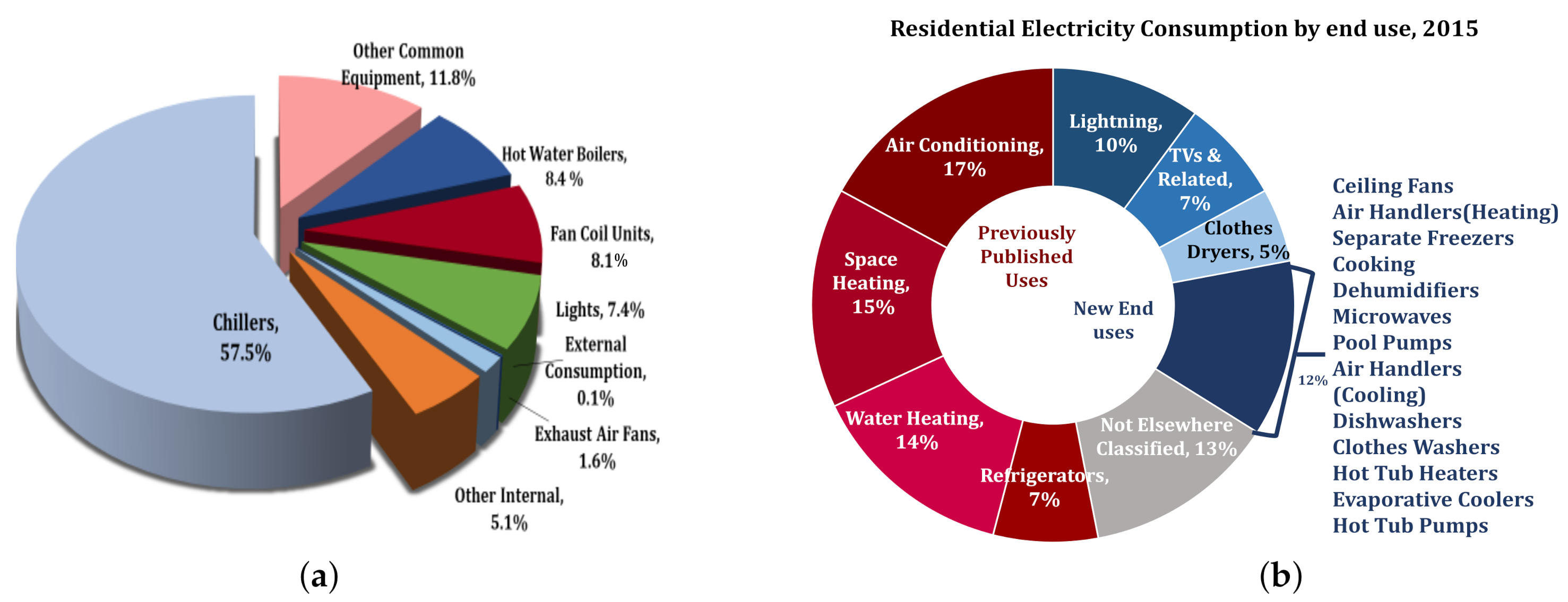
The second category of energy saving relies on changes of building occupant behavior (OB), which is impacting directly and indirectly energy conservation. In a broader sense, OB in buildings is defined as human interaction with any object that results directly or indirectly into energy consumption. Therefore, OB-based saving strategy passes by convincing occupants to change their behaviors. The success of this exercise is closely governed by the strength of the causality relationships between certain OBs and energy consumption. These relationships constitute the vividness of the arguments that incites the energy-use related behaviors to be changed, which is not always straightforward [11]. For this aim, a number of works have advocated that behavioral changes could save up to 50% in heating and up to 70% in lighting [2,7]. Figure 1 presents end-user energy breakdown which is constituted of heating ventilation and air conditioning HVAC (chillers; primary, secondary or tertiary pumps; boilers; Air Handling Unit (AHU); Fresh AHUs; Fan Coil Unit (FCUs)), internal and external lighting, electrical equipment and other miscellaneous uses depending on building typology.
Moreover, it is revealed that through behavioral changes, the consumption of some appliances could be significantly reduced. Consumption of clothes washers and dishwashers, for instance, could be reduced by a factor of two [12]. However, these examples of findings need both, a scientific credibility and a message retention, to convince consumers towards better energy-use behaviors.
Besides its impacts on everyday energy-use, OB is also essential for energy consumption modeling. Indeed, ignoring or discounting consideration of OB will increase the uncertainty in computing and forecasting energy consumption in buildings. This issue can be observed, for instance, in energy simulation tools, where the complexity of energy factors makes simulators assume an arbitrary occupant behavior. Subsequently, many energy simulators and energy-use prediction systems are suffering from the absence of a rigorous modeling of buildings occupant behaviors. Undeniably, large discrepancies in energy consumption can be observed even among buildings with the same structures, same functions, same locations, and similar occupancy.
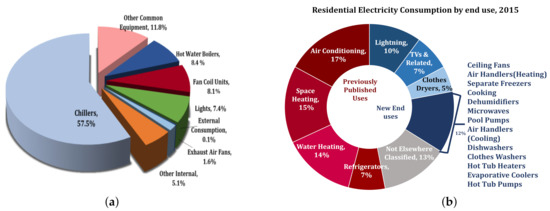
Figure 1.
End-User Breakdown in Buildings retrieved From [13]. (a) In Warm Countries; (b) In Cold Countries.
Figure 1.
End-User Breakdown in Buildings retrieved From [13]. (a) In Warm Countries; (b) In Cold Countries.
Therefore, taking into account occupant behaviors is crucial for an accurate energy-use prediction and rigorous management of buildings [14,15]. Furthermore, some researchers advocate that prospective occupants should be actively involved during the design and operation of buildings to better understand and consider occupants’ behavior towards energy-use efficiency [16]. For these reasons, promoting the rigor of studies on households behavior and their impact on energy saving is of a high importance towards clean and affordable energy. Many works involving households’ behaviors in different ways and for different aims have been proposed during the last two decades [17,18,19,20,21,22,23]. However, the existing reviews lack clear descriptions of OB. In the best cases, OBs were defined in inconsistent ways, oversimplified, and most of their attributes were omitted. Moreover, in some energy modeling works, OBs are mentioned, but never represented as inputs of the built models. In the existing research works and particularly in energy simulation models, the aspects of OB are not well understood and often oversimplified in building life cycle analysis [24,25]. This is due to its stochastic, diverse, complex and interdisciplinary nature. Although several reviews on consideration of energy-saving OBs were proposed in the literature, they did not succeed to report, diagnose and discuss the topic from a multidisciplinary perspective. Research works, such as those proposed, respectively, by Hong et al. [24,26], Delzendeh et al. [25], Yan et al. [27], and Zhong et al. [28] have studied OB-related topics from particular angles, resulting in a partial understanding of such a highly complex problem. For instance, Hong et al. and Yan et al. have studied the OBs data collection and modeling, while Delzendeh et al. as well as Zhong et al. have proposed reviews with the objective of identifying the research gaps for future studies on OB. In this work, we rather present an up-to-date big picture of OB consideration drawn from recent research works. Following a multidisciplinary approach, we explore a range of OBs definitions used in the literature, emphasize their drawbacks and suggest guidelines for developing a comprehensive definition of OB. We also propose a new classification of the major works, considering and promoting OBs based on bibliographical analysis. Simultaneously, we identify critical limitations engendered by the interdisciplinary nature of OBs. We summarize our findings and recommendations towards leveraging the use of OBs. It is worth to note that this study is addressing the role of OB in energy saving with abstraction of the energy sources. However, when writing the paper, more focus is given on electrical energy. This is because electricity is the primary source of energy used in almost all homes, followed by natural gas, which was used in 58% of homes [13]. In addition, most of OB are appropriate for both electricity and natural gas energy, however we illustrate them in the study by examples of activities and behaviours performed in cases of electrical energy use. For these reasons, the role of OB in saving energy in homes is abstracted regarding the source of energy. Thus, the study deals with appliances, energy devices, lightning, and HVAC systems with abstraction of their sources of energy.
The rest of the paper is organized as follows. Section 2 describes the research methodology employed to study OBs as considered in the literature and provides quick bibliometric findings. In Section 3, we gather different definitions of OB adopted by most research groups. Section 4 proposes the major categories of works that consider OB, while inSection 5, we present and discuss the main strategies of changing OBs for energy saving. Lessons learned are presented in Section 6, and finally, Section 7 concludes the paper and outlines our future work.
2. Research Methodology and Bibliometric Findings
The scope of this paper is to provide an overview of current trends in considering humans factors and behaviors into data-driven approaches for enhancing energy efficiency of buildings. This research work was developed by reviewing related works and formulating constructive views. In light of the defined scope, the end goal is achieved by adopting the search methodology depicted in Figure 2, and inspired by [29,30]. This strategy is based on six phases to carefully apply various literature searching processes to systematically review relevant works.
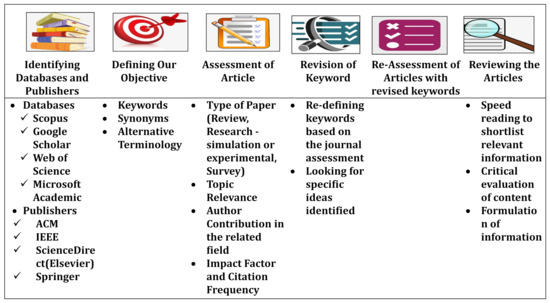
Figure 2.
Research Methodology.
We started the research process with a selection of relevant databases and publications to shortlist various journals related to the research area. We evaluated these journals by evaluating the citation indexes against predetermined criteria of high quality journal eligibility and relevance. Then, we defined the purpose and the objectives of this research using keywords that we deemed essential for shaping our scope. These keywords include, among others, occupant behavior, energy-use, energy saving, and building energy consumption. We used these keywords to discover all articles within the defined scope, based on their abstract or title, across all types of publication venues (journals and conferences). We evaluated these papers using speed reading techniques such as skimming and scanning, as prescribed in [31] on how to critically evaluate a paper to synthesize its main theme. The paper’s theme was identified by reading its title and its abstract. Then, a cross verification process was performed to validate the paper’s relevance to our objectives. This phase was followed by a revision of the initial set of keywords to narrow our search scope and focus on closer ideas to our review’s ultimate goal. According to the identified OB-related reviews and papers, the most frequent keywords used by scholars in this subject area are occupant behavior, energy consumption or energy use, energy simulation or modeling, energy efficiency or performance, followed by comfort and behavior as depicted in Figure 3 presented by [25] et al.
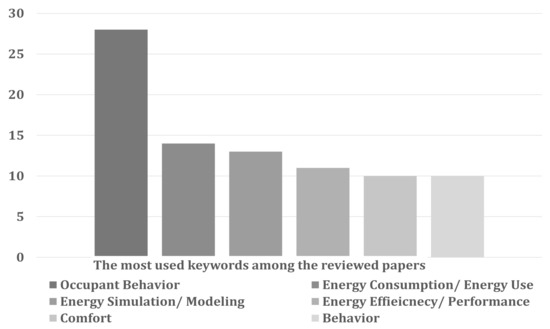
Figure 3.
Frequency of keywords used in 43 journals. Reprinted with permission from Ref. [25]. Copyright 2017 Elsevier.
Consequently, we identified a number of papers using the stated strategic keywords. We, then, classified these papers by paper type, namely: survey (Literature review or interview/questionnaire type), case study, empirical experimentation, or pilot type studies. Further, we synthesized the selected works to discover the shortcomings and the major limitations, which helped to tailor our objective of promoting the consideration of OB in modeling and managing energy consumption.
The phases of the review methodology allowed to discover shortcoming and limitations at different levels of considering OBs in the research works. For instance, a primary bibliometric analysis of the outputs of the first three phases revealed the findings presented in Section 2.1, Section 2.2 and Section 2.3.
2.1. Occupant Behaviors Receive an Increasing Interest in the Recent Years
Google Scholar, Web of Science and Scopus databases, the leading citation index organizations, were utilized to feed our bibliometric overview. The term occupant behavior was used to select any paper where it was found in the title, abstract and/or keywords. Figure 4 shows the result of such a search from 1980 to 2021, where we identified more than 5850 publications, irrespective of the discipline of research or document type.
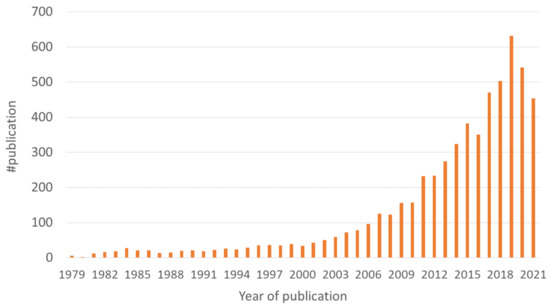
Figure 4.
Increasing Interest in Considering OBs.
On inspection of the illustration in Figure 4, it is evident that the results related to the impact of buildings OB on energy consumption were mostly published in the recent years, between 2014 and 2021. Moreover, the number of publications considering modestly OB, did not exceeded 50 until 2003. This observation was accurately in line with the findings of Zhang et al. [28], who discovered that a rapid development in the interest in OB was witnessed only after 2005, as described in [28] et al. Over the last 20 years, the research community has increased the interest into OB-related topics, as illustrated by the increase in the number of publications. The latter steadily rose from 2002 with a peak of 450 publications in 2019, as illustrated in Figure 4. It must be noted that the number of publications for the current year is unreliable at the time of writing, as this article is written during the end of second quarter. Hence, it can be concluded that the number of publications on OB topic is still to reach its peak and steadily seeking attention from multidisciplinary researchers in different disciplines.
2.2. Research Works on Occupant Behaviors Are Majorly Led by Developed Economies
The search summary depicted in Figure 5 indicates the USA, UK and China are the leading contributors on the OB research area. More than 90% of the identified research works on OB topics are accomplished in 10 countries (including the Group of Seven: G7) having the most developed economies. Therefore, such developed economies highly recognise the importance of considering OB in energy consumption analysis. Unfortunately, in the developing world, where the energy is mostly consumed at the household level, OB studies are not attracting the interest of both academia and industry.However, OB studies should also be of greater importance in the developing world, especially given the impact of OB on saving energy. Moreover, it is notable that the simulation results, identified within papers from the developed countries, are prone to be based on predefined climatic conditions favorable to their region. This indicates that in other regions, probably with harsh climatic conditions, like the equator band and the Middle East, OB should be studied within different climatic and economic contexts.
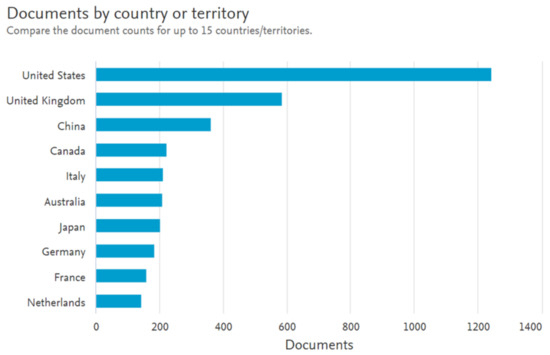
Figure 5.
Interest in Considering OB by Country.
2.3. Building Energy-Saving Is Increasingly Considering OB Rather Than Passive Building Features and Operation
In correspondence to the subject areas, most of the OB-related studies are focused on modeling energy consumption and tuning parameters with respect to the occupants’ interaction with the building design. This can explain why OB was more studied under building engineering research area (i.e., 35% of OB-related publications) as depicted in Figure 6.
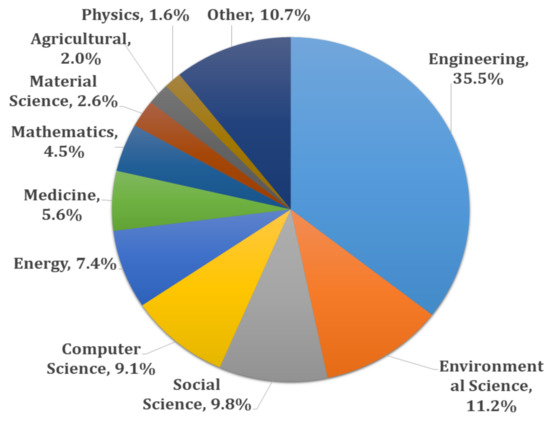
Figure 6.
Interest in Considering OB by Discipline.
Energy-related papers promoting low-energy consumption in buildings are advocating passive design features, such as natural ventilation and daylight usage, and conventional fixed-schedule operation of building systems. These features and predefined building operations may affect the proactive occupant interaction when the level of comfort is inconvenient.
However, recent research works are now moving towards considering instant occupant behaviors models [28,32,33]. They use more detailed information that has not been widely considered in energy modeling and analysis.
To constrain the search criteria by limiting the scope, focusing closely on the new trends of considering OB, further searches were made through the already retrieved 5850 articles (i.e., by considering only the keywords occupant behavior or behaviour). We limited our search to the recent existing works published in the last two decades. We emphasized on the influence of occupant behavior on building energy load using more relevant keywords used in many recent works that consider OBs. Most of the keywords from these works are shaping a trend towards instant OB consideration within data-driven approaches. In particular, these trends are aiming at forecasting energy load, classifying energy-use, and identifying energy patterns.
Examples of keywords include prediction, forecast, prognosis, classification, machine learning categorize, pattern and synonyms along those lines.
These results correspond to papers (i.e., 485) that focus on forecast and prediction of occupant behavior, on load forecasting while considering OB, and on comfort-related studies. Their authors try to clarify a few gaps about considering some partial OBs in the literature.
These search trends resulted in an increasing number of papers showing a growing interest into involving OB, with its multidisciplinary facets, in data driven approaches to analyze, model and forecast energy use. These results are illustrated by energy, as well as, their use of OB studies, as depicted in Figure 7.
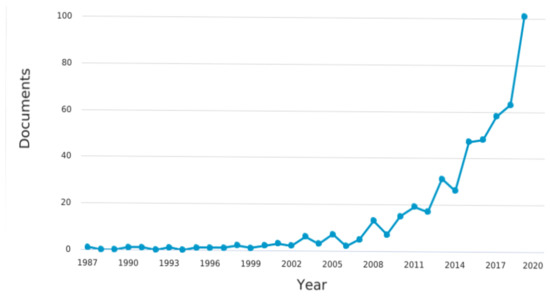
Figure 7.
Evolution of Considering Occupant Behavior Within Data Driven Approaches.
An overview of these works is presented in different sections of this study.
3. Definitions of Occupant Behaviors in the Literature
3.1. Applied Definitions of Occupant Behavior
Energy consumption is governed by any human interaction with energy-use. Many works have adopted this statement and tried to define occupant behavior from different points of view and according to certain research goals. Several definitions and descriptions of OB are carried out in the literature. For instance, Zhang and Jia [34] used an engineering approach to define OB, and Guo et al. [35] used a sociological pursuit, while several researchers preferred using building occupancy as the major suit of features influencing OB and, subsequently, energy consumption [36]. Detailed occupant schedules and control settings were used by Hong et al. [16], where OBs are represented by 7 parameters set with respect to three work-style categories of occupant namely, Austerity Standard, and Wasteful, while other works only mention the necessity of including the effects of occupant presence in the calibration of simulation-based models [37].
In other works, occupant behavior is represented by one or many occupant interactions with control systems and building elements to reach their own personal desired level of comfort [25]. This is done in different ways, ranging from opening and closing windows, to using lighting and controlling solar shading (e.g., adjusting blinds) HVAC systems (e.g., air-conditioning, thermostat temperature), heaters, and electrical appliances.
From a social psychology viewpoint, Guo et al. [35] review article on residential electricity consumption behavior of consumers, considered number of family members, lifestyle, age composition of family members, as well as the social status and economic situation of a family, based on their objective, to identify a prominent intervention strategy that promotes energy-saving.
Similarly, McLoughlin et al. [32] identified that socio-demographic household characteristics, such as age of household members and social class, are also influential for energy consumption. However, when socio-demographic characteristics are examined in conjunction with behavior, they are often the variables of lesser importance [38].
In terms of other household characteristics, ownership of appliances was identified to be with most predictive power of residential energy consumption [39]. Every household in a building has its unique yearly consumption due to a wider array of appliances and behavioral patterns [34,40]. Thus, variables, such as behavior and lifestyle, describing the ways in which households use energy become relevant to research works targeting energy consumption. However, the role of occupant behavior in the effectiveness of the building energy-saving policy remains complicated.
Characteristics of the buildings were also identified as an influential factor. Examples of such building characteristics include the number of bedrooms [32], the kind of water heater, as well as the type of air conditioning present [38], while socio-demographic household characteristics were in some studies [39] identified as more influential than building characteristics, self-reported attitudes and beliefs about climate change were on the other hand found to play an insignificant role when considered by itself [39]. However, a positive correlation was discovered between households with higher electricity consumption, and to a large extent households that believed in climate change could make electricity savings [39].
In works that compare particular types of factors related to households, it is emphasized that owned-appliances information is of greatest importance, followed by socio-demographic household characteristics and then building characteristics.
The different perspectives from which OB is described indicate that there is a need of an interdisciplinary definition of OB.
3.2. Theoretical Frameworks of Occupant Behavior
Variables, such as behavior and lifestyle, describing the way in which households use energy, become relevant to research works targeting energy consumption. However, the role of OB in the effectiveness of buildings energy-saving policies remains unclear. To relieve this issue, Guo et al. [35] proposed to pay attention to three aspects, namely, the factors influencing residential electricity consumption in social psychology, the theories of social psychology in understanding residential electricity consumption behavior, and the different interventions aiming at encouraging households to reduce electricity consumption.
Delzendeh et al. [25] proposed a framework, specifying the factors and sub-factors that influence energy-related occupant behavior. Indeed, seven factors, namely, climatic parameters, building type, sate of occupants, social-personal, economical parameters, regulations and policies, and architecture, directly influence energy behavior of occupants, as depicted in Figure 8, reproduced from [25]. The influencing factors are also broken-down into 12 sub-factors to better explain the rational behind a specific occupant behavior. This framework is useful to understand the interaction with building systems with respect to the influencing factors and sub-factors. Indeed, given these factors’ status, the occupant will proceed to interact with the building system and, in particular, with the energy devices, in certain ways. For example, the occupants will control the indoor environment for health, and to obtain thermal, visual and acoustic comfort inside buildings. Subsequently, these factors could be subjected to rebound effects in terms of energy consumption.
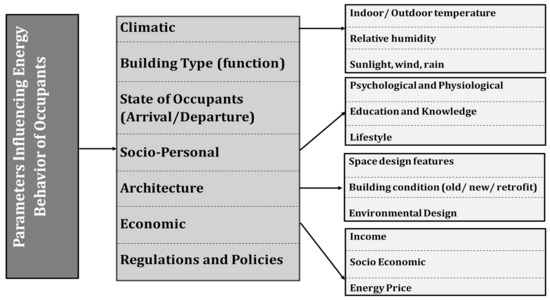
Figure 8.
Factors and sub-factors influencing energy behavior of occupants. Reprinted with permission from ref. [25]. Copyright 2017 Elsevier.
Hong et al. [41,42] proposed a technical framework to describe OB for buildings energy simulation. This framework, as depicted in Figure 9, models the impact of the behavior of occupants or groups of occupants on buildings energy use. The authors identified four main components—drivers, needs, actions and systems. Each of these components is grouping a set of aspects, reflecting different levels and state of occupant behaviors as follows:
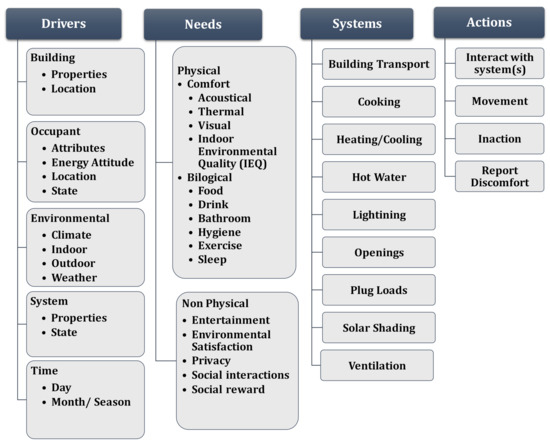
Figure 9.
OB Technical Framework. Adapted with permission from ref. [41]. Copyright 2015 Elsevier.
- Drivers: represent the stimulating factors that provoke an occupant into performing an energy-related behavior or an interaction with a system.
- Needs: represent the physical and non-physical requirements of an occupant that must be met in order to ensure the satisfaction of the occupant with their environment.
- Actions: are interactions with systems or activities that an occupant can conduct in order to achieve environmental comfort.
- Systems: refer to the equipment or mechanisms within a building with which an occupant may interact to restore or maintain the environmental comfort of the occupant(s).
3.3. Occupant Behavior Data
Relevant types of occupant behavior data were gathered through several collection methods; however, the granularity and quality of the resulting data depends upon the methods used. Residential data was classified as available data set in addition to the data gathered through data loggers, sensory data, censuses, questionnaires and interviews. Many facets concerning households were based on socio-demographics, socio-economic characteristics, while data that originated from a census often had a higher degree of aggregation, such as a household mean or per capita [43]. Table 1 summarizes the different data collection methods, identified alongside the various algorithms used by researchers. In Section 4, we categorize the data collection processes according to the level of presenting the consumption characteristics of occupants. Therefore, we distinguish among load profile data, load signature and other OB meta data.

Table 1.
Data Collection Methods.
3.3.1. Load Profile and Load Signature
The energy consumption has different levels of detail; for example, as annual consumption figures that originate from electricity bills showcase overall consumption measures per month; or as time-series representations from smart meters which present day-to-day consumption results. The latter is commonly referred to as load profiles; features derived from load profiles are used to customize profiles in energy modeling. A basic ASHRAE load profile can be used in place when this type of data is not available.
Another way of representing energy consumption is through load signatures, which are fingerprints of the consumption patterns of specific types of appliances. Often, load signatures are constructed and then, at a later stage, used for appliance identification. Acquiring the detailed consumption traces needed for the creation of load signatures of appliances involves some kind of intrusive metering of specific appliances. Alternatively, the appliance rating plate data can be used to derive an appropriate load factor to estimate the annual energy consumption.
3.3.2. OB Meta-Data
The process of collecting occupant behavior meta-data has to be comprehensive when surveys, questionnaires or interviews are used. Otherwise, it may be collected automatically by utilizing sensors, data loggers or by inferring activities based on appliance usage and rating plate data. Ways of representing the data include both the sheer number of times an activity (i.e., energy-use ) is performed, known as loading factor, and the time span during which an activity takes place with respect to the maximum capacity of the load, known as capacity factor.
In addition to the data expressing OB aspects, several external variables that deeply impact occupant behaviors are commonly gathered for use in data-driven approaches, namely weather data (climate-zones, the type of day such as weekends or national holidays) and energy prices (tariff prices). The behavior segmentation output can be also an input data that summarizes OB profiles. It typically involves unsupervised machine learning algorithms and other approaches such as subgroup discovery. A multitude of these segmentation techniques is used in the literature, each with their own advantages; however, k-Means and Self-Organizing Maps (SOM) were favored (see Section 4.2.1).
4. Major Categories of Occupant-Behaviors Related Works
Most of the existing research works involving occupant behaviors can be seen under one of two categories, namely, (1) improving the energy load/consumption forecasting, and (2) households segmentation. In these two categories of works, occupant behavior is considered and represented either explicitly or implicitly, and with varying levels of details.
4.1. Improving Energy Consumption Forecasting
In the review of works on improving energy consumption prediction, OB is represented from different points of view and at different level of abstraction. For the sake of simpler big picture, we distinguish among four major perspectives of representing OB towards forecasting accuracy improvement: (1) OB seen as occupancy, (2) OB summarized by load profiles, (3) OB represented by household socio-demographic characteristics, and (4) OB seen as dominated by appliance-use patterns.
4.1.1. Improvements Based on Occupancy
Zhao and Magoulès [36] highlighted buildings occupancy as one of the major aspects for predicting energy consumption. They discussed engineering models of varying fidelity, as well as data-driven statistical and AI approaches. In addition to factors, such as weather and operating systems present in buildings, they highlighted occupants presence and behavior as one of the drivers behind energy consumption. They interpreted data in the statistical form called ARIMAX which was linked to electricity consumption and weather data in an ANN model. Zhao and Magoules [36] did not specifically discuss how detailed the occupancy parameters were considered, even though they name it as “one of the aspects”. However, Wang et al. [51] have reviewed statistical methods, that possess good abilities to include variation in occupancy using the capabilities of data-driven artificial intelligence approaches. In particular, Wang et al. [51] focused on contrasting occupancy single learner models with ensemble models. In addition of reviewing the recent developments in the artificial intelligence based approaches for energy use prediction, Wang et al. [51] constructively, presented the issues associated with collecting data on occupancy. They also summarized some findings related to the difficulty of acquiring of occupancy details due to their stochastic nature and diversity. Amasyali and El-Gohary [52] considered occupant behaviors and defined them via building-use schedules, occupancy levels, heat gain (specific and latent) caused by occupants, and frequency of lights usage, alongside parameters responsible for cooling load directly or indirectly. Such a consideration, as an essence, is highly valuable to effectively derive building energy models with high accuracy.
4.1.2. Improvement Based on Load Profiles
A considerable portion of energy use within households stems from actions taken by household members. Since such actions and behavioral patterns are highly variable across and within households, accuracy of energy use prediction suffers as a result. A household’s or occupant’s behavior patterns can be characterized through time-series data, known as load profile that indirectly informs on household energy use. Laurinec et al. [53] found households with similar behavior patterns in their load profiles through k-Means clustering as a pre-step to predicting future consumption. Laurinec et al. [53] examined nine different prediction approaches for forecasting the energy consumption of households, small and medium enterprises using load profile data. They evaluated how profile load- based clustering, as a pre-step, would improve the results. The authors clustered load profiles of different households to find consumers with similar behavior patterns. The experiment was repeated for seven methods while distinguishing between workdays and weekends data. Significant improvements were observed for all the used methods. Hsiao [54] focused on a single household load profile in Taiwan and instead of finding similar consumers, used hierarchical clustering with Ward’s linkage to find groups of days that exhibit similar load profiles. This was a part of a larger load prediction mode using load profiles. Daily consumption was first clustered to find days with similar behavior patterns. Each cluster was treated as a class and aided by context characteristics such as weather, economic information and a feature selection technique. This includes day of the month, wind speed, humidity and whether the day is a holiday or a working day. Further, a Back-propagation Neural future consumption. The proposed consumption forecasting model was validated and compared to several existing ones. The authors’ findings confirmed that the proposed model achieved the lowest error.
4.1.3. Improvement Based on Household Socio-demographic and Psychological Characteristics
Building consumption and in particular the residential electricity is commonly seen indirectly impacted by social psychology, socio-economic and demographic characteristics of occupants [55]. Indeed, these factors are frequently described to potentially influence occupant behaviors towards energy use. Guo et al. [35] reviewed works related to the behavior of consumers and highlighted various influential demographic and socio-psychological factors such as number of family members, age composition of family members as well as the social status and economic situation of a family. The authors also reviewed works on social psychology theory for understanding occupant behavior and advising prominent intervention strategies towards energy-saving. They also identified various challenges and opportunities for research in the ‘big data era’ such as using data from social networks and online shopping information for analyzing the energy consumption of residents.
An energy conservation experiment on behavioral intervention strategies was conducted in China by Shen et al. [19]. A total of 48 characteristics on personality traits of occupants, demographics, building characteristics, weather information and other energy behaviors of household were collected through surveys to predict future electricity consumption. Akaike Information Criterion (AIC) was used for features selection and Support Vector Regression (SVR) for prediction. The features selection was drawn from the survey where behavior related to air-conditioning, lighting and household characteristics such as number of family members, house size and frequency of cooking were highlighted. In total, 18 socio-demographic characteristics were highlighted and the rest was omitted for brevity. An SVR model with a radial-basis function (RBF) kernel yielded the lowest MAPE at .
Boulaire et al. [56] studied energy consumption in Australia at the district-level where they use census, climate zone and aggregated energy data to predict electricity consumption of residential households in a district. They highlighted relevant predictors based on socio-demographic household characteristics for a district included the total number of people, the number of households, the household income and the climate zone. By considering these characteristics, the built forecasting models have achieved high electricity prediction accuracies. Regression analysis was performed for predictions with AIC for feature selection and Variation Inflation Factor for multi-colinearity investigation. The model was used to investigate the effects of the global warming and the increasing population.
Motlagh et al. [43] focused on per capita consumption instead of households or appliances and attempted to generalize the consumption to the state and the national levels. The study was based on data from 130 households in Australia and included socio-economic factors such as age, income and family composition. A prediction model using Neural Regression and a Fuzzy Cognitive Map (FCM) was used and validated against reference data from Australian statistics bureau. By achieving a high prediction accuracy, they argued that estimating the per capita consumption was the fundamental element in a bottom-up model, which can be scaled up to the state or national levels. Similarly, Zhang et al. [57] proposed a framework for generalizing household-level energy consumption to a neighborhood-level in the United State urban regions. They first linked a limited dataset of household energy use with a larger dataset of household socio-demographic and economic information based on their statistical properties. The authors subsequently tested nine different prediction models to find that Elastic Net Regularization, a linear regression variant, showed the lowest error and the highest for the household energy-use problem using socio-demographic data. Finally, the authors synthesized a number of representative households using the simulation tool PopGen 1.1 (https://www.mobilityanalytics.org/popgen.html, accessed on 7 February 2022), and validated them on the Atlanta Metropolitan Area. Here it is found that the proposed model gave similar estimations to the United States Energy Information Administration (https://www.eia.gov/, accessed on 7 February 2022). Results showed that households in the central metropolitan area and its peripheral areas consume more electricity than households in other areas.
4.1.4. Improvement Based on Predicting Appliance-Use Patterns
Load prediction in buildings requires appliance usage prediction when future user requests are not available. Predicting appliance usage and energy consumption is a non-trivial task because of uncertainties associated with an appliance usage. There are several works considering OB as potentially impacted by appliance-use patterns. For instance, Basu et al. [48] proposed a general model using a knowledge-driven approach to forecast if a particular appliance will start at a given hour or not. The proposed model was validated using a dataset containing the consumption record of 100 houses for a period of one year. The results of the prediction model indicated that the approach is able to predict accurately the appliance usage.
To predict the load of each individual appliance in a household by using only load profile, Arghira et al. [58] attempted first to divide the data into seven segments, i.e., one segment for each day of the week. For each segment, they succeeded to compute the probability of energy that appliances would consume on an hourly basis.
Similarly, sequential association rule mining was used by Cao et al. [59] to discover frequent patterns of appliance-use in terms of order, duration and time-windows. A number of Gaussian Mixture Models (GMM) were used for discovering these appliance use patterns, based on circuit and appliance-level electricity consumption in one-minute intervals from 800 households in the United States. Relying on the data’s statistical properties, the authors were able to predict accurately time-windows during which given sequences of appliance usage events occur.
Albert and Rajagopal [7] modeled the energy use of occupants and learned a Hidden Markov Model (HMM) per household through an EM-algorithm. The data used for this study included a survey of various household characteristics such as appliance ownership and occupancy along with weather information. The authors found that appliance-use data is mostly explaining for the consumption magnitude. Furthermore, it was demonstrated that learning a model per household was effective as each one is achieving a high accuracy, while there existed significant variability across the data set of about 1100 households. While emphasizing the importance of predicting the consumption of appliances in buildings in order to manage the global load, Din et al. [60] investigated techniques and proposed Deep Neural Networks (DNNs) for short-term appliance-level power profiling and forecasting. Several experiments have been conducted over real appliance-level data sets gathered from many residential households, and a high prediction accuracy was achieved.
Other studies use data of a finer granularity; for instance, appliance consumption or by modeling behavior of households directly. Some of the methods within this approach have stochastic or probabilistic elements. For instance, Hawarah et al. [61] modeled household behavior in order to forecast the probability of appliances being used at a specific time of day to set up a home automation system. This was done based on a data set of start times, duration of use, categorizing types of appliances and energy consumption of appliances in 10-min intervals. Bayesian Networks were applied for each type of appliance where hour, month and weekday were modeled as causal nodes in the network. The authors were able to successfully output probabilities that change over time but could not build a learning system on top of it.
More load prediction works at the appliance level are needed for better consumption forecasting at household and greater granularity-level. In this direction, Zhang and Jia [34] argued that behavior modeling in residential buildings is far more complex than in commercial buildings, because of the vast diversity of appliances and behavior patterns, which incite researcher to alleviate this complexity.
4.1.5. Summary of Load Forecasting Works Considering OBs
The accuracy of energy-use prediction models could be improved through a variety of approaches. For example, by using a pre-step of clustering to identify and then construct more appropriate models or by employing feature selection methods such as AIC to better choose the best household-characteristic predictors. Other works that considered OBs to improve load forecasting and other related solutions are summarized in Table 2 as an additional sample to the 18 works described in Section 4.1. These research works [19,43,53,54,56,57,59] are mainly described by their used household and building characteristics, occupant behavioural characteristics, and machine learning techniques.
Table 2.
A summary of load forecasting additional research works considering OBs.
4.2. Households Segmentation
To better perform the segregation of households, occupants or their energy use behavior, a number of strategies were employed and described in the literature. These research works advocate that involving occupant behavior and household characteristics should improve the accuracy of segmentation models. In particular, improvements of accuracy and load profiles determination were mainly achieved by using clustering of household properties and energy-use behavior, classification of households, and buildings, and determination of appliance load profiles.
4.2.1. Clustering of Household Energy-Use Behavior
Gullo et al. [62] clustered load profiles of electricity customers, primarily residential, using k-Means and a novel top-down approach called TS-part to distinguish between workdays and weekends. The authors investigated whether dynamic time warping (DTW) could improve the results compared to the classical euclidean distance. Overall, TS-part achieved higher quality clusters than k-Means, while DTW improved both algorithms.
Albert and Rajagopal [7] took an entirely different approach to model the energy consumption of users and learn a Hidden Markov Model (HMM) per household through an EM-algorithm. The HMMs are subsequently clustered to find similar households. The data used for this study included a survey of various household characteristics such as appliance ownership and occupancy along with weather information. A subset of these data are converted into a set of binary questions and used for evaluating the model using the ensemble method AdaBoost. The authors found that appliance-related questions are mostly related to consumption magnitude. They concluded that learning a model per household is more useful, while there exists significant variability across the dataset of about 1100 households.
Jin et al. [45] performed subgroup discovery based on smart-metered and socio-demographic data collected in the United Kingdom from nearly 5000 households. They discovered subgroups of households, given various characteristics and targets as inputs. The authors have empirically evaluated the effectiveness and usefulness of subgroup discovery and proposed three new-quality measures for real-valued targets.
Pan et al. [63] performed k-Means on load profiles from two housing communities in Shanghai. The data set consisted of data collected from very similar apartments where most appliances were similarly pre-installed. This was done to minimize the effect of factors such as a household’s size, differences in appliances and insulation. The authors also attempted to factor in weekends and seasonality, to conclude that there is significant potential for energy savings with young workers compared to older generations.
Albert and Rajagopal [7] proposed an energy consumer classification model to find households with similar behavior based on their load profile. Weather information, socio-economic and demographic data from a survey were also taken into consideration, but not during the cluster analysis. The authors showed that temporal patterns of the user’s consumption data are able to predict with high accuracy.
Grigoras et al. [64] looked into the potential of self-organization for classifying energy consumers based on their daily and monthly load profiles as well as minimum and maximum loads in rural Romania. A simple one-dimensional SOM, a clustering technique, was used and a reduction in estimation error was observed from 3.85% to 2.14% compared to previous work using AHC in Grigoras and Scarlatache [65].
In their study of automating classification of residential households in Switzerland through their load profiles and a questionnaire, Beckel et al. [23] used a SOM to cluster similar households based on a number of characteristics derived from their consumption data. This was validated through data from the survey and a series of visualizations where the authors concluded that only a subset of household characteristics, such as number of bedrooms, could be inferred. Lastly, the authors conducted a series of interviews with energy providers to validate their attempts to find ‘high-potential’ consumers for energy consulting-services. Cipriano et al. [66] took a different approach and attempted to find representative households for blocks of buildings in Spain in an effort to find influential factors in energy use utilizing electricity and gas bills. This was complemented with a survey which included household characteristics and behavioral attributes such as time spent at home, use of appliances as well as socio-economic information. Motlagh et al. [67] investigated the impact of rooftop solar panels on residential consumer’s electricity consumption behavior through clustering. Heavy emphasis was placed on detecting specific patterns, such as a mid-day peak in consumption from recharging an electric vehicle. Along with using PCA for behavior extraction, the authors employed competitive learning through an unsupervised Hebbian neural network to identify similar behavior patterns. This effort successfully revealed some general behaviors, but failed to highlight certain specific behavior patterns.
Rahayu et al. [50] proposed a method of classifying on/off/standby state of appliances using kNN, based on discretization of appliance load and an EM-approach to clustering. The method developed by the authors had the capability to handle only a subset of appliances in a residential household being monitored directly with regards to the training data, while their load at the same time was included in overall household consumption. The authors, carried out experiments upon 4 US households showing a high clustering accuracy.
4.2.2. Classification of Household and Building Characteristics
Another popular method was SOM (defined in Section 3.3.2) or Kohonen network, originally introduced by Kohonen [68]. SOMs were used by Beckel et al. [44] to infer household characteristics. The work was extended in Beckel et al. [23] by using a classification model based on kNN, a linear discriminant analysis (LDA), a Mahalanobis classifier and an SVM-based classifier. In the evaluation of the proposed models, data from 3488 Irish households was used along with a detailed questionnaire for various behavior and household characteristics. The built classifiers succeeded to identify accurately household and building characteristics label such as the floor area and number of occupants.These labels are useful parameters for energy providers to shape premium services (e.g., energy consulting) for their customers [44]. In a later study, Beckel et al. [46] used the same data and classification model to determine if weather information can improve the model’s accuracy. They observed an increase of 2.3%.
In an attempt to evaluate the usefulness of subgroup discovery when compared to k-Means, Jin et al. [45] trained a C4.5 decision tree for classifying consumers based on 14 socio-demographic factors. The subgroup discovery was successful in identifying unusual patterns for groups of occupants.
As a pre-step to cluster load signatures of appliances, Hassan et al. [69] used k-Means on data from the benchmark dataset REDD. They employed three diffrent approaches for load signatures extraction in order to characterize consumption patterns of household appliances. On comprehending this narrative description, Table 3 presents a summary of the types of algorithms identified in various review papers based on clustering and classification techniques.
Table 3.
A summary of research works on clustering and classification of households and buildings considering OBs.
4.2.3. Determination of Appliance Load Profile in Buildings
Several works have been carried out in the literature to identify how appliances are used by building occupants. For instance, Dinesh et al. [49] used a simplified version of the Mean Shift Algorithm introduced by Cheng [75] to find representative load signatures in their load disaggregation study. They employed a Non-Intrusive Load Monitoring approach for appliances power profile/signal estimation based on Bayesian Classification to track appliance status in a building. Similarly, Hassan et al. [69] have evaluated appliance load signatures. They proposed an approach based on V-I trajectory—the mutual locus of instantaneous voltage and current waveforms—for accuracy of prediction in classification algorithms used to disaggregate residential overall energy-use and predict constituent appliance load profiles. They used classifiers based on SVM, AdaBoost, ANN, as well as an ANN combined with an evolutionary algorithm. The results of the presented approach were obtained on power consumption traces aggregated from twenty types of appliances. The derived models were robust and also competitive with existing approaches.
In the work of Basu et al. [48], appliances were identified from consumption traces to predict future consumption trend. The authors argued that an intrusive approach would improve prediction accuracy for load disaggregation with low sampling rate. The processed smart metered data presented evidences that high energy consuming devices were of primary interest with a sample using a time scale of 15 min, although authors achieved good results even with a time scale of 1 h.
Dufour et al. [47] identified appliances via disaggregation on energy consumption with a sample-rate of 1 s. For the identification of devices, SVM technique was used.
Summarizing these reviews, Table 4 presents methods and techniques that have been used for energy disaggregation as identified in the relevant review papers with respect to the granularity of the energy model data.
Table 4.
A Summary of the reviewed research works on energy disaggregation.
5. Changing Occupant Behaviors towards Energy-Saving
Occupant behaviors heavily influence the degree to which energy waste takes place, as well as the ability to shift-deferrable uses of energy to times of the day where more renewable energy is available. Thus, changing occupant behavior is another angle for achieving energy savings and for better utilizing the supply of renewable energy.
5.1. Changing Appliances Use-Behaviors
To determine the appliance groups for which households are able to save energy and shift loads via changed behavior, Kantor et al. [20] used data from 18 Canadian households. With this data, the authors compare a year of baseline consumption for each household with appliance level consumption monitored over two subsequent years. First, the authors identify households that saved energy or shifted load to off-peak periods by segmenting them into groups, based on the change in the total amount of energy consumed and the percentage-wise change in the amount of energy consumed in off-peak. Afterwards for the households that managed to change, correlations were found in the appliance-level consumption to determine how each household managed to change. The results show that an ability to save energy correlate with changes in the use of air conditioning, high-energy consuming devices and other appliances that require interaction with household members to consume energy. An ability to shift loads were correlated with changes in the use of brown appliances such as computers, wet appliances such as washing machines, as well as other high energy consuming devices and appliances that require interaction with household members to consume energy.
As shown by Kantor et al. [20], changes in behaviours provide the capability to save energy and shift loads for many types of appliances, but the question is how to bring about those changes in a way to achieve energy saving.
5.2. Strategies to Change Occupant Behaviors
As discussed by Abrahamse and Steg [77], even though energy use is mainly determined by socio-demographic variables, it is not what drives results for changes in energy use. According to the authors, energy savings are on the other hand associated with psychological factors. An overview of theories that attempt to describe the psychological factors in relation to energy savings and behaviors are listed by Guo et al. [35], where a range of intervention strategies to address the psychological factors are also presented.
5.2.1. Increasing the Level of Awareness and Commitment to Change
Behaviours that lead to energy waste frequently stem from a lack of awareness of the actions that cause energy waste to occur, rather than wanting to waste energy. Strategies that target the lack of awareness directly or indirectly are also present in the literature. One of these strategies consists of directly providing information to people about the benefits of saving energy and practical techniques to help achieve energy savings [25]. The information can be very general or be tailored specifically as feedback to a single household [35]. A few examples of feedback mechanisms are given in the load prediction study by Shen et al. [19], namely energy saving tips given on paper, via an online chatroom, as well as a monthly face-to-face consultation. In Germany, a higher level of awareness of how energy is spent within a household is shown to be increased through the installation of photovoltaic panels. However, the increased level of awareness is necessary to achieve an actual decrease in the total energy consumption of households, but not sufficient. Therefore, subsequent effective changes in behavior and attitudes seemed necessary according to Wittenberg and Matthies [78]. This can be supported by environmental motivation such as providing information specifically for load shifting. An example is for utility companies to give households information on what the percentages of renewable and non-renewable energy available in the grid are over the course of a day, such that changes in behavior is encouraged [79].
One of the intervention strategies consists of establishing a commitment to change within a household, for example through a contract or another form of promise. Another method consists of setting a goal with a specific percentage to save in mind. The commitment strategy works well in the beginning although the effect fades as time passes, whereas goal-setting does not work well if the goal is either set too low or too high.
5.2.2. Reward, Incentives and Social Norms
Energy savings have also been achieved in households through the use of rewards and incentives [35,80], which are often based on financial means, laws and regulations, as well as social incentives. Financial incentives typically have immediate effects, whereas social incentives work better in the long term. For financial incentives it has been shown that household members act more frugal in terms of their consumption when they are responsible for the energy bill [25], and that electricity pricing can be used as a mechanism for load shifting [81,82]. Other types of rewards such as social incentives are also investigated. For instance, Horne et al. [79] discussed the use of cultural aspects such as social norms, as well as harnessing the competitive mindset of humans to cause changes in household consumption behavior. When reductions in energy consumption are seen in a positive light culturally, the authors show that more efforts to reduce energy consumption are taken when publicly presenting efforts to reduce energy consumption. The authors concluded that harnessing social norms as a driver for energy consumption savings is especially viable in areas of the world where energy prices are low, and where financial incentives thus might have limited impact.
As we have shown, many options are available to encourage changes in behavior. Classification methods can be utilized to determine where to target a specific strategy. To determine which strategy to apply, a similar approach to load prediction taken by Shen et al. [19] is useful. Here the authors included intervention strategies as part of their load prediction model, in order to correlate energy consumption, household characteristics and the effect. Table 5 summarizes the reviewed research works.
Table 5.
An overview of reviewed intervention strategies for encouraging changes in energy-use behavior.
6. Lessons Learned
The outcomes of this study include the identification of a number of challenges while considering OBs in different research works for improving the accuracy of load prediction and households segmentation. Encouraging changes in energy-use behavior is also shown to be a very complex problem. One of the rationals behind these challenges and drawbacks is the lack of unified OBs’ ontology and definition. The targeted ontology should cover a range of concepts, techniques and tools for OBs data collection and OBs modeling.
6.1. Challenges and Limitations
The evaluation of various papers leaded to the following main challenges and limitations related to the definition of OBs as well as to the OB data collection and acquisition.
- Oversimplified definition of Occupant Behavior. Both adaptive and non-adaptive occupant behaviors are mostly ignored or omitted throughout the whole building operation process. In the best case, the definition of OB is oversimplified and the occupant behavior is represented by one or few characteristics or activities of occupants in a building. For instance, many researchers narrowed down OB to be expressed as the occupancy rate [33,83,84]. However, as identified by Jia et al. [33], occupancy is an important quantitative element of occupant behavior, but it is not sufficient to represent the OB in many energy-use environments. Hence, a priority requirement is to identify a more comprehensive set of quantitative aspects for defining OB.
- Lack of common agreement on validity and applicability of OB modeling in energy simulation systems. In many research works, occupant behavior is found to be important but its involvement in the energy simulation is limited to assumptions rather than realistic behaviors that should be based on actual data. For example, Peng et al. [85] assumed three typical lifestyles of occupants derived from a simple description of occupant activities, in their simulation study. Other engineers employ user-defined profiles to determine HVAC set-points, lights scheduling and plug-in loads [86], while some user customized code for the similar operation [87]. More details of these approaches are presented in [16].
- Occupant Behaviors are interdisciplinary and complex. Occupant behaviors are driven by finding solutions to improve the occupant’s comfort, satisfaction and health, while looking for potential energy savings behavioral programs, sociological, psychological and engineering considerations have to be taken into account to identify a representative set of aspects of OBs and policy effectiveness from the building-level scale to the community scale. For instance, some authors provide evaluations while engineers provide more abstract and stringent solutions to improve building regulation codes. Some researchers founded their OB’s description on human nature [41] which is intricate and multifaceted. In this direction, Hong et al. [41] proposed a definition of occupant behavior based on four components: drivers, needs, actions, and systems. These components served to understand the occupant situations and their impact on building energy consumption in an organized way. Other researchers advocated that occupant behavior is very hard to model since individuals behaviors are too random as pointed out by Tabak and devries [88]. The complexity of OB definition is also due the double horizon from which we look at the OB. In the long-term, the occupant behavior reflects the patterns or habits of building occupant. In the short-term, it represents the occupant activities applied to HVAC, lighting schedule update, schedules based on occupancy, and many other energy adaptive controls [33].
- Lack of agreed real-data on occupant behaviors. Despite the availability of a wide spectrum of technologies that provide appropriate tools and equipment for OB data collection, there is no clear agreements on what to record or to measure. Such a lack of agreement is subsequent of the absence of a comprehensive definition of occupant behavior. Hence, many researches opted to collect small data reflecting their in-house OB parameters definitions, and many other research studies chose to simulate occupant behavior and energy use based on assumptions rather than real data [16,33]. The lack of real OB-data for exact inputs was at the origin of discrepancy between predicted and measured energy use [66]. However, it is worth to note that although the shortage of real-world OB data, some studies succeeded collect partial data based on real-time accurate occupancy collected by sensors [39,44]. We believe that with a comprehensive definition of OBs, and its components, various types of devices and tools such as sensors, meters, cameras, and image processing software could be utilized to collect the relevant data for accurate modeling and energy simulation.
- Survey for collecting OBs are erroneous, time-consuming but preferred. Collecting household characteristic data which is not always available makes the surveys costly error-prone and suffer from response biases [89] like social desirability bias [90], meaning that respondents tend to answer questions in a way such that they are viewed favorably by others as energy savers. However, self-reported attitudes and beliefs regarding climate change is still playing an insignificant role in energy consumption [39]. In spite of being time-consuming and error-prone, surveys seem to be the preferred method of collecting household characteristics. However, obtaining such information for each individual household inside a district is impractical, and census-data available from districts is usually very limited with respect to consumption behavior.
6.2. Opportunities and Trends
The limitations identified in Section 6.1 indicate the need for identifying all quantitative and qualitative aspects of OB in order to build a framework for a comprehensive and unified OB definition inspired by the definitions and models reviewed in Section 3. The intended rigorous definition shall be beyond the description of occupancy. It should include the various aspects of behaviors identified across the different disciplines considered separately and partly in the existing works. We believe that OB shall be defined using a multidisciplinary approach. Construction engineers, social science specialists, economists, building appliance experts, and energy modelers need to be involved in developing a framework that brings together not only the factors influencing the OBs but also the metrics representing them as well as the methods of their data acquisitions. The intended research shall consider the following:
- A hierarchy of cross-sector factors influencing occupant behaviors
- An ontology that introduces the various representations of occupant behaviors, their definitions, formal namings, properties, categories, as well as the relationships among them. The targeted ontology shall consider a multidisciplinary approach in defining the OB metrics and the methods of their data acquisitions in order to achieve an agreement on what to record and measure them.
In addition to devising OB comprehensive definition framework, other opportunities and trends regarding alleviating data complexity, analyzing load profile, extracting household characteristics, and clustering OBs as a prior step to load prediction.
6.2.1. Alleviating Data Complexity and Households Variability
We observe from existing works a number of challenges related to OB data variability and the impracticality of studying the behavior of individual households at a district-level consumption, where one needs to model every individual household by itself. The trend is to statistically derive district-level consumption based on a subset of households with characteristics that are representative of the households within a district. Such a trend is followed by Motlagh et al. [43] and Zhang et al. [57]. Therefore, an alternative to modeling individual households, is separating them into groups that behave similarly before building prediction models. A similar challenge is when data is not easily available in many geographical areas. Thus, work can be performed by using a small sample of households for constructing a model, and afterwards using it to infer consumption at higher levels of granularity, e.g., district or neighborhood. More works in this direction could constitute an interesting opportunity for more accurate load prediction.
6.2.2. Analyzing Load Profile and Household Characteristics Extraction
As detailed, load profiles are increasingly available through smart metering, feature extraction becomes a useful tool of deriving numerous behavioural aspects of households. This approach is complementary to data collection of household characteristics through surveys. In this direction, McLoughlin et al. [32] analyzed the load profile and extracted its peakiness as well as the time-of-day in which the most energy is consumed. The authors use these features to complement total energy consumption, in particular to further differentiate between households by including the way in which energy was consumed. More elaborated features were extracted by Beckel et al. [23], who introduced consumption ratios between different periods of the day to take into account the variation of routines during a day. For a given day, cross-correlation with previous days is also used as a descriptor of between-day consumption similarity for a household. In this trend, Beckel et al. [22] in a recent work, extended their feature extraction with Principal Component Analysis to derive more useful features from load profiles. An appropriate level of detail in the data for both household characteristics and appliance consumption, is established.
6.2.3. Clustering OBs as a Prior Step for Better-Performing Building Load Prediction
Clustering households that are similar in terms of energy-use behavior as a pre-step when performing load prediction, improves the performance of models as demonstrated by Laurinec et al. [53] and Hsiao [54]. Each cluster is used to train a model with less variance and higher accuracy. As shown by Albert and Rajagopal [7], taking this even further and training a model for each household seems like a natural extension as each household is easier predictable than a population that exhibit a significant variability. Both approaches are especially useful for residential households with a much wider array of appliance ownership and behavior patterns compared to commercial buildings.
6.2.4. Differentiating Workdays, Weekend and Holidays OBs Data Granularity
Another research trend towards better considering OBs is to separate workdays from weekends and holidays as occupants usually have different routines depending on the type of day. Depending on the study and its aim, a diligent researcher should take the day type into account, especially when dealing with fine-granular consumption data. For many use-cases within load prediction, Basu et al. [48] argue that usage of high-energy consuming devices such as ovens and dishwashers are of primary interest. For high-energy consuming appliances, the authors found that an hourly or 30 min sample rate of consumption is sufficient for achieving a reasonably good accuracy. When considering classification of households in terms of their characteristics based on load profiles, Beckel et al. [46] found that daily aggregations are insufficient while the difference in accuracy between 30 min and 60 min aggregations is negligible. These findings show that the use of highly detailed load profiles, does not necessarily offer better accuracy.
6.3. Potential for Future Research
Based on the reviewed papers, we identify a number of future research opportunities related to energy-use behavior and energy savings of residential households.
Develop a comprehensive and consensual definition of OB. We have learned that occupant behavior and household characteristics can be utilized differently through benchmarking, clustering and subgroup discovery, as a pre-step for load forecasting and household classification. Currently, such a pre-step is successful in improving load forecasting although it was often adopting a naive definition of OB based on static occupancy. We believe that with more elaborated OB definition, household characterization pre-step will be more accurate. This advocates the need for developing a comprehensive and consensual definition of OB.
Leverage advanced machine/deep learning models. To the best of our knowledge, many machine learning techniques are not yet leveraged for OB modeling tasks. For instance, Reinforcement Learning with its concept of reward could be a good fit for occupant education towards a saving behavior of energy. Big data analytics and deep learning are also promoting techniques to identifying load profiles, especially when big consumption data is being collected using new technologies such as smart meters and fine granularity readings. Therefore, the sheer amount of data renders conventional approaches ineffective. So, looking into the ability of deep learning variants [91,92,93] for analyzing time-series energy-use data, is an attractive path. The adoption of explainable/interpretable machine learning models, as performed by Bouktif et al. in other domains [94,95,96], would be also an interesting future research direction to better understand and manage the factors that influence energy consumption. In line with leveraging data-driven approaches Yannan et al. [97] used more than one machine learning techniques to propose a data analytics framework for detecting changes in occupant behaviors and generating feedback to impact incentive design.
Handling data privacy. Another concern is related the privacy of residential households and how to handle it. This happen after collecting occupant behaviors data, mainly when smart meters are used. A solution path is to train a model for each individual household, allowing to retain the ownership of private behavioral data. In this direction the expertise of the model is shared instead of data. Research in this area is increasingly encouraged by initiatives such as the General Data Protection Regulation [98] in the EU. This regulation establishes stringent requirements that must be followed when working with personal data, such as giving users rights to have their data erased. Besides, some works were proposed to advocate using blockchain technology to protect the privacy of occupant behavior when transferring HVAC data [99].
7. Conclusions
This study has reviewed research works on energy saving that involve occupant behaviors and household characteristics in the residential sector, while underlining the importance of OB for energy saving, we have identified three major aims for considering OB, namely improving energy use prediction accuracy, improving classification accuracy of occupants and households, and determining ways of changing occupant behavior. In addition of exploring various facets of defining OB, the study presented the challenges and opportunities of considering OB. We urge the development of a comprehensive definition of OB to avoid oversimplification, complexity and omission of multidisciplinary aspect of the user interactions with energy devices. Based on bibliometric findings, the study pinpointed a number of trends such as, the rapid increasing interest in modeling OB to achieve accurate load forecasting, and the need of leveraging data mining approaches to alleviate the complexity of OB and its data volume. As an opportunity, we have detailed how the classical method of collecting OBs through error-prone surveys can be substituted by load profiles that are increasingly available through smart metering and other new technologies. Feature extraction from load profile is another tool that becomes useful to derive numerous behavioral aspects of households. Another opportunity that becomes a trend is the clustering of OBs as a prior step for better-performing building Load prediction. In this overview, many intervention strategies for changing behavior of household and occupants have been also discussed, although achieving long-lasting changes remains challenging. With respect to the privacy, it is a critical issue for collecting OB data and developing individual household models that could alleviate the privacy but it will not totally resolve it. The ultimate contribution of the current study is a rigorous discovery of drawbacks, challenges and opportunities of considering OBs in saving energy.It is a useful road map for potential research in energy saving based energy-use behaviors.
Author Contributions
This paper is a collaborative work of all authors. Conceptualization, S.B. and A.O.; Methodology, S.B., A.O. and S.L.-M.; Data Curation, S.B.; Writing-Original Draft Preparation, S.B., A.O. and S.L.-M.; Writing-Review & Editing, S.B., A.O. and S.L.-M.; Supervision, S.B.; Project Administration, S.B.; Funding Acquisition, S.B. and A.O. All authors have read and agreed to the published version of the manuscript.
Funding
This work was supported by the Emirates Center for Mobility Research (ECMR), of the United Arab Emirates University (grant number 31R225) and by ASPIRE, under the Advanced Technology Research Council (ATRC), Abu Dhabi, UAE (ASPIRE Award for Research Excellence, grant number 21T055-AARE20-100).
Institutional Review Board Statement
Not applicable.
Informed Consent Statement
Not applicable.
Data Availability Statement
Not applicable.
Acknowledgments
This work was supported by the Emirates Center for Mobility Research (ECMR) of the United Arab Emirates University (grant number 31R225) and by Abu Dhabi Department of Education and Knowledge (ADEK award number AARE18-114 grant 21T052).
Conflicts of Interest
The authors declare no conflict of interest.
References
- European Union 2020 Energy Policy Review, Country Report—June 2020. Available online: https://www.iea.org/reports/european-union-2020 (accessed on 28 November 2021).
- Berardi, U. A cross-country comparison of the building energy consumptions and their trends. Resour. Conserv. Recycl. 2017, 123, 230–241. [Google Scholar] [CrossRef]
- Energy and Water Statistics 2013. Available online: https://www.scad.gov.ae/ (accessed on 28 November 2021).
- Krarti, M.; Dubey, K. Review analysis of economic and environmental benefits of improving energy efficiency for UAE building stock. Renew. Sustain. Energy Rev. 2018, 82, 14–24. [Google Scholar] [CrossRef]
- Mathew, P.A.; Dunn, L.N.; Sohn, M.D.; Mercado, A.; Custudio, C.; Walter, T. Big-data for building energy performance: Lessons from assembling a very large national database of building energy use. Appl. Energy 2015, 140, 85–93. [Google Scholar] [CrossRef] [Green Version]
- Murata, A.; Kondo, Y.; Hailin, M.; Weisheng, Z. Electricity demand in Chinese urban household-sector. Appl. Energy 2008, 85, 1113–1125. [Google Scholar] [CrossRef]
- Albert, A.; Rajagopal, R. Smart Meter Driven Segmentation: What Your Consumption Says About You. IEEE Trans. Power Syst. 2013, 28, 4019–4030. [Google Scholar] [CrossRef]
- Pode, R. Organic light emitting diode devices: An energy efficient solid state lighting for applications. Renew. Sustain. Energy Rev. 2020, 133, 110043. [Google Scholar] [CrossRef]
- Trotta, G. Factors affecting energy-saving behaviours and energy efficiency investments in British households. Energy Policy 2018, 114, 529–539. [Google Scholar] [CrossRef]
- Dixon, T.; Eames, M. Scaling up: The challenges of urban retrofit. Build. Res. Inf. 2013, 41. [Google Scholar] [CrossRef] [Green Version]
- Lazarova-Molnar, S.; Mohamed, N. On the complexity of smart buildings occupant behavior: Risks and opportunities. In Proceedings of the 8th Balkan Conference in Informatics, New York, NY, USA, 20–23 September 2017; pp. 1–4. [Google Scholar]
- Iglehart, C.; Milesi-Ferretti, N.S.; Galler, M.A. Consumer Use of Dishwashers, Clothes Washers, and Dryers: Data Needs and Availability; NIST: Gaithersburg, MA, USA, 2011.
- EIA’s Residential Energy Survey Now Includes Estimates for More Than 20 New End Uses. Available online: https://www.eia.gov/todayinenergy/detail.php?id=36412 (accessed on 28 November 2021).
- Balvedi, B.F.; Ghisi, E.; Lamberts, R. A review of occupant behaviour in residential buildings. Energy Build. 2018, 174, 495–505. [Google Scholar] [CrossRef]
- Managing Buildings for Good IAQ. Available online: https://www.epa.gov/sites/default/files/2014-08/documents/sec_5.pdf (accessed on 28 November 2021).
- Hong, T.; Lin, H.W. Occupant Behavior: Impact on Energy Use of Private Offices; Lawrence Berkeley National Lab (LBNL): Berkeley, CA, USA, 2012; p. 8. [Google Scholar]
- Baltruszewicz, M.; Steinberger, J.K.; Owen, A.; Brand-Correa, L.I.; Paavola, J. Final energy footprints in Zambia: Investigating links between household consumption, collective provision, and well-being. Energy Res. Soc. Sci. 2021, 73, 101960. [Google Scholar] [CrossRef]
- Yan, L.; Li, J.; Liu, M.; Hu, M.; Xu, Z.; Xue, K. Heating behavior using household air-conditioners during the COVID-19 lockdown in Wuhan: An exploratory and comparative study. Build. Environ. 2021, 195, 107731. [Google Scholar] [CrossRef] [PubMed]
- Shen, M.; Sun, H.; Lu, Y. Household Electricity Consumption Prediction Under Multiple Behavioural Intervention Strategies Using Support Vector Regression. Energy Procedia 2017, 142, 2734–2739. [Google Scholar] [CrossRef]
- Kantor, I.; Rowlands, I.; Parker, P. Aggregated and Disaggregated Correlations of Household Electricity Consumption with Time-of-Use Shifting and Conservation. Energy Build. 2016, 139, 326–339. [Google Scholar] [CrossRef]
- Bouktif, S.; Ahmed, W.K. Monitoring system for residential energy consumption. Int. New Comput. Arch. Their Appl. 2015, 5, 156–164. [Google Scholar] [CrossRef]
- Beckel, C.; Sadamori, L.; Staake, T.; Santini, S. Revealing household characteristics from smart meter data. Energy 2014, 78, 397–410. [Google Scholar] [CrossRef] [Green Version]
- Beckel, C.; Sadamori, L.; Santini, S. Towards automatic classification of private households using electricity consumption data. In Proceedings of the Fourth ACM Workshop on Embedded Sensing Systems for Energy-Efficiency in Buildings, Toronto, ON, Canada, 6 November 2012; pp. 169–176. [Google Scholar]
- Hong, T.; Yan, D.; D’Oca, S.; Chen, C.F. Ten questions concerning occupant behavior in buildings: The big picture. Build. Environ. 2017, 114, 518–530. [Google Scholar] [CrossRef] [Green Version]
- Delzendeh, E.; Wu, S.; Lee, A.; Zhou, Y. The impact of occupants’ behaviours on building energy analysis: A research review. Renew. Sustain. Energy Rev. 2017, 80, 1061–1071. [Google Scholar] [CrossRef]
- Hong, T.; Taylor-Lange, S.C.; D’Oca, S.; Yan, D.; Corgnati, S.P. Advances in research and applications of energy-related occupant behavior in buildings. Energy Build. 2016, 116, 694–702. [Google Scholar] [CrossRef] [Green Version]
- Yan, D.; O’Brien, W.; Hong, T.; Feng, X.; Burak Gunay, H.; Tahmasebi, F.; Mahdavi, A. Occupant behavior modeling for building performance simulation: Current state and future challenges. Energy Build. 2015, 107, 264–278. [Google Scholar] [CrossRef] [Green Version]
- Zhang, Y.; Bai, X.; Mills, F.P.; Pezzey, J.C.V. Rethinking the role of occupant behavior in building energy performance: A review. Energy Build. 2018, 172, 279–294. [Google Scholar] [CrossRef]
- Wee, B.; Banister, D. How to Write a Literature Review Paper? Transp. Rev. 2015, 36, 278–288. [Google Scholar] [CrossRef] [Green Version]
- Cooper, C.; Booth, A.; Varley-Campbell, J.; Britten, N.; Garside, R. Defining the process to literature searching in systematic reviews: A literature review of guidance and supporting studies. BMC Med. Res. Methodol. 2018, 18, 85. [Google Scholar] [CrossRef] [PubMed]
- Rayner, K.; Schotter, E.R.; Masson, M.E.J.; Potter, M.C.; Treiman, R. So Much to Read, So Little Time: How Do We Read, and Can Speed Reading Help? Psychol. Sci. Public Interest 2016, 17, 4–34. [Google Scholar] [CrossRef] [Green Version]
- McLoughlin, F.; Duffy, A.; Conlon, M. Characterising domestic electricity consumption patterns by dwelling and occupant socio-economic variables: An Irish case study. Energy Build. 2012, 48, 240–248. [Google Scholar] [CrossRef] [Green Version]
- Jia, M.; Srinivasan, R.S.; Raheem, A.A. From occupancy to occupant behavior: An analytical survey of data acquisition technologies, modeling methodologies and simulation coupling mechanisms for building energy efficiency. Renew. Sustain. Energy Rev. 2017, 68, 525–540. [Google Scholar] [CrossRef]
- Zhang, C.; Jia, Q.S. A review of occupant behavior models in residential building: Sensing, modeling, and prediction. In Proceedings of the 2016 Chinese Control and Decision Conference (CCDC), Yinchuan, China, 28–30 May 2016; pp. 2032–2037. [Google Scholar] [CrossRef]
- Guo, Z.; Zhou, K.; Zhang, C.; Lu, X.; Chen, W.; Yang, S. Residential electricity consumption behavior: Influencing factors, related theories and intervention strategies. Renew. Sustain. Energy Rev. 2018, 81, 399–412. [Google Scholar] [CrossRef]
- Zhao, H.; Magoulès, F. A review on the prediction of building energy consumption. Renew. Sustain. Energy Rev. 2012, 16, 3586–3592. [Google Scholar] [CrossRef]
- Li, Z.; Han, Y.; Xu, P. Methods for benchmarking building energy consumption against its past or intended performance: An overview. Appl. Energy 2014, 124, 325–334. [Google Scholar] [CrossRef]
- Sanquist, T.F.; Orr, H.; Shui, B.; Bittner, A.C. Lifestyle factors in U.S. residential electricity consumption. Energy Policy 2012, 42, 354–364. [Google Scholar] [CrossRef]
- Huebner, G.; Shipworth, D.; Hamilton, I.; Chalabi, Z.; Oreszczyn, T. Understanding electricity consumption: A comparative contribution of building factors, socio-demographics, appliances, behaviours and attitudes. Appl. Energy 2016, 177, 692–702. [Google Scholar] [CrossRef] [Green Version]
- Firth, S.K.; Lomas, K.J.; Wright, A.J.; Wall, R. Identifying trends in the use of domestic appliances from household electricity consumption measurements. Energy Build. 2008, 40, 926–936. [Google Scholar] [CrossRef] [Green Version]
- Hong, T.; D’Oca, S.; Turner, W.; Taylor-Lange, S. An ontology to represent energy-related occupant behavior in buildings. Part I: Introduction to the DNAs Framework. Build. Environ. 2015, 92, 764–777. [Google Scholar] [CrossRef] [Green Version]
- Hong, T.; D’Oca, S.; Taylor-Lange, S.; Turner, W.; Chen, X.; Corgnait., S. An ontology to represent energy-related occupant behavior in buildings. Part II: Implementation of the DNAS framework using an XML schema. Build. Environ. 2015, 94, 196–205. [Google Scholar] [CrossRef] [Green Version]
- Motlagh, O.; Grozev, G.; Wang, C.H.; James, M. A neural approach for estimation of per capita electricity consumption due to age and income. Neural Comput. Appl. 2015, 28, 1747–1761. [Google Scholar] [CrossRef]
- Beckel, C.; Sadamori, L.; Santini, S. Automatic socio-economic classification of households using electricity consumption data. In Proceedings of the e-Energy ’13: Fourth International Conference on Future Energy Systems, Berkeley, CA, USA, 21–24 May 2013; pp. 75–86. [Google Scholar] [CrossRef] [Green Version]
- Jin, N.; Flach, P.; Wilcox, T.; Sellman, R.; Thumim, J.; Knobbe, A. Subgroup Discovery in Smart Electricity Meter Data. IEEE Trans. Ind. Inform. 2014, 10, 1327–1336. [Google Scholar] [CrossRef]
- Beckel, C.; Sadamori, L.; Santini, S.; Staake, T. Automated customer segmentation based on smart meter data with temperature and daylight sensitivity. In Proceedings of the 2015 IEEE International Conference on Smart Grid Communications (SmartGridComm), Miami, FL, USA, 2–5 November 2015; pp. 653–658. [Google Scholar] [CrossRef]
- Dufour, L.; Genoud, D.; Jara, A.; Treboux, J.; Ladevie, B.; Bezian, J.J. A non-intrusive model to predict the exible energy in a residential building. In Proceedings of the 2015 IEEE Wireless Communications and Networking Conference Workshops (WCNCW), New Orleans, LA, USA, 9–12 March 2015; pp. 69–74. [Google Scholar] [CrossRef]
- Basu, K.; Debusschere, V.; Bacha, S. Residential appliance identification and future usage prediction from smart meter. In Proceedings of the IECON 2013—39th Annual Conference of the IEEE Industrial Electronics Society, Vienna, Austria, 10–13 November 2013; pp. 4994–4999. [Google Scholar] [CrossRef]
- Dinesh, H.G.C.P.; Perera, P.H.; Godaliyadda, G.M.R.I.; Ekanayake, M.P.B.; Ekanayake, J.B. Individual power profile estimation of residential appliances using low frequency smart meter data. In Proceedings of the 2015 IEEE 10th International Conference on Industrial and Information Systems (ICIIS), Peradeniya, Sri Lanka, 18–20 December 2015; pp. 140–145. [Google Scholar] [CrossRef]
- Rahayu, D.; Narayanaswamy, B.; Krishnaswamy, S.; Labbé, C.; Seetharam, D.P. Learning to be energy-wise: Discriminative methods for load disaggregation. In Proceedings of the 2012 Third International Conference on Future Systems: Where Energy, Computing and Communication Meet (e-Energy), Madrid, Spain, 9–11 May 2012; pp. 1–4. [Google Scholar] [CrossRef]
- Wang, Z.; Srinivasan, R.S. A review of artificial intelligence based building energy use prediction: Contrasting the capabilities of single and ensemble prediction models. Renew. Sustain. Energy Rev. 2017, 75, 796–808. [Google Scholar] [CrossRef]
- Amasyali, K.; El-Gohary, N.M. A review of data-driven building energy consumption prediction studies. Renew. Sustain. Energy Rev. 2018, 81, 1192–1205. [Google Scholar] [CrossRef]
- Laurinec, P.; Lóderer, M.; Vrablecová, P.; Lucká, M.; Rozinajová, V.; Ezzeddine, A.B. Adaptive Time Series Forecasting of Energy Consumption Using Optimized Cluster Analysis. In Proceedings of the 2016 IEEE 16th International Conference on Data Mining Workshops (ICDMW), Barcelona, Spain, 12–15 December 2016; pp. 398–405. [Google Scholar] [CrossRef]
- Hsiao, Y.H. Household Electricity Demand Forecast Based on Context Information and User Daily Schedule Analysis from Meter Data. IEEE Trans. Ind. Inform. 2015, 11, 33–43. [Google Scholar] [CrossRef]
- Chen, C.F.; Yilmaz, S.; Pisello, A.L.; De Simone, M.; Kim, A.; Hong, T.; Bandurski, K.; Bavaresco, M.V.; Liu, P.L.; Zhu, Y. The impacts of building characteristics, social psychological and cultural factors on indoor environment quality productivity belief. Build. Environ. 2020, 185, 107189. [Google Scholar] [CrossRef]
- Boulaire, F.; Higgins, A.; Foliente, G.; McNamara, C. Statistical modelling of district-level residential electricity use in NSW, Australia. Sustain. Sci. 2014, 9, 77–88. [Google Scholar] [CrossRef]
- Zhang, W.; Guhathakurta, S.; Pendyala, R.; Garikapati, V.; Ross, C. A Generalizable Method for Estimating Household Energy by Neighborhoods in US Urban Regions. Energy Procedia 2017, 143, 859–864. [Google Scholar] [CrossRef]
- Arghira, N.; Ploix, S.; Fagarasan, I.; Iliescu, S.S. Forecasting Energy Consumption in Dwellings. In Advances in Intelligent Control Systems and Computer Science; Dumitrache, L., Ed.; Springer: Berlin/Heidelberg, Germany, 2013; pp. 251–264. [Google Scholar] [CrossRef]
- Cao, H.; Wijaya, T.K.; Aberer, K.; Nunes, N. Temporal association rules for electrical activity detection in residential homes. In Proceedings of the 2016 IEEE International Conference on Big Data (Big Data), Washington, DC, USA, 5–8 December 2016; pp. 3097–3106. [Google Scholar] [CrossRef]
- Mohi Ud Din, G.; Mauthe, A.U.; Marnerides, A.K. Appliance-level Short-Term Load Forecasting using Deep Neural Networks. In Proceedings of the 2018 International Conference on Computing, Networking and Communications (ICNC), Maui, HI, USA, 5–8 March 2018; pp. 53–57. [Google Scholar] [CrossRef] [Green Version]
- Hawarah, L.; Ploix, S.; Jacomino, M. User Behavior Prediction in Energy Consumption in Housing Using Bayesian Networks. In Proceedings of the ICAISC, Zakopane, Poland, 13–17 June 2010. [Google Scholar]
- Gullo, F.; Ponti, G.; Tagarelli, A.; Liritano, S.; Ruffolo, M.; Labate, D. Low-voltage electricity customer profiling based on load data clustering. In Proceedings of the IDEAS ’09, Cetraro, Calabria, Italy, 16–18 September 2009. [Google Scholar]
- Pan, S.; Wang, X.; Wei, Y.; Zhang, X.; Gál, C.V.; Ren, G.C.; Yan, D.; Shi, Y.; Wu, J.; Xia, L.; et al. Cluster analysis for occupant-behavior based electricity load patterns in buildings: A case study in Shanghai residences. Build. Simul. 2017, 10, 889–898. [Google Scholar] [CrossRef]
- Grigoras, G.; Ivanov, O.; Gavrilas, M. Customer classification and load profiling using data from Smart Meters. In Proceedings of the 12th Symposium on Neural Network Applications in Electrical Engineering (NEUREL), Belgrade, Serbia, 25–27 November 2014; pp. 73–78. [Google Scholar] [CrossRef]
- Grigoraş, G.; Scarlatache, F. Use of data from smart meters in optimal operation of distribution systems. In Proceedings of the 2014 International Conference on Optimization of Electrical and Electronic Equipment (OPTIM), Bran, Romania, 22–24 May 2014; pp. 179–184. [Google Scholar] [CrossRef]
- Cipriano, X.; Vellido, A.; Cipriano, J.; Martí-Herrero, J.; Danov, S. Influencing factors in energy use of housing blocks: A new methodology, based on clustering and energy simulations, for decision making in energy refurbishment projects. Energy Effic. 2017, 10, 359–382. [Google Scholar] [CrossRef] [Green Version]
- Motlagh, O.; Paevere, P.; Hong, T.S.; Grozev, G. Analysis of household electricity consumption behaviours: Impact of domestic electricity generation. Appl. Math. Comput. 2015, 270, 165–178. [Google Scholar] [CrossRef]
- Kohonen, T. The self-organizing map. Neurocomputing 1998, 21, 19–30. [Google Scholar] [CrossRef]
- Hassan, T.; Javed, F.; Arshad, N. An Empirical Investigation of V-I Trajectory Based Load Signatures for Non-Intrusive Load Monitoring. IEEE Trans. Smart Grid 2014, 5, 870–878. [Google Scholar] [CrossRef] [Green Version]
- Kwac, J.; Flora, J.; Rajagopal, R. Household Energy Consumption Segmentation Using Hourly Data. IEEE Trans. Smart Grid 2014, 5, 420–430. [Google Scholar] [CrossRef]
- Boogen, N. Estimating the potential for electricity savings in households. Energy Econ. 2017, 63, 288–300. [Google Scholar] [CrossRef]
- Alberini, A.; Filippini, M. Transient and persistent energy efficiency in the US residential sector: Evidence from household-level data. Energy Effic. 2018, 11, 589–601. [Google Scholar] [CrossRef] [Green Version]
- Weyman-Jones, T.; Boucinha, J.M.; Inácio, C.F. Measuring electric energy efficiency in Portuguese households: A tool for energy policy. Manag. Environ. Qual. Int. J. 2015, 26, 407–422. [Google Scholar] [CrossRef]
- Otsuka, A. Determinants of efficiency in residential electricity demand: Stochastic frontier analysis on Japan. Energy Sustain. Soc. 2017, 7, 31. [Google Scholar] [CrossRef] [Green Version]
- Cheng, Y. Mean shift, mode seeking, and clustering. IEEE Trans. Pattern Anal. Mach. Intell. 1995, 17, 790–799. [Google Scholar] [CrossRef] [Green Version]
- Hasan, T.; Javed, F.; Arshad, N. An empirical investigation of V-I trajectory based load signatures for non-intrusive load monitoring. In Proceedings of the 2014 IEEE PES General Meeting|Conference Exposition, National Harbor, MD, USA, 27–31 July 2014; p. 1. [Google Scholar] [CrossRef] [Green Version]
- Abrahamse, W.; Steg, L. How do socio-demographic and psychological factors relate to households’ direct and indirect energy use and savings? J. Econ. Psychol. 2009, 30, 711–720. [Google Scholar] [CrossRef]
- Wittenberg, I.; Matthies, E. Solar policy and practice in Germany: How do residential households with solar panels use electricity? Energy Res. Soc. Sci. 2016, 21, 199–211. [Google Scholar] [CrossRef]
- Horne, C.; Kennedy, E.H. The power of social norms for reducing and shifting electricity use. Energy Policy 2017, 107, 43–52. [Google Scholar] [CrossRef] [Green Version]
- Liang, X.; Shen, G.Q.; Guo, L. Optimizing Incentive Policy of Energy-Efficiency Retrofit in Public Buildings: A Principal-Agent Model. Sustainability 2019, 11, 3442. [Google Scholar] [CrossRef] [Green Version]
- Rasanen, M.; Ruusunen, J.; Hamalainen, R.P. Identification of consumers’ price responses in the dynamic pricing of electricity. In Proceedings of the 1995 IEEE International Conference on Systems, Man and Cybernetics. Intelligent Systems for the 21st Century, Vancouver, BC, Canada, 22–25 October 1995; Volume 2, pp. 1182–1187. [Google Scholar] [CrossRef]
- Han, Q.; Nieuwenhijsen, I.; de Vries, B.; Blokhuis, E.; Schaefer, W. Intervention strategy to stimulate energy-saving behavior of local residents. Energy Policy 2013, 52, 706–715. [Google Scholar] [CrossRef]
- O’Neill, Z.; Niu, F. Uncertainty and sensitivity analysis of spatio-temporal occupant behaviors on residential building energy usage utilizing Karhunen-Loève expansion. Build. Environ. 2017, 115, 157–172. [Google Scholar] [CrossRef]
- Page, J.; Robinson, D.; Morel, N.; Scartezzini, J.L. A generalised stochastic model for the simulation of occupant presence. Energy Build. 2008, 40, 83–98. [Google Scholar] [CrossRef]
- Peng, C.; Yan, D.; Wu, R.; Wang, C.; Zhou, X.; Jiang, Y. Quantitative description and simulation of human behavior in residential buildings. Build. Simul. 2011, 5, 85–94. [Google Scholar] [CrossRef]
- Fabi, V.; Andersen, R.V.; Corgnati, S.P.; Olesen, B.W.; Filippi, M. Description of occupant behaviour in building energy 1 simulation: State-of-Art and concepts for improvements 2 3. In Proceedings of the Building Simulation 2011, Sydney, Australia, 14–16 November 2011. [Google Scholar]
- Lee, C.; Tong, J.; Cheng, V. Occupant behavior in building design and operation. In Proceedings of the HK Joint Symposium 2014, Kowloon Shangri-La, Hong Kong, 25 November 2014. [Google Scholar]
- Tabak, V.V.; de Vries, B. Methods for the prediction of intermediate activities by office occupants. Build. Environ. 2010, 45, 1366–1372. [Google Scholar] [CrossRef]
- Paulhus, D.L. Measurement and Control of Response Bias; APA: Washington, DC, USA, 1991. [Google Scholar]
- Fisher, R.J. Social desirability bias and the validity of indirect questioning. J. Consum. Res. 1993, 20, 303–315. [Google Scholar] [CrossRef]
- Bouktif, S.; Fiaz, A.; Ouni, A.; Serhani, M.A. Optimal deep learning lstm model for electric load forecasting using feature selection and genetic algorithm: Comparison with machine learning approaches. Energies 2018, 11, 1636. [Google Scholar] [CrossRef] [Green Version]
- Bouktif, S.; Fiaz, A.; Ouni, A.; Serhani, M.A. Single and multi-sequence deep learning models for short and medium term electric load forecasting. Energies 2019, 12, 149. [Google Scholar] [CrossRef] [Green Version]
- Bouktif, S.; Fiaz, A.; Ouni, A.; Serhani, M.A. Multi-sequence LSTM-RNN deep learning and metaheuristics for electric load forecasting. Energies 2020, 13, 391. [Google Scholar] [CrossRef] [Green Version]
- Bouktif, S.; Awad, M. Ant Colony Based Approach to Predict Stock Market Movement from Mood Collected on Twitter. In Proceedings of the 2013 IEEE/ACM International Conference on Advances in Social Networks Analysis and Mining, Niagara, ON, Canada, 25–28 August 2013; pp. 837–845. [Google Scholar] [CrossRef]
- Bouktif, S.; Sahraoui, H.; Ahmed, F. Predicting stability of open-source software systems using combination of Bayesian classifiers. ACM Trans. Manag. Inf. Syst. (TMIS) 2014, 5, 1–26. [Google Scholar] [CrossRef]
- Bouktif, S.; Hanna, E.M.; Zaki, N.; Khousa, E.A. Ant colony optimization algorithm for interpretable Bayesian classifiers combination: Application to medical predictions. PLoS ONE 2014, 9, e86456. [Google Scholar] [CrossRef]
- Sun, Y.; Hao, W.; Chen, Y.; Liu, B. Data-driven occupant-behavior analytics for residential buildings. Energy 2020, 206, 118100. [Google Scholar] [CrossRef]
- ITGP Team. EU General Data Protection Regulation (GDPR): An Implementation and Compliance Guide, 2nd ed.; IT Governance Publishing: London, UK, 2017. [Google Scholar]
- Li, J.; Li, N.; Peng, J.; Wu, Z.; Cui, H. Privacy protection of occupant behavior data and using blockchain for securely transferring temperature records in HVAC systems. arXiv 2019, arXiv:1904.04715. [Google Scholar]
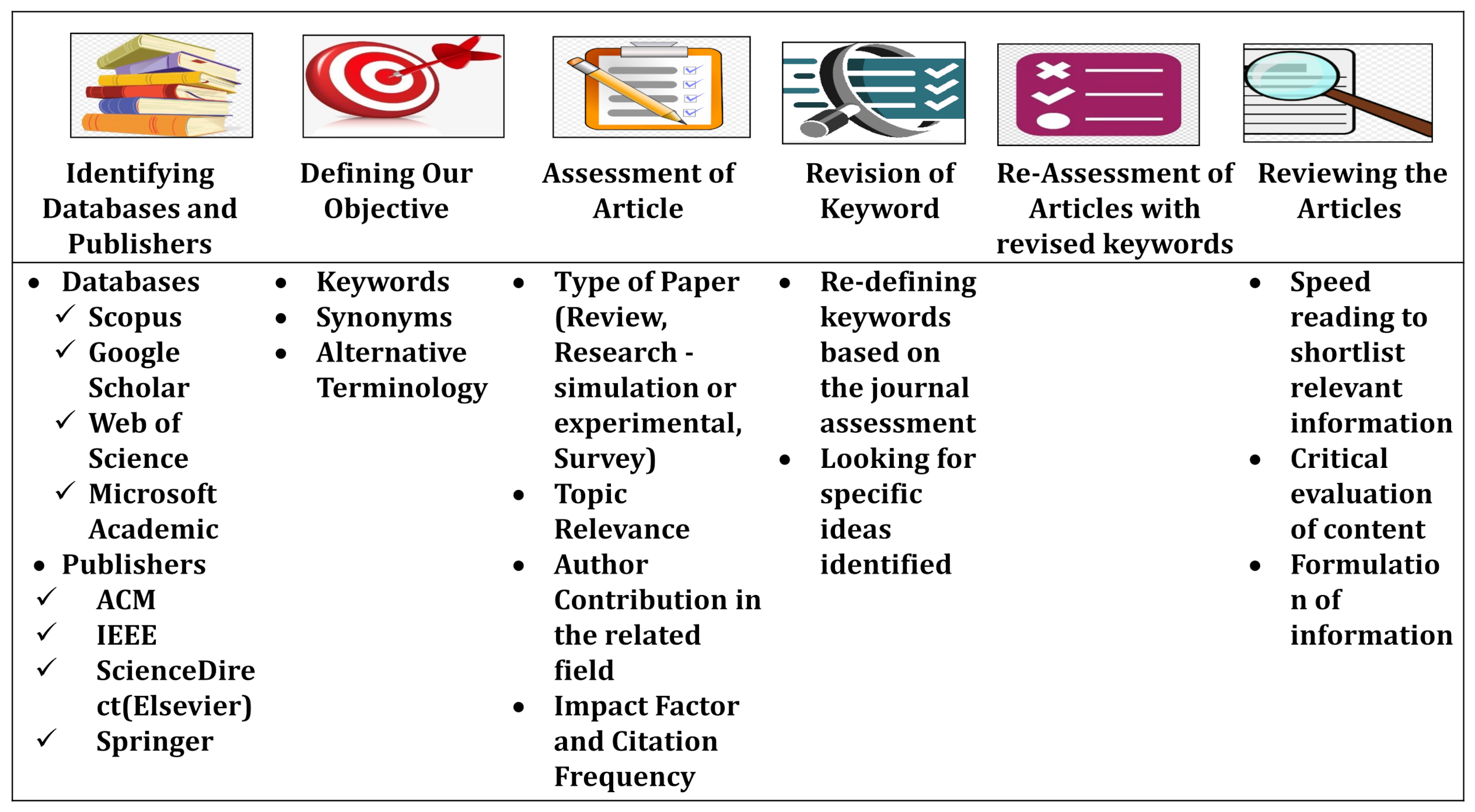
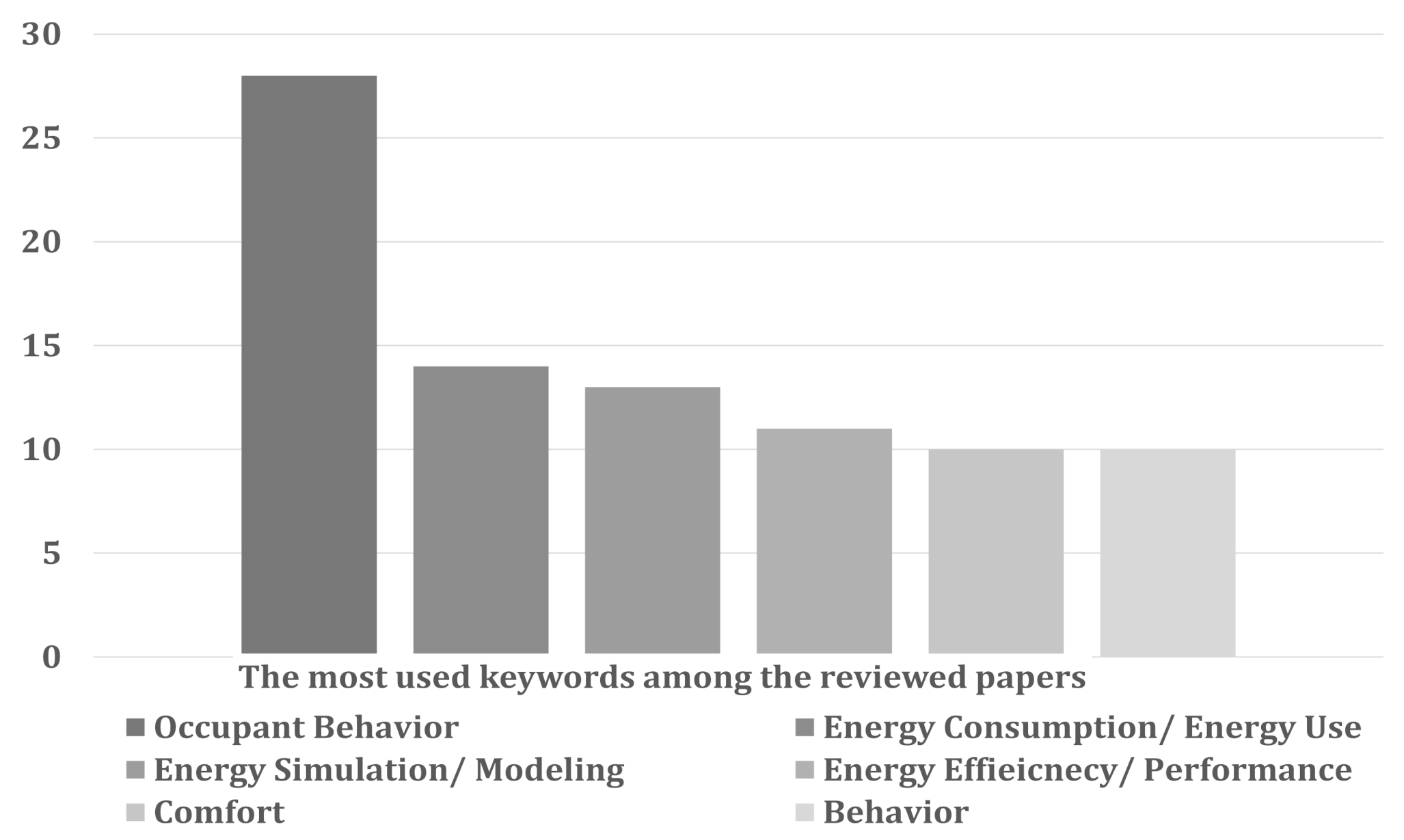
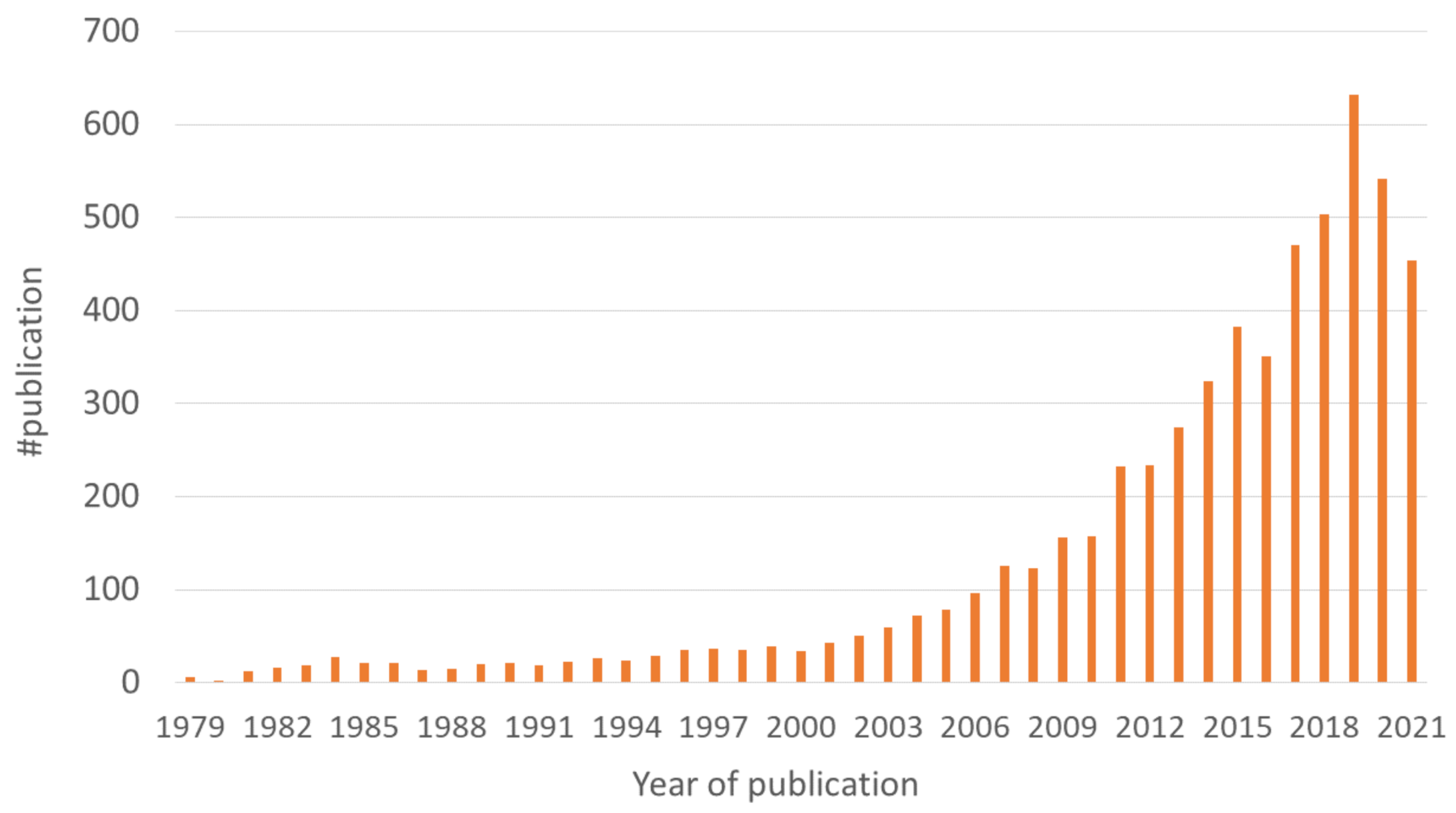
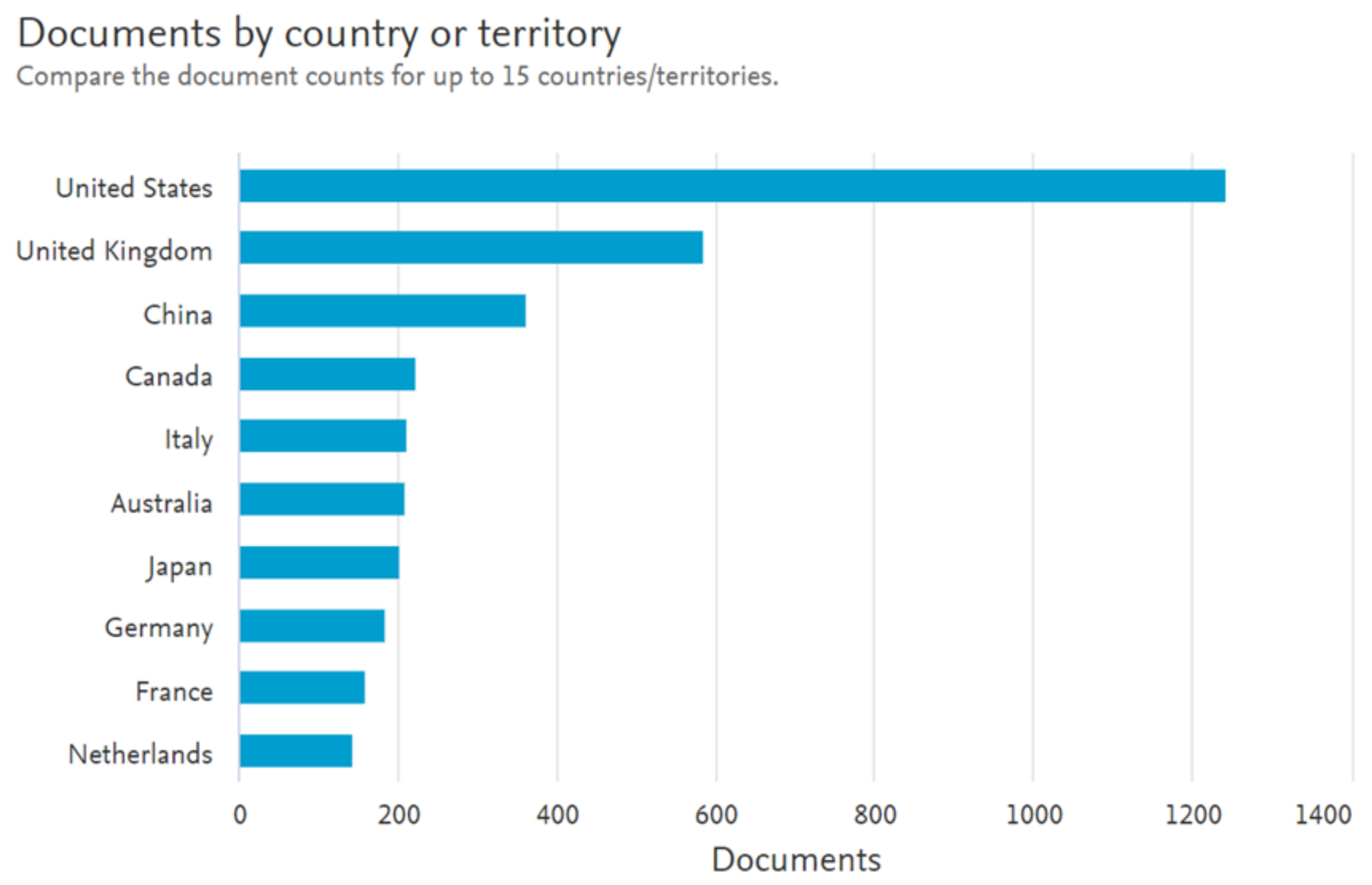
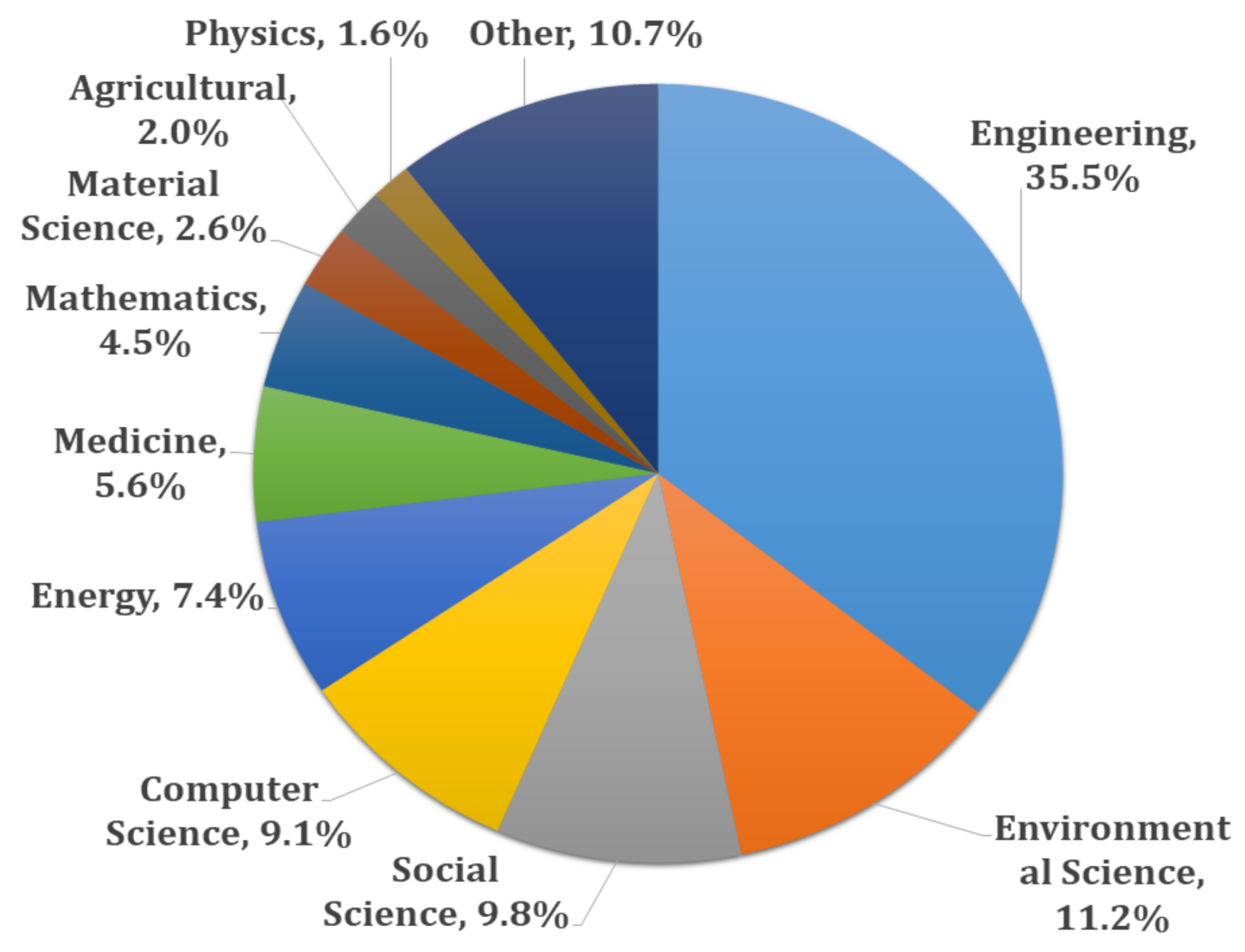
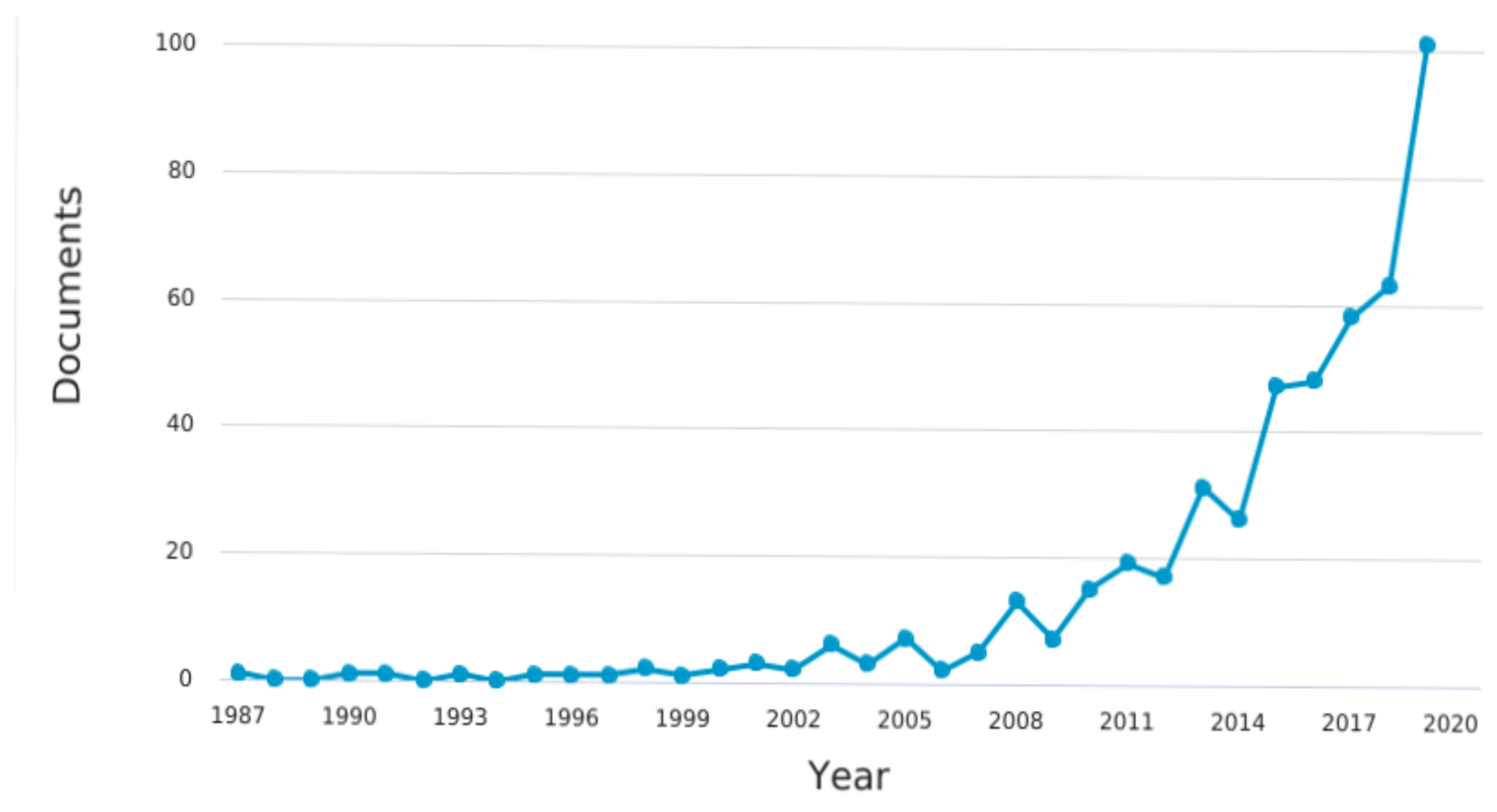
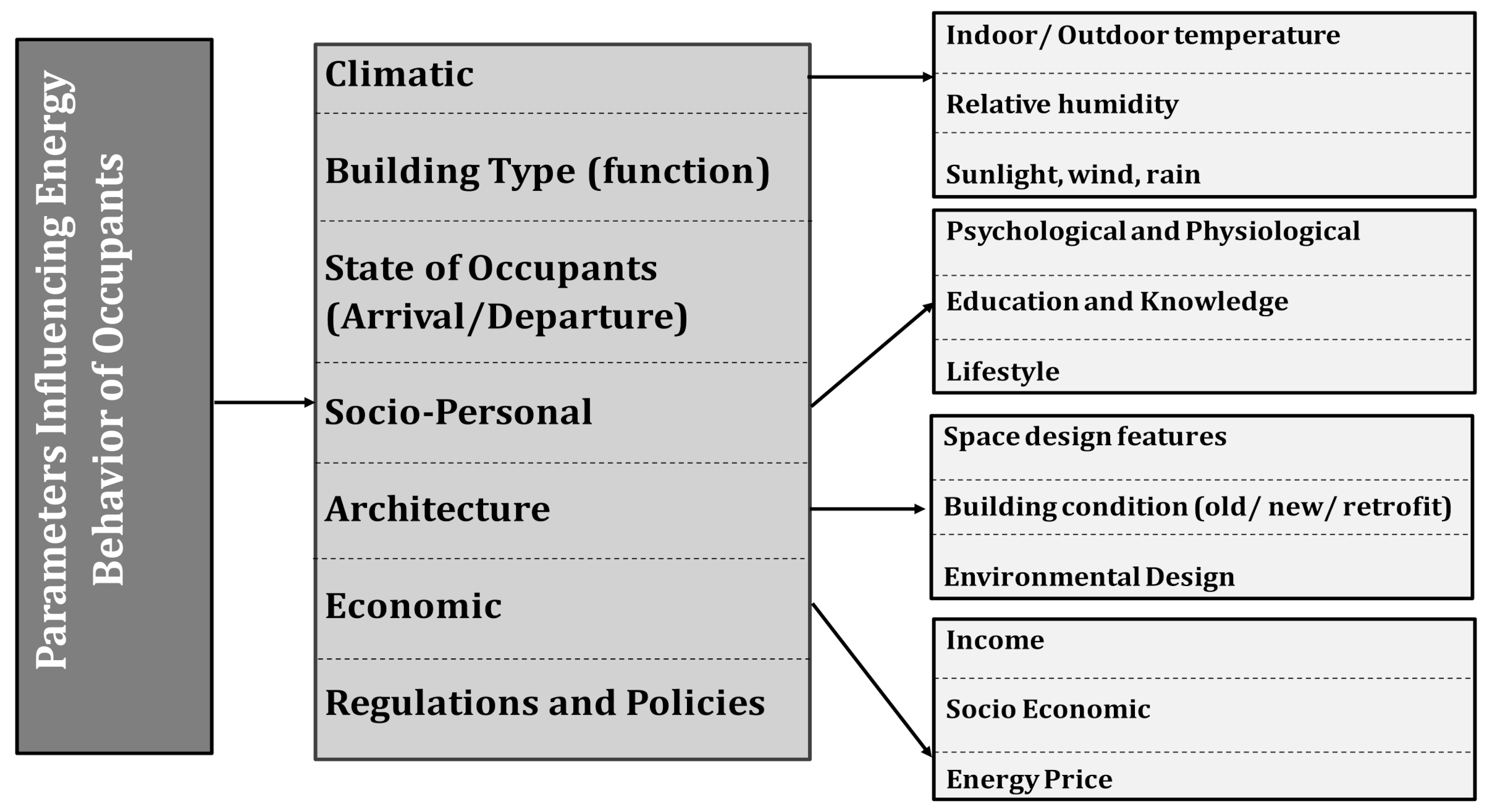
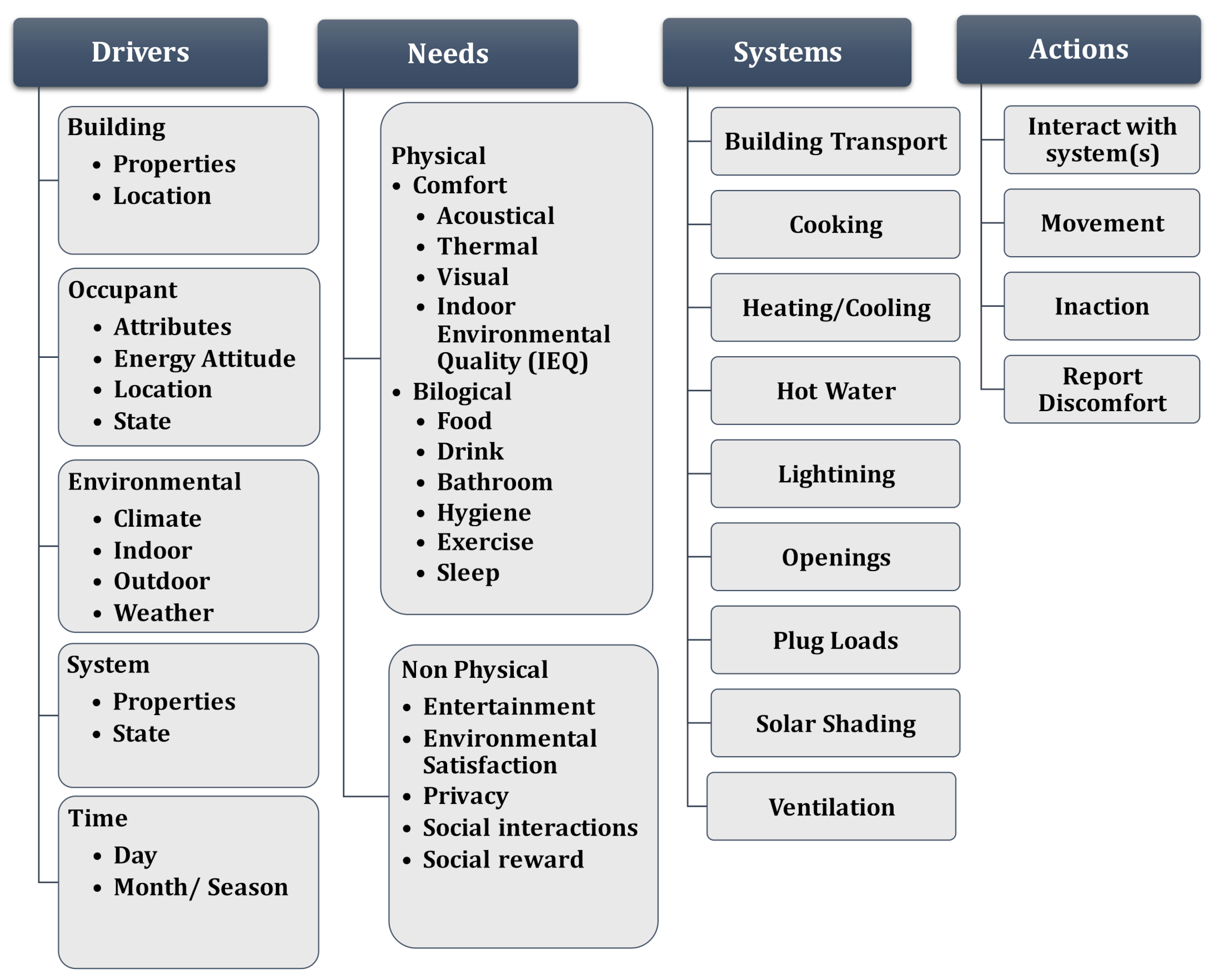
Publisher’s Note: MDPI stays neutral with regard to jurisdictional claims in published maps and institutional affiliations. |
© 2022 by the authors. Licensee MDPI, Basel, Switzerland. This article is an open access article distributed under the terms and conditions of the Creative Commons Attribution (CC BY) license (https://creativecommons.org/licenses/by/4.0/).