
-
Differences of Sprint Force-Velocity (F-V) Performance Between Senior and Academy Soccer Players -
Resistance Training Effects on Running Economy and Plantarflexor Function -
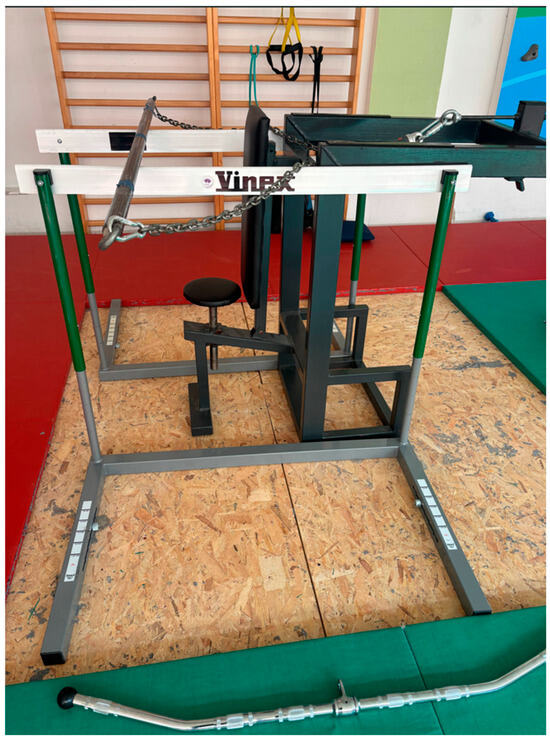
Knee Joint Mechanics with a Tensioned Cable Brace During Lateral Movements -
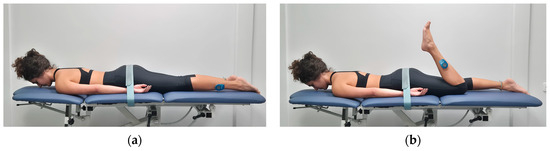
Exploration of Achilles Tendon Loading Symmetry in Female Runners
Journal Description
Biomechanics
Biomechanics
is an international, peer-reviewed, open access journal on biomechanics research published quarterly online by MDPI.
- Open Access— free for readers, with article processing charges (APC) paid by authors or their institutions.
- High Visibility: indexed within ESCI (Web of Science), Scopus, EBSCO, and other databases.
- Rapid Publication: manuscripts are peer-reviewed and a first decision is provided to authors approximately 24.8 days after submission; acceptance to publication is undertaken in 7.9 days (median values for papers published in this journal in the second half of 2025).
- Recognition of Reviewers: APC discount vouchers, optional signed peer review, and reviewer names published annually in the journal.
Impact Factor:
1.4 (2024);
5-Year Impact Factor:
1.6 (2024)
Latest Articles
Parameter Uncertainty in Multibody Models of the Natural Knee Joint: A Scoping Review
Biomechanics 2026, 6(2), 38; https://doi.org/10.3390/biomechanics6020038 - 9 Apr 2026
Abstract
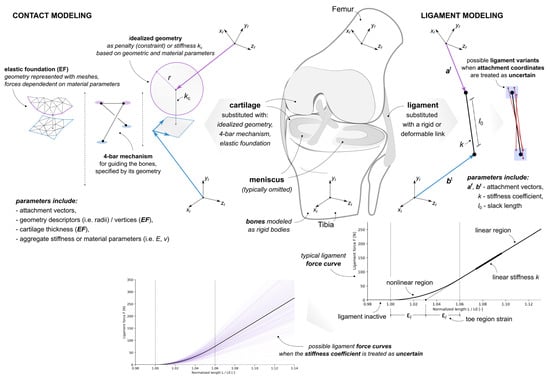
Background: Multibody models are essential for studying knee joint mechanics, but their reliability and subsequent clinical utility are limited by uncertainties in ligament and contact parameters. Currently, no consensus exists on which parameters to prioritize or which statistical distributions best establish model credibility.
[...] Read more.
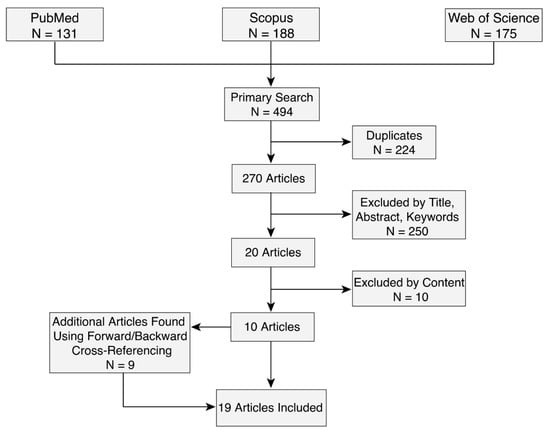
Background: Multibody models are essential for studying knee joint mechanics, but their reliability and subsequent clinical utility are limited by uncertainties in ligament and contact parameters. Currently, no consensus exists on which parameters to prioritize or which statistical distributions best establish model credibility. Objectives: This scoping review aims to systematize reported uncertainty values for ligament and contact parameters in multibody models of the natural knee to identify trends and research gaps. Methods: Following PRISMA-ScR guidelines, a systematic search was conducted across PubMed, Scopus, and Web of Science. Methodological quality was assessed using a customized 13-item checklist, and the data were synthesized via a narrative approach by charting parameter types, quantification methods, and model structures. Results: In total, 19 articles were included (out of 494 identified), showing a wide variability in uncertain parameter types, values, and modeling approaches. Ligaments were typically represented as deformable cables with quadratic–linear behavior, while articular contact utilized elastic foundation formulations or mechanisms. Standard deviations of 30% of the mean for ligament stiffness and 0.02 for reference strain (typically modeled within Gaussian distributions) were the most frequently quantified uncertain parameters. Geometric uncertainties for ligament attachment points varied widely, ranging from 1.0 to 5.0 mm. Idealized contact geometry also varied within 2.5 mm for linear coordinates and 15° for angular coordinates. Conclusions: Wide variability and inconsistent reports highlight a need for standardized definitions of parameter uncertainty in multibody knee modeling to improve reproducibility of musculoskeletal knee simulations and ensure a reliable transition of these models into clinical practice.
Full article
(This article belongs to the Section Injury Biomechanics and Rehabilitation)
►
Show Figures
Open AccessFeature PaperArticle
Personalization of the Toyota Human Model for Safety (THUMS) Using Avatar-Driven Morphing for Biomechanical Simulations
by
Ann N. Reyes, Timothy R. DeWitt and Reuben H. Kraft
Biomechanics 2026, 6(2), 37; https://doi.org/10.3390/biomechanics6020037 - 7 Apr 2026
Abstract
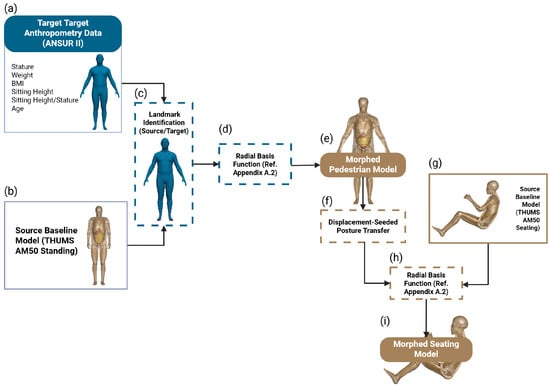
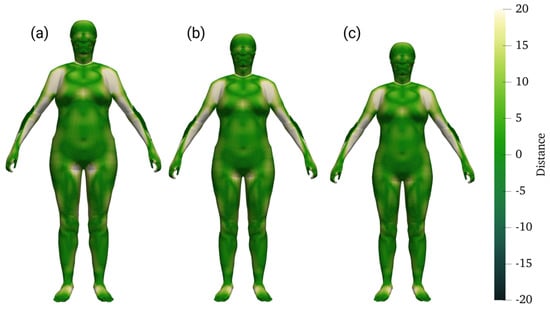
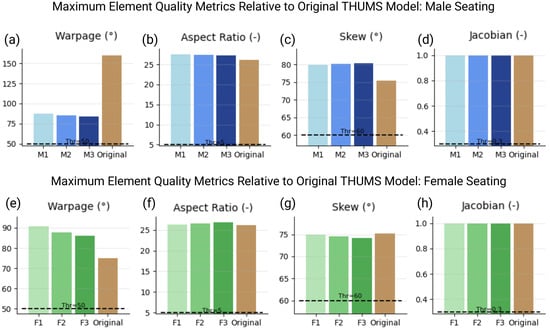
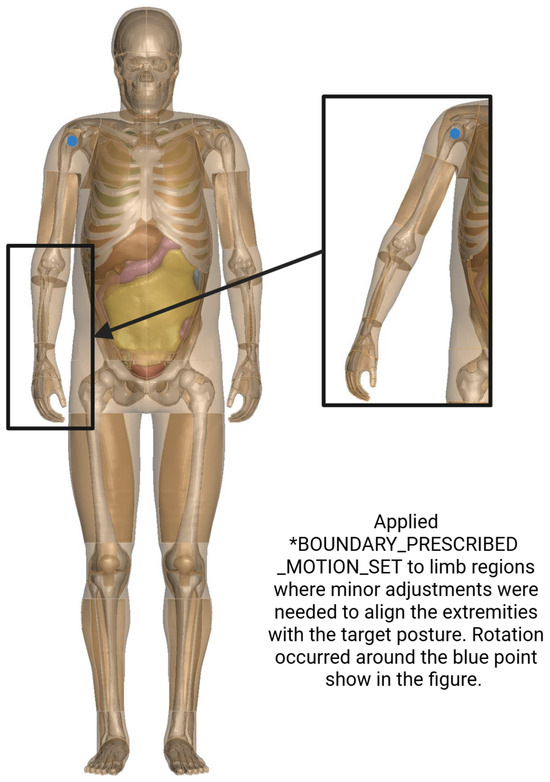
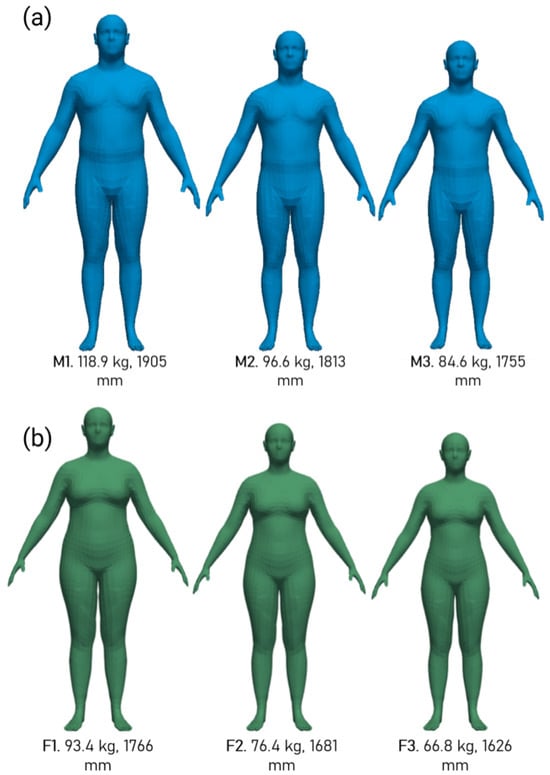
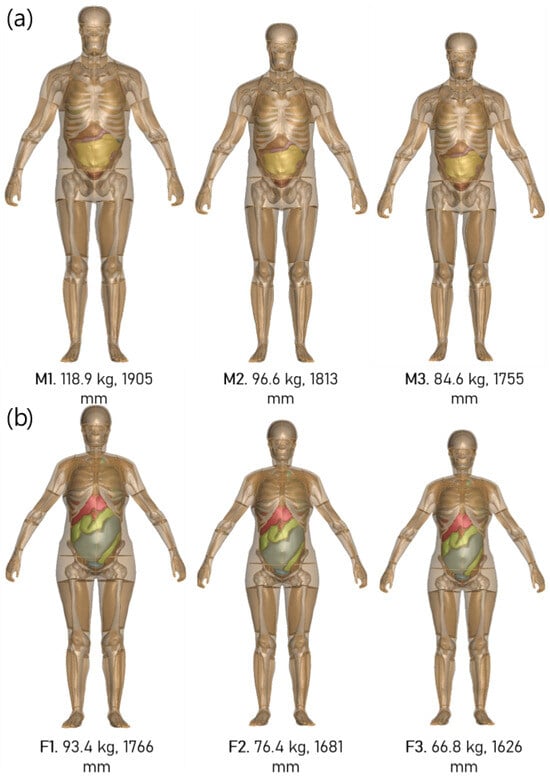
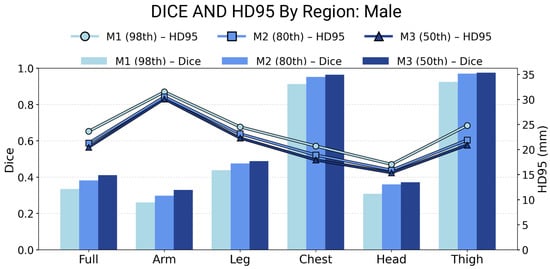
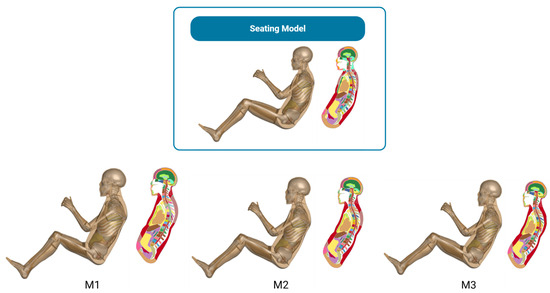
Background/Objectives: This paper investigates the application of radial basis function (RBF) interpolation to adapt the Toyota Human Model for Safety (THUMS) version 6 finite element (FE) models to diverse anthropometric profiles using ANSUR II data. The research focuses on generating personalized human
[...] Read more.
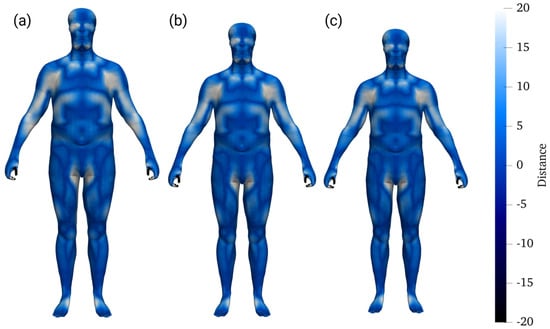
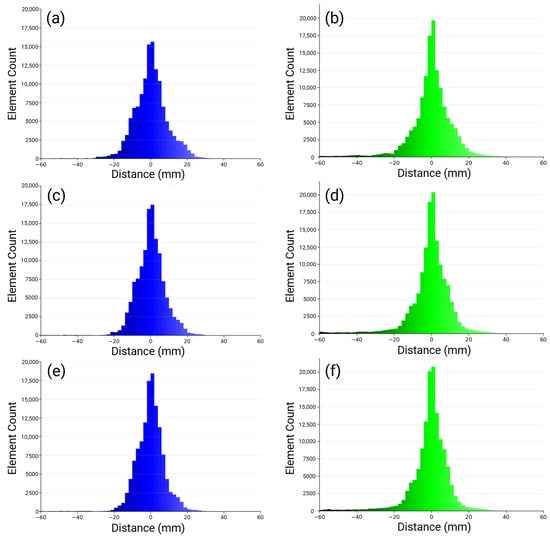
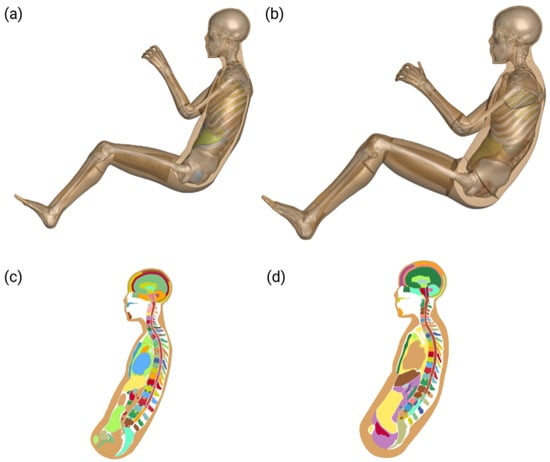
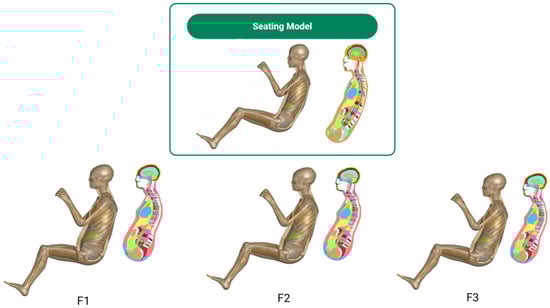
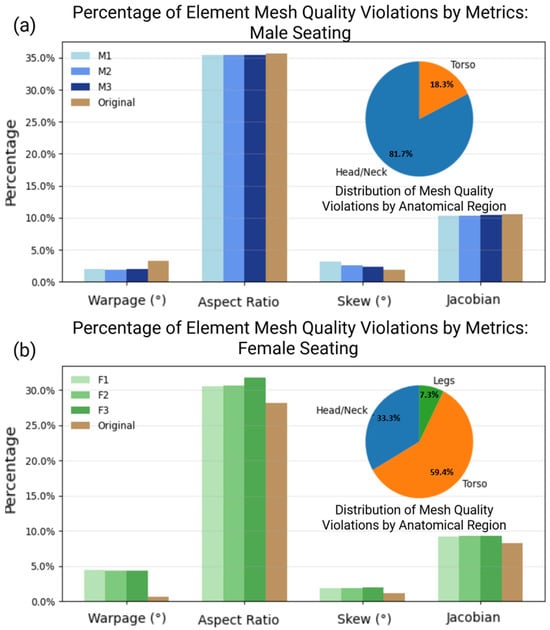
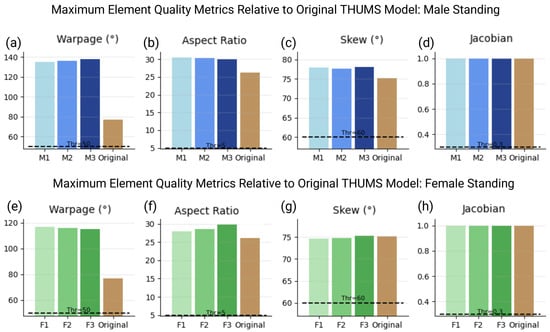
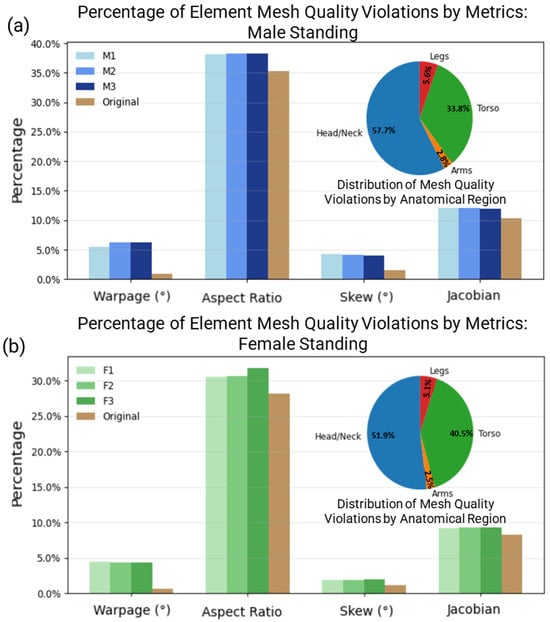
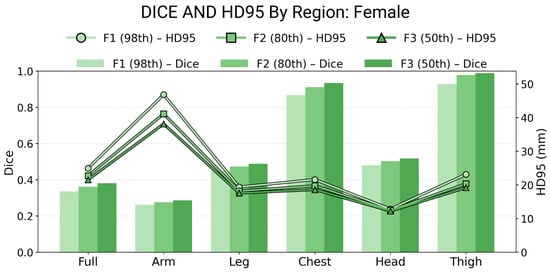
Background/Objectives: This paper investigates the application of radial basis function (RBF) interpolation to adapt the Toyota Human Model for Safety (THUMS) version 6 finite element (FE) models to diverse anthropometric profiles using ANSUR II data. The research focuses on generating personalized human body models (HBMs) across 50th, 80th, and 98th percentiles for both sexes in standing and seated postures, evaluating mesh quality with quantitative metrics, and assessing posture-dependent transformations. Methods: The geometric accuracy for the standing configuration was quantified using DICE similarity coefficients and the 95th percentile Hausdorff distance (HD95). Results: While global whole-body DICE similarity averaged approximately 0.40 due to an inherent variability in distal limb positioning, regional analysis demonstrated strong volumetric overlap in the critical chest and torso regions with DICE values ranging from 0.80 to 0.88. Regional HD95 values were within 20–30 mm across most of the surface area. Surfaces distance analyses showed that more than 95% of the nodes were within mm of the target surfaces with the distribution centered near zero across all the percentiles. The mesh quality for both standing and seated morphs demonstrated low violation rates with the aspect ratio being 28% to 30%, while warpage, skewness and, Jacobian determinants were less than 15%. The seated morphs preserved anatomical alignment and posture despite mesh density differences between the postures. Conclusions: These findings indicate that the morphing process preserves anatomical fidelity while highlighting the need for further optimization to mitigate localized distortions in dynamic simulations.
Full article
(This article belongs to the Special Issue Computational Modeling and AI Applications in Injury Biomechanics and Rehabilitation)
►▼
Show Figures

Figure 1
Open AccessReview
Biomechanical Perspectives on Surfing Performance: A Scoping Review
by
Maria J. Van Der Sandt, Marta L. Machado, Catarina C. Santos and Mário J. Costa
Biomechanics 2026, 6(2), 36; https://doi.org/10.3390/biomechanics6020036 - 7 Apr 2026
Abstract
Background/Objectives: Biomechanical research in surfing provides important insights into performance optimization and injury prevention, but the evidence remains fragmented across multiple domains. Methods: This scoping review aimed to systematically organize the existing literature on surfing biomechanics and evaluate the quality of the
[...] Read more.
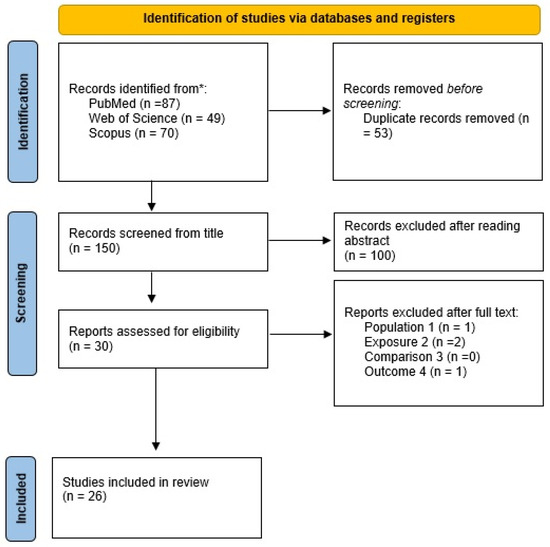
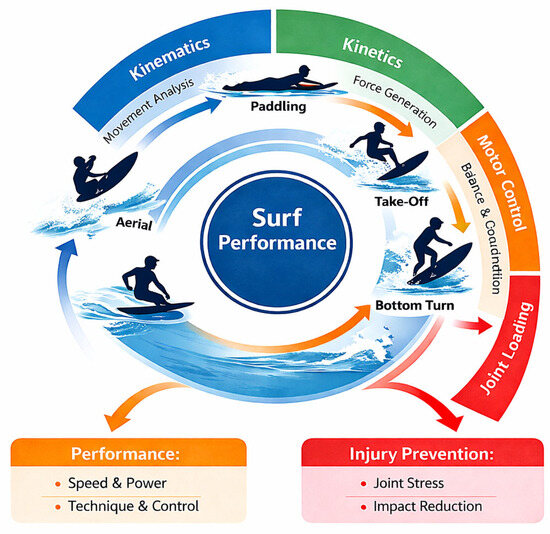
Background/Objectives: Biomechanical research in surfing provides important insights into performance optimization and injury prevention, but the evidence remains fragmented across multiple domains. Methods: This scoping review aimed to systematically organize the existing literature on surfing biomechanics and evaluate the quality of the included studies. Searches were conducted by two independent reviewers in PubMed, Scopus, and Web of Science in accordance with the PRISMA Extension for Scoping Reviews. Systematic searches were performed up to 31 July 2025 using Boolean operators guided by the PECO framework. Methodological quality was assessed using the Downs and Black Quality Assessment Checklist. Results: Of the 195 records identified, 53 duplicates were removed. Following screening and fulltext review, 26 studies were included. Five studies employed randomized controlled designs, while 21 were non-randomized. Publications ranged from 2010 to 2025, with the majority conducted in Australia (65.4%). A total of 490 healthy surfers (mean age: 22.9 ± 16.1 years) were analyzed, with sample sizes ranging from 6 to 42 participants. Research topics included anthropometry, paddling biomechanics, aerial maneuvers, core and trunk strength and mobility, lower-limb function, frontside bottom turns, and pop-up performance. The studies’ methodological quality score was 11.7 points with substantial inter-reviewer agreement (κ = 0.77). Research on surf biomechanics remains limited in volume and exhibits methodological heterogeneity. Conclusions: Although existing studies provide valuable insights into key performance actions, further high-quality and standardized research on performance phases (e.g., paddling, pop-up, turns, aerials) and with different research designs (e.g., longitudinal, sex inclusive, ecological designs integrating lab and in-water measures) is needed.
Full article
(This article belongs to the Special Issue Biophysical Mechanisms in Sports Performance)
►▼
Show Figures

Figure 1
Open AccessArticle
Fatigue-Induced Decline in Push-Phase Propulsive Force While Preserving Intra-Cycle Force Timing in Competitive Swimmers
by
Luca Puce, Marco Panascì, Gennaro Apollaro, Vittoria Ferrando, Piero Ruggeri and Emanuela Luisa Faelli
Biomechanics 2026, 6(2), 35; https://doi.org/10.3390/biomechanics6020035 - 6 Apr 2026
Abstract
Objective: The effects of fatigue on swimming propulsion are unclear. This study examined upper-limb propulsive force and bilateral coordination during constant-speed front crawl performed until exhaustion. Methods: Twelve competitive swimmers completed a visually paced front-crawl trial performed at a constant speed
[...] Read more.
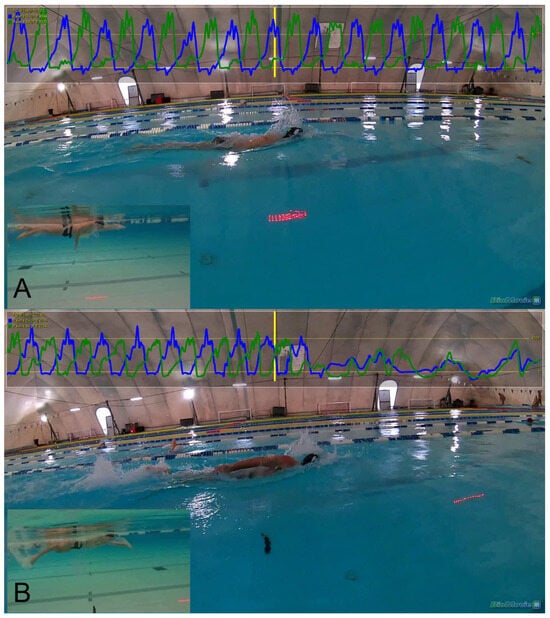
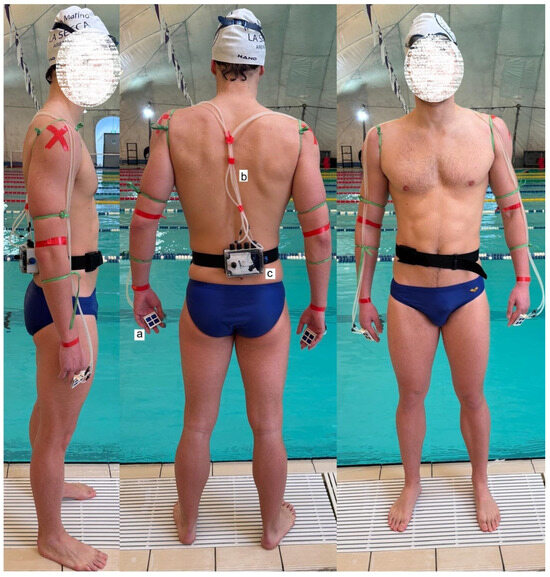
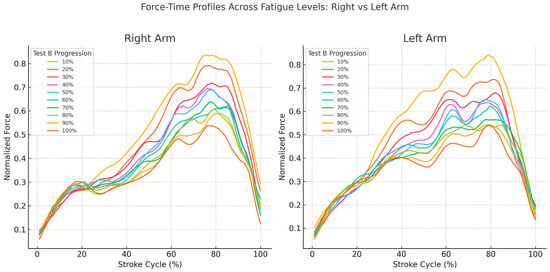
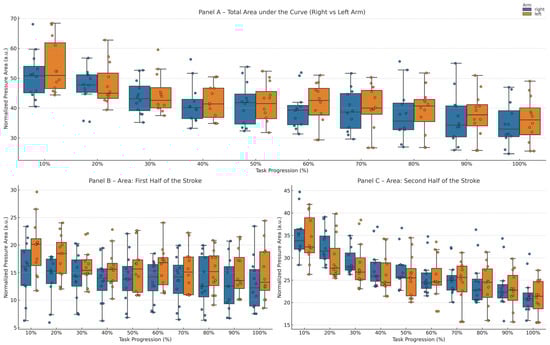
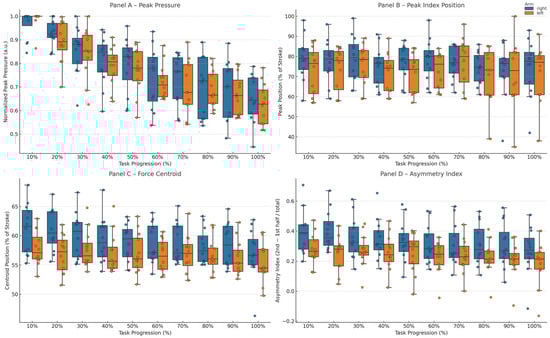
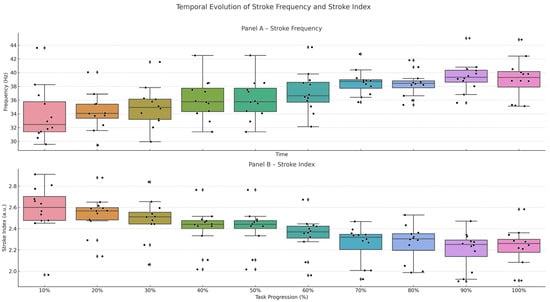
Objective: The effects of fatigue on swimming propulsion are unclear. This study examined upper-limb propulsive force and bilateral coordination during constant-speed front crawl performed until exhaustion. Methods: Twelve competitive swimmers completed a visually paced front-crawl trial performed at a constant speed (95% of maximal speed) until volitional exhaustion. Upper-limb propulsion (pressure-derived) was quantified using wearable differential-pressure mini-paddles synchronized with high-speed video. Propulsive force and impulse were analyzed at ten standardized time points (10–100% of test duration), distinguishing the early (entry–catch–pull) phase and the push phase of the stroke cycle. Results: Total overall propulsive impulse (time-integral of propulsive force) and mean propulsive force decreased significantly as early as 30–40% of test duration, with the largest reductions occurring during the push phase. Interestingly, push-phase impulse declined earlier in the non-dominant left arm (from 20% of test duration) compared to the dominant right arm (from 40%), whereas force generated during the early phase did not change. Peak propulsive force decreased at later stages, while intra-cycle timing indices (peak timing and force centroid) and inter-limb asymmetry remained unchanged. Stroke frequency increased from mid-test onward and was strongly negatively associated with stroke efficiency (r = −0.79). Stroke efficiency correlated positively with push-phase impulse and peak force. Conclusions: During constant-speed front crawl performed to exhaustion, propulsion progressively declines, primarily through reduced force and impulse during the push phase rather than changes in the early (entry–catch–pull) phase or temporal and asymmetry-related variables. Increased stroke frequency initially compensates for declining propulsion but ultimately fails to maintain the imposed swimming velocity.
Full article
(This article belongs to the Special Issue Biomechanics in Sports and Exercise)
►▼
Show Figures

Figure 1

Open AccessArticle
The Effects of Supplementary Low-Volume Nordic Hamstring Exercise Training on Flexibility, Mechanical Properties, and Hamstring Strength in Recreationally Active Individuals: A Randomized Controlled Trial
by
Konstantinos Thomas Kaliarntas, Nelson Morais, Georgios Andronikos, Despoina Myrto Dounavi, Athanasios Souglis, Scott Wearing and Gregory C. Bogdanis
Biomechanics 2026, 6(2), 34; https://doi.org/10.3390/biomechanics6020034 - 2 Apr 2026
Abstract
Background: We assessed the effects of a 6-week, low-volume Nordic hamstring exercise (NHE) intervention on hamstring flexibility, muscle mechanical properties and eccentric and isometric isokinetic knee flexion strength in recreationally active adults. Methods: Eighteen recreationally active adults were randomized into an NHE intervention
[...] Read more.
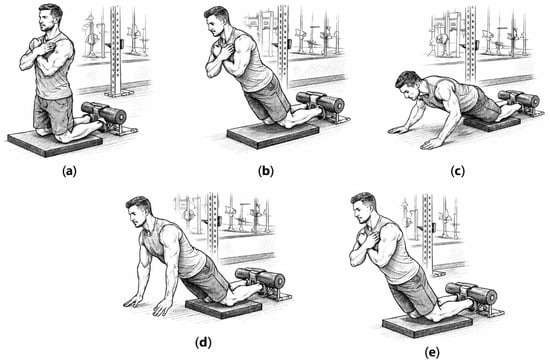
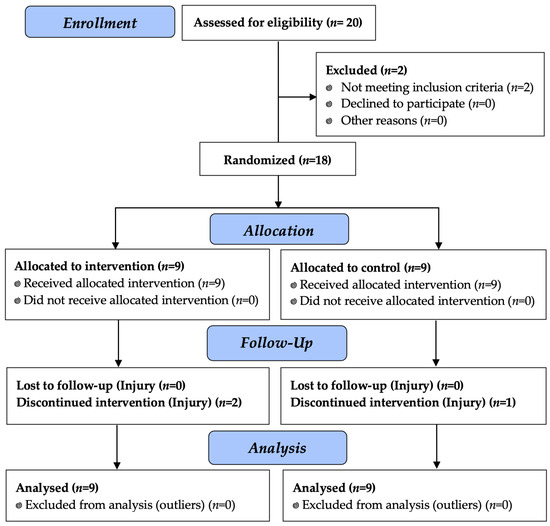
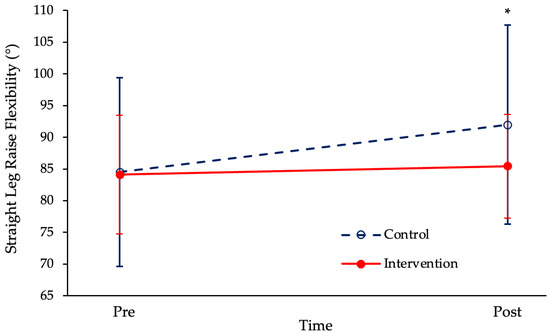
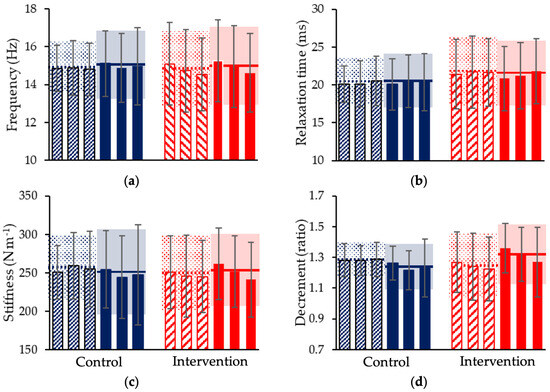
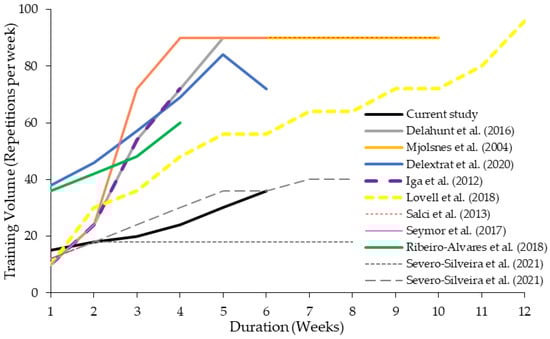
Background: We assessed the effects of a 6-week, low-volume Nordic hamstring exercise (NHE) intervention on hamstring flexibility, muscle mechanical properties and eccentric and isometric isokinetic knee flexion strength in recreationally active adults. Methods: Eighteen recreationally active adults were randomized into an NHE intervention group (IG; n = 9; females/males: 3/6; mean ± SD, age: 24.1 ± 1.3 years) and control group (CG; n = 9; females/males: 5/4; mean ± SD, age: 23.5 ± 1.8 years). The NHE intervention involved a progressive, supplementary training program performed initially one (weeks 1 and 2) and then two times per week over a 6-week period. The number of repetitions per session increased from 15 to 36 repetitions/week. The CG maintained their usual exercise routine over the same period. Standard goniometry, myotonometry, and isokinetic dynamometry (60°/s) were used to measure hamstring flexibility, muscle properties and isometric and eccentric isokinetic strength prior to and five days following the intervention. Results: The Linear Mixed Methods analysis identified a significant group × time interactions for isometric torque (IG: +5% vs. CG: −12%, p = 0.022) and flexibility (IG: +1% vs. CG: +7%, p = 0.023). Peak eccentric torque (IG: +7% vs. CG: −7%, p = 0.053) and muscle mechanical properties remained unchanged over the intervention period. Conclusions: Six weeks of low-volume NHE training marginally improved isometric and eccentric hamstring strength in recreationally active adults without changing hamstring flexibility or mechanical properties. The findings may have important implications for performance enhancement and hamstring injury risk reduction during high-intensity recreational sports.
Full article
(This article belongs to the Special Issue Biomechanics in Sports and Exercise)
►▼
Show Figures

Figure 1
Open AccessPerspective
Unconstrained Segmental Biomechanics: A Conceptual Framework for Gait Initiation and Locomotor Transitions
by
Arianna Fogliata, Lorenzo Cantoni, Alessio Gambetta, Antinea Ambretti and Stefano Tardini
Biomechanics 2026, 6(2), 33; https://doi.org/10.3390/biomechanics6020033 - 1 Apr 2026
Abstract
Background/Objectives: Traditional biomechanical models describe human locomotion as an articulated chain of rigid segments with constrained degrees of freedom, primarily focusing on kinematic descriptions of movement. While this approach facilitates modelling and teaching, it may limit the representation of internal force transmission
[...] Read more.
Background/Objectives: Traditional biomechanical models describe human locomotion as an articulated chain of rigid segments with constrained degrees of freedom, primarily focusing on kinematic descriptions of movement. While this approach facilitates modelling and teaching, it may limit the representation of internal force transmission and dynamic interactions, particularly during transitional phases such as gait initiation. The objective of this article is to propose a conceptual framework, Unconstrained Segmental Biomechanics (USB), to reinterpret locomotor mechanics beyond rigid joint assumptions. Methods: An exploratory analysis of recent PubMed-indexed publications (2024) and commonly adopted educational references in sport science institutions was conducted to examine how locomotion is conceptually represented and to identify possible models analogous to the framework. The aim was to situate the framework within current modelling approaches rather than to provide a systematic literature evaluation. Results: The exploratory analysis provided an exploratory contextual impression that kinematic representations were more readily identifiable than conceptually analogous models explicitly addressing dynamic intersegmental force transmission. USB is presented as a conceptual framework generating testable biomechanical hypotheses concerning the temporal organisation of intersegmental force transmission during locomotor transitions, including the expectation that during gait initiation gluteus maximus activation precedes observable segmental displacement, that early CoP/GRF changes precede the visible step, and that trunk activation actively contributes to intersegmental force regulation during the transition. Conclusions: USB offers a conceptual framework that enriches the interpretation of gait initiation and locomotor transitions. Future empirical investigations will be necessary to test the biomechanical hypotheses generated by this framework and to evaluate its potential contribution to biomechanics research, education, and applied movement sciences.
Full article
(This article belongs to the Topic Current Perspectives and Future Directions in Sports Biomechanics)
►▼
Show Figures

Figure 1

Open AccessArticle
Tactile Sensory Deprivation Impairs Spatial but Not Motor Behavior in Freely Moving Previsual Rat Pups
by
Mariya Odrinskaya, Elizaveta Strelkova, Anastasia Rebik, Pavel Aleksandrov and Inna Midzyanovskaya
Biomechanics 2026, 6(2), 32; https://doi.org/10.3390/biomechanics6020032 - 1 Apr 2026
Abstract
Background/Objectives: The vibrotactile system, which is essential for guiding behavior in nocturnal rodents such as mice and rats, provides critical sensory input. To investigate the role of vibrotactile sensory inflow in neonatal locomotion, we used previsual rat pups that underwent bilateral vibrissectomy.
[...] Read more.
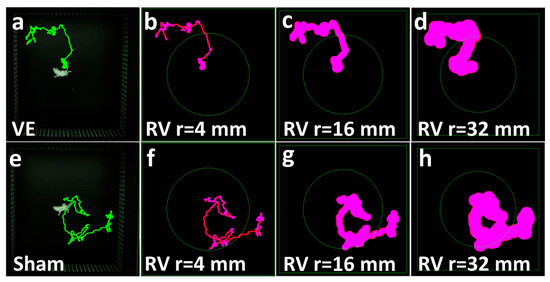
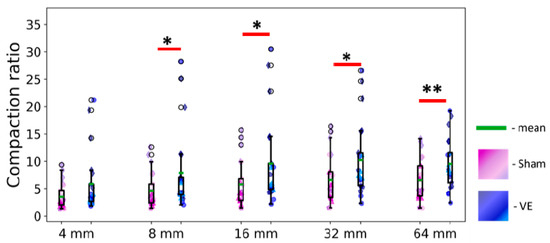
Background/Objectives: The vibrotactile system, which is essential for guiding behavior in nocturnal rodents such as mice and rats, provides critical sensory input. To investigate the role of vibrotactile sensory inflow in neonatal locomotion, we used previsual rat pups that underwent bilateral vibrissectomy. Subsequently, their motor behavior was evaluated in an open field test. Methods: A total of 42 previsual pups from four litters were assigned to either bilateral vibrissectomy or sham surgery groups on postnatal days (PND) 9–12, with group allocation balanced across litters. Results: Open-field testing on PND 13 revealed that while vibrissectomy (VE) did not affect gross locomotor activity—such as distance traveled, speed, acceleration, or freezing episodes (all >0.05)—it significantly altered spatial behavior. To quantify spatial patterns of curvy tracks, we analyzed trajectorial compaction within the central zone, lacking the tactile guidance of the walls: trajectories were smoothed using virtual coatings scaled to the vibrissal length (16 mm). For each track, an individual linearized reference path was generated and subjected to identical smoothing. The compaction ratio—calculated as the coated area of the smoothed linearized reference divided by the coated area of the experimental track—was significantly greater in VE pups than in sham controls (p = 0.03). This effect was not attributable to differences in the path length traveled within the central zone. The increased compaction persisted when the smoothing scale was increased 2–3 fold (32–64 mm radii, approximating the pups’ mean body size), but not at smaller scales (2–4 mm). Conclusions: These results demonstrate that tactile input specifically modulates the spatial, rather than locomotor, components of nonvisual navigation. Consequently, the track compaction may serve as a sensitive marker for assessing vibrotactile function in developing laboratory rodents.
Full article
(This article belongs to the Section Neuromechanics)
►▼
Show Figures

Figure 1

Open AccessArticle
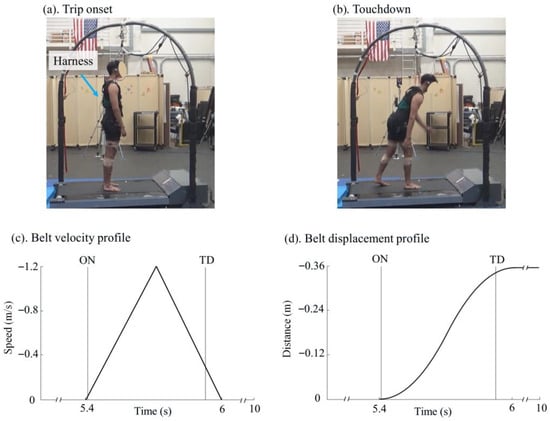
Adaptive Changes in Lower-Limb Muscle Activations During Repeated Trip-like Perturbations in Young Adults
by
Sara Mahmoudzadeh Khalili and Feng Yang
Biomechanics 2026, 6(1), 31; https://doi.org/10.3390/biomechanics6010031 - 13 Mar 2026
Abstract
Background: Falls are a leading cause of injury and mortality worldwide. Higher physical activity levels in young adults may increase exposure to fall-related situations. Understanding their neuromuscular adaptations is critical for balance control research and perturbation-based training. This study examined proactive and reactive
[...] Read more.
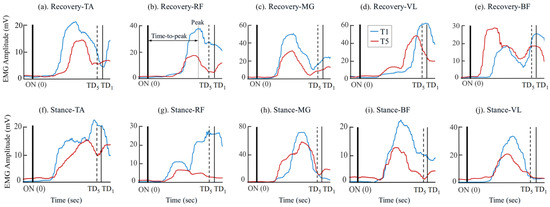
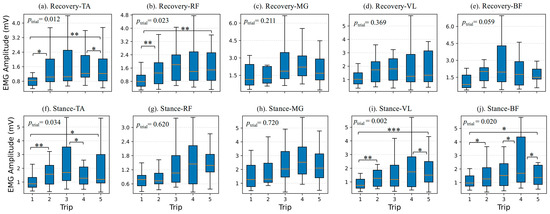
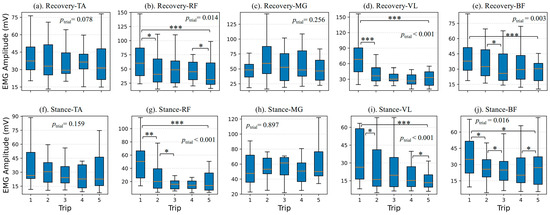
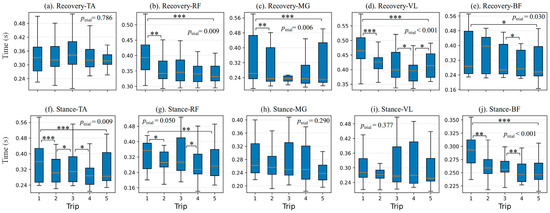
Background: Falls are a leading cause of injury and mortality worldwide. Higher physical activity levels in young adults may increase exposure to fall-related situations. Understanding their neuromuscular adaptations is critical for balance control research and perturbation-based training. This study examined proactive and reactive adaptations in lower-limb muscle activity during repeated simulated trips among young adults. Methods: Twenty participants experienced five treadmill-induced standing-trips. Bilateral electromyography (EMG) activities of the rectus femoris (RF), vastus lateralis (VL), tibialis anterior (TA), medial gastrocnemius (MG), and biceps femoris (BF) were recorded. Muscle activity magnitude at perturbation onset (ON), EMG peak amplitude, and time-to-peak from ON were extracted and compared across trials. Results: Proactive activation at ON increased across trials in TA and RF on the recovery side (p = 0.012–0.023) and in TA, VL, and BF on the stance side (p = 0.002–0.034). Reactive peak amplitudes decreased in RF, VL, and BF on the recovery side (p < 0.001–0.014) and in RF, VL, and BF on the stance side (p < 0.001–0.016). Time-to-peak shortened in MG, RF, VL, and BF on the recovery side (p < 0.001–0.030) and in RF, VL, TA, and BF on the stance side (p < 0.001–0.050). Conclusions: Repeated simulated trips elicited proactive adaptations in muscle activity and reactive changes in time-to-peak, which may suppress the need for increased reactive muscle activations to recover balance post-perturbation over trials in young adults. The findings augment our understanding of the intercorrelation between proactive and reactive adaptations to repeated perturbations.
Full article
(This article belongs to the Special Issue Lower Limb and Surface Interaction: Implications for Performance and Injury)
►▼
Show Figures

Figure 1

Open AccessArticle
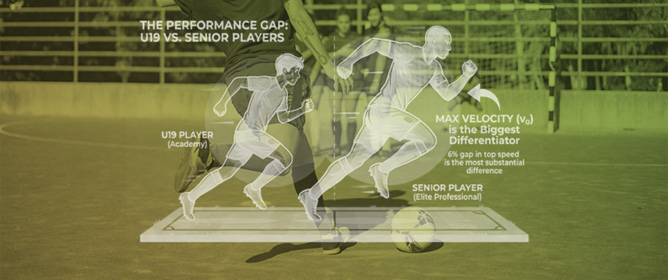
Differences in Sprinting-Related Force–Velocity Mechanical Variables Between Under-19 and Senior Players: Physical Performance Readiness in Elite Youth Soccer
by
Lukáš Karabin, Jozef Sýkora, Roman Švantner, Kevin R. Ford, Martin Pupiš and Tomas Maly
Biomechanics 2026, 6(1), 30; https://doi.org/10.3390/biomechanics6010030 - 9 Mar 2026
Abstract
Objectives: This study compares linear sprint force–velocity (F–v) mechanical variables between elite Under-19 (U19) academy players and senior professional players. Methods: Thirty-eight senior players (SP; mean age 24.5 ± 4.3 y) and 214 U19 academy players (YP; mean age 17.4 ±
[...] Read more.
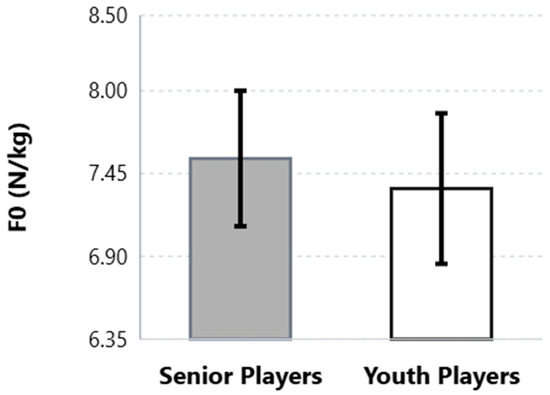
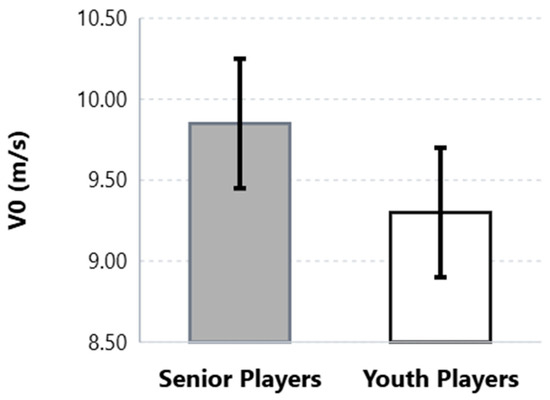
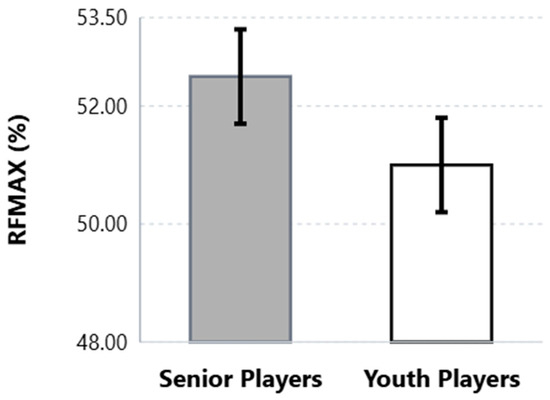
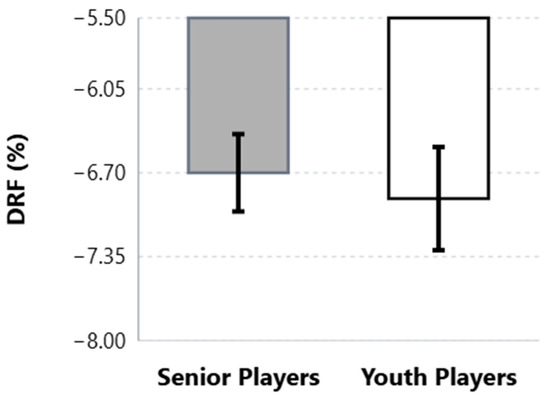
Objectives: This study compares linear sprint force–velocity (F–v) mechanical variables between elite Under-19 (U19) academy players and senior professional players. Methods: Thirty-eight senior players (SP; mean age 24.5 ± 4.3 y) and 214 U19 academy players (YP; mean age 17.4 ± 0.5 y) from 14 first-division club academies were tested during October 2023 using a motorized resistance device (1080 Motion). The following F–v variables were assessed: maximal theoretical force (F0, N·kg−1), maximal theoretical velocity (v0, m·s−1), maximal ratio of horizontal-to-resultant force (RFmax, %), and decrease in the ratio of forces (DRF, %). Between-group comparisons were performed using the t-test, and Cohen’s d effect sizes were reported. Results: Senior players outperformed U19 players across all F–v variables. F0 exhibited a mean difference = 0.220 N·kg−1, with a 95% confidence interval (CI) [0.056, 0.384], p = 0.0166, and d = 0.46. v0 exhibited a mean difference = 0.560 m·s−1, with a 95% CI [0.410, 0.710], p < 0.0001, and d = 1.07. RFmax exhibited a mean difference = 1.470%, with 95% CI [0.830, 2.110], p = 0.0003, and d = 0.69. DRF exhibited a mean difference = 0.260%, with a 95% CI [0.103, 0.417], p = 0.0013, and d = 0.53. Conclusions: U19 players demonstrated lower F0, lower v0, and reduced mechanical effectiveness compared with senior players. Regular monitoring of F–v profiles and individualized training interventions (force- or velocity-targeted) may be useful for training and monitoring strategies aimed at supporting physical preparation during the transition to senior soccer.
Full article
(This article belongs to the Special Issue Biomechanics in Sports and Exercise)
►▼
Show Figures

Figure 1
Open AccessArticle
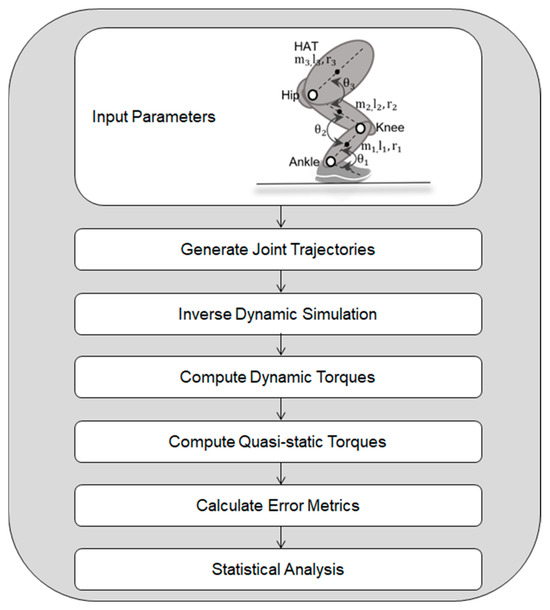
Joint Torque Errors Induced by Quasi-Static Assumptions in Lower Limb Biomechanics
by
Masoud Abedinifar, Şenay Mihçin and Mehmet Yılmaz
Biomechanics 2026, 6(1), 29; https://doi.org/10.3390/biomechanics6010029 - 4 Mar 2026
Abstract
Background/Objectives: Quasi-static inverse dynamics is widely used in biomechanical analyses due to its computational simplicity; however, neglecting inertial effects may introduce joint-specific torque estimation errors during dynamic movements. The purpose of this study was to quantify torque estimation errors introduced by quasi-static assumptions
[...] Read more.
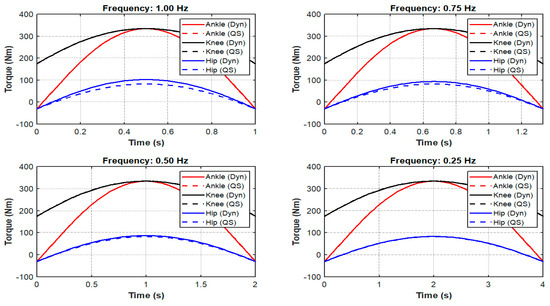
Background/Objectives: Quasi-static inverse dynamics is widely used in biomechanical analyses due to its computational simplicity; however, neglecting inertial effects may introduce joint-specific torque estimation errors during dynamic movements. The purpose of this study was to quantify torque estimation errors introduced by quasi-static assumptions during bodyweight squats performed at different movement frequencies. Methods: A planar MATLAB-based (version R2022a) musculoskeletal model incorporating standard anthropometric parameters was developed to simulate squat motions at 1.00, 0.75, 0.50, and 0.25 Hz. Joint torques calculated using quasi-static inverse dynamics were compared with fully dynamic inverse dynamics at the ankle, knee, and hip. Model agreement was evaluated using Root Mean Square Error (RMSE), normalized percentage error relative to peak dynamic torque, and bootstrapped 95% confidence intervals (CI). Results: Quasi-static modeling produced negligible torque estimation errors at the ankle and knee across all movement frequencies, with percentage errors consistently below 0.1% and narrow confidence intervals. In contrast, the hip joint demonstrated a clear frequency-dependent underestimation of torque when inertial effects were neglected. At 1.00 Hz, the hip RMSE reached 14.4 Nm, corresponding to 14.01% of peak dynamic torque (95% CI: 13.97–14.06%). Error magnitude increased systematically with movement speed. Conclusions: The validity of quasi-static inverse dynamics strongly depends on joint location and movement frequency. While quasi-static models are appropriate for ankle and knee torque estimation during moderate-speed squats, accurate hip torque assessment during faster squats requires full dynamic modeling. These findings provide quantitative benchmarks to inform model selection in biomechanical research, rehabilitation engineering, and assistive device design.
Full article
(This article belongs to the Section Sports Biomechanics)
►▼
Show Figures

Figure 1

Open AccessArticle
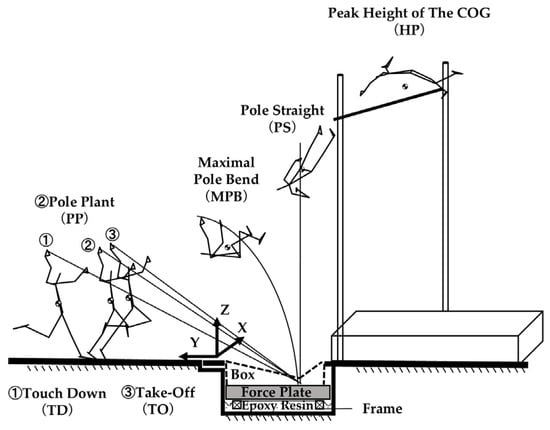
Effect of Stored Elastic Energy in the Bending Pole on Performance of Elite Japanese Pole Vaulters: An Estimation Based on Box Reaction Force Vector
by
Tomoki Yamamoto, Yu Kashiwagi, Takafumi Kageyuki, Fumiaki Kobayashi and Kazuo Funato
Biomechanics 2026, 6(1), 28; https://doi.org/10.3390/biomechanics6010028 - 4 Mar 2026
Abstract
Background/Objectives: In pole vaulting, the capacity to store elastic energy within the pole (Epole) significantly influences performance. This study investigated the characteristics of Epole storage by analyzing the box reaction force and vector angle. Methods: Eight male
[...] Read more.
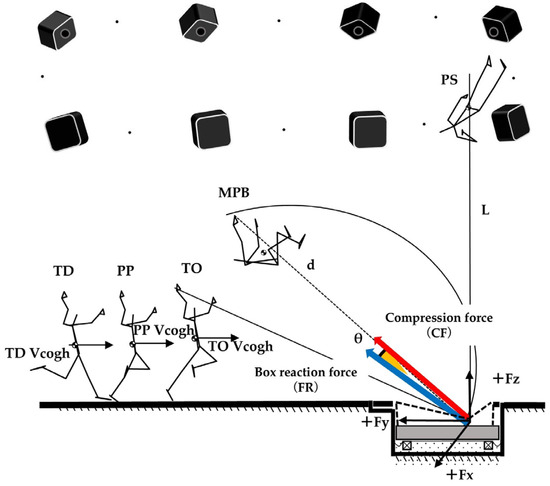
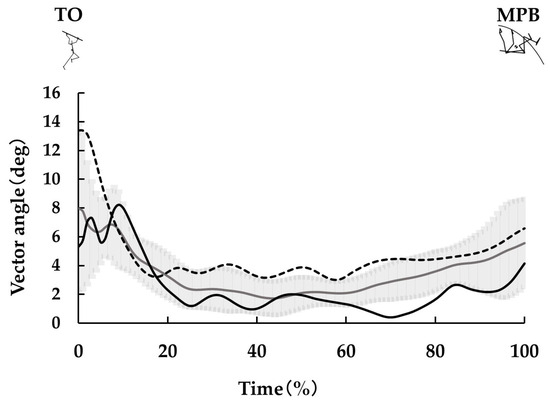
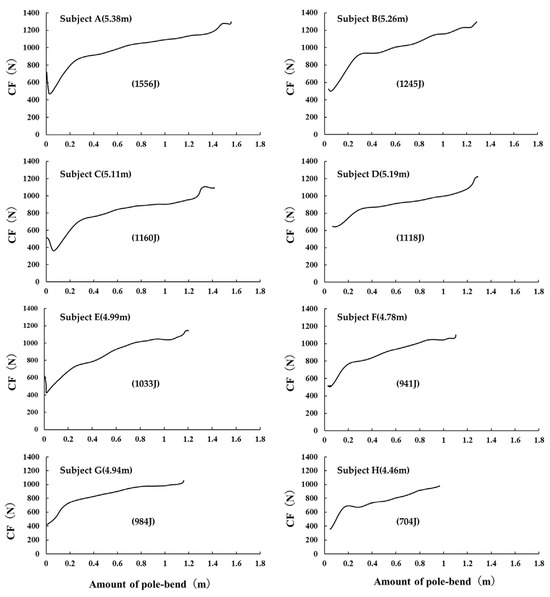
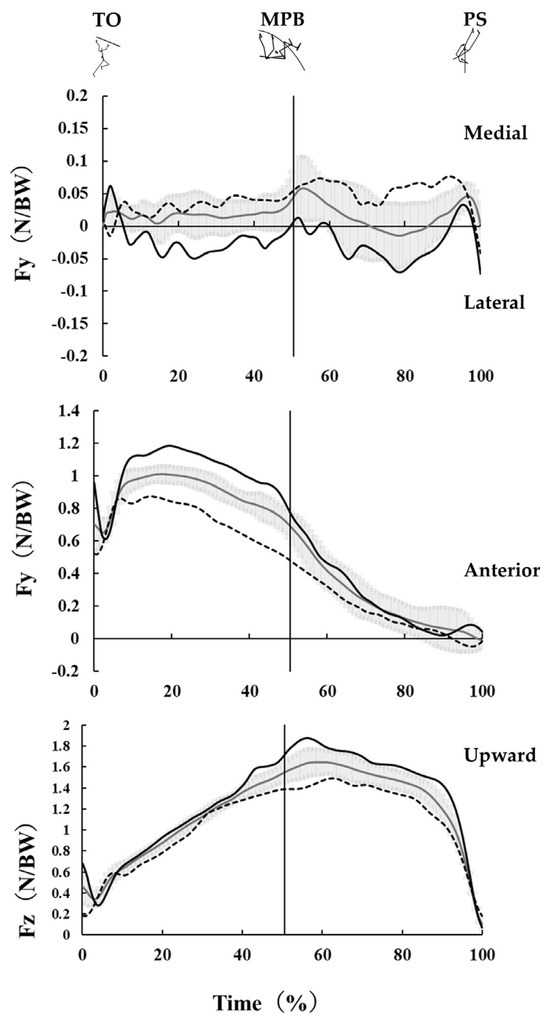
Background/Objectives: In pole vaulting, the capacity to store elastic energy within the pole (Epole) significantly influences performance. This study investigated the characteristics of Epole storage by analyzing the box reaction force and vector angle. Methods: Eight male pole vaulters, including World Championships participants, were examined. A motion capture system (VICON) and force plates (Kistler) were used to measure the vector angle (angle between the compression force (CF) and box reaction force vectors) and horizontal velocity of the center of gravity (COG) (Vcogh). Epole was calculated as the integral of the CF (estimated from the box reaction forces), and pole bending displacement. The relationships between each variable and the peak height of COG (HP) were assessed using Pearson’s product–moment correlation coefficients. Results: HP correlated with Vcogh in the pole plant (PP) (r = 0.82) and Epole (r = 0.94). Vaulters with a higher HP maintained a vector angle < 2° between 20% and 80% of the pole bending phase, indicating closer directional alignment between the box reaction force vector and pole chord direction, whereas vaulters with lower HP exhibited larger vector angles (4–8°), associated with a relative reduction in the axial component of force transmitted to the pole. Conclusions: A smaller vector angle effectively enhanced the CF, thereby increasing pole bending and promoting greater accumulation of Epole. Therefore, maintaining a small vector angle may enable more effective force transmission along the pole chord, and vector angle characteristics and PP horizontal velocity may assist appropriate pole selection and training strategies to enhance elastic energy storage and performance.
Full article
(This article belongs to the Section Sports Biomechanics)
►▼
Show Figures

Figure 1

Open AccessArticle
A Comparative Study of Lower-Limb Joint Angles and Moment Estimations Across Different Gait Conditions Using OpenSim for Body-Weight Offloading Applications
by
Bushira Musa, Ji Chen, Glacia Martin, Kaitlin H. Lostroscio and Alexander Peebles
Biomechanics 2026, 6(1), 27; https://doi.org/10.3390/biomechanics6010027 - 3 Mar 2026
Abstract
Background: Microgravity exposure causes muscle atrophy and bone density loss in astronauts. Traditional motion analysis provides estimations of external kinematics and muscle activation, but cannot resolve internal load. OpenSim closes this gap by applying musculoskeletal modeling to estimate internal joint mechanics. Methods: In
[...] Read more.
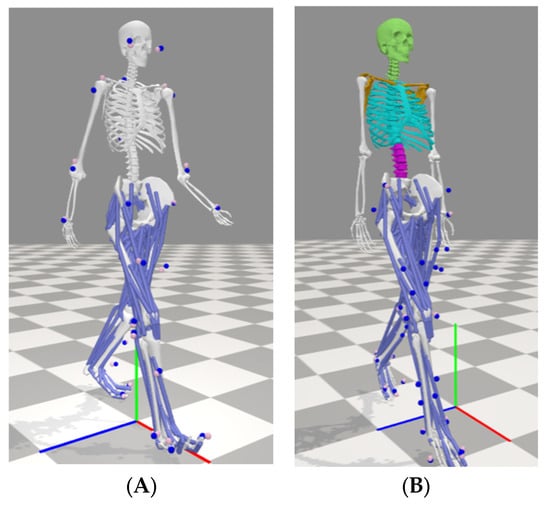
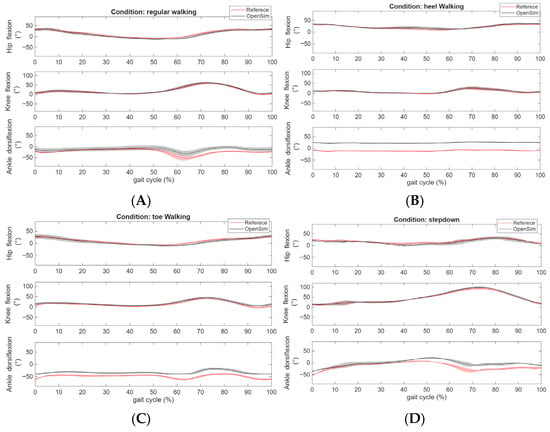
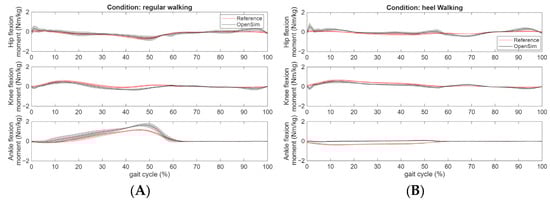
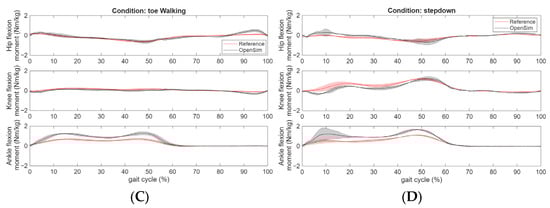
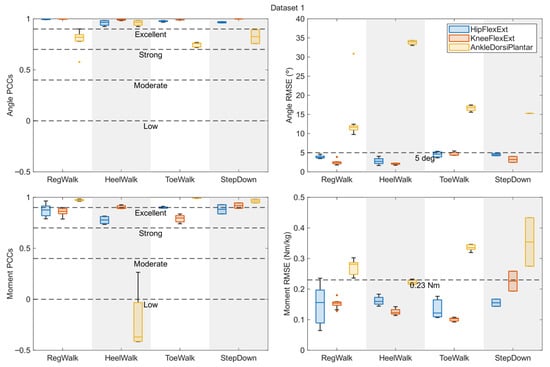
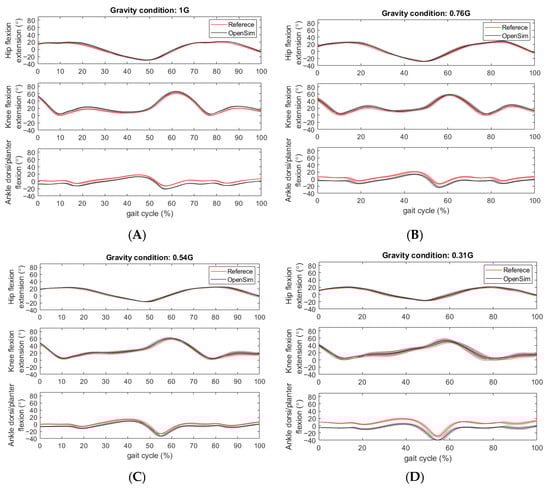
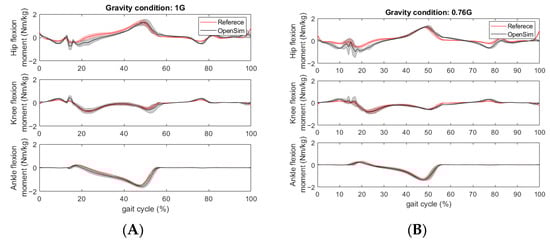
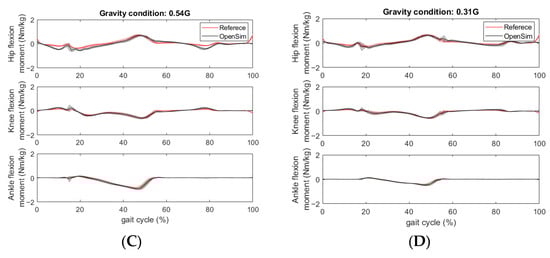
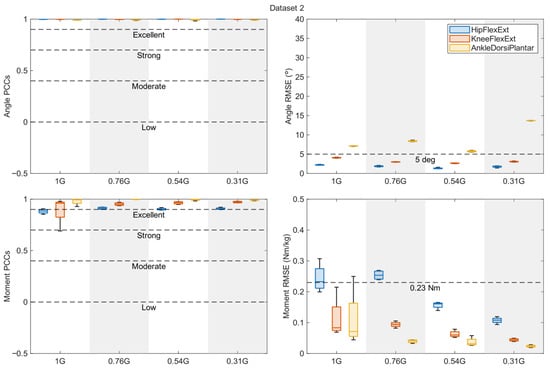
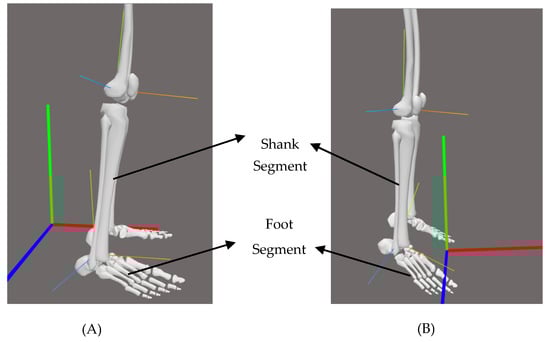
Background: Microgravity exposure causes muscle atrophy and bone density loss in astronauts. Traditional motion analysis provides estimations of external kinematics and muscle activation, but cannot resolve internal load. OpenSim closes this gap by applying musculoskeletal modeling to estimate internal joint mechanics. Methods: In this study, we aimed to develop an OpenSim workflow to estimate joint angles and moments using datasets from two publicly available gait studies: the Politecnico di Milano study (Dataset 1), which includes level-floor walking, walking on heels, walking on toes, and step-down-from-stairs tasks, and Maclean et al.’s walking study in reduced gravities (Dataset 2), which includes four simulated gravity levels (1.0 G, 0.76 G, 0.54 G, and 0.31 G). Marker and ground reaction force (GRF) data, along with participants’ mass, were used to prepare the first three steps of OpenSim’s workflow, including scaling, inverse kinematics (IK), and inverse dynamics (ID). Scripts using MATLAB R2025a (The MathWorks, Inc., Natick, MA, USA) were created to store, normalize, and compare OpenSim outputs with reference data on the right leg. Pearson’s correlation coefficient (PCC) was used to quantify agreement between OpenSim-derived joint angles and moments and the reference data, and root mean square error (RMSE) was used to characterize accuracy. Results: Hip and knee angles showed excellent correlation across both datasets (PCC > 0.974). Ankle angles were more variable, particularly in Dataset 1 (PCC = 0.833; RMSE = 19.797°) compared to Dataset 2 (PCC = 0.995; RMSE = 8.73°). Joint moment correlations were strong for hip and knee (PCC > 0.85), though ankle moments in Dataset 1 exhibited lower correlation (PCC = 0.677) and higher error (0.30 Nm/kg) compared to the high accuracy observed across all joints in Dataset 2. Discussion: We speculate that the lower PCC values and higher RMSE observed for ankle dorsi/plantar flexion angle and moment in Dataset 1 are mainly attributable to differences in shank segment frame definitions between the OpenSim model and the human body model used in Dataset 1. Higher ankle angle RMSEs in Dataset 2 may be due to lower weights assigned to ankle markers in the scaling and IK setup files, resulting in different ankle joint center definitions. Conclusion: In the future, we plan to improve this OpenSim workflow by including additional participants and datasets collected in simulated reduced-gravity environments and by implementing a residual reduction algorithm (RRA) and computed muscle control (CMC) to enable muscle activation estimation.
Full article
(This article belongs to the Topic The Mechanics of Movement: Biomechanics in Sports Performance)
►▼
Show Figures

Figure 1
Open AccessArticle
Intraday and Interday Reliability of Horizontal Upper Body Push and Pull Isometric Strength Qualities Using the VALD DynaMo Max Dynamometer
by
Ivan Curovic, Milan Markovic, Lazar Toskic, Jill Alexander and Damian J. Harper
Biomechanics 2026, 6(1), 26; https://doi.org/10.3390/biomechanics6010026 - 3 Mar 2026
Abstract
Background/Objectives: To evaluate the intraday and interday reliability of seated horizontal upper body (UB) isometric push and pull tests performed with the VALD DynaMo Max dynamometer. Methods: Fifty-two recreationally active individuals (41 men, 11 women; 25.0 ± 6.1 years) completed two sessions 48
[...] Read more.
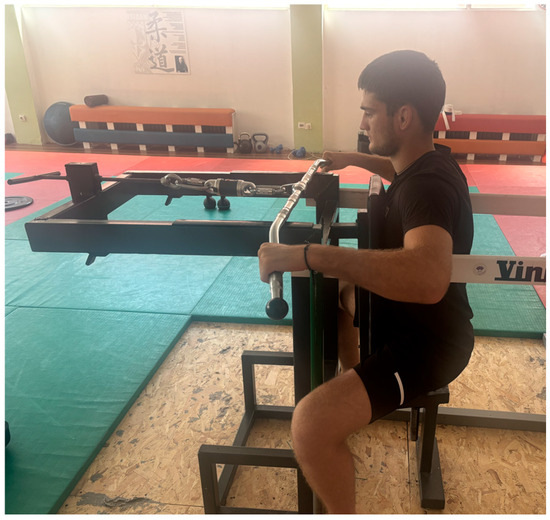
Background/Objectives: To evaluate the intraday and interday reliability of seated horizontal upper body (UB) isometric push and pull tests performed with the VALD DynaMo Max dynamometer. Methods: Fifty-two recreationally active individuals (41 men, 11 women; 25.0 ± 6.1 years) completed two sessions 48 h apart, each comprising three maximal-effort push and pull trials at 90° elbow flexion using a custom-built rig with the attached dynamometer. Peak force (PF), peak rate of force development (RFD), impulse, and time-to-PF were extracted from 1200 Hz force–time data. Reliability was assessed using the intraclass correlation coefficient (ICC), coefficient of variation (CV%), standard error of measure (SEM) and minimal detectable change (MDC). Results: PF demonstrated excellent reliability (ICC = 0.97–0.99) with low absolute error (CV < 6%; MDC = 128–149 N). Impulse showed good-to-excellent reliability (ICC = 0.90–0.94; CV < 10%; MDC ≈ 755–790 N·s), whereas RFD displayed good reliability but greater variability (ICC = 0.80–0.81; CV < 20%; MDC = 2574–2925 N·s−1). Time-to-PF was the least reliable (ICC = 0.68–0.71; CV > 24%; MDC = 1.5–1.7 s). Conclusions: Horizontal isometric push and pull tests using the VALD DynaMo Max dynamometer provide reliable measures of PF and impulse for athlete profiling and tracking substantial longitudinal changes. Peak RFD may be cautiously used for broad cross-sectional comparisons, although its higher variability limits precision in distinguishing smaller inter-individual differences and appears less sensitive to within-individual changes. Time-to-PF demonstrated insufficient reliability for practical application.
Full article
(This article belongs to the Section Sports Biomechanics)
►▼
Show Figures

Figure 1
Open AccessArticle
Interjoint Range of Motion Relationships Along Myofascial Chains in Healthy Adults
by
Anna Chalkia, Eleftherios Paraskevopoulos and Dimitris Mandalidis
Biomechanics 2026, 6(1), 25; https://doi.org/10.3390/biomechanics6010025 - 2 Mar 2026
Abstract
Background/Objectives: Emerging evidence suggests the presence of associations in joint mobility along anatomically defined myofascial continuities, indicating that joint mobility may co-vary across anatomically distant regions. This study aimed to investigate the correlations between the active range of motion (ROM) of joints
[...] Read more.
Background/Objectives: Emerging evidence suggests the presence of associations in joint mobility along anatomically defined myofascial continuities, indicating that joint mobility may co-vary across anatomically distant regions. This study aimed to investigate the correlations between the active range of motion (ROM) of joints belonging to the same myofascial chain in healthy, physically active individuals. Methods: Active ROM was measured in 61 adults (21 males and 40 females) at joints contributing to four myofascial chains: the superficial front line (SFL), superficial back line (SBL), functional front line (FFL), and functional back line (FBL), using an inertial measurement unit. Partial Pearson’s correlation coefficients (r), controlling for sex, were calculated to examine the relationships between joint ROM values within lines, with statistical corrections applied when necessary. Results: Significant, yet weak to moderate in most cases, partial correlation coefficients were identified among joints in the upper SFL (0.32–0.44), the lower SBL (0.42–0.44), along the FFL (0.29–0.51), and between the lower segments of the BFL (0.48–0.60). Conclusions: While some joint ROMs within myofascial chains demonstrate weak-to-strong associations, overall interdependence appears mode- and region-specific. These findings suggest that factors beyond fascial continuity, such as neuromuscular control, joint structure, and movement habits, are likely to contribute to ROM variability.
Full article
(This article belongs to the Special Issue Sensors for Biomechanical and Rehabilitation Engineering)
►▼
Show Figures

Figure 1
Open AccessArticle
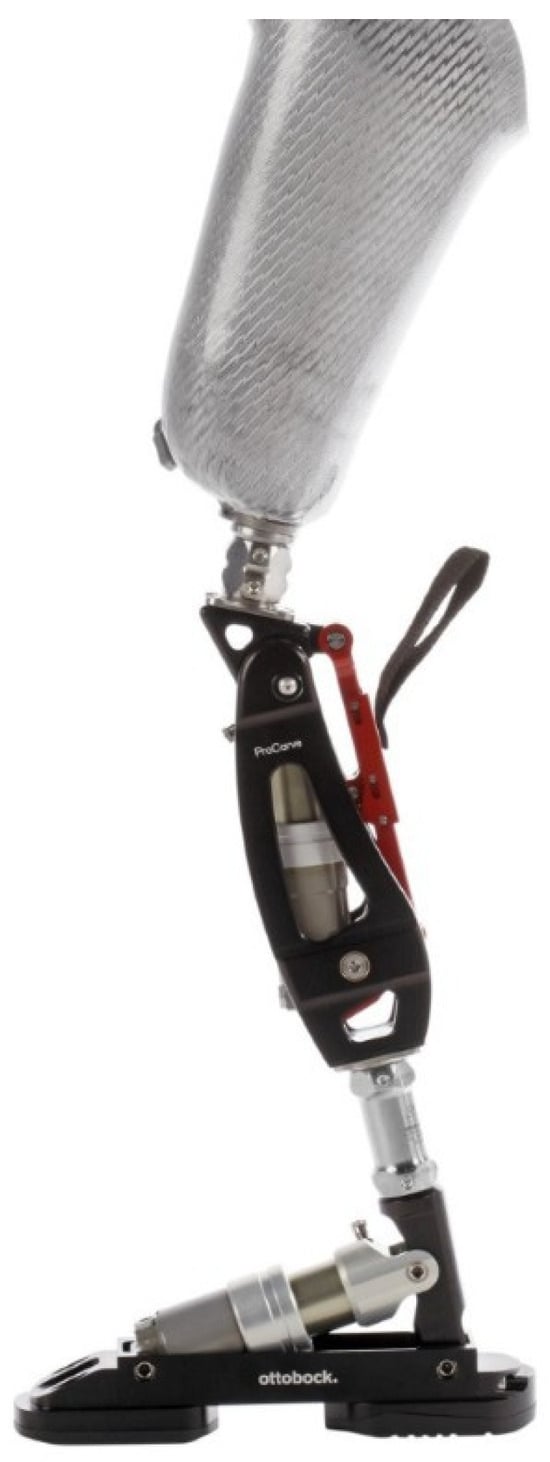
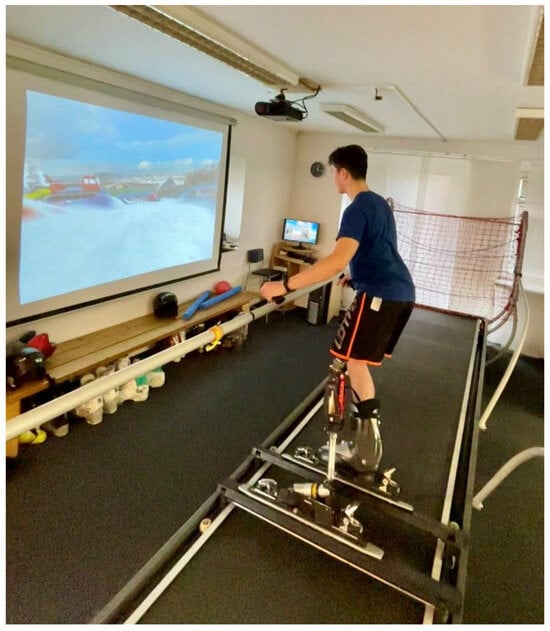
Does a Prosthetic Limb for Skiing Affect the Three-Dimensional Knee-Joint Kinematics of Unilateral Transfemoral Amputee Skiers: A Pilot Study
by
Filip Hruša, Petr Kubový, František Lopot, Luboš Tomšovský and Karel Jelen
Biomechanics 2026, 6(1), 24; https://doi.org/10.3390/biomechanics6010024 - 2 Mar 2026
Abstract
Background: Alpine skiing imposes high biomechanical demands on the lower limbs, which are further amplified in individuals with transfemoral amputation due to prosthetic constraints. This study aimed to quantify three-dimensional knee flexion asymmetries during alpine skiing turns in transfemoral amputee skiers compared with
[...] Read more.
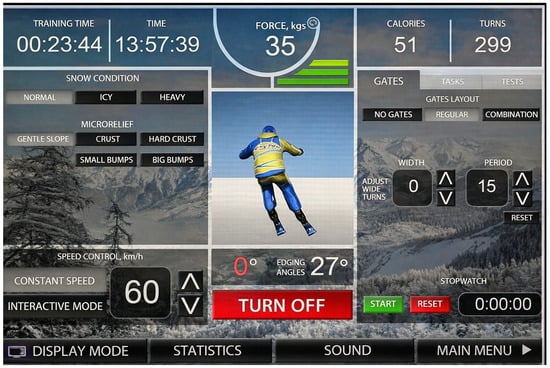
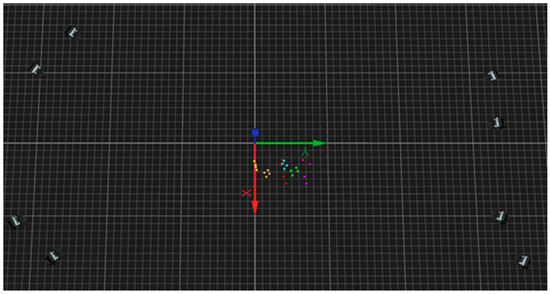
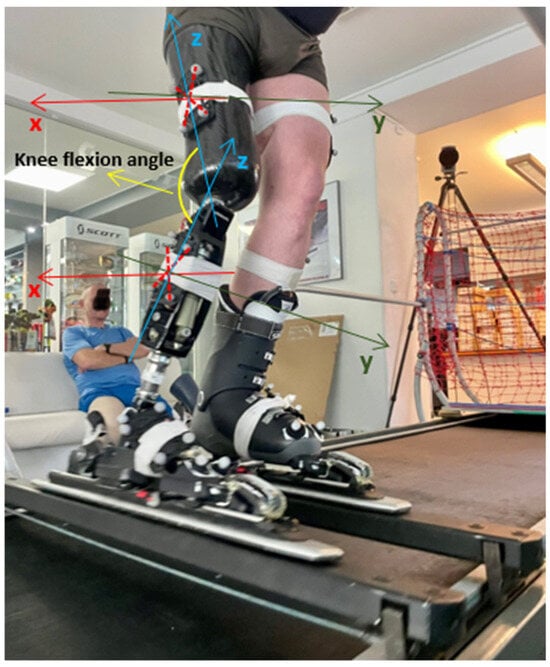
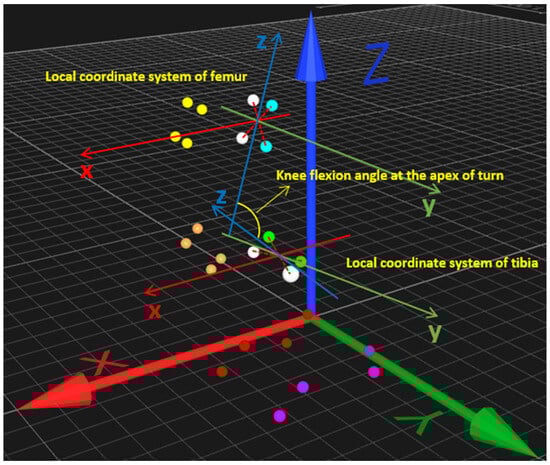
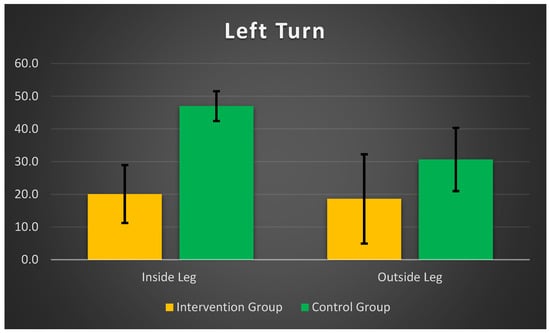
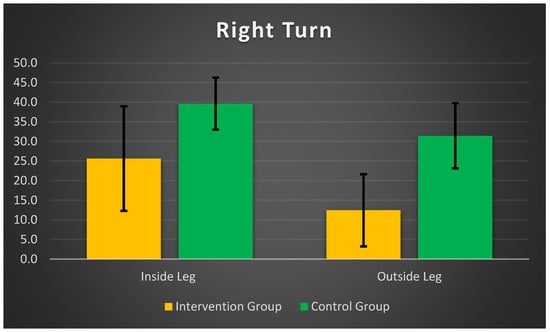
Background: Alpine skiing imposes high biomechanical demands on the lower limbs, which are further amplified in individuals with transfemoral amputation due to prosthetic constraints. This study aimed to quantify three-dimensional knee flexion asymmetries during alpine skiing turns in transfemoral amputee skiers compared with non-disabled controls. Methods: Five unilateral transfemoral amputee skiers (intervention group) and five non-disabled ski instructors (control group) performed six left and six right turns on a skiing simulator under laboratory conditions. Knee flexion angles at the apex of each turn were analyzed using three-dimensional motion capture. Intra-individual differences between the prosthetic and intact limbs were assessed using paired comparisons, and inter-individual differences between groups were evaluated using independent statistical tests (p < 0.05), performed in IBM SPSS Statistics. Results: Intra-individual analysis revealed significant knee flexion asymmetries (p < 0.05) in almost all amputee participants at the apex of both left (mean difference = 7.74°, 95% CI: 3.38–12.09) and right turns (mean difference = 4.36°, 95% CI: 2.66–6.06). In the control group, asymmetries were smaller and reached significance only for the inside leg in both turns (mean difference = 4.02°, 95% CI: 2.51–5.54). Inter-individual comparisons demonstrated significant differences between the groups for both turning directions. During left turns (prosthetic limb on the inside), the largest difference was observed for the inside leg (26.9°, p < 0.001), while the smallest difference occurred for the outside leg (12.1°, p = 0.013). During right turns (prosthetic limb on the outside), the largest difference was found for the outside leg (19.0°, p < 0.001), with a smaller but still significant difference for the inside leg (14.0°, p < 0.001). Conclusions: Transfemoral amputee skiers exhibit a turning strategy that is qualitatively comparable to that of non-disabled skiers; however, it is characterized by a reduced knee flexion range of motion. These limitations appear to be primarily influenced by prosthesis mechanics and user-specific skill levels rather than by a fundamentally different movement strategy.
Full article
(This article belongs to the Section Injury Biomechanics and Rehabilitation)
►▼
Show Figures

Figure 1
Open AccessArticle
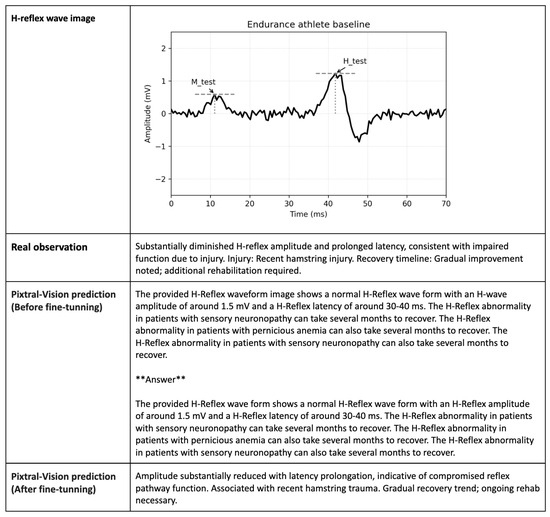
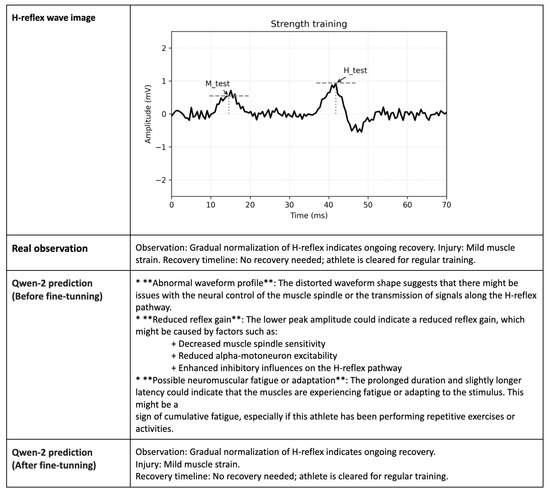
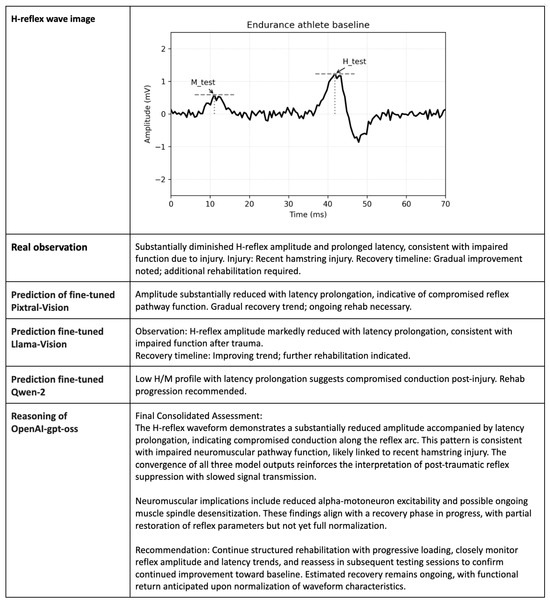
Standardization of Neuromuscular Reflex Analysis—Role of Fine-Tuned Vision-Language Model Consortium and OpenAI gpt-oss Reasoning LLM-Enabled Decision Support System
by
Eranga Bandara, Ross Gore, Sachin Shetty, Ravi Mukkamala, Christopher K. Rhea, Brittany S. Samulski, Amin Hass, Atmaram Yarlagadda, Shaifali Kaushik, Malith De Silva, Andriy Maznychenko, Inna Sokolowska and Kasun De Zoysa
Biomechanics 2026, 6(1), 23; https://doi.org/10.3390/biomechanics6010023 - 27 Feb 2026
Abstract
Background/Objectives: Accurate assessment of neuromuscular reflexes, such as the Hoffmann reflex (H-reflex), plays a critical role in sports science, rehabilitation, and clinical neurology. Conventional interpretation of H-reflex electromyography (EMG) waveforms is subject to inter-rater variability and interpretive bias, limiting reliability and standardization. This
[...] Read more.
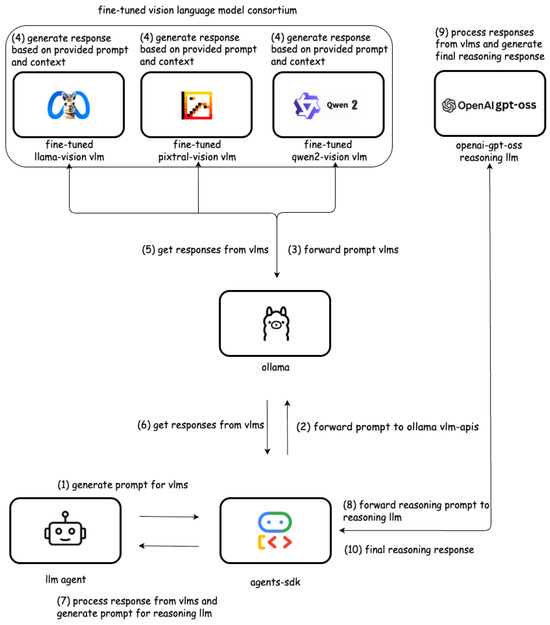
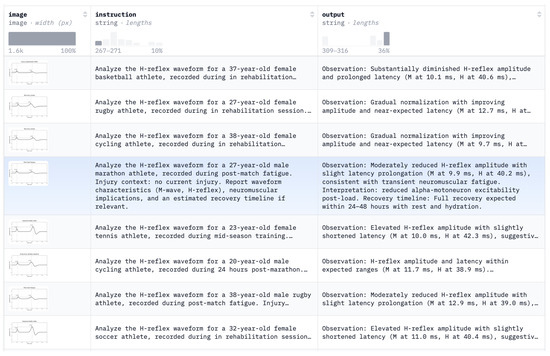
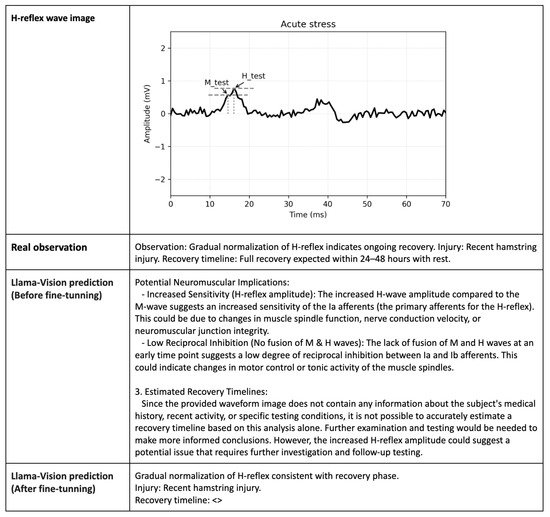
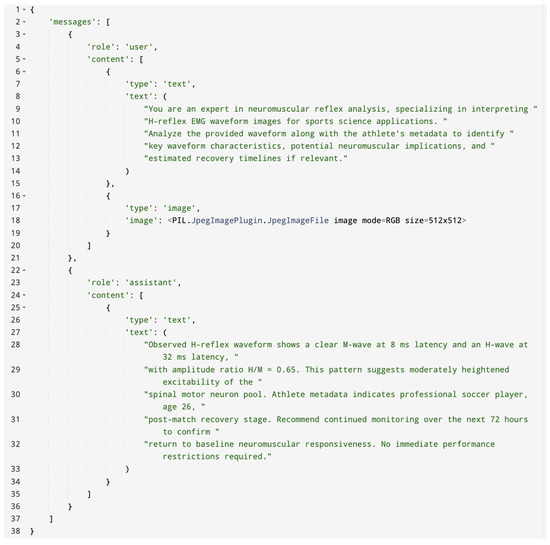
Background/Objectives: Accurate assessment of neuromuscular reflexes, such as the Hoffmann reflex (H-reflex), plays a critical role in sports science, rehabilitation, and clinical neurology. Conventional interpretation of H-reflex electromyography (EMG) waveforms is subject to inter-rater variability and interpretive bias, limiting reliability and standardization. This study aims to develop an automated, interpretable, and robust agentic AI–driven framework for H-reflex waveform analysis. Methods: We propose a fine-tuned Vision–Language Model (VLM) consortium combined with a reasoning Large Language Model (LLM)–enabled decision support system for automated H-reflex interpretation. Multiple VLMs were fine-tuned on curated datasets of H-reflex EMG waveform images annotated with expert clinical observations, recovery timelines, and athlete metadata. The VLM outputs were aggregated using a consensus-based strategy and further refined by a specialized reasoning LLM to ensure coherent, transparent, and explainable diagnostic assessments. Model fine-tuning employed Low-Rank Adaptation (LoRA) and 4-bit quantization to enable efficient deployment on consumer-grade hardware. Results: Experimental evaluation demonstrated that the proposed hybrid system delivers accurate, consistent, and clinically interpretable assessments of neuromuscular states, including fatigue, injury, and recovery, directly from EMG waveform images and contextual metadata. Compared with baseline models, the fine-tuned VLM consortium exhibited substantially improved precision, consistency, and contextual awareness, while the reasoning LLM enhanced diagnostic coherence through cross-model consensus and structured reasoning, thereby supporting responsible and explainable AI-driven decision making. Conclusions: This work presents, to the authors’ knowledge, the first integration of a responsible and explainable AI-driven decision support system for H-reflex analysis. The proposed framework advances the automation and standardization of neuromuscular diagnostics and establishes a foundation for next-generation AI-assisted decision support systems in sports performance monitoring, rehabilitation, and clinical neurophysiology.
Full article
(This article belongs to the Special Issue Biomechanics in Sport and Ageing: Artificial Intelligence)
►▼
Show Figures

Figure 1
Open AccessCommunication
A Preliminary Mechanical Evaluation of a Newly Developed Polyaxial Locking Mechanism for a Distal Radius Plate
by
Kazuhito Yanabashi, Koji Moriya, Yutaka Maki, Takuya Yoda, Hiroshi Hatano and Hiroyuki Kawashima
Biomechanics 2026, 6(1), 22; https://doi.org/10.3390/biomechanics6010022 - 17 Feb 2026
Abstract
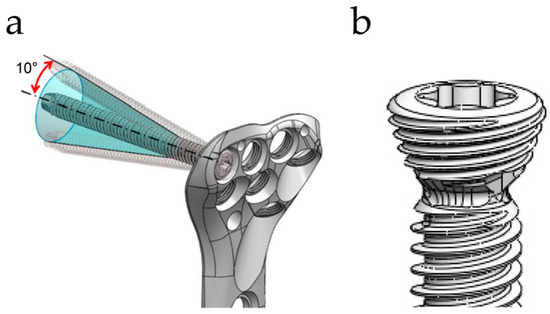
Background/Objectives: Polyaxial locking systems for distal radius plates differ among manufacturers, and the mechanical strength of their locking mechanism is rarely disclosed. This study aimed to perform a preliminary mechanical evaluation of a newly developed polyaxial locking mechanism and to investigate its
[...] Read more.
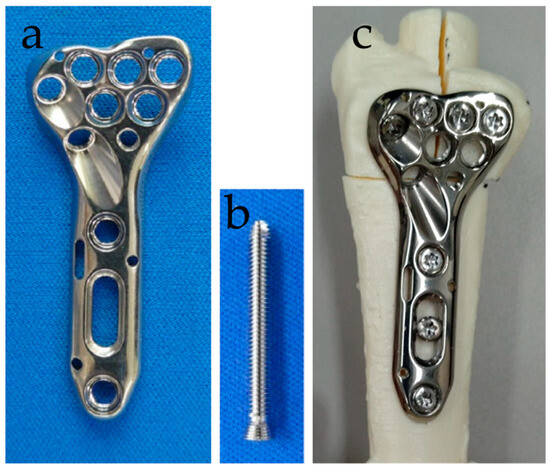
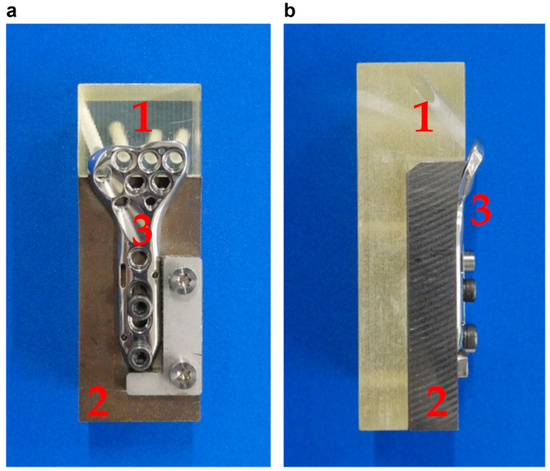
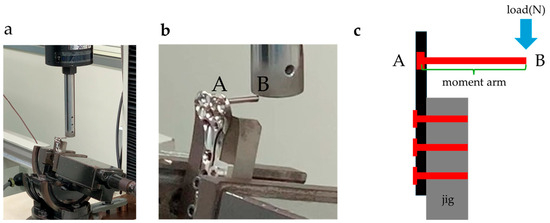
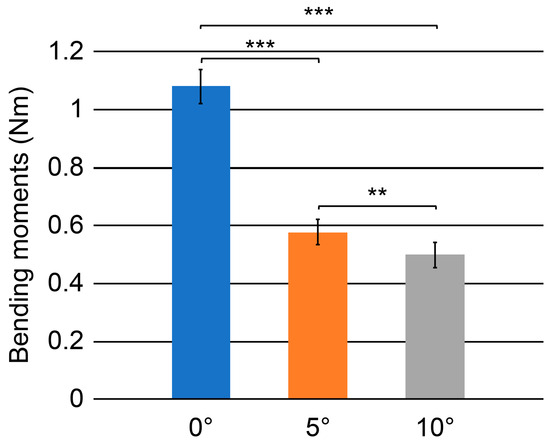
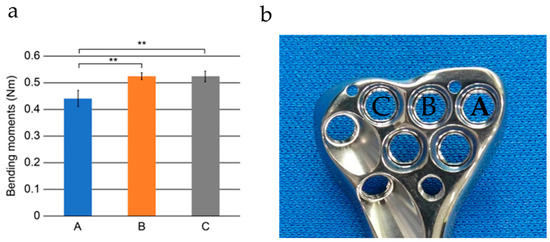
Background/Objectives: Polyaxial locking systems for distal radius plates differ among manufacturers, and the mechanical strength of their locking mechanism is rarely disclosed. This study aimed to perform a preliminary mechanical evaluation of a newly developed polyaxial locking mechanism and to investigate its strength at different screw insertion angles. Methods: The polyaxial locking mechanism was evaluated via static load testing at three screw insertion angles until failure, and the maximum bending moment was measured. Loading was performed via cantilever bending to generate a bending moment in the polyaxial locking mechanism. The maximum bending moments of the insertion angles of 10° for the holes in the distal rows were investigated for significant differences. Results: Maximum bending moments significantly decreased as the screw insertion angle increased, with reductions of approximately 50% at 5° and 10° compared with 0°. At a 10° insertion angle, variation in ultimate strength was observed among screw hole in the distal row. The failure mechanism was loosening of the locking screws in all tests. Conclusions: The maximum bending moment of the polyaxial locking mechanism decreased with increasing locking screw insertion angle, highlighting the importance of insertion angle in polyaxial locking plate fixation.
Full article
(This article belongs to the Section Injury Biomechanics and Rehabilitation)
►▼
Show Figures

Figure 1
Open AccessArticle
The Impact of Relative Load on Dynamic Postural Stability in Recreationally Active Adults: Implications for Tactical Readiness
by
Rachel Ward, Roger O. Kollock, Madeleine Fulk, Zora Szabo, Maddie Dugan, Muhammad O. Malik, Jacob Thomas, Greysee Floyd and Gabe J. Sanders
Biomechanics 2026, 6(1), 21; https://doi.org/10.3390/biomechanics6010021 - 10 Feb 2026
Abstract
Background/Objectives: Musculoskeletal injuries (MSIs) continue to be a significant challenge in military populations. Load carriage is cited as a key contributor to postural stability (PS) impairments and therefore may contribute to injury risk. Therefore, the purpose of the present study was to examine
[...] Read more.
Background/Objectives: Musculoskeletal injuries (MSIs) continue to be a significant challenge in military populations. Load carriage is cited as a key contributor to postural stability (PS) impairments and therefore may contribute to injury risk. Therefore, the purpose of the present study was to examine the influence of load per kilogram of body mass (LpBM) on dynamic postural stability index (DPSI) percentage difference between unloaded and loaded conditions, while moderating for biological sex. Methods: Thirty-three recreationally active adults (16 males, 17 females) participated in a cross-sectional study. Each participant performed single-leg landing (SLL) tasks under unloaded and loaded conditions, and DPSI was calculated using ground reaction force data collected over the first three seconds post-landing. The loaded condition (22–23 kg, varies based on helmet and vest size) required individuals to wear a full combat load. A moderated multiple regression with robust standard errors was run to determine whether the relationship between percentage difference in DPSI between unloaded and loaded conditions and LpBM carried is different for female and male participants. Results: There was not a statistically significant moderator effect of the DPSI percentage difference, as evidenced by the addition of the interaction term explaining an additional 0.94% of the total variance, p < 0.643. Follow-up standard multiple regressions revealed that there was a statistically significant positive linear relationship (0.887 ± 0.320) between DPSI percentage difference and LpBM (p = 0.010). It was also observed that females did not have statistically significantly higher DPSI percentage difference than males (1.210 ± 4.392, p = 0.785). Conclusions: The results suggest that as LpBM increases, stability becomes more difficult to maintain. These findings highlight the importance of considering relative load when assessing injury risk and designing load carriage training protocols in tactical populations.
Full article
(This article belongs to the Section Gait and Posture Biomechanics)
Open AccessArticle
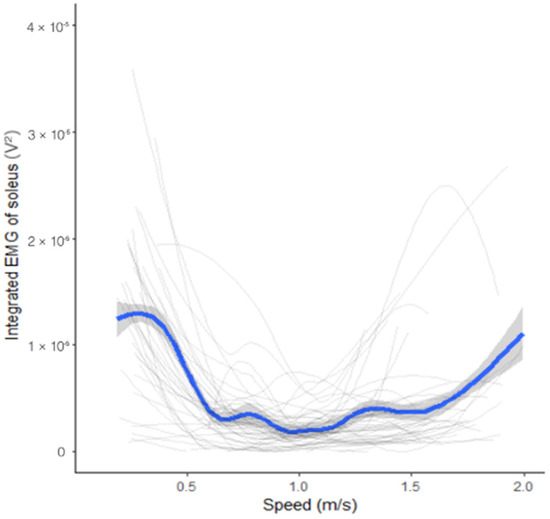
The Nonlinear Effects of Walking Speed on Calf Muscle Activation During the Ankle Power Generation Phase
by
Shihao Jia, Tiev Miller, Oliver Roberts, Joshua Chan, Tracy Ho, Tsz-Hin Chan and Patrick Wai-Hang Kwong
Biomechanics 2026, 6(1), 20; https://doi.org/10.3390/biomechanics6010020 - 6 Feb 2026
Abstract
Background/Objectives: The calf muscles are vital for generating propulsive force during walking. This power is produced from calf muscle contractions and elastic strain energy release. However, the impact of walking speed on these power-generation mechanisms is understudied. This study aimed to investigate
[...] Read more.
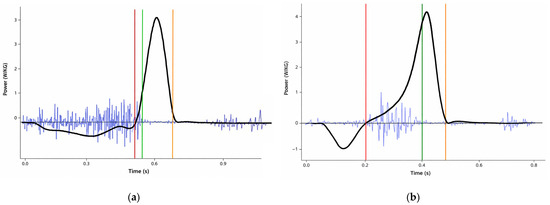
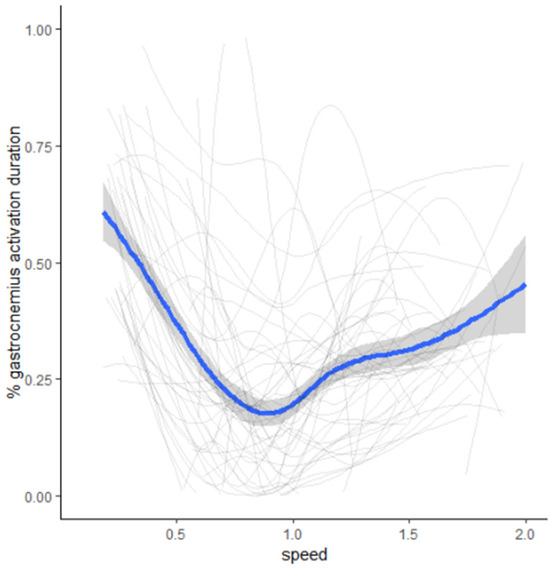
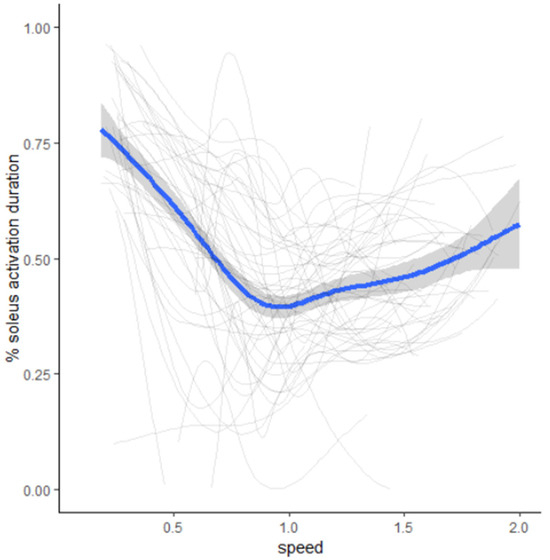
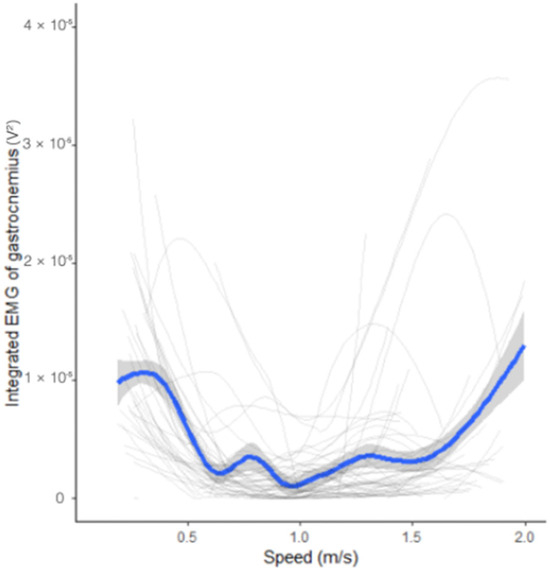
Background/Objectives: The calf muscles are vital for generating propulsive force during walking. This power is produced from calf muscle contractions and elastic strain energy release. However, the impact of walking speed on these power-generation mechanisms is understudied. This study aimed to investigate how different walking speeds affect calf muscle activation and ankle power generation. Methods: In this study, we analyzed electromyography (EMG) signals from the gastrocnemius (GAS) and soleus (SOL) muscles of 55 healthy individuals walking at various speeds. C1: household ambulators (0–0.4 m·s−1), C2: limited community ambulators (0.4–0.8 m·s−1), C3: community ambulators (0.8–1.2 m·s−1), C4: self-selected usual speed, and C5: self-selected fast speed. Results: Deviating from a participant’s self-chosen pace led to increased cumulative muscle activity and prolonged plantar flexor activation. Optimal muscle activation was observed at speeds between 0.8–1.2 m·s−1. A second-degree polynomial mixed model best captured the relationship between muscle activation duration and integrated EMG in the ankle power generation phase in late stance, demonstrating the nonlinear relationship between walking speed and calf muscle activation in this phase. Statistically significant models (p < 0.001) explained over 50% of the variability in GAS activation duration (R2 = 0.55) and integrated EMG (R2 = 0.56), as well as SOL activation duration (R2 = 0.52) and integrated EMG (R2 = 0.72). Conclusions: The nonlinear relationship between walking speed and calf muscle activation indicates that normal walking speed optimizes the utilization of elastic strain energy in the ankle power generation phase.
Full article
(This article belongs to the Section Gait and Posture Biomechanics)
►▼
Show Figures

Figure 1
Open AccessArticle
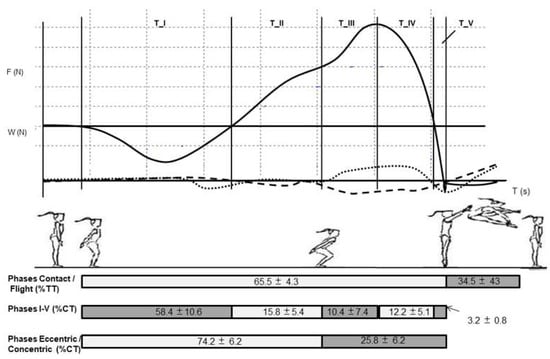
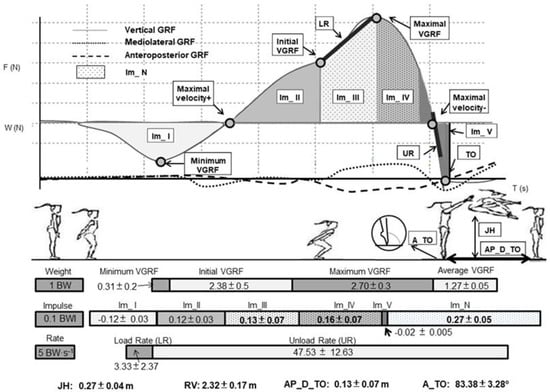
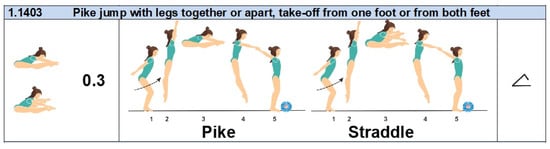
Identification of Kinetic Efficacy Variables for the Rhythmic Gymnastics Pike Jump to Monitor Performance
by
Manuel Nogueras, Pablo Floria and Amelia Ferro-Sánchez
Biomechanics 2026, 6(1), 19; https://doi.org/10.3390/biomechanics6010019 - 4 Feb 2026
Abstract
Background/Objectives: In Rhythmic Gymnastics (RG), the jump is an element of great difficulty that requires the qualities of strength and coordination. Jump height and power are the variables normally used to assess the final performance of jumps. However, they do not allow
[...] Read more.
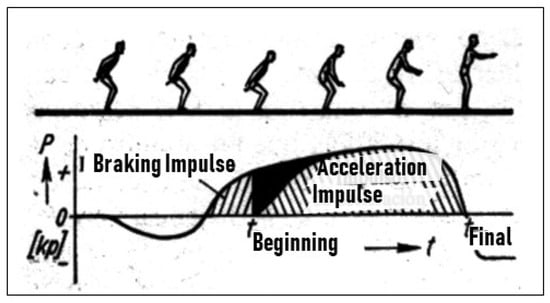
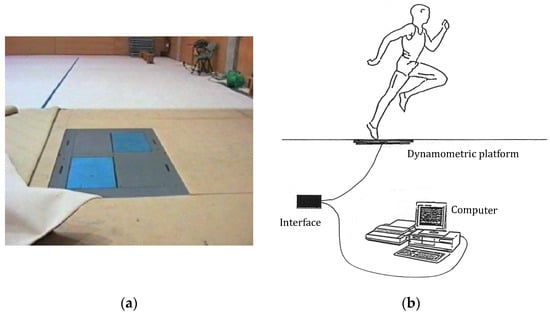
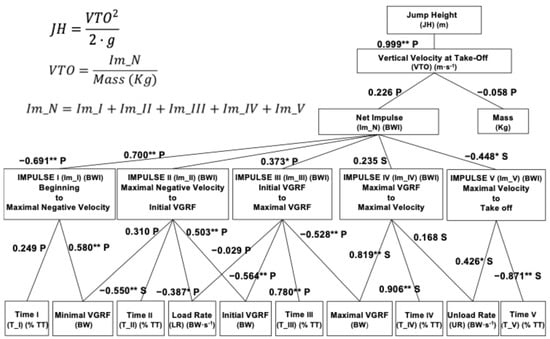
Background/Objectives: In Rhythmic Gymnastics (RG), the jump is an element of great difficulty that requires the qualities of strength and coordination. Jump height and power are the variables normally used to assess the final performance of jumps. However, they do not allow us to analyze what happens in the intermediate stages or provide practical information to find jump improvement strategies. This study aimed to determine which kinetic variables, organized within a hierarchical model, serve as performance indicators in the Pike Jump executed from a standing start with arm swing. Methods: Ten high-level women gymnasts (14 ± 0.7 years) performed 53 Pike Jumps on a Dinascan-IBV, v.8.1 dynamometric platform (Valencia, Spain) that recorded at 1000 Hz. In the model, jumping was divided into five phases, and 76 related efficacy variables were defined, with 34 of them normalized for total jump time or body weight. Bivariate correlations were analyzed with a bilateral significance test to validate the proposed model. Results: Average and Initial Vertical Ground Reaction Force can be used as performance indicators of the Pike Jump, providing information on intermediate stages of the jump and allowing us to improve specific aspects related to the level of force and the way to apply it in RG. Conclusions: The degree of correlation found among the variables allowed us to validate the model. Normalized variables allow a more precise analysis to be carried out and question some results obtained in the literature in which non-normalized data were presented.
Full article
(This article belongs to the Topic The Mechanics of Movement: Biomechanics in Sports Performance)
►▼
Show Figures

Figure 1
Highly Accessed Articles
Latest Books
E-Mail Alert
News
Topics
Topic in
Biomechanics, JFMK, Sensors, Sports
Current Perspectives and Future Directions in Sports Biomechanics
Topic Editors: Pedro Forte, Rafael Peixoto, Luís BranquinhoDeadline: 25 May 2026
Topic in
Biology, Brain Sciences, Sports, Biomechanics, JFMK, Physiologia
The Mechanics of Movement: Biomechanics in Sports Performance
Topic Editors: Mario Bernardo-Filho, Danúbia Da Cunha De Sá-Caputo, Redha TaiarDeadline: 31 July 2026
Topic in
Biomechanics, Clinics and Practice, JFMK, Medicina, Sports
Biomechanics, Rehabilitation, and Metabolic Health: The Role of Physical Activity in Managing Chronic Conditions
Topic Editors: Jan Bilski, Nicola Luigi BragazziDeadline: 28 February 2027
Conferences
Special Issues
Special Issue in
Biomechanics
Cutting-Edge Biomechanics: Unlocking the Future of Biomedical Engineering
Guest Editor: Ye ZengDeadline: 30 April 2026
Special Issue in
Biomechanics
Biophysical Mechanisms in Sports Performance
Guest Editors: Manoel Rios, Roland Van den Tillaar, Filipa CardosoDeadline: 30 June 2026
Special Issue in
Biomechanics
Computational Modeling and AI Applications in Injury Biomechanics and Rehabilitation
Guest Editors: Sujata Khandare, Fan GaoDeadline: 25 July 2026
Special Issue in
Biomechanics
Lower Limb and Surface Interaction: Implications for Performance and Injury
Guest Editors: Elissavet Rousanoglou, Dimitris G. MandalidisDeadline: 31 July 2026
Topical Collections
Topical Collection in
Biomechanics
Locomotion Biomechanics and Motor Control
Collection Editor: Ka-Chun (Joseph) Siu