
Journal Description
Fermentation
Fermentation
is an international, peer-reviewed, open access journal on fermentation process and technology, published monthly online by MDPI.
- Open Access— free for readers, with article processing charges (APC) paid by authors or their institutions.
- High Visibility: indexed within Scopus, SCIE (Web of Science), PubAg, FSTA, Inspec, CAPlus / SciFinder, and other databases.
- Journal Rank: JCR - Q2 (Biotechnology and Applied Microbiology) / CiteScore - Q1 (Plant Science)
- Rapid Publication: manuscripts are peer-reviewed and a first decision is provided to authors approximately 19.5 days after submission; acceptance to publication is undertaken in 2.9 days (median values for papers published in this journal in the second half of 2025).
- Recognition of Reviewers: reviewers who provide timely, thorough peer-review reports receive vouchers entitling them to a discount on the APC of their next publication in any MDPI journal, in appreciation of the work done.
Impact Factor:
3.3 (2024);
5-Year Impact Factor:
3.5 (2024)
Latest Articles
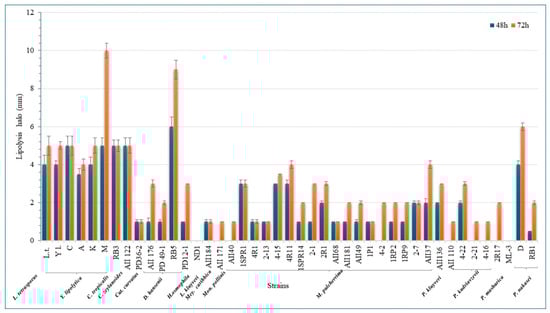
Preliminary Screening of Non-Conventional Yeasts for Olive Mill Wastewater Valorization
Fermentation 2026, 12(4), 188; https://doi.org/10.3390/fermentation12040188 - 8 Apr 2026
Abstract
Olive mill wastewater (OMWW) is a highly polluting agro-industrial effluent characterized by elevated organic load, low pH, and high concentrations of phenolic compounds responsible for its phytotoxicity and dark coloration. In this study, 41 non-conventional yeast strains belonging to the University of Basilicata
[...] Read more.
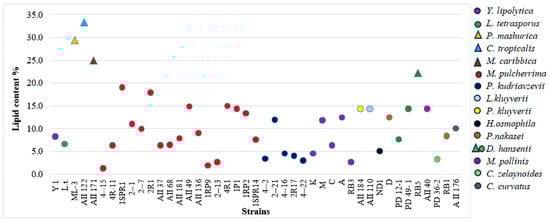
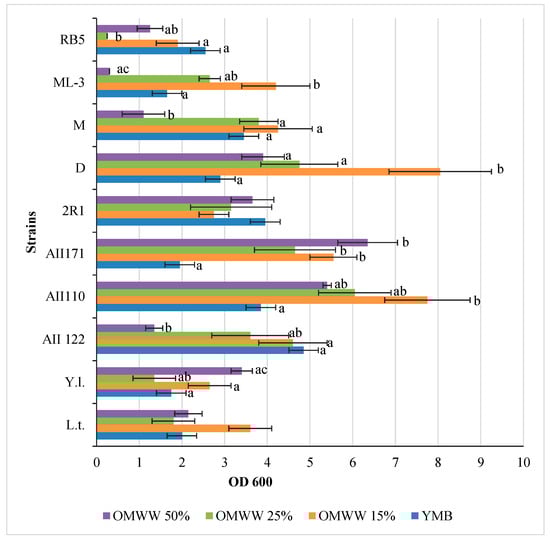
Olive mill wastewater (OMWW) is a highly polluting agro-industrial effluent characterized by elevated organic load, low pH, and high concentrations of phenolic compounds responsible for its phytotoxicity and dark coloration. In this study, 41 non-conventional yeast strains belonging to the University of Basilicata Yeast Collection (UBYC), were tested for both the oleaginous potential traits and OMWW detoxification capacity in comparison to two commercial oleaginous controls, Yarrowia lipolytica ATCC 46483 and Lipomyces tetrasporus Li-0407. Primary screening in synthetic medium under nitrogen-limited conditions revealed widespread intracellular lipid accumulation. Quantitative analysis showed lipid contents above 20% (w/w) in some strains, with Candida tropicalis AII122 (33.3%) and Pichia manshurica ML-3 (29.4%) exhibiting the highest values in synthetic medium. The cultivation of eight selected strains in synthetic medium supplemented with 15% (v/v) of OMWW reduced intracellular lipid accumulation, with the highest value of 6.48% for the 2R1 strain. Levels of phenol reduction and color removal were highly different among all the analyzed strains, and C. tropicalis AII122 achieved the highest phenolic reduction and decolorization ability. These findings demonstrate that indigenous non-conventional yeasts represent a source of natural biodiversity, supporting sustainable waste valorization strategies based on the use of selected microorganisms within a circular bioeconomy framework.
Full article
(This article belongs to the Special Issue Biotechnological Strategies for Agro-Industrial Food Waste Management)
►
Show Figures
Open AccessReview
Fermentative Dynamics and Emerging Technologies for Their Monitoring and Control in Precision Enology: An Updated Review
by
Jesús Delgado-Luque, Álvaro García-Jiménez, Juan Carbonero-Pacheco and Juan C. Mauricio
Fermentation 2026, 12(4), 187; https://doi.org/10.3390/fermentation12040187 - 7 Apr 2026
Abstract
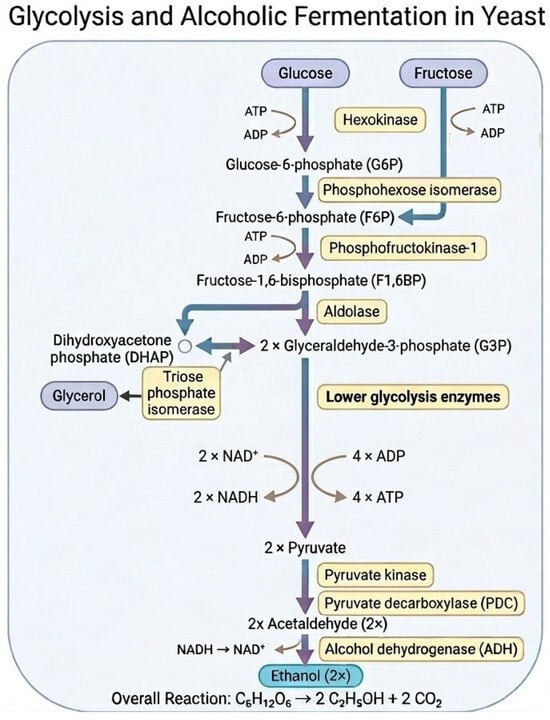
Alcoholic fermentation in winemaking is a complex bioprocess governed by physicochemical parameters such as temperature, density, pH, CO2 and redox potential, which critically affect yeast metabolism and wine quality. This review provides an integrated analysis of fermentative dynamics and emerging sensorization technologies,
[...] Read more.
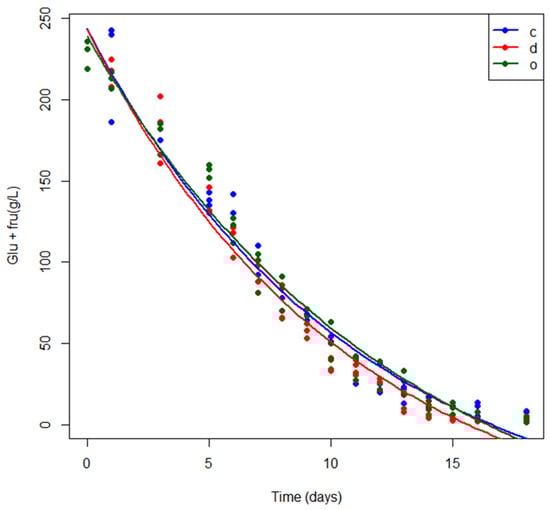
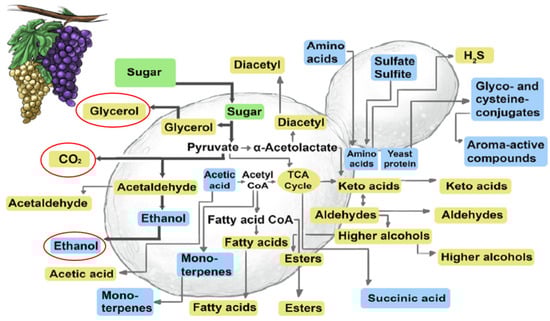
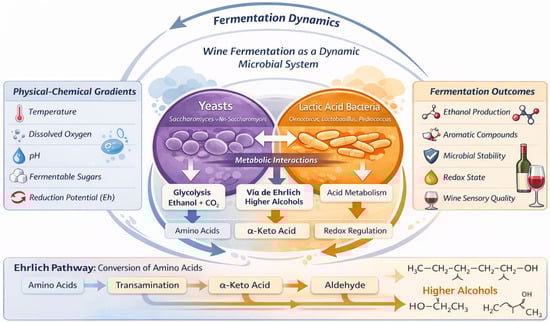
Alcoholic fermentation in winemaking is a complex bioprocess governed by physicochemical parameters such as temperature, density, pH, CO2 and redox potential, which critically affect yeast metabolism and wine quality. This review provides an integrated analysis of fermentative dynamics and emerging sensorization technologies, highlighting how their combined implementation enables real-time monitoring and advanced control in precision enology. Advances in conventional physicochemical sensors, spectroscopic techniques (NIR/MIR/UV-Vis) and non-conventional devices (e-noses, electronic tongues) integrated into IoT platforms enable continuous data acquisition, overcoming traditional manual sampling limitations. Predictive modeling, including kinetic models, machine learning approaches (e.g., Random Forest, XGBoost) and model predictive control (MPC/NMPC), supports anomaly detection, optimization of enological interventions and energy-efficient thermal management, while virtual sensors based on Kalman filters improve the estimation of non-measurable states (e.g., biomass, ethanol kinetics). Despite current challenges in calibration and interoperability, these innovations foster sustainable and reproducible winemaking under climate variability and pave the way for digital twins and semi-autonomous fermentation systems.
Full article
(This article belongs to the Special Issue Fermentation Processes: Modeling, Optimization and Control: 3rd Edition)
►▼
Show Figures

Figure 1

Open AccessArticle
Production of Mevalonate from Glycerol by Escherichia coli Citrate Synthase Variants
by
Caroline E. Hartner and Mark A. Eiteman
Fermentation 2026, 12(4), 186; https://doi.org/10.3390/fermentation12040186 - 3 Apr 2026
Abstract
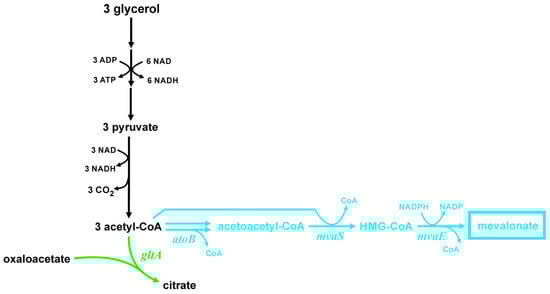
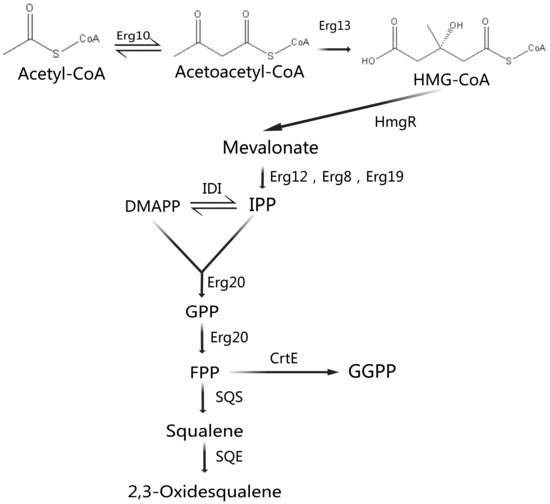
Mevalonate is a biochemical precursor to a wide range of isoprenoids. Because the mevalonate pathway uses three moles of acetyl–CoA, native pathways which metabolize acetyl–CoA, including citrate synthase, strongly compete with mevalonate synthesis. Our hypothesis is that modifications in citrate synthase, with the
[...] Read more.
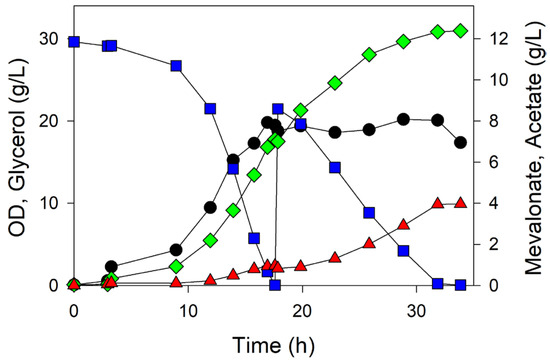
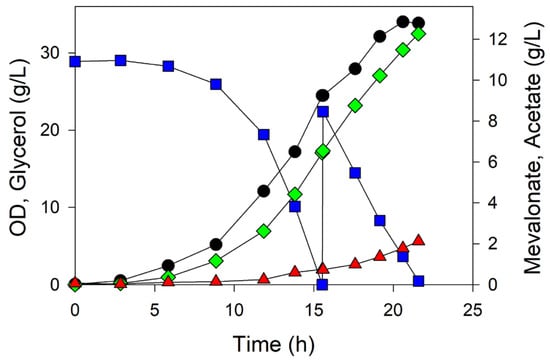
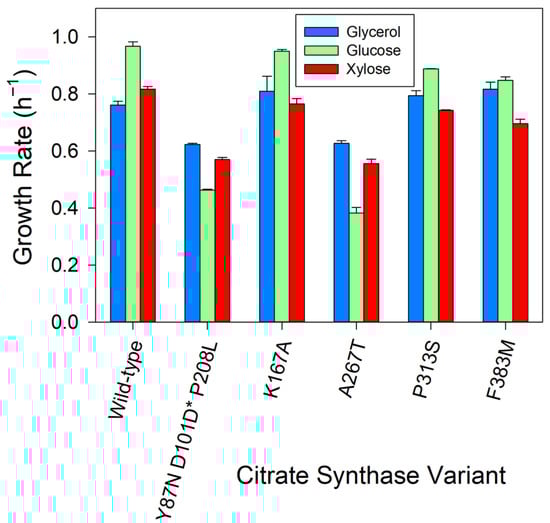
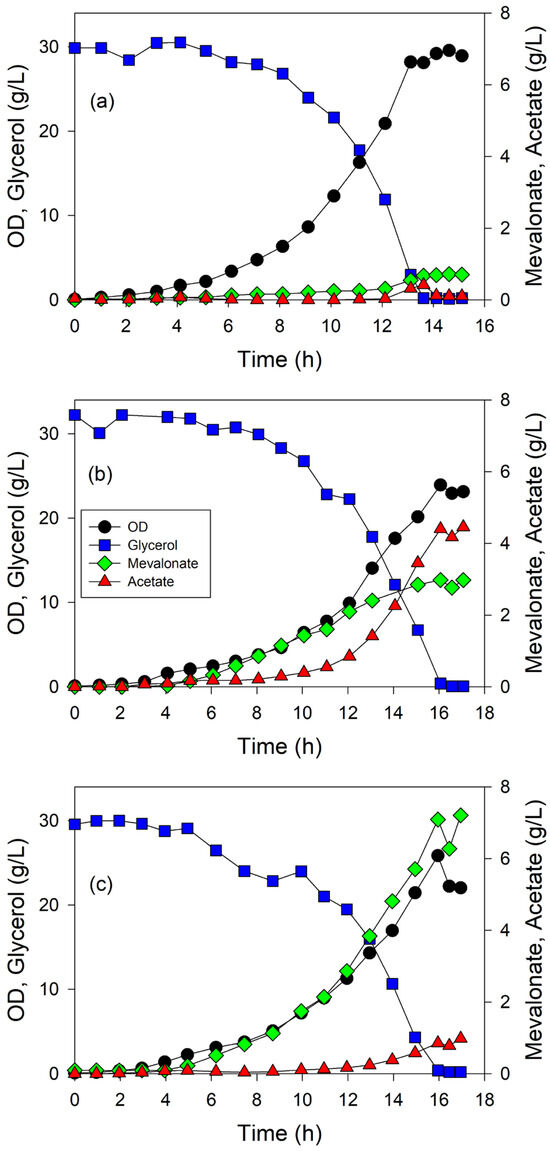
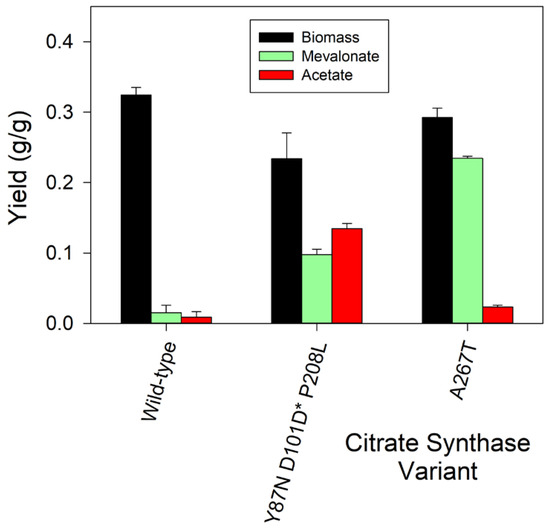
Mevalonate is a biochemical precursor to a wide range of isoprenoids. Because the mevalonate pathway uses three moles of acetyl–CoA, native pathways which metabolize acetyl–CoA, including citrate synthase, strongly compete with mevalonate synthesis. Our hypothesis is that modifications in citrate synthase, with the aim of reducing this enzyme’s activity, can result in increased mevalonate. Previous research has demonstrated that citrate synthase variants can increase generation of acetyl–CoA-derived products from glucose, but research has not evaluated citrate synthase variants with other common carbon sources like xylose and glycerol. Using five variant strains with chromosomal modifications of citrate synthase, we first compared the growth of these variants with wild-type Escherichia coli on glucose, xylose, or glycerol. In general, any particular modification in citrate synthase (GltA) led to the greatest effect on growth rate in glucose-grown cells. Because the GltA[Y87N D101D* P208L] and GltA[A267T] variants showed the greatest effect on growth using glycerol, we selected these two variants to study the formation of mevalonate from glycerol by E. coli with an introduced mevalonate pathway. Controlled batch processes at the 1.3 L scale demonstrated significantly increased mevalonate production in variants compared to the wild-type background, with the GltA[A267T] attaining 7.3 g/L mevalonate in 16.5 h from 30 g/L glycerol. Nitrogen-limited or phosphorus-limited fed-batch processes using the GltA[A267T] variant performed similarly, and generated over 12 g/L mevalonate in 24–32 h at a yield of 0.24 g/g. This study demonstrates that GltA variants offer a means to generate acetyl–CoA-derived products from glycerol.
Full article
(This article belongs to the Section Microbial Metabolism, Physiology & Genetics)
►▼
Show Figures

Figure 1
Open AccessArticle
A Rare Actinomycete from Sicilian Soil: Antimicrobial Potential and Spore Conditioning-Driven Antibiotic Production in Kitasatospora sp. SeTe27
by
Fanny Claire Capri, Enrico Tornatore, Andrea Firrincieli, Gemma Fernánez-García, Rosa Alduina, Angel Manteca and Alessandro Presentato
Fermentation 2026, 12(4), 185; https://doi.org/10.3390/fermentation12040185 - 3 Apr 2026
Abstract
Actinomycetes are among the richest sources of bioactive secondary metabolites in biotechnology, owing to their remarkable metabolic diversity. Although the genus Streptomyces has been extensively explored and has yielded many clinically important antibiotics, rare actinomycetes remain comparatively underinvestigated. In this study, Kitasatospora sp.
[...] Read more.
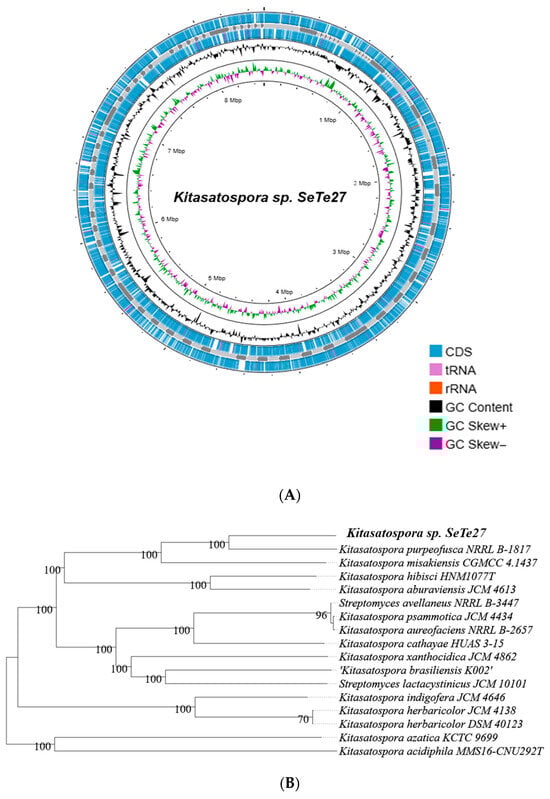
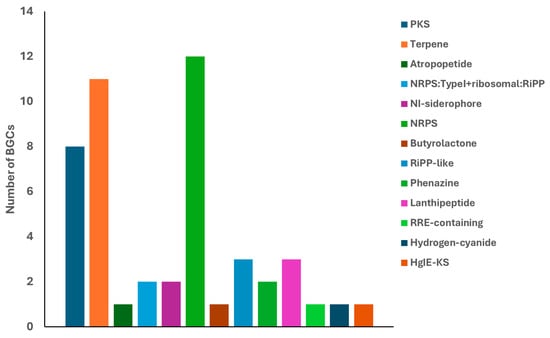
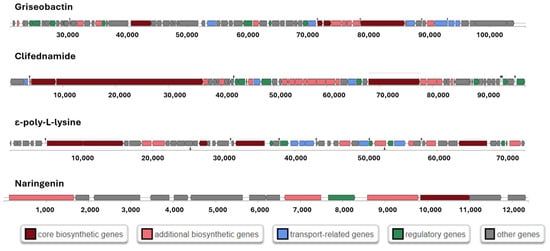
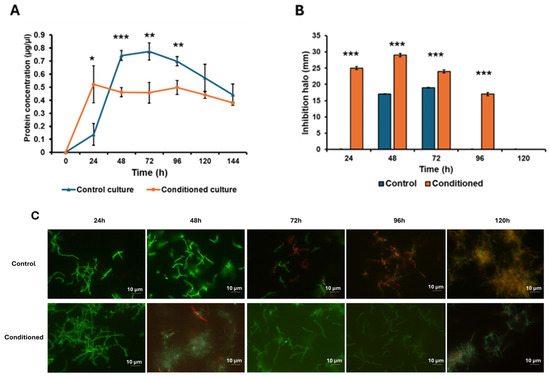
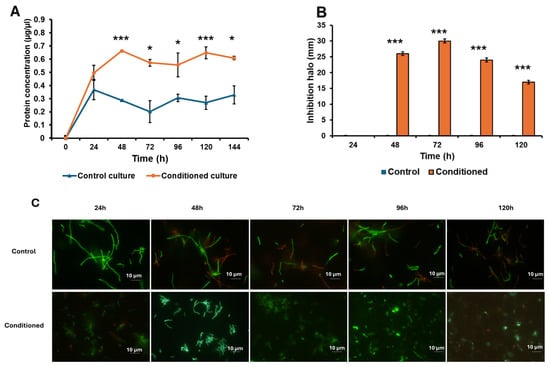
Actinomycetes are among the richest sources of bioactive secondary metabolites in biotechnology, owing to their remarkable metabolic diversity. Although the genus Streptomyces has been extensively explored and has yielded many clinically important antibiotics, rare actinomycetes remain comparatively underinvestigated. In this study, Kitasatospora sp. SeTe27, isolated from uncontaminated soil in Sicily (Italy), was investigated for its antibacterial activity and fermentation-driven enhancement of secondary metabolite production. The strain inhibited Staphylococcus aureus ATCC 25923, prompting physiological and genomic analyses. Spore conditioning was evaluated in four media (R5A, GYM, TSB, and YEME) to enhance antibiotic production. Conditioned cultures exhibited markedly increased antibacterial activity in TSB and YEME, moderate production in R5A, and no detectable activity in GYM. Whole-genome sequencing revealed an 8.5 Mb genome (73.5% GC) containing 48 biosynthetic gene clusters (BGCs), including NRPS, PKS, terpene, and hybrid pathways. Several clusters showed high similarity to known antibiotic-associated BGCs, such as clifednamide- and phenazine-related pathways, while numerous orphan clusters indicated significant unexplored biosynthetic potential. These findings identify Kitasatospora sp. SeTe27 as a promising antimicrobial producer and demonstrate that spore conditioning in complex media is an effective strategy to enhance antibiotic production in rare actinomycetes.
Full article
(This article belongs to the Special Issue Novel and Old Insights for Biotechnological Exploitation of Actinomycetota Strain Fermentations)
►▼
Show Figures

Figure 1

Open AccessReview
Phenyllactic Acid from Lactic Acid Bacteria: A Natural Antimicrobial for Food Biopreservation
by
Emma Mani-López, Beatriz Mejía-Garibay, Ricardo H. Hernández-Figueroa and Aurelio López-Malo
Fermentation 2026, 12(4), 184; https://doi.org/10.3390/fermentation12040184 - 2 Apr 2026
Abstract
Phenyllactic acid (PLA), a natural antimicrobial metabolite produced by lactic acid bacteria (LAB), has emerged as a key compound for biopreservation in food systems. The aims of this review are to summarize the main findings on LAB-producing strains, the effects of primary PLA
[...] Read more.
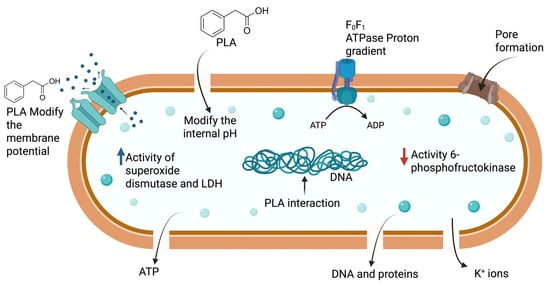
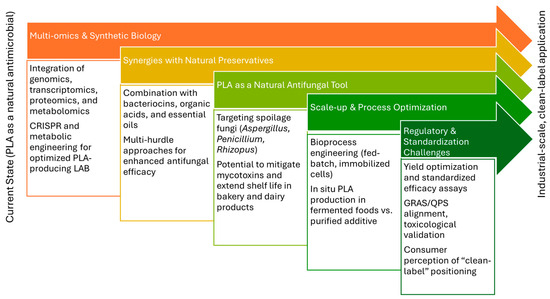
Phenyllactic acid (PLA), a natural antimicrobial metabolite produced by lactic acid bacteria (LAB), has emerged as a key compound for biopreservation in food systems. The aims of this review are to summarize the main findings on LAB-producing strains, the effects of primary PLA precursors, the impacts of culture conditions on PLA production, antimicrobial activity, mechanisms of action, quantification and analysis methods, food applications, regulatory status, and the challenges in PLA production and applications. In this review, the quorum sensing role in PLA production and multi-omics strain improvement was revised. Applications in dairy, bakery, fruits, vegetables, meat, and fish products as well as active packaging are analyzed, demonstrating their effectiveness in controlling microbial spoilage and pathogens while preserving sensory quality. Its broad-spectrum antifungal and antibacterial activities make it particularly attractive as a clean-label alternative to synthetic preservatives, contributing to both food safety and extended shelf life. Finally, current limitations and future research needs are outlined, particularly in optimizing PLA production and establishing its role as a sustainable and effective tool for food safety management.
Full article
(This article belongs to the Special Issue The Roles of Lactic Acid Bacteria in Food Fermentation)
►▼
Show Figures

Figure 1

Open AccessArticle
The Formation of Aroma Compounds During Fermentation in Relation to Yeast Nutrient Source in Sauvignon Blanc Wine
by
Zorica Lelova Temelkova, Helena Baša Česnik, Andreja Vanzo and Klemen Lisjak
Fermentation 2026, 12(4), 183; https://doi.org/10.3390/fermentation12040183 - 2 Apr 2026
Abstract
This study aimed to determine the effects of diammonium phosphate (DAP) and yeast autolysates (organic nutrients) added during alcoholic fermentation on the content and profile of aroma compounds in Sauvignon Blanc wines. Sequential additions of either DAP or organic nutrients were applied mainly
[...] Read more.
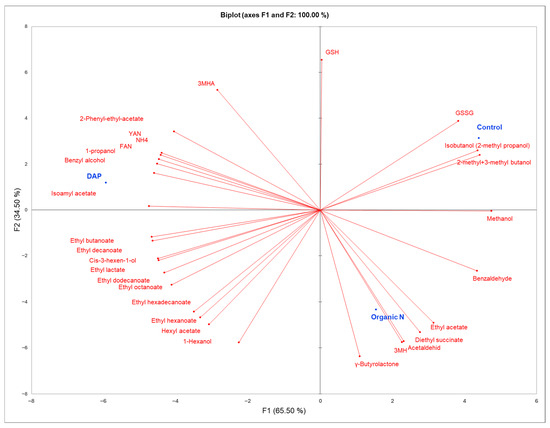
This study aimed to determine the effects of diammonium phosphate (DAP) and yeast autolysates (organic nutrients) added during alcoholic fermentation on the content and profile of aroma compounds in Sauvignon Blanc wines. Sequential additions of either DAP or organic nutrients were applied mainly during the first half of fermentation, increasing yeast assimilable nitrogen (YAN) from an initial 124 mg N/L to final concentrations of 208 and 209 mg N/L for DAP and yeast autolysates, respectively. Control musts were fermented without nutrient supplementation. All treatments were fermented using commercial yeast strain. Varietal thiols, ethyl and acetate esters, higher alcohols, glutathione (GSH), and YAN were monitored at early, mid, and late stages of fermentation, as well as in the final wines. Varietal thiols were formed at early stages of fermentation in all treatments; however, concentrations of both 4-methyl-4-sulfanylpentan-2-one (4MSP) and 3-sulfanylhexan-1-ol (3SH) were higher in wines supplemented with organic nutrients comparing to DAP and control. Compared to the control, DAP and organic nutrient supplementation increased ethyl ester concentrations in wine by 40.2% and 26.9%, respectively. Both nutrient treatments also resulted in higher acetate ester concentrations, while total higher alcohols were reduced by 19.1% with DAP and 12.1% with organic nutrients. No significant differences in GSH concentrations were observed among treatments. Sensory analysis revealed that wines supplemented with DAP achieved the highest scores for tropical aroma, varietal aroma, and overall quality. Overall, sequential supplementation with either inorganic or organic nitrogen positively influenced fermentation kinetics and aroma compound composition, resulting in improved varietal expression of Sauvignon Blanc wines. However, in low-YAN musts, DAP had a greater impact than organic nitrogen sources and should therefore be considered a key strategy for ensuring an adequate yeast nitrogen status.
Full article
(This article belongs to the Section Fermentation for Food and Beverages)
►▼
Show Figures

Figure 1
Open AccessReview
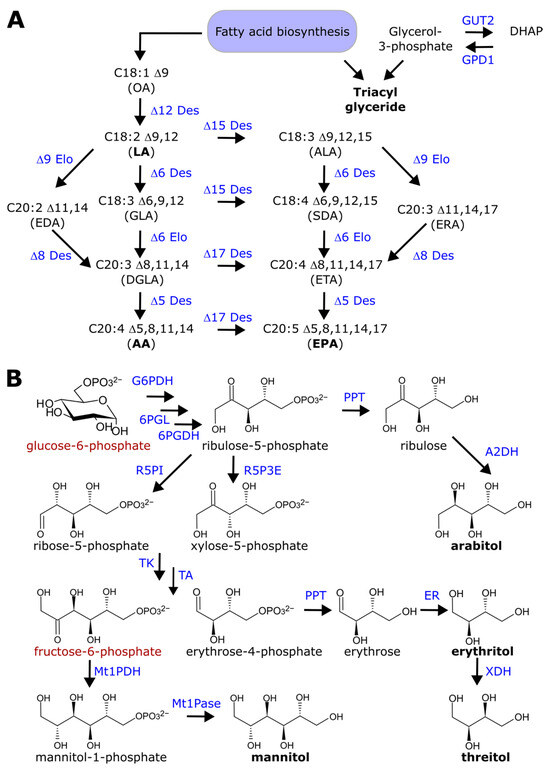
Recent Advances in Natural Product Biosynthesis and Yield Improvement Strategies Using Yarrowia lipolytica
by
Zhaorui Gu, Xiaojing Li, Freddie Moore, Anil Kumar Jamithireddy, Steven Bates and Nicholas J. Harmer
Fermentation 2026, 12(4), 182; https://doi.org/10.3390/fermentation12040182 - 1 Apr 2026
Abstract
Microorganisms are increasingly being used for the industrial production of raw materials for food, chemical products and pharmaceuticals. The unconventional yeast Yarrowia lipolytica has a rising profile as a platform for industrial biotechnology. It has attractive physiological and metabolic properties, including high terpene
[...] Read more.
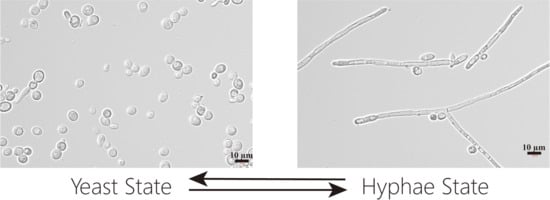
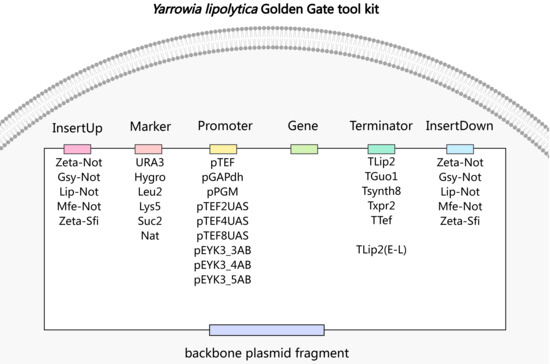
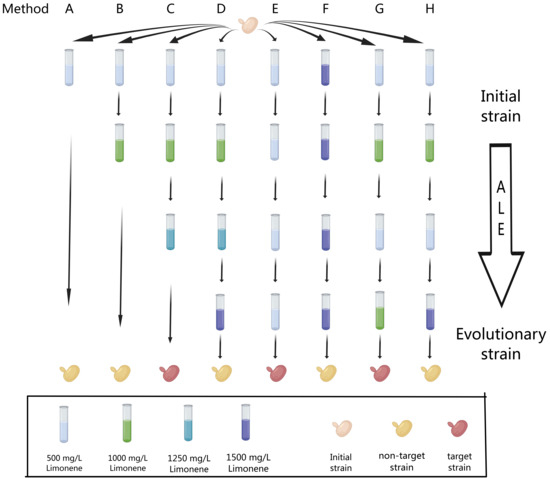
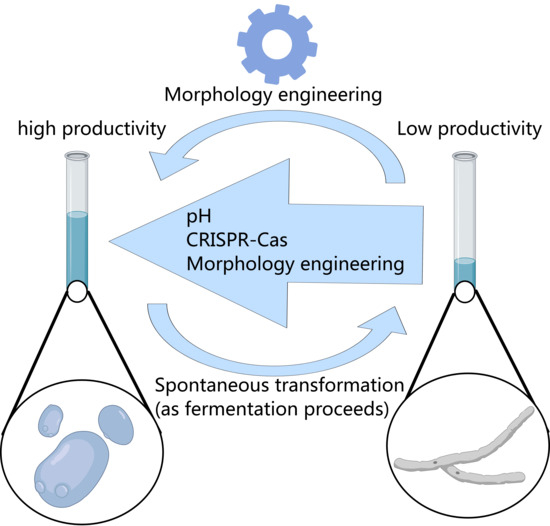
Microorganisms are increasingly being used for the industrial production of raw materials for food, chemical products and pharmaceuticals. The unconventional yeast Yarrowia lipolytica has a rising profile as a platform for industrial biotechnology. It has attractive physiological and metabolic properties, including high terpene and lipid production, high tolerance to complex environments, and amenability to genetic modification. Y. lipolytica naturally produces sufficient levels of cytosolic acetyl-CoA and malonyl-CoA to achieve lipid accumulation. Engineering biology methods allow transformation of these native metabolites into synthetic precursors for high-value compounds such as terpenes and flavonoids. Gene-editing, expression, and regulation tools have been developed for Y. lipolytica, facilitating improvement in bio-manufacturing yields for this chassis. This review summarizes natural product yields in Y. lipolytica and strategies for improving productivity. We highlight morphological engineering, metabolic engineering, and adaptive laboratory evolution as key strategies that can be used to improve the future yield, productivity and controllability of target molecules for Y. lipolytica engineering.
Full article
(This article belongs to the Special Issue Yarrowia lipolytica: A Beneficial Yeast as a Biofactory for Biotechnological Applications: 3rd Edition)
►▼
Show Figures

Figure 1
Open AccessArticle
Determining Changes in Quality Criteria During Storage in Kefir Produced from Raw Milk Treated with Non-Thermal UV-C Radiation: Comparison of Starter Culture and Kefir Grains in Fermentation
by
Azize Atik, İlker Atik and Gökhan Akarca
Fermentation 2026, 12(4), 181; https://doi.org/10.3390/fermentation12040181 - 1 Apr 2026
Abstract
In this study, kefir production was investigated using both commercial kefir cultures and kefir grains, with milk treated at different UV-C doses and flow rates. The flow rate was set to 25 or 50 mL/min, and doses of 43.2 and 21.6 J/mL were
[...] Read more.
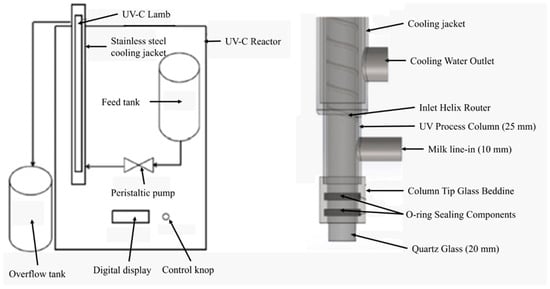
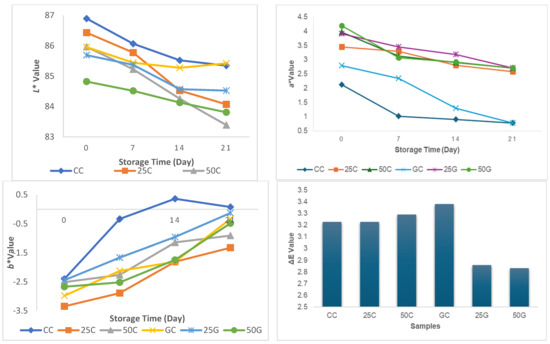
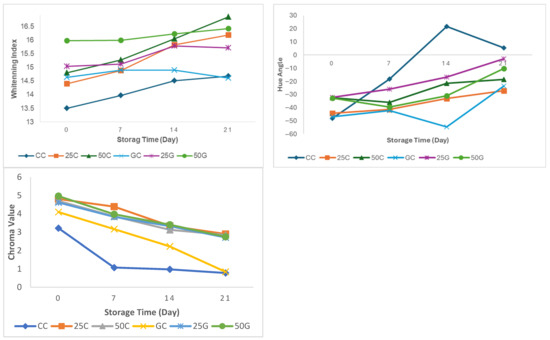
In this study, kefir production was investigated using both commercial kefir cultures and kefir grains, with milk treated at different UV-C doses and flow rates. The flow rate was set to 25 or 50 mL/min, and doses of 43.2 and 21.6 J/mL were applied at each flow rate, respectively. In all samples subjected to UV-C treatment, pH values decreased during storage, while % titratable acidity values increased. The kefir samples produced with UV-C-irradiated milk showed increased hardness and consistency, while cohesion and the index of viscosity decreased. The highest effect was observed in samples produced with kefir grain and at a flow rate of 50 mL/min. Lactic acid bacteria, Streptococcus/Lactococcus, and yeast counts in kefir samples produced from UV-C-treated milk increased. Flow rate affected the increase in microorganism counts. The physicochemical, textural, and microbiological changes during storage were more pronounced in kefir samples produced with kefir grains than with powdered cultures. The organic acid levels of kefir samples produced from milk treated with UV-C decreased compared to those of control samples. Furthermore, organic acid values increased during storage in all samples. As the flow rate increased, the amount of organic acids formed decreased (except for malic and formic acid levels).
Full article
(This article belongs to the Special Issue Recent Advances in Microbial Fermentation in Foods and Beverages, 2nd Edition)
►▼
Show Figures

Figure 1

Open AccessArticle
Effect of Variations in the Gas Outlet Location on an In Vitro Rumen Simulation Technique (RUSITEC®) System
by
Luiza N. C. Silva, Isabela F. Carrari, Ícaro R. R. Castro, Giulia B. C. Leite, Amanda M. Cezar, Eduardo M. Paula and Marcos I. Marcondes
Fermentation 2026, 12(4), 180; https://doi.org/10.3390/fermentation12040180 - 1 Apr 2026
Abstract
The rumen simulation technique (RUSITEC®) is a known model for research in rumen microbiology and fermentation. However, our research group observed inconsistencies in gas production across trials. This study investigated the effects of different gas outlet locations on digestibility, ruminal fermentation,
[...] Read more.
The rumen simulation technique (RUSITEC®) is a known model for research in rumen microbiology and fermentation. However, our research group observed inconsistencies in gas production across trials. This study investigated the effects of different gas outlet locations on digestibility, ruminal fermentation, gas production, and microbial protein synthesis. Fifteen fermenters tested three different gas outlet locations within the RUSITEC® equipment: (1) gas outlet directly on the effluent vessel for output liquid (EV); (2) gas outlet directly on fermenter cap (F); and (3) gas outlet on both effluent vessel and fermenter cap (EVF). Data were analyzed using a completely randomized design in SAS (v. 9.4) with the MIXED procedure, and significance was set at p < 0.10. Results showed that altering the gas outlet location did not affect nutrient digestibility (p > 0.10), microbial protein synthesis (p > 0.10), and volatile fatty acid (VFA) production when expressed on a molar basis (p > 0.10). However, total gas production (p = 0.108) was higher in the EVF group and ammonia nitrogen produced in the fermenter was higher in group F (p = 0.081). Furthermore, methane (CH4) production was underestimated when the gas outlet location was in just one of the locations when compared to the EVF group (p = 0.006). VFA proportion was also affected, with lower acetate (p = 0.005) and higher butyrate (p = 0.014) for group EV. These results indicate that the location of the gas outlet is an important methodological factor affecting fermentation measurements in the RUSITEC system, with outlets positioned in both the effluent and fermenter vessels enhancing gas recovery.
Full article
(This article belongs to the Special Issue 10th Anniversary of Fermentation: Feature Papers in the “Fermentation Process Design” Section)
Open AccessArticle
Effects of Inoculating Lignin-Degrading Bacteria Isolated from Ruminant Rectum on In Vitro Rumen Diet Degradation
by
Chatchai Kaewpila, Pongsatorn Gunun, Nikom Srikacha, Chanon Suntara and Waroon Khota
Fermentation 2026, 12(4), 179; https://doi.org/10.3390/fermentation12040179 - 1 Apr 2026
Abstract
In ruminant nutrition, the lignocellulosic complex is a primary constraint limiting the utilization of dietary fiber. The objective of this study was to evaluate the effects of inoculating lignin-degrading bacteria (LDB) isolated from the ruminant rectum on in vitro rumen fermentation characteristics. Rectal
[...] Read more.
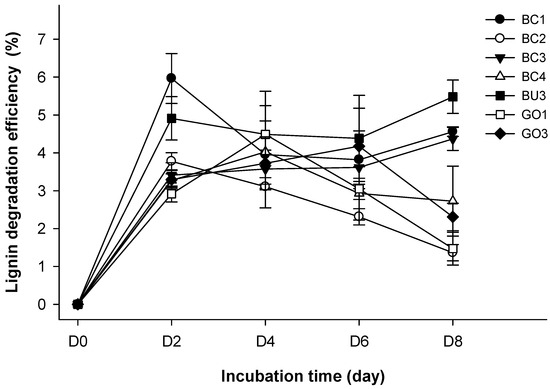
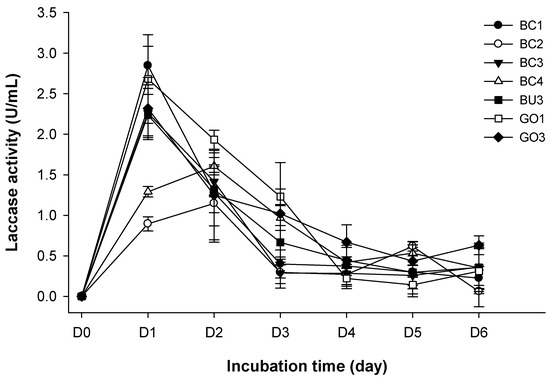
In ruminant nutrition, the lignocellulosic complex is a primary constraint limiting the utilization of dietary fiber. The objective of this study was to evaluate the effects of inoculating lignin-degrading bacteria (LDB) isolated from the ruminant rectum on in vitro rumen fermentation characteristics. Rectal fecal samples were collected from healthy beef cattle, dairy cattle, buffaloes, and goats (n = 4 per species) using the grab sampling technique. Twenty-eight bacterial colonies were isolated through enrichment and screening on media containing sodium lignosulfonate. Lignin degradation efficiency was assessed spectrophotometrically, while laccase activity was determined using a 2,2′-azino-bis(3-ethylbenzothiazoline-6-sulfonic acid) (ABTS) oxidation assay. Seven isolates exhibiting ligninolytic activity (1.4–5.6% degradation efficiency) were selected to evaluate their effects on in vitro rumen fermentation using a completely randomized design with four replicates. LDB treatments were standardized to a concentration of 2.4 × 10⁵ colony-forming units/mL of rumen fluid medium, while the control received an equal volume of a 0.85% sterile NaCl solution. A rice straw-based total mixed ration served as the substrate, with rumen fluid collected from beef cattle. All treatments were incubated for 48 h. Notably, isolate BC3 consistently enhanced in vitro dry matter digestibility (23.1%), total gas production (18.6%), and total volatile fatty acid concentrations (13.2%) relative to the control and other LDB isolates (p < 0.01). All seven LDB isolates were identified as Gram-negative, rod-shaped, facultative anaerobic bacteria that exhibit catalase activity and tolerate moderately acidic conditions. Phylogenetic tree analysis based on 16S rRNA gene sequencing identified isolate BC3 as being closely related to Escherichia coli strains. These findings demonstrate that the ruminant hindgut is a promising source of LDB with the functional potential to enhance feed digestibility and fermentation end-products in the rumen. Future research should prioritize in vivo trials to evaluate the safety and efficacy of LDB as a direct-fed microbial, specifically focusing on its impact on animal performance and health.
Full article
(This article belongs to the Special Issue Fermentation Technology for Animals in Thailand: From Feed to Metabolites)
►▼
Show Figures

Figure 1
Open AccessArticle
Utilizing Plant Leaves to Create Novel Feed Pellets to Encourage and Improve Kalasin Province’s Beef Cattle Production
by
Tanitpan Pongjongmit and Thitima Norrapoke
Fermentation 2026, 12(4), 178; https://doi.org/10.3390/fermentation12040178 - 1 Apr 2026
Abstract
The effects of substituting pelleted diets manufactured from cassava, chaya, and mulberry leaves for concentrate on growth performance, feed intake, rumen fermentation, and microbial protein synthesis in beef cattle were evaluated. Four beef cattle (initial BW: 250 ± 50 kg) were assigned to
[...] Read more.
The effects of substituting pelleted diets manufactured from cassava, chaya, and mulberry leaves for concentrate on growth performance, feed intake, rumen fermentation, and microbial protein synthesis in beef cattle were evaluated. Four beef cattle (initial BW: 250 ± 50 kg) were assigned to four treatments: a control diet (T1) and diets in which 50% of the concentrate was replaced with cassava leaf pellets (T2), chaya leaf pellets (T3), or mulberry leaf pellets (T4). The data were analyzed using a 4 × 4 Latin square with animal as a period effect as appropriate. Rumen volatile fatty acids were determined by means of HPLC, and microbial protein synthesis was assessed using urinary purine derivatives. Cattle fed cassava leaf pellets (T2) showed the greatest average daily gain (0.79 kg/d) compared with the control (0.50 kg/d; p < 0.05). Compared with T1, T4 exhibited a higher ruminal propionate proportion and total VFA concentration, which was associated with a lower acetate-to-propionate pattern, suggesting reduced methanogenic potential. No adverse health effects were observed, as indicated by hematocrit and blood urea nitrogen values within normal ranges. Microbial protein production increased in the leaf-pellet treatments, with T4 showing the highest efficiency. Overall, cassava, chaya, and mulberry leaf pellets can partially replace concentrate while maintaining growth performance and improving rumen fermentation efficiency in beef cattle.
Full article
(This article belongs to the Special Issue Fermentation Technology for Animals in Thailand: From Feed to Metabolites)
Open AccessArticle
Dynamic Regulation Engineering of Plasmid Copy Number Based on CRISPRi in Saccharomyces cerevisiae
by
Ying Xu, Tingting Xu, Tao Jiang, Xiaoyi Wang, Peipei Zhao, Kuidong Xu, Xuekui Xia and Lixin Zhang
Fermentation 2026, 12(4), 177; https://doi.org/10.3390/fermentation12040177 - 1 Apr 2026
Abstract
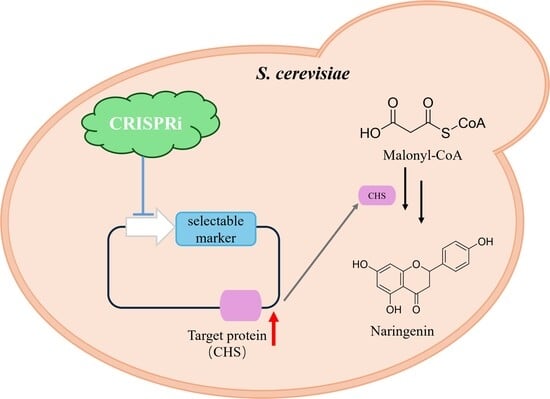
Plasmid copy number (PCN) is a key factor limiting the expression level of heterologous proteins in yeast. Static strategies for enhancing PCN, such as reducing the transcriptional intensity of selection markers or increasing selection pressure, only maintain PCN at a single fixed level
[...] Read more.
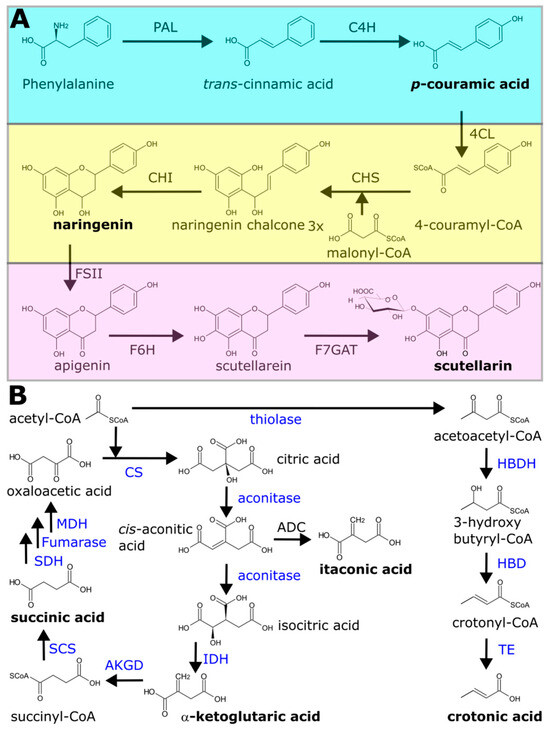
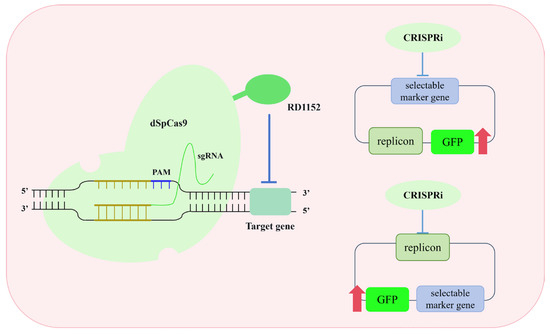
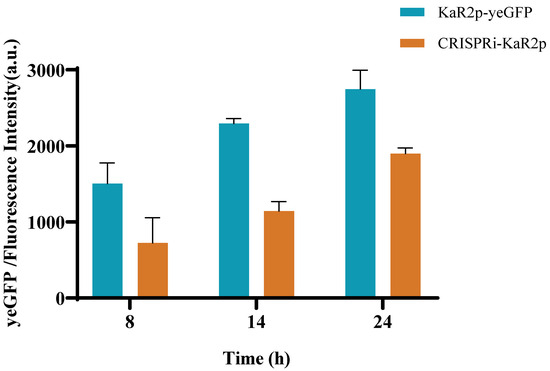
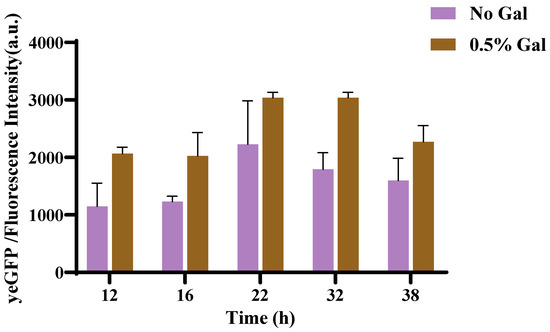
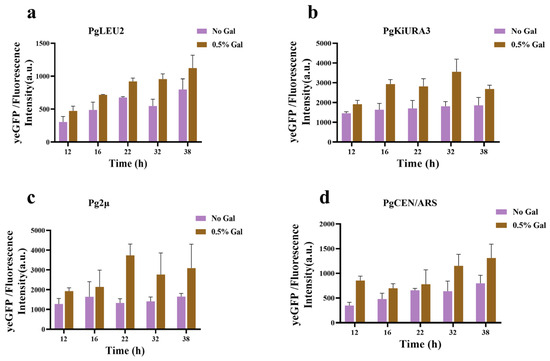
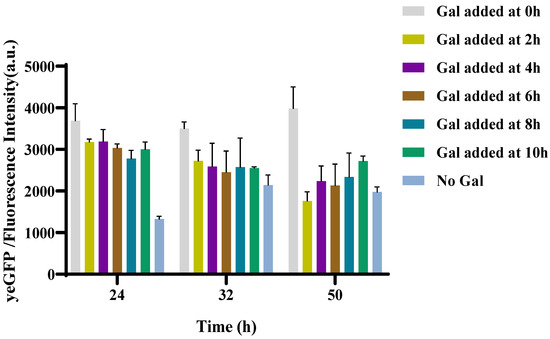
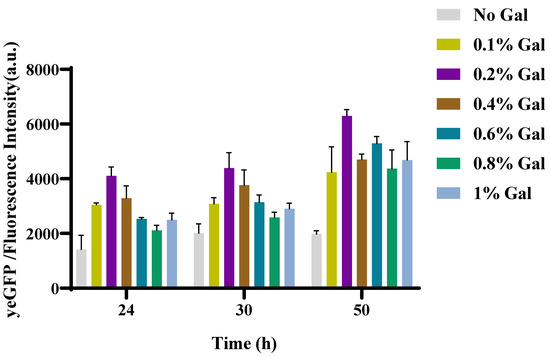
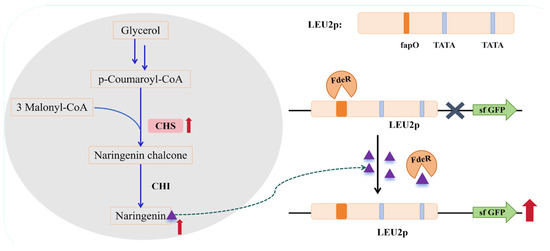
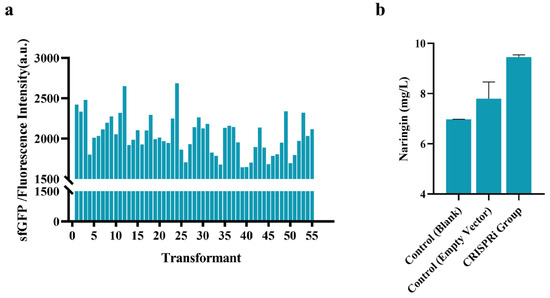
Plasmid copy number (PCN) is a key factor limiting the expression level of heterologous proteins in yeast. Static strategies for enhancing PCN, such as reducing the transcriptional intensity of selection markers or increasing selection pressure, only maintain PCN at a single fixed level and struggle to achieve dynamic, precise, and reversible copy number regulation. This study established a dynamic plasmid copy number regulation strategy based on CRISPR interference (CRISPRi). Flexible control of PCN was achieved by designing specific guide RNAs (gRNAs) and integrating them into the inducible CRISPRi system. Optimization of the gRNA target site, inducer concentration, and induction timing resulted in a >2-fold increase in the fluorescence intensity of yeast-enhanced green fluorescent protein (yeGFP) compared with the group without induction. Using naringenin synthesis as proof-of-concept, this regulatory tool was applied to modulate the expression of chalcone synthase (CHS), the rate-limiting enzyme in naringenin biosynthesis. Finally, the yield of naringenin increased by 35.62% under the optimal induction conditions.
Full article
(This article belongs to the Special Issue Yeasts as Microbial Cell Factories: Diversity, Biotechnology Potential and Applications)
►▼
Show Figures

Graphical abstract
Open AccessReview
Expanding the Application of Threonine: Industrial Biomanufacturing of Threonine and Its Derivatives
by
Liwen Lu, Lin Su, Qingjing Huang, Xiao Zou, Bangmeng Zhou, Jun Kang, Yang Li, Jiamin Zhang and Jie Cheng
Fermentation 2026, 12(4), 176; https://doi.org/10.3390/fermentation12040176 - 31 Mar 2026
Abstract
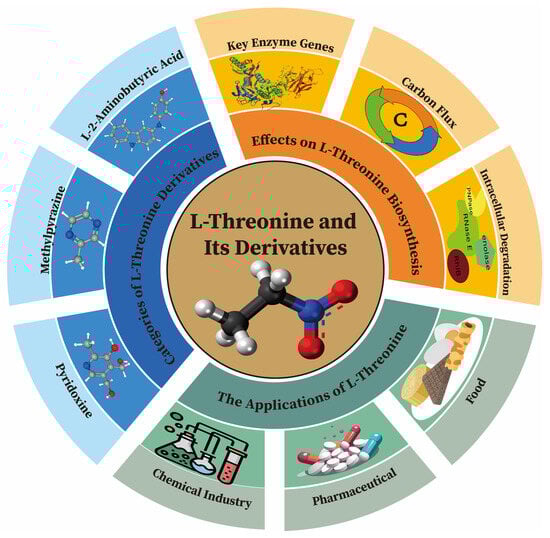
Currently, the production methods for L-threonine (L-Thr) mainly include chemical synthesis, protein hydrolysis, and microbial fermentation. Among these, microbial fermentation has become an important method for the industrial production of L-Thr, owing to its advantages of abundant raw material sources, environmental friendliness, and
[...] Read more.
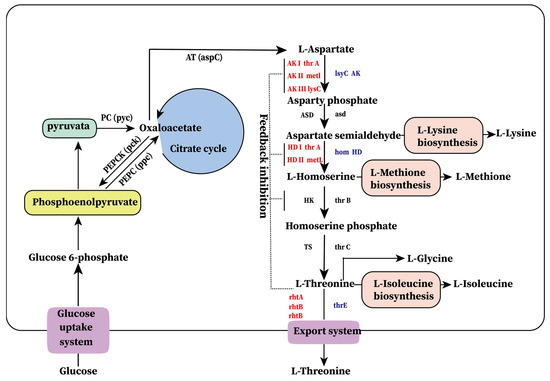
Currently, the production methods for L-threonine (L-Thr) mainly include chemical synthesis, protein hydrolysis, and microbial fermentation. Among these, microbial fermentation has become an important method for the industrial production of L-Thr, owing to its advantages of abundant raw material sources, environmental friendliness, and high product purity. In recent years, gene editing, synthetic biology, and artificial intelligence have been integrated to significantly improve the synthesis efficiency and production stability of L-Thr and its derivatives through the rational design of metabolic networks, dynamic regulation of fermentation processes, and intelligent optimization of strain performance. This review systematically summarizes the progress of research on the biosynthesis of L-Thr and its derivatives, with emphasis on elucidating synthetic pathway regulation methods based on genetic engineering and metabolic engineering strategies, and summarizes the latest research developments in the synthesis of its derivatives, aiming to provide systematic references for efficient biomanufacturing in this field.
Full article
(This article belongs to the Special Issue Microbial Fermentation Technology: A Biological Engine Driving Innovation in the Food Industry)
►▼
Show Figures

Figure 1
Open AccessArticle
Effects of Codium fragile Extract Additive on In Vitro and In Vivo Methane Production and Fermentation Characteristics of Korean Native Steers (Hanwoo)
by
Seong-Shin Lee, Seong-Uk Jo, Hyun Sang Kim, Ma-Ro Lee, Su-Hyun An and Hwan-Ku Kang
Fermentation 2026, 12(4), 175; https://doi.org/10.3390/fermentation12040175 - 31 Mar 2026
Abstract
The present study was conducted to demonstrate the effects of Codium fragile extract on methane production using in vitro and in vivo experiments. An in vitro batch experiment was conducted to evaluate different inclusion levels of Codium fragile extract (0, 0.25, and 0.5%
[...] Read more.
The present study was conducted to demonstrate the effects of Codium fragile extract on methane production using in vitro and in vivo experiments. An in vitro batch experiment was conducted to evaluate different inclusion levels of Codium fragile extract (0, 0.25, and 0.5% of substrate dry matter). Methane production significantly decreased in the 0.5% treatment (p < 0.05), whereas dry matter digestibility and total volatile fatty acid concentration were not significantly affected (p > 0.05). Based on the in vitro results, an in vivo feeding experiment was conducted using a 0.5% inclusion level of Codium fragile extract on Hanwoo steers. Methane emissions were significantly decreased by approximately 10% in steers fed Codium fragile extract (p < 0.05). In contrast, rumen fermentation characteristics, feed intake, average daily gain, and blood parameters were not significantly different between the treatments (p > 0.05). These results demonstrate that a dietary additive with 0.5% Codium fragile extract effectively reduced methane emissions without negatively affecting rumen fermentation and growth performance in Hanwoo steers.
Full article
(This article belongs to the Special Issue Research Progress of Rumen Fermentation, 2nd Edition)
Open AccessArticle
Modelling of Cordycepin Production by an Engineered Aspergillus oryzae Under Different Substrates
by
Siwaporn Wannawilai, Jutamas Anantayanon, Thanaporn Dechpreechakul, Kobkul Laoteng and Sukanya Jeennor
Fermentation 2026, 12(4), 174; https://doi.org/10.3390/fermentation12040174 - 30 Mar 2026
Abstract
Given the therapeutic potential of bioactive cordycepin in medical and healthcare products, precision fermentation using an engineered strain of Aspergillus oryzae was performed to enhance cordycepin production. To understand and predict the dynamics of cell growth and cordycepin production in this fungal strain,
[...] Read more.
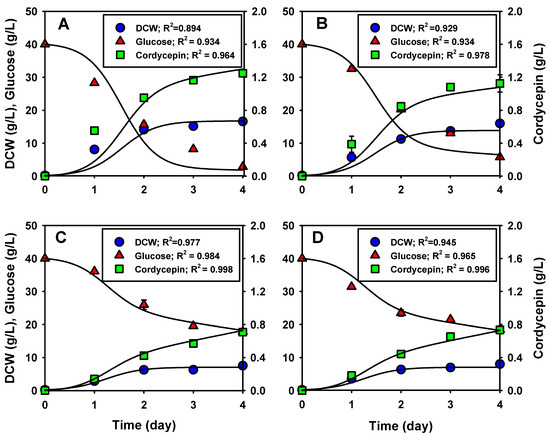
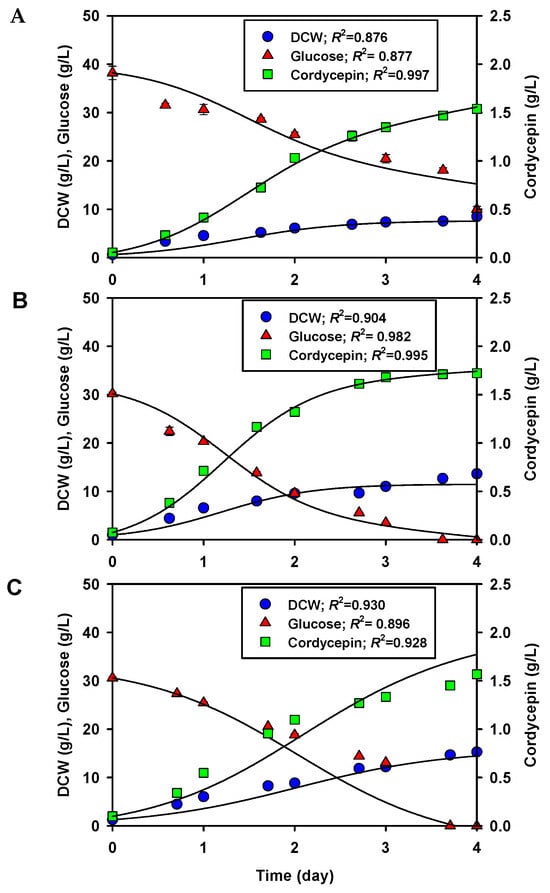
Given the therapeutic potential of bioactive cordycepin in medical and healthcare products, precision fermentation using an engineered strain of Aspergillus oryzae was performed to enhance cordycepin production. To understand and predict the dynamics of cell growth and cordycepin production in this fungal strain, mathematical modeling of submerged fermentation was applied. The effects of different nitrogen sources (yeast extract, peptone, (NH4)2SO4, NH4Cl, NaNO3, and KNO3) and carbon sources (glucose and cassava starch hydrolysate, CSH) on cell growth and cordycepin production were evaluated under submerged fermentation conditions. The results showed that organic nitrogen sources significantly enhanced biomass formation and cordycepin production compared with inorganic nitrogen sources. Among them, yeast extract provided the best performance, yielding the highest biomass (13.63–15.99 g/L) and cordycepin titer (1.24–1.72 g/L). In contrast, nitrate-based nitrogen sources supported cell growth but resulted in negligible cordycepin production. Under optimized conditions in a bioreactor, both glucose and CSH supported fungal growth, although CSH promoted higher biomass formation while glucose favored cordycepin biosynthesis. The kinetic model demonstrated that the growth of engineered A. oryzae was well described by the logistic growth model (R2 > 0.88). The cordycepin production profiles were well fitted by the Luedeking–Piret model (R2 > 0.99), indicating a mixed growth-associated product with kinetic constants α and β representing growth-associated and non-growth-associated production, respectively. Overall, the developed kinetic model provides a quantitative framework for describing cell growth, substrate utilization, and cordycepin formation, offering guidance for process optimization and scale-up of cordycepin production in engineered fungal systems.
Full article
(This article belongs to the Special Issue Fungi for Bioprocesses: Food, Biofuel, Biocompounds and Wastewater Treatment)
►▼
Show Figures

Figure 1
Open AccessReview
Functional Foods from Edible Mushrooms and Mycelia: Processing Technologies, Health Benefits, Innovations, and Market Trends
by
Lorena Vieira Bentolila de Aguiar, Larissa Batista do Nascimento Soares, Giovanna Lima-Silva, Daiane Barão Pereira, Vítor Alves Pessoa, Aldenora dos Santos Vasconcelos, Roberta Pozzan, Josilene Lima Serra, Ceci Sales-Campos, Larissa Ramos Chevreuil and Walter José Martínez-Burgos
Fermentation 2026, 12(4), 173; https://doi.org/10.3390/fermentation12040173 - 24 Mar 2026
Cited by 1
Abstract
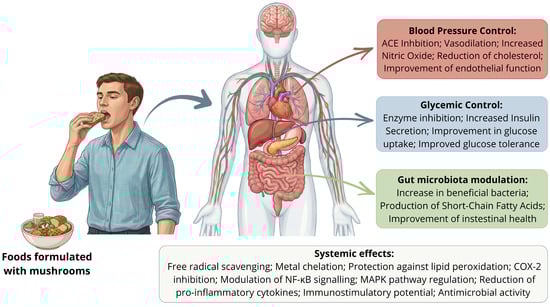
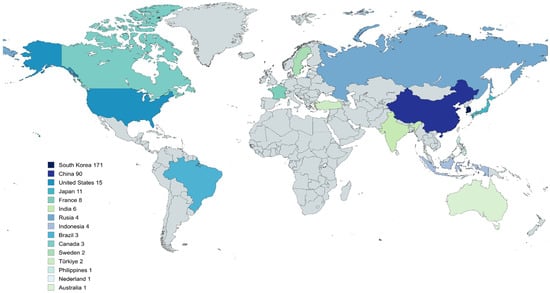
The global functional food market continues to expand, and edible mushrooms are emerging as high-value ingredients due to their rich nutritional profile, particularly their high protein content, balanced amino acid composition, and dietary fiber. This growing industrial interest is reflected in the registration
[...] Read more.
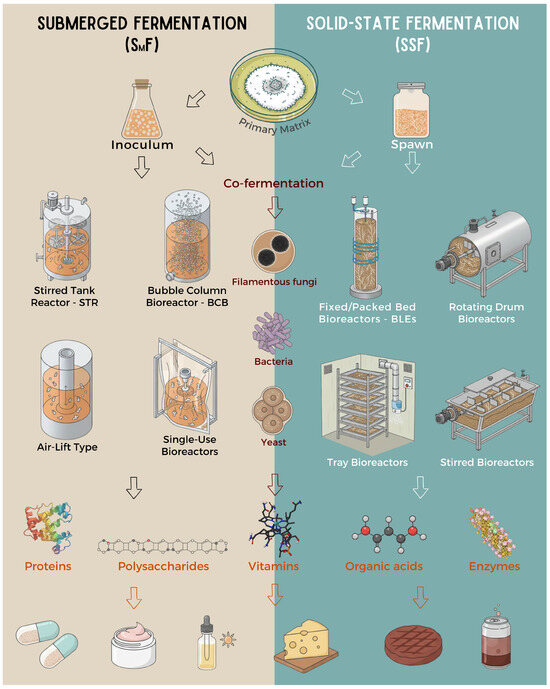
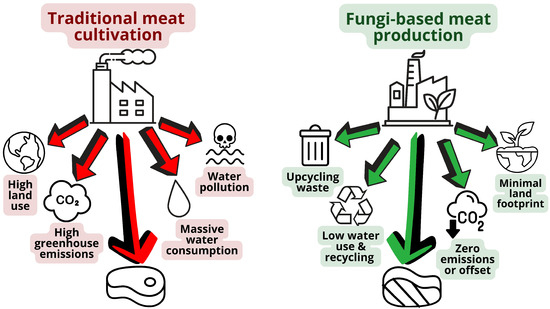
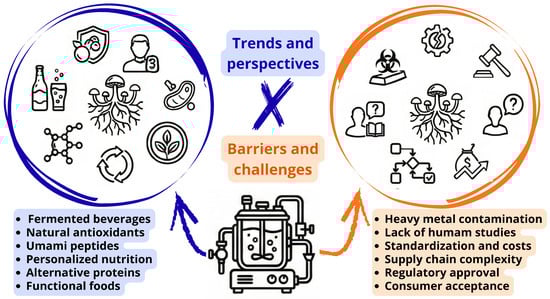
The global functional food market continues to expand, and edible mushrooms are emerging as high-value ingredients due to their rich nutritional profile, particularly their high protein content, balanced amino acid composition, and dietary fiber. This growing industrial interest is reflected in the registration of more than 322 patents in the past five years according to the Derwent Innovation patent database. Recent advances include the integration of precision mycology (PM) and omics-based approaches, such as CRISPR-Cas9, into solid-state fermentation and submerged fermentation, enabling improvements in natural umami flavor and bioactive composition. Innovative products, including meat analogues with fibrous textures, functional beverages such as kombucha and juices, and fermented dairy products such as yogurts and cheeses, have been formulated to deliver prebiotic, antioxidant, and immunomodulatory properties. Future trends indicate a shift towards the production of high-value nutraceutical peptides and biomass, together with the adoption of artificial intelligence (AI) and the Internet of Things (IoT) to enhance bioreactor automation and scalability. Nevertheless, significant challenges remain, including regulatory constraints, the scarcity of clinical validation in humans, and the need for strict control over the bioaccumulation of heavy metals in mushroom-derived raw materials. Addressing these gaps will be critical for advancing regulatory frameworks, improving industrial standardization, and supporting the translational development of mushroom-based functional foods.
Full article
(This article belongs to the Special Issue Fermented Foods for Boosting Health: 2nd Edition)
►▼
Show Figures

Figure 1
Open AccessArticle
Phosphate Versus Nitrogen Limitation: A Reactor-Scale Process Comparison for Single-Cell Oil Production in Oleaginous Yeasts
by
Kevin Edward Schulz, Paula Hegmann, Bastian Dreher, Lena Regenauer, Carlota Delso Muniesa, Wolfgang Frey, Katrin Ochsenreither and Anke Neumann
Fermentation 2026, 12(4), 172; https://doi.org/10.3390/fermentation12040172 - 24 Mar 2026
Abstract
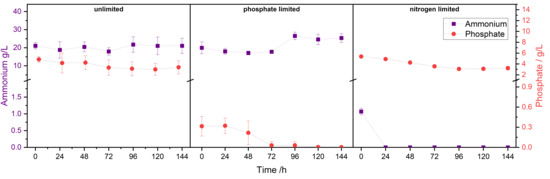
Industrial production of single-cell oils (SCOs) by oleaginous yeasts relies predominantly on nitrogen limitation, which constrains process flexibility when nitrogen-rich substrates are used. Although phosphate limitation has been reported as an alternative lipid induction strategy, its process-level performance relative to nitrogen limitation remains
[...] Read more.
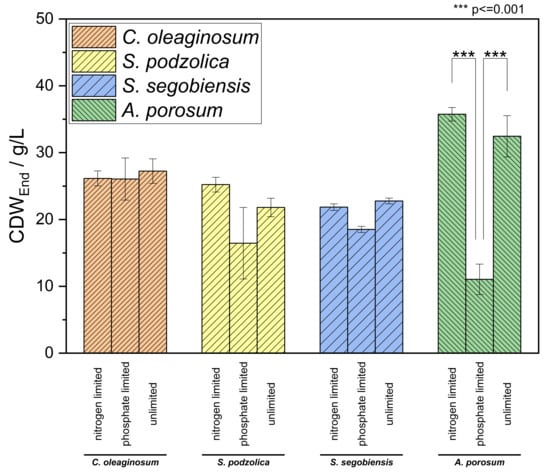
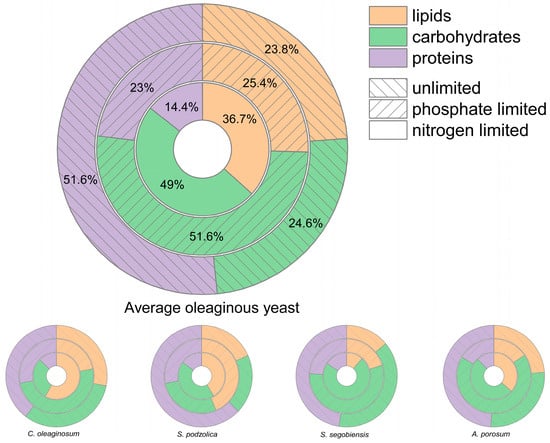
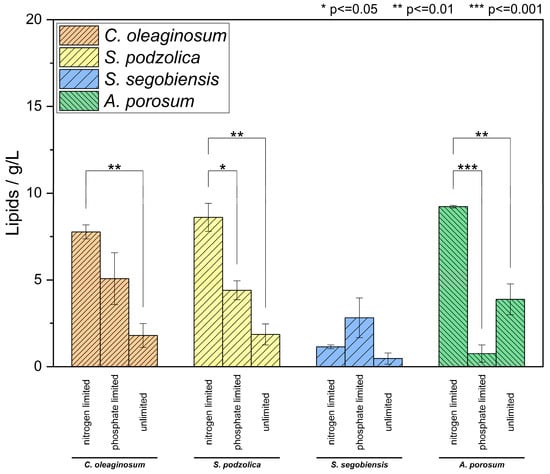
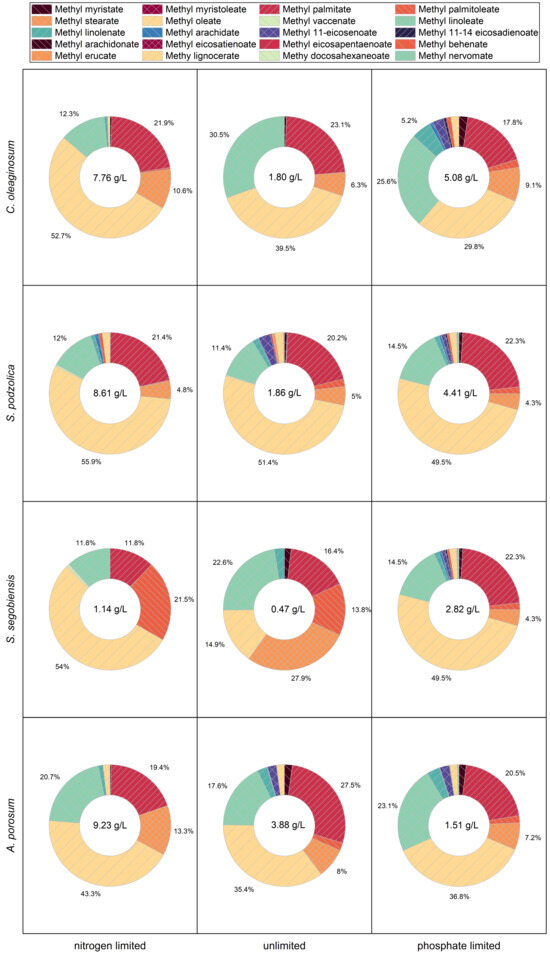
Industrial production of single-cell oils (SCOs) by oleaginous yeasts relies predominantly on nitrogen limitation, which constrains process flexibility when nitrogen-rich substrates are used. Although phosphate limitation has been reported as an alternative lipid induction strategy, its process-level performance relative to nitrogen limitation remains insufficiently resolved under controlled reactor-scale conditions. In this study, phosphate-limited, nitrogen-limited and nutrient-replete cultivations of Cutaneotrichosporon oleaginosum ATCC 20509, Saitozyma podzolica DSM 27192, Scheffersomyces segobiensis DSM 27193 and Apiotrichum porosum DSM 27194 were benchmarked in 2.5 L stirred-tank reactors operated under identical media compositions and process parameters. Biomass formation, lipid titres, specific lipid production rates, biomass composition and fatty acid profiles were systematically compared. Nitrogen limitation resulted in the highest lipid titres, reaching up to 9.2 g L−1 (A. porosum), while maximum lipid titres under phosphate-limited conditions reached 5.0 g L−1 (C. oleaginosum) and nutrient-replete conditions 3.9 g L−1 (A. porosum), respectively. The highest specific lipid production rate under nitrogen limitation was 0.0028 g gCDW−1 h−1 (S. podzolica), while phosphate limitation yielded a maximum of 0.0037 g gCDW−1 h−1 (S. podzolica). These results demonstrate that phosphate limitation can decouple cellular lipid productivity from biomass formation and represents a process-relevant alternative for SCO production from nitrogen-rich feedstocks.
Full article
(This article belongs to the Section Yeast)
►▼
Show Figures

Figure 1
Open AccessArticle
A Day in the Life of a Sourdough Leaven from Feeding to Maturity
by
Louis Levinger, Monisha Sherpa, Julia Gelman, Mariapia Dibonaventura and Rabindra Mandal
Fermentation 2026, 12(4), 171; https://doi.org/10.3390/fermentation12040171 - 24 Mar 2026
Abstract
Fermentation is a type of biological process conducted domestically or commercially to preserve foods and beverages, produce alcohol, add nutritional value and improve aroma and flavor. The natural fermentation of flour in water to obtain a leaven for baking, lately scrutinized in the
[...] Read more.
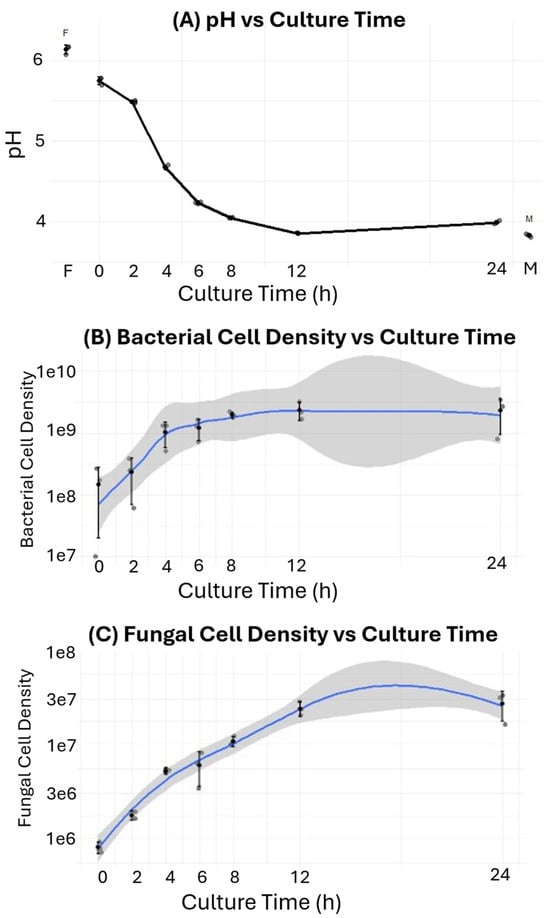
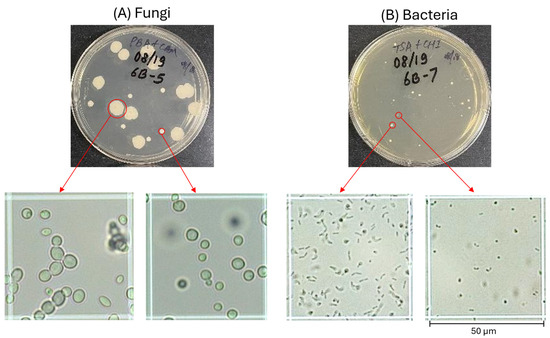
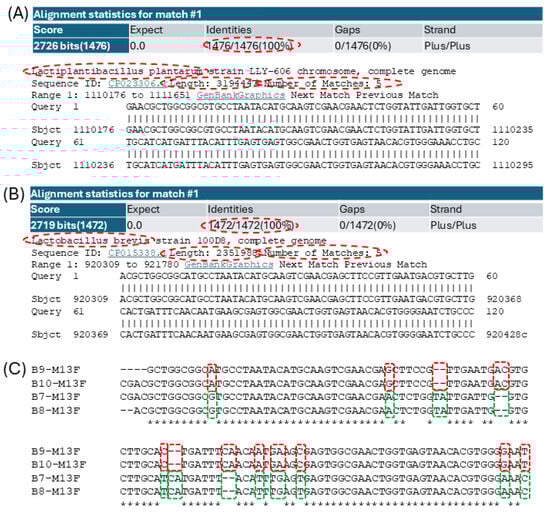
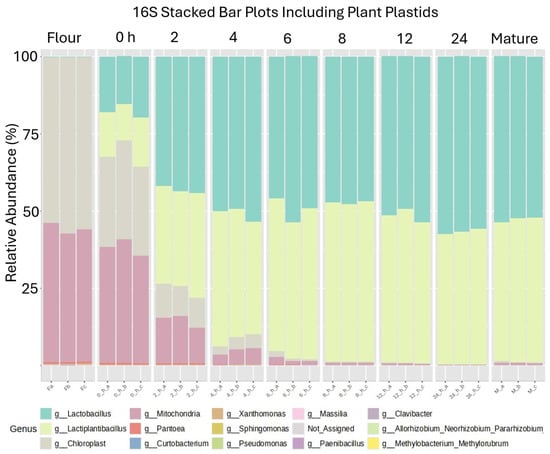
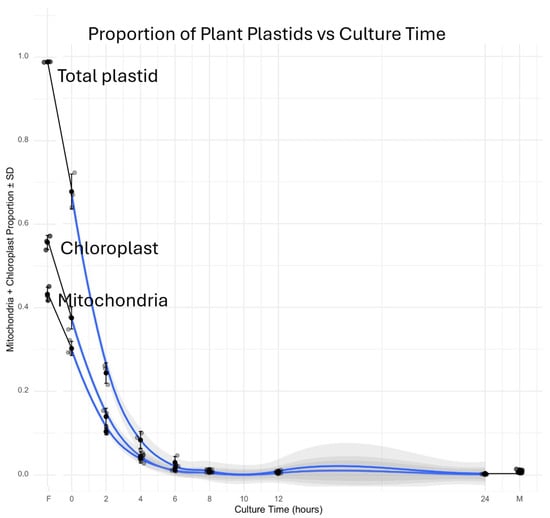
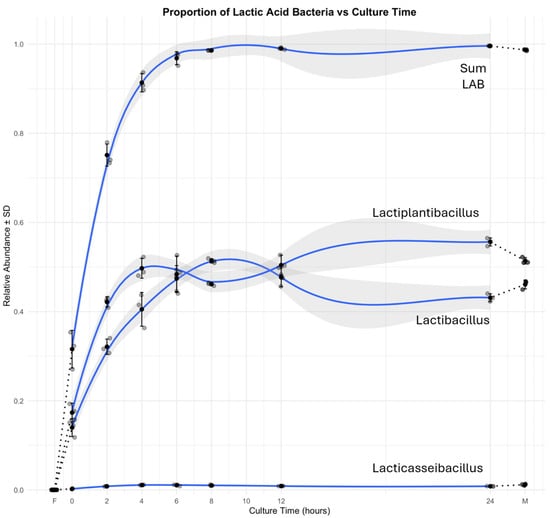
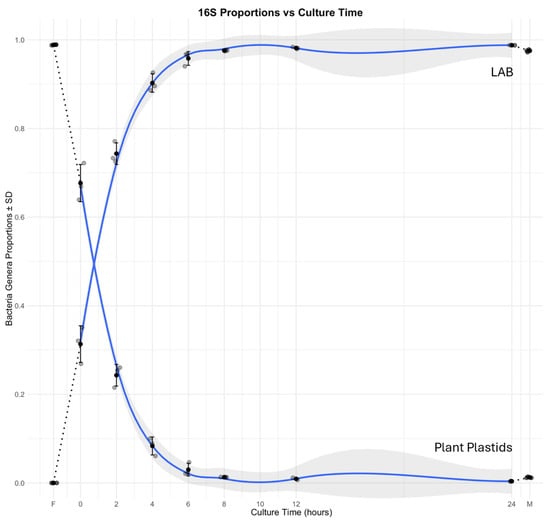
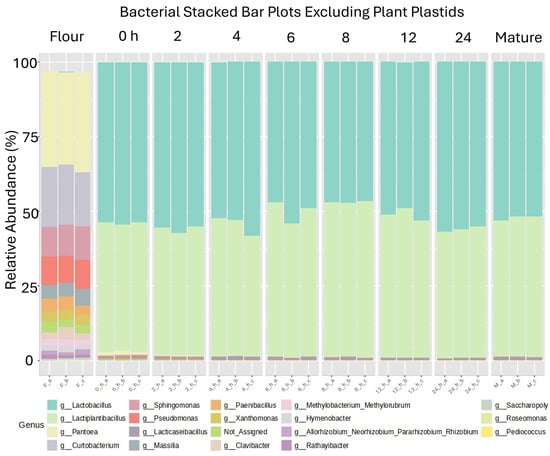
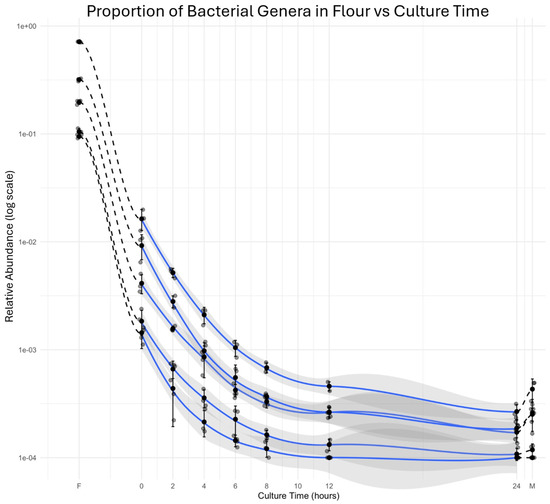
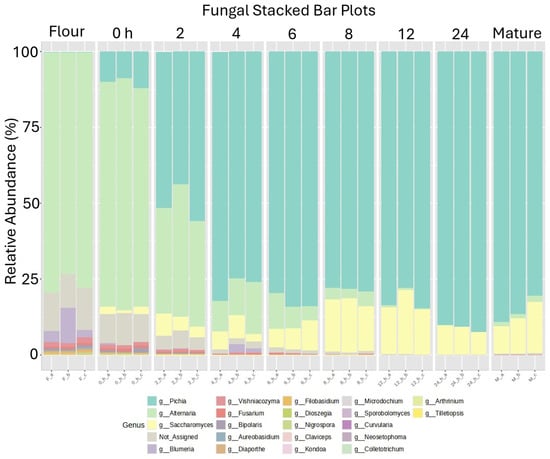
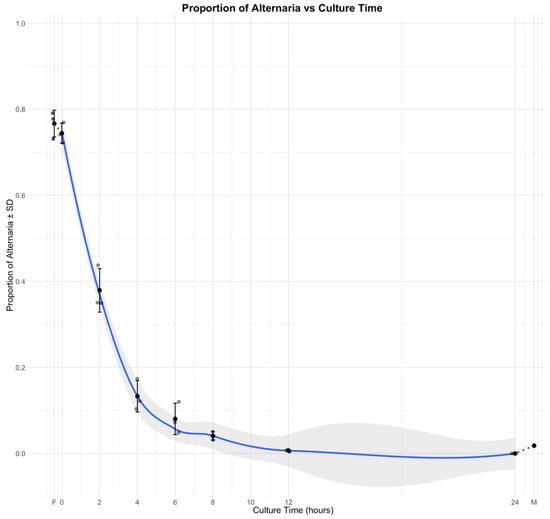
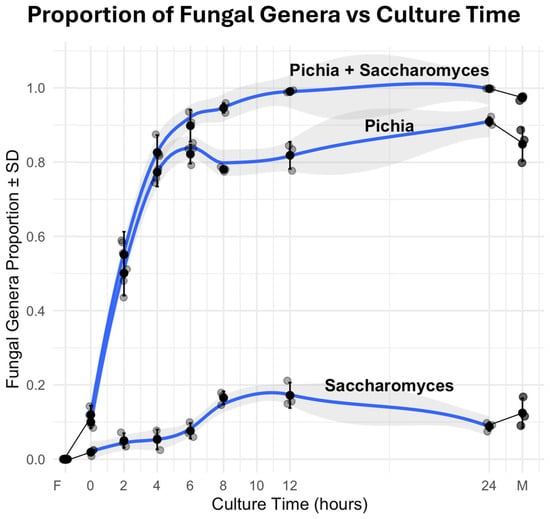
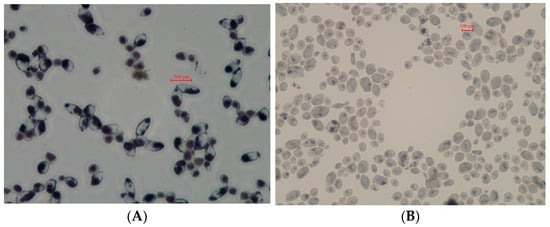
Fermentation is a type of biological process conducted domestically or commercially to preserve foods and beverages, produce alcohol, add nutritional value and improve aroma and flavor. The natural fermentation of flour in water to obtain a leaven for baking, lately scrutinized in the laboratory with the application of metagenomic methods, has been ubiquitous since the dawn of civilization. Commercially, single culture or defined mixtures of microorganisms are used for their predictability, but regularly fed two-domain microorganism cultures are favored in less industrialized and domestic operations. Fungi principally produce the carbon dioxide responsible for leavening. The bacteria produce acid in the bread commonly known as sourdough for its aroma and flavor. A leaven made by fermentation using flour and water can be stored while it is dormant. We studied a mature culture that is fed twenty-fold with water and flour by incubating it for 24 h, sampling it regularly for pH measurements, and plating it. The colonies were suspended for micrography and DNA extraction for PCR and Sanger sequencing. The metagenomic DNAs were analyzed for bacterial and fungal composition. The proportions of the plant and microbial DNA endogenous to the flour decline rapidly, and the predominant bacteria and fungi in mature leaven propagate, without overlap between the respective microbiomes.
Full article
(This article belongs to the Section Fermentation for Food and Beverages)
►▼
Show Figures

Figure 1
Open AccessArticle
Effect of Aeration Process on Lignocellulosic Degradation, Humification and Carbohydrate-Active Enzyme (CAZymes) Genes in Aerobic Composting
by
Yufeng Chen, Hongbo Zhang, Haolong Wu and Xueqin He
Fermentation 2026, 12(4), 170; https://doi.org/10.3390/fermentation12040170 - 24 Mar 2026
Abstract
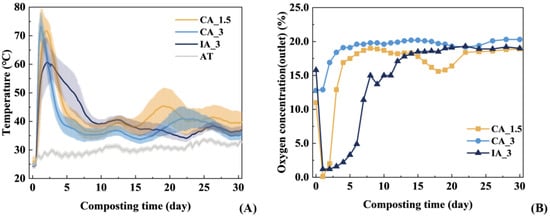
This study investigated the impacts of diverse aeration processes (continuous aeration vs. intermittent aeration) and aeration rates on the aerobic composting process. The key properties examined include temperature, oxygen dynamics, lignocellulose degradation, humification, and the functional potential of carbohydrate-active enzymes (CAZymes) based on
[...] Read more.
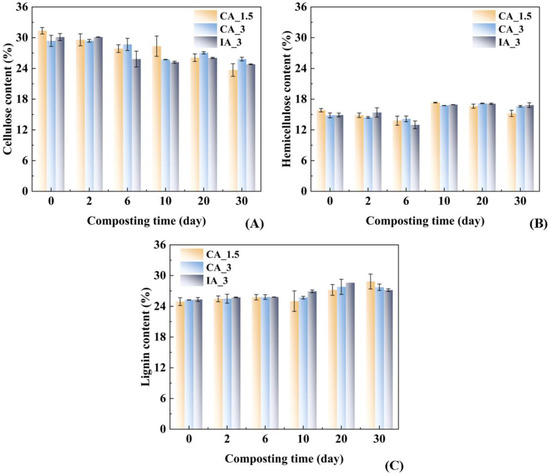
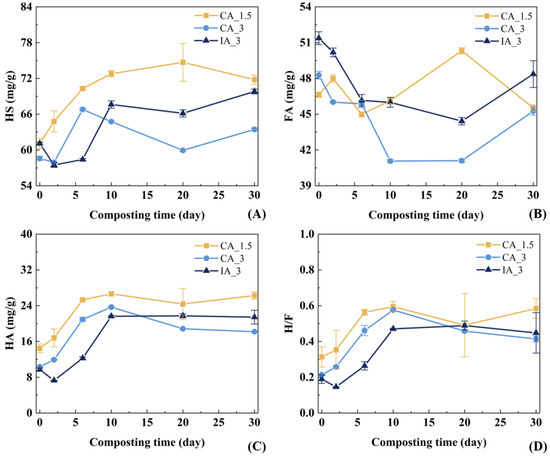
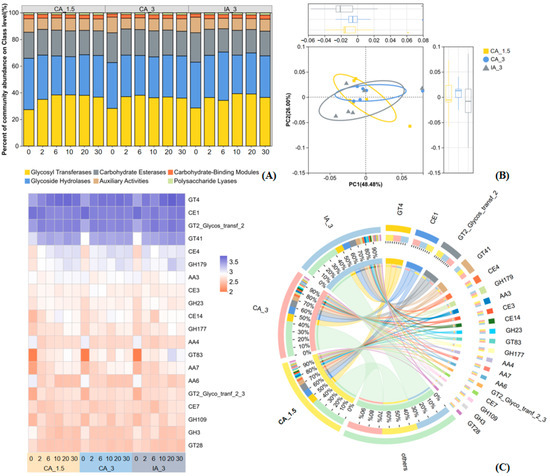
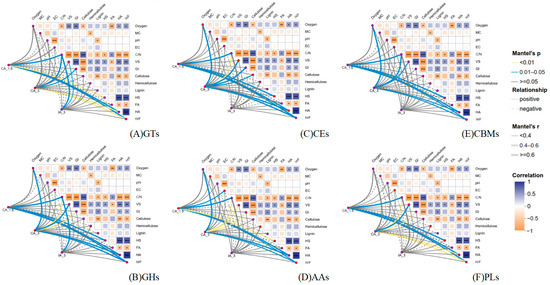
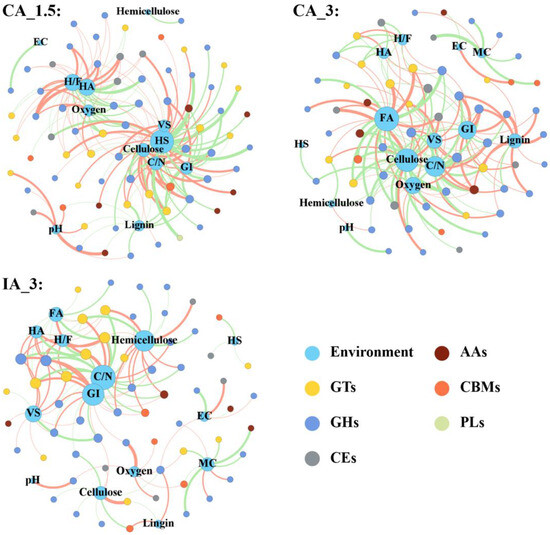
This study investigated the impacts of diverse aeration processes (continuous aeration vs. intermittent aeration) and aeration rates on the aerobic composting process. The key properties examined include temperature, oxygen dynamics, lignocellulose degradation, humification, and the functional potential of carbohydrate-active enzymes (CAZymes) based on metagenomic analysis. Among all the treatments, continuous aeration at a low rate (CA_1.5) attained the highest level of lignocellulose degradation by balancing the thermophilic duration and oxygen supply. Conversely, intermittent aeration (IA_3) led to superior humus stabilization, with the ratio of humic acid to fulvic acid (H/F) increasing by 118.45% in comparison to the initial level. Low total ventilation in CA_1.5 and IA_3 facilitated an increase in the abundance of glycosyl transferases (GTs) genes. Notably, intermittent aeration (IA_3) synergistically augmented the activities of glycoside hydrolases (GHs) and GTs, propelling the efficient conversion of lignocellulose into stable humic substances. In conclusion, the aeration process influenced the functional potential of microbial CAZymes, thus exerting an influence on both the composting efficiency and the quality of the final product.
Full article
(This article belongs to the Section Fermentation Process Design)
►▼
Show Figures

Figure 1
Open AccessArticle
Optimization of Biomass and Lipid Production by Yarrowia lipolytica Using Flaxseed and Chia Seed Oils as Substrates
by
Zerrin Polat, Bilge Sayın, Mükerrem Kaya and Güzin Kaban
Fermentation 2026, 12(3), 169; https://doi.org/10.3390/fermentation12030169 - 21 Mar 2026
Abstract
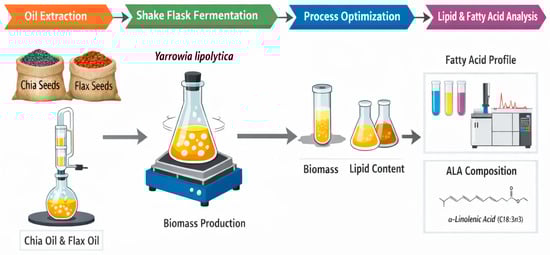
The microbial production of value-added lipids by oleaginous yeasts has attracted considerable interest as a sustainable alternative to conventional lipid sources. In this study, the effects of selected fermentation parameters on biomass production, lipid production, and fatty acid composition of Yarrowia lipolytica YB-423
[...] Read more.
The microbial production of value-added lipids by oleaginous yeasts has attracted considerable interest as a sustainable alternative to conventional lipid sources. In this study, the effects of selected fermentation parameters on biomass production, lipid production, and fatty acid composition of Yarrowia lipolytica YB-423 were investigated using flaxseed and chia seed oils as carbon sources. A Taguchi method was employed to evaluate and optimize the influence of temperature, fermentation time, nitrogen concentration, and oil supplementation. The results showed that nitrogen availability was the dominant factor governing biomass formation. The highest lipid production was achieved at 21 °C after 6 days of fermentation in the absence of an added nitrogen source supplemented with 10 mL/L oil, resulting in lipid contents of 62.53% and 64.61% for flaxseed and chia seed oils, respectively. Lipid content was primarily influenced by nitrogen concentration and oil supplementation, while temperature and fermentation time showed secondary but significant effects. Beyond total lipid production, fatty acid profiling demonstrated that both oil sources supported PUFA-rich lipid production; however, chia seed oil resulted in a broader variation in α-linolenic acid (ALA) content across fermentation conditions. The highest ALA content reached 67.40% at 14 °C after 4 days of fermentation under 30 mL/L chia seed oil supplementation. Additionally, ALA levels reached approximately 62% at 7 °C under higher chia seed oil concentrations (20–30 mL/L). In contrast, flax seed oil yielded relatively stable ALA levels, generally ranging between 45% and 56%, depending on fermentation parameters.
Full article
(This article belongs to the Special Issue Production of Added-Value Metabolites Through Microbial Fermentation)
►▼
Show Figures

Figure 1
Highly Accessed Articles
Latest Books
E-Mail Alert
News
Topics
Topic in
Applied Biosciences, Applied Microbiology, Fermentation, Marine Drugs, Microorganisms
Microbial Cell Factories for Natural Products
Topic Editors: Carlos Barreiro, Ana Ibáñez, José L. BarredoDeadline: 31 May 2026
Topic in
Fermentation, Membranes, Recycling, Sustainability, Separations, ChemEngineering
Separation Techniques and Circular Economy
Topic Editors: Da-Qi Cao, Qunhui Wang, Yuanyuan Ren, Yangmo ZhuDeadline: 30 June 2026
Topic in
Applied Microbiology, Fermentation, Foods, Microbiology Research, Microorganisms, Nutrients
News and Updates on Probiotics
Topic Editors: Alessandra Pino, Mutamed AyyashDeadline: 30 September 2026
Topic in
Biomass, Fermentation, Microbiology Research, Microorganisms
The Utilization of Non-Grain Biomass Resources
Topic Editors: Shilei Wang, Yafan CaiDeadline: 31 October 2026
Special Issues
Special Issue in
Fermentation
Innovations in Microbial Enzyme Production: From AI-Driven Design to Industrial Bioprocessing
Guest Editors: Yang Sun, Ling Jiang, Zhidong ZhangDeadline: 15 April 2026
Special Issue in
Fermentation
Next-Gen Biofuels: Innovations in Microbial Fermentation and Metabolic Networks
Guest Editors: Massimiliano Fabbricino, Gennaro TranconeDeadline: 15 April 2026
Special Issue in
Fermentation
Recent Advances in Microbial Fermentation in Foods and Beverages, 2nd Edition
Guest Editors: Massimo Iorizzo, Gianluca PaventiDeadline: 15 April 2026
Special Issue in
Fermentation
Fermentation Processes: Modeling, Optimization and Control: 3rd Edition
Guest Editor: Ricardo Aguilar-LópezDeadline: 20 April 2026
Topical Collections
Topical Collection in
Fermentation
Bioconversion of Lignocellulosic Materials to Value-Added Products
Collection Editors: Alexander Rapoport, Pietro Buzzini