

Journal Description
Nutrients
Nutrients
is an international, peer-reviewed, open access journal of human nutrition published semimonthly online by MDPI. The Asia Pacific Nutrigenomics Nutrigenetics Organisation (APNNO), Italian Society for Pediatric Gastroenterology, Hepatology and Nutrition (SIGENP), Nutrition Society of New Zealand (NSNZ), Ocular Wellness & Nutrition Society (OWNS) and others are affiliated with Nutrients and their members receive discounts on article processing charges.
- Open Access— free for readers, with article processing charges (APC) paid by authors or their institutions.
- High Visibility: indexed within Scopus, SCIE (Web of Science), PubMed, MEDLINE, PMC, Embase, PubAg, AGRIS, and other databases.
- Journal Rank: JCR - Q1 (Nutrition and Dietetics) / CiteScore - Q1 (Nutrition and Dietetics)
- Rapid Publication: manuscripts are peer-reviewed and a first decision is provided to authors approximately 15 days after submission; acceptance to publication is undertaken in 2.4 days (median values for papers published in this journal in the second half of 2025).
- Recognition of Reviewers: reviewers who provide timely, thorough peer-review reports receive vouchers entitling them to a discount on the APC of their next publication in any MDPI journal, in appreciation of the work done.
- Companion journal: Dietetics.
- Journal Cluster of Food, Nutrition, and Health Science: Beverages, Dietetics, Foods, Nutraceuticals, Nutrients and Obesities.
Impact Factor:
5.0 (2024);
5-Year Impact Factor:
6.0 (2024)
Latest Articles
Ponderal Status, Eating and Lifestyle Habits in Rural School Children: A Pilot Survey of the SBAM-ONFOODS Cohort Study
Nutrients 2026, 18(11), 1756; https://doi.org/10.3390/nu18111756 - 29 May 2026
Abstract
Background/Objectives: The rising prevalence of overweight and obesity reflects a trend towards worsening eating habits and reduced physical activity, with significant implications for public health and life expectancy. This pilot survey aimed to evaluate weight status, food habits and lifestyle in primary
[...] Read more.
Background/Objectives: The rising prevalence of overweight and obesity reflects a trend towards worsening eating habits and reduced physical activity, with significant implications for public health and life expectancy. This pilot survey aimed to evaluate weight status, food habits and lifestyle in primary school children from under-researched rural areas of the Lazio region, Italy. Methods: A total of 182 children aged 6–10 years from the municipalities of Monte Romano and Tolfa were enrolled. Body Mass Index (BMI), calculated from measured weight and height, was classified by IOTF and WHO definitions. Food habits, socioeconomic factors and lifestyle were evaluated by a standard questionnaire, and adherence to the Mediterranean diet (MD) was assessed by the KIDMED test. Results: Data showed a high prevalence of overweight, including obesity (33.3%), based on IOTF criteria, with slightly higher rates in boys than girls (38.3% vs. 26.9%). According to the WHO definition, the rate of overweight/obesity was 39.5% with significant differences between males and females (46% vs. 30.8%). Only 19.9% of children had high adherence to MD (67.3% moderate, 12.9% low), and 29.5% of the sample did not eat breakfast every day. In addition, 25.4% met international physical activity recommendations, while around 40% exceeded the recommended screen time on weekend days, and 19.3% did not sleep the recommended hours. Conclusions: Preliminary data show high rates of excess weight, poor diet quality and unhealthy lifestyles. Extending the sampling to other municipalities in the study area will help validate these findings and provide deeper insights to inform targeted intervention strategies.
Full article
(This article belongs to the Section Nutrition and Public Health)
Open AccessReview
Olive Leaf Extract Health-Promoting and Anti-Tumor Properties: An Adjunct Therapy in Pediatric Oncology?
by
Irma Airoldi, Chiara Brignole and Fabio Morandi
Nutrients 2026, 18(11), 1755; https://doi.org/10.3390/nu18111755 - 29 May 2026
Abstract
Modern scientific research increasingly views olive leaf extract (OLE) not merely as a simple supplement, but as a sophisticated chemical orchestra where a wide array of phytochemicals works in natural harmony to provide therapeutic benefits. While olive oil is the most famous product
[...] Read more.
Modern scientific research increasingly views olive leaf extract (OLE) not merely as a simple supplement, but as a sophisticated chemical orchestra where a wide array of phytochemicals works in natural harmony to provide therapeutic benefits. While olive oil is the most famous product of the Olea europaea tree, it is important to emphasize that the leaves are actually a far richer and more concentrated reservoir of bioactive molecules, often containing phenolic levels several times higher than those found in the fruit or oil. This whole plant extract often proves more biologically effective than isolated compounds because its components target multiple cellular pathways simultaneously. Many beneficial effects have been ascribed to OLE including anti-inflammatory, anti-oxidant, anti-microbial, anti-viral, neuroprotective, and anti-tumoral effects. In this review, we focused on the latter activity, especially in the field of pediatric tumors such as acute leukemias and neuroblastoma. This issue was discussed starting from the definition of OLE and its components describing the main biological activities, passing through the OLE roles on the immune system, moving on to the anti-cancer functions, and ending with future perspectives.
Full article
(This article belongs to the Special Issue Nutritional Approaches to Cancer Prevention and Therapeutic Support)
Open AccessArticle
Serum Vitamin Profiles in Pediatric Eczema, Atopic Dermatitis, and Urticaria
by
Gaolei Zhang, Mengting Su, Xiao Liu, Xiaoyan Liu, Jianyou Chen, Sheng Zhang, Yuhan Wang, Guimin Huang and Tao Li
Nutrients 2026, 18(11), 1754; https://doi.org/10.3390/nu18111754 - 29 May 2026
Abstract
Background: Eczema, atopic dermatitis, and urticaria are common pediatric inflammatory skin diseases, but serum vitamin profiles across these diseases remain poorly characterized. Objectives: To compare demographic characteristics, serum vitamin levels, and vitamin insufficiency rates among children with these diseases, and to
[...] Read more.
Background: Eczema, atopic dermatitis, and urticaria are common pediatric inflammatory skin diseases, but serum vitamin profiles across these diseases remain poorly characterized. Objectives: To compare demographic characteristics, serum vitamin levels, and vitamin insufficiency rates among children with these diseases, and to identify independent factors associated with disease presence. Methods: This retrospective study included 504 children: 43 with eczema, 43 with atopic dermatitis, 40 with urticaria, and 378 healthy controls. Serum levels of nine vitamins were measured by electrochemical assays. Univariable and multivariable logistic regression analyses were used to identify associated factors with false discovery rate correction. Propensity score matching based on age and sex was additionally performed for each disease-control comparison, followed by matched regression analyses. An exploratory nomogram was developed and evaluated. Results: The mean age of the cohort was 6.26 years, and 50.2% were male. Vitamin B9 insufficiency was the most prominent abnormality, occurring more frequently in the overall disease group than in controls (17.5% vs. 0.3%, p < 0.001). Vitamin D insufficiency appeared more frequently in the urticaria group than in controls (42.5% vs. 28.3%, p = 0.062). In multivariable analyses after PSM, vitamin B9 insufficiency and lower vitamin B6 levels remained independently associated with all three diseases. Conclusions: Pediatric inflammatory skin diseases exhibited distinct vitamin profiles relative to healthy controls, with vitamin B9 insufficiency emerging as a common feature across eczema, atopic dermatitis, and urticaria.
Full article
(This article belongs to the Section Pediatric Nutrition)
Open AccessArticle
Effect of a Theory-Informed, Six-Week Gamified Educational Intervention on Hydration Knowledge, Behavior, and Status in School Children: A Randomized Controlled Trial
by
Sana Kacem, Khaled Trabelsi, Halil İbrahim Ceylan, Aïmen Khacharem, Achraf Ammar, Cain C. T. Clark, Kaïs El Abed, Haitham Jahrami, Raul Ioan Muntean, İsmail Dergaa, Nicola Luigi Bragazzi and Abdul Rashid Aziz
Nutrients 2026, 18(11), 1753; https://doi.org/10.3390/nu18111753 - 29 May 2026
Abstract
Aim: This study assessed the effects of a six-week educational intervention using an adapted “Snakes and Ladders” board game on hydration knowledge, behavior, and status among Tunisian elementary school children during physical education (PE) lessons. Method: A randomized controlled trial involving 207
[...] Read more.
Aim: This study assessed the effects of a six-week educational intervention using an adapted “Snakes and Ladders” board game on hydration knowledge, behavior, and status among Tunisian elementary school children during physical education (PE) lessons. Method: A randomized controlled trial involving 207 children was conducted, with participants assigned to either the educational group (EG, n = 99) or the control group (CG, n = 108). The EG participated in six weekly 30-min board game sessions, while the CG continued regular activities. Knowledge of hydration was assessed using a validated questionnaire. Hydration status was monitored indirectly by the percentage change in body mass from pre- to post-PE session. Perceived thirst was evaluated using a 9-point scale, and hydration behavior was evaluated based on water consumption during PE lessons. Results: Following the intervention, the EG demonstrated a significant improvement in overall hydration knowledge (ΔMean = +0.30 ± 0.11 vs. −0.05 ± 0.08 in CG; p < 0.001). Water intake during PE sessions increased progressively from week 2 (83.6 ± 127.2 mL) to week 6 (311.2 ± 204 mL) in the EG, whereas it remained unchanged in the CG (p < 0.001). Body mass loss after PE sessions decreased significantly in the EG (−0.03 kg) compared with the CG (−0.16 kg; p < 0.001), and perceived thirst before and after PE sessions was markedly lower (Cohen’s d = 0.75–1.32). Conclusions. The six-week board-game intervention appeared effective in increasing hydration knowledge, promoting healthier drinking behaviors during PE, and improving indirect indicators of hydration status. These findings provide preliminary evidence for the feasibility and educational value of a gamified, low-cost approach to hydration promotion in schools. Further research should examine long-term retention, include objective hydration biomarkers, and evaluate applicability across diverse school settings and environmental conditions. Trial Registration: This study is registered with Pan African Clinical Trial Registry (PACTR) under the unique identifier (PACTR202510771129829).
Full article
(This article belongs to the Special Issue Physical Activity and Food Choice in Early Childhood: Developmental Pathways and Integrated Behaviors)
Open AccessArticle
Efficacy and Safety of Salvia miltiorrhiza Extract (SAGX) Compared with Saw Palmetto in Men with Lower Urinary Tract Symptoms: A 12-Week, Randomized, Double-Blind, Parallel-Group Pilot Study
by
Eun Young Kim, Eun Joo Lee, Joon Young Chang, Sang Jun Im, Young Ho Park and Ha Young Kim
Nutrients 2026, 18(11), 1752; https://doi.org/10.3390/nu18111752 - 29 May 2026
Abstract
Background: Lower urinary tract symptoms (LUTS) are prevalent among aging men and negatively affect quality of life. Salvia miltiorrhiza extract (SAGX), which exhibits anti-inflammatory and antioxidant properties, has been developed as a functional ingredient to improve LUTS. However, comparative clinical data against established
[...] Read more.
Background: Lower urinary tract symptoms (LUTS) are prevalent among aging men and negatively affect quality of life. Salvia miltiorrhiza extract (SAGX), which exhibits anti-inflammatory and antioxidant properties, has been developed as a functional ingredient to improve LUTS. However, comparative clinical data against established standards, such as saw palmetto, are currently lacking. Objectives: To compare the efficacy and safety of SAGX with saw palmetto extract in men with LUTS. Methods: In this randomized, parallel-group pilot study, 30 men with LUTS were assigned to receive either 400 mg of SAGX or 320 mg of saw palmetto extract once daily for 12 weeks. The primary outcome was the change in the International Prostate Symptom Score (IPSS) and the LUTS-related quality-of-life (QoL) score. Secondary outcomes included changes in the erectile function assessed using the International Index of Erectile Function (IIEF). Safety was evaluated by monitoring adverse events. Results: SAGX supplementation resulted in a significantly greater reduction in total IPSS compared with the saw palmetto group (p = 0.031), with notable improvements in storage symptoms (p = 0.003) and QoL (p = 0.035). Erectile function also improved significantly in the SAGX group (p = 0.005). All adverse events were mild and transient, with treatment-related events occurring less frequently in the SAGX group. Conclusions: Although this study was a pilot study with a limited cohort, these findings provide preliminary evidence for the use of SAGX as a functional ingredient for supporting urinary health in men with LUTS.
Full article
(This article belongs to the Topic Functional Foods and Nutraceuticals in Health and Disease)
Open AccessReview
Nutrition-First Support for GLP-1 and Dual Incretin Therapy in Obesity: A Practical Framework for Dietary Management, Symptom Tolerability, and Long-Term Weight Maintenance
by
Raynier Zambrano-Villacres, Martín Campuzano-Donoso, Claudia Reytor-González, Gianluca Rossetti, Luigi Cobellis, Francesco Cobellis, Vincenzo Pilone, Daniel Simancas-Racines and Luigi Schiavo
Nutrients 2026, 18(11), 1751; https://doi.org/10.3390/nu18111751 - 29 May 2026
Abstract
Background: Glucagon-like peptide-1 receptor agonists (GLP-1RAs) and dual glucose-dependent insulinotropic polypeptide (GIP)/GLP-1 receptor agonists have transformed obesity treatment, producing substantial weight loss during active therapy. However, real-world effectiveness may be limited by gastrointestinal adverse events, reduced dietary intake, fat-free mass loss as part
[...] Read more.
Background: Glucagon-like peptide-1 receptor agonists (GLP-1RAs) and dual glucose-dependent insulinotropic polypeptide (GIP)/GLP-1 receptor agonists have transformed obesity treatment, producing substantial weight loss during active therapy. However, real-world effectiveness may be limited by gastrointestinal adverse events, reduced dietary intake, fat-free mass loss as part of total weight reduction, and weight regain after discontinuation. Methods: This narrative review synthesizes current pharmacological, nutritional, gastrointestinal, body-composition, and implementation evidence to propose an evidence-informed nutrition-first framework for patients receiving incretin-based therapy for obesity. Results: We translate pharmacologic mechanisms into practical dietary strategies, including protein prioritization, structured meal patterns, hydration and fiber management, symptom-targeted interventions, resistance-training support, and maintenance planning. Because direct trials of structured nutrition interventions in GLP-1RA- or dual incretin-treated populations remain limited, several recommendations are extrapolated from the broader obesity, caloric restriction, body-composition, gastrointestinal, and expert-consensus literature. Conclusions: Integrating structured nutrition care into pharmacotherapy pathways may help address meal-related symptom burden, support protein and fluid adequacy, identify patients at higher nutritional or body-composition risk, and prepare patients for long-term weight-management behaviors. Embedding practical nutrition management within multidisciplinary obesity care may help translate pharmacologic efficacy into durable, patient-centered outcomes.
Full article
(This article belongs to the Section Nutrition and Obesity)
Open AccessArticle
Development and Validation of a Practical Nutritional Management Algorithm in Malabsorption
by
Maryam Sidahi Serrano, Carmelo Diéguez Castillo, Andrea Martín Aguilar and Daniel De Luis Román
Nutrients 2026, 18(11), 1750; https://doi.org/10.3390/nu18111750 - 29 May 2026
Abstract
Background: Malabsorption is a frequent and clinically relevant condition associated with a high risk of disease-related malnutrition across multiple gastrointestinal and systemic disorders. Despite its prevalence, standardized nutritional management algorithms remain limited. Following a previously published Delphi consensus on the use of oligomeric
[...] Read more.
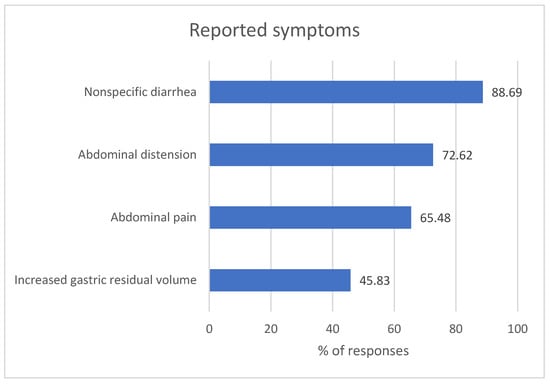
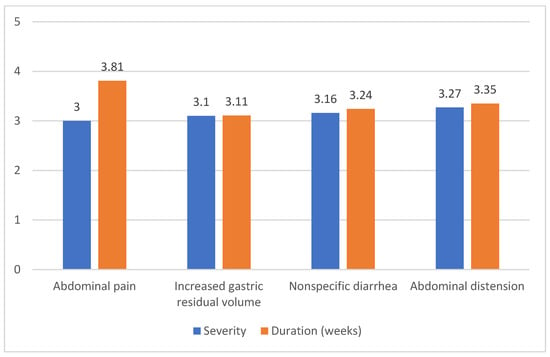
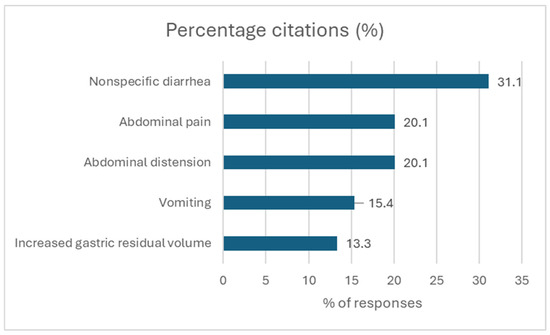
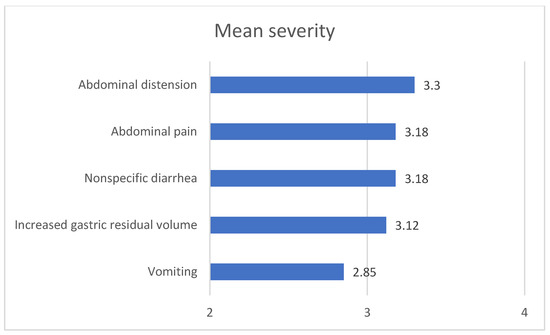
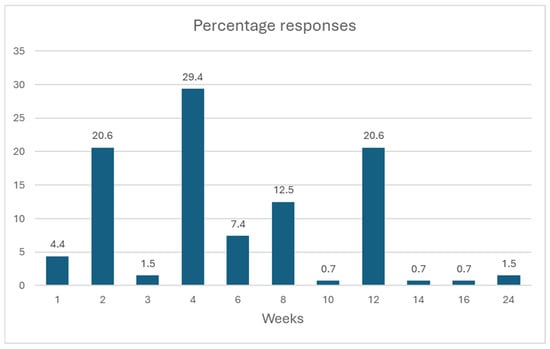
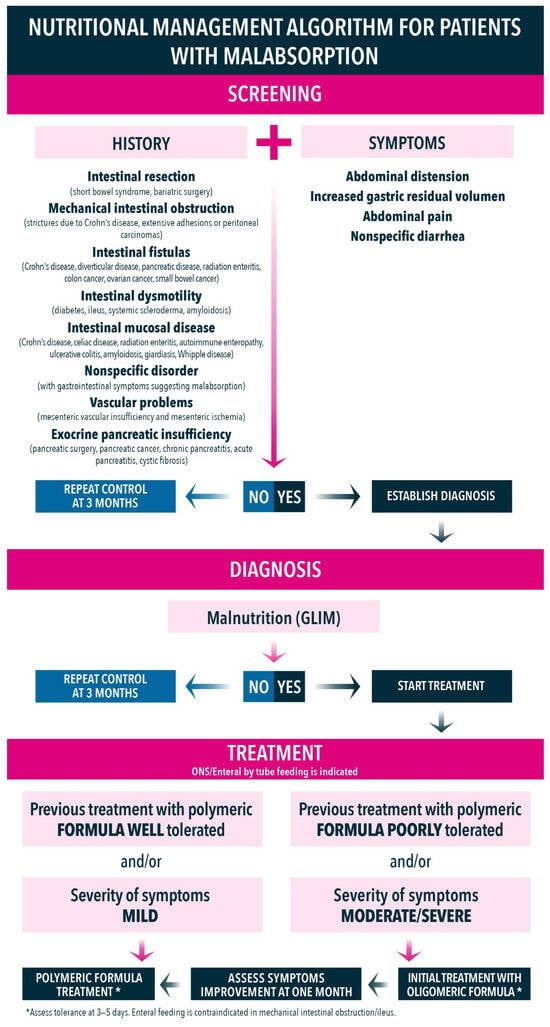
Background: Malabsorption is a frequent and clinically relevant condition associated with a high risk of disease-related malnutrition across multiple gastrointestinal and systemic disorders. Despite its prevalence, standardized nutritional management algorithms remain limited. Following a previously published Delphi consensus on the use of oligomeric enteral formulas, the present study aimed to develop and validate a practical nutritional management algorithm for patients with malabsorption. Methods: A structured expert questionnaire was conducted among 173 physicians with clinical experience in malabsorption, including specialists in endocrinology, gastroenterology, internal medicine, and oncology. Participants gained experience using the preliminary algorithm by applying it to five real-life cases before completing the questionnaire. The survey addressed symptom type, intensity, and duration required for screening, diagnostic criteria for malnutrition, timing of reassessment, indications for oligomeric oral nutritional supplements (ONSs), and criteria for reintroducing polymeric formulas. Statistical analyses were performed using SAS v9.4. Results: Of the 173 participants, 67.1% were women, with a mean age of 39.6 ± 8.2 years and a mean clinical experience of 10.9 ± 7.9 years. In clinicians’ opinion, diarrhea was the most frequently considered symptom to trigger screening (88.6%), followed by abdominal distension (72.6%), abdominal pain (65.4%), and increased gastric residuals (45.8%). Experts agreed that symptoms should present with at least moderate intensity and persist for more than 3 weeks to justify screening. Most respondents agreed with using the GLIM criteria for malnutrition assessment (97.7%). For patients with poor tolerance to polymeric ONSs or moderate-to-severe symptoms, initiation of oligomeric ONSs was recommended, with diarrhea identified as the main indication (31.1%). Symptom severity prompting oligomeric formulas was rated between 2.8 and 3.3 on a 5-point scale. The mean recommended duration of symptom improvement before transitioning back to polymeric formulas was 6.24 ± 4.45 weeks. Conclusions: This study presents a consensus-based, clinically applicable algorithm for nutritional screening, diagnosis, and intervention in patients with malabsorption. The algorithm provides clear guidance on symptom assessment, use of GLIM criteria, selection of ONS type, and follow-up, potentially improving standardization and quality of nutritional care in this high-risk population.
Full article
(This article belongs to the Section Clinical Nutrition)
►▼
Show Figures

Figure 1
Open AccessArticle
Functional Food Potential of Magnolia liliiflora Leaves: Chemical Profiling of Bioactive Lignans and Their Anti-Inflammatory Effects in LPS-Activated Microglia
by
Jorge-Eduardo Ponce-Zea, Yun-Hui Che, Gwan-Young Jung, Van-Hieu Mai, Minh-Thi-Tuyet Le, Jin-Pyo An and Won-Keun Oh
Nutrients 2026, 18(11), 1749; https://doi.org/10.3390/nu18111749 - 29 May 2026
Abstract
Background/Objectives: Neuroinflammation is a key contributor to neurodegenerative diseases. Magnolia liliiflora Desr. is a traditional medicinal plant with therapeutic potential; however, its bioactive constituents and mechanisms remain unclear. This study aimed to identify active compounds from M. liliiflora leaves that inhibit inflammatory
[...] Read more.
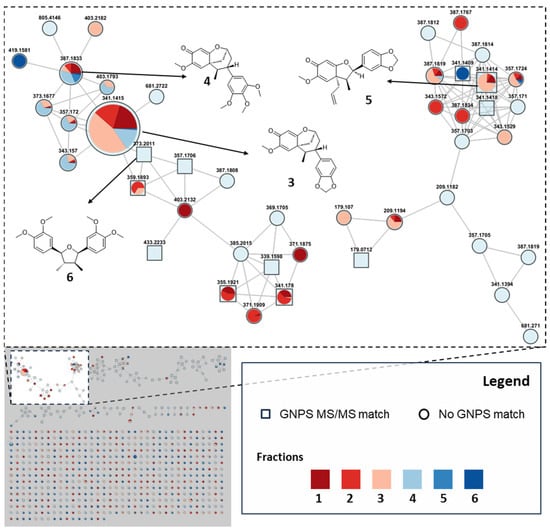
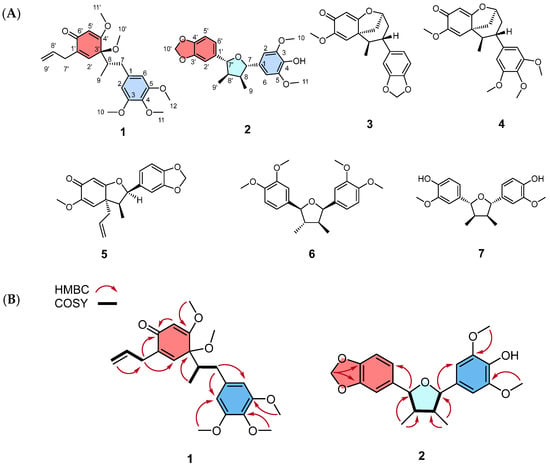
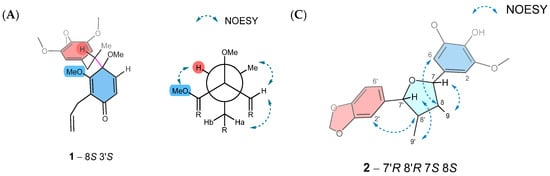
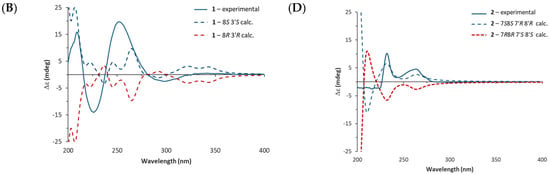
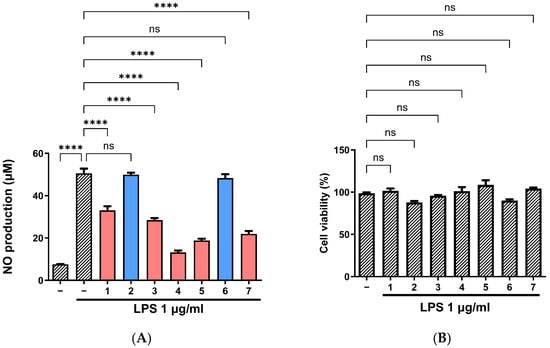
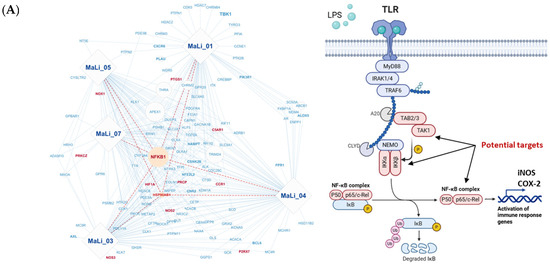
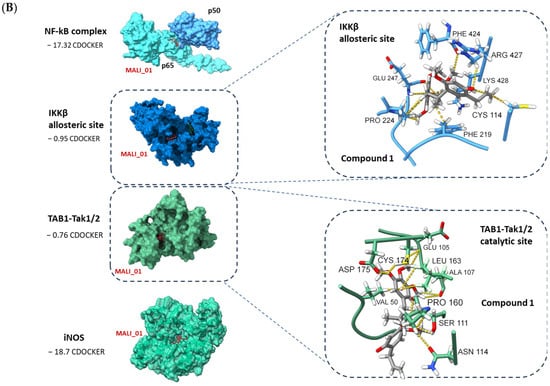
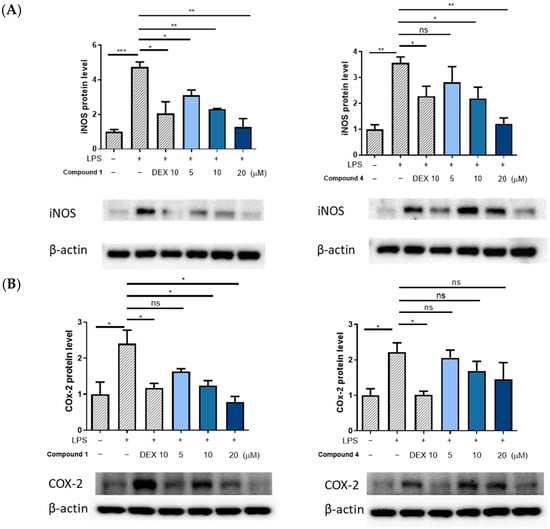
Background/Objectives: Neuroinflammation is a key contributor to neurodegenerative diseases. Magnolia liliiflora Desr. is a traditional medicinal plant with therapeutic potential; however, its bioactive constituents and mechanisms remain unclear. This study aimed to identify active compounds from M. liliiflora leaves that inhibit inflammatory responses in microglial BV-2 cells. Methods: Anti-inflammatory activity was assessed by measuring nitric oxide (NO) production in lipopolysaccharide (LPS)-stimulated BV2 microglial cells. UPLC–qTOF MS/MS-based metabolite profiling combined with bioactivity-guided analysis was used to identify candidate biomarkers, which were subsequently isolated and structurally characterized. Network pharmacology and molecular docking analyses were performed to predict potential molecular targets and mechanisms of action. The effects on NF-κB signaling and inducible nitric oxide synthase (iNOS) and cyclooxygenase-2 (COX-2) expression were further validated by Western blot analysis. Results: Two previously undescribed lignans (1 and 2) and five known lignan derivatives (3–7) were isolated from the leaves of M. liliiflora. At 20 µM, compounds 1, 3–5, and 7 exhibited moderate inhibitory effects on nitric oxide (NO) production in lipopolysaccharide (LPS)-stimulated BV2 microglial cells, with 23%, 33%, 69%, 56% and 49% inhibition, respectively, and no detectable cytotoxicity. Notably, an ethyl acetate-derived enriched subfraction showed 97% inhibition of NO production at 10 µg/mL, suggesting potential synergistic activity of M. liliiflora lignans. Network pharmacology and molecular docking analyses predicted interactions between the isolated lignans and NF-κB pathway-related targets, thereby guiding subsequent experimental validation. Both compounds significantly reduced the expression of iNOS and COX-2 and suppressed LPS-induced activation of the NF-κB signaling pathway in a concentration-dependent manner, as confirmed by Western blot analysis. Overall, the results demonstrate that M. liliiflora leaves are a source of bioactive lignans that attenuate microglial activation by inhibiting NO production and key inflammatory mediators, effects that are associated with the suppression of the NF-κB signaling pathway. Conclusions: This study identified bioactive lignans from M. liliiflora leaves and demonstrated their anti-inflammatory activity in microglial cells. The findings establish the structural identities of the active compounds and confirm that M. liliiflora leaves are a valuable source of lignans with therapeutic potential for neuroinflammatory and neurodegenerative disorders.
Full article
(This article belongs to the Special Issue Prevention Effects and Molecular Mechanisms of Dietary Bioactive Compounds Against Chronic Diseases)
►▼
Show Figures

Figure 1
Open AccessArticle
Maternal palmitoleic acid supplementation attenuates neurodegenerative programming in aged offspring exposed to gestational diabetes
by
Ritsuko Kawaharada, Reiko Kimura, Eri Miyata, Reona Noguchi, Akiyo Toriumi and Akio Nakamura
Nutrients 2026, 18(11), 1748; https://doi.org/10.3390/nu18111748 - 29 May 2026
Abstract
Background/Objectives: Maternal hyperglycemia is associated with adverse neurodevelopmental outcomes in offspring; however, its long-term effects on brain aging remain unclear. This study investigated whether maternal hyperglycemia induces persistent molecular and behavioral alterations in aged male offspring and whether maternal palmitoleic acid supplementation exerts
[...] Read more.
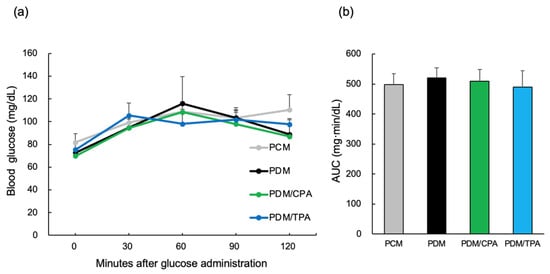
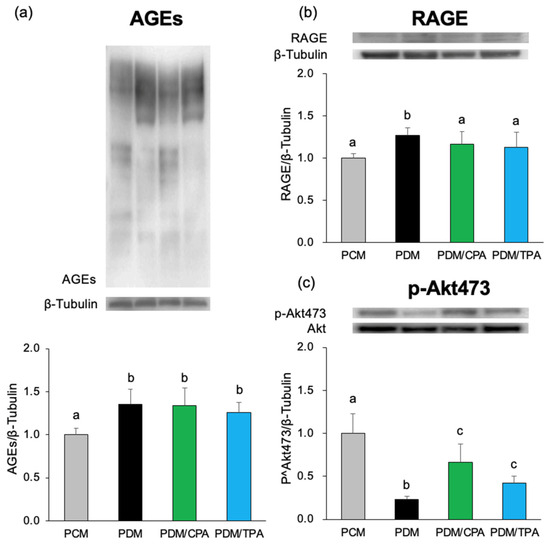
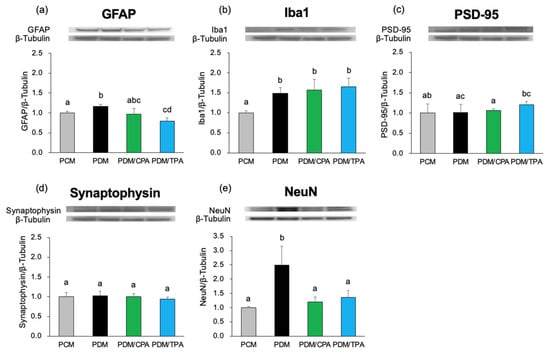
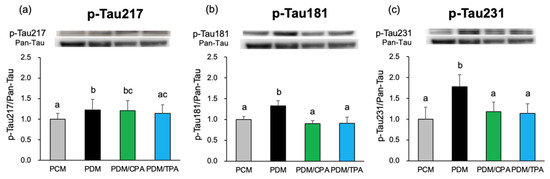
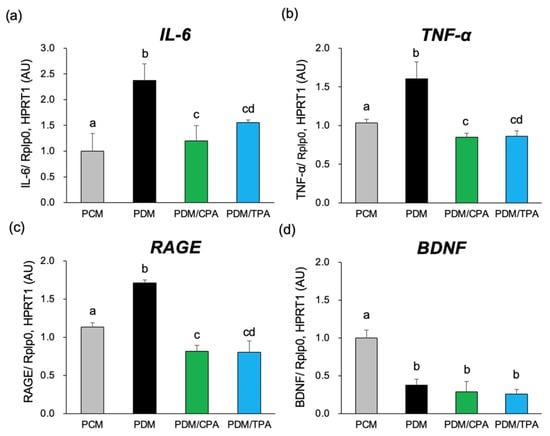
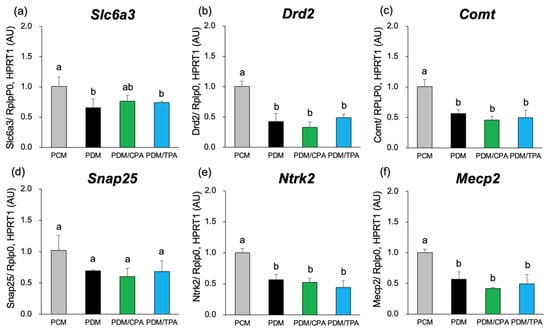
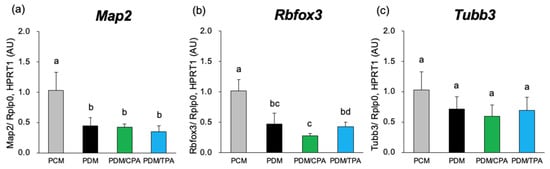
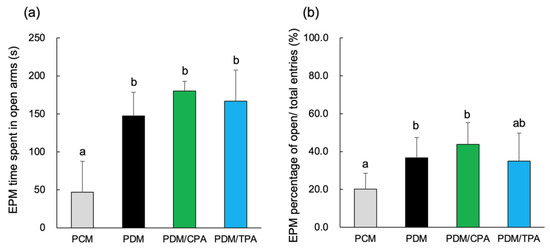
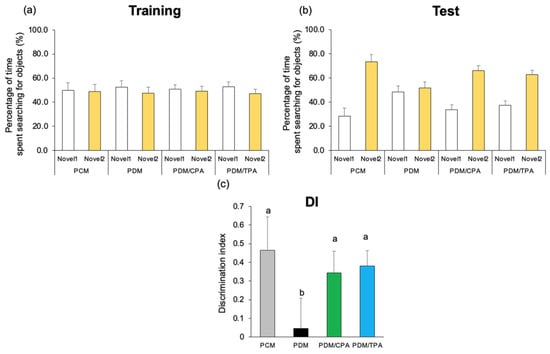
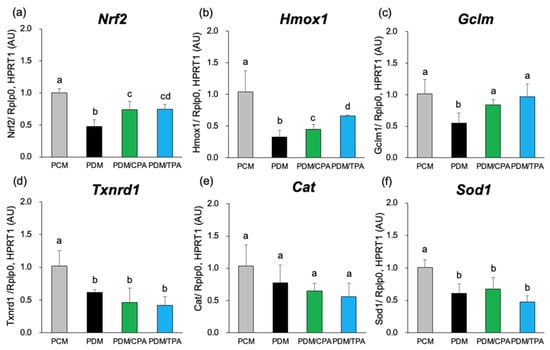
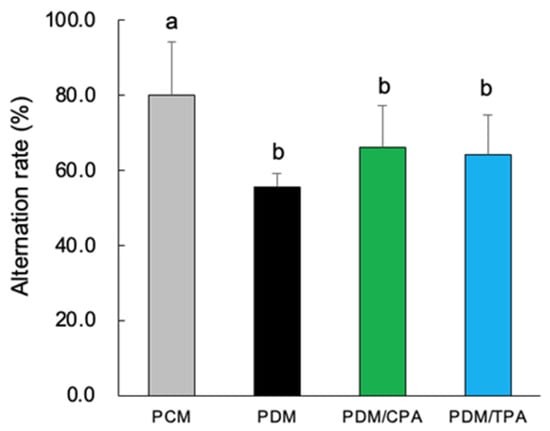
Background/Objectives: Maternal hyperglycemia is associated with adverse neurodevelopmental outcomes in offspring; however, its long-term effects on brain aging remain unclear. This study investigated whether maternal hyperglycemia induces persistent molecular and behavioral alterations in aged male offspring and whether maternal palmitoleic acid supplementation exerts protective effects. Methods: The pregnant rats were divided into four groups: PCM, PDM, PDM/CPA, and PDM/TPA. Male offspring were analyzed at 48 weeks of age. Results: Maternal hyperglycemia significantly increased cerebral RAGE expression (~1.6-fold) and tau phosphorylation (~1.8-fold), accompanied by reduced Akt phosphorylation, impaired Nrf2-related antioxidant responses, and increased inflammatory gene expression. These molecular alterations are associated with impaired recognition memory, as reflected by a marked reduction in the discrimination index in the novel object recognition test. Maternal CPA/TPA supplementation partially attenuated these abnormalities. Conclusions: These findings suggest that maternal hyperglycemia may induce long-lasting molecular alterations associated with neuroinflammation, impaired insulin-related signaling, and cognitive dysfunction in aged offspring. Maternal palmitoleic acid supplementation may partially mitigate the adverse developmental alterations associated with intrauterine hyperglycemic exposure.
Full article
(This article belongs to the Special Issue Maternal Nutrition: Developmental Origins of Health and Disease)
►▼
Show Figures

Figure 1
Open AccessArticle
Curcumin Combined with Flaxseed Oil Modulates Lipid Metabolism in Hamsters Fed a High-Fat, High-Cholesterol Diet: Insights from Lipidomics
by
Pin-Hui Wei, Chi-Chang Huang, Yi-Ju Hsu, Yi-Tung Lin, Pei Yu Loe, Wan-Chun Chiu and Shih-Yi Huang
Nutrients 2026, 18(11), 1747; https://doi.org/10.3390/nu18111747 - 29 May 2026
Abstract
Background/Objectives: Dyslipidemia and hepatic lipid buildup are key features of cardiometabolic disorders caused by high-fat, high-cholesterol diets. Both curcumin and flaxseed oil have been shown to improve lipid metabolism through different mechanisms. This study examined the effects of combining curcumin with flaxseed oil
[...] Read more.
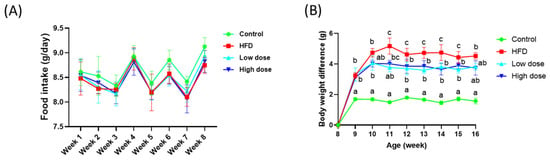
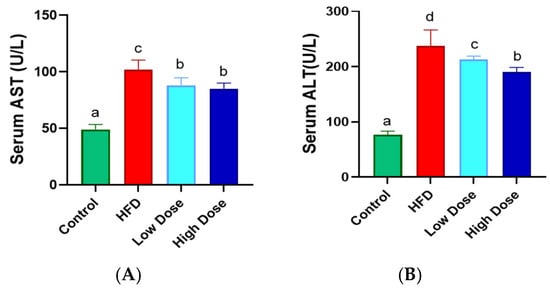
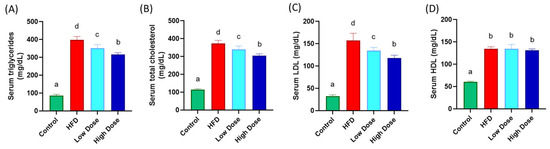
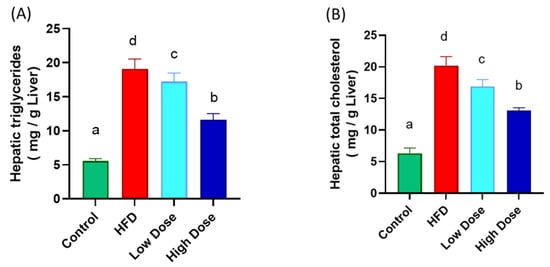
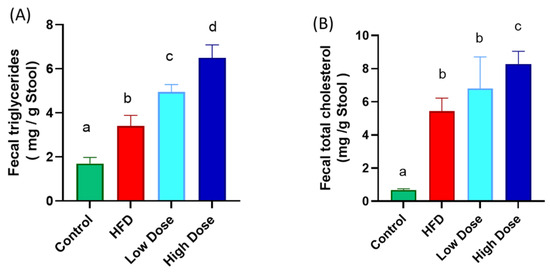
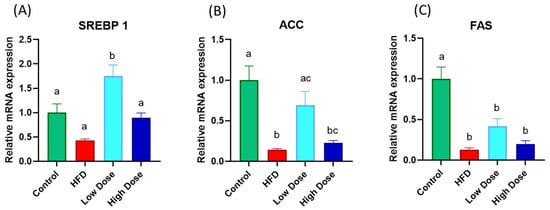
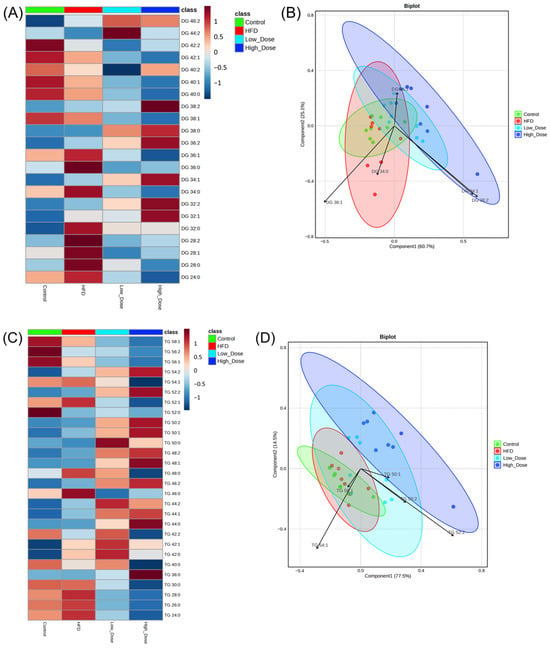
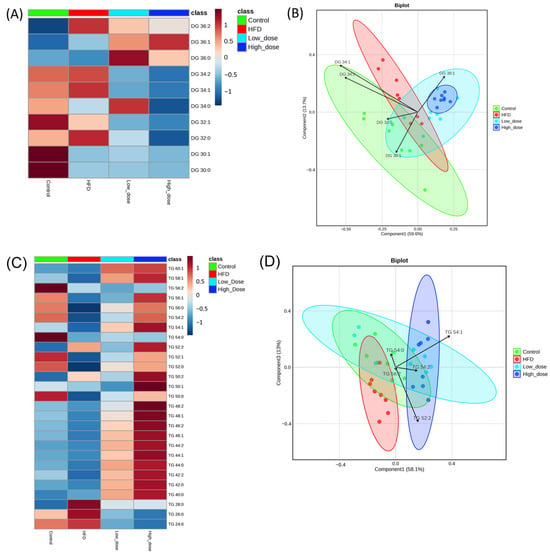
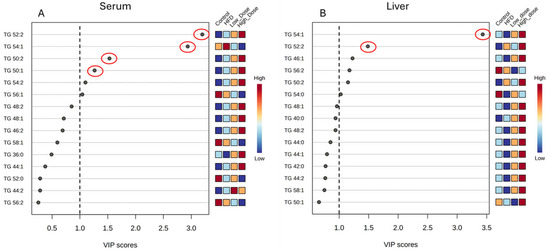
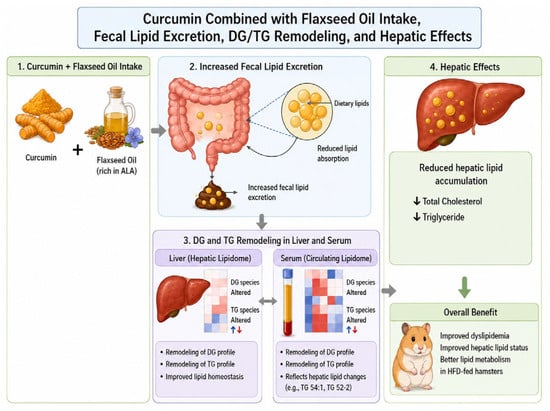
Background/Objectives: Dyslipidemia and hepatic lipid buildup are key features of cardiometabolic disorders caused by high-fat, high-cholesterol diets. Both curcumin and flaxseed oil have been shown to improve lipid metabolism through different mechanisms. This study examined the effects of combining curcumin with flaxseed oil on lipid metabolism in hamsters fed a high-fat, high-cholesterol diet and further investigated the underlying mechanisms using liver and serum lipidomic analyses. Methods: Thirty-two male Golden Syrian hamsters were randomly divided into four groups (n = 8 per group): control, high-fat/high-cholesterol diet (HFD), HFD with low-dose curcumin–flaxseed oil mixture, and HFD with high-dose curcumin–flaxseed oil mixture. After 8 weeks, serum lipid profiles, hepatic triglyceride (TG) and total cholesterol (TC), fecal TG and TC excretion, hepatic mRNA expression of SREBP-1, ACC, and FAS, and untargeted lipidomic profiles in serum and liver were analyzed. Results: Compared with the HFD group, curcumin–flaxseed oil supplementation significantly reduced serum TG, TC, and LDL-C levels, while HDL-C remained unchanged. Hepatic TG and TC accumulation also decreased significantly, accompanied by increased fecal TG and TC excretion, with a more pronounced effect in the high-dose group. Hepatic SREBP-1 and ACC mRNA expression increased in the low-dose group, whereas FAS expression remained unchanged. Lipidomic analysis showed notable remodeling of diacylglycerol species in both liver and serum. A similar trend was observed in serum TG profiles, particularly TG 54:1 and TG 52:2, suggesting that changes in circulating lipids may mirror the hepatic lipidomic response. Conclusions: Curcumin combined with flaxseed oil improved dyslipidemia and hepatic lipid accumulation in hamsters fed a high-fat, high-cholesterol diet, potentially through increased lipid excretion and modulation of hepatic and circulating lipid profiles.
Full article
(This article belongs to the Special Issue Nutritional Bioactive Components and Lipid Metabolic Diseases: A Comprehensive Exploration)
►▼
Show Figures

Figure 1
Open AccessArticle
Adolescent and Maternal Mediterranean Diet During Pregnancy Is Associated with Anxiety Symptoms in Early Adolescence: Results from the KLOTHO Cohort
by
Spyridon N. Karras, Maria Dalamaga, Maria Kypraiou, Vikentia Harizopoulou, Antonios Vlastos, Marios Anemoulis, Neoklis Georgopoulos, Georgios Mastorakos and Dimitrios G. Goulis
Nutrients 2026, 18(11), 1746; https://doi.org/10.3390/nu18111746 - 29 May 2026
Abstract
Background: Adolescence is a critical developmental period for emotional health, and anxiety disorders are a major public health concern. Adherence to the Mediterranean diet has been associated with improved mental health outcomes in adults; however, evidence in adolescents remains limited. Methods: We analyzed
[...] Read more.
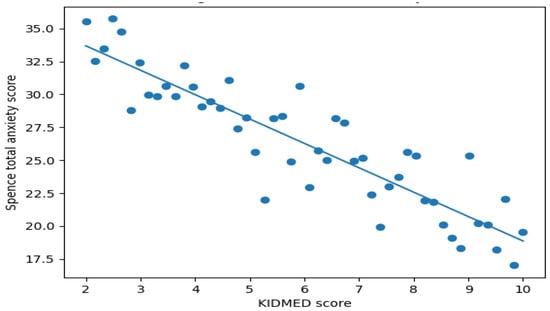
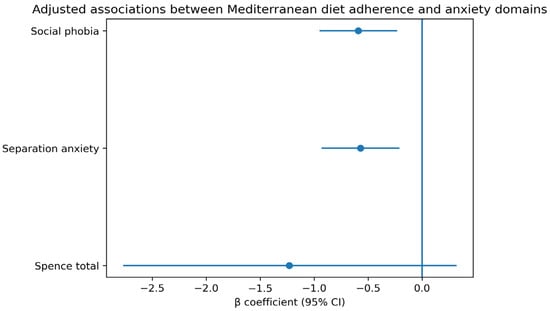
Background: Adolescence is a critical developmental period for emotional health, and anxiety disorders are a major public health concern. Adherence to the Mediterranean diet has been associated with improved mental health outcomes in adults; however, evidence in adolescents remains limited. Methods: We analyzed data from 86 adolescents participating in the KLOTHO birth cohort. Dietary quality was assessed using the KIDMED index, whereas maternal adherence to the Mediterranean diet during pregnancy was evaluated using a Mediterranean diet score. Psychological outcomes included behavioral difficulties (Strengths and Difficulties Questionnaire), anxiety symptoms (Spence Children’s Anxiety Scale), and mood-related outcomes (Mood and Feelings Questionnaire). Associations were examined using Spearman’s correlation analyses and multivariate linear regression models adjusted for sex, body mass index (BMI), sleep duration, and physical activity. Results: Higher adherence to the Mediterranean diet in adolescents was inversely associated with anxiety levels in correlation analyses (ρ = −0.294, p = 0.029). However, after adjustment for sex, body mass index, sleep duration, and physical activity, the association with total anxiety score was attenuated and no longer statistically significant associated with lower anxiety levels in correlation analyses (ρ = −0.294, p = 0.029). In adjusted models, the KIDMED score was not associated with total anxiety score but was independently associated with lower scores in specific anxiety domains, including social phobia and separation anxiety. Maternal adherence to the Mediterranean diet was associated with lower overall anxiety in offspring but not with specific anxiety subdomains. Conclusions: Adherence to the Mediterranean diet during adolescence is modestly associated with lower levels of specific anxiety symptoms, suggesting a modest domain-specific association between dietary patterns and emotional health.
Full article
(This article belongs to the Section Nutritional Epidemiology)
►▼
Show Figures

Figure 1
Open AccessArticle
Psychosocial Burden of Multiple IgE-Mediated Food Allergies in Pediatric Patients and Caregivers in the FORWARD Study
by
Mariesa Cay, Caglar Onal, Linda Herbert, Melissa Engel, Hemant Sharma, Mahdavinia Mahboobeh, Amal Assa’ad, James Moy, Lucy Bilaver, Ruchi Gupta and Christopher Warren
Nutrients 2026, 18(11), 1745; https://doi.org/10.3390/nu18111745 - 29 May 2026
Abstract
Background/Objectives: Of the approximately 8% of children in the United States (US) with food allergy (FA), roughly 40% report allergy to multiple foods. The ubiquity and intensity of FA management can impose psychosocial burdens on both pediatric patients and caregivers, which may
[...] Read more.
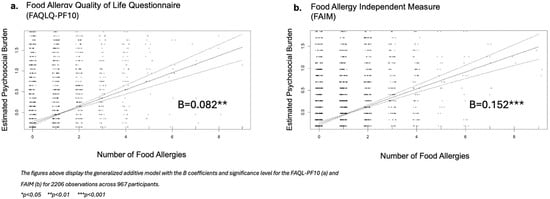
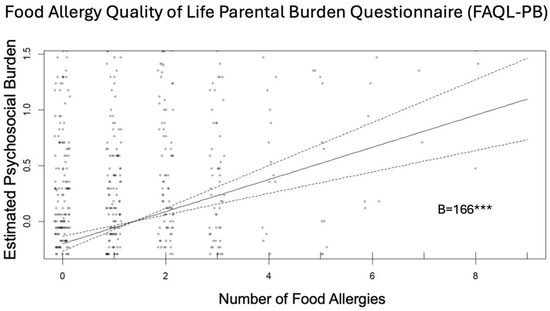
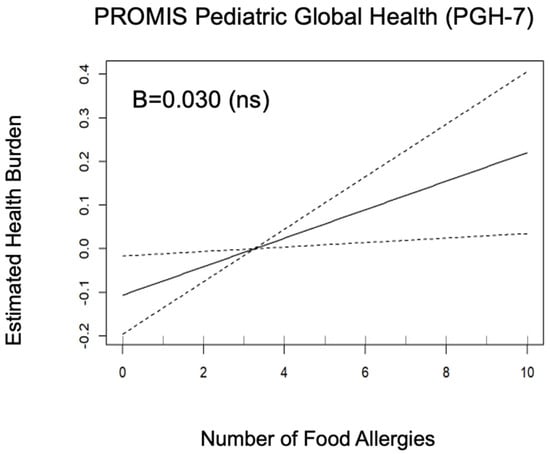
Background/Objectives: Of the approximately 8% of children in the United States (US) with food allergy (FA), roughly 40% report allergy to multiple foods. The ubiquity and intensity of FA management can impose psychosocial burdens on both pediatric patients and caregivers, which may be exacerbated among those allergic to multiple foods. However, little work has comprehensively estimated the burden of multi-FA in heterogeneous pediatric populations with clinically confirmed FA. Methods: Children with allergist-diagnosed, IgE-mediated FA were enrolled in the FORWARD multisite prospective cohort study. Psychosocial burden was assessed annually using the FA Quality of Life Questionnaire-Parent Form 10 (FAQL-PF10) and FA Independent Measure-Parent Form (FAIM-PF); psychosocial burden for caregivers was measured with the FA Quality of Life-Parental Burden (FAQL-PB) Questionnaire. Multilevel regression models estimated independent effects of the number of current FAs after adjusting for child age, gender, race, ethnicity, household income, caregiver education, atopic comorbidities, and recruitment site. Results: FA-related psychosocial burden increased linearly for patients and caregivers with each additional FA even after controlling for demographic factors such as age, gender, race, ethnicity, income, education, and other atopic conditions, as well as repeated observations within participants: FAQL-PF10 B = 0.082 (N = 2206; p = 0.004), FAIM-PF B = 0.152 (N = 2206; p < 0.001), and FAQL-PB B = 0.166 (N = 1081; p < 0.001). Conclusions: The psychosocial burden of pediatric FA increases monotonically with each additional current FA, highlighting opportunities for tailored psychosocial, behavioral, and pharmacologic interventions to improve FA-related outcomes among those most impacted.
Full article
(This article belongs to the Special Issue Food Allergy: Psychological Issues)
►▼
Show Figures

Figure 1
Open AccessArticle
Associations Between Food Insecurity, Psychological Distress and Disordered Eating Risk in University Students: Evidence from a Cross-Sectional Mediation Analysis
by
Katherine Kent, Nina Glavincevski, Suvasish Das Shuvo, Clare E. Collins, Melinda Hutchesson and Karen E. Charlton
Nutrients 2026, 18(11), 1744; https://doi.org/10.3390/nu18111744 - 29 May 2026
Abstract
Background/Objective: Food insecurity is increasingly recognised as a concern among university students. Less is known about the interrelationships between food insecurity, psychological distress, and disordered eating risk in this population. This study aimed to examine associations between food insecurity, psychological distress, and disordered
[...] Read more.
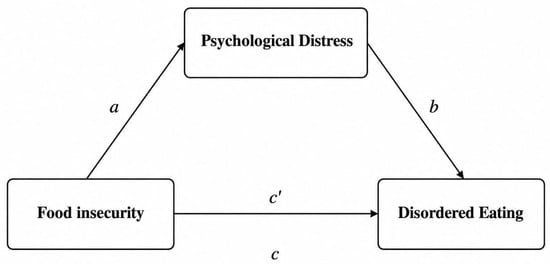
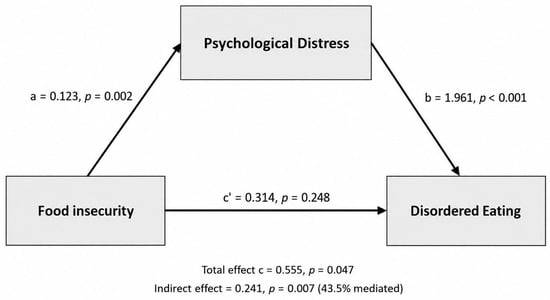
Background/Objective: Food insecurity is increasingly recognised as a concern among university students. Less is known about the interrelationships between food insecurity, psychological distress, and disordered eating risk in this population. This study aimed to examine associations between food insecurity, psychological distress, and disordered eating risk among university students, and to explore whether psychological distress mediates the association between food insecurity and disordered eating. Methods: A cross-sectional survey among university students assessed food insecurity using the USDA HFSSM. Psychological distress was assessed using the Kessler Psychological Distress Scale (K6), with disordered eating risk measured using EAT-8. Adjusted logistic regression models examined associations between food insecurity severity with psychological distress and disordered eating risk, controlling for age, living situation, and enrolment type. Mediation analysis explored whether psychological distress statistically mediated the association between food insecurity and disordered eating. Results: Overall, 63.2% of the 348 students surveyed reported some level of food insecurity, 15.8% met criteria for psychological distress and 42.0% were classified as being at high risk of disordered eating. In adjusted models, moderate (OR 2.46, 95% CI: 1.06–5.69) and severe food insecurity (OR 4.27, 95% CI: 1.83–9.97) were associated with higher odds of psychological distress. Severe food insecurity was also associated with higher odds of disordered eating risk (OR 2.07, 95% CI: 1.12–3.84). Mediation analysis indicated a statistically significant indirect association between food insecurity and disordered eating through psychological distress (B = 0.241, 95% CI: 0.065–0.418), with 43.5% of the total association statistically accounted for by psychological distress. Conclusions: Findings indicate an indirect statistical association in which food insecurity is associated with higher psychological distress, which is in turn associated with higher disordered eating risk, based on cross-sectional analysis. Longitudinal studies are needed to clarify temporality and better understand these relationships.
Full article
(This article belongs to the Special Issue Current Insights into Household and Community Food and Nutrition Security)
►▼
Show Figures

Figure 1
Open AccessArticle
Efficacy of Human Milk Oligosaccharide 6′-Sialyllactose Supplementation on Exercise Performance and Training Adaptations
by
Landry Estes, Jacob Broeckel, Nathaniel Rhoades, Giuliet L. Kibler, Ian H. Bivins, Yuhang Liu, Sarah Johnson, Broderick L. Dickerson, Drew E. Gonzalez, Ryan J. Sowinski, Christopher J. Rasmussen and Richard B. Kreider
Nutrients 2026, 18(11), 1743; https://doi.org/10.3390/nu18111743 - 29 May 2026
Abstract
Background/Objectives: The purpose of this proof-of-concept study was to examine the effects oligosaccharide 6′-sialyllactose (6′-SL) supplementation (900 mg/d) during training on exercise performance and training adaptations in recreationally active males. Methods: In a randomized, double-blind design, 19 healthy males (24.4 ±
[...] Read more.
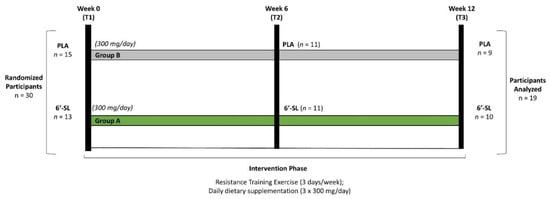
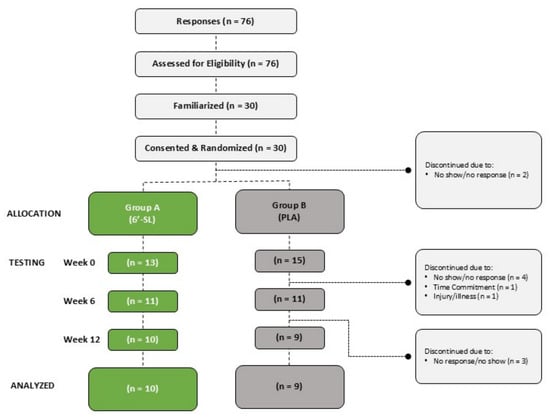
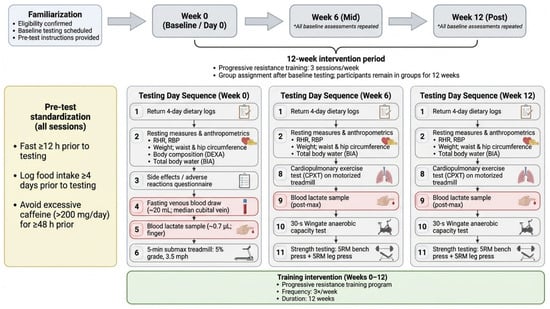
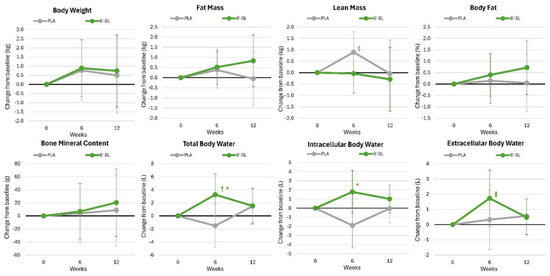
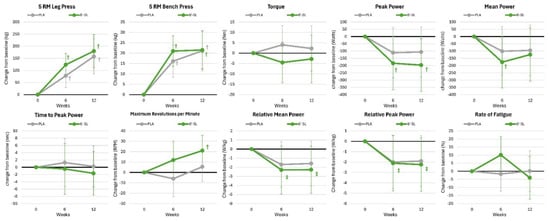
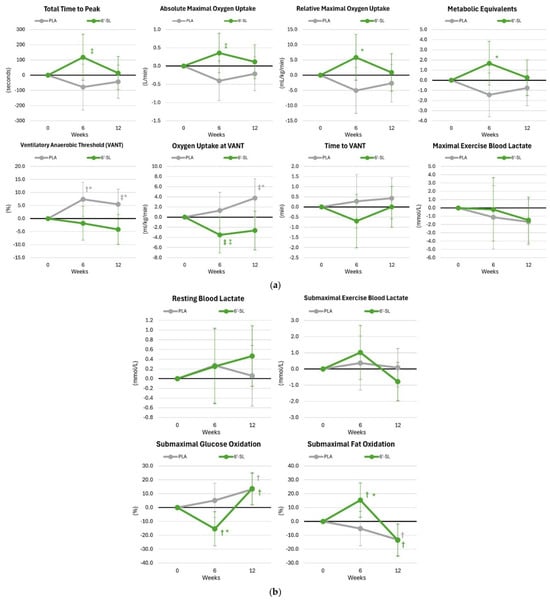
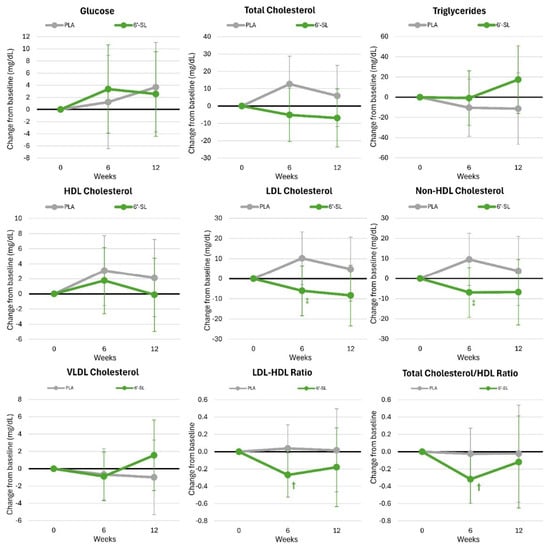
Background/Objectives: The purpose of this proof-of-concept study was to examine the effects oligosaccharide 6′-sialyllactose (6′-SL) supplementation (900 mg/d) during training on exercise performance and training adaptations in recreationally active males. Methods: In a randomized, double-blind design, 19 healthy males (24.4 ± 6.0 yrs, 174.9 ± 5.9 cm, 82.0 ± 15.2 kg, 27.1 ± 4.7 kg/m2, 26.4 ± 6.9% body fat) ingested 3 × 300 mg/d of a placebo or 6′-SL for 12 weeks while partaking in a supervised resistance-training program while following their normal diet. Body composition (DXA), body water, submaximal lactate and substrate oxidation, 5RM dynamic muscular strength, ventilatory anaerobic threshold (VANT), peak aerobic capacity (VO2), blood lactate, cycling anaerobic sprint capacity, and fasting blood samples were obtained at week 0, 6, and 12 of training and supplementation. Data were analyzed using multivariate and univariate general linear models (GLM) with repeated measures, along with assessments of mean changes from baseline and corresponding 95% confidence intervals. Results: Both groups observed positive training adaptations with no significant differences observed between groups in body composition, 5RM dynamic strength, or anaerobic sprint capacity. Significant interaction effects were observed VANT (p = 0.032), VO2 at VANT (p = 0.028), and submaximal glucose and fat oxidation (p = 0.034) while time to reach peak VO2 (p = 0.083), absolute (p = 0.075) and relative (p = 0.057) peak VO2 approached significance. At Week 6, changes in time to peak effort (196 s [−16, 409], p = 0.068), absolute (0.76 L/min [−0.005, 1.53], p = 0.051) and relative (10.9 mL/kg/min [0.52, 21.5], p = 0.045), and fat oxidation (20.5% [3.1, 37.9], p = 0.023) were significantly greater in the 6′-SL group while VANT (−9.2% [−18.3, −0.04], p = 0.049), VO2 at VANT (−4.8% [−9.8, 0.2], p = 0.06) and submaximal glucose oxidation values (−20.5% [−37.9, −3.1], p = 0.024) were lower with 6′-SL. After 12 weeks of training, VANT (−9.7% [−17.7, −1.5], p = 0.023) and VO2 at VANT (−6.4% [−11.8, −1.0], p = 0.024) values were significantly lower in the 6′-SL group. No significant differences were observed in resting, submaximal, or maximal exercise blood lactate while the ratios of LDL to HDL (−0.27 [−0.53, −0.01], p = 0.042) and total cholesterol to HDL (−0.32 [−0.60, −0.04], p = 0.028) decreased significantly from baseline after 6 weeks of training with 6′-SL. Conclusions: 6′-SL supplementation did not promote greater gains dynamic strength, fat free mass or changes in body composition. However, while there was some evidence that 6′-SL supplementation influenced training-induced changes in aerobic capacity during the first six weeks, fewer effects were observed after 12 weeks. Moreover, several differences only approached significance in this small proof-of-concept study, so results should be viewed as exploratory and hypothesis generating for additional research.
Full article
(This article belongs to the Section Sports Nutrition)
►▼
Show Figures

Figure 1
Open AccessArticle
Differential Modulation of Postprandial Glycemic, Incretin, and Satiety Responses by Low-Digestible Carbohydrates in Humans: An Exploratory Investigation
by
Jinsoo Noh, Hye Rim Kim, Jungsook Han, Hwanju Hwang, Jiwon Park, Soonok Sa, Fiona Atkinson, Karen Lau and Sanguine Byun
Nutrients 2026, 18(11), 1742; https://doi.org/10.3390/nu18111742 - 29 May 2026
Abstract
Background: Effective postprandial glycemic regulation is essential for preventing metabolic disorders such as type 2 diabetes. While pharmacological interventions like GLP-1 (Glucagon-Like Peptide-1) receptor agonists are effective, dietary strategies using low-digestible carbohydrates (LDCs) may offer a sustainable and complementary approach. Methods: Two human
[...] Read more.
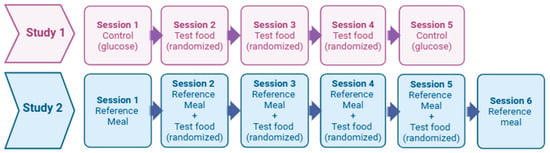
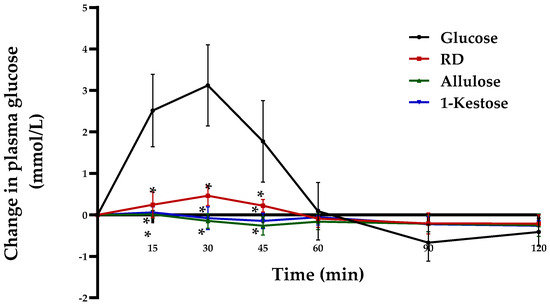
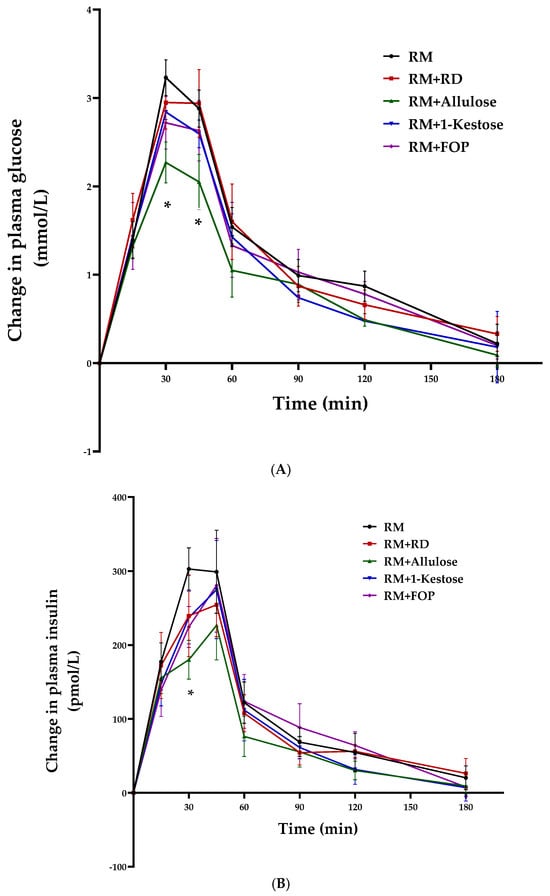
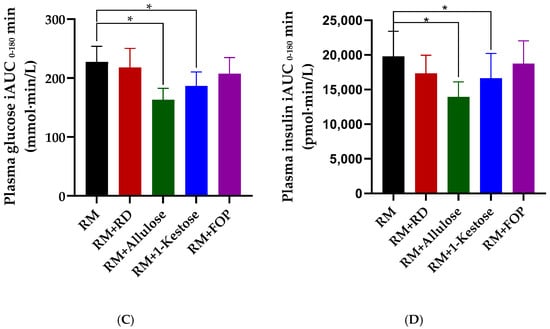
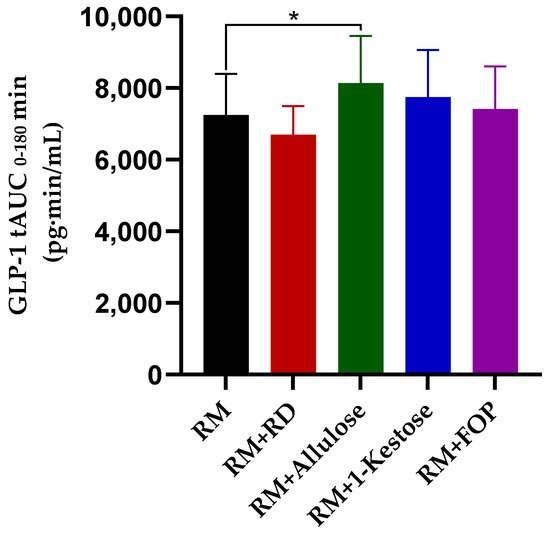
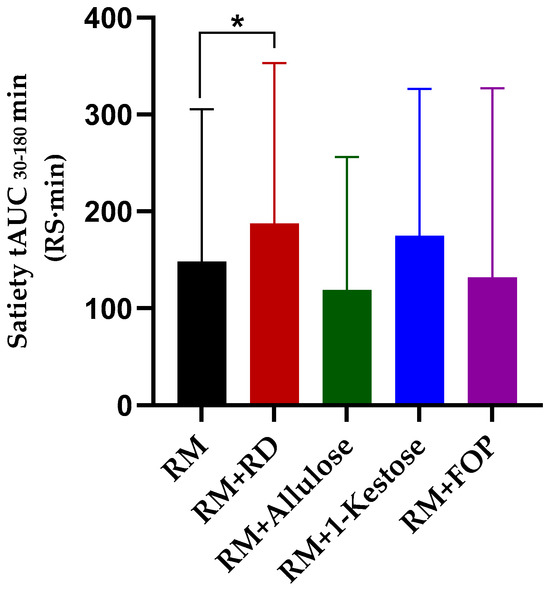
Background: Effective postprandial glycemic regulation is essential for preventing metabolic disorders such as type 2 diabetes. While pharmacological interventions like GLP-1 (Glucagon-Like Peptide-1) receptor agonists are effective, dietary strategies using low-digestible carbohydrates (LDCs) may offer a sustainable and complementary approach. Methods: Two human physiological investigations were conducted to evaluate the acute metabolic responses to allulose, 1-kestose, resistant maltodextrin (RD), and fructo-oligosaccharide powder (FOP), administered both in isolation and in conjunction with a reference meal (RM). Results: In Study 1, all tested LDCs elicited minimal plasma glucose responses when consumed alone. In Study 2, distinct metabolic benefits were observed depending on the type of LDCs. Allulose exhibited the strongest effects, significantly reducing postprandial glucose and insulin levels while increasing plasma GLP-1 concentrations. 1-Kestose exhibited significantly lower plasma glucose and insulin incremental area under the curve (iAUC) compared to RM alone, indicating improved glycemic regulation. RD significantly enhanced subjective satiety between 30 and 180 min post-consumption. These findings highlight that each LDC exerts unique physiological effects. Conclusions: Collectively, these results demonstrate that acute LDCs consumption distinctly regulates metabolic responses, supporting their application as functional ingredients in targeted nutritional strategies for managing glycemic and metabolic health.
Full article
(This article belongs to the Section Carbohydrates)
►▼
Show Figures

Figure 1
Open AccessArticle
Nutritional Risk Scores and Cognitive Impairment After Hip Fracture: Strong Associations with Mortality but Limited Discriminative Performance
by
Sara Silvaieh, Arastoo Nia, Stephan Heisinger and Domenik Popp
Nutrients 2026, 18(11), 1741; https://doi.org/10.3390/nu18111741 - 29 May 2026
Abstract
Background: Malnutrition and cognitive impairment are common in patients with proximal femur fractures and are associated with adverse outcomes. However, the prognostic performance of nutritional screening tools in this population remains uncertain. Methods: In this retrospective cohort study, 1595 patients aged ≥ 60
[...] Read more.
Background: Malnutrition and cognitive impairment are common in patients with proximal femur fractures and are associated with adverse outcomes. However, the prognostic performance of nutritional screening tools in this population remains uncertain. Methods: In this retrospective cohort study, 1595 patients aged ≥ 60 years undergoing surgery for proximal femur fracture were included. Nutritional status was assessed using seven established scores (MNA, PNI, GNRI, MUST, GMS, NRS-2002, CONUT). Mortality was evaluated at 30 days, 3 months, 6 months, 1 year, and 2 years. Associations were analysed using multivariable logistic regression adjusted for age, sex, ASA class, institutional residence, fracture type, and cognitive impairment. Discrimination was assessed using the area under the curve (AUC), and calibration was evaluated using calibration slopes and Brier scores. Results: Worsening nutritional status was consistently associated with increased mortality across all scores and timepoints. The strongest gradient was observed for MNA, with 2-year mortality increasing from 15.6% in patients with normal nutritional status to 53.8% in malnourished patients. Most scores remained independently associated with mortality after adjustment, with odds ratios per 1 SD deterioration ranging from 1.3 to 1.6. Discriminative performance was modest (AUC 0.57–0.69), with MNA showing the highest values. Differences between scores were small, with overlapping confidence intervals. Calibration was good across all models at 1 and 2 years. Conclusions: Nutritional status is independently associated with mortality after proximal femur fracture but provides limited discrimination for individual risk prediction. Nutritional scores may support identification of vulnerable patients but demonstrated limited performance for individual mortality prediction.
Full article
(This article belongs to the Section Clinical Nutrition)
Open AccessArticle
Gastrointestinal Symptoms After Sport-Related Concussion: Prevalence and Patterns in a Multi-Cohort Analysis
by
Emma Finnegan, Ed Daly, Katherine J. Hunzinger and Lisa Ryan
Nutrients 2026, 18(11), 1740; https://doi.org/10.3390/nu18111740 - 29 May 2026
Abstract
Background/Objectives: Concussions occur across all sports globally; however, inconsistent symptom recognition continues to challenge diagnosis, management, and recovery. Although concussion effects extend beyond neurological dysfunction, gastrointestinal (GI) symptoms remain insufficiently captured within current assessment frameworks and may influence athletes’ fuelling choices and food
[...] Read more.
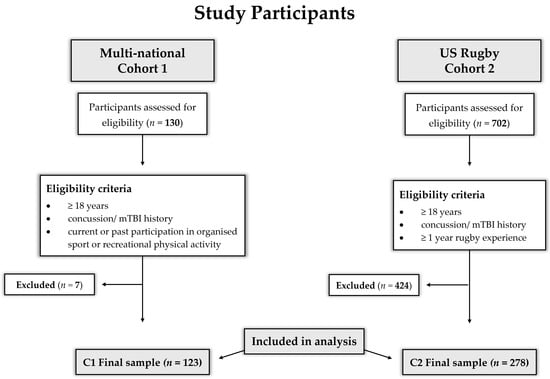
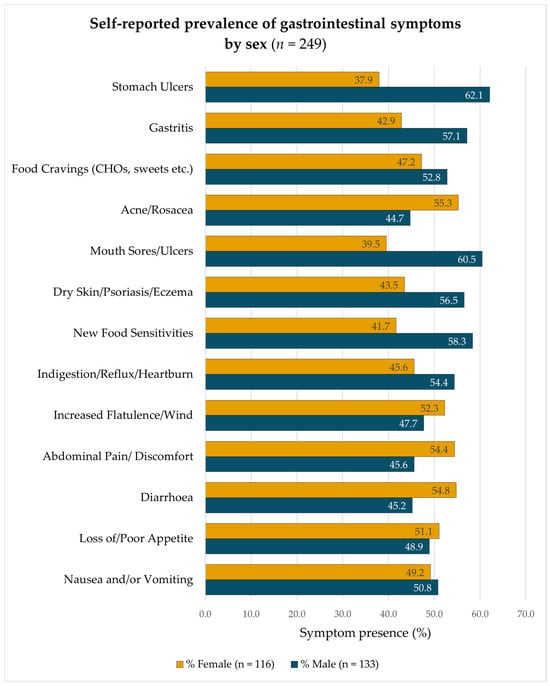
Background/Objectives: Concussions occur across all sports globally; however, inconsistent symptom recognition continues to challenge diagnosis, management, and recovery. Although concussion effects extend beyond neurological dysfunction, gastrointestinal (GI) symptoms remain insufficiently captured within current assessment frameworks and may influence athletes’ fuelling choices and food tolerance during recovery. This study aimed to describe the prevalence and patterns of GI symptoms reported among athletes with a history of concussion and to explore whether symptom prevalence and burden differed by sex and country. Methods: A total of 401 adult athletes (225 males; mean age 32.4 ± 11.3 years) with a history of concussion were recruited from a multinational cohort (n = 123) and a US community rugby cohort (n = 278). Participants completed online surveys assessing concussion history, post-concussion symptoms (RPQ or SCAT-6), and GI-specific symptoms. Data were stratified by sex and country and analysed descriptively and comparatively. Results: Overall, 62.1% of athletes reported ≥1 GI symptom, with most reporting 1–5 symptoms (79.9%). The most frequent symptoms were nausea/vomiting (74.3%) and loss of/poor appetite (56.6%), followed by diarrhoea, abdominal pain/discomfort, and flatulence. Although GI symptom prevalence was higher in females (65.9% vs. 59.1%), no significant sex differences were observed (all p > 0.05). GI symptom burden varied by country (p < 0.001), with higher prevalence among Irish than US athletes (85.9% vs. 51.2%); however, these analyses were exploratory and unadjusted. RPQ and SCAT captured symptoms across somatic, cognitive, emotional, and sleep domains, however GI symptoms were underrepresented, with nausea/vomiting more frequently reported on RPQ/SCAT items (51.4%) than on GI-specific items (46.1%). Conclusions: GI symptoms were common following concussion, with variation by country and no statistically significant differences by sex. Findings indicate that concussion assessment tools (RPQ/SCAT) underrepresent the breadth of GI symptoms. Greater attention to GI assessment in concussion care is warranted. Incorporating simple GI screening alongside timely nutrition support may represent feasible additions to multidisciplinary, athlete-centred care pathways. Prospective studies are needed to clarify the clinical relevance of these findings and evaluate nutrition-related strategies.
Full article
(This article belongs to the Section Sports Nutrition)
►▼
Show Figures

Figure 1
Open AccessArticle
Nutritional Composition, Micronutrient Fortification, and Processing Level of Plant-Based Yogurt Alternatives Available in Major Polish Retail Chains: A Retail Audit in Poznań, Poland
by
Matylda Kręgielska-Narożna, Katarzyna Pastusiak-Zgolińska, Anna Mieczyńska, Agnieszka Seraszek-Jaros and Paweł Bogdański
Nutrients 2026, 18(11), 1739; https://doi.org/10.3390/nu18111739 - 28 May 2026
Abstract
Background: The market for plant-based yogurt alternatives has rapidly expanded, reflecting the growing popularity of plant-based diets. However, their nutritional profiles and micronutrient fortification often differ substantially from those of traditional dairy yogurt. Methods: This study conducted a cross-sectional audit of
[...] Read more.
Background: The market for plant-based yogurt alternatives has rapidly expanded, reflecting the growing popularity of plant-based diets. However, their nutritional profiles and micronutrient fortification often differ substantially from those of traditional dairy yogurt. Methods: This study conducted a cross-sectional audit of retail labels on fermented plant-based yogurt alternatives available in major Polish retail chains. Data were collected in 2024 from eight stores across four nationwide supermarket chains. Nutritional composition, primary plant ingredient, micronutrient fortification, and processing level (NOVA classification) were recorded from product labels, while nutrient values were summarized using descriptive statistics and compared across product categories. Results: A total of 62 plant-based yogurt alternatives were identified, including 49 fruit-flavored and 13 natural products. Coconut was the predominant plant ingredient (54.8%), followed by soy (24.2%) and oat (11.3%). Fruit-flavored products contained significantly higher carbohydrate and sugar levels than natural ones. Soy-based products exhibited the highest protein content, often approaching that of conventional dairy yogurt, whereas coconut-based products were characterized by the lowest protein and higher saturated fat content. Overall, 37.1% of products were fortified with at least one micronutrient, primarily calcium, vitamin D, and vitamin B12. Most products were classified as ultra-processed (NOVA 4). Conclusions: Plant-based yogurt alternatives available on the Polish market are nutritionally diverse. Their composition is heavily influenced by the primary plant ingredient and fortification practices. Many of these products cannot be considered direct nutritional equivalents to dairy yogurt, underscoring the need for careful formulation, effective micronutrient fortification, and transparent labeling.
Full article
(This article belongs to the Special Issue Vegan and Vegetarian Diets: From Nutritional Adequacy to Public Health Impact)
Open AccessArticle
Safety Assessment of Eubacterium limosum El1405 and Its Protective Effect Against Salmonella Typhimurium Infection in Mice
by
Yao Lu, Xiaoying Lin, Ruiting Lan, Ying Du, Xiaohui Zhou, Zheyu Yuan, Liyun Liu and Jianguo Xu
Nutrients 2026, 18(11), 1738; https://doi.org/10.3390/nu18111738 - 28 May 2026
Abstract
Background/Objectives:Eubacterium limosum El1405 is a novel probiotic candidate strain that has been shown to exert prominent anti-inflammatory and anti-tumor bioactivities, with potential antibacterial activity against pathogenic bacteria. This study aimed to systematically evaluate the safety of E. limosum El1405 and its probiotic
[...] Read more.
Background/Objectives:Eubacterium limosum El1405 is a novel probiotic candidate strain that has been shown to exert prominent anti-inflammatory and anti-tumor bioactivities, with potential antibacterial activity against pathogenic bacteria. This study aimed to systematically evaluate the safety of E. limosum El1405 and its probiotic functions and protective effects against pathogenic bacterial infection. Methods: The safety of E. limosum El1405 was assessed through in vitro assays of hemolytic and gelatinase activities and a 28-day subchronic oral toxicity mouse model. In the mouse model, three different doses (low, medium, and high) of E. limosum El1405 were tested, and physiological status, visceral histopathology, hematological profiles, serum biochemistry, and cytokines were measured. The antibacterial activity of the strain against pathogenic bacteria was determined in vitro. A Salmonella Typhimurium -infected mouse model was used to assess its potential to protect against infection. Results: In vitro safety assays confirmed that E. limosum El1405 possessed no hemolytic or gelatinase activity. In the 28-day subchronic oral toxicity test, low, medium, and high doses of El1405 caused no significant alterations in mouse body weight, visceral index, organ histopathology, hematological parameters, serum biochemistry, or cytokine levels. The strain exhibited antibacterial activity against S. Typhimurium in vitro. In S. Typhimurium-infected mice, El1405 intervention effectively mitigated S. Typhimurium-induced damage, reduced visceral bacterial loads, decreased pro-inflammatory cytokines (TNF-α, IL-6, IL-1β) in the ileum and serum, and elevated the anti-inflammatory cytokine IL-10. Conclusions:E. limosum El1405 displays a favorable safety profile and promising probiotic effects, including antibacterial capacity and anti-inflammatory protective effects against S. Typhimurium infection, supporting further exploration and development of E. limosum El1405 as a novel functional probiotic strain for clinical and health applications.
Full article
(This article belongs to the Section Prebiotics, Probiotics and Postbiotics)
Open AccessArticle
SCI NutriTool: Development and Validation of a Questionnaire to Assess Non-Adherence to the Healthy Food Pyramid in Individuals with Spinal Cord Injury in Switzerland
by
Marija Glisic, Inge Eriks-Hoogland, Angeline Chatelan, Khadija Maham, Silvia Mattmann, Pedro Marques-Vidal, Sara Rubinelli and Claudio Perret
Nutrients 2026, 18(11), 1737; https://doi.org/10.3390/nu18111737 - 28 May 2026
Abstract
Background/Objective: Rapid, validated dietary screening tools are lacking for individuals with spinal cord injury (SCI), where routine clinical check-ups do not allow sufficient time for extensive dietary assessments typically required to evaluate adherence to dietary recommendations. We developed a 15-item dietary screener (SCI
[...] Read more.
Background/Objective: Rapid, validated dietary screening tools are lacking for individuals with spinal cord injury (SCI), where routine clinical check-ups do not allow sufficient time for extensive dietary assessments typically required to evaluate adherence to dietary recommendations. We developed a 15-item dietary screener (SCI NutriTool) and evaluated its accuracy in classifying non-adherence to a healthy food pyramid compared with a validated food frequency questionnaire (FFQ). Methods: The SCI NutriTool was developed through literature review and expert consensus. In a validation study, 51 adults with SCI (mean age 57.0 years; 76.5% men; 68.8% traumatic injury) completed the SCI NutriTool twice and a validated 97-item FFQ, which served as the reference method. Results: The SCI NutriTool demonstrated substantial variability in performance across food groups, reflecting its domain-specific screening properties. Sensitivity was high for fruits and vegetables (91.7%), protein-rich foods (90.5%), and sweetened/alcoholic beverages and snacks (82.4%), with relatively high positive predictive values (PPV: 73.7–90.5%), supporting the tool’s ability to identify individuals who are likely non-adherent and may benefit from further nutritional assessment or counselling. In contrast, for starchy foods and nuts, oils, and fatty spreads/sauces, sensitivity was low (20.0% and 50.0%), while specificity was modest. This indicates that the tool performs better in correctly identifying adherent individuals in these domains, which is reflected in higher negative predictive values (NPV: up to 94.1%). However, the low sensitivity suggests that individuals with non-adherence may be missed, limiting the tool’s usefulness as an early screening trigger for these food groups. Conclusions: The SCI NutriTool’s performance varies across food groups, demonstrating a stronger ability to identify non-adherence in protein-rich foods, fruit and vegetables, sweetened and alcoholic beverages, and snacks, but limited discriminatory capacity for others. In particular, it is not suitable for screening non-adherence to starchy foods and fats. Accordingly, it is best used as a triage tool to guide further dietary assessment and targeted nutritional interventions rather than as a standalone diagnostic instrument.
Full article
(This article belongs to the Special Issue Dietary Patterns and Data Analysis Methods)
Journal Menu
► ▼ Journal Menu-
- Nutrients Home
- Aims & Scope
- Editorial Board
- Reviewer Board
- Topical Advisory Panel
- Early Career Editorial Board
- Instructions for Authors
- Special Issues
- Topics
- Sections & Collections
- Article Processing Charge
- Indexing & Archiving
- Editor’s Choice Articles
- Most Cited & Viewed
- Journal Statistics
- Journal History
- Journal Awards
- Society Collaborations
- Conferences
- Editorial Office
Journal Browser
► ▼ Journal BrowserHighly Accessed Articles
Latest Books
E-Mail Alert
News
Topics
Topic in
Beverages, Foods, Molecules, Nutrients, Separations, Chemosensors
Advances in Analysis of Food and Beverages, 2nd Edition
Topic Editors: Constantinos G. Tsiafoulis, Anna M. KaczmarekDeadline: 31 May 2026
Topic in
Applied Sciences, Brain Sciences, JFMK, Nutrients, Sports
Exercise and Nutrition for Physical Performance, Mental Health and General Well-Being
Topic Editors: Gian Mario Migliaccio, Luca RussoDeadline: 12 July 2026
Topic in
Dietetics, Foods, Nutrients
Dietary Carbohydrate Chemistry, Nutrition, and Utilization
Topic Editors: Bin Zhang, Lijun Sun, Zhuqing XieDeadline: 31 July 2026
Topic in
Applied Microbiology, Fermentation, Foods, Microbiology Research, Microorganisms, Nutrients
News and Updates on Probiotics
Topic Editors: Alessandra Pino, Mutamed AyyashDeadline: 30 September 2026
Conferences
Special Issues
Special Issue in
Nutrients
Magnesium in Human Health and Disease: Research Advances and Clinical Perspectives
Guest Editor: Andrea RosanoffDeadline: 5 June 2026
Special Issue in
Nutrients
Research on Eating Disorders, Physical Activity and Body Image
Guest Editor: Antonio Cepeda-BenitoDeadline: 5 June 2026
Special Issue in
Nutrients
Nutritional Support as Part of the Management of Osteoporosis and Frailty in the Elderly: Challenges and Opportunities
Guest Editor: Elaine DennisonDeadline: 5 June 2026
Special Issue in
Nutrients
Nutrition and Food Supplements for Human Health: Exploring Strategies for Skin and Whole-Body Wellbeing
Guest Editor: Karolina Chilicka-HebelDeadline: 5 June 2026
Topical Collections
Topical Collection in
Nutrients
Connection between Microbiome, Lifestyle and Diet
Collection Editors: Eva Untersmayr, Peter M. Abuja
Topical Collection in
Nutrients
Diet and Multi-Omics
Collection Editors: Mohsen Mazidi, Richard Webb
Topical Collection in
Nutrients
Advances in Phenylketonuria (PKU) Nutrition and Diet Research (2nd Edition)
Collection Editors: Júlio César Rocha, Anita MacDonald
Topical Collection in
Nutrients
Nutritional Epidemiology among Chinese Populations
Collection Editors: Liang Wang, Gangqiang Ding, Xinyin JiangConference Reports
Nutrients 2024, 16(15), 2528; https://doi.org/10.3390/nu16152528
Nutrients 2024, 16(8), 1157; https://doi.org/10.3390/nu16081157