


Abstract
Digestate is the material remaining after the anaerobic digestion of a biodegradable feedstock. The use of digestate as a bedding material is analyzed marginally. The aim of the paper is to monitor the change of the solid phase of digestate due to the action of radiant heat and, based on the results, determine the options of using the solid phase of the digestate for bedding material. Experimental determination of the digestate ignition temperature was carried out according to EN 50281-2-1 (1998) by a hotplate device. Different amounts of samples (3, 5, and 10 g) on the course of thermal degradation were monitored. The results showed higher temperatures of thermal degradation in samples of additionally dried digestate, where these processes were observed earlier in terms of time. Samples of 3 and 10 g of digestate are not suitable as bedding material due to the fire safety of the material.
1. Introduction
Bedding material is an important constituent of the animal production system. Bedding material is a key factor not only in wellness and comfort but also serves as biosecurity measures applied in disease control and prevention programs. The animal production industry uses many types of bedding materials, such as wood shavings, grass straws, paper, corn cobs, and rice husks. The choice of bedding material depends on the availability, price, hygroscopicity, animal comfort, and environmental problems [1].
There exist two types of bedding materials namely, organic bedding materials and inorganic bedding materials. Organic bedding materials are straw, hay, wood shavings, crop residues, sawdust [2], composted manure, and wood chips [3]. Sand, limestone, rubber mattresses, cement, gypsum, etc., are part of inorganic bedding materials [2].
Sand and straw are the most commonly used bedding materials in freestall barns and are used on dairy cattle farms worldwide [4]. Wood shavings and sawdust are the most popular materials in compost-bedded pack barns, but compost and woodchips are also used [5,6,7,8]. Even though farmers are aware of the importance of bedding to the comfort of cows, farmers have to consider alternative bedding materials because these traditional bedding materials may not be available during certain seasons or in certain geographic regions. Oliveira et al. [9] and Yajima et al. [10] referred to a growing demand for bedding materials (mainly wheat straw and sawdust) but this demand has increased prices, pushing farmers to look for alternative bedding materials. Alternative materials have become attractive for bedding because they can be obtained locally at low cost [11].
These rising costs and/or shortages of some traditional bedding materials for livestock housing are reasons for looking for alternative materials. There are some materials that are by-products from processing and manufacturing companies that have found innovative processes to use their waste more resourcefully [12]. Table 1 shows a study realized by Reich [13] showing that cows spent 1.1 h less per day lying on wet sawdust bedding (DM 34.7%) compared to dry sawdust bedding (DM 89.8%). Most bedding materials made from by-products from process industries, such as pulp and paper and paper recycling devices, contain high levels of moisture in their raw state. These materials are dried to reduce the moisture content to less than 10%.

Table 1.
Examples of alternative bedding materials (Source: [12]).
The use of digestate obtained from anaerobic digestion of biodegradable raw material has also become an alternative option, for example, in Refs. [12,14,15]. However, research has focused on the energy potential of digestate, for example, in Refs. [16,17], or the use of digestate in agriculture to improve soil quality, for example, in Refs. [18,19,20,21].
Among the research focused on the use of digestate as bedding material, considerable attention is paid to the impact on public health and the well-being of stabled livestock [22,23]. Larger studies investigating the fire-technical characteristics of digestate as bedding material have not been published, which is the goal of our research.
There are some housing systems that require little to no bedding, but most dairy systems rely on an adequate supply of bedding materials to ensure the hygiene and comfort of cows. Providing a lying surface with thermal comfort and softness for the animals is the main function of bedding because cows have been shown to spend more time lying down when stalls are soft and dry [24]. Moreover, bedding must be durable and have sufficient friction to allow for rising and lying down without slipping [25].
Bedding material should also help to keep cows clean and healthy while minimizing daily labor requirements [26]. The bedding material used in dairy cow housing systems plays a key role in animal welfare and performance since it influences the time that the animals remain lying down [27]. Bedding material can have an effect on many physiological parameters of animals. When the environmental temperature drops, animals need more energy to maintain their body temperature, and their food consumption needs to be increased; these excessive energy requirements may even cause body weight losses [28]. Cows prefer to spend more time lying down when the bedding is deep, soft, and dry [13,29,30]. The risk of mastitis due to the use of recycled bedding material from a biogas plant is considered to be very low because mastitis-causing pathogens are significantly reduced in the process of composting [31].
The 1970s were devoted to researching the use of dairy waste solids (or manure solids) as a bedding material for cattle [22]. The US experts admitted that dried digestate is one of the most valuable bedding materials from the point of view of cow comfort. The solid fraction of the separated digestate is too wet for use in the bedding of dairy cows, as well as it emits nitrogen in a volatile form, which creates a sharp and unpleasant odor in the housing for both humans and animals. Farm-dried digestate is not used for bedding in groups of pregnant cows and young cattle due to the presence of pathogens and dust [15]. Around 30% of total solids after separation are used “as is” for animal bedding or composted for use in horticultural applications in the US. Some farmers use the digested fibers as bedding will age or compost them to reduce their moisture content. The decreased moisture content makes it easier to handle and less messy; it also reduces its odor and ammonia content. Results of a recent Innovation Center for US Dairy project by R. Alexander Associates, Inc., found that farmers are finding economic benefits in generating their own cow bedding and quick-release fertilizer [32].
The aim of article is to monitor the changing solid phase of digestate due to the action of radiant heat. Based on the results, we determine the options of using the solid phase of digestate for bedding material. The composition of the digestate was not crucial for us, as we monitored the fire-technical characteristics of the sample.
2. Materials and Methods
2.1. Experimental Sample
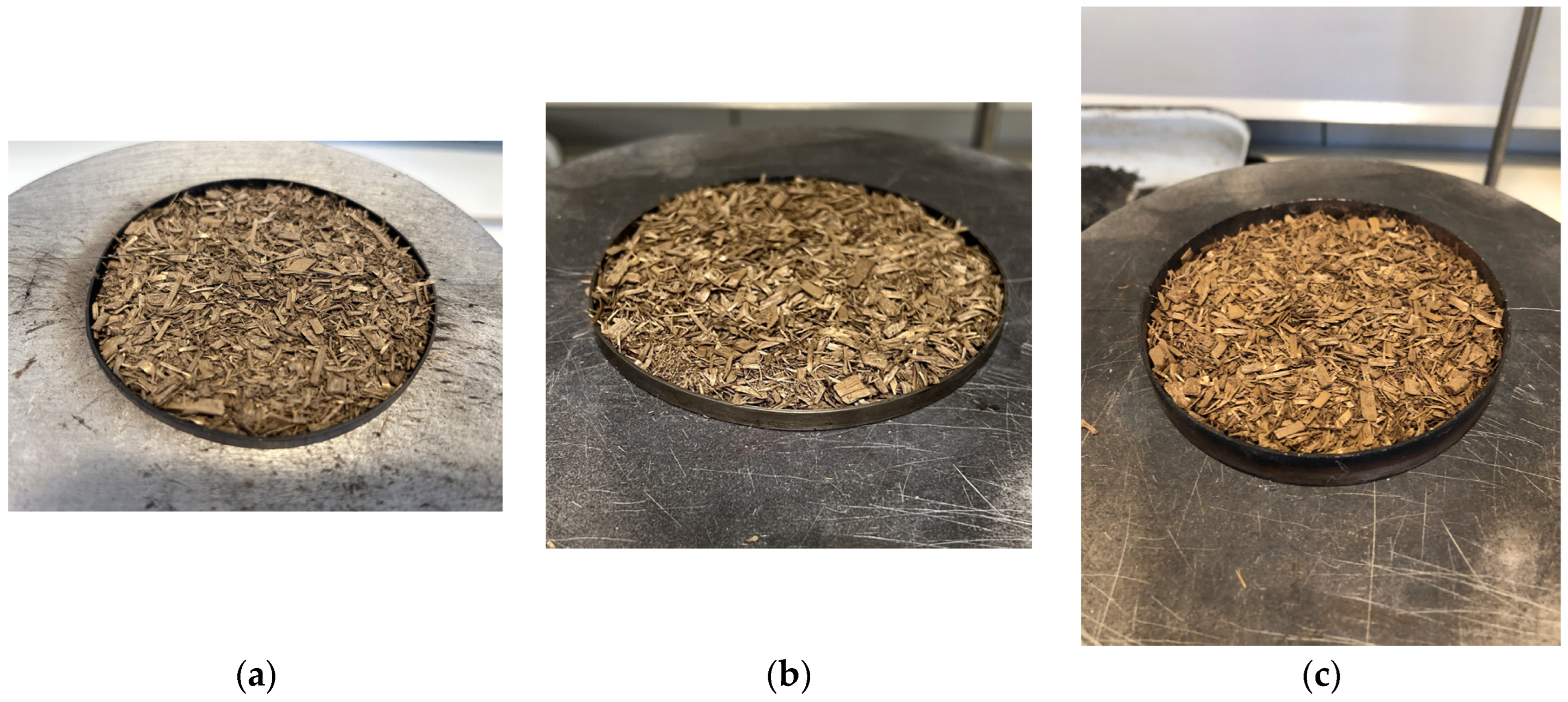
Samples of the solid phase of the digestate obtained from a biogas station in Germany were used for the experiment (Figure 1). The digestate is the material remaining after the anaerobic digestion of a biodegradable feedstock. The digestate is the final product in the biogas production process. The digestate is a residue that is not decomposed in the anaerobic digestion process and consists primarily of water, organic compounds not decomposed during the fermentation process, minerals, and biomass of organisms [33]. The amount and composition of the product depends on many factors, but the most important is the type of substrate used in the anaerobic digestion process [33]. The digestate is composed of two parts—a liquid part (fugate), which is used as an organic fertilizer, and a solid part (separate), which is used as an energy source or as bedding for farm animals [34]. In the experiment, we focused on the solid phase of the digestate. Table 2 presents the basic parameters of the samples.
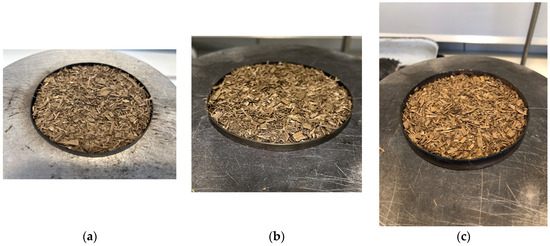
Figure 1.
Test specimens: (a) sample of 3 g and 0.43 cm thickness of the layer; (b) sample with 5 g and 0.62 cm thickness of the layer; (c) sample with 10 g and 1.13 cm thickness of the layer.
Table 2.
Characteristics of the digestate samples.
2.2. Methods
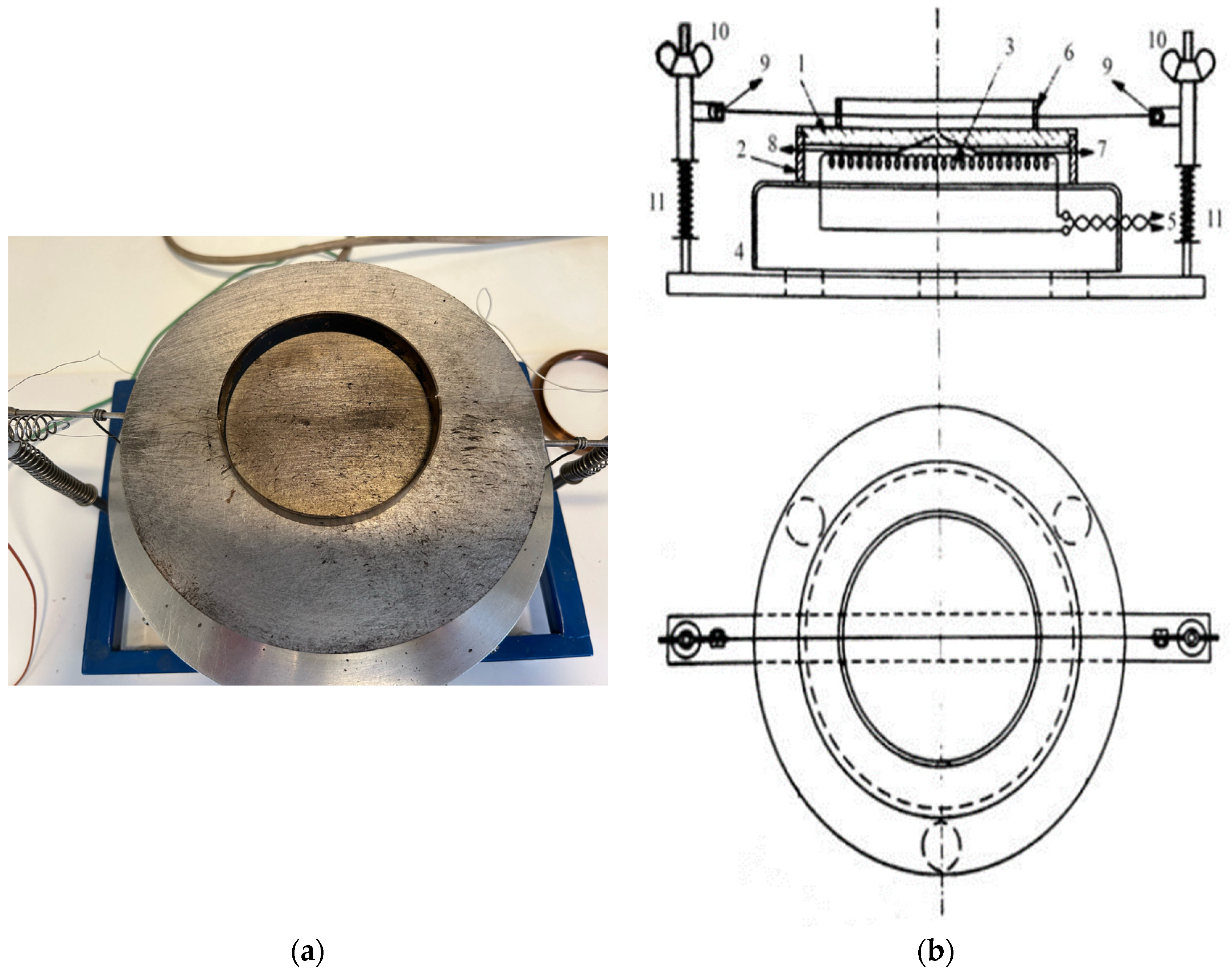
Determination of the minimum ignition temperature of the solid phase of digestate was carried out by thermal loading of the sample on an electrically heated metal “hotplate” (Figure 2). During the experiment, we measured the temperature inside the sample and the surface temperature of the hotplate. One thermal thermocouple measured the actual temperature of the heated metal plate, and a second thermal thermocouple measured the temperature of the tested sample, which was located 5 mm above the plate. The minimum ignition temperature was applied in conformity with the standard EN 50281-2-1 method [35]. The minimum ignition temperature is defined as the lowest surface temperature of the hot plate at which one of the following phenomena could be recognized:
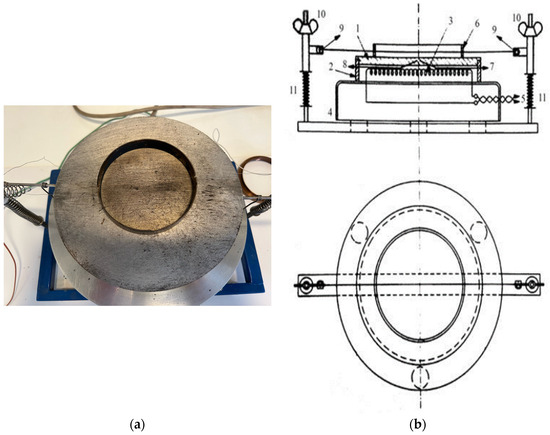
Figure 2.
Equipment of the hotplate. (a) A picture of the hotplate equipment; (b) the scheme of hotplate equipment. Legend: 1—heated plate, 2—packaging, 3—heating element, 4—base of the heating element, 5—outlet for connecting the heating element to the power source and regulation, 6—circle for creating a layer of dust, 7—thermocouple in the plate for regulation, 8—thermocouple in the plate for recording temperatures, 9—thermocouple for recording the temperature in the dust layer, 10—adjusting the height of the thermocouple using screws, 11—spring.
- -
- glowing, smoldering, or flame combustion;
- -
- the temperature of the thermocouple located in the middle of the sample layer continuously rises in comparison with the temperature of the isothermally heated plate;
- -
- measured temperature exceeded by 250 °C the temperature of the hotplate.
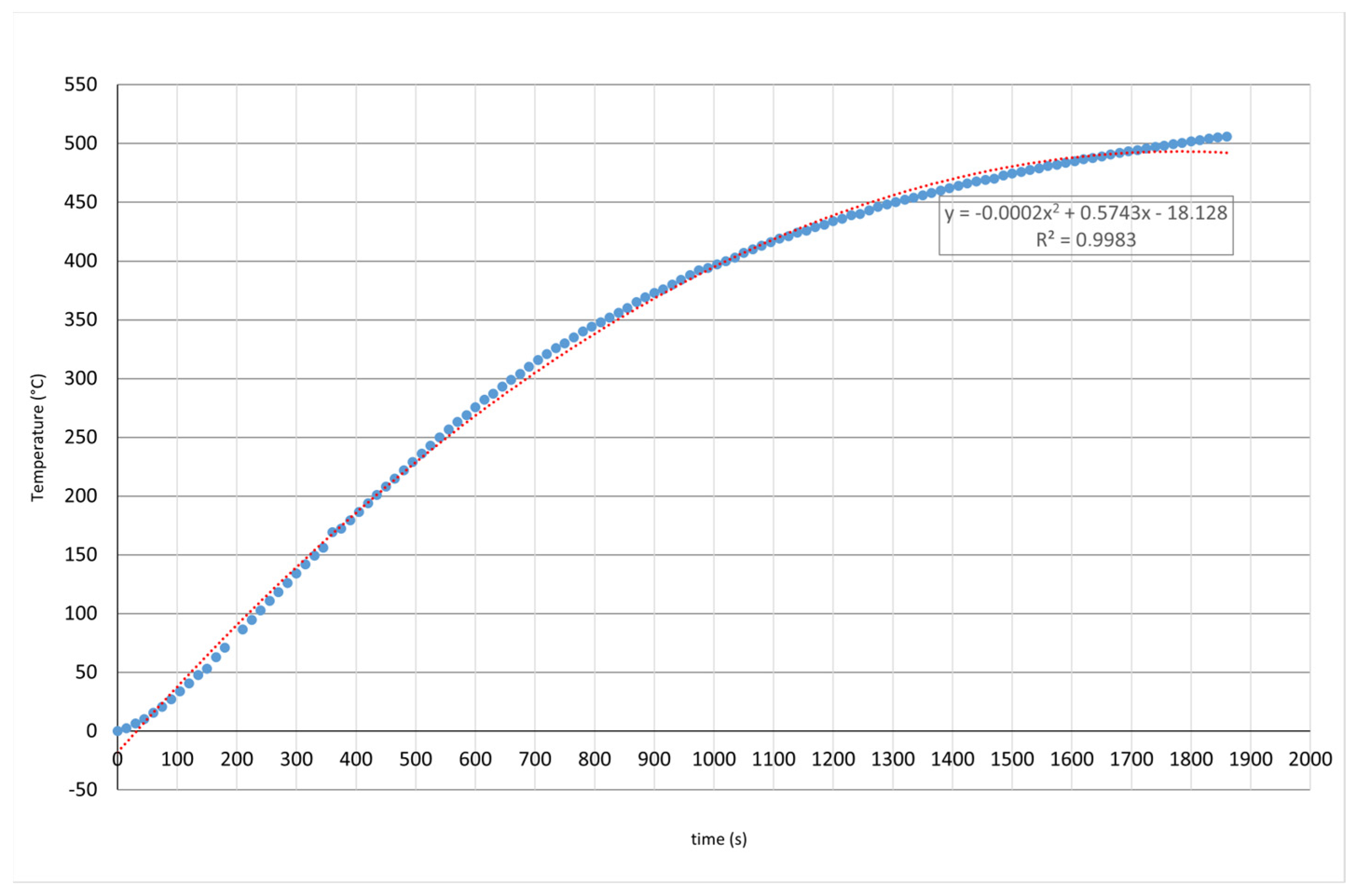
The examined samples fulfilled the first two conditions in the conducted experiment. We calibrated the equipment and determined the temperature–time curve (Figure 3) before the experiment. Subsequently, we focused our attention on the behavior of the samples, which were monitored at an initial temperature of 21 °C and a pressure of 100.56 kPa. We used samples weighing 3 g, 5 g, and 10 g in the experiment, and each sample was made twice. The separate is not a stable material and may still contain water, thus, it was necessary to dry the samples. The experiment was carried out for the sample obtained directly from the biogas station, which was already partially dried, and for the sample after additional drying in laboratory conditions.
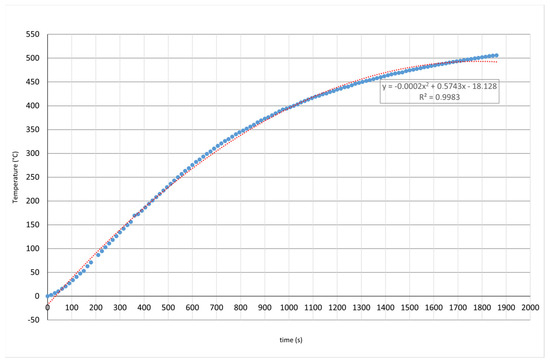
Figure 3.
Dependence of the temperature rise of the hot plate surface on time. Legend: blue symbols = the real measured data, red symbols = polynomial trend line made from Excel.
3. Results and Discussion
A thermocouple was placed inside the sample and recorded the temperature of the sample (marked as I—a thermocouple for recording the temperature in the dust layer in Figure 2b). The following processes were monitored during all experiments: odor, smoke, charring of the bottom layer of the sample, charring of the edges of the sample, and ignition. Table 3 presents the results.
Table 3.
The results of the determination of the ignition temperature of the solid phase of the digestate.
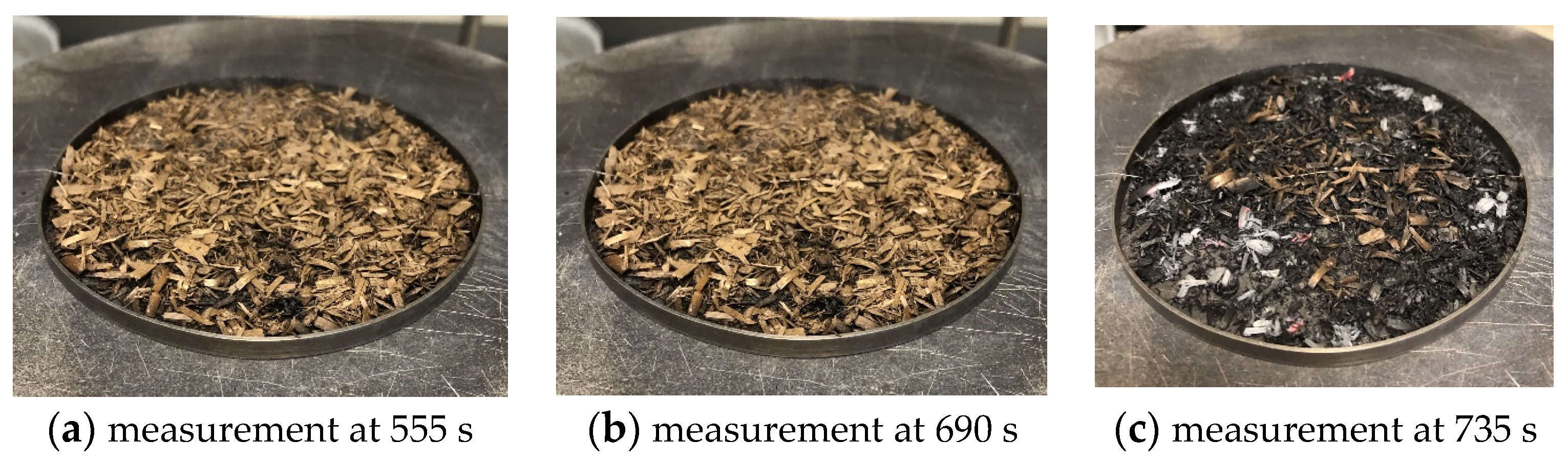
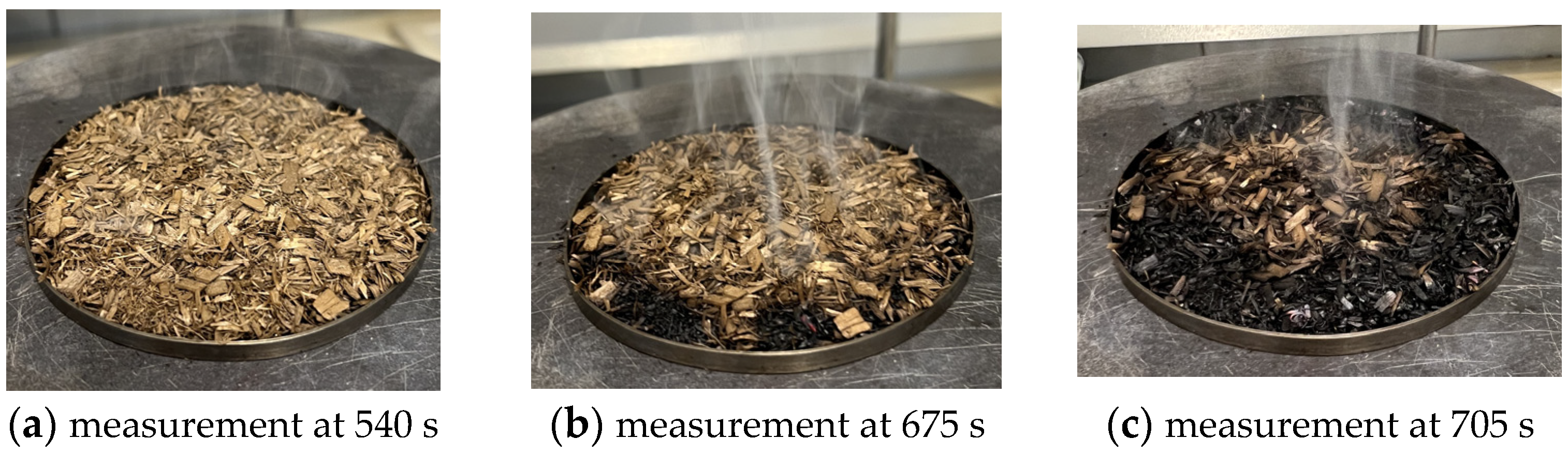
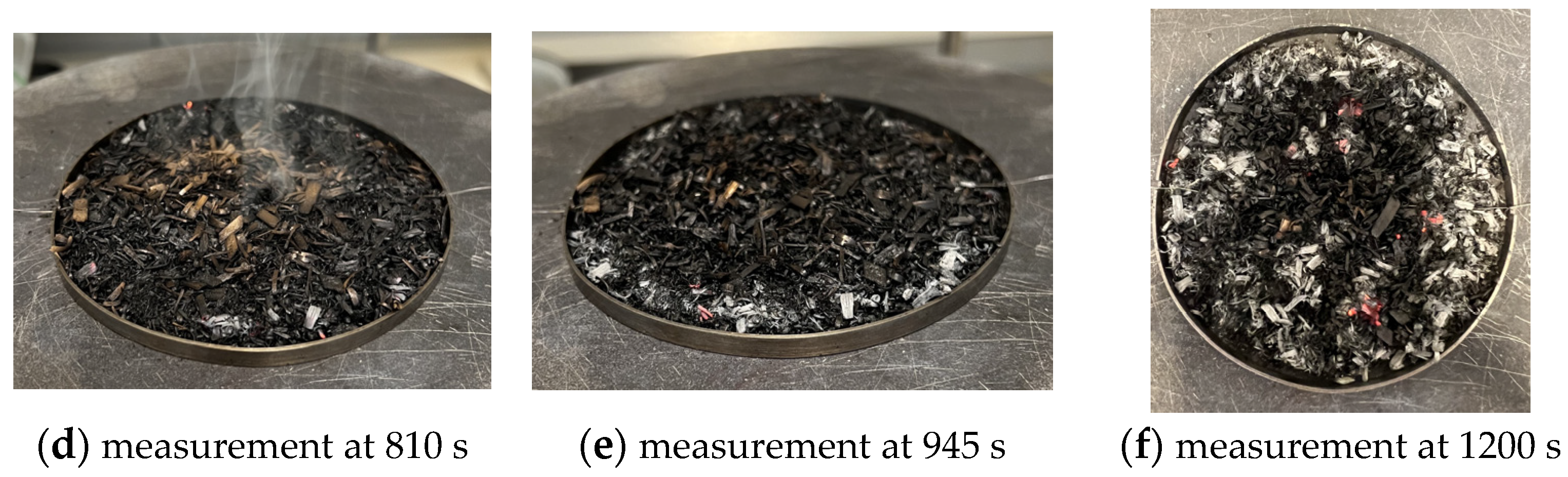
The sample weighing 3 g turned out to be highly flammable due to the observed processes, as it burned completely in several places (Figure 4d and Figure 5d). Compared to hay, which is a common bedding for livestock, Marková et al. [36] observed similar processes with a sample weight of 3 g. They monitored the charring of the specimen, incandescence at 855 s, and the combustion process at 1020 s. The sample with 0.43 cm thickness (3 g, D1 and D2) of litter from the dry part of the digestate was unsatisfactory in terms of fire safety.
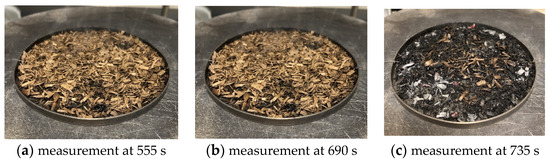
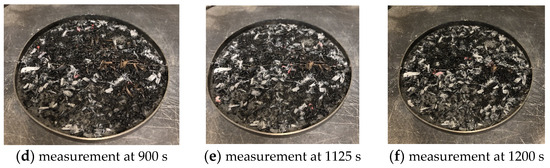
Figure 4.
Illustration of the combustion process for the 3 g specimen (specimen directly from the biogas plant).
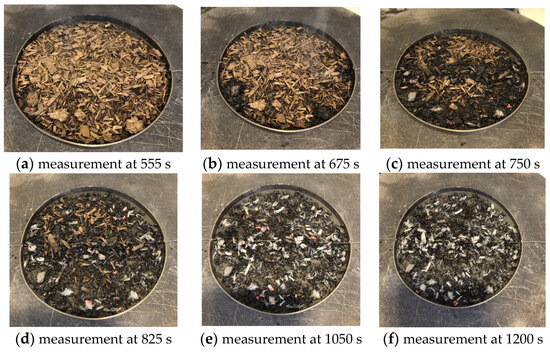
Figure 5.
Illustration of the combustion process for the 3 g specimen (specimen after drying).
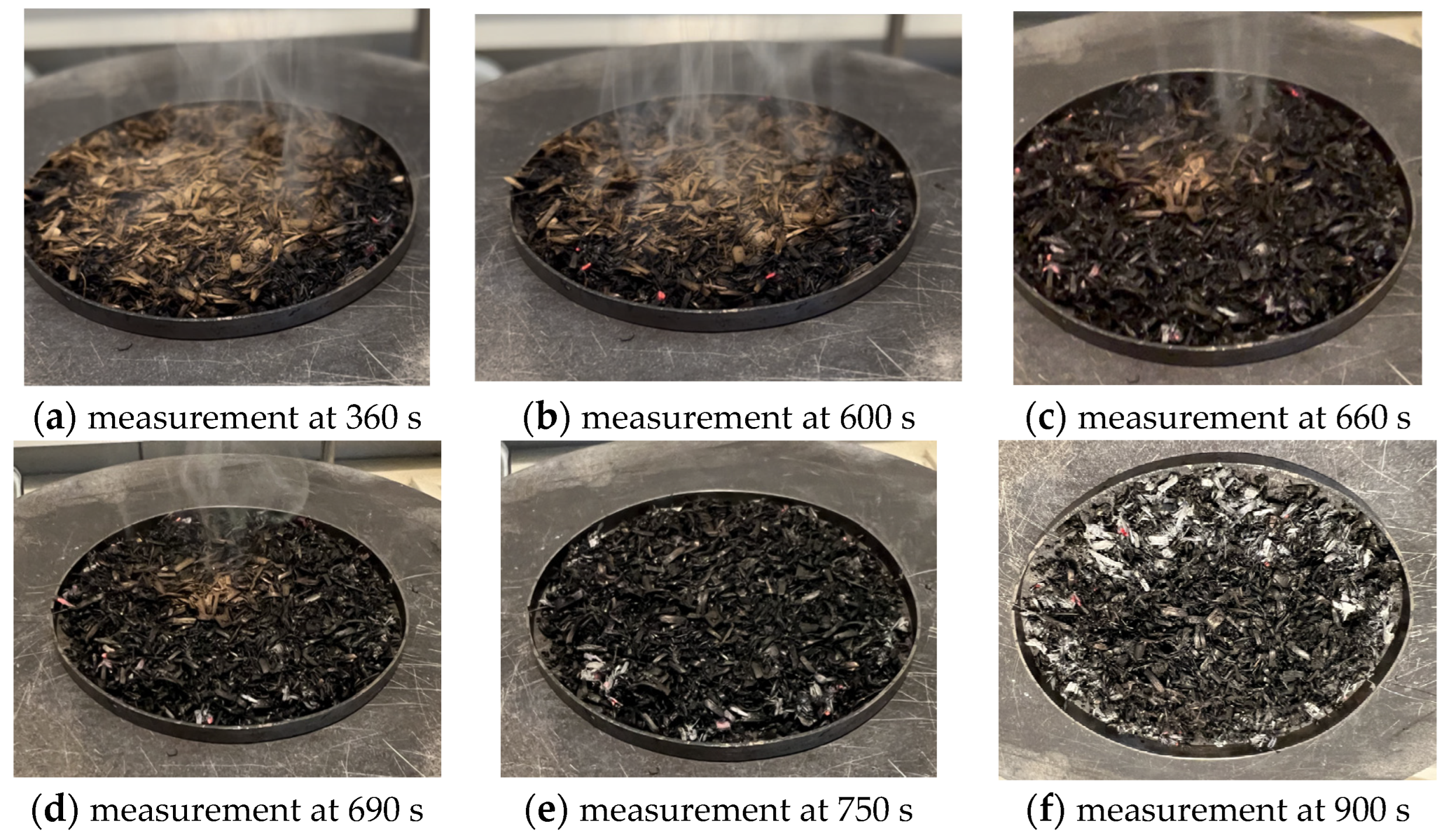
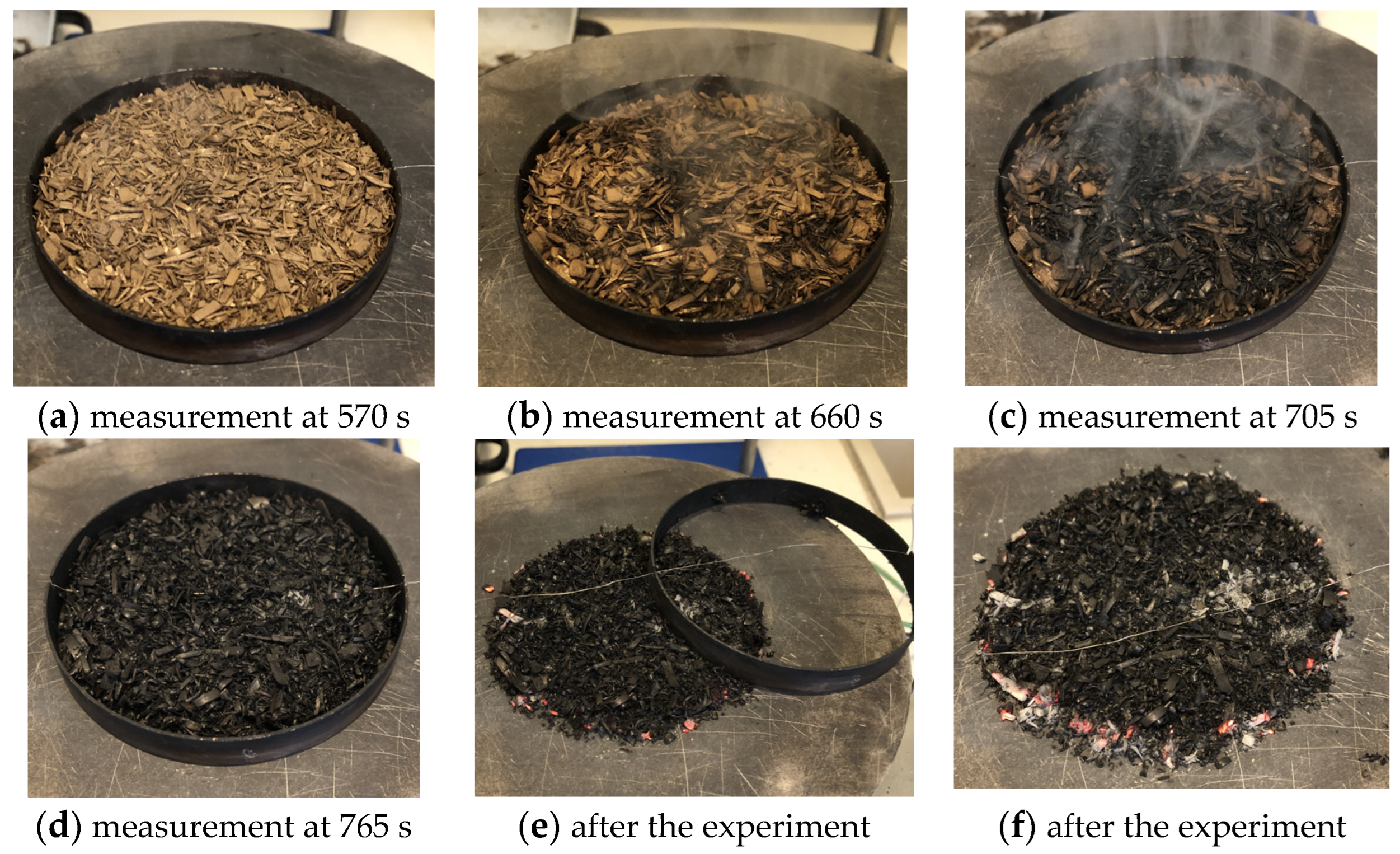
On a sample weighing 5 g, we monitored the smoking and smoldering of the sample, and observed small flames only in sample D4 (sample after drying) at time 900 s, at a sample temperature of 269.3 °C (Table 1). We attach a photo documentation of the course of the experiment (Figure 6 and Figure 7). A sample of the dry part of the digestate weighing 5 g had a standard course in the experiment, similar to other bedding materials (Marková et al. [36] tested the hay). The sample with 0.62 cm thickness of bedding material (5 g) was sufficient in terms of fire safety and maintaining the comfort of the housed cattle.
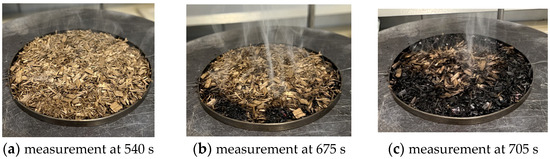
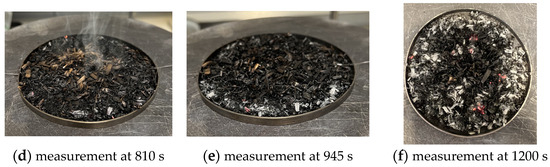
Figure 6.
Illustration of the combustion process for the 5 g specimen (specimen directly from the biogas plant).
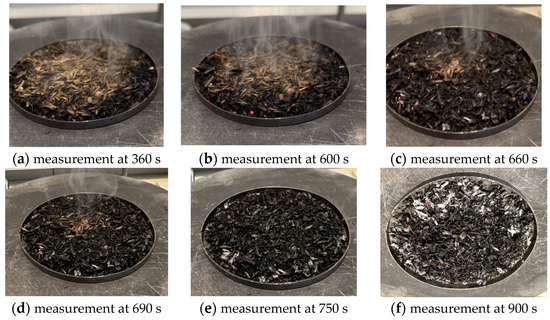
Figure 7.
Illustration of the combustion process for the 5 g specimen (specimen after drying).
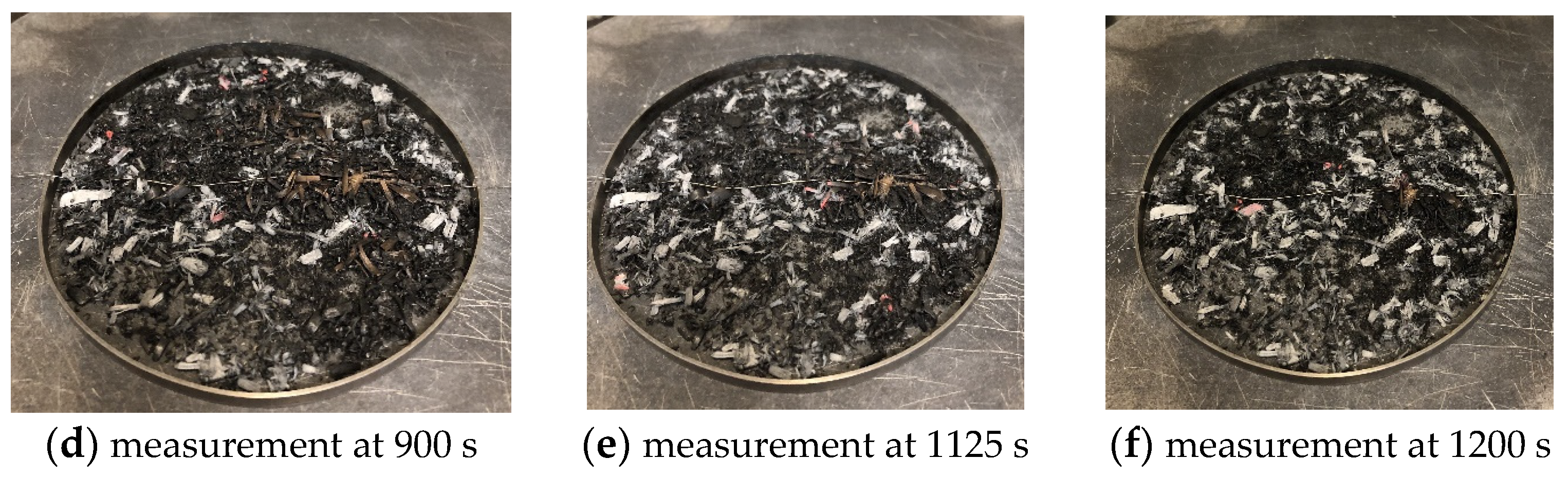
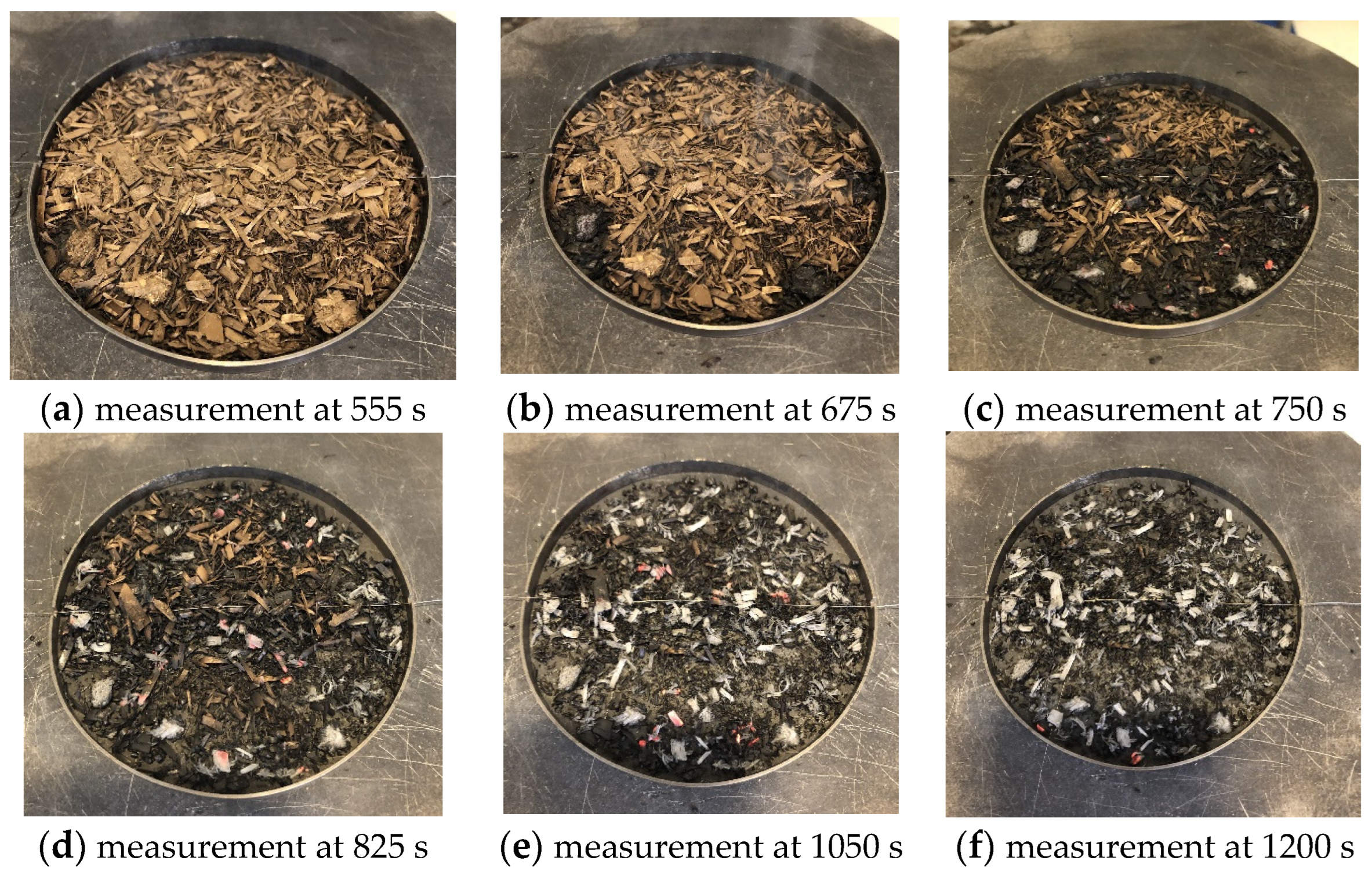
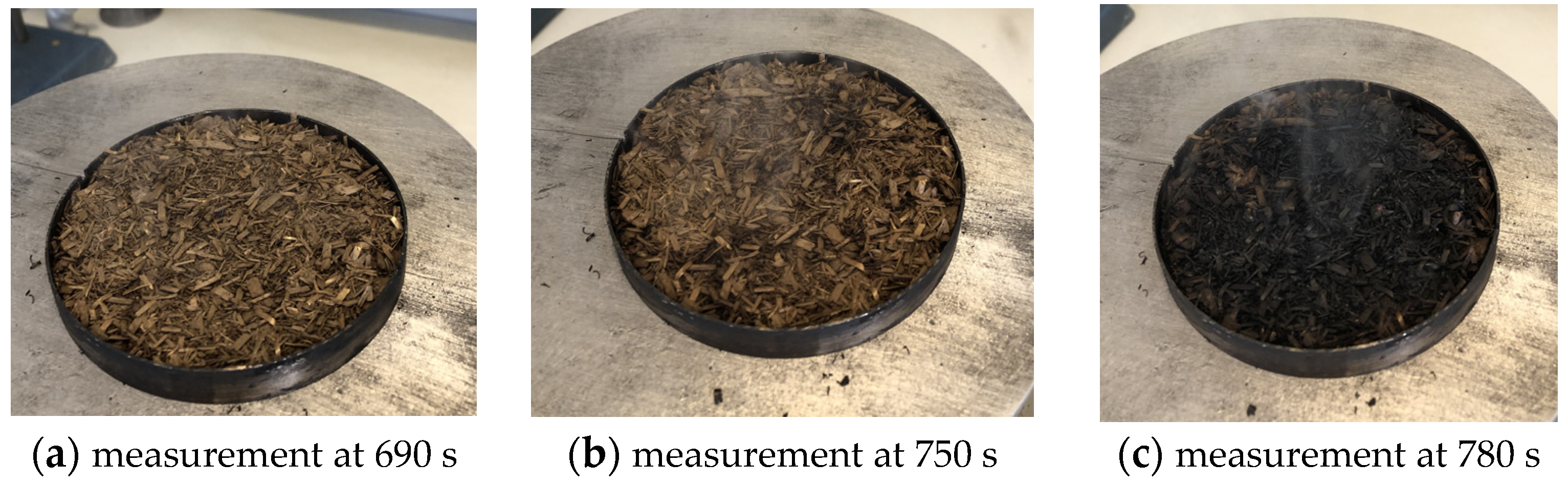
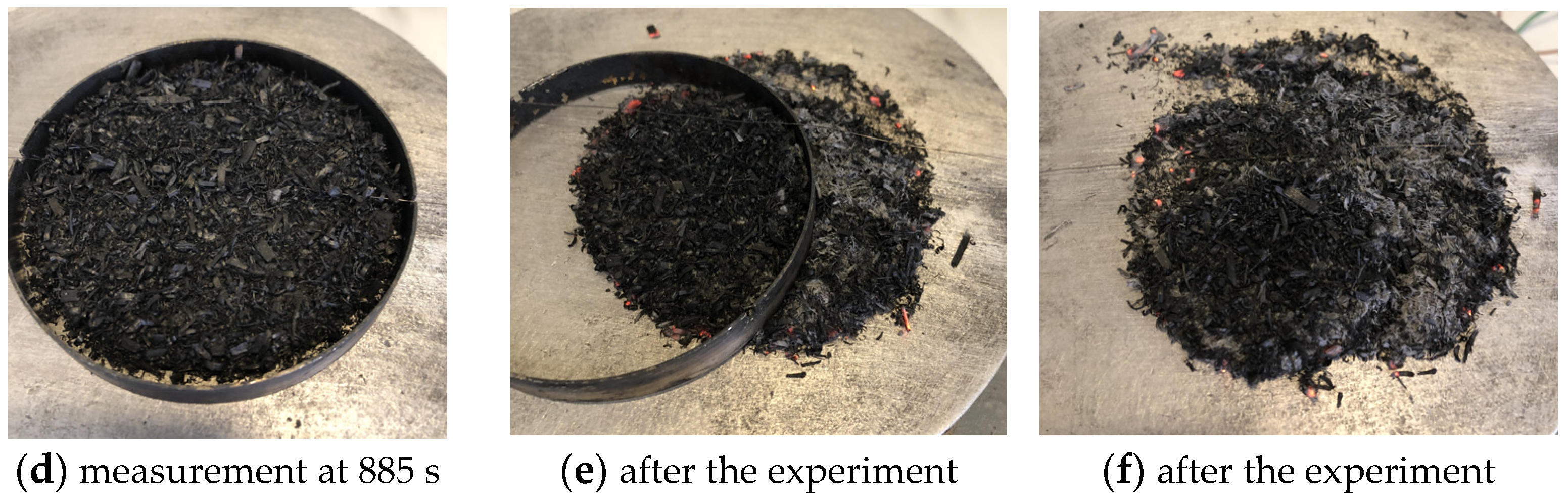
The sample with a weight of 10 g initially showed the best fire-technical properties, as we recorded burning processes in it with the latest charring of the sample, which occurred at 885 s for sample D5 and at 735 s for sample D6 (Table 1). After the end of the experiment and the removal of the circle in which the sample was placed, we observed coals in the lower part of both samples (Figure 8e,f and Figure 9e,f). Burning processes that were not observed on the surface of the sample, but in its lower part are dangerous from the point of view of fire safety. We do not recommend the use of the dry part of the digestate as a bedding material for farm animals in a thicker layer of 1.13 cm (10 g sample) due to the ongoing combustion processes after the end of the experiment.
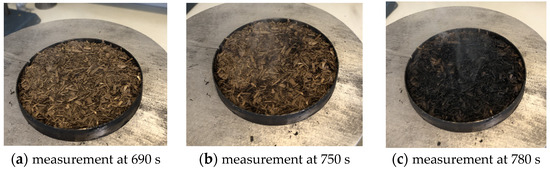
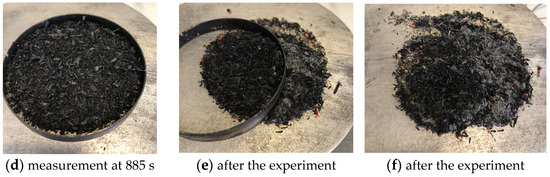
Figure 8.
Illustration of the combustion process for the 10 g specimen (specimen directly from the biogas plant).
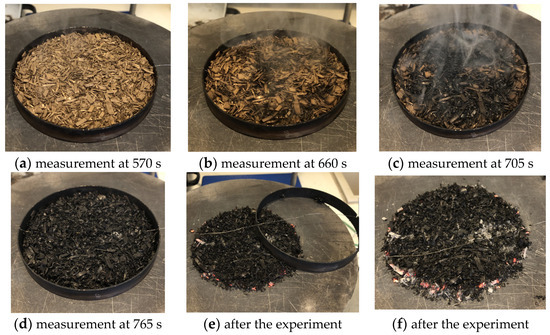
Figure 9.
Illustration of the combustion process for the 10 g specimen (specimen after drying).
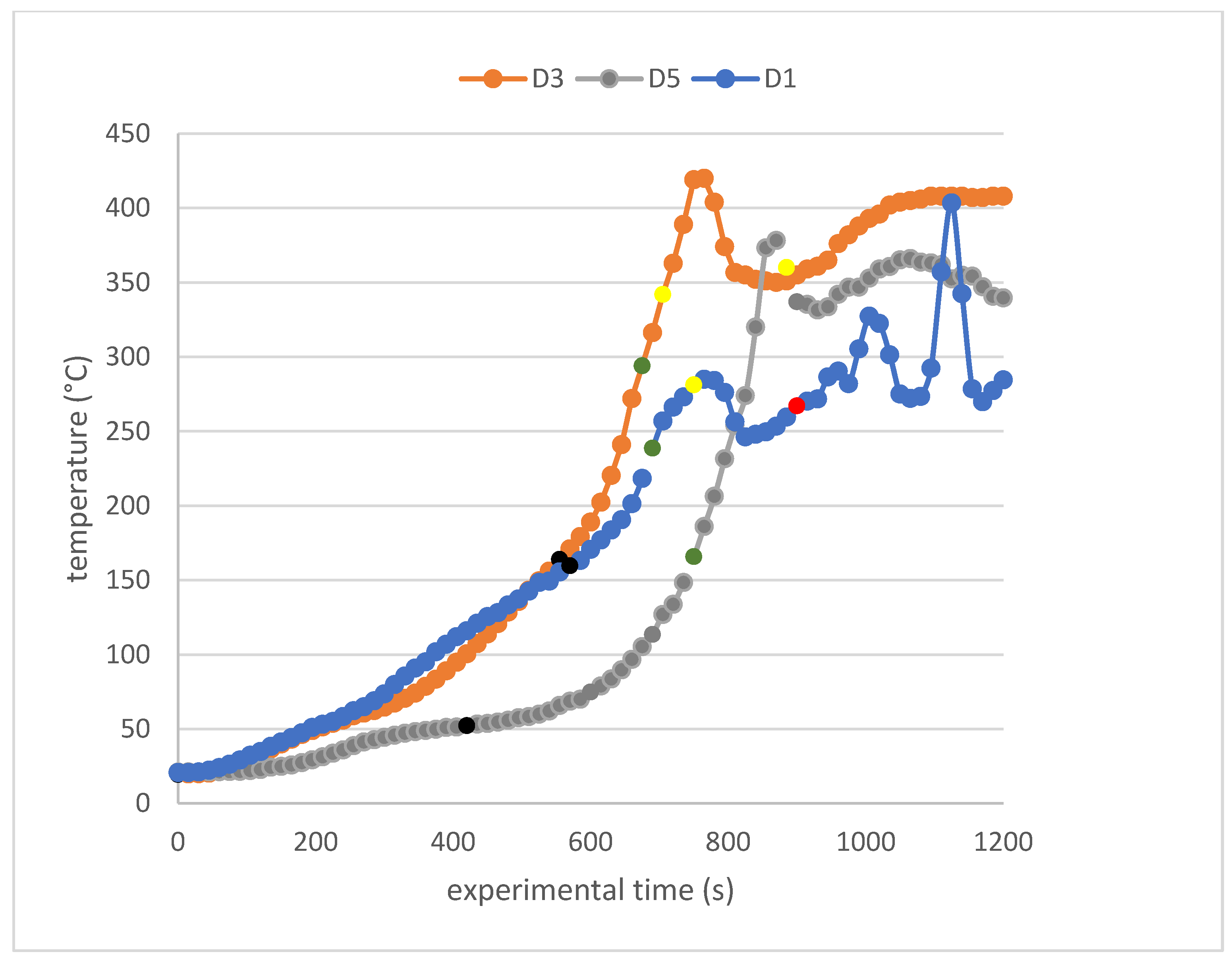
The experimental values were the basis of the time–temperature curve for the material obtained from the biogas station and for the material after drying. In Figure 10, we can see the course of the experiment for the digestate sample without additional drying. The black points highlight the investigated processes (smell, smoking, thermal degradation, glow, charring, and burning; Table 1). Samples D1 (3 g) and D3 (5 g) had a very comparable course in the initial phase of the experiment. The smell process occurred for sample D1 at a temperature of 155.5 °C and for sample D3 at a temperature of 156 °C. In the case of sample D1, the process of thermal degradation occurred at a temperature of 238.6 °C, and at a temperature of 273 °C, there was glowing. The graph (Figure 10) shows the temperature fluctuations of the sample D1 caused by the burning of the sample in the places of smoldering bearings. Sample D3, on the other hand, has a linear course. According to the graph, sample D5 (10 g) had a slow onset of smoke (temperature 113.5 °C) and glow (temperature 165.8 °C). The total charring of the specimen without smoke occurred at a temperature of 360 °C. From the point of view of the course of the graph, sample D5 shows ideal conditions from the point of view of fire safety. During visual observation, it was found that smoldering to glowing bearings were inside the sample, revealed only after the end of the experiment (Figure 8e,f). It is more appropriate to use sample D3 with a weight of 5 g as bedding material, in which the churning process had no further development after the end of the experiment.
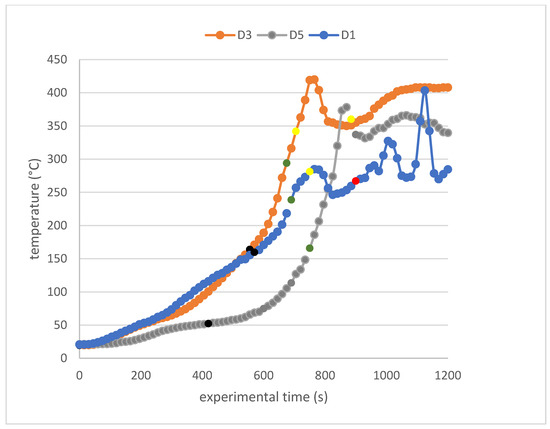
Figure 10.
Temperature increase as a function of time measured inside the sample of the digestate (not dried). Legend: D1 = 3 g, D3 = 5 g, D5 = 10 g. The point designation: black—smell, green—thermal degradation, yellow—incandescence, red—burning.
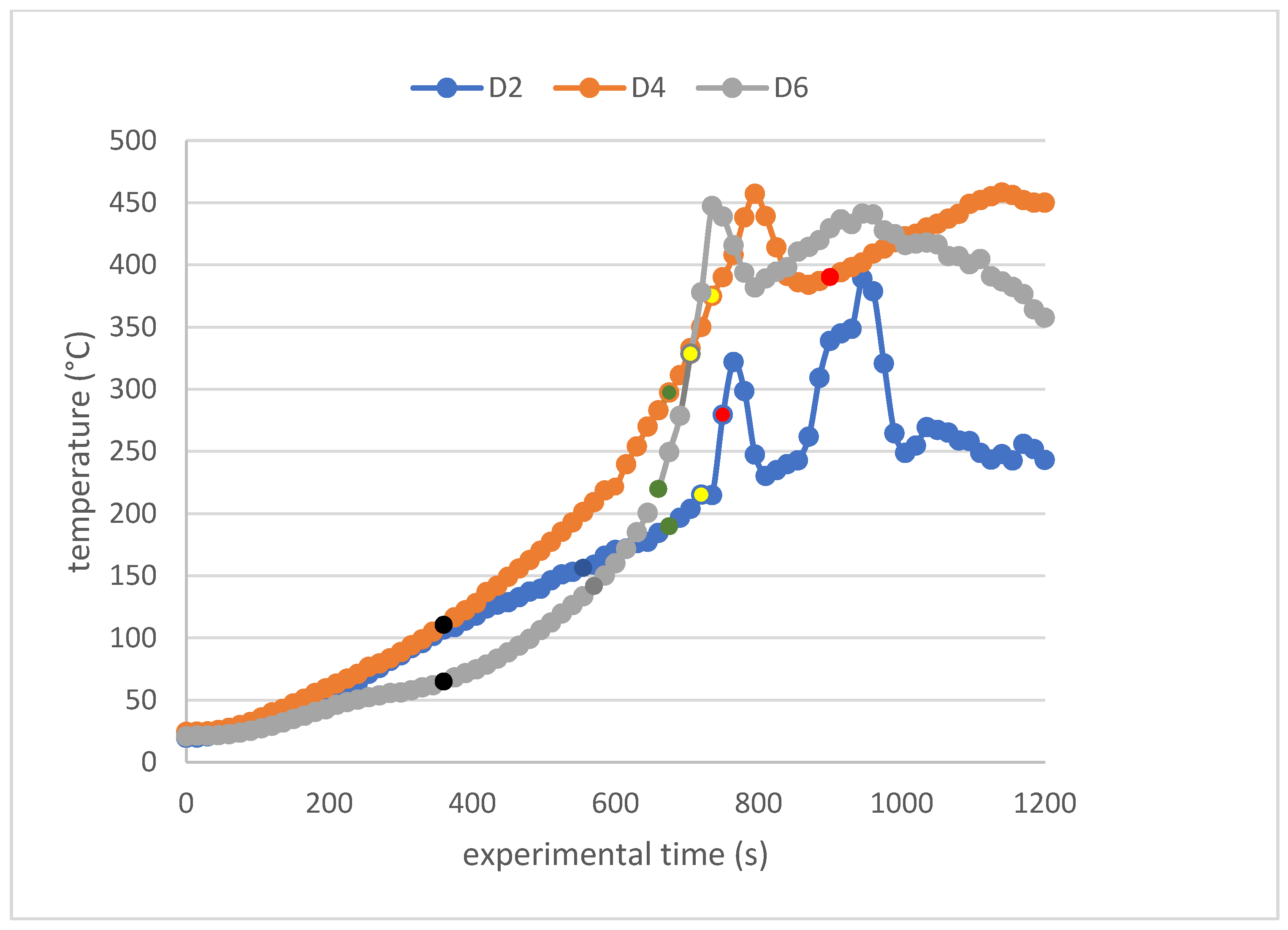
Samples of fully dried digestate had a similar beginning of the experiment at all weights (Figure 11). At time 360 s, we observed a process smell in all of them at different temperatures (D2 at a temperature of 106.8 °C, D4 at a temperature of 95.5 °C, and D6 at a temperature of 64.8 °C). Sample D4 (5 g) has a linear course of temperature increase (Figure 11). We observe a different behavior for samples D2 (3 g) and D6 (10 g) when compared to Figure 10. Sample D6 copies the time–temperature curve D4, i.e., dried digestate samples of 5 and 10 g have a similar course of the experiment. Additional processes of glowing and smoldering are visually observed with sample D6 and, therefore, it is not a suitable bedding material from the point of view of fire safety. Samples D1 (3 g) and D3 (5 g) behaved similarly with undried digestate, see Figure 10. In sample D2 (3 g), we observe higher temperature fluctuations caused by overheating of the sample due to the insufficient thickness of the material.
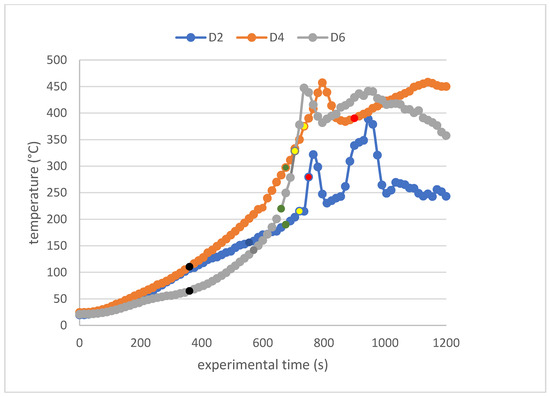
Figure 11.
Temperature increase as a function of time measured inside the sample of the digestate (dried). Legend: D2 = 3 g, D4 = 5 g, D6 = 10 g. The point designation: black—smell, green—thermal degradation, yellow—incandescence, red—burning.
Kapuinem [37] wrote that the moisture content of the litter is an important factor that affects the temperature of the bedding material. We agree with the given statement since we recorded a higher ignition temperature for samples that were sufficiently dried. Keys et al. [38] point out that the dry matter content of bedding materials affects the preference of stabled cattle. When using a different litter mix of the same thickness, cows chose to lie down less in stalls with “dehydrated solid manure” (29% dry matter), compared to “dehydrated solid manure” (81% dry matter), and sawdust (81% dry matter). Cows have also been shown to prefer stalls lined with “dung separators” over straw, sand, and sawdust [39]. Feiken and van Laarhoven [40] also observed longer lying times of cows on bedding made of recycled manure solids. For this reason, the use of digestate obtained from a biogas station without prior drying in laboratory conditions proves to be a suitable bedding material that increases the lying time of livestock.
Meng et al. [28] measured the temperature of the bedding material of different material mixtures and concluded that the temperature of the litter increased in the first week and reached a maximum of 42.1 °C at day 38. Their experiment was carried out under natural conditions without an additional initiation source. Temperatures of all bedding systems (paddy hulls, sawdust, peat mass, corn cob, corn stover) tended to be similar between 24 °C and 30 °C at a litter thickness of 0.25 m. It is clear from their experiments that bedding materials also overheat due to sunlight and are a significant source of ignition. A thicker layer of litter is more riskier, as we proved by visual observation and our experiment (samples D5 and D6).
4. Conclusions
Based on the obtained experimental results, it is possible to state:
- during the action of radiant heat, the processes of thermal degradation occurred earlier in samples of fully dried digestate;
- we observed higher temperatures of thermal degradation in samples of additionally dried digestate;
- samples of digestate with a weight of 3 g (thickness of 0.43 cm) are not suitable as bedding material due to the sample being burnt to ash;
- samples of digestate with a weight of 10 g (thickness of 1.13 cm) are dangerous from the point of view of fire-technical characteristics since, after the end of the experiment, we observed the processes of additional smoldering and glowing inside the sample;
- samples of digestate weighing 5 g (thickness of 0.62 cm) show a constant course of thermal processes and are, therefore, suitable as bedding material.
Existing studies on this topic have primarily focused on investigating the impact of different forms of bedding materials on the living conditions of housed livestock. Standard bedding materials (hay, straw) or alternative forms (manure, peat, sand) are used in agriculture practice. In our article, we analyzed the fire-technical properties of digestate as an alternative form of bedding. This topic is a relatively new phenomenon, which is our benefit. As it was written at the beginning of the article, existing studies describe the use of digestate for energy purposes or as fertilizers. The field of digestate fire safety is not sufficiently researched.
We are aware of some limitations of this study. First, the study was conducted on a small number of samples obtained from one biogas plant. It would be interesting to investigate the digestate obtained from biogas plants, the input raw material of which is different. A continuation of the research can also be the monitoring of different bedding combinations, i.e., mixing digestate with other bedding materials. Second, we used only one initiation source (radiant heat). The contribution’s innovation is the selection of non-traditional litter material (digestate) and monitoring of thermal degradation processes.
Author Contributions
Conceptualization, J.J., I.M. and Z.G.; methodology, I.M.; software, J.J.; validation, J.J., I.M., M.Š. and Z.G.; formal analysis, J.J. and M.Š.; investigation, J.J.; resources, J.J., I.M., M.Š. and Z.G.; data curation, J.J., I.M. and M.Š.; writing—original draft preparation, J.J., I.M., M.Š. and Z.G.; writing—review and editing, J.J. and I.M.; visualization, J.J. and Z.G.; supervision, I.M. and Z.G.; project administration, I.M.; funding acquisition, I.M. and Z.G. All authors have read and agreed to the published version of the manuscript.
Funding
This research was funded by the Grant system UNIZA, grant number 12716—Evaluation of fire-technical characteristics of natural and synthetic (including recycled) organic materials used in transport.
Data Availability Statement
The datasets used and/or analyzed during the current study are available from the corresponding author upon reasonable request.
Acknowledgments
The article was prepared within Žilina University Grant No. 12716—“Evaluation of fire-technical characteristics of natural and synthetic (including recycled) organic materials used in transport”.
Conflicts of Interest
The authors declare that they have no conflict of interest to report regarding the present study.
References
- Munir, T.M.; Irle, M.; Belloncle, C.; Federighi, M. Wood based bedding material in animal production: A minireview. Approaches Poult. Dairy Vet. Sci. 2019, 6, 582–588. [Google Scholar] [CrossRef]
- Bradley, A.J.; Leach, K.A.; Green, M.J.; Gibbons, J.; Ohnstad, I.C.; Black, D.H.; Breen, J.E. The impact of dairy cows’ bedding material and its microbial content on the quality and safety of milk: A cross sectional study of UK farms. Int. J. Food Microbiol. 2018, 269, 36–45. [Google Scholar] [CrossRef]
- Singh, A.; Kumari, T.; Rajput, M.; Baishya, A.; Bhatt, N.; Roy, S. A Review: Effect of Bedding Material on Production, Reproduction and Health and Behavior of Dairy Animals. Int. J. Livest. Res. 2020, 10, 11–20. [Google Scholar] [CrossRef]
- Mitev, J.; Varlyakov, I.; Miteva, T.; Vasilev, N.; Gergovska, J.; Uzunova, K.; Dimova, V. Preferences of freestall housed dairy cows to different bedding materials. İstanb. Üniv. Vet. Fak. Derg. 2012, 38, 135–140. [Google Scholar]
- Endres, M.I.; Barberg, A.E. Behavior of dairy cows in an alternative bedded-pack housing system. J. Dairy Sci. 2007, 90, 4192–4200. [Google Scholar] [CrossRef] [PubMed]
- Galama, P.J. On Farm Development of Bedded Pack Dairy Barns in The Netherlands; Wageningen UR Livestock Research: Lelystad, The Netherlands, 2014; Available online: https://www.wur.nl/ (accessed on 1 July 2023).
- Fávero, S.; Portilho, F.V.R.; Oliveira, A.C.R.; Langoni, H.; Pantoja, J.C.F. Factors associated with mastitis epidemiologic indexes, animal hygiene, and bulk milk bacterial concentrations in dairy herds housed on compost bedding. Livest. Sci. 2015, 181, 220–230. [Google Scholar] [CrossRef]
- Leso, L.; Conti, L.; Rossi, G.; Barbari, M. Criteria of design for deconstruction applied to dairy cows housing: A case study in Italy. Agron. Res. 2018, 16, 794–805. [Google Scholar] [CrossRef]
- Oliveira, V.C.; Damasceno, F.A.; Oliveira, C.E.A.; Ferraz, P.F.P.; Ferraz, G.A.S.; Saraz, J.A.O. Compost-bedded pack barns in the state of Minas Gerais: Architectural and technological characterization. Agron. Res. 2019, 17, 2016–2028. [Google Scholar] [CrossRef]
- Yajima, A.; Owada, H.; Kobayashi, S.; Komatsu, N.; Takehara, K.; Ito, M.; Matsuda, K.; Sato, K.; Itabashi, H.; Sugimura, S.; et al. Cacao bean husk: An applicable bedding material in dairy free-stall barns. Asian-Australas. J. Anim. Sci. 2017, 30, 1048–1053. [Google Scholar] [CrossRef][Green Version]
- Kheravii, S.K.; Swick, R.A.; Choct, M.; Wu, S.B. Potential of pelleted wheat straw as an alternative bedding material for broilers. Poult. Sci. 2017, 96, 1641–1647. [Google Scholar] [CrossRef]
- Niraula, R.; Eng, P.; Lebeau, B. Alternative Bedding Materials for Livestock. In FACTSHEET 18-011; AGDEX 400; 2018. Available online: www.omafra.gov.on.ca (accessed on 1 July 2023).
- Reich, L.J.; Weary, D.M.; Veira, D.M.; von Keyserlingk, M.A.G. Effects of sawdust bedding dry matter on lying behavior of dairy cows: A dose-dependent response. J. Dairy Sci. 2010, 93, 1561–1565. [Google Scholar] [CrossRef] [PubMed]
- Kimura, Y.; Suzuki, T.; Yasui, S.; Ishii, K.; Kaziyama, T.; Oishi, K.; Ogino, A.; Hinata, T.; Hirooka, H.; Osada, T.; et al. Simulation of livestock biomass resource recycling and energy utilization model based on dry type methane fermentation system. IOP Conf. Ser. Earth Environ. Sci. 2020, 460, 012020. [Google Scholar] [CrossRef]
- Popluga, D.; Kreišmane, D. Climate-Friendly Agricultural Practice in Latvia. Separation of Liquid Manure and Digestate; University of Life Sciences and Technologies in cooperation with the Ministry of Agriculture of the Republic of Latvia: Jelgava, Latvia, 2020. [Google Scholar]
- Đurđević, D.; Blecich, P.; Lenić, K. Energy Potential of Digestate Produced by Anaerobic Digestion in Biogas Power Plants: The Case Study of Croatia. Environ. Eng. Sci. 2018, 35, 1286–1293. [Google Scholar] [CrossRef]
- Monlau, F.; Sambusiti, C.; Ficara, E.; Aboulkas, A.; Barakata, A.; Carrère, H. New opportunities for agricultural digestate valorization: Current situation and perspectives. Energy Environ. Sci. 2015, 8, 2600–2621. [Google Scholar] [CrossRef]
- Reuland, G.; Sigurnjak, I.; Dekker, H.; Michels, E.; Meers, E. The Potential of Digestate and the Liquid Fraction of Digestate as Chemical Fertiliser Substitutes under the RENURE Criteria. Agronomy 2021, 11, 1374. [Google Scholar] [CrossRef]
- Häfner, F.; Hartung, J.; Möller, K. Digestate Composition Affecting N Fertiliser Value and C Mineralisation. Waste Biomass Valor 2022, 13, 3445–3462. [Google Scholar] [CrossRef]
- Vaneeckhaute, C.; Meers, E.; Michels, E.; Buysse, J.; Tack, F.M.G. Ecological and economic benefits of the application of bio-based mineral fertilizers in modern agriculture. Biomass Bioenergy 2013, 49, 239–248. [Google Scholar] [CrossRef]
- Grillo, F.; Piccoli, I.; Furlanetto, I.; Ragazzi, F.; Obber, S.; Bonato, T.; Meneghetti, F.; Morari, F. Agro-Environmental Sustainability of Anaerobic Digestate Fractions in Intensive Cropping Systems: Insights Regarding the Nitrogen Use Efficiency and Crop Performance. Agronomy 2021, 11, 745. [Google Scholar] [CrossRef]
- Leach, K.A.; Archer, S.C.; Breen, J.E.; Green, M.J.; Ohnstad, I.C.; Tuer, S.; Bradley, A.J. Recycling manure as cow bedding: Potential benefits and risks for UK dairy farms. Vet. J. 2015, 206, 123–130. [Google Scholar] [CrossRef]
- Ferraz, I.P.R.; Viana, F.L.; Pocinho, M.M.F.D. A “maturidade” para aprender a ler: Contributos para uma reflexão. Calidoscópio 2020, 18, 3–19. [Google Scholar] [CrossRef]
- Wolfe, T.; Vasseur, E.; DeVries, T.J.; Bergeron, R. Effects of alternative deep bedding options on dairy cow preference, lying behavior, cleanliness, and teat end contamination. J. Dairy Sci. 2018, 101, 530–536. [Google Scholar] [CrossRef] [PubMed]
- van Gastelen, S.; Westerlaan, B.; Houwers, D.J.; Van Eerdenburg, F.J.C.M. A study on cow comfort and risk for lameness and mastitis in relation to different types of bedding materials. J. Dairy Sci. 2011, 94, 4878–4888. [Google Scholar] [CrossRef] [PubMed]
- Chaplin, S.J.; Tierney, G.; Stockwell, C.; Logue, D.N.; Kelly, M. An evaluation of mattresses and mats in two dairy units. Appl. Anim. Behav. Sci. 2000, 66, 263–272. [Google Scholar] [CrossRef] [PubMed]
- Ferreira Ponciano Ferraz, P.; Araújo e Silva Ferraz, G.; Leso, L.; Klopčič, M.; Rossi, G.; Barbari, M. Evaluation of the Physical Properties of Bedding Materials for Dairy Cattle Using Fuzzy Clustering Analysis. Animals 2020, 10, 351. [Google Scholar] [CrossRef]
- Meng, J.; Shi, F.H.; Meng, Q.X.; Ren, L.P.; Zhou, Z.M.; Wu, H.; Zhao, L.P. Effects of bedding material composition in deep litter systems on bedding characteristics and growth performance of limousin calves. Asian-Australas. J. Anim. Sci. 2015, 28, 143–150. [Google Scholar] [CrossRef]
- Tucker, C.B.; Weary, D.M.; Fraser, D. Free-stall dimensions: Effects on preference and stall usage. J. Dairy Sci. 2004, 87, 1208–1216. [Google Scholar] [CrossRef]
- Tucker, C.B.; Zdanowicz, G.; Weary, D.M. Brisket boards reduce freestall use. J. Dairy Sci. 2006, 89, 2603–2607. [Google Scholar] [CrossRef]
- Okamoto, E.; Miyanishi, H.; Nakamura, A.; Kobayashi, T.; Kobayashi, N.; Terawaki, Y.; Nagahata, H. Bacteriological evaluation of composted manure solids prepared from anaerobic digested slurry for hygienic recycled bedding materials for dairy cows. Anim. Sci. J. 2018, 89, 727–732. [Google Scholar] [CrossRef]
- Ron, A. Digestate Utilization in the U.S. BioCycle 2012, 53, 56. [Google Scholar]
- Czekała, W.; Nowak, M.; Piechota, G. Sustainable management and recycling of anaerobic digestate solid fraction by composting: A review. Bioresour. Technol. 2023, 375, 128813. [Google Scholar] [CrossRef]
- Białowiec, A.; Wisniewski, D.; Pulka, J.; Siudak, M.; Jakubowski, B.; Myslak, B. Biodrying of the Digestate from Agricultural Biogas Plants. Rocz. Ochr. Sr. 2015, 17, 1554–1568. [Google Scholar]
- EN 50281-2-1:1998; Electrical Equipment for Areas with Combustible Dust. Part 1-2: The Test Methods. The Methods for Determining the Minimum Temperatures of Dust. European Committee for Standardization (CEN): Brussels, Belgium, 1998.
- Marková, I.; Ivaničová, M.; Makovická Osvaldový, L.; Harangózo, J.; Tureková, I. Ignition of Wood-Based Boards by Radiant Heat. Forests 2022, 13, 1738. [Google Scholar] [CrossRef]
- Kapuinen, P. SE—Structures and Environment: Deep litter systems for beef cattle housed in uninsulated barns, Part 2: Temperatures and nutrients. J. Agric. Eng. Res. 2001, 80, 87–97. [Google Scholar] [CrossRef]
- Keys, J.E.; Smith, L.W.; Weinland, B.T. Response of dairy cattle given a free choice of free stall location and 3 bedding materials. J. Dairy Sci. 1976, 59, 1157–1162. [Google Scholar] [CrossRef]
- Adamski, M.; Glowacka, K.; Kupczynski, R.; Benski, A. Analysis of the possibility of various litter beddings application with special consideration of cattle manure separate. Acta Sci. Pol. Zootech. 2011, 10, 5–12. [Google Scholar]
- Feiken, M.; van Laarhoven, W. Recycled Manure Solids (RMS) as Biobedding in Cubicles for Dairy Cattle. Considerations and Tips for Practice. Microsoft Word—20121130 Eindverslag def. Available online: verantwoordeveehouderij.nl (accessed on 1 July 2023).
Disclaimer/Publisher’s Note: The statements, opinions and data contained in all publications are solely those of the individual author(s) and contributor(s) and not of MDPI and/or the editor(s). MDPI and/or the editor(s) disclaim responsibility for any injury to people or property resulting from any ideas, methods, instructions or products referred to in the content. |
© 2023 by the authors. Licensee MDPI, Basel, Switzerland. This article is an open access article distributed under the terms and conditions of the Creative Commons Attribution (CC BY) license (https://creativecommons.org/licenses/by/4.0/).