



Journal Description
Foods
Foods
is an international, peer-reviewed, open access journal on food science published semimonthly online by MDPI. The Italian Society of Food Sciences (SISA) and Spanish Nutrition Foundation (FEN) are affiliated with Foods and their members receive discounts on the article processing charges.
- Open Access— free for readers, with article processing charges (APC) paid by authors or their institutions.
- High Visibility: indexed within Scopus, SCIE (Web of Science), PubMed, PMC, FSTA, AGRIS, PubAg, and other databases.
- Journal Rank: JCR - Q1 (Food Science and Technology) / CiteScore - Q1 (Health Professions (miscellaneous))
- Rapid Publication: manuscripts are peer-reviewed and a first decision is provided to authors approximately 14.8 days after submission; acceptance to publication is undertaken in 2.9 days (median values for papers published in this journal in the first half of 2026).
- Recognition of Reviewers: Reviewers whose reports are timely and of high quality receive an APC discount voucher for a future publication in an MDPI journal. Become a reviewer.
- Companion journals for Foods include: Sustainable Foods and Food Engineering.
- Journal Cluster of Food, Nutrition, and Health Science: Beverages, Dietetics, Foods, Nutraceuticals, Nutrients and Obesities.
Impact Factor:
6.0 (2025);
5-Year Impact Factor:
6.5 (2025)
Latest Articles
Alternative Protein Systems: A Bibliometric and Comparative Review of Sustainability, Functionality, and Future Food Systems
Foods 2026, 15(18), 3239; https://doi.org/10.3390/foods15183239 (registering DOI) - 14 Sep 2026
Abstract
The growing demand for sustainable protein sources has accelerated the development of plant-based, microbial, cultivated, and insect proteins. This review combines a systematic analysis of Scopus-indexed publications with bibliometric mapping in Biblioshiny and VOSviewer and a comparative synthesis across environmental, economic, technological, nutritional,
[...] Read more.
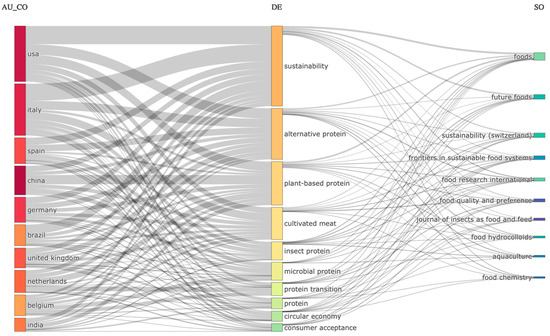
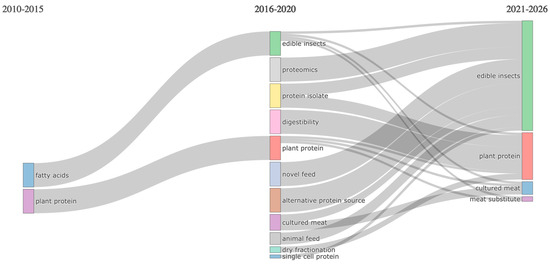
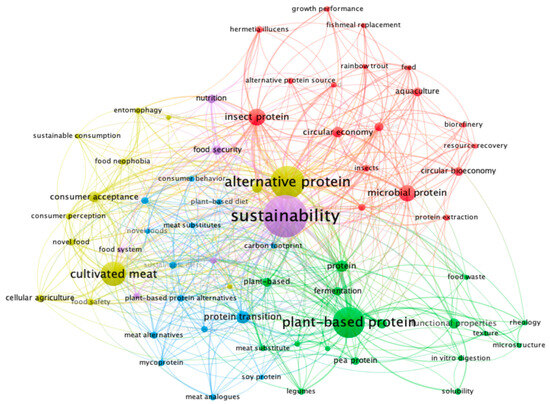
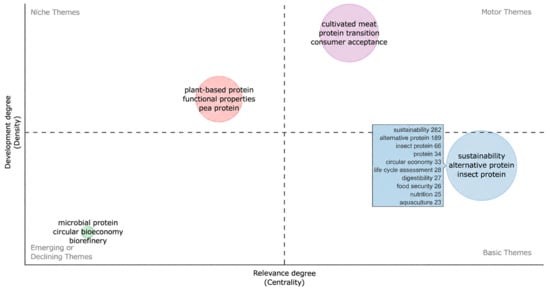
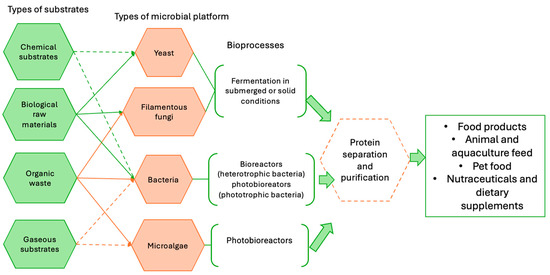
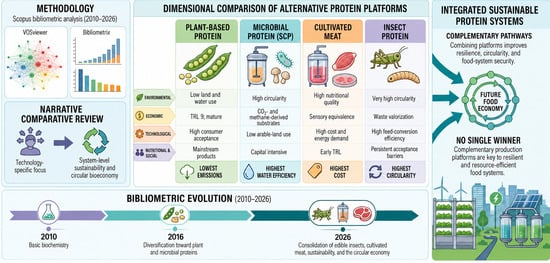
The growing demand for sustainable protein sources has accelerated the development of plant-based, microbial, cultivated, and insect proteins. This review combines a systematic analysis of Scopus-indexed publications with bibliometric mapping in Biblioshiny and VOSviewer and a comparative synthesis across environmental, economic, technological, nutritional, and social dimensions. The bibliometric results show a shift from technology-specific studies toward sustainability, circular bioeconomy, life-cycle assessment, consumer acceptance, and protein-transition research. No platform consistently outperforms the others across all dimensions. Plant-based proteins are currently the most technologically mature and economically competitive; microbial proteins offer high resource efficiency and circularity; cultivated meat most closely reproduces conventional meat but remains constrained by cost and energy demand; and insect proteins support nutrient recycling but face persistent acceptance and regulatory barriers. The evidence indicates that future sustainable protein systems will depend on complementary rather than competing production platforms. Integrating these technologies according to their distinct functional and sustainability advantages provides a promising pathway toward resilient and resource-efficient food systems and offers a basis for research priorities, technology development, investment, and policy strategies supporting the global protein transition.
Full article
(This article belongs to the Topic Advancing Sustainable Proteins: Alternative Sources, Novel Processing, and Food Applications for Global Challenges)
►
Show Figures
Open AccessArticle
Rheological Performance of Wholemeal Flour from Bread Wheat Under Contrasting Agro-Ecological Conditions: A Multi-Environment Analysis of Mixolab® 2 Parameters and Genotypic Stability
by
Hind El Bouzidi, Mona Taghouti, Aziz Baidani, Fatima Gaboun, Degu Wuletaw Tadesse, Ilyass Britel, Mackaye Moussa Hassane, Mohamed Amine Abdellaoui, Imane El Ftouh, Fatima Ezzahra Oudrhiri and Ghizlane Diria
Foods 2026, 15(18), 3238; https://doi.org/10.3390/foods15183238 (registering DOI) - 14 Sep 2026
Abstract
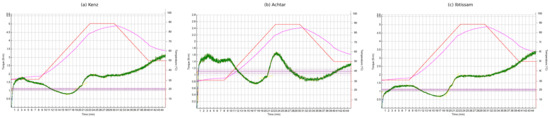
Bread wheat technological quality is jointly influenced by genotype, environment, and their interaction (G × E). Although Mixolab® has been used to characterize rheological variation among wheat genotypes, its combined application with stability analysis remains limited in Moroccan multi-environment trials. Rheological variability
[...] Read more.
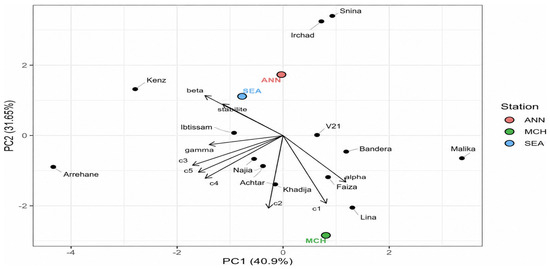
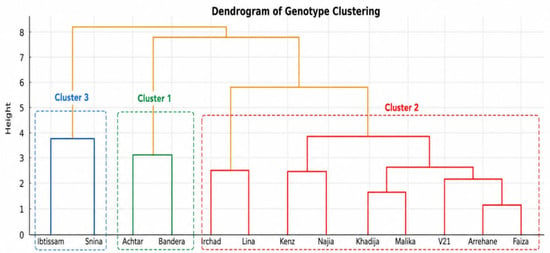
Bread wheat technological quality is jointly influenced by genotype, environment, and their interaction (G × E). Although Mixolab® has been used to characterize rheological variation among wheat genotypes, its combined application with stability analysis remains limited in Moroccan multi-environment trials. Rheological variability and relative stability were evaluated using wholemeal flour from 13 bread wheat varieties grown across three contrasting agro-ecological zones in Morocco. Under a fixed hydration level of 60%—rather than the sample-specific hydration used in the standard ICC 173 procedure—nine Mixolab® 2 parameters (C1–C5, α, β, γ, and mixing stability time) were measured. Two-way ANOVA, REML-based BLUPs, principal component analysis (PCA), and inter-environment stability indices were applied to evaluate varietal performance and relative stability. Highly significant effects (p < 0.001) of genotype, environment, and G × E were observed for all parameters. Under fixed hydration, the observed responses may reflect differences in flour composition, water-binding properties, and dough development at a common water level. Environmental contributions were largest for α and mixing stability time, whereas genotype-associated contributions were largest for C4 and C5. The first two principal components explained 72.6% of the total variability and identified three rheological groups under fixed hydration conditions: low-consistency genotypes, varieties with balanced rheological profiles, and starch-oriented genotypes. Within the three-environment, single-season network, Kenz, Najia, Khadija, Malika, and Ibtissam showed the lowest inter-environment variation, whereas Lina and Irchad showed the greatest. Whether these rankings remain consistent under the standard ICC 173 sample-specific hydration procedure remains unknown. These results illustrate the potential of combining Mixolab® 2 parameters with mixed-model and stability analyses to characterize rheological patterns under fixed hydration conditions. Additional environments and cropping seasons are required before broad adaptation or environment-specific recommendations can be made.
Full article
(This article belongs to the Section Grain)
►▼
Show Figures

Figure 1
Open AccessArticle
Effect of High-Pressure Processing on the Physicochemical and Emulsifying Properties of Pea Protein Isolate
by
Napassorn Salamun, Suteera Vatthanakul, Bootsrapa Leelawat and Witoon Prinyawiwatkul
Foods 2026, 15(18), 3237; https://doi.org/10.3390/foods15183237 (registering DOI) - 13 Sep 2026
Abstract
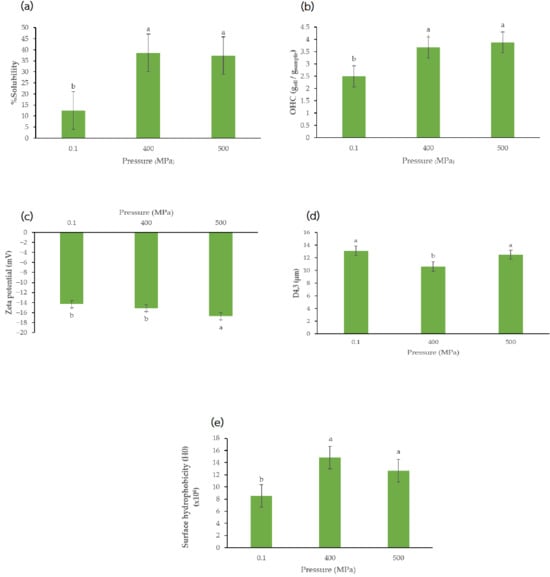
This study investigated the effects of high-pressure processing (HPP) on the physicochemical and functional properties of pea protein isolate (PPI). PPI was HPP-treated at 0.1 (control), 400, and 500 MPa, and its protein solubility, oil-holding capacity (OHC), surface hydrophobicity (H0), ζ-potential,
[...] Read more.
This study investigated the effects of high-pressure processing (HPP) on the physicochemical and functional properties of pea protein isolate (PPI). PPI was HPP-treated at 0.1 (control), 400, and 500 MPa, and its protein solubility, oil-holding capacity (OHC), surface hydrophobicity (H0), ζ-potential, and emulsion droplet size (D4,3) were evaluated. Results showed that HPP significantly improved protein solubility, reaching 38.61% at 400 MPa compared with 12.45% in the untreated PPI powder. OHC and H0 of PPI also increased after HPP, suggesting its enhanced interaction with oil and exposure of hydrophobic residues. Emulsions stabilized with HPP-treated PPI exhibited smaller droplet sizes and higher absolute ζ-potential values, suggesting improved initial emulsifying properties. The enhancement in functional properties may be associated with changes in surface hydrophobicity and charge characteristics, potentially reflecting pressure-induced conformational rearrangements. However, a slight decrease in solubility and surface hydrophobicity was observed at 500 MPa, which may be associated with pressure-induced protein aggregation. Overall, HPP effectively modified PPI surface characteristics, leading to improved emulsifying and functional performance, highlighting its potential application in food formulations requiring good protein dispersibility and emulsifying properties.
Full article
(This article belongs to the Special Issue Innovative Approaches to Enhancing the Nutritional and Functional Properties of Foods)
►▼
Show Figures

Figure 1
Open AccessArticle
Effects of Sun Drying Versus Vacuum Freeze-Drying on the Protein Quality of Hippocampus abdominalis: Nutritional Composition, Physicochemical Properties, and Proteomic Profiles
by
Yu Zhang, Jing Sun, Han Hu, Lin Zhang, Xuan Ma, Jiangying Heng, Xiaofeng Xue, Rui Chen and Feng Wang
Foods 2026, 15(18), 3236; https://doi.org/10.3390/foods15183236 (registering DOI) - 13 Sep 2026
Abstract
Drying is an important processing method for extending the shelf life of aquatic products; however, different drying methods may exert distinct effects on protein quality. At present, the effects of sun drying and vacuum freeze-drying on the protein quality of Hippocampus abdominalis remain
[...] Read more.
Drying is an important processing method for extending the shelf life of aquatic products; however, different drying methods may exert distinct effects on protein quality. At present, the effects of sun drying and vacuum freeze-drying on the protein quality of Hippocampus abdominalis remain unclear. This study compared the protein content, amino acid composition, and physicochemical properties of Hippocampus abdominalis subjected to the two drying methods and further characterized changes in the proteomic profile using proteomic analysis. The results showed that the sun-dried group had a higher crude protein content (68.57% vs. 61.86%), whereas the freeze-dried group exhibited greater total amino acid retention (58.79% vs. 48.87%), water-holding capacity(WHC), and oil-holding capacity(OHC). However, no significant differences were observed in protein solubility or surface hydrophobicity between the two groups. Proteomic analysis further revealed that most differentially abundant proteins showed higher relative abundance in the freeze-dried group and were mainly associated with muscle structural stability, amino acid metabolism, and energy metabolism. Overall, the two drying methods affected the protein quality of Hippocampus abdominalis at multiple levels, including nutritional composition and physicochemical properties, while proteomic analysis provided further molecular-level insights into these quality differences.
Full article
(This article belongs to the Special Issue Quality Improvement, Preservation, and Processing Technology of Aquatic Products)
Open AccessArticle
Preparation, Characterisation, and Fresh-Keeping Application of Pullulan/Konjac Glucomannan/Low-Acyl Gellan Gum Ternary Edible Composite Films for Extending the Shelf Life of Plums
by
Peng Huang, Lei Cao, Mingzhen Li, Fang Wu, Yujia Xia, Shuyi Li, Tongtong Ye, Shuxin Peng, Lin Ye, Pinyao Zhao and Wen Qin
Foods 2026, 15(18), 3235; https://doi.org/10.3390/foods15183235 (registering DOI) - 13 Sep 2026
Abstract
The escalating environmental burden of conventional plastic food packaging has intensified the search for sustainable, biodegradable alternatives. However, single-component polysaccharide edible films often exhibit suboptimal mechanical and barrier properties, which limits their practical applicability. In this study, pullulan (PUL), konjac glucomannan (KGM) and
[...] Read more.
The escalating environmental burden of conventional plastic food packaging has intensified the search for sustainable, biodegradable alternatives. However, single-component polysaccharide edible films often exhibit suboptimal mechanical and barrier properties, which limits their practical applicability. In this study, pullulan (PUL), konjac glucomannan (KGM) and low-acyl gellan gum (LGG) were blended as film-forming substrates with glycerol as a plasticiser. Single-factor experiments combined with Box–Behnken response surface methodology (RSM) were employed to optimise the formulation of ternary edible composite films. The effects of PUL, KGM and LGG concentrations on mechanical properties and water vapour permeability (WVP) were systematically investigated. The optimised film was comprehensively characterised for microstructure, physical barrier performance, antioxidant activity, soil disintegration, bacteriostatic capacity and plum preservation efficiency. The optimal formulation comprised 1.43 g/100 mL PUL, 0.24 g/100 mL KGM and 0.48 g/100 mL LGG. Under these conditions, the composite film exhibited a transparent and smooth appearance, with a continuous and dense internal microstructure. The comprehensive performance score (K) reached 0.805 ± 0.013, with a WVP of 2.75 ± 0.17 g·μm/(m2·h·kPa), light transmittance of 89.93% ± 1.26%, tensile strength (TS) of 3.05 ± 0.14 N/cm2, elongation at break (EB) of 64.57% ± 0.58% and DPPH radical scavenging activity of 34.12% ± 0.96%. Storage trials on two plum varieties demonstrated that the composite coating effectively mitigated fruit weight loss, retarded peel browning and pulp softening, and maintained superior sensory quality throughout storage. Overall, the PUL/KGM/LGG ternary edible composite film exhibited favourable mechanical strength, promising water vapour barrier properties and moderate antioxidant activity, suggesting its potential as a useful reference for the further development and industrial adoption of biodegradable edible films in fruit and vegetable preservation.
Full article
(This article belongs to the Special Issue Biopolymer-Based Biodegradable Functional Materials for Food Preservation and Packaging: Raw Materials, Composite Interfaces, Active Systems, and Intelligent Applications)
Open AccessArticle
Conventional Culture Conditions Limit the Ability of Bovine Mammary Epithelial Cells to Produce Milk Fat
by
Noam Tzirkel-Hancock, Christina Ramires Ferreira, Roni Tadmor-Levi and Nurit Argov-Argaman
Foods 2026, 15(18), 3234; https://doi.org/10.3390/foods15183234 (registering DOI) - 13 Sep 2026
Abstract
Bovine milk fat is distinguished by a high proportion of short and medium chain fatty acids, a profile that mammary epithelial cells (MEC) fail to reproduce in vitro. When considering culturing MEC as a source for alternative dairy products, this failure limits the
[...] Read more.
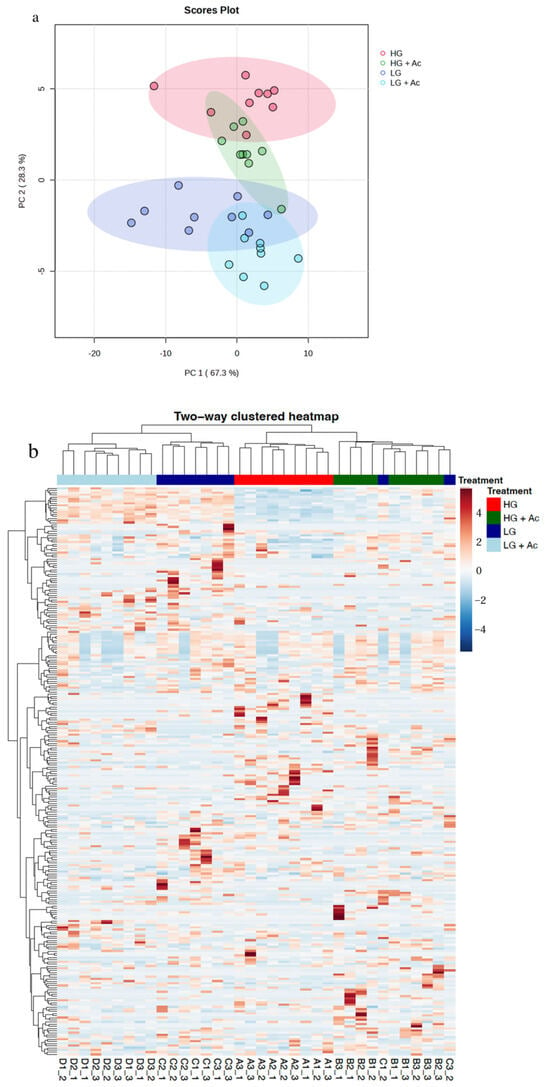
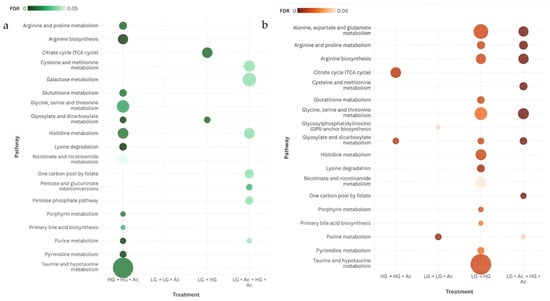
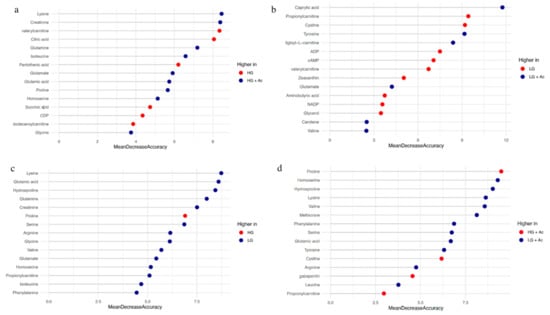
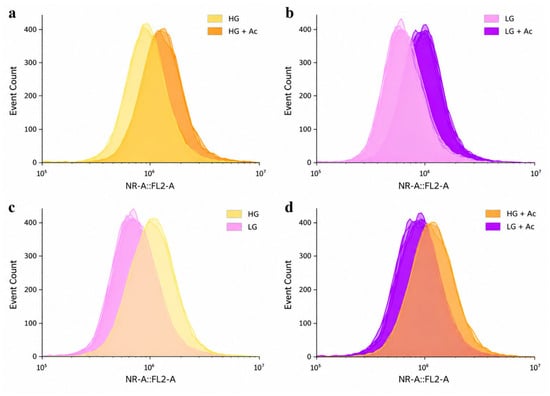
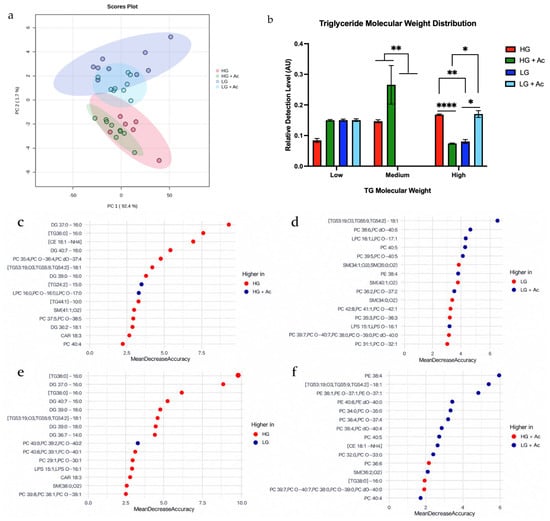
Bovine milk fat is distinguished by a high proportion of short and medium chain fatty acids, a profile that mammary epithelial cells (MEC) fail to reproduce in vitro. When considering culturing MEC as a source for alternative dairy products, this failure limits the ability of replicating the functionality of milk fat. Conventional media used to grow the cells is designed to mimic monogastric animal plasma, disregarding the profound metabolic differences compared with ruminant plasma. Therefore, we hypothesized that the inability to reproduce milk fat composition in vitro reflects substrate composition rather than an intrinsic limitation of the cells. To test this, we gradually modulated MEC media composition towards a ruminant-like substrate balance, lowering glucose and supplementing acetate. Pathway analysis revealed that high glucose media enhanced TCA cycle without activating de novo lipogenesis, while acetate increased lipid accumulation in both glucose backgrounds. Caprylic acid (C8:0), a medium-chain fatty acid characteristic of bovine milk fat, increased with acetate supplementation and peaked under low glucose media with acetate, consistent with acetate increasing lower molecular weight triglycerides. These results indicate that the limited capacity of MEC cultures to generate milk-like fatty acid profiles is substantially influenced by the substrate environment, and that a ruminant-like shift in substrate availability partially, but not completely, redirects fatty acid output towards the milk fat profile.
Full article
(This article belongs to the Section Dairy)
►▼
Show Figures

Figure 1
Open AccessArticle
Effects of Different Rootstocks on the Physicochemical Properties and Aromatic Compounds of ‘Cabernet Sauvignon’ Wine
by
Zongyi Zhang, Xiaolu Li, Wenting Zhai, Chunmei Zhu, Zongmin Fan, Zhijun Zhang, Junli Sun and Baolong Zhao
Foods 2026, 15(18), 3233; https://doi.org/10.3390/foods15183233 (registering DOI) - 13 Sep 2026
Abstract
This study assessed how rootstocks affect the physicochemical traits, sensory quality, and aroma profile of ‘Cabernet Sauvignon’ (CS) wine to guide rootstock selection in arid regions. Self-grafted vines (CS/CS) were the control, and five combinations (CS/5BB, CS/140R, CS/5C, CS/SO4, CS/kangzhen3) were vinified using
[...] Read more.
This study assessed how rootstocks affect the physicochemical traits, sensory quality, and aroma profile of ‘Cabernet Sauvignon’ (CS) wine to guide rootstock selection in arid regions. Self-grafted vines (CS/CS) were the control, and five combinations (CS/5BB, CS/140R, CS/5C, CS/SO4, CS/kangzhen3) were vinified using standard procedures. Physicochemical indices, CIELab colour, and sensory attributes were evaluated; volatiles were analysed by HS-SPME-GC-MS and interpreted using PCA, OPLS-DA, and OAVs. All wines met national dry red wine standards. CS/SO4 showed the best overall physicochemical quality (composite PCA score 4.167, ranked first) and significantly higher dry extract, total sugar, soluble solids, and resveratrol than CS/CS. CS/5BB had the highest total semi-quantitative aroma compound content (53,278.32 μg·L−1) and the greatest ester proportion (42.85%), exceeding the other treatments (10.98–38.61%). Ninety-four volatiles were identified; 13 compounds exhibited OAV > 1, mainly esters (ethyl butyrate, ethyl hexanoate, and ethyl octanoate) and aldehydes (hexanal and heptanal) imparting fruity, floral, and green notes. OPLS-DA identified 15 discriminant compounds (VIP > 1), including ethyl acetate, phenethyl alcohol, and isopentanol. CS/5BB and CS/5C were enriched in floral/fruity esters, whereas CS/140R and CS/CS showed stronger vegetal/chemical notes. Rootstock significantly altered physicochemical properties, colour, antioxidant capacity, and aroma; CS/SO4 may improve balance and ageing potential, while CS/5BB enhances aroma complexity and fruit expression. As the data were obtained from a single vineyard site and a single harvest year, these findings require validation in multi-year trials.
Full article
(This article belongs to the Section Drinks and Liquid Nutrition)
Open AccessArticle
Nutrient Rich Foods Index NRF9.3 Rates Nutrient Density of Kiwifruit in the US and in France
by
Adam Drewnowski and Faraja Yusto Mgaya
Foods 2026, 15(18), 3232; https://doi.org/10.3390/foods15183232 (registering DOI) - 12 Sep 2026
Abstract
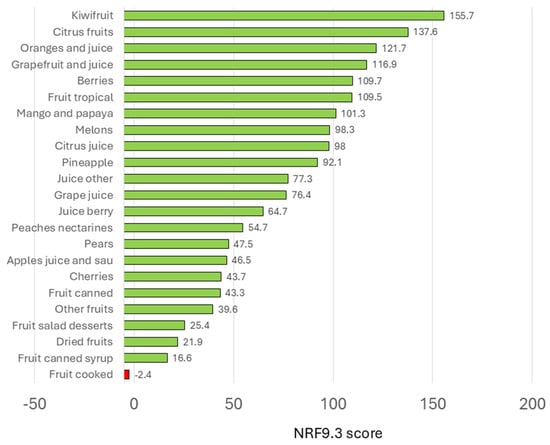
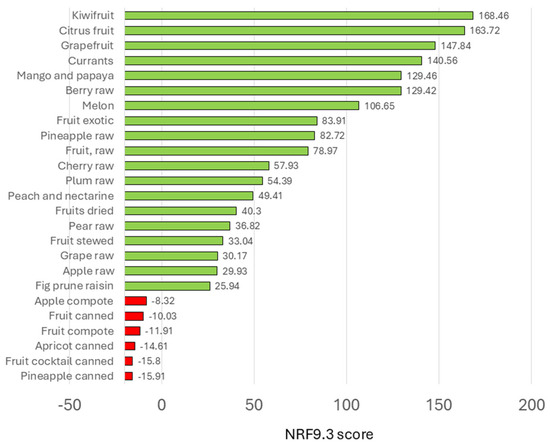
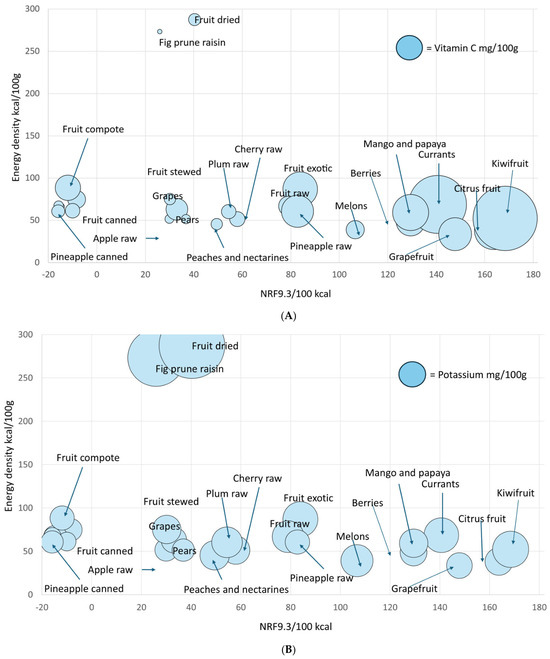
This study used the Nutrient-Rich Food (NRF9.3) index to compare the overall nutrient density of kiwifruit with that of other fruits and juices in two national nutrient composition datasets: the US Food and Nutrient Database for Dietary Studies (FNDDS) and the French ANSES/CIQUAL
[...] Read more.
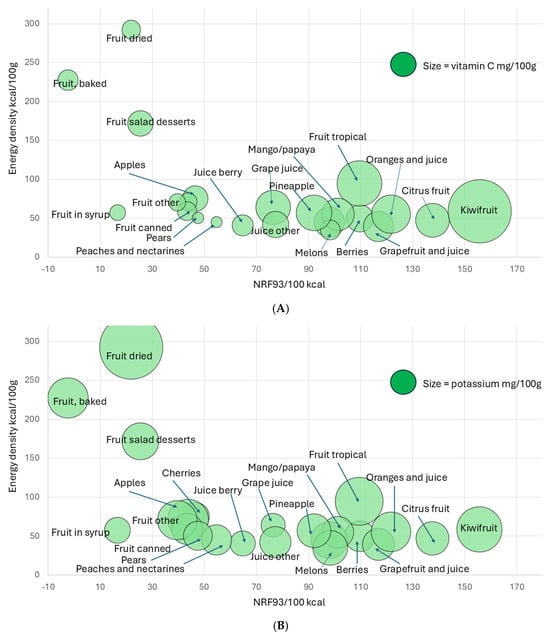
This study used the Nutrient-Rich Food (NRF9.3) index to compare the overall nutrient density of kiwifruit with that of other fruits and juices in two national nutrient composition datasets: the US Food and Nutrient Database for Dietary Studies (FNDDS) and the French ANSES/CIQUAL database. Additional data for five kiwifruit cultivars came from the New Zealand Food Composition Tables (NZFCT). NRF9.3 scores were calculated for kiwifruit, citrus fruit, berries, other fruit and juice, cooked and dried fruit, exotic fruit, and fruit cocktails and salads. The NRF9.3 components were the positive NR9 subscore that included protein, fiber, calcium, iron, potassium, magnesium, and vitamins A, C, and E, and a negative LIM that was based on saturated fat, added sugar, and sodium. Kiwifruit (n-6) had the highest mean NRF9.3 scores in both the FNDDS and the ANSES/CIQUAL database. Kiwifruit had significantly higher NRF9.3 scores than all other fruit categories, except for citrus fruit and tropical fruit (FNDDS) and citrus fruit and berries (ANSES/CIQUAL). As shown by the NRF9.3 overall nutrient density metric, kiwifruit was high in other micronutrients in addition to its high content of vitamin C. Nutrient-profiling methods use fiber and multiple vitamins and minerals to identify the most nutrient-dense food items and can be applied to different databases globally. Assessing the nutrient density of fruit, with a focus on shortfall micronutrients, can help in the implementation of dietary guidance.
Full article
(This article belongs to the Section Food Nutrition)
►▼
Show Figures

Figure 1
Open AccessArticle
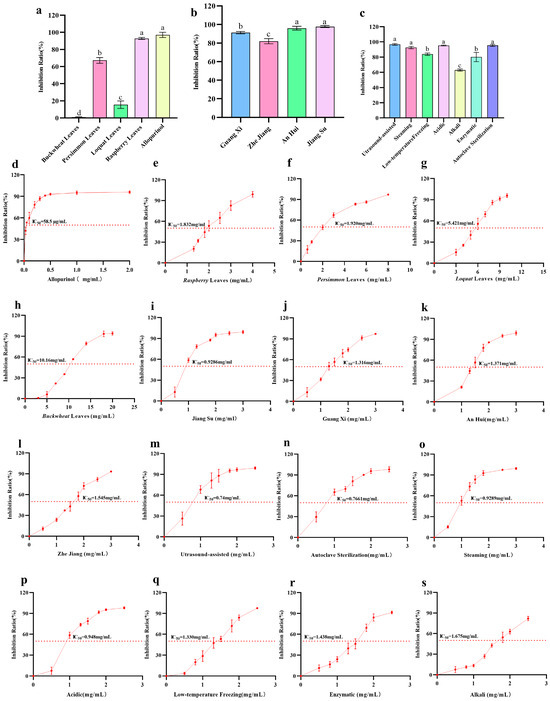
Integrating Metabolomics and Network Pharmacology to Identify Xanthine Oxidase Inhibitors from Raspberry Leaf: Optimization by Ultrasound-Assisted Extraction and Kinetic Characterization
by
Zuoming Cao, Yan Wang, Yonghui Zhang, Zuoting Yang, Jun Sheng, Yang Tian and Lei Peng
Foods 2026, 15(18), 3231; https://doi.org/10.3390/foods15183231 (registering DOI) - 12 Sep 2026
Abstract
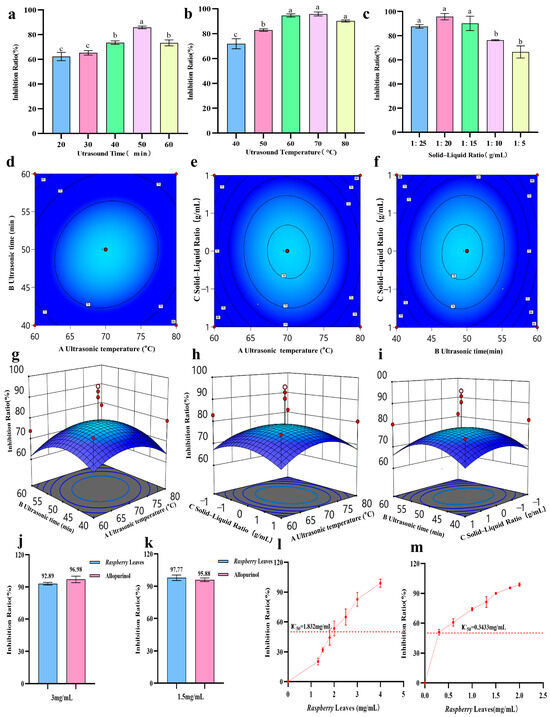
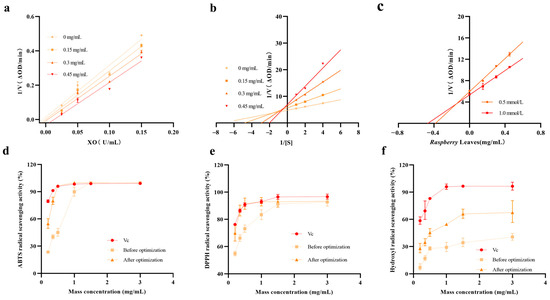
The rising global prevalence of hyperuricemia has intensified the search for natural xanthine oxidase (XO) inhibitors from food-grade botanicals. This study screened leaf extracts from four plant species for XO inhibitory activity and identified raspberry leaf as the most potent source. Among seven
[...] Read more.
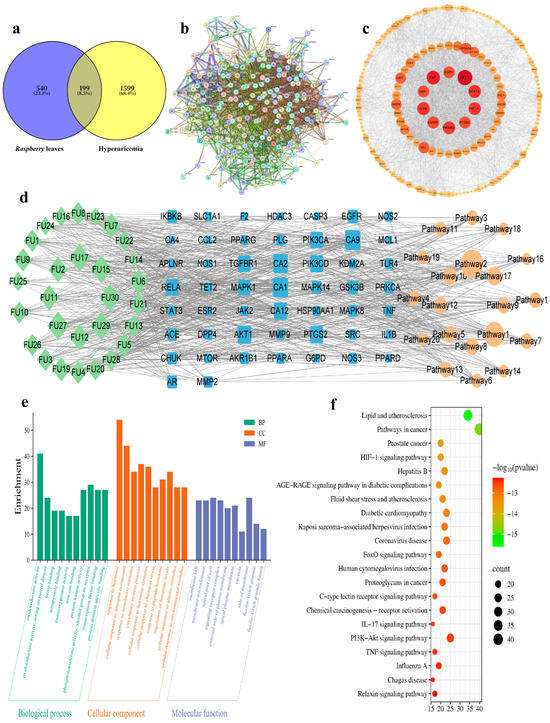
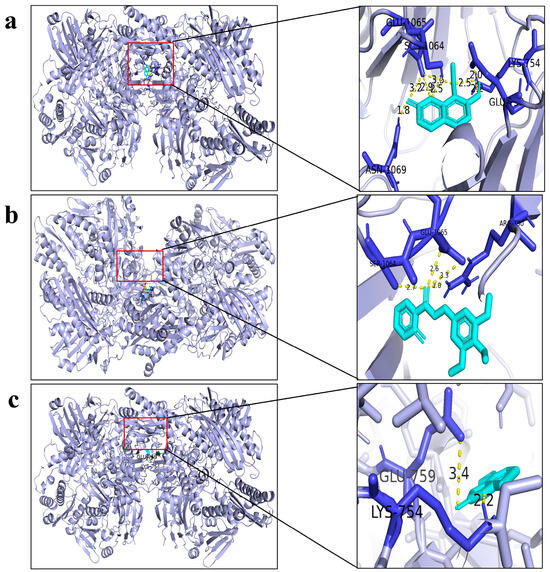
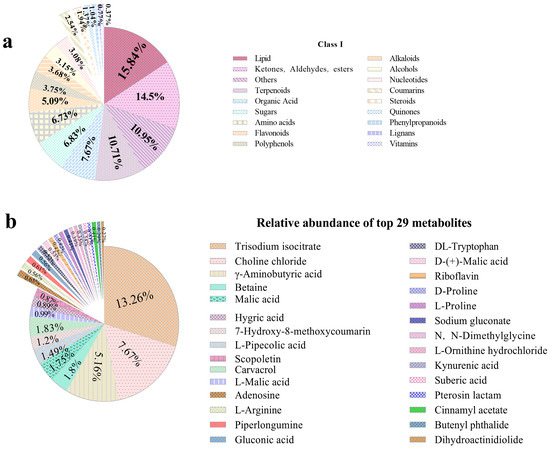
The rising global prevalence of hyperuricemia has intensified the search for natural xanthine oxidase (XO) inhibitors from food-grade botanicals. This study screened leaf extracts from four plant species for XO inhibitory activity and identified raspberry leaf as the most potent source. Among seven extraction and pre-treatment methods, ultrasound-assisted extraction (UAE) outperformed conventional decoction and all alternatives. Box–-Behnken response surface methodology optimized UAE parameters to 70 °C, 50 min, and a solid-to-liquid ratio of 1:20 g/mL, yielding an extract with 97.77 ± 0.08% XO inhibition and an IC50 of 0.3433 mg/mL—a 5.34-fold potency gain over decoction. Kinetic characterization established a reversible mixed-type inhibition mechanism (Ki = 0.147 mg/mL), alongside parallel improvements in DPPH, ABTS, and hydroxyl radical scavenging. Widely targeted UHPLC-MS/MS metabolomics identified 2987 metabolites; network pharmacology and molecular docking revealed that the origin of XO inhibition potentially involves terpenoids and coumarins—not the flavonoid and polyphenol fractions conventionally assumed—with dihydroactinidiolide, 7-hydroxy-8-methoxycoumarin, and piperlongumine as the candidate active constituents. These results position UAE-optimized raspberry leaf extract as a promising natural functional ingredient for hyperuricemia management and expand the phytochemical scope of plant-derived XO antagonists beyond flavonoids.
Full article
(This article belongs to the Section Food Nutrition)
►▼
Show Figures

Figure 1
Open AccessArticle
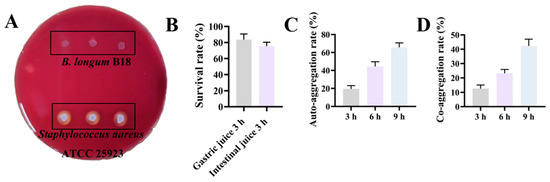
Bifidobacterium longum B18 Modulates Pharmacologically Induced Sleep Parameters in Rats in Association with Altered Tryptophan–Melatonin Metabolism
by
Lili Liang, Qiaoxuan Ke, Lanyan Huang, Shaofang Hu, Weipeng Guo, Weiyi Luo, Ling Chen and Qingping Wu
Foods 2026, 15(18), 3230; https://doi.org/10.3390/foods15183230 (registering DOI) - 12 Sep 2026
Abstract
Sleep disorders represent a growing public health concern, yet current pharmacological interventions are limited by tolerance, dependence, and rebound insomnia. This study evaluated the probiotic properties of Bifidobacterium longum B18 and its effects on pharmacologically induced sleep parameters in male Sprague–Dawley rats, focusing
[...] Read more.
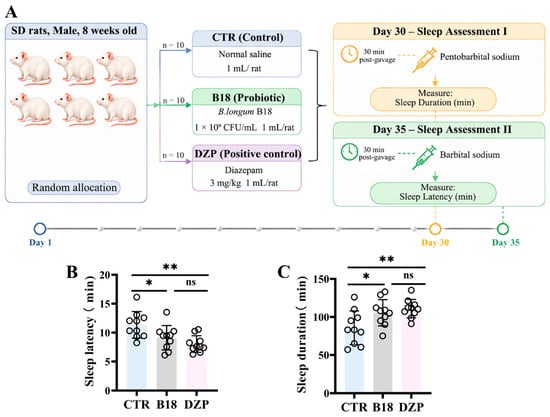
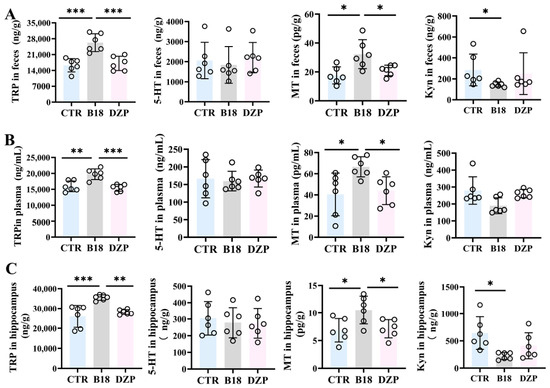
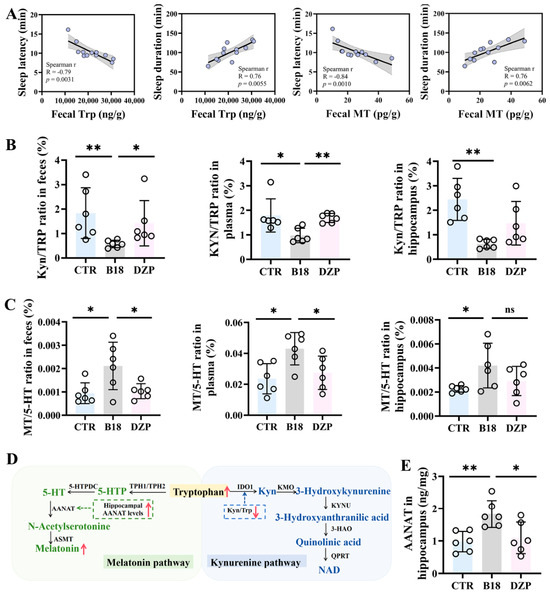
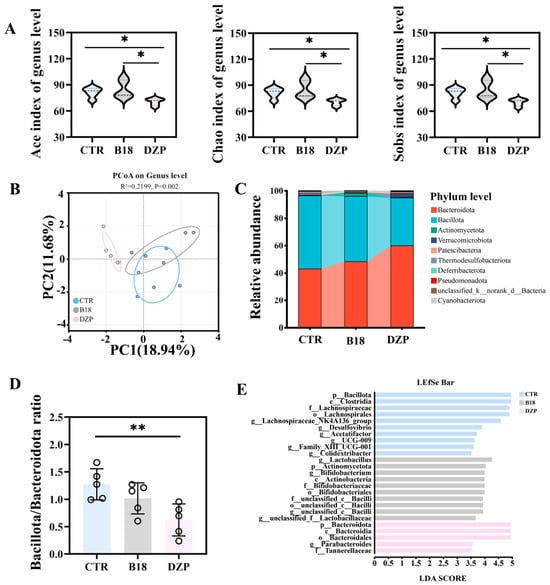
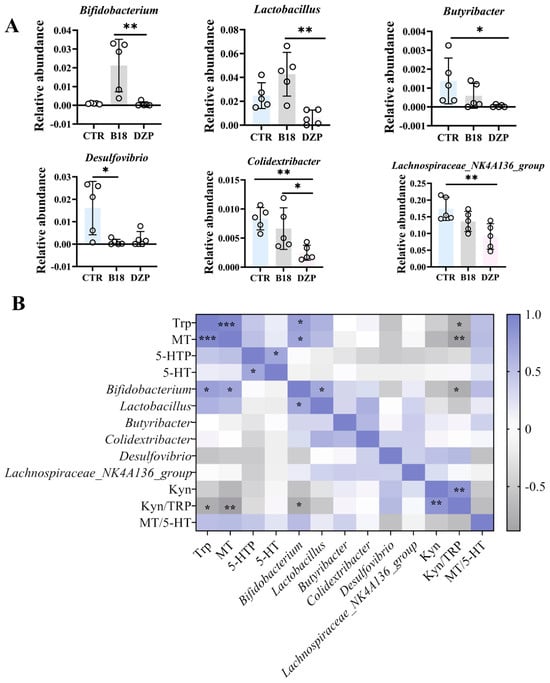
Sleep disorders represent a growing public health concern, yet current pharmacological interventions are limited by tolerance, dependence, and rebound insomnia. This study evaluated the probiotic properties of Bifidobacterium longum B18 and its effects on pharmacologically induced sleep parameters in male Sprague–Dawley rats, focusing on tryptophan-related metabolism and gut microbiota composition. In vitro, B18 exhibited favourable probiotic characteristics, no detectable haemolytic activity, and susceptibility to all eight antimicrobials tested. In vivo, B18 significantly shortened barbital sodium-induced sleep latency and prolonged pentobarbital sodium-induced sleep duration (p < 0.05). Targeted metabolomic profiling of faeces, plasma, and hippocampus showed increased tryptophan and melatonin concentrations, whereas 5-HTP and 5-HT remained unchanged. B18 was also associated with lower Kyn/Trp ratios, although plasma Kyn concentrations were unchanged. Increased MT/5-HT ratios and elevated hippocampal AANAT levels were also observed, supporting an association with enhanced melatonin-related metabolism. Gut microbiota analysis showed higher abundances of Bifidobacterium and Lactobacillus in the B18 group than in the DZP group, together with lower Desulfovibrio abundance than in the CTR. Exploratory correlation analysis further showed positive associations of Bifidobacterium abundance with faecal tryptophan and melatonin levels and an inverse association with the Kyn/Trp ratio. Collectively, these findings indicate that B. longum B18 modifies pharmacologically induced sleep parameters in association with altered tryptophan–melatonin metabolism and gut microbiota composition, supporting further evaluation of B18 as a candidate probiotic for sleep-related functional applications.
Full article
(This article belongs to the Section Nutraceuticals, Functional Foods, and Novel Foods)
►▼
Show Figures

Figure 1
Open AccessArticle
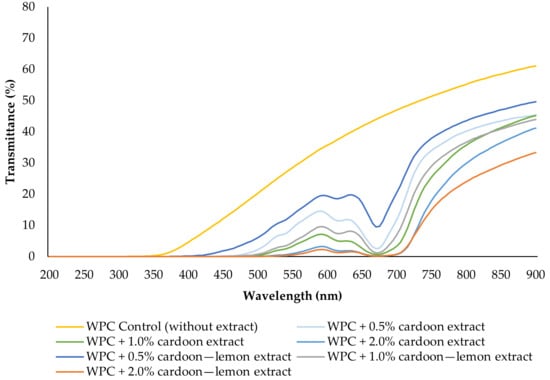
Valorisation of Cardoon Leaves and Lemon Peel for Potential Active Food Packaging: Impact of Drying on Nutritional Profile and Functional Performance of Whey Protein Films
by
Cássia H. Barbosa, Mariana A. Andrade, Victor G. L. Souza, Francisco Ravasco, Carla Motta, Miguel A. Cerqueira, Vasco D. F. Martins, Andreia F. M. Santos, Sidney Tomé, Fernanda Vilarinho, Ana Sanches Silva and Ana Luísa Fernando
Foods 2026, 15(18), 3229; https://doi.org/10.3390/foods15183229 (registering DOI) - 12 Sep 2026
Abstract
Despite being usually discarded, agro-industrial by-products are rich in bioactive and nutritional compounds and can be redirected into new foods or food packaging. This study evaluated the nutritional composition of cardoon leaves (Cynara cardunculus L.), an agro-industrial by-product, and assessed the impact
[...] Read more.
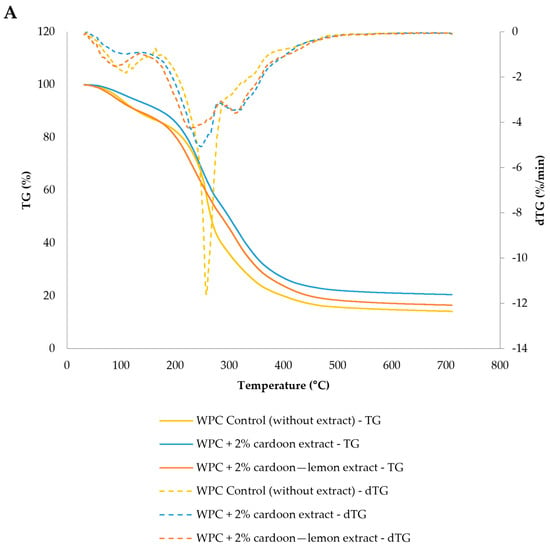
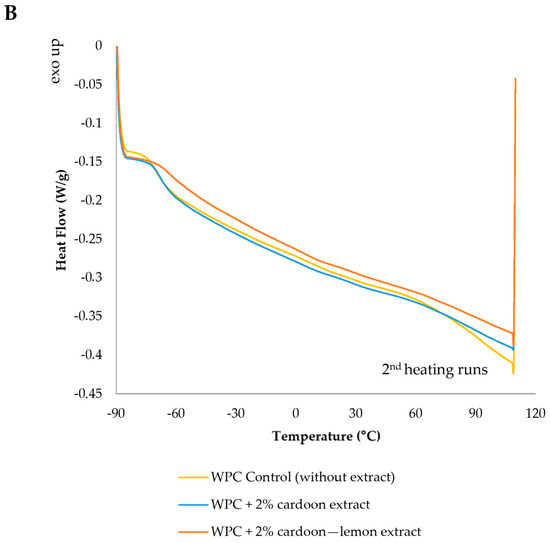
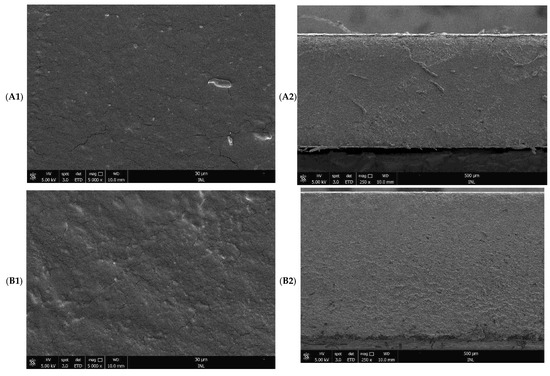
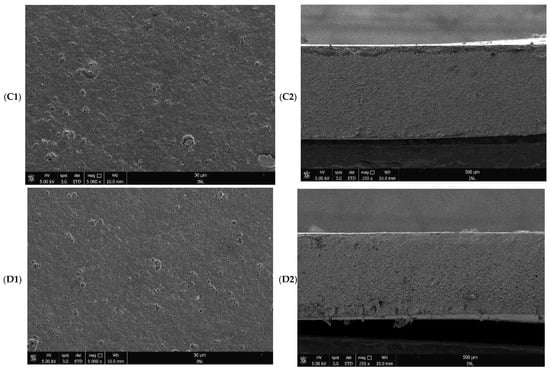
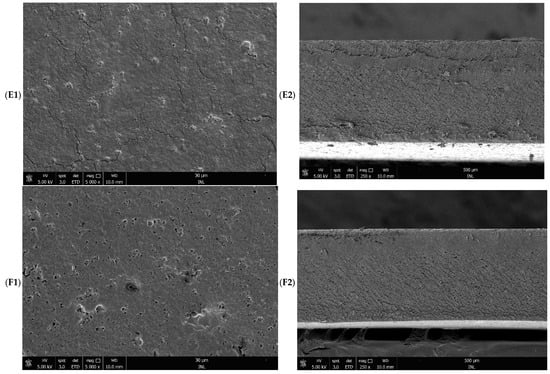
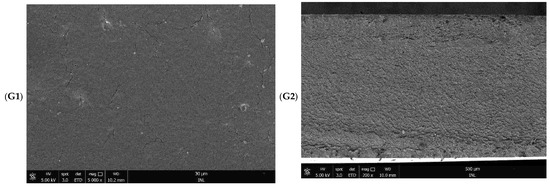
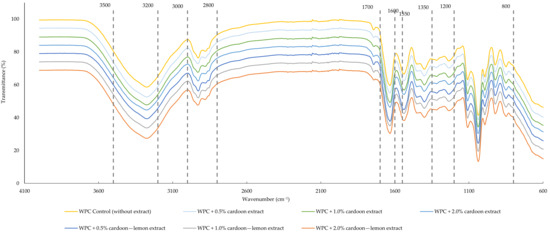
Despite being usually discarded, agro-industrial by-products are rich in bioactive and nutritional compounds and can be redirected into new foods or food packaging. This study evaluated the nutritional composition of cardoon leaves (Cynara cardunculus L.), an agro-industrial by-product, and assessed the impact of the drying process on those characteristics. Furthermore, extracts of the dried leaves and dried leaves combined with lemon peel were incorporated into whey protein-based films at concentrations of 0.5%, 1.0%, and 2.0% (w/v). Their physical, barrier, mechanical, and thermal properties were also analysed. When compared on a dry weight (DW) basis, the dry leaves maintained a stable nutritional profile with no significant degradation of key components, presenting with high carbohydrates (15.4 ± 1.1 g/100 g), moderate protein (21.2 ± 0.4 g/100 g), and low fat (2.0 ± 0.1 g/100 g). The leaves were also a good source of dietary fibres (43.9 ± 1.8 g/100 g) and minerals (13.7 ± 0.2 g/100 g of ash). Incorporating the extracts altered the films’ physicochemical properties, reducing their water vapour permeability up to 4.05 ± 0.26 10−10 g/s.m.Pa, while their tensile strength decreased from 0.34 ± 0.06 to 0.23 ± 0.01 MPa depending on the formulation, and their elongation at break decreased by up to 6.58 ± 0.70%. In contrast, Young’s modulus increased by up to 0.11 ± 0.03 MPa, indicating higher rigidity. This behaviour may be attributed to the interactions between the phenolic compounds and the whey protein matrix, which restricted polymer chain mobility and increased film rigidity while reducing matrix cohesion and flexibility. The results demonstrate that while the extracts enhanced the barrier properties of the films, they reduced the mechanical properties. Overall, the results suggest that cardoon by-products have potential applications in active food packaging, contributing to the development of bio-based materials within a circular economy framework.
Full article
(This article belongs to the Special Issue Next-Generation Active and Intelligent Food Packaging: Sustainable Materials, Functional Systems, and Industrial Challenges)
►▼
Show Figures

Figure 1
Open AccessReview
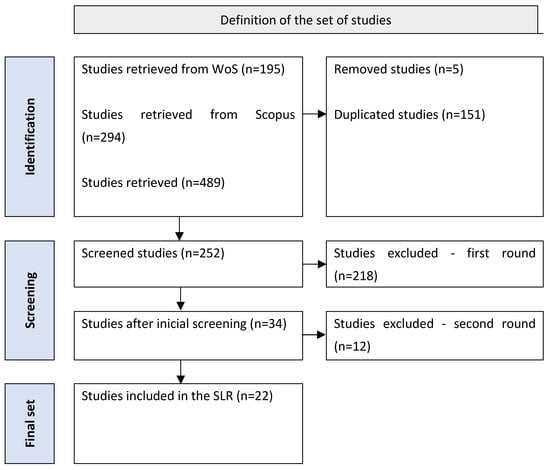
Smart Consumption, Less Waste: The Role of Digital Technologies in Consumer Food Waste Reduction—A Systematic Literature Review
by
Paula Karina Salume, Marcelo Werneck Barbosa and Marcelo de Rezende Pinto
Foods 2026, 15(18), 3228; https://doi.org/10.3390/foods15183228 (registering DOI) - 12 Sep 2026
Abstract
Digital technologies are increasingly used to understand and influence consumer food waste behavior, yet evidence on their applications and effectiveness remains fragmented. This systematic literature review synthesizes research at the intersection of consumer behavior, technological innovation, and food waste. Peer-reviewed articles published in
[...] Read more.
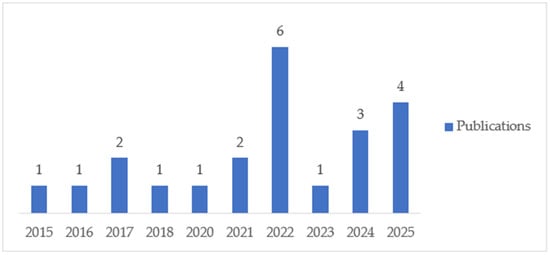
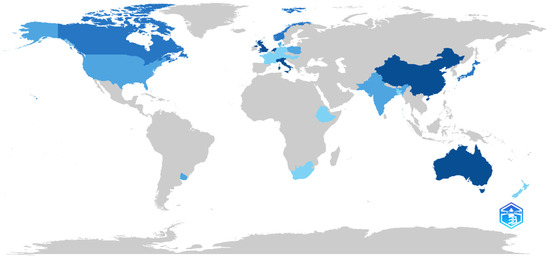
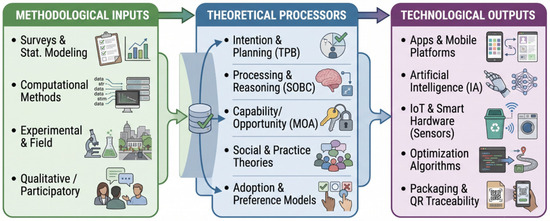
Digital technologies are increasingly used to understand and influence consumer food waste behavior, yet evidence on their applications and effectiveness remains fragmented. This systematic literature review synthesizes research at the intersection of consumer behavior, technological innovation, and food waste. Peer-reviewed articles published in English were identified through searches of Scopus and Web of Science, resulting in a final sample of 22 studies. Thematic analyses were conducted to examine publication patterns, research contexts, methodological approaches, and emerging research gaps. The literature shows a shift from predominantly theoretical and exploratory work towards more applied, technology-centered research. Scientific production is concentrated in Australia, China, Italy, the Netherlands, and the United Kingdom, while the selected studies are mainly published in journals focused on environmental sustainability, food-chain management, and consumer psychology. Two broad research approaches were identified: quantitative studies using cross-sectional surveys and statistical modeling, in which technology is treated as an explanatory factor, and experimental or design-oriented studies that employ technology as a direct intervention. However, the evidence base is constrained by extensive reliance on self-reported data, recall and social-desirability bias, and cross-sectional designs that limit causal and long-term conclusions. Future research should therefore prioritize longitudinal, mixed-methods, and objective measurement approaches, while examining emotional and psychological responses to food-waste-prevention technologies. The implementation of such technologies also requires attention to usability, user fatigue, privacy and ethical concerns, and psychological and cultural barriers to adoption. Overall, the findings indicate that digital technologies offer promising but insufficiently validated opportunities to support food waste reduction and that stronger empirical evidence is needed to guide their effective and responsible development.
Full article
(This article belongs to the Special Issue Drivers, Prevention Strategies and Solution Pathways for Food Loss and Waste)
►▼
Show Figures

Figure 1
Open AccessArticle
Antifungal Efficacy of Carbon Quantum Dots Combined with Photodynamic Therapy Against Alternaria alternata
by
Zhi-Jing Ni, Ruo-Tong Yang, Run-Hui Ma, Wei Wang, Kiran Thakur and Zhao-Jun Wei
Foods 2026, 15(18), 3227; https://doi.org/10.3390/foods15183227 (registering DOI) - 12 Sep 2026
Abstract
Alternaria alternata, a major postharvest pathogen of grapes and goji berries, causes black spot disease and produces Alternaria toxins that threaten food safety and human health. Carbon quantum dots (CQDs) are emerging promising nanophotosensitizers for photodynamic antimicrobial therapy (PDT), yet their efficacy
[...] Read more.
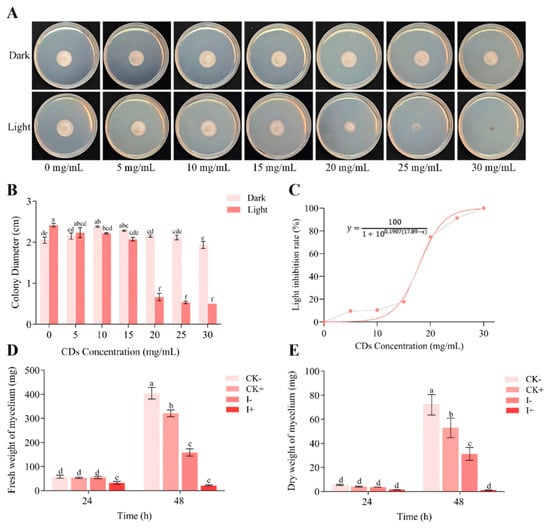
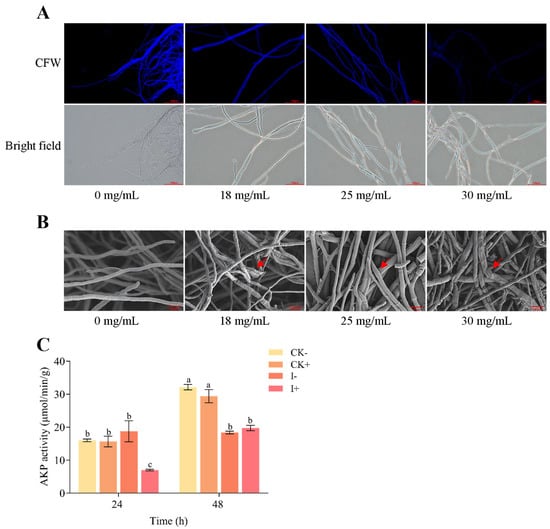
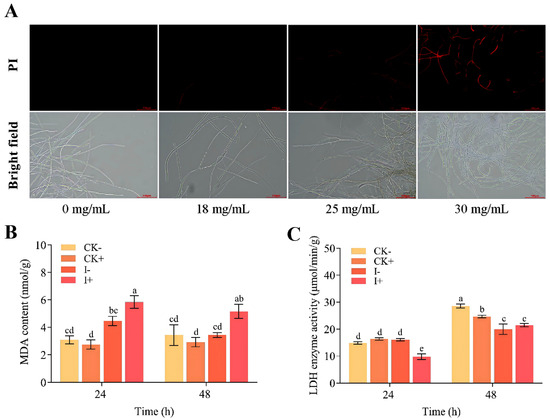
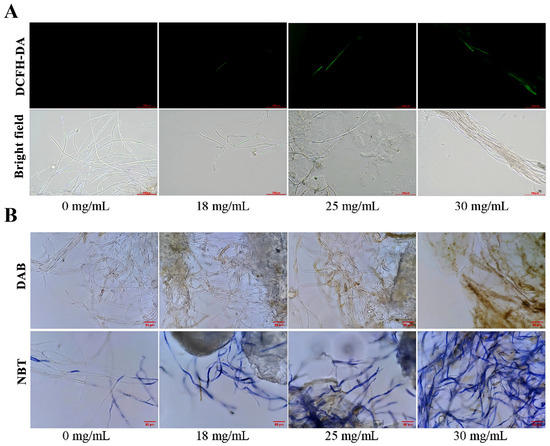
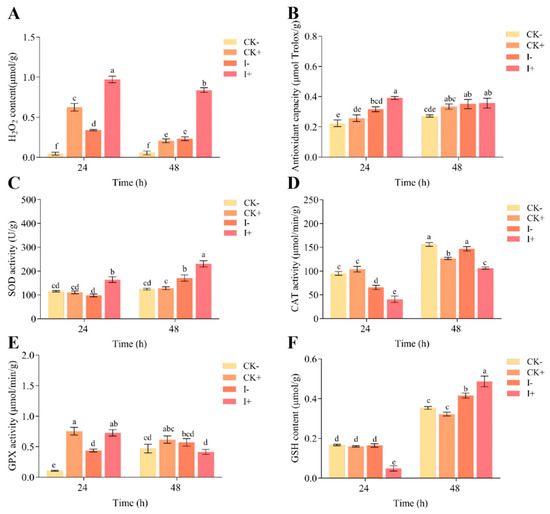
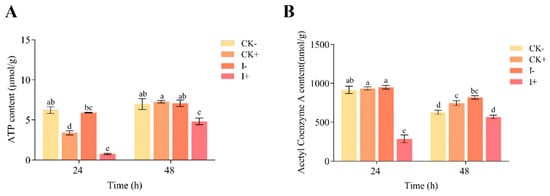
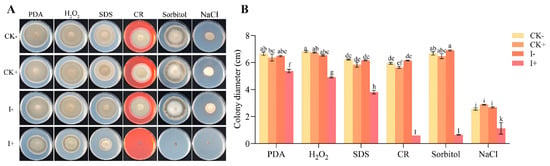
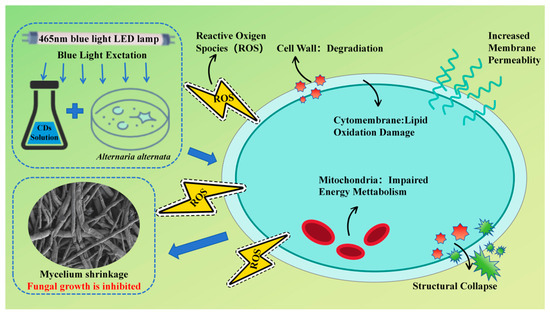
Alternaria alternata, a major postharvest pathogen of grapes and goji berries, causes black spot disease and produces Alternaria toxins that threaten food safety and human health. Carbon quantum dots (CQDs) are emerging promising nanophotosensitizers for photodynamic antimicrobial therapy (PDT), yet their efficacy against A. alternata remains unclear. This study systematically investigated the antifungal effect of CDs-PDT against A. alternata and revealed the possible mechanisms at cellular and physiological-biochemical levels. The inhibitory effect of CDs-PDT against A. alternata exhibited a clear concentration-dependent characteristic, achieving a 100% inhibition rate at 48 h; meanwhile, mycelial dry and fresh weights were reduced by 98.4% and 94.7%, respectively. The possible inhibitory mechanism of CDs-PDT against A. alternata was revealed that it damages cell wall and membrane integrity, evidenced by scanning electron microscope (SEM) observation, propidium iodide (PI) staining, increased malondialdehyde (MDA) content, and altered lactate dehydrogenase (LDH) and alkaline phosphatase (AKP) activities. Intracellular reactive oxygen species (ROS) accumulation was confirmed via 2′,7′-dichlorodihydrofluorescein diacetate (DCFH-DA), 3,3′-diaminobenzidine (DAB), and nitroblue tetrazolium (NBT) staining, accompanied by initial upregulation followed by collapse of antioxidant defenses, such as superoxide dismutase (SOD), glutathione peroxidase (GPX), catalase (CAT), glutathione (GSH). CDs-PDT further impaired energy metabolism, reflected by decreased adenosine triphosphate (ATP) and acetyl-CoA content. Additionally, CDs-PDT can also increase A. alternata’s sensitivity to exogenous stress. These results indicate that CDs-PDT is an effective strategy for controlling A. alternata diseases and provide mechanistic insights into future nanophotosensitizer-based antifungal research in postharvest grape and goji berries management.
Full article
(This article belongs to the Special Issue Recent Research on the Processing Technology and Quality Control of Fruit and Vegetables)
►▼
Show Figures

Figure 1
Open AccessArticle
Physicochemical and Microbiological Characterization of Cilentana Goat Cheese
by
Loriana Casalino, Marika Di Paolo, Marica Egidio, Giulia Polizzi, Maria Francesca Peruzy, Roberta Mazzocca, Emanuele D’Anza and Raffaele Marrone
Foods 2026, 15(18), 3226; https://doi.org/10.3390/foods15183226 (registering DOI) - 12 Sep 2026
Abstract
Cilentana goat cheese is a traditional dairy product made from raw goat’s milk in the Cilento region (Southern Italy). This study investigated microbiological, physicochemical, and lipid changes occurring during cheese-making and 90 days of ripening. Four independent batches were produced from raw Cilentana
[...] Read more.
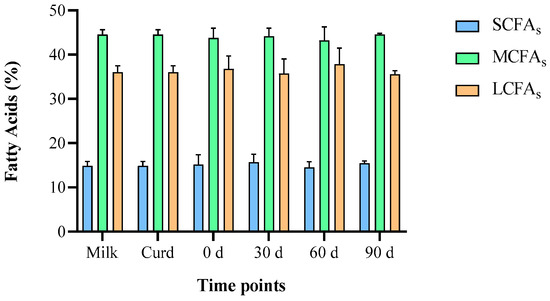
Cilentana goat cheese is a traditional dairy product made from raw goat’s milk in the Cilento region (Southern Italy). This study investigated microbiological, physicochemical, and lipid changes occurring during cheese-making and 90 days of ripening. Four independent batches were produced from raw Cilentana goat milk and sampled as milk, curd, and cheeses at 0, 30, 60, and 90 days for microbiological, physicochemical, fatty acid, lipolysis, oxidative stability, and color analyses. Overall, ripening promoted the establishment of a dominant lactic acid bacteria population, with mesophilic lactococci and lactobacilli reaching approximately 8 and 7.5 Log CFU/g, respectively, while E. coli and coagulase-positive staphylococci progressively declined below detectable or regulatory levels by day 60. Salmonella spp. and Listeria monocytogenes were never detected, although coliforms persisted throughout ripening, highlighting the need for improved raw milk hygiene. From a chemical perspective, lipolysis progressed during ripening, with free fatty acids (FFAs) significantly increasing after 90 days, while malondialdehyde levels remained low and unchanged, indicating limited lipid oxidation. The fatty acid profile and nutritional quality indices remained stable throughout ripening. In conclusion, the data collected provided a better characterization of this traditional cheese and can be used for broadening knowledge of raw goat’s milk cheeses.
Full article
(This article belongs to the Special Issue Animal-Derived Foods: Quality and Health Benefits)
►▼
Show Figures

Figure 1
Open AccessArticle
Color Darkening and Pyrazine Accumulation Associated with Apparent Roasting Intensity and Aroma Quality in Commercial Sesame Paste
by
Sirou Gu, Ping Zhan, Zhonghong Wu, Peng Wang and Honglei Tian
Foods 2026, 15(18), 3225; https://doi.org/10.3390/foods15183225 - 11 Sep 2026
Abstract
Commercial sesame paste exhibits substantial variations in color and aroma, reflecting differences in raw materials and commercial processing conditions, including roasting. This study investigated 15 commercial sesame paste products to characterize associations among color/browning characteristics, sensory attributes, and aroma-active chemical profiles. Across the
[...] Read more.
Commercial sesame paste exhibits substantial variations in color and aroma, reflecting differences in raw materials and commercial processing conditions, including roasting. This study investigated 15 commercial sesame paste products to characterize associations among color/browning characteristics, sensory attributes, and aroma-active chemical profiles. Across the commercial samples, darker color and higher browning index ( ) values were generally associated with stronger roasted nutty and burnt attributes and weaker grassy notes. Higher pyrazine levels were also observed in samples exhibiting more pronounced apparent roasting-related aroma characteristics and were positively associated with roasted nutty and burnt attributes. GC-O and OAV screening, together with exploratory PLSR further analysis, indicated that Strecker aldehydes, pyrazines, and phenolic compounds were candidate contributors to the observed sensory differences. In aroma addition experiments, under the tested addition conditions, the R mixture containing 2-methylbutanal and selected pyrazines enhanced roasted nutty intensity, whereas the B mixture containing guaiacol and 4-vinyl-2-methoxyphenol enhanced burnt/smoky intensity under the tested addition conditions. These findings demonstrate that color/browning characteristics and aroma-active compound profiles provide complementary information for characterizing apparent roasting-related differences and aroma quality in commercial sesame paste, without representing direct measures of controlled roasting degree.
Full article
(This article belongs to the Section Food Engineering and Technology)
►▼
Show Figures

Figure 1
Open AccessArticle
A Patch-Aligned Multimodal Deep Learning Framework for Non-Destructive Freshness Monitoring of Postharvest Mushrooms Using Hyperspectral Imaging
by
Zhen Guo, Yaru Wang, Lele Cao, Fernando A. Auat-Cheein and Xingfeng Guo
Foods 2026, 15(18), 3224; https://doi.org/10.3390/foods15183224 - 11 Sep 2026
Abstract
Button mushrooms (Agaricus bisporus) are highly perishable, making rapid and automated postharvest freshness evaluation crucial for cold-chain logistics. Visible-near-infrared (Vis-NIR) hyperspectral imaging is promising for non-destructive food quality assessment, yet mining highly redundant spatial–spectral data remains challenging. This study proposes a
[...] Read more.
Button mushrooms (Agaricus bisporus) are highly perishable, making rapid and automated postharvest freshness evaluation crucial for cold-chain logistics. Visible-near-infrared (Vis-NIR) hyperspectral imaging is promising for non-destructive food quality assessment, yet mining highly redundant spatial–spectral data remains challenging. This study proposes a novel artificial intelligence approach, the patch-aligned multimodal interaction fusion network (PAMIF-Net), to monitor postharvest mushroom freshness. Using a Vis-NIR dataset of 400 A. bisporus caps over a 9-day refrigerated storage period, this deep learning architecture dynamically fuses global spectral features (indicating internal physicochemical shifts) with localized spatial morphological features (capturing surface deterioration) using a gated attention mechanism. Extensive evaluations across 10 independent trials demonstrated that PAMIF-Net achieved optimal classification accuracy (up to 100% on the current test set) and a minimal mean absolute error for five-class storage time recognition. Furthermore, it exhibited superior computational efficiency and significantly lower inference latency compared to classical machine learning and standard deep learning backbones. This multimodal spatial–spectral deep learning framework demonstrates the feasibility of combining HSI and deep learning for the specific task of automated storage time recognition of A. bisporus under controlled refrigerated conditions.
Full article
(This article belongs to the Section Food Quality and Safety)
Open AccessArticle
Intelligent Thinning Decision for Strawberry Quality Optimization: A Lightweight Peduncle–Fruit Topological Relationship Perception Method
by
Hongjun Luo, Zaosong Li, Fuguo Xie, Ya Yue, Yun He and Gao Quan
Foods 2026, 15(18), 3223; https://doi.org/10.3390/foods15183223 - 11 Sep 2026
Abstract
Fruit thinning concentrates nutrients and serves as an essential procedure for cultivating high-quality strawberries with exceptional palatability. It is established that controlling the number of fruits per peduncle to three to five significantly increases the proportion of large fruits and enhances sweetness while
[...] Read more.
Fruit thinning concentrates nutrients and serves as an essential procedure for cultivating high-quality strawberries with exceptional palatability. It is established that controlling the number of fruits per peduncle to three to five significantly increases the proportion of large fruits and enhances sweetness while effectively reducing the risks of disease infection. Consequently, pesticide application is minimized, thereby ensuring food safety and improving overall product quality. Although precise execution baselines are a prerequisite for automated thinning, current research is largely restricted to isolated fruit recognition, leaving the direct detection of peduncle–fruit topological associations under complex occlusions unaddressed. To address this gap, a lightweight, three-stage (“coarse-to-fine”) detection method tailored for automated thinning is proposed. The pipeline comprises global localization, local cropping with background suppression, and fine secondary inference, which effectively mitigates environmental interference. To support this investigation, a dedicated dataset comprising 1131 high-quality images was constructed. For efficient edge deployment, YOLOv11n was adopted as the baseline architecture, integrated with structural Re-parameterized Convolution (RepConv), Coordinate Attention (CoordAtt), and a dynamic re-weighting loss. This configuration ensures robust feature extraction of slender peduncles with an extremely low parameter overhead. The experimental results demonstrate that with only 2.77 M parameters, the proposed model achieves an mAP@0.5 of 75.73% and an F1-score of 73.85%. Notably, the average false positive (FP) detections per image in complex scenarios were significantly reduced from 1.53 to 0.23. Following deployment on a Jetson Orin Nano Super edge device utilizing TensorRT and FP16 quantization, the end-to-end system inference speed stabilized at 15.58 frames per second (FPS) with near-lossless precision. Ultimately, this method provides a reliable technical foundation for automated thinning decisions, facilitates sustainable greenhouse management, and secures the supply of high-quality food from the source.
Full article
(This article belongs to the Section Food Quality and Safety)
Open AccessArticle
Molecular Evolution of Sunflower and Cottonseed Oils During Preparation of Uzbek Palov
by
Umrbek Mavlanov, Sharofiddin Nuriddinov, Soyibjon Bozorov, Ergashev Oybek, Kodirov Olimjon, Meliboyev Mirazam, Kakharova Mukharram, Sardorbek Rahimovich, Sardorjon Shukurov Salimovich, Suvanqul Ravshanov, Sherzod Kurambayev, Sarvar A. Kakhkhorov, Tomasz Paweł Czaja, Dilbar Dalimova and Bekzod Khakimov
Foods 2026, 15(18), 3222; https://doi.org/10.3390/foods15183222 - 11 Sep 2026
Abstract
Understanding how vegetable-oil composition evolves during food preparation is essential for evaluating food quality and nutritional value. Palov is Uzbekistan’s most widely consumed and culturally significant dish, serving as an everyday meal and a central element of hospitality and communal traditions. We hypothesised
[...] Read more.
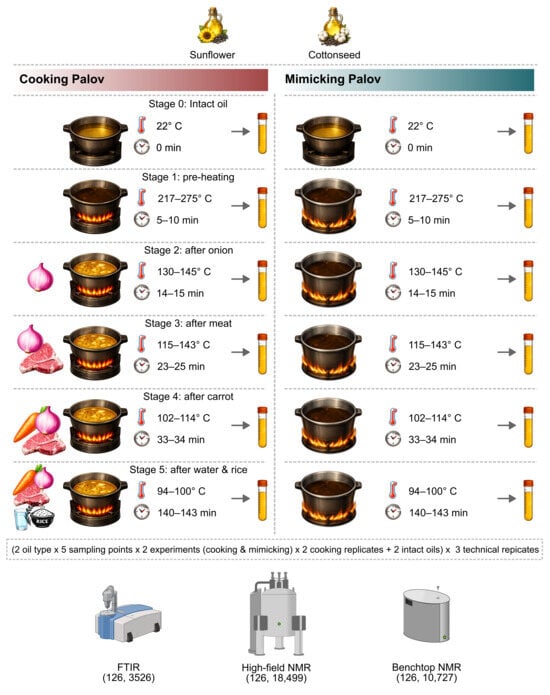
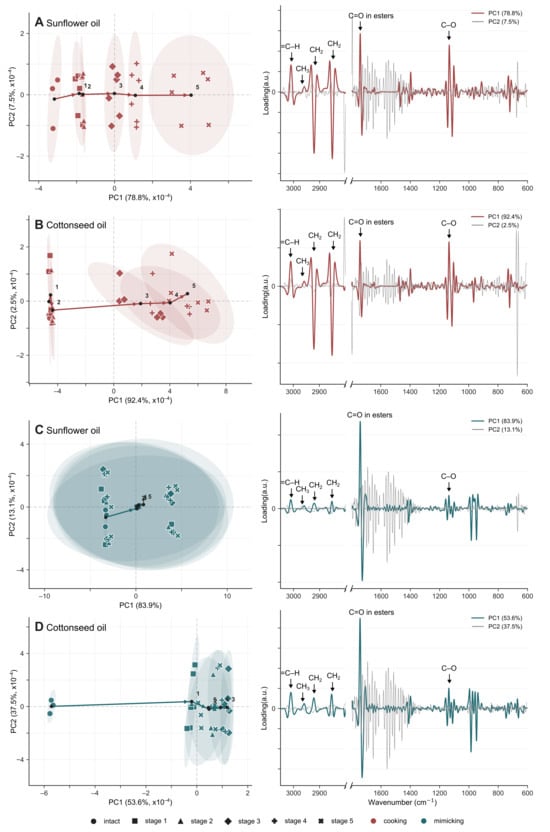
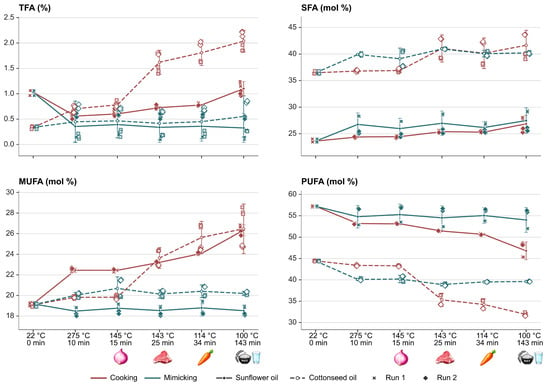
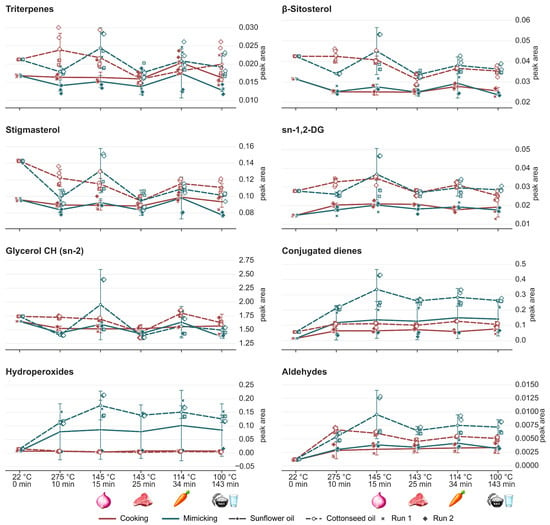
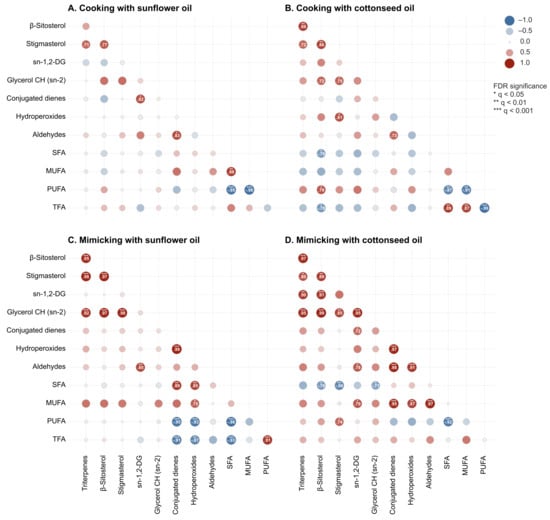
Understanding how vegetable-oil composition evolves during food preparation is essential for evaluating food quality and nutritional value. Palov is Uzbekistan’s most widely consumed and culturally significant dish, serving as an everyday meal and a central element of hospitality and communal traditions. We hypothesised that food–oil interactions during Palov preparation direct molecular changes that cannot be reproduced by controlled heating alone. Two independent batches of Palov were prepared with sunflower or cottonseed oil under household cooking conditions. Oils were sampled at six stages and compared with heating controls conducted under closely matched temperature–time profiles without food ingredients. Samples were analysed using Fourier-transform infrared spectroscopy, benchtop and high-field 1H nuclear magnetic resonance spectroscopy. Cooking caused substantially greater fatty-acid changes than heating alone. In cottonseed oil, polyunsaturated fatty acids decreased from approximately 44 to 32 mol%, monounsaturated fatty acids increased from approximately 19 to 26 mol%, saturated fatty acids increased from approximately 36.5 to 41.5 mol%, and trans-fatty acids increased from approximately 0 to 2%. Heating alone produced greater accumulation of conjugated dienes and hydroperoxides, whereas cooking produced more dynamic changes in sterol-, aldehyde- and glyceride-related signals. These findings demonstrate that food–oil interactions redirect fatty-acid composition, hydrolysis and oxidation-product evolution rather than merely altering the extent of thermal damage. Realistic culinary models therefore provide a more representative description of edible-oil transformation than heating-only experiments.
Full article
(This article belongs to the Special Issue Status of Food Science and Nutrition in Uzbekistan)
►▼
Show Figures

Figure 1
Open AccessArticle
Matrix-Guided Size Selection of Plasmonic Nanoprobes for Improving Quantitative Robustness of SERS Lateral Flow Immunoassays
by
Haowei Liu, Hao Wang, Shuo Zhang, Guoqiang Li, Xi Yu, Shengqi Yan and Limin Cao
Foods 2026, 15(18), 3221; https://doi.org/10.3390/foods15183221 - 11 Sep 2026
Abstract
Surface-enhanced Raman scattering-based lateral flow immunoassays (SERS-LFIAs) have emerged as a promising platform for rapid food safety analysis. However, their quantitative reliability is often compromised by matrix-dependent variations during lateral flow, and the influence of probe size on analytical performance remains insufficiently understood.
[...] Read more.
Surface-enhanced Raman scattering-based lateral flow immunoassays (SERS-LFIAs) have emerged as a promising platform for rapid food safety analysis. However, their quantitative reliability is often compromised by matrix-dependent variations during lateral flow, and the influence of probe size on analytical performance remains insufficiently understood. In this work, Au@DTNB immunoprobes with diameters of 15, 30, and 50 nm were prepared to systematically investigate the effect of nanoparticle size on the quantitative performance of SERS-LFIA for aflatoxin B1 (AFB1) detection. All three probe sizes exhibited excellent concentration-dependent responses and generated four-parameter logistic calibration curves with correlation coefficients (R2) of 0.997, 0.994, and 0.992, respectively. Although the 50 nm probes produced the strongest Raman signals, recovery experiments in rice and soybean samples revealed that the 15 nm probes provided the highest quantitative accuracy, with recoveries of 90.1–109.2% and 100.4–108.9%, respectively, and relative standard deviations below 7.2%. In contrast, larger probes exhibited progressively greater deviations from the spiked concentrations despite their stronger SERS responses. These results demonstrate that maximizing Raman signal intensity alone does not necessarily improve quantitative performance in complex food matrices. Instead, probe size should be optimized according to matrix characteristics to achieve reliable quantitative analysis. This work establishes a matrix-oriented strategy for probe size selection and provides practical guidance for the rational design of quantitative SERS-LFIA platforms for food safety analysis.
Full article
(This article belongs to the Special Issue Application of NIR and Other Non-Destructive Technologies in Food Analysis)
►▼
Show Figures

Figure 1
Open AccessArticle
Biodiversity of NSLAB in Traditional Serbian Cheeses and Stepwise Functional Characterization of Selected Autochthonous Lactobacillus Strains Through Technological, Probiotic and Intestinal Epithelial Interaction Assessment
by
Nikola Bajčetić, Jovana Nenadović, Ivana Perić, Dušan Stevanović, Nemanja Mirković, Nikola Popović and Milica Mirković
Foods 2026, 15(18), 3220; https://doi.org/10.3390/foods15183220 - 11 Sep 2026
Abstract
Traditional cheeses represent complex microbial ecosystems and valuable reservoirs of autochthonous lactic acid bacteria (LAB) with functional potential. This study characterized the biodiversity of non-starter LAB (NSLAB) isolated from traditional Serbian raw-milk household cheeses and selected promising autochthonous lactobacilli through a stepwise approach
[...] Read more.
Traditional cheeses represent complex microbial ecosystems and valuable reservoirs of autochthonous lactic acid bacteria (LAB) with functional potential. This study characterized the biodiversity of non-starter LAB (NSLAB) isolated from traditional Serbian raw-milk household cheeses and selected promising autochthonous lactobacilli through a stepwise approach combining a safety assessment, technological characterization, probiotic evaluation and an in vitro interaction with Caco-2 intestinal epithelial cells. From 56 presumptive LAB isolates, RAPD-PCR differentiated 37 distinct genotypes, all of which were taxonomically identified by 16S rRNA gene sequencing. In line with the specific focus of this study on autochthonous lactobacilli, all seven isolates taxonomically assigned to this genus were selected for further characterization. Safety assessment showed that two strains (28.6%) formed biofilms and were excluded, whereas the remaining five isolates complied with EFSA antibiotic susceptibility criteria. These candidates exhibited strain-dependent degradation of αs1- and β-casein fractions and moderate milk acidification. Four strains survived simulated gastrointestinal transit, showed antagonistic activity against foodborne pathogens and adhered to Caco-2 cells without inducing cytotoxicity. Lactiplantibacillus plantarum ZI237 showed the broadest autophagy-related transcriptional response and NQO1 induction. Limosilactibacillus fermentum KT upregulated MUC2, MUC5, NQO1 and HBD-1 but reduced Occludin protein abundance, indicating a mixed epithelial response. Both strains reduced p62 protein levels, supporting modulation of autophagy-related pathways. Overall, Lpb. plantarum ZI237 emerged as the most promising candidate, whereas Lm. fermentum KT requires further evaluation before application in functional dairy products.
Full article
(This article belongs to the Special Issue Microorganisms in Fermented Foods: Diversity, Function, and Safety)
►▼
Show Figures

Figure 1
Journal Menu
► ▼ Journal Menu-
- Foods Home
- Aims & Scope
- Editorial Board
- Reviewer Board
- Topical Advisory Panel
- Early Career Editorial Board
- Instructions for Authors
- Special Issues
- Topics
- Sections & Collections
- Article Processing Charge
- Indexing & Archiving
- Editor’s Choice Articles
- Most Cited & Viewed
- Journal Statistics
- Journal History
- Journal Awards
- Society Collaborations
- Conferences
- Editorial Office
Journal Browser
► ▼ Journal BrowserHighly Accessed Articles
Latest Books
E-Mail Alert
News
1 September 2026
MDPI INSIGHTS: The CEO’s Letter #38 – 2 Million Published Articles, Outstanding Reviewers, Michele Parrinello Award, AIS 2026 & WSF-12
Topics
Topic in
Applied Microbiology, Fermentation, Foods, Microbiology Research, Microorganisms, Nutrients
News and Updates on Probiotics
Topic Editors: Alessandra Pino, Mutamed AyyashDeadline: 30 September 2026
Topic in
Foods, Molecules, Nutrients, Metabolites
Omics Technologies and Other Quality and Safety Methodologies in Nutrition and Health
Topic Editors: Xianjiang Li, Wen MaDeadline: 15 November 2026
Topic in
Applied Microbiology, Microorganisms, Pharmaceuticals, Pharmaceutics, Foods
Probiotics: New Avenues
Topic Editors: Daniela Machado, José Carlos AndradeDeadline: 10 December 2026
Topic in
Foods, IJMS, Nutrients, Biomolecules, BioChem, Molecules
Bioactive Compounds with Application Potentials in Nutraceuticals and Nutricosmetics: Focus on Mechanism of Action and Application Science—2nd Edition
Topic Editors: Hyun-Gyun Yuk, Caili Fu, Lin Chen, Pujie ShiDeadline: 31 December 2026
Conferences
Special Issues
Special Issue in
Foods
Bioaccessibility and Bioavailability of Phytochemicals in Foods
Guest Editor: Iwona Wojtasik-KalinowskaDeadline: 14 September 2026
Special Issue in
Foods
Biopolymers-Based Materials: Potential Use as Antimicrobial Active Packaging for Food Applications
Guest Editors: Yongkai Yuan, Shuo QiDeadline: 15 September 2026
Special Issue in
Foods
Fermented Foods: Processing, Microbiology and Health Benefits
Guest Editors: Eskindir Getachew Fentie, You Tian, Fani Th MantzouridouDeadline: 15 September 2026
Special Issue in
Foods
Beneficial Microbes and Antimicrobial Metabolites Shaping the Future of Fermented Foods
Guest Editors: Svetoslav Todorov, Emília Maria França LimaDeadline: 15 September 2026
Topical Collections
Topical Collection in
Foods
Phytonutrients in Food: From Traditional to Rational Usage
Collection Editor: Quanhong Li
Topical Collection in
Foods
Milk and Dairy Products: Chemistry, Structure, Processing and Properties
Collection Editor: Débora Parra Baptista
Topical Collection in
Foods
Physicochemical, Biochemical, and Microbiological Characteristics of Cheese
Collection Editors: Richardos Nikolaos Salek, Eva Lorencová, Zuzana Lazárková