



-
Advances in Immune Checkpoint Inhibitors for Cancer Treatment -
Prognostic Scores and Risk Stratification of Myeloproliferative Neoplasms: 2026 Updates -
Clinical Value of a Novel Apparent Diffusion Coefficient-Based Bi-Color Map for Detecting Clinically Significant Prostate Cancer: A Retrospective Study
Journal Description
Cancers
Cancers
is a peer-reviewed, open access journal of oncology published semimonthly online. The North-East German Society for Gynecological Oncology (NOGGO), Irish Association for Cancer Research (IACR), Spanish Association for Cancer Research (ASEICA), Biomedical Research Centre (CIBM), British Neuro-Oncology Society (BNOS) and more are affiliated with Cancers and their members receive a discount on the article processing charges.
- Open Access— free for readers, with article processing charges (APC) paid by authors or their institutions.
- High Visibility: indexed within Scopus, SCIE (Web of Science), PubMed, PMC, Embase, CAPlus / SciFinder, and other databases.
- Journal Rank: JCR - Q2 (Oncology) / CiteScore - Q1 (Oncology)
- Rapid Publication: manuscripts are peer-reviewed and a first decision is provided to authors approximately 17.5 days after submission; acceptance to publication is undertaken in 2.7 days (median values for papers published in this journal in the first half of 2026).
- Recognition of Reviewers: reviewers who provide timely, thorough peer-review reports receive vouchers entitling them to a discount on the APC of their next publication in any MDPI journal, in appreciation of the work done.
- Sections: published in 17 topical sections.
- Companion journals for Cancers include: BCRC, Radiation and Onco.
- Journal Clusters of Oncology: Cancers, Current Oncology, Onco and Targets.
Impact Factor:
4.8 (2025);
5-Year Impact Factor:
5.1 (2025)
Latest Articles
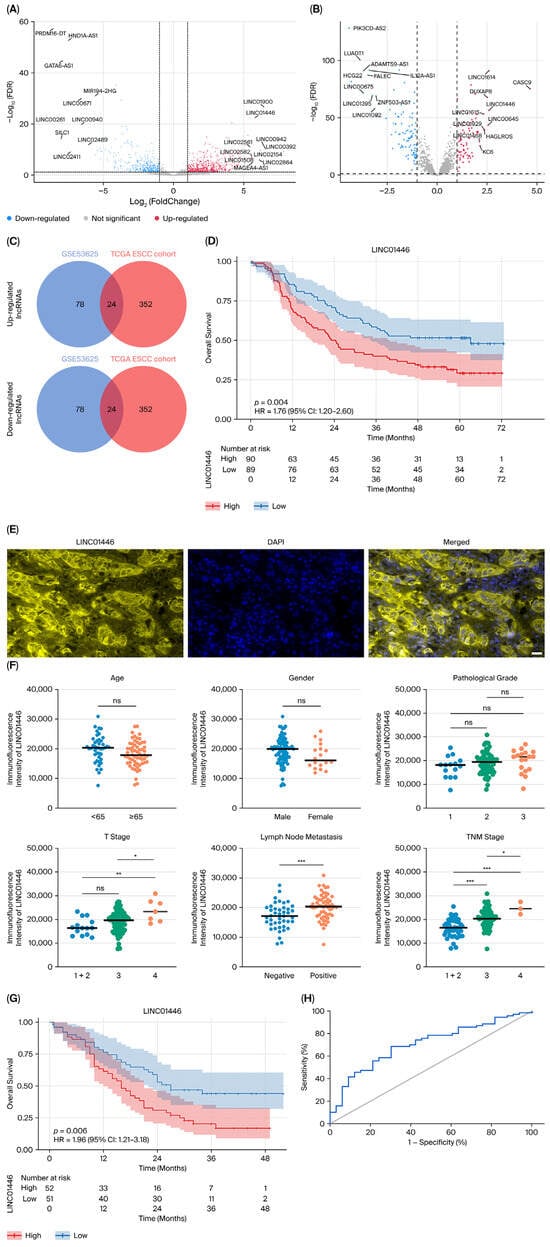
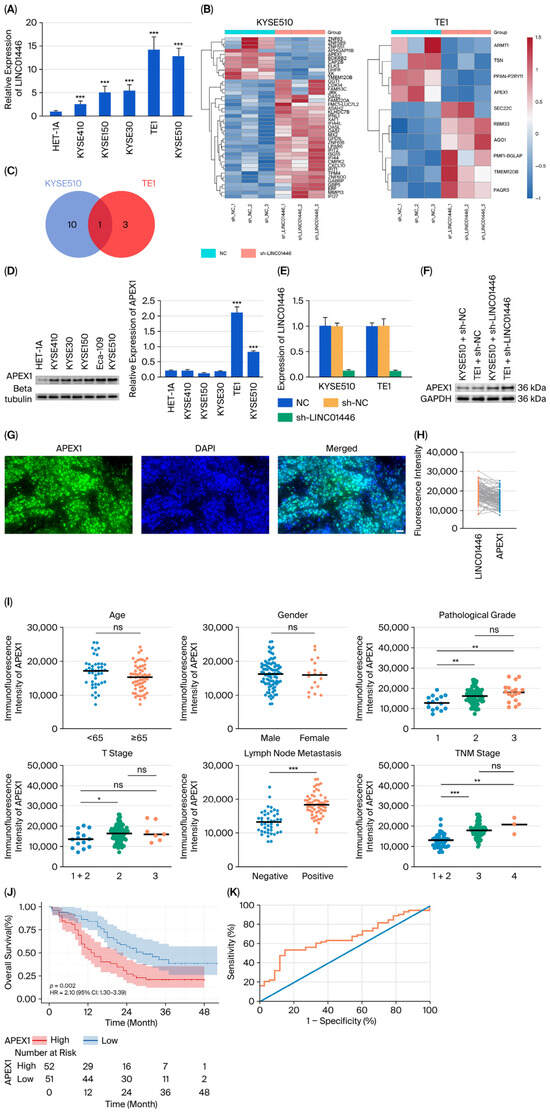
LINC01446/miR-338-3p/APEX1 Axis Promotes Ferroptosis Defense and Progression in Esophageal Squamous Cell Carcinoma
Cancers 2026, 18(15), 2496; https://doi.org/10.3390/cancers18152496 (registering DOI) - 4 Aug 2026
Abstract
Background: Esophageal squamous cell carcinoma (ESCC) is an aggressive malignancy with a poor prognosis, highlighting the urgent need to elucidate its molecular mechanisms to develop targeted therapies. Long non-coding RNAs (lncRNAs) play a critical role in cancer progression. However, the majority of lncRNAs
[...] Read more.
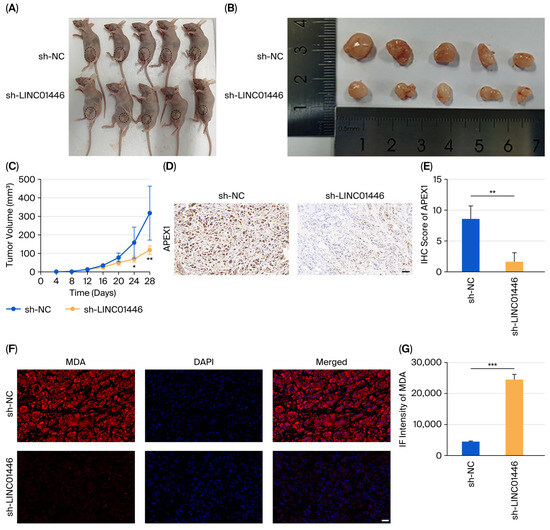
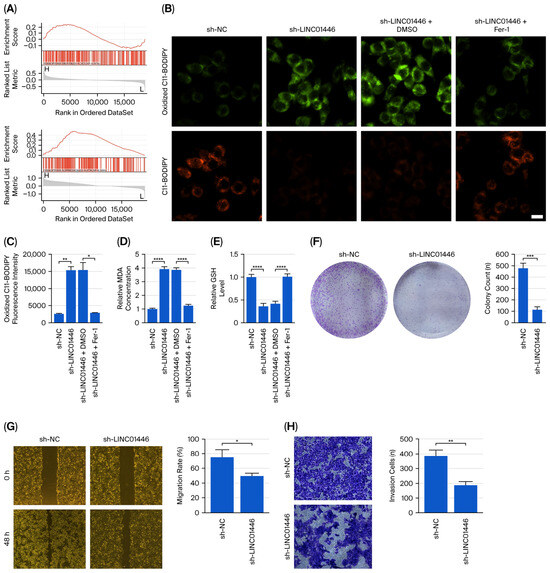
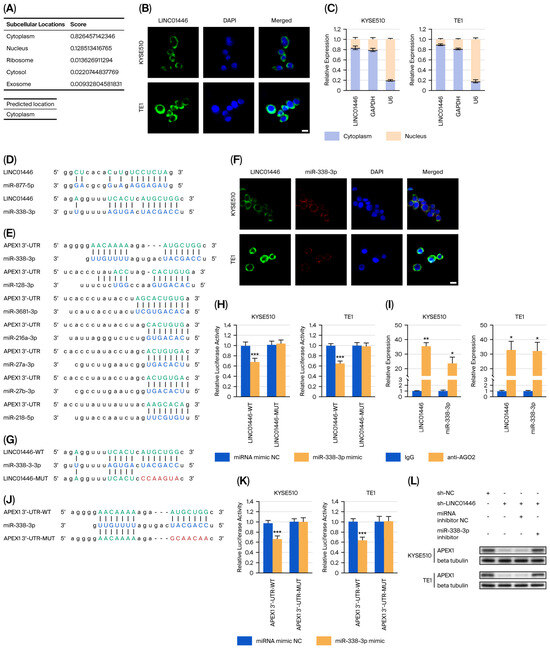
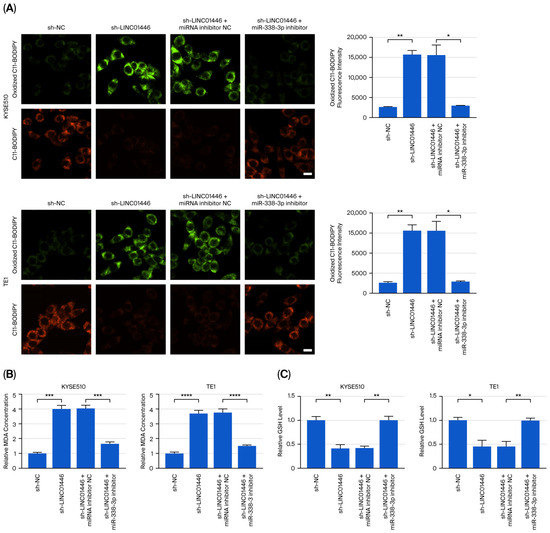
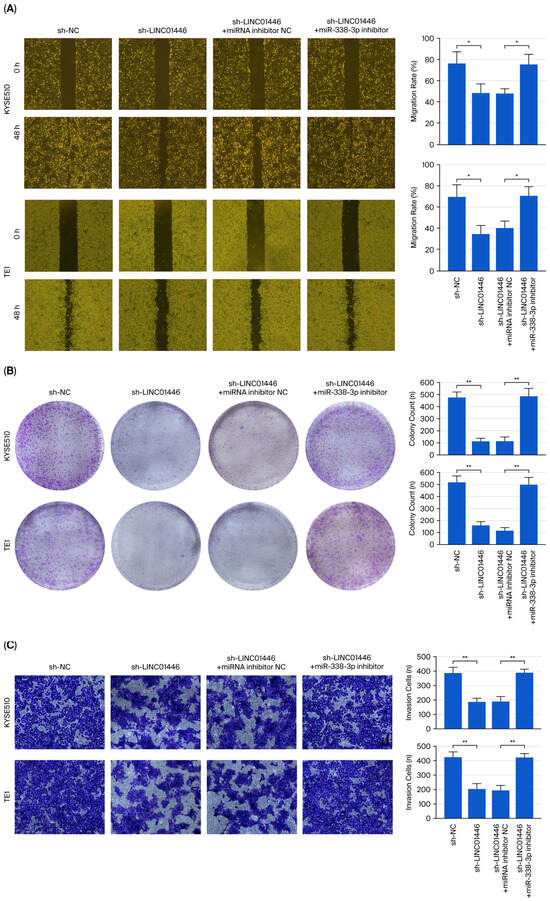
Background: Esophageal squamous cell carcinoma (ESCC) is an aggressive malignancy with a poor prognosis, highlighting the urgent need to elucidate its molecular mechanisms to develop targeted therapies. Long non-coding RNAs (lncRNAs) play a critical role in cancer progression. However, the majority of lncRNAs involved in ESCC progression remain to be elucidated. Methods: We integrated bioinformatic analyses of the TCGA and GEO datasets to identify differentially expressed lncRNAs in ESCC, and the biological functions of the candidate lncRNA LINC01446 were investigated using loss-of-function assays in ESCC cell lines, including colony formation, wound healing, Transwell invasion, C11-BODIPY staining, malondialdehyde (MDA) quantification, and glutathione (GSH) evaluation. A nude mouse xenograft model was established for in vivo validation, and the underlying molecular mechanism was explored through RNA sequencing, fluorescence in situ hybridization (FISH), dual-luciferase reporter assays, AGO2-RIP, and rescue experiments. Results: LINC01446 was significantly upregulated in ESCC tissues and cell lines. Based on univariate analysis, high expression of LINC01446 was associated with poorer overall survival (OS). Functional studies showed that LINC01446 knockdown suppressed ESCC cell proliferation, migration, and invasion, promoted ferroptosis-related changes in vitro and was associated with increased lipid peroxidation and possible ferroptosis-related changes in vivo. Mechanistic analyses supported a regulatory relationship in which LINC01446 may function as a competing endogenous RNA (ceRNA) for miR-338-3p, thereby contributing to the upregulation of its downstream target, apurinic/apyrimidinic endodeoxyribonuclease 1 (APEX1), in ESCC cells. Moreover, APEX1 was found to be overexpressed in ESCC and associated with poor OS. Conclusions: This study suggests that the LINC01446/miR-338-3p/APEX1 regulatory axis may contribute to ESCC progression and ferroptosis-related regulation. Additionally, LINC01446 and APEX1 represent promising prognostic biomarkers and therapeutic targets for ESCC.
Full article
(This article belongs to the Section Molecular Cancer Biology)
►
Show Figures
Open AccessSystematic Review
Skull-Base Plasmacytomas: A Systematic Review on Therapeutic Trends
by
Francisco Call-Orellana, Kishore Balasubramanian, Hanyu Qiu, Alexander Houpt, Tushar Kanti Bhadra, Georgios Toumbas, Beste Gülsuna, Jeffrey Zuccato, Panayiotis Pelargos, Abdul Basit Khan and Hakeem J. Shakir
Cancers 2026, 18(15), 2495; https://doi.org/10.3390/cancers18152495 (registering DOI) - 4 Aug 2026
Abstract
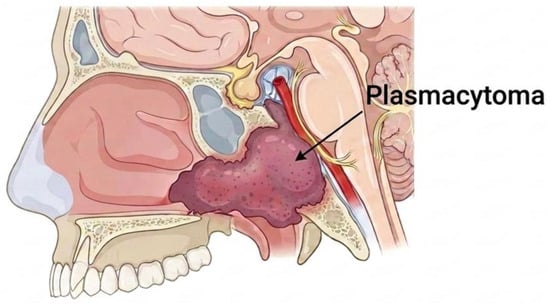
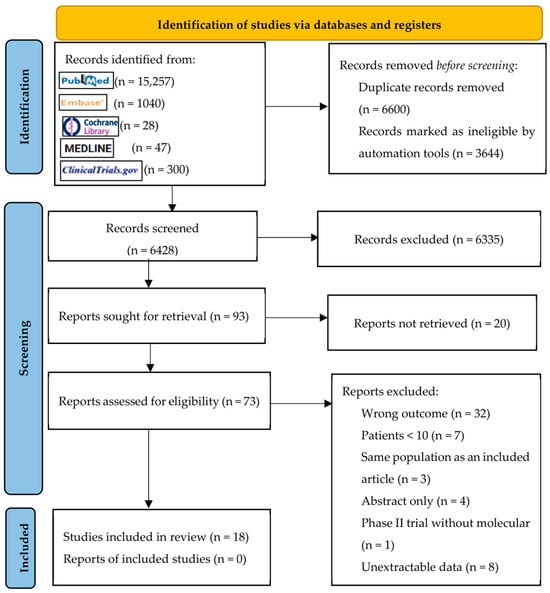
Background: Skull base plasmacytomas are rare plasma cell neoplasms arising from the clivus, sphenoid bone, and petrous apex, presenting with cranial neuropathies and bearing a high risk of progression to multiple myeloma. Optimal management remains poorly defined due to their rarity. Objective: The
[...] Read more.
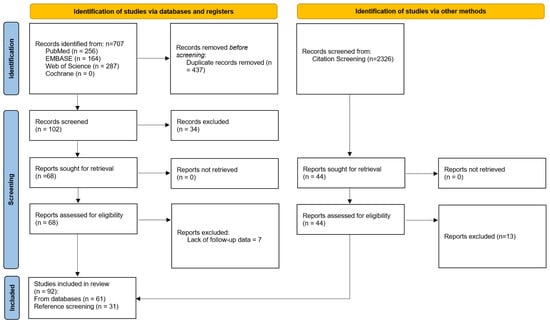
Background: Skull base plasmacytomas are rare plasma cell neoplasms arising from the clivus, sphenoid bone, and petrous apex, presenting with cranial neuropathies and bearing a high risk of progression to multiple myeloma. Optimal management remains poorly defined due to their rarity. Objective: The objectives of this study are to comprehensively characterize the clinical presentation, management strategies, and outcomes of skull base plasmacytomas and identify evolving trends in the literature. Methods: A systematic search of PubMed, EMBASE, Web of Science, and Cochrane databases was conducted, yielding 92 studies (18 case series and 74 case reports) encompassing 118 patients. Data on the demographics, symptoms, imaging, histopathology, treatment, and outcomes were extracted and analyzed. Results: The median patient age was 56 years; visual disturbances (66.1%) and headache (54.2%) were the most common presenting symptoms. The middle and posterior cranial fossae were most frequently involved, and cranial nerve VI was most affected (65.7%). Surgical resection was performed in 63.6% of cases with a gross total resection in 36%. At a median follow-up of 12 months (calculated across the entire cohort of 118 patients, including the 29 who presented with a prior diagnosis of multiple myeloma), 81.4% were alive, with symptom resolution at 38.1% or improvement at 26.2%. Recurrence occurred in 19.4% of patients, and multiple myeloma developed in 25.8% of patients without a prior diagnosis. Multiple myeloma status was the only independent predictor of survival on multivariate analysis (OR = 10.14, 95% CI: 1.63–63.04, p = 0.013). Conclusions: Skull base plasmacytomas show consistent clinical patterns but variable management strategies. Surgery is increasingly utilized; yet, its survival benefit remains unclear. Prospective multicenter studies with standardized outcome reporting and molecular profiling are needed to optimize individualized care.
Full article
(This article belongs to the Section Systematic Review or Meta-Analysis in Cancer Research)
►▼
Show Figures

Figure 1

Open AccessReview
Rewiring of the Apoptotic Rheostat in HTLV-1 Infection and Adult T-Cell Leukemia/Lymphoma
by
Arezoo Darbandi, Vittoria Raimondi, Francesco Ciccarese, Donna M. D’Agostino and Vincenzo Ciminale
Cancers 2026, 18(15), 2494; https://doi.org/10.3390/cancers18152494 (registering DOI) - 4 Aug 2026
Abstract
Human T-cell leukemia virus type 1 (HTLV-1) is the etiological agent of an aggressive malignancy of mature T-cells termed adult T-cell leukemia/lymphoma (ATLL), as well as a spectrum of chronic inflammatory diseases. A defining feature of HTLV-1 infection is a profound dysregulation of
[...] Read more.
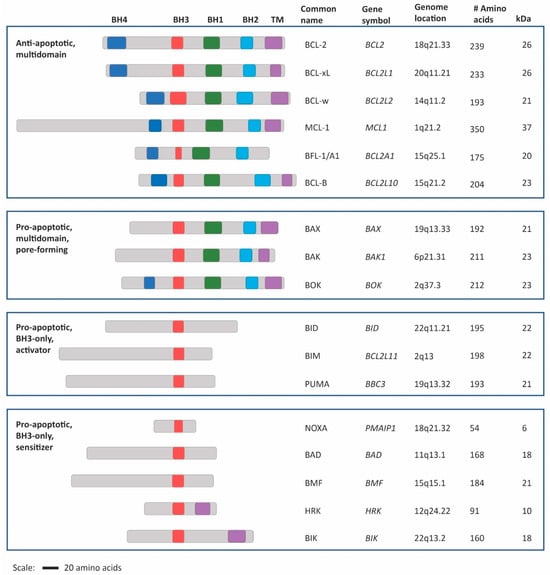
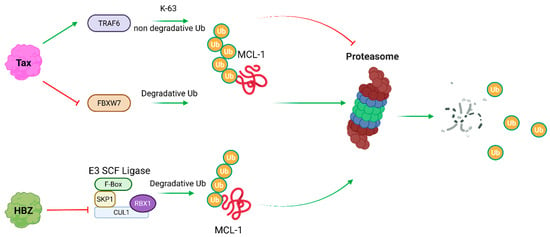
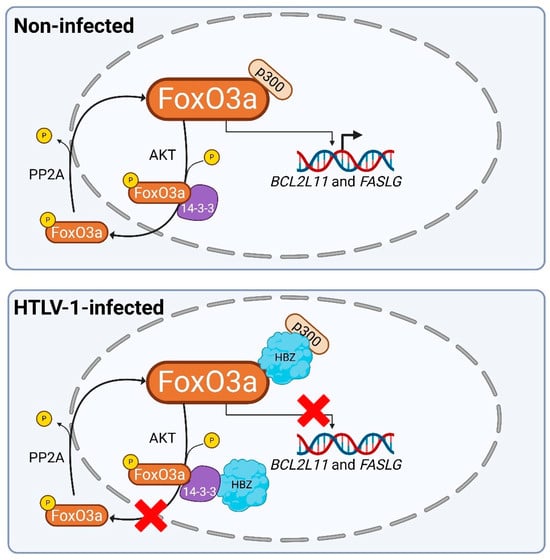
Human T-cell leukemia virus type 1 (HTLV-1) is the etiological agent of an aggressive malignancy of mature T-cells termed adult T-cell leukemia/lymphoma (ATLL), as well as a spectrum of chronic inflammatory diseases. A defining feature of HTLV-1 infection is a profound dysregulation of apoptotic pathways, which is a key determinant of long-term viral persistence and favors malignant transformation. This review describes the mechanisms through which HTLV-1 gene products, including Tax and HBZ, reprogram host-cell signaling controlling the “apoptotic rheostat”, an integrated network connecting redox metabolism, and response to apoptotic cues and immune pressure. We also highlight emerging therapeutic strategies to restore sensitivity to apoptosis, including BH3-mimetic drugs and rational combination approaches. Deciphering how HTLV-1 reconfigures the apoptotic network provides a conceptual and therapeutic framework for targeting death pathway vulnerabilities in ATLL and potentially other hematological neoplasms.
Full article
(This article belongs to the Special Issue Retroviruses and Cancer Development: Molecular Mechanisms and Therapeutic Prospects)
►▼
Show Figures

Figure 1

Open AccessArticle
Moderately Hypofractionated Online Adaptive Radiotherapy for Cervical Cancer: A Prospective Study of Feasibility, Acute Toxicity and Dosimetric Benefits
by
Zheng Zeng, Yining Chen, Xiangyin Meng, Yuliang Sun, Junfang Yan, Ke Hu and Fuquan Zhang
Cancers 2026, 18(15), 2493; https://doi.org/10.3390/cancers18152493 (registering DOI) - 4 Aug 2026
Abstract
Background/Objectives: Moderately hypofractionated radiotherapy (MHRT) may shorten treatment duration for cervical cancer but raises concerns regarding toxicity due to substantial interfractional pelvic organ motion. This prospective study evaluated the feasibility, workflow efficiency, dosimetric benefits, and acute toxicities of daily online adaptive radiotherapy (oART)-guided
[...] Read more.
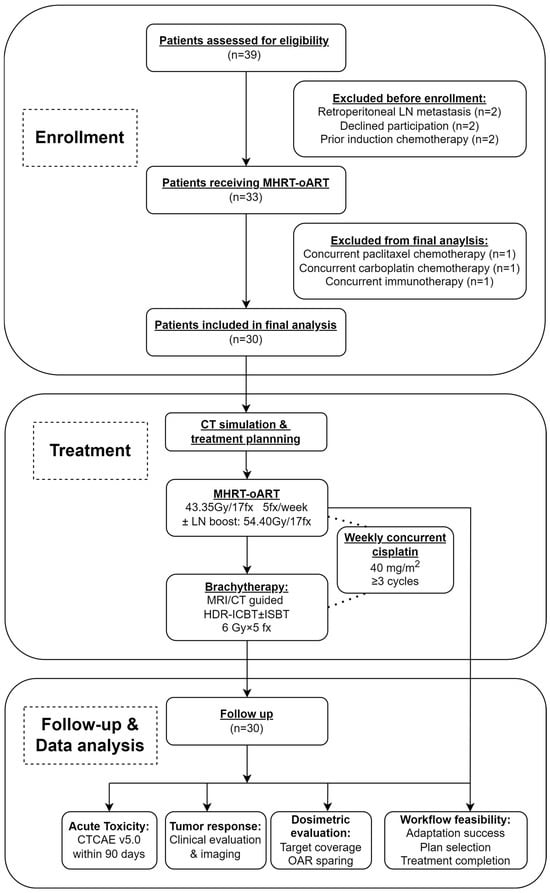
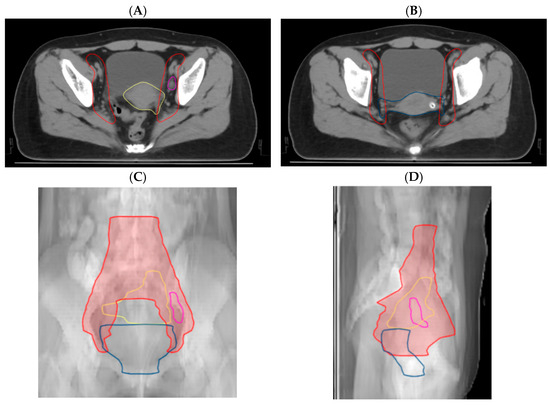
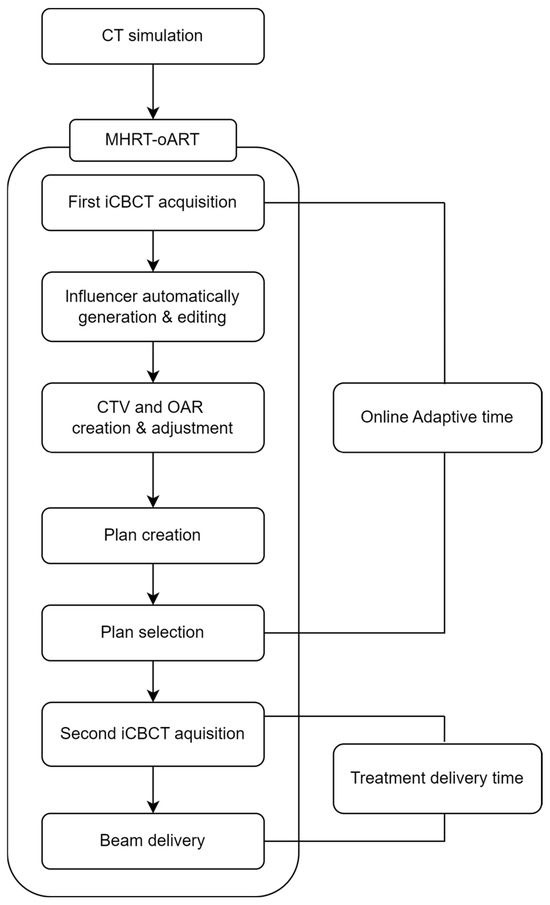
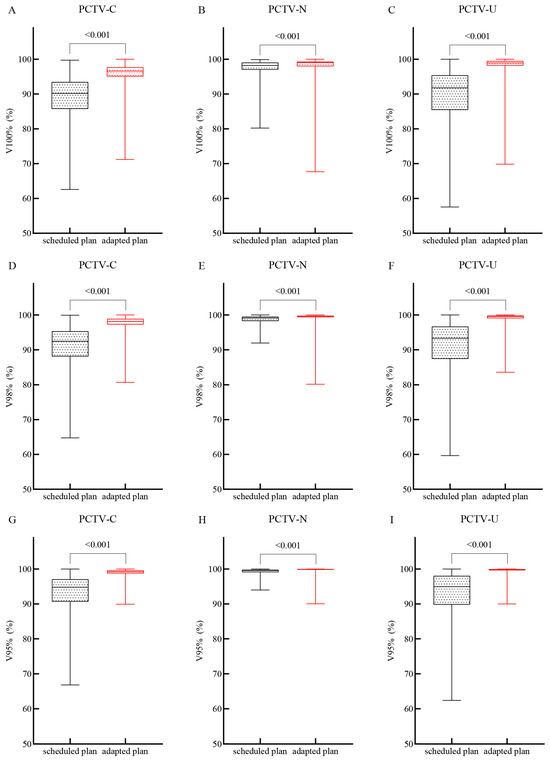
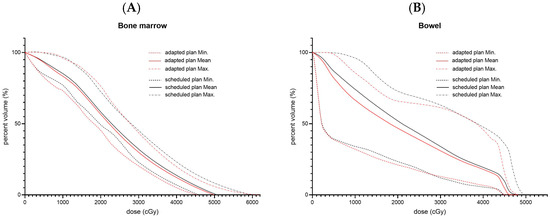
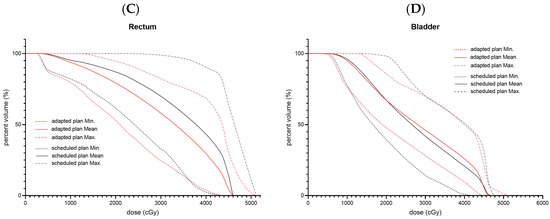
Background/Objectives: Moderately hypofractionated radiotherapy (MHRT) may shorten treatment duration for cervical cancer but raises concerns regarding toxicity due to substantial interfractional pelvic organ motion. This prospective study evaluated the feasibility, workflow efficiency, dosimetric benefits, and acute toxicities of daily online adaptive radiotherapy (oART)-guided MHRT. Methods: Thirty patients with FIGO 2018 stage IB1–IIB or IIIC1 cervical squamous cell carcinoma receiving definitive chemoradiotherapy were prospectively included between September 2023 and April 2024 (NCT05994300). All patients underwent daily oART, receiving 43.35 Gy in 17 fractions to the pelvic target volume, with a simultaneous integrated boost to 54.40 Gy in 17 fractions for involved lymph nodes. The adaptive workflow consisted of iterative cone-beam computed tomography acquisition, artificial intelligence-assisted contouring, physician review, plan adaptation, and treatment verification. Workflow efficiency, plan selection, target coverage, organ-at-risk (OAR) sparing, treatment completion, early tumor response and acute toxicity were prospectively assessed. Results: A total of 510 adaptive fractions were delivered. The first-attempt adaptation success rate was 99.0%, and adapted plans were selected in 99.4% of fractions. The mean adaptive workflow and total treatment times were 17.3 and 23.3 min per fraction, respectively. Compared with scheduled plans, adapted plans significantly improved target coverage, with V100% increasing by 7.26% for the planning target volume of the uterus and 8.79% for planning target volume of the cervix (both p < 0.001), while significantly reducing doses to the bladder, rectum, small bowel, bone marrow, and femoral heads. All patients achieved complete clinical response at 3 months. Acute toxicity was generally manageable; Grade ≥ 3 gastrointestinal, genitourinary, and hematologic toxicities occurred in 10%, 0%, and 40% of patients, respectively, including one Grade 4 neutropenia event, and no treatment interruptions. Conclusions: Daily oART-guided MHRT was feasible and efficient, providing improved target coverage and reduced OAR doses compared with scheduled plans. Acute toxicity was acceptable. These findings provide early prospective evidence supporting the feasibility of this treatment strategy and warrant further validation in larger prospective studies with longer follow-up.
Full article
(This article belongs to the Special Issue Clinical Application of Proton Therapy and Advanced Radiotherapy in Gynecological Cancer)
►▼
Show Figures

Figure 1
Open AccessArticle
Clinical and LAT1 Biomarker Correlates of Clinical Benefit from Nanvuranlat (JPH203) in Advanced Biliary Tract Cancer: A Post Hoc Analysis
by
Eric K. Rowinsky, Ghassan K. Abou-Alfa, Junji Furuse, Makoto Ueno, Masafumi Ikeda, Hiroko Tabuchi, Kazuo Sekiguchi and Michael Szarek
Cancers 2026, 18(15), 2492; https://doi.org/10.3390/cancers18152492 (registering DOI) - 4 Aug 2026
Abstract
Background/Objectives: This exploratory post hoc analysis evaluated clinical and biomarker-defined treatment effects and accumulated nanvuranlat exposure in advanced biliary tract cancer (BTC). Methods: BICR-assessed progression-free survival (PFS) and overall survival (OS) were analyzed in the randomized Phase 2 full analysis set of 104
[...] Read more.
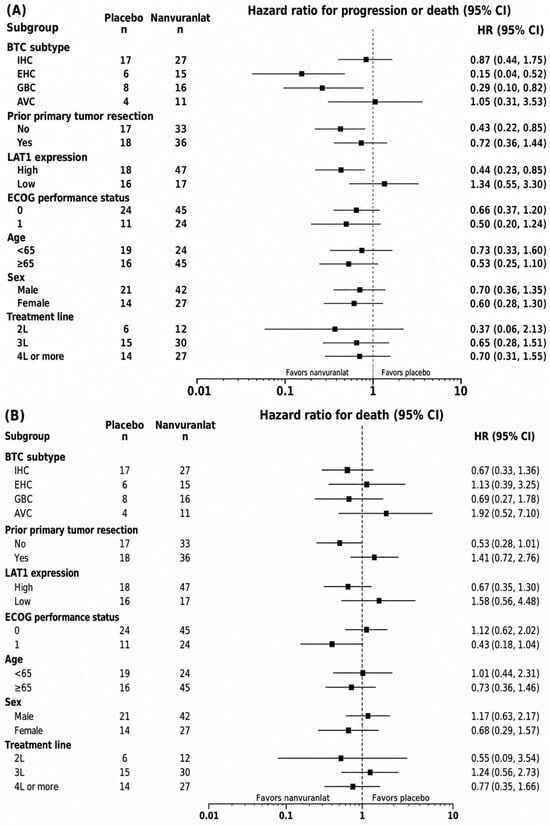
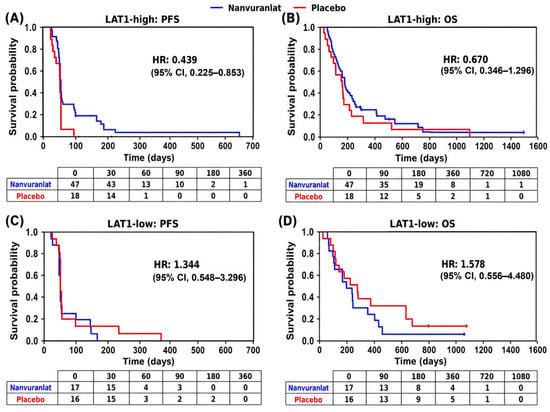
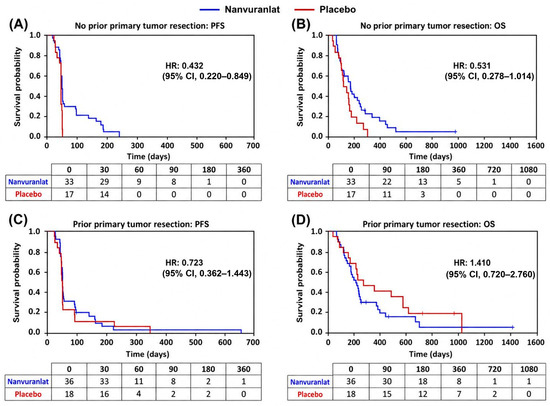
Background/Objectives: This exploratory post hoc analysis evaluated clinical and biomarker-defined treatment effects and accumulated nanvuranlat exposure in advanced biliary tract cancer (BTC). Methods: BICR-assessed progression-free survival (PFS) and overall survival (OS) were analyzed in the randomized Phase 2 full analysis set of 104 patients (nanvuranlat, n = 69; placebo, n = 35). Formal treatment-by-subgroup interaction tests assessed prior primary tumor resection status, LAT1 expression, and anatomical BTC subtype, evaluated both as a four-category variable and as pooled IHC/EHC/GBC versus AVC. Accumulated-exposure analyses pooled Phase 1 and Phase 2 data and were descriptive. Results: Median PFS was 46 versus 43 days (HR, 0.557; 95% CI, 0.344–0.903), and median OS was 155 versus 144 days (HR, 0.875; 95% CI, 0.551–1.390). Interaction tests were nominally significant for resection status with OS (p = 0.028) and for the four-category BTC-subtype variable with PFS (global p = 0.035), but not for LAT1 expression (PFS, p = 0.157; OS, p = 0.586) or pooled IHC/EHC/GBC versus AVC (PFS, p = 0.511; OS, p = 0.208). The binary and four-category subtype analyses addressed different hypotheses and were not considered contradictory. Higher accumulated-exposure quartiles showed numerically longer survival, but these analyses were susceptible to immortal-time bias, reverse causation, and time-dependent confounding. Conclusions: Nanvuranlat was associated with a lower hazard of progression or death than placebo, whereas the OS estimate was less conclusive. The subgroup and exposure findings remain exploratory but support prospective evaluation of resection status, anatomical subtype, and LAT1 expression.
Full article
(This article belongs to the Section Cancer Therapy)
►▼
Show Figures

Figure 1
Open AccessCorrection
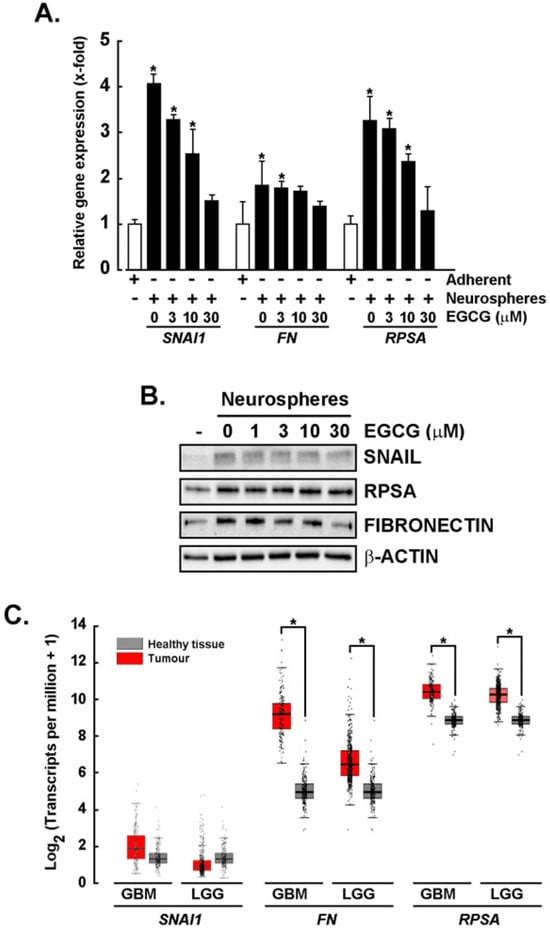
Correction: Gresseau et al. A Signaling Crosstalk Links SNAIL to the 37/67 kDa Laminin-1 Receptor Ribosomal Protein SA and Regulates the Acquisition of a Cancer Stem Cell Molecular Signature in U87 Glioblastoma Neurospheres. Cancers 2022, 14, 5944
by
Loraine Gresseau, Marie-Eve Roy, Stéphanie Duhamel and Borhane Annabi
Cancers 2026, 18(15), 2491; https://doi.org/10.3390/cancers18152491 (registering DOI) - 4 Aug 2026
Abstract
In the original publication [...]
Full article
(This article belongs to the Section Molecular Cancer Biology)
►▼
Show Figures

Figure 3
Open AccessSystematic Review
Fertility-Sparing Management of Atypical Hyperplasia and Endometrial Cancer from the Perspective of Molecular and Hormonal Profiles: A Meta-Analysis-Driven Framework
by
Myriam Jerbaka, Radwa Hablase, Alexander Shushkevich, Martin Koskas, Christopher El Hadi, Nadine El Kassis, Wissam Arab, David Atallah and Jayanta Chatterjee
Cancers 2026, 18(15), 2490; https://doi.org/10.3390/cancers18152490 (registering DOI) - 4 Aug 2026
Abstract
Background/Objectives: The prognostic and predictive values of biomarkers in fertility-sparing management of atypical hyperplasia (AH) and endometrial cancer (EC) remain ill-defined. We aimed to identify the impact of tumour profiles on oncologic and reproductive outcomes to inform clinical decision-making. Methods: We
[...] Read more.
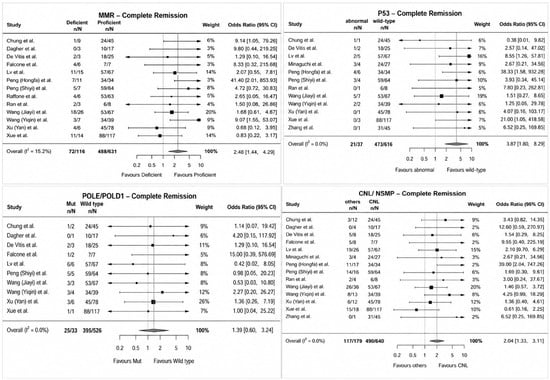
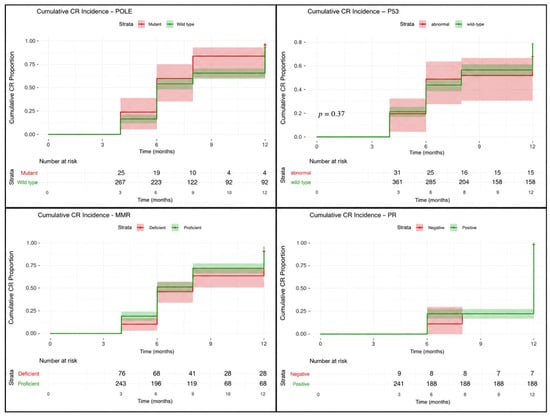
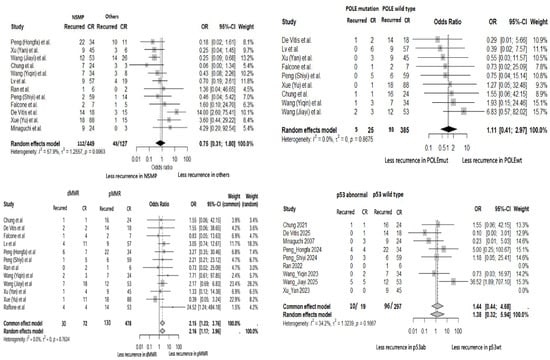
Background/Objectives: The prognostic and predictive values of biomarkers in fertility-sparing management of atypical hyperplasia (AH) and endometrial cancer (EC) remain ill-defined. We aimed to identify the impact of tumour profiles on oncologic and reproductive outcomes to inform clinical decision-making. Methods: We conducted a systematic review and meta-analysis by searching MEDLINE, PubMed, Embase, Cochrane Library, Scopus, Google Scholar, and ClinicalTrials.gov, up to July 2026. We intended to include comparative studies or clinical trials, in English or French, assessing outcomes according to molecular or hormonal profiles in reproductive-aged women diagnosed with AH or EC. The primary outcome was the best overall complete remission (CR). Pooled odds ratios (ORs) were calculated using a random-effects model with logit transformation and restricted maximum likelihood estimation. Risk of bias was assessed using the Newcastle–Ottawa scale (NOS). The study protocol was registered in PROSPERO (CRD42025632885). Results: Eighteen retrospective studies comprising 965 patients were included. No specific molecular profile (NSMP) tumours demonstrated significantly higher odds of CR (OR 2.04, 95% CI 1.33–3.11). p53-abnormal (p53abn) and deficient mismatch repair (dMMR) tumours were significantly less likely to achieve CR compared to NSMP (OR 3.87, 95% CI 1.80–8.29 and OR 2.48, 95% CI 1.44–4.29, respectively). POLE-mutated (POLEmut) tumours showed CR comparable to NSMP (OR 1.39, 95% CI 0.60–3.24). Progesterone receptor (PR) positivity was strongly associated with CR (OR 7.73, 95% CI 2.77–21.63). Conclusions: NSMP and PR-positivity represented a favourable prognosis and potential prediction of CR. POLEmut tumours demonstrated CR rates comparable to NSMP, whereas p53abn and dMMR demonstrated unfavourable outcomes. These findings support a biologically tailored approach to patient selection for fertility-sparing management.
Full article
(This article belongs to the Special Issue Advancements in “Cancer Biomarkers” for 2025–2026)
►▼
Show Figures

Figure 1
Open AccessArticle
Public Awareness of Cancer Symptoms, Risk Factors, and Prevention Strategies Among Adults in Poland: A Nationwide Cross-Sectional Survey
by
Kuba Sękowski, Mateusz Jankowski, Stanisław Surma, Agata Olearczyk, Wojciech S. Zgliczyński and Justyna Grudziąż-Sękowska
Cancers 2026, 18(15), 2489; https://doi.org/10.3390/cancers18152489 - 3 Aug 2026
Abstract
Background/Objectives: Cancer remains a major public health challenge, and public awareness of warning signs, risk factors, and prevention methods is essential for early detection and primary prevention. This study aimed to assess cancer knowledge among adults in Poland and identify sociodemographic factors
[...] Read more.
Background/Objectives: Cancer remains a major public health challenge, and public awareness of warning signs, risk factors, and prevention methods is essential for early detection and primary prevention. This study aimed to assess cancer knowledge among adults in Poland and identify sociodemographic factors associated with self-reported awareness. Methods: A nationwide cross-sectional survey was conducted in January 2026 among 1087 adults in Poland using computer-assisted web interviewing (CAWI). Non-probability quota sampling was applied based on sex, age, and place of residence. Results: Only 12.7% of respondents reported rather high or very high cancer knowledge. The most frequently recognized warning sign was a lump, mass, or thickening (66.9%). Tobacco use (64.9%) and genetic or familial predisposition (61.8%) were the most commonly identified risk factors, whereas 41.9% recognized overweight or obesity as a cancer risk factor. Smoking cessation and participation in cancer screening programs were each identified as preventive measures by 57.5%. However, 20.8% incorrectly believed that dietary supplements protect against cancer, and 16.2% endorsed “detox” beverages as cancer-preventive. In multivariable analysis, higher education (aOR: 1.67; 95% CI: 1.13–2.46), occupational activity (aOR: 1.56; 95% CI: 1.02–2.37), personal history of cancer (aOR: 4.27; 95% CI: 2.75–6.64), and family history of cancer (aOR: 1.85; 95% CI: 1.25–2.73) were independently associated with higher self-reported cancer knowledge. Conclusions: The findings indicate insufficient cancer awareness among the surveyed sample of Polish adults, particularly among men, younger adults, and individuals with lower educational attainment. Targeted educational initiatives may help improve knowledge of cancer symptoms, risk factors, and prevention strategies.
Full article
(This article belongs to the Section Cancer Epidemiology and Prevention)
Open AccessReview
Predictive Biomarkers of Metronomic Chemotherapy Response in Solid Tumors: Chasing an Elusive Signal
by
Piotr Jan Wysocki, Łukasz Kwinta and Ewa Wysocka
Cancers 2026, 18(15), 2488; https://doi.org/10.3390/cancers18152488 - 3 Aug 2026
Abstract
Background: Metronomic chemotherapy (MCT), understood as continuous, low-dose cytotoxic administration without prolonged drug-free intervals, has become an established strategy in several solid tumors, acting primarily through antiangiogenic, immunomodulatory, and direct cytostatic mechanisms rather than replication-dependent cytotoxicity. Despite an expanding evidence base, including positive
[...] Read more.
Background: Metronomic chemotherapy (MCT), understood as continuous, low-dose cytotoxic administration without prolonged drug-free intervals, has become an established strategy in several solid tumors, acting primarily through antiangiogenic, immunomodulatory, and direct cytostatic mechanisms rather than replication-dependent cytotoxicity. Despite an expanding evidence base, including positive randomized trials, validated predictive biomarkers of response remain unavailable. Methods: We searched PubMed/MEDLINE, Embase, and ClinicalTrials.gov (January 2000 to July 2026) for phase II/III randomized trials, prospective cohorts, and selected retrospective analyses of MCT in breast cancer, head and neck squamous cell carcinoma, NSCLC, and mCRC, and extracted biomarker data from embedded translational substudies of eligible trials. Results: In breast cancer, phase III SYSUCC-001 (adjuvant metronomic capecitabine, improved DFS in TNBC) and MECCA (metronomic capecitabine plus aromatase inhibitor in HR+/HER2− disease) provide the strongest evidence, supported by randomized phase II data for the VEX regimen (METEORA-II) and MCT-anti-PD-1 combinations. TEMPO LUNG established metronomic vinorelbine as effective in platinum-unfit NSCLC, while CAIRO3 confirmed metronomic capecitabine–bevacizumab as an effective mCRC maintenance therapy. Most recently, the phase III TMC-I trial extended positive randomized evidence to head and neck cancer. Candidate biomarkers span angiogenic, immune, tumor proliferative, molecular, pharmacodynamic cytokine, on-treatment clinical (adverse-event-based), and gut–microbiome domains, with FOXC1, circulating endothelial cell kinetics, VEGF pathway markers, and regulatory T-cell dynamics among the most promising; however, none has been prospectively validated in a dedicated confirmatory trial. Conclusions: MCT has moved from empirical use to an evidence-based strategy across multiple tumor types, but the lack of validated predictive biomarkers limits informed patient selection. Future trials should incorporate biomarker-driven designs, particularly FOXC1, endothelial cell kinetics, and immune profiling as co-primary objectives. Defining an MCT-sensitive biological phenotype remains the key translational challenge for the field.
Full article
(This article belongs to the Special Issue From Metronomic Chemotherapy to Time-Optimized Cancer Treatments)
Open AccessReview
Predictive Biomarkers of Systemic Therapy Response in Cutaneous Melanoma
by
U Sin Wong and Dajiang Guo
Cancers 2026, 18(15), 2487; https://doi.org/10.3390/cancers18152487 - 3 Aug 2026
Abstract
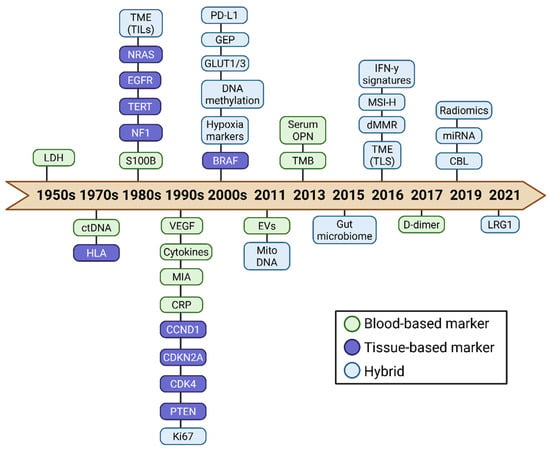
Late-stage cutaneous melanoma management has already evolved into systemic therapy thanks to the fast development of novel targeted inhibitors and immune checkpoint blockers. Therefore, a reliable prediction of systemic therapy response became crucial for making a personalised management plan for melanoma patients. Although
[...] Read more.
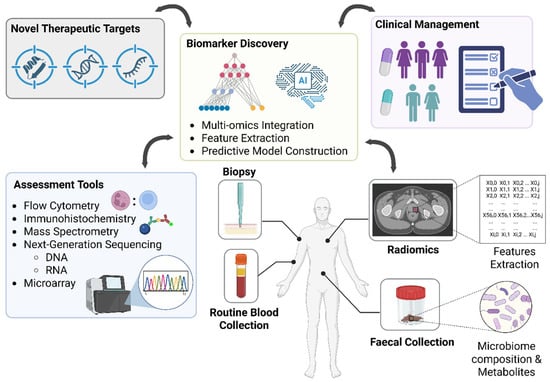
Late-stage cutaneous melanoma management has already evolved into systemic therapy thanks to the fast development of novel targeted inhibitors and immune checkpoint blockers. Therefore, a reliable prediction of systemic therapy response became crucial for making a personalised management plan for melanoma patients. Although there are multiple biomarkers already available, the overall predictive confidence remains low due to heterogeneous responses among patients. Therefore, novel solid predictive biomarkers are still greatly needed. With the development of new technologies and artificial intelligence, new predictive models are being proposed and generated. In this review, we thoroughly evaluated the established biomarkers that are already in use for clinical practice. In addition, we proposed the emerging new markers with great potential by critically reviewing the literature. Furthermore, we proposed a future framework for making a tailored clinical management plan for melanoma patients.
Full article
(This article belongs to the Special Issue Clinical, Immune, and Microbial Markers of Response to Systemic Therapy in Skin Cancer)
►▼
Show Figures

Figure 1

Open AccessReview
Postbiotics Against Breast Cancer: A Narrative Review Bridging Preclinical Evidence with Potential Clinical Application
by
Chiara Luongo, Roberta Di Santillo, Alessia Cadavere, Franca Oglio, Laura Pisapia, Alessia Gaeta, Chiara Scocco, Juan Luis López-Cánovas, Marco Michelini, Monia De Aloe, Anna Lintura, Saranya Chumsri and Roberto Berni Canani
Cancers 2026, 18(15), 2486; https://doi.org/10.3390/cancers18152486 - 3 Aug 2026
Abstract
Breast cancer is the most common cancer in women, causing more than 600,000 deaths every year. The human microbiome is increasingly recognized as a key regulator of cancer initiation, progression, and therapeutic response. Postbiotics—defined as non-viable microbial cells and/or their structural components and
[...] Read more.
Breast cancer is the most common cancer in women, causing more than 600,000 deaths every year. The human microbiome is increasingly recognized as a key regulator of cancer initiation, progression, and therapeutic response. Postbiotics—defined as non-viable microbial cells and/or their structural components and metabolites that confer health benefits—are emerging as promising and safer alternatives to live probiotics in oncology. This review provides a comprehensive mechanistic overview of the potential role of postbiotics against cancer, with a specific focus on breast cancer. Preclinical evidence demonstrates that selected postbiotics exert dose- and time-dependent anticancer effects against multiple breast cancer subtypes by modulating key oncogenic pathways (such as PI3K/AKT and NF-κB) and inducing epigenetic regulation through histone deacetylase inhibition. Beyond direct effects on tumor cell proliferation and apoptosis, postbiotics influence the breast cancer microenvironment by reshaping cytokine networks, suppressing pro-metastatic inflammation, and enhancing antitumor immune responses through the activation of NK cells and T cells. We also provide emerging links between microbiome composition, estrobolome activity, and breast cancer subtype-specific biology. Despite these encouraging findings, the clinical translation of postbiotics in oncology remains limited. Currently, only one registered clinical trial investigates postbiotics in the oncology setting (melanoma), and no clinical trials have specifically evaluated postbiotics in breast cancer patients. This highlights a substantial translational gap between preclinical evidence and clinical application. Accordingly, well-designed, tumor-specific clinical trials are urgently needed to validate the safety, efficacy, and therapeutic potential of postbiotics as novel strategies in personalized breast cancer management.
Full article
(This article belongs to the Section Clinical Research in Cancer)
Open AccessReply
Reply to Jin, H. Comment on “Yoon et al. Heterogeneous Colorectal Cancer Risk in Women with Metabolic Dysfunction-Associated Steatotic Liver Disease by Age, Lipid, and Waist-Circumference: A Nationwide Cohort Study. Cancers 2026, 18, 125”
by
Chang Ik Yoon, Hye Sun Lee, Soyoung Jeon, Jin Ah Lee, Dooreh Kim and Jong Min Lee
Cancers 2026, 18(15), 2485; https://doi.org/10.3390/cancers18152485 - 3 Aug 2026
Abstract
We thank Jin [...]
Full article
Open AccessArticle
Clinical Characteristics and Prognostic Analysis of Extramedullary Disease in Multiple Myeloma: A 15-Year Retrospective Cohort Study
by
Jingliang Zhao, Qirui Bai, Qile Qiu, Jiaying Song, Siyu Kong, Kun Zhu, Yifan Zhang, Shengtao Li, Yanping Ma, Lin Zhang and Xiaoqi Qin
Cancers 2026, 18(15), 2484; https://doi.org/10.3390/cancers18152484 - 3 Aug 2026
Abstract
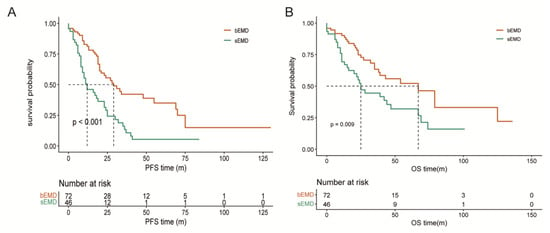
Background: Extramedullary disease (EMD) in multiple myeloma (MM) is associated with poor prognosis, yet the clinical distinctions between bone-related EMD (bEMD) and soft tissue-associated EMD (sEMD) remain incompletely characterized. This study aimed to compare the clinical features and outcomes of bEMD versus sEMD
[...] Read more.
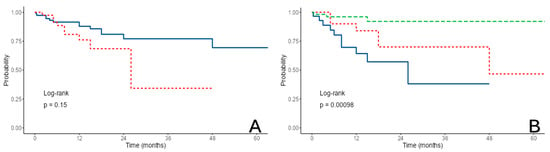
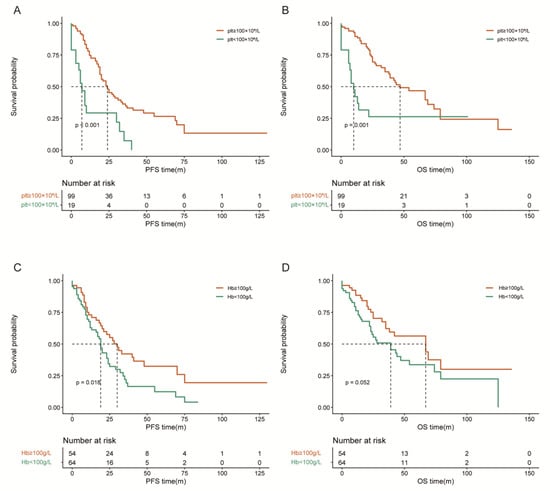
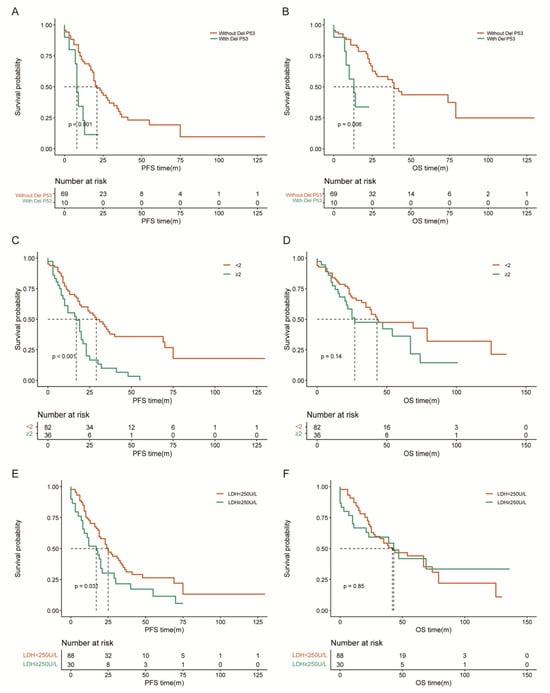
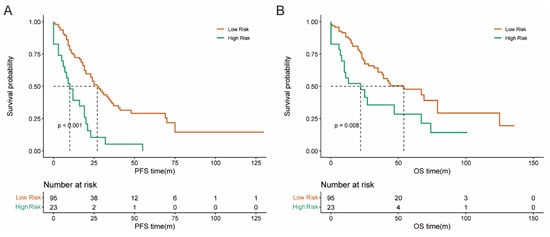
Background: Extramedullary disease (EMD) in multiple myeloma (MM) is associated with poor prognosis, yet the clinical distinctions between bone-related EMD (bEMD) and soft tissue-associated EMD (sEMD) remain incompletely characterized. This study aimed to compare the clinical features and outcomes of bEMD versus sEMD and to develop a simple pre-treatment risk stratification tool using baseline clinical parameters. Methods: We retrospectively analyzed 118 patients with MM and EMD treated at a single center from 2011 to 2025, including 72 bEMD and 46 sEMD cases. Baseline characteristics, laboratory parameters, cytogenetic abnormalities, and survival outcomes were compared. Results: Patients with sEMD had significantly higher serum β2-microglobulin (β2-MG) levels (6.4 mg/L vs. 4.5 mg/L, p = 0.007) and a higher proportion of relapsed/refractory disease (41.3% vs. 15.3%, p = 0.002) compared to bEMD. Median progression-free survival (PFS) and overall survival (OS) were markedly shorter in patients with sEMD than in those with bEMD (PFS: 12.0 vs. 29.0 months, p < 0.001; OS: 25.0 vs. 67.0 months, p = 0.009). Multivariate analysis identified thrombocytopenia (PLT < 100 × 109/L), elevated β2-MG, multisite extramedullary involvement, and TP53 deletion as independent adverse prognostic factors. A risk scoring system incorporating β2-MG (0–2 points), thrombocytopenia (1 point), and multisite involvement (1 point) stratified patients into low-risk (0–2 points) and high-risk (3–4 points) groups with significantly different PFS (27.0 vs. 10.0 months, p < 0.001) and OS (54.0 vs. 22.0 months, p = 0.008). Conclusions: sEMD represents a more aggressive subtype of MM with inferior outcomes. The proposed risk score, based on routinely available clinical parameters, effectively identifies high-risk patients at initial diagnosis and may guide individualized treatment strategies.
Full article
(This article belongs to the Section Clinical Research in Cancer)
►▼
Show Figures

Figure 1

Open AccessArticle
Conversion Surgery for Advanced Gastric Cancer According to First-Line Treatment Strategy: A Single-Center Experience with a Focused Review of the Literature
by
Jun Kinoshita, Kenta Doden, Kengo Hayashi, Ryota Matsui, Hiroto Saito, Megumi Watanabe, Toshikatsu Tsuji, Daisuke Yamamoto and Noriyuki Inaki
Cancers 2026, 18(15), 2483; https://doi.org/10.3390/cancers18152483 - 2 Aug 2026
Abstract
Background/Objectives: First-line therapy for advanced gastric cancer (AGC) has evolved from cytotoxic chemotherapy to HER2-targeted and immune checkpoint inhibitor (ICI)-based regimens, yet conversion surgery (CS) outcomes across these strategies remain poorly characterized. We describe CS outcomes and prognostic factors by first-line strategy at
[...] Read more.
Background/Objectives: First-line therapy for advanced gastric cancer (AGC) has evolved from cytotoxic chemotherapy to HER2-targeted and immune checkpoint inhibitor (ICI)-based regimens, yet conversion surgery (CS) outcomes across these strategies remain poorly characterized. We describe CS outcomes and prognostic factors by first-line strategy at a single center. Methods: We retrospectively reviewed 187 patients with AGC who began first-line therapy from 2011, grouped as cytotoxic (CTX, n = 127), HER2-targeted (trastuzumab, n = 21), or ICI (n = 39). CS was defined as resection after response, including an extended oligometastatic definition (n = 74). Overall survival (OS) was measured from chemotherapy initiation, and prognostic factors were assessed by Cox regression. Results: Median OS was 14.8, 18.9, and 20.9 months for CTX, trastuzumab, and ICI, respectively (p = 0.048). CS rates were comparable (41%, 33%, and 38%; p = 0.794). Pathological response was more pronounced after trastuzumab/ICI (grade 3 and ypStage 0/1; both p < 0.001). Among CS cases, R0 resection (hazard ratio [HR] 0.31) and trastuzumab/ICI therapy (HR 0.37) were independent favorable factors, whereas high inflammatory–nutritional indices (NLR, CAR) were independent poor prognostic factors. OS was comparable between oligometastatic and conventional CS (p = 0.324). Conclusions: In this hypothesis-generating study, response depth tracked tumor biology, whereas survival was determined by R0 resection, targeted/ICI therapy, and host inflammatory–nutritional status—two largely dissociable axes informing biology- and host-based selection of CS candidates for prospective testing.
Full article
(This article belongs to the Special Issue Current Status and Prospects of Multimodal Treatment for Upper Gastrointestinal Cancer)
Open AccessArticle
Multi-Omics Identification of Vasculogenic Mimicry-Associated Molecular Subtypes in Hepatocellular Carcinoma for Prognostic Stratification and Therapeutic Response Prediction
by
Yuting Tao, Shuzhen Liao, Tao Liu, Ruyi Lai, Chao Feng and Qiuyan Wang
Cancers 2026, 18(15), 2482; https://doi.org/10.3390/cancers18152482 - 2 Aug 2026
Abstract
Objective: Vasculogenic mimicry (VM), characterized by the de novo formation of microvascular-like channels derived from aggressive tumor cells without involving traditional endothelial cells, is a pivotal pathological hallmark driving extreme invasiveness and dismal prognosis in hepatocellular carcinoma (HCC). This study aimed to establish
[...] Read more.
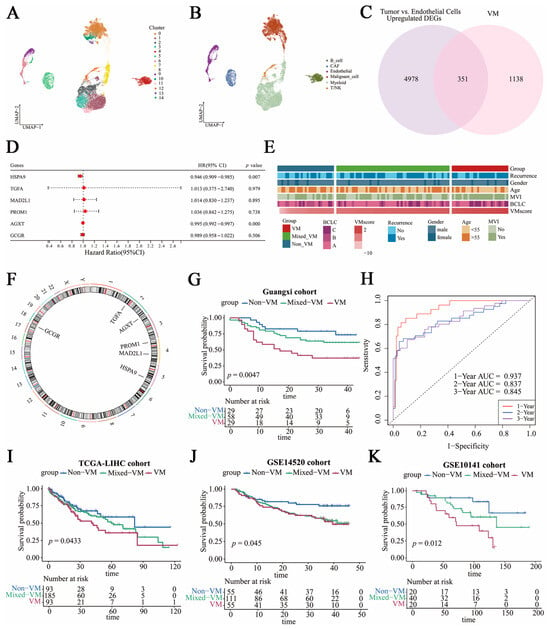
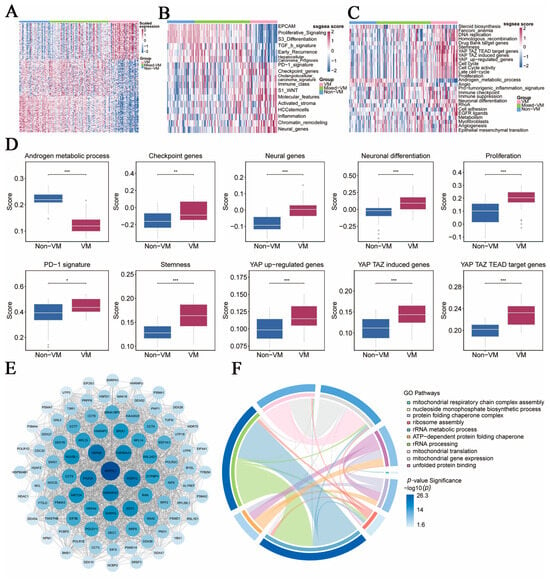
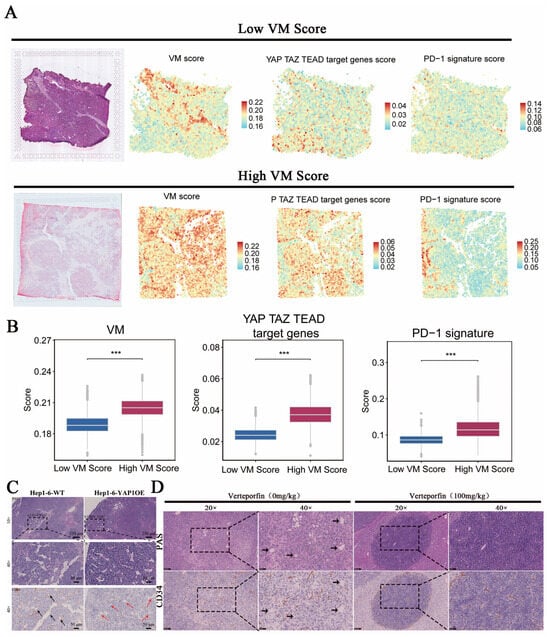
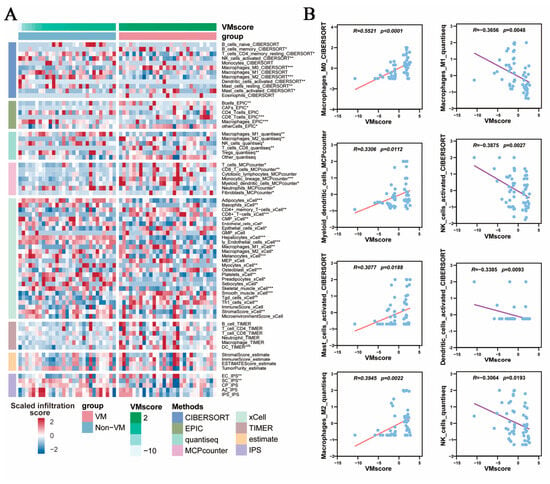
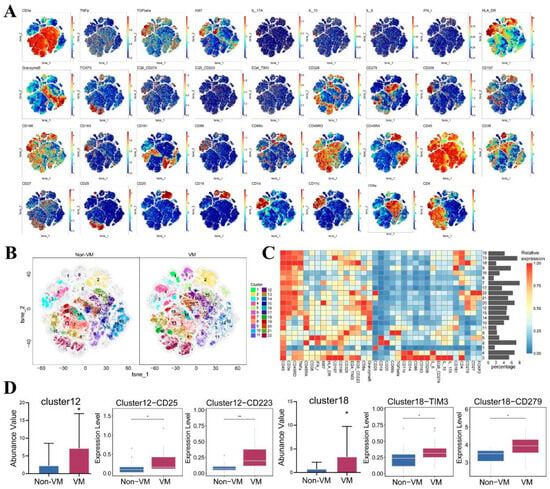
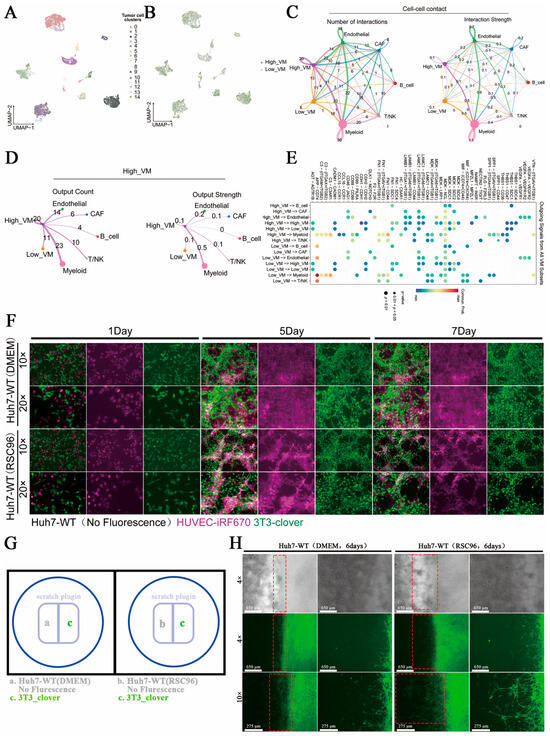
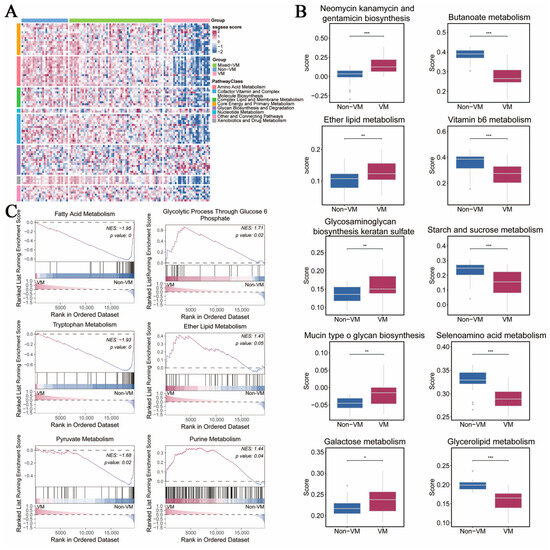
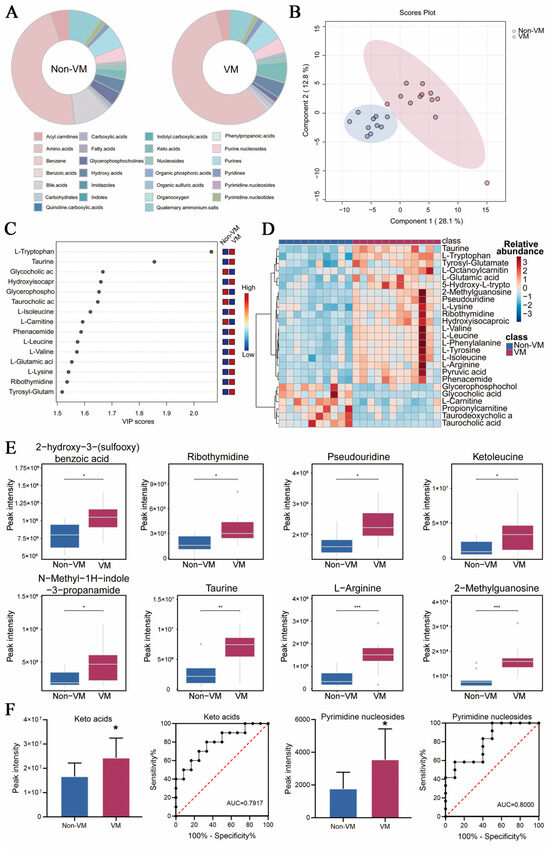
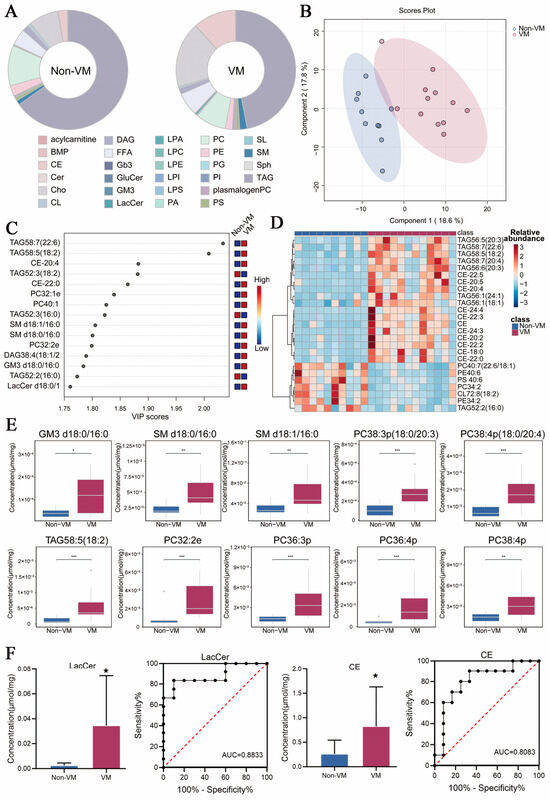
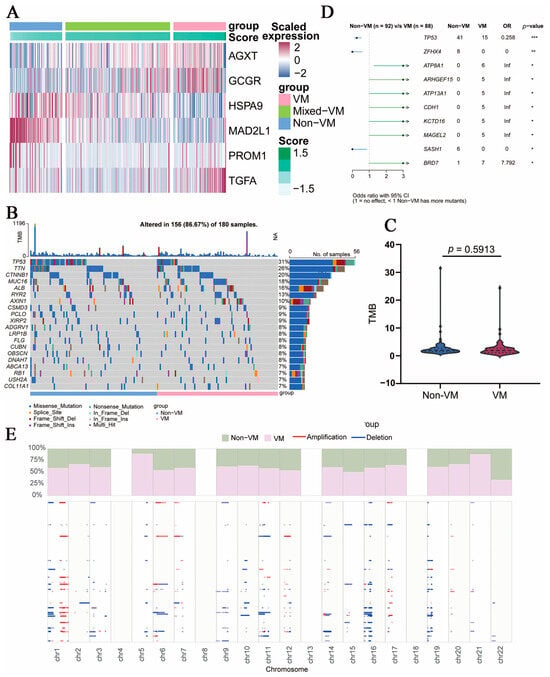
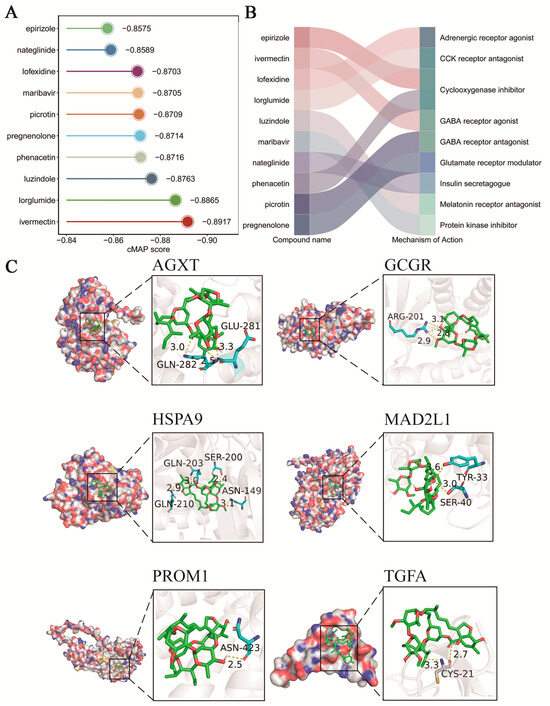
Objective: Vasculogenic mimicry (VM), characterized by the de novo formation of microvascular-like channels derived from aggressive tumor cells without involving traditional endothelial cells, is a pivotal pathological hallmark driving extreme invasiveness and dismal prognosis in hepatocellular carcinoma (HCC). This study aimed to establish a VM-based molecular subtyping system and systematically characterize its associated biological features, thereby providing a potential framework for individualized prognostic assessment and treatment decision-making in HCC. Methods: We integrated curated VM-associated gene sets with single-cell RNA sequencing data to identify malignant epithelial cell-enriched VM-associated candidate genes. Subsequently, univariate Cox regression, LASSO-Cox regression, and multivariate Cox regression were sequentially performed to identify six prognostic VM-related genes: HSPA9, TGFA, MAD2L1, PROM1, AGXT, and GCGR. HCC patients were stratified into VM, Mixed-VM, and Non-VM subtypes according to VM scores. Kaplan–Meier survival analysis, time-dependent ROC analysis, and Cox regression were used to assess prognostic performance. The biological features of the classification system were evaluated using bulk transcriptomic cohorts, spatial transcriptomics, Cytometry by Time-of-Flight (CyTOF), metabolomics, lipidomics, somatic mutation and copy number alteration analyses, and treatment-related HCC cohorts. Results: The VM score-based classification stratified HCC patients into three molecular subtypes with distinct prognostic and biological characteristics. Patients classified as the VM subtype had significantly poorer overall survival than those classified as Mixed-VM or Non-VM subtypes, and this prognostic pattern was validated across independent cohorts. Multi-omics analyses showed that the VM subtype was associated with YAP-TAZ-TEAD-related transcriptional programs, stemness/proliferation-related features, immunoregulatory and exhaustion-like tumor microenvironmental characteristics, and distinct metabolic and lipidomic alterations involving modified nucleosides, keto acid-related metabolites, cholesteryl esters, and sphingolipid-related species. Spatial transcriptomics revealed focal enrichment of VM-score-high regions and their association with YAP-TAZ-TEAD and immune checkpoint-related signatures. In orthotopic HCC mouse models, YAP1 overexpression increased PAS+/CD34− VM-like structures, whereas verteporfin treatment reduced these structures. In two treatment-related cohorts, the Non-VM subtype showed higher response rates to sorafenib and transarterial chemoembolization (TACE) than the VM subtype. Connectivity Map (CMap)-based computational drug prioritization and molecular docking analysis prioritized ivermectin as a candidate compound; however, its antitumor activity requires further experimental validation. Conclusions: This study establishes a VM score-based molecular classification framework for HCC and identifies VM-subtype-associated prognostic, spatial, immune, metabolic, genomic, and therapeutic features. These findings provide a candidate framework for molecular risk stratification and subtype-guided therapeutic exploration in HCC.
Full article
(This article belongs to the Section Cancer Therapy)
►▼
Show Figures

Figure 1
Open AccessArticle
Interpreting Circulating Bile Acid Profiles in Pancreatic Cancer: The Role of Cholestasis and Its Management
by
Elisa Danese, Alessandro Esposito, Matteo De Pastena, Fabio Del Ben, Gabriella Lionetto, Alessia Scirpoli, Mariateresa Rizza, Roberto Salvia and Giuseppe Lippi
Cancers 2026, 18(15), 2481; https://doi.org/10.3390/cancers18152481 - 2 Aug 2026
Abstract
Background: Circulating bile acid (BA) profiles are increasingly explored in pancreatic cancer, although their interpretation is often complicated by biliary obstruction and its clinical management. In this study, we characterized plasma BA profiles in pancreatic ductal adenocarcinoma (PDAC) and assessed the relative contributions
[...] Read more.
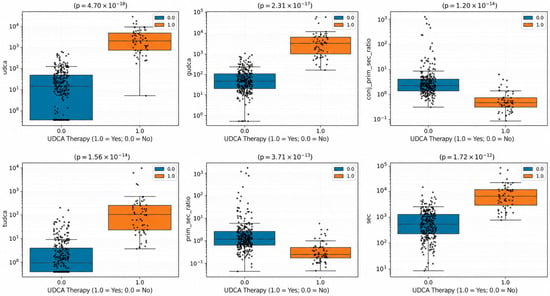
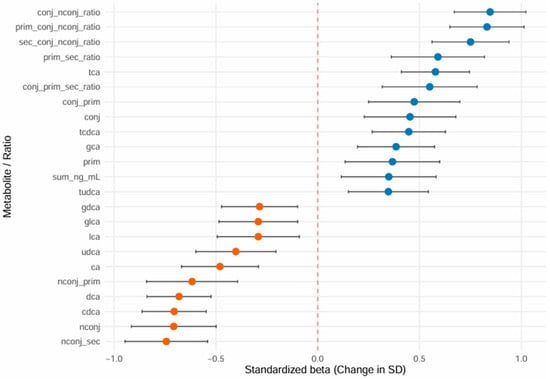
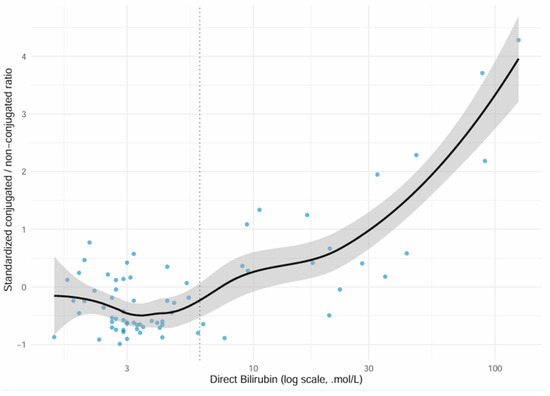
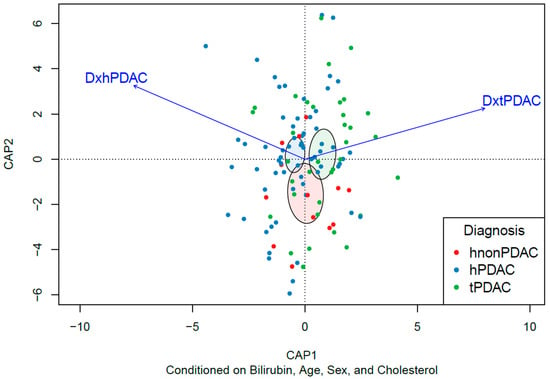
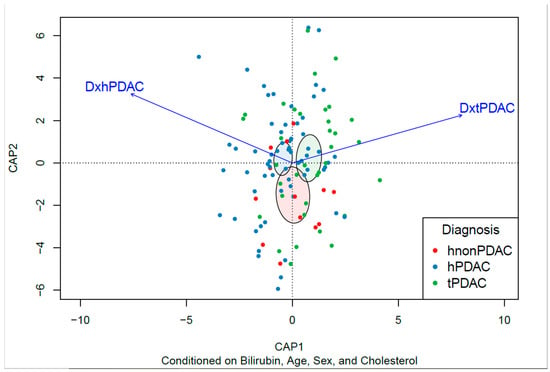
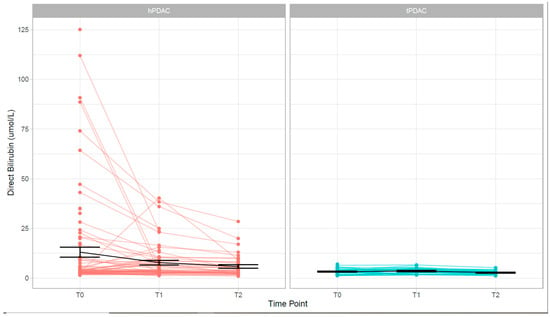
Background: Circulating bile acid (BA) profiles are increasingly explored in pancreatic cancer, although their interpretation is often complicated by biliary obstruction and its clinical management. In this study, we characterized plasma BA profiles in pancreatic ductal adenocarcinoma (PDAC) and assessed the relative contributions of tumor localization, histological subtype, cholestasis, and cholestasis-related interventions. Methods: Plasma BAs were quantified by LC-MS/MS in patients with PDAC of the pancreatic head (hPDAC, n = 132), PDAC of the body-tail (tPDAC, n = 42), and non-PDAC tumors of the pancreatic head (hnonPDAC, n = 34). BA concentrations and derived ratios were log-transformed and standardized, and their associations with bilirubin were examined using multivariable linear models, LOESS, and multivariate longitudinal analyses. Results: UDCA therapy was associated with markedly increased circulating UDCA, higher total BA concentrations, and enrichment of secondary BA species. Direct bilirubin explained more variability in BA composition than binary jaundice classification and showed a non-linear association with BA remodeling, with a distinct metabolic profile emerging only at high bilirubin levels. Longitudinally, BA profiles changed substantially over time in hPDAC, largely in parallel with bilirubin, whereas they remained comparatively stable in tPDAC. After adjustment for bilirubin, tumor-related differences were modest and context-dependent. Conclusions: Overall, circulating BA profiles in pancreatic cancer appear to be driven predominantly by cholestasis and its management rather than by tumor-related features alone.
Full article
(This article belongs to the Section Cancer Causes, Screening and Diagnosis)
►▼
Show Figures

Figure 1
Open AccessArticle
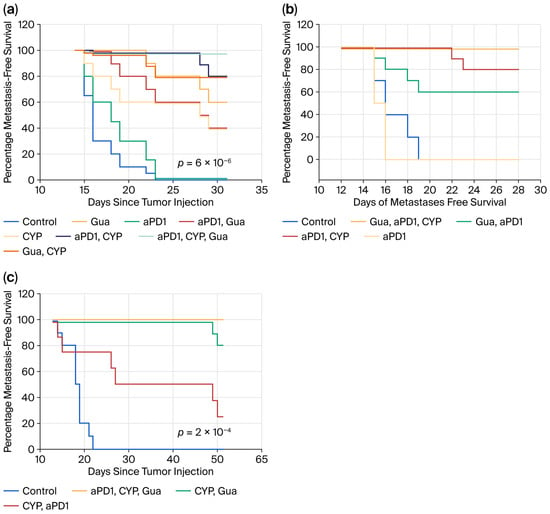
DNA Methyltransferase Inhibitors, Decitabine and Guadecitabine Overcome Immune-Checkpoint Blockade Resistance and Achieve Tumor Regression in the E0771 and 4T1 Murine Models of Triple-Negative Breast Cancer
by
S. Jennifer Wang, Carolyn Haynes, Laura Graham, Akhila Kunuthuru, Gina Tuzzolo, Anaya Surve, Madison Isbell, Jian He, Rebecca K. Martin and Harry Bear
Cancers 2026, 18(15), 2480; https://doi.org/10.3390/cancers18152480 - 2 Aug 2026
Abstract
Background: Immune-checkpoint blockade (ICB) is a recent addition to the treatment options for breast cancer, especially the triple-negative (TNBC) subset. Inhibiting immunosuppressive factors in the tumor microenvironment (TME) and preventing or reversing T cell exhaustion may increase the likelihood of a response to
[...] Read more.
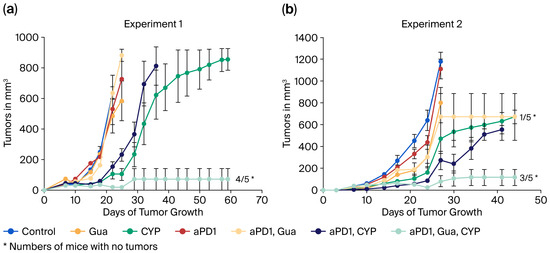
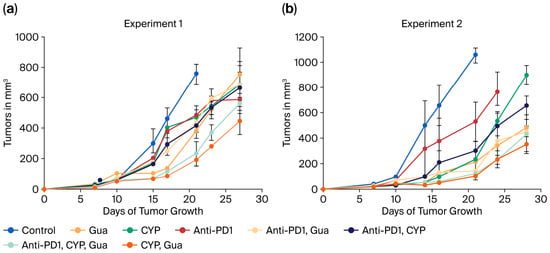
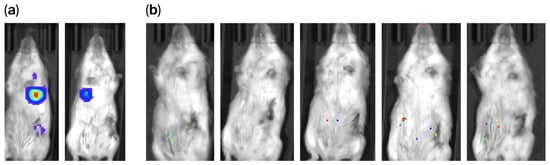
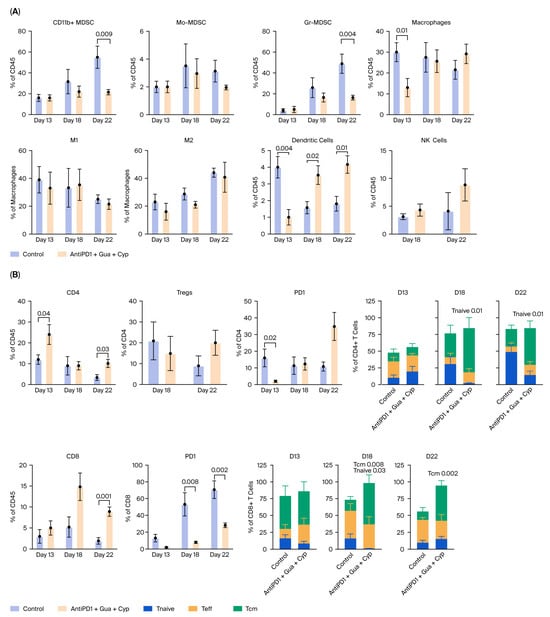
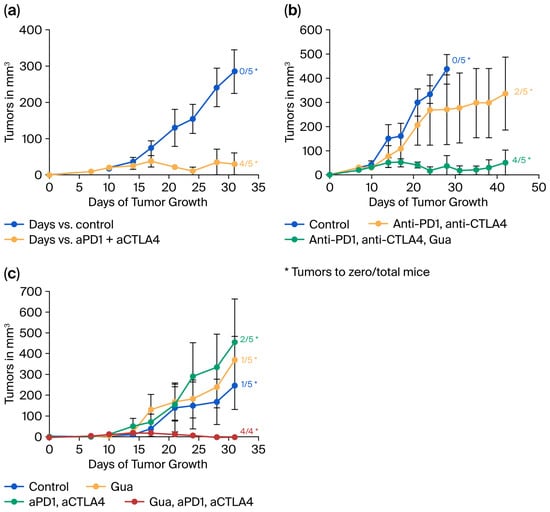
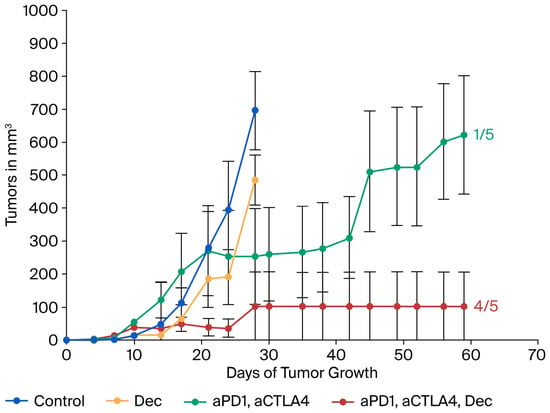
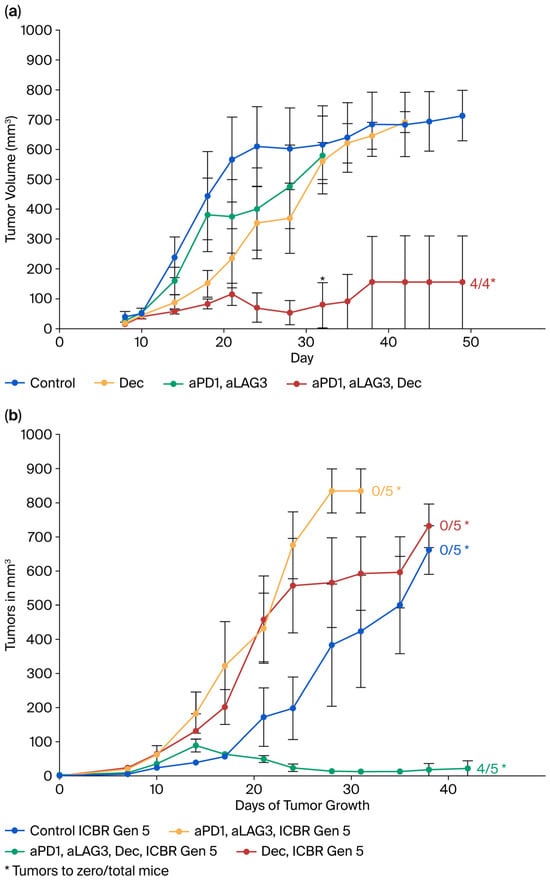
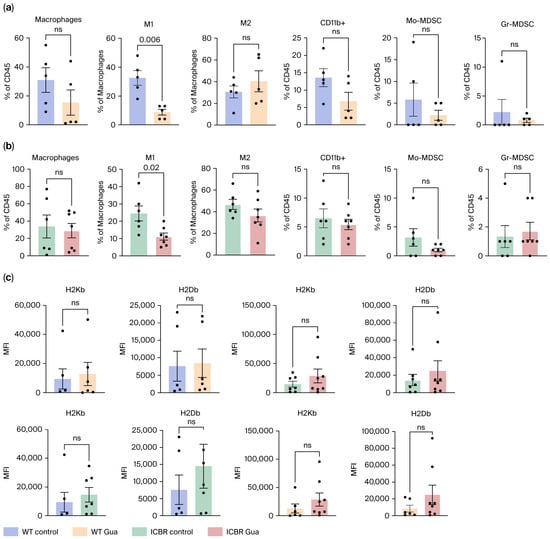
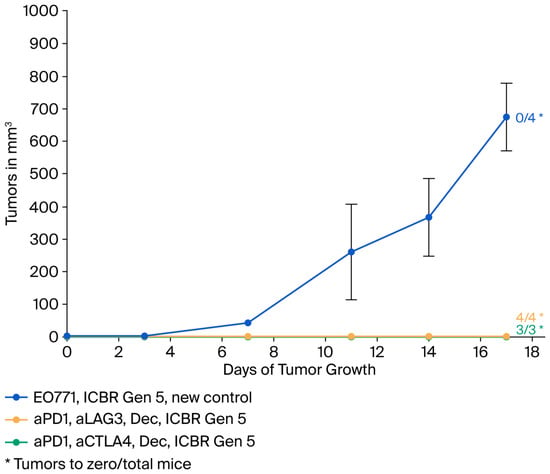
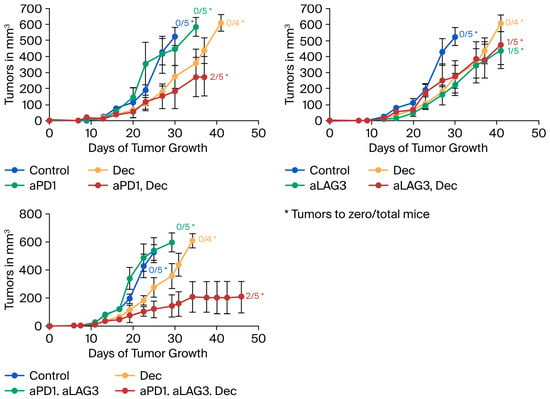
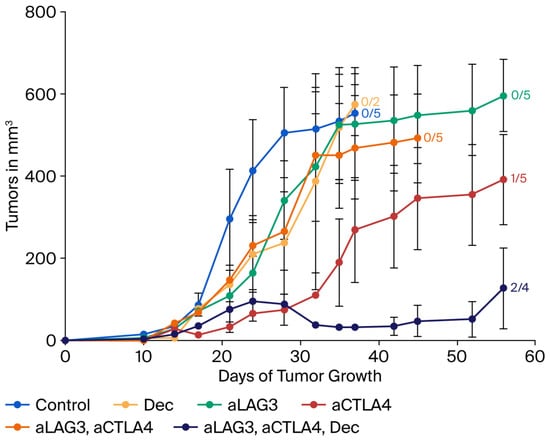
Background: Immune-checkpoint blockade (ICB) is a recent addition to the treatment options for breast cancer, especially the triple-negative (TNBC) subset. Inhibiting immunosuppressive factors in the tumor microenvironment (TME) and preventing or reversing T cell exhaustion may increase the likelihood of a response to ICB. We have shown that decitabine and guadecitabine, DNA methyltransferase inhibitors (DNMTi), prevent the systemic and TME accumulation of myeloid-derived suppressor cells (MDSCs), which are immunosuppressive. Results: Here, we show that adding DNMTi to the neoadjuvant + adjuvant ICB-based treatment of ICB-resistant 4T1 and E0771 murine tumors in Balb/C and C57Bl/6 mice, respectively, effectively reduced the tumor burden, with 52% of 4T1 tumors completely regressing across several studies. DNMTi-based therapy overcame ICB resistance (ICBR) in a selected subline of E0771, and treated tumors showed a reduction in MDSCs. We also show that, in E0771, DNMTi can overcome ICBR to multiple checkpoint inhibitors, and in 4T1, it can modulate anti-tumor immunity by enhancing central memory T cell (Tcm) formation and reducing T cell exhaustion. Conclusion: These pre-clinical findings support the further investigation of incorporating DNMTi as a new immunotherapy modality for TNBC.
Full article
(This article belongs to the Special Issue Cancer Genetics and Epigenetics: Their Roles and Clinical Implications (2nd Edition))
►▼
Show Figures

Figure 1
Open AccessArticle
Postoperative Diffusion-Weighted Imaging Hyperintensity Following Combined Photodynamic Diagnosis and Therapy Using 5-Aminolevulinic Acid and Talaporfin Sodium in Malignant Brain Tumors
by
Takumi Inaba, Narushi Sugii, Hidehiro Kohzuki, Shunichiro Miki, Takao Tsurubuchi, Masahide Matsuda and Eiichi Ishikawa
Cancers 2026, 18(15), 2479; https://doi.org/10.3390/cancers18152479 - 2 Aug 2026
Abstract
Background/Objective: Intraoperative local photodynamic therapy (PDT) using talaporfin sodium (TS) and photodynamic diagnosis (PDD) with 5-aminolevulinic acid (5-ALA) are valuable adjuncts in the treatment of malignant brain tumors. Although their concomitant use was previously contraindicated due to photosensitivity concerns, a 2022 regulatory
[...] Read more.
Background/Objective: Intraoperative local photodynamic therapy (PDT) using talaporfin sodium (TS) and photodynamic diagnosis (PDD) with 5-aminolevulinic acid (5-ALA) are valuable adjuncts in the treatment of malignant brain tumors. Although their concomitant use was previously contraindicated due to photosensitivity concerns, a 2022 regulatory revision permitted their combined application. Transient postoperative hyperintensity on diffusion-weighted imaging (DWI) at the irradiation site serves as a biomarker for PDT effects, but the radiological and clinical impact of combining 5-ALA and TS remains unclarified. To compare and evaluate postoperative DWI findings and clinical outcomes in patients undergoing TS-PDT with or without concomitant 5-ALA-guided PDD. Methods: This retrospective study analyzed 34 patients with recurrent primary malignant brain tumors who underwent TS-PDT between January 2019 and November 2025. Patients were divided into a TS alone group (n = 19) and a TS + 5-ALA group (n = 15). Postoperative DWI hyperintensity thickness and minimum apparent diffusion coefficient (ADC) values at the laser irradiation site were measured. Adverse events including photosensitivity were also compared. Results: No significant differences were observed between the TS alone and TS + 5-ALA groups in DWI hyperintensity thickness (3.71 mm vs. 3.90 mm; p = 0.703 or median ADC values (601.0 × 10⁻⁶ mm2/s vs. 527.0 × 10⁻⁶ mm2/s; p = 0.205). Furthermore, there were no significant differences in the incidence of photosensitivity and liver enzyme elevation. Conclusion: Concomitant use of 5-ALA-PDD and TS-PDT can be used without worsening DWI findings at the PD laser irradiation site.
Full article
(This article belongs to the Special Issue Multidisciplinary Strategies in Challenging Neuro-Oncological Surgery)
Open AccessSystematic Review
Predictive Accuracy of Chemotherapy Toxicity Tools in Older Adults with Cancer: A Systematic Review and Diagnostic Test Accuracy Meta-Analysis
by
Edwin Aguirre-Milachay, Mario J. Valladares-Garrido, Nallely V. Chapoñan-Agip, Nelson Luis Cahuapaza-Gutierrez, Betzy C. Torres-Zegarra, Milagros Diaz-Torres, Darwin A. León-Figueroa and Fernando M. Runzer-Colmenares
Cancers 2026, 18(15), 2478; https://doi.org/10.3390/cancers18152478 - 2 Aug 2026
Abstract
Background: Older adults with cancer are at increased risk of severe treatment-related toxicity. CARG, CRASH, and CARG-BC were developed as toxicity-risk prediction models, whereas G8 was developed as a geriatric screening instrument but has also been evaluated as a predictor of treatment-related toxicity.
[...] Read more.
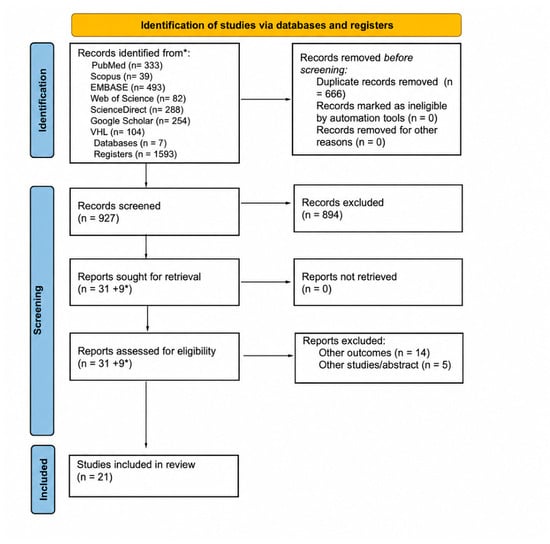
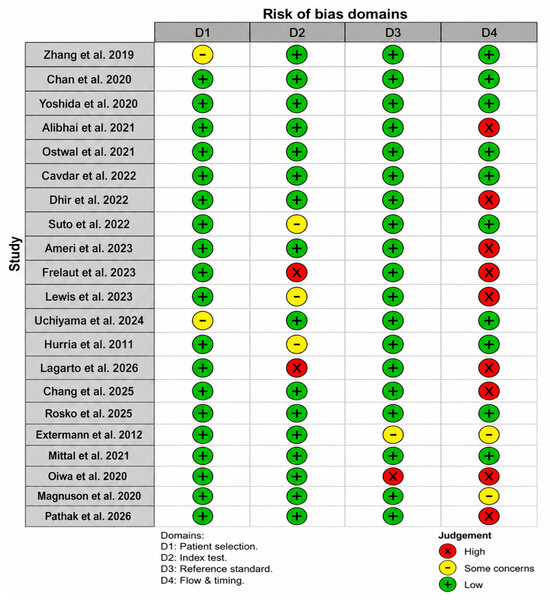
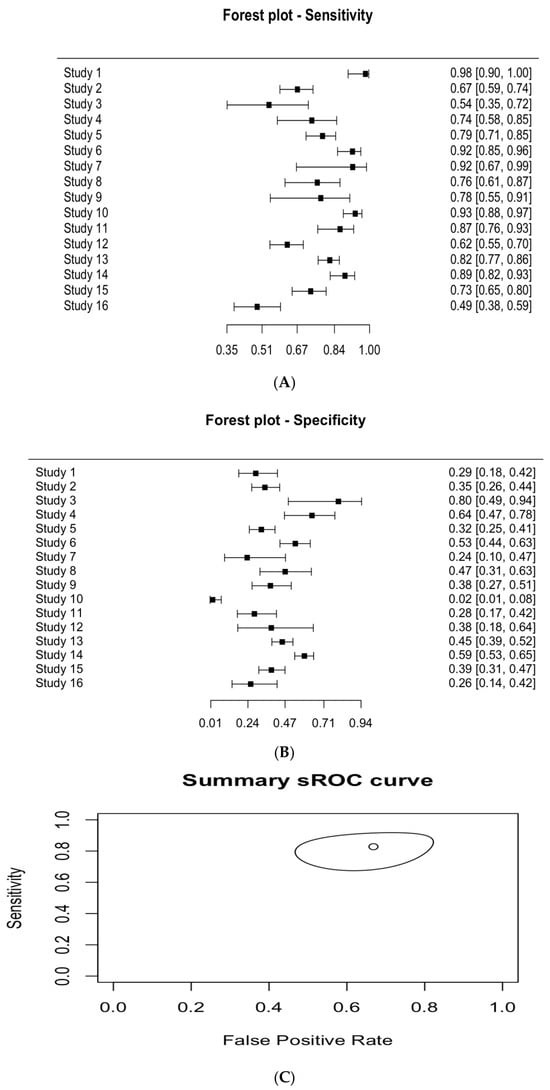
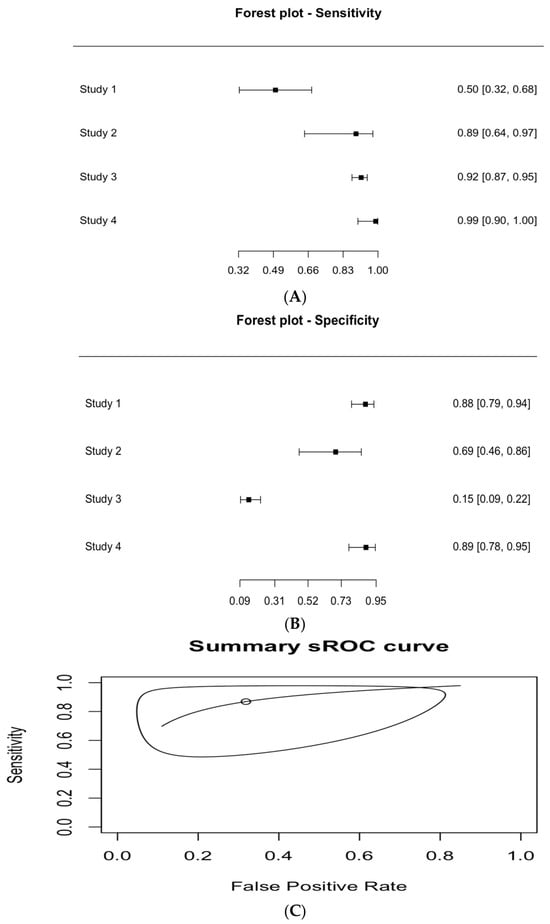
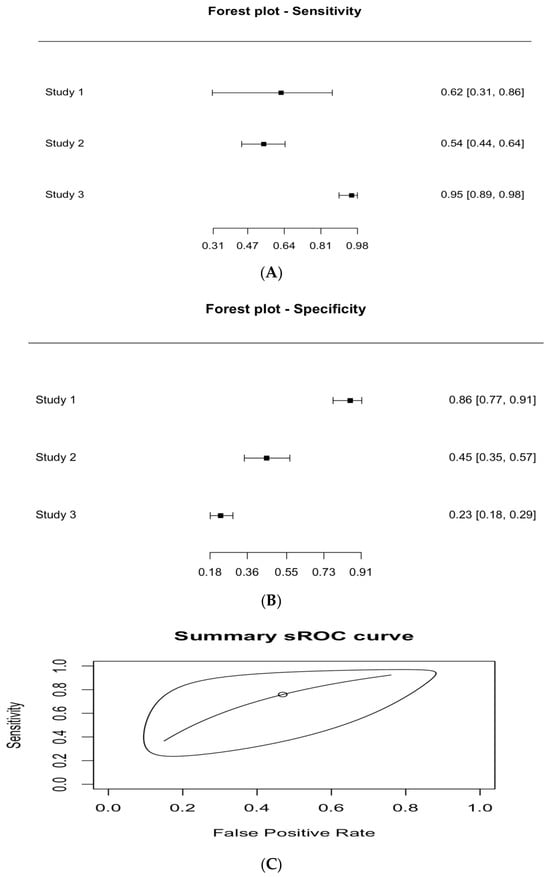
Background: Older adults with cancer are at increased risk of severe treatment-related toxicity. CARG, CRASH, and CARG-BC were developed as toxicity-risk prediction models, whereas G8 was developed as a geriatric screening instrument but has also been evaluated as a predictor of treatment-related toxicity. This study aimed to assess, separately for each instrument, the accuracy with which these tools identify older adults who develop severe chemotherapy-related toxicity. Methods: A systematic review and meta-analysis were conducted in accordance with PRISMA 2020 guidelines. Seven databases were searched through May 2026 for observational studies evaluating the predictive accuracy of the CARG, CRASH, CARG-BC and G8 tools in patients aged ≥65 years initiating chemotherapy. Pooled sensitivity and specificity with 95% confidence intervals (CIs) were calculated, and ROC curves were constructed. Risk of bias was assessed using QUADAS-2 and certainty of evidence was evaluated using GRADE. Results: Twenty-one studies were included, with an overall toxicity prevalence of 52.6%. CARG demonstrated a pooled sensitivity of 79.7% and specificity of 38.3% (AUC = 0.632). CRASH showed sensitivity of 86.9% and specificity of 68.2% (AUC = 0.866), but estimates were based on only four studies. CRASH hematological toxicity showed sensitivity of 75.9% and specificity of 53.1% (AUC = 0.694), with substantial heterogeneity. G8 yielded sensitivity of 69.5% and specificity of 41.5% (AUC = 0.666). CARG-BC showed sensitivity of 83.3% and specificity of 54.4% (AUC = 0.763), based on two breast cancer studies. Certainty of evidence ranged from low to very low. Conclusions: The instruments have distinct purposes and were not pooled against one another. CARG and G8 may be useful for initial risk screening, whereas CRASH showed a more balanced profile but remains supported by limited evidence. None should be used as a stand-alone basis to withhold or modify treatment.
Full article
(This article belongs to the Section Systematic Review or Meta-Analysis in Cancer Research)
►▼
Show Figures

Figure 1
Open AccessArticle
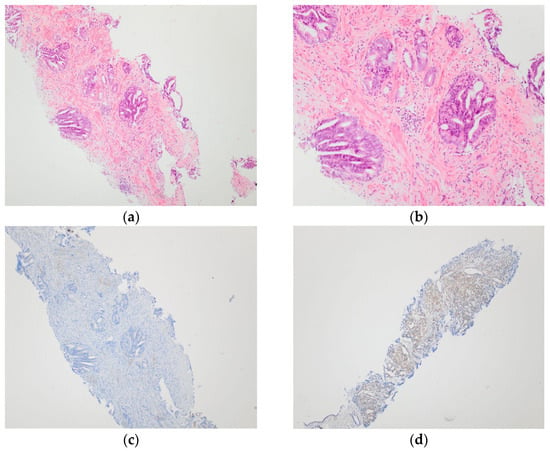
PTEN Protein Loss in Diagnostic Prostate Biopsies Is Associated with Gleason Score Upgrading in Radical Prostatectomy
by
Nives Kolesarić, Ivan Pezelj, Igor Tomašković, Goran Štimac, Monika Ulamec and Božo Krušlin
Cancers 2026, 18(15), 2477; https://doi.org/10.3390/cancers18152477 - 2 Aug 2026
Abstract
Background/Objectives: Prostate needle biopsy often underestimates tumor aggressiveness due to limited tissue sampling, leading to Gleason score upgrading after radical prostatectomy (RP). Phosphatase and Tensin Homolog (PTEN) loss is an established tissue-based marker of adverse prostate cancer biology. This study evaluated whether reduced
[...] Read more.
Background/Objectives: Prostate needle biopsy often underestimates tumor aggressiveness due to limited tissue sampling, leading to Gleason score upgrading after radical prostatectomy (RP). Phosphatase and Tensin Homolog (PTEN) loss is an established tissue-based marker of adverse prostate cancer biology. This study evaluated whether reduced or absent PTEN immunoreactivity in diagnostic biopsies is associated with subsequent Gleason score and International Society of Urological Pathology (ISUP) Grade Group upgrading in RP specimens. Methods: This retrospective study included 85 prostate cancer patients who underwent multiparametric magnetic resonance imaging (mpMRI)-guided biopsy and subsequent RP. PTEN expression on biopsy samples was assessed via immunohistochemistry. Patients were stratified into PTEN-preserved (PTEN+, n = 75) and PTEN-deficient (PTEN−, n = 10) groups. Results: Upgrading occurred in 70% (7/10) of PTEN-deficient cases compared with 20% (15/75) of PTEN-preserved cases. This difference was statistically significant (two-sided Fisher’s exact p = 0.0024), with PTEN-deficient patients showing a 3.50-fold higher relative risk of upgrading (RR = 3.50, 95% CI: 1.91–6.43). Preoperative PSA levels (p = 0.91) and Prostate Imaging Reporting and Data System (PI-RADS) scores (p = 0.73) did not differ significantly between the groups. Conclusions: Reduced PTEN protein expression, as assessed by immunohistochemistry in prostate needle biopsies, was significantly associated with Gleason score/ISUP Grade Group upgrading at radical prostatectomy. PTEN immunohistochemistry warrants further evaluation as a potentially complementary tissue-based marker of biopsy undergrading. However, the observed unadjusted association does not establish PTEN immunoreactivity as an independent predictor of upgrading.
Full article
(This article belongs to the Special Issue Prostate Cancer Pathology and Grade)
►▼
Show Figures

Figure 1
Journal Menu
► ▼ Journal Menu-
- Cancers Home
- Aims & Scope
- Editorial Board
- Reviewer Board
- Topical Advisory Panel
- Early Career Editorial Board
- Instructions for Authors
- Special Issues
- Topics
- Sections & Collections
- Article Processing Charge
- Indexing & Archiving
- Editor’s Choice Articles
- Most Cited & Viewed
- Journal Statistics
- Journal History
- Journal Awards
- Society Collaborations
- Conferences
- Editorial Office
Journal Browser
► ▼ Journal BrowserHighly Accessed Articles
Latest Books
E-Mail Alert
News
Topics
Topic in
Cancers, Diagnostics, Gastrointestinal Disorders, JCM, Current Oncology
Metastatic Colorectal Cancer: From Laboratory to Clinical Studies, 2nd Edition
Topic Editors: Ioannis Ntanasis-Stathopoulos, Diamantis I. TsilimigrasDeadline: 20 August 2026
Topic in
Biology, Biomolecules, Cancers, Cells, IJMS, Pharmaceuticals, Kinases and Phosphatases
Kinases in Cancer and Other Diseases, 2nd Edition
Topic Editors: Jonas Cicenas, Anna M. CzarneckaDeadline: 31 August 2026
Topic in
BioMedInformatics, Cancers, Hemato, Hematology Reports
Myeloma and Leukemia—Challenges and Current Treatment Options: 2nd Edition
Topic Editors: Giovanni Martinelli, Claudio CerchioneDeadline: 18 September 2026
Topic in
Cancers, Current Oncology, Diseases, Onco
Genomic Signature of Ocular Tumors
Topic Editors: Bita Esmaeli, Natalie WolkowDeadline: 20 October 2026
Conferences
Special Issues
Special Issue in
Cancers
Pediatric Cancer Research from Basic Biology to Experimental Therapy
Guest Editor: Atif AhmedDeadline: 7 August 2026
Special Issue in
Cancers
The Clinical Trials and Management of Acute Myeloid Leukemia: 2nd Edition
Guest Editor: Margaret T. KasnerDeadline: 7 August 2026
Special Issue in
Cancers
Preclinical and Clinical Research on the Efficacy of Anticancer Drugs
Guest Editors: Andrzej Hellmann, Joanna Jakobkiewicz-Banecka, Jan LicaDeadline: 7 August 2026
Special Issue in
Cancers
Targeted Therapies in Sarcomas: Overcoming Resistance and Improving Outcomes
Guest Editors: Varun Monga, Mohammed M. MilhemDeadline: 8 August 2026
Topical Collections
Topical Collection in
Cancers
New Discoveries and Future Trend for Prostate Cancer Research and Treatment
Collection Editor: Zakaria Y. Abd Elmageed
Topical Collection in
Cancers
Molecular Signaling Pathways and Networks in Cancer
Collection Editors: Shihori Tanabe, You Song
Topical Collection in
Cancers
Diagnosis and Treatment of Primary and Secondary Lung Cancers
Collection Editor: Francesco Petrella