




-
Integrative Peptide Drug Development: Chemical Engineering, AI-Driven Design, and Cell-Penetrating Peptides -
Decoding Immune Dysregulation in Sepsis Through Extracellular Vesicles: A Path to Precision Medicine -
Nanoparticle Clearance and New Horizons in Engineered Drug Delivery -
Harnessing Pharmacokinetic Modeling to Develop a Long-Acting Subcutaneous HIV Treatment Platform for Young Children -
From Magnetic Moment to Magnetic Particle Imaging: A Comprehensive Review on MPI Technology, Tracer Design and Biological Applications
Journal Description
Pharmaceutics
Pharmaceutics
is a peer-reviewed, open access journal on the science and technology of pharmaceutics and biopharmaceutics, published monthly online by MDPI. The Spanish Society of Pharmaceutics and Pharmaceutical Technology (SEFIG), Pharmaceutical Solid State Research Cluster (PSSRC), Academy of Pharmaceutical Sciences (APS) and Korean Society of Pharmaceutical Sciences and Technology (KSPST) are affiliated with Pharmaceutics and their members receive a discount on the article processing charges.
- Open Access— free for readers, with article processing charges (APC) paid by authors or their institutions.
- High Visibility: indexed within Scopus, SCIE (Web of Science), PubMed, PMC, Embase, CAPlus / SciFinder, and other databases.
- Journal Rank: JCR - Q1 (Pharmacology and Pharmacy) / CiteScore - Q1 (Pharmaceutical Science)
- Rapid Publication: manuscripts are peer-reviewed and a first decision is provided to authors approximately 15.7 days after submission; acceptance to publication is undertaken in 3.5 days (median values for papers published in this journal in the second half of 2025).
- Recognition of Reviewers: reviewers who provide timely, thorough peer-review reports receive vouchers entitling them to a discount on the APC of their next publication in any MDPI journal, in appreciation of the work done.
- Companion journals for Pharmaceutics include: Future Pharmacology, Journal of Pharmaceutical and BioTech Industry and Medicines.
- Journal Clusters-Pharmaceutical Science: Scientia Pharmaceutica, Marine Drugs, Pharmaceuticals, Pharmaceutics, Pharmacy, Future Pharmacology, Pharmacoepidemiology, Drugs and Drug Candidates and Journal of Pharmaceutical and BioTech Industry.
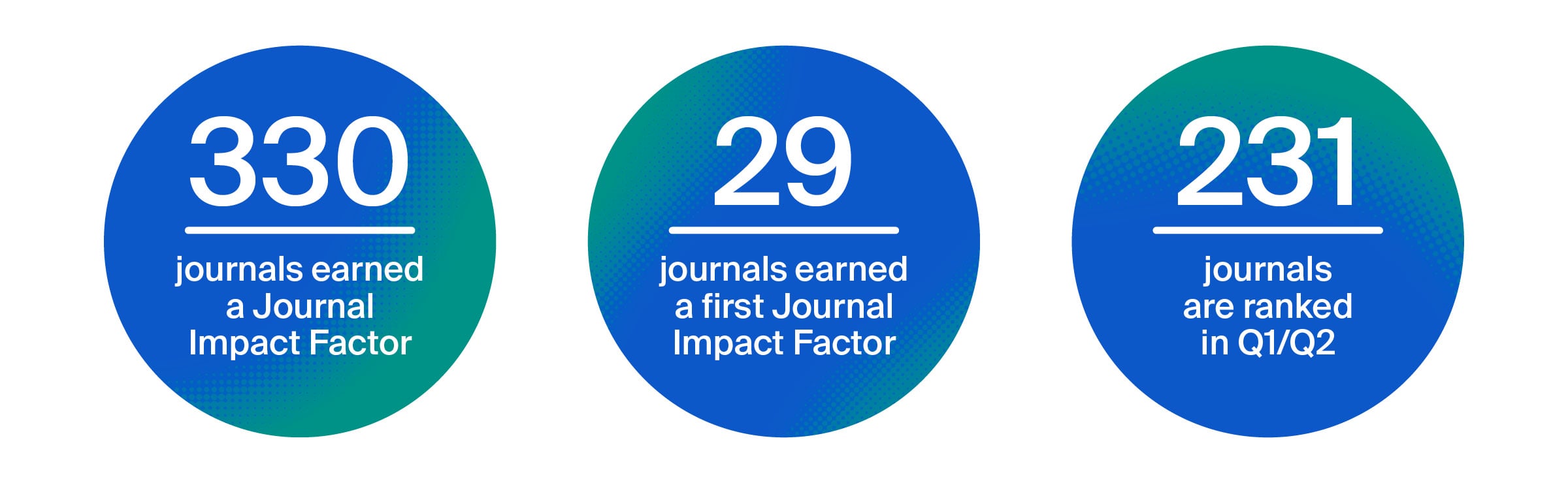
Impact Factor:
6.9 (2025);
5-Year Impact Factor:
6.7 (2025)
Latest Articles
Naphthalene-Type Glycosides from Rumex obtusifolius Roots and Their Protective Effects Against Muscle Atrophy in C2C12 Myotubes
Pharmaceutics 2026, 18(7), 807; https://doi.org/10.3390/pharmaceutics18070807 (registering DOI) - 29 Jun 2026
Abstract
Background/Objectives: Rumex obtusifolius L. (Polygonaceae) has been traditionally used to treat various disorders, including hepatic and gastrointestinal diseases. However, the phytochemical constituents of its roots and their potential protective effects against skeletal muscle atrophy remain poorly understood. This study aimed to isolate
[...] Read more.
Background/Objectives: Rumex obtusifolius L. (Polygonaceae) has been traditionally used to treat various disorders, including hepatic and gastrointestinal diseases. However, the phytochemical constituents of its roots and their potential protective effects against skeletal muscle atrophy remain poorly understood. This study aimed to isolate and characterize bioactive constituents from R. obtusifolius roots and evaluate their protective effects against dexamethasone (DEX)-induced muscle atrophy in C2C12 myotubes. Methods: LC–MS-guided phytochemical investigation of the ethanol extract of R. obtusifolius roots, followed by successive column chromatography and HPLC purification, resulted in the isolation of four naphthalene-type glycosides. Their structures were elucidated using 1D and 2D NMR spectroscopy, HR-ESIMS, and chemical transformation. The protective effects of compounds 1 and 4 against dexamethasone (DEX)-induced muscle atrophy were evaluated by assessing myotube morphology, myogenic and atrophy-related protein expression, and PI3K/Akt/mTOR signaling. Results: A new naphthalene malonylglucoside, nepodin-8-O-β-D-(6′-O-malonyl)-glucopyranoside (1), together with three known glycosides (2–4), was identified. Among the isolated compounds, compound 1 significantly attenuated DEX-induced muscle atrophy in a concentration-dependent manner by increasing myotube diameter and improving myotube morphology. It restored the expression of the myogenic markers MyoD and myogenin while suppressing the atrophy-related proteins MuRF1 and MAFBX. Furthermore, compound 1 reversed DEX-induced suppression of the PI3K/Akt/mTOR signaling pathway, indicating recovery of anabolic signaling. Conclusions: This study reports a new naphthalene malonylglucoside (1) from R. obtusifolius roots and demonstrates that compound 1 protects against DEX-induced skeletal muscle atrophy through restoration of myogenic differentiation and activation of the PI3K/Akt/mTOR pathway. These findings suggest that compound 1 is a promising natural lead compound for the development of therapeutics targeting muscle wasting disorders.
Full article
(This article belongs to the Special Issue Bioactive Molecules from Plants: Discovery and Pharmaceutical Applications, 4th Edition)
Open AccessArticle
Anti-Inflammatory Effects of Ginsenoside Rg1 and Low-Dose Ginseng Extract in an Astrocyte–Microglia Co-Culture Model of Inflammation
by
Shaoning An, Laura Schönfelder, Peter Reusch, Pedro M. Faustmann, Fatme S. Ismail and Timo Jendrik Faustmann
Pharmaceutics 2026, 18(7), 806; https://doi.org/10.3390/pharmaceutics18070806 (registering DOI) - 29 Jun 2026
Abstract
Background: Neuroinflammation contributes to the etiopathology and symptom severity of neurodegenerative and neuropsychiatric disorders. Glial cells, especially microglia and astrocytes, play a crucial role in neuroinflammation. It has been reported that ginseng (Panax ginseng) and its bioactive component ginsenoside Rg1 exhibit
[...] Read more.
Background: Neuroinflammation contributes to the etiopathology and symptom severity of neurodegenerative and neuropsychiatric disorders. Glial cells, especially microglia and astrocytes, play a crucial role in neuroinflammation. It has been reported that ginseng (Panax ginseng) and its bioactive component ginsenoside Rg1 exhibit anti-inflammatory effects and can improve cognitive performance in various models. However, the exact underlying mechanisms remain unclear. Methods: Astrocyte–microglia co-culture models simulating physiological (M5, 5–10% microglia) and pathological/inflammatory (M30, 30–40% microglia) conditions were treated with different concentrations of ginsenoside Rg1 (15, 30, 45 µM) or ginseng extract (derived from Korean red ginseng) at low (12.5, 25, 37.5 µg/mL) or high doses (125, 250, 375 µg/mL) for 24 h. Cell viability was assessed using the MTT assay while microglial reactivity was examined using immunocytochemistry. Astrocytic gap-junctional coupling was investigated using the scrape-loading method, and connexin 43 (Cx43) expression was analyzed using immunocytochemistry and Western blot. Results: Both Rg1 and low-dose ginseng extract reduced microglial activation under inflammatory conditions by promoting a shift in microglia from an activated to homeostatic (resting) phenotype. Rg1 preserved astrocytic gap-junctional function by preventing the inflammation-induced downregulation of Cx43 expression and enhancing Cx43-mediated gap-junctional intercellular communication. Rg1 caused a significant reduction in glial cell viability, but only at high concentrations (30 and 45 µM), under inflammatory conditions. High-dose ginseng extract showed a significant concentration-dependent reduction in glial cell viability under physiological and pathological conditions, without comparable anti-inflammatory benefits. Conclusions: This study demonstrates that low-dose ginseng and its active compound Rg1 exert anti-inflammatory effects by modulating astrocytic coupling and microglial reactivity. These results provide a novel therapeutic perspective for the use of ginseng in the treatment of neurodegenerative and neuropsychiatric diseases related to neuroinflammation.
Full article
(This article belongs to the Special Issue Pharmaceutical Applications and Therapeutic Mechanisms of Substances from Plant Origin)
Open AccessArticle
Diagnosing the Information Limits of In Vitro Drug Release from PLGA Microparticle Data
by
Kushaan Sharma, Aryan Shah, Syna Sharma, Shreyan Shah, Mansoor A. Khan and Mariame Ali
Pharmaceutics 2026, 18(7), 805; https://doi.org/10.3390/pharmaceutics18070805 (registering DOI) - 29 Jun 2026
Abstract
Background/Objectives: Poly(lactic-co-glycolic acid) (PLGA) microparticles are widely used for sustained drug delivery, yet the release behavior reported in the literature remains difficult to predict across studies. It was hypothesized that this limitation reflects insufficient information content in commonly reported formulation variables rather
[...] Read more.
Background/Objectives: Poly(lactic-co-glycolic acid) (PLGA) microparticles are widely used for sustained drug delivery, yet the release behavior reported in the literature remains difficult to predict across studies. It was hypothesized that this limitation reflects insufficient information content in commonly reported formulation variables rather than model inadequacy. Methods: A curated dataset of 321 PLGA microparticle formulations from 113 publications comprising 89 drugs and 4913 release observations was analyzed. Early time release was parameterized using Korsmeyer–Peppas descriptors (n, K), and burst release was quantified as the 24 h cumulative release. Machine learning models were evaluated using formulation-grouped cross-validation, applicability-domain analysis, and leave-one-study-out validation to assess cross-laboratory transportability. Results: Under formulation-grouped validation, predictability was limited (stacked ensemble: for n, for K, burst ). Leave-one-study-out validation yielded negative pooled values for all targets ( , , and , respectively), indicating failure to generalize across laboratories. Applicability-domain filtering did not materially improve performance, supporting the interpretation that prediction is limited by missing or inconsistently reported variables rather than covariate extrapolation alone. Conclusions: These results reveal an information-limited regime in PLGA release prediction in which the literature covariates enable only weak formulation-level prediction under grouped validation and cannot support transferable models. Minimum reporting priorities are therefore proposed, including standardized characterization of polymer molecular weight, end-group chemistry, quantitative emulsification and solvent-removal parameters, and microstructural or porosity measurements, to enable reproducible formulation screening.
Full article
(This article belongs to the Section Drug Delivery and Controlled Release)
Open AccessArticle
Nanoencapsulation of Artemisia annua Essential Oil in Chitosan-Lipid Carriers Enhances Stability, Larvicidal, Antifungal, and Anticancer Efficacy
by
Ghassab M. Al-Mazaideh, Mohammed Alshammari, Bader Alsuwayt, Abdulkareem A. Alanezi, Nimer Fehaid Alsabeelah, Afaf F. Almuqati, Meshal Alotaibi, Shatha Alzahrani, Turki Hamdan Alsayyali, Haya Ayyal Salman, Abdulrahman Fahad Nagi Almutairi and Mohammed Helmy Faris Shalayel
Pharmaceutics 2026, 18(7), 804; https://doi.org/10.3390/pharmaceutics18070804 (registering DOI) - 29 Jun 2026
Abstract
Background/Objectives:Artemisia annua essential oil (EO) possesses diverse biological activities; however, its practical application is limited by volatility, instability, and poor bioavailability. This study aimed to develop chitosan-coated nanostructured lipid carriers (CH-NLCs) for efficient encapsulation and delivery of A. annua EO and to
[...] Read more.
Background/Objectives:Artemisia annua essential oil (EO) possesses diverse biological activities; however, its practical application is limited by volatility, instability, and poor bioavailability. This study aimed to develop chitosan-coated nanostructured lipid carriers (CH-NLCs) for efficient encapsulation and delivery of A. annua EO and to evaluate their physicochemical characteristics and biological performance. Methods: The nanoformulation exhibited favorable physicochemical properties, including a high encapsulation efficiency (85.97 ± 1.30%) and a strongly positive surface charge (approximately +45 mV), indicating good colloidal stability. Structural analyses by SEM, FTIR, and XRD confirmed successful encapsulation of the EO within the nanocarrier matrix. Results: The CH-NLC formulation significantly enhanced larvicidal activity against Aedes aegypti larvae, reducing the LC50 value from 213 ppm for the free EO to 142 ppm. Enhanced antifungal activity was also observed, with 47–56% greater inhibition against Malassezia furfur, Trichophyton mentagrophytes, and Candida albicans compared with the free EO. Furthermore, CH-NLC demonstrated improved cytotoxic activity against skin cancer cell lines, achieving IC50 values of 21.4 ± 1.7 µg/mL and 30.1 ± 1.6 µg/mL against A431 and A375 cells, respectively, while maintaining lower toxicity toward normal HaCaT keratinocytes. Mechanistic investigations revealed enhanced apoptosis and an approximately 3-fold increase in intracellular reactive oxygen species (ROS) levels in treated cancer cells. Conclusions: Collectively, these findings indicate that chitosan-coated nanostructured lipid carriers effectively improve the stability and biological efficacy of A. annua essential oil and represent a promising platform for future biomedical and biocidal applications.
Full article
(This article belongs to the Special Issue Anti-Inflammatory Effects from Natural Bioactive Compounds—from Bench to Bedside, 3rd Edition)
Open AccessReview
Integrating Real-World Data and Pharmacometrics to Bridge Evidence Gaps in Special Populations: A State-of-the-Art Review
by
Yunseok Choi, Hyeonsu Kim, Donghyun Kim, Sung Hwan Joo, Seok Jun Park, Beomjin Shin, Soyun Park, Tyler Shugg, Won Gun Kwack, Seungwon Yang and Eun Kyoung Chung
Pharmaceutics 2026, 18(7), 803; https://doi.org/10.3390/pharmaceutics18070803 (registering DOI) - 29 Jun 2026
Abstract
Background/Objectives: Special populations, including pediatric, geriatric, and organ-impaired patients, are consistently underrepresented in randomized controlled trials (RCTs), resulting in limited evidence for safe and effective dosing. Off-label use is common, and variability in drug exposure and response increases the risk of adverse
[...] Read more.
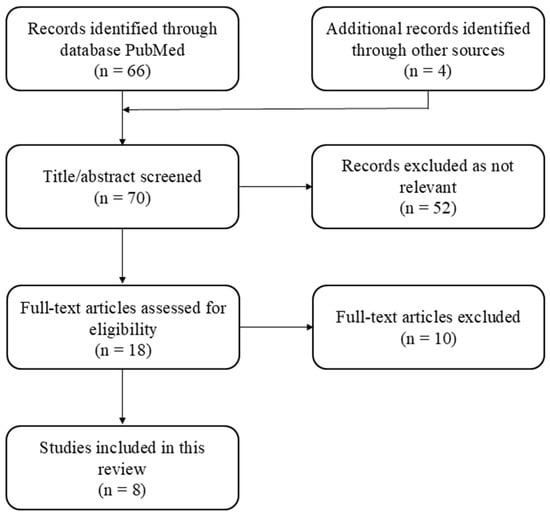
Background/Objectives: Special populations, including pediatric, geriatric, and organ-impaired patients, are consistently underrepresented in randomized controlled trials (RCTs), resulting in limited evidence for safe and effective dosing. Off-label use is common, and variability in drug exposure and response increases the risk of adverse drug reactions (ADRs). This review aims to examine how integrating pharmacometrics (PMX) with real-world data (RWD) can address evidence gaps by supporting dose optimization, population expansion, and safety evaluation in these vulnerable groups. Methods: A narrative literature review was conducted using PubMed, Embase, and Web of Science (January 2000–November 2025). Using Boolean combinations of PMX and RWD-related search terms, approximately 200–300 records were identified across the three databases; approximately 30 full-text articles were reviewed, and representative case studies were selected based on population diversity, methodological variation, and regulatory or clinical impact. Results: RWD–PMX integration has been applied across three domains: (i) dosing optimization through therapeutic drug monitoring (TDM)-informed PopPK modeling and model external validation in pediatric and neonatal populations; (ii) population expansion supporting dose extrapolation and regulatory decision-making for unapproved groups; and (iii) safety evaluation enabling identification of exposure–toxicity risk factors in vulnerable cohorts. Conclusions: Integrating PMX with RWD provides a practical and mechanistically grounded framework for evaluating dosing, treatment eligibility, and safety in populations insufficiently represented in clinical trials. Accumulating evidence indicates that RWD–PMX methodologies can complement traditional clinical research and inform regulatory decision-making. Continued refinement of data quality standards, validation practices, and guidance frameworks will be essential for broader adoption.
Full article
(This article belongs to the Special Issue Model-Informed Precision Dosing in Drug Development and Clinical Practice)
Open AccessArticle
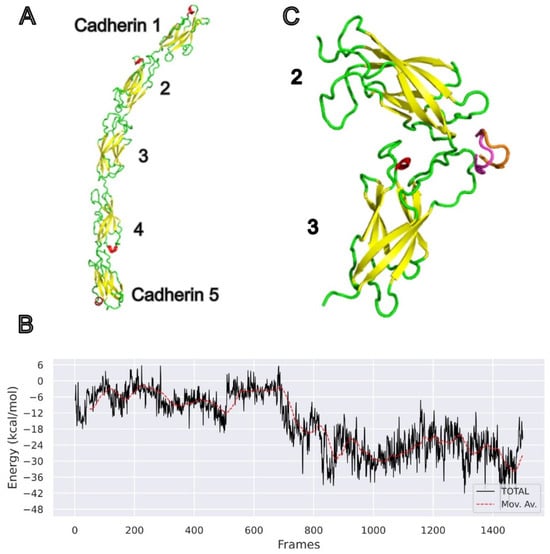
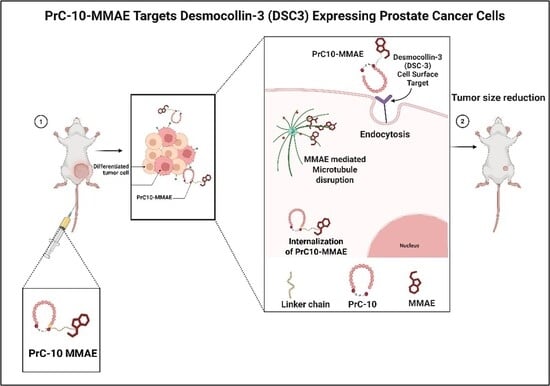
Desmocollin-3 Is a Novel Target Receptor for Targeted Drug Delivery for Malignant Prostate Cancer
by
Vipin Sharma, Bharat Lohiya, Hanni Grace Francis, Galia Luboshits, Dror Tobi and Michael A. Firer
Pharmaceutics 2026, 18(7), 802; https://doi.org/10.3390/pharmaceutics18070802 (registering DOI) - 29 Jun 2026
Abstract
Background: Malignant prostate cancer (PrC) remains challenging to treat due to tumor heterogeneity and the limited availability of ligands that target disease-associated surface markers with properties appropriate for targeted drug delivery systems. To overcome this hurdle, we used an unbiased but stringent selection
[...] Read more.
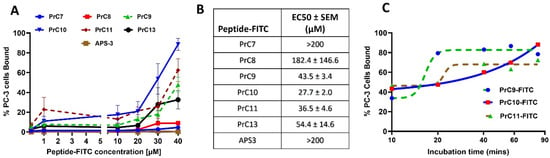
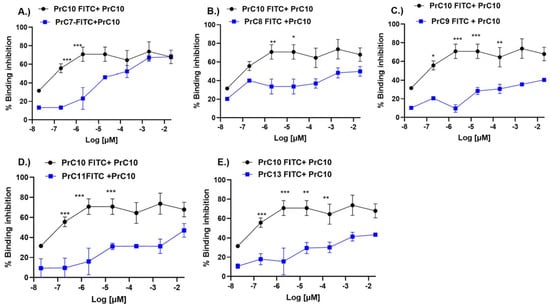
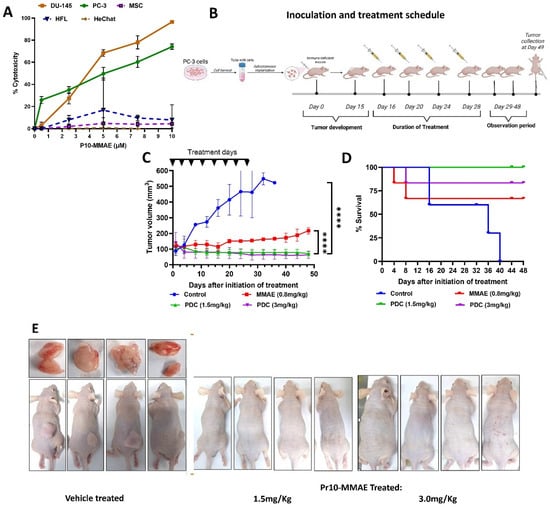
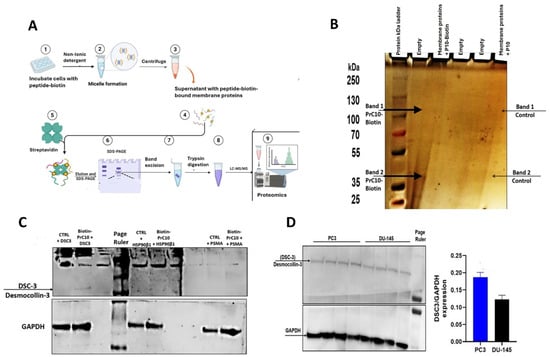
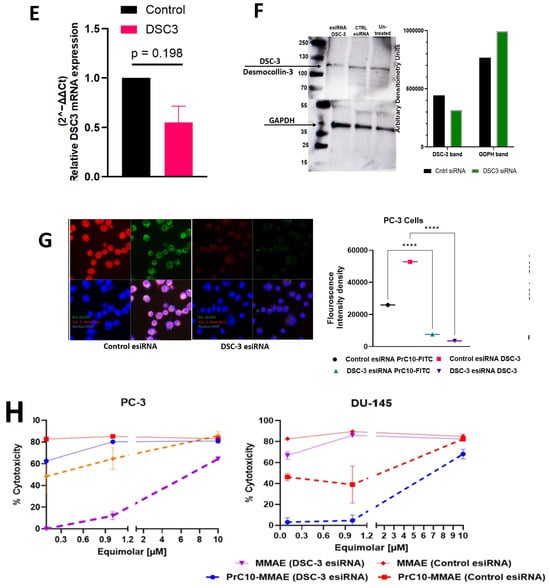
Background: Malignant prostate cancer (PrC) remains challenging to treat due to tumor heterogeneity and the limited availability of ligands that target disease-associated surface markers with properties appropriate for targeted drug delivery systems. To overcome this hurdle, we used an unbiased but stringent selection strategy to discover a series of phage-displayed peptides that internalize specifically into PrC tumors. Methods: Here we report the characteristics, properties and function of one of these peptides, Pr10, and validate its ability to specifically deliver cytotoxic drugs into PrC cells and kill them, both in vitro and in xenograft models. Results: Biochemical and proteomic studies identified the receptor for Pr10 as Desmocollin-3 (DSC3). This finding was confirmed by demonstrating the expression of the DSC-3 protein on PrC cells; by siRNA knockdown of DSC3 expression, which abrogated Pr10 function; and by in silico docking experiments. Conclusions: Together, these findings identify DSC3 as a novel, functional receptor on malignant prostate cancer cells and establish Pr10 as an effective and PrC-selective ligand for drug delivery PrC cells. More broadly, this work highlights the ability of unbiased screening approaches to identify and isolate novel target receptors with properties appropriate for use in effective target drug delivery systems for cancer therapy.
Full article
(This article belongs to the Section Drug Delivery and Controlled Release)
►▼
Show Figures

Graphical abstract
Open AccessRetraction
RETRACTED: Meligy et al. Therapeutic Potential of Mesenchymal Stem Cells Versus Omega n − 3 Polyunsaturated Fatty Acids on Gentamicin-Induced Cardiac Degeneration. Pharmaceutics 2022, 14, 1322
by
Fatma Y. Meligy, Hanan Sharaf El-Deen Mohammed, Tarek M. Mostafa, Mohamed M. Elfiky, Israa El-Sayed Mohamed Ashry, Ahmed M. Abd-Eldayem, Nermin I. Rizk, Dina Sabry, Eman S. H. Abd Allah and Salwa Fares Ahmed
Pharmaceutics 2026, 18(7), 801; https://doi.org/10.3390/pharmaceutics18070801 (registering DOI) - 29 Jun 2026
Abstract
The journal retracts the article titled “Therapeutic Potential of Mesenchymal Stem Cells versus Omega n − 3 Polyunsaturated Fatty Acids on Gentamicin-Induced Cardiac Degeneration” [...]
Full article
Open AccessReview
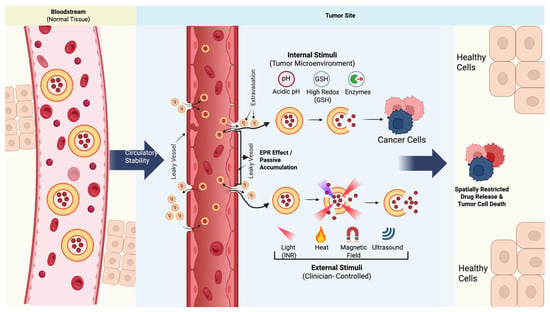
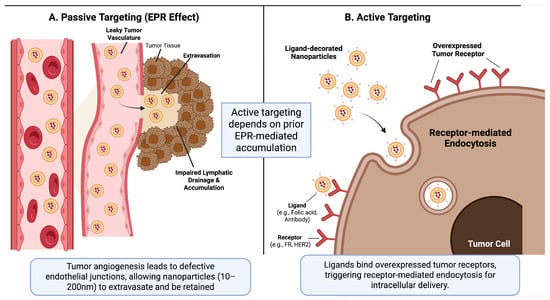
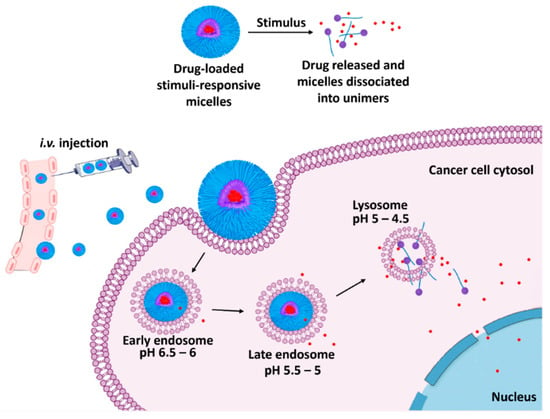
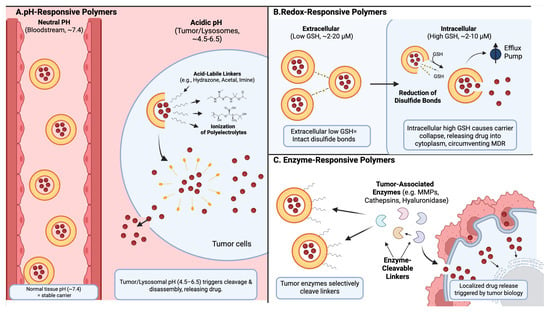
Stimuli-Responsive Nanocarriers as Next-Generation on-Demand Drug Delivery Systems for Cancer Therapy: Mechanistic Insights, Trigger Modalities, and Translational Challenges
by
Ahmed Abdulkarim Y. Alaysereen, Moath Mahmoud E. Daoud, Maha Munawar Alhoda M. Bader Alhoda, Ali Husain Ali Zayer and G. Roshan Deen
Pharmaceutics 2026, 18(7), 800; https://doi.org/10.3390/pharmaceutics18070800 (registering DOI) - 29 Jun 2026
Abstract
Chemotherapy has been used in cancer treatment for decades; however, standard chemotherapy treatments still have significant weaknesses, including collateral damage to healthy tissue, rapid development of drug resistance, and dose-limiting toxicity that limits therapeutic value. There is now an alternative approach using polymer
[...] Read more.
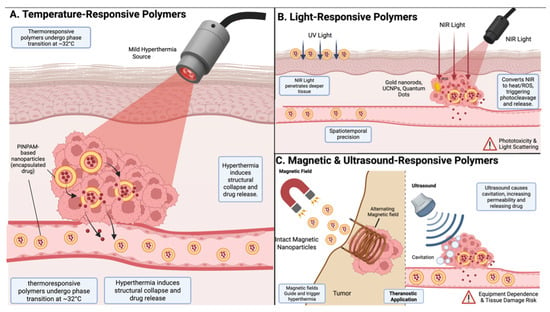
Chemotherapy has been used in cancer treatment for decades; however, standard chemotherapy treatments still have significant weaknesses, including collateral damage to healthy tissue, rapid development of drug resistance, and dose-limiting toxicity that limits therapeutic value. There is now an alternative approach using polymer materials that are responsive to biological stimuli that will allow for improved treatment of cancer while avoiding the limitations. Responsive polymer materials are designed to be inert during circulation until they reach their site of action; then, they will respond to specific triggers. These smart carriers respond to stimuli present in the tumor microenvironment (e.g., low pH, high glutathione levels, and increased proteolytic activity) or external stimuli applied at the bedside (e.g., localized heat, light, ultrasound, and applied magnetic fields). In both cases, there is a consistent pattern where the drug is released exactly where/when it is needed, with minimal drug release occurring outside that location and timeframe. Therefore, it is theorized that the use of polymeric-based delivery systems with stimuli-regulated drug release will significantly increase the concentration of drug delivered intratumorally, decrease the drug toxicity, and provide a potential mechanism to overcome the development of multidrug resistance from a variety of cancer treatments. To date, various types of responsive polymers have been developed and could be combined to give rise to a wide variety of different vehicle systems (e.g., micelles, nanogels, hydrogels, and hybrid delivery systems), with many of these carriers designed to respond to multiple stimuli simultaneously. Nonetheless, significant challenges remain in the clinical application of these materials due to tumor heterogeneity, immune system interactions, reproducibility issues, polymer chemistry advances, surface chemistry, and other interaction mechanisms. As a result of all of these evolving regulatory systems, as well as some of the emerging areas of polymer chemistry and surface engineering, theranostic integration will allow for new routes to provide therapy for patients with cancer. Additionally, because of these scientific advances, there will also be more opportunities to provide targeted, controllable, and on-demand treatments to patients using stimuli-responsive polymers.
Full article
(This article belongs to the Special Issue New Insights into Nanomaterials for Cancer Therapy and Drug Delivery)
►▼
Show Figures

Figure 1
Open AccessReview
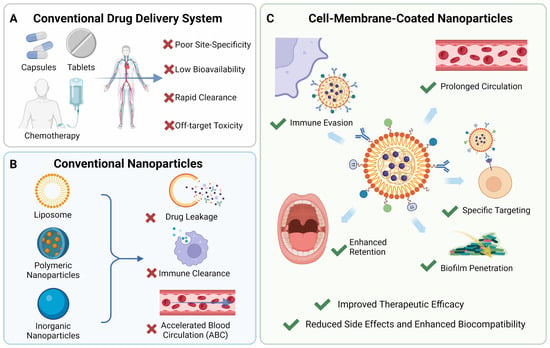
Biomimetic Cell Membrane-Based Drug Delivery Systems for Oral Diseases: Engineering Strategies, Targeting Mechanisms, and Translational Challenges
by
Zeyuan Xie, Lingling Zhang, Chengcheng Yin, Xu Zhang and Yanqin Lu
Pharmaceutics 2026, 18(7), 799; https://doi.org/10.3390/pharmaceutics18070799 (registering DOI) - 29 Jun 2026
Abstract
Oral diseases, encompassing conditions such as periodontitis, head and neck squamous cell carcinoma, pulpitis, and mucosal infections, remain a major global health burden due to their high prevalence and complex, multifactorial pathophysiology. The unique anatomical structure of the oral cavity, together with persistent
[...] Read more.
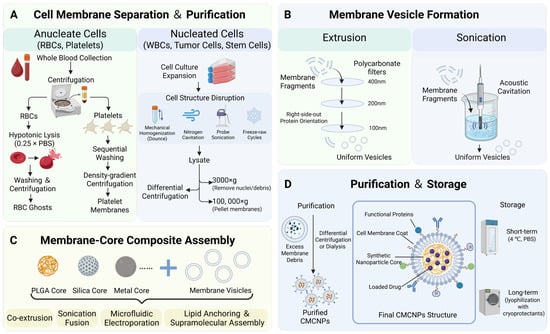
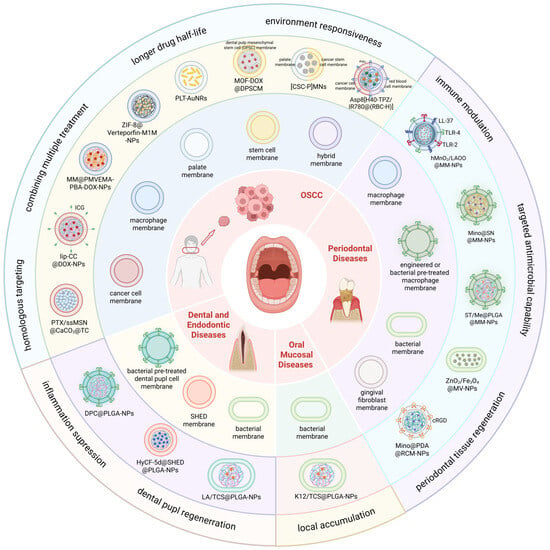
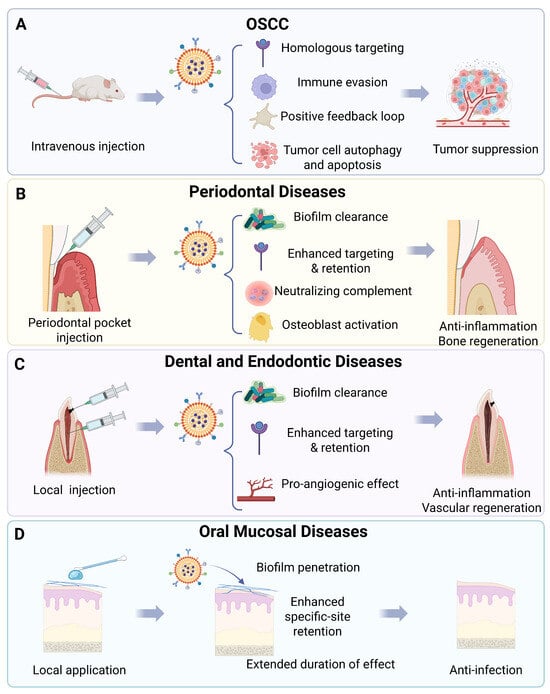
Oral diseases, encompassing conditions such as periodontitis, head and neck squamous cell carcinoma, pulpitis, and mucosal infections, remain a major global health burden due to their high prevalence and complex, multifactorial pathophysiology. The unique anatomical structure of the oral cavity, together with persistent microbial challenges and dynamic immune responses, imposes substantial limitations on conventional drug delivery strategies. Biomimetic cell membrane-based materials have recently emerged as a promising class of delivery platforms, leveraging natural biological interfaces to confer inherent biocompatibility, immune evasion, prolonged circulation, specific targeting, and biofilm-interactive capabilities. These features position them as a transformative approach for improving therapeutic precision and efficacy in oral disease management. In this review, we provide a systematic and materials-oriented overview of biomimetic cell membrane-based drug delivery systems. Specifically, we discuss: (1) the biological sources, classification, and physicochemical properties of membrane-coated systems, along with their fabrication and engineering strategies; (2) the mechanistic basis of targeting, immune modulation, and nanobiointerface interactions, and their applications across representative oral diseases; and (3) current challenges, including scalable manufacturing, functional controllability, biosafety, and clinical translation. Furthermore, we highlight emerging directions such as stimuli-responsive membrane systems and multifunctional integrated platforms, aiming to provide a conceptual framework for the rational design and clinical advancement of biomimetic drug delivery systems in complex disease settings.
Full article
(This article belongs to the Special Issue Biomimetic Drug Delivery Systems for Disease Treatment)
►▼
Show Figures

Figure 1
Open AccessArticle
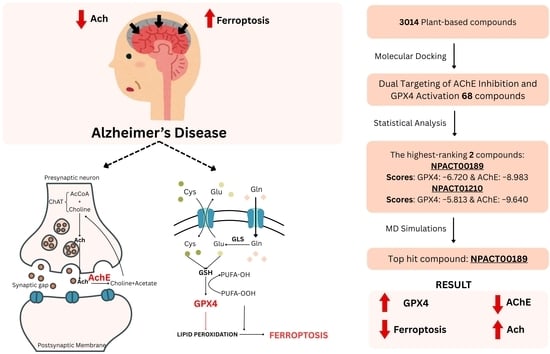
Dual Targeting of AChE Inhibition and GPX4 Binding by Plant-Derived Compounds for the Treatment of Alzheimer’s Disease: Insights from Molecular Docking and Molecular Dynamics Simulations
by
Suheda Rumeysa Osmanlioglu Dag and Mehmet Abdullah Alagoz
Pharmaceutics 2026, 18(7), 798; https://doi.org/10.3390/pharmaceutics18070798 (registering DOI) - 29 Jun 2026
Abstract
Background/Objectives: Alzheimer’s disease (AD) is primarily characterized by cholinergic dysfunction, for which acetylcholinesterase (AChE) inhibition remains the mainstay of symptomatic treatment. However, additional hypotheses such as ferroptosis—an iron-dependent form of regulated cell death—have gained prominence in explaining disease progression. Glutathione peroxidase 4
[...] Read more.
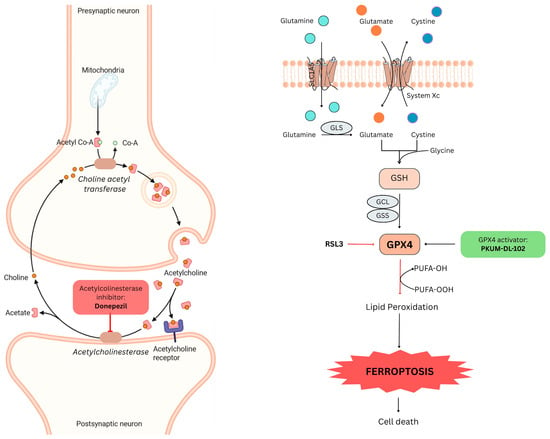
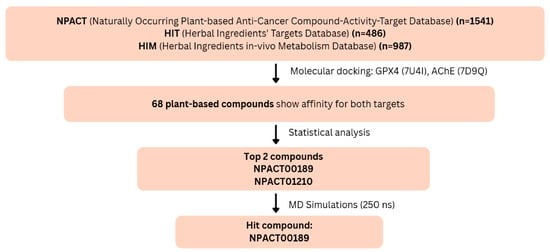
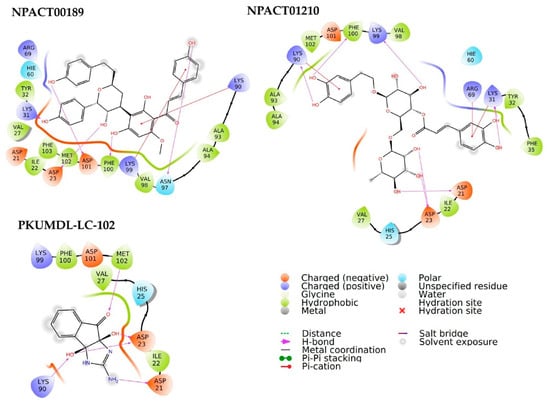
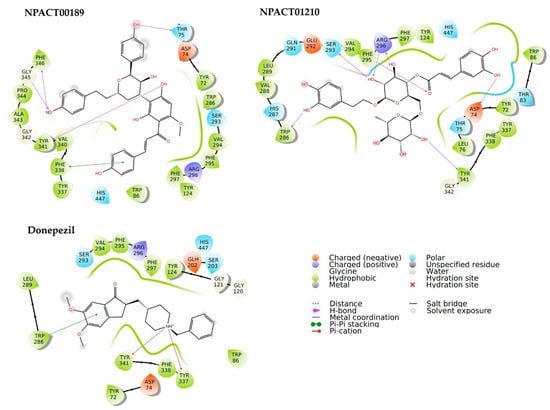
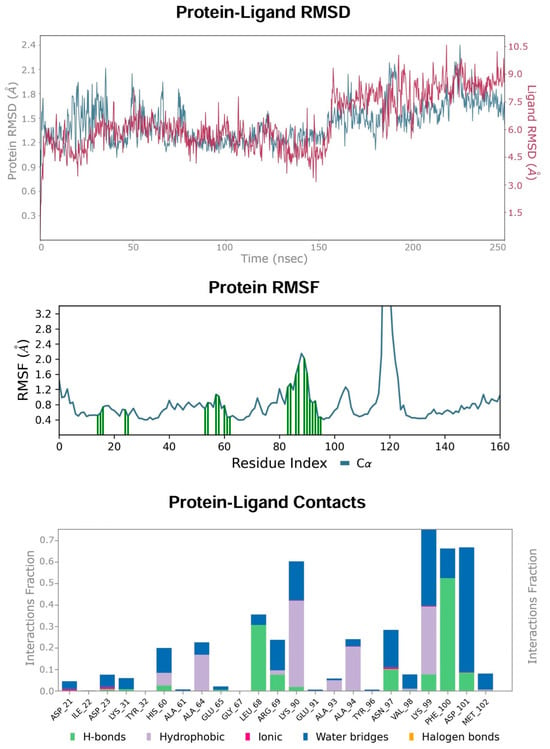
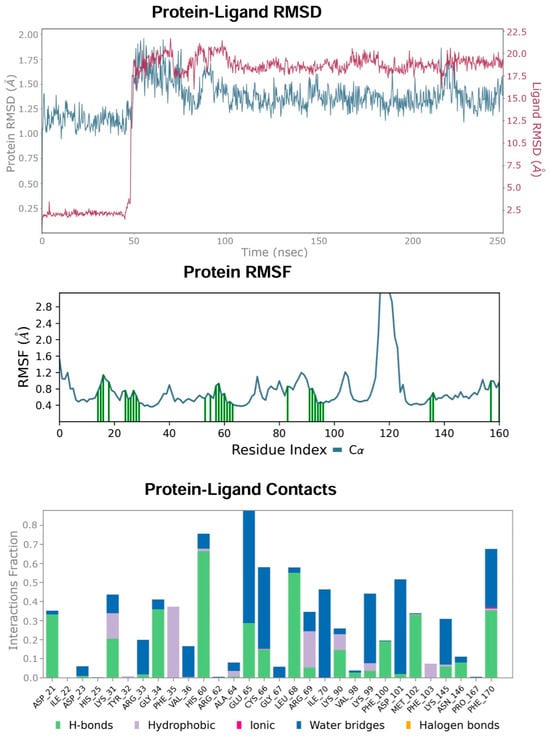
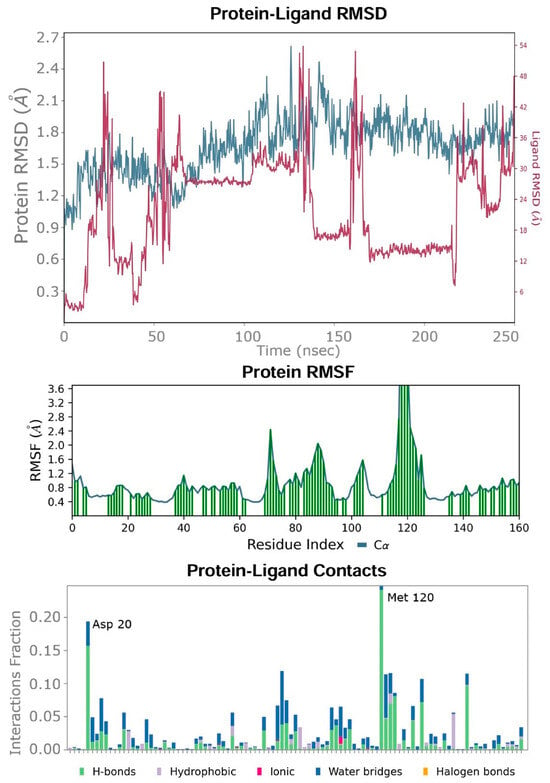
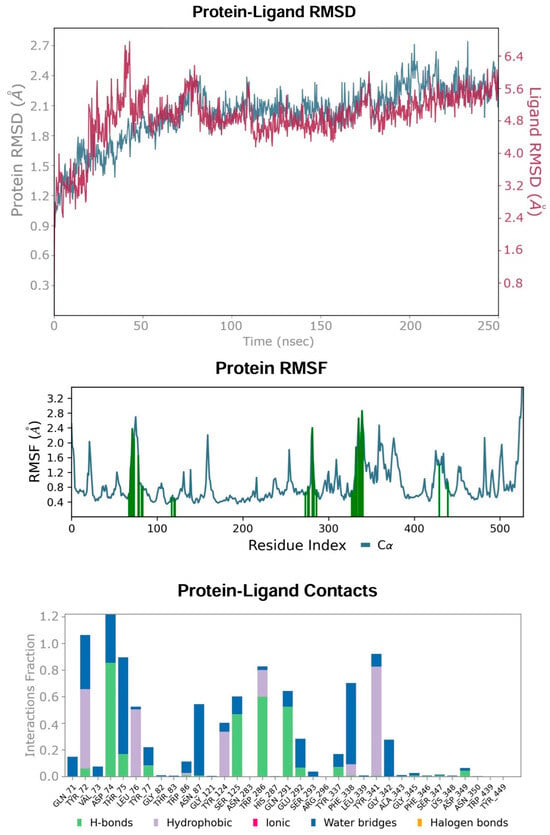
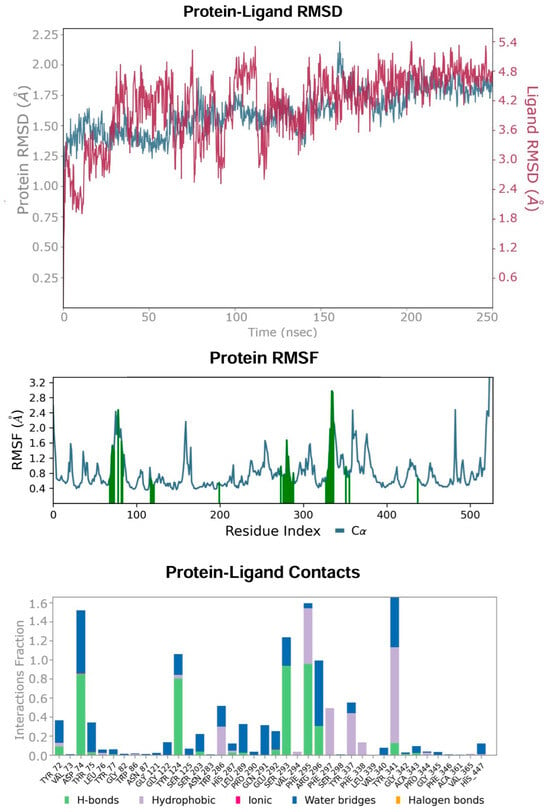
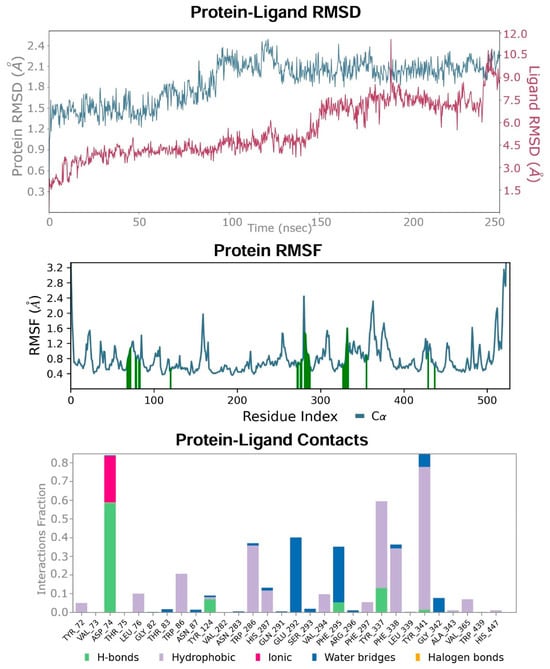
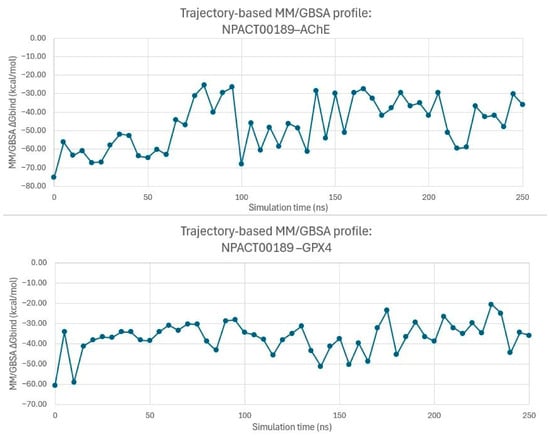
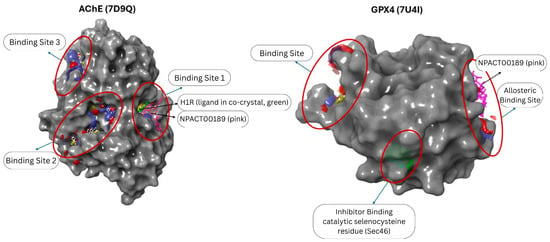
Background/Objectives: Alzheimer’s disease (AD) is primarily characterized by cholinergic dysfunction, for which acetylcholinesterase (AChE) inhibition remains the mainstay of symptomatic treatment. However, additional hypotheses such as ferroptosis—an iron-dependent form of regulated cell death—have gained prominence in explaining disease progression. Glutathione peroxidase 4 (GPX4), a critical antioxidant enzyme, plays a protective role by suppressing ferroptotic pathways. In this context, identifying phytochemicals capable of inhibiting AChE and exhibiting activator-like binding toward GPX4 may provide a dual therapeutic benefit. This study aimed to identify such dual-acting compounds through a structure-based virtual screening approach. Methods: A total of 3014 natural compounds were collected from three curated databases: NPACT, HIT, and HIM. Molecular docking was performed against GPX4 (7U4I) and AChE (7D9Q). Compounds demonstrating high affinity for both targets were shortlisted. Z-score normalization and statistical ranking were used to select the best two dual-target compounds. Results: Out of 3014 compounds, 68 showed dual-binding potential. Among these, NPACT00189 (docking scores: −6.720 kcal/mol for GPX4; −8.983 kcal/mol for AChE) and NPACT01210 (docking scores: −5.813 kcal/mol for GPX4; −9.640 kcal/mol for AChE) were identified as top candidates based on docking scores. Molecular dynamics (MD) simulations were conducted for both compounds for 250 ns on the AChE binding site and the allosteric site of GPX4. The results indicated that NPACT00189 maintained stable interactions throughout the simulation period at both targets, indicating its dual-targeting potential. Conclusions: NPACT00189 represents a promising dual-target candidate for further investigation in AD therapy. Its potential requires confirmation through comprehensive in vitro and in vivo studies.
Full article
(This article belongs to the Special Issue In Silico Approaches of Drug–Target Interactions)
►▼
Show Figures

Graphical abstract
Open AccessArticle
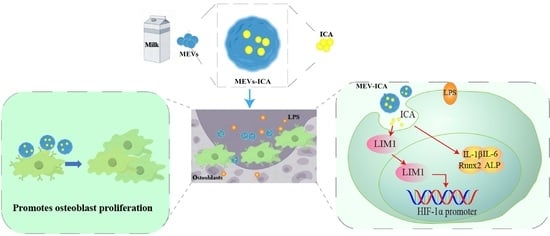
Icariin-Loaded Milk-Derived Extracellular Vesicles: Protective Effect on Inflammatory Bone Defects via HIF-1α
by
Ming Dong, Xinxin Yu, Shuo Liu, Yue Han, Wenqing Han, Lina Wang and Weidong Niu
Pharmaceutics 2026, 18(7), 797; https://doi.org/10.3390/pharmaceutics18070797 (registering DOI) - 29 Jun 2026
Abstract
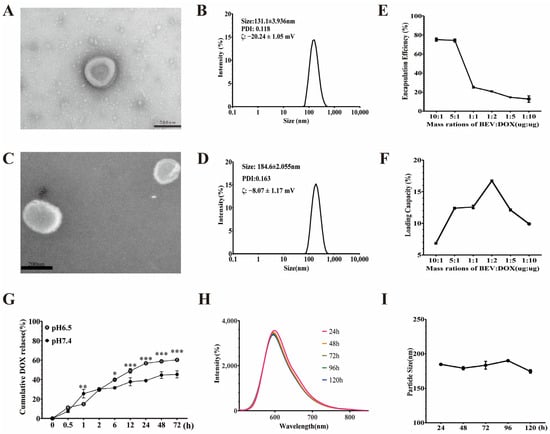
Objective: Icariin (ICA) is an active small molecule extracted from Epimedium, possessing therapeutic potential for inflammatory bone destruction. Small extracellular vesicles (MEVs) derived from bovine milk are safe and efficient drug delivery carriers. We aimed to explore the potential of ICA-loaded bovine milk
[...] Read more.
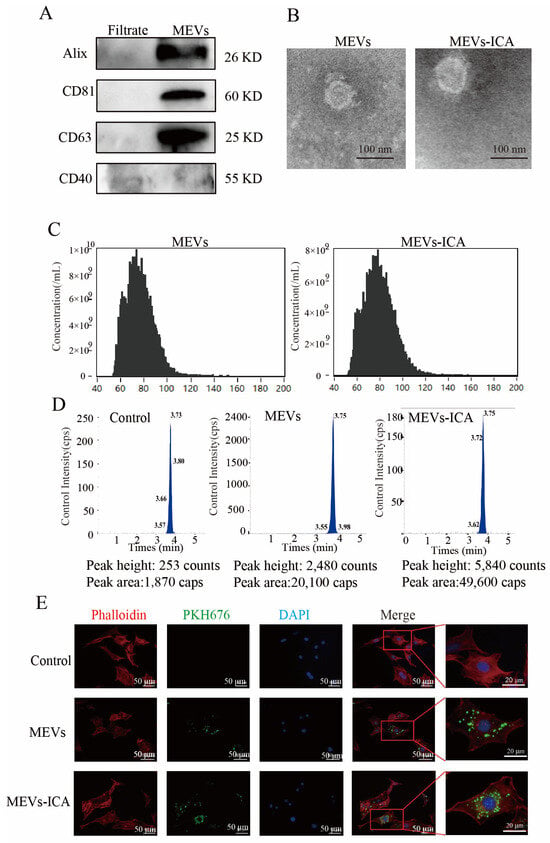
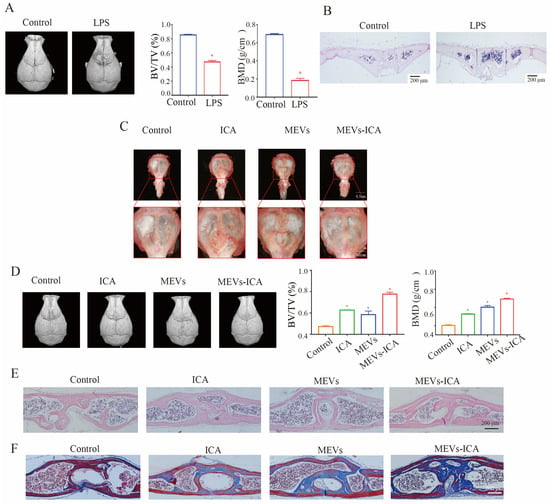
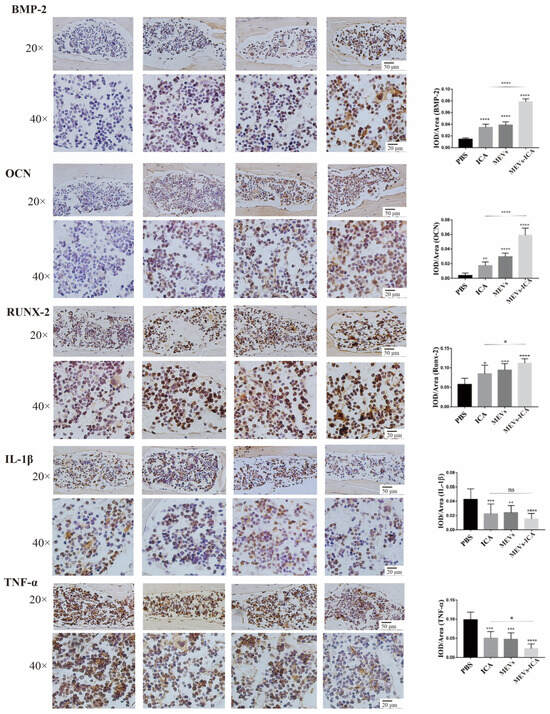
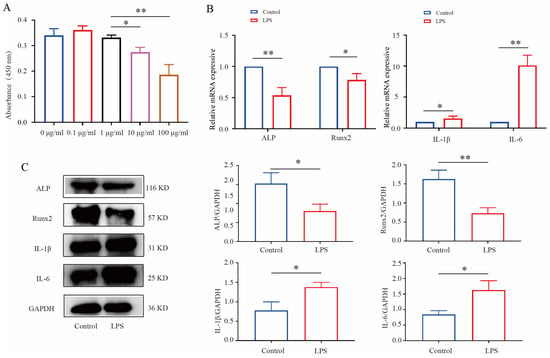
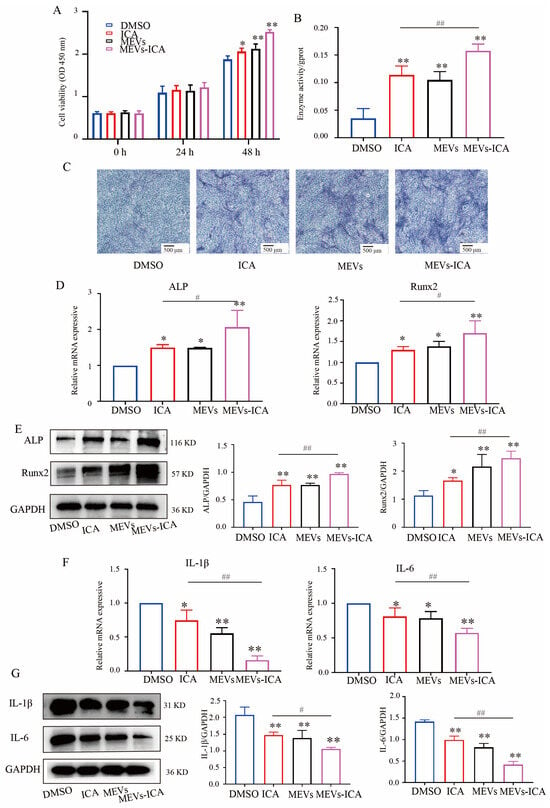
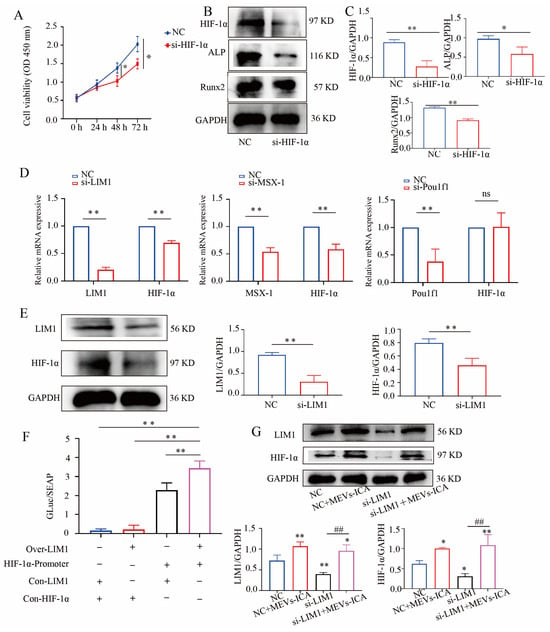
Objective: Icariin (ICA) is an active small molecule extracted from Epimedium, possessing therapeutic potential for inflammatory bone destruction. Small extracellular vesicles (MEVs) derived from bovine milk are safe and efficient drug delivery carriers. We aimed to explore the potential of ICA-loaded bovine milk EVs (ICA-MEVs) to repair inflammatory bone defects in an inflammatory microenvironment and investigated the underlying molecular mechanism, providing new ideas for the treatment of inflammatory bone defects. Methods: We fabricated icariin (ICA)-loaded milk-derived extracellular vesicles (ICA-MEVs) embedded in GelMA hydrogel and systematically evaluated the in vivo repairing efficacy against lipopolysaccharide (LPS)-induced inflammatory calvarial bone defects via micro-CT, HE staining, Masson staining and immunohistochemistry. Subsequent in vitro cellular experiments were carried out to uncover the regulatory mechanism by which ICA-MEVs promotes LPS-inhibited osteoblast proliferation and osteogenic differentiation. Results: ICA-MEVs significantly promoted the repair of inflammatory bone defects, upregulated osteogenic factors such as BMP-2, OCN, and Runx-2, and reduced the levels of IL-1β and TNF-α. ICA-loaded MEVs facilitated the proliferation and osteogenic differentiation of MC3T3-E1 osteoblasts while alleviating cellular inflammatory activation. Mechanistically, ICA-MEVs promoted bone repair by elevating LIM1 expression. Elevated LIM1 bound to the endogenous HIF-1α promoter and triggered subsequent transcriptional activation of HIF-1α. Conclusions: Under inflammatory conditions, ICA-MEVs effectively promoted the proliferation and differentiation of MC3T3-E1 cells and inhibited the expression of inflammatory factors. Mechanistically, ICA-MEVs upregulated HIF-1α transcription and expression by potentiating the LIM1-mediated transcriptional activation of the HIF-1α promoter, thereby facilitating inflammatory bone repair. Although milk-derived EVs exhibited favorable safety profiles in this preclinical study, comprehensive detection of immunogenicity and long-term adverse reactions will be necessary in follow-up research to support clinical transformation.
Full article
(This article belongs to the Section Nanomedicine and Nanotechnology)
►▼
Show Figures

Graphical abstract
Open AccessArticle
Lactococcal Extracellular Vesicles as In Situ Vaccine Activators in Combination with Doxorubicin for Cancer Therapy
by
Yijie Li, Chuan Chen, Yuxin Feng, Jiahe Zou, Yuqiao Qi, Weidong Huang, Yuekang Xu and Jinyao Li
Pharmaceutics 2026, 18(7), 796; https://doi.org/10.3390/pharmaceutics18070796 (registering DOI) - 28 Jun 2026
Abstract
Background/Objectives: In situ vaccines that directly release endogenous tumor antigens in situ to elicit anti-tumor immune responses without exogenous antigen preparation have emerged as a promising cancer immunotherapy strategy, due to their enhanced safety by local immunization that minimizes systematically adverse reactions.
[...] Read more.
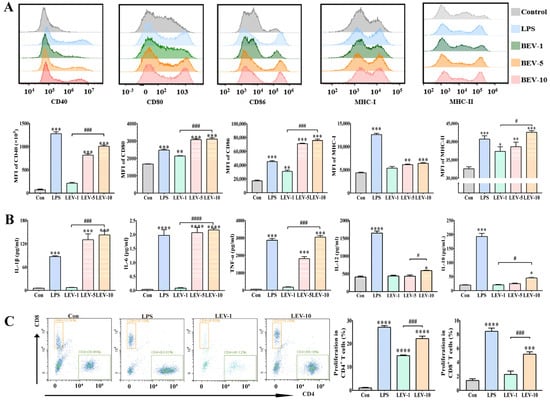
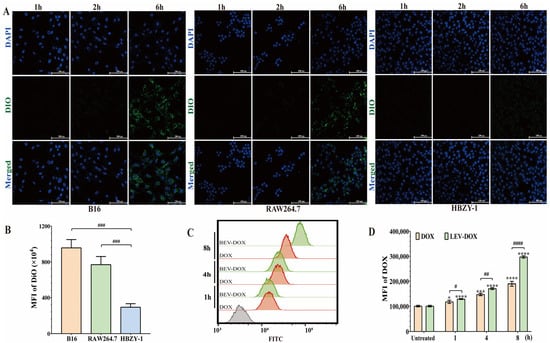
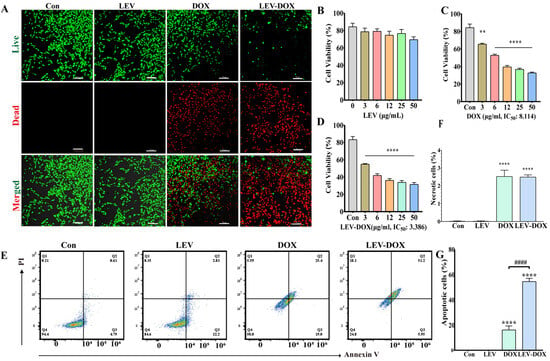
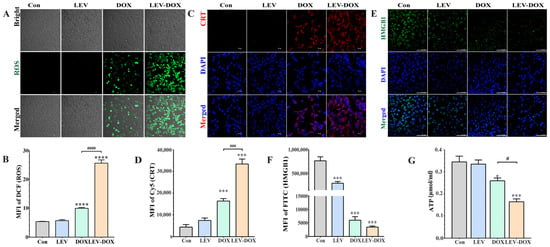
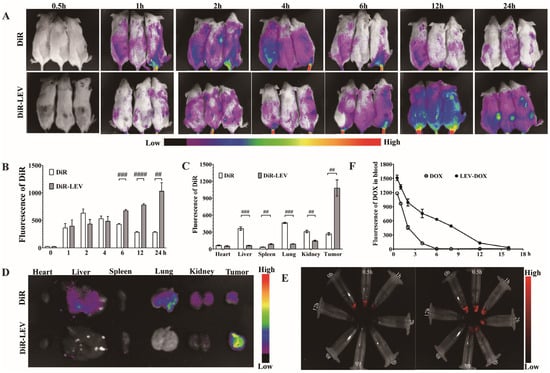
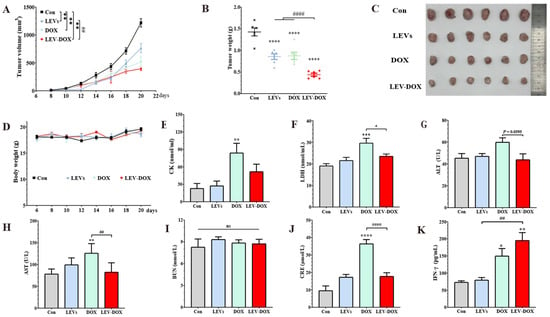
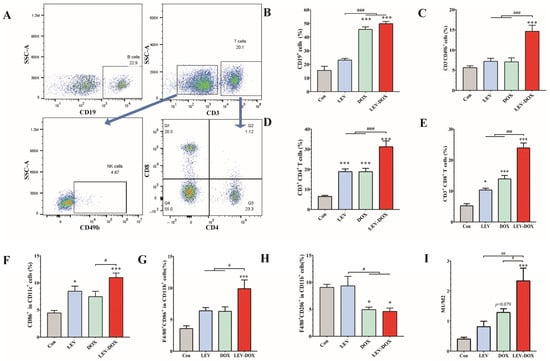
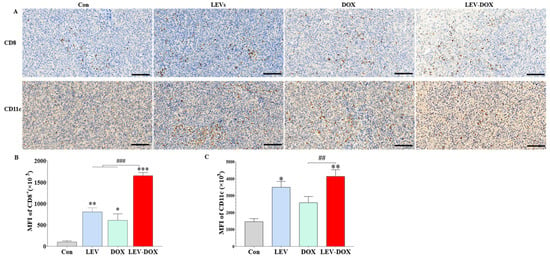
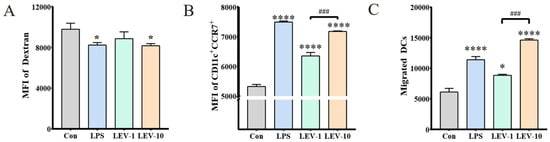
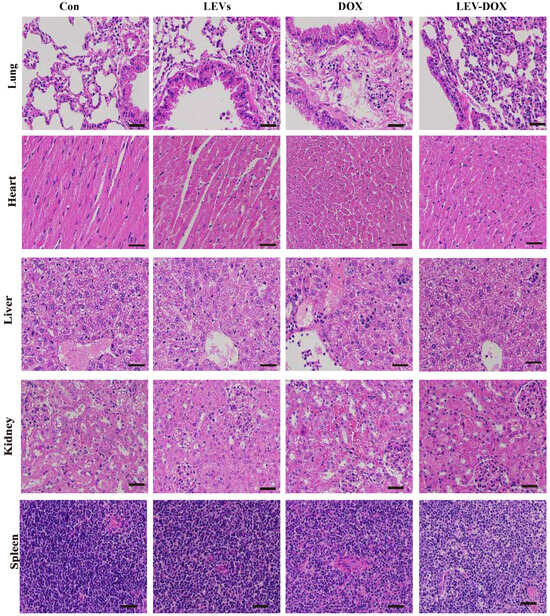
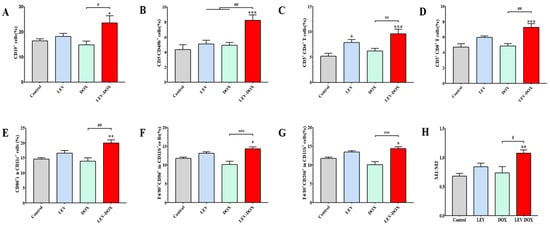
Background/Objectives: In situ vaccines that directly release endogenous tumor antigens in situ to elicit anti-tumor immune responses without exogenous antigen preparation have emerged as a promising cancer immunotherapy strategy, due to their enhanced safety by local immunization that minimizes systematically adverse reactions. However, the anti-tumor efficacy of most in situ vaccines is affected by their limited access to tumors in distant sites and the toxicity of the adjuvants contained. Methods: To overcome these shortcomings, the present study explored the feasibility of utilizing extracellular vesicles from the probiotic bacteria Lactococcus lactis as both immune activators and drug carriers, which were formulated into nanoparticles to target distant tumors. Results: Using confocal microscopy and flow cytometry, we confirmed that the Lactococcus lactis-derived extracellular vesicles possess adjuvant activity that promoted the maturation of dendritic cells without affecting their viability or apoptosis rate. Moreover, the Lactococcus lactis-derived extracellular vesicles, both alone and when carrying the drug doxorubicin, could target and accumulate in solid tumor tissues via the enhanced permeability and retention effect. Interestingly, compared to healthy cells, the Lactococcus lactis-derived extracellular vesicles tended to be taken up more by tumor cells and readily released their encapsulated doxorubicin in the acidic tumor environment, which resulted in their enhanced reactive oxygen species production and immunogenic cell death. Ultimately, systemic administration of Lactococcus lactis-derived extracellular vesicle-encapsulated doxorubicin greatly increased the anti-tumor efficacy by boosting the number of infiltrating dendritic cells and CD8+ T cells in the tumor tissues and doxorubicin-mediated immunogenic cell death. Conclusions: Collectively, this study demonstrated that the probiotic Lactococcus lactis-derived extracellular vesicles are both safer adjuvants and effective drug carriers with immunostimulatory activity and tumor-targeting capability, shedding an interesting light on this vaccine design platform for future cancer immunotherapy.
Full article
(This article belongs to the Special Issue Nanoadjuvants for Drug Delivery and Immunotherapy)
►▼
Show Figures

Figure 1
Open AccessArticle
Leciplex Nanocarriers: An Optimized Platform for Thymol Delivery in Acne Management
by
Soha Elsalhy, Norhan Tantawy, Eman E. El Naggar, Wesam E. Gawad, Amira M. Badr, Reem T. Atawia and Jihad Mahmoud Alsofany
Pharmaceutics 2026, 18(7), 795; https://doi.org/10.3390/pharmaceutics18070795 (registering DOI) - 28 Jun 2026
Abstract
Background/Objectives: Antibiotics are commonly used for acne treatment. However, increasing bacterial resistance has prompted interest in natural antimicrobial agents, such as thymol (THY), as alternative therapies. This study investigated the effectiveness of Leciplex cationic nanovesicles encapsulating thymol (LPX-THY) as a promising topical acne
[...] Read more.
Background/Objectives: Antibiotics are commonly used for acne treatment. However, increasing bacterial resistance has prompted interest in natural antimicrobial agents, such as thymol (THY), as alternative therapies. This study investigated the effectiveness of Leciplex cationic nanovesicles encapsulating thymol (LPX-THY) as a promising topical acne management strategy. Methods: Leciplex nanovesicles were assembled using soy phosphatidylcholine (SPC) and cationic surfactants and characterized in terms of particle size, zeta potential, entrapment efficiency, morphology, in vitro release, and ex vivo skin permeation. The optimized formulation was subsequently incorporated into Carbopol/HPMC gel base and evaluated in terms of viscosity, in vitro release, ex vivo skin permeation, in vitro antimicrobial study, and in vivo assessment in a rat model. Results: Optimal THY-LPX nanovesicles made of SPC and Dimethyldidodecylammonium bromide DDAB in a 1:1 molar ratio showed circular outline with particle size, zeta potential, and entrapment efficiency of 187.7 ± 1.78 nm, 36.97 ±0.21 mV, and 60.5 ± 2.3%, respectively. THY-LPX gel demonstrated minimum inhibitory concentration (MIC) and minimum bactericidal concentration (MBC) at a concentration of 156.25 µg·mL−1 against Staphylococcus aureus, a clear absence of biofilm coating under SEM, and substantial red fluorescence, indicating reduction in viable bacteria under a confocal laser microscope. In vivo study showed enhanced anti-inflammatory effect evidenced by substantial ear skin thickness reduction; 72.7% for THY-LPX gel-treated rats compared to 41.7% and 20% for THY gel and blank LPX gel-treated groups, respectively. Histopathological investigation further confirmed reduced inflammatory response in rats treated with optimized THY-LPX gel. Conclusions: The developed THY-LPX gel serves as a potential topical delivery platform of THY for acne therapy.
Full article
(This article belongs to the Section Nanomedicine and Nanotechnology)
Open AccessReview
Gold- and Platinum-Peptide Bioconjugates in Cancer Therapy: Recent Advances and Future Directions
by
Anna Giorgio, Vincenzo Abagnale, Michele Saviano, Annarita Del Gatto and Laura Zaccaro
Pharmaceutics 2026, 18(7), 794; https://doi.org/10.3390/pharmaceutics18070794 (registering DOI) - 28 Jun 2026
Abstract
Background: Metal-based anticancer drugs, particularly platinum and gold complexes, play a central role in chemotherapy but are often limited by systemic toxicity, resistance, and suboptimal selectivity. Peptide conjugation has emerged as a versatile strategy to modulate the pharmacokinetic and biological properties of
[...] Read more.
Background: Metal-based anticancer drugs, particularly platinum and gold complexes, play a central role in chemotherapy but are often limited by systemic toxicity, resistance, and suboptimal selectivity. Peptide conjugation has emerged as a versatile strategy to modulate the pharmacokinetic and biological properties of metal complexes, enabling targeted delivery, improved uptake, and controlled activation. This review aims to critically analyze platinum- and gold-peptide bioconjugates in cancer therapy, focusing on directly reactive metal complexes and redox-activated prodrug systems. Methods: Relevant literature from the past two decades was surveyed across major scientific databases, focusing on the design, conjugation strategies, biological activity, and mechanisms of action of Pt- and Au-peptide bioconjugates. Results: Reviewed studies reveal distinct behavior for platinum- and gold-based systems. Pt(II)-peptide conjugates primarily retain DNA-reactive interaction, with peptides mainly enhancing cellular uptake, selective targeting and solubility, although improved cytotoxicity is not consistently achieved. In contrast, Pt(IV)-peptide conjugates function as prodrugs, where axial peptide functionalization allows greater structural versatility and sometimes improved selectivity, with therapeutic efficacy strongly depending on intracellular reduction kinetics. Au(I)-peptide conjugates act as directly reactive species targeting thiol- and selenol-containing proteins, whereas Au(III) bioconjugates often behave as redox-activated prodrugs, with peptide conjugation influencing stability and cellular fate. Conclusions: Overall, peptide conjugation represents a powerful but non-trivial approach for optimizing metal-based anticancer agents. The success of metal-peptide bioconjugates critically depends on balancing peptide-mediated delivery with the intrinsic reactivity and activation pathways of the metal center. A function-guided design of bioconjugates is essential to achieve genuine selectivity and therapeutic benefit.
Full article
(This article belongs to the Topic Peptoids and Peptide Based Drugs)
Open AccessArticle
Modification of Prednisolone Acetate Release from Monolithic 3D-Printed Systems: The Role of Formulation Composition and Process Parameters
by
Aleksandra Ćoškov, Nemanja Todorović, Maja Buljčik Čupić, Miluša Vranka, Luka Jolić, Nataša Milošević and Mladena Lalić-Popović
Pharmaceutics 2026, 18(7), 793; https://doi.org/10.3390/pharmaceutics18070793 (registering DOI) - 28 Jun 2026
Abstract
Background/Objectives: A major advantage of 3D printing technology is the ability to modify drug release by adjusting formulation composition and printing parameters. The aim of this study was to develop and characterize 3D-printed tablets containing prednisolone acetate and to investigate the effects
[...] Read more.
Background/Objectives: A major advantage of 3D printing technology is the ability to modify drug release by adjusting formulation composition and printing parameters. The aim of this study was to develop and characterize 3D-printed tablets containing prednisolone acetate and to investigate the effects of formulation composition and printing parameters, namely infill density and pattern, on the drug release profile. Methods: Filaments composed of polyvinyl alcohol, sorbitol, and prednisolone acetate, with sodium alginate incorporated in selected formulations, were prepared using hot melt extrusion. The obtained filaments were characterized and used for the fabrication of tablets via fused deposition modeling. The resulting tablets were evaluated in terms of mass variation, dimensions, hardness, content uniformity and drug release rate. Results: The extrusion of polyvinyl alcohol and prednisolone acetate in the absence of additional excipients resulted in a defective filament, highlighting the need for sorbitol incorporation. In contrast, all other filament formulations (F2-F4) exhibited a uniform structure and homogeneous drug distribution. The 3D-printed tablets complied with pharmacopeial requirements for mass variation and content uniformity and demonstrated good precision and reproducibility in terms of dimensions and hardness. Lower infill density was associated with faster drug release, while the presence of sodium alginate resulted in slower release, particularly at higher infill percentages and with a gyroid infill pattern. Furthermore, formulations with higher sorbitol content demonstrated an increased release rate of prednisolone acetate. Conclusions: Infill density was identified as the dominant factor affecting release kinetics. Among the tested formulations, A100G (gyroid structure with 100% infill density), containing prednisolone acetate, polyvinyl alcohol, sorbitol, and sodium alginate, proved most suitable for achieving sustained drug release.
Full article
(This article belongs to the Special Issue Recent Advances in 3D Printing of Pharmaceutical Dosage Forms)
Open AccessReview
Toxicities of Antibody–Drug Conjugates in Breast Cancer: From Mechanistic Insights to Clinical Management
by
Luisana Sisca, Mariam Grazia Polito, Arianna Travisani, Fernando Zannino, Michele Iuliani, Giuseppe Tonini and Francesco Pantano
Pharmaceutics 2026, 18(7), 792; https://doi.org/10.3390/pharmaceutics18070792 (registering DOI) - 28 Jun 2026
Abstract
Background/Objectives: Antibody–drug conjugates (ADCs) have transformed the therapeutic landscape of breast cancer, expanding treatment opportunities across multiple disease settings. However, their increasing clinical use has revealed a heterogeneous spectrum of toxicities that extends beyond conventional chemotherapy-related adverse events. Emerging evidence suggests that ADC-associated
[...] Read more.
Background/Objectives: Antibody–drug conjugates (ADCs) have transformed the therapeutic landscape of breast cancer, expanding treatment opportunities across multiple disease settings. However, their increasing clinical use has revealed a heterogeneous spectrum of toxicities that extends beyond conventional chemotherapy-related adverse events. Emerging evidence suggests that ADC-associated toxicities are driven by a complex interplay between ADC structural characteristics, including target antigen expression, payload properties, linker stability, drug-to-antibody ratio, and patient-related susceptibility factors. This review aims to provide a comprehensive overview of ADC-related toxicities in breast cancer, integrating mechanistic insights with clinical management strategies and risk-adapted approaches. Methods: A narrative review of the literature was conducted focusing on clinical trials, real-world studies, translational investigations, and mechanistic evidence related to ADC-associated toxicities in breast cancer. Particular attention was given to the relationship between ADC design, toxicity mechanisms, patient-specific risk factors, and clinical management. Results: ADC-related toxicities encompass a broad range of adverse events, including hematologic toxicity, interstitial lung disease, gastrointestinal complications, hepatotoxicity, peripheral neuropathy, stomatitis, ocular toxicity, dermatologic adverse events, and cardiovascular manifestations. Current evidence indicates that toxicity profiles differ substantially across ADCs and are influenced by multiple factors, including payload class, linker chemistry, target biology, intracellular trafficking, bystander effects, systemic payload exposure, and host-related characteristics. While several toxicities can be anticipated through careful monitoring and early intervention, clinically significant variability remains, and validated predictive biomarkers are largely lacking. Emerging real-world evidence further highlights the importance of individualized toxicity assessment and multidisciplinary management. Conclusions: ADC-related toxicity should be viewed as a multifactorial biological process resulting from the interaction between ADC design and host susceptibility rather than as a uniform class effect. A mechanistic understanding of toxicity pathways may improve risk stratification, toxicity monitoring, and personalized management strategies. Future research should focus on the development of predictive biomarkers, pharmacologic risk models, and next-generation ADC platforms with improved therapeutic indices. This review proposes an integrated framework linking ADC structural determinants, toxicity mechanisms, and clinical management to support safer and more individualized use of ADCs in breast cancer.
Full article
(This article belongs to the Special Issue Recent Advances in Antibody–Drug Conjugates for Cancer Therapy)
Open AccessArticle
Rheology-Informed Working Thresholds for HME/FDM Processability in a PVA–Sorbitol–Paracetamol Model System
by
Sofiya Ilieva, Dilyana Georgieva, Valentina Petkova and Milen Dimitrov
Pharmaceutics 2026, 18(7), 791; https://doi.org/10.3390/pharmaceutics18070791 (registering DOI) - 27 Jun 2026
Abstract
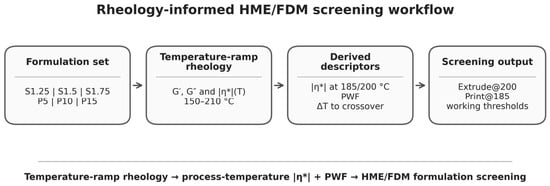
Background/Objectives: Oscillatory rheology is widely used in hot-melt extrusion (HME) and fused deposition modeling (FDM), but its translation into compact formulation-screening criteria remains limited. This study re-analyzed an existing PVA–sorbitol–paracetamol dataset to derive rheology-informed working thresholds for HME/FDM processability. Methods: Temperature-ramp
[...] Read more.
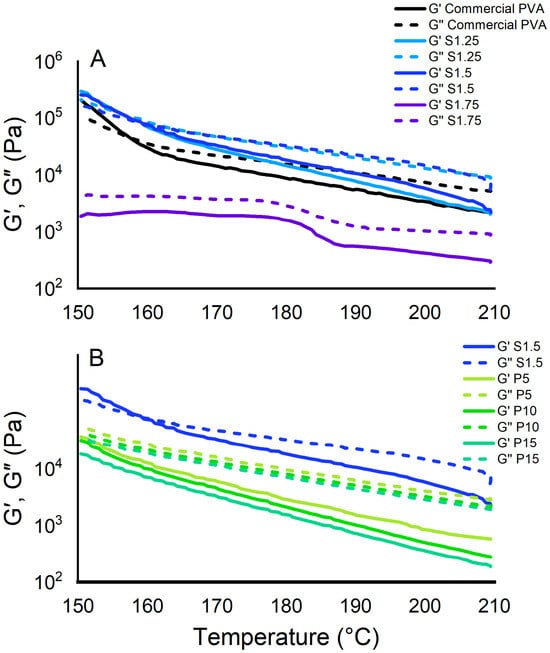
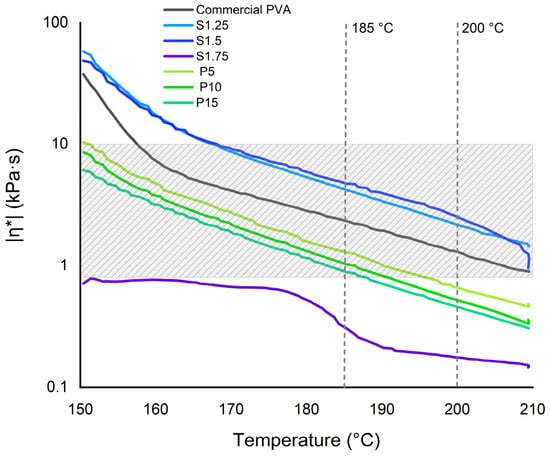
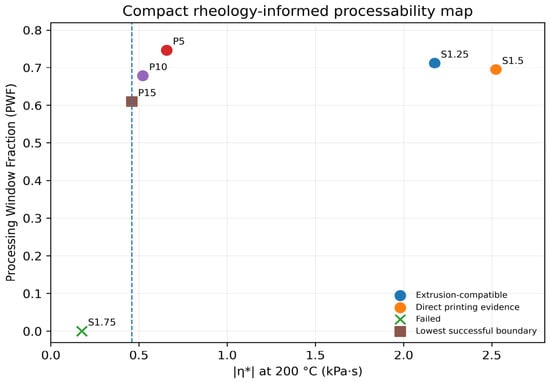
Background/Objectives: Oscillatory rheology is widely used in hot-melt extrusion (HME) and fused deposition modeling (FDM), but its translation into compact formulation-screening criteria remains limited. This study re-analyzed an existing PVA–sorbitol–paracetamol dataset to derive rheology-informed working thresholds for HME/FDM processability. Methods: Temperature-ramp oscillatory rheology was used to extract formulation-level descriptors: process-temperature complex viscosity (|η*|) at 185 and 200 °C, Processing Window Fraction (PWF) within the 0.8–10 kPa·s corridor, and crossover-related temperature information. These descriptors were interpreted against empirical extrusion at 200 °C and printing at 185 °C. Results: S1.25 and S1.5 showed rheological behavior compatible with successful extrusion, whereas S1.75 showed pronounced softening consistent with over-plasticization and process failure. Paracetamol further reduced complex viscosity while maintaining processability in P5–P15. The lowest successful process-temperature viscosity values, observed for P15, supported working thresholds of approximately 0.460 kPa·s at 200 °C and 0.899 kPa·s at 185 °C. PWF complemented thresholding by describing the practical temperature flexibility of each formulation. Conclusions: Process-temperature |η*|, PWF, and crossover-informed interpretation provided a compact, formulation-specific screening framework for this PVA-based HME/FDM model system. The proposed thresholds are operational derivation outputs and require prospective external confirmation.
Full article
(This article belongs to the Special Issue 3D Printing Technologies in Pharmaceutical Formulation)
►▼
Show Figures

Figure 1
Open AccessReview
Analytical Characterization and Stability Assessment of RNA-Based Vaccines
by
Hadi M. Alasmari, Shouq F. Alghannam, Hassan A. Al-Moammar, Dimah K. Alrabiah, Seham S. Al-Harthy, Essam J. Alyamani, Sami A. Alyahya, Mohammad Alkhrayef, Mohannad Fallatah, Samiyah Al-Khaldi, Abdulmalek T. Algarni, Yahya F. Jamous and Ahmad M. Aldossary
Pharmaceutics 2026, 18(7), 790; https://doi.org/10.3390/pharmaceutics18070790 (registering DOI) - 27 Jun 2026
Abstract
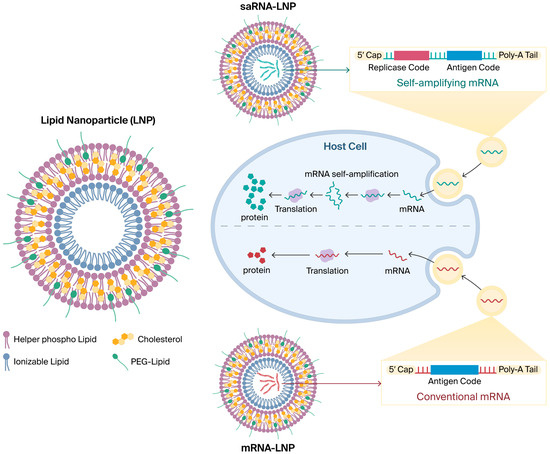
Ribonucleic acid-based vaccines have emerged as one of the most significant advances in modern vaccine development, demonstrating remarkable clinical success and enabling rapid responses to emerging infectious diseases. Despite their therapeutic potential, the development of these vaccines remains challenging because of the inherent
[...] Read more.
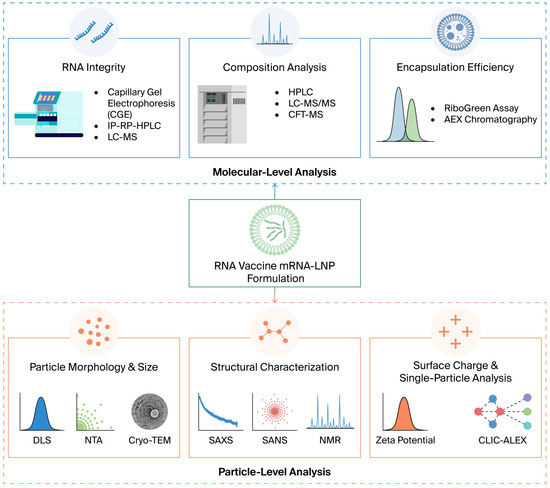
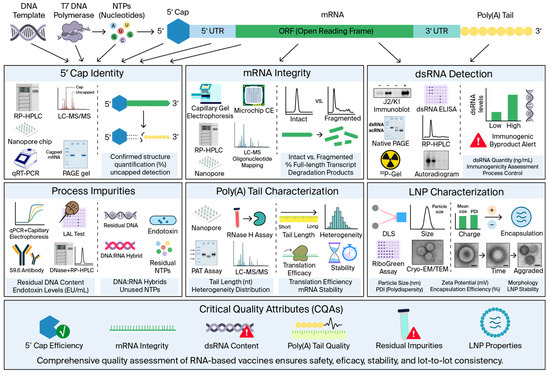
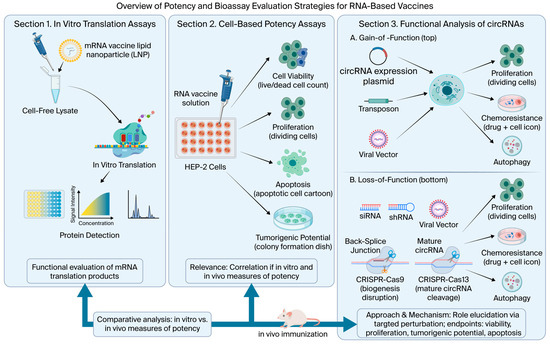
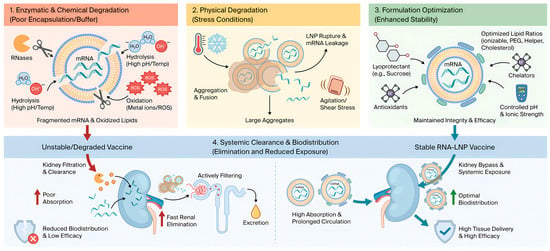
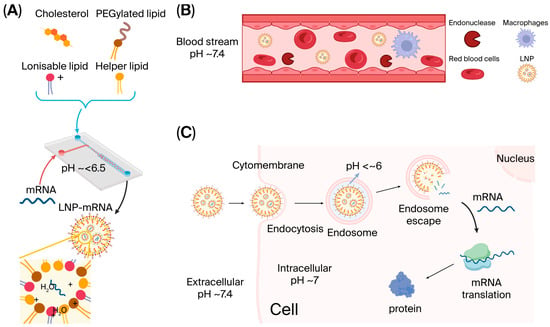
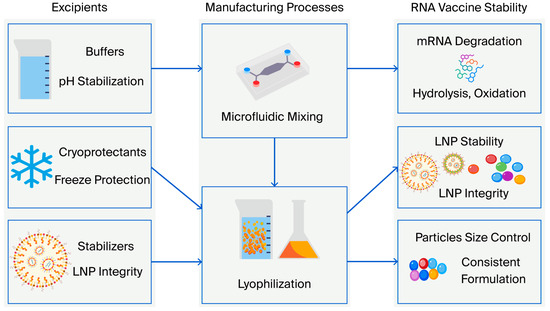
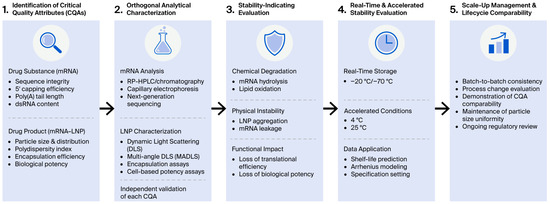
Ribonucleic acid-based vaccines have emerged as one of the most significant advances in modern vaccine development, demonstrating remarkable clinical success and enabling rapid responses to emerging infectious diseases. Despite their therapeutic potential, the development of these vaccines remains challenging because of the inherent instability of ribonucleic acid molecules, their susceptibility to degradation, and the complexity of formulation design. Ensuring product quality, stability, and biological performance therefore requires comprehensive analytical characterization throughout development, manufacturing, storage, and quality control. This review provides a comprehensive overview of current analytical strategies used to evaluate ribonucleic acid-based vaccine formulations. Key analytical approaches for assessing molecular integrity, purity, encapsulation efficiency, particle morphology, size distribution, surface characteristics, structural attributes, and biological potency are discussed. The review also examines the influence of formulation composition, lipid nanoparticle design, manufacturing processes, and storage conditions on vaccine stability and performance. In addition, major degradation pathways, critical quality attributes, and analytical challenges associated with quality assessment are highlighted. Furthermore, current regulatory considerations and limitations of existing analytical methodologies are discussed, particularly the challenges associated with establishing robust relationships between physicochemical properties and biological efficacy. The review emphasizes the importance of integrated multi-method analytical approaches for comprehensive characterization and quality assurance. Continued advances in analytical technologies and standardization efforts will be essential for supporting the development of safe, effective, and stable ribonucleic acid-based vaccines and for facilitating their broader pharmaceutical applications.
Full article
(This article belongs to the Special Issue Recent Advances in the Development, Characterization, and Stability Aspects of RNA-Based Vaccines)
►▼
Show Figures

Figure 1
Open AccessReview
Protein Delivery Using Three-Dimensional Printing of Buccal Films: Technological Advances and Clinical Potential
by
Tejaswi Appidi, Thirupathi R. Anekalla, Shanthi Chede, Leela Raghava Jaidev Chakka and Mohammed Maniruzzaman
Pharmaceutics 2026, 18(7), 789; https://doi.org/10.3390/pharmaceutics18070789 (registering DOI) - 27 Jun 2026
Abstract
Therapeutic proteins have emerged as a cornerstone of modern medicine due to their high specificity and strong biological effects. However, delivering these proteins poses significant challenges due to their instability, susceptibility to enzymatic breakdown, low permeability, and reliance on invasive parenteral routes. Buccal
[...] Read more.
Therapeutic proteins have emerged as a cornerstone of modern medicine due to their high specificity and strong biological effects. However, delivering these proteins poses significant challenges due to their instability, susceptibility to enzymatic breakdown, low permeability, and reliance on invasive parenteral routes. Buccal drug delivery is a promising non-invasive alternative, offering quick systemic absorption while avoiding gastrointestinal degradation and hepatic first-pass metabolism. Three-dimensional (3D) printing as a fabrication method has further enhanced the potential of buccal delivery, enabling precise dosage control, multilayer structures, and patient-specific customization. This review focuses on the current state of the traditional and 3D-printed buccal film platforms using different printing methods for protein delivery, and critically analyzes protein stability challenges, and formulation strategies. The discussion further highlights emerging proof-of-concept studies.
Full article
(This article belongs to the Special Issue Recent Advancements in the 3D Printing of Pharmaceutics)
Open AccessArticle
Unlocking the Potential of Population Pharmacokinetic Models of Adalimumab in Patients with Crohn’s Disease
by
Marija Jovanović, Valentina Topić Vučenović, Maša Roganović, Gordana Pavlović, Đorđe Kralj, Srđan Marković, Petar Svorcan and Katarina Vučićević
Pharmaceutics 2026, 18(7), 788; https://doi.org/10.3390/pharmaceutics18070788 (registering DOI) - 27 Jun 2026
Abstract
Background/Objectives: Adalimumab (ADM) is a recombinant, fully human monoclonal antibody that exhibits pronounced inter- and intra-individual pharmacokinetic variability attributed to several factors. This study aims to externally evaluate the published ADM population pharmacokinetic models and their potential use in clinical practice, as well
[...] Read more.
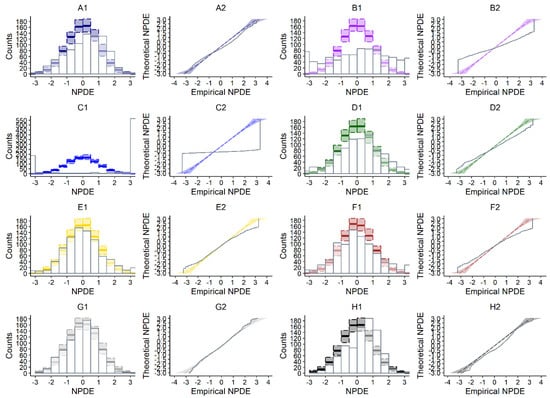
Background/Objectives: Adalimumab (ADM) is a recombinant, fully human monoclonal antibody that exhibits pronounced inter- and intra-individual pharmacokinetic variability attributed to several factors. This study aims to externally evaluate the published ADM population pharmacokinetic models and their potential use in clinical practice, as well as to develop novel population pharmacokinetic model. Methods: Literature search was conducted using PubMed to identify ADM population pharmacokinetic models. Data from 195 patients with Crohn’s disease treated at the University Medical Center “Zvezdara”, Serbia, were used for the external evaluation of previously published models. In addition, the development of the new population pharmacokinetic model incorporated informative priors derived from the best-performing published model. Nonlinear mixed-effects modeling was performed in NONMEM® (versions 7.6) for both prediction- and simulation-based diagnostics of existing models, as well as for the development of a new model. Results: Eight published pharmacokinetic models of ADM were included in the external evaluation. Although none of the models satisfied both population-level and normalized prediction distribution error (NPDE) diagnostic criteria, individual-level performance was acceptable: median prediction errors (MDPEs) were within ±20% across all studies, and median absolute prediction errors (MDAPEs) were below 30% in most cases (7 of 8 studies). The best-performing model was identified and implemented as a priori information in subsequent model development. A one-compartment model using with first-order absorption and elimination best described the data. The apparent clearance (CL/F) was estimated at 0.334 L/day, while informative priors were used for V/F and the effect of anti-drug antibodies (ADAs) on CL/F. Covariate analysis on CL/F identified C-reactive protein (CRP) and dosing regimen as statistically significant predictors (p < 0.01). Conclusions: The previous pharmacokinetic models of ADM exhibited suboptimal performance in population-level metrics and simulation-based diagnostics, while individual-level metrics showed substantial improvement. The newly developed model of ADM highlights associations among immunogenicity, drug pharmacokinetics, and inflammatory burden.
Full article
(This article belongs to the Special Issue Population Pharmacokinetics and Its Clinical Applications, 2nd Edition)
►▼
Show Figures

Figure 1
Journal Menu
► ▼ Journal Menu-
- Pharmaceutics Home
- Aims & Scope
- Editorial Board
- Reviewer Board
- Topical Advisory Panel
- Early Career Editorial Board
- Instructions for Authors
- Special Issues
- Topics
- Sections & Collections
- Article Processing Charge
- Indexing & Archiving
- Editor’s Choice Articles
- Most Cited & Viewed
- Journal Statistics
- Journal History
- Journal Awards
- Society Collaborations
- Conferences
- Editorial Office
Journal Browser
► ▼ Journal BrowserHighly Accessed Articles
Latest Books
E-Mail Alert
News
Topics
Topic in
Bioengineering, Molecules, Pharmaceuticals, Pharmaceutics, Processes, Sci. Pharm.
Complementary Strategies in Drug Delivery: From Particle Engineering to System Optimization
Topic Editors: Barbara R. Conway, Hisham Al-ObaidiDeadline: 30 October 2026
Topic in
Antibiotics, IJMS, Microbiology Research, Pharmaceuticals, Pharmaceutics, Nanomaterials, Microorganisms
Challenges and Future Prospects of Antibacterial Therapy, 2nd Edition
Topic Editors: Kwang-Sun Kim, Zehra EdisDeadline: 30 November 2026
Topic in
Applied Microbiology, Microorganisms, Pharmaceuticals, Pharmaceutics, Foods
Probiotics: New Avenues
Topic Editors: Daniela Machado, José Carlos AndradeDeadline: 10 December 2026
Topic in
Biomedicines, Cancers, Cells, JCM, Pharmaceutics, Reports, Allergies
The Tumor Microenvironment, Immuno-Oncology, and Immune Checkpoint: Implications for Current and Emergent Immunotherapies, 2nd Edition
Topic Editors: Joaquim Carreras, Luis J. Castro-VegaDeadline: 31 December 2026
Conferences
Special Issues
Special Issue in
Pharmaceutics
Biomaterials for Controlled Drug Delivery: Innovations and Applications
Guest Editors: Vukašin Ugrinović, Djordje Veljovic, Vesna V. PanićDeadline: 30 June 2026
Special Issue in
Pharmaceutics
State of the Art of Nano-Based Wound Dressings
Guest Editor: Sophia HatziantoniouDeadline: 30 June 2026
Special Issue in
Pharmaceutics
Cocrystal Engineering in Pharmaceutical Formulations
Guest Editors: Chenguang Wang, Changquan Calvin SunDeadline: 30 June 2026
Special Issue in
Pharmaceutics
Advancing HIV Prevention and Treatment: Pharmacokinetics, Pharmacodynamics, Toxicokinetics, Formulation and Delivery of Antiretroviral Drugs
Guest Editor: Julie B. DumondDeadline: 30 June 2026
Topical Collections
Topical Collection in
Pharmaceutics
Women in Pharmaceutics
Collection Editors: Donatella Paolino, Cinzia Anna Ventura
Topical Collection in
Pharmaceutics
Advanced Pharmaceutical Science and Technology in Portugal
Collection Editors: João Sousa, Carla Vitorino, Alberto A. C. C. Pais
Topical Collection in
Pharmaceutics
Advanced Drug Delivery Systems and Technology in Hungary
Collection Editors: Romána Zelkó, Istvan Antal