Skip to Content

Advancing Open Science

A global leader in open access publishing, supporting research communities and accelerating scientific discovery

  • 7.5 billion
    Article Views
  • 4.5 million
    Total Authors
  • 97%
    Web of Science Coverage

News & Announcements

Journals

Most Recent Articles

    • Article
    • Open Access

    Background/Objectives: Frailty is more common in older women than in older men. This study examined sociodemographic and lifestyle factors, including dietary nutrient density, associated with pre-frailty or frailty in community-dwelling older adults in Poland. Methods: This cross-sectional study included 196 adults aged 60 years or older (114 women and 82 men). Frailty status was assessed using criteria based on the Cardiovascular Health Study phenotype. Pre-frail and frail participants were combined for analysis. Dietary nutrient density was assessed from three-day food records using the E-NRF7.3 index. Multivariable logistic regression models were fitted for the overall sample and separately for women. Results: Pre-frailty or frailty was identified in 52.6% of women and 26.8% of men. In the fully adjusted model for the overall sample, the odds of pre-frailty or frailty were higher among women than men (odds ratio [OR] = 2.63, 95% confidence interval [CI] 1.31–5.27), among participants who reported no summer sunlight exposure compared with frequent exposure (OR = 12.41, 95% CI 1.50–102.9), and among those who did not report vitamin D supplementation (OR = 2.35, 95% CI 1.12–4.91). Among women, older age was associated with higher odds (OR per year = 1.12, 95% CI 1.02–1.24). E-NRF7.3 scores were not significantly associated with pre-frailty or frailty after adjustment in either analysis. Conclusions: Pre-frailty or frailty was more common among women in this sample. The associations with summer sunlight exposure and vitamin D supplementation warrant further study. The wide confidence interval for sunlight exposure indicates substantial uncertainty about the magnitude of that association.

    Healthcare

    28 November 2026

    • Article
    • Open Access

    Freeform optical surfaces offer additional freedom for aberration control, but their performance is highly sensitive to manufacturing and alignment errors that occur simultaneously and across several spatial scales. This paper presents a general computational framework for the tolerance and sensitivity analysis of freeform surfaces. The framework superimposes low-order Zernike form error, mid-spatial-frequency ripple, high-spatial-frequency roughness, tilt, and axial positioning error on a single sampled surface; propagates the resulting wavefront through a scalar Fourier-optics model to obtain the PSF, MTF, RMS wavefront error, and Strehl ratio; and combines Monte Carlo simulation, variance-based (Sobol) global sensitivity analysis, and yield-based tolerance allocation. It requires only the wavelength, aperture, nominal surface sag, and the statistical tolerance of each error source, and its numerical implementation is verified against analytic solutions. An F/2 freeform singlet is used as a demonstration. The analysis shows that error sources acting on the same wavefront mode, here surface defocus and axial position, interact rather than add. Consequently, one-at-a-time evaluation and conventional root-sum-square budgets misestimate the Strehl ratio, although they remain adequate for the RMS wavefront error, and a Strehl-based, yield-driven allocation meets the performance target at substantially lower tolerance cost than uniform tightening.

    Photonics

    28 November 2026

    • Article
    • Open Access

    Background/Objectives: Evidence for high-frequency repetitive transcranial magnetic stimulation (rTMS) in patients aged 80 years or older after stroke remains limited. We examined functional changes during rTMS combined with rehabilitation. Methods: This single-center retrospective study included 18 patients treated 1–3 months after stroke onset during 2019–2025. The first 4 weeks of ipsilesional 10 Hz rTMS combined with rehabilitation were analyzed. Fugl-Meyer Assessment of the Upper Extremity (FMA-UE) scores at admission, at rTMS initiation, and 2 and 4 weeks after rTMS initiation were analyzed using linear mixed-effects models. Secondary outcomes were Wolf Motor Function Test time (WMFT-Time), Functional Ability Scale (WMFT-FAS), and Functional Independence Measure motor scores (FIM-motor). These were compared using exact two-sided Wilcoxon signed-rank tests; WMFT-Time was natural log-transformed. Holm adjustment was applied separately to six FMA-UE contrasts and three secondary outcomes. Results: FMA-UE scores increased by an estimated 13.44 points from rTMS initiation to 4 weeks after initiation (95% confidence interval [CI], 10.35–16.54; Holm-adjusted p < 0.001). An exploratory piecewise model estimated a higher improvement rate after rTMS initiation than before initiation (difference, 0.251 points/day; 95% CI, 0.072–0.430; unadjusted p = 0.007). Median values changed from 12.00 to 4.36 s for WMFT-Time, 3.10 to 3.77 for WMFT-FAS, and 41.50 to 57.50 for FIM-motor (all Holm-adjusted p < 0.001). No serious rTMS-related adverse events were documented among analyzed patients. Conclusions: In this retrospective, uncontrolled study, upper-limb function and activities of daily living improved during high-frequency rTMS combined with rehabilitation in patients aged 80 years or older with subacute stroke.

    Neurol. Int.

    28 November 2026

    • Article
    • Open Access

    Sixth-generation (6G) satellite Internet of Things (IoT) networks can provide connectivity to remote sensors and gateways through low Earth orbit (LEO) satellites. Their rapid motion causes frequent handovers that require authentication. We propose a hybrid post-quantum key establishment procedure for predictive handover in 6G satellite IoT networks. The home network authorizes a target LEO satellite without possessing the handover authentication key, which the user equipment (UE) and the serving satellite derive from the existing access-stratum security context. A preliminary handover-preparation request enables target authorization and secure context provisioning. While the UE remains attached to the serving satellite, relayed X-Wing key establishment and mutual key-confirmation messages prepare a hybrid secret bound to the target satellite. After handover to the target satellite, a short authenticated activation exchange derives fresh session keys. ProVerif verifies four symbolic probe-secrecy queries and eight event-correspondence queries covering authentication, authorization, preparation, and message freshness. A separate post-completion access key disclosure model also satisfies four probe-secrecy queries. These symbolic results do not establish the computational security of X-Wing. Compared with on-demand handover using the same X-Wing configuration, our predictive scheme reduces median request-stage local processing from 356.93 to 21.37 μs (94.01%) and request-stage traffic from 3,770 to 470 bytes (87.53%). These results show that predictive preparation shifts hybrid key establishment and its associated signaling to the period before handover, reducing the processing and communication burden during the request stage despite the increased overall cost.

    Appl. Sci.

    28 November 2026

    • Protocol
    • Open Access

    Protocol for Generating Monoclonal Cell Lines with Specific Chromosomal Rearrangements

    • Nikolai A. Lomov,
    • Viktoriia O. Ivanova and
    • Mikhail A. Rubtsov
    • + 5 authors

    Chromosomal translocations are a hallmark of hematological malignancies. This protocol enables the expeditious production of monoclonal cell lines with specific rearrangements to serve as models for studying leukemia-associated translocations. The approach employs Cas9 to induce chromosomal breaks leading to rearrangements, followed by hierarchical subcloning and PCR-based screening to isolate and expand single-cell clones. Using the lymphoblastoid cell line RPMI8866 and the KMT2A::AFDN translocation as an example, we detail the steps from sgRNA design to validation of clones with the desired translocation.

    Methods Protoc.

    28 November 2026

    • Article
    • Open Access

    Graph propagation can effectively fuse network topology and node attributes to conduct community detection in attributed networks. However, selecting a suitable propagation depth remains challenging because insufficient propagation limits information aggregation, whereas excessive propagation may reduce representation discriminability. This study proposes a training-free community detection framework that combines adaptive propagation depth selection, density-peak initialization, and centroid-based refinement. The propagation depth is selected by contrasting representation distances between fixed sets of informative node pairs constructed from the original graph and attributes, without ground-truth labels or intermediate clustering. The resulting representation is used for density-peak initialization, followed by centroid-based refinement with an optional community-size penalty. Experiments on five benchmark attributed networks under the prescribed-community-count setting demonstrate competitive clustering performance against established baselines.

    Appl. Sci.

    28 November 2026

    • Article
    • Open Access

    Background/Objectives: The aim of the present study was to examine the prevalence and characteristics of Latent Autoimmune Diabetes in Adults (LADA) in three Endogamous Ethnic Groups (EEGs) of India, given the paucity of data on LADA in the Indian population. Methods: The study participants were recruited from three different EEGs: Chettiyar (CH), Reddy (RE) and Agarwal (AG). Data on pedigrees, phenotypes and environmental covariates were collected using a standardized protocol. To assess the prevalence of LADA among type 2 diabetes (T2D) individuals from the three EEGs, serum samples from 529 individuals were analyzed for GAD65 antibodies. Individuals were defined to have LADA based on the age of diagnosis ≥ 30 years and GAD65 positivity (≥20 U/mL).Group differences were examined using t-tests and χ2 tests, evaluated both before (p < 0.05) and after (p < 0.01) Bonferroni correction for multiple comparisons. Results: The overall prevalence of LADA from three EEGs was found to be 7.6% (Mean age = 52.6 y, Mean age of onset = 46.8 y, Males = 62.5% and Mean BMI = 26.7). Of the examined variables, nominally significant (p < 0.05) group differences between T2D and LADA were found regarding hip circumference, HDL-cholesterol, fasting blood glucose, HbA1c and family history of diabetes. However, only group differences related to fasting blood glucose and HbA1c remained significant (p < 0.01) after correction for multiple testing. These findings were in line with the previous reports. Conclusions: Thus, this exploratory study revealed high occurrence of LADA in the Indian EEGs, in turn suggesting conduct of additional studies in the Indian population to precisely diagnose and characterize LADA for the purpose of its prevention and cure.

    Diabetology

    28 November 2026

    • Article
    • Open Access

    Plant growth-promoting bacteria can improve plant performance through interactions with host plants, although their effects across diverse hosts remain incompletely understood. This study investigated individual and combined inoculation with Bacillus velezensis S141 and Bradyrhizobium sp. SUTN9-2 in eight plant species. Both strains were recovered from surface-sterilized roots, stems, and leaves of selected hosts, while confocal microscopy revealed fluorescence signals associated with plant tissues, consistent with bacterial colonization. Plant growth responses varied among hosts and inoculation treatments. Bacterial gene expression analysis revealed changes in transcripts associated with tryptophan metabolism, motility, cell envelope and exopolysaccharide-related functions, secretion, nitrogen-related processes, and ACC deaminase. Plant genes related to signaling, growth regulation, nutrient transport, and defense also showed differential expression. In a separate experiment using semi-solid plant growth medium, dual inoculation was associated with host-dependent changes in ascorbate peroxidase, catalase, and superoxide dismutase activities. Notably, reduced expression of selected SUTN9-2 genes in green chiretta (Andrographis paniculata) did not correspond to reduced plant growth responses. Overall, the findings highlight host-dependent responses to individual and combined bacterial inoculation and support further investigation of these strains as potential microbial inoculants for diverse crops.

    Agronomy

    28 November 2026

Partnerships

Special Issues

Topics

Highly Accessed Articles

  • Article
  • Open Access

I argue that the emerging sciences of synthetic morphology and diverse intelligence suggest non-physicalist models of mind and show how they can be empirically investigated. Whence the anatomical, physiological, molecular-biological, and behavioral properties of engineered new beings that have never before existed, and do not have a history of selection? Understanding, predicting, and guiding new forms of life and mind requires characterizing a structured latent space of patterns. Developmental, synthetic, and behavioral biology should take seriously, and exploit, the kinds of non-physicalist ideas that are already a staple of Platonist mathematics. I propose the following hypotheses. (1) Patterns in this space span a highly variable degree of agency, comprising a spectrum ranging from static truths studied by mathematicians to active ones studied by behavioral scientists (i.e., some patterns on the same spectrum as mathematical truths are kinds of minds). (2) The relationship between mind and body is the same as the relationship between causally instructive mathematical facts and physics. (3) Living beings have no monopoly on the “free lunches” provided by the ingression of these patterns into the physical world. While traditional computationalist views of living and cognitive systems are insufficient, my framework erases artificial distinctions between organisms and machines, framing all physical constructs (natural or engineered) as being, to various degrees, in-formed by patterns from the latent space. I sketch a research program, already begun, inspired by these ideas. Such frameworks, while contradicting long-held assumptions of both mechanists and organicists, could have many implications for evolutionary biology, regenerative medicine, AI, and the ethics of synthbiosis with the forthcoming immense diversity of morally important beings.

Philosophies

9 September 2026

83,449 Views
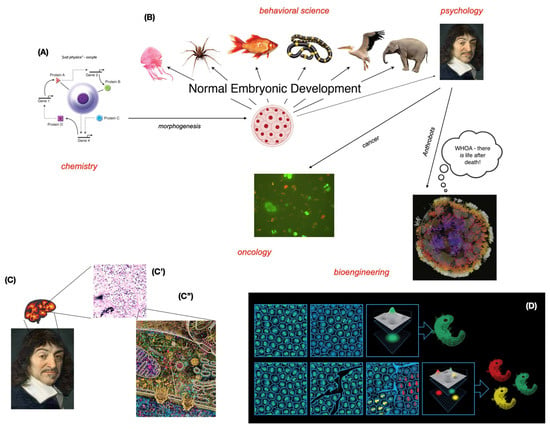
Bodies and minds self-assemble from single cells as a process of alignment and autopoiesis. (A) Most complex biological forms begin as one cell—a fertilized oocyte, commonly thought to be well-described by the laws of physics and chemistry. (B) A gradual, slow process of developmental morphogenesis results in the final form of the organism, which may have complex structure and a mind which may not believe it is a “machine”. Our transformation from a chemical soup into an active embodied mind is continuous but heterogeneous: (C) while we commonly think of ourselves as a unified intelligence with a “centralized” brain, the fact is that even the pineal gland, of which there is only one in the brain, is made of cells (C′) and those cells in turn are made of myriad other active components (C″)—we are a collective intelligence at all scales. (D) The creation of an “individual” out of an excitable medium such as an embryonic blastoderm with hundreds of thousands of cells is a dynamic process that is not hardwired: scratches made in that blastoderm would result in independent self-organization in each island, resulting in multiple embryos forming. This reveals the potentiality for some non-pre-determined number of minds to arise out of the same substrate. Images in (A,B,D) courtesy of Jeremy Guay of Peregrine Creative, used previously in [29]. Image (B) used with permission from [30]. Image in (C′) courtesy of Jose Calvo, Science Photo Library. Image in (C″) courtesy of Evan Ingersoll and Gaël McGill. Image (D) used with permission from [31].
  • Review
  • Open Access

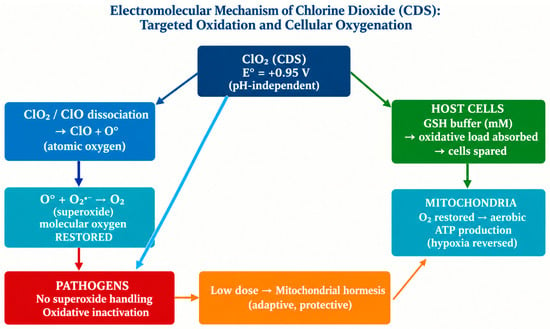
Background: Chlorine dioxide (ClO2), formulated as an aqueous solution (CDS), has been proposed as a therapeutic agent, yet its classification among oxidizing compounds is frequently confounded with chemically distinct species—sodium chlorite (NaClO2) and sodium hypochlorite (NaOCl). Objective: This study aimed to synthesize the physicochemical, mechanistic and cellular basis of ClO2 action and to delineate the distinctions between ClO2 and related oxidants, with explicit separation of established data from hypothesized data. Methods: The methodology includes a narrative synthesis of electrochemical data, primary toxicological and clinical literature (PubMed) and the redox-biology literature on low-dose oxidant signaling. Results: ClO2 is a neutral free radical that acts via one-electron transfer (E°′ = +0.95 V vs. SHE for the half-reaction ClO2 + e− → ClO2−, essentially pH-independent over pH 4–8, pH-independent) without chlorination. Its antimicrobial action is attributable to oxidation of thiol-dependent enzymes and membrane constituents and to the inhibition of bacterial respiratory metabolism; host-cell sparing is consistent with differential glutathione-dependent buffering. Controlled human ingestion studies at low concentrations report a favorable short-term safety profile; conversely, the principal metabolite (chlorite) is associated with documented developmental toxicity in animals and regulatory caution by EPA/WHO. Low-dose ClO2 exposure is hypothesized—but not yet directly demonstrated—to elicit dose-dependent adaptive redox responses and redox-regulatory modulation. Conclusions: The one-electron, non-chlorinating chemistry of ClO2 provides a coherent mechanistic framework. The translation of this framework into clinical application requires prospective trials and direct mechanistic measurement, ideally conducted by independent investigators. The following mechanisms are hypothesized and have not yet been directly demonstrated in vivo: modulation of oxidative phosphorylation, mitochondrial oxygenation, and associated redox-regulatory signaling. Reported antimicrobial efficacy typically occurs in the low-ppm range (0.1–5 ppm), whereas adverse effects on mammalian cells in the reviewed literature are reported at concentrations at least one order of magnitude higher; direct head-to-head cytotoxicity comparisons remain scarce and are identified as a priority for future work. This differential thiol buffering—in particular, the higher glutathione content of many mammalian cells relative to many pathogens—has been proposed as a contributing basis for host-cell sparing; direct quantitative confirmation in vivo is not yet available. Bacterial species possess their own thiol-based defense systems (e.g., mycothiol in actinomycetes, bacillithiol in Firmicutes), and the interplay between ClO2 and these systems requires further investigation.

Biophysica

21 September 2026

17,218 Views
Mechanistic overview. ClO2 acts via one-electron oxidation of microbial targets (thiol oxidation, envelope and nucleic acid damage, respiratory inhibition); host cells are spared through glutathione-dependent redox buffering. The proposed low-dose hormetic response is a hypothesis requiring direct experimental confirmation, as discussed in Section 4.2.
  • Article
  • Open Access

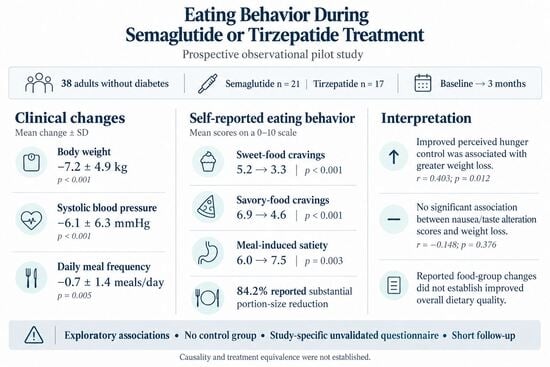
Background: This pilot study evaluated changes in eating behavior, appetite, and dietary habits during semaglutide or tirzepatide treatment in adults with obesity. Methods: In this prospective observational study, 38 non-diabetic adults with obesity (mean age 56.1 ± 11.3 years; 73.7% female; BMI 32.7 ± 4.5 kg/m2) initiating semaglutide (n = 21) or tirzepatide (n = 17) were assessed at baseline and after 3 months. Clinical parameters and self-reported eating behaviors were evaluated using standardized measurements and a study-specific questionnaire. Results: Mean body weight decreased by 7.2 ± 4.9 kg (p < 0.001), and systolic blood pressure decreased by 6.1 ± 6.3 mm Hg (p < 0.001). Cravings for sweet and savory foods, difficulty resisting hunger between meals, and daily meal frequency decreased, whereas perceived meal-induced satiety increased (all p ≤ 0.005). A substantial reduction in meal portion size was reported by 84.2% of participants. Reported food-group consumption changed, but improved overall dietary quality was not established. Conclusions: Over 3 months, incretin-based treatment was accompanied by weight loss and changes in self-reported eating behavior. The observational design, absence of a control group, and unvalidated questionnaire limit interpretation. Larger controlled studies using validated measures are warranted.

Nutrients

5 November 2026

6,614 Views
Absolute percentage changes in the proportion of regular consumers across specific food categories from baseline (T0) to 3 months (T1) (N = 38). Bars extending to the left (red) indicate a reduction in the proportion of participants consuming the specified food item, whereas bars extending to the right (green) reflect an increase. Data were derived from self-reported consumption (“YES” responses) on the structured dietary questionnaire.
  • Article
  • Open Access

Electric drive units are a key component of the powertrain in today’s electric vehicles. As innovations and advancements in the field of electrified powertrains have progressed, the product topologies of the motor and the associated manufacturing techniques have evolved. China has established itself as the leading global market and a pioneer in electric mobility, and is therefore one of the innovation leaders in the field of electric drive units. To identify key manufacturing and product development trends in this globally influential and dynamic Chinese market environment, this paper primarily analyses electric motors from electric vehicles on the Chinese market and compares them with European and U.S. electric motors. To this end, 115 electric traction motors installed in 80 electric vehicles from 2019 through 2025 are subjected to a systematic analysis. The investigation is conducted using a top-down analysis that begins with a macroscopic examination of the electric motor and concludes with a microscopic analysis of individual components at the power electronics, transmission, stator, and rotor levels. The collected and analysed data is then compared with existing data on electric motors from European and U.S. vehicle manufacturers to identify similarities and differences in product design and related manufacturing processes. The main contribution of this study is thus an extended and updated dataset that builds on an existing benchmarking framework and available data.

Energies

6 November 2026

6,108 Views
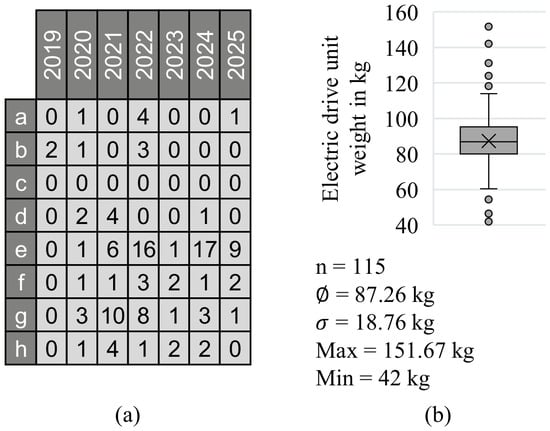
Overview of the different housing structures according to Drexler et al. [25] by model year (a) and an evaluation of the distribution of the electric drive unit’s weight in kilograms (b).

Our Products

Professional networking platform that connects researchers, academics, and scientific professionals, enabling them to showcase their publications, track citations, and collaborate with peers across disciplines worldwide.

Discover

Scientific literature tracking and analysis tool for researchers and institutions. Providing insights on publication trends, citations, and collaborative opportunities.

Discover

Open access book publishing platform for comprehensive scientific works. Offering wide distribution of monographs, edited volumes, and reference works.

Discover

Early sharing of research papers before peer review. Enabling rapid dissemination of findings and community feedback on preliminary work.

Discover

Editor's Choice Articles

  • Review
  • Open Access

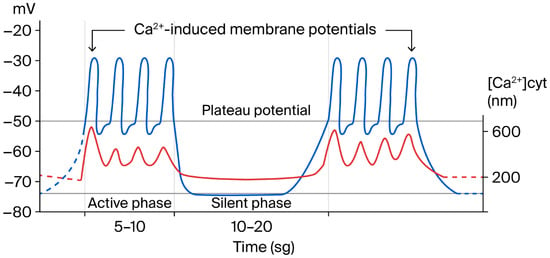
Since the pioneering work of Dean P. M. and Matthews E. K. (1970), more than five decades have elapsed without any consensus on the mechanism responsible for the oscillations of the insulin secretion stimulated by glucose. It was found in our laboratory that β-cells connexin36 hemichannels (Cx36Hs), non-coupled to neighbor’s cells to form gap junction channels, allowed the cytosol communication with the extracellular space under determined circumstances. They are opened by plasma membrane depolarization when expressed in Xenopus oocytes and exhibit a molecular exclusion limit of 1 KD for the diffusion of molecules and ions. There is strong experimental evidence that their opening by high KCl in β-cells leads to loss of adenine nucleotides, amino acids, and K+, provoking a suppression of insulin secretion stimulated by non-glucose secretagogues like branched-chain α-ketoacids. Glucose has been shown to inhibit the opening of Cx36 hemichannels expressed in Xenopus oocytes with a dose dependency like that established for the stimulation of insulin secretion. Islets from mice with a knockout of the connexin 36 were glucose intolerant and did not show any loss of cytosolic molecules by KCl depolarization. The objective of this review is to offer a hypothetical explanation of the possible existence of a functional interaction between K+ATP and Cx36 hemichannels. It is based on the supposition that closure of K+ATP channels might cause the opening of Cx36 hemichannels, contributing to the plasma membrane repolarizations of the silent phases. Nowadays, the alternation of active and silent phases in the oscillating behavior of plasma membrane voltage variations responsible for the oscillating nature of glucose-stimulated insulin secretion is attributed to either oscillation of β-cell glycolysis or mitochondrial metabolism. It is first discussed whether β-cell glycolysis might oscillate like in the skeletal muscle under the light of recent metabolic data. Secondly, the new suggested hypothesis is compared with previous proposals supporting that metabolic or [Ca2+]Cyt oscillations drive β-cell plasma membrane voltage and insulin secretion oscillations stimulated by glucose. The main conclusion is that this new hypothesis supports that mitochondrial oxidative phosphorylation oscillations drive membrane voltage and secretory oscillations.

Curr. Issues Mol. Biol.

17 November 2026

Simulation of β-cell plasma membrane potential and intracellular Ca2+ oscillations of mouse islets induced by glucose stimulation of insulin secretion, adapted from ref. [1]. (Duty cycle: Percent duration of active phase of an oscillation.) Blue curve represents membrane potential (mV) and, red cruve represents cytosolic calcium concentrations.
  • Review
  • Open Access

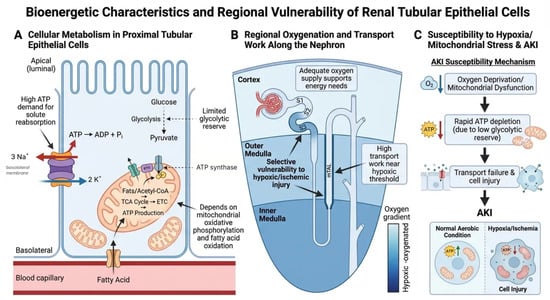
Acute tubular injury (ATI), often called acute tubular necrosis in clinical practice, is a major tissue-injury pattern in acute kidney injury (AKI), although necrosis is variable. Tubular transport places a high demand on mitochondrial ATP production. Ischemia-reperfusion, sepsis, and nephrotoxins disrupt this supply through respiratory dysfunction, calcium and redox imbalance, and mitochondrial DNA stress. The consequences depend on the nephron segment, cause of injury, and timing. This narrative review uses those differences to connect mitochondrial quality control and metabolic adaptation with cell fate, biomarkers, and therapeutic opportunities. We distinguish changes in gene expression or metabolite abundance from measured pathway function, and experimentally supported mechanisms from human associations and clinical intervention results. Human renal physiology, tissue studies, organ-perfusion experiments, and small randomized trials provide useful translational evidence. However, an increase in circulating NAD+ or an encouraging biomarker signal does not establish improved kidney outcomes. The proposed phase-based framework is therefore a guide to testing mechanisms and treatment windows, not a universal sequence from early adaptation to late harm. Clinical translation requires evidence that an intervention reaches its renal target, acts within a relevant window, and benefits patients beyond current supportive care.

Curr. Issues Mol. Biol.

13 November 2026

Bioenergetic architecture and regional vulnerability of renal tubular epithelial cells. Panel (A) emphasizes the oxidative, fatty-acid-supported phenotype of the proximal tubule; panel (B) depicts the corticomedullary oxygen gradient and vulnerable S3 and medullary thick ascending limb regions; panel (C) links oxygen or mitochondrial limitation to ATP-dependent transport failure. Fuel preference and glycolytic capacity differ among nephron segments. In panel A, the Na+/K+-ATPase on the lateral (basolateral) membrane moves three Na+ out of the cell in exchange for two K+ moved in; panel B labels the medullary thick ascending limb (mTAL). Created in BioRender. Tousif, M. (2026) https://BioRender.com/f3lydle (accessed on 1 November 2026). Upward and downward arrows indicate increases and decreases, respectively.
  • Review
  • Open Access

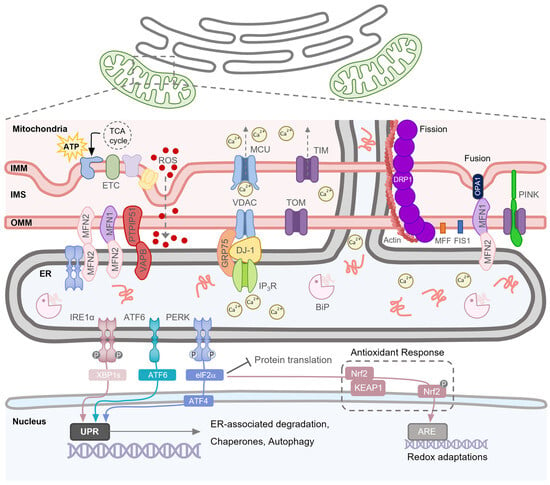
Mitochondrial dysfunction and endoplasmic reticulum (ER) stress are increasingly recognized as coupled, rather than independent, contributors to neurodegeneration, converging at ER–mitochondria contact sites (MERCs) that coordinate Ca2+ transfer, redox signaling, and mitochondrial dynamics. Disruption of this crosstalk is implicated in Alzheimer’s disease (AD), Parkinson’s disease (PD), and amyotrophic lateral sclerosis (ALS). Peroxiredoxins (PRDXs), a family of thiol-dependent peroxidases distributed across distinct subcellular compartments, are positioned to regulate this inter-organelle crosstalk in an isoform-specific manner. This review summarizes evidence that ER-resident PRDX4 supports oxidative protein folding and limits ER stress signaling, mitochondrial PRDX3 restricts peroxide accumulation and mitochondrial oxidative injury, and PRDX2 and PRDX5 regulate ER–mitochondria coupling through effects on mitochondrial trafficking and mitochondrial fission, respectively, although neither is a core structural component of MERCs. We also discuss how PRDX-dependent suppression of ER and oxidative stress may relate to mitochondrial quality control and mitophagy, and how these mechanisms may relate to MERC dysfunction across AD, PD, and ALS. Overall, the evidence suggests that PRDXs act as organelle-specific redox regulators whose loss may contribute to ER–mitochondria dysfunction, and that restoring or supporting PRDX activity represents a possible therapeutic direction.

Curr. Issues Mol. Biol.

12 November 2026

Overview of the ER–mitochondria interface and its regulatory machinery. ER–mitochondria contact sites (MERCs) are physically stabilized by tethering complexes, including the homotypic MFN2–MFN2 and heterotypic MFN2–MFN1 mitofusin tethers (whose precise contribution to MERC tethering remains debated; see Section 3.1), the VAPB–PTPIP51 tether, and the GRP75–DJ-1-stabilized IP3R–VDAC1 Ca2+-transfer complex. Ca2+ released from the ER through IP3R crosses the OMM via VDAC1 and is taken up into the mitochondrial matrix through the mitochondrial Ca2+ uniporter (MCU), supporting TCA-cycle activity and ATP production. Electron leakage from the electron transport chain (ETC) generates mitochondrial ROS. Mitochondrial morphology is governed by opposing fission (DRP1 oligomerization on actin filaments, recruited via the OMM adaptors MFF and FIS1) and fusion (OPA1-mediated inner-membrane fusion together with MFN1/MFN2-mediated outer-membrane fusion) machinery. At the ER membrane, the three canonical UPR sensors—IRE1α, ATF6, and PERK—converge on downstream transcriptional programs that induce ER-associated degradation, chaperone expression, and autophagy; PERK additionally phosphorylates Nrf2, releasing it from KEAP1 to drive antioxidant response element (ARE)-dependent transcription of redox-adaptive genes. The chaperone BiP engages misfolded proteins in the ER lumen.
  • Review
  • Open Access

Genetic and Molecular Basis of Heat Stress Resilience in Pigs: Mechanisms, Genomic Regions, and Breeding Perspectives

  • Vasileios G. Papatsiros,
  • Georgios I. Papakonstantinou and
  • Georgios Michailidis
  • + 4 authors

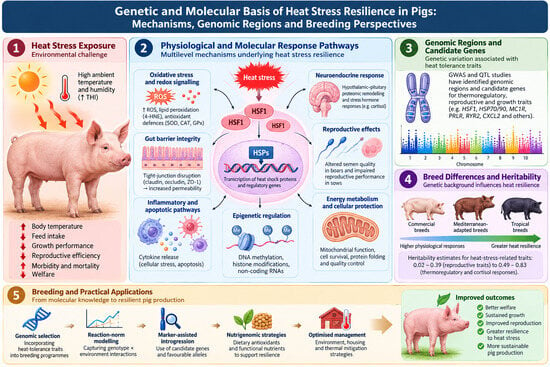
Background/Objectives: Heat stress is one of the most economically and physiologically important constraints on pig (Sus scrofa domesticus) production, affecting welfare, reducing feed intake, growth, and reproductive efficiency, while increasing morbidity and mortality; because pigs lack functional eccrine sweat glands and have a limited capacity for evaporative heat dissipation, their ability to cope with high ambient temperature depends heavily on behavioral, physiological, and cellular stress-response mechanisms, which vary among individuals and genetic backgrounds. This review synthesizes current knowledge of the genetic and molecular pathways underlying the pig heat-stress response, spanning the HSF1–heat shock protein axis and epigenetic regulation, as well as genomic regions, candidate genes, nutrigenomic modulation, and reproductive consequences in boars and sows. Methods: A narrative literature review, informed by key principles of the PRISMA 2020 statement, synthesized 58 peer-reviewed transcriptomic, genomic, epigenomic, proteomic, and physiological studies published mainly between 1998 and 2026. Results: Heat exposure activates HSF1-driven heat shock protein transcription, oxidative stress, gut tight-junction disruption, hypothalamic–pituitary proteomic remodeling, and sex-dimorphic apoptotic/inflammatory transcriptional programs that also compromise boar semen quality. GWAS and QTL studies have mapped genomic regions and candidate genes for thermoregulatory, reproductive, and growth traits. At the same time, breed comparisons suggest, but do not prove on their own, a genetic contribution to the smaller physiological responses observed in some tropical and Mediterranean-adapted breeds. Heritability estimates for individual heat-stress-related traits, rather than for heat tolerance as a composite phenotype, range from low (0.02–0.20) for reproductive traits, to moderate (0.35–0.39) for thermoregulatory traits in lactating sows, to moderate-to-high (0.49–0.83) for physiological responses to acute heat challenge in gilts; circulating cortisol (h2 ≈ 0.68) is a heritable biomarker of the stress response rather than a measure of heat tolerance itself. Conclusions: Several traits associated with the response to heat stress in pigs are heritable and polygenic, supporting the potential of genomic selection, reaction-norm modeling, and marker-assisted introgression, although functional validation of candidate genes and larger multi-population studies, together with an explicit definition of heat tolerance as a composite selection objective, remain priorities.

DNA

5 November 2026

An integrative overview of the genetic and molecular pathways underlying heat-stress resilience in pigs. Environmental heat stress and an elevated temperature–humidity index (THI) impose anatomical and physiological constraints that trigger cellular and molecular stress responses, including heat-shock and oxidative, inflammatory, neuroendocrine, intestinal, and epigenetic pathways. These responses interact with genomic variation, candidate genes, and breed-specific adaptation to influence thermoregulatory, reproductive, growth, health, and welfare phenotypes. The resulting genetic and phenotypic information can support precision phenotyping, genomic selection, reaction-norm modeling, and complementary management and nutrigenomic strategies for improving heat resilience in pigs. The figure integrates direct porcine evidence with conserved mammalian mechanisms and proposed applications discussed throughout the review.